
How Often Should You Get Dental Cleanings?
Related Posts


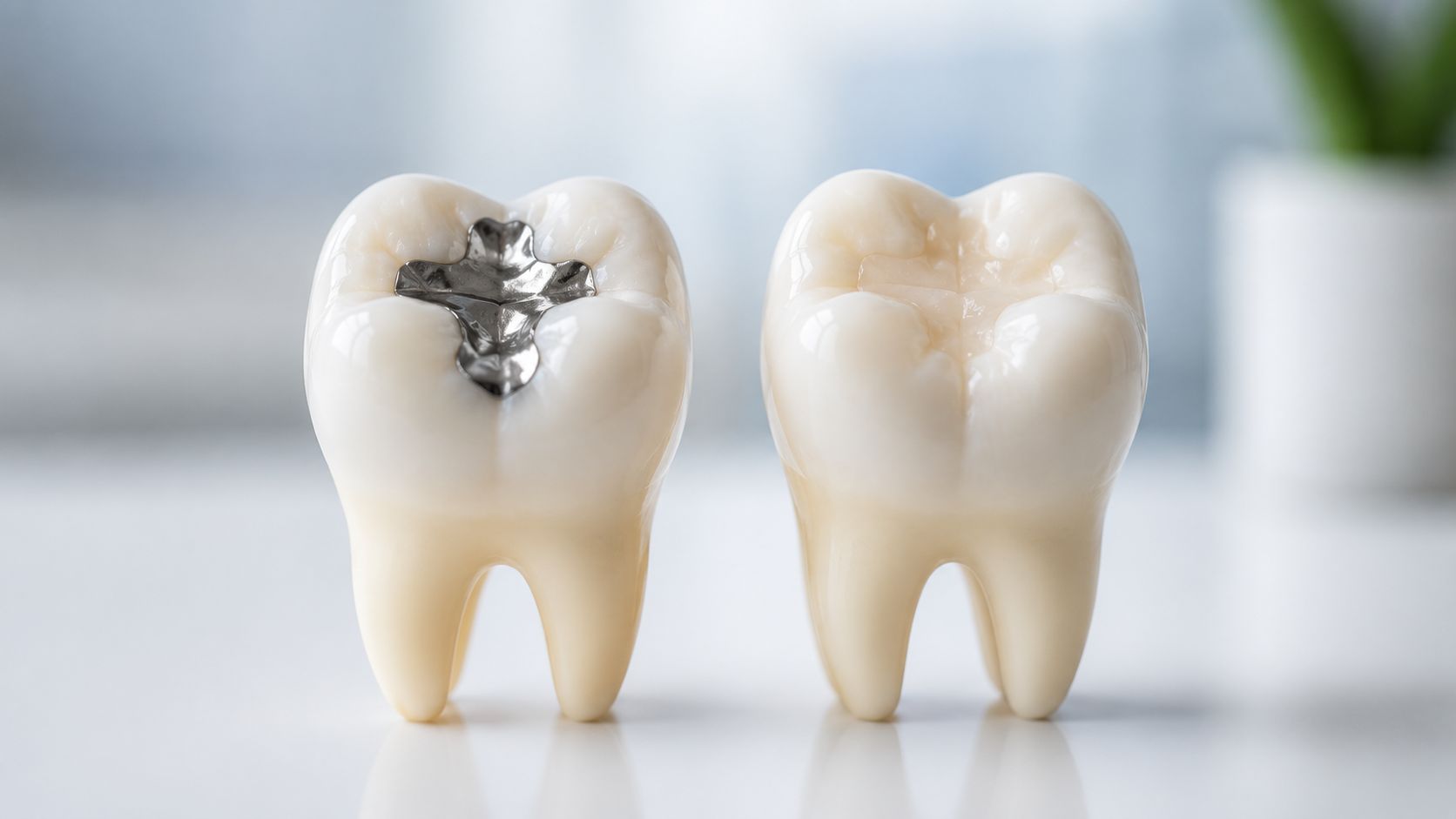





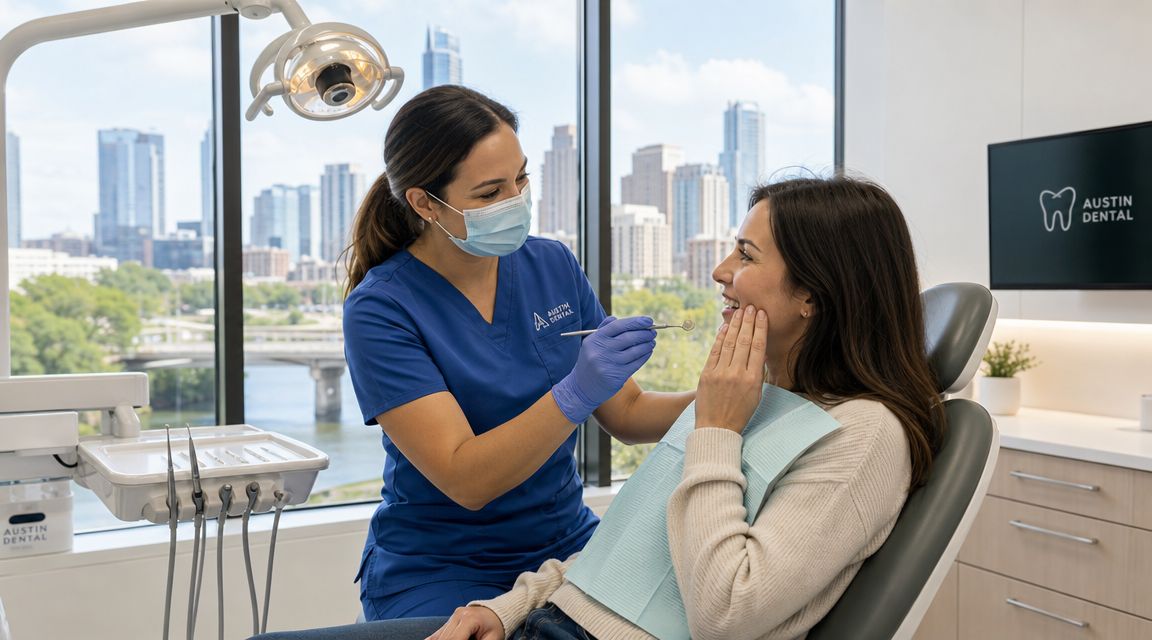


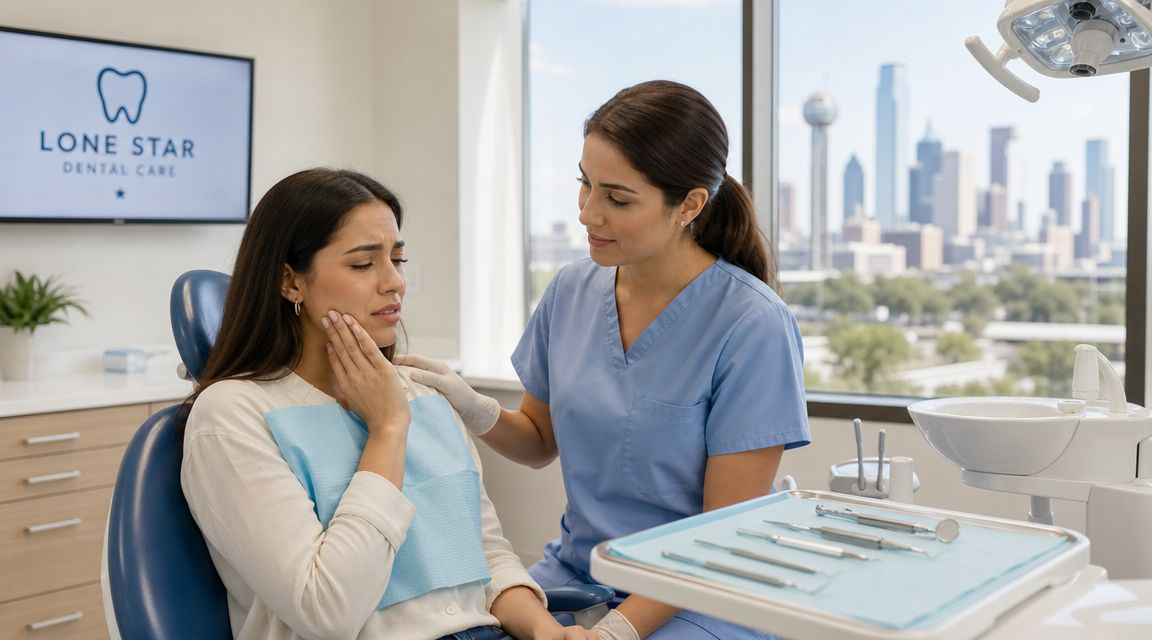

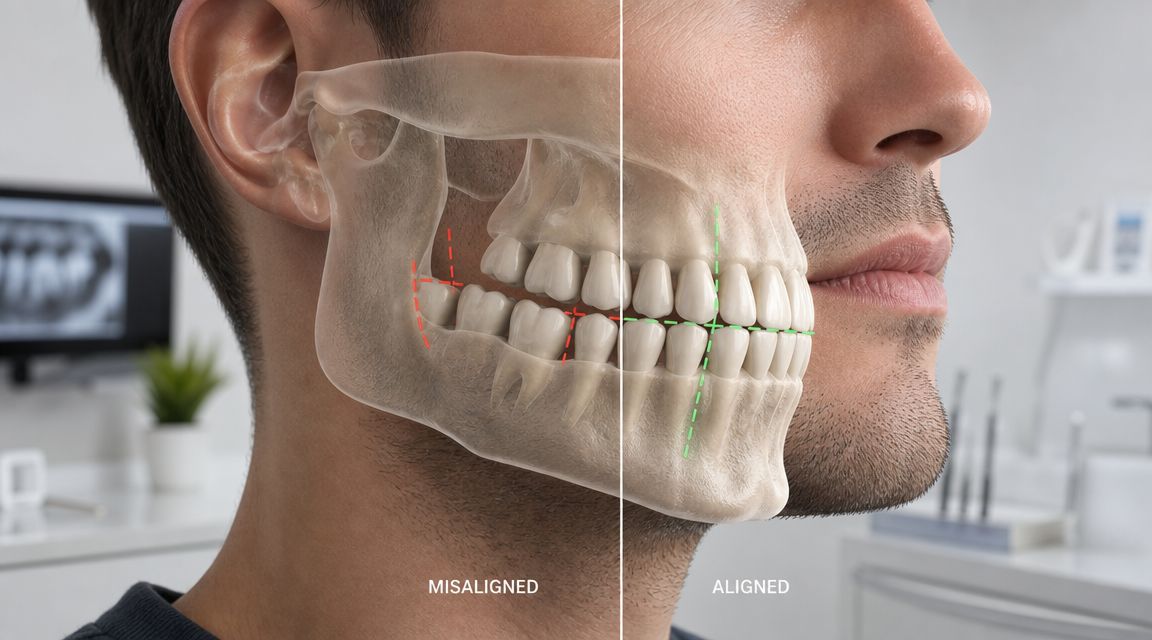

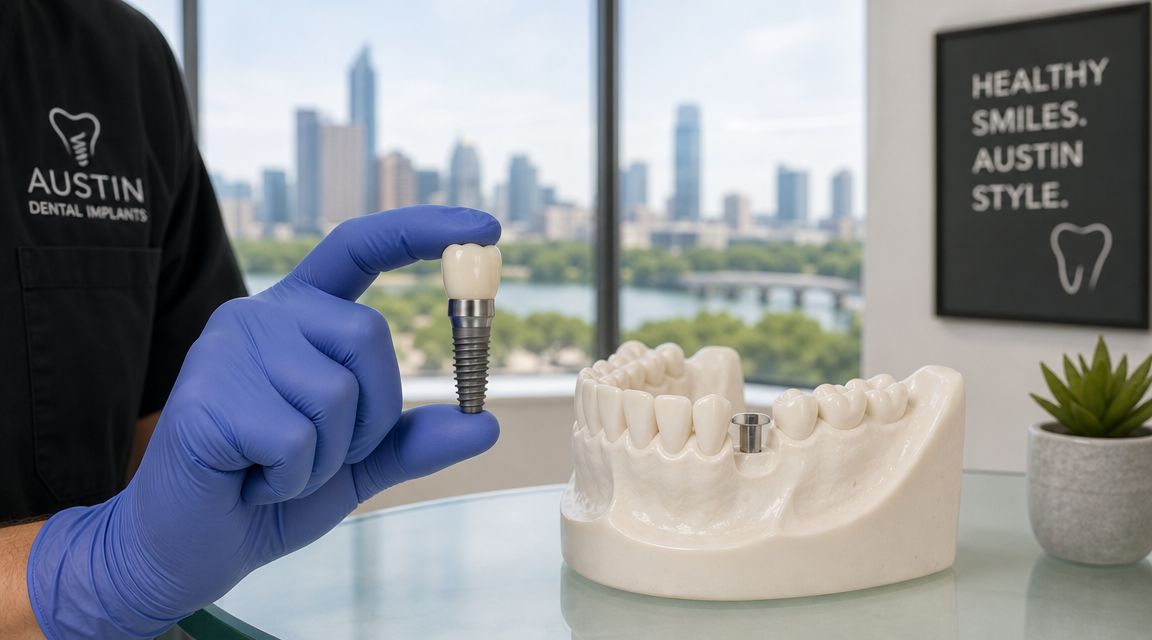

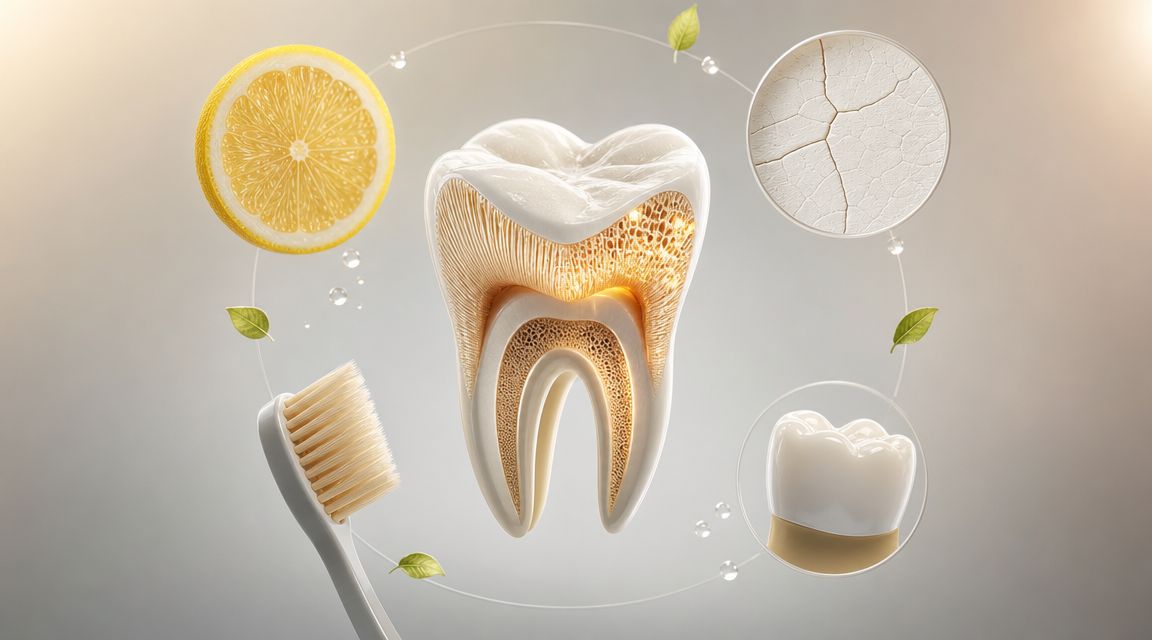
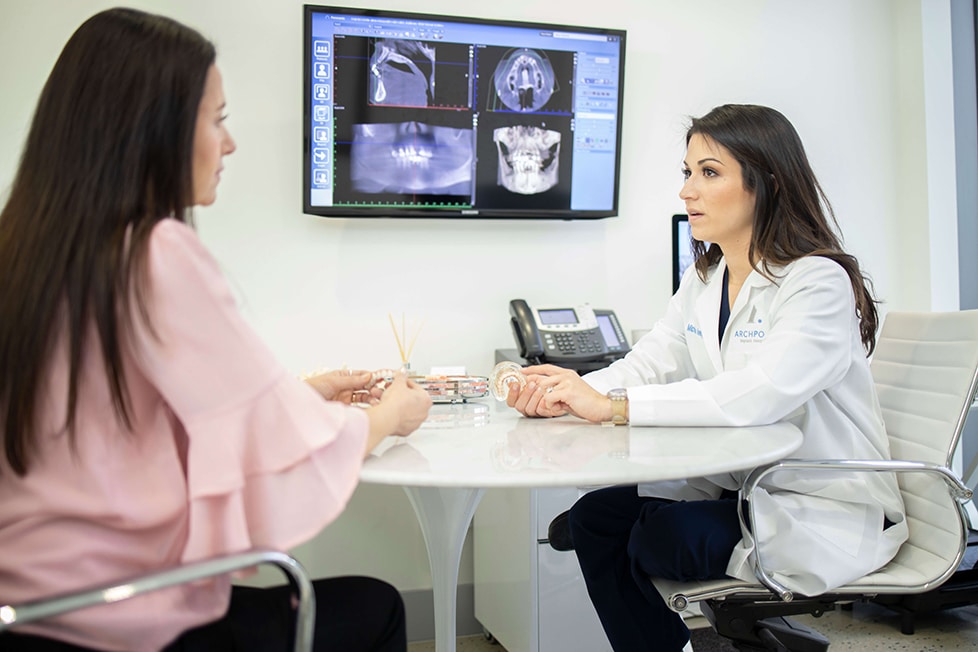

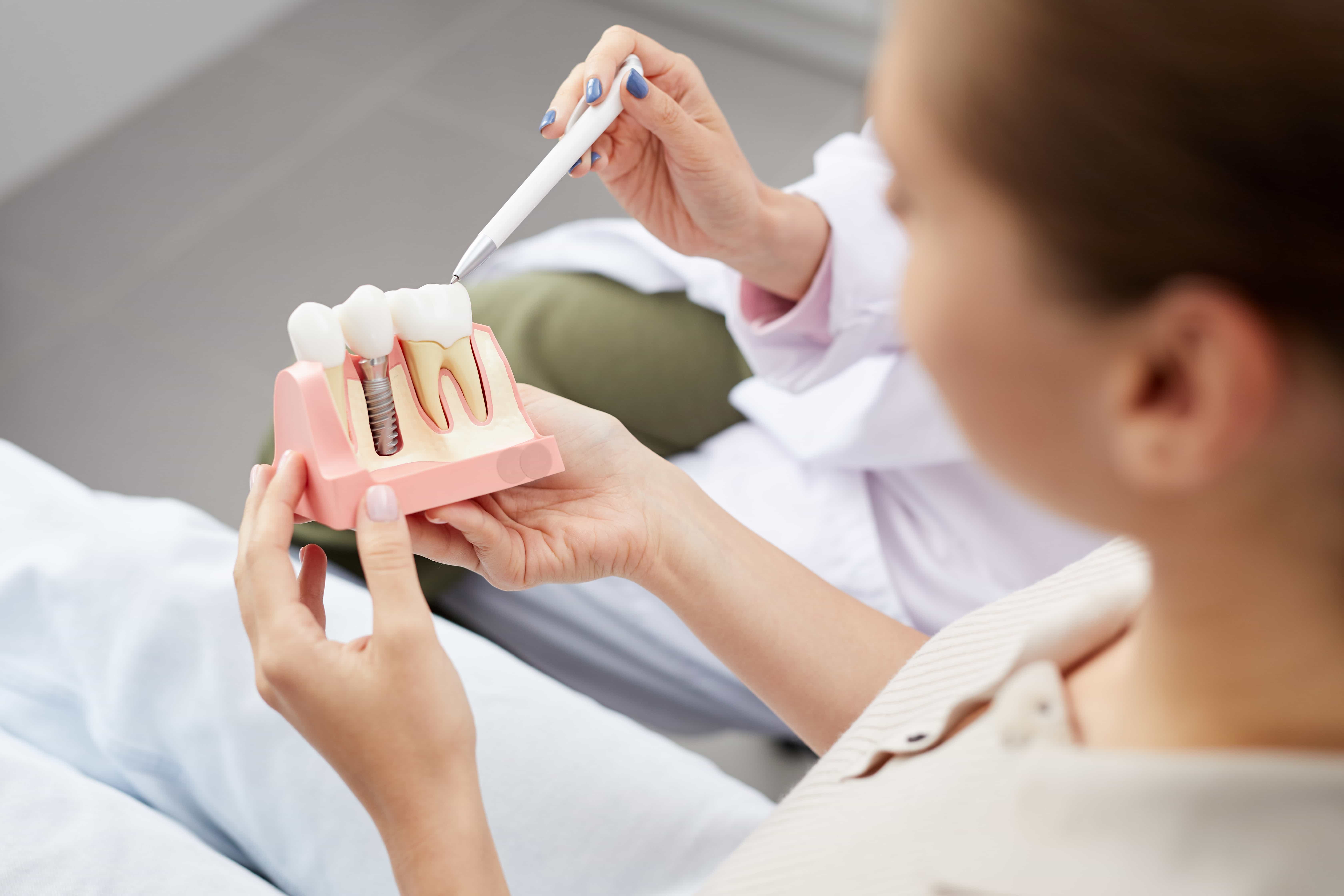
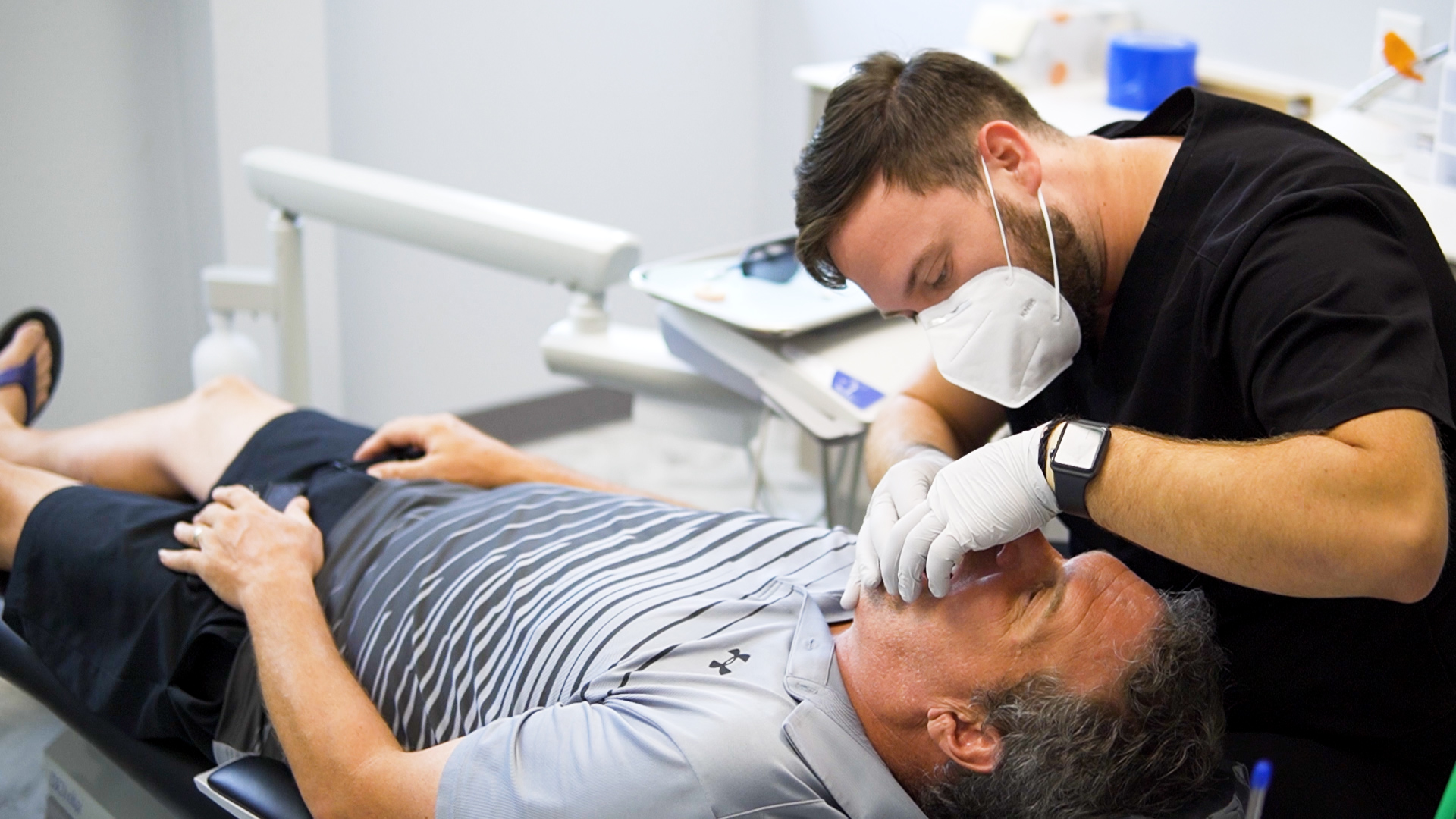
















If you're wondering whether you really need a dental cleaning every six months, you're not alone. A lot of patients in Austin and Georgetown ask that right before booking, especially if their teeth feel fine, they brush daily, and nothing hurts.
The short answer is that for most healthy adults, a professional dental cleaning every 6 months is the common starting point, but it isn't the right schedule for every mouth. Penn Dental Medicine notes that many dentists encourage visits at least every six months and describes that twice-yearly rhythm as a practical rule of thumb, while also emphasizing that risk factors can shorten the interval significantly.
That difference matters. Some patients do well on a standard preventive schedule. Others need more frequent visits because of gum inflammation, medical conditions, tobacco use, braces, implants, or a history of periodontal problems. Good dentistry isn't about forcing everyone into the same calendar. It's about matching care to the way your mouth behaves over time.
Your Guide to Dental Cleanings in Austin and Georgetown
People usually ask this question in one of two moments. They either got a reminder card and are wondering if the visit is really necessary, or they know they're overdue and want to know whether they've waited too long.
Both situations are common. Both deserve a clear answer.
For most healthy adults, the six-month cleaning is still the standard benchmark. It gives your dental team regular chances to remove buildup, evaluate the gums, and catch small problems before they turn into painful or expensive ones. But modern preventive care works best when it's personalized.
Why the six month answer isn't the whole story
A fixed schedule sounds simple, but mouths aren't identical. One person builds tartar quickly even with solid home care. Another keeps their gums stable for longer. A patient with diabetes, pregnancy-related gum changes, or a history of gum disease may need a shorter interval than someone with very low risk.
Practical rule: Start with the usual six-month benchmark, then adjust based on gum health, buildup patterns, and risk factors.
That's the framework many patients are looking for when they search for a dentist near me or a dentist in Austin, TX. They don't just want a polishing appointment. They want to know what protects their teeth and gums.
A local approach that fits real life
In Austin, Georgetown, Wells Branch, Cedar Park, Round Rock, and Liberty Hill, patients have different routines, stress levels, diets, and medical histories. A realistic cleaning plan has to account for all of that. If your schedule has changed, if you've started orthodontic treatment, if you're managing dry mouth, or if your gums bleed when you floss, your cleaning frequency may need to change too.
The goal isn't to make you come in more often than necessary. The goal is to keep your mouth healthy with the least invasive care possible.
The Importance of Routine Six-Month Dental Exams
A six-month cleaning matters for more than fresh breath and smooth teeth. The ultimate value is prevention.
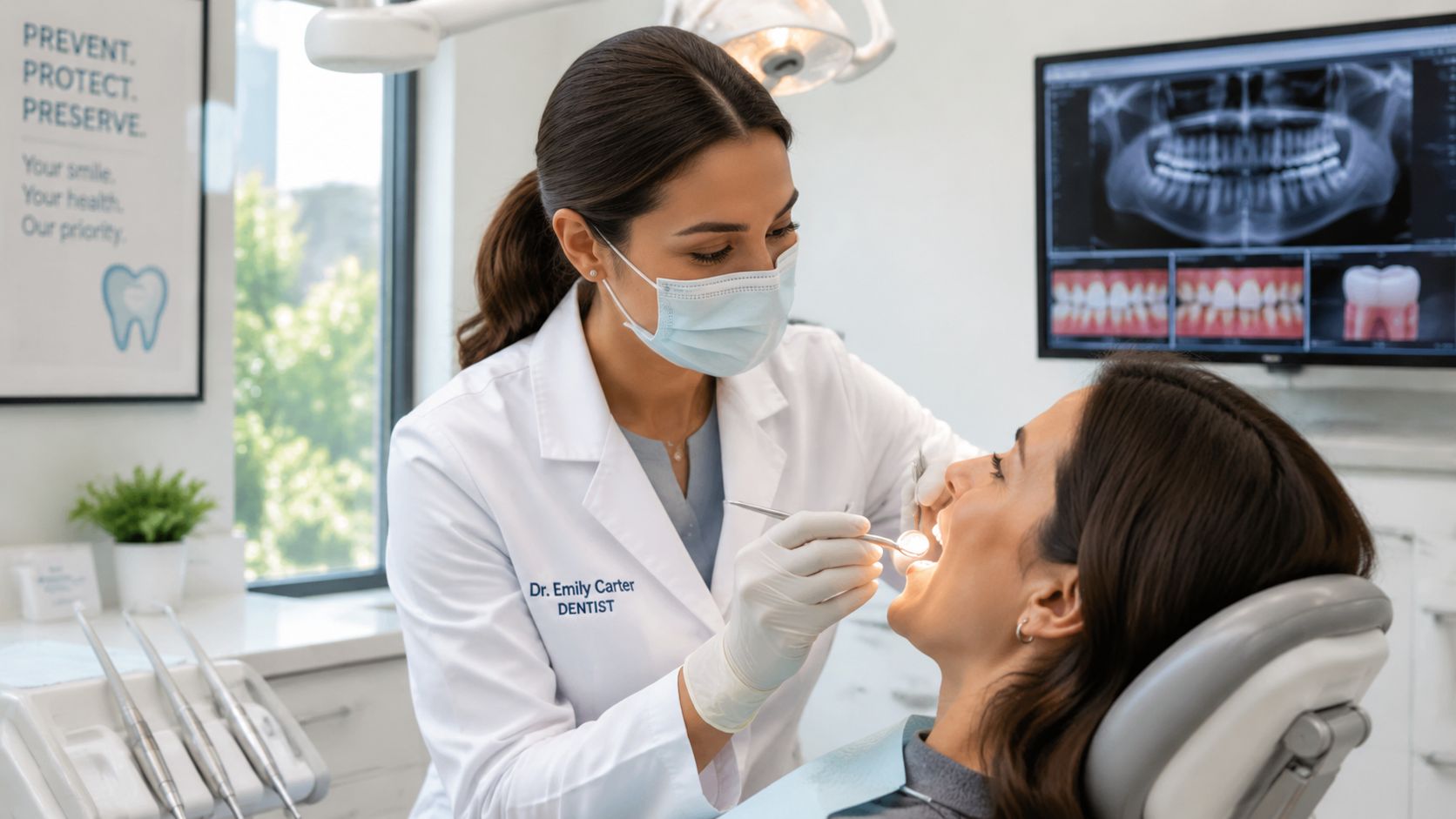
For low- to average-risk adults, the common six-month benchmark lines up with how plaque typically matures into calculus, or tartar, which becomes difficult to remove at home. Hamilton Lakes Dentistry explains that a professional cleaning every 6 months is used to disrupt biofilm before bacterial recolonization can drive gum inflammation.
What brushing does well and what it can't do
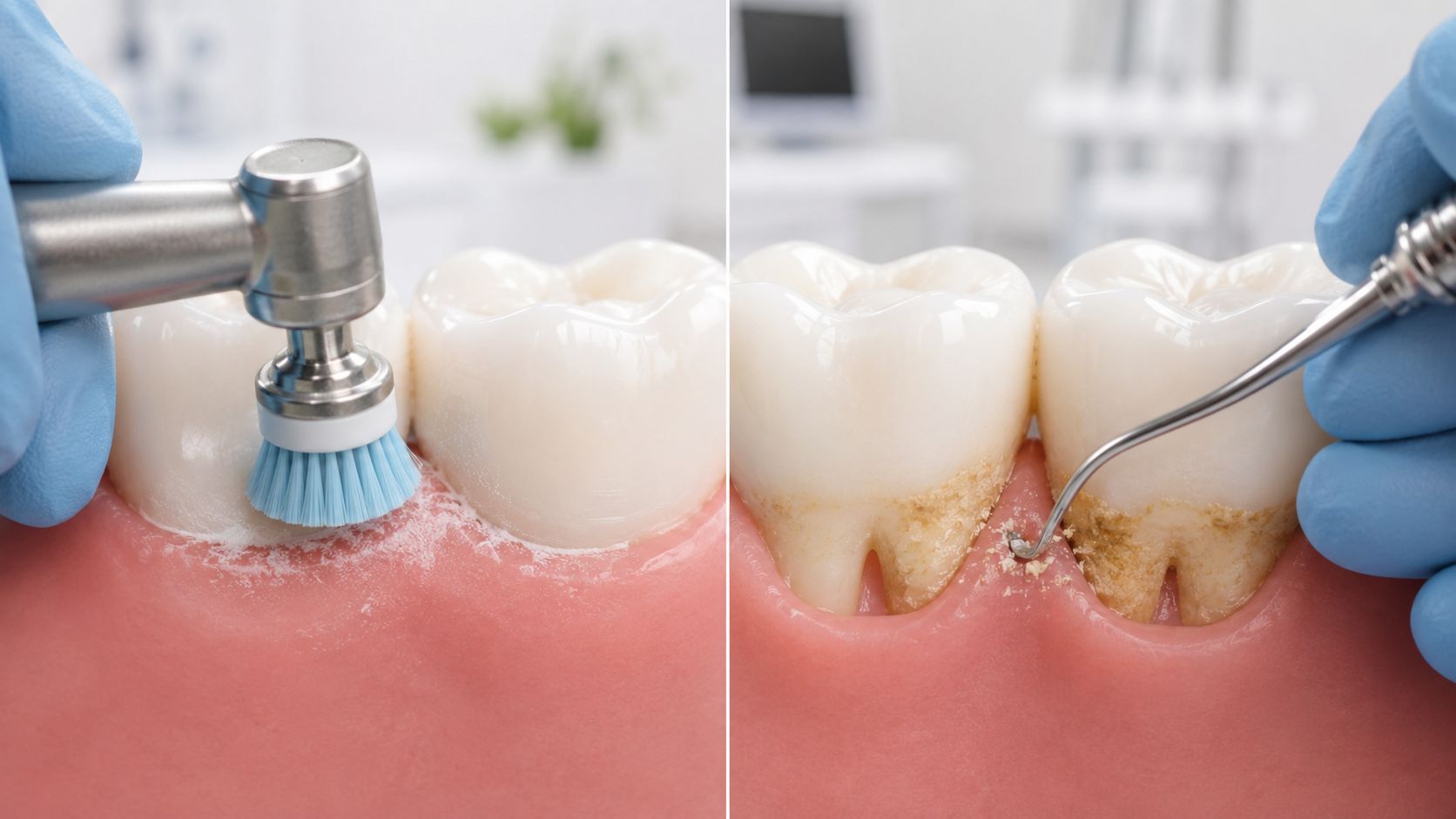
Daily brushing and flossing are essential. They remove soft plaque and lower the bacterial load in the mouth. But once plaque hardens into tartar, your toothbrush can't take it off.
That matters because tartar creates a rough surface where more plaque can collect. Over time, that buildup can contribute to bad breath, irritated gums, and the kind of early changes that often don't hurt at first.
Why routine exams are part of the same visit
A cleaning visit is also an exam visit. That's where preventive care becomes more powerful than a simple polish. During regular checkups, dentists look for signs of decay, wear, gum changes, bite issues, and problem spots that patients usually can't see on their own.
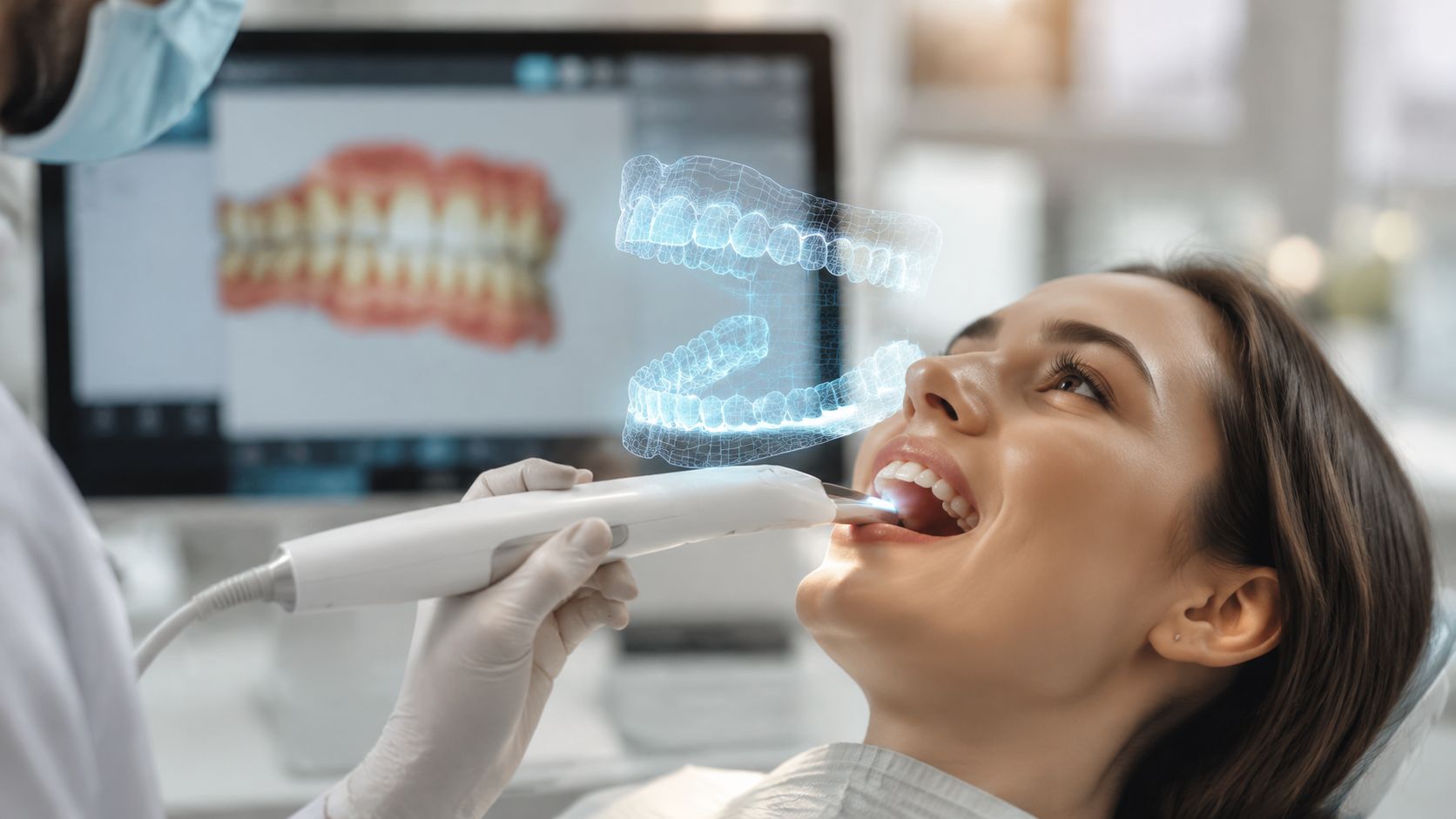
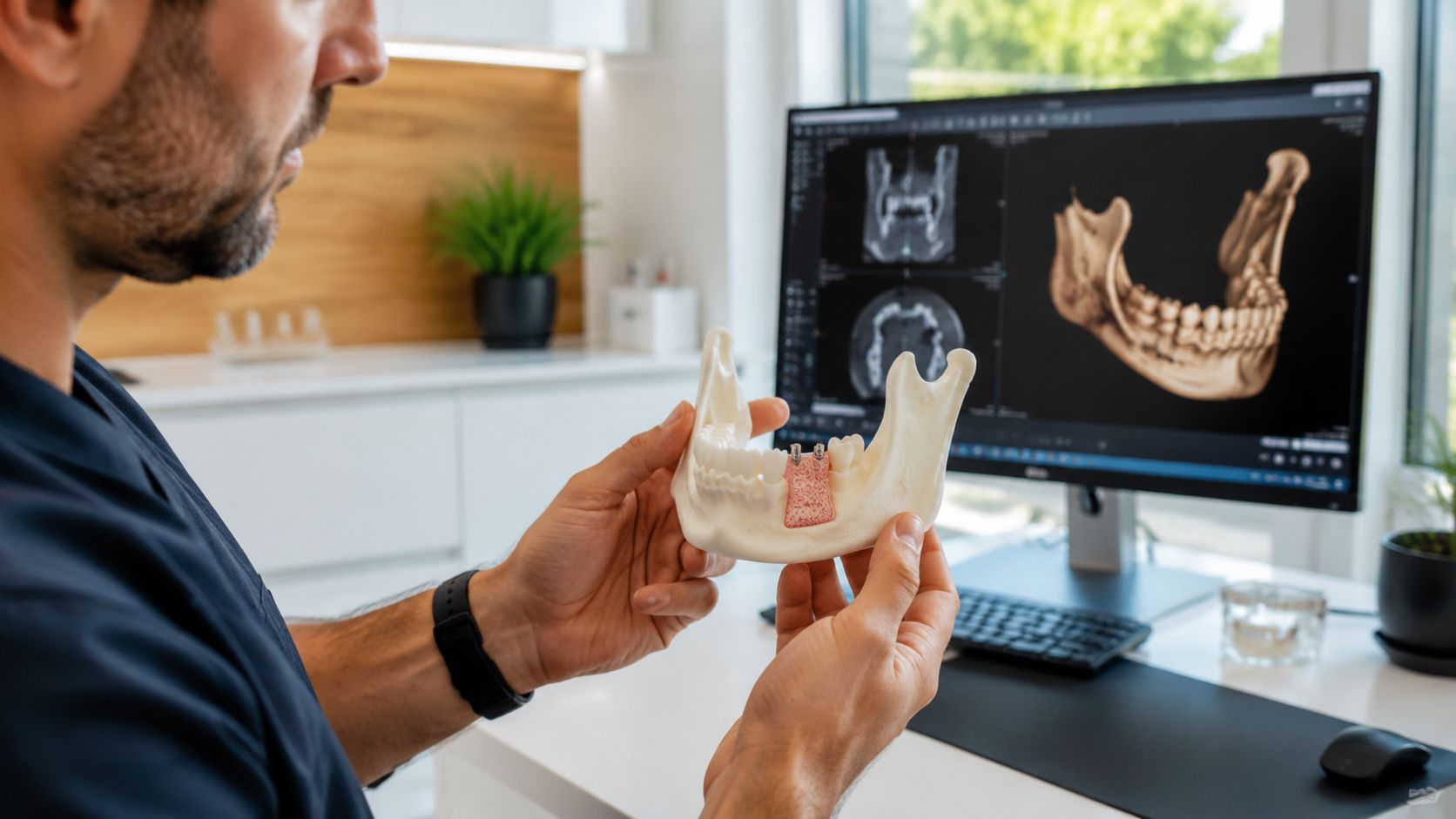
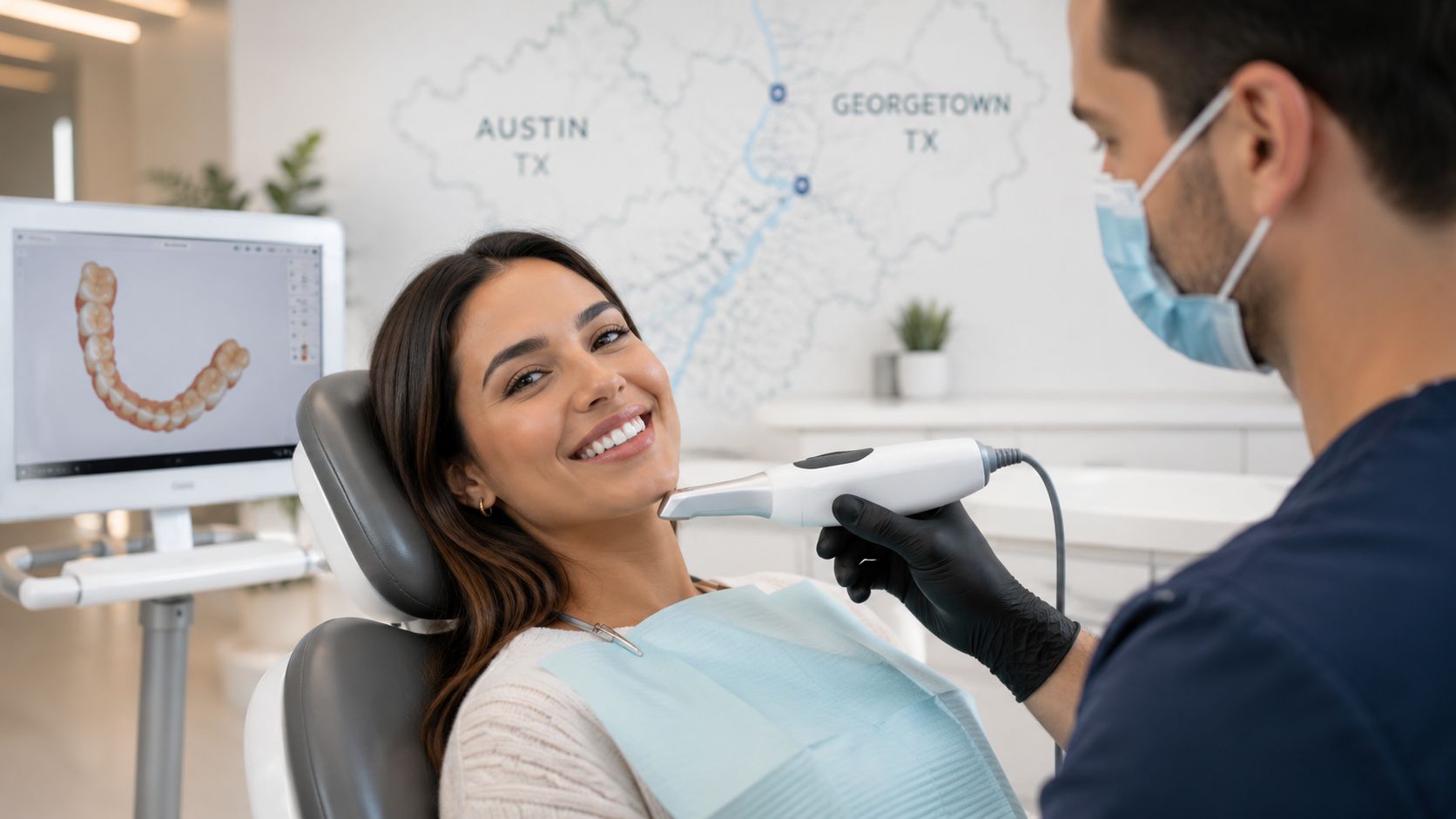
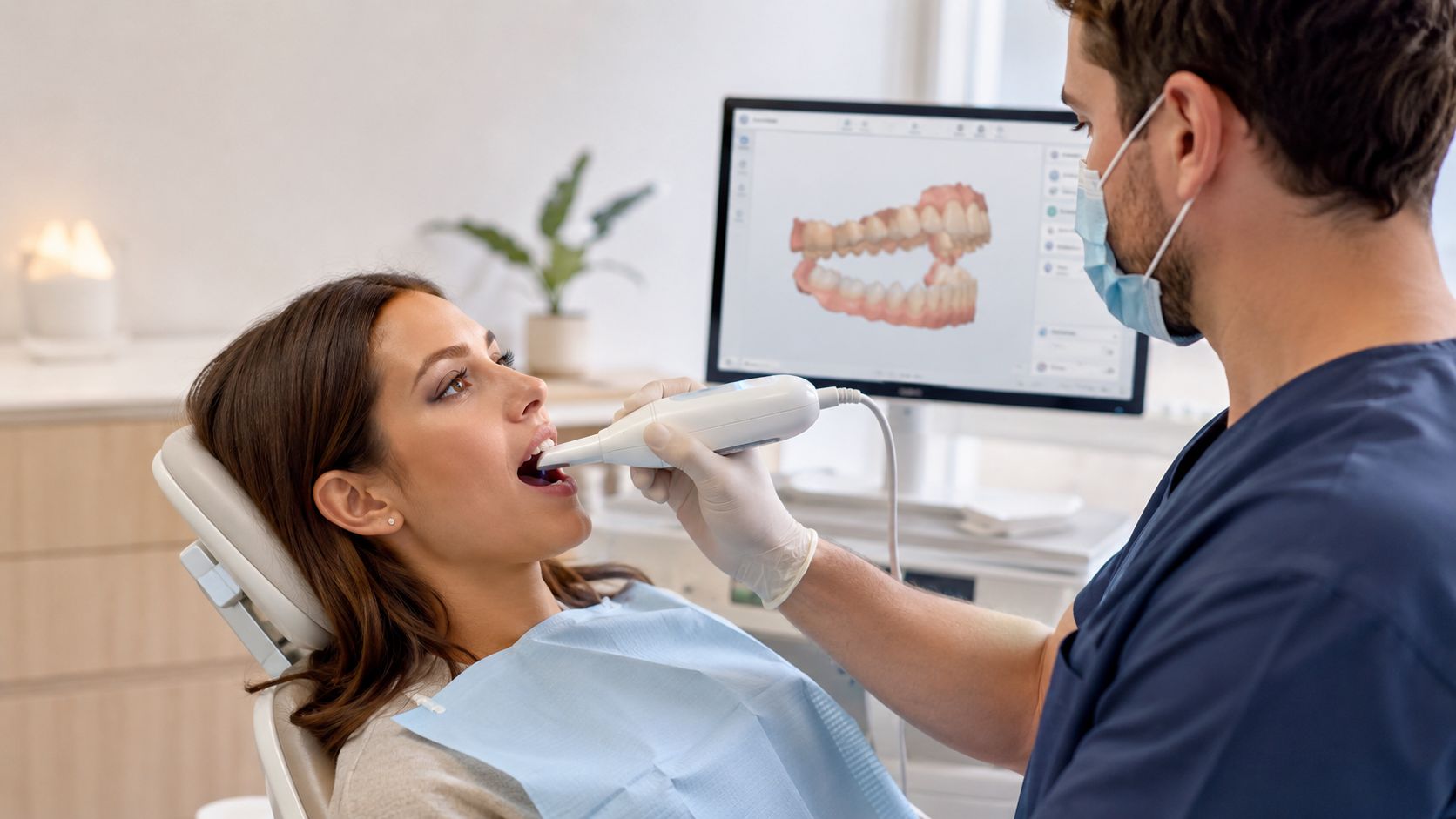
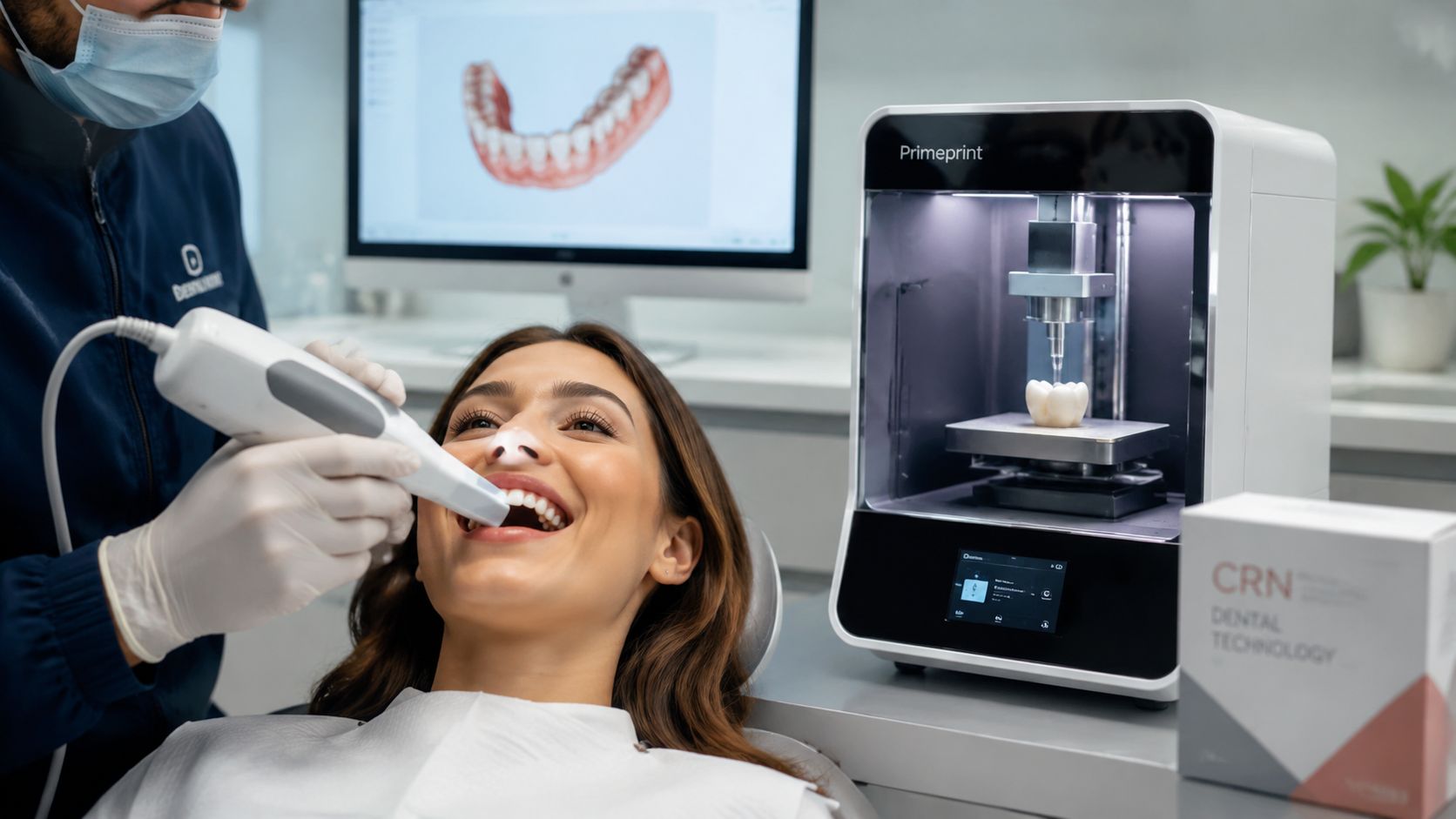
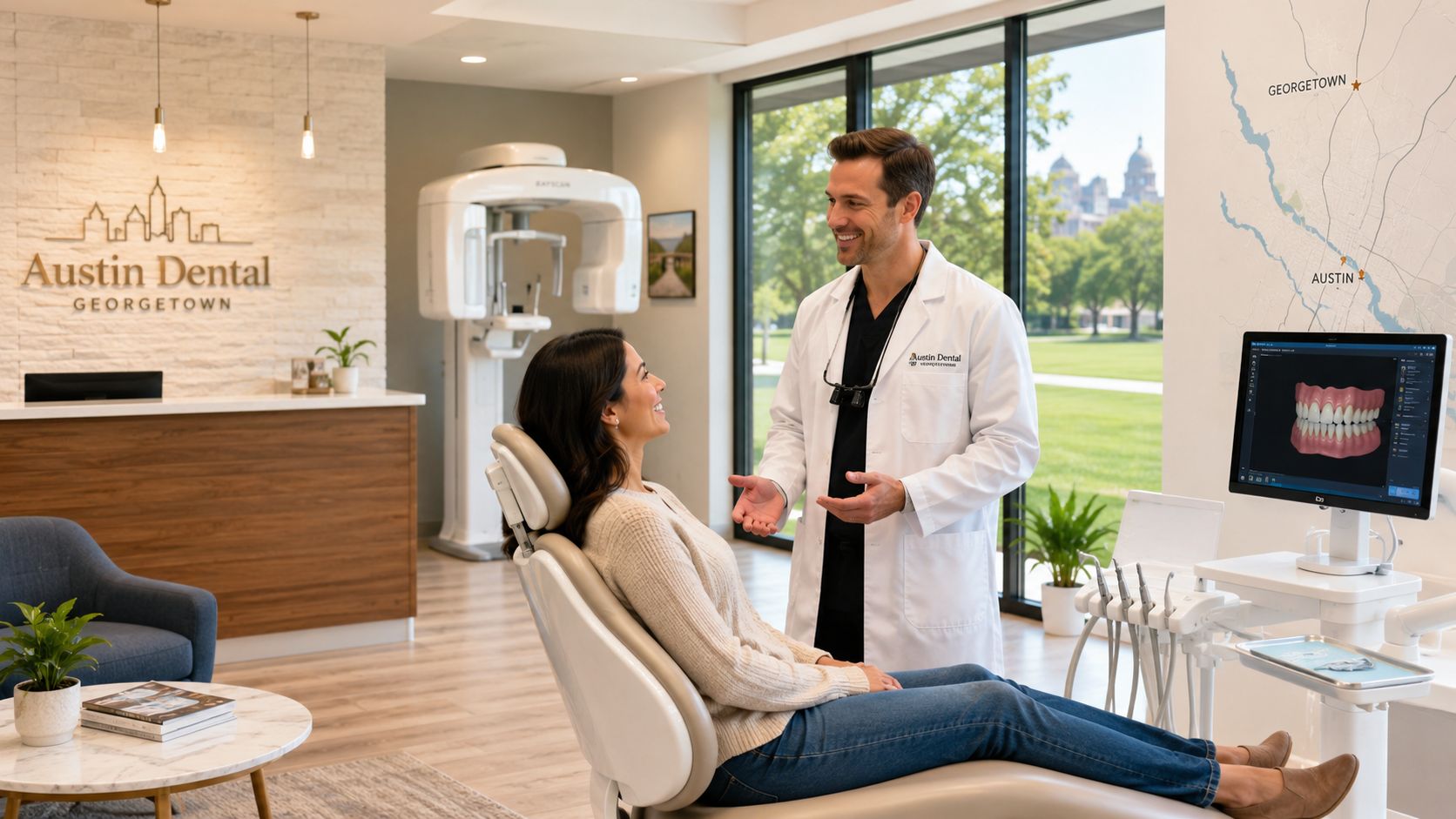
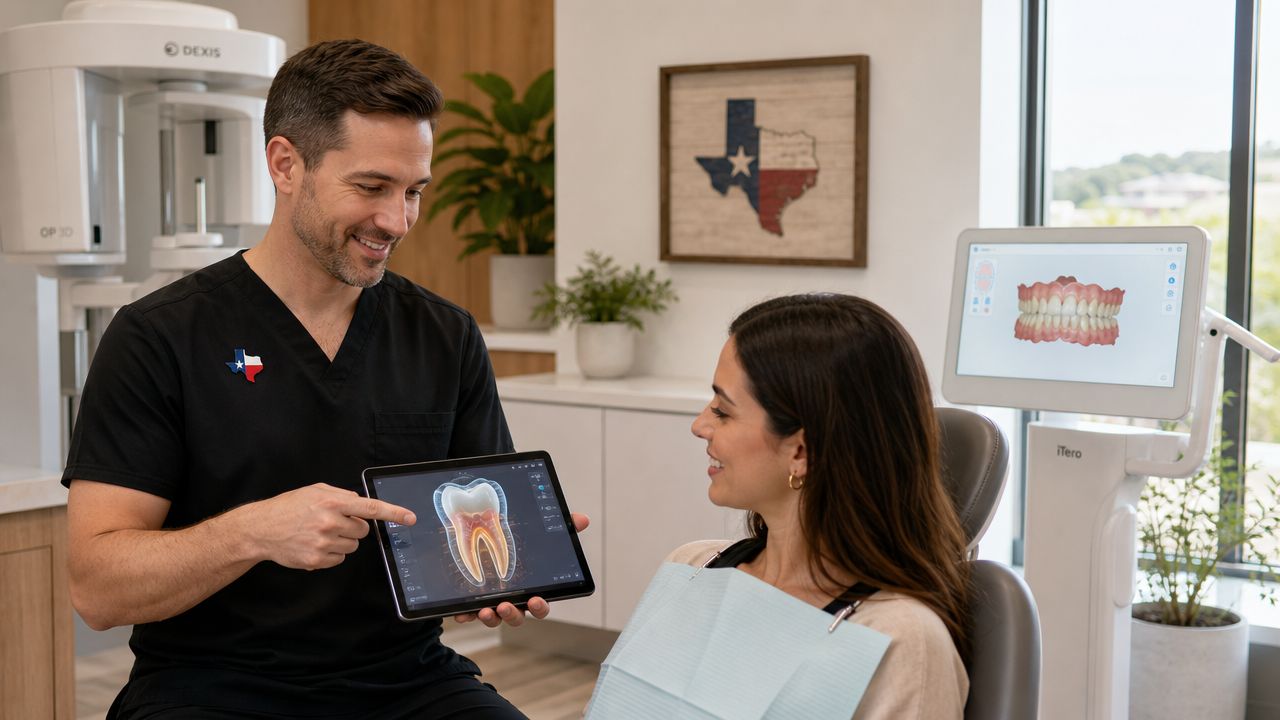
At 3D Dental, one option for patients in Austin and Georgetown is a preventive visit that may include digital x-rays, intraoral scanning, and a close review of existing dental work when clinically appropriate. Tools like low-radiation digital imaging and 3D CT technology help evaluate concerns early, especially when symptoms haven't started yet.
A quick visual overview can help patients understand the process:
What routine prevention often helps avoid
Patients usually feel the benefit of preventive care later, not during the appointment itself. That's the point. The aim is to reduce the chance that a small issue grows into something that needs restorative dentistry, a tooth extraction, emergency treatment, or a more involved gum procedure.
A standard cleaning schedule often works well when your mouth is stable. It doesn't work well when risk has increased and nobody adjusts the plan.
A cleaning should be judged by what it helps you avoid, not just by how your teeth feel when you leave.
Factors That Require More Frequent Dental Cleanings
The most useful answer to how often should you get dental cleanings is often, "It depends on your risk." Some patients need a shorter recall because their gums or teeth are more vulnerable between visits.
When periodontal risk is increased because of factors like diabetes or smoking, the interval typically shortens to 3 to 4 months. Haru Dental explains that pathogenic biofilm can repopulate quickly, so more frequent visits are used to interrupt recurrence cycles before attachment loss progresses.

Gum disease changes the schedule
If you have gingivitis or periodontitis, a standard preventive cleaning may not be enough. Inflamed gums, deeper pockets, and bacterial buildup under the gumline create a different clinical situation. These patients often need periodontal treatment and closer maintenance to keep the condition from returning.
This is one reason patients looking for a dentist in Georgetown, TX or a dentist near me shouldn't rely on generic online advice alone. Gum health has to be measured, not guessed.
Medical and lifestyle factors that raise risk
Some of the biggest reasons to shorten the interval include:
- Diabetes: Blood sugar issues can make it harder for the body to respond to infection and inflammation in the gums.
- Smoking or vaping: Tobacco exposure increases the chance of gum problems and can make healing less predictable.
- Pregnancy: Hormonal changes can make gums more reactive, even when home care habits are unchanged.
- Dry mouth: Less saliva means less natural cleansing and less protection against buildup and decay.
- A history of cavities or fast tartar buildup: Some mouths collect deposits more quickly than others.
Braces, implants, and plaque-retentive areas
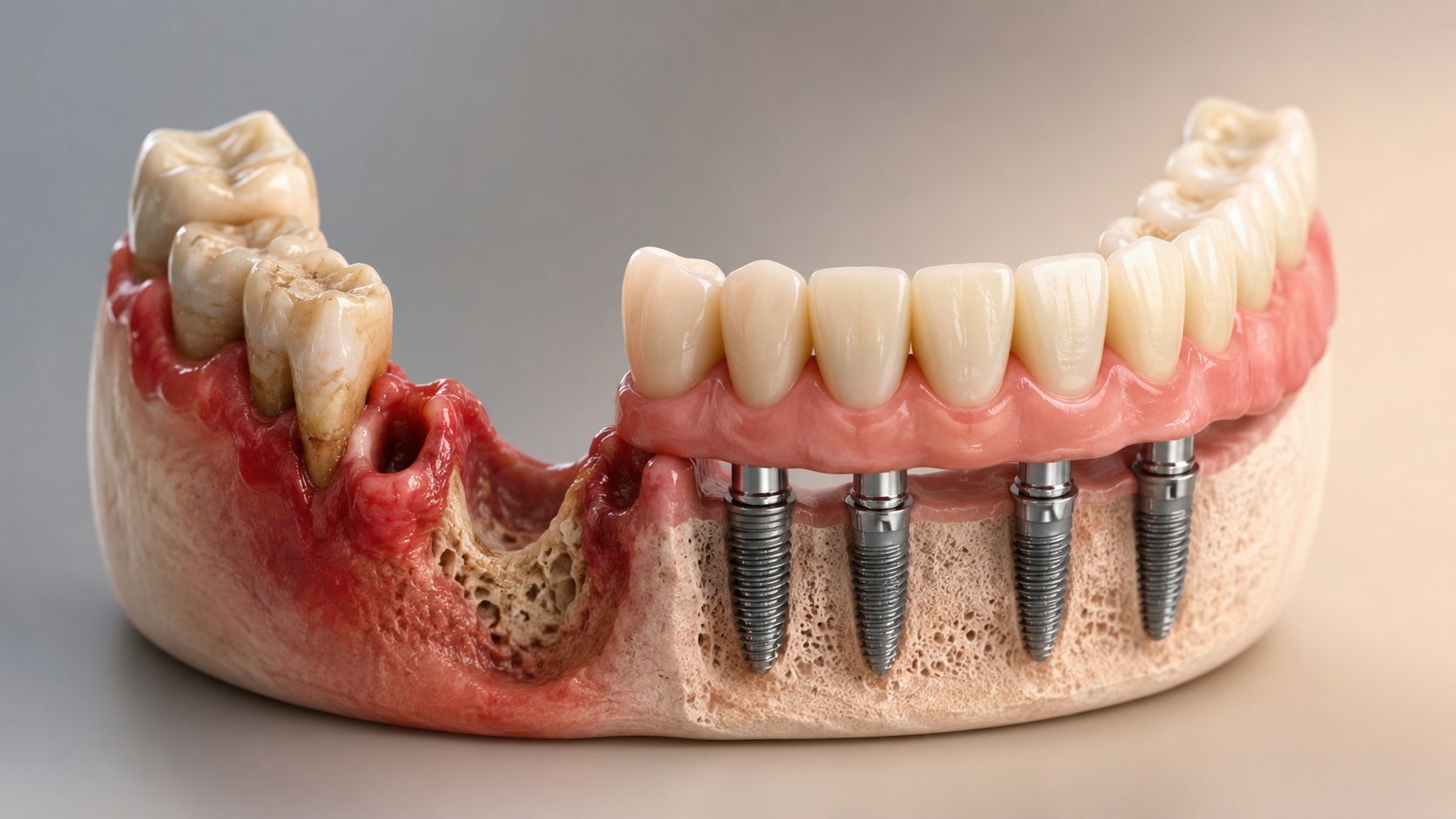
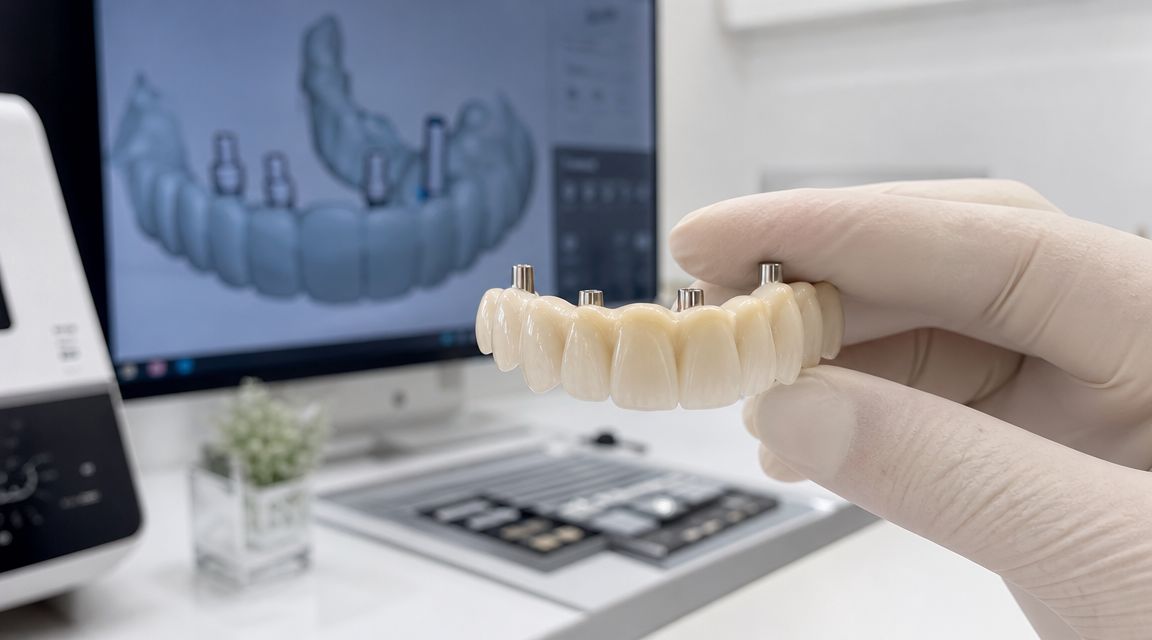
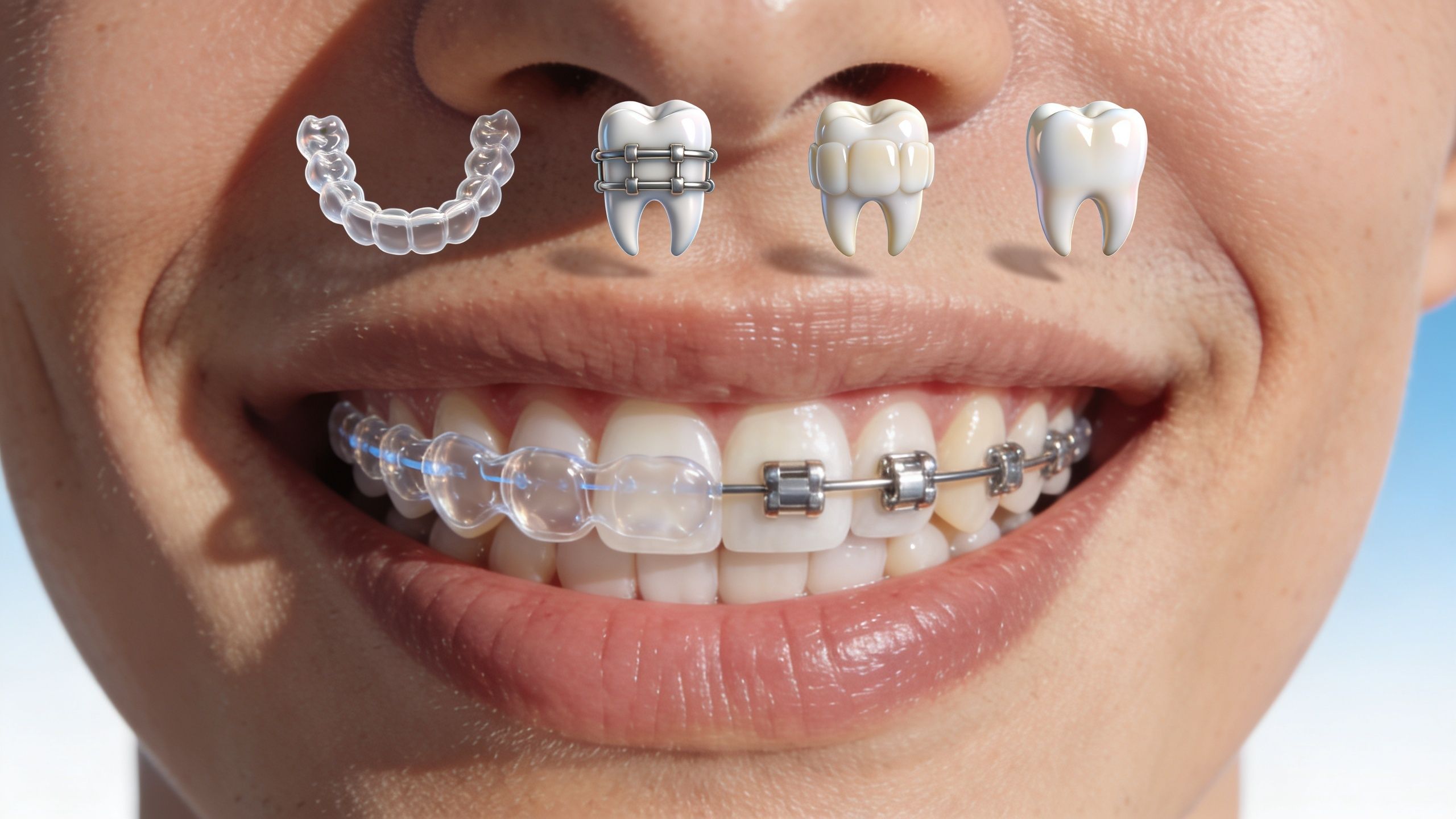
Orthodontic treatment creates more surfaces where plaque can hide. Patients with braces often need closer preventive support because brackets and wires make home care harder. The same idea applies around some restorations and dental implants. Implant maintenance isn't identical to natural-tooth maintenance, but both depend on controlling plaque and inflammation.
If you're comparing options for cosmetic dentist near me, dental implants near me, or routine cleaning and exams in Austin, the important question is whether the office customizes follow-up care after treatment. A beautiful result doesn't stay healthy on appearance alone.
Needing more frequent cleanings doesn't mean you've failed. It usually means your mouth needs more support.
Personalized Dental Cleaning Schedules
A personalized schedule is easier to understand when you compare common patient profiles side by side. These aren't rigid rules. They're practical starting points that should be confirmed after an exam.
Recommended Dental Cleaning Frequencies
| Patient Profile | Recommended Cleaning Frequency |
|---|---|
| Low-risk adult with healthy gums and low buildup | Every 6 months |
| Patient with braces or other orthodontic appliances | More frequent visits may be recommended based on plaque retention and gum response |
| Higher-risk patient with factors such as smoking, diabetes, or rapid tartar buildup | Often every 3 to 4 months |
| Patient with active or past periodontitis | Every 3 to 4 months periodontal maintenance is commonly recommended |
This comparison is where personalized care becomes useful. Two patients can have the same age, the same brushing habits, and very different recall needs. One may stay stable with routine cleanings and exams. Another may need shorter intervals because inflammation returns quickly or because home care is harder around appliances or restorations.
What determines your category
Dentists look at more than whether your teeth "feel clean." They consider your gum condition, bleeding, tartar pattern, past treatment history, medical background, and how your mouth changes between appointments.
If your mouth stays healthy and easy to maintain, your schedule may remain simple. If it doesn't, the right answer is not to wait longer and hope for the best. It's to build a schedule that matches the problem early.
What to Expect at Your Cleaning in Austin or Georgetown
For many patients, the hardest part of scheduling isn't the cleaning itself. It's not knowing what the visit will feel like, how long it takes, or whether they'll be lectured for being overdue.

A well-run preventive visit should feel straightforward. You arrive, check in, and get settled without a lot of confusion. For patients coming from Austin, Georgetown, Wells Branch, Round Rock, Cedar Park, or Liberty Hill, convenience matters almost as much as clinical quality.
The first part of the appointment
Most appointments start with updated health information and a review of any concerns you've noticed, such as sensitivity, bleeding, jaw soreness, or a spot that's catching floss. If x-rays or digital images are needed, those are taken before the cleaning so the dentist has a fuller picture.
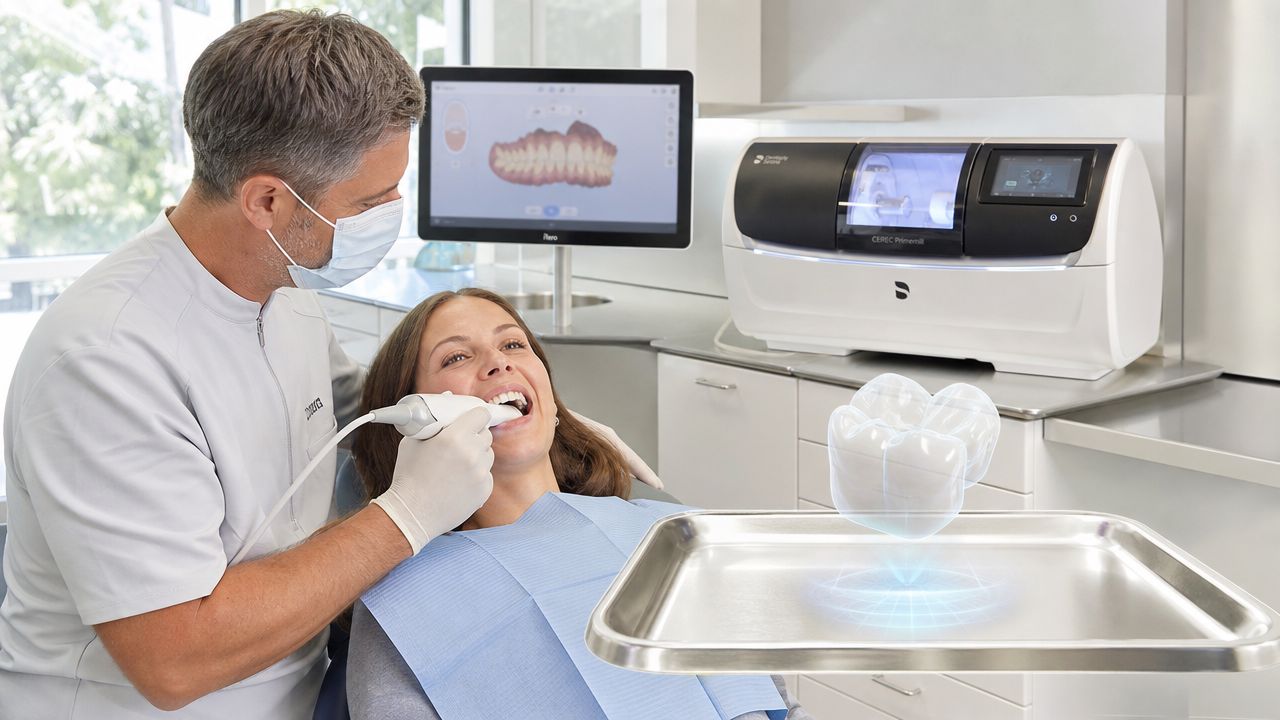
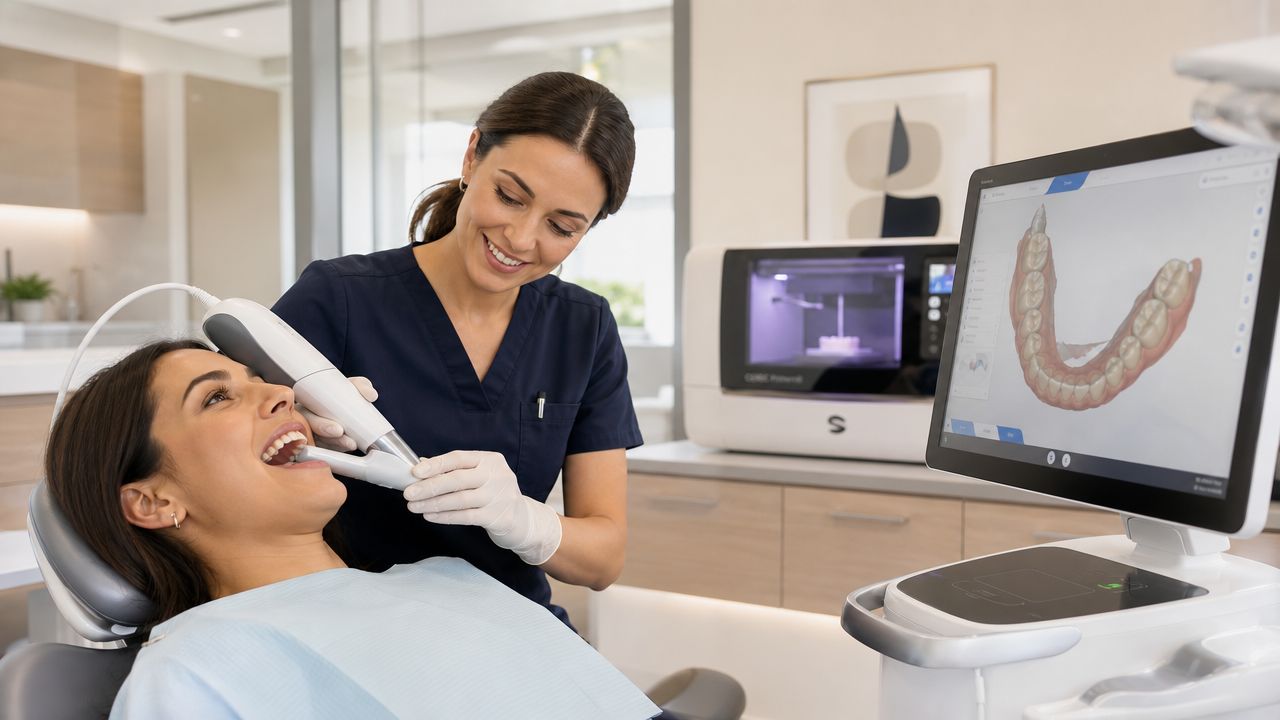
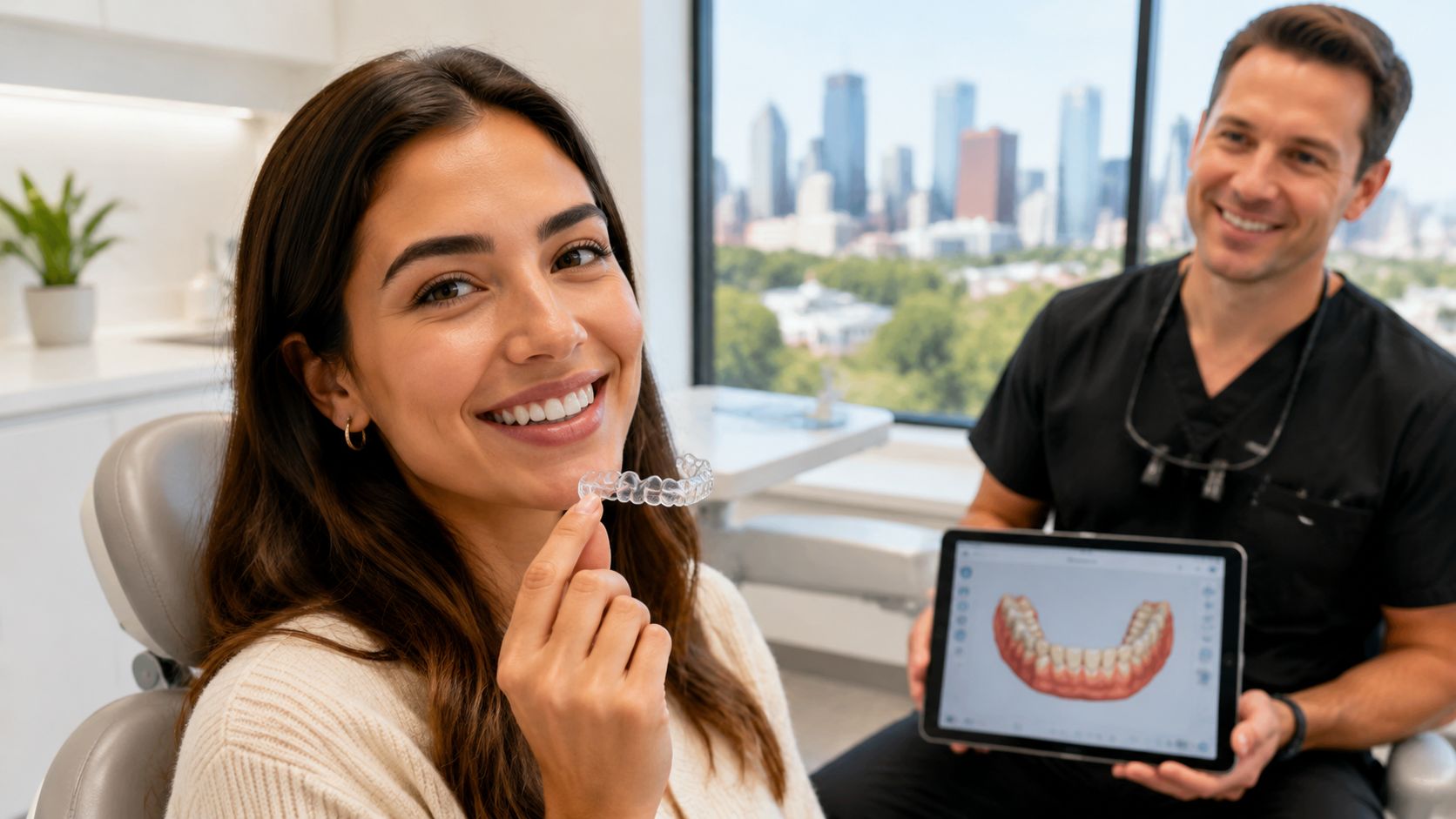
Many modern offices also use intraoral scanners instead of messy traditional impressions when imaging is needed for treatment planning. That makes the visit easier for patients who gag easily or just want a more comfortable experience.
The cleaning itself
Your hygienist removes buildup, checks the gums, and cleans the areas that are difficult to maintain at home. The approach should be thorough but gentle. If a certain area is tender, that matters. If you have implants, crowns, bridges, braces, or gum recession, that matters too.
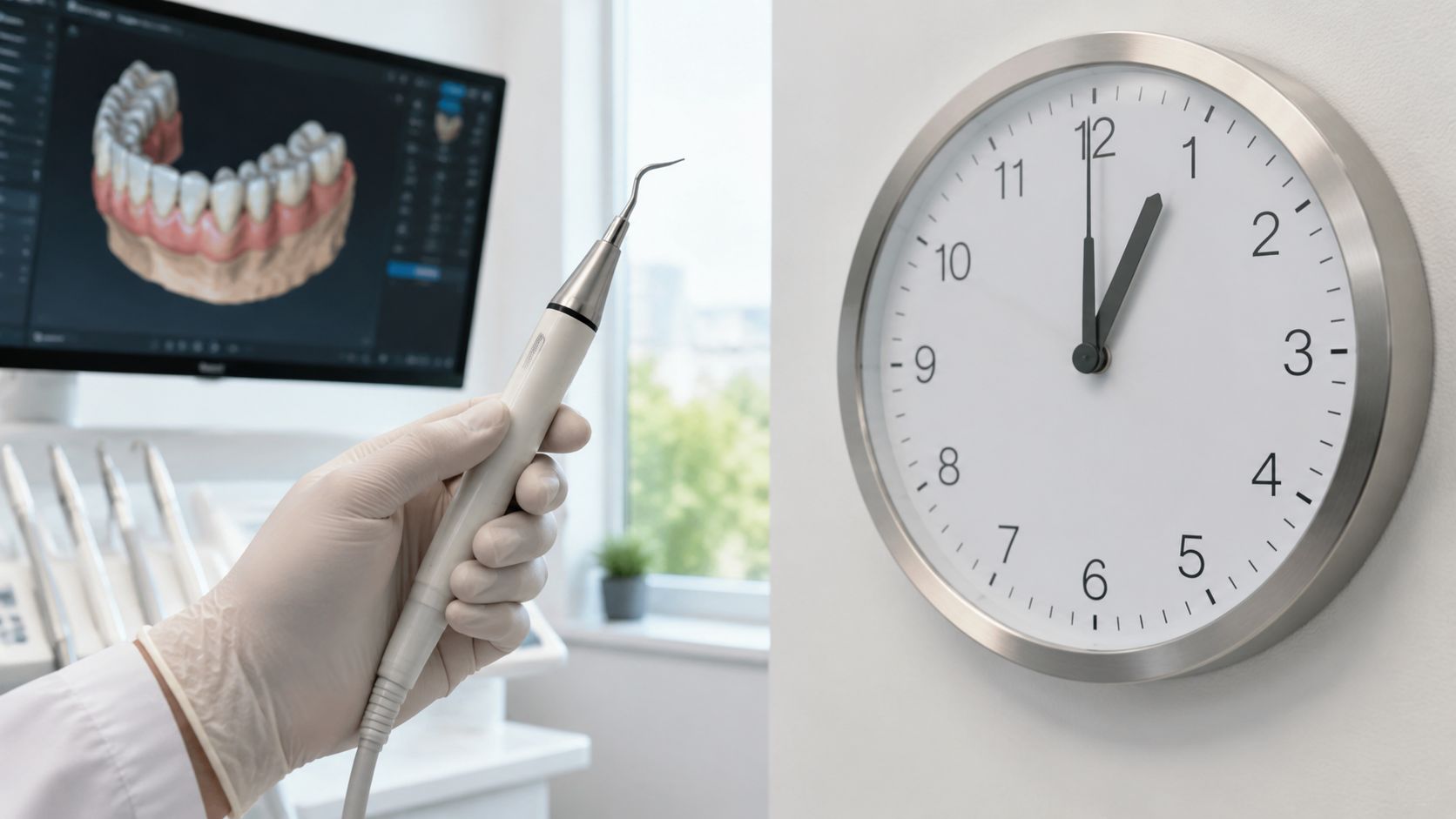
If you're curious about timing, this overview on how long a teeth cleaning takes gives a helpful general idea of what patients can expect.
A good cleaning visit should leave you with answers, not just polished teeth.
The doctor exam and next steps
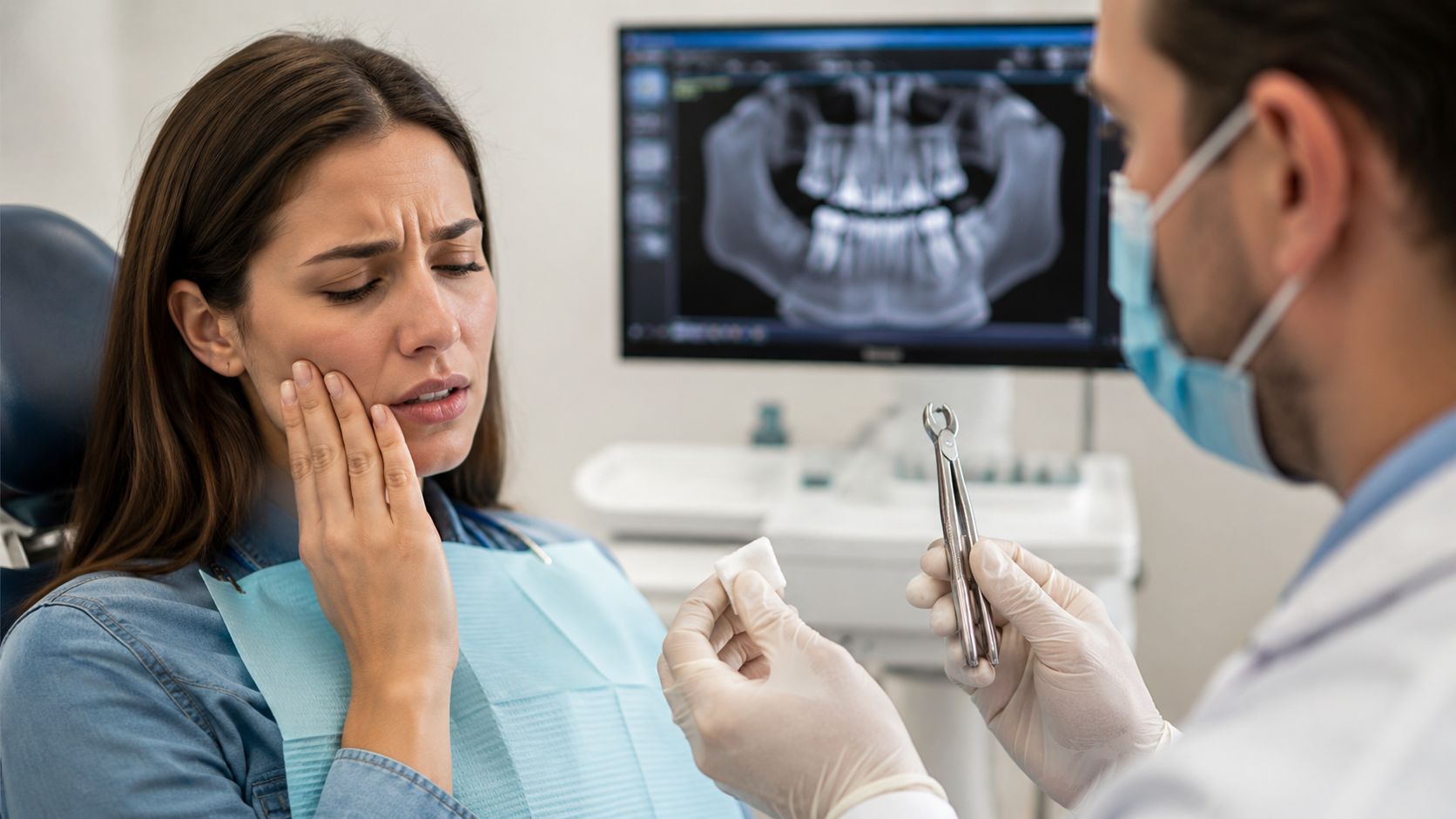
After the cleaning, the dentist reviews findings, checks for decay and gum changes, and talks through any recommendations. Some patients only need a routine follow-up. Others may need fillings, gum treatment, whitening, restorative care, or a plan for orthodontics. If pain or swelling is present, the next step may involve emergency dentist services or a tooth extraction.
The best visits feel calm, clear, and personalized. You should know what was found, what needs attention, and when you should come back.
Common Questions About Professional Teeth Cleanings
Patients usually ask the same few questions once they understand that the schedule isn't identical for everyone. The answers are simple, but they matter.
Do I still need a cleaning if I take great care of my teeth
Yes. Excellent home care helps a lot, but it doesn't remove tartar once it forms. A person can brush consistently and still collect buildup in tight areas, around the gumline, or behind the lower front teeth. Professional cleanings handle what home care can't.
Does insurance cover more frequent visits
Coverage depends on your plan and on whether the visit is coded as preventive care or periodontal maintenance. That distinction matters. A routine cleaning for healthy gums isn't the same as maintenance after gum disease treatment.
For patients with periodontitis, maintenance visits shift to every 3 to 4 months to control bacterial repopulation, and that more frequent schedule is a therapeutic need rather than a routine polish. White Plains Hospital explains the difference between routine prophylaxis for healthy gums and periodontal maintenance after treatment. If you're paying out of pocket, this guide to dental cleaning without insurance may help you think through costs and options.
What are signs I may need a cleaning sooner
A few signs deserve attention:
- Bleeding when brushing or flossing: Healthy gums shouldn't regularly bleed.
- Persistent bad breath: Ongoing odor can be linked to buildup or gum inflammation.
- Heavy tartar along the gumline: If you can see or feel deposits, it's time to be checked.
- Swollen or tender gums: Inflammation often starts before pain becomes significant.
- You have braces, implants, or recent dental work: These situations may require closer maintenance.
The most practical answer to how often should you get dental cleanings is this: use the six-month interval as a baseline, then let your risk level decide whether you need care sooner.
If you're due for a cleaning, have bleeding gums, or want a personalized schedule instead of a generic rule, schedule a visit with 3D Dental. Patients in Austin and Georgetown can book online to get a preventive exam, cleaning recommendations, and a clear plan that fits their oral health needs.
Ready to get started?
Schedule a free, no obligation consultation with our team and see what's possible for your smile!
Georgetown
- Mon-Thurs8:30am-5pm
- Fri8am-3:30pm
- Sat-SunClosed
Austin
- Mon-Tues8am-5pm
- Wed-Thurs9am-6pmFri8am-2pm
- Sat-SunClosed