
How to Prevent Gum Recession: Expert Care at 3D Dental
Related Posts









































If you've recently noticed that a tooth looks a little longer, or cold water suddenly hits one spot and makes you wince, you're not overreacting. Those are common ways gum recession first shows up. It is frequently overlooked at first, but many individuals eventually catch it in the mirror, during flossing, or when sensitivity starts getting harder to ignore.
The good news is that learning how to prevent gum recession usually doesn't start with something dramatic. It starts with catching the cause early and making the right changes before a small problem becomes a bigger one. In Austin and Georgetown, many patients are balancing busy schedules, stress, coffee, workouts, family life, and a lot of daily wear on their teeth and gums. That reality matters, because gum health is built by routine, not perfection.
Gum recession is one of those issues that works best as a partnership. You handle the daily habits at home. Your dentist handles the diagnosis, the cleanings, the bite evaluation, and the treatment if recession has already started. When those two sides work together, your gums have a much better chance of staying stable, comfortable, and healthy for the long term.
Worried About Your Gums Your Austin Dentist Can Help
A common story goes like this. Someone is brushing before work, glances up, and thinks, "Have my teeth always looked this long?" A few days later they notice sensitivity near the gumline, or floss catches in one area more than it used to. They start searching for a dentist near me or a dentist in Austin, TX because they want a real answer, not vague advice.
That concern is valid. Gum recession can affect how your smile looks, how your teeth feel, and how easy they are to keep clean. But it also tends to respond best when it's addressed early, before the exposed root becomes more sensitive or the underlying cause keeps damaging the tissue.
What patients usually notice first
Many individuals don't walk in saying, "I have gum recession." They say things like:
- "My tooth looks longer" and they're not sure if it's new
- "One spot feels sensitive" when they drink something cold
- "My gums seem uneven" on one side of the smile
- "Brushing makes one area sting" near the gumline
Sometimes the issue is mild irritation. Sometimes it's a sign that gum disease, grinding, or brushing trauma is already at work.
Gum recession often feels cosmetic at first, but the reason behind it matters more than the appearance alone.
Why reassurance matters
A lot of people assume they've caused the problem by brushing wrong for a few weeks. Others worry they'll need surgery right away. Usually, neither extreme is helpful. What matters is identifying whether the recession is being driven by inflammation, mechanical force, thin tissue, tooth position, or a mix of factors.
For patients in Austin, Georgetown, Wells Branch, Cedar Park, Round Rock, and Liberty Hill, the most useful next step is a focused dental exam. A good exam doesn't just confirm that the gums have receded. It looks at why.
Here's the reassuring part. Gum recession can often be slowed or stabilized when the cause is found early, and even when treatment is needed, there are usually several ways to protect the area and reduce further damage. If you're looking for a dentist in Georgetown, TX or a local office for cleaning and exams, this is exactly the kind of concern that deserves timely attention.
What Really Causes Gums to Recede
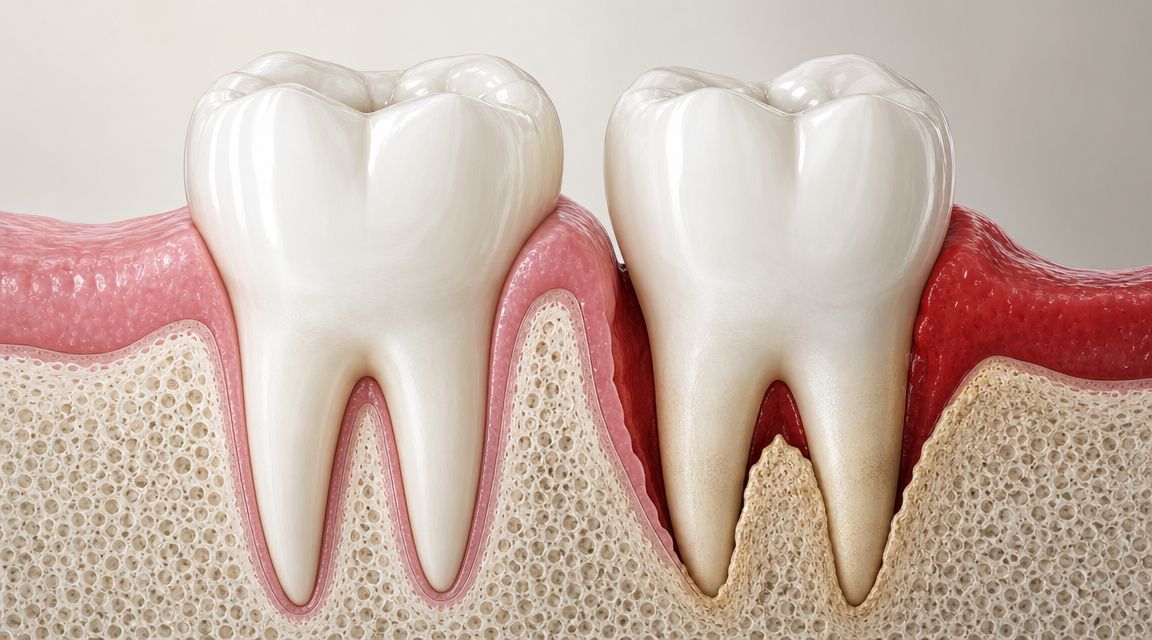
Most online advice puts too much emphasis on brushing too hard. That can absolutely contribute, but it isn't the whole story. In many adults, recession is tied more closely to inflammation and tissue breakdown than to the toothbrush alone.
For many people, the main issue isn't just brushing technique. The 2022 Global Burden of Disease study estimated that severe periodontitis affected about 1.08 billion people worldwide, which matters because periodontitis is a major driver of gum recession, as noted in this discussion of recession risk factors.

The biggest driver is often inflammation
Plaque sitting along the gumline can irritate the tissue. If that irritation stays in place long enough, gums become inflamed. Over time, that chronic inflammation can damage the support around the teeth and contribute to recession.
This is why some people with very "clean-looking" teeth still have gum problems. The issue isn't always what you can see in the mirror. It's what has been happening at the gumline and under it.
Other causes matter too
Recession usually comes from more than one influence. Common contributors include:
- Aggressive brushing with too much pressure or a hard-bristled brush
- Thin gum tissue or genetics that make certain areas easier to wear down
- Bruxism from clenching or grinding, especially at night
- Crooked or poorly positioned teeth that place stress on one area
- Tobacco use that affects gum health and healing
A patient might have one receding lower front tooth because of brushing pressure. Another might have recession around several teeth because of untreated periodontal disease. Another may have localized recession where a tooth sits outside the ideal arch position.
Why self-diagnosis can miss the real cause
Two people can have recession that looks similar but needs very different care. One may need changes in brushing technique. Another may need deep cleaning, periodontal treatment, or a night guard because bite forces are part of the problem.
Clinical reality: If you only treat the symptom you can see, the recession often keeps progressing because the real cause is still active.
That is why prevention isn't just about being gentler. It is about reducing plaque, controlling inflammation, managing force, and checking the way your teeth and gums work together.
Your Daily Action Plan for Gum Recession Prevention
Daily home care still does a lot of the heavy lifting. The goal is simple. Remove plaque thoroughly without scraping away delicate tissue. That means your tools and technique matter just as much as your consistency.

Dental experts advise using a soft-bristled toothbrush, and guidance on gum recession prevention also supports brushing 2 times per day, flossing 1 time per day, and getting at least 1 annual checkup, as explained by Cleveland Clinic's overview of gum recession.
How to brush without causing trauma
A lot of people think a clean mouth should feel "scrubbed." That's usually the wrong target. Clean gums respond better to gentle, controlled brushing than to force.
Use this approach:
Choose a soft-bristled brush
If the bristles feel stiff against your gums, they're too harsh for daily use.Angle the brush toward the gumline
Aim the bristles so they can sweep plaque away where the tooth and gum meet.Use small motions
Short, controlled strokes are usually safer than wide back-and-forth scrubbing.Lighten your pressure
If the bristles flatten hard against the teeth, you're pushing too much.Slow down
Rushing usually leads to missed plaque in some areas and overbrushing in others.
Flossing should be gentle, not forceful
Floss is supposed to clean between the teeth, not snap into the gums. Slide it gently between contacts, curve it around the side of the tooth, and move it with control along the surface.
A simple way to think about flossing is that you're wiping the tooth, not digging into the tissue.
Practical rule: Effective flossing feels precise. If it feels violent, the technique needs adjusting.
If you've been trying to manage symptoms on your own, this guide on how to treat receding gums at home can help you understand where home care helps and where a dental visit makes more sense.
Products that usually help and habits that don't
Helpful choices include:
- Soft-bristled toothbrushes that reduce mechanical irritation
- Low-abrasion toothpaste if your gumline is sensitive
- Antimicrobial mouthwash when recommended as part of your routine
Less helpful habits include:
Scrubbing harder because your gums bleed
Bleeding often points to inflammation, not a need for more force.Switching constantly between products
Technique and consistency matter more than chasing trends.Ignoring one sensitive spot
Isolated recession often starts small.
For a quick visual refresher on brushing and gum-friendly daily care, this video is useful:
Beyond Brushing Habits That Protect Your Smile
Even excellent brushing can't fully protect gums if the rest of the environment is working against them. Many prevention plans break down at this point. People focus on the sink routine and overlook the habits that keep tissue inflamed or overloaded.
Clenching and grinding can keep the pressure on
If you wake up with a tight jaw, worn teeth, or soreness near the molars, clenching may be part of the picture. Excess bite force doesn't create plaque, but it can put repeated stress on teeth and the supporting structures around them. In the right conditions, that stress can make recession more likely in certain spots.
Custom night guards can help when grinding is part of the problem. For patients looking for a dentist near me in Austin, Round Rock, or Georgetown, this is one of the most common hidden factors worth checking.
Tobacco and chronic irritation work against gum stability
Tobacco use is a real trade-off. Some people don't notice obvious pain, so they assume it isn't affecting the gums much. But gums rely on healthy circulation and predictable healing. When tissue stays irritated and healing is impaired, recession becomes harder to control.
That doesn't mean every tobacco user will develop severe recession. It does mean the gums have less margin for error.
Diet and routine shape the environment in your mouth
No single food prevents recession, but your daily pattern matters. A routine built around frequent sugary snacks, skipped brushing, dehydration, and stress usually creates more plaque retention and more inflammation. A steadier routine supports healthier tissue.
A practical prevention mindset looks like this:
- Protect the tissue by avoiding unnecessary mechanical trauma
- Reduce inflammation with consistent home care and professional maintenance
- Lower force by addressing grinding, clenching, or bite problems
- Stay aware of small signs like sensitivity, bleeding, or gumline changes
A healthy gumline isn't just about how clean your teeth feel after brushing. It's about whether your gums stay calm day after day.
This broader view also connects to other dental services. If bite alignment is contributing, orthodontic care may help. If damage has already occurred, restorative dentistry may be part of protecting exposed root surfaces. If you have pain, swelling, or sudden bleeding, an emergency dentist visit may be more appropriate than waiting.
Partnering with Your Georgetown Dentist for Lasting Results
Home care is essential, but it can't remove hardened tartar and it can't measure subtle changes in gum support the way a clinical exam can. That is where the partnership becomes real. You do the daily maintenance. Your dental team checks the areas you can't evaluate on your own and treats problems before they escalate.
The CDC states that periodontal diseases are "largely preventable and treatable" and recommends at least 1 dental checkup per year along with regular professional cleanings, as described on the CDC page about gum and periodontal disease.

What professional care adds
A preventive visit does more than polish teeth. It gives your dentist and hygienist the chance to look for patterns that suggest recession is active or likely to worsen.
That may include:
- Examining the gumline closely for uneven tissue loss or inflammation
- Checking areas that trap plaque around crowded or misaligned teeth
- Reviewing dental x-rays for bone support and hidden concerns
- Looking at bite forces when recession appears in isolated, overloaded areas
For patients searching for a dentist in Georgetown, TX or cleaning and exams in North Austin, prevention becomes personalized instead of generic.
When cleaning is enough and when treatment needs to go further
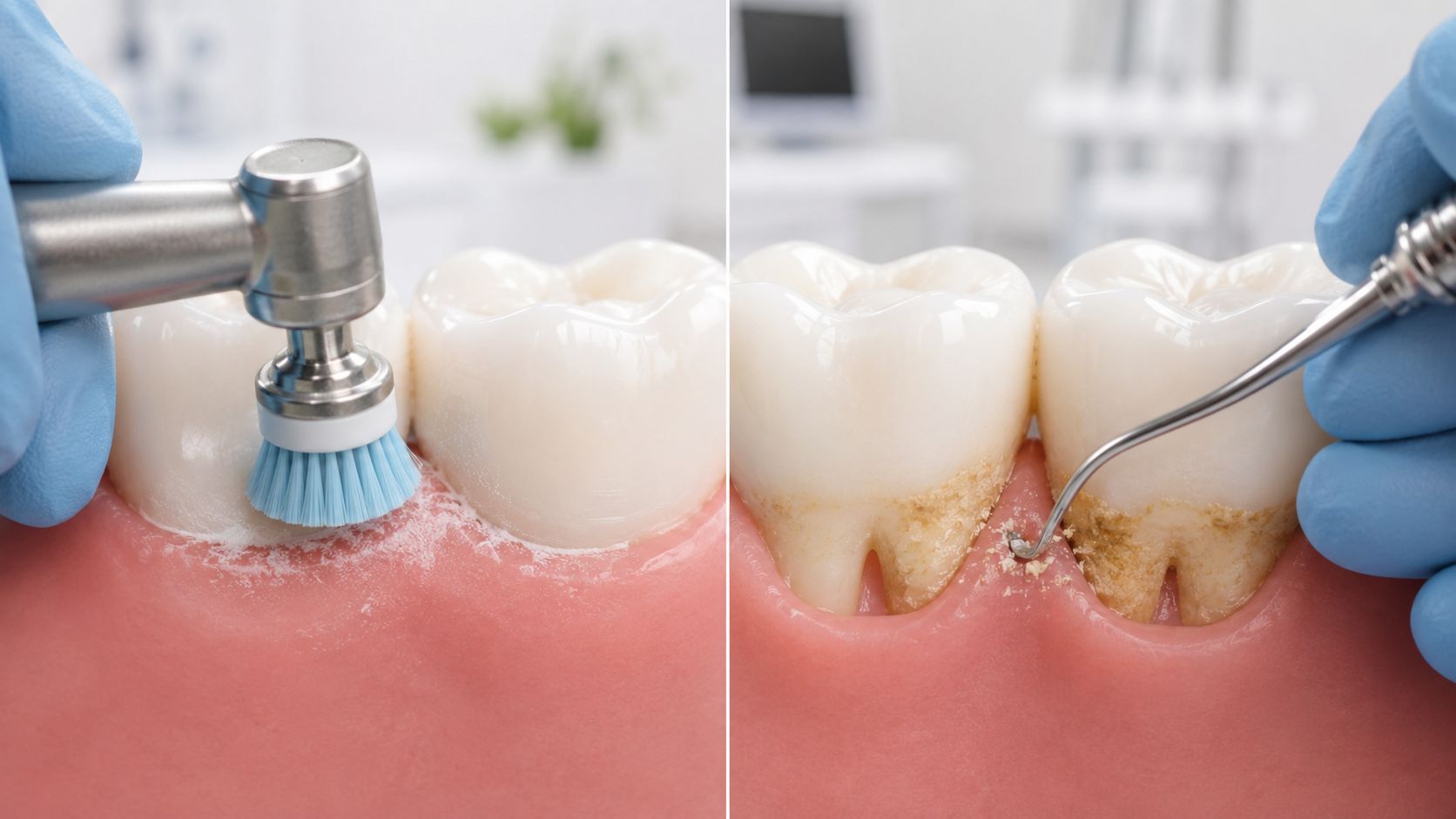
Some patients need routine maintenance and better technique coaching. Others need more than a standard cleaning because gum disease is already active. In that situation, scaling and root planing, often called a deep cleaning, may be recommended to remove buildup below the gumline.
If you've been told you may need periodontal care, this page on what periodontal disease treatment involves gives a helpful overview of what that process can look like.
In some cases, a dentist may also recommend:
| Situation | Possible next step |
|---|---|
| Plaque and tartar are driving inflammation | Professional cleaning or periodontal therapy |
| Grinding is adding force to certain teeth | Night guard evaluation |
| Tooth position is contributing to localized recession | Orthodontic assessment |
| Root exposure is advanced | Gum graft consultation |
How technology supports earlier action
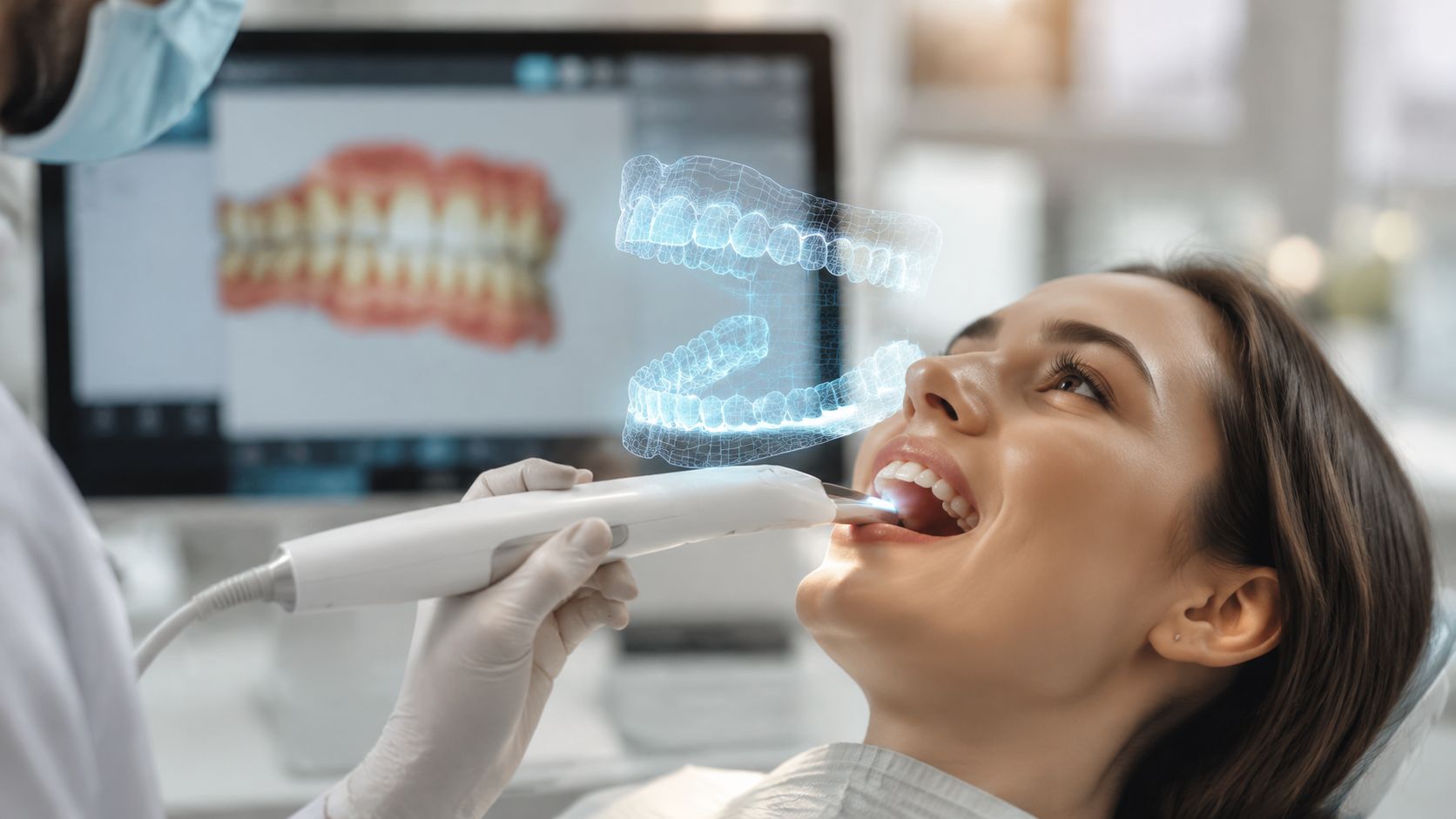
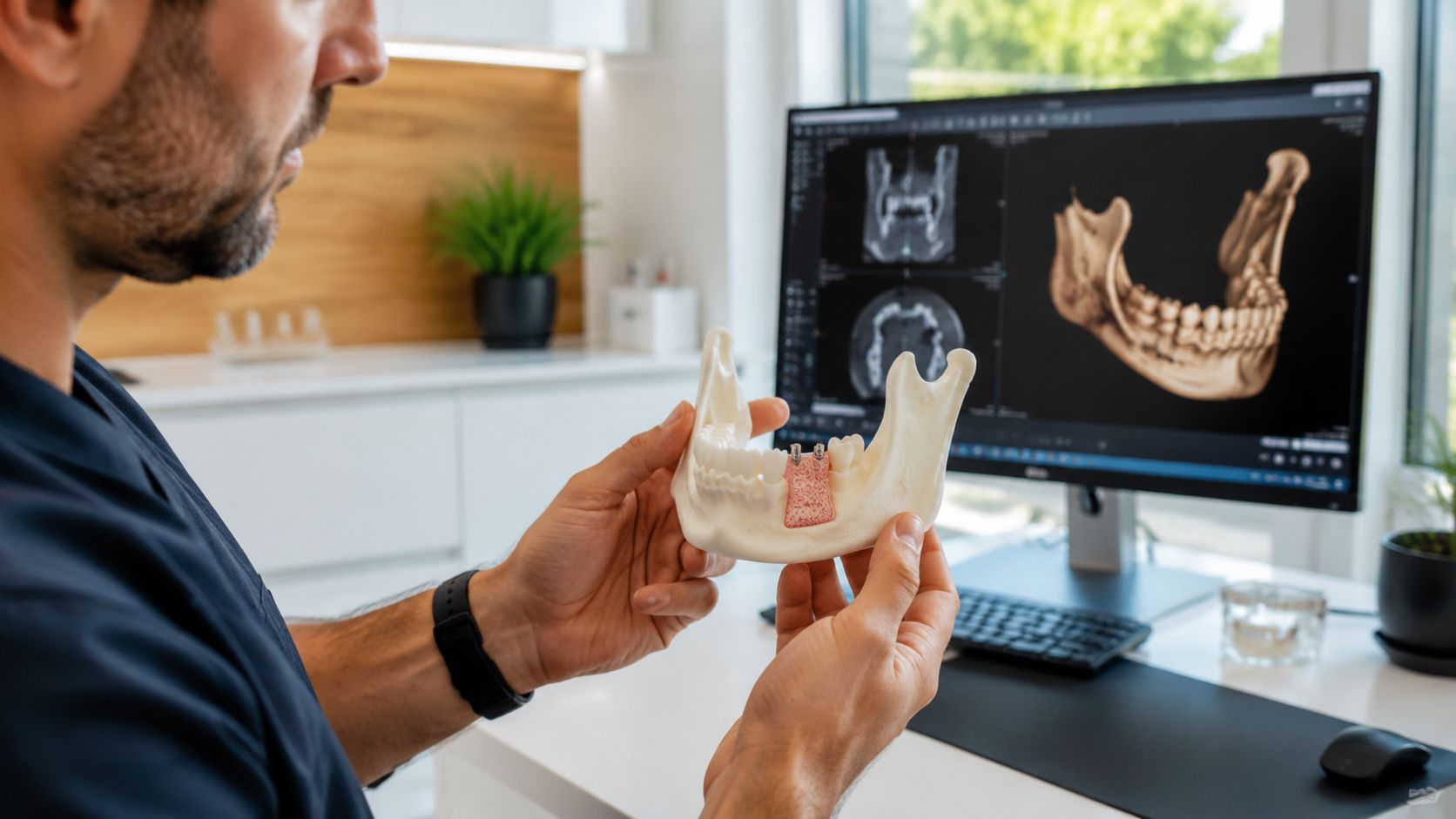
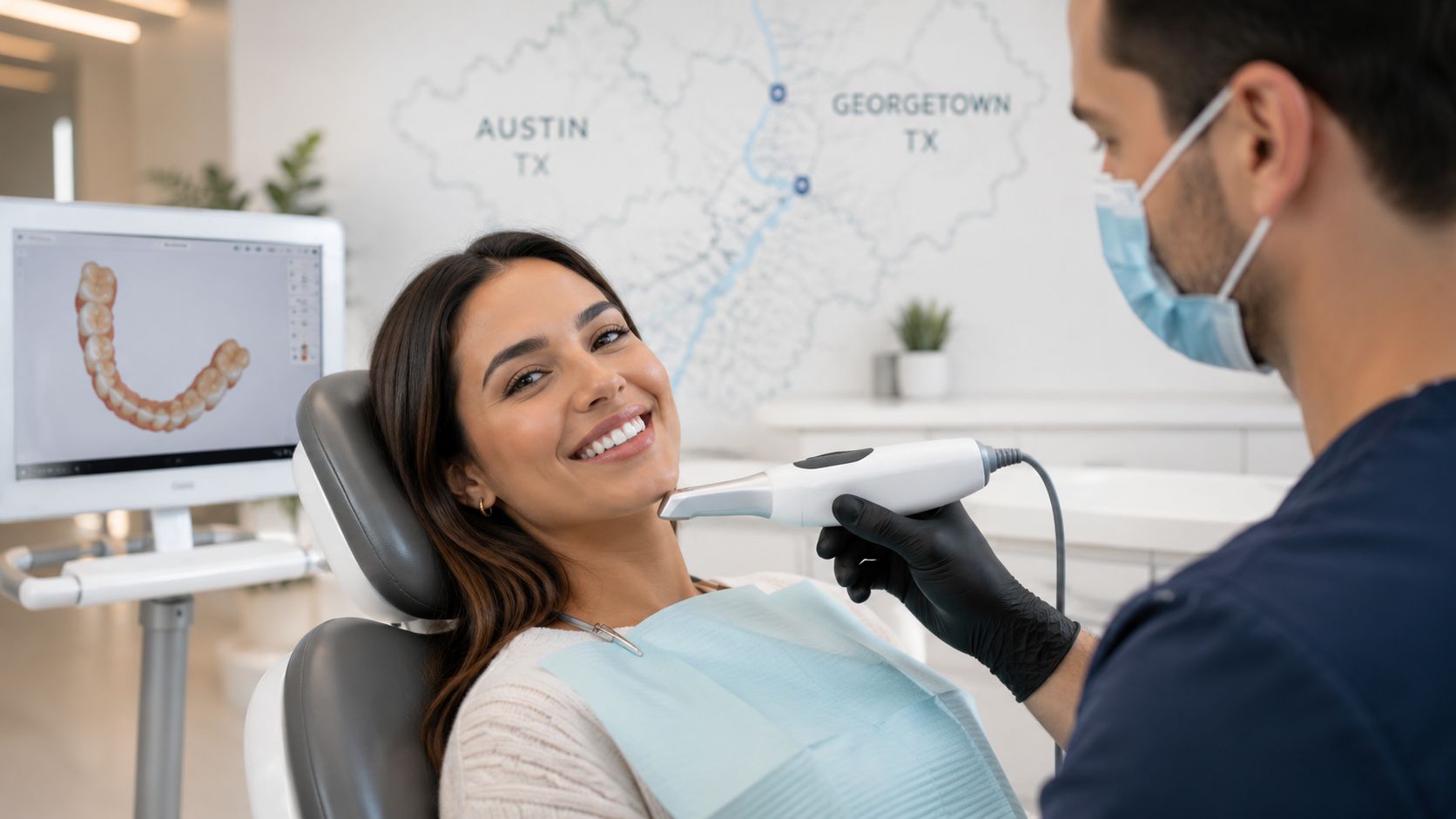
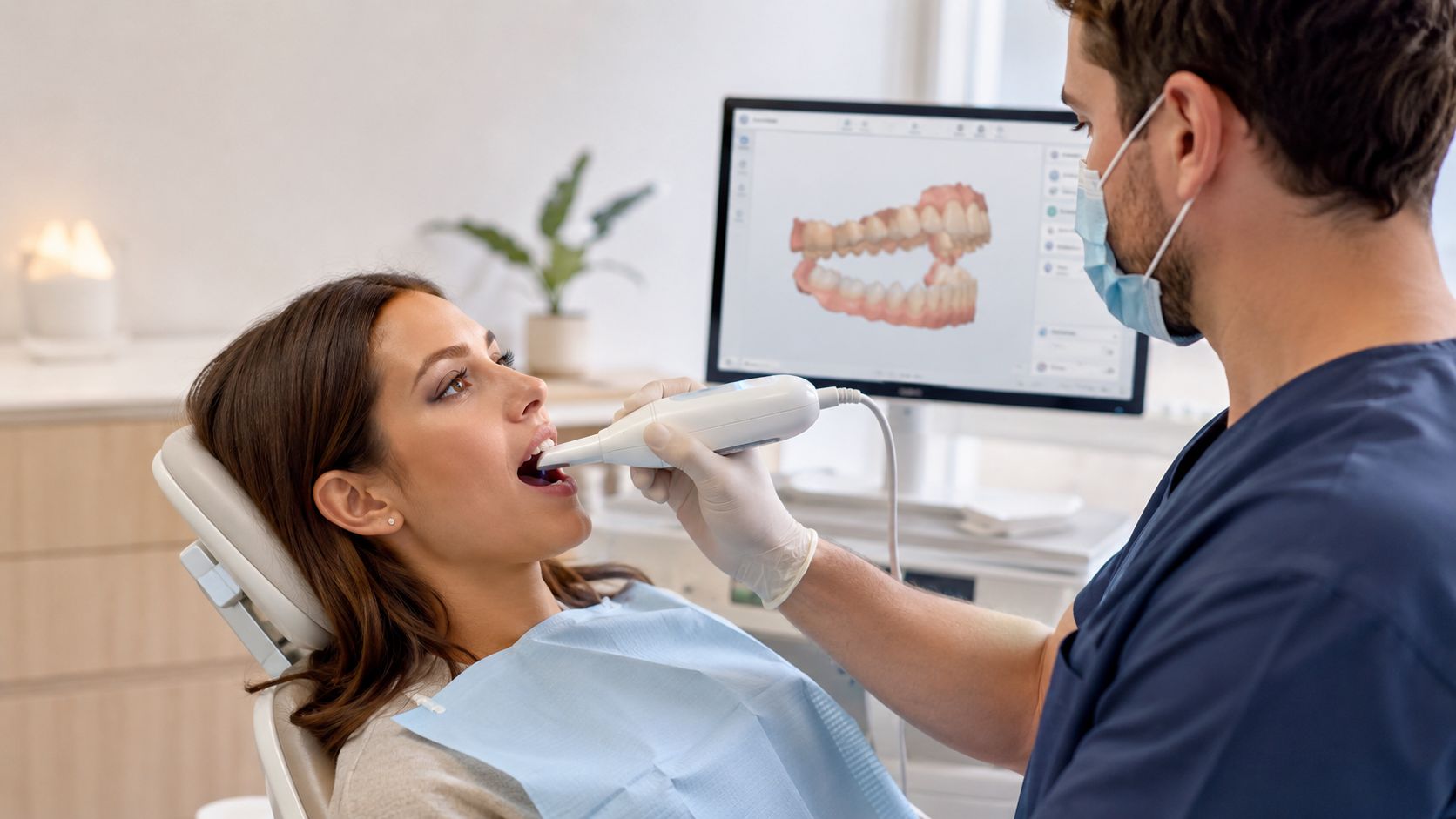
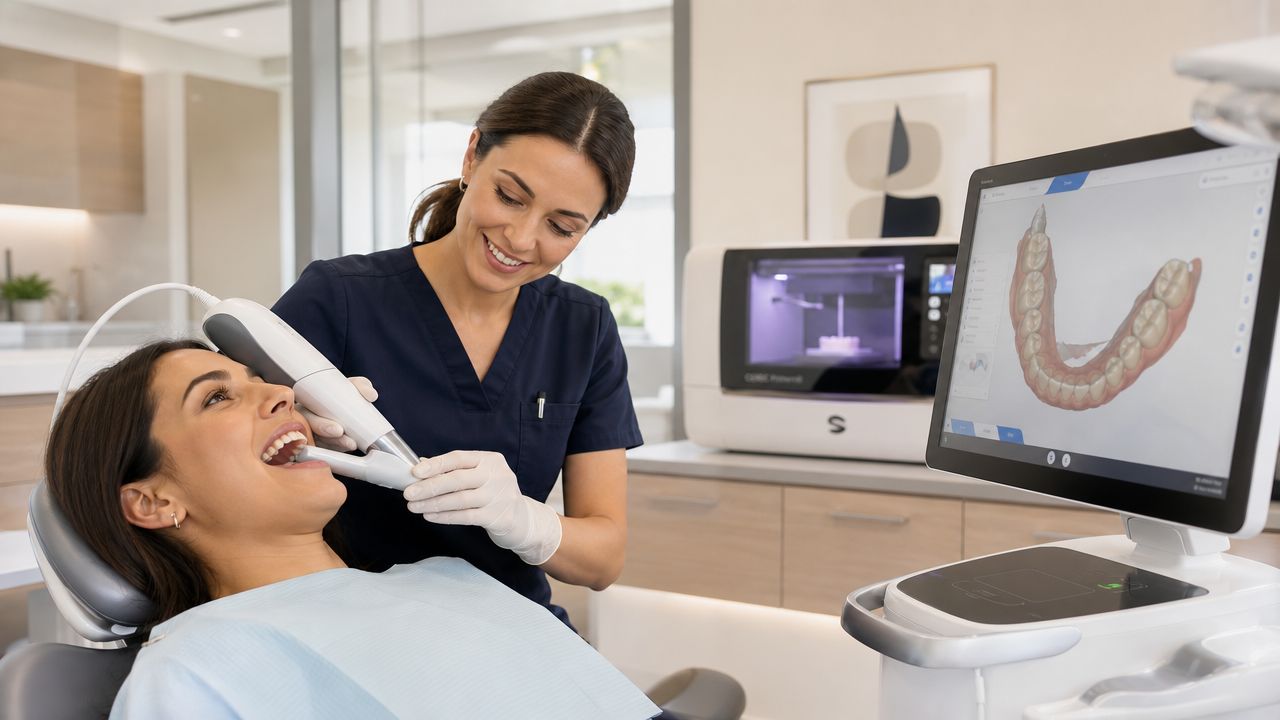
Modern diagnostics make prevention more precise. Digital x-rays, clinical imaging, and careful measurements help spot trouble before the patient feels major symptoms. One option available locally is 3D Dental, which offers digital scanners, digital x-rays, 3D CT imaging, and gum treatment services, including laser periodontal treatment, as part of complete dental care in North Austin and Georgetown.
The best prevention visit is the one that catches a pattern early enough to change it.
This is the part many people miss when they try to handle recession alone. Prevention is not just brushing better. It is a combination of home care, professional cleaning, diagnosis, and timely treatment when the tissue needs more support.
Your First Step to Healthier Gums Starts Here
If you've been putting this off because you're worried about pain, cost, or hearing bad news, that's understandable. Most patients don't book a visit because they're excited to talk about recession. They book because they want clarity. They want to know whether the problem is minor, whether it can be stabilized, and what to do next.
A good first visit should make that process feel simpler, not more stressful. For adults and families looking for a dentist in Austin, TX or dentist in Georgetown, TX, the appointment should focus on listening first, examining carefully, and explaining findings in plain language.
What to expect at a visit
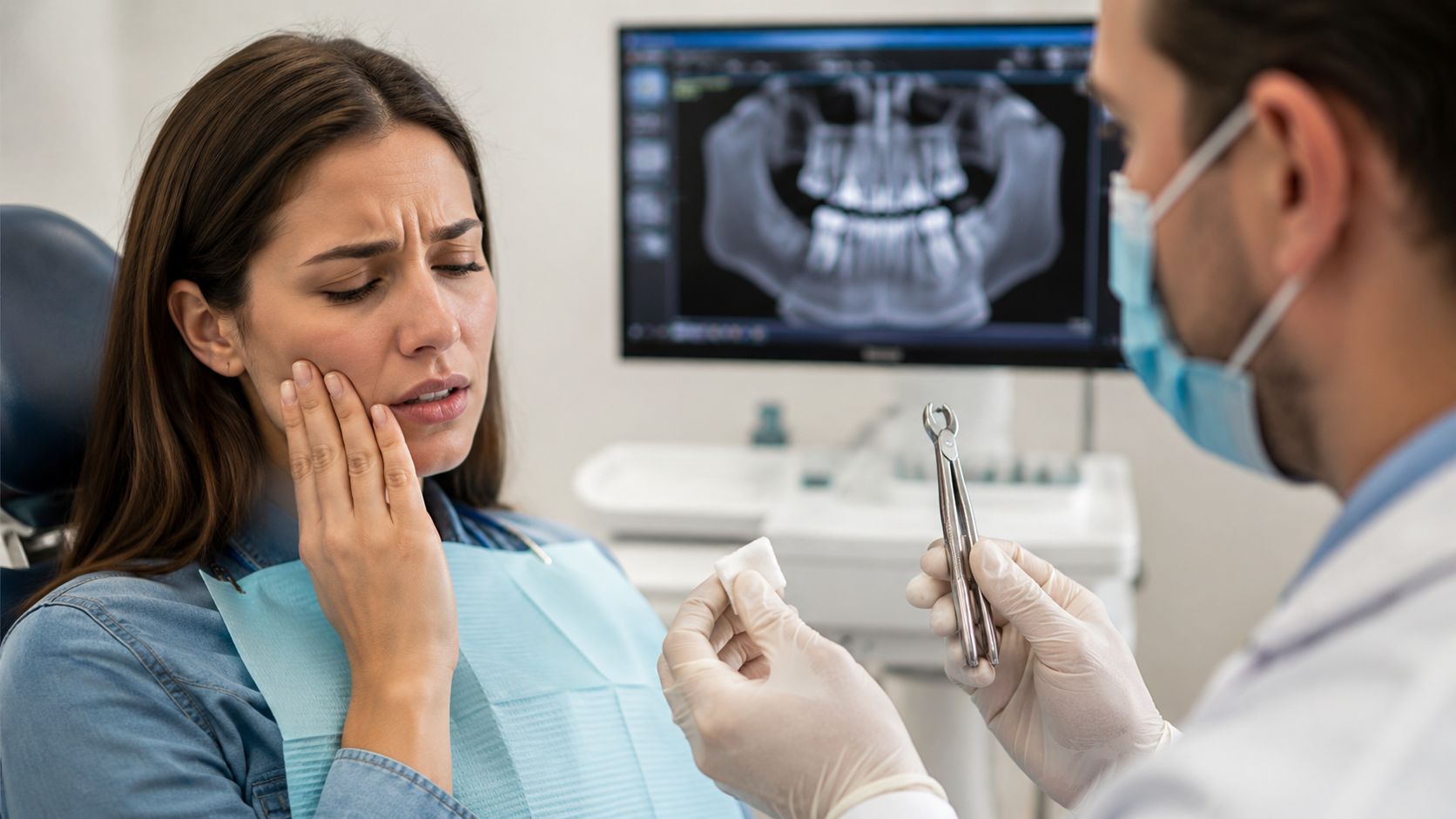
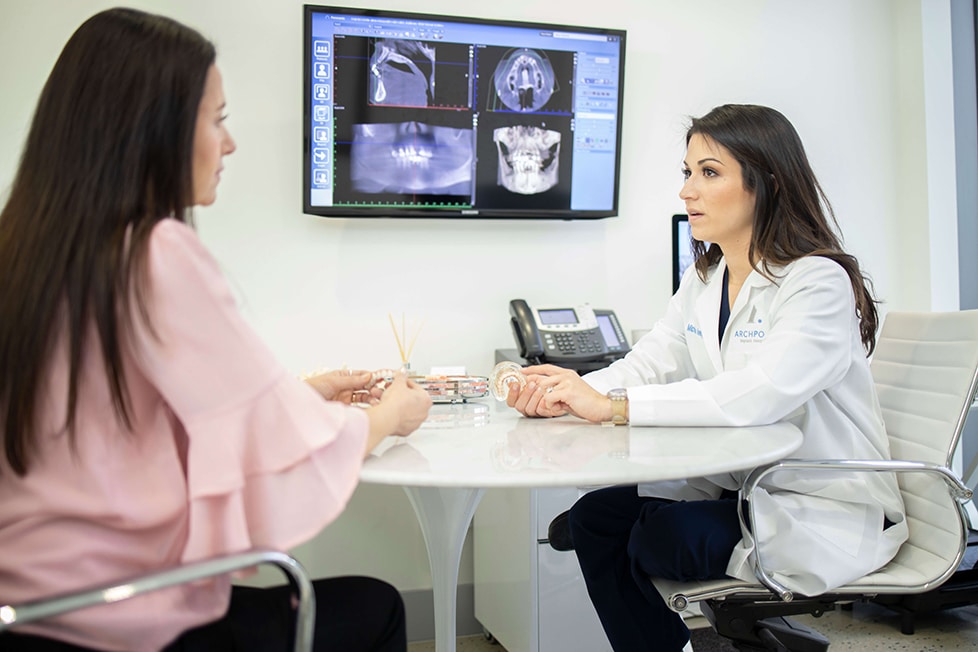
Your visit may include a new patient exam, dental x-rays, a gum evaluation, and a discussion of symptoms like bleeding, sensitivity, clenching, or changes in the gumline. If recession is present, the conversation should center on the cause, how active it appears to be, and whether preventive, periodontal, restorative, or cosmetic options make sense.
Patients often feel more at ease when they know there is a plan, even if the plan starts small.

Why acting early is worth it
Early action can mean simpler care. It may be a cleaning and technique change. It may be a night guard. It may be treatment for gum disease before recession becomes more advanced. Waiting tends to reduce your options and increase the chance of sensitivity, root exposure, and more involved treatment later.
If you're also thinking about broader smile goals, this is a useful time to discuss related services too. Some patients with recession also need restorative dentistry, cosmetic dentistry, orthodontics, tooth extraction, or long-term replacement planning such as dental implants near me after gum and bone health are evaluated.
You don't need to figure it out on your own first. You just need the next appointment.
If you're worried about sensitivity, longer-looking teeth, or changes along your gumline, schedule an appointment with 3D Dental. Patients in Austin, Georgetown, Wells Branch, Cedar Park, Round Rock, and Liberty Hill can get a clear exam, practical guidance, and a treatment plan built around what your gums actually need.
Ready to get started?
Schedule a free, no obligation consultation with our team and see what's possible for your smile!
Georgetown
- Mon-Thurs8:30am-5pm
- Fri8am-3:30pm
- Sat-SunClosed
Austin
- Mon-Tues8am-5pm
- Wed-Thurs9am-6pmFri8am-2pm
- Sat-SunClosed