
Pits and Fissures? Your Guide to Cavity Prevention in Austin
Related Posts


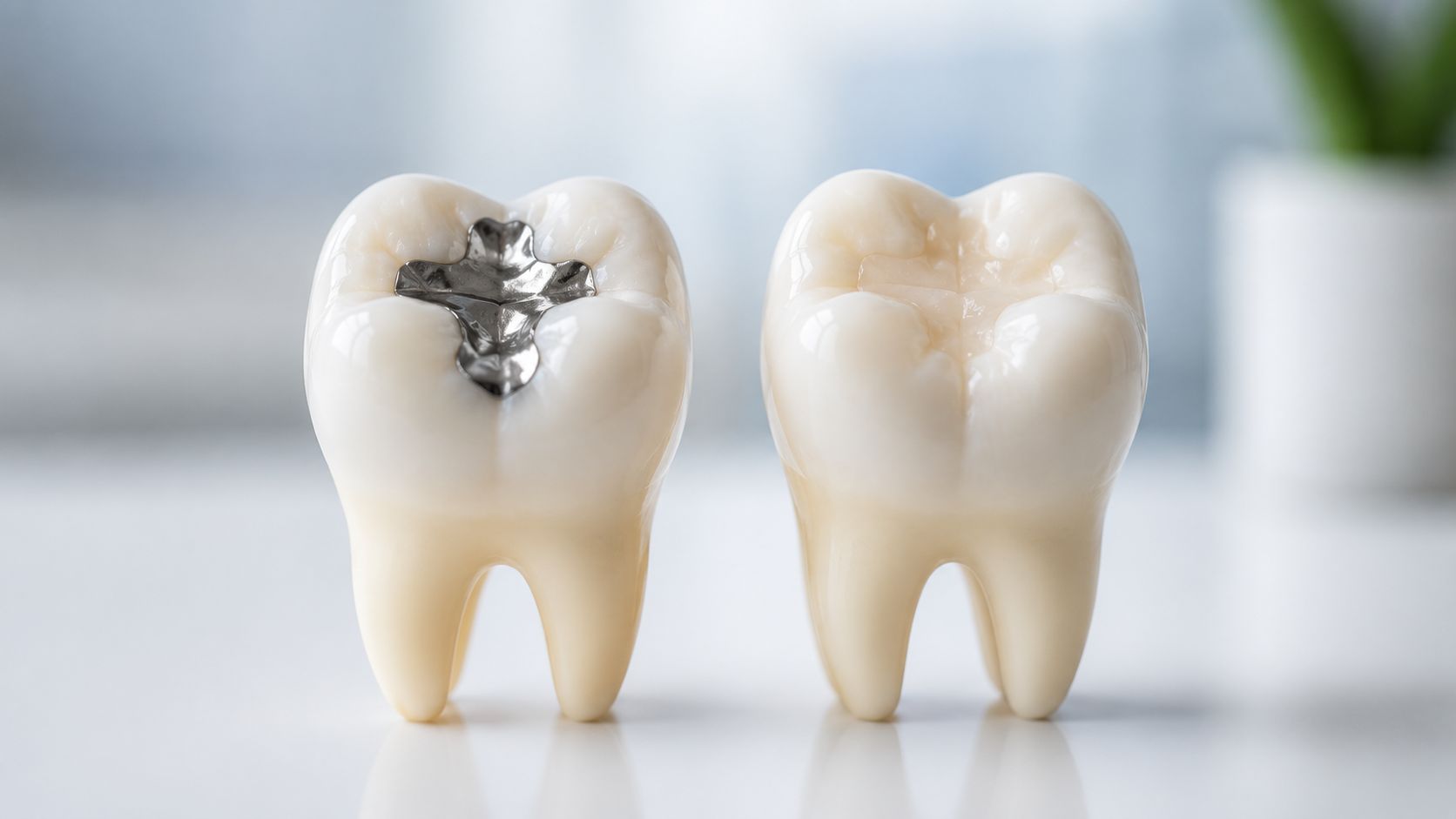





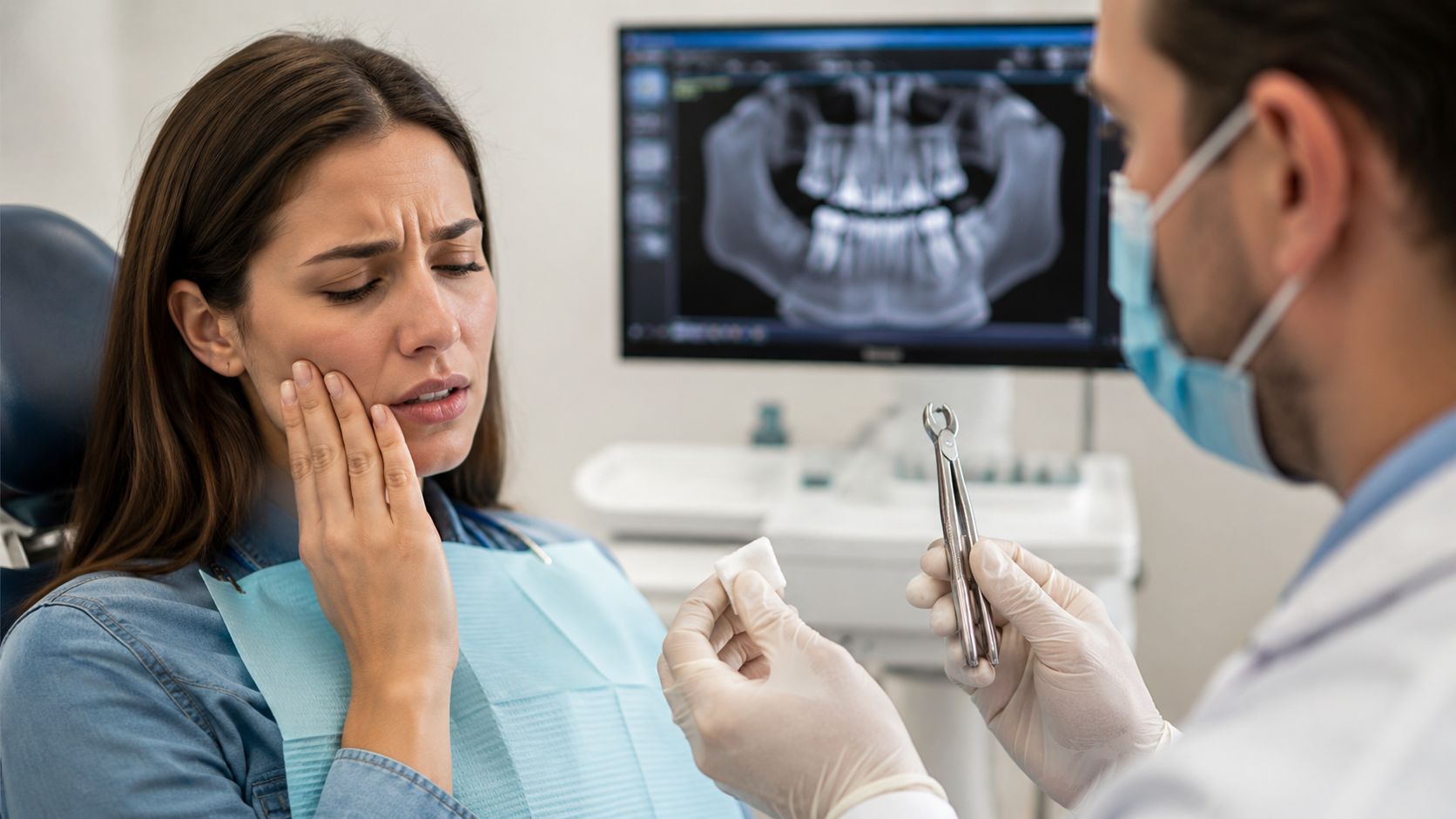
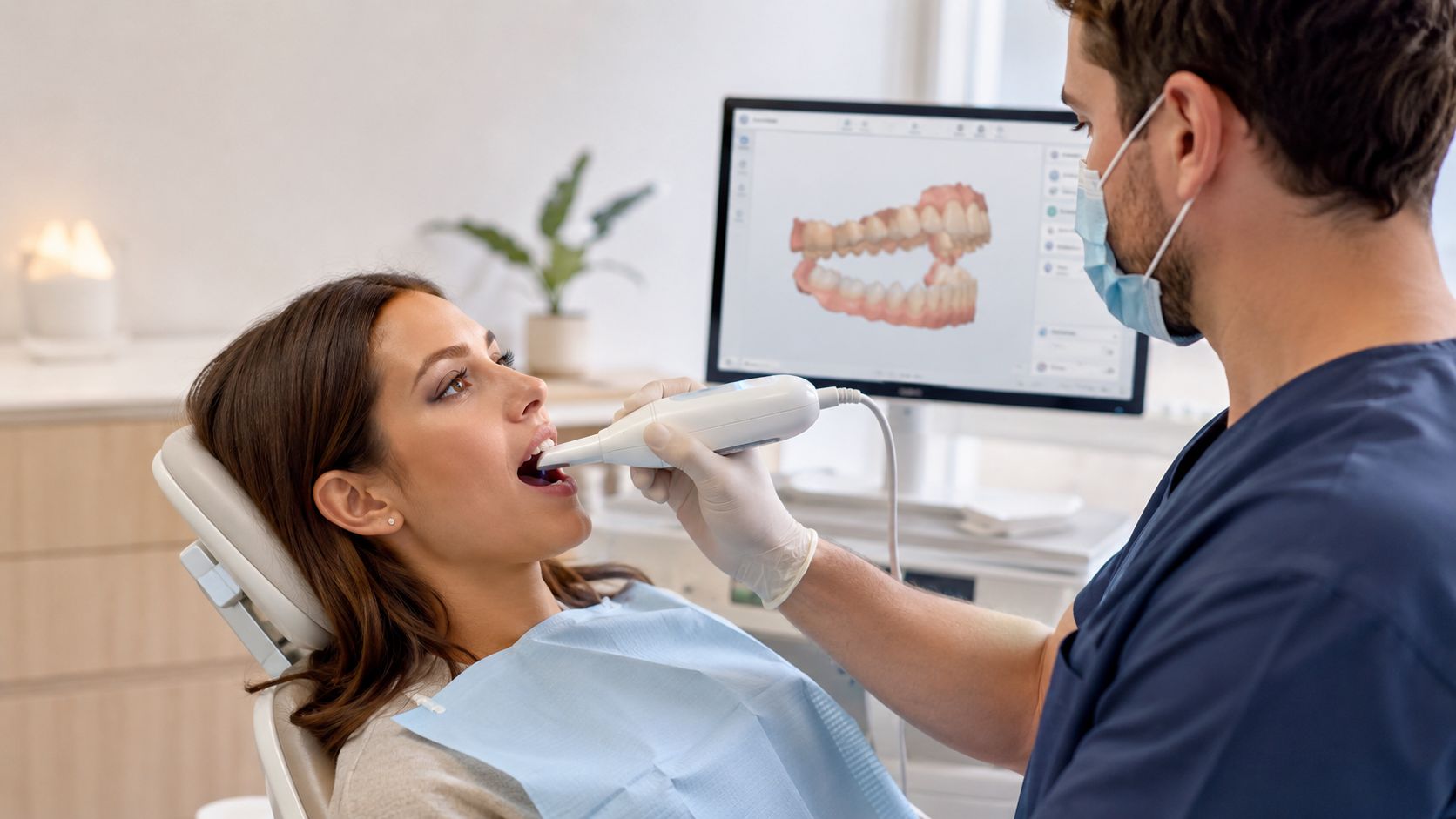

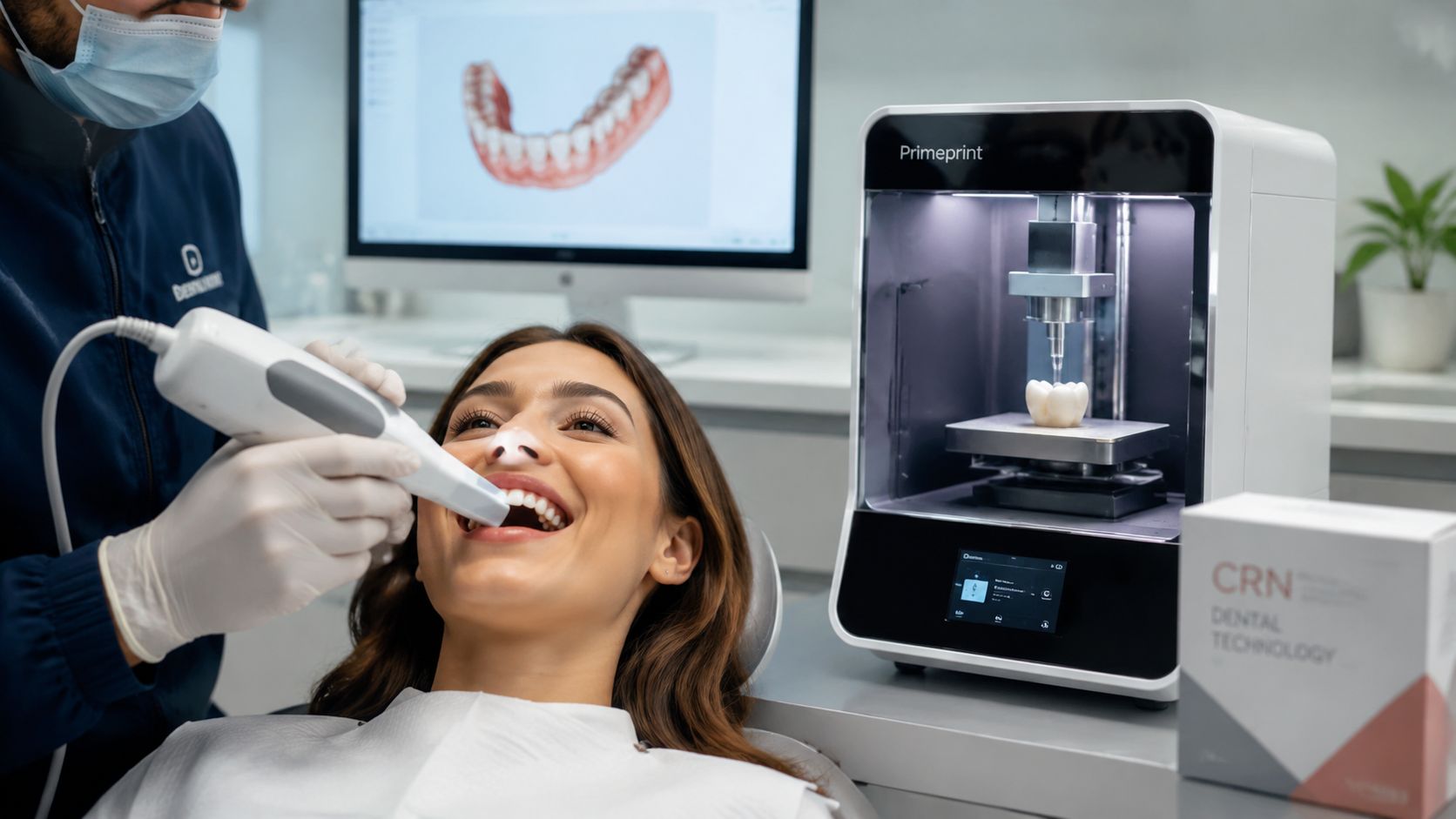
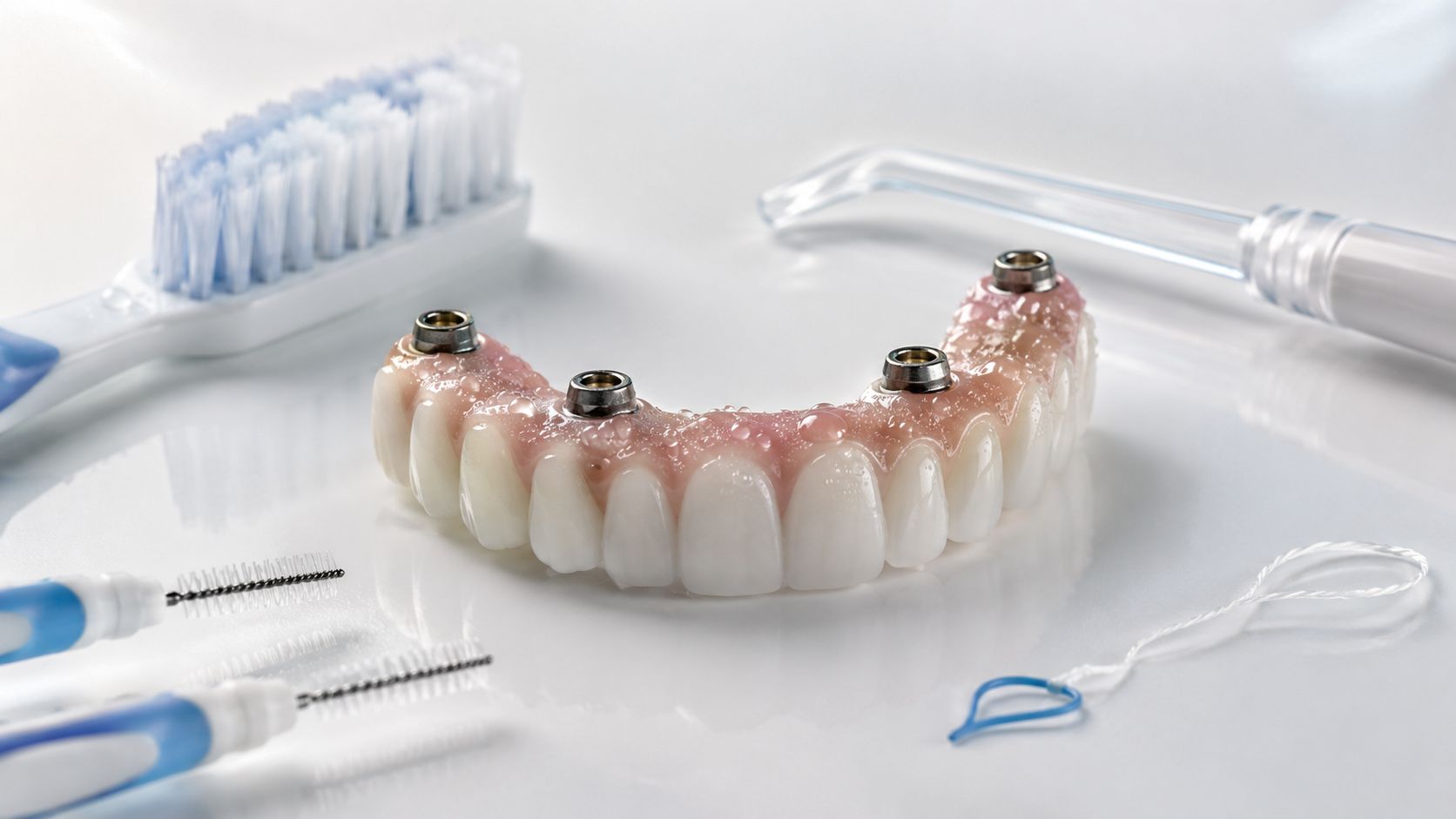


























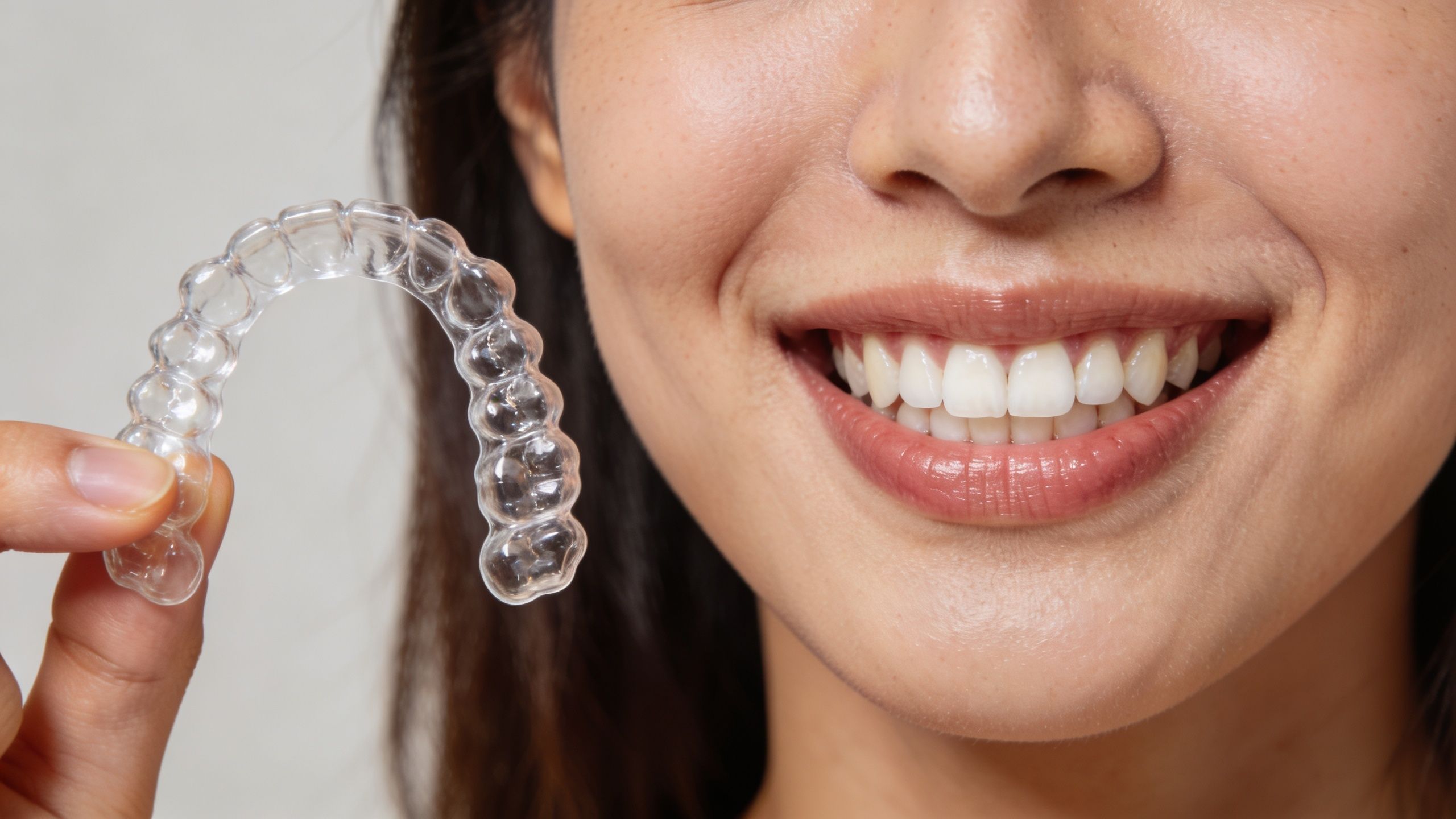
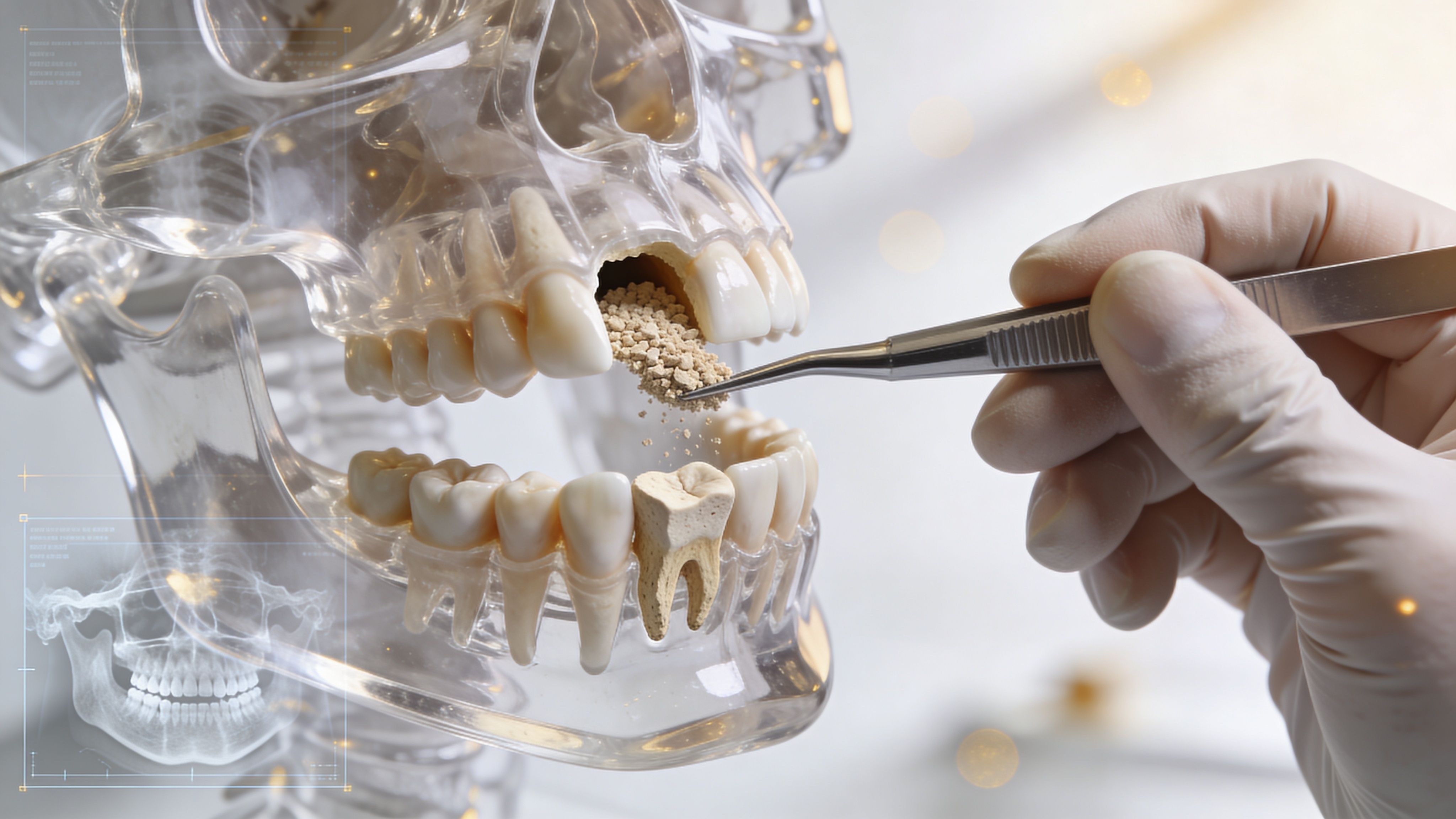




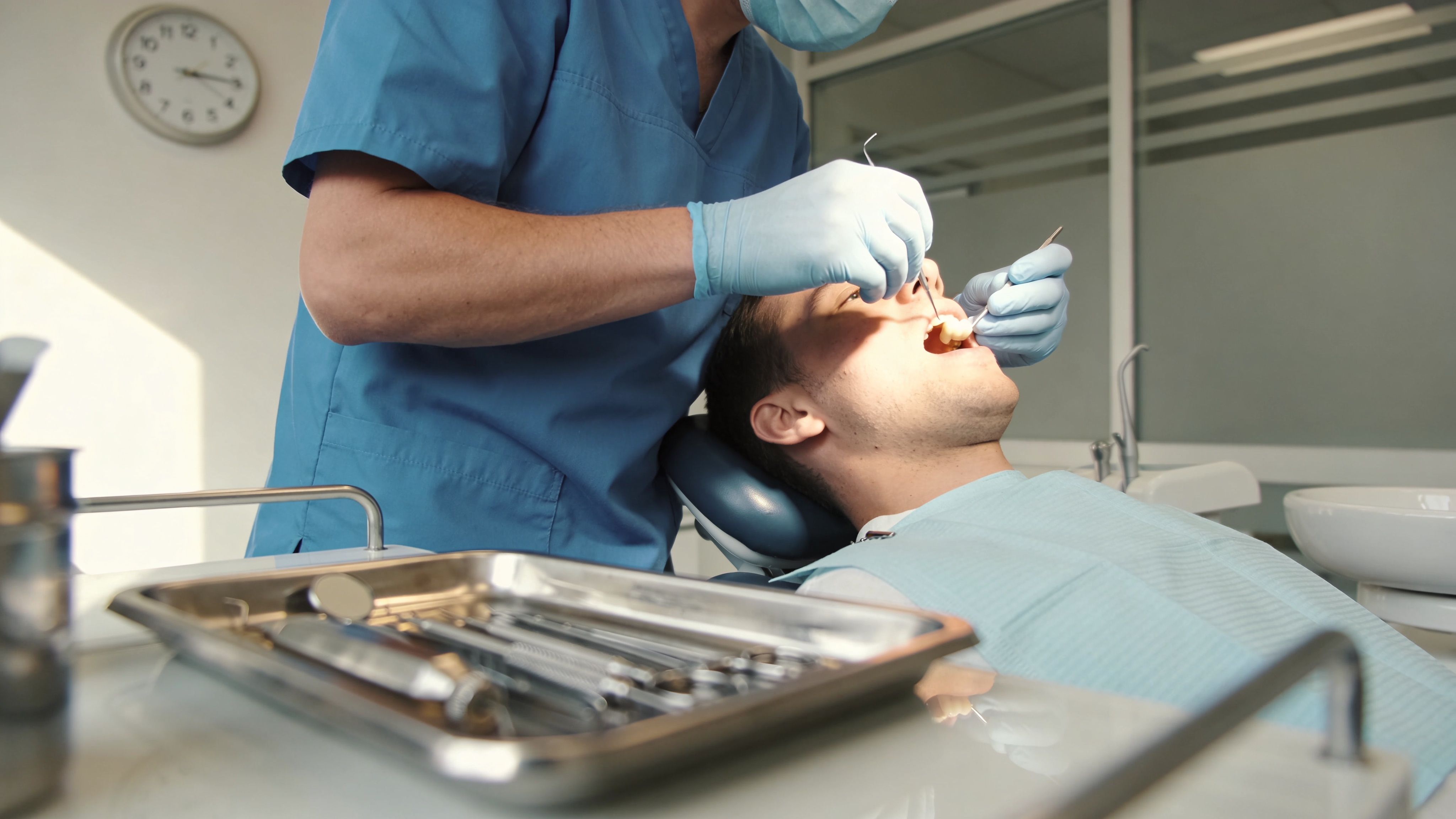

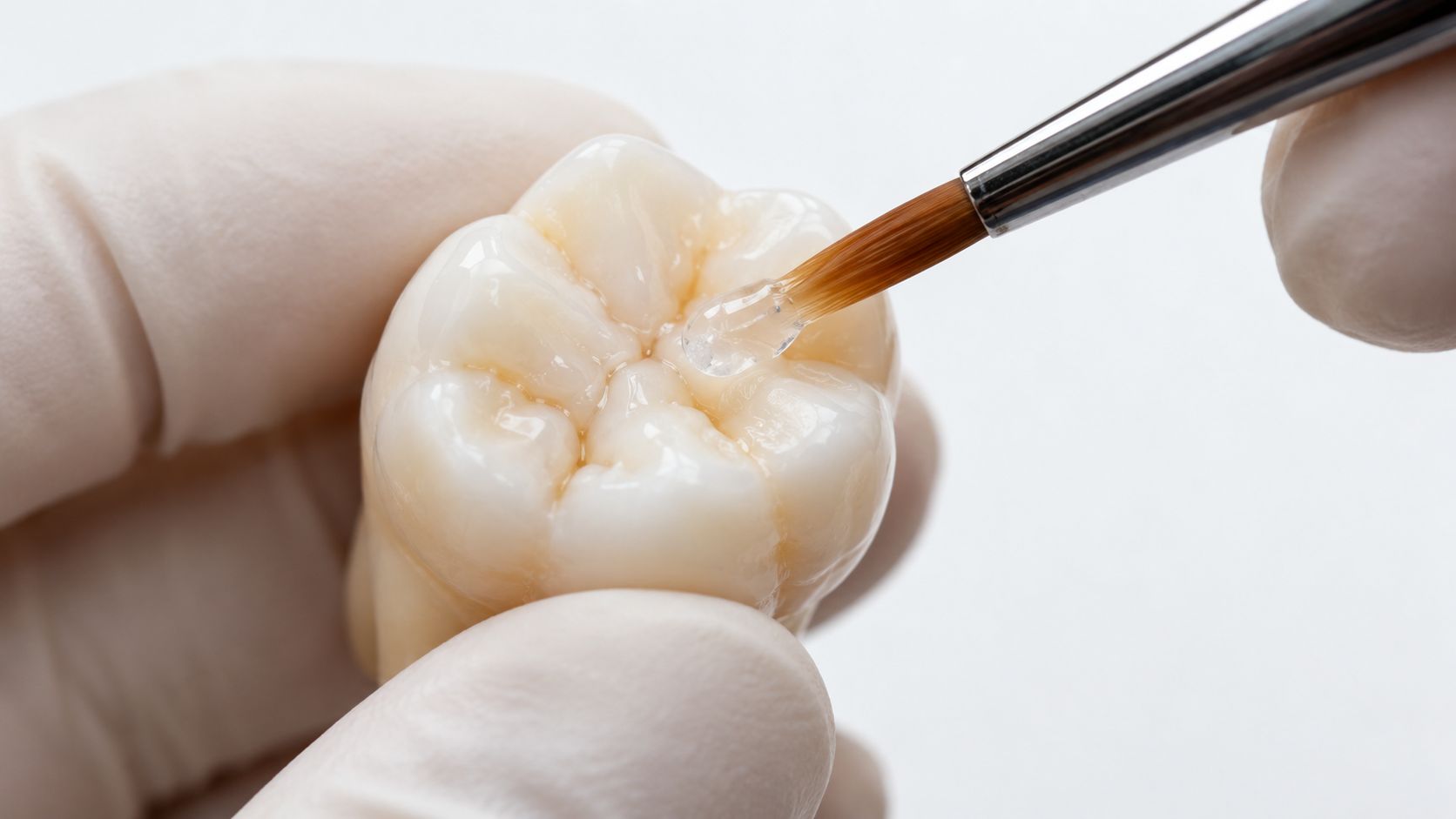
If you've ever looked at the chewing surface of a molar and noticed tiny grooves that seem to catch food, you're not imagining it. Parents often see this when a child's new back teeth come in. Adults notice it when popcorn hulls, granola, or seeds seem to settle into the same spot over and over.
Those grooves are called pits and fissures, and they're one of the most common reasons back teeth need extra preventive attention. The good news is that this is a familiar issue in everyday dental care. With the right exam, imaging, and prevention plan, protecting those teeth is usually simple and comfortable.
Your Trusted Local Dentist for Family Care in Austin TX
Families in Austin and Georgetown often ask the same question. If these grooves are normal, why do dentists pay so much attention to them?
The answer is simple. Normal tooth anatomy can still create places that are hard to keep clean. Molars and premolars are built for chewing, so their tops aren't flat like a countertop. They're more like an uneven surface, with tiny dips, narrow channels, and little creases. Those features help grind food, but they also make good hiding places for plaque and food debris.
For a parent in North Austin, Wells Branch, Round Rock, or Cedar Park, this usually shows up when permanent molars erupt and look deeper or more textured than expected. For adults in Georgetown or Liberty Hill, it may show up as a spot that always feels rough, traps food, or seems harder to brush well.
What patients usually notice first
- Food catching in the same area even after brushing
- Back teeth that look darker in the grooves, even when they aren't painful
- A child with newly erupted molars that seem prominently ridged
- Sensitivity when chewing sweets or a feeling that one tooth is harder to clean
Good news: Deep grooves don't automatically mean you have a cavity. They do mean those teeth deserve a closer look.
That's where modern preventive care helps. A dentist in Austin, TX or Georgetown, TX shouldn't just glance at the surface and guess. Care works better when your exam combines a clinical check, imaging when needed, and a real conversation about cavity risk, daily habits, and what you're noticing at home.
When seeking a dentist near me, emergency dentist, or a long-term family dentist who also offers restorative dentistry, cosmetic dentistry, and services like tooth extraction or dental implants near me, it helps to choose a practice that can handle both prevention and treatment under one roof.
What Are Pits and Fissures on Teeth
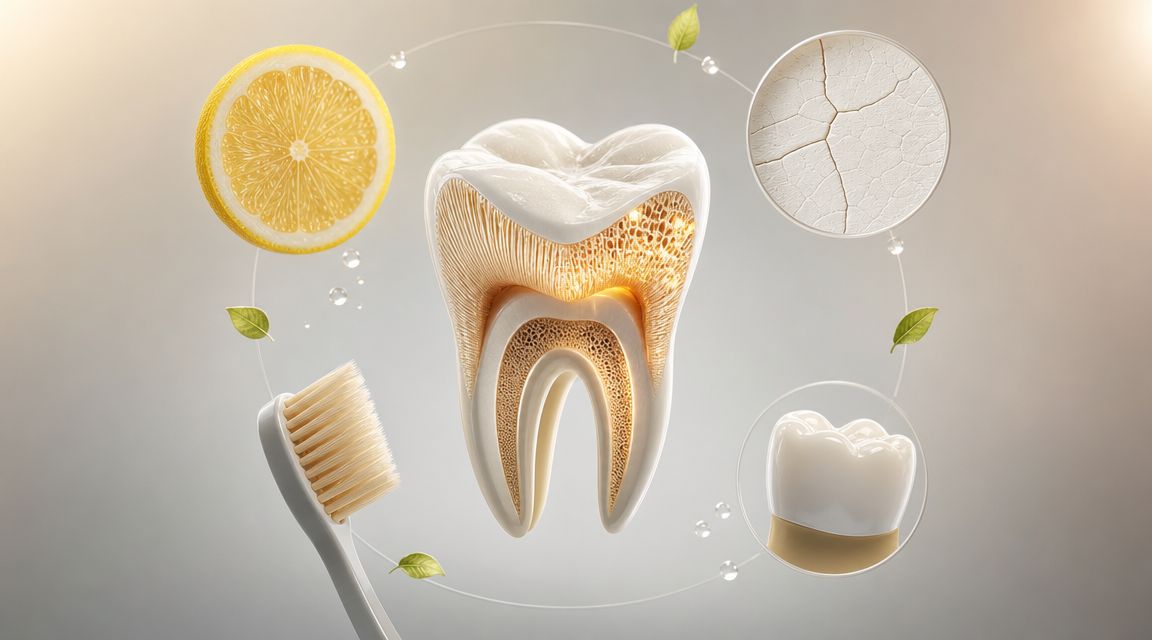
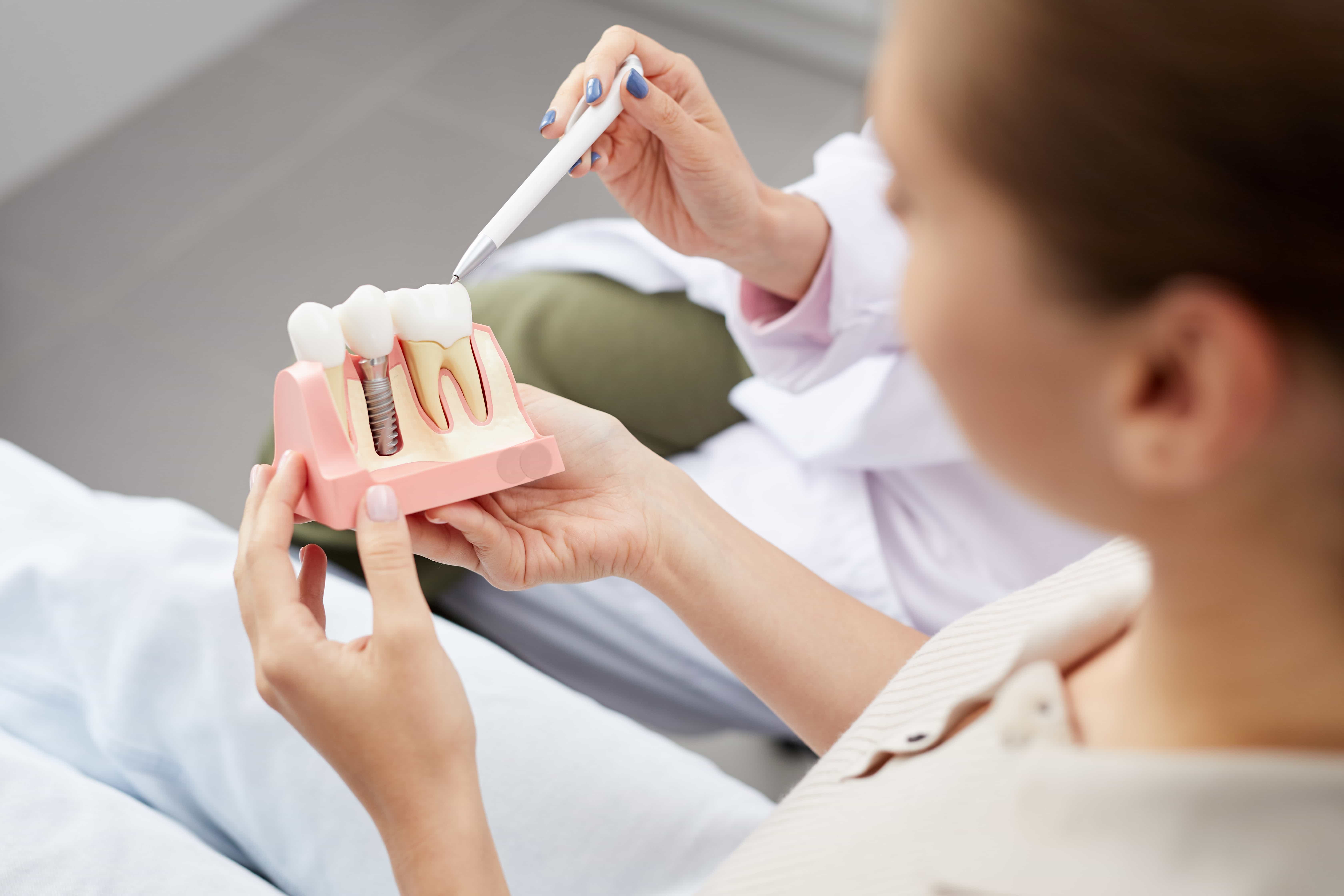
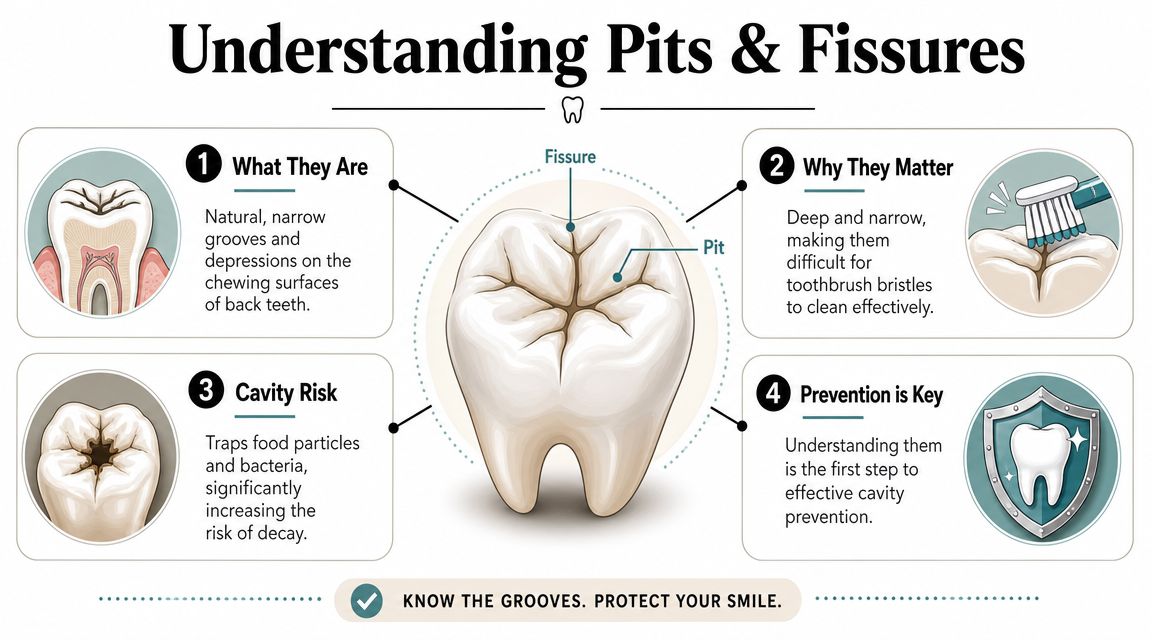
Pits and fissures are the natural grooves and tiny depressions on the chewing surfaces of back teeth. You'll usually find them on molars and premolars. They aren't damage, and they don't mean anything has gone wrong. They're part of how those teeth are shaped.
Think of a molar like a hiking trail map. Some areas are broad and easy to cross. Others are narrow valleys where things settle. A toothbrush does a good job on open, smooth enamel. It has a harder time reaching into the narrowest crevices.
Where they are most common
Back teeth do most of the heavy chewing, so they need a textured surface. That's why pits and fissures are most noticeable on:
- Molars, especially the large back teeth that grind food
- Premolars, which sit just in front of the molars and also help chew
- Newly erupted permanent teeth, where the grooves may look especially pronounced
Why the term sounds more alarming than it is
The word "fissure" can sound like a crack. In dentistry, it usually doesn't mean a fracture. It refers to a narrow groove in the enamel surface. "Pit" means a small depression.
So if your dentist says your child has deep pits and fissures, that isn't a diagnosis by itself. It's a description of tooth anatomy.
Back teeth can look healthy and still need preventive protection if their grooves are hard to clean.
This is one area where patients often get confused. A deep-looking groove isn't always decayed, and a shallow-looking one isn't always risk-free. That's why dentists don't make decisions based only on appearance. The shape matters, but so do hygiene habits, past cavity history, diet, age, and what shows up during an exam.
For families looking for a dentist in Austin, TX or dentist in Georgetown, TX, understanding this anatomy helps take the fear out of the conversation. These grooves are common. The main goal is to monitor them early and keep them from turning into a bigger problem later.
Why These Grooves Increase Your Cavity Risk
The risk comes down to a simple mismatch. Toothbrush bristles are wider than many of these tiny grooves. So even when you brush carefully, the deepest parts may not get cleaned as well as the rest of the tooth.
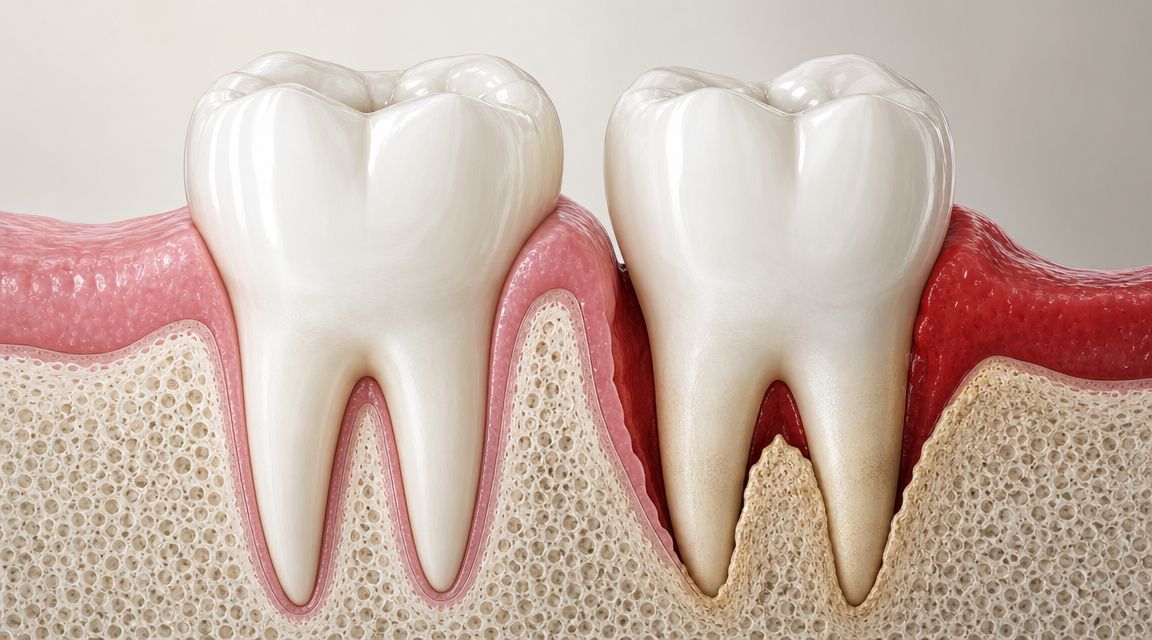
That matters because bacteria feed on leftover food particles. As they break those particles down, they produce acid. Over time, that acid can weaken enamel inside the groove where you may not see the problem right away.
What the anatomy tells us
A dental morphology paper reported that pits and fissures occupy roughly 22.30% to 24.24% of the occlusal surface, while representing only 6.02% of the crown area in primary molars and 6.52% in permanent molars. The same paper noted that carious lesions in children occurring in pits and fissures can reach and even exceed 60%. The AAPD guidance cited in that source also notes that pits and fissures account for about 80% of all caries in young U.S. patients. You can review those figures in the dental morphology paper on occlusal pits and fissures.
In plain language, a relatively small part of the tooth causes a very large share of the trouble.
Why back teeth are affected so often
Here's the chain reaction patients don't always see:
- Food packs into the groove
- Plaque stays in place longer
- Bacteria produce acid
- The enamel softens
- A cavity starts where it's hardest to notice
This is why a tooth can feel fine and still need attention. Cavities in pits and fissures often begin subtly. There may be no major pain at first, just a sticky spot, a stained groove, or nothing obvious at all.
Practical rule: If one back tooth always seems harder to clean than the others, it deserves a professional check, even if it doesn't hurt.
That doesn't mean every deep groove needs a filling. It means these teeth do better when someone checks them carefully and decides whether monitoring, sealants, or treatment makes the most sense.
Preventing Cavities with Dental Sealants
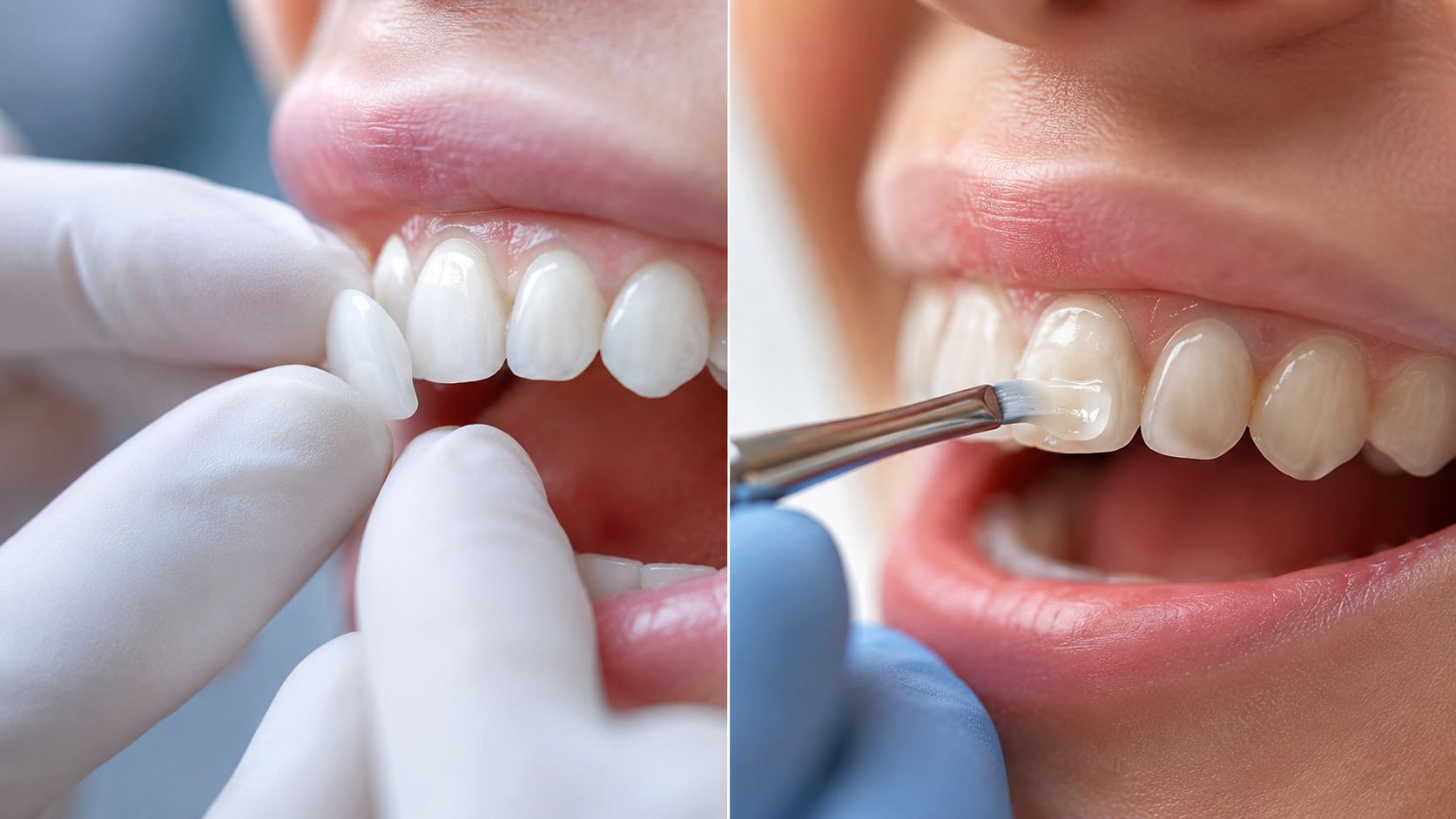
When pits and fissures are the problem, dental sealants are often the most direct solution. A sealant is a thin protective coating placed over the chewing surface of a tooth. Its job is straightforward. It covers the grooves so food and plaque have fewer places to hide.
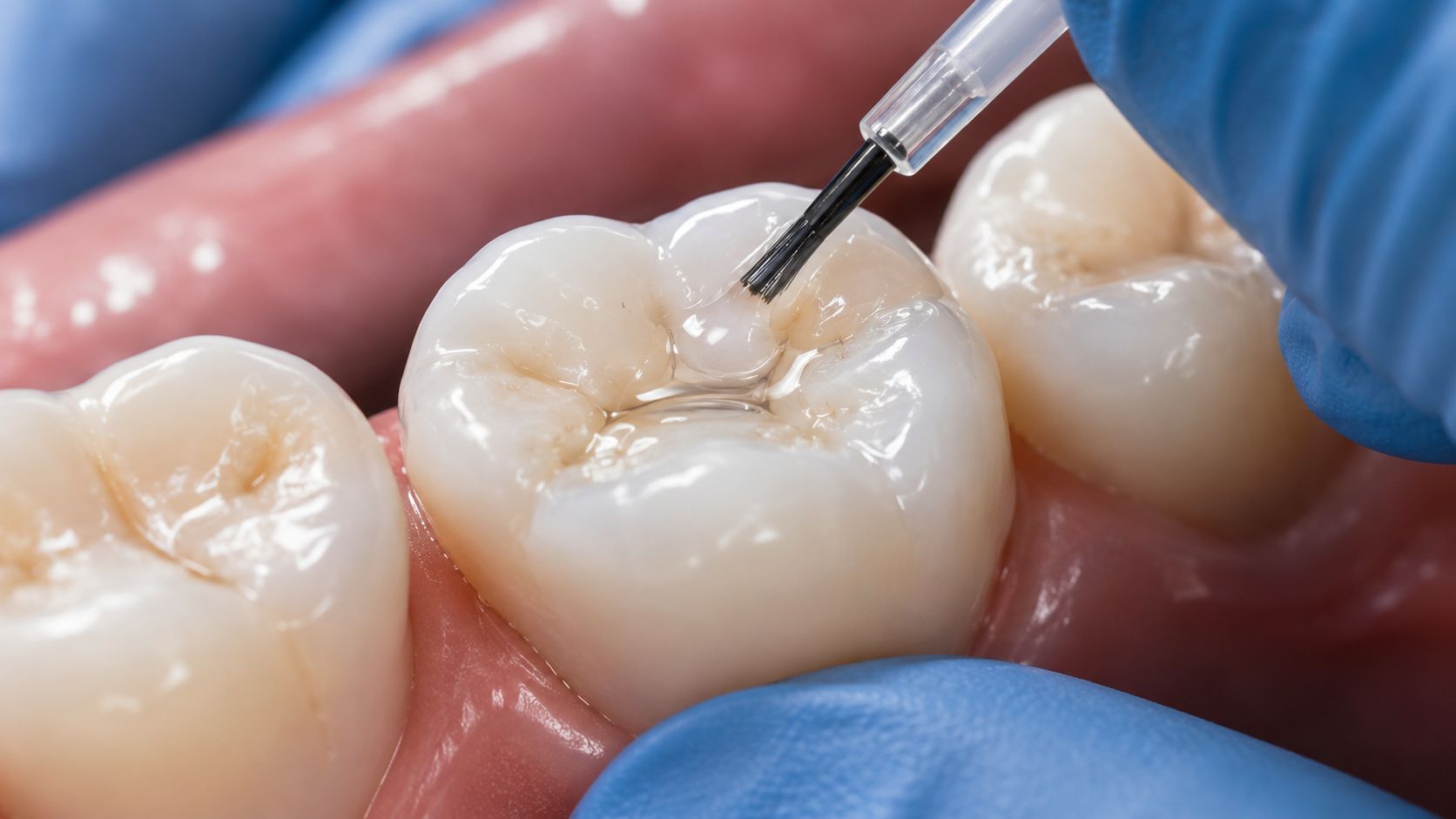
For many patients, this is one of the easiest preventive treatments in dentistry. It doesn't involve drilling into a healthy tooth just because it has grooves. Instead, it creates a smoother surface that's easier to brush and inspect over time.
How sealants work in real life
A sealant acts like a rain cover over a rough surface. The grooves underneath are still part of the tooth, but the top becomes more protected and easier to keep clean.
Patients usually like sealants because the process is simple:
- The tooth is cleaned so the surface is ready
- The enamel is prepared so the material can bond properly
- The sealant is applied into the grooves
- A curing light may be used to harden it, depending on the material
- The bite is checked so everything feels normal
It is often surprising how quick and comfortable it is.
Why dentists recommend them so often
Evidence summarized in a major monograph found that sealants can reduce the risk of carious lesions in molars by up to 85% over a four-year period, and that when maintained, long-term success rates can reach 85% to 95% over 7 to 10 years. That same review describes sealants as a durable preventive tool in dentistry. You can see those figures in the pit and fissure sealant monograph.
That kind of protection is why sealants are commonly recommended for children as permanent molars come in, and for some teens and adults who still have deep, cavity-prone grooves.
If you want more everyday prevention tips beyond in-office treatment, 3D Dental also shares guidance on how to prevent cavities naturally.
A short visual can help if you've never seen the process before.
Sealants aren't a substitute for brushing, flossing, cleaning and exams, or dental x-rays when needed. They work best as part of a bigger prevention plan. But for the right tooth, they can be one of the smartest low-stress steps you can take.
Diagnosis and Treatment at 3D Dental
Not every groove needs treatment, and not every dark line is a cavity. That's why diagnosis matters.
Research has found that fissure morphology alone is not a reliable predictor of caries progression, so dentists shouldn't rely only on how deep or complex a groove looks. That finding comes from a quantitative occlusal topography study on fissure morphology and caries susceptibility. In other words, the tooth's shape is only one part of the story.
What a careful evaluation includes
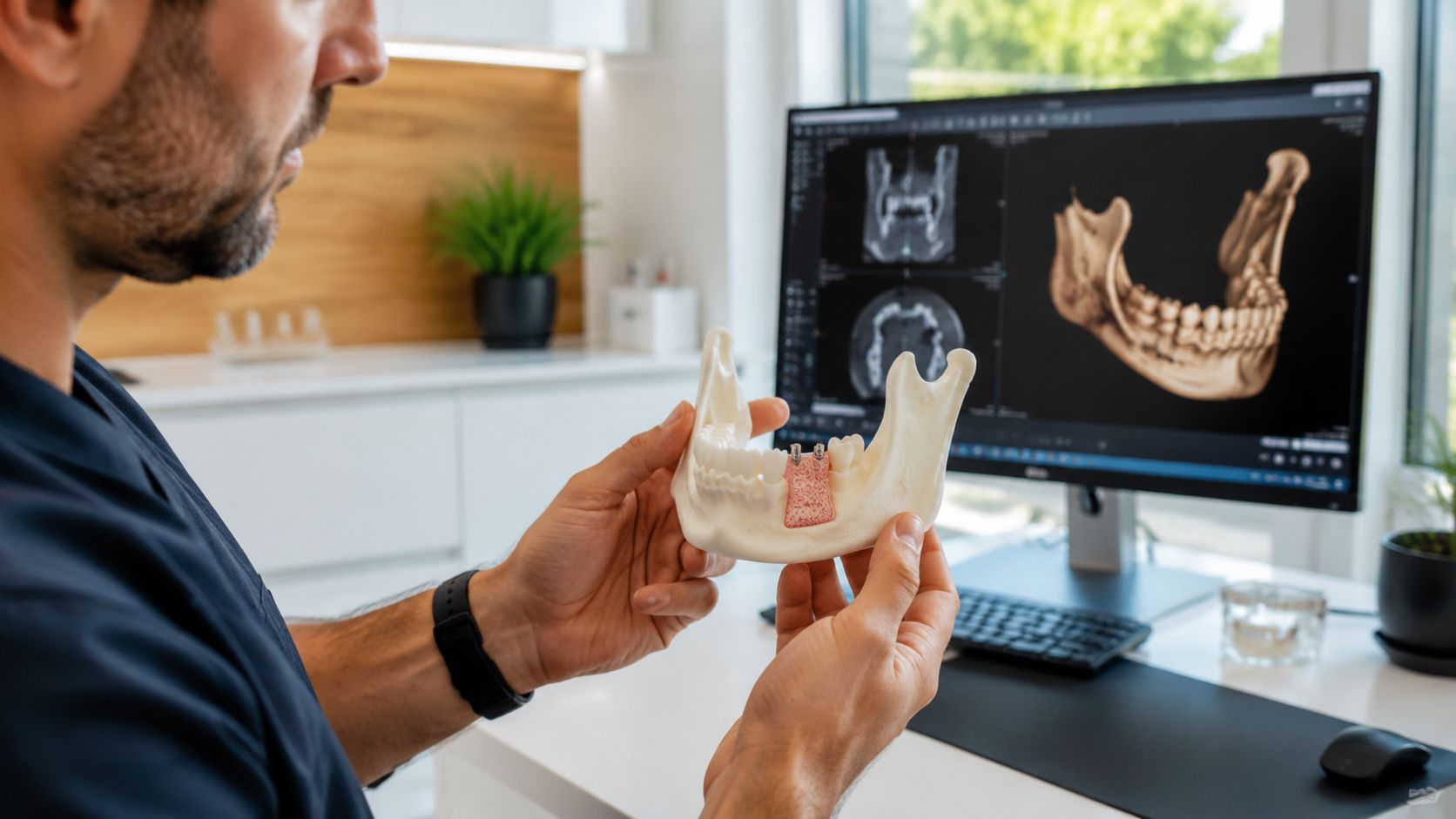
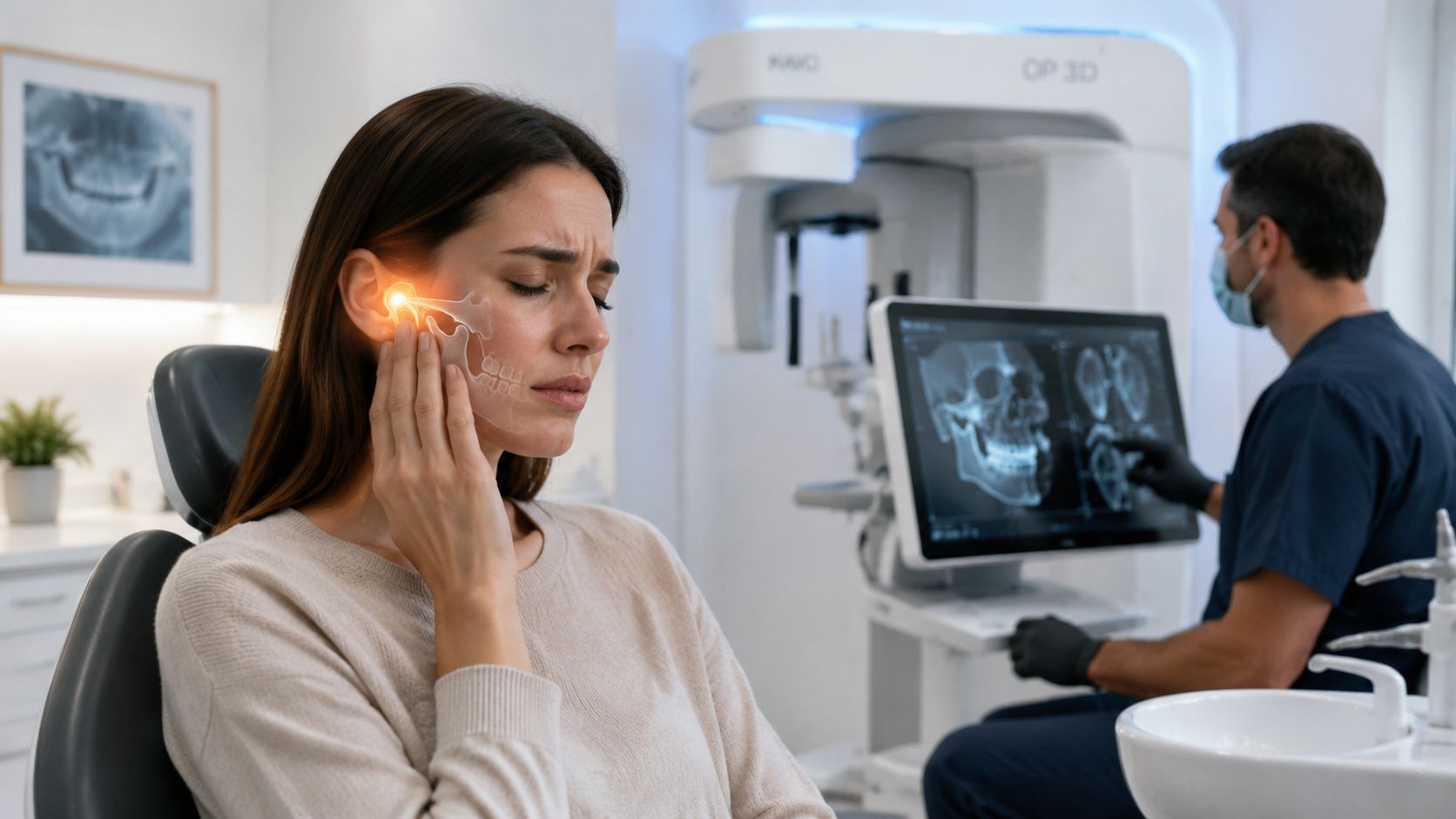
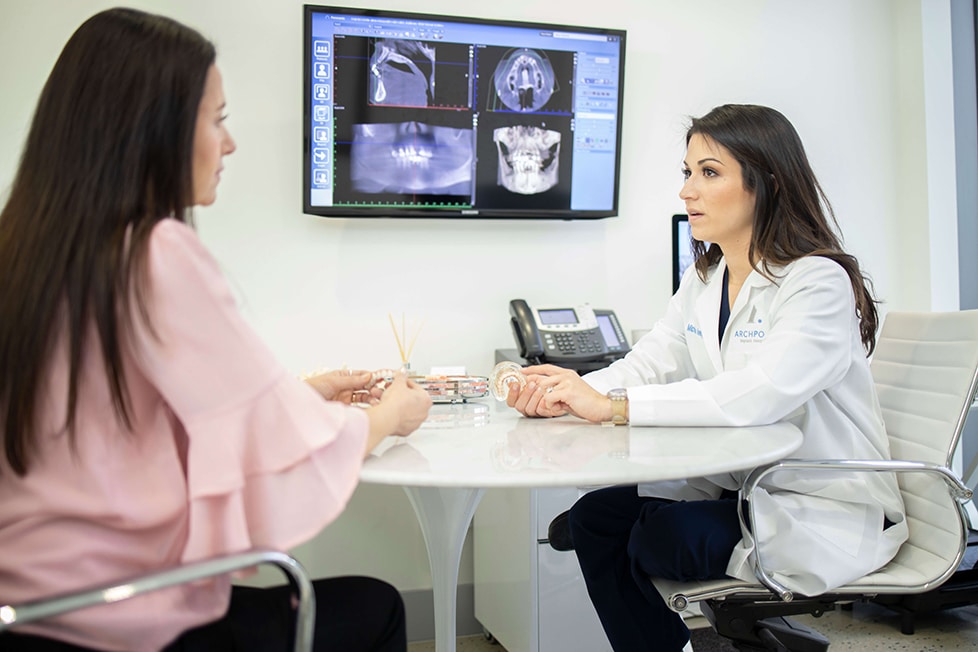
At 3D Dental, evaluation can include visual inspection, risk assessment, and advanced digital imaging to help identify whether a groove is deep, starting to weaken, or already decayed.
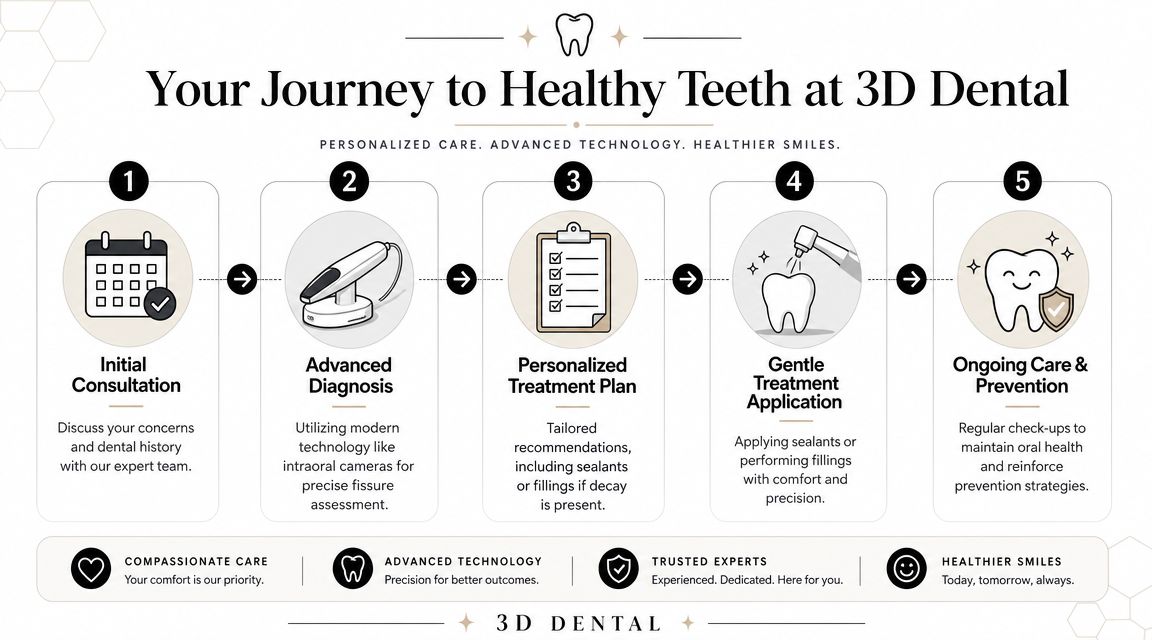
A modern exam may involve tools such as:
- Digital X-rays when the dentist needs a better look below the surface
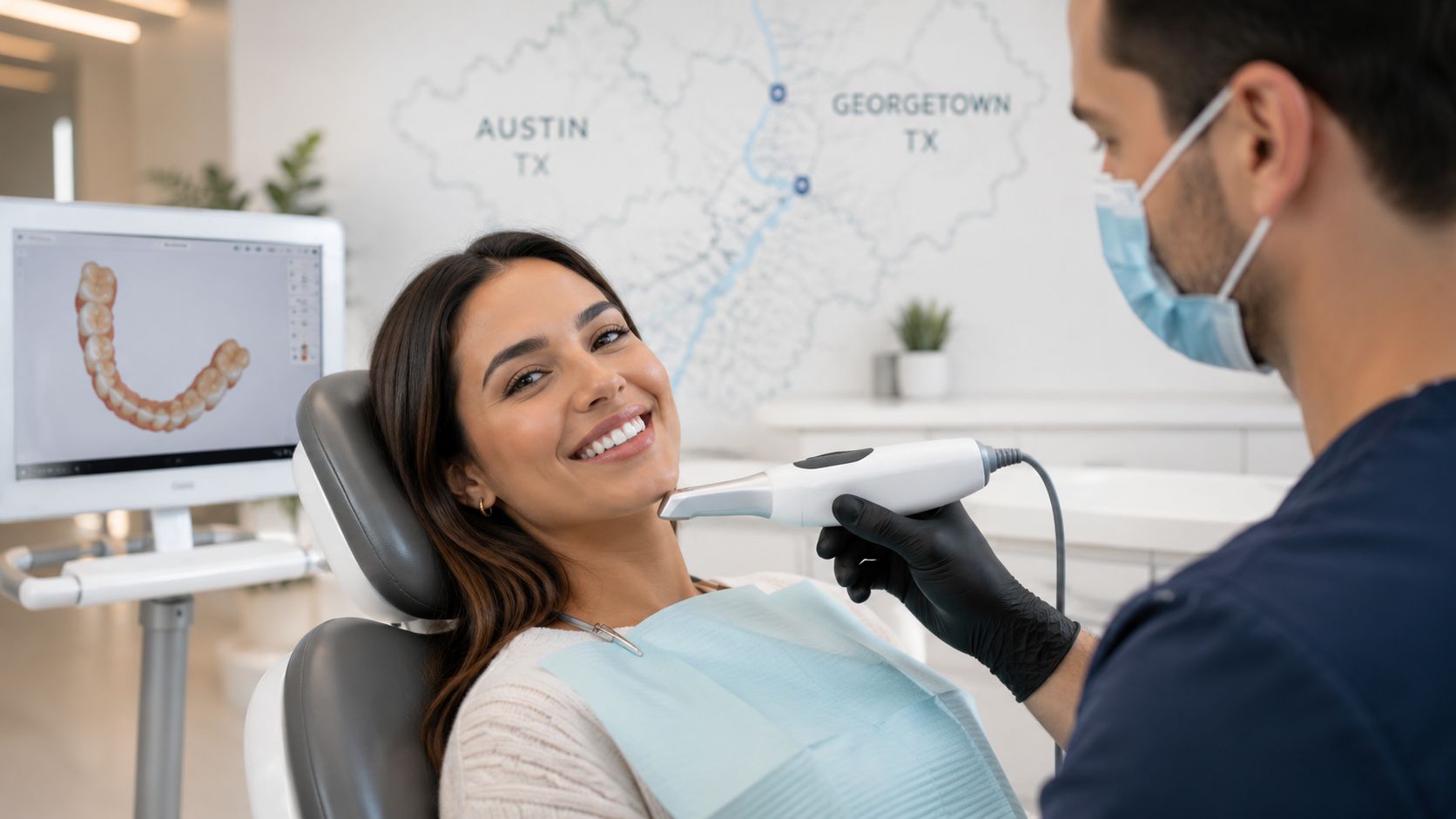
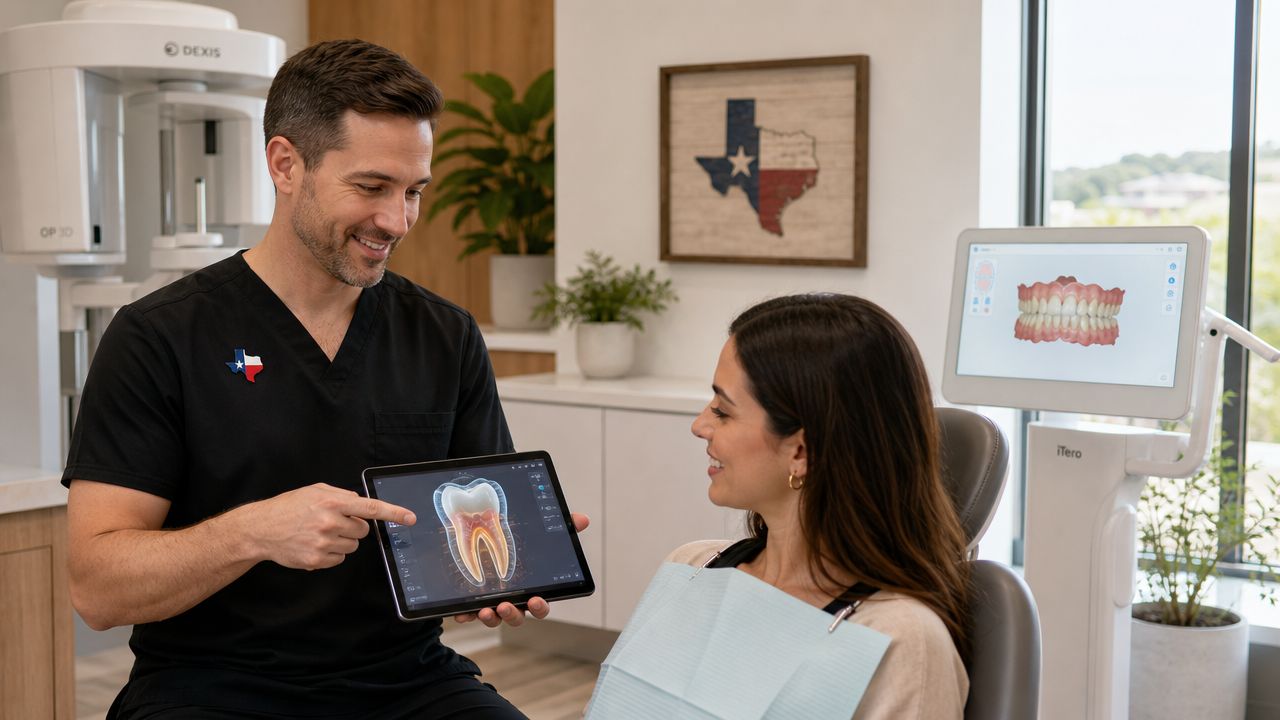
- Intraoral cameras so you can see the grooves on a screen instead of guessing
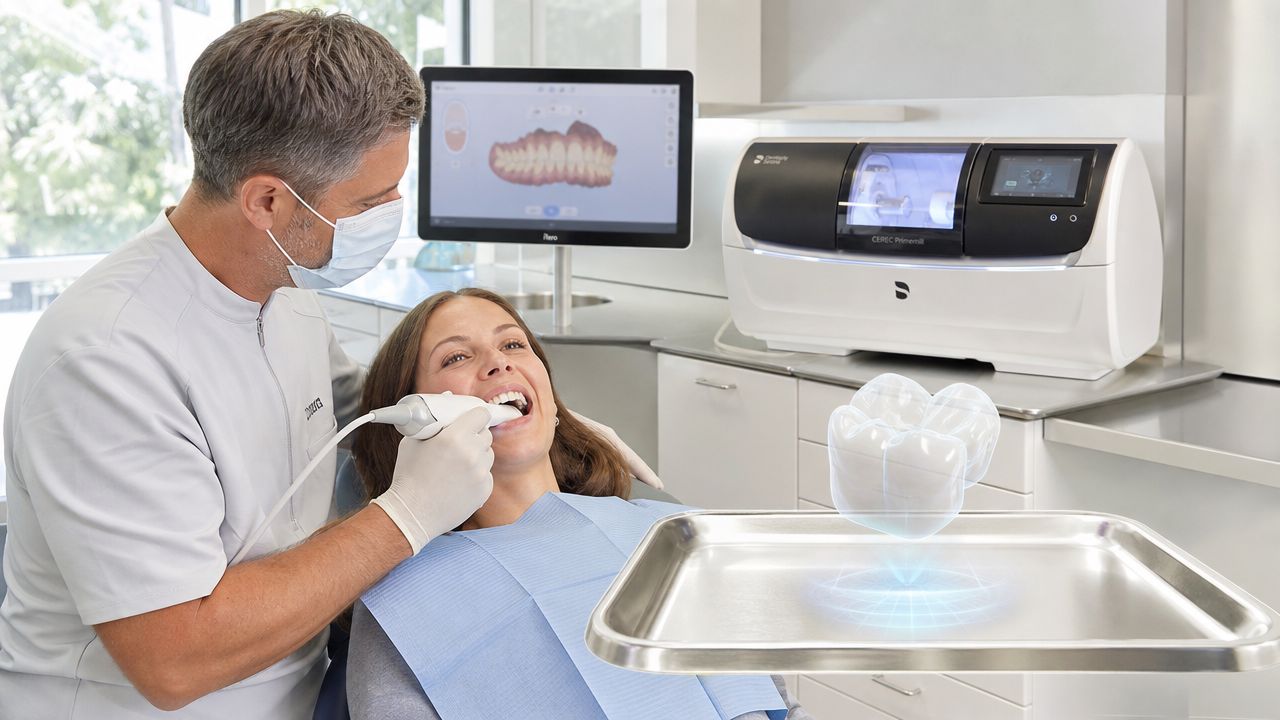
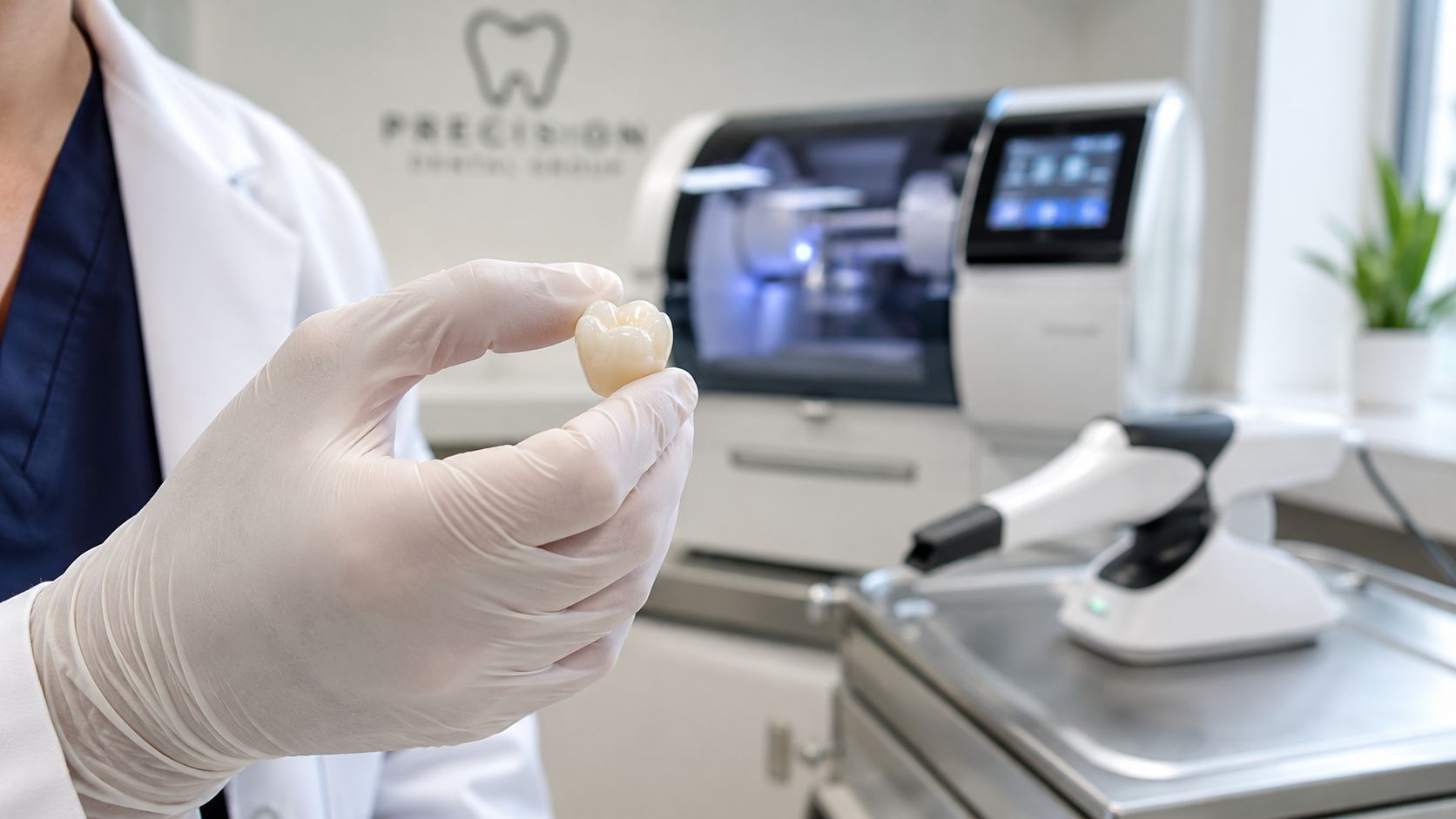
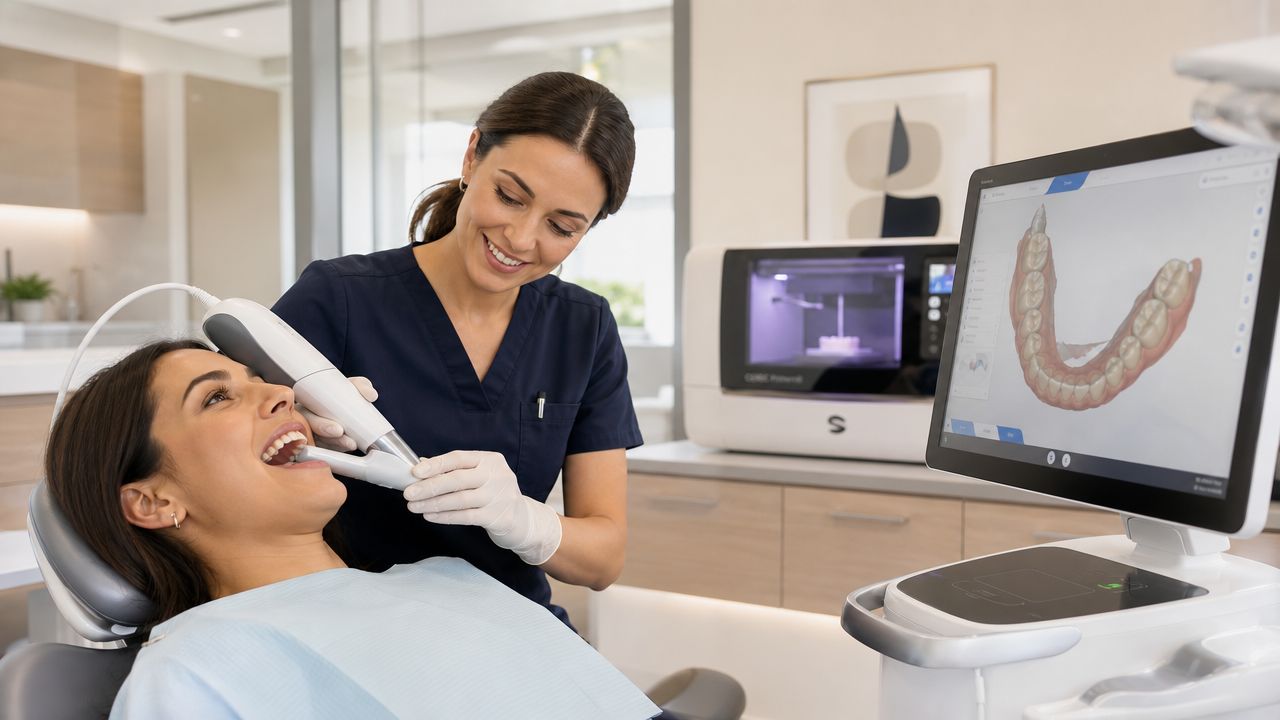
- Digital scanners or 3D imaging when treatment planning calls for more detail
- A full clinical exam that considers your history, symptoms, and cavity risk
That approach is useful for families in Austin, Georgetown, Cedar Park, Round Rock, Wells Branch, and Liberty Hill who want a clear answer instead of a rushed opinion.
What treatment may look like
The right treatment depends on what the exam shows.
| Situation | Common next step |
|---|---|
| Healthy tooth with deep, vulnerable grooves | Monitoring or sealant placement |
| Early decay limited to the groove area | Conservative tooth-colored filling |
| More advanced damage or pain | Restorative care based on the tooth's condition |
If decay has already formed, treatment usually starts with the most conservative option that can fully remove the damaged area and restore the tooth. That may be a small filling. If a tooth has a more complex problem, your care plan may expand into restorative dentistry, emergency dental care, or other services already available in the same practice.
A good diagnosis doesn't start with the groove. It starts with the whole patient.
This is relevant to those seeking a dentist near me, tooth extraction, cosmetic dentist near me, or dental implants near me. Even if you're focused on another service, your routine exam still needs to catch the small preventable issues before they become bigger and more expensive.
Schedule Your Dental Exam in Austin or Georgetown Today
Pits and fissures are common, especially on back teeth that do the hardest work. They aren't something to panic about. They are something to check early, protect when needed, and monitor over time.
Patients usually feel more comfortable when they can see what's happening and understand why a recommendation is being made. That's where modern imaging, clear communication, and a steady preventive routine make a real difference. Whether you're scheduling a new patient exam, bringing in your child for a checkup, or looking for help with a suspicious groove on a molar, a local visit can give you a clear plan.

If you're in Austin, Georgetown, Wells Branch, Cedar Park, Round Rock, or Liberty Hill, a good next step is to book dental exams and cleanings. A routine visit can identify whether those grooves are normal anatomy, a good candidate for sealants, or a spot that needs treatment before it starts to hurt.
Small grooves can turn into big problems. Early exams keep that from happening.
If you're ready to protect your molars, get answers about a possible cavity, or establish care with a local family dentist, contact 3D Dental to schedule your visit in Austin or Georgetown.
Ready to get started?
Schedule a free, no obligation consultation with our team and see what's possible for your smile!
Georgetown
- Mon-Thurs8:30am-5pm
- Fri8am-3:30pm
- Sat-SunClosed
Austin
- Mon-Tues8am-5pm
- Wed-Thurs9am-6pmFri8am-2pm
- Sat-SunClosed