
Affordable Dental Implants Near Me: An Austin Guide
Related Posts


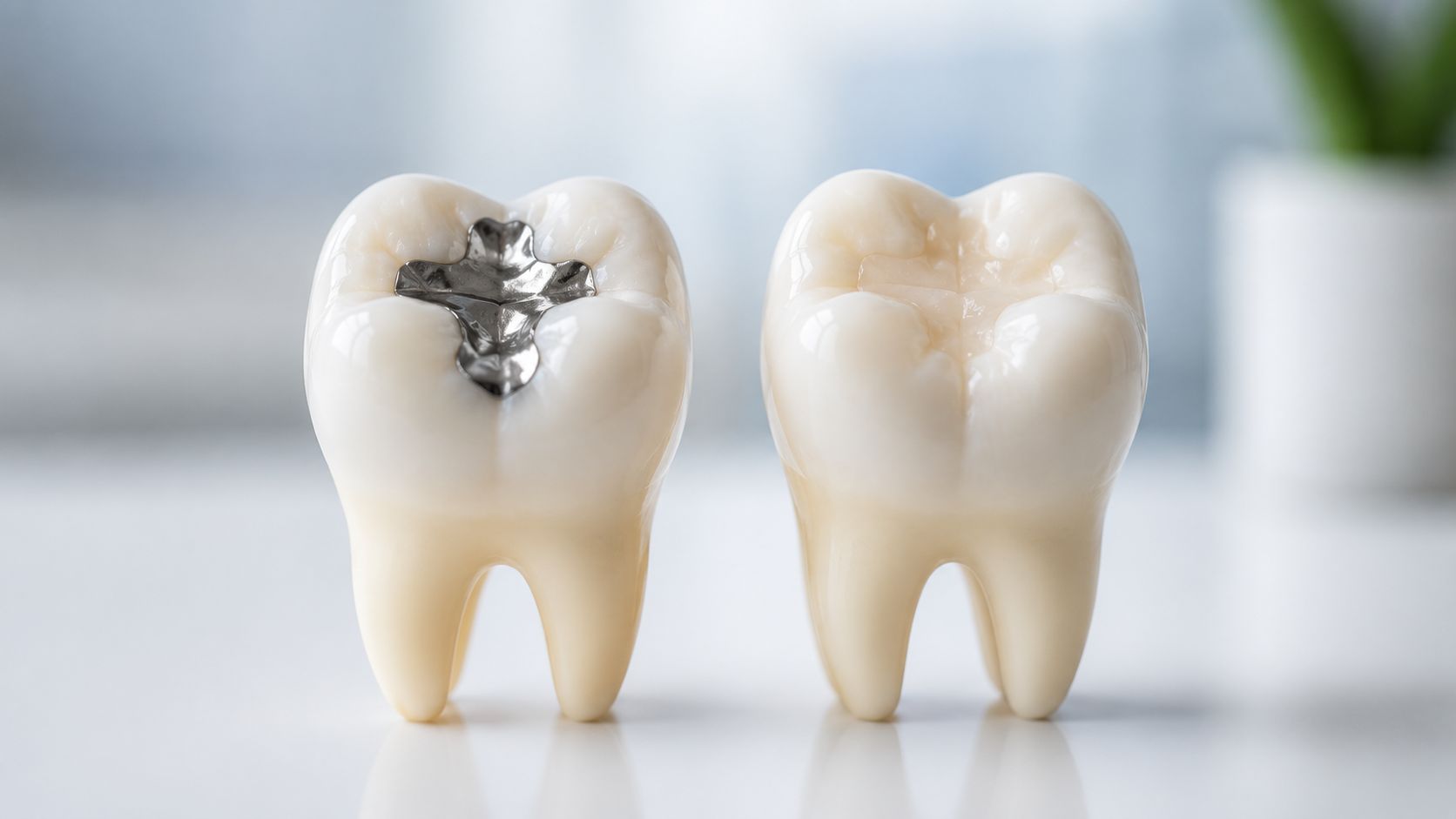



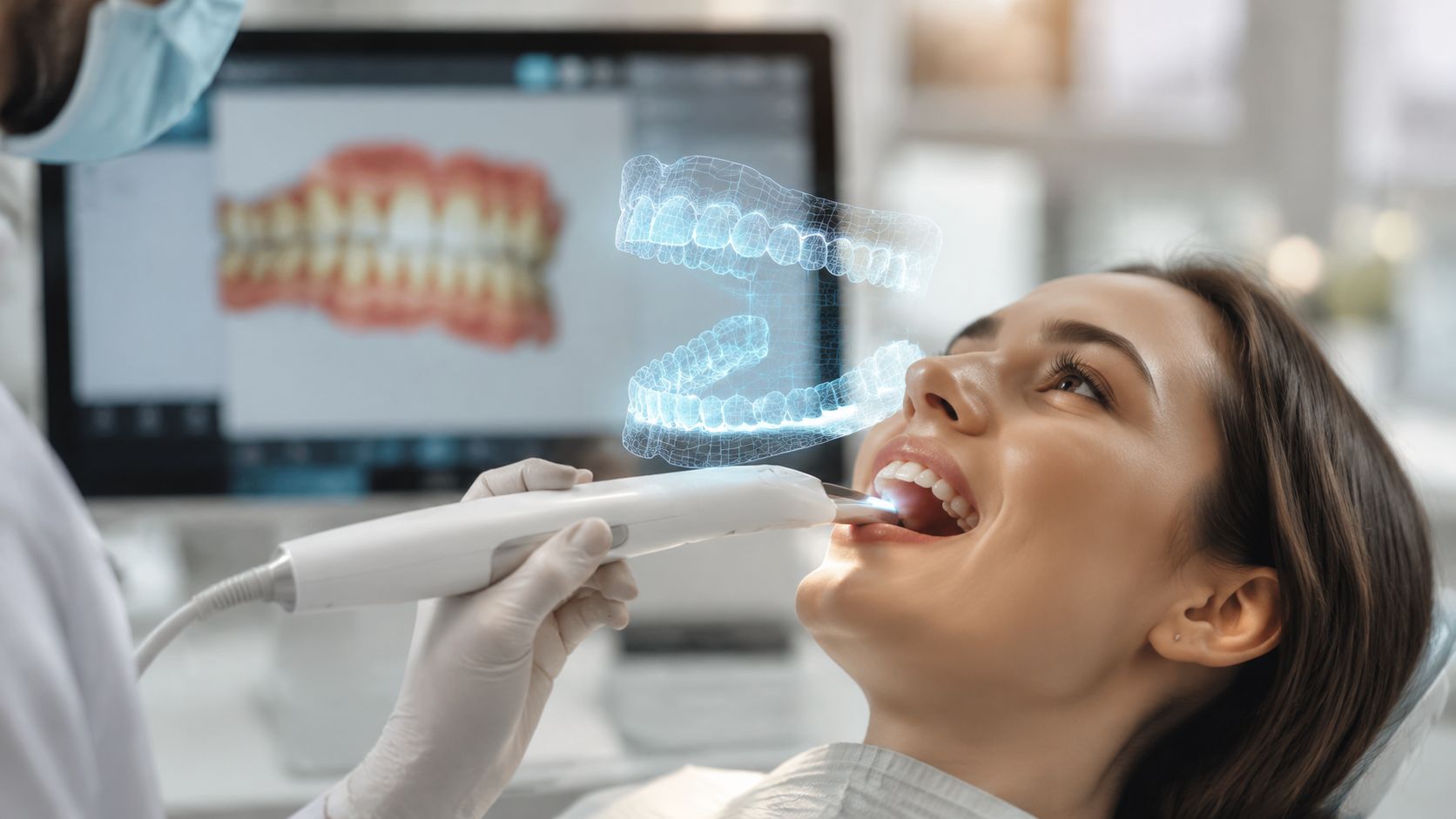
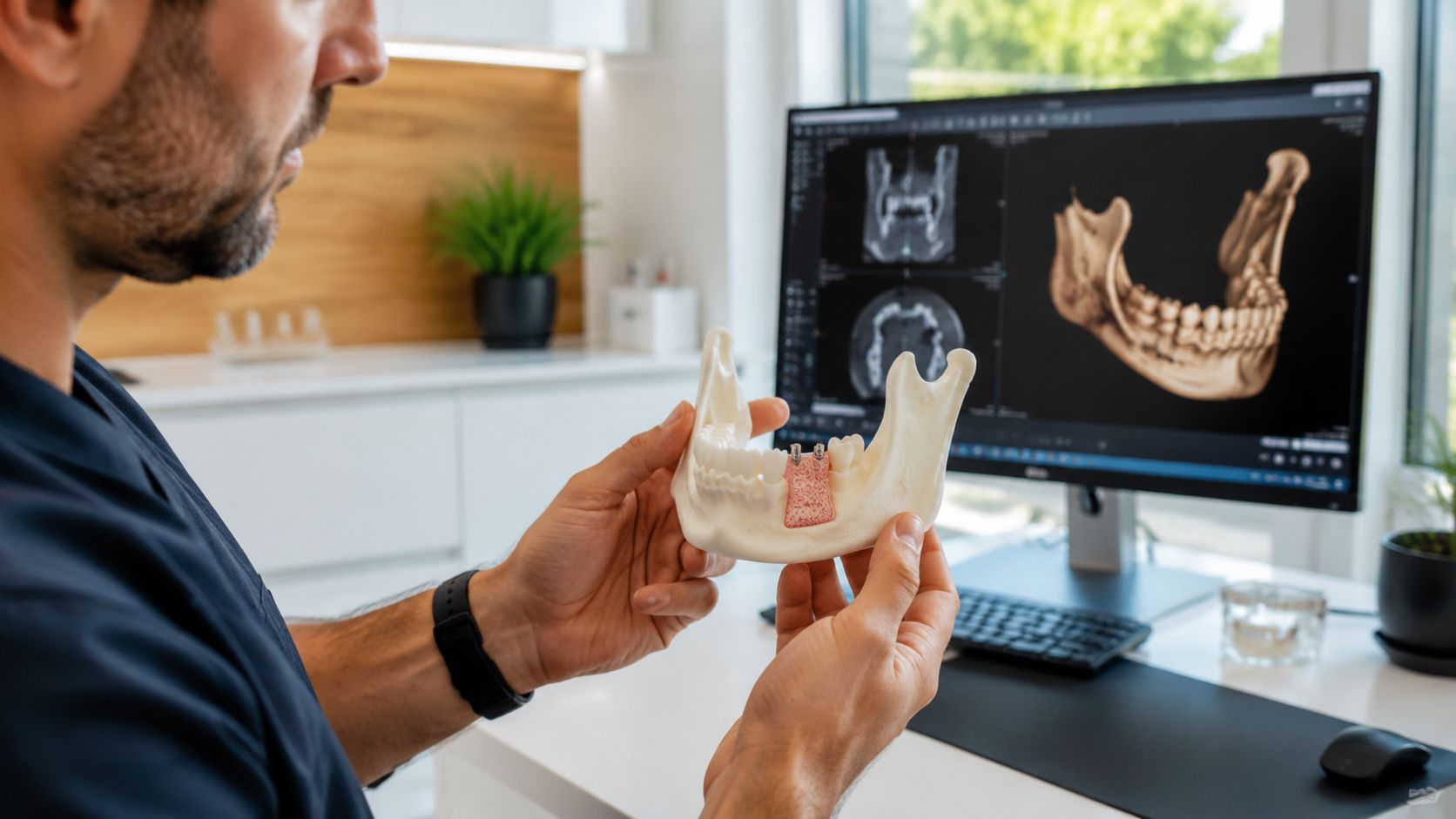
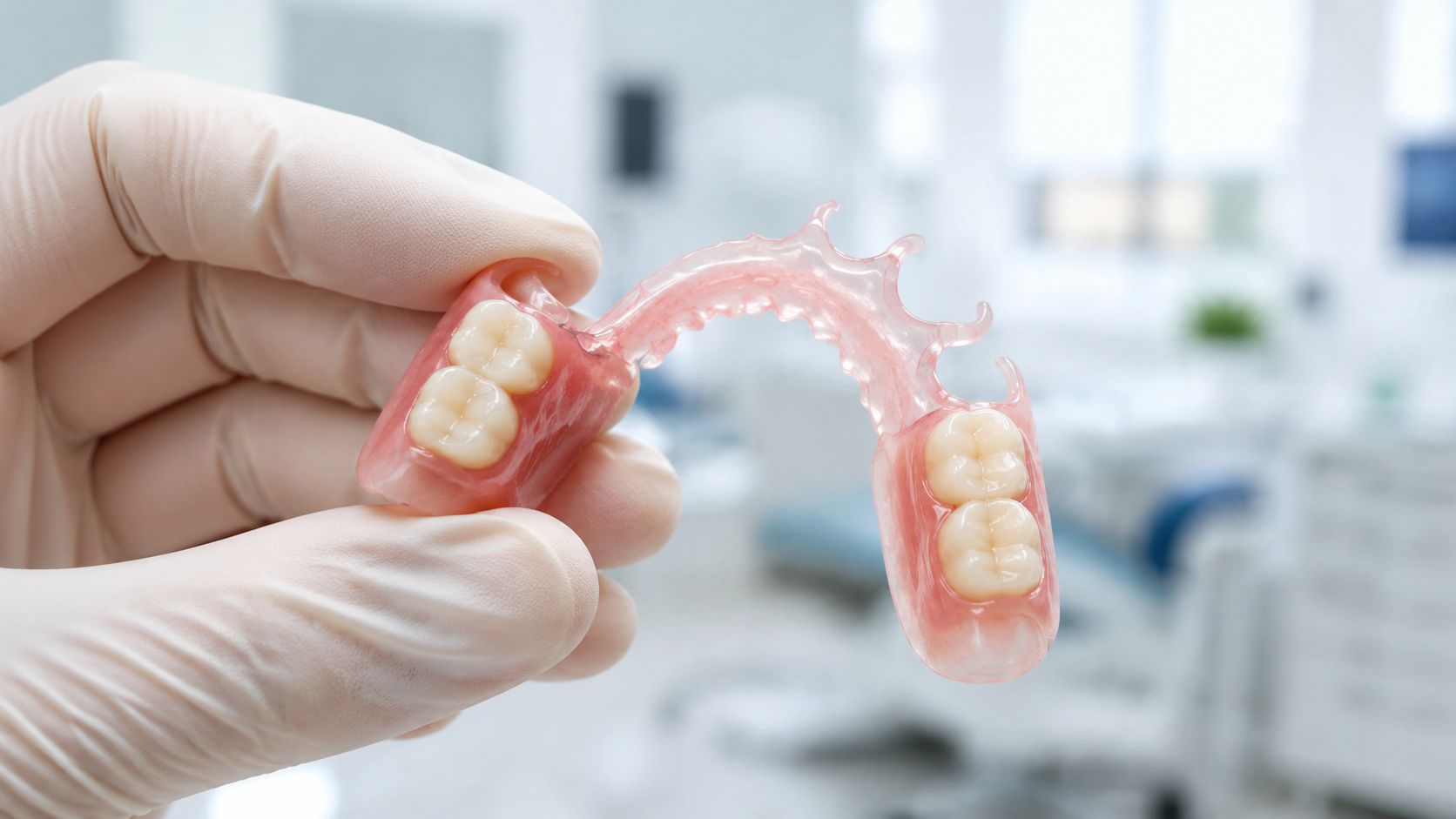


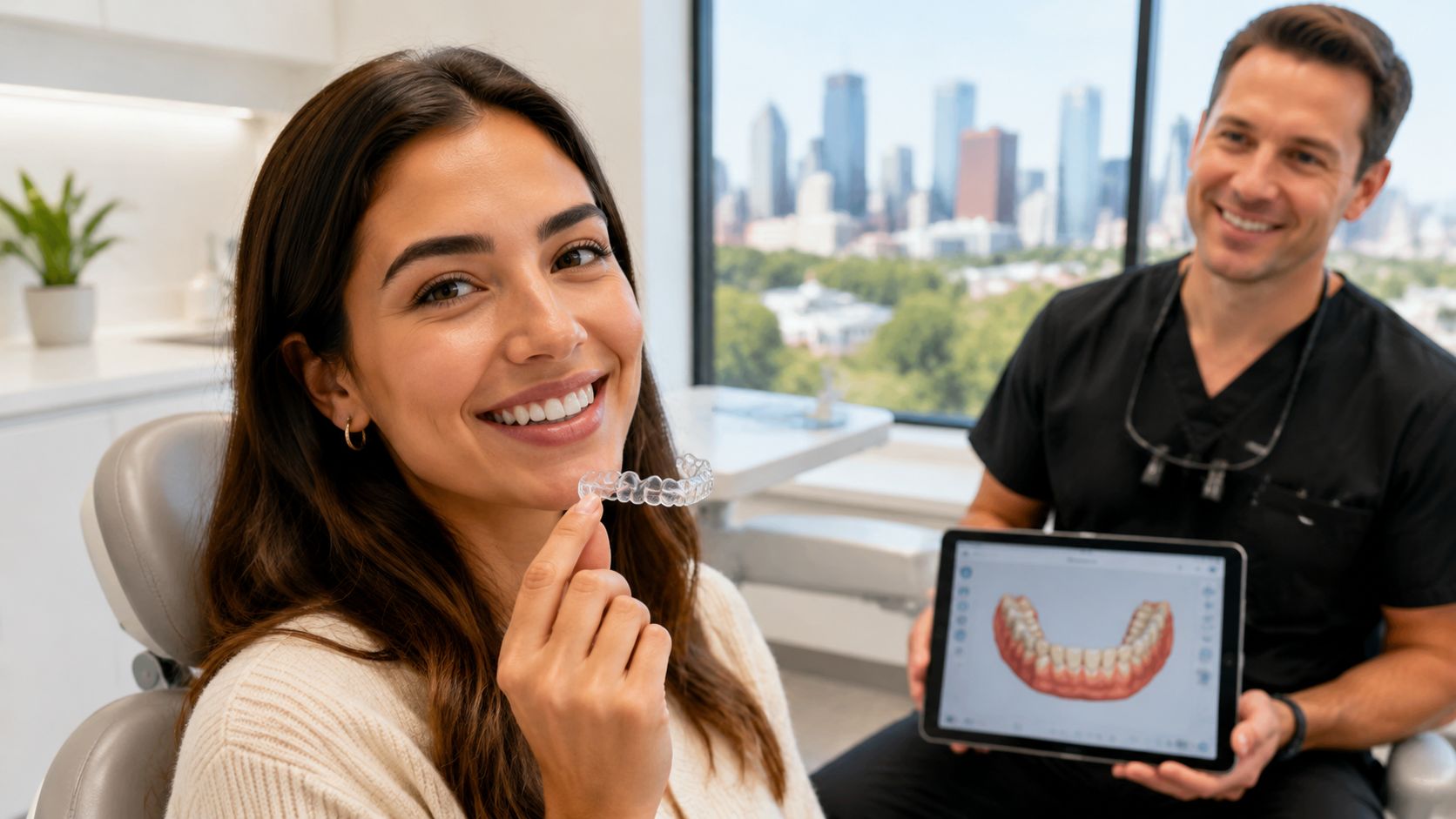
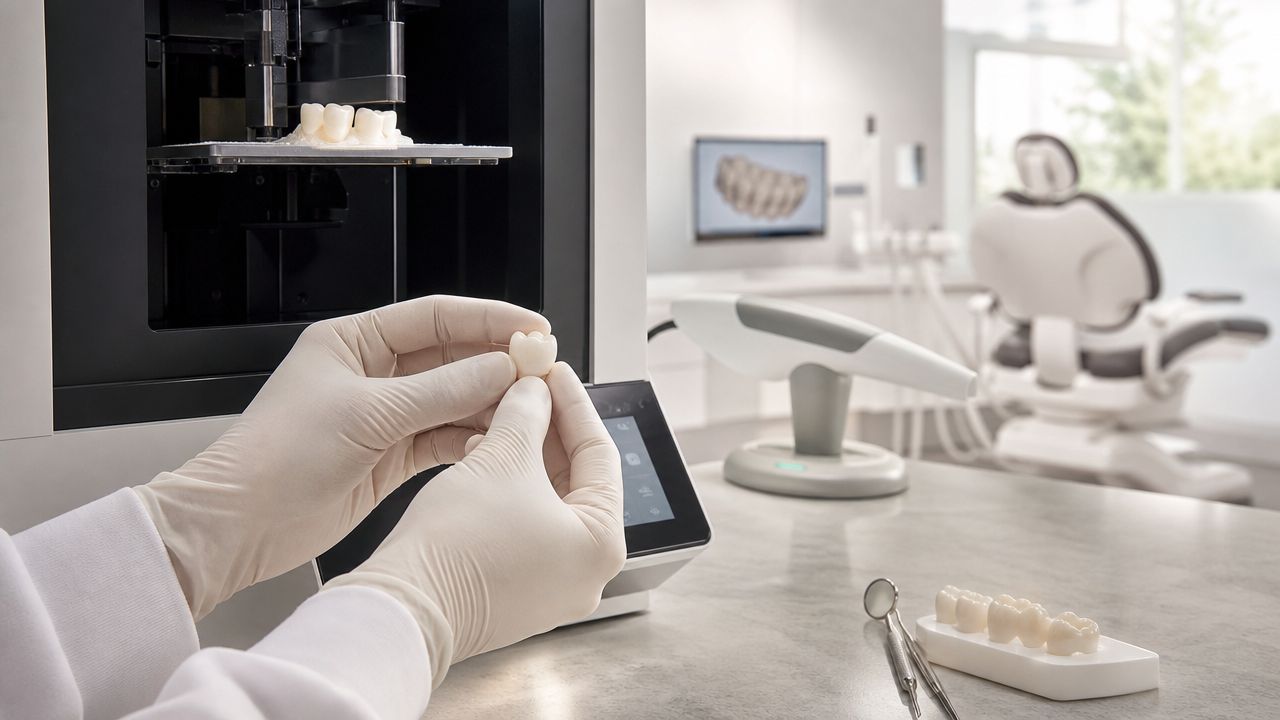
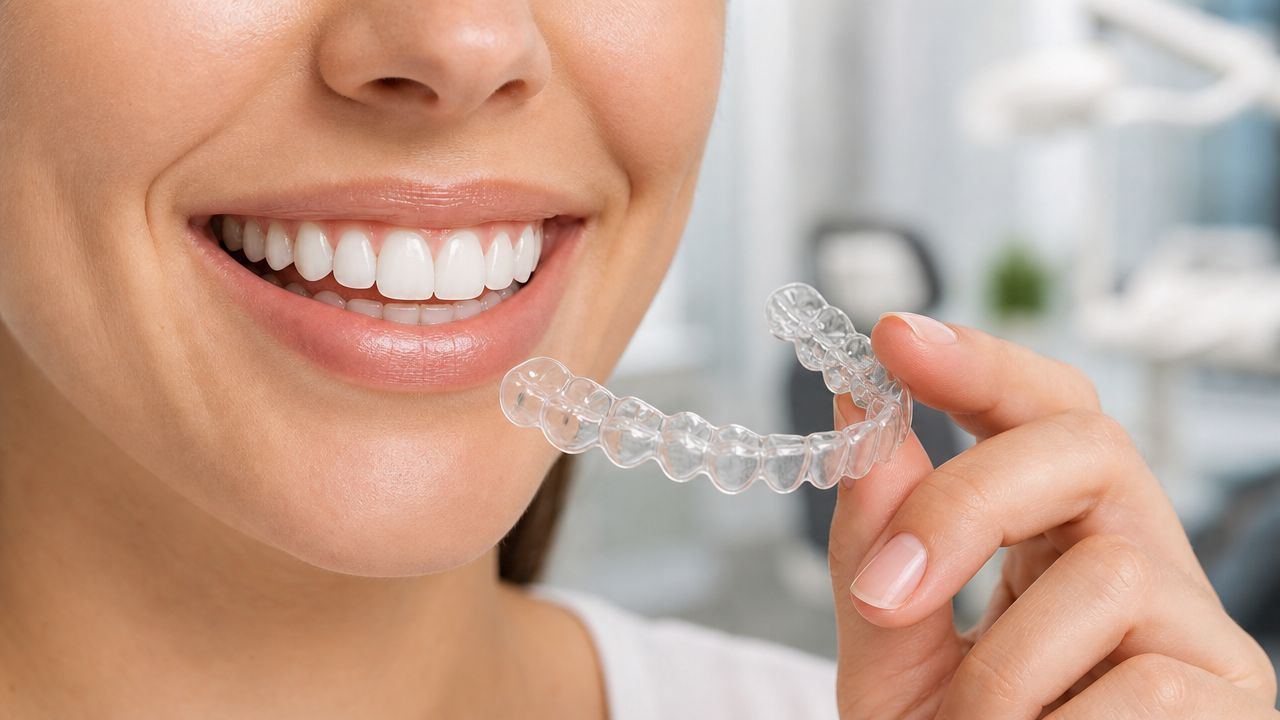





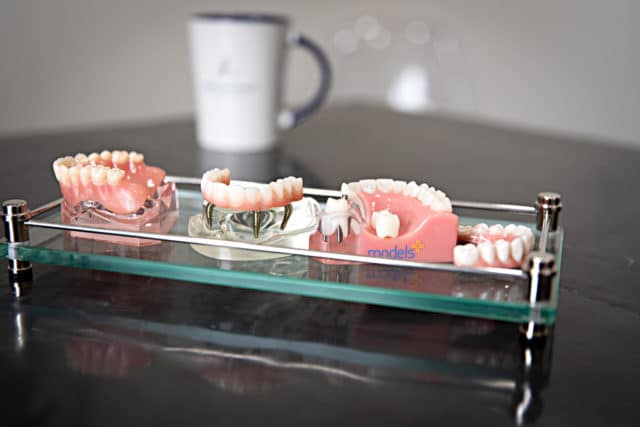
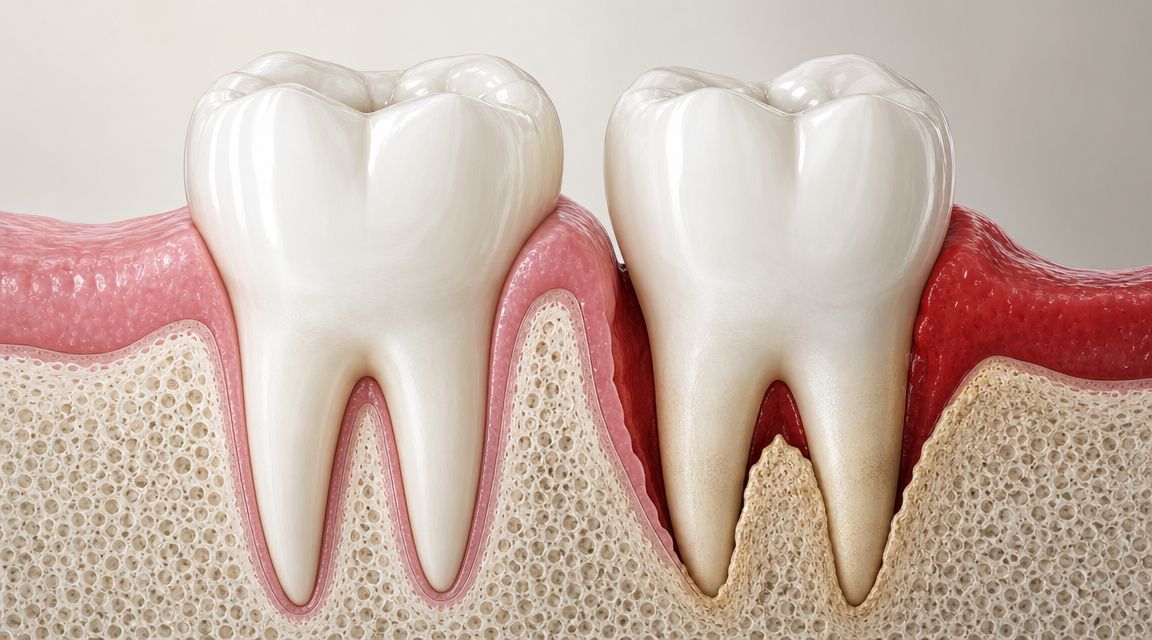
















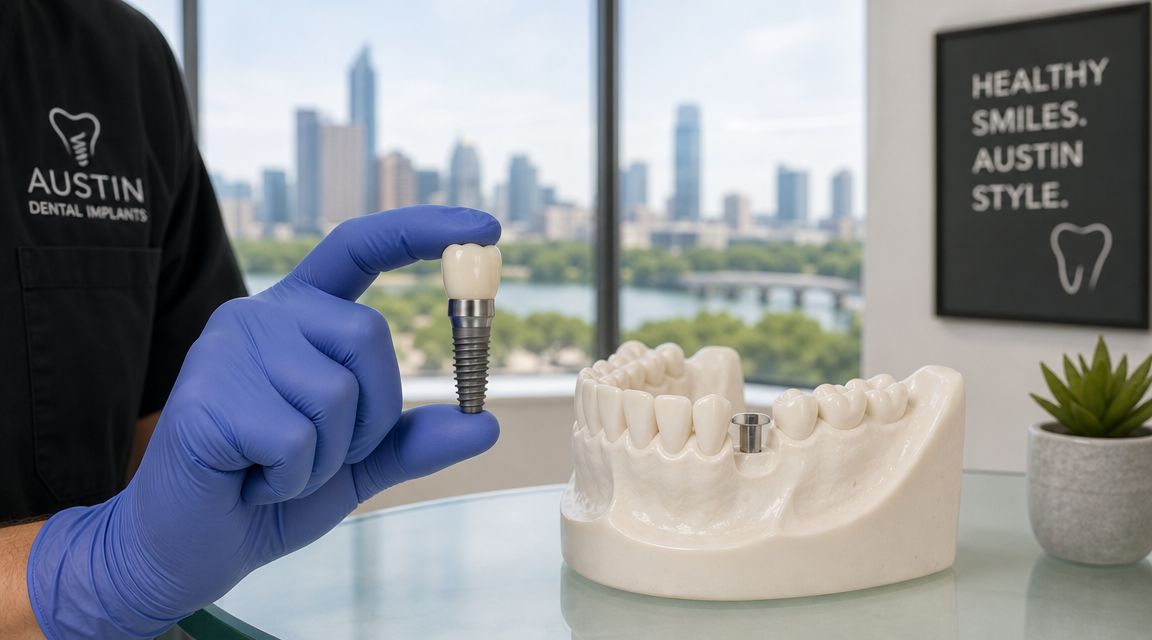
Online quotes for a single implant can range from $2,500 to $8,000 per tooth when the full restoration is included, and a single implant is often discussed at about $4,000, while full-mouth solutions can start around $13,500 to $18,000. When considering affordable dental implants near me in Austin, true affordability comes from understanding the complete treatment plan, possible added procedures, and financing options instead of focusing on one low advertised number.
If you're reading this, there's a good chance you're missing a tooth, dealing with a failing tooth, or tired of a denture that doesn't feel secure. You're also probably comparing offices in Austin, Georgetown, Cedar Park, Round Rock, Wells Branch, or Liberty Hill and wondering which quote is real, which office is cutting corners, and how to make a permanent solution fit your budget.
That concern is reasonable. Dental implants are a major decision because they affect how you eat, speak, smile, and maintain bone support over time. They also involve more than one appointment and more than one fee.
Affordable doesn't mean choosing the lowest sticker price. It means choosing a plan that uses solid diagnostics, careful placement, and a restoration built to last, without surprises along the way.
Your Search for Local Dental Implants Ends Here
Searching for affordable dental implants near me often starts the same way. A patient sees one low online price, then another office gives a very different number, and suddenly the whole process feels hard to trust.
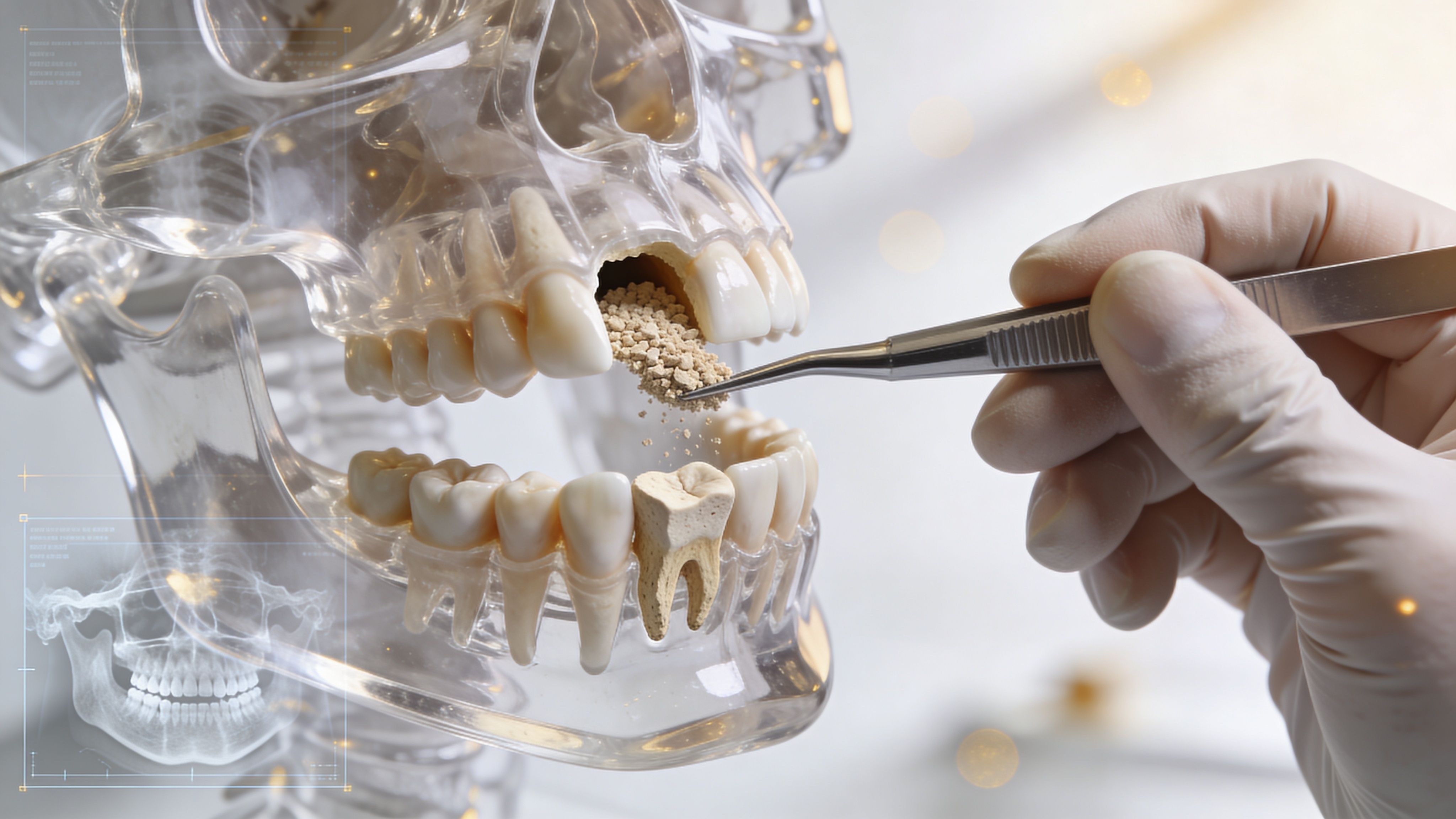
The reason is simple. Implant treatment isn't one line item. Patient guidance compiled in this overview of implant treatment costs and planning explains that the final cost can include consultation, 3D imaging, extraction, bone grafting, the implant fixture, the abutment, the crown, and follow-up care. That same guidance notes that implant treatment is a multi-step process, which is why an itemized plan matters more than a headline price.
What affordable should mean
A low number at the top of an ad doesn't tell you whether the office included the final crown, whether imaging is part of the plan, or whether bone support has been evaluated well enough to avoid preventable problems.
A better definition of affordability looks like this:
- Clear diagnosis: The office identifies what you need before treatment starts.
- Transparent fees: You know which steps are included and which are only needed if the exam shows a problem.
- Durable materials and planning: The goal is to avoid paying twice because the original plan was rushed.
- Practical payment options: The treatment is structured so the care is reachable, not just theoretically available.
Practical rule: Don't compare implant ads. Compare written treatment plans.
Why local patients in Austin ask the right question
Patients in Austin and Georgetown usually aren't just asking, "What's the cheapest implant?" They're asking a better question: "Who can do this carefully, explain it clearly, and make it manageable?"
That matters because local convenience affects the entire experience. Implant care usually involves evaluation, placement, healing checks, and final restoration. A nearby office with modern diagnostics and restorative coordination can make that process much smoother than bouncing between different locations for surgery and prosthetics.
For many patients, implants are one part of a bigger treatment picture. A missing tooth may also involve a cracked neighboring tooth, gum inflammation, bite wear, or the need for a tooth extraction first. That's why it helps to work with a dentist in Austin, TX or Georgetown, TX who can look at the full oral health picture, not just the gap in your smile.
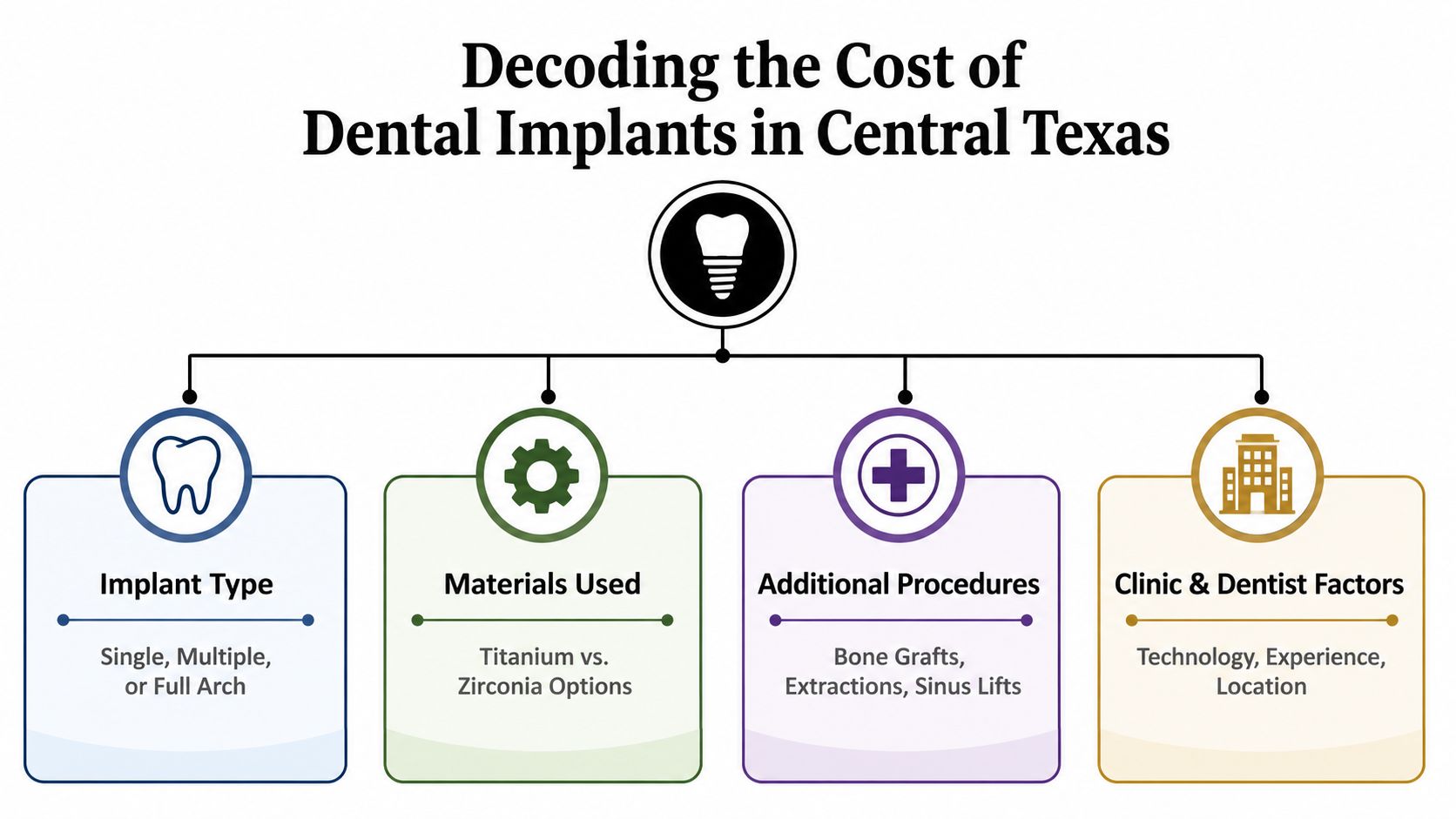
Decoding the Cost of Dental Implants in Central Texas
The most useful starting point is this. A single implant is often quoted at about $4,000 in U.S. market discussions, while full-mouth solutions can start around $13,500 to $18,000, as described in this review of affordable implant cost ranges. Those numbers are broad baselines, not promises, but they explain why patients in Central Texas shop carefully.
What you're actually paying for
An implant case can involve several separate parts. Some are almost always part of treatment. Others depend on your bone, gum health, and whether the tooth is already missing or still needs to be removed.
Here's the difference in plain terms:
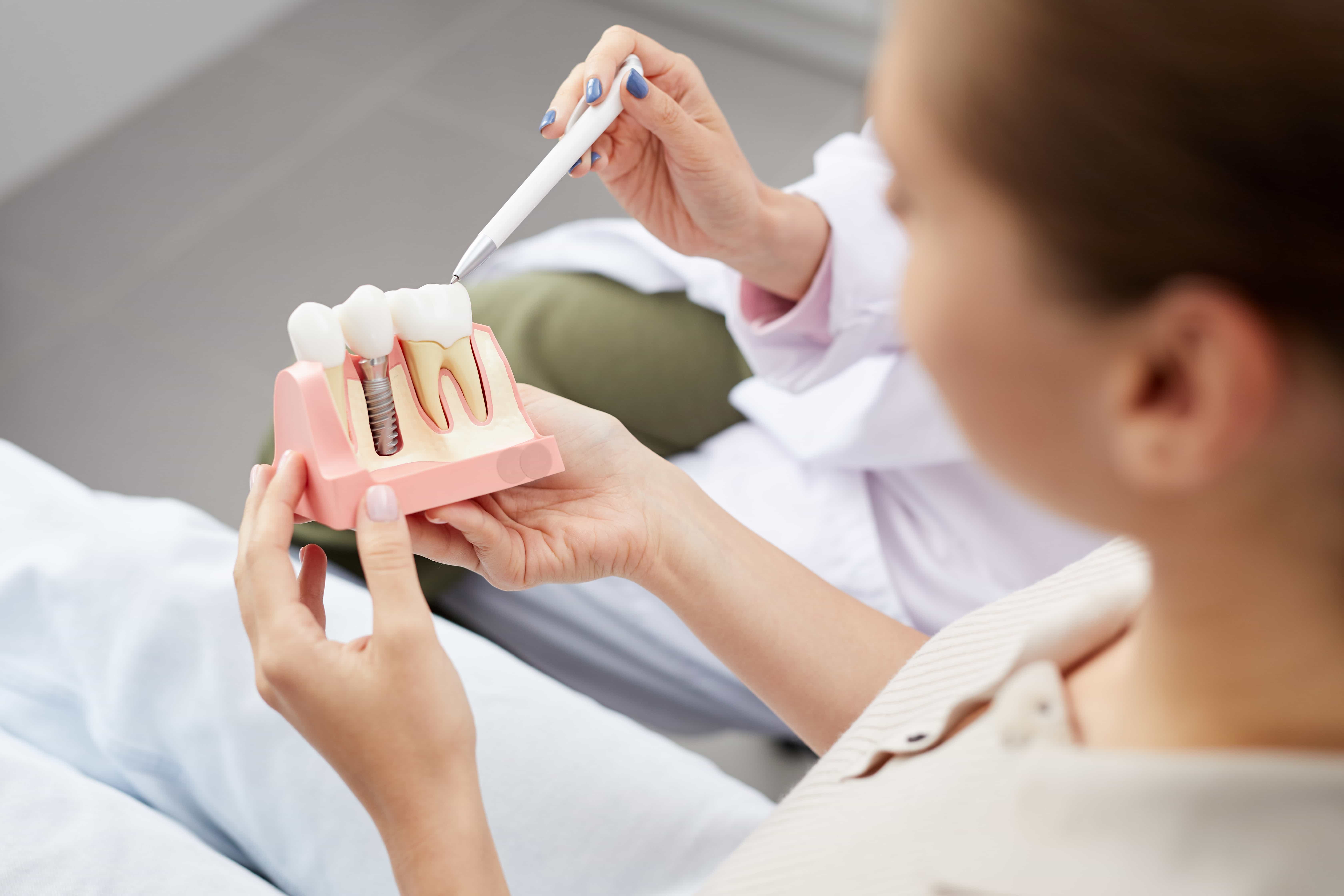
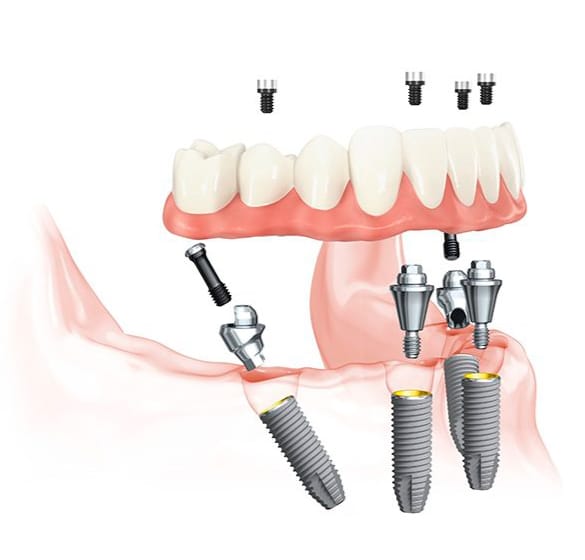
| Cost area | What it means for the patient |
|---|---|
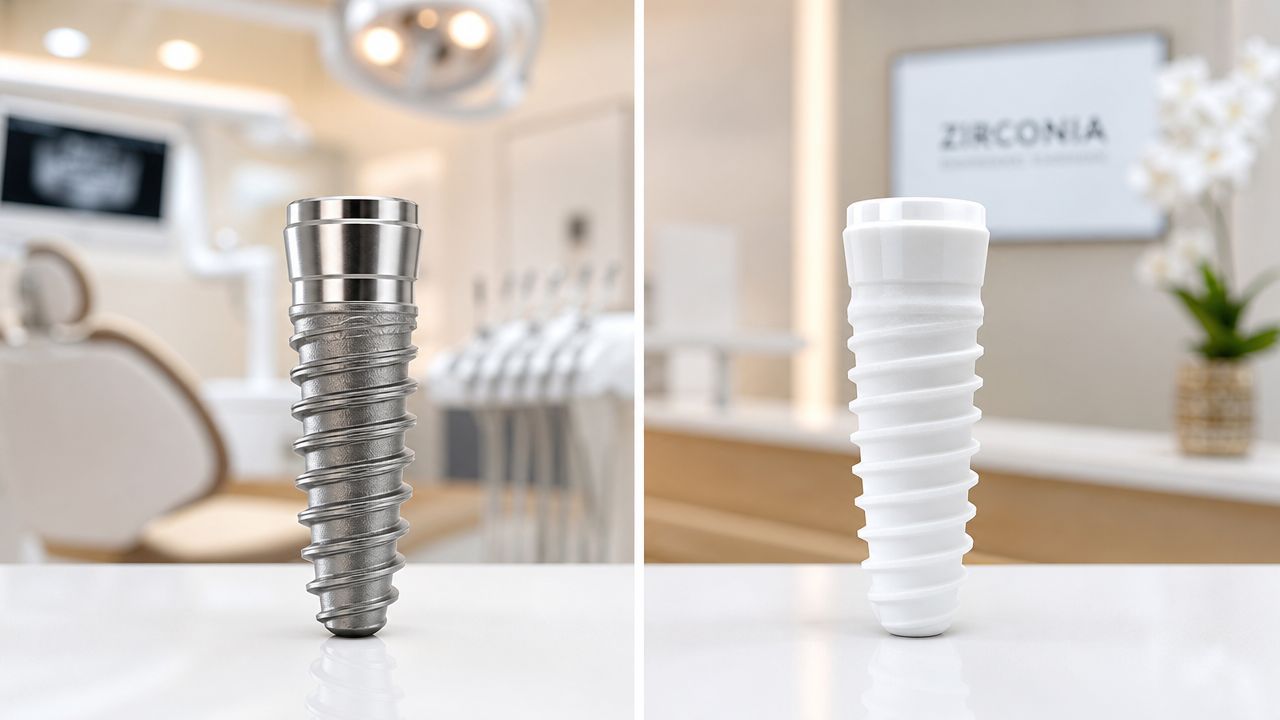
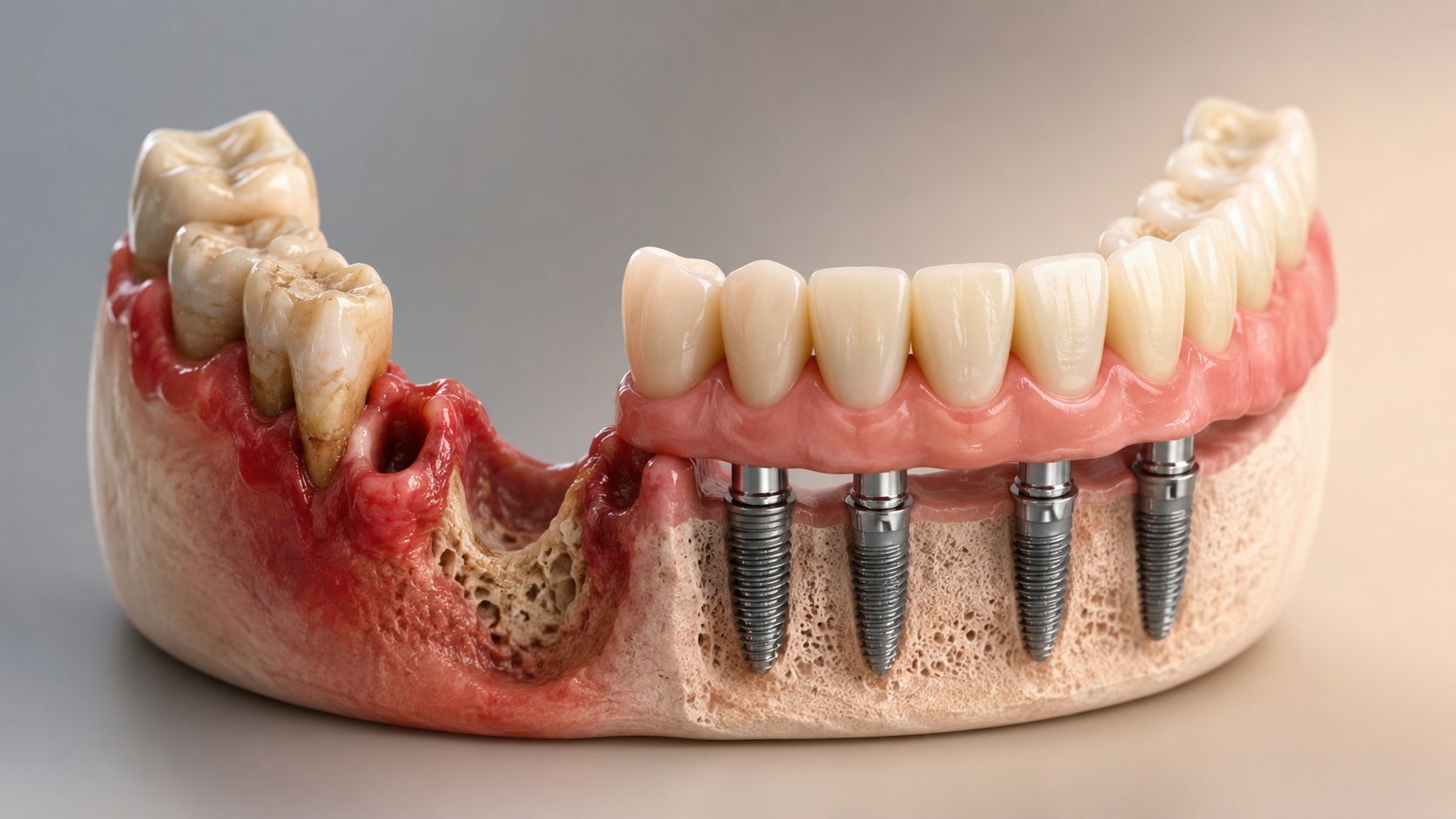
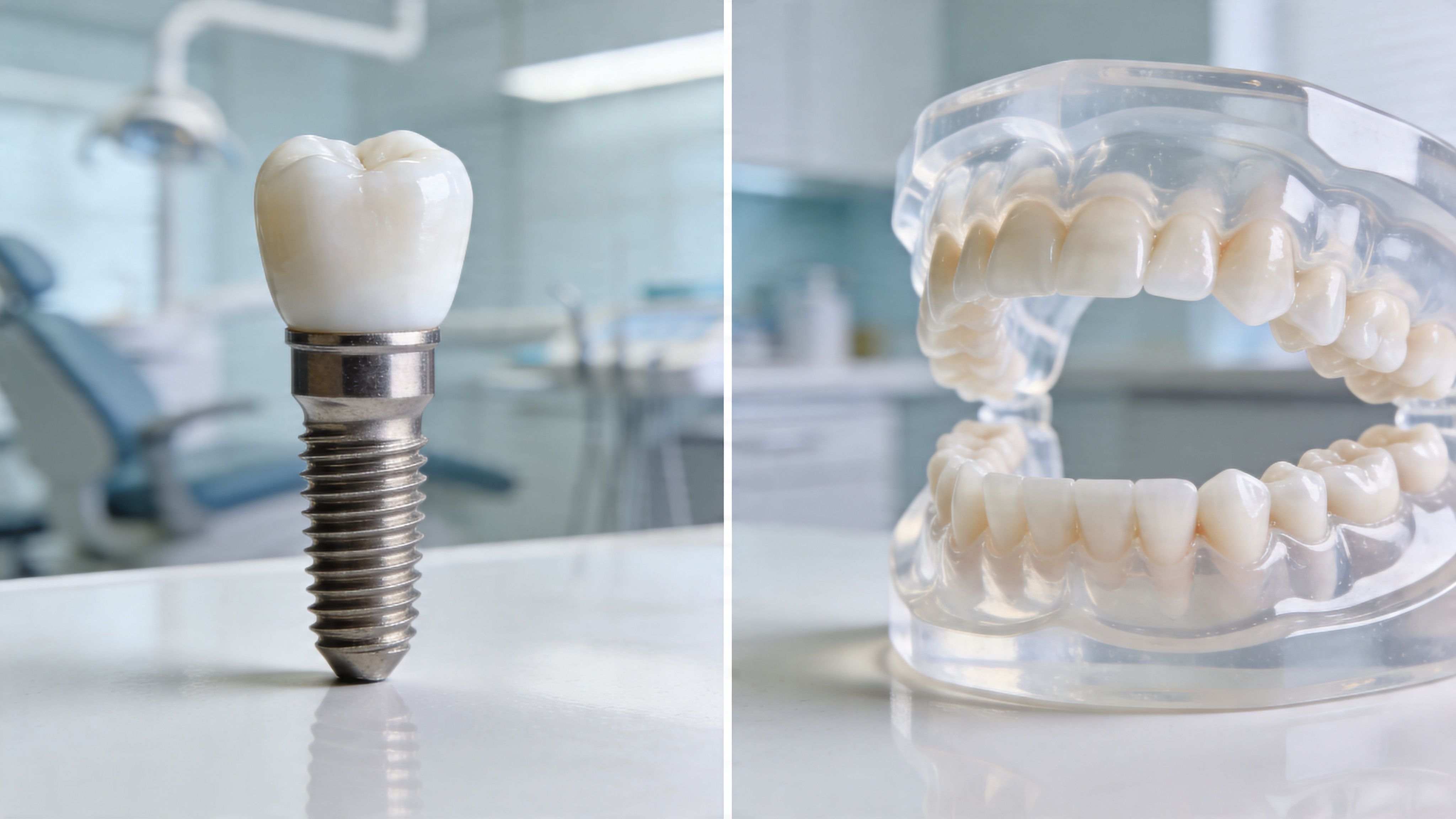
| Implant fixture | The part placed in the jawbone |
| Abutment | The connector between implant and final tooth |
| Crown or prosthesis | The visible replacement tooth or arch |
| Diagnostics | Exam, digital records, and imaging |
| Preparatory treatment | Extraction, grafting, or other steps if needed |
| Follow-up care | Healing checks and restorative visits |
Why quotes vary so much
One office may advertise an implant-only fee. Another may present a full-restoration number. Both can sound like they are quoting the same service when they aren't.
If a patient needs added treatment, the total can rise because the plan becomes more involved. Common variables include:
- Bone grafting: Needed when the jaw doesn't offer enough support for ideal placement.
- Sinus lift considerations: Sometimes relevant in upper back teeth.
- Extraction timing: A failing tooth may need staged treatment before final restoration.
- Temporary tooth options: Some patients want a cosmetic solution during healing.
The cheapest quote often becomes the most expensive one if it leaves out the steps you actually need.
How to compare implant estimates the smart way
Ask every office the same practical questions. That gives you a real comparison instead of a marketing comparison.
- Is the quote for the implant only, or for the implant, abutment, and crown?
- Is 3D imaging included?
- If I need extraction or grafting, when will I know and how will that be billed?
- Will I receive a written step-by-step treatment plan?
- What payment options are available if treatment needs to be phased?
For patients looking in Austin, Georgetown, or nearby communities, the most reliable path isn't hunting for the lowest number. It's finding an office that shows the full cost picture early and helps you sequence care intelligently.
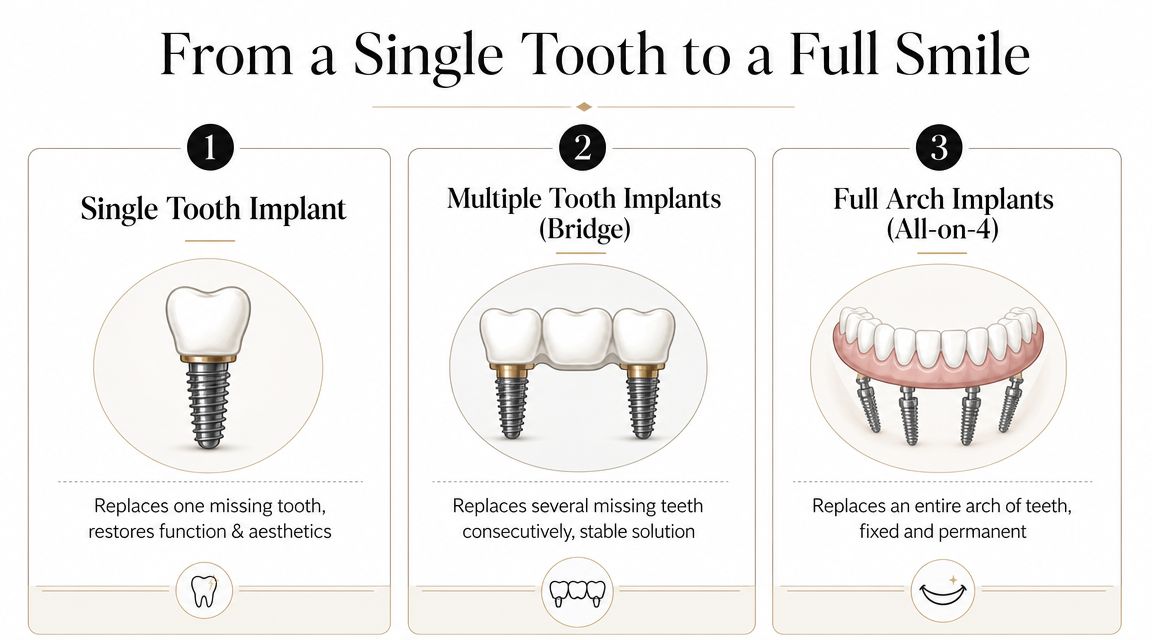
From a Single Tooth to a Full Smile With All-on-4
Implants aren't one treatment. They're a category of treatment. The right option depends on how many teeth are missing, where they are, how much support remains, and what kind of result you want day to day.
Clinical guidance summarized in this overview of implant longevity and full-arch design commonly describes implants as lasting about 15 to 25 years. That same guidance notes that modern full-arch treatment often uses about 4 to 6 implants per arch, which is the basis for solutions such as All-on-4-style care.
If you're missing one tooth
A single implant is often the cleanest option when the teeth next to the gap are healthy. The implant replaces the missing root, and the final crown fills the space without preparing neighboring teeth for a bridge.
This option usually makes sense for a lost front tooth, a missing premolar, or a molar that affects chewing. Patients often like it because it can look natural and function independently.
If you're missing several teeth in a row
You may not need one implant for every missing tooth. In many cases, a dentist can use implants to support a bridge and replace multiple adjacent teeth with fewer implant posts.
That can improve value while still giving you a stable, fixed solution. It also helps when a traditional bridge would place too much burden on surrounding teeth.
If you're facing full upper or lower tooth loss
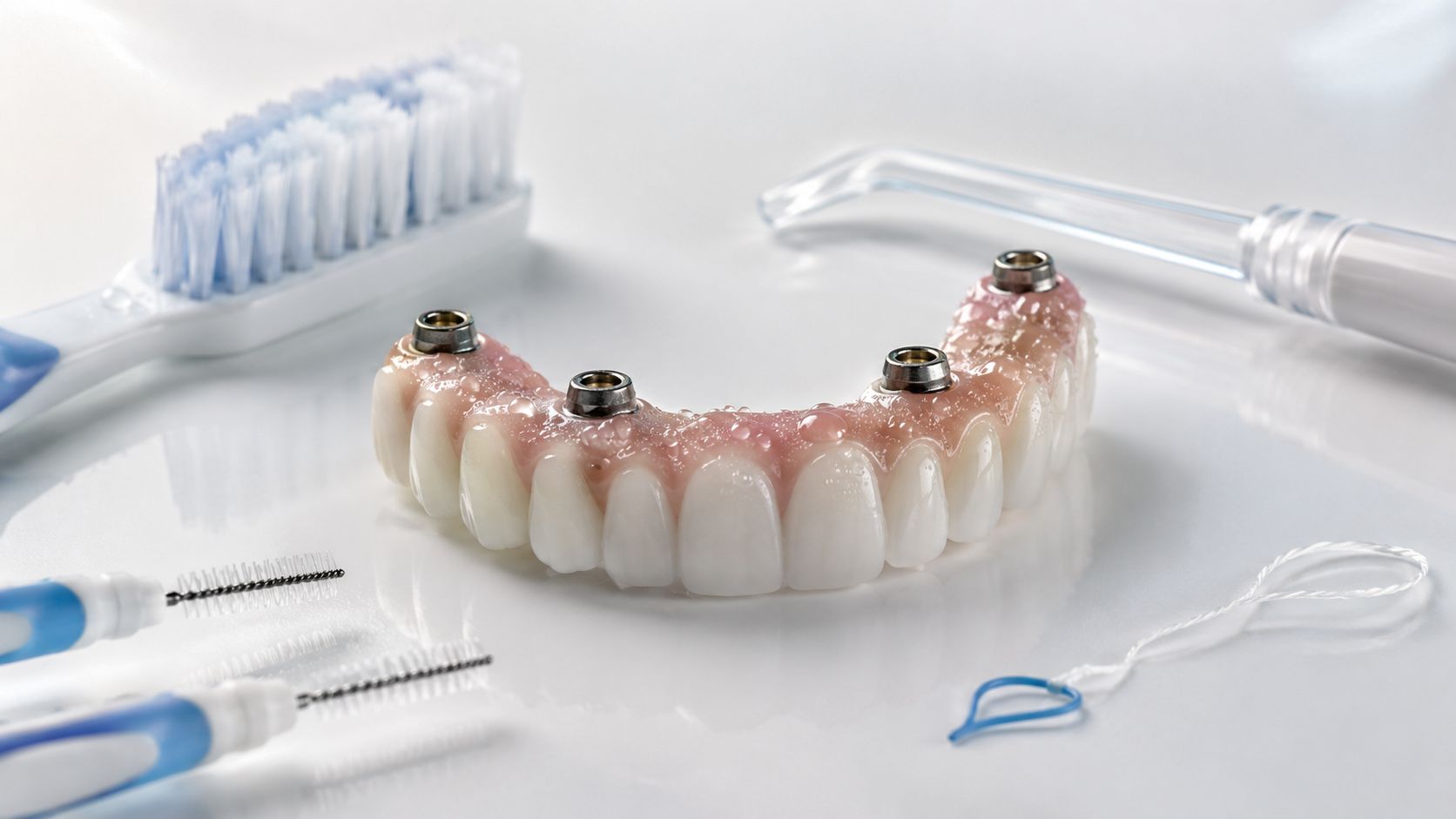
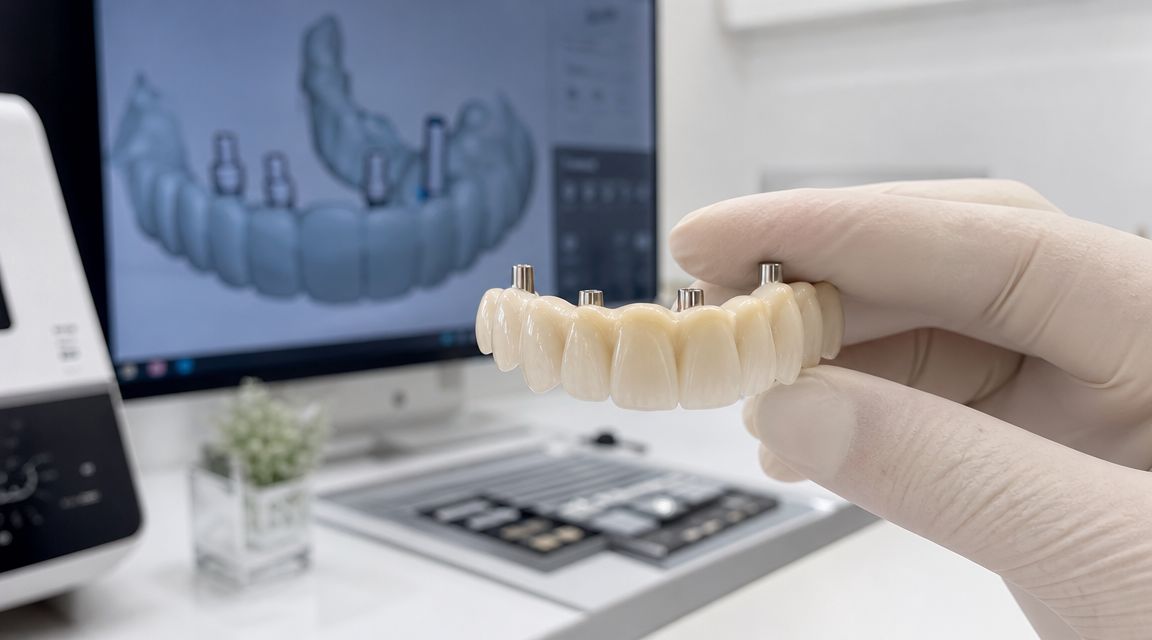
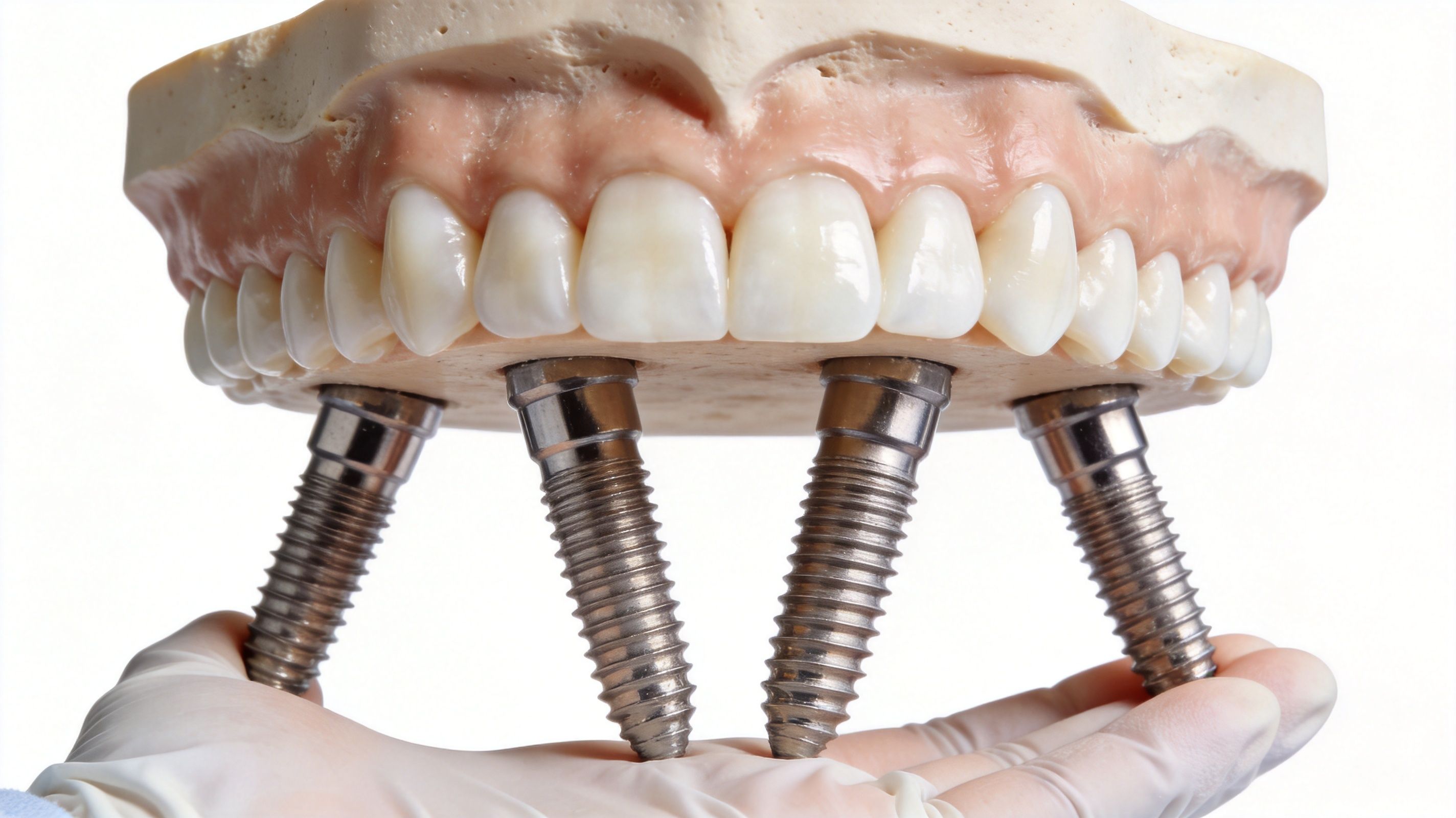
Full-arch treatment changes the conversation. Instead of replacing each tooth with an individual implant, the dentist uses a smaller number of strategically placed implants to support a full row of teeth.
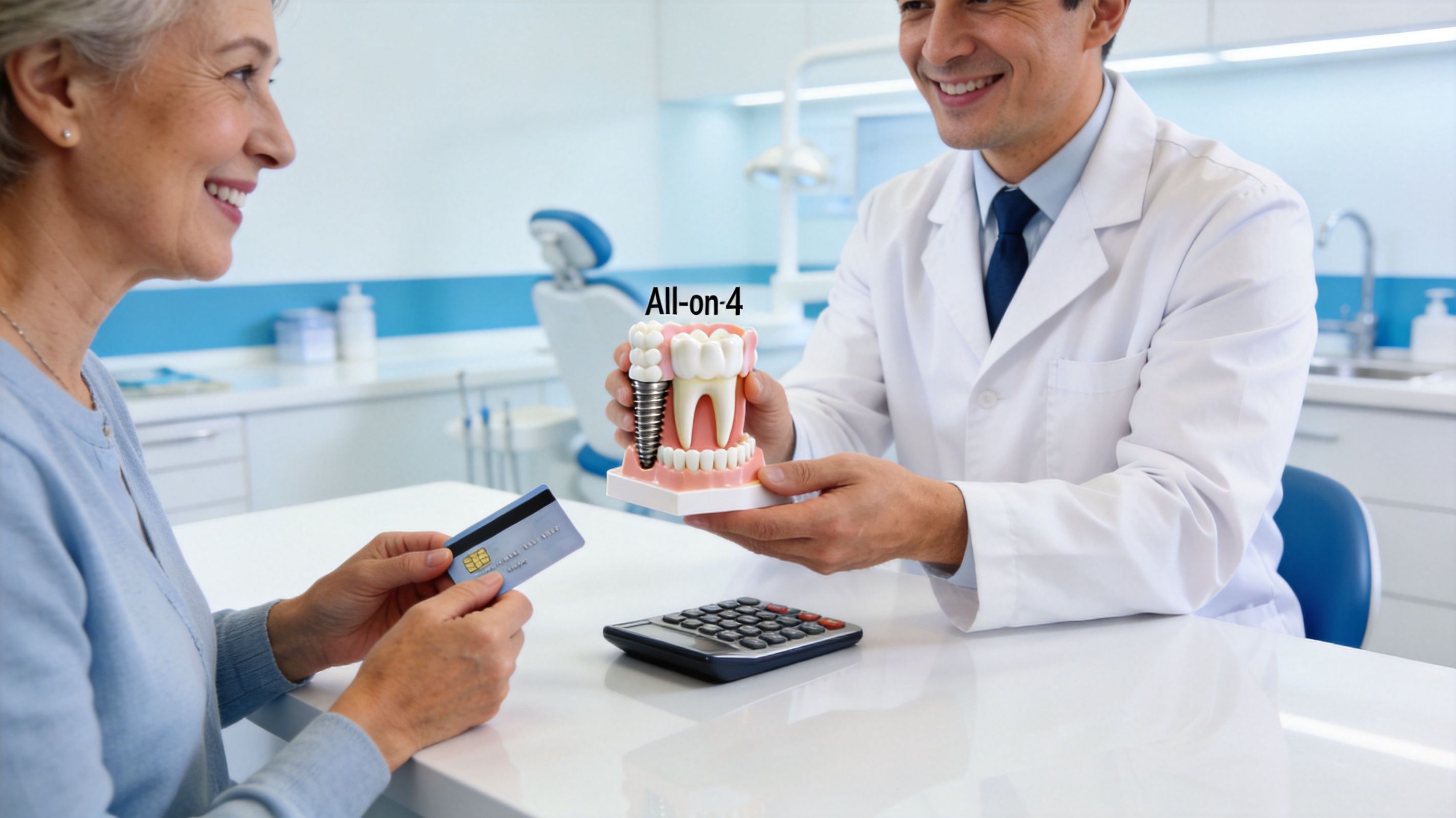
That's why many patients exploring major restorative care ask about All-on-4 implant options. For the right patient, this approach can restore function and appearance with a coordinated surgical and restorative plan.
A full-arch case isn't about buying more implants. It's about using the right number of implants in the right positions to support the final smile.
Comparing the three paths
| Situation | Common solution | Main patient benefit |
|---|---|---|
| One missing tooth | Single implant and crown | Preserves nearby teeth |
| Several missing teeth together | Implant-supported bridge | Fixed replacement without an implant for every space |
| Most or all teeth missing in one arch | Full-arch implant restoration | Broad restoration with fewer implants than individual replacement |
The right recommendation isn't always the most extensive one. It should fit your anatomy, your goals, and your budget over the long term.
How to Choose the Right Implant Dentist in Austin
You search for affordable dental implants near you, book two consults, and hear two very different plans. One office gives a low starting price without much detail. The other shows your scan, explains implant position, reviews healing steps, and gives you a written breakdown of treatment and financing. The second option often costs less in the long run because the plan is clearer, the risk of rework is lower, and the final result is easier to predict.
That is what patients should look for in Austin. True affordability comes from good planning, efficient systems, and honest communication about what the case requires.
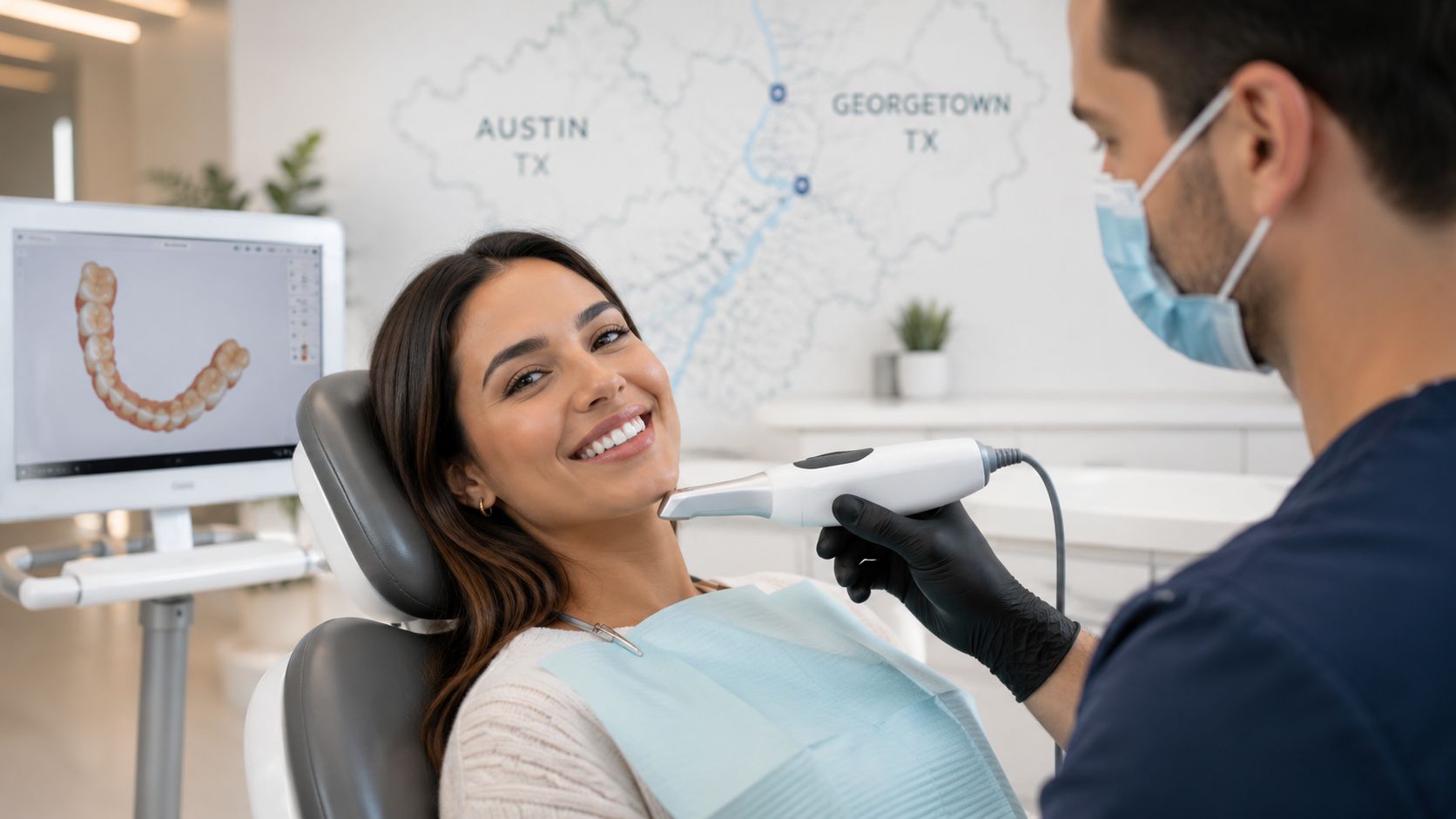
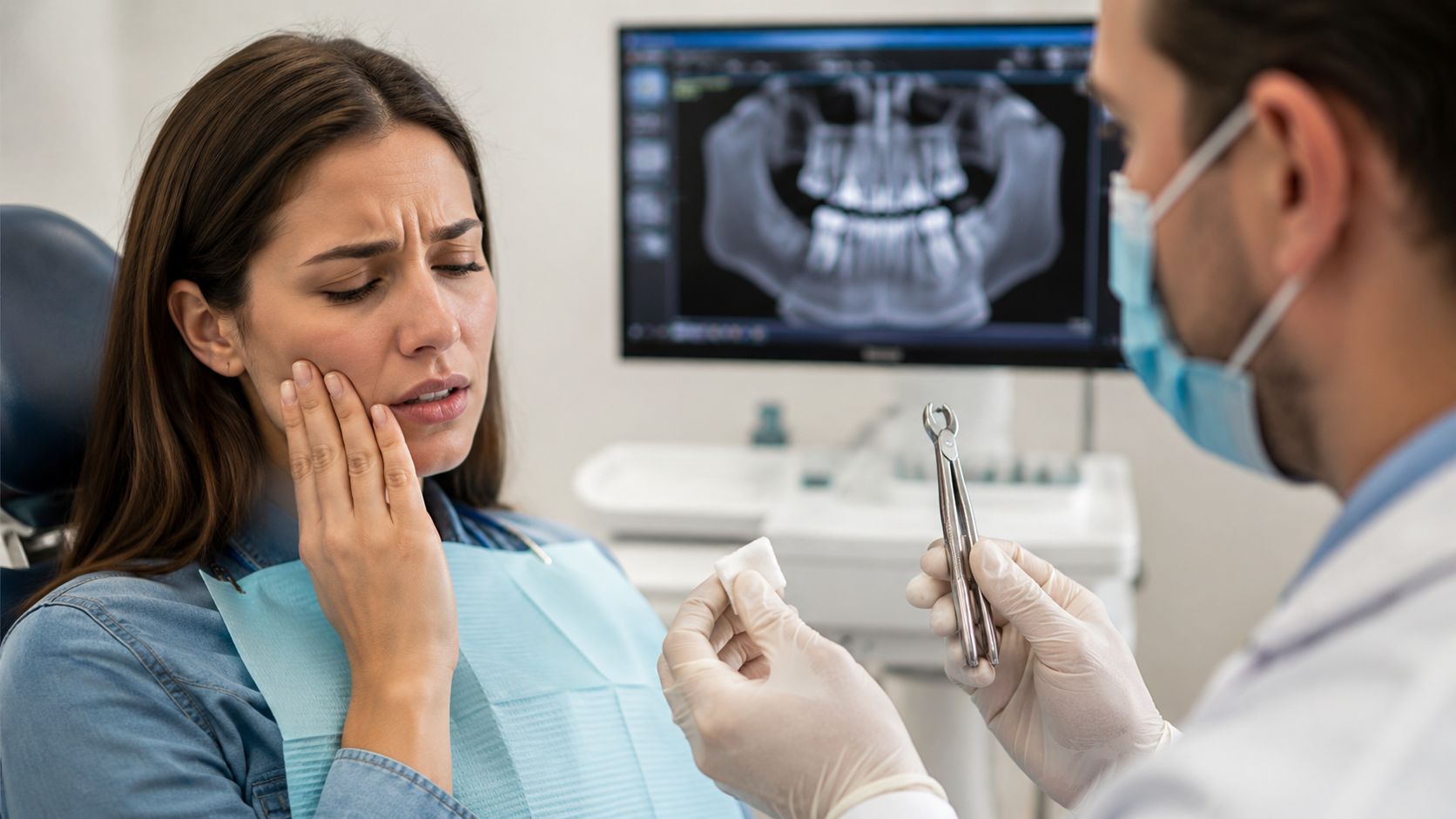
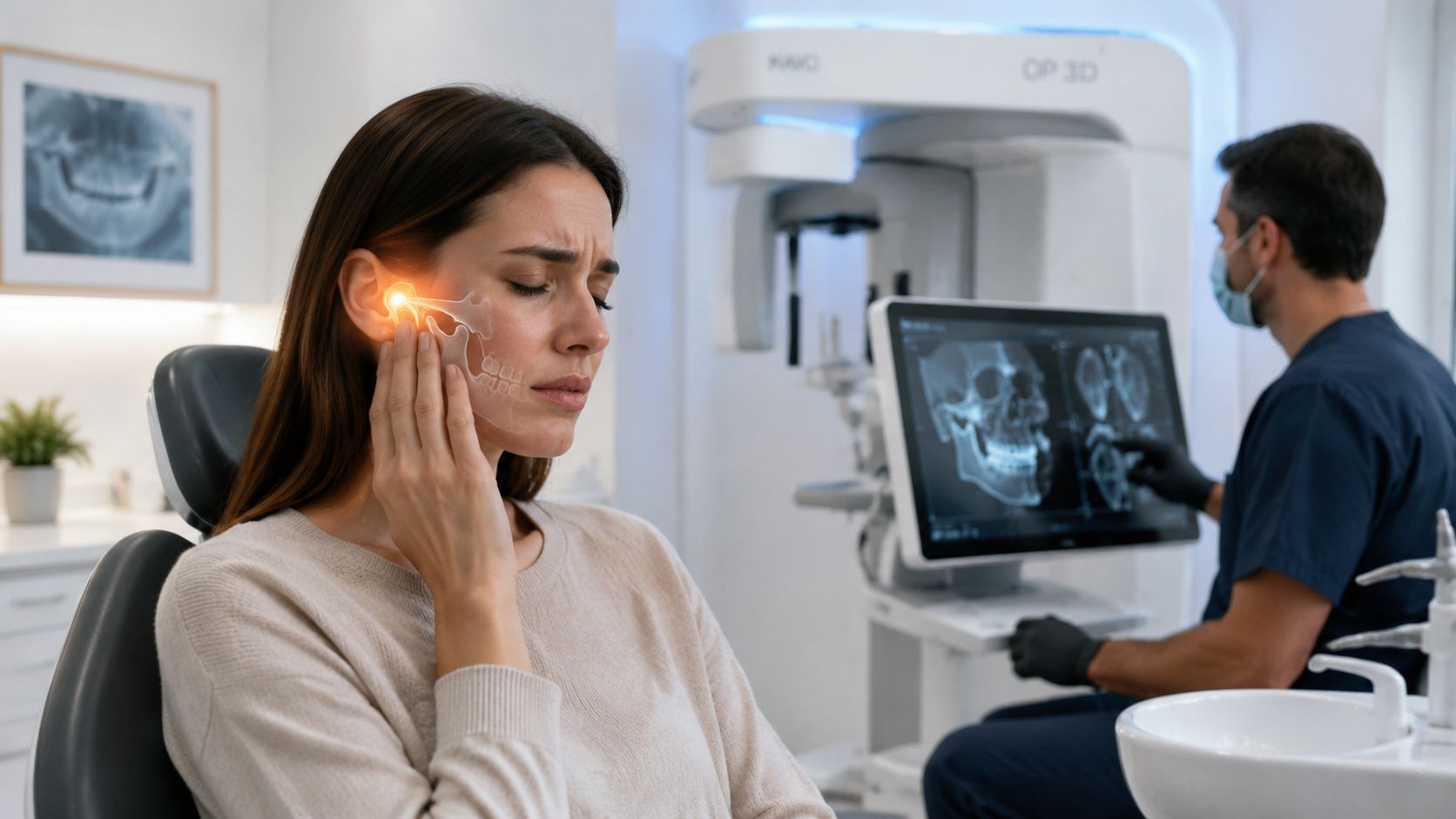
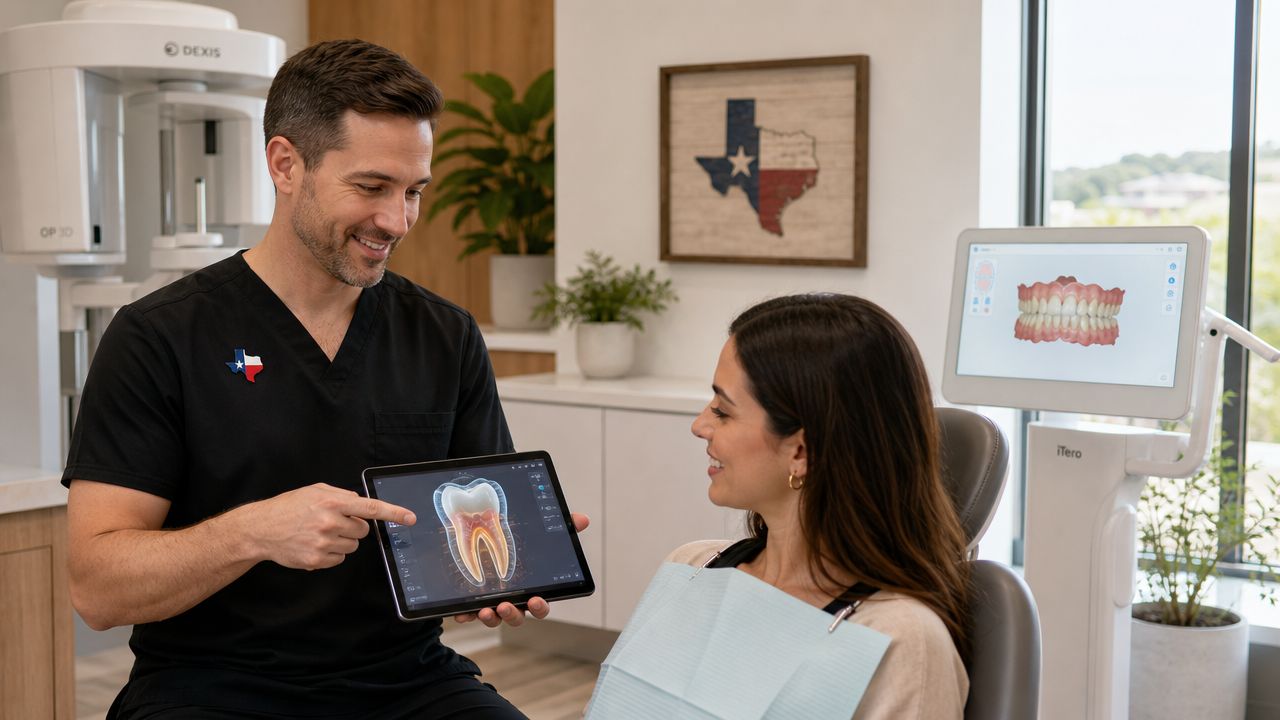
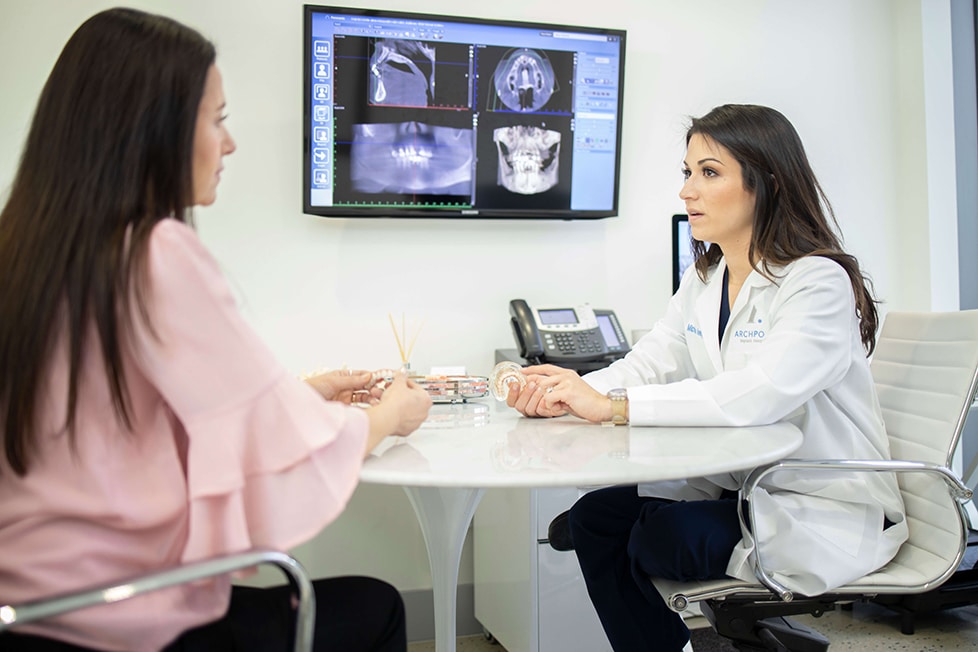
A strong implant process starts with diagnosis in three dimensions. This overview from Touro College of Dental Medicine implant guidance explains how cone-beam CT helps map available bone, identify nearby structures, and plan implant position before surgery. That matters because implant placement is measured in millimeters, especially near the sinus in the upper jaw, the nerve in the lower jaw, and the visible front teeth where angle and spacing affect the final crown.
Technology should support the plan
A CBCT scan is one part of the process. The important question is how the dentist uses it.
I tell patients to ask whether the scan is being used to check bone width, bone height, restorative space, bite forces, and the position of nearby anatomy. Ask how the digital plan carries through to surgery and how the final crown or bridge is designed around that plan. If the answers are vague, the low quote may be leaving out the hardest parts of the case.
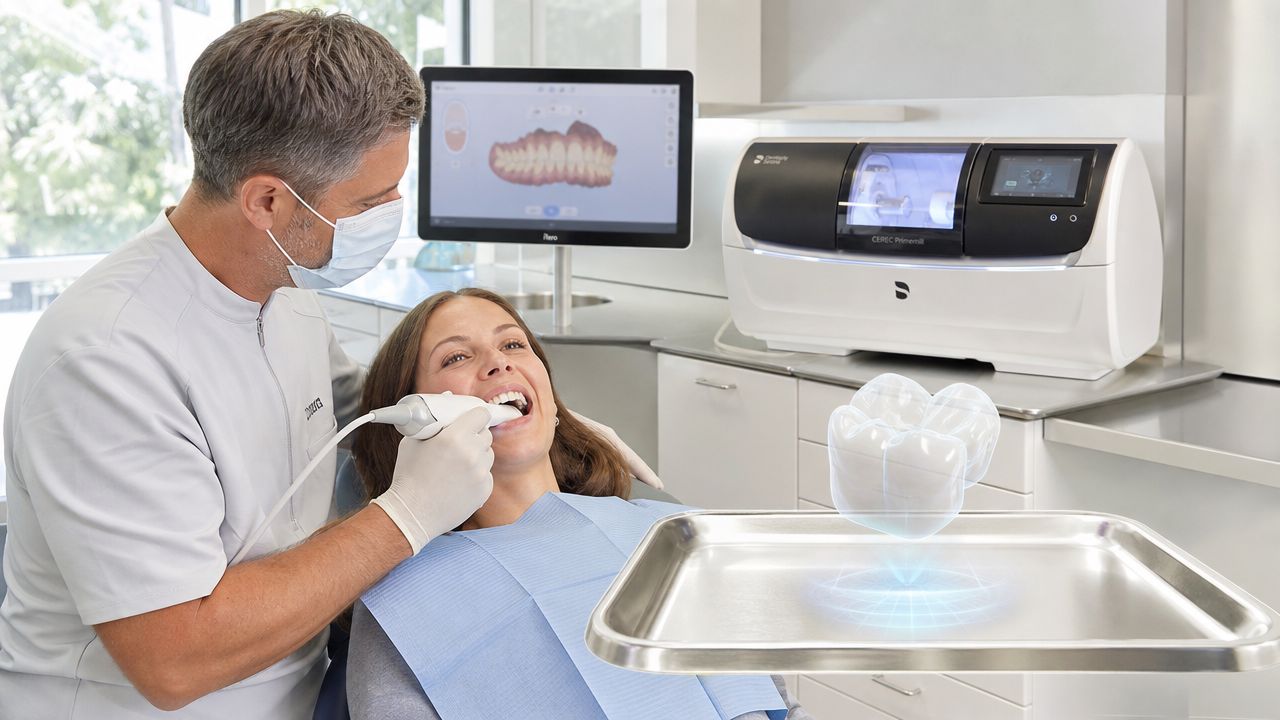
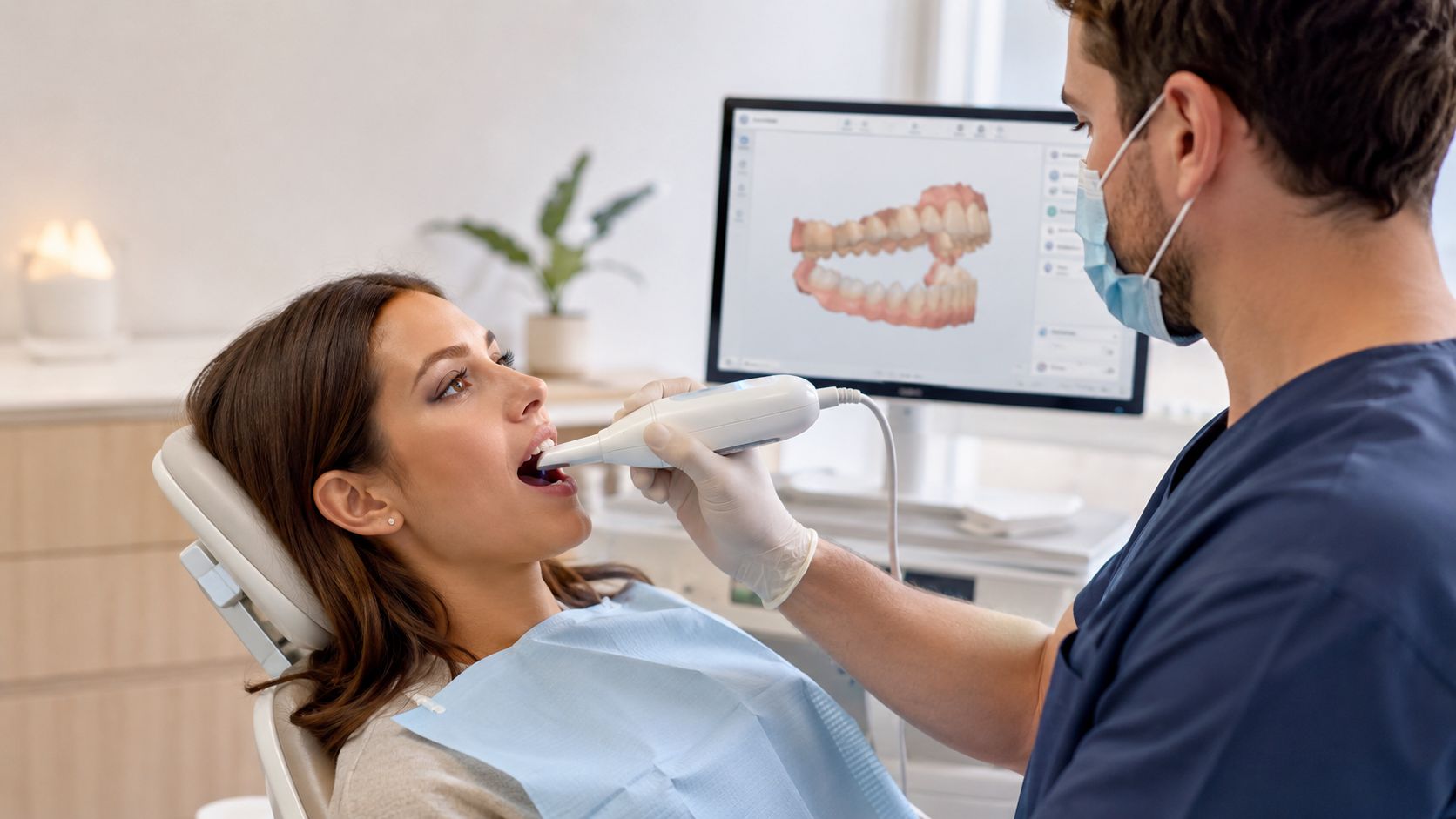
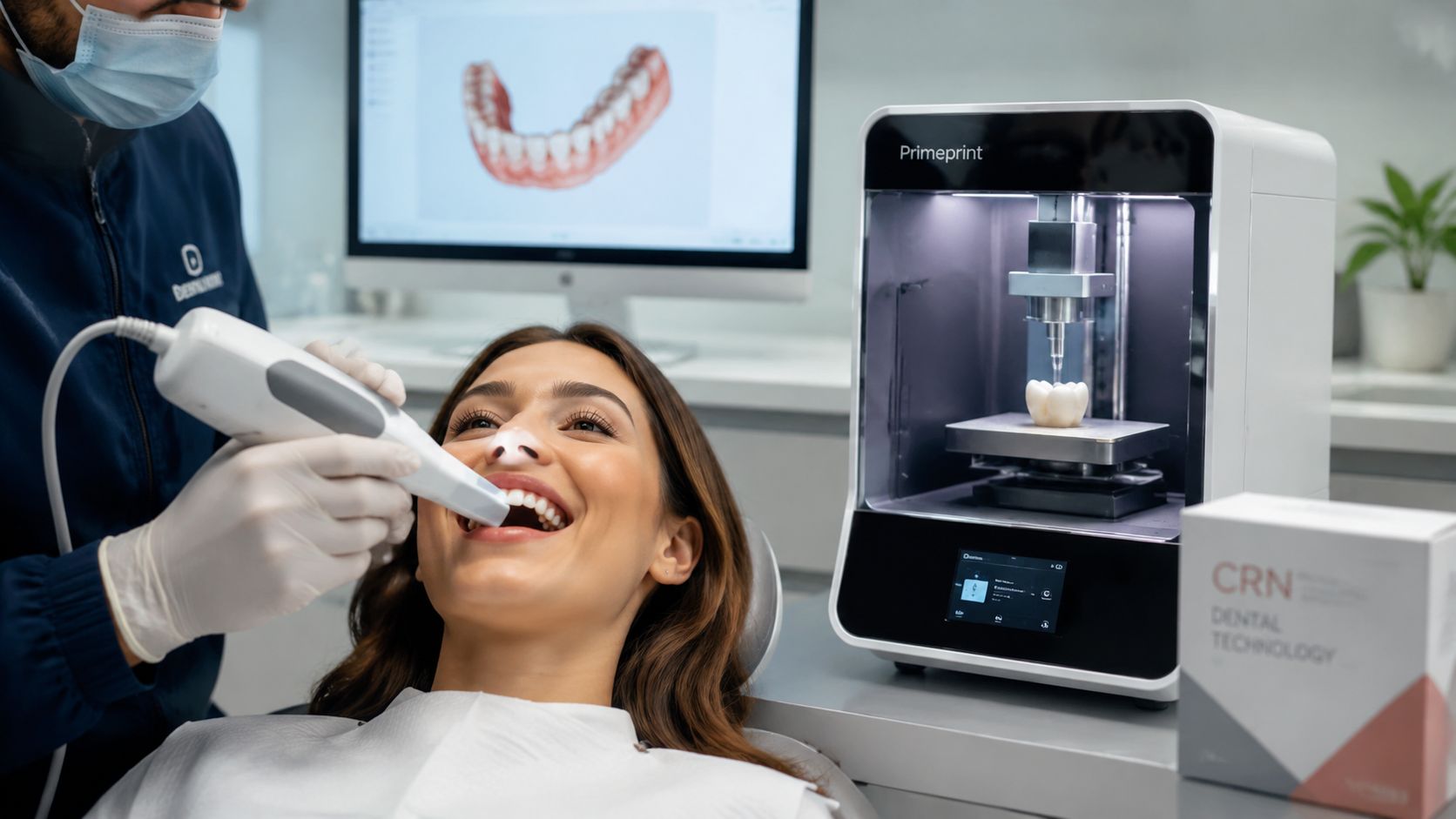
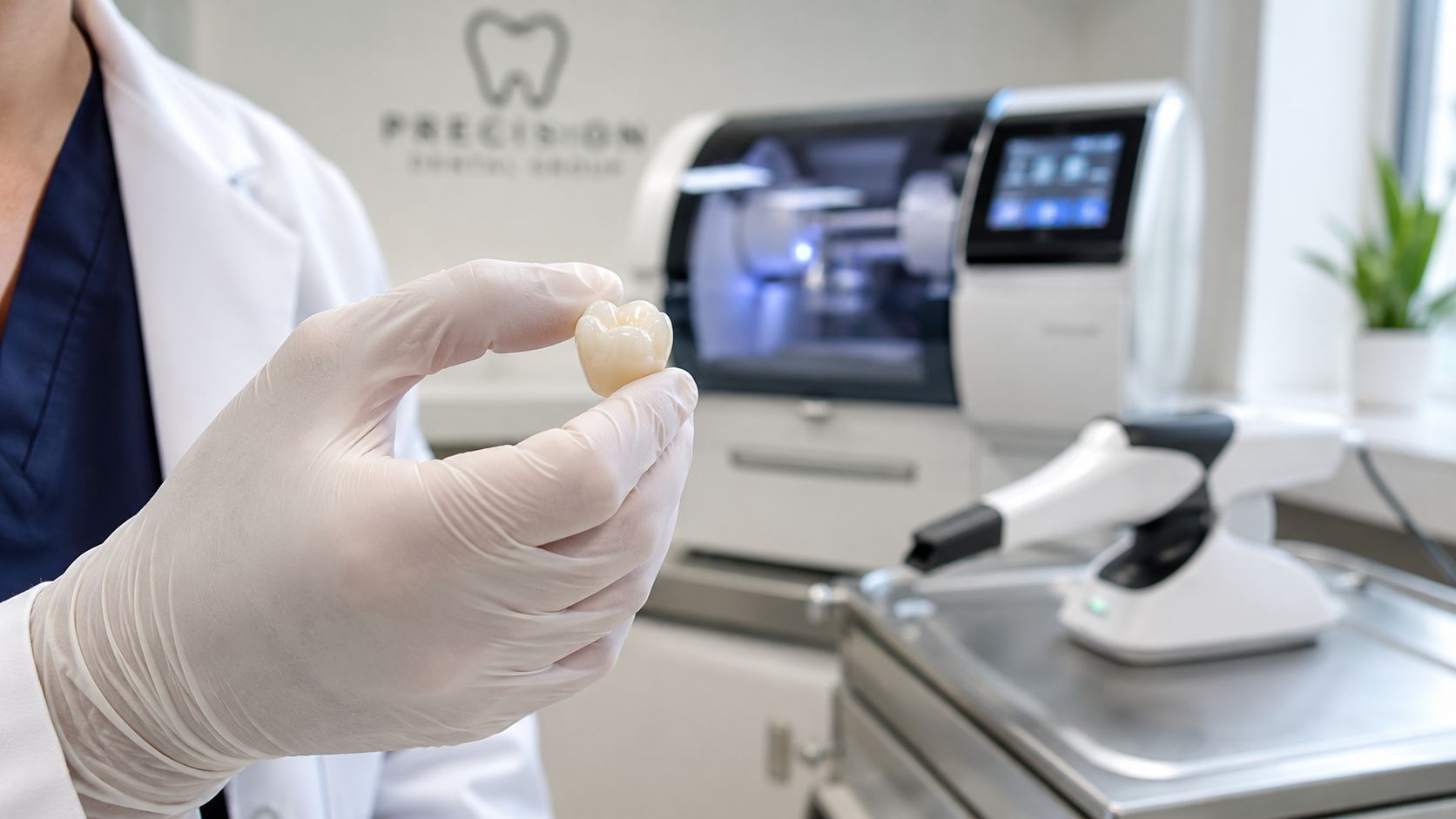
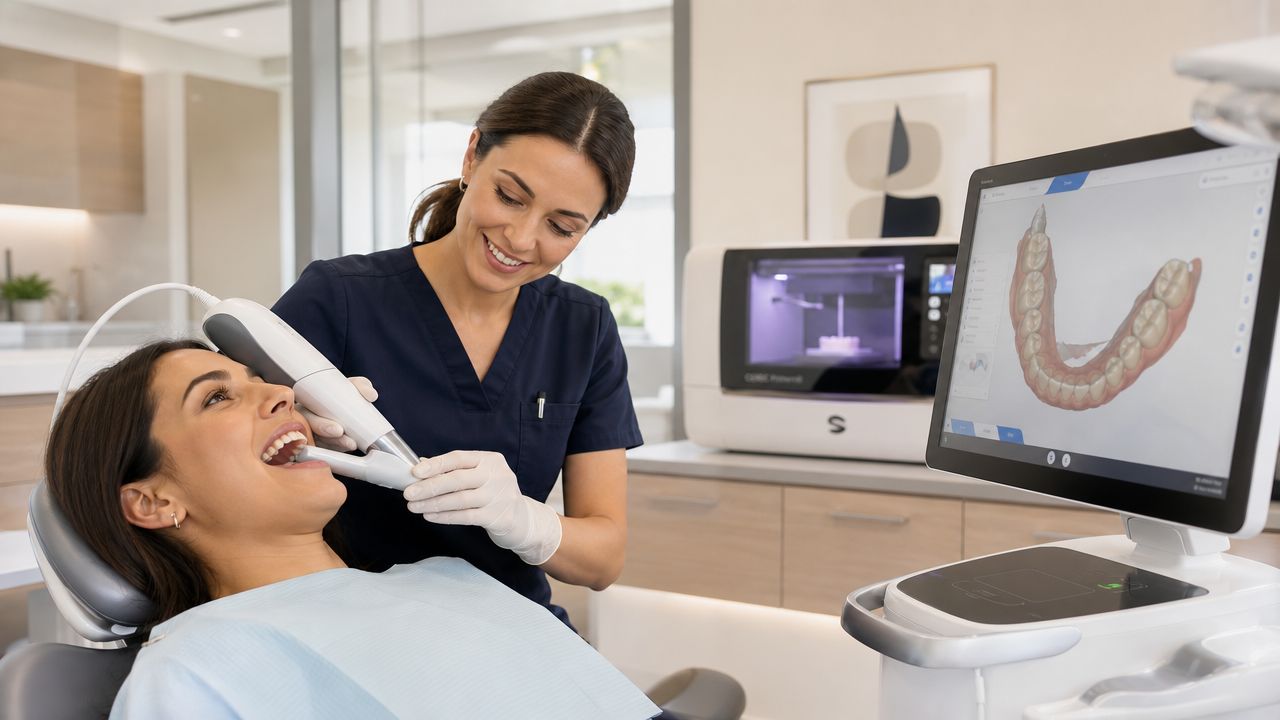
Digital scanners and coordinated lab work matter too. Implant treatment is not only surgery. The restoration has to fit the implant position, your bite, and the shape of the gumline. Offices with organized digital workflows can reduce avoidable delays, remakes, and handoffs between multiple vendors. That kind of efficiency helps control cost without cutting corners.
Questions that reveal real value
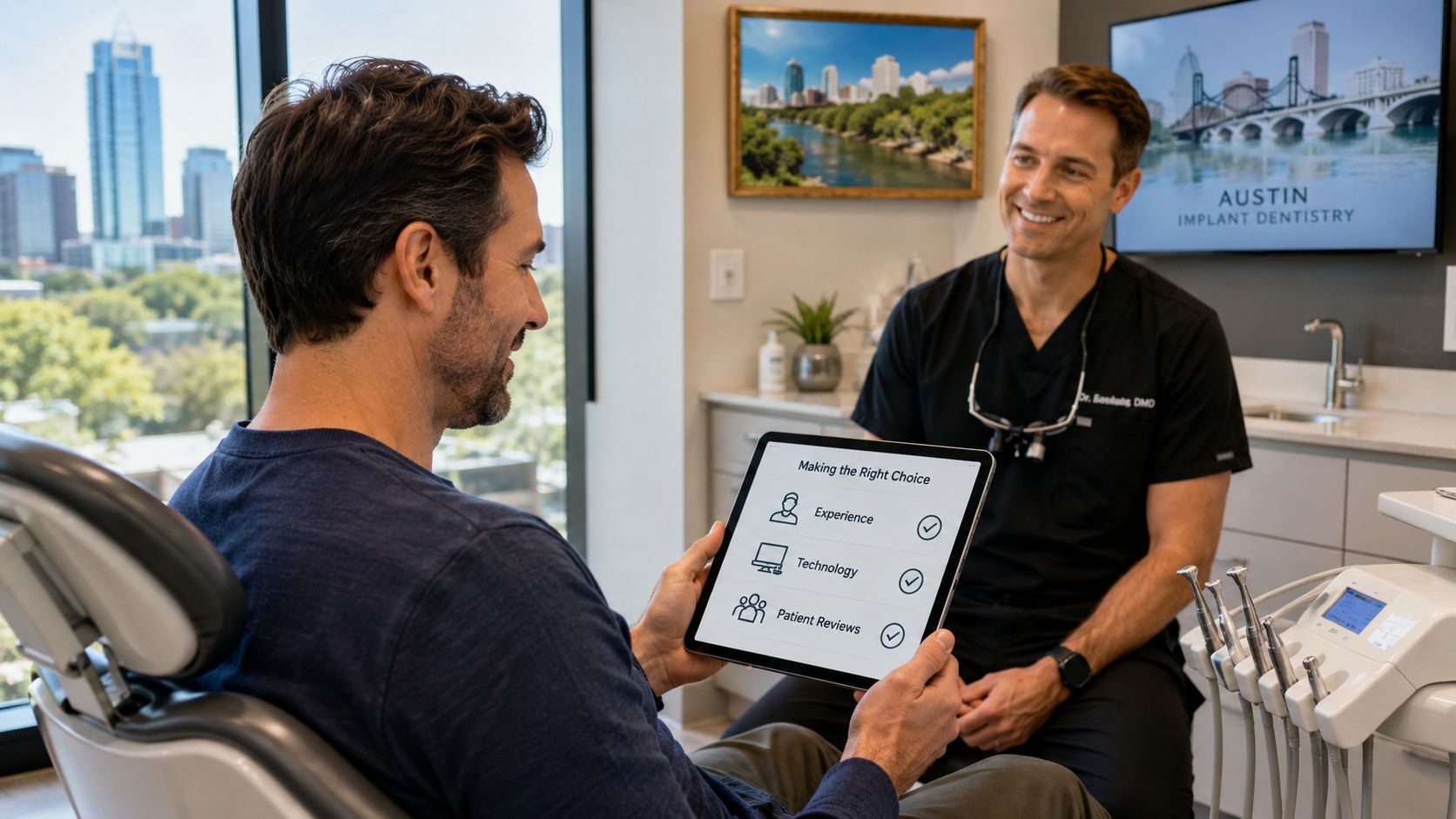
Use a short checklist when comparing implant dentists in Austin or Georgetown:
- Do you use CBCT for every implant case, or only some cases?
- Who plans the final restoration, and how early does that planning happen?
- Will I get a written treatment plan with separate fees for surgery, restoration, and any grafting or extractions?
- What parts of treatment are handled in one office, and what parts are referred out?
- What financing options are available if I want to spread out the cost?
Those questions do more than help you compare offices. They show whether the team is focused on long-term value or just a headline price.
What a good consultation should feel like
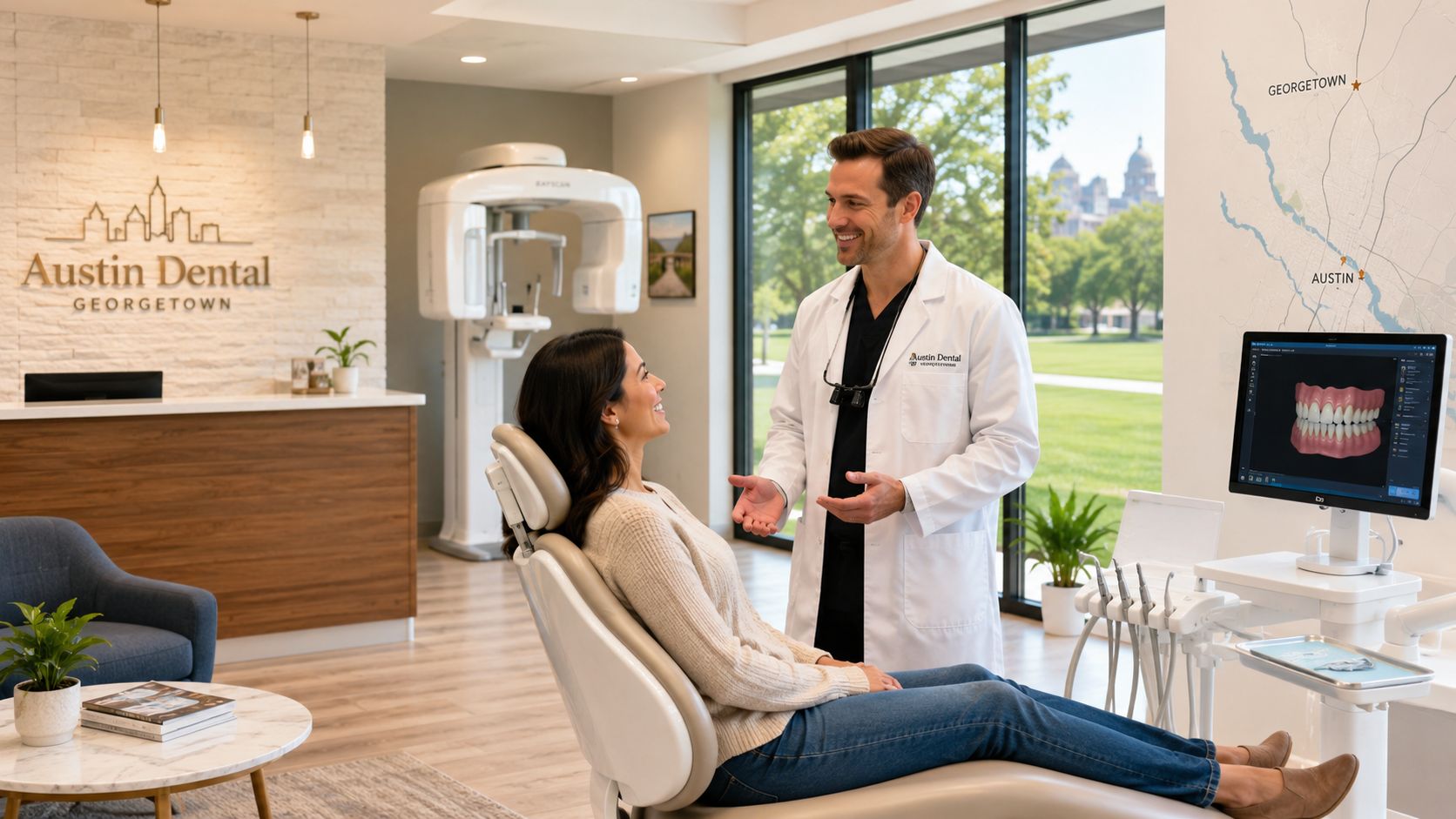
A good implant consult should leave you with fewer unknowns. You should understand whether you are a candidate, what preparatory treatment may be needed, how long the process may take, and what could change the fee. You should also hear the trade-offs.
For example, a lower upfront fee can mean more outside referrals, more appointments, or less control over the restorative phase. A higher fee is not automatically better either. The goal is a plan that is clinically sound, efficient to deliver, and clear enough that you know what you are paying for.
If an office cannot explain how the implant will be planned, placed, and restored, keep looking.
Your Dental Implant Journey Timeline and Aftercare
Most patients feel better once they understand the sequence. The implant process isn't mysterious when it's broken into manageable stages.
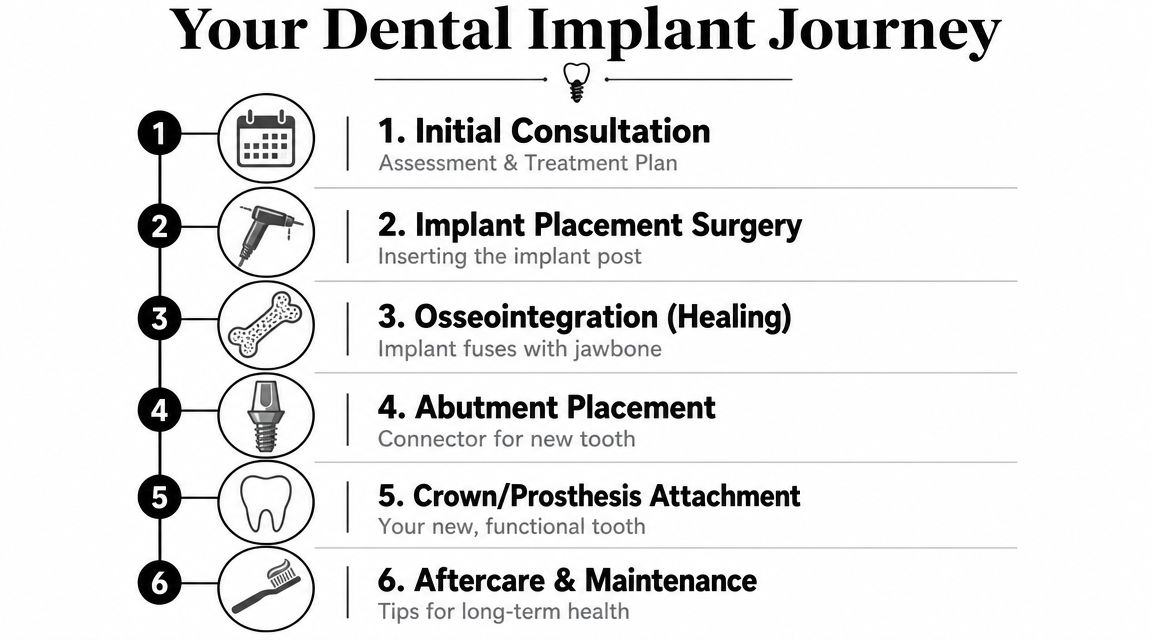
Step one through step three
The first visit is the diagnostic visit. Your dentist reviews your health history, examines the area, studies imaging, and confirms whether the site has the bone support and restorative space needed for a predictable result. If a tooth is damaged but still present, the conversation may also include whether extraction should happen before implant placement.
The next stage is surgery. The implant post is placed into the jaw in the planned position. Some patients also need site development such as grafting, while others can move more directly through treatment depending on the condition of the area.
Then comes healing. This is the phase when the implant integrates with the jawbone. Patients usually want to know whether this part is active treatment or waiting time. The honest answer is both. You may not feel much happening day to day, but the foundation is maturing.
Healing is part of the treatment, not a pause in treatment.
For a visual overview, this video gives a helpful look at the process patients often ask about:
The final restorative phase
Once the implant is ready, the dentist connects the restorative components and prepares for the final tooth or full-arch prosthesis. During this preparation, bite, shape, color, and cleansability all matter.
Patients often focus on how the tooth will look, which is important. But function matters just as much. A crown that looks good but carries bite pressure poorly won't serve you well.
What aftercare actually involves
Implants don't get cavities, but they still need care. The surrounding gum and bone have to stay healthy for the implant to remain a strong long-term investment.
Daily and long-term care usually includes:
- Consistent brushing: Keep plaque off the crown and along the gumline.
- Interdental cleaning: The area around implants needs proper access, not just quick flossing habits.
- Regular professional exams: Your dentist checks the implant, the bite, and surrounding tissues.
- Periodontal stability: If you grind, clench, or have gum disease risk, maintenance becomes even more important.
Patients in Austin, Georgetown, and nearby areas often appreciate having implant care in the same office where they can also handle cleanings and exams, dental x-rays, restorative dentistry, or emergency dentist visits if something unexpected comes up later.
Making Implants Affordable Your Next Steps at 3D Dental
If cost is the reason you've delayed care, start with one practical goal. Get the actual numbers for your case before assuming implants are out of reach.
This fee breakdown from Affordable Dental Solutions on total implant pricing notes that the highest-value benchmark is total treatment cost, not just fixture price. It also notes that a single-tooth implant can include the fixture, abutment, and crown, with all-in pricing ranging from $2,500 to $8,000, and that hidden costs can include bone grafting and sinus lifts. Their most practical advice is the right advice for any patient in Austin or Georgetown: request a stepwise written plan before starting treatment.
How to make the numbers manageable
A good financial conversation usually starts after diagnosis, not before it. Once the dentist knows whether you need extraction, grafting, a single implant, or a full-arch solution, the office can help you look at payment paths more realistically.
For many patients, affordability improves when the office helps with:
- Insurance coordination: Benefits may apply to parts of treatment depending on your plan.
- Phased care: Some cases can be staged in a way that spreads cost over time.
- Flexible financing: Monthly payment arrangements can make care easier to start.
- Clear sequencing: Knowing what happens first prevents rushed decisions.
If financing is part of your planning, this guide to financing dental implants is a useful next read.
What to expect at a consultation
A helpful consultation shouldn't feel like a sales pitch. It should answer the questions patients in North Austin, Georgetown, Round Rock, Cedar Park, Wells Branch, and Liberty Hill have.
You should leave knowing:
- Whether you're a current implant candidate
- What preparatory treatment, if any, may be needed
- What type of implant solution fits your case
- What the treatment sequence looks like
- How the financial side can be structured
That kind of clarity is what makes implant care feel possible.
If you're ready to stop guessing and get a real plan, schedule a consultation with 3D Dental. You'll be able to review your implant options for Austin or Georgetown, understand the full treatment path, and get a clear conversation about timing, value, and payment choices for your smile.
Ready to get started?
Schedule a free, no obligation consultation with our team and see what's possible for your smile!
Georgetown
- Mon-Thurs8:30am-5pm
- Fri8am-3:30pm
- Sat-SunClosed
Austin
- Mon-Tues8am-5pm
- Wed-Thurs9am-6pmFri8am-2pm
- Sat-SunClosed