
Tooth Sensitivity Causes: Find Lasting Relief
Related Posts


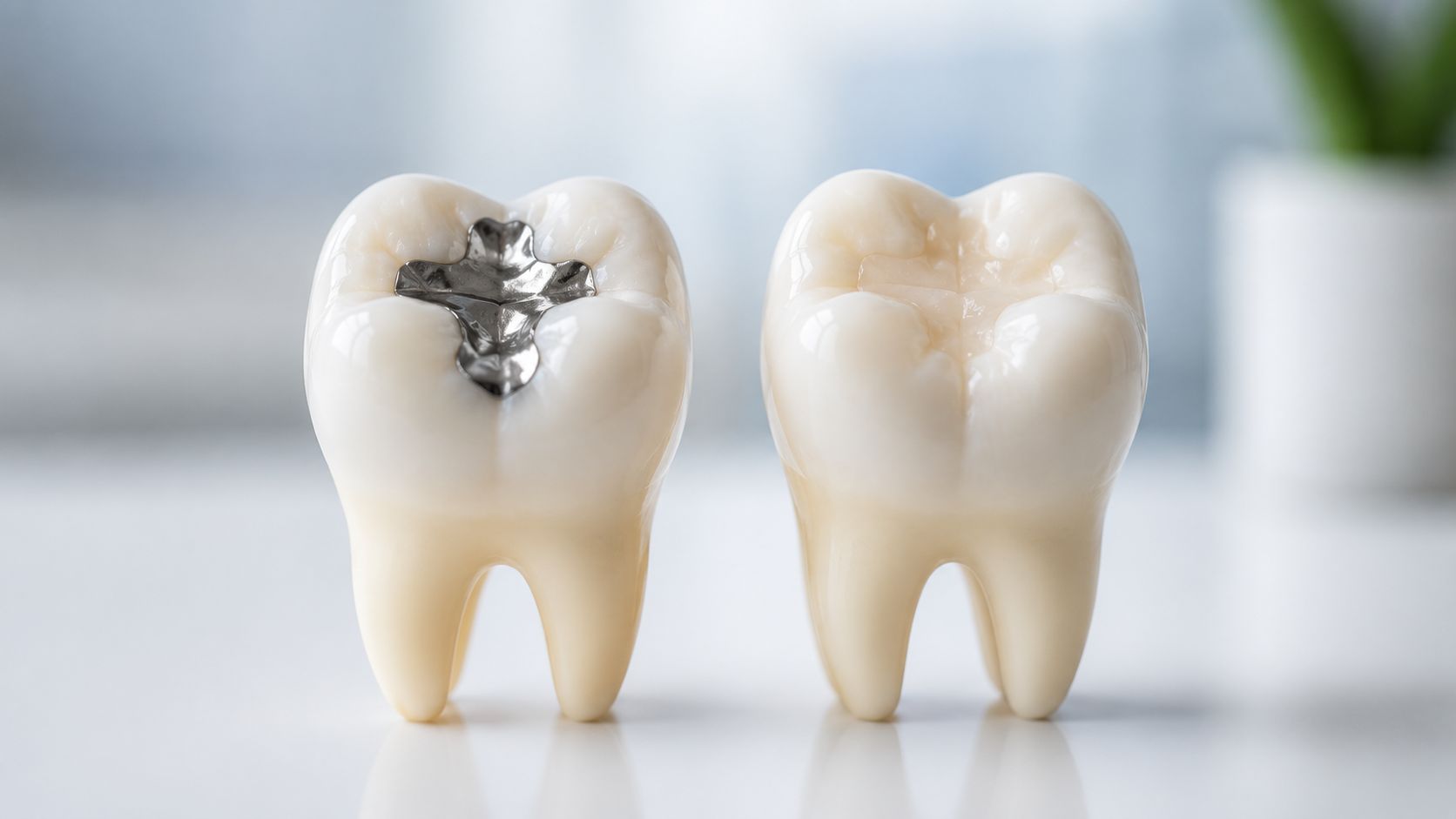



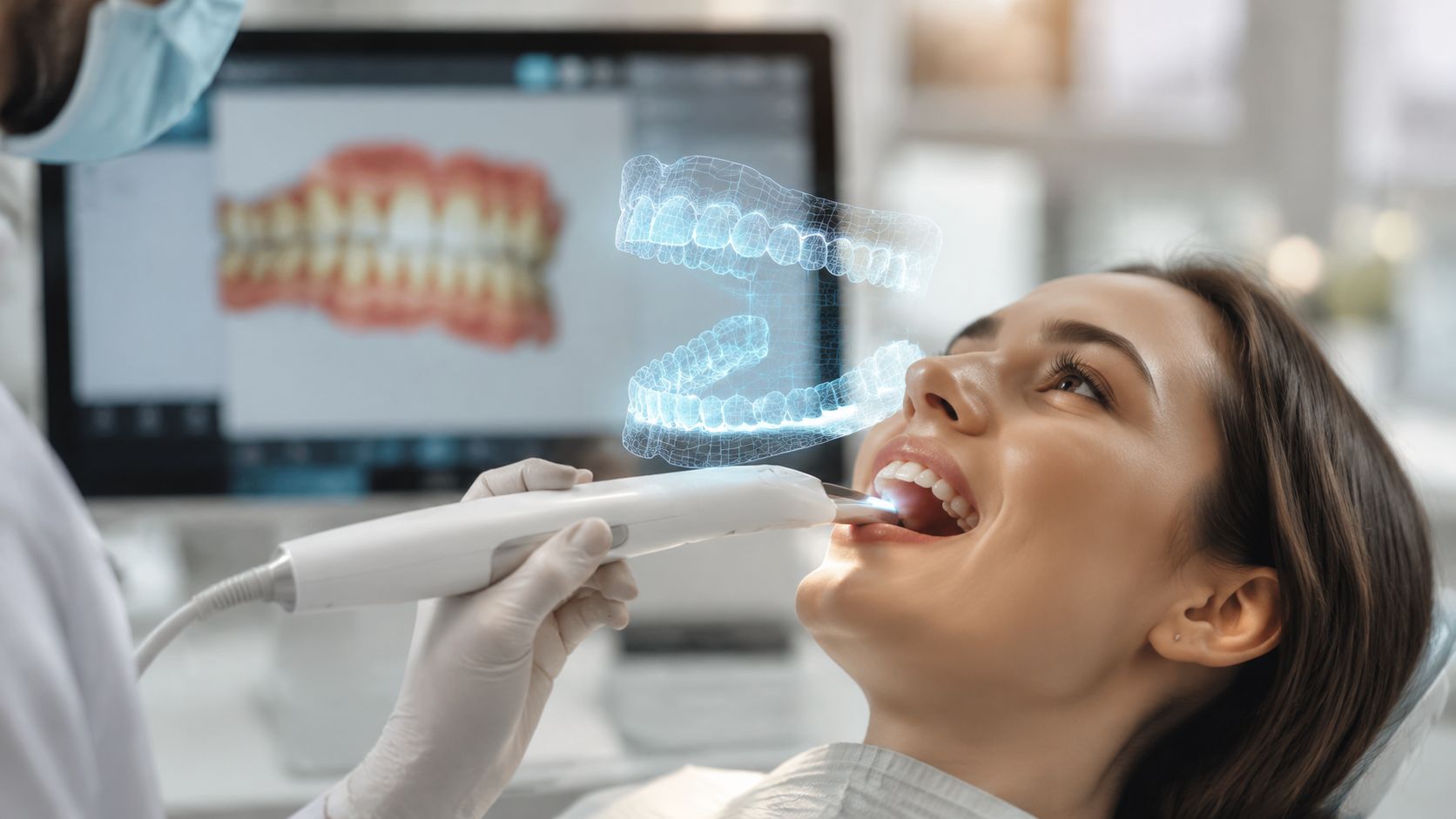
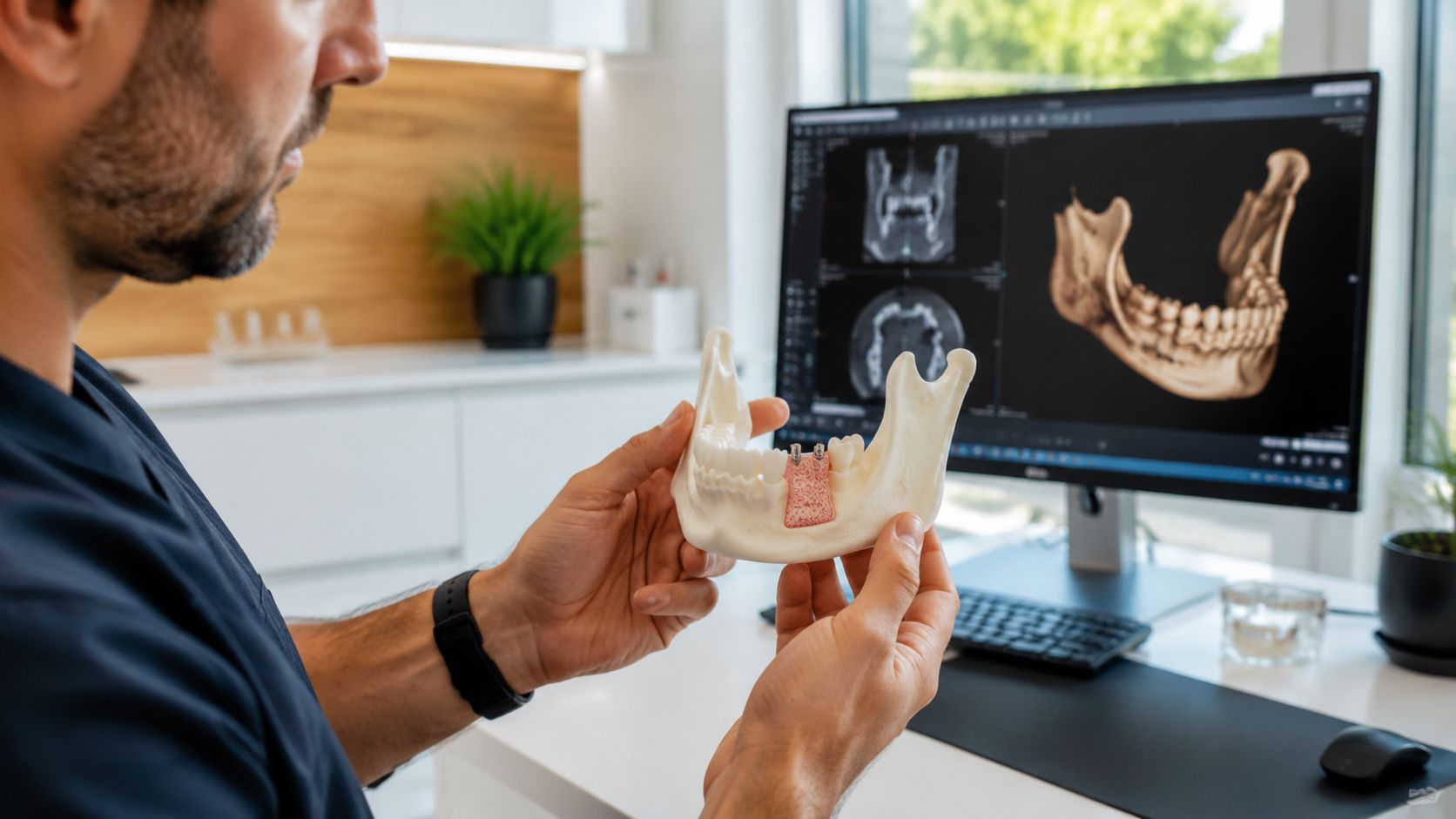


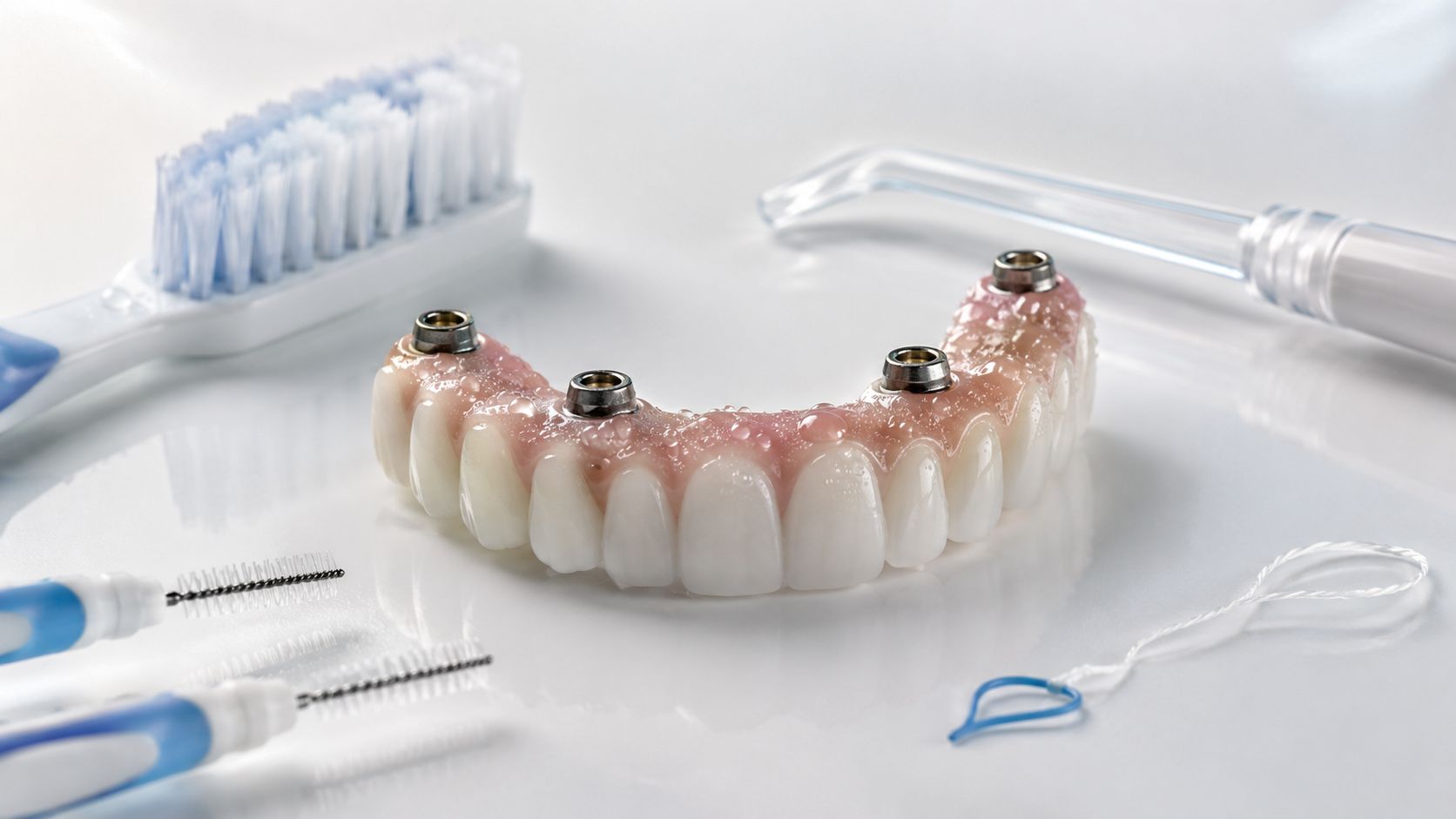
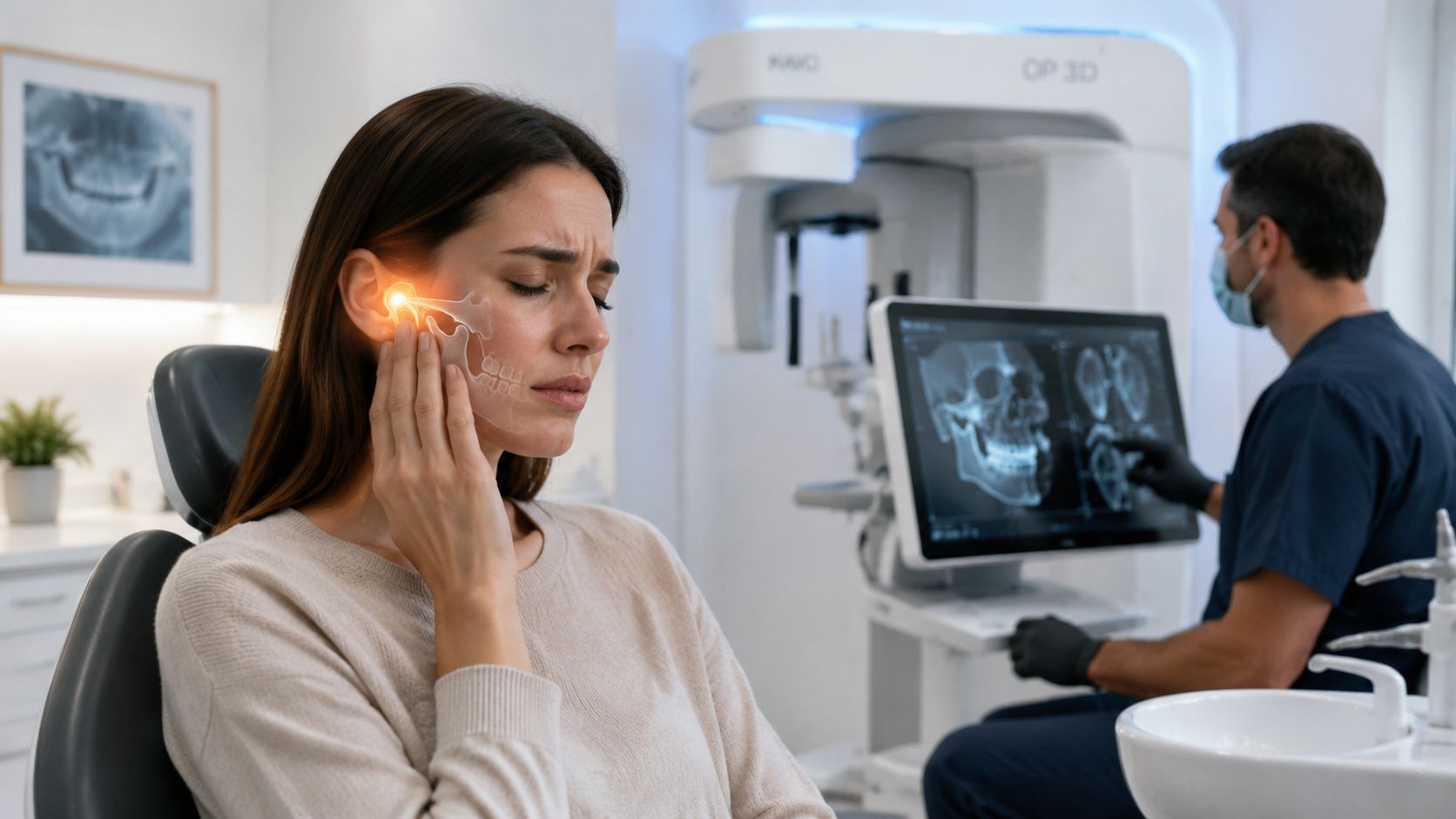
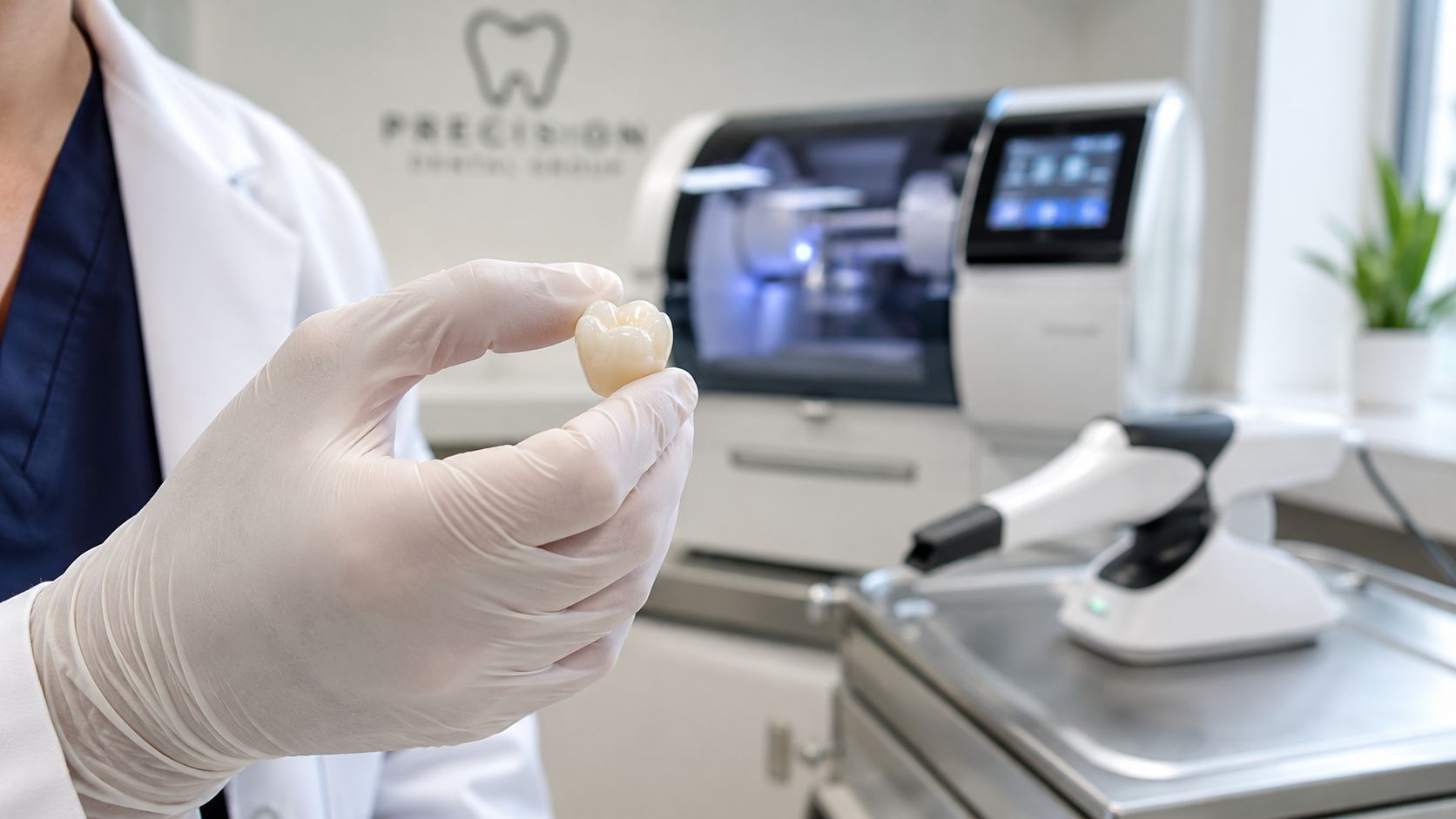

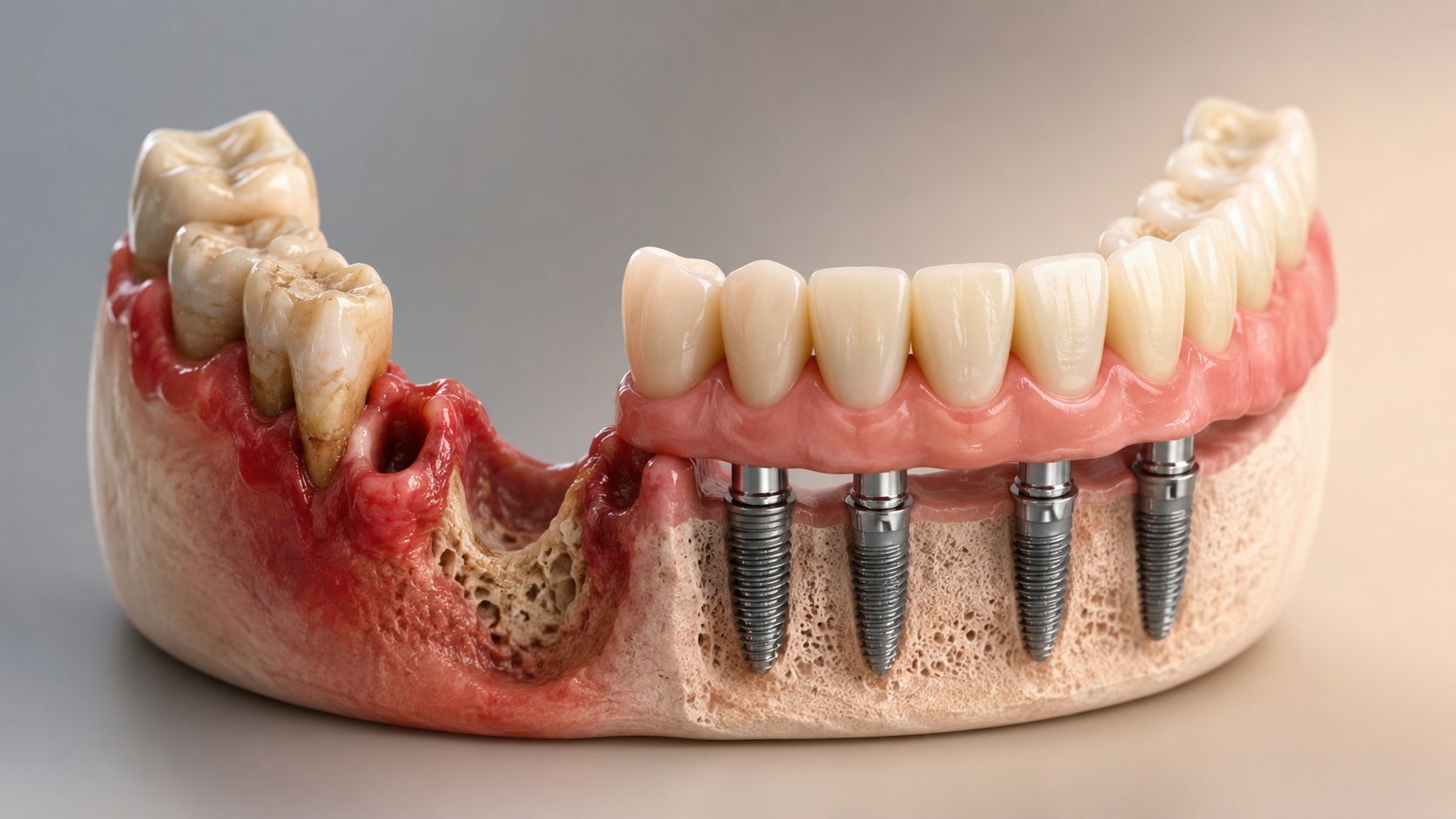


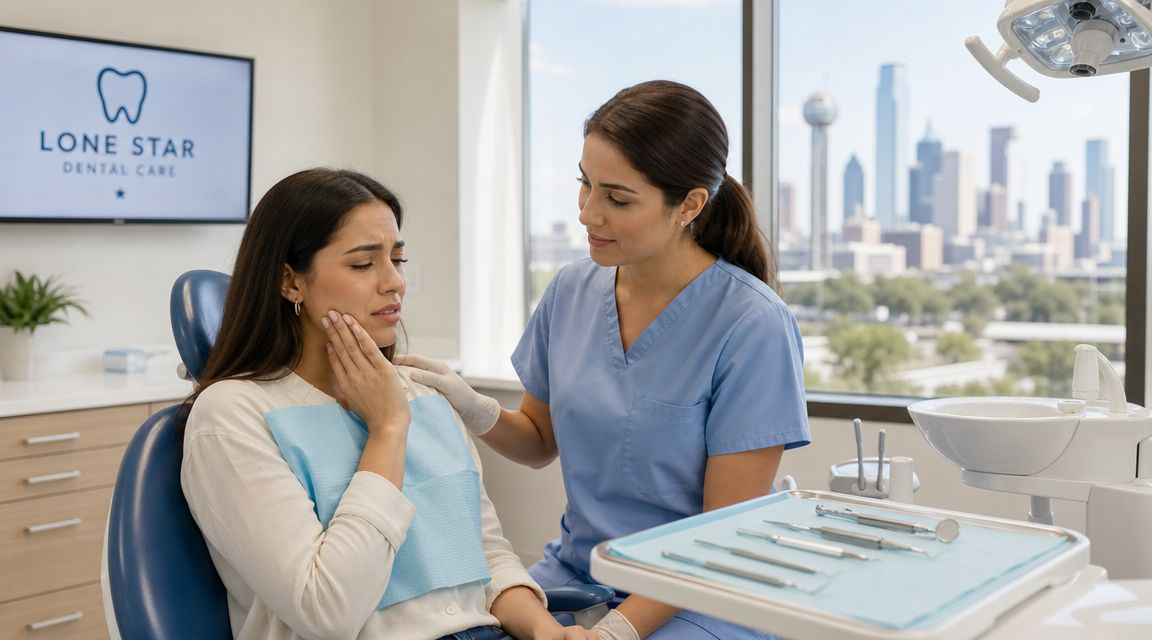





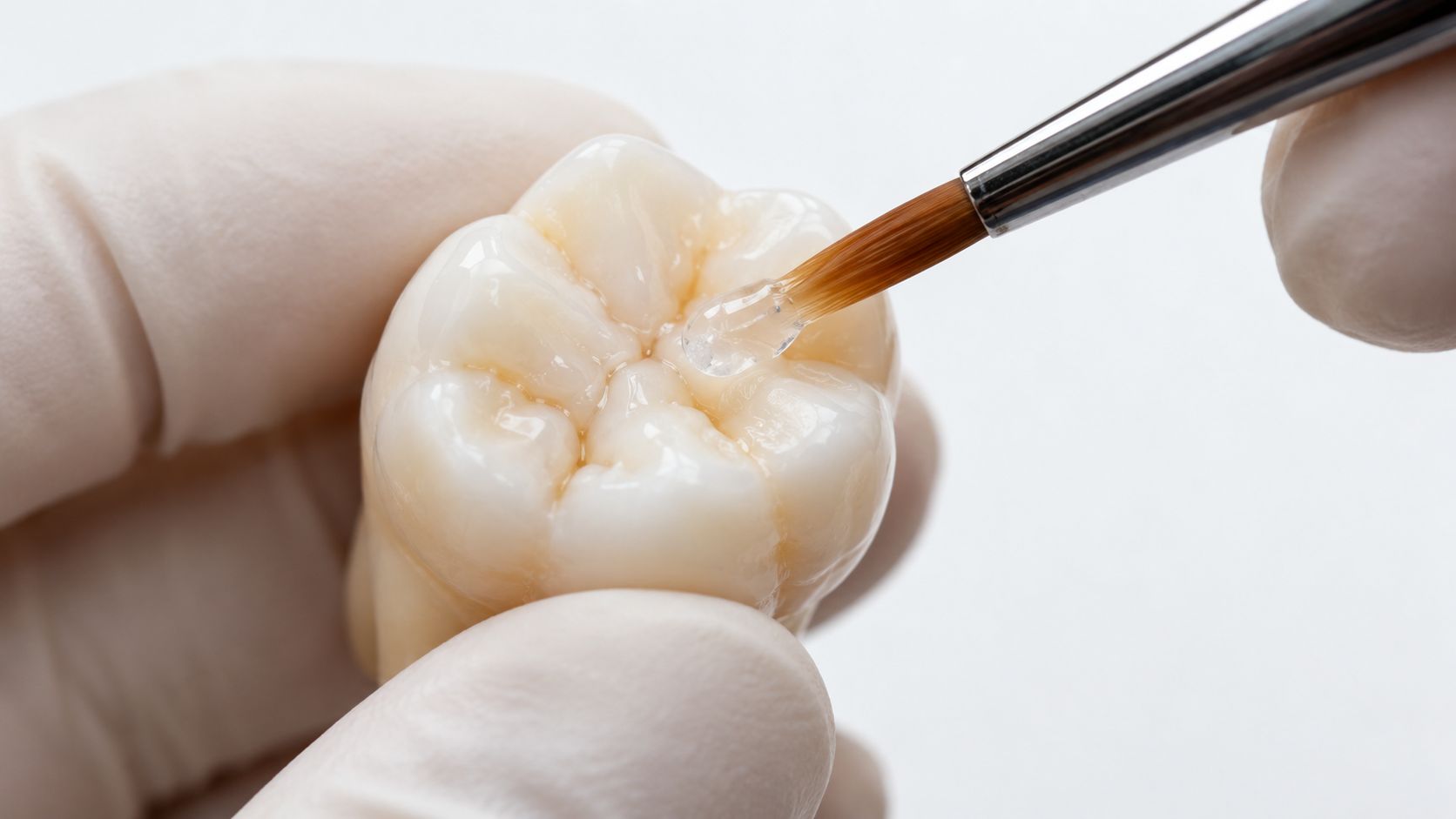







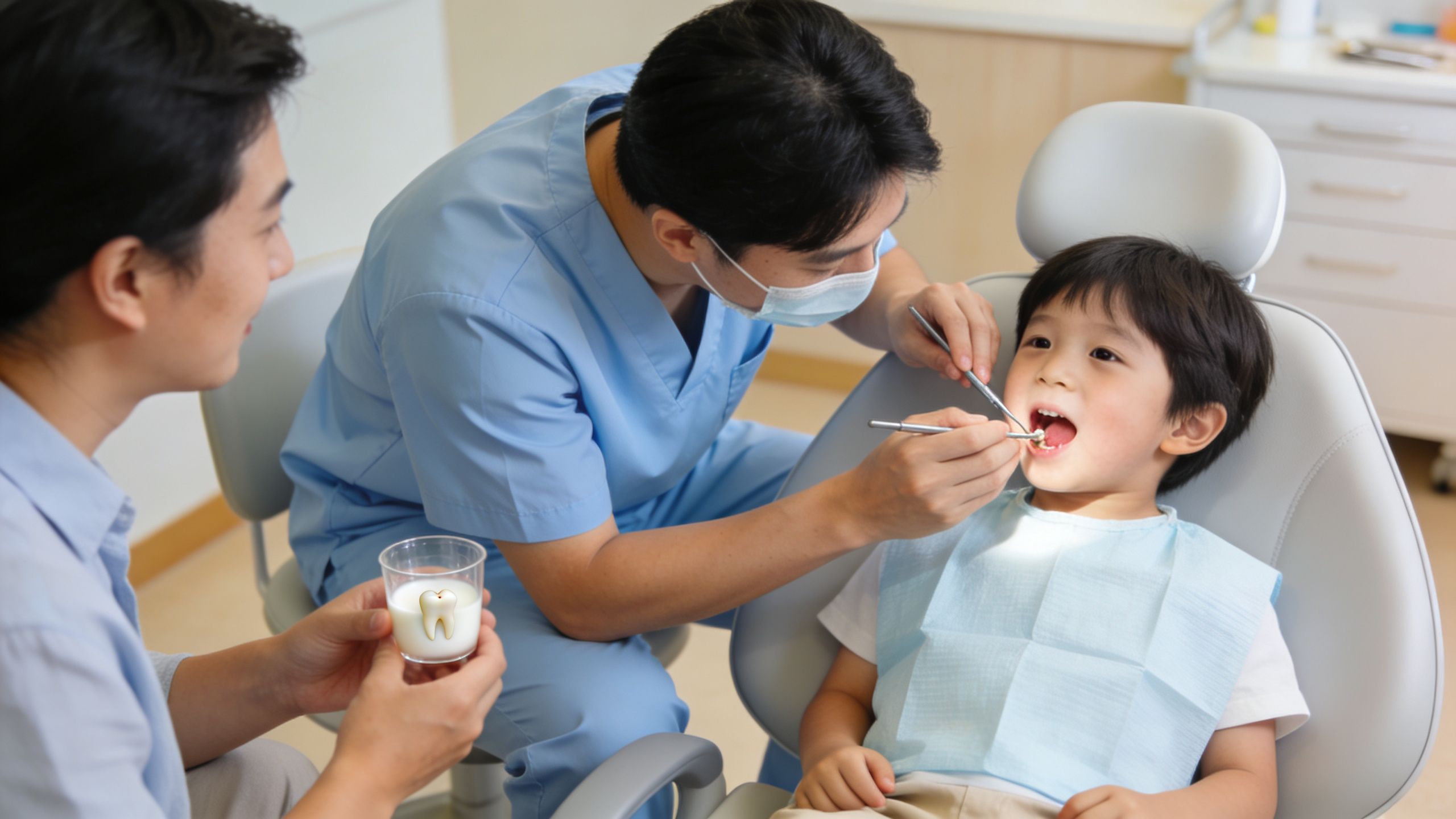

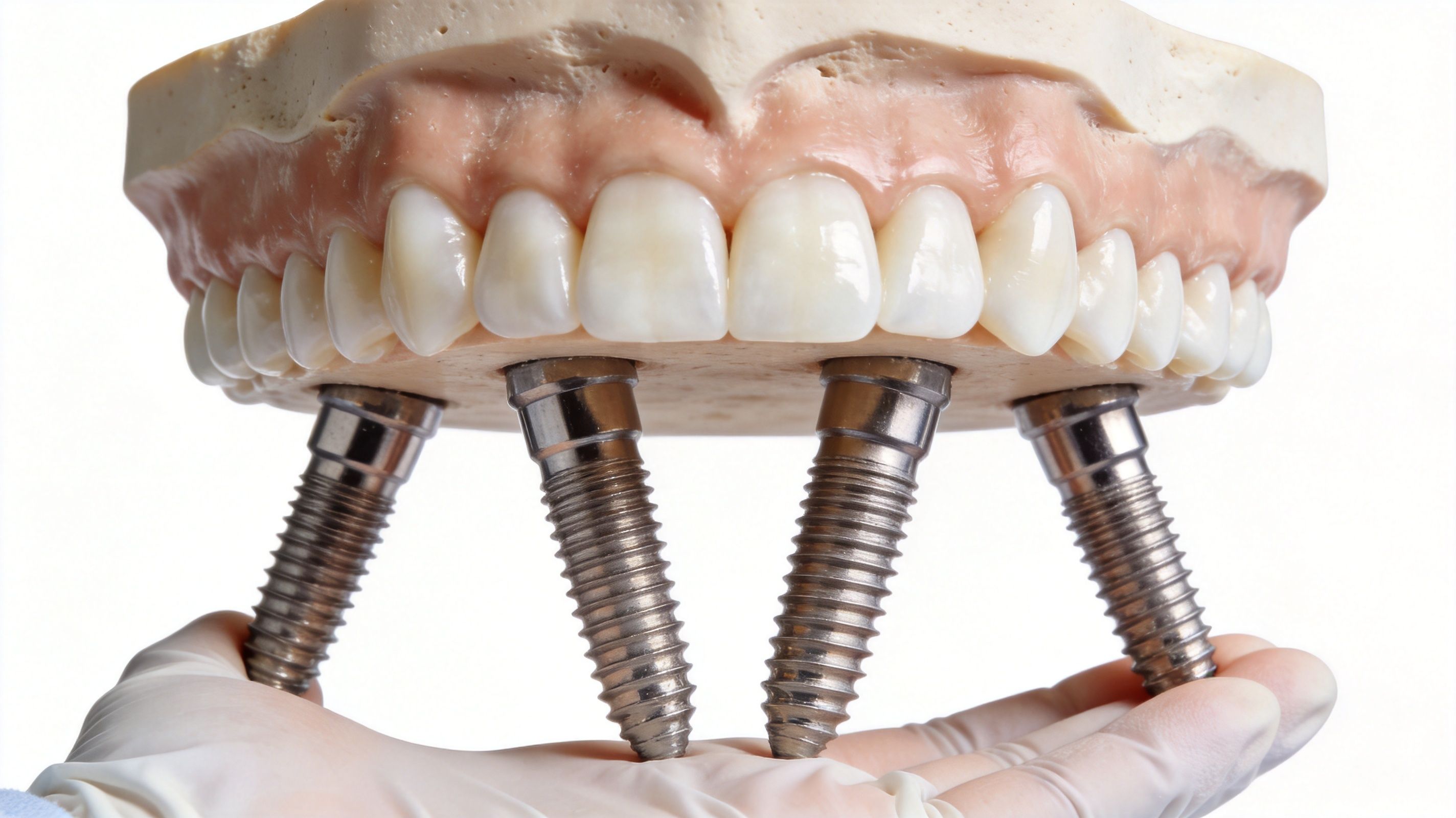



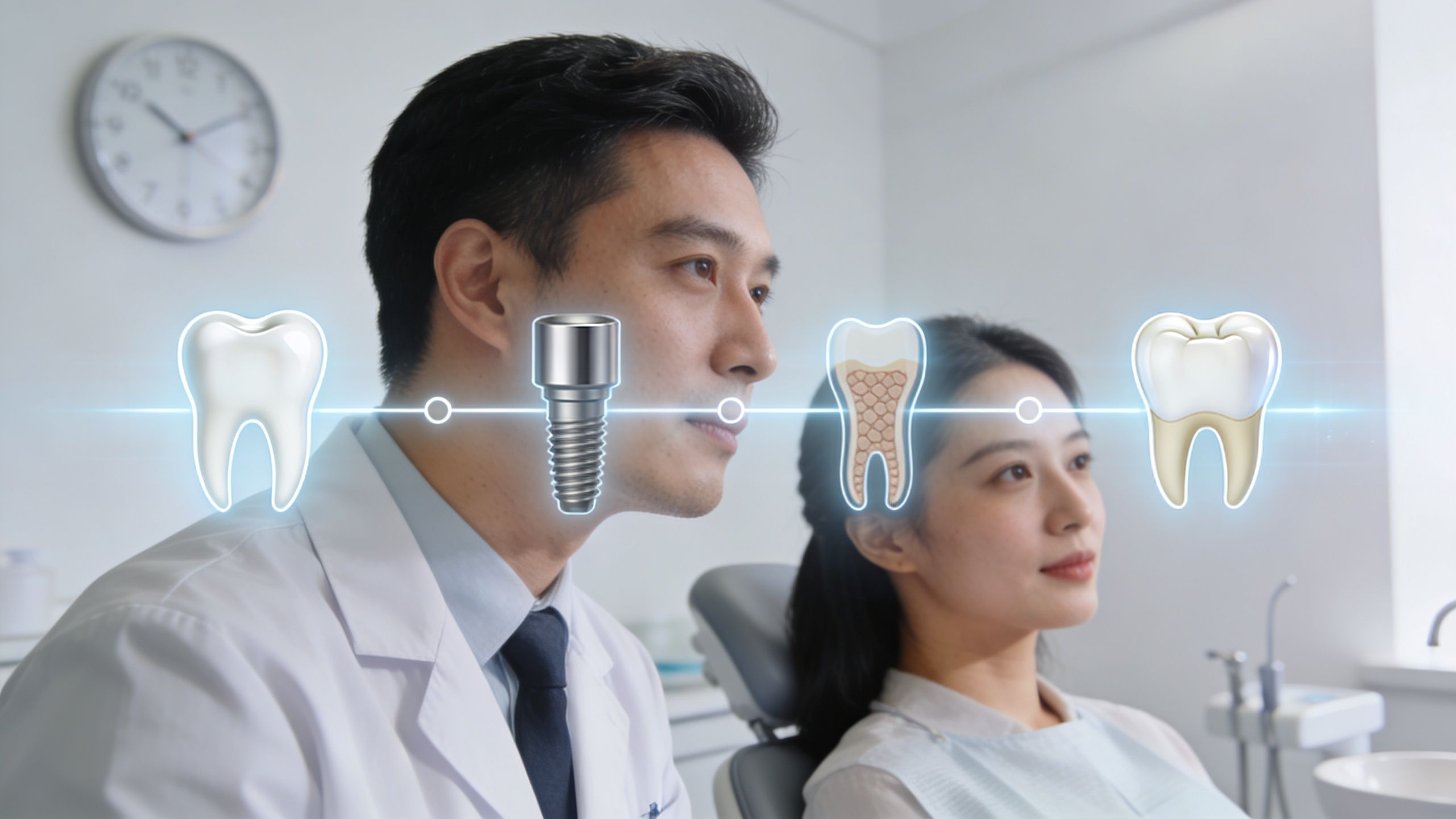





That sharp jolt when you sip iced water or breathe in cold air can be surprisingly disruptive. Many people try to work around it for months by chewing on one side, avoiding certain foods, or switching toothpaste on their own. The problem is that tooth sensitivity often isn't random. It usually points to a specific change in the tooth or gumline that needs attention.
When your teeth suddenly feel sensitive, and you're seeking a dentist near me in Austin, TX or Georgetown, TX, it helps to know that this is a common and treatable concern. Relief starts with identifying the actual cause. In our Austin and Georgetown offices, we see patients from Wells Branch, Cedar Park, Round Rock, and Liberty Hill with the same question: why do my teeth hurt when they didn't before?
Your Local Austin Dentist for Tooth Sensitivity Relief
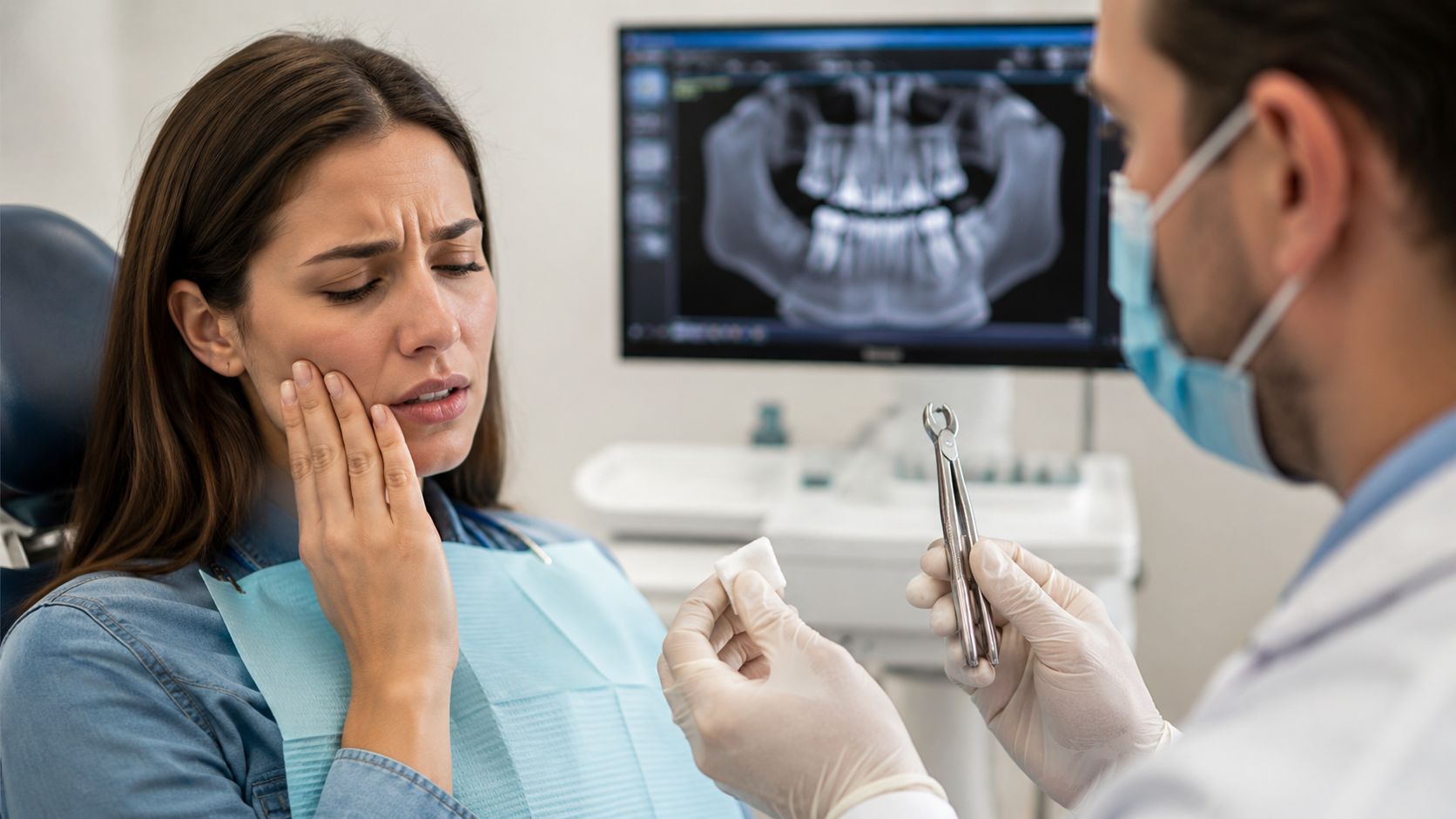
Sensitivity tends to show up in ordinary moments. Coffee feels too hot. Ice cream feels too cold. Brushing one area stings. Sometimes sweet or acidic foods trigger it too. When that starts happening, most patients want the same thing. They want the pain to stop, and they want a clear answer.
That concern is valid. Tooth sensitivity causes aren't all the same, and the wrong fix often wastes time. A desensitizing toothpaste can help in some cases, but it won't repair a cracked tooth, seal a failing filling, or address root exposure from gum recession. That's why a real exam matters.
What patients in Austin and Georgetown usually want to know
It's common to ask a few practical questions right away:
- Is this serious: Sometimes sensitivity is mild and temporary. Other times it signals structural damage that should be treated soon.
- Will it go away on its own: It might if the trigger is temporary, but ongoing pain usually means the tooth needs evaluation.
- Can it be fixed without a major procedure: Often, yes. The right treatment depends on the source, not just the symptom.
At our offices, the first priority is simple. Find the reason behind the pain. Once the cause is clear, treatment becomes much more straightforward. That may mean preventive care, restorative dentistry, gum treatment, a crown, or emergency care if the pain is severe or tied to a crack or damaged restoration.
Practical rule: Sensitivity is easier to treat when you catch it early, before a small area of wear, decay, or gum recession turns into a larger repair.
Why local care matters
When you're looking for a dentist in Austin, TX or dentist in Georgetown, TX, convenience matters, but so does precision. Sensitivity can come from habits, enamel wear, grinding, gum changes, old dental work, or a single damaged tooth. You need a diagnosis that matches the tooth that's causing trouble.
Patients coming in from North Austin, Cedar Park, Round Rock, and nearby communities usually feel relieved once they understand that sensitive teeth aren't a mystery. There is a cause. There is a way to identify it. And in most cases, there is a practical path to lasting relief.
Why Your Teeth Suddenly Hurt A Simple Explanation
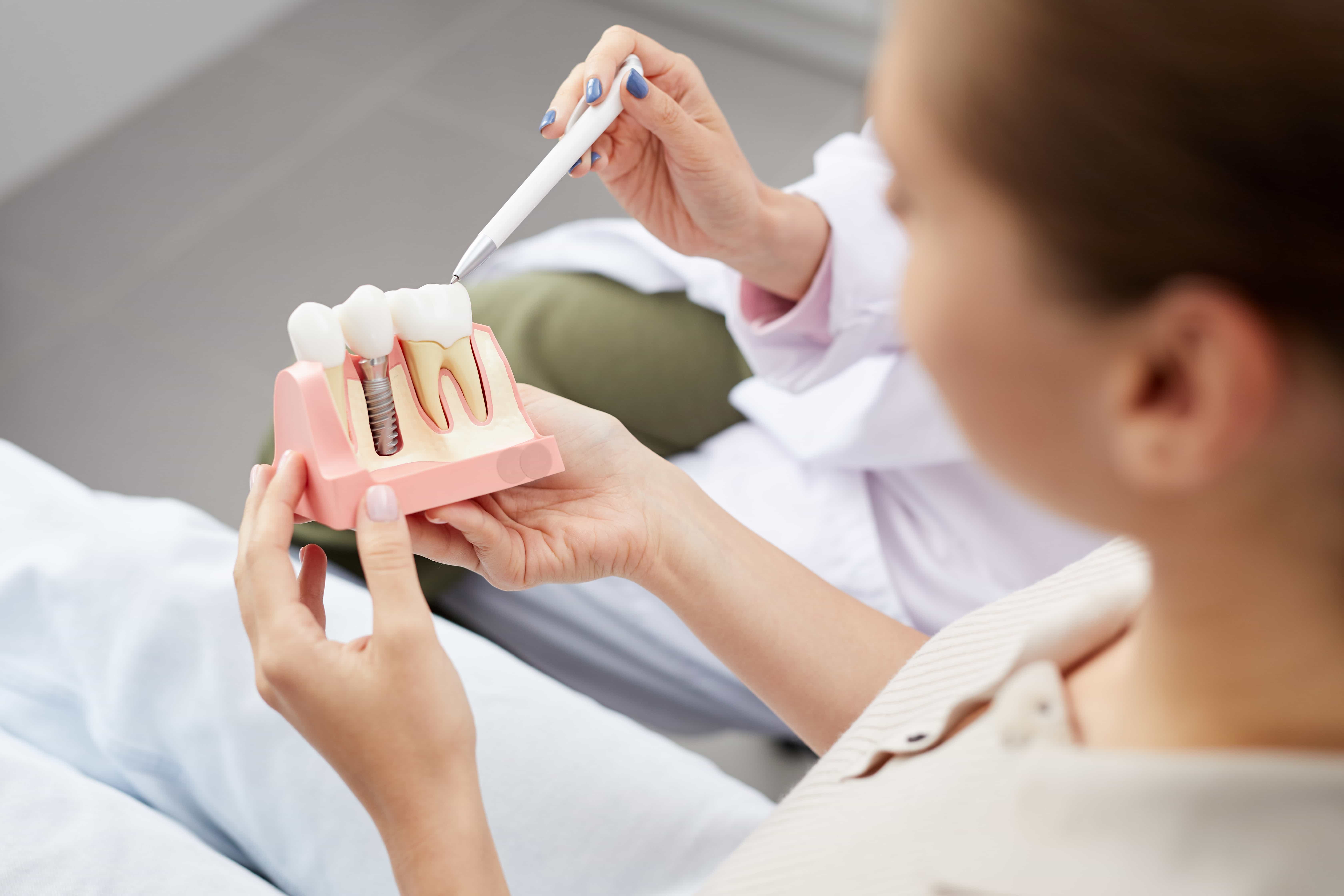
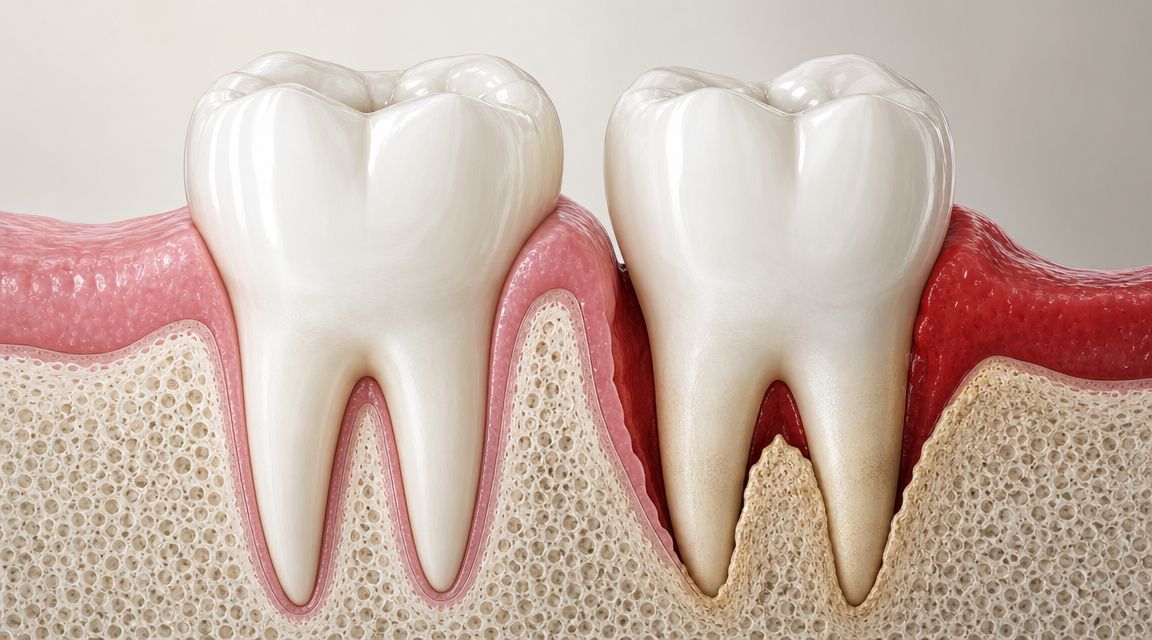
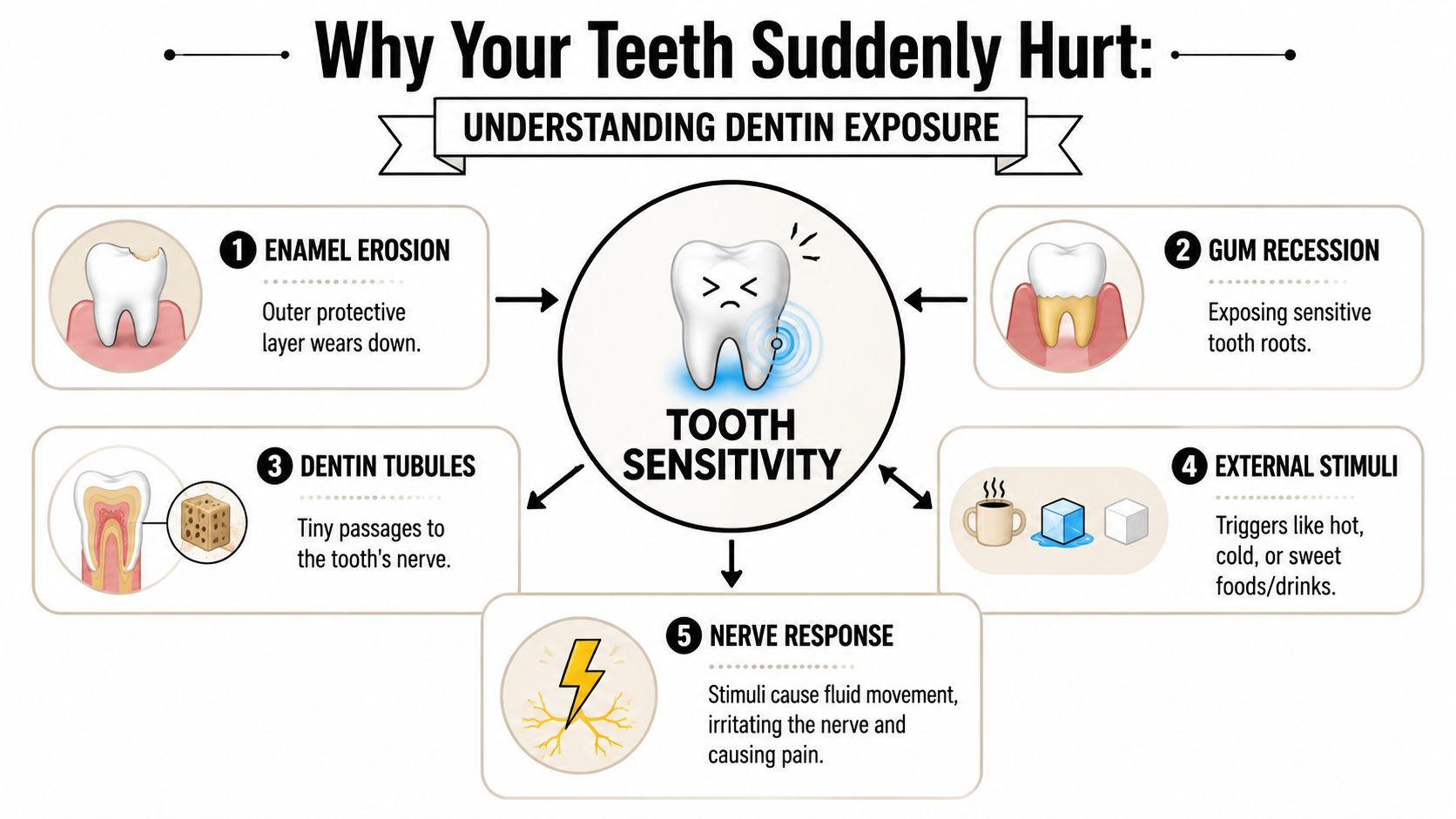
The clearest way to understand sensitivity is to think of your tooth as having a protective outer shell. That shell is enamel on the crown of the tooth and cementum over the root. When that protection wears down or the gums pull back, the layer underneath becomes exposed.
That inner layer is called dentin. It contains tiny tubules, which are microscopic channels leading toward the nerve. When hot, cold, acidic, sweet, or even touch-related stimuli reach those tubules, the fluid inside them moves. That movement irritates the nerve and causes the quick, sharp pain people describe as sensitivity. University of Utah Health notes that about 1 in 8 Americans experience tooth sensitivity, and explains this mechanism as fluid movement in exposed dentinal tubules stimulating the tooth's nerve, as described in University of Utah Health's overview of sensitive teeth.
What that means in plain language
If enamel is the shield, dentin is the sensitive layer underneath. Once dentin is exposed, normal foods and drinks can trigger discomfort much more easily than they should.
A few common triggers include:
- Cold temperatures: Ice water, cold air, frozen foods
- Heat: Coffee, tea, soup
- Sweet or acidic foods: Candy, citrus, soda, sports drinks
- Touch: Brushing, flossing, or biting in one area
Sensitivity doesn't happen because a tooth is "weak" in a vague sense. It happens because the protective surface has changed enough to let stimuli reach dentin.
Why the pain can seem sudden
Many patients are surprised by how quickly symptoms appear. The wear or recession may have been developing slowly for a long time, but the discomfort often shows up once enough dentin is exposed or a specific area becomes irritated.
That's one reason self-diagnosis can be tricky. Two people can both say, "My teeth hurt when I drink something cold," while having very different problems underneath. One may have generalized enamel wear. Another may have one cracked tooth or a restoration that's no longer sealing well. The sensation feels similar, but the treatment is not.
The Most Common Tooth Sensitivity Causes
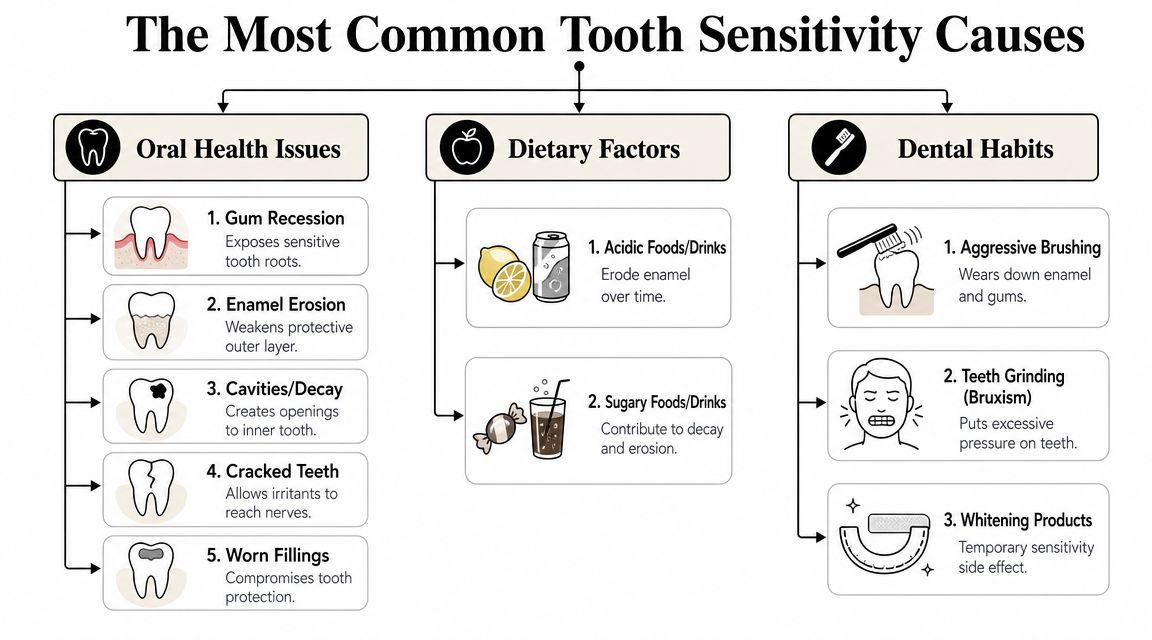
Sensitivity usually has more than one contributor. In practice, that's why a quick guess often misses the mark. One professional dental review found that among patients with tooth sensitivity, the most common contributing factors were gingival recession at 66%, wear-related lesions at 59%, and bruxism at 32%, according to this professional review on tooth sensitivity research.
Wear and gumline changes
The most common pattern is structural exposure over time.
- Gum recession exposes root surfaces that aren't protected the same way as enamel-covered areas.
- Abrasion and erosion wear away the outer surface, especially near the gumline.
- Grinding or clenching puts repeated force on teeth and can speed up wear.
These are common tooth sensitivity causes because they all uncover dentin. Patients in Austin and Georgetown often notice it first along the front of the teeth or near the gumline, especially during brushing or after cold drinks.
Everyday habits that make sensitivity worse
Not every cause is dramatic. Some are built into daily routines.
Aggressive brushing is a frequent problem. A hard scrubbing motion can wear enamel near the gumline and irritate gum tissue over time. Acidic drinks and foods can soften enamel, which makes brushing abrasion more damaging if the timing and technique aren't good.
Whitening products can also trigger sensitivity. In many cases, that sensitivity is temporary. But whitening can overlap with existing recession, erosion, or tiny cracks, which makes the discomfort feel much stronger than expected.
A helpful overview is below.
Structural problems inside one tooth
When sensitivity is sharp and localized, the issue may be one specific tooth rather than generalized wear.
A dentist may look for:
- Cavities or decay: Openings in the tooth can let stimuli move inward more easily.
- Cracked teeth: Even a small crack can create a path for temperature or pressure to trigger pain.
- Worn fillings: Older restorations can break down at the edges and leave the tooth less protected.
- Recent dental work: Some sensitivity after treatment can be expected, but it shouldn't be ignored if it persists or worsens.
If the pain is isolated to one tooth, especially with biting or cold air, the cause is often more specific than "I just have sensitive teeth."
Why this matters for local patients
In our area, many adults juggle coffee, sparkling water, citrus, sports drinks, stress-related grinding, and busy brushing habits that are harder on teeth than they realize. People coming in from Wells Branch and Liberty Hill often have a mix of causes rather than just one.
That's why broad advice doesn't always work. Switching toothpaste may help one person. Another needs a filling, a crown, gum treatment, or a bite appliance. The key is matching the cause to the solution.
How We Diagnose Sensitivity at 3D Dental
Sensitive teeth shouldn't be treated by guesswork. A patient can describe the trigger very clearly and still have more than one possible cause. The job during an exam is to narrow that down with evidence, not assumptions.
A major clinical review notes that effective diagnosis depends on identifying the underlying loss of enamel or cementum, with high-yield checks that include localized recession, cervical enamel wear, visible erosion, and cracks or failing restorations that create a path for stimuli to reach dentin, as summarized in this clinical review of dentin hypersensitivity diagnosis.
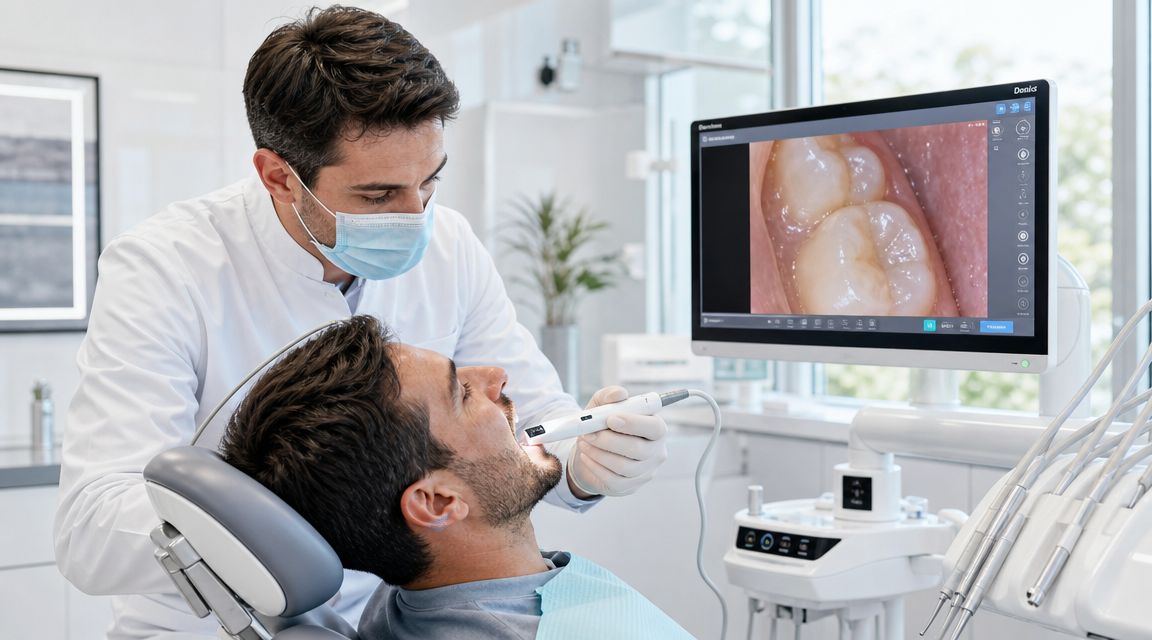
What a real sensitivity workup looks like
A useful exam usually starts with pattern recognition. Is the pain generalized or in one spot? Is it caused by temperature, sweets, brushing, biting, or air? Did it start after whitening, dental treatment, or a change in habits?
From there, the clinical evaluation focuses on surfaces and structures that commonly explain symptoms:
- Gumline inspection: Recession and root exposure
- Tooth surface review: Wear, erosion, abrasion, and enamel loss
- Restoration assessment: Fillings or crowns that may be leaking, worn, or fractured
- Crack evaluation: Fine crack lines that aren't obvious to the patient
- Bite analysis: Signs of grinding, clenching, or force concentration
Why imaging matters
A visual check alone can miss what matters most. That's especially true when pain seems to come from one area but the actual problem is deeper, hidden between teeth, or related to surrounding support structures.
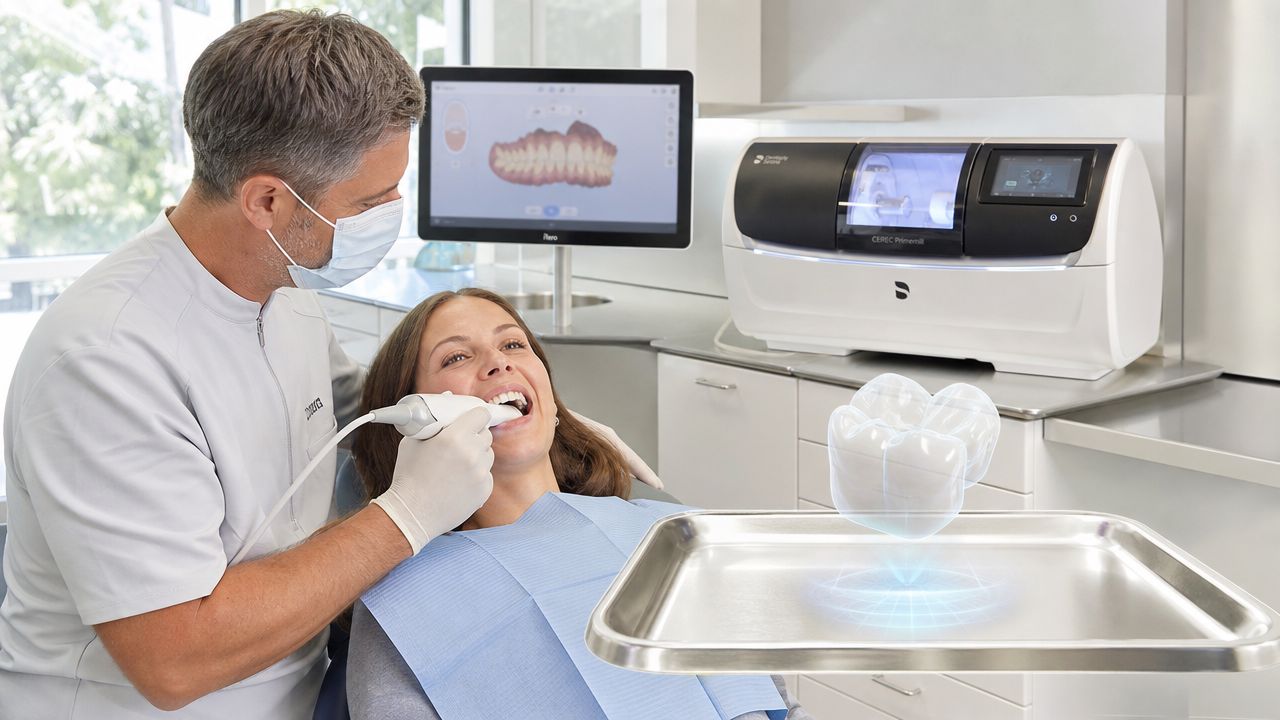
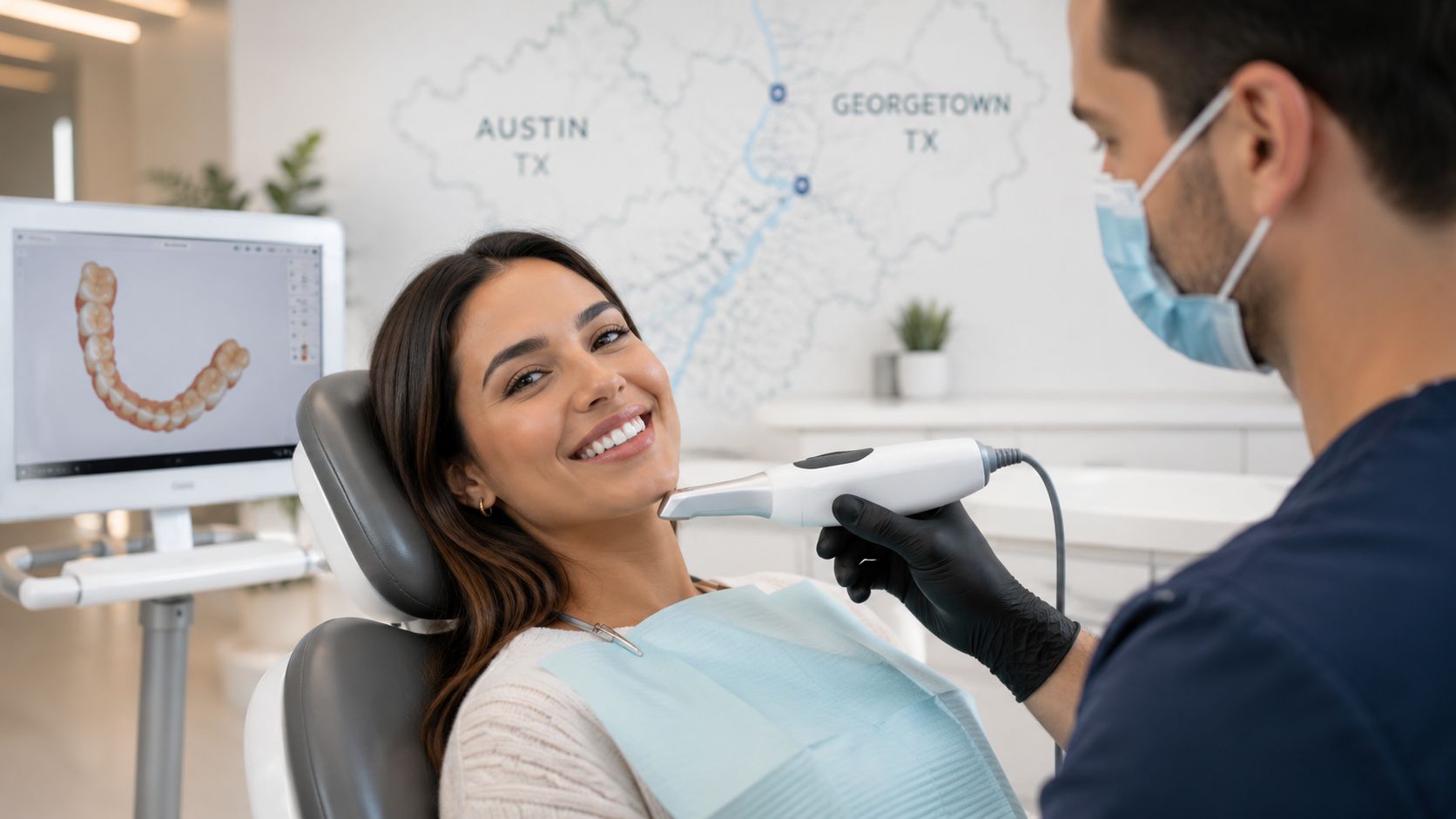
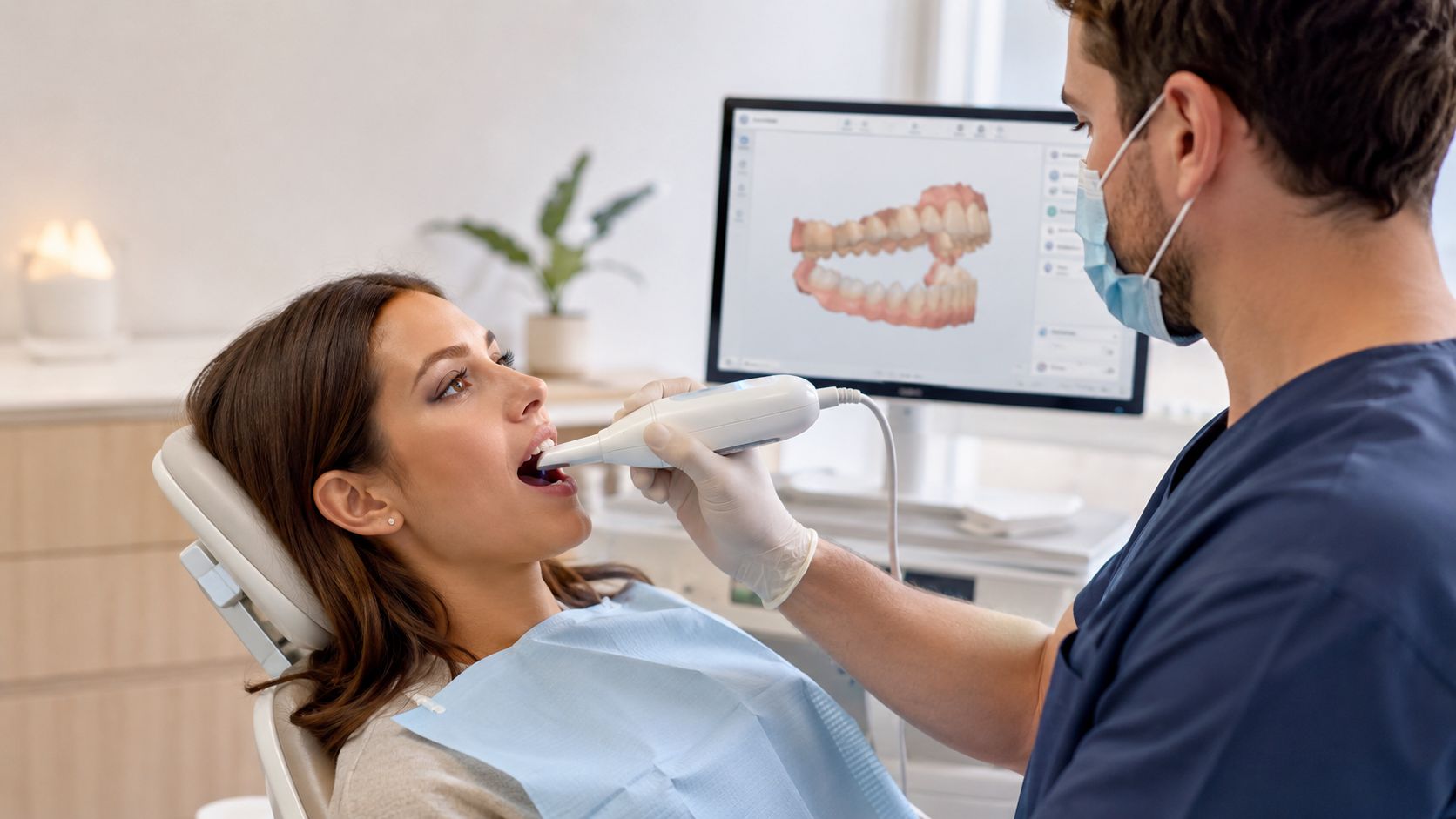
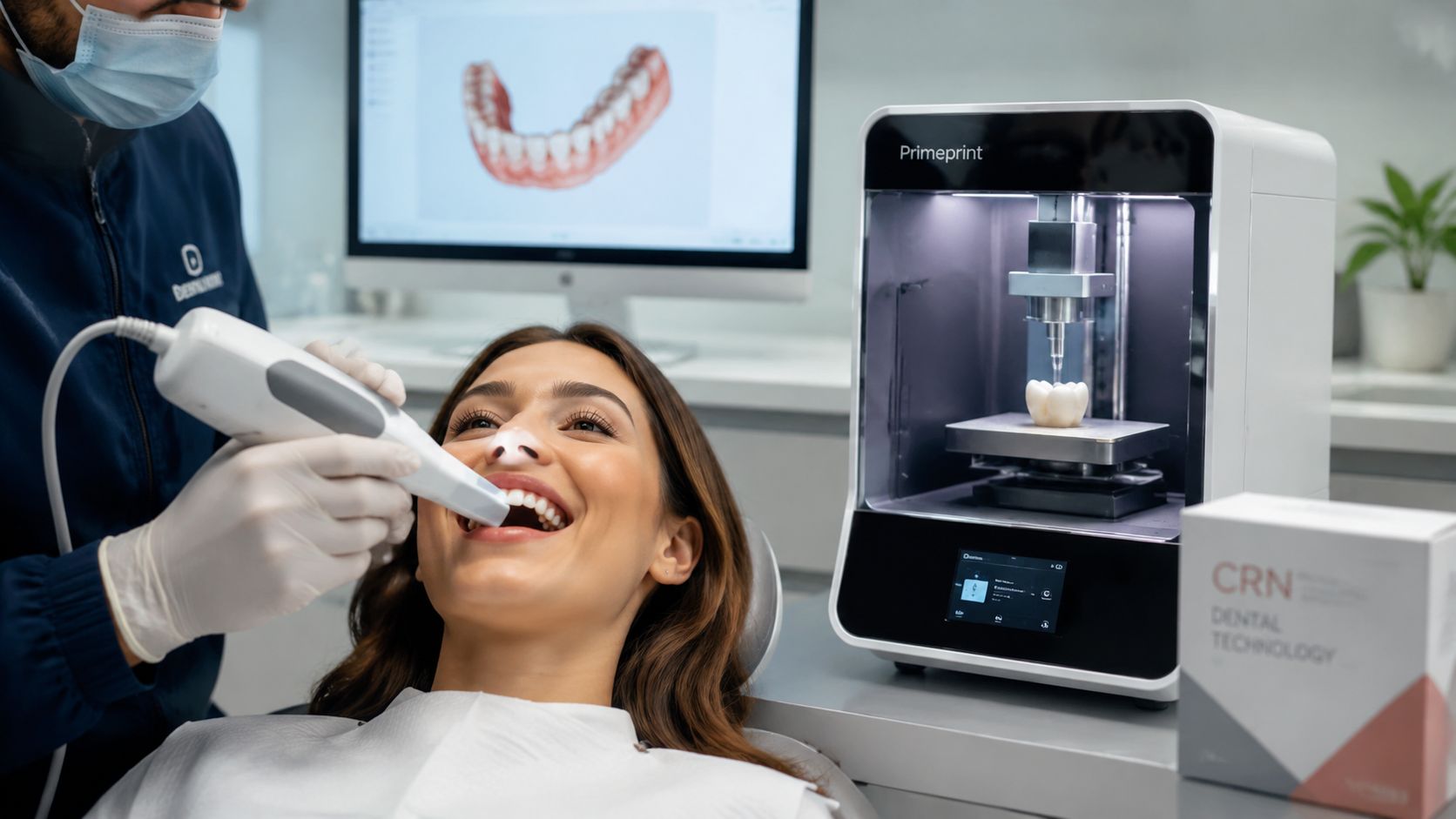
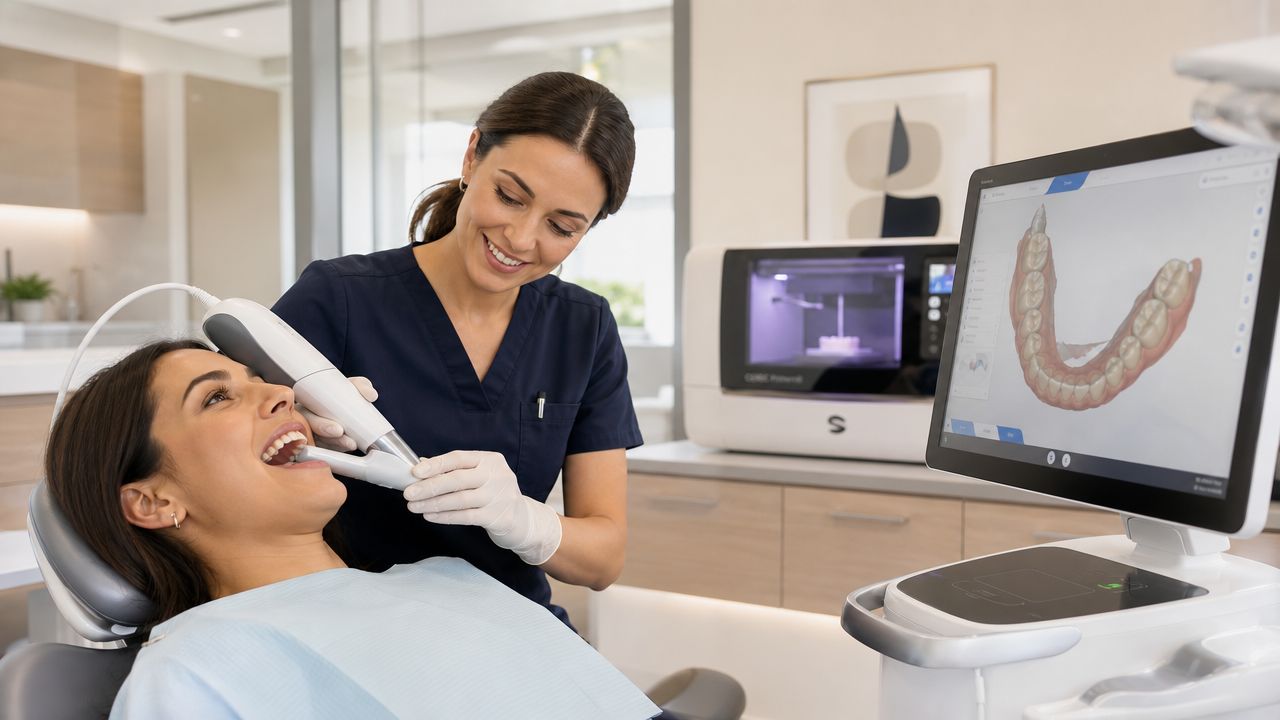
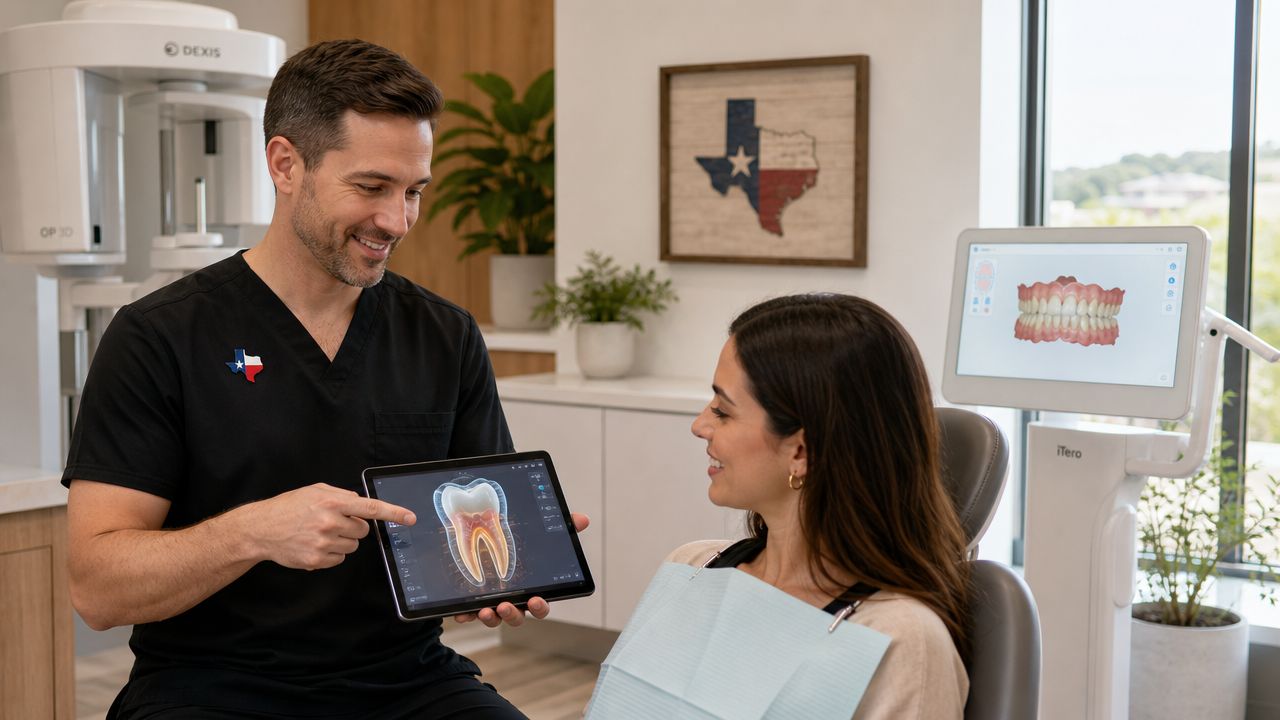
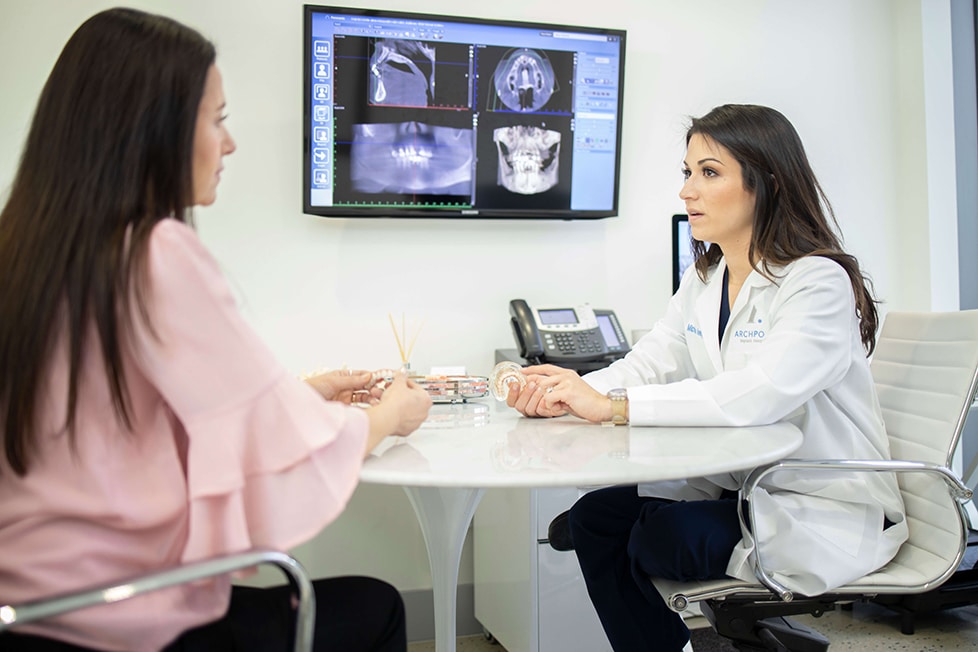
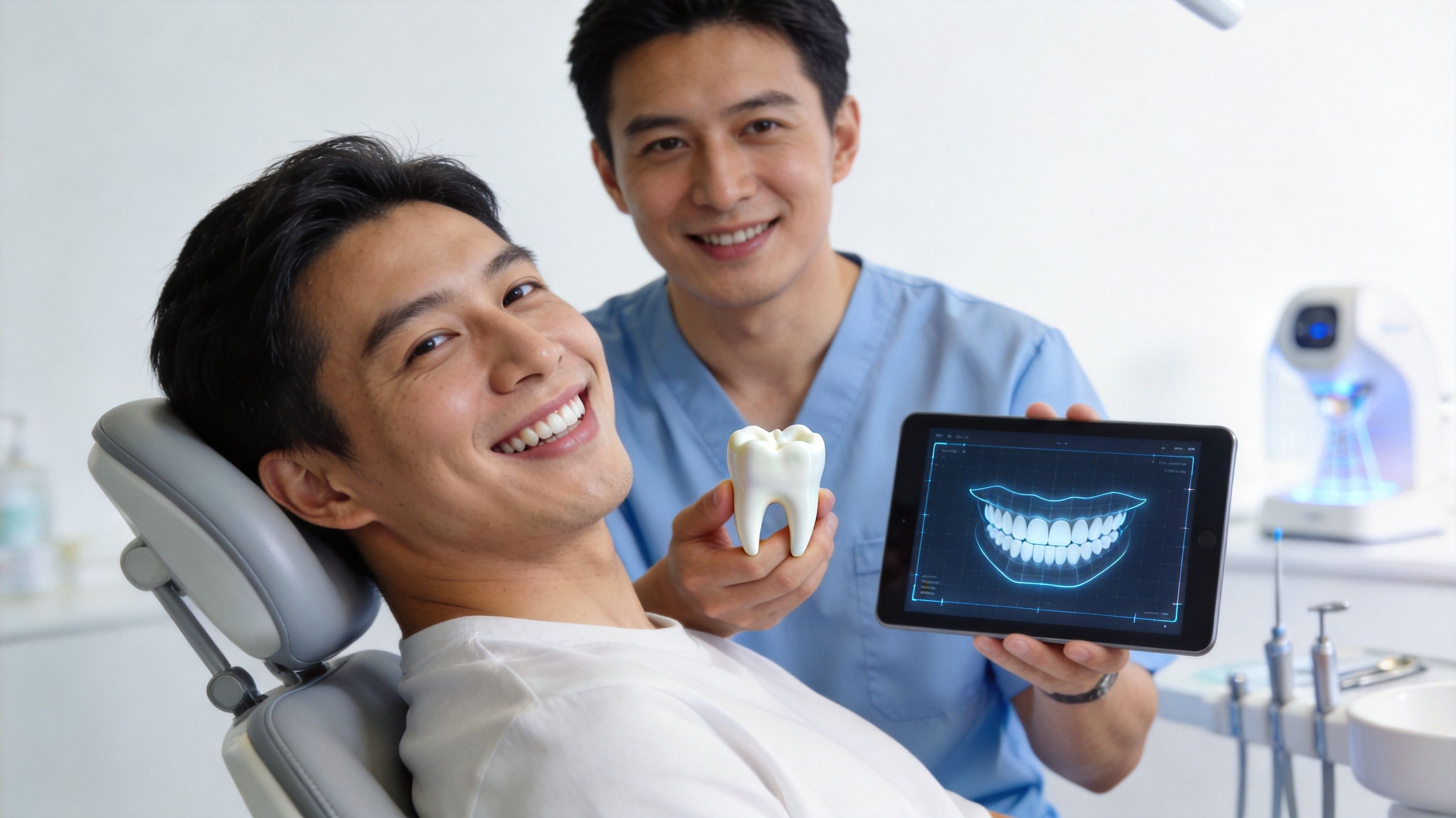
3D imaging and digital diagnostics prove particularly useful. 3D Dental uses 3D CT imaging, digital scanners, and digital x-rays to help evaluate issues such as hidden cracks, bone levels around teeth, failing restorations, and structural changes that may not show up clearly in a simple mirror exam. For patients searching for an emergency dentist in Austin or Georgetown because cold pain has turned into constant discomfort, that added detail can change the treatment plan quickly.
The best diagnosis is specific. It identifies the exact tooth, the exact surface, and the exact pathway letting that stimulus reach dentin.
What patients can expect at the visit
The process is usually more comfortable and less mysterious than people expect. A new patient exam for sensitivity often includes digital imaging, a discussion of triggers, testing the area gently, and checking whether the source is wear, recession, decay, a crack, or a restoration problem.
That detail matters because treatment decisions are practical. A tooth with exposed root dentin needs a different approach than a tooth with a crack. A patient with generalized enamel wear needs a different plan than someone whose pain started right after whitening or a filling. Good diagnosis saves time and helps avoid treatments that won't solve the problem.
Treatments for Lasting Relief in Austin & Georgetown
The right treatment for sensitivity depends on why the dentin is exposed or irritated. That's the part many patients find reassuring. There usually isn't one universal fix, but there are several effective options once the cause is clear.
Johns Hopkins Medicine notes that different causes require different interventions. Abrasive brushing and bruxism call for managing hard-tissue wear, acid erosion calls for dietary changes and restoration, gingival recession calls for periodontal care, and failing restorations call for replacement, as explained in Johns Hopkins Medicine's guide to sensitive teeth.
When the problem is wear or erosion
If the tooth surface has thinned from abrasion or acid exposure, treatment often starts conservatively. Fluoride and desensitizing products can reduce discomfort, but they work best when the patient also changes the habits that created the problem.
If a worn area near the gumline needs more protection, restorative care may help by covering exposed dentin. Bonding or a tooth-colored filling can seal a vulnerable area and reduce the trigger pathway. If the damage is more extensive, a crown may be the better long-term option.
When one tooth is damaged
Localized sensitivity often points to a cavity, crack, or failing restoration.
A practical treatment match may look like this:
| Cause | Common treatment direction |
|---|---|
| Decay or a small defective area | Tooth-colored filling |
| Fractured or heavily worn tooth | Crown or other restorative protection |
| Worn or leaking filling | Replacement of the restoration |
| Bite-related overload | Bite adjustment or night guard planning |
Such situations highlight the importance of restorative dentistry. Patients searching for tooth extraction, cosmetic dentist near me, or dentist near me sometimes start with sensitivity and discover that the tooth can still be preserved with the right repair. In other cases, if a tooth is too compromised to save, replacement options such as dental implants become part of the discussion.
When the gums are part of the problem
Root exposure from gum recession often needs more than symptom management. If the gums are inflamed or periodontal disease is contributing to recession, gum treatment is part of the solution. Switching toothpaste won't correct that underlying issue.
For patients whose sensitivity is tied to receding gums, daily habits matter too:
- Use a soft-bristled brush: Pressure matters more than people think.
- Lower acid frequency: Sipping acidic drinks all day creates repeated enamel stress.
- Address grinding: Nighttime clenching can keep wear active even if daytime brushing improves.
Patients also ask about whitening. If that's part of your concern, our article on teeth whitening for sensitive teeth can help you understand when whitening is reasonable and when it makes more sense to treat the sensitivity first.
Relief lasts longer when the treatment removes the pathway causing pain, not just the sensation itself.
When replacement is the healthier option
Sometimes sensitivity is the early sign of a tooth that's structurally failing. If a crack extends too far, decay is too deep, or repeated repairs won't provide a stable outcome, replacing the tooth may be the healthiest plan.
That can involve extraction followed by restorative planning, including dental implants near me searches that many patients make once they realize they want a fixed, long-term replacement. For other patients, cosmetic dentistry also overlaps with care when worn or eroded front teeth need both protection and appearance improvements. The key isn't choosing the biggest treatment. It's choosing the smallest treatment that will predictably solve the problem.
Preventing Future Pain and When to See a Dentist
The simplest way to prevent recurring sensitivity is to protect the surfaces that are still healthy. Use a soft toothbrush, brush with less force, and be mindful of how often acidic drinks touch your teeth during the day. If you grind your teeth, don't ignore it. Ongoing pressure can keep sensitivity active even after treatment.
It also helps to separate mild, expected sensitivity from symptoms that need prompt care. Patient guidance on sensitivity notes that some post-procedure or whitening-related discomfort can be temporary, while persistent or severe pain may point to a cracked tooth or failing restoration that needs evaluation, as explained in this patient guide on tooth pain causes and warning signs.
Warning signs worth acting on
Call a dentist soon if you notice any of these:
- Pain that lingers: Especially after cold, sweets, or brushing
- One tooth that suddenly stands out: Localized symptoms deserve attention
- Pain with biting or release of pressure: This can suggest a crack
- Sensitivity after recent dental work that keeps getting worse: That isn't something to just wait out
- Visible gum recession: Root exposure often progresses without habit changes
For patients concerned about gumline changes, this article on how to prevent gum recession is a helpful next step.
Mild sensitivity can be monitored briefly. Persistent, sharp, or worsening pain should be diagnosed, especially if it keeps changing how you eat, drink, or brush.
If you're in Austin, Georgetown, Cedar Park, Round Rock, Wells Branch, or Liberty Hill and you've been putting up with that sharp zing, don't keep guessing. Schedule an exam while the problem is still manageable.
If you're ready for a clear answer and a practical treatment plan, schedule a visit with 3D Dental. Our team serves patients in Austin and Georgetown, TX with modern diagnostics, restorative care, cosmetic options, dental implants, and emergency dental treatment designed to address the source of sensitivity, not just cover it up.
Ready to get started?
Schedule a free, no obligation consultation with our team and see what's possible for your smile!
Georgetown
- Mon-Thurs8:30am-5pm
- Fri8am-3:30pm
- Sat-SunClosed
Austin
- Mon-Tues8am-5pm
- Wed-Thurs9am-6pmFri8am-2pm
- Sat-SunClosed