
How Much Do Veneers Cost in Texas? 2026 Price Guide
Related Posts


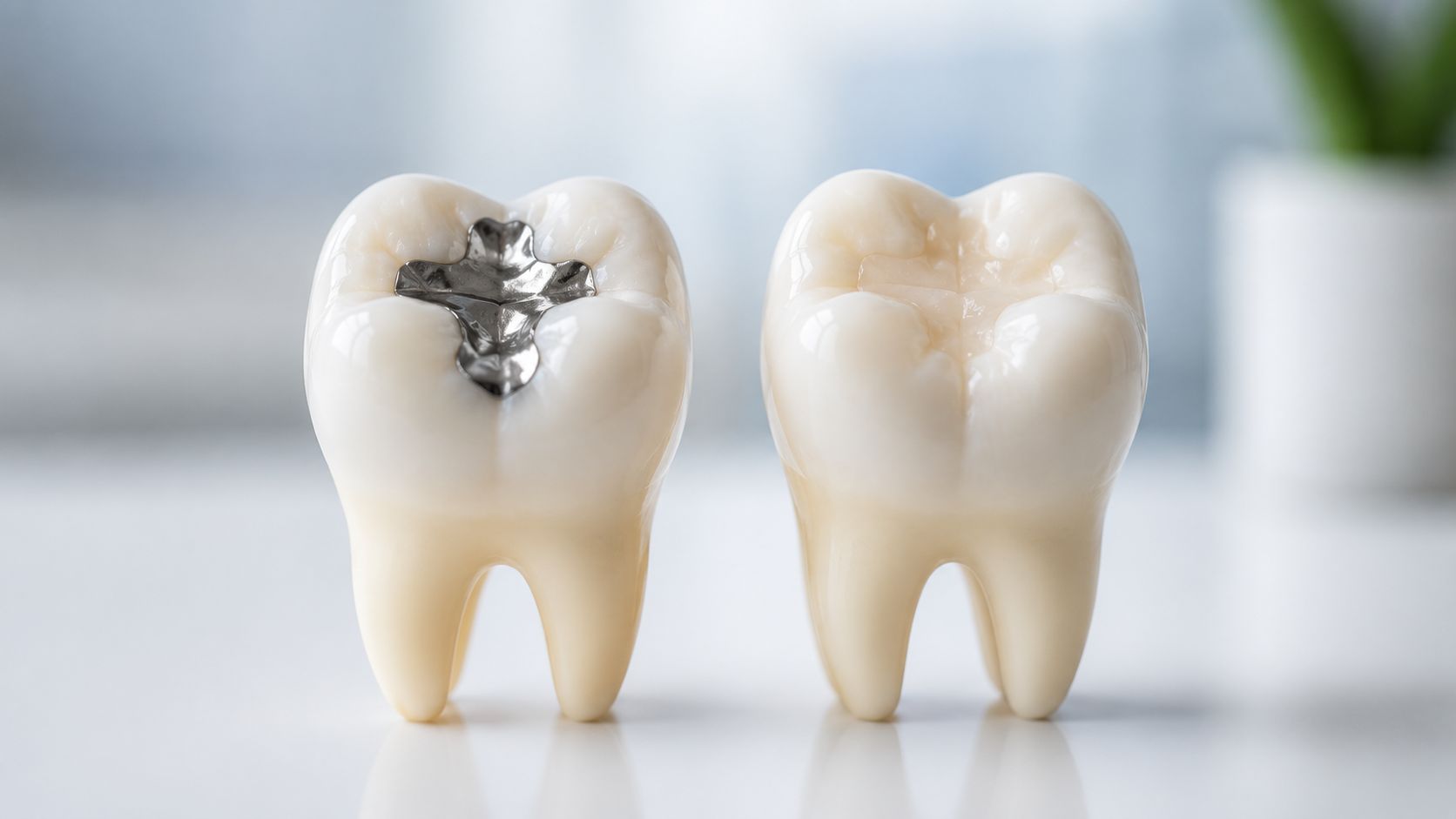


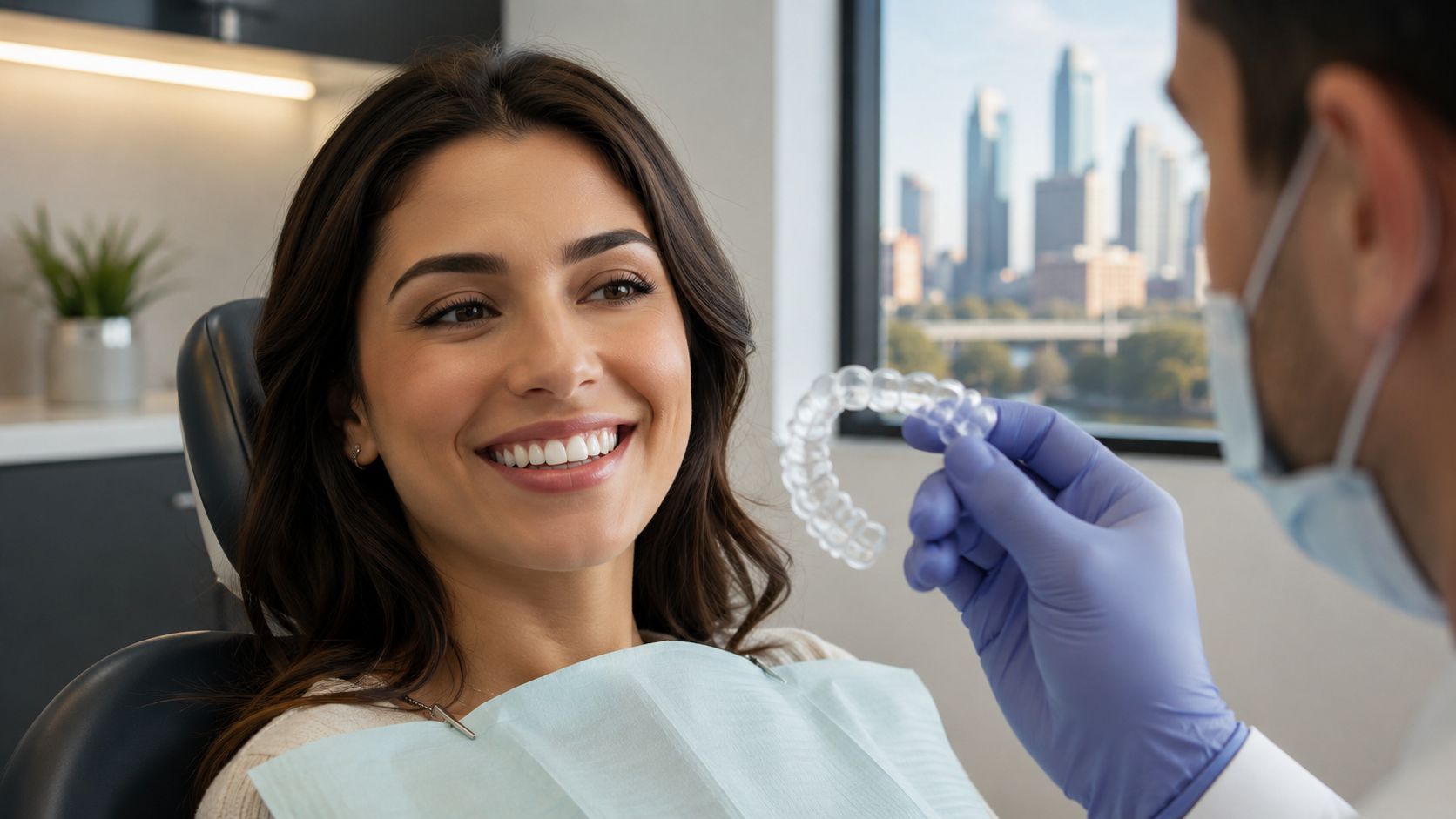
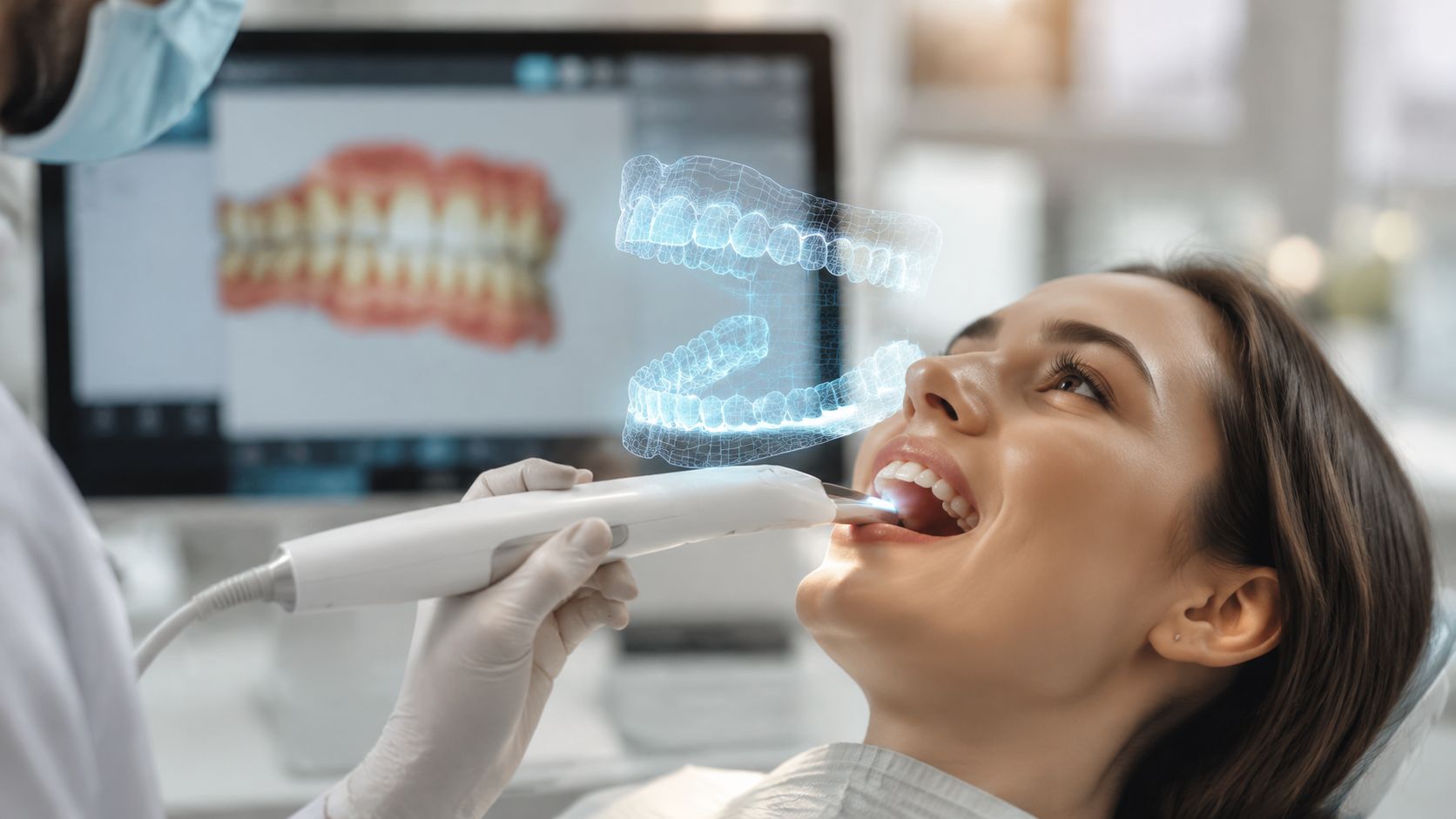
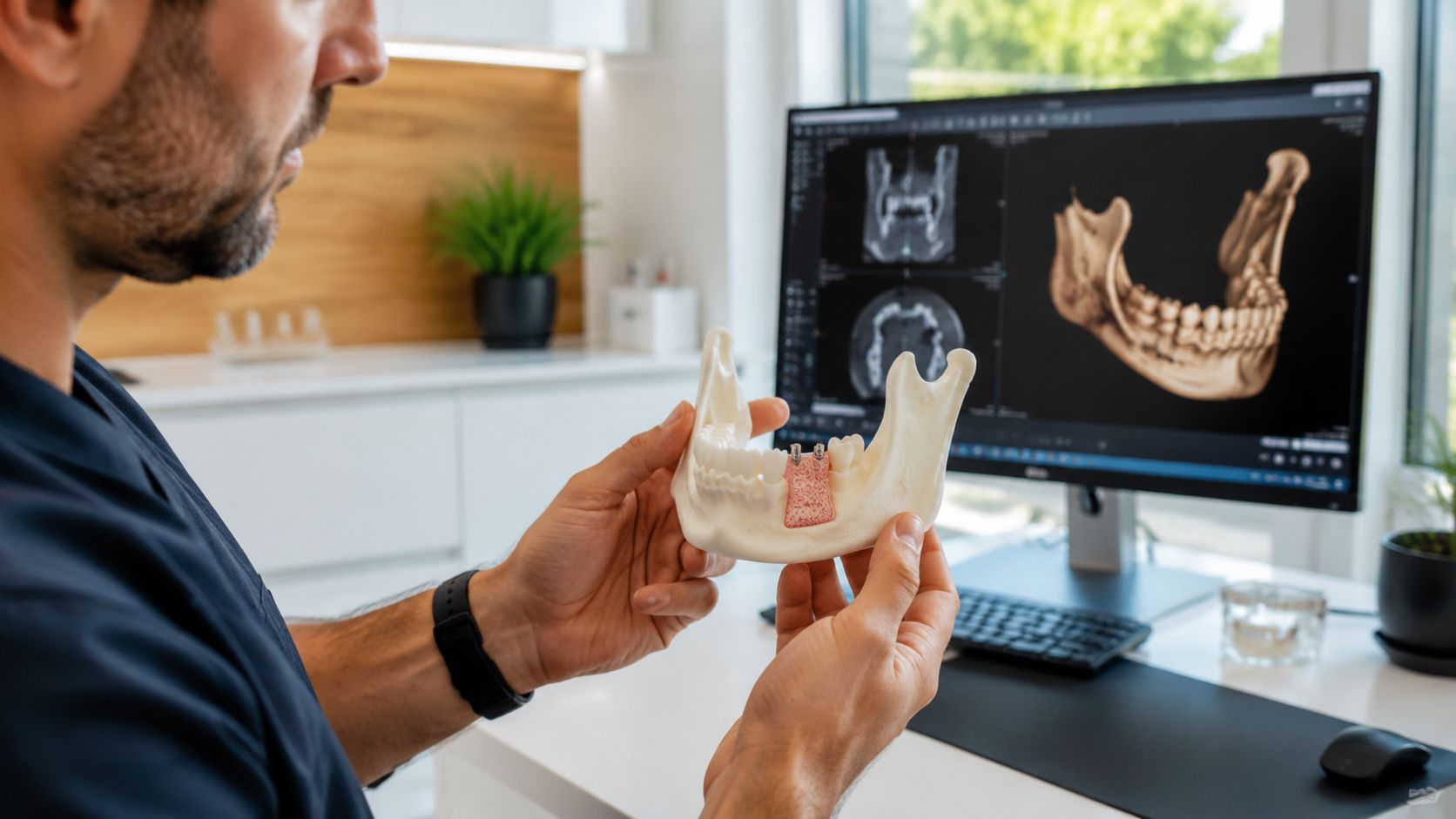





























Porcelain veneers in Texas typically range from $900 to $4,000 per tooth, and Austin guidance puts the state average at about $1,800 per tooth. If you're pricing a smile upgrade, that means the final total can vary a lot depending on how many teeth you want treated and what your case requires.
A lot of people start this search the same way. They look in the mirror, notice the chip, the staining that whitening won't fully fix, or the uneven front teeth they've learned to hide in photos, then immediately wonder whether veneers are even realistic financially.
If you're in Austin or Georgetown, that question deserves a straight answer. Veneers are a premium cosmetic treatment, but they're not priced randomly. The cost usually comes down to the material, the number of teeth involved, the design and lab work behind the smile, and whether your case is simple or more customized. Patients from North Austin, Cedar Park, Round Rock, Wells Branch, and Liberty Hill often come in expecting one flat number, but veneers don't work that way.
This guide breaks down how much veneers cost in Texas, what affects that cost at a modern cosmetic dentist, and what to expect if you're comparing options for a single front tooth or a broader smile makeover.
Your Guide to Veneer Costs in Austin and Georgetown
If you've been searching for how much do veneers cost in Texas, you're probably not doing it out of casual curiosity. Usually, there's a specific reason. Maybe one front tooth bothers you every time you smile. Maybe you've had bonding done before and you're tired of touch-ups. Maybe you want a cleaner, brighter, more even smile and want to know if veneers fit your budget before you book anything.
That hesitation is normal. Cosmetic dentistry can feel hard to price because online ranges are wide, and many pages only give a number without explaining what that number includes.
Why local context matters
In Central Texas, veneer pricing reflects more than the veneer itself. It also reflects the planning, smile design, preparation, and finishing work needed to make the result look natural in your face, not just white and straight in a close-up photo.
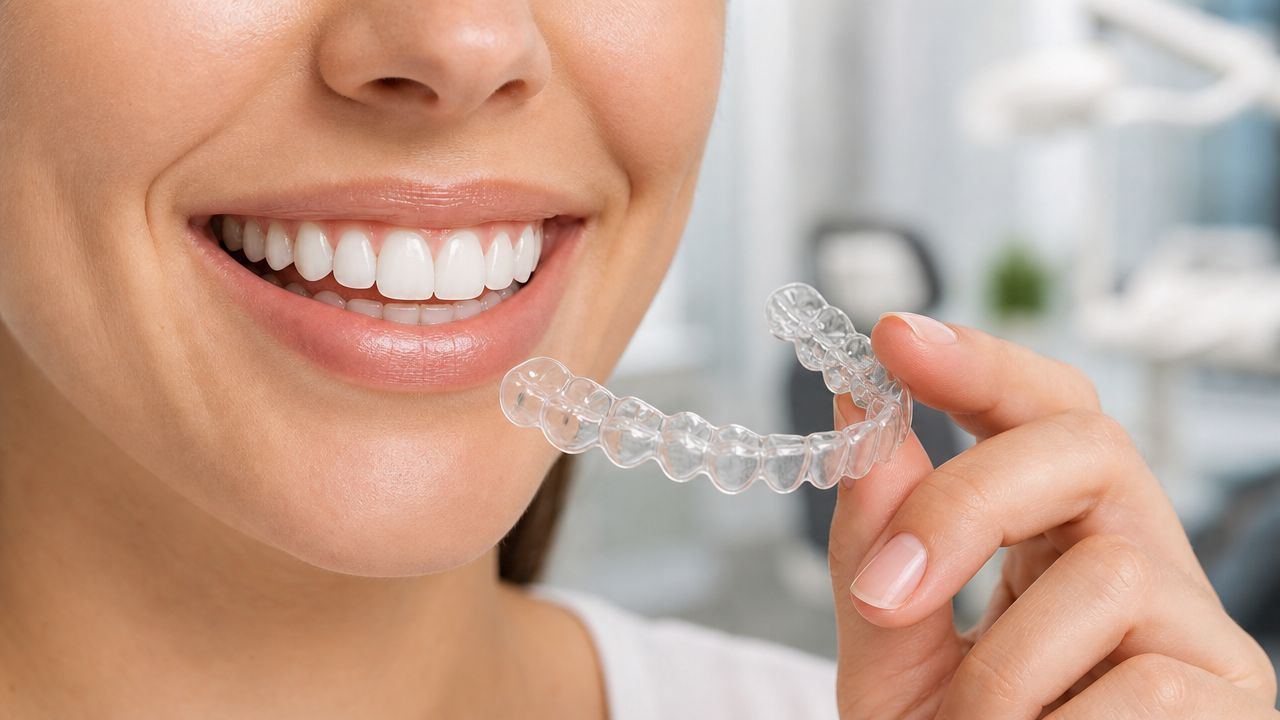
Patients in Austin and Georgetown also tend to compare veneers with other cosmetic services such as teeth whitening, restorative dentistry, or even clear aligners before making a decision. That's smart. Veneers can be the right option for discoloration, chips, worn edges, small gaps, and shape concerns, but they aren't the automatic answer for every smile.
A good veneer plan should solve the cosmetic problem you actually have, not sell you more dentistry than you need.
What patients usually want to know first
Most new veneer consultations come down to a few practical questions:
- What will it cost per tooth? Patients want a realistic Texas number, not a vague national headline.
- How many teeth do I really need? Some people need one veneer. Others need a balanced smile zone.
- What's the difference between porcelain and composite? Upfront price matters, but so does how long the result lasts.
- Can this be financed? Because even patients who are ready for treatment often prefer monthly payment options.
For anyone looking for a cosmetic dentist near me in Austin or Georgetown, transparency matters as much as aesthetics. Whether you're due for a new patient exam, digital x-rays, or a focused cosmetic consultation, the goal is clarity. You should know what you're paying for, what result is realistic, and what trade-offs come with each option.
Breaking Down Veneer Prices Per Tooth and For a Full Smile
A patient may come in expecting to “price veneers” the way they would price a single service. Veneers rarely work that way. Dentists usually quote them per tooth, then adjust the total based on how many teeth show in your smile and how much design work each tooth needs.
That distinction matters. One veneer for a chipped central incisor is a very different case from eight veneers across the upper smile line.
What per-tooth pricing actually means
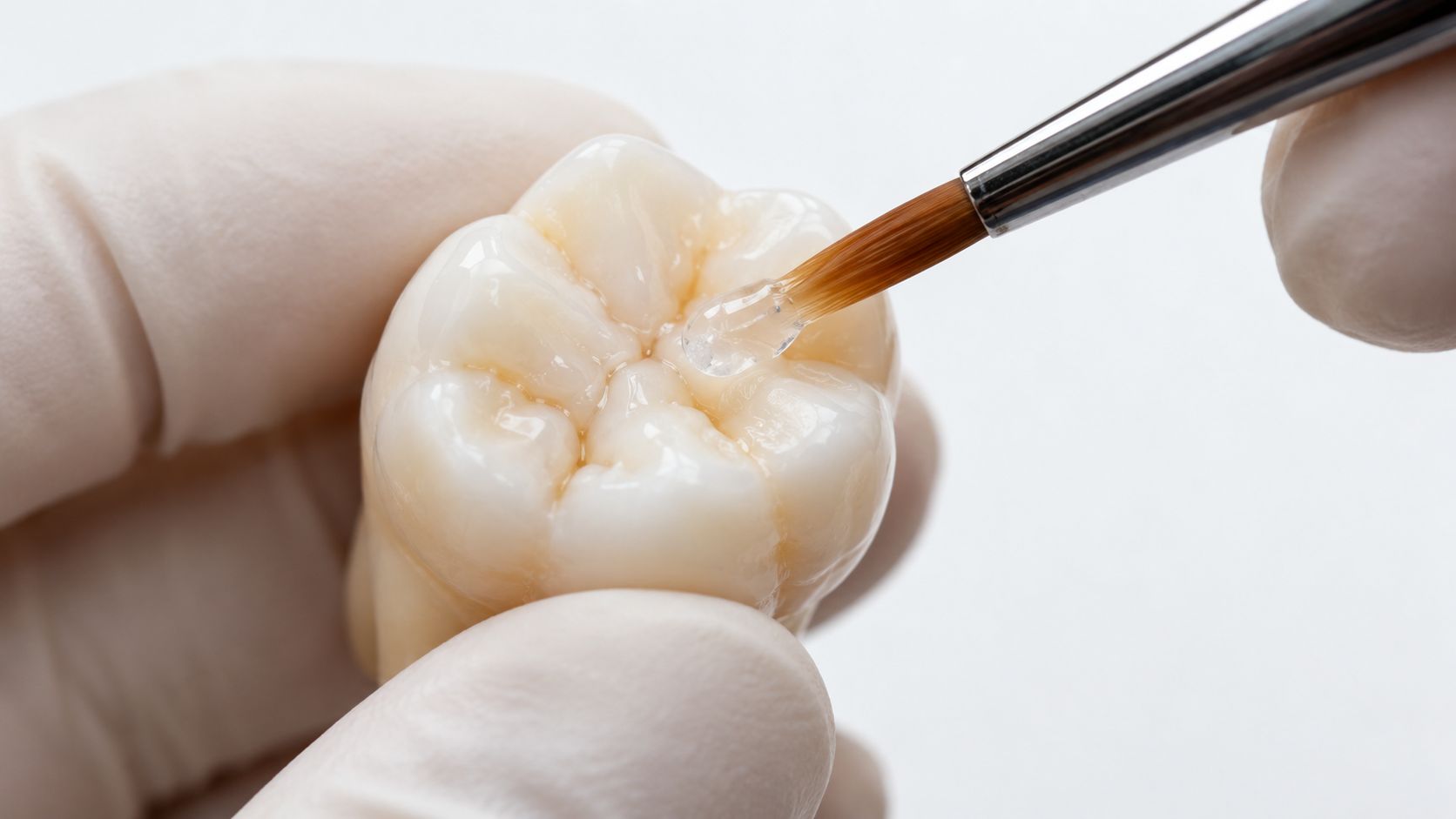
In Texas, veneer fees are often discussed on a per-tooth basis, and the key question is how that number translates into a complete treatment plan. A single veneer may be appropriate if one tooth stands out because of a chip, stain, shape issue, or old dental work. Even in a one-tooth case, the fee covers more than the final ceramic or composite piece. It also reflects shade matching, digital planning, preparation, temporaries when needed, and the skill it takes to make one tooth blend with the rest of the smile.
Costs rise as more teeth are included, but the increase is not always simple multiplication.
Here is the practical way patients usually look at it:
| Treatment scope | What that usually means |
|---|---|
| Single veneer | Best for one isolated tooth that needs shape, color, or surface correction |
| 4 to 6 veneers | Common for patients who want to improve the most visible upper front teeth |
| 8 to 10 veneers | More likely when a wider smile shows more teeth and symmetry matters across the full front smile |
A smaller case can be cost-effective if the untreated teeth already match well. A larger case often gives the most balanced cosmetic result because the brightness, width, and shape are controlled across the whole smile zone.
Why full-smile pricing varies so much
Patients often ask why two offices can quote very different totals for the same number of veneers. The answer is usually in the planning and fabrication.
At a modern Austin or Georgetown practice like 3D Dental, the fee is tied to the result you are buying. Digital imaging, careful smile design, high-quality porcelain, and close collaboration with the lab all affect the final price. In some cases, in-house technology can also improve efficiency and consistency. That does not mean every patient needs the most extensive option. It means the quote should reflect the level of detail required to make the veneers look natural in your face, not just on a shade tab.
Some full-smile cases also include records, mockups, temporary veneers, contouring, or minor bite adjustments. Those items can change the total even when the number of veneers stays the same.
The right veneer count is the number that creates a balanced smile without making adjacent natural teeth look mismatched.
A realistic way to budget
Patients usually do better with a treatment range than a single headline number. If you are considering one or two veneers, the investment stays focused on a local cosmetic issue. If you are considering six, eight, or more, the budget shifts from repairing a tooth to designing a smile.
That is why I encourage patients to ask a more useful question than “What do veneers cost in Texas?” Ask what is included in the fee, what material is being used, who is designing the case, and how likely the result is to hold up over time.
Those answers tell you much more than a low advertised starting price.
What Really Determines Your Veneer Cost
A patient may come in asking why one office quotes veneers one way and another office quotes them very differently. The reason is that veneer fees are shaped by how the case is planned, who is designing it, what materials are used, and how much precision the smile needs to look natural on your face.

Material changes both the cost and the long-term result
The material matters because it changes more than appearance. It affects stain resistance, strength, texture, and how the veneer is made.
Porcelain usually costs more because it involves lab fabrication, detailed shade matching, and a more refined finish. Composite can lower the upfront fee, but it may need more maintenance over time. Patients comparing the two should look at expected upkeep, not just the starting number. Our guide to composite vs porcelain veneers explains that trade-off in more detail.
Case complexity often matters more than veneer count
The number of teeth is only part of the quote. Two people may both want six veneers, but one case may be simple and the other may require far more design work.
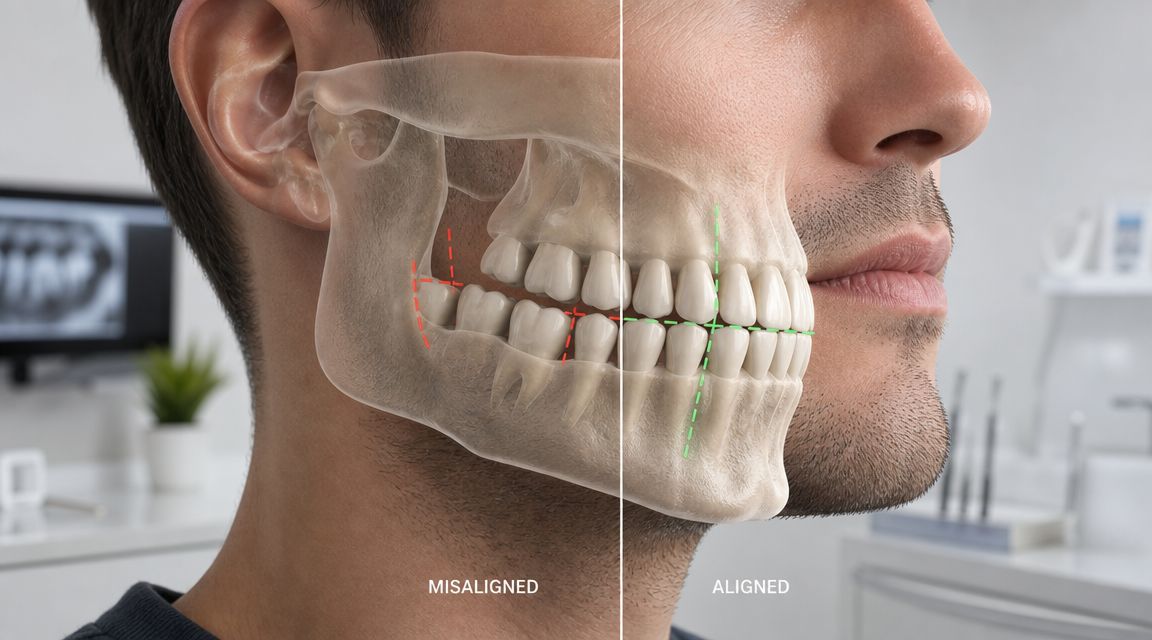
For example, closing small spaces and refreshing shape is usually more straightforward than correcting uneven edges, worn teeth, midline issues, or a bite that puts extra stress on the final restorations. The more a case needs to be customized, the more time goes into records, smile design, temporaries, adjustments, and final detailing.
That planning is where a lot of value sits.
The dentist and the workflow affect what you are paying for
Experience has a direct effect on veneer cost because cosmetic dentistry is technique-sensitive. Tooth preparation, facial proportions, shade selection, and bite control all influence whether veneers look natural and hold up well.
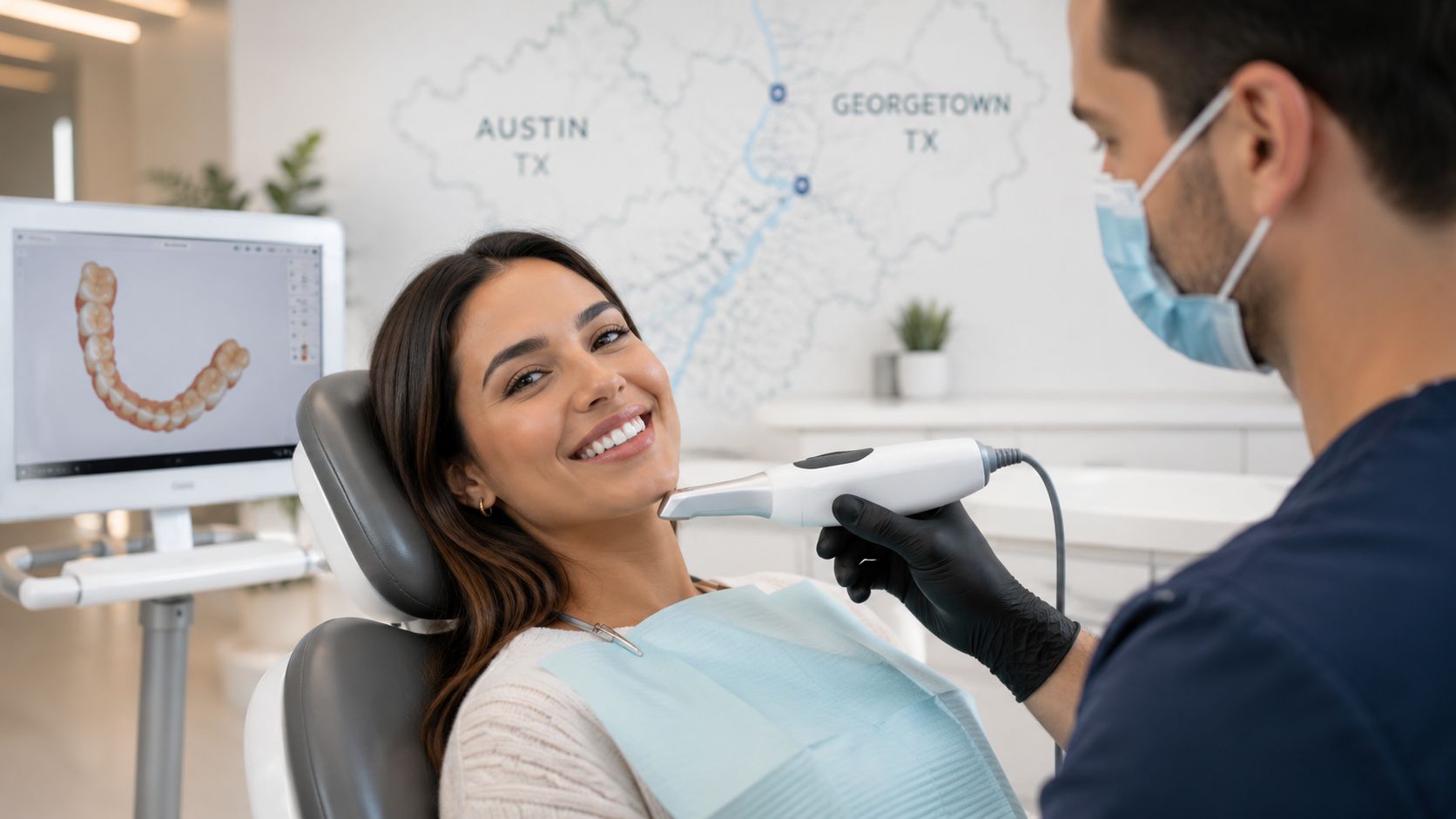
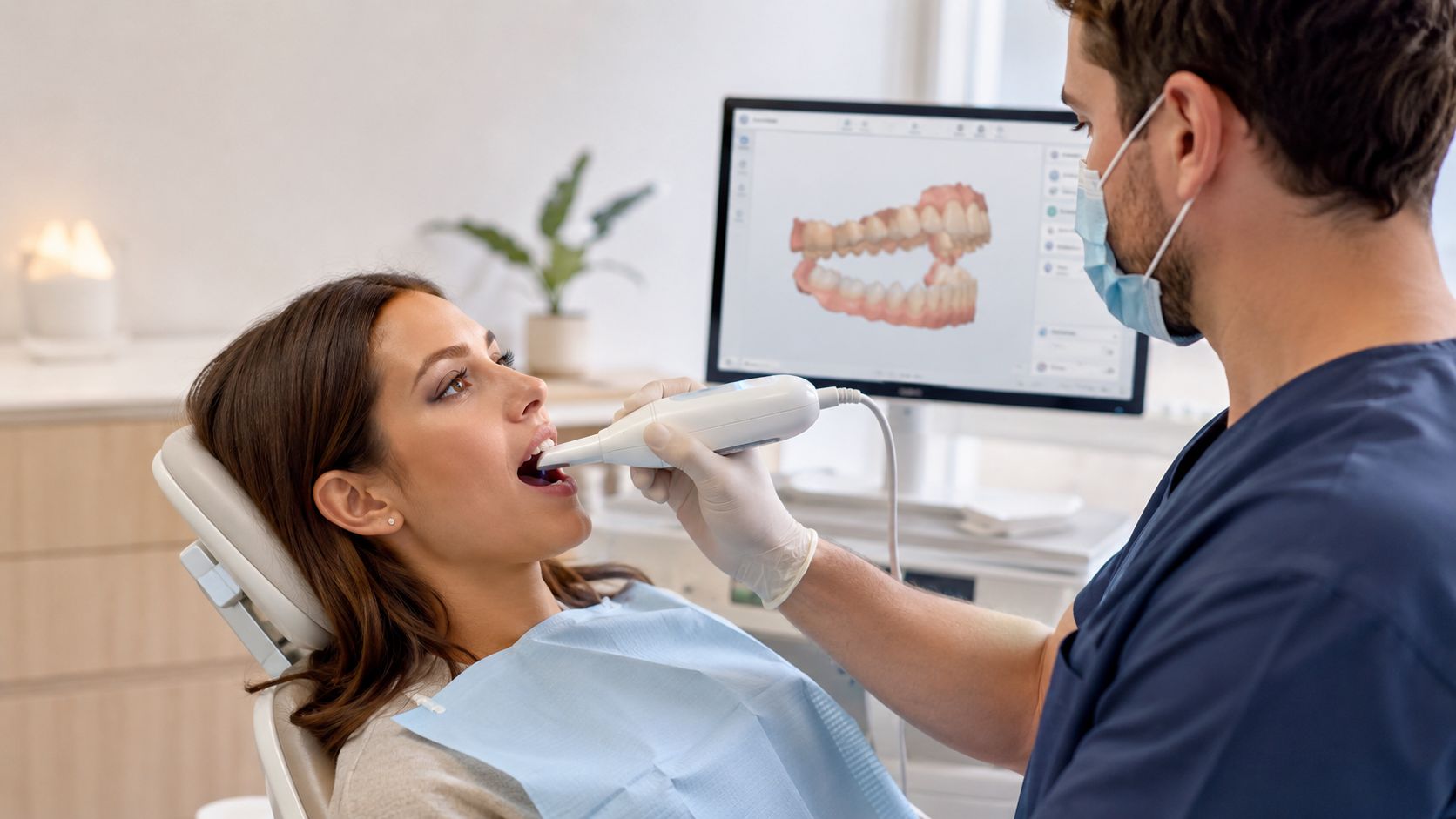
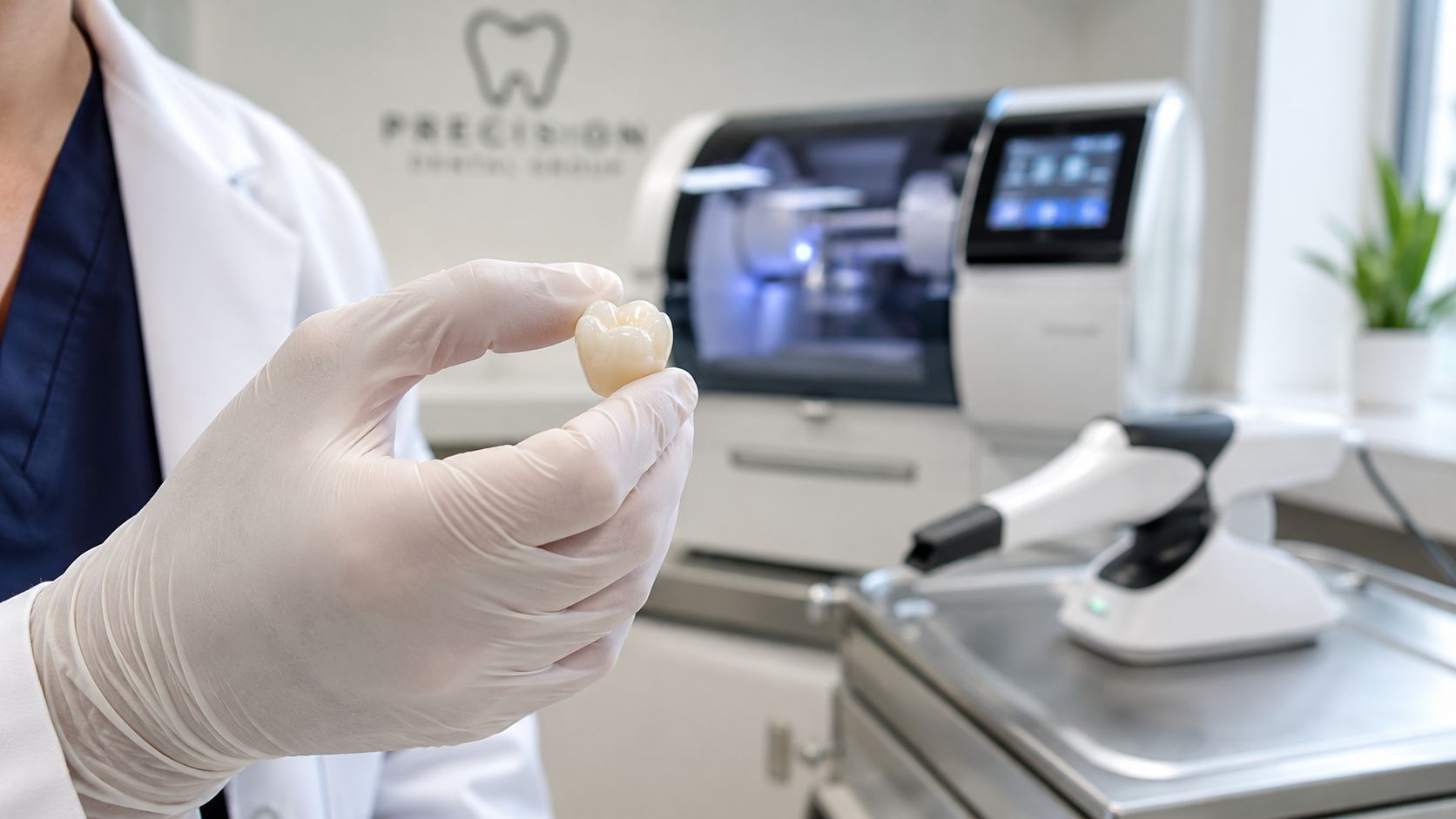
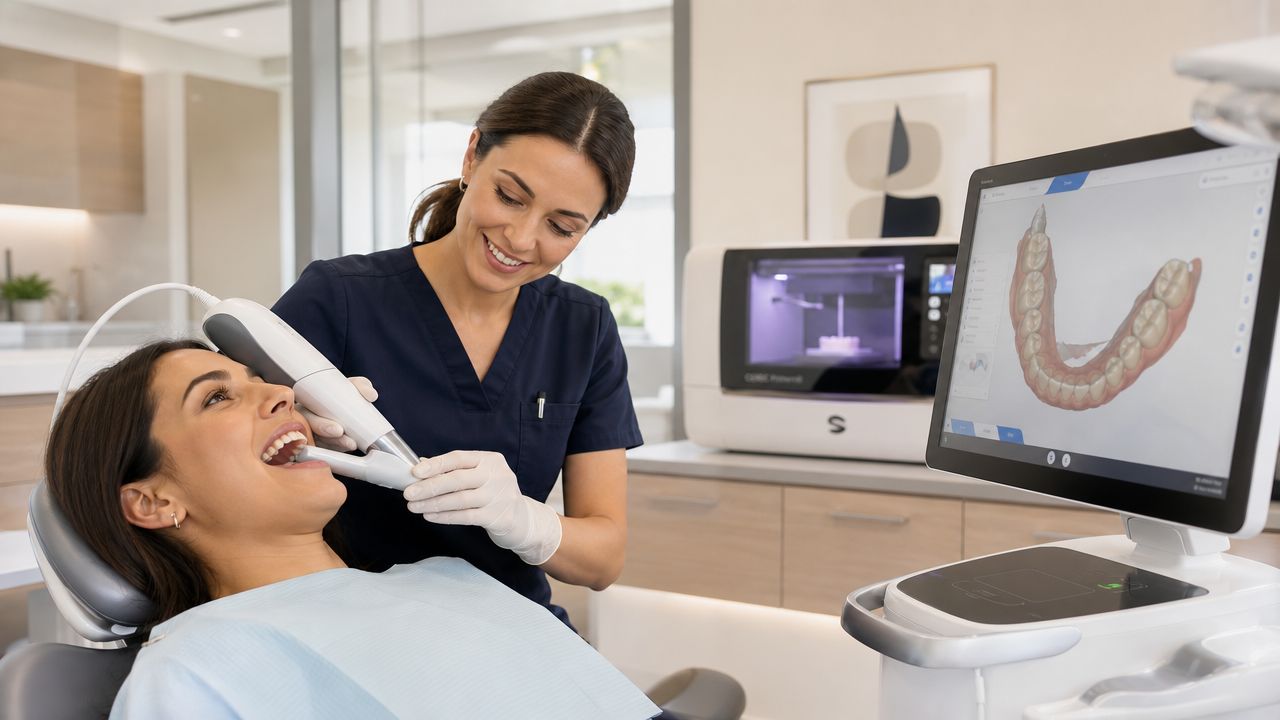
At 3D Dental, we use digital scanners, 3D imaging, and an in-house lab workflow to improve accuracy and communication during the process. That can mean more precise planning, better preview discussions, and fewer surprises once the veneers are delivered. It does not make every case cheap. It does make the process more controlled.
Related treatment can change the total
Some veneer cases are ready to start as-is. Others benefit from additional steps first, such as whitening nearby teeth, contouring rough edges, adjusting gum levels, or replacing older dental work that would clash with the new smile.
Those steps add to the fee, but they can also prevent a result that looks pieced together.
The lowest veneer quote is not always the best value if it leaves out the planning, materials, or finishing work that make the smile look believable.
A clear estimate should show what is included and why. That is how patients in Austin and Georgetown make a fair comparison between a basic cosmetic fix and a carefully designed smile.
Porcelain vs Composite Veneers A Cost and Longevity Comparison
A patient may come in wanting a brighter, more even smile, then pause when the choice becomes porcelain or composite. That decision affects not just the starting fee, but how the veneers look, how they wear, and how often they may need repair or replacement.

Where composite can make sense
Composite veneers usually cost less upfront, which makes them appealing for patients who want to improve a few teeth without committing to the higher fee of porcelain. They can work well for small chips, minor shape changes, or cases where the goal is a cosmetic refresh rather than a long-term smile redesign.
The trade-off is durability. Composite tends to stain more easily, lose polish faster, and require more maintenance over time.
Why porcelain often wins on long-term value
Porcelain veneers cost more because the process, material, and finish are more demanding. In return, patients usually get better color stability, a more lifelike surface, and a restoration that holds up longer under normal wear.
At a modern practice like 3D Dental, porcelain also benefits from digital design, precise scanning, and close lab collaboration. That matters. A well-made porcelain veneer should not just look white. It should fit the bite, reflect light naturally, and blend with the rest of the smile.
| Feature | Porcelain veneers | Composite veneers |
|---|---|---|
| Upfront cost | Higher | Lower |
| Typical longevity | Longer lasting in many cases | Shorter lasting in many cases |
| Best fit | Long-term smile design | Budget-conscious or shorter-term cosmetic changes |
Appearance and maintenance
Patients usually notice the difference after the veneers have been in place for a while. Porcelain tends to keep its gloss and resist staining from coffee, tea, and red wine better than composite. Composite can still look attractive, but it often needs more polishing, touch-ups, or earlier replacement.
That is why the least expensive option is not always the lowest-cost choice over the life of the smile.
If you want a closer look at the trade-offs, our guide to composite vs porcelain veneers explains how the two materials compare in everyday use.
Porcelain usually makes more sense for patients who want a refined result that still looks natural years later.
Which one works best for your goals
Composite may be the right fit if budget is the main concern or if only modest cosmetic changes are needed. Porcelain is often the better fit for patients who want stronger stain resistance, a more natural finish, and fewer compromises on longevity.
The right choice depends on the smile plan, the condition of the teeth, and how long you want the result to last. A good consultation should make those trade-offs clear before any treatment starts.
The Veneer Process at 3D Dental From Consultation to Final Smile
You come in wanting a brighter, more even smile, but the main question is usually, "What will this involve, and why does one veneer plan cost more than another?" That answer starts with the process. The more carefully the case is designed, the more predictable the result tends to be.

How treatment usually starts
The first visit is a planning appointment, not a sales pitch. We look at your goals, examine the teeth and gums, review bite function, and decide whether veneers are the right option or whether another treatment would serve you better.
Some patients are ready to start right away. Others need a cleaning, updated x-rays, or minor dental work first so the veneers are placed on stable, healthy teeth.
Digital records make a big difference here. Scans and photos let us study tooth proportions, smile line, spacing, and facial balance before any enamel is adjusted. That level of planning affects both appearance and cost, because a more detailed design process usually means fewer surprises later.
What happens between planning and placement
Once the design is approved, the teeth are prepared only as much as the case requires. Conservative preparation matters. It protects natural tooth structure while creating room for the veneers to look natural instead of bulky.
Temporary veneers or a trial smile may be used in some cases. That gives patients a chance to test comfort, speech, and overall shape before the final restorations are bonded.
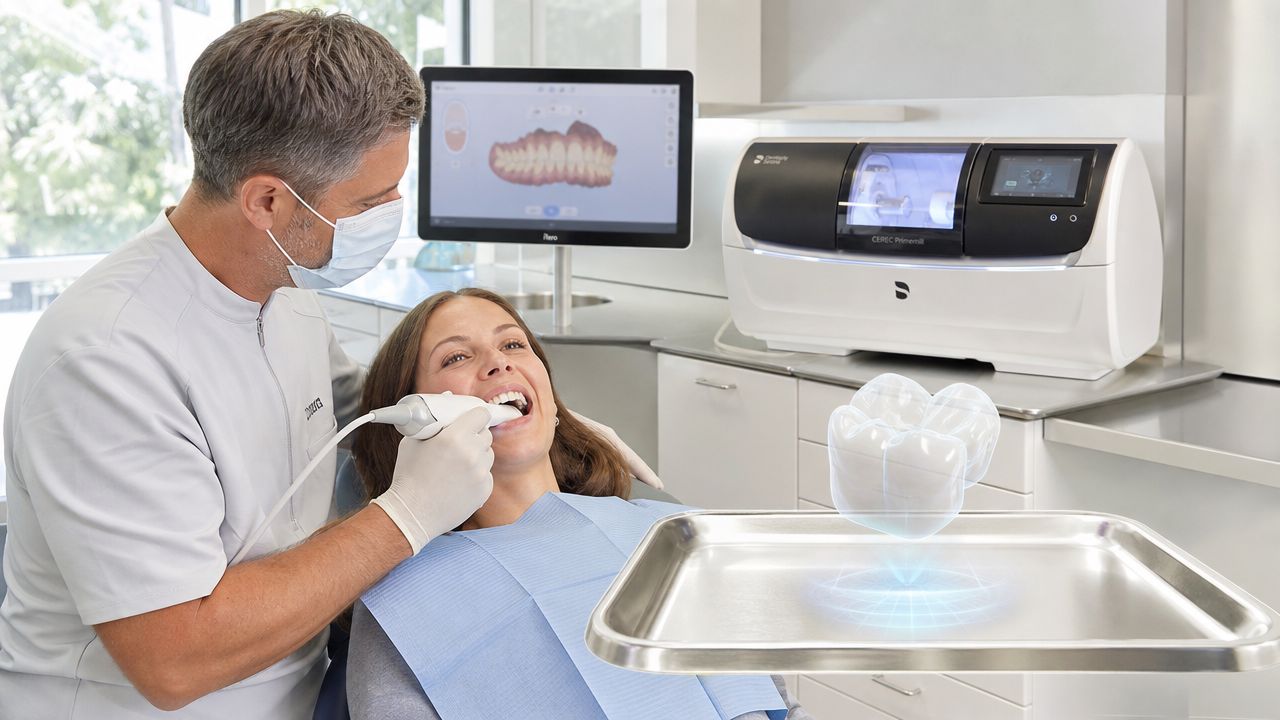
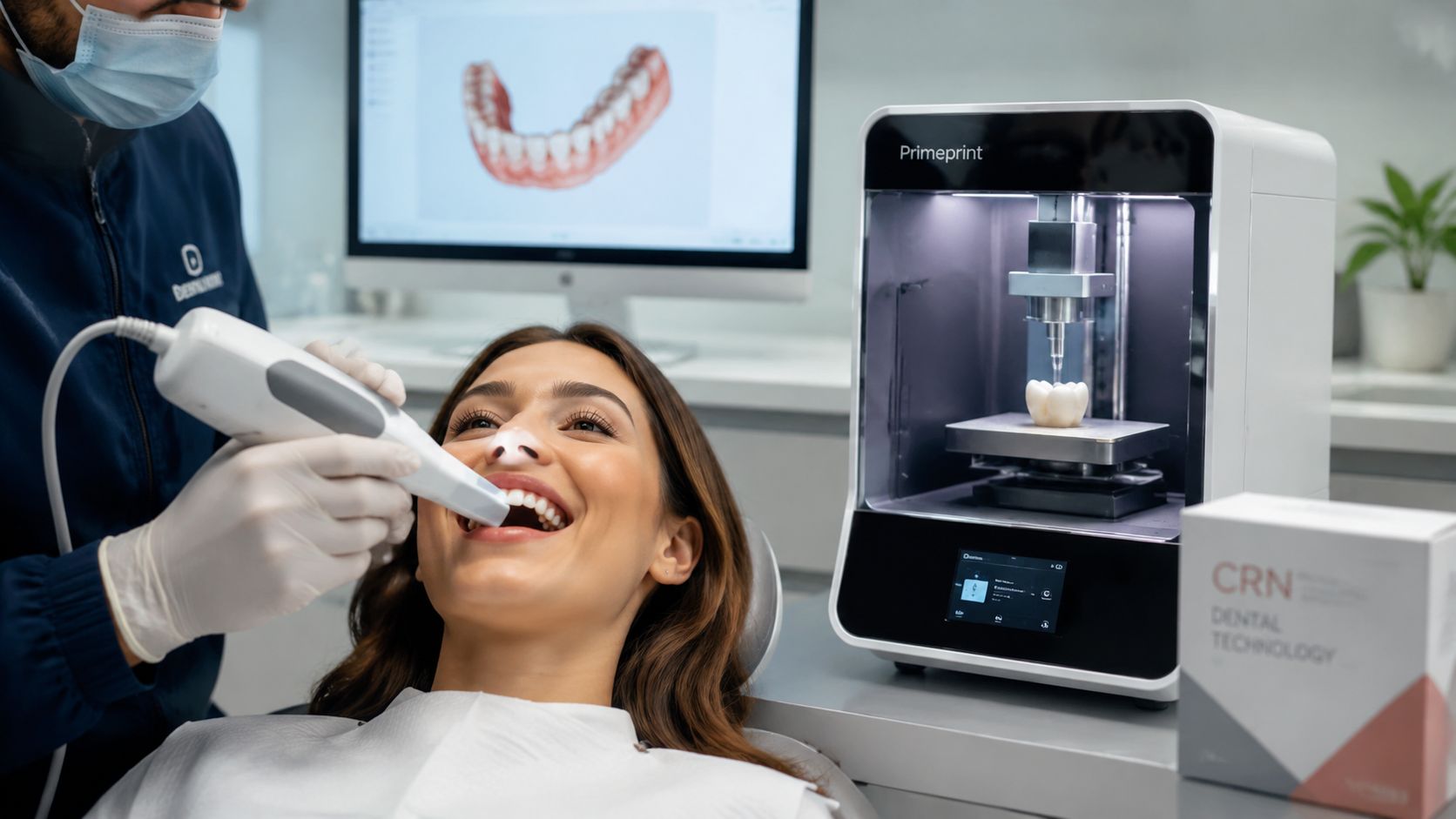
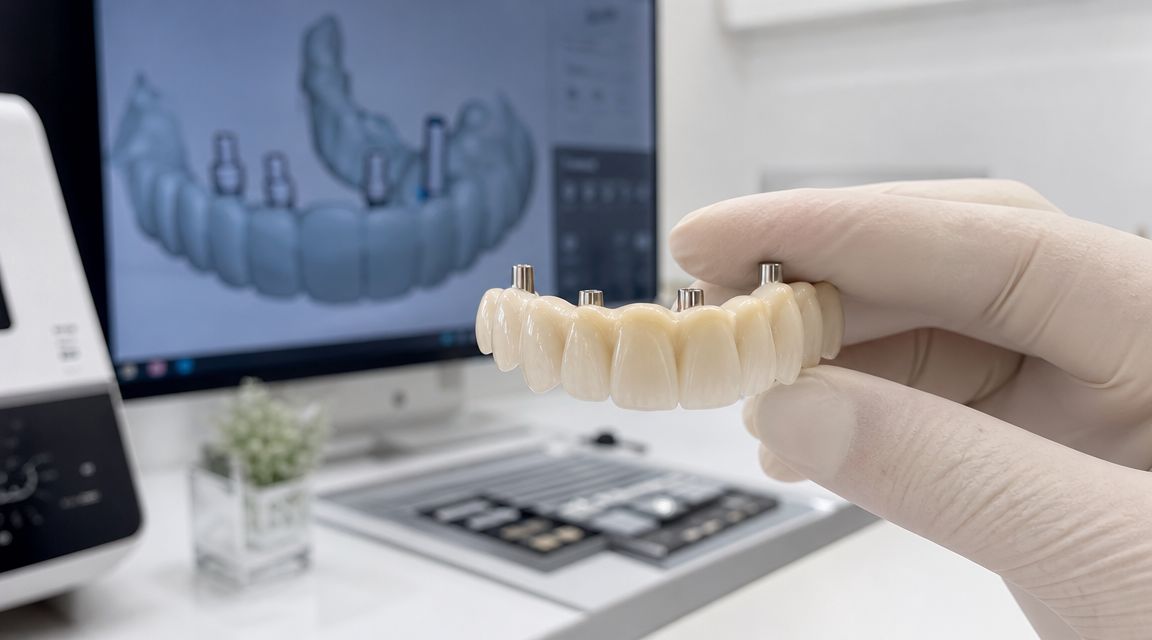
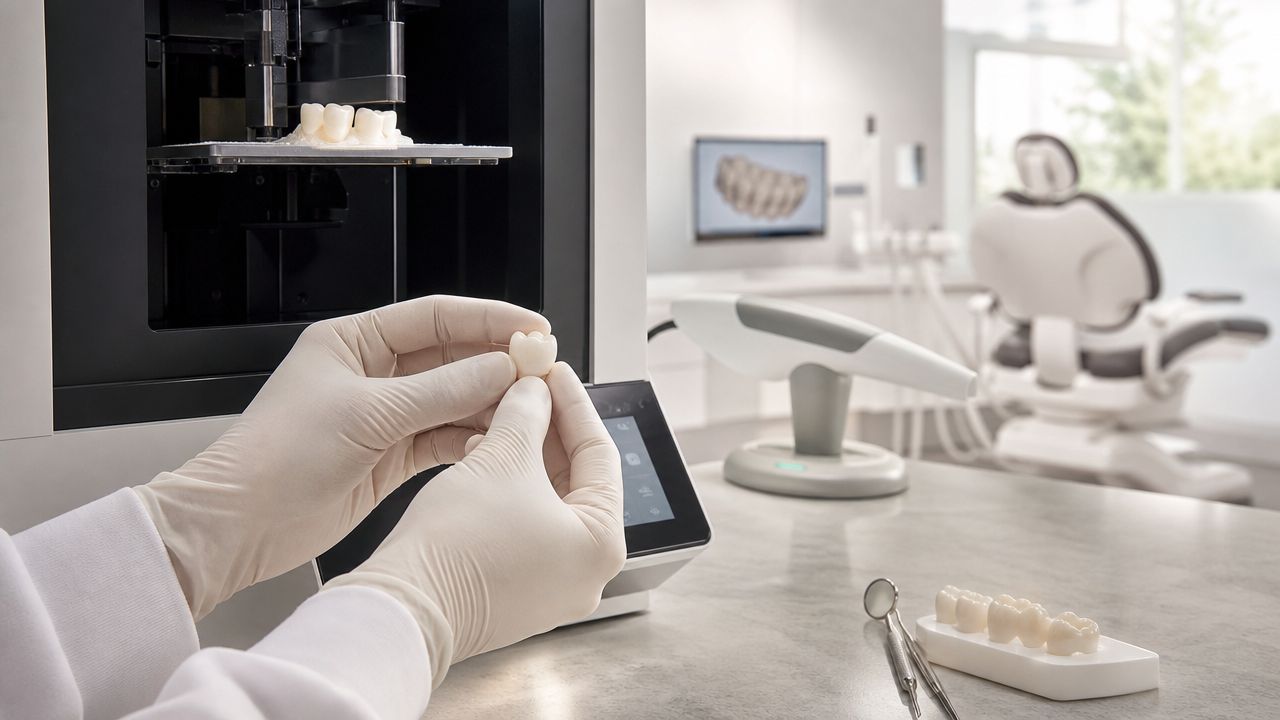
At 3D Dental, in-house technology changes this part of the experience in a practical way. Digital scanning, 3D printing, and milling help improve fit, shorten delays, and reduce the guesswork that used to come with traditional impressions. That technology is part of what patients are paying for. It is not just the veneer itself. It is the accuracy, the design control, and the efficiency behind it.
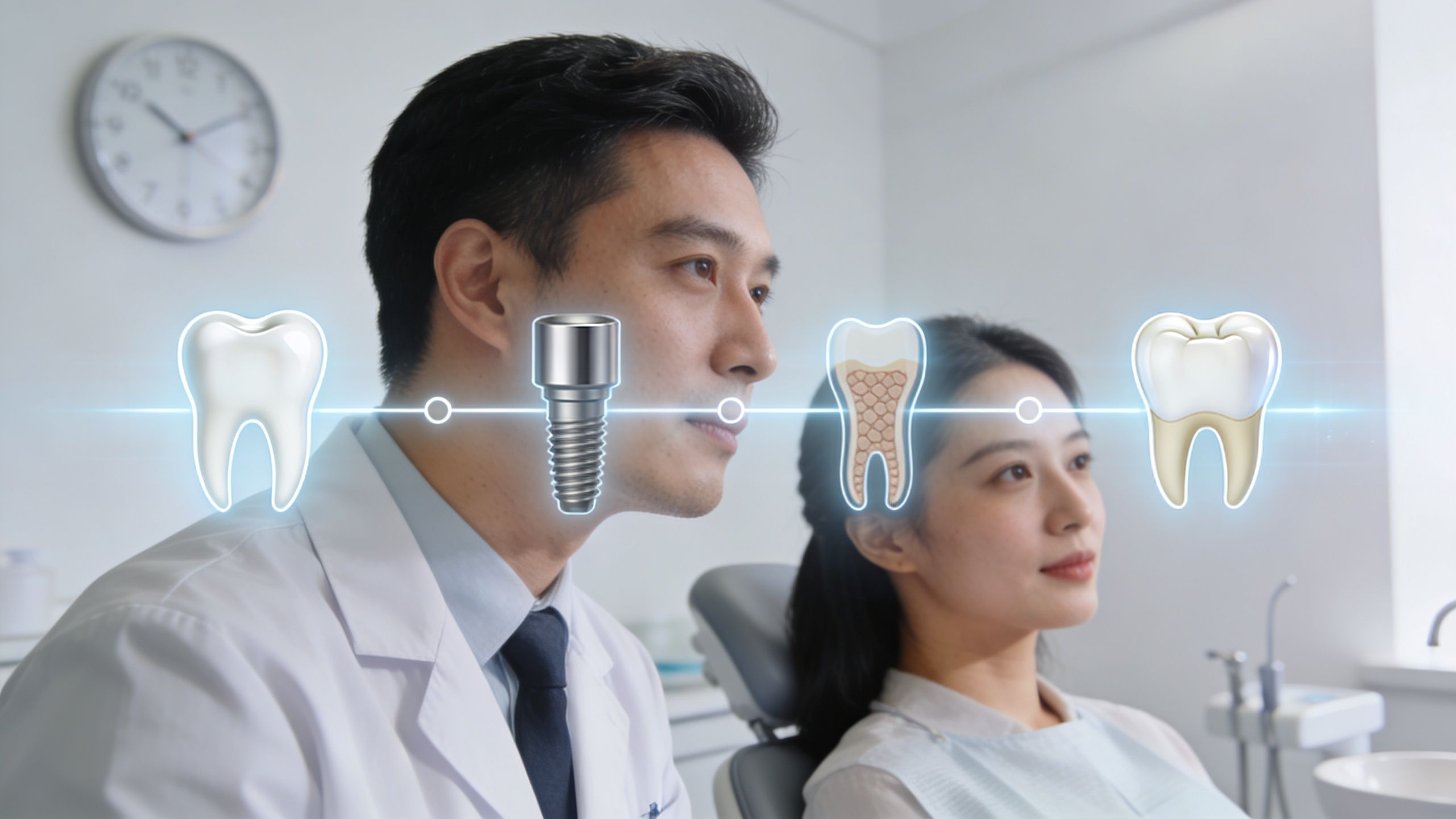
Later in the process, many patients want to see what the smile journey looks like in practice:
Final bonding and follow-up
The delivery visit is where details matter most. Each veneer is checked for fit, shade, edge shape, bite contact, and how it blends with the surrounding teeth. Bonding is precise work, and small adjustments can change how natural the smile looks and how comfortable it feels.
This is also where experience shows. A veneer can look beautiful on a model and still feel slightly off in a real mouth if the bite is not refined carefully. Patients usually notice that difference every time they talk or chew.
If cost is part of the decision, ask about the full treatment sequence early. Our guide to cosmetic dentistry financing options explains how many patients spread out the investment rather than paying for the entire smile plan at once.
What patients should expect after treatment
After veneers are placed, maintenance usually looks a lot like healthy everyday dental care:
- Brush and floss consistently so the teeth and gum tissue around the veneers stay healthy.
- Keep routine checkups because cosmetic work still needs regular monitoring.
- Avoid using teeth as tools since veneers are durable, but they aren't meant for opening packages or biting hard objects.
- Ask about related care such as whitening, restorative dentistry, or even an emergency dentist visit if a tooth is damaged in the future.
Making Your New Smile Affordable With Insurance and Financing
A lot of veneer decisions stall at the same point. The smile plan makes sense, but the patient wants to know how the payment will work.
Insurance usually does not cover veneers because they are typically classified as cosmetic treatment. In some cases, part of the visit or related restorative work may qualify for benefits, but that depends on the reason for treatment and the details of the plan. The practical approach is to verify benefits early, then look at the full out-of-pocket number before any teeth are prepared.
That matters even more with veneers because price is tied to choices. Material, how many teeth are treated, smile design time, and the level of customization all affect the final total. At a modern Austin and Georgetown practice like 3D Dental, patients are not just paying for a porcelain shell. They are paying for the planning, imaging, lab precision, bite refinement, and follow-through that help the veneers look natural and last well.

Practical ways patients make veneers fit the budget
Paying for the full case at once is only one option. Many patients choose a structure that lets them complete treatment without cutting back on the parts that affect appearance and durability.
Common approaches include:
- Third-party financing through programs such as Cherry or Sunbit, which can break treatment into monthly payments
- Phased treatment for patients who want to start with the most visible teeth and complete the rest later
- Detailed pre-treatment planning so the total fee, timeline, and sequence are clear before treatment begins
Our page on cosmetic dentistry financing options explains the payment routes many patients use for smile treatment.
The right financing plan should support the right clinical plan. If a patient really needs eight veneers for symmetry, forcing the case into four just to hit a number can lead to a result that looks incomplete.
What to expect at the consultation
A useful consultation should answer more than the base fee. It should show what is included, what choices affect the fee, and whether veneers are even the right option.
At 3D Dental, that conversation usually includes photos, digital records, a review of smile goals, and a discussion of alternatives if a more conservative treatment would get the result the patient wants. Sometimes that means whitening or bonding first. Sometimes it confirms that veneers are the most predictable solution.
For patients in Austin, Georgetown, Wells Branch, Cedar Park, Round Rock, and Liberty Hill, the goal is a personalized quote with clear reasoning behind it. That makes it easier to compare cost with long-term value, especially when advanced materials, in-house technology, and detailed planning are part of the treatment.
Ready to get started?
Schedule a free, no obligation consultation with our team and see what's possible for your smile!
Georgetown
- Mon-Thurs8:30am-5pm
- Fri8am-3:30pm
- Sat-SunClosed
Austin
- Mon-Tues8am-5pm
- Wed-Thurs9am-6pmFri8am-2pm
- Sat-SunClosed