
Jaw Alignment Problems: A Guide for Austin & Georgetown, TX
Related Posts










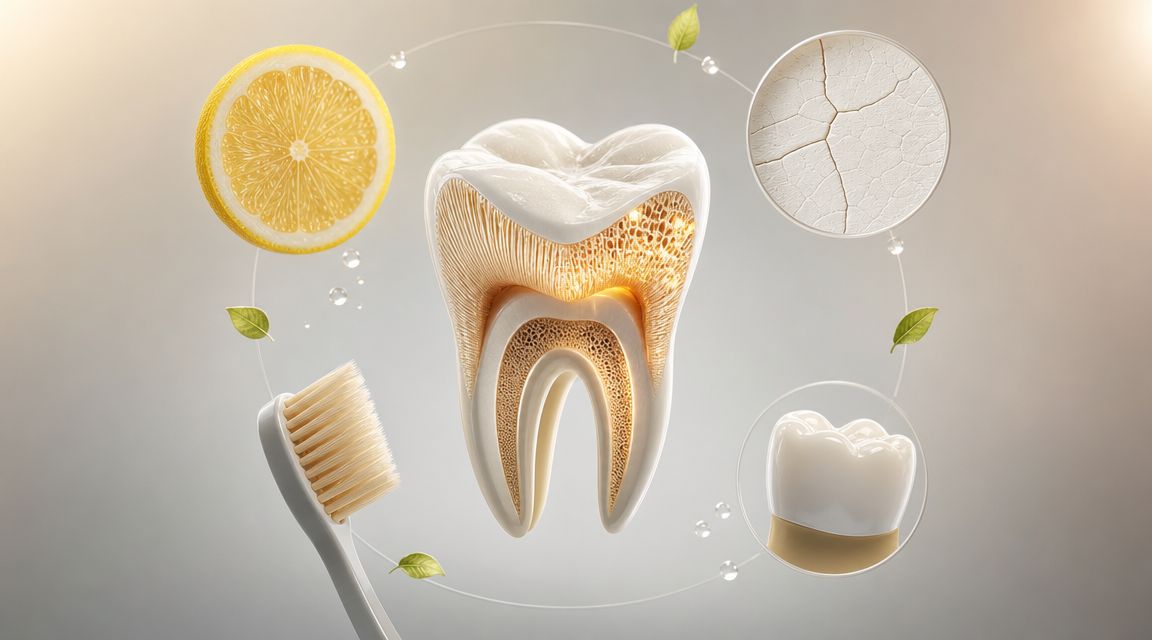


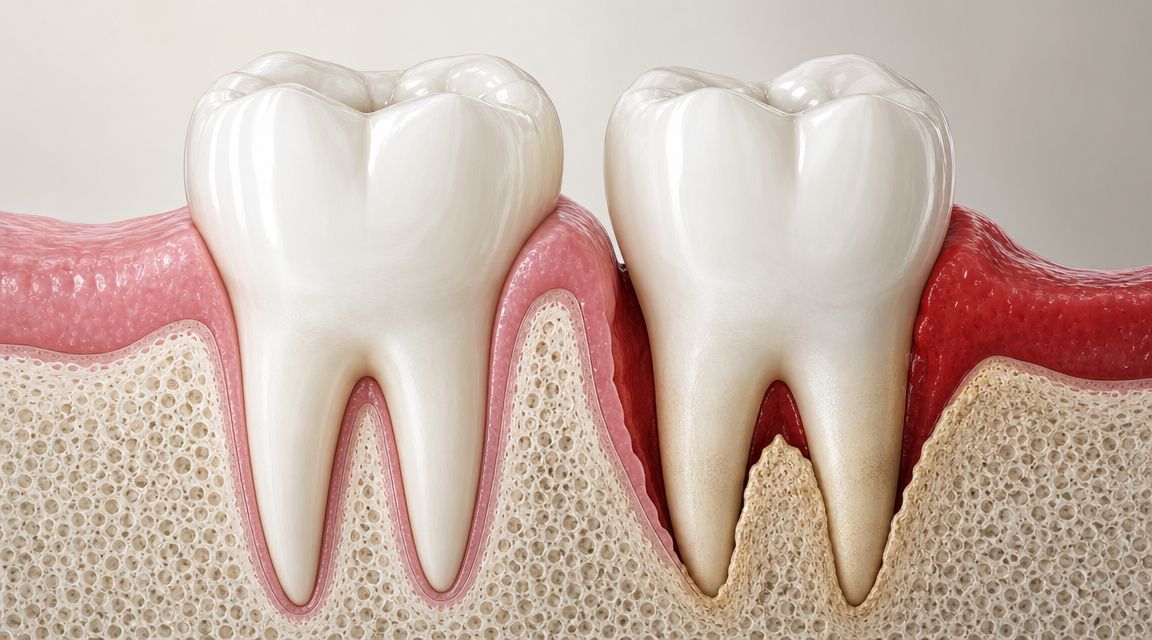
















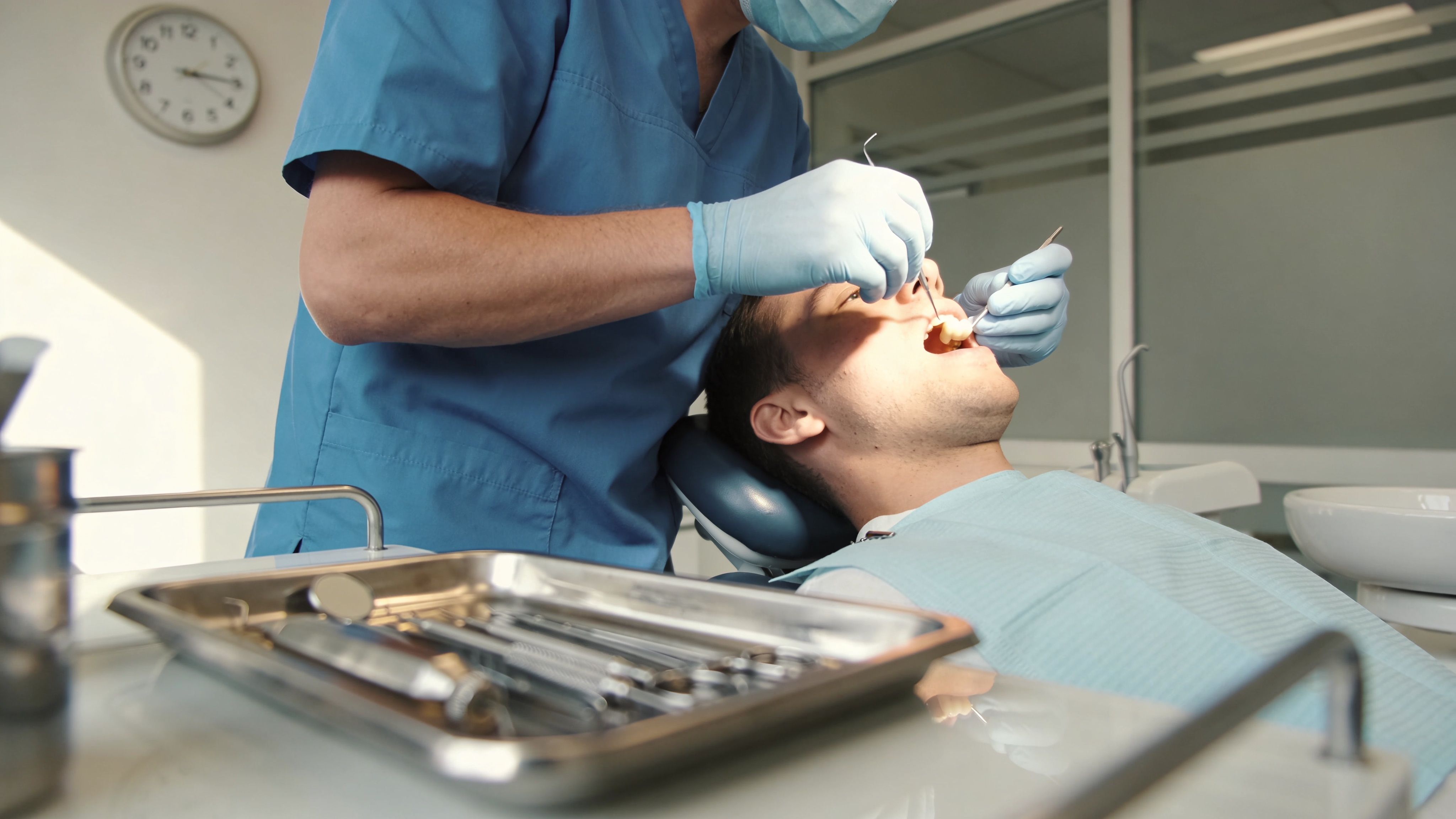

If your jaw clicks when you chew, your bite feels uneven, or you wake up with pressure around your temples, it's easy to wonder whether the problem is your teeth, your jaw joint, or stress. Many patients put up with those symptoms for a long time because they don't know where to start.
Jaw alignment problems often show up in small daily moments. Biting into a sandwich feels awkward. One side of your mouth seems to do all the work. You notice grinding, soreness, or a smile that no longer feels balanced. In Austin and Georgetown, those issues are common reasons people start looking for a dentist near me, an emergency dentist, or a cosmetic dentist near me who can also look at function, not just appearance.
Your Trusted Dentist for Jaw Pain in Austin and Georgetown
A common story goes like this. Someone notices a pop near the jaw joint for months, then starts getting headaches, uneven tooth wear, or tenderness when chewing. Another patient says their bite has “never felt right,” but they assumed that was normal. Then a filling breaks, a crown starts feeling high, or speaking for long stretches becomes tiring.
That kind of frustration is more common than often realized. The American Association of Orthodontists has been cited as estimating that nearly 75% of the population has some degree of malocclusion, or about 3 out of 4 people, according to this jaw misalignment overview. The same source notes that severe misalignment can interfere with chewing, speaking, and breathing, and can also raise the risk of gum disease and tooth decay.
Why patients often miss the real issue
Many people don't think of bite problems first. They search for headache relief, clenching relief, tooth extraction help, or even cosmetic dentistry because their smile looks off. But when the upper and lower teeth don't meet correctly, the whole system has to compensate. Muscles tighten. Teeth take pressure in the wrong places. The jaw can shift into positions it wasn't meant to hold.
Practical rule: If your bite feels different from one day to the next, or you avoid chewing on one side, it's worth getting the joint, teeth, and bite checked together.
Local care that looks at the full picture
For patients in Austin, Georgetown, Wells Branch, Cedar Park, Round Rock, and Liberty Hill, the biggest benefit of a dental evaluation is clarity. A thorough exam can separate a simple tooth-position problem from a more complex jaw-position issue.
That matters because jaw alignment care isn't one-size-fits-all. Some people need orthodontic movement. Some need a protective appliance. Others need restorative dentistry to rebuild a stable bite. The right starting point is a diagnosis that explains why your symptoms are happening, not just where they hurt.
What Are Jaw Alignment Problems
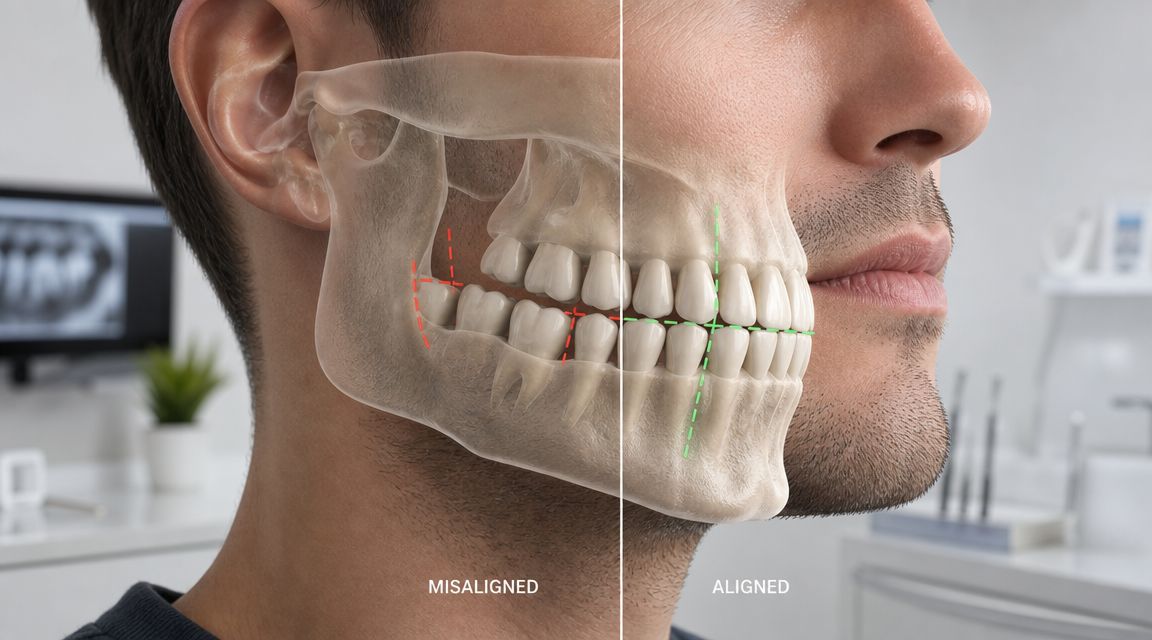
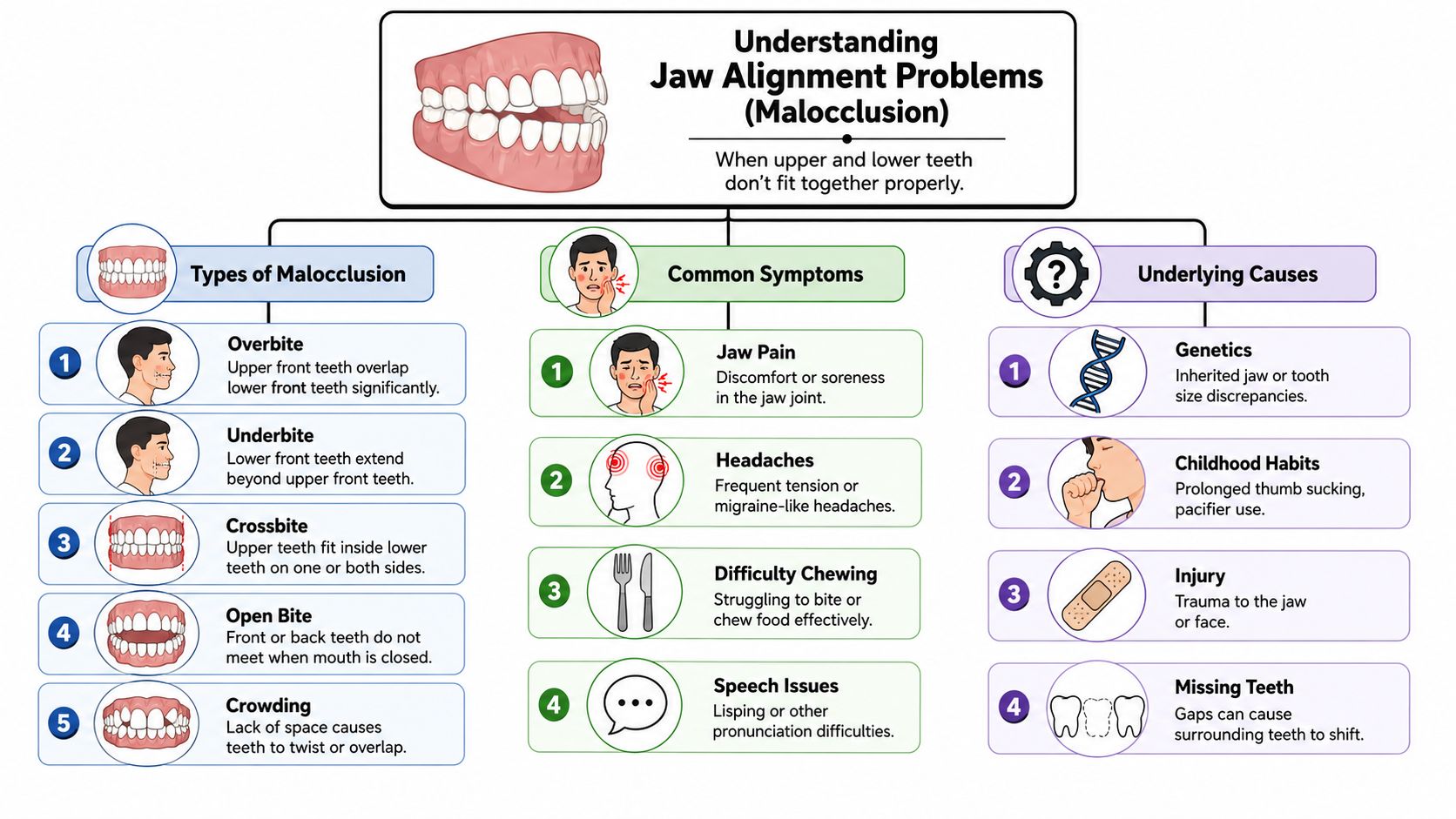
Jaw alignment problems are clinically called malocclusion. In plain terms, that means the upper and lower teeth don't fit together properly. Cleveland Clinic describes malocclusion this way and identifies common patterns such as overbite, underbite, crossbite, and open bite in its malocclusion overview.
What that means in everyday life
Think of your bite like a set of gears. If the pieces don't meet where they should, the system can still run, but it runs with strain. That strain may show up as jaw fatigue, uneven wear, tooth sensitivity, or a feeling that your mouth never fully settles into a comfortable resting position.
Some jaw alignment problems come from tooth position alone. Others involve the jawbones themselves. A patient may have straight-looking teeth but still have a bite that feels unstable. Another may have crowding and visible overlap that clearly points to limited space or an uneven bite path.
Common types patients hear about
Here are the major patterns dentists look for:
- Overbite: The upper front teeth overlap the lower front teeth more than they should.
- Underbite: The lower front teeth extend beyond the upper front teeth.
- Crossbite: Some upper teeth fit inside the lower teeth instead of outside them.
- Open bite: Certain teeth don't touch when the mouth closes.
- Crowding: Teeth twist or overlap because there isn't enough room.
Not every patient fits neatly into one category. Many people have a mix of issues, which is why a quick glance in the mirror rarely tells the whole story.
Why jaw alignment problems happen
The cause can be straightforward or layered. Cleveland Clinic notes that malocclusion is often driven by genetics, tooth loss, injury, or oral habits such as thumb-sucking in childhood.
A few patterns show up often in practice:
- Inherited structure: Some people naturally have mismatched tooth and jaw sizes.
- Tooth loss or shifting: Missing teeth can let neighboring teeth drift into the wrong position.
- Injury: Trauma to the face or jaw can change how the teeth meet.
- Developmental habits: Early habits can affect how the bite forms over time.
A bite problem isn't always obvious from the front. Some of the most disruptive cases look mild in photos but create major imbalance when the teeth come together.
When patients understand that jaw alignment problems involve both form and function, treatment starts making more sense. It's not just about straightening teeth for appearance. It's about getting the mouth to work comfortably and predictably.
Common Signs Your Jaw May Be Misaligned
A misaligned jaw rarely announces itself with one perfect symptom. More often, patients notice a cluster of problems that seem unrelated at first. The pattern matters.
Symptoms people notice first
The most common complaints are practical ones:
- Jaw clicking or popping: This can happen when opening wide, chewing, or yawning.
- Chewing that feels uneven: Food may break down better on one side than the other.
- Frequent clenching or grinding: An unstable bite can make the muscles work harder, especially during sleep.
- Teeth that feel like they hit too soon: Some patients describe one tooth or one side “landing first.”
Those signs don't always mean the exact same diagnosis, but they do suggest the bite deserves a closer look.
Symptoms people don't always connect to the bite
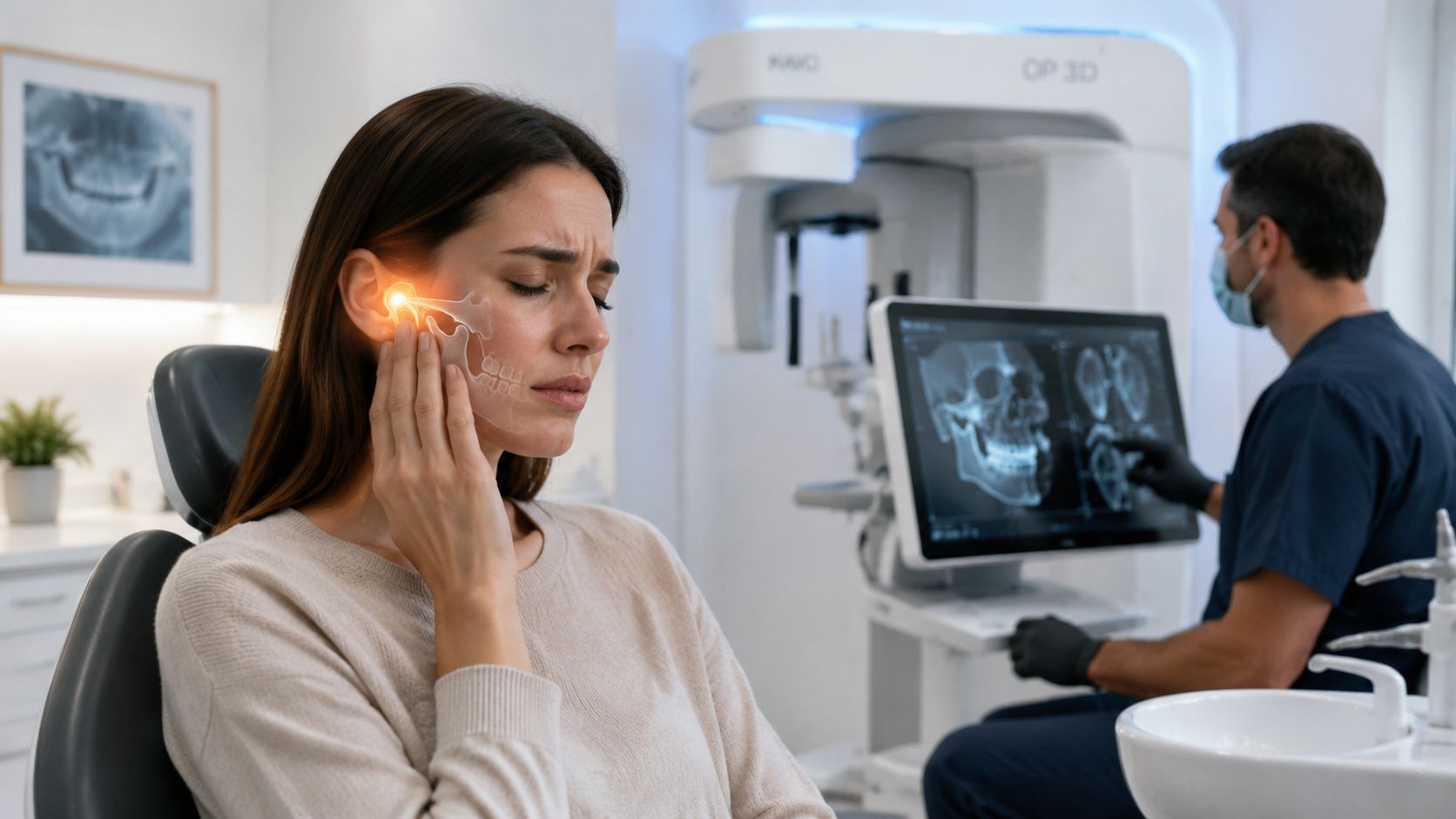
Jaw alignment problems can also create secondary discomfort. Patients may report temple tension, facial fatigue, neck tightness, or soreness around the jaw joint after talking or chewing for a long time. Others mention ear pressure without an ear infection, or a sense that their jaw gets tired by the end of the day.
Speech can be affected too. If the teeth and jaws don't relate properly, certain sounds may feel awkward or less precise. Some patients adapt without realizing it, then notice the difference only after treatment improves their bite.
What your teeth may be showing
The teeth often leave clues long before pain gets severe. Watch for:
- Uneven wear: Flattened edges, chips, or teeth that seem to wear faster in one area.
- Gum irritation around crowded areas: Cleaning becomes harder when teeth overlap or bite forces hit unevenly.
- Broken dental work: Fillings, crowns, or bonding that repeatedly fail may be reacting to bite imbalance.
- Drifting teeth: Spaces or shifting can change how the jaws come together.
A cosmetic concern can also be a functional one. Patients searching for a cosmetic dentist near me sometimes come in focused on shape or symmetry, then learn the underlying issue is how the bite closes.
When to schedule an exam
If your symptoms are recurring, not random, it's time for a dental evaluation. That's especially true if you've already tried soft food, over-the-counter night guards, or “waiting it out” and the problem keeps returning.
A proper exam doesn't just confirm that something is off. It helps determine whether the issue is muscle-related, tooth-related, joint-related, or a combination of all three. That distinction guides what will work and what probably won't.
How We Diagnose Jaw Problems with 3D Precision
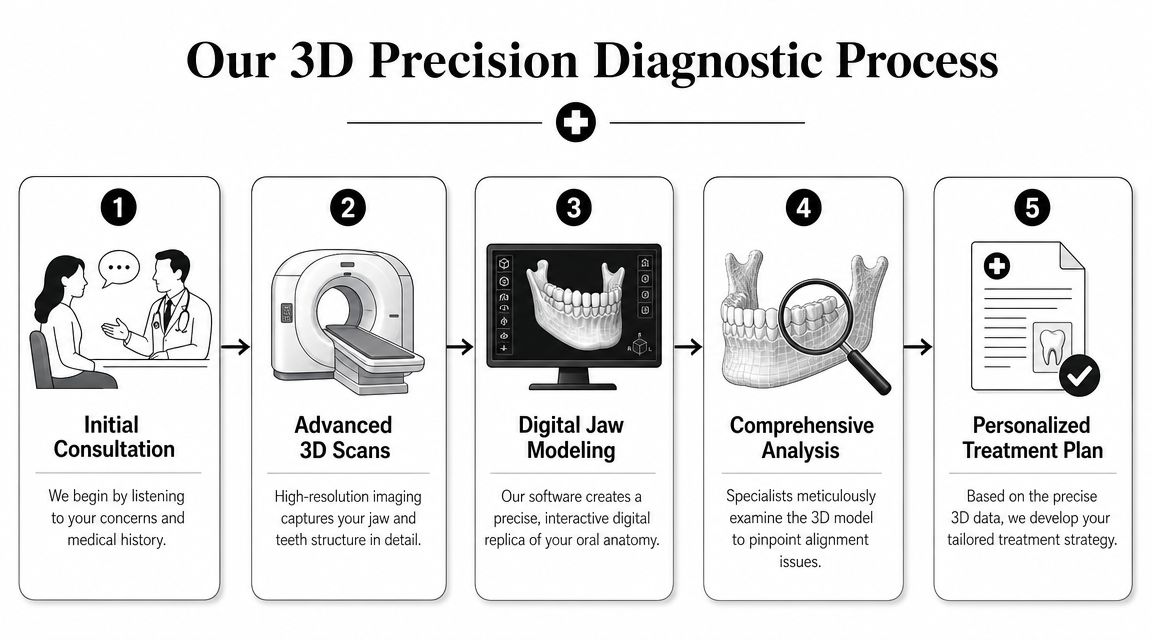
A good diagnosis starts with listening. Patients usually know more than they think. They can often describe the side that feels overloaded, the time of day symptoms get worse, or the exact motion that triggers a click.
Then the exam has to verify what the mouth is doing structurally. That's where advanced imaging changes the quality of the workup.
What 3D imaging adds
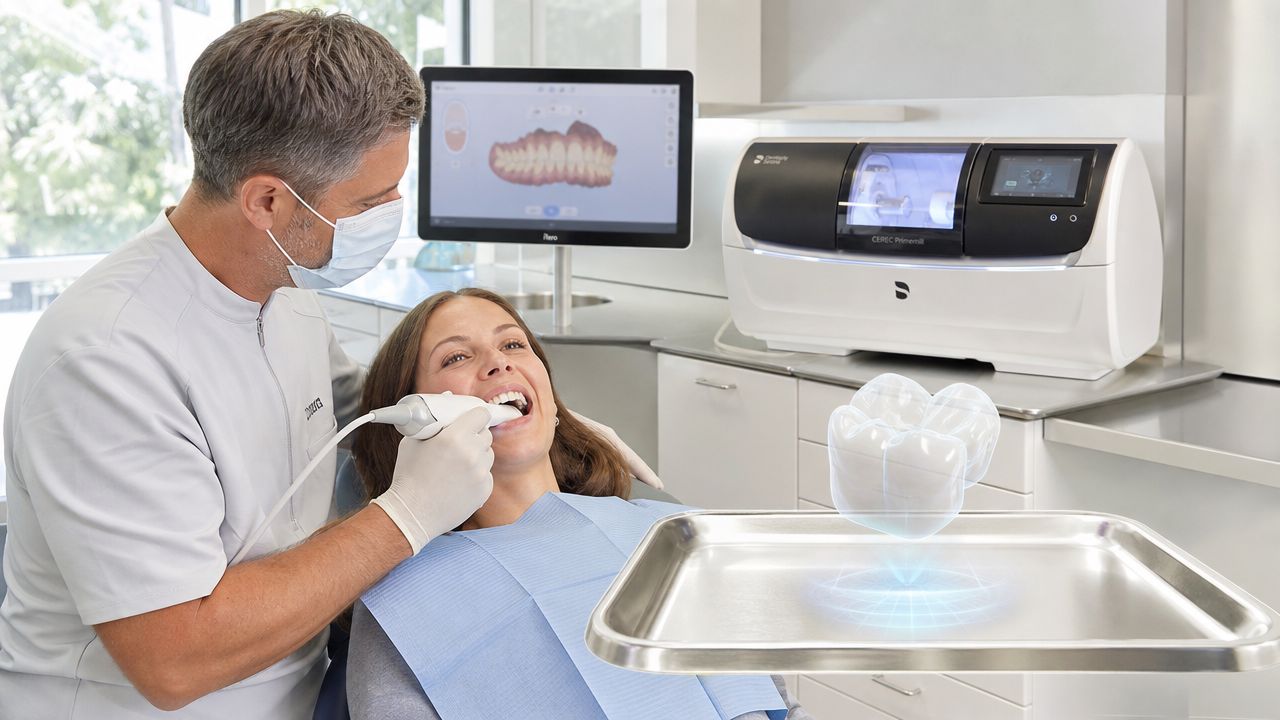
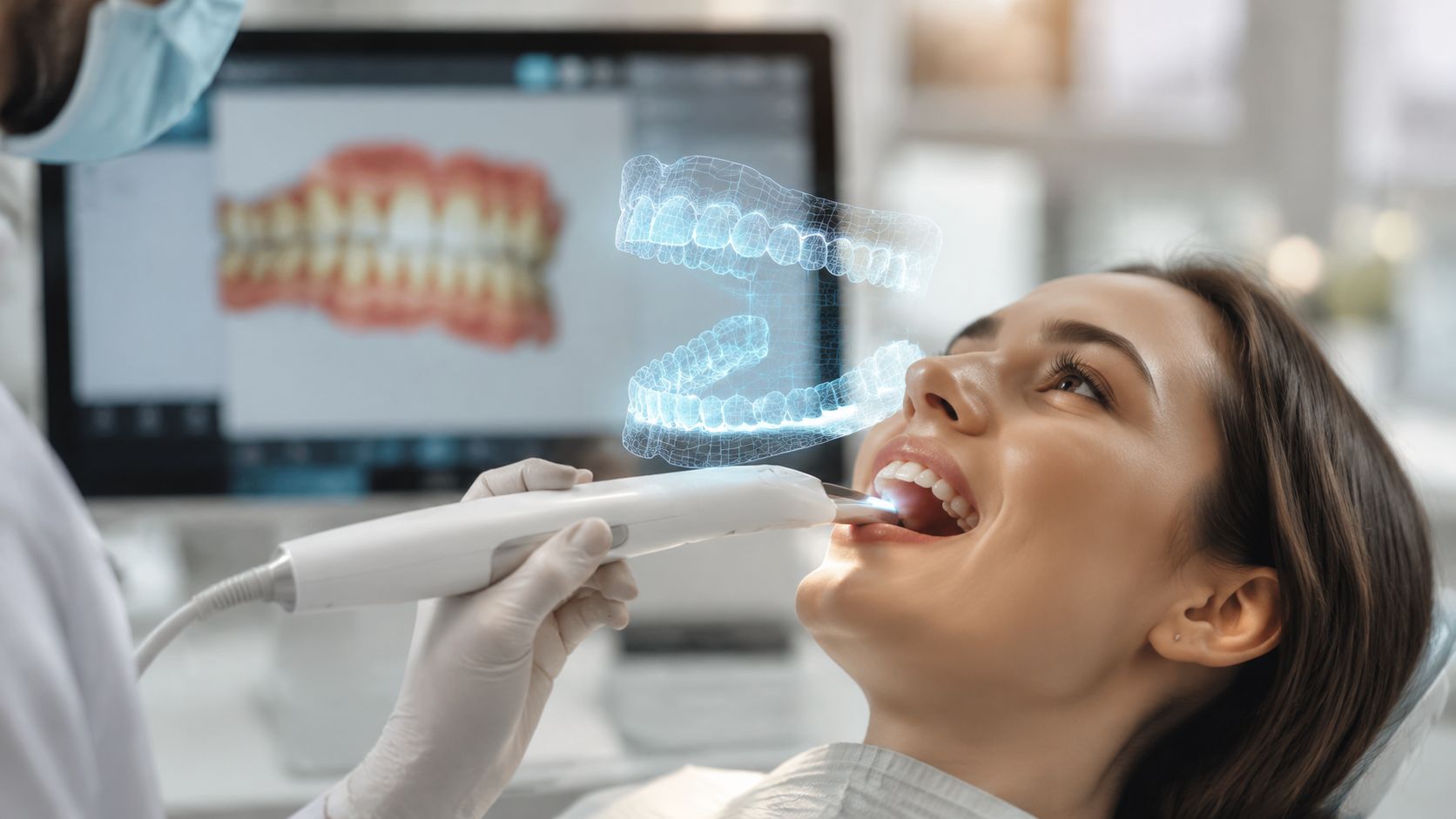
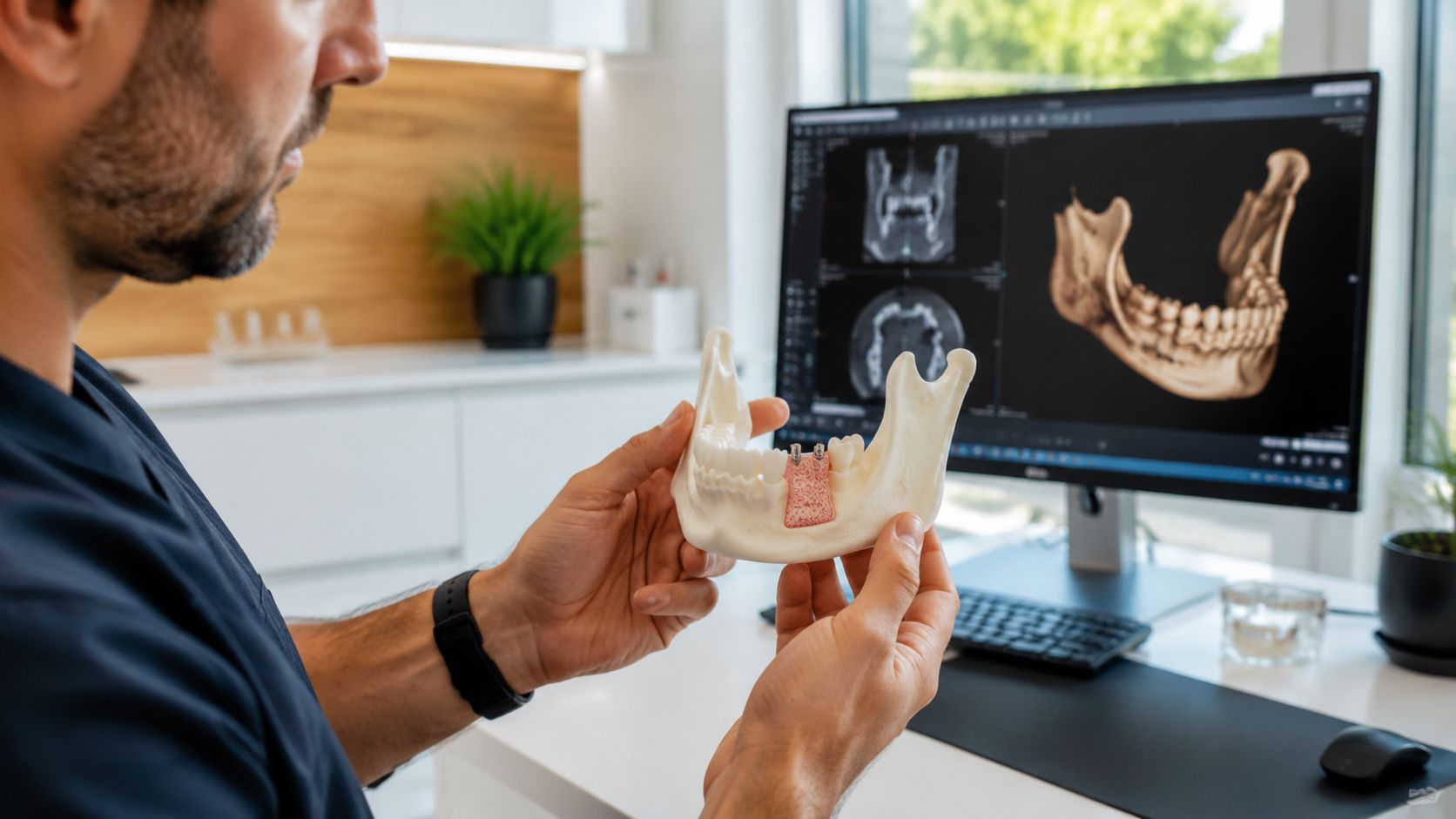
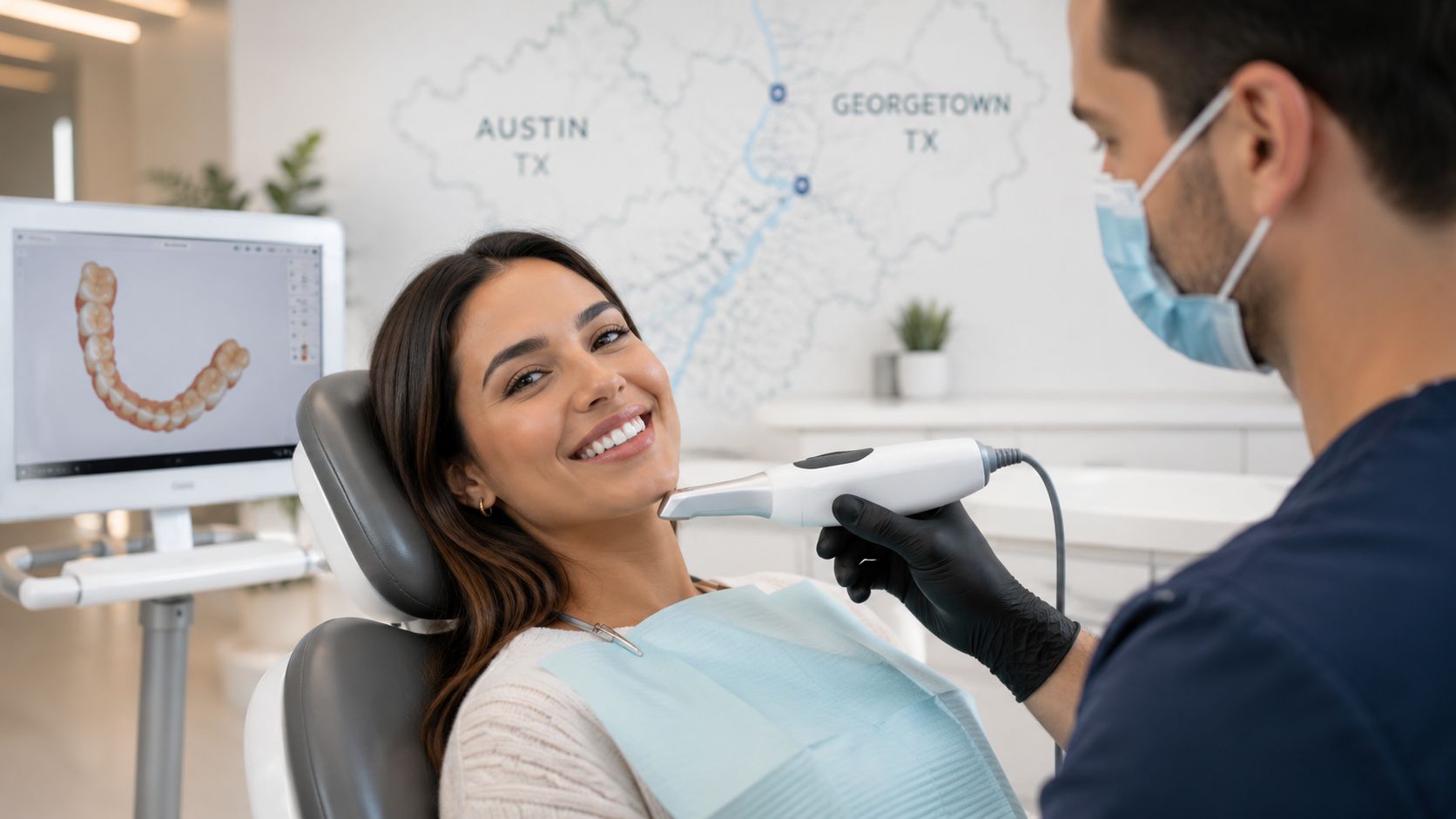
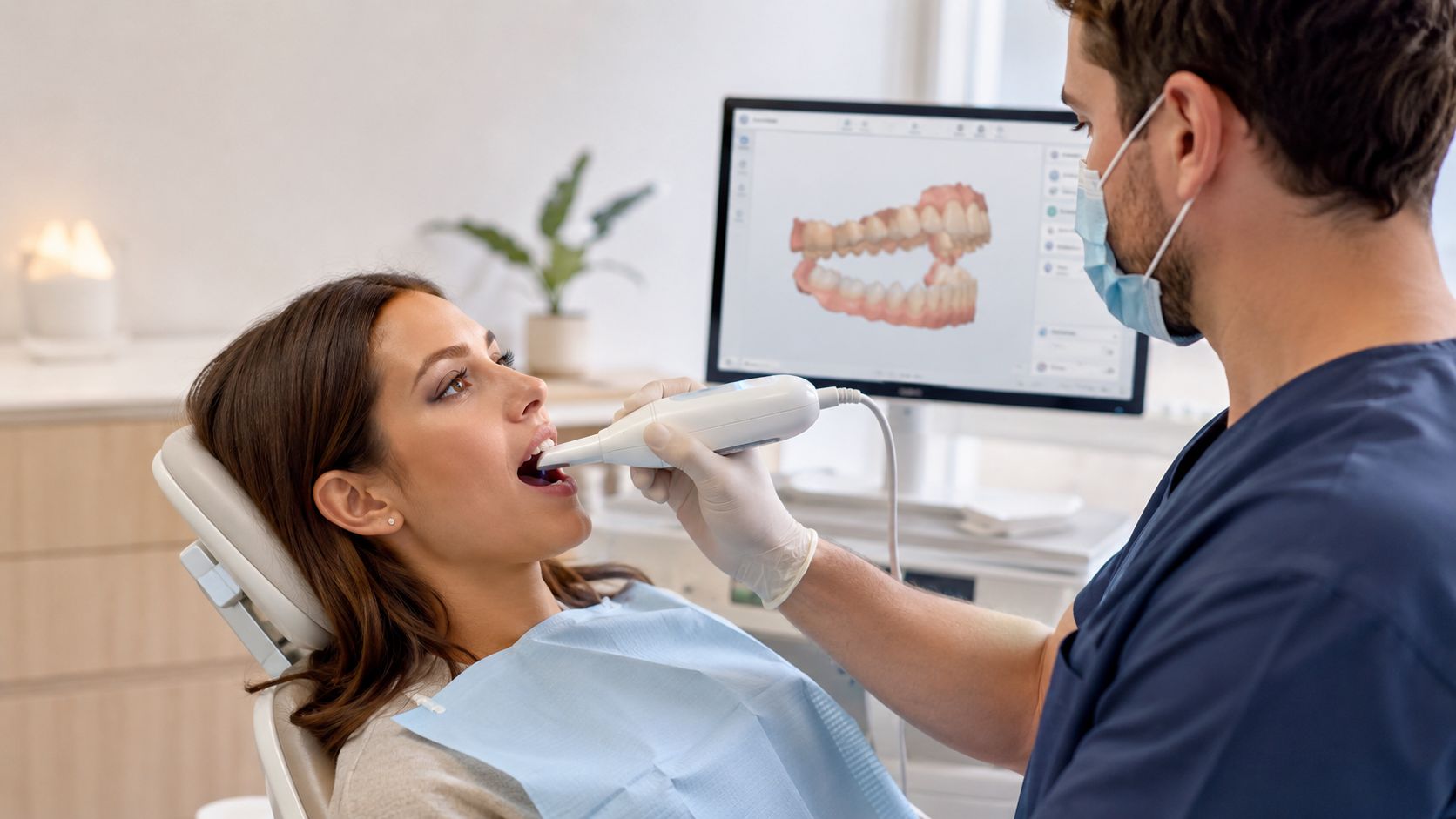
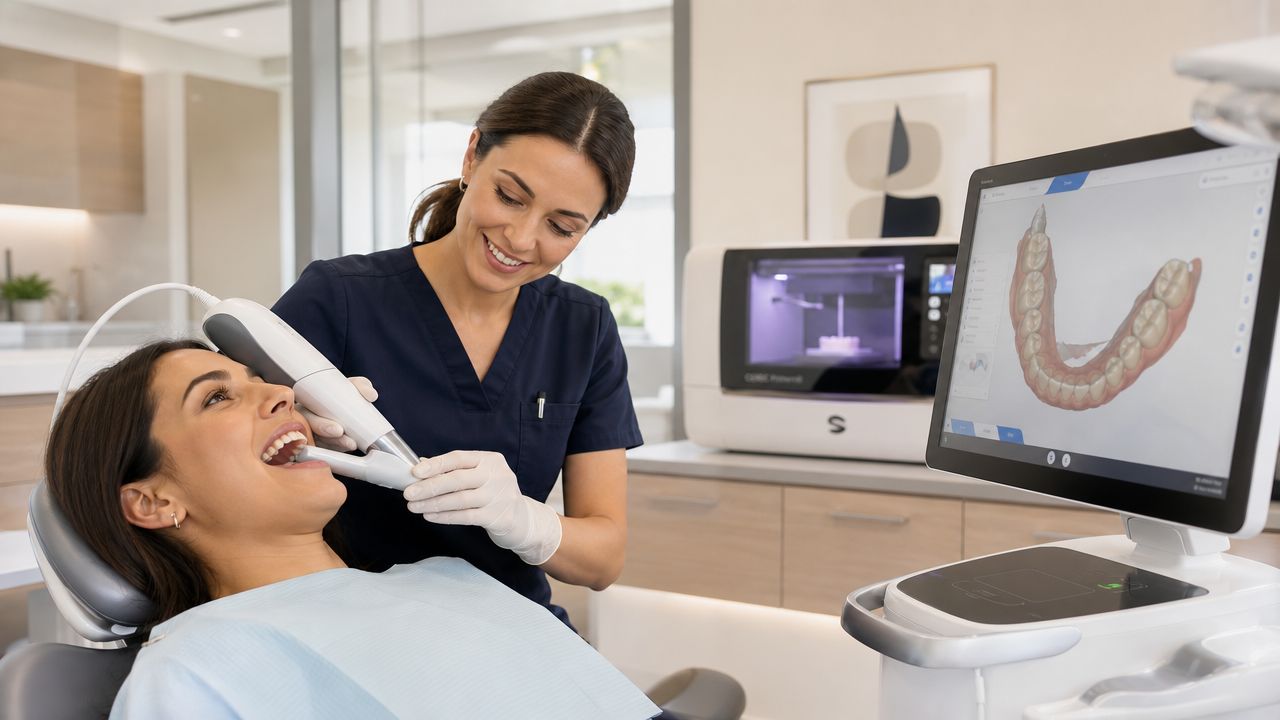
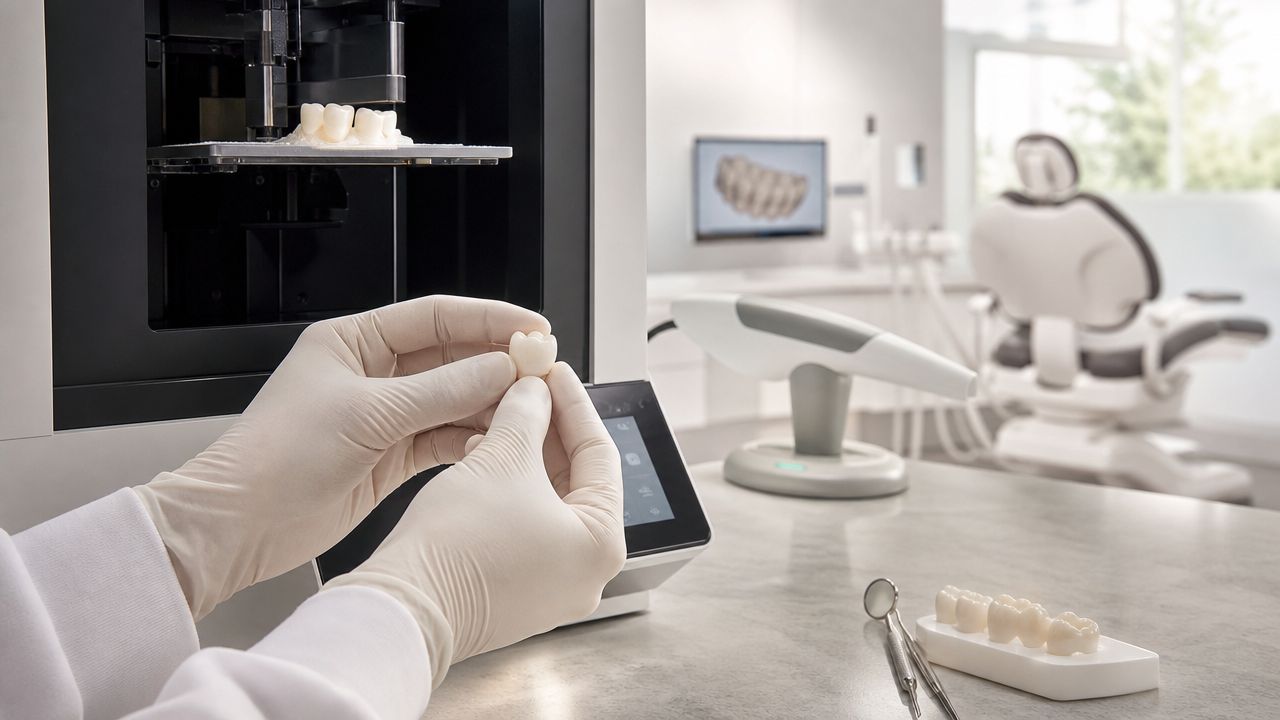
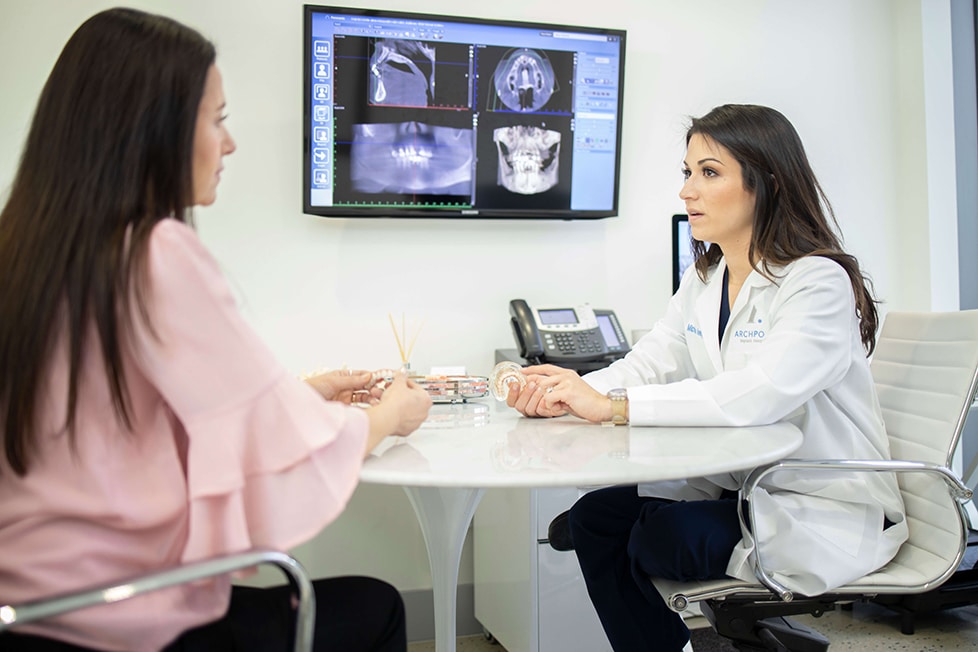
Traditional dental records are useful, but jaw alignment problems often require more than a standard view. A 3D CT scan gives a detailed look at the relationship between the teeth, jawbones, and surrounding structures. Digital impressions add another layer by capturing the bite without the distortion that can happen with older-style materials.
That combination helps answer questions such as:
- Is this mainly a tooth-position problem or a jaw-position problem
- Are certain teeth taking too much force
- Is the bite shifting because of missing teeth, wear, or crowding
- Does the joint area suggest a pattern that needs closer attention
Why precision matters before treatment
The wrong treatment can waste time. If a patient really needs bite reconstruction, a simple guard may only reduce symptoms temporarily. If the issue is mostly tooth movement, jumping straight to restorations can lock in the wrong bite. If the jawbones are the main problem, orthodontics alone may not fully solve function.
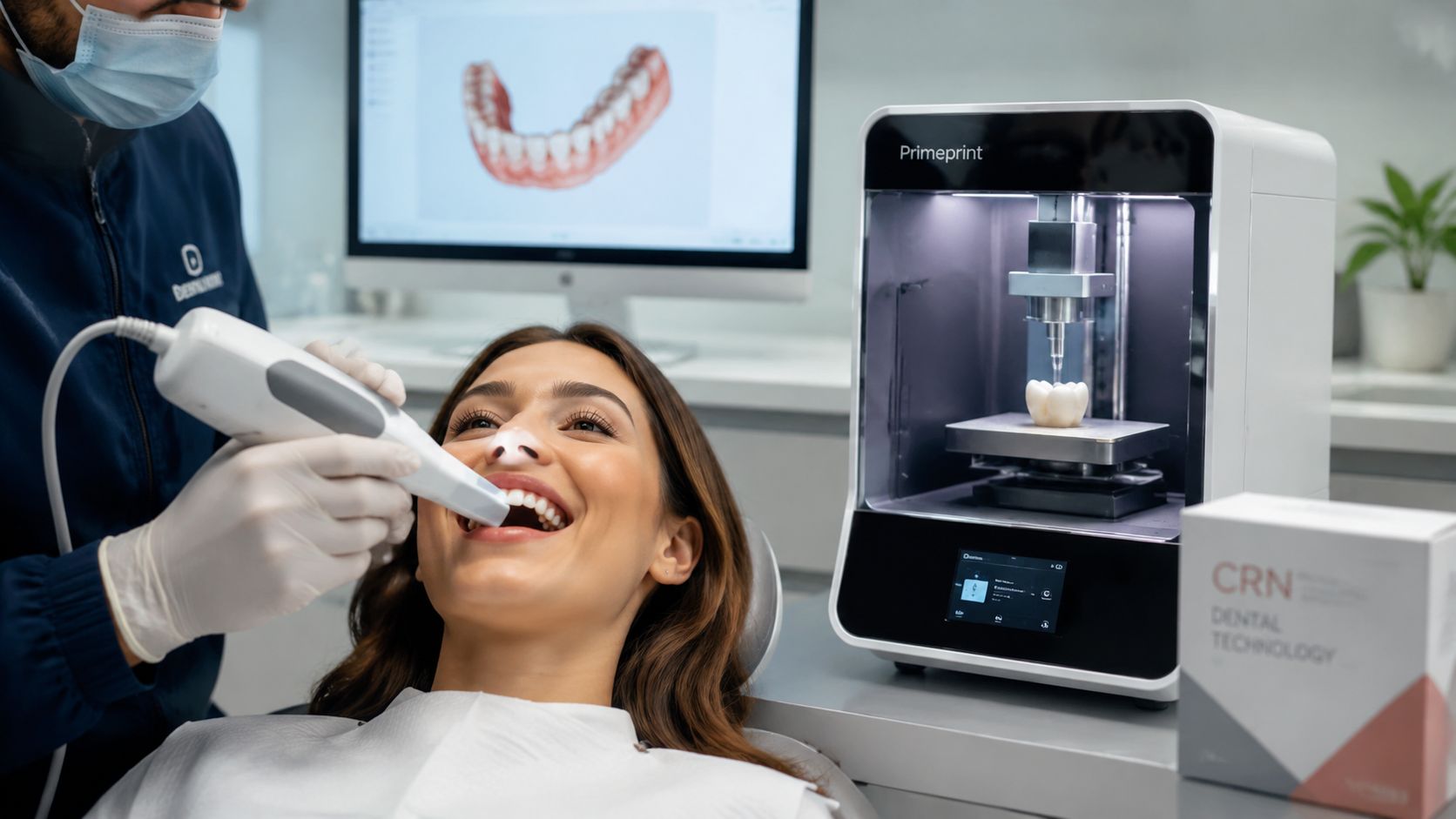
That's why digital planning matters. A scan-based workflow lets the dentist study the bite from multiple angles and compare what the patient feels with what the anatomy shows.
Better treatment planning usually starts with better records. For jaw complaints, that often means looking beyond the teeth alone.
What a visit typically includes
A new patient exam for jaw concerns usually combines conversation, bite evaluation, imaging, and digital records. The goal isn't to overwhelm you with technical detail. It's to narrow down the cause and rule out shortcuts that won't hold up.
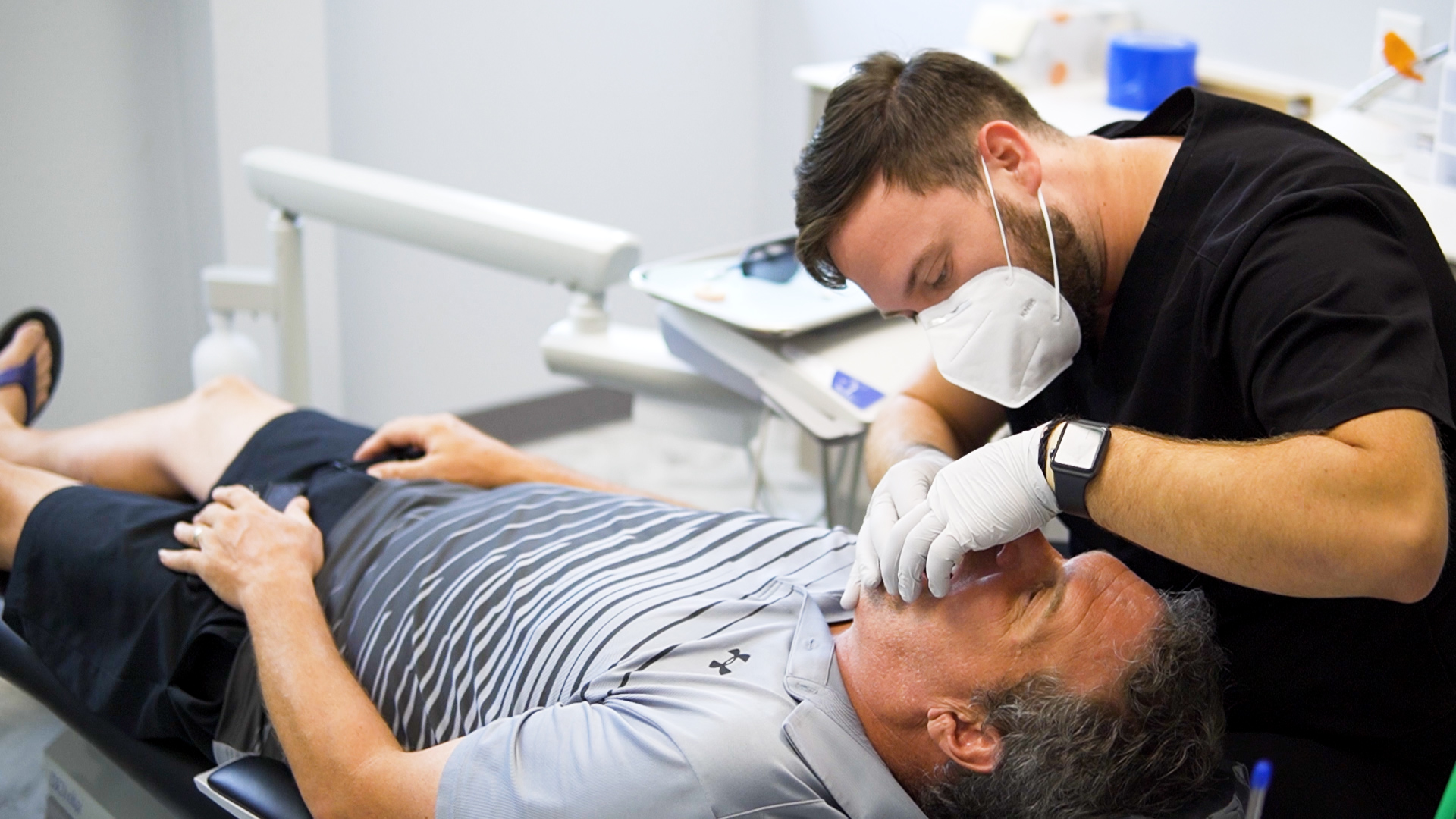
At 3D Dental, that process may include 3D CT imaging, digital intraoral scans, and a review of how your bite, teeth, and jaw structures interact. For patients in Austin and Georgetown who want a dentist in Austin, TX or a dentist in Georgetown, TX that uses modern diagnostics, this kind of integrated evaluation can make treatment much more targeted and comfortable.
Your Treatment Options for a Balanced Bite
A balanced bite is not one treatment. It is a plan built around the reason your bite is off in the first place. Some patients need teeth moved into better positions. Others need to protect teeth and joints from heavy clenching, rebuild worn surfaces, replace missing teeth, or address a jaw relationship that orthodontics alone cannot correct.
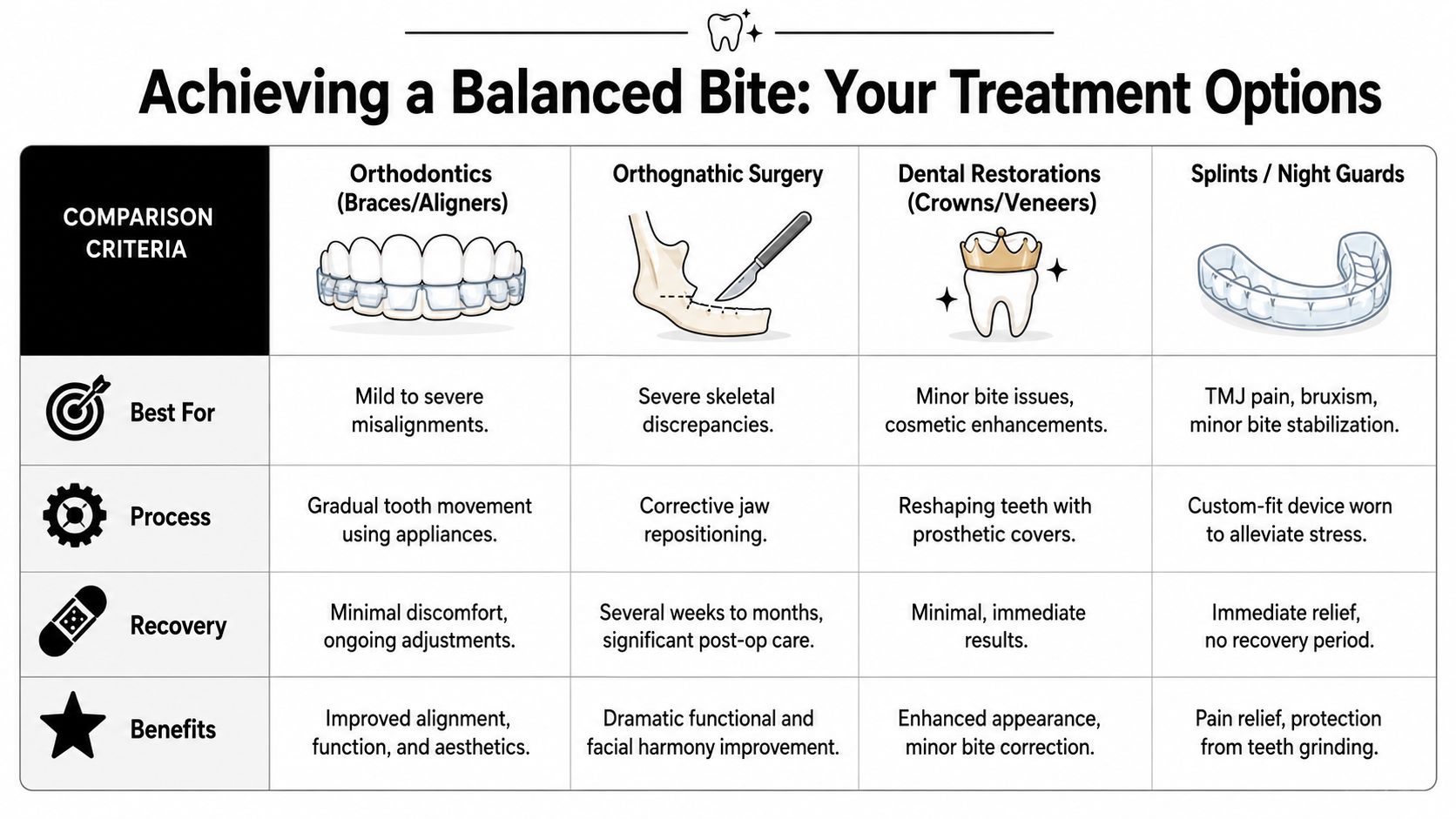
At 3D Dental, we use the records gathered earlier, including CT imaging and digital impressions, to map out how the teeth, joints, and jaw structures work together before recommending treatment. That matters because the right option is not always the most obvious one. A patient may come in asking for aligners and need bite support first. Another may assume surgery is the answer when the problem can be handled with tooth movement and carefully planned restorative work.
Comparing the main approaches
| Treatment | Usually helps when | What it does | Trade-off to understand |
|---|---|---|---|
| Orthodontics | Teeth are in the wrong positions | Moves teeth into a more balanced bite | Takes consistency and follow-up |
| Splints or night guards | Clenching, muscle tension, joint stress | Reduces overload and protects teeth | Doesn't permanently move teeth |
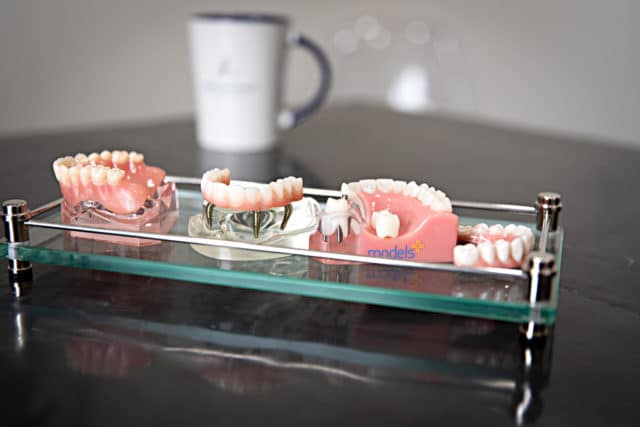
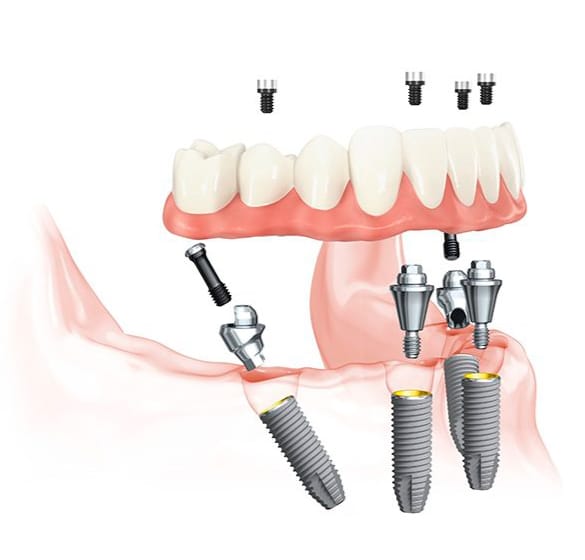
| Restorative dentistry | Worn, broken, or missing teeth are affecting the bite | Rebuilds shape and support with crowns or implants | Works best after precise bite planning |
| Corrective jaw surgery | The jawbones themselves are misaligned | Repositions the jaws for function and balance | Requires a bigger commitment and recovery |
Orthodontics for bite correction
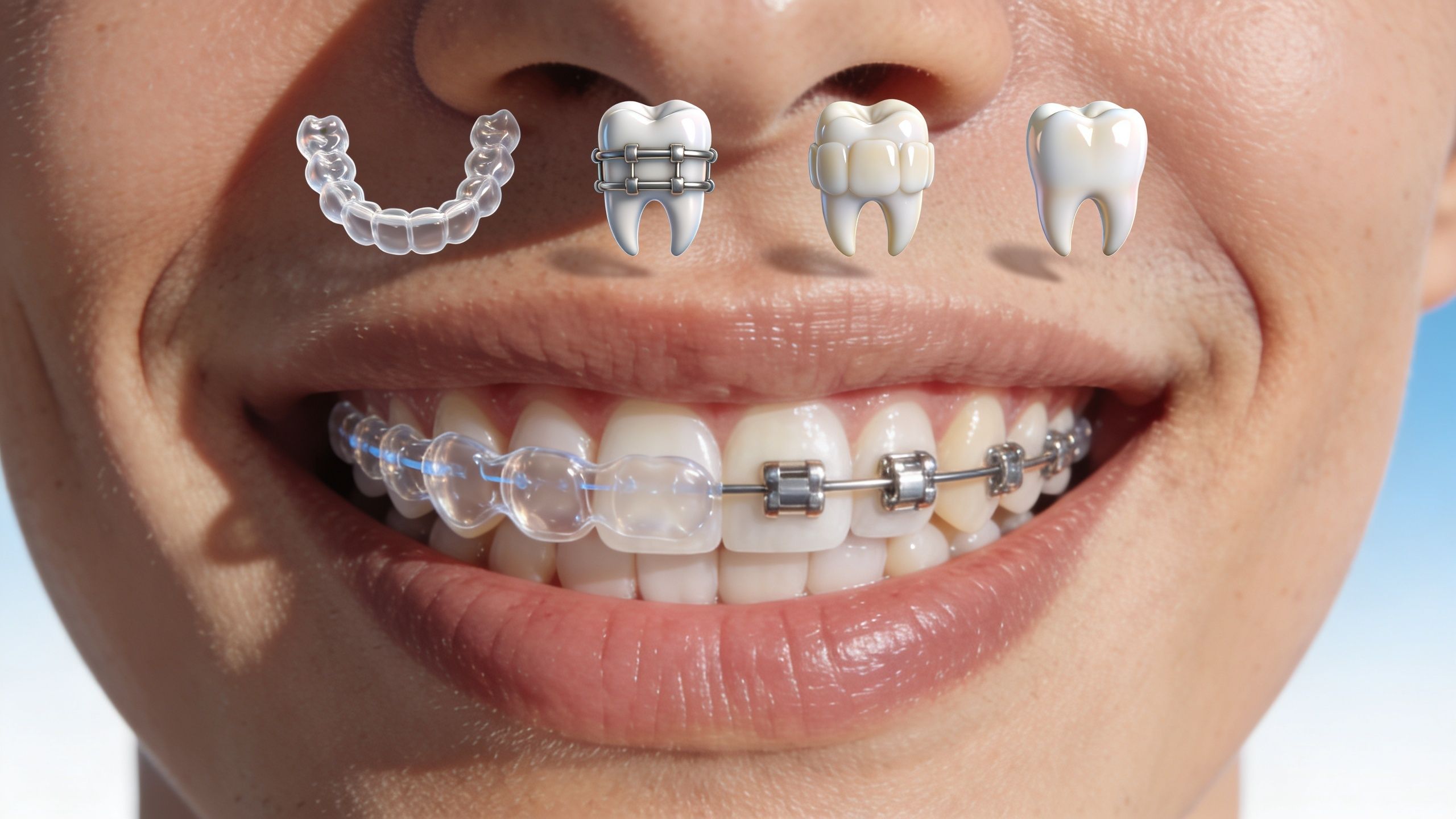
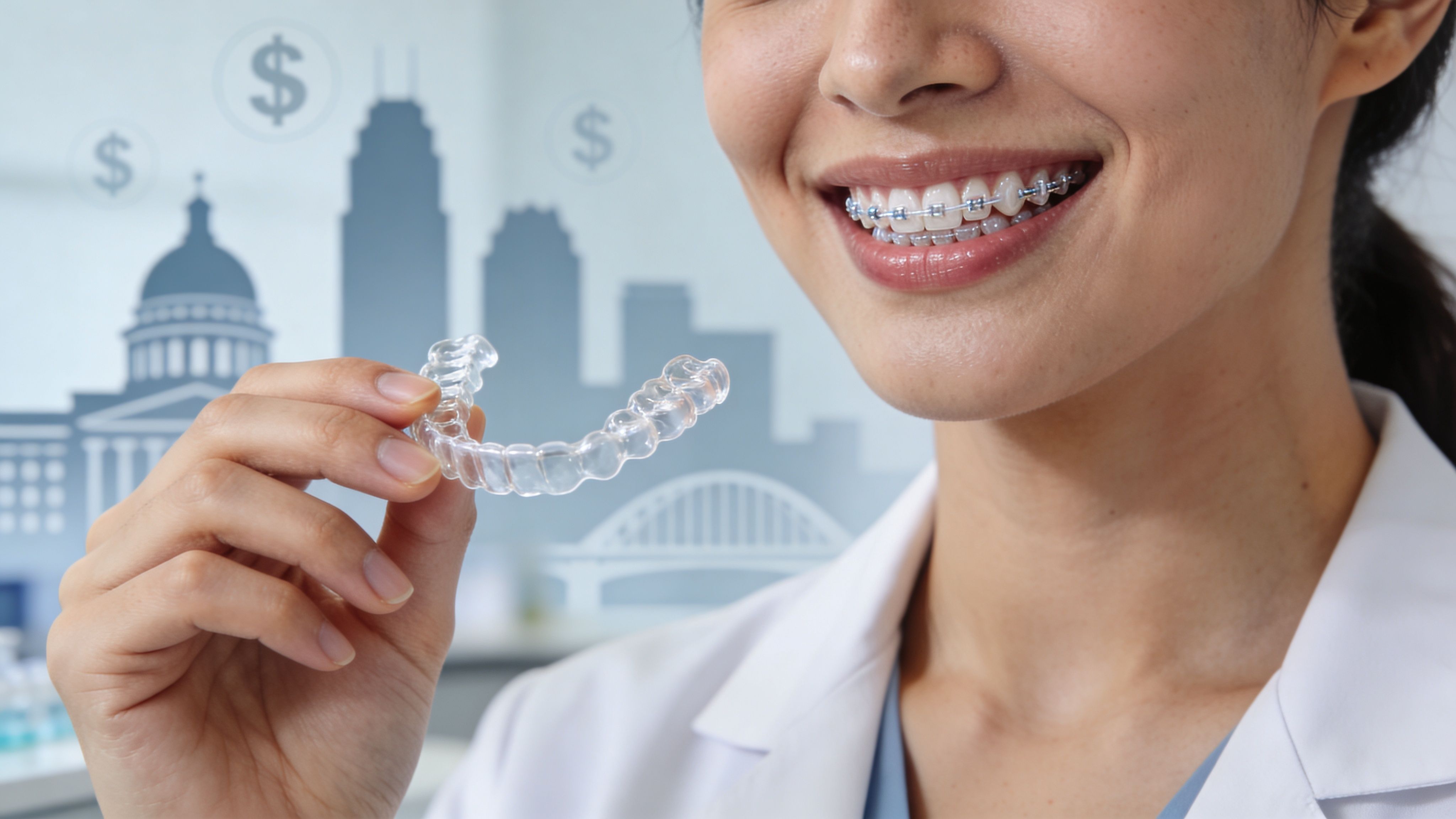
Orthodontics works well when the teeth are the main source of the problem. If the bite is uneven because of crowding, spacing, tipping, or drift, braces or aligners can improve how the upper and lower teeth meet and reduce concentrated pressure on a few spots.
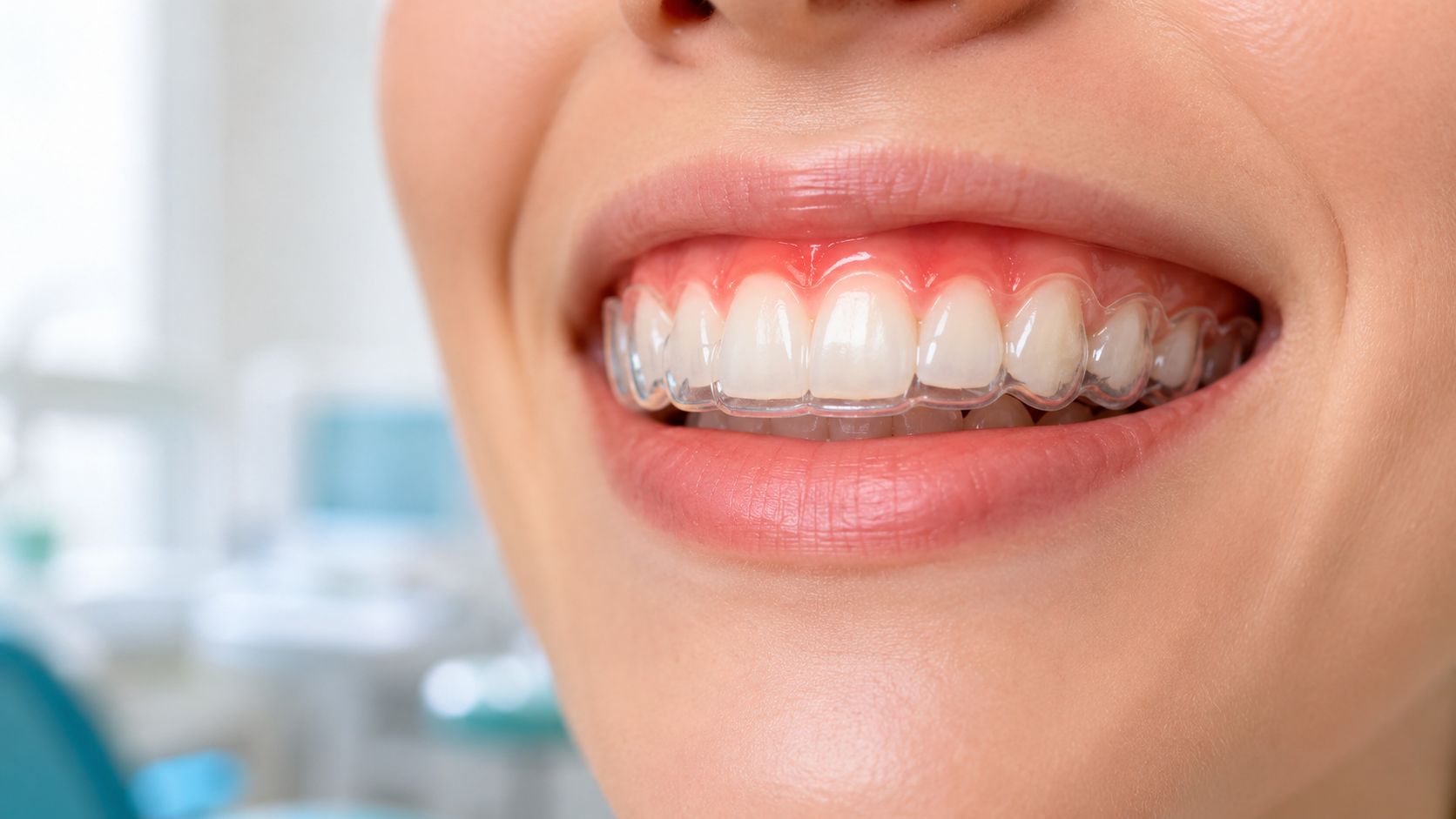
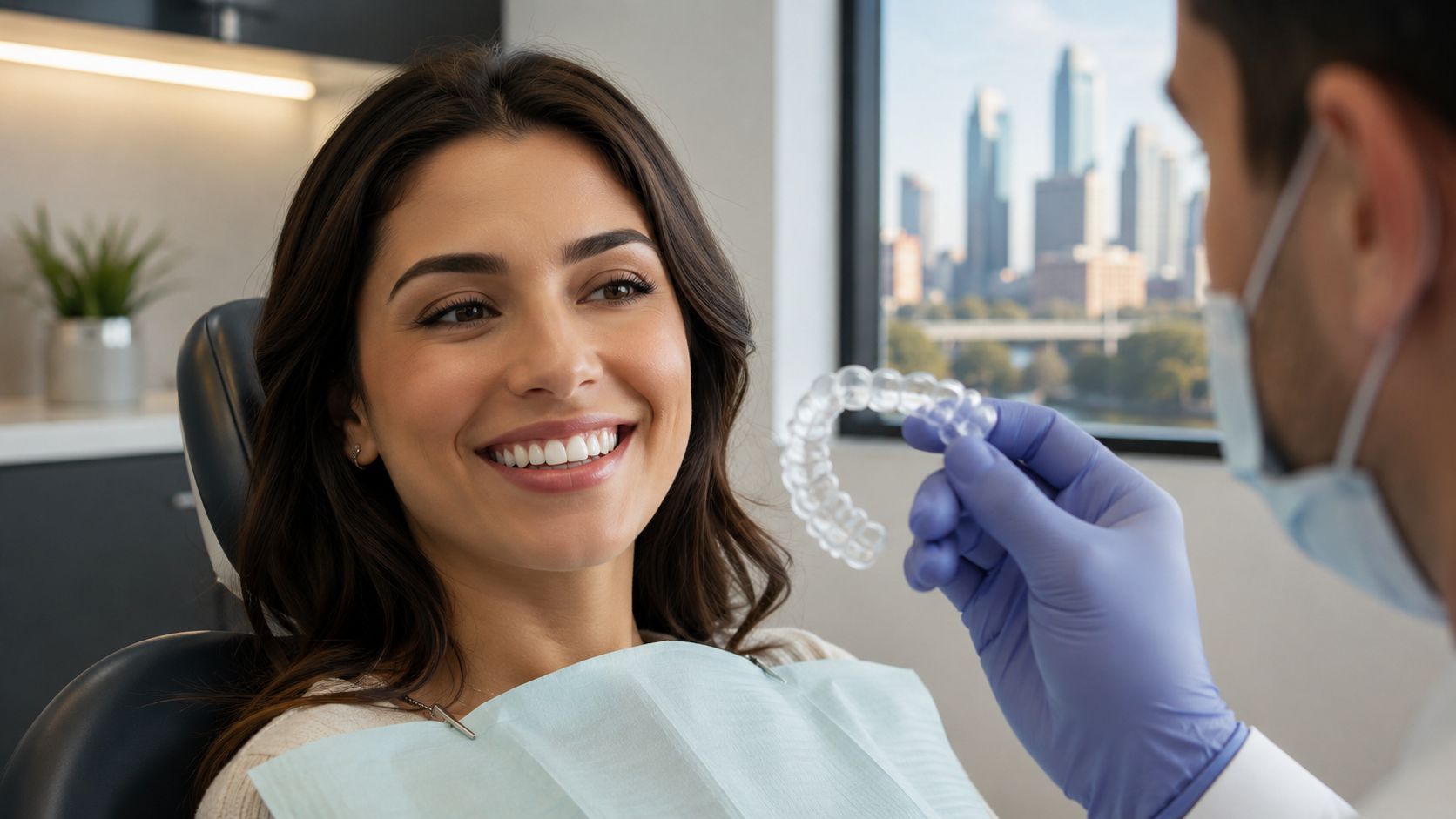
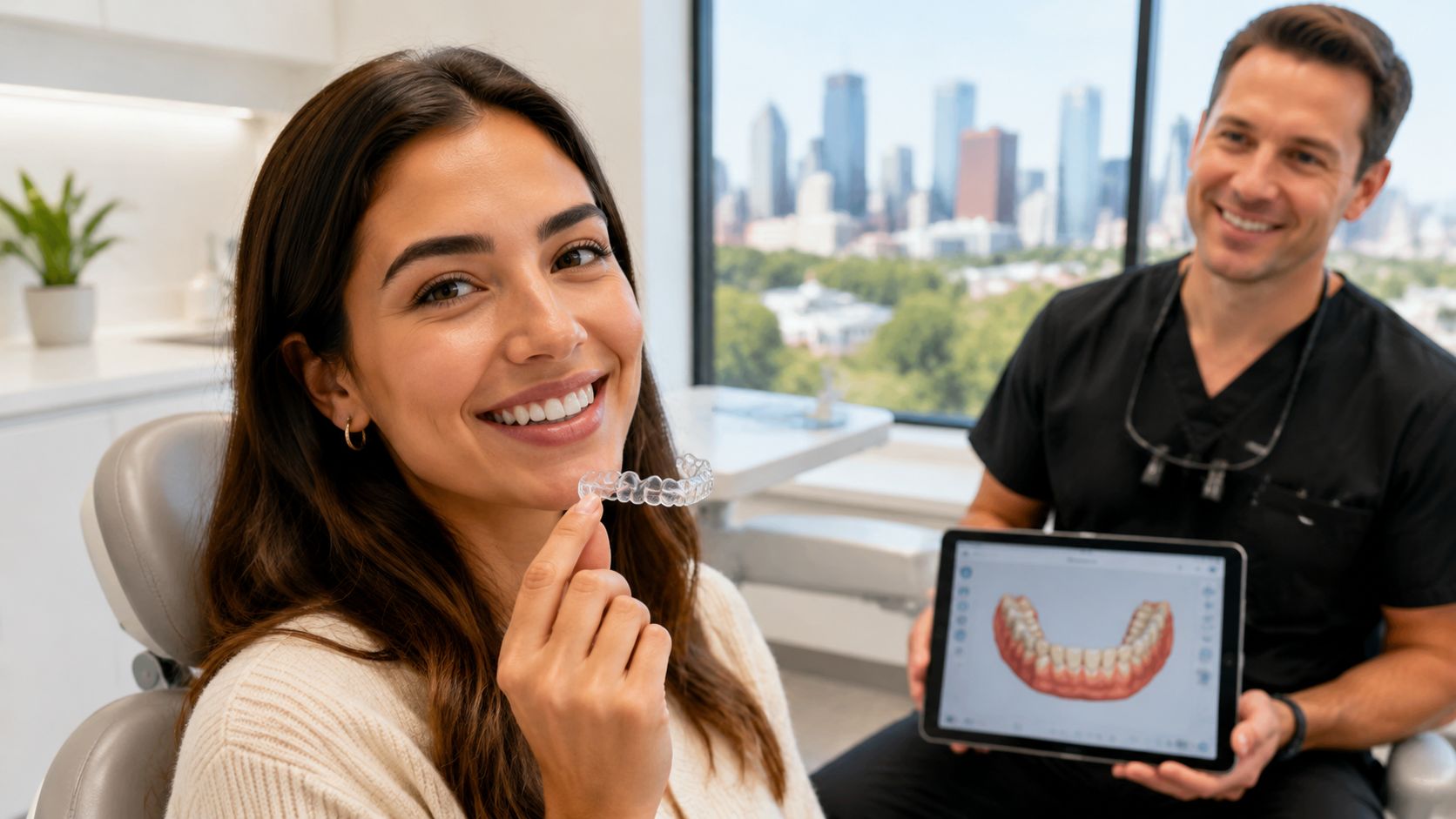
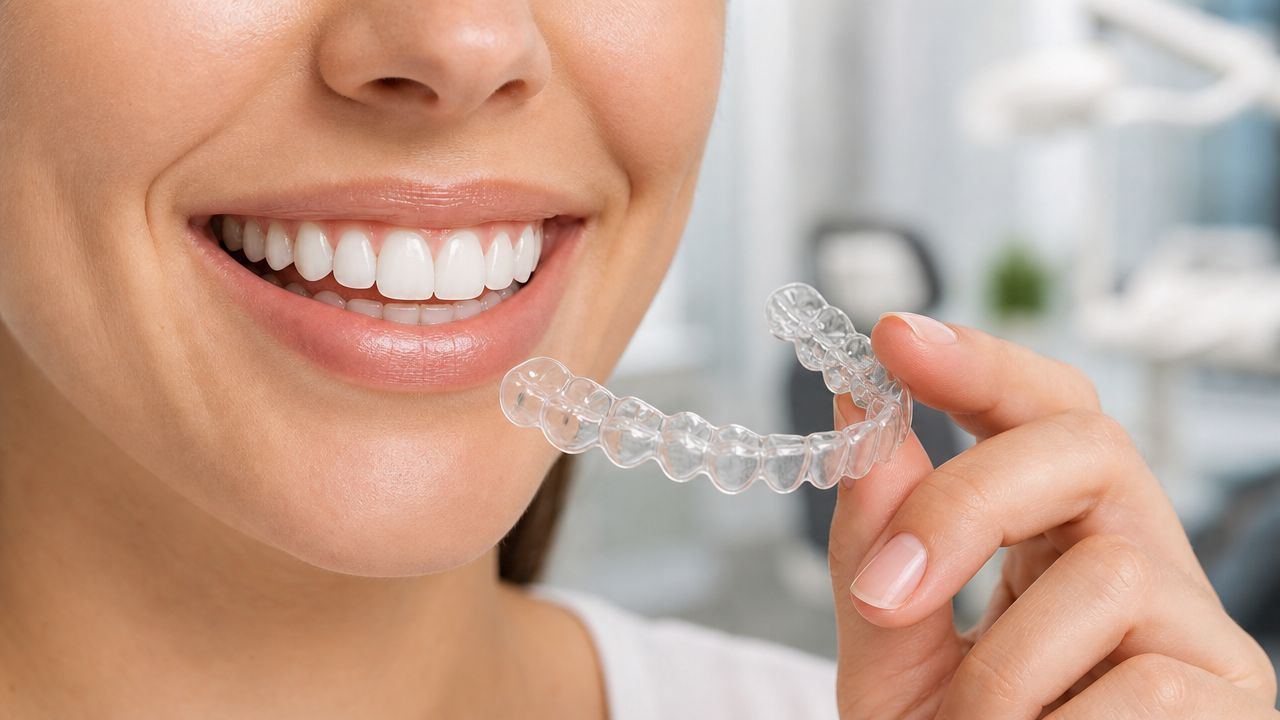
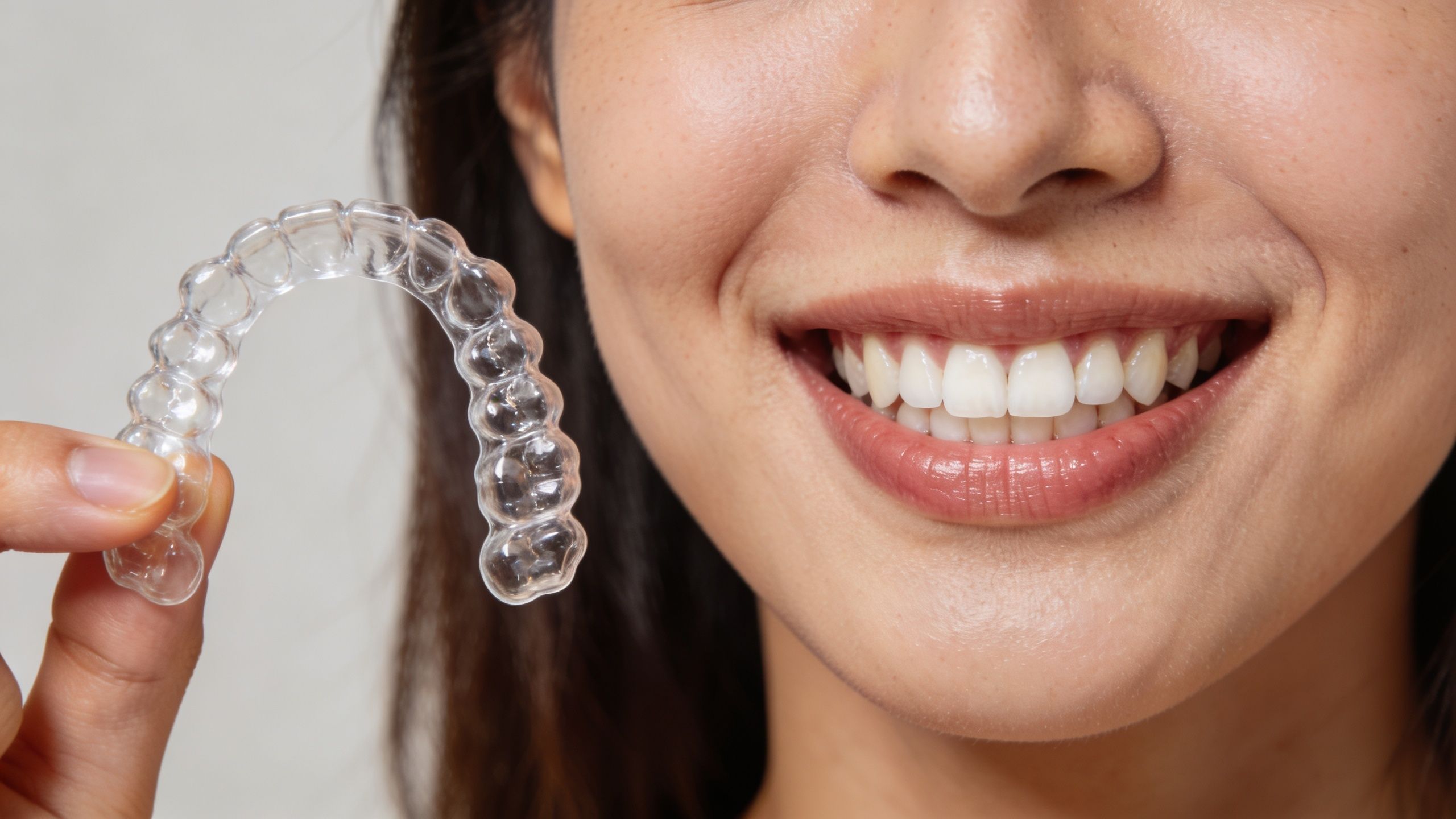
Clear aligners are a good fit for many adults and teens who want a lower-profile option and the ability to remove trays for meals and brushing. They also require discipline. If trays are not worn as directed, treatment slows down and tracking issues become more likely. If you want a practical overview, our article on how clear aligners work explains what to expect.
Braces still make more sense in some cases, especially when tooth movement is more complex or tighter control is needed. Digital planning helps us compare those options with your actual bite instead of making a guess from a quick visual exam.
Splints and protective appliances
Some patients are not ready for tooth movement right away. They need relief first.
A custom splint or night guard can reduce overload on the teeth and jaw muscles, especially when clenching, grinding, or joint irritation is part of the picture. This kind of appliance is designed around your bite. Digital scans help us make it more precisely, which usually means a better fit and fewer adjustment issues.
Store-bought guards have a role for temporary cushioning, but they are not built around your anatomy. If the bite is already unstable, a generic appliance may fall short because it cannot account for your force pattern or jaw position.
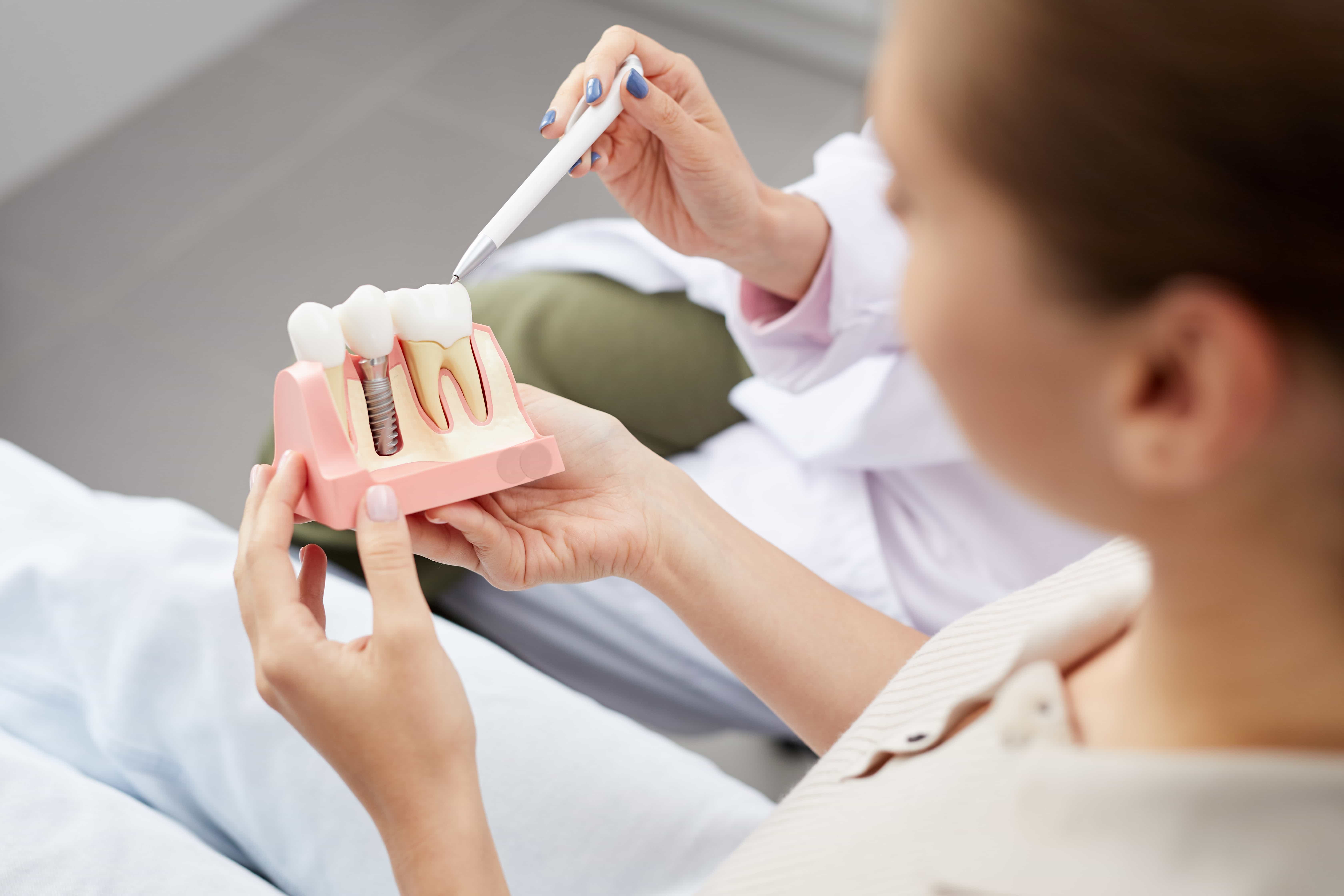
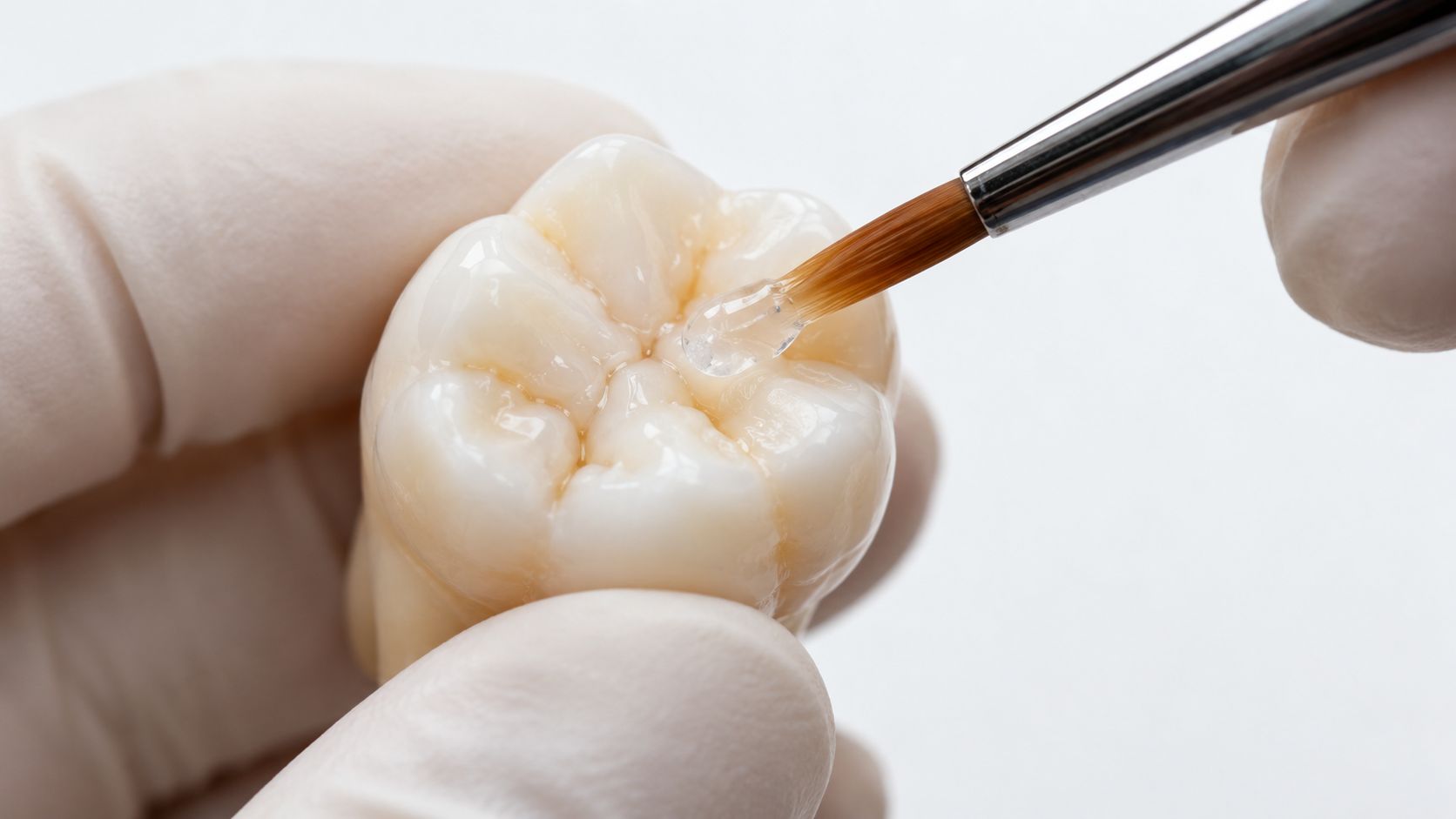
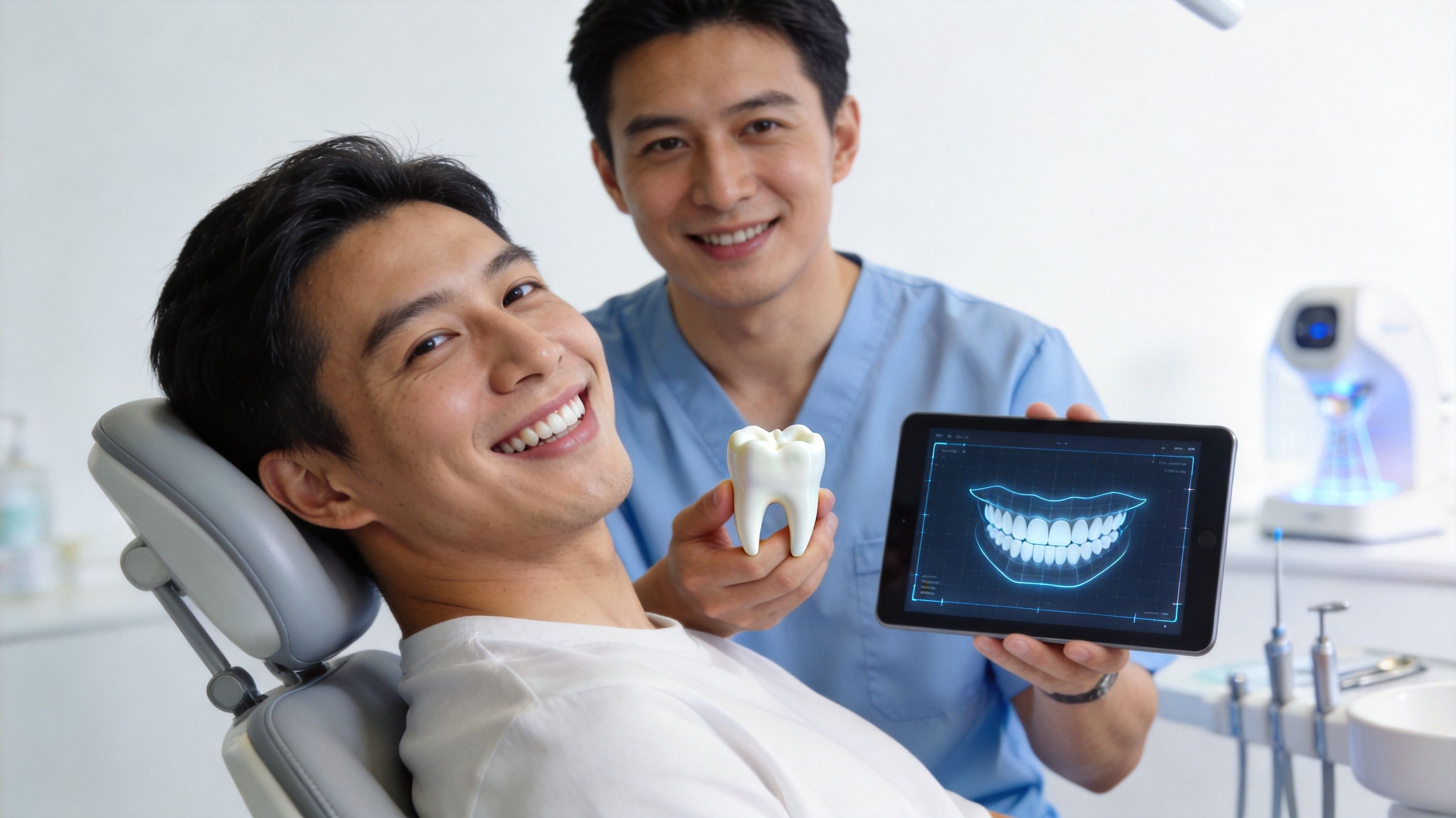
Here's a closer look at one part of the treatment conversation:
Restorative dentistry and rebuilding support
A bite can also break down because the teeth themselves no longer provide stable support. Wear, fractures, old dental work, and missing teeth can all change how the jaw closes. In that situation, moving teeth is often not enough.
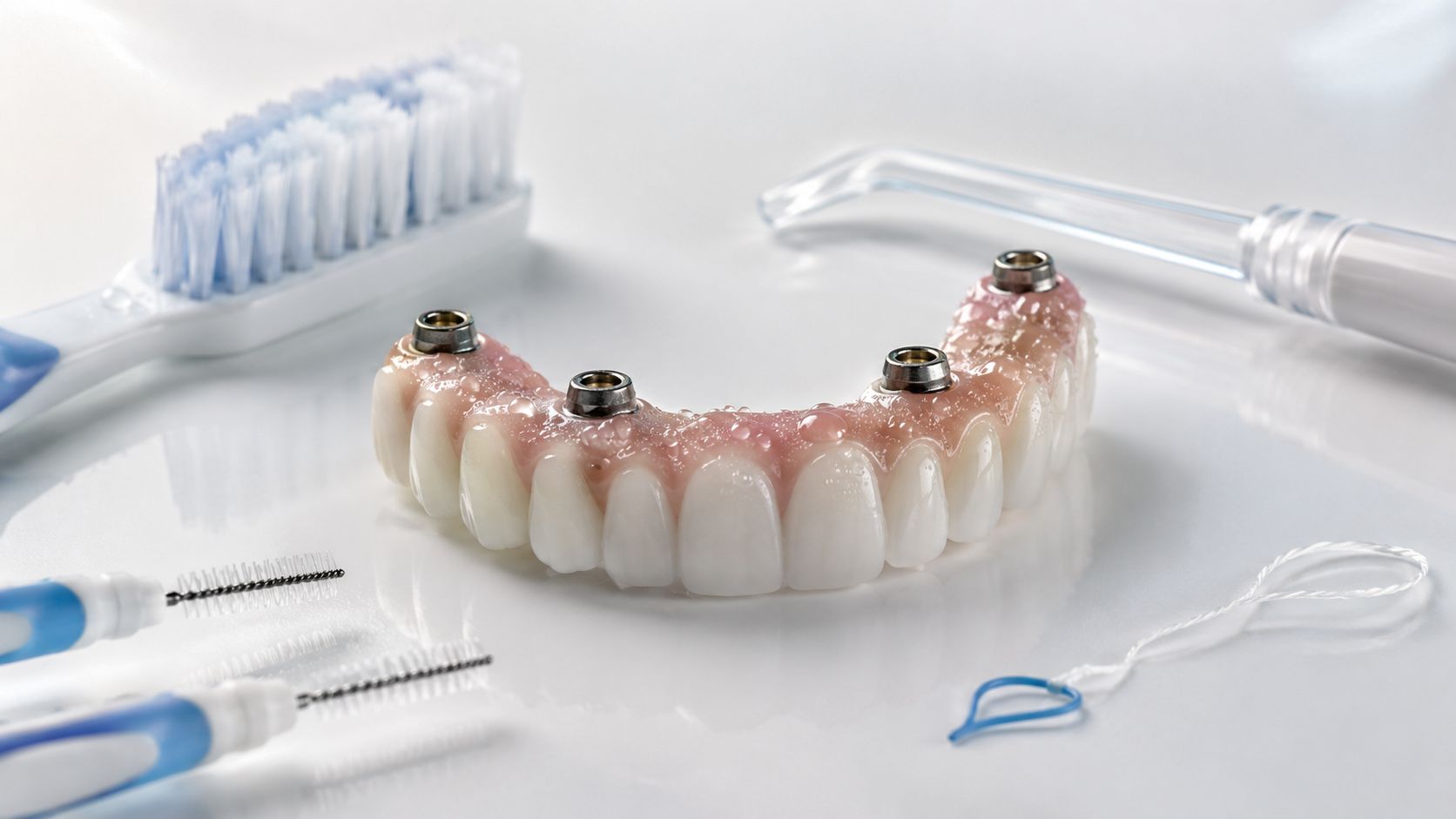
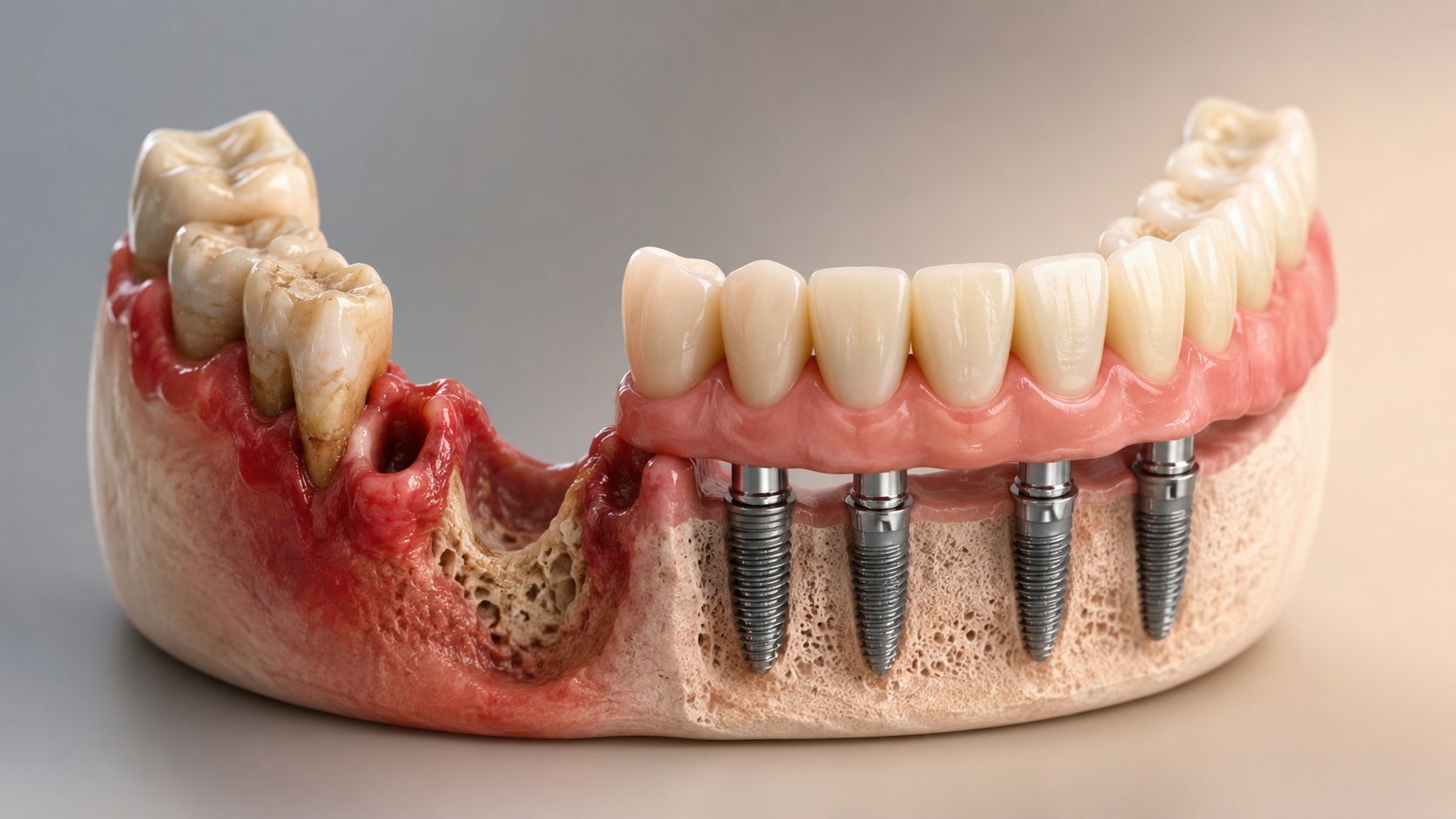
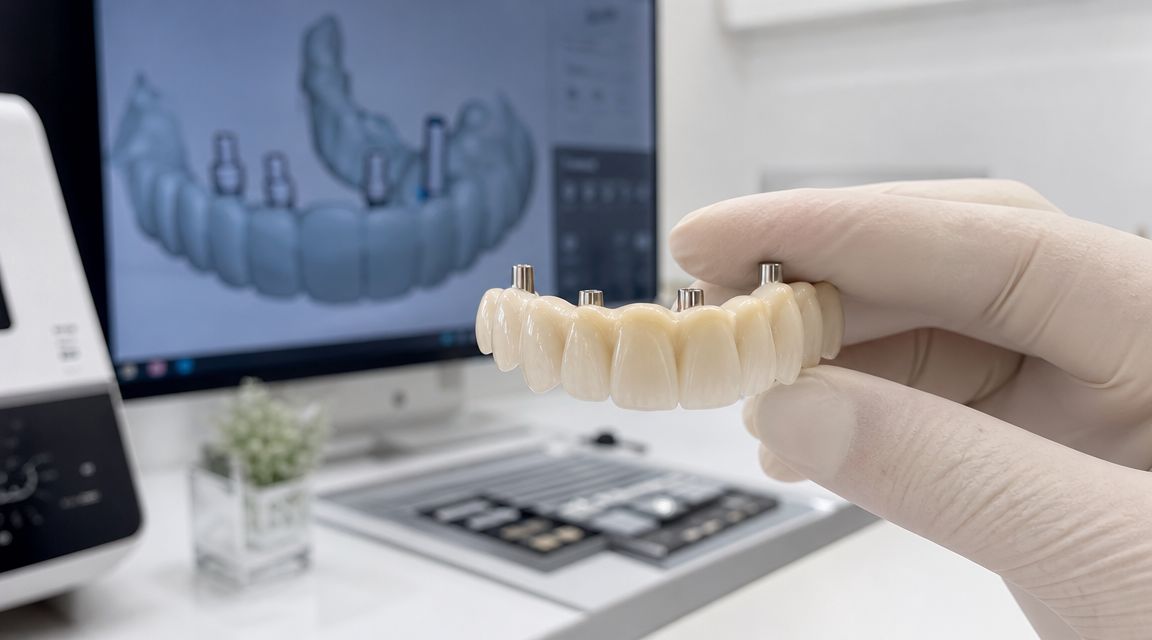
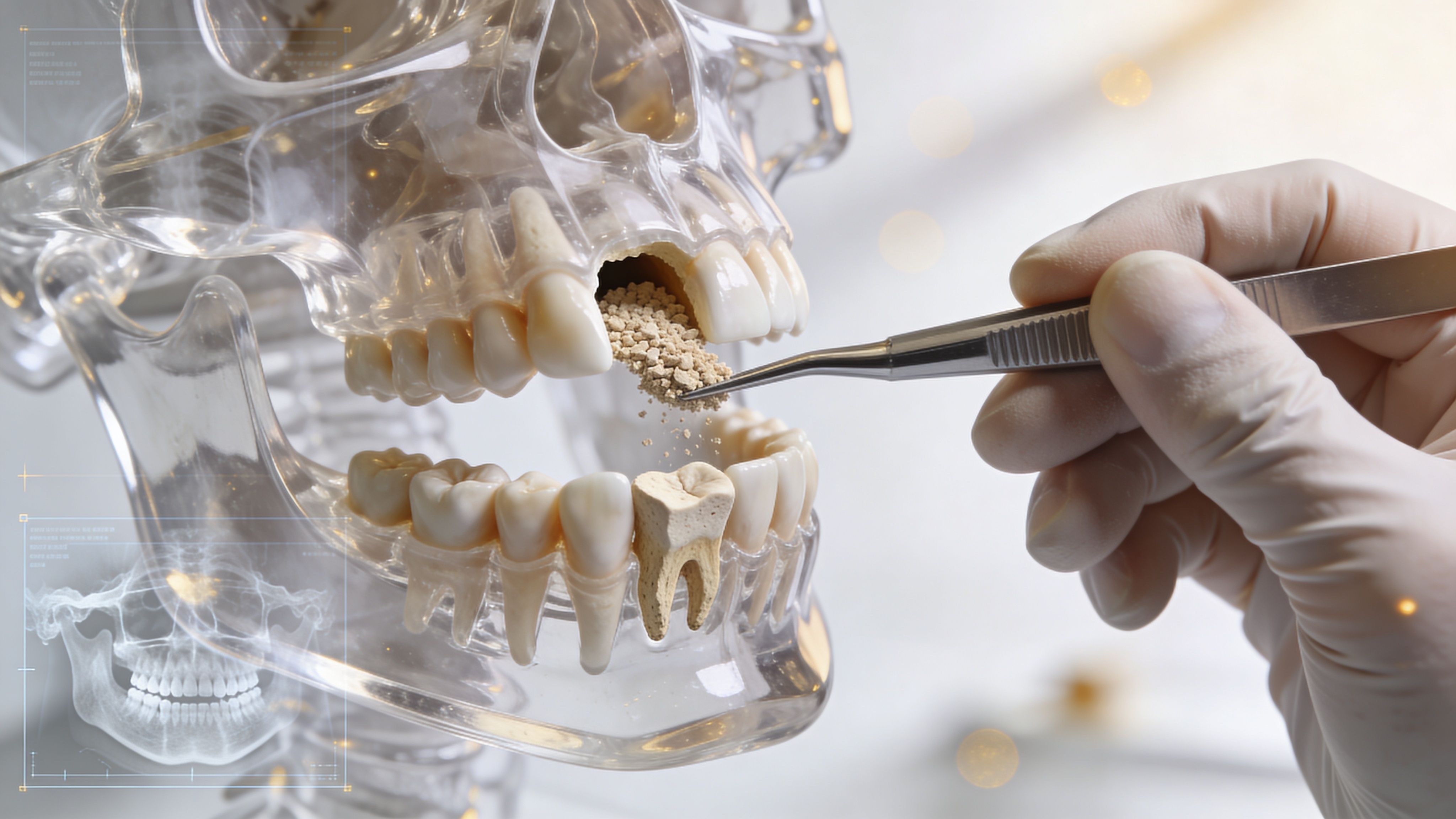
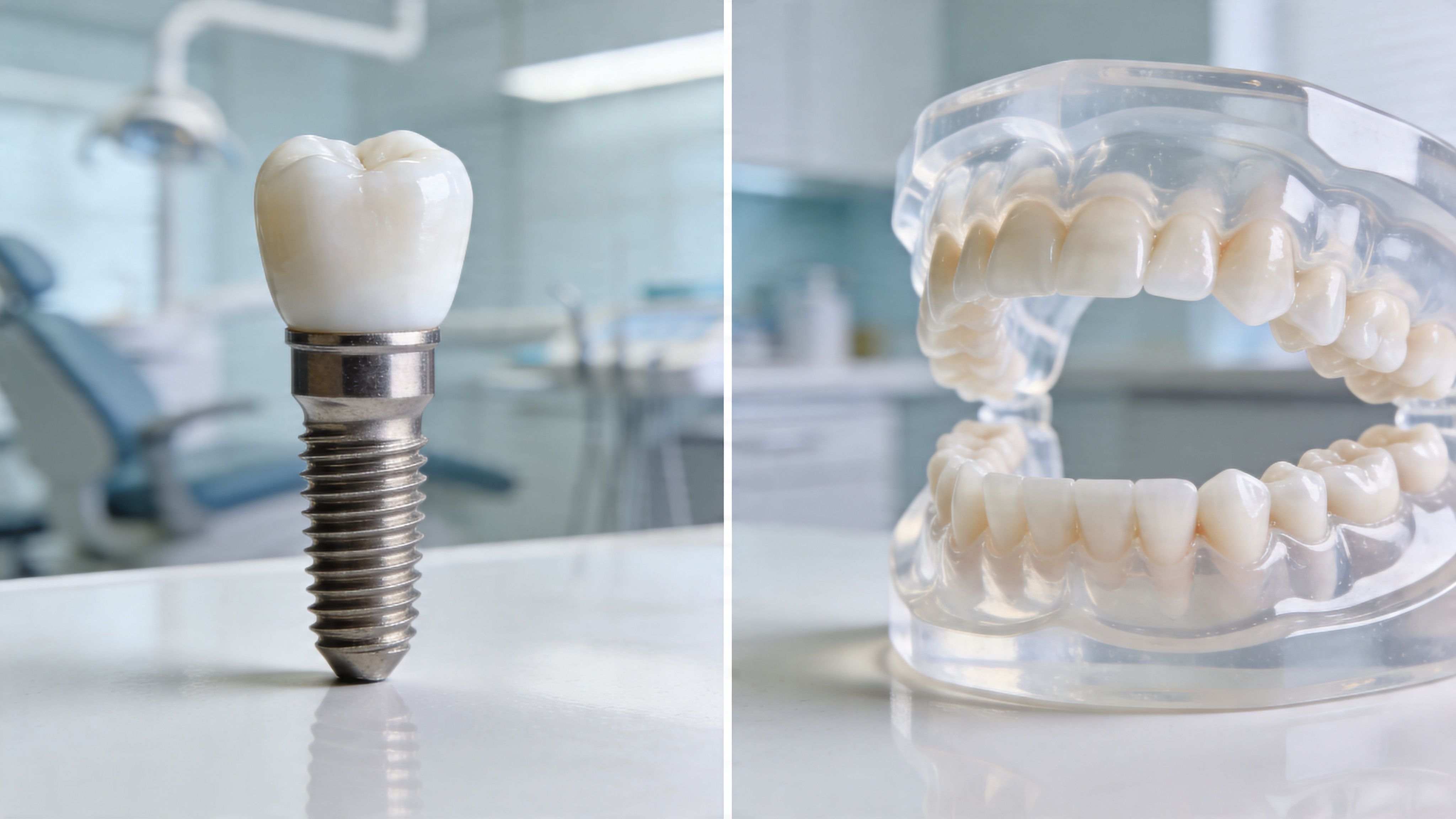
Restorative dentistry rebuilds the surfaces that help the bite function properly. Crowns can restore shape and height. Implants can replace missing support and help prevent neighboring teeth from shifting into the wrong position. In more involved cases, treatment may be staged so the bite is tested, adjusted, and then finalized.
This is one place where an integrated digital workflow helps patients in Austin and Georgetown. We can compare scans, bite records, and imaging in one plan, rather than treating each issue in isolation.
When surgery enters the discussion
A smaller group of patients has a skeletal problem rather than a tooth-position problem. If the upper and lower jaws are significantly out of alignment, orthodontics may improve the teeth while leaving the underlying functional problem in place.
In those cases, jaw surgery may become part of the treatment conversation, usually coordinated with orthodontic care and detailed imaging. It is a bigger commitment, and the decision should be made carefully. The benefit is that it addresses the bone relationship directly when other options cannot create a stable bite.
Surgery is not typically the initial treatment. It is the right tool when 3D records show that tooth movement or restorations alone will not produce a result that feels comfortable and holds up over time.
Timelines Recovery and Making Treatment Affordable
One of the first questions patients ask is how long this will take. The honest answer is that it depends on whether the problem is mild tooth misalignment, a worn-down bite, joint stress, or a larger skeletal issue.

What recovery usually feels like
Orthodontic treatment is generally gradual. Patients feel pressure and periodic soreness, especially after adjustments or new aligner trays, but they can usually stay on with normal daily routines. Splints and night guards tend to have the easiest adjustment period, although it can take a little time to get used to wearing one consistently.
Restorative treatment varies. A single crown or implant-related step is very different from rebuilding several biting surfaces. Surgery is the largest commitment, both physically and logistically, because recovery extends over months rather than days.
Planning around real life
A practical treatment plan should fit your schedule, not just your scan. That includes work, school, family responsibilities, and how visible you want treatment to be.
Patients often compare braces with aligners for that reason. If you're weighing discreet treatment, this article about how much Invisalign costs in Texas can help frame the conversation before your consultation.
Making care manageable
Cost matters. So does transparency. For jaw alignment treatment, fees can vary based on records, appliances, orthodontic treatment, restorative needs, or coordination with surgical care.
A dental office should walk you through the plan in plain language. That usually includes:
- Insurance review: Checking available benefits and where they may apply.
- Phased treatment options: Breaking care into logical stages when that makes sense.
- Flexible payments: Looking at in-house options when available.
- Third-party financing: Cherry and Sunbit can help some patients spread treatment costs over time.
The best financial plan is one you can follow through on. Delaying care because the path feels unclear is common. A clear written estimate and staged approach often makes the decision much easier.
Frequently Asked Questions About Jaw Alignment
Jaw problems raise practical questions fast. Patients usually want to know whether the issue can settle down on its own, what kind of treatment may be involved, and how we tell the difference between a tooth problem and a jaw position problem. At 3D Dental, we answer those questions with an exam, 3D imaging, and digital bite records so the plan is based on what is actually happening, not guesswork.
Can jaw alignment problems go away on their own
Usually, no. Symptoms can come and go, but a bite that is uneven or a jaw relationship that is off rarely corrects itself without treatment. While you wait, teeth can keep wearing unevenly, muscles can stay overworked, and the joints may continue to get irritated.
Is treatment only about appearance
Appearance is only one part of it. The main goals are better chewing, a more stable bite, less strain on teeth and jaw joints, and more predictable function day to day. If your smile also looks more even after treatment, that is a result of improving the bite, not the only reason to treat it.
How do I know which treatment is right for me
Symptoms alone are not enough to choose the right plan. Clicking can come from one issue, while a shifting bite can come from something completely different. I look at tooth position, wear patterns, missing teeth, joint function, and jaw position together.
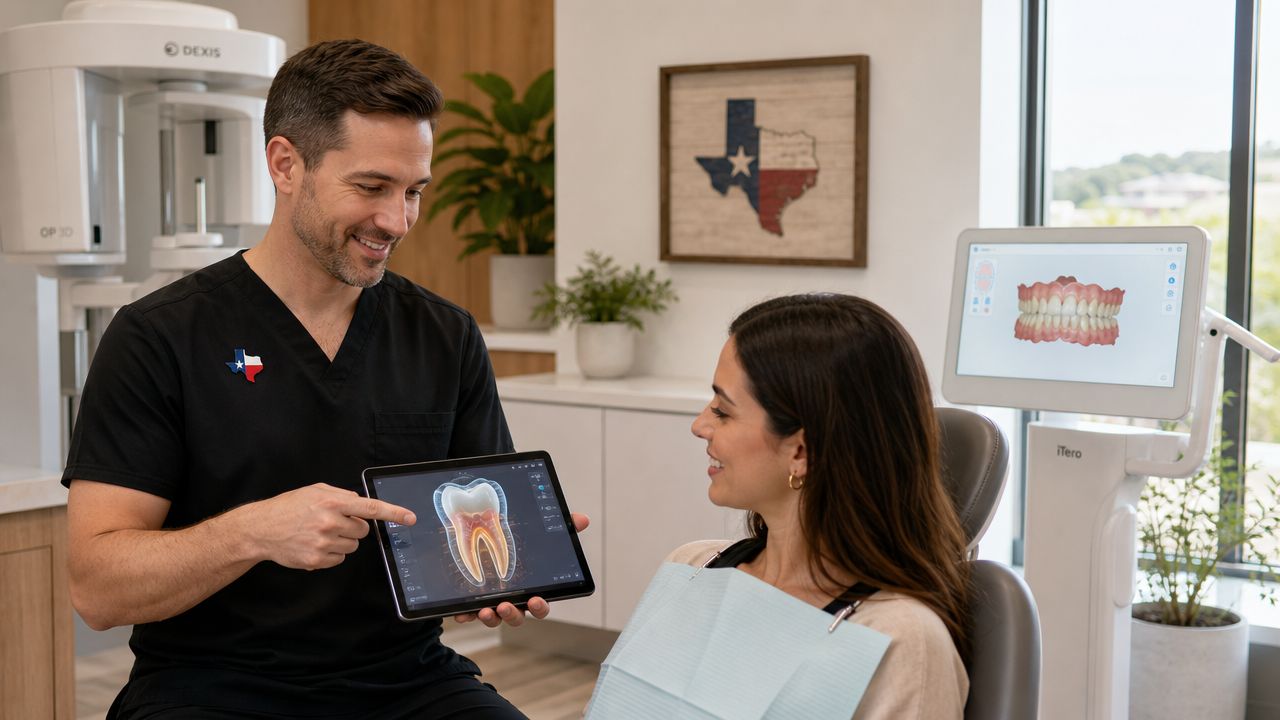
That is where integrated records help. A CT scan can show the joint and bone support. Digital impressions show tooth position and bite fit without the mess of traditional molds. Putting those together gives a clearer answer than treating each symptom by itself.
Do you treat emergency jaw pain
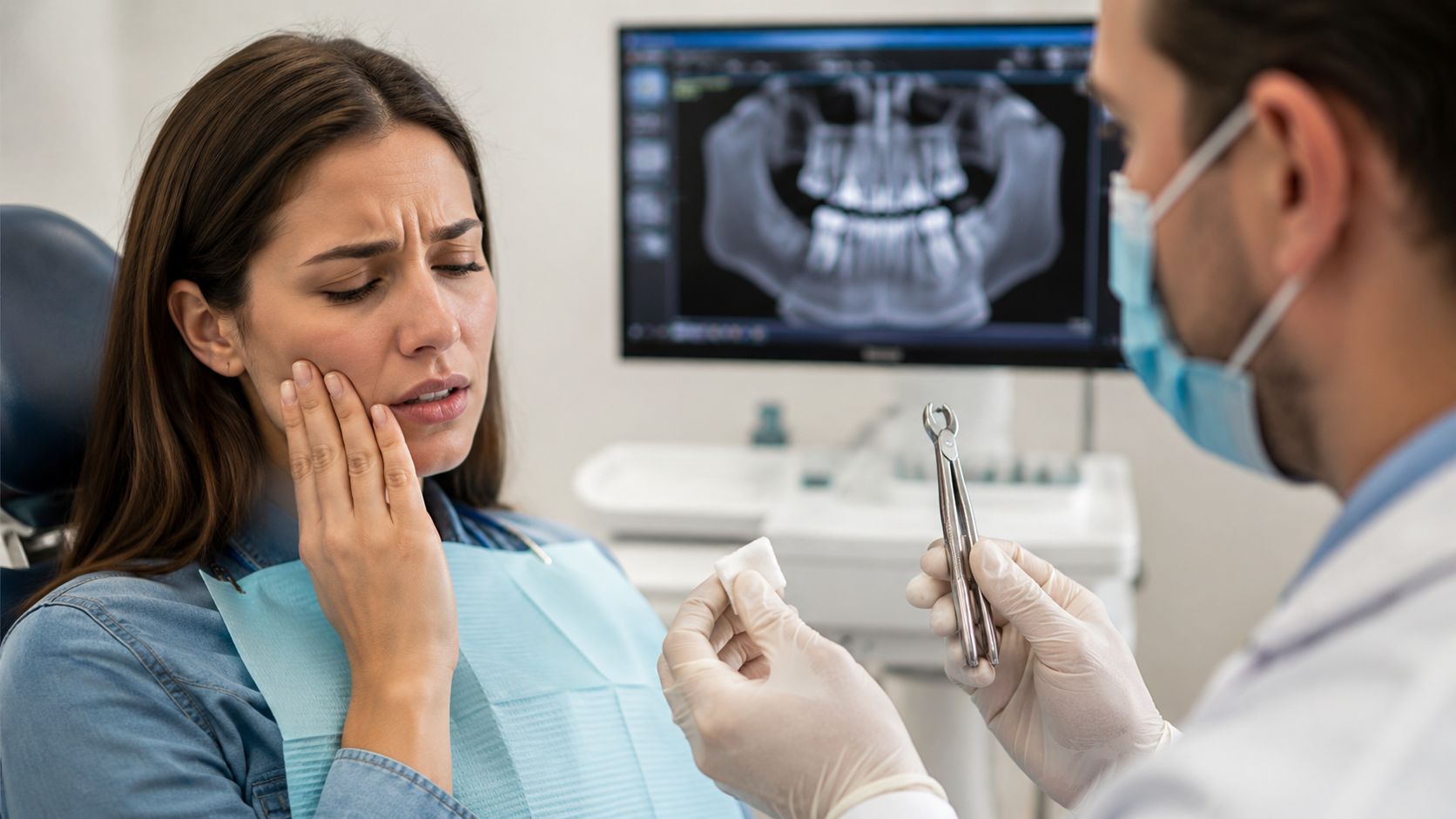
Yes. We evaluate urgent jaw pain, sudden changes in how your teeth meet, broken teeth from clenching, and pain that makes it hard to chew or open comfortably. The first step is to calm the problem down and identify whether the source is the teeth, muscles, joint, or a combination.
Will I always need braces if my bite is off
No. Some patients need orthodontic treatment, but others do better with a splint, reshaping or rebuilding worn teeth, replacing missing teeth, or a staged plan that combines more than one approach. The right treatment depends on the cause and on what will hold up well over time.
What should I do before my appointment
Write down what you notice. Include when the pain shows up, whether one side feels worse, whether you wake up sore, and whether you hear clicking or grinding. If you have a history of crowns, implants, extractions, orthodontic treatment, or prior x-rays, bring that information with you.
The clearest plans come from matching your symptoms with precise records.
If your bite feels off, your jaw is sore, or you are tired of guessing what is causing the problem, schedule an evaluation with 3D Dental. Patients in Austin and Georgetown can get a clear diagnosis, practical treatment options, and a plan that fits both comfort and budget.
Ready to get started?
Schedule a free, no obligation consultation with our team and see what's possible for your smile!
Georgetown
- Mon-Thurs8:30am-5pm
- Fri8am-3:30pm
- Sat-SunClosed
Austin
- Mon-Tues8am-5pm
- Wed-Thurs9am-6pmFri8am-2pm
- Sat-SunClosed