
How to Get Emergency Dental Care in Austin & Georgetown, TX
Related Posts

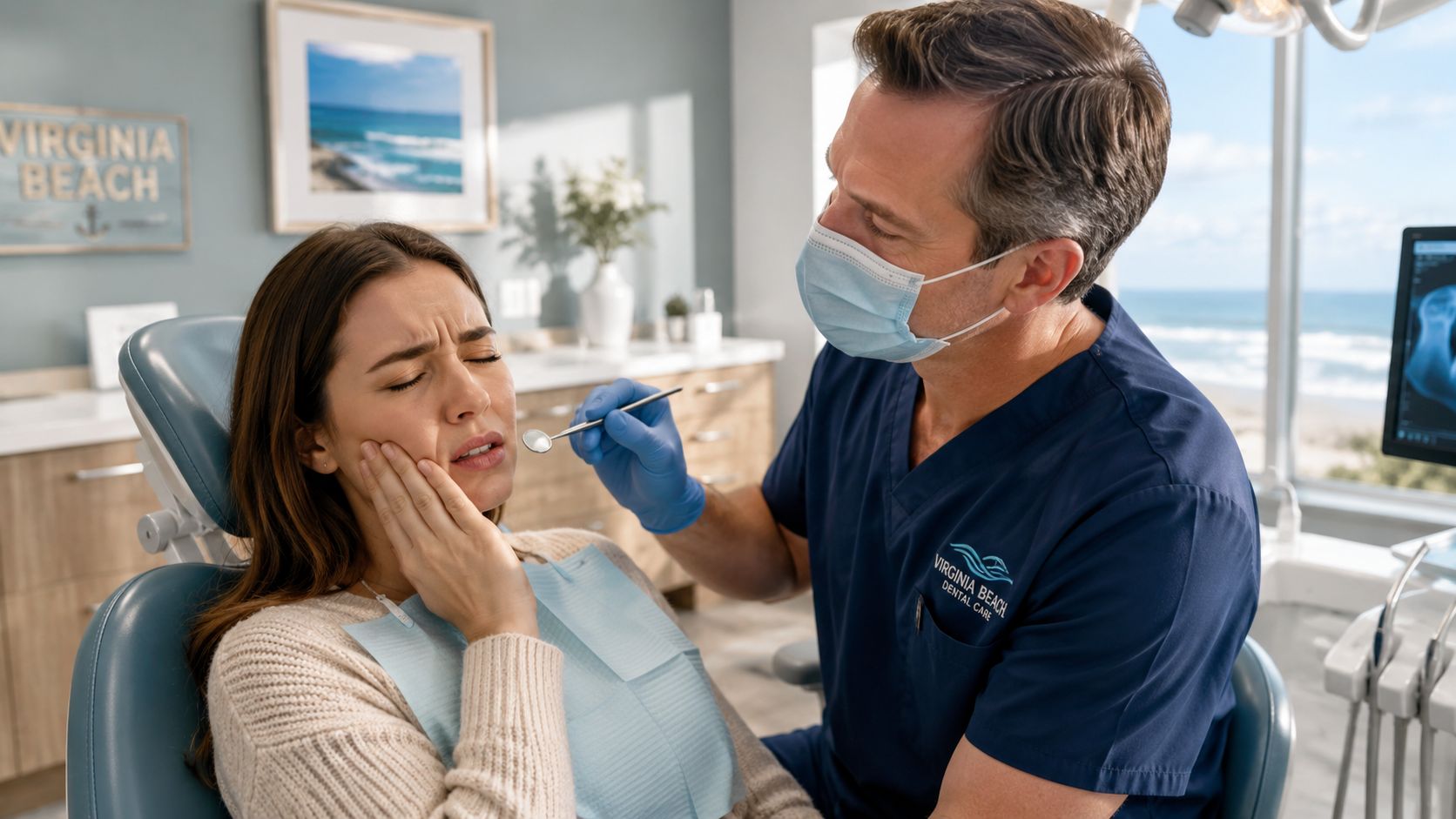






























When you need how to get emergency dental care in Austin or Georgetown, you're probably dealing with one of the worst kinds of pain. Tooth pain can wake you up, derail your workday, and make every minute feel longer. The hard part isn't only the pain. It's figuring out what to do next, whether it can wait, and where to go right now.
The good news is that most dental emergencies follow a clear path once you know what to look for. The right first step depends on whether the problem is limited to the tooth, whether there's swelling or bleeding, and whether you need immediate pain relief or full treatment. In North Austin, Georgetown, Wells Branch, Cedar Park, Round Rock, and Liberty Hill, the goal is simple: get the right level of care fast, protect your health, and make sure the emergency visit leads to a real solution instead of a temporary patch.
Navigating a Dental Emergency in Austin and Georgetown
Dental emergencies are common. U.S. hospital emergency departments handled an annual average of 1,944,000 visits for tooth disorders during 2020 to 2022, according to this CDC data brief on emergency department visits for tooth disorders. That number matters because many people don't know where to turn when pain spikes after hours or when swelling starts moving quickly.
In practice, the first question isn't "Is this serious?" It's often clear something is wrong. The first useful question is what kind of emergency is this.
Problems that usually need a dentist quickly
These are the situations that often need an emergency dentist in Austin or Georgetown as soon as possible:
- Severe toothache that doesn't settle down and makes it hard to eat, sleep, or function
- A broken or cracked tooth with pain or sharp edges
- A knocked-out tooth
- A lost filling or crown when the tooth is now very sensitive
- Swelling in the gums or face
- Pain after dental treatment that is getting worse instead of better
Problems that may need the hospital first
Some dental problems cross over into a medical emergency. Those need a hospital emergency room, not a routine dental slot.
Practical rule: If the issue threatens your breathing, swallowing, or ability to control bleeding, go to the ER first.
That distinction saves time. It also gets you to the right kind of care faster. A dental office is built to treat teeth, roots, gums, crowns, fillings, root canals, and extractions. A hospital is the right setting when the problem has moved beyond the tooth itself.
For patients in Austin and Georgetown, the best move is usually to call ahead first. That lets the office triage your symptoms, tell you whether to come in immediately, and give you first-aid instructions while you're on the way. If you already know you need an emergency dentist near you, don't wait for the pain to "declare itself." It already has.
When to Seek Immediate Emergency Dental Care
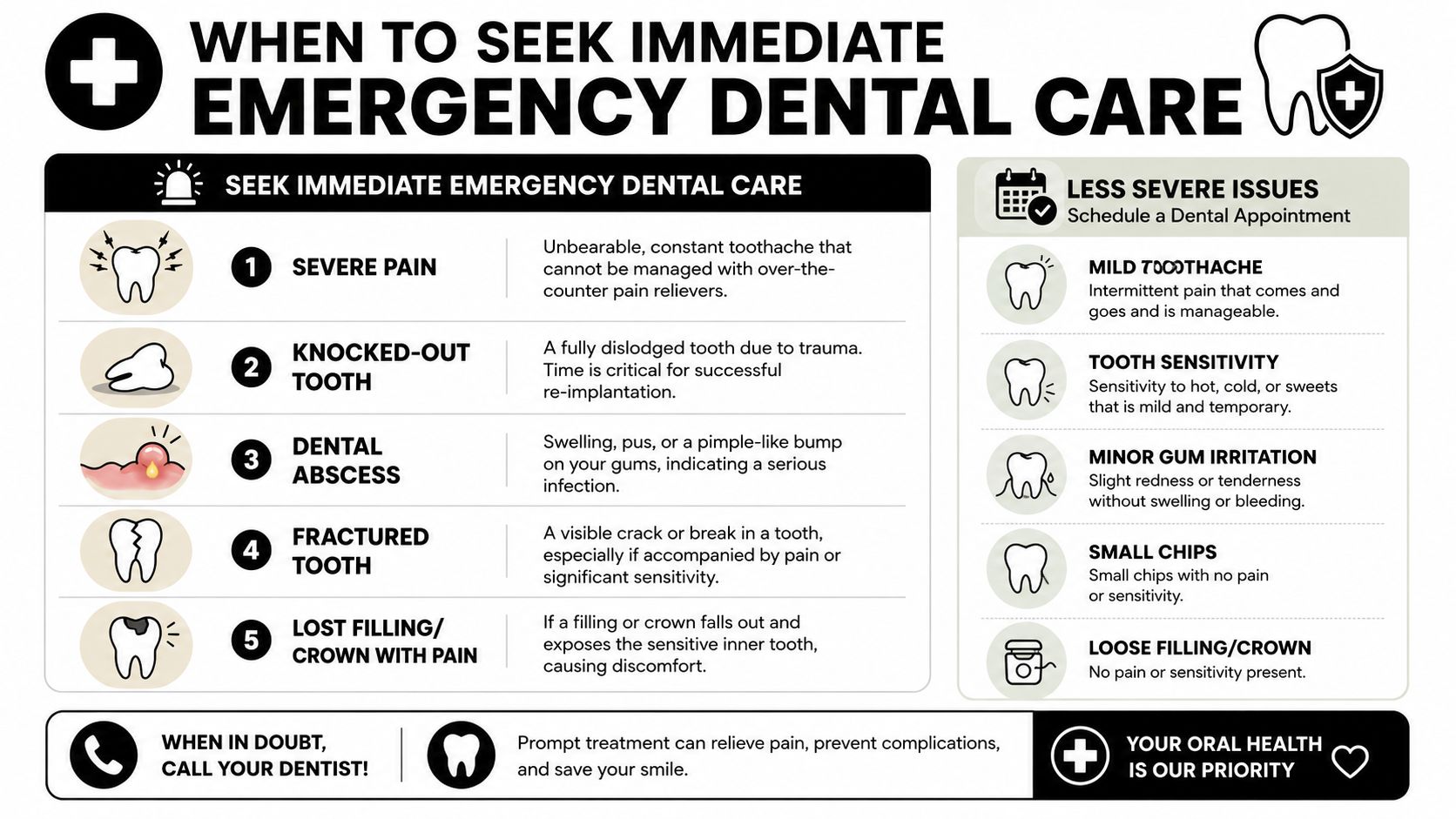
Some problems can wait for the next available appointment. Others can't. The safest way to think about it is to divide the situation into three groups: dentist now, call for an urgent visit, and go to the ER.
Dentist now
If the problem is mostly confined to the mouth or tooth, a dental office is usually the right place.
- Knocked-out tooth. Time matters.
- Cracked or fractured tooth with pain
- Lost crown or filling with exposed sensitivity
- Toothache with swelling
- Bleeding from the gums or socket that improves with pressure but still needs evaluation
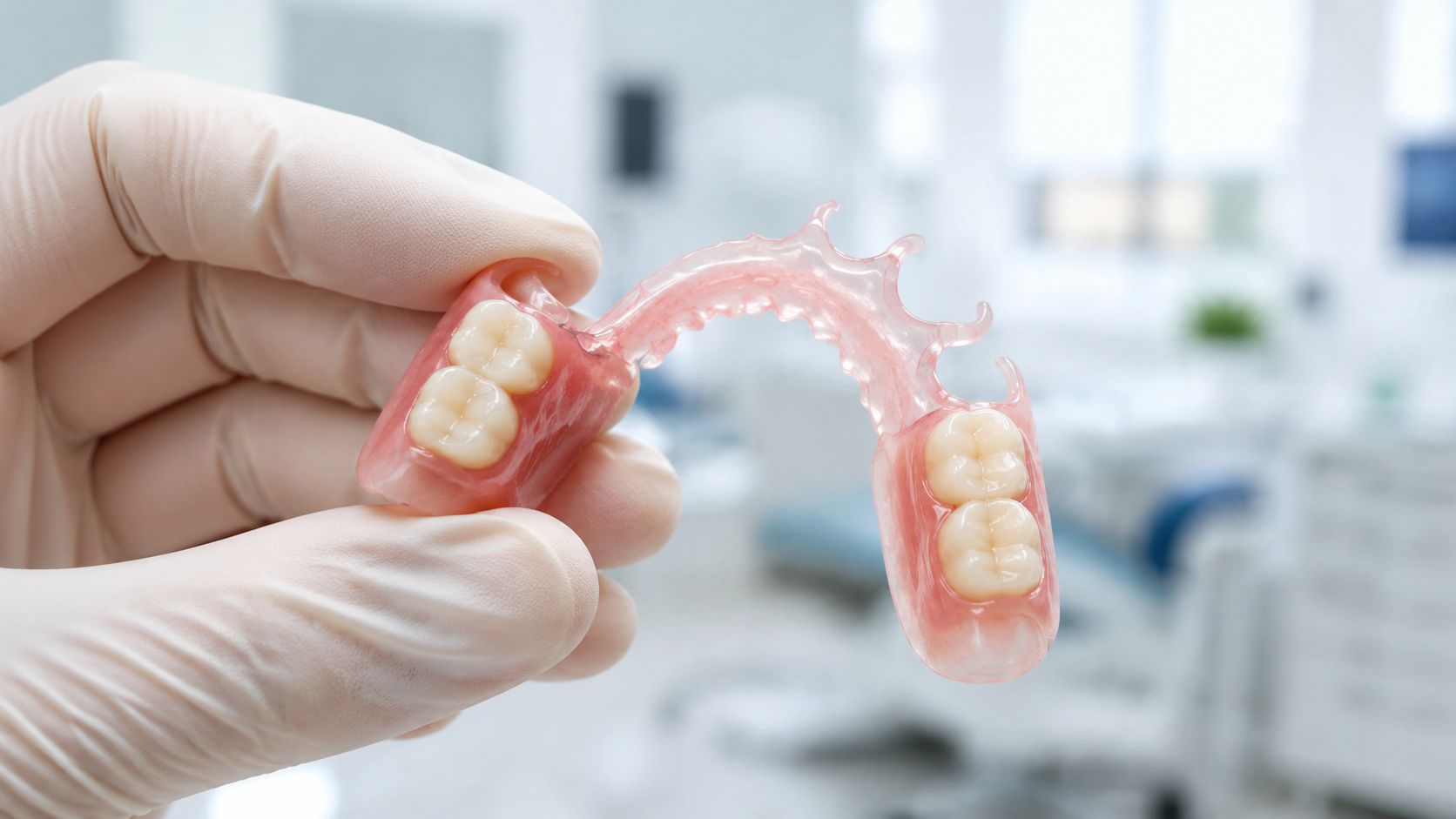
- A broken denture or dental work causing injury or severe irritation
Call for an urgent appointment
These still need attention, but they may not require a same-minute response.
| Situation | Why it still matters |
|---|---|
| Mild to moderate tooth pain | It can turn into a larger infection if ignored |
| Chipped tooth without major pain | The sharp edge and exposed area may worsen |
| Loose crown without strong pain | The tooth underneath is vulnerable |
| Localized gum irritation | It may indicate infection or trapped debris |
Go to the ER
A hospital emergency room is the right setting when the dental issue has become a broader health risk. Expert guidance in StatPearls on dental emergencies separates tooth-confined problems from red-flag emergencies and notes that difficulty breathing, spreading facial swelling, or uncontrolled bleeding warrant emergency department care.
Trouble breathing, trouble swallowing, rapidly spreading swelling, or bleeding you can't control are not routine dental problems.
Other ER-level concerns include a suspected jaw fracture, major facial trauma, or swelling that is moving toward the eye or deeper spaces of the face and neck.
A simple decision test
If you're unsure, ask yourself these three questions:
- Is the pain or damage limited to the tooth or gums?
- Can I control the bleeding with firm pressure?
- Am I breathing and swallowing normally?
If the answers suggest a tooth problem without airway risk, call a dental office immediately. If airway, trauma, or uncontrolled bleeding are in play, go straight to the ER.
What to Do Right Now Before Your Appointment
While you're arranging care, your job is to protect the area, reduce swelling, and avoid making the injury worse.

If you have a severe toothache
Start with a warm salt-water rinse. That's often the safest first step for irritation around the tooth and gumline. If the face is puffy, use a cold compress on the outside of the cheek.
Don't put aspirin directly on the gum or tooth. That can irritate the tissue and doesn't solve the source of the pain.
If a tooth was knocked out
This is the most time-sensitive dental injury. The guidance for emergency treatment is clear in this overview of the emergency dental treatment process: the highest survival is reported when replantation occurs within the first 30 minutes.
Use these steps:
- Pick up the tooth by the crown only. Do not touch the root.
- If it's dirty, rinse it gently. Don't scrub it.
- If possible, place it back into the socket gently.
- If you can't reinsert it, keep it moist while you travel for care.
Time matters most with a knocked-out tooth. Handle it by the crown, keep it moist, and get moving.
A quick visual walk-through can help if you're stressed and trying to act fast:
If the tooth is cracked, chipped, or broken
Rinse gently with warm salt water. If there's swelling, use a cold compress on the outside of the face. If the broken edge is sharp, avoid chewing on that side and keep your tongue away from it.
If you can find the broken piece, bring it with you. Sometimes it helps with evaluation, even if it can't be reused.
If a crown or filling fell out
Keep the area clean. Avoid chewing on that tooth. If the tooth is very temperature-sensitive, stay away from very hot or very cold foods and drinks until you're seen.
If you're bleeding
For active oral bleeding, the first-line step is firm pressure with damp gauze. Hold pressure steadily rather than checking every few seconds. If the bleeding doesn't come under control, that changes the urgency and may require hospital-level care if it remains uncontrolled.
What to have ready when you call
The office can triage you much better if you can answer these quickly:
- What happened. Injury, swelling, toothache, broken tooth, lost crown
- When it started. Sudden, overnight, after eating, after a fall
- How severe it is. Pain level, swelling, bleeding, fever, trouble opening
- Your medical details. Current medications, major conditions, allergies
- Your insurance information if you have it
Finding Same-Day Dental Care in North Austin and Georgetown
The hardest part for many people isn't understanding the emergency. It's finding someone who can see them today. That problem is even bigger if you don't have a regular dentist.
Public guidance often points people without a dental home toward help lines, clinics, or safety-net resources, as noted in this Sacramento County oral health injury guide. In real life, though, most patients want something simpler. They want one phone call, one office, and a clear answer about whether they can be seen.
What to say when you call
Be direct. Don't start with your whole dental history. Start with the emergency.
A good opening sounds like this: I have severe tooth pain and swelling that started this morning, or My front tooth got knocked out, or My crown fell off and the tooth is very painful.
Then be ready with:
- Your main symptom
- How long it's been happening
- Whether there's swelling, fever, or bleeding
- Whether you've had trauma
- Your name, contact information, and insurance details
If you don't already have a dentist
You can still get emergency care. You don't need to wait until you've become an established patient somewhere. When looking for a dentist near me or an emergency dentist in North Austin or Georgetown, the practical move is to call the office most capable of handling both the urgent problem and the follow-up treatment.
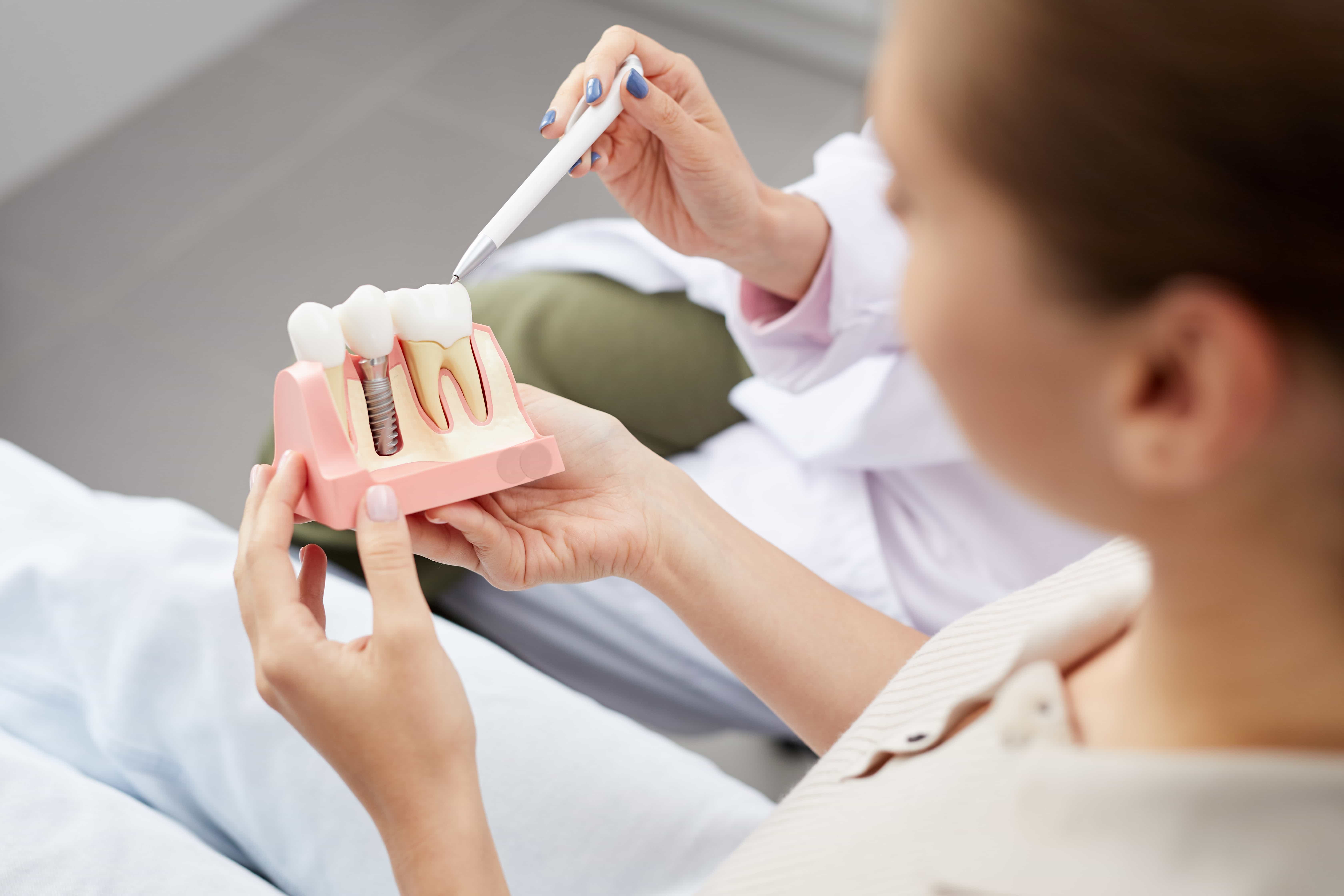
That matters because same-day pain relief is only half the issue. After the tooth is stabilized, you may still need a root canal, crown, extraction, bridge, or dental implant. Choosing an office that can handle the whole arc of care usually makes the process much smoother.
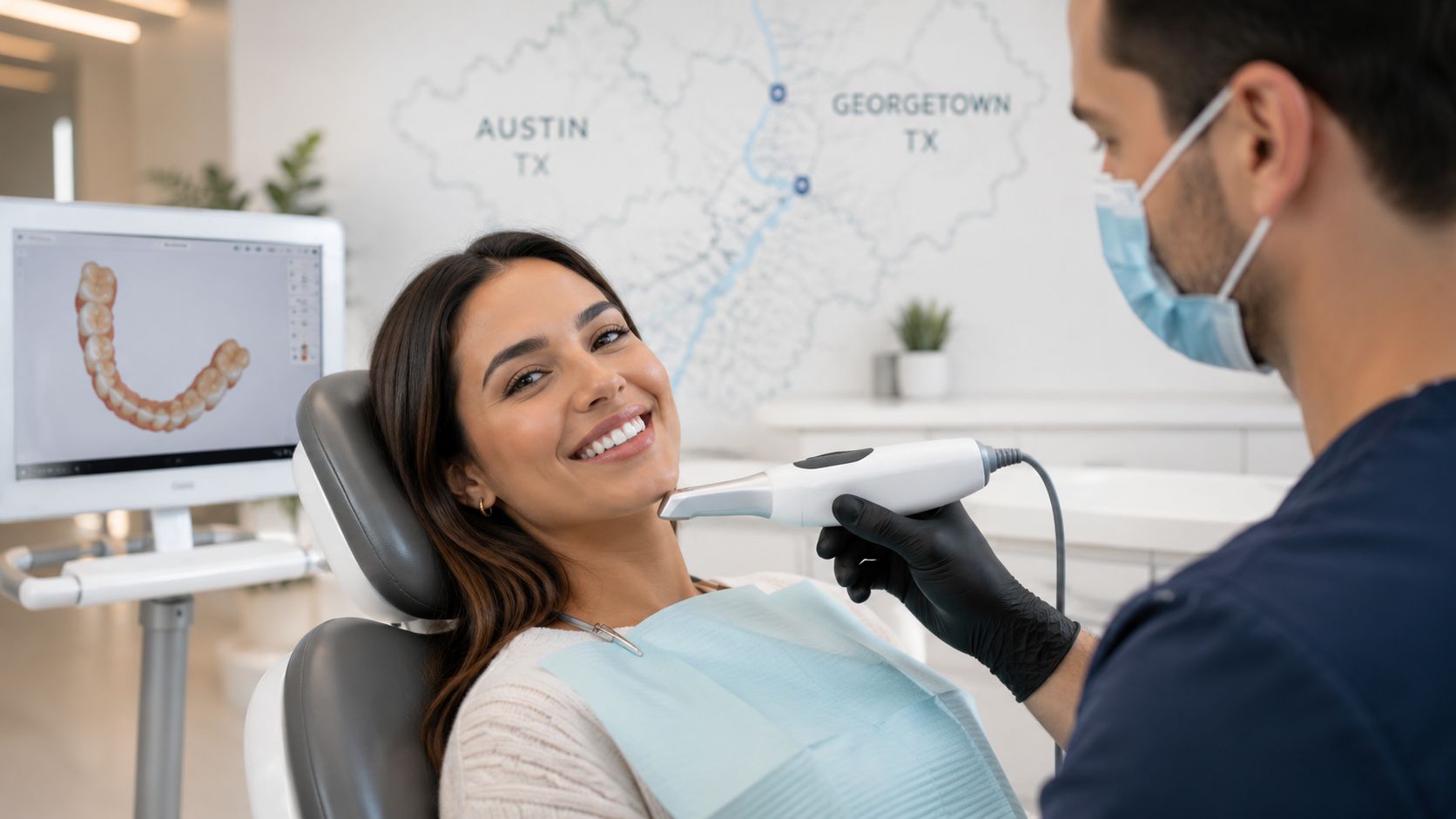
Patients looking across North Austin, Georgetown, Cedar Park, Round Rock, and Liberty Hill can start with the practice's Austin and Georgetown dental office locations. 3D Dental provides emergency dental care, on-call access for dental emergencies, and thorough follow-up treatment under one roof.
If you don't have a regular dentist, that's not a reason to wait. It's a reason to call now and let the office triage the situation.
Your Emergency Appointment at 3D Dental
The first part of an emergency visit is usually quiet and focused. You arrive in pain, worried that the problem is worse than you think. The clinical team's job is to sort out what is happening, control pain, and decide what has to be done today.
What happens first
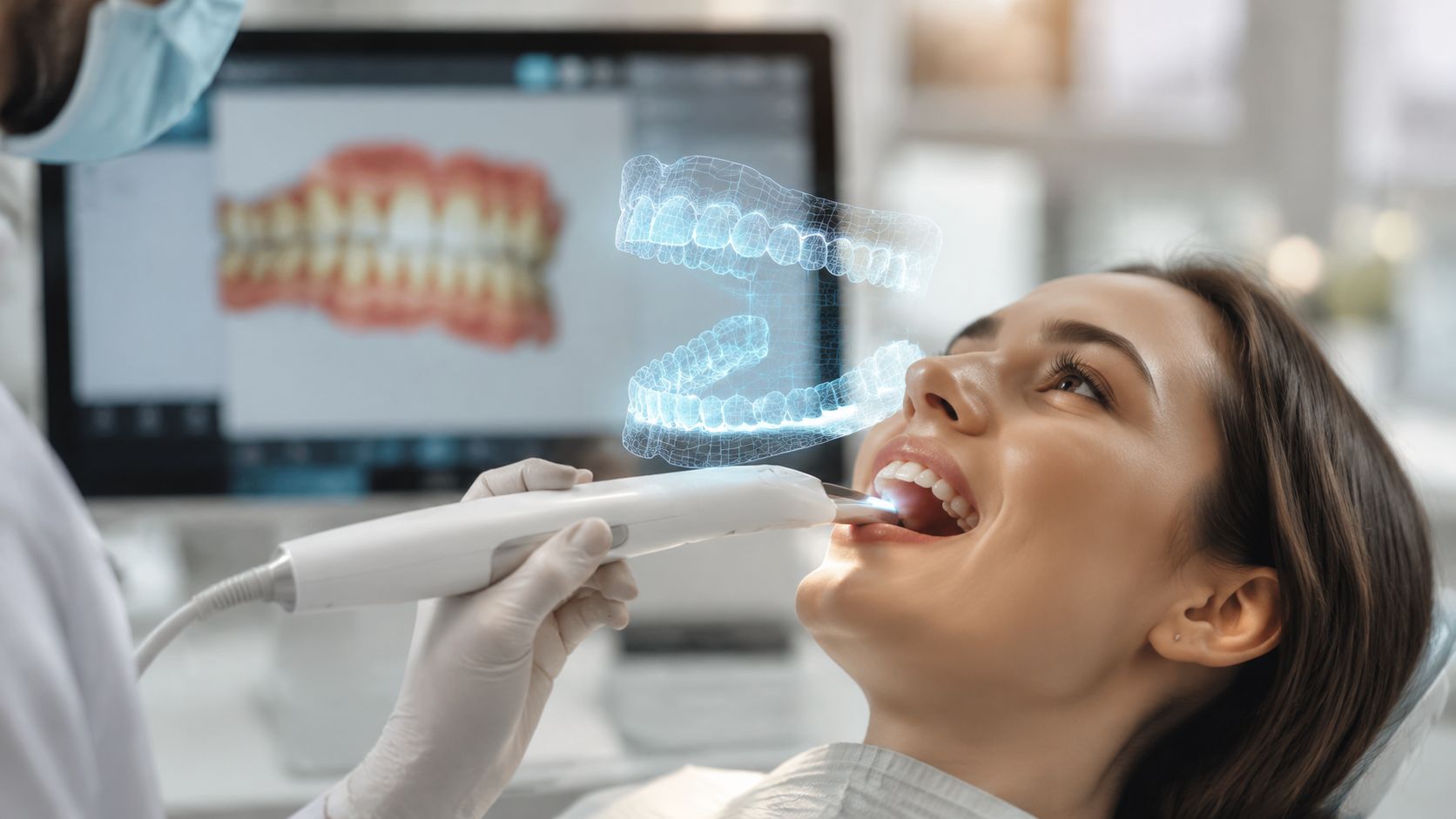
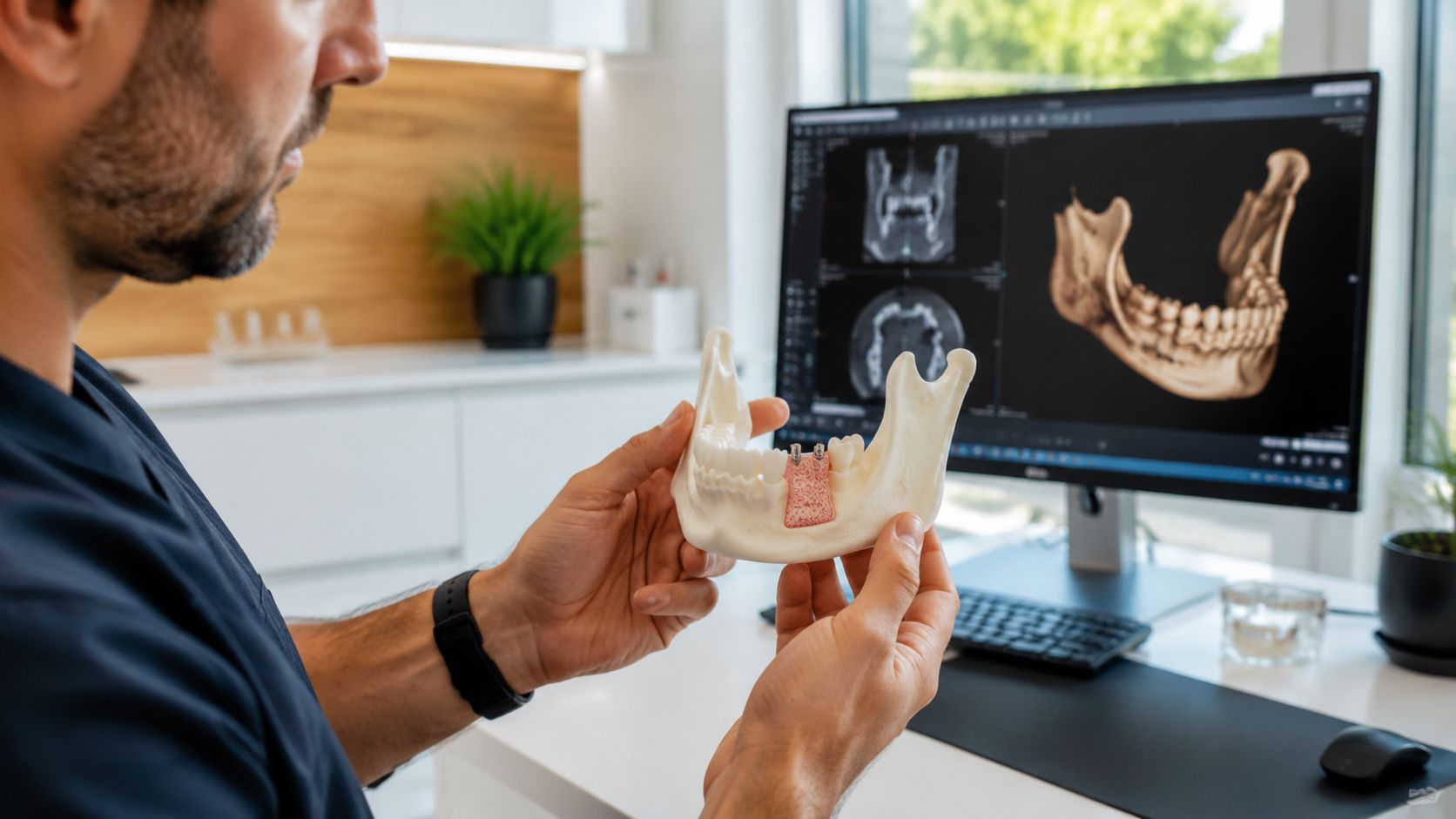
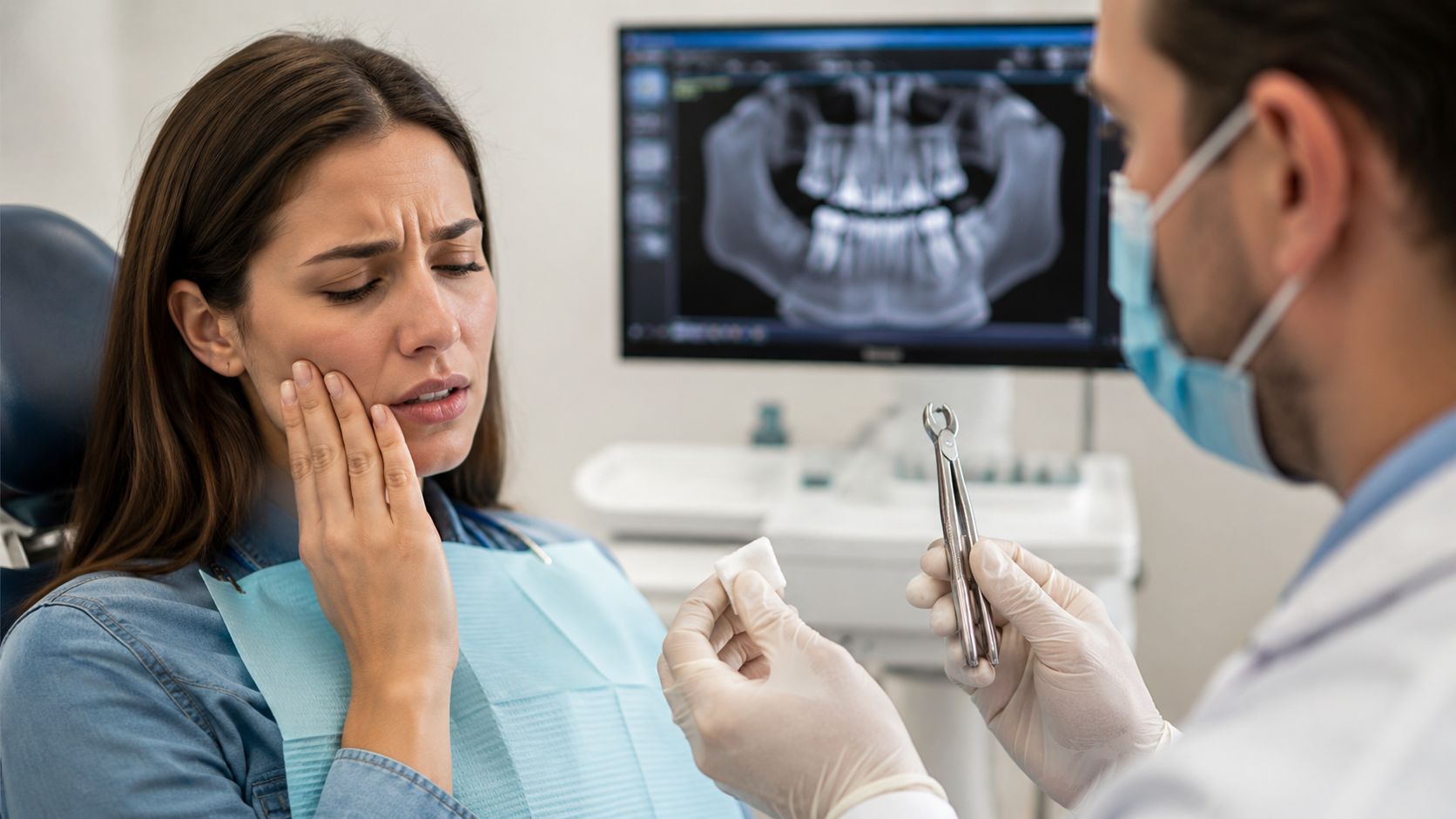
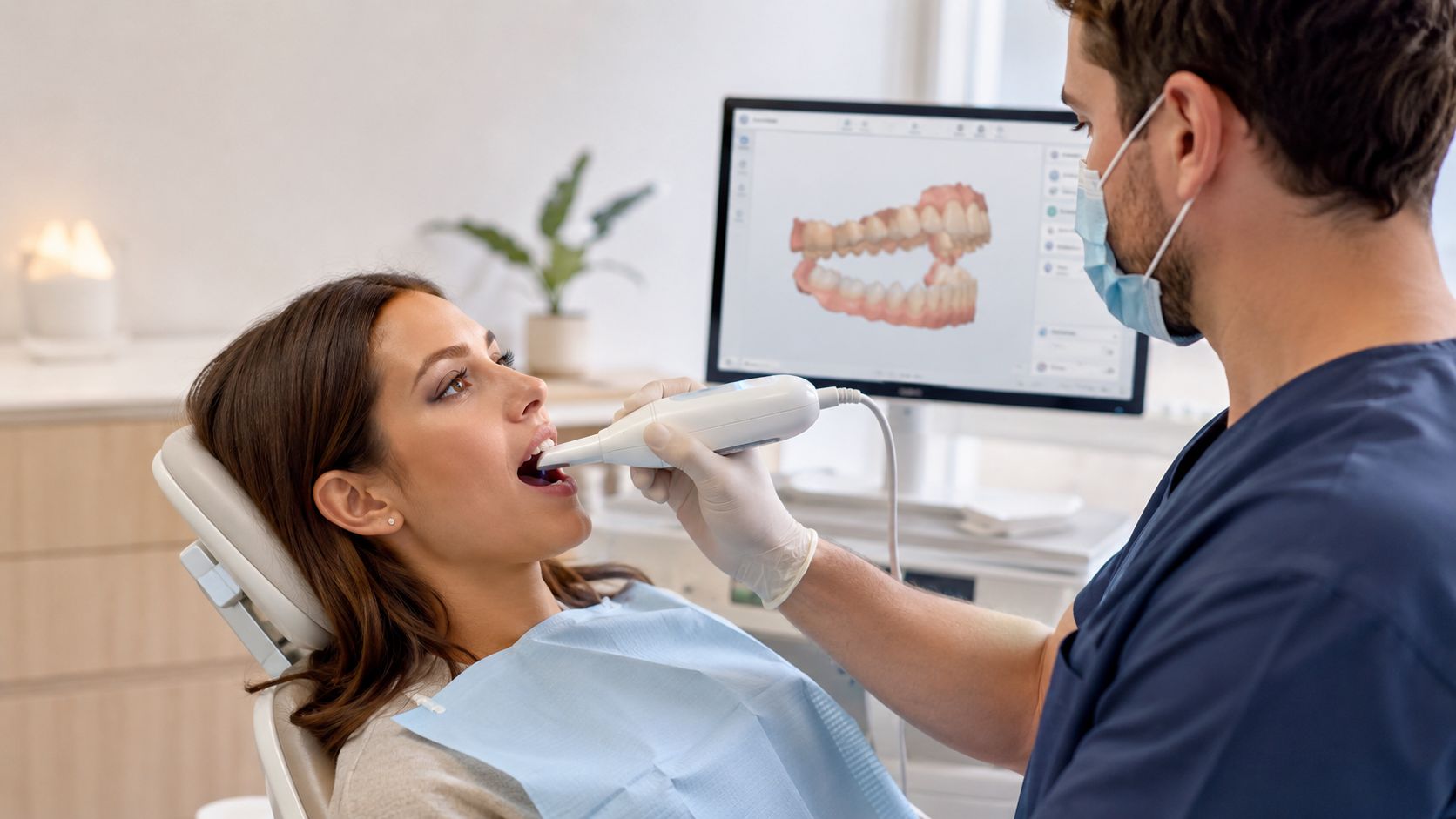
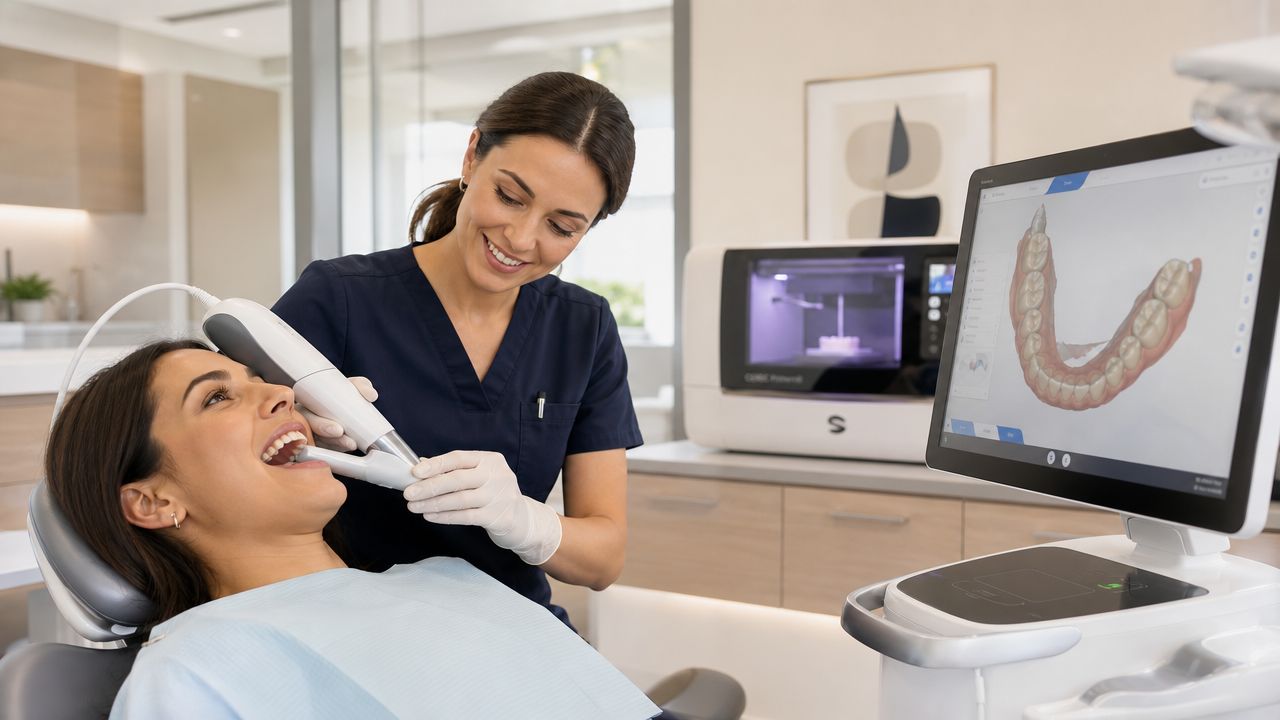
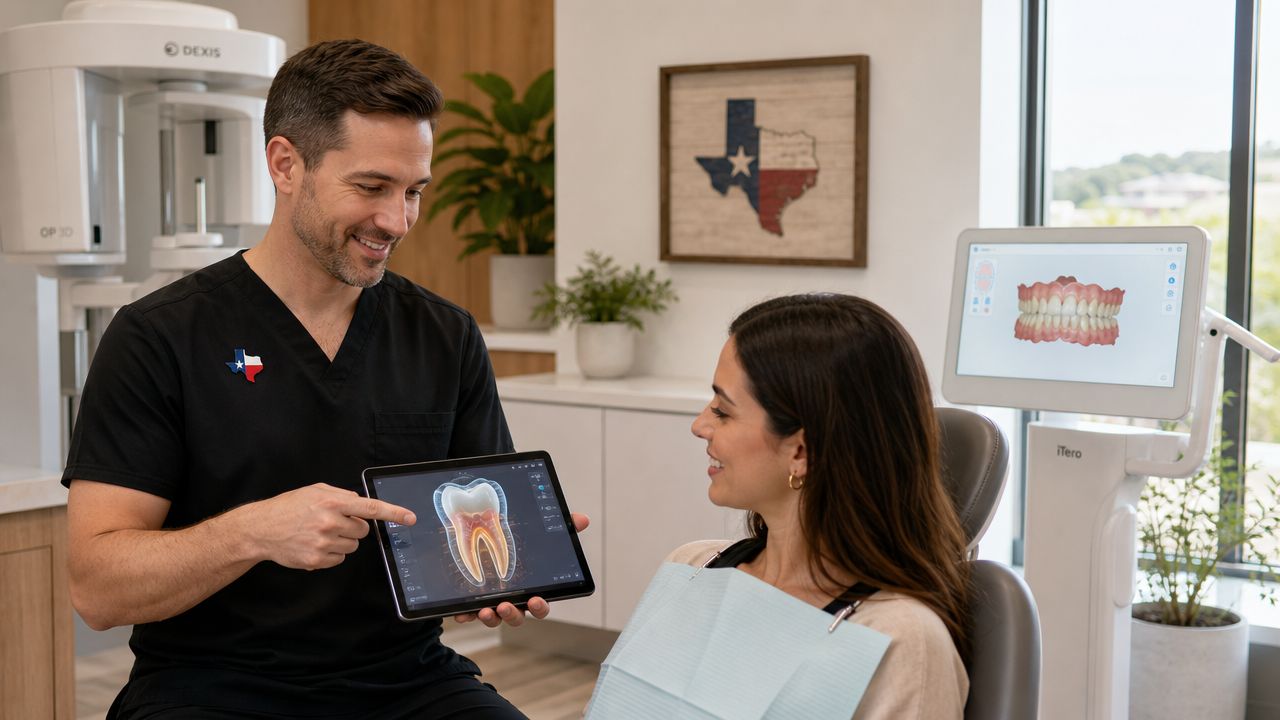
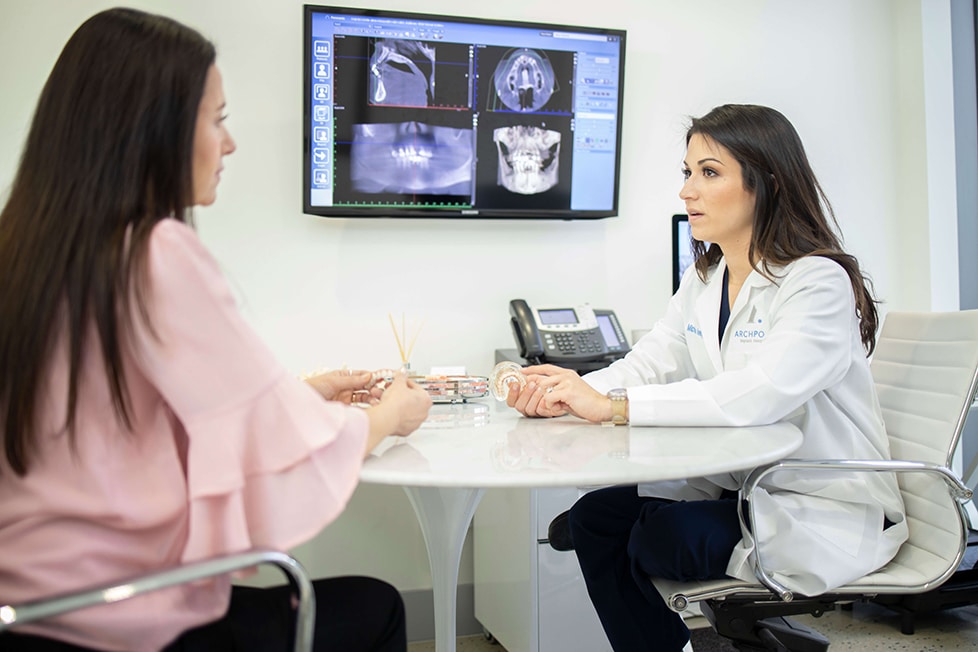
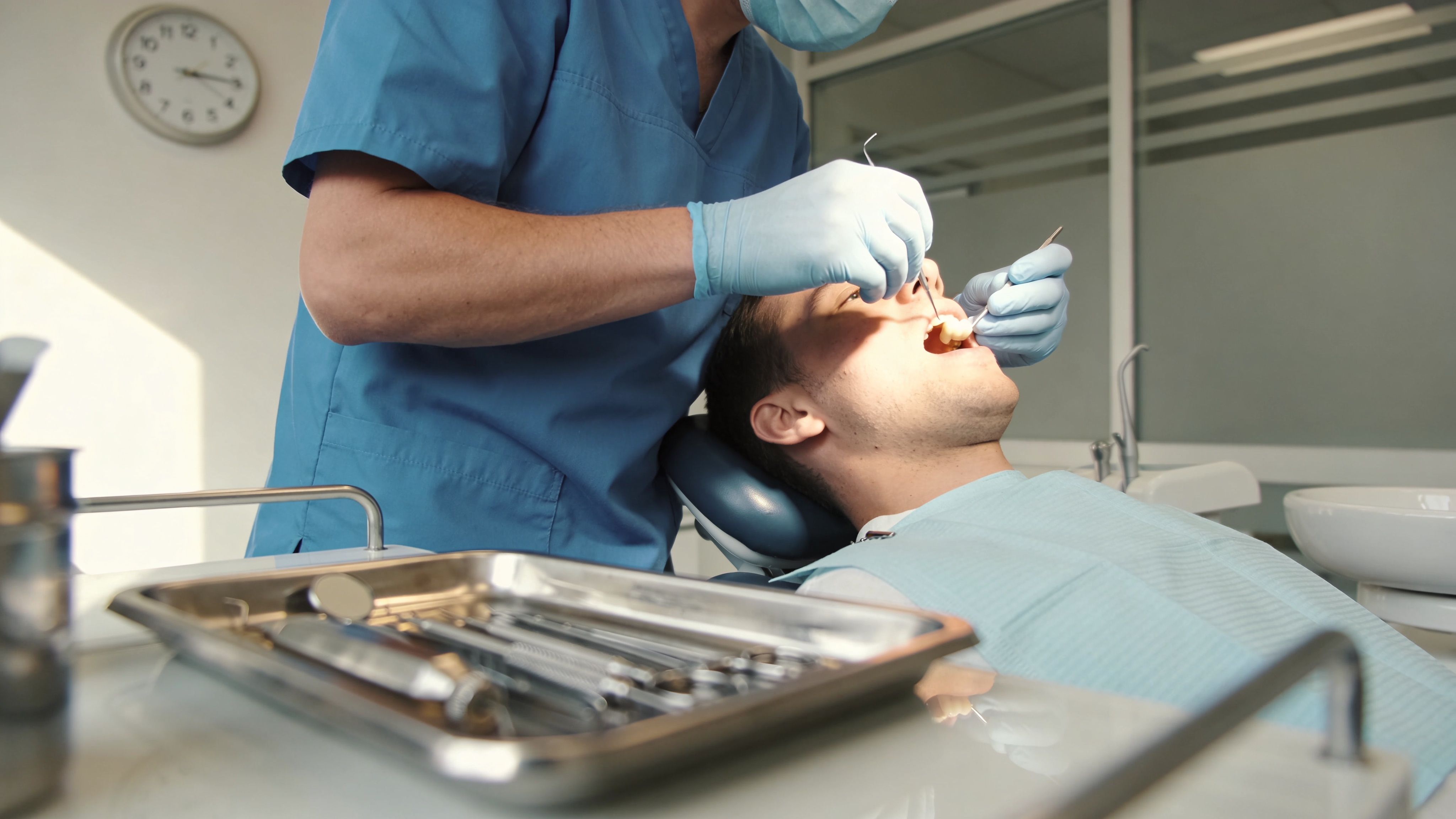
The visit starts with a focused exam and diagnostic imaging. At a modern office, that may include digital x-rays or a 3D CT scan if the problem involves roots, infection spread, fracture concerns, or future implant planning. That step matters because emergency pain can be misleading. The tooth that hurts isn't always the tooth causing the problem.
After that, treatment usually centers on stabilization. Depending on the diagnosis, that may mean draining infection, performing a tooth extraction, starting a root canal, smoothing a fractured edge, or placing a temporary solution to protect the area.

What happens after the pain is under control
Many patients get frustrated with emergency care. Urgent treatment often solves the immediate crisis but not the final restoration. The University of Maryland urgent care overview highlights that emergency dental visits often focus on relief, such as an extraction or the start of a root canal, and patients then need a plan for what comes next.
That next step may include:
- A crown after root canal treatment
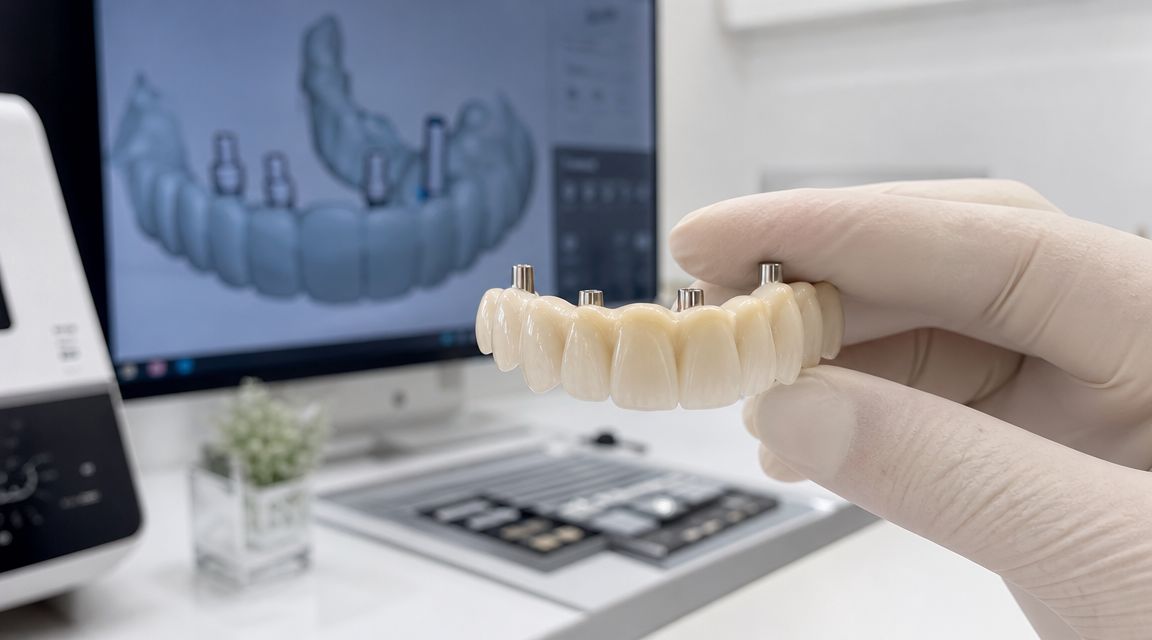
- A bridge or dental implant after extraction
- Follow-up restorative dentistry after trauma
- Cleaning and exams once the emergency has settled, especially if neglected decay contributed to the problem
Relief is the first milestone. Definitive treatment is what keeps you from ending up back in pain a few weeks later.
For patients in Austin and Georgetown, that full-path approach matters. If the office can diagnose, relieve pain, and map out the final repair in the same setting, the emergency becomes much easier to manage.
Managing the Cost of Emergency Dental Treatment
Cost worries are real, especially when the problem shows up without warning. The most helpful approach is simple: you should understand the problem, the recommended treatment, and the cost before treatment begins. That conversation shouldn't be rushed.
At 3D Dental, patients can use dental insurance when applicable, get help understanding claims, and review payment options before moving forward. The practice also offers financing through Cherry and Sunbit, which can help when you need treatment now and need more flexibility with payments.
If you're worried because you don't have coverage, there are still paths forward. This guide on emergency dental care without insurance explains practical options for getting urgent treatment without delaying care.
The main thing is not to let cost confusion turn into treatment delay. In emergency dentistry, waiting often makes the problem more complicated and narrows your options.
If you're in pain, have swelling, broke a tooth, or need an emergency dentist in Austin or Georgetown, contact 3D Dental. Call for immediate guidance, get triaged quickly, and take the next step toward relief and a complete treatment plan.
Ready to get started?
Schedule a free, no obligation consultation with our team and see what's possible for your smile!
Georgetown
- Mon-Thurs8:30am-5pm
- Fri8am-3:30pm
- Sat-SunClosed
Austin
- Mon-Tues8am-5pm
- Wed-Thurs9am-6pmFri8am-2pm
- Sat-SunClosed