
Clear Aligners Results: Achieve Your Dream Smile
Related Posts

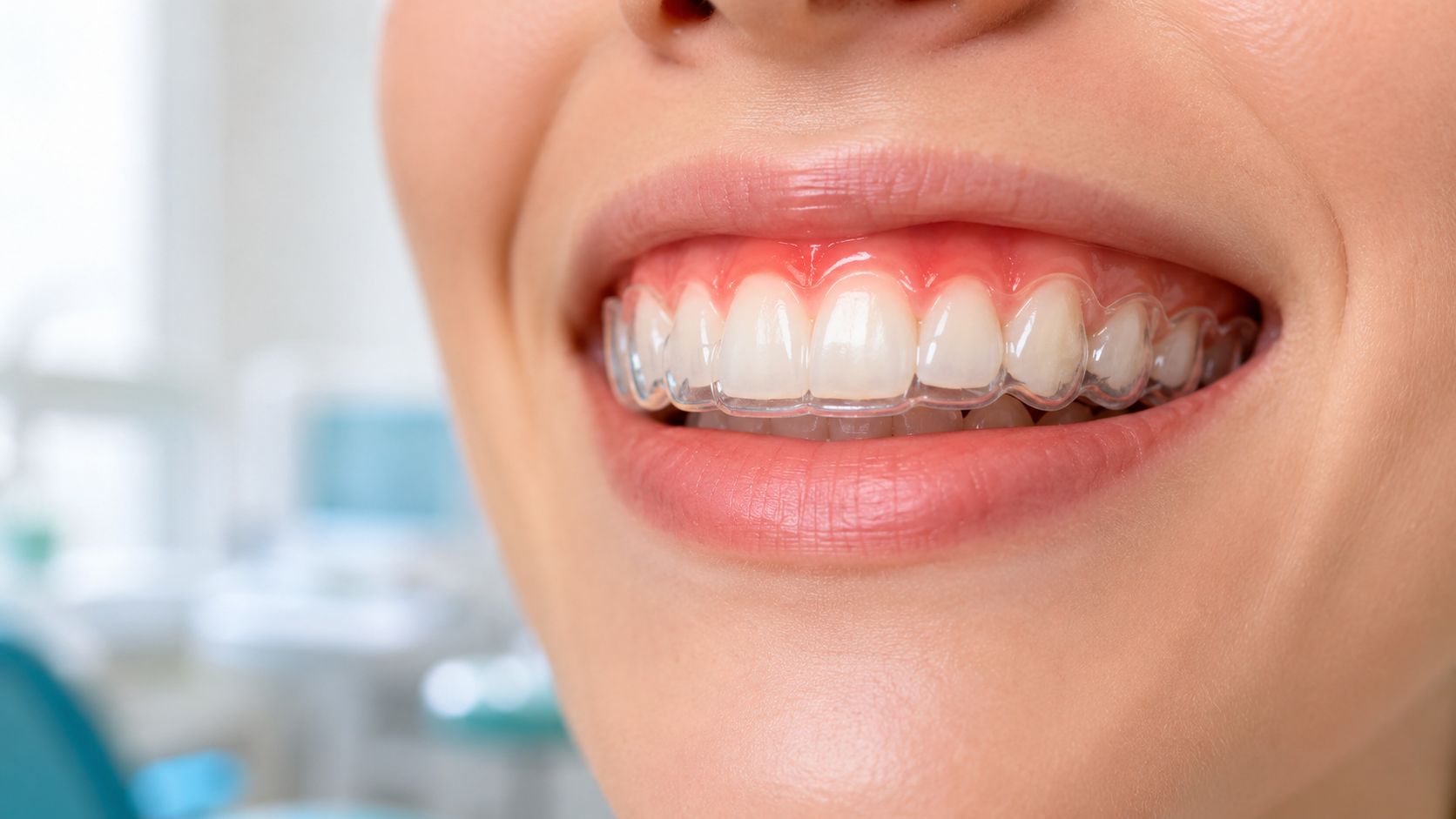


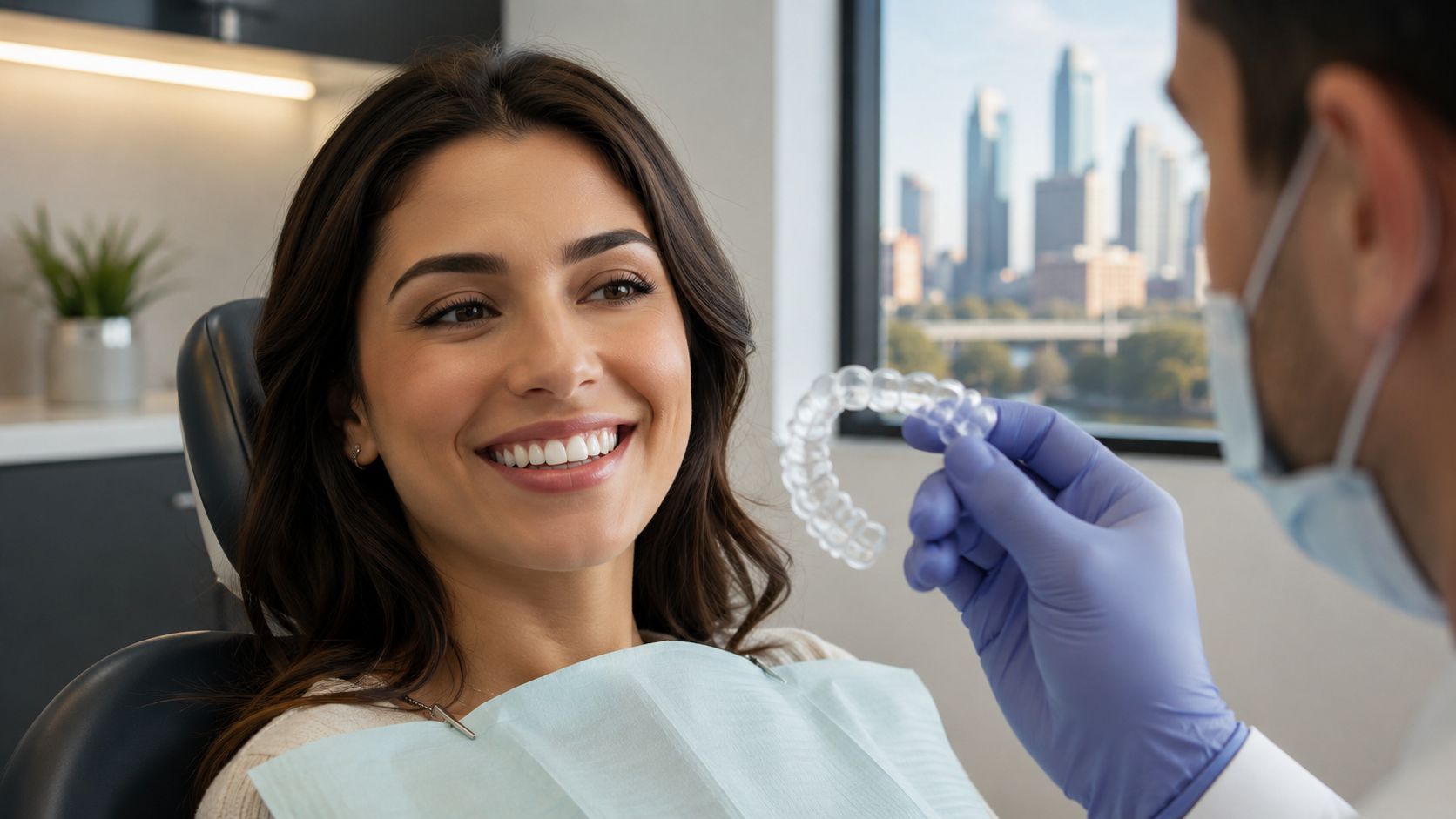
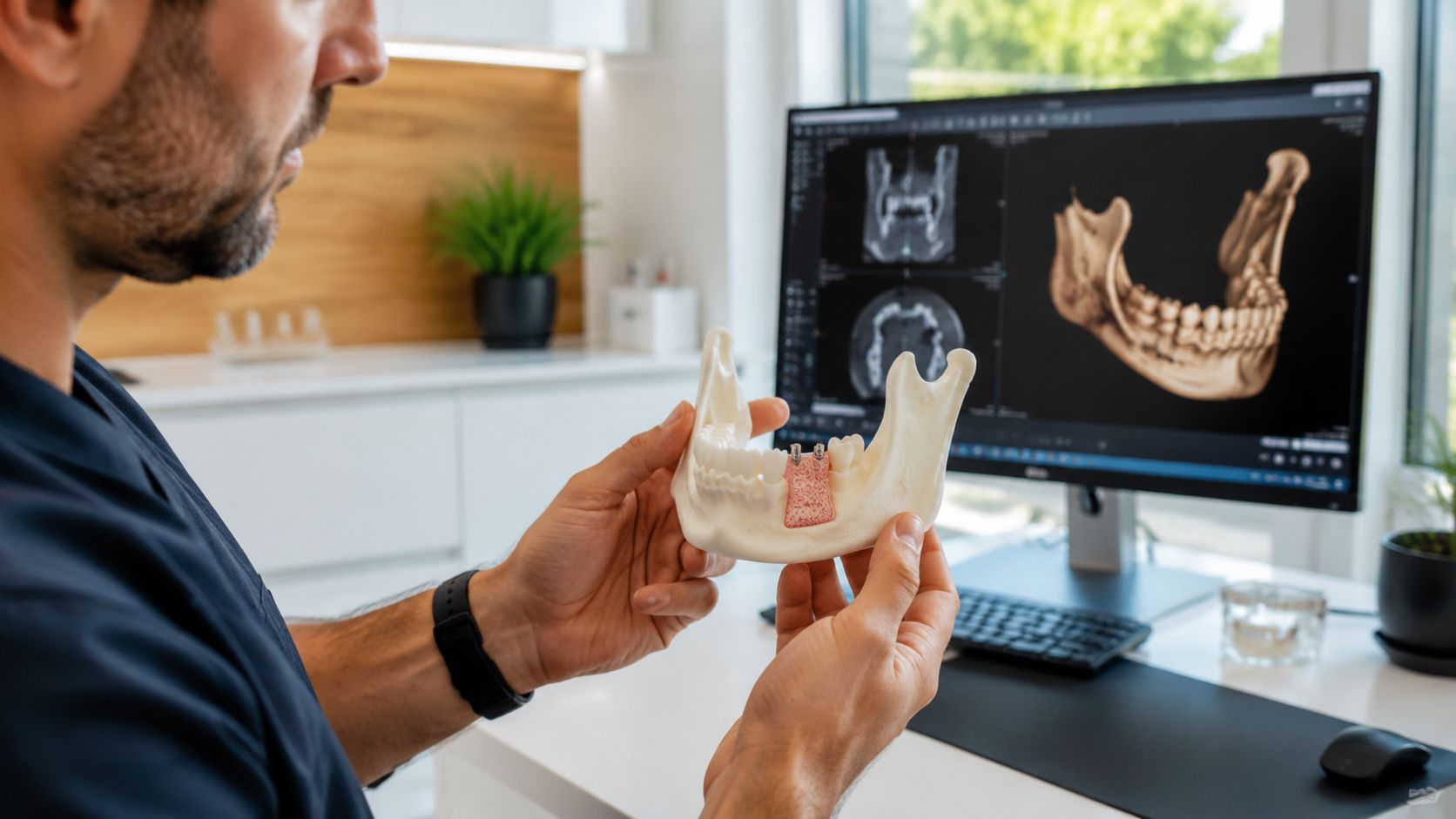
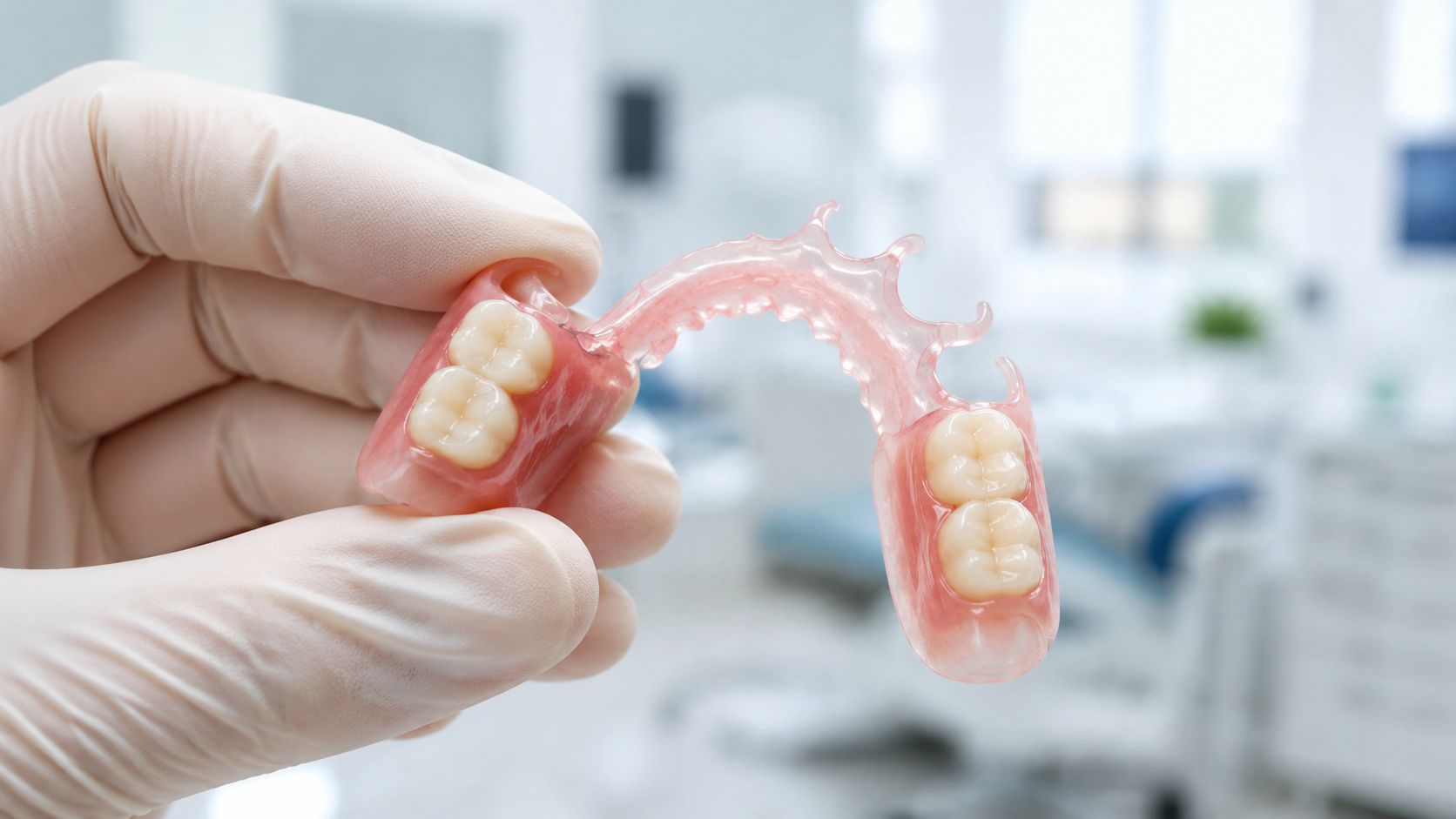
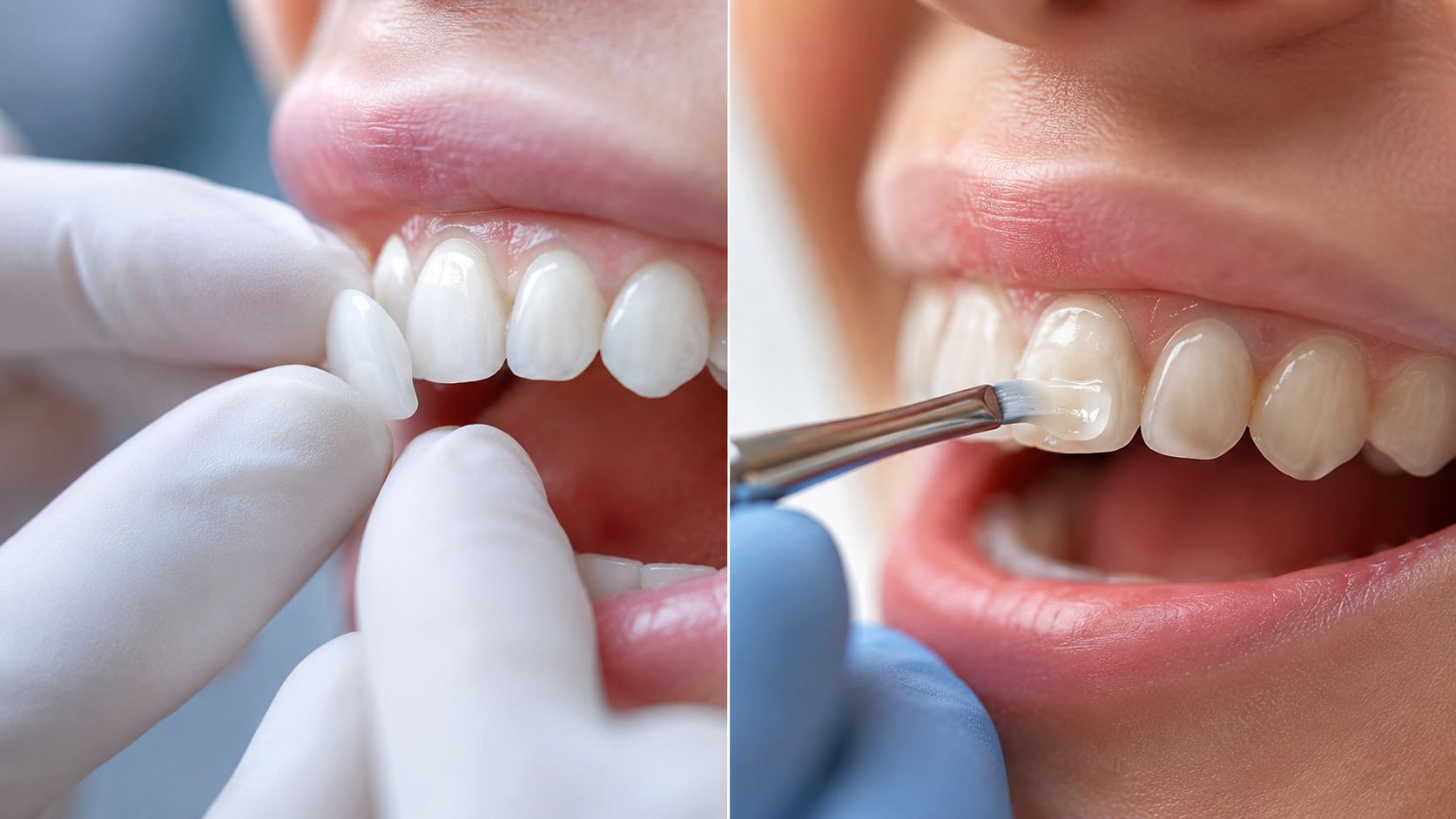
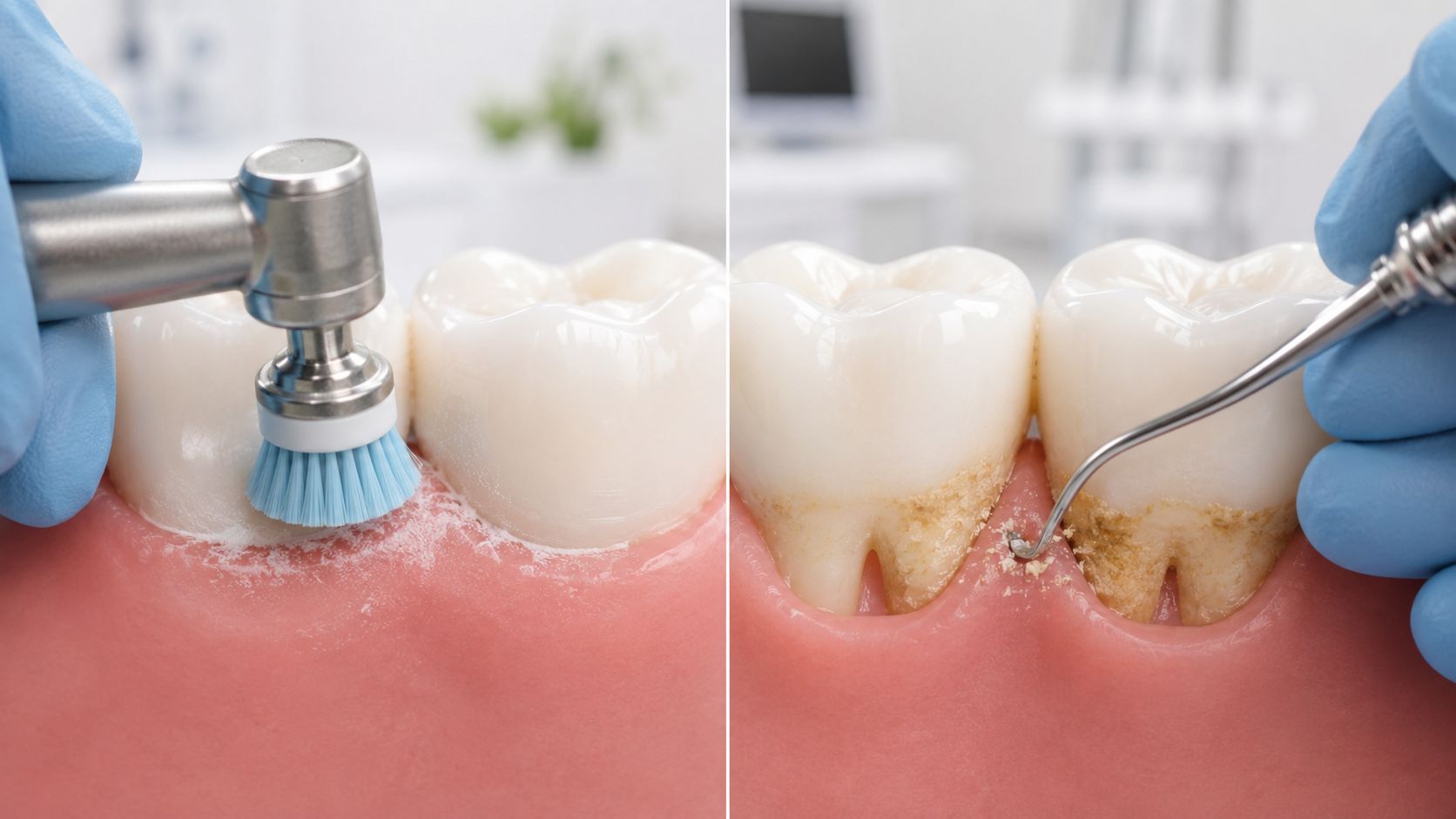
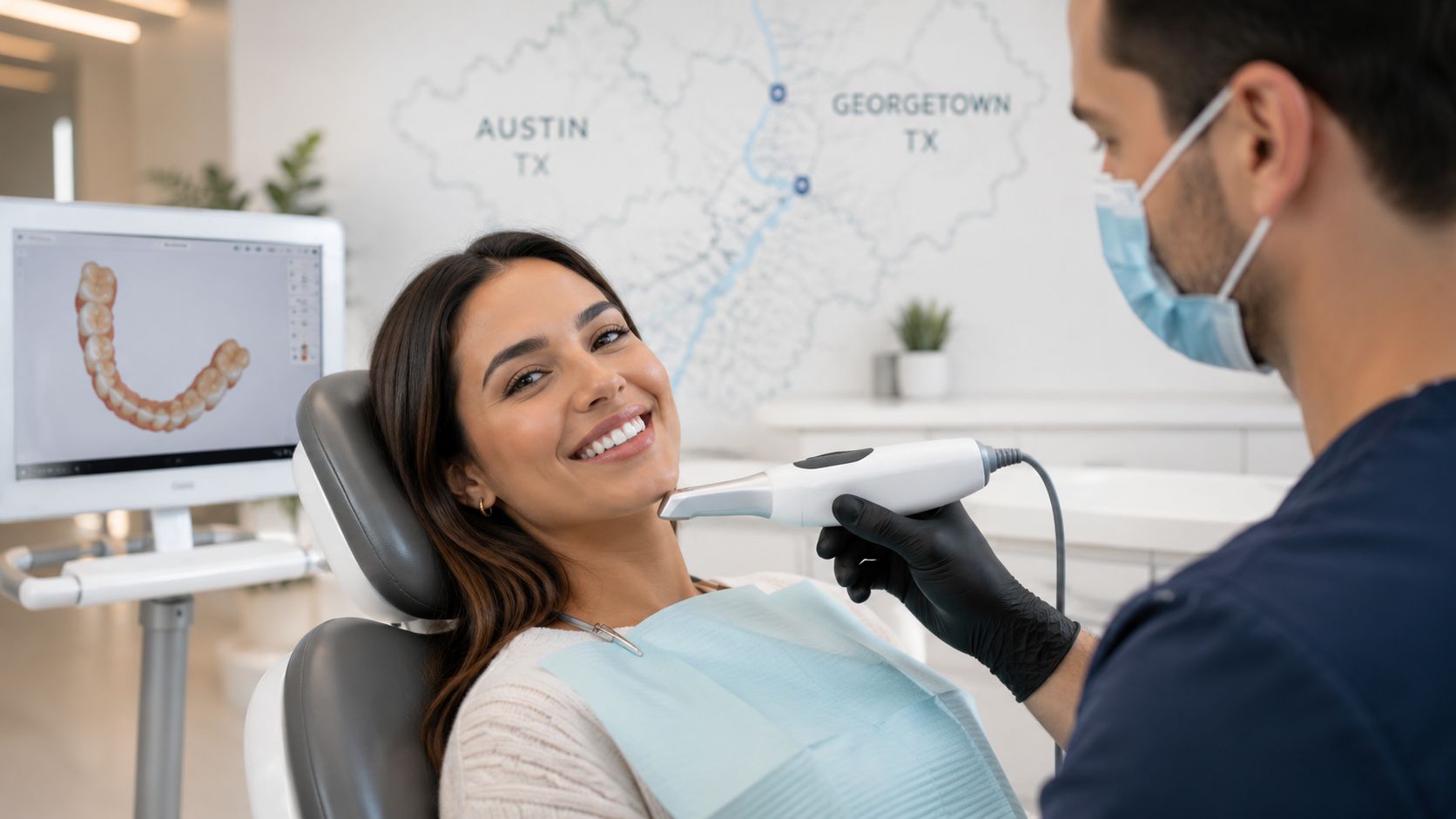
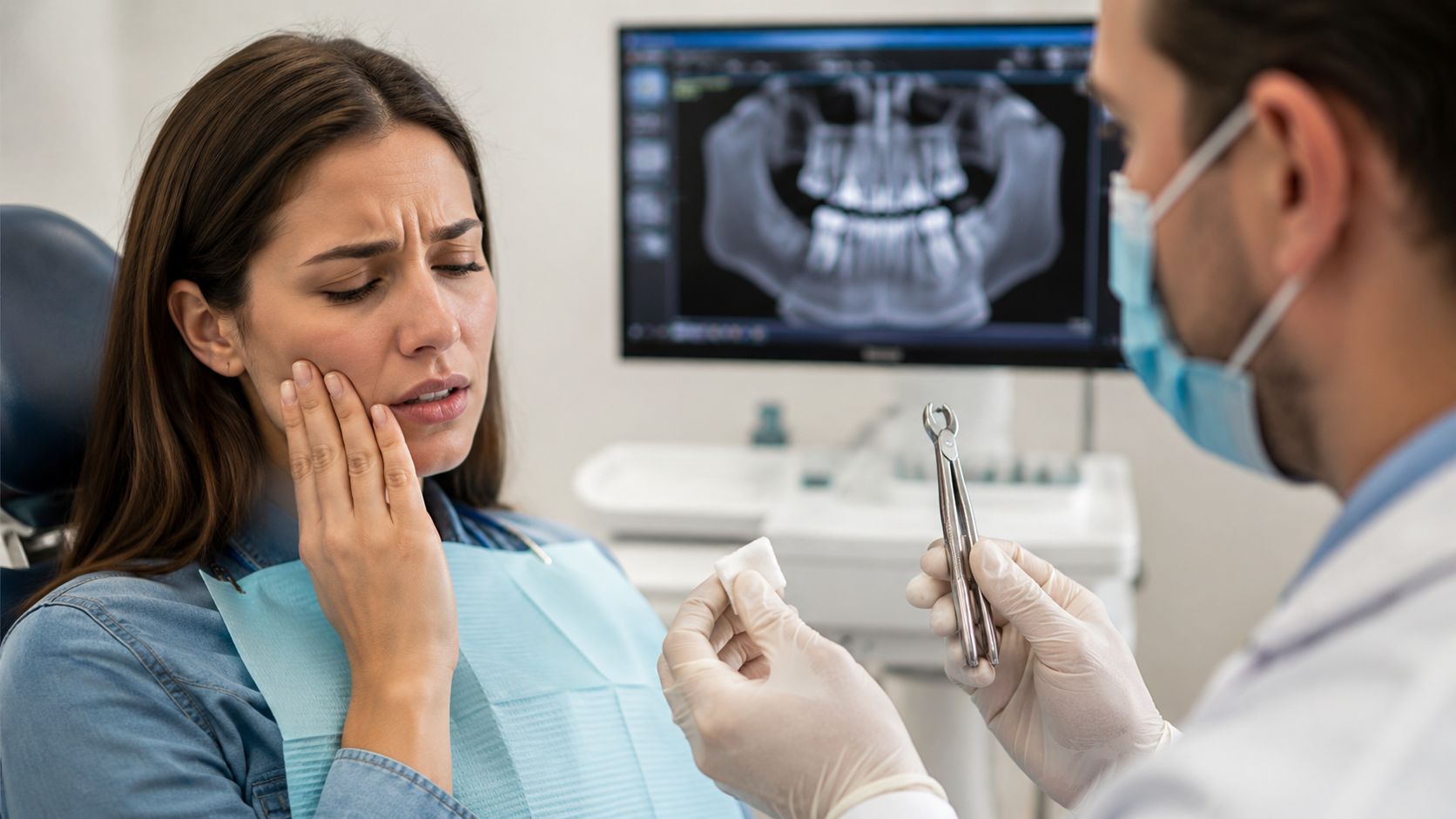
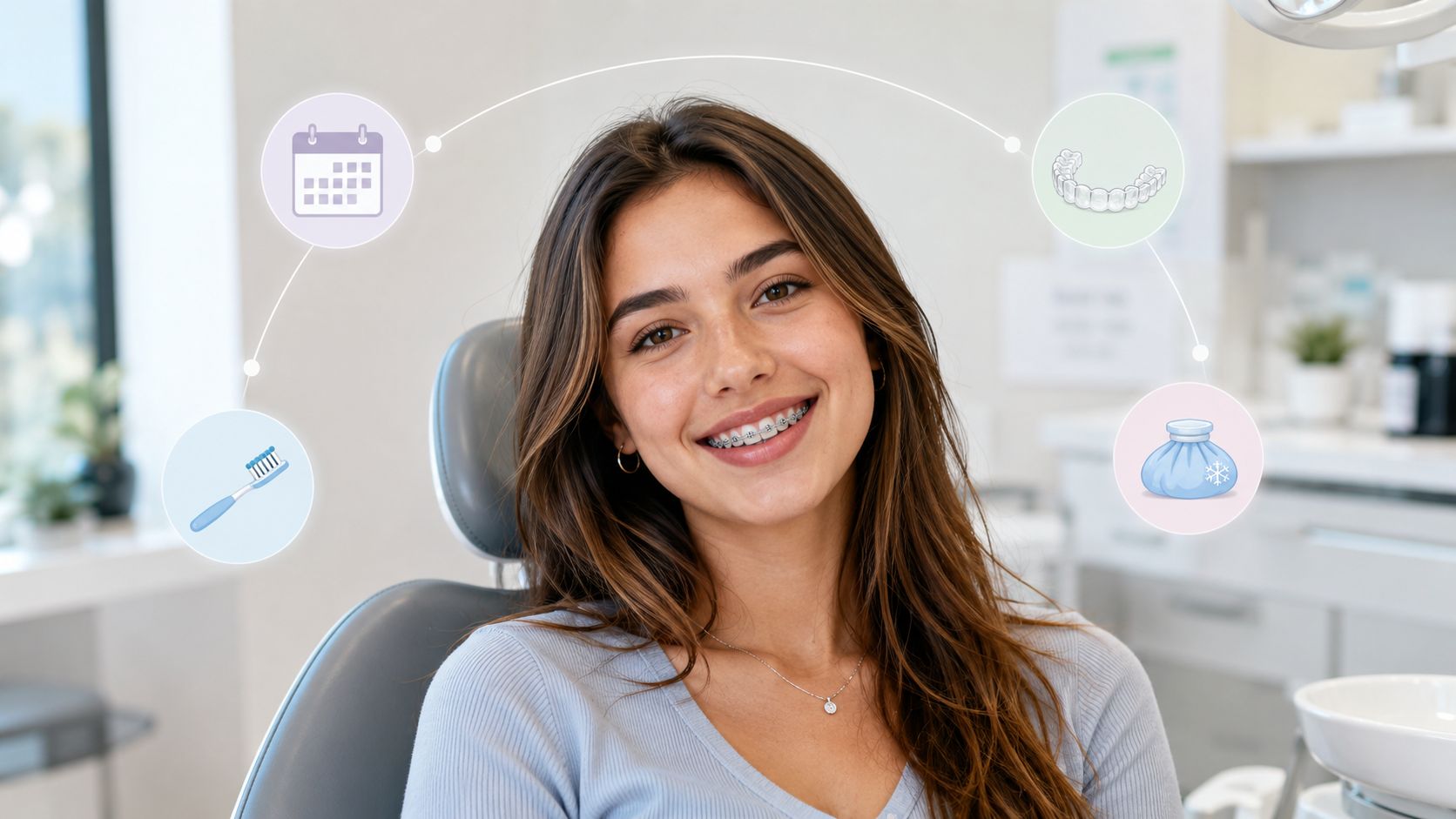
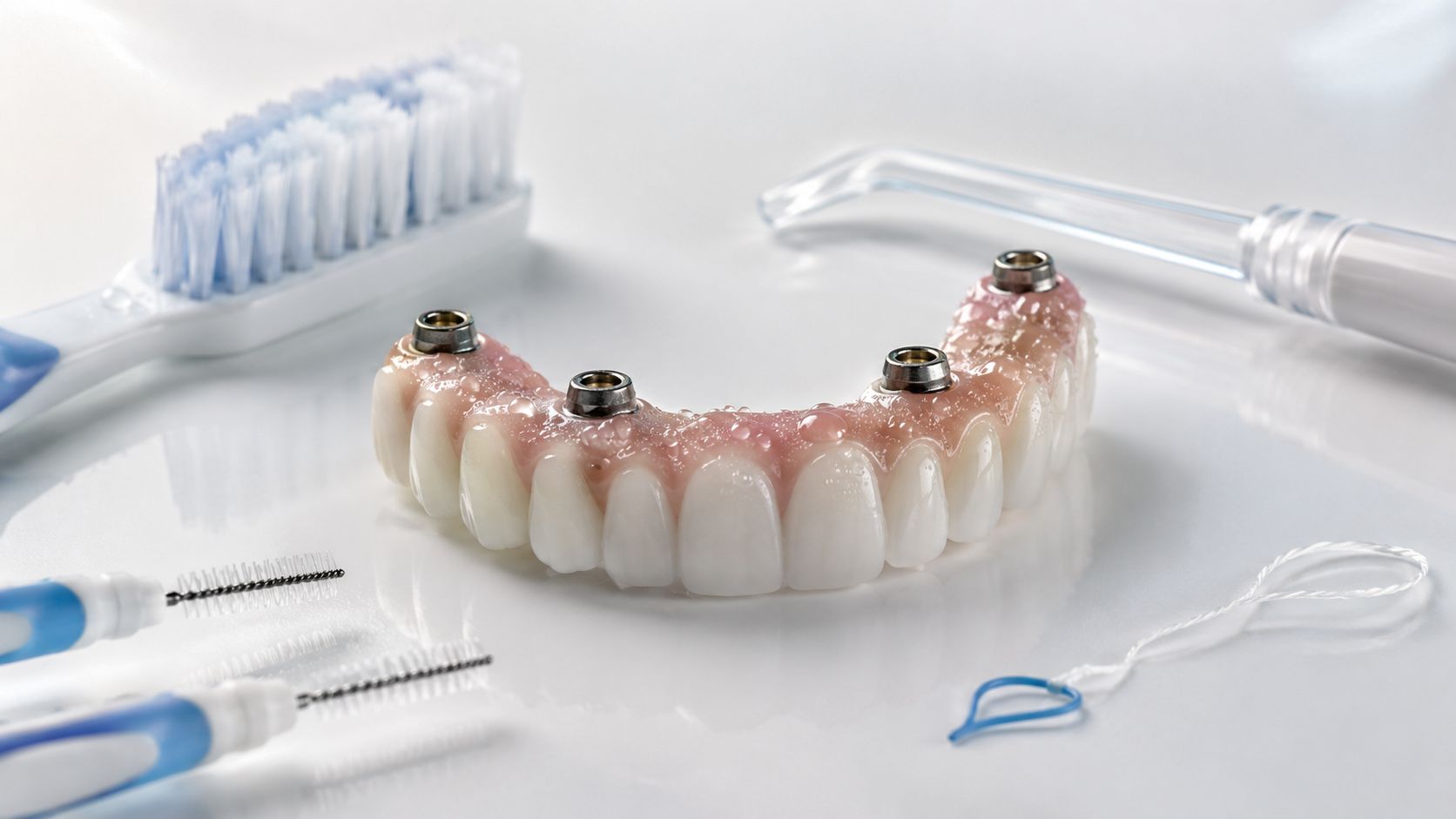
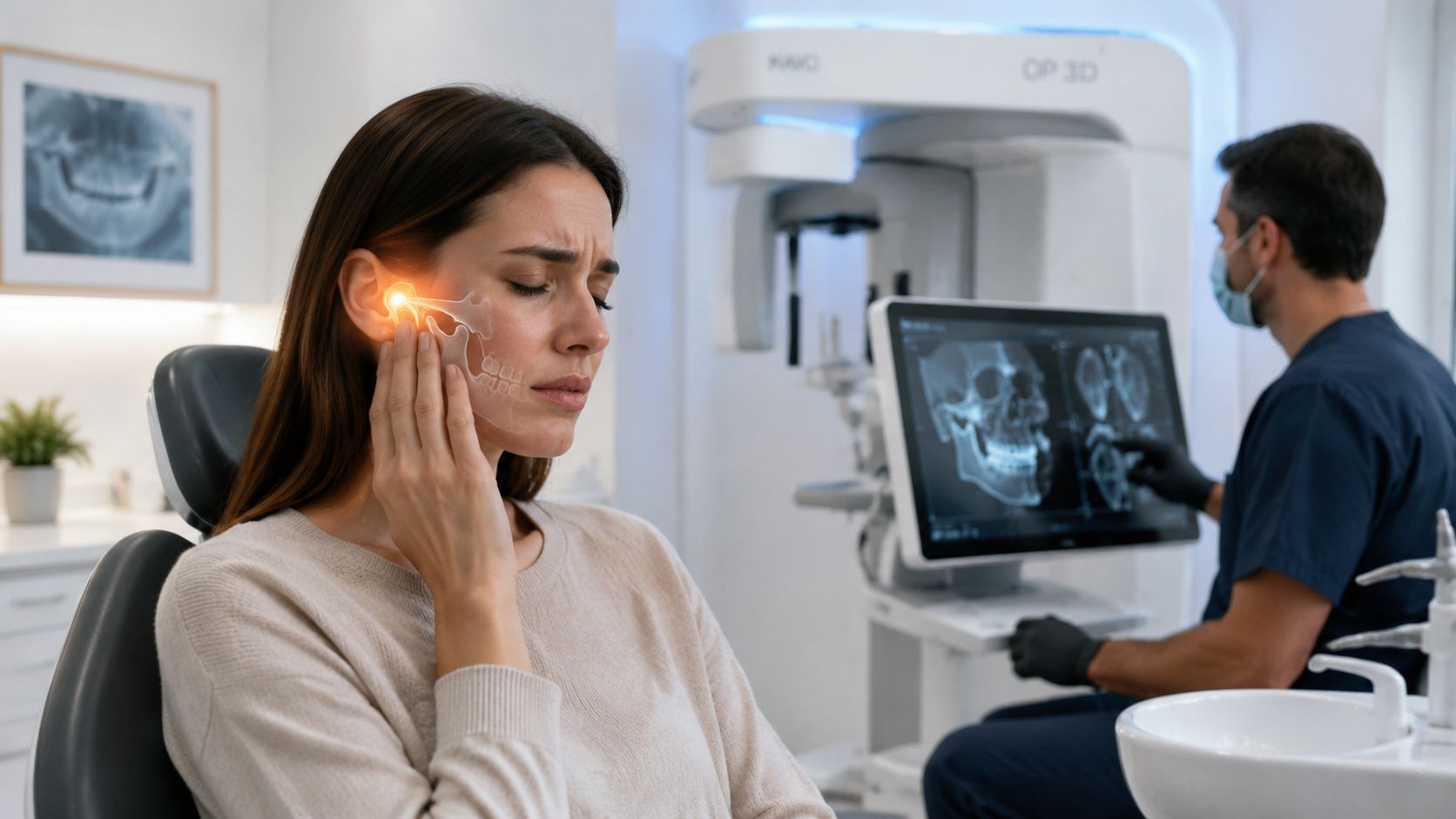
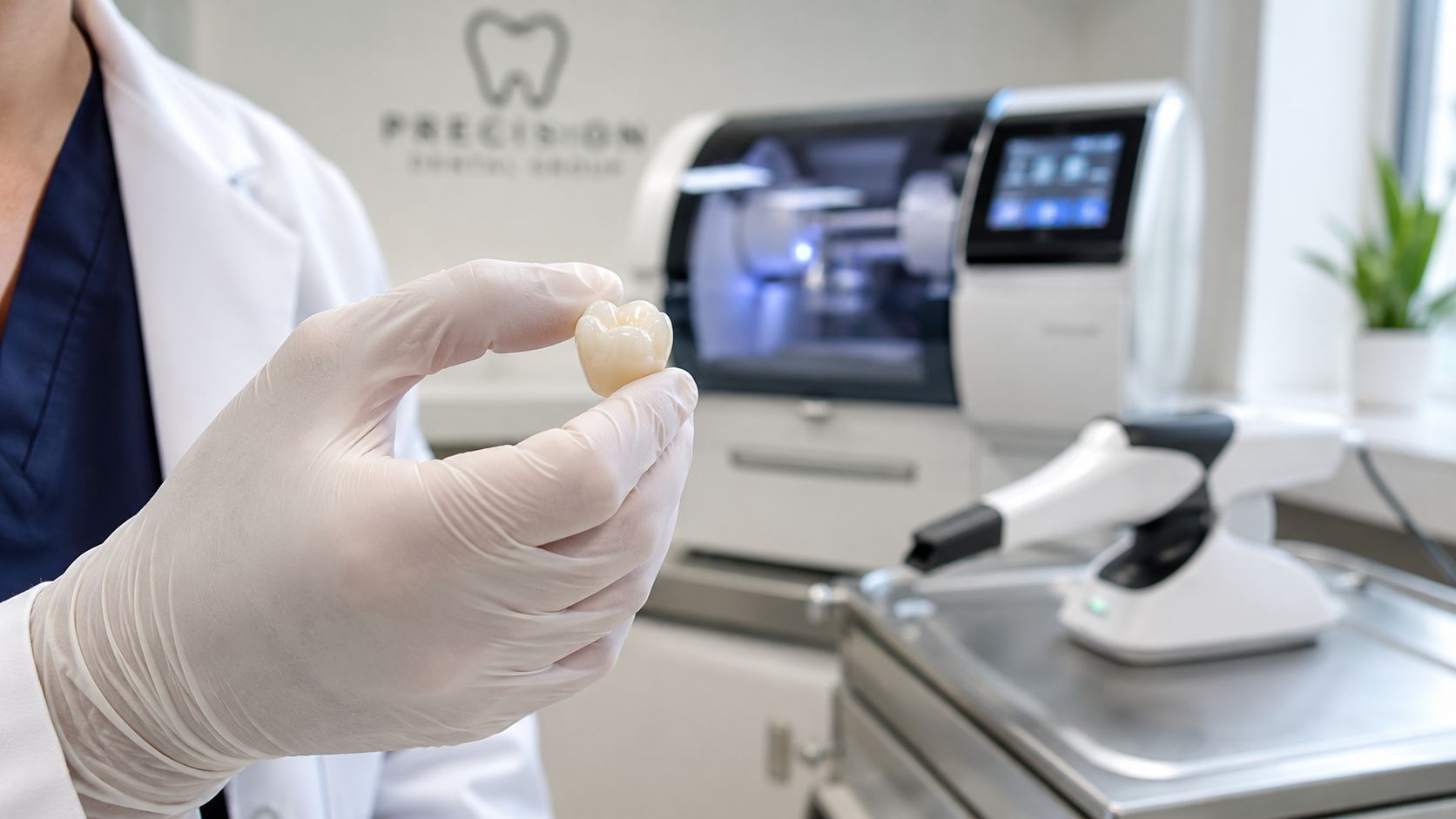
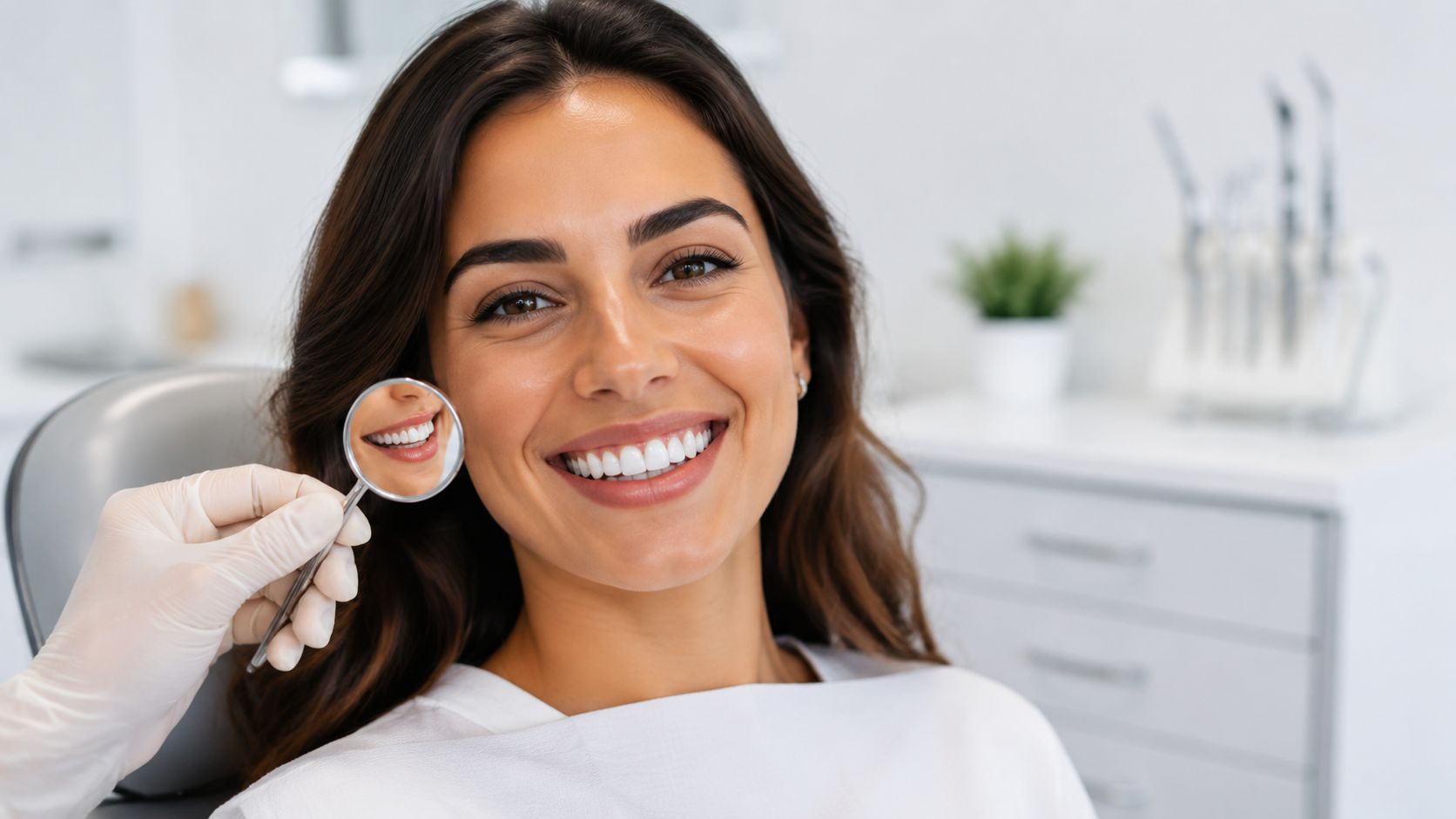
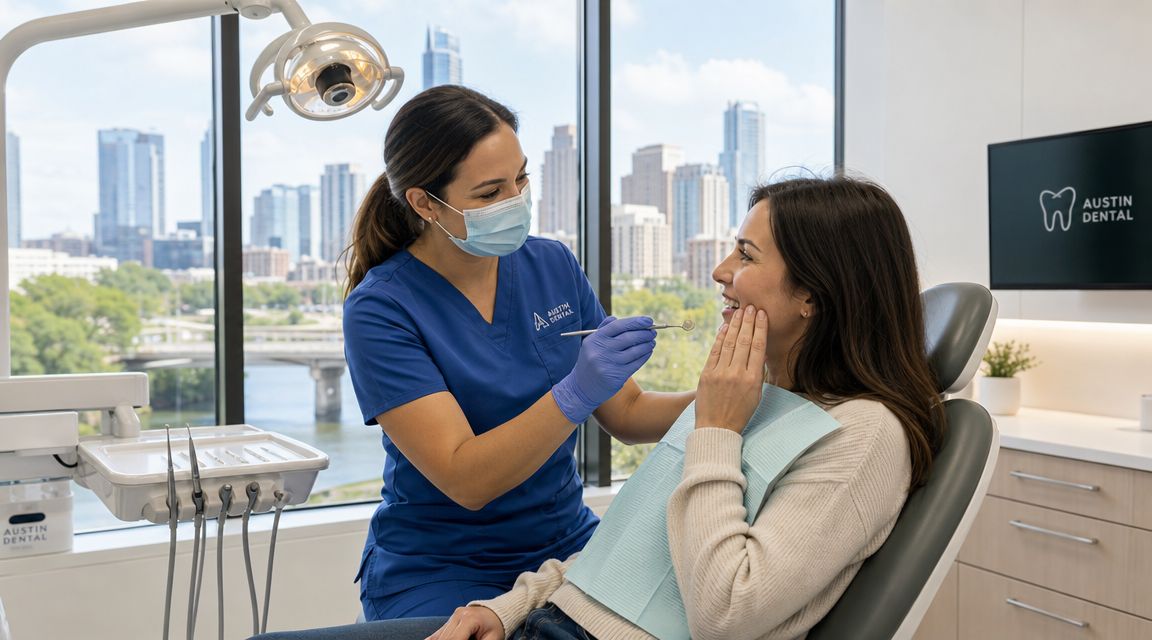

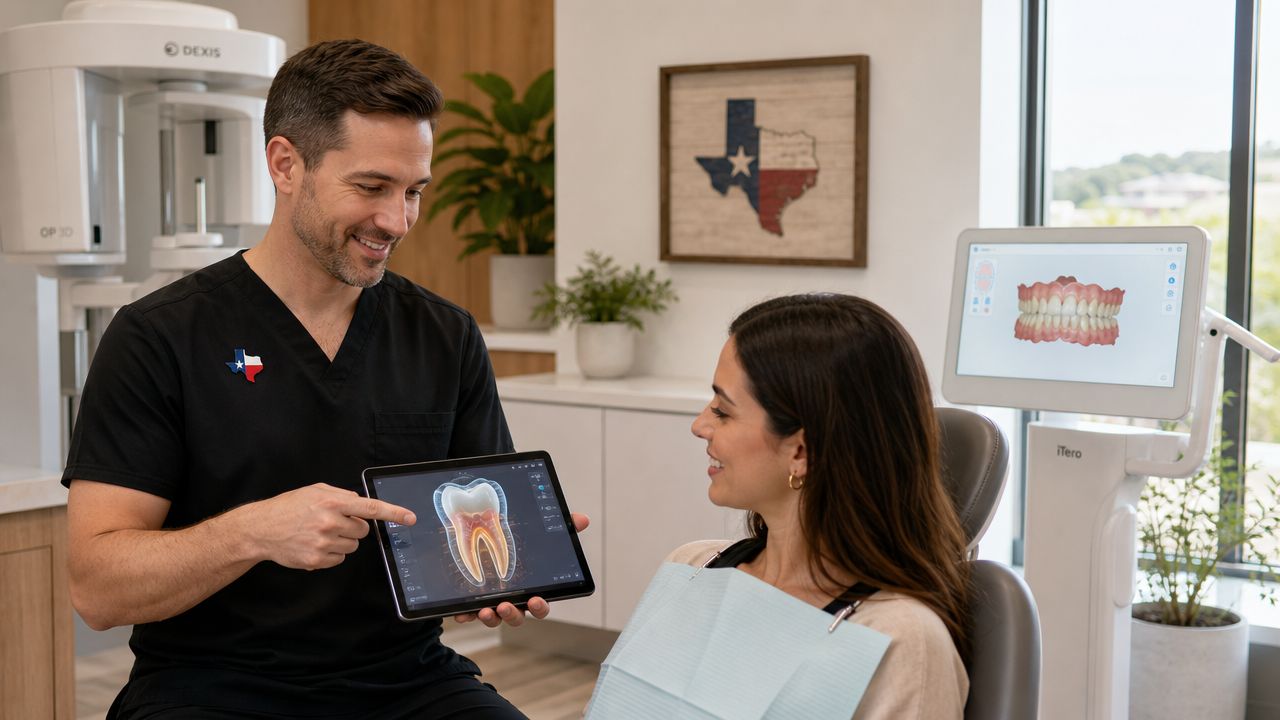
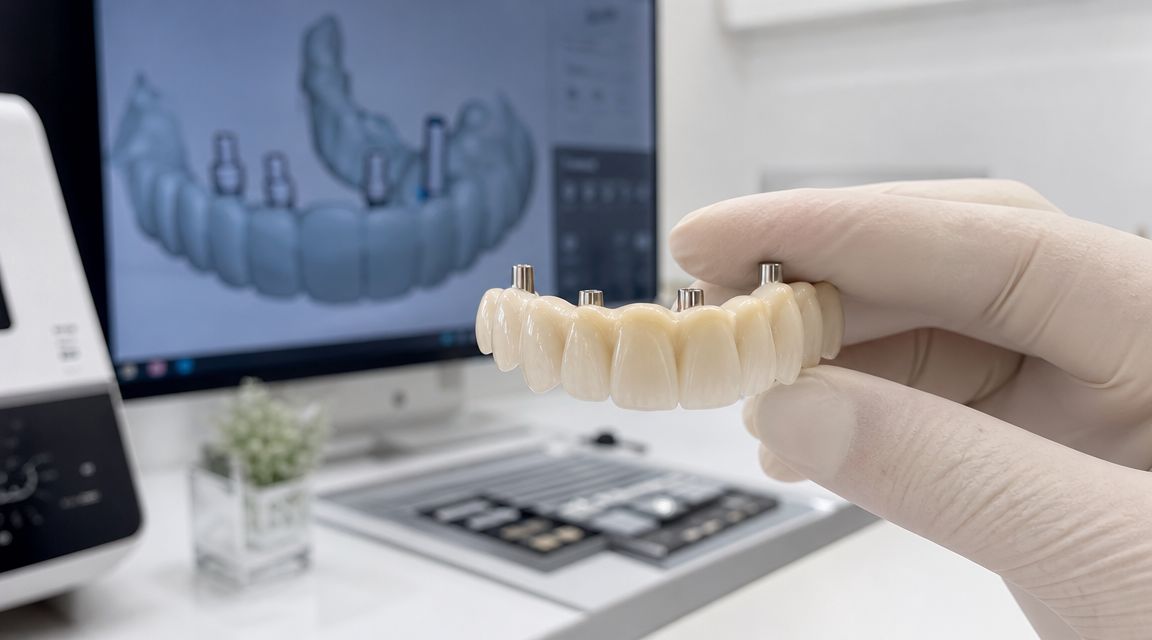
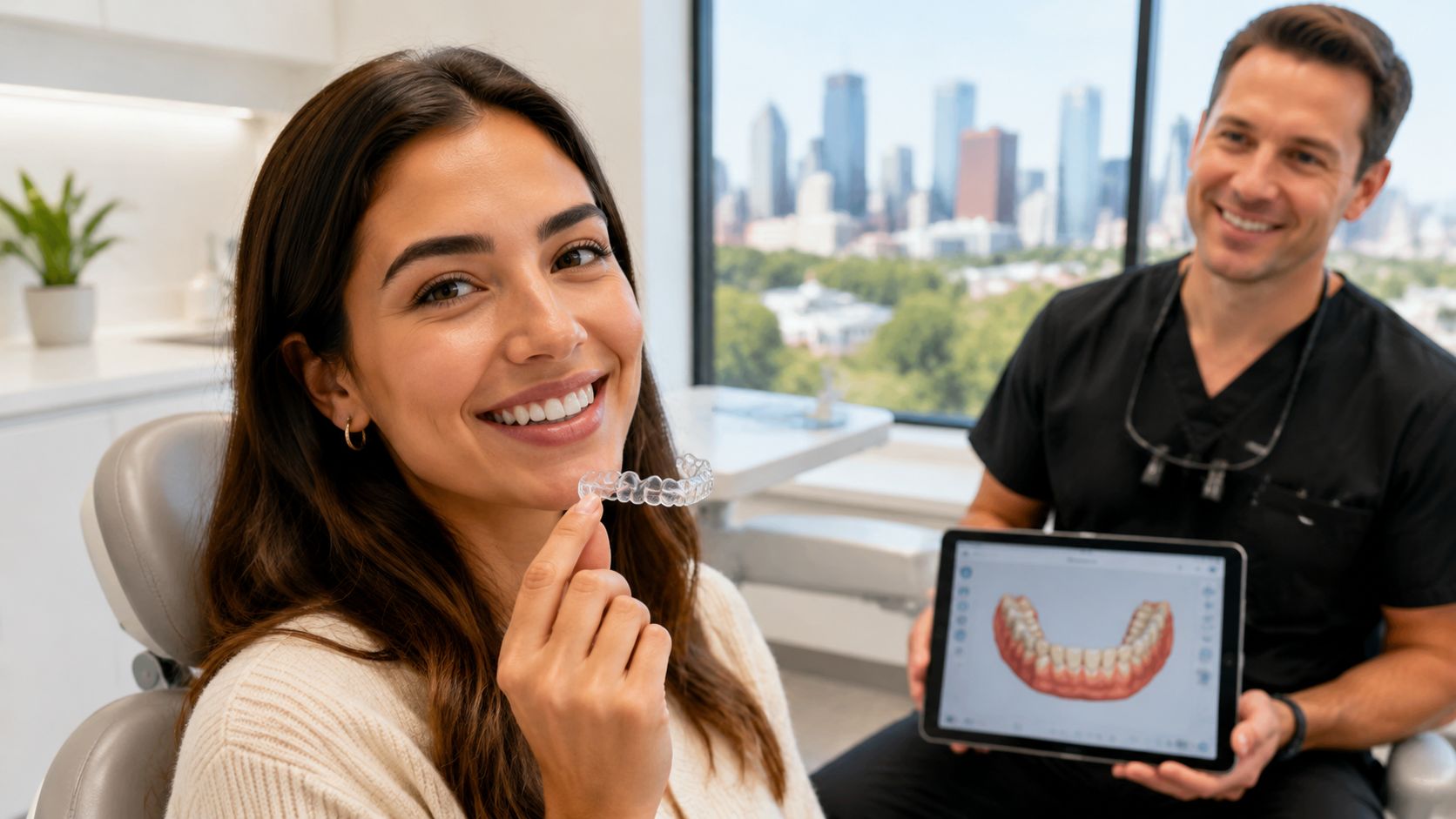


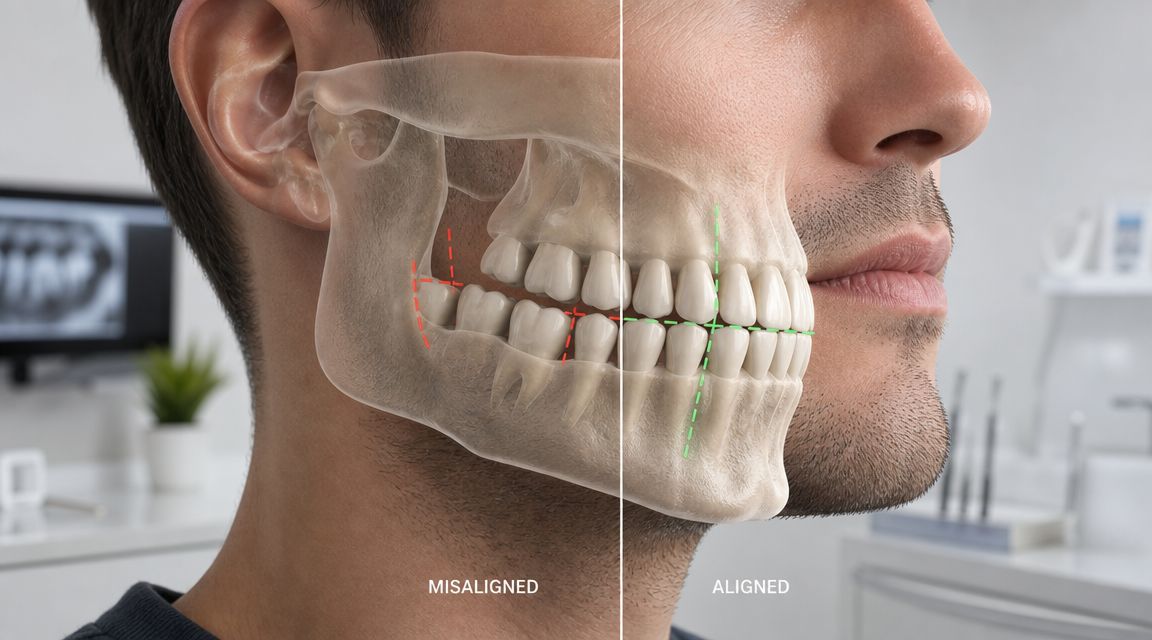

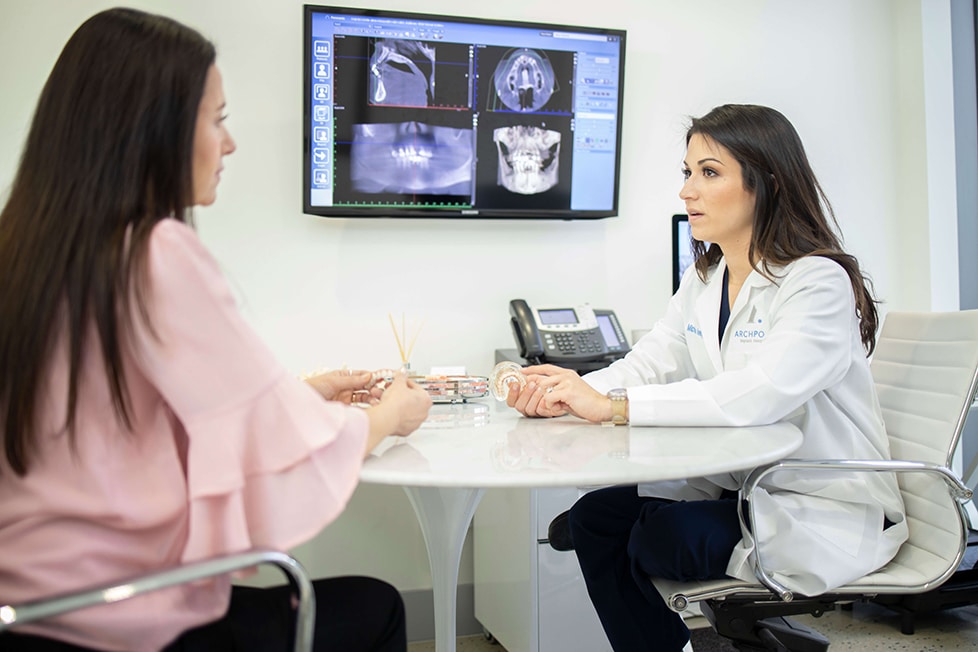

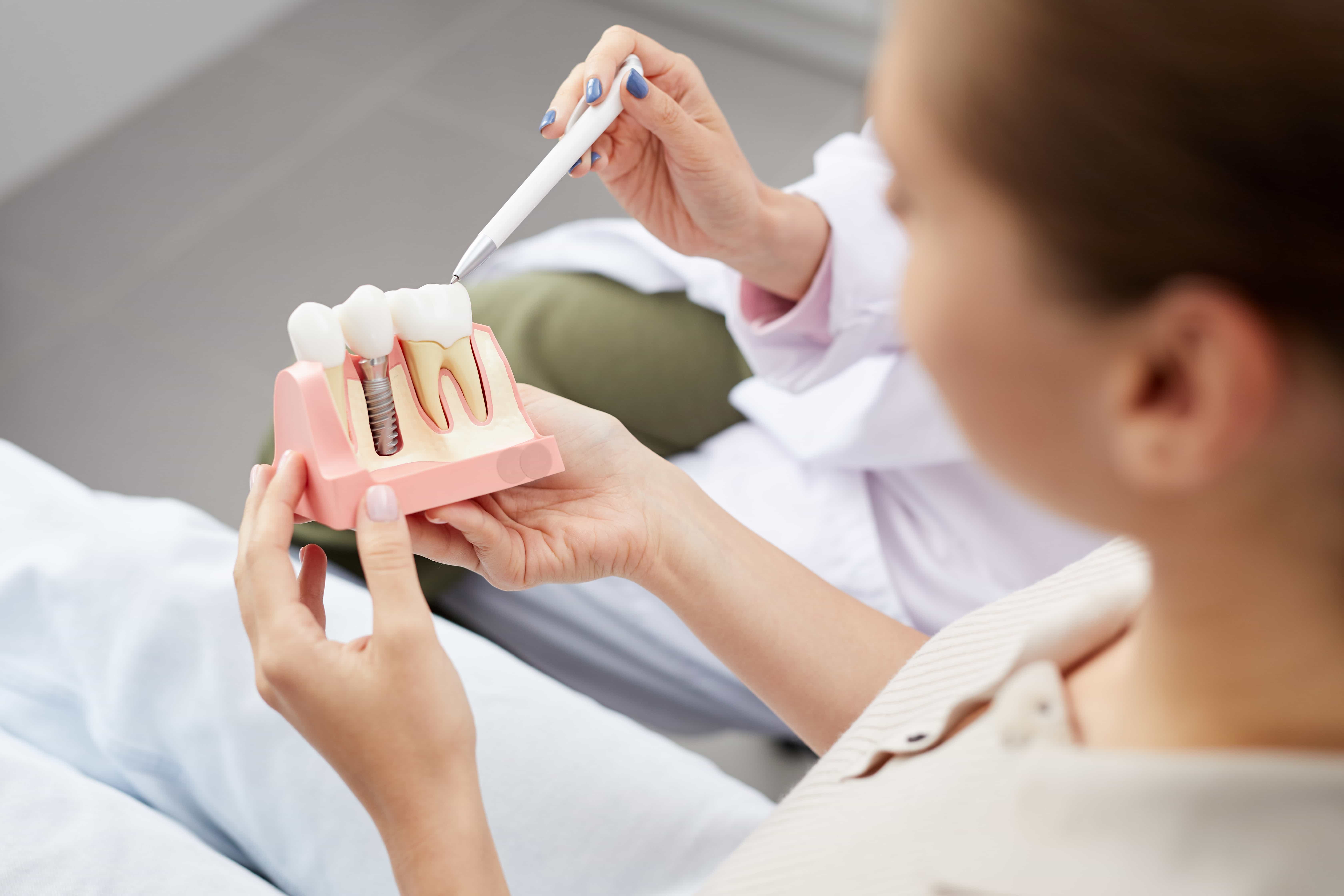
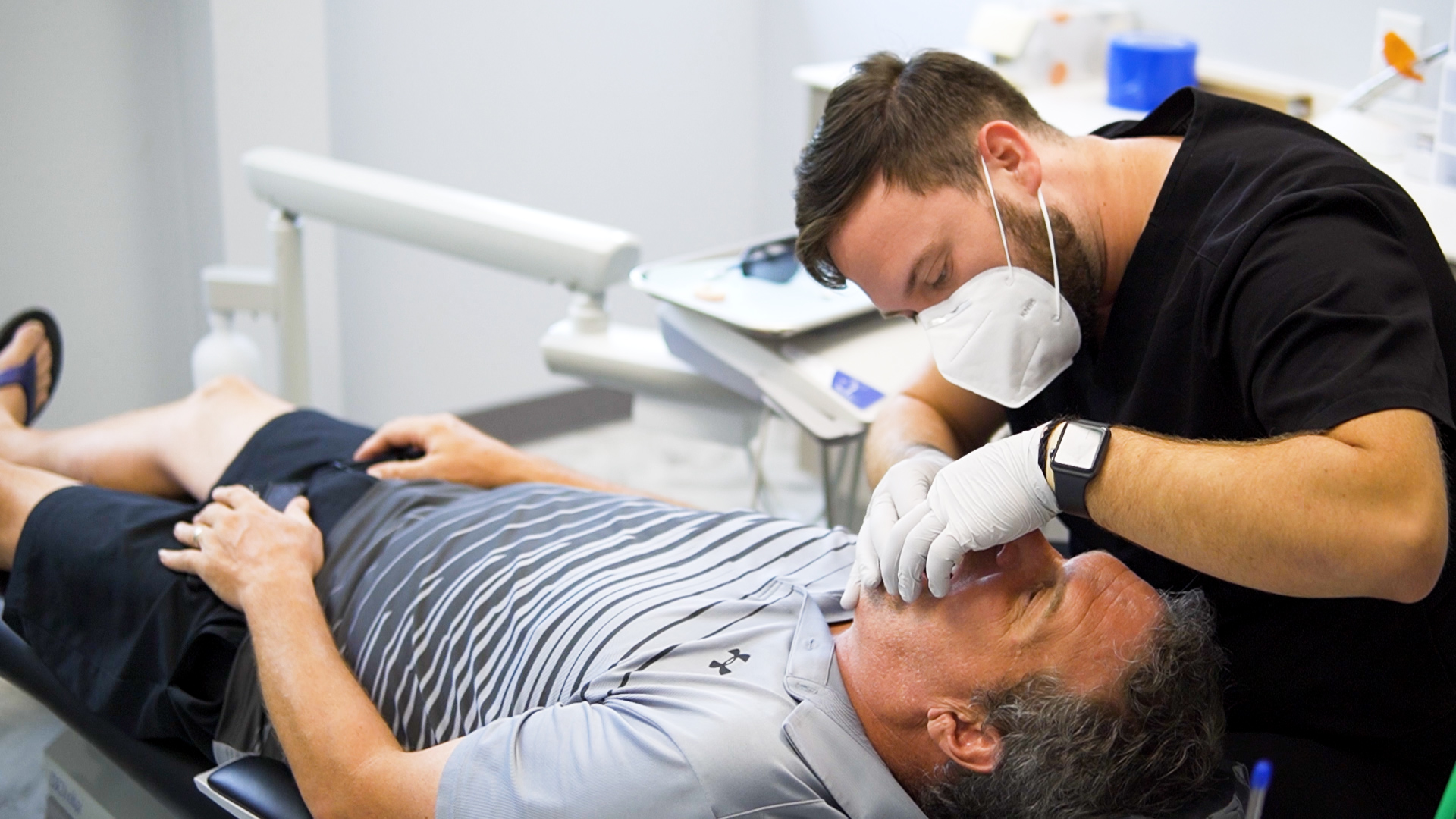













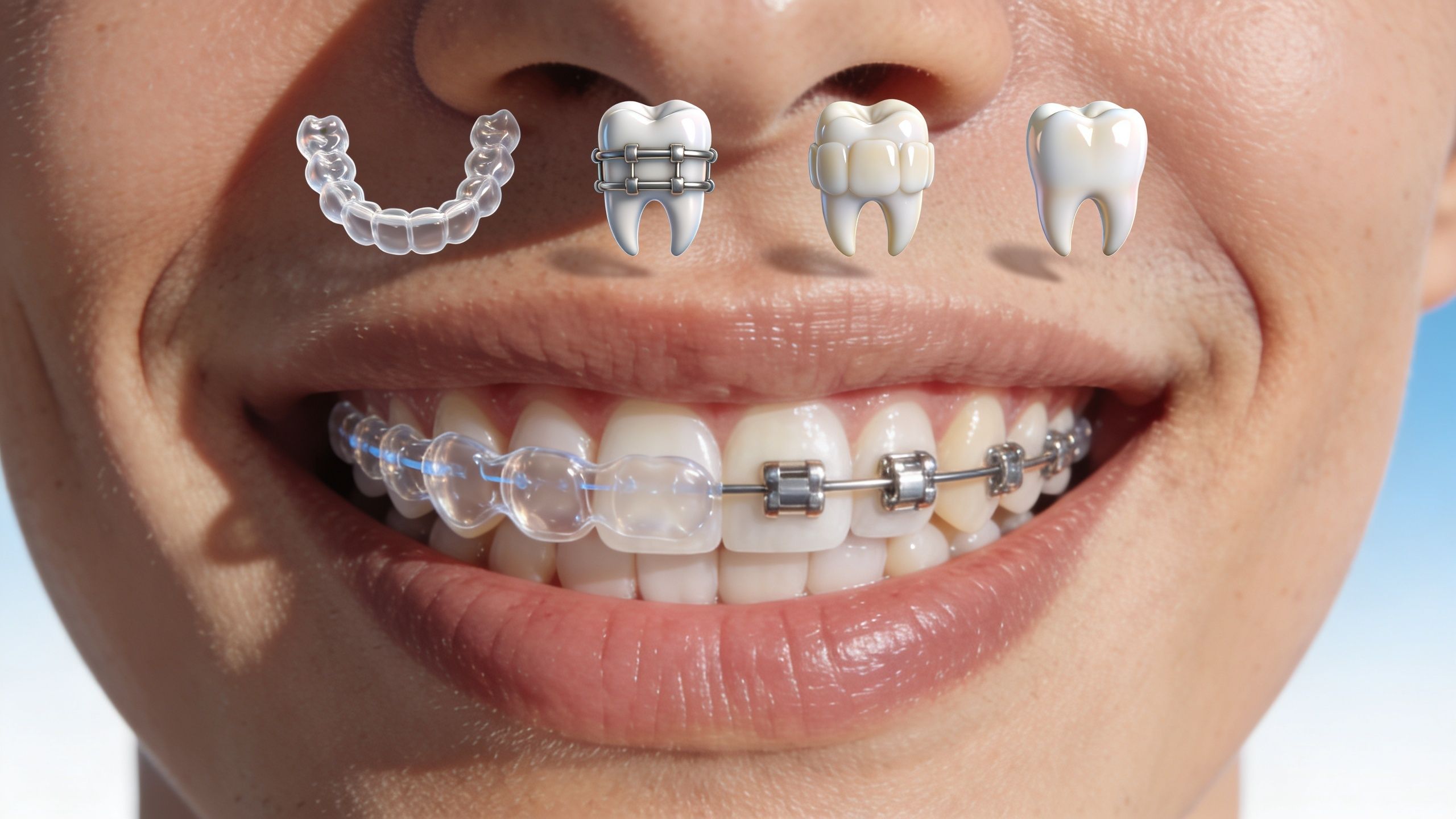


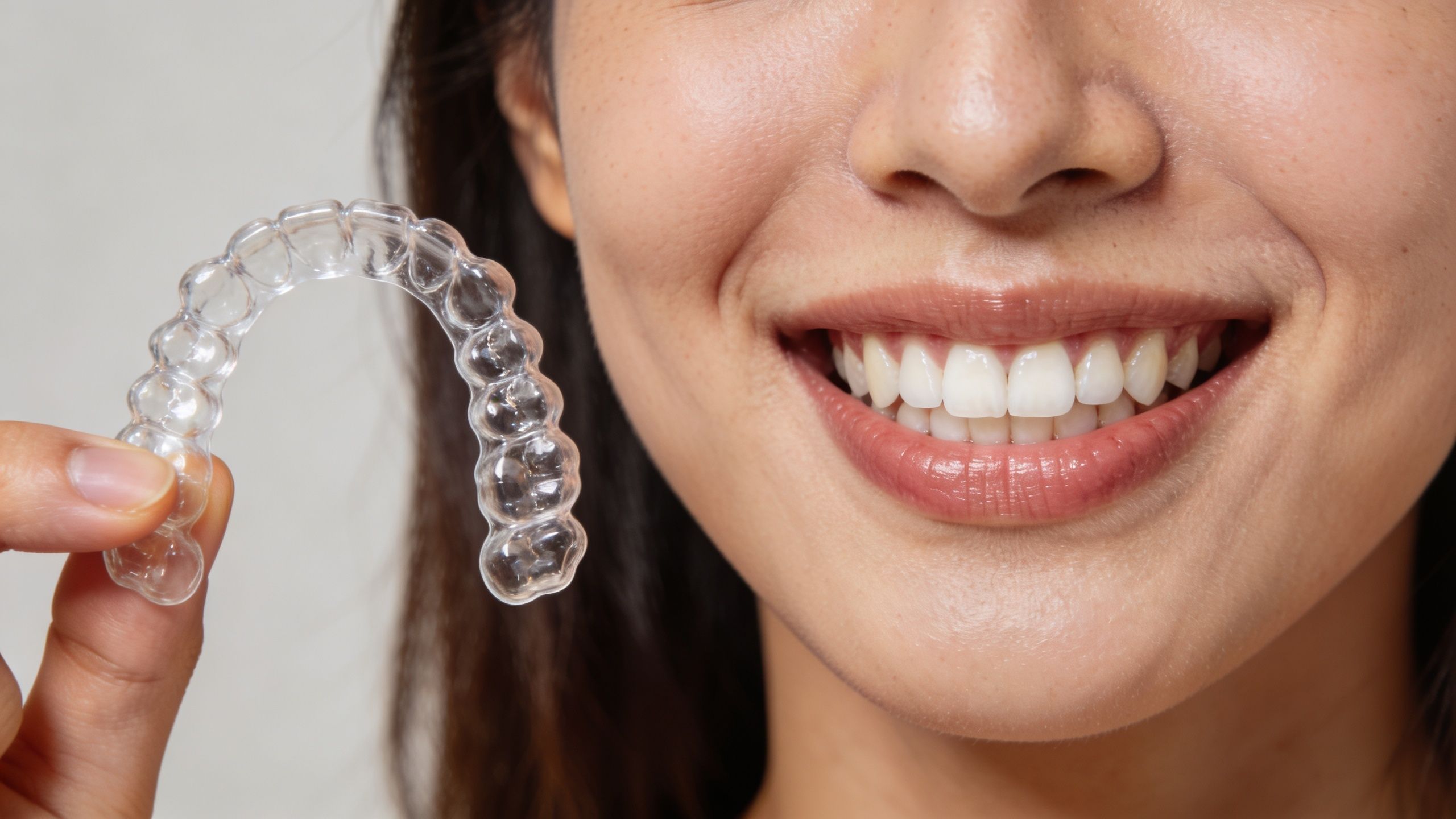




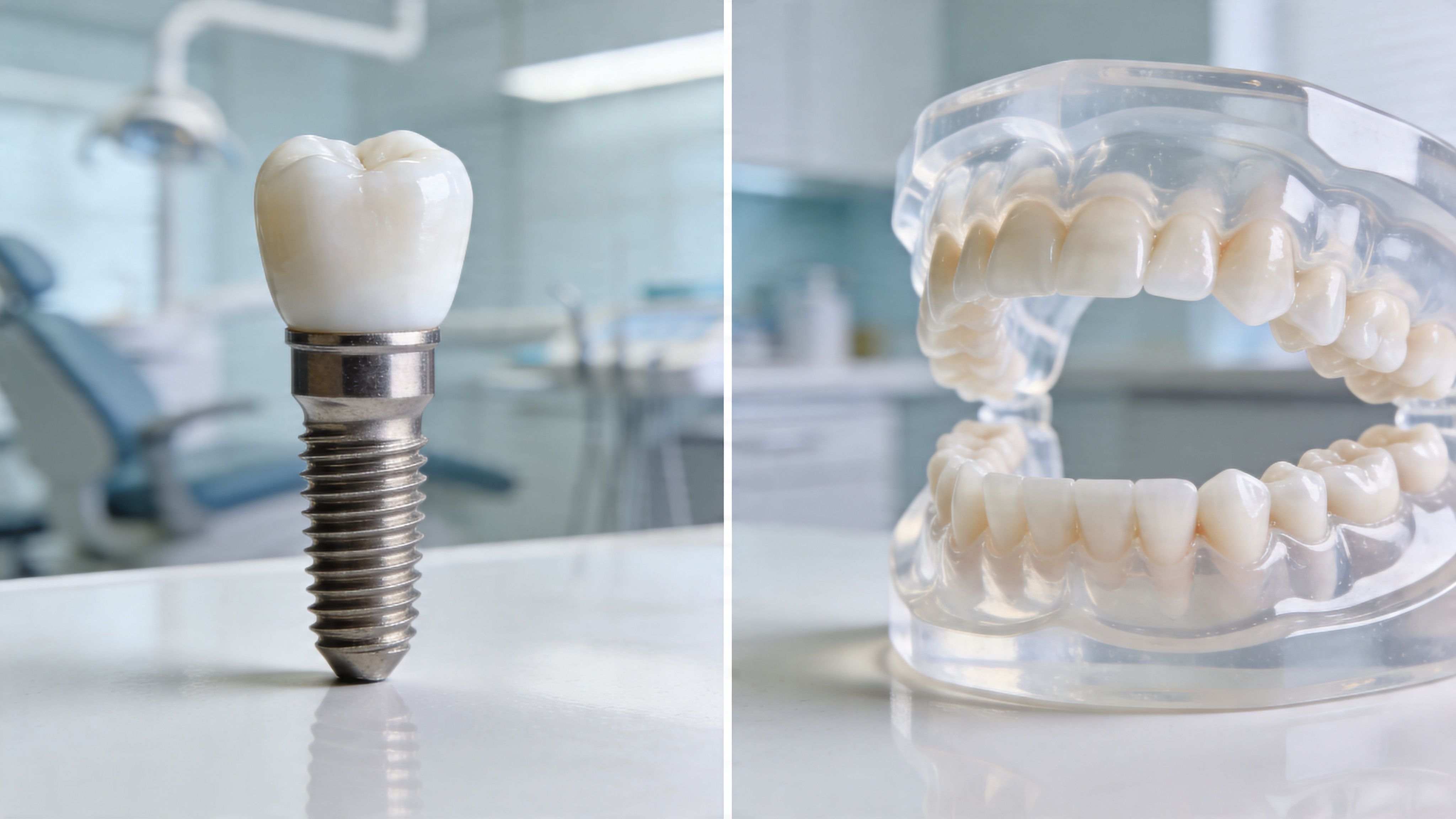
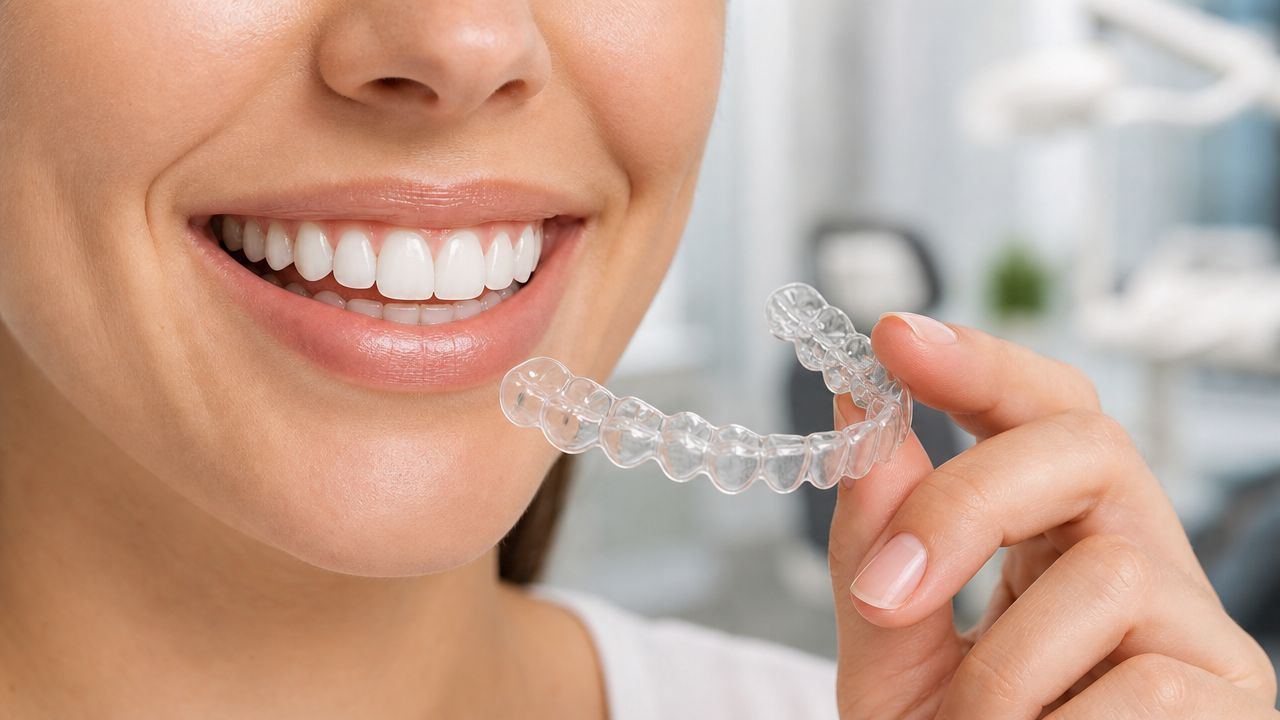
If you're looking in the mirror before work, angling your phone away in photos, or wondering whether now is finally the right time to straighten your teeth, you're not alone. Many adults and teens around Austin and Georgetown want a smile that looks healthier and more confident, but they don't want the appearance or feel of traditional braces.
Clear aligners are often the option people search for when they type in “cosmetic dentist near me” or “dentist in Austin, TX.” The appeal is simple. They're discreet, removable, and designed to fit daily life more comfortably. But the bigger question isn't whether aligners are popular. It's whether your teeth can get the kind of result you want, and what it takes to get there.
Considering Clear Aligners in Austin or Georgetown TX
A common first visit goes something like this. A patient says they've wanted straighter teeth for years, but kept putting it off because they didn't want brackets in work meetings, family photos, or social events around Austin. They usually aren't asking for a “perfect” smile. They want teeth that look straight, bite better, and feel easier to keep clean.

That's where realistic guidance matters. Modern clear aligners can produce strong results in many cases, and patients often like the treatment experience as much as the cosmetic change. In one comparative adult study, the aligner group reported 85% high patient satisfaction versus 65% with braces, and average discomfort scores were 2.3/10 for aligners compared with 5.6/10 for braces, according to this clinical review of adult aligner outcomes.
Why many local patients start here
For someone in North Austin, Georgetown, Wells Branch, Cedar Park, Round Rock, or Liberty Hill, clear aligners can make orthodontic treatment feel manageable. You can remove them for meals, brush and floss more normally, and keep your appearance more natural during treatment.
That doesn't mean they're automatic for every smile. The best clear aligners results usually come from careful diagnosis, a precise plan, and consistent wear. If you're still in the early research stage, this guide on how clear aligners work is a helpful place to start.
Clear aligners work best when the treatment plan matches the problem. The tray itself doesn't create the result. Good diagnosis does.
What people usually want from treatment
Most patients asking about clear aligners are trying to solve one or more of these concerns:
- Crowded front teeth: Teeth overlap, trap plaque, and can make brushing harder.
- Spaces or gaps: Small spaces can affect appearance and sometimes bite balance.
- Bite concerns: Some patients notice they chew unevenly or that certain teeth hit too soon.
- Cosmetic confidence: They want a straighter smile before considering other services like teeth whitening or cosmetic dentistry.
For a patient looking for a dentist near me with a practical approach, the right conversation isn't “Can aligners do everything?” It's “What kind of result is realistic for my teeth, and what would the process look like in Austin or Georgetown?”
What Orthodontic Issues Can Clear Aligners Fix
Clear aligners are strongest when the tooth movement is controlled and the case is well selected. In plain terms, that means they often do very well with mild to moderate crowding, spacing, and certain bite corrections. They can also help improve hygiene because straight teeth are usually easier to brush and floss well.
Patients often come in describing what they see, not the orthodontic term. They might say one tooth sticks out, their lower teeth are bunching together, or their smile looks narrow. Those are useful starting points because they often point to problems aligners can address.
Common problems aligners often improve
Here are the issues that frequently respond well to clear aligner treatment:
- Crowded teeth: When teeth overlap, aligners can create room and guide them into better alignment.
- Gapped teeth: Small to moderate spaces often close predictably with planned tray changes.
- Mild overbite or underbite concerns: Some bite relationships can improve when tooth positions are corrected.
- Crossbite in selected cases: Aligners can help when the problem is dental rather than large skeletal imbalance.
- Mild arch constriction: If the smile is slightly narrow, aligners may help open space.
A clinical review found that aligners can achieve average transverse arch expansion of about 3.0 to 3.5 mm, which can be enough to relieve mild to moderate crowding in selected cases, as reported in this systematic review on aligners and arch expansion.
Where aligners fit into cosmetic dentistry
Some people think of aligners as only cosmetic. They are cosmetic, but they're also functional. Better alignment can make it easier to clean between teeth, reduce areas where food packs, and improve how the bite comes together. Once teeth are in a better position, some patients then choose finishing treatments such as teeth whitening or other cosmetic dentistry services to complete the look.
A simple way to think about it is this:
| Concern | How aligners may help |
|---|---|
| Overlapping front teeth | Create room and improve alignment |
| Visible gaps | Close spacing gradually |
| Slightly narrow smile | Add modest width in selected cases |
| Mild bite mismatch | Improve tooth-to-tooth contact |
When a different plan may be smarter
Clear aligners aren't a cure-all. If a patient has a major jaw discrepancy, severe crowding, or movements that require more force and control, another orthodontic approach may be more appropriate, or aligners may need to be combined with additional mechanics.
That's why a real exam matters. A quick online quiz can't tell you whether the issue is simple crowding or something deeper involving the bite, gum support, or jaw structure. For patients searching for a cosmetic dentist near me in Austin or Georgetown, that distinction is what separates a nice-looking simulation from a treatment plan that works.
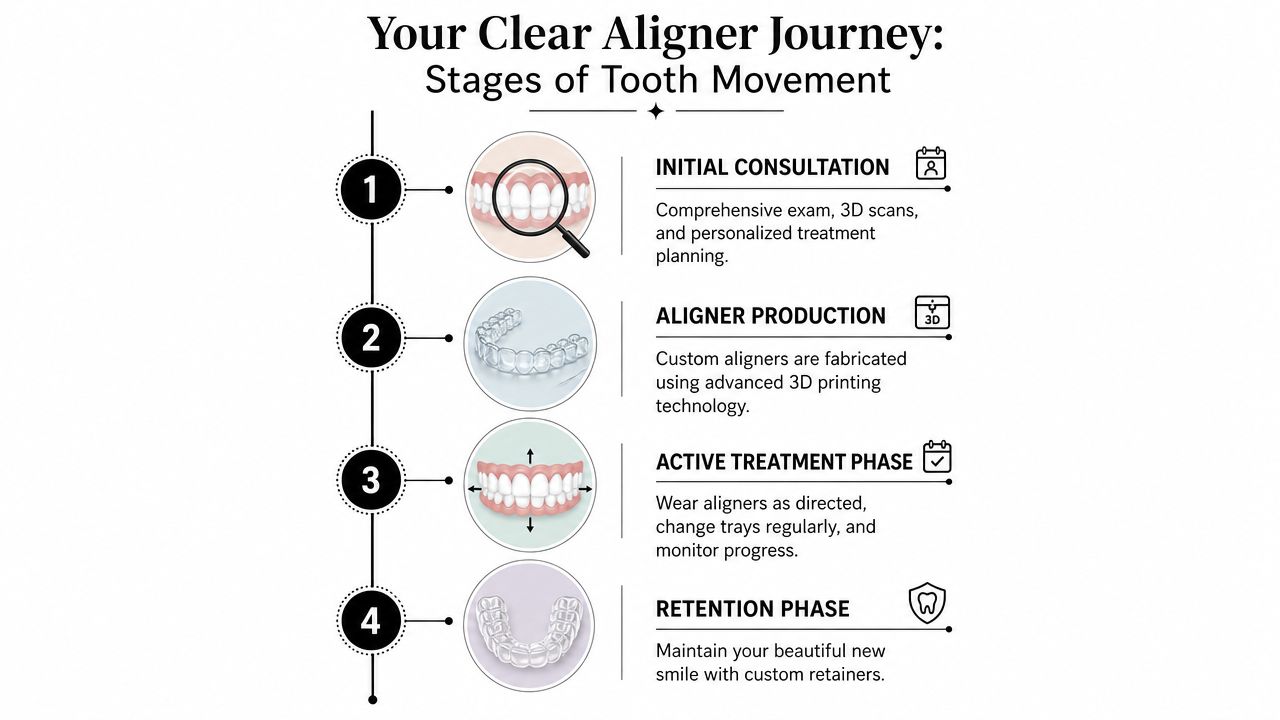
Your Clear Aligner Journey The Stages of Tooth Movement
Most patients relax once they understand the process. Clear aligner treatment isn't mysterious. It moves in stages, and each stage has a purpose.
Early on, the goal is diagnosis. After that comes fabrication, active movement, and then retention. When patients can see where they are in the process, treatment feels much more manageable.
Stage one starts with a full exam
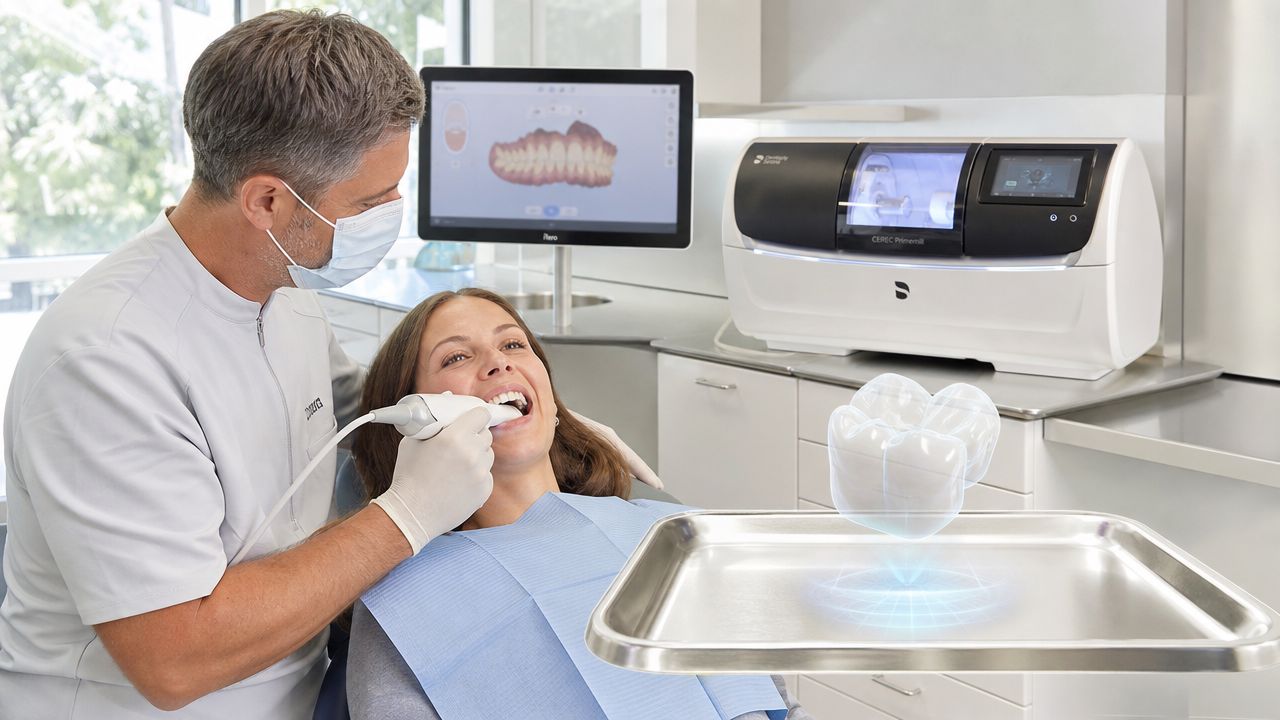
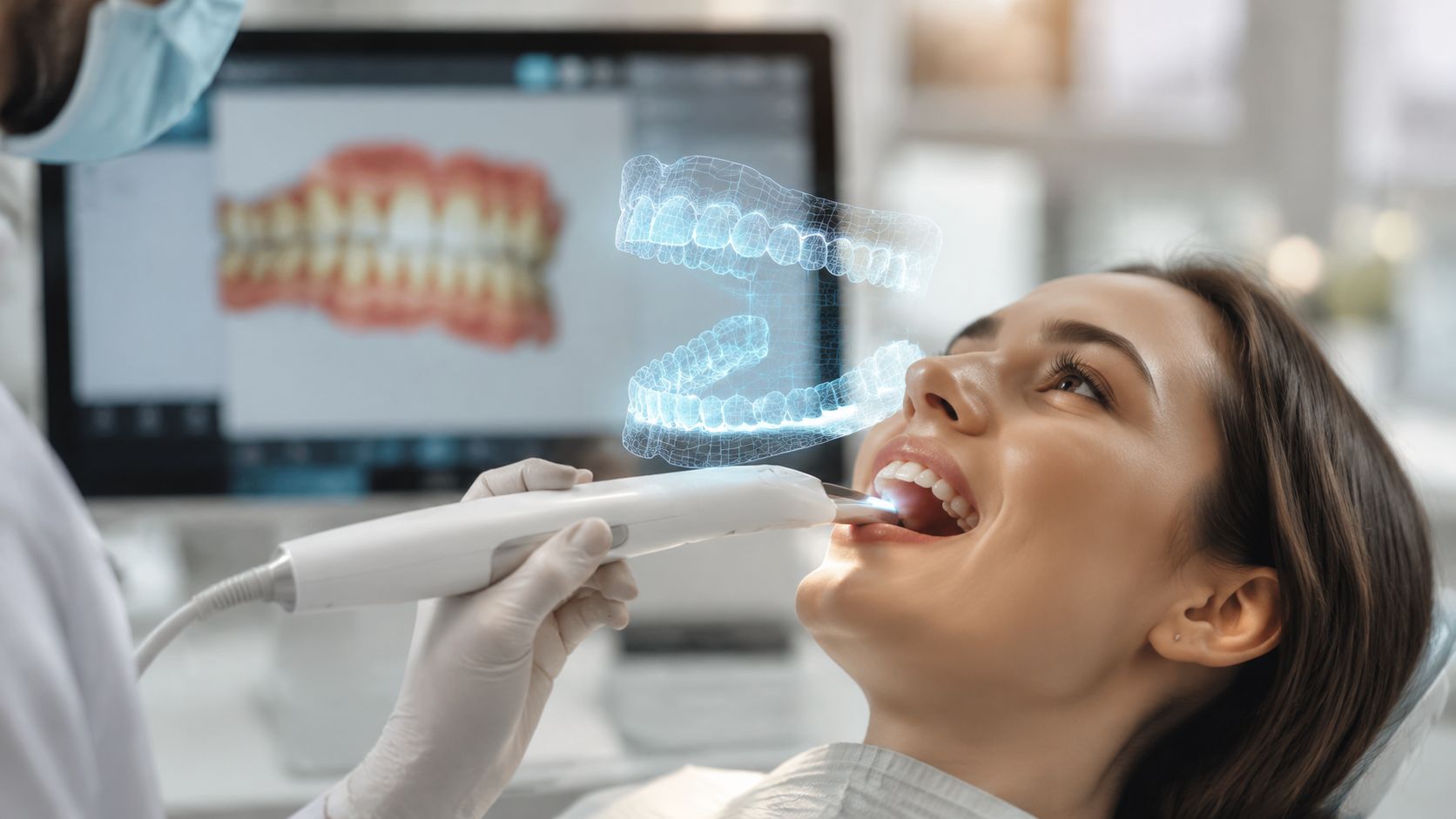
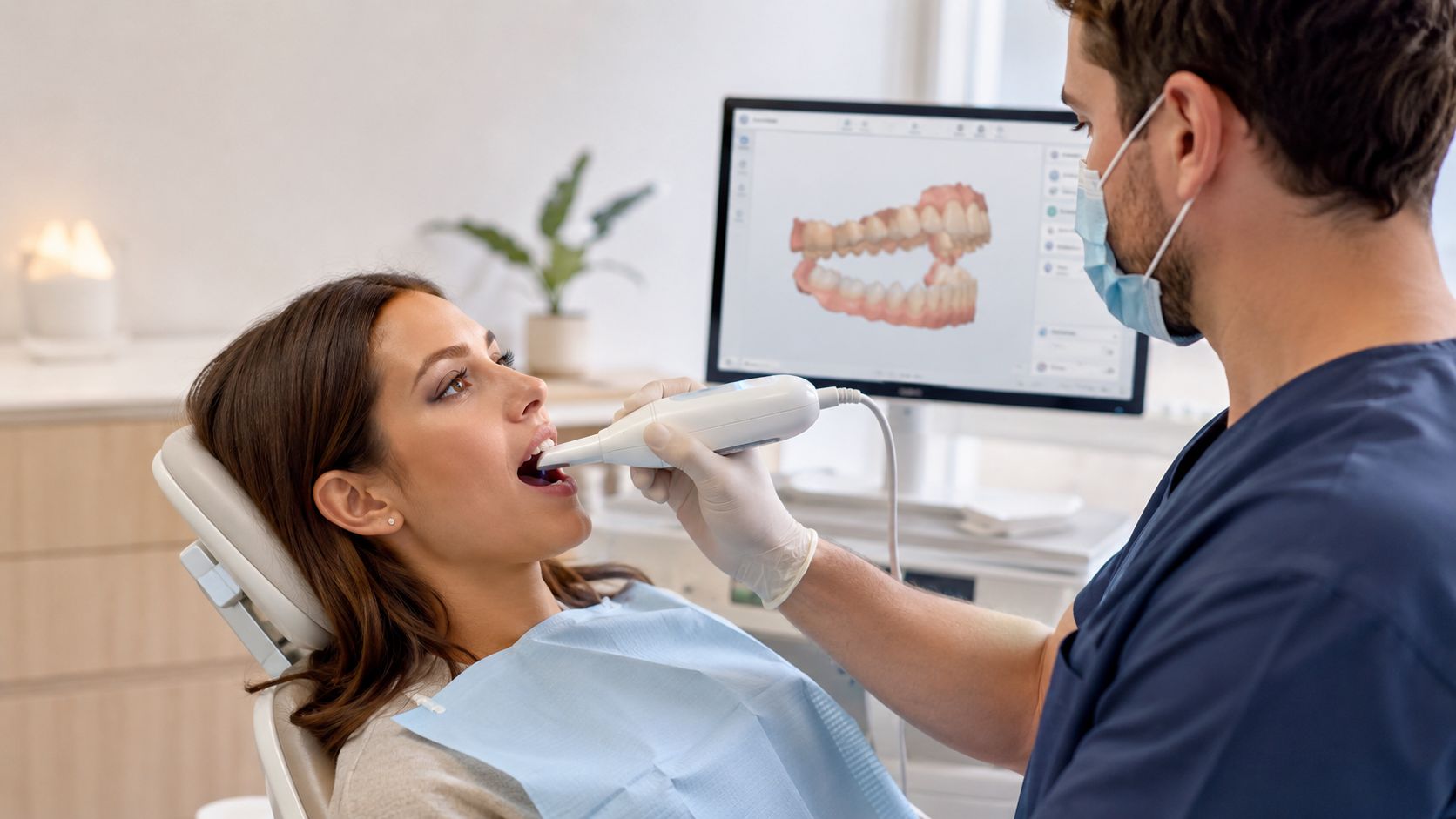
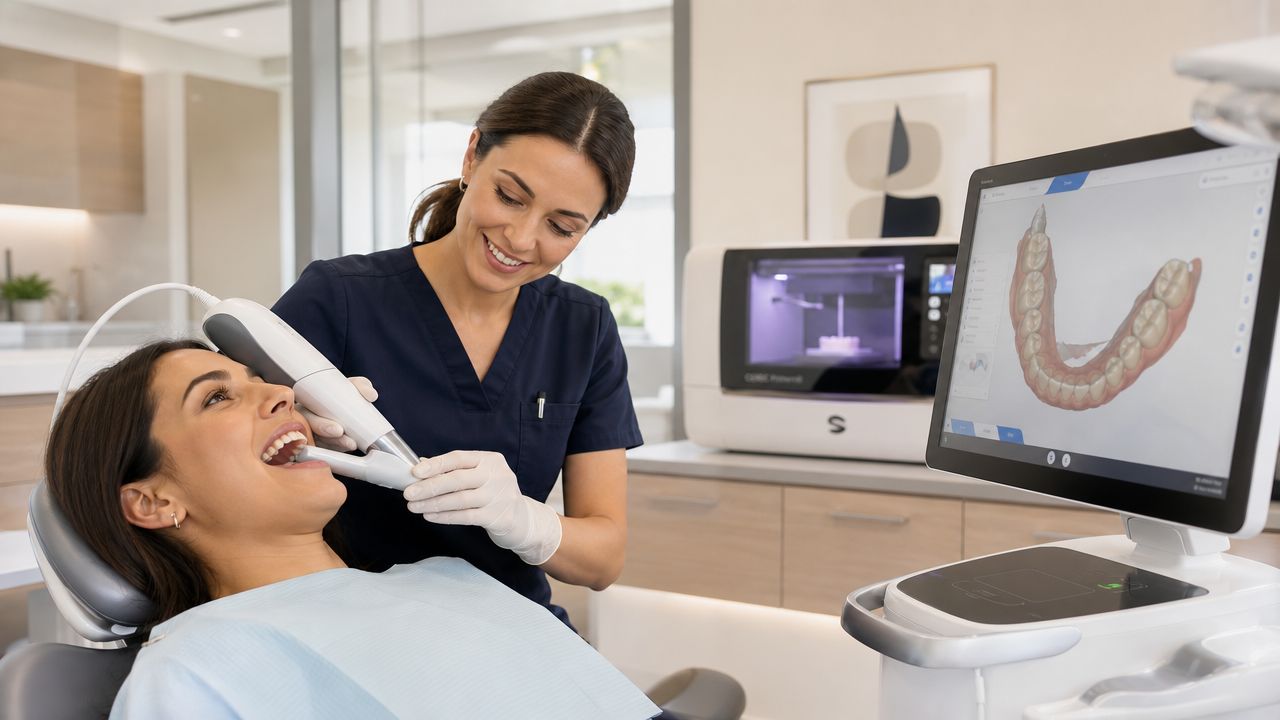
The first appointment usually includes a clinical exam, digital images, and a scan of the teeth. That scan replaces traditional impressions in many cases and gives a more precise starting point for planning tooth movement. If bite concerns or jaw structure matter, 3D imaging can also help clarify what's happening below the surface.
At this stage, the most important question isn't how fast treatment can start. It's whether the movements being planned are appropriate for your specific smile.
Stage two is custom aligner production
Once the case is approved, the aligners are designed to move teeth in a sequence rather than all at once. Each tray applies gentle pressure to certain teeth while making room for others to follow. That staged approach is what makes treatment more controlled.
Here's a quick view of how the process usually unfolds:
| Stage | Typical Duration | What Happens |
|---|---|---|
| Initial consultation | Varies by case | Exam, digital scans, photos, and treatment planning |
| Aligner production | Varies by case | Custom trays are fabricated from the approved plan |
| Active treatment | Varies by case | Trays are worn in sequence and teeth gradually move |
| Retention | Ongoing | Retainers help preserve the final result |
Stage three is the active movement phase
This is the part patients think of as “doing Invisalign-style treatment,” even though consistent effort is key. You wear the aligners as directed, remove them for meals and cleaning, and switch trays on schedule. Teeth then move in small increments rather than one dramatic jump.
A short overview can help if you prefer to see the process visually:
During active treatment, check-ins matter. Teeth don't always move exactly like software predicts, so periodic review lets the dentist confirm tracking, adjust the plan if needed, and decide whether small refinements would improve the finish.
Practical rule: The trays should feel active but tolerable. Sharp pain, poor fit, or trays that stop seating fully are reasons to call the office instead of guessing.
Stage four is refinement and finishing
Some smiles finish exactly on the initial series. Others need a refinement phase to fine-tune spacing, alignment, or bite contact. That isn't a sign that treatment failed. It's part of getting from “much better” to “finished well.”
For patients in Austin, Georgetown, Cedar Park, or Round Rock, the biggest advantage of understanding these stages is simple. You know what the next step is, why it matters, and how each tray contributes to a healthier, more confident smile.
Factors That Influence Your Final Smile
Two people can start with similar crowding and still finish differently. That surprises many patients, but it's normal. Clear aligners results depend on a mix of planning, compliance, and biology.
The trays matter. So does the patient wearing them. So does the body's response to tooth movement.
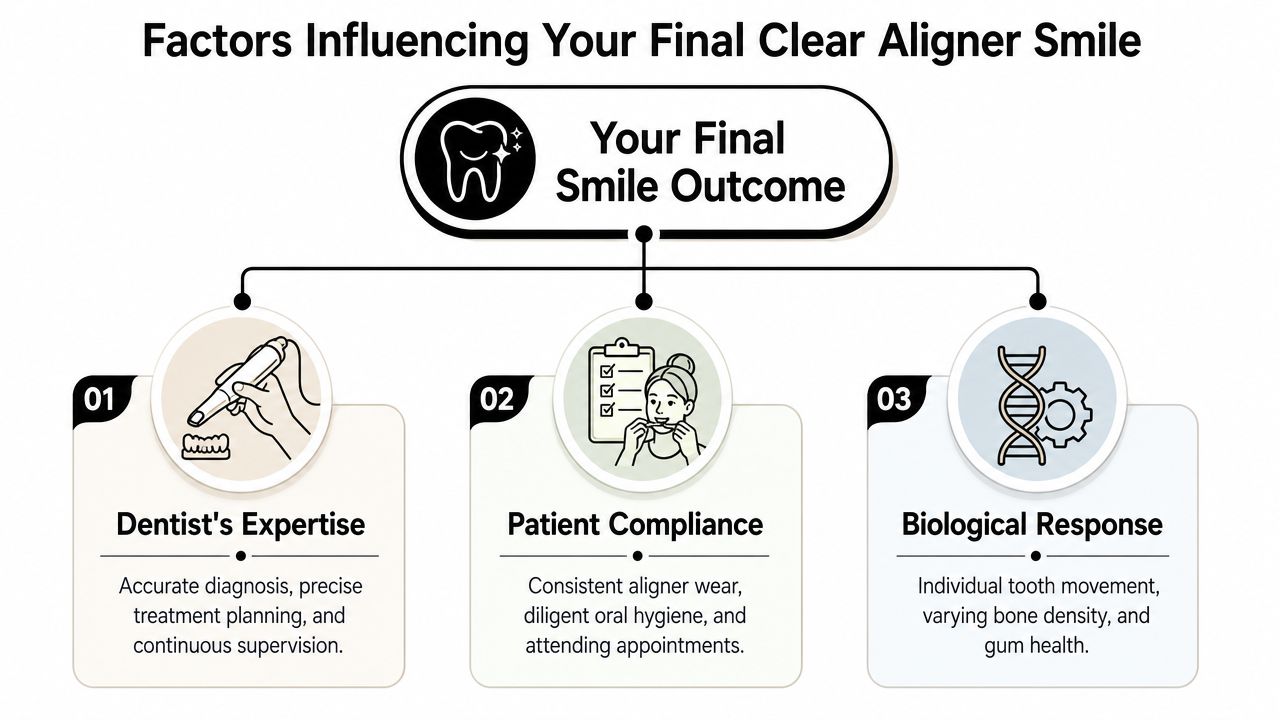
Compliance changes the outcome
This is the factor patients control most directly. Clear aligners only work when they're being worn enough hours each day. A review article notes that patients generally need to wear aligners for at least 22 hours per day for predictable movement, and in mild to moderate cases with strong compliance, reported success rates are about 80% to 90%, according to this review on clear aligner effectiveness and adherence.
If aligners stay out too long for coffee, lunch, snacks, or social events, movement can slow down or become less predictable. That often leads to trays that feel too tight, don't seat fully, or require additional refinement later.
Case complexity sets the ceiling
Some smiles are straightforward. Others involve rotations, bite shifts, missing teeth, worn teeth, gum concerns, or jaw discrepancies. The more complex the problem, the more important the diagnosis becomes.
A patient with mild spacing may be an excellent aligner candidate. A patient with a difficult bite problem may still be treatable, but the plan may need more time, more attachments, or a different approach altogether.
Here's a practical way to look at it:
- Simpler movements: Closing small spaces, reducing mild crowding, and aligning front teeth often respond well.
- Moderate cases: These may still be good candidates, but they need closer monitoring.
- Complex cases: These require a more cautious plan and sometimes another treatment option.
Biology affects tooth movement too
Teeth don't move through bone on a fixed timetable. Bone density, gum health, root shape, and individual healing patterns all influence how teeth respond. That's one reason one patient's trays track perfectly while another patient needs a refinement scan.
This isn't something a patient causes by “doing it wrong” every time. Sometimes the biology moves at a different pace, and the plan has to respect that.
A good aligner plan leaves room for adjustment. Teeth are biological structures, not machine parts.
The dentist's role is bigger than tray delivery
The final smile also depends on diagnosis, attachment design, monitoring, and knowing when a movement is becoming less predictable. In Austin and Georgetown, some patients also need related dental care before or during orthodontic treatment, such as cleaning and exams, restorative dentistry, or treatment for gum inflammation. Healthy supporting tissues give teeth a better environment for controlled movement.
That's why clear aligners shouldn't be treated like a mail-order product. The trays are only one part of the treatment. The planning and supervision are what make the movement meaningful.
Realistic Expectations vs Promotional Claims
Online aligner marketing often makes every case look simple. Teeth appear crowded in one photo and perfectly straight in the next. What those images usually don't show is how much the result depended on the original case, the biology of movement, or whether refinements were needed.
Patients deserve a straighter answer. Clear aligners are effective, but they are not equally predictable for every type of tooth movement.
What aligners tend to do well
Aligners are often efficient for simpler movements such as tipping teeth into alignment, closing spaces, and correcting selected mild to moderate problems. That's why they're such a good fit for many adults who want cosmetic improvement without braces.
When the movement is controlled and the case is chosen carefully, the result can look excellent and function better too. That's especially true when the patient's goals match what the system is good at delivering.
Where the limitations show up
More difficult movements need more caution. A 2024 review reported that aligners are most efficient at simple tipping, while root uprighting, rotation control, and extrusion remain less predictable. The same review reported molar distalization accuracy of 69.3% for first molars and 75.2% for second molars, as noted in this review of predictability in complex aligner movements.
That matters because many patients asking about “before and after” photos have a more complex question. They want to know whether their bite issue, rotated tooth, or deeper alignment problem will respond as nicely as the examples they've seen online.
The useful question to ask at a consultation
Instead of asking, “Can aligners straighten teeth?” ask these:
- Which of my tooth movements are predictable with aligners?
- Which parts of my case are less predictable?
- Would refinements be common in a case like mine?
- Is there any reason braces or another orthodontic plan would be more reliable?
A trustworthy consultation should make those trade-offs clear. If a patient in Austin or Georgetown has a more complex bite problem, the honest answer may be that aligners can help some parts of the case very well while other parts need careful compromise or a different strategy.
That kind of honesty usually leads to better decisions and fewer disappointments.
Keeping Your Smile Straight with Retention
The last tray is not the end of treatment. It's the start of maintenance. Teeth have a natural tendency to drift, and if retention is ignored, even a very nice result can start to change.
Many patients fail to fully grasp the process. They assume the hard part was wearing the aligners. In reality, keeping the result is what protects all the time and effort that came before it.
Why teeth try to move back
After orthodontic movement, the surrounding tissues need time and ongoing support to hold the new position. Without that support, some relapse can happen with both aligners and braces. A scientific review found that relapse can occur after treatment in both groups, which is why retention remains essential, as discussed in this review on long-term stability after orthodontic treatment.
A retainer is not an optional add-on. It is part of treatment.
If you like your final result, wear the retainer exactly as prescribed. That habit matters more than most patients realize.
What retention usually involves
Retention plans vary, but the basic goal is always the same. Hold the teeth where treatment placed them.
Patients may be given clear removable retainers, fixed retainers in selected situations, or a combination depending on the bite and risk of relapse. The specific design matters less than the consistency of use.
A practical retention plan often includes:
- Clear instructions: You should know when to wear the retainer and how to clean it.
- Regular checks: Retainers need monitoring just like teeth do.
- Replacement planning: If a retainer cracks or is lost, waiting can allow teeth to shift.
If you want a better sense of why this stage matters so much, this article on what happens if you don't wear your retainer explains the issue in plain language.
Retention protects both function and appearance
Straight teeth aren't only about looks. When teeth hold their corrected position, it helps preserve the bite, spacing, and alignment you worked to achieve. For patients who also invested in cosmetic dentistry, whitening, or restorative work, retention helps protect the overall result.
The simplest message is also the most important one. If you want long-lasting clear aligners results, wear the retainer.
Get Your Best Results with 3D Dental in Austin
The quality of aligner treatment depends on how well the case is diagnosed, planned, and monitored. Technology can improve that process when it's used well. Digital scans make records more comfortable and precise. 3D imaging can help when bite structure or underlying anatomy needs a closer look. Digital modeling helps the patient see the planned movement more clearly before treatment starts.
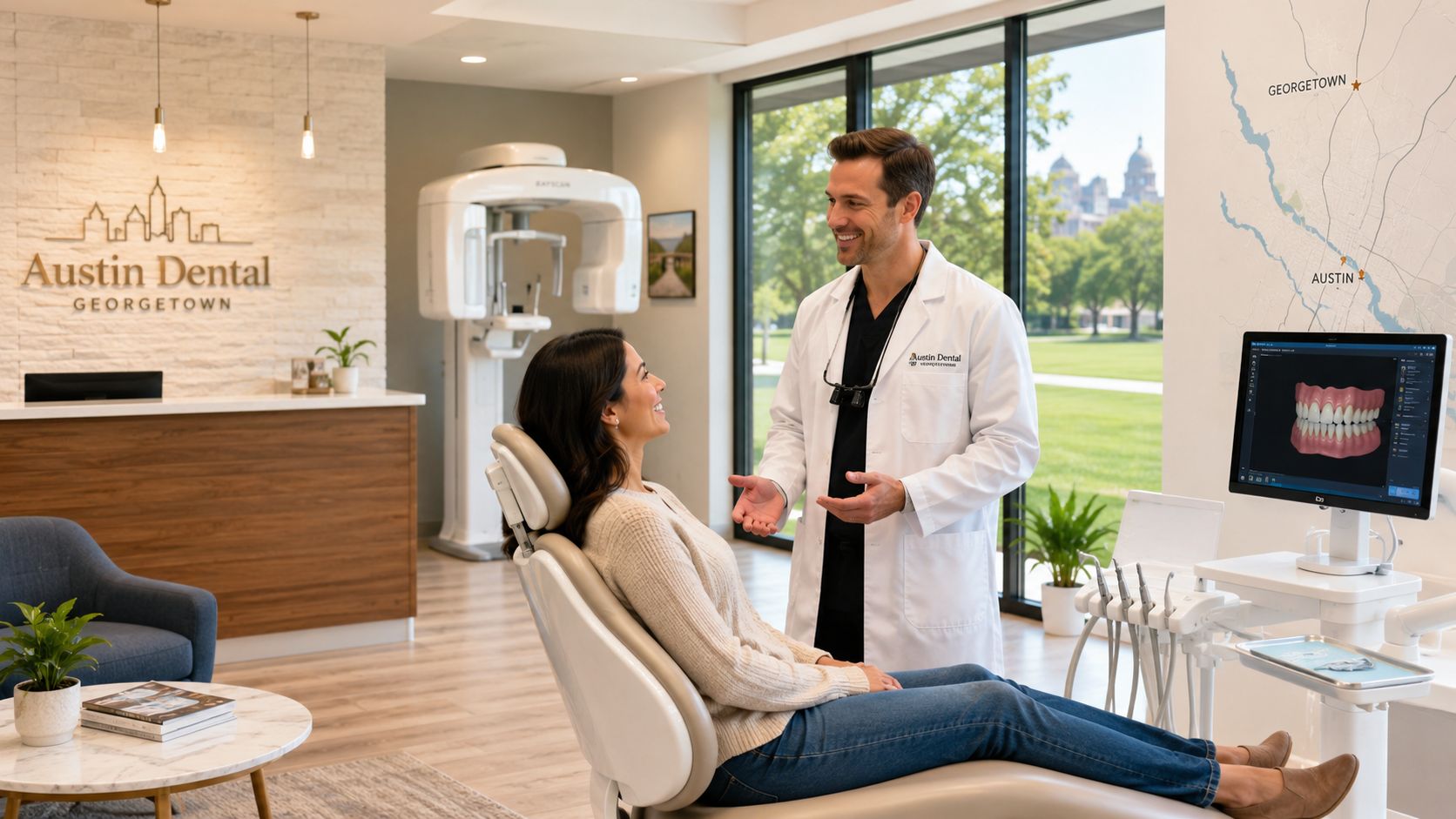
For patients comparing options in Austin or Georgetown, those tools matter because they support better planning, not just better marketing. A digital preview can help set expectations. A scan can reveal whether crowding is simple or tied to a more involved bite issue. Follow-up imaging can help confirm whether teeth are tracking as intended.
What a modern local workflow should include
At a minimum, a clear aligner process should be built around a few basics:
- Accurate records: Intraoral scans and diagnostic imaging help reduce guesswork.
- Case-specific planning: The tooth movements should fit the patient, not a generic template.
- Ongoing supervision: Check-ins matter because teeth don't always move exactly on schedule.
- Access to related care: Some patients also need cleaning and exams, restorative dentistry, or cosmetic finishing such as teeth whitening.
How this applies locally in Austin and Georgetown
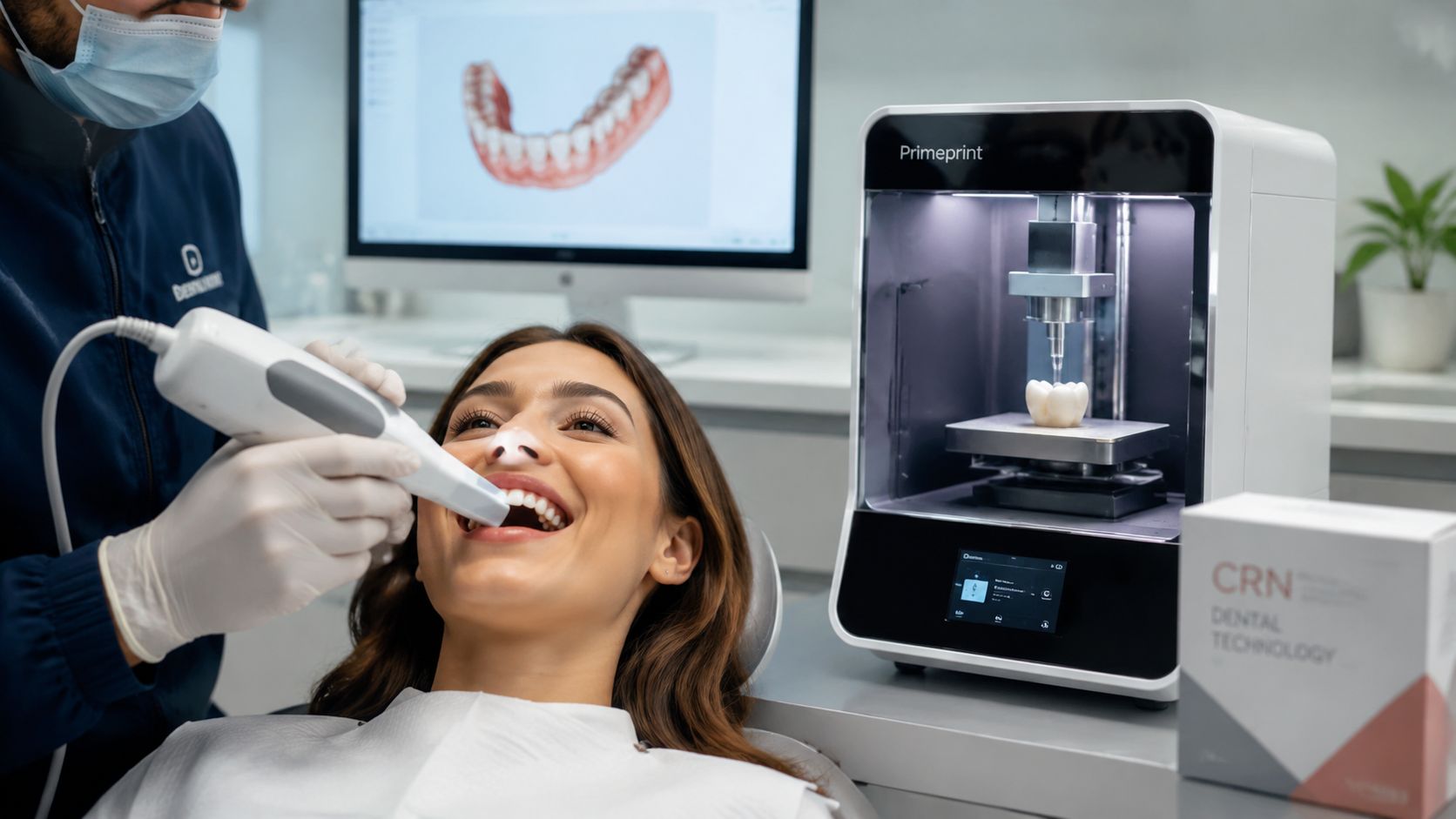
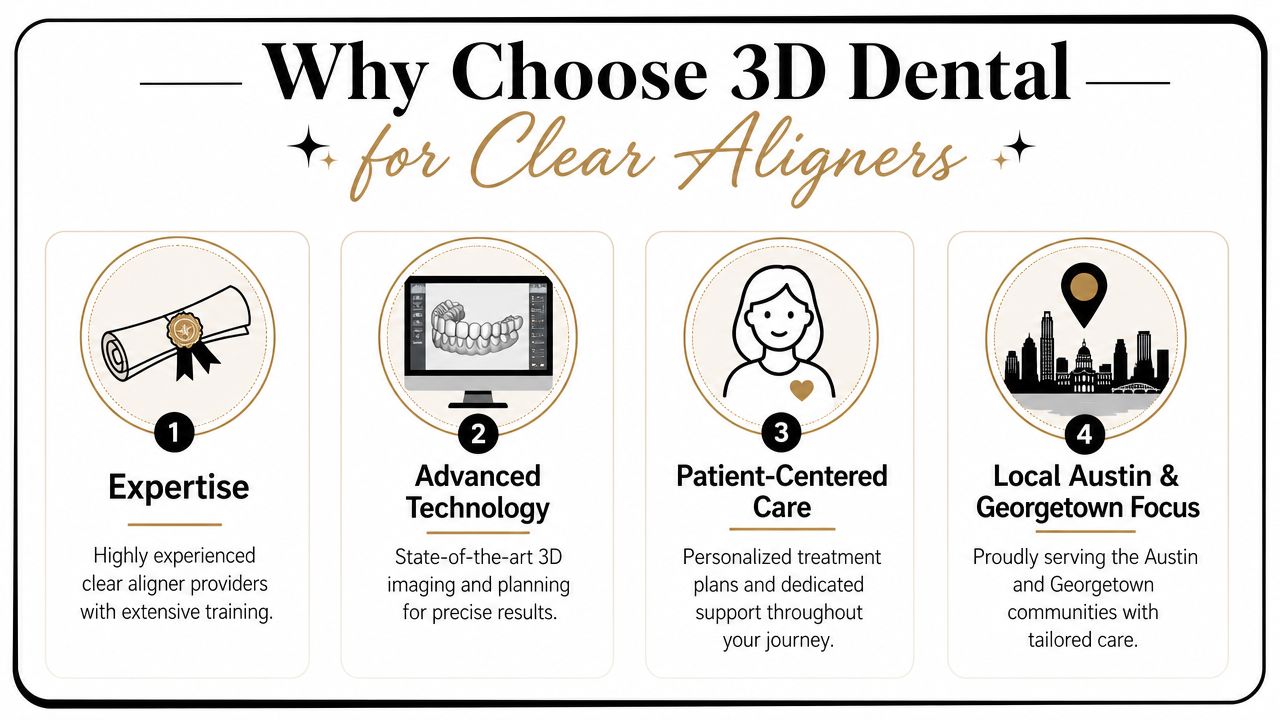
At 3D Dental, the aligner workflow includes tools such as 3D CT scanners, digital modeling, and intraoral scanning, which can support more precise diagnosis and treatment planning for patients seeking clear aligners results in North Austin or Georgetown. For patients who are balancing treatment with work, family, or school, that kind of digital workflow can also make visits more efficient and easier to understand.
Many patients looking for a dentist near me are also comparing convenience and affordability. Flexible financing options and clear treatment planning can make it easier to move forward when aligners are the right fit. The important part is still the same. The plan has to be honest, clinically sound, and customized for your smile.
If you're exploring cosmetic dentistry, braces, clear aligners, dental implants near me, or even an emergency dentist for a separate urgent need, it helps to have one dental home that can look at the full picture of your mouth, not just one isolated concern.
If you're ready to find out what kind of clear aligners results are realistic for your smile, schedule a consultation with 3D Dental. A visit at the Austin or Georgetown office can help you understand your bite, review your options, and see whether clear aligners are the right next step for a healthy, confident smile.
Ready to get started?
Schedule a free, no obligation consultation with our team and see what's possible for your smile!
Georgetown
- Mon-Thurs8:30am-5pm
- Fri8am-3:30pm
- Sat-SunClosed
Austin
- Mon-Tues8am-5pm
- Wed-Thurs9am-6pmFri8am-2pm
- Sat-SunClosed