
Patient Education Materials for Better Austin Dental Care
Related Posts

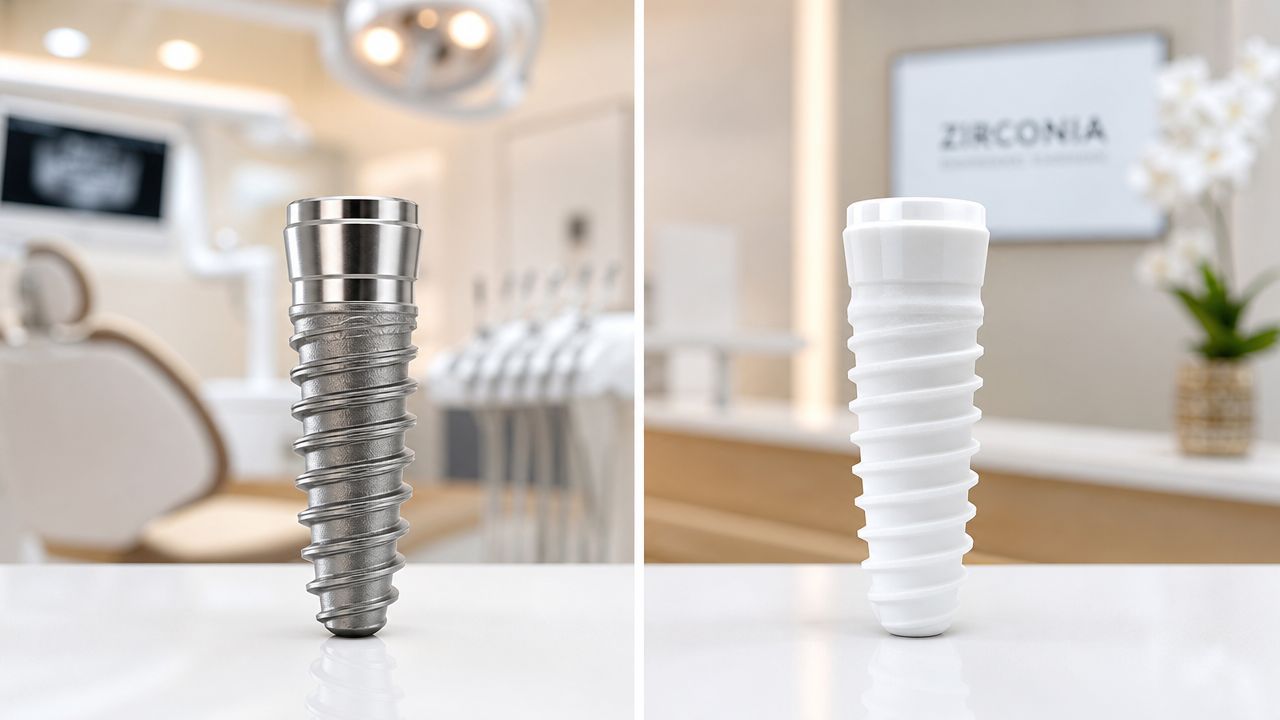
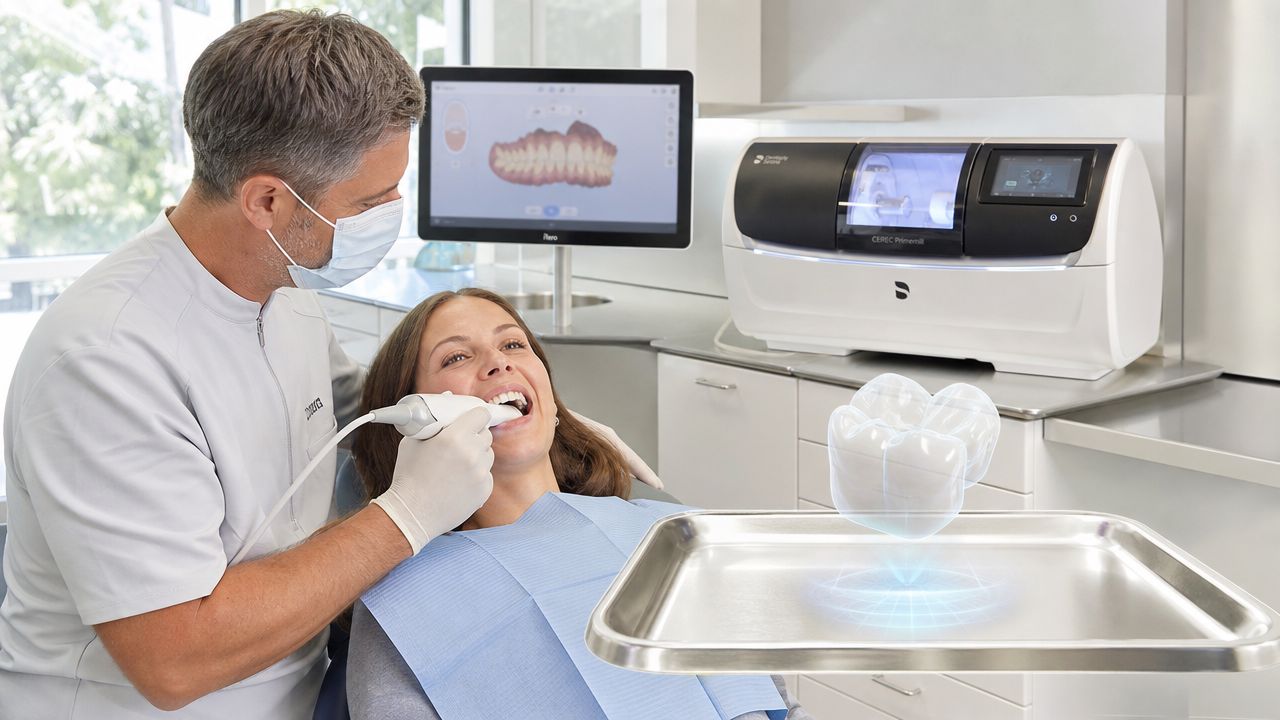
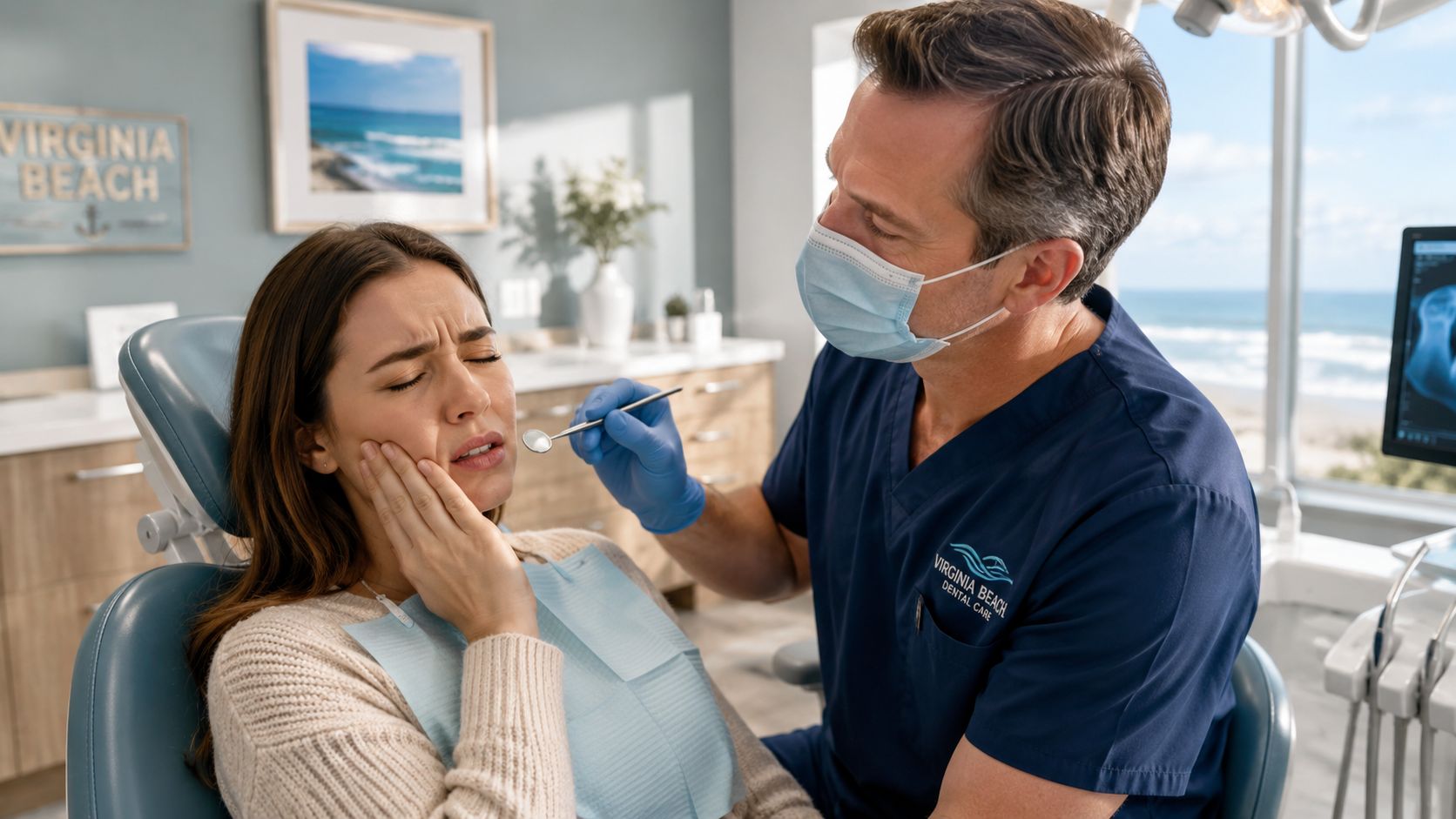
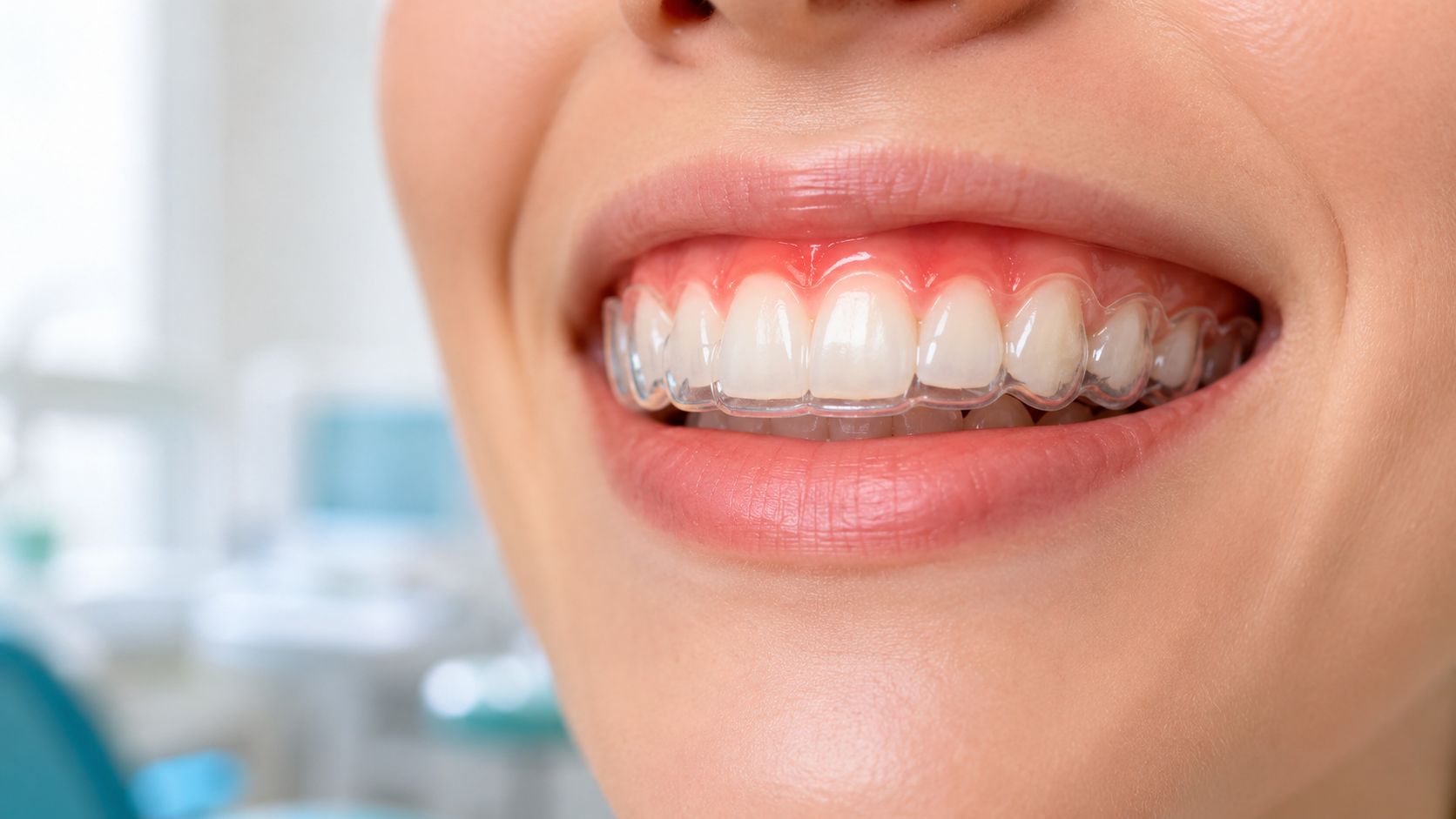

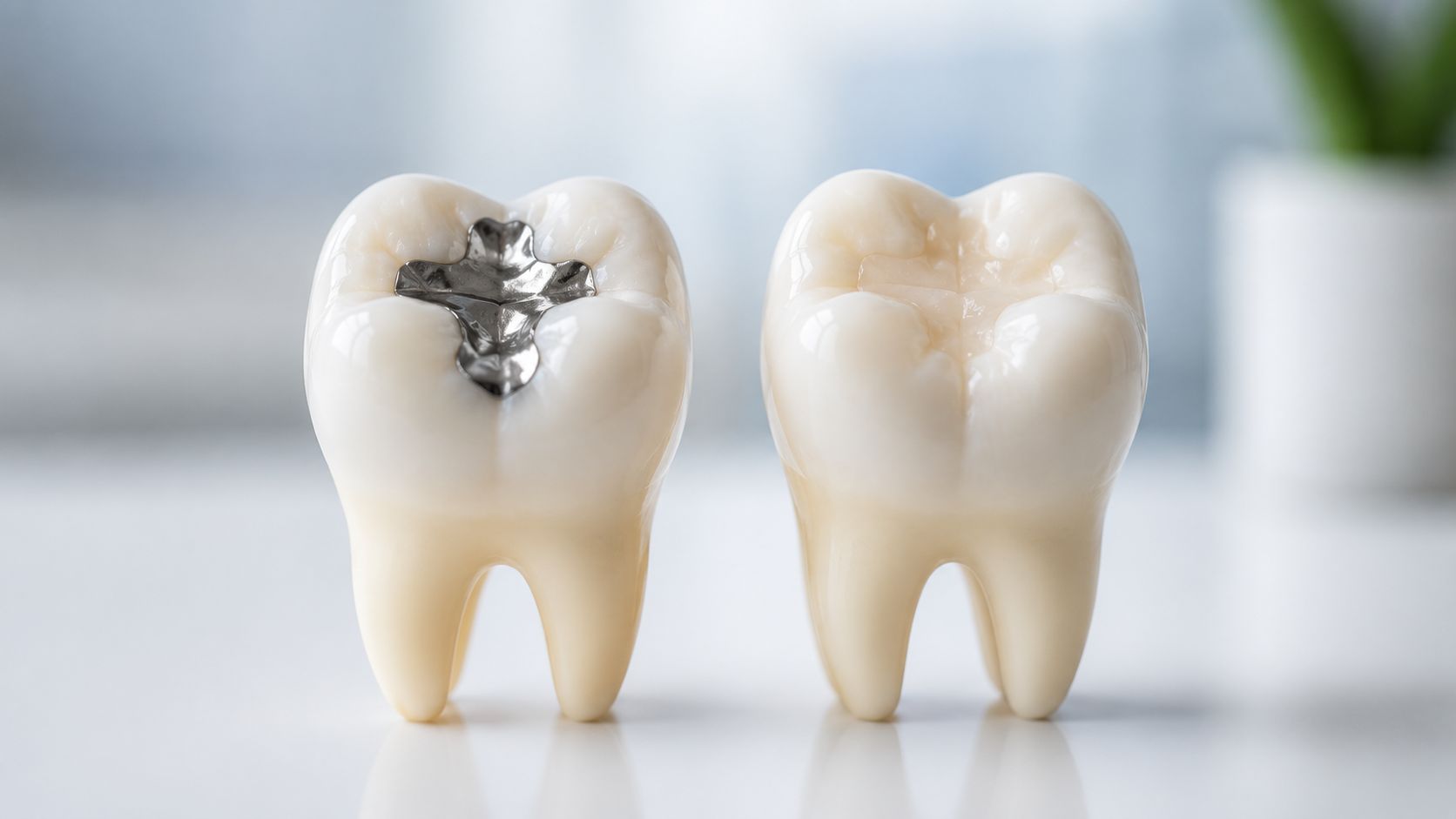


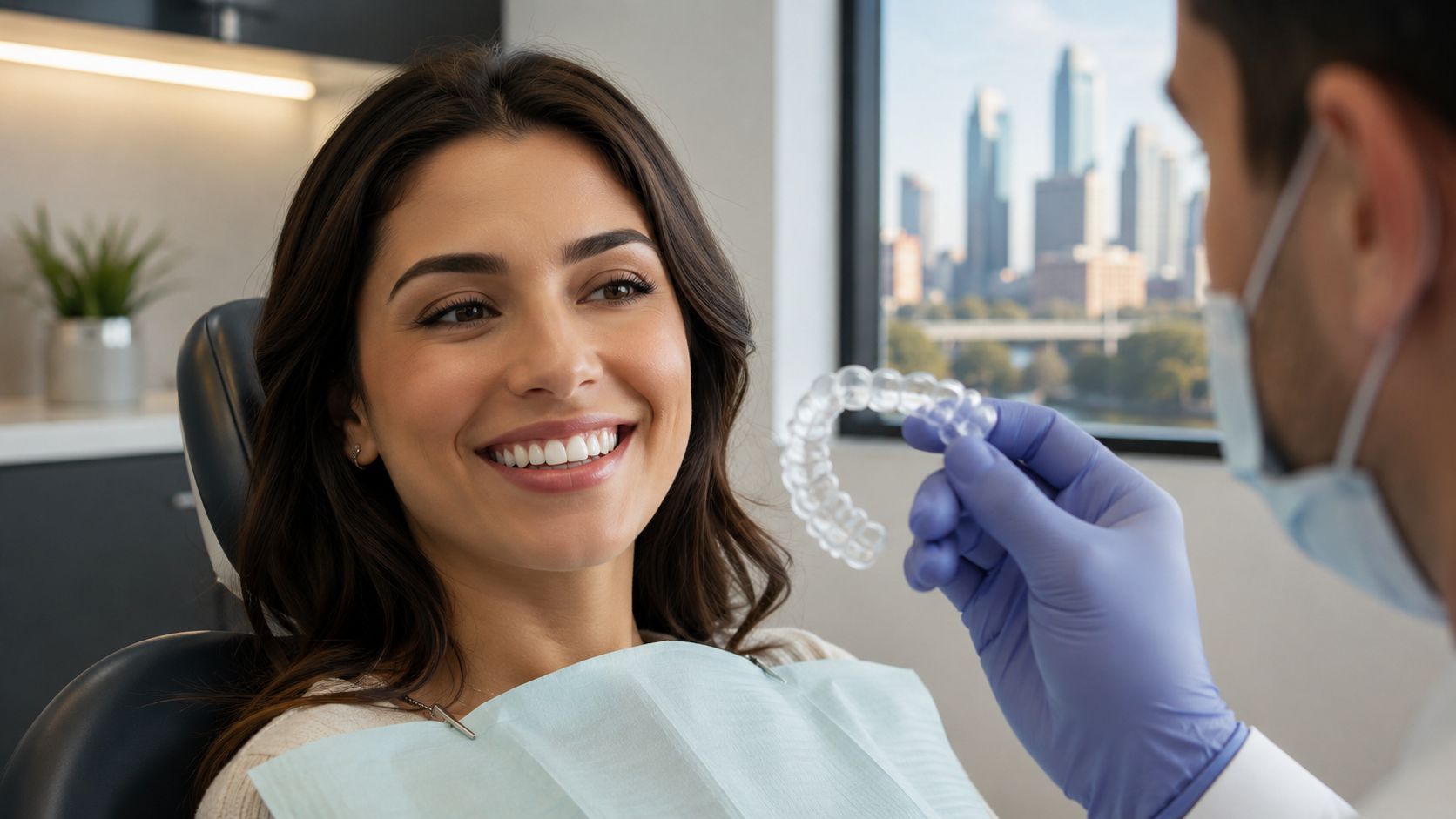
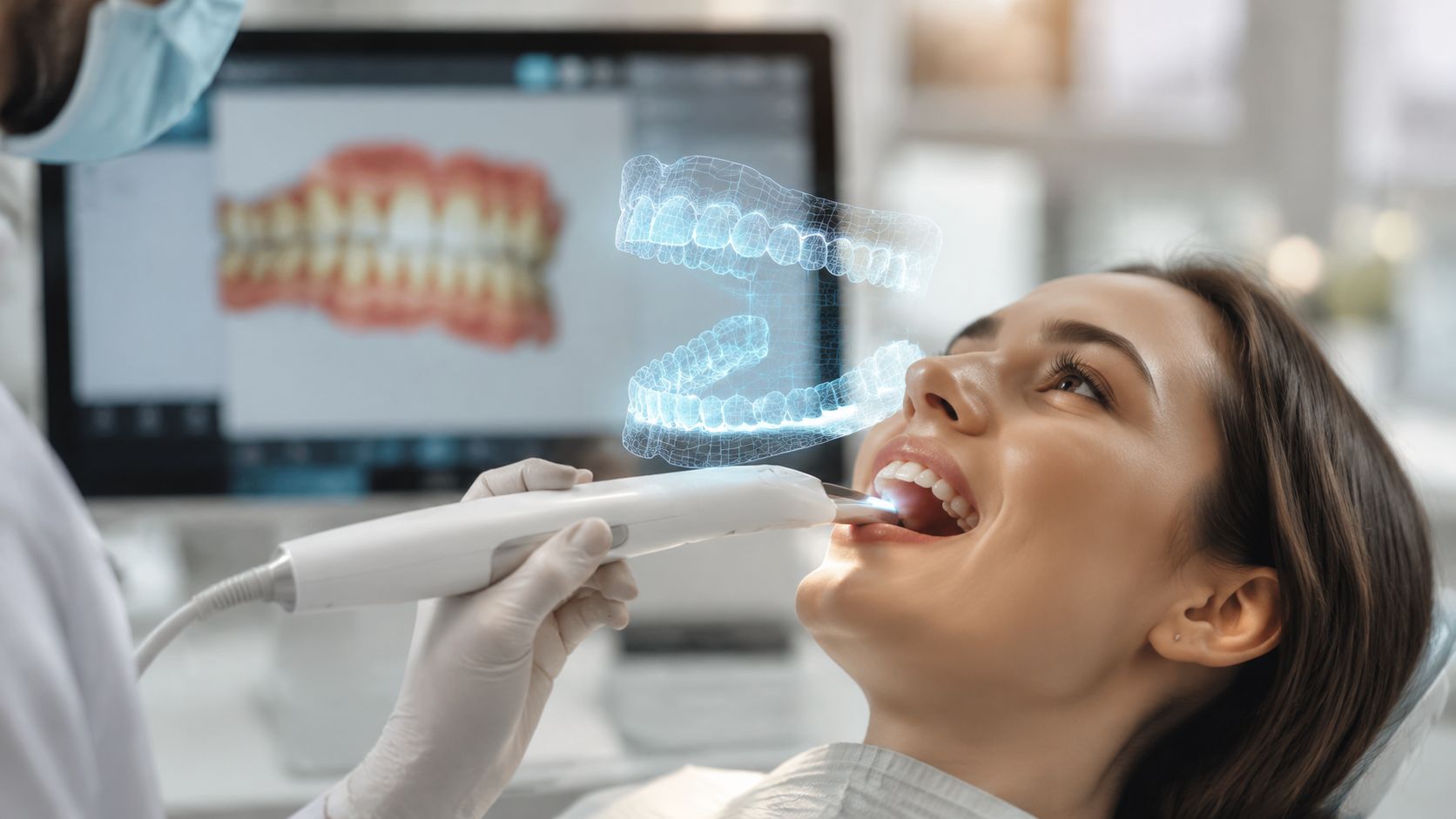
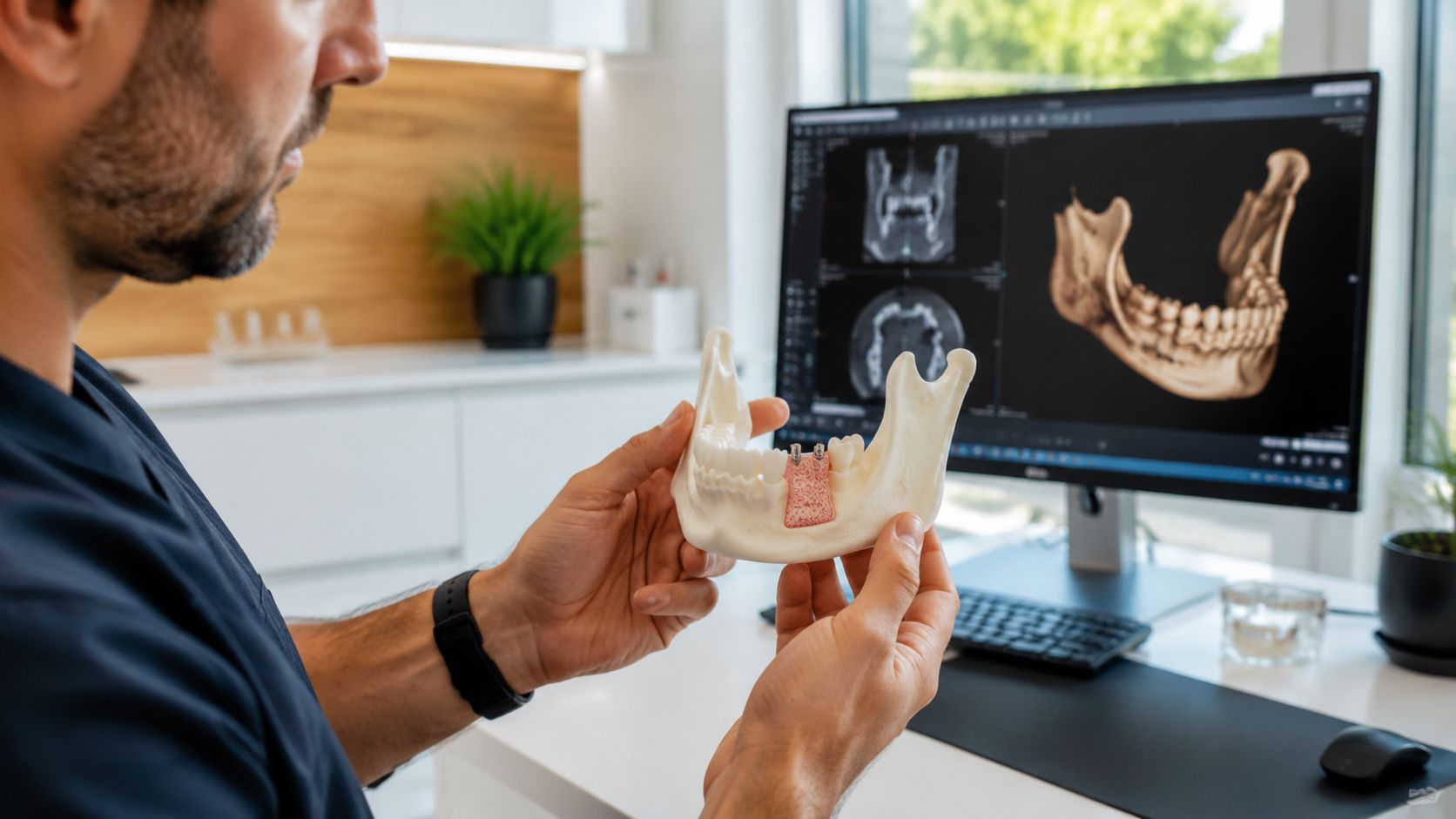
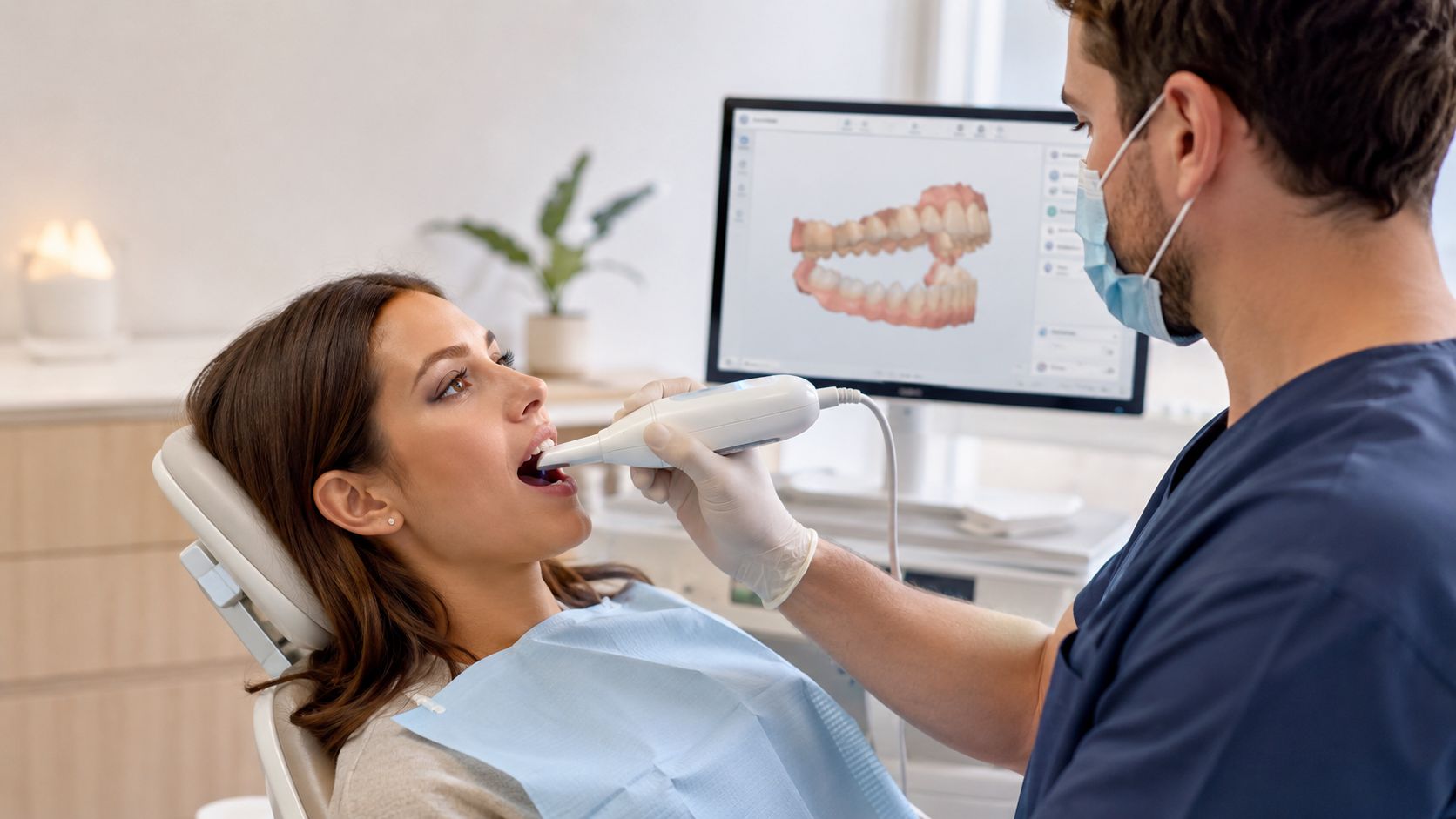
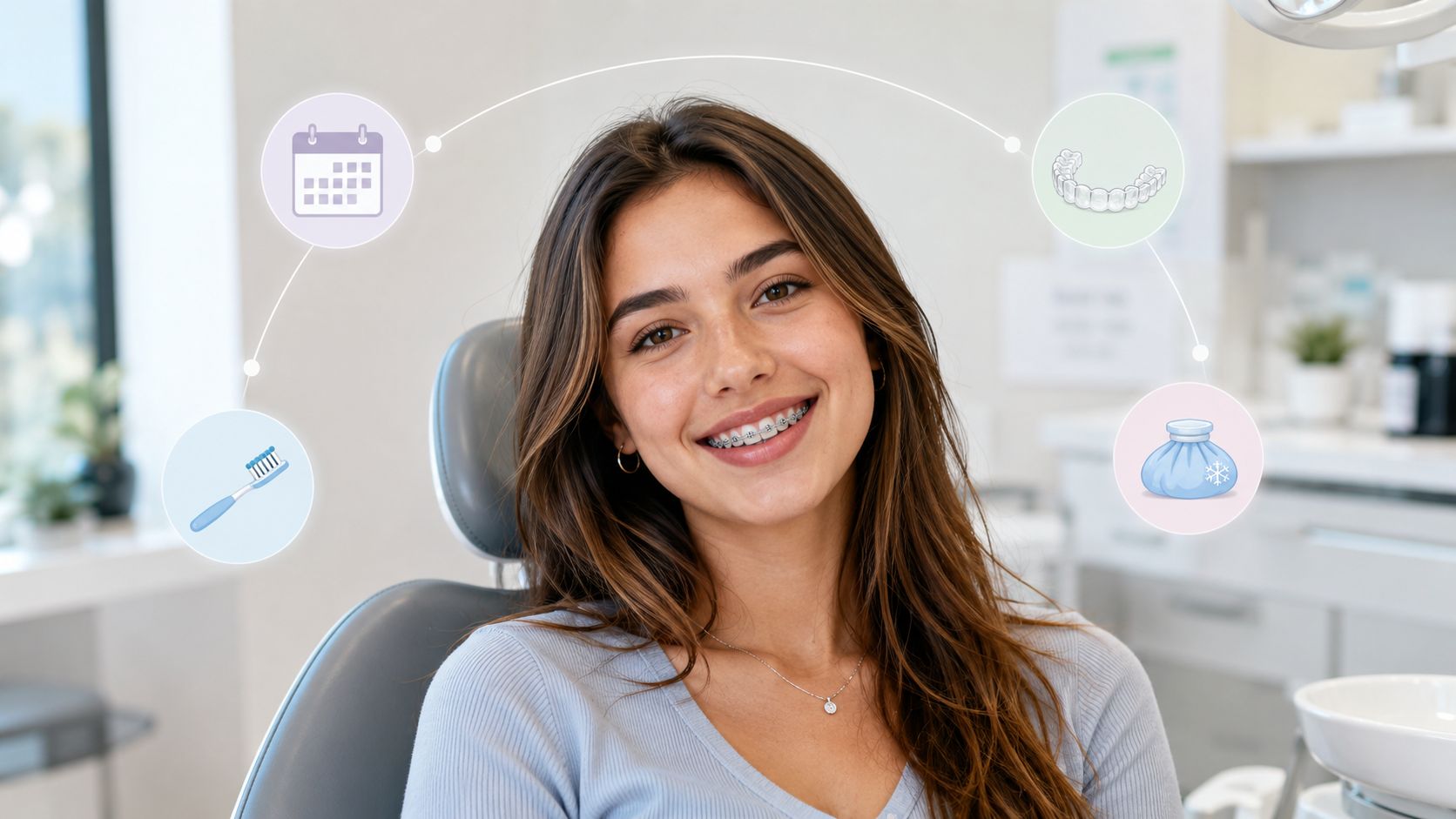
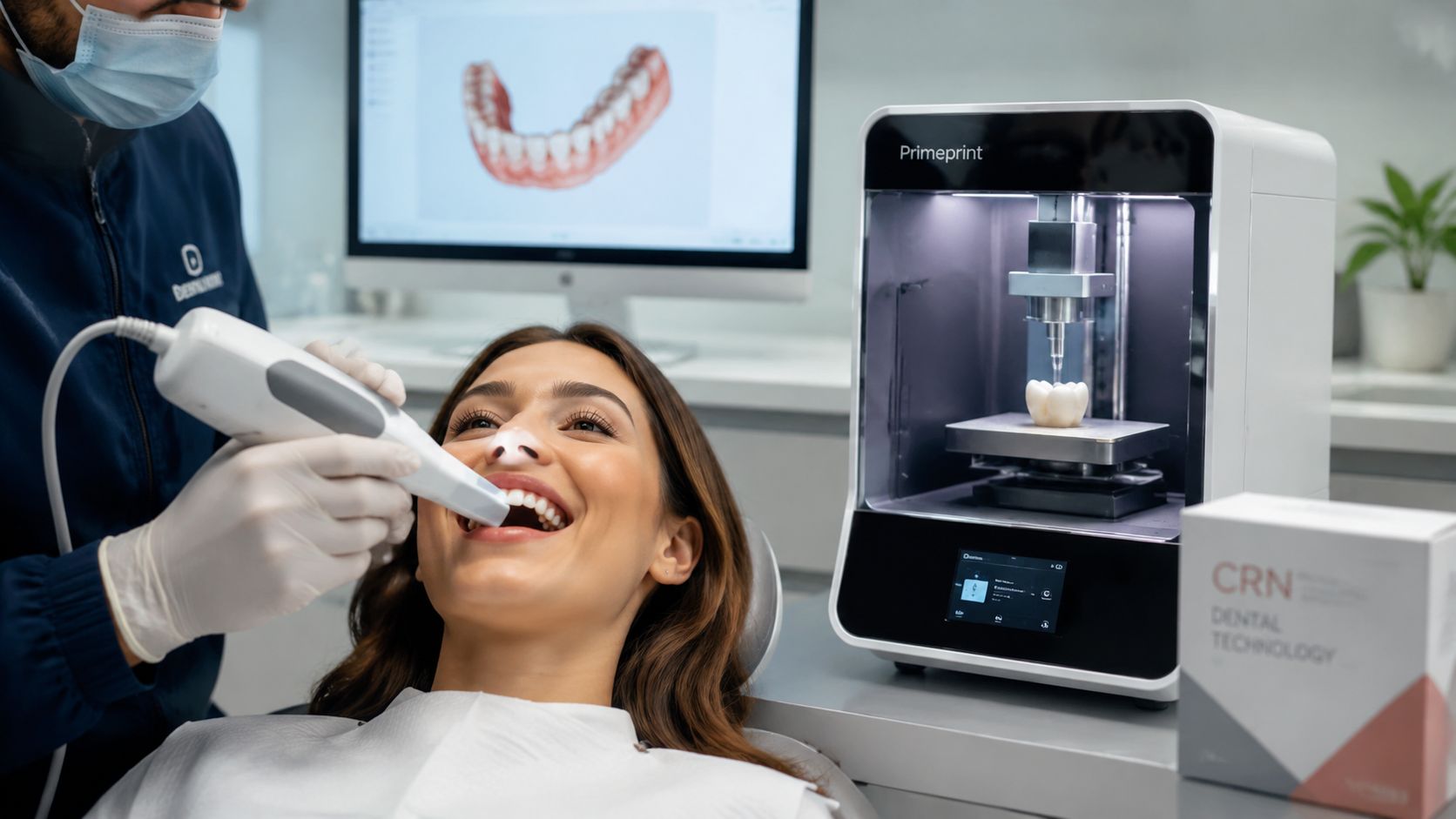
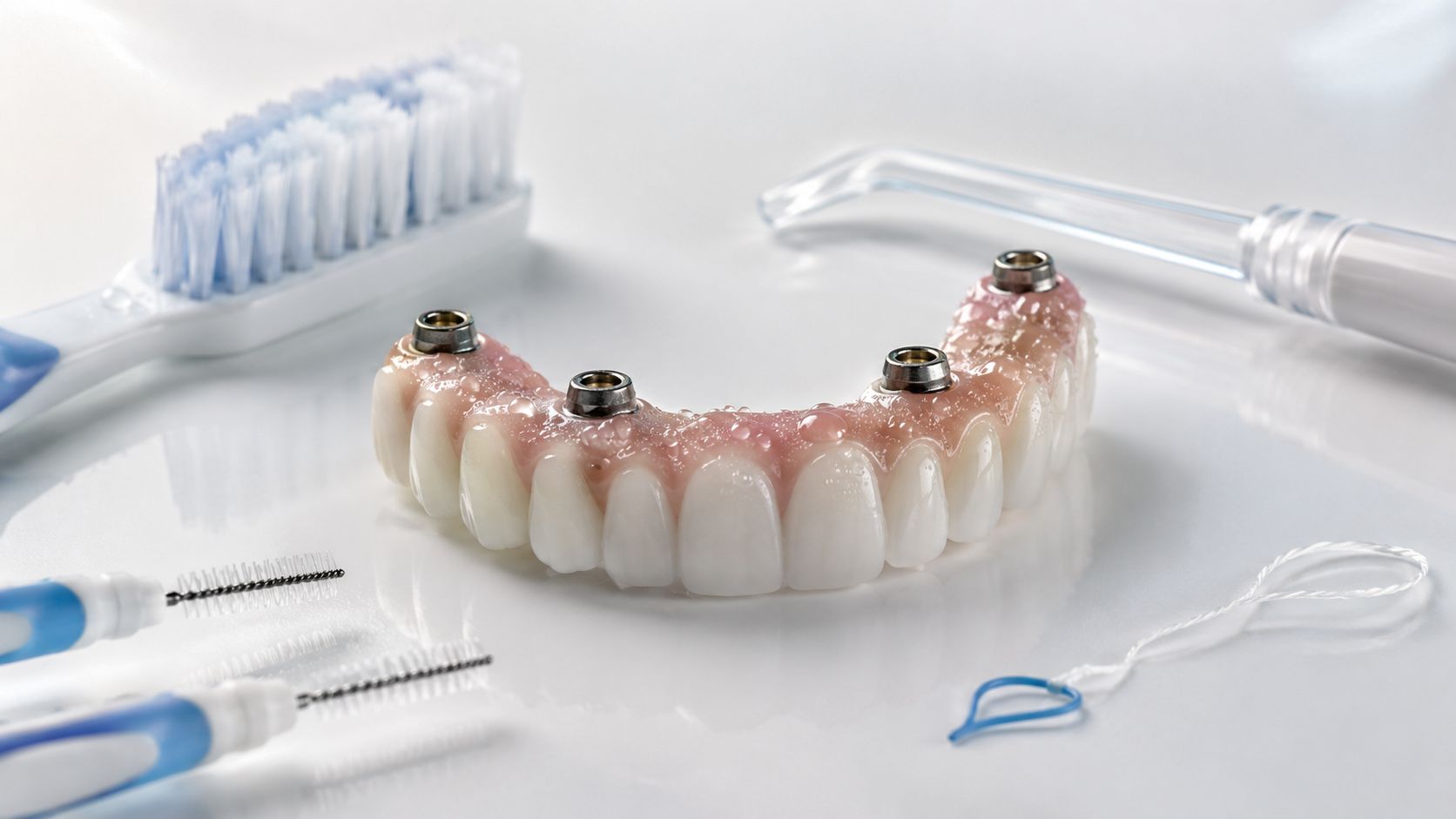
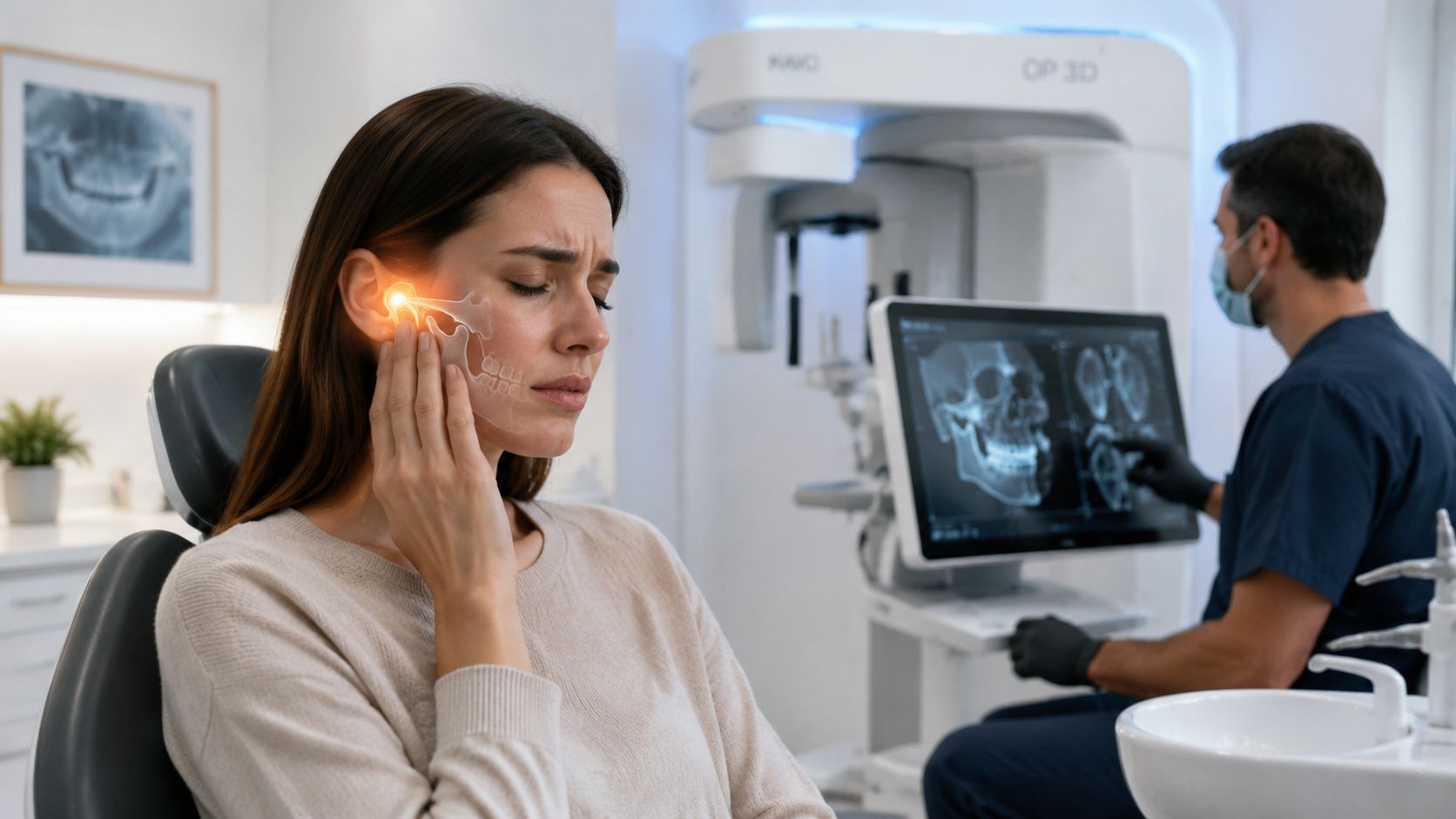
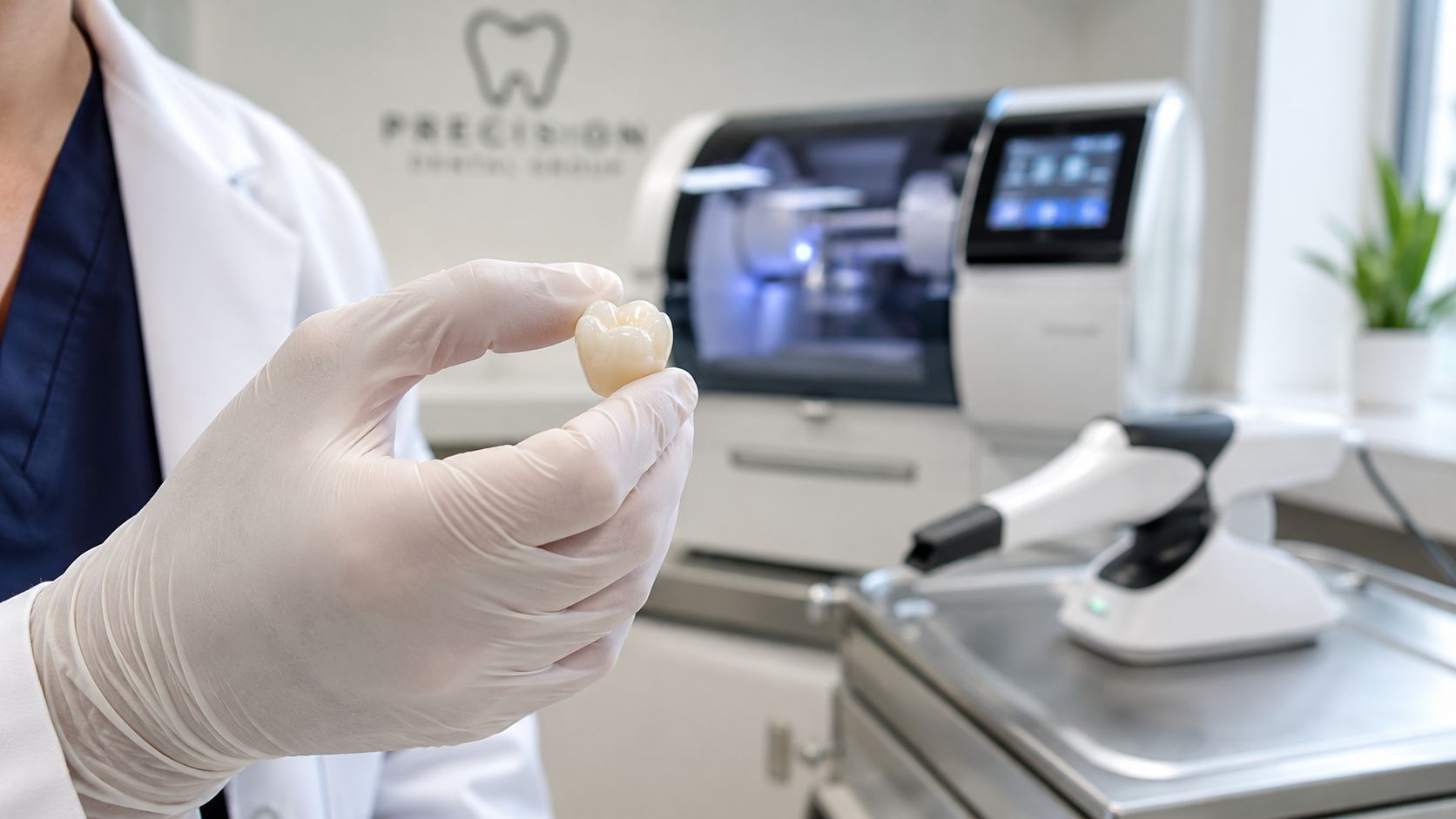
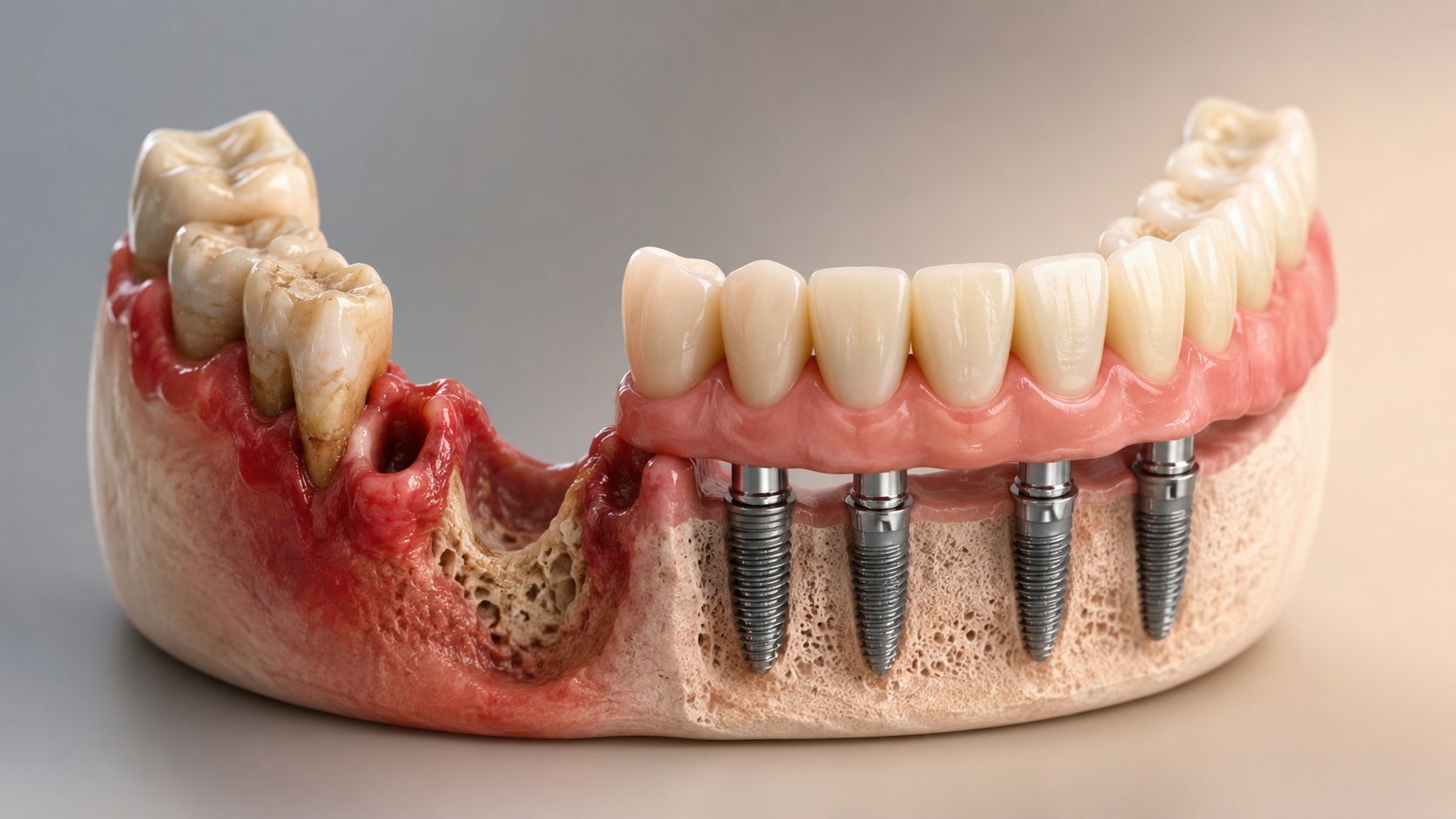
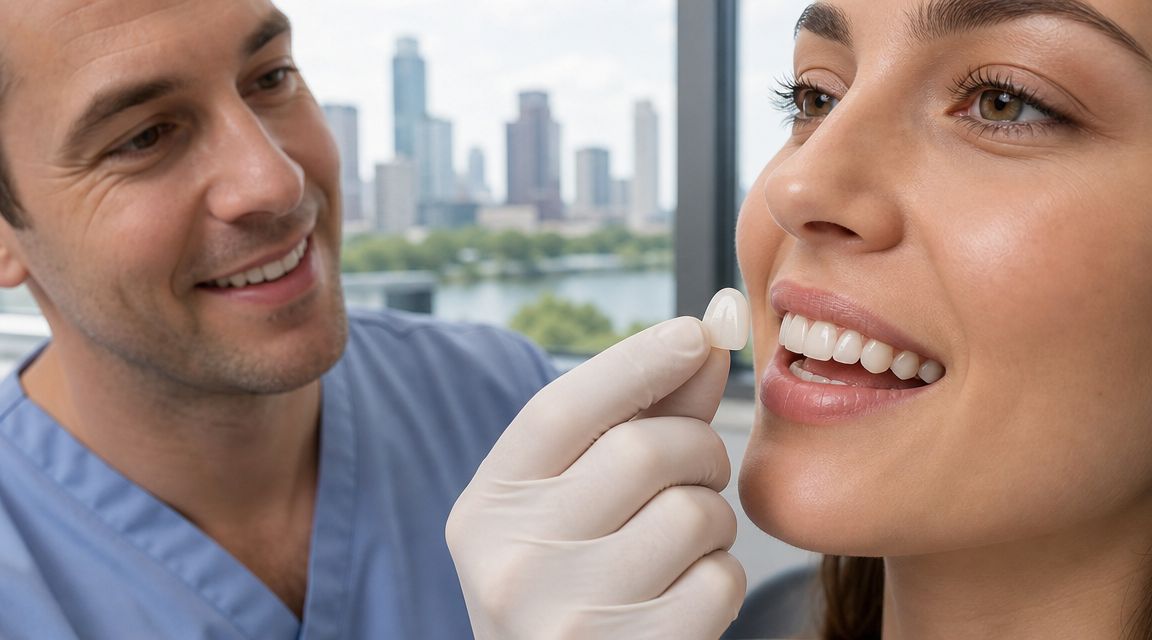
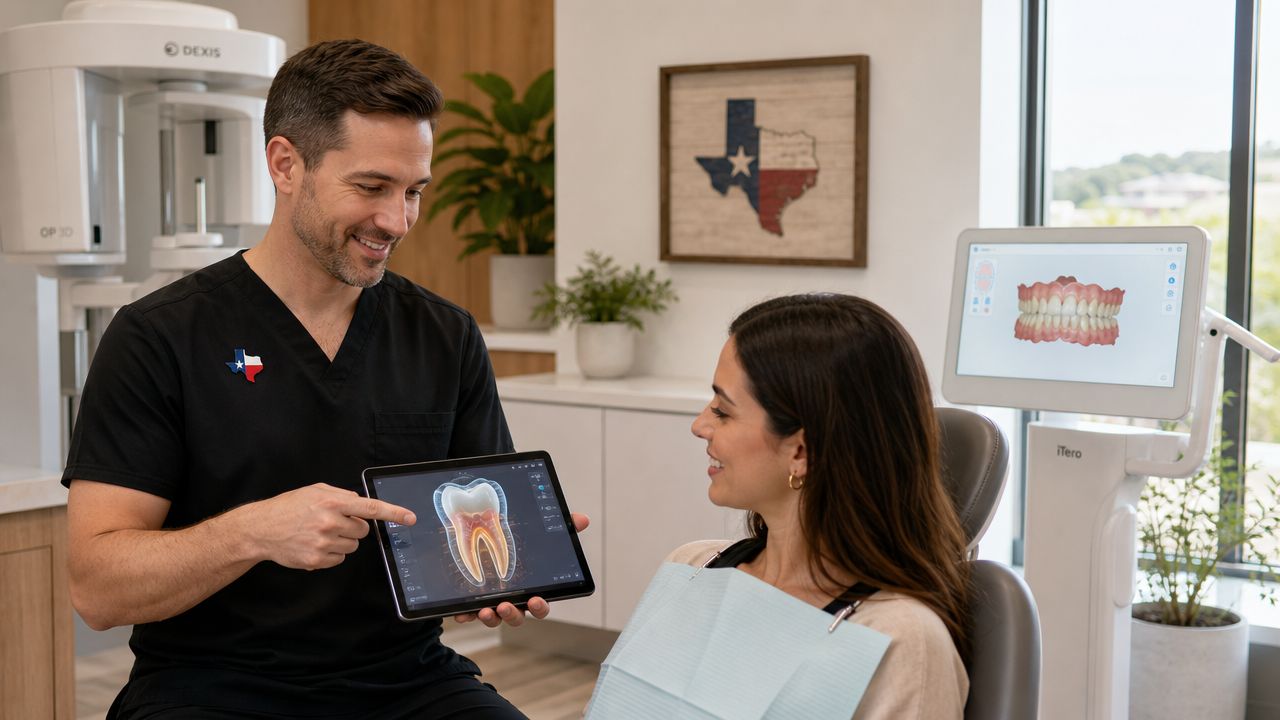
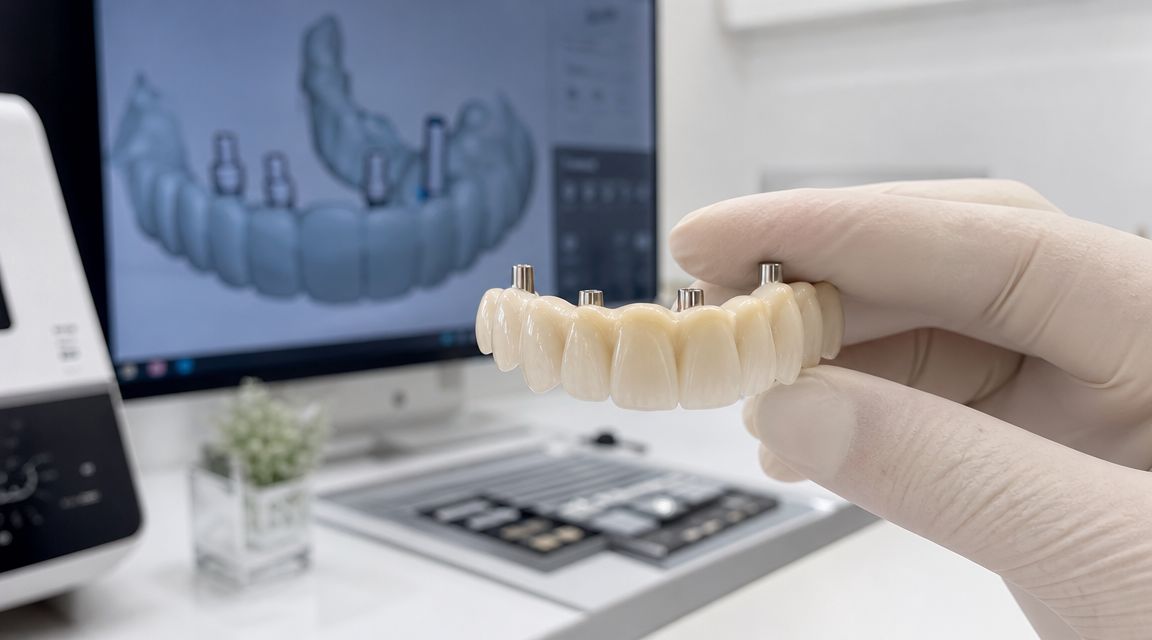
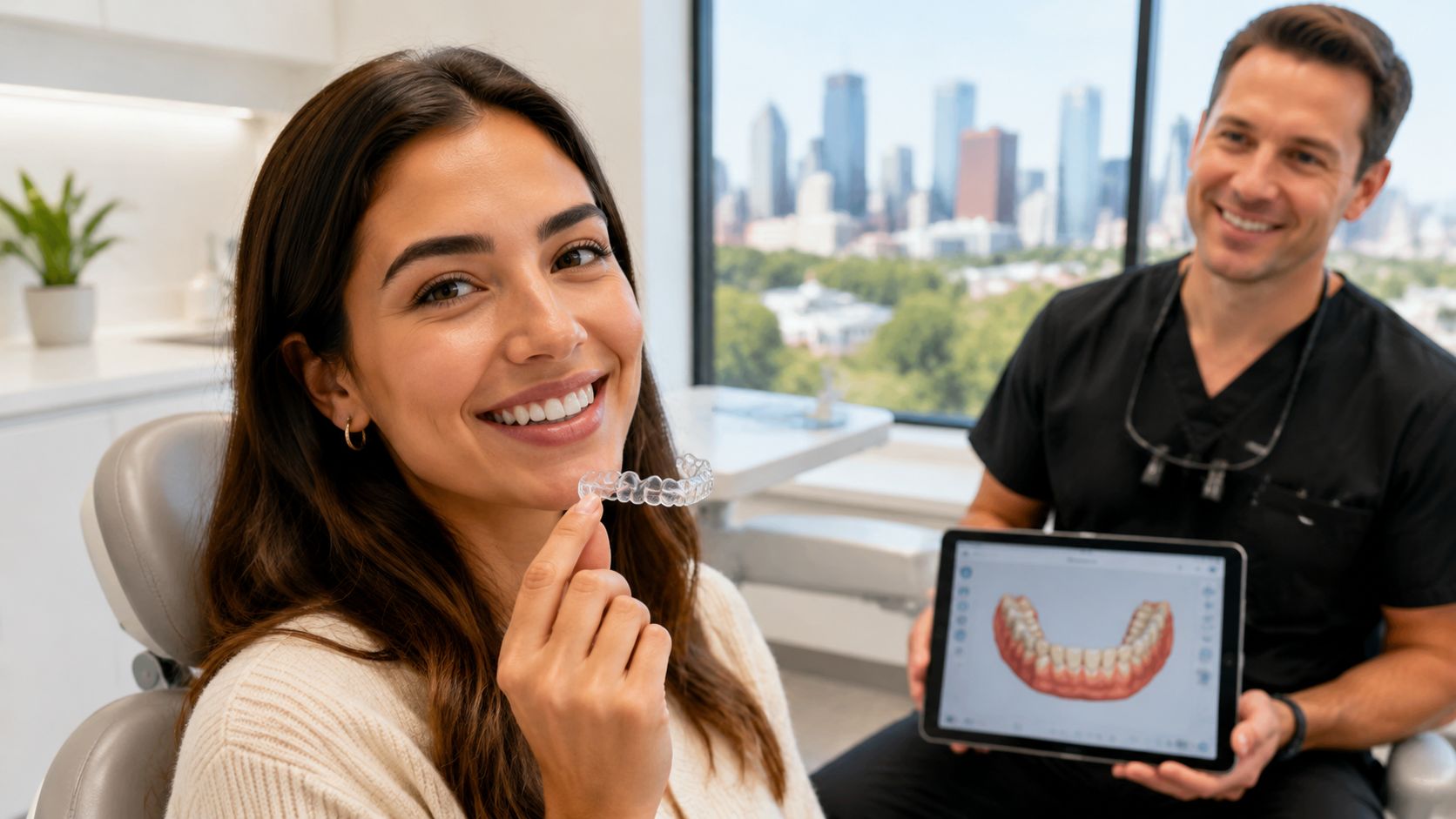
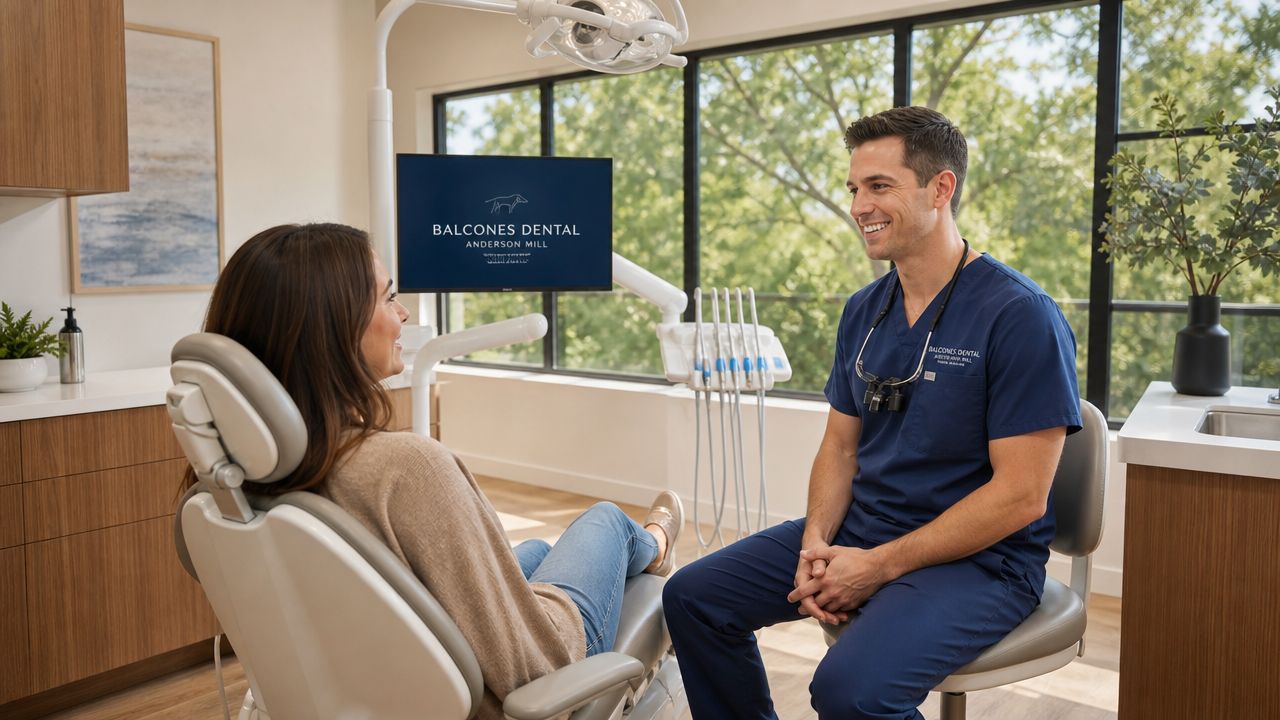
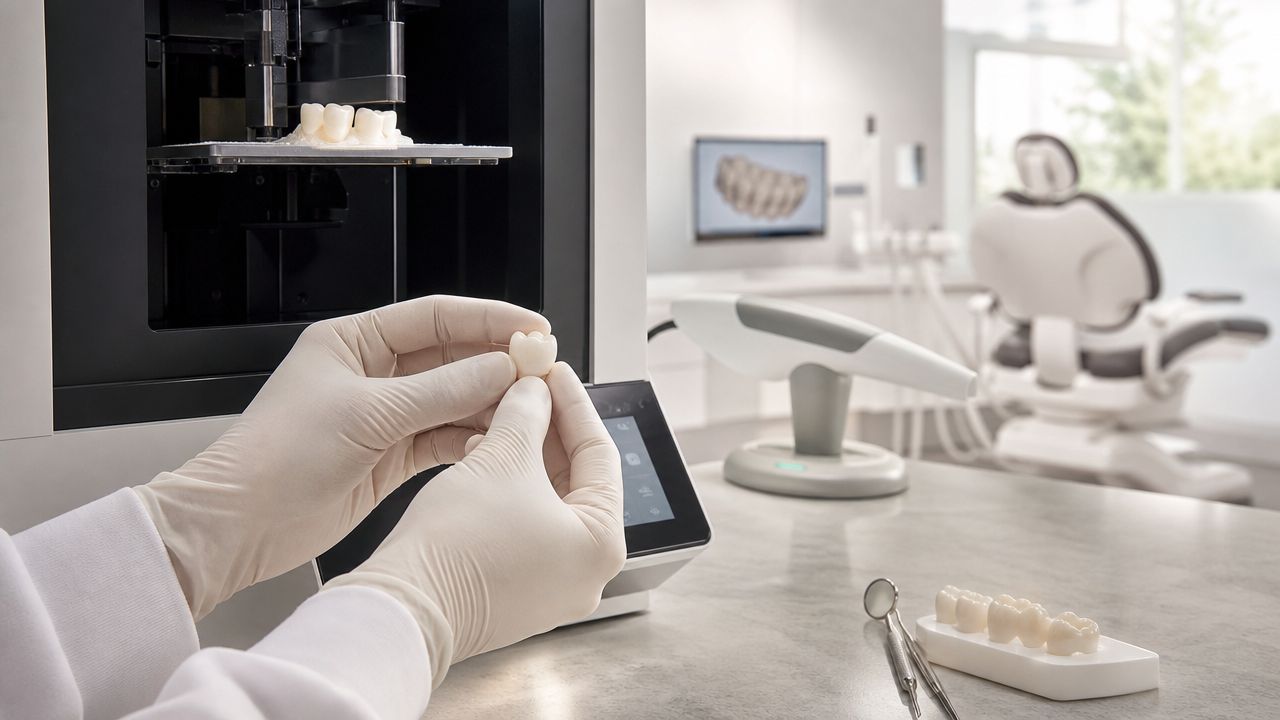
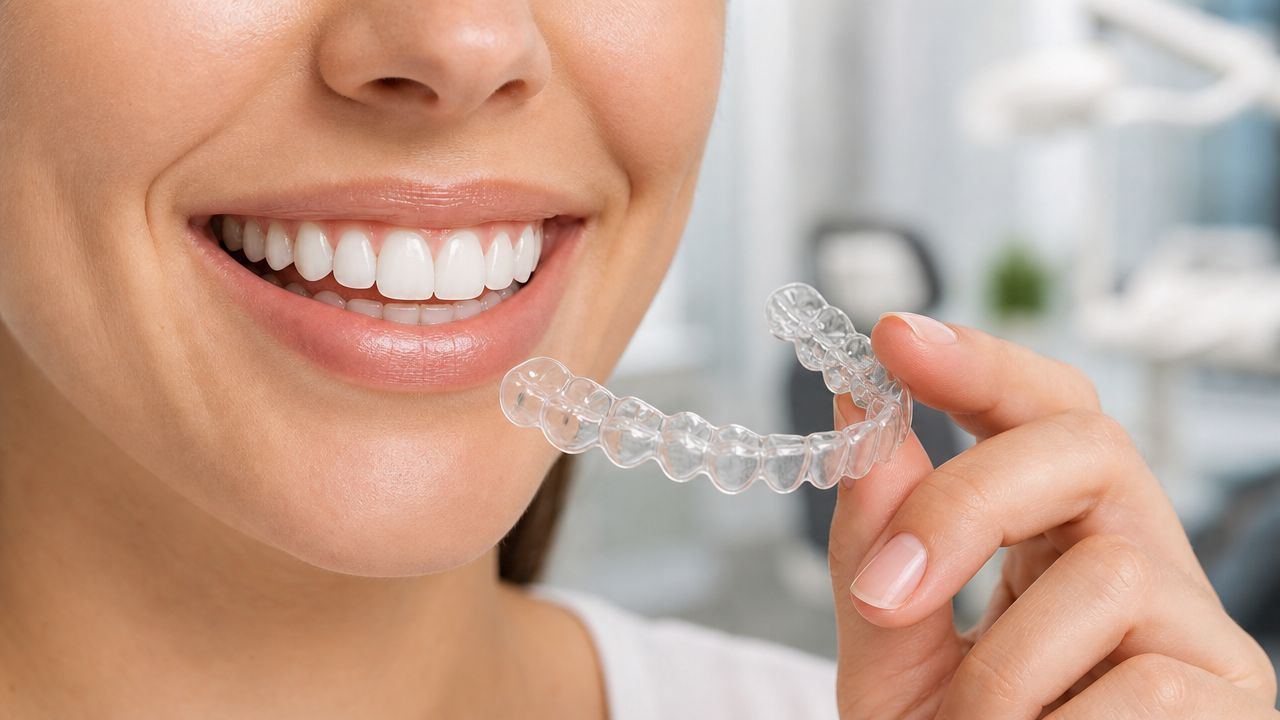
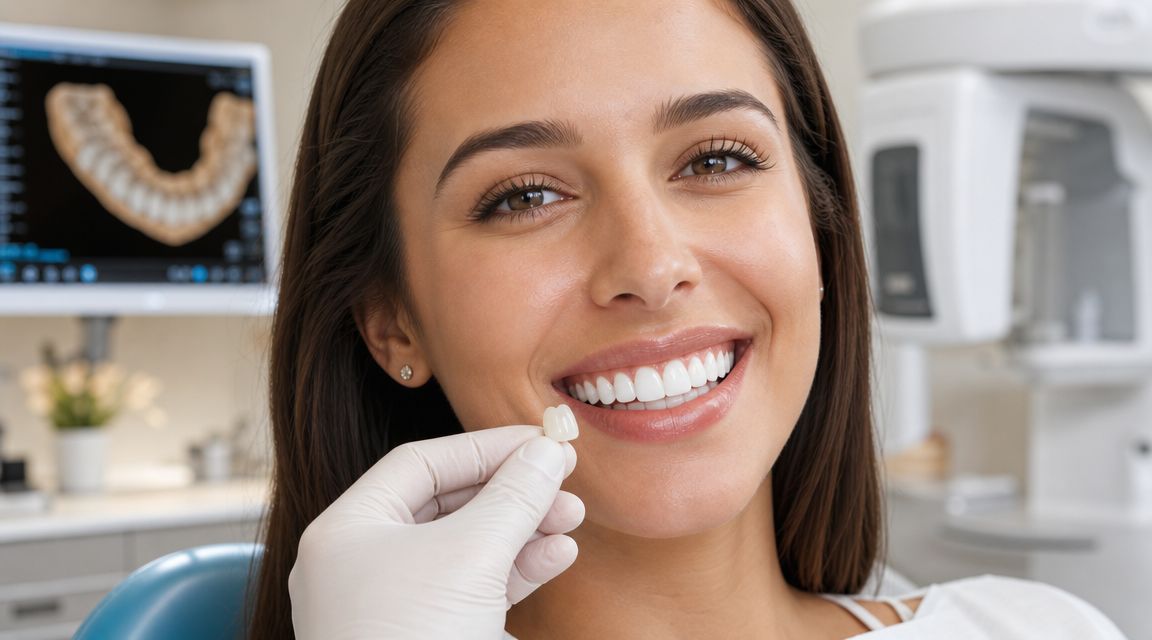
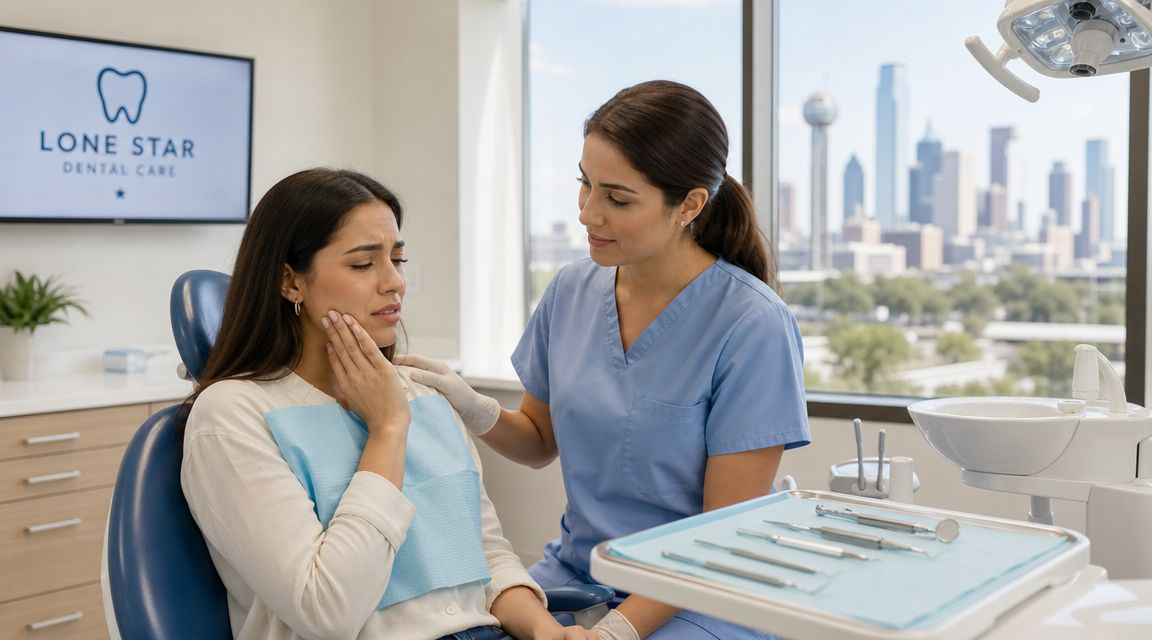

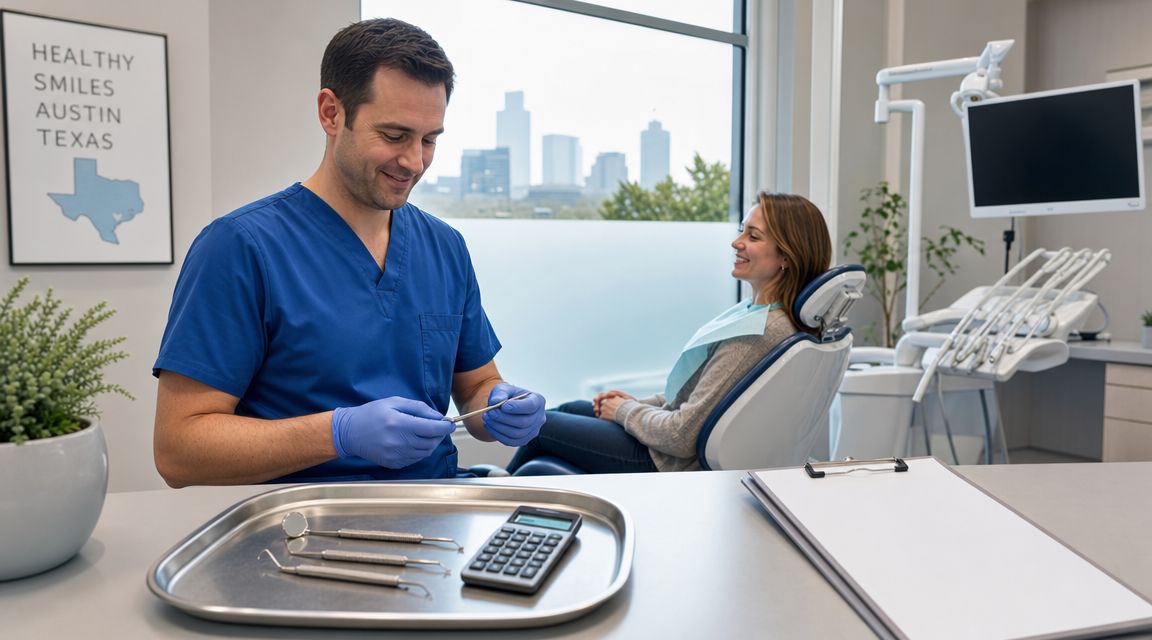
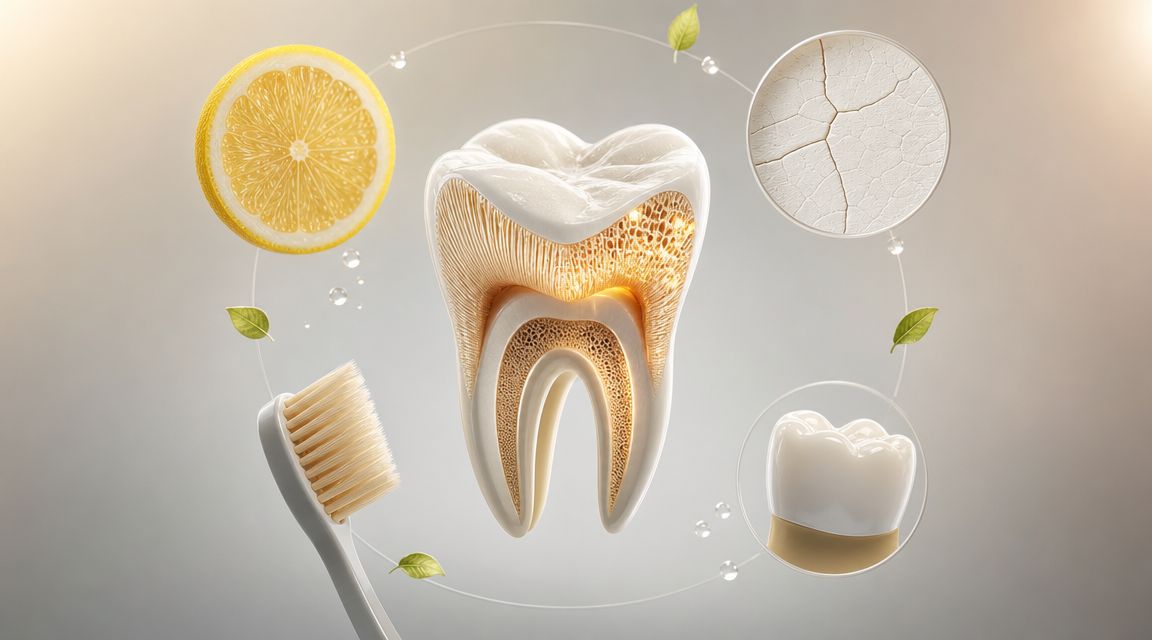
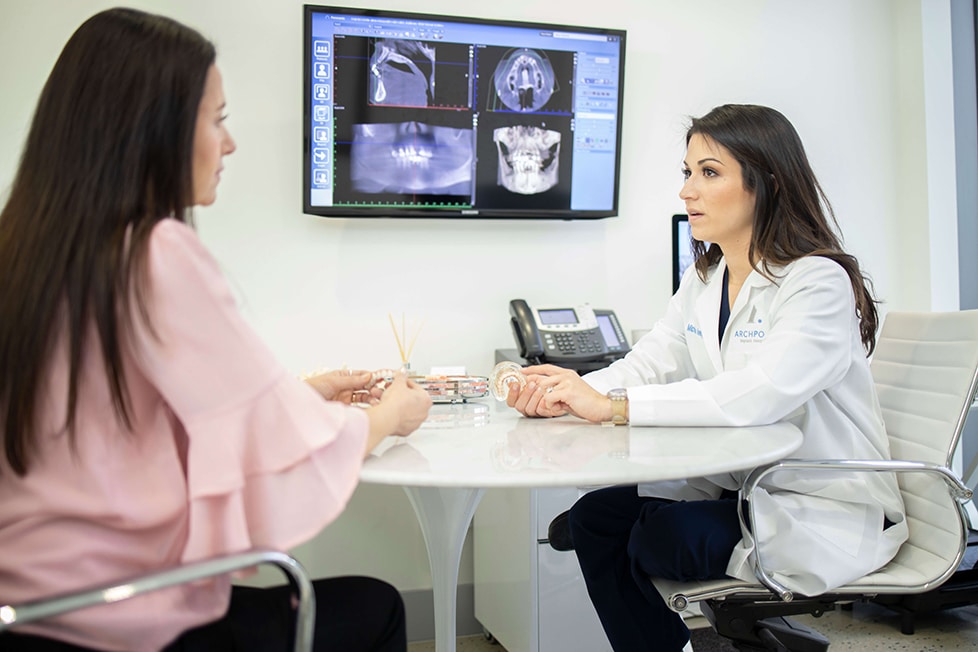

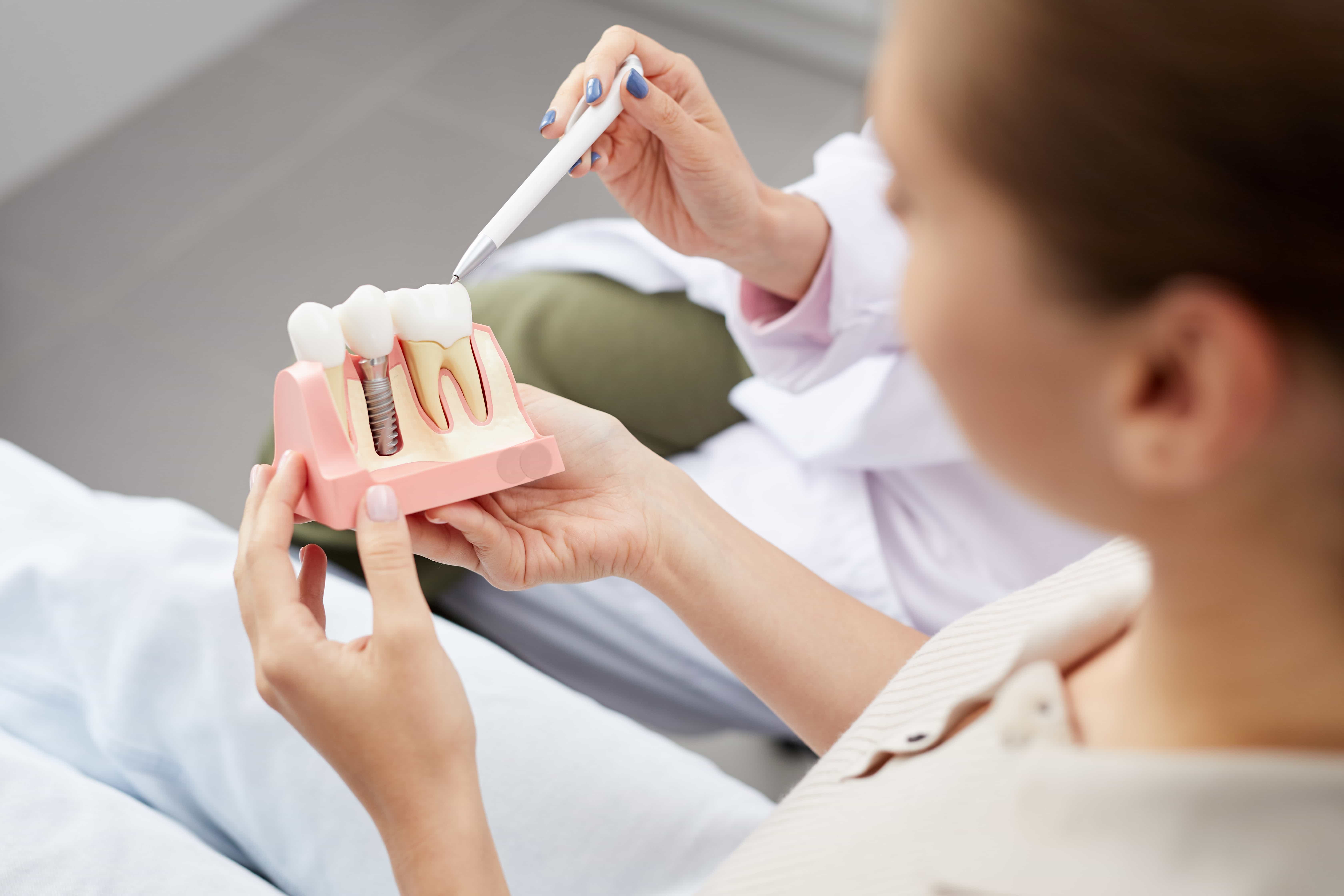







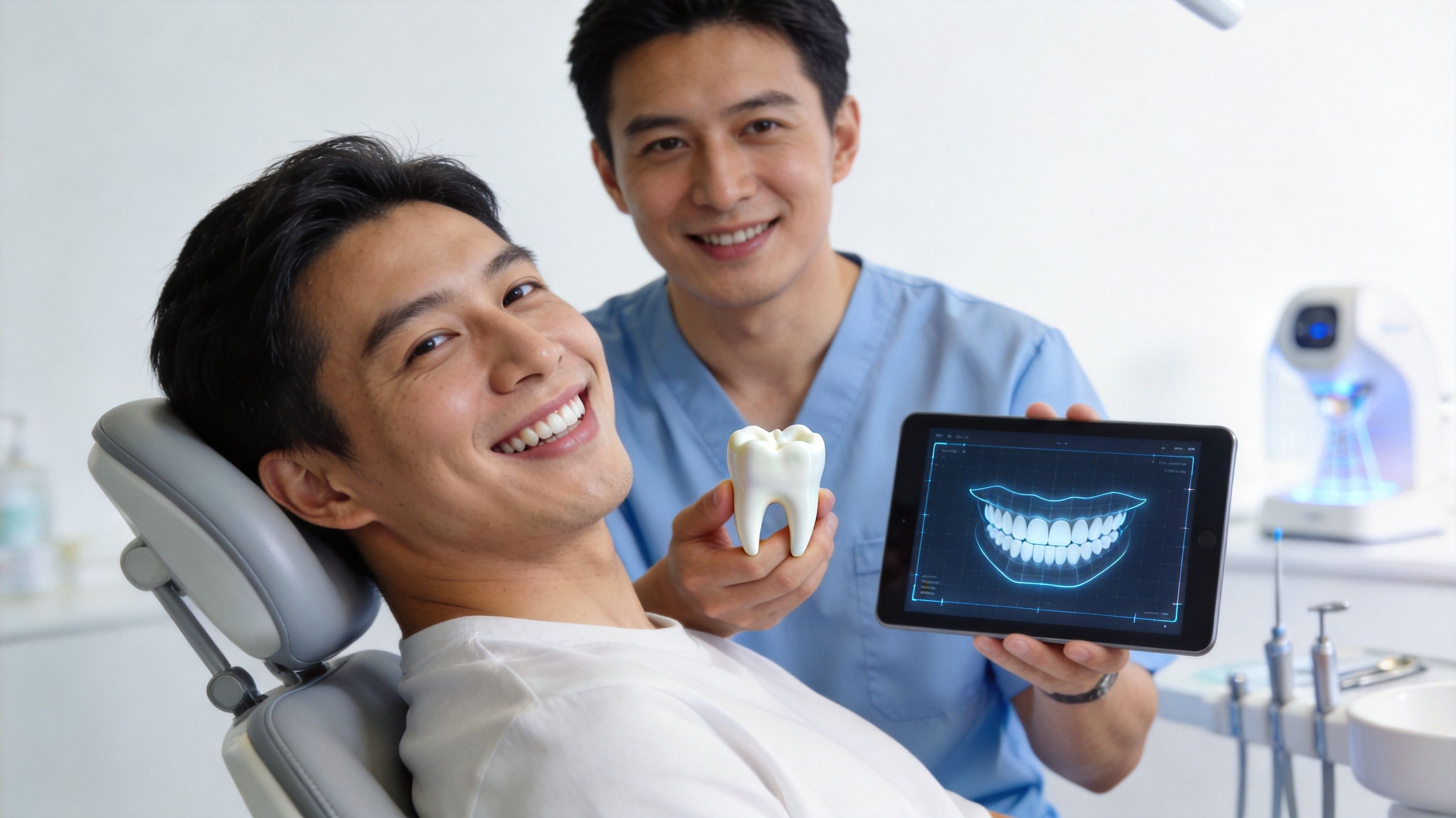

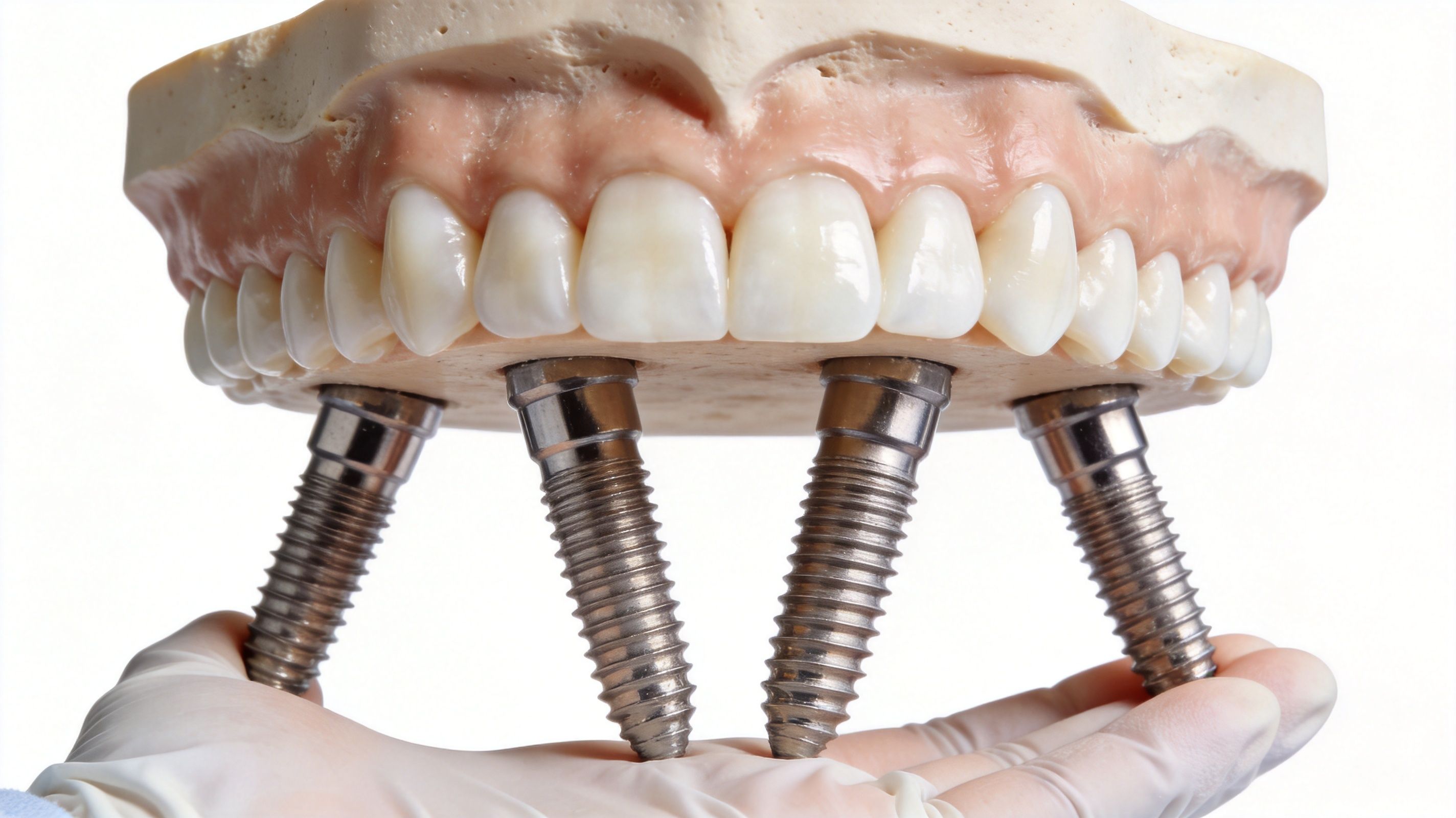
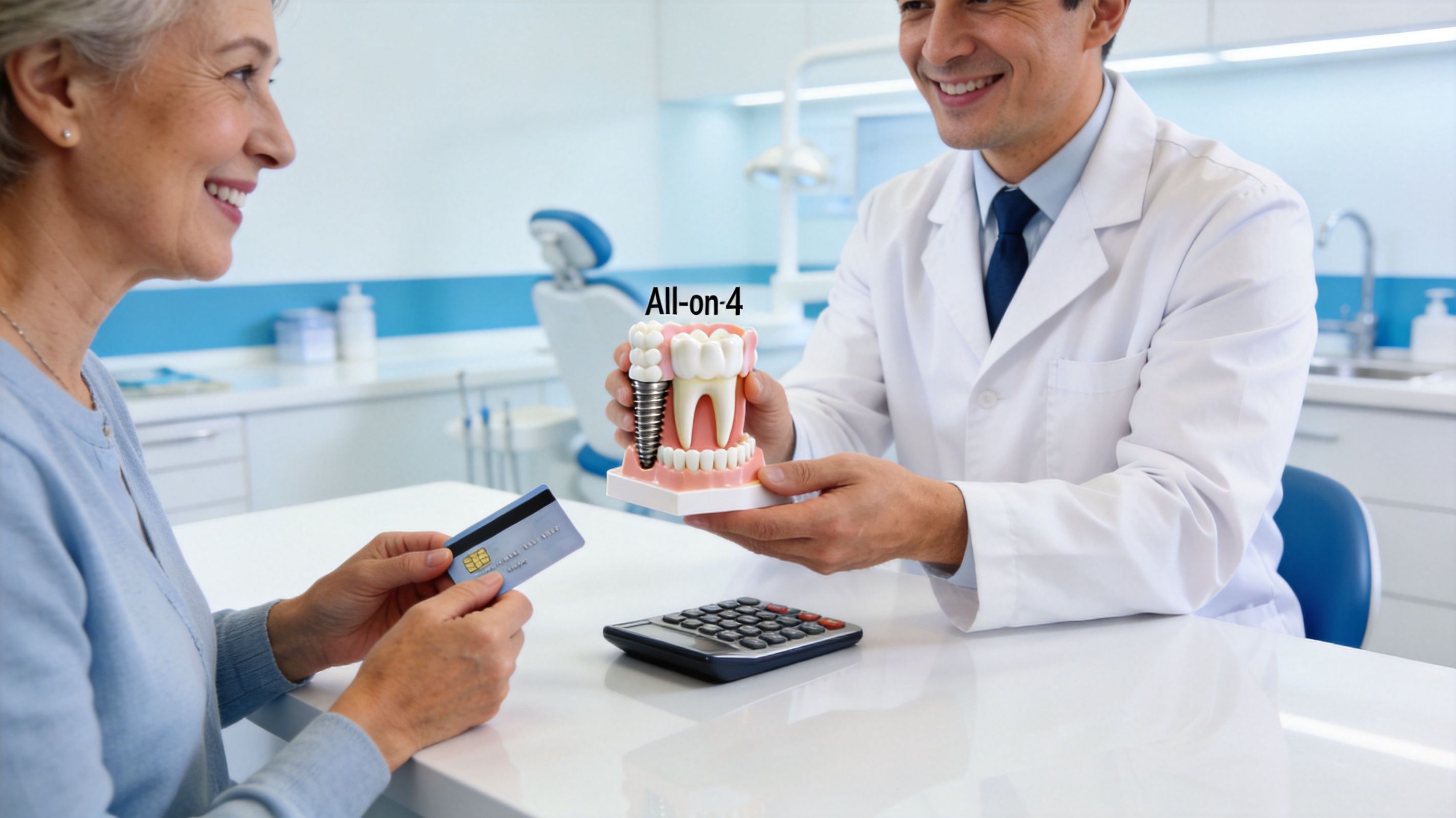



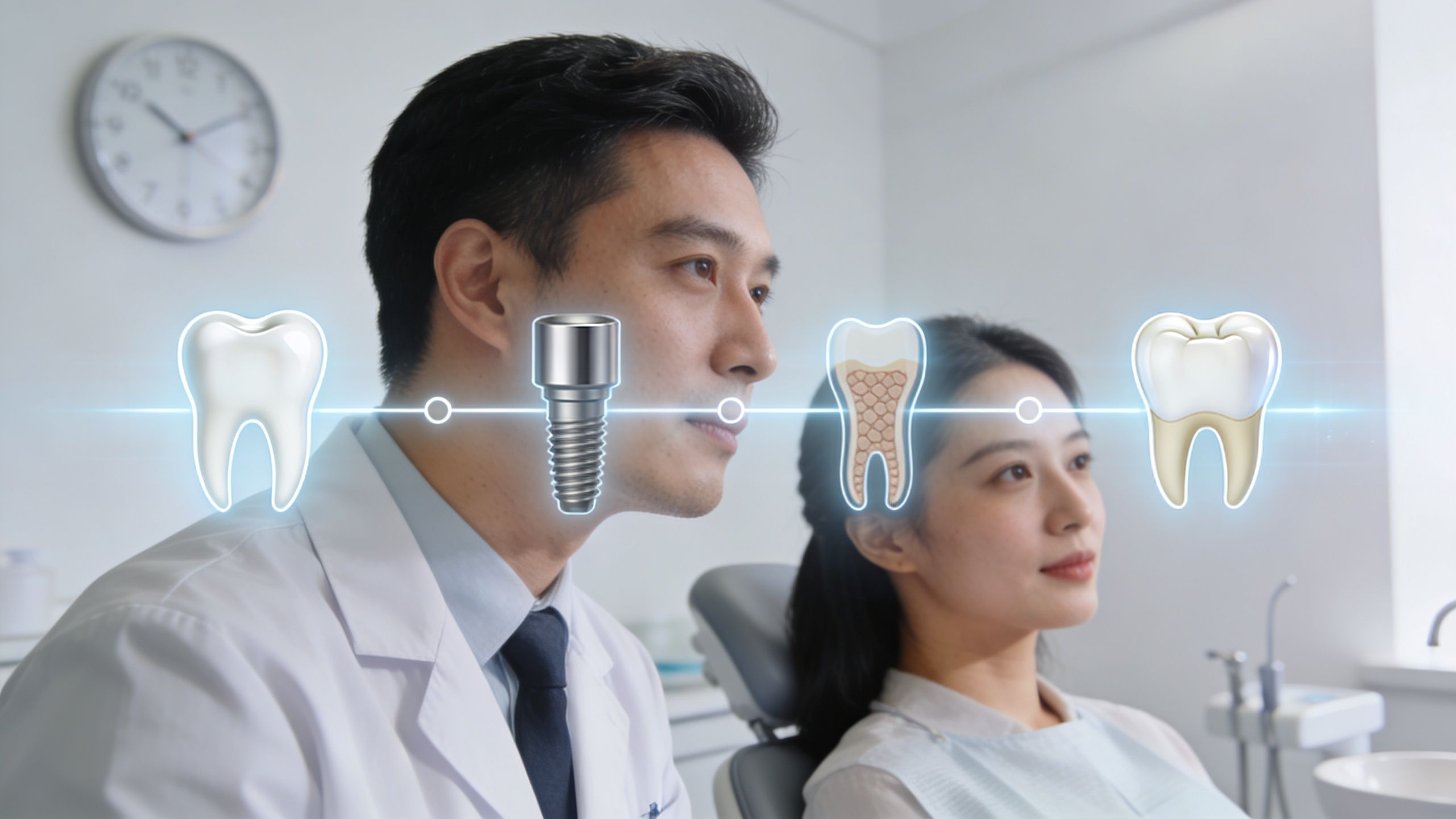






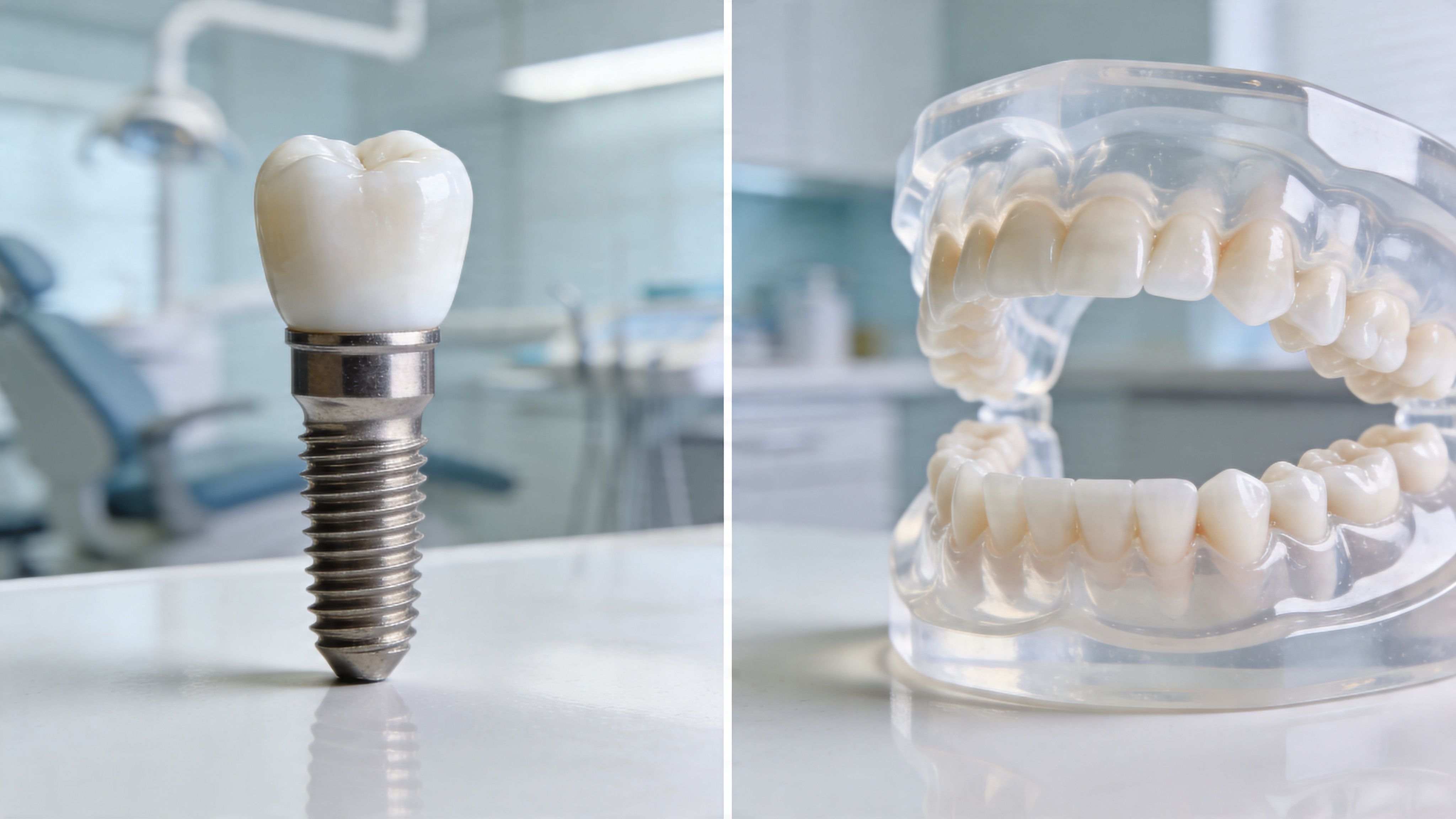
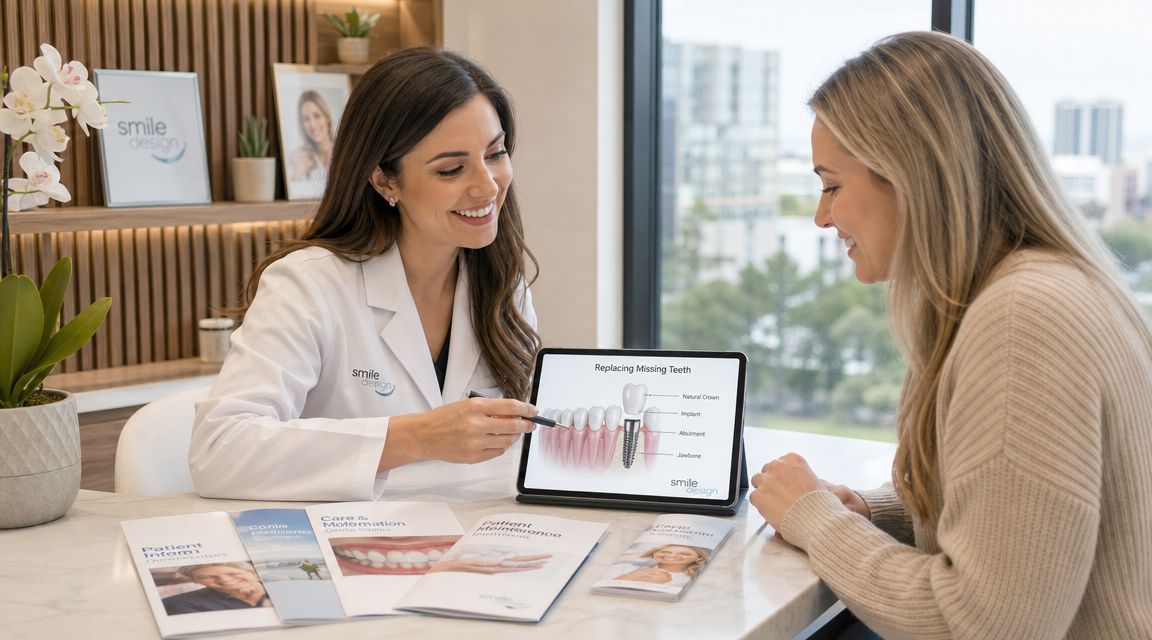
You leave a dental visit with a folder in your hand, a treatment plan in your inbox, and a few questions you forgot to ask. Do you need that crown now or can it wait? What happens after a tooth extraction? How long will implant healing take? Even patients who are careful and proactive can feel uncertain when the information is too technical or too rushed.
That uncertainty matters. Dental care works better when you understand what's happening, why it's recommended, and what you need to do next. For many people looking for a dentist in Austin, TX or dentist near me, clear communication is just as important as technology, convenience, or scheduling.
Your Partner in Understanding Dental Care in Austin
A lot of patients come in carrying more than a dental problem. They're carrying confusion from past visits, worry about cost, and fear of making the wrong decision. That's especially common when the issue is complex, such as dental implants near me, a painful tooth that may need tooth extraction, or an urgent search for an emergency dentist in Austin or Georgetown.
At our offices serving Austin and Georgetown, we treat communication as part of care. If a patient doesn't understand the plan, the visit isn't finished.
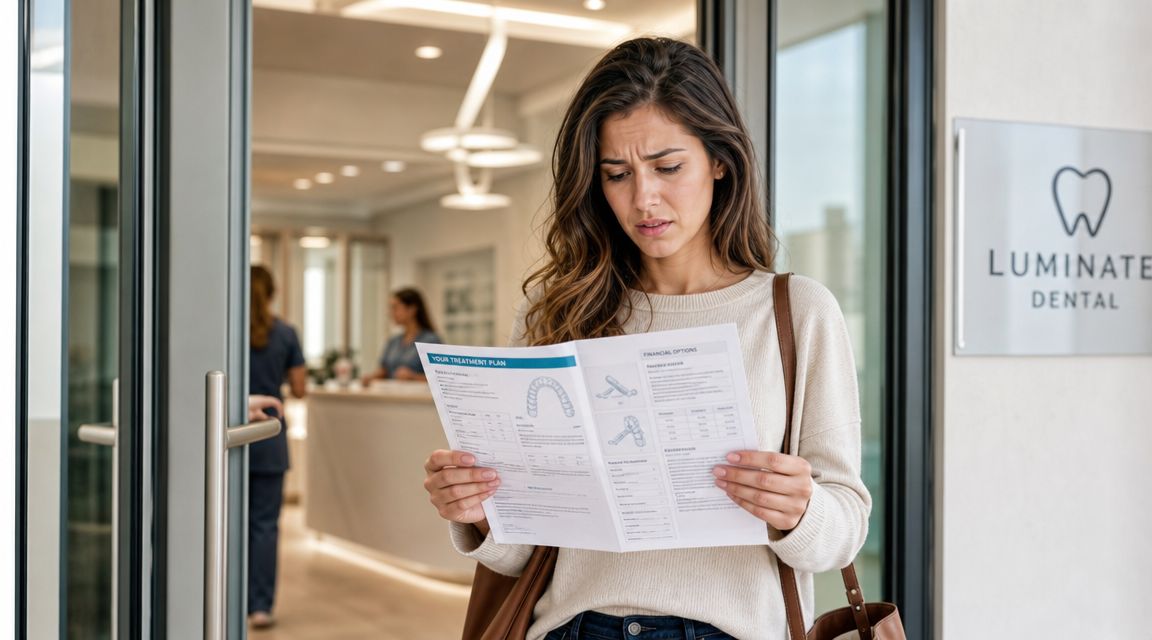
Why this matters to patients
Patient education materials are one of the clearest signs of whether a practice takes that responsibility seriously. These materials can include printed instructions, procedure guides, short videos, visual diagrams, and follow-up explanations written in plain language.
A 2023 patient survey reported that 94% of patients want educational materials from clinicians, while only 63% say they routinely receive them and 32% say they are not offered any at all. That gap is hard to ignore. Patients want information. Many still leave without it.
For dental care, that gap shows up in very practical ways:
- Before treatment: Patients may not know their options for crowns, fillings, implants, veneers, or orthodontics.
- After treatment: They may be unclear on eating restrictions, cleaning steps, soreness, or when to call back.
- Between visits: They may search online and find advice that doesn't match their actual diagnosis.
Clear information lowers anxiety because patients don't have to guess what comes next.
What patients in Austin and Georgetown should expect
If you're choosing a dentist in Georgetown, TX, Wells Branch, Cedar Park, Round Rock, or Liberty Hill, it's reasonable to expect more than a fast explanation chairside. You should expect a practice that helps you understand your mouth, your options, and your next steps in a way that feels manageable.
That's the difference patients notice quickly. They aren't being talked at. They're being guided.
For us, patient education materials aren't a marketing extra. They're part of how we help patients feel calm during a new patient exam, prepared for a procedure, and confident about caring for their teeth at home.
Why Clear Health Information Leads to Better Smiles
Good dental care isn't only about what happens in the chair. It also depends on what happens after you leave. If instructions are vague, too dense, or hard to access, even a well-done procedure can be followed by avoidable stress.
What counts as patient education materials
When patients hear the phrase patient education materials, they often think of a brochure. In practice, the category is much broader. It can include:
- Printed handouts with aftercare steps for a filling, crown, extraction, or deep cleaning
- Short videos showing how to clean around braces, aligners, bridges, or implant restorations
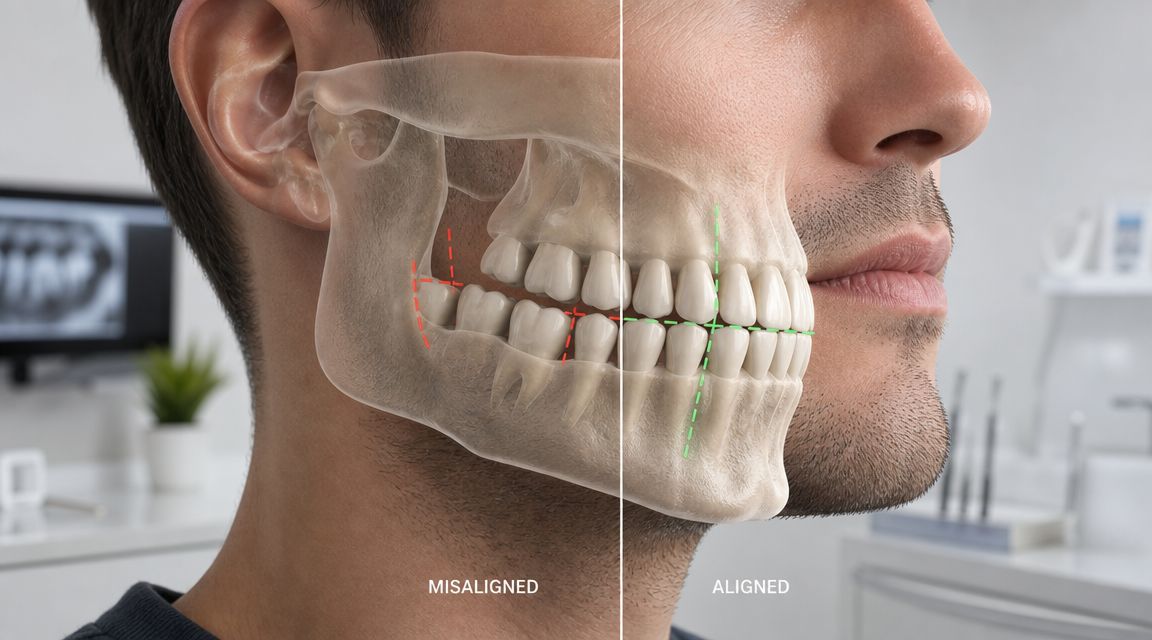
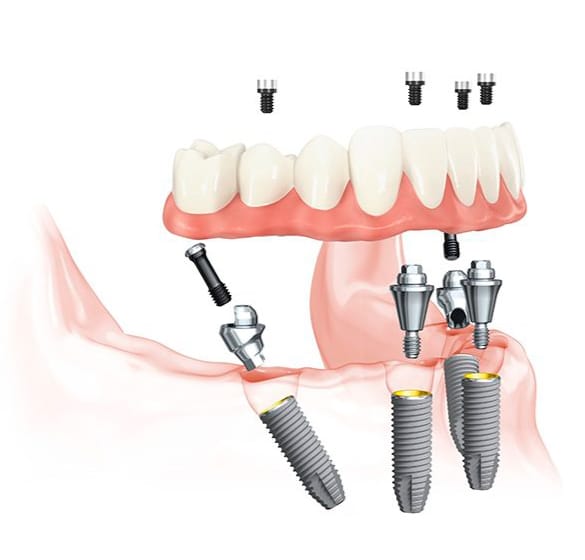
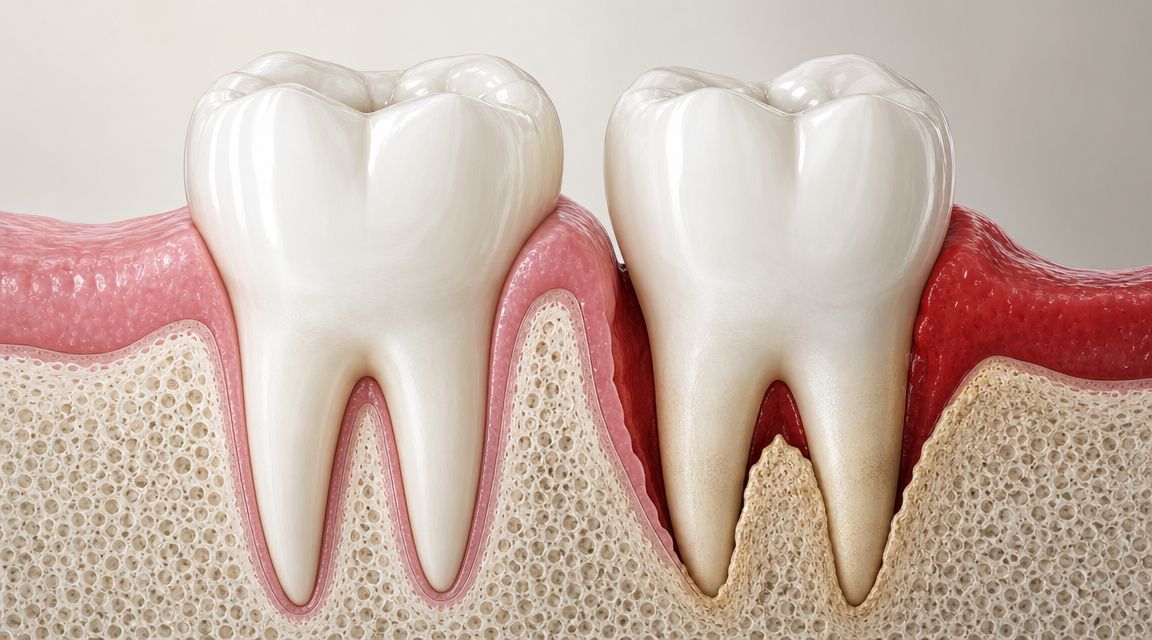
- Visual diagrams that explain gum disease, cracked teeth, bite issues, or bone loss
- Digital guides sent by email or portal for review at home
- Decision support materials that compare treatment paths, including benefits and risks
That range matters because different dental situations call for different kinds of learning. A patient considering cosmetic dentistry may want to compare options slowly at home. A patient in pain may need quick, simple instructions they can follow that same day.
What works and what usually doesn't
The best materials reduce friction. They answer the questions patients are most likely to ask when they get home.
What usually works:
- Plain language: Short sentences and familiar words
- Visual support: Diagrams, photos, and labeled illustrations
- Clear sequencing: What to do first, what to avoid, when to call
- Decision-focused guidance: Not just facts, but help weighing options
What often fails:
- Dense jargon: Language that sounds clinical but doesn't help the patient act
- One-size-fits-all handouts: Generic pages that don't reflect the actual treatment discussed
- Portal-only delivery: Information that's technically available but hard to find or use
- Too much information at once: Patients remember less when they feel overloaded
Practical rule: If a patient can't explain the plan back in simple terms, the material isn't clear enough yet.
Many patient-education pages also miss a major access issue. Guidance on low health literacy highlights that many materials don't work well for patients with limited English proficiency or limited digital access, and recommends simpler access, visuals, teach-back, multilingual videos, and support for family or caregivers. That's relevant in dentistry because treatment instructions often need to be followed the same day, not after a patient fights with a login or translates a technical PDF.
Why this changes outcomes patients feel
Patients don't experience communication as an abstract quality metric. They feel it directly.
They feel it when they understand how to prepare for an extraction. They feel it when implant healing goes more smoothly because they know how to clean the area. They feel it when they start cosmetic treatment knowing what the process will involve instead of worrying they missed something important.
A practice that invests in clear patient education materials is showing you something important. It's showing that your understanding matters, not just your procedure.
Our Process for Crafting Patient-First Materials
Patient handouts often fail for a simple reason. They're written from the clinician's point of view instead of the patient's. That creates pages that may be accurate but still aren't useful.
A major readability study found that 2,585 patient education materials averaged an 11.2 to 13.8 grade reading level, while the AMA recommends a 6th-grade level and NIH recommends an 8th-grade level; only 2.1% met the AMA target and 8.2% met the NIH benchmark. That's why readability isn't a cosmetic issue. It directly affects whether people can understand instructions and act on them.
How we build materials patients can actually use
We use a structured process because clear communication doesn't happen by accident.
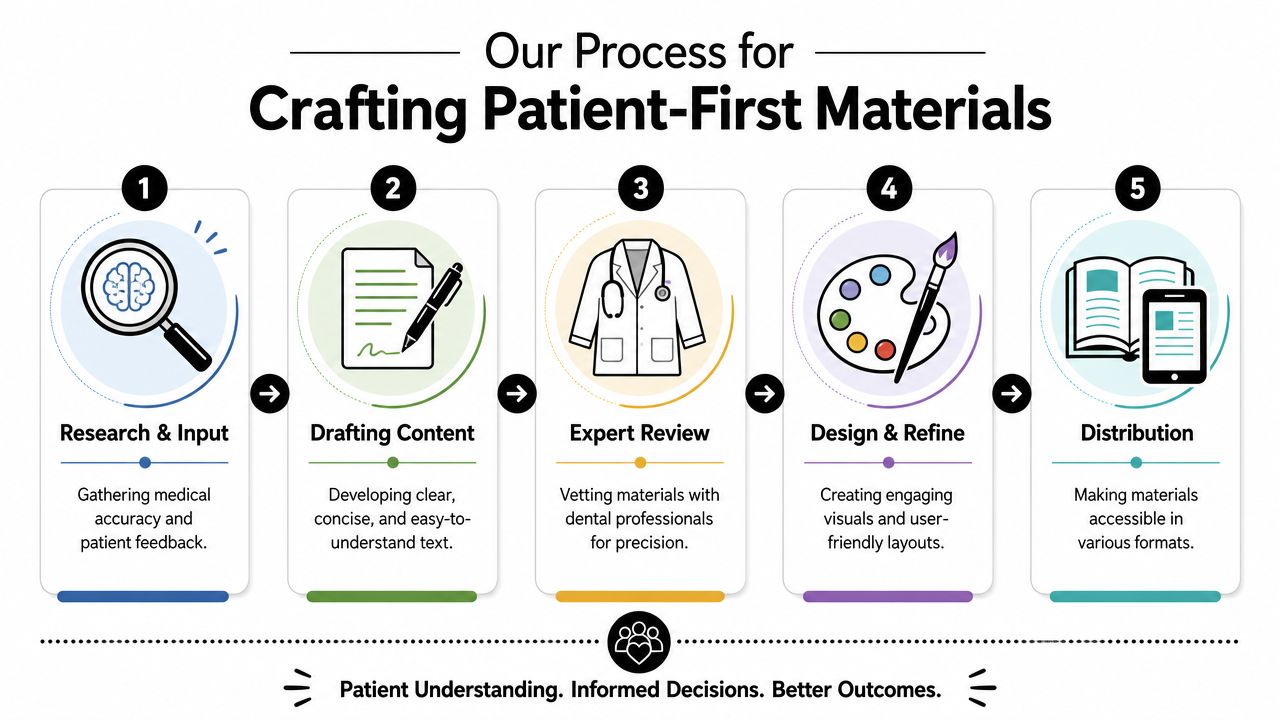
We start with real questions from patients.
The process begins with what people ask during exams and consultations in Austin and Georgetown. Questions about implant timelines, soreness after extractions, whitening sensitivity, crown care, emergency symptoms, and insurance conversations often reveal where confusion starts.We draft in plain language.
We remove unnecessary terminology and write the way a patient would naturally read under stress. A person recovering from a procedure doesn't need textbook wording. They need a clear next step.Clinical review comes next.
Accuracy still matters. Every explanation has to match the treatment, risks, and aftercare instructions being recommended.Design does real work.
Layout, spacing, headings, and visuals all change how well information is understood. A good guide is easy to scan, not just correct.We offer it in a format patients will use.
Some people want paper in hand. Others want a digital guide they can revisit later. We account for both.
The trade-off we pay attention to
There's a common mistake in healthcare writing. People assume that more detail automatically means better education. It doesn't.
Sometimes the better choice is a shorter guide with stronger visuals and fewer key points. If a patient is deciding between treatment options, they need balanced, useful information. If they've just had a procedure, they need the instructions they must follow that day without digging through extra pages.
Good materials don't try to prove how much we know. They make it easier for you to know what to do.
Patients who want to review additional resources before or after a visit can also browse our dental treatment resources. The point isn't to hand someone a library. It's to give the right explanation at the right time, in a form they can use.
What this means in a real visit
During a new patient exam or consultation, the conversation is only part of the process. We also think about what the patient will remember later, what a spouse or parent may need to review at home, and what details tend to get lost when someone is nervous.
That's why our materials are built to support the visit, not replace it. The goal is simple. You leave knowing what was found, what your options are, and what happens next.
From Implants to Cleanings What Our Guides Cover
Some dental practices give the same generic sheet to every patient. That isn't helpful when one person is comparing implants, another needs urgent aftercare, and another is trying to understand whether cosmetic treatment is worth it.
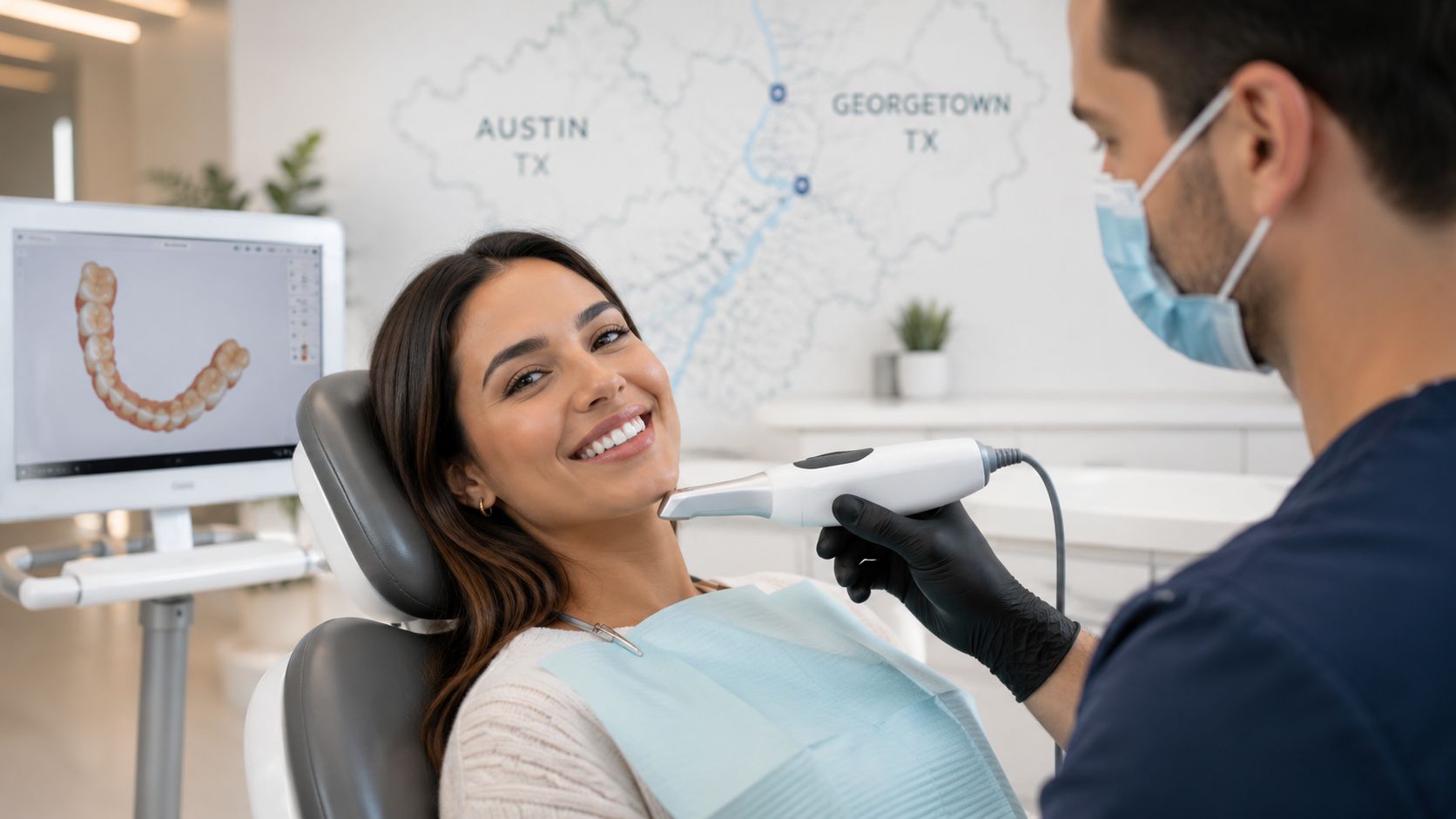
Our guides are tied to actual services patients search for and schedule every day in Austin, Georgetown, Round Rock, and Cedar Park.
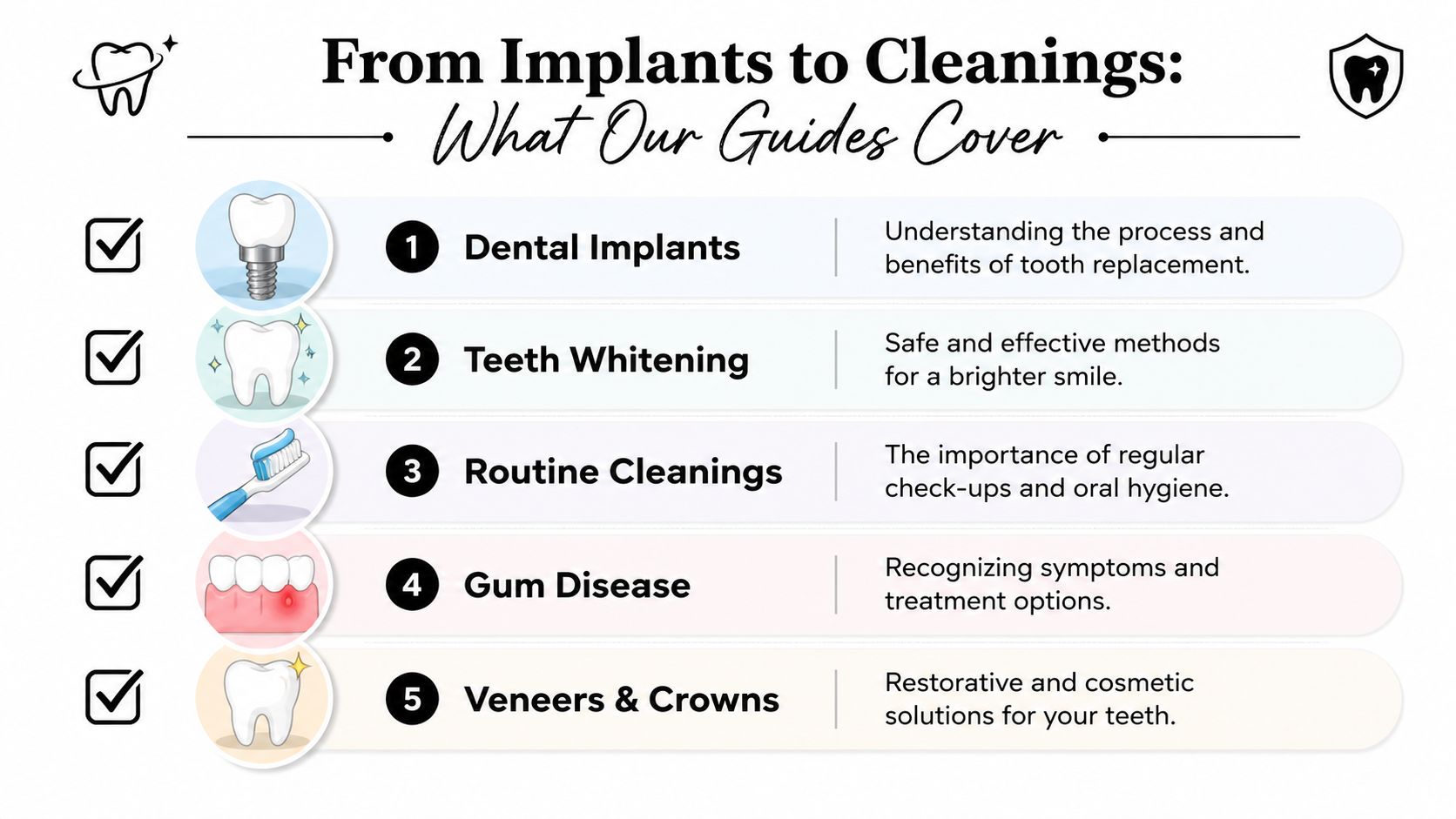
Service-specific guidance patients actually use
Here's the kind of support patients often need, depending on why they came in:
| Dental need | What the guide focuses on |
|---|---|
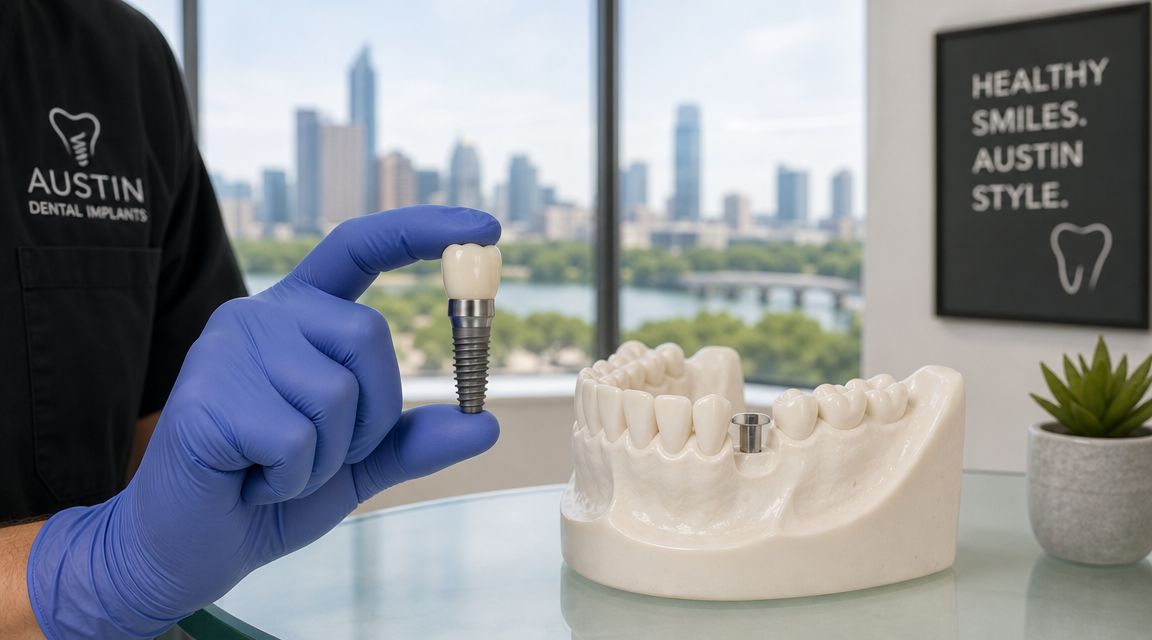
| Dental implants | Healing stages, hygiene, eating guidance, and what affects long-term success |
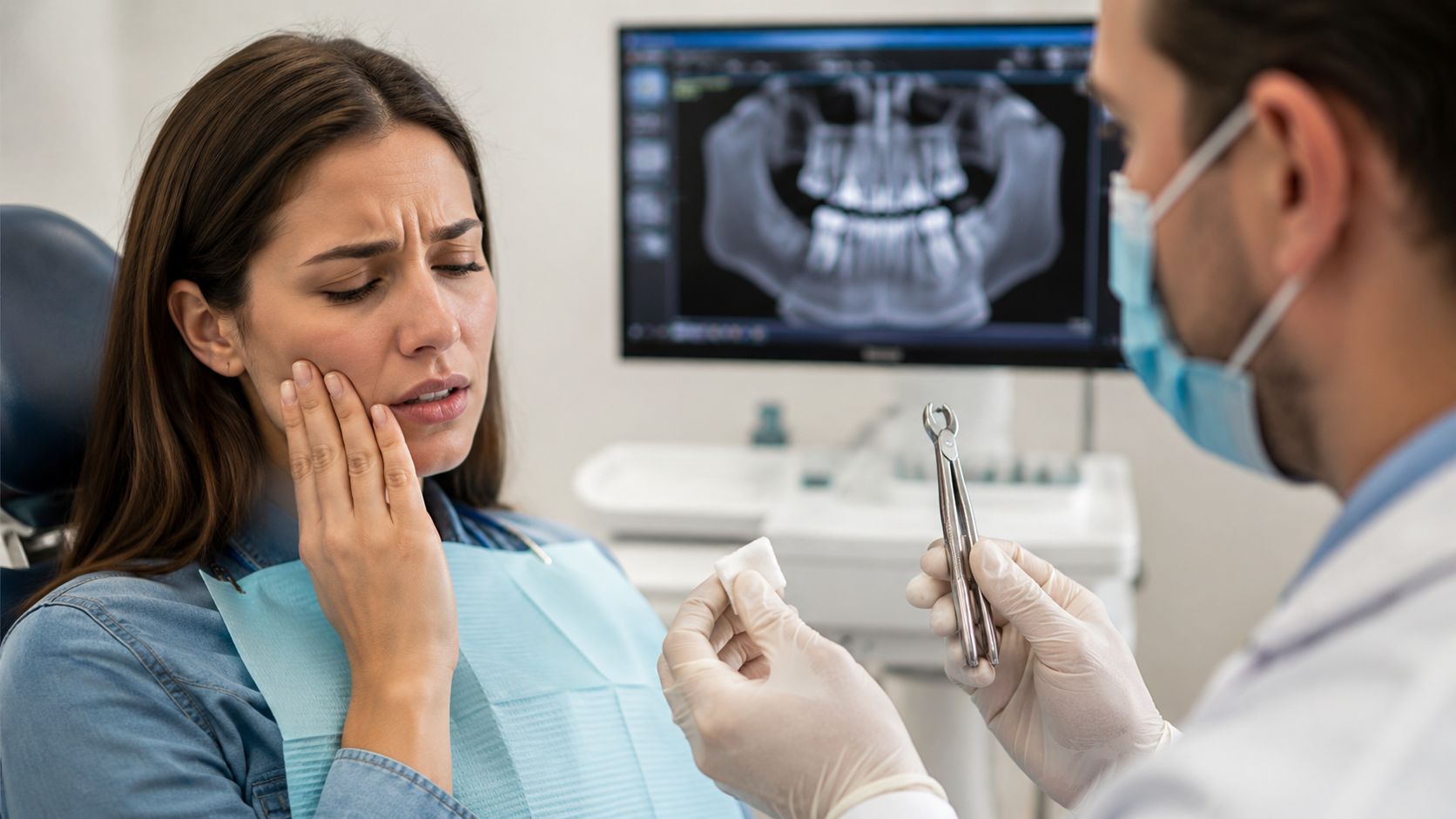
| Tooth extraction | Bleeding, swelling, food choices, cleaning, and when symptoms need a call |
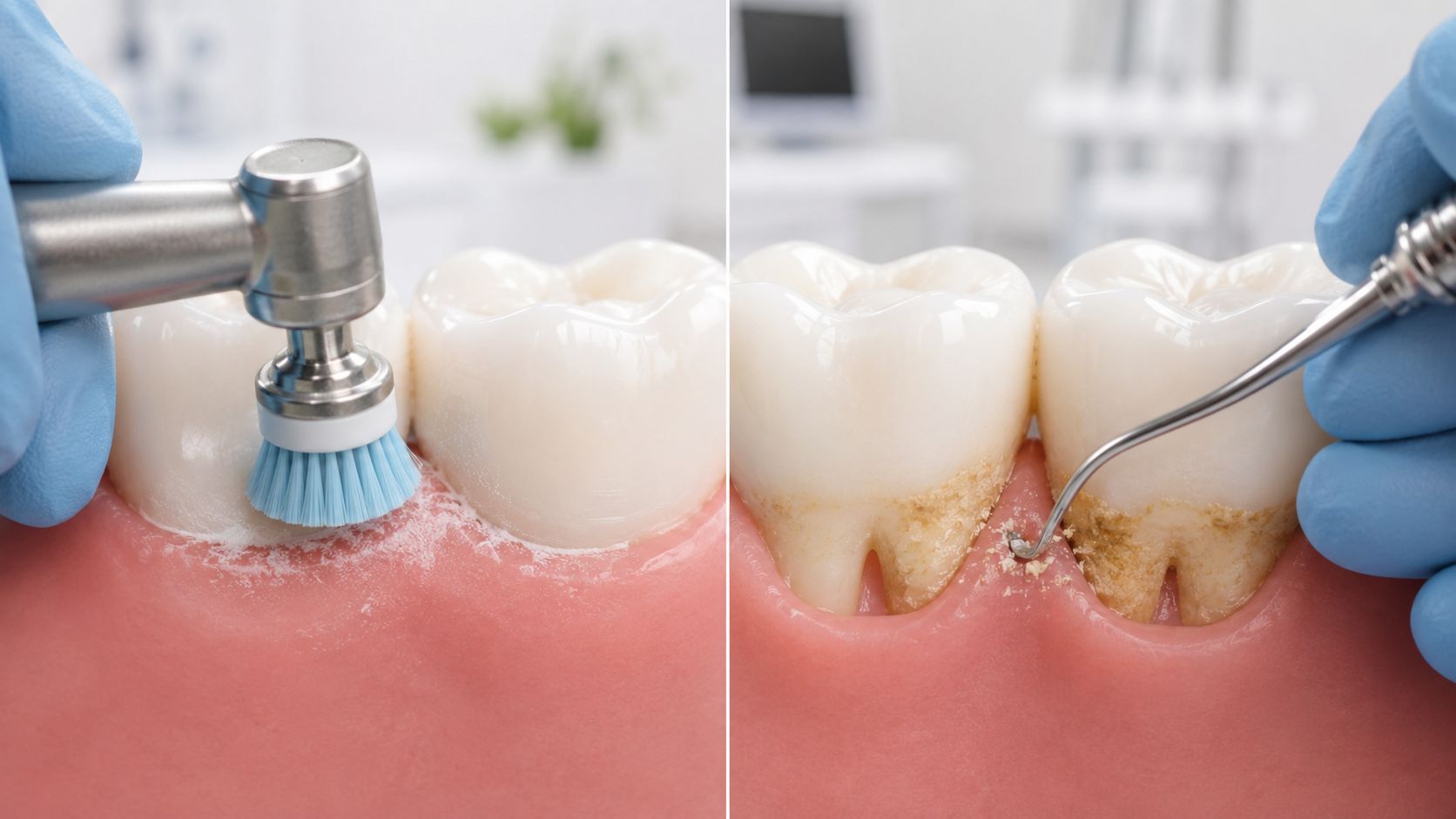
| Cleanings and exams | What the exam includes, why x-rays may be recommended, and how prevention reduces bigger problems |
| Cosmetic dentistry | Comparing veneers, whitening, bonding, and crowns based on goals and limitations |
| Emergency dental care | What counts as urgent, what to do right away, and how to protect the tooth or surrounding area |
A patient searching dental implants near me usually isn't looking for a broad definition of implants. They want to know whether they're a candidate, how long the process may take, what healing is like, and how to care for the area afterward.
A patient searching emergency dentist often needs the opposite. They need short, immediate guidance because they're in pain and want to know what to do before they can get to the office.
Decision support matters as much as instructions
Some materials are informational. Others help with choices. That distinction matters.
Guidance cited for low-literacy patient education emphasizes that effective materials should compare benefits and risks and be tailored to the patient's situation, rather than relying on one-size-fits-all brochures. In dentistry, that applies to treatment planning every day. A crown versus a veneer. Saving a tooth versus removing it. A bridge versus an implant. Whitening versus restorative correction.
For patients researching implant care, we also provide practical reading such as how to care for dental implants, so the information doesn't stop when the appointment ends.
This short video offers another simple way to understand patient-friendly dental education:
A few real-world examples
A busy professional in Round Rock may prefer a digital explanation of clear aligner care they can revisit after work.
A parent in Cedar Park may want printed instructions for a child's extraction so another caregiver can follow the same plan at home.
Someone visiting for cosmetic dentist near me concerns may need visual examples and a slower conversation about trade-offs, not a fast sales pitch.
The right format depends on the decision. The right content depends on the patient.
That's why our materials are linked to services, timing, and context. A new patient exam, a dental implant consultation, a whitening visit, and an urgent extraction all call for different kinds of support.
Digital and Print Formats for Your Convenience
Access is part of communication. A well-written guide still fails if the patient can't find it, open it, or review it with the people helping them at home.
That's one reason we don't assume one format fits everyone.
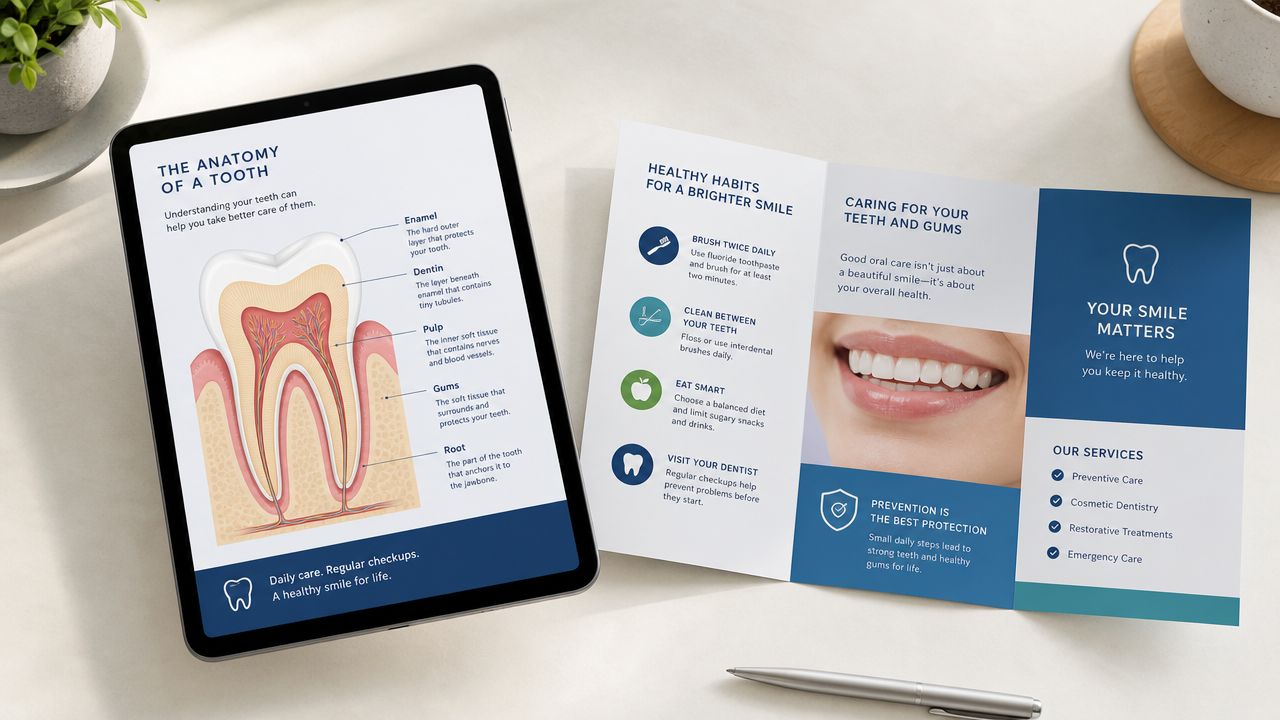
Why multiple formats matter
A systematic review of portal-based patient education found that self-reported use ranged from 20% to 95%, with an overall average of 47% across 12 studies, even though educational resources were widely available. Availability alone doesn't guarantee use.
That finding lines up with what many patients experience. A portal may be convenient for some. For others, it's one more password, one more click, and one more barrier after a long day.
So we provide education in more than one way:
- Printed copies during the visit for patients who want something tangible
- Digital documents that are easier to save and revisit
- Video-based explanations for patients who learn better by watching
- Shareable information for family members or caregivers when another person is helping with care
What each format does best
Different formats solve different problems.
- Print is immediate. It works well after extractions, emergency visits, and same-day treatment when patients want a quick reference without opening a device.
- Digital is flexible. It's useful for treatment planning, cosmetic discussions, and implant consultations that patients want to review at home.
- Video adds clarity. It helps when a process is easier to show than describe, such as cleaning techniques or appliance care.
This approach also respects patient preference. Some people are comfortable with online tools and want everything sent electronically. Others would rather leave with a paper guide and ask a family member to look at it later. Neither approach is wrong.
The real standard is understanding
Giving information isn't the finish line. The standard is whether the patient understands it well enough to use it.
That's why convenience and accountability go together. If someone has trouble with a portal, they still need access. If they don't remember the instructions after sedation or stress, they still need a format they can revisit. If English isn't their strongest language, the explanation still needs to be workable in real life.
When a dental practice offers both modern and traditional formats, it's not being redundant. It's being responsible.
Experience Clear Communication at Your Next Dental Visit
The strongest patient education materials do something simple but powerful. They reduce the space between hearing information and being able to act on it.
That changes the experience of dental care. A new patient exam feels less intimidating. A treatment consultation feels less like pressure and more like a conversation. Recovery instructions feel manageable instead of overwhelming.
What clear communication looks like in practice
At a good dental visit, communication should feel structured and calm. You should know:
- What we found
- What it means for your oral health
- What your options are
- Why one option may fit better than another
- What you need to do after treatment
We also believe in confirming understanding, not assuming it. Sometimes that means asking a patient to explain the plan in their own words, especially when aftercare matters. That simple step often catches confusion before it turns into a problem at home.
If you leave with fewer questions than you came with, communication is working.
Why patients choose this approach
People looking for a dentist near me, dentist in Austin, TX, or dentist in Georgetown, TX often compare offices based on services and availability first. Those things matter. So do technology, financing, and convenience.
But communication is what shapes the whole experience. It affects trust, comfort, follow-through, and whether you feel confident moving ahead with treatment.
For patients needing:
- Routine cleanings and exams
- Dental x-rays and new patient exams
- Tooth extraction or emergency care
- Restorative dentistry such as crowns or bridges
- Cosmetic dentistry such as whitening or veneers
- Dental implants and full-arch solutions
- Orthodontic care with braces or clear aligners
Clear guidance makes every one of those services easier to use.
A different kind of reassurance
Patients don't need to be talked into treatment. They need enough clarity to make a good decision.
That's the behind-the-scenes difference in how we approach care in Austin and Georgetown. We take the time to explain. We use materials built for real patients, not just clinical files. We offer information in formats people can use. And we treat understanding as part of the outcome, not an optional extra.
If you've had dental visits in the past where you left unsure, rushed, or overloaded, it doesn't have to be that way.
If you're looking for a dental team that takes time to explain your options clearly, 3D Dental serves Austin and Georgetown with patient-first care, from cleanings and exams to implants, cosmetic dentistry, orthodontics, and emergency visits. Schedule your appointment to experience a visit where your questions are welcome, your treatment is explained in plain language, and you leave knowing exactly what comes next.
Ready to get started?
Schedule a free, no obligation consultation with our team and see what's possible for your smile!
Georgetown
- Mon-Thurs8:30am-5pm
- Fri8am-3:30pm
- Sat-SunClosed
Austin
- Mon-Tues8am-5pm
- Wed-Thurs9am-6pmFri8am-2pm
- Sat-SunClosed