
Clear Aligners Near Me in Austin & Georgetown, TX
Related Posts



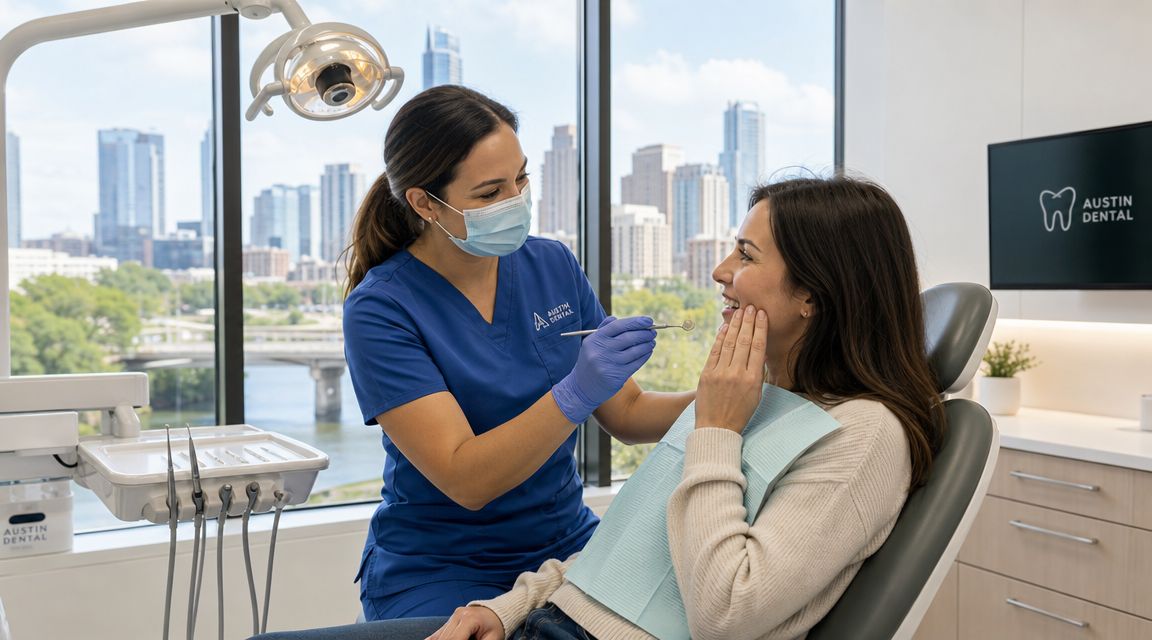

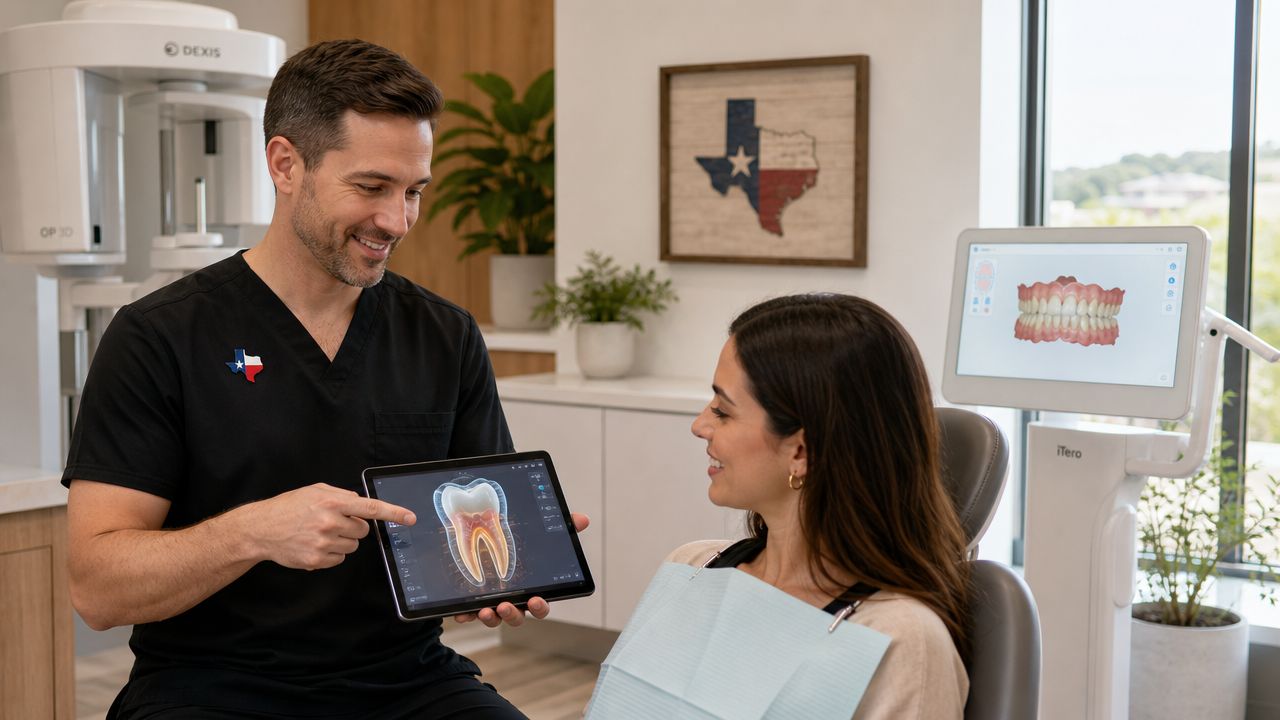
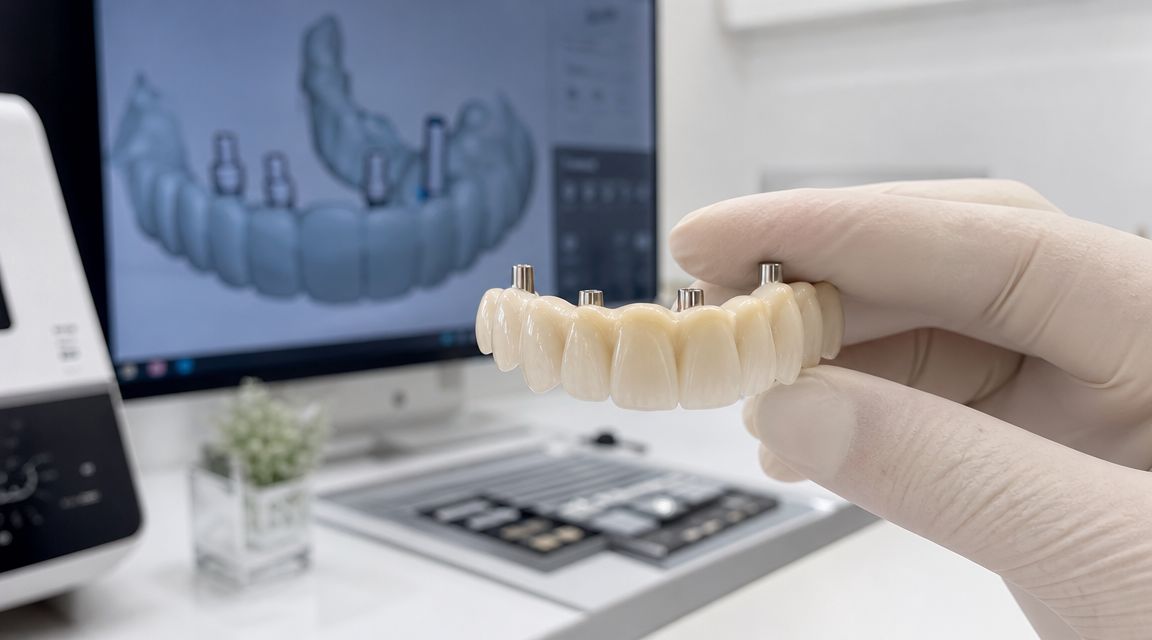

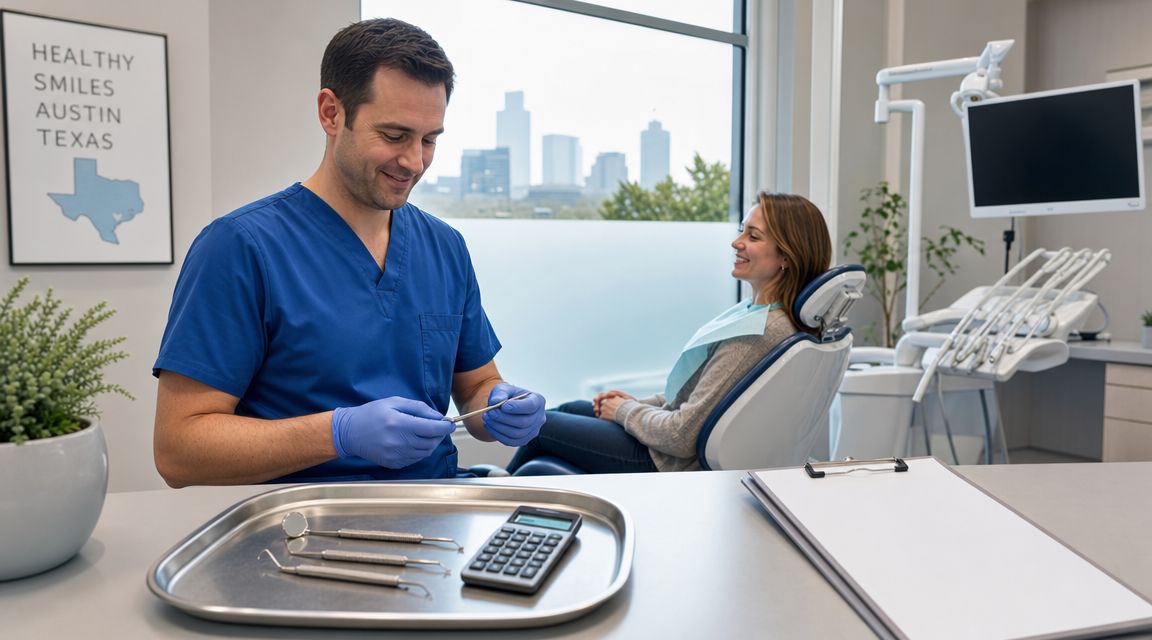
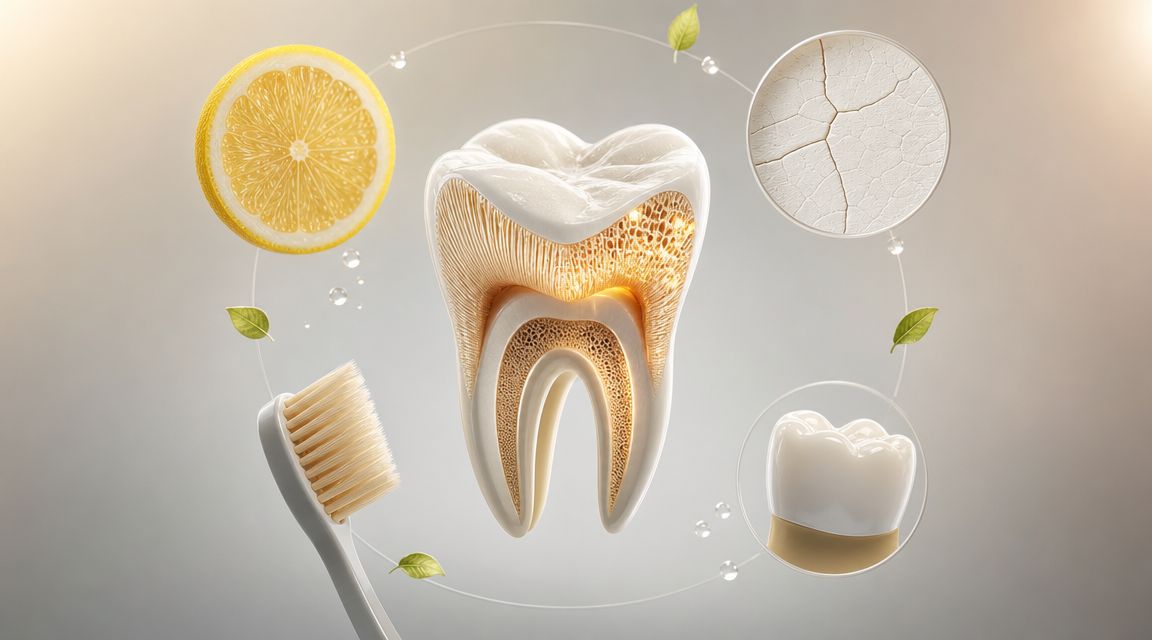

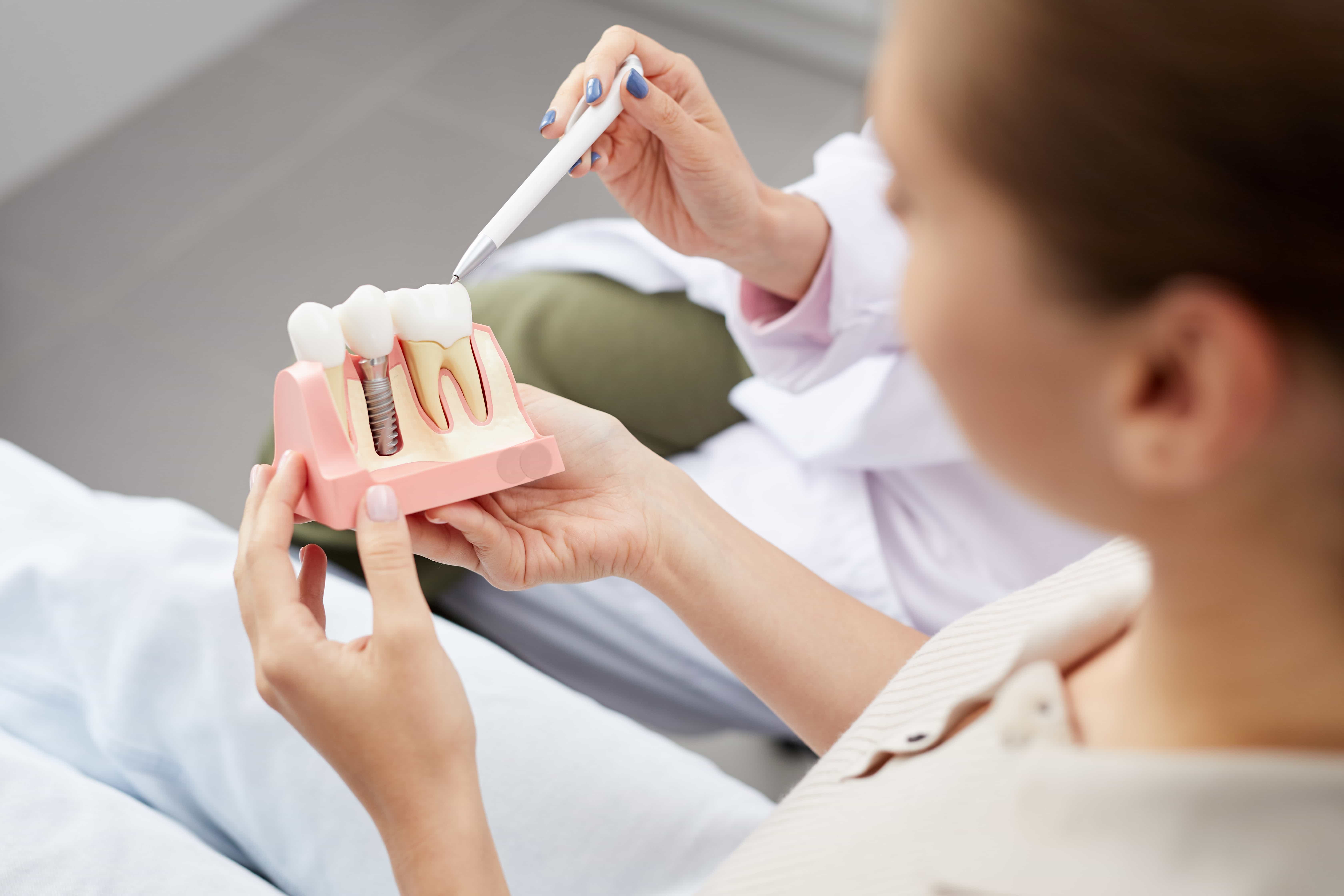
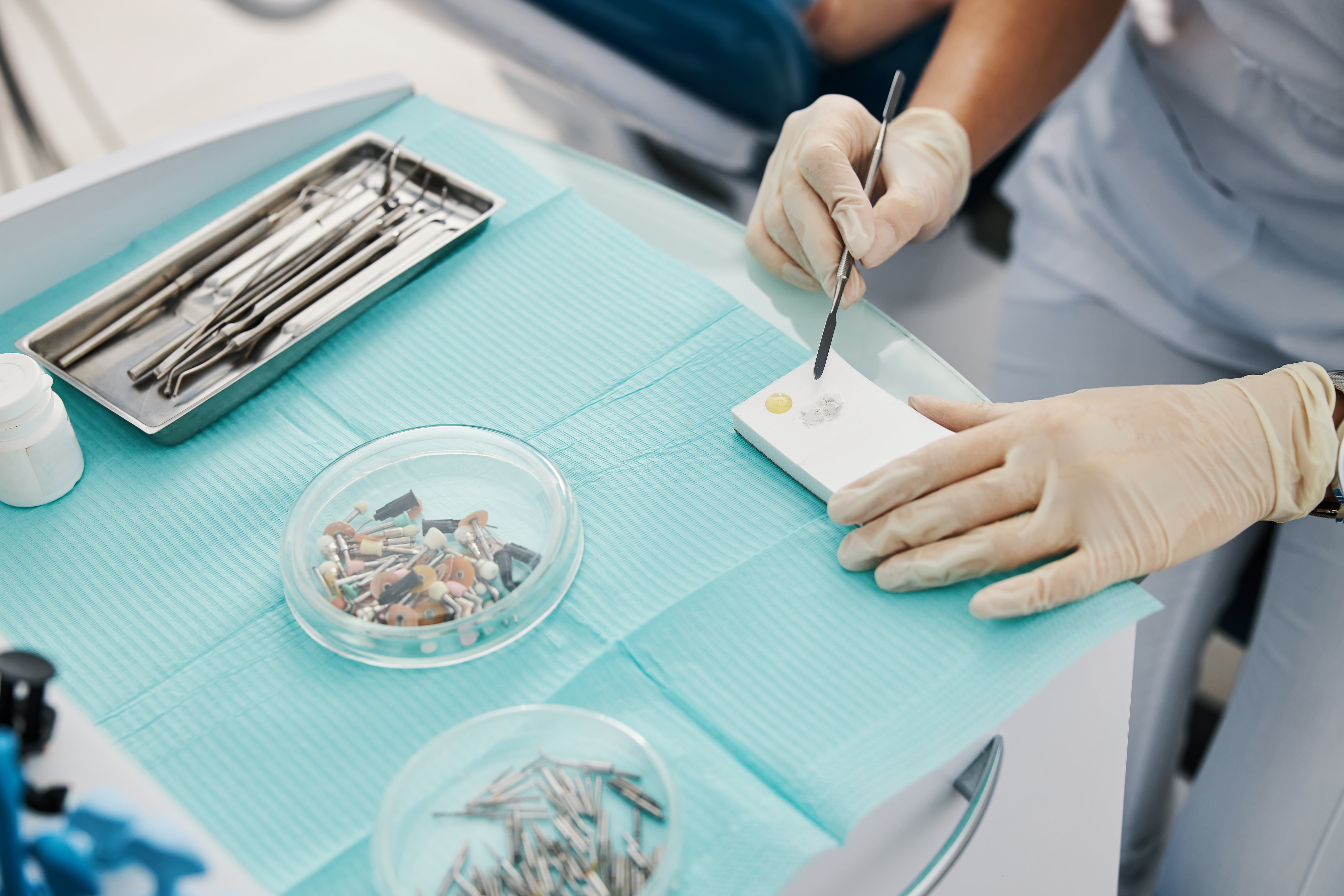
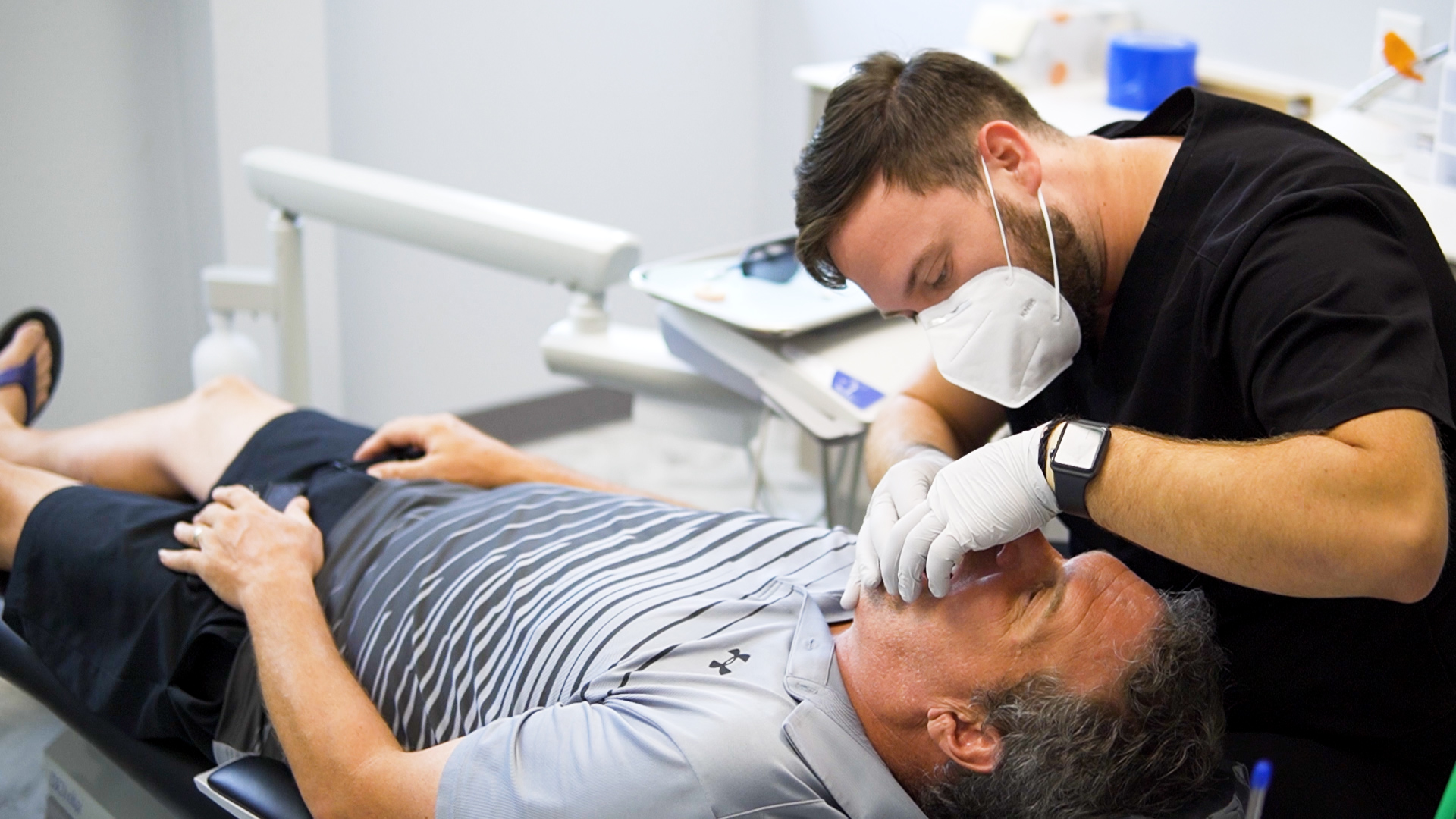

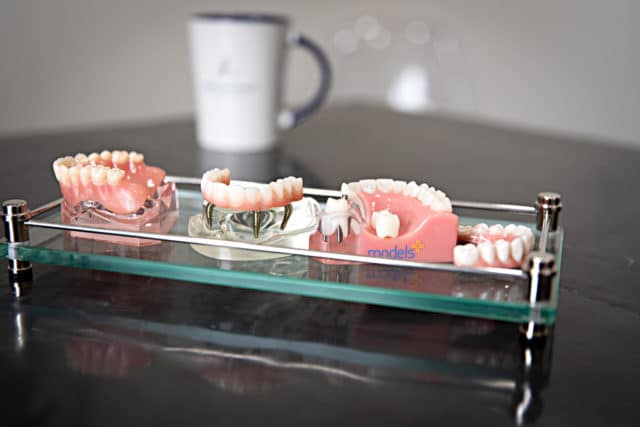
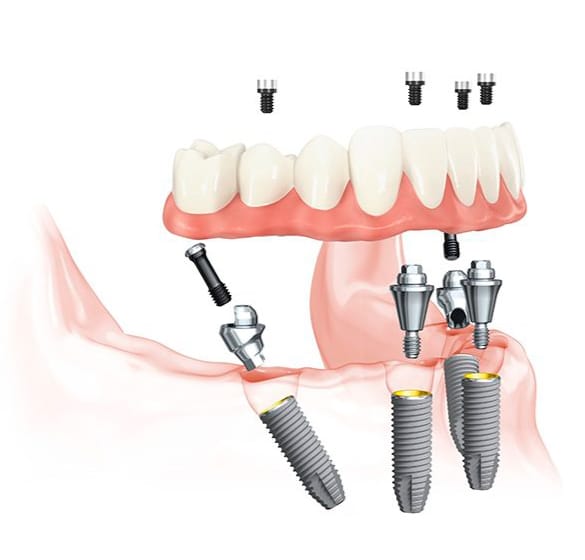











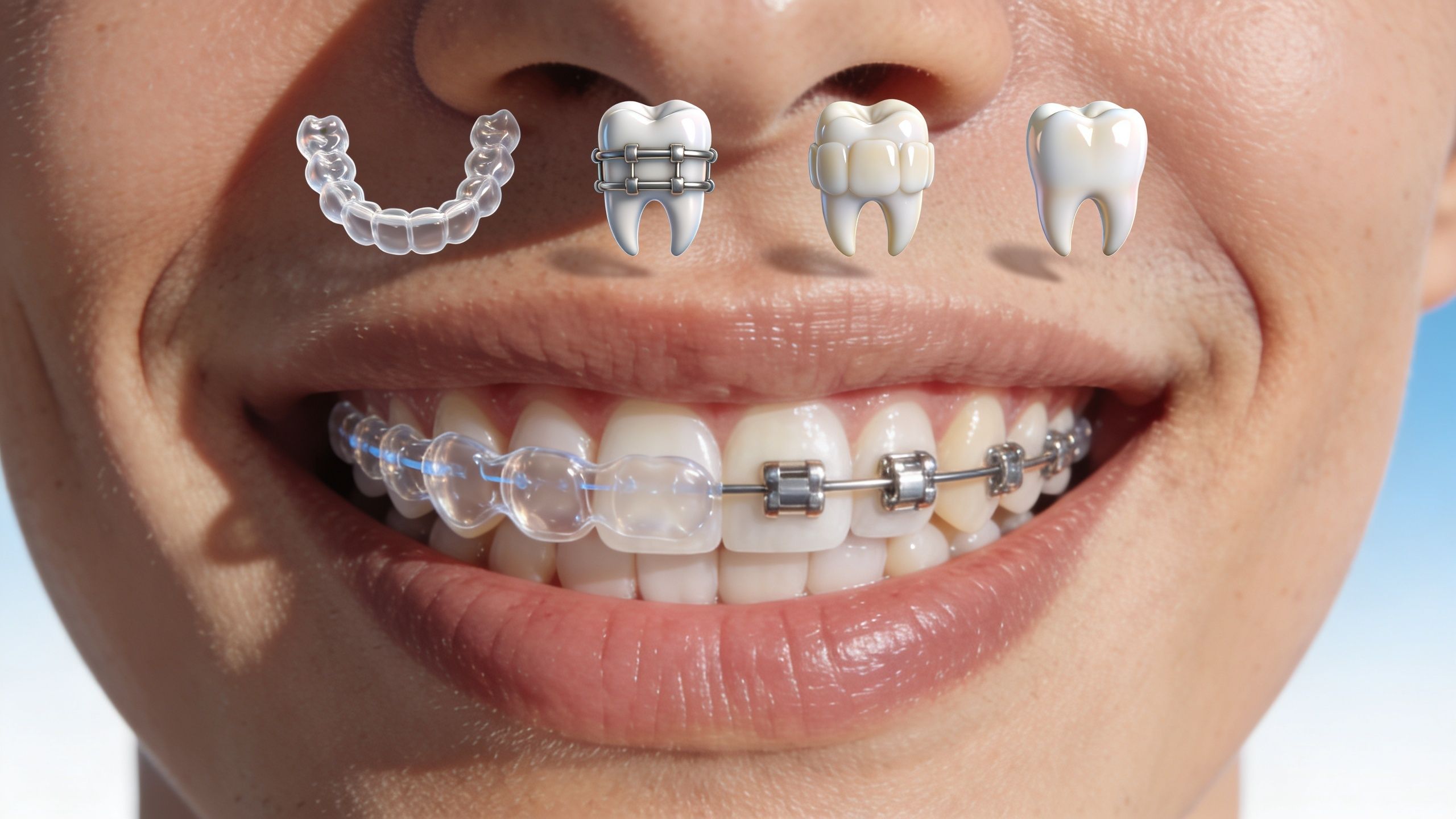






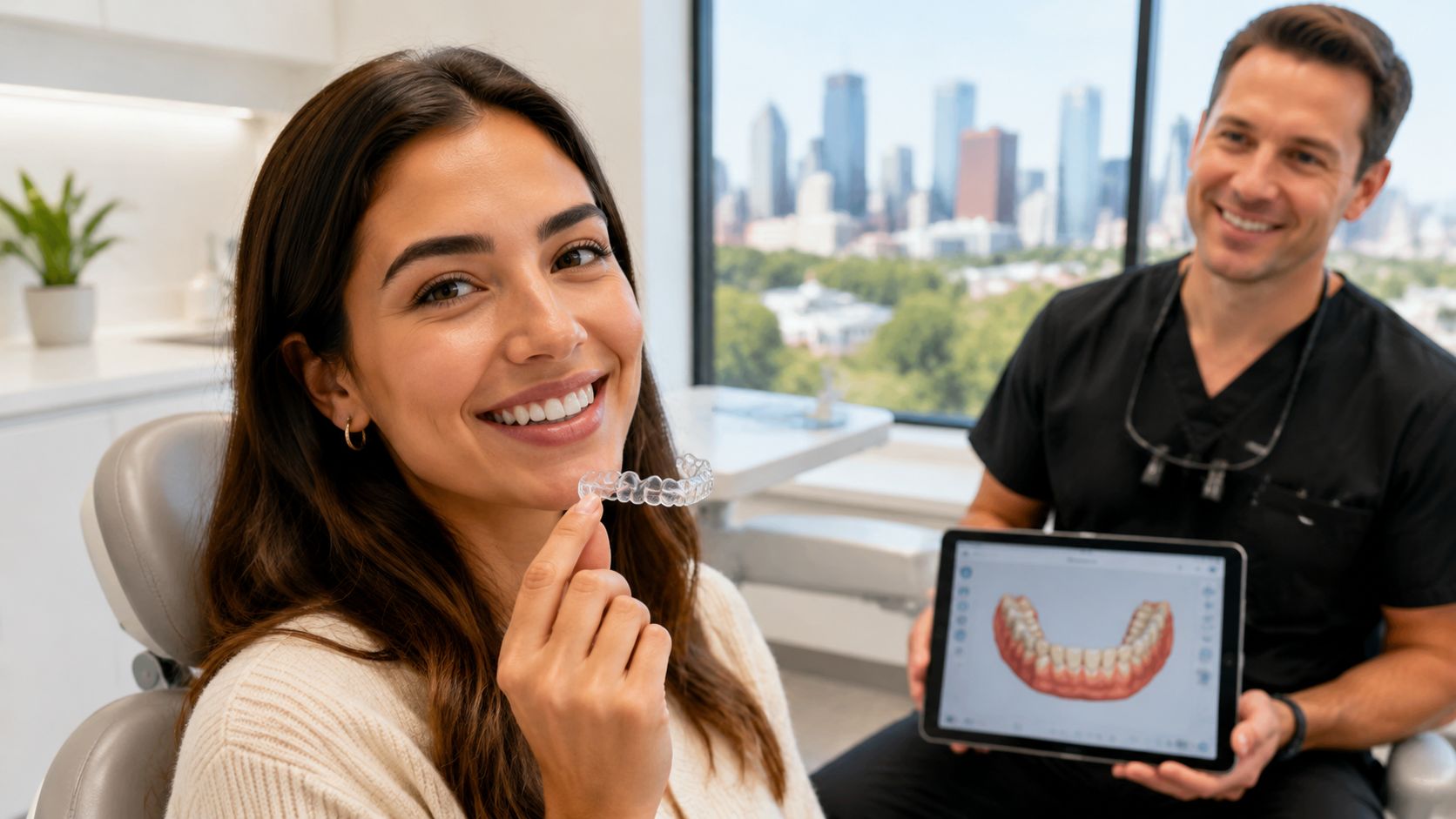
If you're searching for clear aligners near me, you may already know what you want your smile to look like. The hesitation usually comes from everything around the treatment. You don't want metal braces in photos, at work, or during everyday conversations. You also don't want to commit to something without knowing whether it will work for your teeth.
Patients across Austin, Georgetown, Wells Branch, Cedar Park, Round Rock, and Liberty Hill often start in the same place. They want a straighter smile that feels natural and low profile, but they also want honest guidance. That matters because aligners can be an excellent option for the right case, and the wrong shortcut can create frustrating results.
Achieve Your Dream Smile in Austin with Clear Aligners
A lot of adults put off orthodontic treatment for years. They notice crowding in the front teeth, spacing that shows up in photos, or a bite that doesn't feel quite right. What stops them usually isn't the desire for a better smile. It's the idea of wearing brackets and wires through work meetings, social events, and family pictures.
That's one reason clear aligners have become so common. They fit the way many adults want to improve their smile now. The clear aligner market was estimated at USD 8.29 billion in 2025, and the adult segment led with 58.38% of market revenue, showing how widely this option has been adopted by adults seeking a discreet treatment path, according to Grand View Research's clear aligners market analysis.

Why adults in Austin and Georgetown ask for aligners
People usually aren't looking for “perfect.” They want to feel comfortable smiling without thinking about the one tooth that turns inward or the gap that catches their eye on video calls.
Clear aligners appeal to adults for a few practical reasons:
- Discreet appearance keeps treatment more private in professional and social settings.
- Removable trays make meals and brushing easier than fixed braces for many patients.
- Digital planning gives patients a clearer idea of how treatment is mapped out before it starts.
Clear aligners aren't a trend treatment. They've become a normal part of modern orthodontic care for adults who want straighter teeth without the look of traditional braces.
A local option matters
Searching for clear aligners near me usually means you want more than convenience. You want someone nearby who can examine your teeth, review your bite, and tell you whether aligners are a smart choice for your specific case.
That local relationship matters if your treatment needs adjusting, if a tray doesn't fit as expected, or if your bite needs closer supervision. It also helps if you're comparing aligners with other services like cosmetic dentistry, restorative dentistry, or even a routine new patient exam and digital x-rays before starting treatment.
For many patients in Austin and Georgetown, the best first step isn't ordering anything online. It's getting a real diagnosis and a plan that matches your smile goals, oral health, and daily routine.
How Clear Aligners Straighten Teeth
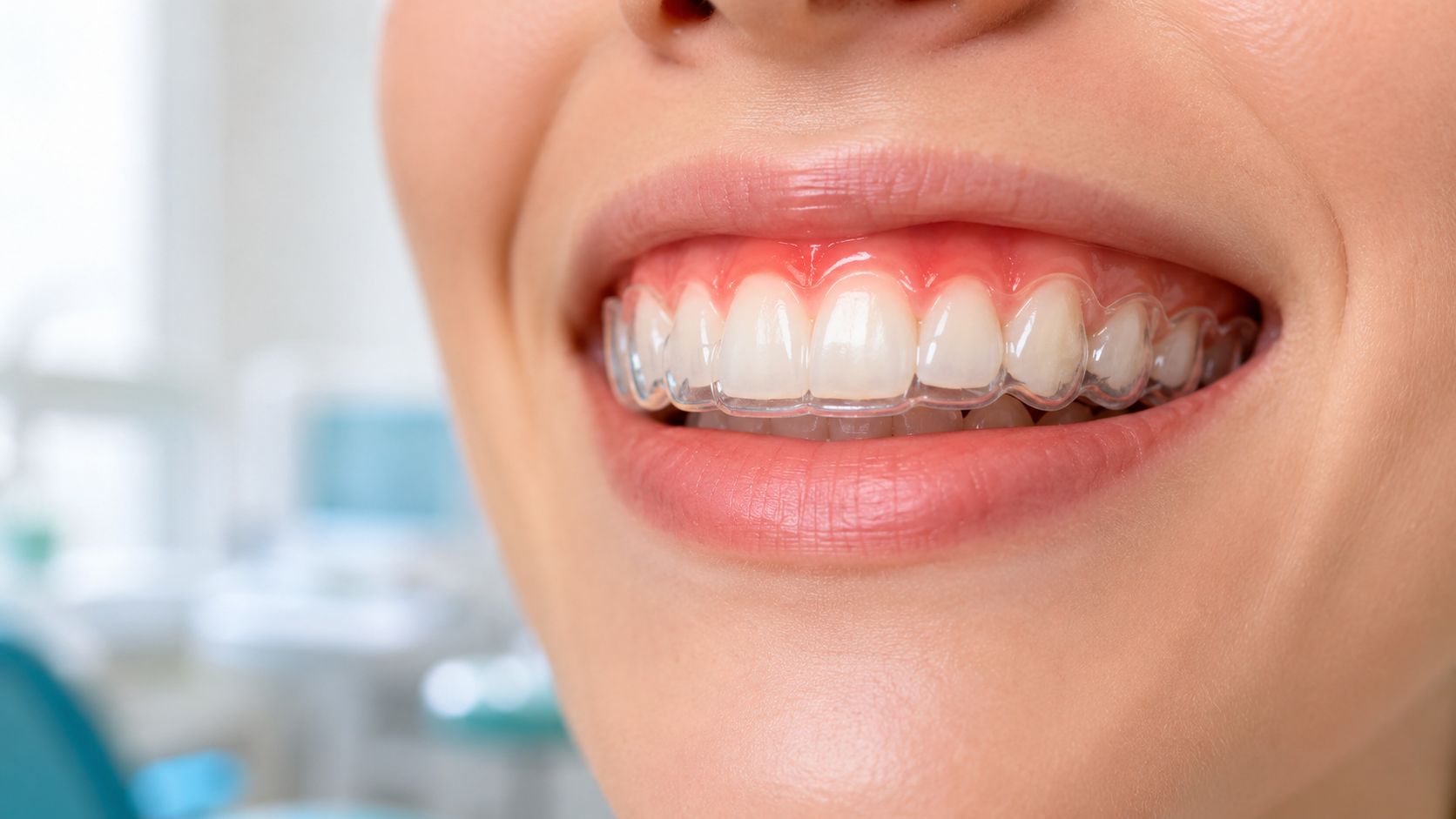
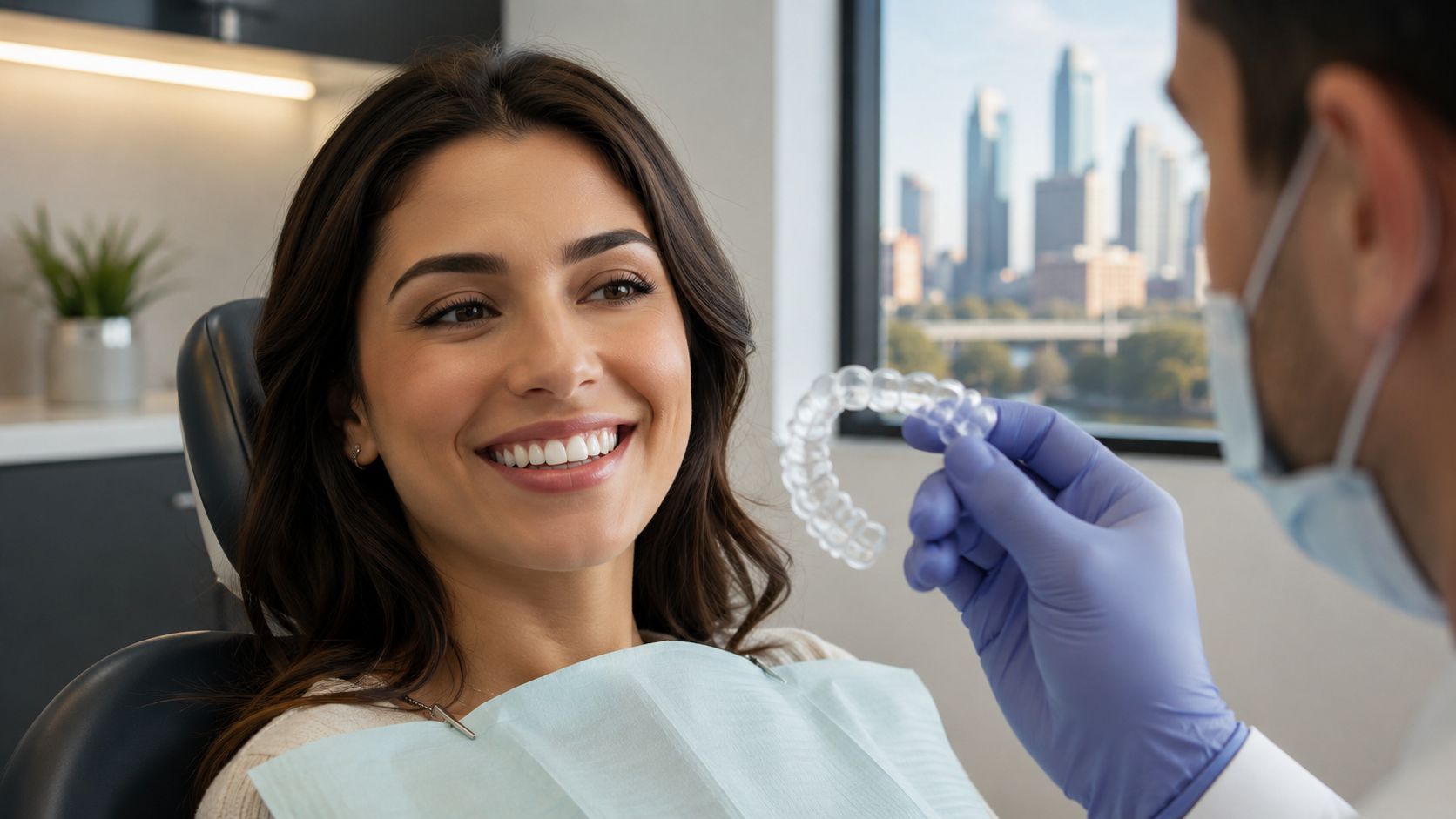
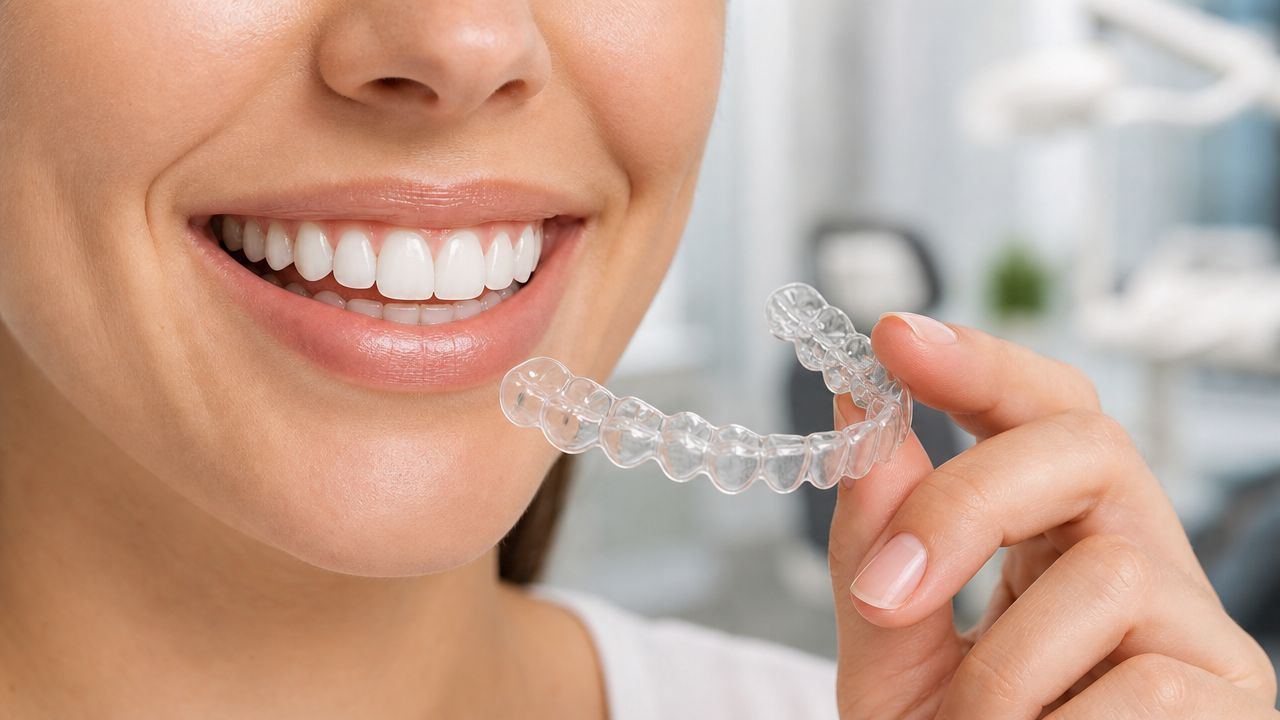
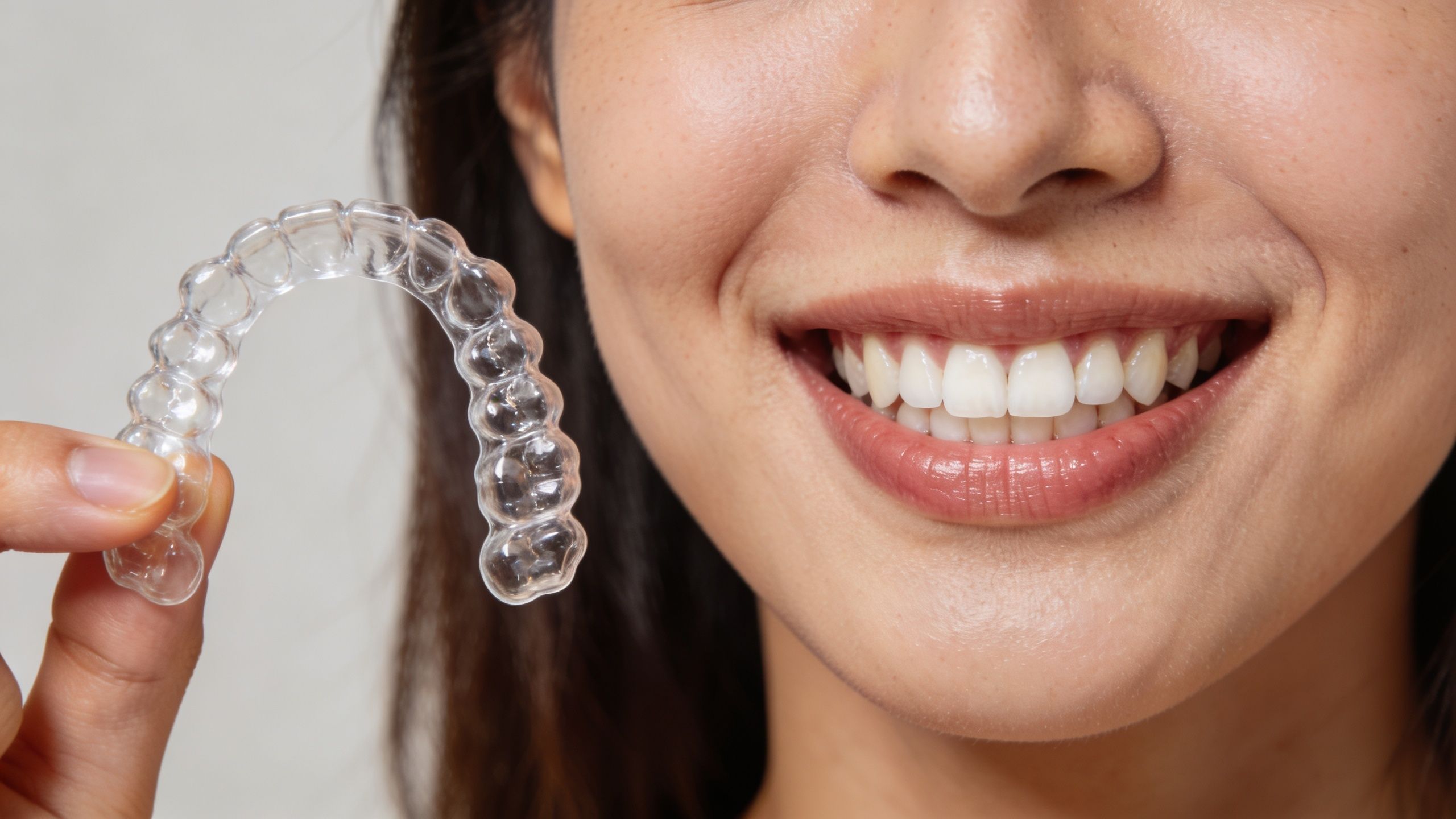
Clear aligners work like a series of custom guides. Each tray is shaped a little differently from the one before it, so your teeth move in small, controlled steps instead of all at once. A good way to think about it is a GPS route. The final destination is your straighter smile, but you don't get there in one jump. You follow a sequence.
The process depends on planning. Teeth don't move well from guesswork. They move best when each stage has been designed to create a specific amount of pressure in a specific direction.
The basic mechanics
Each aligner is made to fit your current tooth position and nudge the next movement. You wear one set, then move to the next set in the series as directed. Over time, those small movements add up.
For patients who want a plain-English overview, this guide on how clear aligners work explains the process in a simple way.
A few fundamentals matter most:
Custom fit
The trays are based on your teeth, not a generic model.Consistent wear
They need to be worn as directed for the movement plan to stay on track.Sequential changes
Each aligner depends on the one before it working properly.
Why compliance matters
Clear aligner therapy has been used at scale for years. A consumer review notes that the first Invisalign clear aligners were introduced in 1999, and by 2023 the technology had treated 17 million people. The same review reports an 80% to 90% success rate for mild to moderate cases when patients wear aligners for 20 to 22 hours per day, as described in these clear aligner statistics and treatment figures.
That wear time is where some patients struggle. Aligners only work when they're in your mouth. Leaving them out for long stretches during the day, forgetting them during meals, or treating them like an occasional cosmetic accessory can slow movement or throw off the fit of the next tray.
Practical rule: If you want clear aligners to work well, wear them as prescribed. The trays can't guide teeth they aren't touching.
What they do well
Aligners are especially appealing for people who want orthodontic treatment without the appearance of braces. They're also easier to remove for brushing, flossing, and meals.
What makes them effective isn't just the clear plastic. It's the combination of careful planning, patient follow-through, and routine monitoring to confirm that your teeth are moving the way the digital plan predicted.
In-Office Aligners vs At-Home Mail-Order Kits
Mail-order aligners sound simple. You take impressions at home, send them in, get trays delivered, and start moving your teeth without office visits. For someone typing clear aligners near me late at night, that convenience can look appealing.
The problem is that tooth movement isn't just a cosmetic project. It's a dental and bite-related treatment. Teeth sit in bone, interact with gums, and meet each other in ways that affect chewing, comfort, wear, and long-term stability.
What in-office care adds
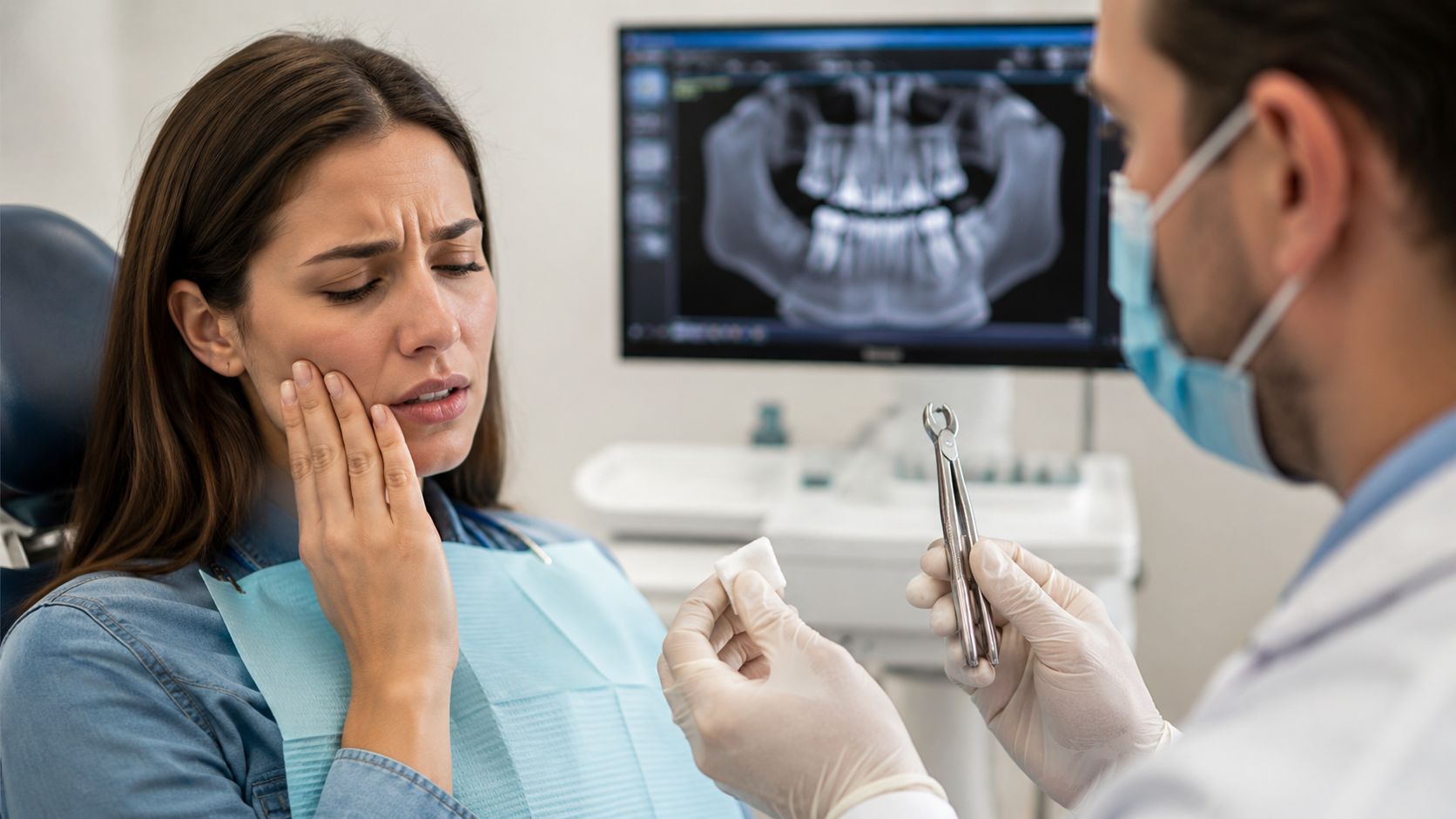
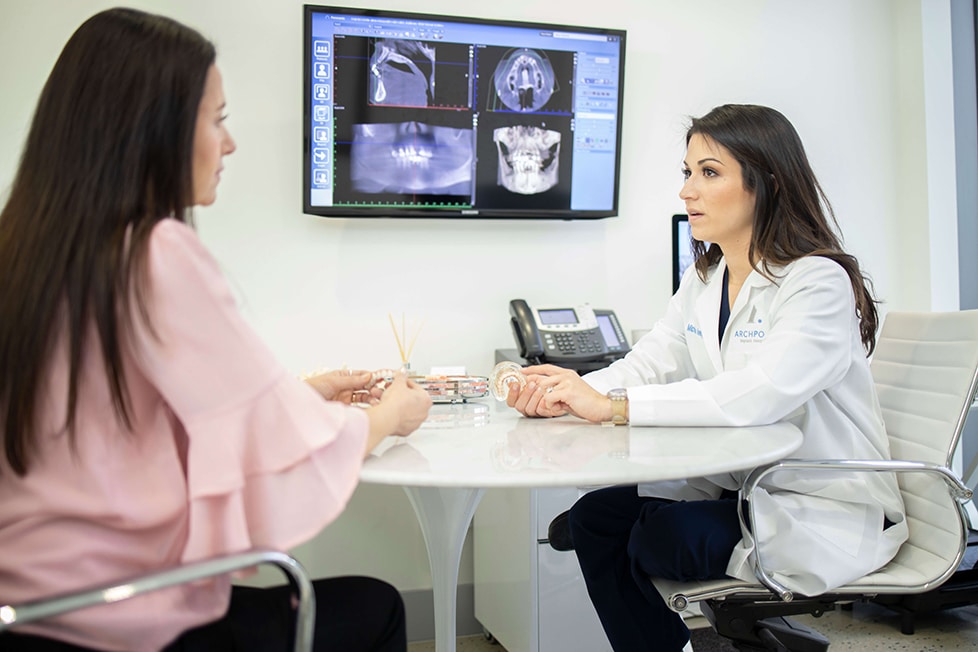
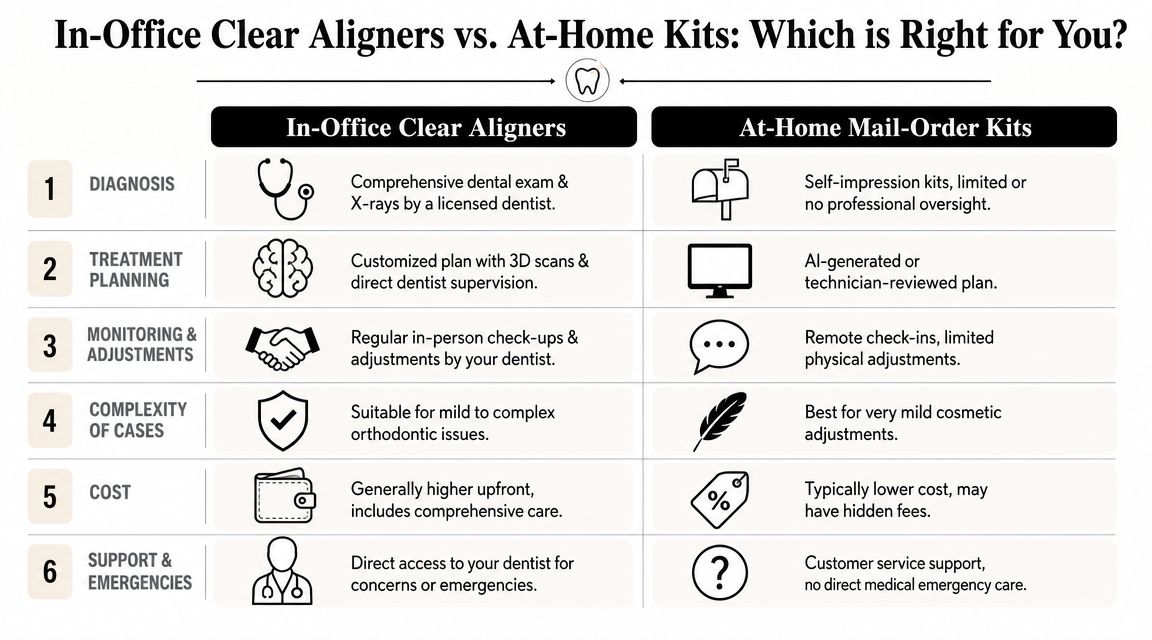
A supervised aligner case starts with diagnostics. That means checking for decay, gum issues, bite problems, worn teeth, and movement limits that won't show up in a home impression kit. In-office treatment also allows direct evaluation with digital imaging and follow-up visits when something isn't tracking correctly.
A peer-reviewed review in PubMed Central notes that aligners are effective for leveling and aligning arches in mild and moderate cases, but aligner thickness can interfere with ideal bite contacts, which is one reason refinements and finishing steps may be needed in practice, as explained in this review of clear aligner therapy and occlusal limitations.
What mail-order kits often miss
Mail-order systems usually focus on convenience and lower upfront cost. What they can't provide in the same way is a full clinical exam, hands-on bite checks, or chairside adjustments when movement doesn't go as planned.
That matters because some patients searching for a cosmetic fix have issues that need more than trays:
- Gum inflammation can affect whether tooth movement is appropriate right now.
- Hidden bite problems may need a different orthodontic approach.
- Poor tracking may require attachments, refinements, or a plan change.
- Tooth shape and contact points can affect how predictably teeth move.
If a system promises straight teeth without first diagnosing your bite, gums, and overall oral health, you're being asked to accept risk before you know whether you're a candidate.
Professional vs. Mail-Order Aligners
| Feature | In-Office Treatment (3D Dental) | Mail-Order / DIY Kits |
|---|---|---|
| Diagnosis | Comprehensive exam with digital imaging and in-person bite evaluation | Usually starts with self-impressions or remote review |
| Treatment planning | Custom plan based on clinical findings and supervised tooth movement | Limited planning based mostly on submitted impressions or scans |
| Monitoring | Progress checks and real-time adjustments if trays stop tracking | Remote communication with limited physical intervention |
| Case selection | Better for patients who need a true candidacy evaluation | Better suited only to very minor cosmetic situations |
| Problem-solving | Attachments, refinements, and treatment changes can be managed clinically | Fewer options if movement goes off track |
| Support | Direct access to a dental team if concerns come up | Customer support rather than in-person dental care |
The real trade-off
The comparison isn't convenience versus inconvenience. It's supervised treatment versus self-directed treatment.
In-office aligners rely on direct diagnosis, 3D imaging, bite assessment, and follow-up. That's especially important if you want more than a slight cosmetic tweak. If you care about safety, precision, and knowing when aligners are not the right tool, professional supervision is the stronger choice.
Are You a Good Candidate for Clear Aligners
Not everyone who wants aligners should start aligners. That isn't bad news. It's how responsible treatment planning works.
The biggest misunderstanding around clear aligners is candidacy. Many patients assume that if trays are clear and removable, they can fix almost any alignment issue. In reality, results depend on the kind of tooth movement needed, the condition of your gums and teeth, your bite, and whether you'll wear the aligners as directed.
Cases that often fit well
A provider-facing overview notes that clear aligners work best for mild to moderate cases and that success depends on wearing them for up to 22 hours daily, which is why a professional evaluation of bite, crowding, and patient commitment matters before starting, as described in this discussion of Invisalign candidacy and monitoring requirements.
Patients who often do well with aligners include those with:
- Mild crowding where teeth need controlled alignment rather than major repositioning
- Spacing issues that can be closed predictably with a staged plan
- Strong home habits because removable treatment requires consistency
- Healthy gums and teeth before movement begins
Cases that may need something else
Some problems go beyond what aligners handle most predictably. Severe crowding, more significant bite discrepancies, or movement that requires stronger control may point toward braces, combined treatment, or another option altogether.
That doesn't mean aligners have failed. It means the treatment has to fit the problem.
A few reasons someone may need a different recommendation:
- Their bite needs more correction than aligners alone can reliably provide.
- Their teeth may require movement that benefits from fixed orthodontic control.
- Their wear habits make a removable system unrealistic.
- They need other dental care first, such as gum treatment, restorative work, or a broader oral health plan.
The best aligner candidate isn't just someone who wants straight teeth. It's someone whose bite, oral health, and daily routine support the treatment.
What a consultation should answer
A useful consultation should do more than confirm your interest. It should answer the questions patients have:
- Will aligners work for my teeth?
- Will braces give me a better result?
- Is my issue mainly cosmetic, or does it involve my bite?
- Do I need any dental treatment before orthodontics?
- Am I likely to stay consistent with removable trays?
That kind of honesty protects patients. If you're looking for clear aligners near me in Austin or Georgetown, the most valuable appointment is the one that tells you not just what's possible, but what's appropriate.
Your Clear Aligner Journey at 3D Dental
Starting aligner treatment feels easier when you know what the visit flow looks like. Most patients expect messy impressions and a long waiting period. Modern digital workflows have changed that.
Step one begins with a real exam
The first appointment is about diagnosis, not sales pressure. Your teeth, gums, and bite are examined to make sure aligner treatment makes sense clinically. If something else should come first, such as a cleaning, restorative dentistry, or treatment for gum concerns, that should be addressed before tooth movement starts.
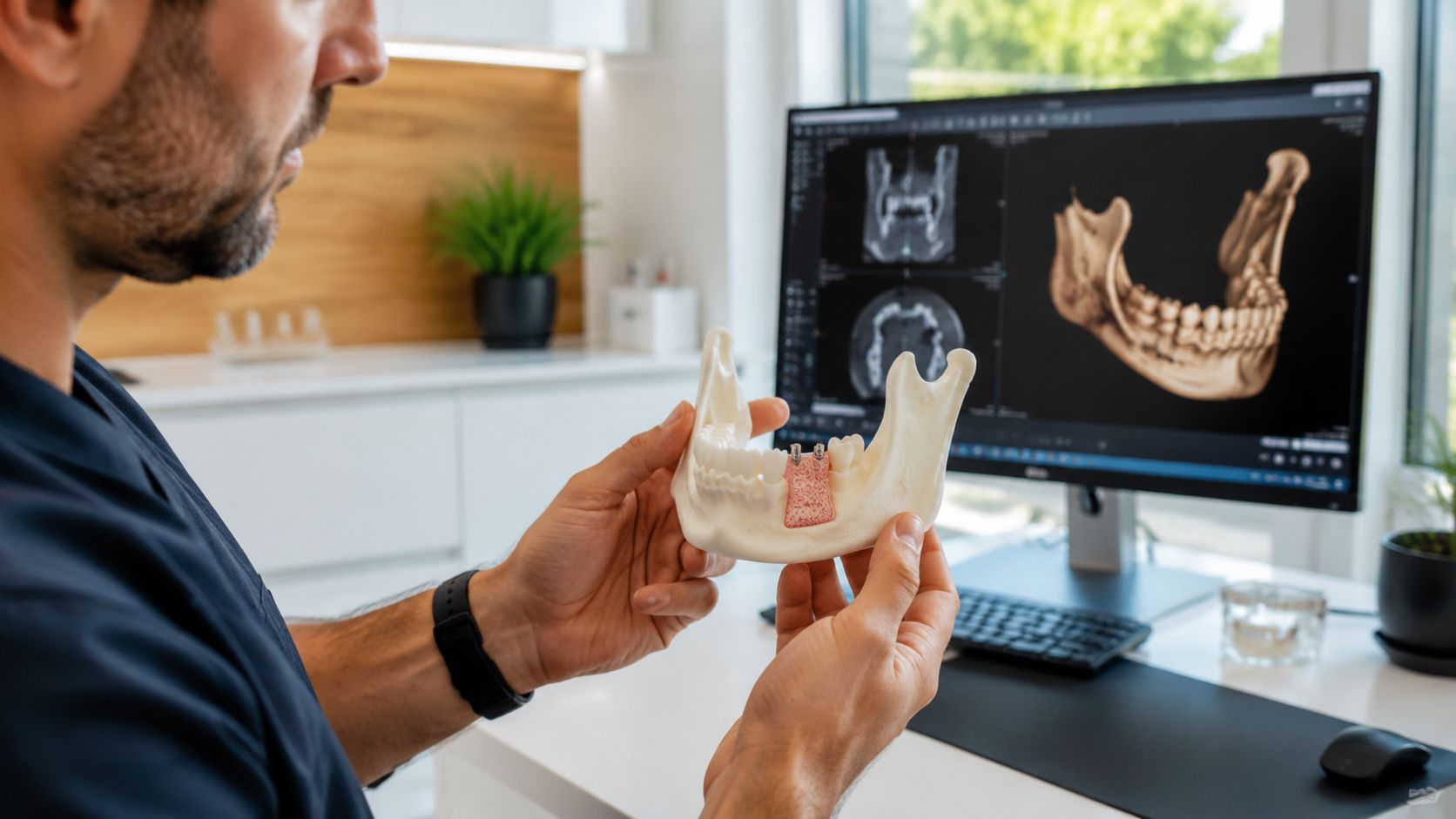
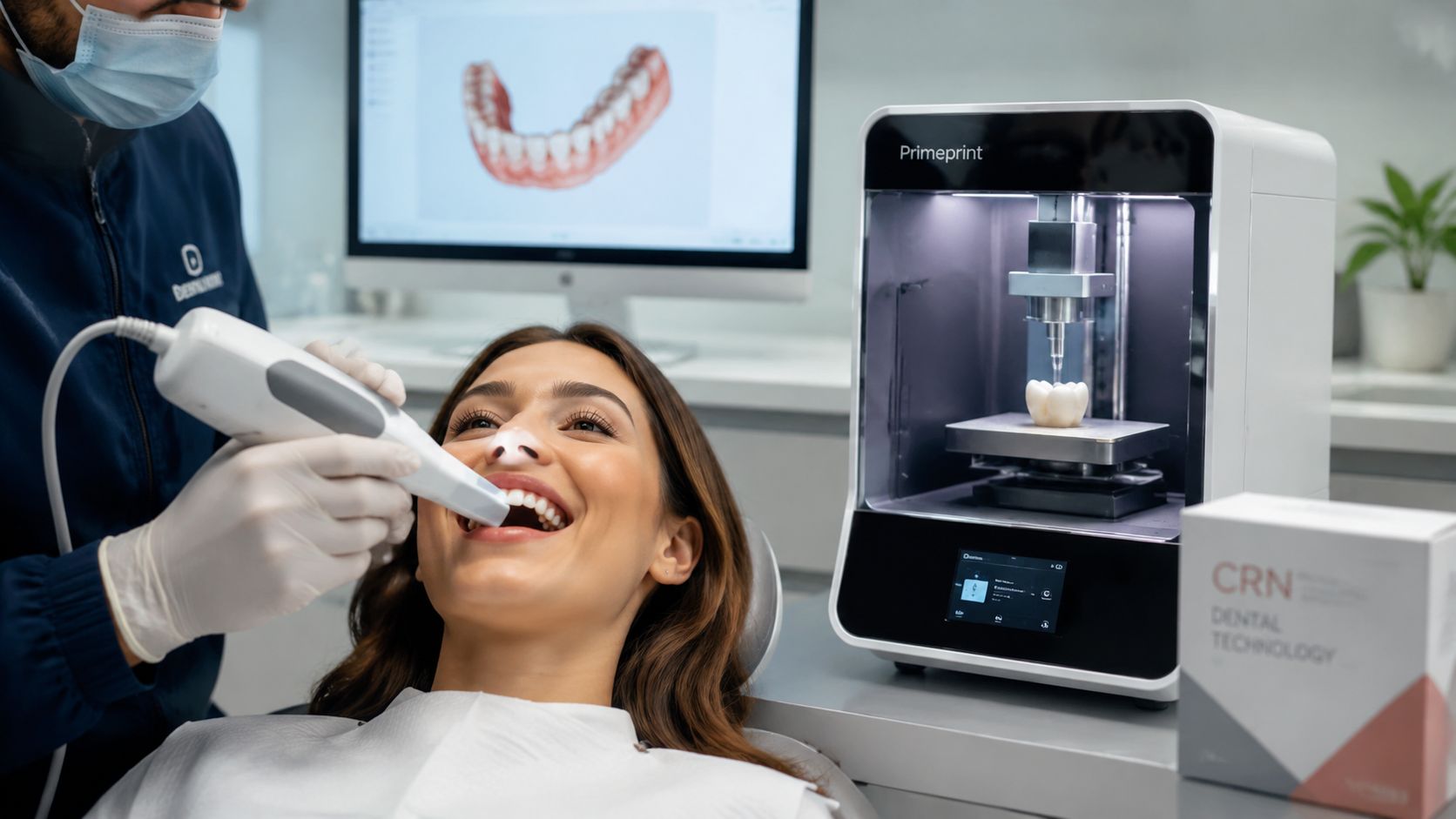
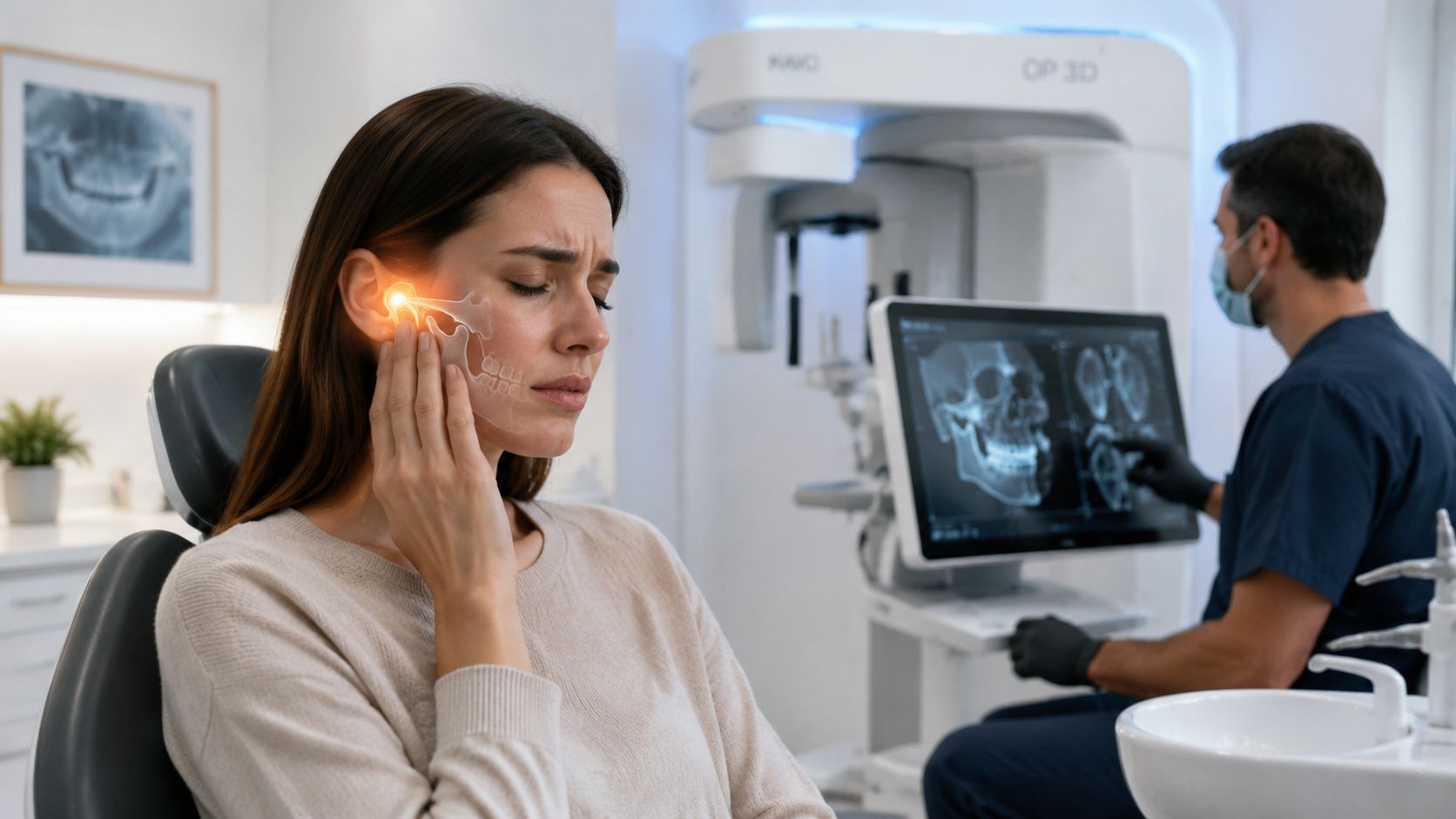
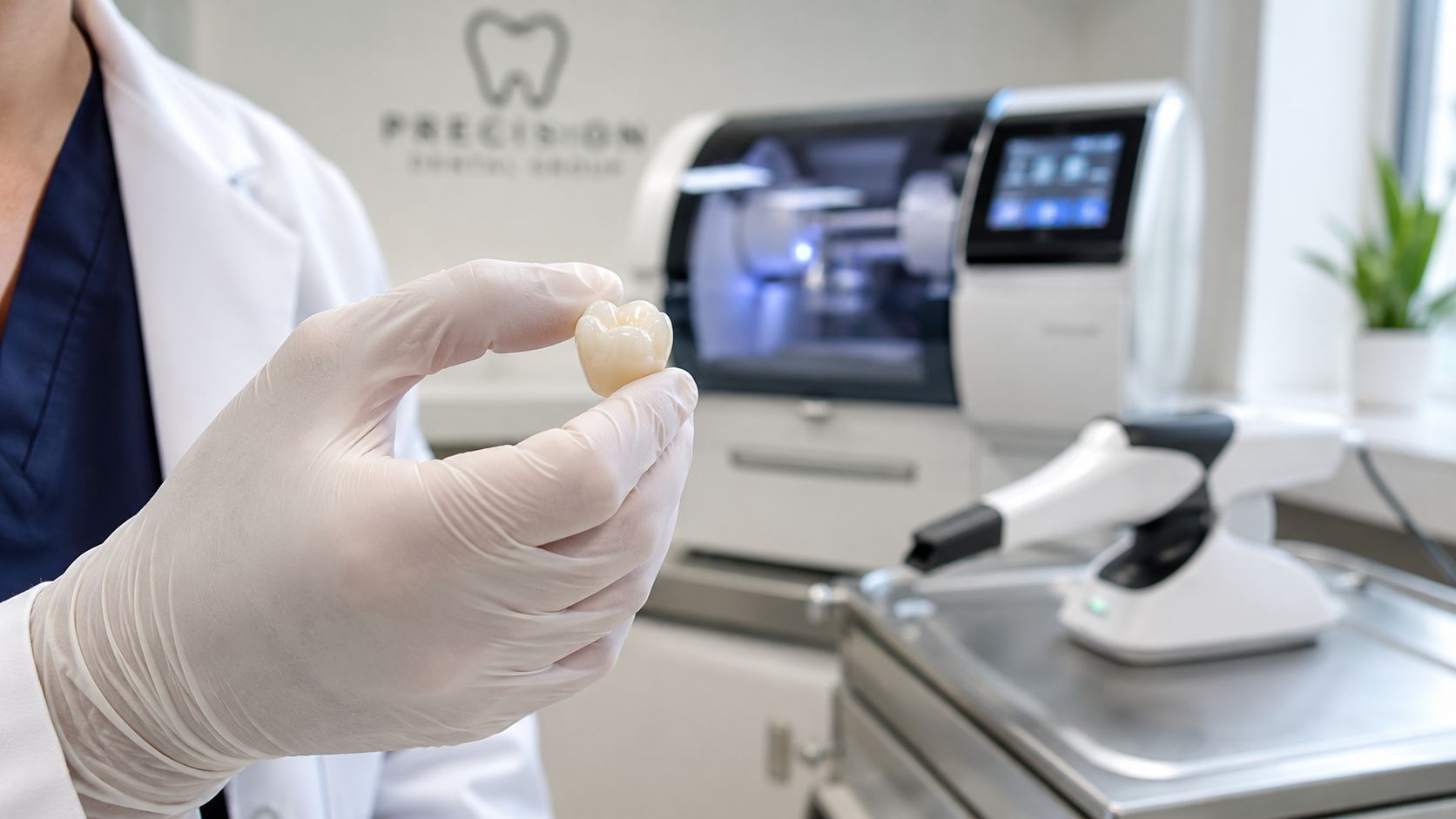
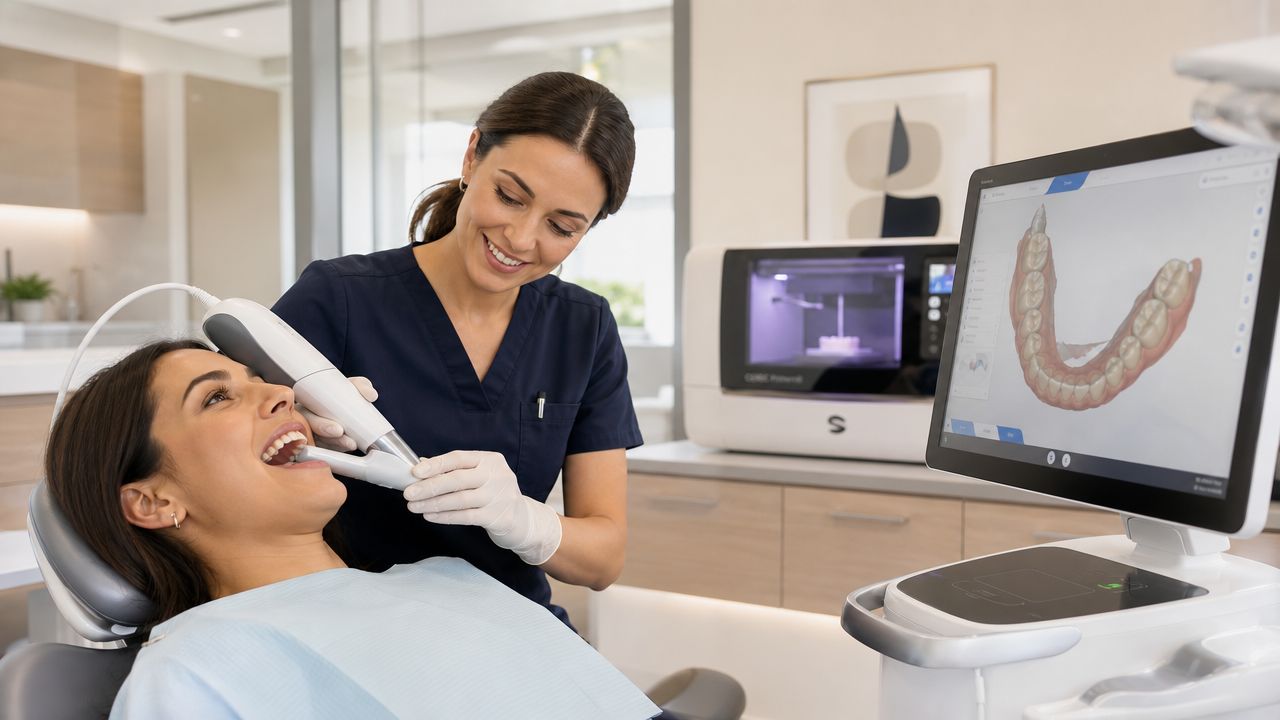
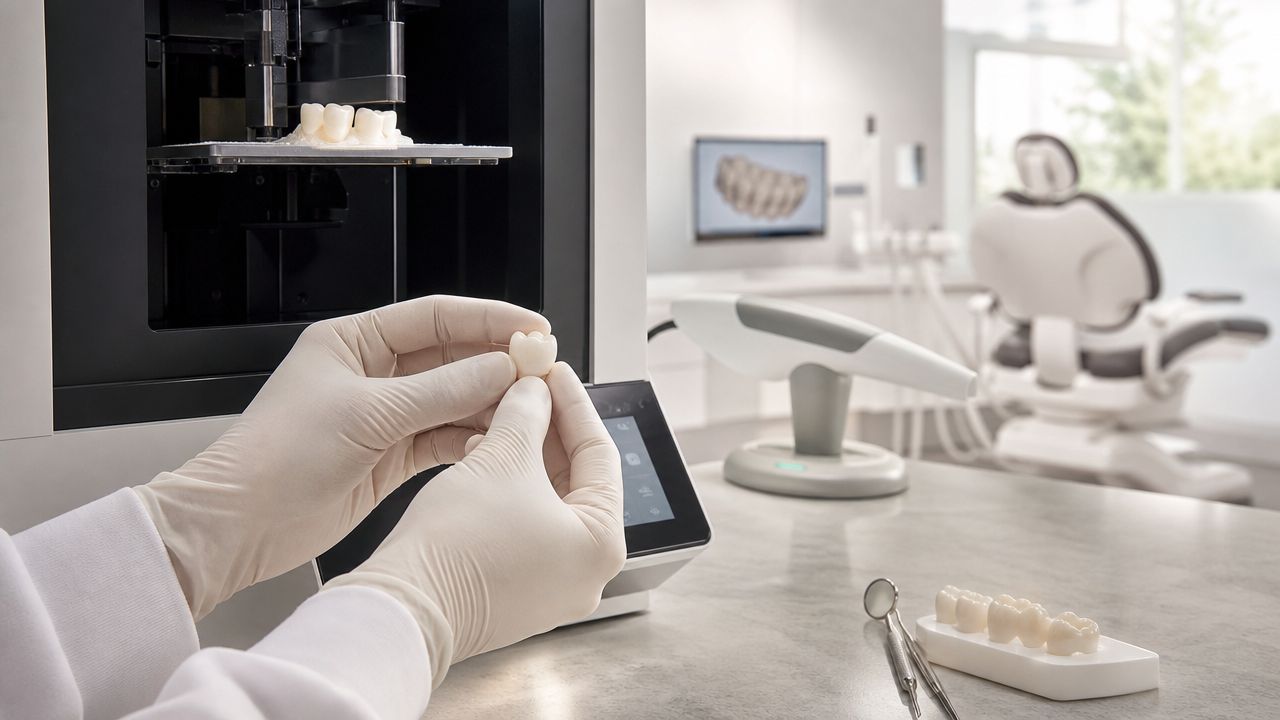
This is also where advanced technology matters. The practice uses 3D CT imaging, digital scanners, digital x-rays, and in-house 3D printing as part of a modern workflow at 3D Dental. Those tools help create a more precise picture of your teeth and bite than old-style guesswork.
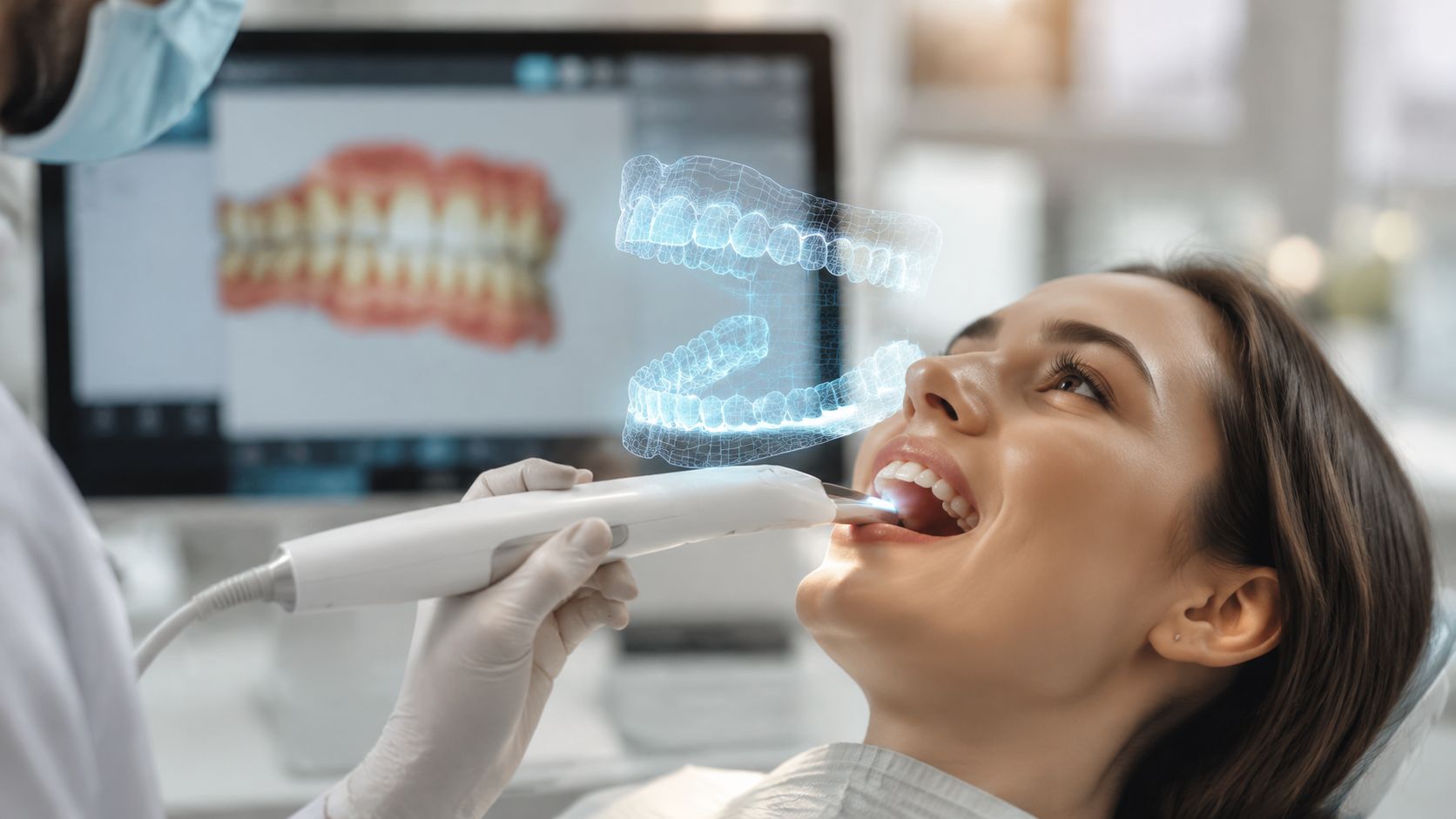
Step two uses digital scanning
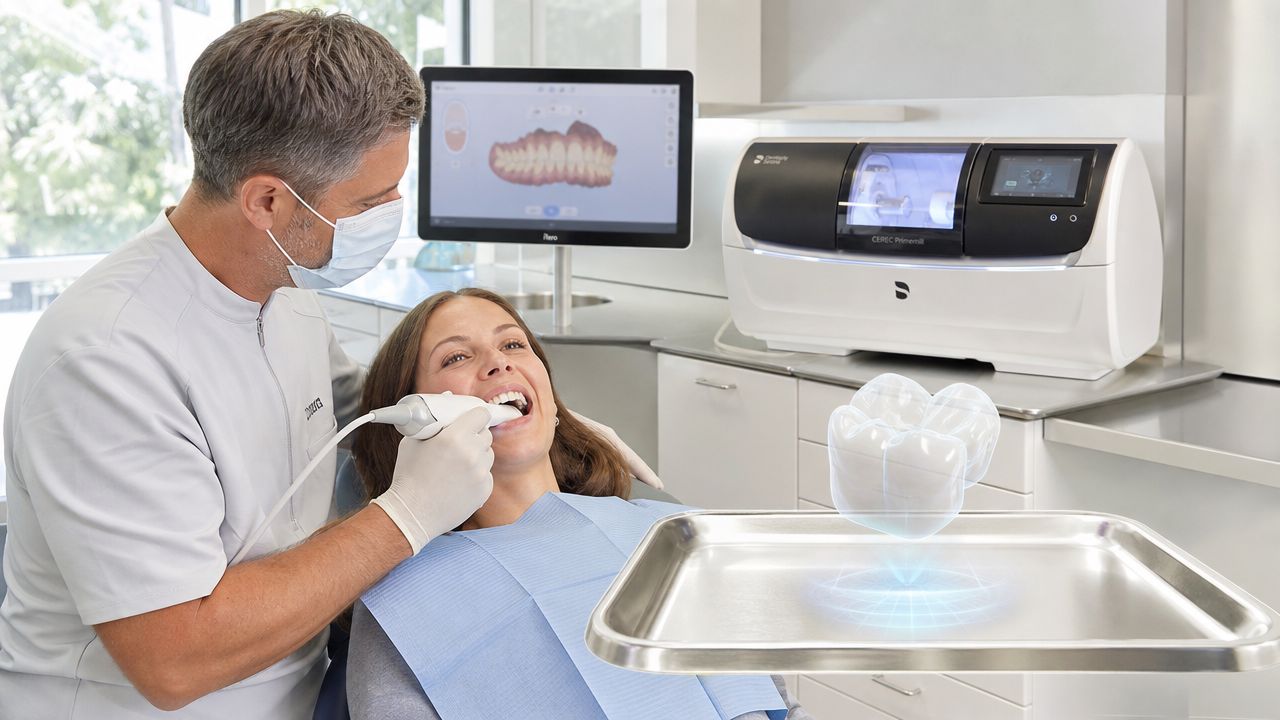
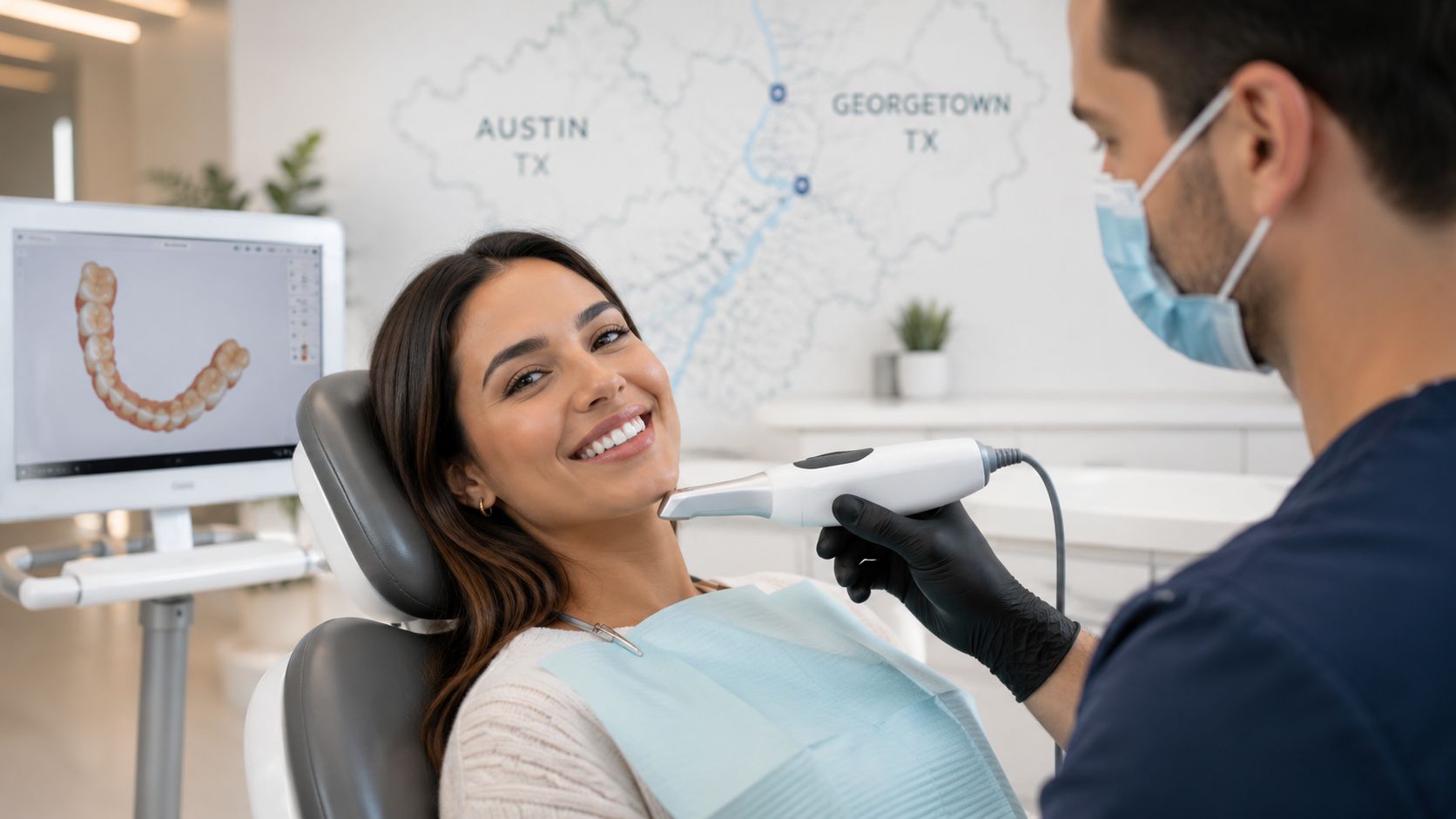
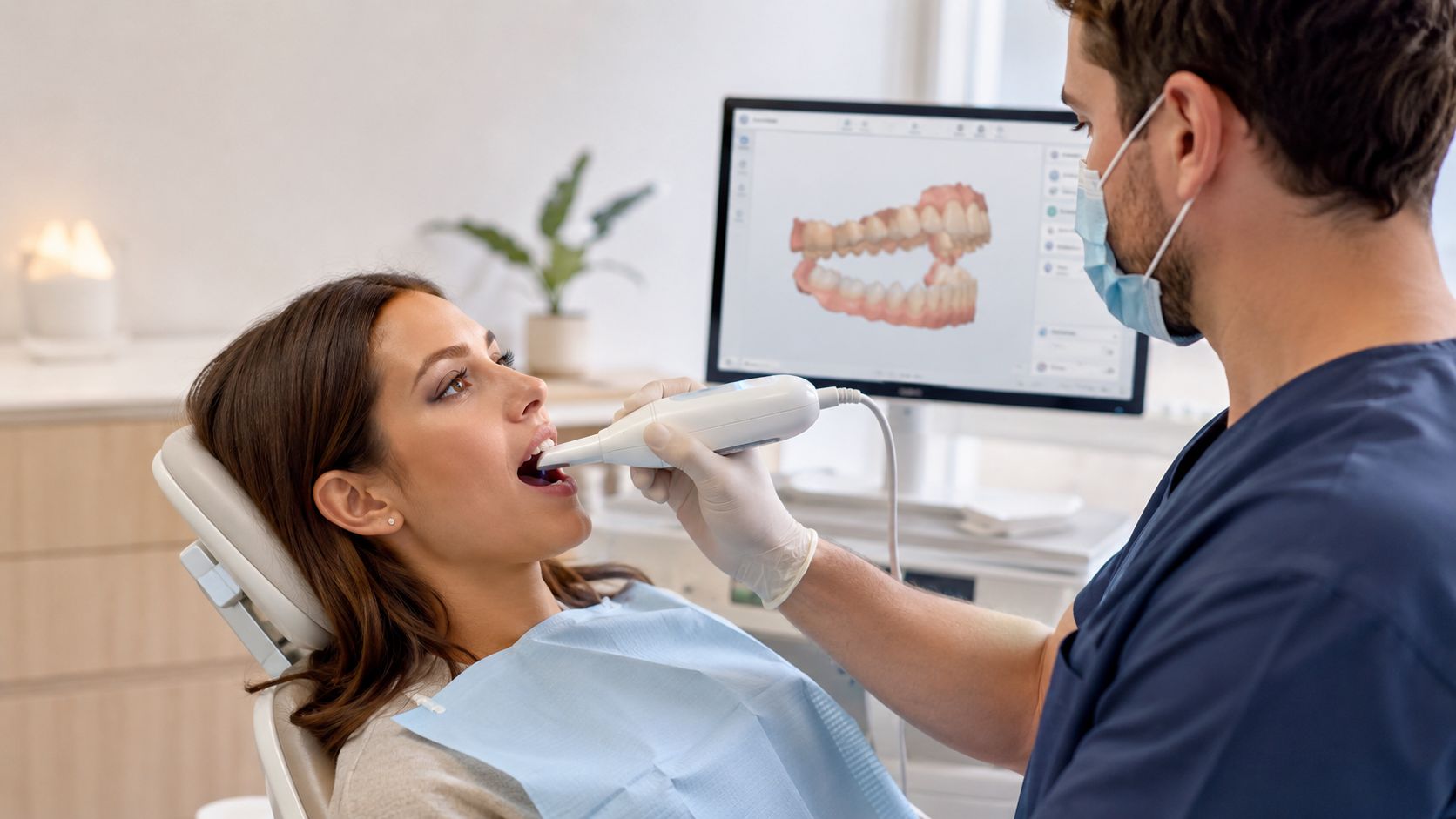
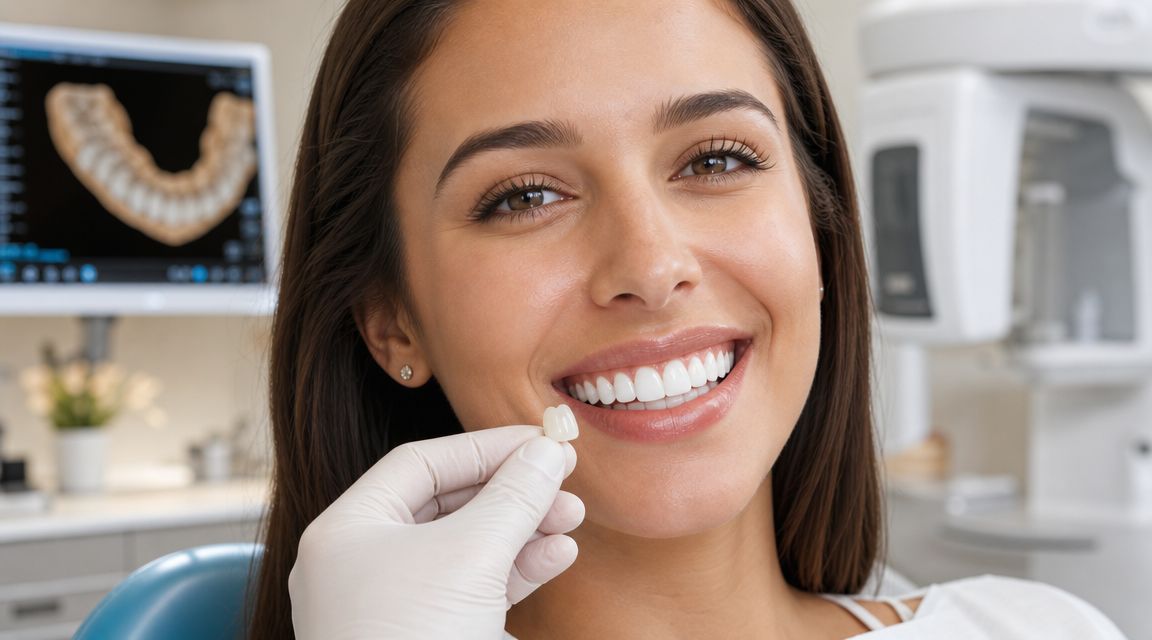
A digital scan replaces the old goopy impression process that many patients remember. It creates a detailed model of your teeth, which helps build the aligner plan and improves tray fit.
Modern offices using digital scanners and in-house 3D printing can shorten turnaround times. One recent orthodontic overview notes that a treatment plan can be designed in weeks, helping patients get started faster through a more efficient workflow, as described in this overview of digital clear aligner turnaround and 3D printing.
Step three maps the tooth movement
Once the scan and records are complete, your treatment plan is created. The sequence of movements is then designed. Some patients need a relatively short series focused on front-tooth alignment. Others need a broader plan because their bite and tooth positions require more stages and closer monitoring.
Treatment length varies. Some cases are shorter. Others take much longer. The right expectation is that your timeline depends on complexity and on how consistently you wear the aligners.
Here's a helpful look at what the process can involve in a visual format:
Step four keeps the case on track
When you receive your aligners, you'll get instructions on wear, cleaning, tray changes, and what to expect in the first few days. Mild pressure is normal. A tray that suddenly stops fitting well is not something to ignore.
Progress visits matter because teeth don't always move exactly as software predicts. Those visits allow your dentist to confirm tracking, make refinements when needed, and help you finish with a healthier bite and a straighter smile.
Cost and Financing for Clear Aligners in Austin
Cost is one of the first questions patients ask, and it should be. Clear aligners are an investment in both appearance and oral health, but the final fee depends on your case rather than a one-size-fits-all price.
A mild alignment issue is different from a case that needs longer monitoring, more trays, or refinements. The only useful quote is one based on your teeth, your bite, and your treatment goals.
What affects the price
Several factors influence aligner cost:
- Case complexity affects how much movement is required.
- Treatment length can change how many aligners and visits are needed.
- Refinements may be necessary if final positioning needs extra adjustment.
- Related dental care sometimes needs to be completed before orthodontic treatment starts.
Patients comparing options often focus only on the lowest advertised number. That can be misleading. A lower sticker price may leave out the value of diagnosis, monitoring, and problem-solving if your treatment doesn't go smoothly.
Ways patients make treatment manageable
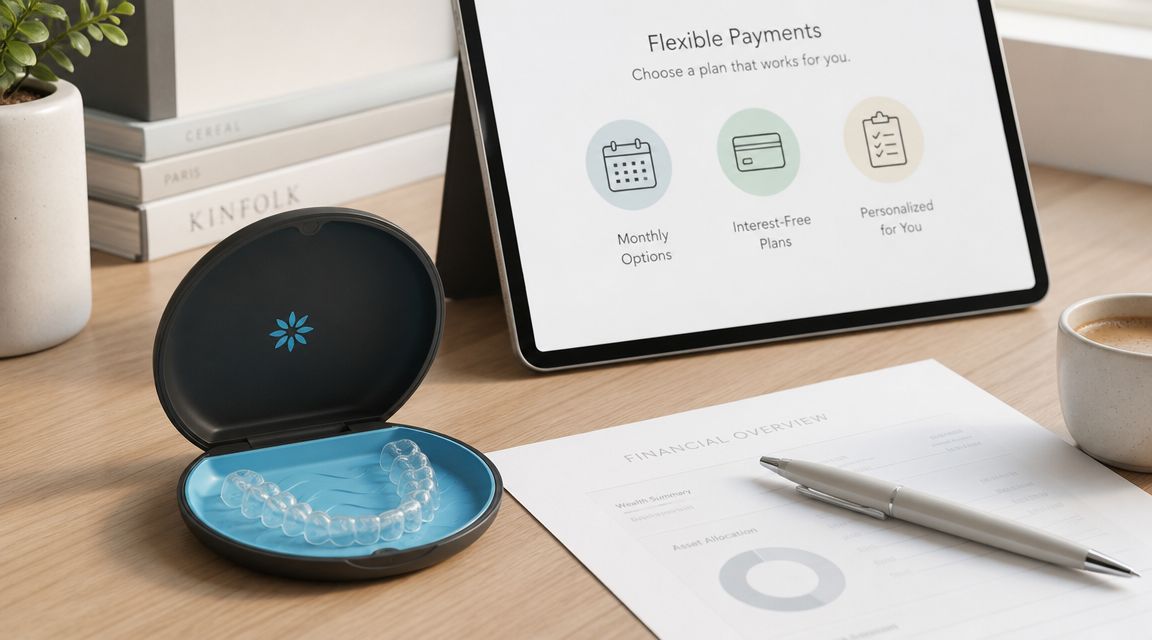
Financing matters because many adults want to start treatment without paying everything at once. Practices may accept dental insurance, offer in-house payment arrangements, or work with third-party financing programs.
If you want a clearer overview before booking, this article on how much clear aligners cost walks through the pricing factors in more detail.
Cost should be weighed against supervision, diagnostics, and finish quality. The cheapest route can become the more expensive one if you end up needing corrective treatment later.
Think beyond the monthly payment
If you're in Austin, Georgetown, Cedar Park, or Round Rock, the smart question isn't just “What's the monthly payment?” It's “What care is included in the plan?”
You want to know whether your treatment includes the work needed to diagnose your case correctly, monitor progress, and respond if your teeth don't track as expected. That's what makes an aligner plan worth considering.
Book Your Clear Aligner Consultation Today
If you've been searching for clear aligners near me, the next step is simple. Get a real evaluation. The right consultation should tell you whether aligners fit your smile goals, whether another orthodontic option would work better, and what the treatment process would look like in practical terms.
Patients in Austin and Georgetown often want the same things. They want a straighter smile, clear answers, and a plan that respects their time. They also want to know they're not making a cosmetic decision without understanding the bite and health side of it.
That's why local care matters. You're not just choosing trays. You're choosing diagnosis, follow-up, and access to a dental team if questions come up during treatment.
If you're ready to move forward, schedule a consultation and get a personalized recommendation based on your teeth, your bite, and your goals.
To schedule a clear aligner consultation with 3D Dental, book online through the practice website or contact the Austin or Georgetown office directly. If you've also been looking for a dentist near me, cosmetic dentist near me, or a practice that can coordinate orthodontics with routine dental care, cleanings and exams, dental x-rays, teeth whitening, restorative dentistry, or emergency dental care, this is a practical place to start.
Ready to get started?
Schedule a free, no obligation consultation with our team and see what's possible for your smile!
Georgetown
- Mon-Thurs8:30am-5pm
- Fri8am-3:30pm
- Sat-SunClosed
Austin
- Mon-Tues8am-5pm
- Wed-Thurs9am-6pmFri8am-2pm
- Sat-SunClosed