
All on 4 Dental Implants Zirconia
Related Posts


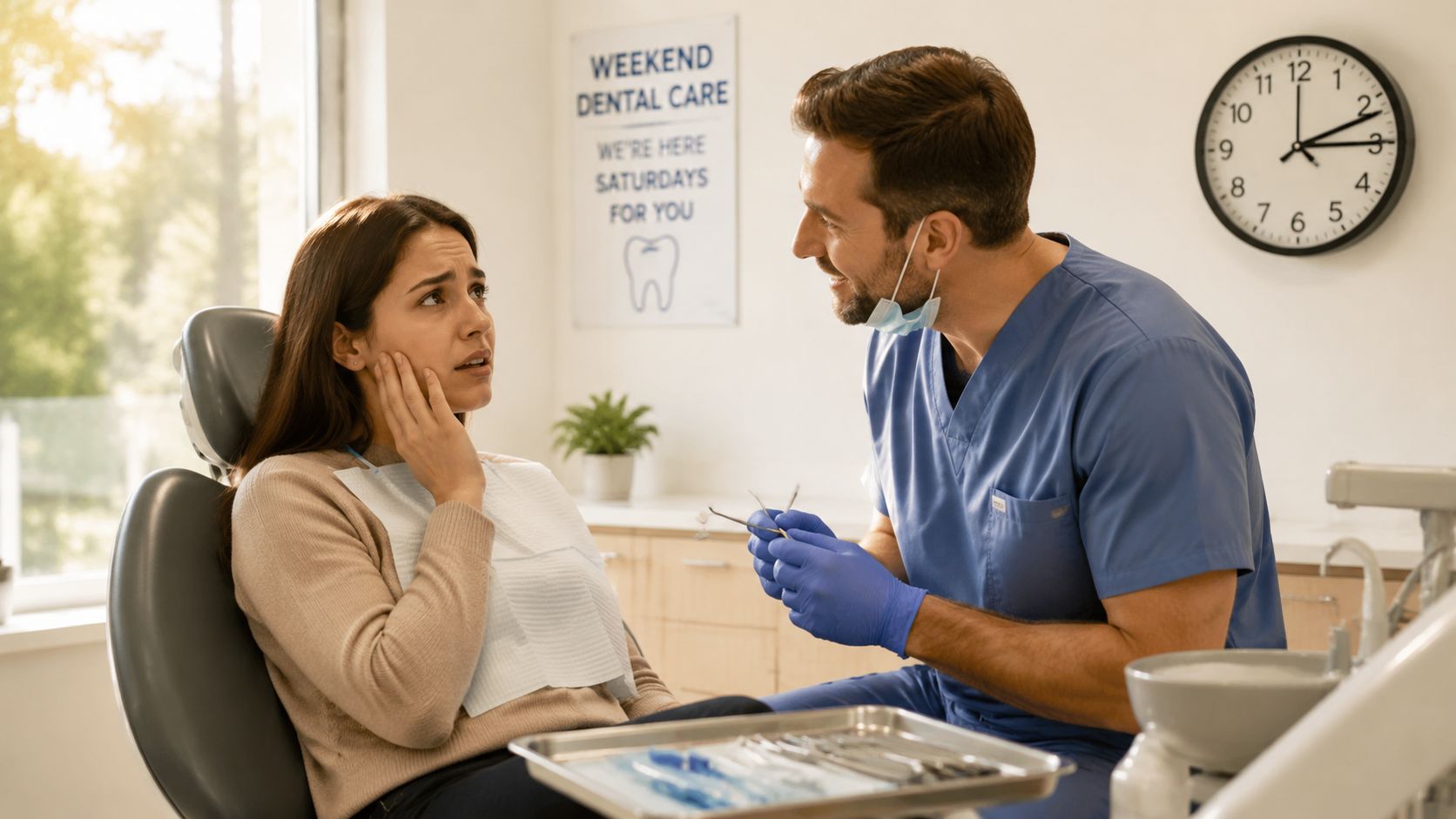
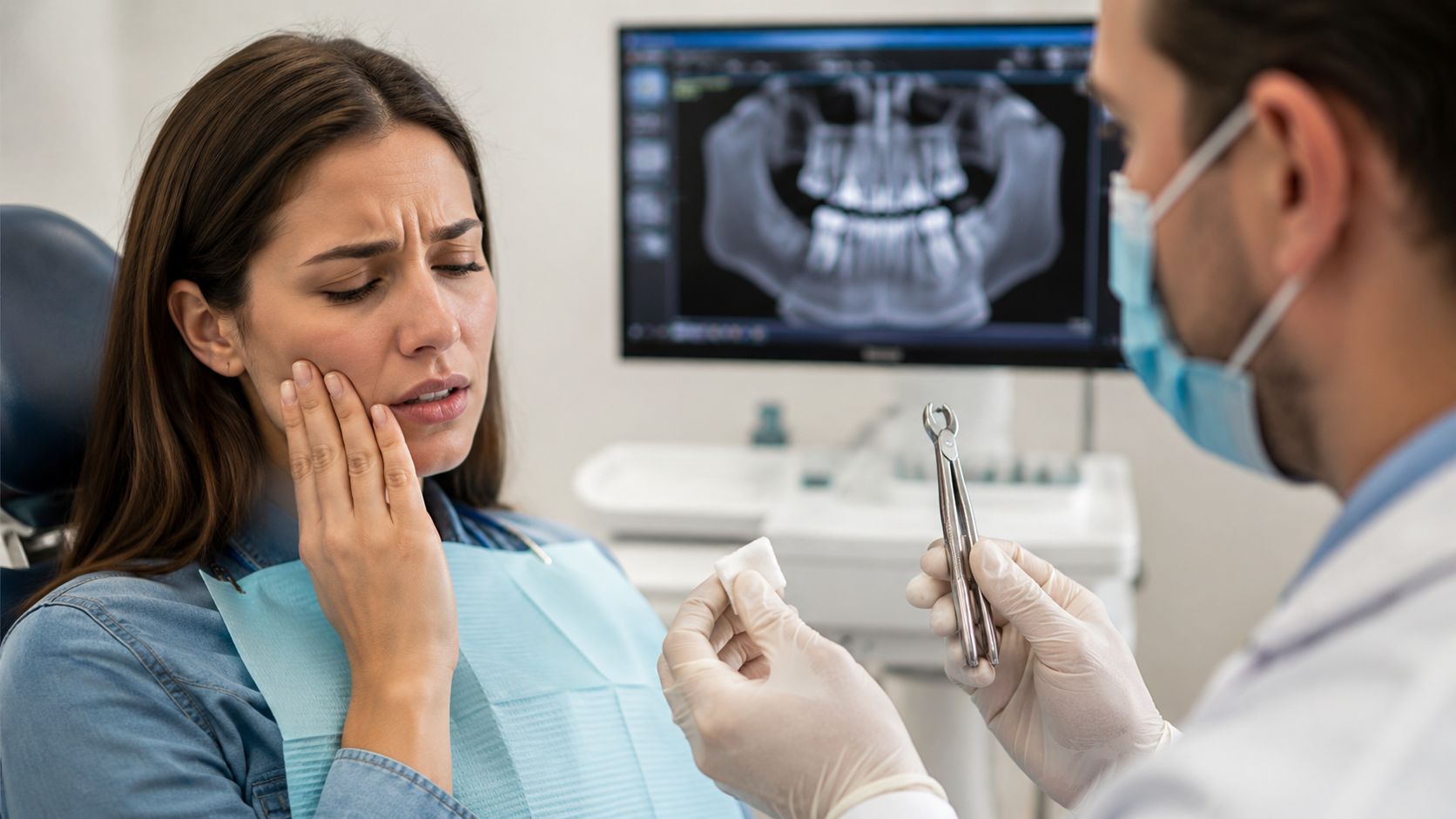

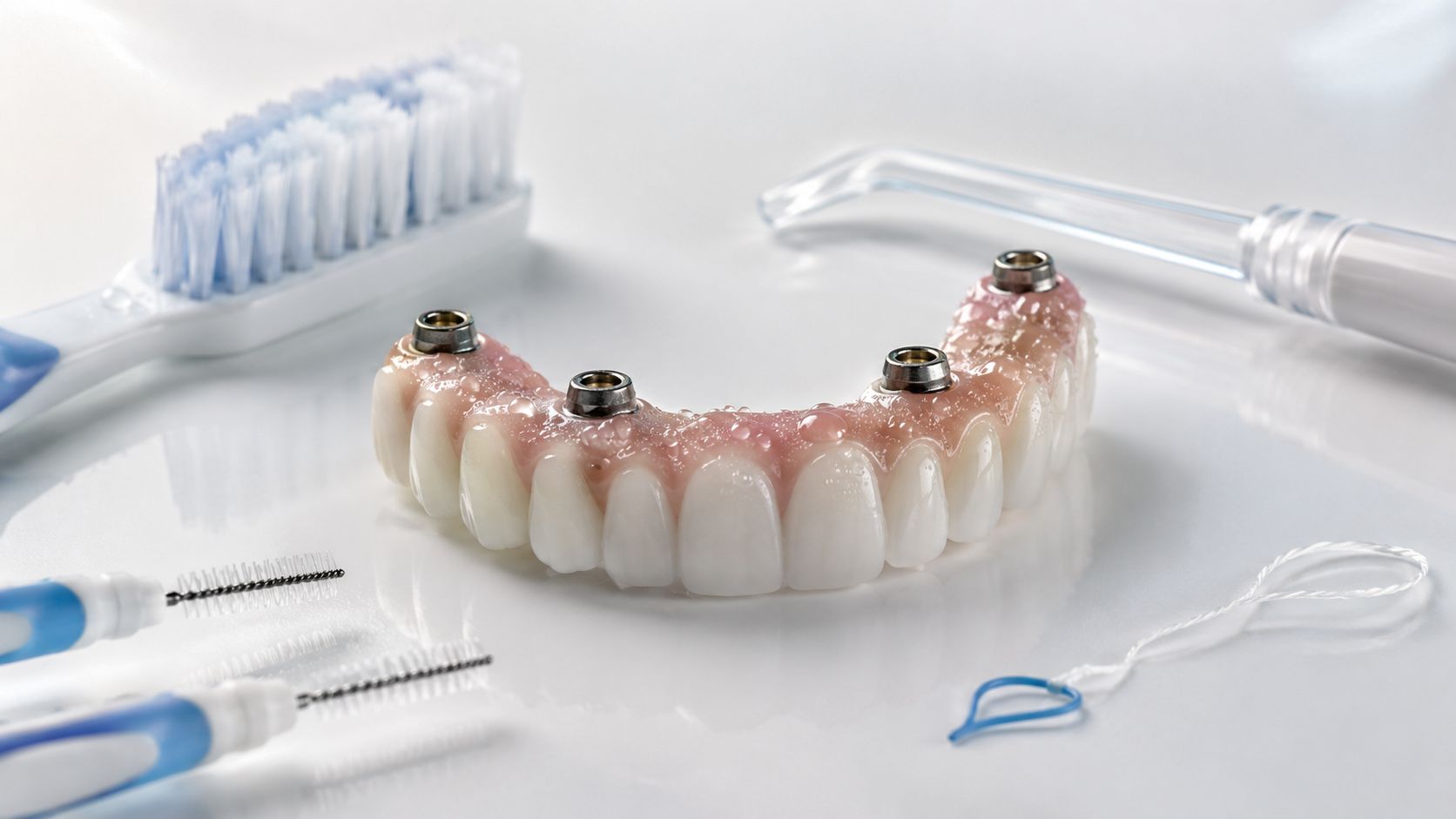
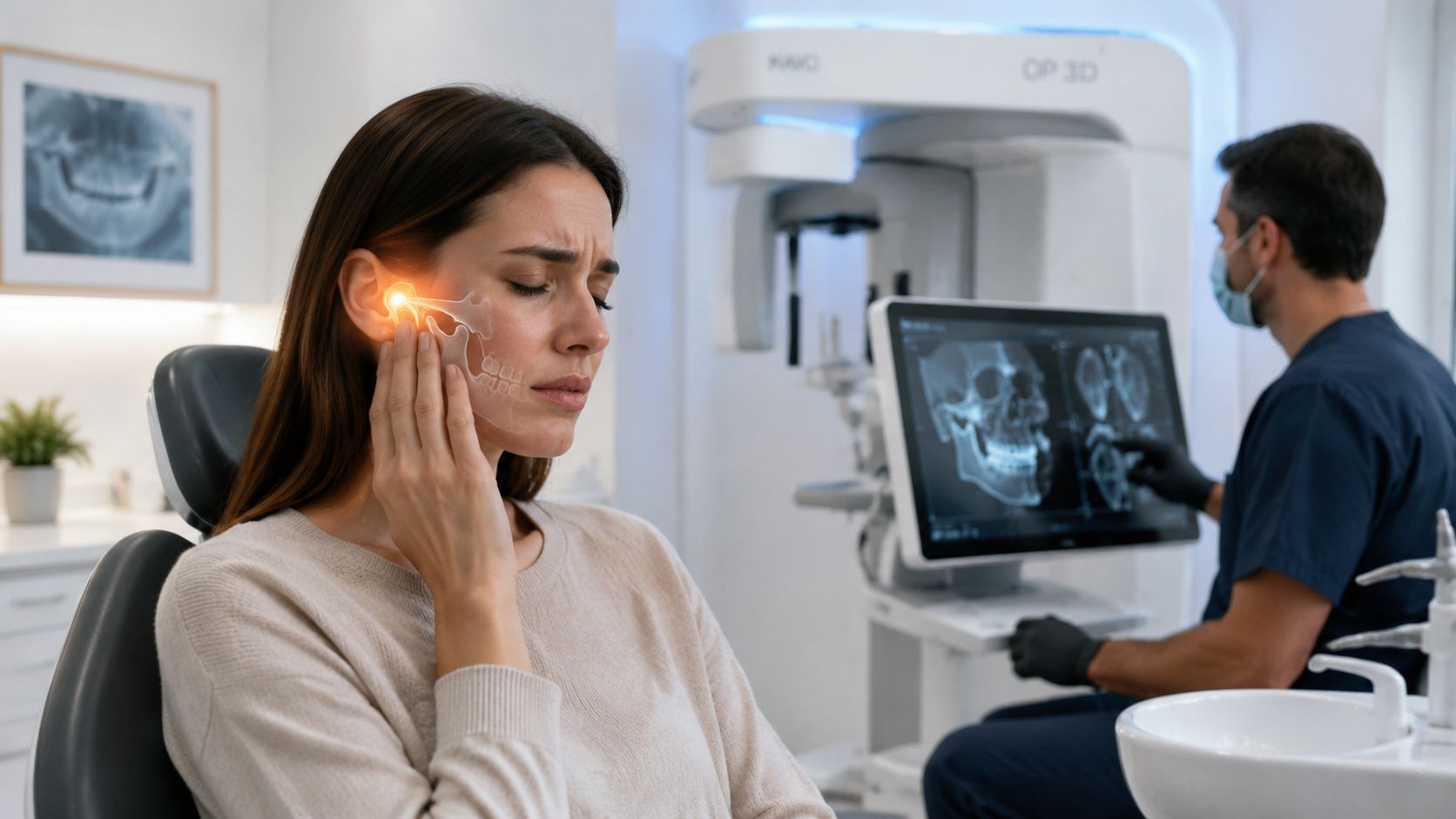
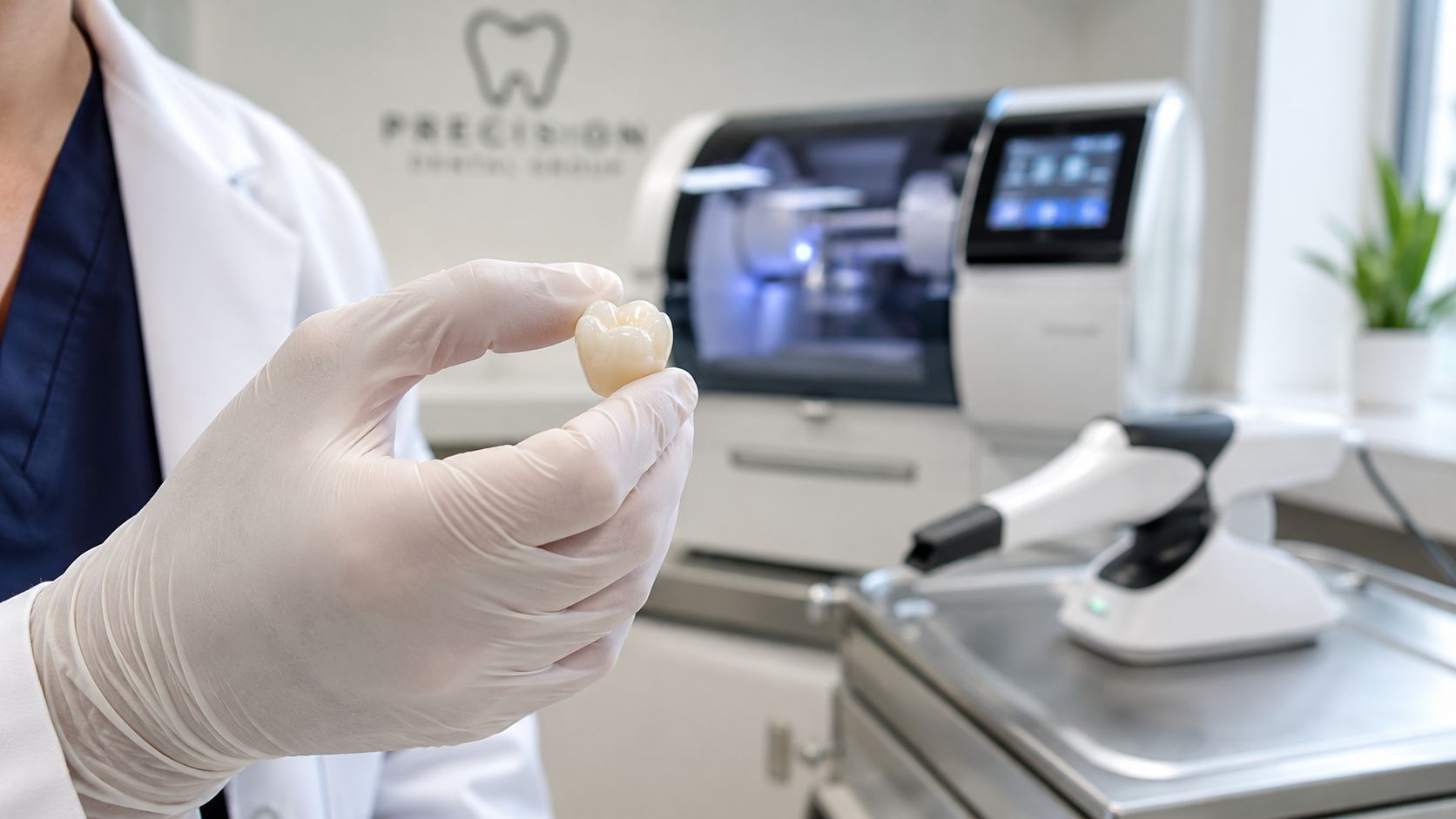

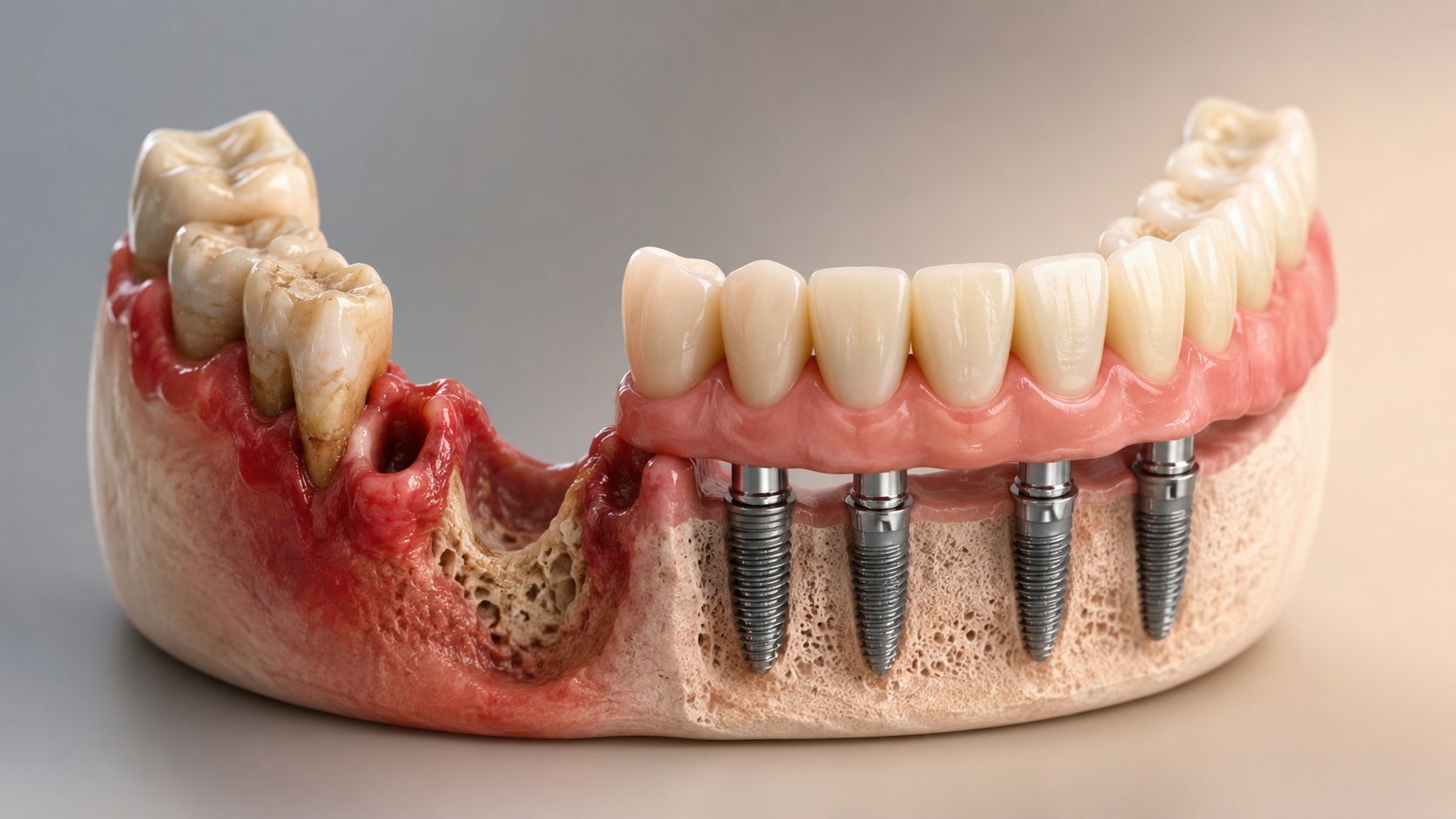
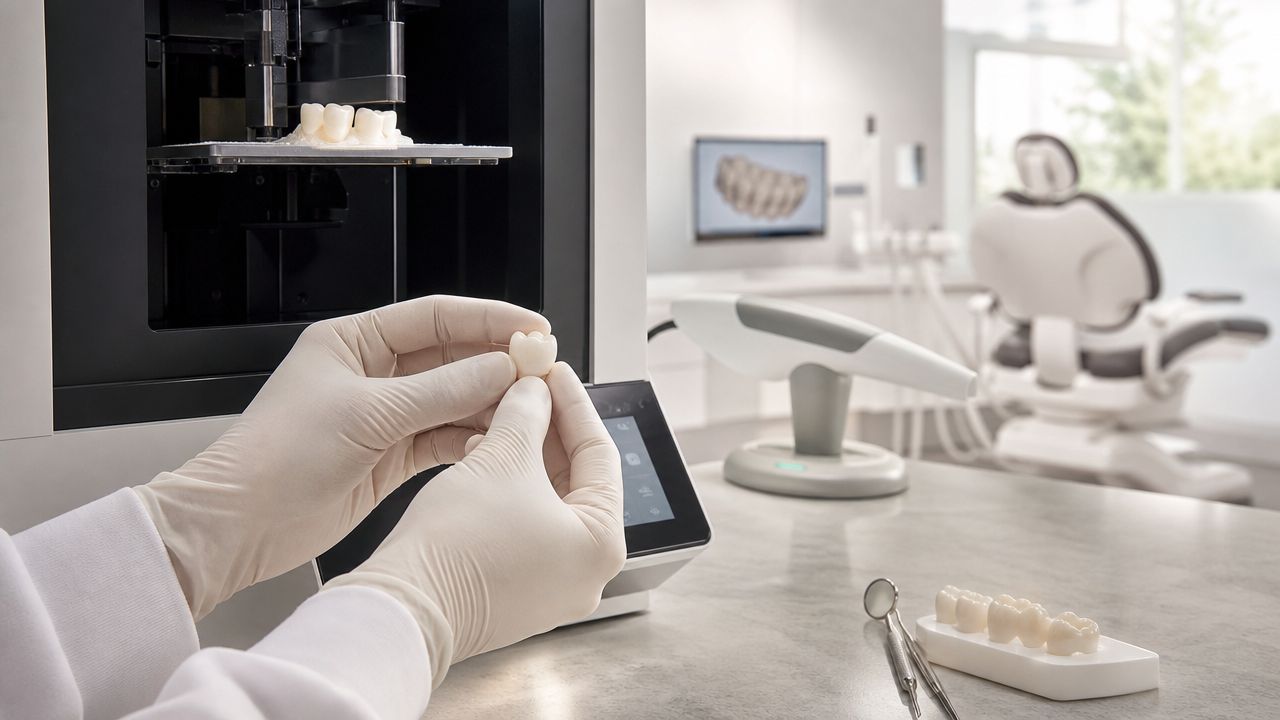



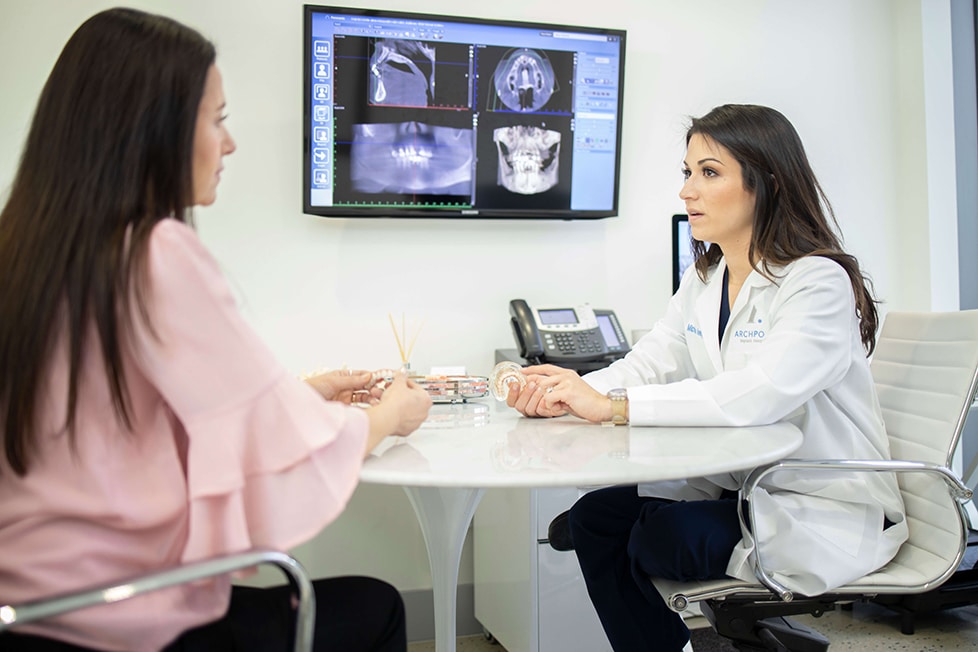

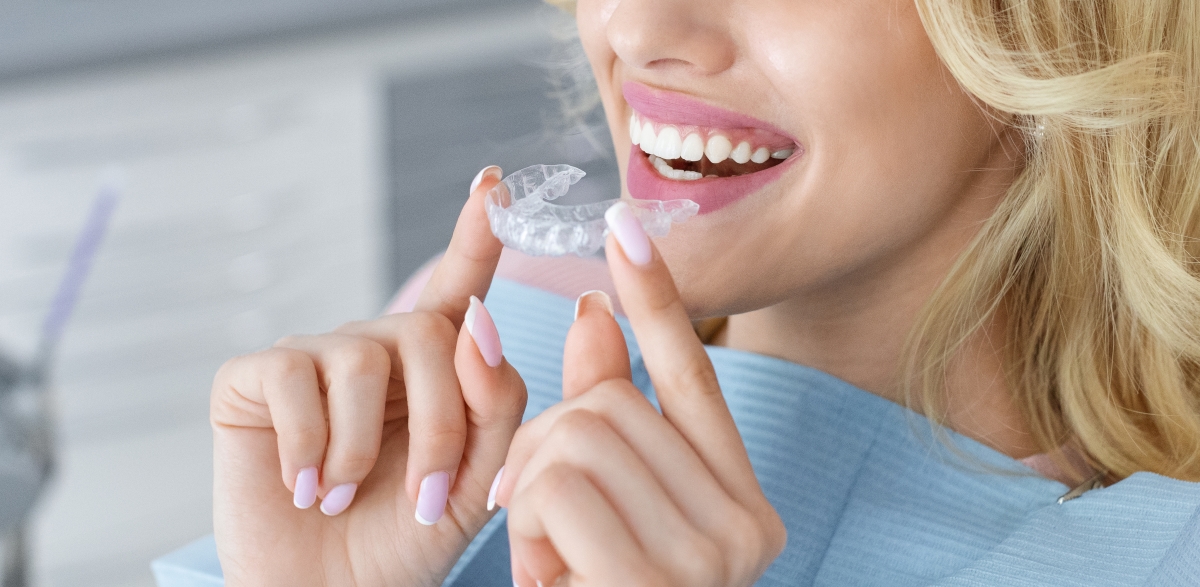
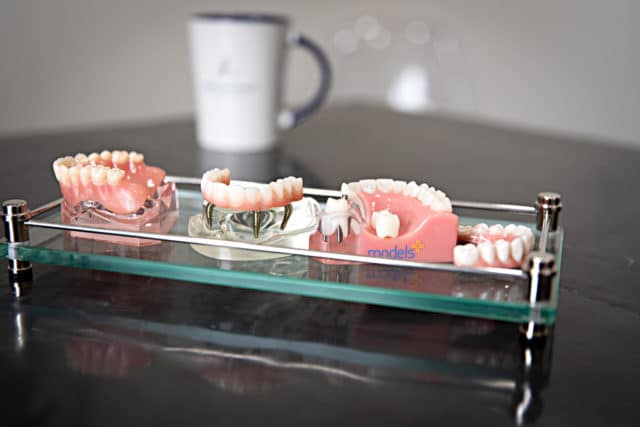
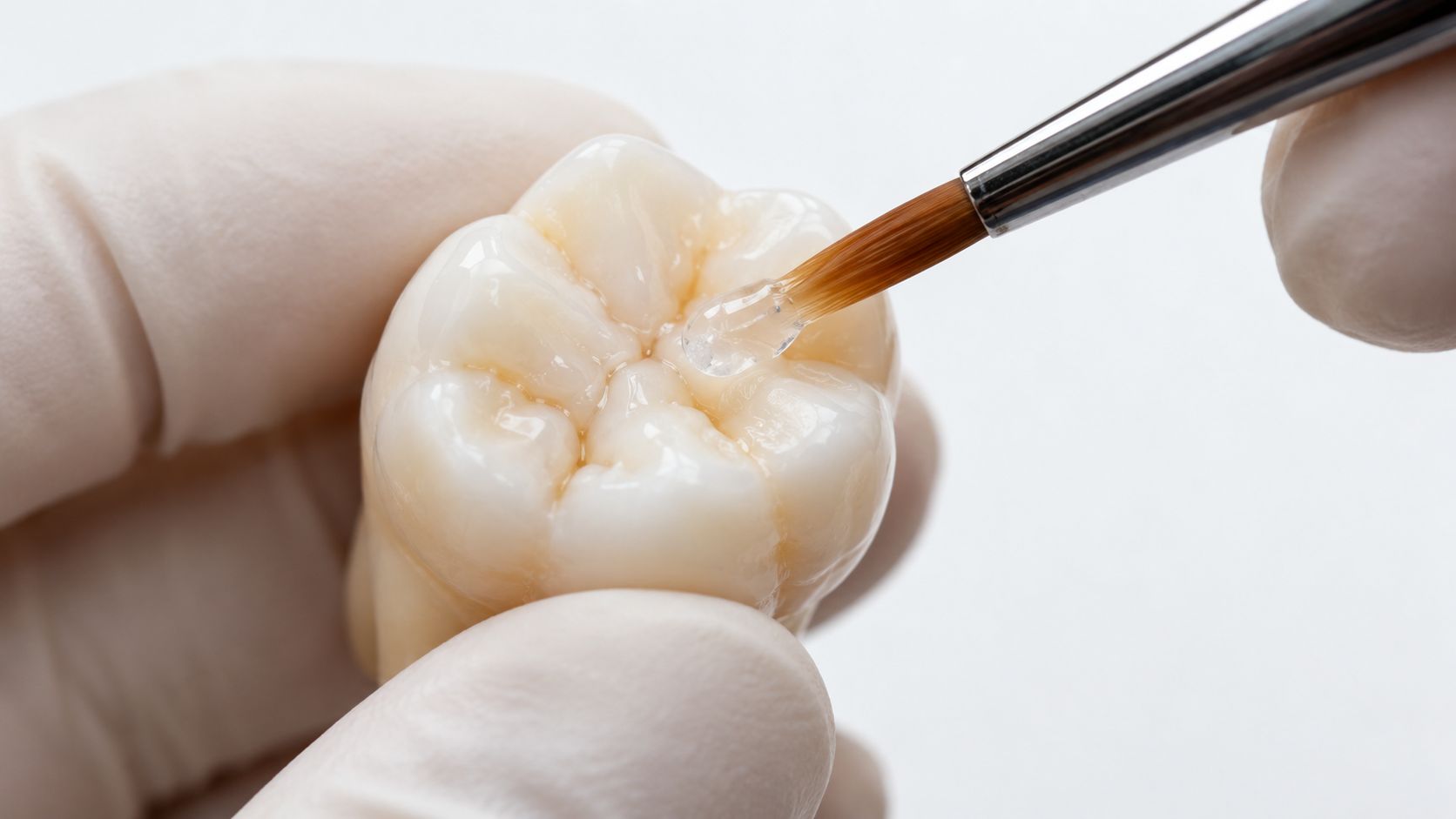















If you're reading about All-on-4 because you're tired of loose dentures, broken teeth, or a smile that no longer feels like yours, you're not alone. Many adults in Austin, Georgetown, Round Rock, and Cedar Park reach this point after years of patching dental problems together. Eating gets harder. Photos become uncomfortable. Even routine things like speaking clearly or ordering food in public can start to feel stressful.
A full-arch solution can change that. For many patients, All-on-4 dental implants with zirconia offer a way to move from instability to a fixed smile that looks polished, feels secure, and supports daily life with far less compromise than a removable denture.
A Permanent Smile Solution in Austin and Georgetown
You make small adjustments at first. Steak comes off the menu. You chew on the stronger side. You smile without showing teeth. Then a denture rubs through another dinner, a front tooth cracks, or an old bridge gives out, and the workarounds stop working.
For many patients in Austin and Georgetown, that is the point where full-mouth restoration becomes less about cosmetics and more about getting daily life back. Eating should not feel risky. Speaking should not require constant awareness of what might move. A smile should look natural, but it also has to hold up on a busy weekday, at a restaurant, and years after treatment.
When your teeth start dictating your routine
Patients searching for a dentist near me in Austin, TX or dental implants near me are often dealing with a pattern that has been building for years. Common concerns include:
- Loose dentures that shift during meals or conversation
- Multiple failing teeth that hurt, crack, or keep needing repairs
- Advanced wear and breakdown that makes the mouth feel older than the rest of the body
- Embarrassment about appearance that affects work, family events, and social situations
A fixed full-arch restoration can change that pattern. The goal is more than filling empty spaces. The goal is to create a stable bite, restore confidence in public, and give the mouth a healthier long-term direction.
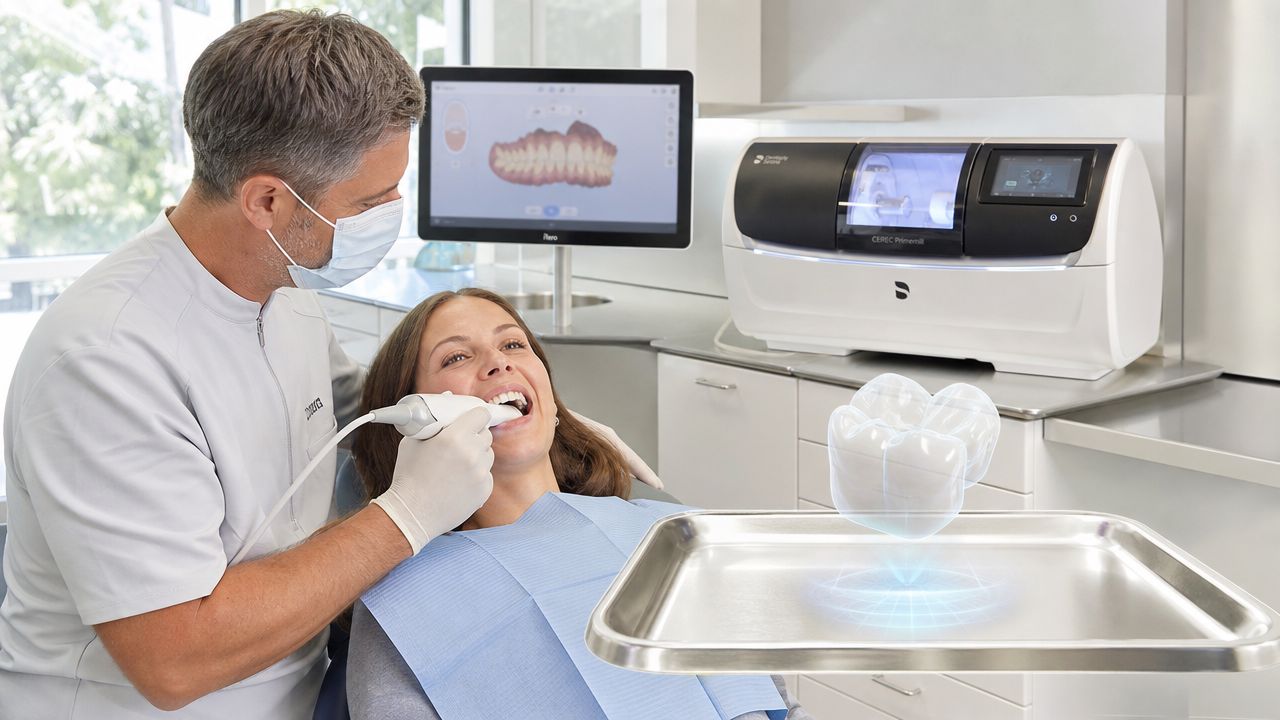
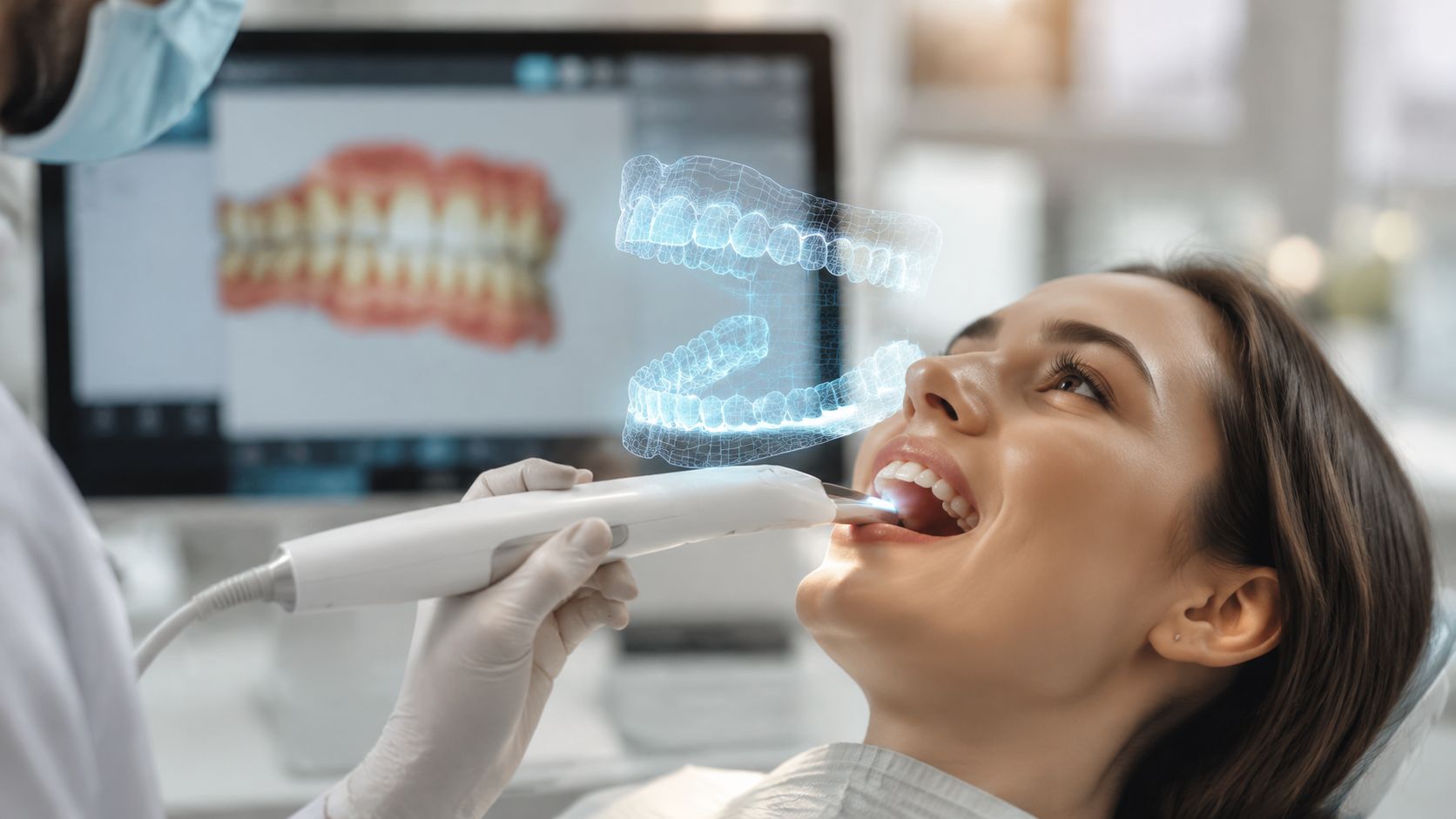
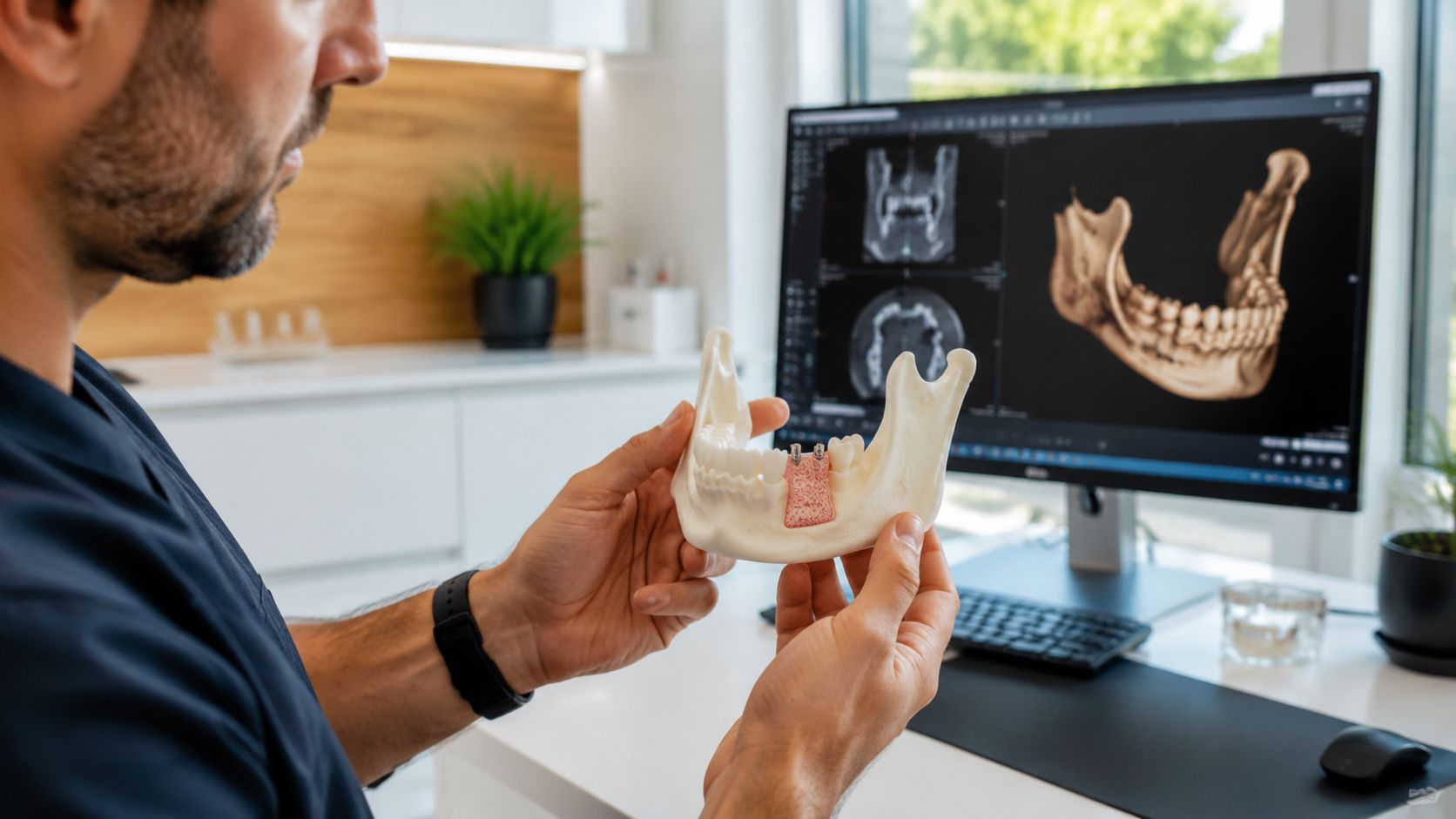
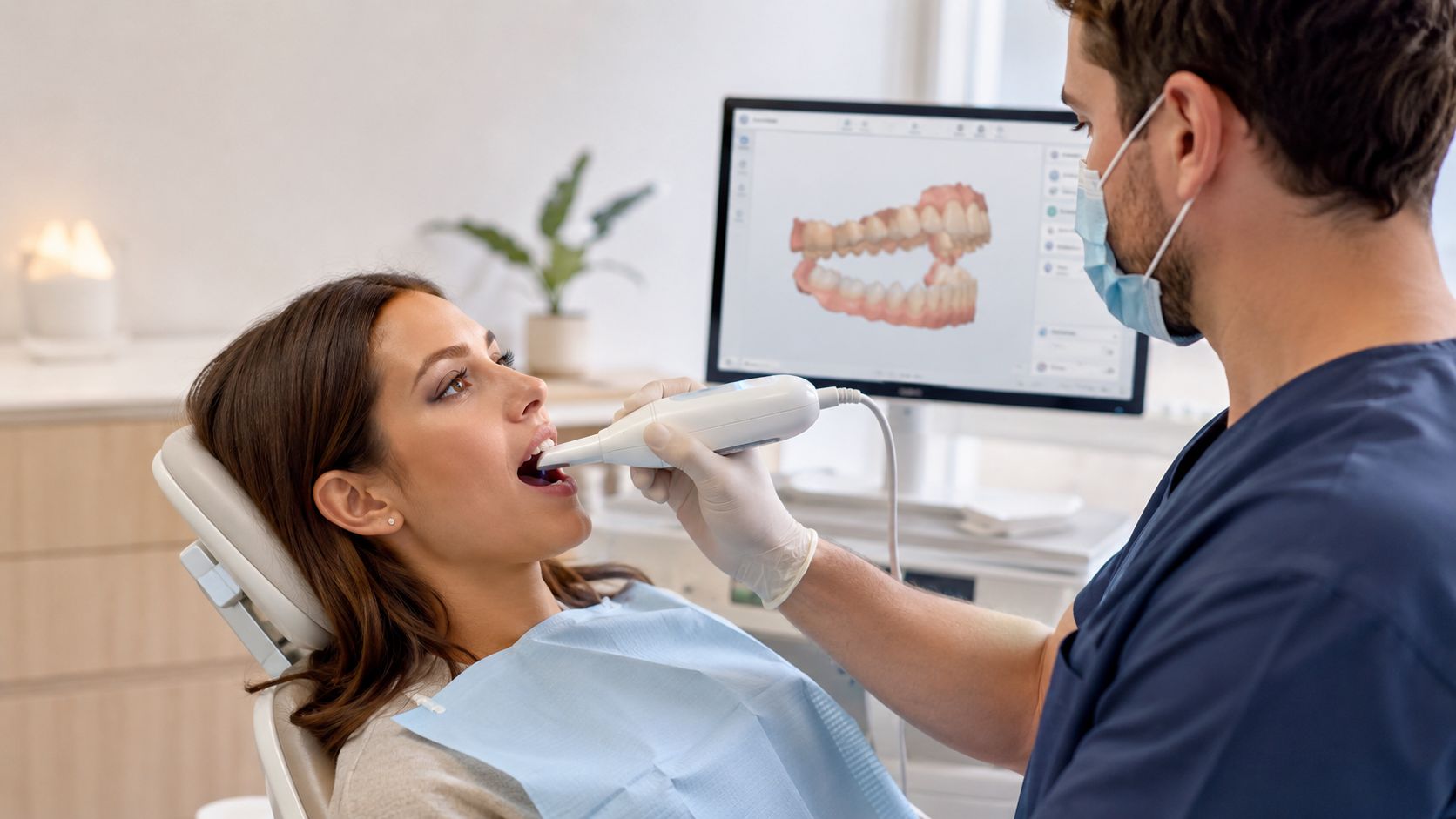
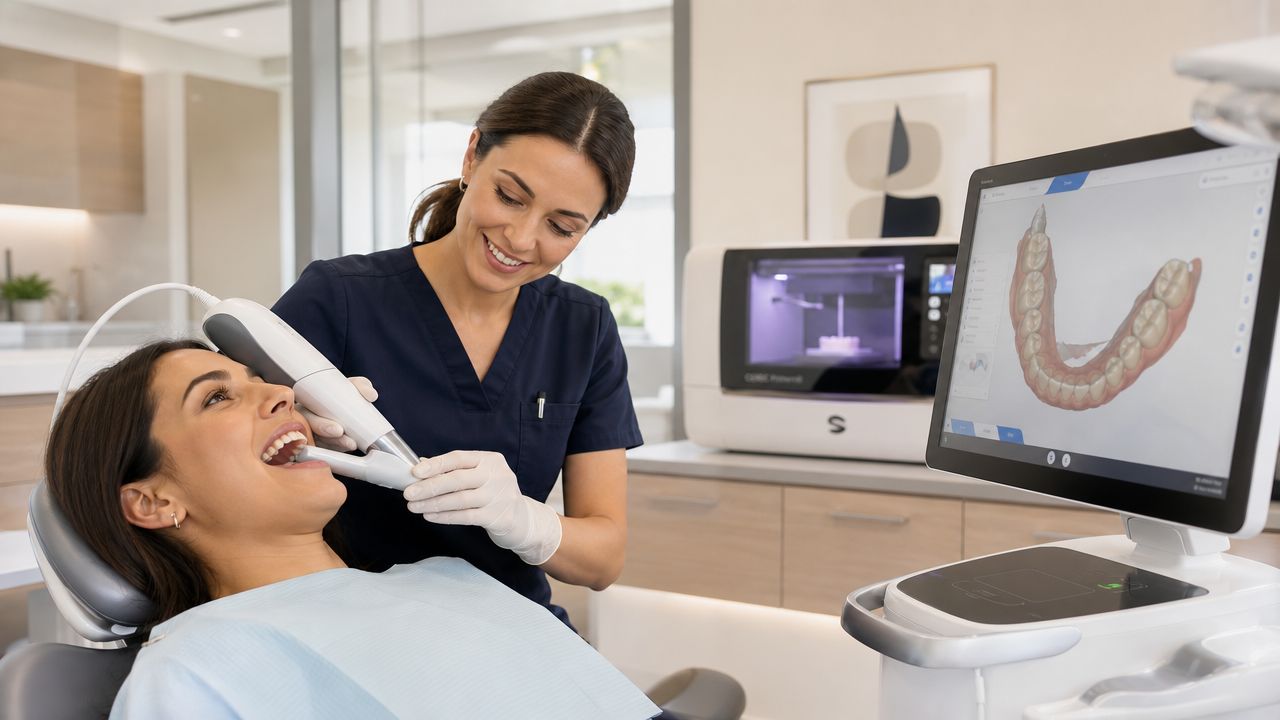
At 3D Dental, treatment starts with planning, not guesswork. Digital imaging, bite evaluation, smile design, and lab coordination all shape the result. That matters because a full-arch case succeeds or fails on details patients do not always see at first, such as implant position, arch shape, lip support, and how easy the final prosthesis will be to keep clean.
Full-arch treatment works best when the plan fits the person. Bite habits, bone shape, smile line, and long-term maintenance all matter.
A local option that values precision and honesty
Patients in Austin and Georgetown usually want the same basic outcome. They want a fixed smile that feels secure and looks like it belongs to their face, not a denture that happens to stay in better.
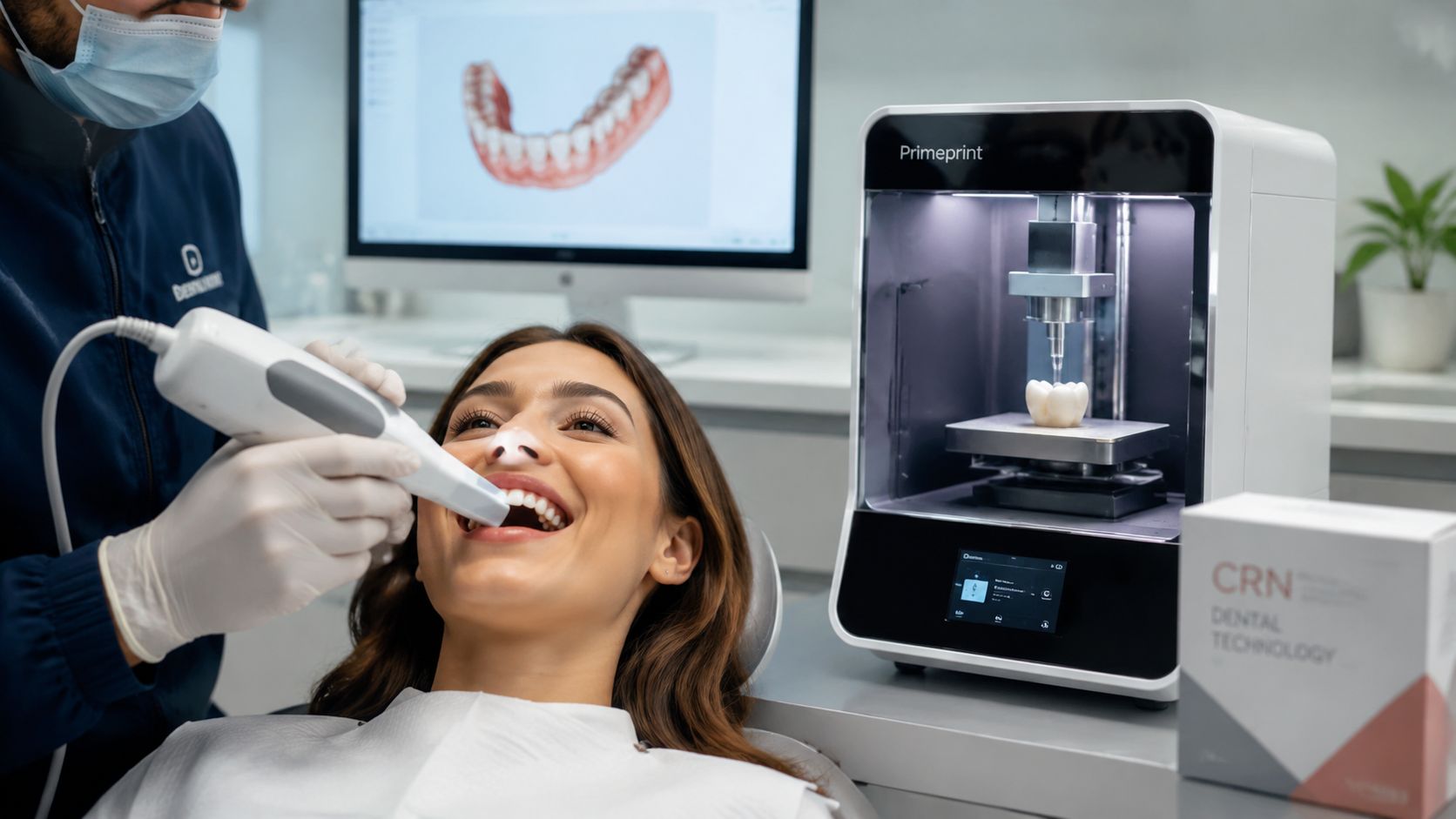
The process also matters. Full-arch treatment involves diagnosis, surgery, healing, prototype adjustments, and a final restoration. At 3D Dental, our in-house lab helps tighten that process. It allows closer control over fit, bite refinement, and the small design changes that make a restoration feel more natural once it is in the mouth.
That practical side is often missing from the first conversation patients have elsewhere. Material, design, and maintenance all come with trade-offs. A beautiful result still has to be cleansable. A strong bridge still has to feel comfortable. A permanent solution should be planned with the long view in mind from day one.
For many patients, zirconia becomes part of that discussion because it offers a polished appearance and strong wear resistance in a fixed full-arch restoration. The right choice depends on more than appearance alone. It depends on how the smile will function, how it will age, and how well it matches the patient's goals and habits.
What Are All on 4 Dental Implants with Zirconia
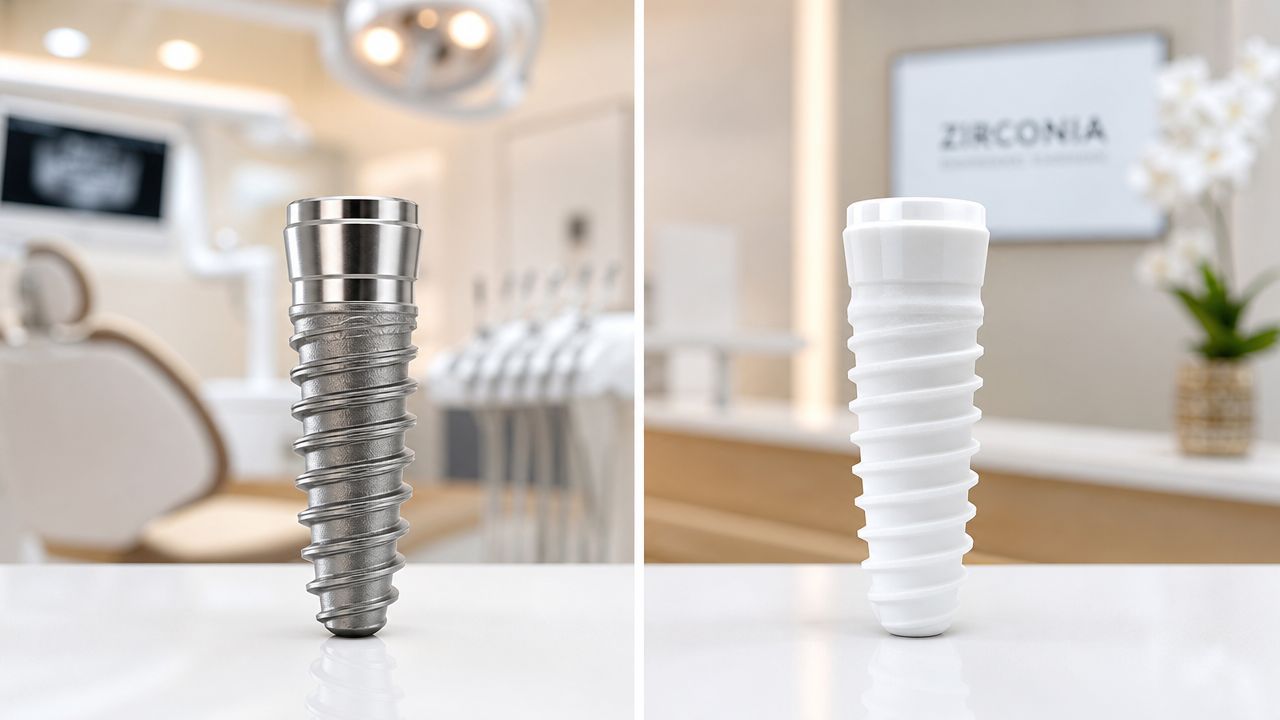
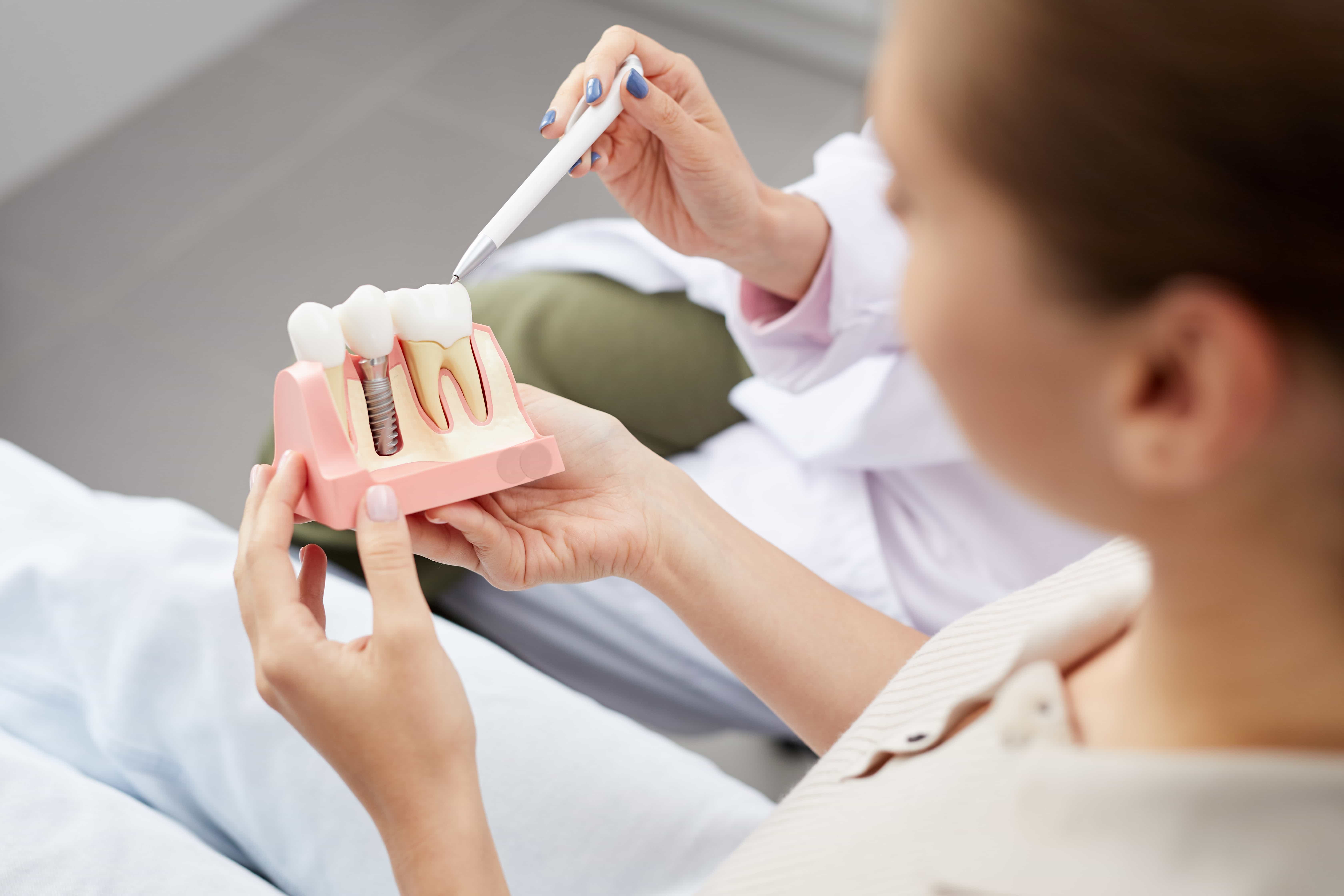
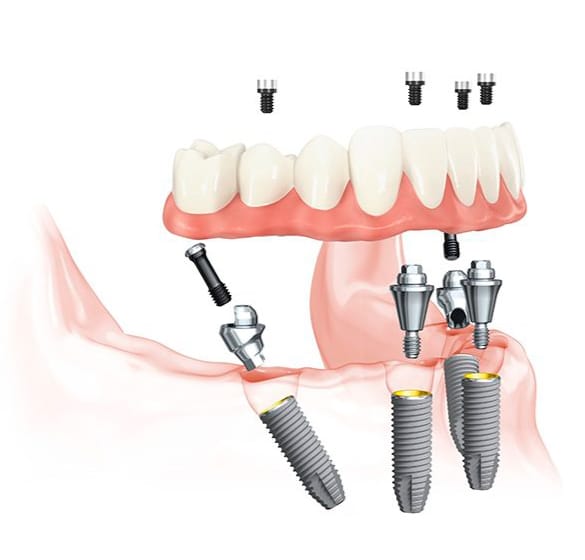
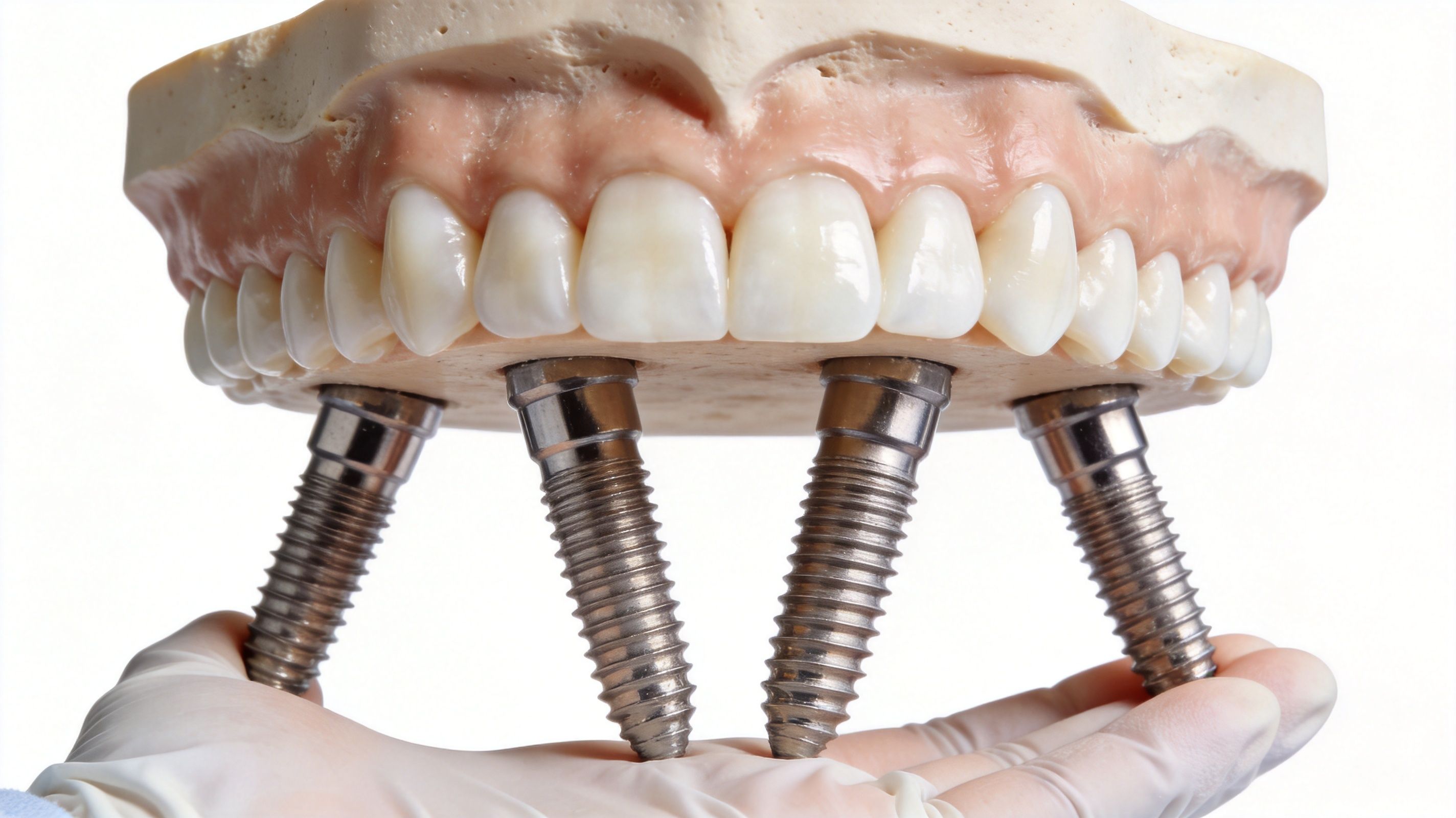
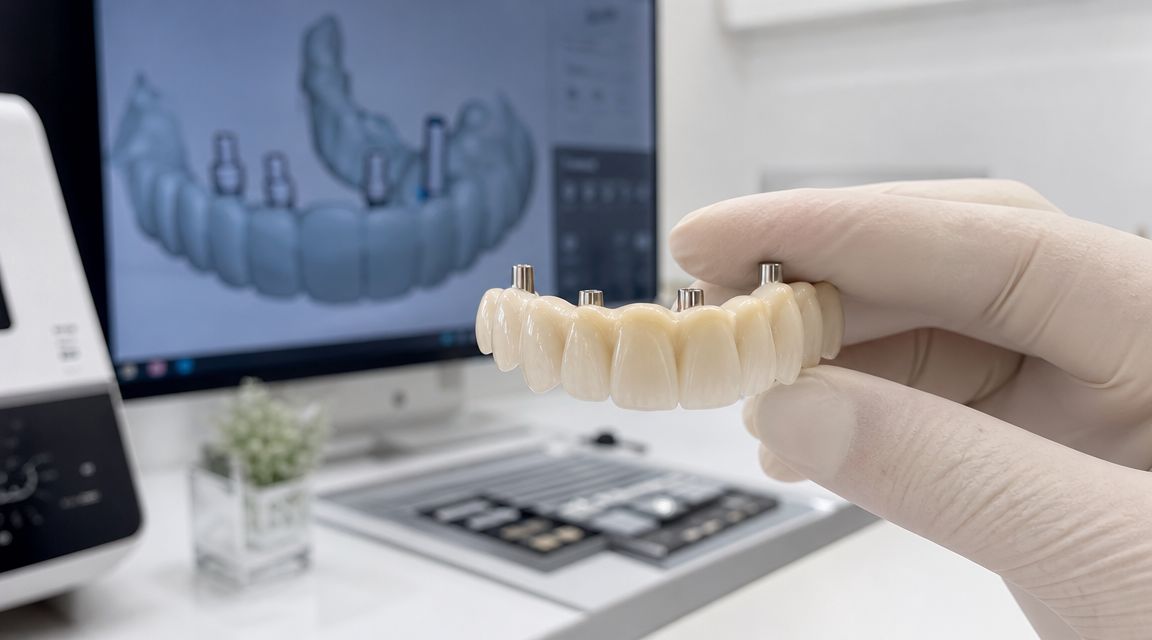
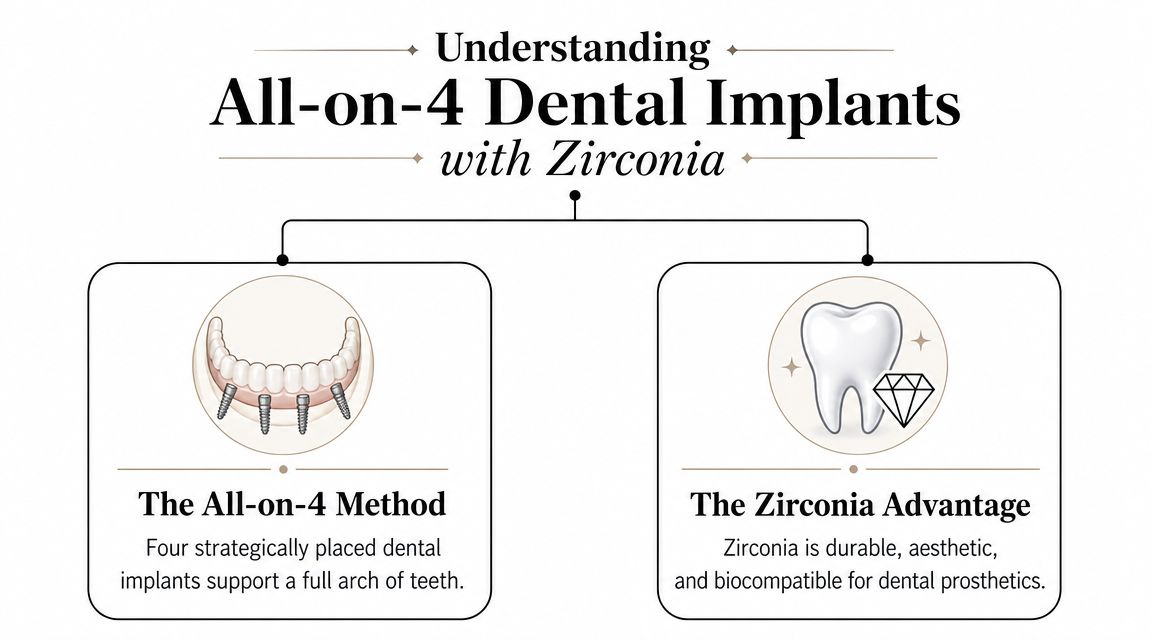
All-on-4 is a method to restore a full upper or lower arch with a reduced number of implants. Instead of placing one implant for every missing tooth, the treatment uses four strategically placed implants to support one fixed bridge, much like building a strong platform on four well-positioned supports instead of a separate support under every single point.
That design is the reason so many patients with major tooth loss ask about it. It can create a fixed smile without the complexity of replacing each tooth individually.
To make the concept easier to visualize, this diagram breaks down the two parts of the treatment.
The implants and the bridge do different jobs
Patients sometimes assume zirconia means a different surgical method. It doesn't. The implant count stays the same.
Zirconia in full-arch All-on-4 is primarily a prosthetic-material choice, not a different surgical implant count. The treatment still uses four strategically placed implants to support a fixed full-arch bridge, but the final restoration is milled from a solid block of zirconia, which improves stain resistance and reduces wear over time, as explained in this zirconia All-on-4 cost guide.
In simple terms:
- The implants are the anchors placed in the jaw
- The prosthesis is the full set of visible teeth attached to those anchors
- Zirconia is one option for the final prosthesis material
Why this matters to patients
This distinction helps you ask better questions at a consultation. If you want a fixed smile, you need to understand both the surgical foundation and the restorative material.
Some people are candidates for the All-on-4 concept but may need guidance on which final bridge material fits their bite, goals, and maintenance preferences. Others arrive focused on aesthetics and don't realize that implant position, angulation, and prosthetic design are what make the restoration stable in the first place.
The video below gives a helpful visual overview of the full-arch concept.
A strong full-arch case isn't just about replacing teeth. It's about designing a bite, a smile line, and a bridge that the patient can live with comfortably.
Why Zirconia Is the Premier Choice for Your New Smile
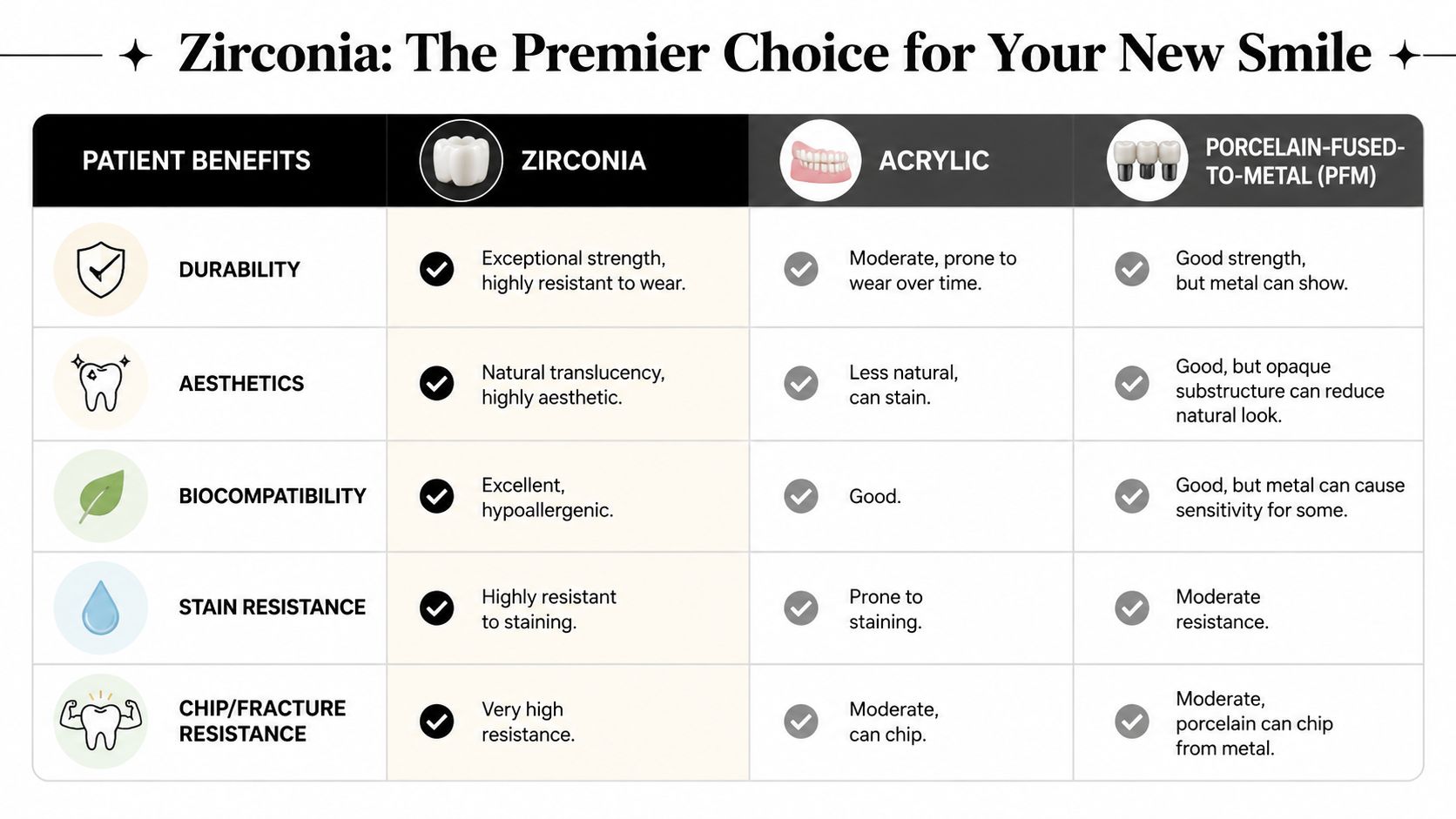
When patients compare full-arch options, the primary question usually isn't just "Can this replace my teeth?" It's "What will this look like in a few years, and how will it hold up?" That's where zirconia stands apart from older full-arch materials.
For many patients, the appeal is immediate. Zirconia has a clean, natural appearance, and because it's milled as a solid prosthetic material, it tends to resist staining and visible wear better than options that are more prone to aging in the mouth.
How zirconia compares in practical terms
Acrylic and porcelain-fused-to-metal have been used in full-arch dentistry for years, but they come with trade-offs patients should understand.
| Material | What patients often like | What patients should consider |
|---|---|---|
| Zirconia | Natural-looking, metal-free, highly resistant to staining and wear | Requires careful planning of bite and bridge design |
| Acrylic | Often lighter in feel and commonly used in provisional phases | Can show wear and staining sooner |
| Porcelain-fused-to-metal | Functional and established | Metal substructure can affect the final look |
Why aesthetics and durability often point to zirconia
Patients seeking a cosmetic dentist near me usually care about more than tooth color. They notice whether the smile looks flat or lifelike. They notice whether the bridge still looks fresh after daily coffee, tea, and meals. They also care about whether the final result feels like a long-term answer rather than a temporary improvement.
Zirconia answers those concerns well because it's valued for three things:
- Appearance that supports a polished, natural-looking smile
- Durability that helps the bridge resist visible wear
- Biocompatibility as a metal-free material choice
There is also real long-term implantology data behind zirconia as a material. A peer-reviewed follow-up study of zirconia implants reported an overall survival rate of 100% and an overall success rate of 89.6% over 8 years, with immediate implants at 94.7% success and delayed implants at 87.5%. The same study found statistically more favorable pink esthetic scores for immediate implants after 8 years, with p = 0.0002, as reported in this 8-year zirconia implant follow-up study.
That study isn't a direct All-on-4 zirconia bridge trial, and patients should understand that. But it does matter because it supports zirconia as a serious clinical material with documented long-term performance and esthetic relevance.
What works and what doesn't
What works is choosing zirconia when the case is planned carefully and the patient wants a premium fixed restoration with strong esthetic expectations.
What doesn't work is treating zirconia like a magic upgrade that solves every problem on its own. Material quality helps, but a poorly designed bite or a bridge that doesn't match the patient's functional habits can create trouble no matter how premium the material sounds.
Your All on 4 Zirconia Journey at 3D Dental
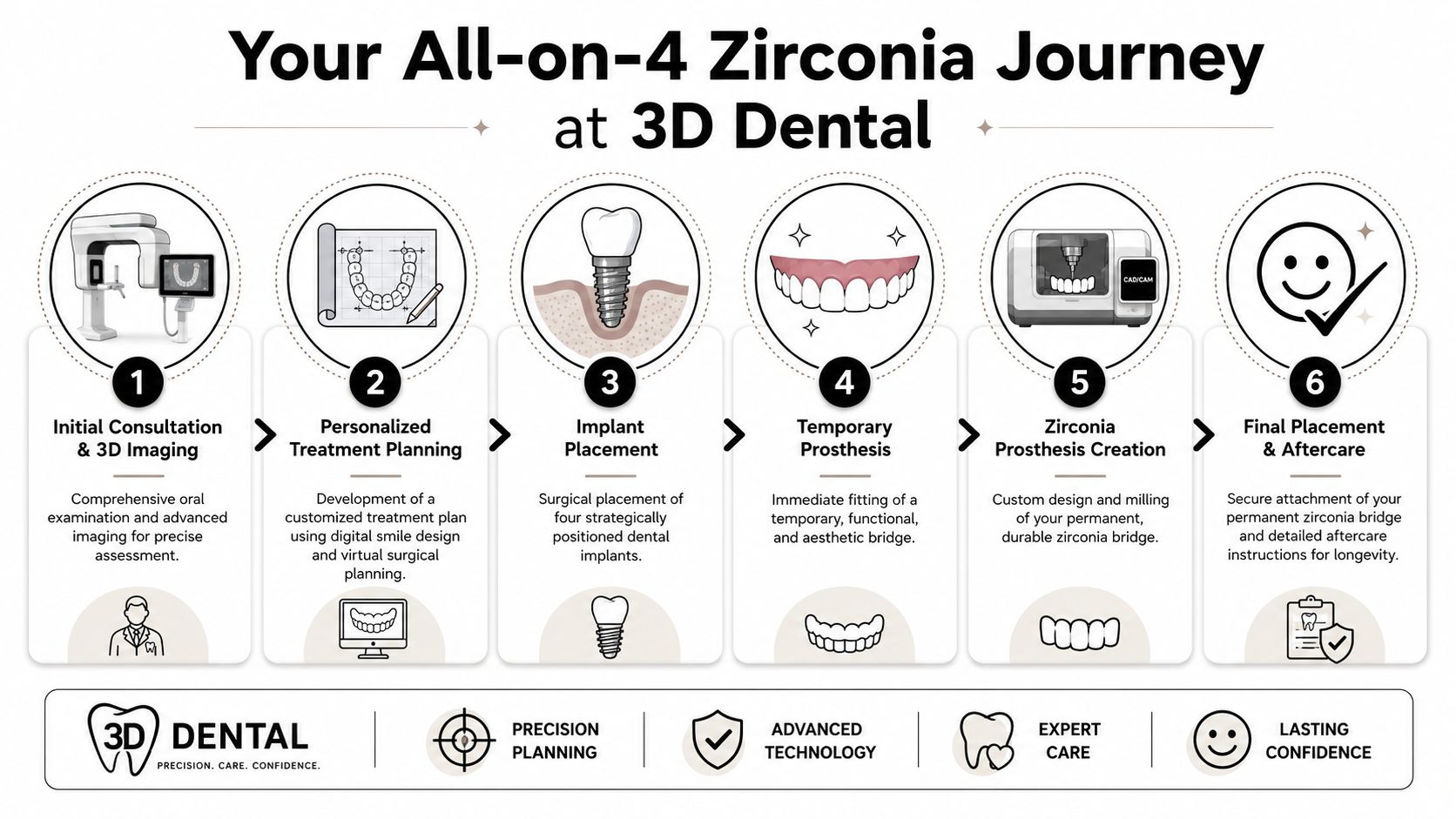
Patients usually feel better once they understand the sequence. Full-arch treatment sounds intimidating until it's broken into stages that make sense. The process is more predictable when the planning is detailed, the imaging is accurate, and the restorative design is built around your anatomy rather than a template.
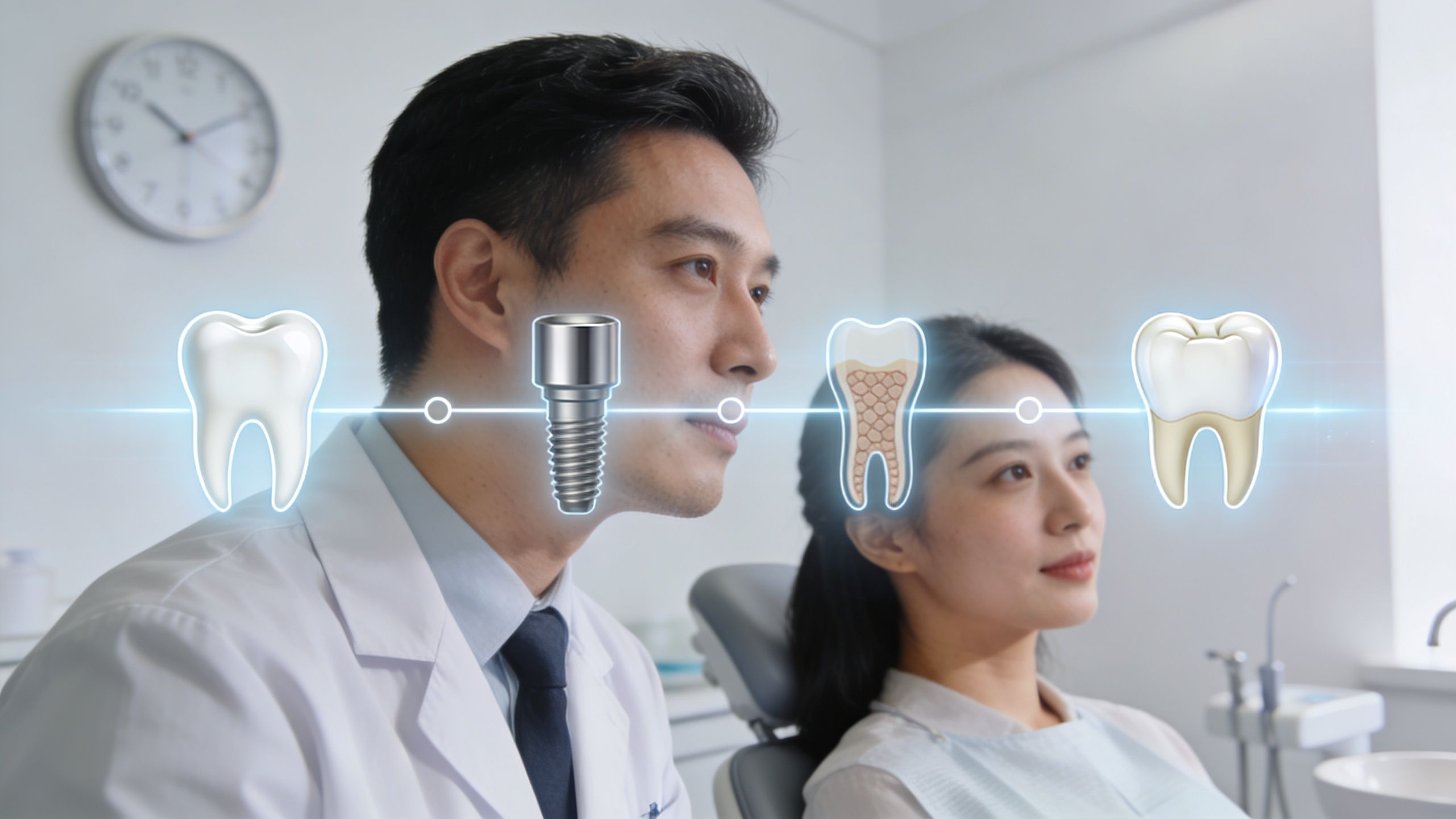
This visual gives a clear view of the treatment flow from diagnosis to final delivery.
Step one and step two
The process begins with records, not guesses. A full exam, digital scans, and 3D imaging help identify bone shape, bite relationships, spacing, smile line, and any remaining teeth that need to be addressed before restoration. For patients also searching for tooth extraction or restorative dentistry in Austin or Georgetown, the overall mouth is evaluated as one system.
Then the treatment is planned digitally. In modern All-on-4 workflows, implants are placed at specialized angulations to maximize available bone, and computer-guided placement with 3D imaging is used to improve the fit and precision of the full-arch restoration, as outlined in this All-on-4 treatment technology overview.
That planning stage is where many long-term problems are either prevented or built in.
Surgery and the temporary phase
On surgery day, the focus is efficiency and control. The implants are positioned according to the plan, and a temporary fixed restoration may be used during healing so the patient isn't left navigating life without teeth.
The temporary phase matters more than patients often realize. It gives the team and the patient a chance to evaluate:
- Speech patterns such as certain sounds that may feel different at first
- Bite comfort so pressure points can be identified early
- Smile shape including tooth display and overall facial support
- Daily function like how eating and cleaning feel in real life
Practical rule: The temporary isn't a throwaway stage. It's a testing phase that helps refine the final result.
Designing the final zirconia bridge
Once healing and evaluation are on track, the final bridge is designed. Precision is essential. A zirconia prosthesis should fit the implants accurately, support hygiene access, and create a bite that doesn't overload the restoration.
An in-house lab can make a meaningful difference because the communication loop is shorter. Adjustments in shape, contour, and fit can be handled with more direct feedback between the clinical and lab sides of the case. Patients comparing options can review the treatment details on the All-on-4 dental implants service page.
What patients can expect from visits
Most patients want to know whether appointments will feel chaotic or understandable. The answer depends on workflow. A good full-arch process should feel organized, with each visit tied to a specific decision.
Typical visits involve:
- Diagnostic records and consultation
- Surgical planning and pre-op review
- Implant placement and provisional restoration
- Follow-up healing checks
- Final zirconia design and delivery
- Maintenance visits and hygiene review
For patients in Georgetown, Wells Branch, Liberty Hill, and North Austin, that clarity matters. It reduces surprises and makes the investment easier to manage.
Benefits and Key Considerations for Your Zirconia Smile
You sit down for the final smile discussion and the question is simple. Will this new set of teeth feel secure, look natural, and hold up in daily life? That is the right question to ask, because a zirconia full-arch bridge is not just about replacing teeth. It is about choosing a fixed solution you can live with comfortably for years.

The benefits patients care about most
A well-made zirconia bridge solves several problems at once. It gives you fixed teeth that stay in place, restores stronger chewing than a loose denture, and creates a smile that looks cleaner and more natural in conversation. For many patients, the biggest relief is not having to remove teeth at night or deal with adhesives during the day.
Zirconia also keeps its appearance well. It resists staining better than many other restorative materials, and its strength makes it a strong option for full-arch cases where durability matters.
That said, strength alone is not the whole story.
The considerations that deserve an honest discussion
Zirconia is rigid. That is one of its advantages, but it also means the bridge must be designed with care. If the bite is too heavy in the wrong area, if the contours are overbuilt, or if cleaning access underneath is poor, the restoration becomes harder to live with and harder to maintain.
In practice, the key questions are straightforward:
- Is the bite balanced well enough to protect the implants and bridge?
- Does the bridge have the right contour for speech, lip support, and appearance?
- Can you clean underneath it every day without frustration?
- Does the fit match the digital plan closely enough to avoid strain on the implants?
At 3D Dental, the process itself is paramount. Digital planning and an in-house lab help us check fit, contour, and bite with more control before the final zirconia is delivered. Patients feel that difference. The bridge should look refined, but it also needs to be comfortable, cleanable, and realistic for your day-to-day routine.
Honest trade-offs lead to better long-term results
Zirconia is a premium material, and it often earns that reputation. It also asks more of the planning, the lab work, and the maintenance than patients sometimes expect. A beautiful bridge that is difficult to clean is not a successful result. A strong bridge with a bite that is off can create problems over time.
Here is the practical view I give patients. Zirconia works very well for full-arch treatment when the case is engineered carefully and the patient is ready to care for it properly. The material does not replace good design or good habits.
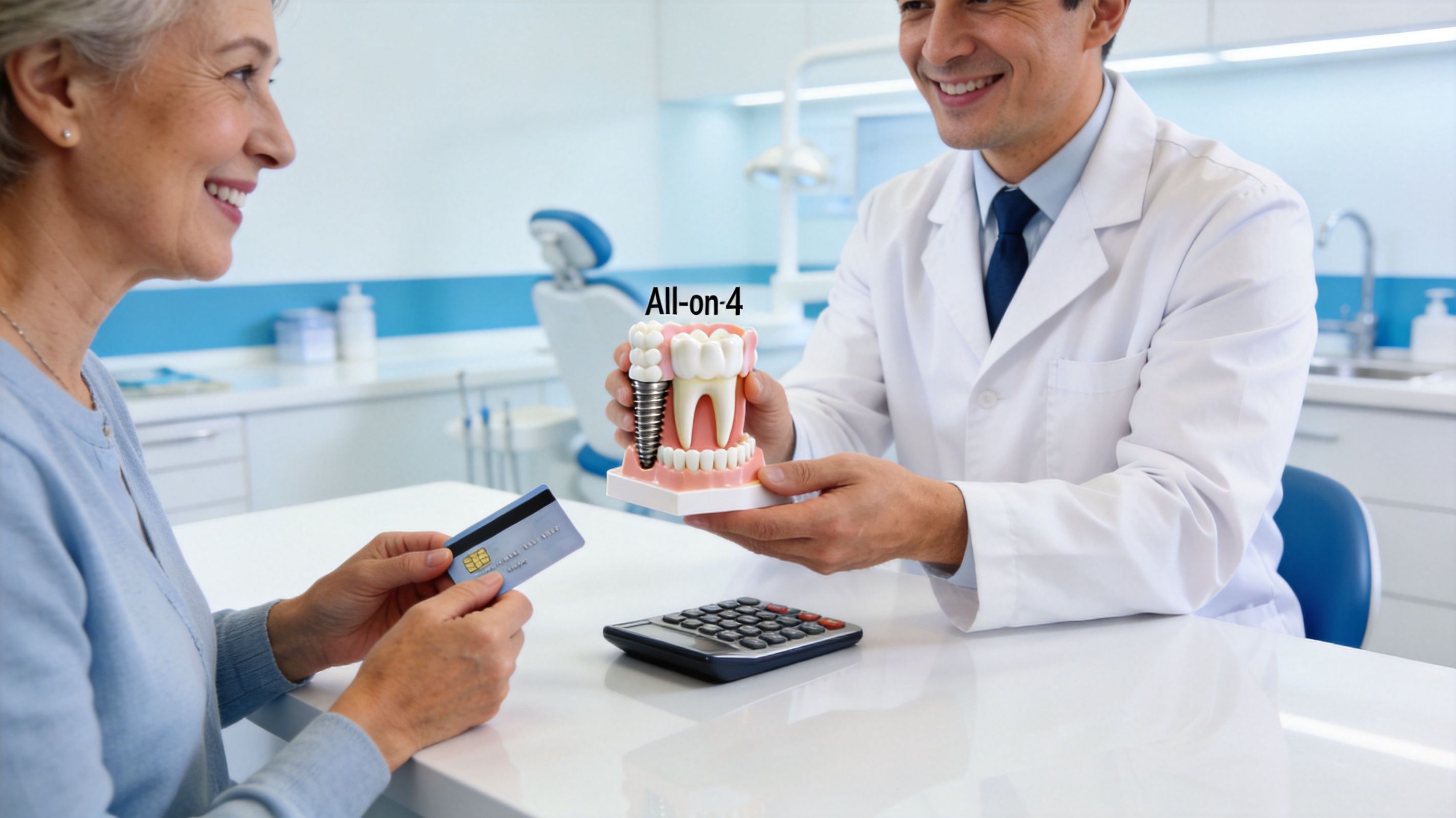
Patients who are weighing the long-term investment often review All-on-4 financing and payment options alongside material choices, because the right decision is not only about the day the bridge is delivered. It is also about how well that choice fits your health goals, comfort, and maintenance routine for the years ahead.
A zirconia smile should do more than look impressive on delivery day. It should fit well, function comfortably, and stay manageable to care for at home.
Candidacy Cost and Financing in Austin & Georgetown
A typical consultation starts with a practical question. Is this mouth still repairable tooth by tooth, or is a full-arch rebuild the healthier and more predictable path?
That answer depends on more than the number of missing teeth. Some patients come in with several remaining teeth that are loose, infected, or breaking down under old dental work. Others have worn a denture for years and want a fixed option that feels more secure and natural in daily life.
Who may be a good candidate
Good candidates often share one pattern. The teeth across an arch are failing as a group, not as one isolated problem.
Common reasons to consider this treatment include:
- Multiple missing teeth in the upper or lower arch
- Repeated failure of crowns, bridges, or other dental work
- Dentures that move, rub, or limit confidence when eating and speaking
- Extensive decay, wear, or gum-related breakdown that affects both function and appearance
At 3D Dental, candidacy is confirmed with a close clinical exam, imaging, and a review of your health history and bite. Bone support, smoking status, clenching habits, sinus anatomy, tissue condition, and smile goals all affect the plan. Some patients move forward with All on 4 treatment. Some need extractions, grafting, or gum treatment first. Some are better served by another option entirely. Honest case selection protects the long-term result.
What affects cost
Full-arch zirconia implant treatment is a major reconstruction, so the fee reflects more than the implants alone. The total cost can include diagnostics, digital planning, extractions if needed, implant surgery, temporary teeth, the final zirconia bridge, lab work, and follow-up visits.
The final number varies from case to case. A patient replacing an arch with healthy bone and straightforward anatomy does not have the same needs as a patient with infection, significant wear, or added surgical steps. Material choice matters too. Zirconia usually sits at the premium end because it requires precise design, careful bite management, and high-level lab execution.
That is also where patients should ask better questions. What is included? Who is making the prosthesis? How many visits are expected? What happens if adjustments are needed? Those details matter more than a broad price range pulled from the internet.
Making treatment more manageable
Cost stops many people from starting the conversation. It should not stop you from getting clear answers.
Patients in Austin, Georgetown, Liberty Hill, and Wells Branch often want a plan that is realistic as well as durable. Financing can help spread treatment into manageable payments, and insurance coordination can sometimes reduce part of the burden when benefits apply. Third-party options such as Cherry and Sunbit may also be available, depending on the case and approval.
Before your visit, it helps to review All-on-4 financing and payment options so you can come in with specific questions about timing, deposits, monthly costs, and what is included in your treatment sequence.
A good financial discussion should feel as clear as the clinical one. Patients do better when they understand both the investment and the maintenance that comes with it.
Long-Term Care and Your Next Step to a New Smile
A common moment comes a few weeks after treatment. The smile looks right, chewing feels more stable, and the next question is simple. How do I keep it that way?
Long-term success with a zirconia full-arch prosthesis depends on maintenance, not just placement. The bridge is strong, but it still needs clean access underneath, a stable bite, healthy tissue around the implants, and periodic checks for wear or looseness. Patients usually feel more confident once they understand that routine care is part of protecting the investment.
At 3D Dental, that conversation starts early. Digital planning helps us design for fit, bite, and hygiene access before surgery, and our in-house lab gives us tighter control over how the final prosthesis seats and functions. That matters later, because small pressure points, food traps, or bite imbalances are easier to prevent than to correct after they start causing irritation.
What good maintenance looks like
Home care needs to be consistent and specific to the design of your bridge. Patients are typically instructed to clean around and underneath the prosthesis every day with the tools that fit their case. Office follow-up matters just as much. Those visits let the team check tissue health, confirm that the bite is still even, and spot minor prosthetic issues before they turn into repairs.
A practical maintenance plan should cover:
- Cleaning access under the bridge and around each implant site
- Bite protection if you clench, grind, or put uneven pressure on the prosthesis
- Wear checks to keep the restoration balanced over time
- Repair planning so you know what can be adjusted, repaired, or remade if needed
Patients deserve honest advice here. Zirconia holds up well, but it is not maintenance-free. Food can collect under a bridge that is not cleaned properly. Bite forces can change. Components can loosen and need attention. Clear guidance and regular follow-up are what keep a strong result stable for the long term.
A beautiful result starts the process. Daily care and regular maintenance protect it.
If you are in Austin or Georgetown and want to stop working around failing teeth or removable dentures, the next step is a consultation based on your anatomy, your goals, and what long-term care will involve.
If you'd like a personalized review of your options, schedule a consultation with 3D Dental. Patients from Austin, Georgetown, Round Rock, Cedar Park, Wells Branch, and Liberty Hill can get a clear full-arch evaluation, discuss zirconia versus other restorative materials, and leave with a practical next step toward a stable new smile.
Ready to get started?
Schedule a free, no obligation consultation with our team and see what's possible for your smile!
Georgetown
- Mon-Thurs8:30am-5pm
- Fri8am-3:30pm
- Sat-SunClosed
Austin
- Mon-Tues8am-5pm
- Wed-Thurs9am-6pmFri8am-2pm
- Sat-SunClosed