
Your Trusted Dentist in Round Rock TX: 3D Dental Guide
Related Posts







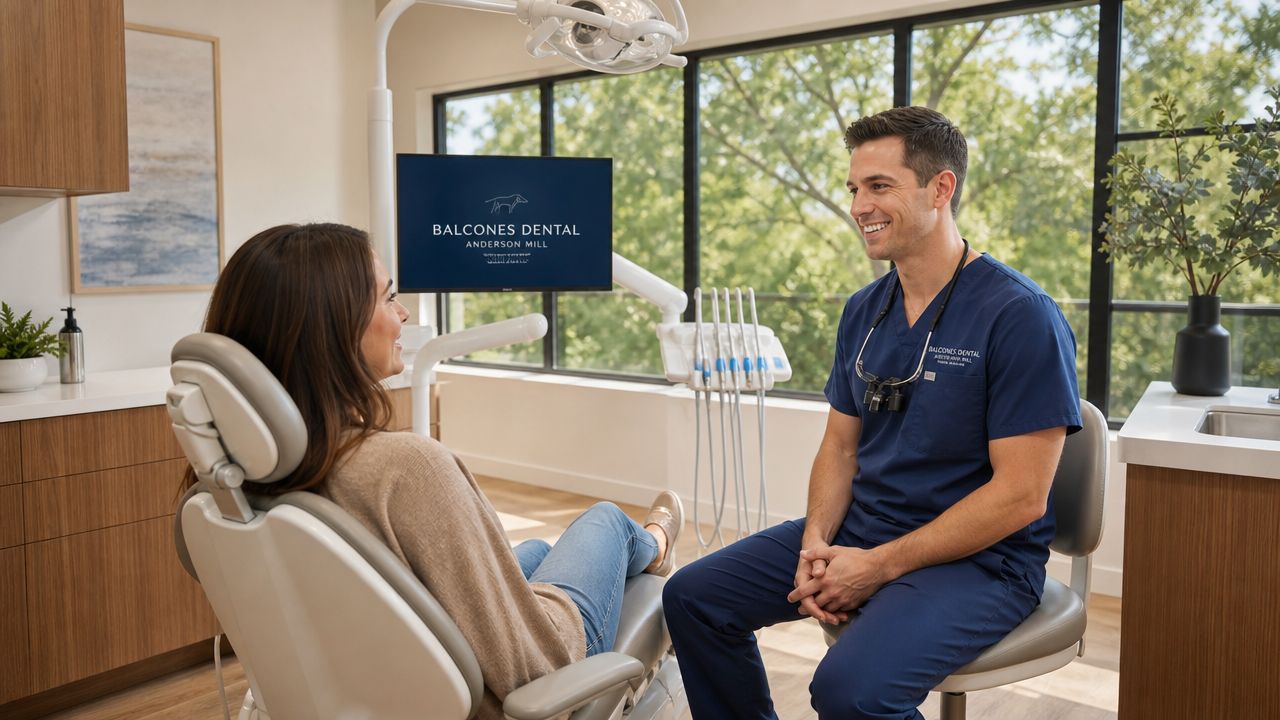









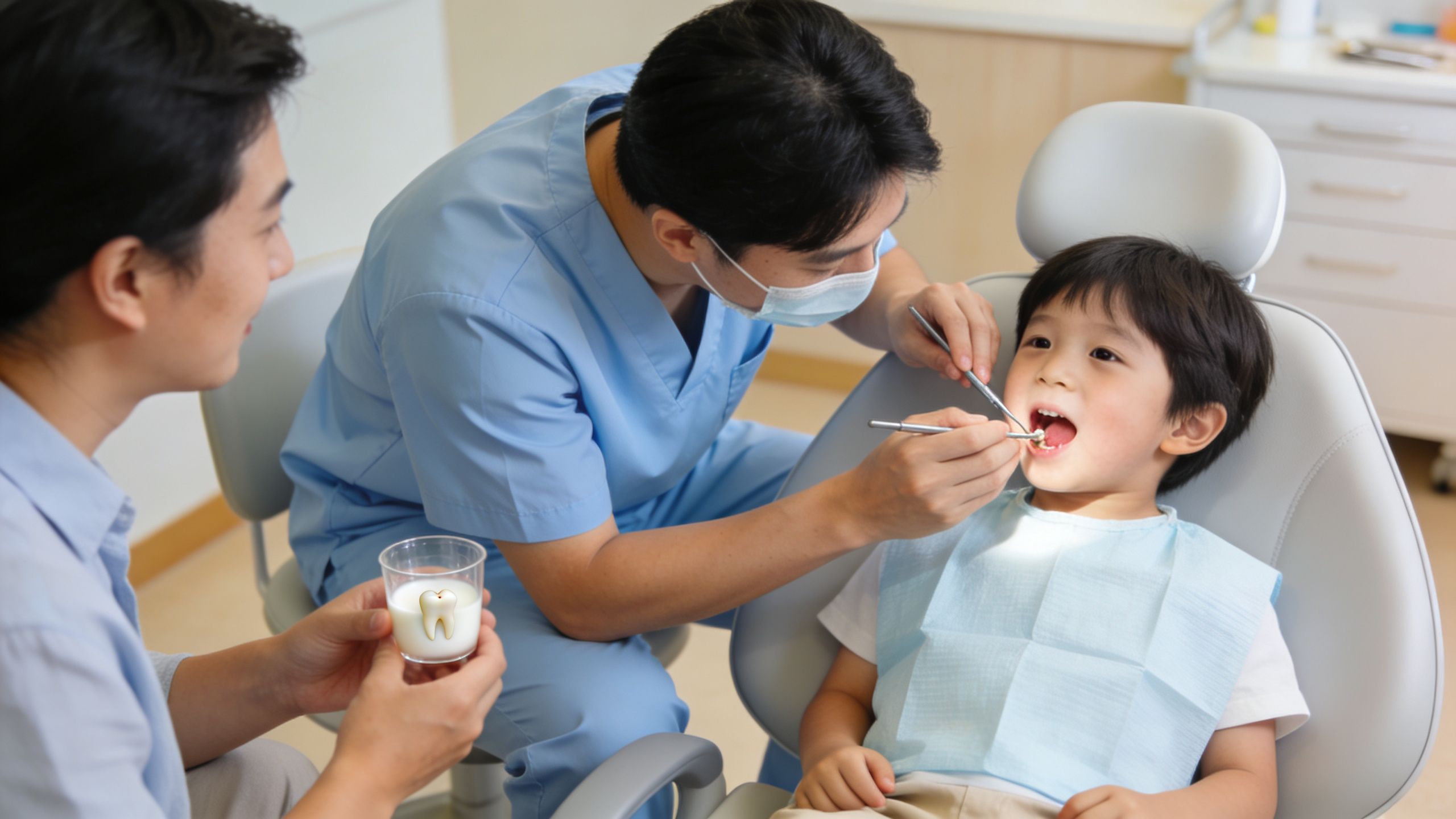
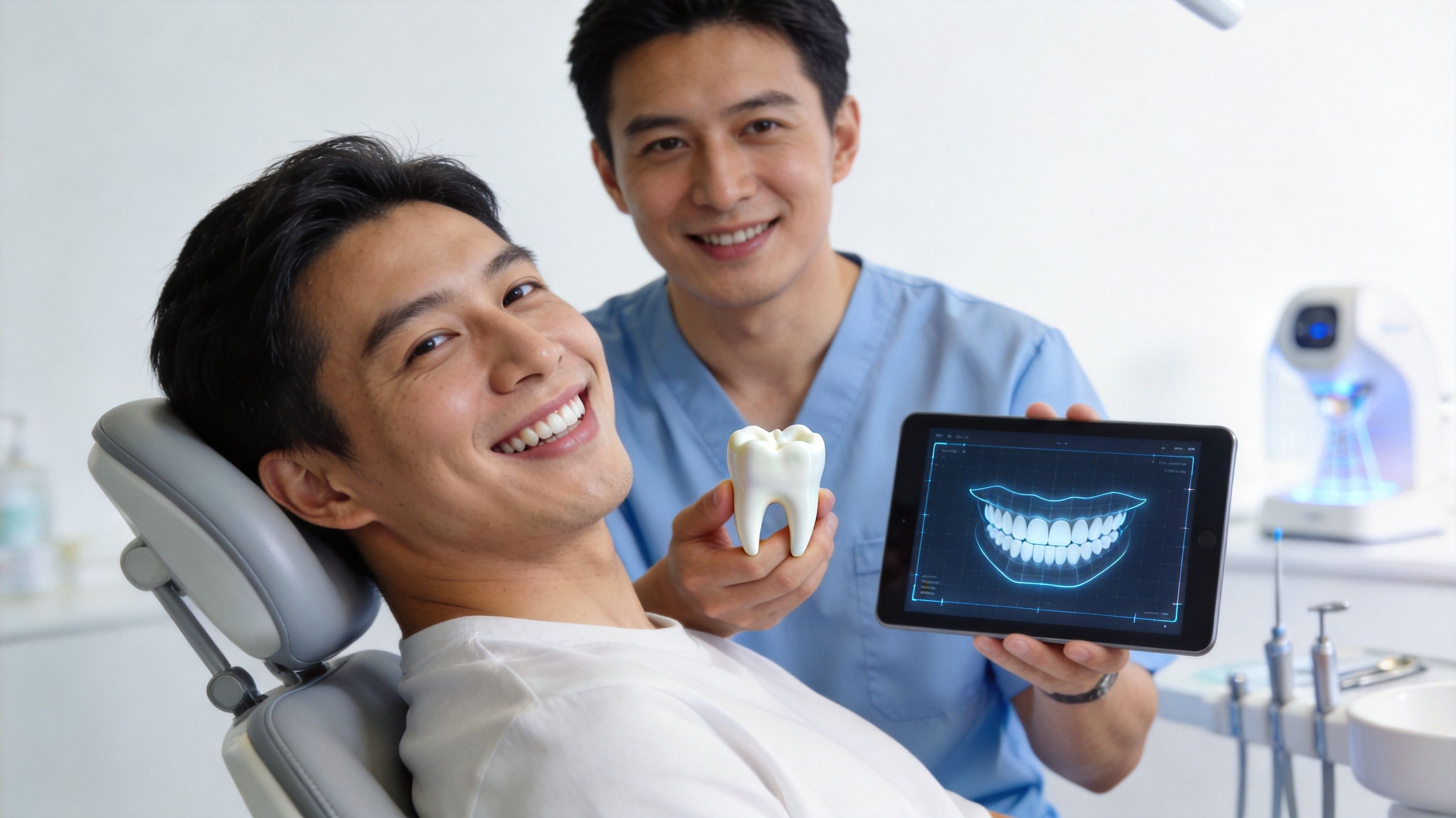










If you're looking for a dentist in Round Rock, TX, you're probably not starting from a blank slate. Maybe you've been putting off a cleaning because your last office felt rushed. Maybe a tooth has started bothering you and you need answers fast. Or maybe you want a practice that can handle more than the basics, so you don't have to bounce between offices for exams, crowns, aligners, or implants.
That search matters more than people think. Dental care is easier to keep up with when the office is close, organized, and built around real convenience. It also helps to find a team that uses modern tools in ways that make treatment simpler, not just newer.
Finding Your Dentist in Round Rock TX
Finding the right dental home often comes down to a few practical questions. Can you get an appointment without a long delay? Will the office explain your options clearly? Can the same practice handle routine care and more advanced treatment if your needs change?
Those questions are especially relevant in Texas, where provider capacity is relatively tight. Texas had an average of 3,956 residents per general dental practice, compared with the U.S. average of 3,768 residents per practice, according to Texas dental market data from Dentagraphics. For patients, that makes a nearby office in the Round Rock area more than a convenience. It can make scheduling and continuity of care much easier.
A good local search also means thinking beyond the phrase “dentist near me.” You want a practice that fits your life now and later. Cleanings and exams should feel simple. If you ever need a crown, tooth extraction, emergency visit, cosmetic treatment, or implant consult, you should already know where to go.
What people usually want from a local dentist
Most new patients are looking for the same things:
- Reliable access: appointments that work for busy families, commuters, and professionals
- Clear recommendations: treatment explained in plain English, without pressure
- Modern diagnostics: imaging and planning tools that help catch issues early
- Complete care: one office that can manage preventive, restorative, cosmetic, and urgent needs
That's why many patients start by checking whether a practice serves the broader corridor around Round Rock, Austin, and Georgetown. A location that's easy to reach from work, school, or home often makes it easier to stay consistent with care. You can explore 3D Dental locations in North Austin and Georgetown if you're comparing options in this part of Central Texas.
Practical rule: The best dental office isn't just the closest one. It's the one you'll actually feel comfortable returning to for years.
For those seeking a “dentist in Round Rock TX,” that's the primary goal. Not just finding an office with your insurance card on file, but finding a practice that makes dental care feel manageable from the first visit forward.
Comprehensive Dental Care for Your Entire Family
Dental needs don't stay the same for long. A child may need regular cleanings and checkups. A working adult may want whitening, a replacement for a broken filling, or a faster way to restore a damaged tooth. An older adult may be thinking seriously about long-term solutions like implants or more stable restorative work.
That's why complete care matters. Families in Round Rock, Austin, and Georgetown often prefer a practice that can support different stages of life without making every referral feel like a separate project. When care is coordinated in one place, treatment tends to feel more straightforward and less stressful.

Care that fits real households
A family from Cedar Park may come in focused on preventive visits and school-year scheduling. A professional commuting through Wells Branch may want efficient exams, digital imaging, and a plan for cosmetic updates that doesn't drag out over unnecessary appointments. A retiree from Georgetown may want a fuller conversation about chewing comfort, missing teeth, and whether implants make sense.
Those are different situations, but they share one need. People want a dentist who sees the whole picture, not just the tooth directly in front of them.
What comprehensive care looks like in practice
A well-rounded office should be able to help with:
- Routine prevention: cleanings, exams, digital X-rays, and monitoring changes over time
- Repair work: fillings, crowns, bridges, root canal treatment, and tooth replacement
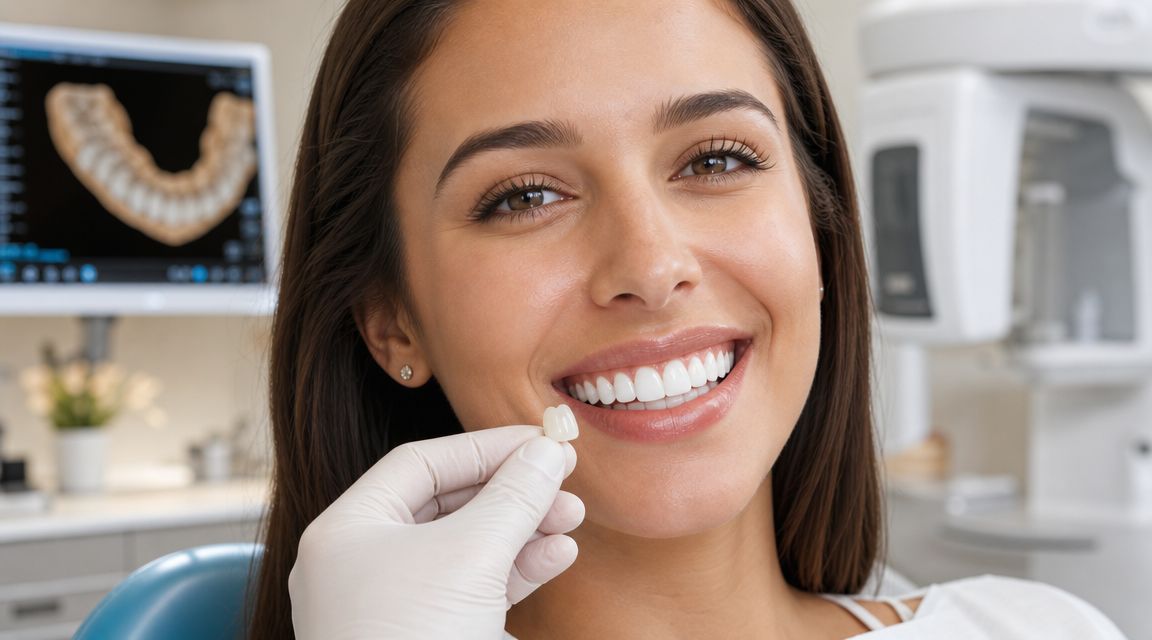
- Smile improvements: whitening, veneers, and orthodontic options for alignment concerns
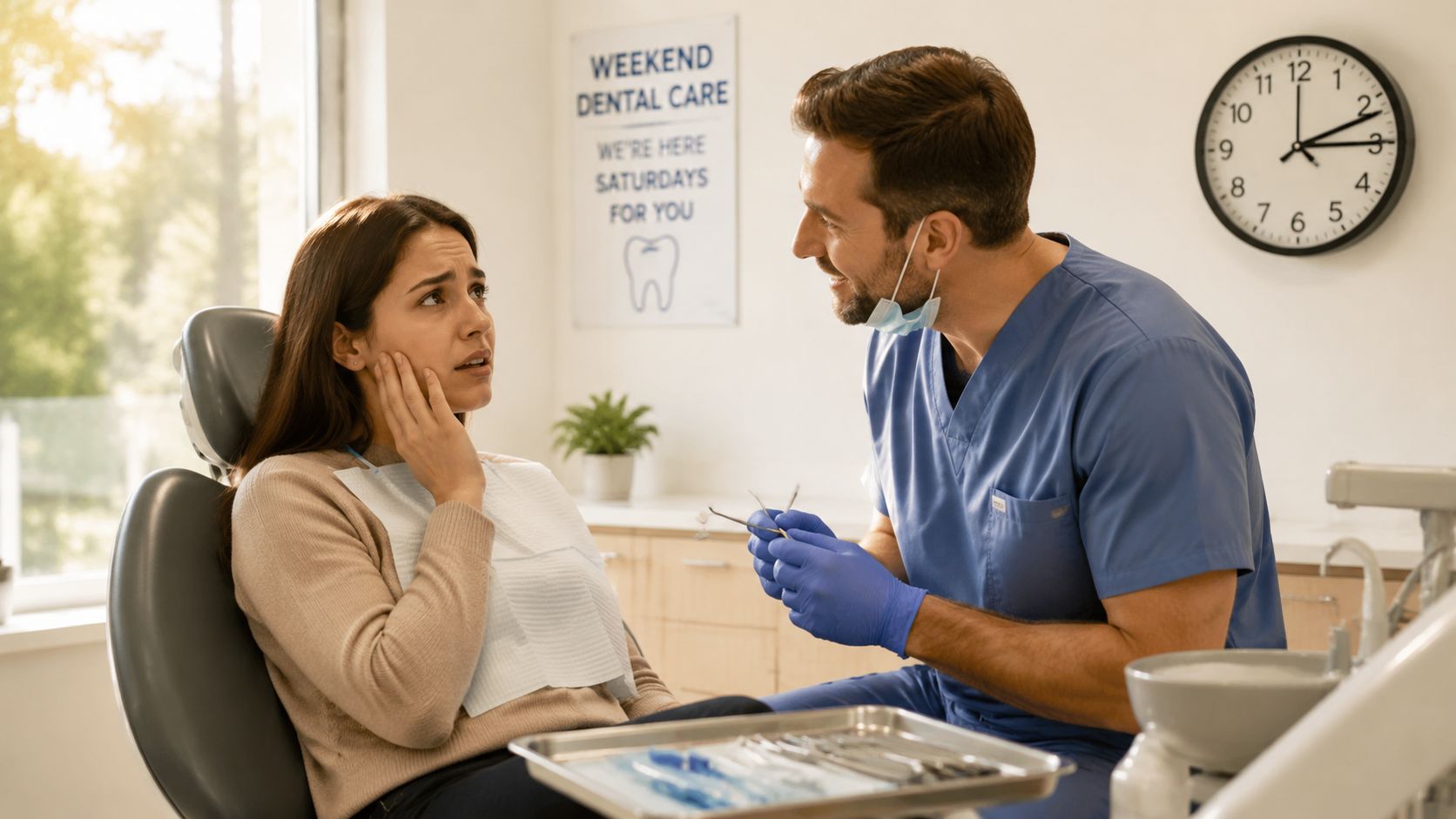
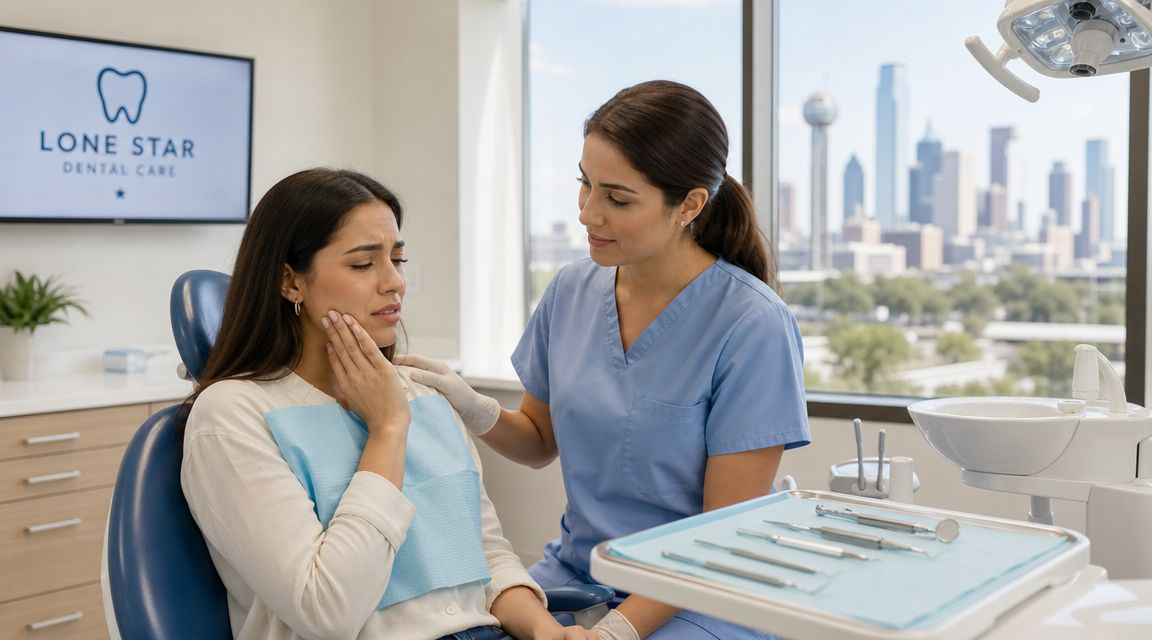
- Urgent needs: pain, swelling, broken teeth, or injuries that need prompt attention
Round Rock is also an active dental market, which gives patients a lot of choice. Delta Dental's Round Rock provider directory lists more than 50 dentists in the area, and the same directory shows practices with multiple insurance arrangements and new-patient availability in the local market, as seen in the Round Rock dentist directory from Delta Dental. That means patients don't have to settle for a narrow service model if they want broader care.
A strong family dental practice should handle the ordinary well and be ready when life gets less ordinary.
For households in Liberty Hill, Georgetown, Round Rock, and North Austin, that kind of range matters. It turns dental care from a scattered set of appointments into one continuous relationship.
Our Core Dental Services
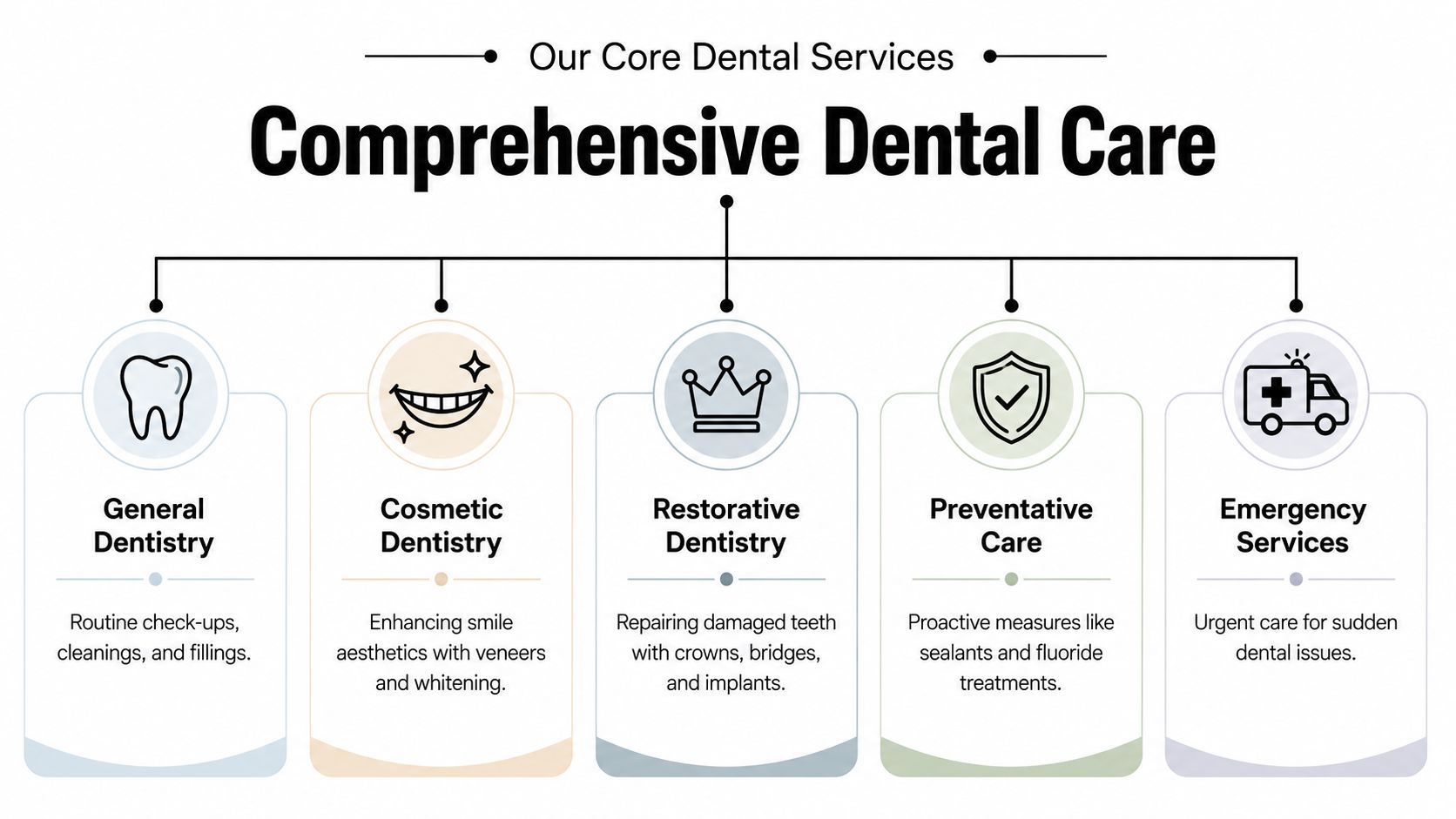
A good dental office should solve problems, not create extra steps. The services that matter most are the ones patients use regularly and the ones they need unexpectedly. That includes preventive care, repairs, cosmetic options, orthodontics, and emergency treatment.
Preventive care that keeps small issues small
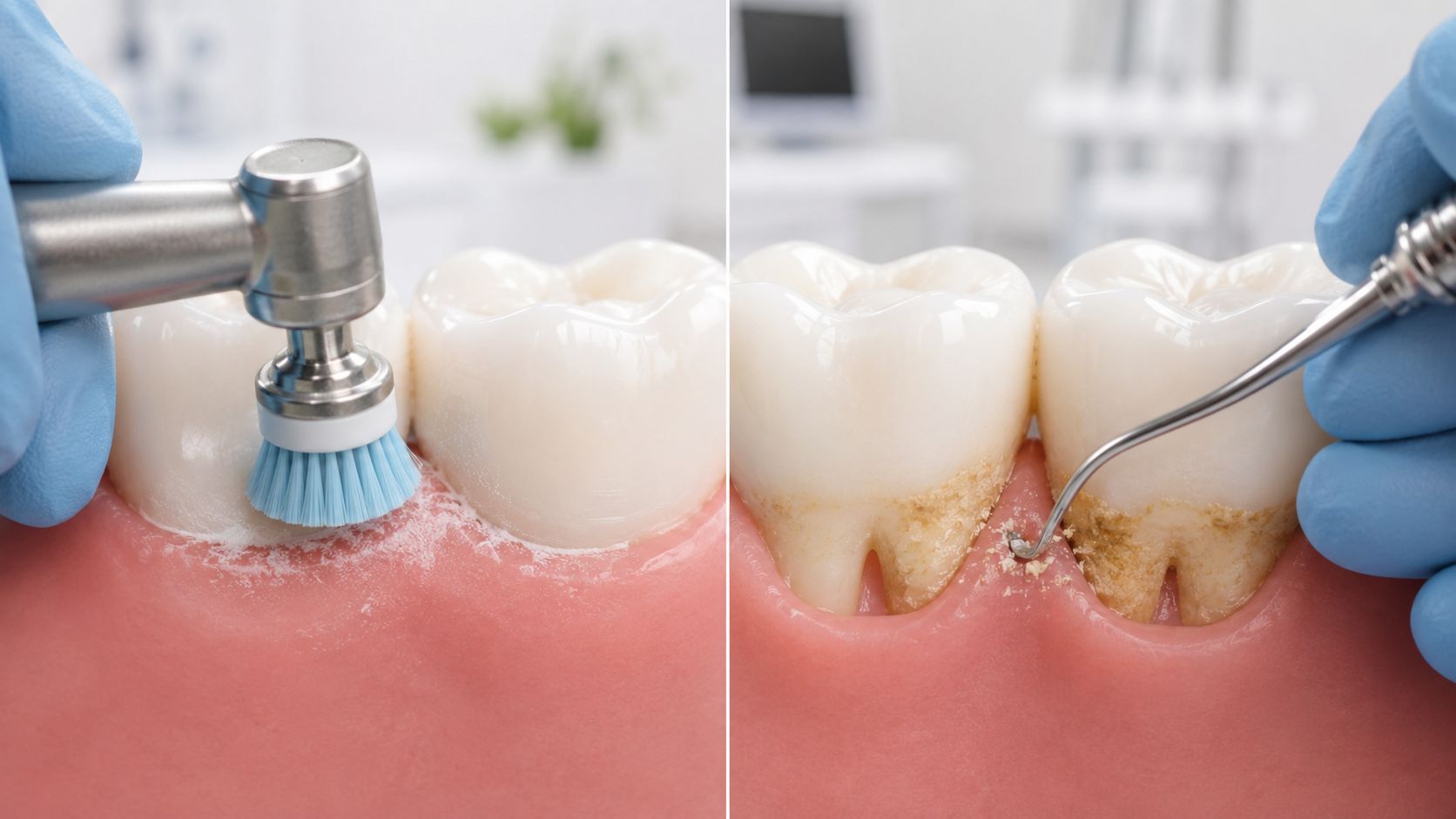
Cleanings, exams, and dental X-rays are the foundation. They help catch cavities, monitor gum health, review old dental work, and spot changes before they become painful or expensive to fix. New patient exams are especially important because they establish a baseline and often uncover concerns people didn't realize had been building.
Preventive care also helps patients make better timing decisions. A minor crack or worn filling is much easier to address before it turns into a broken tooth or an urgent weekend problem.
Restorative dentistry that gets function back
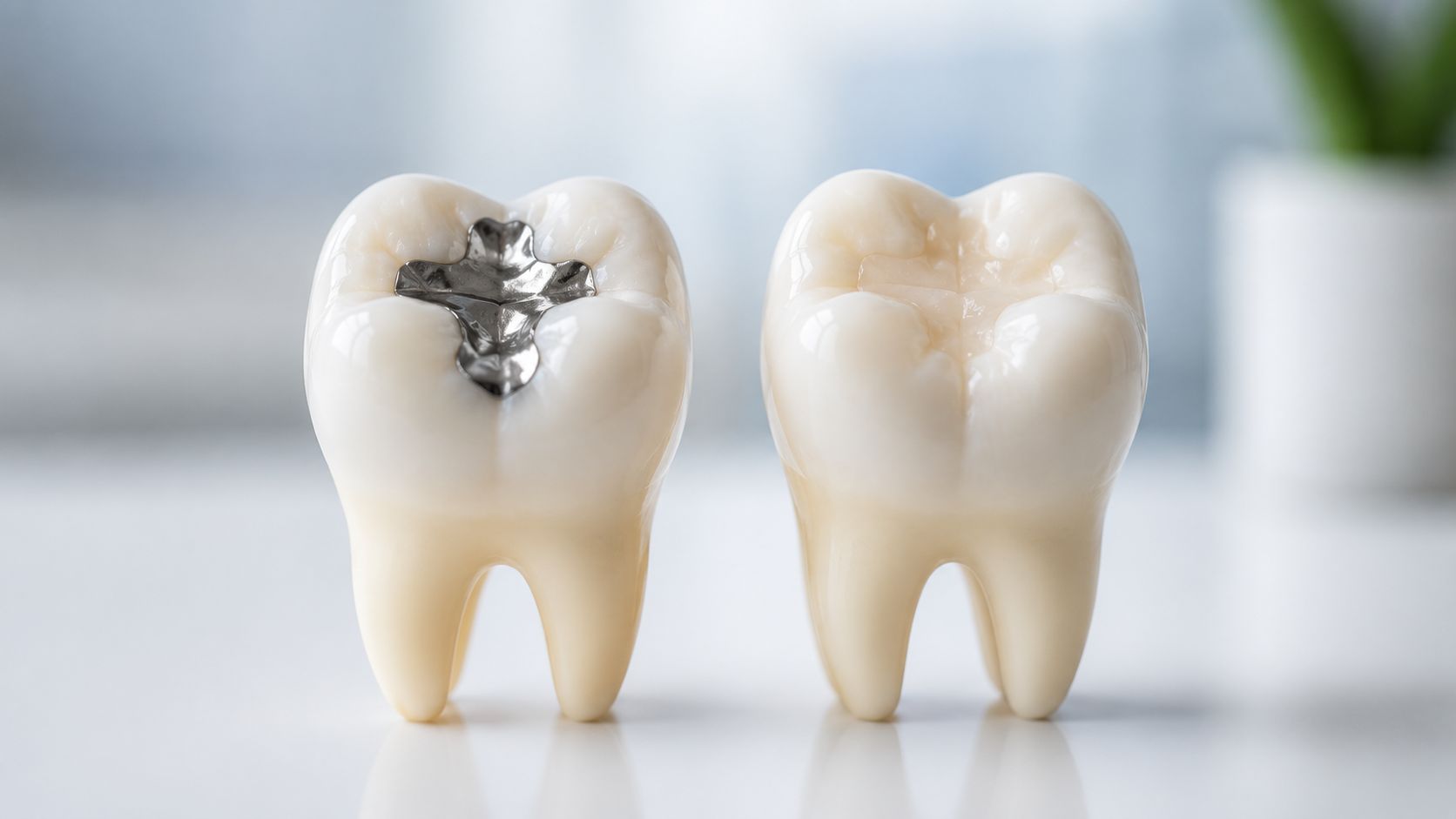
Restorative treatment matters when something isn't working the way it should. That may mean a filling for decay, a crown for a damaged tooth, a bridge for a missing tooth, or a root canal when infection reaches the nerve.
For patients comparing options, the key question isn't only what can be repaired. It's how durable, comfortable, and maintainable the result will be.
| Service | Common reason patients seek it | Main goal |
|---|---|---|
| Fillings | Decay or worn areas | Preserve tooth structure |
| Crowns | Cracks, large fillings, breakage | Restore strength and shape |
| Bridges | One or more missing teeth | Replace gaps and support chewing |
| Root canal treatment | Infection or deep pain | Save the natural tooth when possible |
Dental implants and full-arch solutions
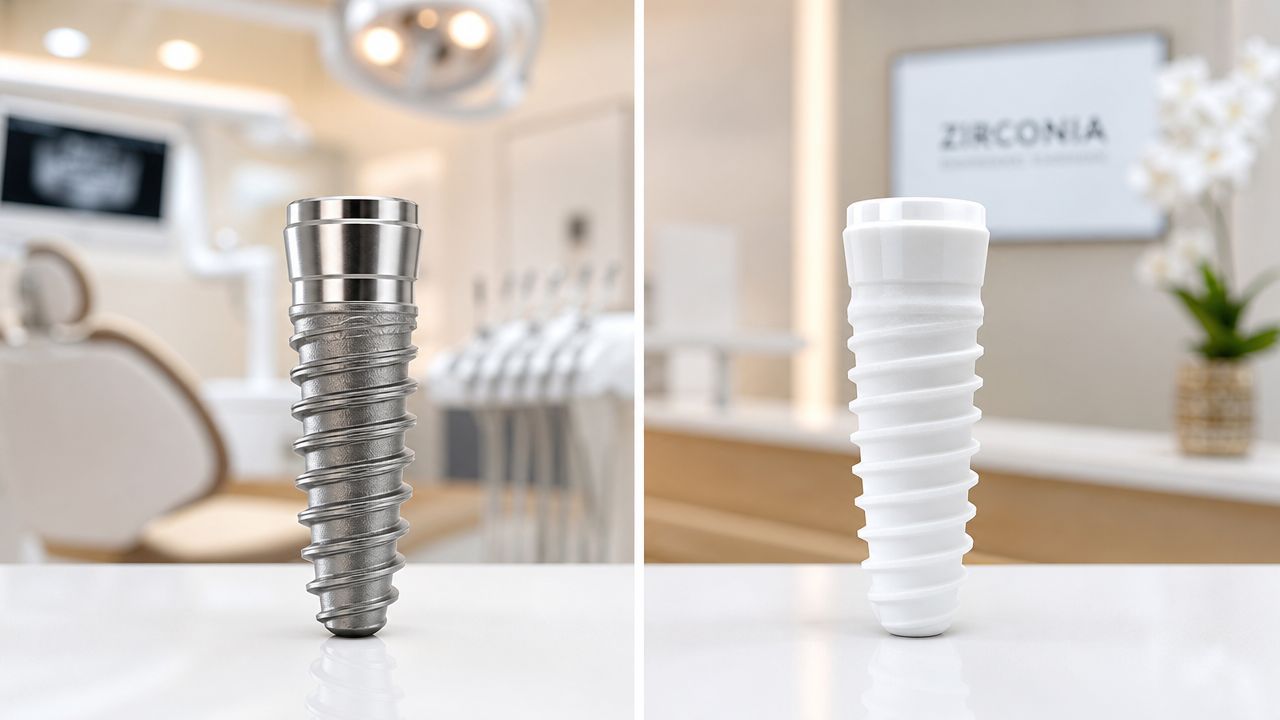
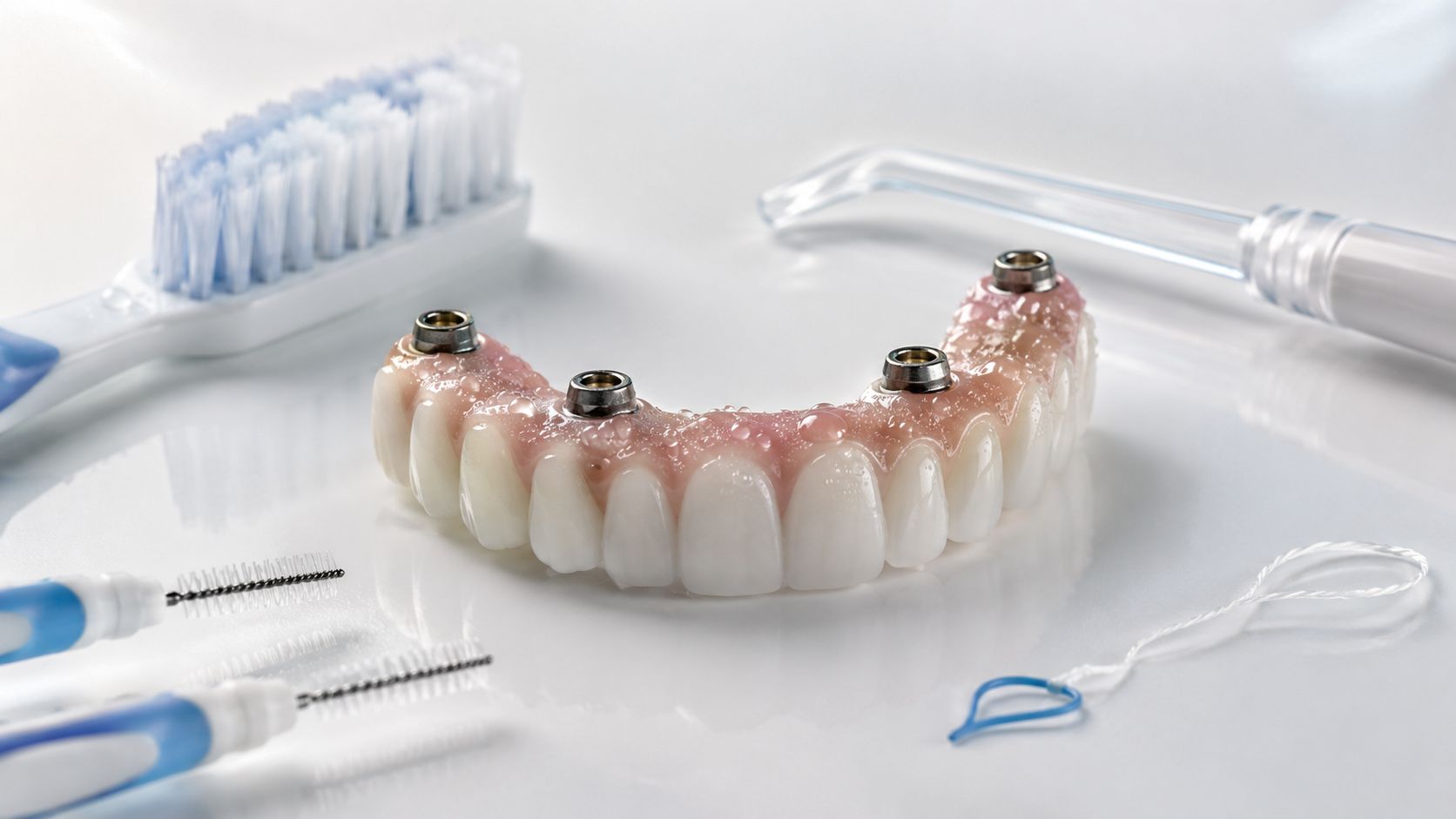
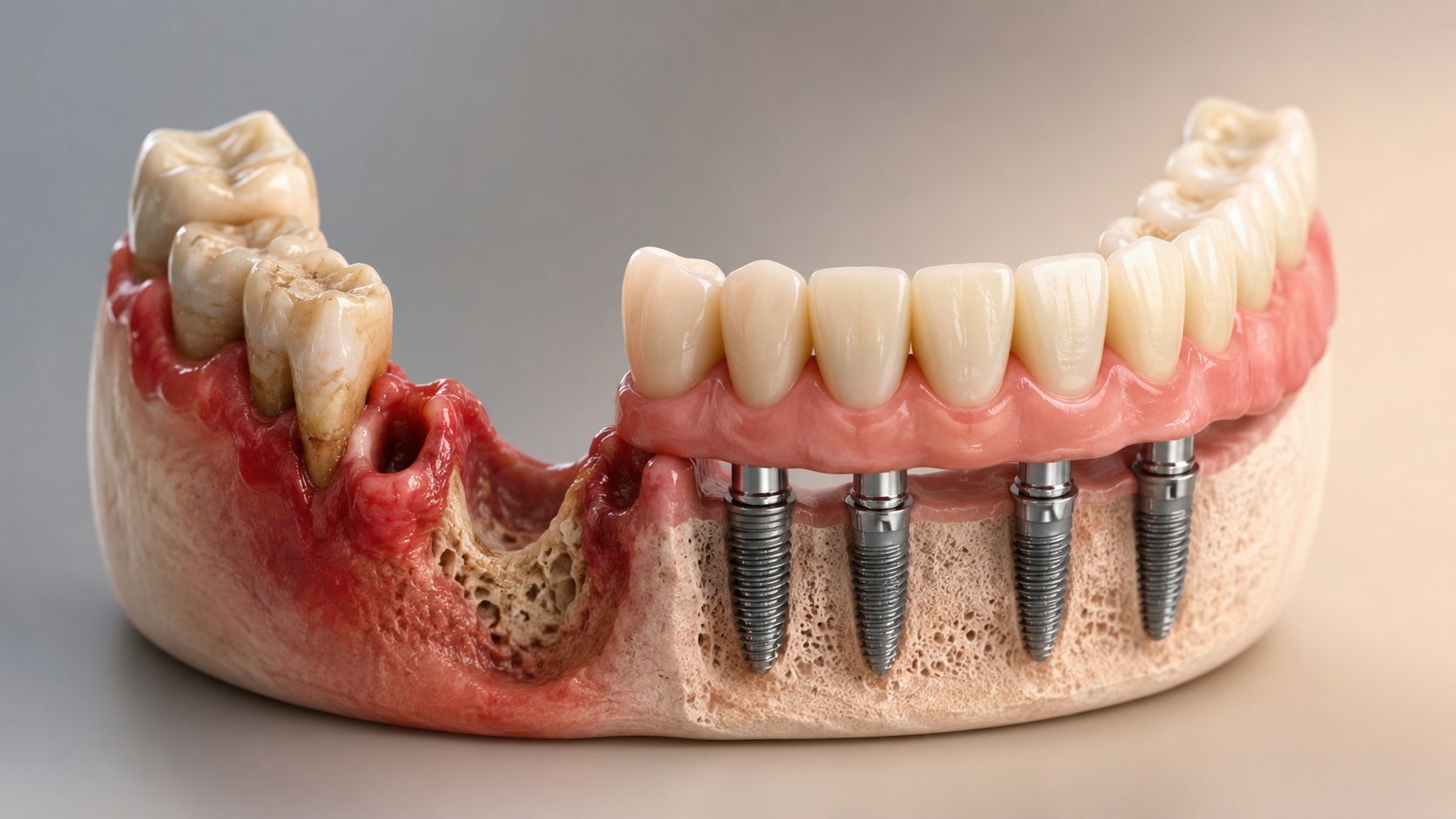
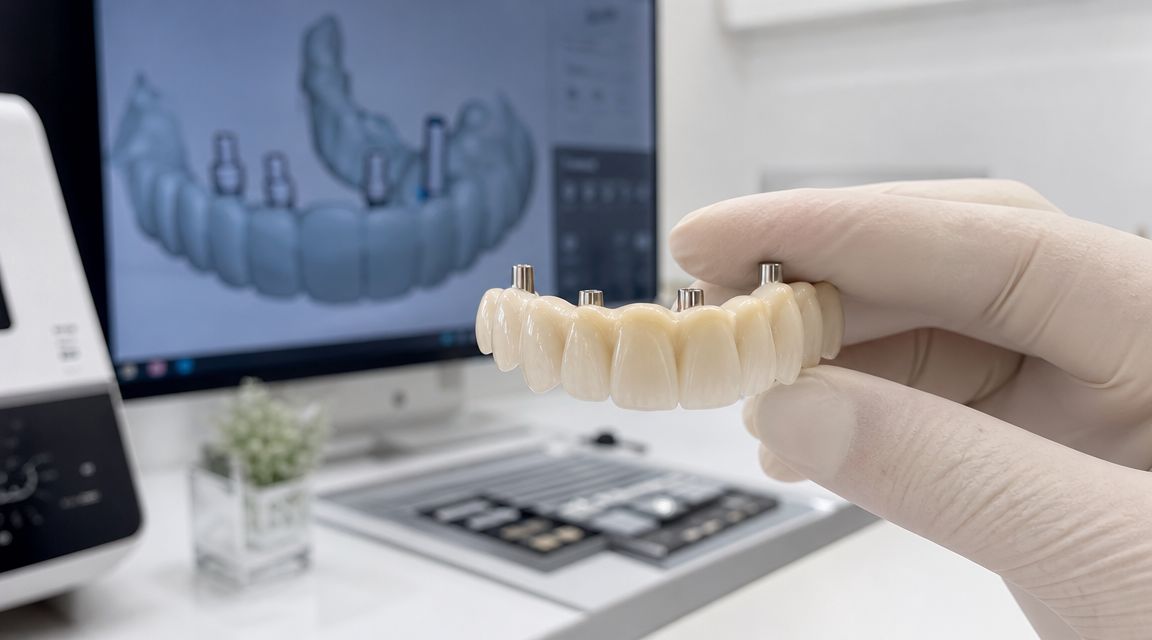
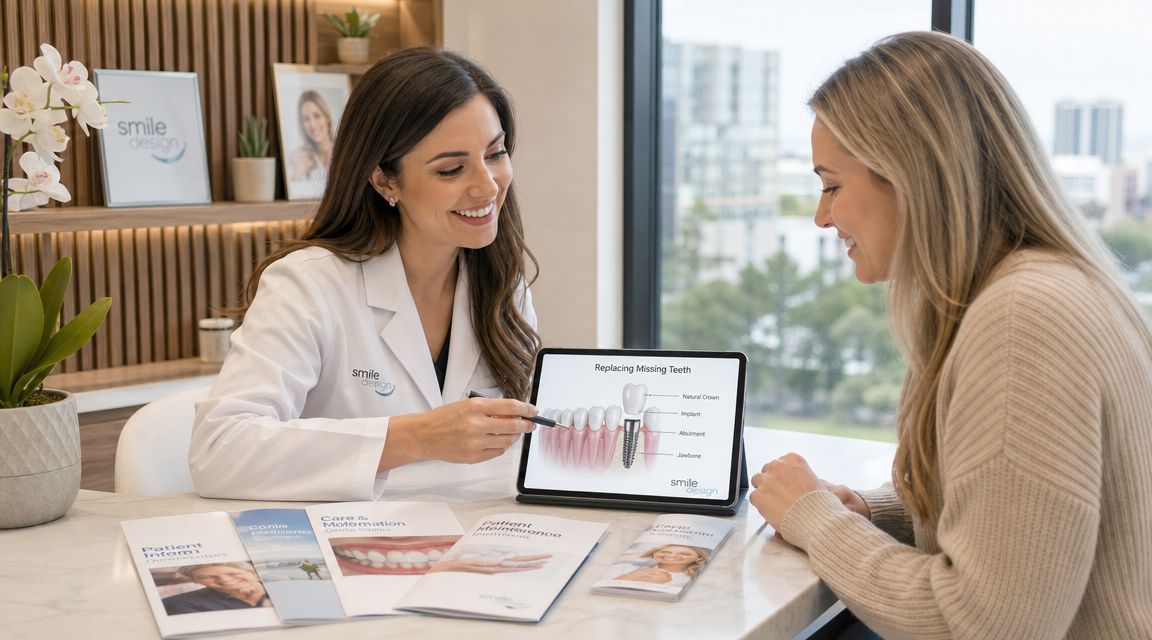
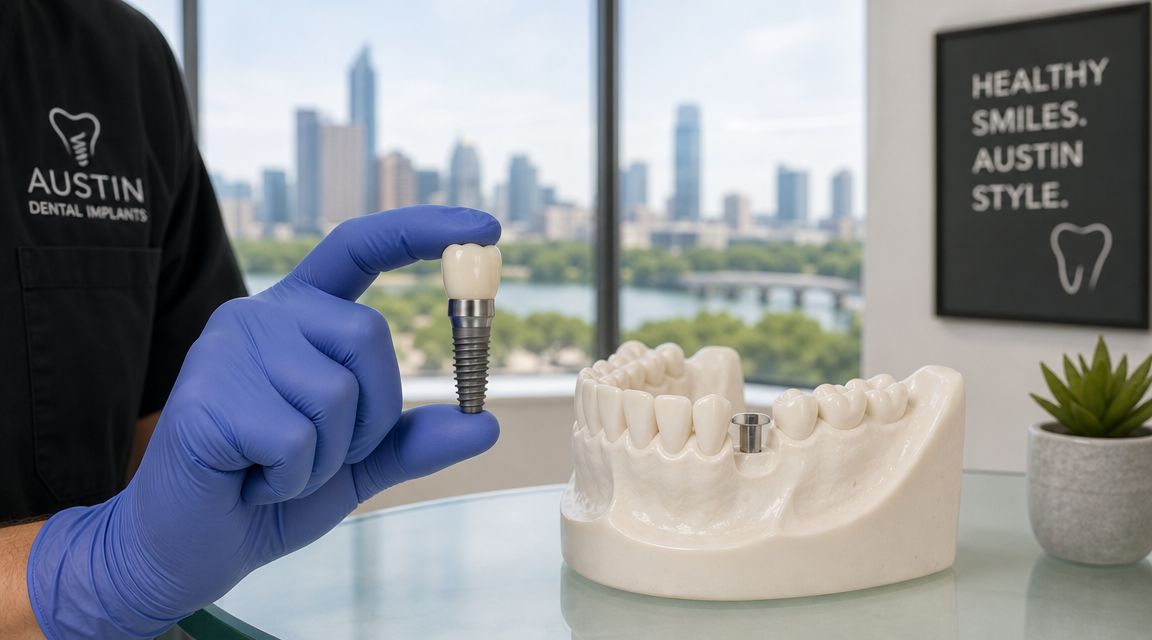
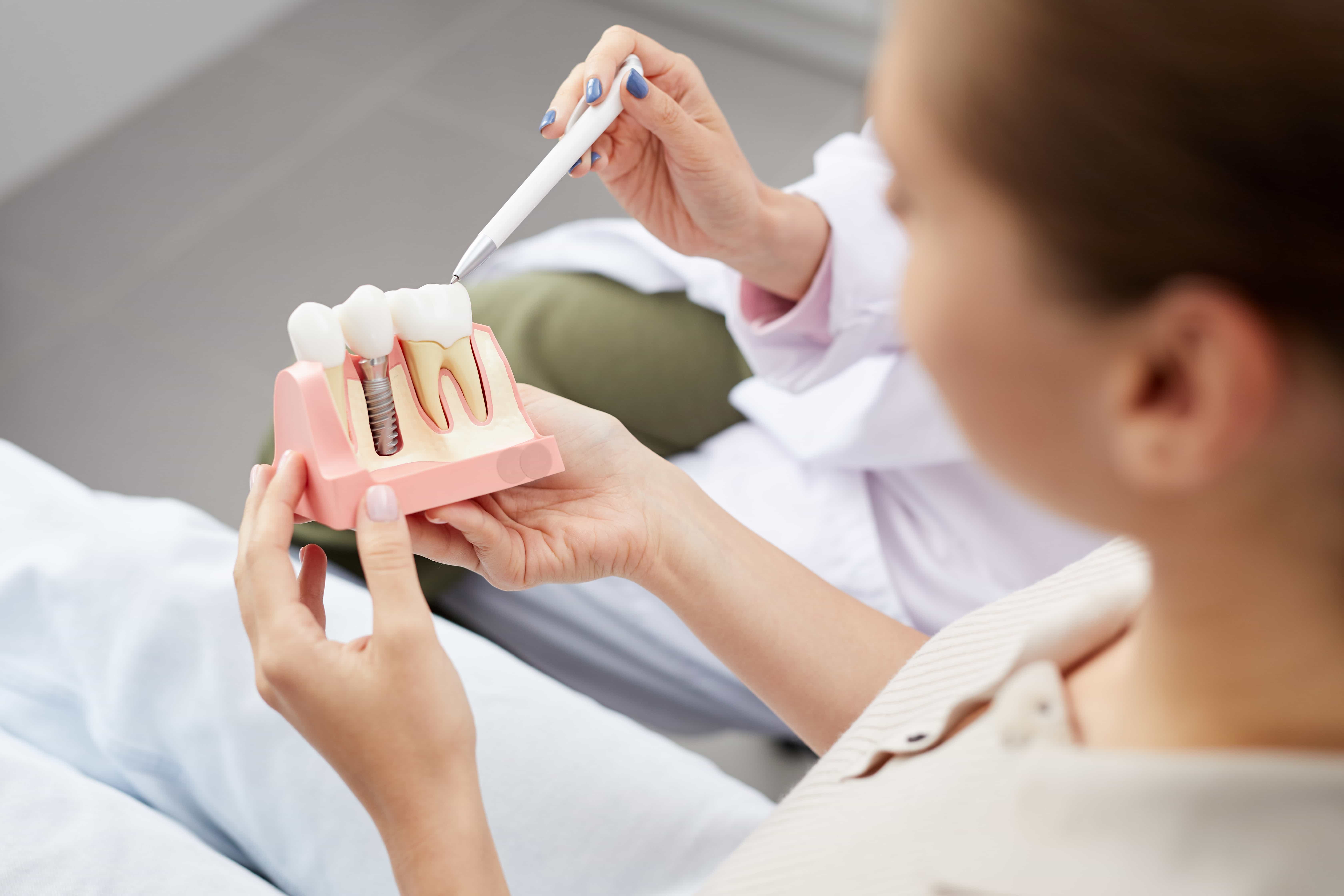
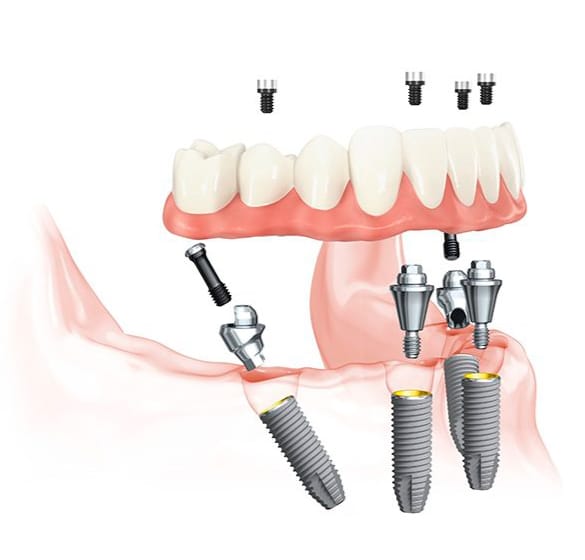
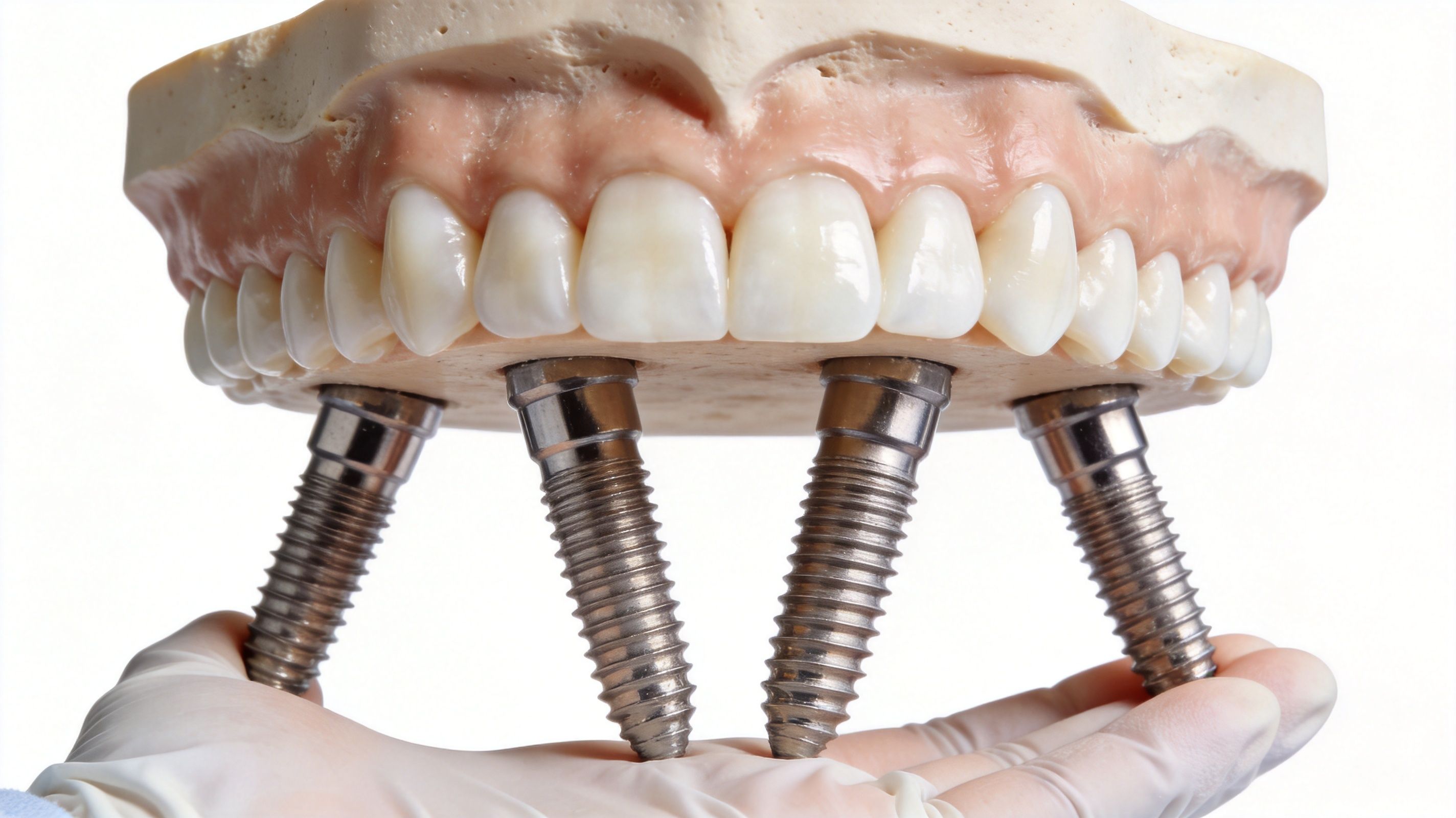
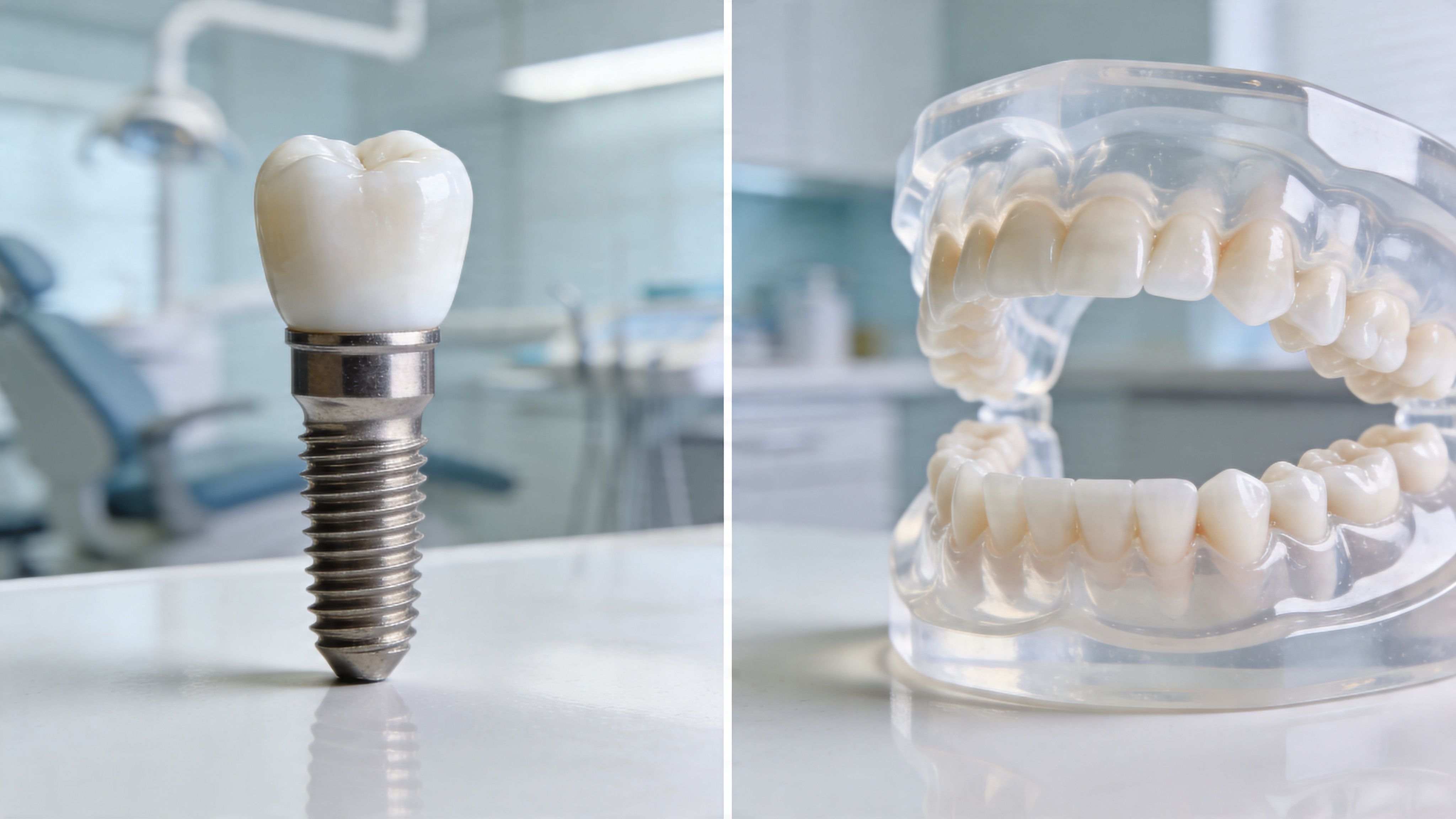
When a tooth is missing, replacement affects more than appearance. It changes how you chew, how neighboring teeth shift, and how stable your bite feels over time. Dental implants can support a single replacement tooth, multiple teeth, or more advanced full-arch treatment for people who need broader reconstruction.
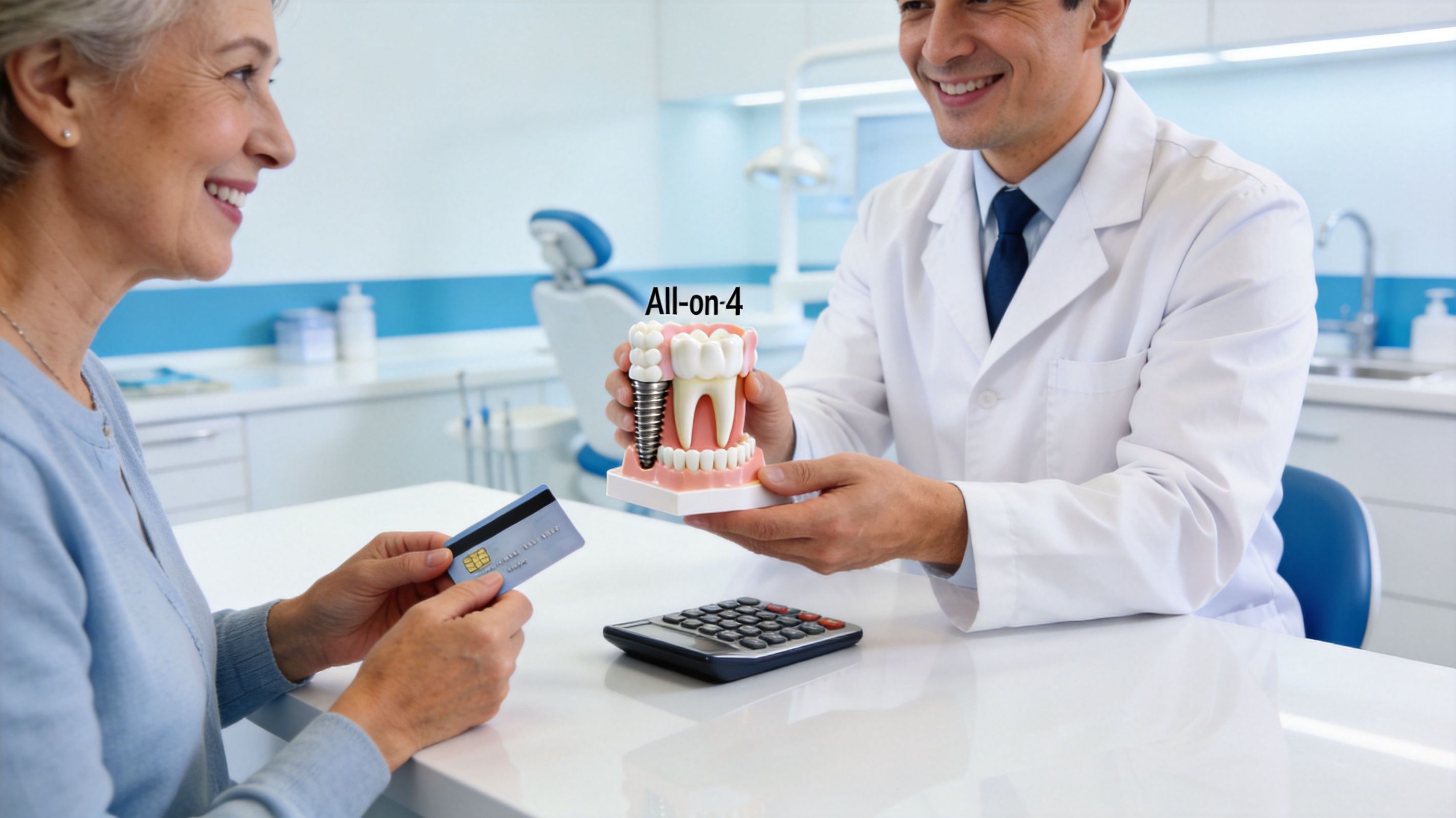
Patients searching “dental implants near me” usually want clear planning, honest expectations, and a path that matches their health, anatomy, and budget. Full-arch options like All-on-4 are often part of that conversation for patients with widespread damage or several failing teeth.
Clinical perspective: The best implant plan is the one that starts with a precise diagnosis, not a rushed sales conversation.
Cosmetic dentistry and orthodontics
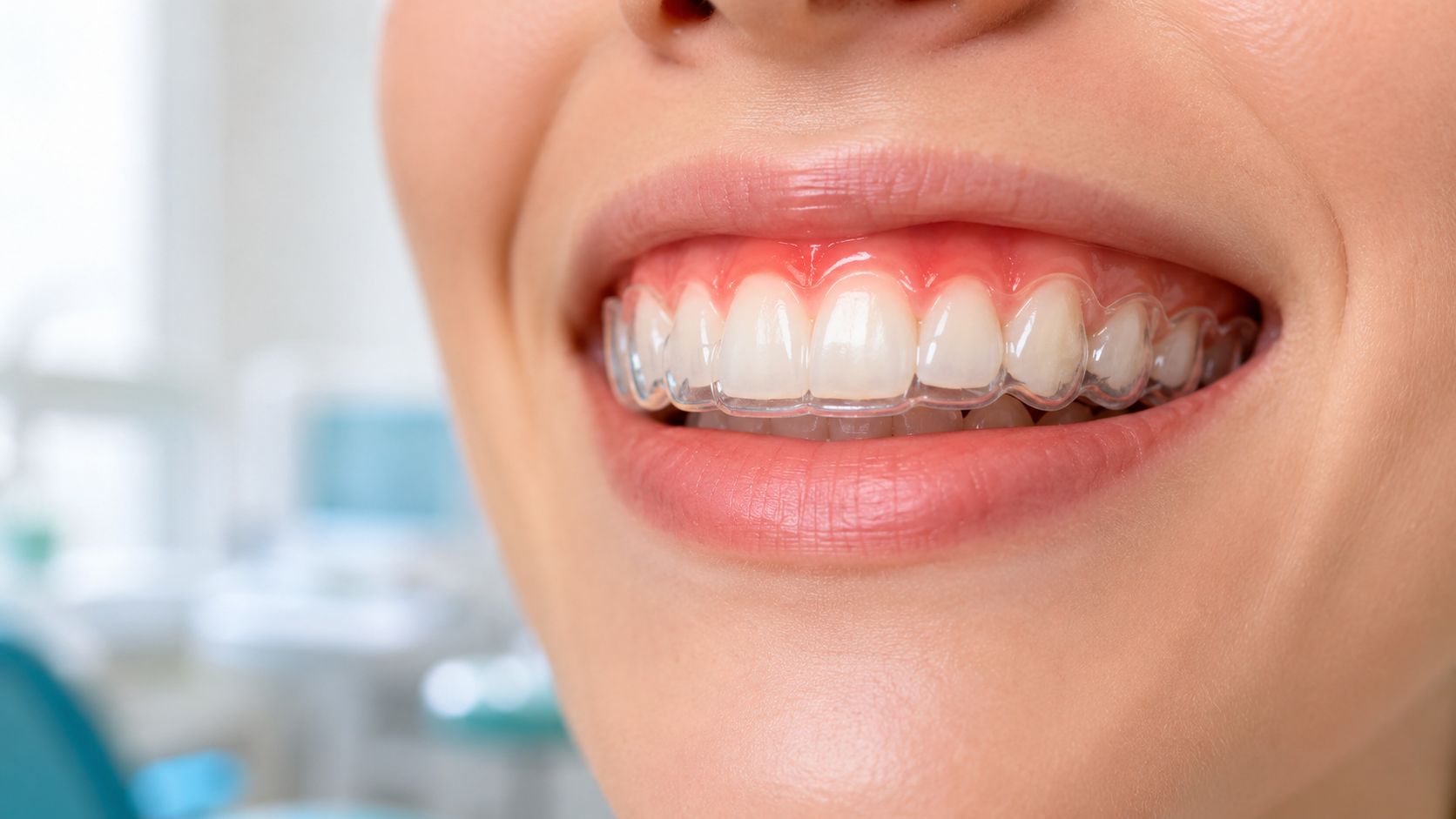
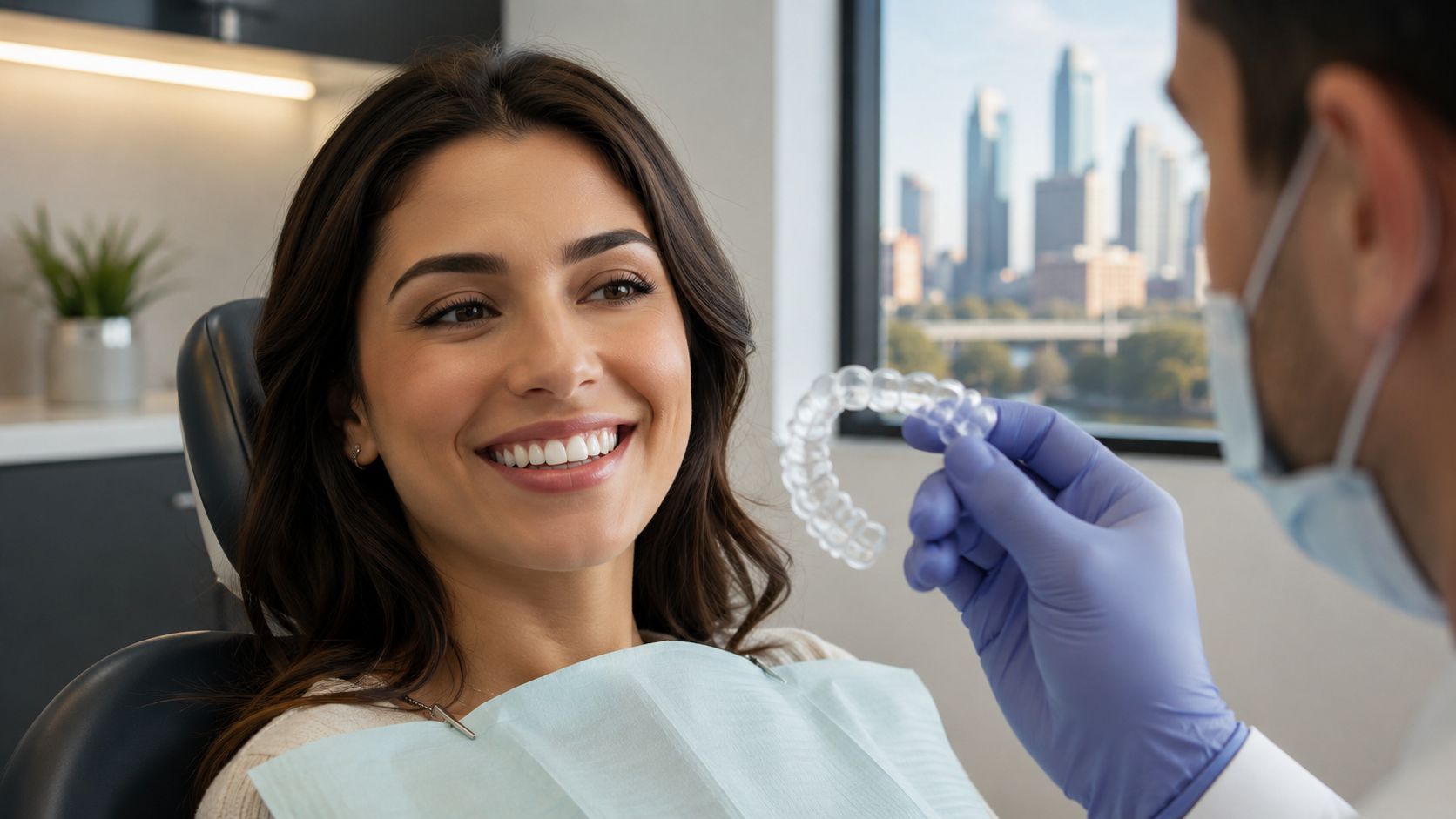
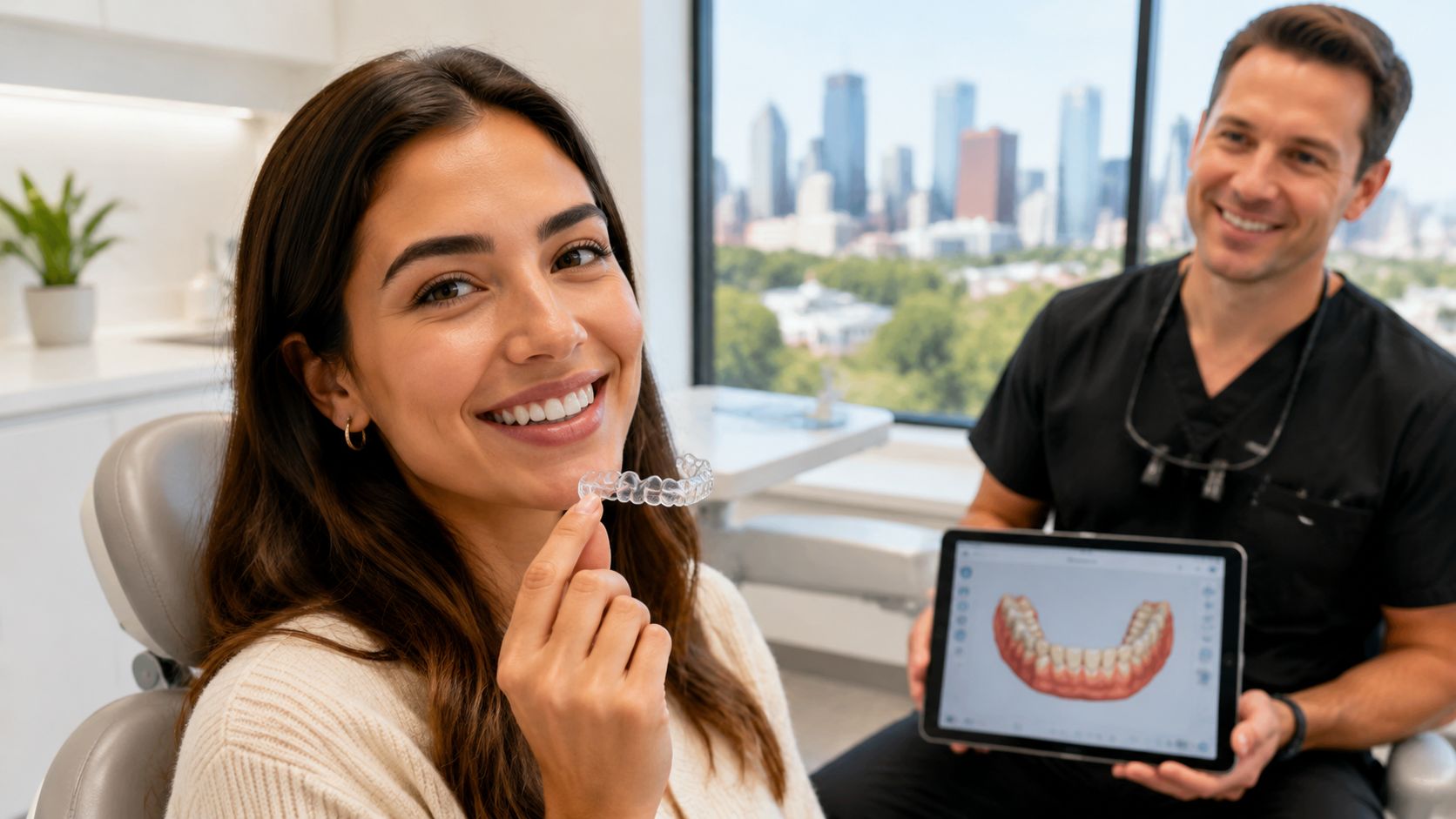
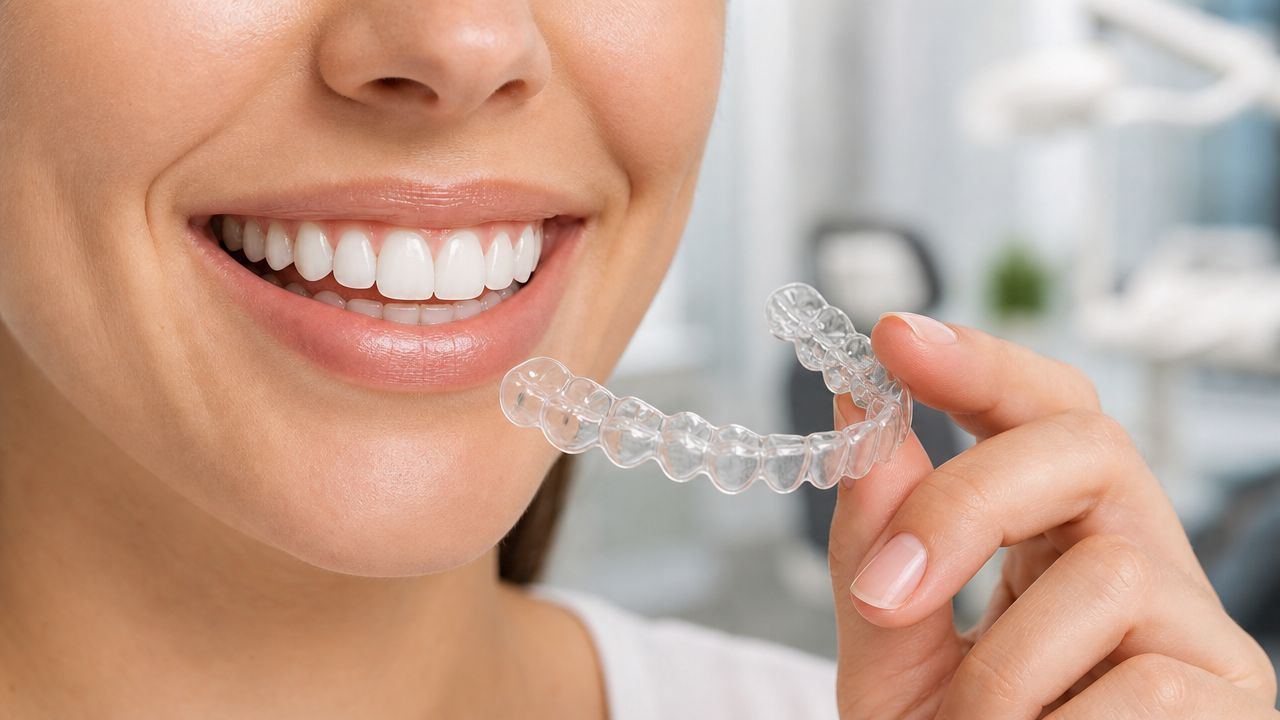
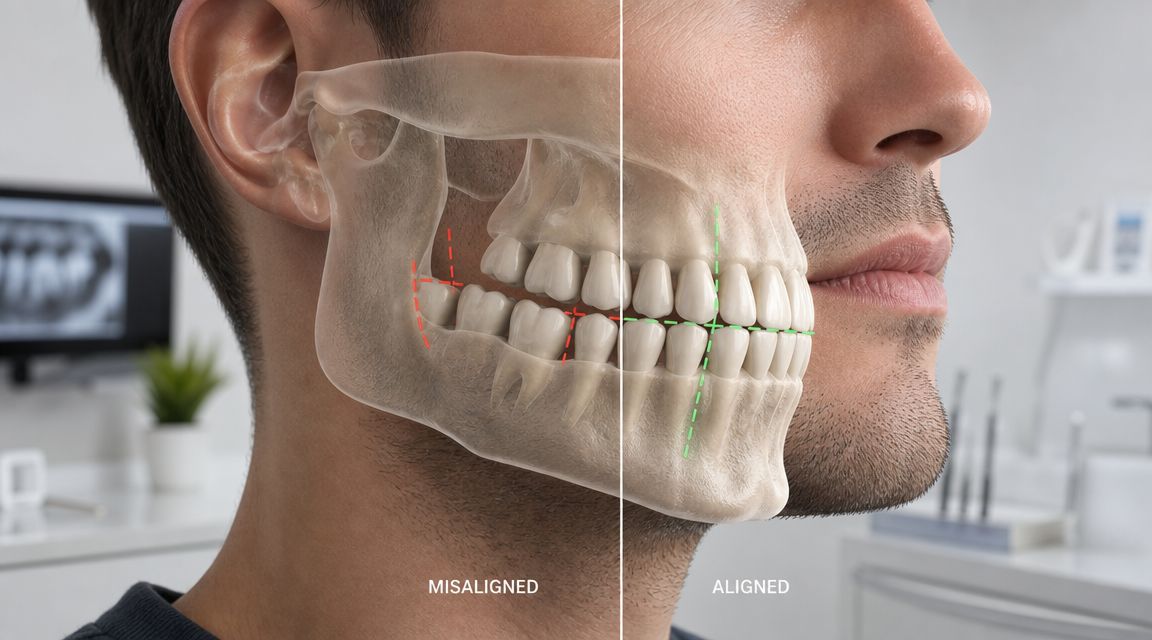
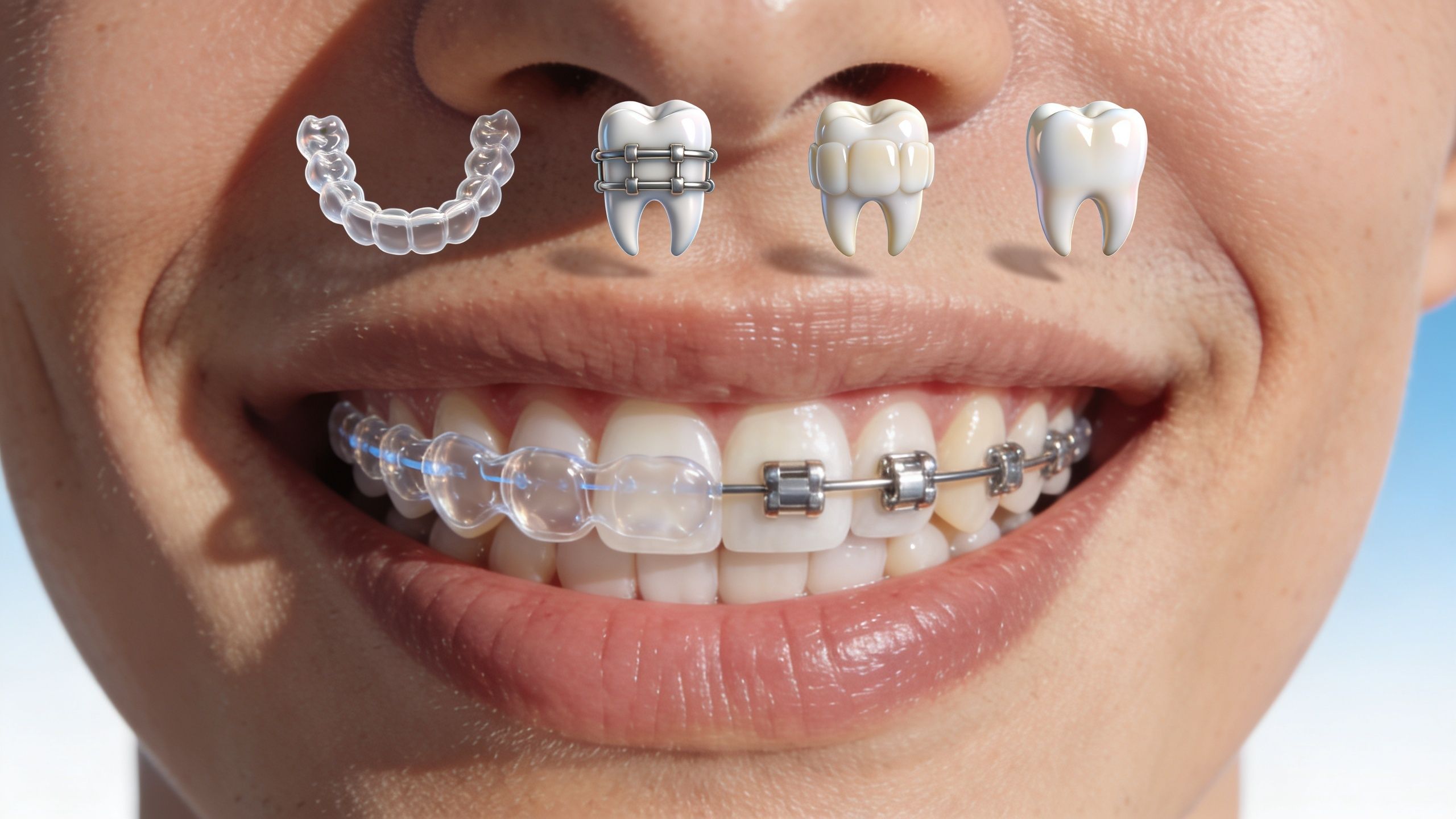
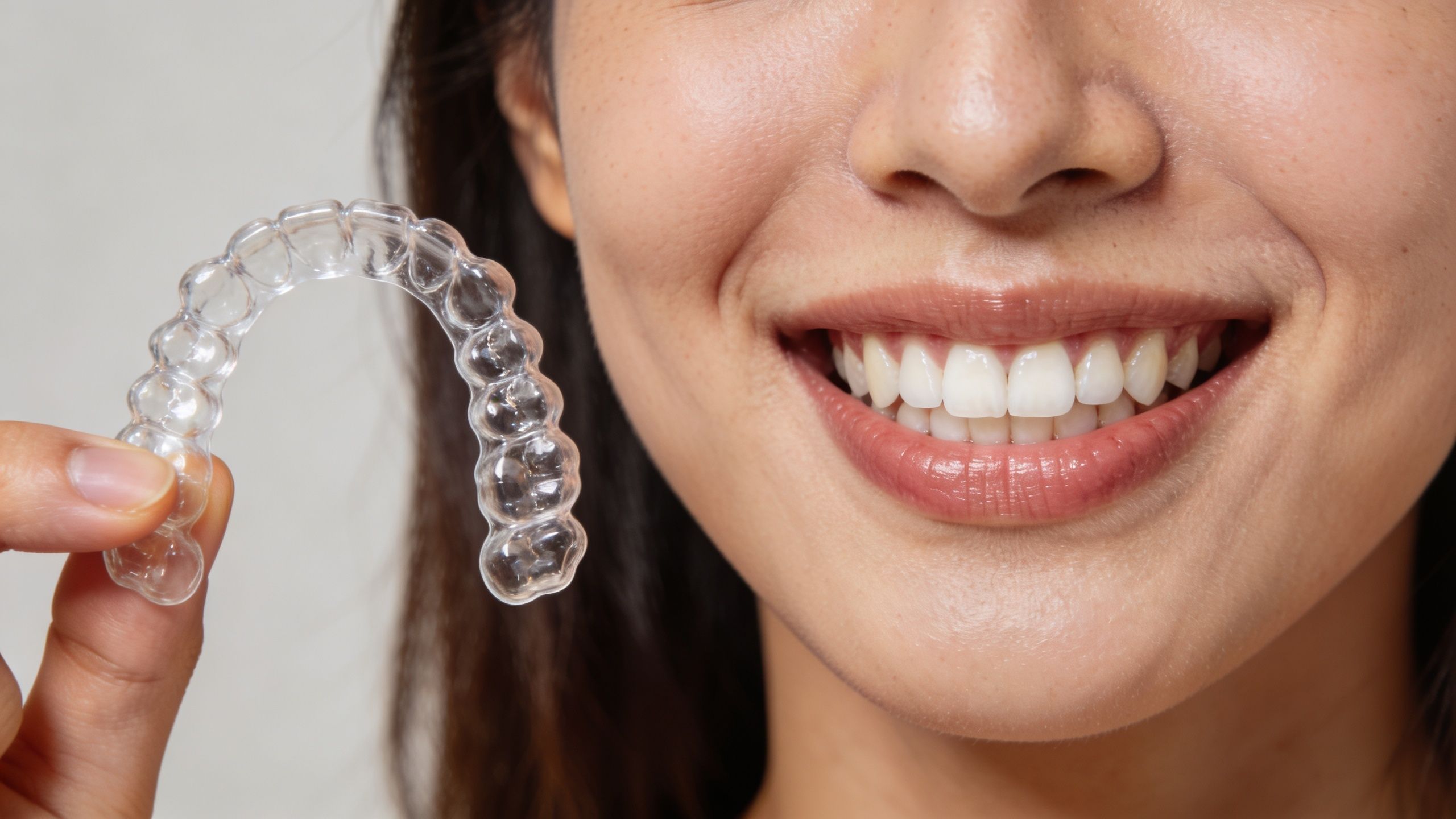
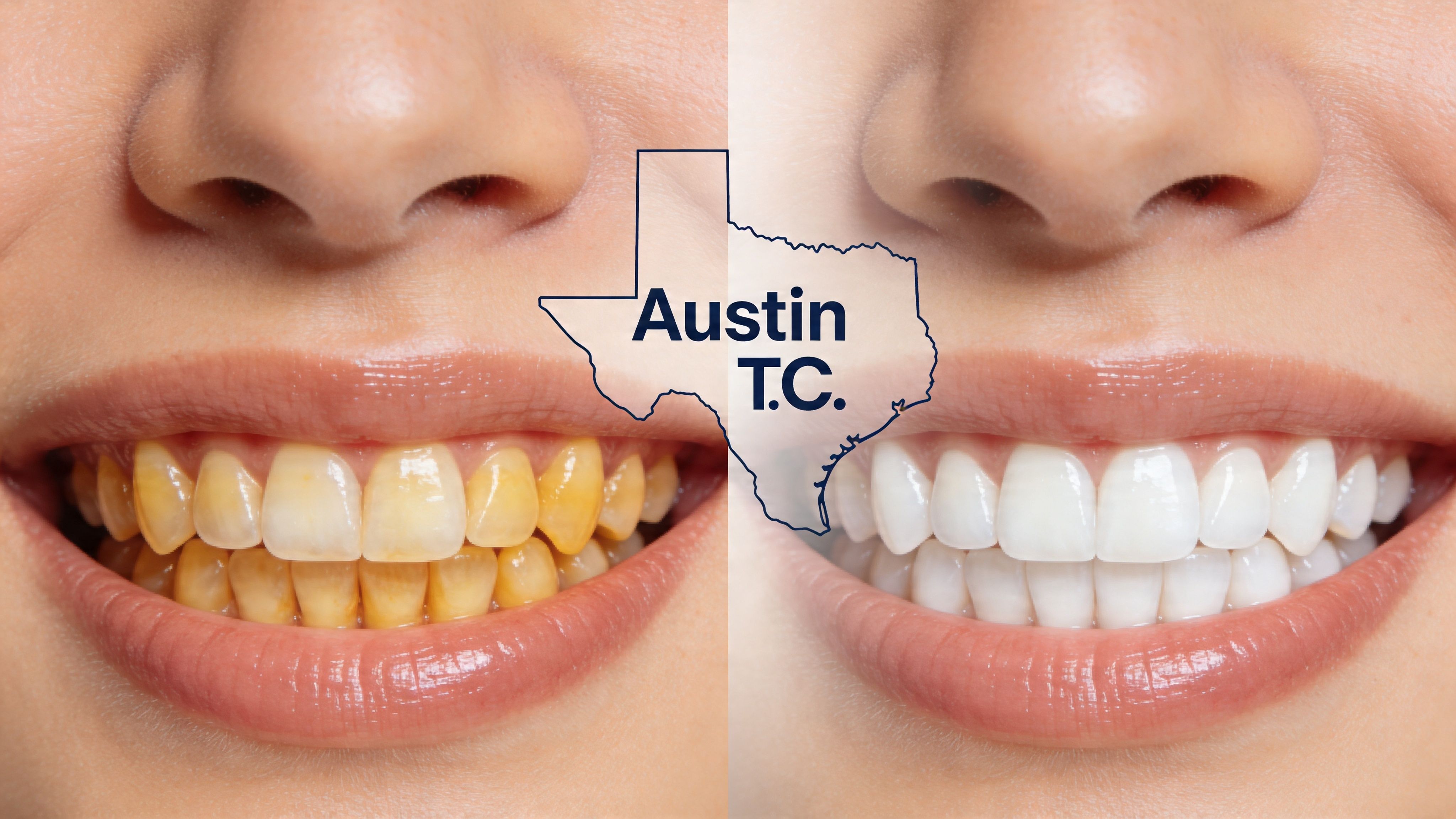
Cosmetic care should look natural and fit the face, bite, and goals of the patient. Teeth whitening can brighten a smile quickly. Veneers can reshape front teeth with more control over color and contour. Clear aligners and braces can correct crowding, spacing, and bite issues that affect both appearance and cleaning.
Not every cosmetic concern needs a major makeover. Sometimes the right answer is whitening and contouring. Sometimes it's orthodontics first, then restoration only where needed. Conservative planning usually produces the most believable result.
Emergency dental care when waiting isn't realistic
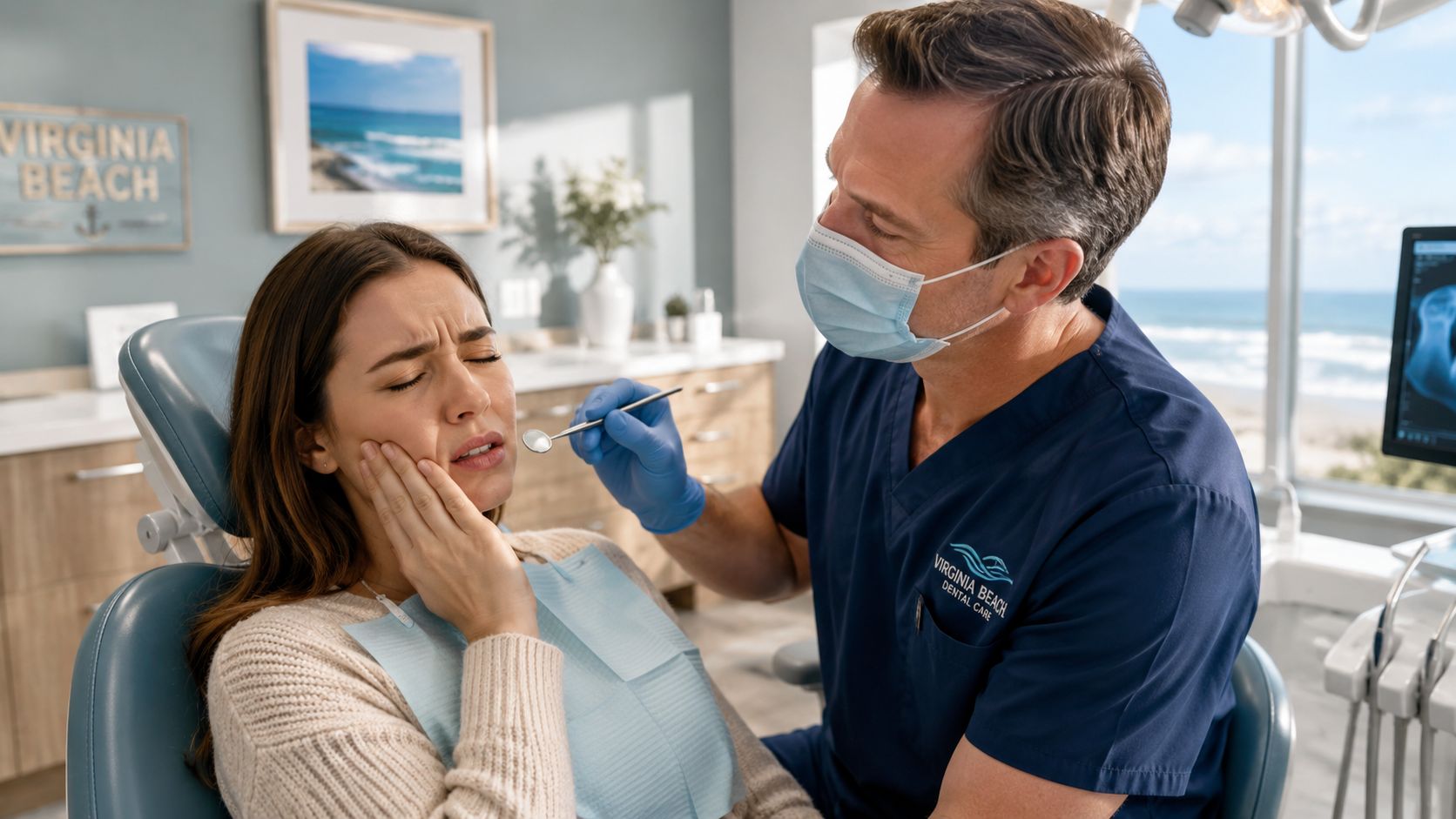
An emergency dentist helps when pain, swelling, trauma, or breakage can't be pushed off. That might include:
- Tooth pain: especially when it's sharp, throbbing, or keeping you awake
- Broken restorations: crowns, fillings, or bridges that fail at the wrong time
- Cracked or injured teeth: after sports, falls, or biting something hard
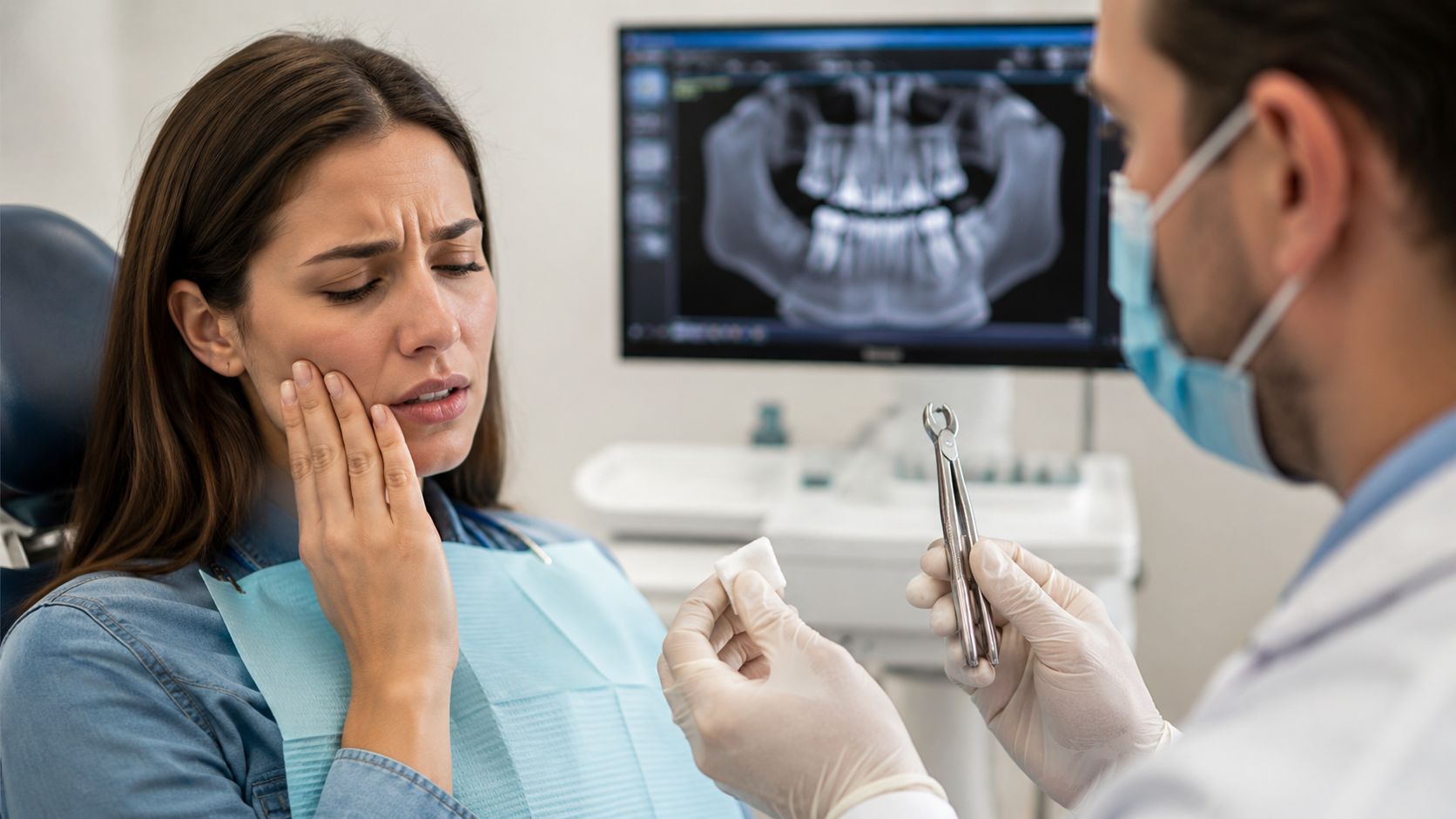
- Wisdom tooth or extraction-related issues: when pressure, pain, or swelling suddenly escalates
When patients need urgent care, speed matters. So does having an office that can diagnose the problem clearly and move from imaging to treatment planning without unnecessary delay.
The 3D Dental Difference Advanced Technology
Technology only matters if it changes the patient experience in a useful way. In a modern dental office, the right tools should make diagnosis clearer, planning more transparent, and treatment more efficient. If they don't improve comfort, accuracy, or turnaround time, they're just expensive equipment in a brochure.
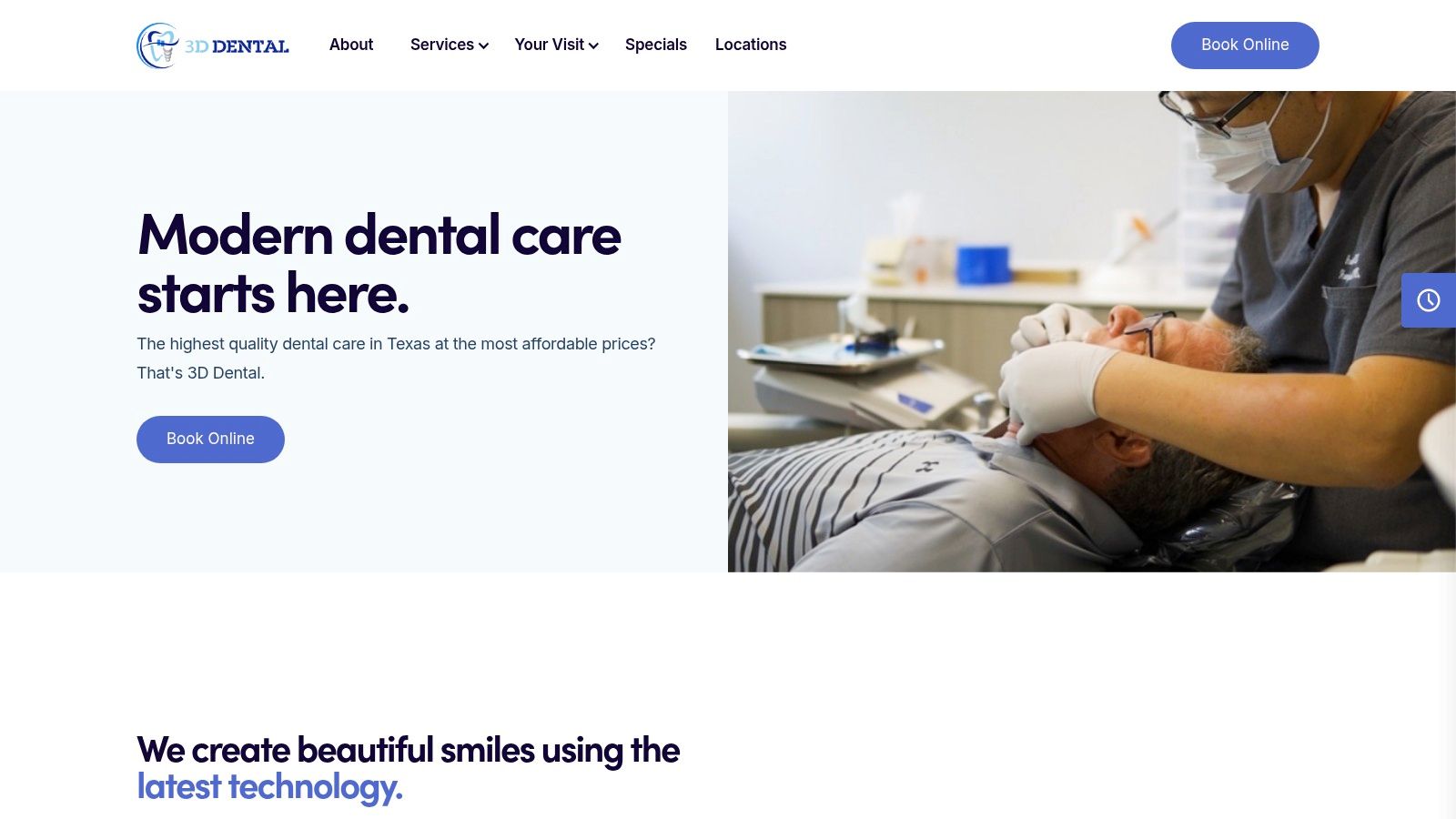
Digital imaging that speeds up decision-making
Digital radiography is one of the clearest examples of technology making a practical difference. According to this advanced dental technology overview, digital radiography reduces exposure time by about 50% compared with traditional radiographs, and digital X-rays can deliver roughly one-sixth the radiation exposure of film-based imaging. For patients, that means faster image capture, a smoother appointment flow, and easier chairside review of what the dentist is seeing.
That kind of efficiency matters during routine exams, but it matters even more when a patient comes in with pain, a cracked tooth, or a treatment decision that depends on detail. Seeing roots, bone levels, and surrounding structures clearly helps support better planning.
3D CT and digital scanning for precision
Two tools often change the conversation in a meaningful way: 3D CT imaging and intraoral digital scanners.
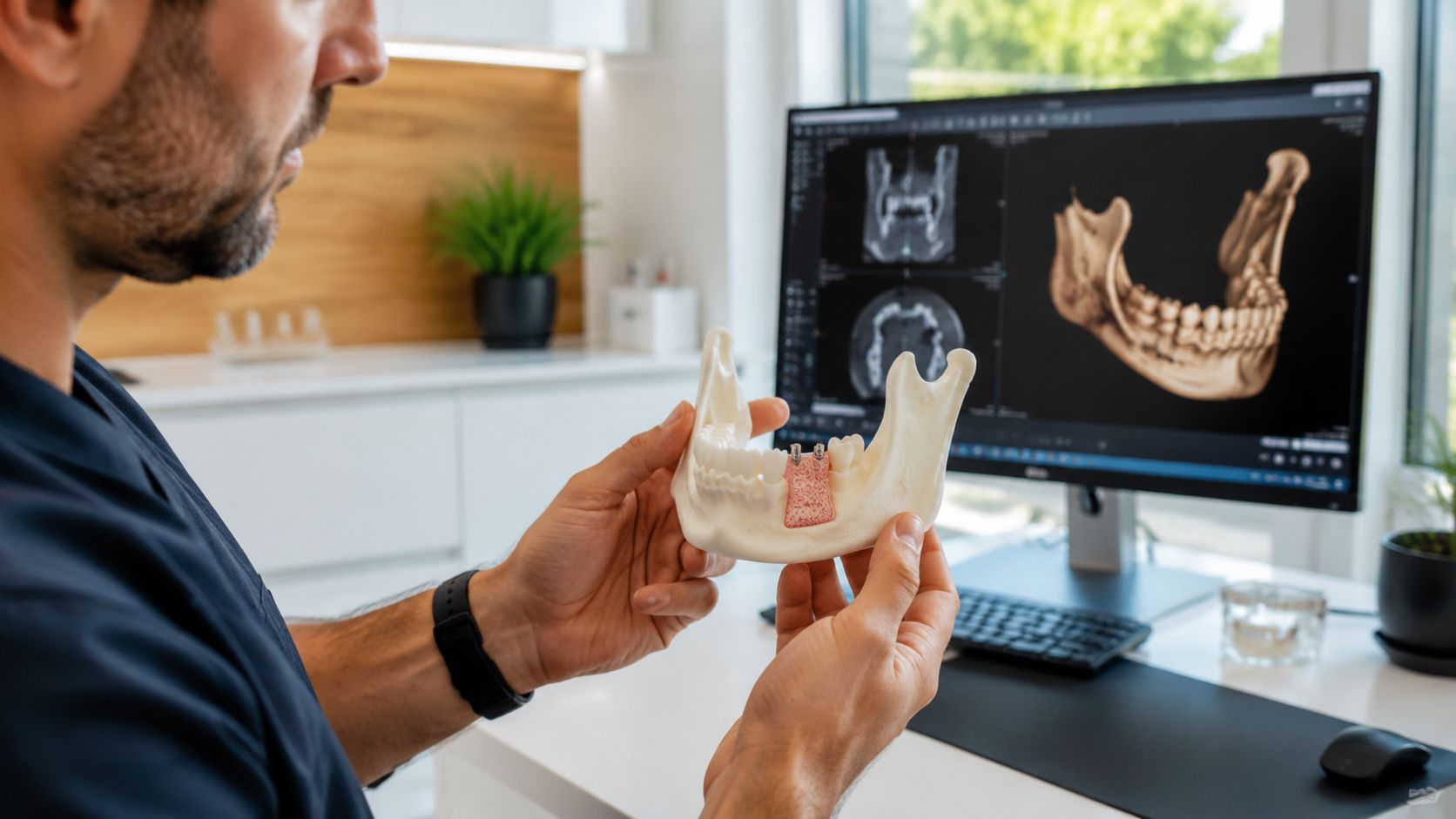
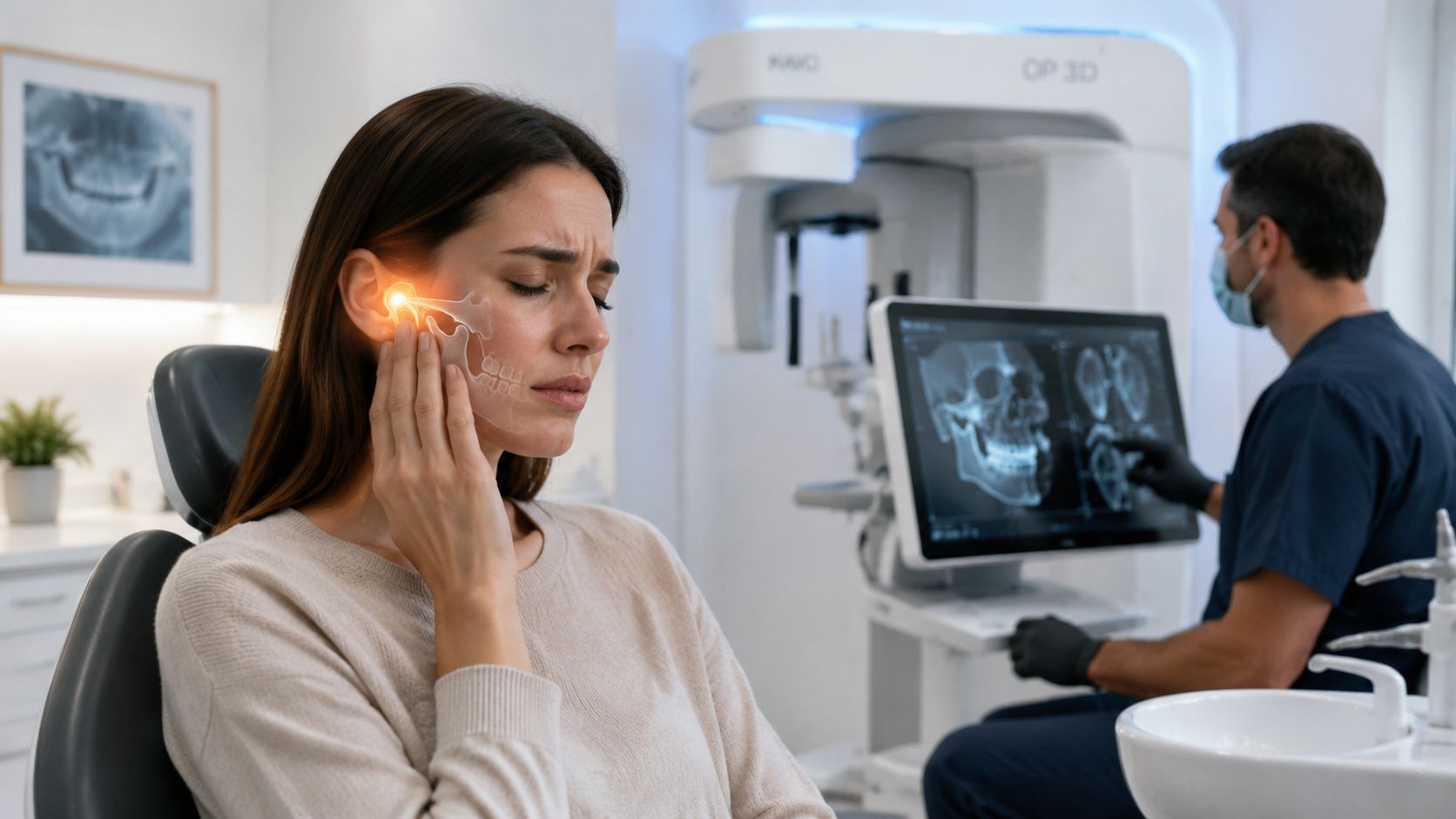
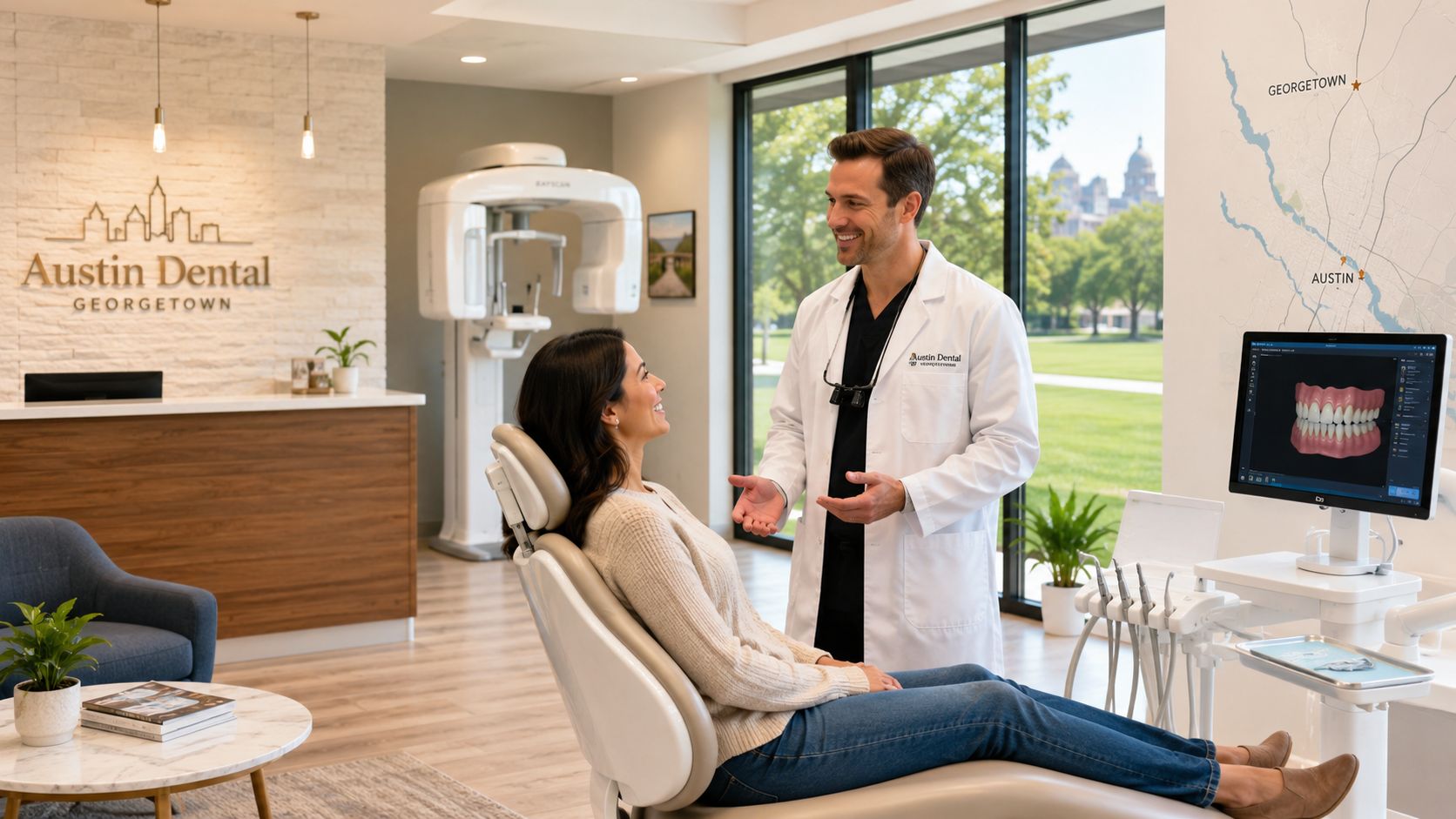
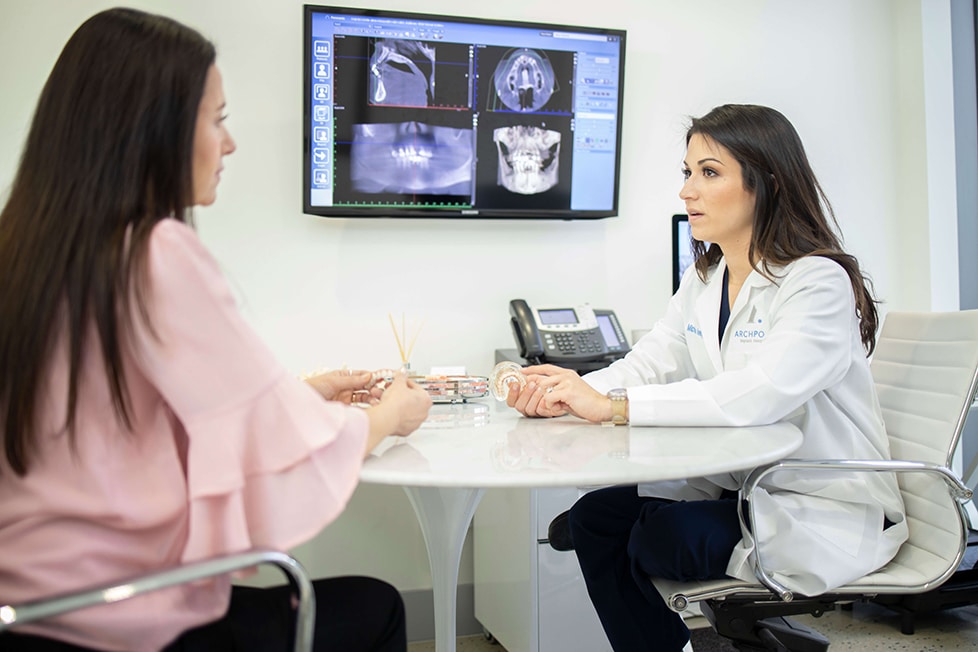
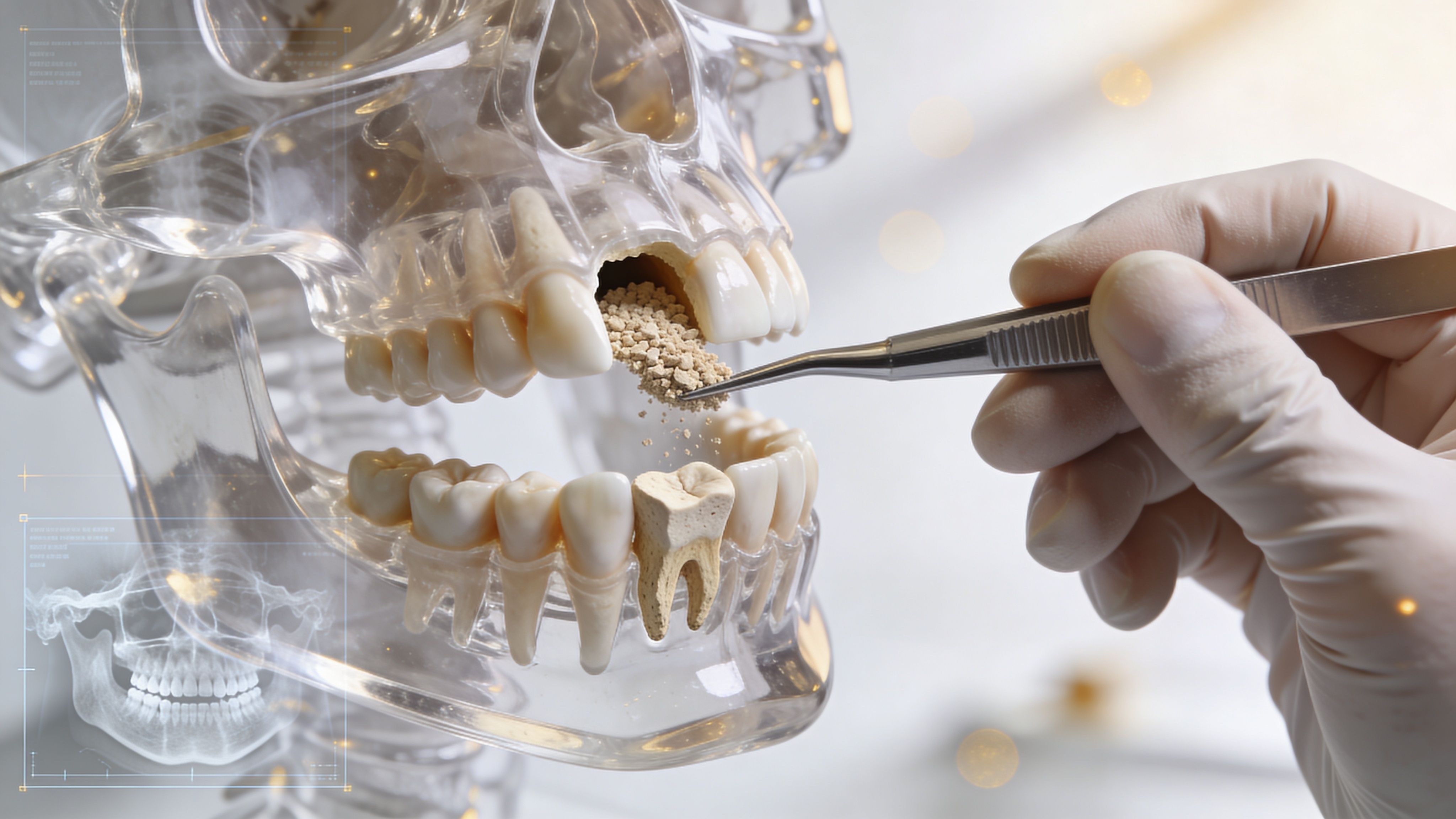
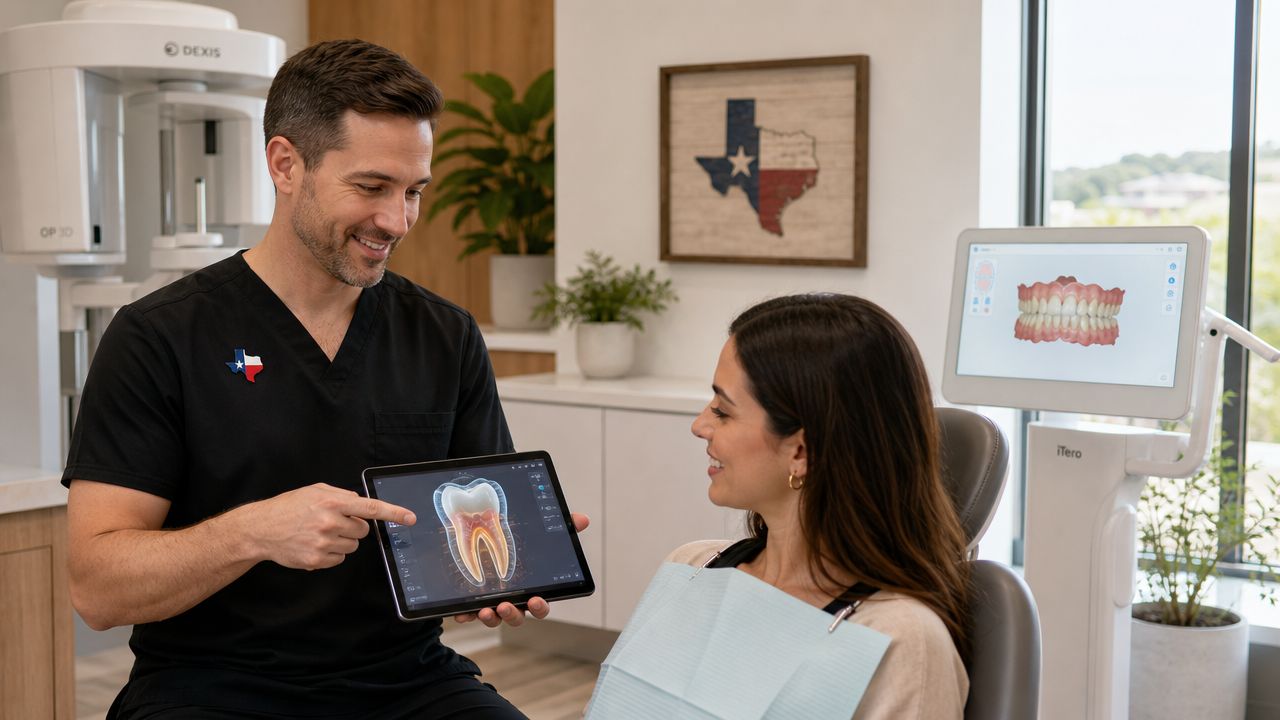
A 3D CT scan gives the dentist a far more complete view of bone, anatomy, and spatial relationships than a flat image alone. That's especially useful when planning implants, evaluating extraction sites, or reviewing complex restorative cases. Better visibility leads to better judgment about placement, spacing, and what's realistic before treatment starts.
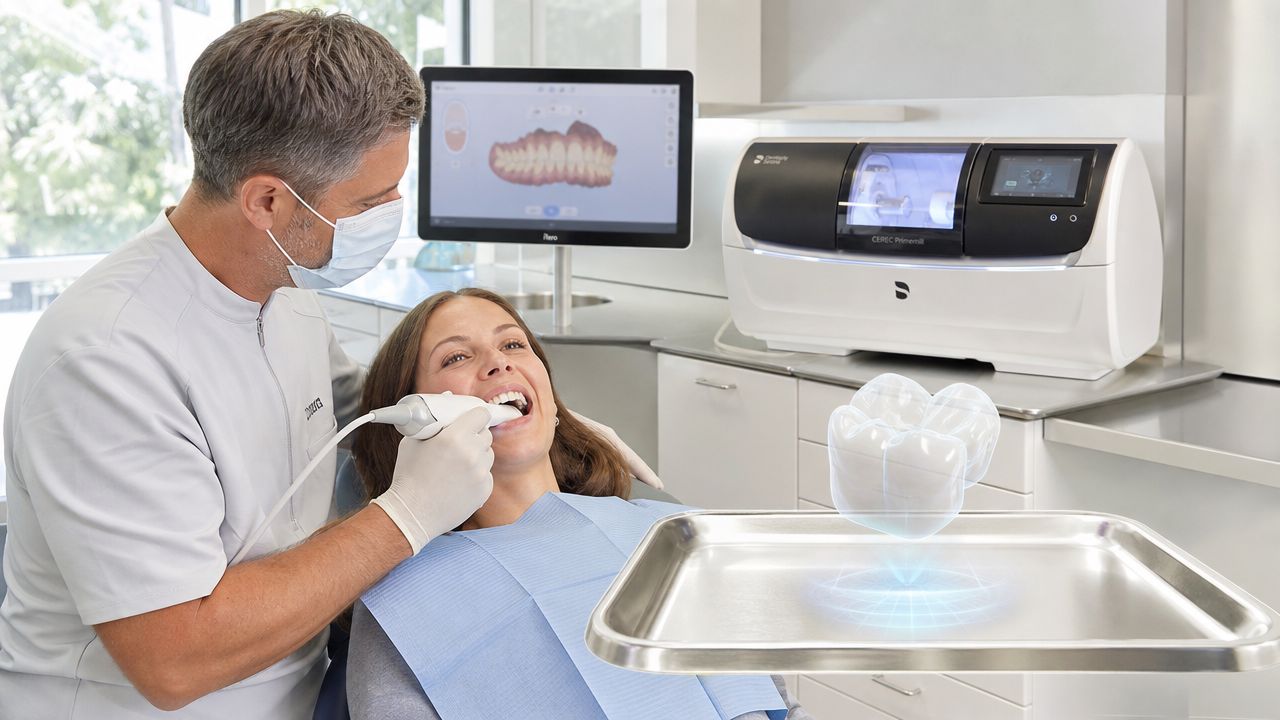
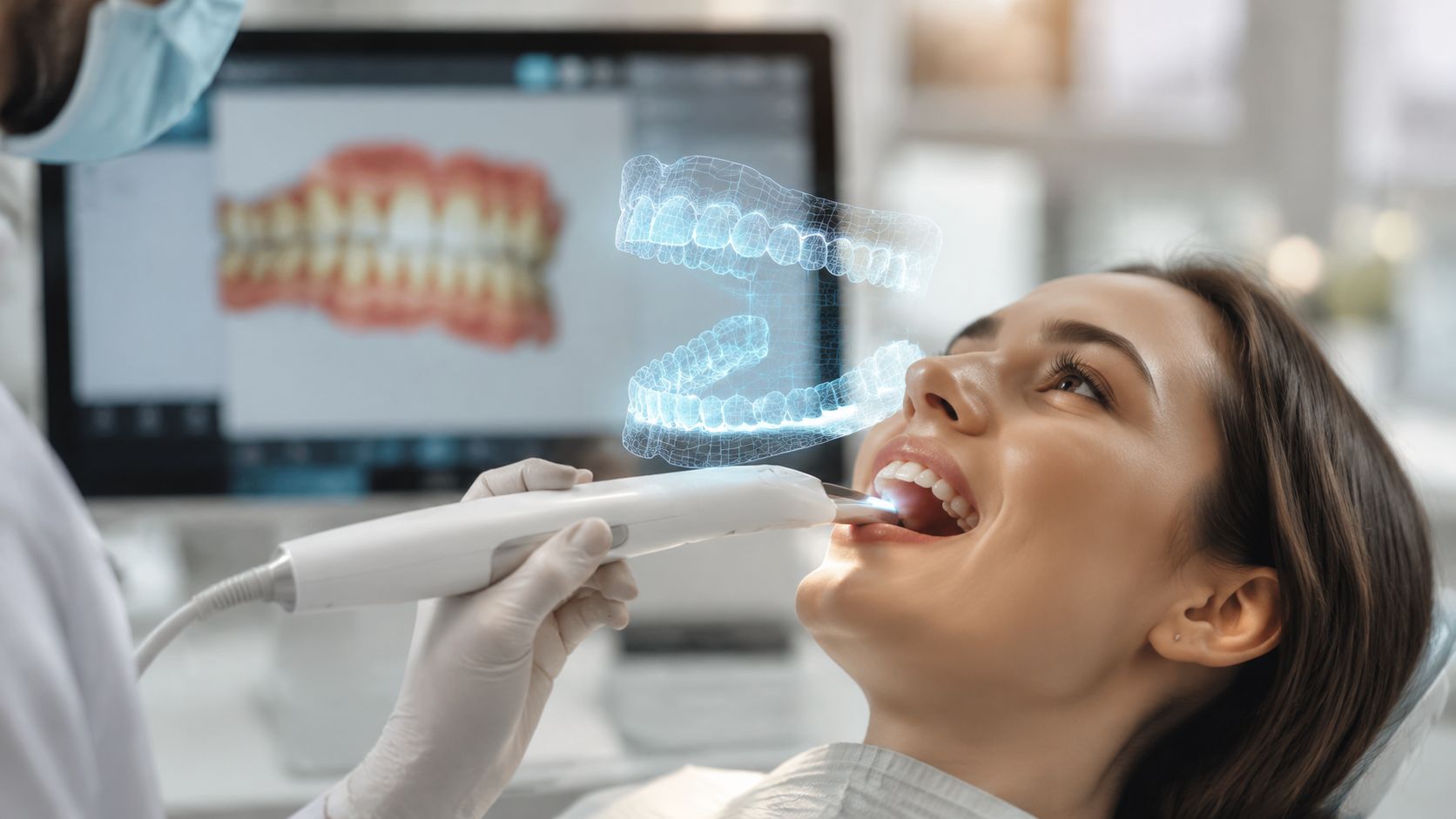
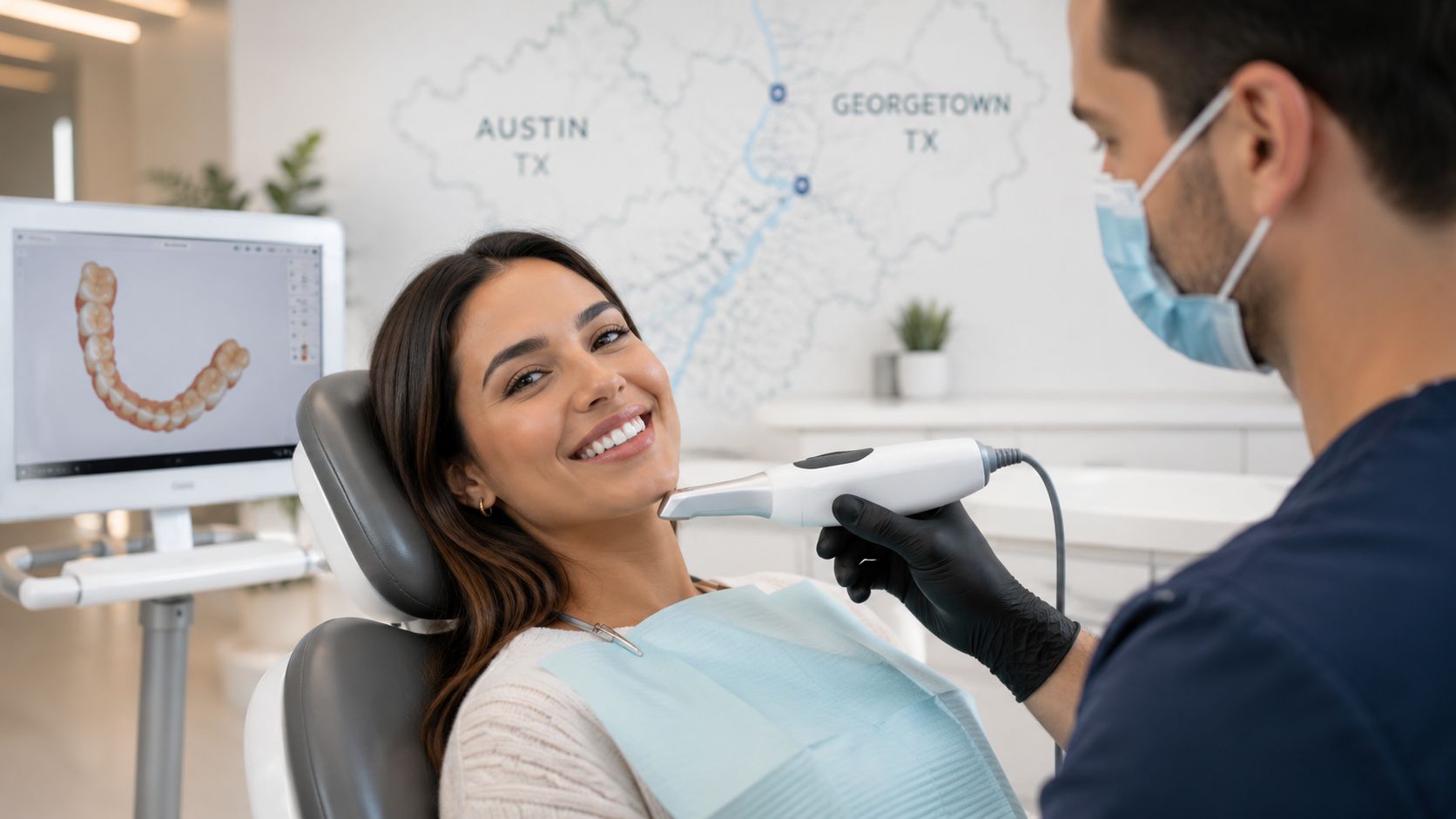
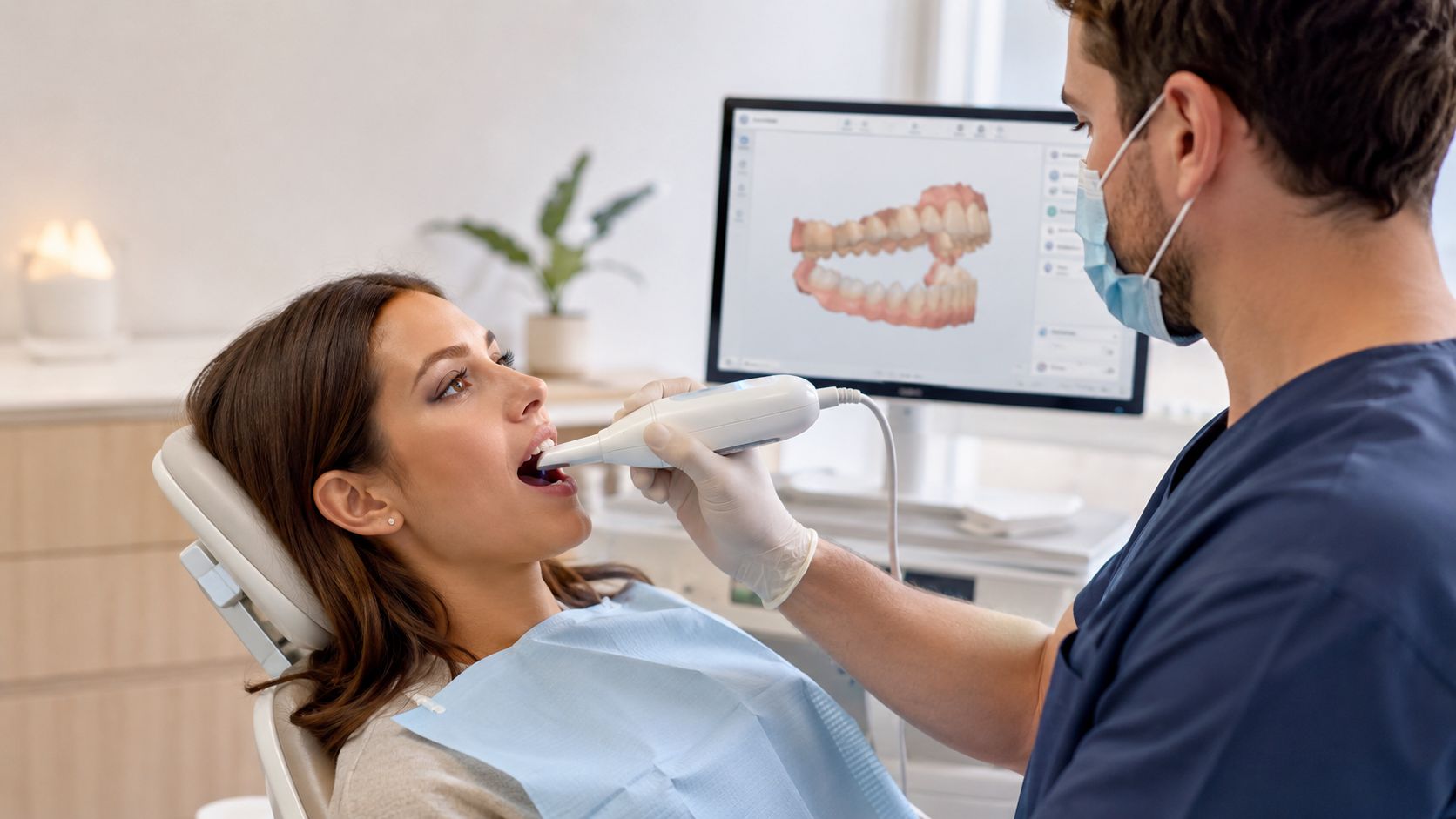
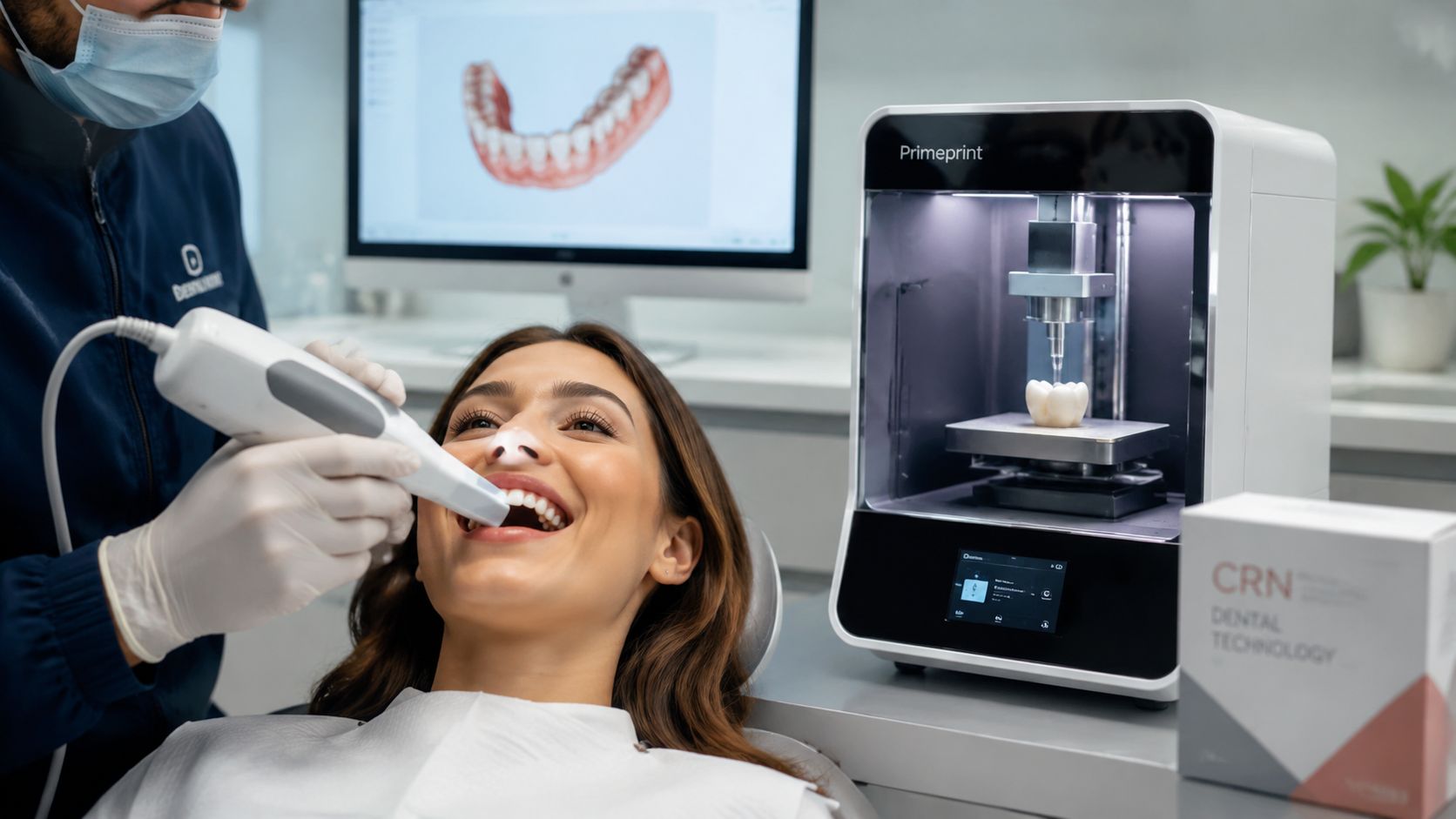
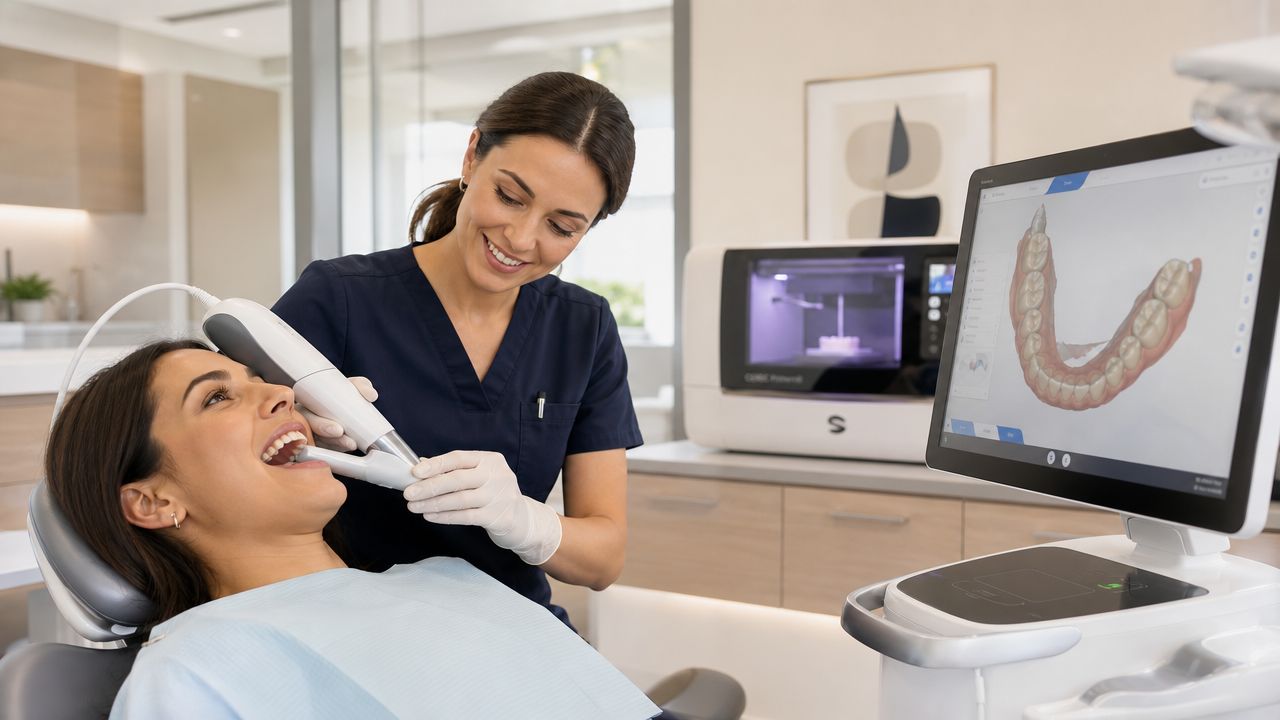
Intraoral scanners solve a different problem. Traditional impression material can feel messy, bulky, and uncomfortable. Digital scanning replaces that process with a more patient-friendly workflow while also giving the team a detailed digital model to use for planning restorations or orthodontic treatment.
Why an in-house lab changes the patient experience
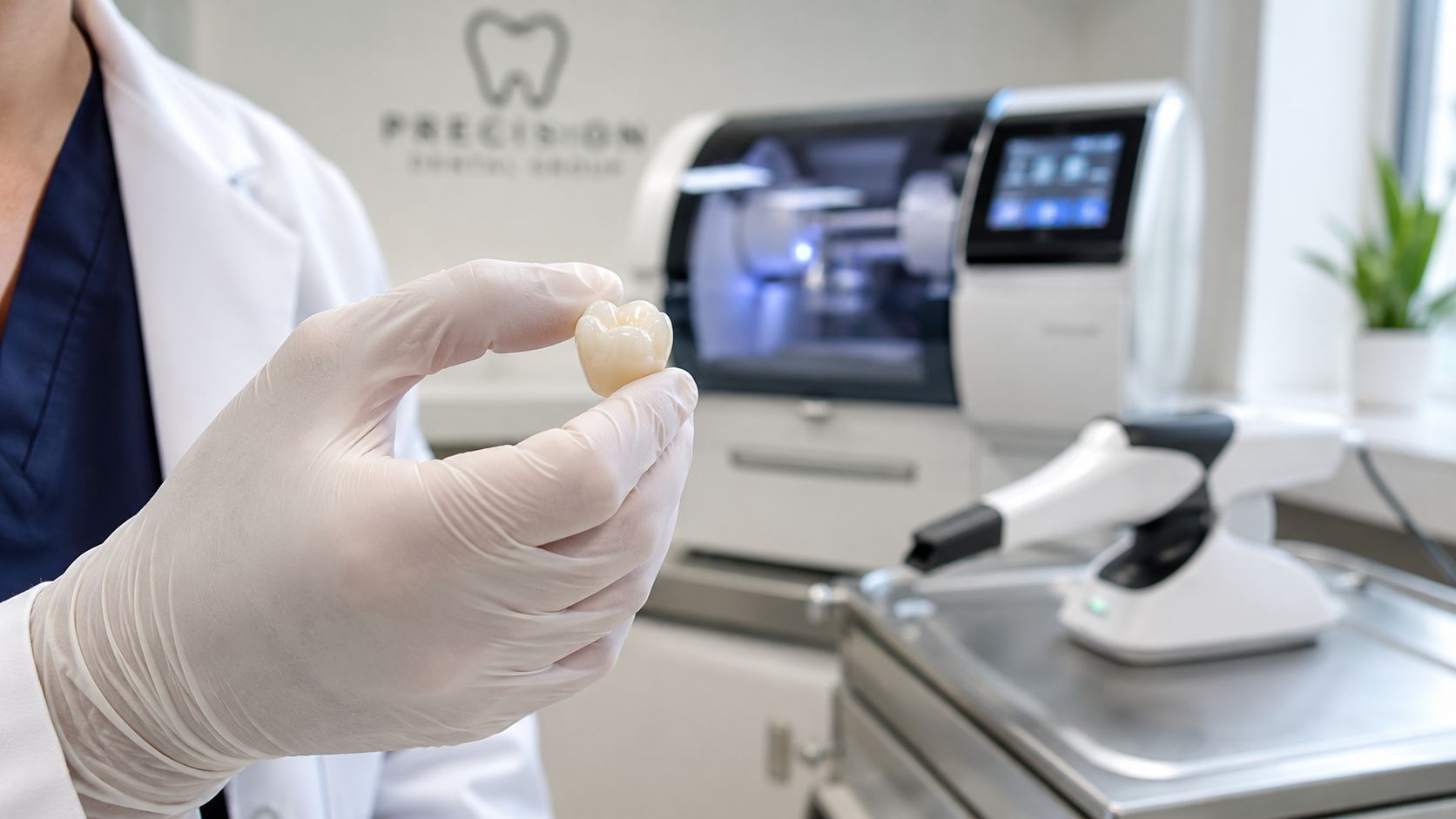
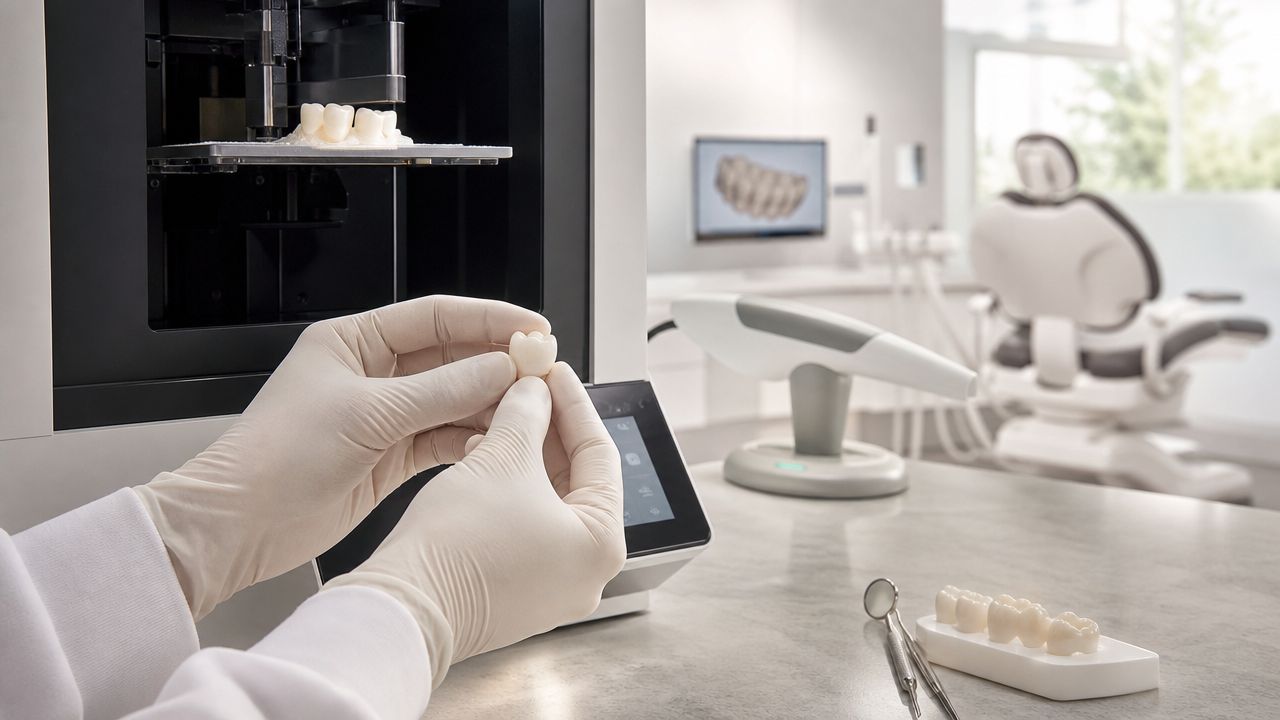
An in-house dental lab is one of the most practical advantages a patient can have, even if they never think about it by name. When a practice can design and produce restorations more directly, patients often get a tighter planning loop between diagnosis, fabrication, and final fit.
That has several benefits:
- Fewer handoff problems: the people planning treatment stay closely connected to the people making the restoration
- Faster adjustments: refinements can often happen more efficiently than with a distant outside lab
- Better communication: shade, shape, bite, and esthetic goals are easier to review and refine
Technology still needs judgment
Nearby practice pages often promote digital X-rays, CAD/CAM, clear aligners, and one-stop dentistry, but the patient question is more specific. Which tools reduce visits, shorten turnaround, or improve fit for crowns, implants, and orthodontics?
The answer depends on how the office uses them. As noted in this discussion of dental technology and patient impact, technology can improve workflow and precision, but outcomes still depend on case selection and clinician skill. That's the part patients should focus on. Not whether a practice owns impressive equipment, but whether the team uses it to make treatment more predictable and easier to understand.
New technology works best when it removes friction for the patient. Less guesswork, fewer surprises, and clearer planning.
Meet Your Experienced Local Dental Team
People don't trust equipment. They trust the professionals using it. That matters in dentistry because even the most advanced imaging or lab process only helps when the team applies it with care, restraint, and sound judgment.
A strong dental team does two things well at the same time. First, it diagnoses thoroughly. Second, it communicates calmly enough that patients understand what's happening and what their options really are.
Skill matters most when treatment gets complex
Routine cleanings and exams should feel smooth and organized, but expertise becomes even more important when a case involves gum disease, implants, orthodontics, bite changes, or a combination of problems that interact with each other. In those situations, patients benefit from a practice with broad clinical capability and a coordinated approach.
That's especially important for people who don't fit neatly into one category. A patient may need periodontal treatment before cosmetic work. Another may want straightening before veneers. Someone considering implants may also need evaluation of bone support, gum health, and long-term maintenance habits.
The patient experience comes from how the team works
Patients usually remember a few specific things after a dental visit:
- Whether anyone listened: concerns, timing, pain history, and goals should shape the plan
- Whether explanations made sense: patients shouldn't need a glossary to understand their own treatment
- Whether the office felt organized: smooth scheduling and follow-through reduce stress
- Whether recommendations felt appropriate: pressure erodes trust quickly
You can get a sense of a practice's clinical background and team structure by reviewing the 3D Dental team page. For many patients, that's where confidence starts. Not with marketing language, but with knowing who will be responsible for their care.
The best dental team doesn't just tell you what can be done. They help you understand what should be done first, what can wait, and what outcome is realistic.
That kind of judgment is what turns a modern office into a dependable one. Technology supports it, but people create it.
Insurance and Flexible Financing Options
Cost is one of the main reasons people delay treatment, even when they know something needs attention. Sometimes the concern is a routine visit. Sometimes it's a larger treatment plan that feels hard to budget all at once. A good dental office should address that directly and without making patients feel awkward for asking.
The first step is understanding insurance. Many patients aren't sure what their plan covers, what counts as preventive care, or how major services are handled. A helpful front office doesn't just collect a card and move on. It helps verify benefits, explain what may be covered, and point out where out-of-pocket costs may still apply.
What insurance can and can't do
Insurance can be useful, but it doesn't remove every decision. Even when a practice works with a range of plans, there may still be deductibles, annual limits, exclusions, or waiting periods that affect timing. That's why clear estimates matter.
When patients understand the likely cost before treatment starts, they can make better choices about sequencing care. In many cases, the best plan is to handle the urgent issue first, then phase additional work in a manageable order.
Financing can keep treatment from stalling
For patients without insurance, or for services that insurance only covers in part, financing often makes care more realistic. Practices that offer in-house payment options or third-party financing give patients more room to move forward without postponing necessary treatment.
Common options may include:
- Insurance coordination: support with benefit checks and claim submission
- In-house payment arrangements: a structured option for eligible patients
- Third-party financing: payment plans through services such as Cherry and Sunbit
- Phased treatment planning: addressing the most important needs first
That flexibility matters for both basic and advanced care. A patient with a broken crown may need a straightforward solution quickly. Another patient may be considering implants, orthodontics, or larger restorative work and need a payment structure that spreads out the burden.
What to ask before you start
Before committing to treatment, ask practical questions:
- What does my insurance appear to cover?
- What portion will likely be my responsibility?
- Are there financing options for balances not covered by insurance?
- Can treatment be phased if needed?
Those questions don't signal hesitation. They signal good planning.
Paying for dental care should feel clear, not confusing. Patients make better decisions when costs, timelines, and options are explained up front.
The right office won't treat finances as an afterthought. It will treat them as part of patient care, because affordability affects whether treatment occurs.
Your First Visit What to Expect at Our Practice
Your first appointment should feel straightforward. You shouldn't have to guess what happens when you arrive, whether anyone will explain the findings, or how you'll move from diagnosis to a real plan.
For most new patients, the process starts with convenient scheduling and a focused intake. The goal isn't to rush through paperwork. It's to make sure the clinical team understands what brought you in, whether that's a routine checkup, a second opinion, tooth pain, cosmetic goals, or questions about implants.
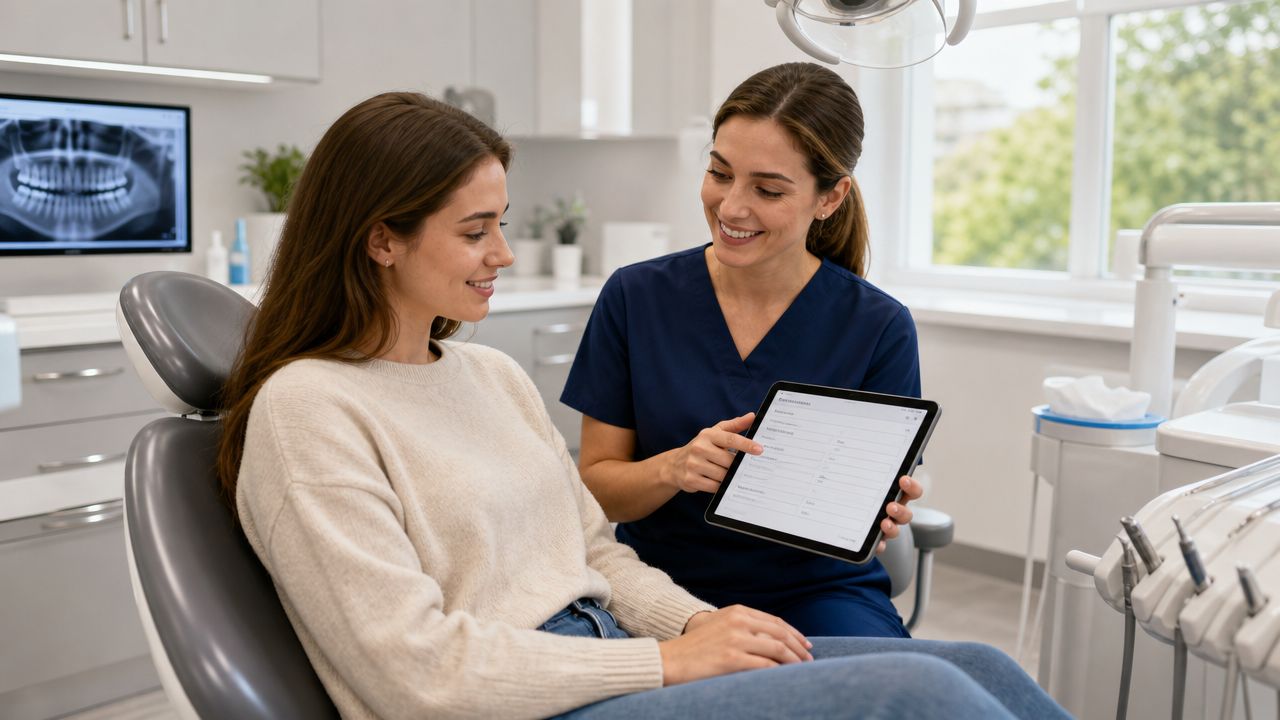
What usually happens at a new patient exam
A well-run first visit generally includes a few key parts. The team reviews your health history, takes needed images, examines the teeth and gums, and discusses any symptoms or concerns you've noticed. If you're looking for a dentist near Round Rock, Austin, or Georgetown, this is the moment when the office should show you how it thinks, not just what it offers.
A good exam also separates urgent issues from longer-term improvements. If something needs quick attention, that should be clear. If there are multiple options, those should be explained in a way that helps you compare them.
What patients should leave with
By the end of a strong first visit, you should have:
- A clear diagnosis: what's healthy, what needs attention, and what can be monitored
- A practical treatment plan: not a vague recommendation, but an organized path forward
- An understanding of timing: what should happen first and what can wait
- A sense of comfort with the team: because follow-through matters as much as the exam itself
Many patients also want to see how modern planning works before they commit to larger treatment. This short video offers a helpful look at the kind of patient-centered environment and workflow people often appreciate in a modern practice:
When the first visit is about a specific problem
Not every new patient appointment is routine. Some people come in because a crown broke, a wisdom tooth flared up, or an implant consult can't wait any longer. In those cases, the first visit should still feel structured. The team should identify the immediate issue, explain next steps, and show you what treatment will involve before moving ahead.
That's often what patients mean when they say they want a better dental experience. They don't just want a friendly office. They want an office that respects their time, answers their questions, and gives them a plan they can act on.
If you've been searching for a dentist in Round Rock, TX and want care that feels modern, organized, and more straightforward, the next step is simple. Book a visit, get clear answers, and find out what your mouth needs now, not months from now.
Ready to find a dental home that makes care simpler, faster, and easier to understand? Schedule a visit with 3D Dental to explore preventive care, cosmetic treatment, emergency dentistry, implants, and more with a modern team serving North Austin and Georgetown.
Ready to get started?
Schedule a free, no obligation consultation with our team and see what's possible for your smile!
Georgetown
- Mon-Thurs8:30am-5pm
- Fri8am-3:30pm
- Sat-SunClosed
Austin
- Mon-Tues8am-5pm
- Wed-Thurs9am-6pmFri8am-2pm
- Sat-SunClosed