
5 Signs You May Be a Candidate for All-on-4 Dental Implants
Related Posts



















5 Signs You May Be a Candidate for All-on-4 Dental Implants
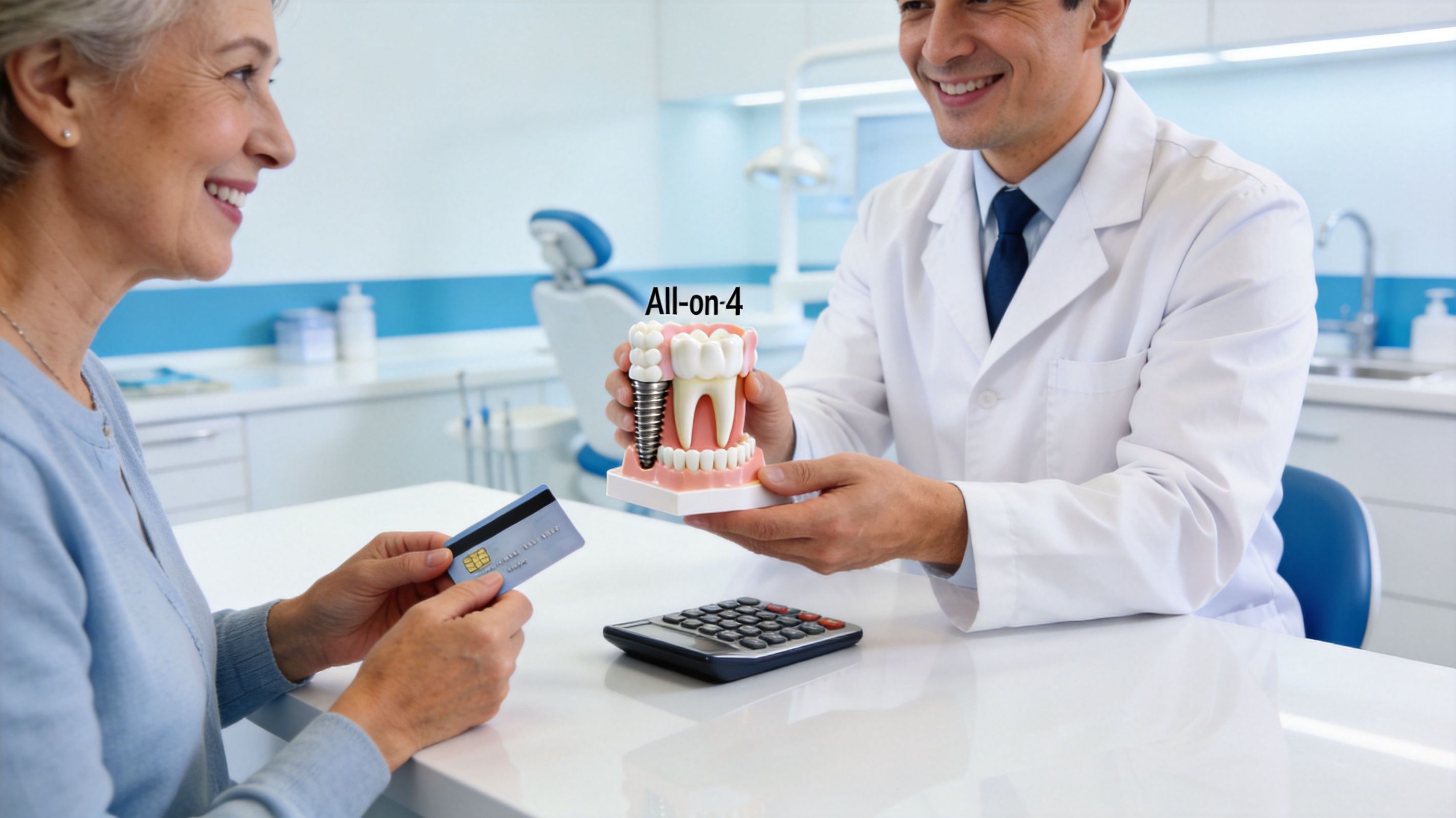
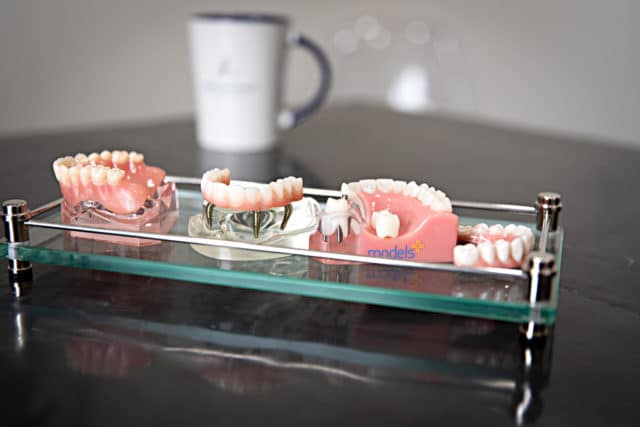
You may be a candidate for All-on-4 dental implants if you face severe tooth loss, struggle with uncomfortable dentures, have suffered jawbone loss, want a faster treatment process, or notice your facial structure collapsing. This specialized procedure uses four implants to safely and permanently support a full arch of functional teeth.
The field of restorative dentistry has witnessed a massive shift from traditional removable dentures to advanced, permanent implant solutions like the All-on-4 method. For decades, patients dealing with total tooth loss had very few options beyond resting an acrylic plate on their gums. Today, the All-on-4 protocol offers a completely fixed alternative that functions and looks like natural dentition, fundamentally changing the standard of care for full-arch restoration.
This guide explores the specific indicators pointing toward the need for a full-mouth implant solution, emphasizing the five key signs of candidacy and the innovative technology behind the procedure. By evaluating these signs, individuals can make highly informed decisions regarding their long-term dental health and pursue therapies that provide lasting stability.
Understanding the All-on-4 Concept
The Mechanics of Four Implants
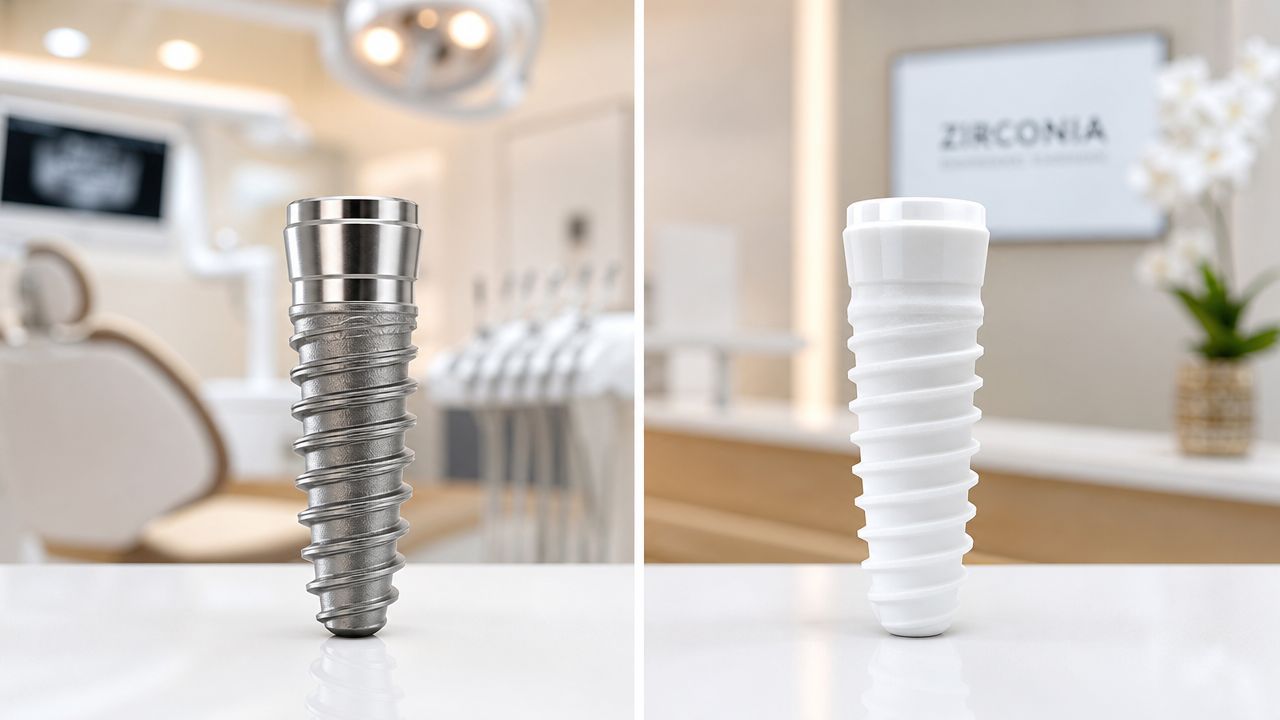
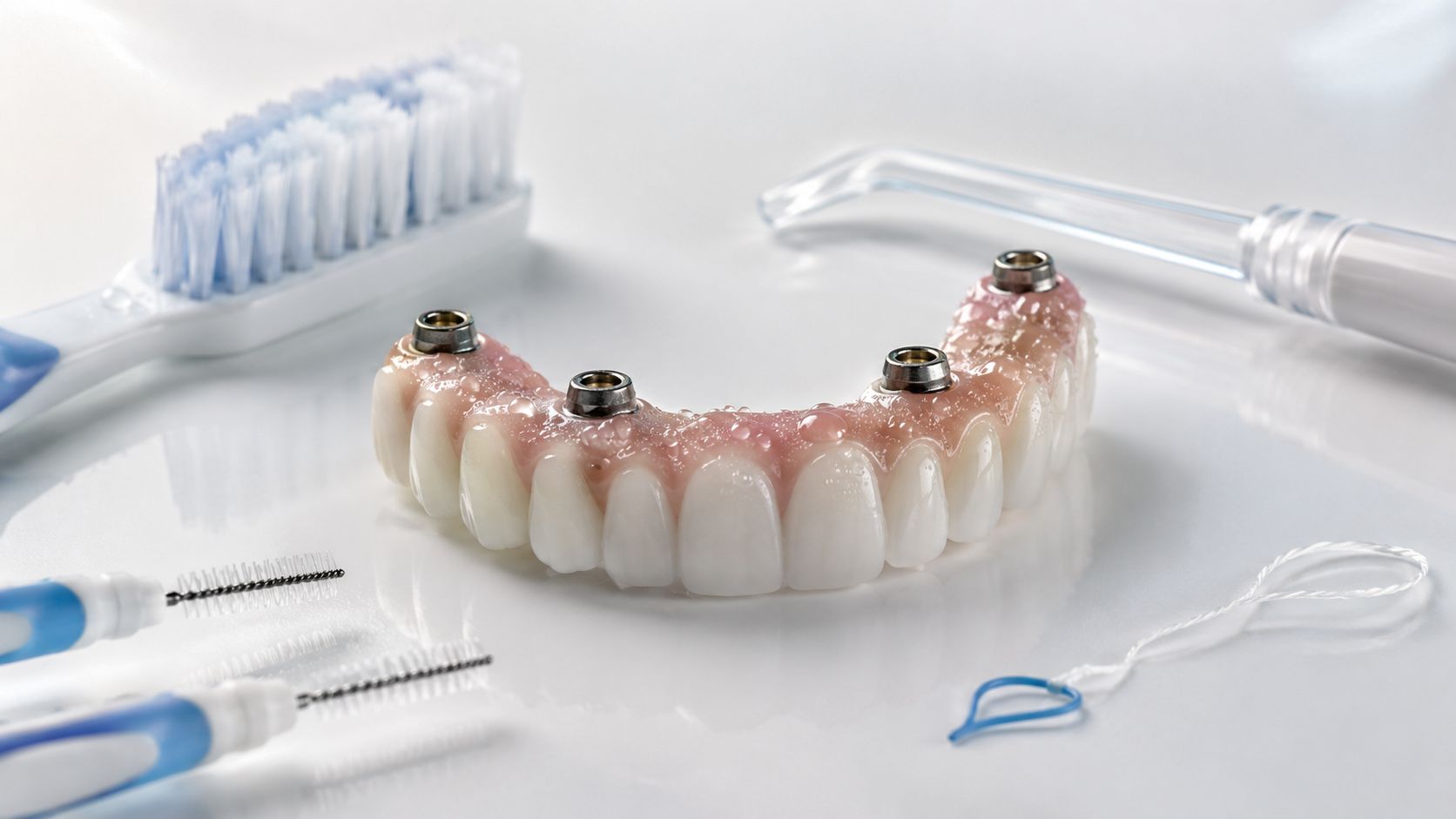
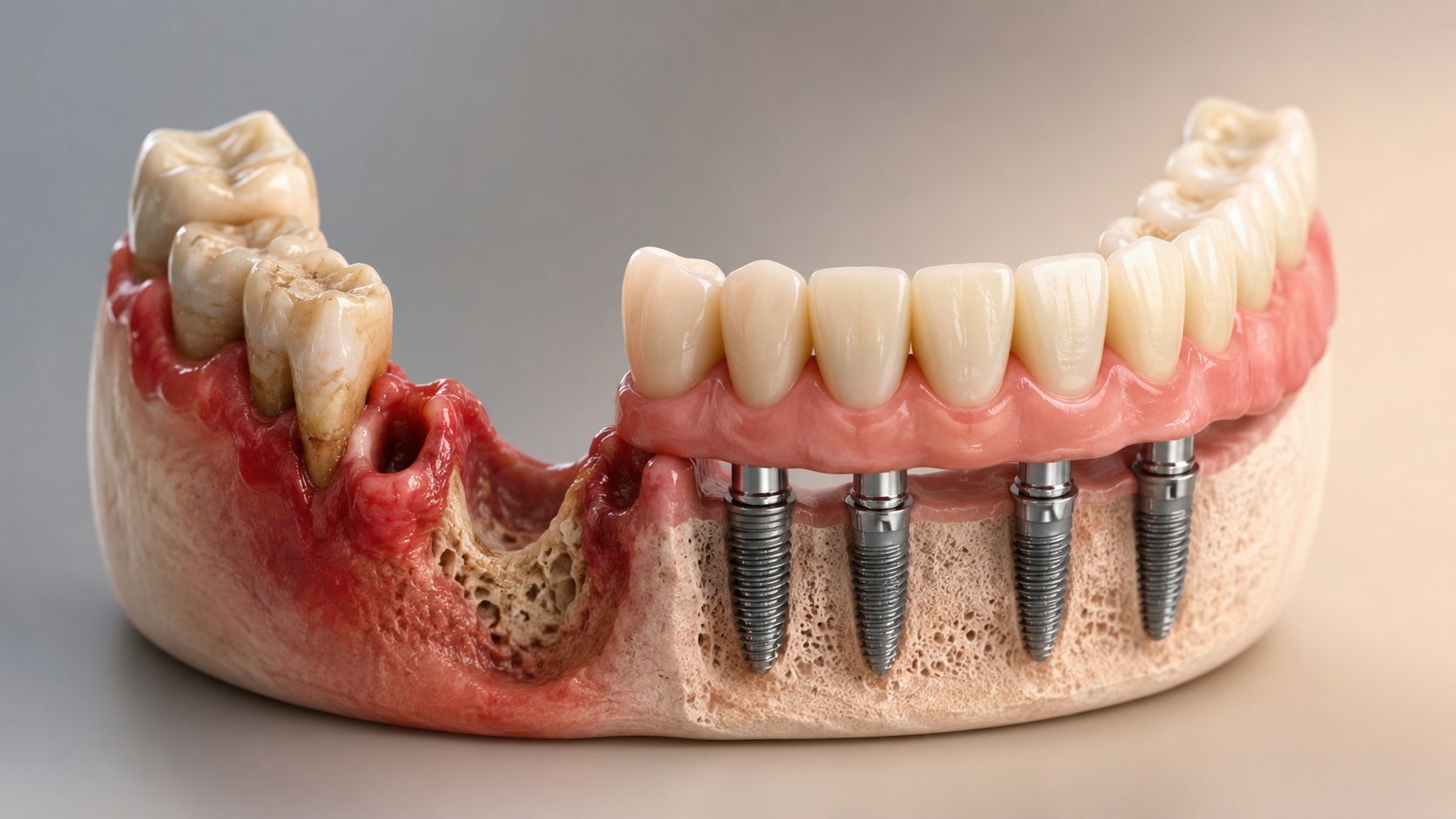
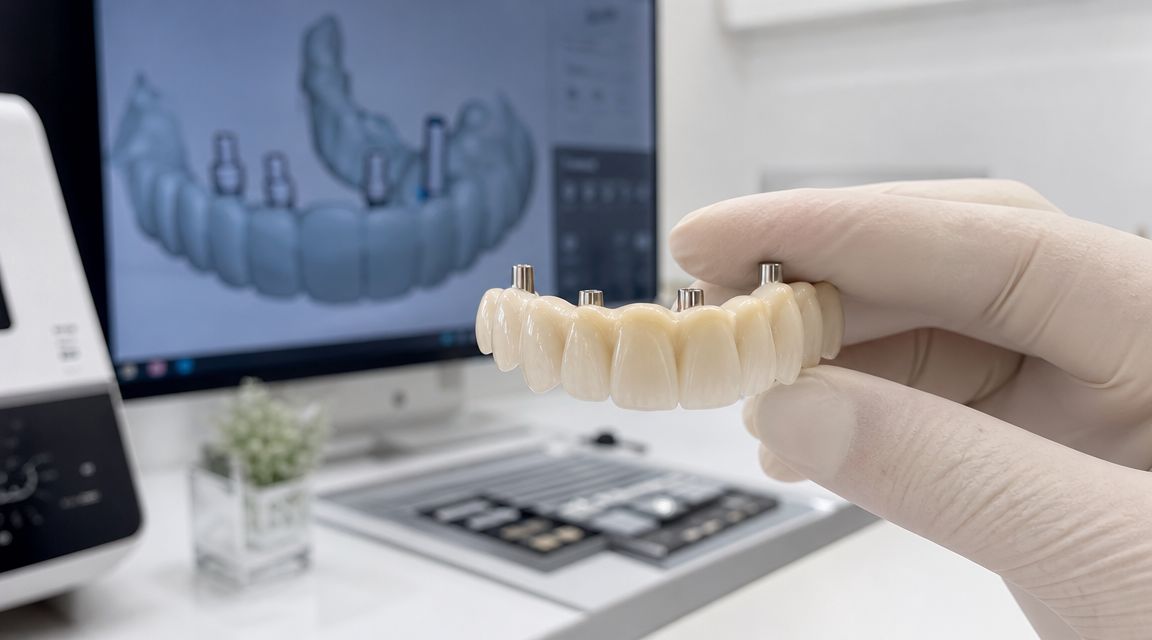
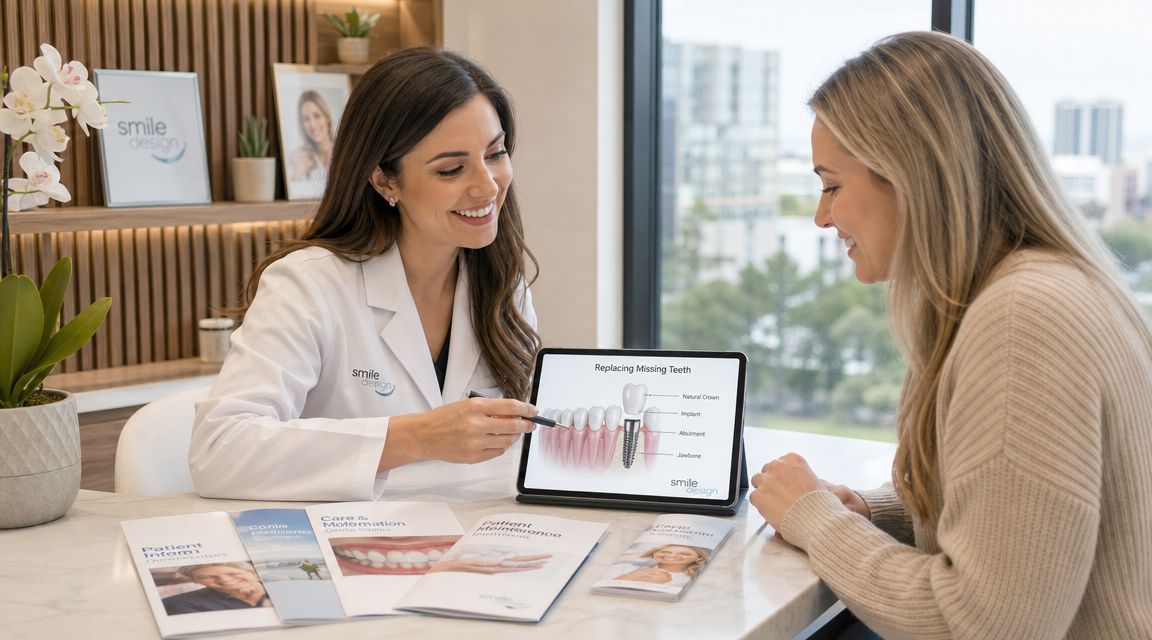
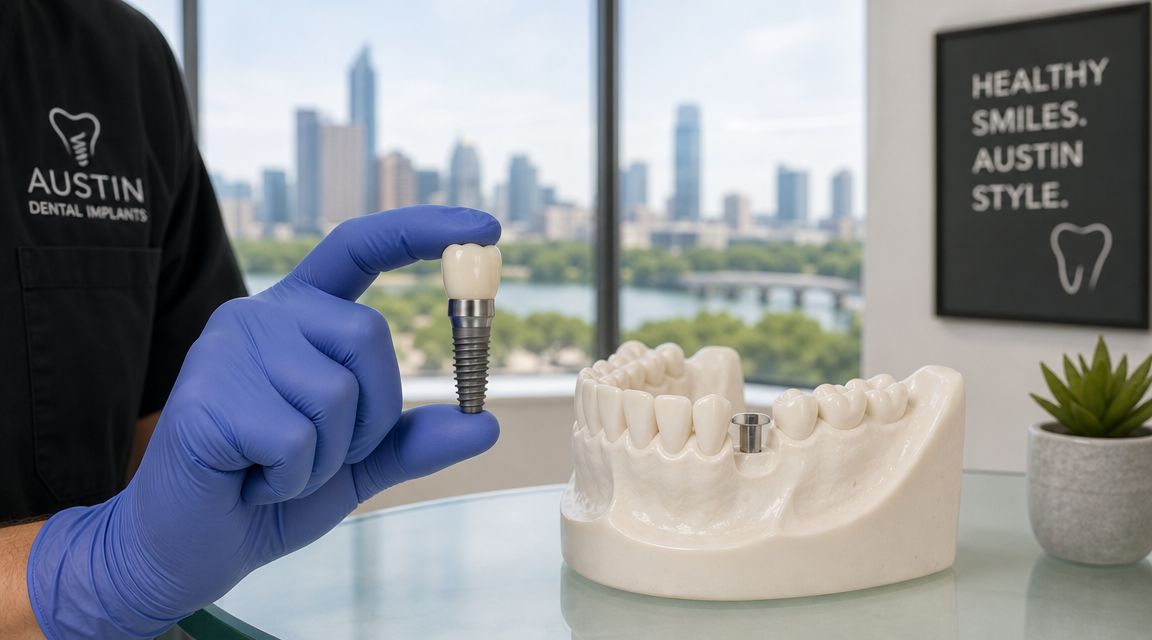
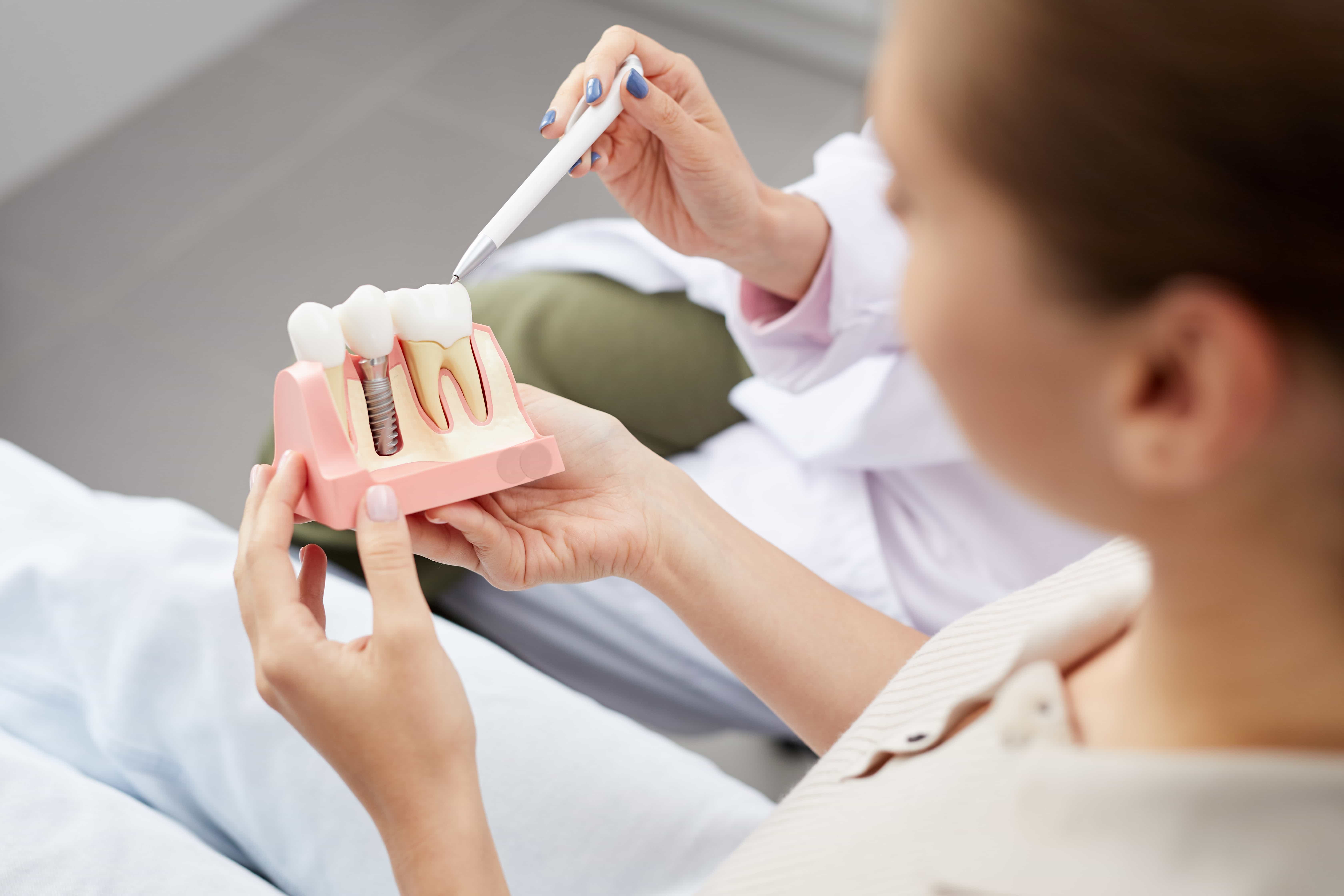
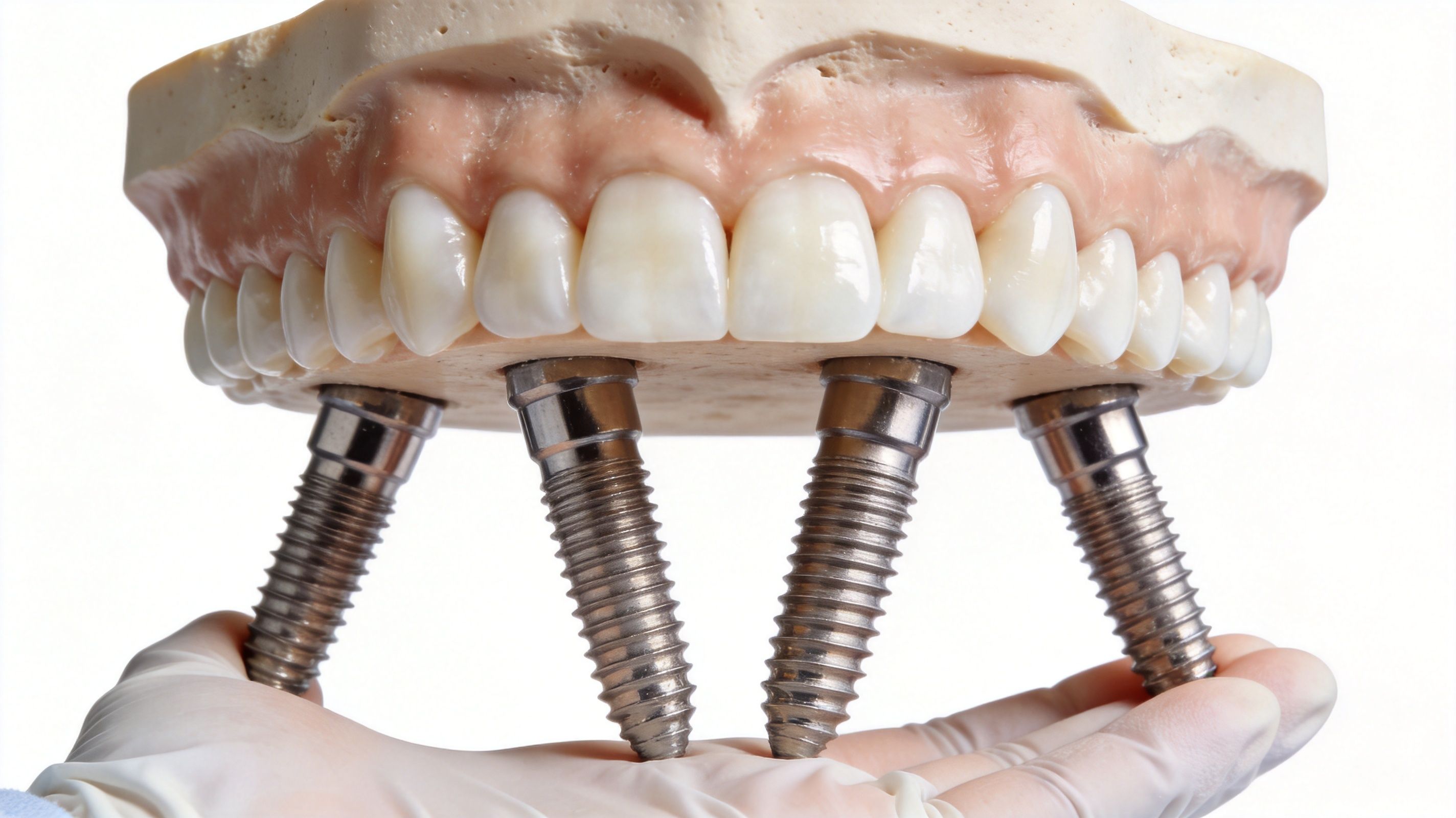
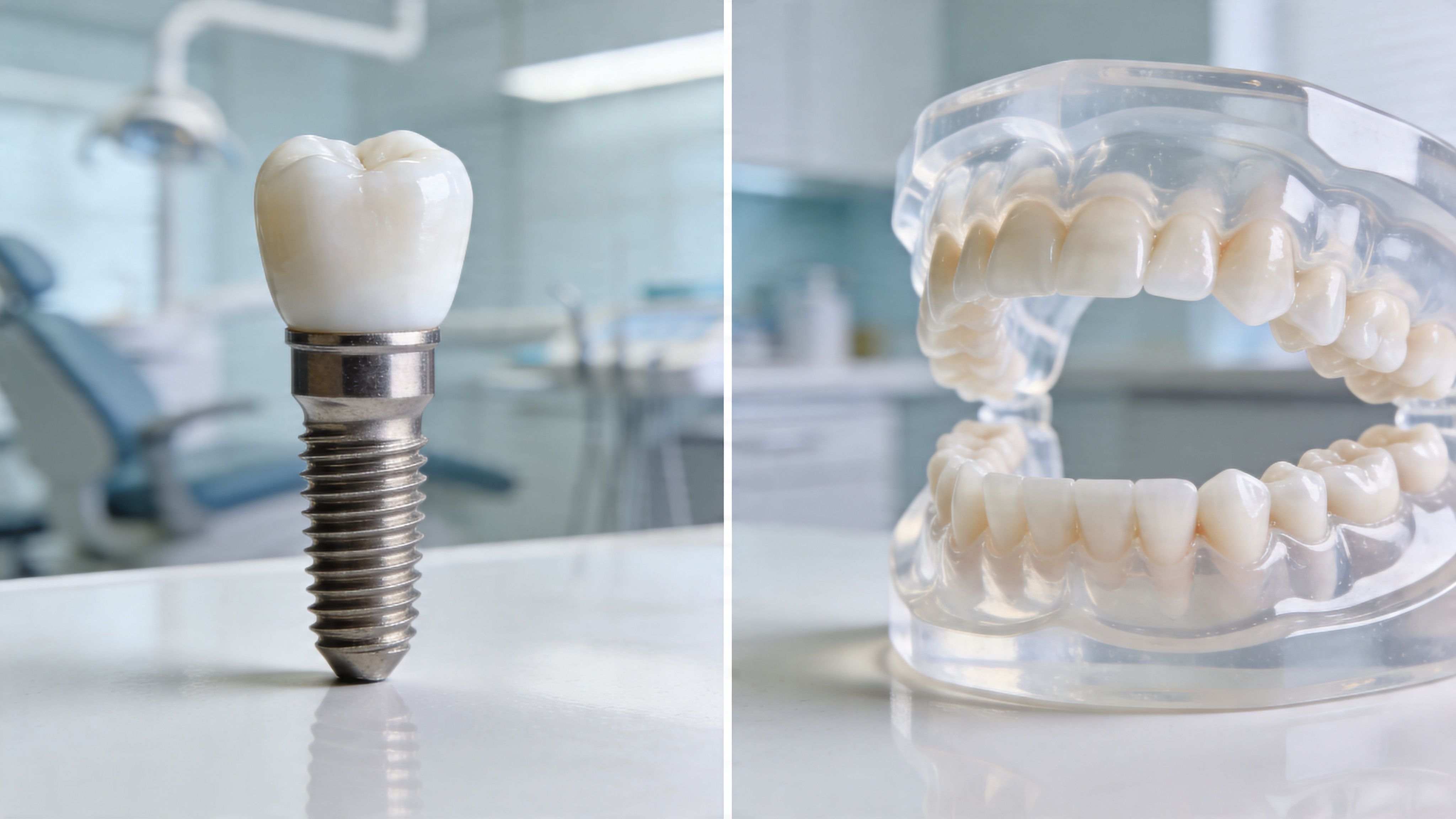
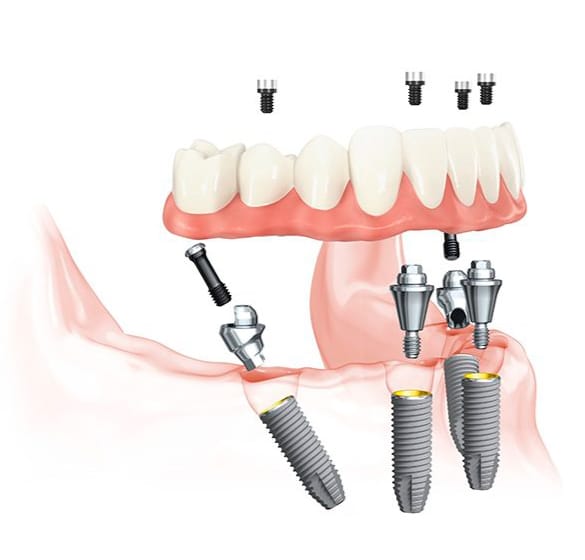
The All-on-4 treatment concept utilizes just four strategically placed titanium posts to safely and permanently support an entire upper or lower arch of teeth. Instead of placing a single implant for every single missing tooth, a dental surgeon positions two posts vertically in the front of the jaw and two posts at precise angles in the back.
Angulation and Bone Maximization
Tilting the two back implants at a specific angle maximizes contact with the existing bone, which often eliminates the need for complex bone grafting. Because the posterior implants are angled up to 45 degrees, they can bypass anatomical structures like the sinus cavities and nerve canals while anchoring into denser bone regions.
Immediate Function vs. Traditional Healing
The most profound difference with this method is the ability to walk out of the clinic with fixed teeth in one day, versus waiting up to six months with standard implant protocols. Traditional methods require the implants to heal completely beneath the gum line before any functional teeth are attached.
Sign #1: You Face Severe or Complete Tooth Loss
The Impact of Failing Dentition
Extensive decay, advanced gum disease, or traumatic injury inevitably leads to the need for a comprehensive, full-mouth solution. When the majority of natural teeth are failing, attempting to save them with endless root canals, crowns, and fillings becomes physically exhausting and financially unsustainable. At this stage of dental decline, the surrounding gums and bone structure are usually compromised, making a complete arch replacement the most logical path toward restoring health.
Why Individual Replacements Fall Short
Replacing every single missing tooth with its own individual implant presents a high cost, a massive surgical burden, and intense physical difficulty. Placing ten to fourteen individual titanium posts into a single jaw requires extraordinary bone density and forces the patient to endure a highly invasive, traumatic surgical process.
How the Concept Solves the Problem
Utilizing a single prosthetic arch anchored by four posts offers a complete, highly efficient reset for a failing smile. By removing the remaining compromised teeth and placing the supporting implants during the same appointment, the surgeon completely eradicates the source of dental pain and infection.
Sign #2: You Struggle with Loose or Uncomfortable Dentures
The Downside of Traditional Adhesives
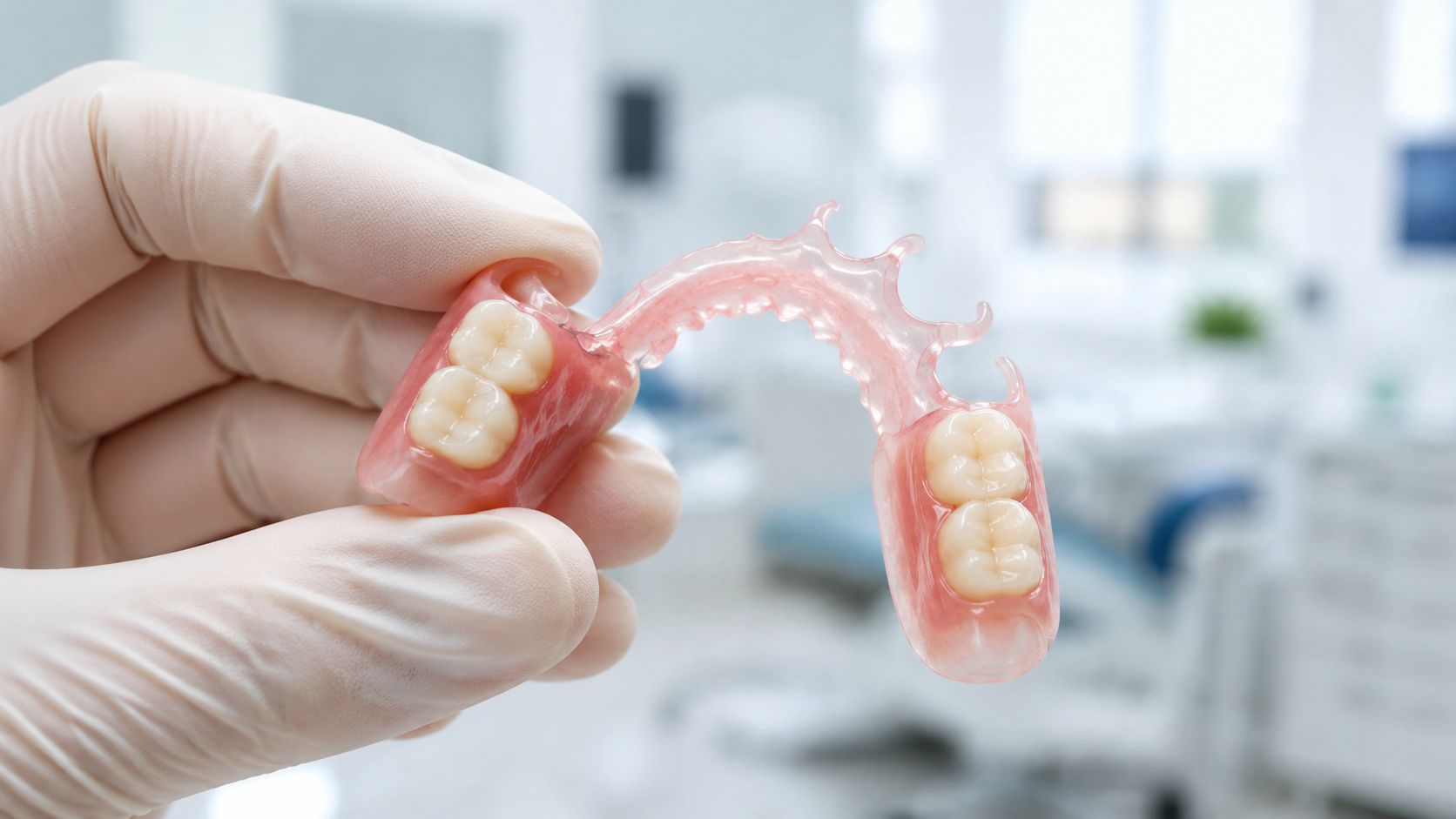
Relying on over-the-counter denture glues and pastes just to eat a meal creates daily frustration, mess, and absolute unreliability. Because the jawbone shrinks over time, traditional dentures inevitably lose their fit, forcing individuals to apply thick layers of adhesive multiple times a day to prevent embarrassing slips.
Sore Spots and Soft Tissue Irritation
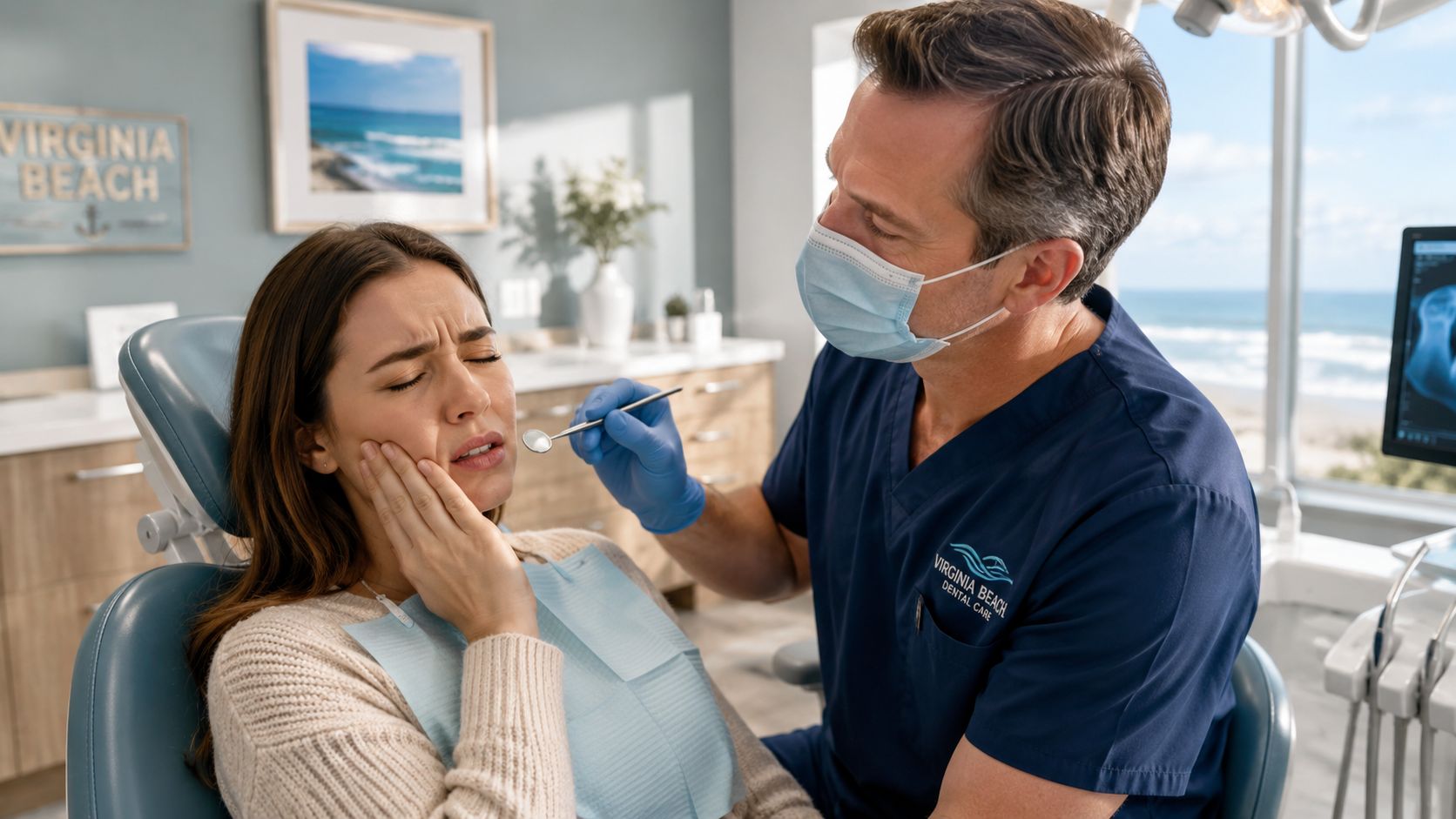
Friction from shifting acrylic bases damages the gums over time, making normal denture wear incredibly painful. When a traditional appliance rocks back and forth during chewing or speaking, the hard plastic grinds against the delicate soft tissue of the alveolar ridge, creating raw blisters and chronic inflammation.
Regaining Bite Force and Stability
A fixed implant bridge completely restores the ability to eat tough or crunchy foods without the fear of teeth slipping out of place. Because the prosthetic is firmly bolted to the titanium posts anchored within the jaw, it does not rely on the gums for support. Patients can confidently bite into apples, chew steaks, and enjoy a varied, nutrient-dense diet with a bite force that closely mirrors that of natural teeth.
Sign #3: You Have Suffered Jawbone Loss
The Science of Bone Resorption
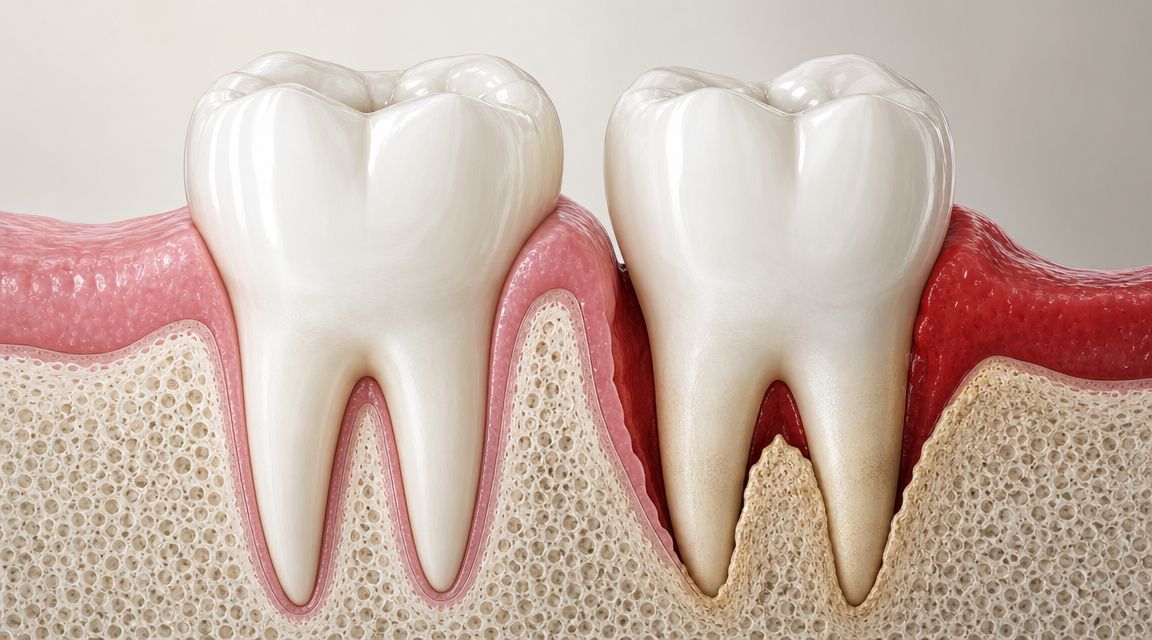
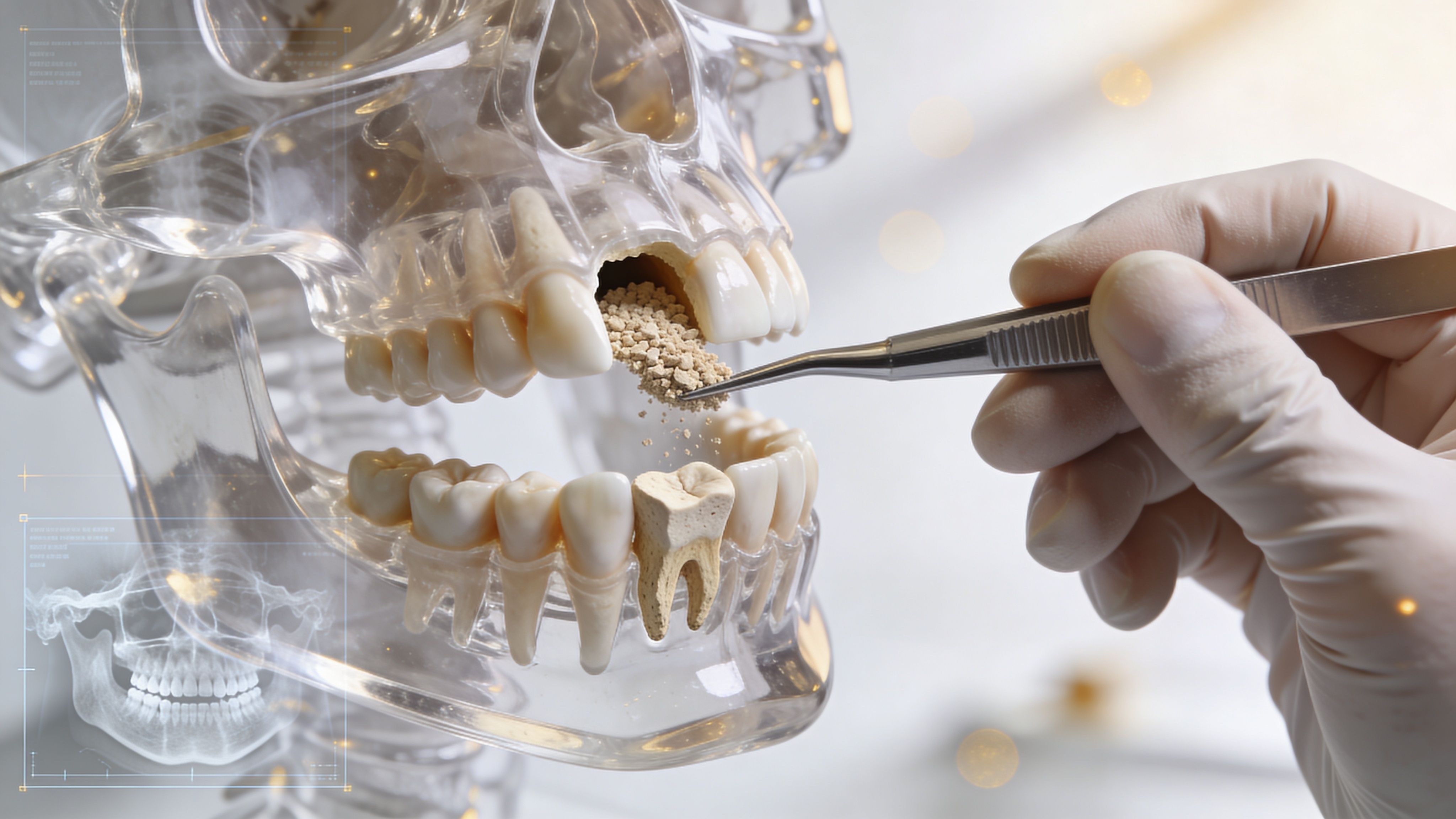
When tooth roots are no longer present to stimulate the tissue, the jawbone structure naturally begins to degrade and melt away. The human body is highly efficient; once it detects that the jawbone is no longer actively supporting teeth, it stops sending vital nutrients to the area and reabsorbs the calcium for use elsewhere.
Why Standard Implants Face Roadblocks
Traditional implants often require extensive, painful bone grafts if the patient lacks sufficient bone density in the posterior jaw regions. If the bone is too thin or shallow, a standard vertical implant will simply fail to integrate or may puncture vital anatomical structures. Building up this lost bone requires harvesting donor tissue, surgically packing it into the jaw, and waiting several months for the site to solidify before the actual dental implant surgery can even begin.
The Graftless Solution at 3D Dental
The specialized team at 3D Dental utilizes this specific implant technique to anchor into the densest available bone, safely skipping lengthy grafting procedures for most patients. By tilting the posterior posts and targeting the robust anterior bone, the surgeons bypass the hollowed-out areas that typically necessitate a graft.
Sign #4: You Want a Faster, More Efficient Treatment Process
The Burden of Multiple Surgeries
Facing extractions, bone grafting, healing times, and multiple placement surgeries spread across years causes severe physical and mental fatigue for patients. Traditional implant journeys often require a person to undergo an extraction, wait months to heal, undergo a graft, wait months again, place the implant, and wait another half-year for the final dental crown.
Consolidating the Treatment Timeline
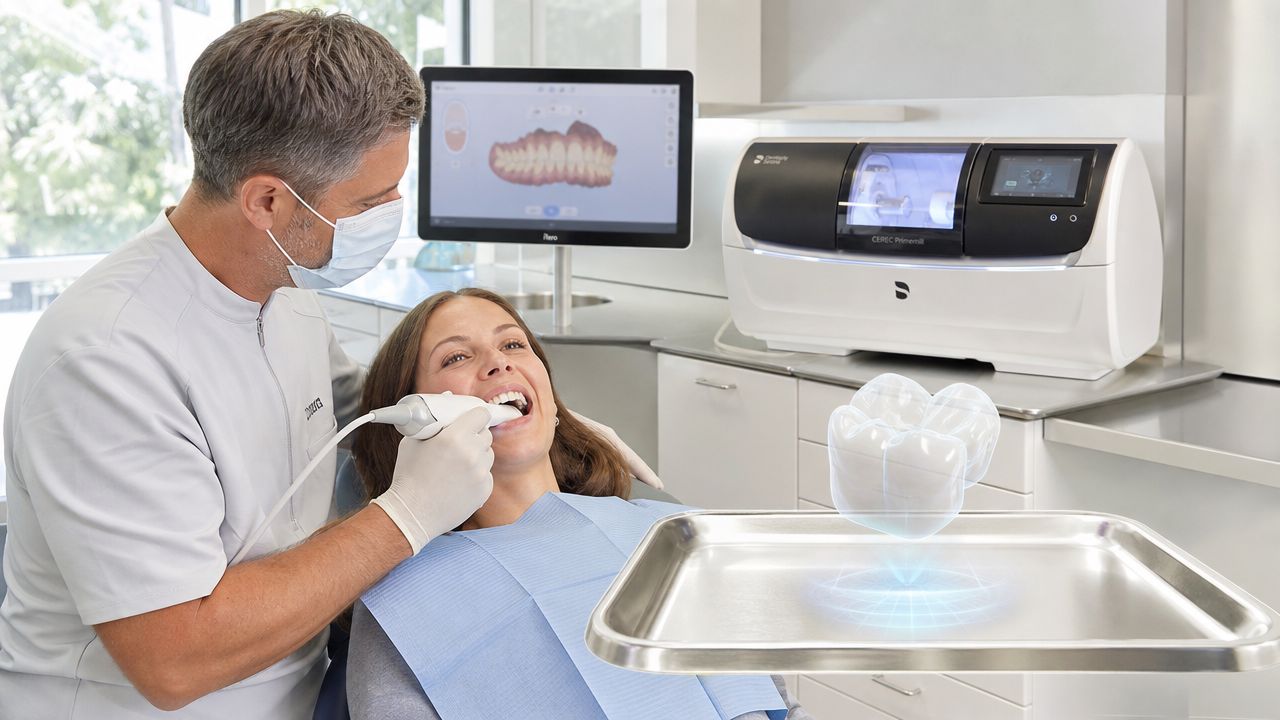
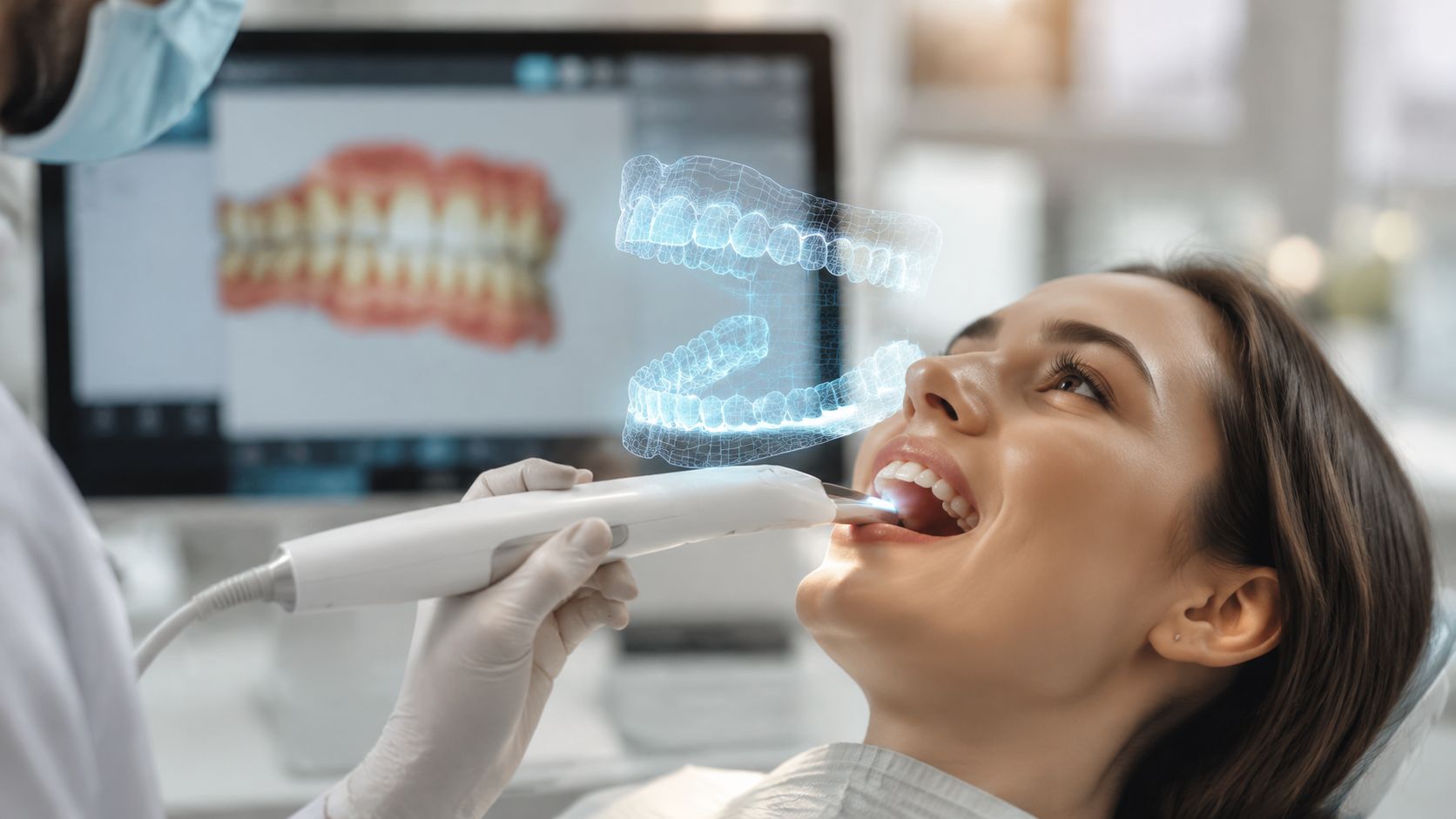
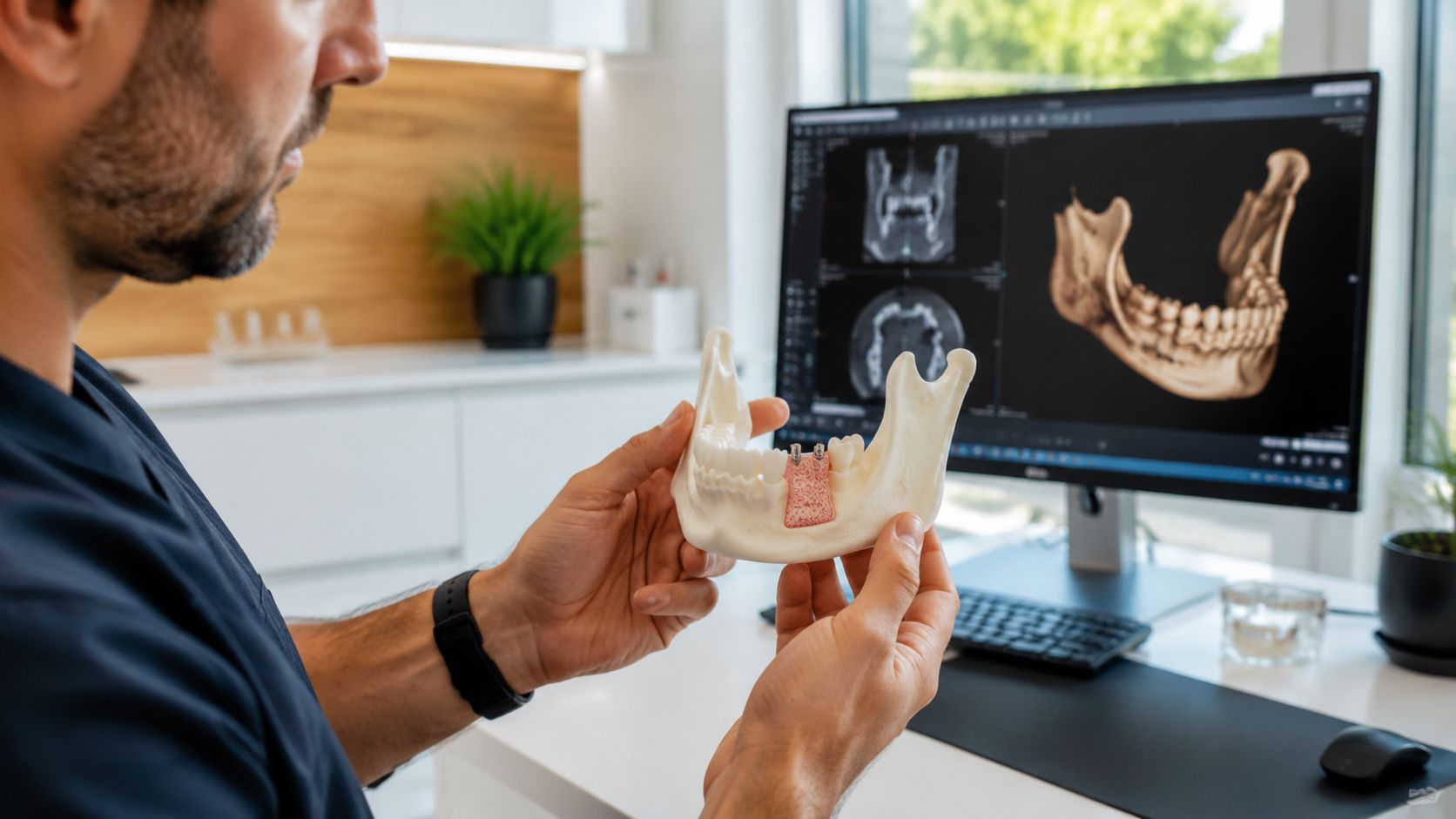
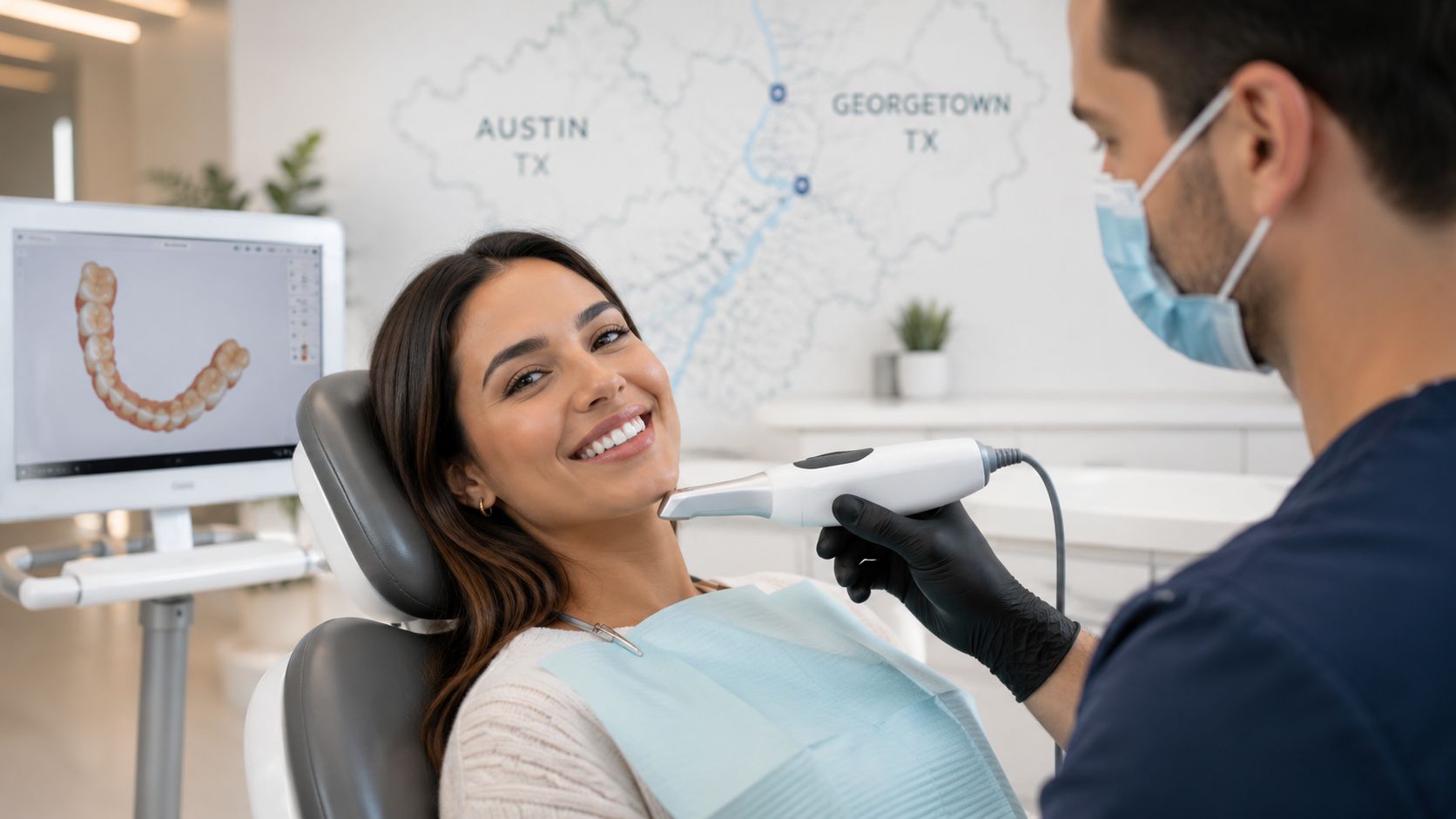
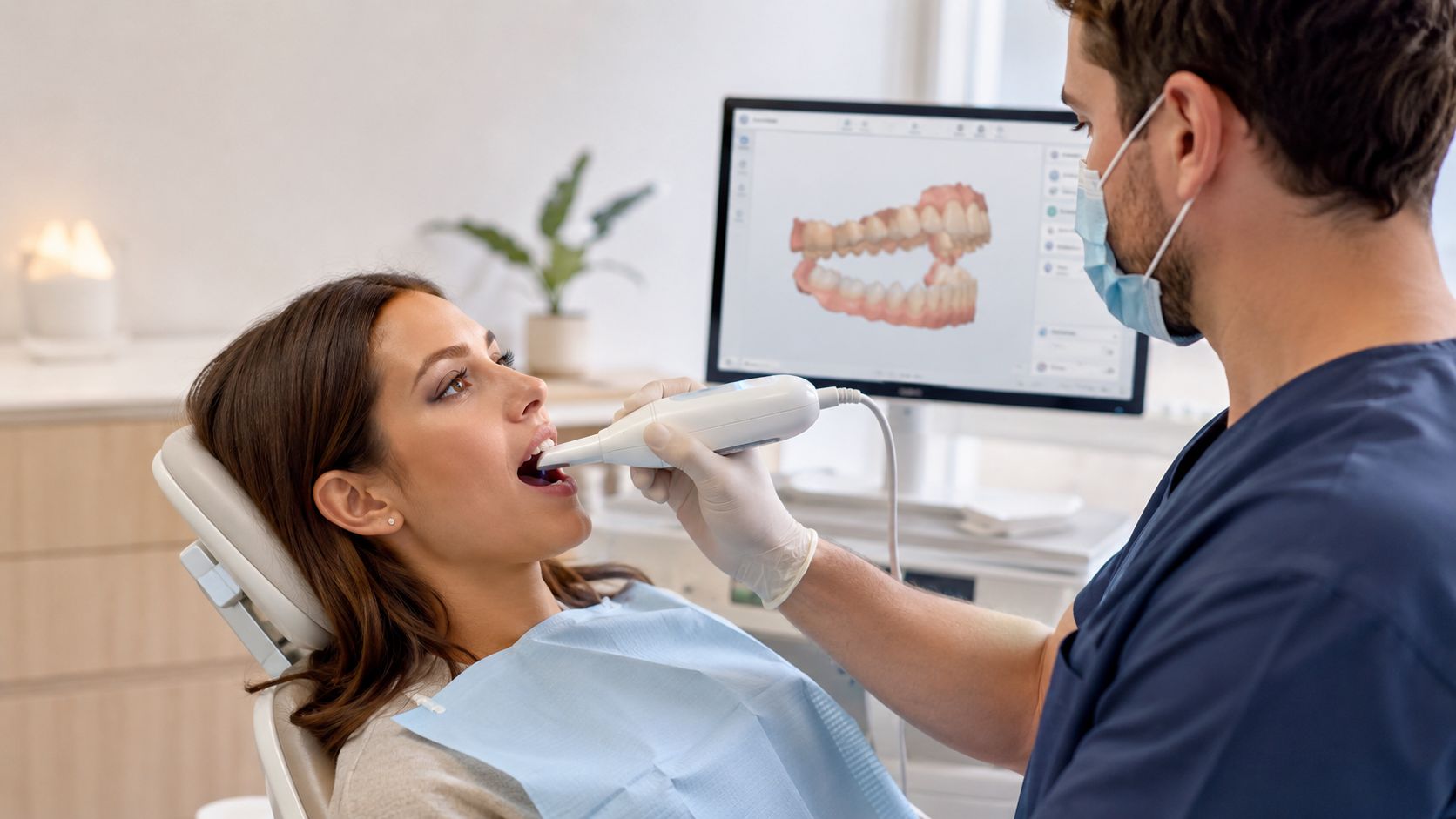
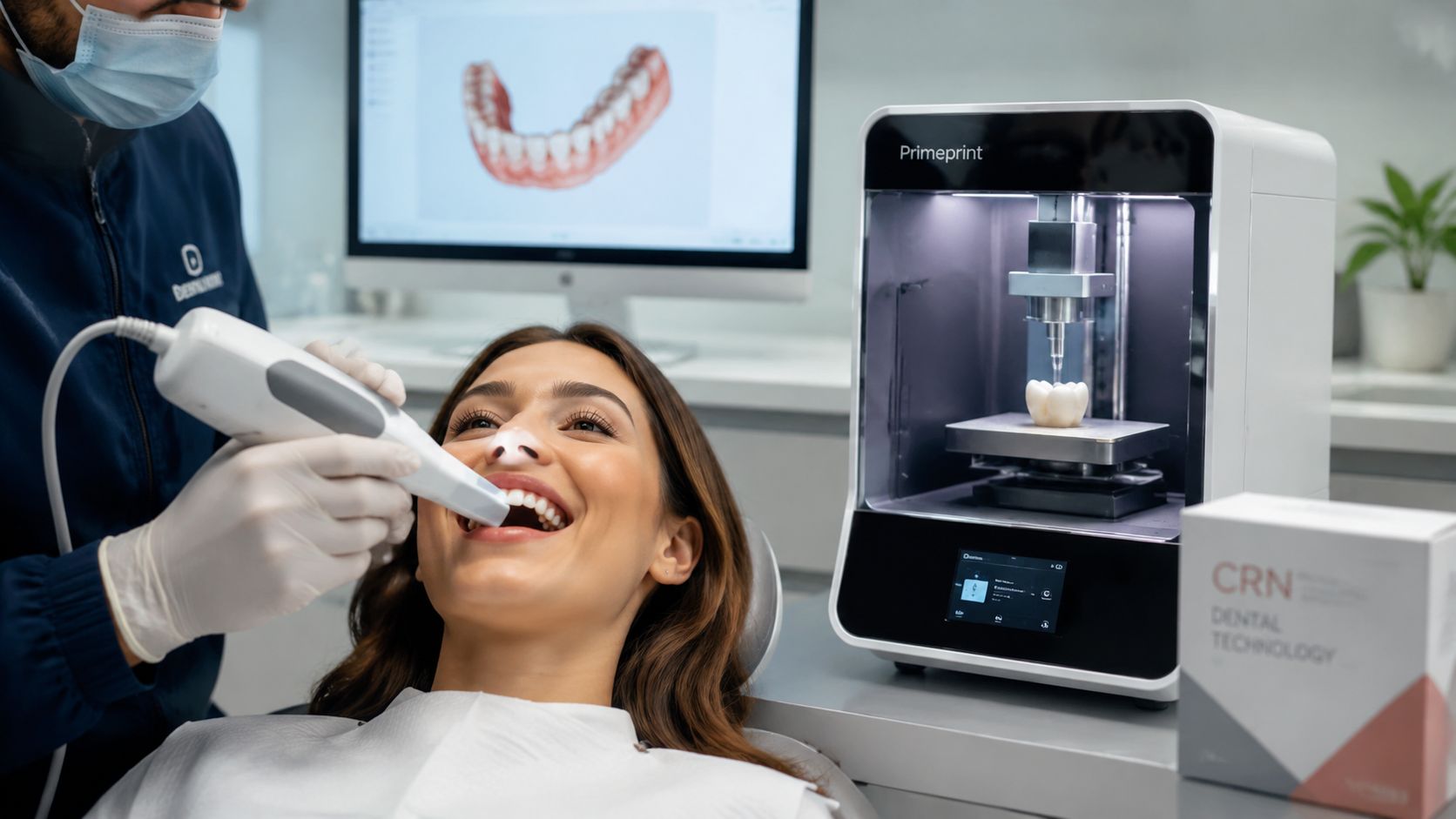
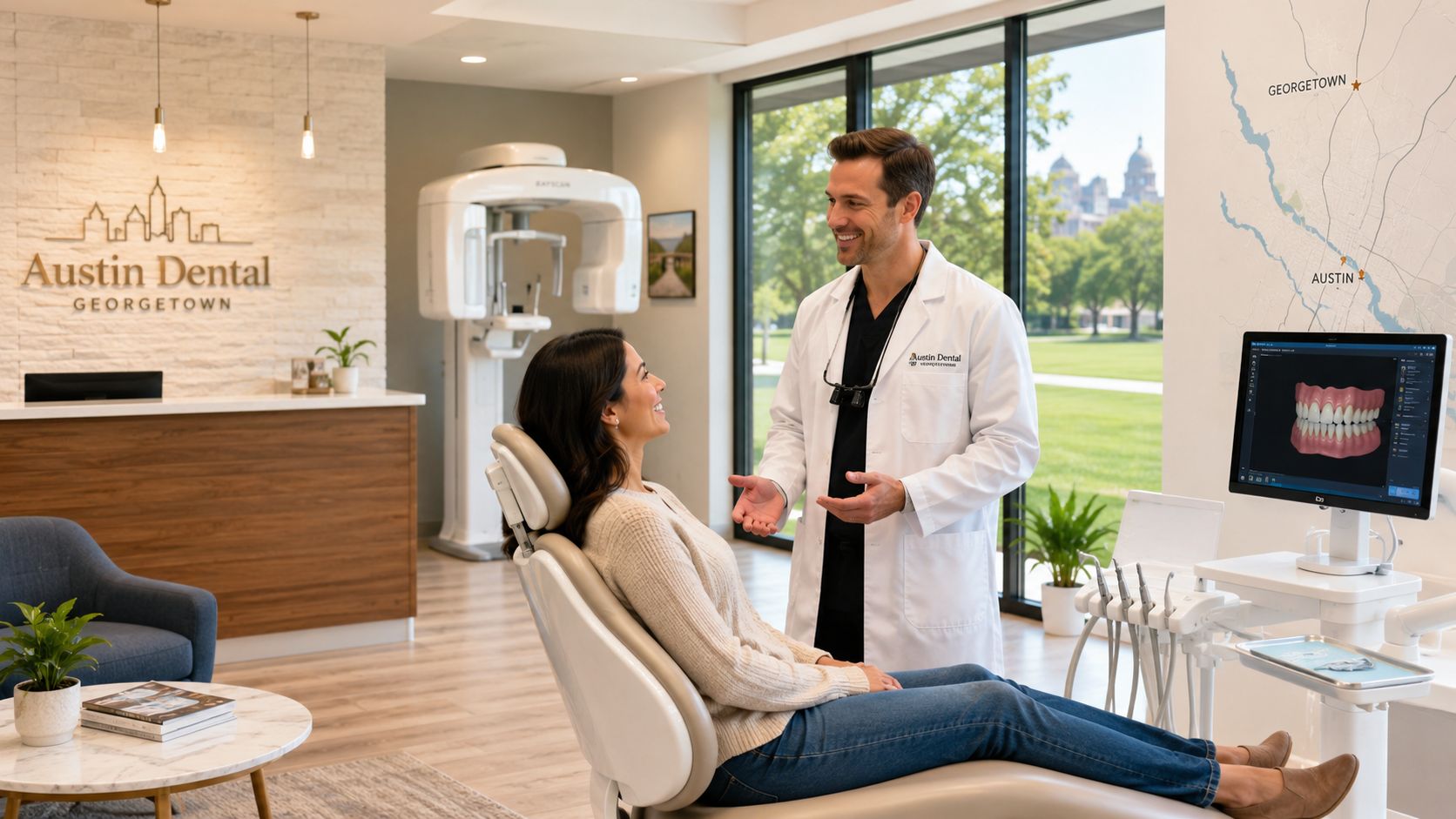
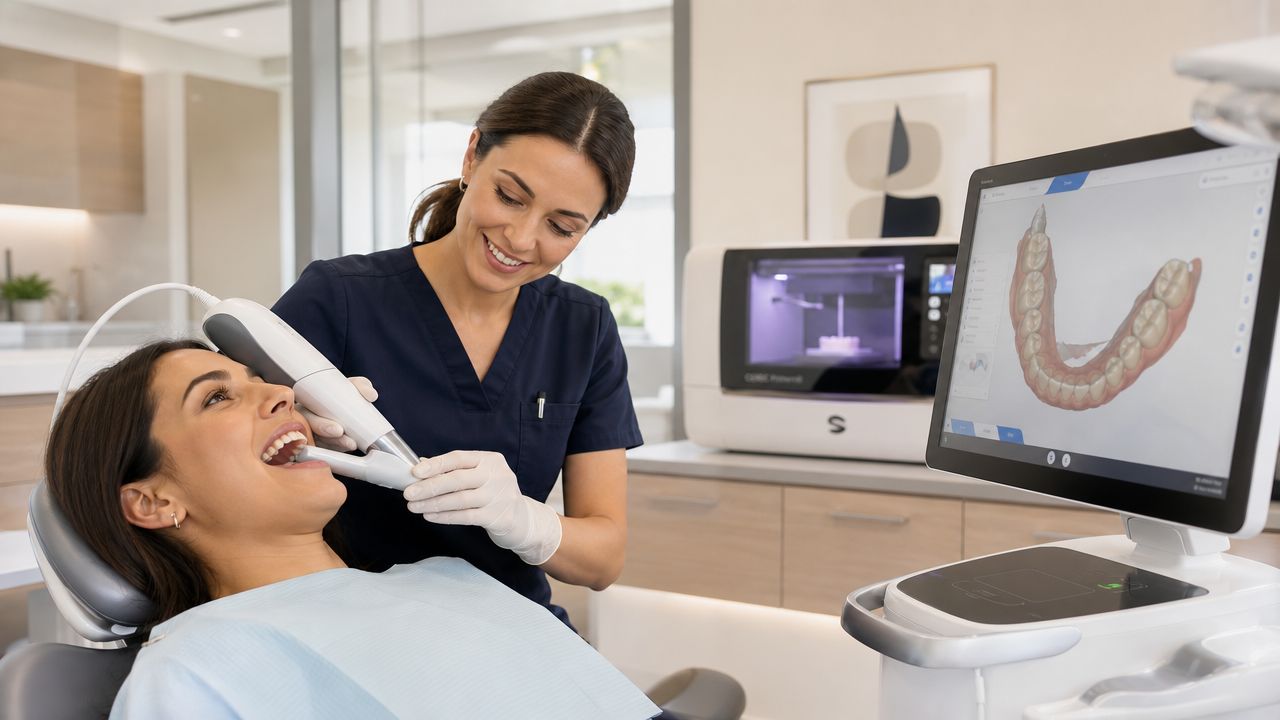
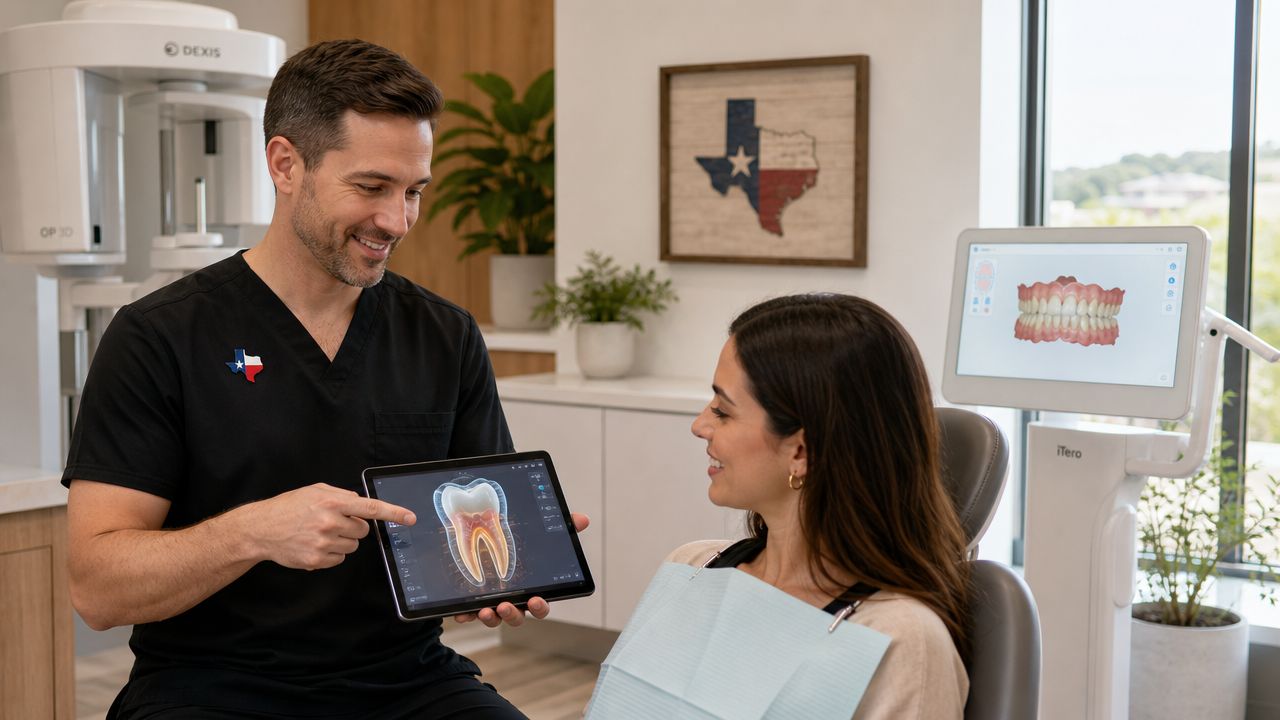
This specific surgical protocol combines tooth extraction, implant placement, and prosthetic fitting into a single, highly streamlined surgical visit. Using advanced 3D imaging and computer-guided planning, the surgical team maps out the exact trajectory of every post before the patient even sits in the chair.
Leaving with a Smile on Day One
Receiving a temporary, highly functional bridge immediately after the procedure provides profound psychological and practical benefits. Patients never have to experience the embarrassment of leaving the clinic without teeth, nor do they have to suffer through the indignity of wearing a removable healing denture.
Sign #5: Your Facial Structure Has Begun to Change
The "Sunken" Facial Appearance
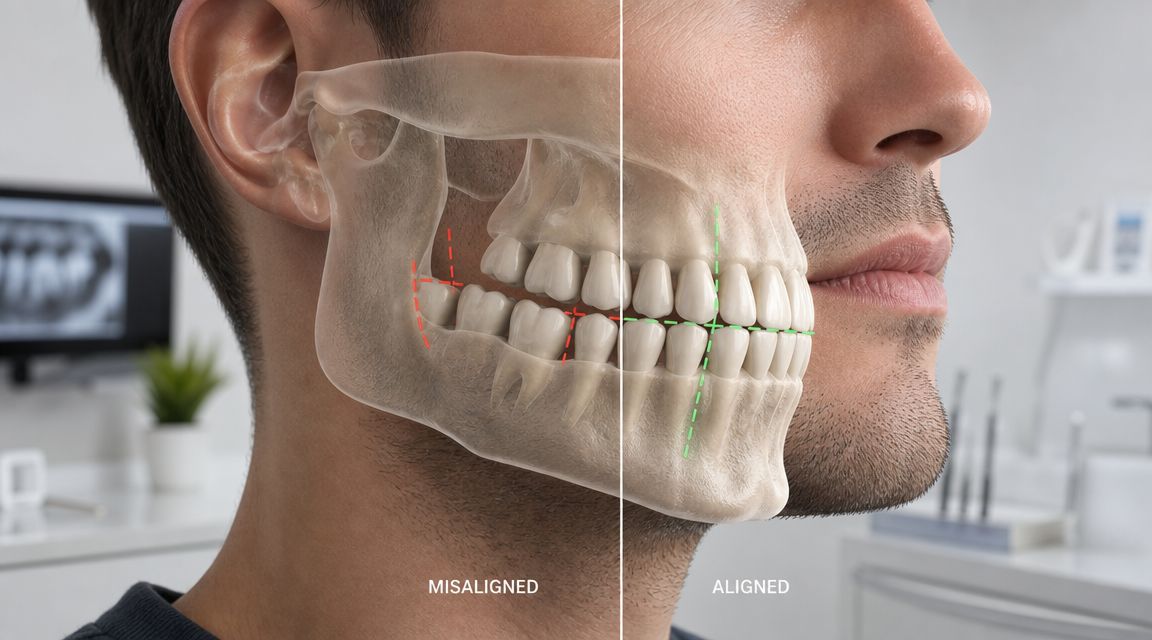
Missing teeth and continuous bone loss cause the lower third of the face to collapse inward, creating a distinct "sunken" profile. The teeth and the surrounding alveolar bone provide the essential scaffolding that holds the lips, cheeks, and lower jaw in their proper anatomical positions. When that scaffolding deteriorates, the chin rotates closer to the nose, altering the natural proportions of the patient's facial profile.
Premature Aging and Deep Creases
Losing vertical dimension in the jaw creates deep wrinkles around the mouth and drastically accelerates aesthetic aging. The lack of internal support causes the skin to sag, forming pronounced marionette lines and deep nasolabial folds that make an individual look decades older than their actual age.
Restoring Volume and Youthfulness
A properly fitted implant-supported bridge provides vital internal support for the lips and cheeks, acting remarkably like a structural facelift. The prosthetic is custom-designed to replace both the missing teeth and the lost gum volume, gently pushing the soft tissues back into their original, youthful positions.
Evaluating Your Overall Health for Surgery
The Importance of Healthy Gums
Active periodontal disease must be treated and managed effectively before a doctor can safely place the titanium posts into the jawbone. If the gums harbor aggressive bacteria, that infection can easily spread to the surgical site and attack the bone surrounding the new implants. Establishing a clean, disease-free oral environment is a mandatory prerequisite to ensure the titanium fixtures integrate successfully without the threat of peri-implantitis.
Systemic Conditions and Healing
Managing systemic conditions, such as uncontrolled diabetes or autoimmune disorders, ensures a smooth and predictable recovery process following the surgery. Conditions that impair blood circulation or suppress the immune system can significantly slow down wound healing and increase the risk of postoperative complications.
Lifestyle Factors to Consider
Specific habits, particularly heavy smoking and tobacco use, severely hinder the crucial bone-fusing process called osseointegration. Nicotine constricts blood vessels in the mouth, restricting the flow of oxygen and vital nutrients needed for the jawbone to heal tightly around the titanium threads.
Life After the Procedure: What to Expect
Navigating the Initial Healing Phase
A strict soft-food diet and ample rest periods are absolutely required during the first few weeks of recovery to ensure the posts heal correctly within the bone. Chewing hard, crunchy, or chewy foods too early can apply excessive torque to the newly placed implants, potentially causing them to shift and fail.
Transitioning to Your Permanent Teeth
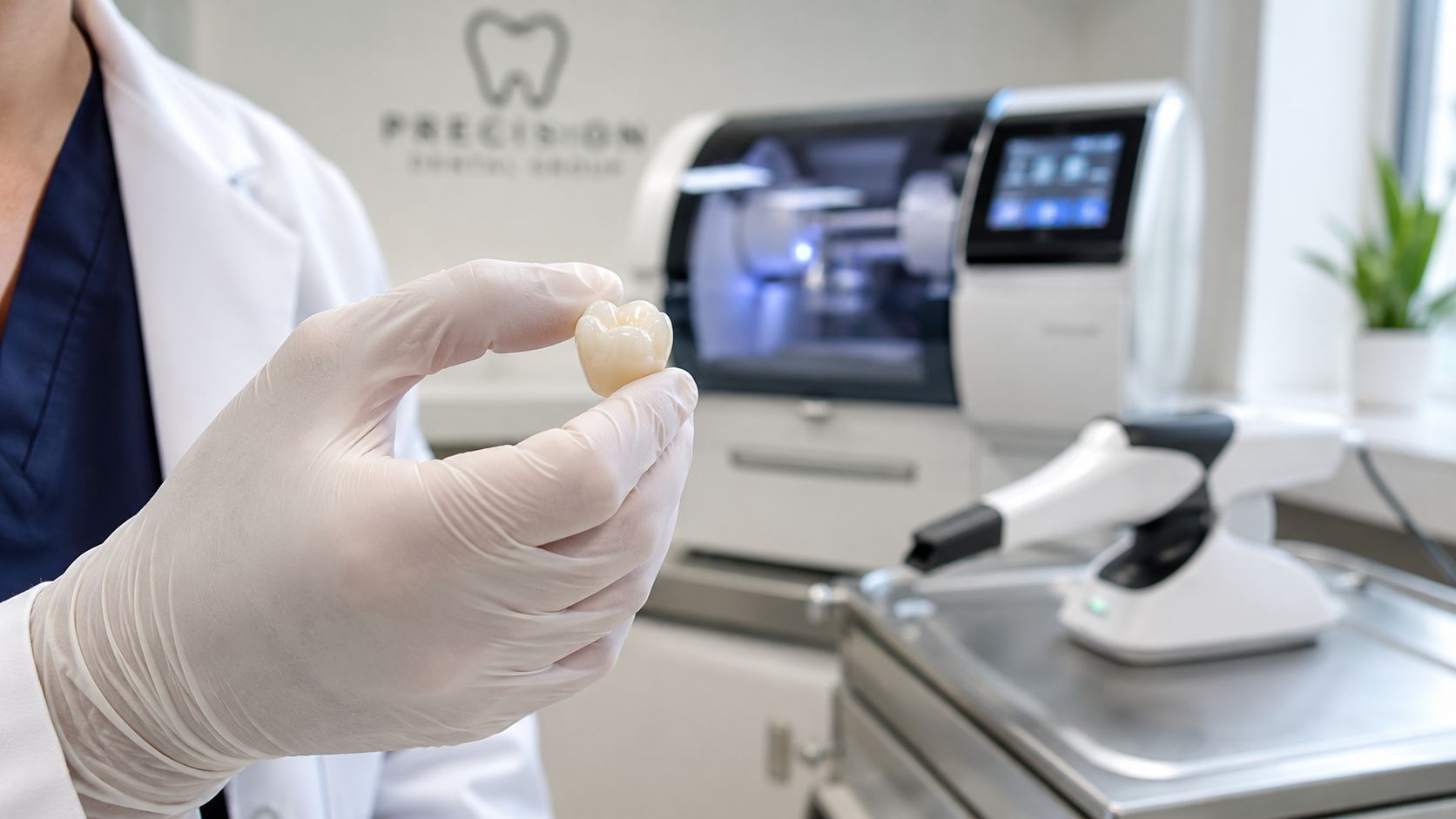
The final step involves replacing the temporary acrylic healing bridge with a custom, ultra-durable final prosthetic after several months of successful healing. Once the jawbone has completely fused to the titanium posts, the clinical team takes new impressions to craft the permanent teeth from high-strength materials like zirconia.
Long-Term Maintenance and Care
Daily water flossing, thorough brushing, and regular professional cleanings are absolutely necessary to protect the new smile for decades. While the implant materials cannot develop cavities, the surrounding gum tissue remains susceptible to plaque accumulation and bacterial inflammation. Treating the fixed bridge with the same meticulous hygiene routine as natural teeth ensures the implants remain securely anchored and the gum tissue stays perfectly healthy.
Transitioning to a Permanent, Healthy Smile
The five main indicators suggesting a patient is ready to transition to a permanent, full-arch restoration revolve around the failure of existing dental structures and the desire for a streamlined solution. Severe tooth loss, unbearable traditional dentures, progressing bone degradation, the need for immediate surgical results, and facial collapse all point directly to the All-on-4 protocol.
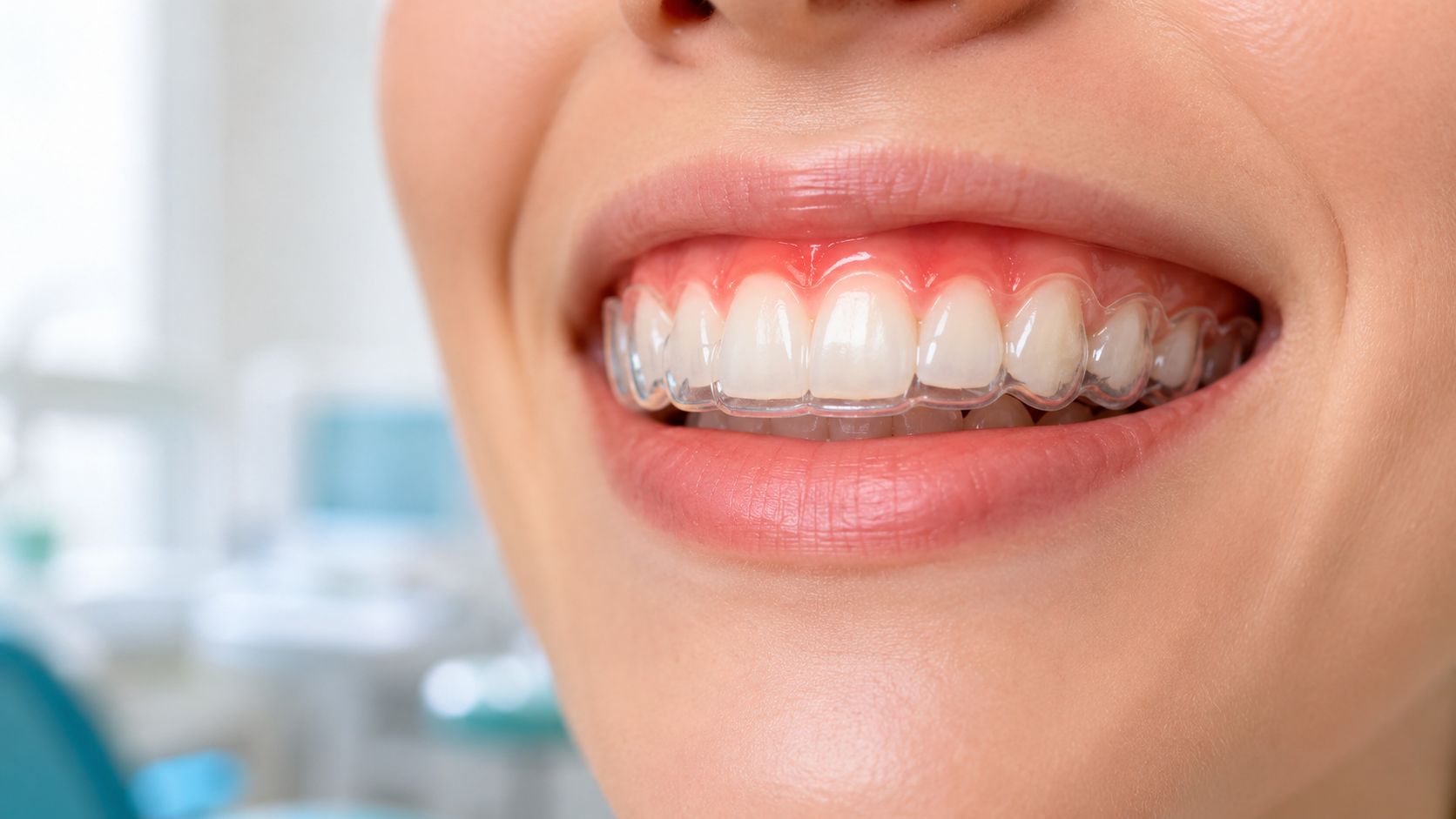
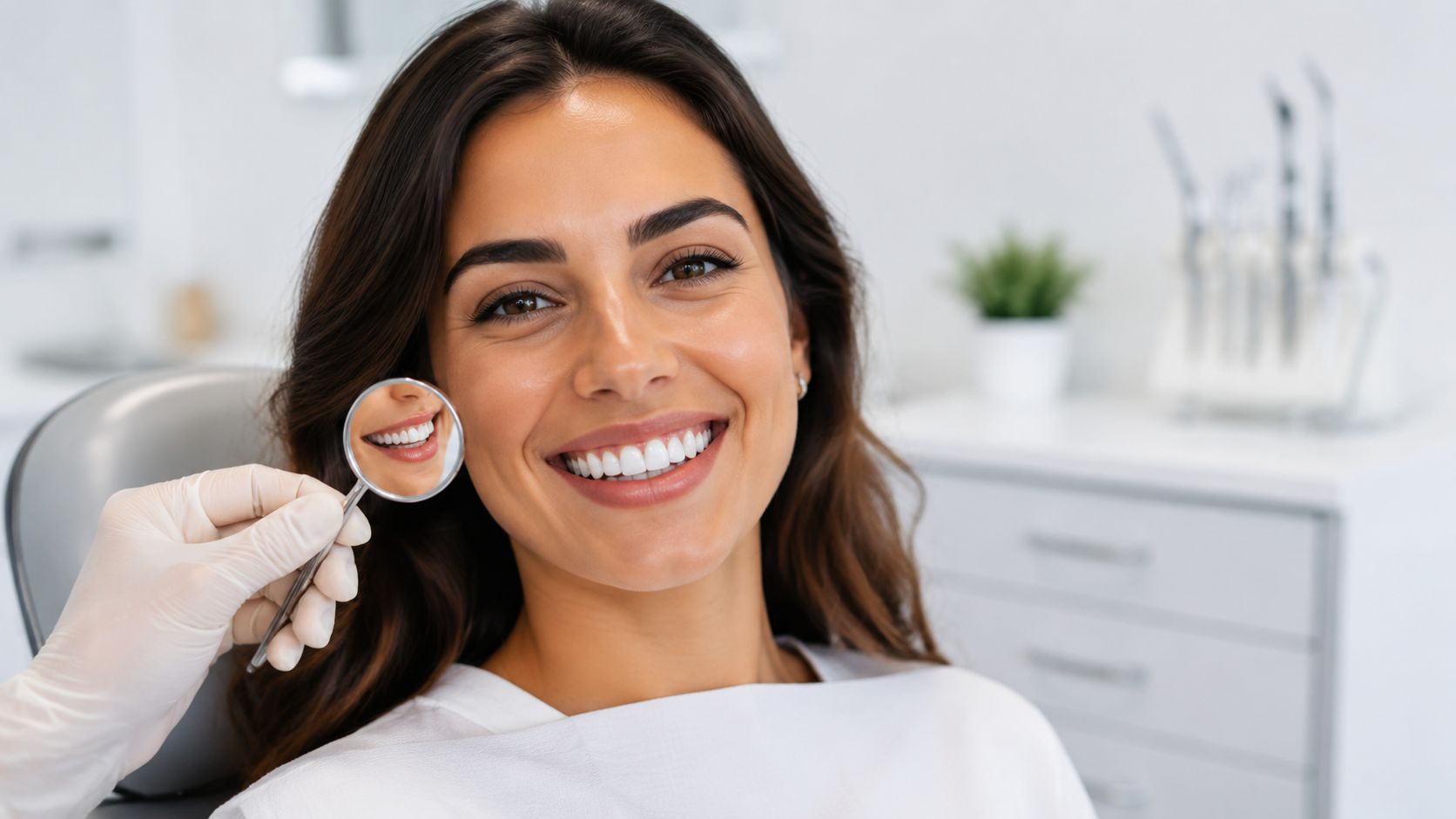
Leaving failing teeth or standard removable dentures behind yields immense confidence, significantly improved physical health, and outstanding functional benefits. Patients regain the ability to speak clearly, laugh without hesitation, and properly digest a wide variety of nutritious foods.
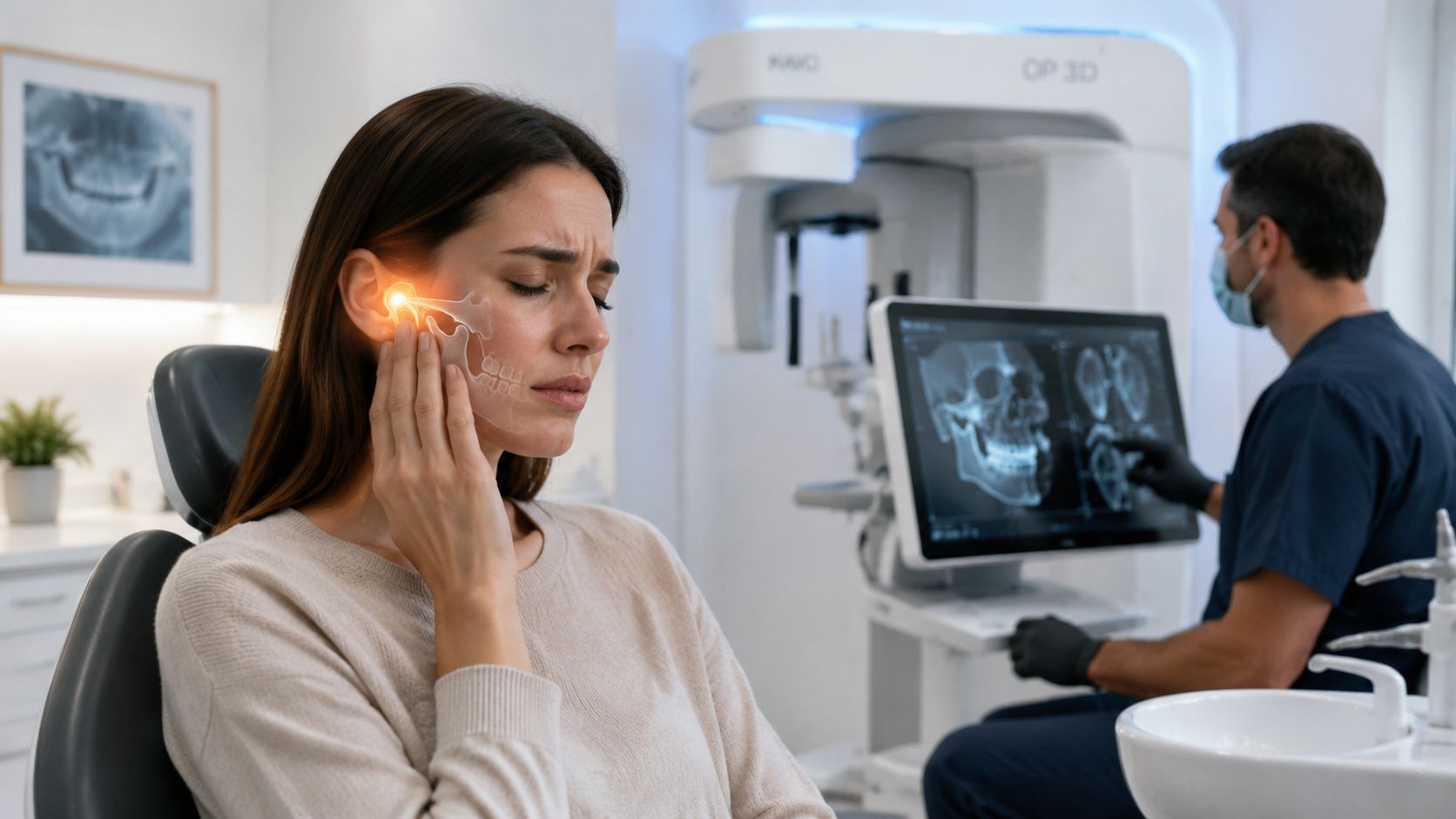
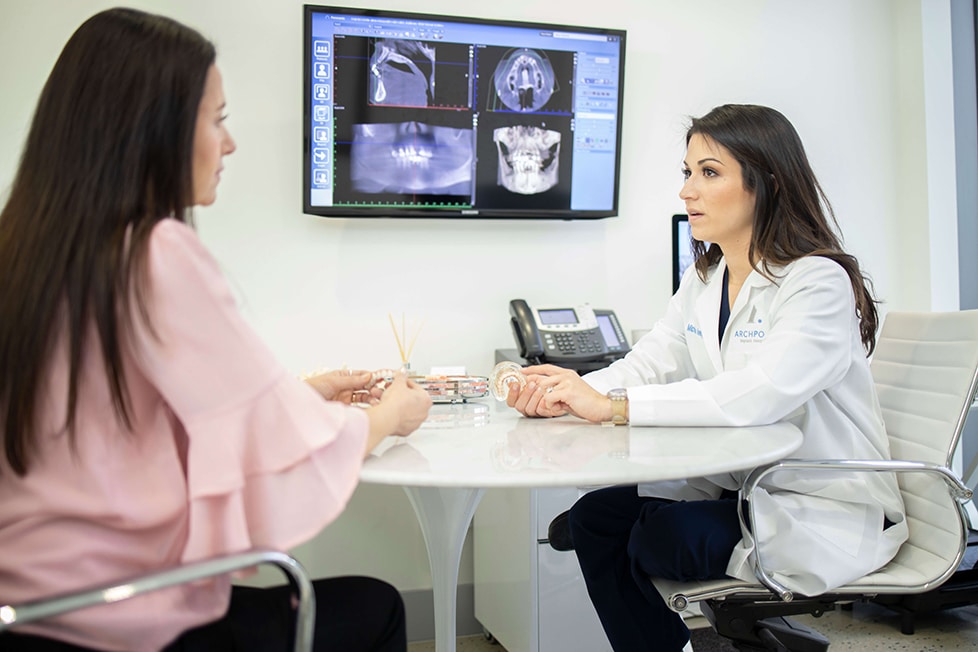
Scheduling a professional evaluation and a comprehensive 3D imaging scan is the only way to officially confirm medical candidacy and map out a tailored treatment plan. During this consultation, clinical experts assess bone volume, review medical history, and outline the exact steps required to execute the procedure safely. Taking this proactive step sets the foundation for a life-changing restoration and a future free from dental pain.
3D Dental Texas
https://maps.app.goo.gl/XMPCB3A1TnEpUHFAA
(512) 831-7918
12854 Research Blvd Austin TX 78750
https://www.3ddentaltexas.com/
Ready to get started?
Schedule a free, no obligation consultation with our team and see what's possible for your smile!
Georgetown
- Mon-Thurs8:30am-5pm
- Fri8am-3:30pm
- Sat-SunClosed
Austin
- Mon-Tues8am-5pm
- Wed-Thurs9am-6pmFri8am-2pm
- Sat-SunClosed