
Emergency Dentist Austin TX: Fast, Expert Care 2026
Related Posts

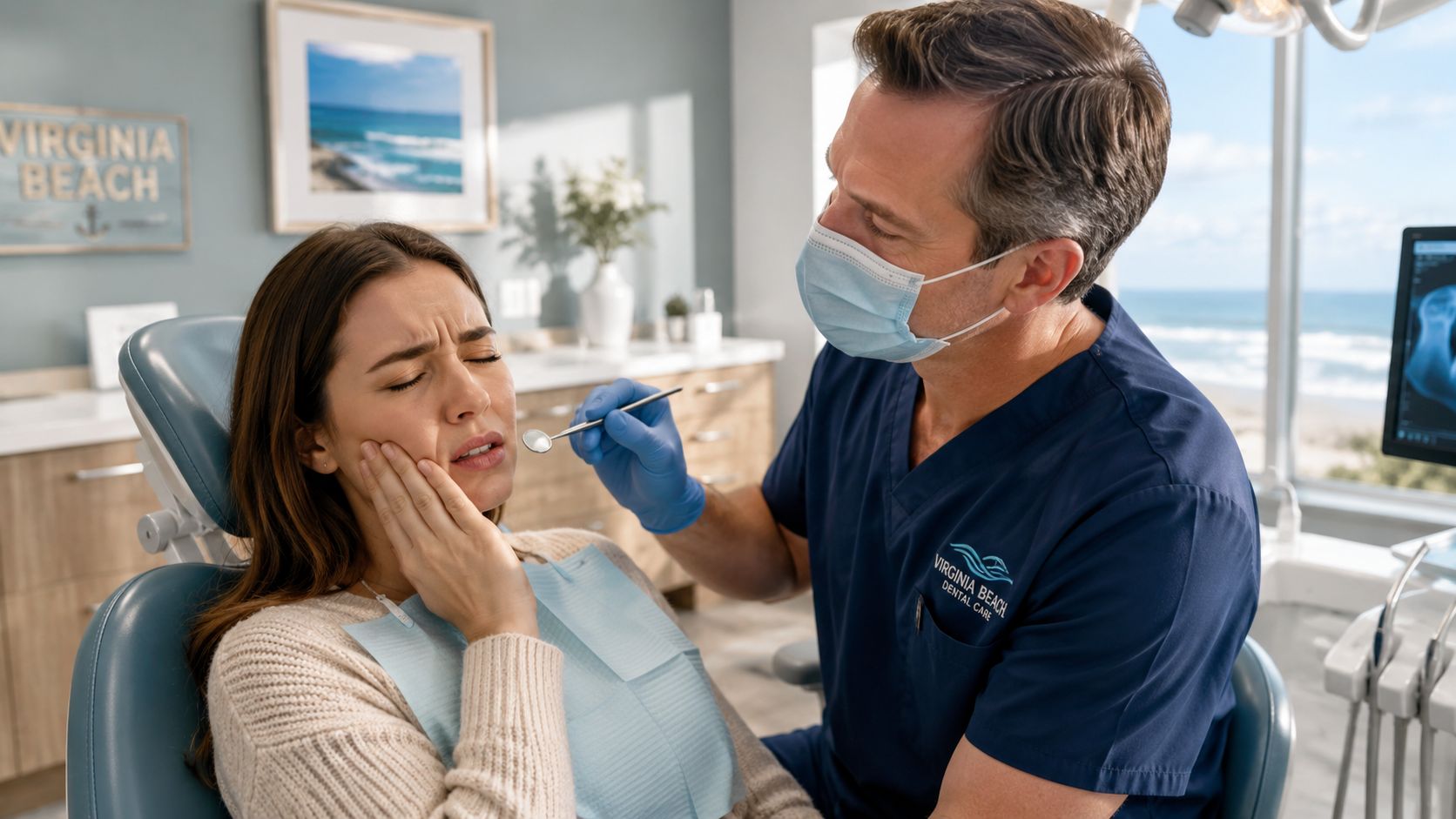







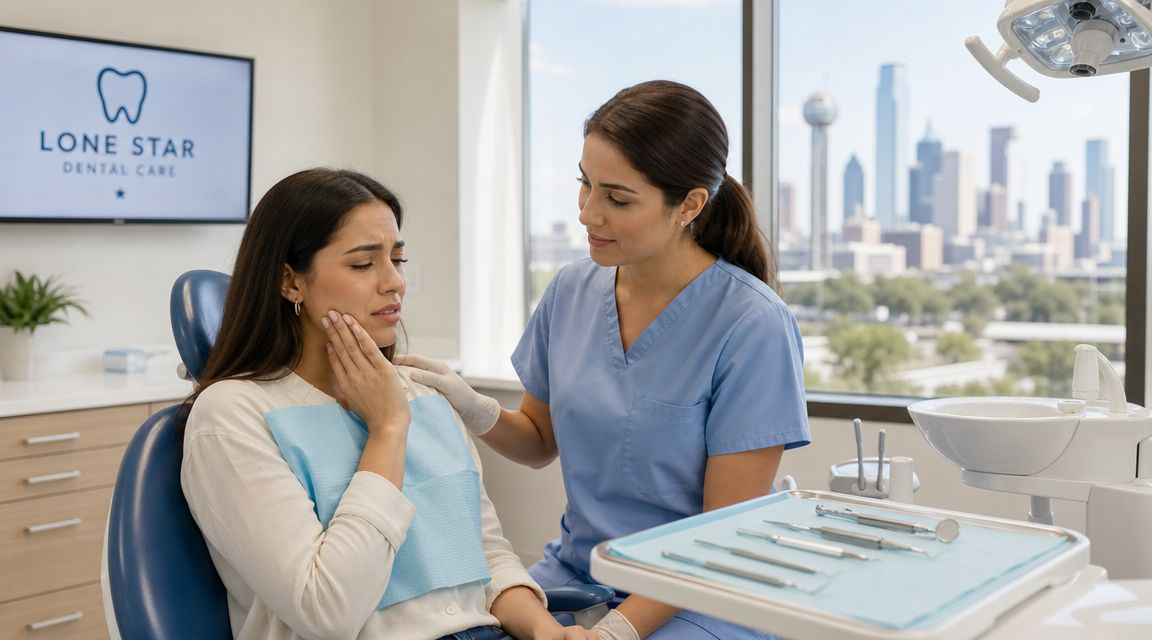

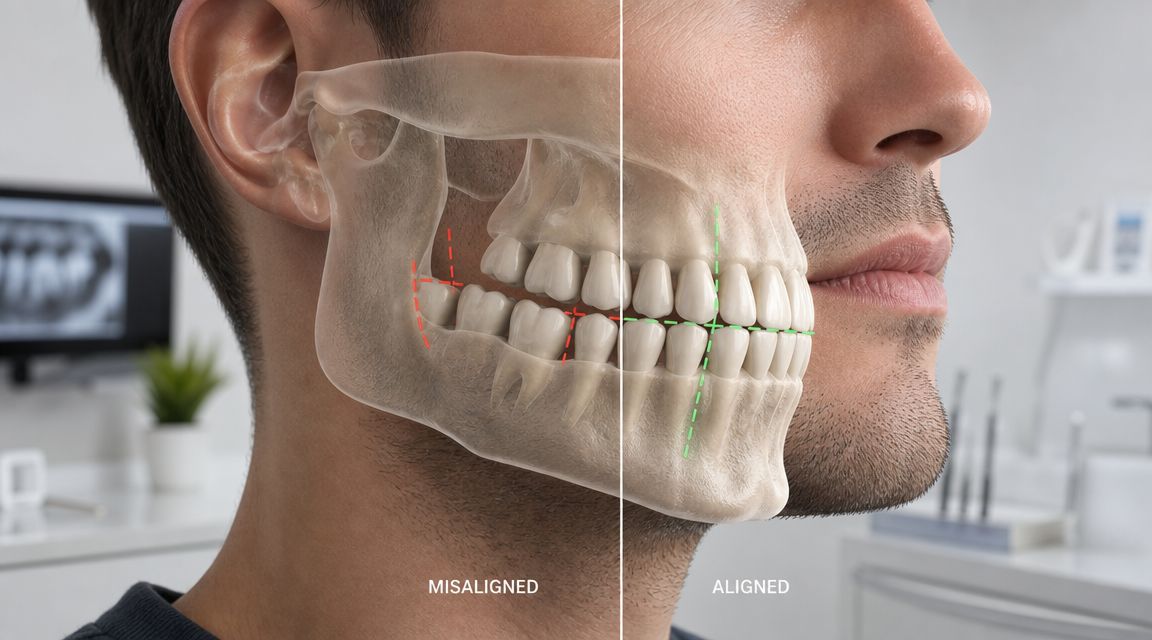



















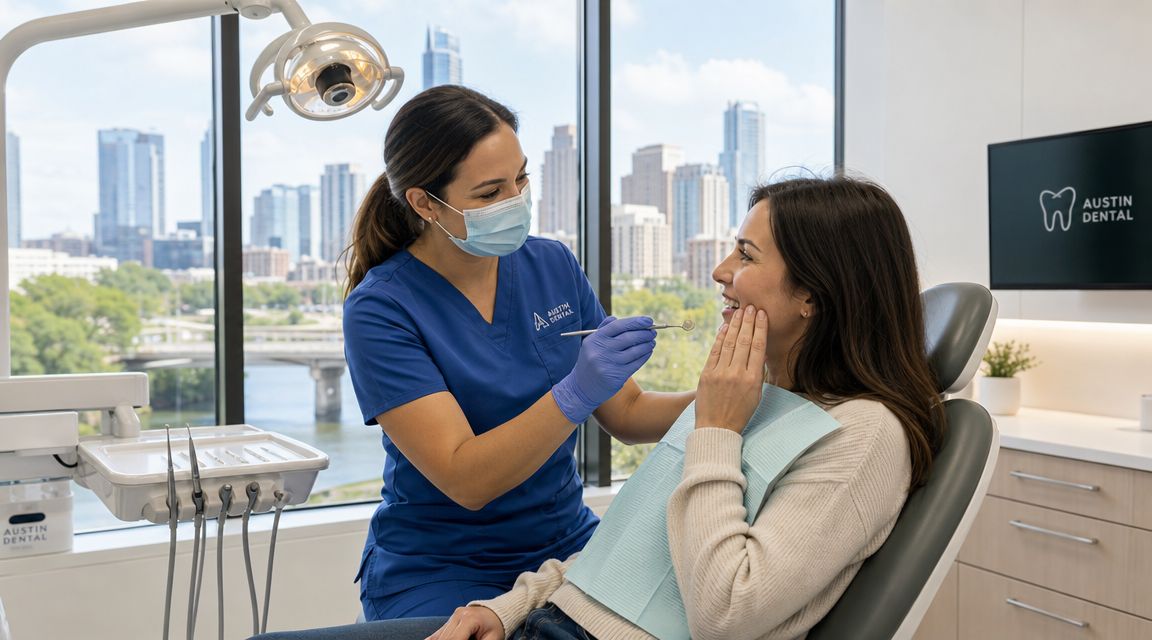
A dental emergency rarely happens at a convenient time. It starts with a sharp crack while eating, a tooth that won't stop throbbing before bed, or swelling that seems to get worse by the hour. In that moment, long-term treatment plans aren't the primary concern. They want to know what to do next, whether it can wait, and how to get out of pain fast.
If you're searching for an emergency dentist in Austin, TX, you probably need calm answers more than marketing. The right move depends on the problem. Some situations need a dentist right away. Others can wait until morning with the right first aid. A smaller number belong in the ER because the issue goes beyond the tooth and affects your breathing, jaw, or overall safety.
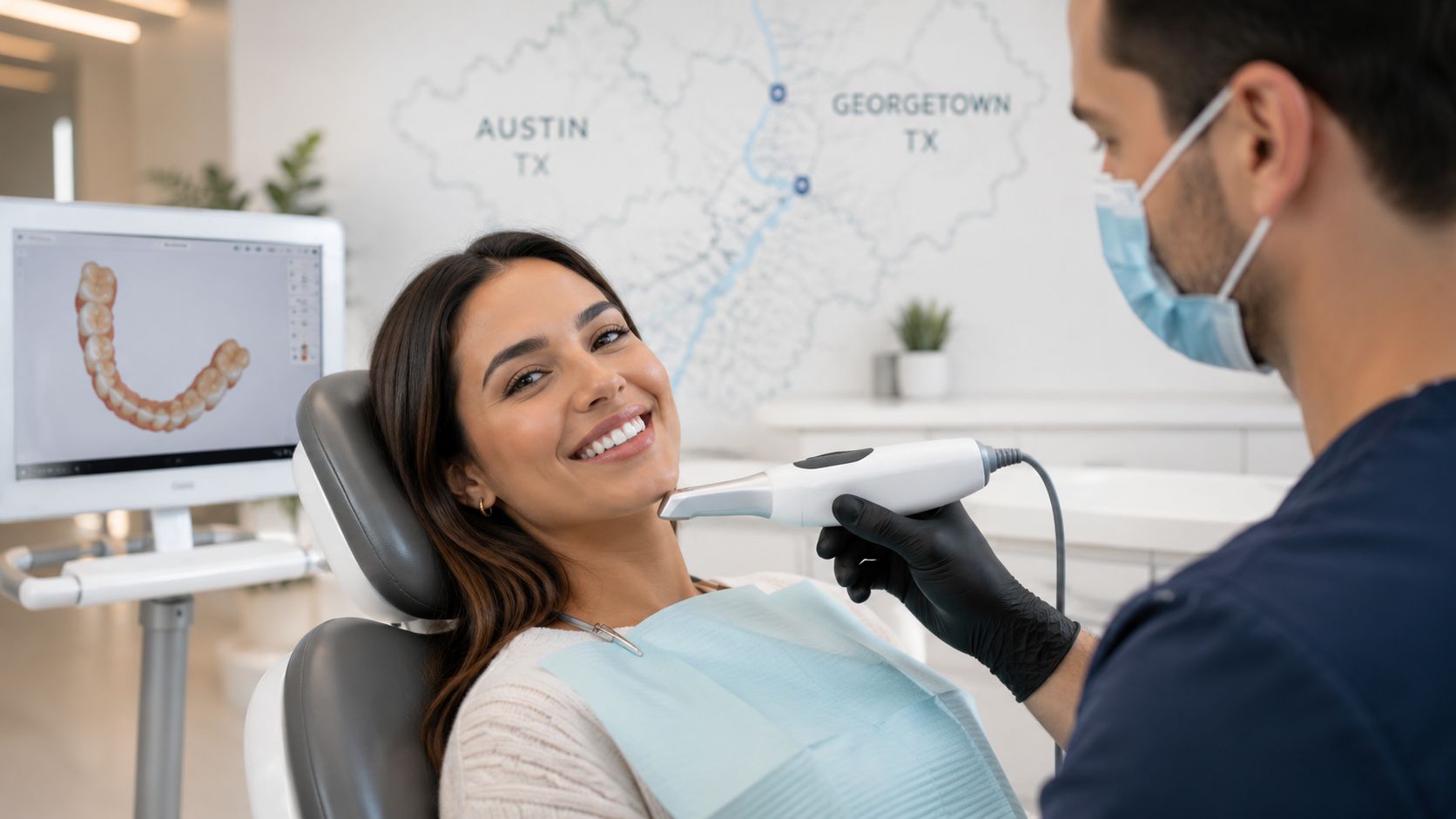
This guide is written for patients in Austin, Georgetown, Wells Branch, Cedar Park, Round Rock, and Liberty Hill who need a practical next step. It also helps you know what an urgent visit is for. In most cases, emergency dental care is about stopping pain, diagnosing the cause, and stabilizing the problem so it doesn't get worse.
Responding to a Dental Emergency in Austin
Late-night tooth pain has a way of making everything feel urgent. A parent notices a child holding their jaw after dinner. An adult wakes up with swelling near a back tooth on a Saturday morning. Someone chips a front tooth during a weekend game and immediately starts searching for a dentist near me.
Those calls are common because urgent dental problems are common. In Austin, emergency dental care has increasingly been organized around after-hours access and rapid triage, with many local providers advertising 24-hour availability, weekend coverage, or same-day appointments to help people get seen quickly, as described by North Austin emergency dentistry information.
That shift matters because panic usually gets worse when people think they have only two bad options: wait in pain or sit in a hospital waiting room for a dental-only problem. Most dental emergencies need prompt professional care, but they also need the right setting. A dental office can evaluate the tooth, gums, bite, and surrounding structures in a way a general ER often cannot for routine dental issues.
Practical rule: If the problem is centered in a tooth, filling, crown, gum, or localized mouth pain, start by calling a dental office unless you have trouble breathing, trouble swallowing, major trauma, or uncontrolled bleeding.
If you need immediate guidance, 3D Dental has shared a straightforward overview on how to get emergency dental care. That kind of first step helps you move from stress to action. Call, describe the symptoms clearly, and let the team help determine whether you should come in right away, monitor the area overnight, or go straight to the hospital.
Is It a True Dental Emergency?
The hardest part for most patients isn't the pain alone. It's uncertainty. You're trying to decide whether this can wait, whether you're overreacting, or whether waiting could make things worse.
That's why a plain-English triage guide matters. Many online dental pages focus on booking fast, but the key is knowing when to seek care, especially for a toothache versus facial swelling or trauma, as noted by Austin area dental resource guidance.
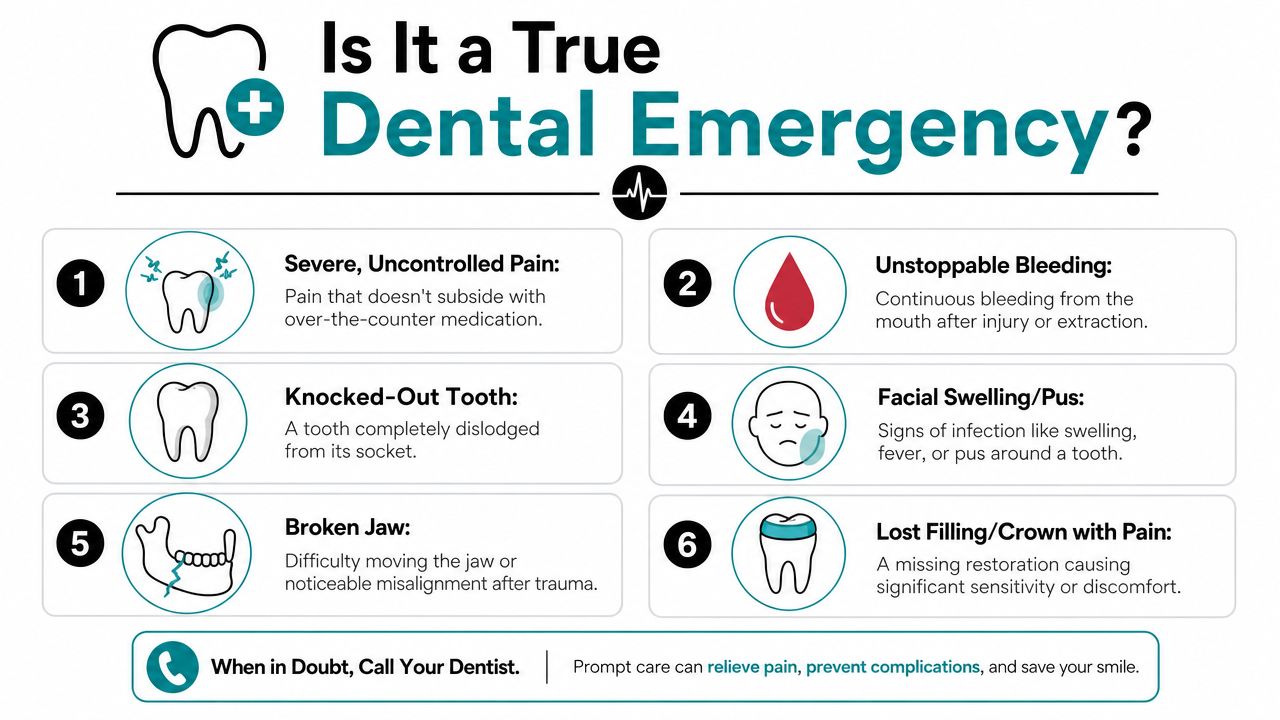
Go to the ER now
Some situations are no longer just dental. They can affect your airway, facial bones, or general health.
Seek hospital-level care if you have:
- Trouble breathing or swallowing from swelling in the mouth, jaw, or face
- Severe facial swelling with fever or spreading infection signs
- A suspected broken jaw or you can't close your mouth normally after trauma
- Heavy bleeding that won't stop
- A significant facial injury involving the mouth plus head, neck, or other body trauma
These problems can become more serious quickly. The ER is the right place when the issue involves your ability to breathe safely, control bleeding, or rule out fractures and broader injury.
Call for an urgent dental visit
Many common emergencies belong in a dental chair, not a hospital bed. They need same-day or very prompt evaluation because waiting often means more pain, more damage, or a more complicated repair.
Call an emergency dentist in Austin, TX if you have:
- A severe toothache that keeps throbbing or wakes you up
- A knocked-out adult tooth
- A cracked or broken tooth with pain
- A crown or filling that came off and left exposed, sensitive tooth structure
- Swelling near one tooth or the gumline
- Pus, a bad taste, or pressure around a tooth
- A loose adult tooth
- Pain when biting that started suddenly
Don't ignore swelling, even if the tooth pain comes and goes. Infection often behaves unpredictably.
Usually safe to wait until morning
Not every dental problem requires a same-night visit. Some are urgent, but not dangerous if you protect the area and schedule promptly.
These often can wait until the next available appointment:
| Situation | Usually reasonable next step |
|---|---|
| Small chip with no pain | Avoid chewing there and schedule an exam |
| Lost filling with mild sensitivity | Keep the area clean and call in the morning |
| Loose crown without pain | Save it if possible and arrange a visit |
| Mild gum irritation | Rinse gently and monitor unless it worsens |
The key is trend, not just symptoms. Mild issues can become urgent if pain rises, swelling appears, or the tooth becomes more sensitive.
First Aid for Common Dental Emergencies
Immediate first aid doesn't replace treatment, but it can reduce pain, protect the tooth, and improve what your dentist can do once you arrive.

Knocked-out tooth
A knocked-out adult tooth is one of the few dental problems where minutes matter.
- Pick up the tooth by the crown, not the root. The crown is the part you normally see in the mouth.
- If it's dirty, rinse it gently with water. Don't scrub it. Don't wrap it in tissue.
- If you can, place it back into the socket carefully. Bite gently on clean gauze or cloth to hold it in place.
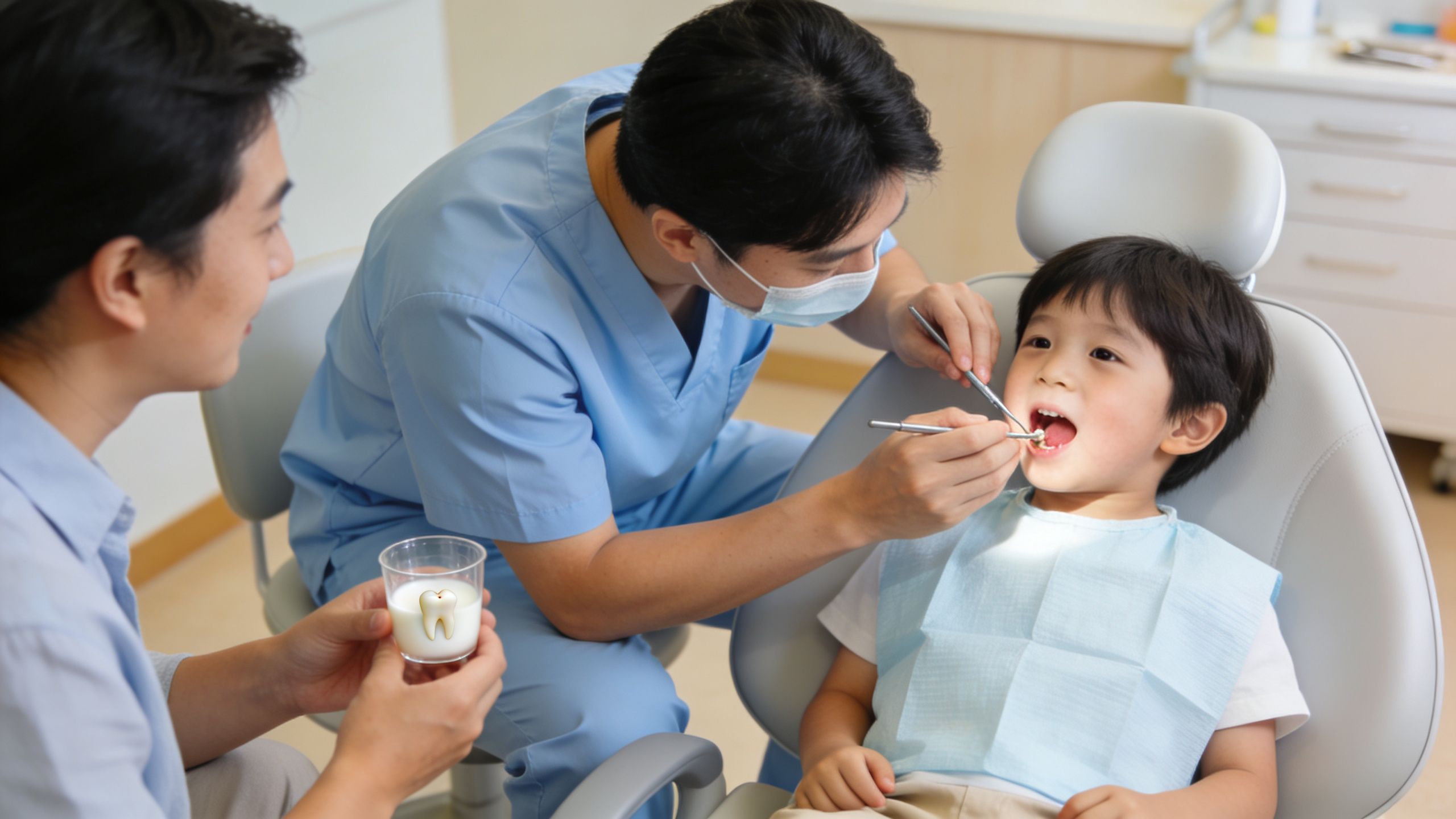
- If you can't reinsert it, keep it moist. Milk is a common option for transport.
- Call right away and head to the office.
If it's a baby tooth, don't try to force it back in. Call for instructions.
Severe toothache or possible abscess
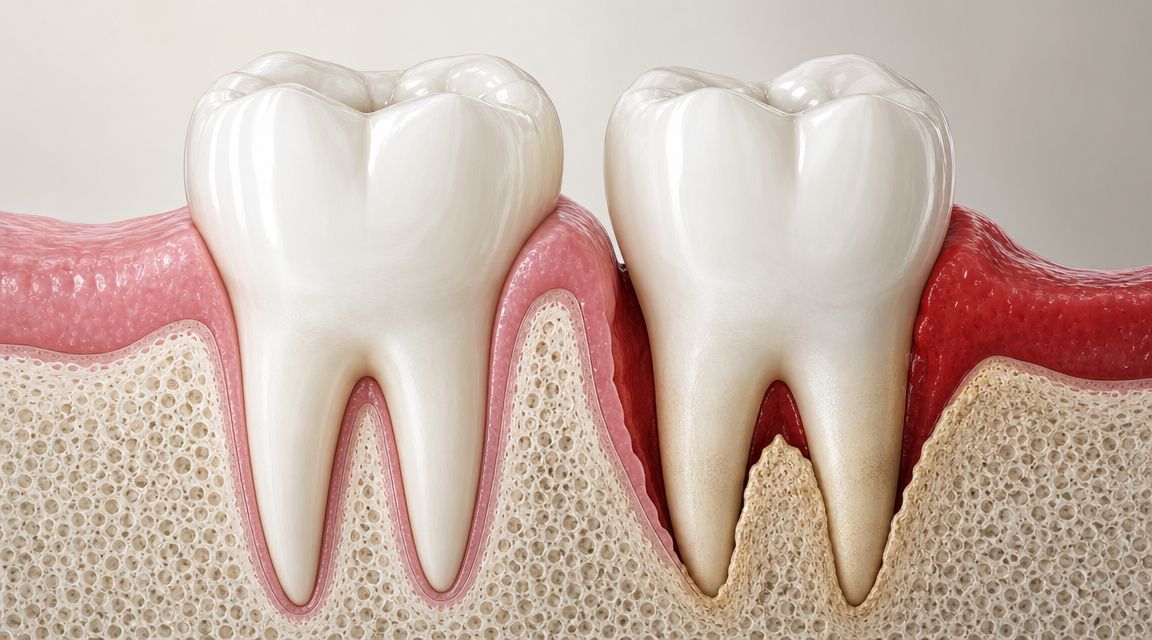
A deep, pounding toothache often means inflammation, infection, or a crack that isn't visible from the outside.
Start with these steps:
- Rinse gently with warm salt water to clear debris
- Use a cold compress on the cheek if there's swelling
- Take an over-the-counter pain reliever as directed on the label, if you can safely take it
- Keep your head raised instead of lying flat
Avoid two common mistakes. Don't apply heat to the outside of the face, and don't place aspirin directly on the gum. Both can make the situation worse.
If you suspect an infection, this at-home overview on tooth abscess treatment at home can help you manage symptoms safely until you're seen.
Broken or chipped tooth
A broken tooth can range from minor cosmetic damage to a crack extending deep into the nerve.
Do this right away:
- Rinse with warm water
- Save any broken pieces if you can find them
- Use gauze if there's light bleeding
- Apply a cold compress to the cheek
- Avoid chewing on that side
A small chip without pain may wait briefly. A break with sharp pain, sensitivity to air, or pain when biting needs urgent evaluation.
If cold air makes you jump, the fracture may have exposed deeper tooth structure.
This short video walks through emergency dental basics in a patient-friendly way:
Lost filling or crown
When a filling or crown comes off, the tooth underneath may be sensitive because it's no longer sealed and protected.
What helps:
- Keep the area clean
- Avoid sticky or hard foods
- Chew on the opposite side
- Save the crown if it came out in one piece
- Call for an appointment if pain or sensitivity is significant
If the tooth is only mildly sensitive, it may wait until the next open appointment. If the exposed area is painful to air, sweets, or pressure, it's more urgent.
Soft tissue injuries
Biting your lip, cutting your tongue, or injuring the inside of your cheek can bleed more than people expect.
Use this approach:
- Rinse gently with water.
- Apply clean gauze or a clean cloth with steady pressure.
- Use a cold compress outside the mouth to limit swelling.
- If bleeding doesn't stop, seek immediate medical help.
What not to do
A few mistakes make emergencies harder to treat later.
- Don't delay because the pain fades. Some infected teeth calm down briefly before flaring again.
- Don't chew on the injured side.
- Don't use glue or household adhesives on crowns, fillings, or broken teeth.
- Don't assume the first visit finishes everything. Relief now and final repair later is common.
Preparing for Your Urgent Dental Visit
Once you've handled the immediate first aid, a little preparation makes the appointment smoother and faster.
In the U.S., there are about 2 million annual emergency department visits for non-traumatic dental problems, which highlights why seeing a dental office for a dental-specific issue is usually the more direct path to diagnosis and treatment, according to Austin emergency dentist information.
Bring what helps the team act quickly
If you're in pain, don't overcomplicate this. Focus on the essentials.
- Your medication list if you take prescriptions regularly
- Insurance information if you have it
- The knocked-out tooth, crown, or broken pieces in a clean container if available
- A short symptom timeline such as when the pain started, whether swelling is spreading, and what makes it worse
A simple note on your phone is enough. That detail helps the dentist separate a cracked tooth from an infection, or a bite issue from nerve pain.
Eat carefully and plan for treatment
If the area is painful, avoid chewing on that side before you come in. If there's a chance you may need numbing, extraction, or another urgent procedure, keep your schedule flexible.
The purpose of an emergency visit is to find the source of the pain, stop the immediate problem, and make a safe plan for what comes next.
That expectation matters. Some emergencies can be fully treated in one visit. Others need a staged approach, especially if the mouth is swollen, the tooth needs more imaging, or a temporary step is the safest first move.
Be ready to describe the problem clearly
When you call or arrive, the most helpful details are often the simplest:
| Helpful detail | Why it matters |
|---|---|
| Pain with hot, cold, or biting | Points toward different causes |
| Swelling location | Helps identify likely infection source |
| Recent trauma | Raises concern for cracks or displacement |
| Lost filling or crown | Signals exposed tooth structure |
Clear information saves time when you need relief quickly.
What to Expect at 3D Dental
Most patients walk into an emergency visit feeling tense because they don't know if they're about to hear bad news. A good urgent appointment lowers that stress by making the process predictable.
Emergency dental care is generally built around diagnostic triage and pain control first. In adult emergency visits, radiographs are used in about 68% of cases to improve diagnostic certainty, and treatment acceptance during emergency encounters is about 93.3%, while follow-up remains critical because the first visit often stabilizes the issue rather than completing the full care plan, as outlined in supporting emergency dentistry data.
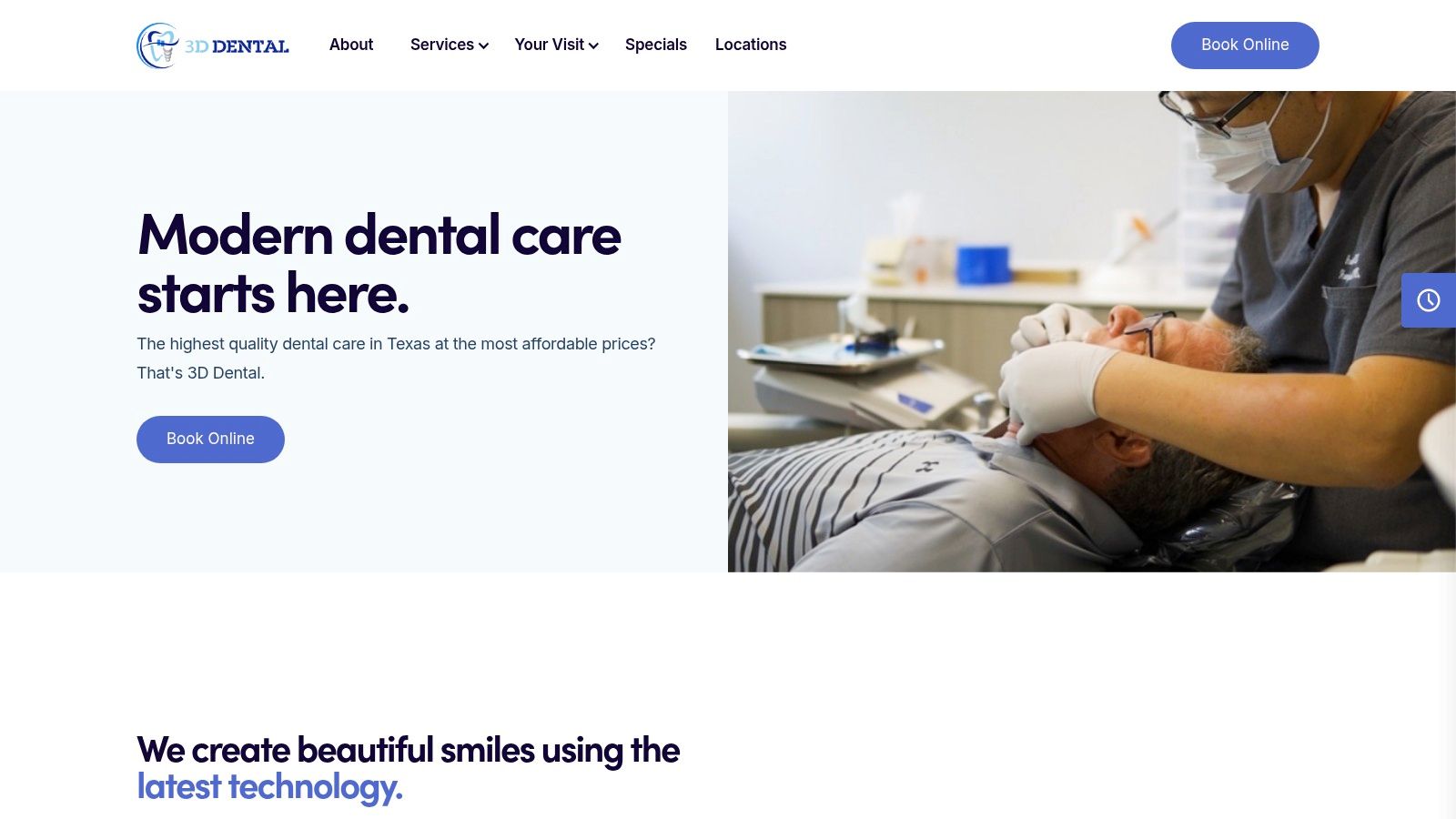
The first priority is diagnosis
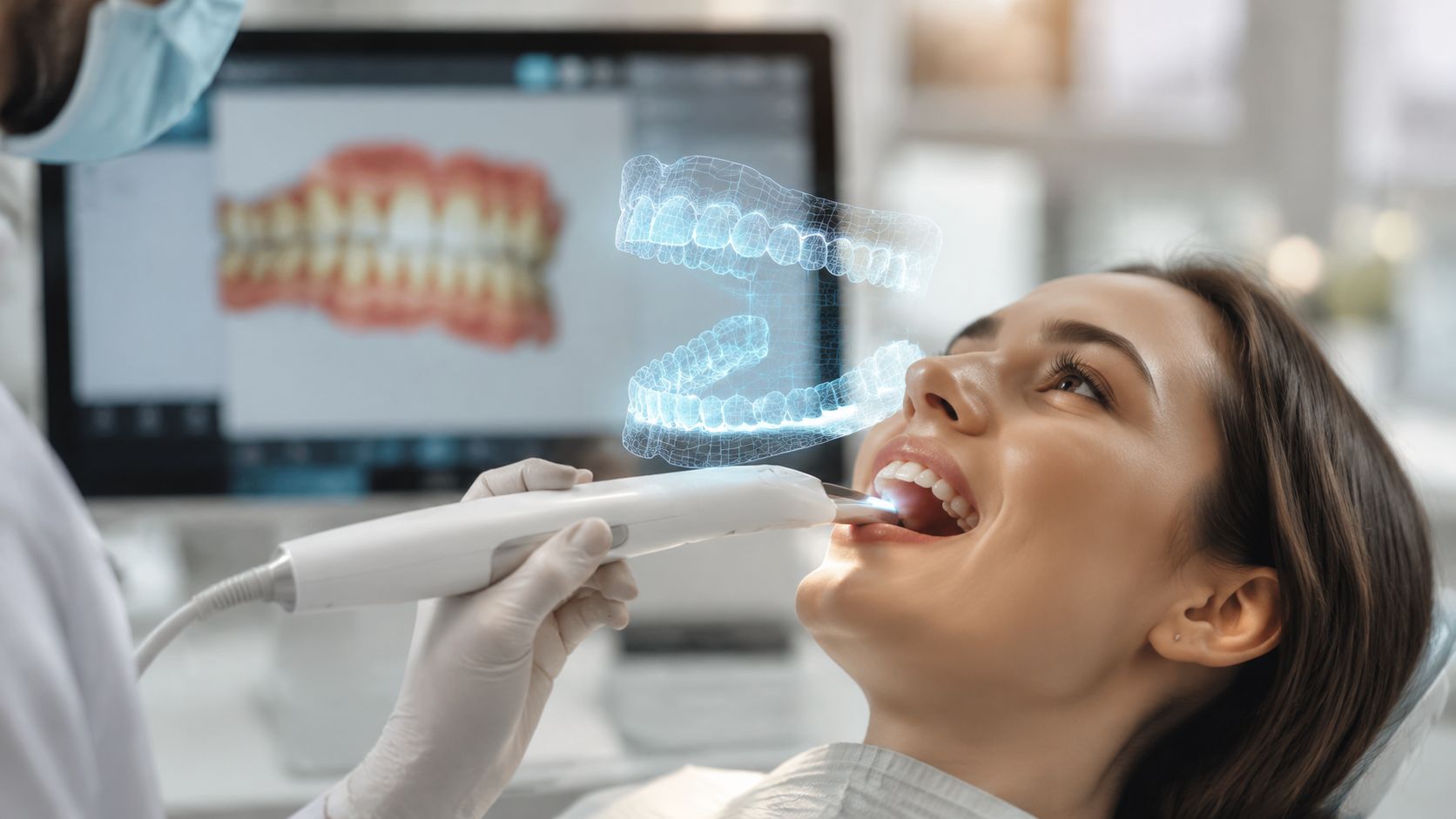
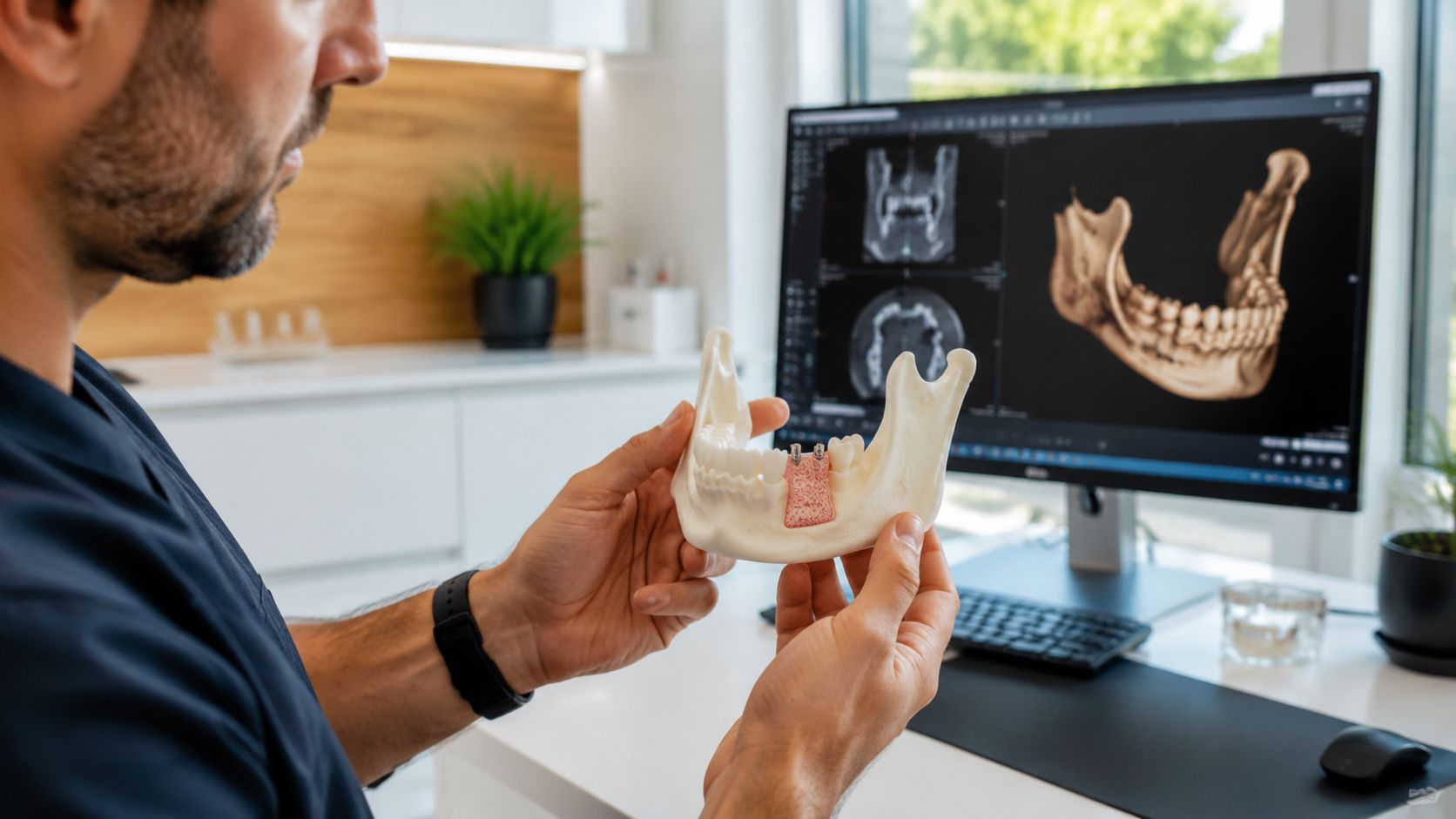
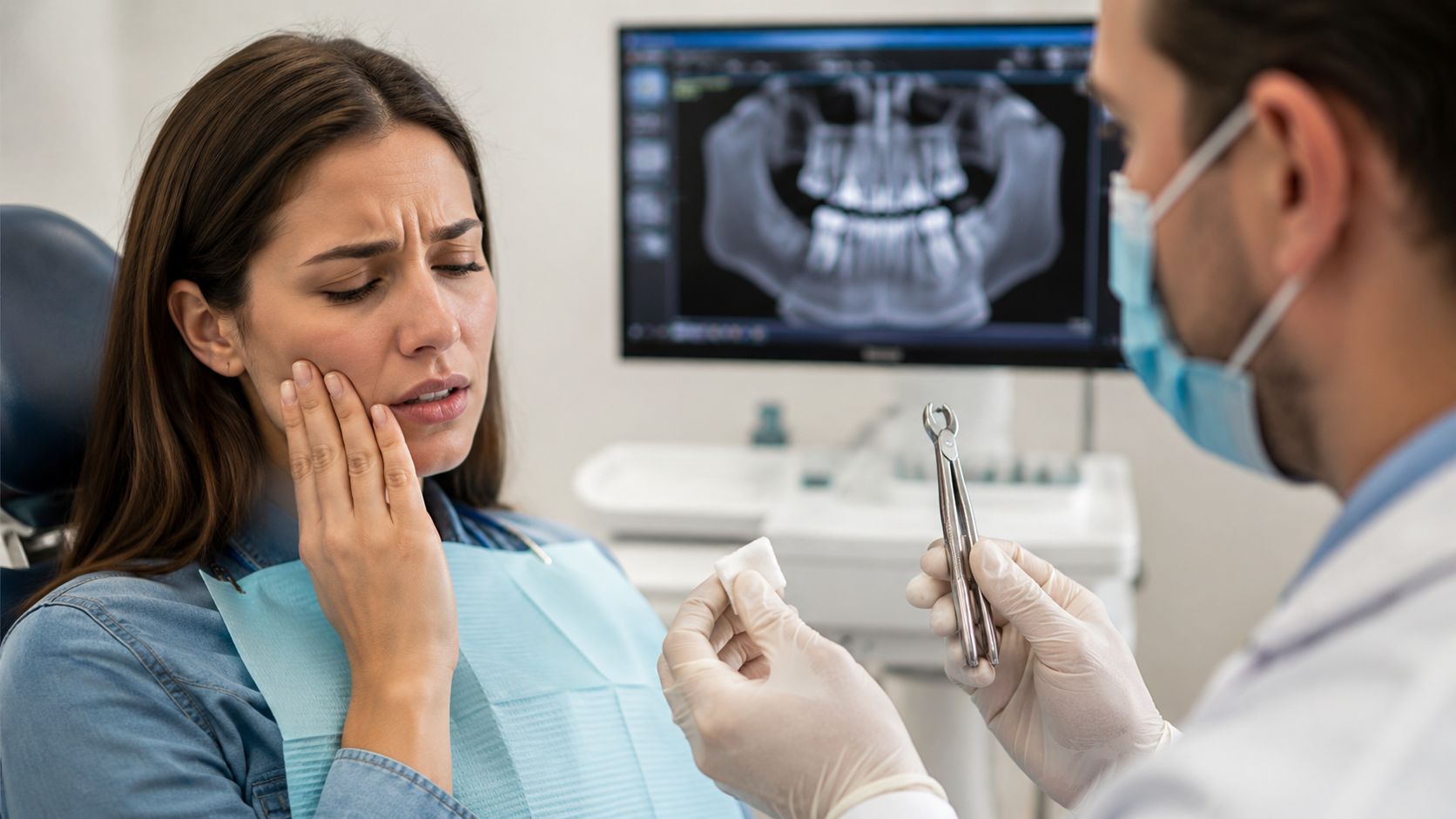
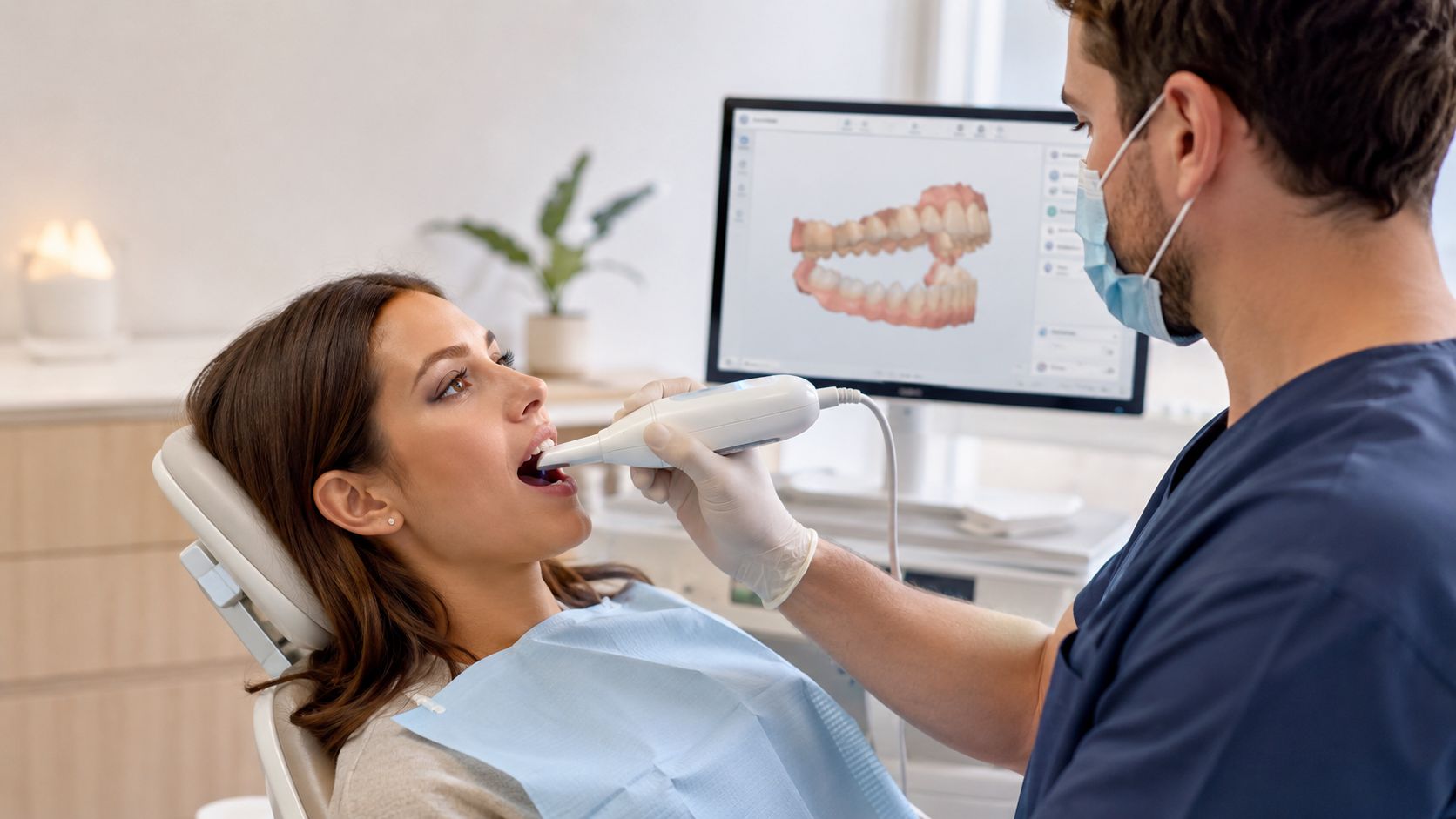
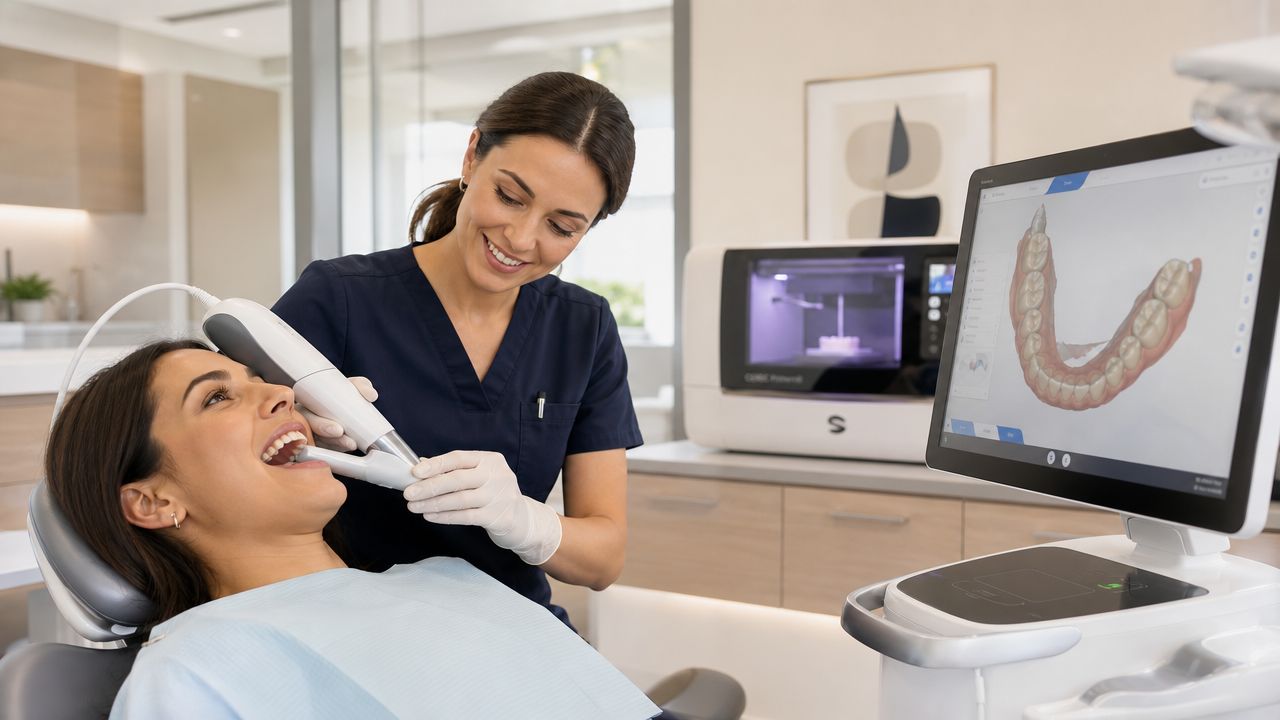
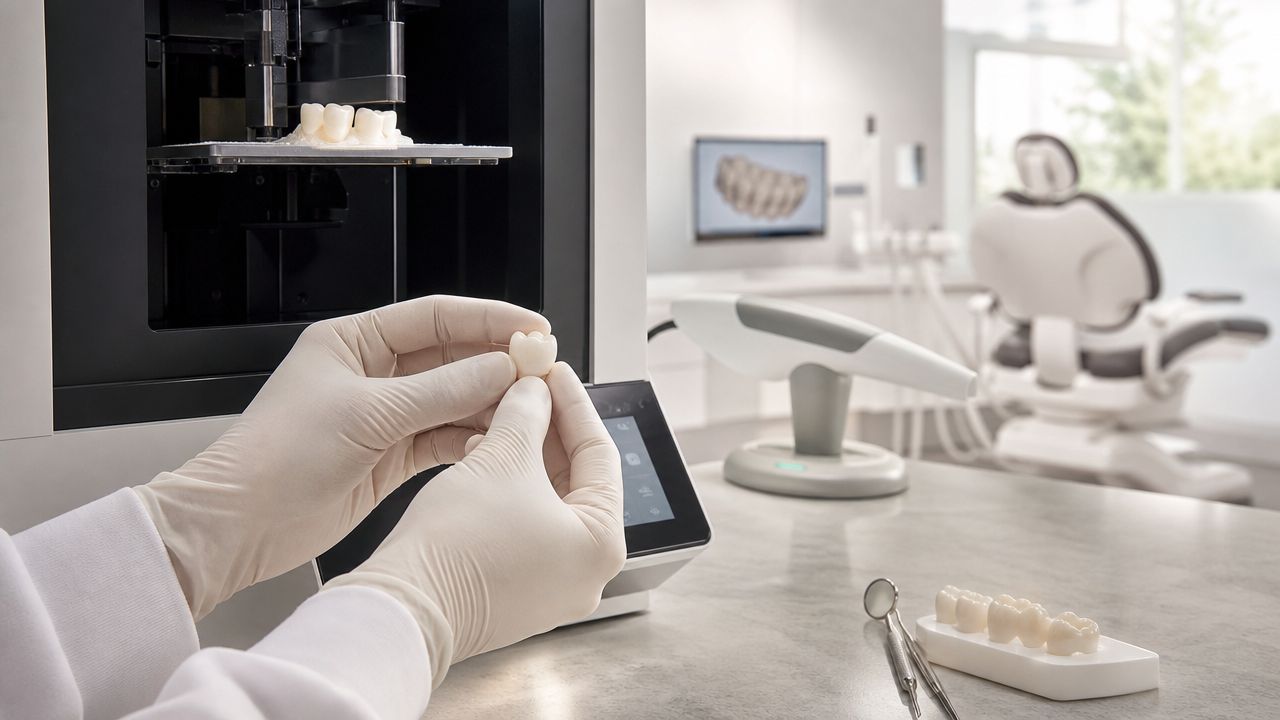
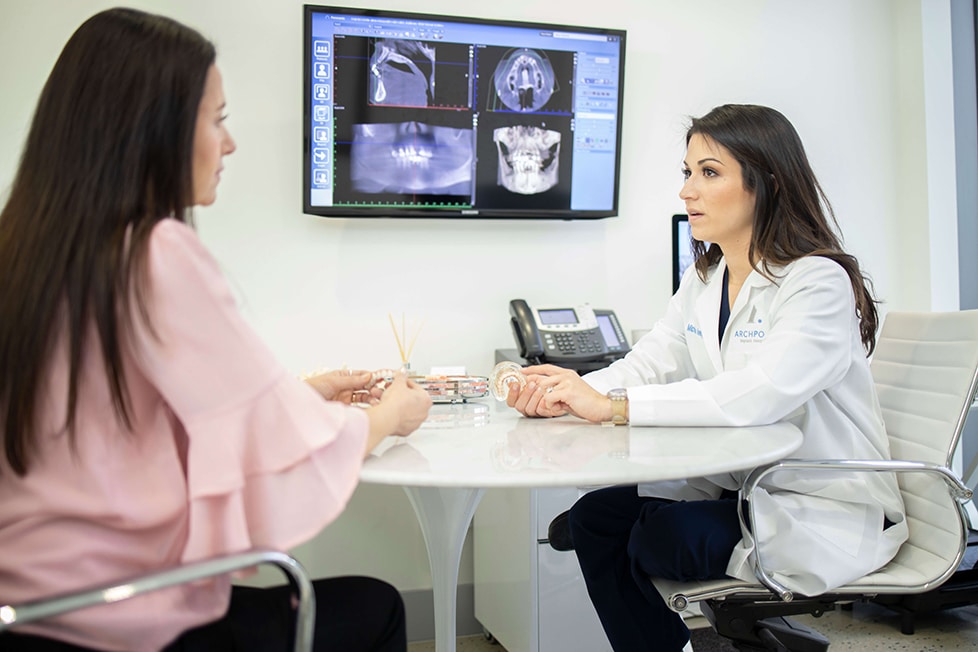
An urgent dental visit usually starts with a focused conversation, a clinical exam, and imaging if the dentist needs to confirm what can't be seen with the eye alone. That's where digital X-rays and, when appropriate, 3D CT imaging become useful. They help identify hidden decay, infection patterns, root issues, fractures, and wisdom tooth problems.
At 3D Dental, that diagnostic process may include digital imaging and in-house technology used to quickly evaluate the cause of pain and decide whether the right next step is a filling, root canal, extraction, temporary repair, or referral for a more specific procedure.
Relief first, full repair second
This is the part patients often misunderstand. An emergency visit is not the same as a routine cleaning and exam, and it's not always the day for complete reconstruction.
Sometimes the right first move is:
- Calming an inflamed tooth
- Reducing pressure from infection
- Placing a temporary protective restoration
- Stabilizing a broken tooth
- Creating a short, realistic plan for definitive care
That approach works because it solves the immediate problem without rushing a final treatment before the diagnosis is clear.
A good emergency appointment answers three questions fast: What is it? How do we stop it from getting worse? What needs to happen next?
Cost conversations should be straightforward
For many patients, the stress isn't only clinical. It's financial. Emergency care is easier to act on when the office explains whether the visit is likely focused on stabilization or a complete fix, and what financing or payment options may be available. That kind of transparency matters for insured and uninsured patients alike.
If you're also looking for a long-term dental home in Austin or Georgetown, this matters beyond the emergency itself. The same office may also help with follow-up services like tooth extraction, crowns, root canals, restorative dentistry, dental implants, cosmetic dentistry, and routine cleaning and exams once the urgent issue is under control.
Get Immediate Help at Our Austin and Georgetown Offices
If you're in pain, don't wait and hope it settles on its own. Call the office, explain what happened, and ask for the next available urgent visit in Austin or Georgetown. Patients in Wells Branch, Cedar Park, Round Rock, and Liberty Hill often need the same thing: fast guidance, a clear diagnosis, and a realistic plan.
Affordability is a real concern during emergencies, and patient education works better when the office clearly explains payment-plan options and whether the visit is meant for stabilization or full treatment, as noted by Austin emergency dental payment guidance.
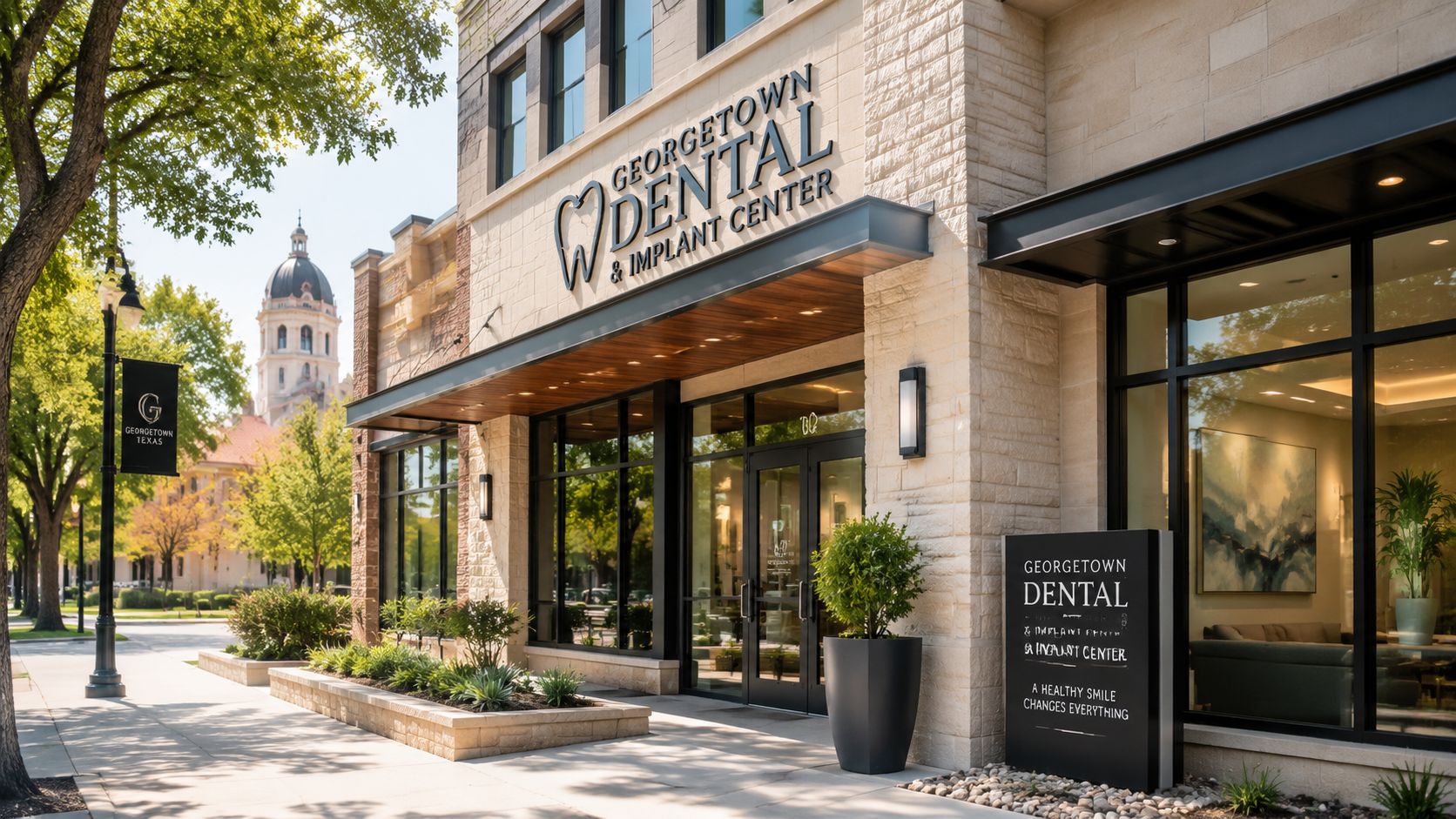
When you call, be ready to describe your symptoms, how long they've been happening, and whether you have swelling, trauma, bleeding, or a knocked-out tooth. That helps the team tell you how urgently you should come in and what to do on the way.
If you need fast, practical help from a local dental team, contact 3D Dental to request an urgent appointment in Austin or Georgetown. Don't stay home trying to guess whether the pain will pass. A prompt exam can identify the cause, relieve discomfort, and help you protect your tooth and your health.
Ready to get started?
Schedule a free, no obligation consultation with our team and see what's possible for your smile!
Georgetown
- Mon-Thurs8:30am-5pm
- Fri8am-3:30pm
- Sat-SunClosed
Austin
- Mon-Tues8am-5pm
- Wed-Thurs9am-6pmFri8am-2pm
- Sat-SunClosed