
Teeth Whitening Leander: Brighten Your Smile in 2026
Related Posts

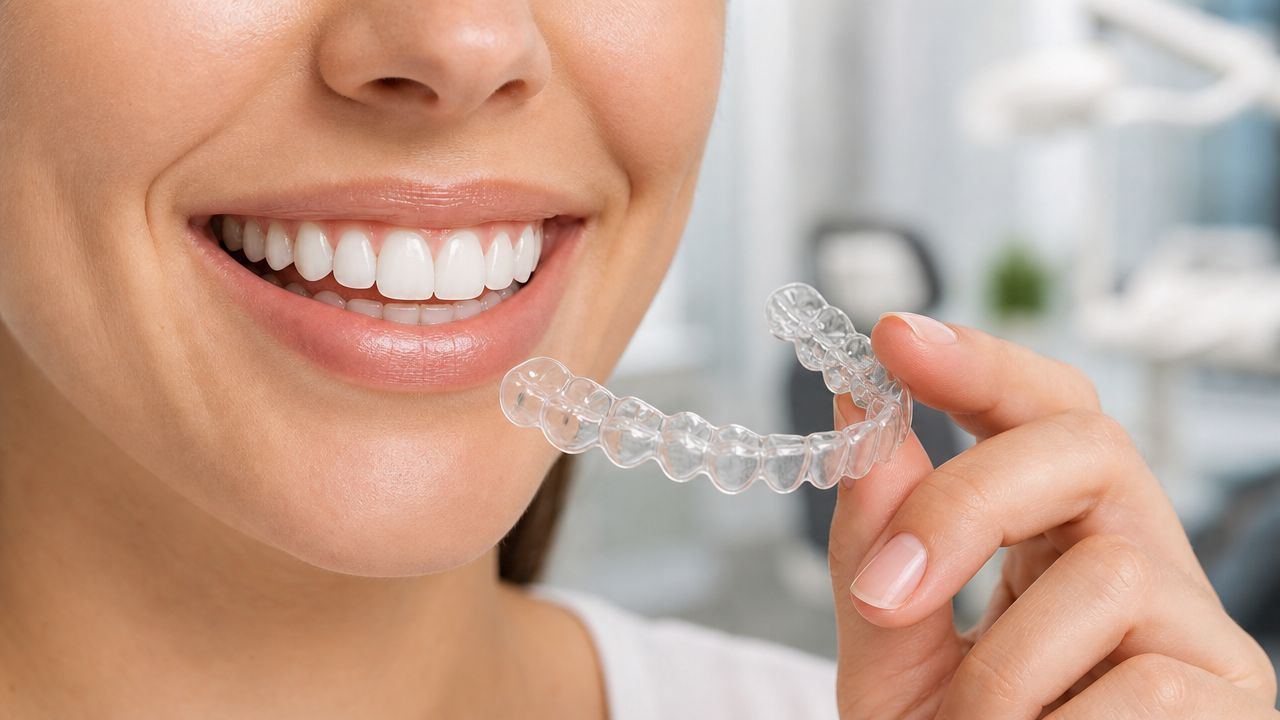
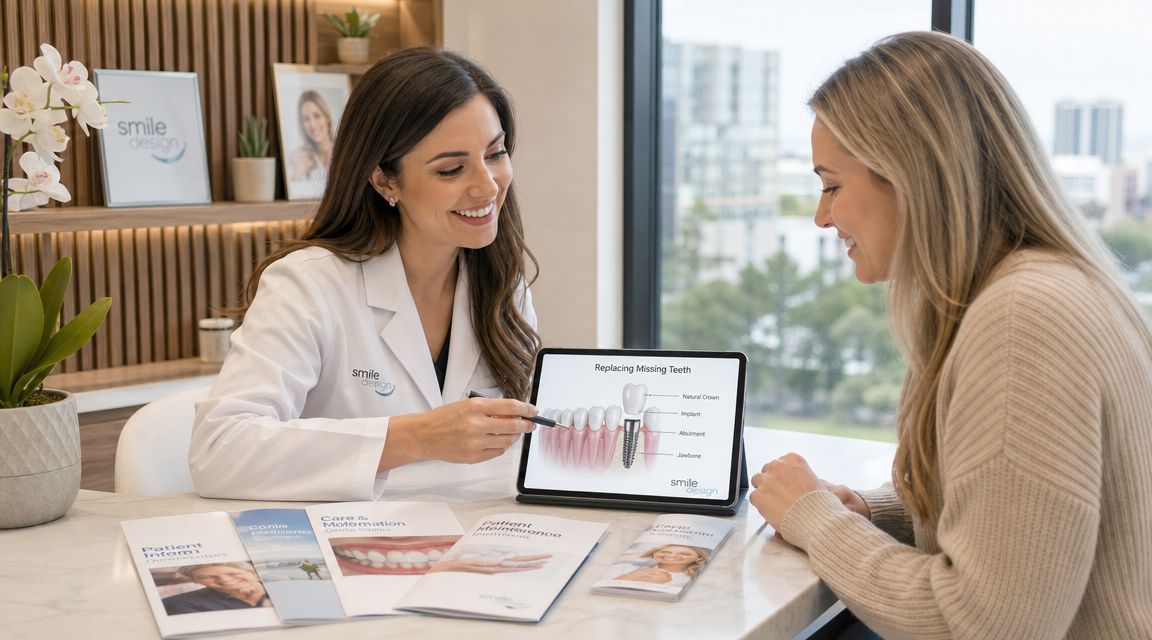
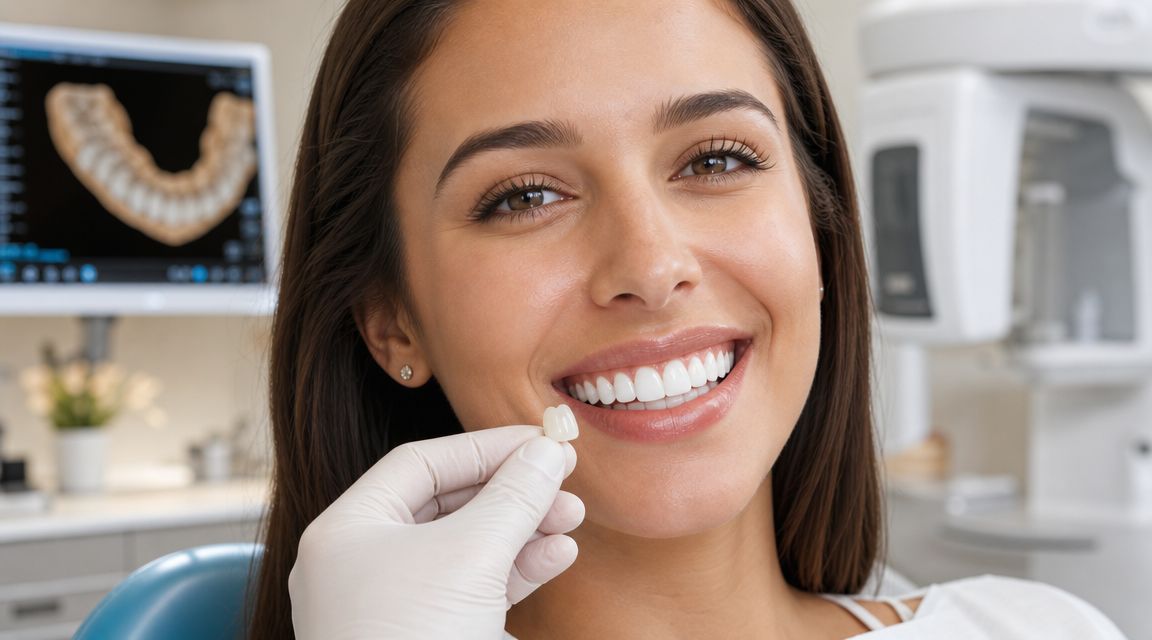














You catch your smile in the front camera before a work call, then angle the phone away. In family photos, you keep your lips closed. When someone tells a joke, your first instinct is to laugh, then cover your mouth.
That's a familiar moment for a lot of adults in Leander, Georgetown, and nearby North Austin. Teeth can look darker or more yellow for simple reasons like coffee, tea, and age. Other times, the color change is deeper and more complicated. The hard part is that many people don't know which kind of discoloration they have, so they end up trying products that were never likely to work.
If you're searching for a cosmetic dentist near me, a dentist in Austin, TX, or a dentist in Georgetown, TX who can help you whiten your smile safely, it helps to start with a clear answer to one question. Is whitening the right treatment for your teeth?
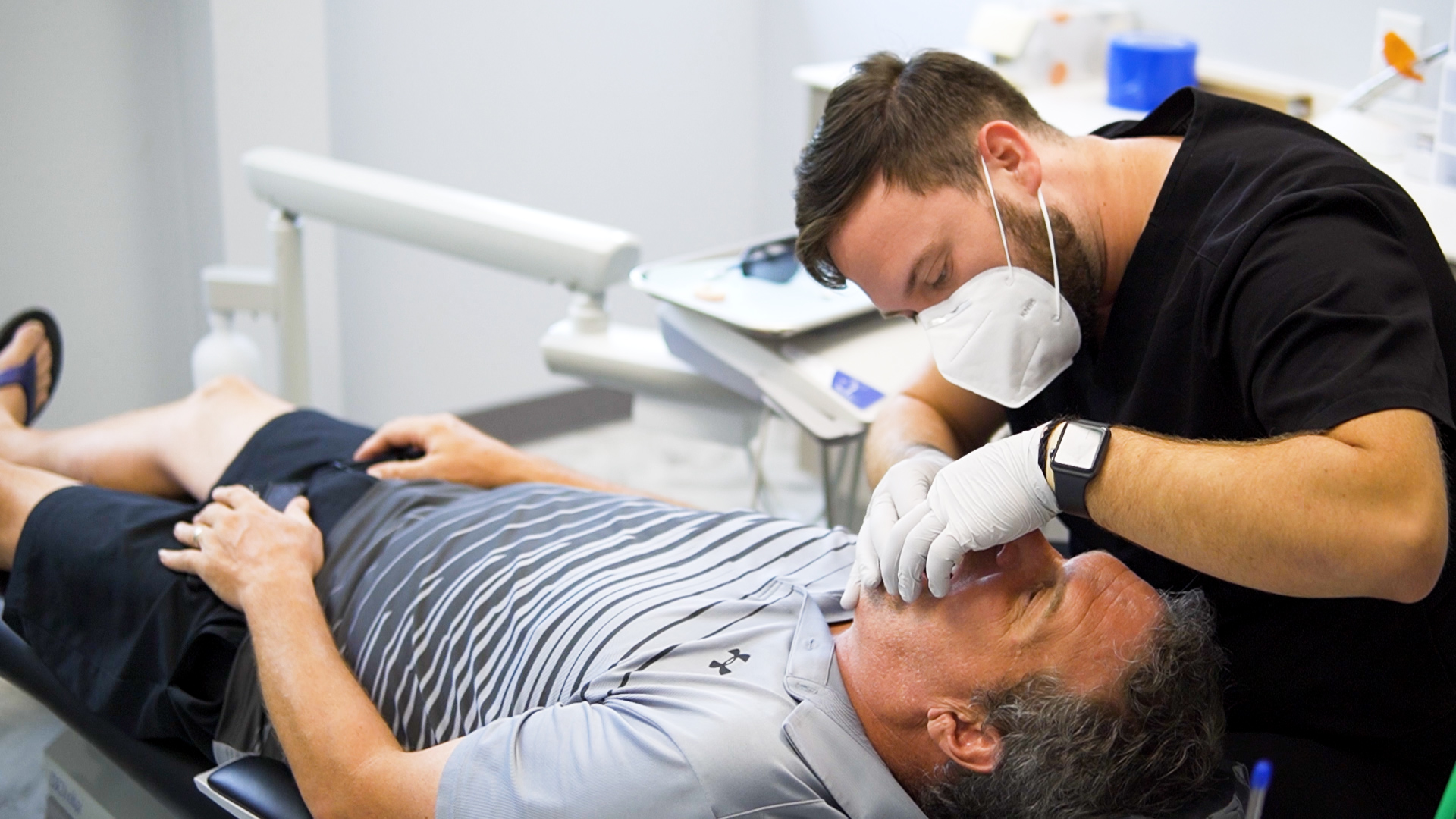
That's where a thoughtful exam matters. At 3D Dental, whitening is treated as part of complete dental care, not a quick add-on. A patient may come in asking about teeth whitening, but the right next step could be a cleaning and exam, dental x-rays, a new patient exam, restorative dentistry, or another cosmetic option depending on what's causing the discoloration. That kind of honesty matters if you want results that look good and feel worth the investment.
A Brighter Smile is Closer Than You Think in Leander TX
A brighter smile usually isn't about vanity. It's about comfort. People want to stop thinking about their teeth every time they speak up in a meeting, pose for a photo, or meet someone new.
In Leander, that concern often shows up in very everyday ways. Someone has a wedding coming up in Georgetown. Someone else has a job interview in Austin. Another patient just wants their smile to match the effort they already put into regular cleanings and home care. Whitening can be a simple confidence upgrade when the diagnosis is right.
A smile doesn't need to look unnaturally white to look refreshed. It needs to look cleaner, healthier, and more even.
That's why local context matters. If you're looking for a dentist near me or a cosmetic dentist near me, you're usually not looking for a lecture. You want practical answers. You want to know what works, what doesn't, how long it takes, and whether your teeth are likely to respond well.
At a full-service practice, whitening also fits into the bigger picture of mouth health. A patient may start with interest in cosmetic dentistry, then learn they also need gum treatment first. Another may want a brighter smile while planning veneers, restorative dentistry, or even dental implants near me searches for missing teeth in other parts of the mouth. A person with pain may be dealing with a cracked tooth instead, and need an emergency dentist or tooth extraction before any cosmetic work makes sense.
What most people want to know first
The most useful starting questions are usually these:
- Will whitening work on my kind of stains
- How white can my teeth realistically get
- Will it hurt
- Should I choose in-office treatment or trays at home
- What if I have crowns, fillings, or veneers
Those are the questions that lead to a plan that fits your smile, your schedule, and your budget.
Are You a Good Candidate for Teeth Whitening
The answer depends less on how badly you want whiter teeth and more on what caused the discoloration.
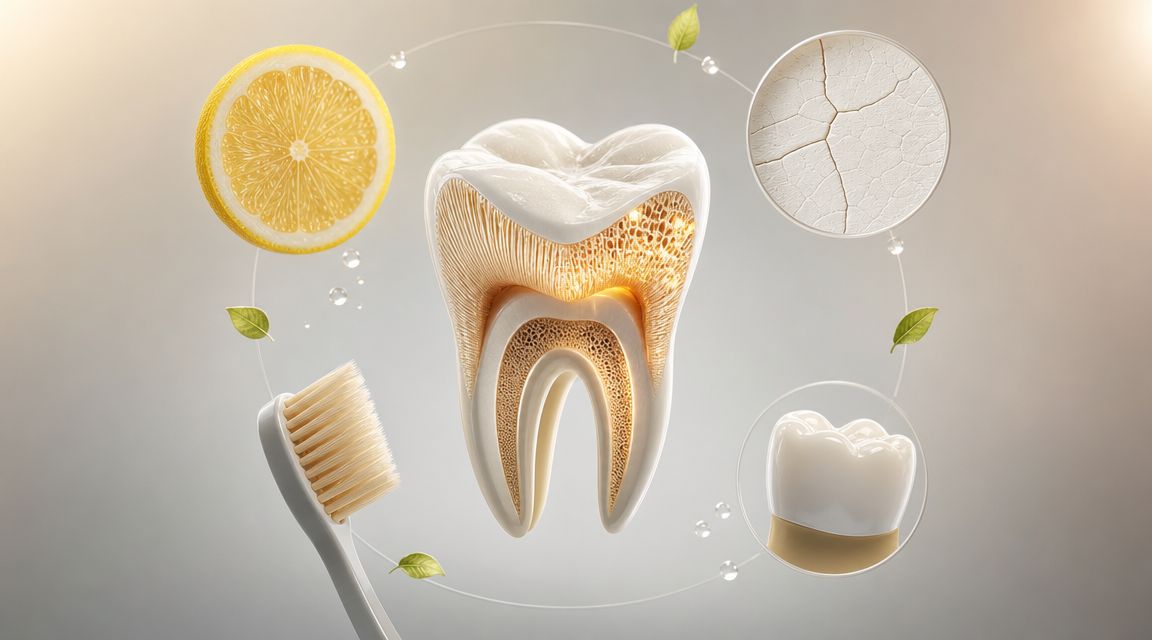
Some stains sit on the surface of enamel. These are often linked to coffee, tea, tobacco, and normal aging. Those stains usually respond well to professional whitening. Other discoloration starts deeper within the tooth structure. That includes some gray, blue, or banded discoloration linked to tetracycline exposure, fluorosis, trauma, or age-related internal changes. Those cases often need a different cosmetic plan.
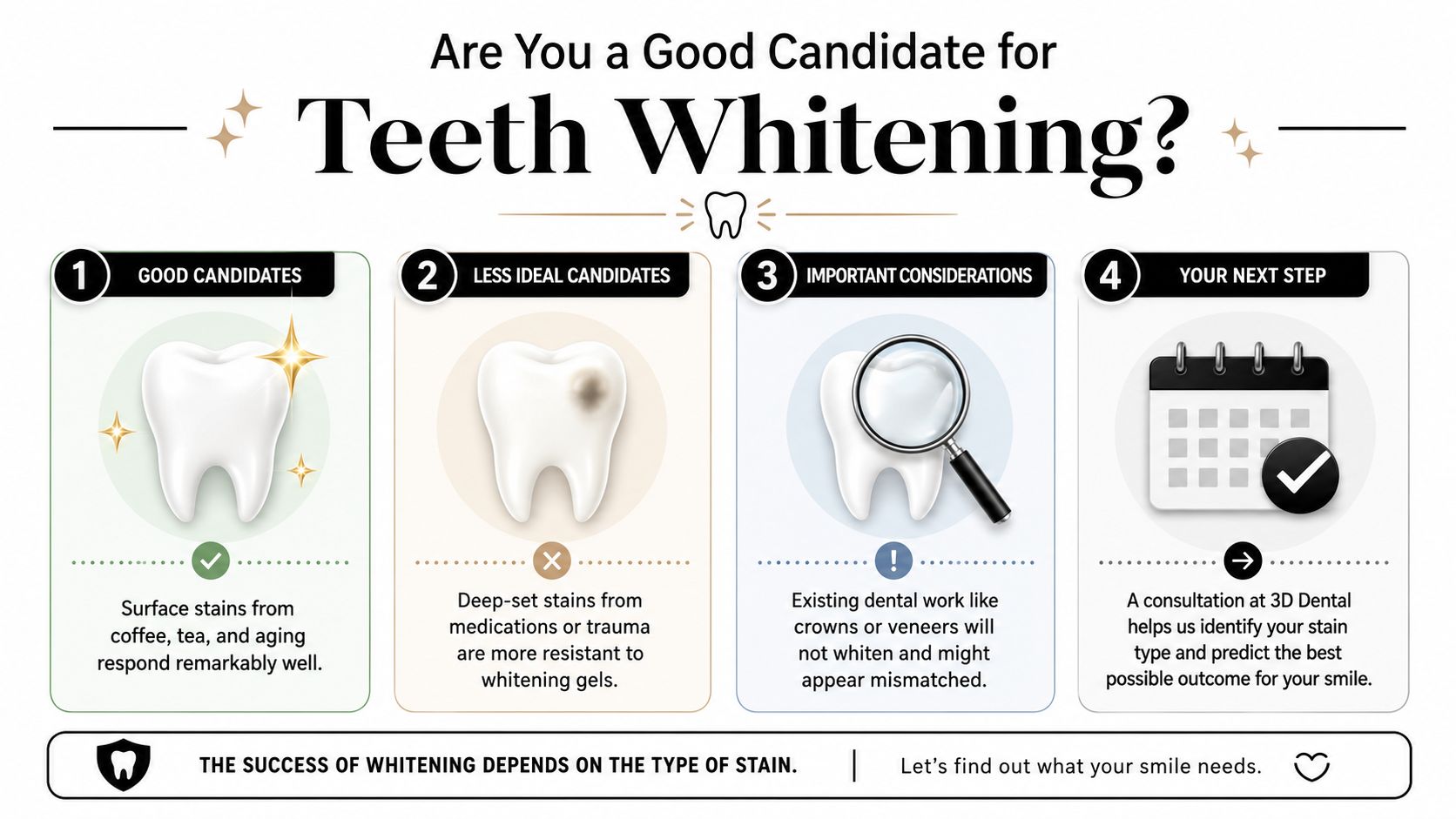
Surface stains and deeper discoloration are not the same
This distinction matters because too many patients are told whitening will fix everything. A 2024 American Academy of Cosmetic Dentistry study found that 38% of patients seeking whitening for intrinsic discoloration were misinformed that bleaching would be effective, as discussed in Austin Lakes Dentistry's review of what to ask before whitening.
That statistic lines up with what many patients experience in real life. They try strips, trays, or even professional bleaching, then feel disappointed because the underlying problem was never identified correctly.
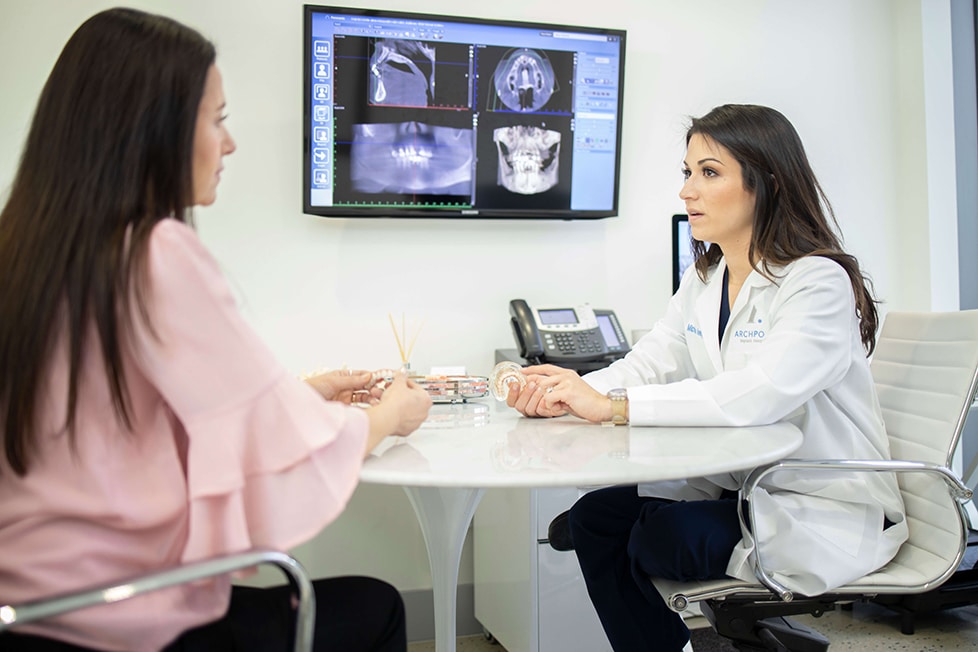
A proper evaluation looks at more than color alone. The pattern of discoloration matters. So does the condition of the enamel, the presence of exposed roots, existing dental work, and gum health. Practices that use advanced diagnostics such as 3D CT scans can identify stain origin more precisely and recommend whitening only when it makes sense.
Practical rule: If your teeth look yellow from surface staining, whitening often helps. If they look gray, banded, spotty, or uneven from deeper causes, you may need bonding or veneers instead.
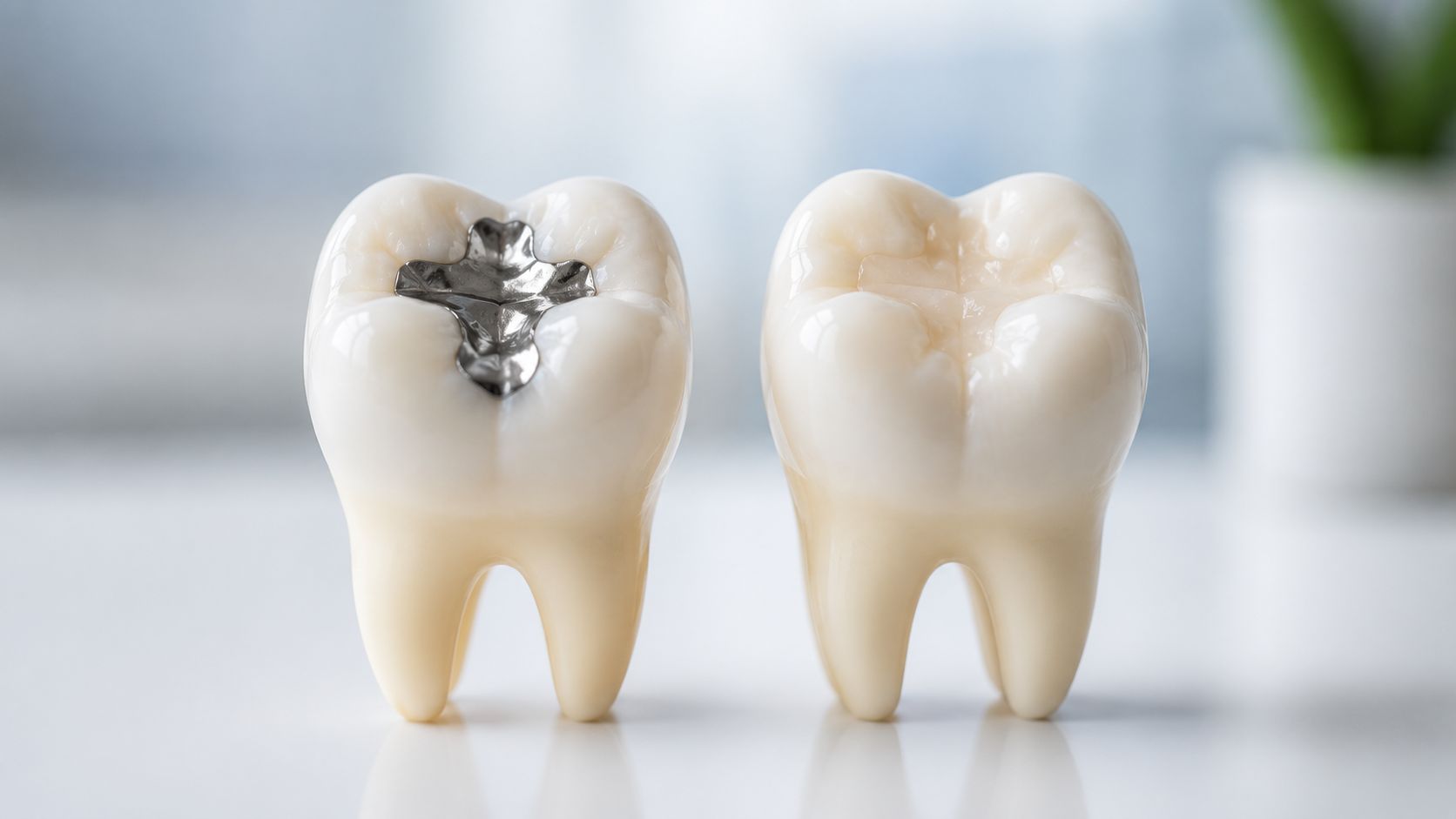
Situations where whitening may not be the right first step
Even when stain type looks favorable, whitening is not automatically the next treatment. A few common issues can change the plan:
- Visible restorations on front teeth. Crowns, veneers, and tooth-colored fillings won't whiten the way natural enamel does, so the smile can look mismatched afterward.
- Active gum disease or untreated decay. Sensitive or unhealthy teeth and gums should be treated before cosmetic bleaching.
- Pregnancy or nursing concerns. Many patients choose to postpone elective whitening and focus on preventive dental care.
- Heavy enamel wear or crack lines. These situations don't always rule whitening out, but they do change how carefully the treatment should be planned.
For some patients, the right answer isn't bleaching at all. It may be bonding to cover isolated dark areas, veneers for severe intrinsic discoloration, or a broader cosmetic dentistry plan. That's a better outcome than selling a whitening treatment that won't deliver what you're hoping for.
Professional Whitening Options at 3D Dental
After we confirm that whitening is likely to work on your type of discoloration, the next question is practical. Do you want the fastest possible change under direct supervision, or do you want a slower approach you can manage at home?
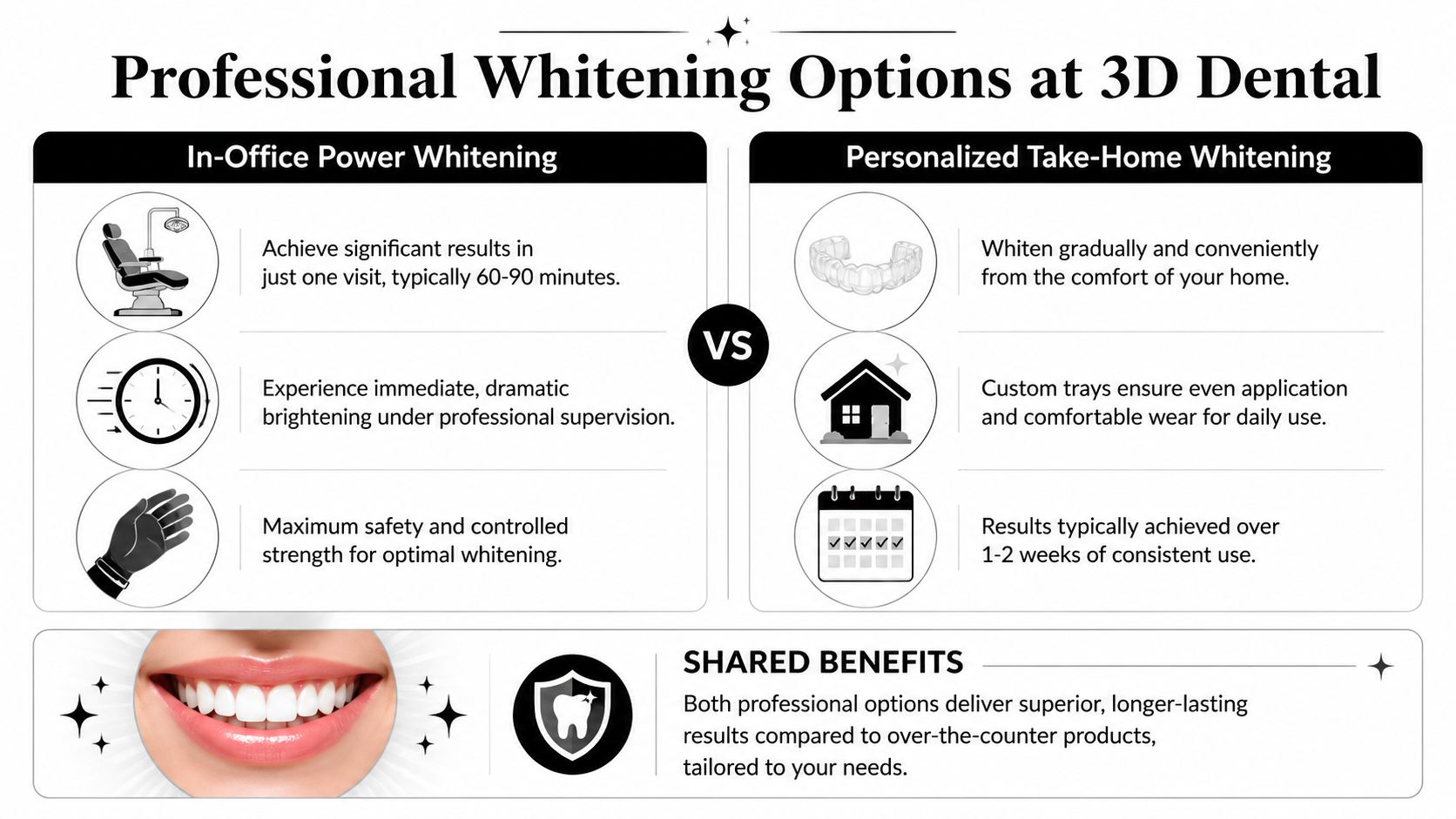
At 3D Dental, we recommend professional whitening in two main formats: in-office treatment and custom take-home trays. Both use stronger, more controlled materials than store-bought products. The right choice depends on your timeline, history of sensitivity, and how evenly your teeth are expected to whiten.
In-office whitening for faster results
In-office whitening is the better fit when you want a noticeable change quickly and want the process monitored from start to finish. Professional systems commonly use clinical-strength peroxide gels, often in the 25 to 40 percent range, and local pricing for in-office treatment is often around $300 to $600, according to Crystal Lake Family Dentist's Leander whitening overview.
Speed is only part of the benefit. We can isolate the teeth, protect the gums, watch for uneven response, and adjust treatment if one area is whitening faster than another. That level of control matters, especially for patients with mild enamel wear, old white fillings, or a history of tenderness after bleaching.
This option is often chosen before weddings, photos, interviews, or other events with a fixed date.
Custom take-home trays for flexibility
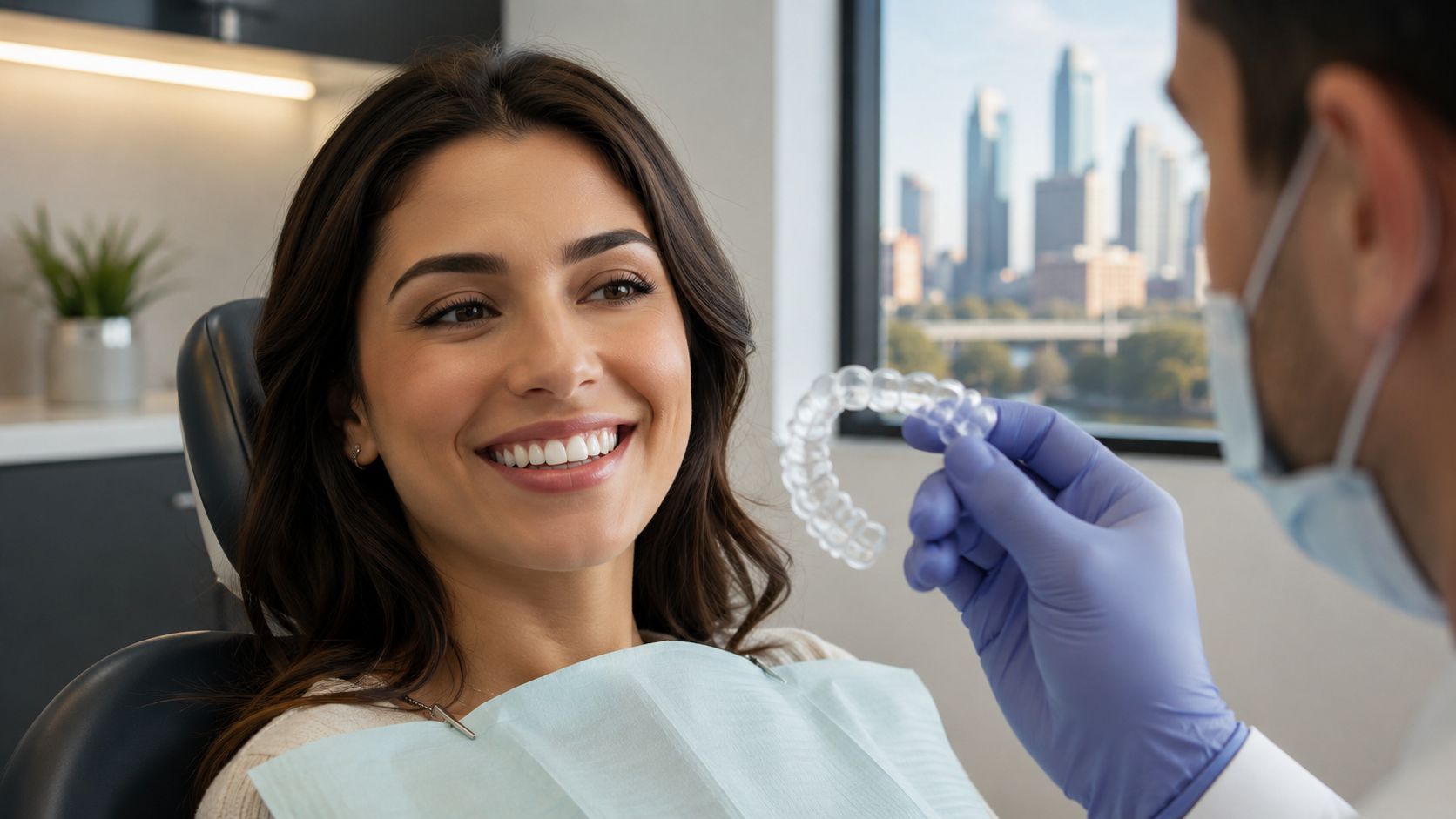
Custom take-home whitening trays are a strong option for patients who want more control over pace and comfort. They use a lower-concentration gel over a series of days, often about 10 to 14, and local fees are commonly lower than in-office treatment, often in the $150 to $400 range based on the same source noted above.
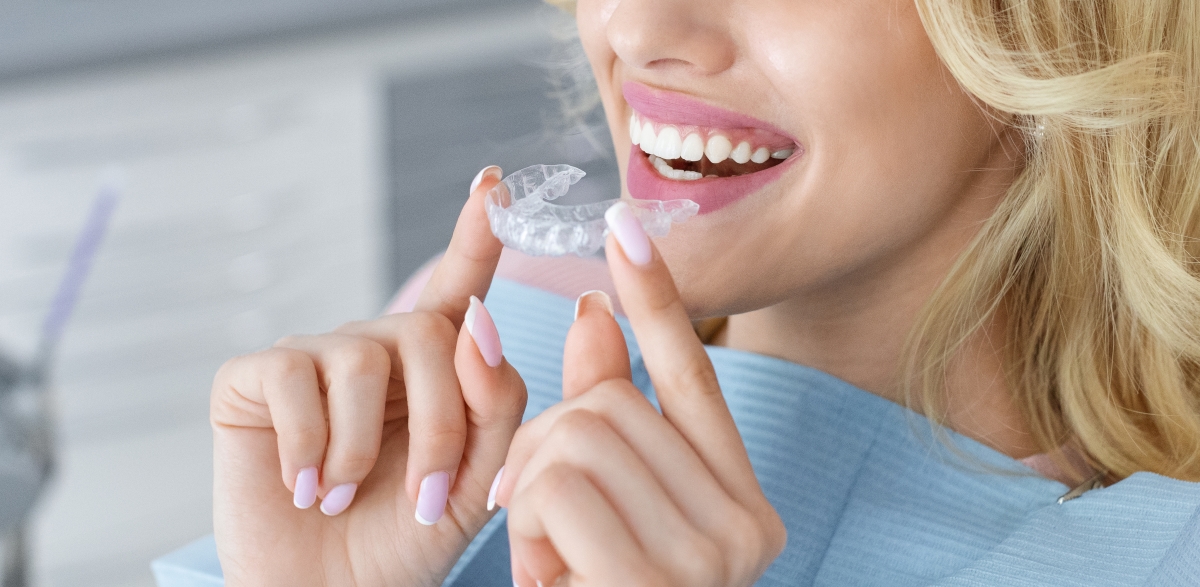
The key advantage is fit. A custom tray holds the gel against the enamel more evenly and reduces the overflow that commonly irritates gums with one-size-fits-all trays. It also lets us adjust your routine if sensitivity starts to build. For some patients, that slower approach leads to a better overall experience and a more even final shade.
Which option tends to work best
Patients with a deadline usually prefer in-office whitening. Patients with a history of sensitivity, a moderate budget, or a preference for gradual change often do better with custom trays.
At 3D Dental, that recommendation is not made by guesswork. We look at the stain pattern, existing dental work, and signs of enamel stress before choosing a method. If our exam suggests bleaching will brighten some teeth but leave others mismatched, we discuss that upfront and may recommend bonding, veneer treatment, or whitening first followed by cosmetic updates to match the new shade.
Side-by-side comparison
| Option | Best for | Timeline | Typical local cost |
|---|---|---|---|
| In-office whitening | Faster visible change, single-visit convenience | Usually one visit | $300 to $600 |
| Custom take-home kits | Flexible at-home use, gradual brightening | 10 to 14 days | $150 to $400 |
What over-the-counter products usually miss
Retail strips, paint-on gels, and generic trays can help with mild surface staining, but they often fall short when stains sit deeper in the tooth or collect unevenly around crowded areas. They also do nothing to predict whether a dark spot is even a whitening case to begin with.
That distinction matters. Yellowing from coffee, tea, red wine, tobacco, or simple age-related stain often responds well to bleaching. Gray discoloration, banding, spots from developmental changes, and color differences caused by fillings or crowns usually need a different solution. A professional exam helps you avoid spending time on a product that was never likely to solve the underlying problem.
Your In-Office Whitening Experience Step by Step
People often feel comfortable with whitening once they know what happens during the appointment. The process is controlled, organized, and much simpler than most patients expect.
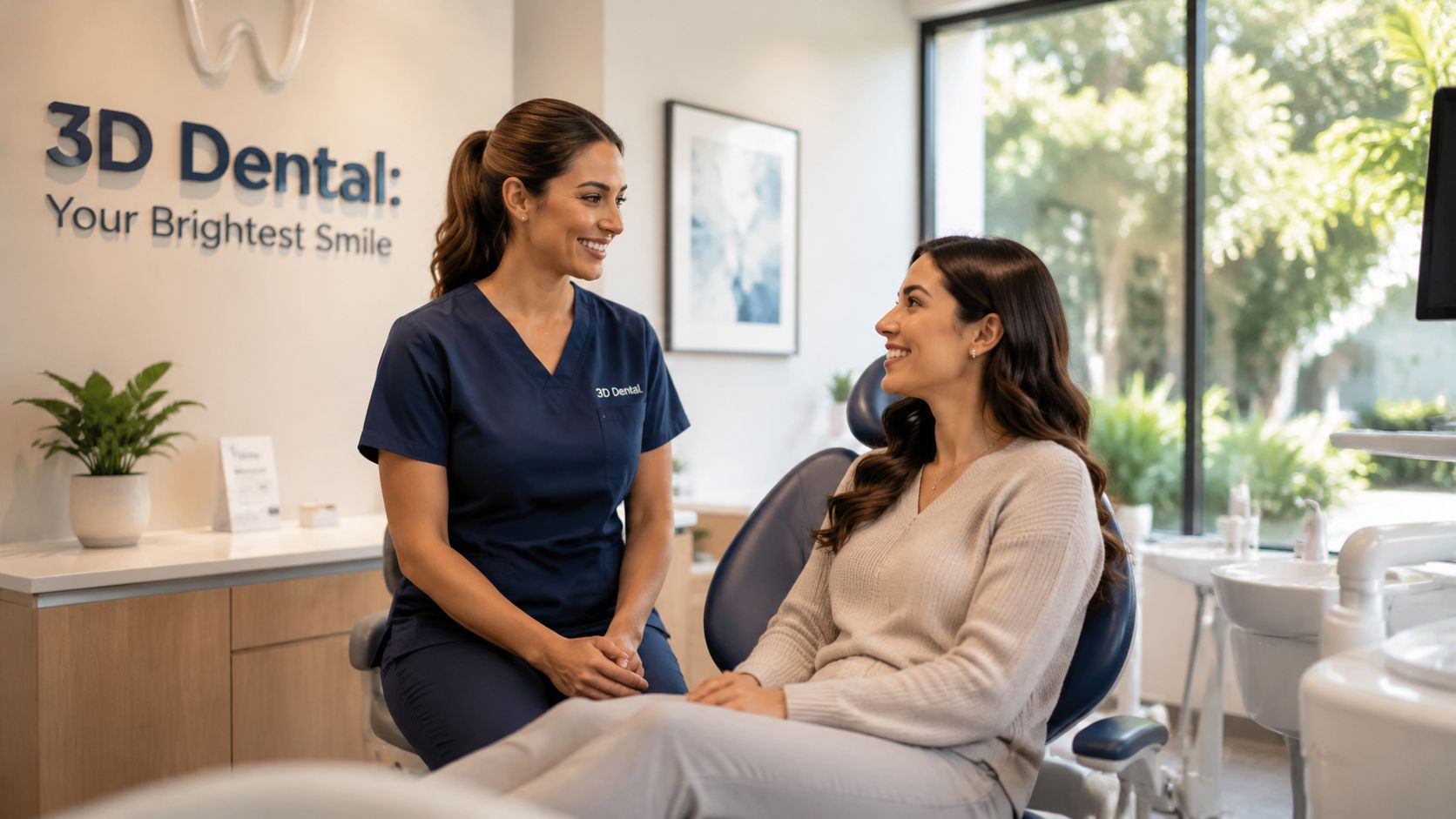
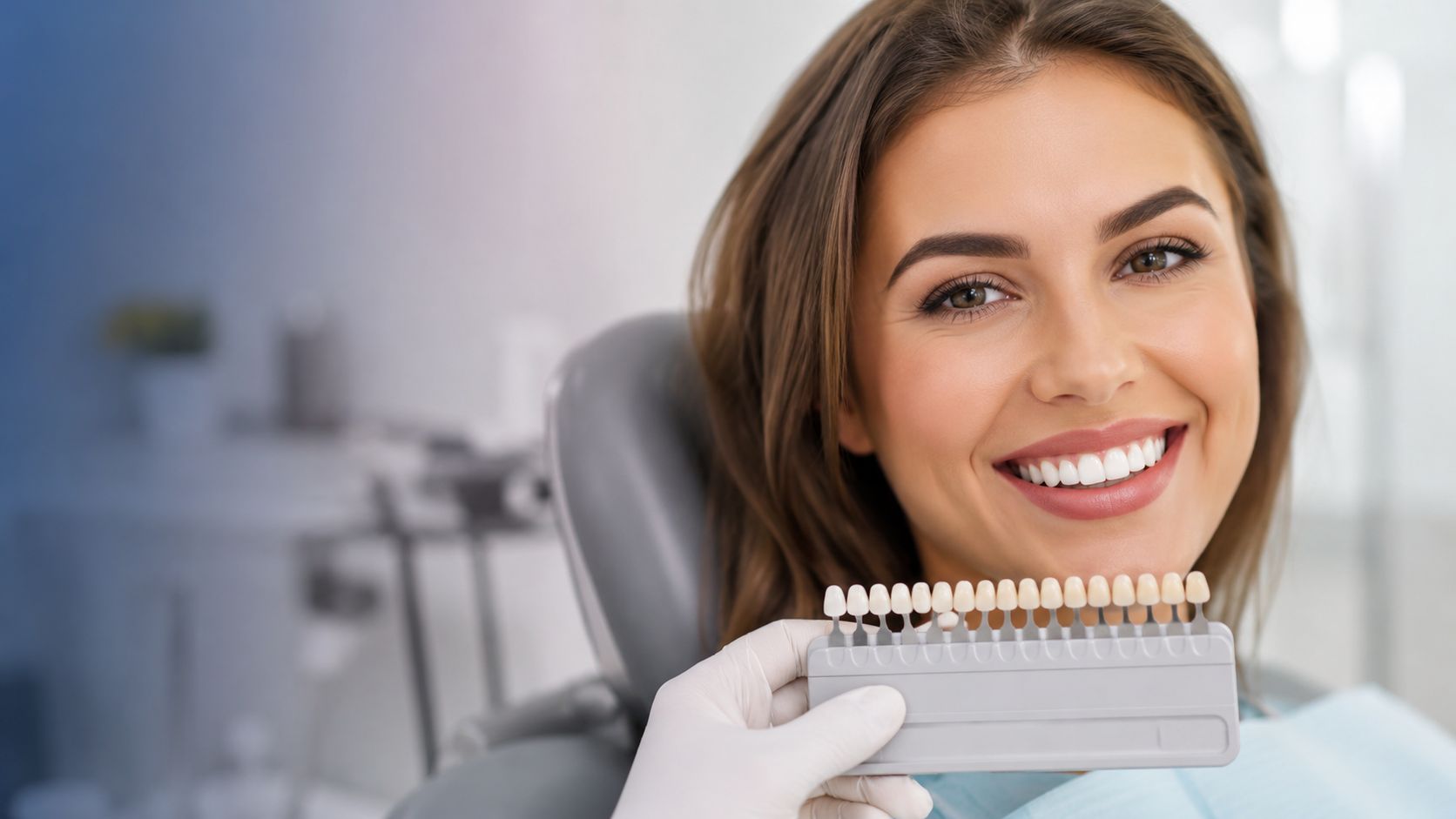
The visit starts with shade matching and exam
The first step is a close review of your current tooth shade, stain pattern, and oral health. If there's plaque buildup, gum irritation, or untreated decay, those issues may need to be handled first. This is one reason whitening fits naturally inside complete dental care rather than being treated like a standalone beauty service.
Your dentist also checks for things that affect outcome, such as old bonding on the front teeth, enamel wear, or areas that may whiten unevenly. If your goals are realistic and your teeth are a good match for bleaching, the whitening appointment moves forward.
Protection comes before whitening gel
Before any gel is applied, the lips and gums are protected so the whitening material stays where it belongs. Then the clinical-grade gel is placed carefully on the enamel surfaces being treated. Light activation is often used to speed the bleaching reaction.
Professional systems can produce dramatic changes. Austin Dental Spa's overview of advanced professional whitening notes that top-tier cosmetic dentists routinely achieve 8 to 12 shades whiter, and advanced systems like KöR Deep Bleaching can lift teeth up to 16 shades or more.
The difference with an in-office appointment isn't only stronger gel. It's control. Every step is adjusted for safety, comfort, and evenness.
Treatment happens in monitored cycles
Most patients experience the whitening portion in timed phases rather than one long uninterrupted stretch. During the visit, the team checks the teeth, monitors comfort, and watches for any areas that need special attention. Some patients feel little to nothing. Others notice brief zings or cold sensitivity, which is one reason a supervised setting matters.
A short video can make the process feel even more familiar before you book:
The reveal and immediate aftercare
At the end of the appointment, the whitening materials are removed, the teeth are rinsed, and the shade is compared with the starting point. Patients usually notice the change right away. The smile looks cleaner, brighter, and more refreshed.
Before you leave, you'll also get instructions for the next couple of days. That aftercare matters just as much as the appointment itself if you want the new shade to last comfortably.
Maintaining Results and Managing Sensitivity
Whitening doesn't end when the chairside treatment ends. The days right after bleaching have a big effect on both how long your result lasts and how comfortable your teeth feel.
That matters because sensitivity is common. Recent data from the Journal of Dental Research (2025) shows that 62% of patients experience sensitivity after in-office bleaching, and nanohydroxyapatite can reduce this sensitivity by 45% more than traditional fluoride alone, as summarized in Green Dentistry of Leander's discussion of whitening aftercare and sensitivity.
How to protect the new shade
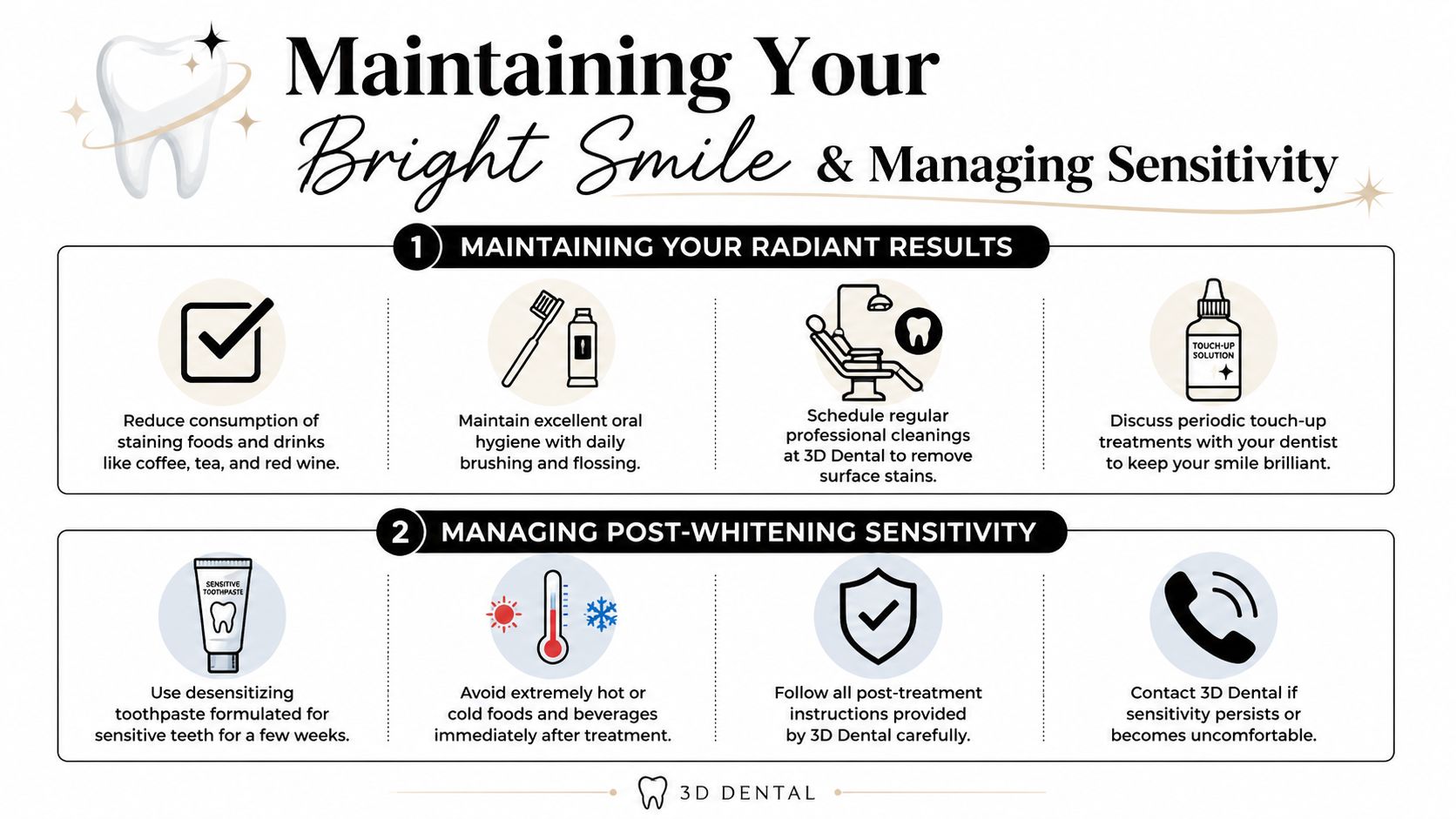
Freshly whitened teeth are more likely to pick up new pigment right away, so the first couple of days matter.
A simple approach helps:
- Choose lighter foods and drinks. Water, plain yogurt, rice, chicken, eggs, and other non-staining foods are safer right after whitening.
- Cut back on dark liquids. Coffee, tea, red wine, cola, and dark-colored sauces can stain more easily during the early period.
- Stay consistent with brushing and flossing. Daily hygiene helps hold onto the result and keeps new surface stains from building quickly.
- Keep regular cleanings and exams. A professional cleaning helps remove external stain before it settles in.
Patients who know they're prone to rebound staining often do well with occasional touch-ups instead of waiting until the color fades significantly.
Sensitivity should be managed, not brushed off
Too many whitening conversations stop at “use sensitivity toothpaste.” That's not enough for everyone.
A better plan starts before discomfort gets intense. Depending on the patient, that may include an in-office desensitizing step, careful product selection at home, and a shorter or modified whitening schedule. Toothpastes and creams made for sensitive teeth can help, especially those using ingredients aimed at calming nerve response or helping seal micro-pores after bleaching.
For patients who already know they have reactive teeth, a more detailed plan is worth discussing. This practical guide on teeth whitening for sensitive teeth explains how whitening can be approached more comfortably.
Key takeaway: The goal isn't to “push through” sensitivity. The goal is to whiten in a way your teeth can tolerate.
What helps and what usually doesn't
Here's the trade-off after whitening:
| Helps | Usually falls short |
|---|---|
| Desensitizing products started early | Waiting until pain is intense |
| Avoiding very hot and very cold foods right away | Testing sensitivity with ice water or hot coffee |
| A personalized aftercare plan | Generic advice with no follow-up |
| Professional touch-ups when needed | Repeated retail whitening with no diagnosis |
Good whitening results don't come from bleach strength alone. They come from proper candidate selection, a sensible protocol, and aftercare that respects how your teeth respond.
Understanding Teeth Whitening Costs and Financing
Cost is one of the first practical questions people ask, and it should be. Cosmetic treatment is easier to move forward with when the numbers are clear.
In the Austin area, professional in-office whitening typically ranges from $300 to $600, while professional take-home kits are commonly around $150 to $400, based on River Rock Dental Family's overview of local whitening recommendations and pricing. The lower-cost path usually asks for more patience. The faster path usually costs more because it includes chair time, stronger materials, and supervised application.
What you're paying for
The price difference between retail whitening and professional whitening usually comes down to three things:
- Diagnosis. You're not paying only for gel. You're paying to find out whether whitening is the right treatment in the first place.
- Customization. Professional trays, shade planning, and tissue protection improve comfort and predictability.
- Support if something feels off. If sensitivity shows up or the result looks uneven, you have a dental team to adjust the plan.
This is especially important for patients who are also considering restorative dentistry, veneers, or new patient exams after moving to Austin or Georgetown. Whitening that's timed poorly can complicate later cosmetic work.
Payment and financing options matter too
At 3D Dental, accessibility is part of the planning conversation. Patients can ask about insurance benefits where applicable, in-house payment options, and “treat now, pay later” financing through Cherry and Sunbit. For many people, that makes it easier to move forward without delaying care they've already decided they want.
If you want a more detailed breakdown of what affects price, this article on professional teeth whitening cost gives a useful overview of common factors.
For patients comparing options, the best value usually isn't the cheapest sticker price. It's the treatment that fits your stain type, avoids unnecessary repeat spending, and gives you a result you feel good about.
Frequently Asked Questions About Teeth Whitening
Will whitening change the color of crowns, veneers, or fillings
No. Whitening affects natural tooth structure, not materials like porcelain or composite in the same way. If you have visible crowns, veneers, or old fillings on front teeth, the natural enamel may lighten while the restorations stay the same. That can create a mismatch.
In that situation, the right move is often planning the sequence carefully. Some patients whiten first, then update older visible restorations to match the new shade.
Is professional whitening safe for enamel
When the teeth and gums are healthy and the treatment is used appropriately, professional whitening is generally considered a safe cosmetic option. The bigger issue usually isn't enamel damage. It's using whitening when the diagnosis is wrong, or whitening teeth that already have untreated sensitivity, exposed roots, cavities, or gum irritation.
That's why a proper exam matters before cosmetic treatment. It protects your comfort and improves the odds of a result you'll like.
What if my teeth are very dark or have tetracycline staining
Some severe discoloration doesn't respond well to standard whitening alone. That includes many tetracycline-related cases and other deep intrinsic stains.
For those situations, the KöR Whitening Deep Bleaching System is widely regarded as the gold standard for severe discoloration. It combines a 14-day at-home protocol with a final in-office activation and can achieve up to 10 to 12 shade improvements while reducing post-treatment sensitivity by 78% compared to standard methods, according to Dimensions of Dental Hygiene's summary of the KöR Whitening Deep Bleaching System.
That doesn't mean every dark tooth is a whitening case. Some still do better with bonding or veneers. But for the right patient, KöR can open the door to improvement that ordinary bleaching often can't deliver.
How long do results last
That depends on your habits, your baseline shade, and how well you maintain the result afterward. Coffee, tea, tobacco, and strongly pigmented foods can shorten the lifespan of a whitening result. Regular cleanings, touch-ups when appropriate, and good home care help preserve brightness longer.
Can I get whitening if I'm also looking for other dental work
Often, yes, but the order matters. If you're also searching for dental implants near me, tooth extraction, emergency dentist, orthodontics, or restorative dentistry, the timing should be coordinated. Whitening may need to wait until the mouth is healthy, pain is addressed, or major restorative work is completed.
That's one of the advantages of getting care in a practice that handles preventive, cosmetic, restorative, and urgent dental needs under one roof. The smile plan can be built in the right order rather than one procedure at a time.
If you're looking for teeth whitening in Leander, Georgetown, or the North Austin area, the next step is a personalized evaluation that looks at stain type, oral health, and the cosmetic result you want. 3D Dental provides complete dental care including new patient exams, dental x-rays, cosmetic dentistry, restorative treatment, emergency dental care, and whitening options designed around your smile, your comfort, and your timeline. Schedule a consultation to find out which whitening approach makes sense for you.
Ready to get started?
Schedule a free, no obligation consultation with our team and see what's possible for your smile!
Georgetown
- Mon-Thurs8:30am-5pm
- Fri8am-3:30pm
- Sat-SunClosed
Austin
- Mon-Tues8am-5pm
- Wed-Thurs9am-6pmFri8am-2pm
- Sat-SunClosed