
What to Expect with Braces: Full Journey Explained
Related Posts




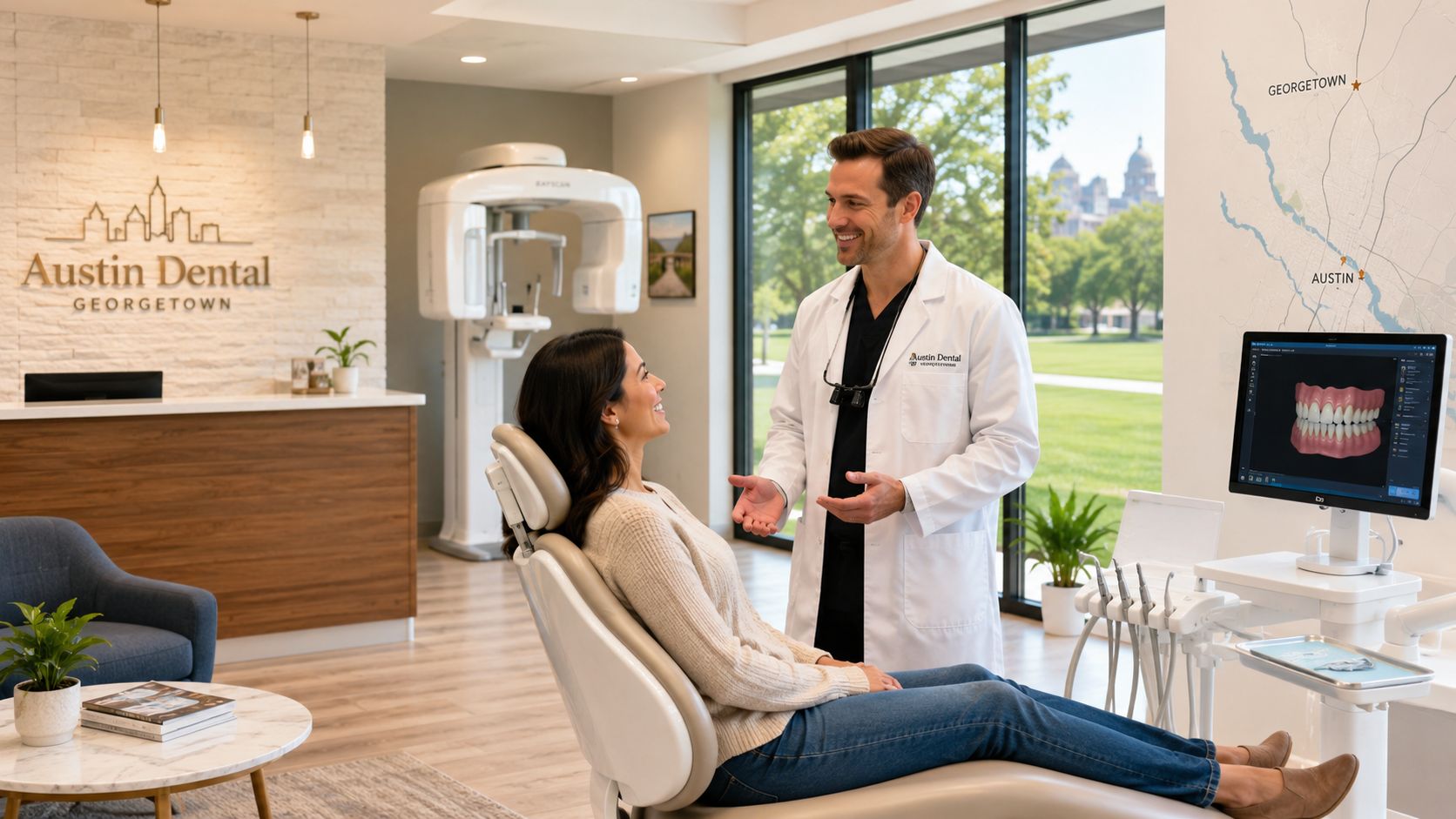
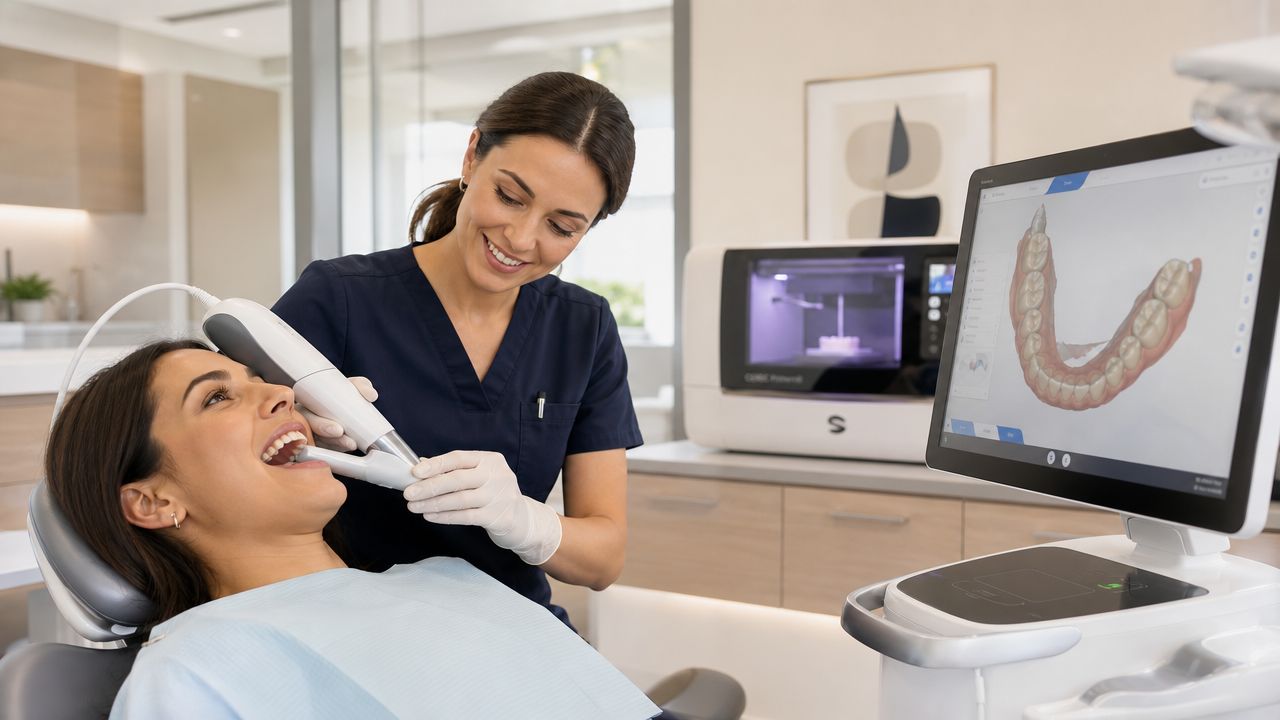

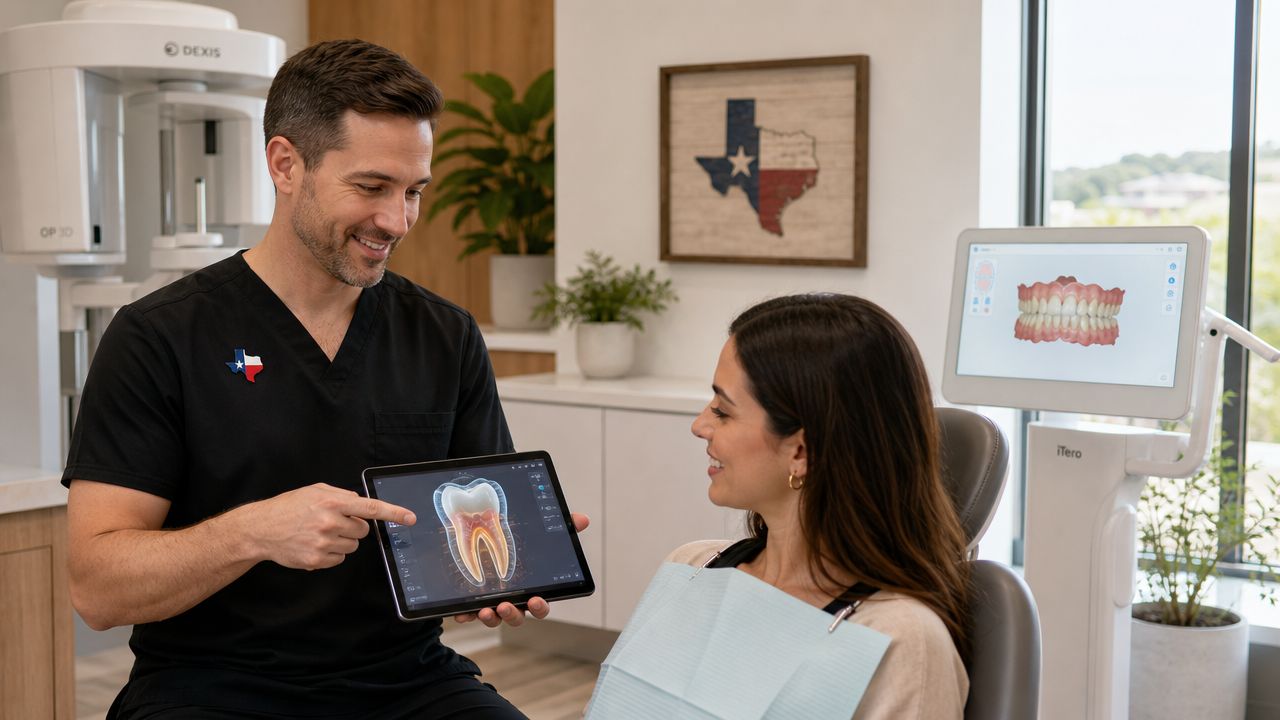



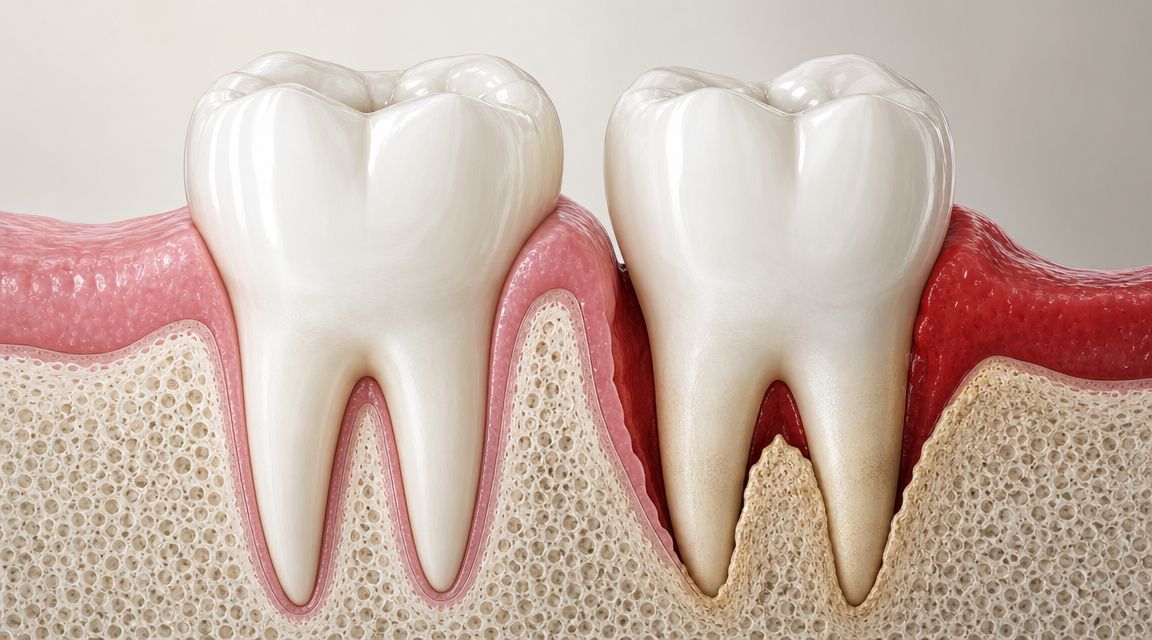






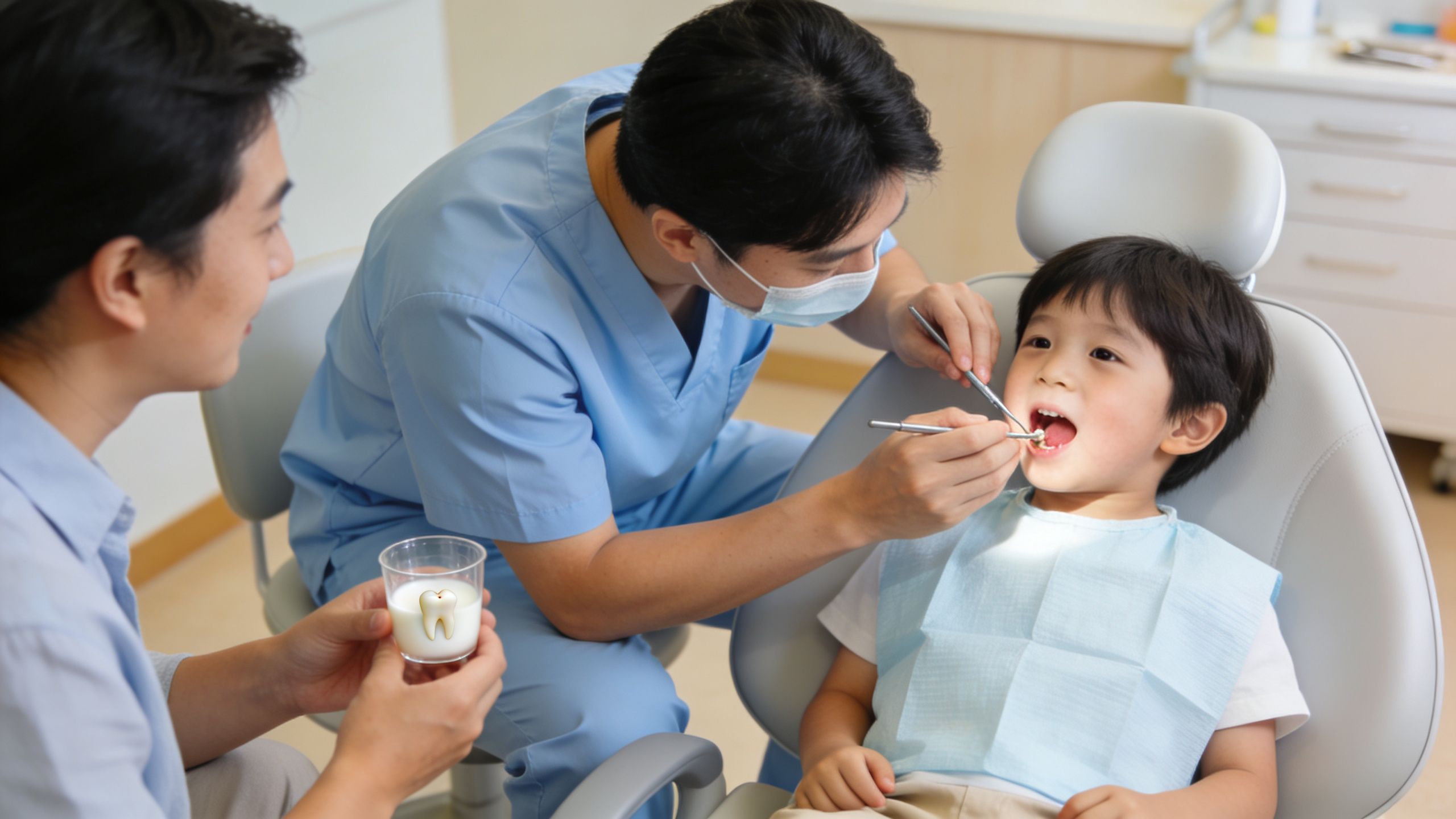
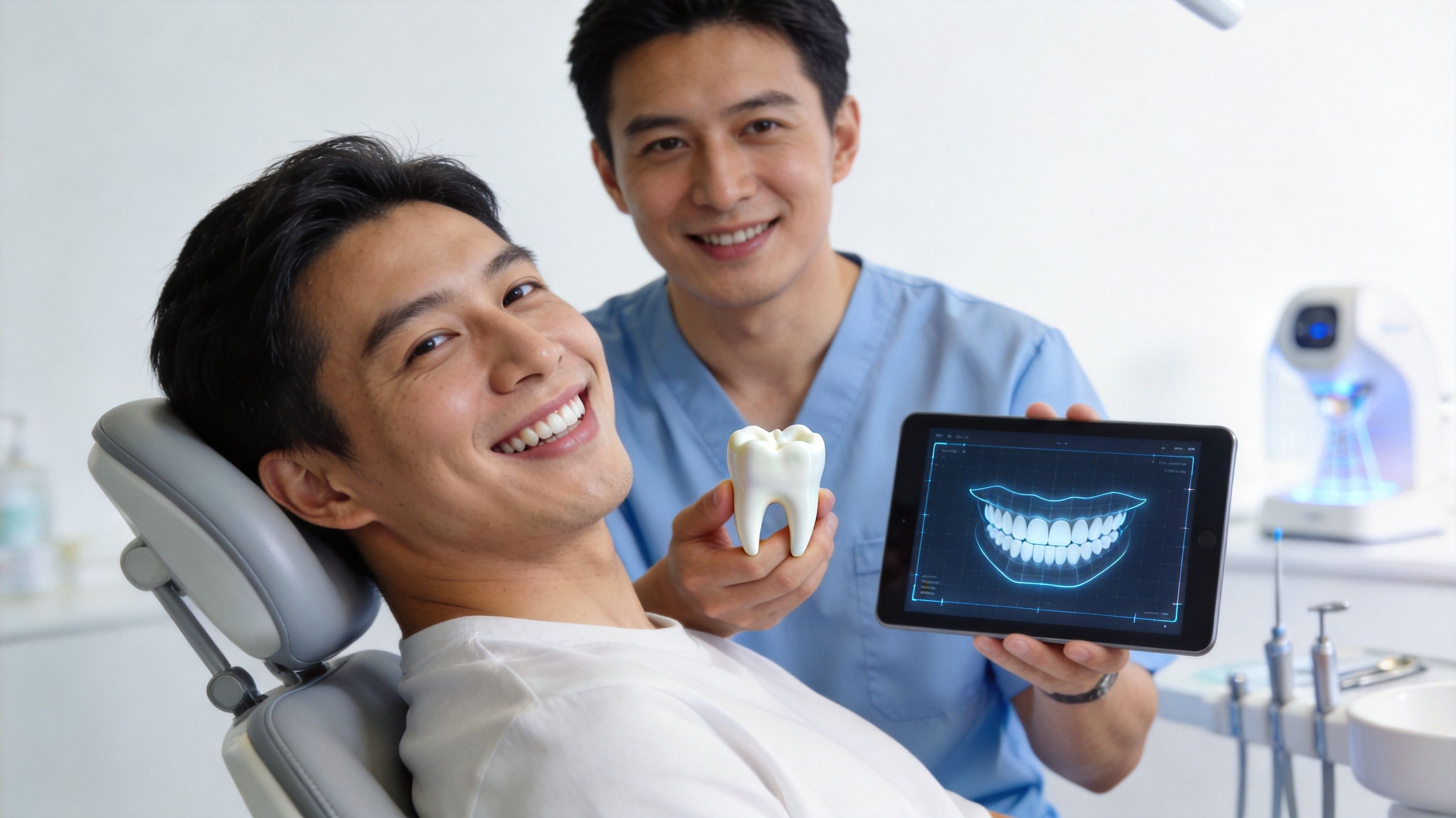








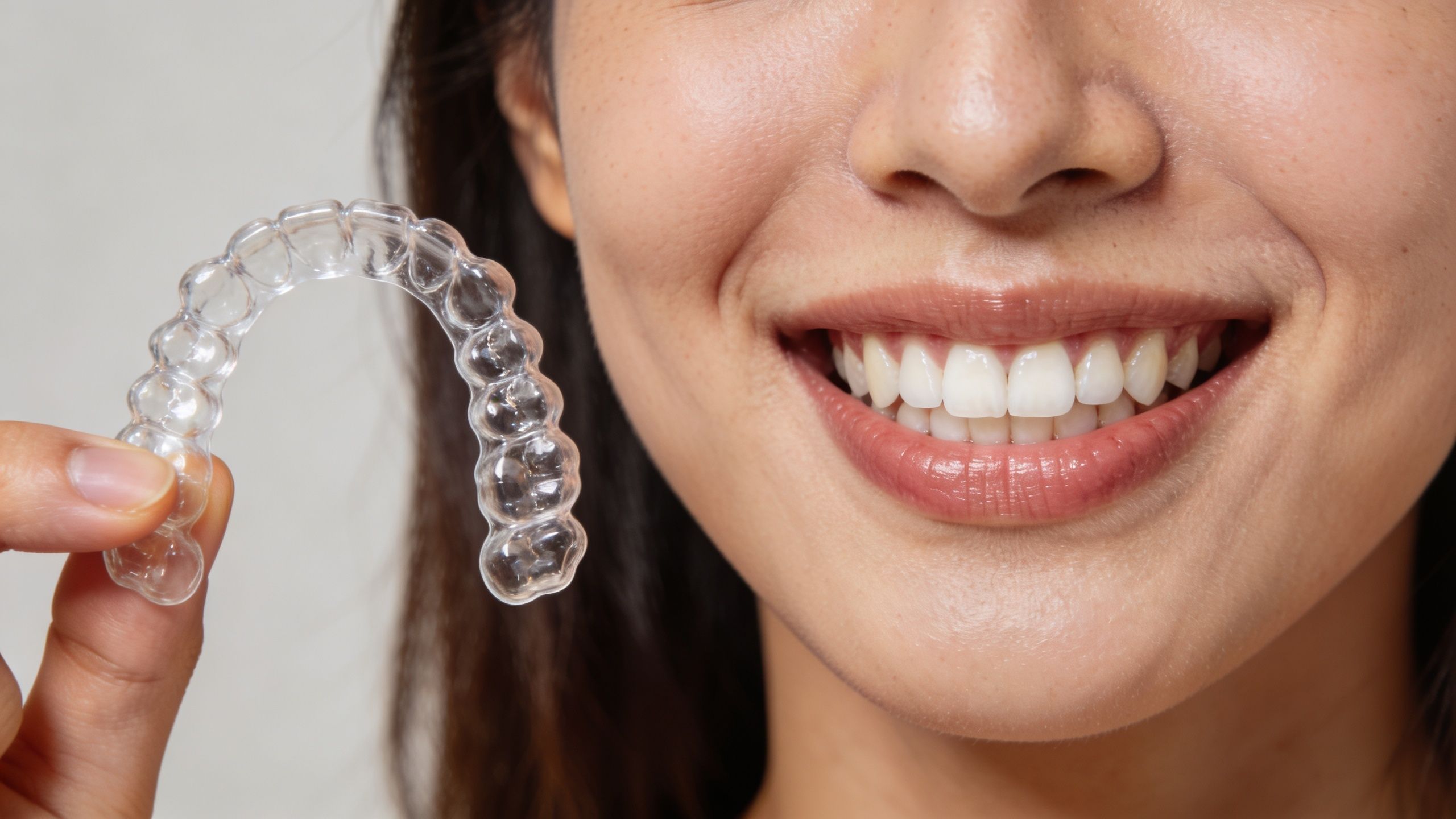
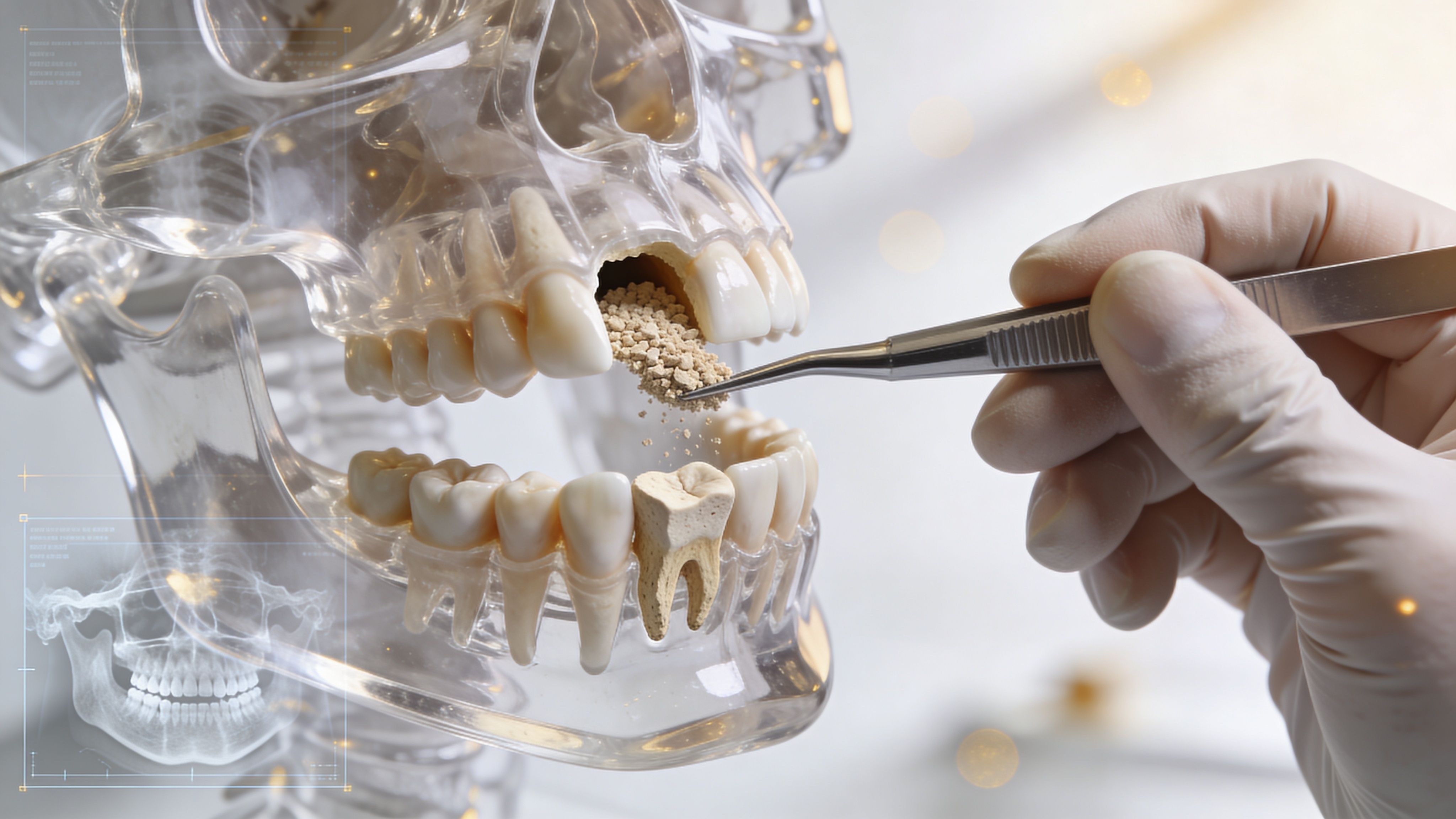


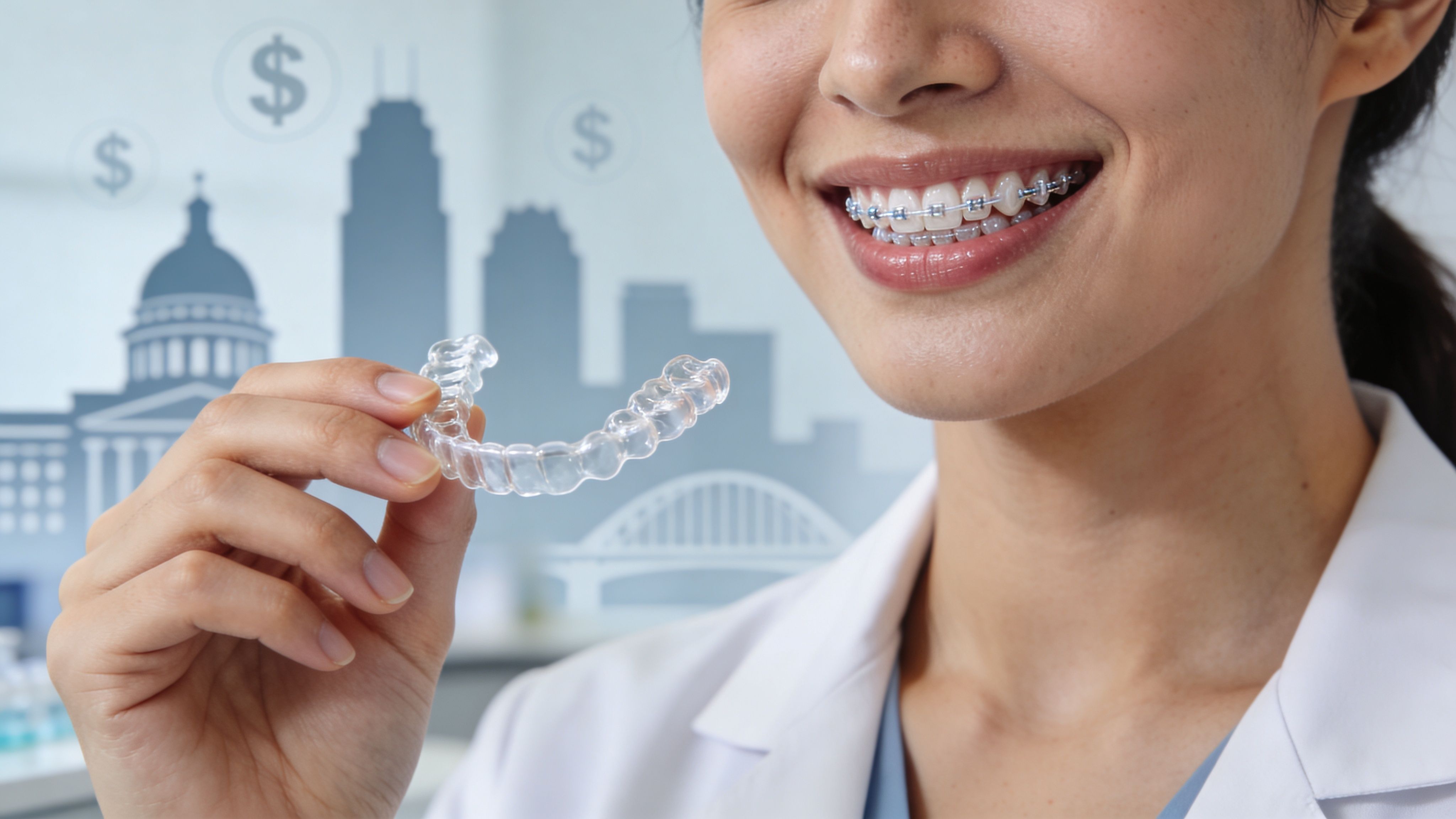

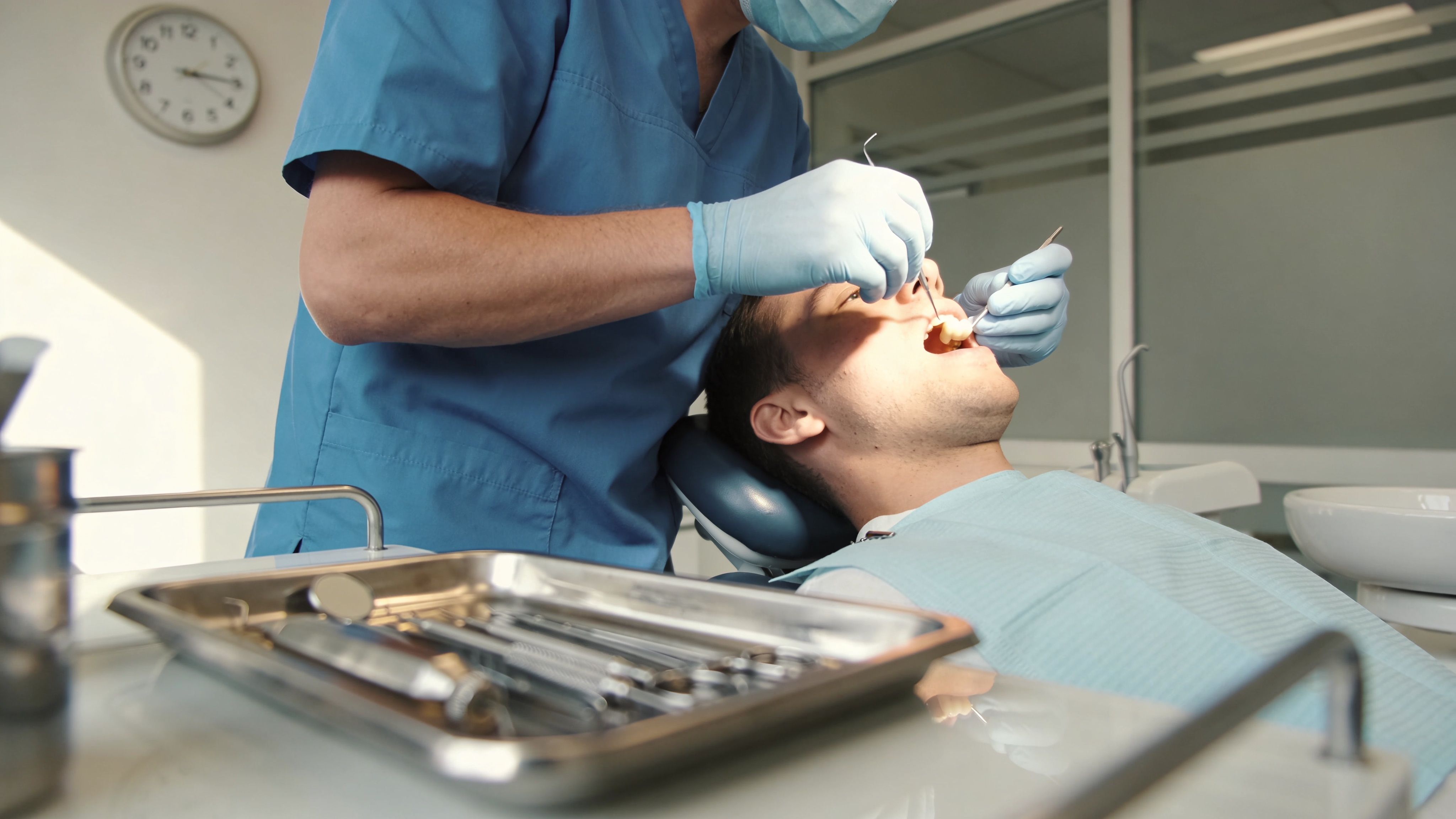

You're probably here because braces feel like a big step. Maybe your child's dentist mentioned crowding. Maybe you've been searching for a dentist near me in Austin, TX or Georgetown, TX because you've put off fixing your own bite for years. Maybe you want straight teeth, but you also want to know what the process feels like day to day.
That's a smart question.
Many aren't nervous about the final smile. They're nervous about the unknowns. Will braces hurt? How long will they take? What happens at the first visit? What if a wire pokes your cheek on a weekend? Those are the questions behind what to expect with braces.
At 3D Dental, patients from Austin, Georgetown, Round Rock, Cedar Park, Wells Branch, and Liberty Hill often come in wanting a clear plan before they commit. That's especially true for adults. Braces aren't only for teens. One source notes that about 25% to 30% of orthodontic patients are adults and traces the first set of braces back to 1728, showing how established and accepted orthodontic treatment has become across age groups (interesting braces facts).
Your Guide to a Straighter Smile in Austin & Georgetown
A common first visit goes something like this. A parent sits down with a middle schooler who's worried braces will look awkward. Or an adult says, “I've wanted to fix this for a long time, but I didn't know where to start.” Both are normal.
Braces are part health treatment and part confidence treatment. Straightening teeth can make daily cleaning easier, improve how teeth meet, and change how you feel when you smile in photos or speak in meetings. Families looking for a dentist in Austin, TX or dentist in Georgetown, TX usually want both. They want function and appearance. They also want a team that explains things without making the process feel intimidating.

Why people get confused about braces
A lot of online advice makes braces sound simple. Get them on, wait a while, take them off. Real treatment is more personal than that. Every mouth starts in a different place. Some patients have mild spacing. Others have crowding, bite issues, or jaw alignment concerns that need a more detailed plan.
That's why a good orthodontic process matters. You're not just buying brackets and wires. You're getting diagnosis, monitoring, adjustments, hygiene guidance, and support when something feels off.
Braces work best when patients understand the process before treatment starts.
Local care makes the process easier
If you live in North Austin, Georgetown, Cedar Park, Round Rock, Wells Branch, or Liberty Hill, convenience matters more than people think. Braces involve repeat visits, check-ins, and sometimes quick repairs. Having a nearby dental office with modern imaging, digital records, and a team that knows your case can make the whole journey feel much more manageable.
This is also why many patients who first come in for cleaning and exams, dental x-rays, or a new patient exam end up asking about orthodontic care. Once they understand what's possible, the idea of braces feels less overwhelming and more like a practical next step.
Your Orthodontic Consultation at 3D Dental
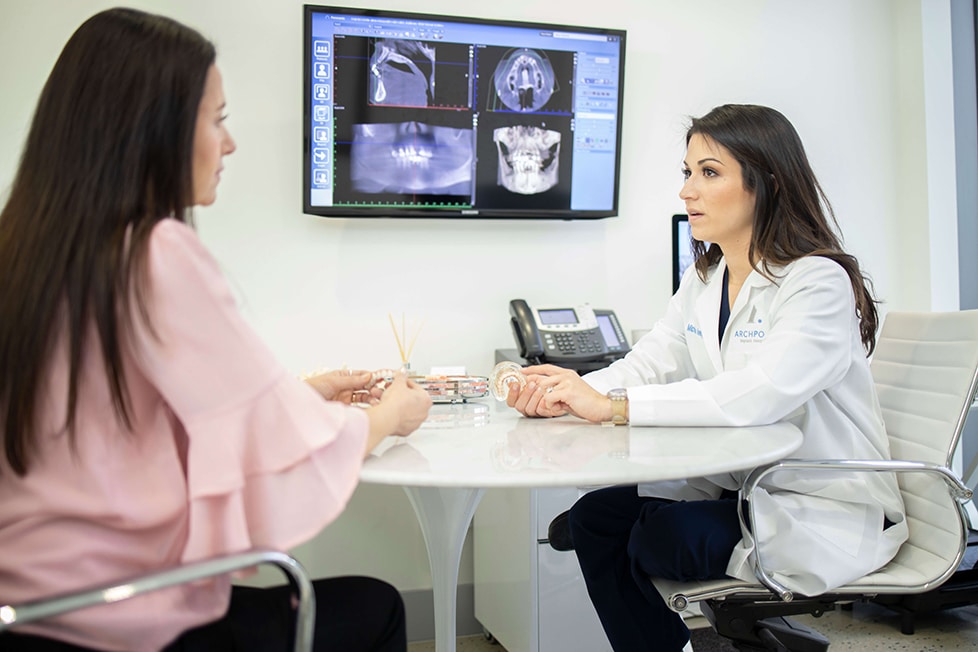
The consultation is where uncertainty starts to disappear. Instead of guessing what treatment you might need, your orthodontic team gathers the information needed to build a plan around your teeth, bite, and goals.
What happens at the first visit
Most consultations include a conversation before anything else. You'll talk about what bothers you, whether that's crowding, spacing, a bite problem, or concerns about appearance. If you're a parent, you can also talk through school schedules, sports, and how your child handles dental visits.
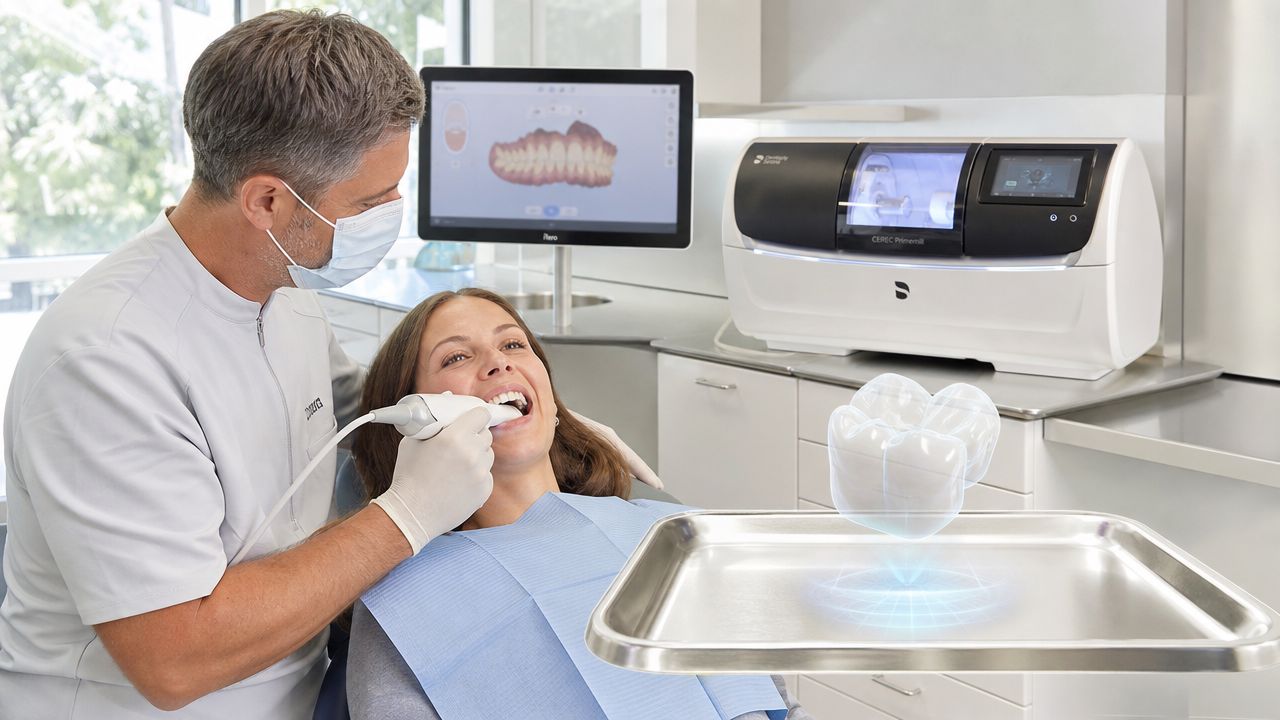
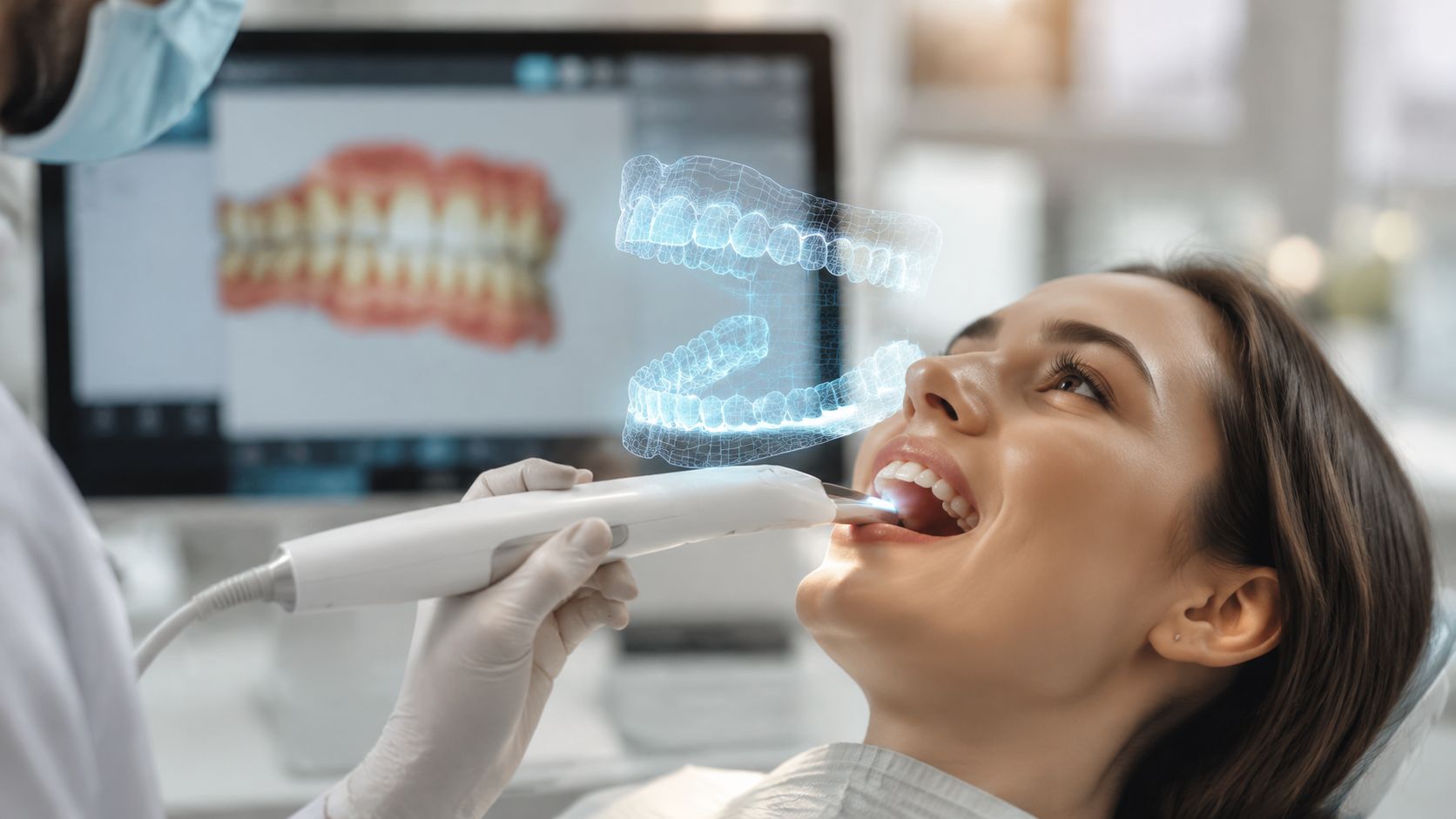
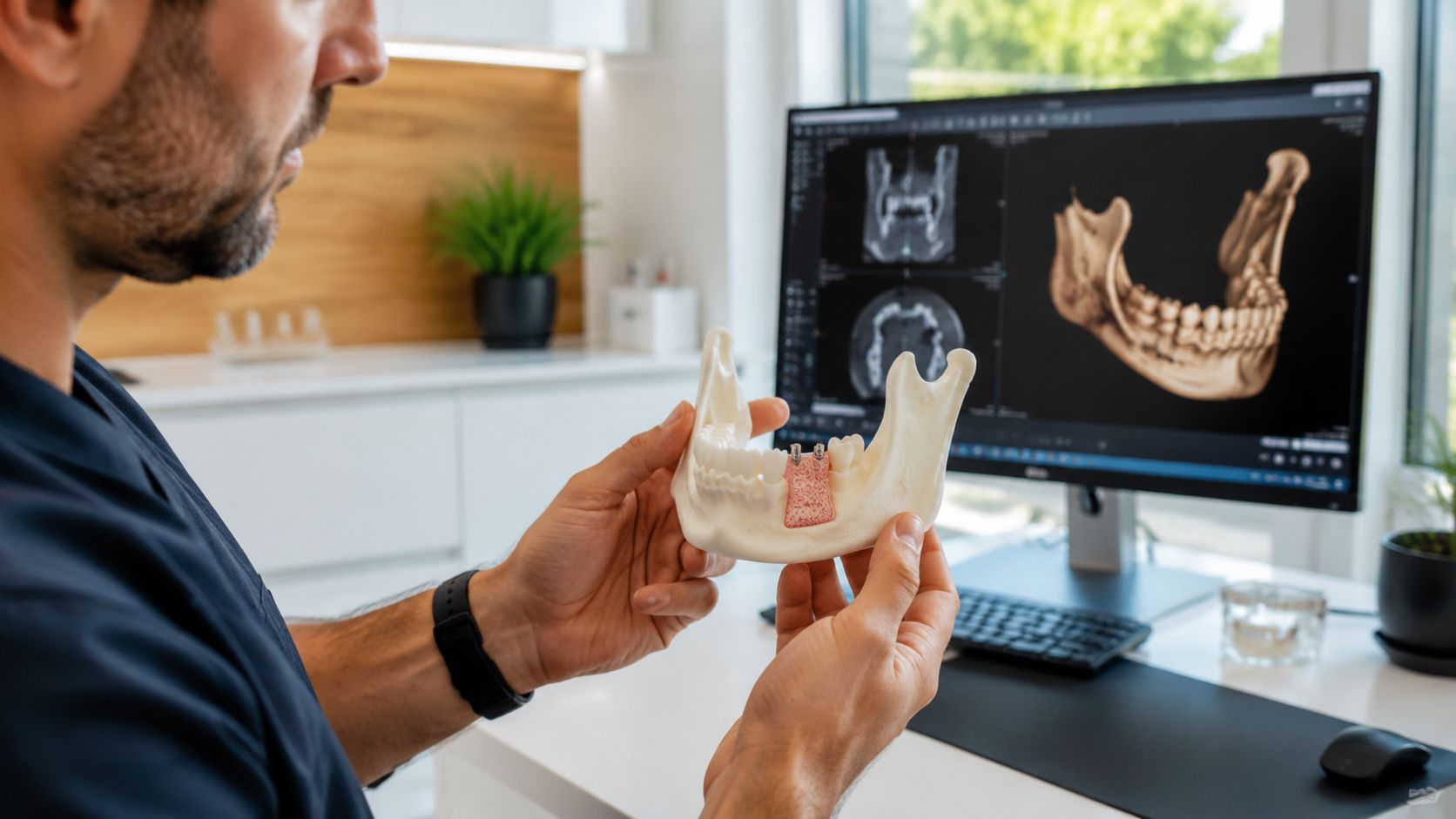
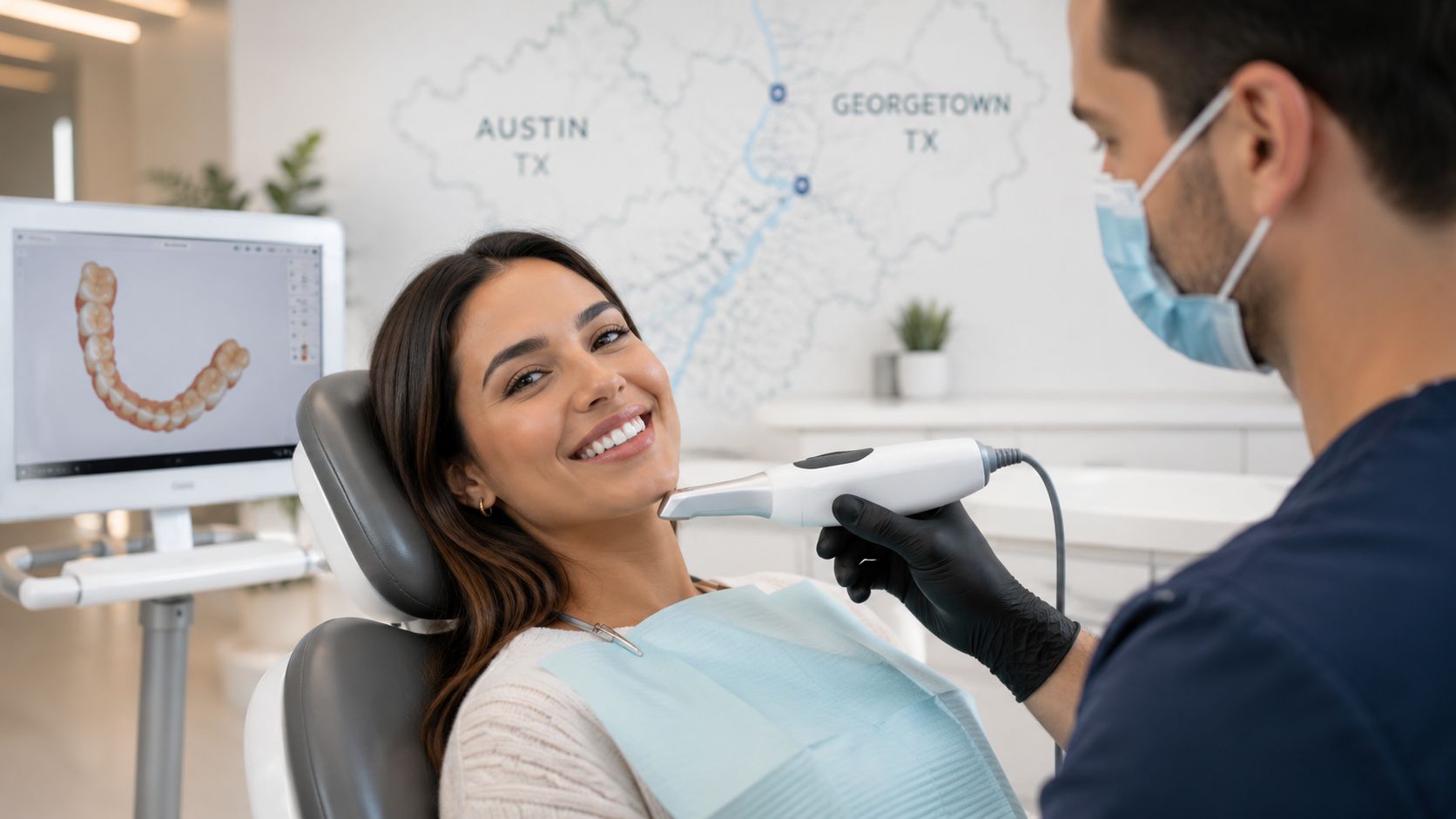
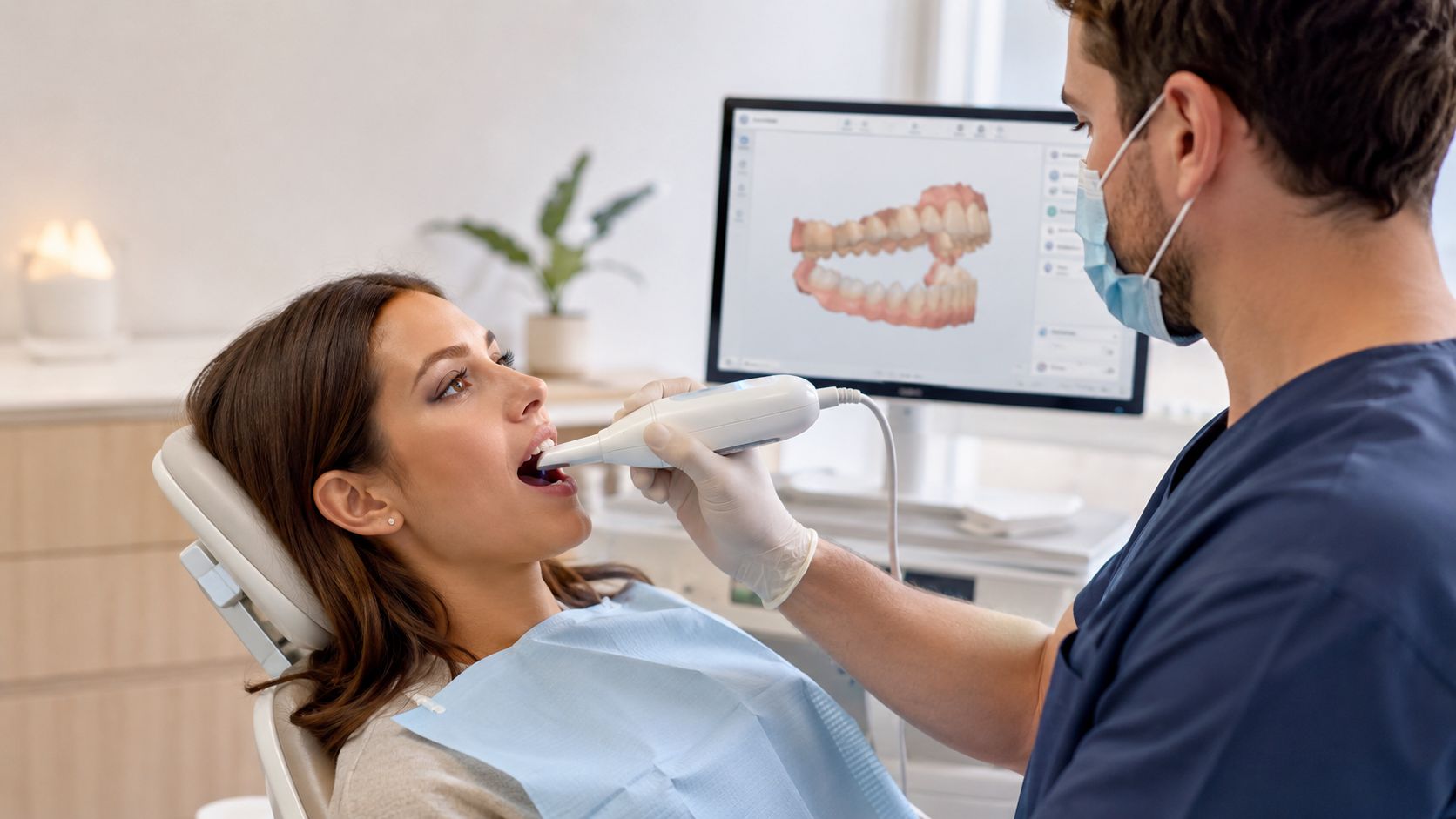
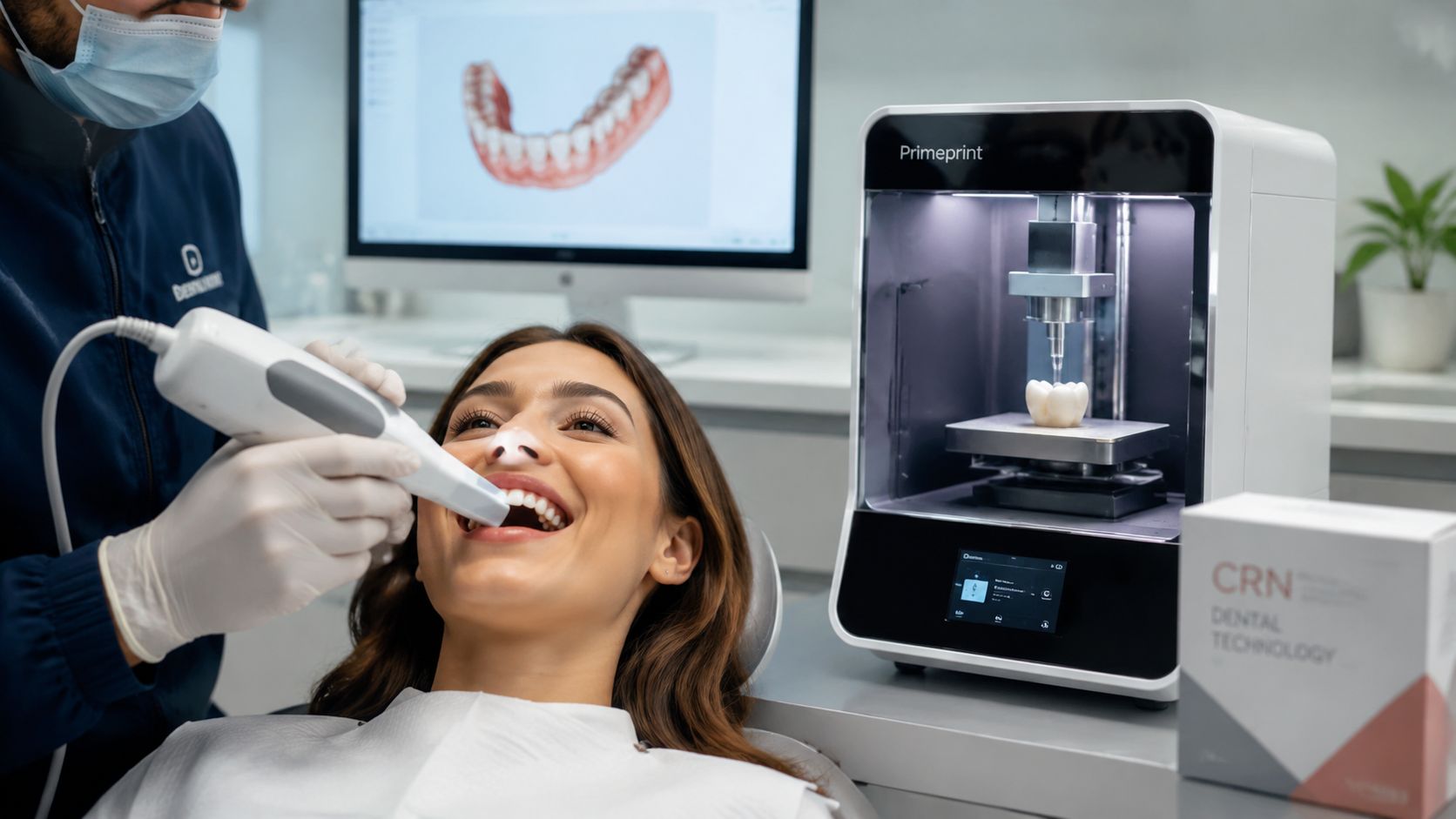
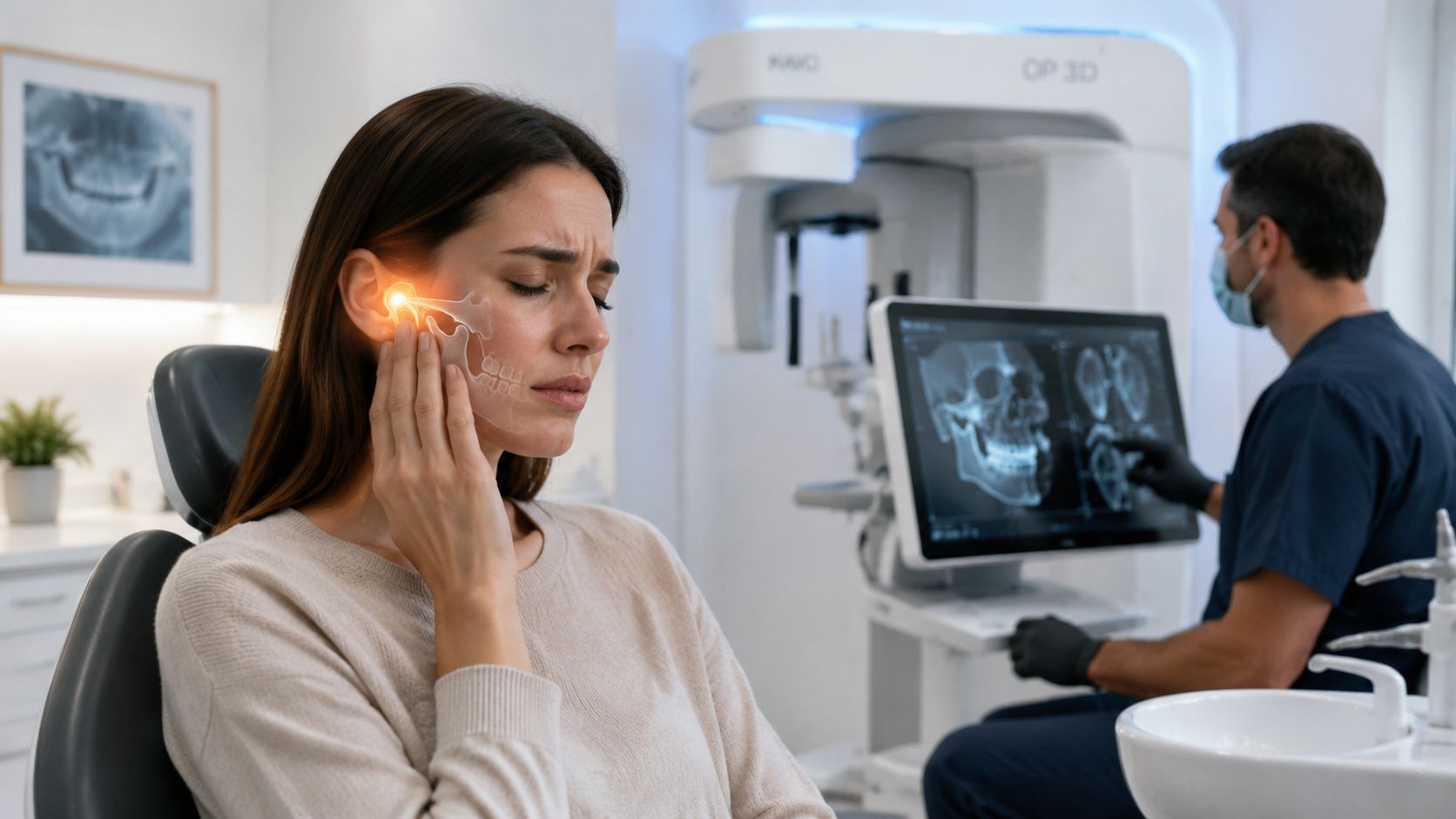
Then comes the diagnostic part. Modern orthodontic planning often uses digital x-rays, digital scanners, and 3D scans to see the position of teeth and jaws more clearly than a quick visual exam alone. That helps the doctor evaluate how teeth fit together, whether there's enough room, and what type of movement is realistic.
A strong orthodontic consultation usually looks at:
- Tooth position so the team can identify crowding, gaps, or rotated teeth
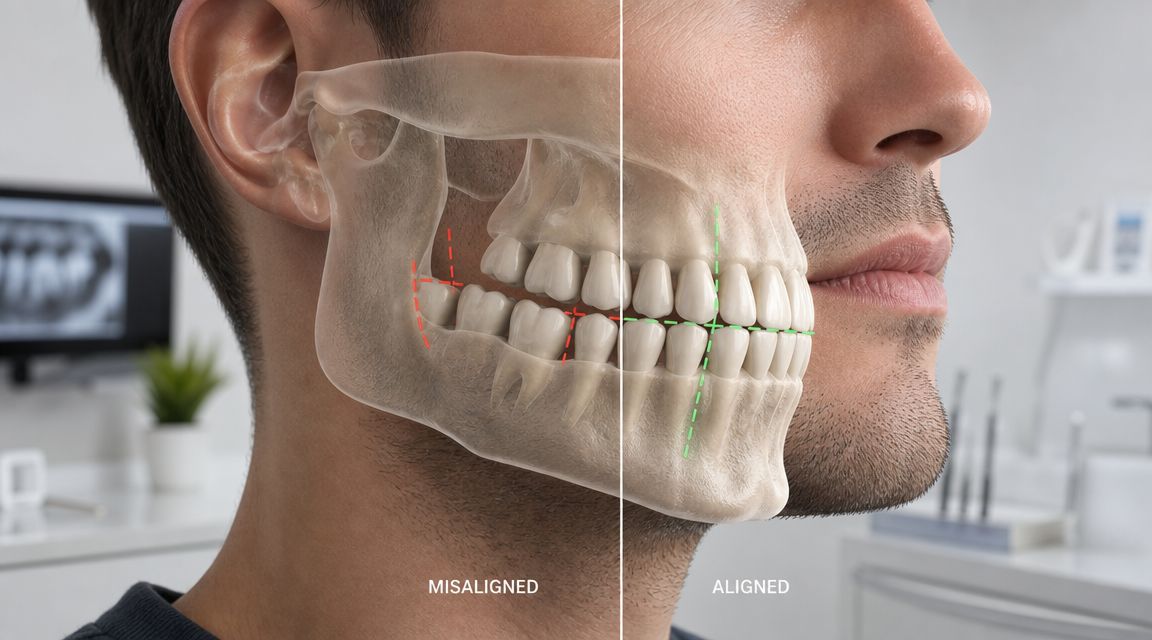
- Bite relationship to see how upper and lower teeth meet
- Jaw development because some cases involve more than tooth alignment
- Oral health status since cavities, gum irritation, or other issues may need attention before active treatment
- Smile goals because some patients care most about function, while others are focused on cosmetic changes too
Common orthodontic options at 3D Dental
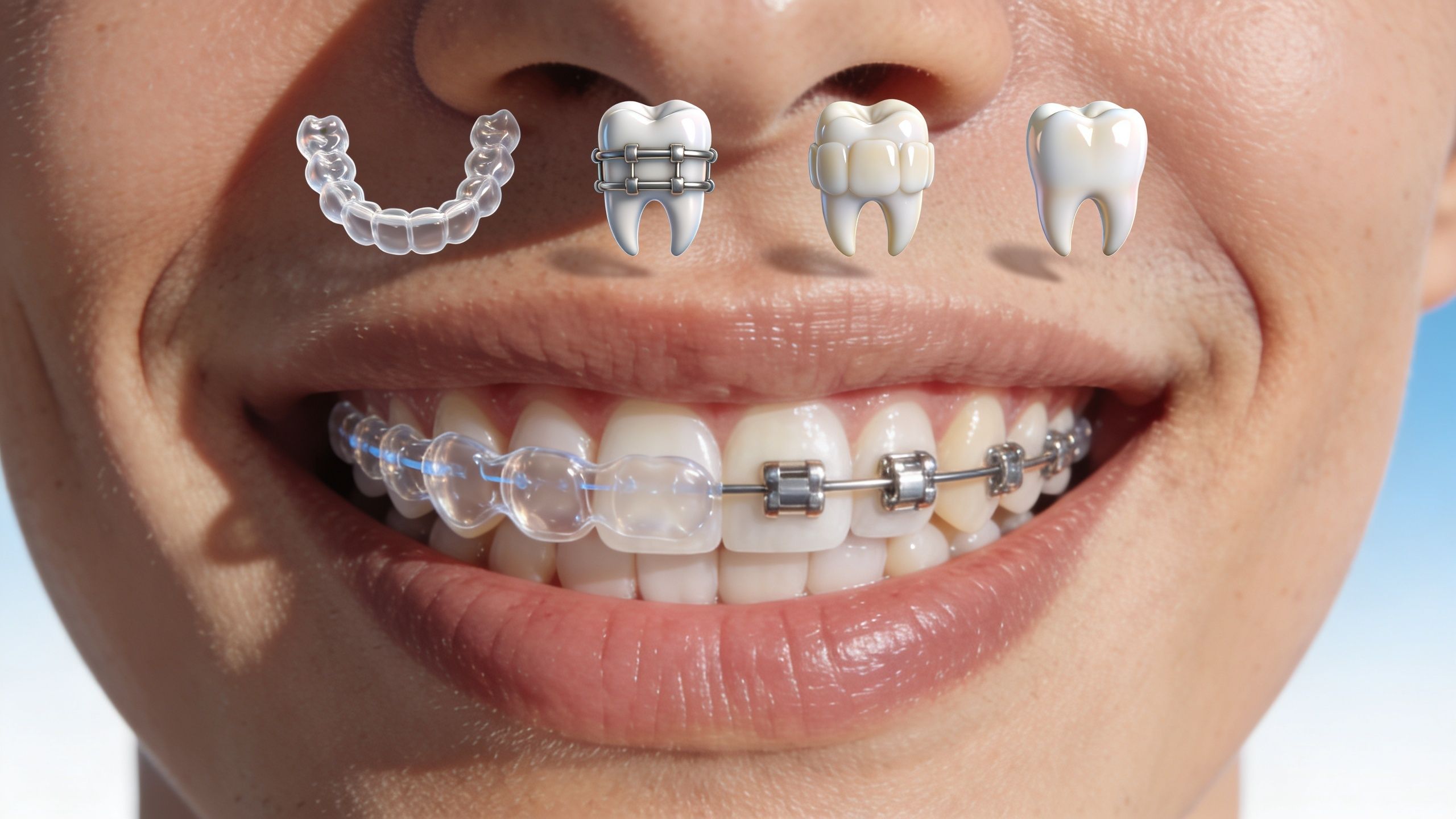
Not every patient needs the same appliance. The right choice depends on the complexity of the case, appearance preferences, and daily habits.
| Treatment Type | Material | Key Feature |
|---|---|---|
| Traditional braces | Metal | Strong, fixed option for many kinds of tooth movement |
| Ceramic braces | Tooth-colored ceramic | Less noticeable appearance than metal braces |
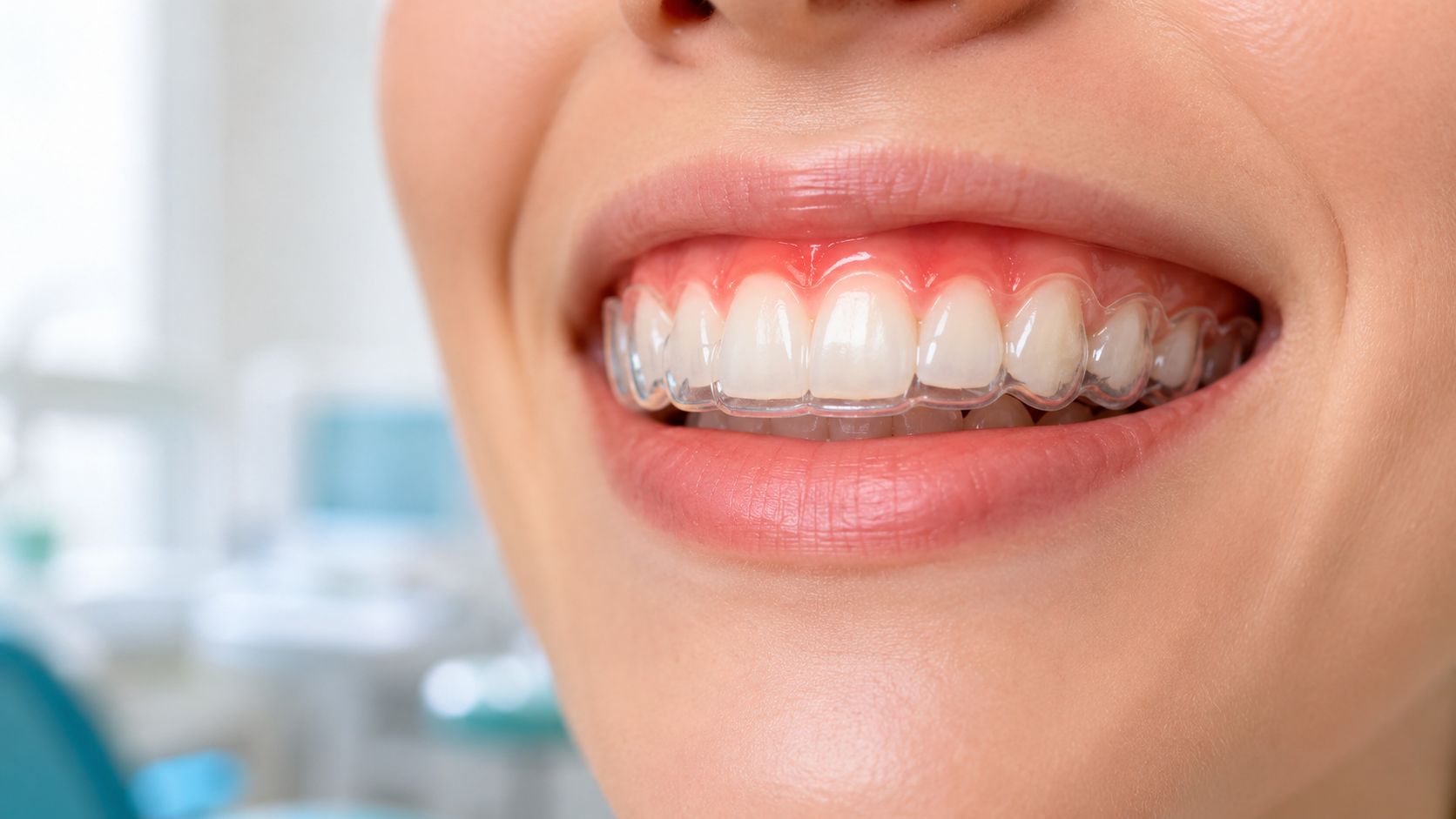
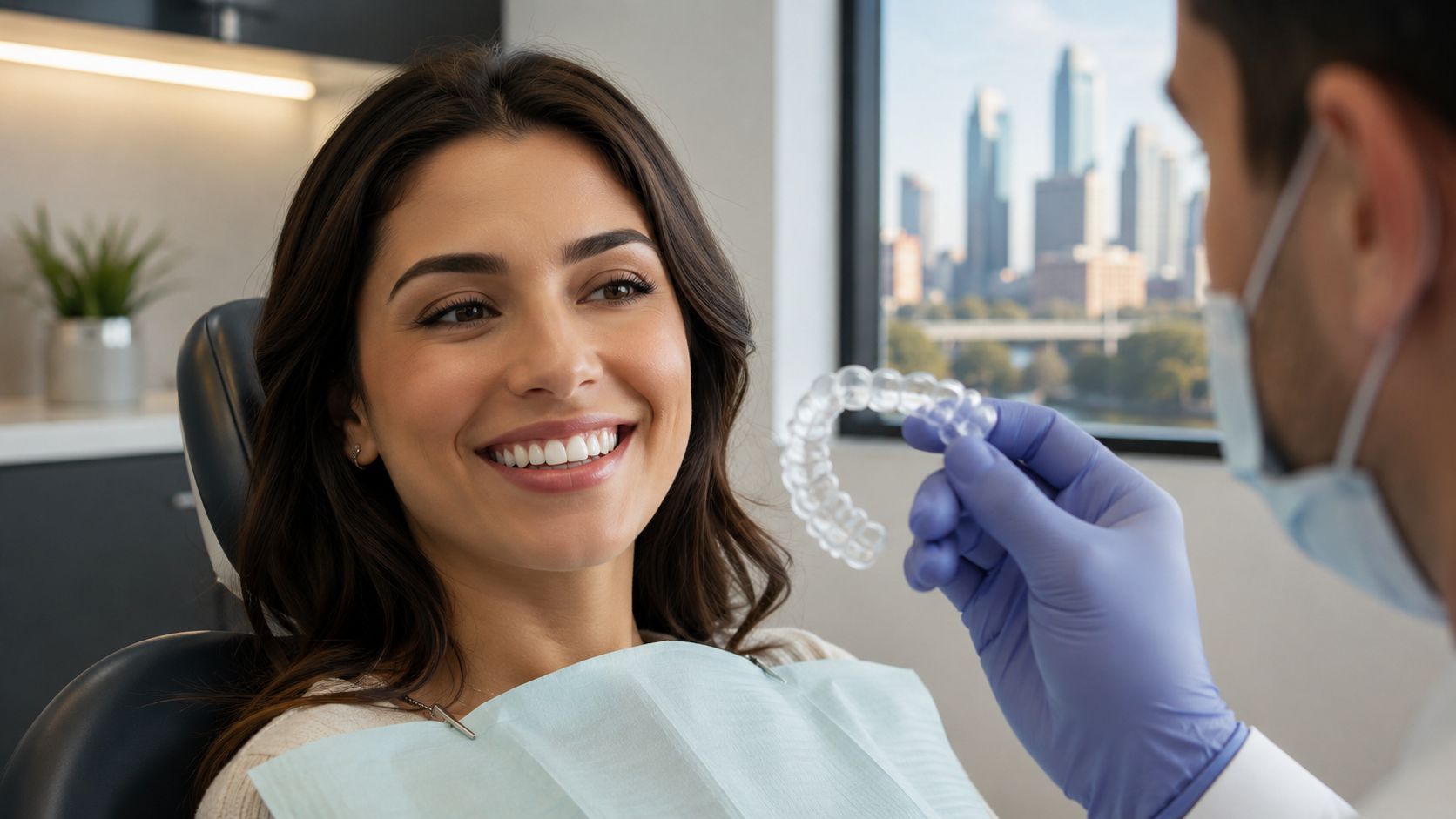
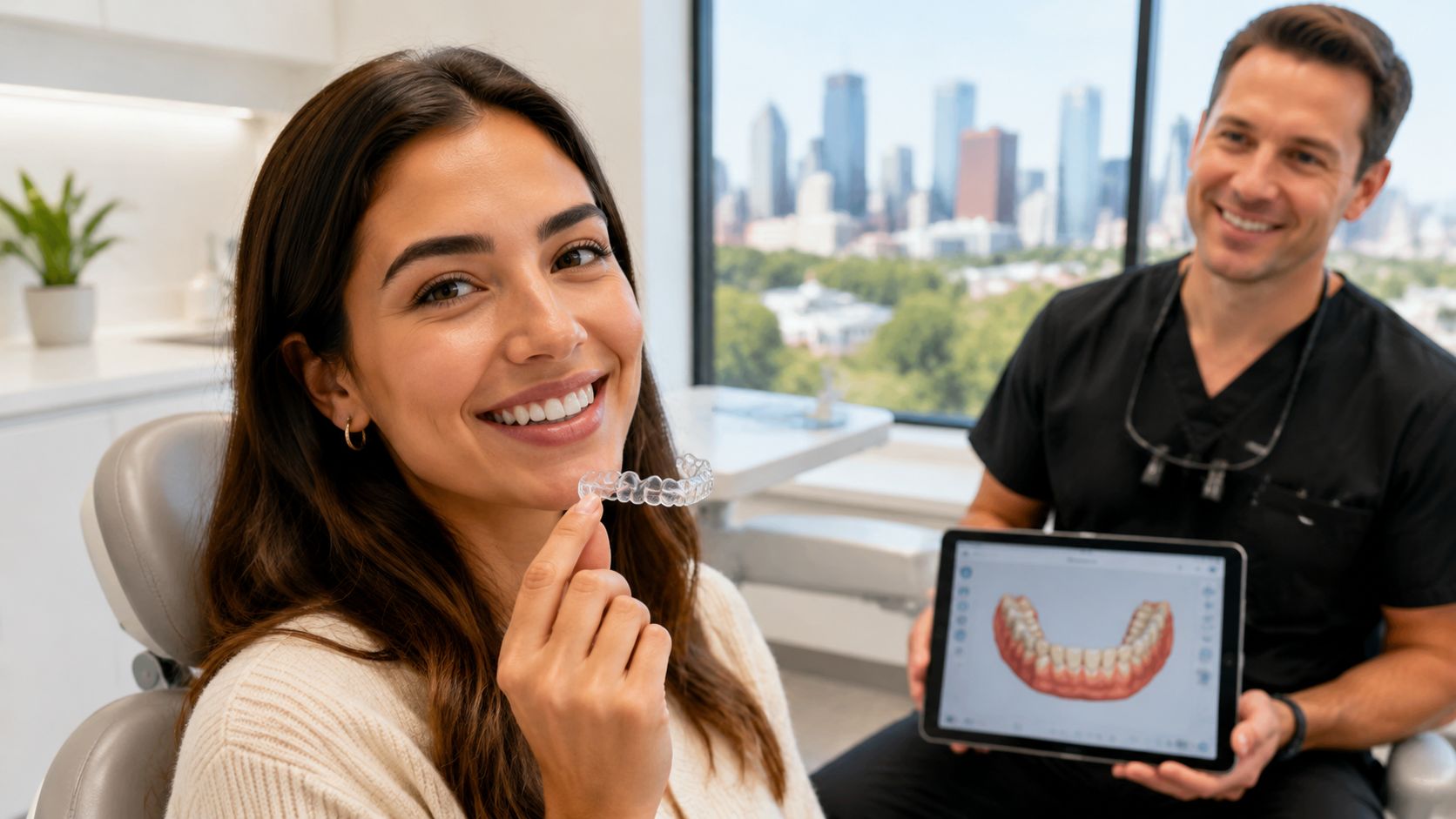
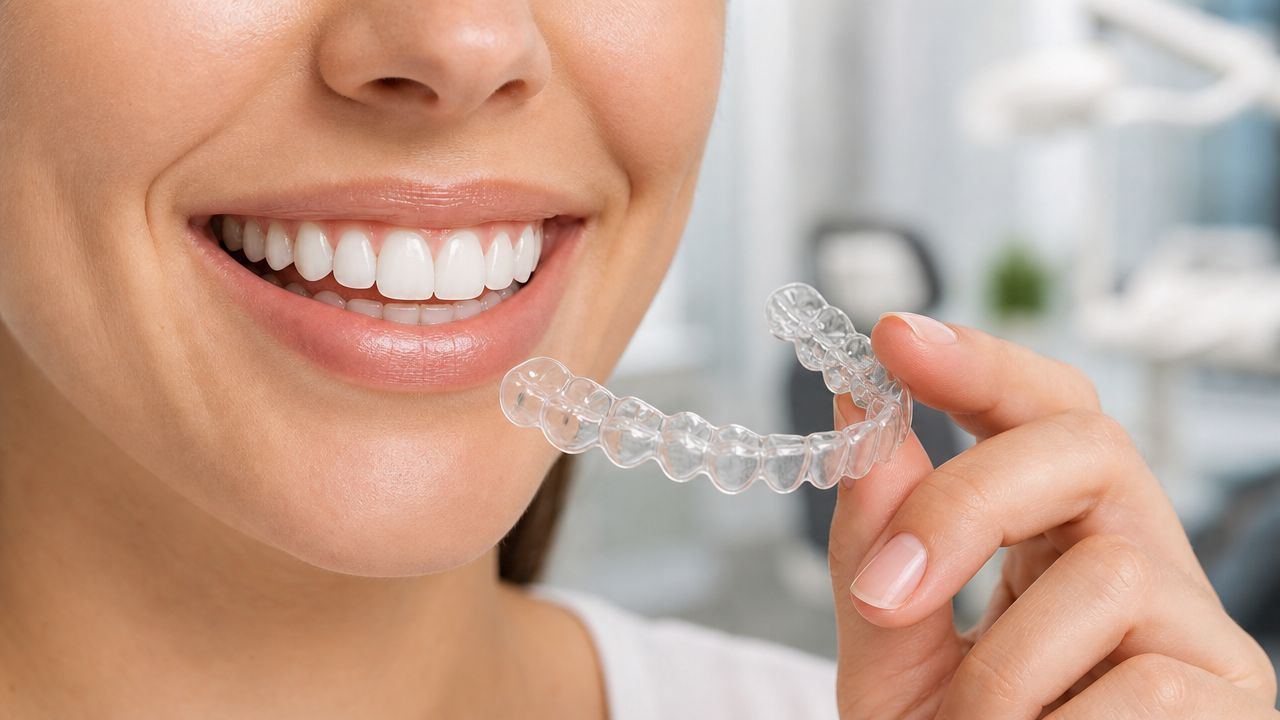
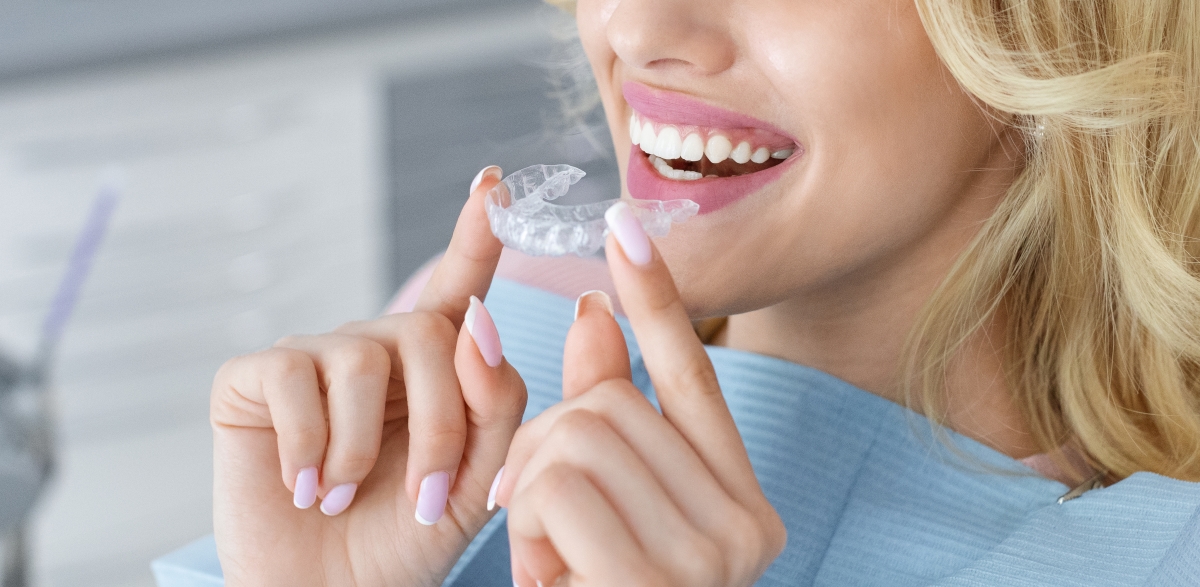
| Clear aligners | Clear plastic trays | Removable option for selected cases |
Why technology matters
When a practice uses advanced imaging and digital planning, the consultation becomes more specific. Instead of broad estimates, you get a clearer picture of what needs to move and how treatment may be staged. That's useful whether you're coming in for braces, cosmetic dentistry, or broader restorative dentistry needs.
Good planning reduces surprises: the more precisely teeth and jaw relationships are mapped at the start, the easier it is to explain the path ahead.
For patients who are also comparing orthodontics with other services like teeth whitening, veneers, or even future dental implants near me searches for missing teeth, this first visit helps put everything in the right order. Orthodontics often works best as part of a bigger long-term oral health plan.
The Braces Treatment Timeline From Start to Finish
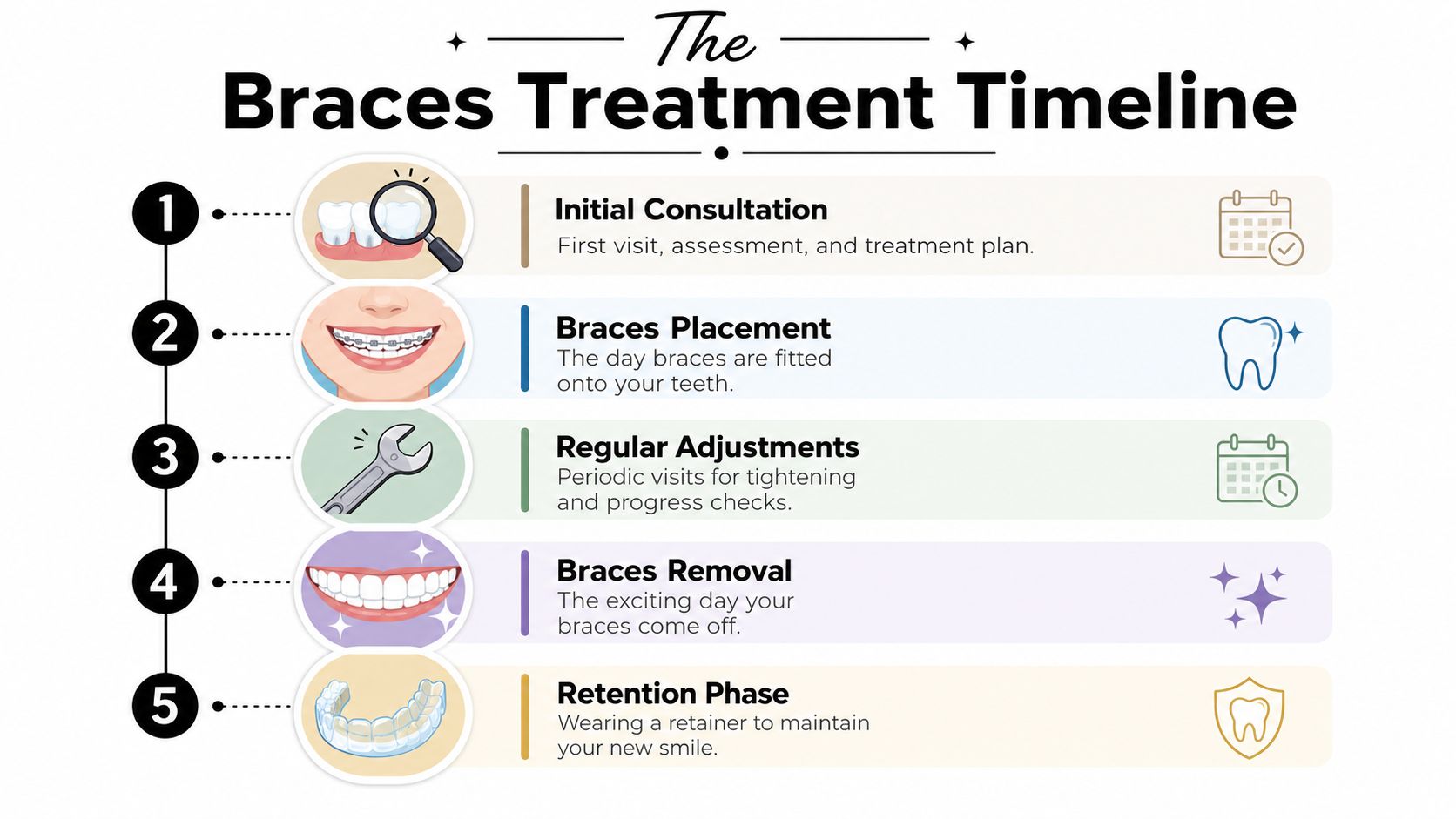
The biggest expectation to set is this. Braces are a process, not a quick cosmetic fix.
Typical treatment with traditional braces runs 6 to 30 months, with most standard cases falling in the 18 to 24 month range. Mild crowding or spacing may take 6 to 12 months, and more complex cases can extend longer. Reported alignment success for traditional braces is around 88% to 90% (treatment duration and alignment success for braces).
Phase one gets everything in place
The first phase is the consultation and planning stage, followed by the day your braces are placed. At that placement visit, brackets are attached and a wire is secured to begin guiding tooth movement. Patients often expect dramatic change right away, but the early goal is controlled, healthy movement.
This stage is also when people first notice the practical side of braces. You'll need to learn brushing around brackets, avoiding certain foods, and adjusting to the feeling of hardware on your teeth.
The middle phase is where the work happens
Once braces are on, progress happens through regular adjustment visits. The American Association of Orthodontists notes that the clinical typical window is about 12 to 24 months, that simple corrections may take only a few months while more complex cases can take years, and that adjustment visits are generally recommended every 4 to 12 weeks during active treatment (AAO braces overview).
That matters because many patients think the braces themselves do the work automatically. They don't. Progress depends on biology, case complexity, and how consistently the patient keeps visits and follows instructions.
If you want a more detailed look at timing, how long braces take breaks down the idea in patient-friendly terms.
The final phase is more exciting than people expect
Near the end, visits focus on smaller details. Tiny rotations, bite refinement, and spacing control often take patience. Then comes debonding day, when the brackets come off and the teeth are polished.
The last part of treatment often feels slow because the doctor is fine-tuning details that make the result stable and natural-looking.
Many families in Austin and Georgetown feel relieved once they understand this timeline. It turns a long treatment into a series of manageable stages instead of one giant unknown.
Daily Life with Braces Pain Management Diet and Hygiene
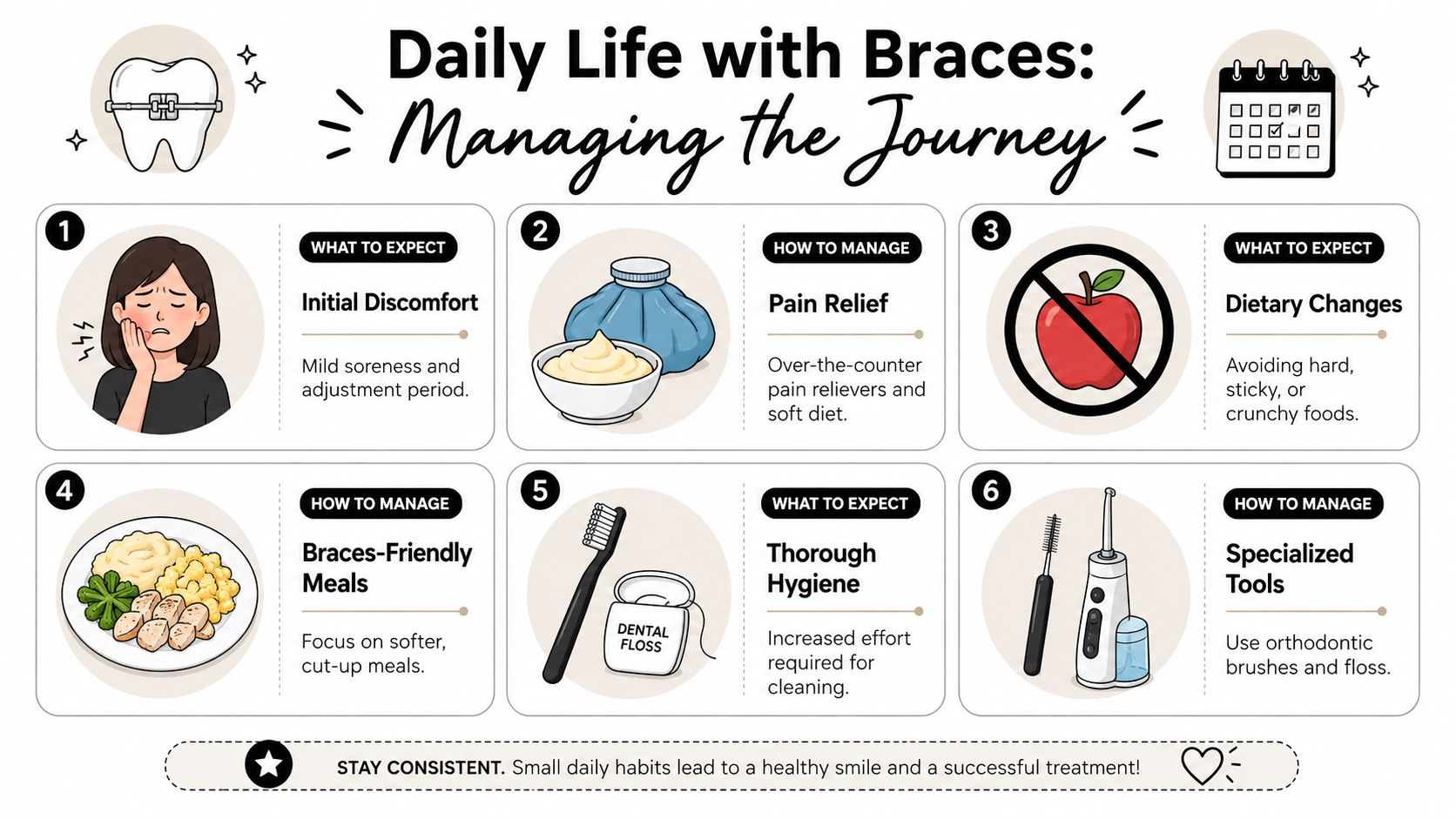
The first days with braces are usually the most noticeable. Your teeth may feel tender, your cheeks may need time to get used to the brackets, and eating can feel clumsy for a little while. That doesn't mean anything is wrong. It means your mouth is adjusting.
Cleveland Clinic notes that soreness on the first day and after tightening visits is common, along with temporary irritation of the lips, tongue, or cheeks. It also notes that the first 1 to 2 weeks and each adjustment cycle are when discomfort is most likely, and that soft foods and good care help manage it (what Cleveland Clinic says about braces discomfort).
What soreness feels like and how to handle it
Most patients describe early discomfort as pressure rather than sharp pain. Biting into firm foods can feel strange, and the inside of the lips or cheeks may get irritated where the brackets rub.
A few practical habits help a lot:
- Choose soft meals first like yogurt, eggs, pasta, soup, oatmeal, smoothies, or softer cooked foods
- Use orthodontic wax on any bracket or area that rubs
- Cut food into smaller pieces so you're not biting hard with front teeth
- Stay consistent with care because neglected braces usually feel worse, not better
Here's a helpful visual guide for patients learning the routine:
What to eat and what to skip
The easiest way to protect braces is to avoid foods that bend wires, pop off brackets, or pack tightly around hardware. Hard, sticky, and crunchy foods tend to cause the most trouble. Softer foods are usually safer, especially right after an adjustment.
Many patients do well when they think in categories instead of memorizing a giant list:
- Better choices include soft fruits, rice, beans, pasta, tender meats, mashed vegetables, soups, and cut-up sandwiches
- Use caution with crusty bread, chewy candy, popcorn, nuts, and ice
- Think texture first because even healthy foods can be rough on braces if they're too hard to bite into whole
For more meal ideas, best foods for braces is a useful patient resource.
Cleaning matters more than before
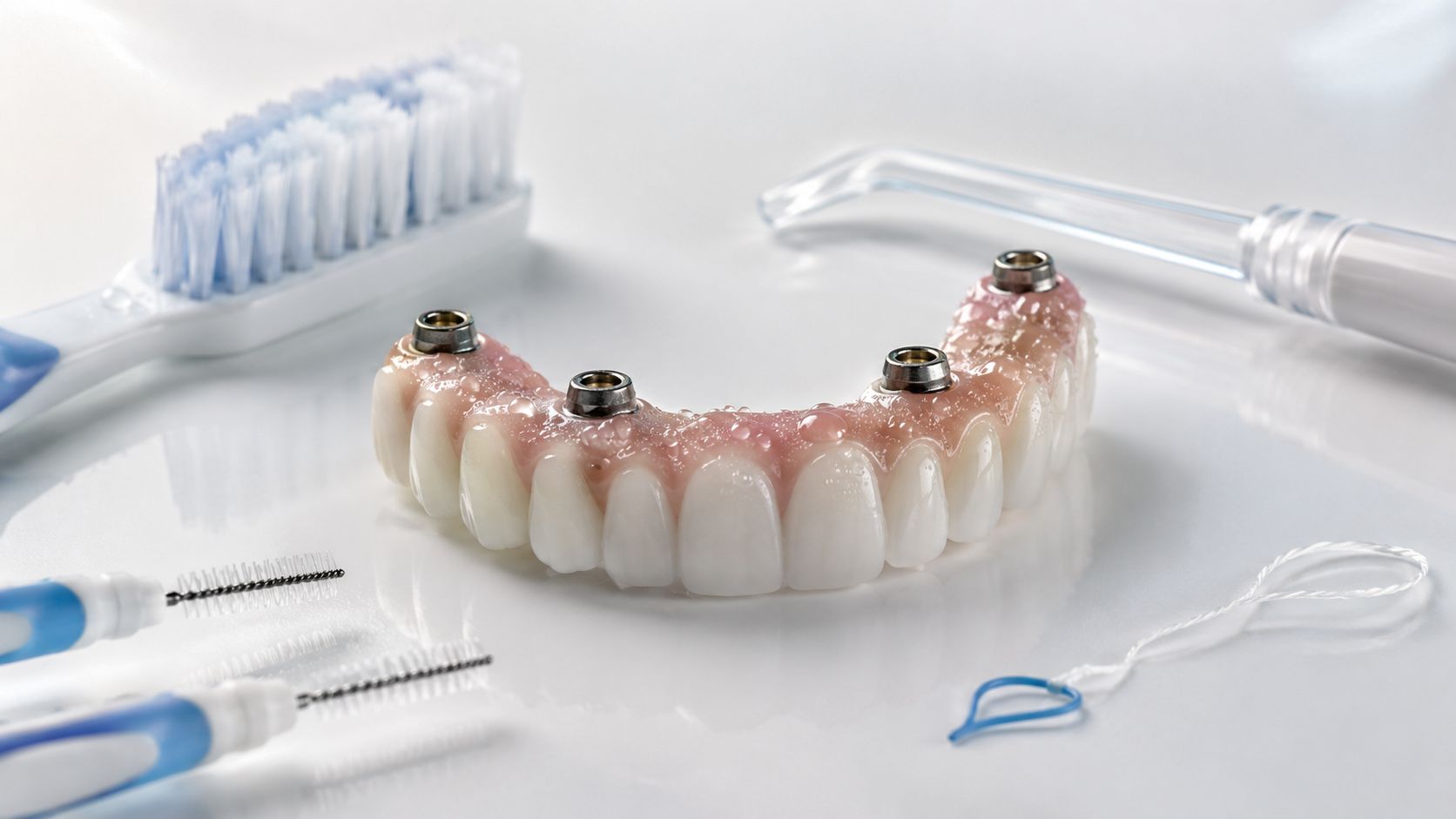
Braces create more places for food and plaque to hide. That means brushing has to be more deliberate. Brush around the brackets and along the gumline. Flossing takes longer, but it's worth the effort. Many patients also like using floss threaders, interdental brushes, or a water flosser.
Daily rule: if food is getting trapped around your braces, your cleaning routine needs an upgrade, not a shortcut.
This is one reason people who come in for regular dental care, cleaning and exams, and dental x-rays often have smoother orthodontic treatment. Healthy gums and clean teeth make everything easier.
Handling Common Braces Issues and Emergencies
Minor braces problems are common. They're frustrating, but they usually aren't dangerous. Knowing the difference between an annoyance and an actual emergency helps families stay calm and get the right help quickly.
Problems you can usually manage short term
A poking wire, a loose ligature, or a bracket that feels irritating but is still attached often falls into the manageable category. The American Association of Orthodontists advises patients to contact the orthodontist promptly for broken wires or brackets and to keep orthodontic wax available for sharp edges, as noted in the AAO guidance discussed earlier.
If something feels rough, wax is often the fastest temporary fix. If a wire is poking, covering it can protect the cheek until the office can see you. If a bracket is loose but still connected to the wire, don't tug on it or try to remove it yourself.
Short-term home steps often include:
- Cover the sore spot with wax if a bracket or wire is rubbing
- Stick with soft foods so you don't put extra pressure on loose hardware
- Keep the area clean because trapped food can make irritation worse
- Call the office if a wire breaks, a bracket comes off, or pain feels unusual
When it's more than a nuisance
A true dental emergency involves significant pain, swelling, trauma, or something that can't safely wait. If braces are involved in a sports injury, facial injury, or a sudden painful change in your bite, it's time to call right away. The same goes for a broken appliance that's causing active injury inside the mouth.
Patients who are already searching for an emergency dentist should know that orthodontic concerns can overlap with urgent general dental care. A broken bracket might just need a repair. A fall, swelling, or a cracked tooth may require broader evaluation.
If you're debating whether something can wait, call. It's easier to calm a false alarm than to let a real problem get worse.
That kind of support matters during treatment. Braces move best when small problems get addressed before they turn into delays.
Braces Cost Insurance and Alternatives in Central Texas
Cost is one of the first questions patients ask, and it should be. Orthodontic treatment is planned over time, so families need to know how it fits into the household budget.
What affects the overall cost
There usually isn't one flat price that applies to everyone. Cost depends on the complexity of tooth movement, the type of appliance, how long treatment is expected to last, and whether any related dental care needs to happen first. Some patients only need straightforward alignment. Others need a more involved plan because of bite issues or existing restorative work.
That's why a consultation matters so much. It connects the clinical findings with a personalized financial outline instead of guessing from online averages.
Insurance and payment flexibility
Many patients in Austin, Georgetown, and nearby communities want to know whether insurance helps with braces. Coverage varies by plan, age limits, and whether orthodontic benefits are included. The practical next step is having the office review your benefits and explain what portion, if any, may apply.
Financing also matters. Some practices support in-house payment arrangements or third-party financing so treatment can start without requiring the full balance upfront. 3D Dental offers orthodontic care along with insurance support, in-house payment options, and financing through Cherry and Sunbit, which can help patients compare monthly affordability with their treatment goals.
Braces compared with clear aligners
Some patients know they want braces. Others are deciding between braces and clear aligners. The right choice depends on your case and your habits.
A simple comparison helps:
| Option | Good fit for | Main tradeoff |
|---|---|---|
| Traditional braces | Patients who want a fixed appliance and don't want to remember to remove trays | More visible hardware |
| Ceramic braces | Patients who want braces with a less noticeable look | Brackets are still fixed and require careful cleaning |
| Clear aligners | Patients who want a removable option and can follow wear instructions closely | Success depends heavily on consistent use |
If you're also comparing orthodontics with other appearance-focused treatments like cosmetic dentist near me searches, remember that alignment often changes what's possible with whitening, veneers, and other smile planning.
Life After Braces Retainers and Maintaining Your Smile
The day braces come off is exciting for a reason. Teeth feel smooth again. Brushing gets easier. Most patients can't stop running their tongue across the front teeth because everything feels so different.
But removal isn't the end of treatment. It's the start of retention.
Retainers protect the result
Teeth have a memory. After braces move them into new positions, they need support to stay there. That's what a retainer does. Some retainers are removable. Some are bonded behind the teeth. The right type depends on the case and the doctor's recommendation.
This is not optional. If you ignore retainer instructions, teeth can shift.
Long-term care still matters
After braces, patients still need regular exams, cleanings, and follow-up care. Straight teeth are easier to clean, but they still need maintenance. If you've also had other treatment such as fillings, crowns, whitening, or restorative work, those pieces should stay part of your long-term plan too.
A straight smile lasts best when retention and routine dental care happen together.
For many patients in Austin and Georgetown, this is the moment when the whole process makes sense. Braces weren't just about getting brackets on. They were about building a healthier bite, a more confident smile, and habits that support both for the long haul.
If you're ready to talk through your options for braces, clear aligners, or a complete smile plan, schedule a consultation with 3D Dental. Whether you're looking for a dentist in Austin, TX, a dentist in Georgetown, TX, or orthodontic guidance close to Round Rock, Cedar Park, Wells Branch, or Liberty Hill, the team can help you understand the process, review your imaging, and map out a treatment plan that fits your goals and budget.
Ready to get started?
Schedule a free, no obligation consultation with our team and see what's possible for your smile!
Georgetown
- Mon-Thurs8:30am-5pm
- Fri8am-3:30pm
- Sat-SunClosed
Austin
- Mon-Tues8am-5pm
- Wed-Thurs9am-6pmFri8am-2pm
- Sat-SunClosed