
Emergency Dental Care Virginia Beach: Immediate Relief
Related Posts


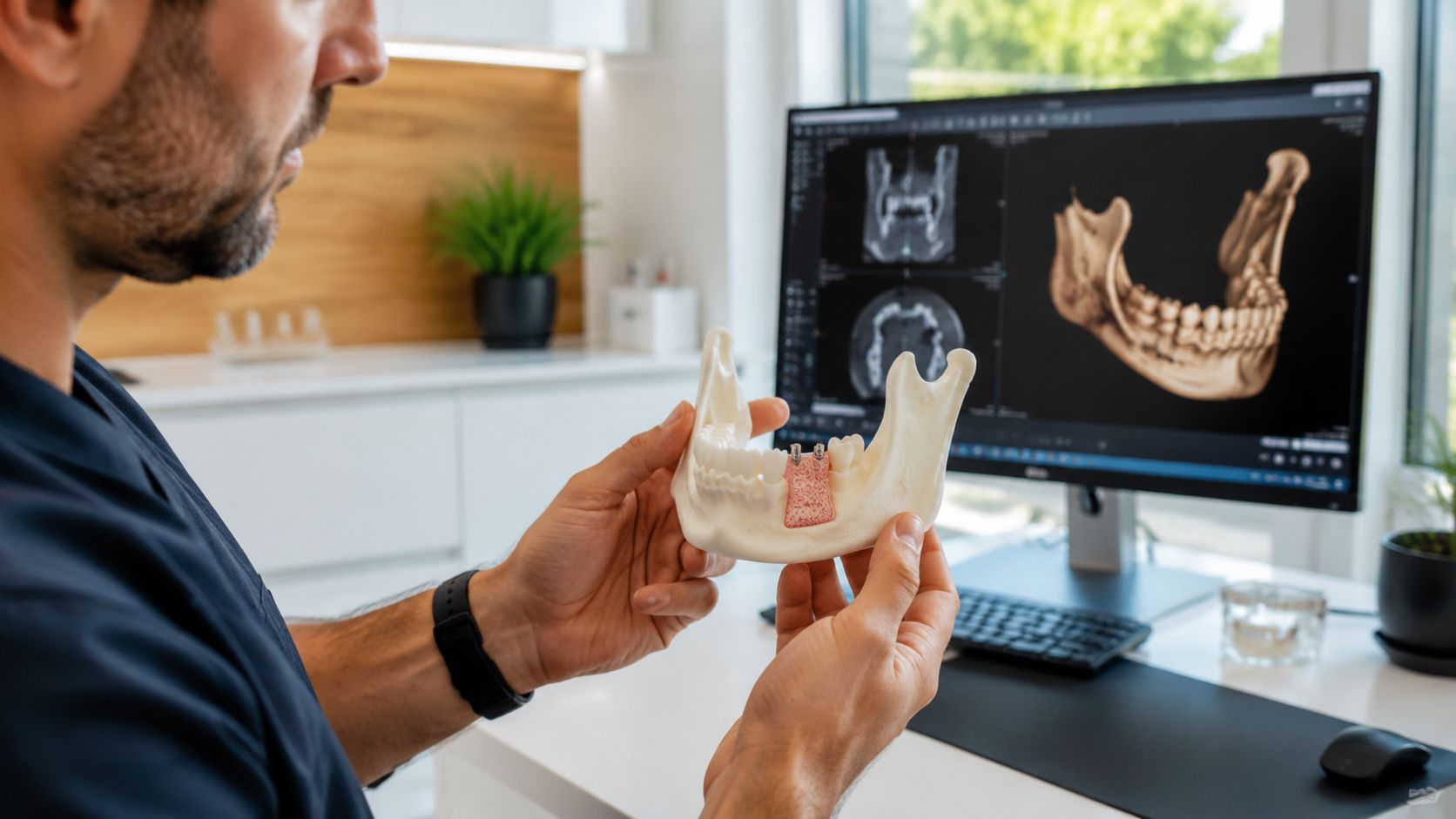
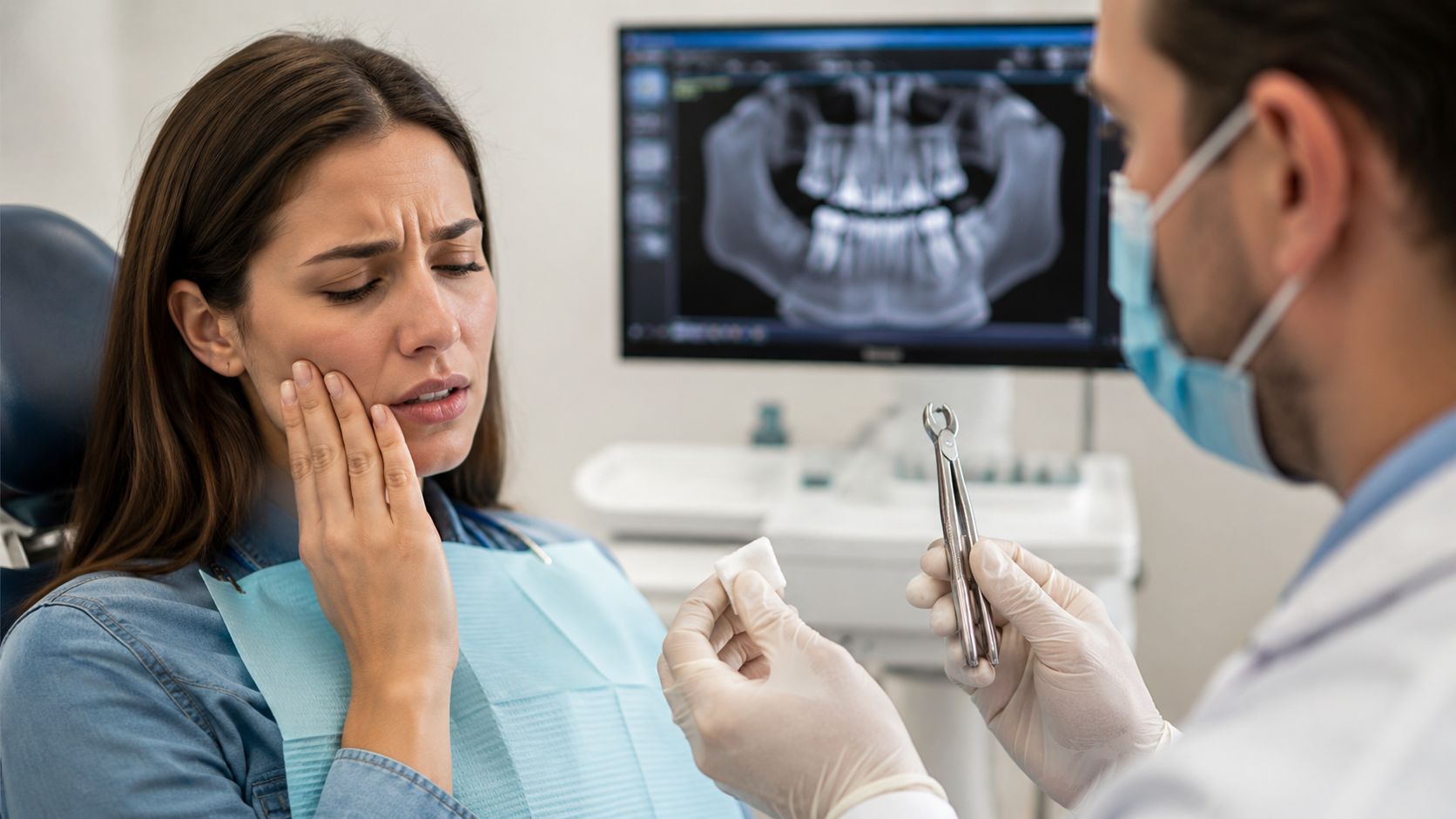

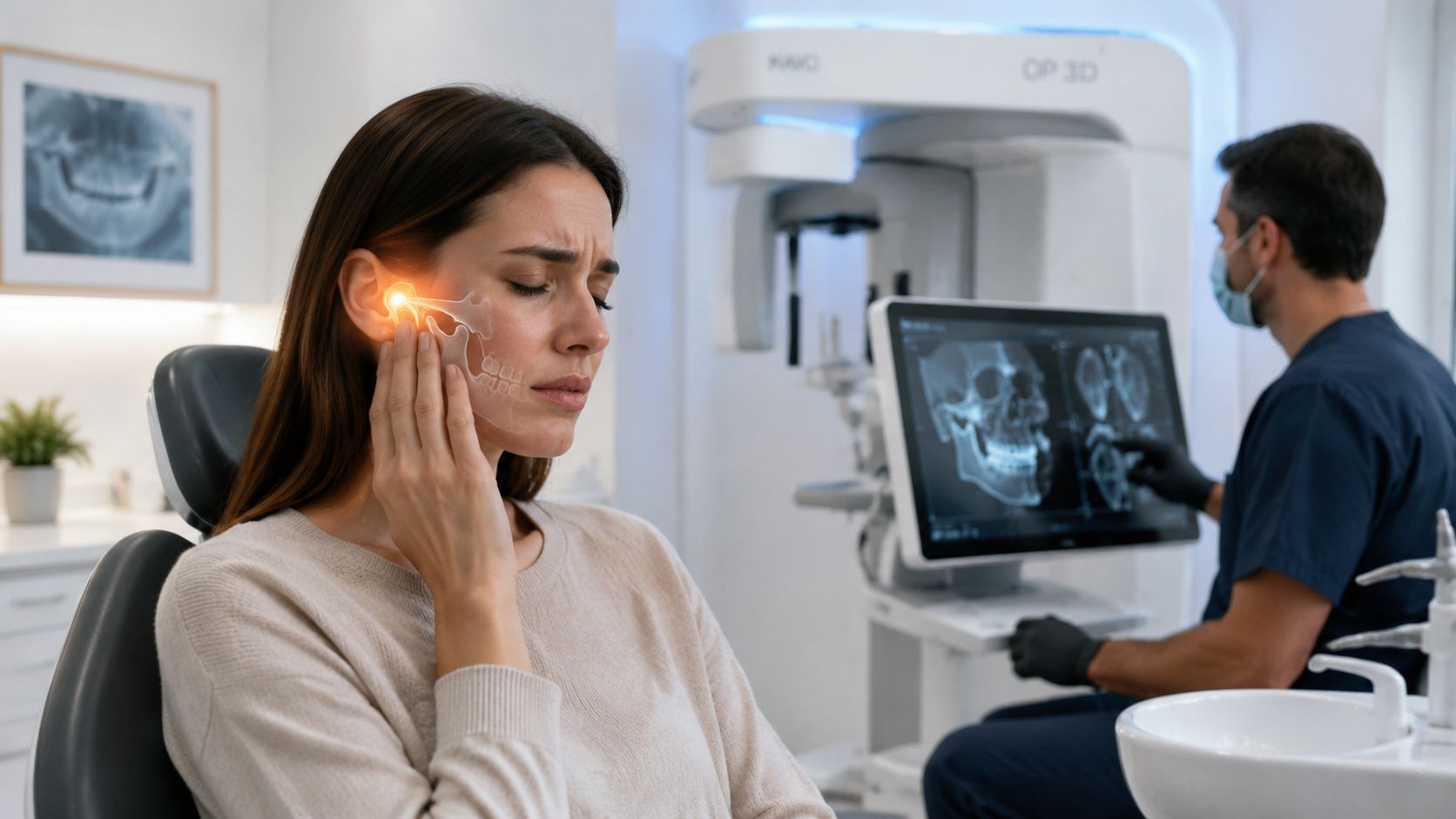

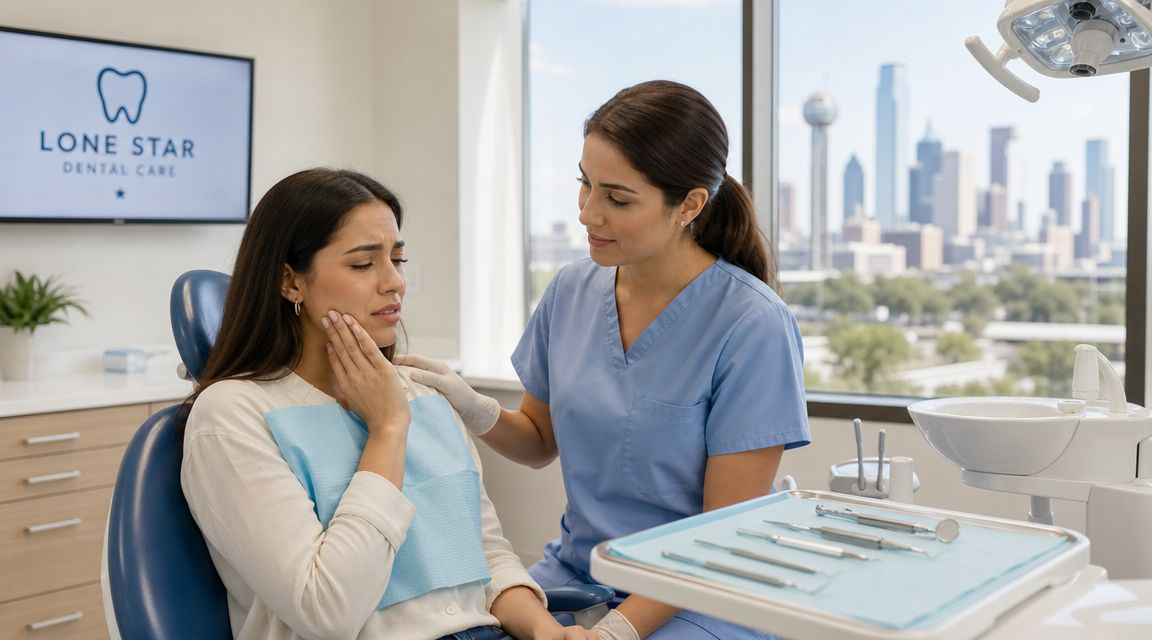




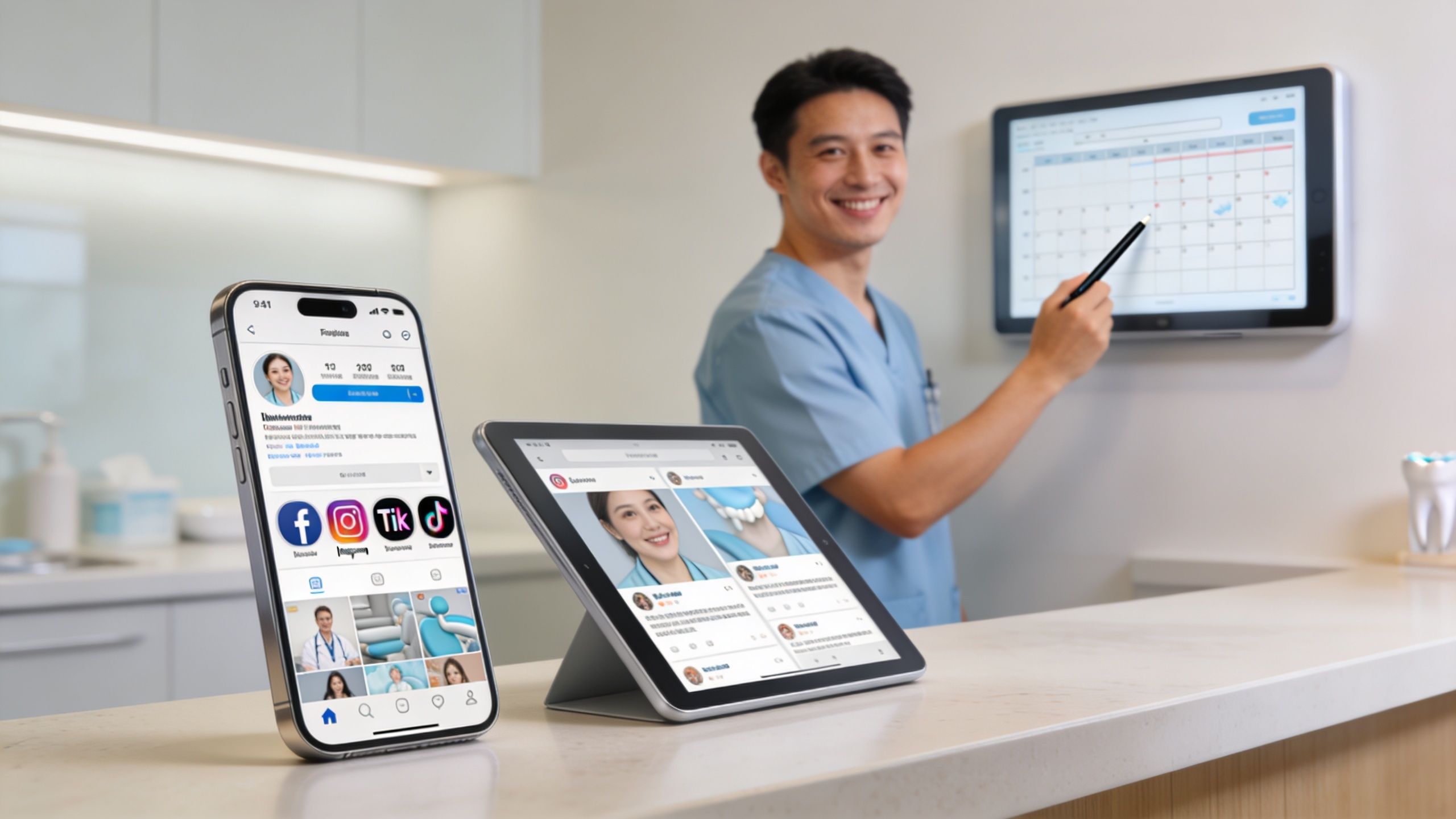


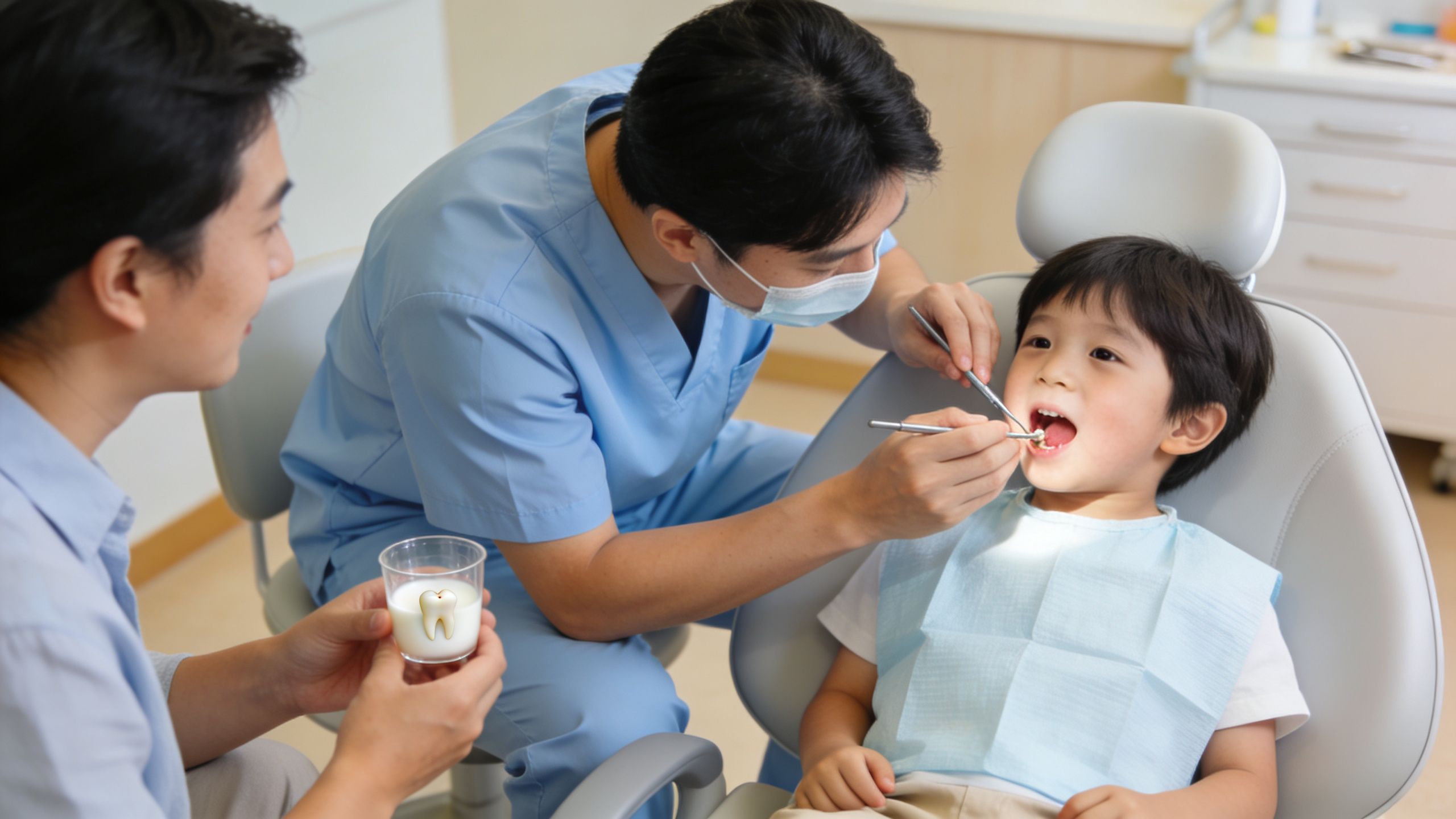









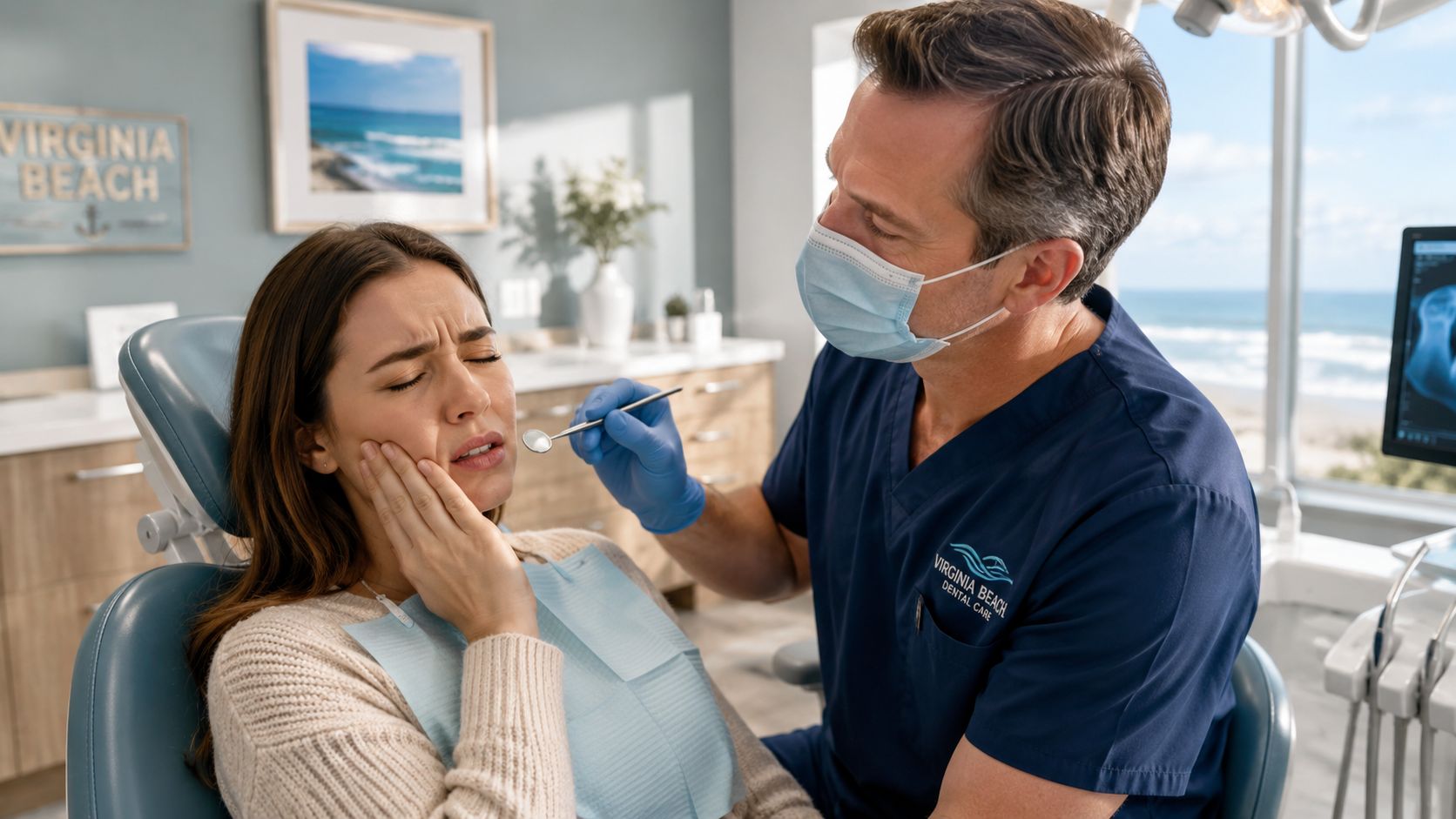
You wake up with a throbbing tooth, your cheek feels swollen, and it's still dark outside. Or your child takes an elbow during a game and comes off the field holding a broken front tooth. In that moment, the immediate needs are clear. Fast pain relief, clear instructions, and a real answer about where to go next.
That's where good emergency dental care in Virginia Beach matters. Dental emergencies make up about 10% of all dental encounters, and adults account for a much higher share than children, according to same-day emergency dentistry supporting data. The right first step can help save a tooth, limit infection, and keep a stressful problem from becoming a much bigger one.
This guide is built for the hours when you're hurting and trying to think clearly. It covers how to tell what's urgent, what you can do at home right away, when a hospital ER makes sense, and when an emergency dentist is the better fit.
Navigating a Dental Emergency in Virginia Beach
It often starts at the worst possible time. A filling gives out during dinner. A molar cracks on a Saturday night. You wake up at 2 a.m. with pressure, swelling, and no clear sense of whether this can wait until morning.
In that moment, the goal is simple. Stay calm, protect the tooth and surrounding tissue, and make good decisions in the right order. For patients in Virginia Beach, that often means using two tools together. First, basic first aid at home. Second, quick triage by phone or teledentistry so you know whether you need an emergency dental visit, urgent medical care, or the first available office appointment.
What matters in the first hour
The first hour affects what happens next. I regularly see avoidable setbacks from well-meant home fixes. People chew on the painful side to test the tooth, place aspirin against the gum, rinse with something too hot, or wait through worsening swelling because they hope sleep will solve it.
A better first response is straightforward:
- Prevent more injury: Stop chewing on that side. Choose soft foods, or do not eat until you know what is safe.
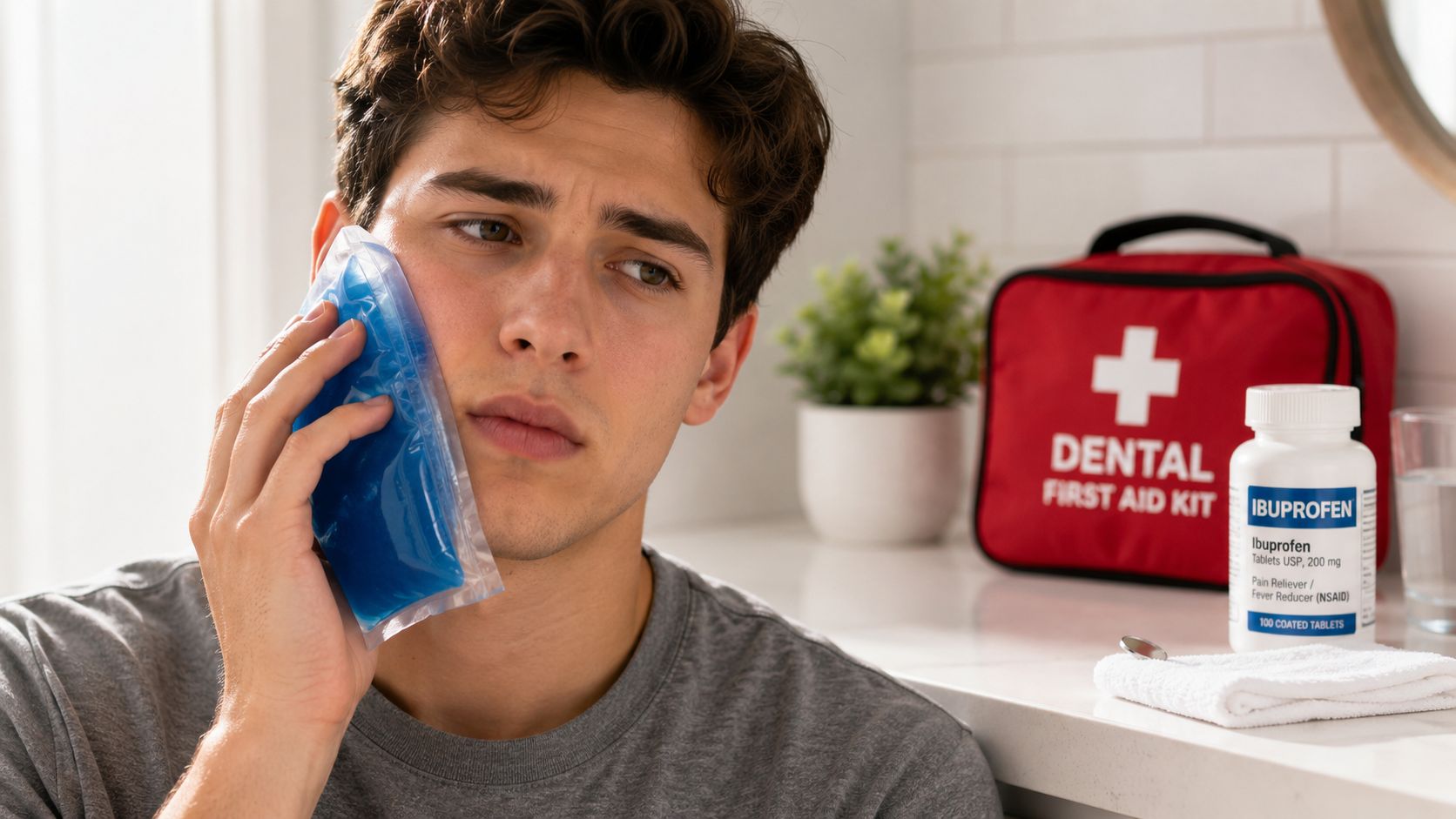
- Reduce swelling: Hold a cold compress on the outside of the cheek in short intervals.
- Save anything that came off: Keep a crown, filling, or tooth fragment in a clean container and bring it with you.
- Get guidance early: Call an emergency dental office. If the office offers teledentistry, use it. A brief virtual screening can help sort out urgency, review swelling or trauma, and give you clear next steps when you cannot be seen immediately.
Practical rule: Rapid swelling, bleeding that continues after pressure, fever, or pain that is escalating by the hour should not be handled with a wait-and-see approach.
Why early dental triage changes the outcome
Fast action is about more than comfort. It can preserve options.
A small crack may be restorable when the tooth is protected early. The same crack can turn into a deeper fracture after another meal. A loose crown may go back on temporarily if the tooth underneath is stable and kept clean. If the area is ignored for a day or two, irritation and decay can complicate the repair.
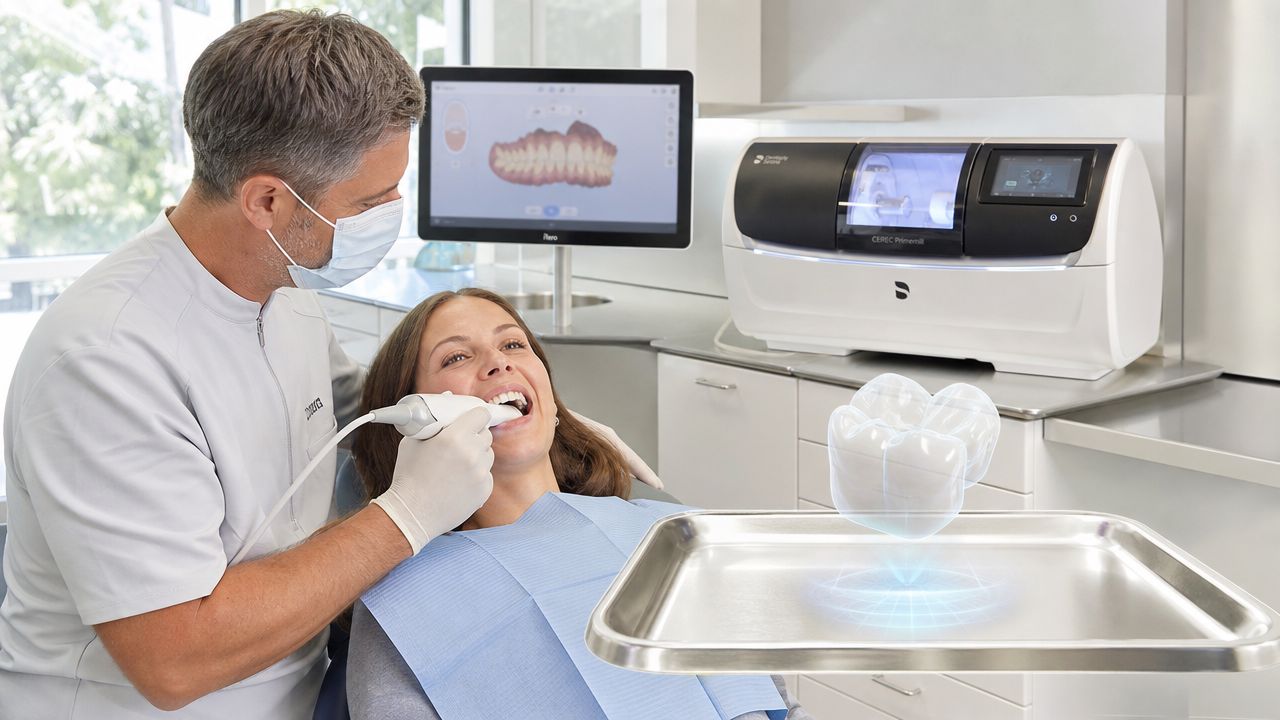
This is also where modern triage helps. A phone call or teledentistry check-in cannot replace an exam or x-rays, but it can answer the question patients usually care about first. Do I need to be seen now, tonight, tomorrow, or at the hospital? The American Dental Association has noted that dentists can use teledentistry for screening, triage, consultation, and follow-up, which makes it a practical option when travel, office hours, or pain make the first step harder to sort out (ADA teledentistry guidance).
For many dental problems, the right move is to contact a Virginia Beach emergency dentist first, get specific instructions, and protect the area until you are evaluated. That approach is often faster and more useful than guessing. It also helps you avoid spending hours in the wrong setting when the problem calls for dental treatment rather than general medical care.
Search terms vary. The need does not. Whether someone is looking for urgent tooth pain relief, a same-day dentist, or help with a broken tooth in Virginia Beach, the priority is the same. Get triaged quickly, control the problem at home, and choose care based on symptoms instead of panic.
Is It a Dental Emergency Identifying Urgent Symptoms
It is 9 p.m., your face feels puffy, and the pain has started to throb into your ear. The first question is not what treatment you need. The first question is how fast this can turn into something more serious.
A useful way to sort dental problems is by function. Ask three things right away. Can you breathe normally? Can you swallow without difficulty? Is the swelling, bleeding, or pain getting worse quickly? If the answer to any of those raises concern, get live guidance by phone or teledentistry instead of guessing.
Dental Emergency Triage Guide
| Symptom | Urgency Level | Immediate Action |
|---|---|---|
| Trouble breathing, trouble swallowing, major facial trauma, uncontrolled bleeding | Go to ER/Call 911 | Seek emergency medical care immediately |
| Rapidly increasing facial swelling, severe infection signs, knocked-out permanent tooth, intense dental pain, broken tooth with exposed sensitive area | Call an Emergency Dentist Now | Call for same-day instructions and urgent evaluation |
| Lost filling, lost crown without major pain, mild chip, dull toothache, minor sensitivity | Schedule a Prompt Appointment | Protect the tooth, avoid irritation, and arrange care soon |
How to tell what cannot wait
Pain alone does not always define the emergency. A cracked tooth can hurt sharply and still be stable for a few hours. A dental infection can start with moderate pain and become far more urgent once swelling spreads, fever develops, or opening the mouth becomes difficult.
Swelling is the symptom I take seriously fastest.
If the swelling is increasing over hours, extends into the cheek or under the jaw, or comes with fever, bad taste, pus, or pressure around one tooth, assume you need same-day dental input. If you are stuck at home and trying to decide what is safe to do for the next few hours, this guide on what to do for a tooth abscess at home before you can be seen can help you reduce irritation while you arrange care. Home steps can buy time. They do not remove the infection.
Trauma needs a different lens. A knocked-out permanent tooth, a tooth pushed out of position, numbness after a hit to the face, or a fracture that leaves the inside of the tooth exposed should be treated as urgent. These cases are time-sensitive because the best repair options are often available early, not after the tooth dries out or the tissues swell.
Which setting fits the problem
Hospitals are built to manage medical danger first. That matters for airway problems, severe bleeding, suspected broken facial bones, or injuries that involve loss of consciousness.
Dental offices are built to diagnose the tooth and jaw directly. We can usually localize the source with an exam and dental x-rays, relieve pressure, stabilize a fracture, recement or replace a temporary restoration, or decide whether the tooth is more likely to need root canal treatment, extraction, or monitoring. That is why a localized tooth problem is often handled faster and more effectively in a dental setting, even when the pain feels severe.
A telehealth or teledentistry check-in can help sort that out quickly, especially after hours. It will not replace imaging or treatment, but it can help determine whether you should be seen tonight, first thing tomorrow, or in a medical setting because the symptoms have moved beyond the tooth.
Why this distinction matters
Researchers at the National Center for Health Statistics reported that emergency departments continue to see a large number of visits for tooth disorders, and many of those visits do not end in hospital admission, as summarized in this NCHS Data Brief on emergency department visits for tooth disorders. In practice, that means many patients receive temporary relief in the ER but still need a dentist to treat the source of the problem.
The right first call saves time, reduces unnecessary expense, and gets you to the setting that can solve the issue. If you are unsure, describe the swelling, bleeding, fever, trauma, and whether you can swallow and breathe normally. Those details usually point to the right next step within minutes.
Immediate First Aid for Common Dental Emergencies
The first few minutes after a dental injury matter. The standard protocol for emergency dental care in Virginia Beach often begins with a phone call for first-aid instructions and same-day scheduling, as outlined by Smile By Design's dental emergency process.
If a tooth is knocked out
This is one of the few situations where every minute feels important because it is.
- Pick the tooth up by the crown only. Don't touch the root.
- If it's dirty, rinse it gently with water. Don't scrub it.
- Try to place it back in the socket if you can do so safely.
- If you can't, keep it moist and get to a dentist fast.
A knocked-out permanent tooth needs immediate dental attention. Baby teeth are different, so don't force a baby tooth back into place.
If you have a severe toothache or swelling
A deep toothache usually means there's inflammation, infection, or both. Home care can reduce symptoms, but it won't remove the cause.
- Rinse gently with warm salt water: This can help clear debris and soothe the tissue.
- Use a cold compress outside the face: Keep it on and off in short intervals.
- Take over-the-counter pain medicine as directed on the label: Never place pain medicine directly on the gum.
- Avoid heat: Warm packs often increase throbbing.
- Stay upright when possible: Lying flat can make pressure feel worse.
If the issue looks like an abscess, this guide on tooth abscess treatment at home covers temporary relief steps that can help while you arrange care.
If a tooth breaks, a filling falls out, or a crown comes loose
A chipped or broken tooth can have sharp edges, exposed dentin, or a hidden crack below the surface. Even if the pain is mild at first, the tooth can worsen quickly.
- For a broken tooth: Save the fragment and rinse your mouth gently.
- For a lost filling: Keep food out of the area and avoid chewing on that side.
- For a loose or lost crown: Save the crown and bring it with you.
- For any dental injury: Soft foods are safer until you're seen.
A short visual walk-through can help if you're trying to make decisions while uncomfortable:
Don't test an injured tooth repeatedly with your tongue or by biting down. Patients do that constantly, and it often turns a manageable injury into a more painful one.
Finding Emergency Dental Care in Virginia Beach
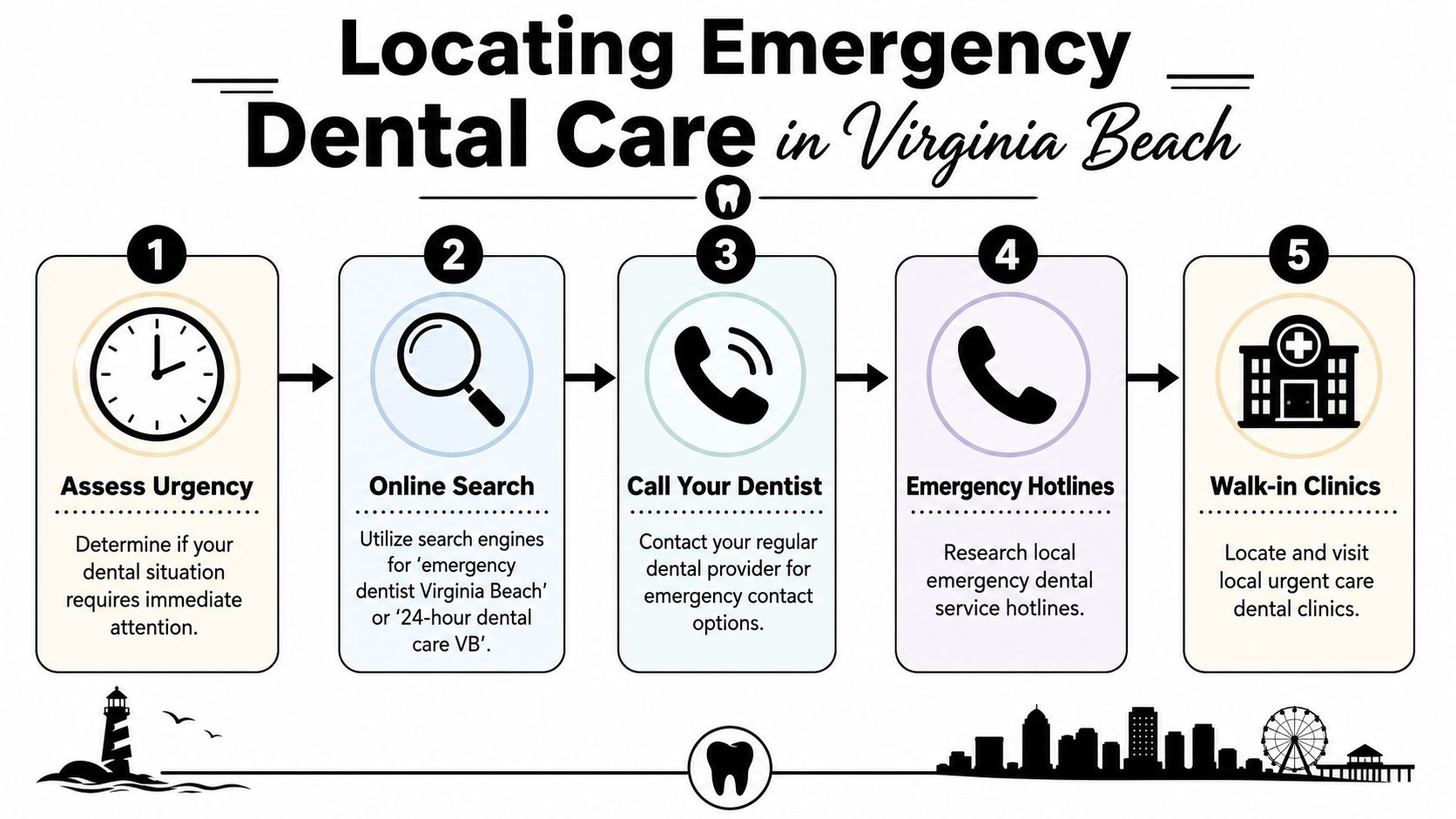
When you need help fast, the search itself can become part of the stress. The most useful approach is not just “find any dentist open.” It's matching your condition to the right kind of access.
Start with the right search terms
If you need emergency dental care in Virginia Beach, search terms should be specific:
- Emergency dentist Virginia Beach
- Same-day dentist Virginia Beach
- 24-hour dental phone support Virginia Beach
- Tooth extraction Virginia Beach
- Dentist near me if you need the closest available option
Some local practices explicitly offer same-day emergency treatment for severe pain, infections, and broken teeth, including Ideal Smiles Dentistry's same-day emergency dental care. That's the language you want to see when time matters.
Use phone screening before you drive
A quick call can save you hours. Ask direct questions:
- Can you see emergency patients today
- Do you treat infections, broken teeth, and extractions in-house
- Will I get an exam and x-rays today
- What should I do before I arrive
- Do you offer after-hours phone guidance
While most dental offices keep standard business hours, some Virginia Beach providers maintain a patient care team open 24/7 by phone, according to this local emergency support listing. That kind of access is valuable even when you still need an in-person visit later, because immediate instructions can prevent the problem from getting worse overnight.
Where teledentistry fits
Virtual dental triage has become much more useful for people who can't get to an office immediately. It doesn't replace treatment for a true hands-on emergency, but it can help sort urgency, guide first aid, and tell you whether the next step is the ER, a same-day dentist, or a scheduled visit.
For Virginia Beach patients, 24/7 virtual teledentistry access is available for issues like tooth pain and cracked fillings. That's especially helpful if symptoms start at night, you're traveling, or you're trying to decide whether you can safely wait a few hours.
If you can't be seen immediately, virtual triage is often better than guessing. It won't fix the tooth, but it can help you avoid the wrong setting and the wrong delay.
Don't overlook affordability questions
Financial uncertainty causes many patients to postpone care until pain becomes unbearable. That delay often leads to bigger problems. Virginia Beach also has a real information gap around income-based emergency coverage for uninsured and low-income residents. Park Place Dental Clinic serves low-income and underserved Hampton Roads residents with basic emergency services such as fillings and extractions through an income-based model, but many commercial emergency pages don't explain eligibility or how to access lower-cost care during a crisis.
If cost is the main barrier, ask about self-pay terms, payment plans, and whether the clinic can direct you to community-based options. That question is worth asking early.
Your Emergency Visit What to Expect and Payment Options
You walk in with a swollen jaw, a broken tooth in a plastic bag, and one question. Can this be handled today?
In many cases, yes. The first visit is built to answer three things quickly: what is wrong, how to get you comfortable, and whether the tooth can be stabilized, saved, or needs to come out.
What happens when you arrive
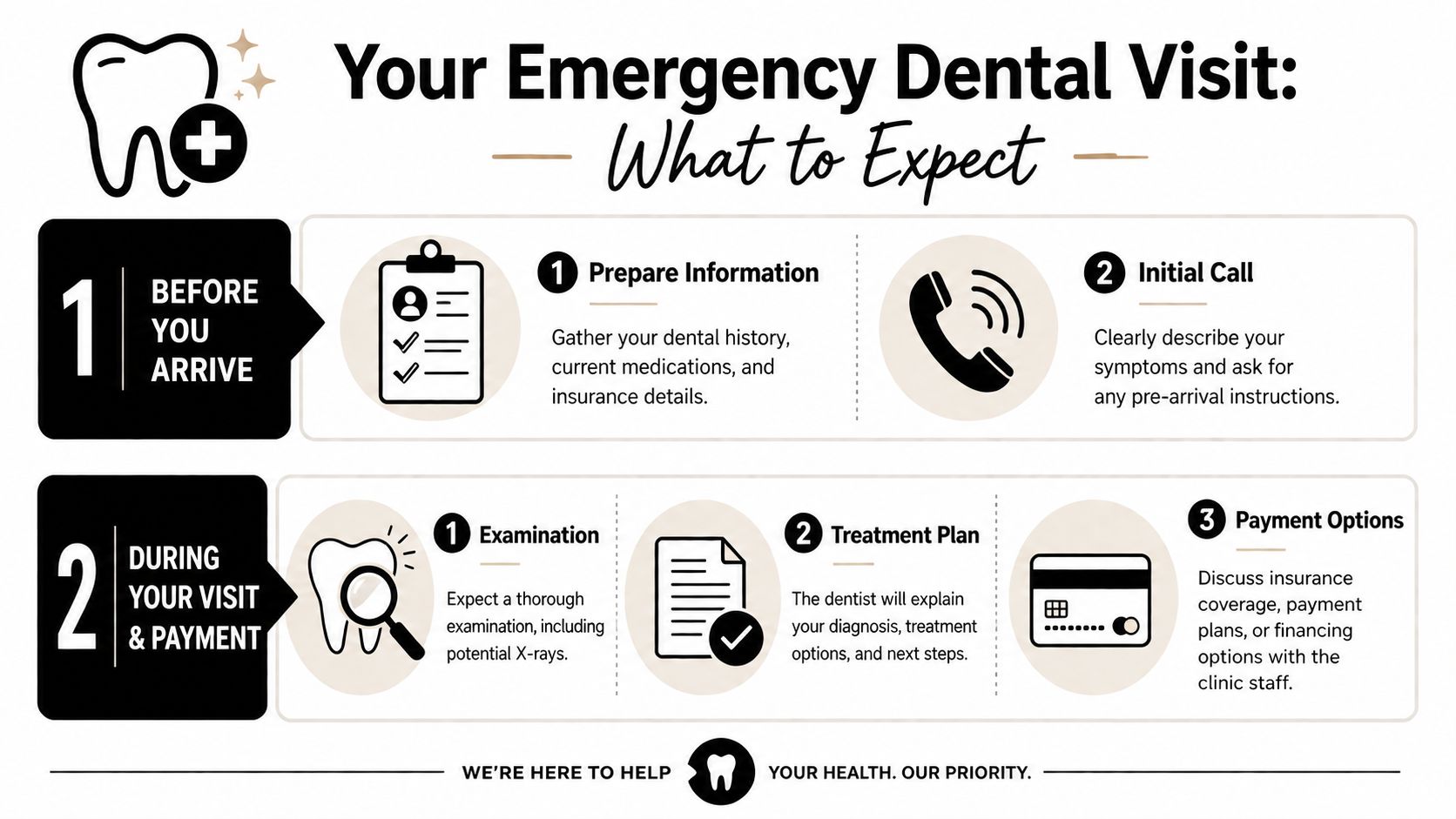
Bring a list of medications, your insurance card if you have one, and any tooth fragment, crown, retainer, or denture piece that came out. If you already used teledentistry to sort the problem, mention that at check-in and share any photos or notes from the virtual consult. That can save time and sharpen the exam.
A typical emergency visit includes:
A focused history
Expect direct questions about when the pain started, whether it wakes you up, whether hot or cold triggers it, and whether you have swelling, bad taste, trauma, or trouble biting.A limited emergency exam
The dentist checks the painful area, the gums, your bite, and signs of infection or fracture.X-rays when they change the decision
X-rays help confirm decay near the nerve, infection at the root, hidden cracks, or bone involvement. They are not always extensive, but they are often necessary.Immediate treatment to control the problem
That may mean draining an abscess, adjusting the bite on a cracked tooth, placing a temporary filling, recementing a crown, prescribing medication when indicated, or scheduling same-day treatment if the situation allows.
Emergency care is often staged. A severely inflamed tooth may need to be calmed down before final treatment is predictable. Patients are sometimes disappointed when they do not leave with the permanent fix on day one, but that approach is often safer and more comfortable.
What treatment may involve
The exam determines the next step. Common treatments include:
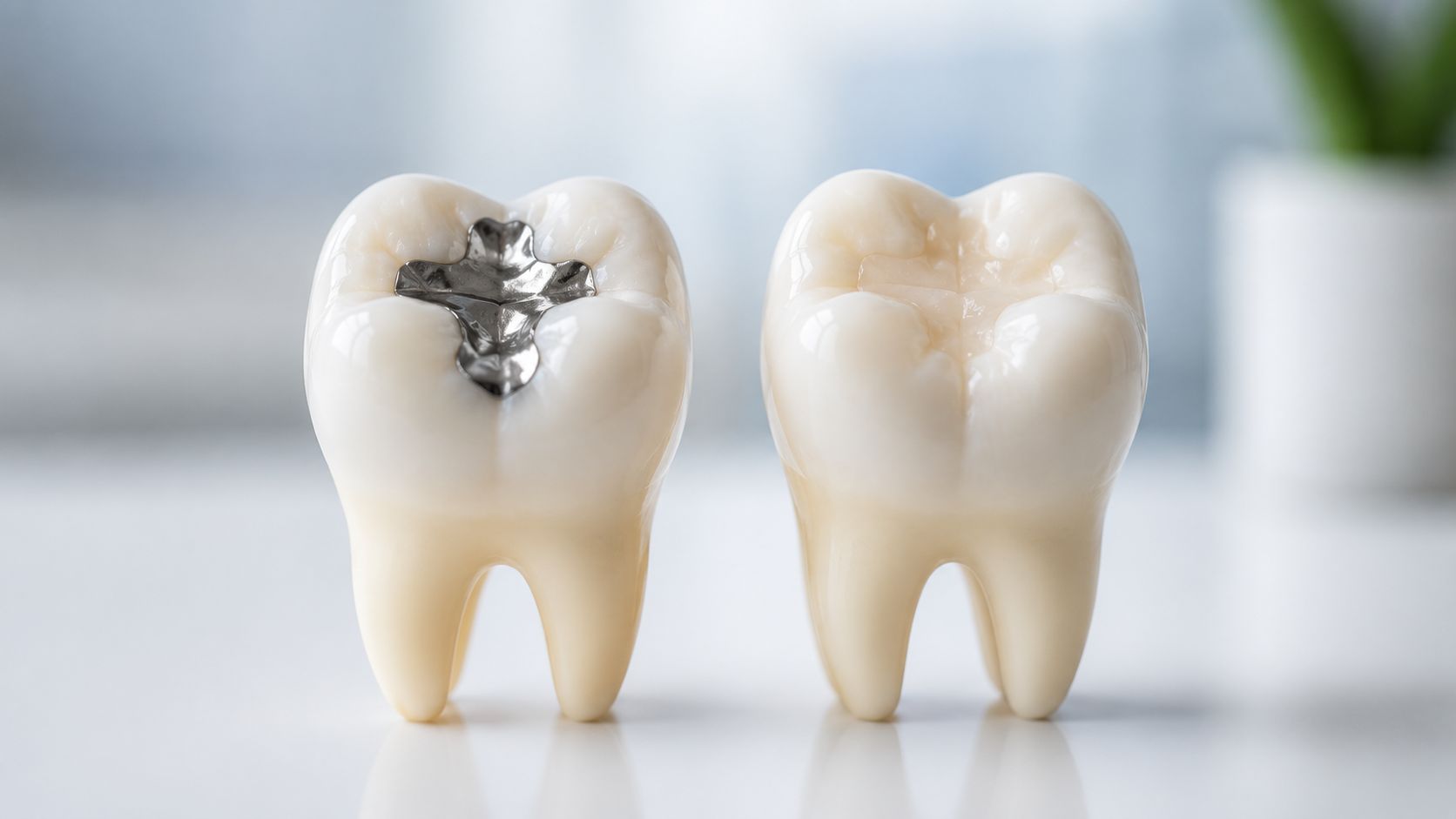
- A filling or temporary restoration for a lost filling, cavity, or broken edge
- Root canal treatment when the nerve is infected or inflamed and the tooth has a good chance of long-term function
- Extraction when the tooth is split, badly decayed below the gumline, or not restorable
- A crown or replacement plan later if the tooth is weakened or has to be removed
A good emergency dentist does not just treat pain. The office should also explain what comes next, what can wait, and what should not.
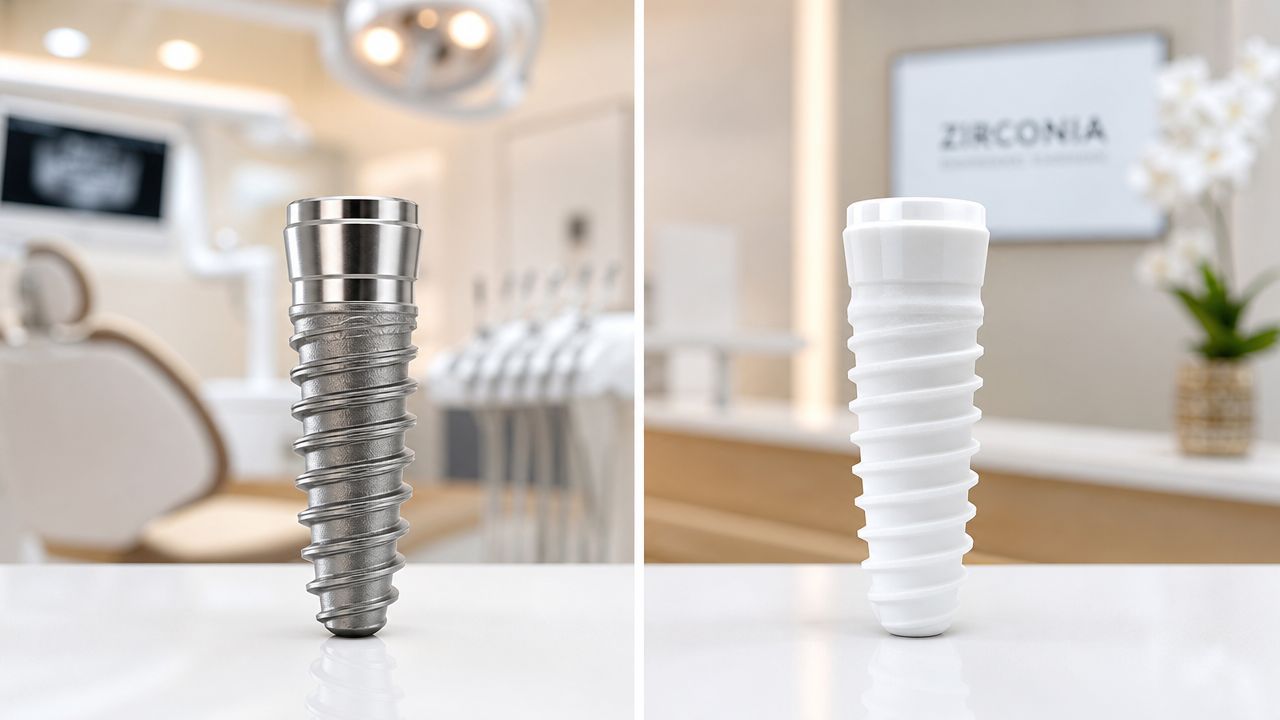
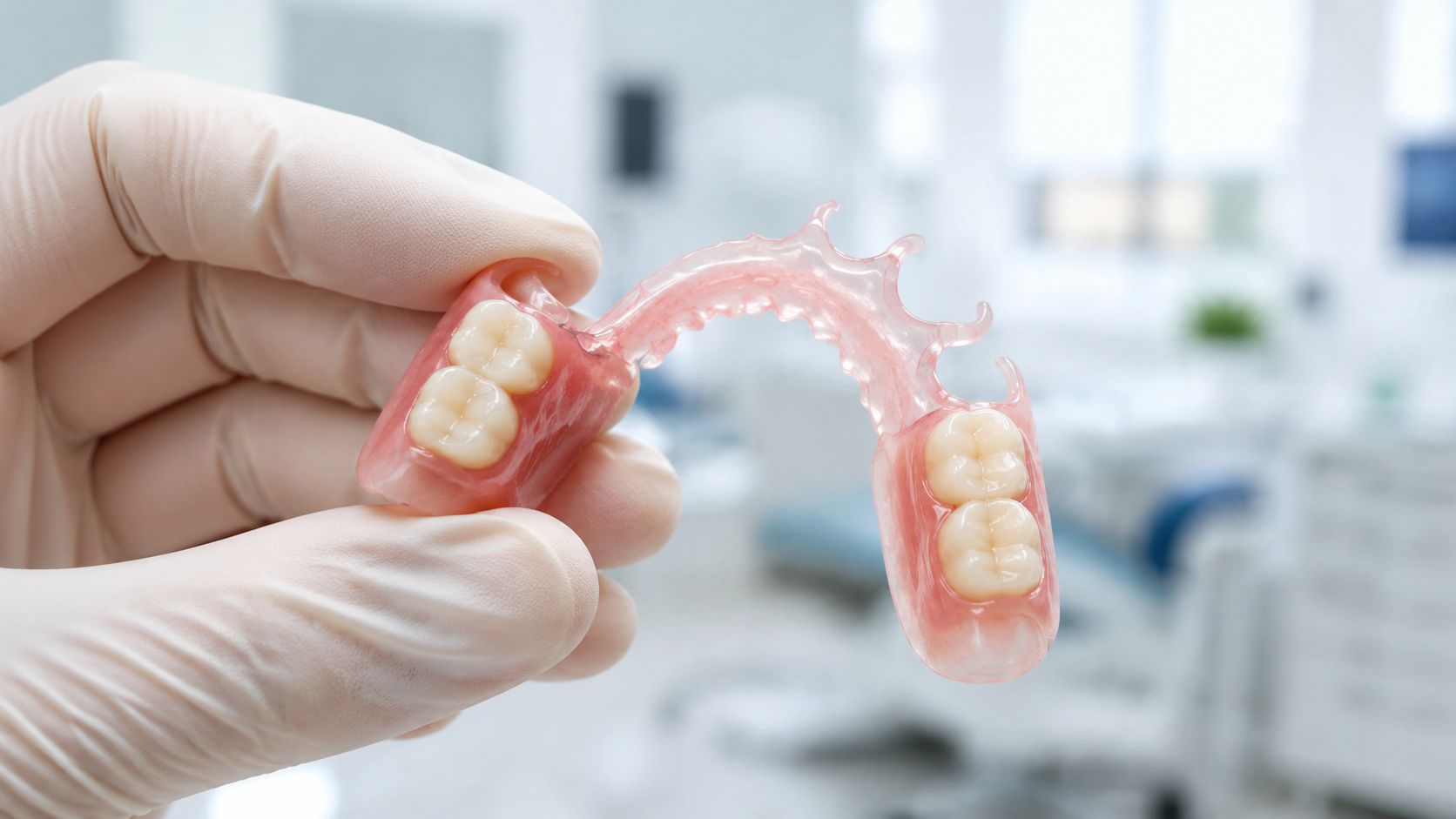
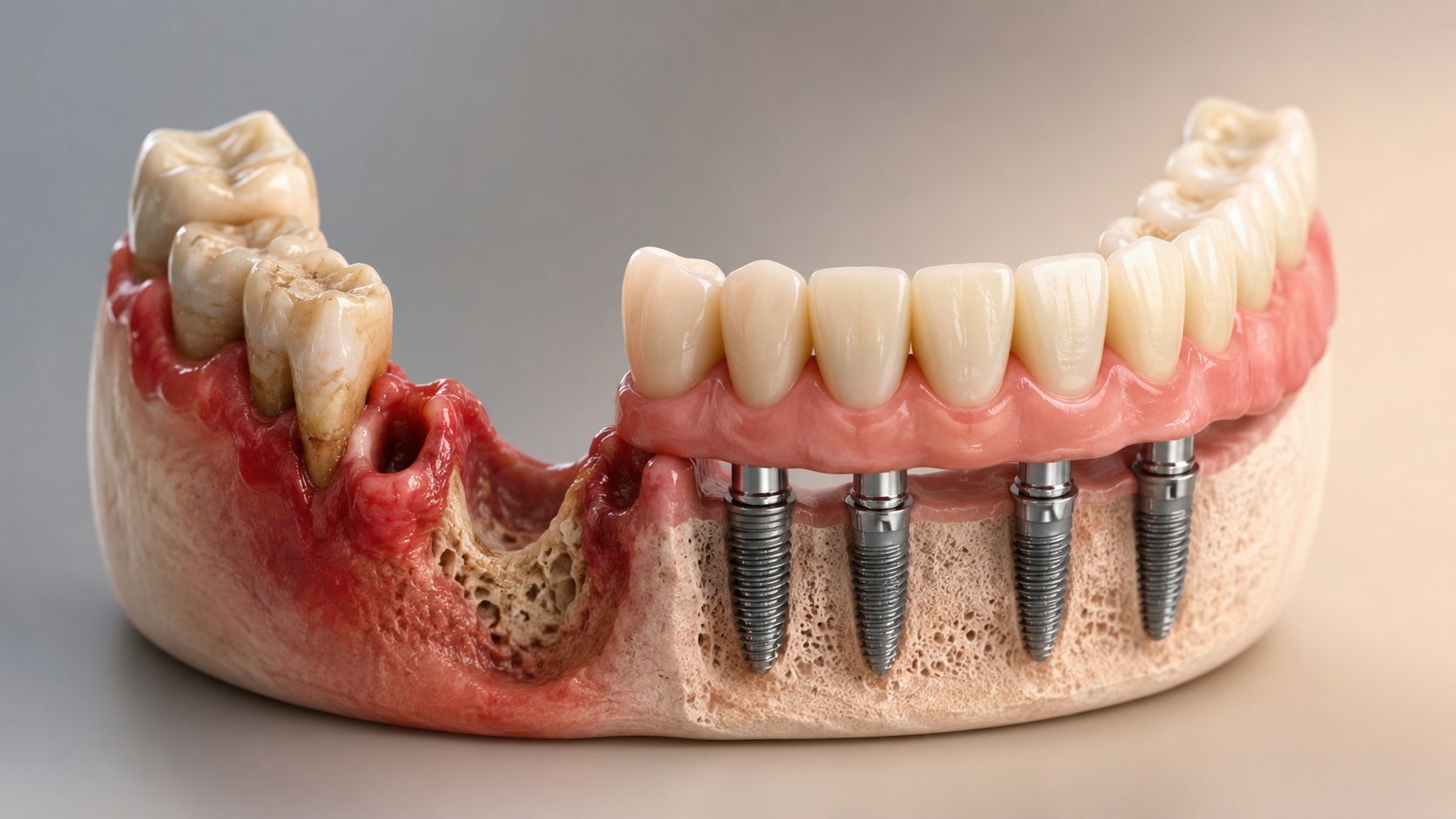
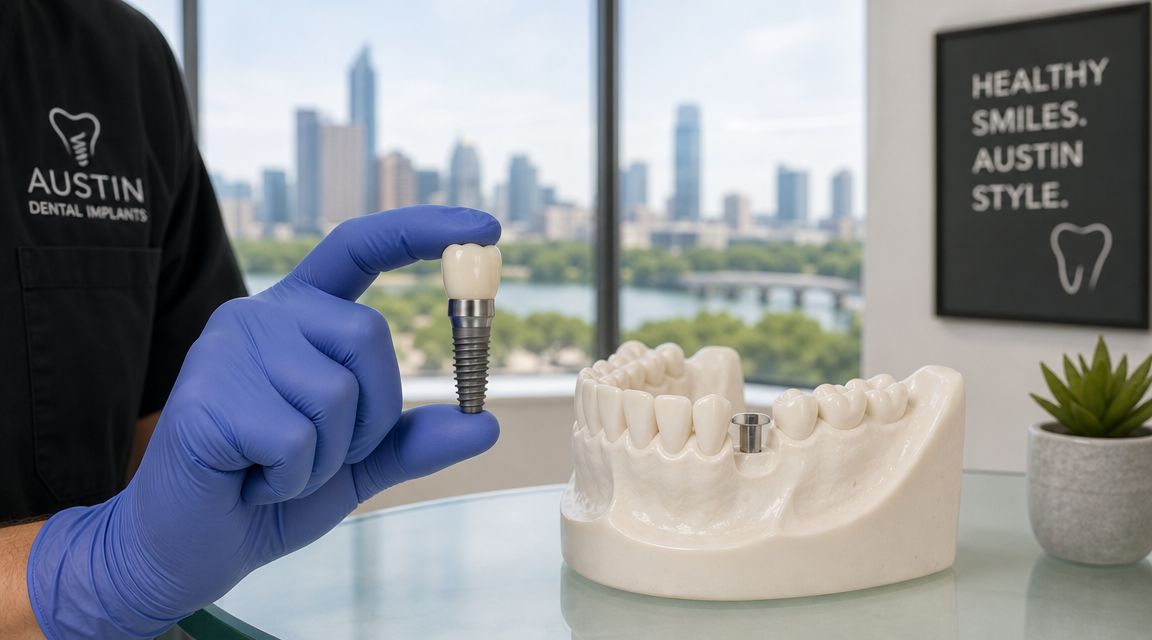
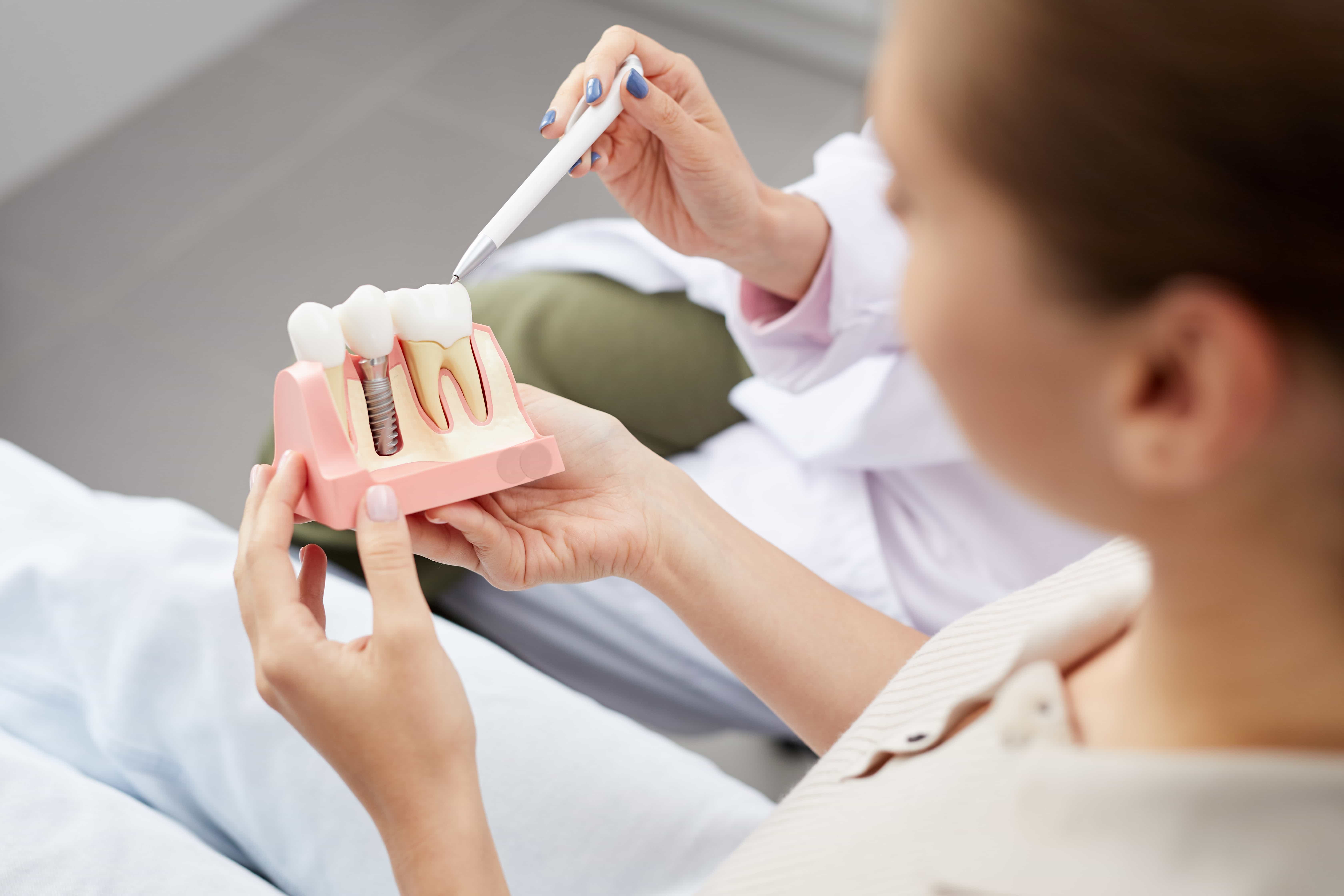
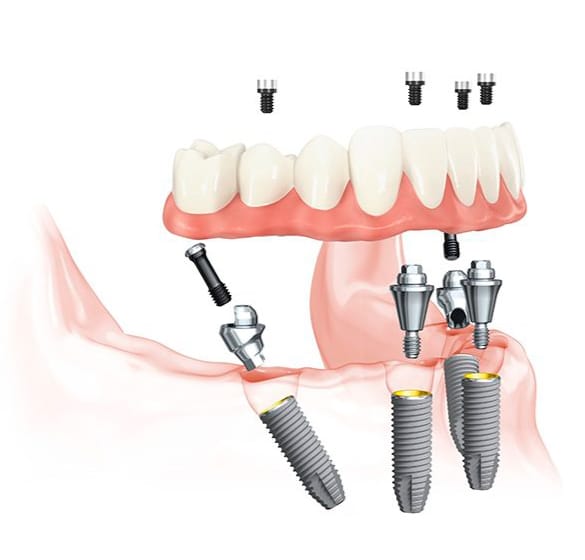
If a tooth cannot be saved, replacement does not have to be decided in the middle of a painful visit. For some patients, an implant is the right long-term answer. For others, cost, healing time, smoking status, bone levels, or medical history make a bridge or partial denture the better choice. Clear advice matters more than a rushed sales pitch.
Payment options and cost questions
Cost stops a lot of people from calling. I see that often, especially when symptoms start on a weekend or after work and patients worry they will end up in the wrong setting.
Hospital emergency departments are expensive and usually cannot provide definitive dental treatment. The Health Care Cost Institute's analysis of emergency department use for nontraumatic dental conditions helps explain why patients are often better served by a dental office whenever the issue is dental and not a medical airway emergency.
If you do not have coverage, this guide to emergency dental care without insurance can help you prepare better questions before you call.
Ask these questions before treatment starts:
- What is the emergency exam fee?
- Will x-rays be billed separately?
- What can be done today to stop pain and infection?
- Is there a lower-cost temporary option if I cannot do full treatment now?
- Do you offer self-pay pricing, financing, or phased treatment?
Those answers matter. For example, saving a tooth with root canal treatment and a crown often costs more upfront than extraction. Extraction may solve the immediate problem for less, but replacing that tooth later can cost more and take longer. Patients deserve that trade-off in plain language.
If you have insurance, ask the front desk to separate the likely charges into categories such as exam, x-rays, emergency treatment, extraction, endodontic treatment, and follow-up restoration. Specific questions usually get specific answers, and that lowers stress fast.
From Emergency to Recovery Preventing Future Crises
A dental emergency should change what happens next. The goal is not only to get out of pain. The goal is to keep the same problem from bringing you back in six months.
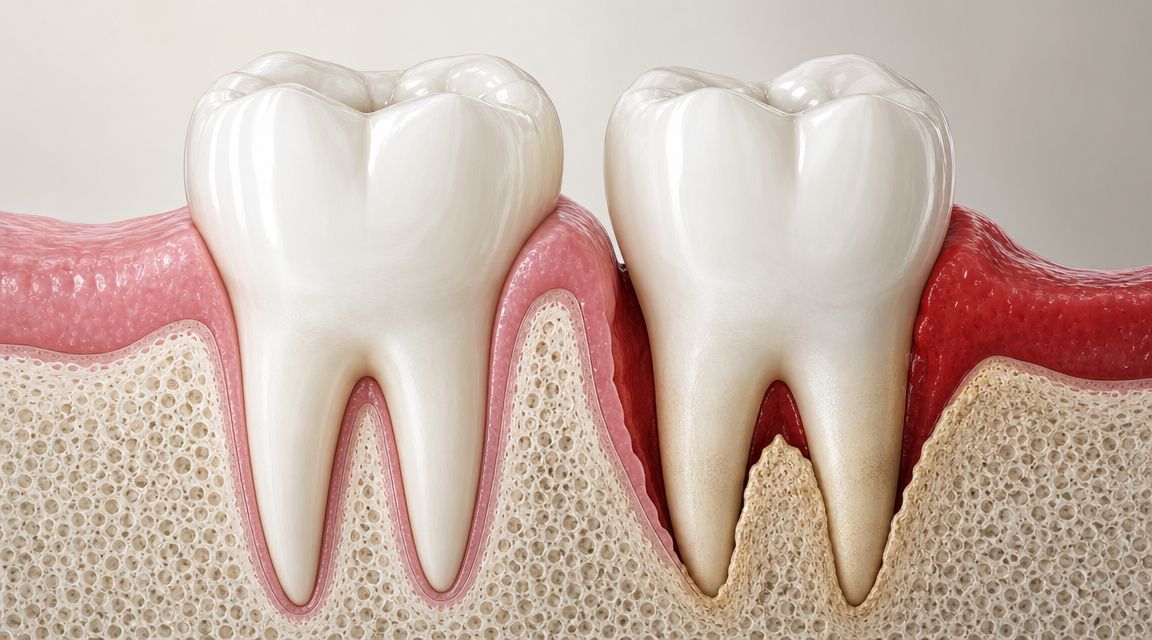
Many urgent dental visits start with decay that was allowed to progress, a cracked tooth that did not seem serious at first, or an infection that flared after days or weeks of warning signs. Abscesses and untreated cavities are common reasons people end up seeking urgent care, as noted earlier. In practice, I see the same pattern often. The emergency visit stops the immediate problem, but the follow-up plan is what protects your time, money, and teeth.
That plan should be specific.
- Finish the treatment, not just the first step: If you received antibiotics, a temporary filling, drainage, or pain control, ask what still needs to be completed. A root canal, crown, extraction site check, or replacement tooth may still be pending.
- Use teledentistry if you cannot get back in right away: A virtual check-in can help a dentist review swelling, pain changes, medication response, and whether your symptoms suggest healing or a setback.
- Schedule the follow-up before symptoms fade: Pain relief often makes people postpone care. That is when temporary fixes turn into repeat emergencies.
- Protect weak teeth: Avoid chewing ice, popcorn kernels, hard candy, and pens. A cracked tooth usually gets worse under pressure.
- Wear a mouthguard for sports or teeth grinding: Sports guards prevent trauma. Night guards can reduce stress on teeth that already have cracks, large fillings, or crowns.
- Treat small problems early: A minor cavity or loose filling is easier and less expensive to handle than an abscess, broken tooth, or weekend pain flare.
If you cannot see a dentist immediately, do not guess. Use the triage plan from earlier. Contact a dental office, use a teledentistry option if available, follow the home-care instructions you were given, and watch for changes such as swelling, fever, bad taste, pressure, or pain that stops improving. Those details help a dentist decide whether you can wait, need a same-day visit, or should go to urgent medical care.
Prevention is rarely dramatic. It is a series of smaller decisions made earlier, while the tooth is still restorable and the treatment choices are simpler. That is how patients get out of the cycle of emergency care.
Ready to get started?
Schedule a free, no obligation consultation with our team and see what's possible for your smile!
Georgetown
- Mon-Thurs8:30am-5pm
- Fri8am-3:30pm
- Sat-SunClosed
Austin
- Mon-Tues8am-5pm
- Wed-Thurs9am-6pmFri8am-2pm
- Sat-SunClosed