
Cracked Tooth or Toothache? Signs You Need an Emergency Dentist Fast
Related Posts






























Cracked Tooth or Toothache? Signs You Need an Emergency Dentist Fast
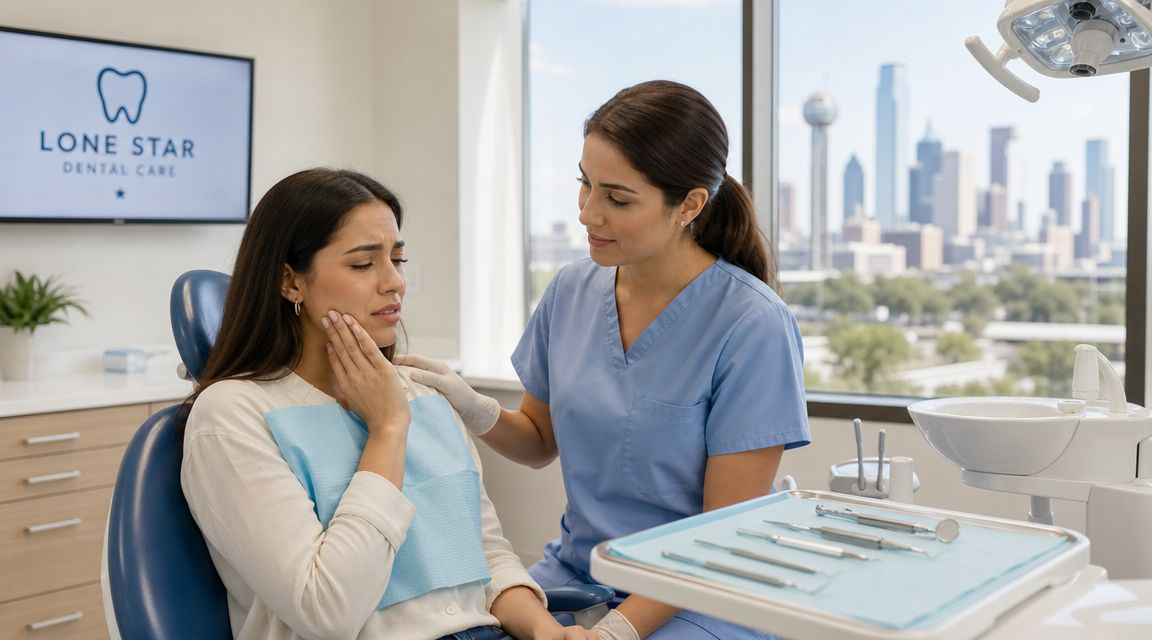
A severe toothache or a cracked tooth requires immediate attention from an emergency dentist. Ignoring these symptoms can lead to severe infections, permanent nerve damage, or complete tooth loss. If you experience intense pain, swelling, fever, or a broken tooth, contact a trusted provider like 3D Dental right away for urgent care. Dental emergencies strike without warning, turning a normal day into a painful ordeal that disrupts work, sleep, and basic daily activities. Whether a sudden sharp pain shoots through your jaw or a piece of enamel breaks off during a meal, these situations demand immediate professional attention.
Delaying treatment for a dental emergency significantly increases the risk of complications, including spreading infections and irreversible structural damage. A minor ache can rapidly evolve into a severe abscess, while a small crack can widen until the tooth is completely unsalvageable. This guide explores the critical signs that indicate you need an emergency dentist fast. By understanding the distinction between minor dental issues and genuine emergencies, you can make informed decisions about your oral health.
What Qualifies as a Dental Emergency?
Understanding Dental Emergencies
A dental emergency involves any oral health issue that requires immediate treatment to stop bleeding, alleviate severe pain, or save a tooth. While a minor chipped tooth with no pain can often wait for a standard appointment, conditions threatening your overall health or the permanent loss of a tooth cannot. Identifying the severity of the situation helps ensure that you seek the right level of care at the right time.
Common Emergency Scenarios
Several situations clearly demand urgent dental intervention. These include knocked-out (avulsed) teeth, severe cracks extending below the gumline, uncontrollable oral bleeding, and intense toothaches accompanied by swelling. Additionally, dental trauma from accidents or sports injuries frequently results in displaced teeth or fractured roots, necessitating rapid evaluation by a dental professional.
When to Call an Emergency Dentist
You should contact an emergency dentist immediately if you experience unrelenting pain, noticeable swelling in your face or jaw, or signs of an oral infection like a fever or foul taste. If a tooth is completely knocked out, reaching a dental office within 30 minutes significantly increases the chances of successful dental reimplantation. Do not hesitate to call a professional if you suspect a serious issue, as time is always of the essence.
Signs You Need Immediate Attention for a Cracked Tooth
Visible Damage to the Tooth
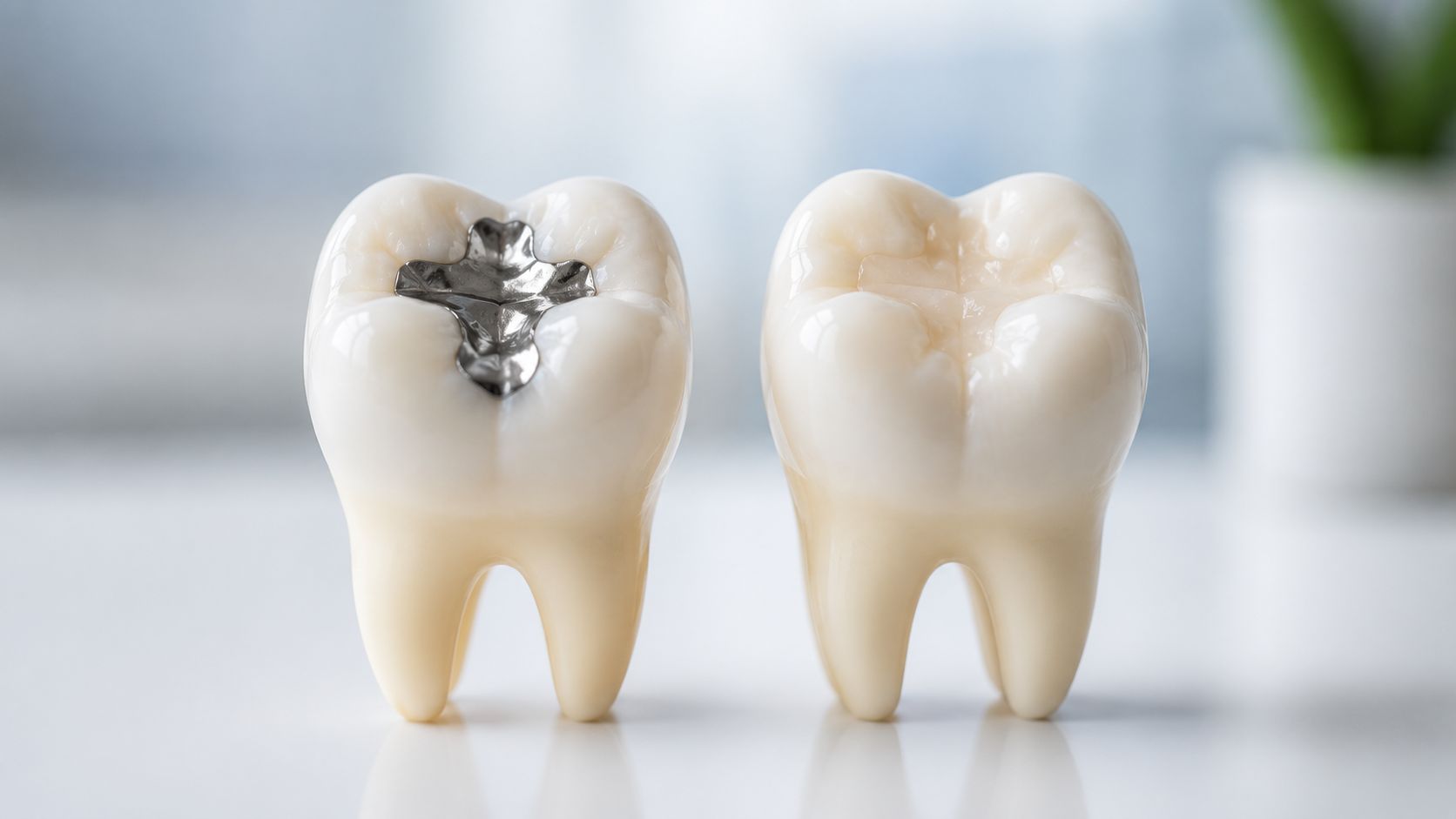
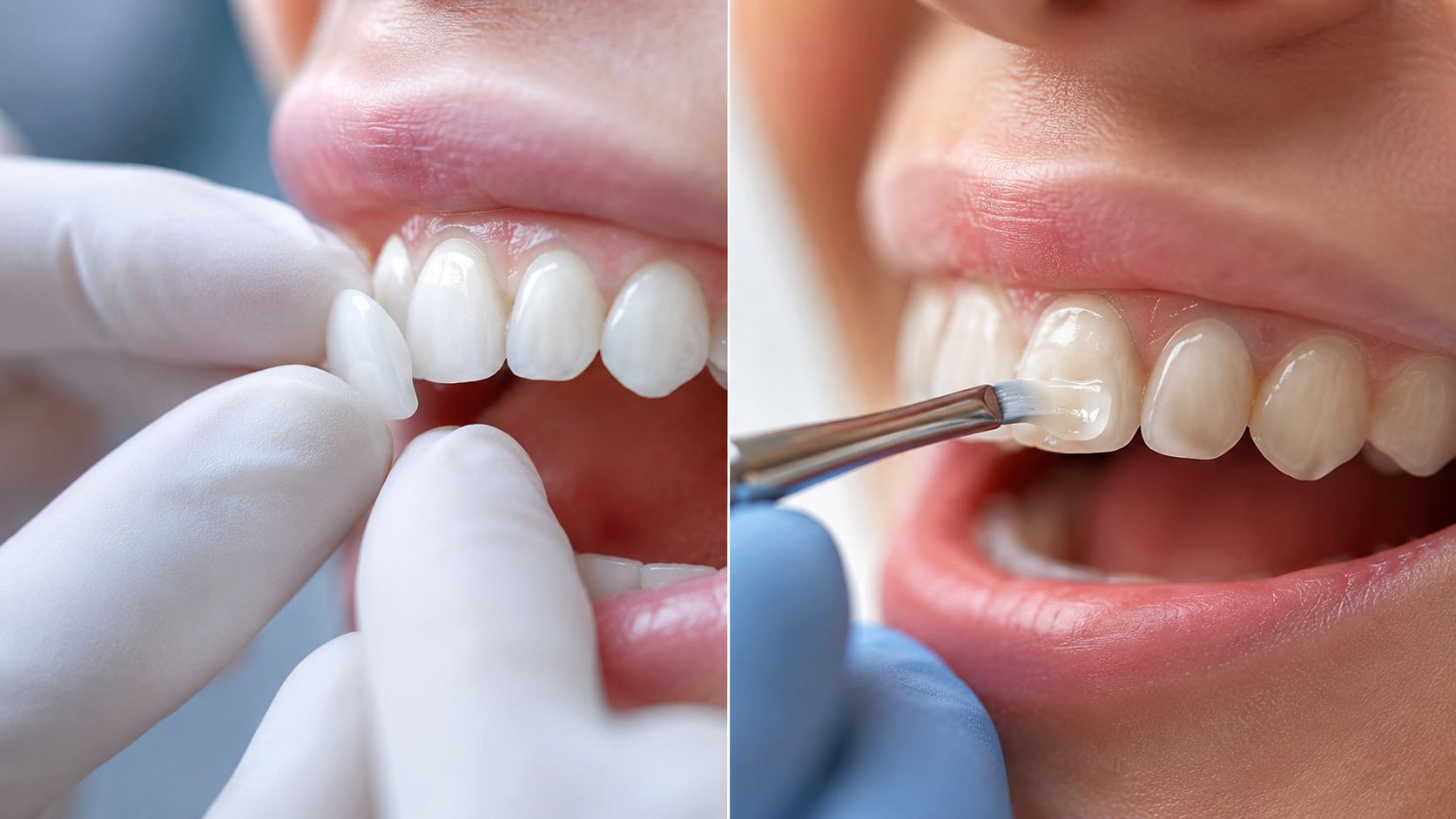
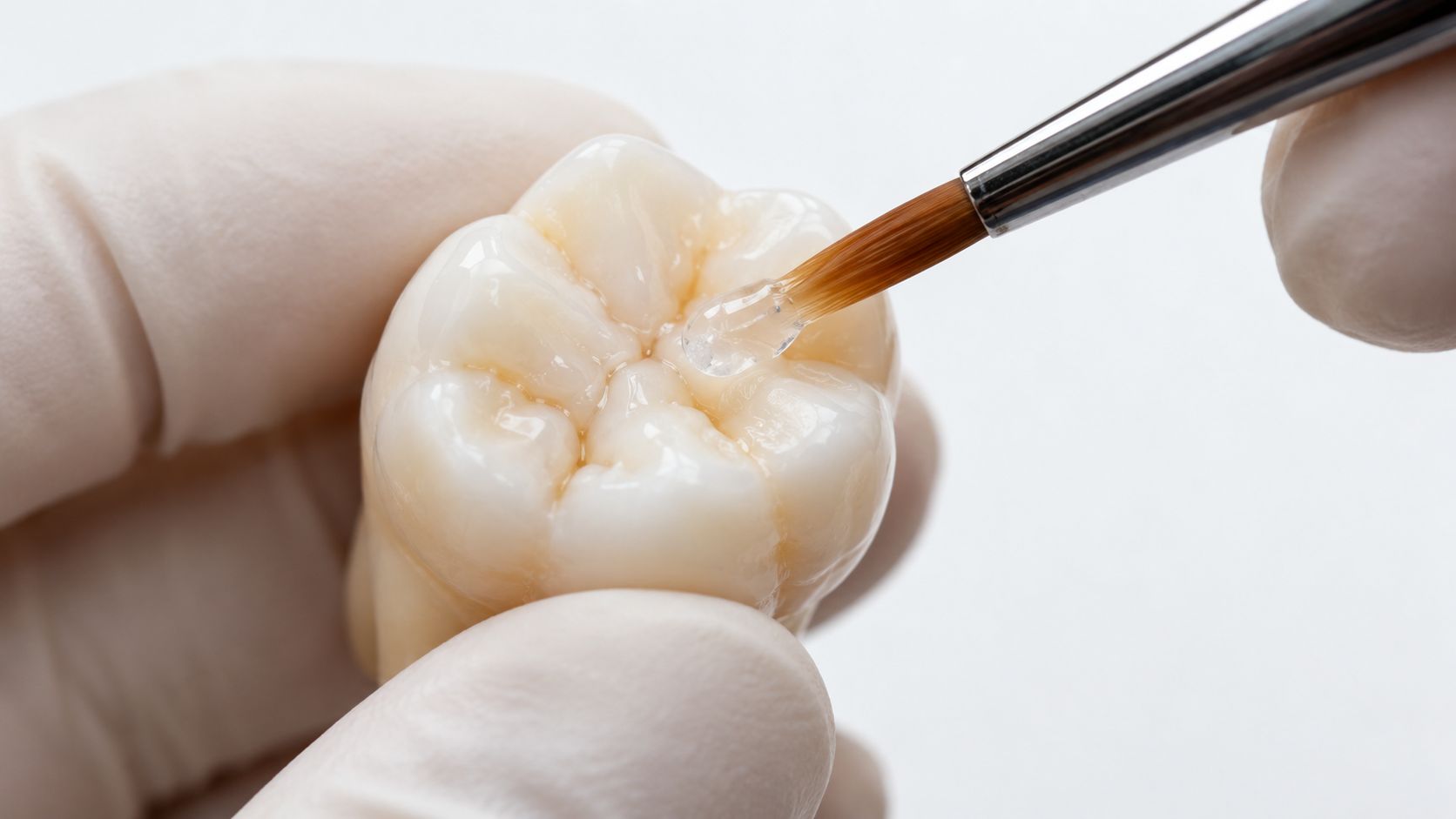
When you notice a visible chip, fracture, or break in your enamel, the structural integrity of your tooth is compromised. Even if the crack appears minor, it creates a pathway for harmful bacteria to enter the inner pulp, leading to rapid decay and infection. Having a dentist assess the visible damage immediately allows for conservative treatments like bonding before the crack worsens.
Pain When Biting or Chewing
Experiencing sharp, localized discomfort specifically when biting down or releasing pressure is a classic symptom of a cracked tooth. This pain occurs because the chewing motion causes the cracked pieces to move slightly, irritating the sensitive pulp and nerves inside. Consistent pain during meals indicates that the fracture is deep enough to require urgent professional repair to restore proper function.
Sensitivity to Temperature or Pressure
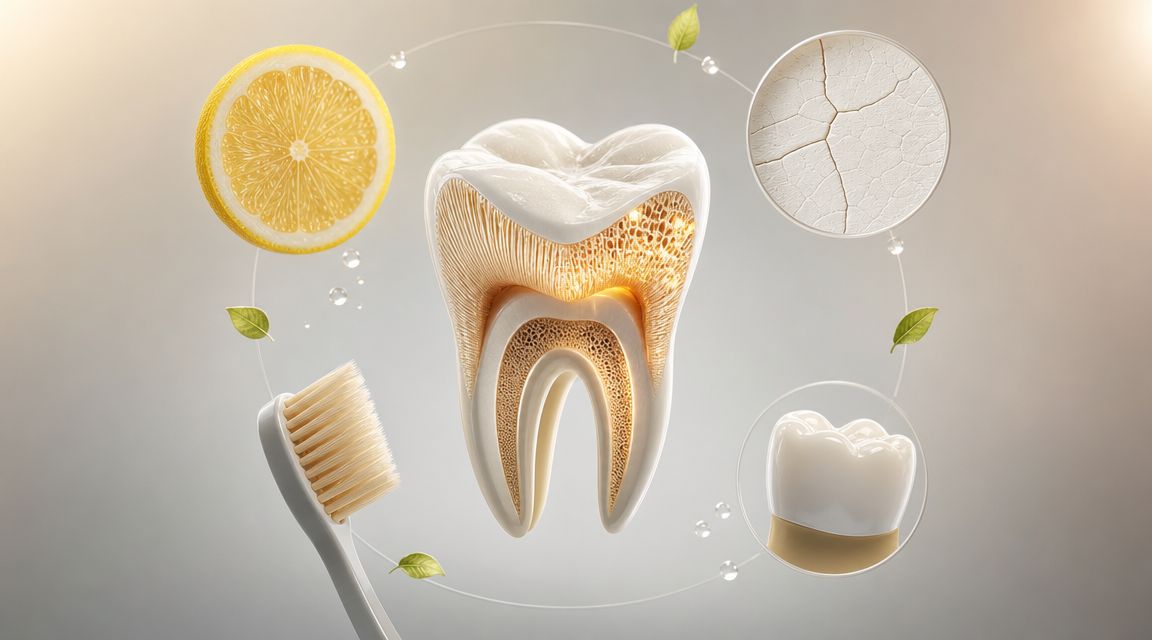
A sudden, lingering sensitivity to hot or cold foods and beverages strongly suggests that a crack has exposed the inner dentin or nerve of the tooth. Unlike mild, generalized sensitivity, this acute reaction usually pinpoints the exact location of the damage. Seeking fast dental care for temperature sensitivity prevents the nerve from sustaining permanent damage that would eventually necessitate a root canal.
Toothache Warning Signs You Shouldn’t Ignore
Persistent, Throbbing Pain
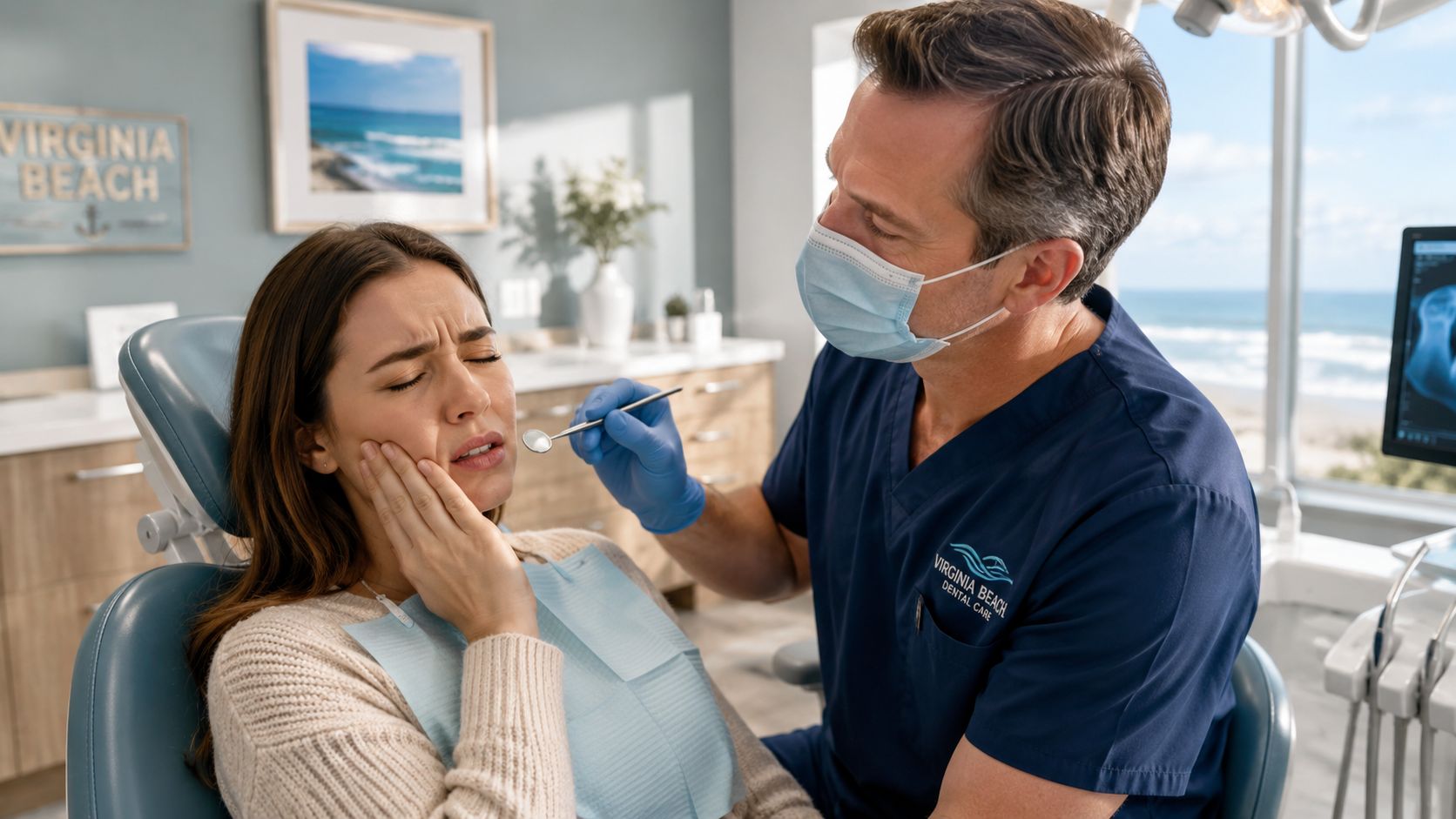
A continuous, throbbing toothache that interrupts your sleep and does not respond to over-the-counter medication is a major warning sign. This type of relentless pain typically indicates a deep infection, advanced tooth decay, or an inflamed nerve that will only deteriorate further without intervention. Emergency dentists possess the diagnostic tools to pinpoint the source of this severe discomfort and provide lasting relief.
Swelling or Redness Around the Tooth
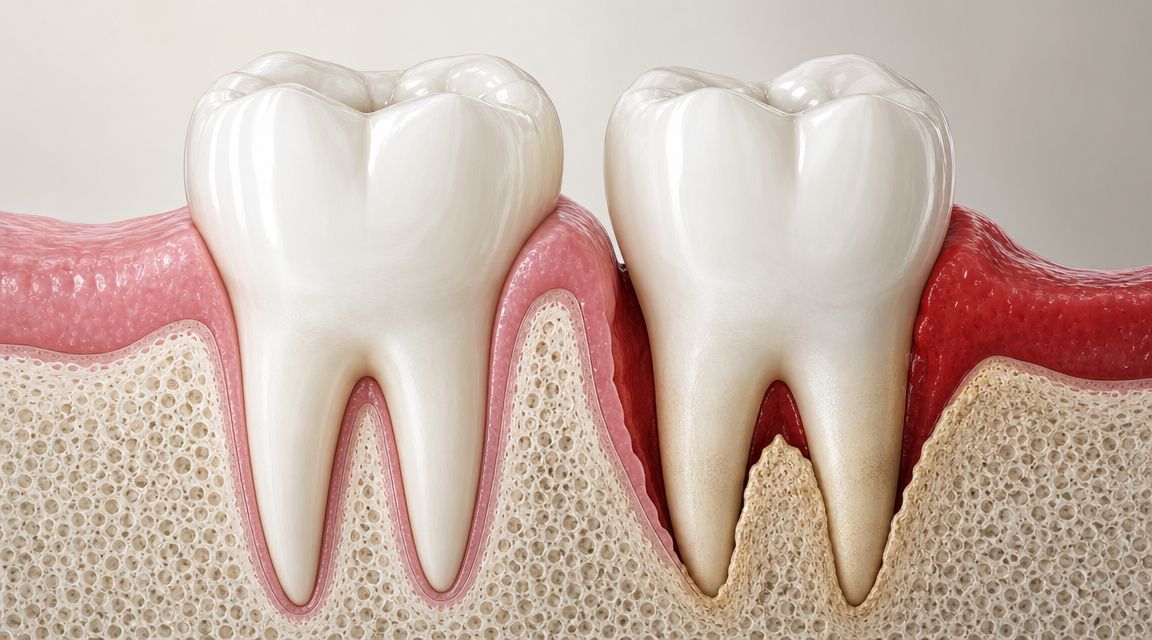
Noticeable swelling, redness, or tenderness in the gums surrounding a painful tooth often points to an active infection or a dental abscess. An abscess is a localized pocket of pus caused by a bacterial infection, which can quickly spread to surrounding bone and tissue.
Fever or Bad Taste in the Mouth
Developing a fever, experiencing swollen lymph nodes, or noticing a sudden, foul-tasting discharge in your mouth are critical indicators of a systemic dental infection. These symptoms mean the localized issue has advanced and your body is actively fighting off a dangerous bacterial invasion.
The Risks of Delaying Emergency Dental Care
Worsening Pain and Discomfort
Ignoring a dental emergency virtually guarantees that your pain and discomfort will escalate over time. What begins as a manageable ache can transform into an agonizing condition that disrupts every aspect of your daily life. Delaying care deprives you of immediate pain relief and allows the underlying problem to grow exponentially worse.
Increased Risk of Infection
The mouth is highly susceptible to bacterial growth, meaning that untreated cracks or severe decay can quickly develop into serious infections. Left unchecked, a dental abscess can easily spread to the jaw, neck, or even the brain, creating a life-threatening medical emergency. Prompt professional treatment sanitizes the affected area and stops the dangerous progression of bacterial infections.
Permanent Damage to Oral Health
Failing to seek timely care for cracked teeth or severe toothaches drastically increases the likelihood of permanent oral health damage. An untreated crack can split the tooth entirely, making dental extraction the only viable option.
How Emergency Dentists Address Cracked Teeth
Temporary Solutions for Immediate Relief
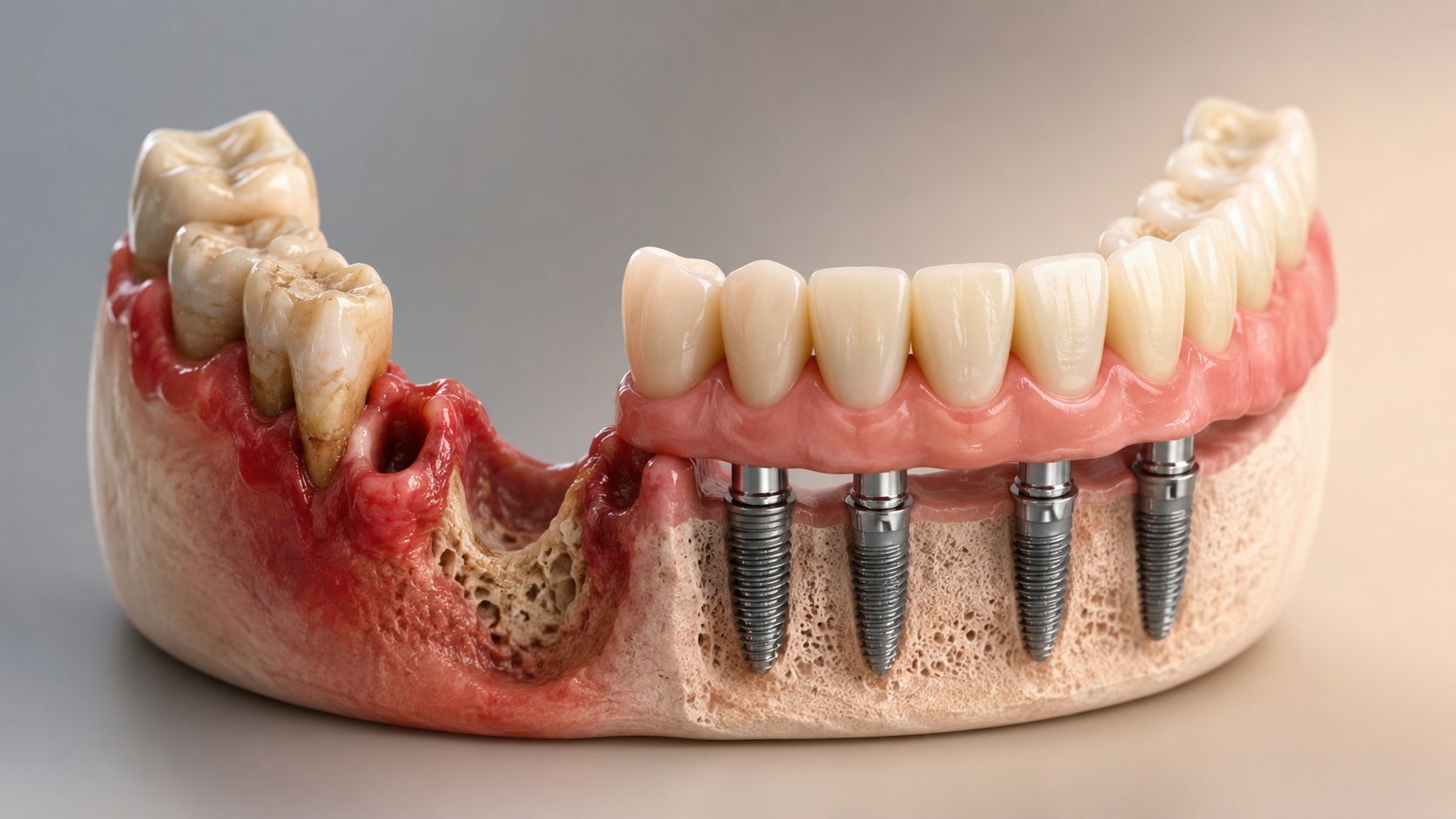
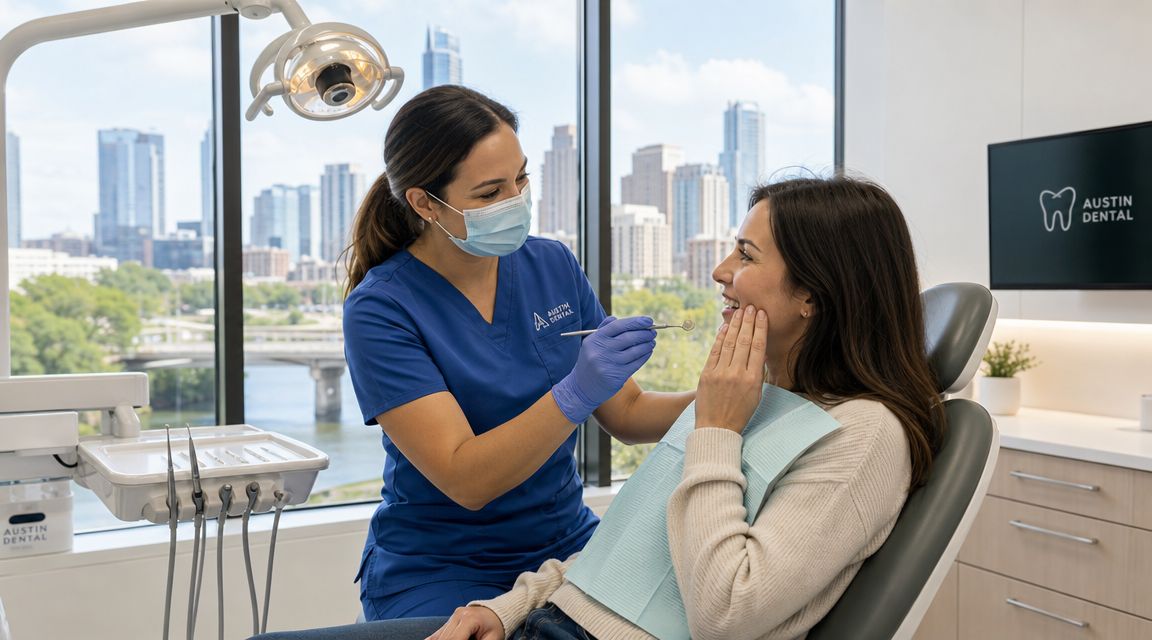
Upon arriving at an emergency dental clinic, the immediate goal is to stabilize the cracked tooth and alleviate your pain. Dentists may apply a temporary filling, dental cement, or a special bonding agent to seal the crack and protect the exposed nerve from further irritation.
Permanent Restorations
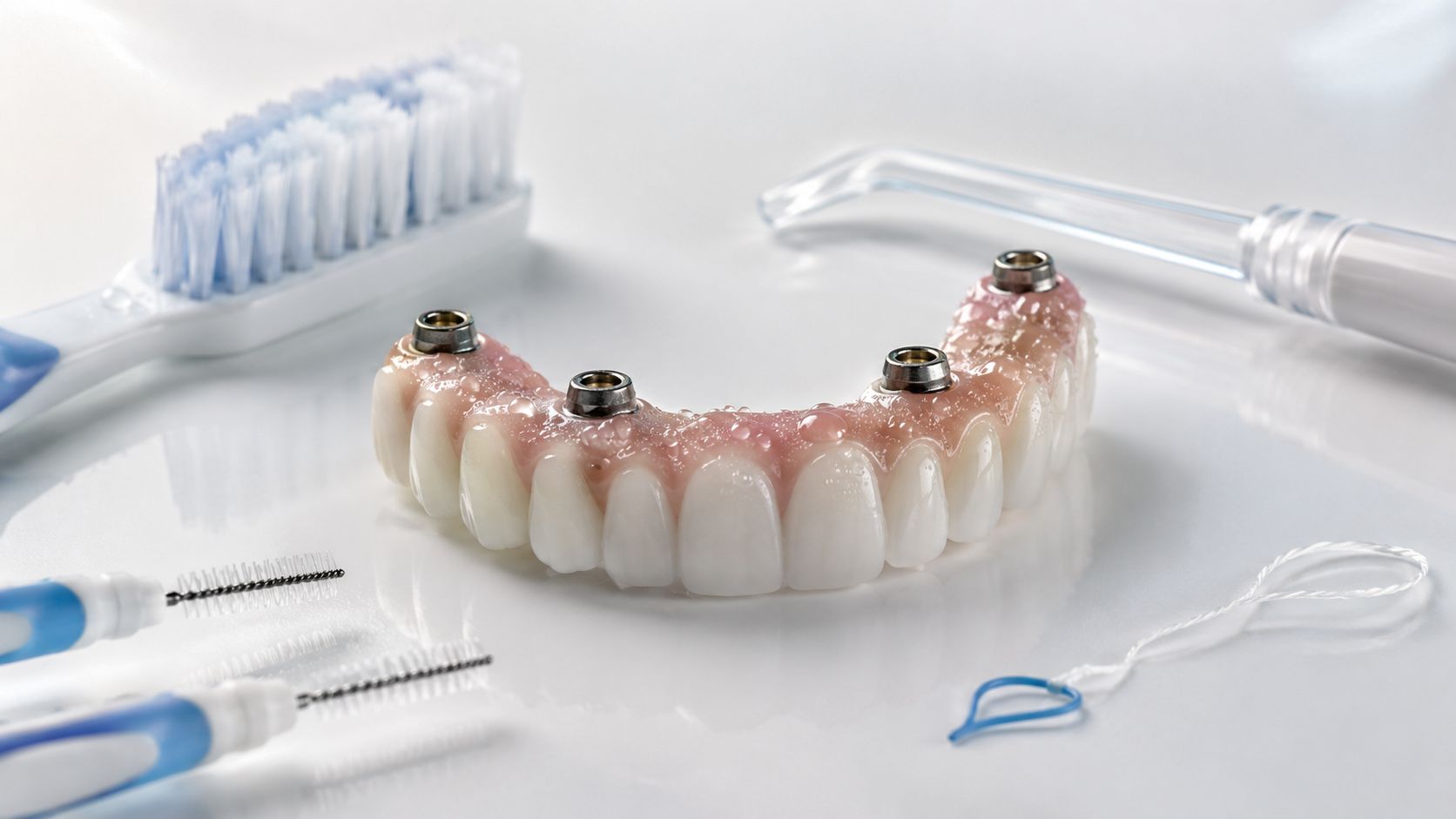
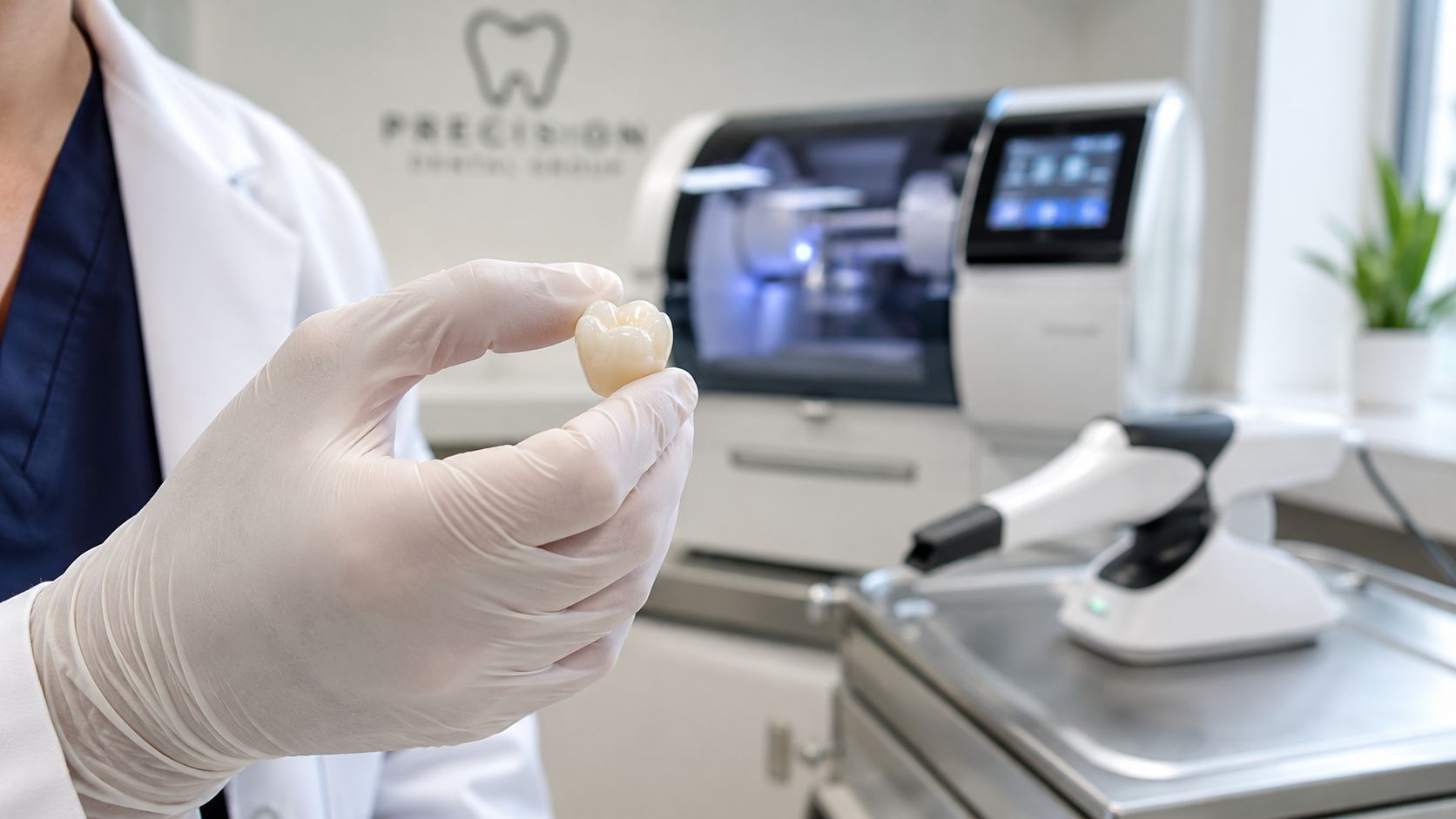
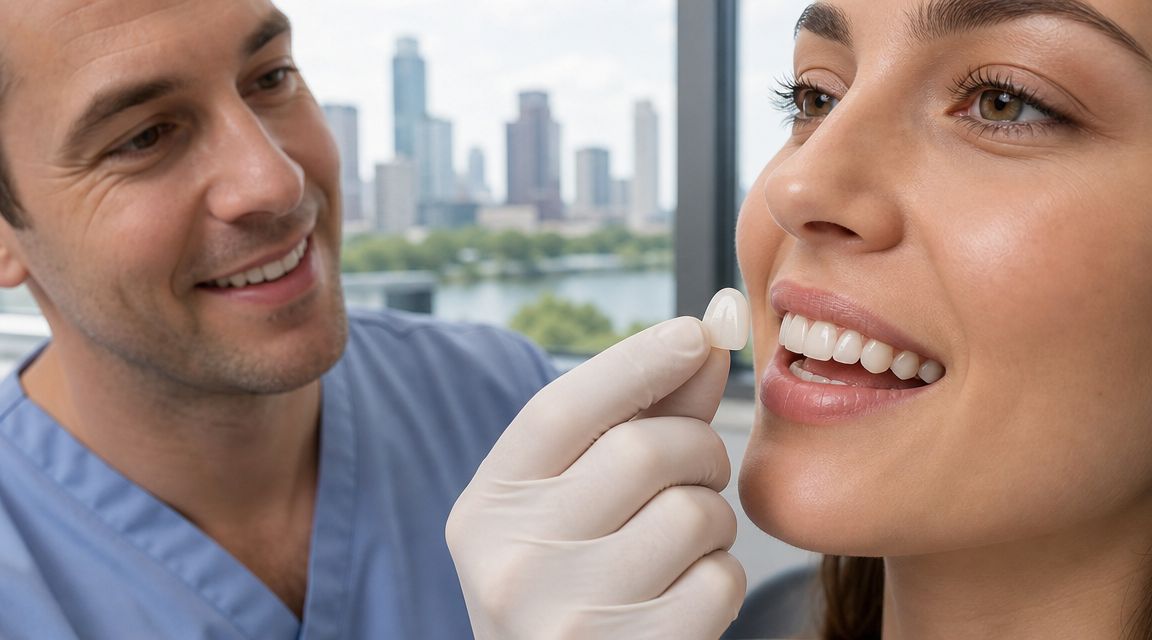
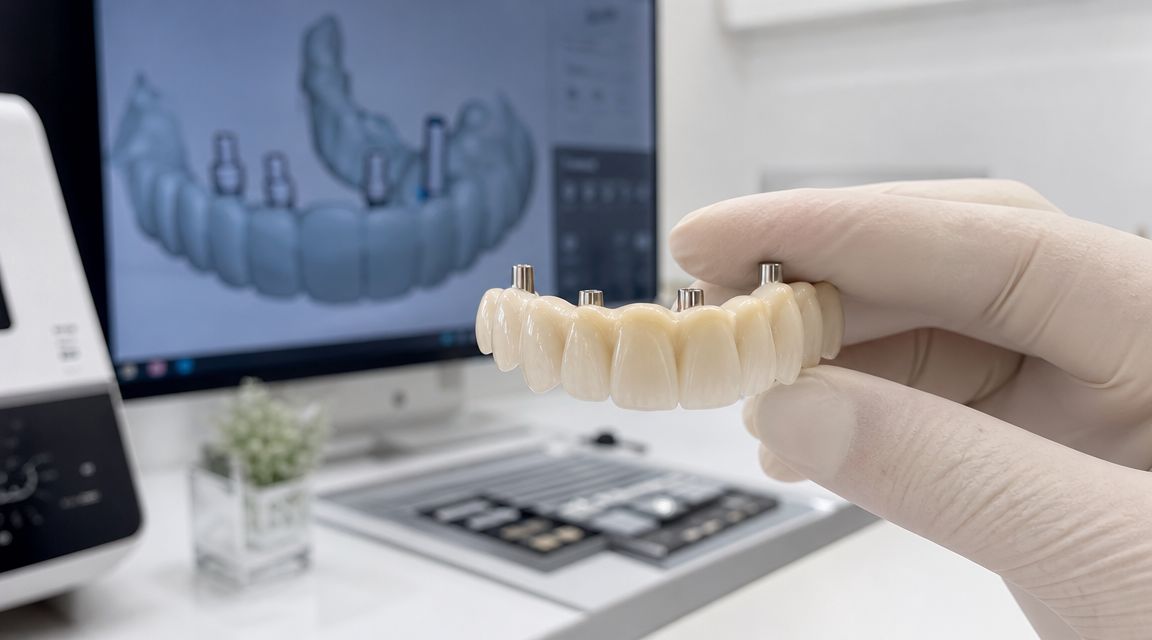
Depending on the severity of the fracture, dentists utilize several permanent restoration techniques to return the tooth to its full function and aesthetic appearance. Minor cracks might only require cosmetic bonding, while more significant fractures often necessitate a custom dental crown to completely encase and protect the compromised structure.
Advanced Technology for Precision Care
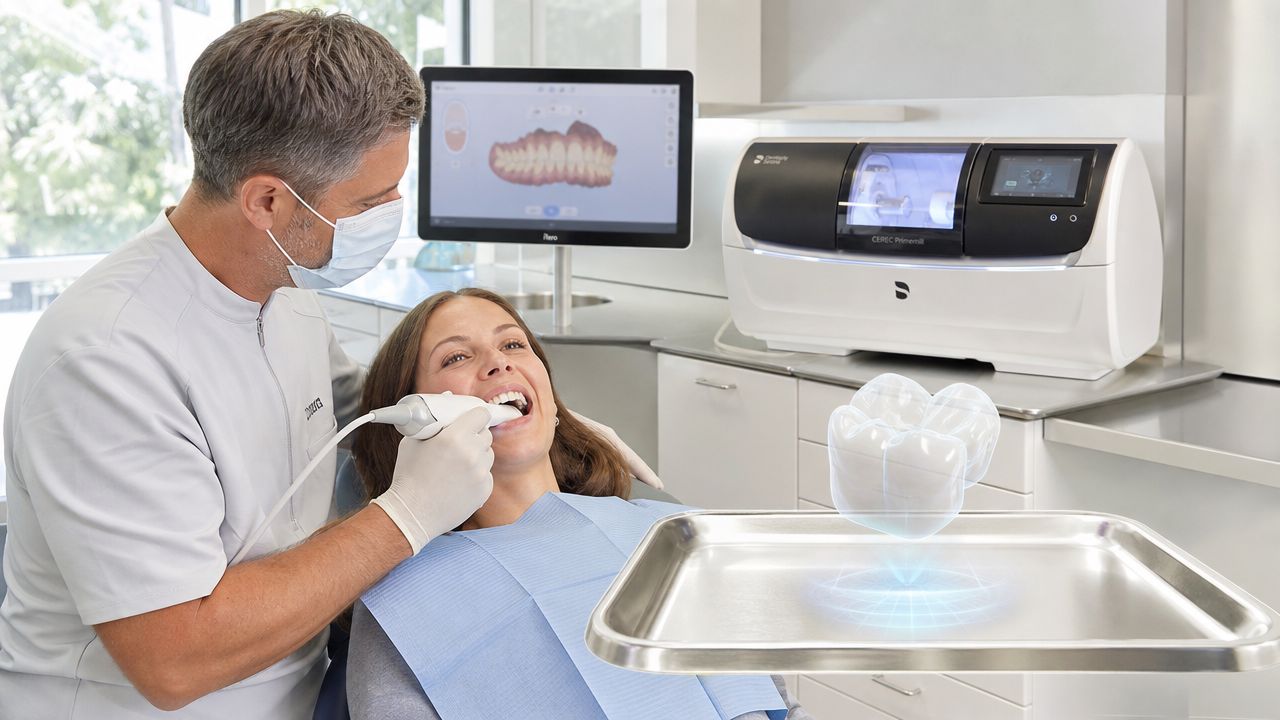
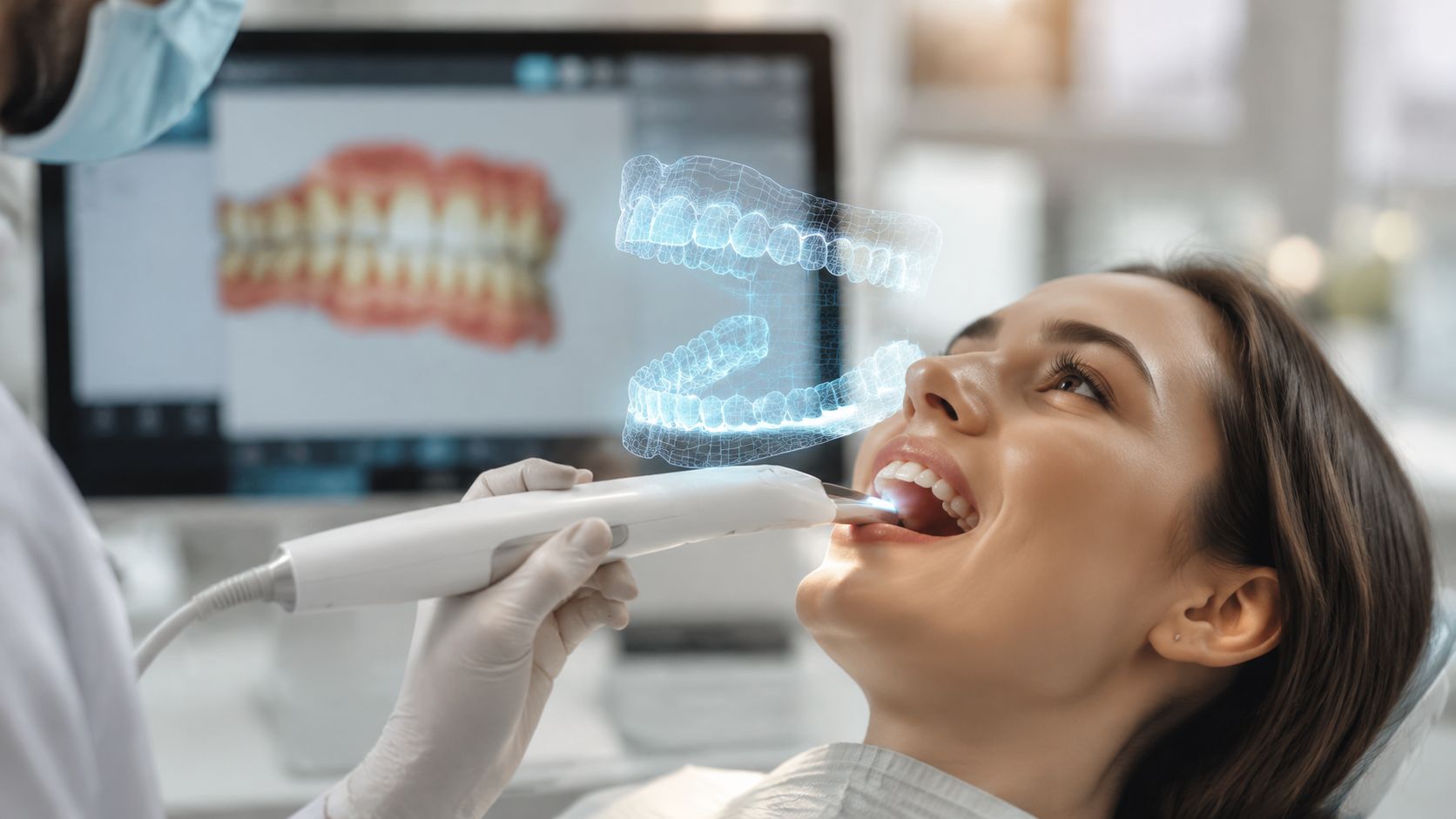
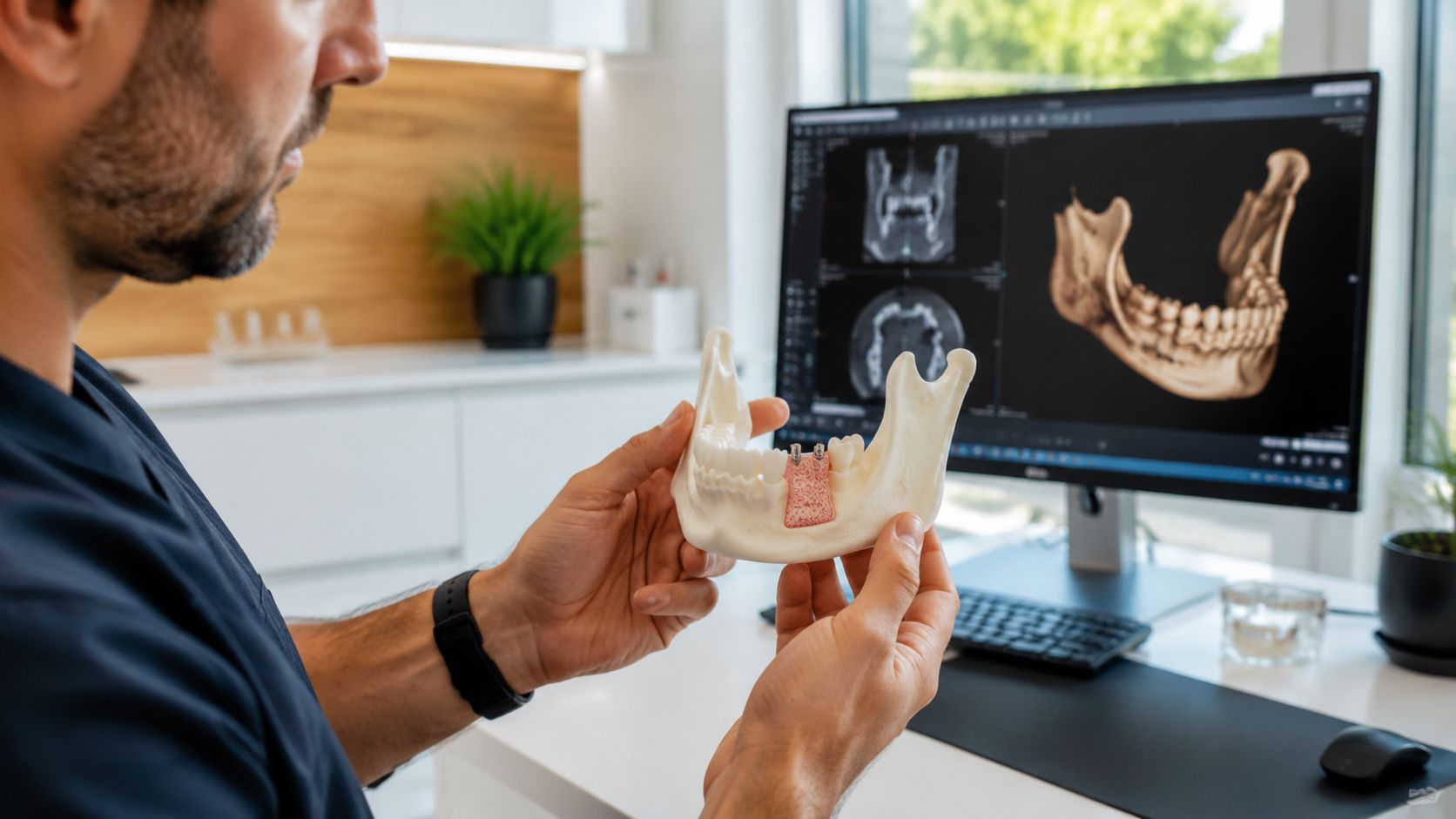
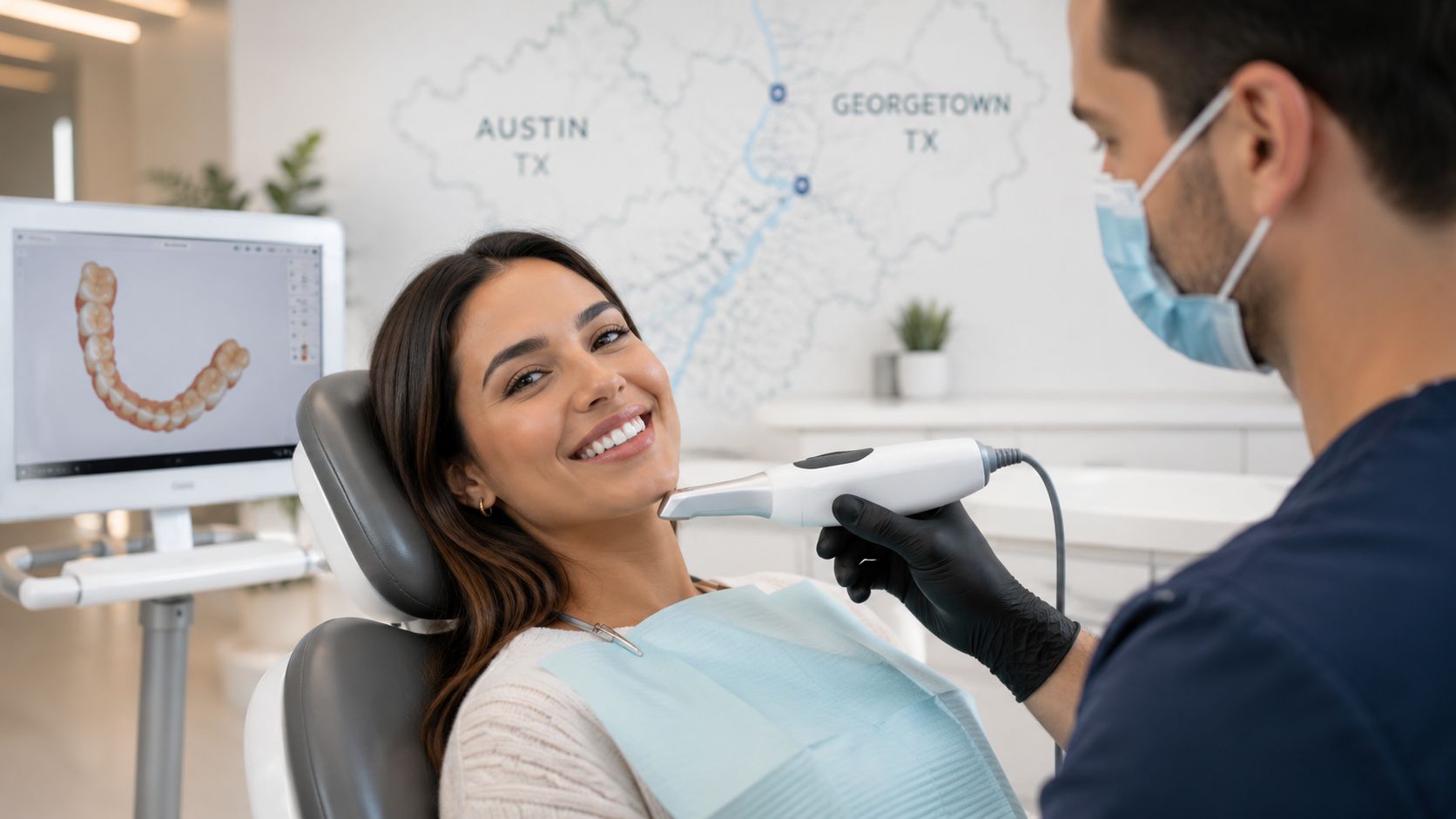
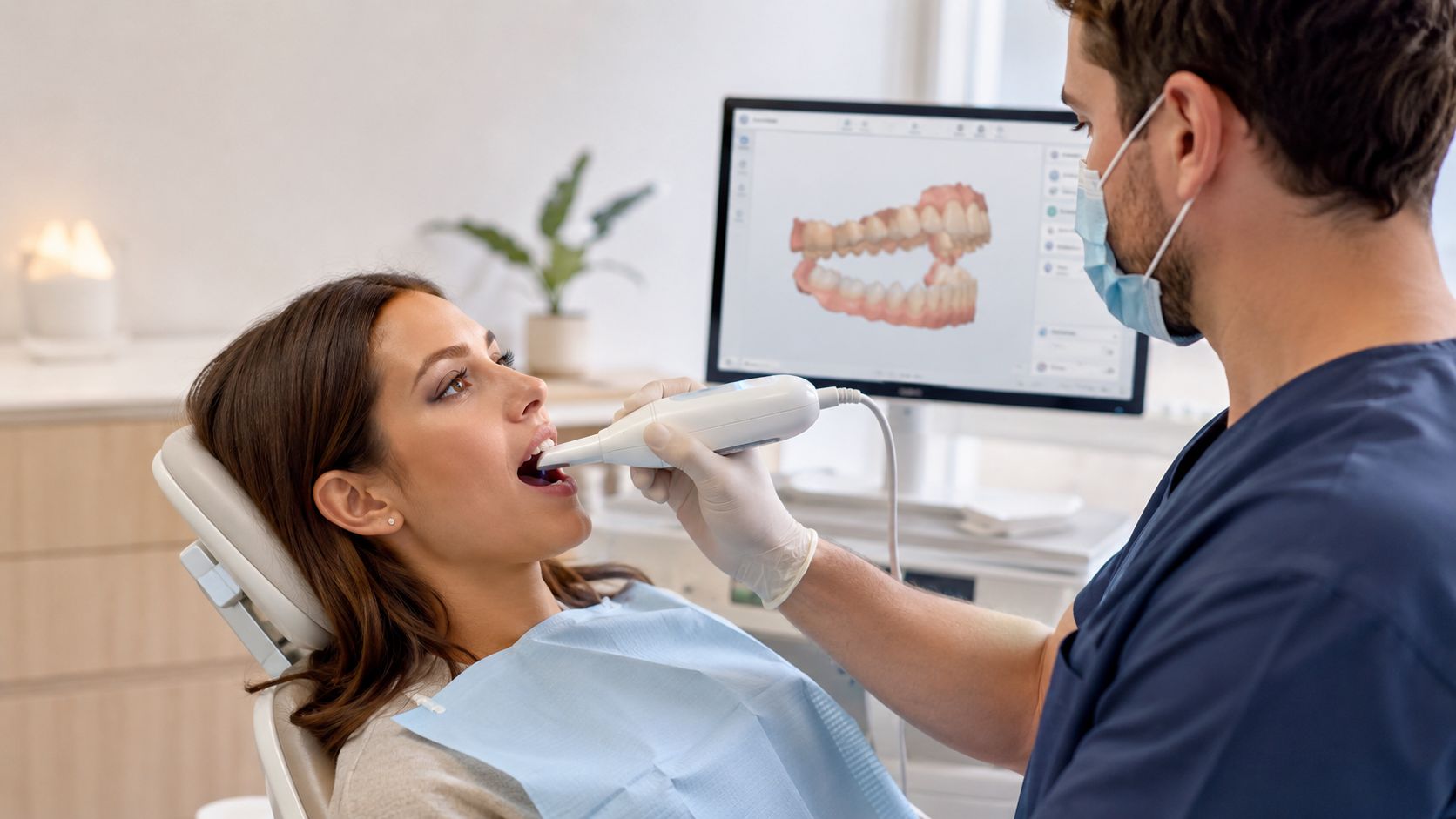
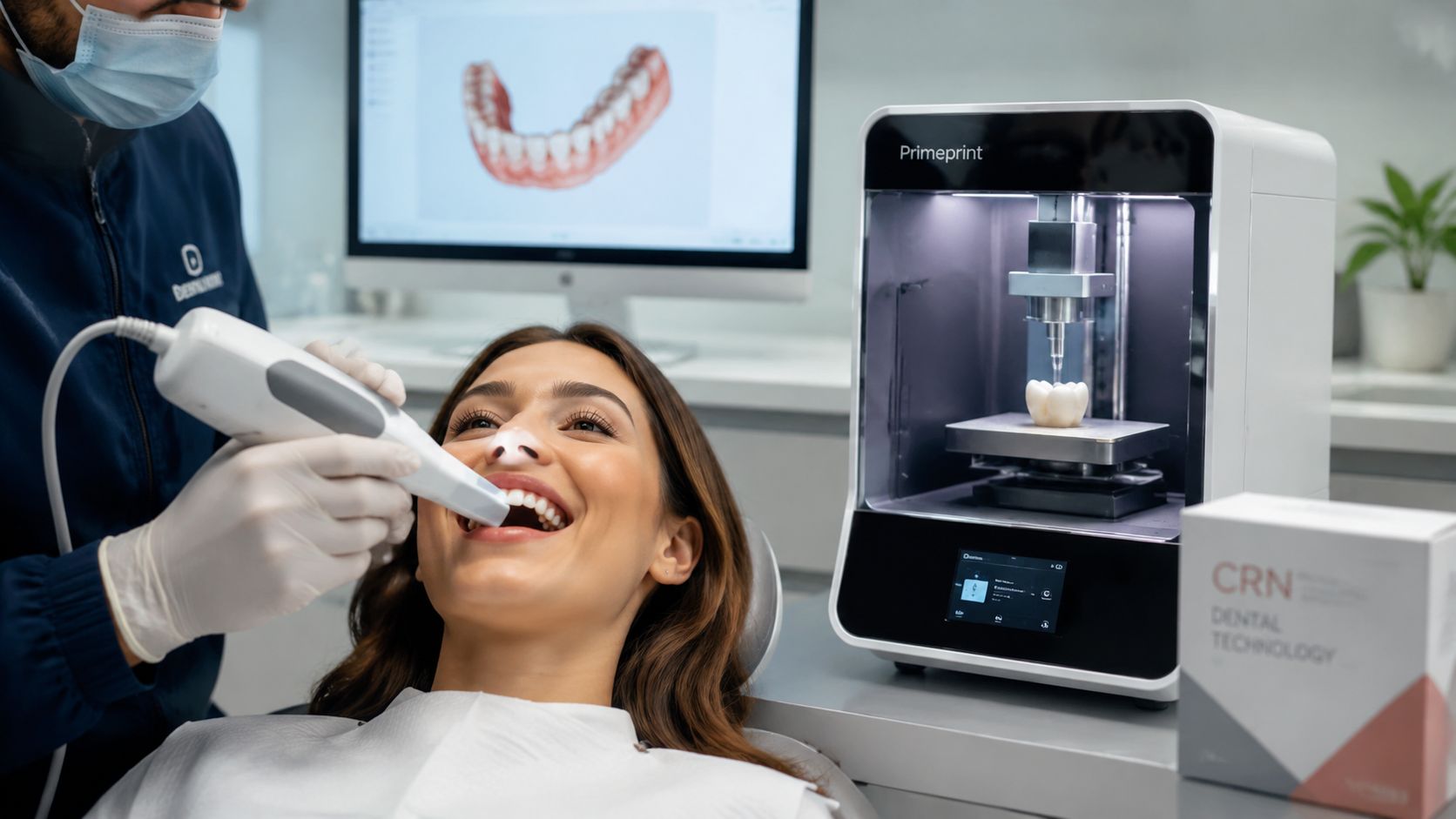
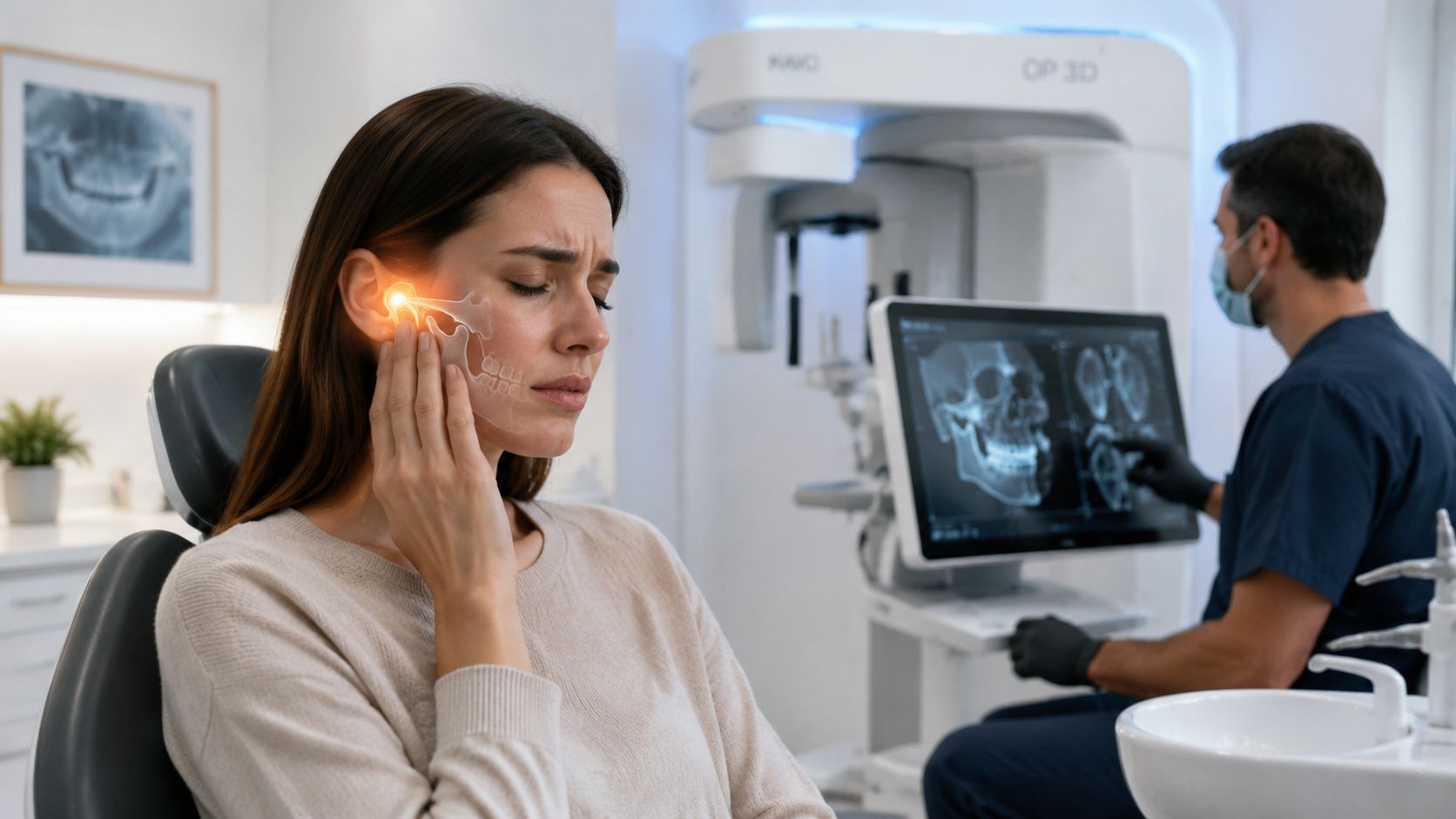
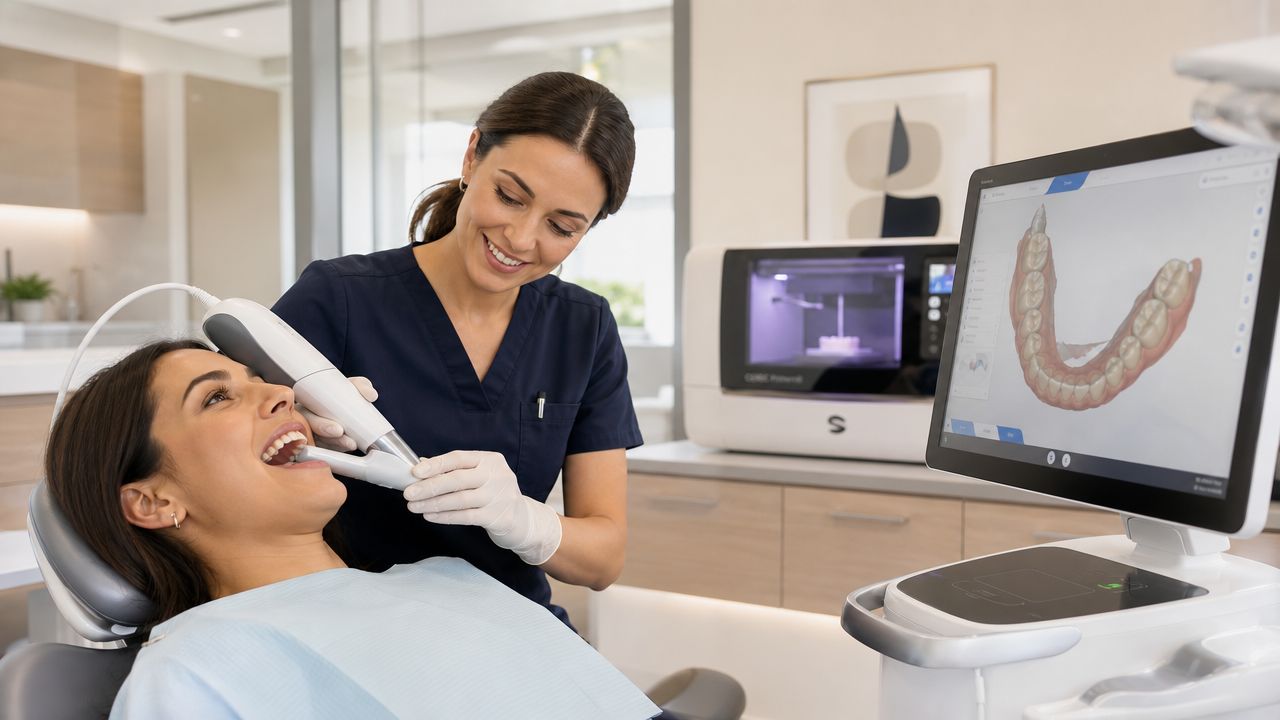
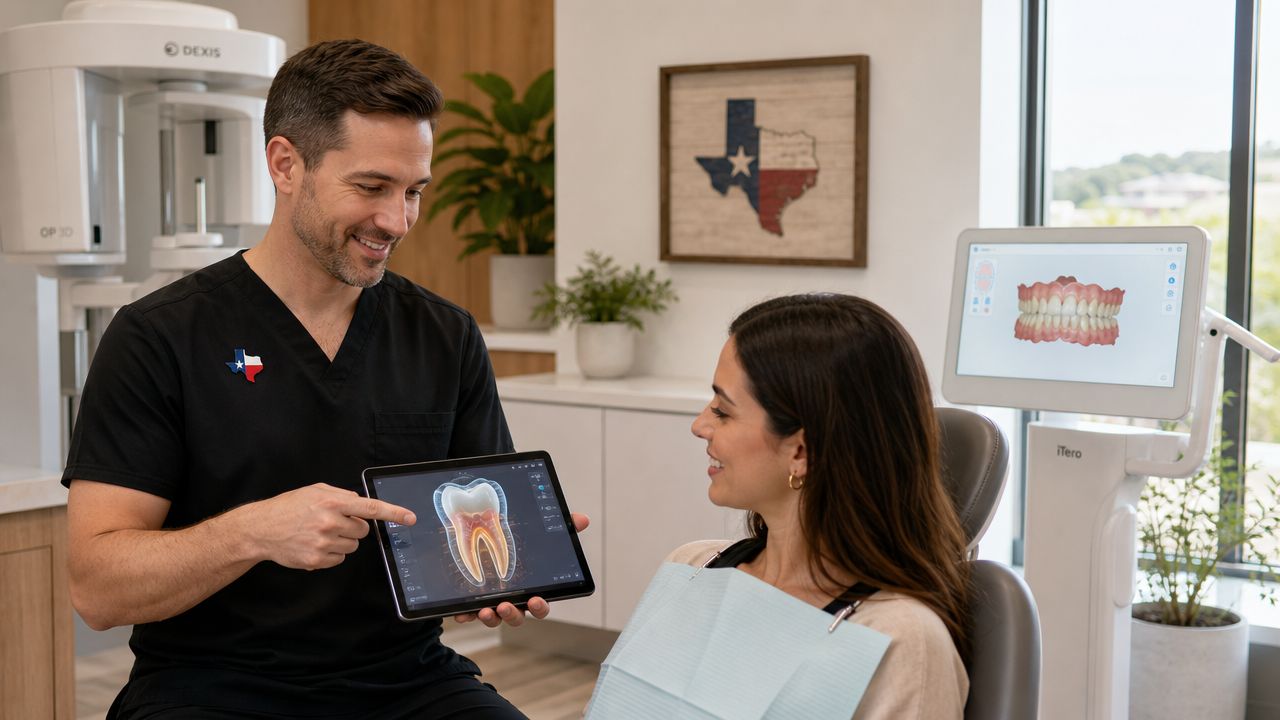
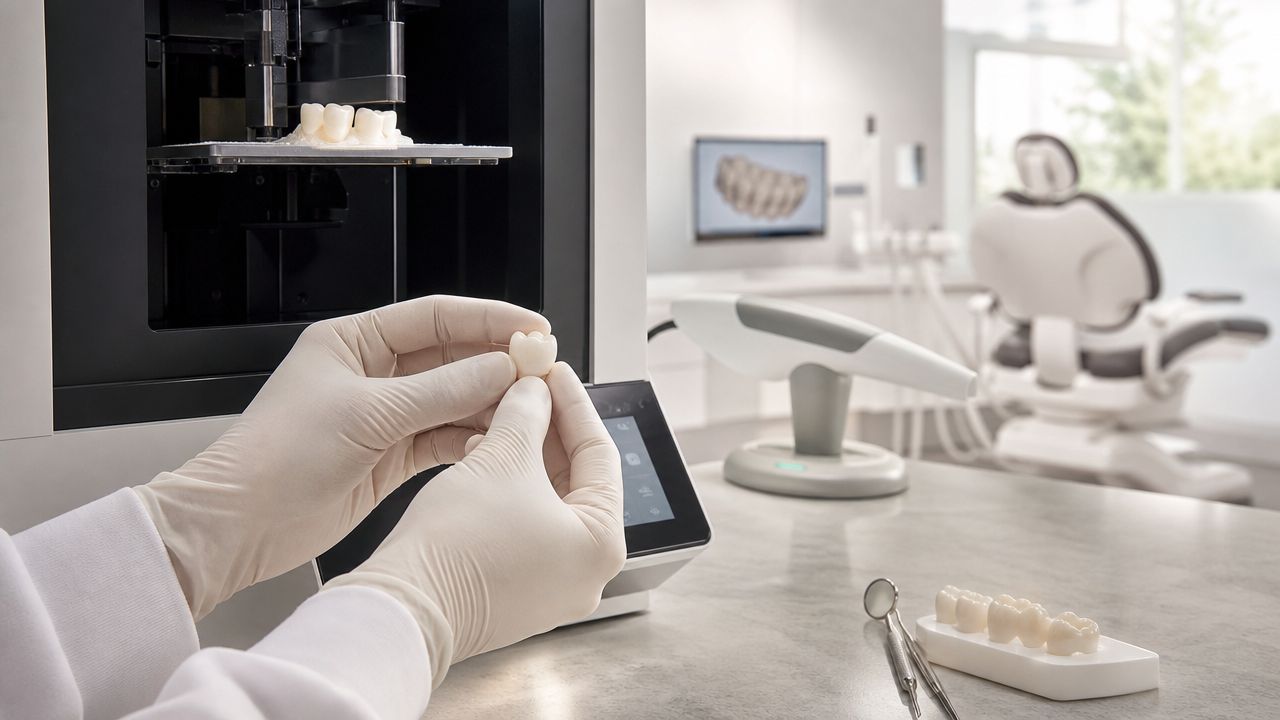
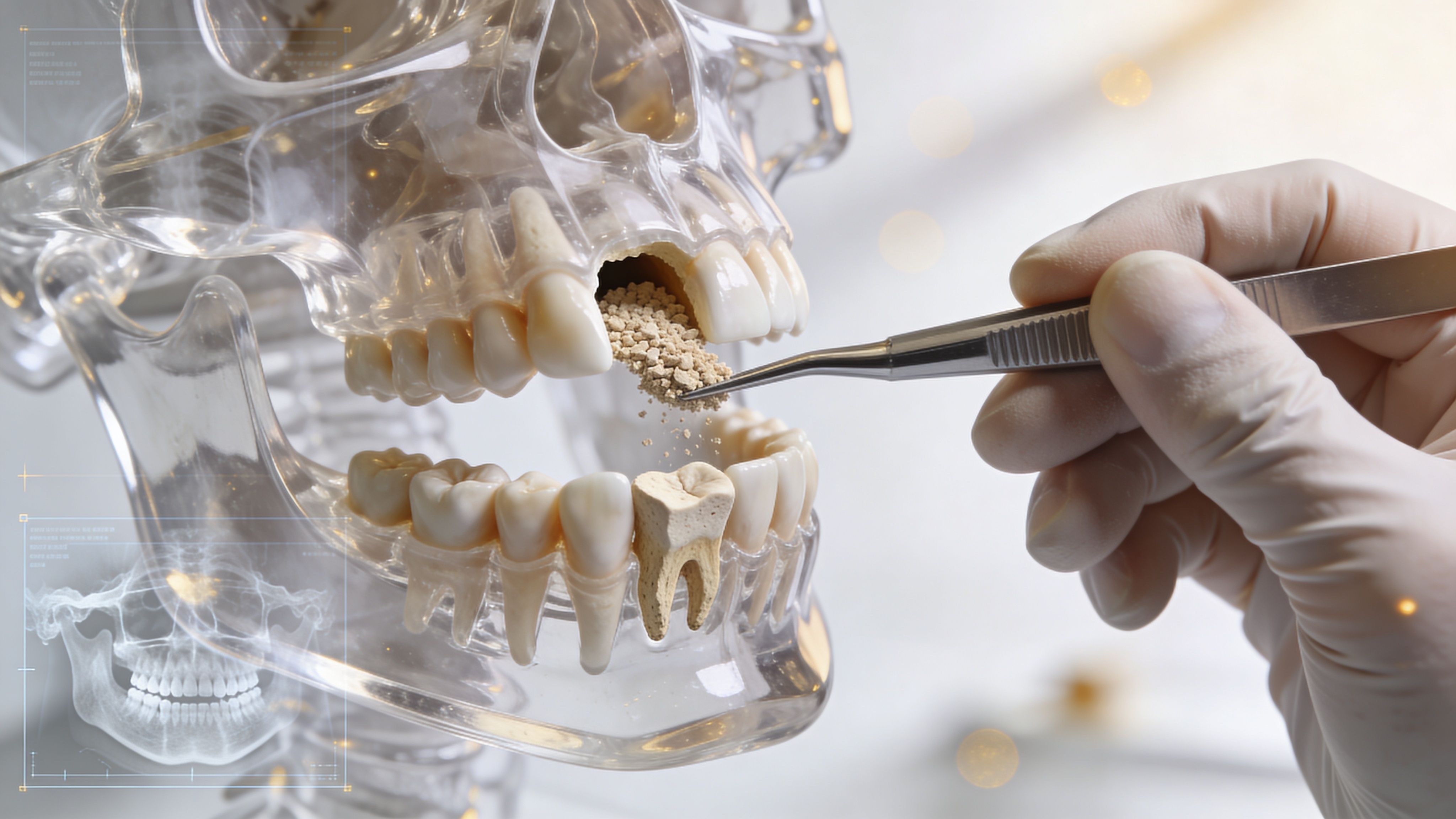
Modern emergency dental practices rely on advanced technology to accurately assess the depth and severity of cracked teeth. Tools like digital X-rays, 3D imaging, and intraoral cameras provide a highly detailed view of the tooth's internal structure, revealing microscopic fractures invisible to the naked eye.
How Emergency Dentists Treat Severe Toothaches
Diagnosing the Root Cause
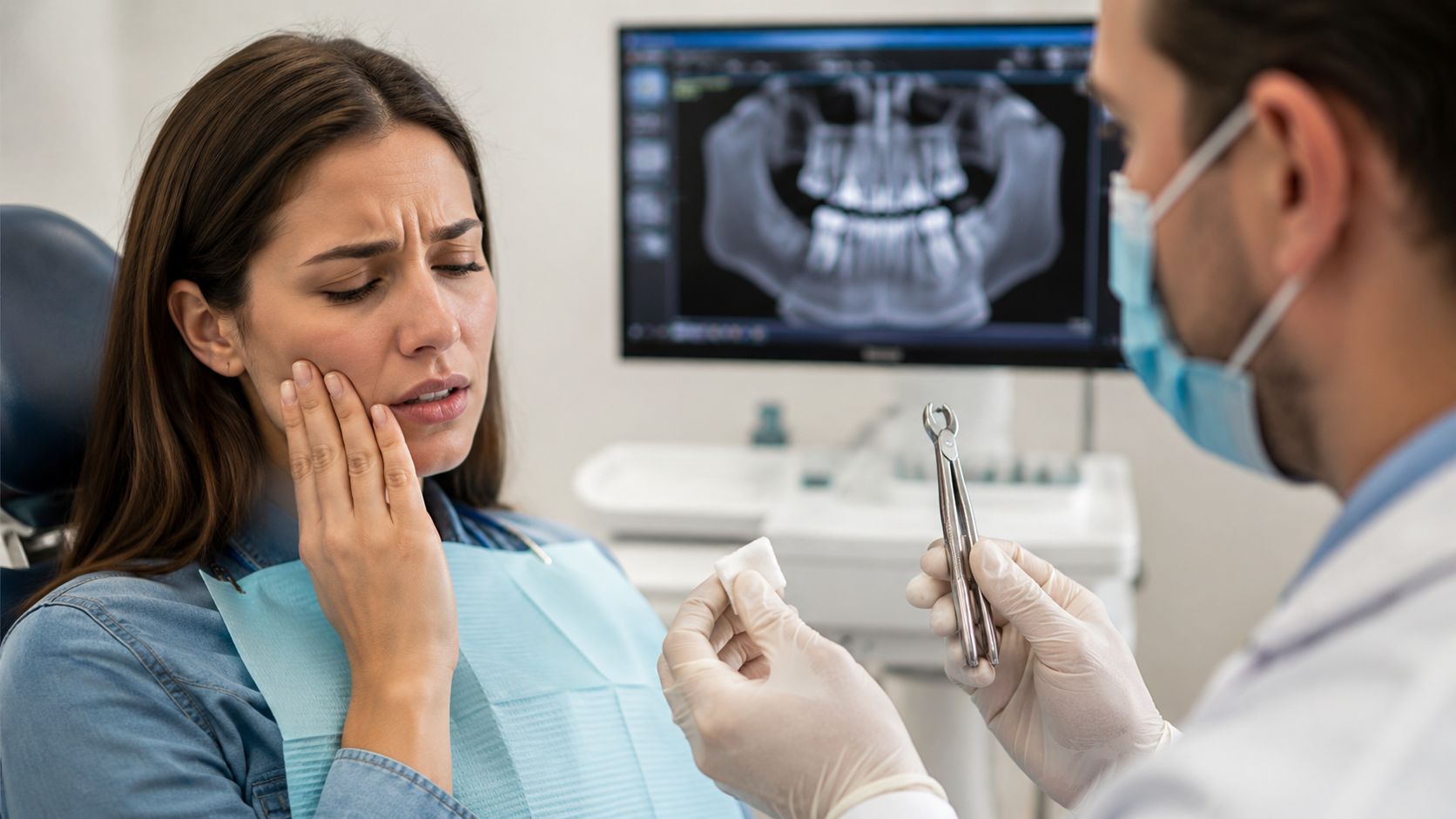
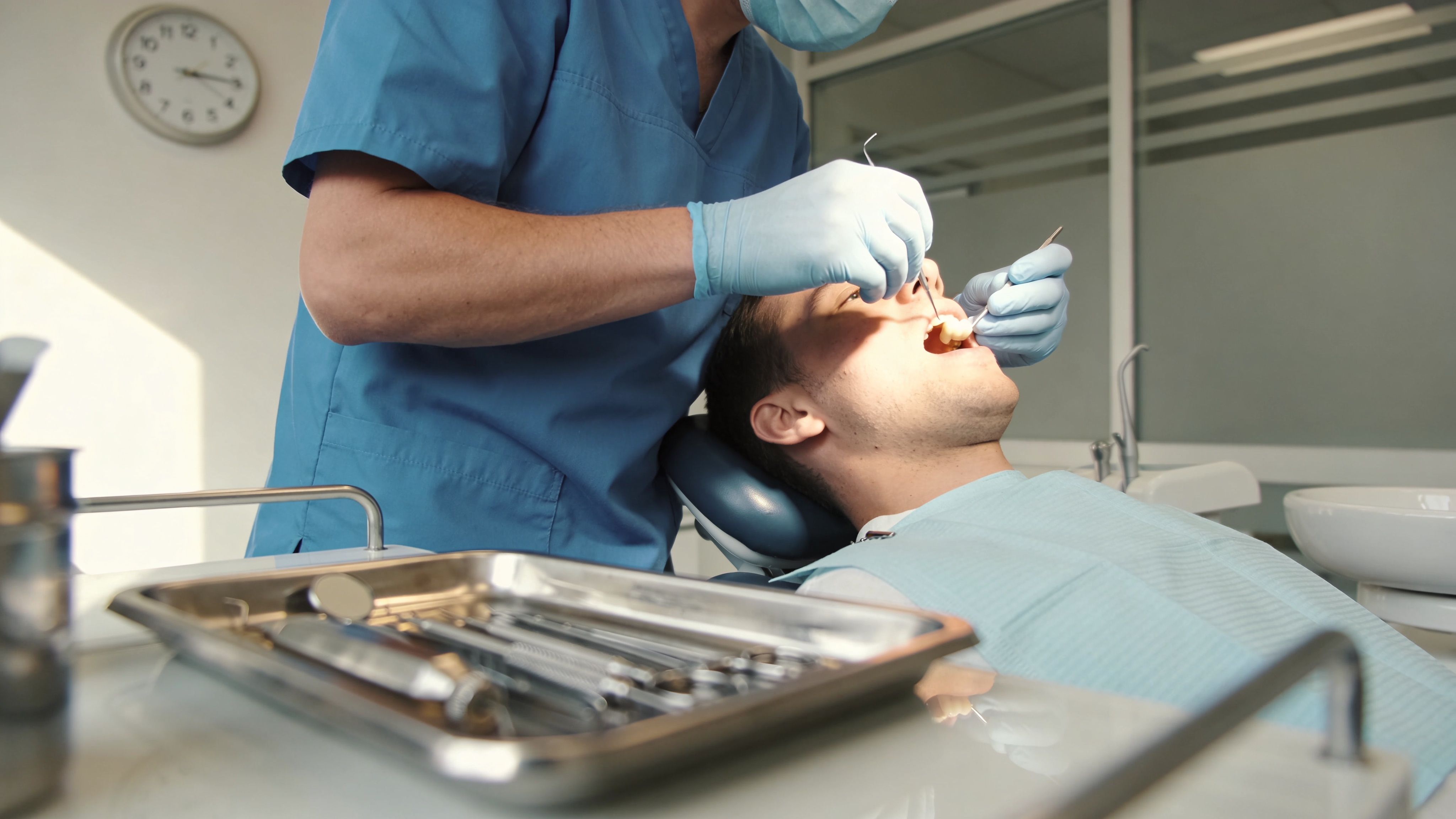
Treating a severe toothache begins with a thorough diagnostic process to identify the exact cause of the pain. Emergency dentists review your dental history, conduct a physical examination of the oral cavity, and take high-resolution X-rays to look for hidden decay, impacted wisdom teeth, or hidden abscesses.
Pain Management and Relief
Alleviating intense pain is a top priority during a dental emergency appointment. Dentists administer local anesthetics to numb the affected area immediately and may prescribe pain relievers or antibiotics to manage ongoing discomfort and infection. This rapid pain management allows patients to relax and remain comfortable while the necessary corrective procedures are performed.
Long-Term Treatment Options
Once the immediate pain is controlled, emergency dentists execute long-term solutions to eradicate the source of the toothache. If advanced decay is the culprit, the dentist will remove the rotted tissue and place a sturdy filling or crown. For irreversible nerve damage or severe infection, a root canal therapy or a tooth extraction is performed to permanently resolve the issue and restore oral health.
How 3D Dental Provides Exceptional Emergency Care
Fast and Reliable Appointments
When a dental crisis occurs, 3D Dental prioritizes urgent cases by offering fast, reliable, and often same-day appointments. The dedicated staff understands that time is critical when dealing with knocked-out teeth or unbearable pain, ensuring that patients receive prompt attention without unnecessary delays.
Comprehensive Emergency Services
3D Dental is fully equipped to handle a vast array of urgent oral health issues under one roof. From repairing severe tooth fractures and treating advanced abscesses to performing emergency root canals and extractions, their comprehensive services cover all aspects of immediate dental care.
Patient-Centered Approach
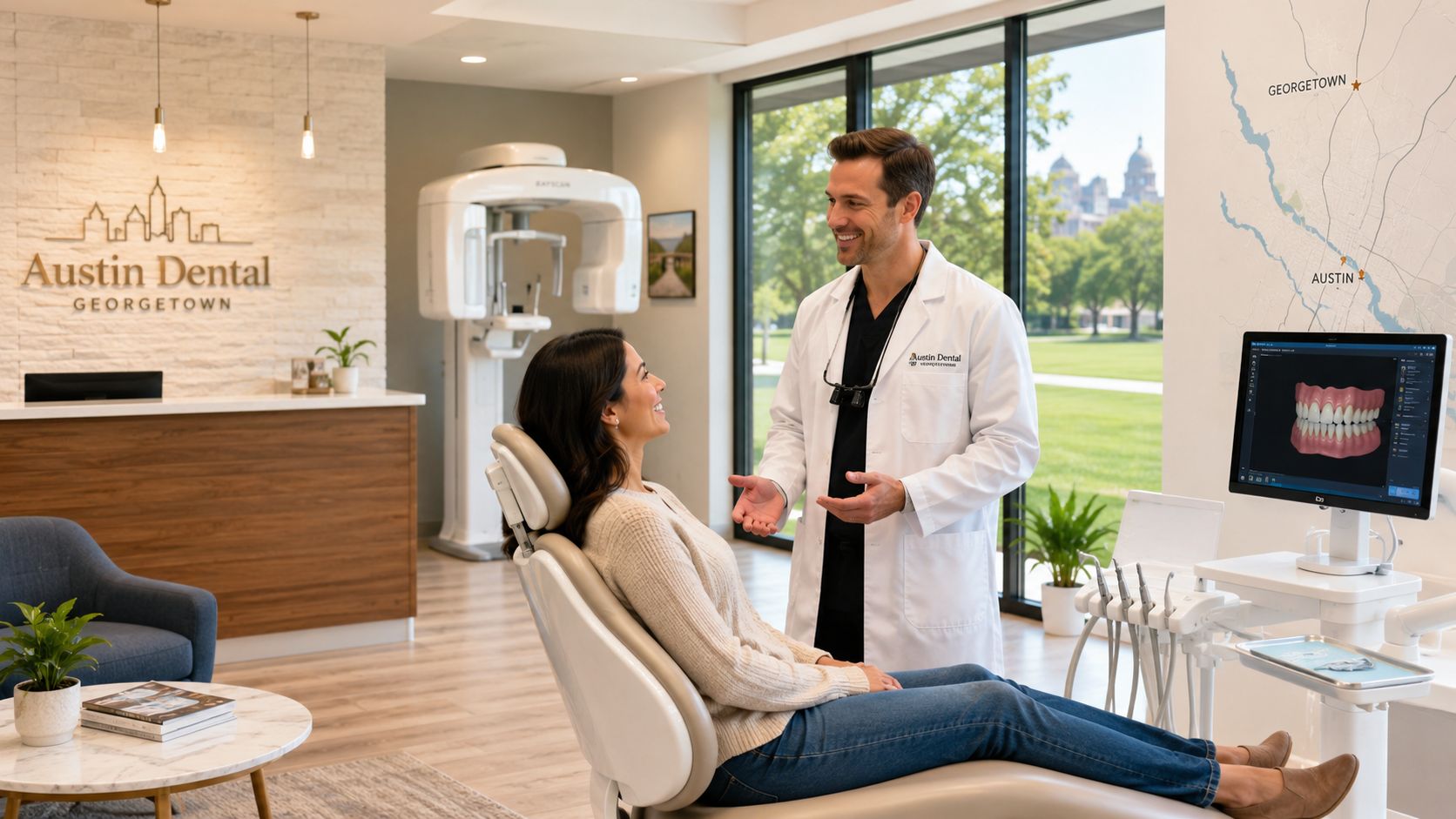
Navigating a dental emergency is inherently frightening, which is why 3D Dental employs a deeply compassionate, patient-centered approach. The dental team takes the time to clearly explain every diagnostic finding and treatment option, ensuring patients feel informed and comfortable before any procedure begins.
Tips for Managing Dental Emergencies Until You See a Dentist
Temporary Pain Relief at Home
While waiting for your emergency appointment, you can manage pain by taking over-the-counter anti-inflammatory medications like ibuprofen. Applying a cold compress to the outside of your cheek in 15-minute intervals can also significantly reduce swelling and numb the painful area.
Protecting a Cracked Tooth
If you have a cracked tooth, take immediate steps to protect it from further structural damage before reaching the clinic. Avoid chewing on the side of your mouth where the damaged tooth is located to prevent the crack from widening. You can also place a small piece of sugarless gum or orthodontic dental wax over the jagged edge to protect your tongue and cheeks from painful cuts.
What to Avoid
During a dental emergency, it is crucial to avoid actions that could exacerbate the injury or increase your pain. Never apply aspirin or any other painkiller directly to the gums, as this can cause severe chemical burns to the soft tissue. Furthermore, refrain from poking the painful area with your fingers or tongue, and strictly avoid consuming extremely hot, cold, or hard foods that will trigger severe sensitivity.
Protect Your Smile with Prompt Emergency Dental Care
Acting quickly in the face of a cracked tooth or a severe toothache is the most effective way to prevent debilitating complications and protect your overall oral health. Ignoring warning signs like intense pain, swelling, or visible fractures only gives minor issues the opportunity to develop into major, irreversible damage.
Choosing a highly qualified provider like 3D Dental makes all the difference when navigating an unexpected dental crisis. With a steadfast commitment to fast appointments, state-of-the-art diagnostic technology, and a comprehensive range of treatment options, 3D Dental delivers the exceptional care required to salvage damaged teeth and eliminate painful infections.
Do not allow a dental emergency to compromise your health or your quality of life for another moment. If you are experiencing warning signs like a persistent toothache or a broken tooth, reach out to 3D Dental immediately for professional evaluation and relief. Take proactive steps today to secure prompt emergency care, and regain your comfort, your health, and your confident smile.
3D Dental Texas
https://maps.app.goo.gl/XMPCB3A1TnEpUHFAA
(512) 831-7918
12854 Research Blvd Austin TX 78750
Ready to get started?
Schedule a free, no obligation consultation with our team and see what's possible for your smile!
Georgetown
- Mon-Thurs8:30am-5pm
- Fri8am-3:30pm
- Sat-SunClosed
Austin
- Mon-Tues8am-5pm
- Wed-Thurs9am-6pmFri8am-2pm
- Sat-SunClosed