
The Step-by-Step Process of Getting Dental Veneers
Related Posts





















The Step-by-Step Process of Getting Dental Veneers
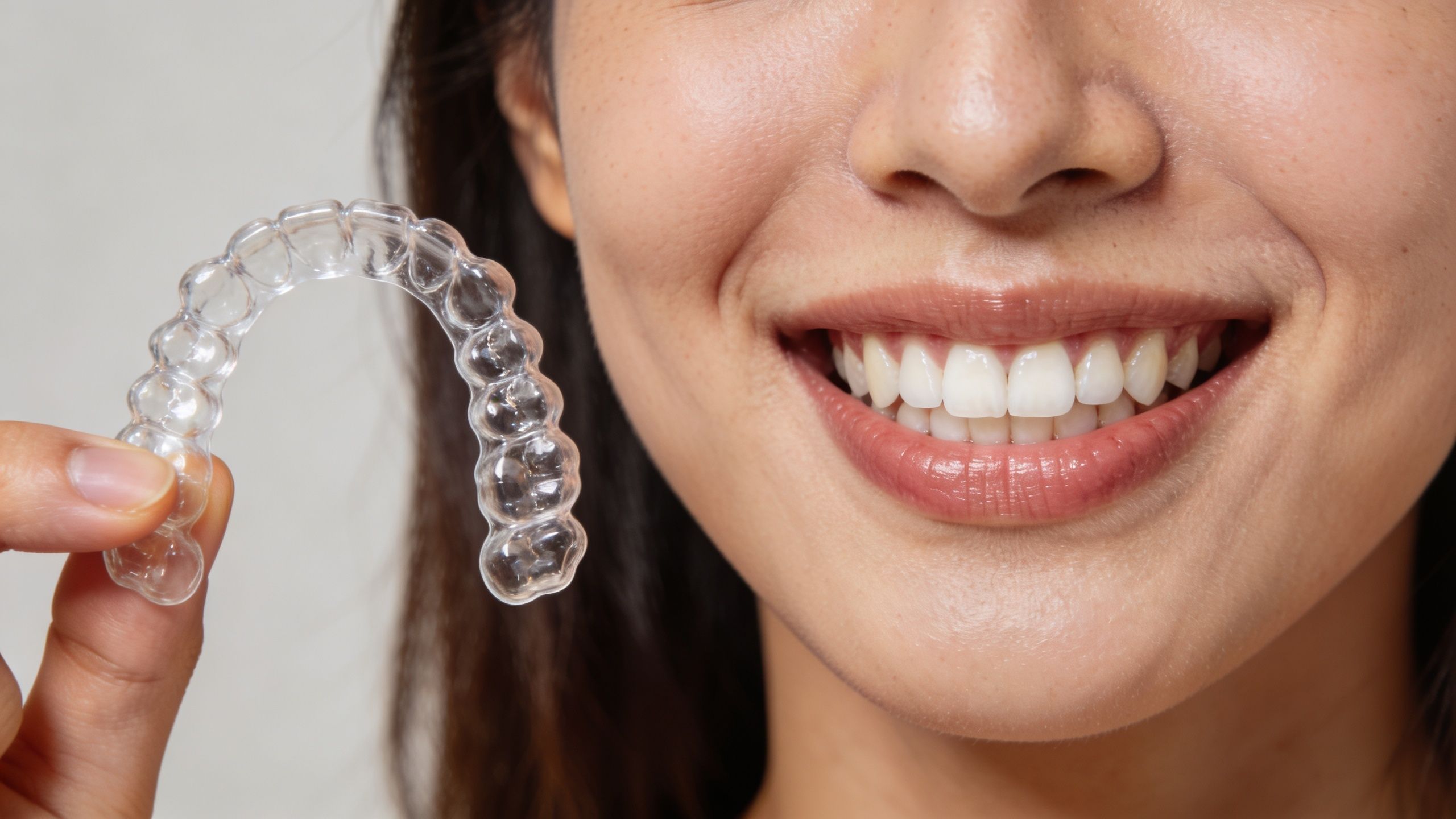
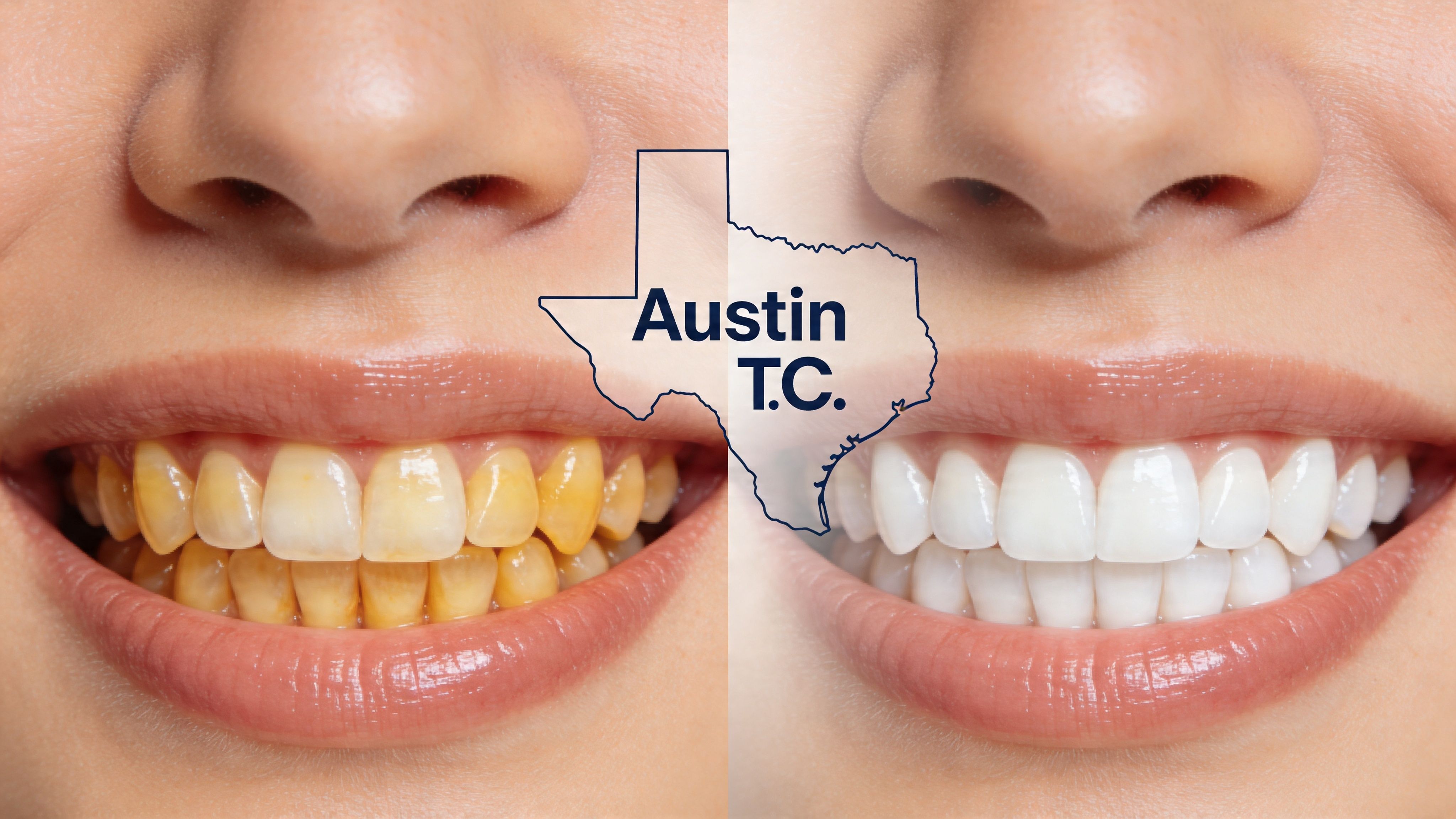
Getting dental veneers involves an initial consultation to evaluate oral health, followed by a custom smile design phase. Next, the dentist prepares the teeth by removing a small amount of enamel and taking impressions. After a dental lab crafts the custom veneers, the dentist securely bonds them to the teeth. Dental veneers are a highly popular cosmetic dental solution for achieving a flawless, radiant smile. These thin, custom-made shells are designed to cover the front surface of teeth, effectively concealing imperfections like severe discoloration, chips, gaps, or uneven alignment.
Knowing exactly what to expect before sitting in the dental chair can help patients feel much more confident and prepared for their veneer journey. The idea of permanently altering teeth can cause anxiety for some individuals, but understanding the careful, structured steps involved usually alleviates these concerns. This blog covers the entire step-by-step process of getting dental veneers, breaking down each phase of the treatment to eliminate any mystery. Readers will learn about the initial planning stages, the preparation of the teeth, the customization of the veneers, and the final bonding process.
The Initial Consultation: Setting the Foundation for Your New Smile
Discussing Your Smile Goals
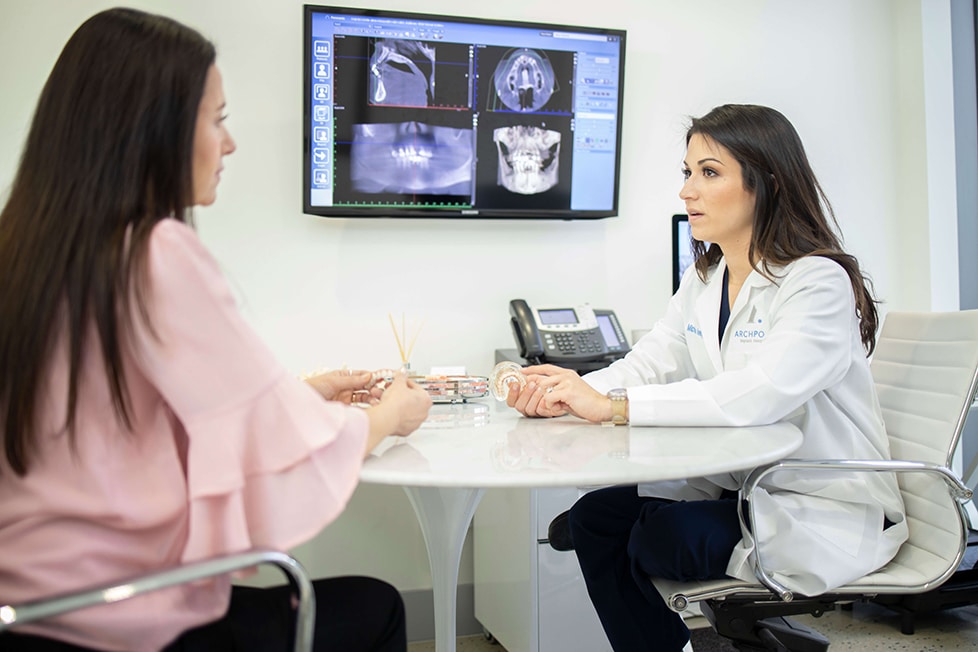
During the very first visit, patients have the opportunity to share their aesthetic preferences and specific concerns with their dentist. This open dialogue allows the individual to point out exactly what they dislike about their current teeth, whether it is the color, shape, or spacing. The dentist listens carefully to these goals to understand the desired outcome, ensuring the final results will perfectly align with the patient's unique vision of an ideal smile.
Evaluating Oral Health
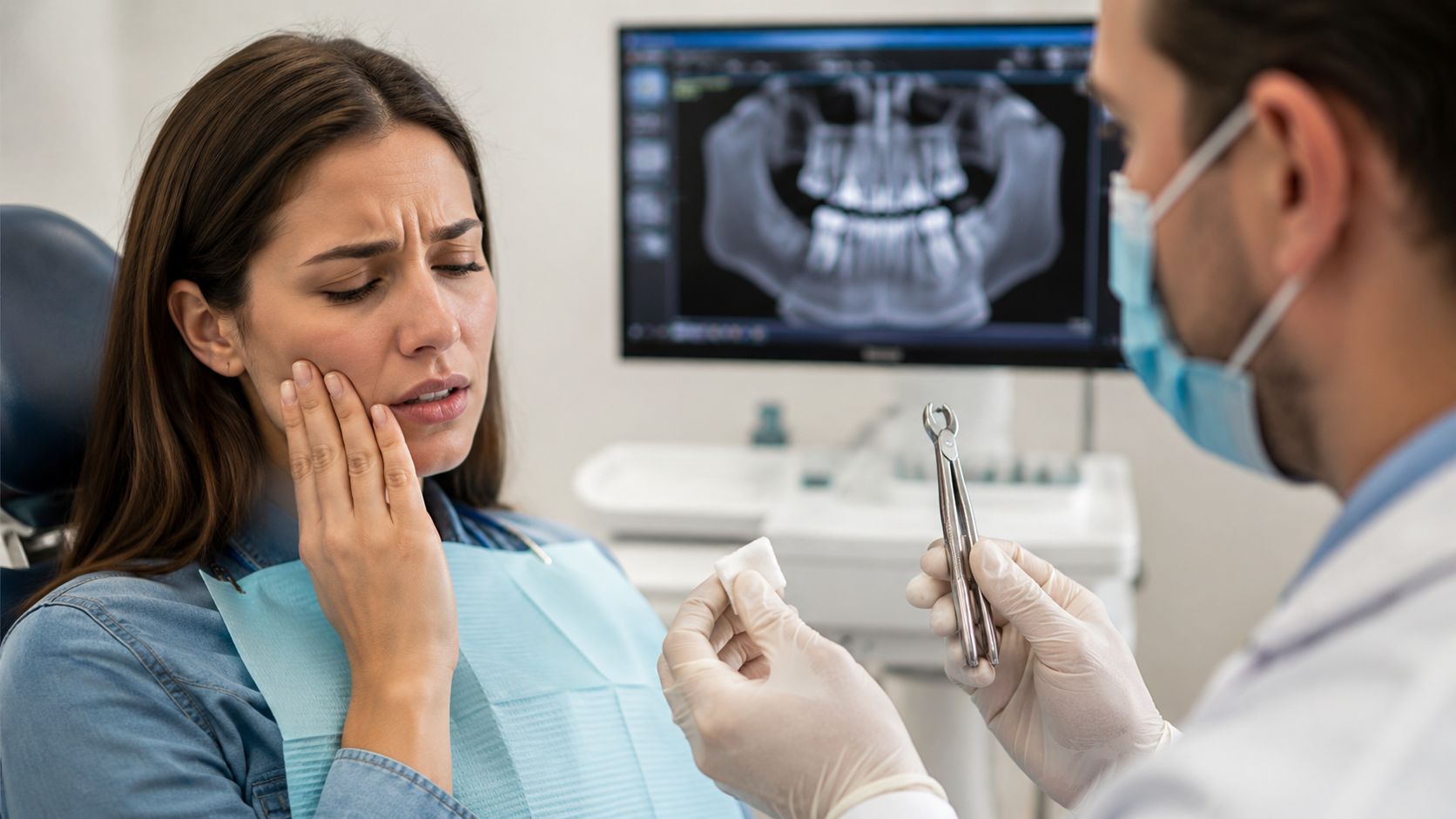
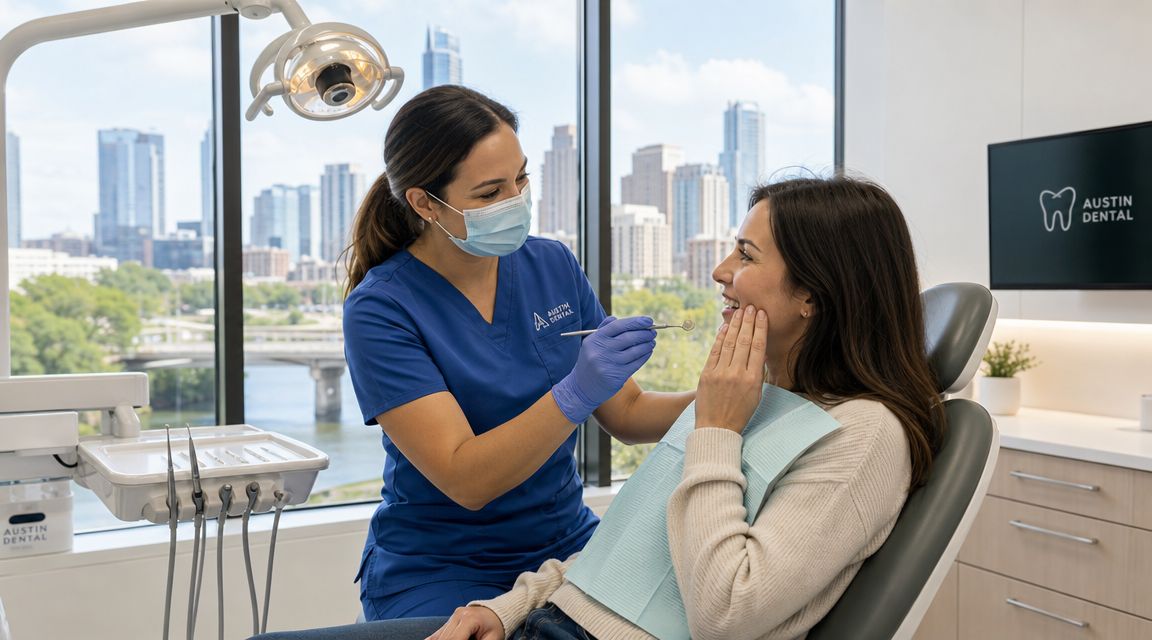
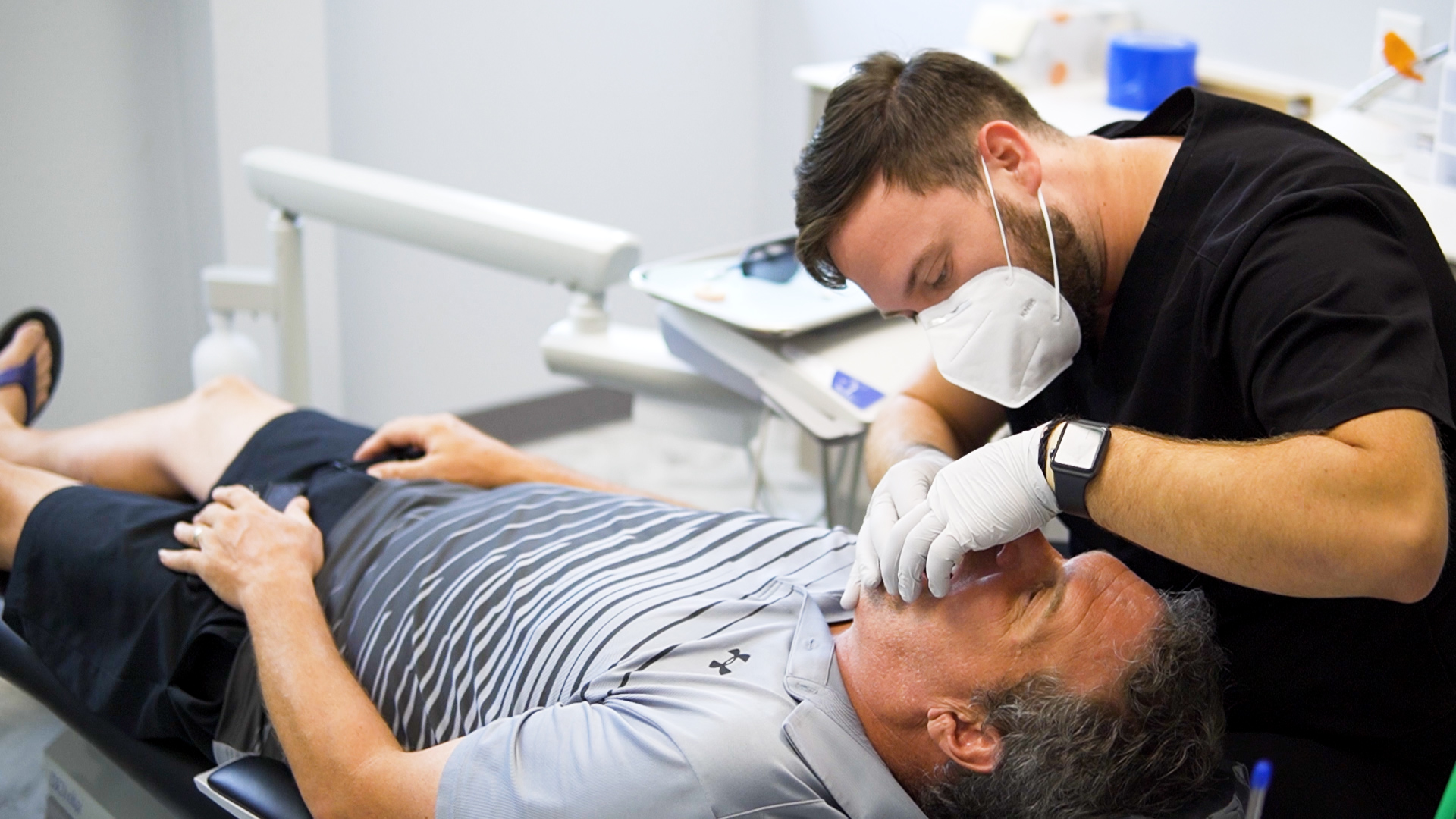
Before any cosmetic work begins, the dental team must conduct a thorough examination to ensure the teeth and gums are perfectly healthy. This step is crucial because underlying issues like tooth decay, gum disease, or severe grinding must be addressed before applying veneers to prevent future complications.
Creating a Personalized Treatment Plan
Once the goals are established and oral health is confirmed, the dentist tailors the veneer process to meet the patient’s unique needs. This comprehensive plan outlines how many veneers are required, the specific type of material to be used, and the estimated timeline for the entire procedure.
Smile Design: Visualizing Your Transformation
Mock-Ups and Previews
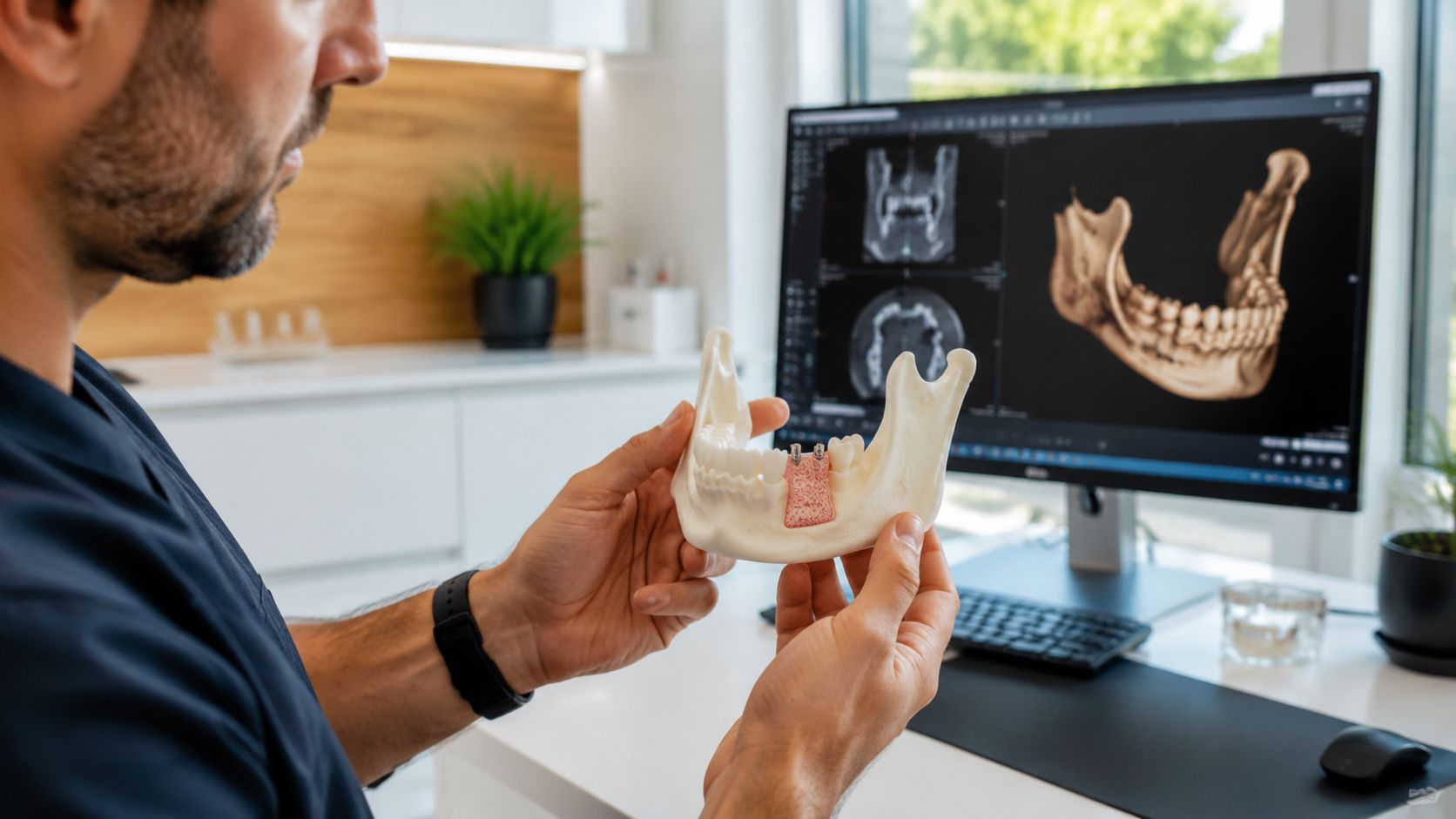
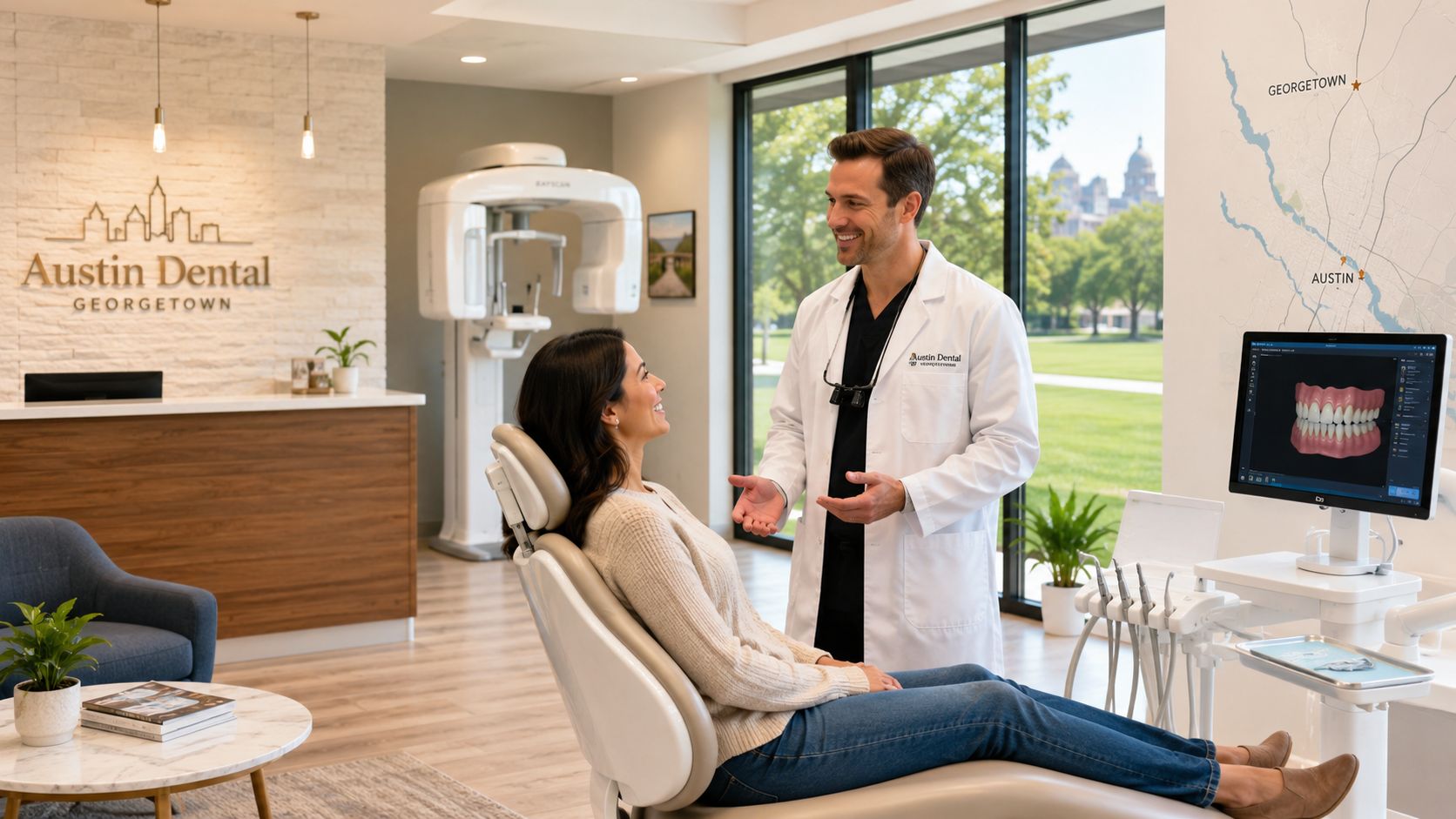
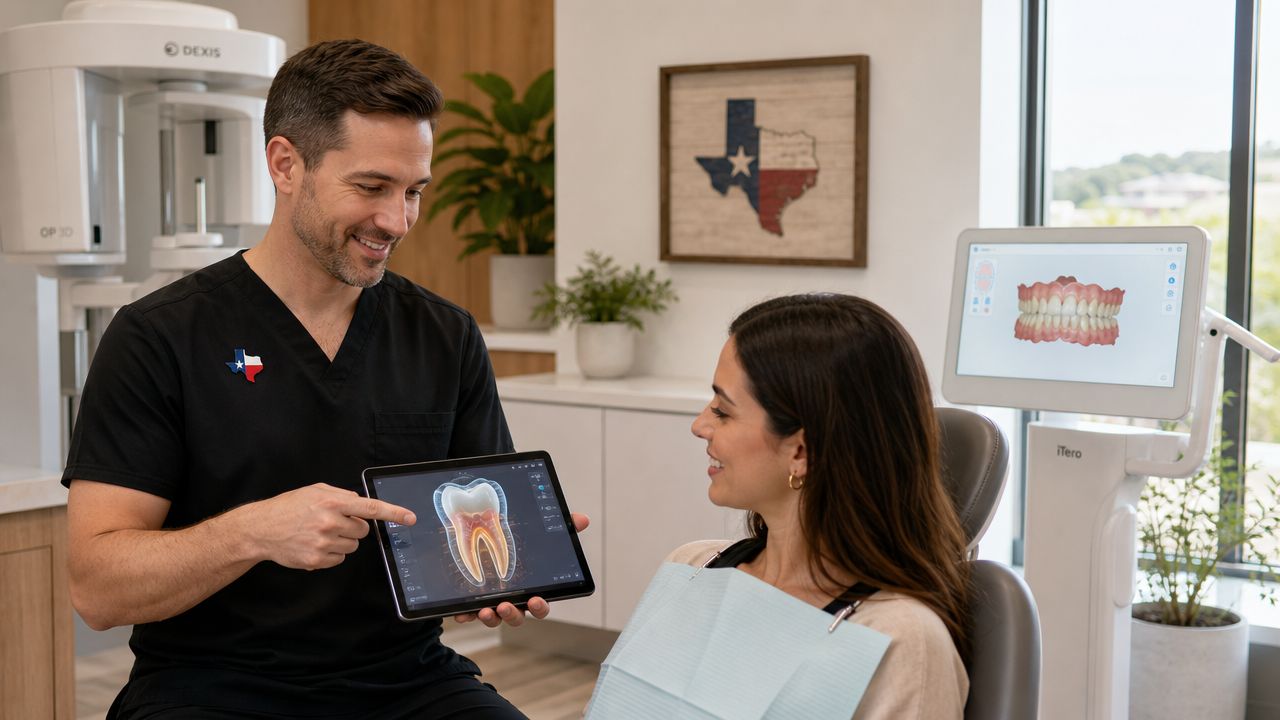
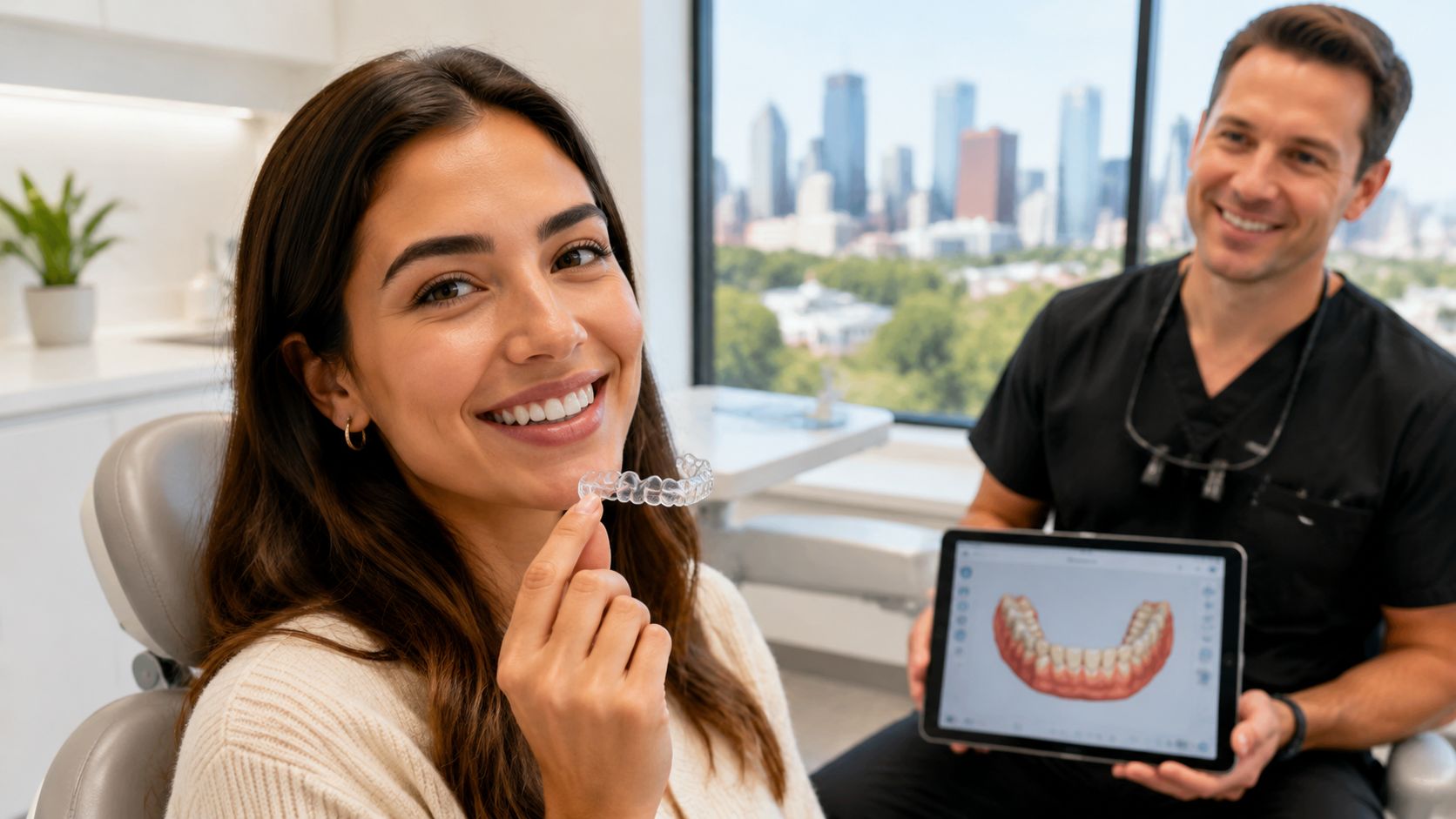
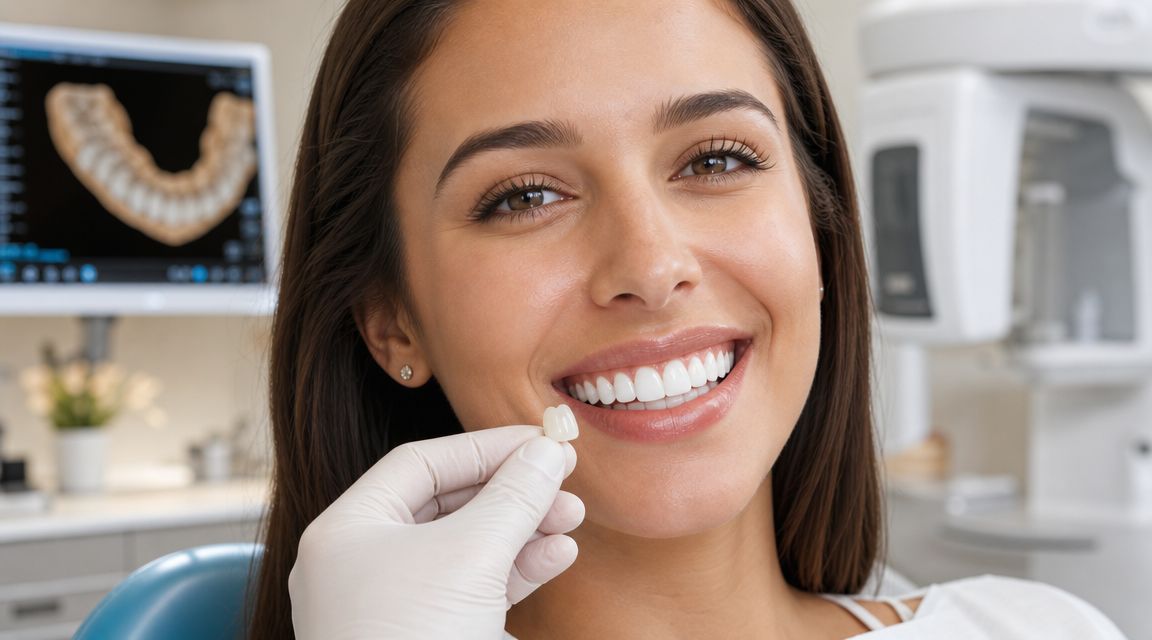
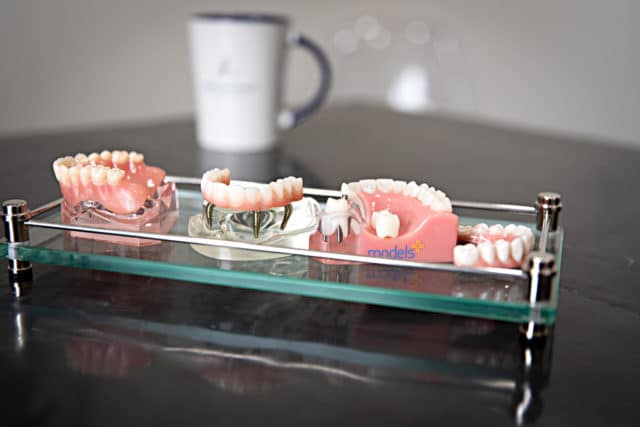
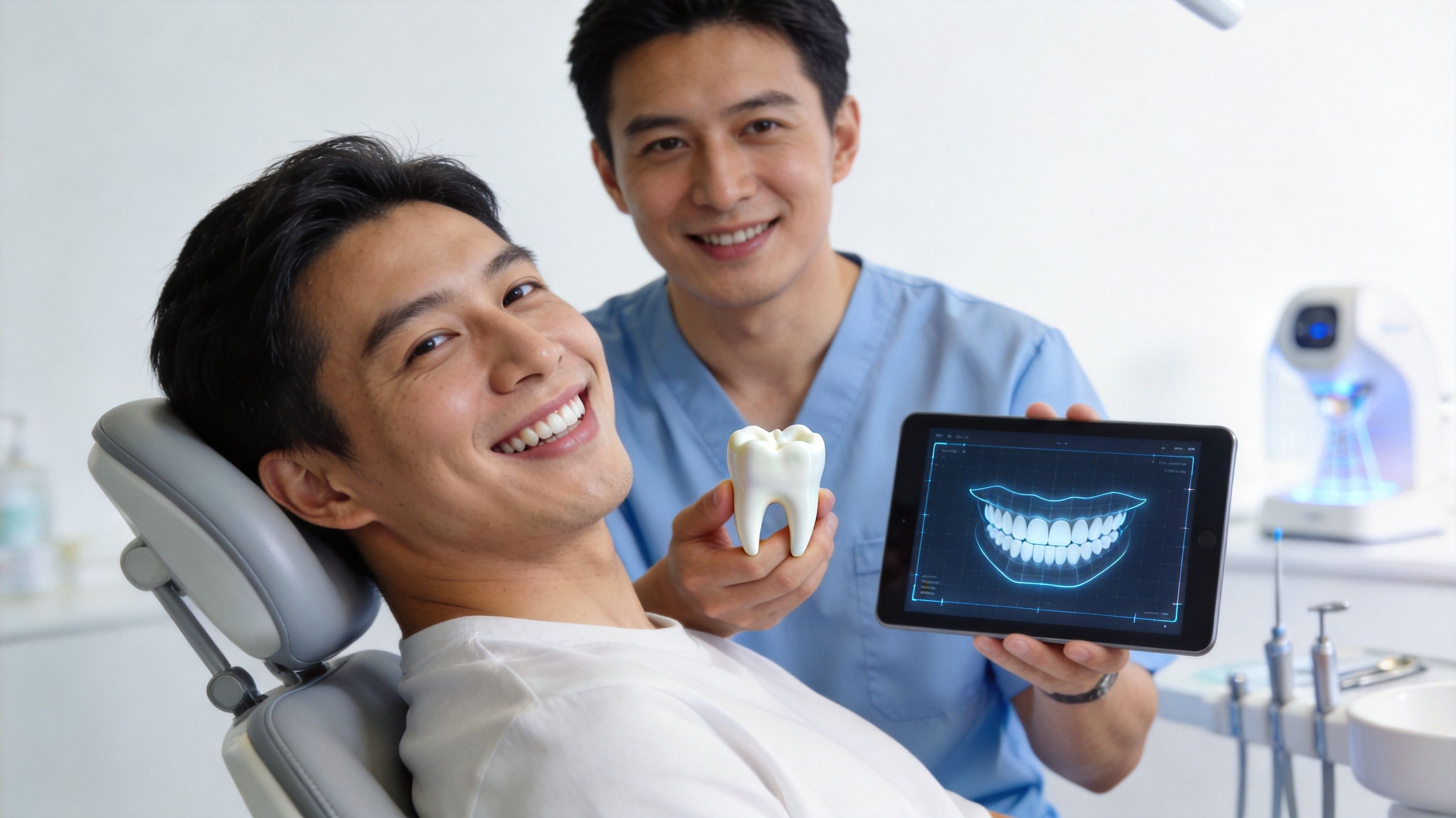
To eliminate any guesswork, dentists use advanced digital imaging software or physical wax models to show patients exactly what their new smile will look like before treatment begins. This exciting preview phase allows individuals to see a highly accurate representation of the final outcome applied to their own facial structure.
Choosing the Right Shade and Shape
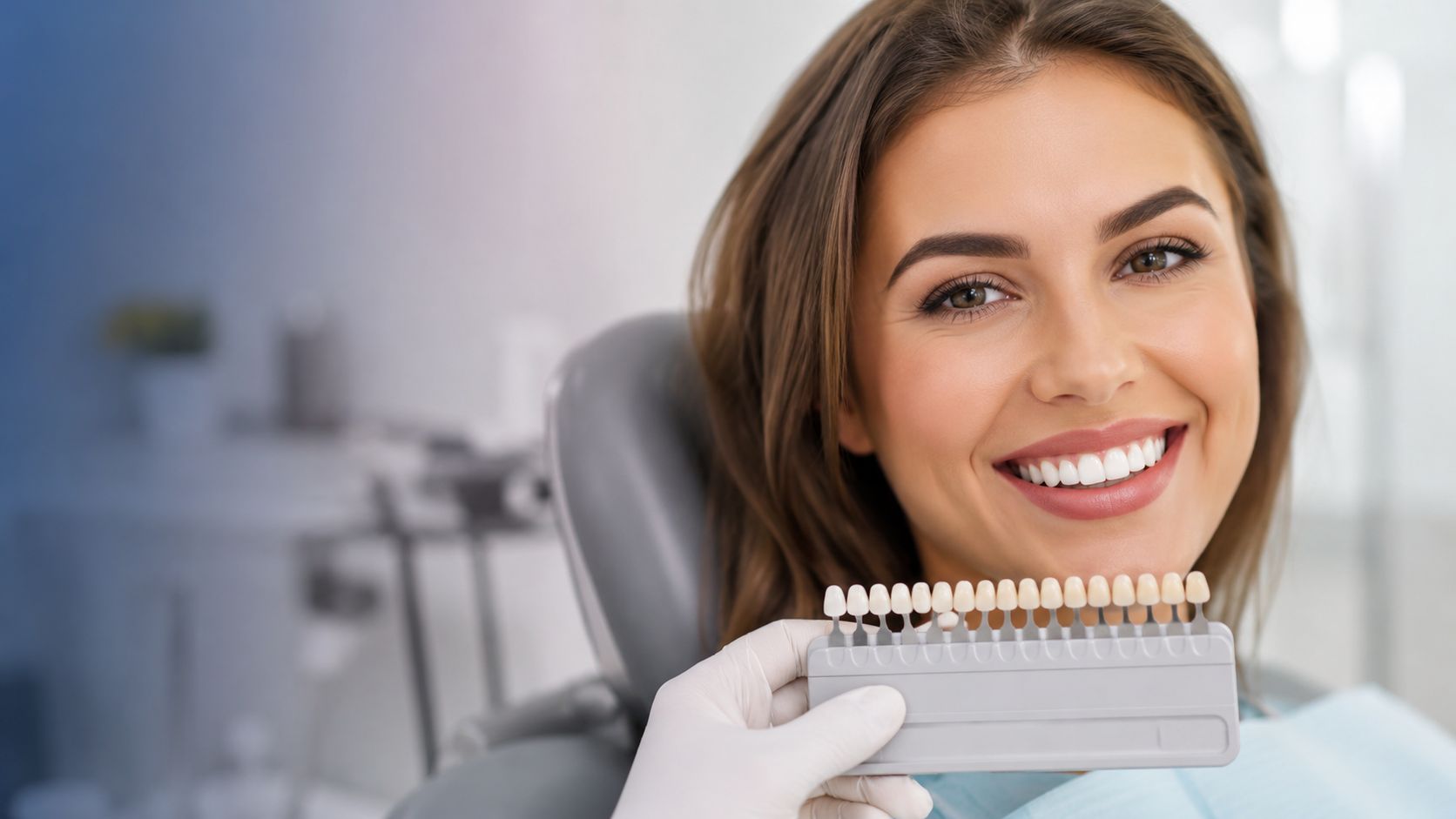
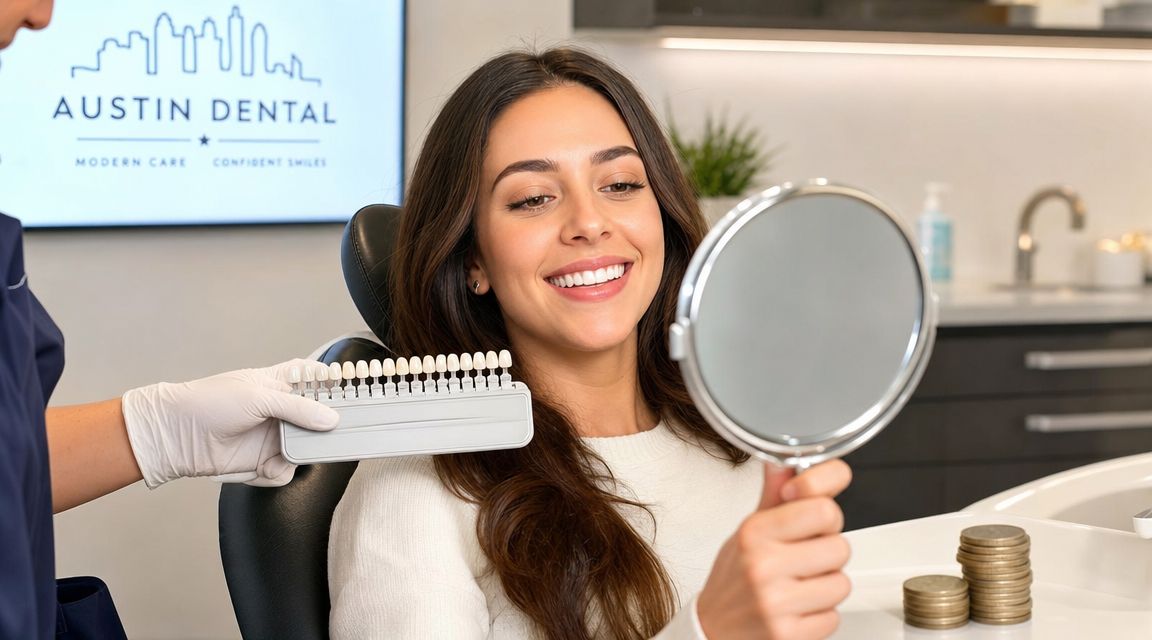
Selecting the perfect aesthetics involves careful consideration, and dentists help patients select veneers that complement their specific facial features, skin tone, and natural tooth color. The goal is to create a harmonious look that enhances the patient's appearance without looking artificial or overly bulky.
The Role of Patient Input
Collaboration between the dentist and the patient is absolutely essential to ensure the final result perfectly aligns with the patient’s initial vision. If the digital preview or wax mock-up does not look exactly right, the patient can request adjustments to the length, shape, or color before the final restorations are fabricated.
Preparing the Teeth for Veneers
Reshaping the Tooth Surface
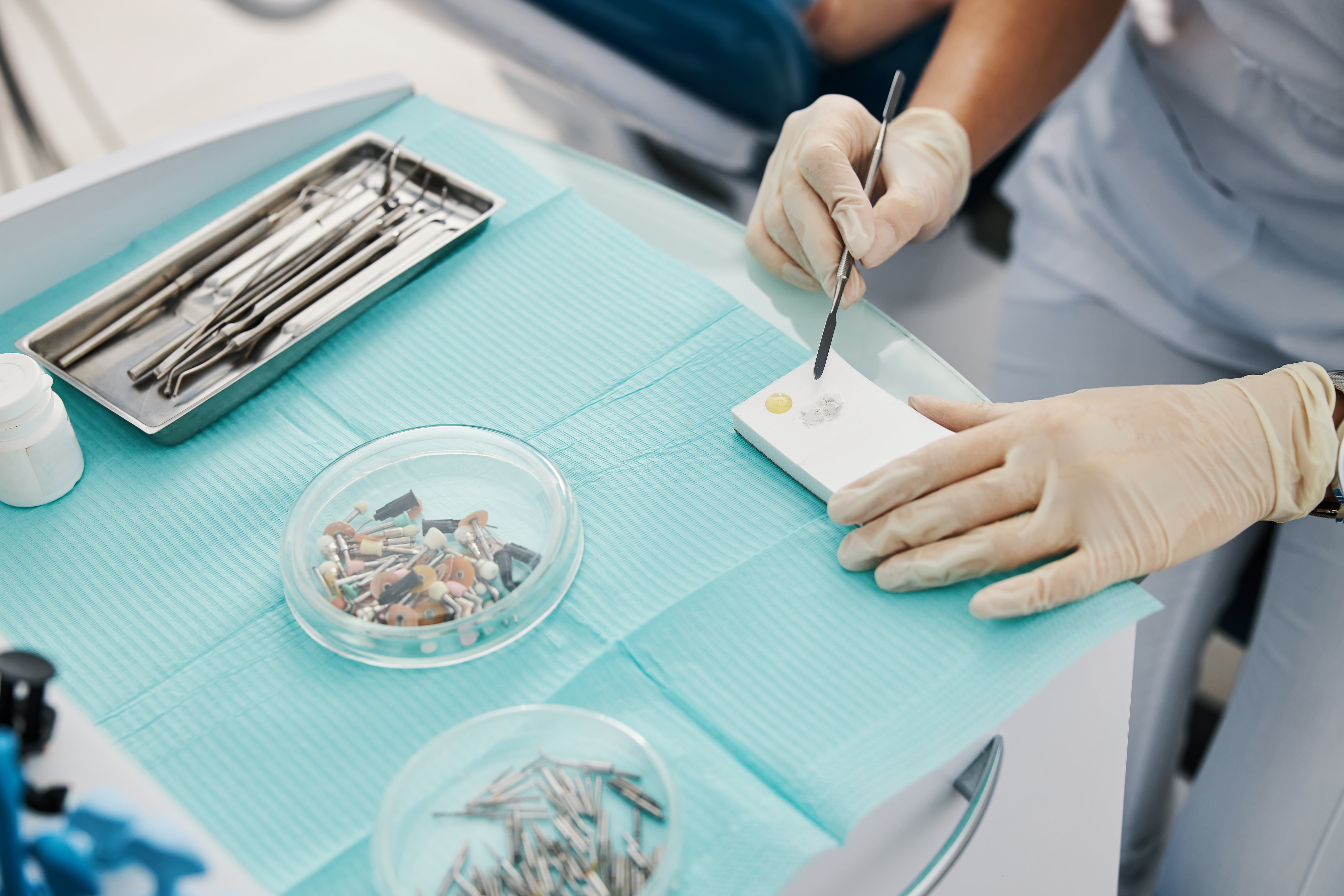
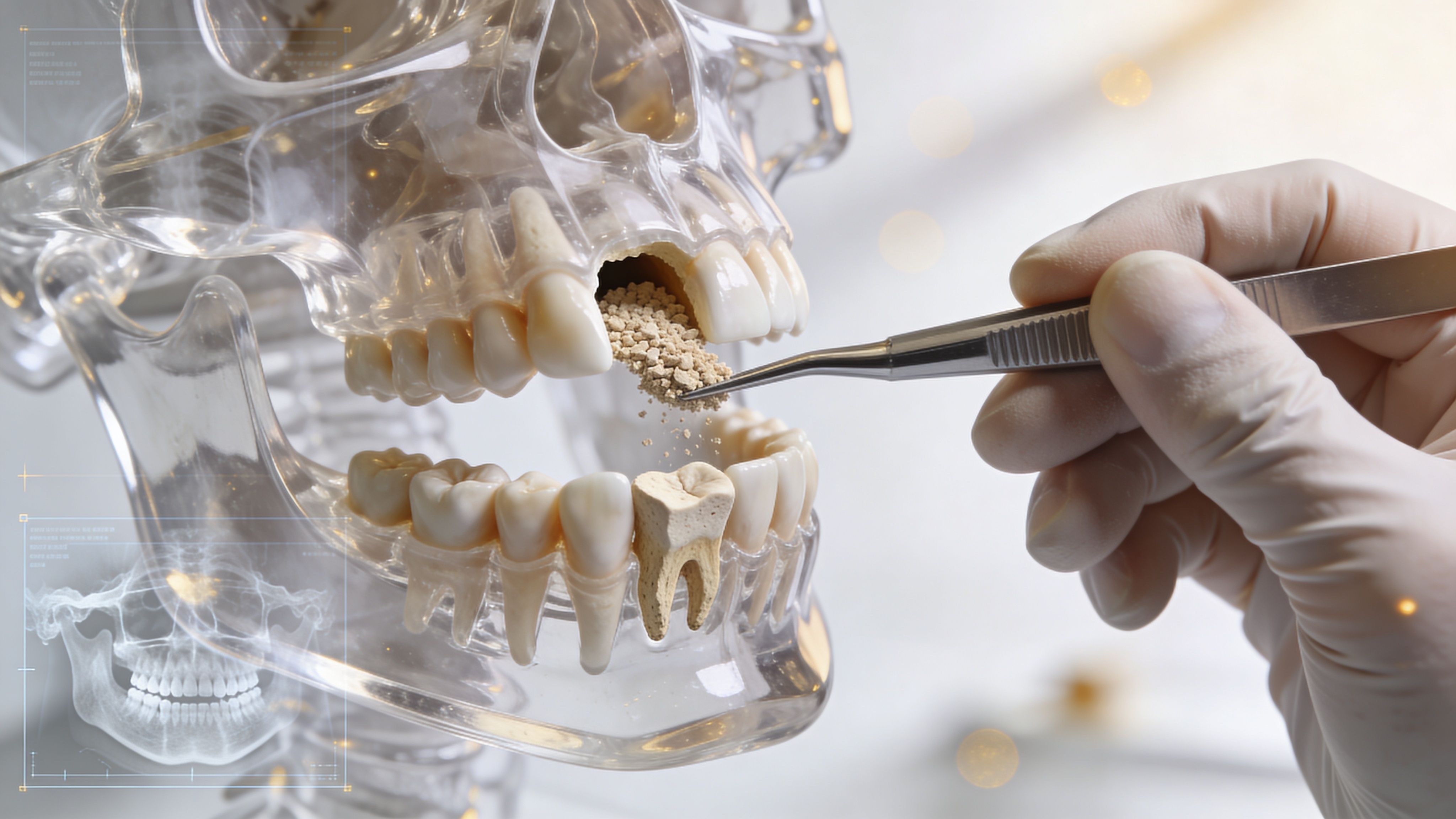
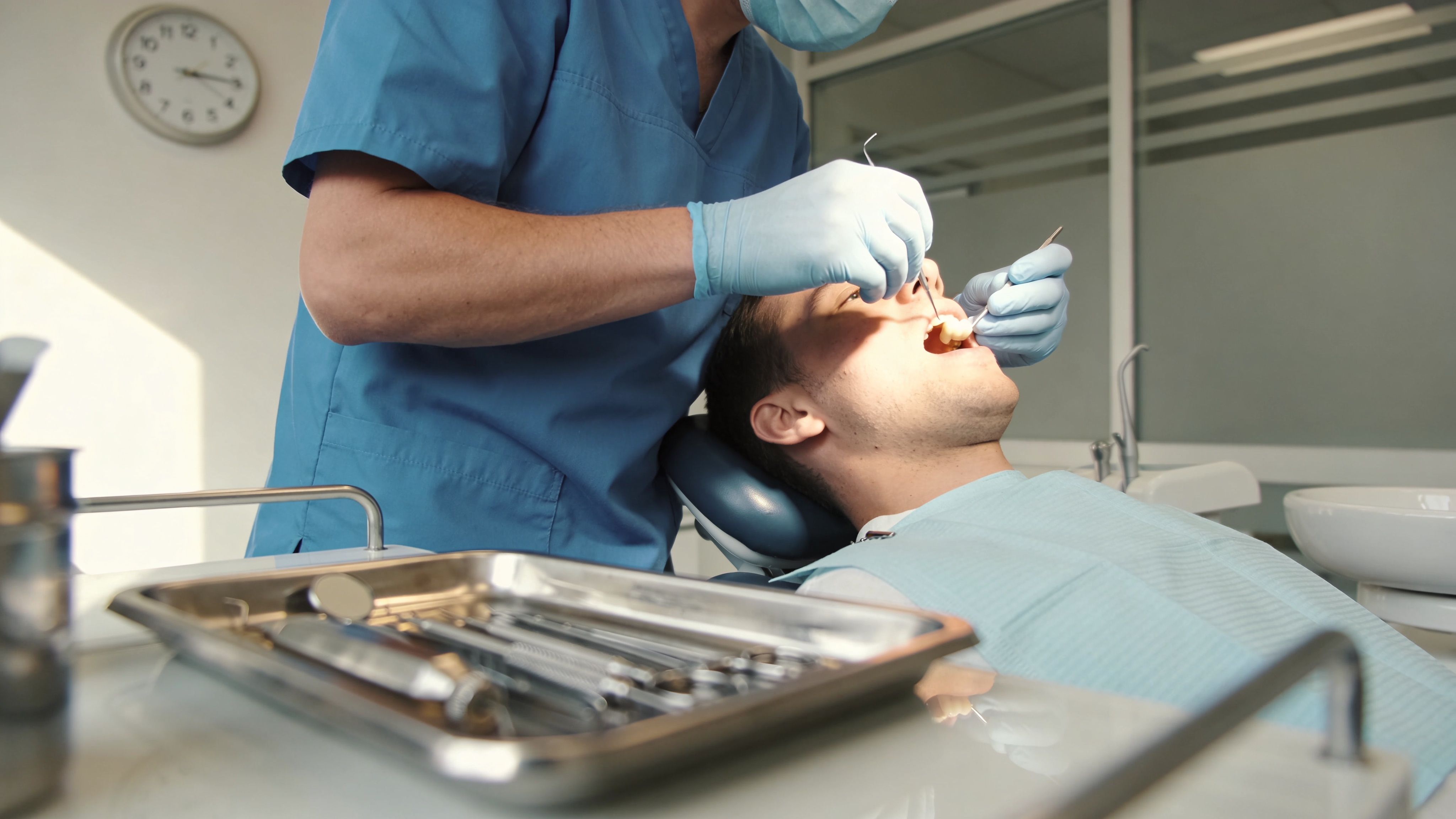
To ensure the new restorations do not look bulky, a very small amount of enamel—typically less than a millimeter—is carefully removed to make room for the veneers. This precise reshaping process is done under local anesthesia, ensuring the patient remains completely comfortable while the teeth are prepared. Removing this tiny layer creates the necessary space for the veneer to sit flush with the surrounding natural teeth and gum line.
Taking Impressions
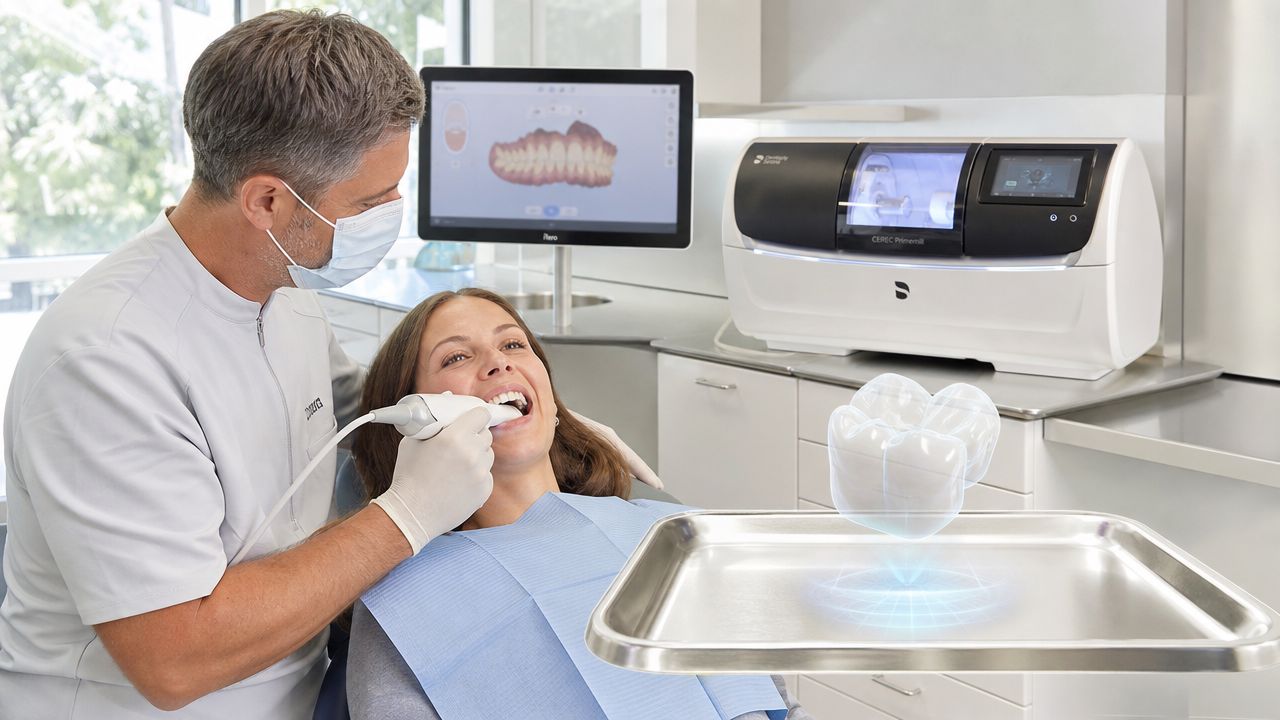
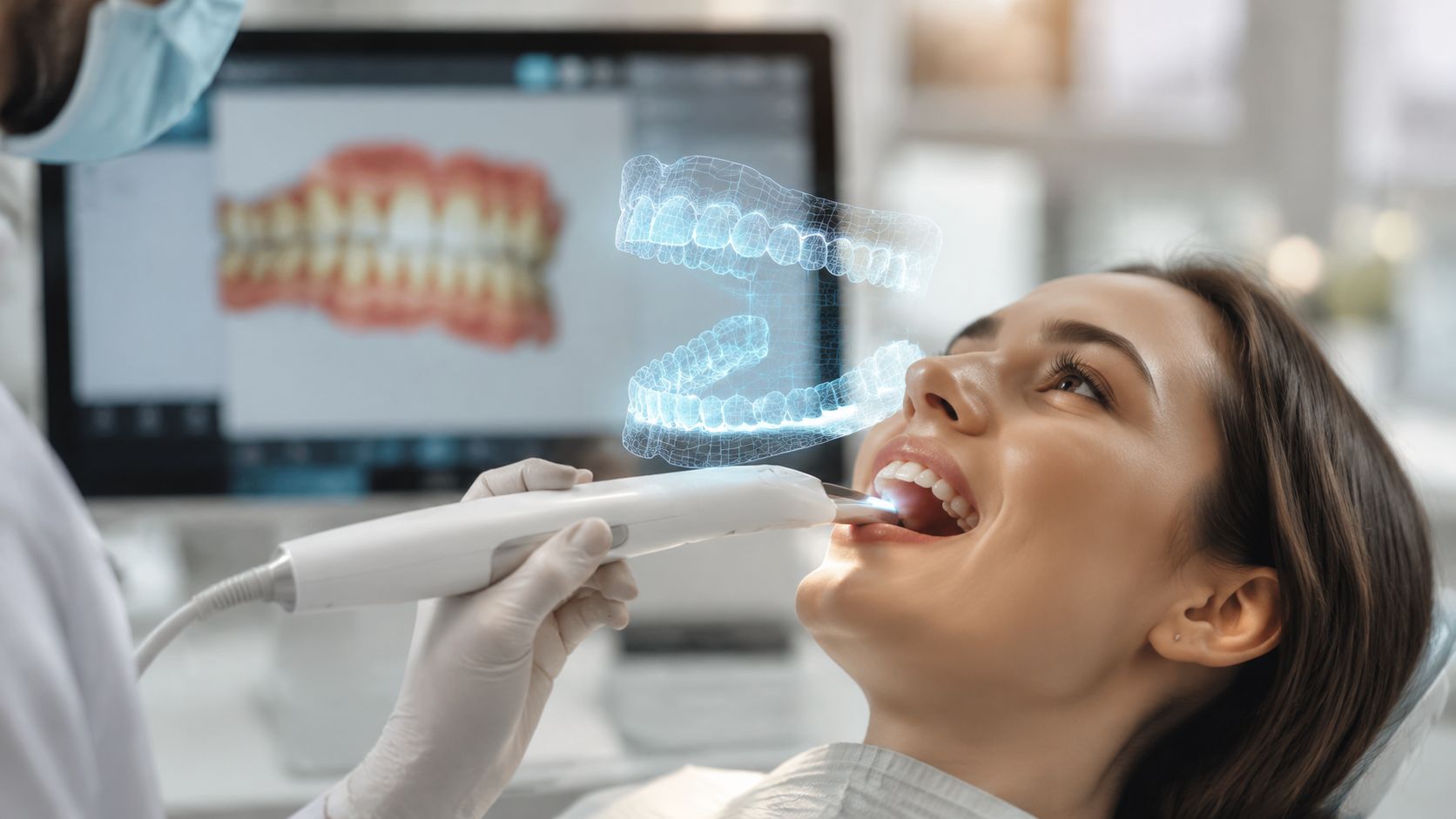
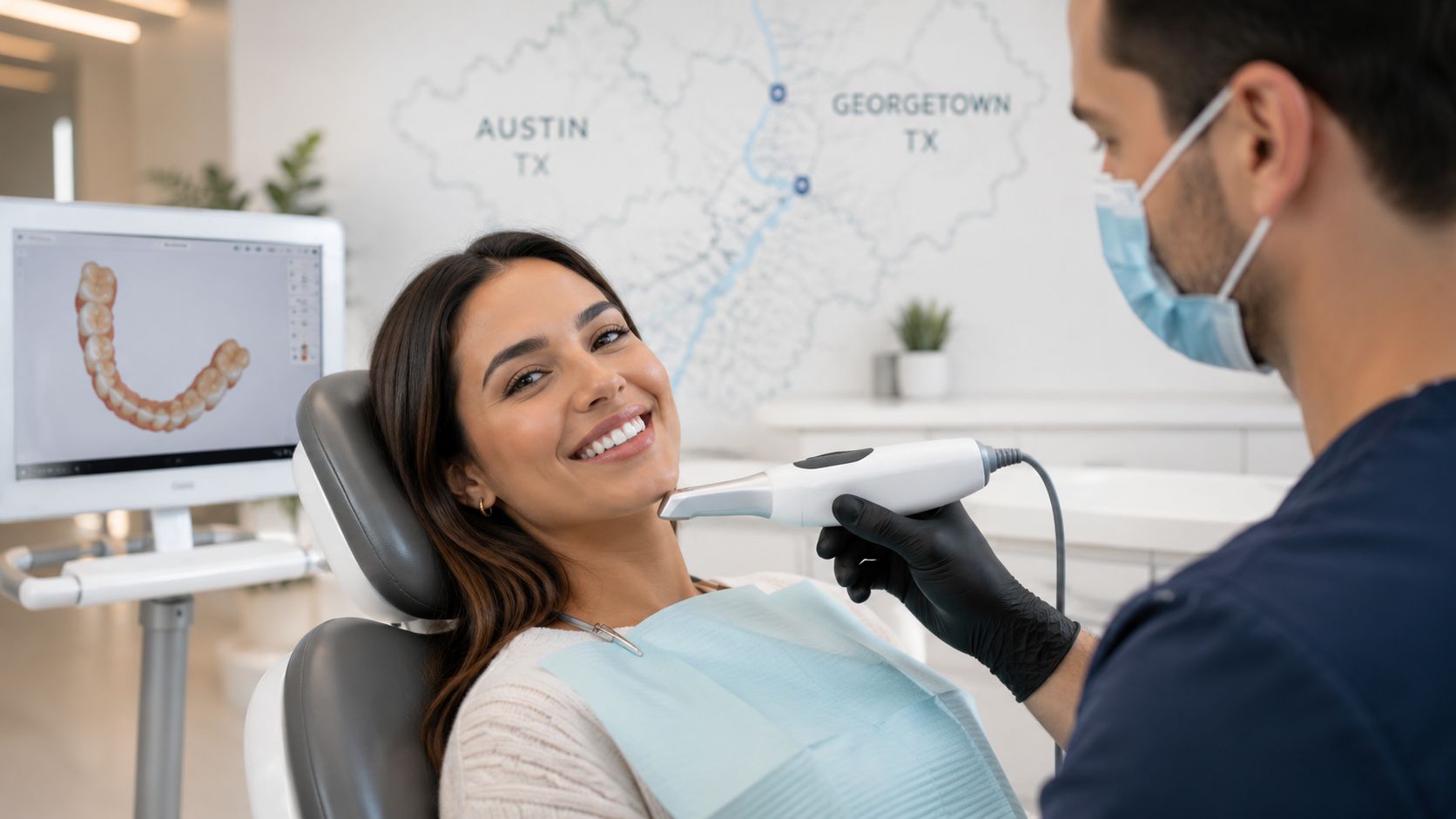
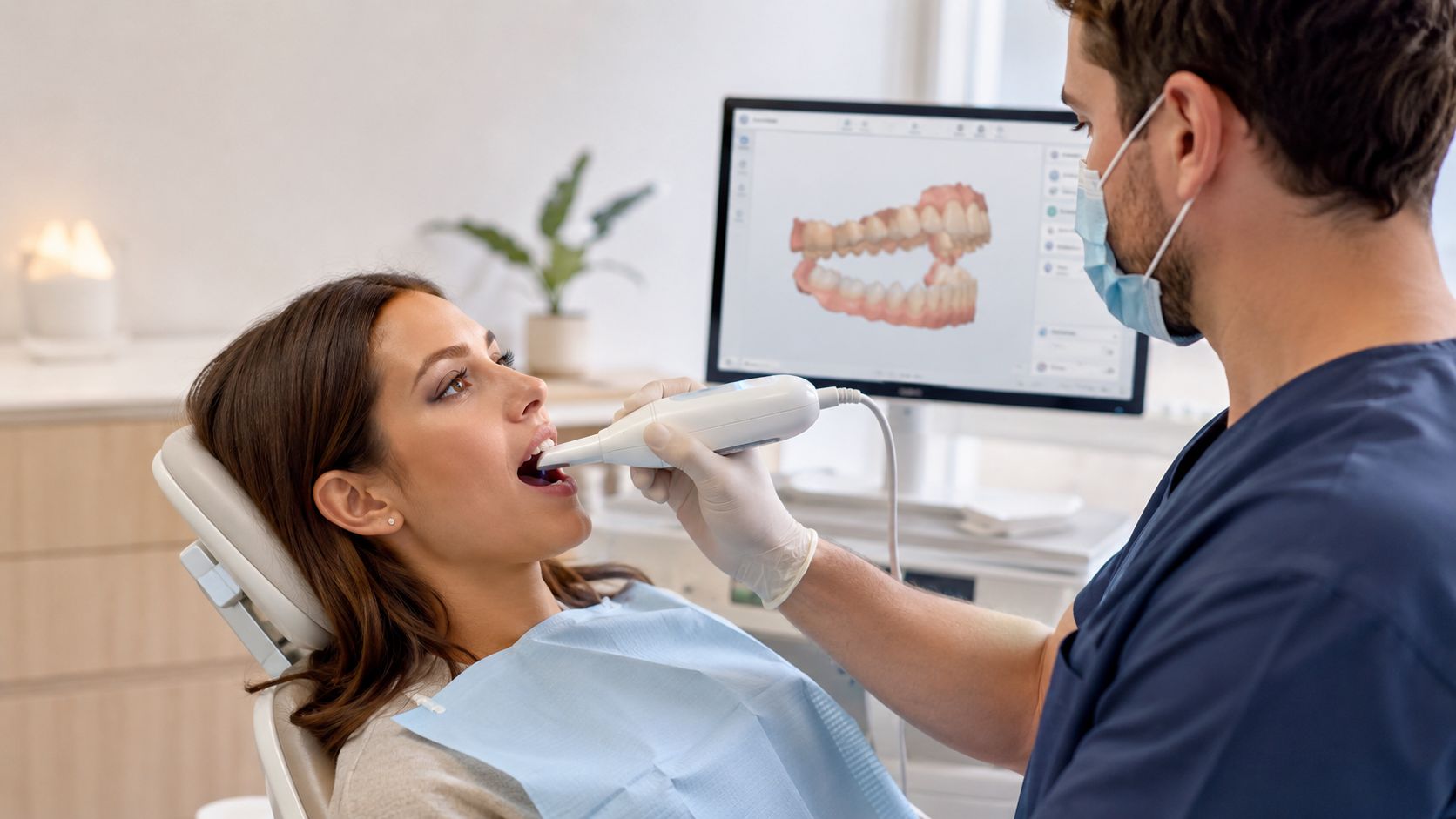
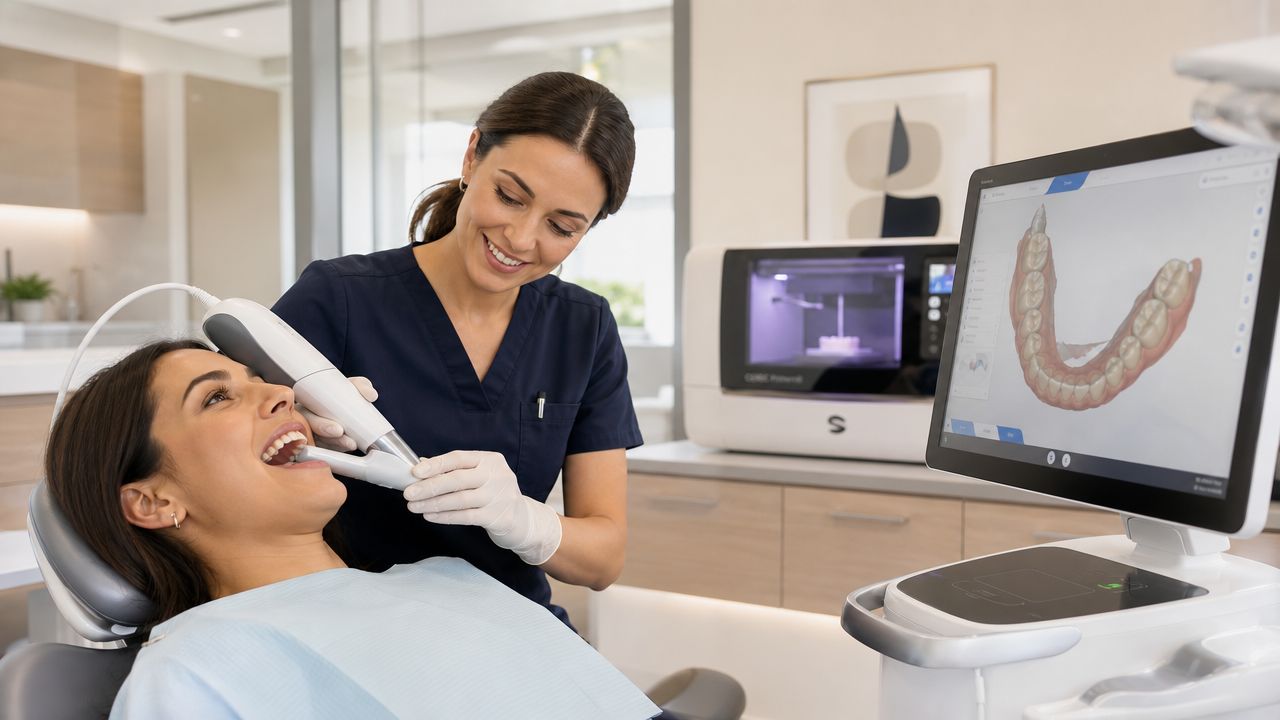
After the teeth are prepared, precise molds or digital scans are created to ensure a perfect, custom fit for the permanent veneers. Modern dental practices frequently use highly accurate 3D intraoral scanners to capture the exact dimensions of the reshaped teeth and the surrounding bite structure.
Temporary Veneers
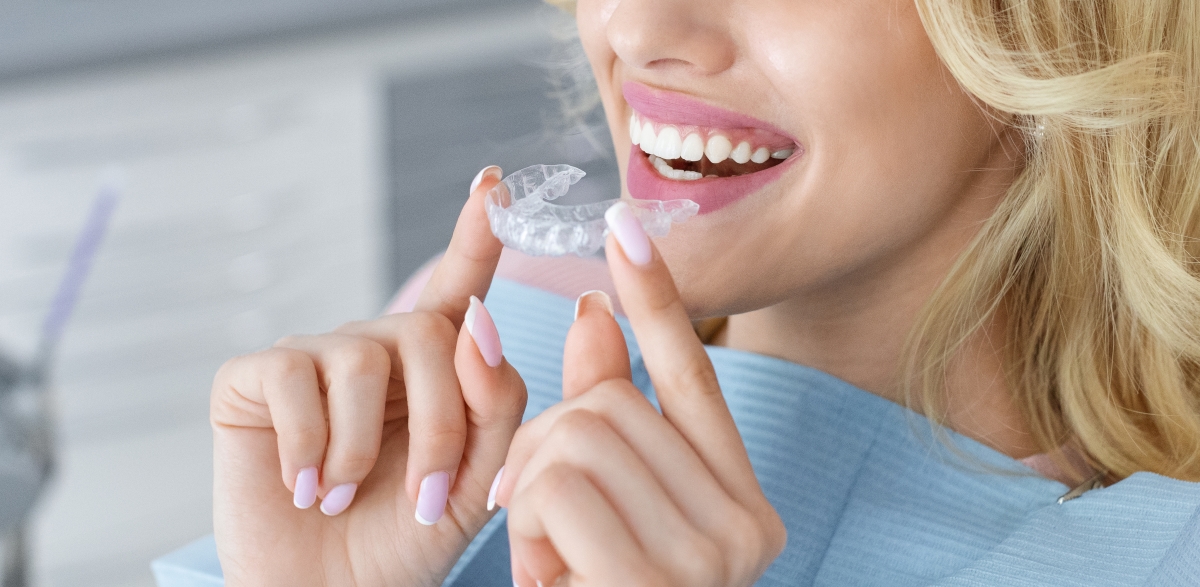
Because the permanent veneers take a couple of weeks to fabricate, temporary veneers are placed to protect the prepared teeth and give patients a real-world preview of their new smile. These temporaries reduce tooth sensitivity and allow the patient to evaluate how the new shape and length feel while speaking and eating. If any functional or aesthetic issues arise during this trial period, the dentist can make notes and apply those changes to the final permanent veneers.
Crafting the Veneers: The Art of Customization
The Role of Dental Labs
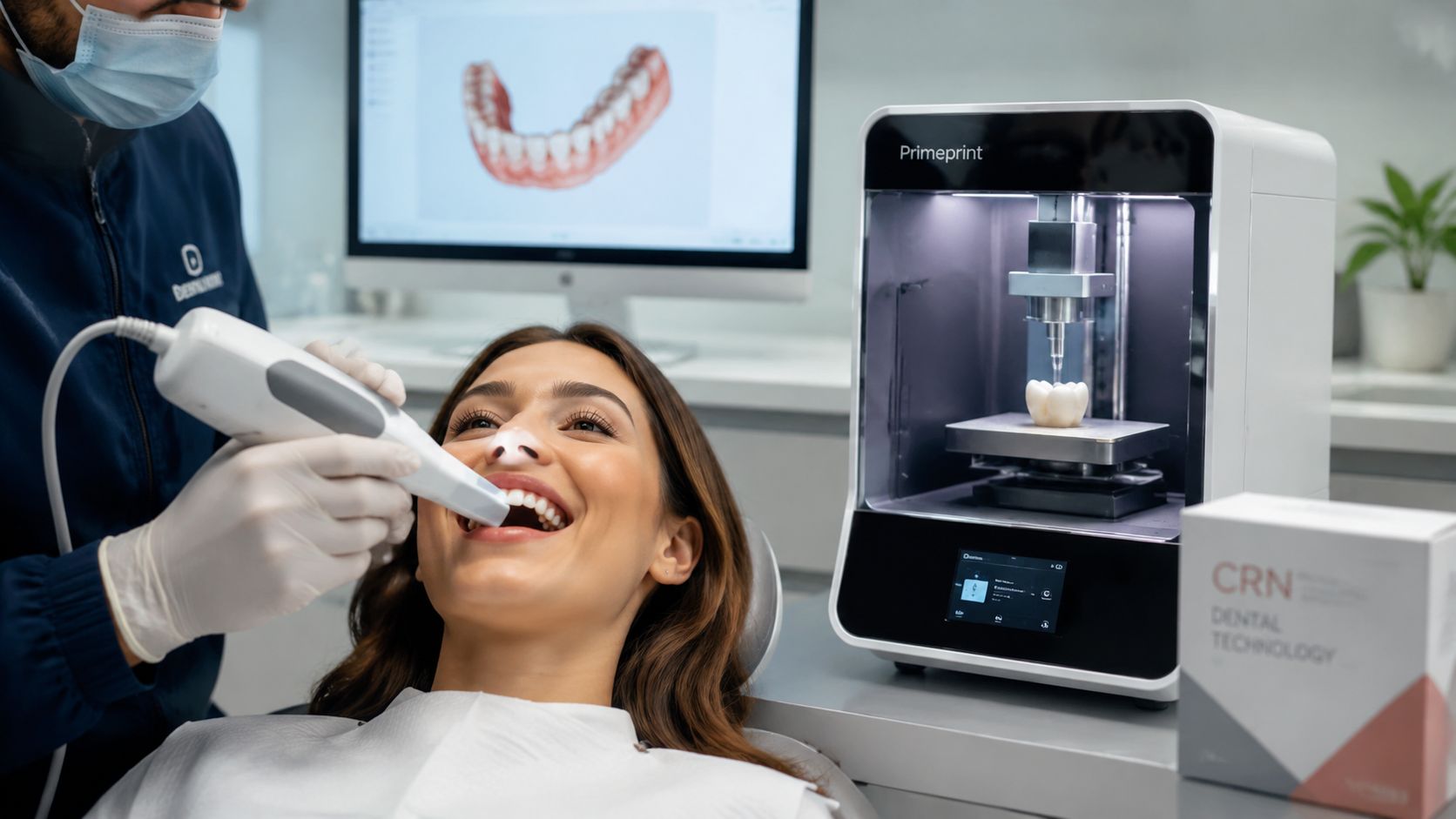
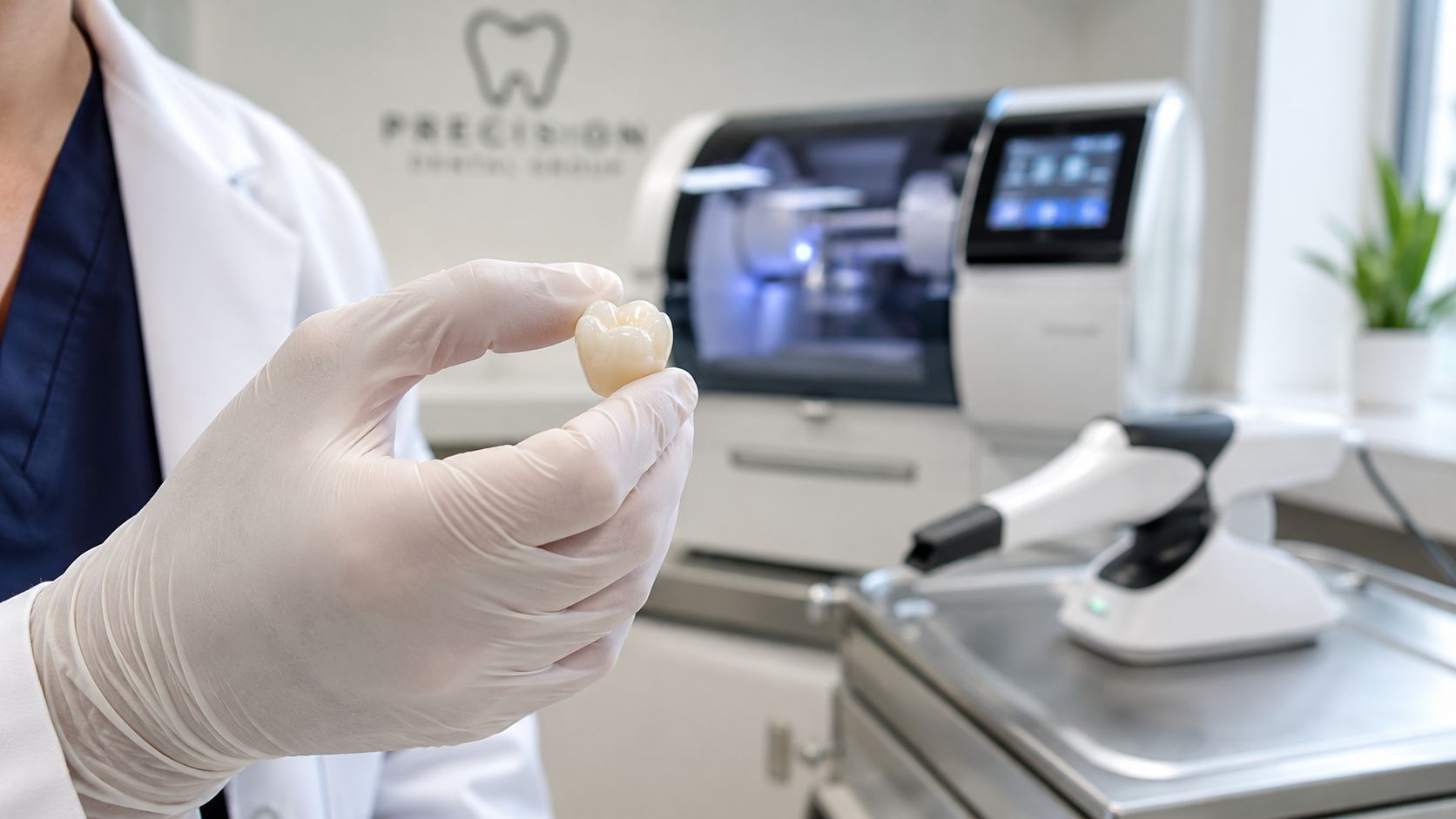
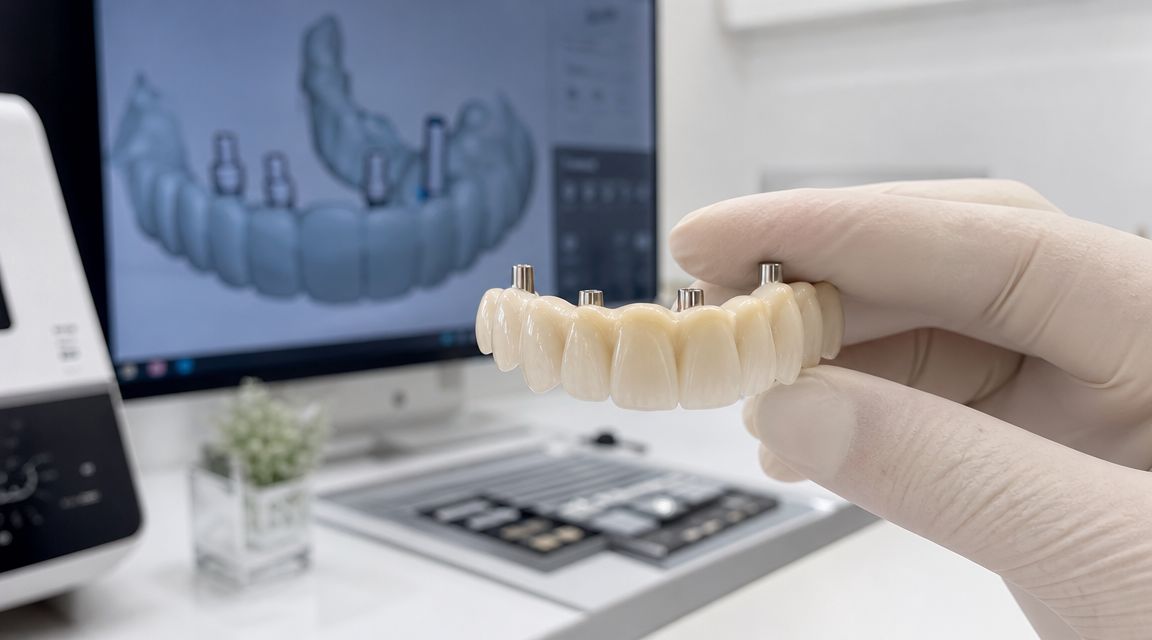
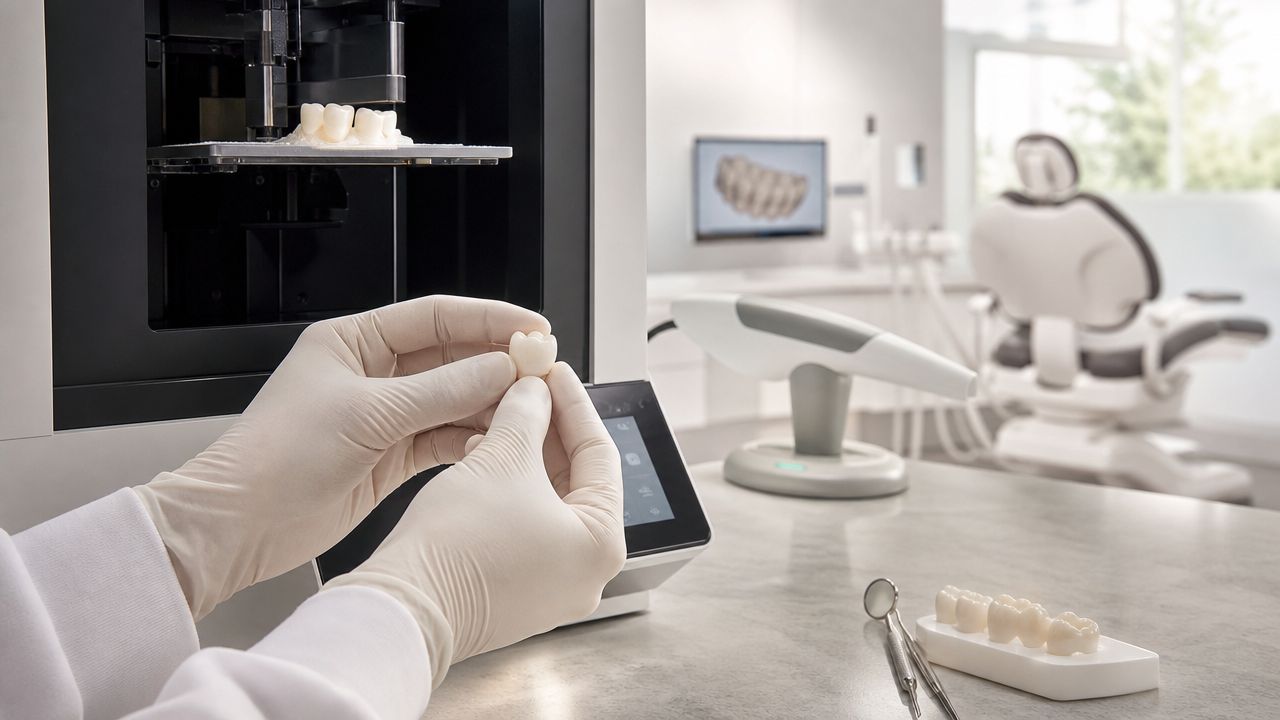
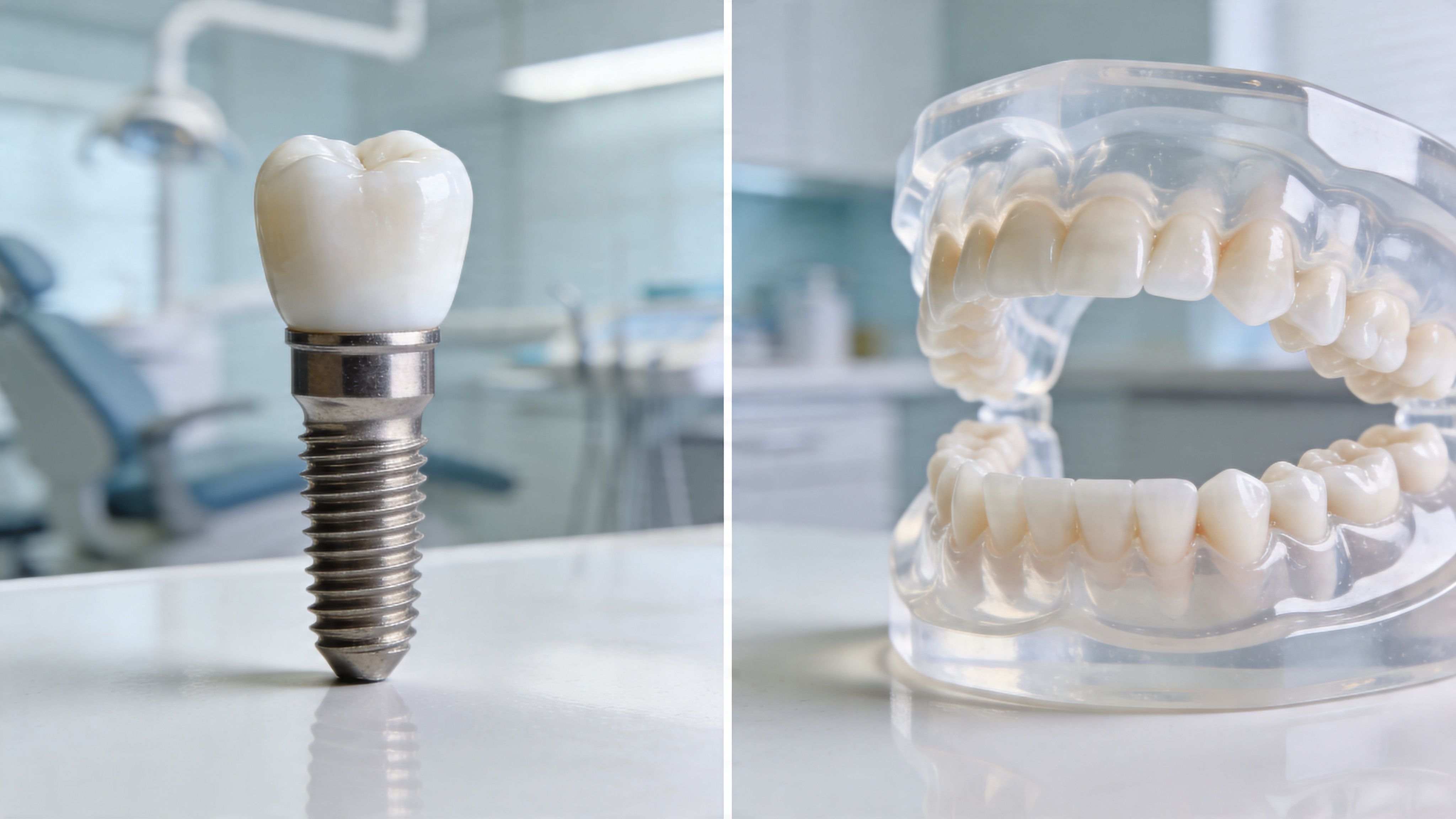
Skilled technicians at specialized dental laboratories play a pivotal role in the process, as they are the ones who actually create the veneers using high-quality materials like porcelain or composite resin. These artisans use the dentist’s impressions and detailed instructions to sculpt each individual veneer by hand or through advanced milling machines.
Ensuring a Natural Look
To avoid an artificial appearance, veneers are carefully designed to mimic the subtle color gradients, surface texture, and slight translucency of real natural teeth. The technicians layer the porcelain to reflect light exactly the way natural tooth enamel does, ensuring the new teeth do not look flat or opaque.
The Importance of Precision
Advanced technology, such as computer-aided design and computer-aided manufacturing (CAD/CAM), ensures the veneers fit seamlessly and comfortably against the prepared tooth structure. This extreme precision prevents tiny gaps from forming between the veneer and the natural tooth, which could otherwise harbor harmful bacteria and cause decay.
The Final Placement: Bringing Your New Smile to Life
Trying on the Veneers
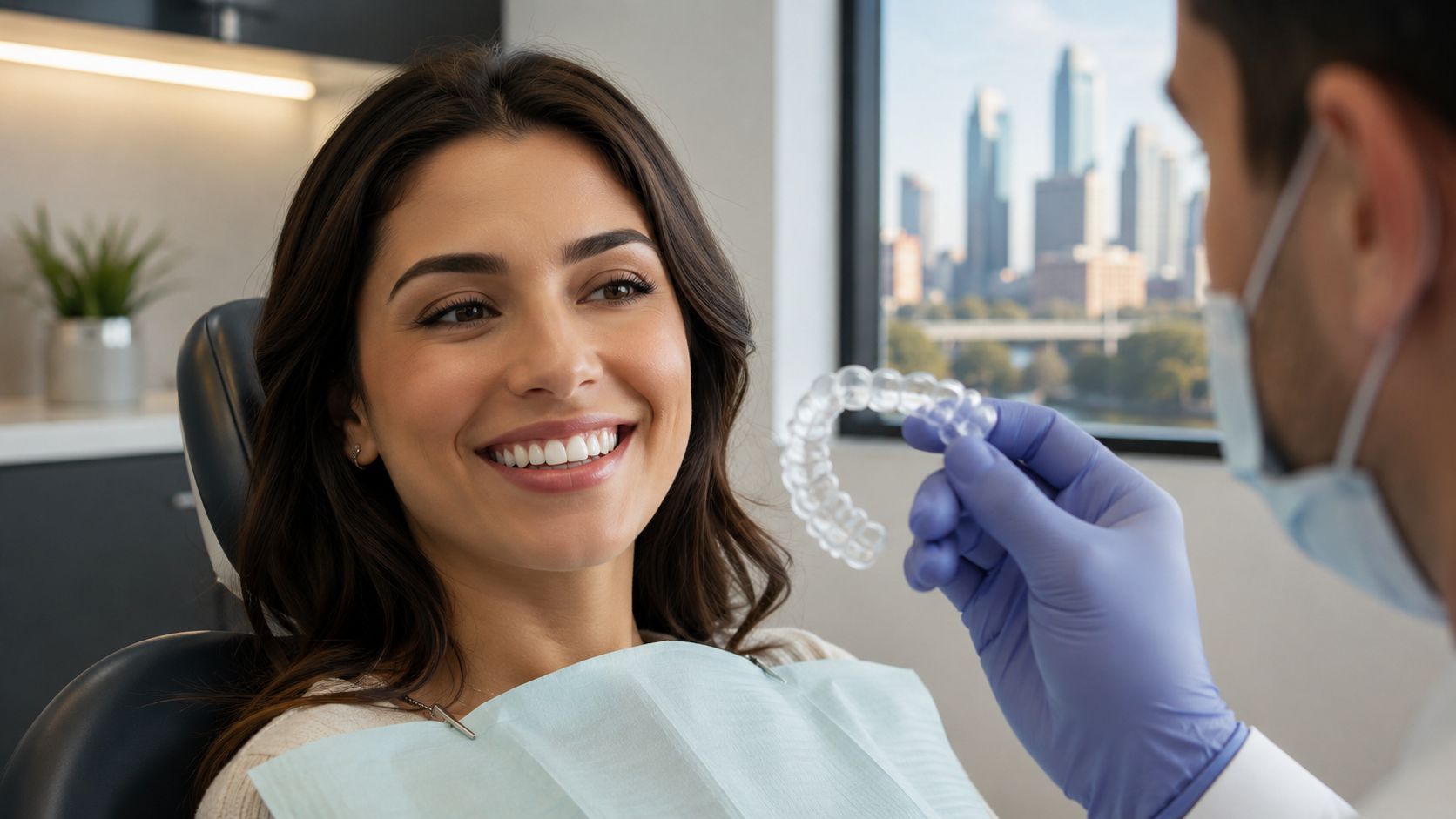
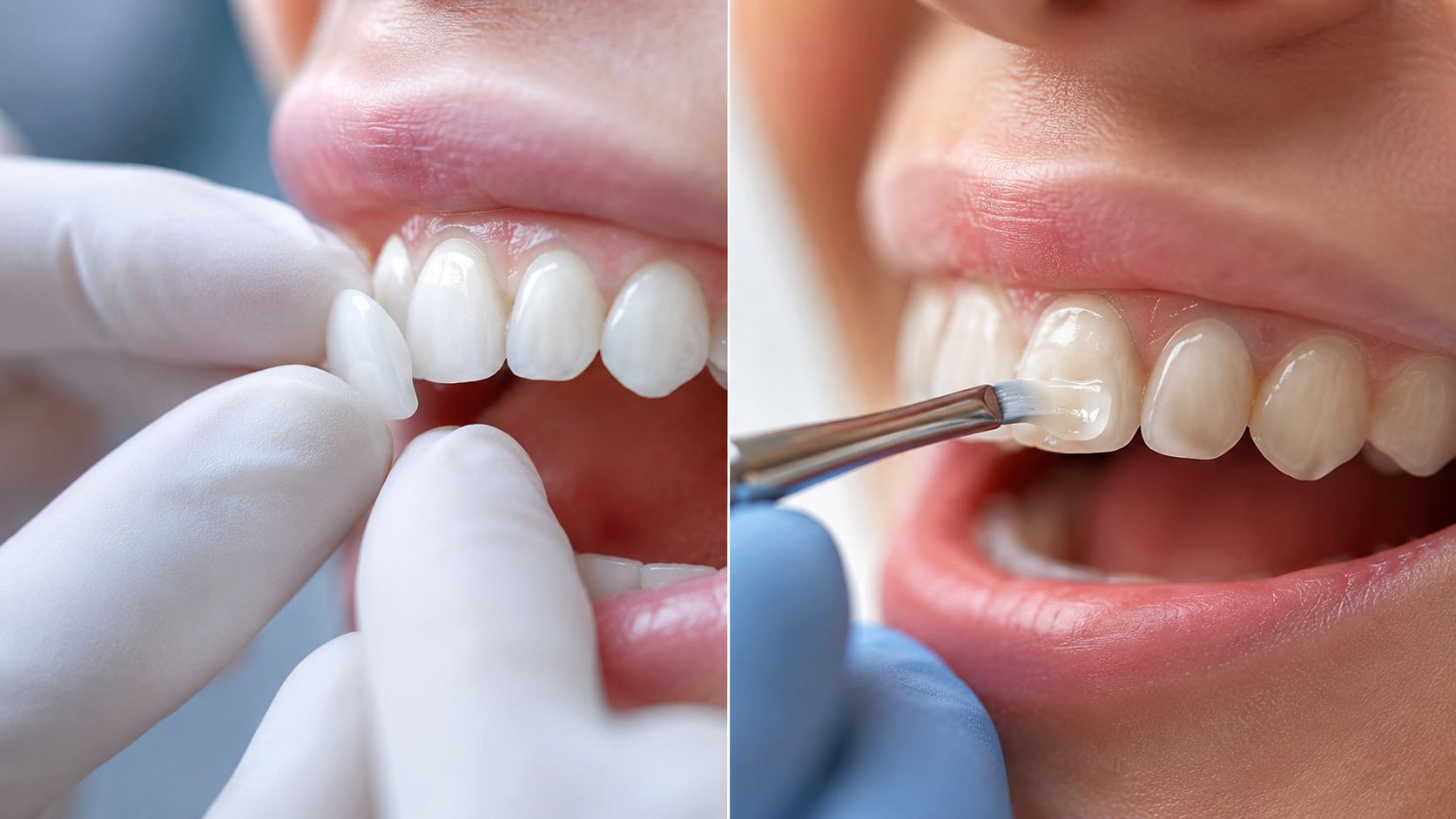
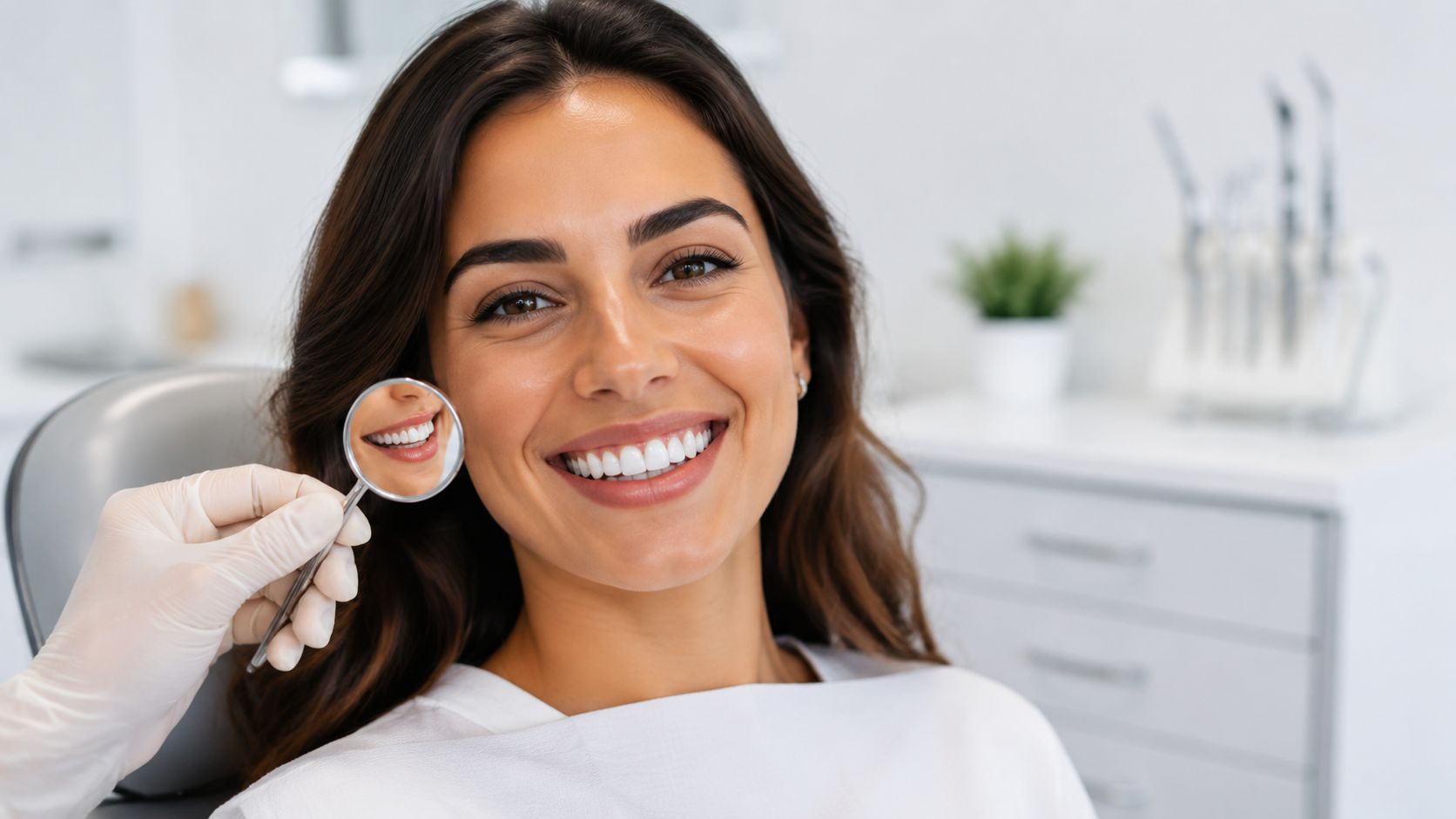
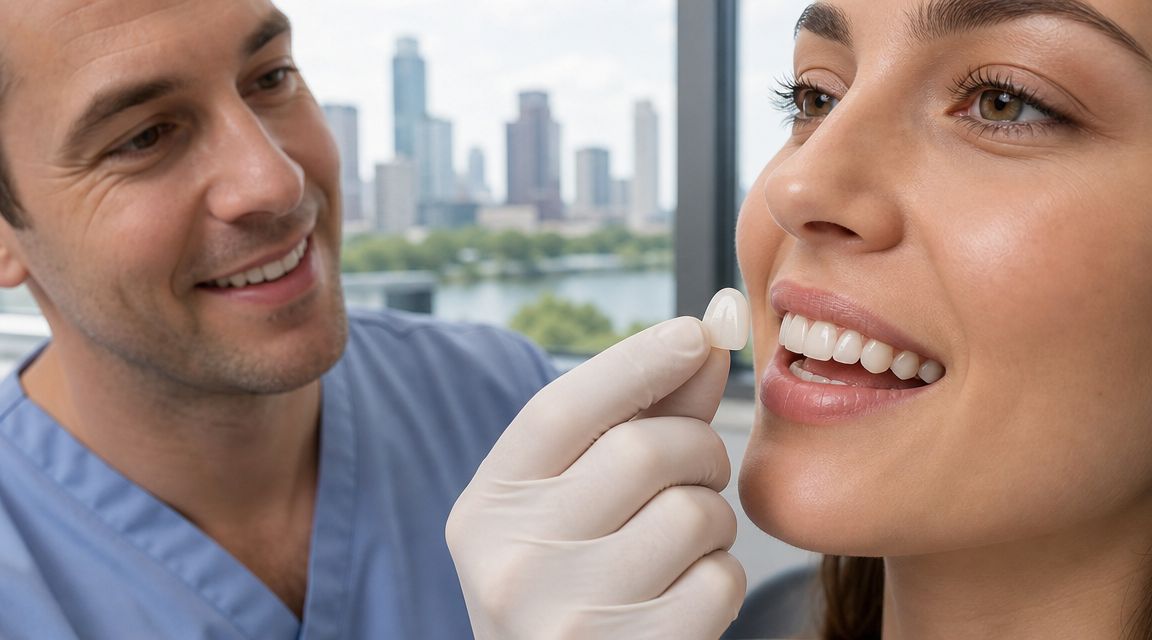
Before any permanent adhesive is applied, the dentist temporarily places the newly crafted veneers onto the teeth to check their fit, color, and overall appearance. The patient is handed a mirror to inspect the results, providing an opportunity to approve the look before the final bonding step takes place. This trial run ensures both the clinician and the patient are absolutely thrilled with the aesthetics and functional fit of the restorations.
Making Adjustments
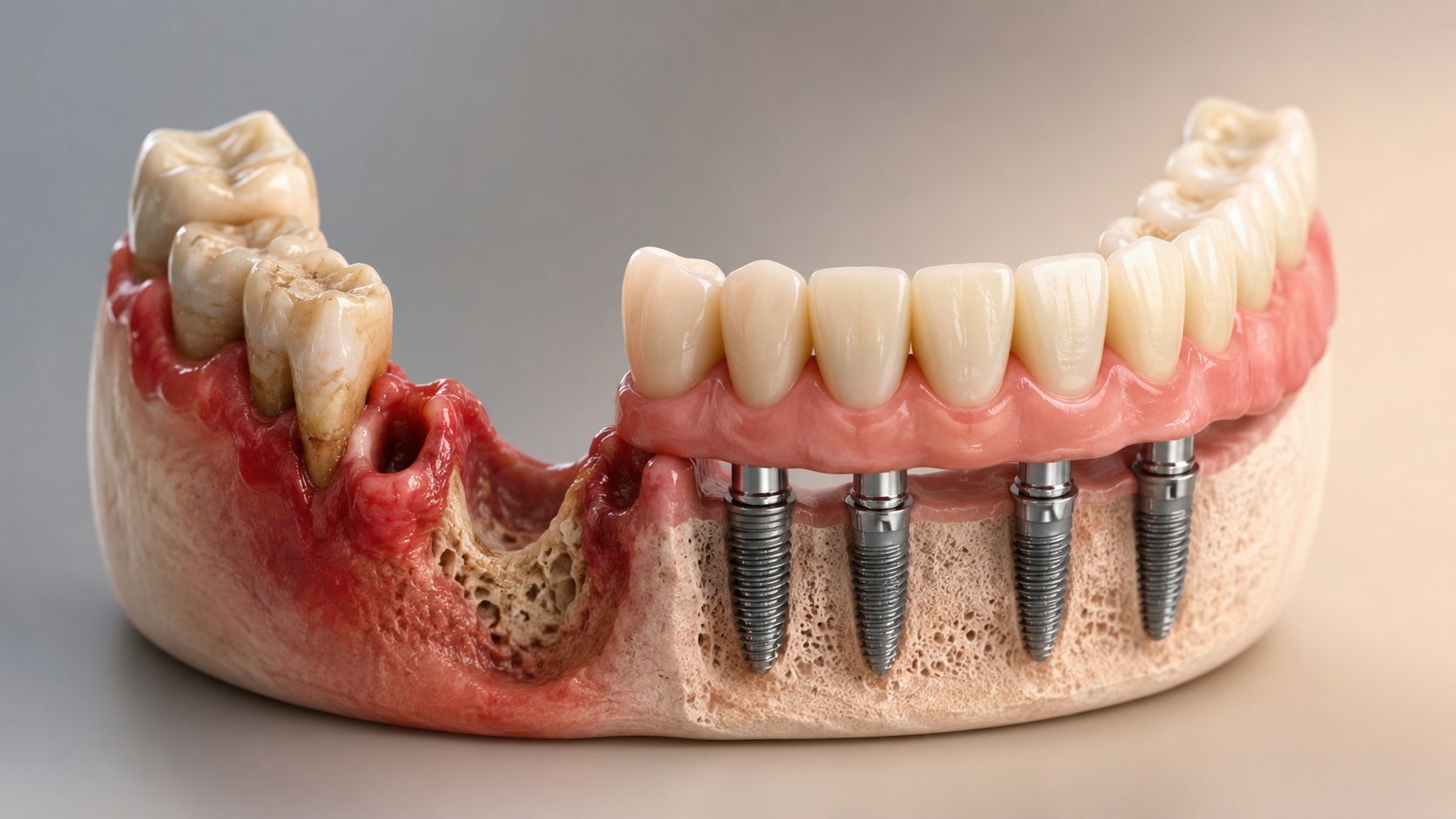
If the fit is slightly off or the color needs a minor tweak, the dentist makes essential adjustments to ensure the veneer implant look and feel absolutely perfect. Sometimes this involves trimming a tiny edge for better bite alignment or using different shades of bonding cement to slightly alter the final color.
Bonding the Veneers
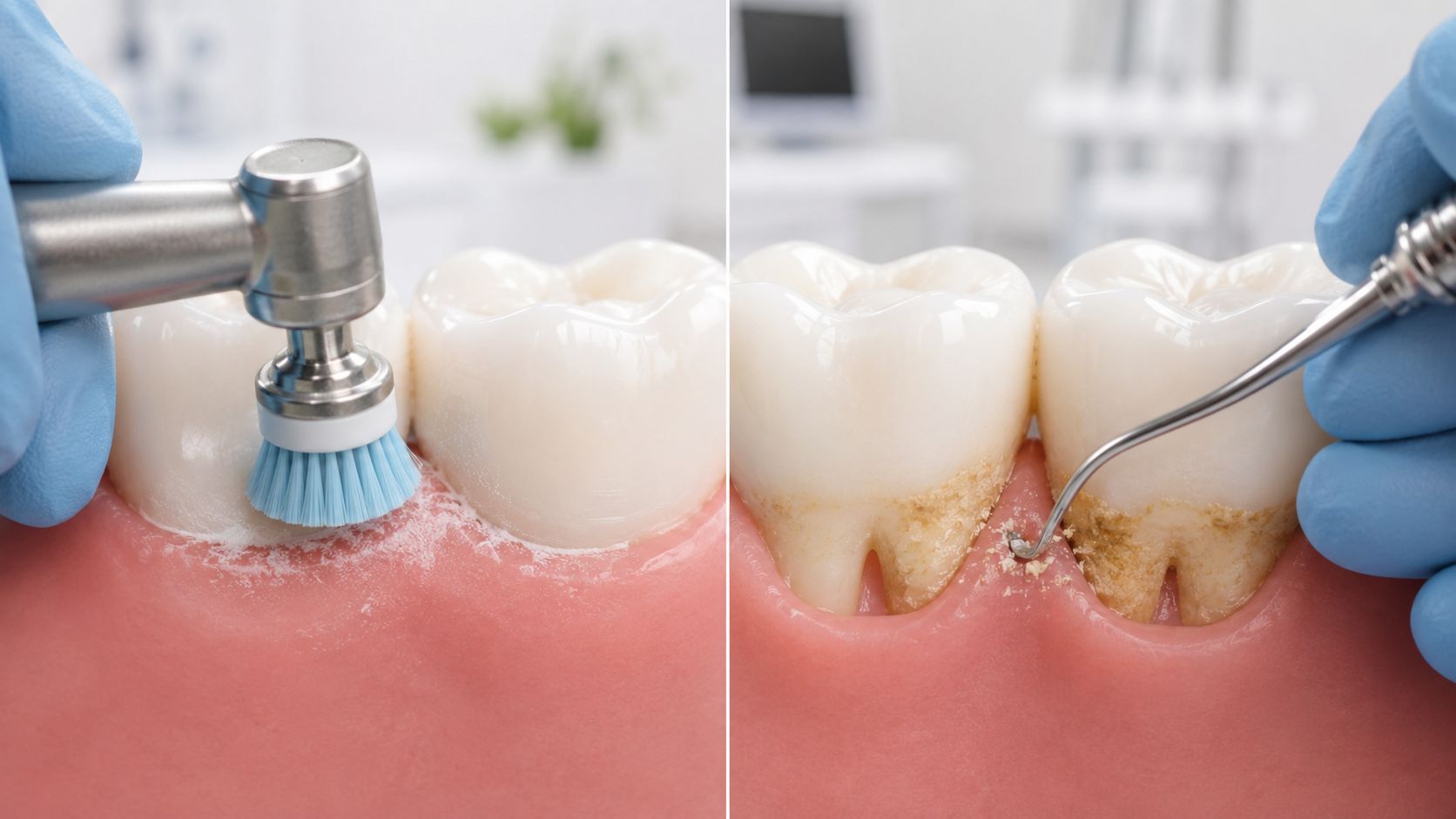
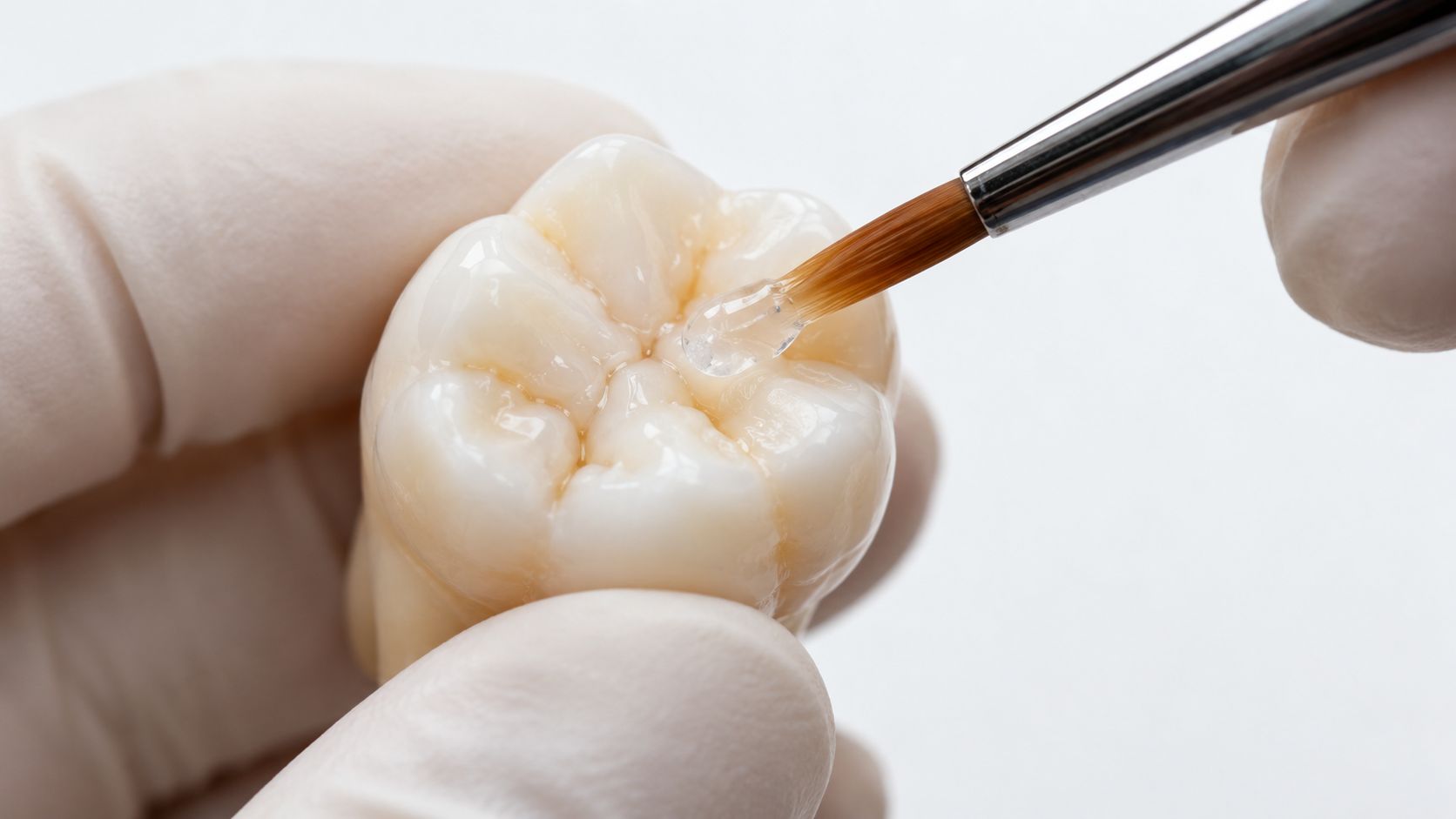
Once everything is approved, the teeth are thoroughly cleaned, polished, and etched, and a strong, specialized adhesive is used to securely attach the veneers to the teeth. A special curing light is then applied to the teeth to instantly harden the cement, locking the veneers permanently into place. Finally, any excess cement is carefully removed, and the bite is checked one last time to complete the life-changing cosmetic transformation.
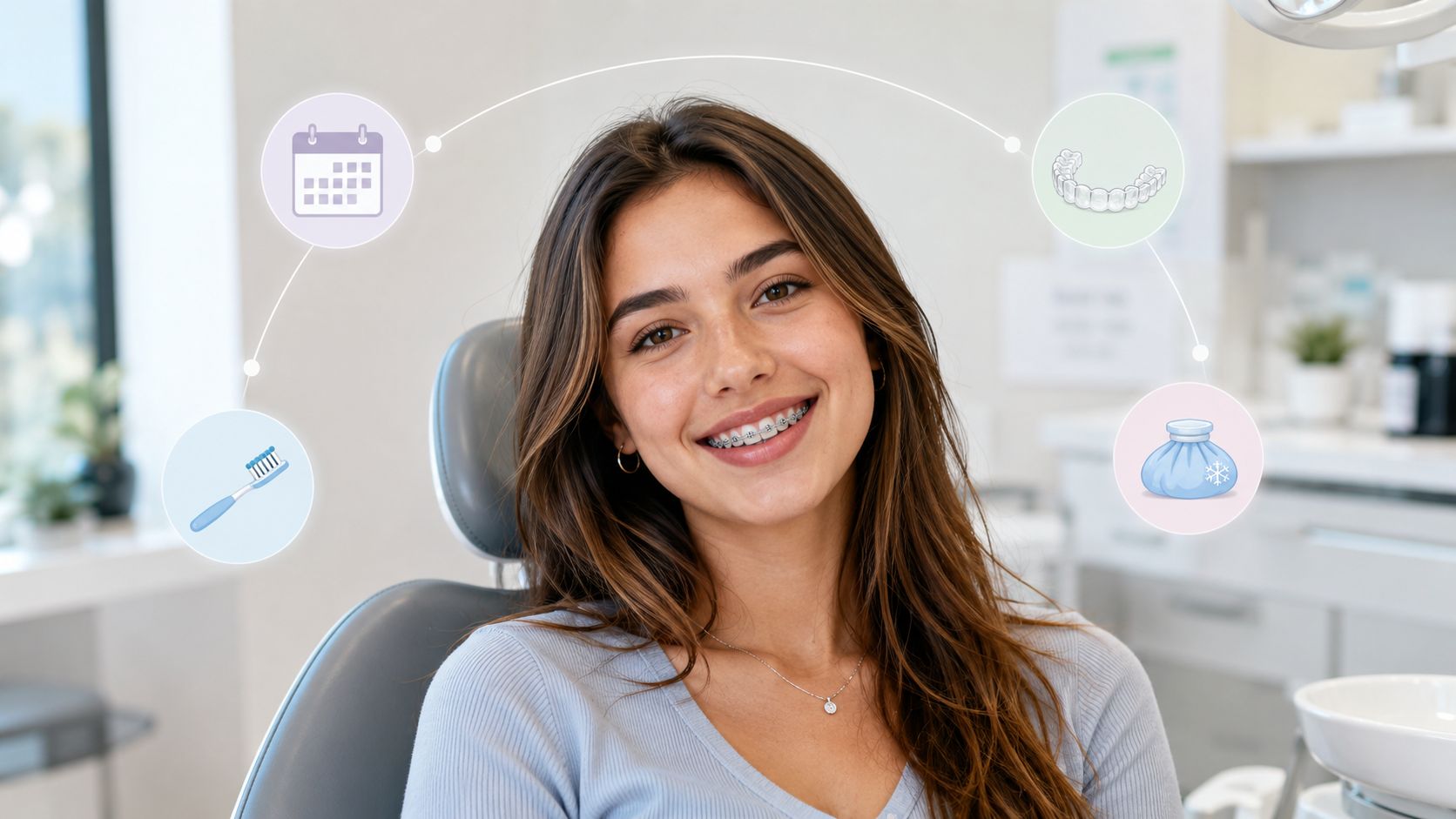
Caring for Your Veneers: Maintaining Your New Smile
Daily Oral Hygiene Practices
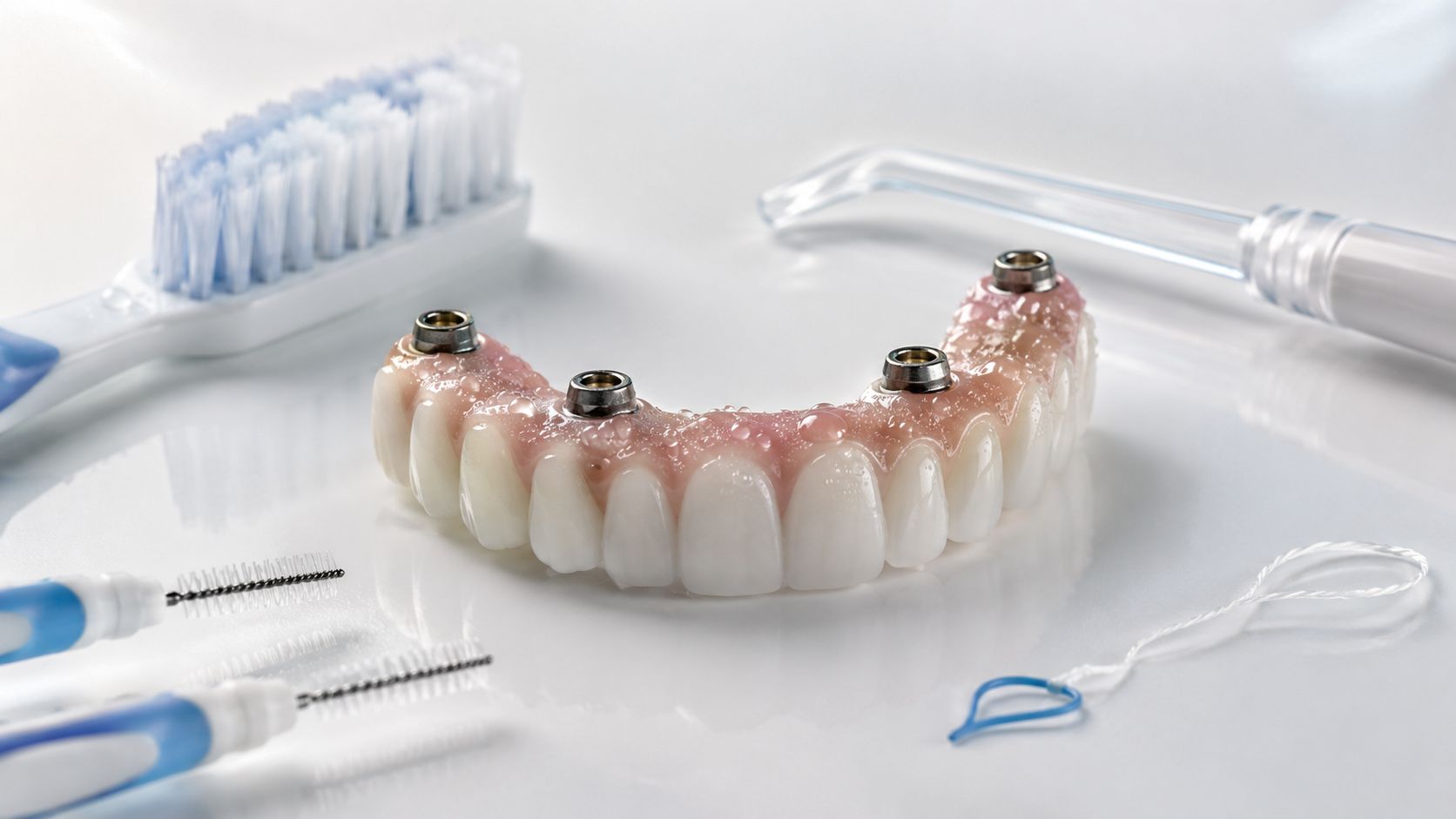
Maintaining a beautiful new smile requires diligent home care, so patients must adhere to excellent habits for brushing, flossing, and keeping their veneers perfectly clean. It is highly recommended to use a soft-bristled toothbrush and non-abrasive toothpaste to prevent scratching the surface of the porcelain. Flossing daily is equally important to remove plaque and food particles from the gum line, keeping the supporting tissues healthy and preventing decay in the underlying tooth.
Foods and Habits to Avoid
While porcelain is incredibly strong, avoiding incredibly hard or heavily staining foods can significantly extend the lifespan of dental veneers. Patients should refrain from biting directly into ice, hard candies, or pen caps, as these actions can chip or fracture the ceramic material.
Regular Dental Checkups
Routine visits to the dental office are absolutely critical to monitor the ongoing health of both the custom veneers and the natural teeth beneath them. During these checkups, the dentist inspects the integrity of the bonding cement and ensures the surrounding gum tissue remains free of inflammation.
Common Questions About the Veneer Process
Does It Hurt to Get Veneers?
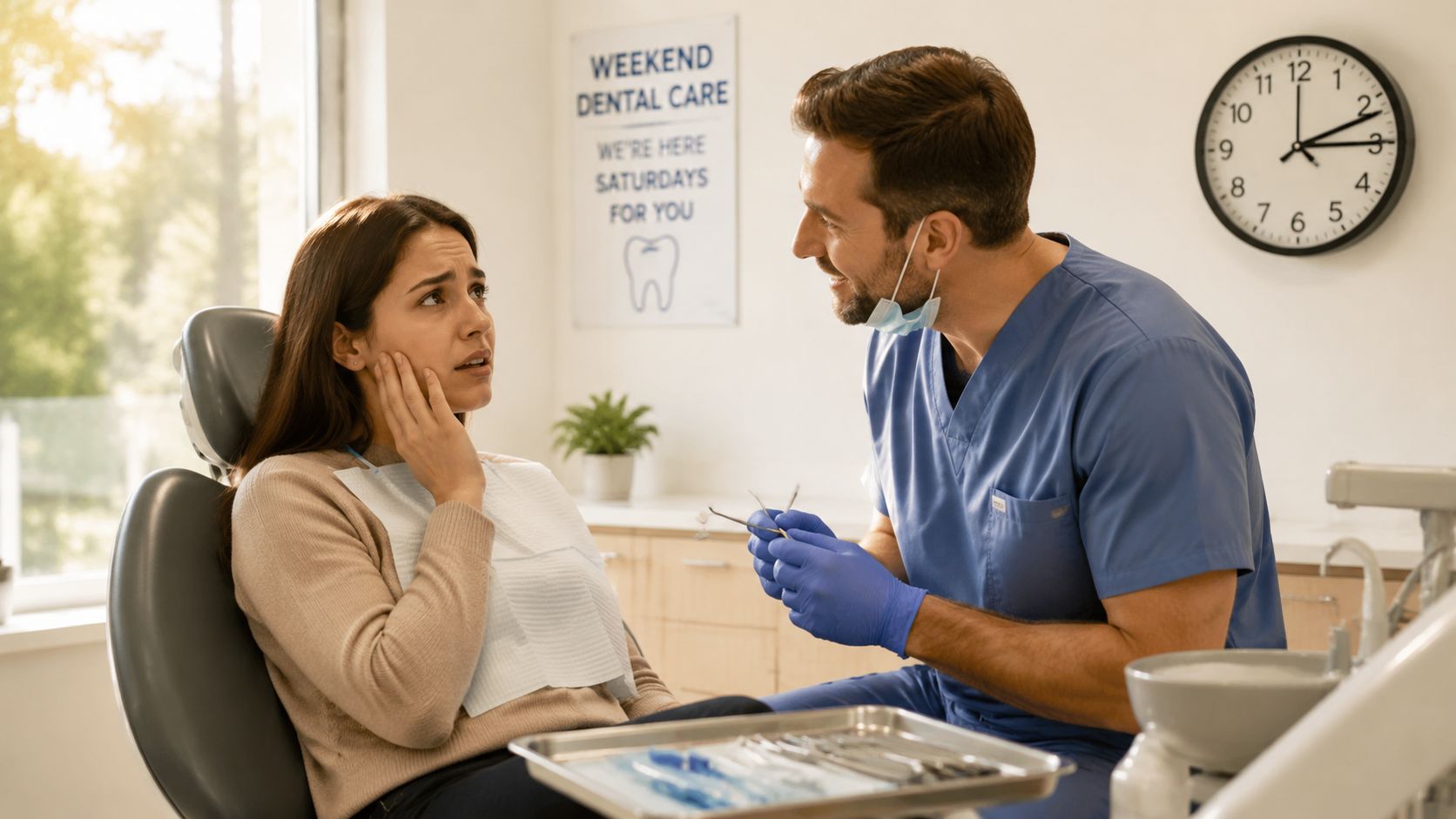
Many patients worry about pain, but it is important to reassure readers about the minimal discomfort involved in the entire veneer process. Local anesthesia is used during the tooth preparation phase to ensure the patient feels absolutely nothing while the enamel is gently reshaped.
How Long Do Veneers Last?
Patients view cosmetic dentistry as an investment, so it is helpful to highlight the immense durability of veneers with proper care, as they often last 10 to 15 years or more. High-quality porcelain is highly resistant to decay and staining, meaning the restorations will maintain their structural integrity and beautiful appearance for over a decade.
Can Veneers Be Replaced?
Nothing in dentistry lasts forever, but it is easy to explain how veneers can be updated or replaced if needed over time due to natural wear or accidental damage. If a veneer chips or the gum line recedes as a patient ages, a dentist can safely remove the old shell and craft a brand-new one to take its place.
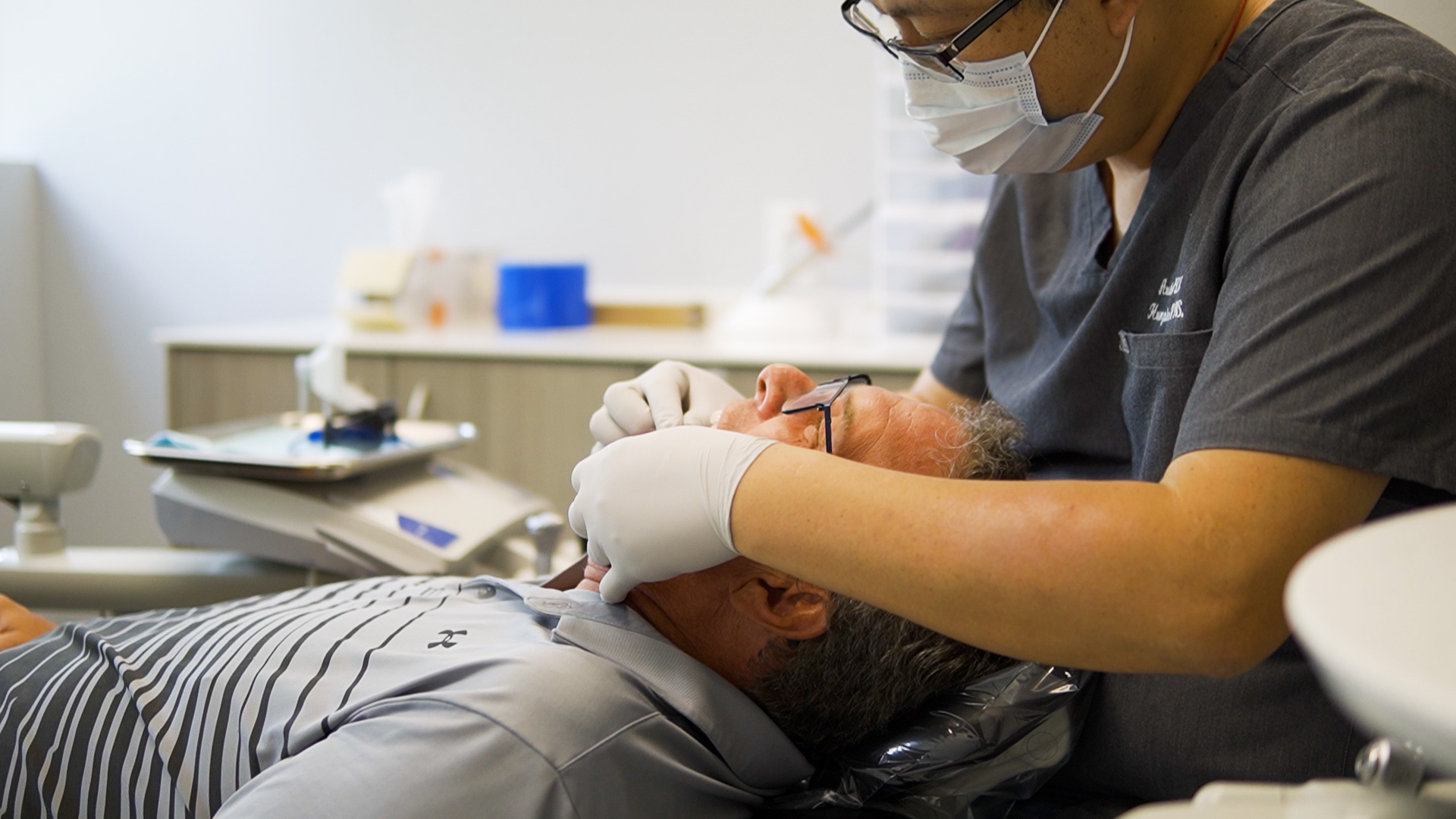
How 3D Dental Ensures a Seamless Veneer Experience
Personalized Smile Design
Every patient has unique facial aesthetics, which is why 3D Dental works closely with individuals to create a highly custom treatment plan tailored to their exact goals. The clinical team takes the time to listen to aesthetic preferences and lifestyle needs, refusing to use a one-size-fits-all approach for cosmetic dentistry.
Advanced Technology for Precision
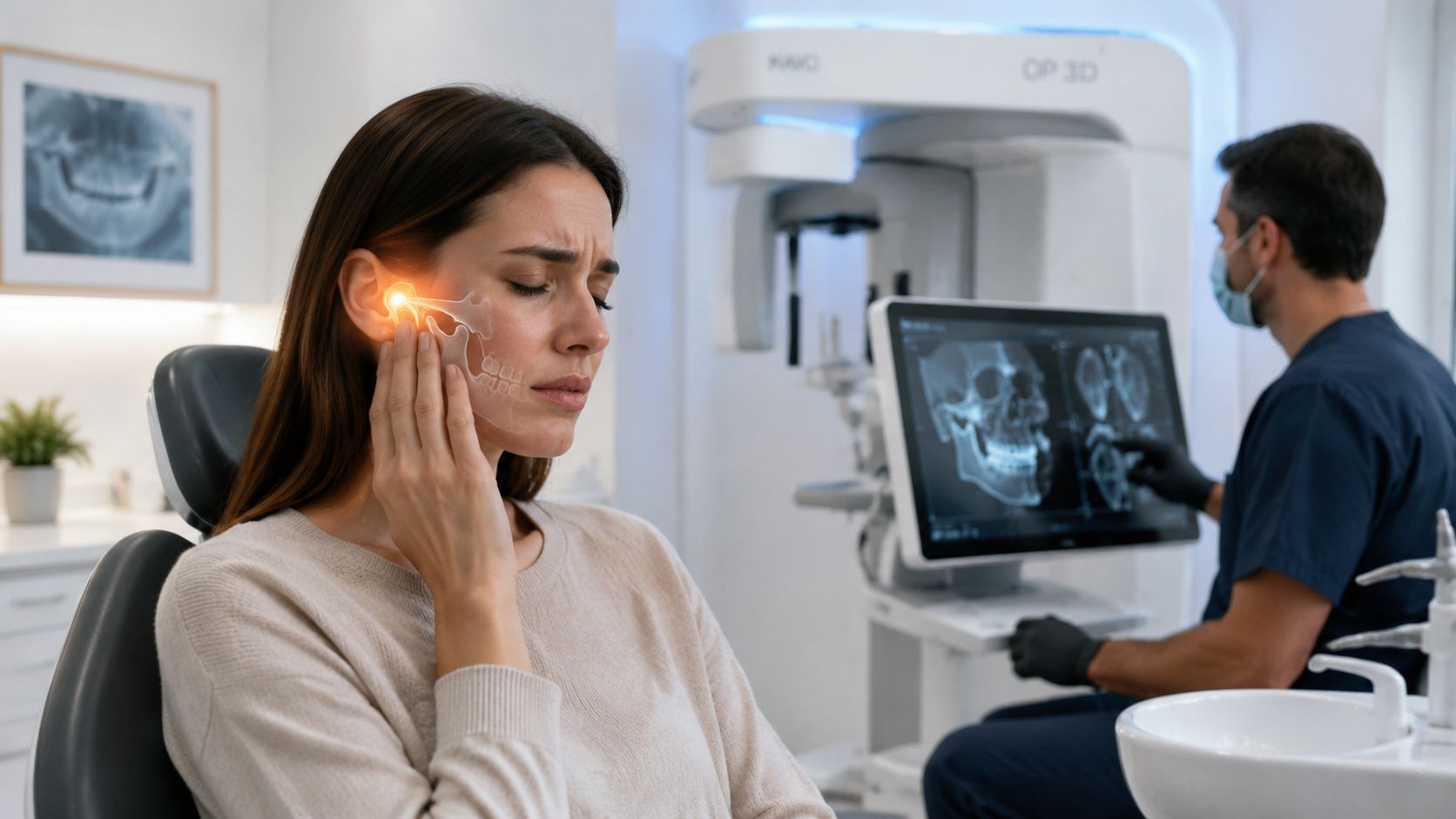
Utilizing cutting-edge equipment sets top-tier clinics apart, and tools like high-resolution 3D imaging drastically enhance accuracy and clinical results at 3D Dental. By moving away from messy traditional putty impressions and utilizing precise digital scanners, the clinic ensures the dental laboratory receives flawless blueprints for crafting the veneers.
A Commitment to Patient Satisfaction
A successful cosmetic journey requires more than just clinical skill; it demands clear communication and exceptional care throughout the entire process. The dedicated staff at 3D Dental prioritizes patient comfort, answering questions promptly and ensuring individuals feel relaxed and confident every time they sit in the dental chair.
Your Journey to a Radiant Smile
The transformative power of dental veneer implant cannot be overstated when it comes to enhancing a person's self-confidence and overall quality of life. By addressing multiple cosmetic imperfections at once, veneers offer a comprehensive solution that yields a radiant, completely natural-looking smile in just a few short weeks. The boost in self-esteem that follows this procedure often empowers individuals to smile more freely, engage more openly in social situations, and project newfound confidence in their professional lives.
When considering a cosmetic investment of this magnitude, choosing a clinic with proven expertise, advanced technology, and a patient-focused approach is vital, which is exactly why 3D Dental is the right choice. Their meticulous attention to detail ensures every step of the process is handled with the utmost precision and care. Do not wait to achieve the appearance you have always wanted; take the first step toward your dream smile today by scheduling a comprehensive consultation with the experts at 3D Dental.
3D Dental Texas
https://maps.app.goo.gl/XMPCB3A1TnEpUHFAA
(512) 831-7918
12854 Research Blvd Austin TX 78750
Ready to get started?
Schedule a free, no obligation consultation with our team and see what's possible for your smile!
Georgetown
- Mon-Thurs8:30am-5pm
- Fri8am-3:30pm
- Sat-SunClosed
Austin
- Mon-Tues8am-5pm
- Wed-Thurs9am-6pmFri8am-2pm
- Sat-SunClosed