
Dental Implants vs Dentures: Which Tooth Replacement Option Lasts Longer?
Related Posts



















Dental Implants vs Dentures: Which Tooth Replacement Option Lasts Longer?
Dental implants generally last a lifetime with proper care, though the custom crown may need replacing after 10 to 15 years. Dentures typically require replacement every 5 to 7 years due to material wear and bone resorption. Choose dental implants for permanent longevity, or select dentures for a more accessible upfront cost.
Losing a tooth presents significant challenges, often driving the search for a reliable and natural-looking replacement. A complete smile plays a critical role in daily activities like eating and speaking clearly, while also impacting overall confidence. Finding a prosthetic that looks authentic and functions seamlessly is a top priority for anyone facing tooth loss.
Understanding the lifespan of different dental prosthetics is crucial for making a smart health and financial decision. Some options require a larger initial investment but last for decades, while others cost less upfront but demand frequent replacements and adjustments. This blog covers a comprehensive comparison of durability, maintenance, and long-term value to help patients make an informed choice.
Understanding the Anatomy of Dental Implants
What Makes Up a Dental Implant
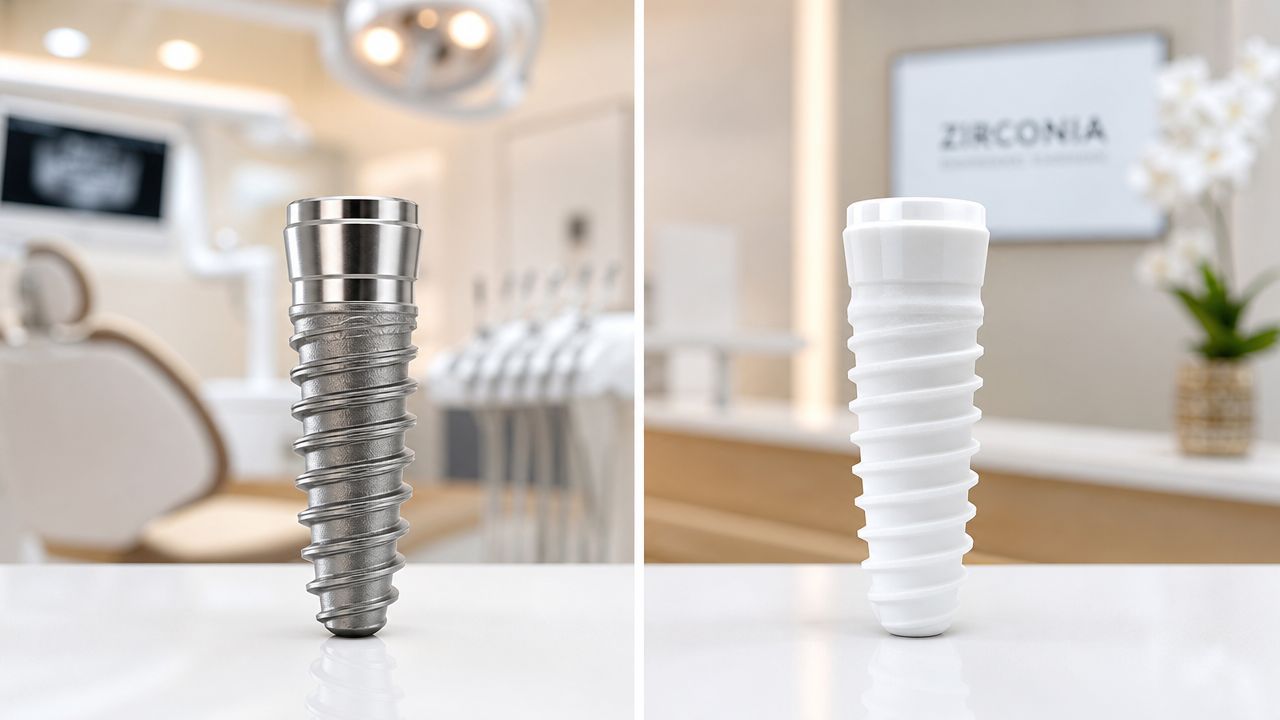
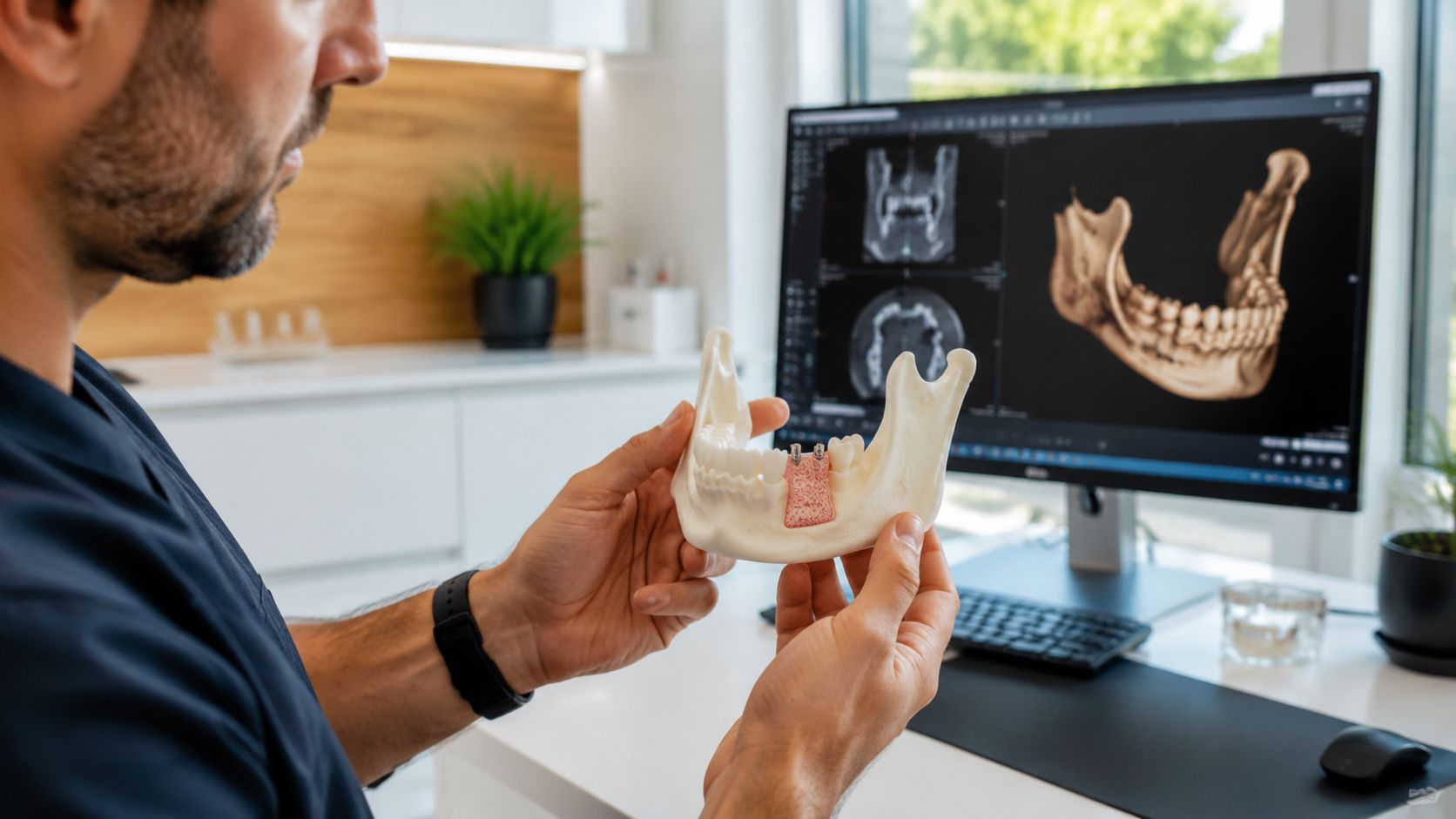
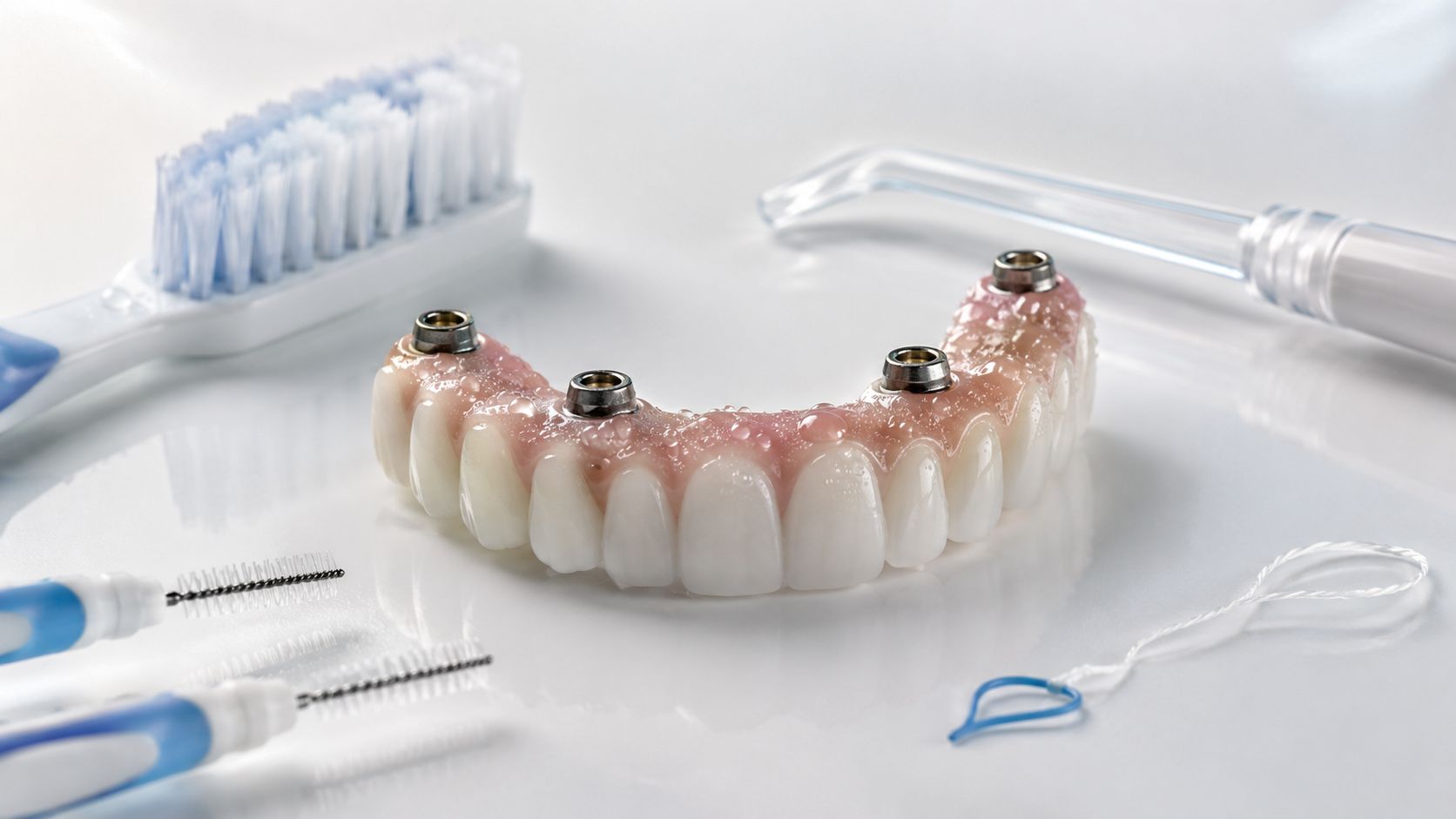
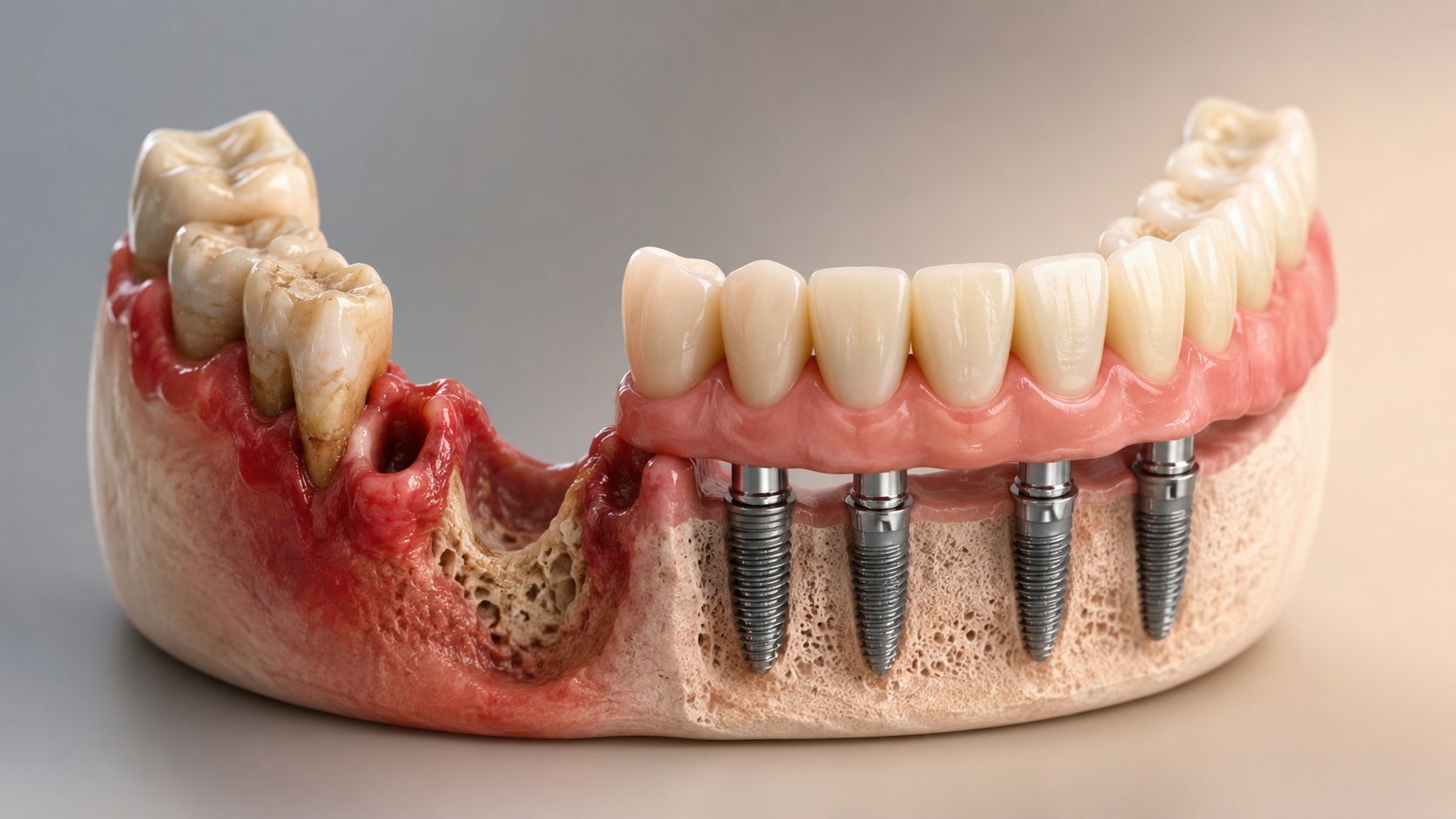
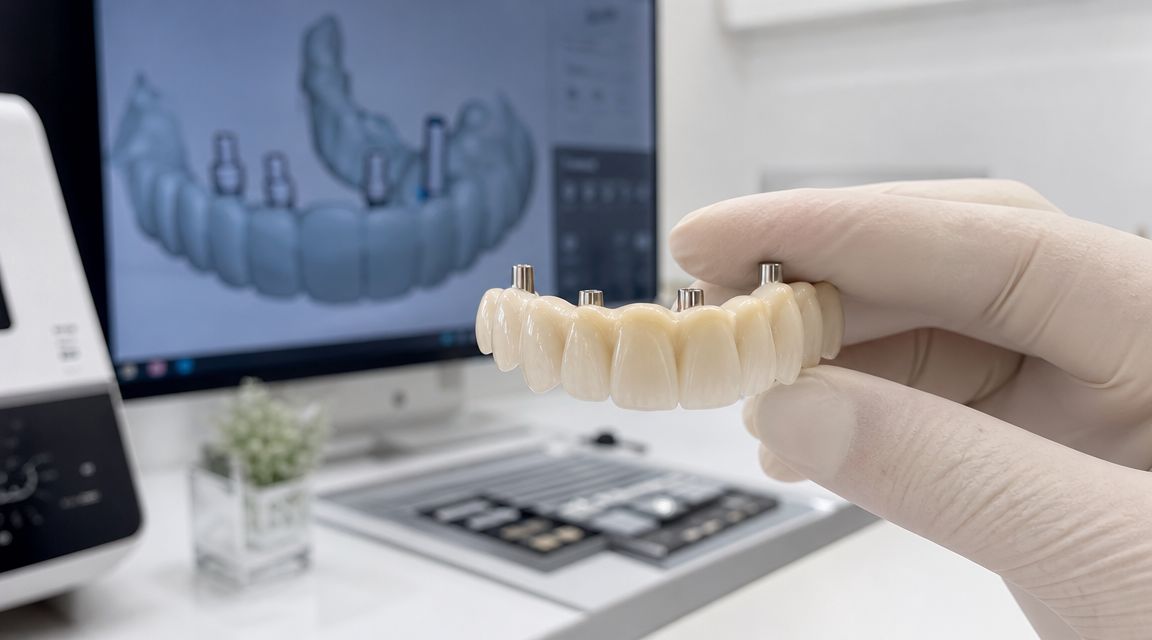
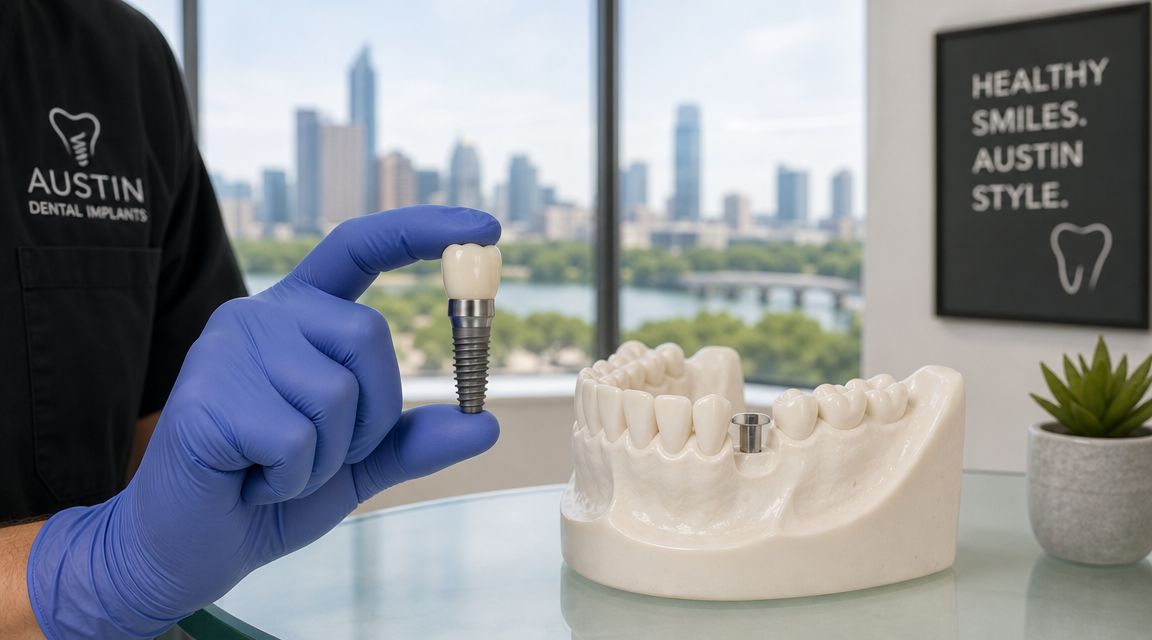
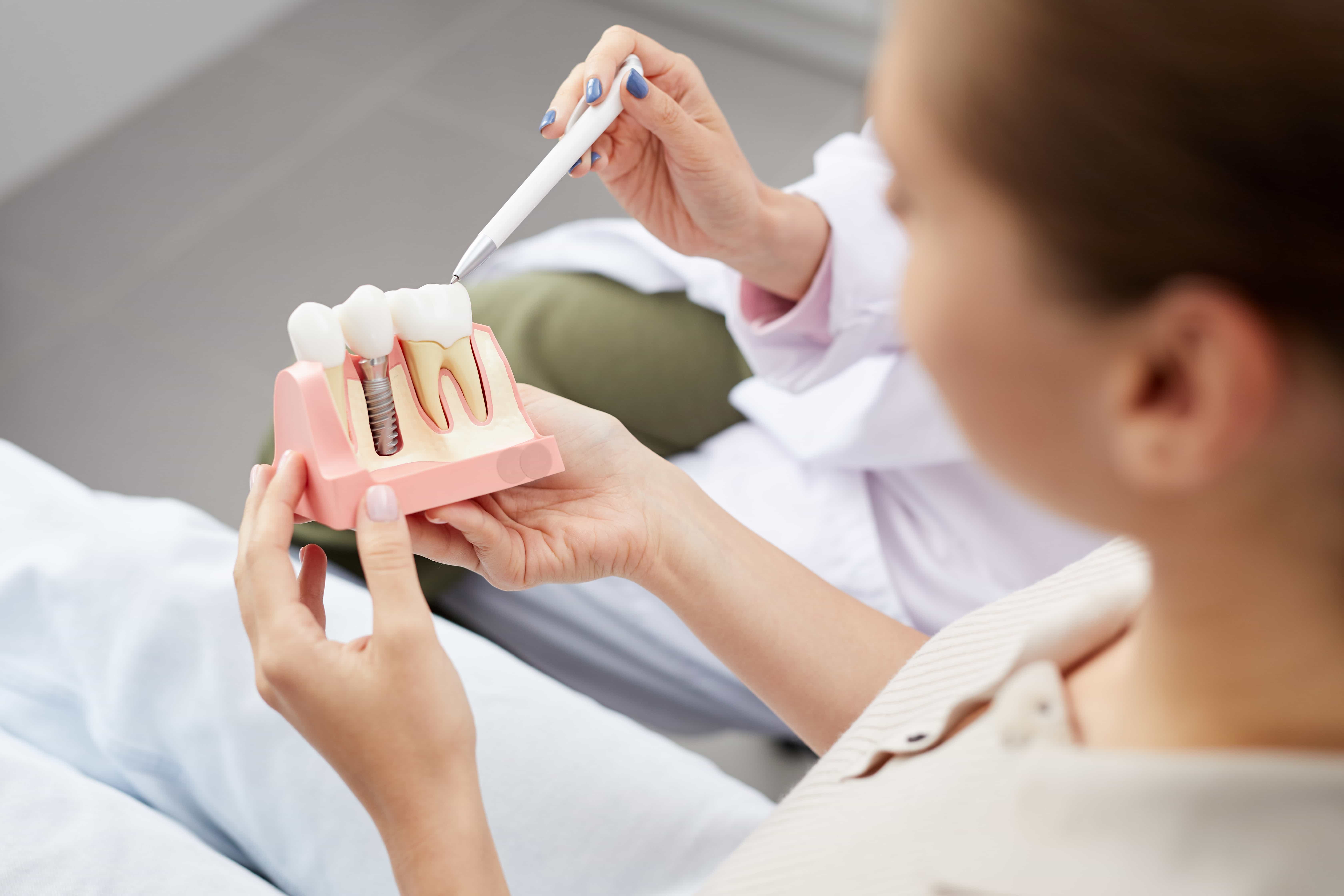
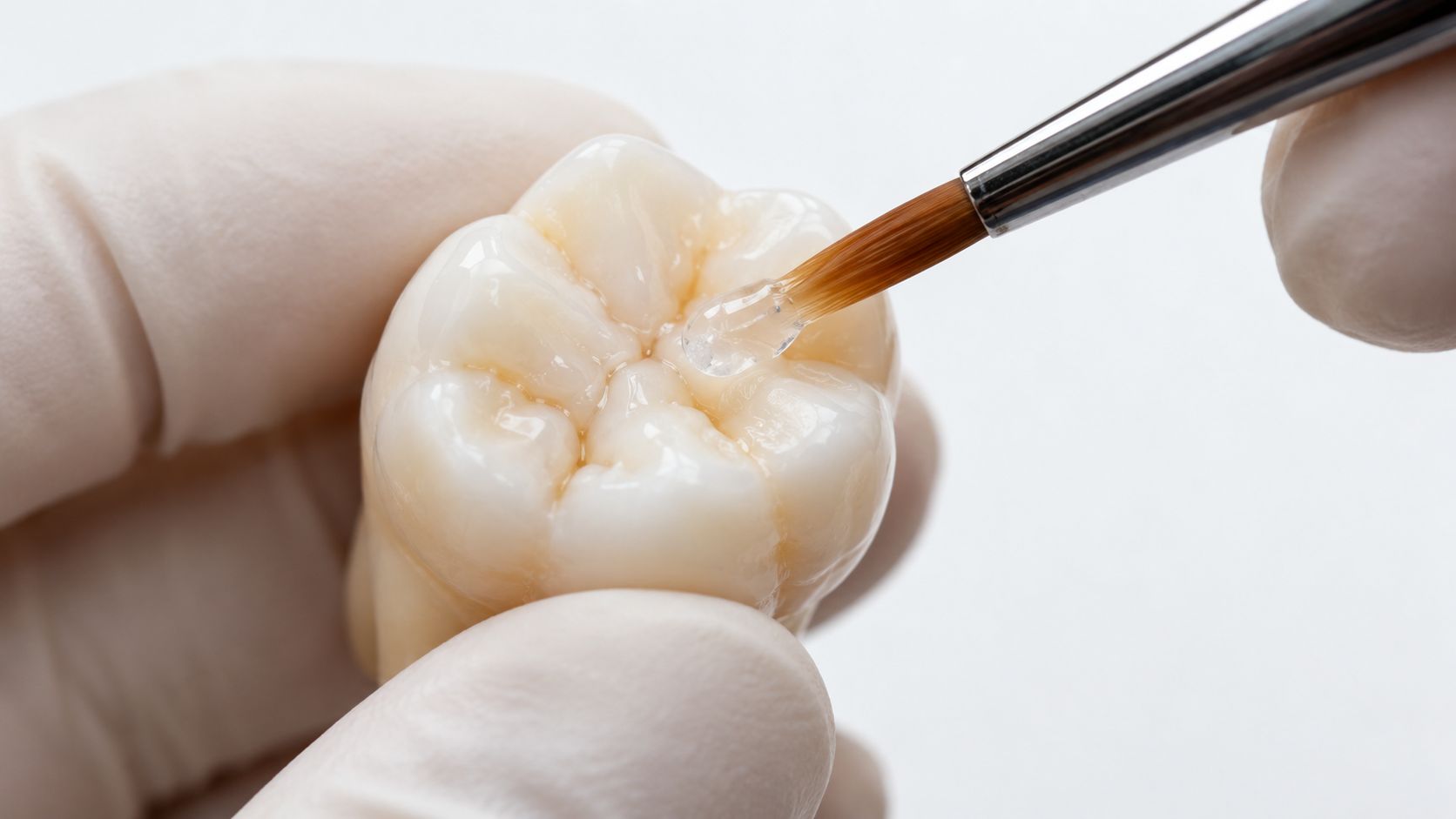
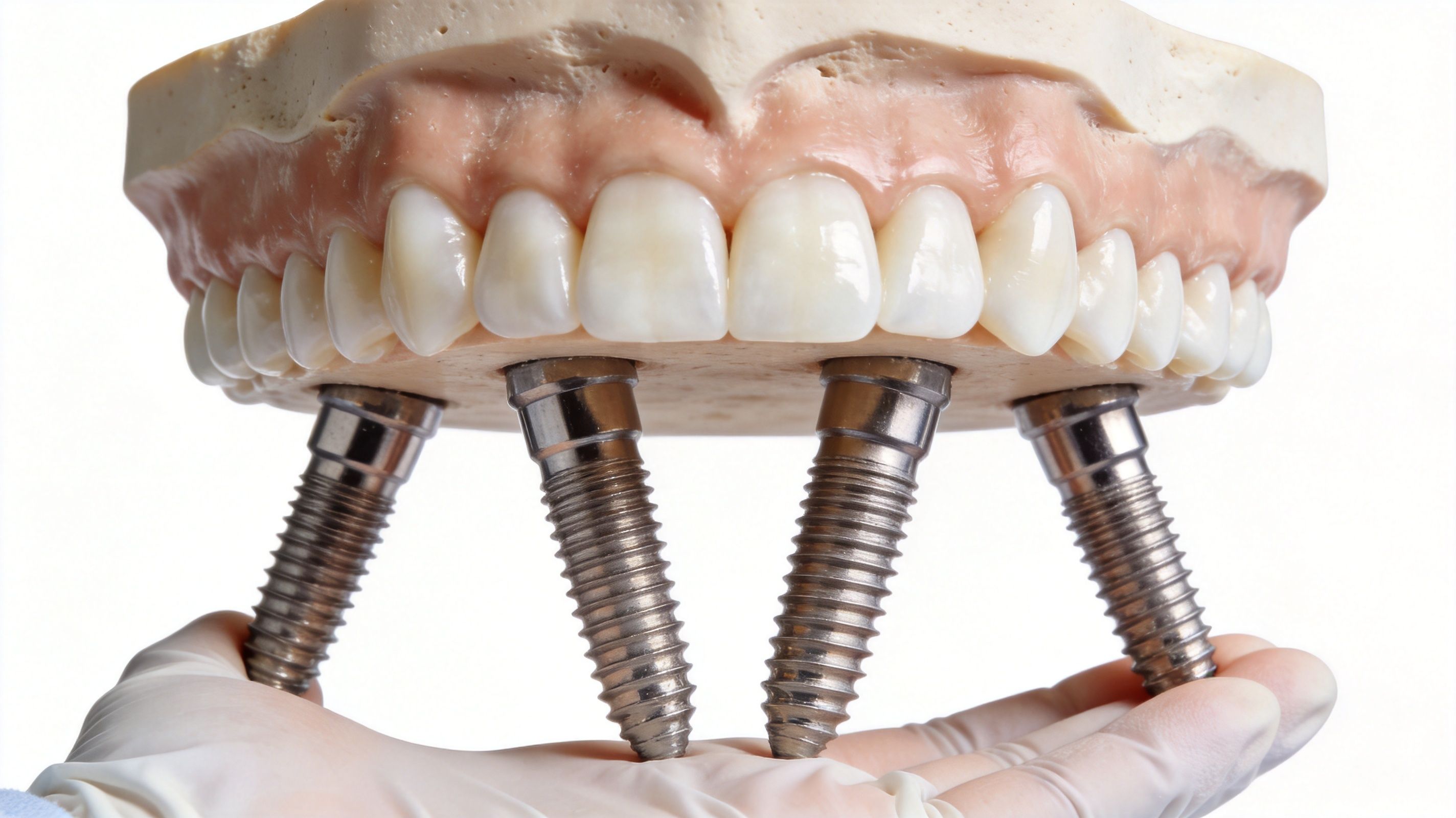
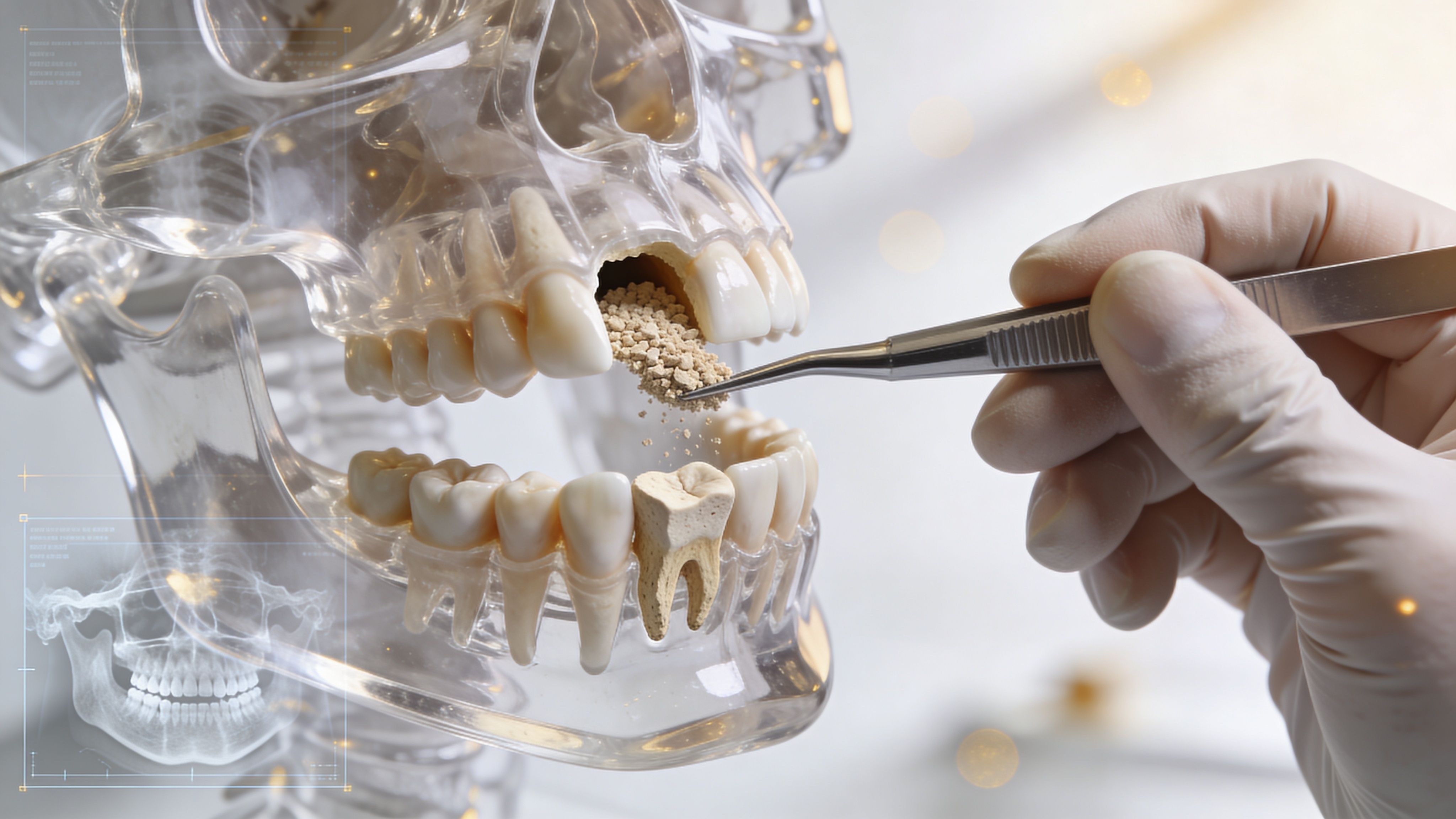
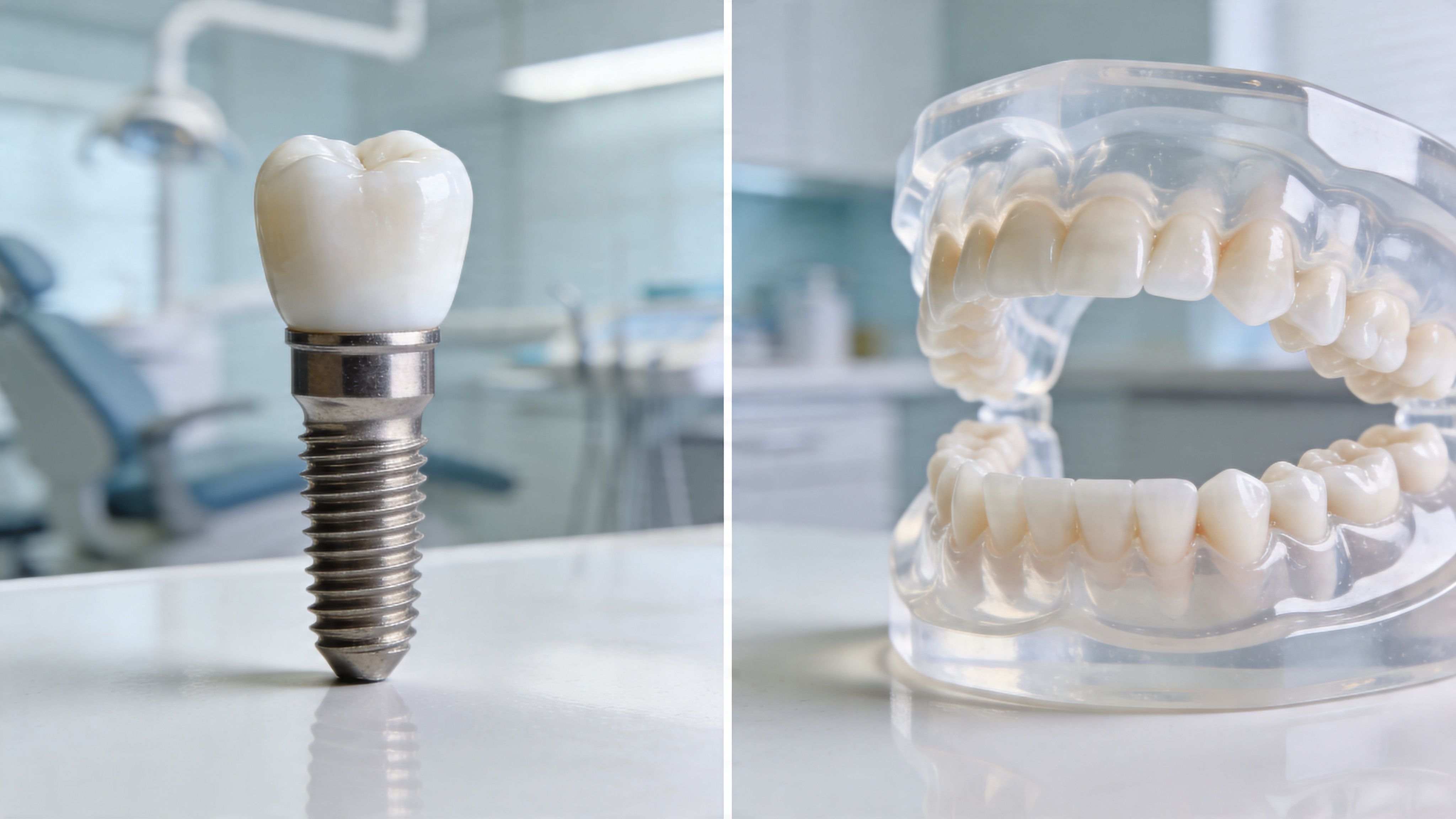
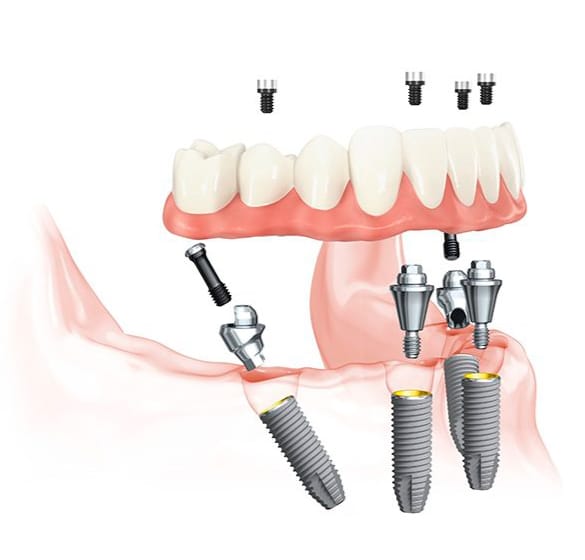
A dental implant consists of three core components designed to mimic a natural tooth completely. The titanium post acts as the artificial root, anchoring directly into the jawbone for maximum stability. The abutment serves as a sturdy connector piece, linking the post to the final visible component, which is the custom crown tailored to match surrounding teeth.
The Power of Osseointegration
Osseointegration is the biological process where the jawbone naturally fuses with the titanium post over a period of several months. This remarkable cellular integration creates a permanent artificial root that stimulates the surrounding bone, preventing the deterioration that usually follows tooth loss. Because the titanium becomes one with the body, the implant gains unparalleled strength and permanence.
Materials Built for Durability
Modern dental implants utilize high-quality materials specifically chosen to resist decay and withstand heavy bite forces. Titanium is prized for its biocompatibility and resistance to corrosion, ensuring the post remains secure and intact over a lifetime. The attached crowns, often made of zirconia or advanced porcelain, provide incredible fracture resistance against the extreme pressures of daily chewing.
The Fundamentals of Modern Dentures
How Dentures Have Evolved
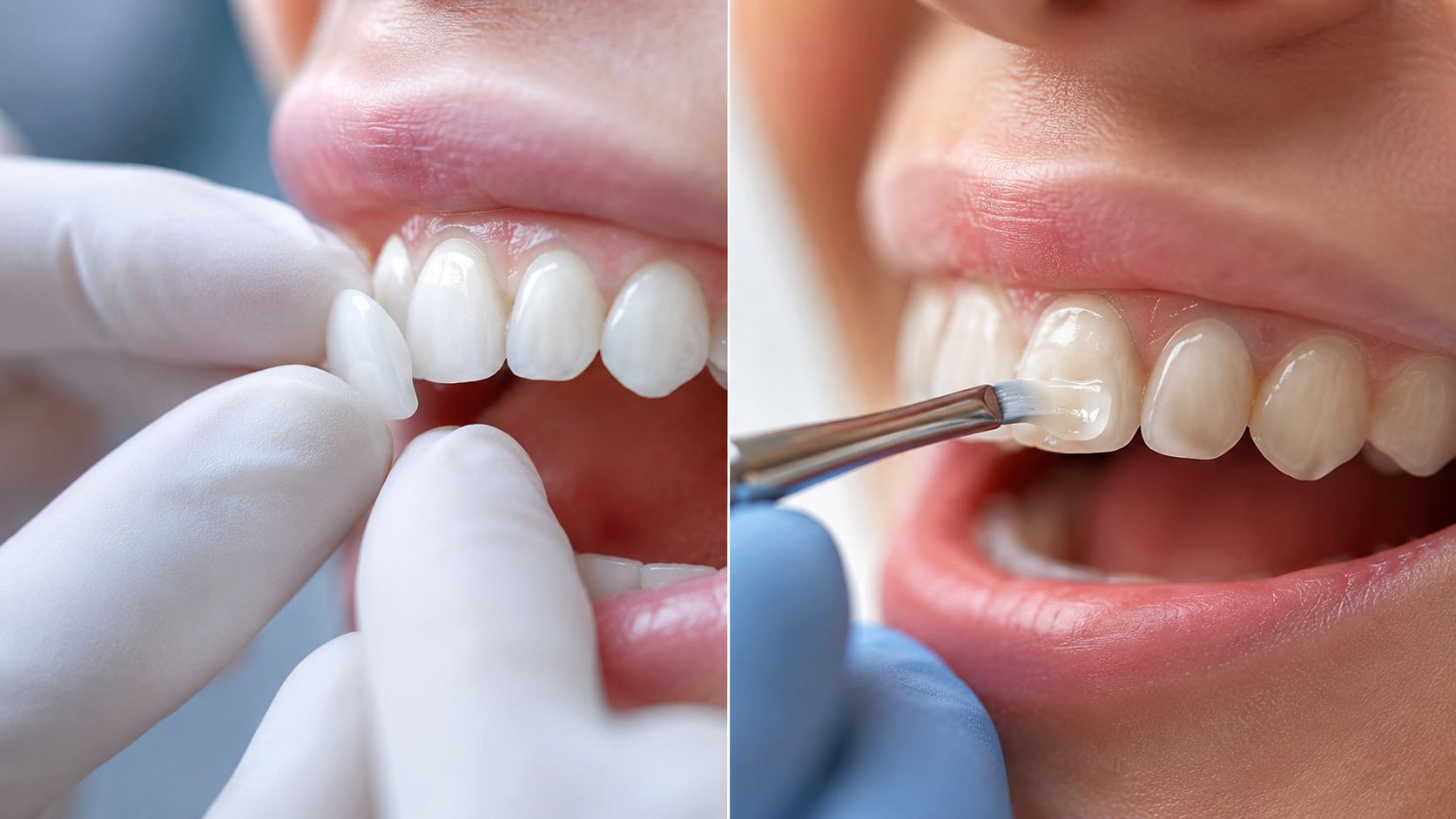
Dentures have transitioned dramatically from the traditional, bulky false teeth of the past to modern, lightweight alternatives. Today’s prosthetics utilize advanced acrylics and resins that closely mimic the natural translucency of real gums and enamel. This evolution in dental materials provides a far more comfortable fit and a highly realistic appearance.
Partial vs. Complete Dentures
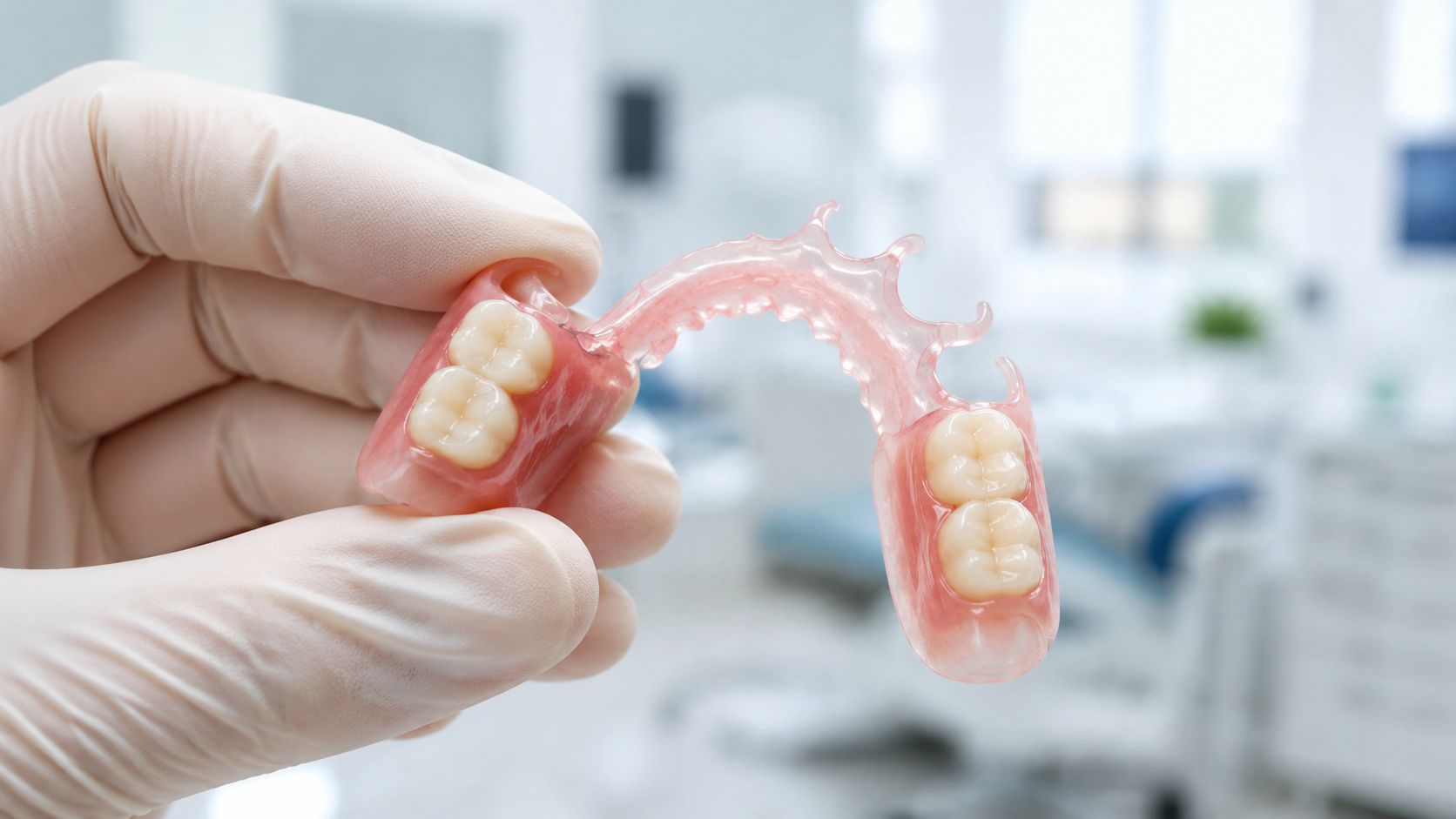
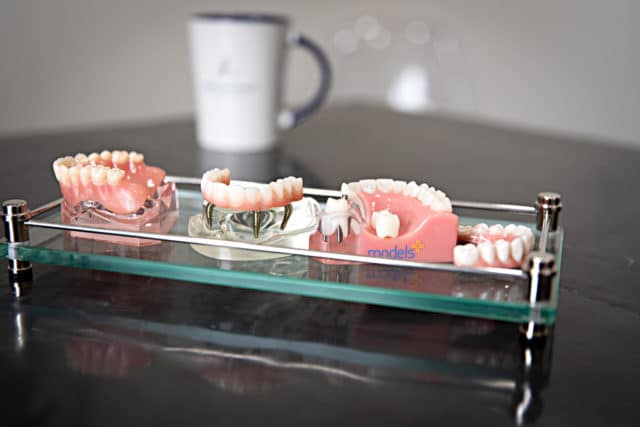
Dentists recommend different types of dentures depending on the extent of a patient's tooth loss. Complete dentures replace an entire arch of missing teeth, resting directly on the gums. Partial dentures fill the gaps left by a few missing teeth, using metal or acrylic clasps to attach securely to remaining natural teeth.
The Mechanics of Denture Support
Unlike implants, dentures rely entirely on the gums, underlying bone structure, and natural suction to stay in place. Upper complete dentures use the broad surface area of the palate to create a vacuum seal, while lower dentures balance on the horseshoe-shaped ridge of the lower jaw. Because they lack an anchored root, these prosthetics sometimes require dental adhesives to maintain stability during meals.
Comparing the Lifespan: Implants vs. Dentures
The Average Lifespan of an Implant
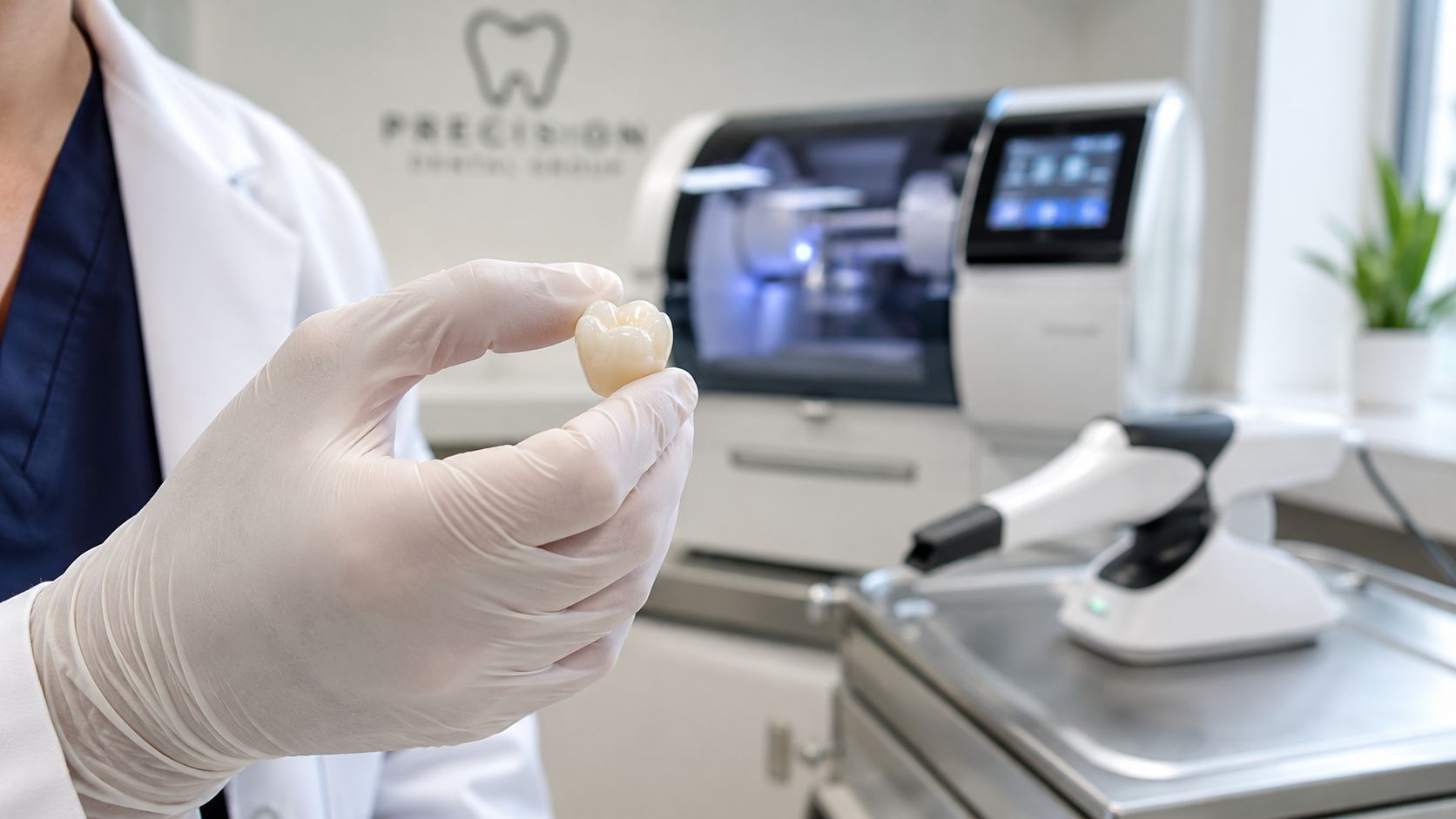
Statistics consistently show that the titanium post of a dental implant can easily last a lifetime with proper care. The surrounding bone permanently protects the post, making failure rates exceptionally low. However, the visible custom crown experiences daily friction and may need replacement after 10 to 15 years.
How Long Do Dentures Typically Last?
Conventional dentures follow a typical 5- to 7-year replacement cycle due to material wear and inevitable oral changes. The acrylic base degrades over time from constant use, and the artificial teeth eventually lose their chewing efficiency. Furthermore, the jawbone shrinks over the years, causing once-perfect dentures to become loose and uncomfortable.
Why the Timeline Varies for Every Patient
Individual physiology, lifestyle choices, and oral health habits play a massive role in how long any prosthetic will last. A patient with meticulous brushing habits and excellent bone density will see their dental work survive much longer than someone who neglects daily hygiene. Diet and habits like smoking also significantly alter these average lifespans.
Factors That Influence Implant Longevity
The Role of Bone Health and Density
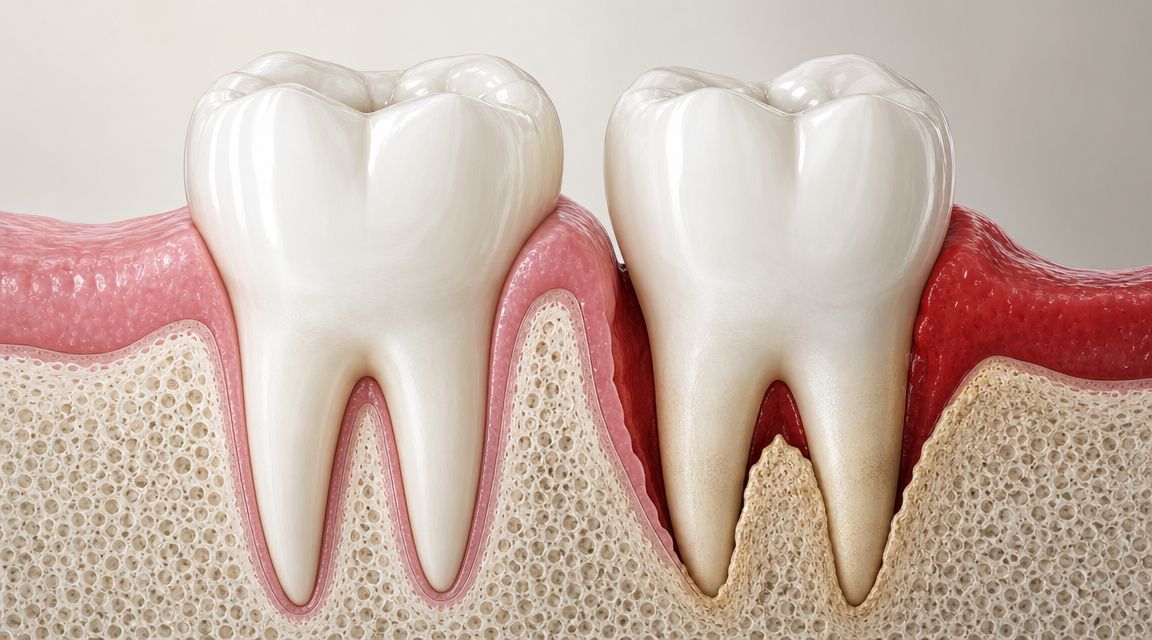
A strong, healthy jawbone is absolutely non-negotiable for the long-term success and stability of an implant. The titanium post requires adequate bone volume to anchor securely and endure the immense pressure of chewing. If bone density diminishes due to osteoporosis or severe gum disease, the implant may loosen and ultimately fail.
Daily Oral Hygiene Practices
While teeth implants cannot get cavities, the surrounding gums remain highly susceptible to disease if not brushed and flossed regularly. Plaque buildup can lead to peri-implantitis, an inflammatory condition that destroys the tissue and bone supporting the artificial root. Maintaining a strict daily cleaning routine ensures the foundation stays healthy and infection-free.
Habits That Threaten Implant Success
Certain lifestyle behaviors can quickly compromise the structural integrity of even the strongest dental implant. Smoking restricts blood flow to the gums, severely delaying healing and increasing the risk of bacterial infections. Teeth grinding, known as bruxism, and chewing on hard objects like ice place unnatural stress on the porcelain crown, potentially causing it to chip or fracture.
What Affects the Durability of Dentures?
Bone Resorption and Changing Jaw Shapes
Bone loss naturally occurs after tooth extraction, fundamentally changing the shape of the jawbone over the ensuing years. This process, known as bone resorption, causes the gum ridges to shrink and flatten out. Consequently, dentures that once fit perfectly will begin to slip, requiring professional relining or complete replacement to restore comfort.
Proper Cleaning and Storage Routines
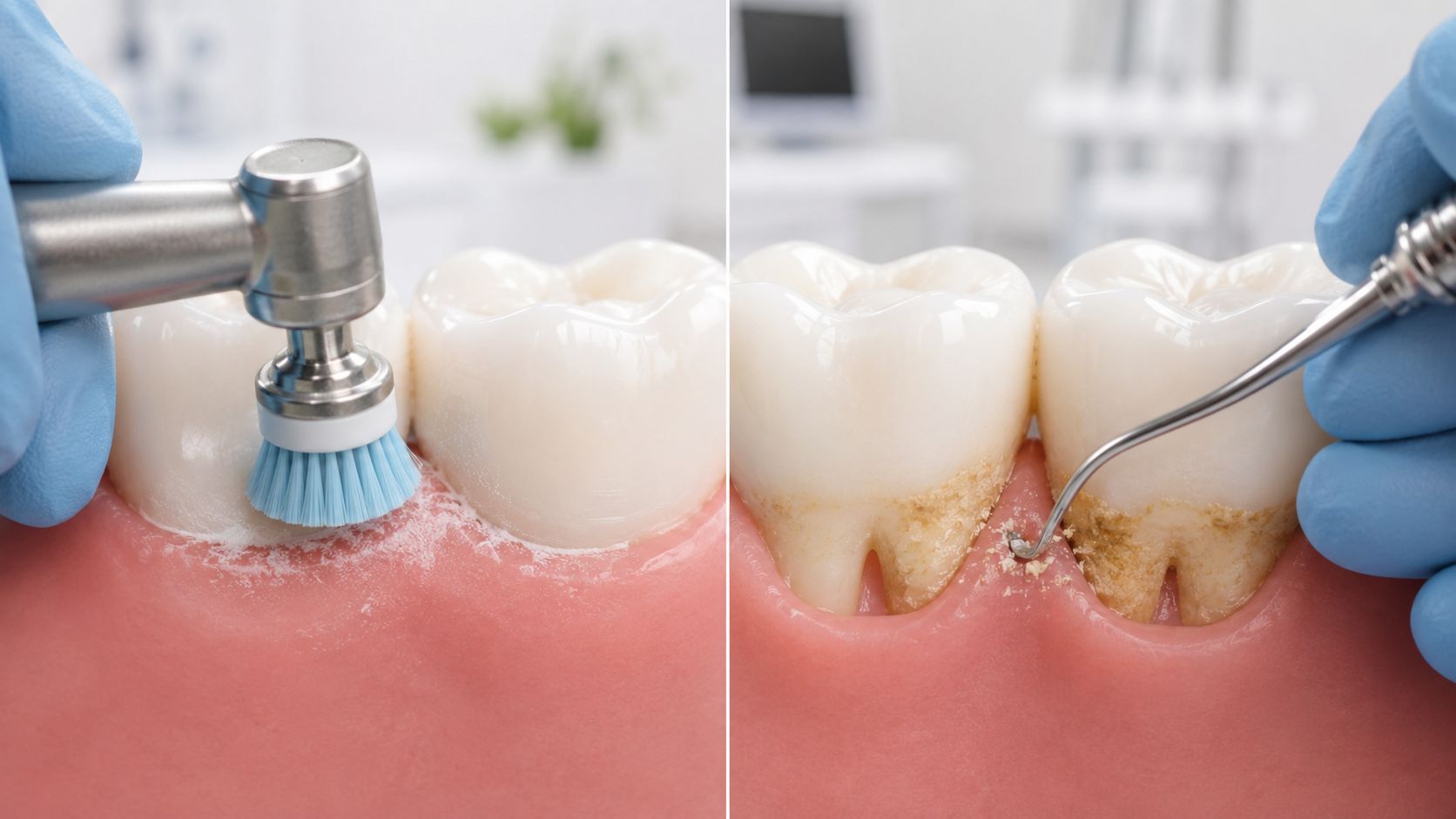
Improper handling and maintenance can drastically reduce the functional lifespan of removable dentures. Dropping the prosthetic on a hard surface, using abrasive toothpaste, or letting the acrylic dry out overnight can cause warping and micro-fractures. Following a gentle cleaning routine and soaking the dentures in water or a specialized solution keeps the material pliable and intact.
Wear and Tear from Daily Chewing
The acrylic materials used in dentures simply degrade faster than natural enamel or porcelain under the constant pressure of daily meals. Over several years of continuous use, the artificial teeth become dull and worn down, making it harder to grind up food. This inevitable physical degradation forces patients to replace the prosthetic to regain efficient chewing function.
The Hidden Costs of Replacement Over Time
Upfront Investment vs. Long-Term Value
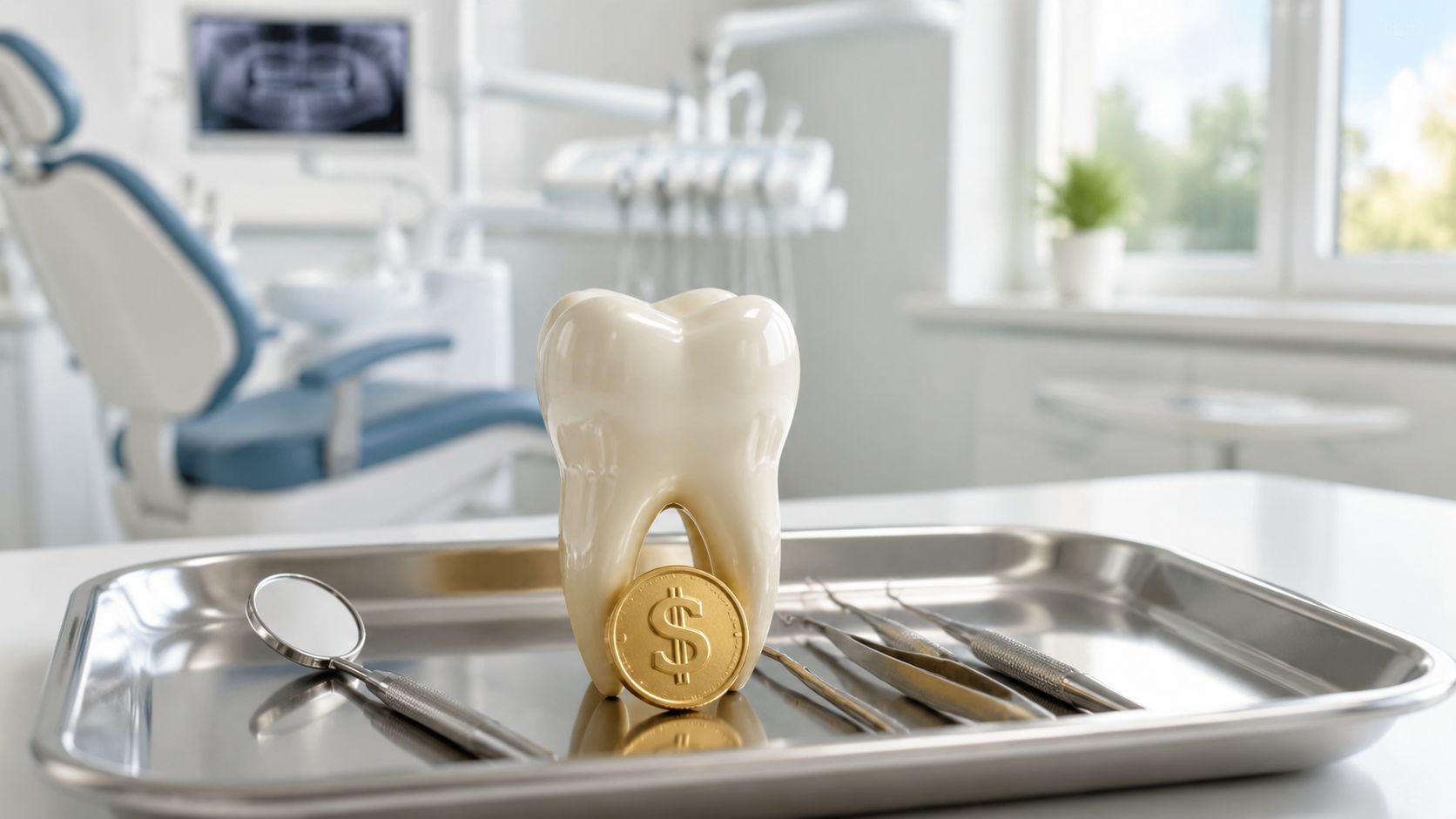
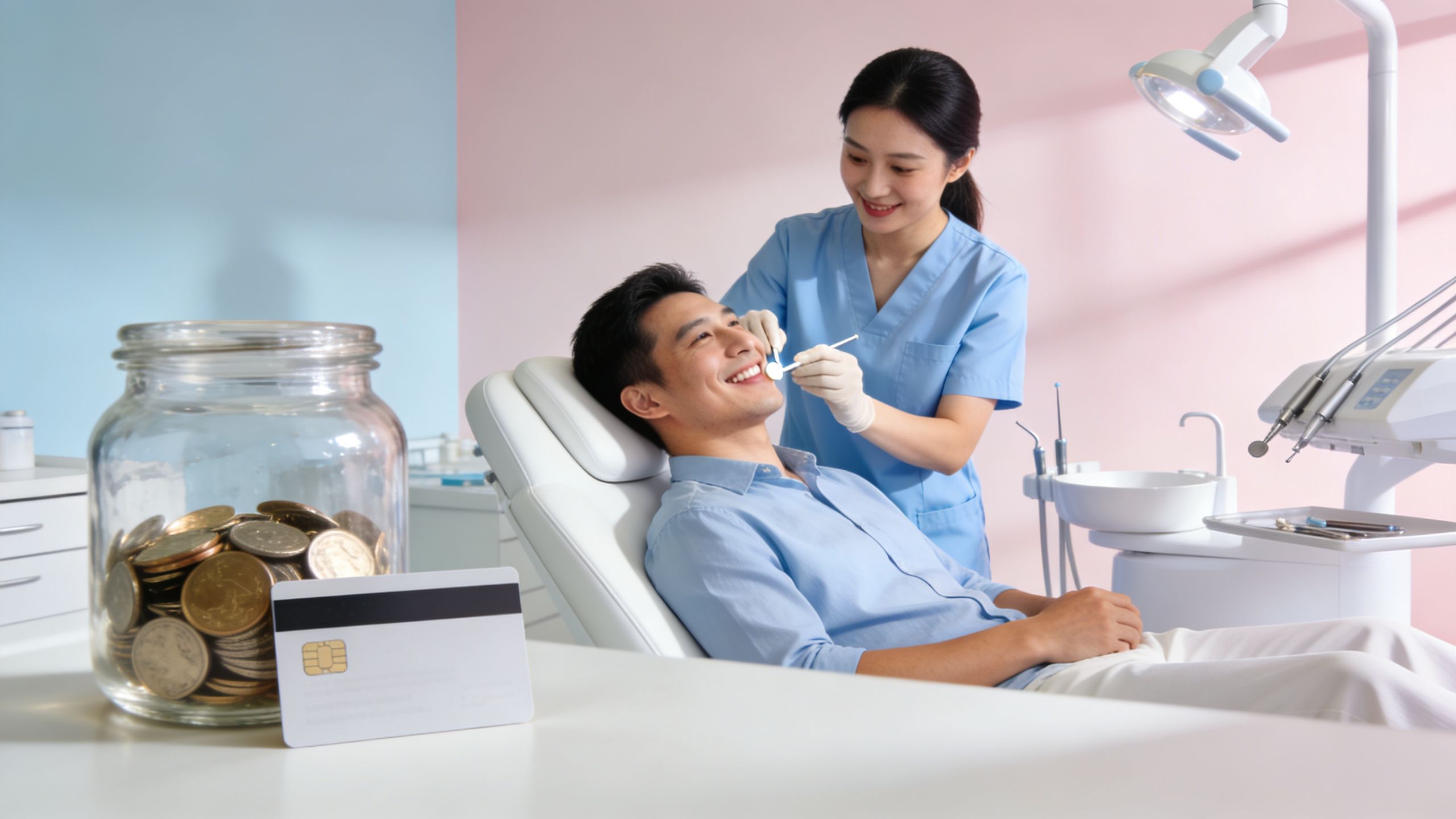
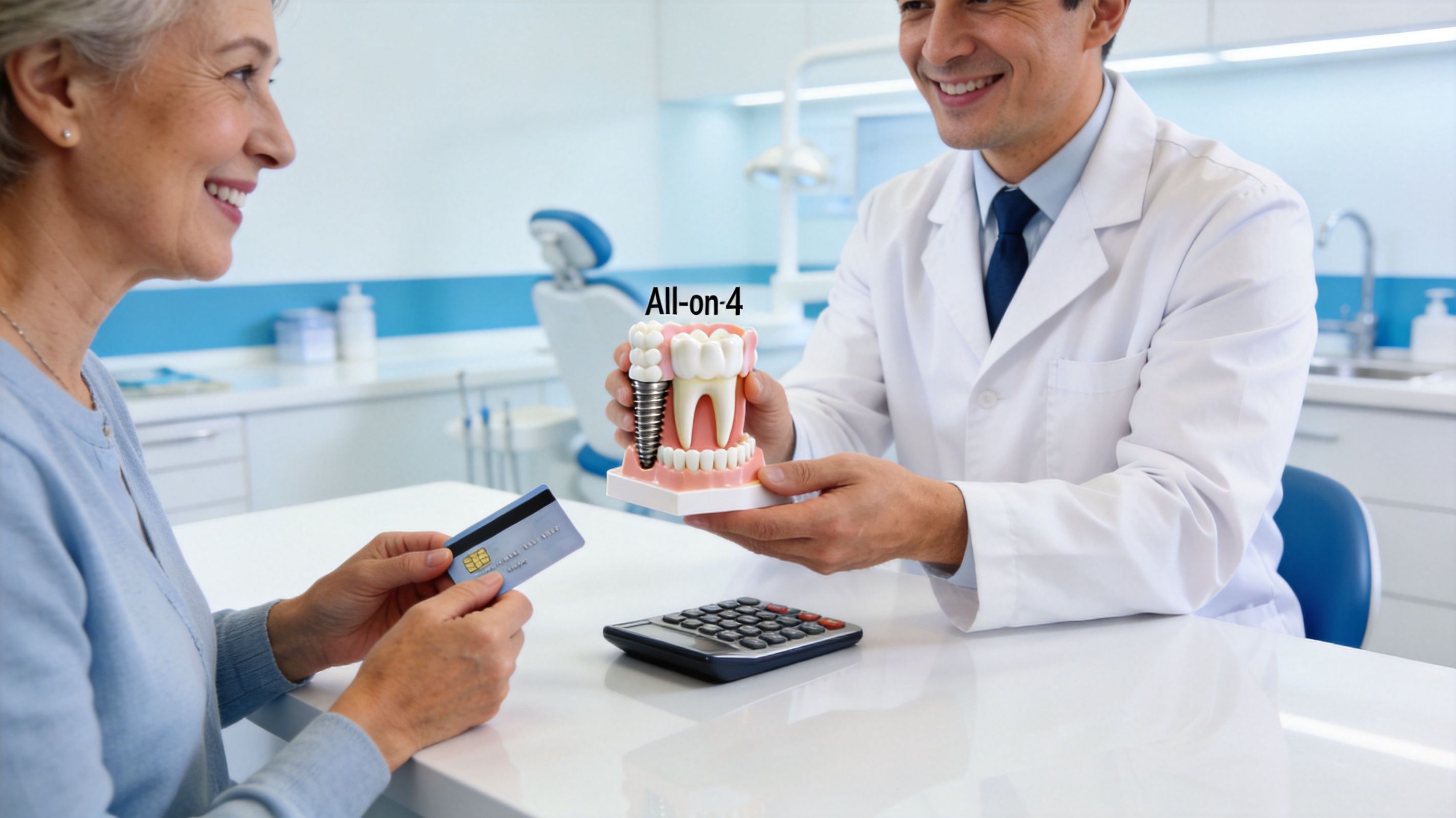
Dental implants carry a higher initial price tag, but they offer incredible long-term value by eliminating the need for frequent replacements. Dentures boast a much lower upfront cost, making them highly accessible for immediate restoration. However, dentures incur recurring costs for adhesives, specialized cleaning solutions, periodic relines, and eventual full replacements.
The Financial Impact of Denture Adjustments
Keeping removable prosthetics comfortable as the mouth changes shape requires routine maintenance that adds up financially. Denture relining is necessary every year or two to add new material to the base, compensating for natural bone shrinkage. Over a decade, the combined costs of these adjustments and a mandatory replacement set can rival the price of a permanent implant.
Navigating Your Options with 3D Dental
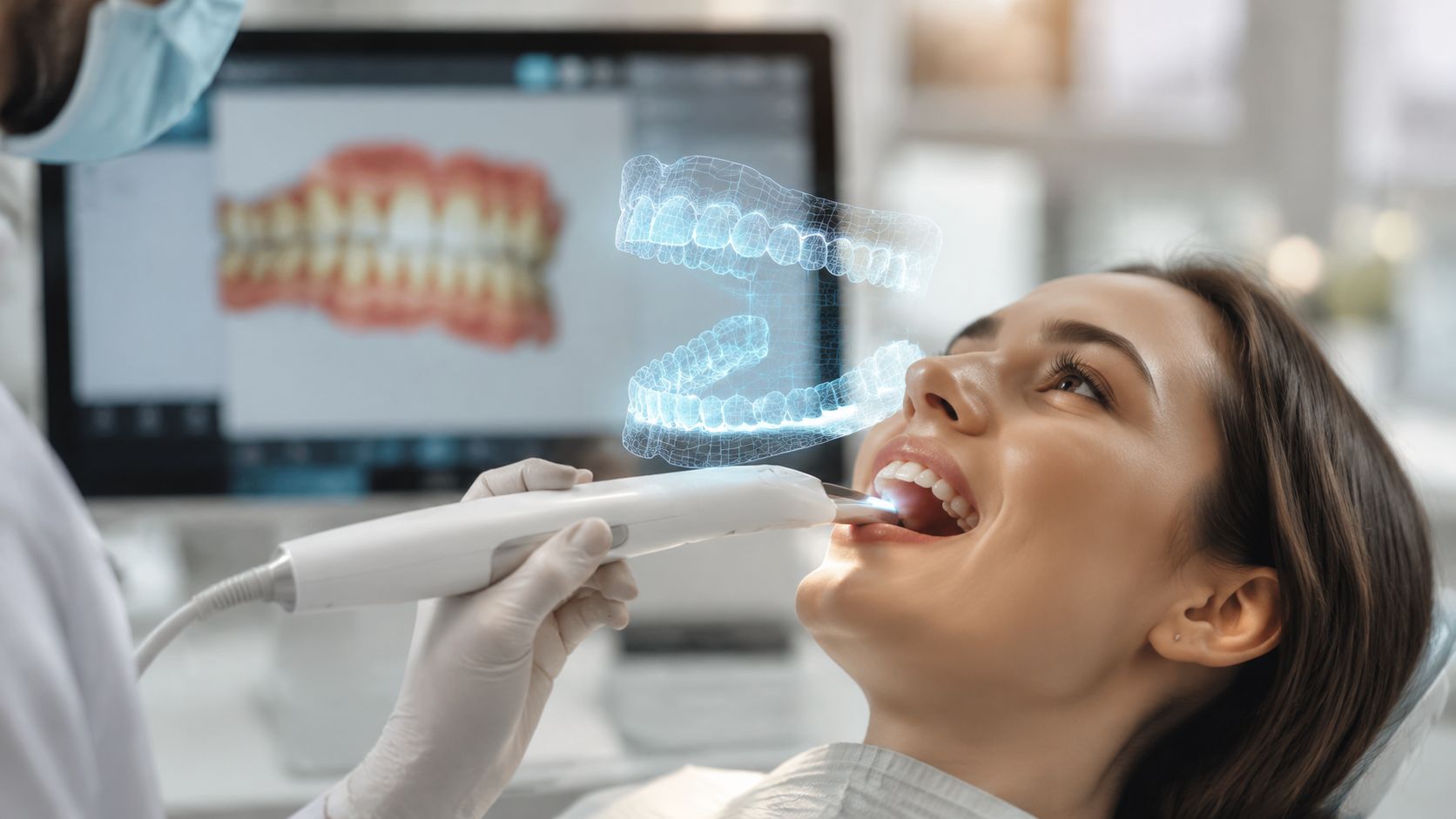
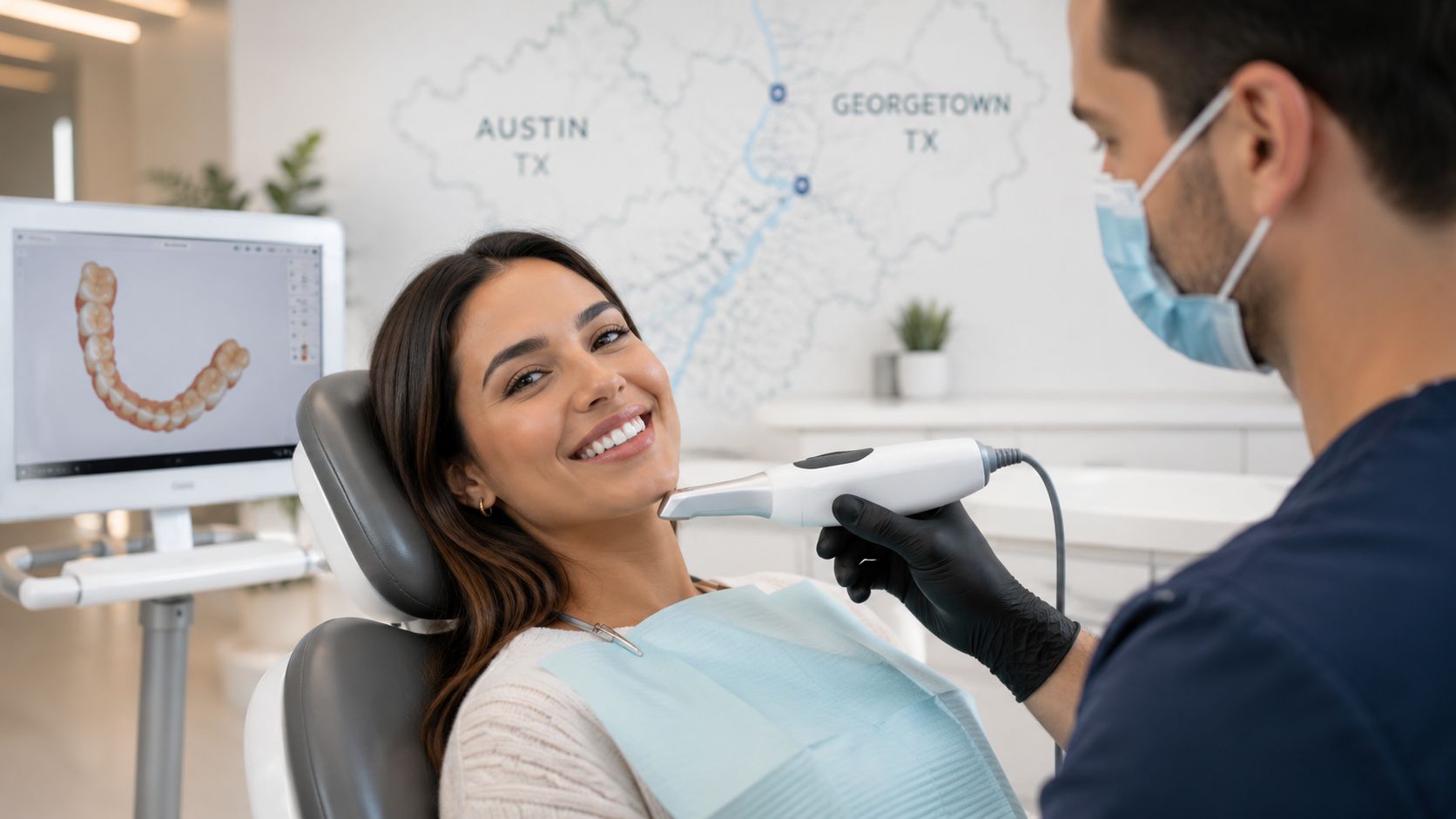
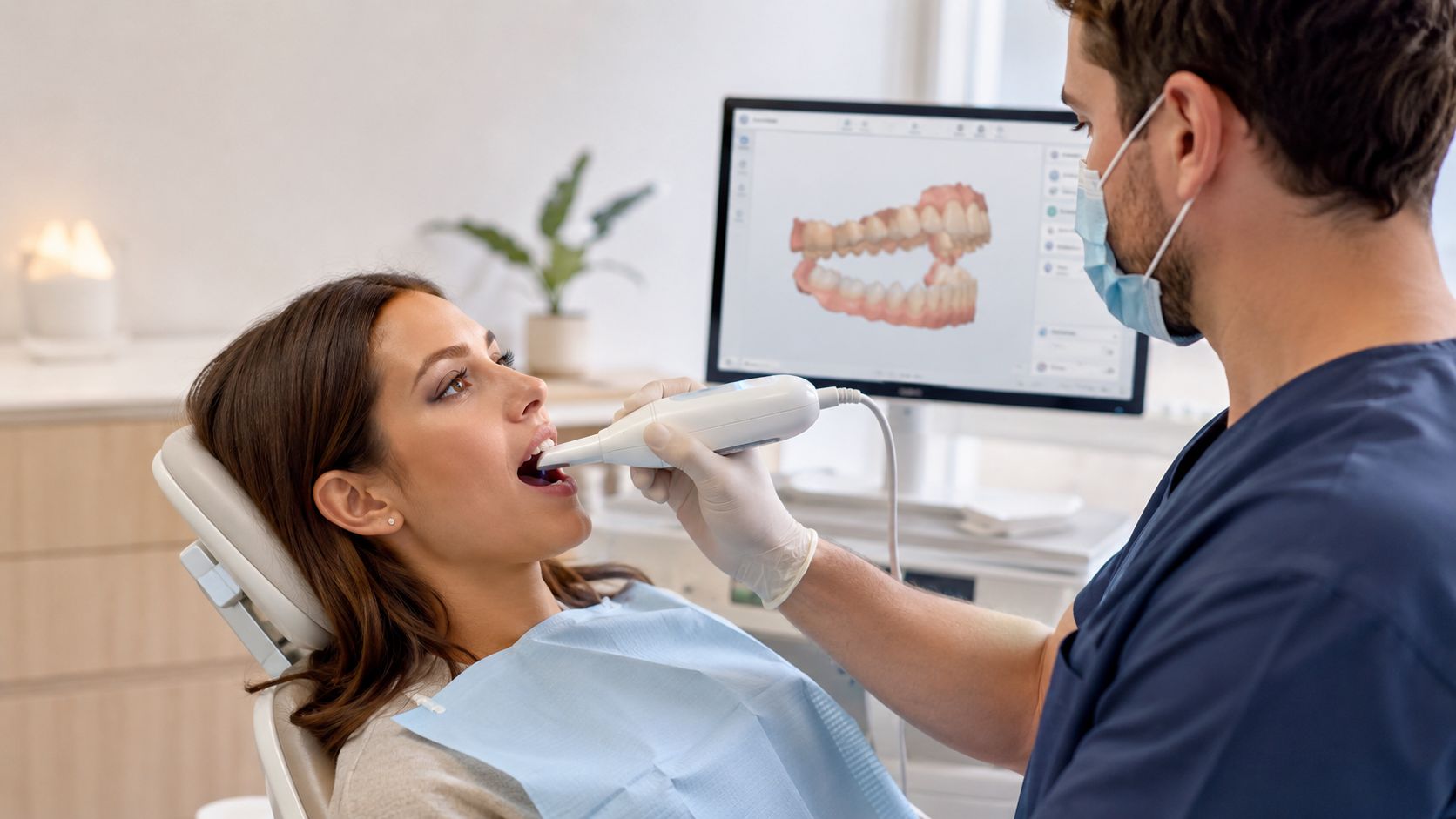
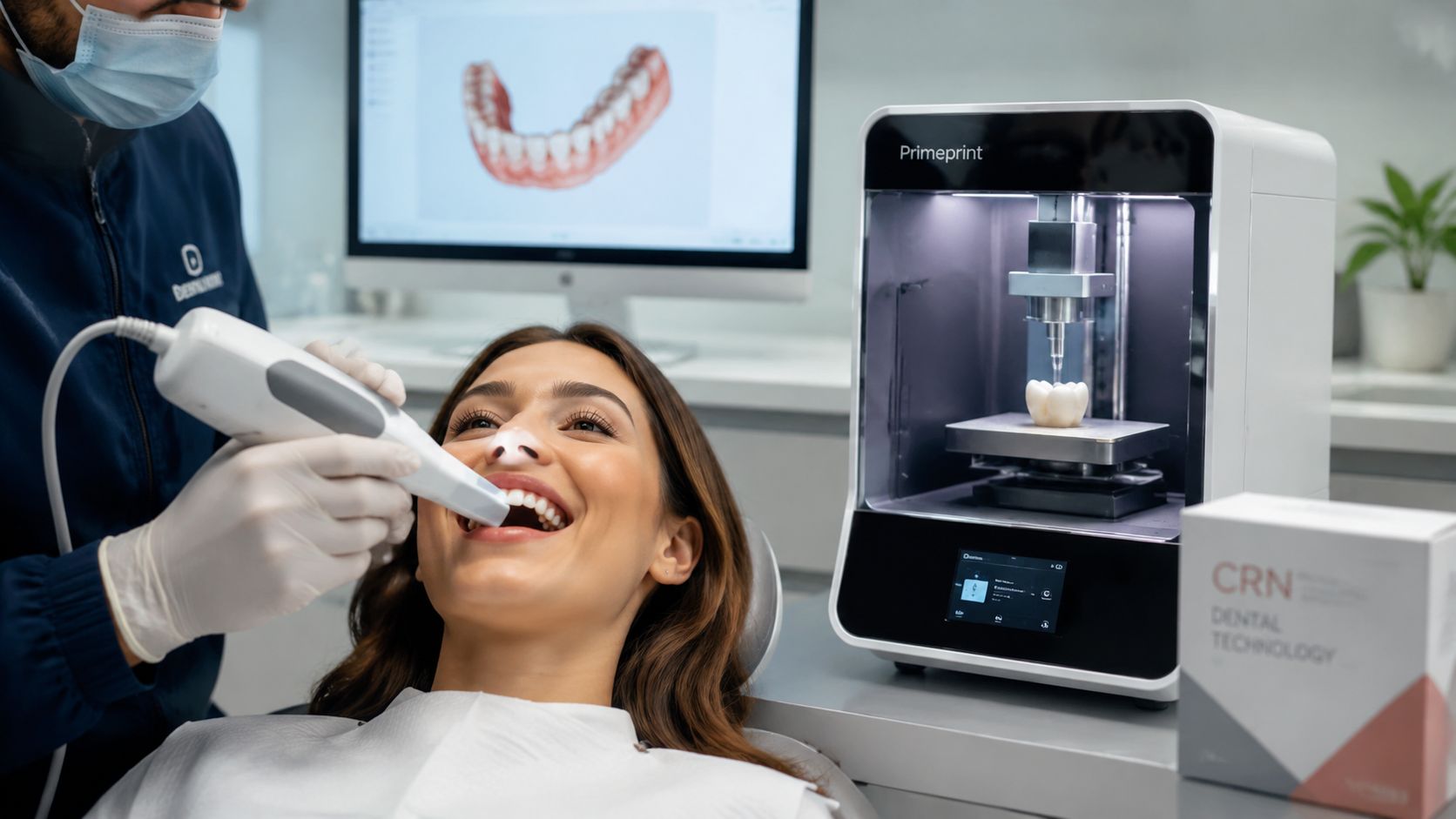
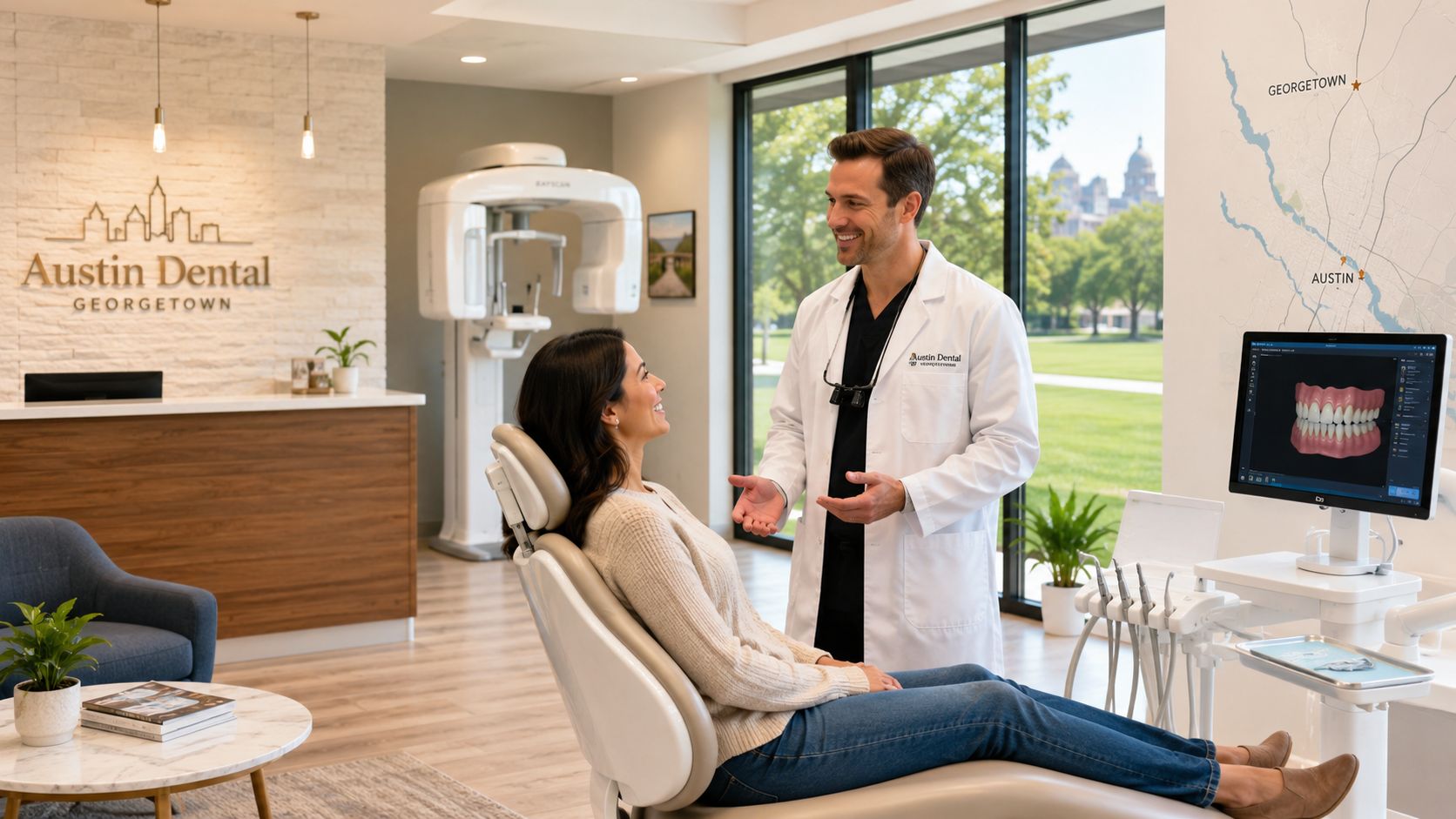
The experienced professionals at 3D Dental assist patients in mapping out the most cost-effective path for tooth replacement. By utilizing advanced imaging and thorough consultations, the clinic helps individuals balance immediate budget limitations with the lifetime value of various prosthetics. This personalized guidance ensures patients invest in a solution that makes the most financial and clinical sense.
Quality of Life and Daily Functionality
Eating Your Favorite Foods Without Worry
Dental implants restore full bite strength, allowing individuals to eat crunchy, tough, or sticky foods without a second thought. Dentures often impose significant dietary restrictions, as the prosthetic can dislodge when biting into apples or chewing dense meats. Having a permanent, anchored tooth replacement completely removes the anxiety of navigating a dinner menu.
Speaking Clearly and Confidently
Implants eliminate the fear of slipping or the embarrassing clicking noises that sometimes happen with poorly fitted dentures. Because the artificial root sits permanently in the jaw, the tongue and lips move naturally against the crown to form clear words. This stability allows individuals to engage in conversations, deliver presentations, and laugh loudly with total confidence.
The Psychological Impact of a Stable Smile
The mental and emotional benefits of having a permanent tooth replacement that feels exactly like a natural tooth are profound. Individuals no longer worry about taking their teeth out at night or keeping their mouth hidden during social interactions. A stable, beautiful smile directly boosts self-esteem and greatly improves overall mental well-being.
Making the Right Choice for Your Future
Evaluating Your Current Oral Health Status
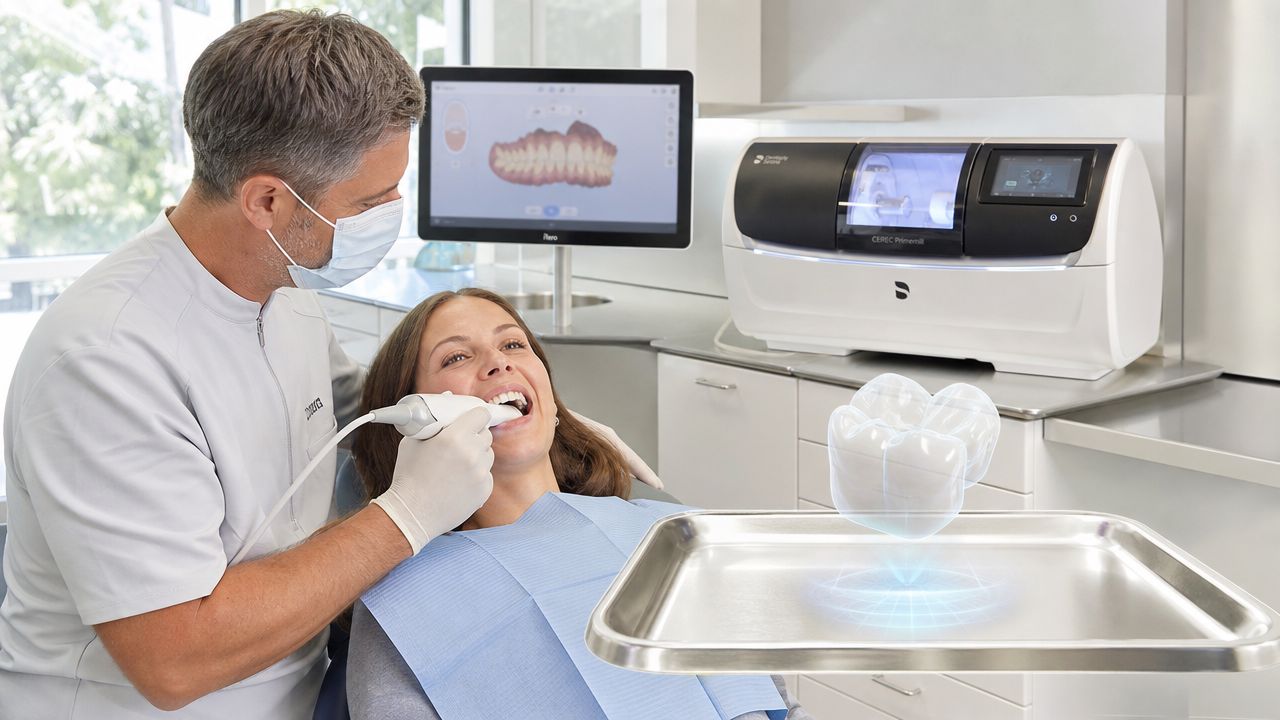
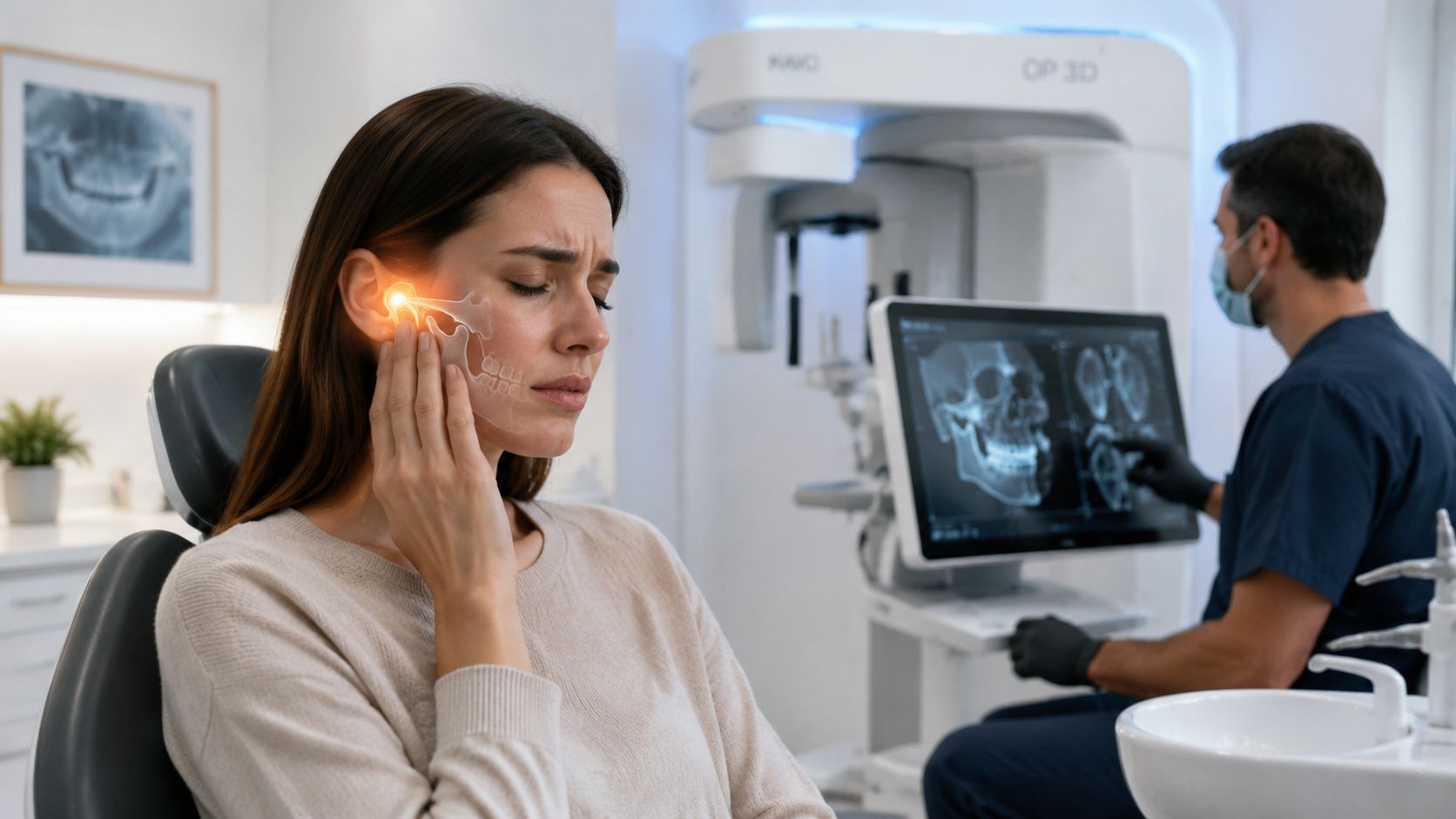
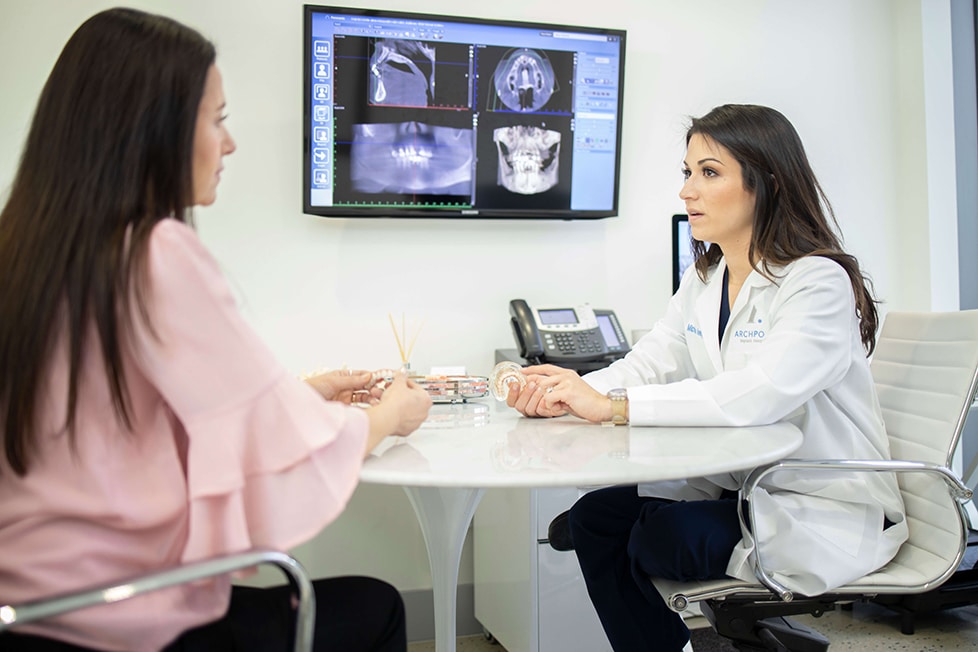
A thorough dental exam, including precise 3D imaging, determines if a patient is a better candidate for one option over the other. The dentist assesses existing bone density, gum health, and the condition of any remaining teeth to create a safe treatment plan. This clinical evaluation highlights biological factors that might make implants ideal or point toward dentures as the safer route.
Balancing Budget Constraints with Lifestyle Goals
Patients need a solid framework for weighing their current financial situation against how active they want their lifestyle to be. Someone seeking a maintenance-free solution for decades of travel and dining out might prioritize the investment of an implant. Conversely, an individual needing rapid aesthetic restoration on a tight budget might find modern dentures to be the perfect immediate fit.
Important Questions to Ask Your Dentist
Bringing a short list of specific questions to a consultation ensures patients feel completely confident in their finalized treatment plan. Individuals should ask about the expected timeline, hidden maintenance costs, and what happens if a prosthetic fails or breaks. Gathering this crucial information directly from the provider eliminates surprises and builds necessary trust.
Taking the Next Step Toward Your New Smile
While dental implants service offer superior longevity and unmatched bone preservation, modern dentures remain a highly viable and accessible option for many patients. The permanent nature of an implant prevents bone loss and provides incredible strength, yet dentures continue to provide reliable aesthetic and functional restoration. Both solutions have improved dramatically through modern dental technology.
Ultimately, the best choice depends entirely on individual health needs, specific lifestyle preferences, and realistic financial considerations. There is no universally perfect answer, only the right answer for each unique situation. Evaluating the pros and cons honestly leads to the most satisfying long-term outcome.
Schedule a comprehensive consultation today to evaluate unique jaw structure and get a highly personalized recommendation. Professional guidance ensures every question gets answered and every concern gets addressed. Take action to reclaim a healthy, functional, and fully confident smile.
3D Dental Texas
https://maps.app.goo.gl/XMPCB3A1TnEpUHFAA
(512) 831-7918
12854 Research Blvd Austin TX 78750
Ready to get started?
Schedule a free, no obligation consultation with our team and see what's possible for your smile!
Georgetown
- Mon-Thurs8:30am-5pm
- Fri8am-3:30pm
- Sat-SunClosed
Austin
- Mon-Tues8am-5pm
- Wed-Thurs9am-6pmFri8am-2pm
- Sat-SunClosed