
Choosing Dental Implant Materials: Titanium vs. Zirconia
Related Posts




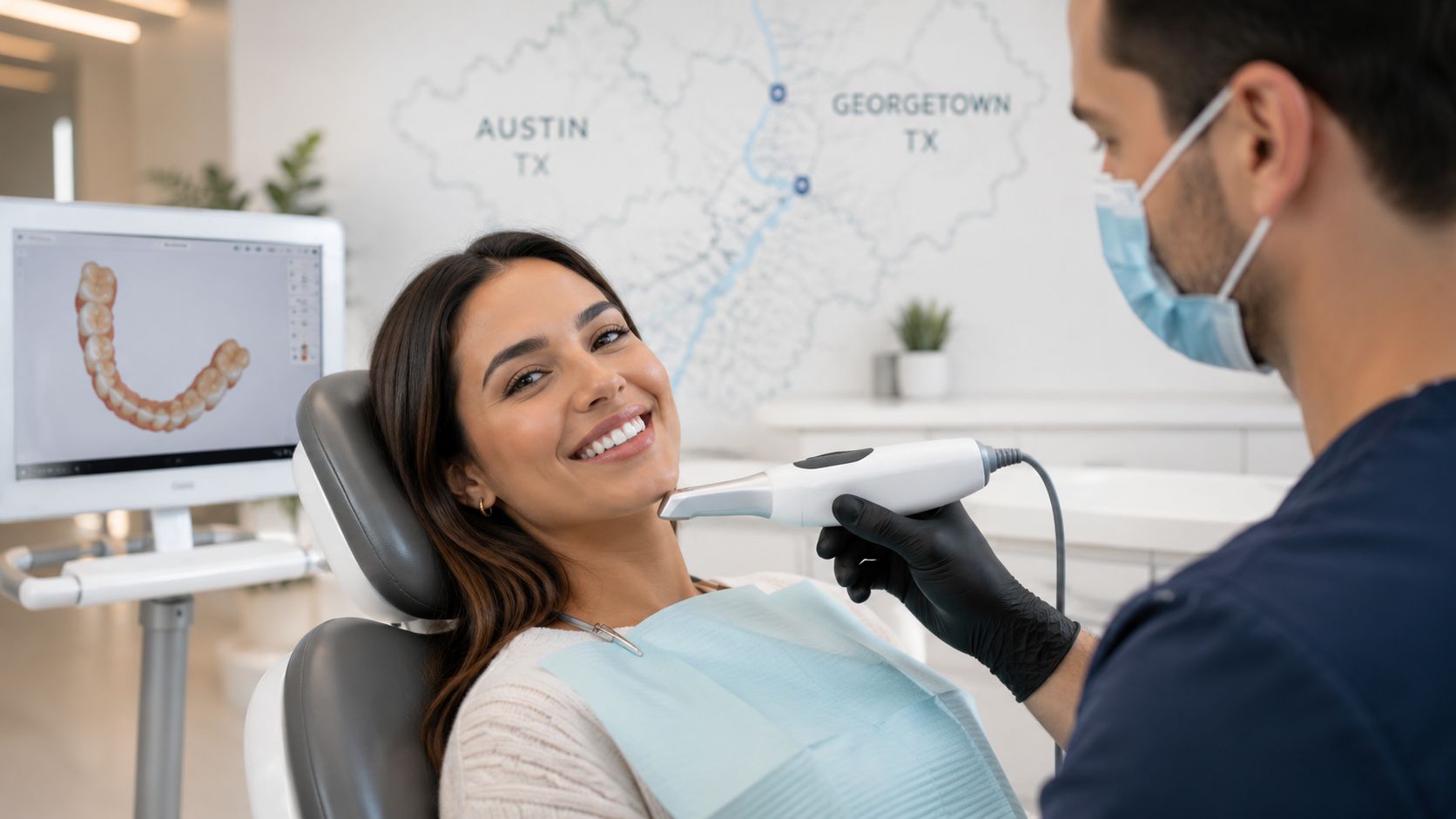
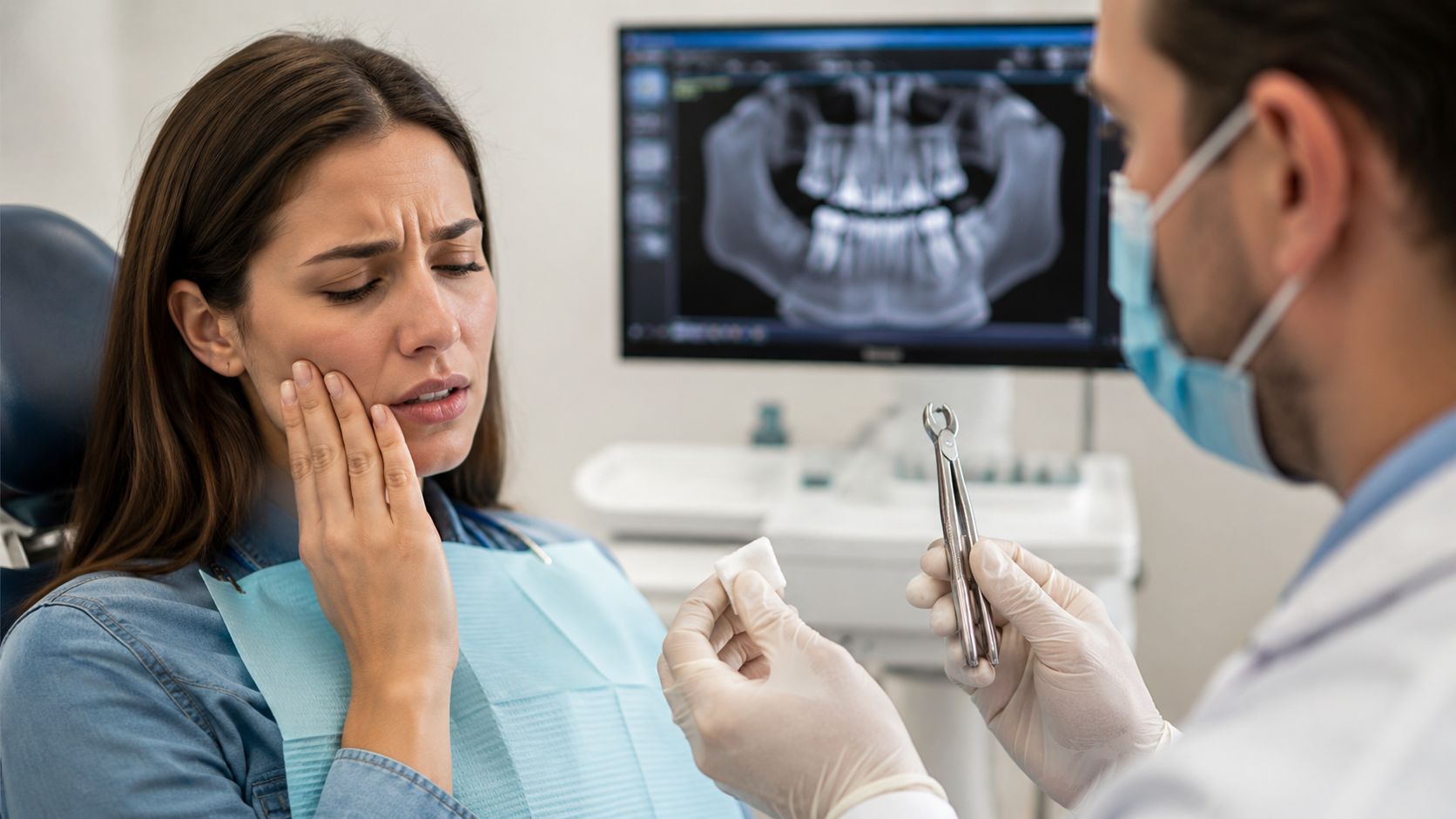
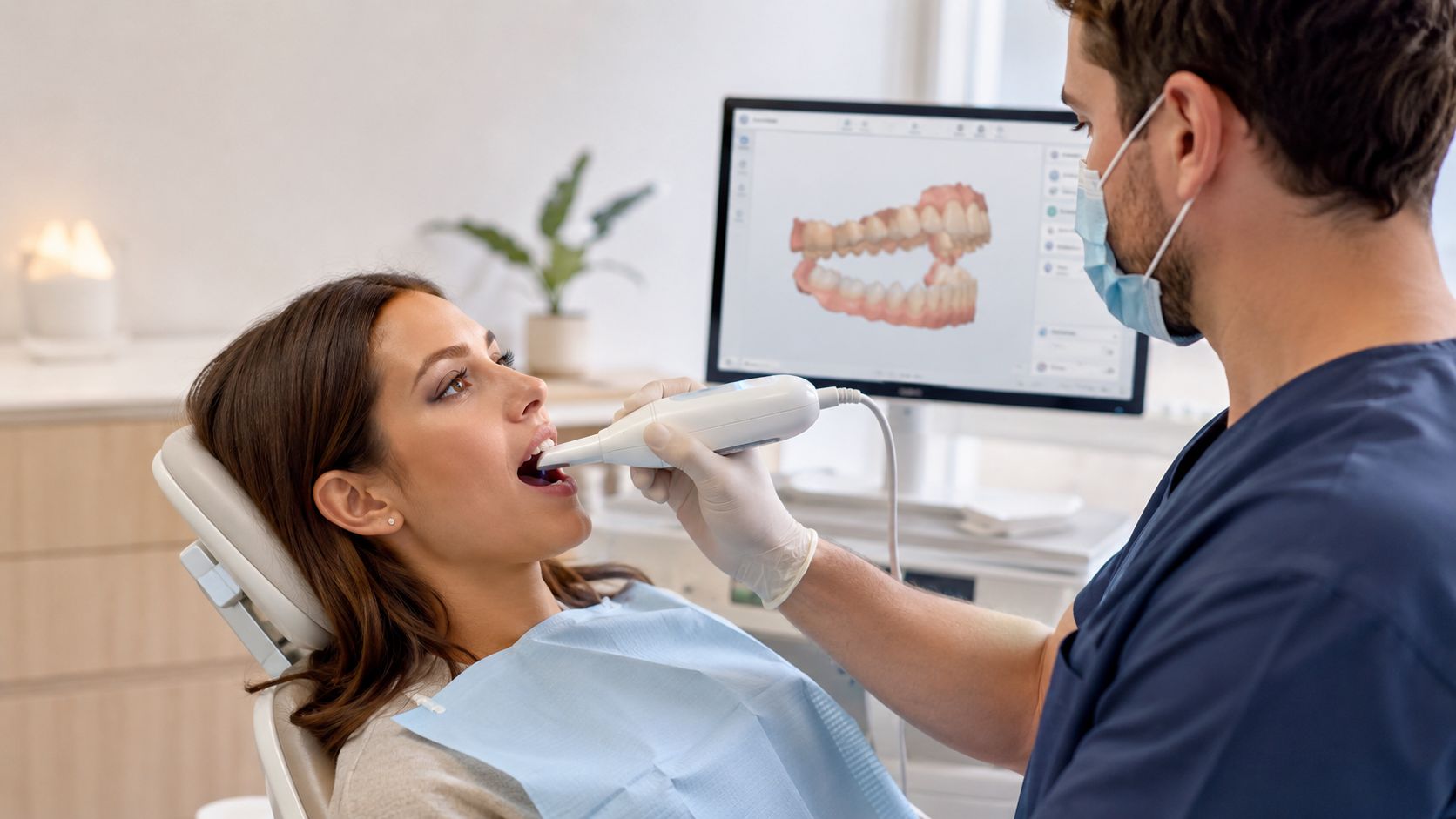


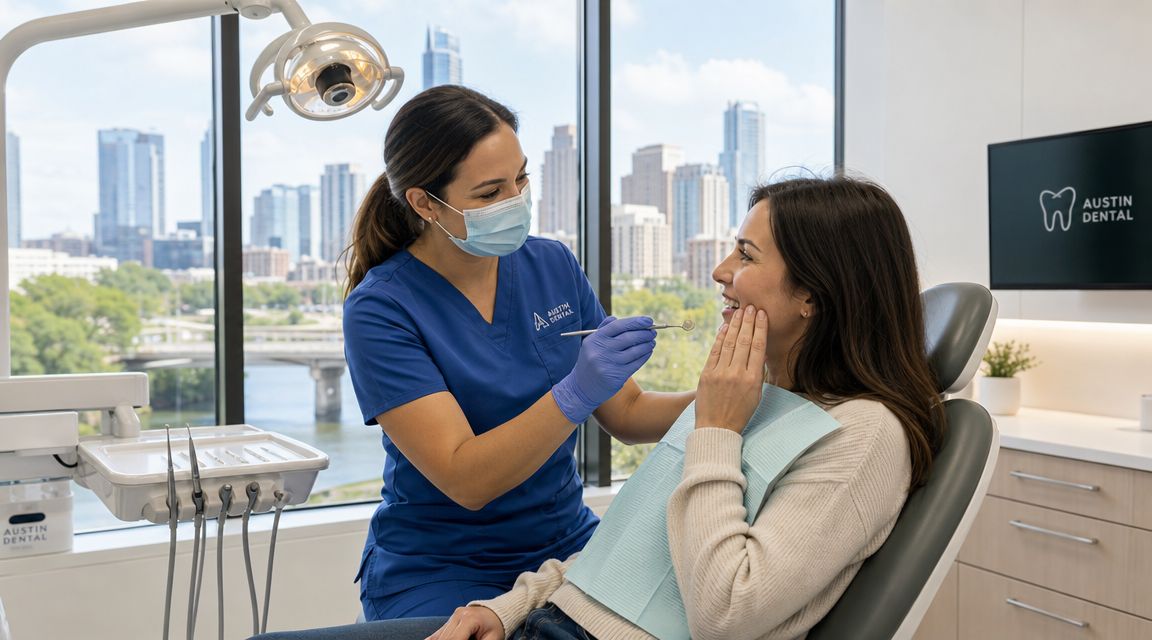
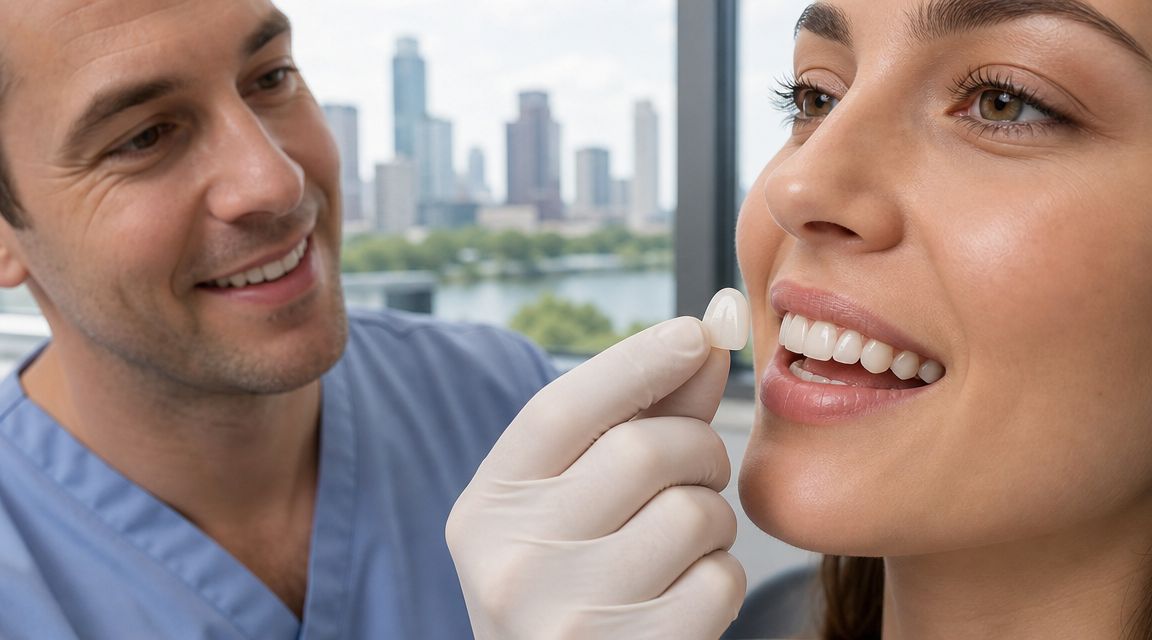
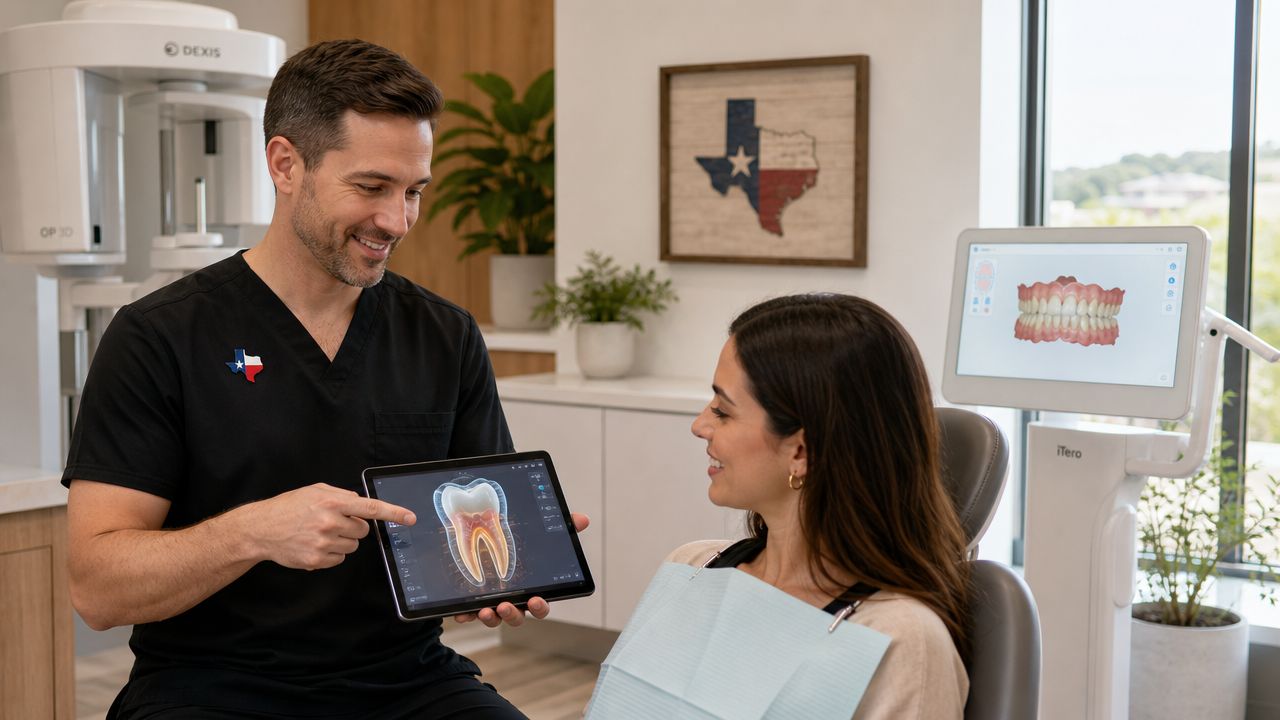
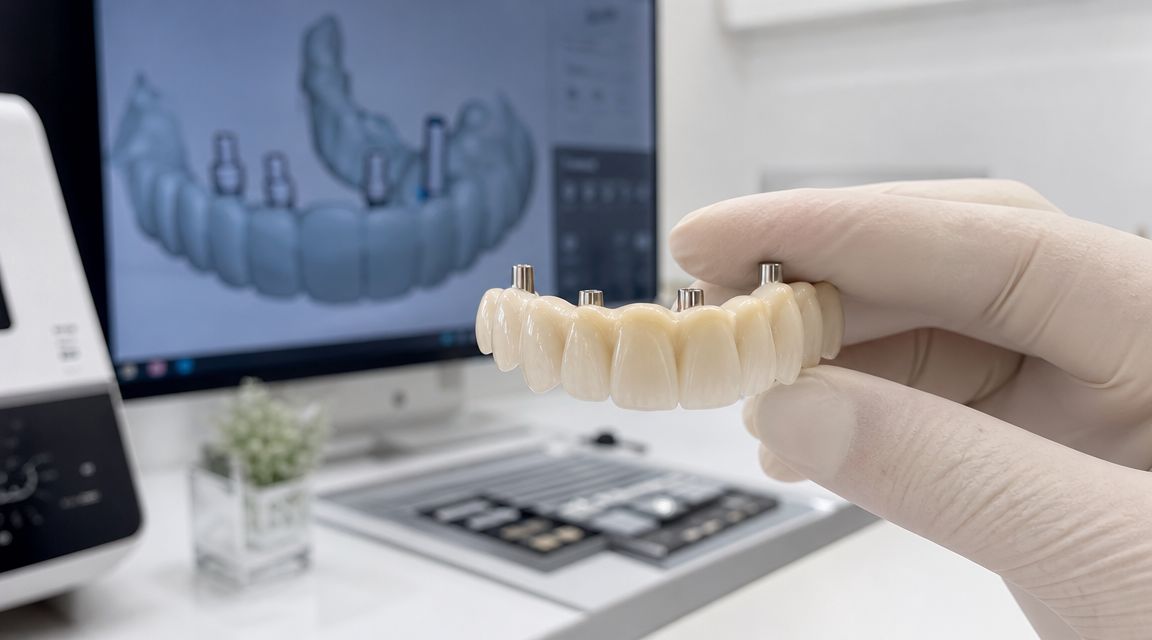



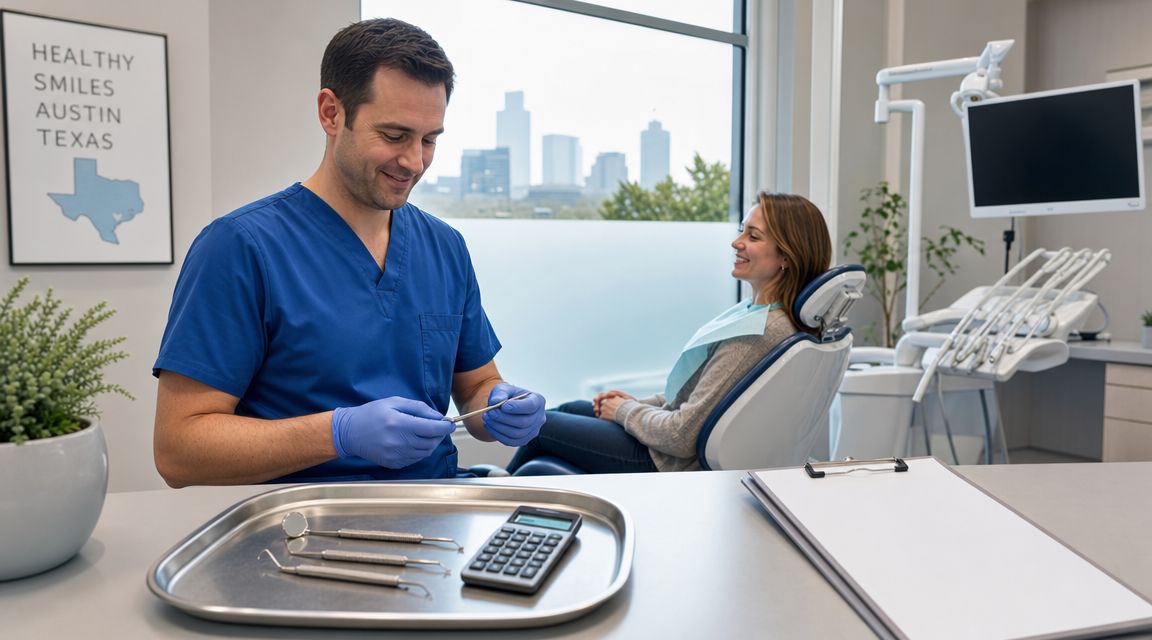
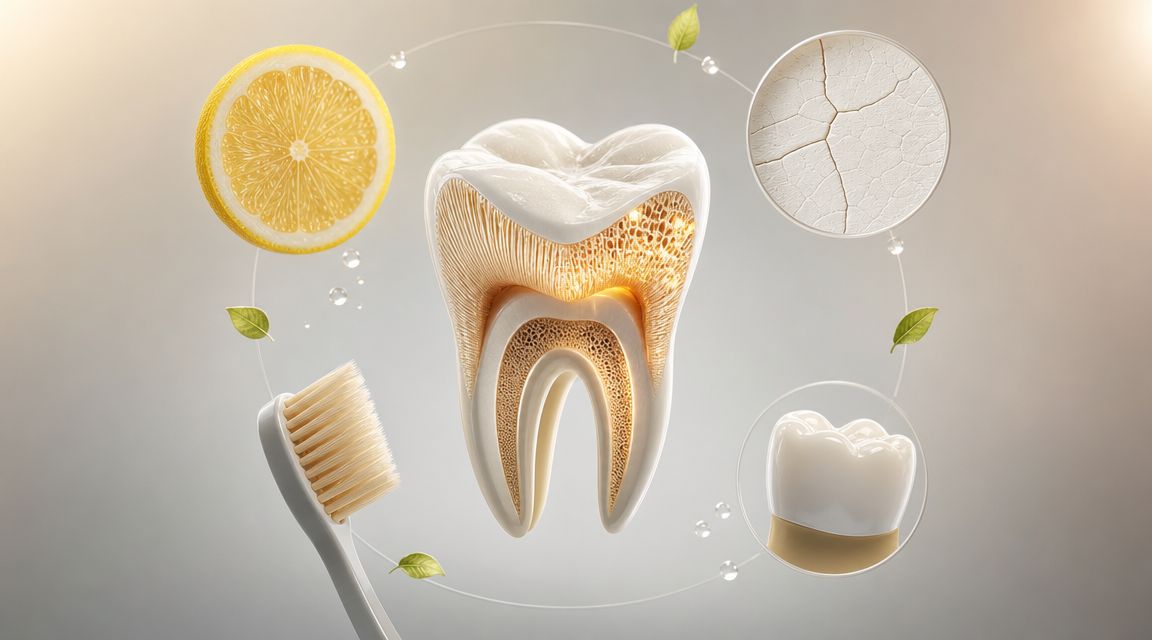
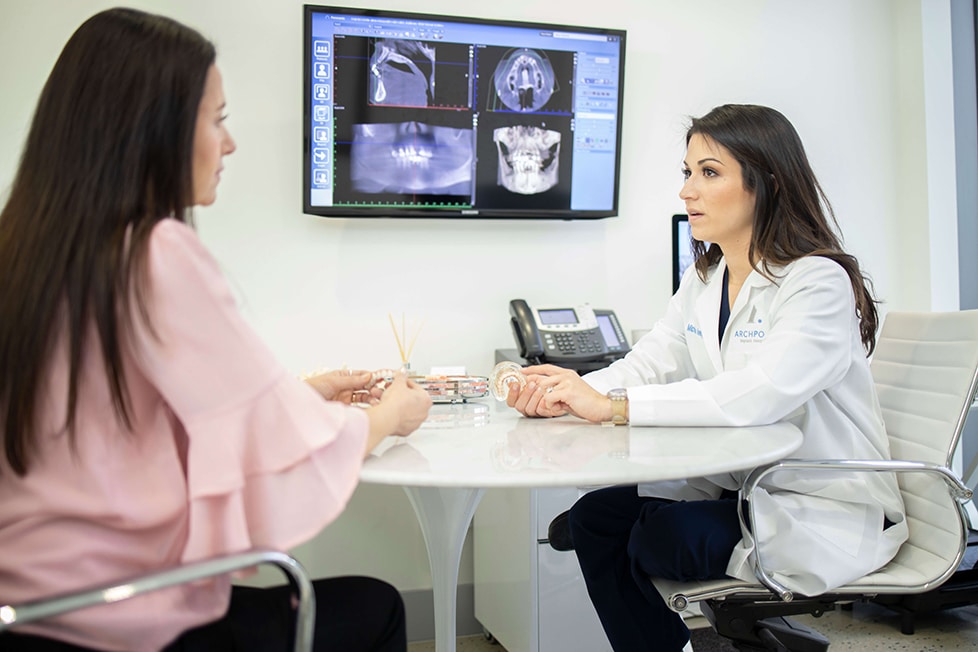

















If you're reading this, there's a good chance you're dealing with a missing tooth, a failing tooth, or a denture that never quite feels secure. Maybe chewing on one side has become normal. Maybe you cover your smile in photos. Maybe you've searched for a dentist near me or dental implants near me because you're ready for a solution that feels more permanent and more natural.
For patients in Austin and Georgetown, the biggest question often isn't whether dental implants can help. It's which dental implant materials make the most sense for your mouth, your health history, and the way you want your smile to look. That decision matters because the material sits in your jawbone and supports the tooth you'll use every day.
Modern implant dentistry gives us better planning, better imaging, and more personalized treatment choices than patients had in the past. At the same time, the basics still matter. Material selection affects healing, strength, appearance, and long-term confidence. This guide breaks that down in plain language so you can understand your options before you schedule a consultation in Austin or Georgetown.
Dental Implants Near Me in Austin A Trusted Local Solution
A lot of patients start in the same place. One missing molar becomes a daily annoyance at meals. A front tooth problem turns into constant self-consciousness at work. A loose bridge or denture starts affecting speech, comfort, and social confidence. By the time people search for a dentist in Austin, TX or dental implants near me, they usually want more than information. They want a dependable plan.
Dental implants have become much more common, which helps many patients feel less intimidated by the process. The prevalence of dental implants in the U.S. increased from 0.7% of the population in 1999 to 5.7% by 2015 to 2016, with roughly 3 million Americans currently having dental implants and 500,000 new patients added each year according to this dental implant growth overview. That kind of adoption reflects a simple reality. Patients want replacement teeth that feel stable and let them eat, smile, and speak with less worry.
What patients are usually feeling before treatment
Some concerns are physical. Others are emotional.
- Chewing problems: Missing teeth can make it harder to eat comfortably and can change how you bite.
- Smile concerns: Even one visible gap can make people avoid photos or keep their lips closed when they laugh.
- Progressive dental issues: A lost tooth can lead to shifting teeth, uneven wear, or the need for more restorative dentistry later.
- Urgent discomfort: In some cases, a damaged tooth starts with pain and leads to a need for tooth extraction before implant planning begins.
Many patients don't come in asking about material science. They come in saying, "I just want to eat normally again and not think about this every day."
For people in Austin, Georgetown, Wells Branch, Cedar Park, Round Rock, and Liberty Hill, the right implant plan usually starts with a clear explanation and a realistic discussion of options. If you're weighing treatment, it helps to review the dental implant success rate information from 3D Dental before your visit so you understand what makes outcomes more predictable.
Why local care matters
Implant treatment isn't only about placing a post in bone. It often connects with other services patients may already need, such as new patient exams, dental x-rays, cleaning and exams, cosmetic dentistry, or emergency dental care. A local office in Austin or Georgetown can evaluate the full picture and help you move from problem to solution without bouncing between unrelated providers.
Understanding Why Implant Materials Matter
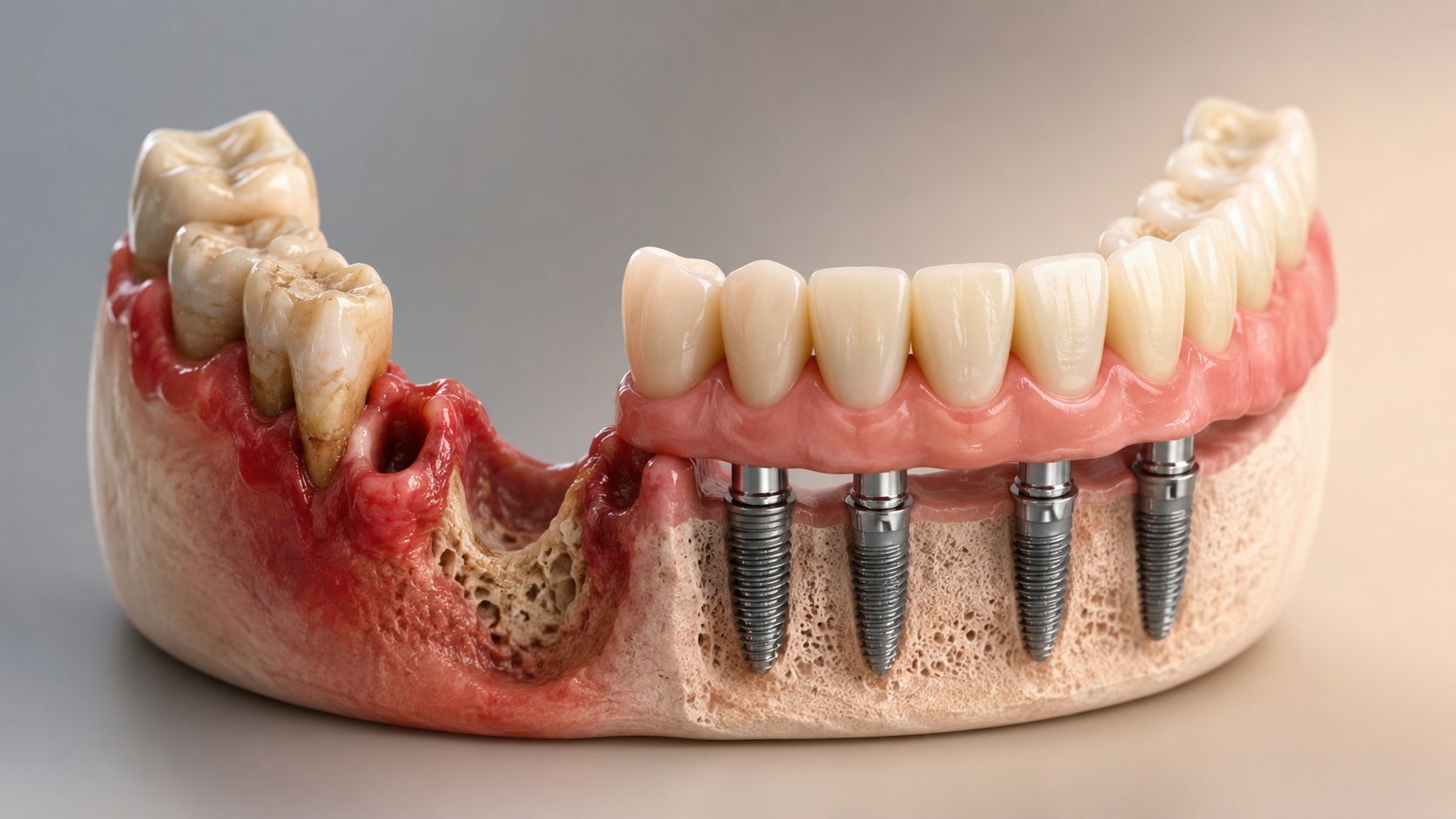
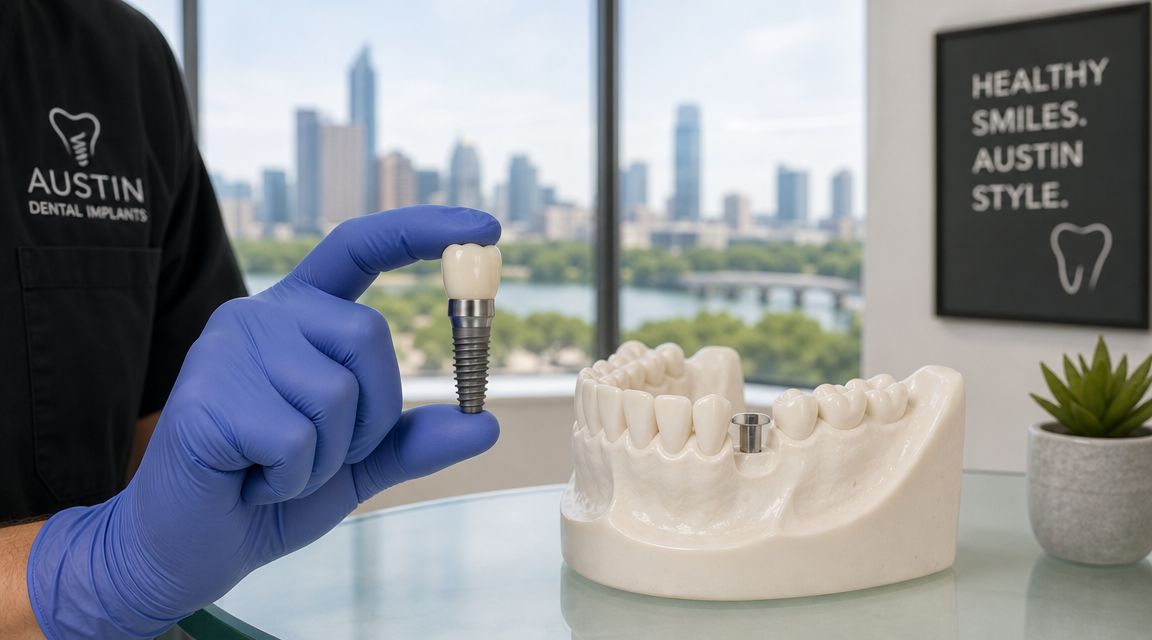
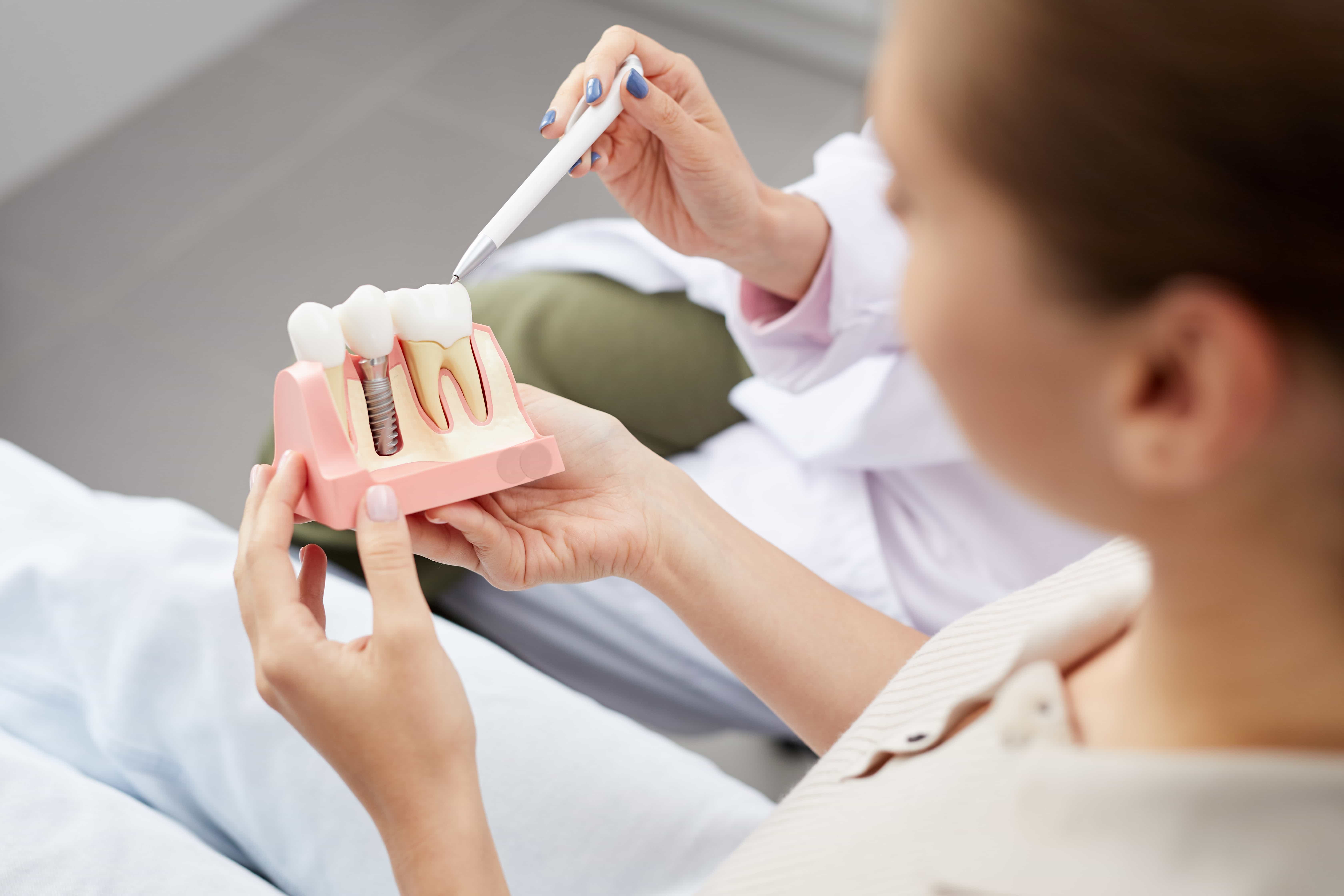
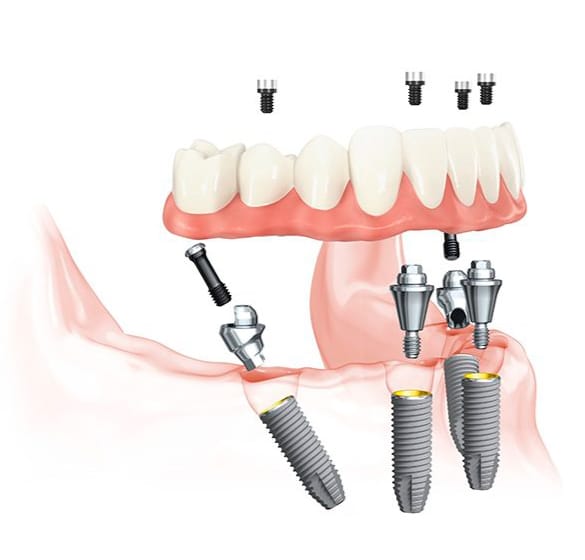
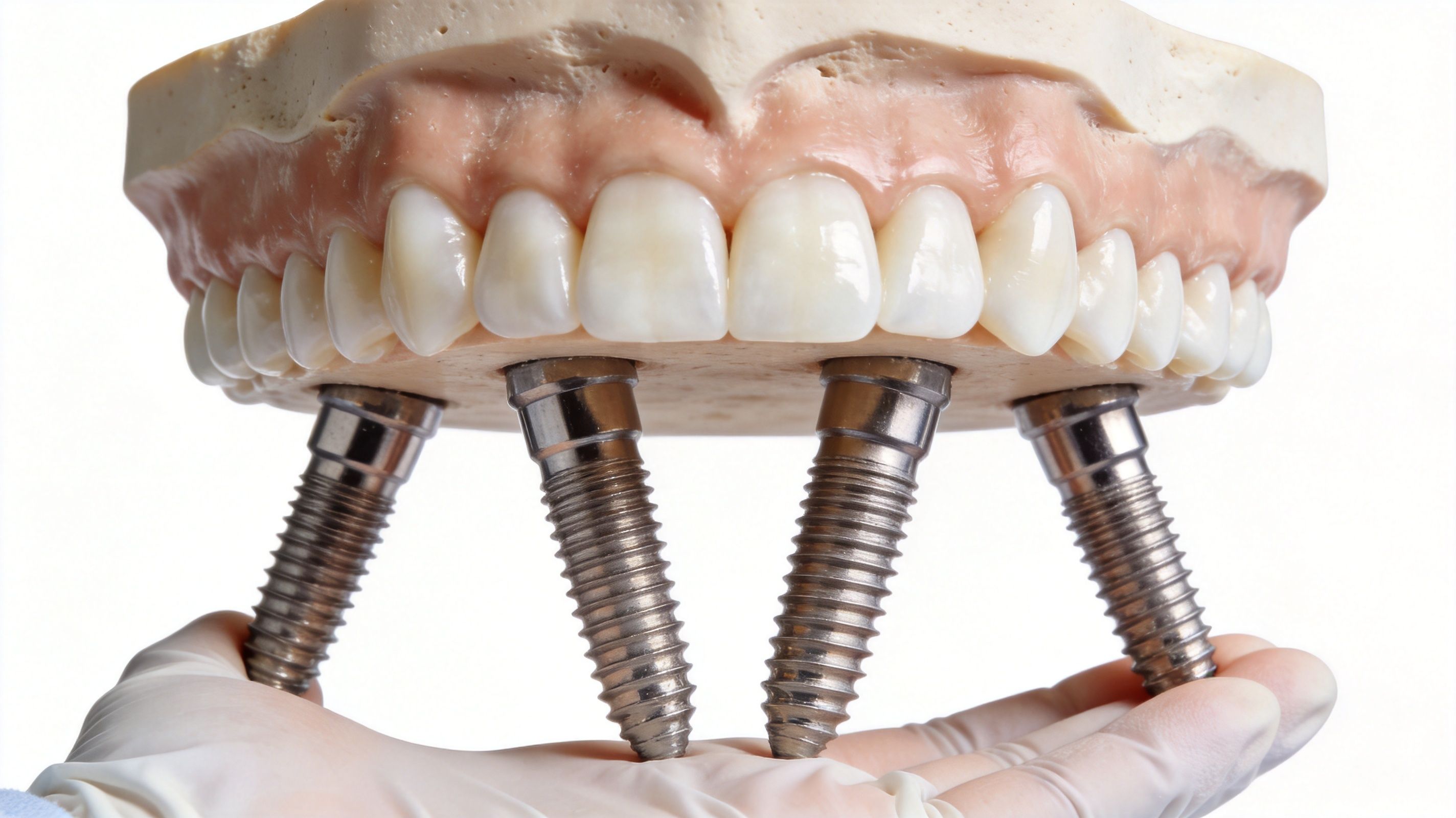
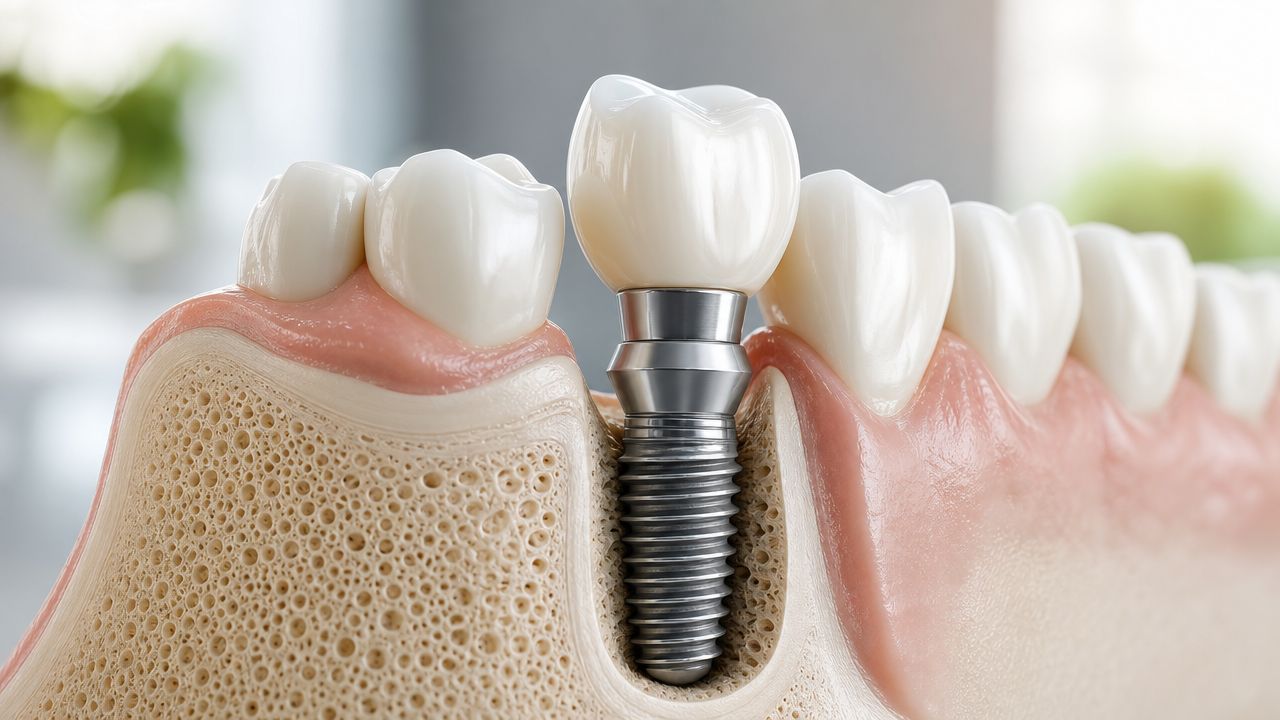
A dental implant is an artificial tooth root. It sits in the jawbone, supports a crown or bridge, and takes on real chewing pressure every day. That means the material can't just be strong. Your body also has to accept it.
Biocompatibility and why your body has to accept the implant
The first big concept is biocompatibility. In simple terms, that means the material has to live peacefully in the body without causing harmful reactions. If the body tolerates the material well, healing is smoother and the implant has a better chance of staying stable.
That's why dentists pay so much attention to implant materials instead of treating them as interchangeable parts. Two materials can both look good on paper, but they may behave differently once placed in the mouth under bite pressure and gum tissue.
Osseointegration and the bond with bone
The second key concept is osseointegration. This is the process where bone heals tightly around the implant surface. A helpful way to think about it is a root anchoring into soil. When that bond forms well, the implant becomes a stable base for the visible tooth above it.
Practical rule: The long-term success of an implant depends on the bone-to-implant relationship as much as the final crown you see in the mirror.
Material stiffness matters here too. To optimize stress distribution at the implant-bone interface and minimize movement, the ideal implant material must possess a modulus of elasticity comparable to human bone, which is approximately 18 GPa, as outlined in this review of implant biomaterials. Patients don't need to memorize that number. What matters is the takeaway. The closer a material behaves to bone in the right ways, the better it can help manage force.
What this means for daily function
When implant material selection is done well, it supports several things at once:
- Stable chewing
- Healthy healing around the implant
- Good support for crowns, bridges, or full-arch restorations
- A design that fits your bite and visible smile area
This is why treatment planning for a single front tooth can differ from planning for a back molar or a full-arch case. The same patient may care about appearance in one area and force resistance in another. Material choice helps balance those priorities.
Titanium Implants The Proven Standard of Care
Titanium remains the default choice in implant dentistry for a reason. It's the material most dentists trust when they need a strong, well-studied foundation that can perform under daily function for years.
Why titanium became the standard
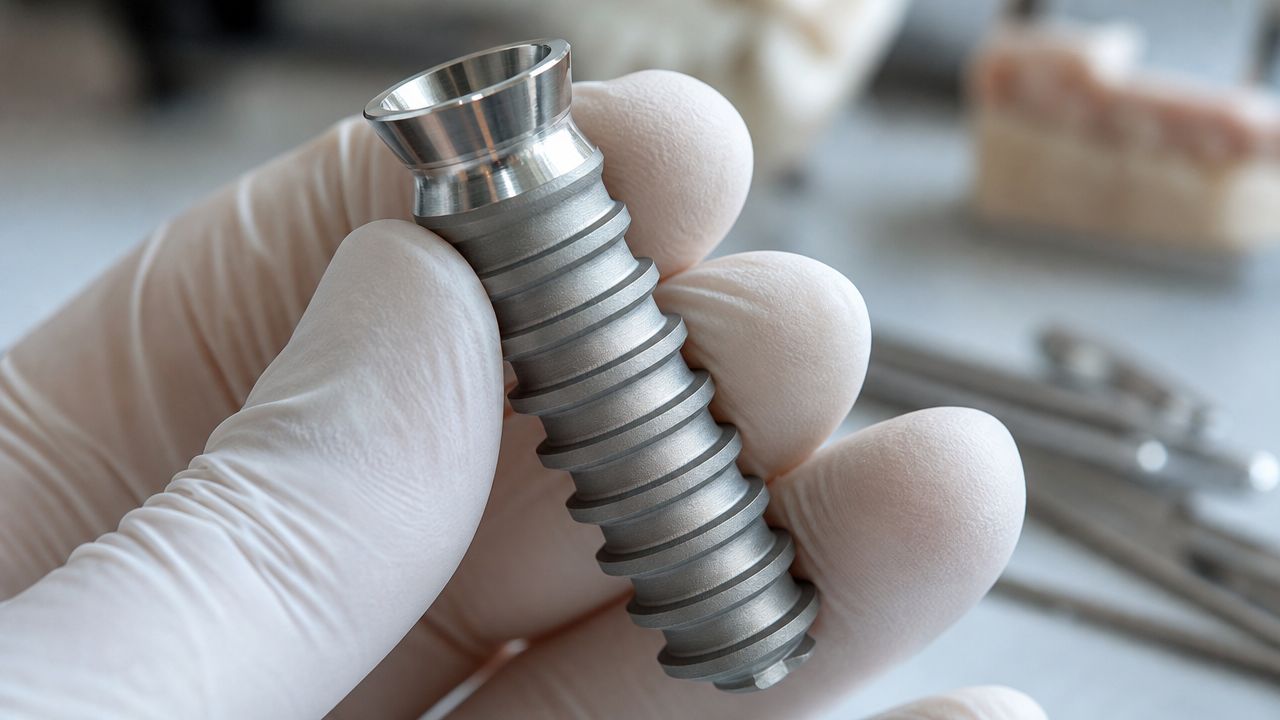
Titanium has been the dominant implant material for over 50 years, accounting for approximately 93% of the U.S. market. This is due to its exceptional biocompatibility and a low allergy rate of less than 0.6%, contributing to long-term success rates between 95% and 98%, according to this dental implant statistics summary.
Those numbers reflect what matters in real treatment. Titanium has a long clinical history, dentists know how it behaves, and it integrates with bone in a predictable way. It also forms a stable oxide layer on its surface, which plays an important role in how tissue interacts with it.
What works well with titanium
For most patients, titanium checks the most important boxes.
- Strength under pressure: Titanium handles routine biting forces well, which is especially important in back teeth and larger restorations.
- Reliable bone response: The material has a long record of supporting strong osseointegration.
- Versatility: It can be used for single implants, multiple missing teeth, and full-arch restorations.
- Low allergy concern: True titanium allergy is uncommon based on the data above.
One reason titanium stays so common is that it adapts well to different implant systems and case designs. When a patient has tighter spacing, lower bone volume, or higher bite demands, dentists often prefer the flexibility that titanium-based systems provide.
If a patient wants the most time-tested option, titanium is usually where the conversation starts.
Later in the planning process, it also helps to understand how titanium implants are used in treatment:
Titanium alloys and when they help
Not every implant is made from exactly the same formulation. Some cases benefit from advanced alloys designed for added strength. Roxolid® combines approximately 85% titanium with 13 to 17% zirconium, offering enhanced mechanical properties that allow for smaller diameter implants while maintaining the same load-bearing capacity as standard titanium alloys, as explained in this review of modern implant materials.
That matters when anatomy is limited and the treatment goal is to avoid unnecessary compromise. In practical terms, stronger alloy options can expand what is possible in selected cases without changing the basic principle of using a titanium-based implant.
Zirconia Implants A Metal-Free Aesthetic Option
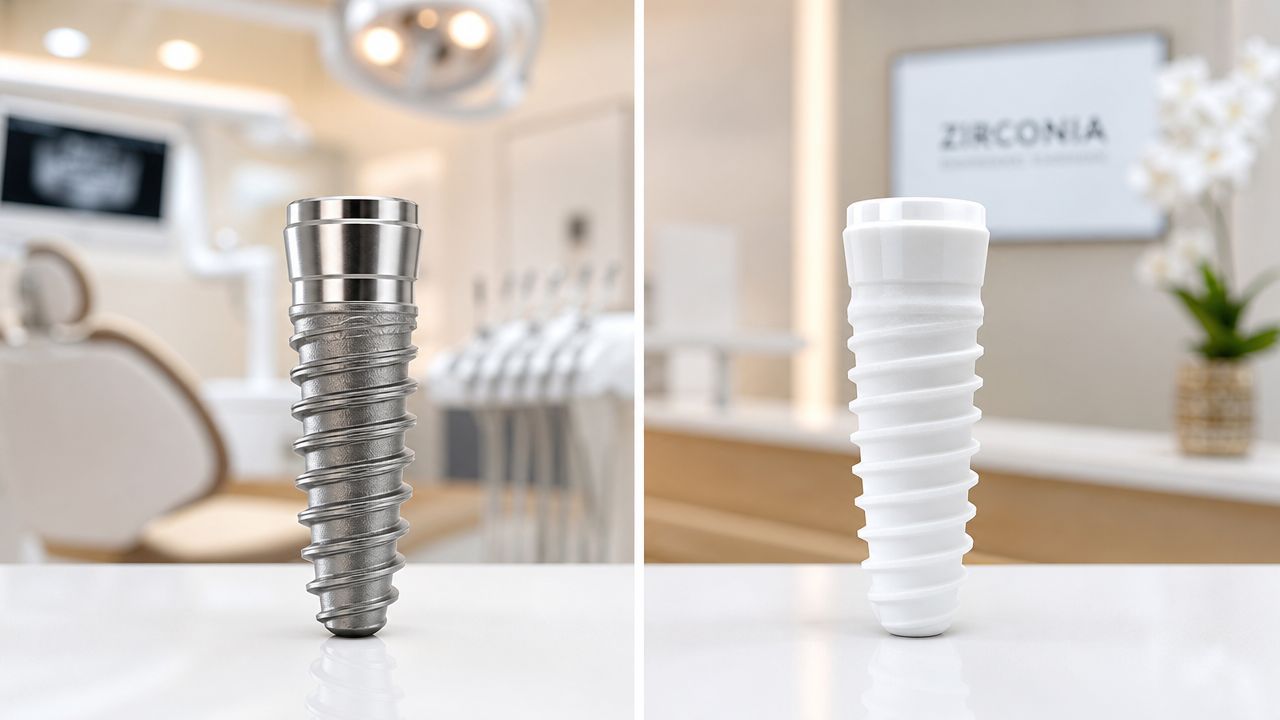
Zirconia gives patients a different path. Instead of a metal implant, zirconia uses a ceramic material that is white and designed for patients who want a metal-free option or who place a high priority on the appearance of the gumline.
Why some patients prefer zirconia
The biggest visual advantage is color. Zirconia is tooth-colored, so it can be appealing in highly visible parts of the smile, especially when gum tissue is thin. In those situations, patients sometimes worry about a darker show-through effect around the restoration. Zirconia can help address that concern.
For patients with known metal sensitivities, zirconia also offers peace of mind because it avoids metal entirely. That doesn't make it the right choice for every case, but it can be a very reasonable option when the clinical situation and patient preferences line up.
Where zirconia fits best
Zirconia often comes up in discussions about:
- Visible smile areas: Especially when a natural-looking gumline matters.
- Metal-free preferences: Some patients feel more comfortable with a ceramic option.
- Specific sensitivity concerns: If a patient has a history that makes metal avoidance important, zirconia deserves discussion.
Patients interested in full-arch options can also learn how zirconia is used in broader restorative treatment by reviewing All-on-4 dental implants with zirconia at 3D Dental.
Aesthetic priorities are legitimate treatment priorities. For some patients, the right implant material isn't only about strength. It's also about how natural the final result looks at the gumline.
What zirconia doesn't automatically solve
Zirconia isn't a shortcut to better outcomes. It still requires careful planning, healthy gum and bone conditions, and a design that fits the patient's bite. If someone has heavy chewing forces, limited space, or a more complex restorative need, the conversation has to stay grounded in function, not only appearance.
That's why material decisions work best when they're personalized rather than ideological. Metal-free can be the right choice. It isn't automatically the better choice.
Titanium vs Zirconia Which Implant Is Right for You
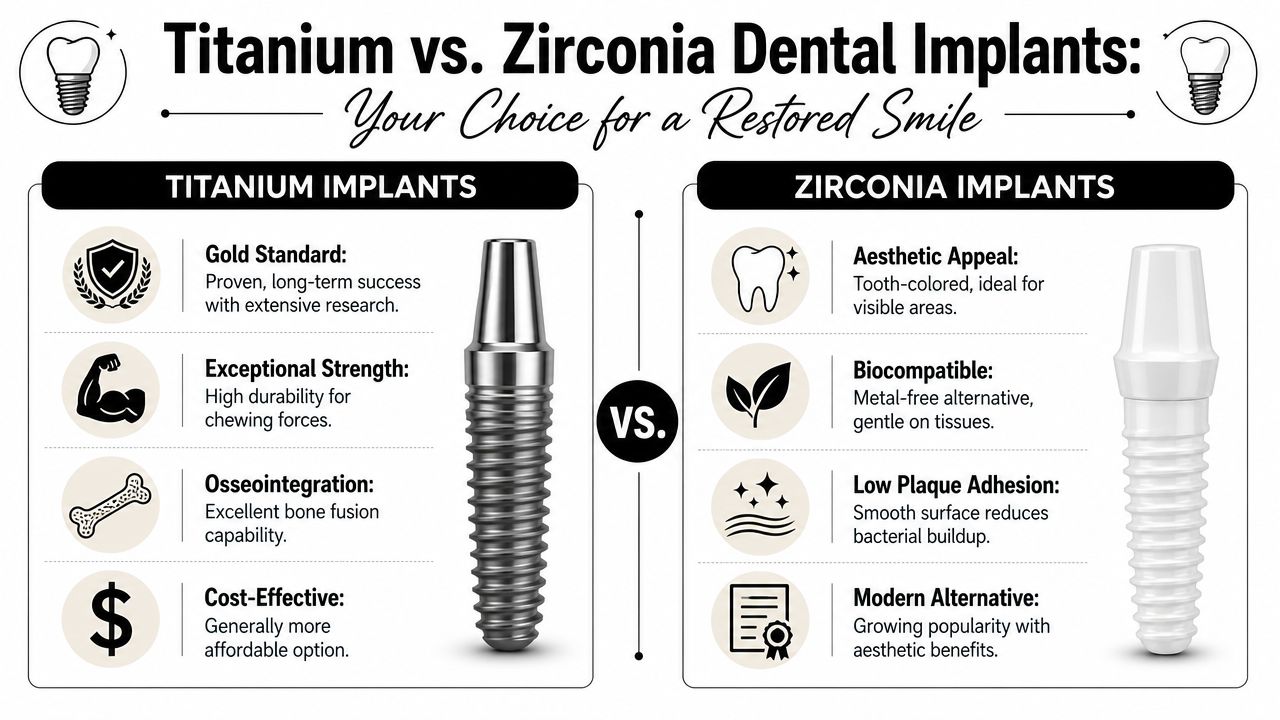
The better question isn't which material is universally best. It's which one best matches your mouth, your goals, and the mechanical demands of your case.
Dental Implant Material Comparison Titanium vs. Zirconia
| Property | Titanium / Titanium Alloy | Zirconia (Ceramic) |
|---|---|---|
| Clinical history | Long-established and widely used | Newer clinical track record |
| Appearance | Metallic base under the gum | White, tooth-colored material |
| Strength profile | Strong choice for broad implant applications | Strong option, but case selection matters |
| Full-arch and complex use | Commonly used in demanding restorations | More selective use depending on design |
| Metal-free | No | Yes |
| Patient priority fit | Durability and long-term familiarity | Aesthetics and metal-free preference |
The trade-offs patients should actually understand
While an excellent aesthetic option for metal-allergic patients, clinical data shows zirconia carries a slightly higher fracture risk that is rarely explained to patients, creating a significant trade-off against titanium's 20+ year proven durability, based on this clinical review of zirconia and titanium implants.
That sentence gets to the heart of the decision. Zirconia can be an excellent option, but it shouldn't be presented as a simple cosmetic upgrade over titanium. The choice has consequences for how the implant may perform over time, especially in cases with more force or less forgiving anatomy.
A practical framework for choosing
A useful way to think about the decision is to ask three questions.
Where is the implant going?
A front tooth raises different concerns than a back molar. Smile-zone cases often increase the value of zirconia's color.How much force will the implant handle?
If the implant is in a high-load area or part of a larger restoration, titanium often has practical advantages.What matters most to you personally?
Some patients care most about a metal-free approach. Others want the material with the longest and most familiar track record.
The right material choice usually comes from balancing anatomy, bite force, smile visibility, and patient preference. Not from choosing whichever option sounds newer.
Cost and planning considerations
Material is only one part of implant treatment. The surgical approach, the final restoration, the need for extraction or grafting, and the number of teeth involved all affect the plan. That's why patients searching for a cosmetic dentist near me or dentist near me often benefit from a consultation that looks at the entire restorative picture instead of focusing on one material in isolation.
How We Apply Implant Materials for Lasting Results
In day-to-day practice, the material choice becomes real when it is matched to a specific problem. A patient missing one front tooth needs a different discussion than someone replacing a full arch after years of breakdown. The goal isn't to defend one material. The goal is to use the one that fits the case.
Single-tooth decisions and visible smile zones
When a patient loses a front tooth, appearance becomes part of function. The implant has to support the smile naturally, preserve the gum contour, and work with the final crown so it doesn't look artificial in normal conversation. In some of these cases, zirconia enters the discussion because the color of the implant material can matter under thinner tissue.
That doesn't mean every front tooth should receive zirconia. If the bite is heavy, the space is limited, or the bone conditions favor a different approach, titanium may still make more sense. The treatment decision has to follow the anatomy, not just the ideal photo outcome.
Full-arch cases and heavy functional demands
For larger restorative cases, durability tends to drive the conversation. Titanium implant posts have accumulated over 60 years of clinical research and demonstrate 95% to 98% success rates in published outcome data, establishing them as the standard material since the 1960s, according to this overview of implant composition and outcomes.
That kind of long-term familiarity matters in implant dentistry because full-arch treatment places serious responsibility on the support structure. In these situations, clinicians often lean toward titanium-based solutions because they offer a broad range of design options and a long history of use in demanding cases.
How technology shapes the material decision
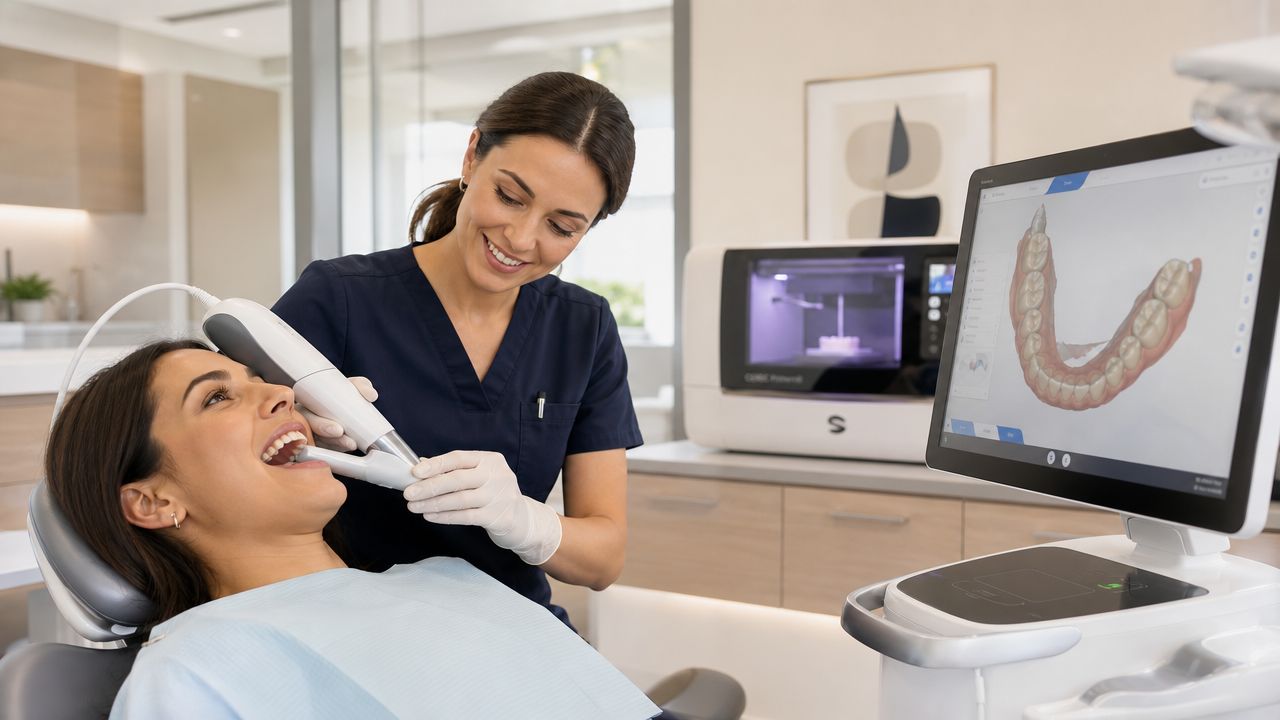
Planning tools are important. 3D CT imaging, digital scanners, and precise restorative planning help determine whether the jawbone, tissue contours, spacing, and bite pattern support one material better than another. That's especially important for patients from Cedar Park, Round Rock, Liberty Hill, and nearby communities who are trying to avoid avoidable surprises after surgery.
At 3D Dental, those tools are part of how implant cases are evaluated, along with in-house lab support for restoration planning. In practical terms, that means the implant material isn't chosen in isolation. It is chosen after looking at the full map of the mouth, the esthetic goals, and the way the final tooth will function.
- For a single missing tooth: The plan may prioritize emergence profile, tissue appearance, and precise crown design.
- For multiple missing teeth: The focus often shifts toward load management, bite stability, and restorative durability.
- For an unstable failing tooth: The treatment sequence may include extraction, site preservation, and staged implant placement.
Start Your Smile Restoration Journey in Austin or Georgetown
Most patients feel better once they understand what the first visit entails. An implant consultation isn't a high-pressure sales meeting. It's a diagnostic appointment built around answers. If you've been searching for an emergency dentist, dentist in Georgetown, TX, or dental implants near me, the first step is to determine what condition your teeth, gums, and bone are in right now.
What to expect at your visit
A thorough implant evaluation usually includes a review of your health history, an exam of the teeth and gums, and imaging to see bone levels and anatomy clearly. That may happen alongside other needed services such as dental x-rays, cleaning and exams, restorative dentistry review, or discussion of whether a damaged tooth needs extraction before replacement.
You'll also have a conversation about the practical side of care:
- Material options: Whether titanium or zirconia fits your goals and anatomy
- Restoration type: Single implant, multiple implants, or full-arch treatment
- Related services: Crowns, bridges, cosmetic dentistry, or tooth replacement planning
- Budget questions: Insurance, financing, and phased treatment when appropriate
Patients usually relax once they realize they don't need to decide everything before the consultation. The appointment is where those decisions become clearer.
Why patients in Austin and Georgetown often delay too long
People put off implant treatment for understandable reasons. They worry about pain, cost, surgery, or whether they're even a candidate. Others assume the problem is cosmetic when it's already affecting chewing, neighboring teeth, or long-term oral health. The sooner the issue is evaluated, the more options usually remain on the table.
If you're in Austin, Georgetown, Wells Branch, Cedar Park, Round Rock, or Liberty Hill and you're ready to stop guessing, a consultation can give you a clear answer about your next step. Whether you need implant dentistry, cosmetic dentistry, a replacement after tooth extraction, or broader restorative dental care, the right plan starts with a real exam and a straightforward conversation.
If you're ready to talk through your options, schedule a consultation with 3D Dental. Patients in Austin and Georgetown can get a personalized implant evaluation, review material choices in plain language, and build a treatment plan that fits their health, smile goals, and budget.
Ready to get started?
Schedule a free, no obligation consultation with our team and see what's possible for your smile!
Georgetown
- Mon-Thurs8:30am-5pm
- Fri8am-3:30pm
- Sat-SunClosed
Austin
- Mon-Tues8am-5pm
- Wed-Thurs9am-6pmFri8am-2pm
- Sat-SunClosed