
Why Do My Retainers Hurt My Gums? Get Expert Help
Related Posts




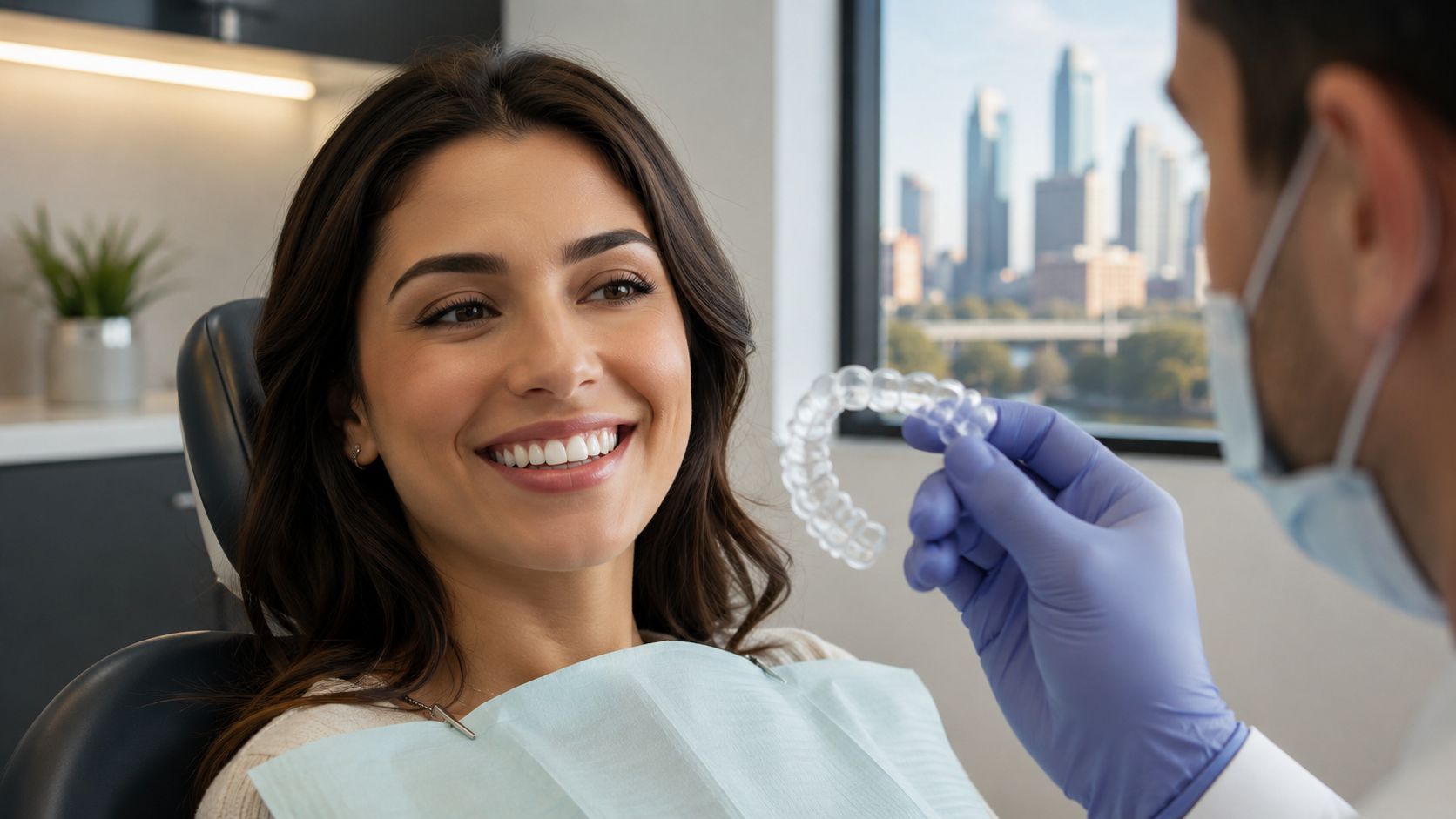
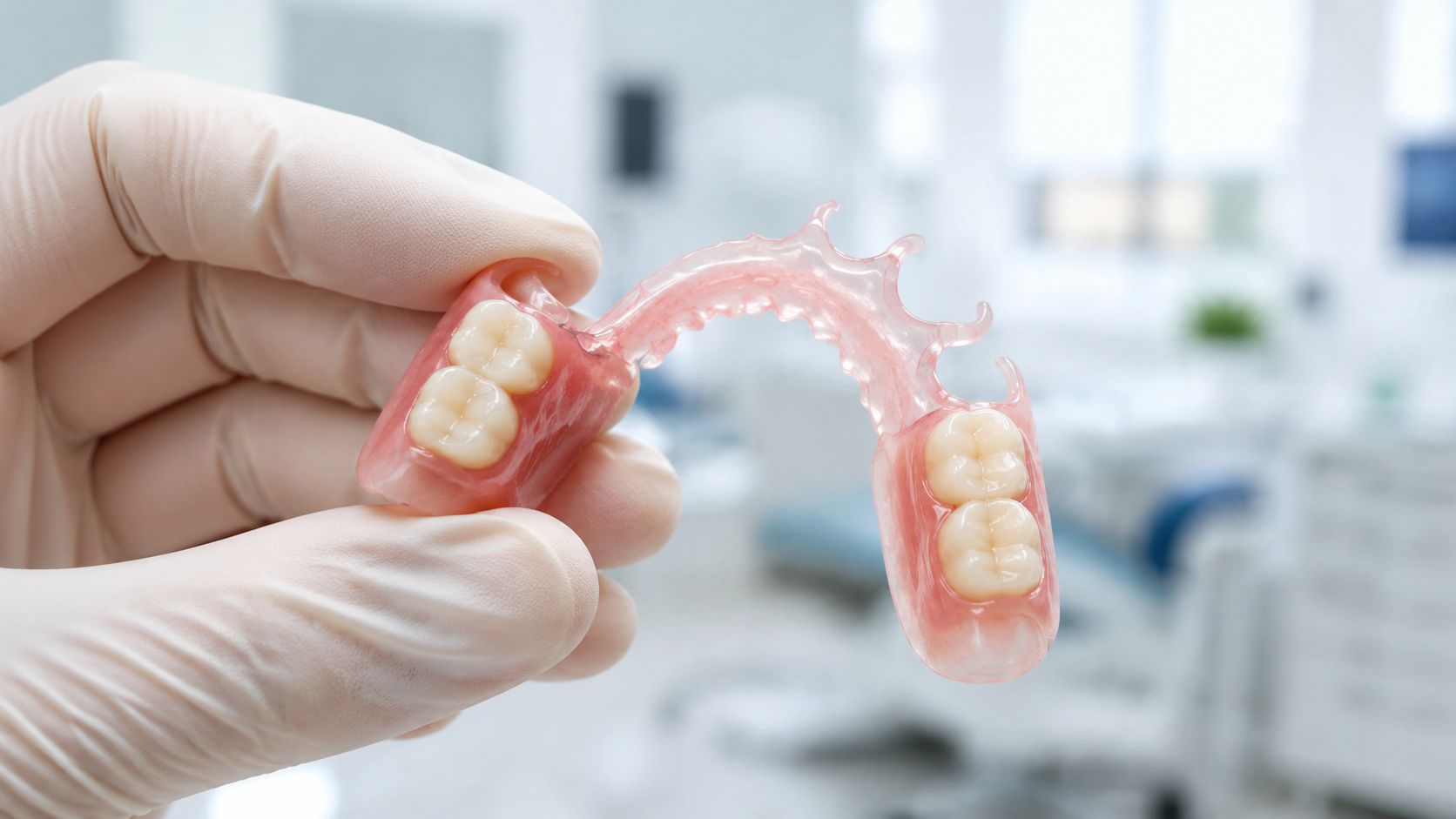


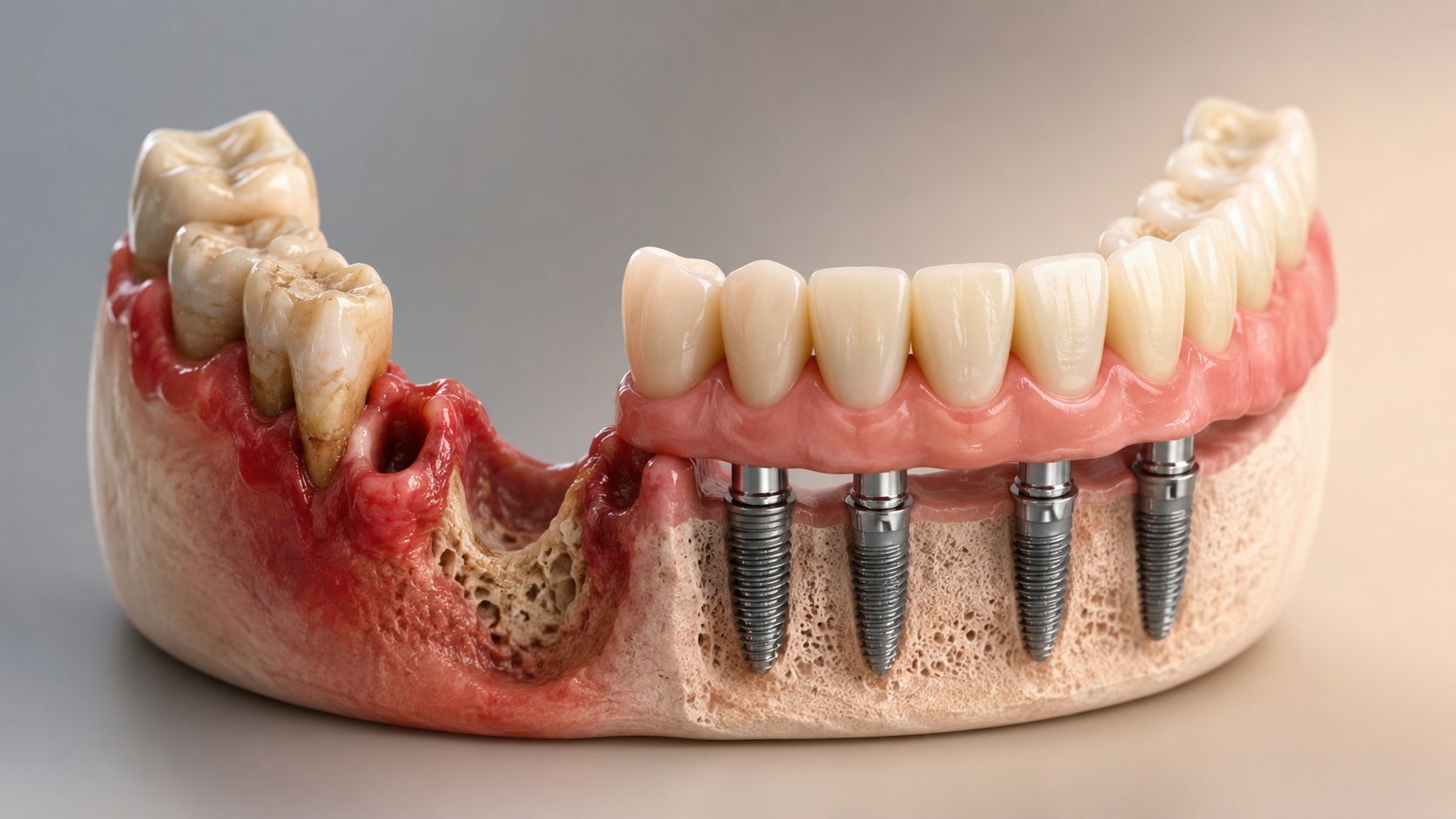
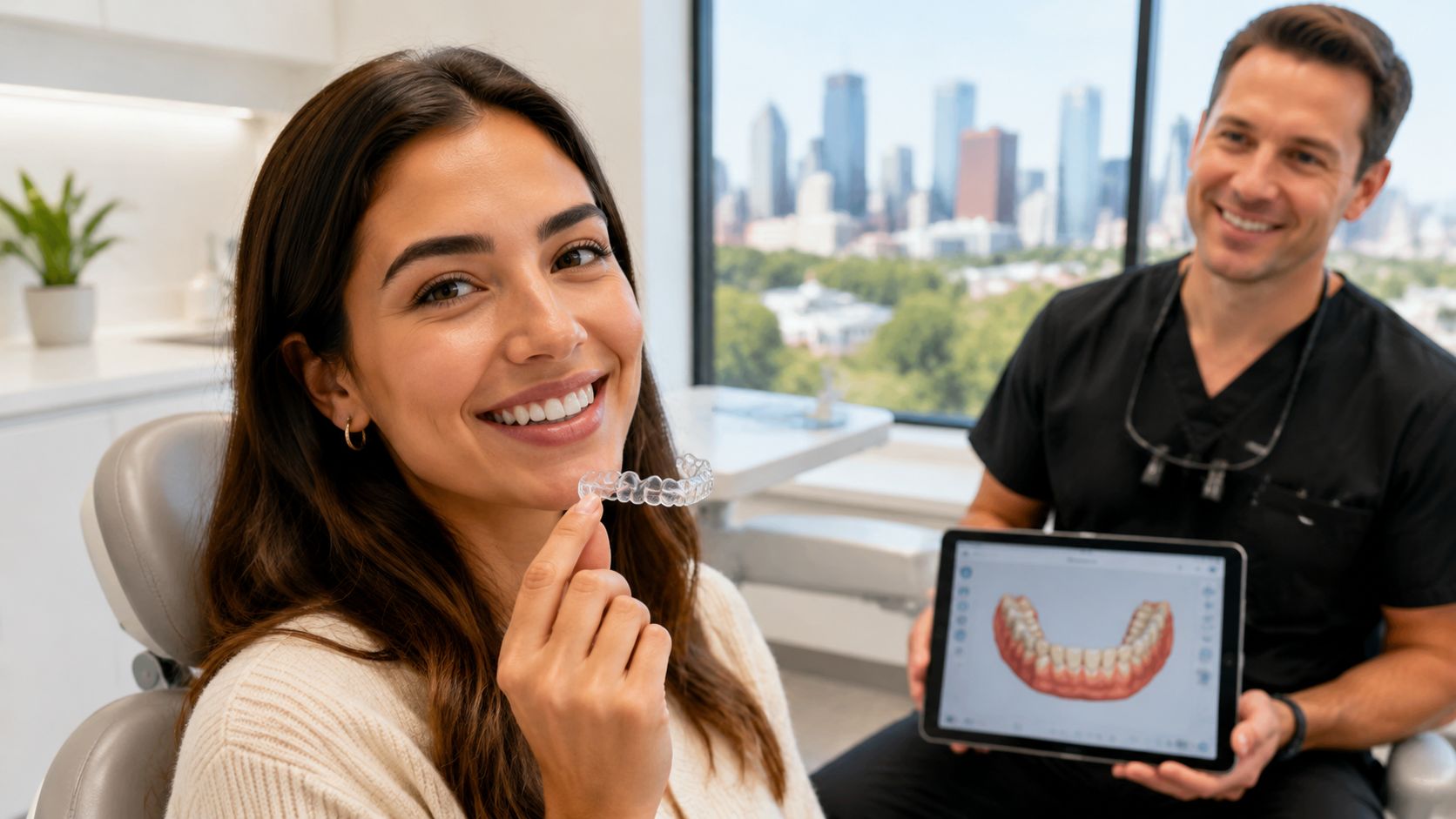
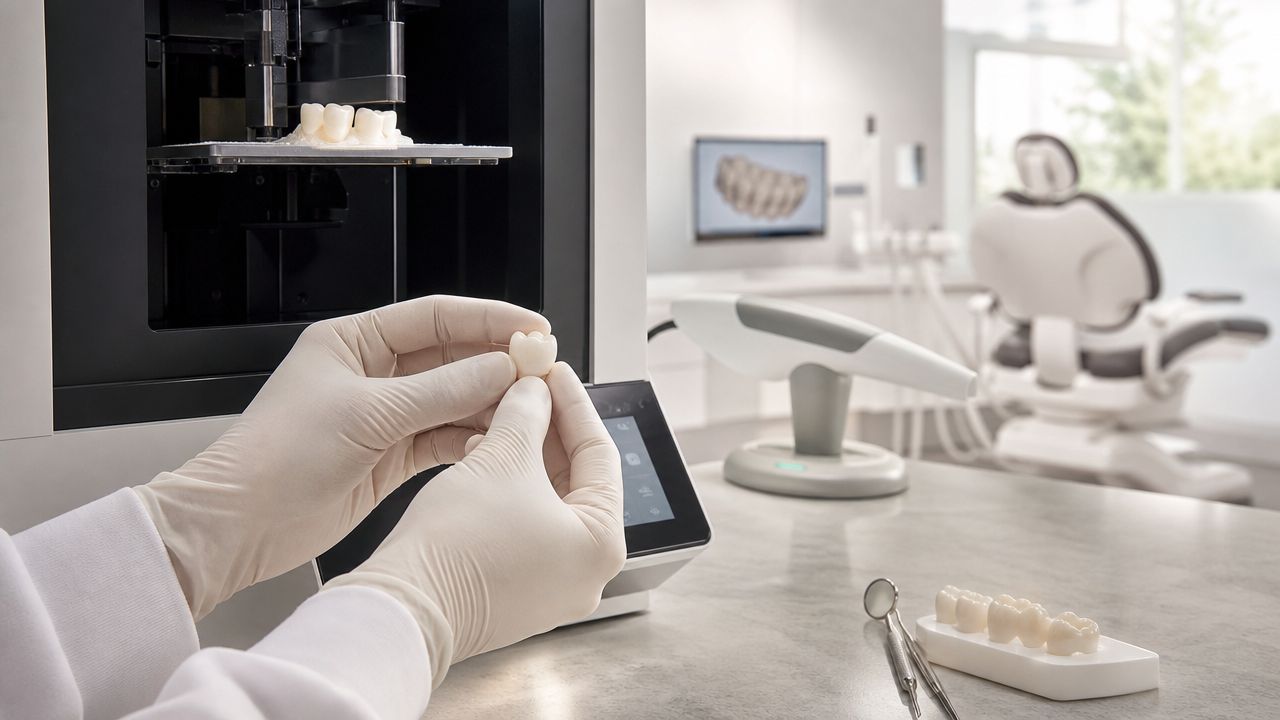
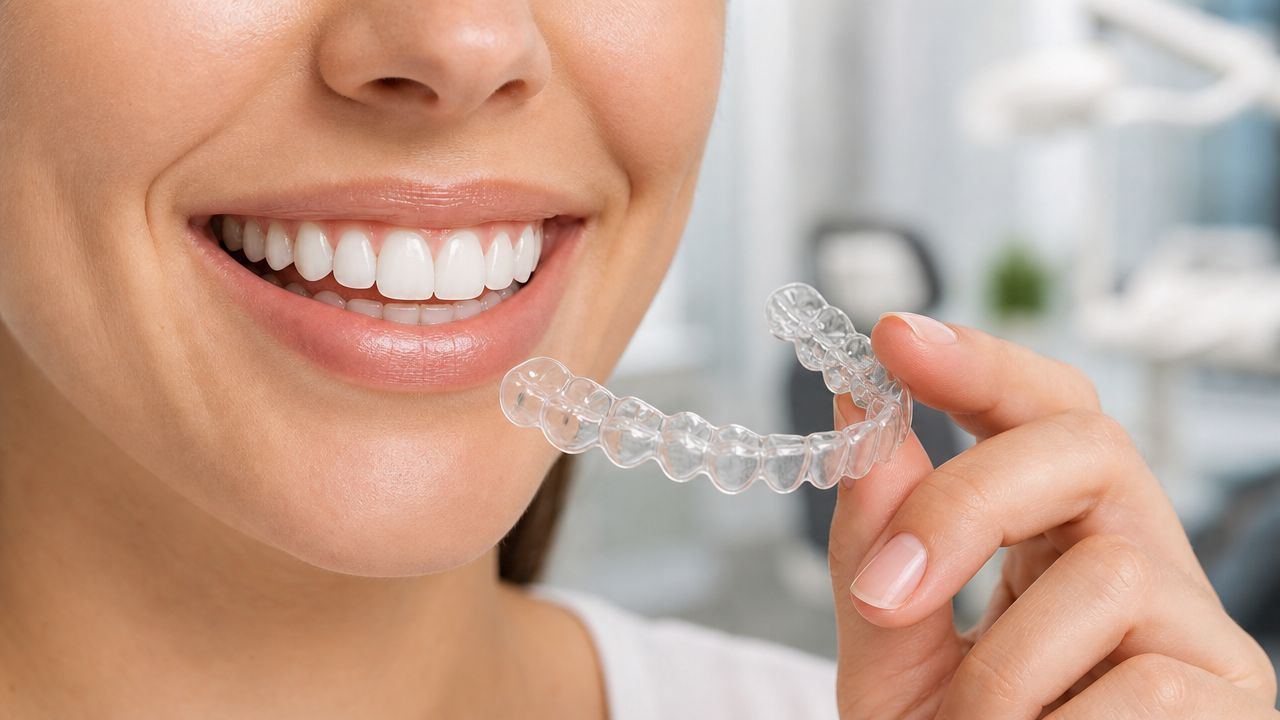




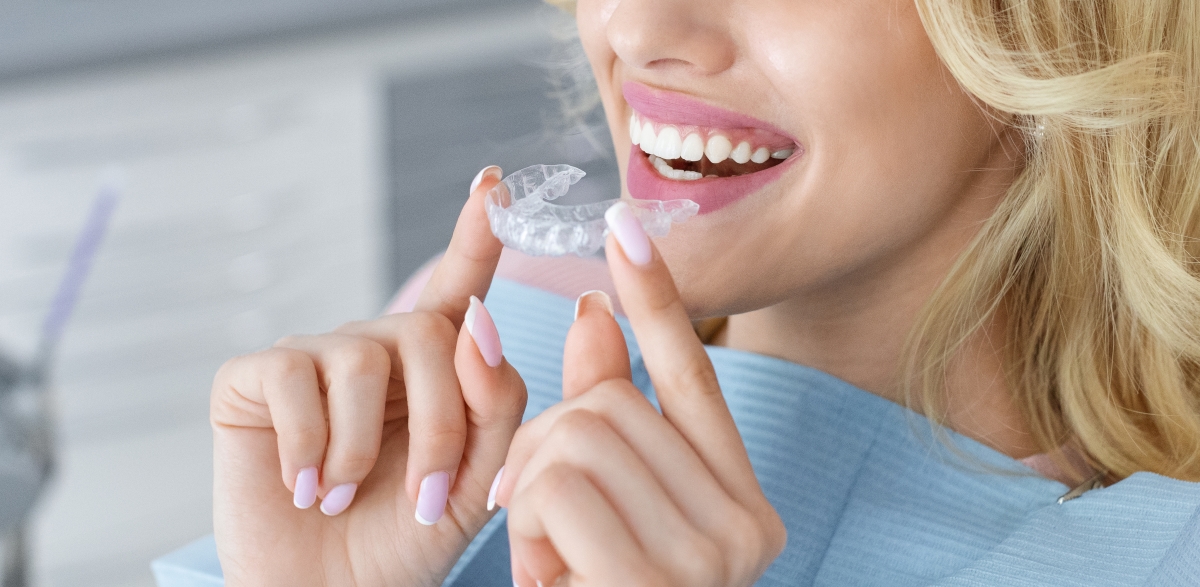









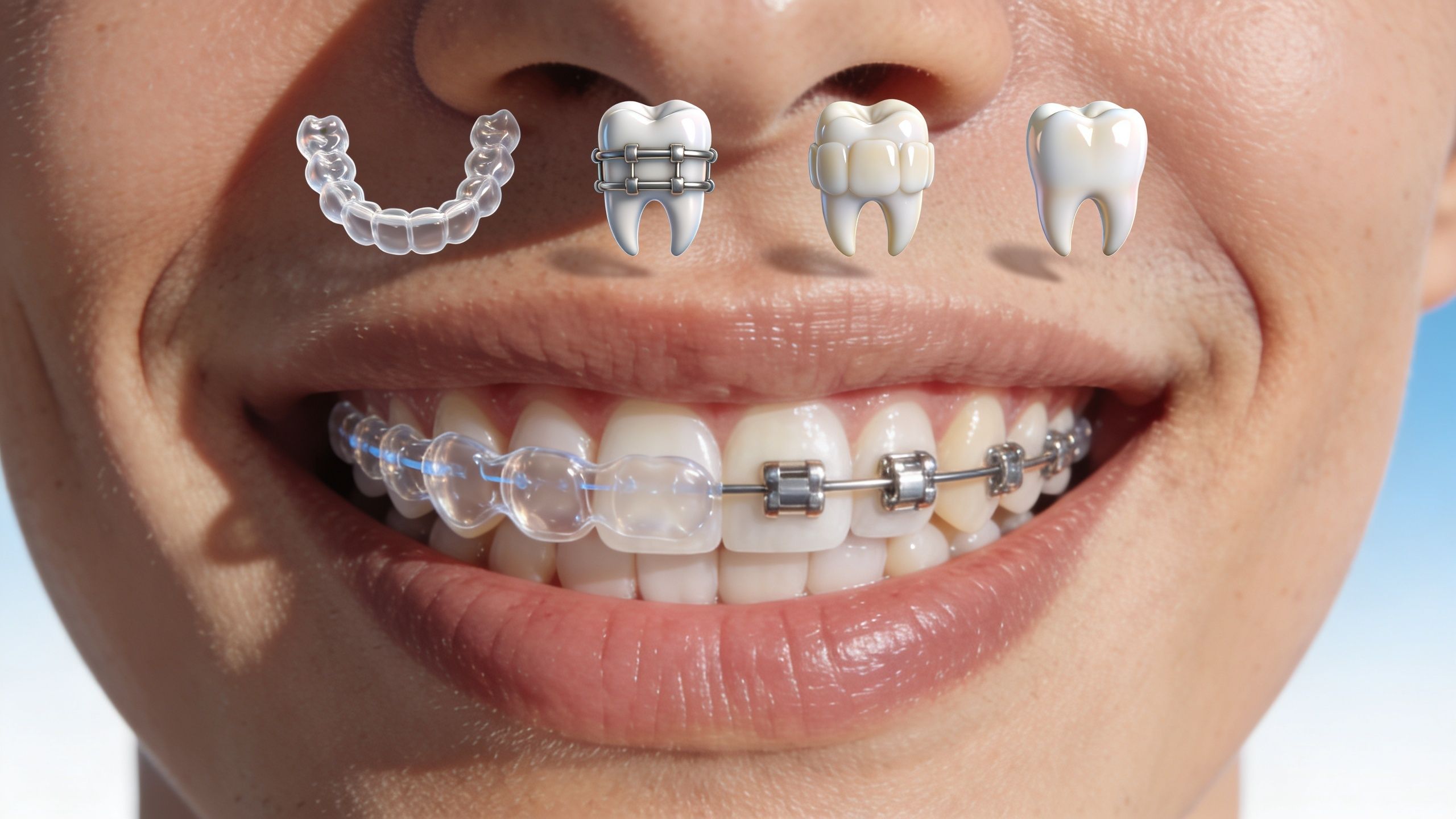


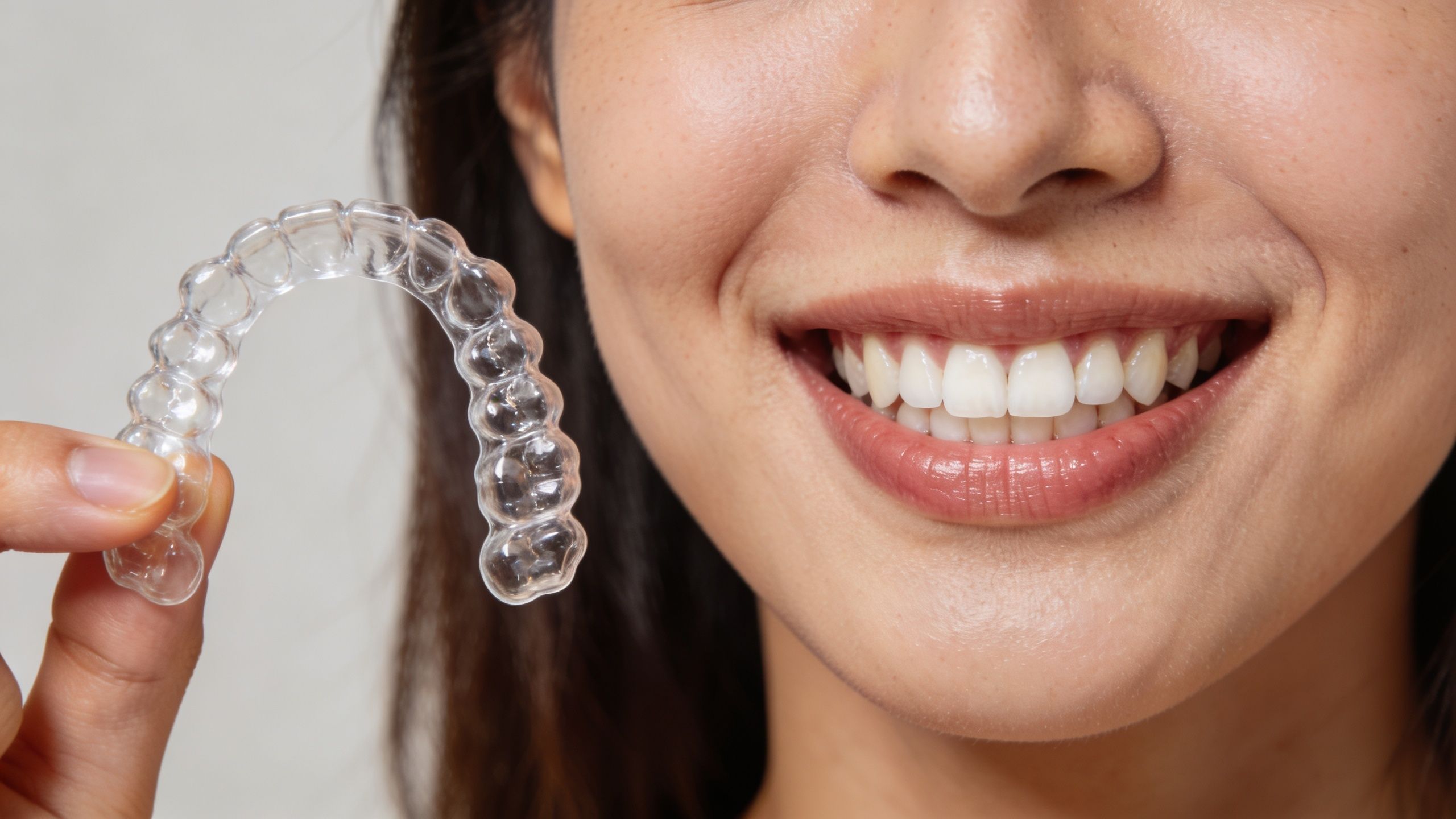




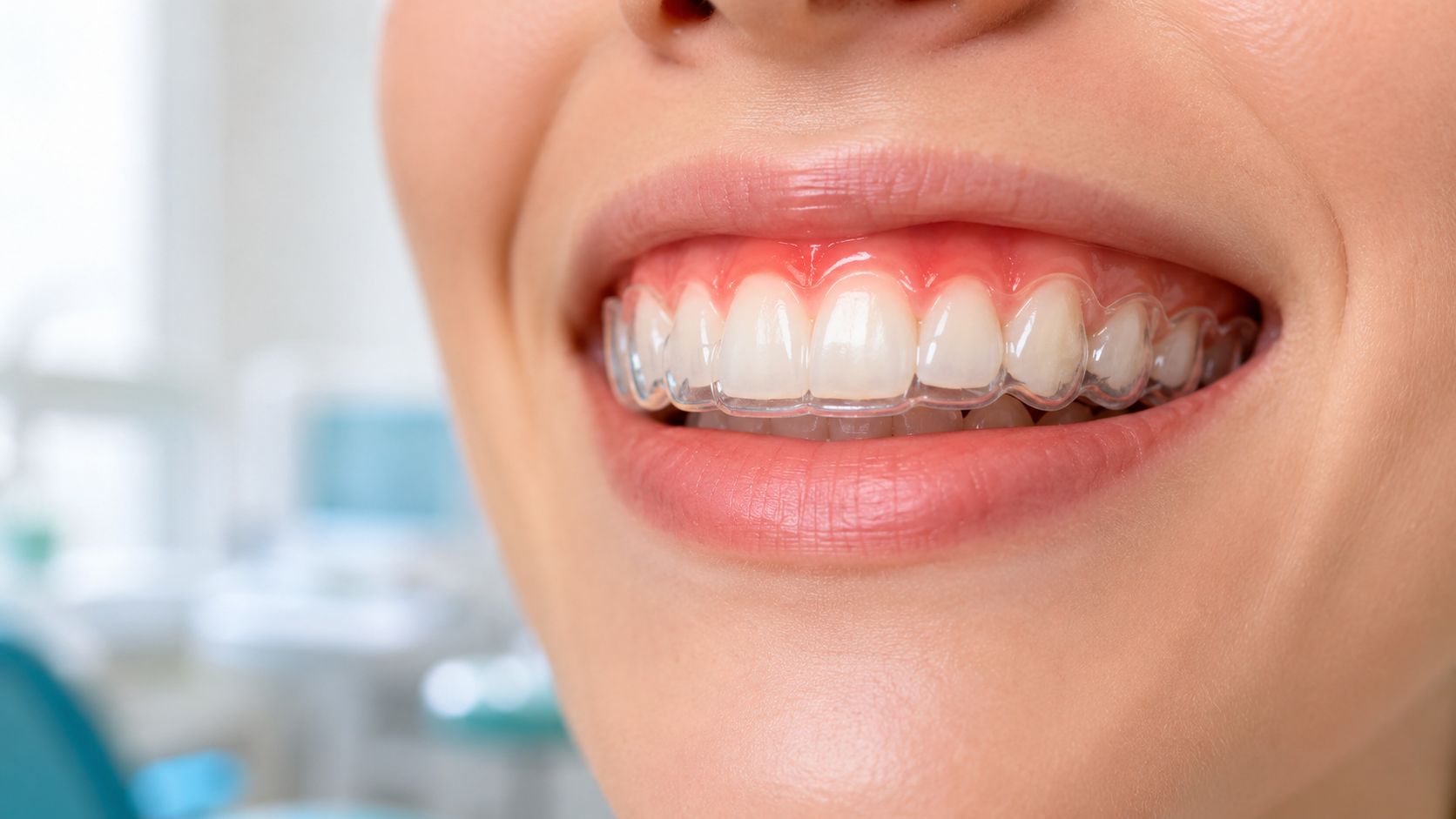
You finally finished braces or clear aligner treatment, and the retainer was supposed to be the easy part. Then you put it in one night and your gums feel sore, rubbed raw, or oddly tender around one spot. That's frustrating, and it's also one of the most common reasons people start searching for a dentist near me or an emergency dentist in Austin, TX.
The good news is that retainer discomfort usually has a clear cause. Sometimes it's a normal adjustment period. Sometimes it's a fit problem, trapped plaque, or a tiny defect in the appliance that you can't see on your own. If you live in Austin, Georgetown, Wells Branch, Cedar Park, Round Rock, or Liberty Hill, getting the right diagnosis matters more than guessing with home remedies.
Your Trusted Local Dentist for Orthodontic Care in Austin
A lot of patients feel caught off guard by this problem. They expect their smile to feel stable after orthodontic treatment, only to find that the retainer seems to dig into the gums near one tooth or along the back edge. Others notice pain after they skipped wearing it for a few nights and tried to start again. In both situations, the question is the same. Why do my retainers hurt my gums?
In practice, the answer usually comes down to pressure, irritation, or inflammation. A retainer should sit securely against the teeth. It shouldn't pinch soft tissue, scrape the gumline, or create sharp pain when you seat it. Mild soreness can happen at first, but pain that feels focused, persistent, or worsening deserves attention.
For patients looking for a dentist in Austin, TX or dentist in Georgetown, TX, a careful exam makes a big difference. Retainer pain can overlap with gum inflammation, early tooth movement, or a damaged appliance. It can also show up alongside other needs like cleaning and exams, dental x-rays, new patient exams, restorative dentistry, or cosmetic dentistry.
Why this feels more urgent than people expect
When gum tissue gets irritated, even small pressure can feel intense. A retainer that's only slightly off can suddenly feel much tighter because inflamed tissue has less tolerance for rubbing or compression. Patients often describe it as “my retainer used to be fine, and now it's not.”
Practical rule: If a retainer feels different for no obvious reason, don't assume your gums will simply tough it out. The appliance, your teeth, or the tissue may have changed.
That's why local evaluation matters. If you're searching for a cosmetic dentist near me, dental implants near me, or help with tooth extraction and emergency dental care, it's worth choosing a practice that can also sort out orthodontic retention problems instead of treating them like a minor afterthought.
Five Common Reasons Your Retainer Is Hurting Your Gums
A common office visit starts like this: a patient puts the retainer in at night, feels one area sting right away, and wonders whether to keep wearing it or stop. The answer depends on why the gum is being irritated. In practice, retainer pain usually traces back to five causes, and each one calls for a different fix.
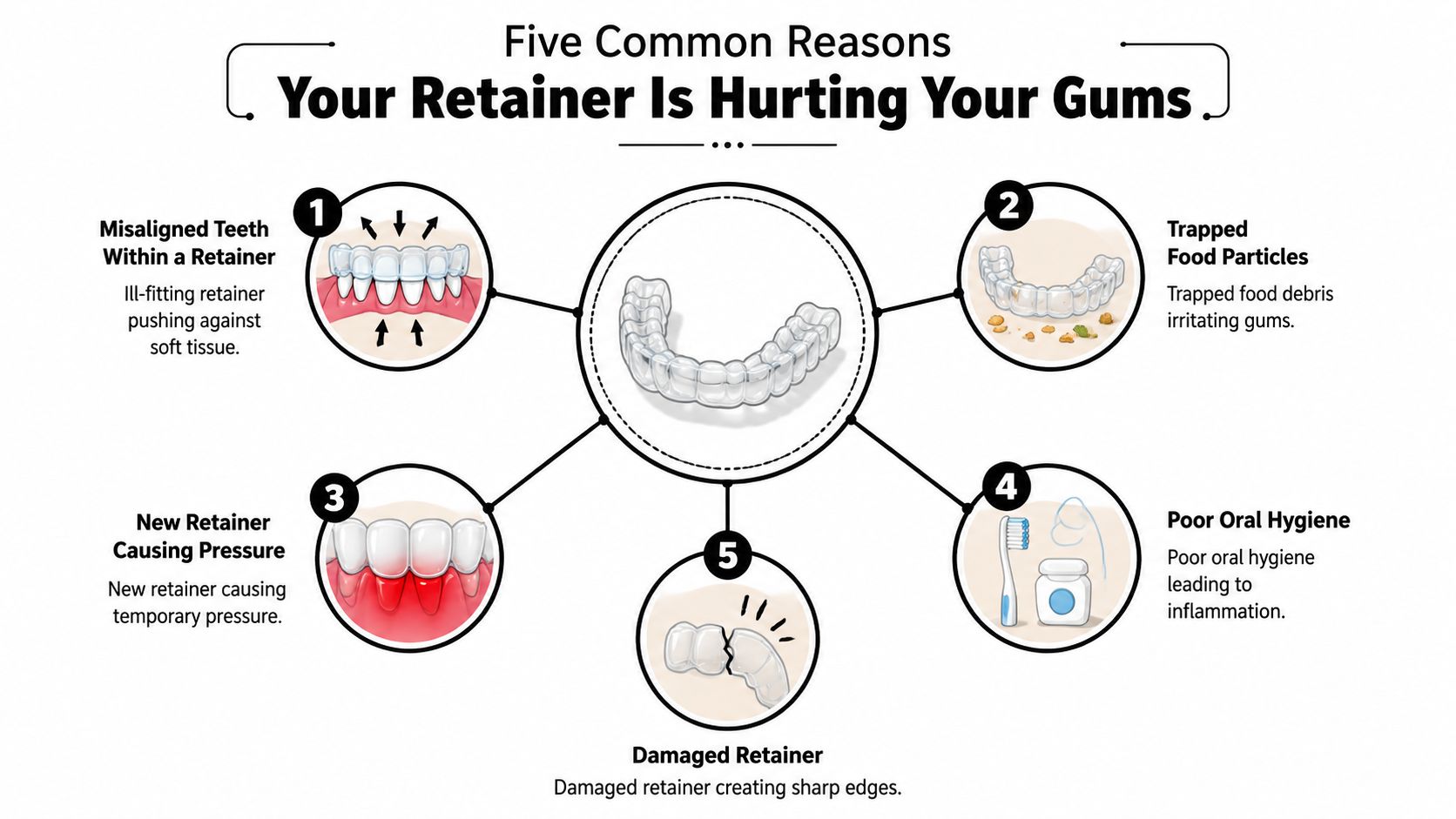
Your teeth have shifted since the retainer was made
This is one of the most common reasons a retainer suddenly feels tight or starts pressing on the gums. Even a small amount of tooth movement can change how the appliance seats. What used to slide into place evenly may now press harder on one side, especially near the gumline.
Patients usually notice a pattern. The retainer feels harder to insert, it leaves one area sore, or it creates pressure that lasts longer than the first few minutes. If wear has been inconsistent, this moves higher on the list.
The retainer no longer fits the way it should
Retainers wear out. Plastic can lose its shape, wires can drift slightly, and a retainer that looked fine a few months ago may no longer sit passively against the teeth. When the fit changes, the gum tissue often takes the hit first.
Here's the pattern I ask patients to watch for:
| What you notice | What it may mean |
|---|---|
| General tightness | Mild tooth movement or a retainer that is no longer seating fully |
| One sore spot along the gumline | Localized pressure from a poor fit |
| Retainer rocks or shifts | Warping or distortion |
| Pain each time you insert it | Repeated tissue trauma, not simple adjustment |
A home check can help, but it has limits. If the fit problem is subtle, 3D imaging and an in-office exam give a much clearer answer than guessing from the bathroom mirror.
The retainer has a crack, rough edge, or bent area
Damage changes pressure fast. A tiny crack in clear plastic or a slightly bent wire can create one sharp contact point that rubs the same patch of gum over and over. That kind of irritation often feels more pointed than normal retainer soreness.
Heat is a frequent cause. Retainers left in a hot car, rinsed in hot water, or stored poorly can distort just enough to become uncomfortable. Patients sometimes assume they need to "get used to it," but damaged appliances do not improve with more wear.
If the pain is sharp, repeatable, and easy to locate with your tongue, I start by looking for a defect.
Plaque buildup and gum inflammation are making the tissue more sensitive
Sometimes the retainer is only part of the problem. If plaque and bacteria collect on the appliance, the gums can become inflamed and swollen. Then even normal pressure feels exaggerated.
This is why cleaning matters so much. A retainer placed against irritated tissue can turn mild gum inflammation into nightly soreness. If you have also noticed puffiness, bleeding when brushing, or tenderness in other areas, you may be dealing with both a retainer issue and a gum health issue. Our guide on how to treat receding gums at home explains what you can do safely at home and what needs a dental exam.
The material or surface is irritating the tissue
Some patients react to a retainer that appears normal. The issue may be a roughened surface, tiny wear changes that are hard to see, or a material that your soft tissue does not tolerate well. The result is usually very localized irritation in the same spot each time you wear it.
This is where better diagnostics matter. If the appliance looks intact but the same area keeps getting sore, we do not have to rely on trial and error alone. At 3D Dental, imaging and close evaluation help us determine whether the problem is tooth position, appliance distortion, gum inflammation, or a surface issue that warrants repair or replacement.
What usually makes it worse
Patients often wait too long or try fixes that create more irritation.
- Forcing the retainer into place: This can increase pressure on already tender tissue.
- Cleaning with water alone: Biofilm stays behind and continues to irritate the gums.
- Ignoring a rough spot: Repeated rubbing can turn a sore area into an ulcer.
- Trimming or bending the retainer at home: This can make the fit less stable and harder to correct professionally.
The practical takeaway is simple. Soreness from a new retainer can be normal for a short time. Gum pain that is sharp, one-sided, recurring, or getting worse usually means something specific has changed, and the right exam can show exactly what it is.
At-Home Relief and When to Call Your Georgetown Dentist
You put your retainer in at night, and within minutes one spot on the gum starts throbbing. That kind of irritation is hard to ignore, especially when you are trying to decide whether to push through it or stop wearing the appliance and call us in Georgetown.

What you can do at home first
Start with the basics that reduce irritation without changing the fit of the retainer.
- Rinse with warm salt water: This can calm inflamed tissue and keep the area cleaner.
- Clean the retainer before you reinsert it: A thin film of plaque or dried debris can keep rubbing the same tender spot.
- Use over-the-counter pain relief as directed: This can help with short-term soreness while you monitor the area.
- Choose softer foods for a day or two if your gums feel aggravated: Less chewing friction often helps irritated tissue settle.
- Look at the retainer under bright light: Check for a crack, bent wire, chip, or rough edge that could be scraping the gum.
If your concern involves more general gum tenderness, swelling, or recession, our guide on how to treat receding gums at home explains what home care can help and where an exam becomes the better next step.
How long is normal
A new or recently adjusted retainer can create mild pressure at first. The key question is whether the soreness is improving day by day.
The American Association of Orthodontists notes that some pressure and minor discomfort can be expected when an orthodontic appliance is first worn or reinserted after time away, but ongoing pain, tissue injury, or a retainer that no longer fits properly should be evaluated by a dentist or orthodontist. In practical terms, I tell patients to expect gradual improvement over several days. If you are still distinctly sore after about a week, or the area is getting worse instead of better, the fit needs to be checked.
Sharp pain is different. So is bleeding.
Those signs usually point to a specific problem such as a pressure point, distortion, a rough edge, or gum inflammation that home care will not solve. That is one reason we do not rely on guesswork at 3D Dental. If the appliance looks fine but keeps injuring the same area, an in-office exam and digital evaluation can tell us whether the issue is the retainer, the tooth position, or the gum tissue itself.
Call your Georgetown dentist sooner if you notice any of these
- The retainer suddenly feels too tight or will not seat fully
- One area of gum is cut, bleeding, or repeatedly ulcerated
- Pain is sharp, one-sided, or wakes you up
- The retainer has a visible crack, chip, or bent wire
- You stopped wearing it for a while and now it hurts every time you try to put it back in
For a quick visual overview, this video walks through common retainer discomfort issues and what to watch for before the problem gets worse.
Mild pressure that improves can be normal. A retainer that cuts your gums, bleeds, or stops fitting correctly should be checked promptly.
How Our Advanced Dental Technology Provides Relief
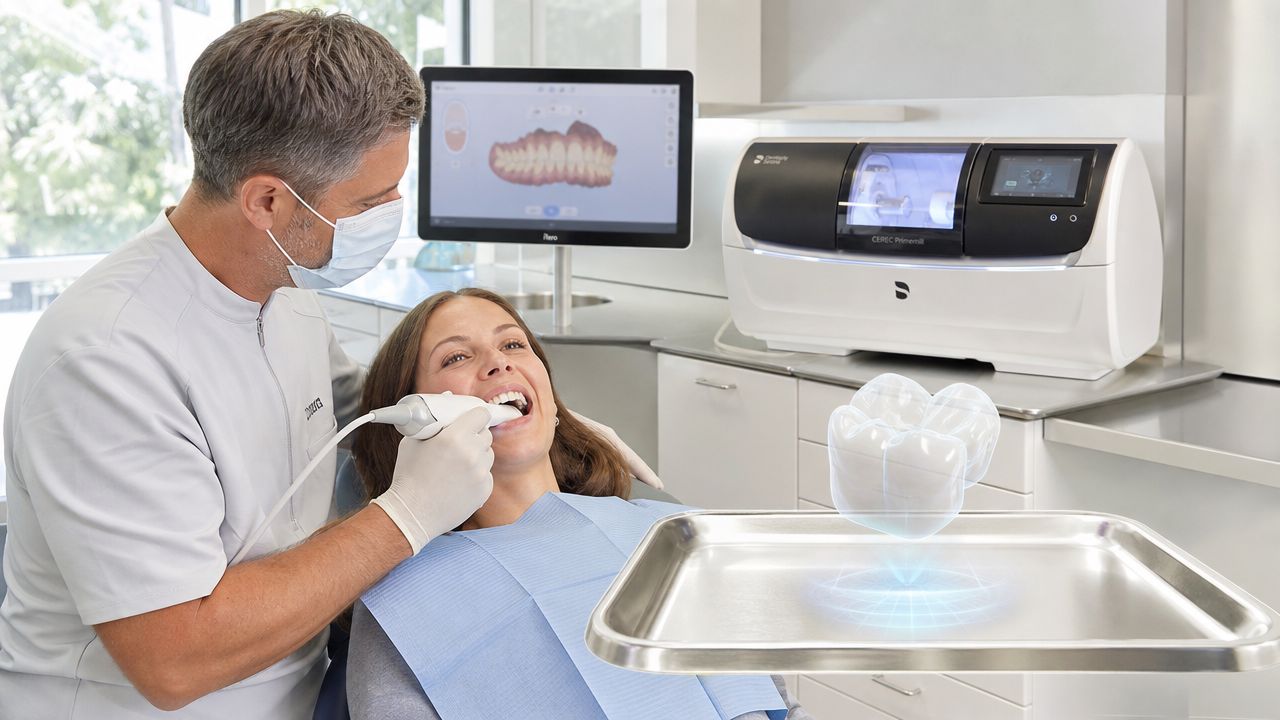
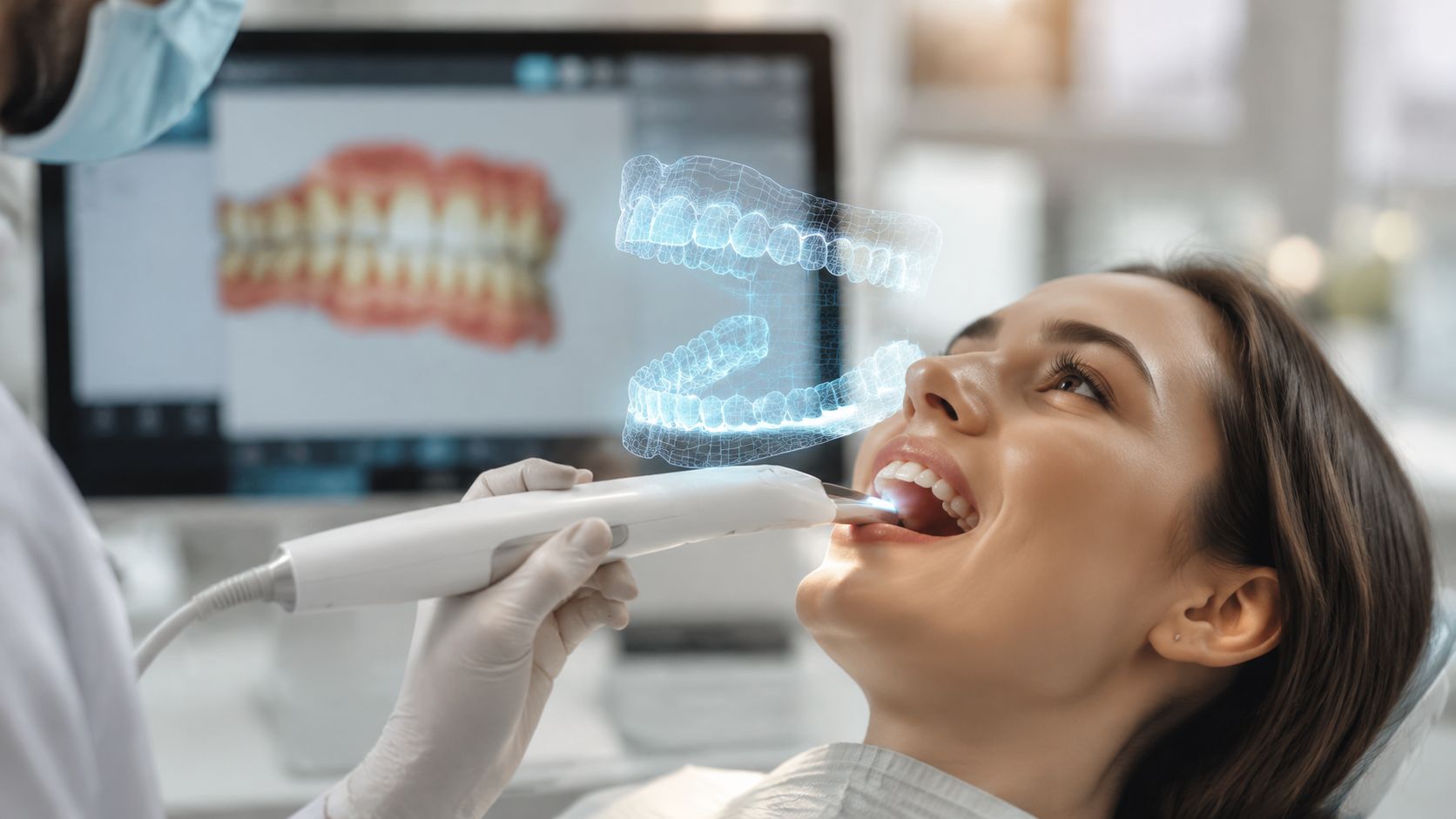
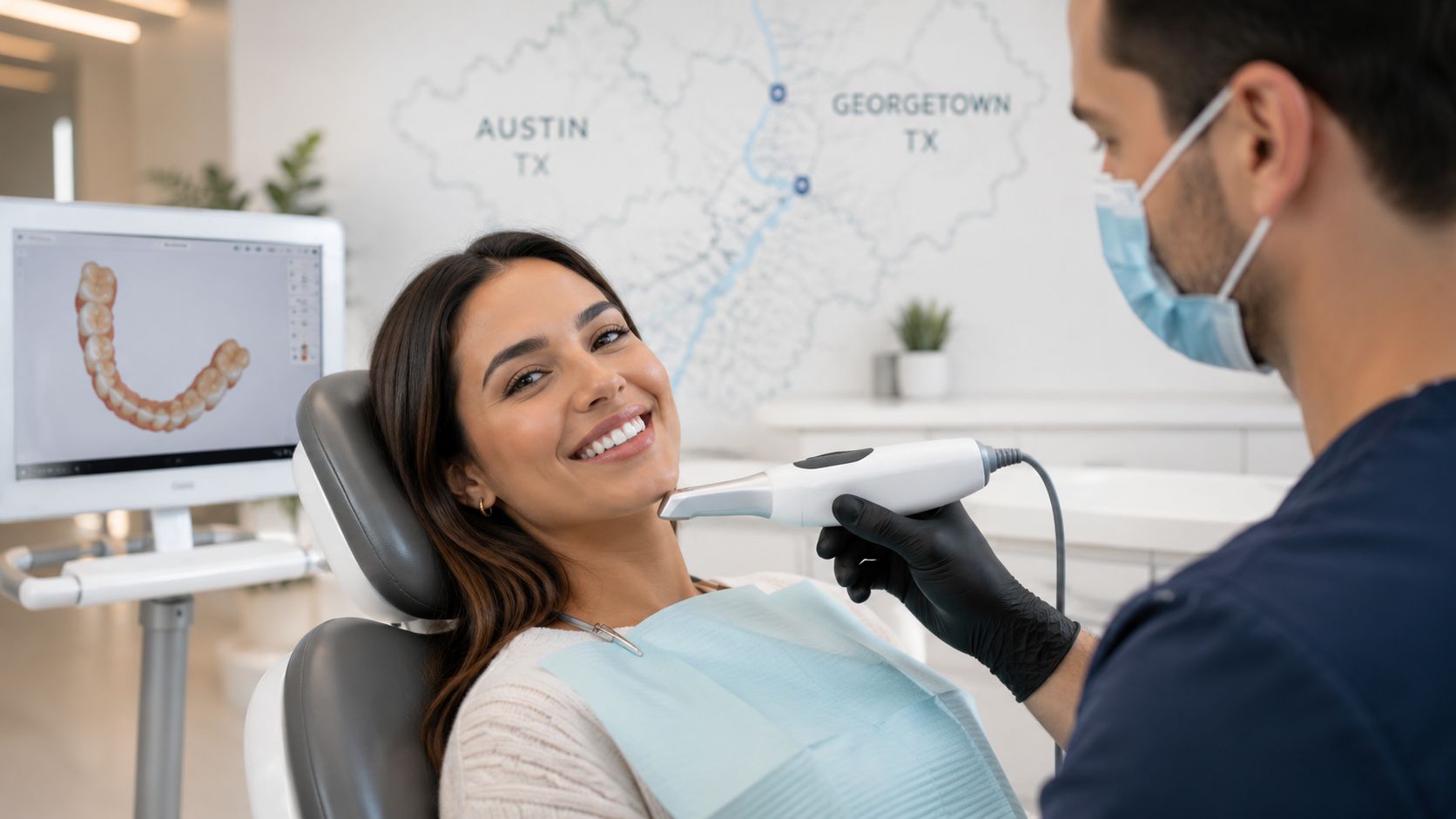
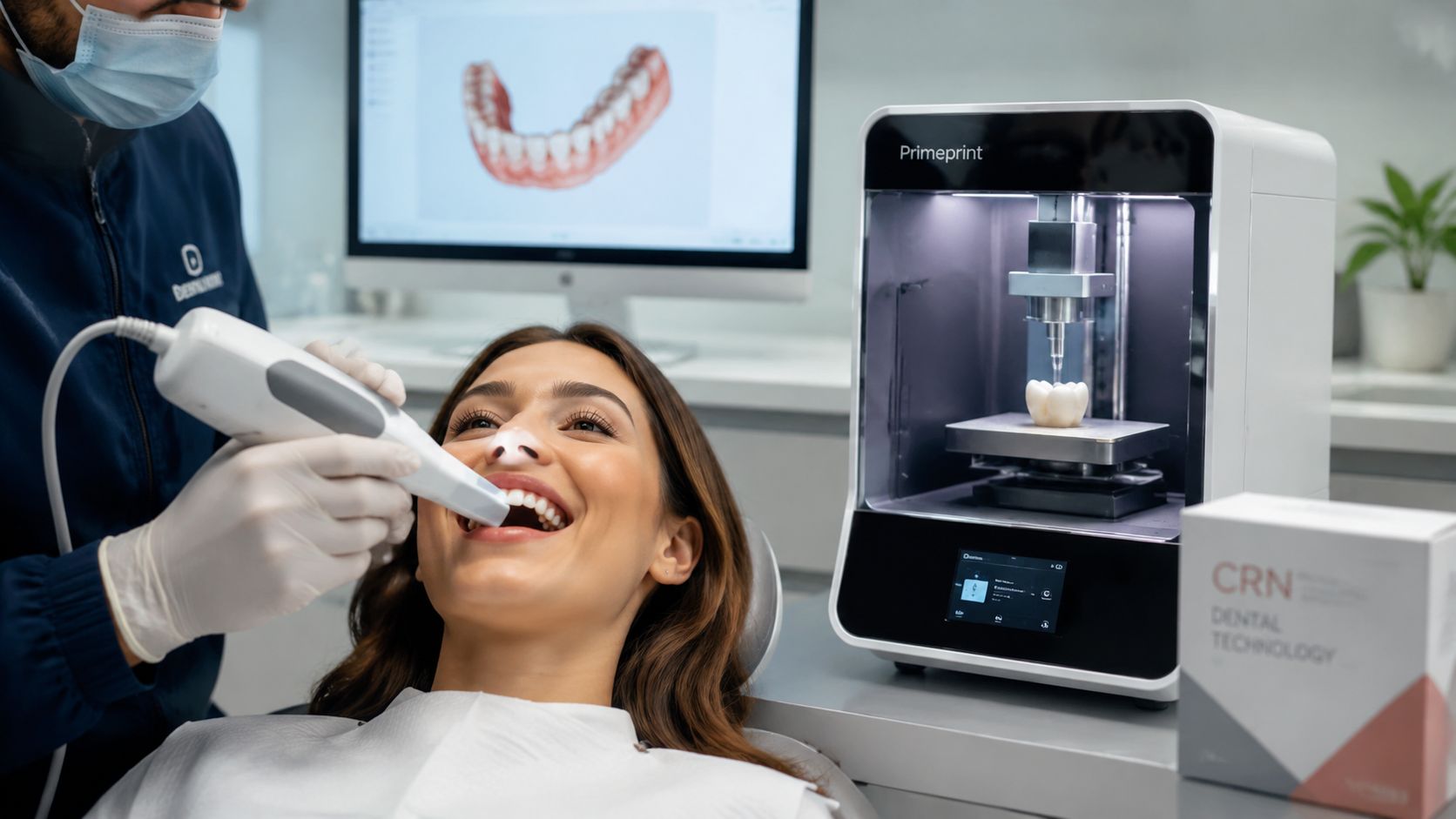
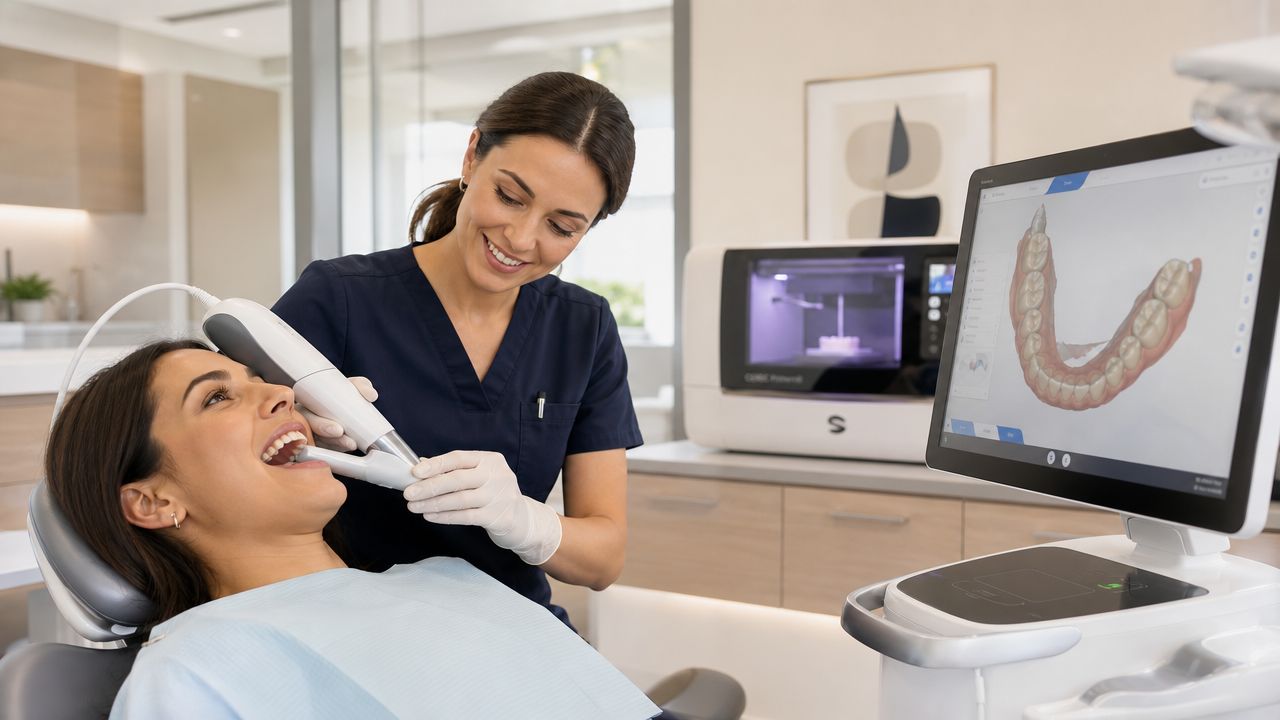
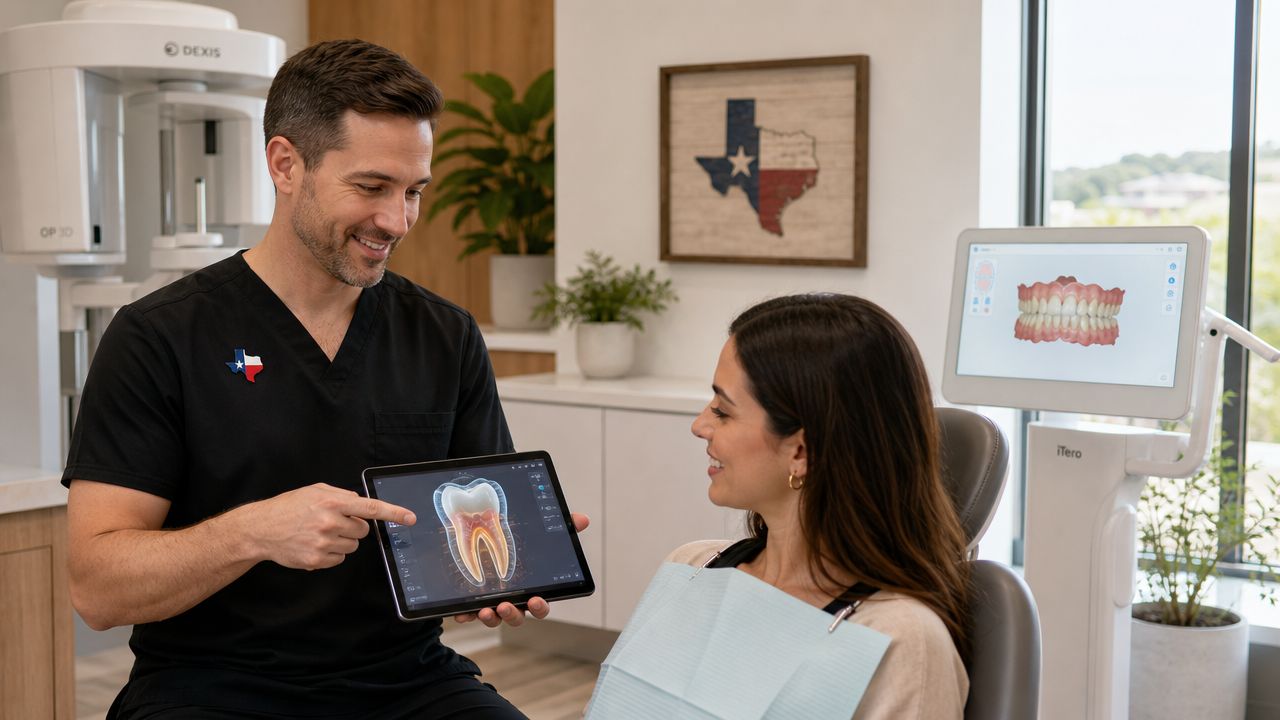
A retainer can look normal in the mirror and still injure the same small patch of gum every time you wear it. That is why a visual check at home often falls short. At 3D Dental, we use imaging and digital fit analysis to pinpoint the exact source of the irritation so treatment is based on evidence, not guesswork.
What better diagnostics actually reveal
Several different problems can feel identical to a patient. A slight warp in clear plastic, a rough trimmed edge, a tooth that has shifted a fraction, inflamed gum tissue, or a crack around a bonded wire can all register as, “my gums hurt when I put this in.”
Digital diagnostics help separate those causes.
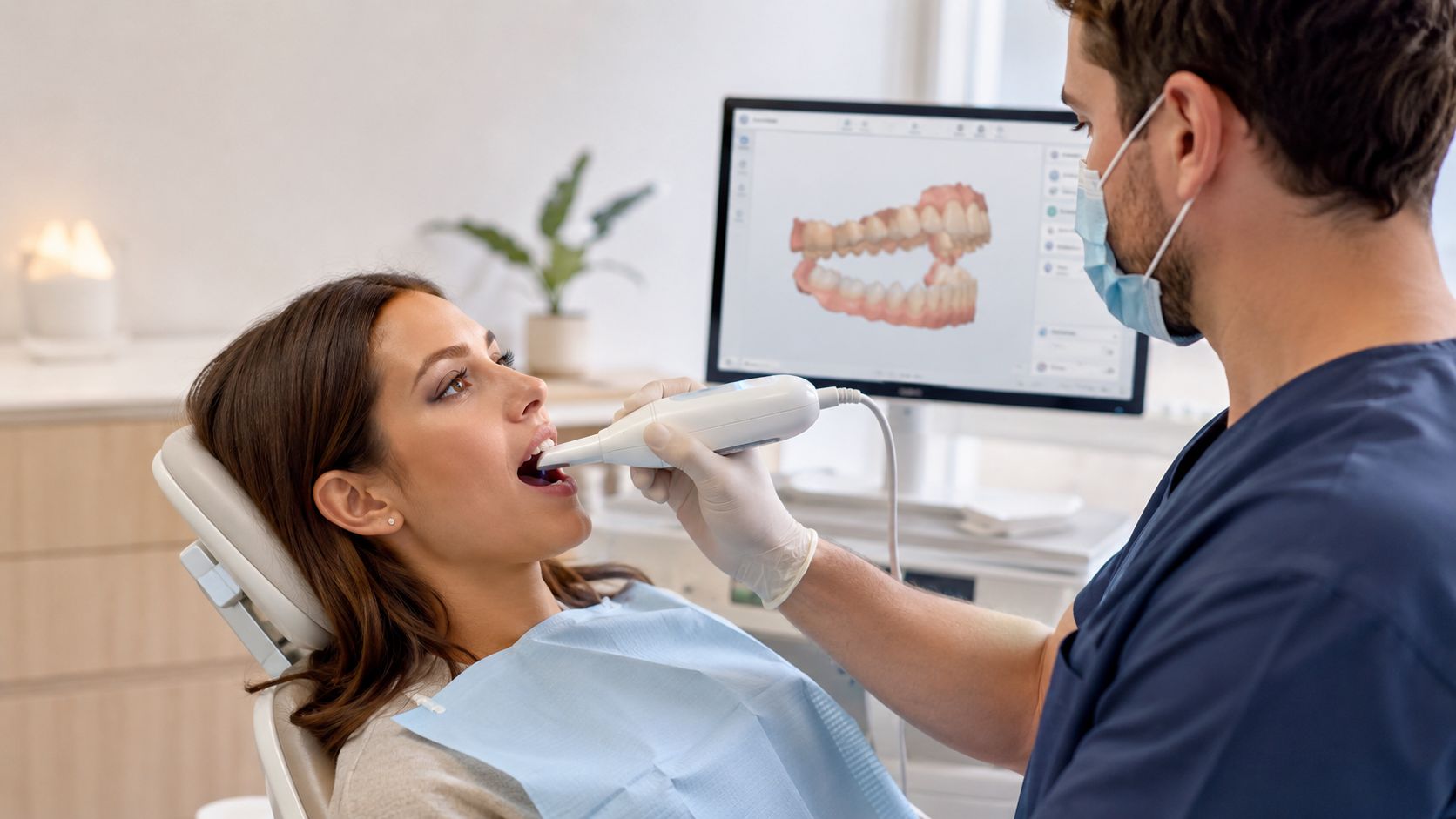
For example, a patient may come in with soreness behind one upper canine even though the retainer appears intact. With a digital scan, we can compare the retainer's fit against the current position of the teeth and spot a tiny pressure area on the gum side of that tooth. It may be small enough to miss with the naked eye, but it is large enough to create repeated irritation every night. In that case, the solution is not more saltwater rinses. It may be a precise adjustment, a replacement retainer, or treatment for gum inflammation if the appliance is fitting correctly and the tissue is the primary problem.
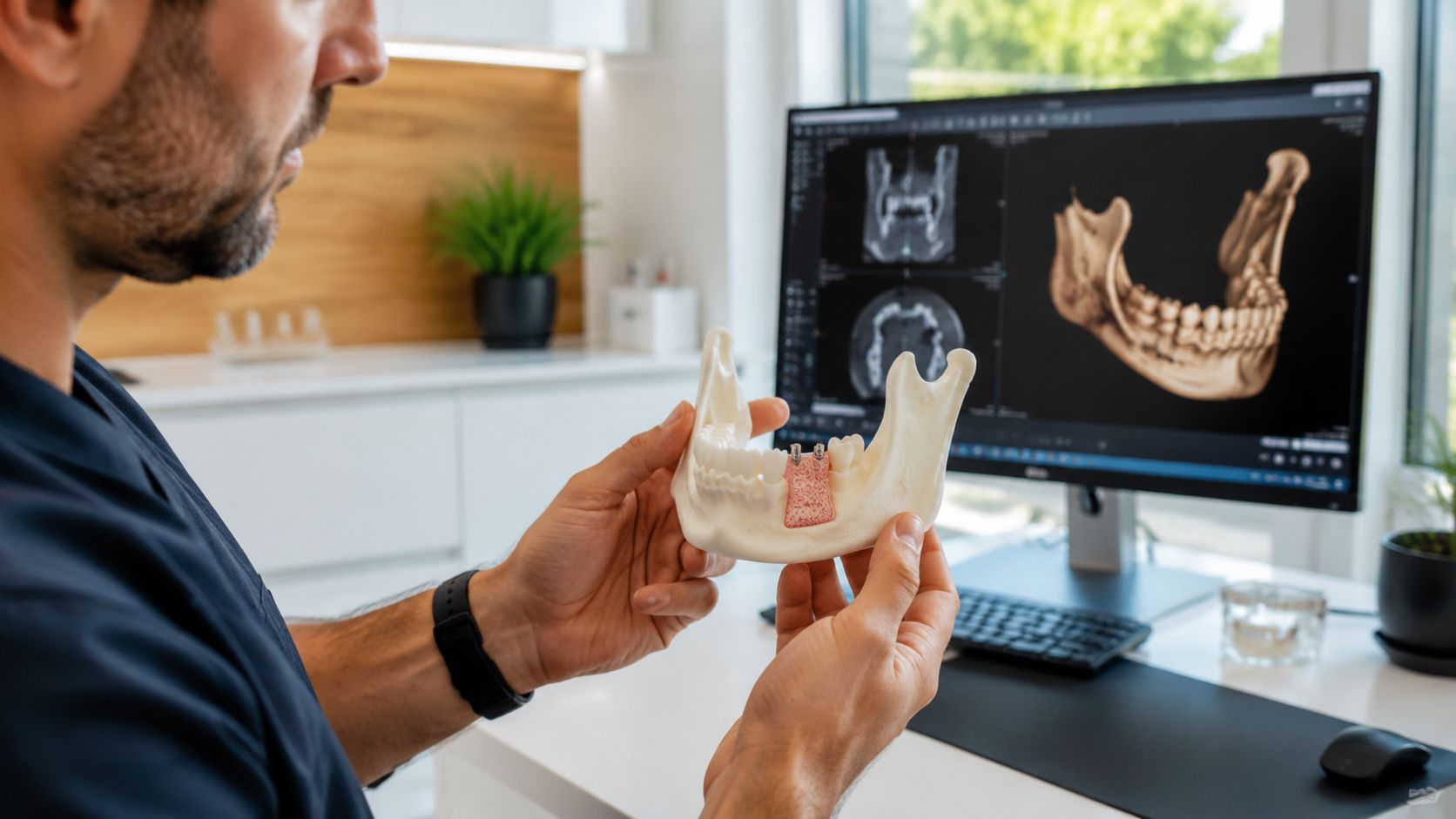
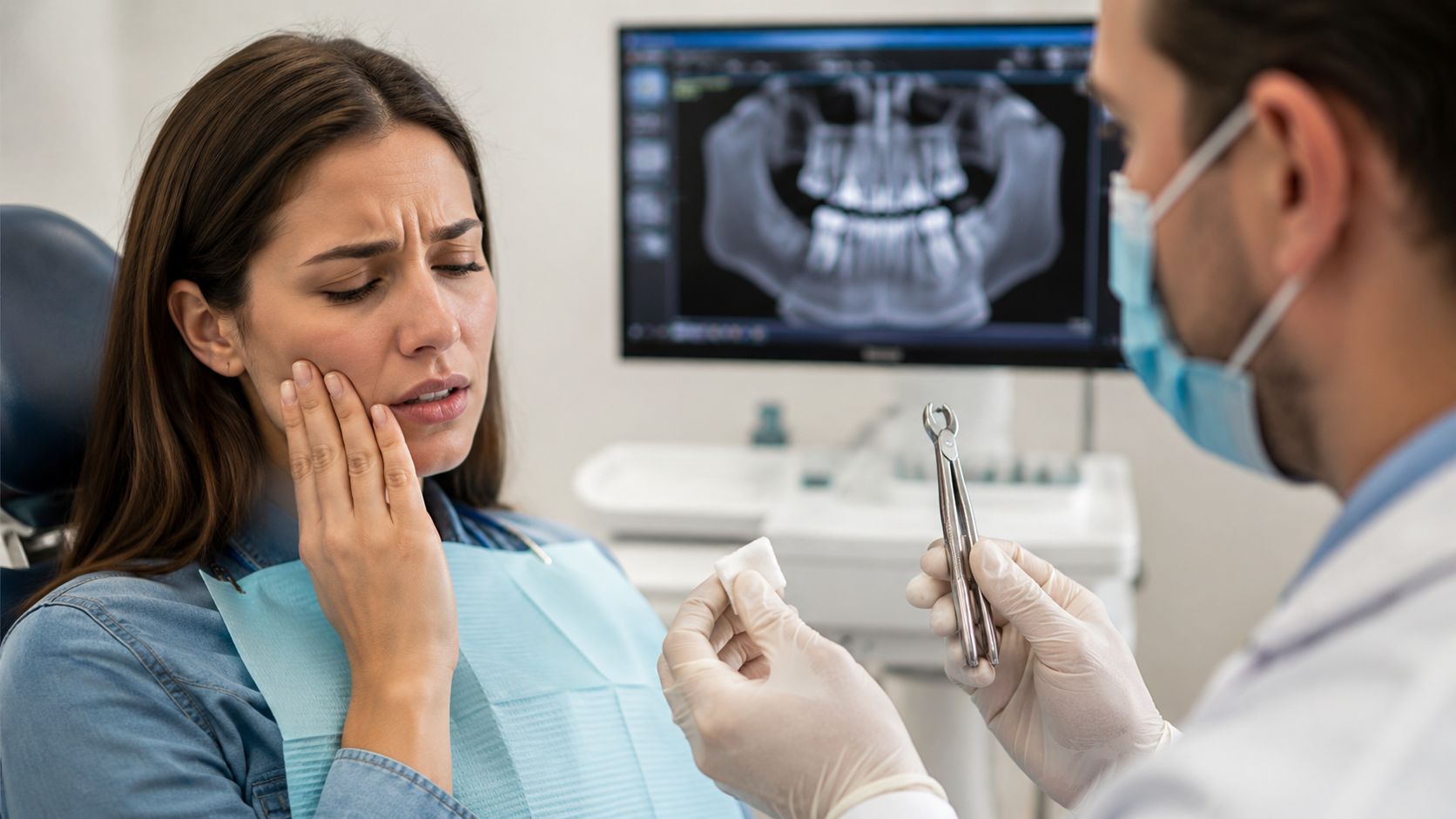
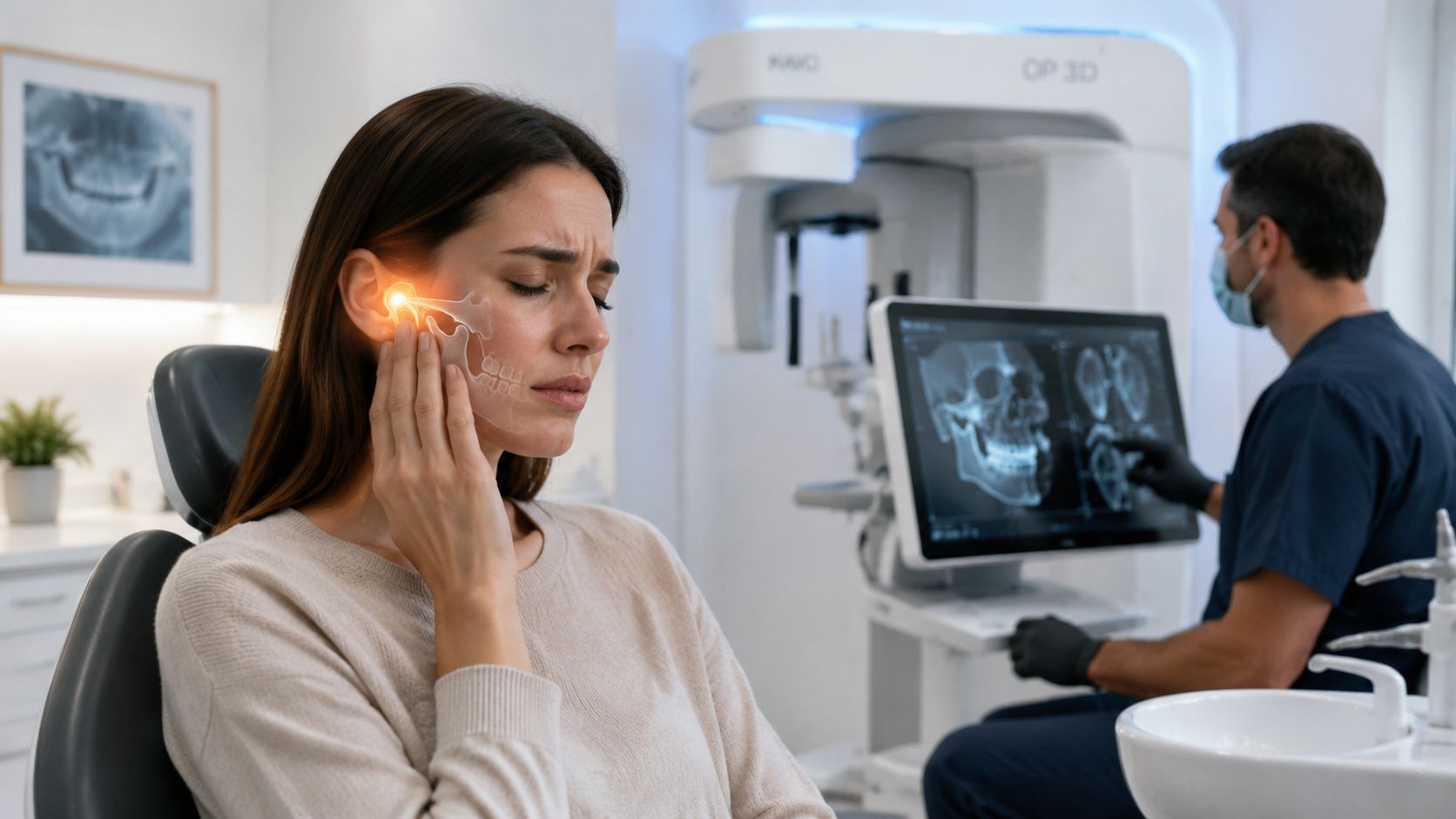
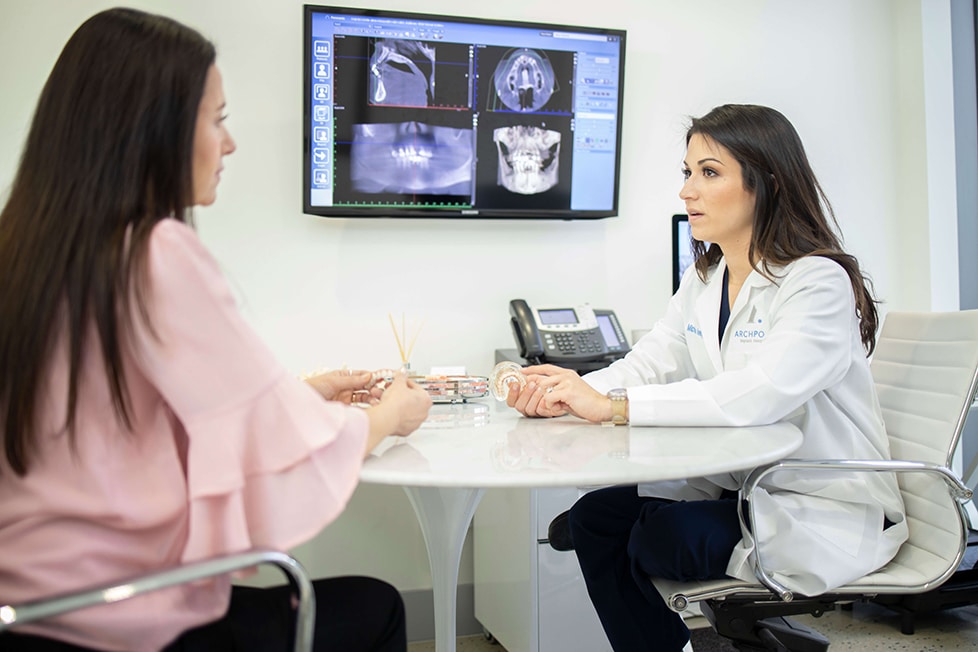
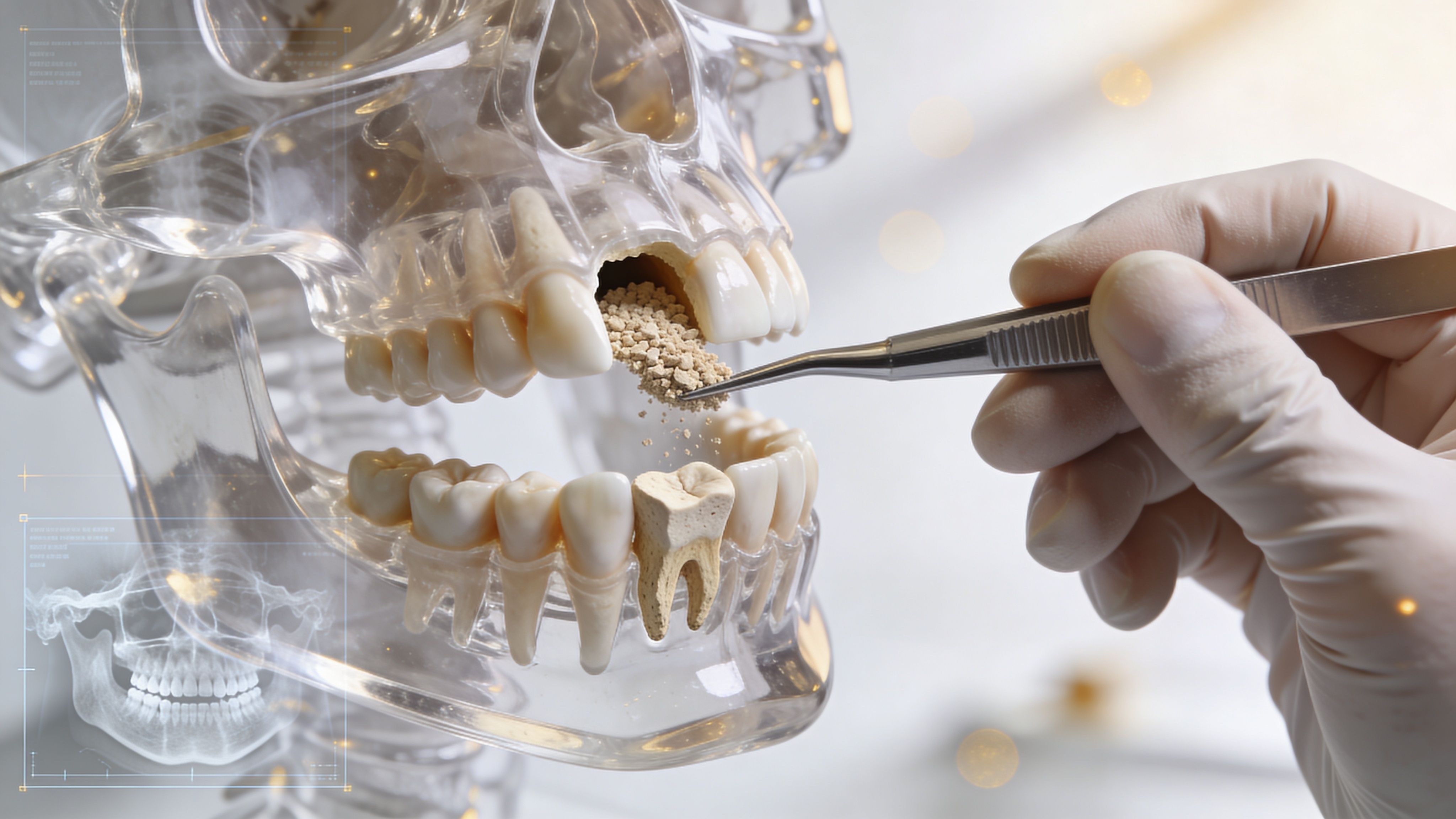
We may also use 3D CT imaging when the discomfort suggests something deeper than a simple edge issue, such as a tooth position change, bone support concern, or irritation around existing dental work that affects how the retainer seats.
Why this is better than guessing at home
Home care can calm symptoms. It cannot show you whether the retainer changed shape after heat exposure, whether one tooth moved enough to create excess pressure, or whether the sore spot is tied to the gum tissue and not the appliance.
That trade-off matters.
Orthodontic wax can cushion a rough area for a night or two. A rinse can settle inflamed tissue. Neither one tells you why the same area keeps getting injured. In practice, that difference is what determines whether the problem resolves quickly or keeps coming back.
If you want to see how we capture that level of detail, our page on digital dental impressions shows how modern scanning records the teeth and gumline with much more precision than traditional impressions.
The advantage of seeing one team that can diagnose the full problem
Retainer pain is not always just a retainer problem. Sometimes the appliance needs adjustment. Sometimes the gums need treatment. Sometimes an older crown, bonded wire, or bite change is what made a once-comfortable retainer start rubbing.
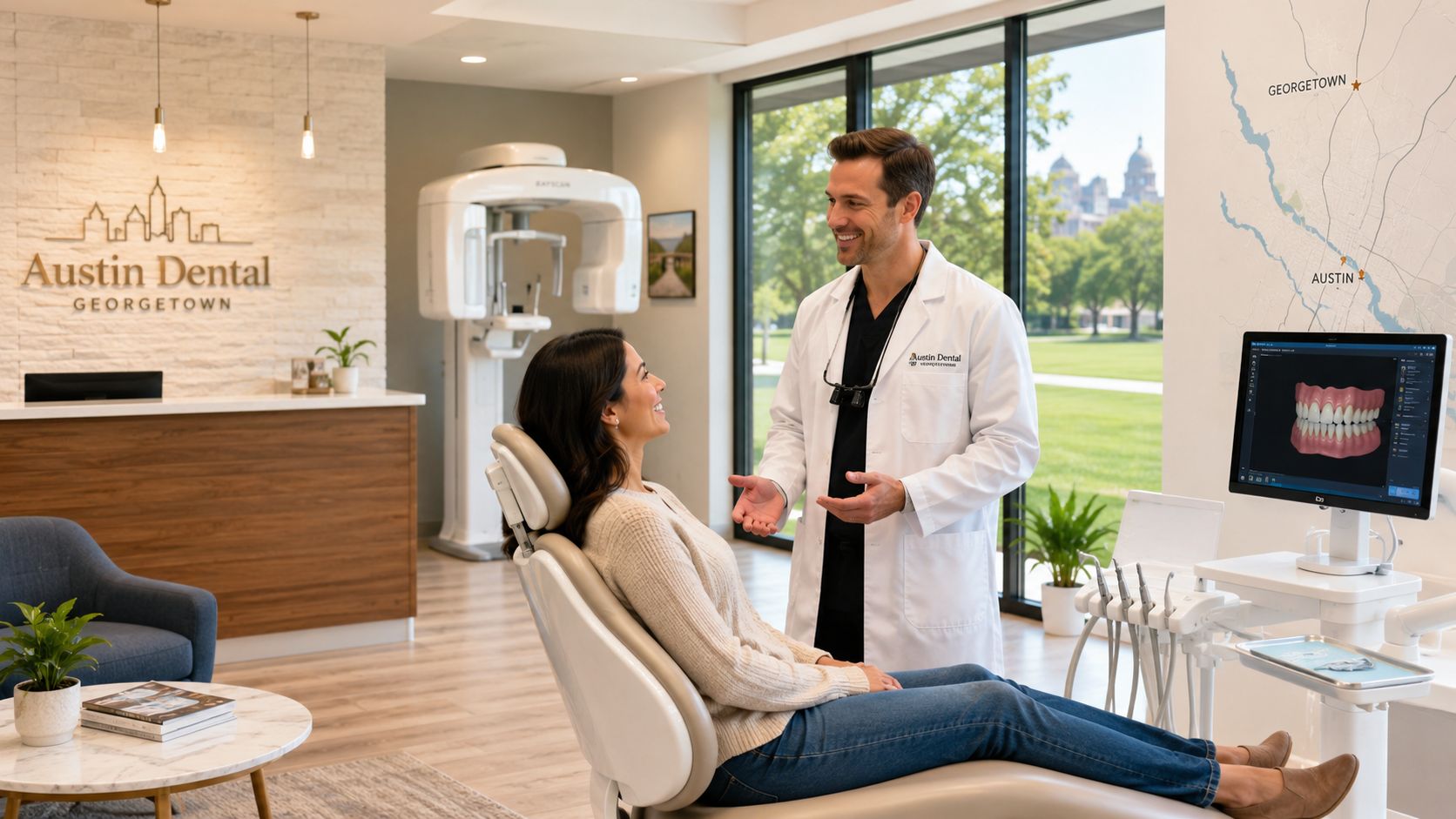
That is the benefit of being seen in a full-service office in Austin or Georgetown. We can evaluate the appliance, the teeth, the bite, and the gum tissue in the same visit, then recommend the fix that matches the cause.
Better technology gives us a clear starting point. Once we know exactly what is creating the pressure, we can relieve it much more predictably.
What to Expect at Your Retainer Adjustment Appointment
You put your retainer in, feel that same sore spot along the gumline, and wonder whether this visit will end with a new appliance, a quick adjustment, or another vague answer. A good appointment should answer that question clearly.
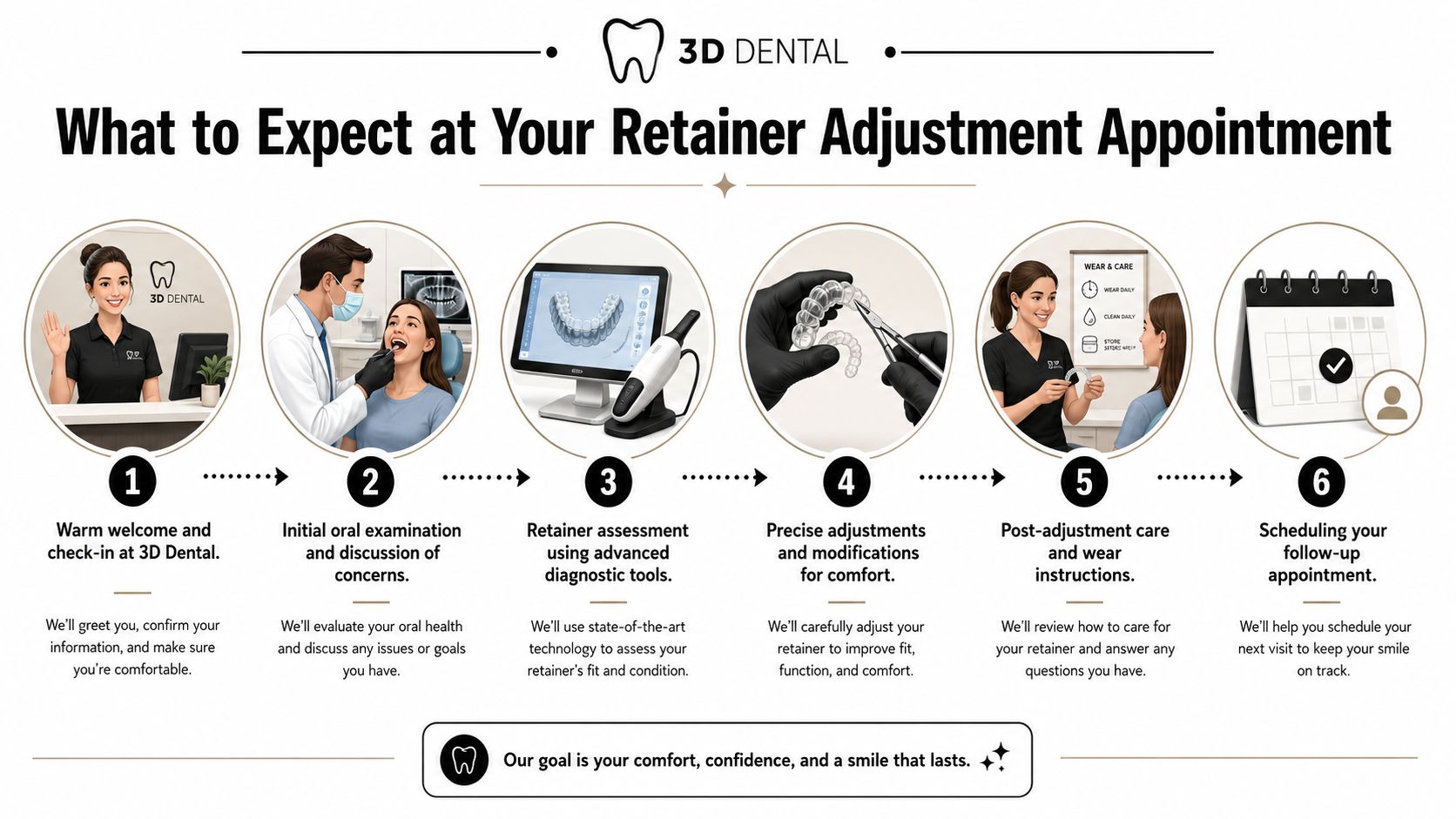
The visit starts with the pattern of your pain
The first part of the appointment is often a focused conversation. We want to know when the soreness started, whether it happens in the same place every time, and whether anything changed before it began, like missed wear, heat exposure, or a retainer that suddenly feels tight on one side.
Those details matter because they point us in different directions. Gum tenderness during removal can suggest one kind of fit problem. A sore spot that appears only after a few hours of wear can suggest another.
From there, the exam becomes very specific. We check how the retainer seats, where it contacts the gum tissue, whether the acrylic or plastic has a rough edge, and whether the teeth still match the appliance the way they should.
What we may do during the appointment
The right fix depends on the cause. Your visit may include:
- Adjusting a pressure point: A small trim or smoothing adjustment can stop repeated rubbing.
- Testing the fit carefully: We check whether the retainer is fully seating or hanging up on one tooth.
- Examining the gums and surrounding teeth: Sometimes the sore area is not just friction. It can be inflamed tissue, a bite issue, or a change around a restoration.
- Using digital diagnostics when the cause is not obvious: At 3D Dental, 3D imaging and digital scanning help us see whether the problem is the appliance, tooth movement, or the way the retainer is contacting the gumline.
- Recommending replacement if needed: If a retainer is warped, cracked, or no longer accurate, adjusting it further can create more irritation instead of solving it.
That last point is an important trade-off. Patients often hope to save the current retainer, and sometimes we can. If the fit is off because the material changed shape or the teeth no longer line up with it, replacement is usually the more predictable and safer choice.
What patients usually want to know
Two questions come up in almost every appointment. Can this be fixed today? Will I need a new retainer?
Often, yes, we can relieve the sore area the same day. If the issue is a rough edge or a small pressure point, the solution is usually straightforward. If digital imaging shows a deeper mismatch between the retainer and your teeth, a new retainer may be the better answer because it addresses the source of the irritation instead of temporarily easing it.
A retainer adjustment appointment should end with a clear diagnosis and a plan that matches what we actually found.
Before you leave, you should know what caused the pain, what was done to correct it, how to wear the retainer while the tissue settles down, and when to come back if the area does not improve.
Protect Your Smile and Prevent Future Retainer Pain
The best way to prevent retainer pain is to protect both parts of the equation. Keep the retainer clean and keep your wear routine consistent. Most flare-ups happen when one of those breaks down.
The consistency piece matters more than people think. Removing retainers for even a few days can cause teeth to shift back, creating significant pain when the retainer is reinserted because it no longer fits the newly shifted teeth, forcing them back into alignment abruptly, according to guidance on restarting a retainer after time away.
Simple habits that make a real difference
- Wear it on schedule: Don't wait until it feels tight to start being consistent again.
- Clean it daily: A clean appliance is less likely to irritate already sensitive gum tissue.
- Keep it away from heat: Warped plastic changes fit fast.
- Store it safely: Loose retainers get cracked, bent, and stepped on.
- Stay current with dental care: Healthy gums tolerate normal retainer pressure better than inflamed gums do.
This is also where routine dental care helps. Regular cleanings, exams, and dental x-rays can catch gum problems, bite changes, and wear issues before they turn into pain. If you're also considering cosmetic dentistry, restorative dentistry, tooth extraction, or even dental implants near me, a complete dental home matters because all of those factors can influence how your bite and appliances feel over time.
If you've been searching for a dentist near me, a dentist in Austin, TX, or a dentist in Georgetown, TX because your retainer is hurting your gums, don't keep guessing. A short exam can tell you whether this is simple adjustment, gum inflammation, or an appliance problem that needs a precise fix.
If your retainer is making your gums sore, sharp, or swollen, schedule an appointment with 3D Dental. Patients in Austin, Georgetown, Wells Branch, Cedar Park, Round Rock, and Liberty Hill can get a clear evaluation, modern imaging, and practical treatment that solves the cause of the pain, not just the symptom.
Ready to get started?
Schedule a free, no obligation consultation with our team and see what's possible for your smile!
Georgetown
- Mon-Thurs8:30am-5pm
- Fri8am-3:30pm
- Sat-SunClosed
Austin
- Mon-Tues8am-5pm
- Wed-Thurs9am-6pmFri8am-2pm
- Sat-SunClosed