
Wisdom Tooth Extraction Swelling: A Timeline & Care Guide
Related Posts





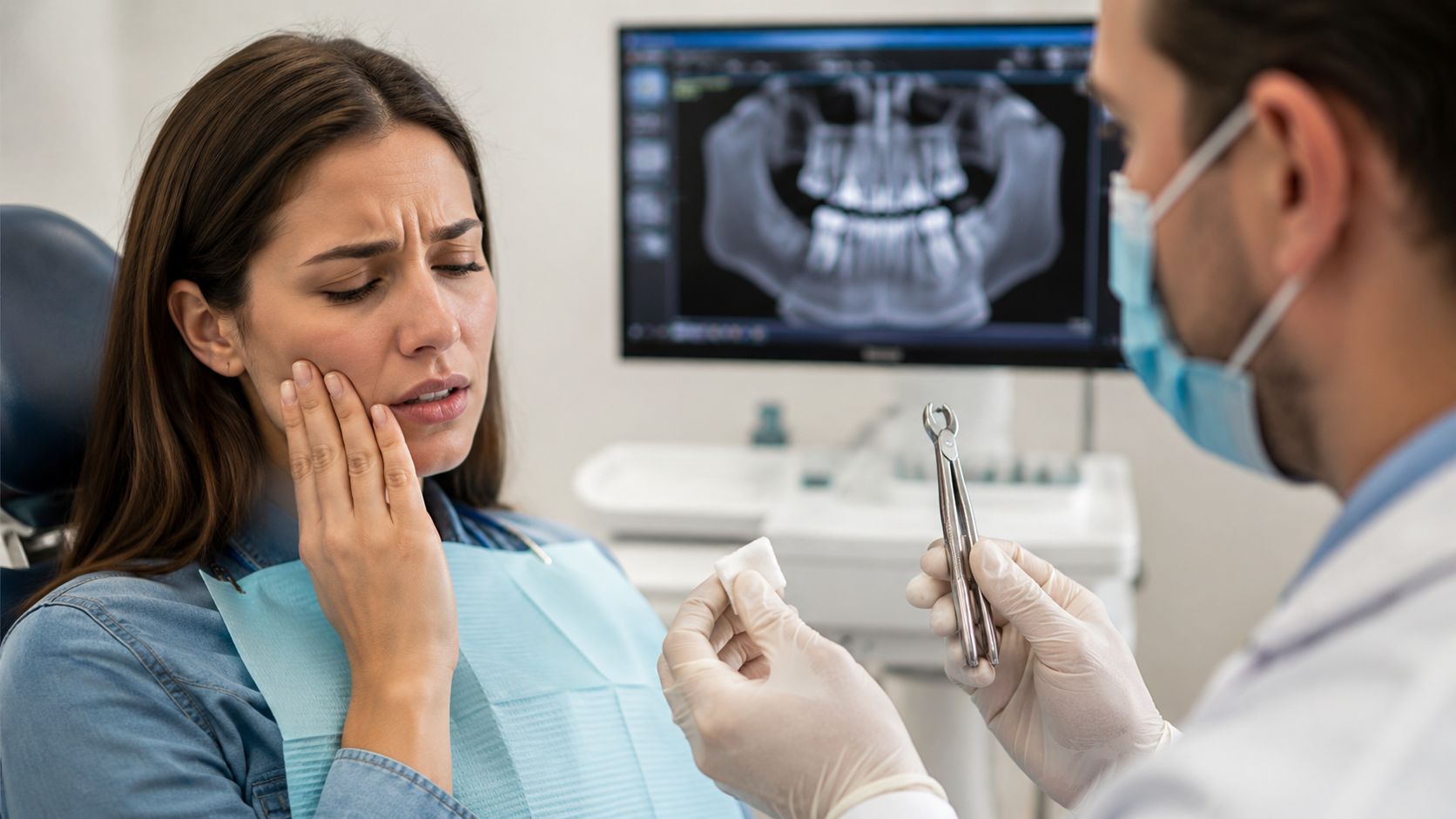

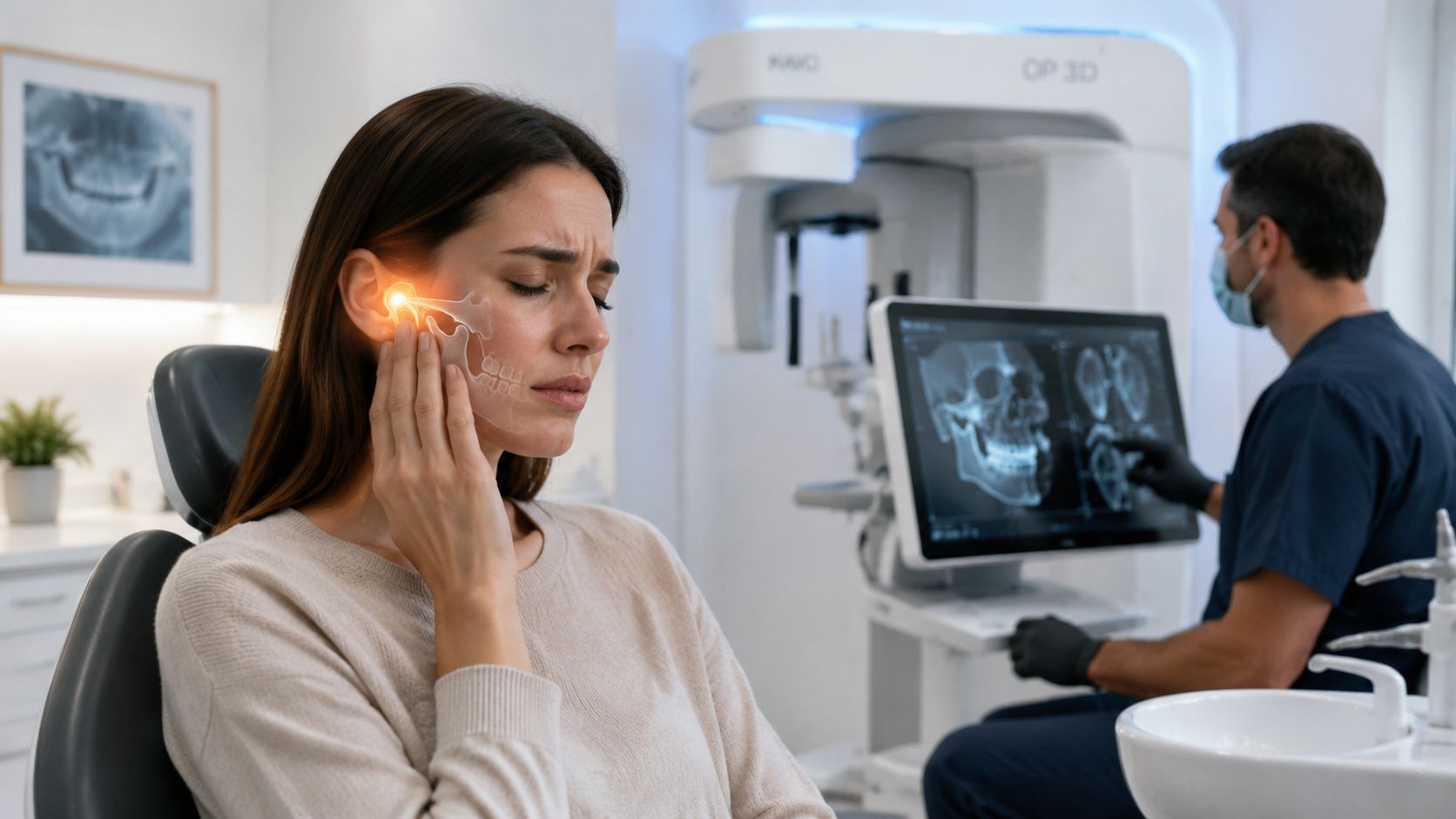





























Waking up the morning after a wisdom tooth extraction can feel unsettling. Your cheeks look fuller, your jaw feels tight, and it's hard not to wonder whether this amount of swelling is normal or a sign that something's off.
For many patients in Austin, Georgetown, Round Rock, and Cedar Park, this is the moment when good post-op instructions matter most. Recovery is easier when you know what your body is doing, what care helps, and when it's time to call for support. That first week isn't just about getting through swelling. It's the start of a working partnership with a local dental team that can answer questions, check healing, and help you recover comfortably.
Your Trusted Austin Dentist for Tooth Extraction Aftercare
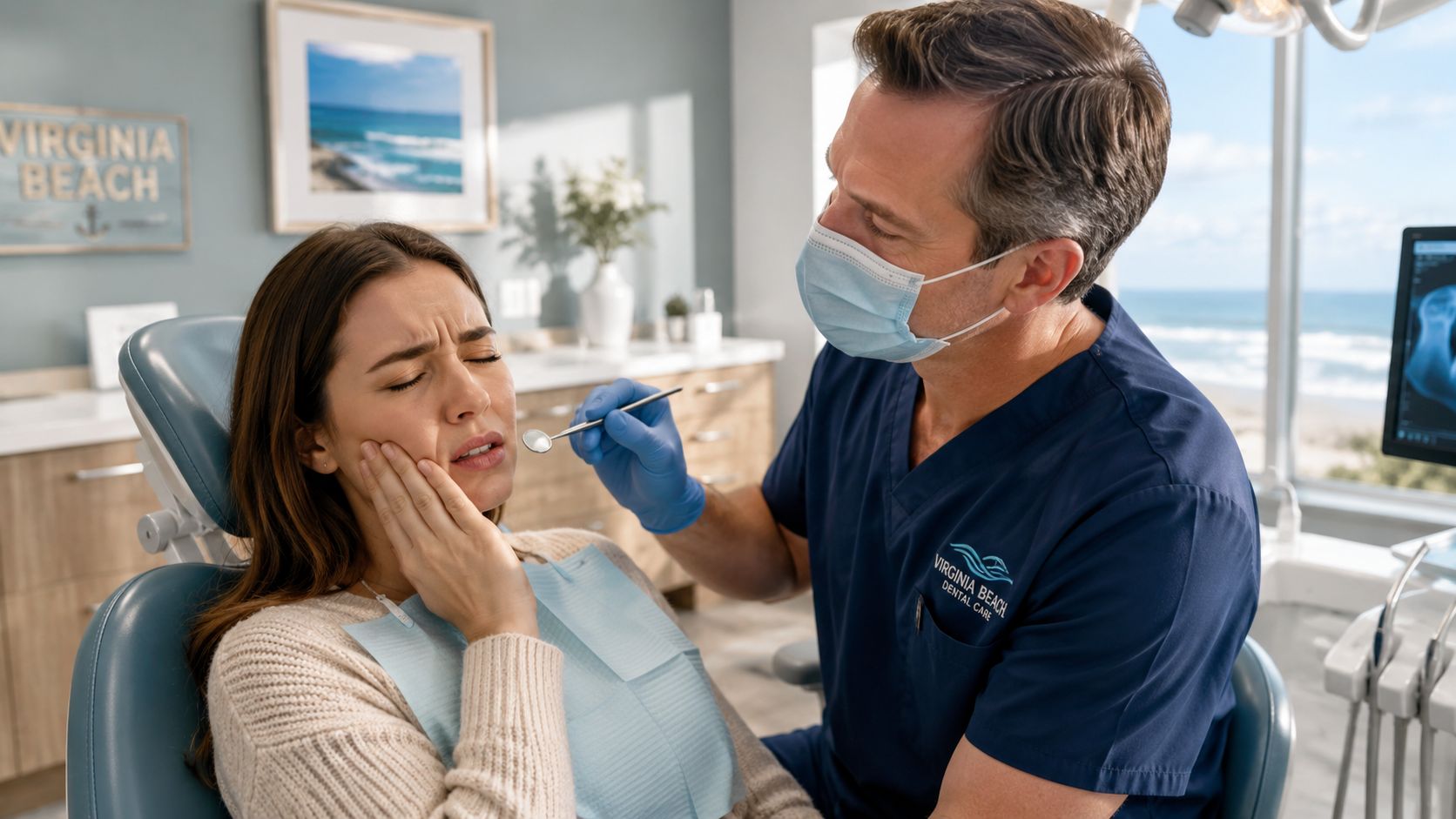
A lot of patients describe the same moment. They get home, rest, follow instructions, and then later catch their reflection and see the familiar “chipmunk cheeks” look. That change in facial swelling can be surprising, especially if the extraction itself went smoothly and discomfort seemed manageable at first.
That reaction is understandable. Few consider wisdom tooth extraction swelling until they are dealing with it directly. When your face feels puffy and your jaw is stiff, reassurance needs to be practical, not vague. You want to know what's normal, what helps, and whether a nearby dentist can see you if something changes.
For patients in Austin and Georgetown, that kind of support should feel local and accessible. If you're getting ready for treatment or want to understand what recovery usually involves, how to prepare for wisdom tooth extraction is a useful starting point before surgery and a helpful reference afterward.
What patients usually need most
Some people need reassurance that swelling alone doesn't mean the extraction failed. Others need a simple plan for the next meal, the next night of sleep, or the next time they change gauze. Good aftercare is rarely about doing one dramatic thing. It's about doing the right small things consistently.
Practical rule: A comfortable recovery usually comes from steady habits, rest, gentle cleaning, and knowing when to ask for help.
Local care matters during recovery
When you're sore, driving across town for answers doesn't feel realistic. Patients in Georgetown, Wells Branch, Liberty Hill, and North Austin often do better when post-op care is close to home and easy to reach. That matters whether you need routine guidance after a tooth extraction, a same-day check for a concern, or follow-up care that connects to your long-term dental health.
The same office that helps with extractions should also be able to help with the next steps, including emergency dentist visits, cleaning and exams, dental x-rays, restorative dentistry, or dental implants if a future replacement ever becomes part of the conversation.
Understanding Post-Extraction Swelling
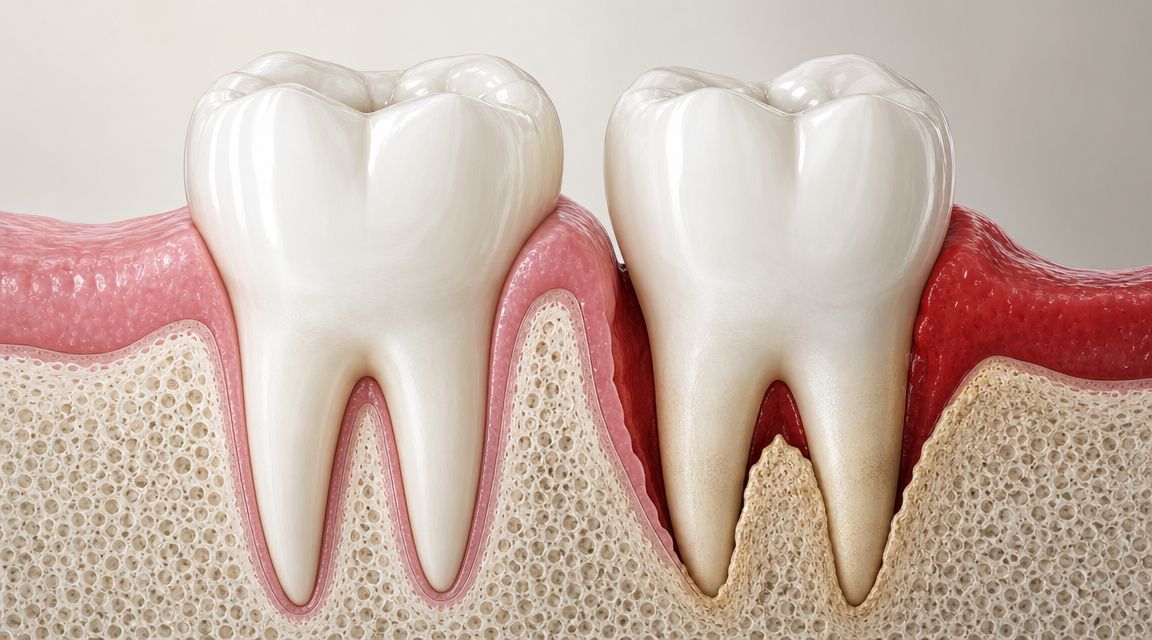
Swelling after a wisdom tooth removal is your body's normal response to surgery. The tissue around the extraction site has been disturbed, so your immune system sends fluid and healing cells into the area. That added activity creates puffiness, tenderness, and sometimes jaw stiffness.
A simple way to think about it is a sprained ankle. The body reacts to strain or injury by protecting the area and starting repair work. Your mouth behaves in a similar way after an extraction. The swelling may be inconvenient, but it's part of the healing process.
Why the face can look more swollen than expected
The cheeks and jaw don't leave much room for inflammation to hide. Even a routine recovery can make your face look noticeably fuller for a short period. That doesn't automatically mean there's an infection or complication.
Swelling can also make nearby muscles feel tight. Patients often notice that opening wide, chewing, or talking for long periods feels awkward. That reduced range of motion is common early in recovery and usually improves as the tissue settles.
The goal isn't to eliminate every bit of swelling immediately. The goal is to support healing while keeping inflammation from becoming more uncomfortable than it needs to be.
What swelling is and what it is not
It helps to separate normal post-op swelling from warning signs. Normal swelling tends to feel sore, puffy, and a little stiff. It responds to rest, head elevation, compresses, and the medication plan your dentist gave you.
What doesn't work well is overchecking the area, poking at the socket, taking hot showers right away to “sweat it out,” or returning too quickly to crunchy foods because the mouth “feels mostly okay.” Those habits can make the first days harder.
A calm recovery usually comes down to three ideas:
- Protect the area: Leave the extraction site alone and avoid unnecessary irritation.
- Control inflammation: Use cold early, rest, and keep your head raised.
- Support healing: Stay hydrated, eat soft foods, and follow the medication instructions exactly as given.
A Typical Swelling Timeline After Wisdom Tooth Removal
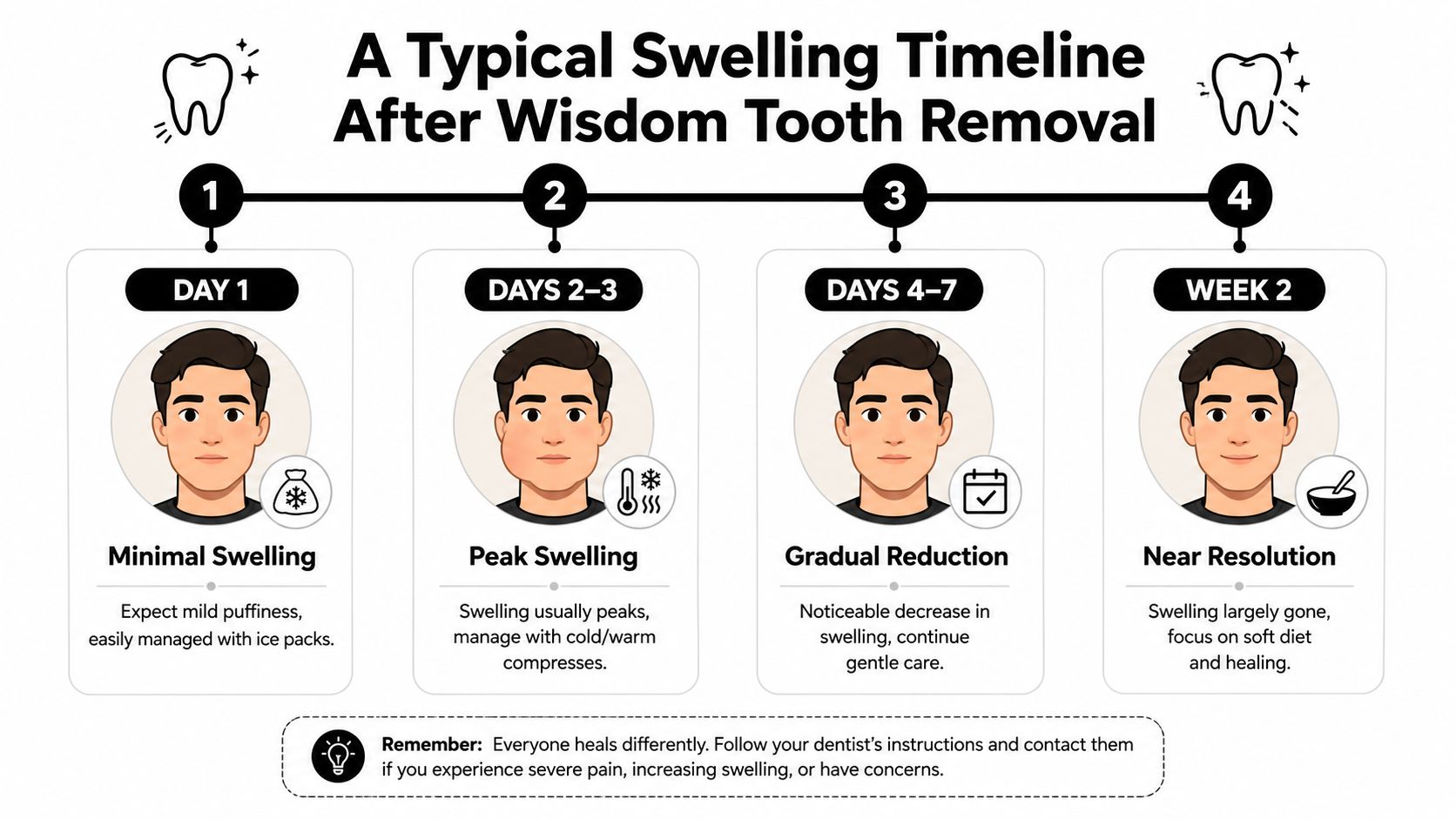
Individuals feel best when they know what recovery usually looks like. With wisdom tooth extraction swelling, the pattern matters more than any single moment. Early puffiness is common, and increased swelling a little later can still be part of a normal course.
Day 1
The first day is often more numbness, pressure, and general soreness than dramatic swelling. Some patients expect to look very swollen right away, but that's not always how it starts. Mild puffiness and a heavy feeling in the jaw are more typical than severe facial enlargement on the same day.
This is also the period when bleeding control, rest, and cold compresses matter most. If you spend the first day doing too much, swelling tends to feel more bothersome afterward.
Days 2 and 3
This is the phase that catches many people off guard. For most patients, swelling after a wisdom tooth extraction does not peak until 48 to 72 hours after the procedure. Seeing increased swelling on day three is a normal part of the body's healing response according to the American Dental Association guidance on wisdom teeth.
That means a fuller face on the second or third day is often expected, not alarming. The jaw may feel tighter. Chewing can be slow. Smiling widely may feel uncomfortable. This is usually the point when patients are happiest if they planned ahead with soft foods, extra pillows, and a quiet schedule.
Days 4 through 7
By this point, many people start noticing a gradual shift in the right direction. The swelling often feels less firm, facial contours begin to look more familiar, and jaw movement becomes easier. You may still be sore, but the recovery should feel less intense and more manageable.
A helpful way to judge this phase is by trend, not perfection. You don't need to feel completely normal yet. You want to see slow improvement in comfort, mouth opening, and swelling.
| Recovery phase | What patients often notice | What usually helps |
|---|---|---|
| Early recovery | Puffiness, soreness, fatigue | Rest, cold compresses, fluids |
| Peak swelling period | Full cheeks, jaw tightness, harder chewing | Gentle routine, soft diet, medication as directed |
| Settling phase | Less pressure, easier talking, reduced facial fullness | Continued soft care and patience |
Week 2
Many patients are close to normal facial appearance by this point, even if the extraction sites are still healing. Small amounts of residual tenderness can remain, especially with lower wisdom teeth or more involved extractions.
If your recovery is gradually improving, that's usually more important than whether one exact day matches someone else's experience.
Effective Home Care for Managing Swelling and Pain
The first goal at home is simple. Reduce irritation and make the healing tissue's job easier. Most setbacks happen when patients either do too little supportive care or try to rush back to normal eating and activity too soon.
A steady routine works better than constantly changing tactics. If you're searching for an emergency dentist in Austin or Georgetown because swelling feels uncomfortable, start by checking whether your home care has been consistent and gentle.
What to do in the first phase
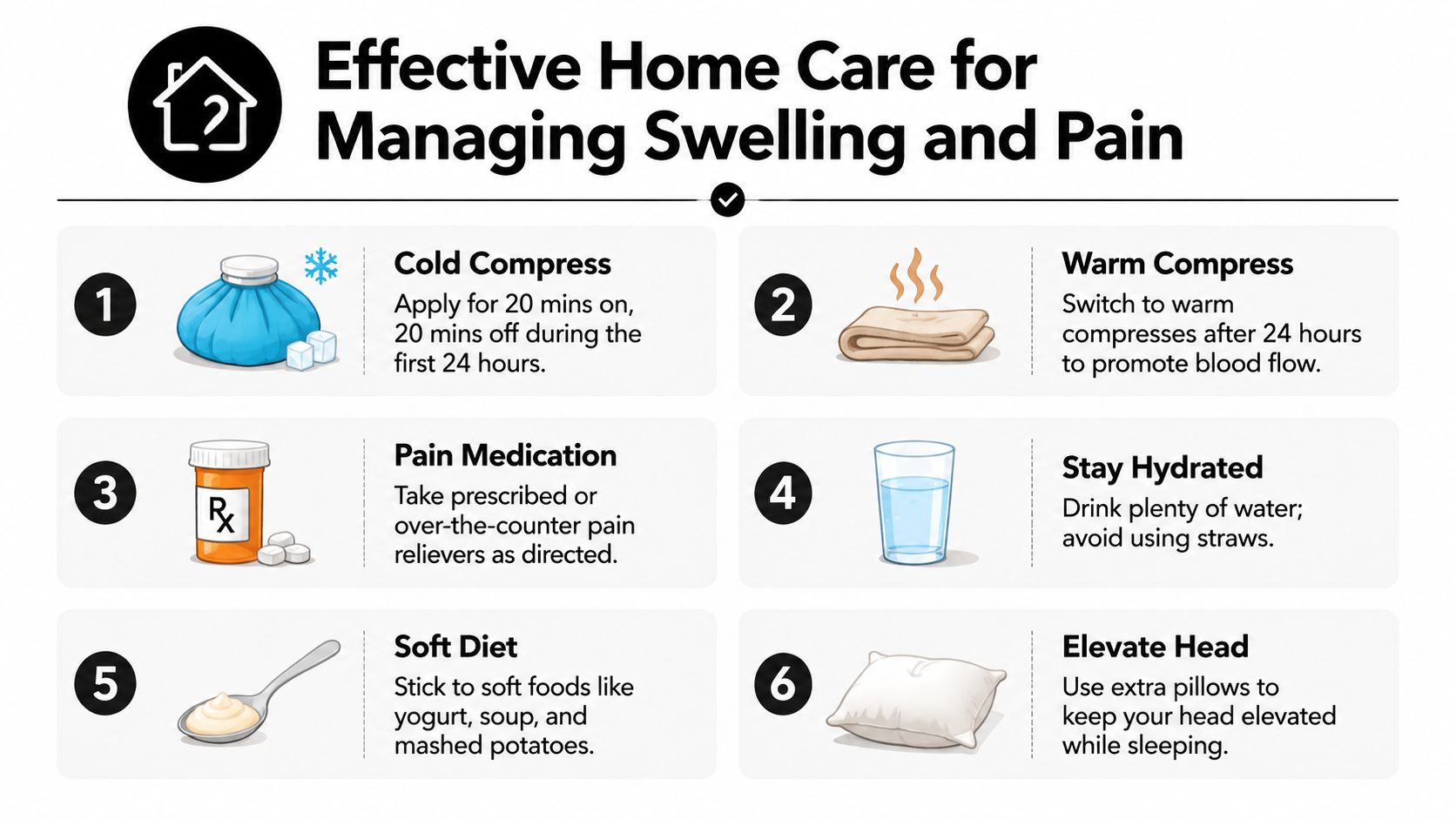
Use a cold compress on the outside of the face in short intervals. The practical pattern many patients can stick with is 20 minutes on and 20 minutes off. Cold helps limit inflammation and can make the area feel less throbbing.
Keep your head raised when resting and sleeping. Extra pillows can help. Lying completely flat often makes facial pressure feel worse, especially at night.
Take pain medication exactly as directed by your dentist or surgeon. The most common mistake is waiting until discomfort builds too much before taking it. Staying ahead of soreness is usually easier than trying to catch up later.
For a quick visual walkthrough, this video covers common recovery basics after wisdom tooth removal:
Food and hydration choices that help
Soft foods are your friend for the first stretch of healing. Think yogurt, applesauce, mashed potatoes, smoothies eaten with a spoon, broth-based soups that aren't too hot, scrambled eggs, or oatmeal if it's comfortable for you. The point isn't to eat perfectly. It's to avoid scraping or stressing the area.
Skip straws. The suction can disturb the healing clot. That same caution applies to forceful spitting and aggressive rinsing.
Hydration matters more than patients expect. A dry mouth feels worse, smells worse, and can make recovery more uncomfortable. Sip water regularly through the day.
Helpful reminder: If a food requires strong chewing, wide opening, or sharp biting pressure, it's probably too early for it.
When to switch from cold to warmth
Once the earliest swelling phase has passed, a warm compress can feel better than ice. Warmth can help relax tight jaw muscles and make the area feel less stiff. It's not about “heating out” inflammation. It's about comfort and improved movement after the initial period.
Gentle saltwater rinses can also support comfort and cleanliness after the early healing period, as long as you rinse softly. Don't swish hard.
For patients who want local follow-up support, 3D Dental provides tooth extraction care and can evaluate recovery concerns if home care isn't giving enough relief or if symptoms seem to be moving in the wrong direction.
Warning Signs When to Contact Your Georgetown Dentist
Most swelling after an extraction is routine. Some symptoms aren't. The right move is to watch the overall pattern and act quickly when something clearly falls outside normal healing.
If you live in Georgetown, Austin, Round Rock, Cedar Park, or Wells Branch, don't wait and hope for the best when a red flag shows up. A quick dental check is often the safest way to protect your comfort and avoid a more complicated problem.
Symptoms that deserve a call
- Pain that becomes more severe instead of settling down: This can point to a complication such as a dry socket or infection, especially if the discomfort feels sharper rather than sore.
- Bleeding that doesn't slow with steady pressure: Oozing can happen early, but bleeding that keeps going despite following instructions needs attention.
- Pus, foul-tasting drainage, or a strong bad taste that won't clear: These signs can suggest infection.
- Difficulty swallowing or breathing: This is urgent. Seek immediate help rather than waiting for an office callback.
- Numbness that lingers well beyond what you expected from local anesthesia: Ongoing numbness in the lip, chin, or tongue should be reported.
- Swelling that keeps worsening rather than leveling off and improving: A recovery trend that moves steadily in the wrong direction deserves an exam.
Trust the pattern, not just the calendar
A normal recovery isn't always comfortable, but it usually makes sense. You can follow the logic of it. The mouth is sore, then a bit more swollen, then gradually less irritated. If your symptoms stop following that pattern, it's time to contact your dentist.
If you're asking yourself whether a symptom seems unusual, that question alone is often a good reason to call.
Patients often hesitate because they don't want to “bother” the office. Don't let that stop you. Emergency dental care is part of responsible follow-up, not an inconvenience.
Your Recovery Partner 3D Dental
Recovery goes more smoothly when patients know they're not handling every question alone. After a wisdom tooth extraction, good follow-up care should feel organized, responsive, and easy to access from Austin or Georgetown. If swelling, jaw stiffness, or healing concerns come up, having a local dental home matters.
Patients also benefit when one office can handle more than a single procedure. A practice that provides new patient exams, cleaning and exams, dental x-rays, restorative dentistry, cosmetic dentistry, and emergency dentist visits makes long-term care simpler. If a missing tooth ever needs replacement, it also helps to have local options for dental implants near me searches or more advanced restorative planning without starting over somewhere else.
What a supportive dental home looks like
A strong post-op experience usually includes clear instructions, a realistic expectation for healing, and a simple way to reach the office if something changes. That same relationship becomes valuable long after the extraction site closes. Many patients who first come in for tooth extraction care later return for whitening, crowns, cosmetic dentist near me concerns, or routine preventive visits for the whole family.
This is also where modern diagnostics help. Practices that use digital imaging, dental x-rays, and efficient scheduling can often evaluate concerns more comfortably and with less guesswork.
A look at the contact and booking page can help patients know what to expect when reaching out:
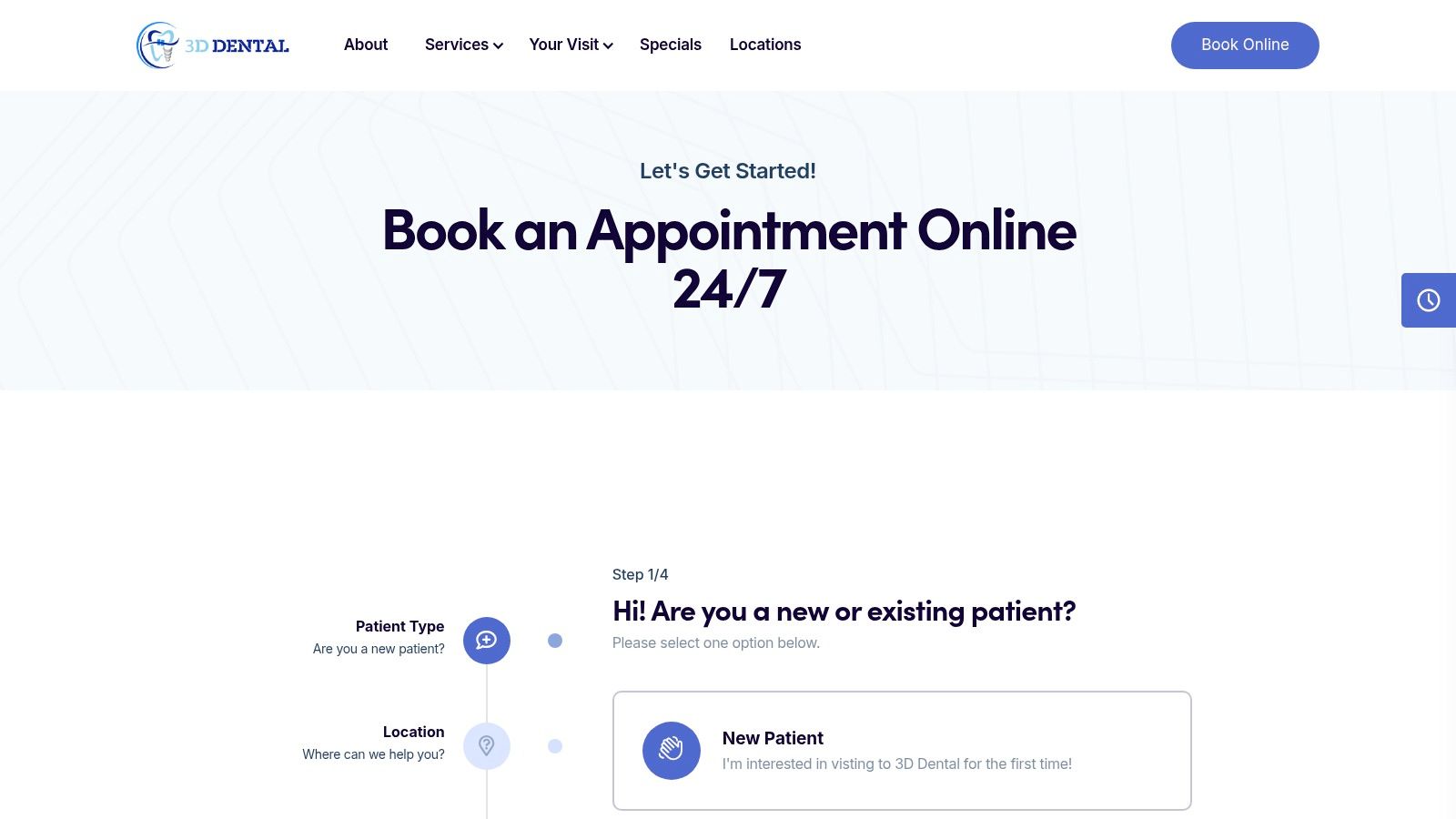
If you need details about treatment or follow-up related to wisdom tooth extraction services, it helps to review the procedure information and then call if your symptoms need personal guidance. For patients in Georgetown, Austin, Liberty Hill, Cedar Park, and Round Rock, that local access can make recovery much less stressful.
If you're dealing with swelling after a wisdom tooth extraction and want clear answers from a nearby dental team, contact 3D Dental. Whether you need post-op guidance, an emergency dental visit, a new patient exam, or long-term care in Austin or Georgetown, scheduling an appointment is the next step toward a more comfortable recovery and a healthier smile.
Ready to get started?
Schedule a free, no obligation consultation with our team and see what's possible for your smile!
Georgetown
- Mon-Thurs8:30am-5pm
- Fri8am-3:30pm
- Sat-SunClosed
Austin
- Mon-Tues8am-5pm
- Wed-Thurs9am-6pmFri8am-2pm
- Sat-SunClosed