
How Much for Root Canal: Austin Cost Guide 2026
Related Posts







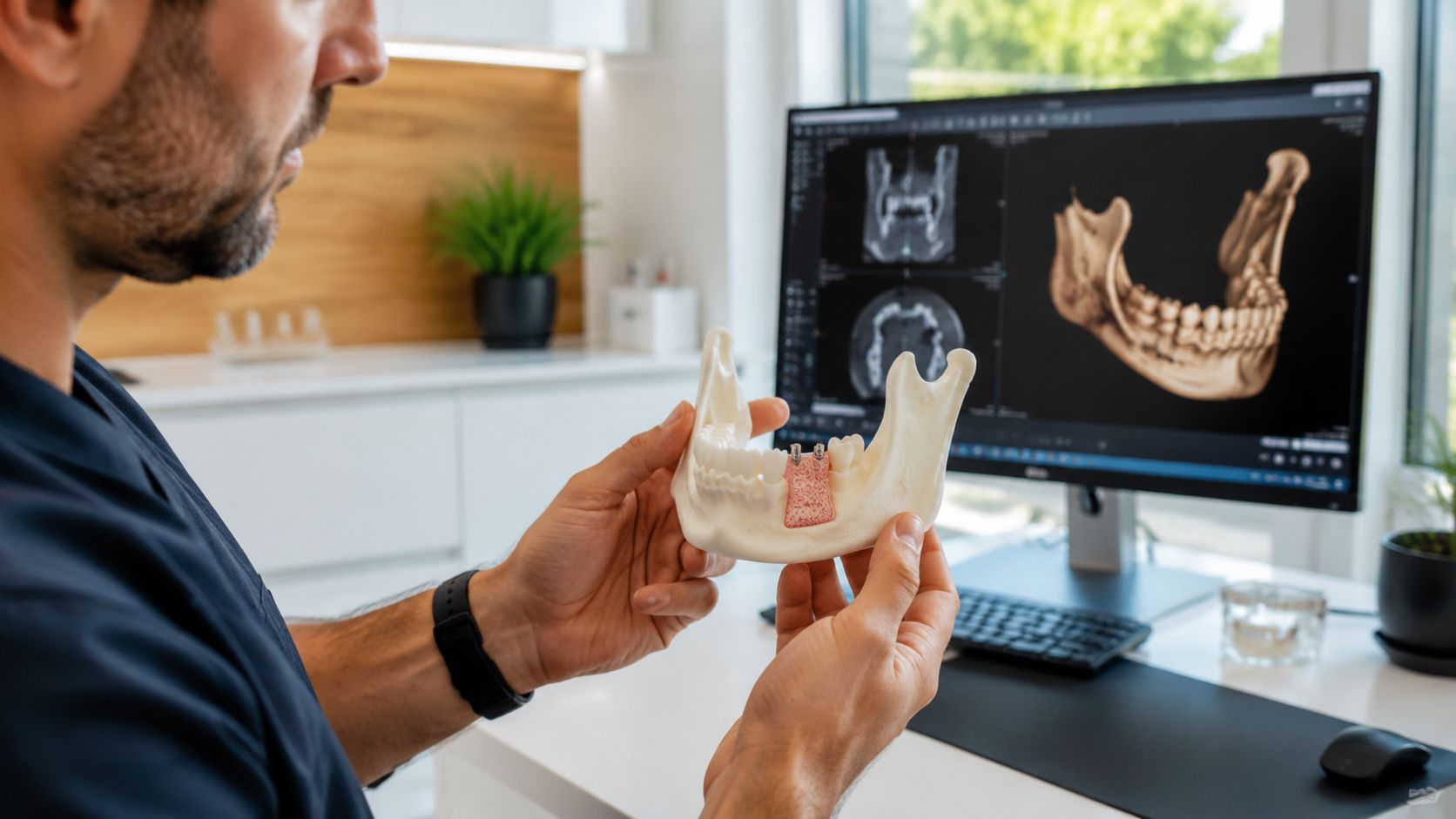

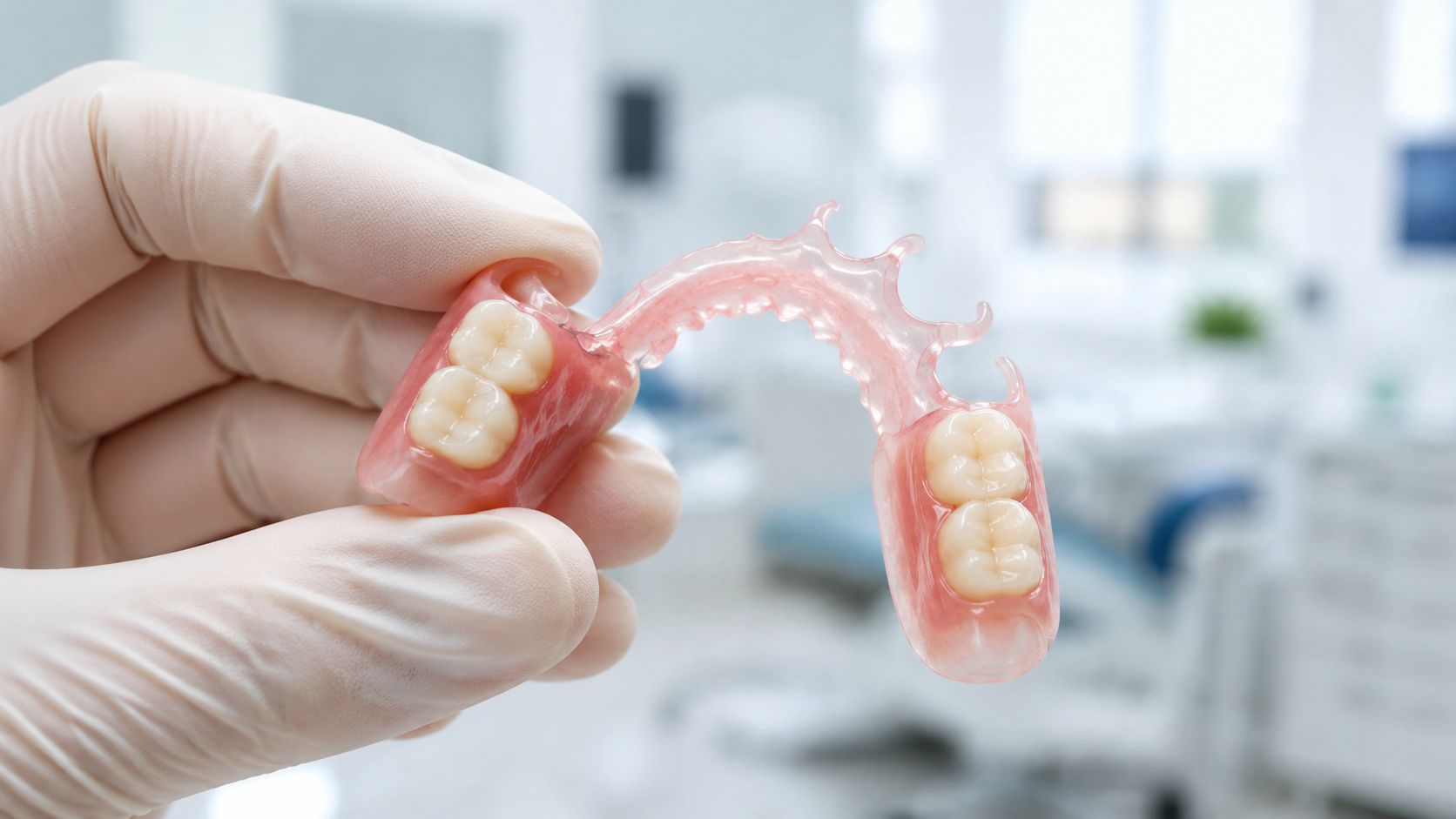
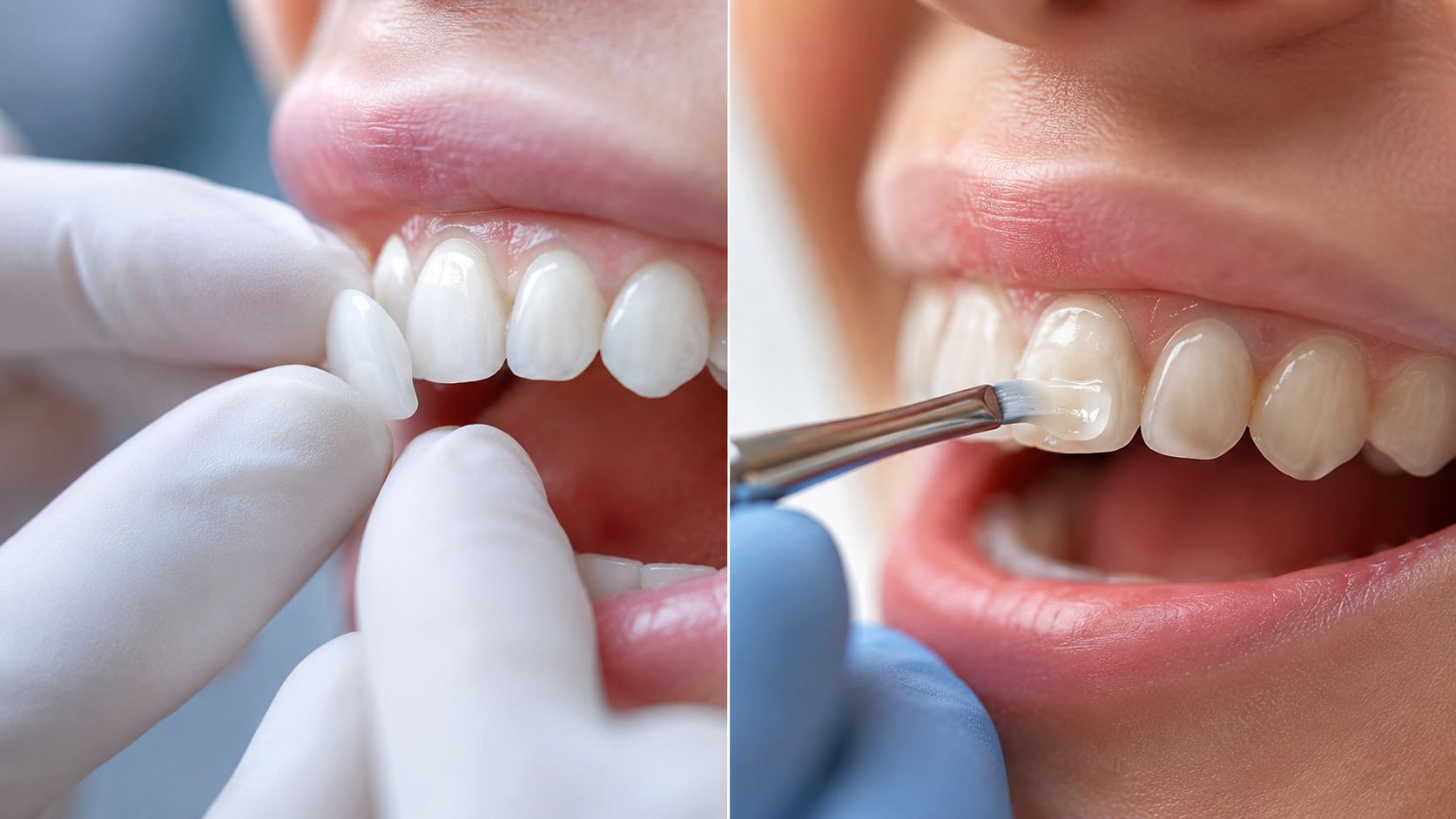
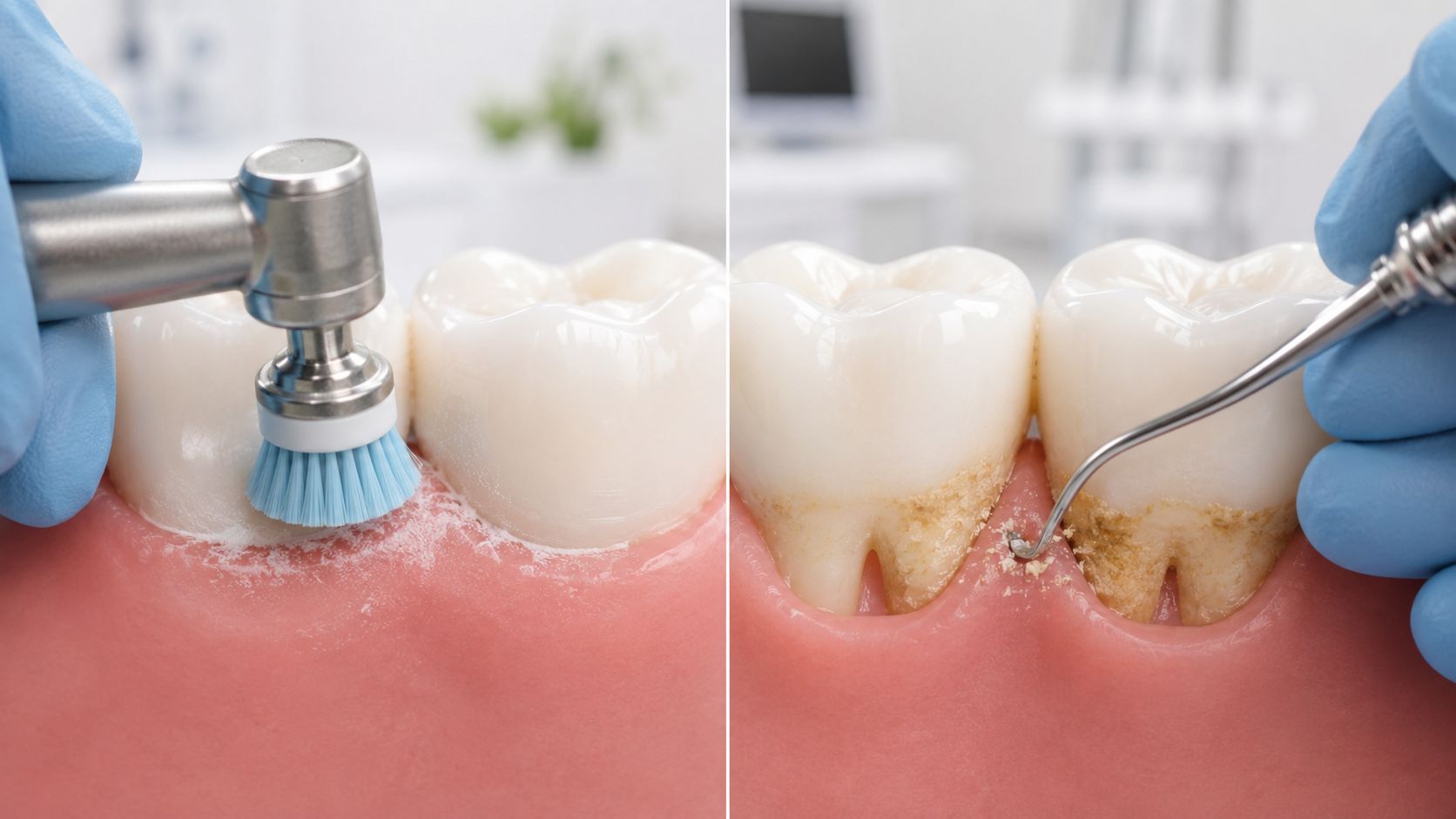




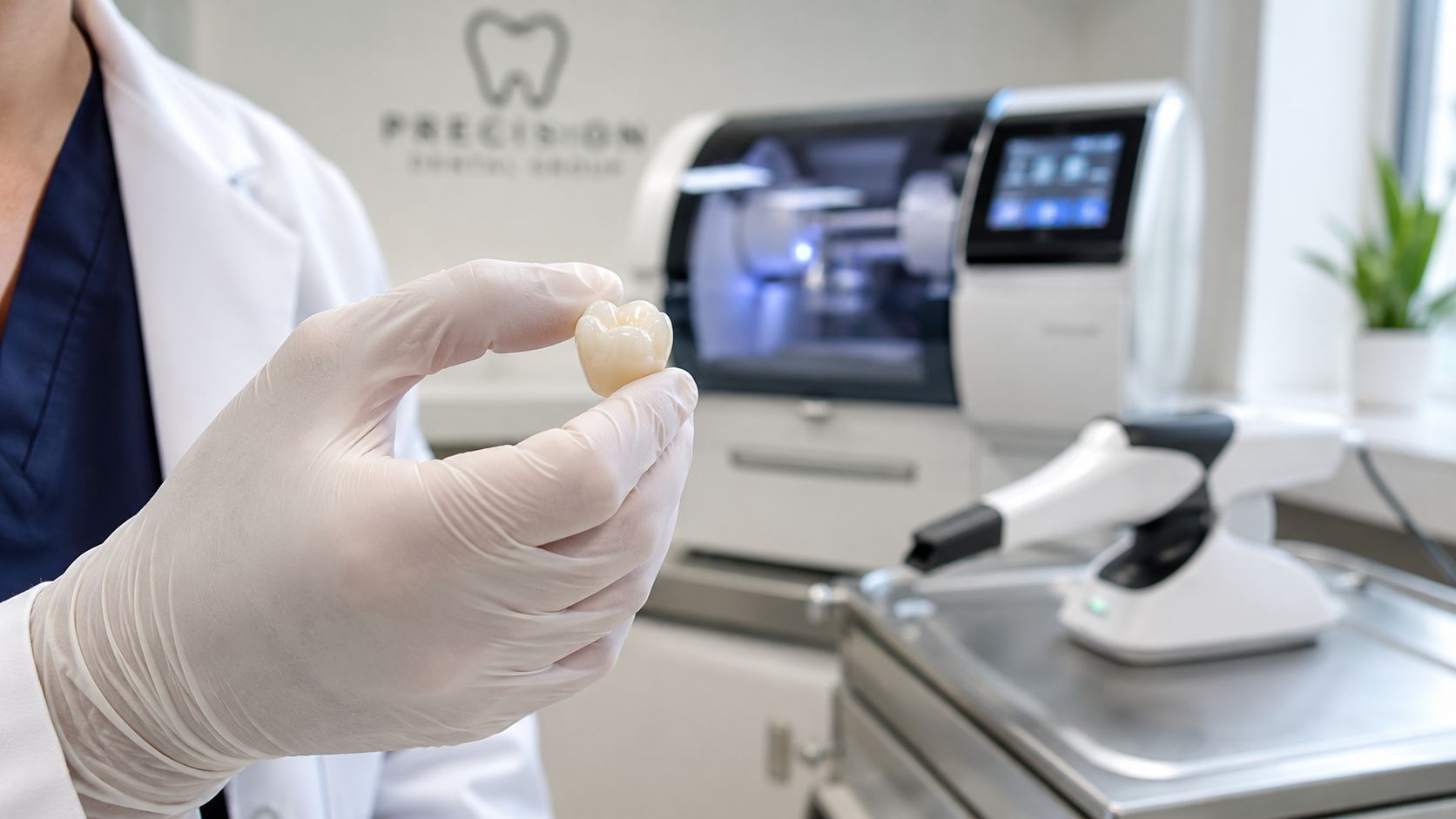

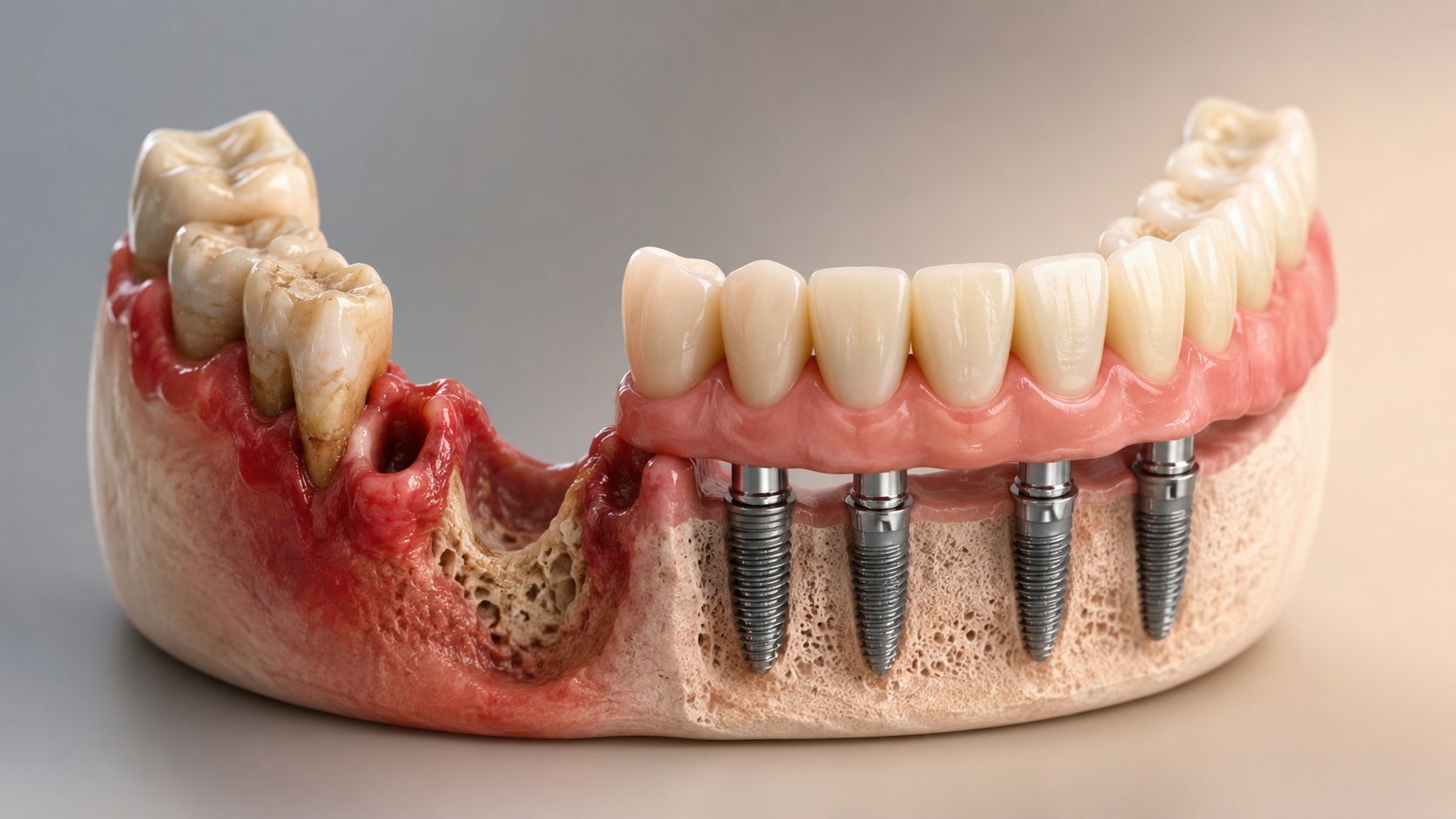














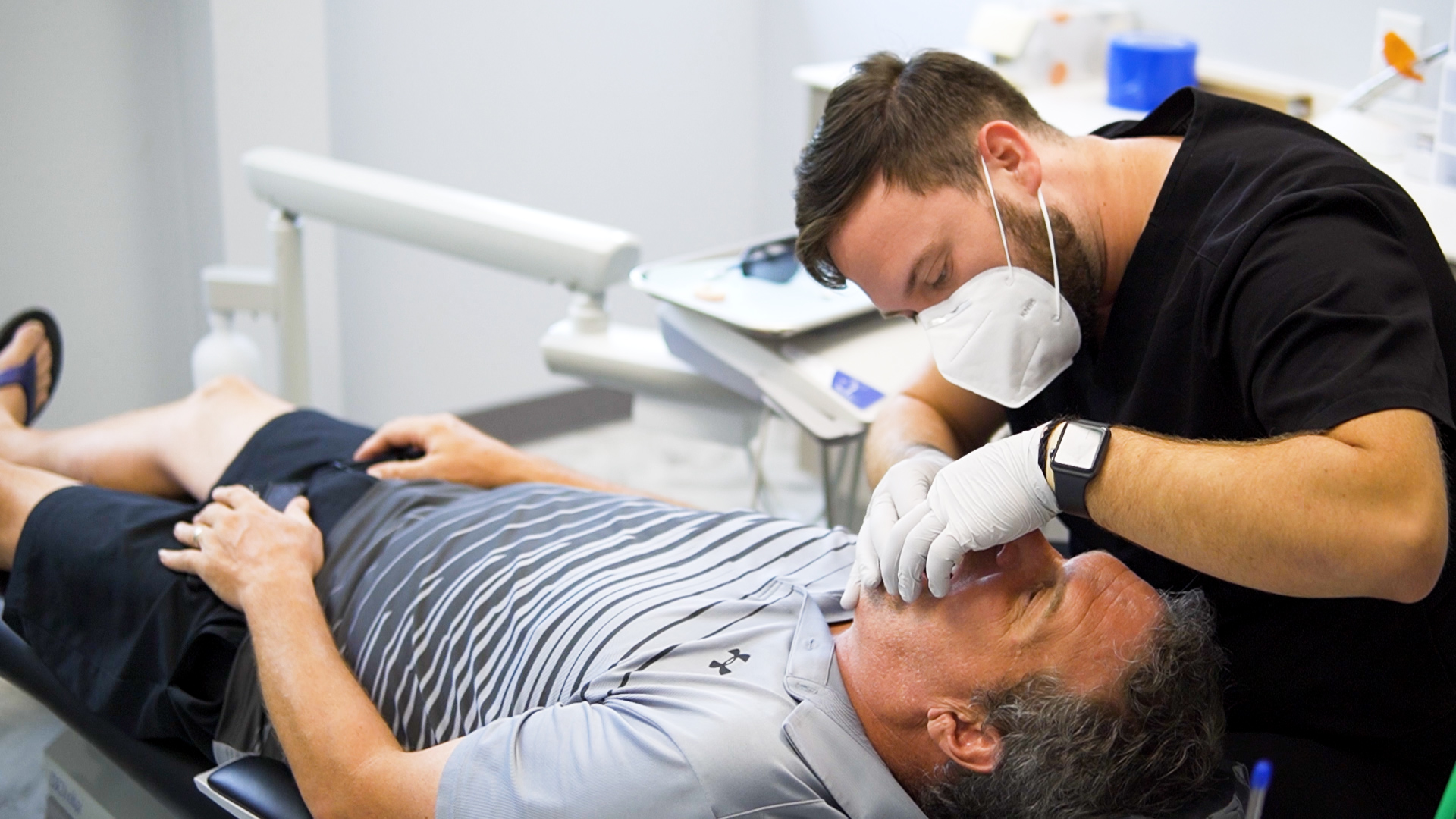

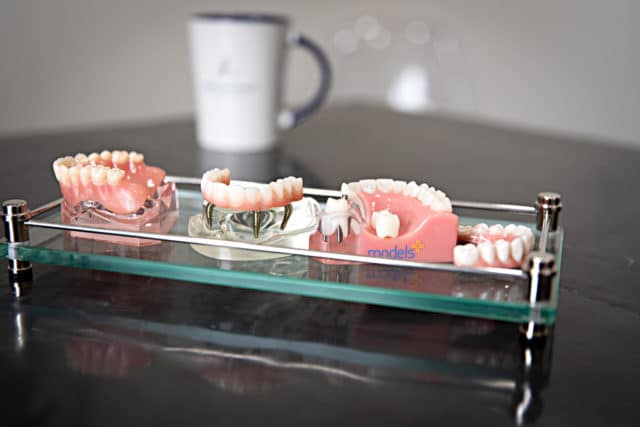
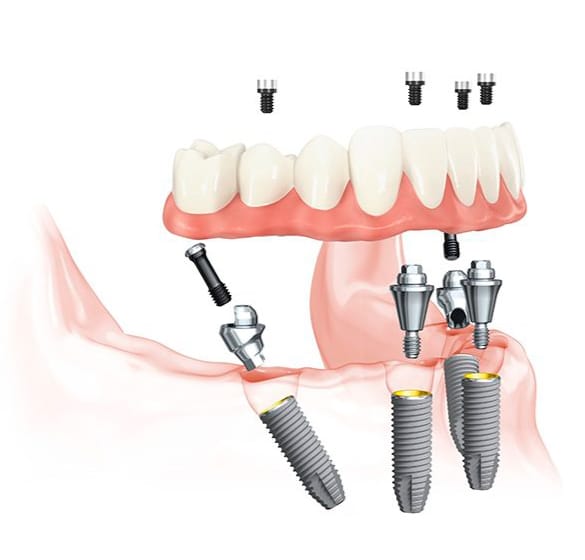
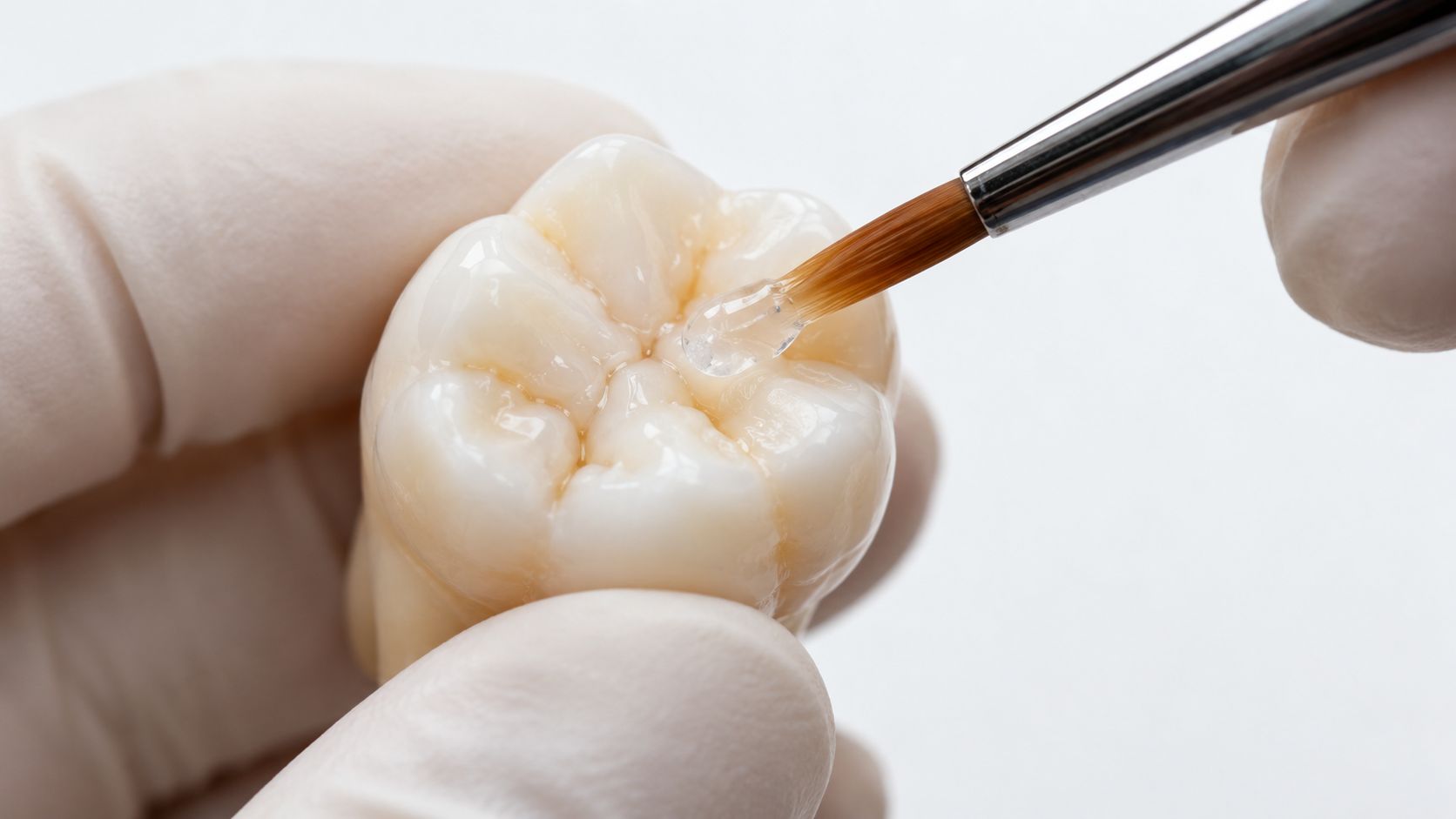























A root canal typically costs $700 to over $2,400 nationally, and the final price depends on the tooth involved, how complex the infection is, whether a specialist is needed, and what your insurance pays. If you're in Austin or Georgetown and searching how much for root canal treatment, the most useful answer is that the fee isn't one flat number. It's a treatment plan with a few important moving parts.
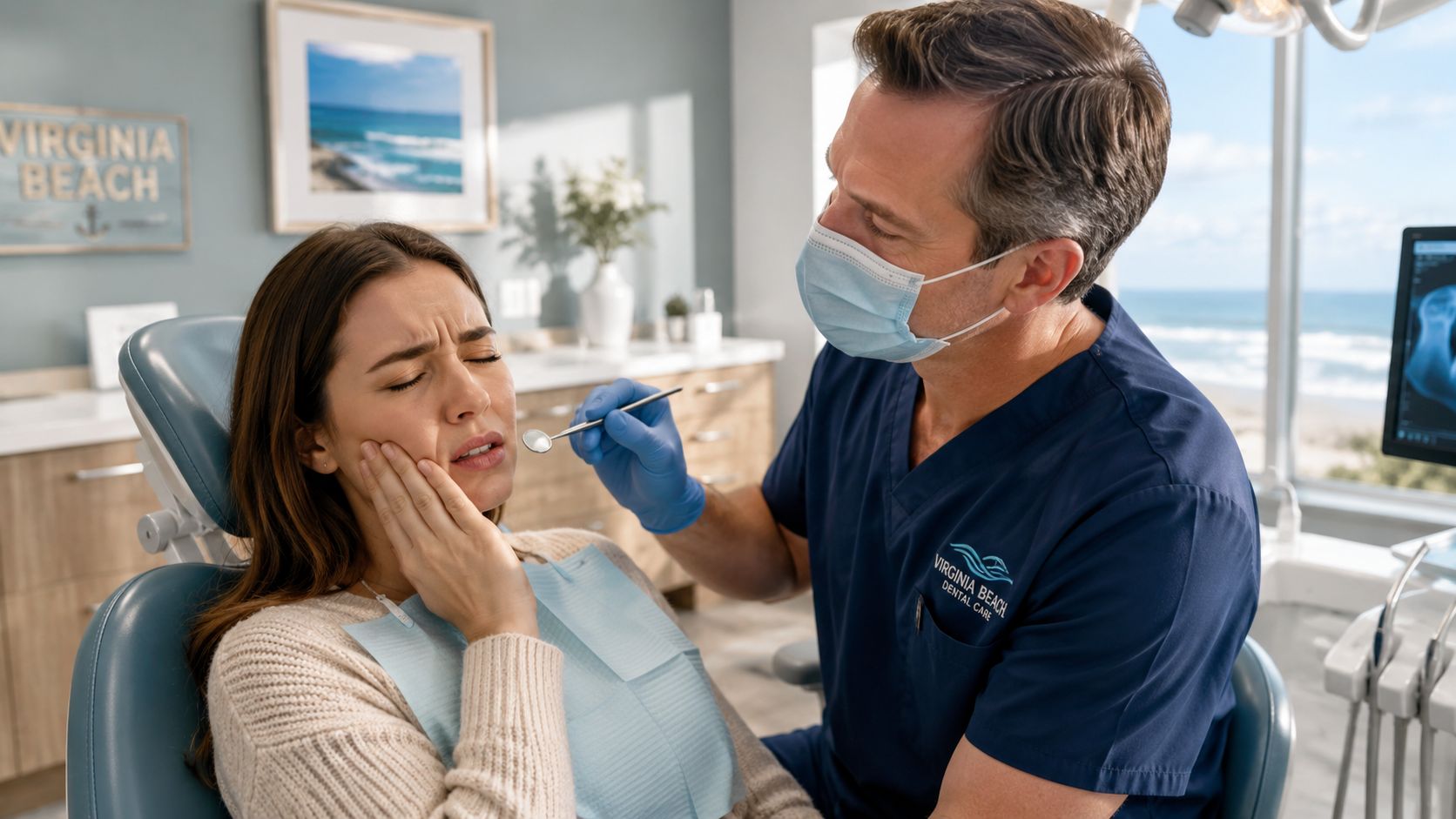
If you're reading this with a throbbing tooth, a swollen gumline, or pain that keeps flaring when you drink something hot or cold, cost is probably only half the problem. The other half is uncertainty. You want the pain gone, but you also want to know what you're agreeing to before anyone starts treatment.
That concern is reasonable. Root canals have a reputation for being expensive and confusing, especially when patients hear one number online and then learn that imaging, restoration, or specialist care may affect the final total. In North Austin, Georgetown, Wells Branch, Cedar Park, Round Rock, and Liberty Hill, the best approach is clear diagnosis first, then a written plan that shows what the procedure includes and what comes next.
Don't Let Tooth Pain Wait Your Austin Root Canal Guide
A common call to a dental office sounds like this. "I woke up with tooth pain, my face feels sore, and I need to know how much this is going to cost before I come in." That's the right question to ask.
Nationally, the average cost of a root canal without insurance is $1,165, with a typical range of $500 to $1,800, according to CareCredit's root canal cost guide. That range is broad because a straightforward front tooth and a difficult molar aren't priced the same, and the total may also change if the case is urgent or if the tooth needs specialist care.
Why the number varies so much
Two patients can both say, "I think I need a root canal," and still receive very different estimates. One may have a front tooth with a simpler canal shape. Another may have a molar with several canals and a deeper infection. The treatment itself can also take longer when anatomy is more complex.
Practical rule: The best cost estimate comes after an exam and imaging, not from a generic online price.
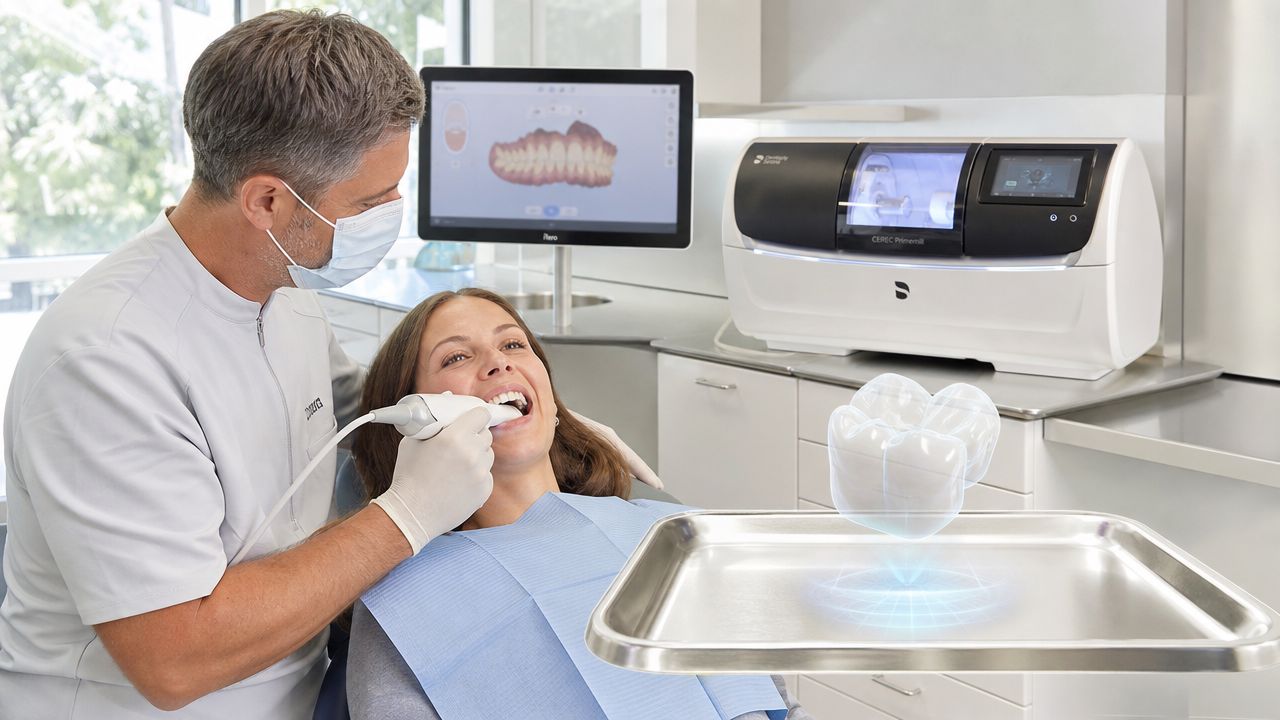
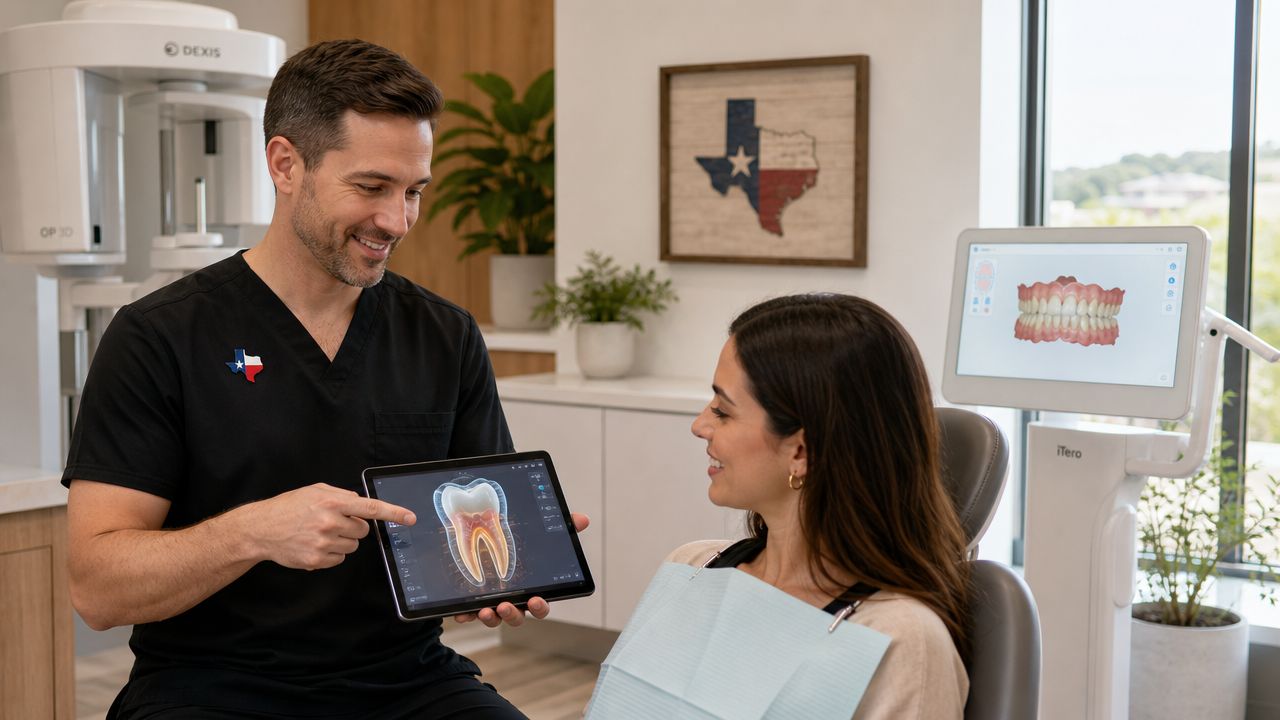
That matters if you're comparing a dentist near me search result with an emergency dentist appointment in Austin. A practice that uses digital diagnostics can usually identify the source of pain faster and explain whether you're looking at root canal treatment, a tooth extraction, or another restorative dentistry option.
What local patients usually want to know first
Patients aren't asking for a lecture on endodontics. They want clear answers to practical questions:
- Can this tooth be saved: In many cases, yes, if treatment happens before the damage becomes too severe.
- Will I need a crown too: Often, yes. That cost is separate and important.
- Can insurance help: Often it can, depending on your plan.
- Is it an emergency: If you have swelling, significant pain, or signs the infection is spreading, don't wait.
If you're in Austin, TX or Georgetown, TX and trying to decide whether to call today or hold off, waiting rarely makes the situation simpler.
Understanding Why a Root Canal Is Necessary
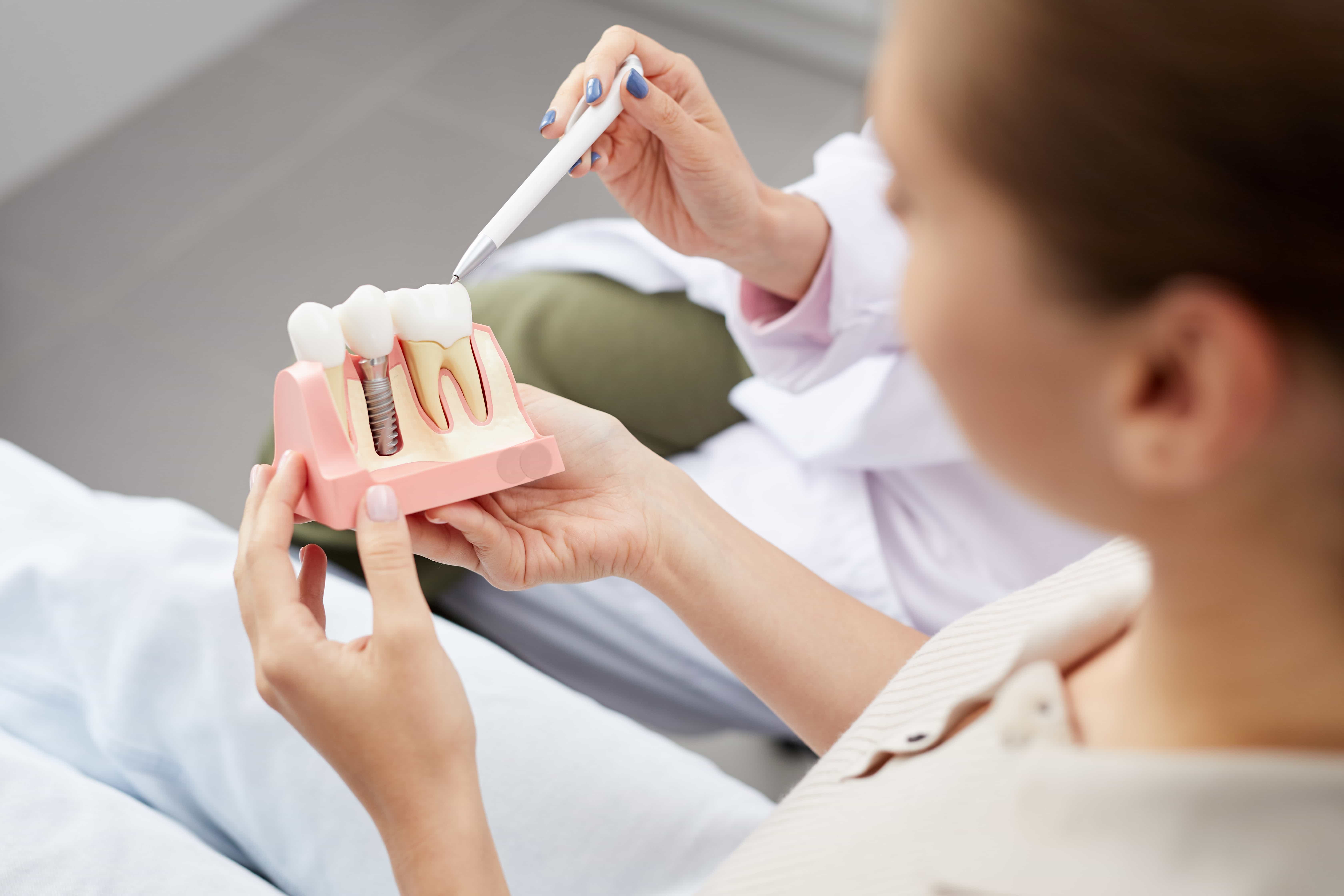
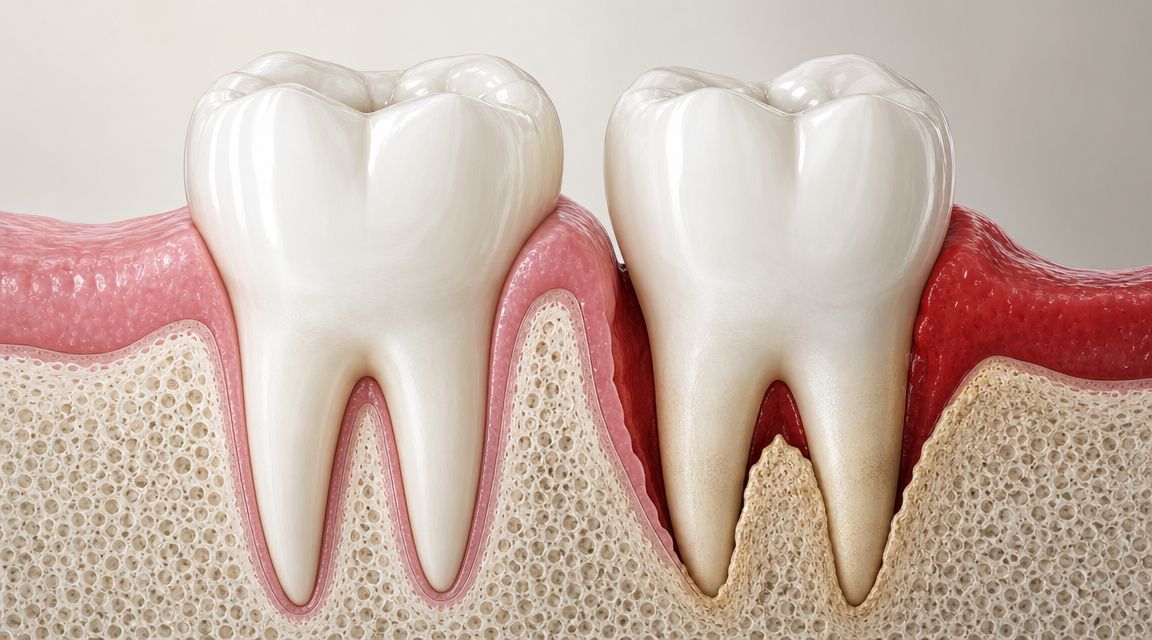
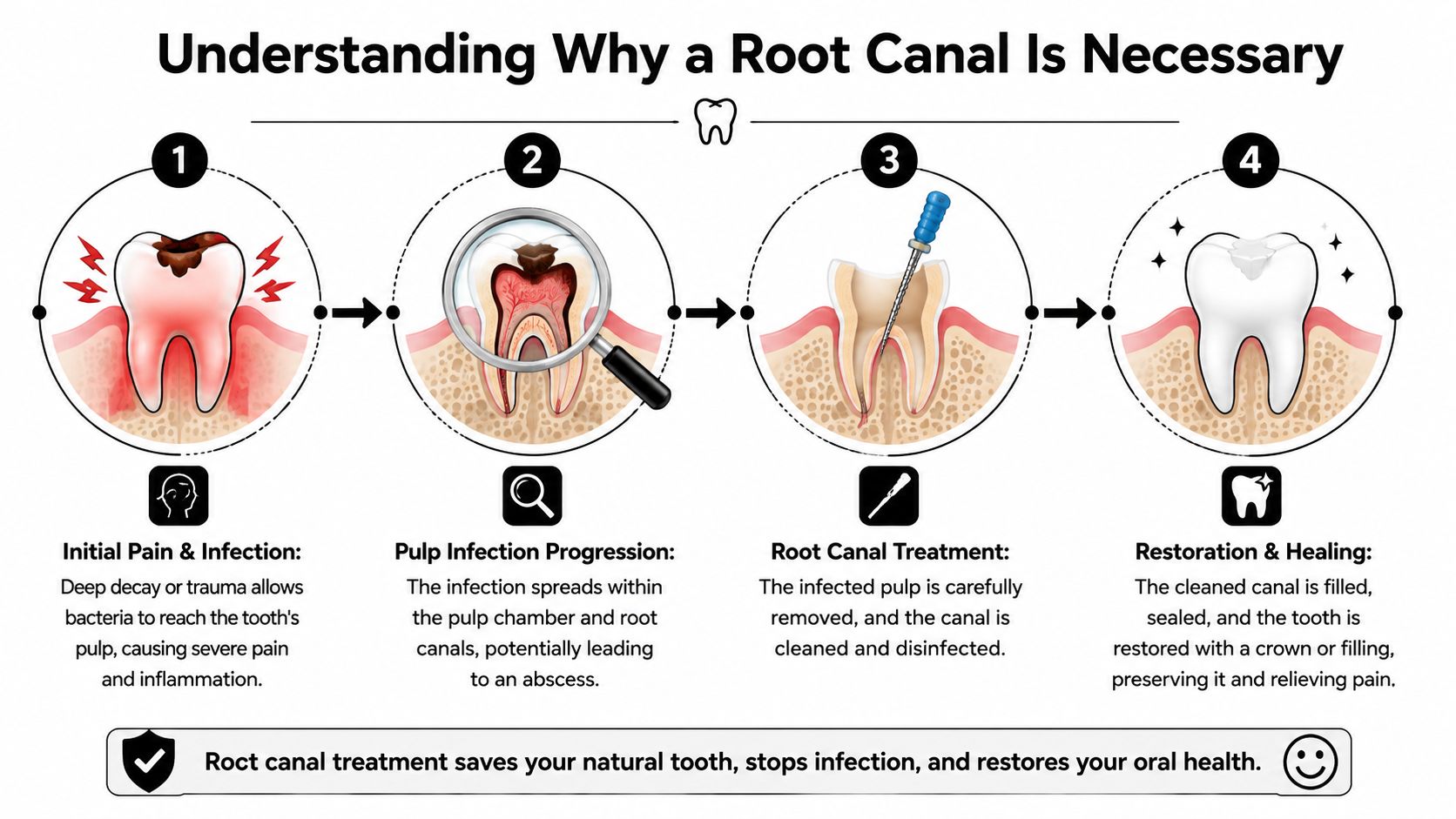
A root canal treats the inside of the tooth, where the pulp lives. The pulp contains soft tissue, including nerves and blood vessels. When deep decay, a crack, repeated dental work, or trauma lets bacteria reach that space, the inside of the tooth can become inflamed or infected.
What patients usually feel
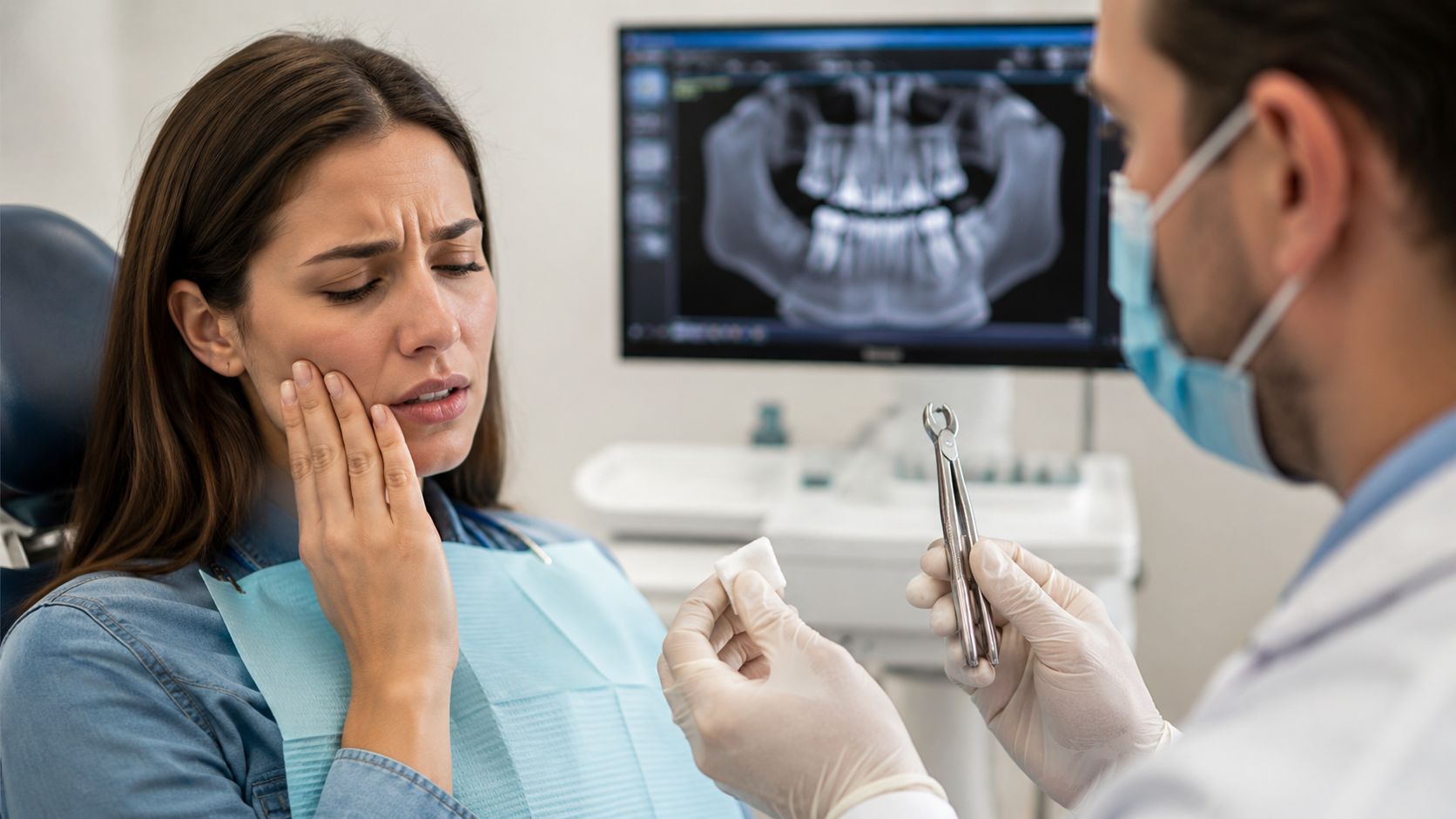
The symptoms aren't always dramatic at first. Some people notice pain only when chewing. Others have lingering sensitivity to hot or cold, pressure in the tooth, tenderness in the gum, or a bad taste that keeps returning.
When the infection worsens, the pain can become constant. Swelling may show up in the gum or face. At that point, many patients start looking for an emergency dentist, not just a routine exam.
Why treatment matters
A root canal isn't cosmetic dentistry and it isn't elective in the usual sense. It's a way to remove infected tissue, disinfect the canal space, and keep the natural tooth in place if the tooth is still restorable.
If the infection is ignored, the problem doesn't stay neatly inside the tooth. The surrounding bone and soft tissue can become involved, and the tooth may eventually become too damaged to save. Then the conversation may shift from restorative dentistry to tooth extraction and replacement options such as dental implants.
Saving a natural tooth is usually the most conservative path when the tooth can still be restored.
What happens during treatment
The sequence is usually straightforward from the patient's point of view:
- Diagnosis comes first. The dentist confirms whether the pain is coming from the pulp, a fracture, gum disease, or another issue.
- The infected tissue is removed. The canal space is cleaned and disinfected.
- The inside of the tooth is sealed. This helps prevent bacteria from returning.
- The tooth is restored. That may be a filling, but many teeth need a crown for protection.
Patients often feel relief because the source of the pain has been addressed, not just masked. That's why a root canal can be an important turning point for someone who came in searching for fast pain relief in Austin or Georgetown.
Key Factors That Determine Your Root Canal Cost
The phrase how much for root canal treatment sounds simple, but the estimate depends on several clinical and practical details. Some affect the procedure itself. Others affect everything around it, including diagnosis and restoration.
Tooth location changes the price
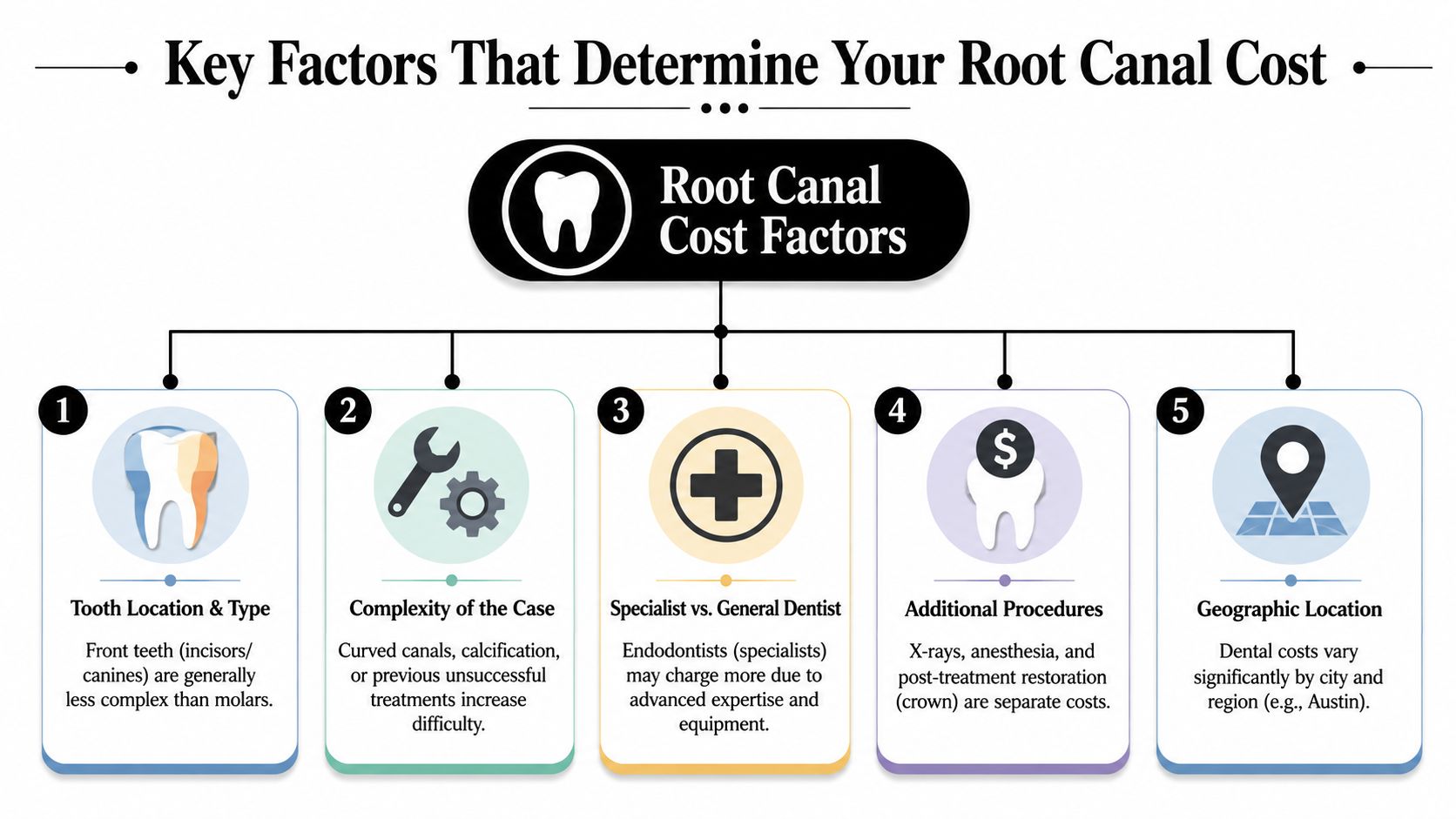
The biggest cost driver is often the tooth itself. Front teeth usually have a single straight canal and average $620 to $1,100, while molars with three or four curved canals average $890 to $1,500, as noted in the earlier CareCredit data. Molars usually take more time, more precision, and more effort because the canal system is harder to clean thoroughly.
A simple comparison helps:
| Tooth type | Typical cost range |
|---|---|
| Front tooth | $620 to $1,100 |
| Molar | $890 to $1,500 |
That difference is one reason patients in Round Rock or Cedar Park may hear a different quote than a friend who had a root canal on a front tooth.
Complexity matters more than patients expect
Two molars aren't always equally difficult. Canal shape can be straightforward or surprisingly curved. Some teeth are calcified. Some have had prior dental work that makes access harder. A tooth that needs retreatment is usually more demanding than a first-time procedure.
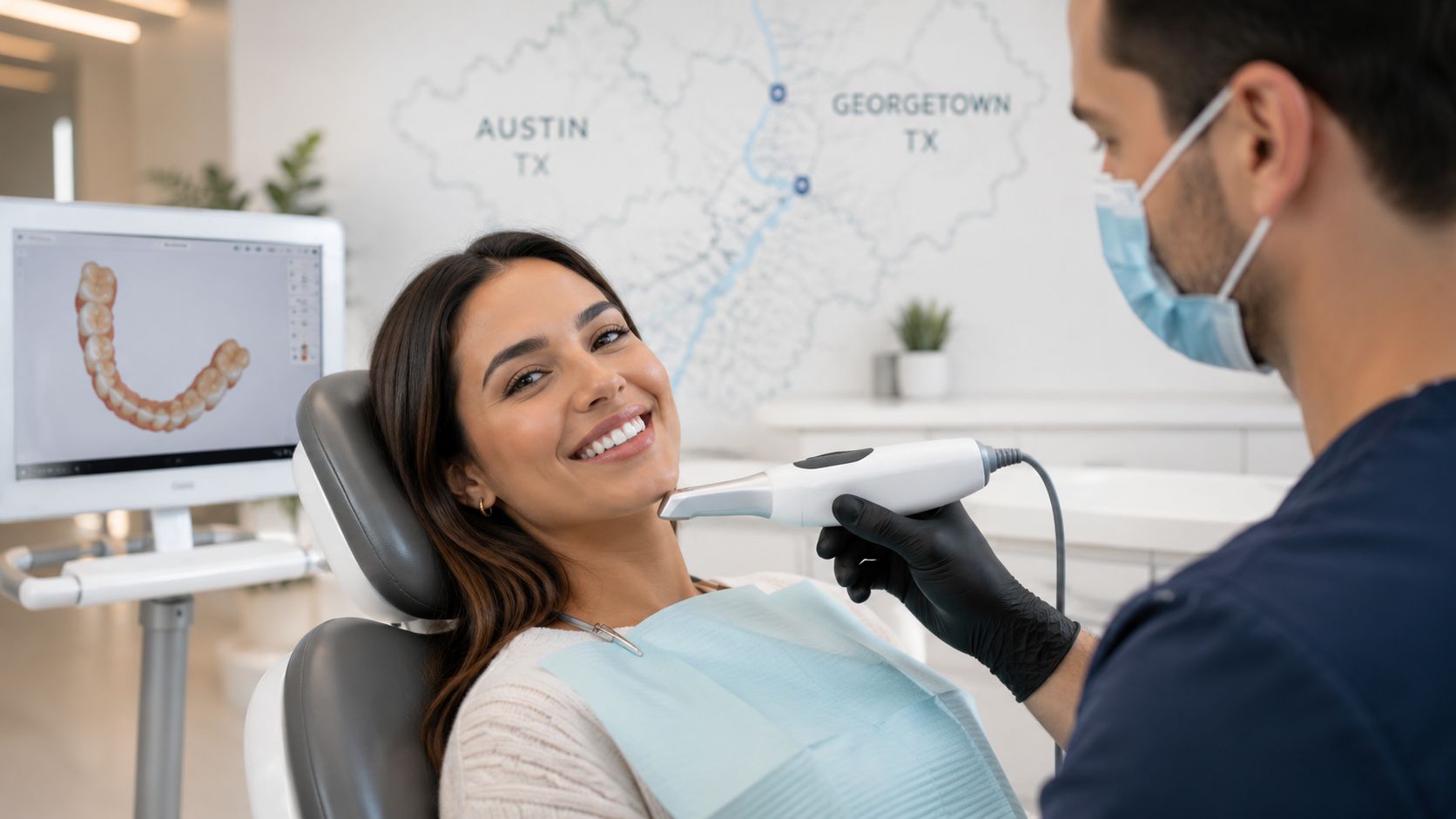
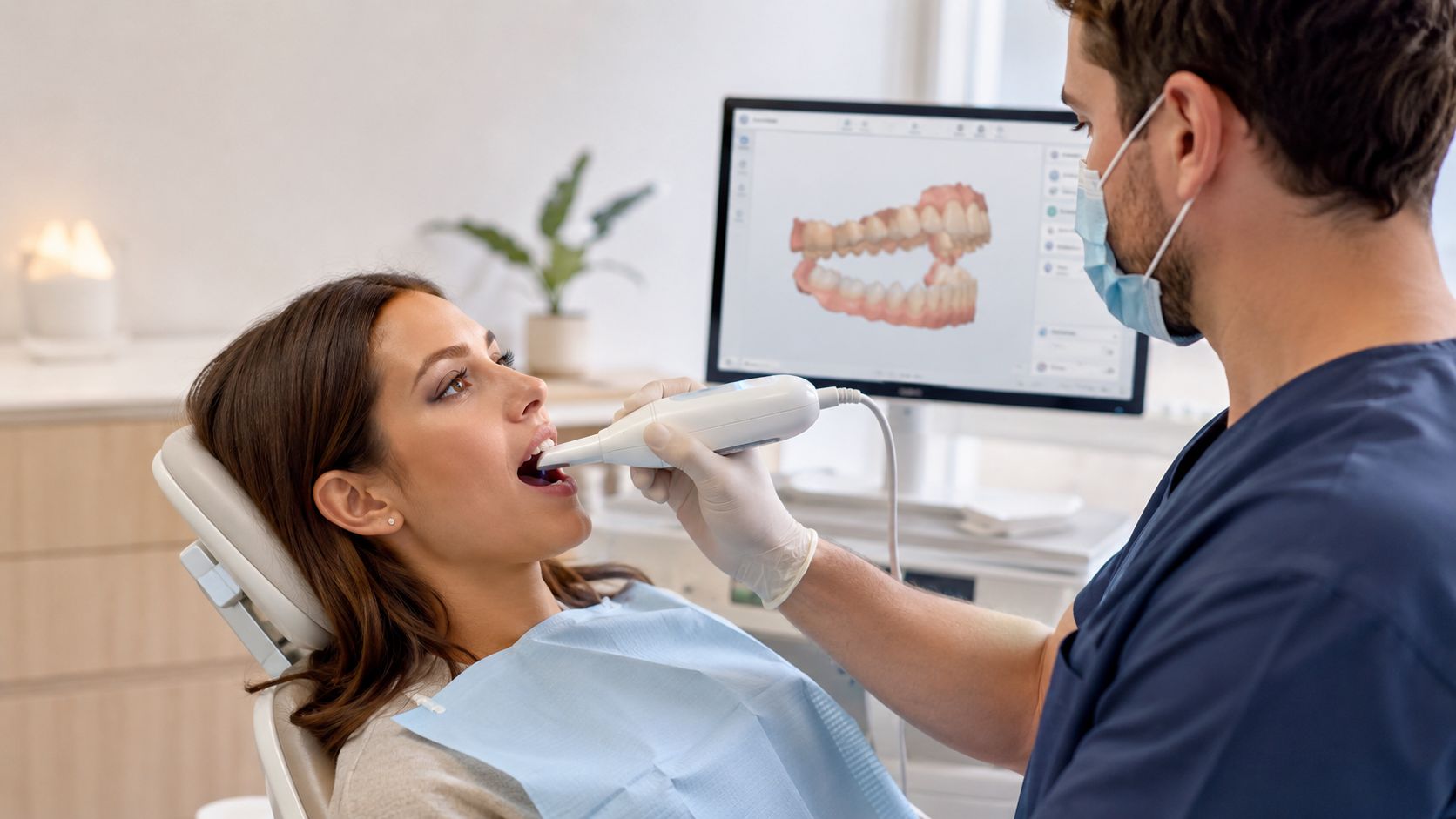
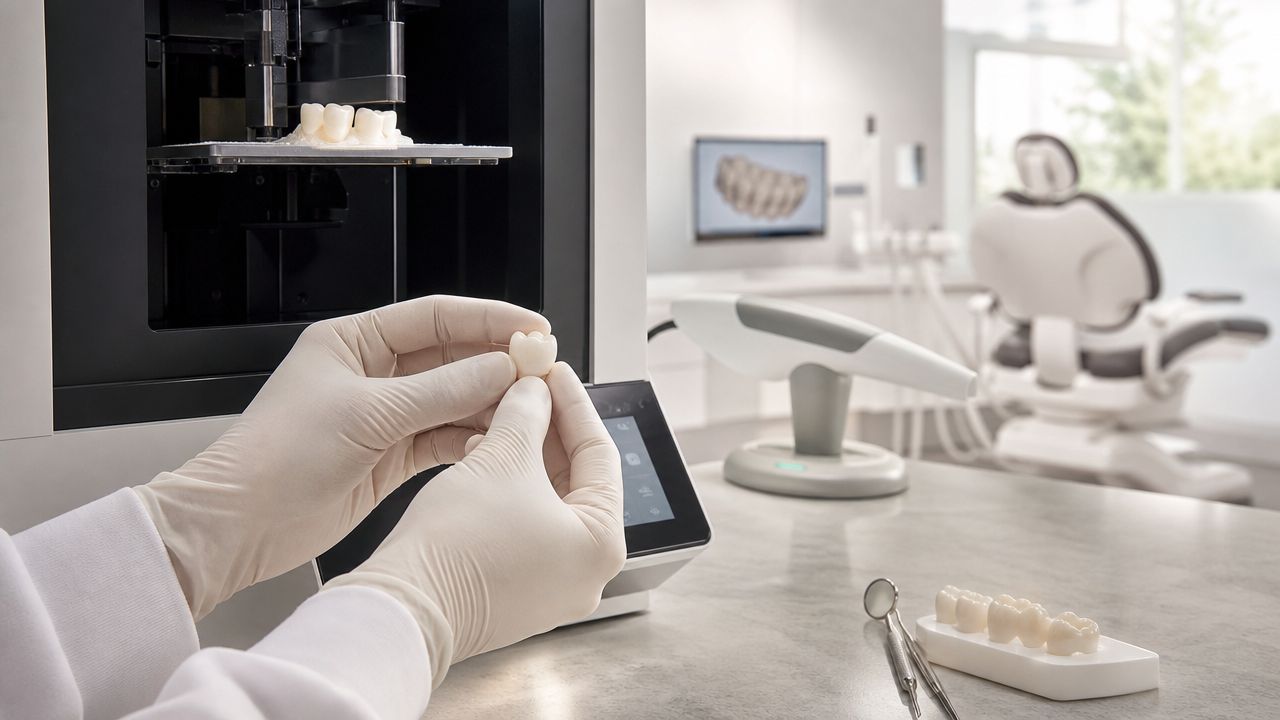
A dentist may also recommend advanced imaging when the anatomy isn't clear on standard dental x-rays. At a modern practice, tools like 3D CT imaging, digital scanners, and digital x-rays can help map the tooth more accurately before treatment begins. That kind of planning can improve clarity for both the clinician and the patient, especially when the case isn't routine.
What works: diagnosing the exact problem before treatment starts.
What doesn't: quoting a flat fee before anyone knows which tooth is involved or how complex the canals are.
General dentist or endodontist
An endodontist may charge up to 50% more for advanced training and equipment, based on the same CareCredit-backed pricing guidance described above. That doesn't mean every patient needs a specialist. It does mean specialist care can be worth it when the tooth has complex anatomy, multiple canals, prior failed treatment, or symptoms that suggest a difficult case.
Here is the practical trade-off:
- Straightforward cases: A general dentist may be the right fit.
- Complex molars or retreatment: Specialist care may justify the higher fee.
- Uncertain diagnosis: Detailed imaging helps decide the right next step.
For patients searching dentist in Austin, TX or dentist near me, remember that the cheapest estimate isn't always the best value. The right provider is the one who can treat the tooth predictably and explain why.
The procedure fee may not include everything
Patients often assume "root canal cost" means the entire job from diagnosis to final repair. That's not always true. The core fee may exclude items such as:
- Diagnostic imaging: Needed to confirm the source of pain and assess the canals
- Anesthesia: Part of making treatment comfortable
- Consultation or emergency visit: Especially relevant when pain appears suddenly
- Final restoration: Often the most important separate cost after the root canal itself
That last item deserves its own discussion because it changes the total investment more than many patients expect.
The Cost of a Crown After Your Root Canal
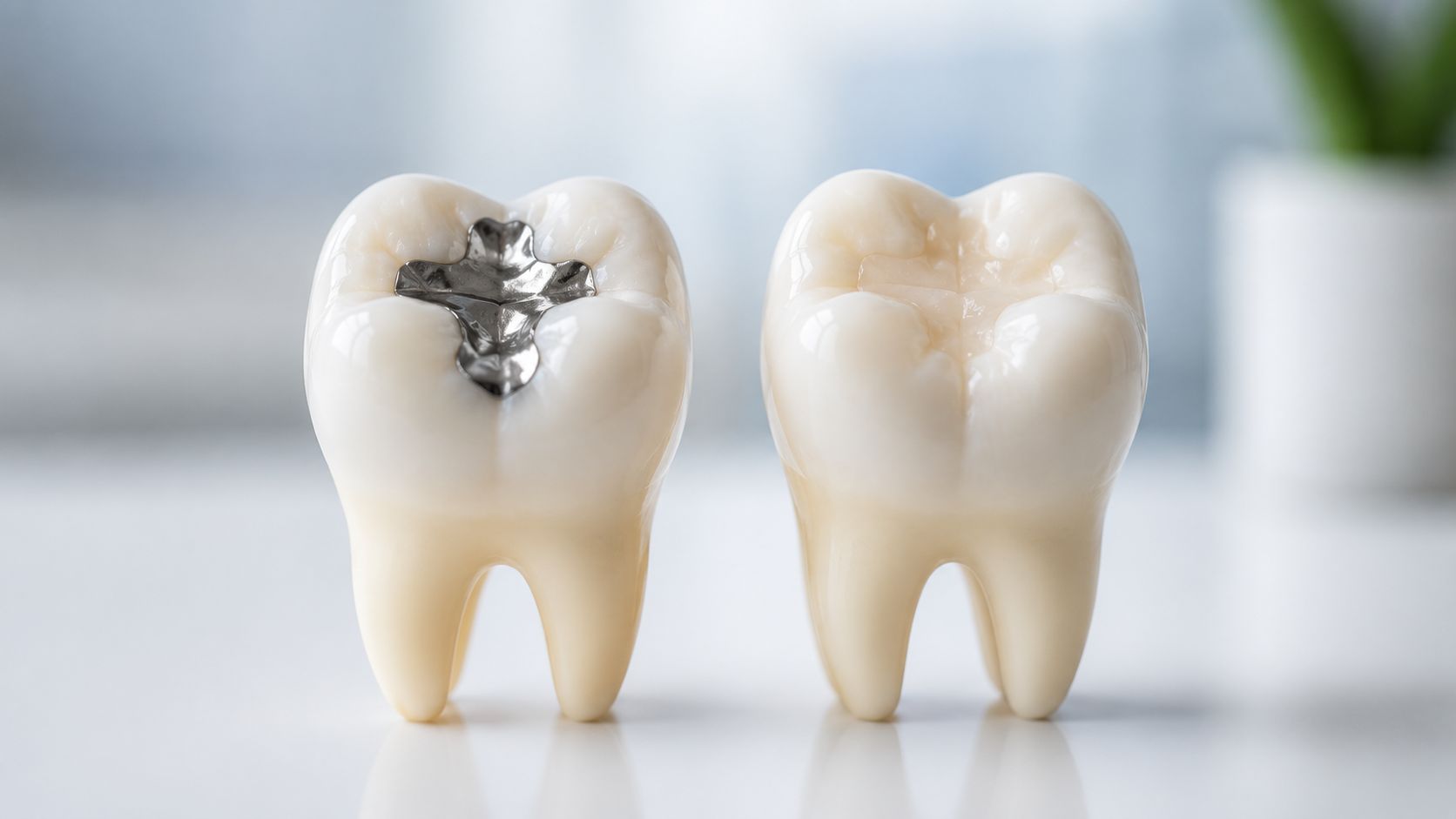
Many patients feel blindsided not by the root canal itself, but by what comes right after it. Once the inside of the tooth has been treated, the tooth often needs a permanent crown to stay strong enough for daily use.
This is not an optional extra for many back teeth. A root canal-treated tooth can become more vulnerable to fracture, especially if a lot of the original tooth structure was already lost to decay or an old filling.
Why the crown matters
The root canal removes infection and saves the tooth. The crown helps the tooth survive normal biting forces afterward. Without that final restoration, the tooth may crack, and then the patient can end up facing a tooth extraction and replacement instead of preserving what was saved.
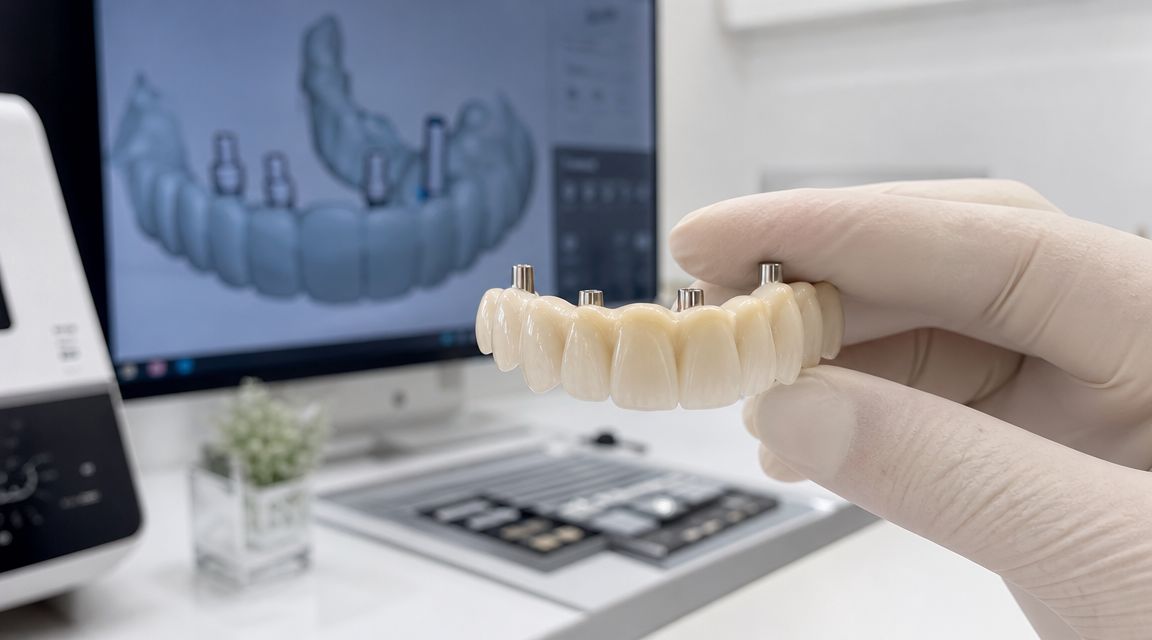
The verified cost range for that second phase is significant. The final restoration, typically a dental crown, adds $1,100 to $1,700, bringing the total combined cost for a fully restored molar to between $2,000 and $3,200.
Why this second stage should be part of your budget
Patients asking how much for root canal care often need the full picture, not just the procedure fee. If the tooth is a molar, the lasting value usually comes from completing both parts of treatment:
- Stage one: Remove infection and seal the canal
- Stage two: Protect the tooth with a durable restoration
A good treatment discussion should make that clear up front. If you'd like a broader look at restoration pricing, this overview of dental crowns and bridges cost is useful background for comparing options.
What good planning looks like
A strong plan doesn't just answer "Can we do the root canal?" It answers, "How will this tooth function six months from now?" That's especially important for people who chew heavily on back teeth or already have a history of cracked restorations.
A root canal saves the tooth from infection. The crown helps save it from breaking.
If you're deciding between restoring a tooth and removing it, this is one of the most important trade-offs to understand. The crown may feel like a second bill, but it's often the step that protects the investment you just made.
How Insurance and Financing Make Care Affordable in Austin
For many patients, the next question after diagnosis is simple. "How am I going to pay for this?" The good news is that dental insurance often helps with the procedure itself.
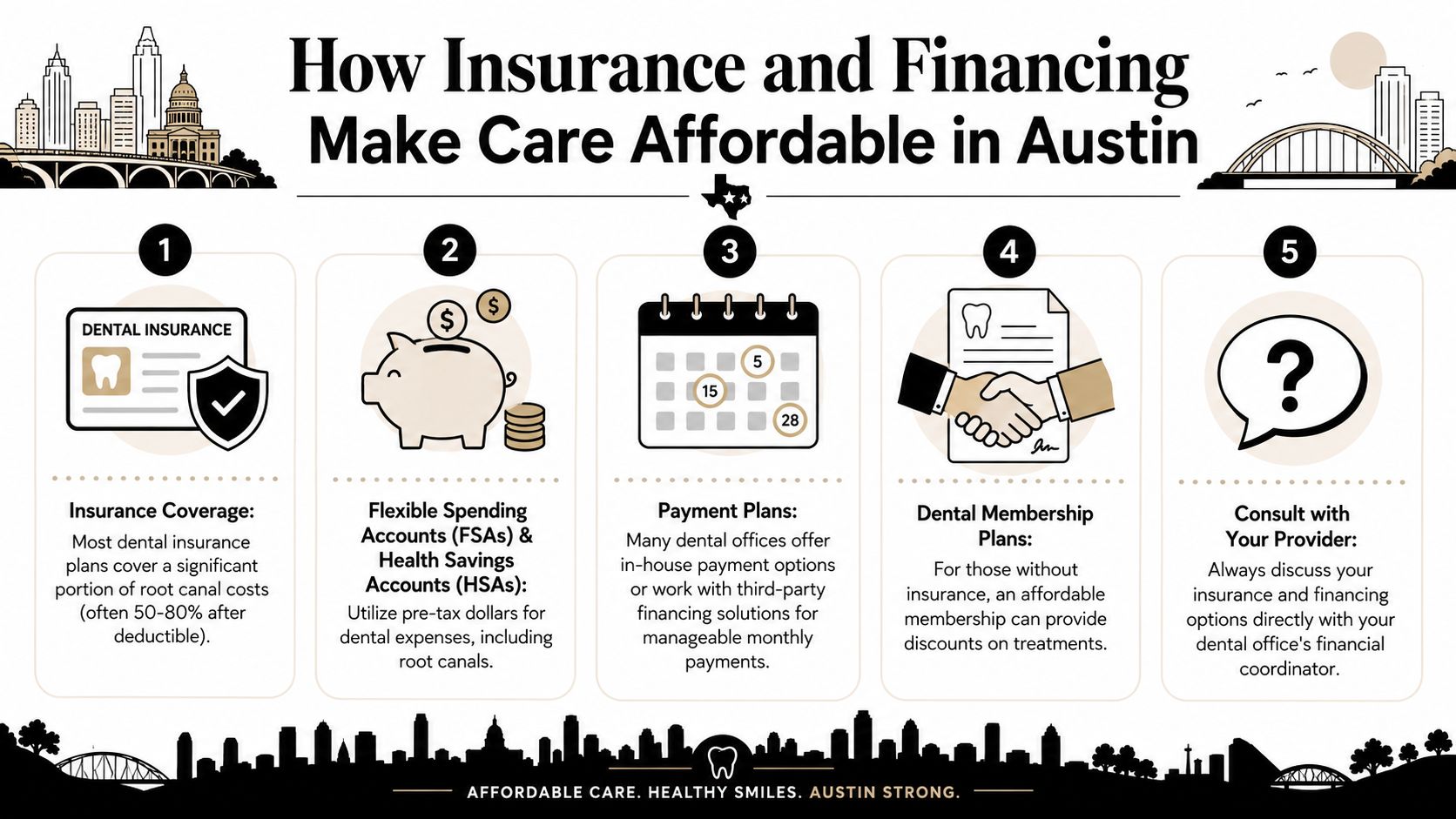
According to Delta Dental's explanation of root canal treatment cost, the majority of standard dental plans classify root canals as major restorative services and typically cover 50% to 80% of the procedural cost after the annual deductible has been met. That can make a meaningful difference in out-of-pocket expense.
What insurance usually covers
Insurance often treats the root canal and the final restoration as separate benefits. That's why patients can feel confused when the procedure receives one level of coverage and the crown receives another.
A practical way to review benefits is to check:
- Deductible status: Has it already been met this year
- Coverage percentage: Is the root canal covered under major restorative care
- Annual maximum: Is there enough benefit left for both treatment phases
- Restoration category: Is the crown covered under a different percentage or limit
A written pre-treatment estimate can help. It doesn't eliminate every variable, but it gives you a more realistic planning number than a generic online average.
Financing can fill the gap
Even with insurance, patients may still have a balance for the procedure, the crown, or both. That's where payment solutions matter. Many practices offer flexible ways to spread treatment costs out over time, and some patients also use HSA or FSA funds for eligible dental expenses.
For patients who want to understand available payment options before scheduling, a page on financing and insurance options can help clarify what to ask the office team.
What usually works best for patients
The easiest path is often a combination of benefit review and staged planning. For example:
- Confirm the diagnosis
- Request a clear estimate
- Check insurance benefits
- Review financing if needed
- Schedule promptly so the tooth doesn't worsen
Patients in Austin, Georgetown, and nearby communities usually feel more comfortable moving forward when the conversation includes both treatment and payment, not one without the other.
Your Next Step to Pain Relief at 3D Dental
If your tooth hurts now, the next step isn't more searching. It's an exam that identifies the cause of the pain and tells you whether you need a root canal, a filling, a crown, or a tooth extraction.

A modern visit should feel organized and predictable. You should know what the team sees on the images, whether the tooth can likely be saved, what the treatment sequence looks like, and how payment works before care begins. That level of clarity matters whether you're coming from North Austin, Georgetown, Wells Branch, Cedar Park, Round Rock, or Liberty Hill.
What to expect at your visit
At a patient-first office, the process is usually built around speed, comfort, and answers. That often includes:
- New patient exams and dental x-rays: To locate the source of pain accurately
- Digital diagnostics: Including advanced imaging when a case needs more detail
- A treatment discussion: Root canal, restoration, or another solution if the tooth isn't a root canal case
- A financial review: Insurance, payment options, and next steps in plain language
Patients who are in pain don't need vague advice. They need a plan they can act on.
If a tooth is infected, early treatment is usually simpler than delayed treatment.
Seeing the process ahead of time can also make the visit feel less intimidating.
Why acting sooner usually helps
The longer you wait, the more likely the tooth is to become harder to treat or less predictable to restore. A problem that starts as pain with chewing can become swelling, a sleepless night, or a larger restorative decision involving replacement options such as dental implants.
If you're also looking for a long-term dental home, this kind of visit can be the start of more than emergency care. It can also connect you with routine dental care, cleaning and exams, cosmetic dentist near me searches, teeth whitening, restorative dentistry, and follow-up treatment that keeps your smile stable after the urgent issue is resolved.
If you're dealing with tooth pain in Austin or Georgetown, schedule a visit with 3D Dental. The team provides modern diagnostics, clear treatment planning, and transparent support for insurance and financing so you can get answers quickly and move toward relief with confidence.
Ready to get started?
Schedule a free, no obligation consultation with our team and see what's possible for your smile!
Georgetown
- Mon-Thurs8:30am-5pm
- Fri8am-3:30pm
- Sat-SunClosed
Austin
- Mon-Tues8am-5pm
- Wed-Thurs9am-6pmFri8am-2pm
- Sat-SunClosed