
Deep Cleaning vs Regular Cleaning: Know the Difference
Related Posts






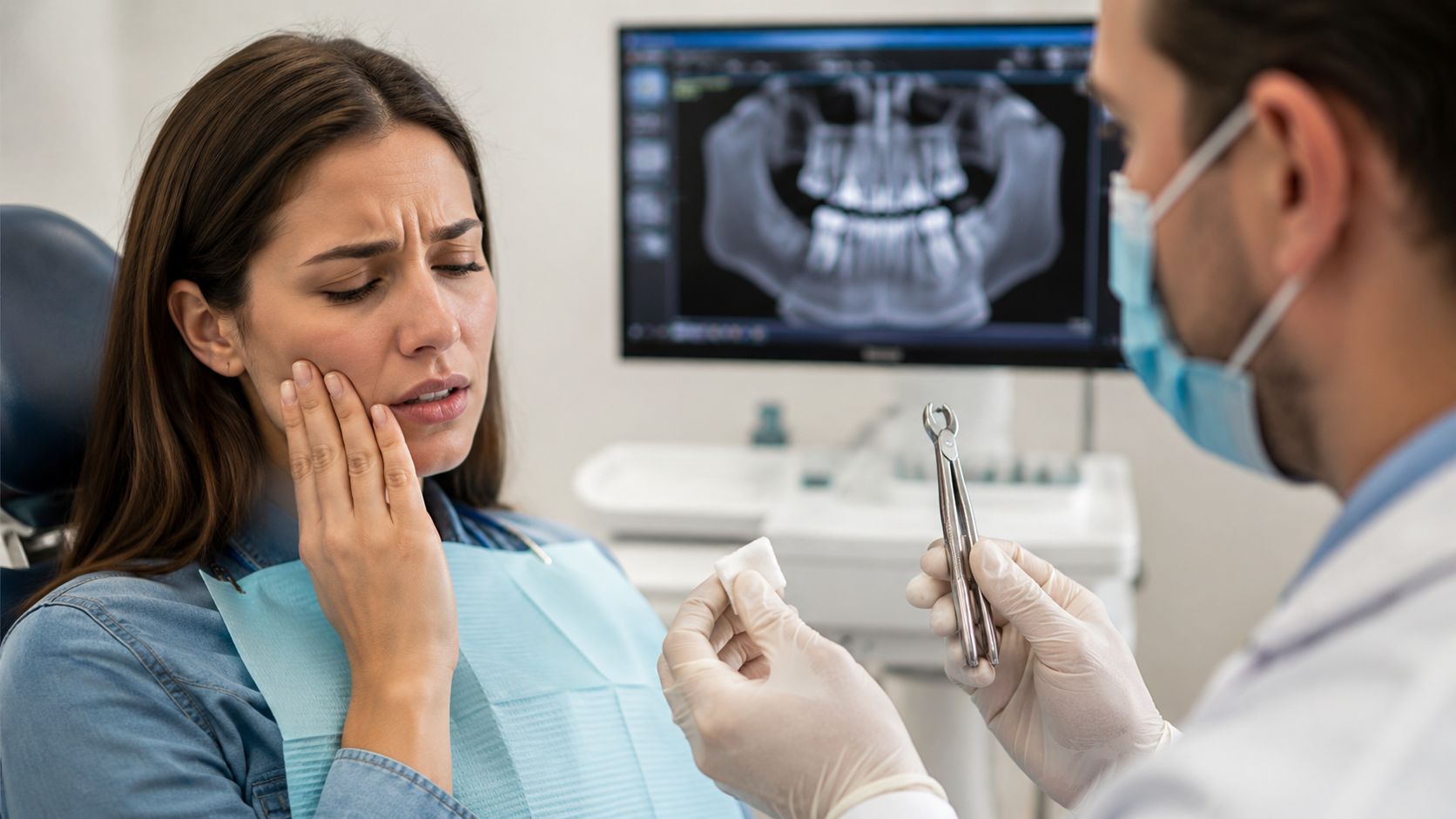

































Hearing that you “need a deep cleaning” can make an ordinary dental visit feel suddenly complicated. Many patients come in expecting a routine cleaning and exam, then leave wondering whether they really need more treatment, what it will feel like, and whether it's being recommended for the right reason.
That uncertainty is understandable. In Austin and Georgetown, TX, people searching for a dentist near me, an emergency dentist, or a dentist in Austin, TX often want the same thing: a clear answer they can trust. They want to know what's preventive care, what's treatment, and what matters most for protecting their teeth, gums, and future options like dental implants near me or cosmetic work.
Deep cleaning vs regular cleaning isn't just a question of “basic” versus “more intense.” It's a question of diagnosis. The right recommendation depends on your gum health, the depth around the teeth, and what your mouth needs now to stay healthy long term.
Your Trusted Dentist in Austin for Dental Cleanings
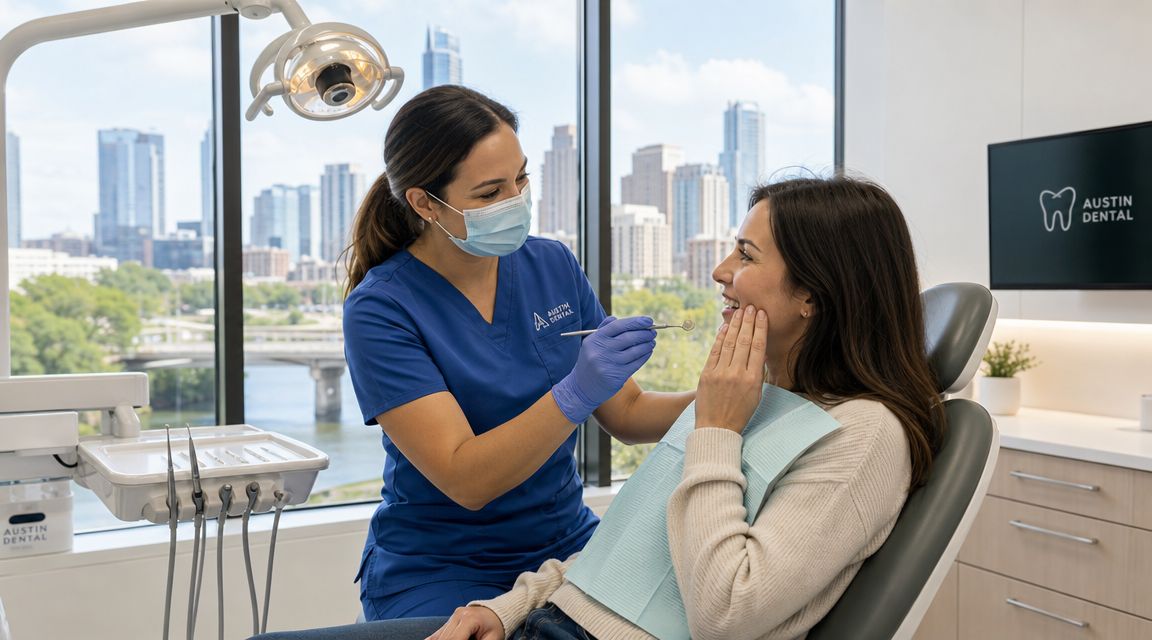
A common first visit goes like this. A patient arrives for cleaning and exams, maybe because they've noticed bleeding when brushing, bad breath that won't go away, or it's been longer than they meant between visits. They expect a standard polish and floss. Then they hear a new term: deep cleaning.
That moment often creates anxiety. Patients wonder if something serious was missed before, whether the appointment will hurt, or if they're being pushed into treatment they didn't expect. Those are fair concerns, and they deserve a straight answer.

In daily practice, the difference usually becomes clear once patients understand what each cleaning is meant to do. A regular cleaning helps maintain health. A deep cleaning treats active gum disease. They aren't interchangeable, and neither one is “better” in every case. The right one is the one that matches the condition of your gums.
Why this question matters in Austin and Georgetown
For families in Austin, Georgetown, Wells Branch, Round Rock, Cedar Park, and Liberty Hill, dental care is often part of a bigger picture. Some patients are focused on routine dental care, new patient exams, and dental x-rays. Others are thinking ahead to restorative dentistry, cosmetic dentist near me searches, teeth whitening, or replacing missing teeth with implants.
Healthy gums support all of it.
A beautiful smile starts with a stable foundation. If the gums aren't healthy, even the best restorative or cosmetic plan won't hold up as well as it should.
That's why the deep cleaning vs regular cleaning decision matters so much. It affects comfort today, treatment planning tomorrow, and long-term choices if you ever need crowns, bridges, tooth extraction, or implant treatment.
What patients usually want to know right away
What's wanted isn't a lecture. Practical answers are:
- What is a regular cleaning for if my gums are healthy?
- What is a deep cleaning for if my gums are infected below the gumline?
- Will I need numbing
- How many visits are involved
- Can better diagnostics show whether it's necessary
Those questions are the right ones. The rest of this guide answers them in plain language so you can feel confident about your next step.
Understanding a Regular Cleaning Prophylaxis
A regular dental cleaning, also called prophylaxis, is preventive care. It's meant for patients with healthy gums or minimal buildup, not for treating active periodontal disease. It's usually done without anesthesia, takes about 20 minutes to one hour, and is generally recommended every 6 months to maintain oral hygiene and help prevent disease, as described in this overview of regular dental cleaning vs deep cleaning.
What happens during a regular cleaning
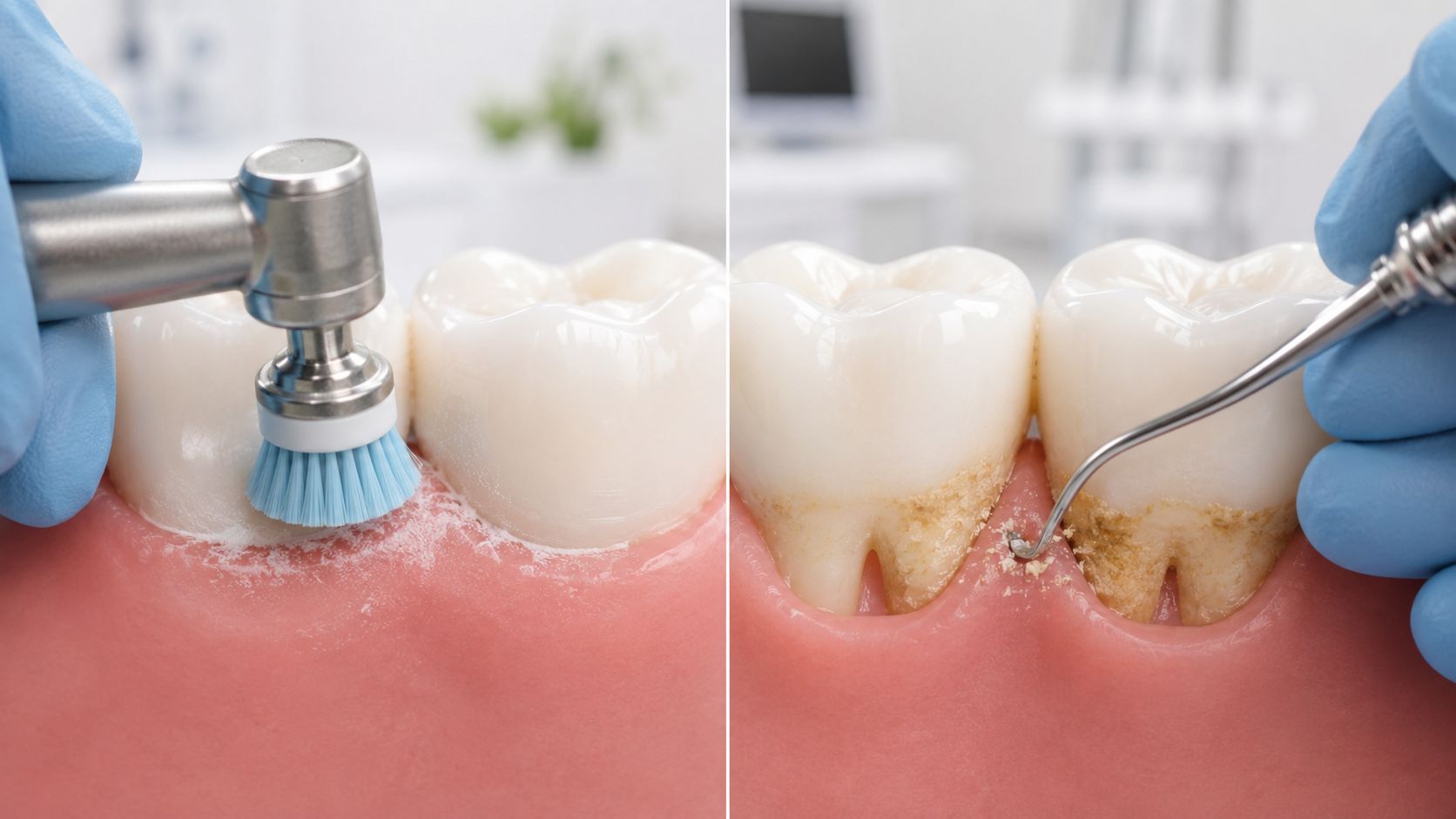
For most patients, this is the familiar cleaning appointment. The hygienist or dentist removes plaque and tartar from the visible parts of the teeth, especially around the gumline, then polishes the teeth and flosses between them.
The goal is maintenance. This kind of visit helps interrupt the buildup that can lead to cavities, gum irritation, and staining. It also gives the dental team a chance to check for changes before they become bigger problems.
A routine visit often works well for patients who are staying consistent with care and home brushing and flossing. It's one of the simplest ways to protect your smile and avoid more involved treatment later.
Who is a good candidate
Regular cleaning is usually appropriate when the gums look stable and there isn't evidence of deeper infection. These patients may still have plaque, tartar, or some surface stain, but the issue hasn't moved into the deeper supporting tissues around the roots.
That matters because prophylaxis isn't designed to treat disease below the gumline. It cleans what can be managed as preventive care.
Practical rule: If your gums are healthy, regular cleaning is often the right tool. If infection has moved deeper, a routine cleaning won't do enough.
What the visit feels like
Most patients tolerate a regular cleaning easily. Since the work is above the gumline and intended for maintenance, anesthesia usually isn't needed. You may feel vibration, water, scraping, and polishing paste, but the visit is typically straightforward.
If you're due for your next preventive appointment, this guide on how often you should get dental cleanings is a helpful next read.
For patients looking for a dentist in Austin, TX or dentist near me for cleaning and exams, this is often the service they expect when they book. The important thing is confirming that the gums are healthy enough for a regular cleaning to be the right fit.
Explaining a Dental Deep Cleaning Scaling and Root Planing
A deep cleaning is different from preventive cleaning in one important way. It's treatment, not maintenance. In dentistry, that treatment is called scaling and root planing.
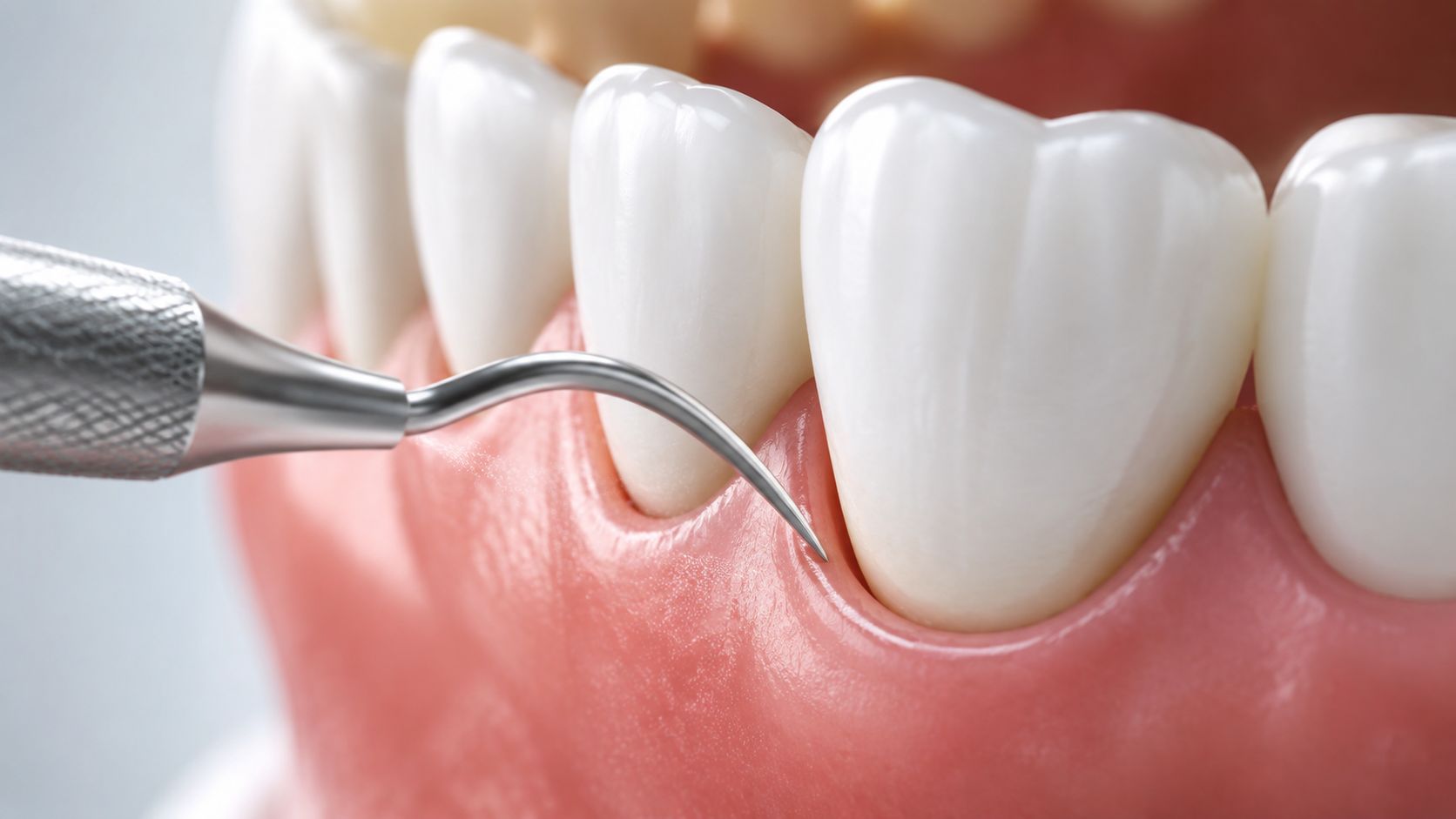
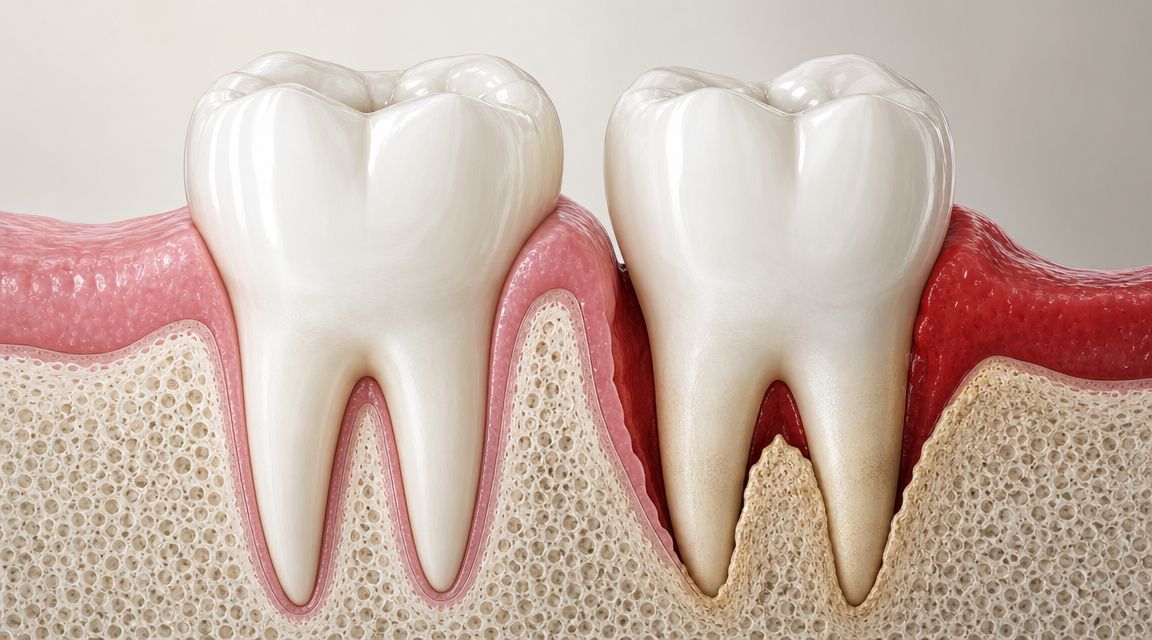
This procedure is used when gum disease has moved below the gumline. Instead of removing only plaque and tartar on visible tooth surfaces, the clinician cleans deeper areas where bacteria and hardened deposits collect around the roots. The purpose is to reduce infection, calm inflammation, and help the gums reattach more favorably around the teeth.
Why a deep cleaning is recommended
Deep cleaning is usually recommended when there are signs of periodontitis, which is gum disease affecting the tissues that support the teeth. Those signs can include bleeding on probing, deeper periodontal pockets, and bone loss seen on imaging.
According to this review of deep teeth cleaning frequency, approximately 42 to 47% of U.S. adults aged 30 and older have some form of periodontitis. The same source notes that deep cleaning can cost about $200 to $450 per quadrant, with a full-mouth treatment often totaling $800 to $1,600 without insurance, compared with a routine cleaning that averages roughly $120 to $170.
Those numbers matter, but the clinical reason matters more. A deep cleaning isn't recommended because it's more involved. It's recommended because a regular cleaning won't reach the bacteria and calculus causing the problem.
What the procedure feels like
Because the work goes deeper below the gums, local anesthesia is commonly used to keep the area comfortable. Treatment may be completed in sections of the mouth rather than all at once, depending on what's needed and how much inflammation is present.
Patients often describe pressure or movement more than pain during the appointment. Afterward, some tenderness, sensitivity, or mild soreness is normal. Patients typically do well when they know what to expect and understand that the purpose is to stop disease progression, not just “clean better.”
Here's a short visual overview of the procedure:
What deep cleaning can and cannot do
A deep cleaning can be very effective at controlling infection and preserving teeth. It can reduce bacterial load and improve the health of the gum tissue when the diagnosis is correct and follow-up care is consistent.
What it can't do is act as a substitute for long-term maintenance. Once gum disease is treated, patients often need closer periodontal follow-up than someone with perfectly healthy gums. That ongoing support is what helps keep the condition stable.
Deep cleaning isn't a deluxe version of a regular cleaning. It's a focused treatment for active disease below the gums.
Comparing Deep Cleaning vs Regular Cleaning Side by Side
When patients search deep cleaning vs regular cleaning, they usually want one thing: a simple side-by-side answer. This is the easiest way to see how the two treatments differ.
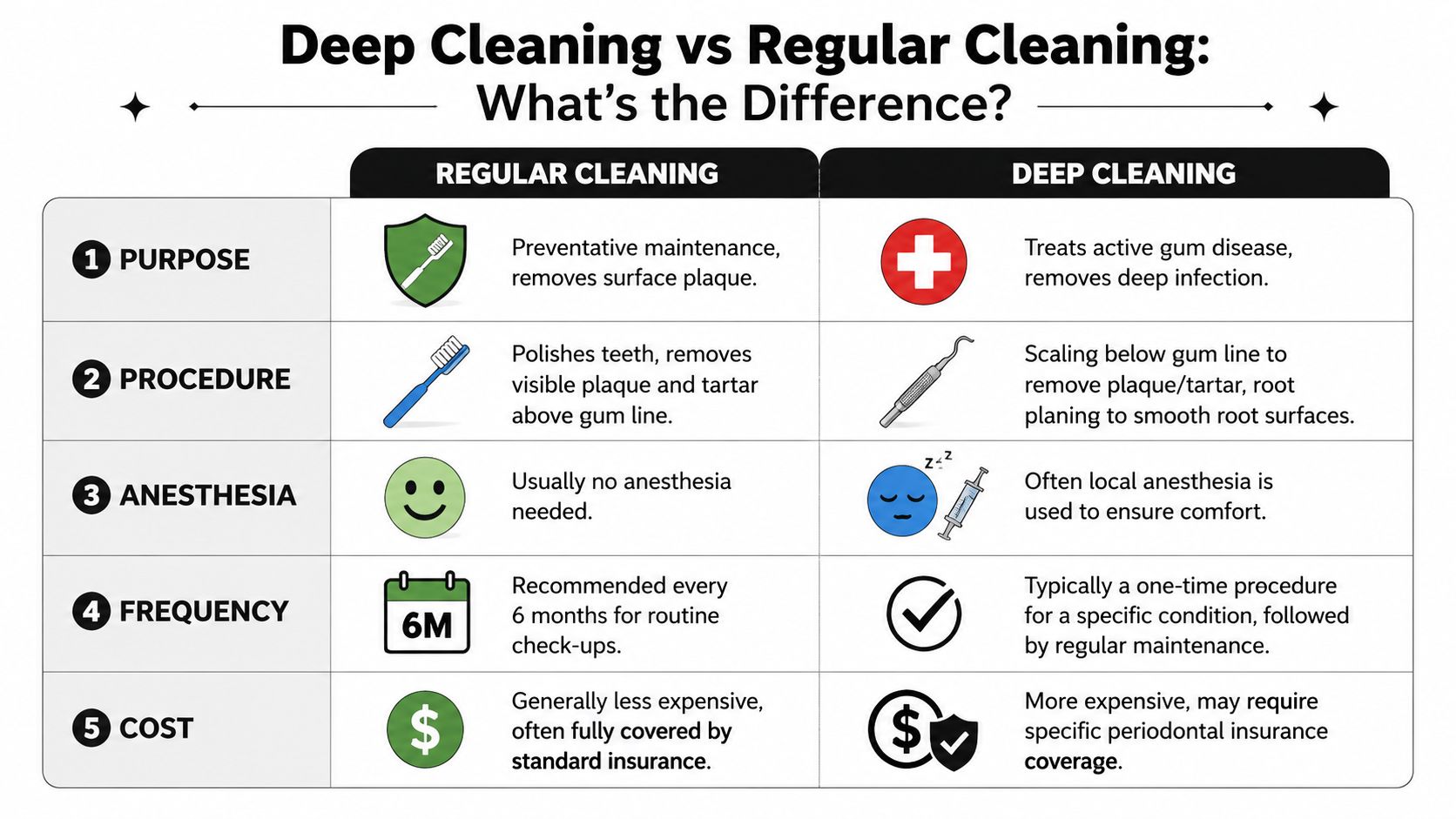
| Feature | Regular Cleaning (Prophylaxis) | Deep Cleaning (Scaling & Root Planing) |
|---|---|---|
| Purpose | Preventive maintenance | Treatment for active gum disease |
| Target area | Visible tooth surfaces and around the gumline | Below the gumline on root surfaces |
| Best for | Healthy gums and minimal buildup | Periodontal pockets, inflammation, and disease |
| Anesthesia | Usually not needed | Often local anesthesia is used |
| Visits | Typically one visit | Often completed in one to four visits |
| Goal | Maintain oral health and prevent disease | Stop disease progression and improve gum health |
The biggest difference is depth
The technical distinction comes down to how deep the instruments need to go. According to this explanation of deep cleaning vs regular cleaning, regular cleanings target the clinical crown, while deep cleaning targets subgingival calculus in pockets 4 to 6 mm or deeper. That same source notes that this therapeutic treatment can reduce probing depths by 1.5 to 2 mm, which routine prophylaxis does not achieve.
That's why these two services shouldn't be confused. One maintains health. The other addresses disease that has already changed the periodontal environment.
Why numbing is common for deep cleaning
A regular cleaning usually stays in areas patients can tolerate comfortably without anesthetic. Deep cleaning works farther below the gumline, where infected pockets and root surfaces can be much more sensitive.
Numbing doesn't mean something is wrong. It means the clinician is working in a deeper, more delicate area and wants you comfortable while doing thorough treatment.
Why the number of visits can differ
A regular cleaning is often completed in a single appointment because the goal is preventive maintenance. Deep cleaning may be done one section at a time, especially if several areas need treatment or the gums are inflamed enough that a staged approach makes more sense.
That doesn't automatically mean your case is severe. It often reflects good planning and patient comfort.
Which one “works better”
This is the wrong question. The better treatment is the one that matches the diagnosis.
- Choose regular cleaning when the gums are healthy and the need is preventive care.
- Choose deep cleaning when there are pockets, bleeding, infection, or other evidence of periodontitis.
- Avoid guessing based on symptoms alone, because some patients with gum disease don't feel much discomfort early on.
If a patient with healthy gums gets a deep cleaning, that can be more treatment than necessary. If a patient with periodontal disease gets only a regular cleaning, that often isn't enough treatment.
For anyone looking for a dentist near me, cleaning and exams, or even planning future cosmetic dentistry or dental implants near me, this distinction matters. Healthy gums give you better odds of keeping your natural teeth and better support if restorative care is needed later.
When Is a Deep Cleaning Necessary
Some patients clearly need a deep cleaning. Others fall into a gray area where the right decision depends on better diagnostics, not guesswork.
Signs that deserve closer evaluation include bleeding gums, swelling, gum recession, persistent bad breath, tenderness around certain teeth, or a history of bone loss. Sometimes there's very little pain, which is why patients are surprised when a deeper problem is found during an exam.
The role of modern diagnostics
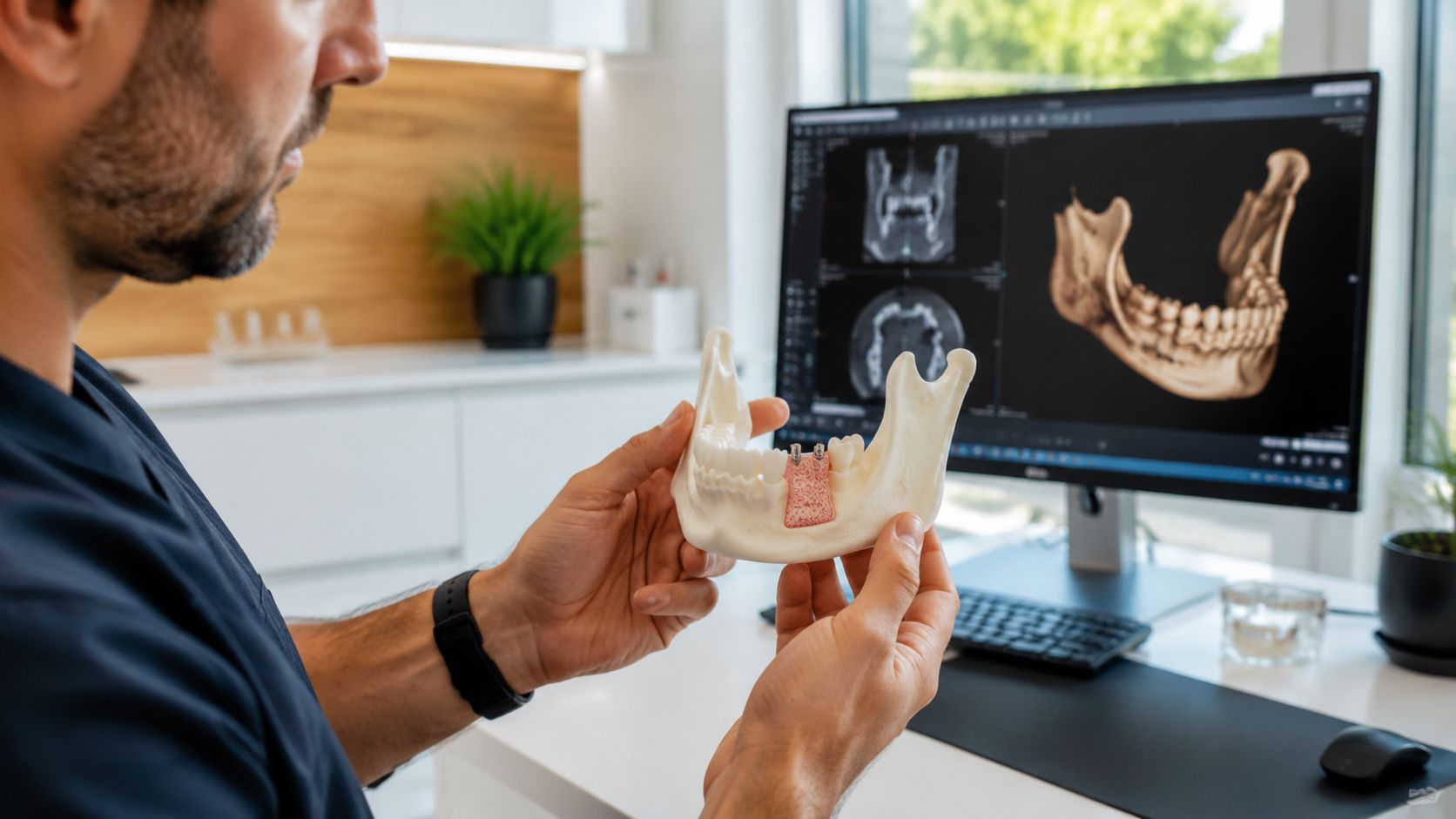
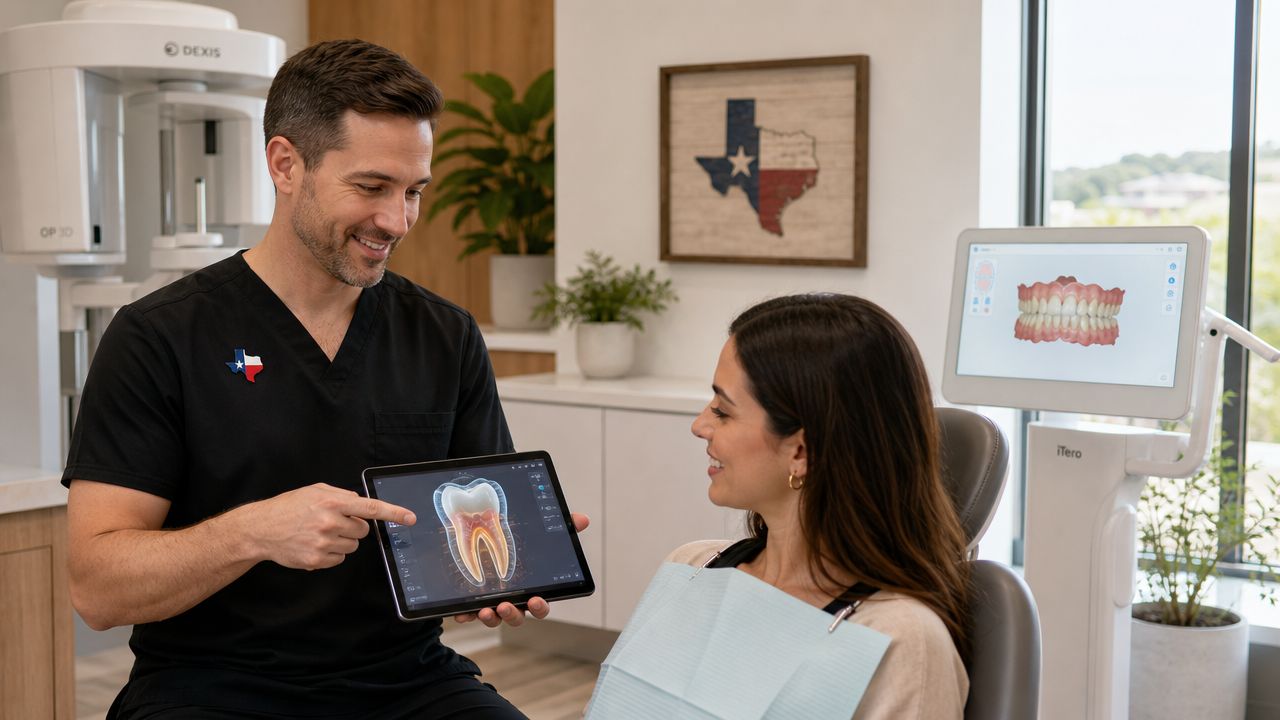
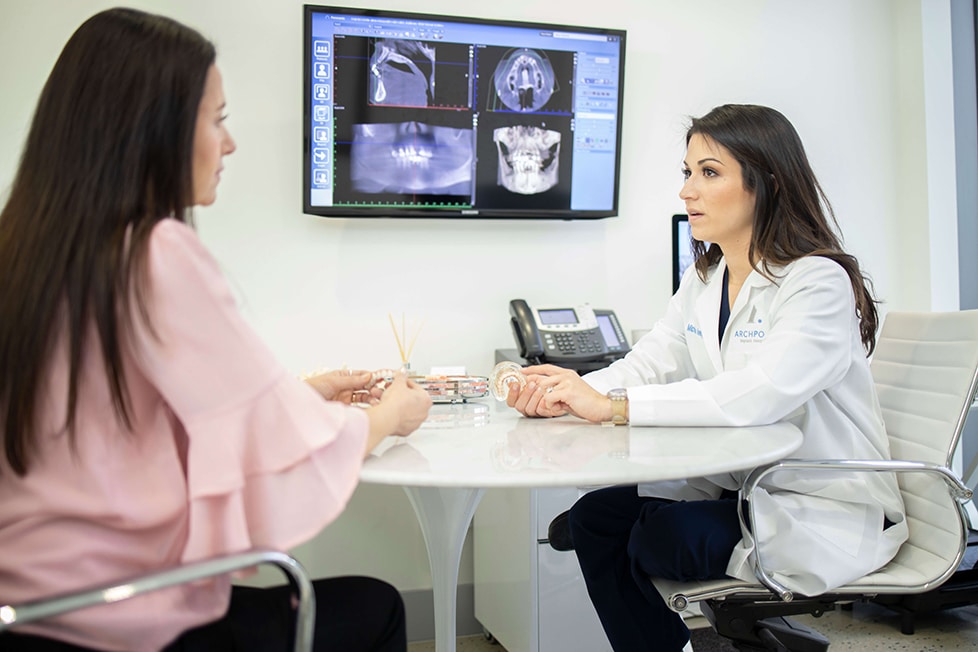
Newer tools are important. Modern diagnostics like 3D CT and digital charting can refine the threshold for a deep cleaning. Instead of automatically recommending it for 4 to 5 mm pockets, these tools can help identify when a patient may respond better to intensified prevention or localized therapy, helping avoid the cost and discomfort of a full-mouth procedure when it isn't clinically necessary.

That's an important shift in how good periodontal care is delivered. Not every borderline measurement should trigger the same treatment for every patient. A more precise diagnosis helps separate cases that need full scaling and root planing from cases that may be managed in a more targeted way.
Why this matters for implant planning
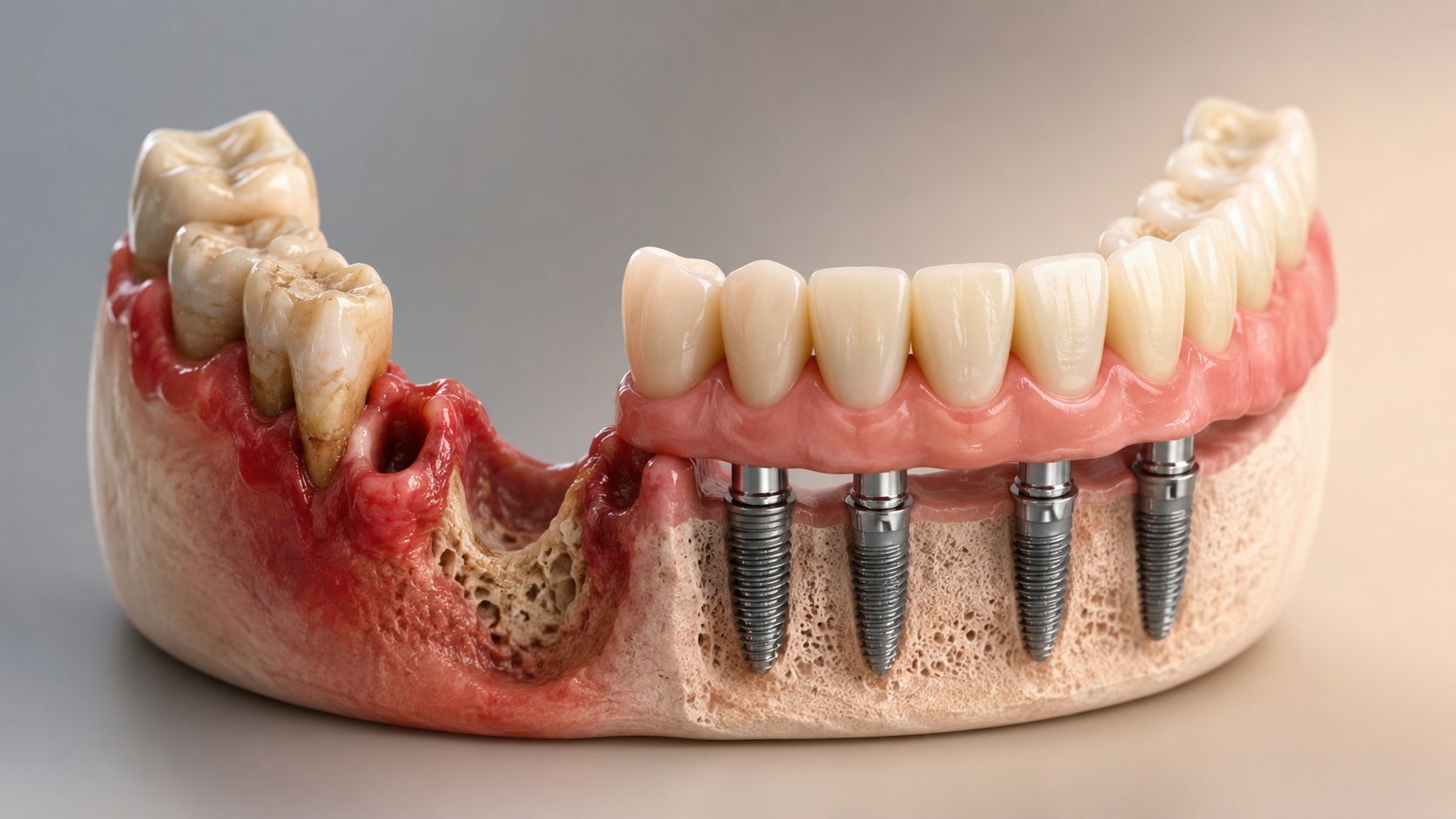
For patients considering implants, the gums and bone aren't a side issue. They are the foundation. If there's untreated periodontal disease, it can complicate restorative planning and affect how predictably the mouth supports future treatment.
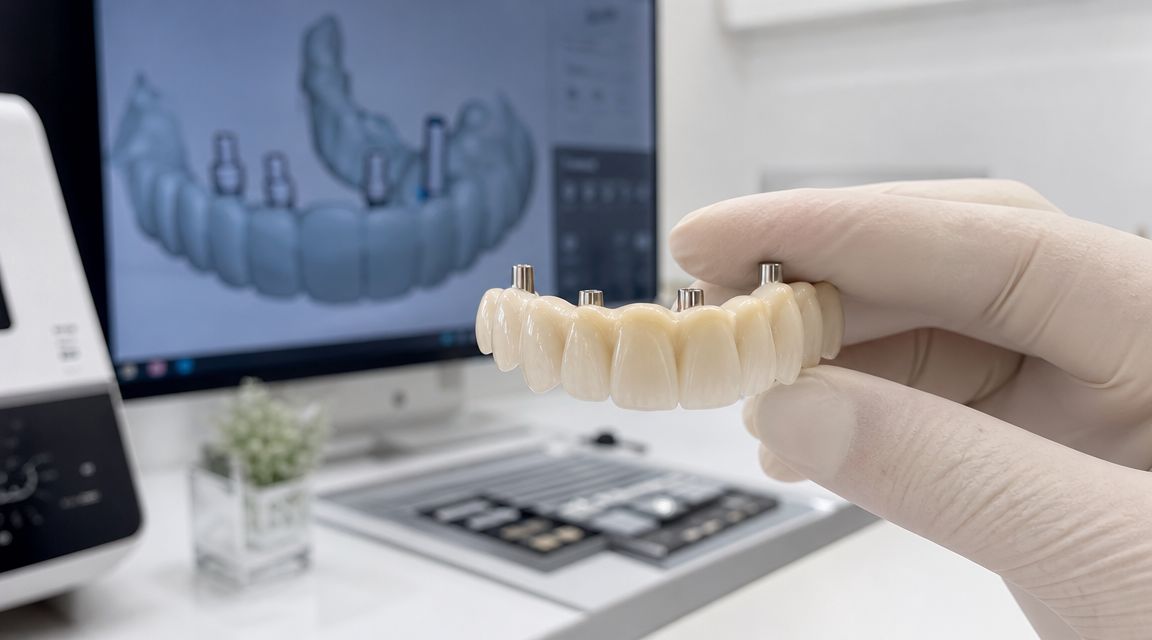
That's why deeper evaluation matters before moving into major restorative care. Whether someone is thinking about a single implant, multiple missing teeth, or a full-arch option, the supporting tissues have to be assessed carefully first.
A useful overview of this progression appears in this explanation of gum disease progression.
When a deep cleaning is the right call
A deep cleaning is generally the better recommendation when examination and imaging show that the disease is active below the gumline and routine preventive cleaning won't reach the source of the problem.
Common triggers include:
- Bleeding with deeper pocketing that points to inflammation below the gumline
- Evidence of bone loss on imaging or charting
- Persistent buildup under the gums that can't be addressed with prophylaxis alone
- A treatment plan tied to long-term restorative goals, where gum stability is essential
Better diagnostics protect patients in both directions. They help prevent undertreatment, and they help prevent overtreatment.
The Long Term Benefits for Your Smile and Health
The value of the right cleaning isn't just what happens at that appointment. It's what happens next.
When gum disease is treated early and maintained well, patients have a better chance of preserving the teeth they already have. They also create a healthier environment for future care, whether that means fillings, crowns, veneers, whitening, orthodontics, or implant dentistry.
Why maintenance matters after treatment
Deep cleaning does its best work when it's followed by supportive periodontal care. According to this discussion of deep cleaning vs regular cleaning and long-term maintenance, patients who undergo scaling and root planing followed by supportive periodontal therapy every 3 to 4 months show significantly lower pocket depths over 2 to 3 years than those who return only for 6-month regular cleanings.
That matters because gum disease can return if the mouth isn't monitored and maintained appropriately. A single deep cleaning appointment helps, but the long-term result depends on follow-through.
The connection to restorative and cosmetic goals
Patients often think of gum treatment and smile treatment as separate topics. They aren't. Healthy gums support a healthy, attractive smile.
If you're considering cosmetic dentist near me services such as veneers or teeth whitening, healthier gums improve the overall result and comfort of care. If you're considering dental implants near me, stable gum tissue and bone support are even more important.
A strong periodontal foundation also helps when patients need restorative dentistry, including crowns or bridges after wear, decay, or tooth extraction. Even in emergency dental services, healthier gums make treatment planning clearer and healing more predictable.
What tends to work best
The most reliable approach is usually straightforward:
- Accurate diagnosis first
- The correct cleaning for the actual condition
- A realistic home-care routine
- The right recall schedule for your risk level
Patients do best when they stop thinking of a deep cleaning as a one-time event and start seeing it as part of a plan to protect their smile over time.
Schedule Your Cleaning with 3D Dental in Austin or Georgetown
If you're not sure whether you need a regular cleaning or a deep cleaning, the next step is a thorough exam with clear diagnostics. That's the only reliable way to know whether your gums need preventive maintenance, targeted periodontal treatment, or something in between.
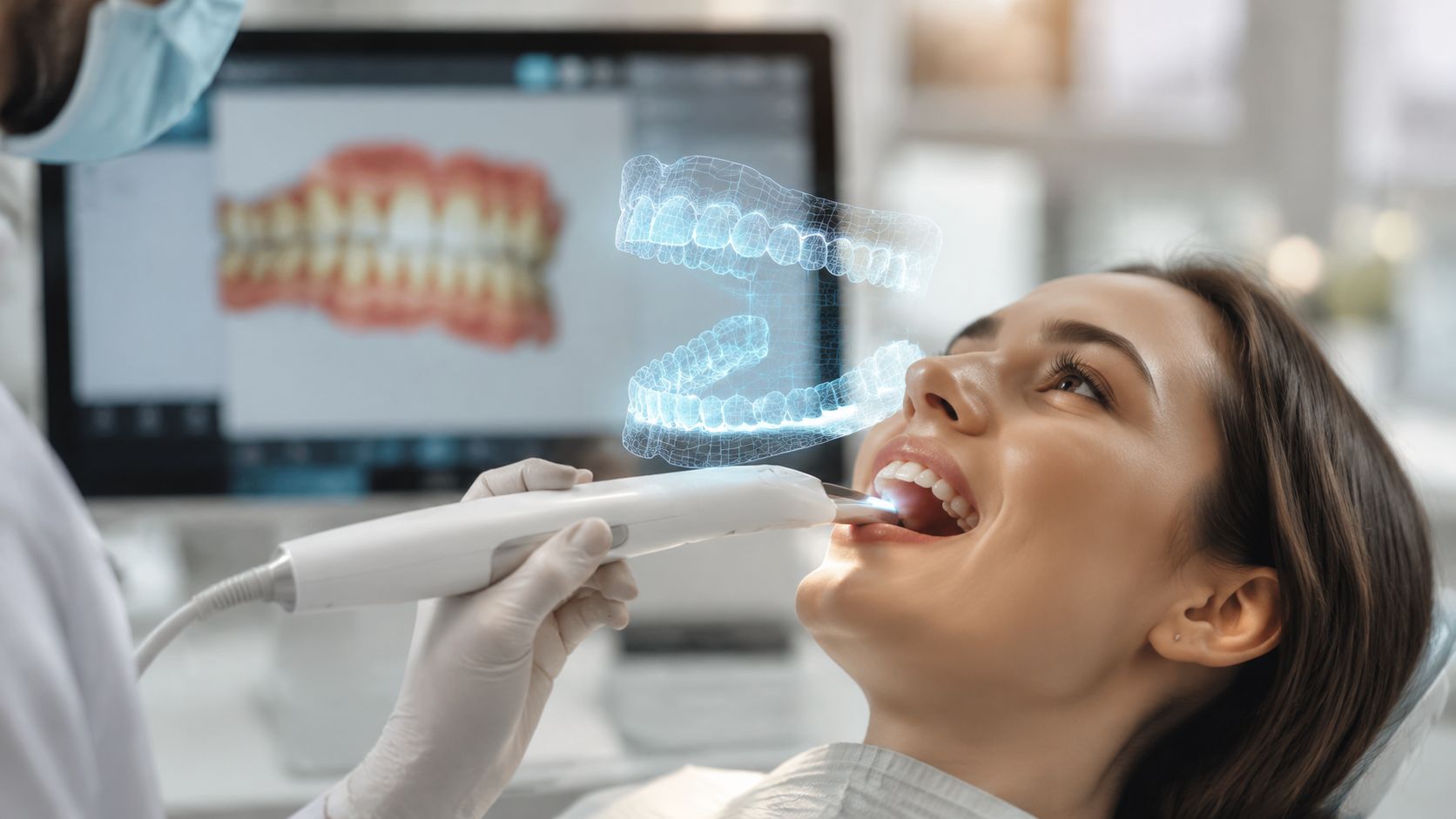
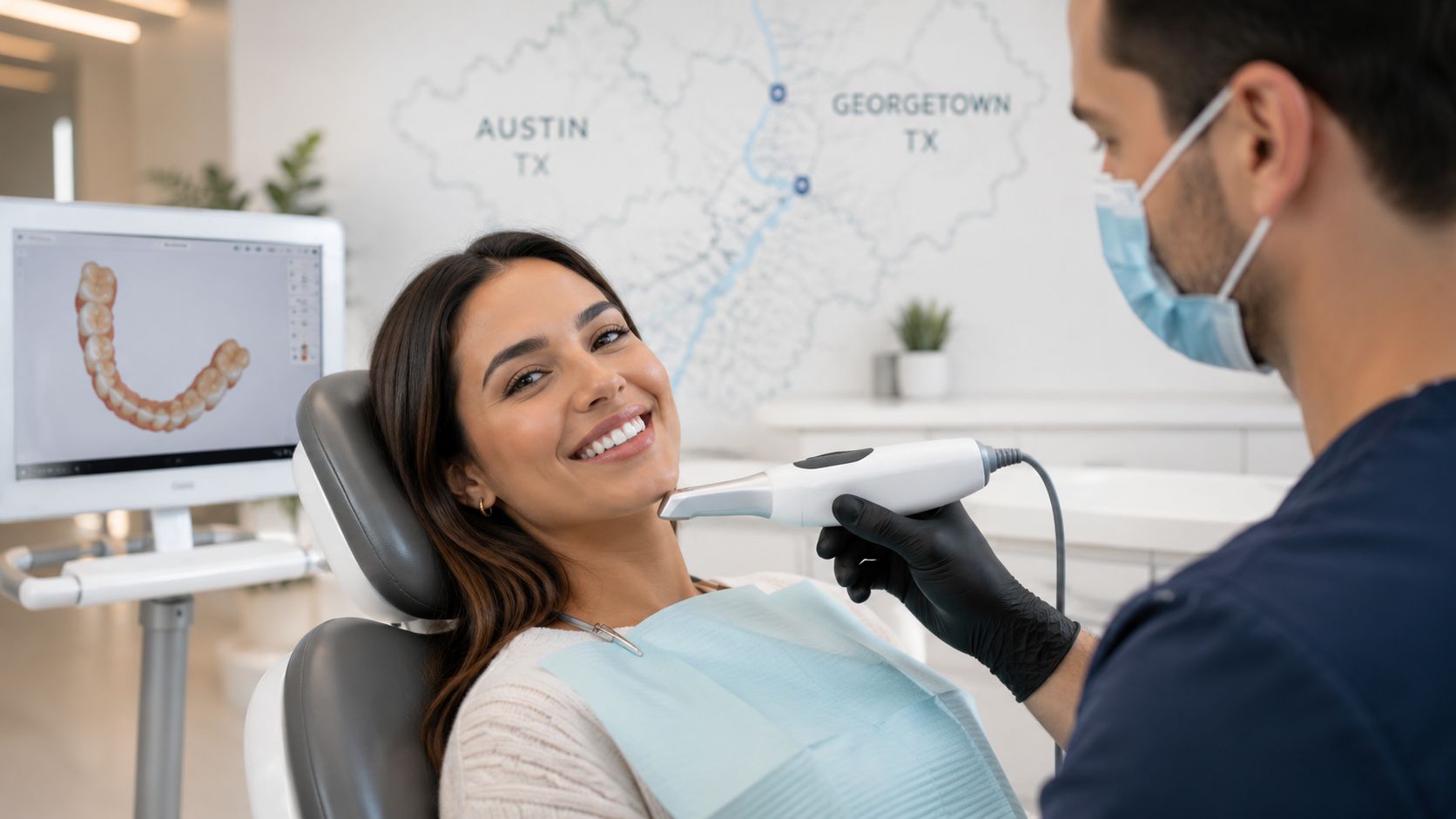
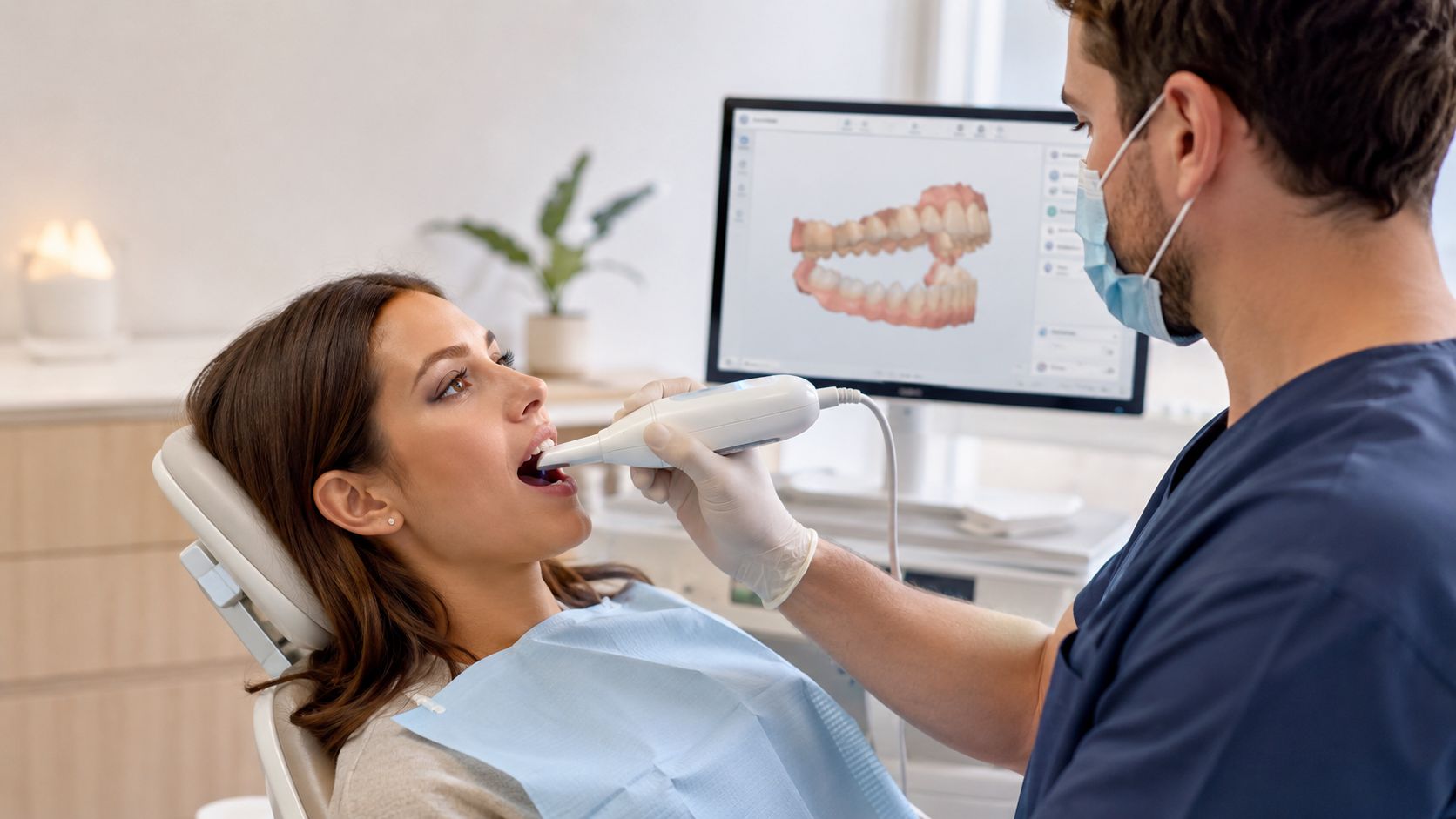
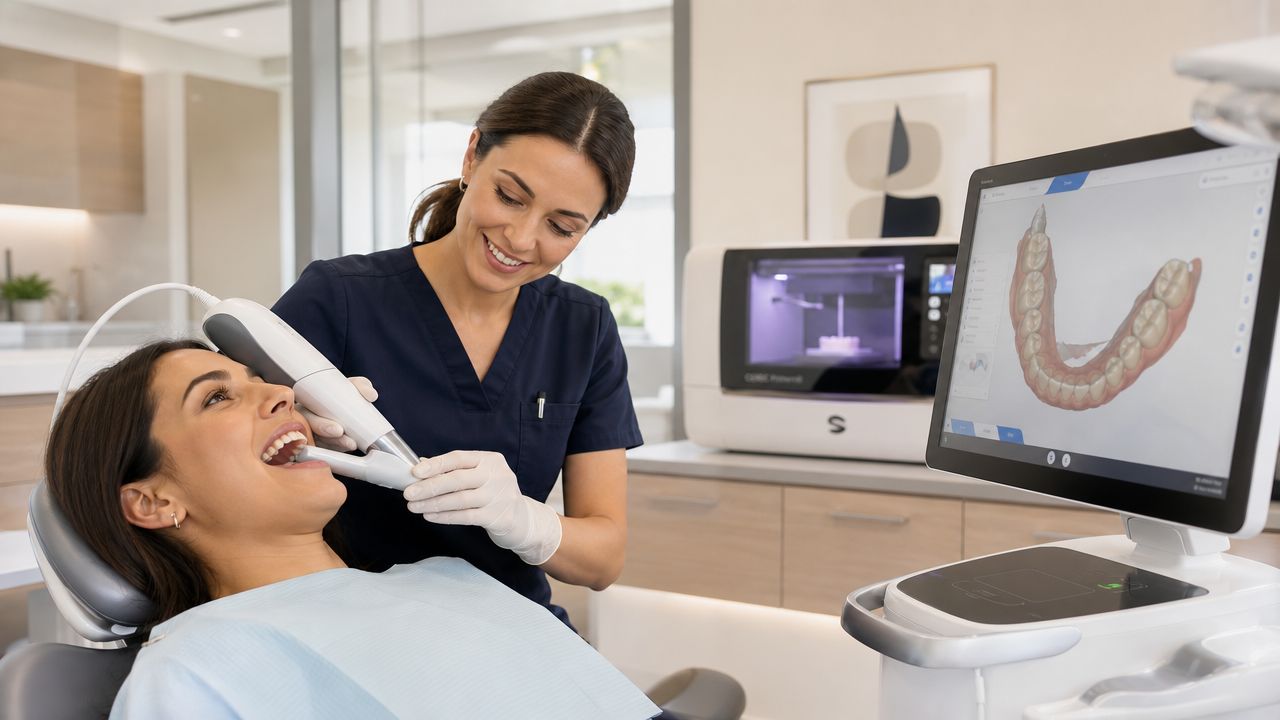
At 3D Dental, patients in North Austin and Georgetown can expect a modern, comfortable visit focused on clarity. The team uses advanced tools such as 3D CT imaging, digital scanners, digital x-rays, and detailed periodontal evaluation to make treatment recommendations based on what your mouth needs. That matters whether you're booking routine dental care, looking for an emergency dentist, exploring cosmetic dentistry, or planning for implants.
Patients also appreciate having a wide range of services in one place. If your exam shows that you need more than a cleaning, care can be coordinated for gum treatment, restorative dentistry, tooth extraction, braces, aligners, veneers, whitening, crowns, bridges, or implant solutions.
For patients in Austin, Georgetown, Wells Branch, Cedar Park, Round Rock, and Liberty Hill, getting the right diagnosis early can protect your comfort, your budget, and your long-term oral health. If you've been searching for a dentist near me or a dentist in Austin, TX who explains treatment clearly, this is the time to get answers.
Ready to find out which cleaning is right for you? Schedule a visit with 3D Dental in Austin or Georgetown, TX for a thorough exam, advanced imaging, and a clear treatment plan built around your long-term smile goals. You can request an appointment online through the website or call the office directly to book a consultation.
Ready to get started?
Schedule a free, no obligation consultation with our team and see what's possible for your smile!
Georgetown
- Mon-Thurs8:30am-5pm
- Fri8am-3:30pm
- Sat-SunClosed
Austin
- Mon-Tues8am-5pm
- Wed-Thurs9am-6pmFri8am-2pm
- Sat-SunClosed