
Emergency Dental Care Weekends: Urgent Relief Now
Related Posts

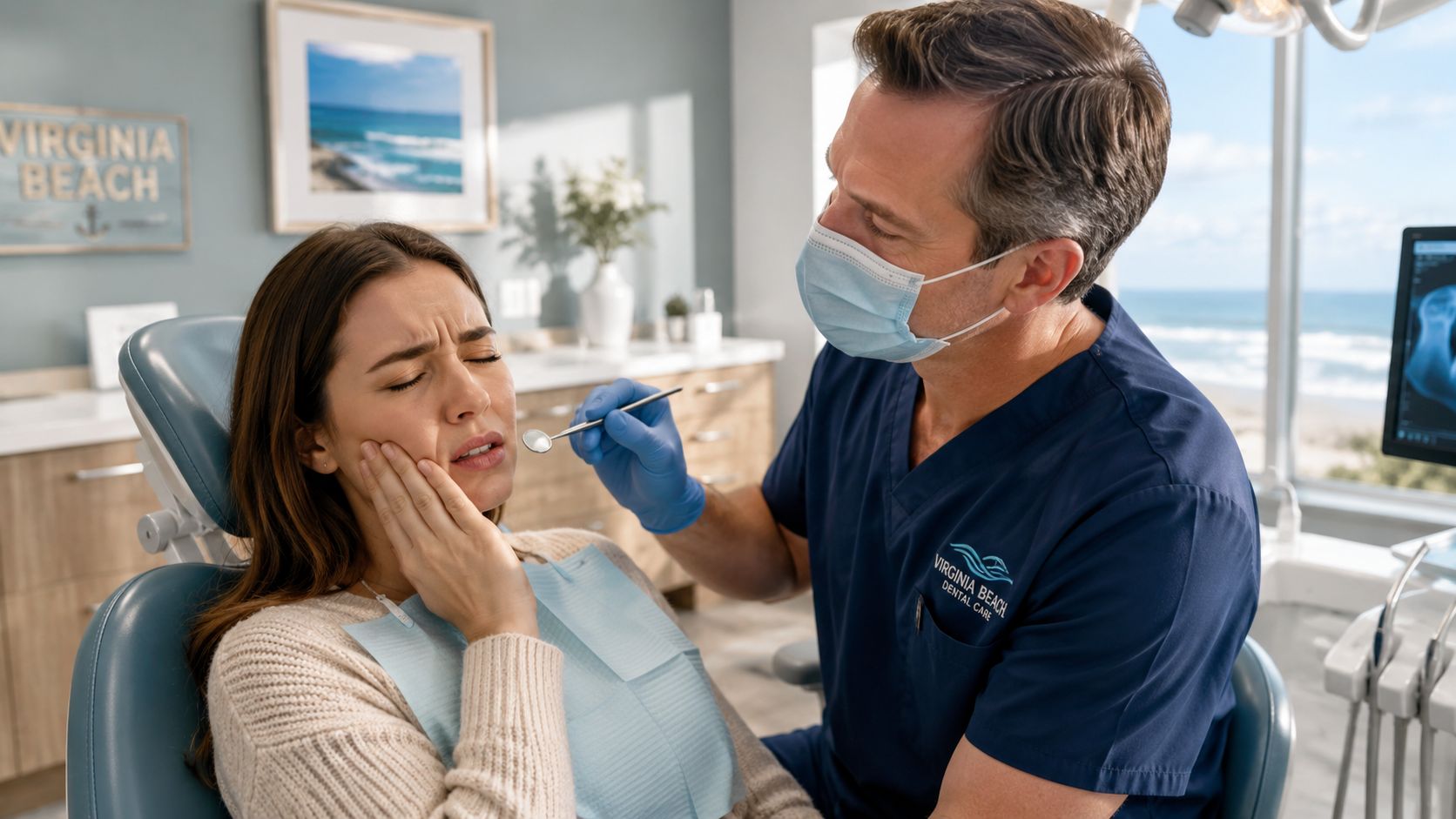

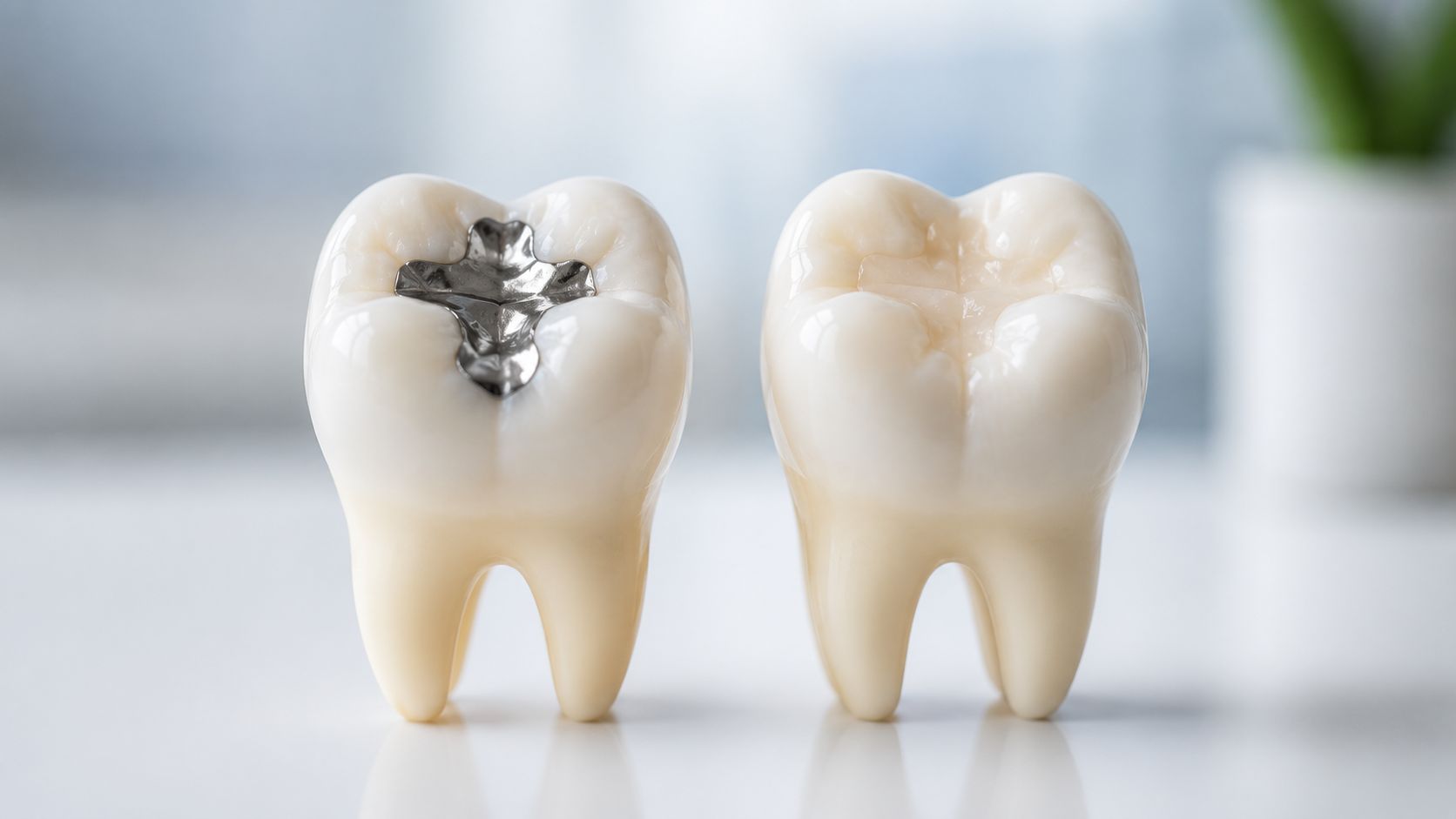



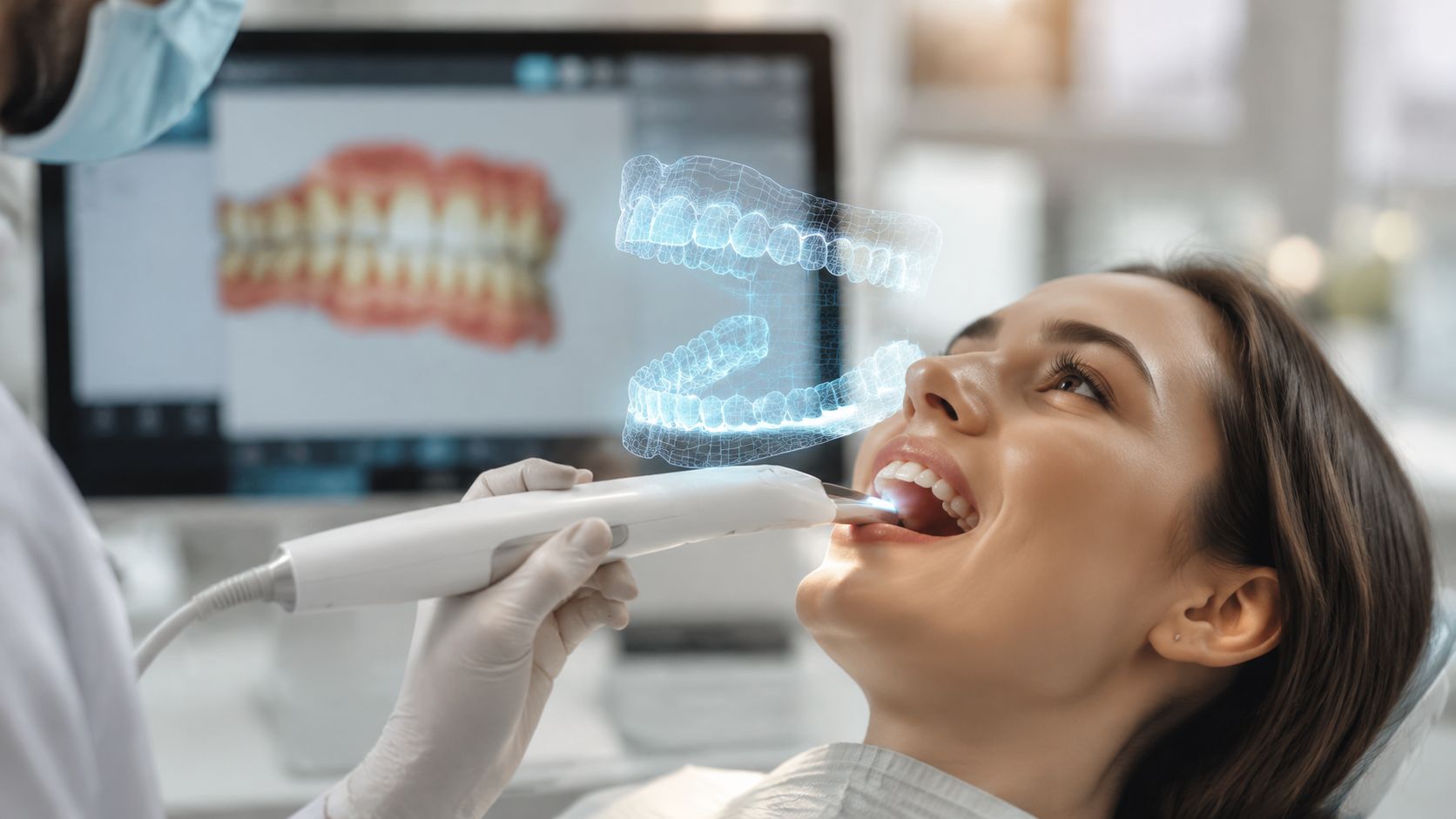
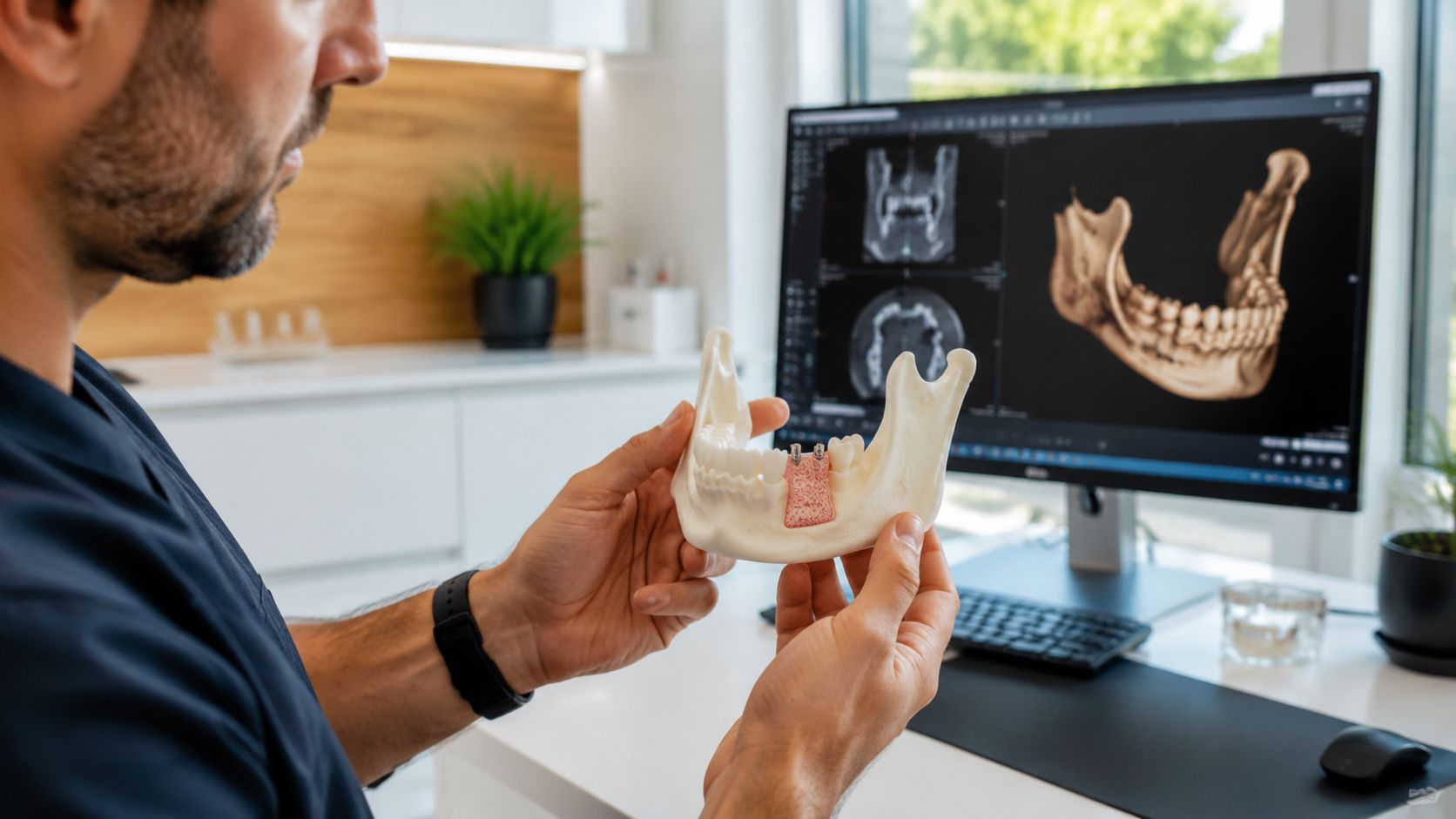
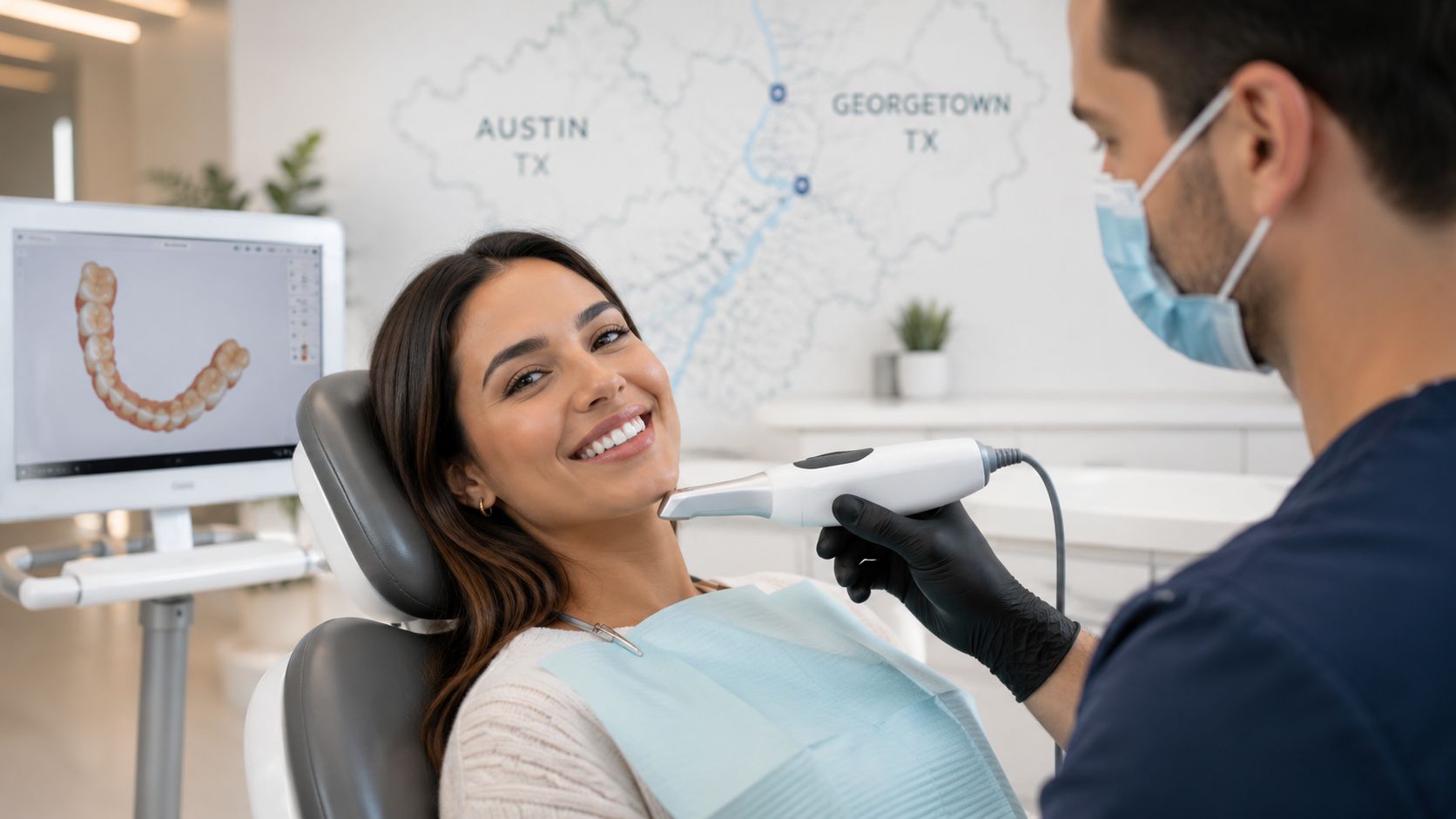
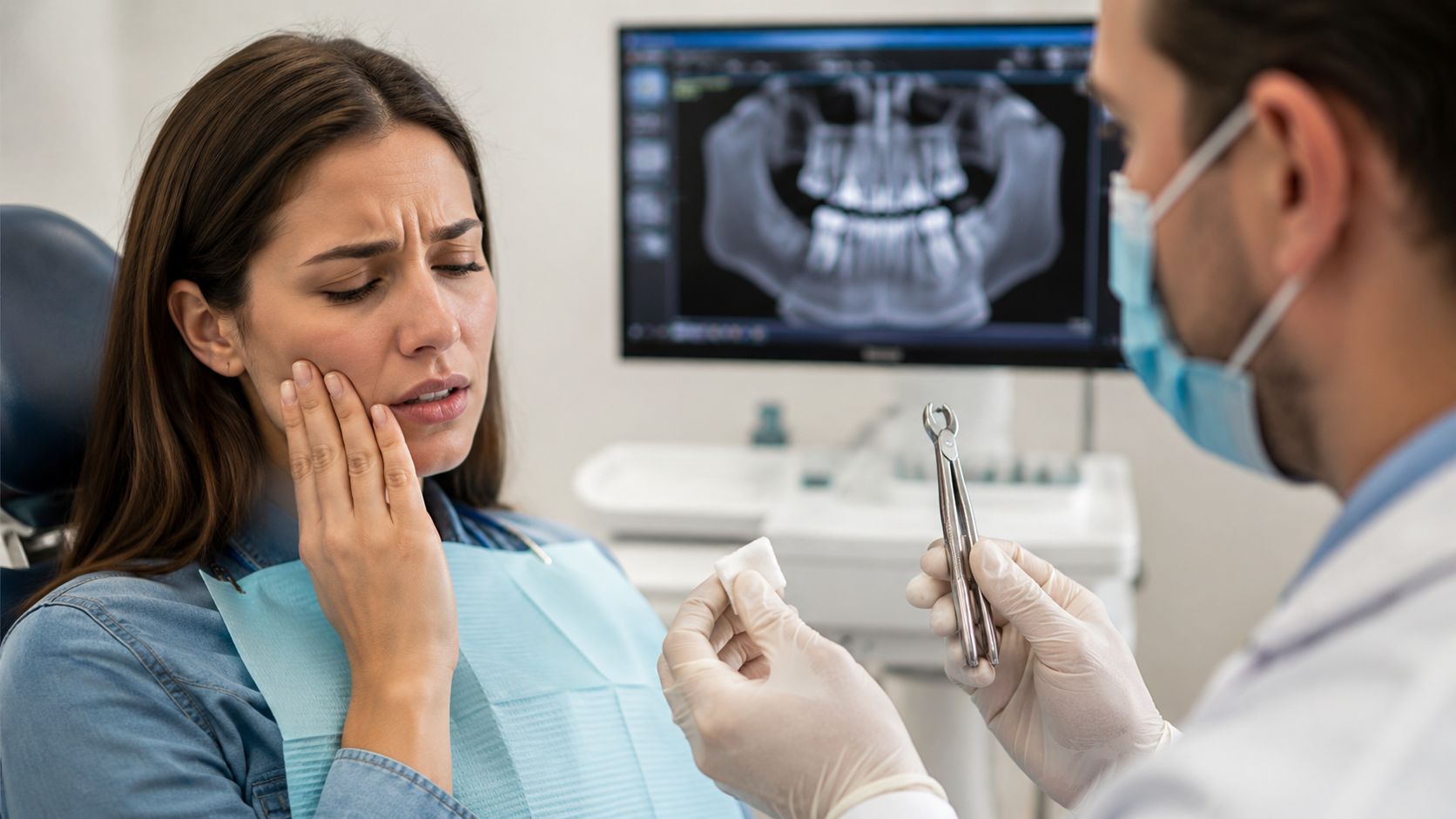
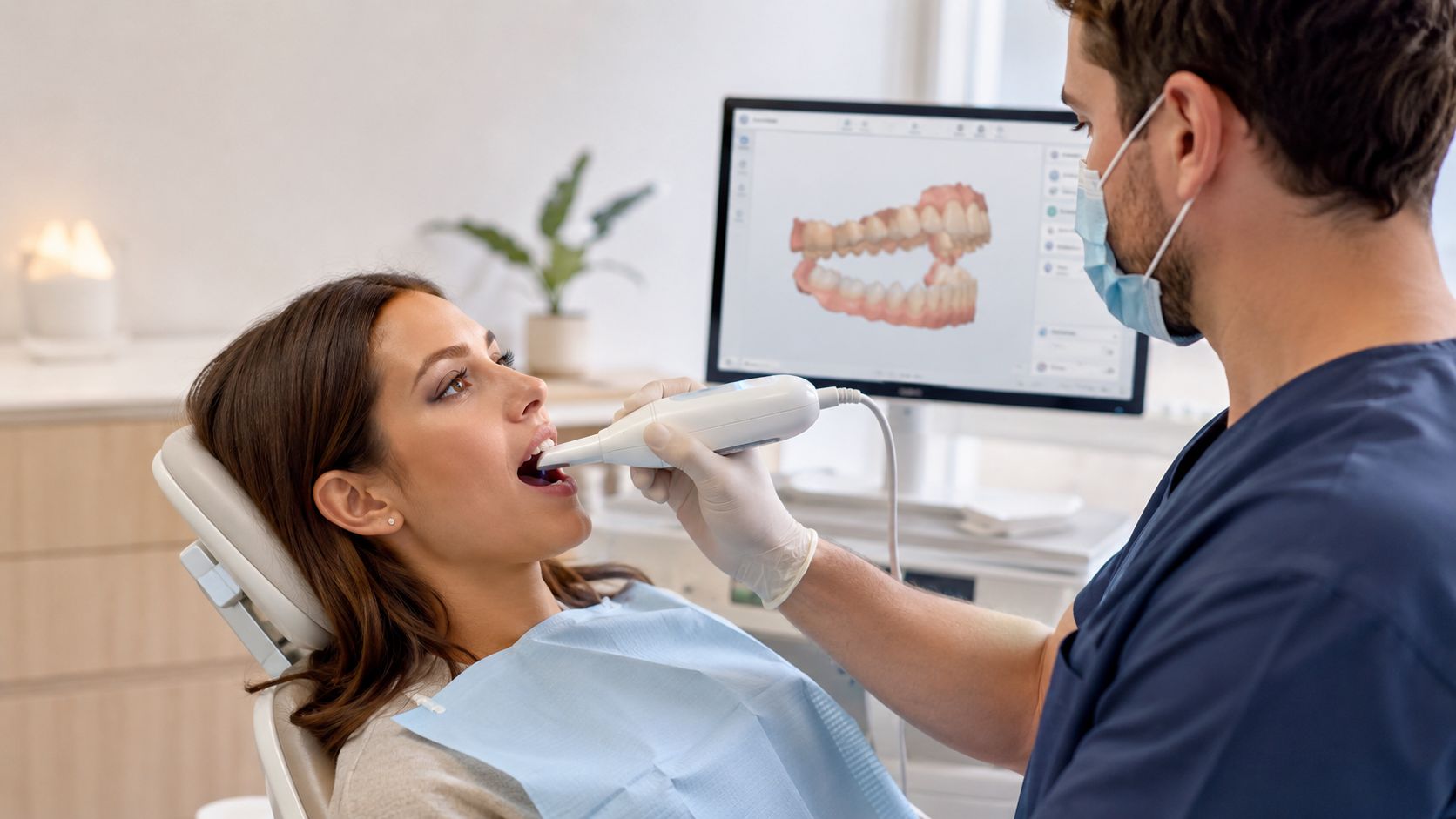

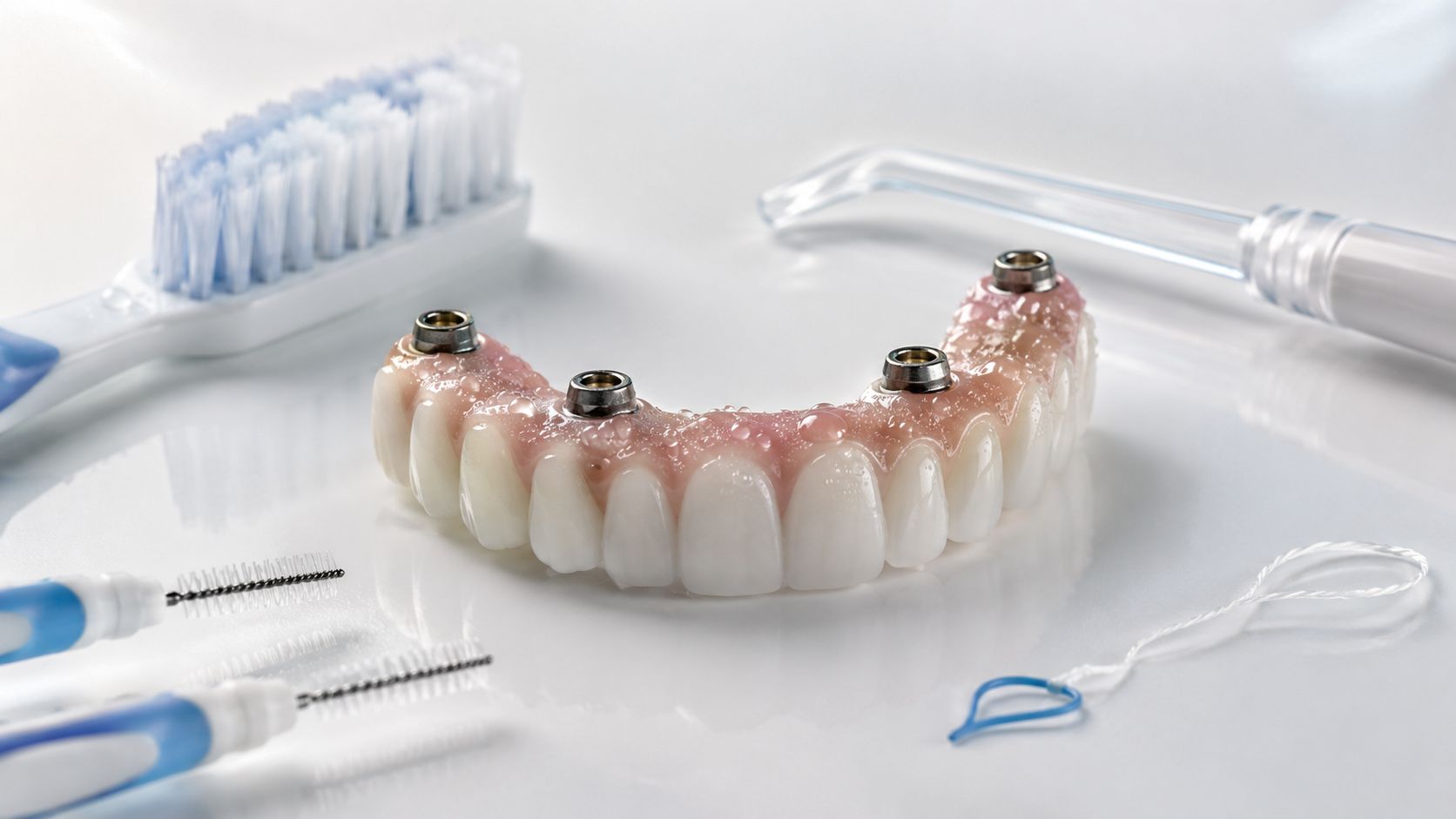
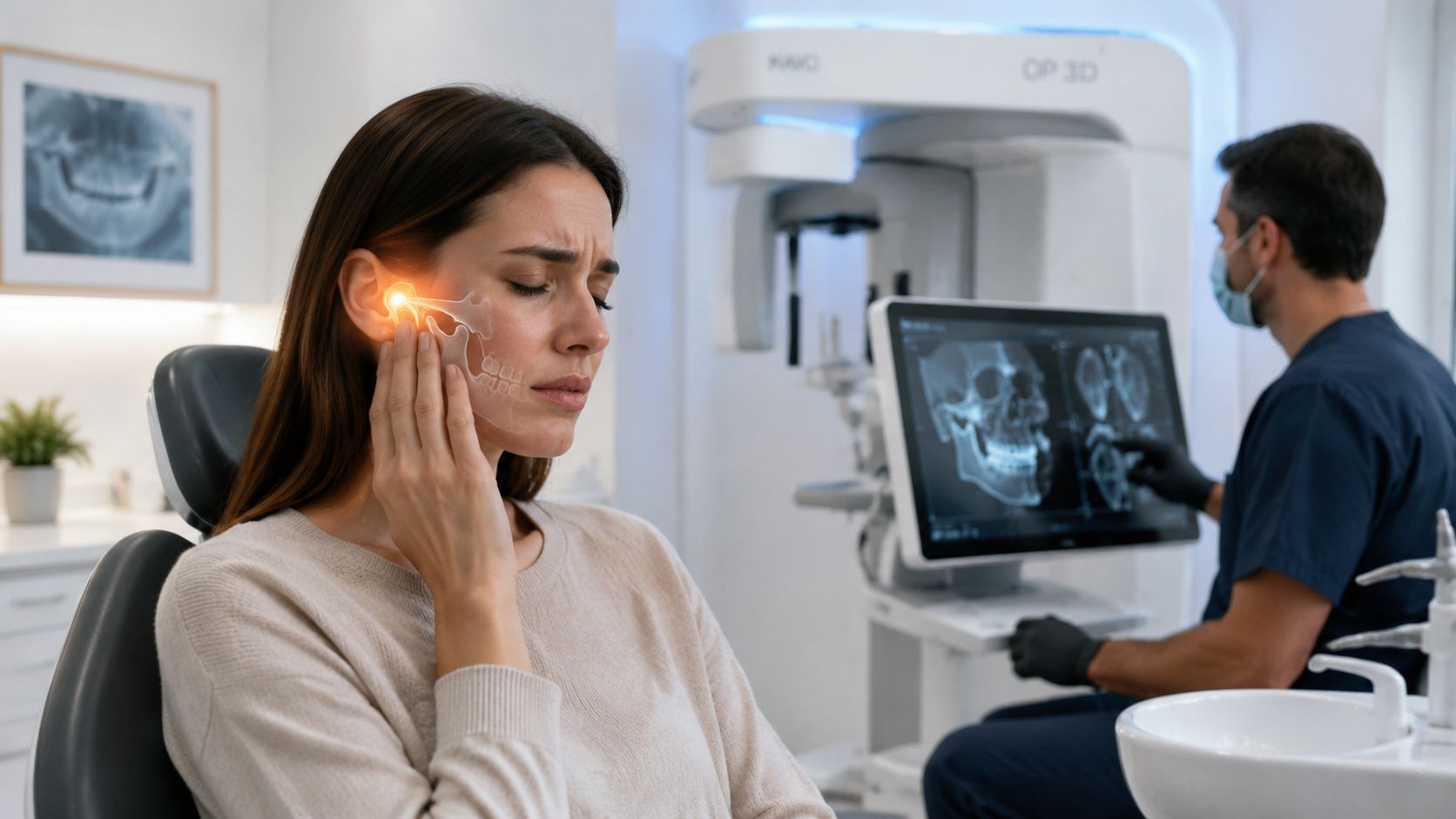
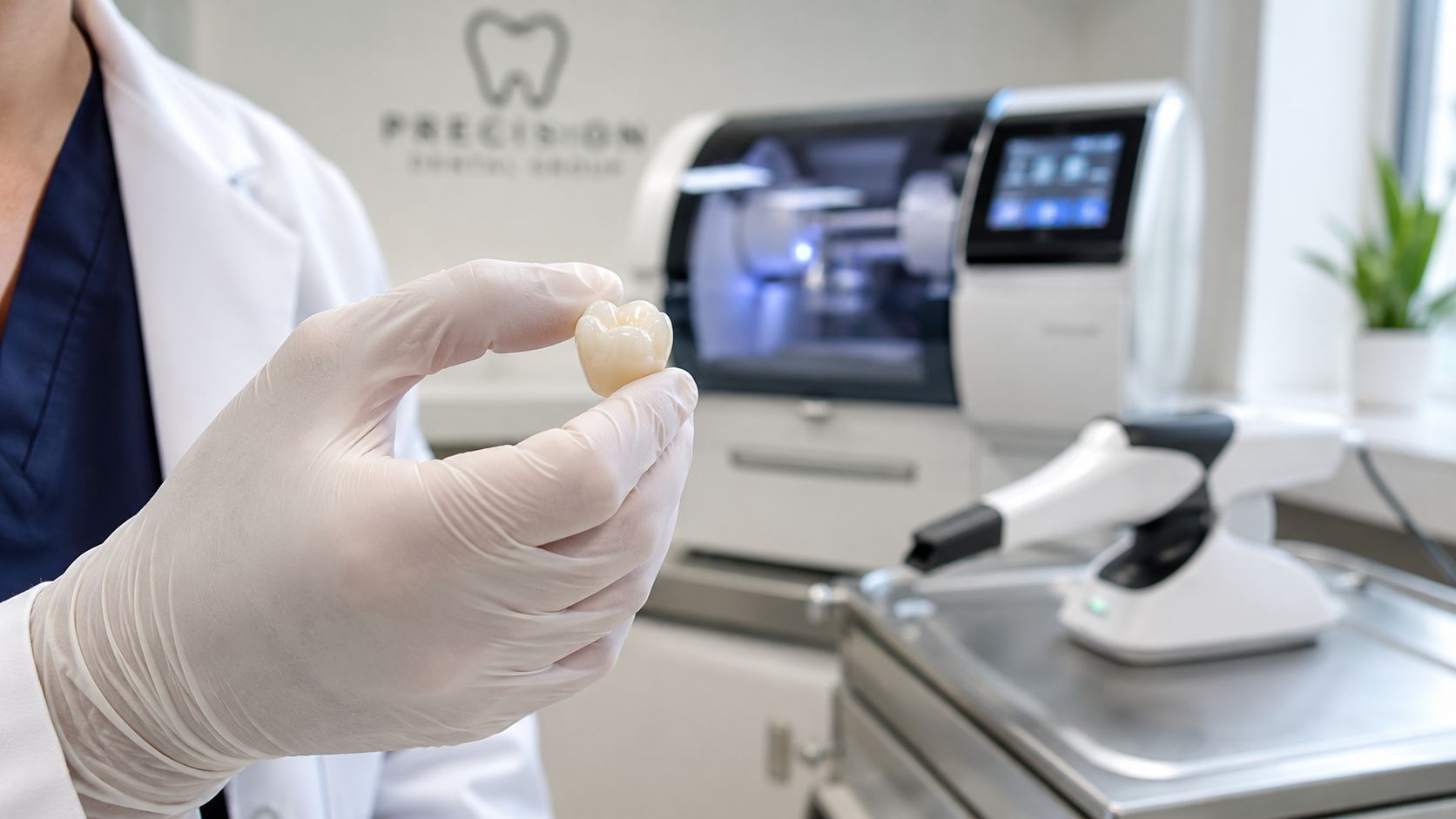

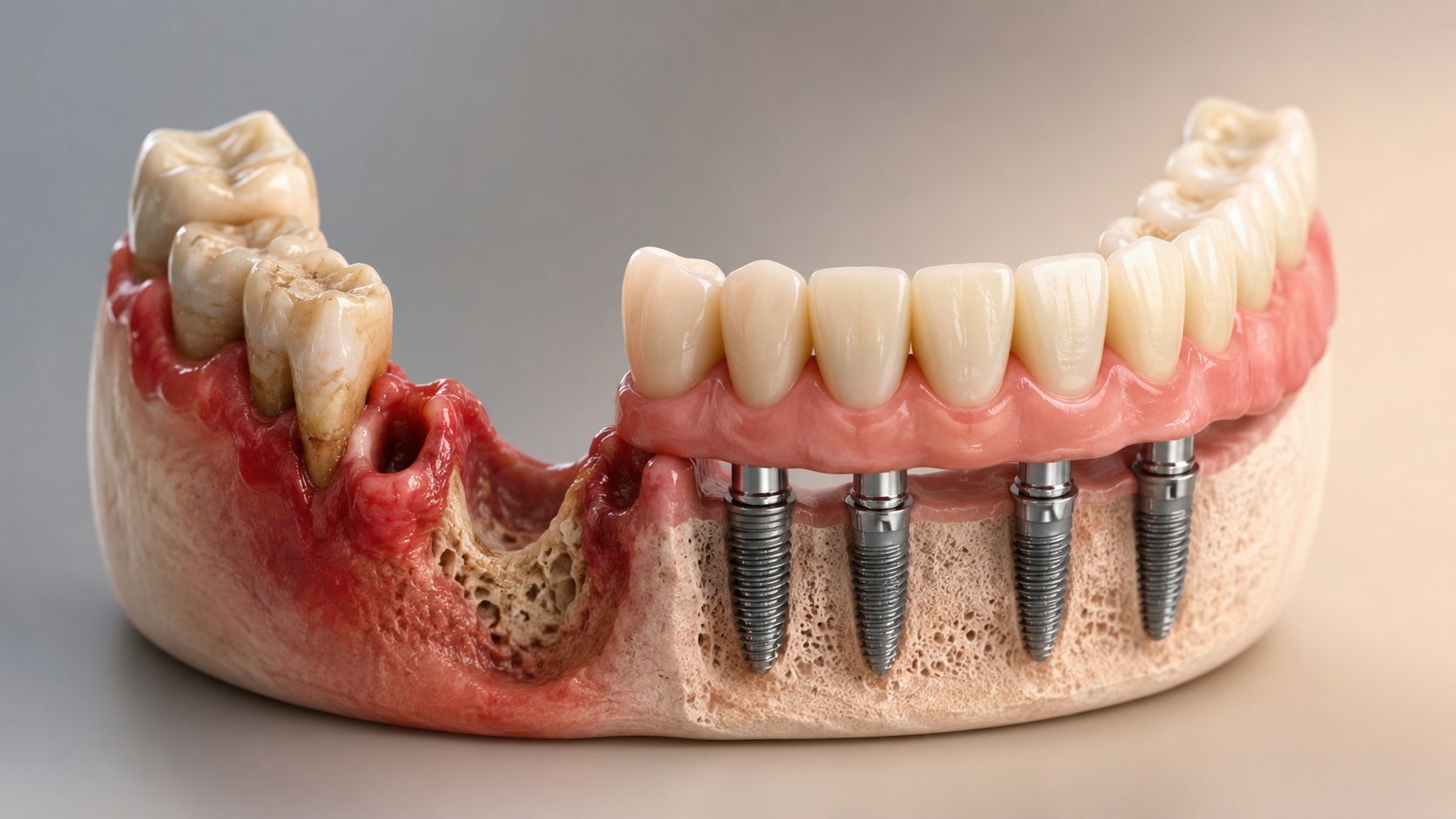

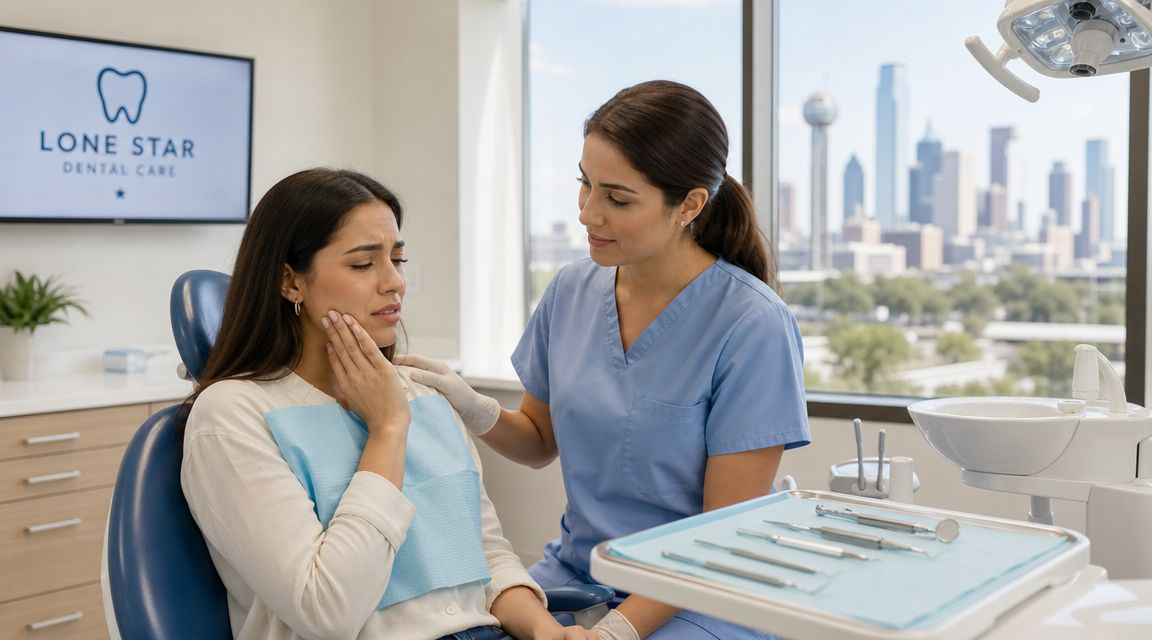

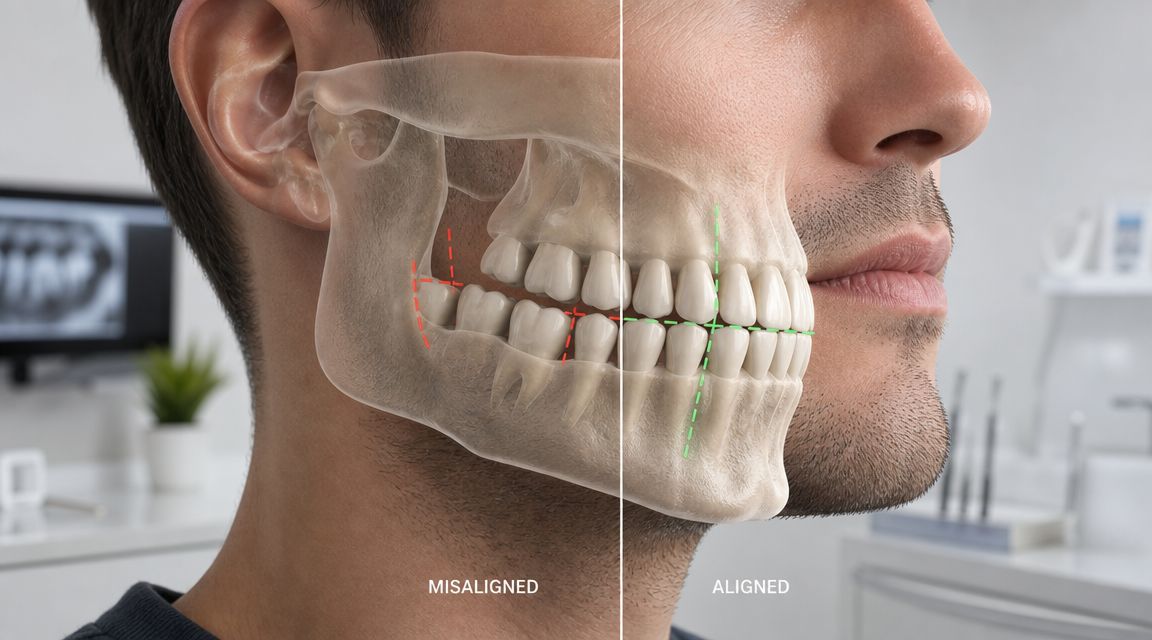



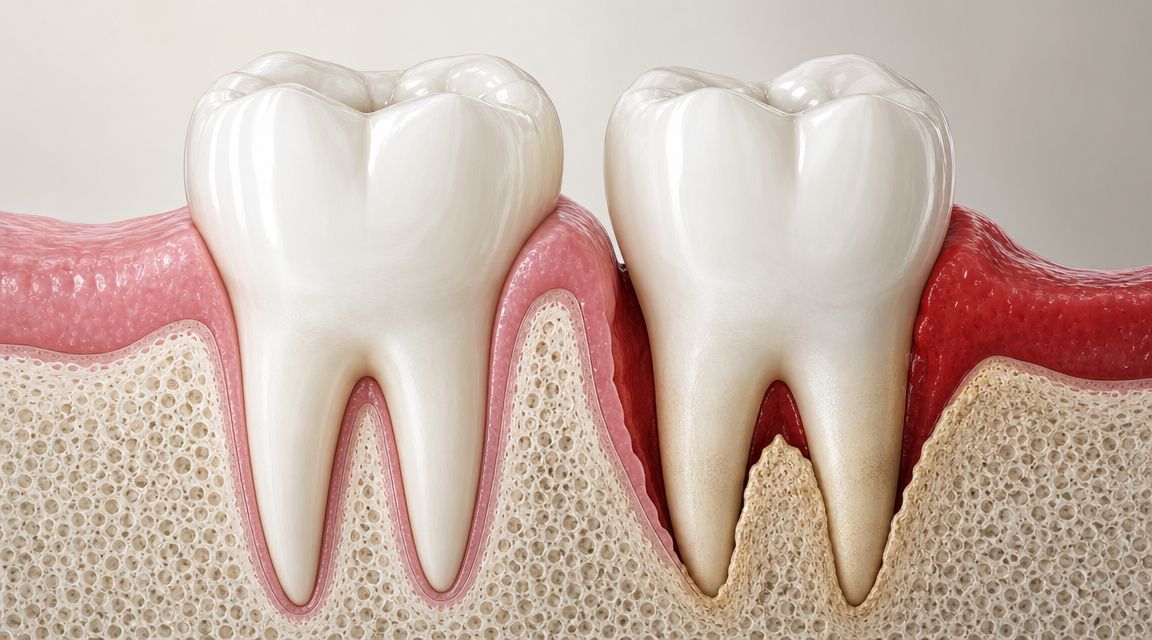






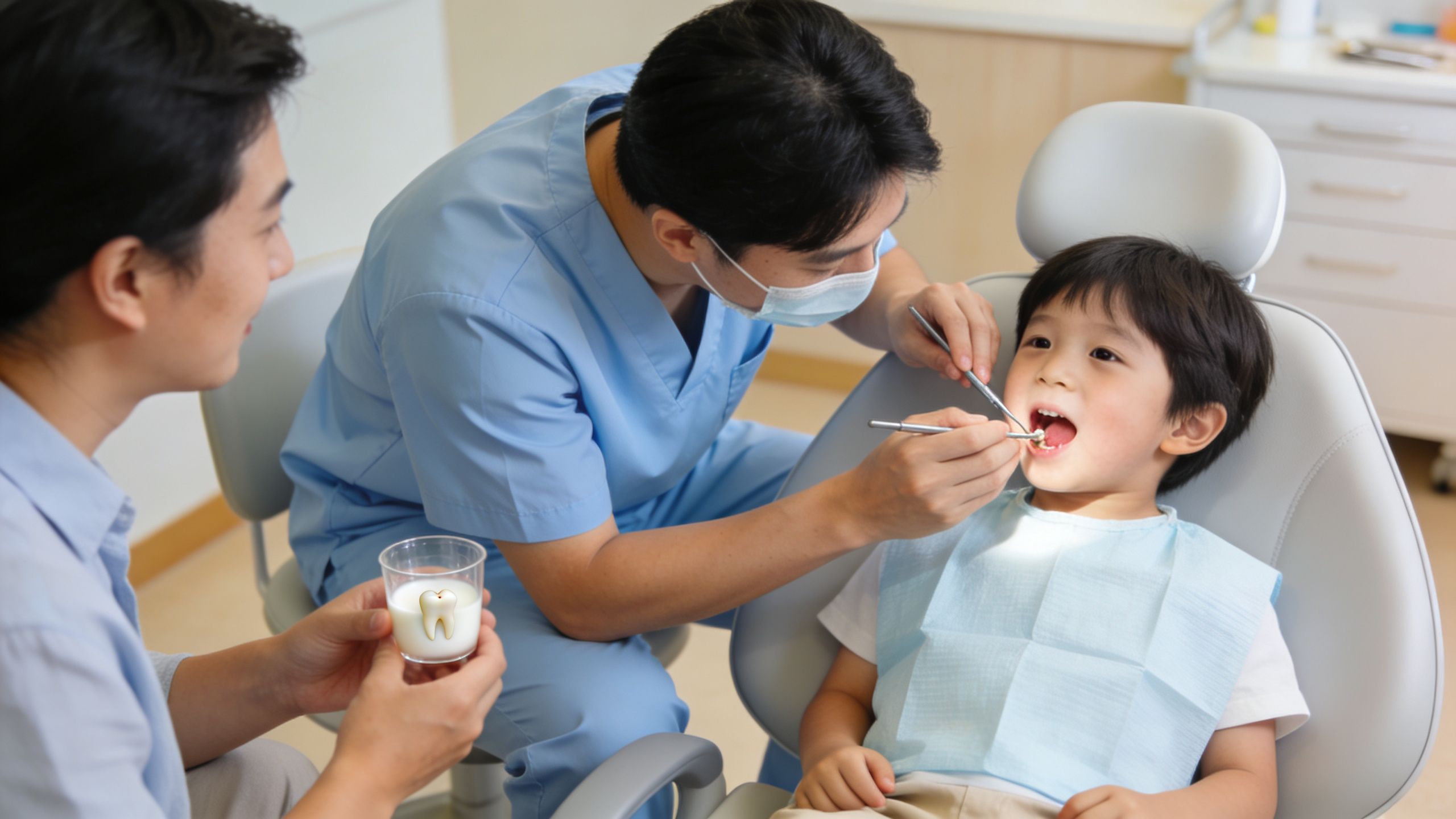









Saturday evening is when dental problems like to show up. A tooth that felt “a little off” at lunch becomes a pounding ache by dinner. A crown comes loose while you're eating. A child takes an elbow to the mouth at a game. You start searching for an emergency dentist near me and quickly realize many offices talk about urgent care, but their posted hours don't help much once the weekend starts.
If you're dealing with that right now in Austin, TX or Georgetown, TX, the first priority is simple. Figure out whether this is a true medical emergency, a dental emergency that needs prompt treatment, or a problem you can stabilize safely until you're seen. That decision matters. It affects pain, swelling, cost, and how likely it is that a tooth can be saved.
Weekend dental emergencies are common enough that they regularly spill into hospital care. The CDC reported an annual average of 1,944,000 U.S. emergency department visits for tooth disorders during 2020 to 2022, equal to 59.4 visits per 10,000 people and about 1.4% of all ED visits, with adults ages 25 to 34 accounting for 29.2% of those visits, according to this CDC data brief on emergency department visits for tooth disorders. If you're in pain and trying to make a weekend decision fast, you're not overreacting. You're dealing with a problem many working adults face outside normal office hours.
A Weekend Toothache Wrecking Your Plans
It usually starts with something small. You bite down and feel a sharp zing. A few hours later the tooth is throbbing. Then it's radiating into your jaw, your ear, or your temple, and suddenly your whole weekend is built around finding relief.
That's the part patients rarely expect. Dental pain doesn't stay politely contained. It interrupts sleep, meals, work calls, family plans, and your ability to think clearly. In North Austin, Georgetown, Round Rock, Cedar Park, Wells Branch, and Liberty Hill, that often happens at the exact time when the usual weekday options aren't available.
Why weekend dental pain feels so urgent
A weekend dental problem feels different from a routine issue because the timing adds pressure. You're not just asking, “Why does this tooth hurt?” You're also asking:
- Can I wait safely: Is this painful but manageable, or could it get worse overnight?
- Who is open: Is the office advertising emergency care available on Saturday night or Sunday morning?
- Should I go somewhere now: Would a dentist help more than urgent care or the ER?
Severe tooth pain doesn't always mean danger, but it does mean you need a clear plan.
Some dental emergencies are time-sensitive in a practical way. The longer you wait, the more swelling develops, the harder it becomes to chew, and the more complicated treatment can be. A cracked tooth may be protectable early and much less predictable later. A developing infection may start as pressure and become facial swelling. A loose crown may be a minor inconvenience at noon and a deep ache by the next morning if the exposed tooth is vulnerable.
What works better than guessing
The best weekend response is calm triage. Don't panic, but don't “see how it feels by Monday” if the symptoms are escalating. A good rule is to decide based on function, swelling, bleeding, trauma, and whether symptoms are spreading.
If the problem is localized and dental in nature, an emergency dentist is usually the right destination. If breathing, swallowing, heavy bleeding, or major facial trauma enters the picture, the decision changes quickly.
For patients searching dentist near me or emergency dentist in Austin, TX, the goal isn't to dramatize the situation. It's to move fast enough to protect the tooth, control infection, and get the right type of care.
What Needs Immediate Attention vs What Can Wait
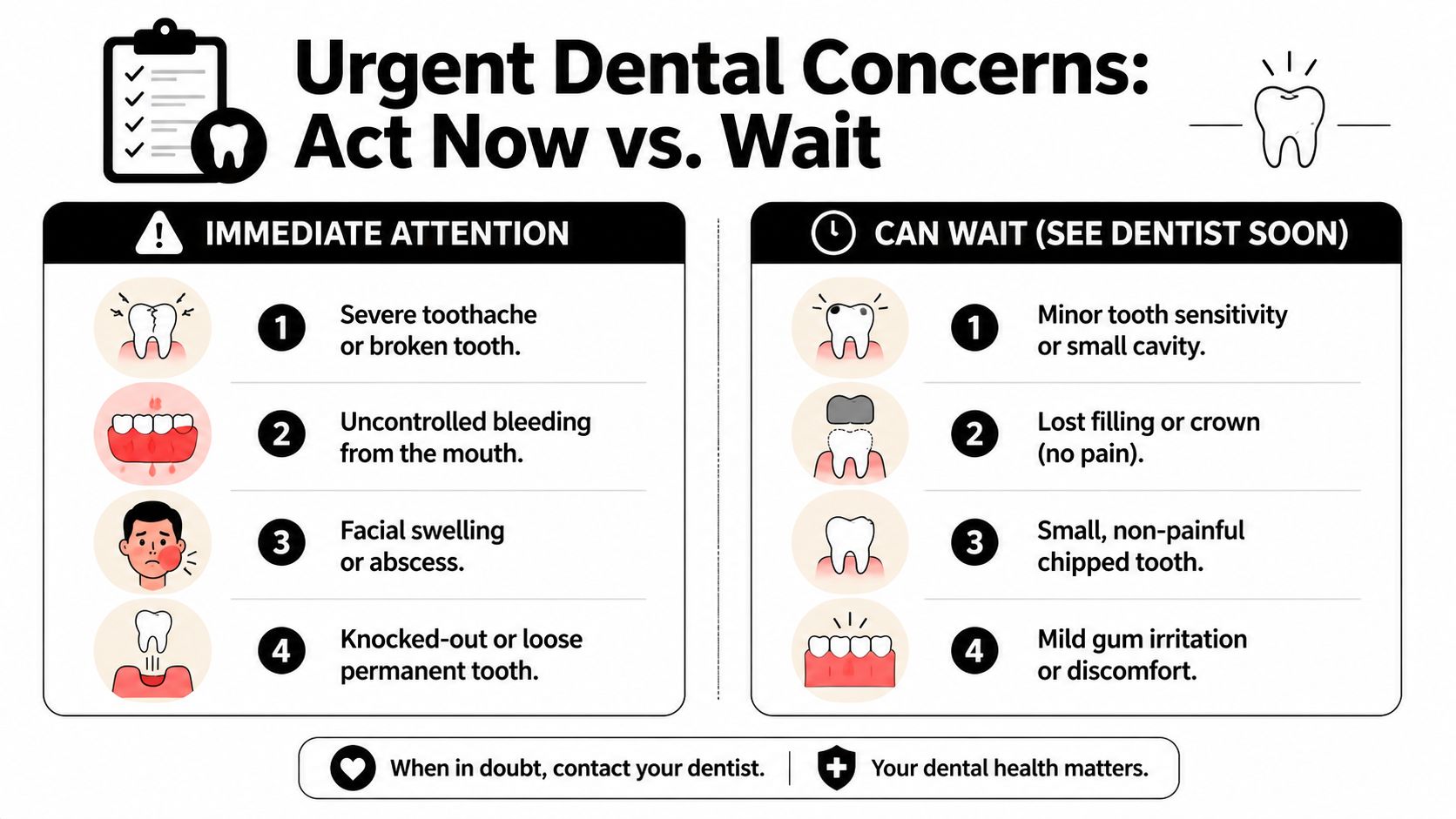
Some weekend problems need action right away. Others are urgent but can be stabilized for a short time. The key is separating painful from dangerous, and separating inconvenient from time-sensitive.
Problems that need immediate attention
If you have any of the following, don't sit on it:
- Knocked-out permanent tooth: This is one of the most urgent dental situations because time and handling matter.
- Facial swelling or a suspected abscess: Especially if the swelling is growing, firm, or affecting how you open your mouth.
- Uncontrolled bleeding: Ongoing bleeding after pressure is not something to ignore.
- Broken tooth with severe pain: A fracture that exposes the inner tooth can go from bad to worse quickly.
- Loose or displaced permanent tooth after trauma: The tooth may still be salvageable, but delay works against you.
Problems that usually can wait briefly
These issues still deserve prompt dental care, but they're often less time-critical if symptoms are mild and stable:
- Lost filling or crown without significant pain
- Small chip with no sharp edge and no tenderness
- Mild temperature sensitivity
- Food trapped between teeth causing pressure
- Minor gum irritation
That doesn't mean “ignore it.” It means you may be able to protect the area and arrange care without a middle-of-the-night rush.
A quick self-triage checklist
Use this simple check before deciding what to do:
| Symptom | More urgent if | Less urgent if |
|---|---|---|
| Pain | It's severe, constant, or keeps worsening | It's mild and settles |
| Swelling | It spreads into the face or jaw | It stays localized and small |
| Bleeding | It continues despite pressure | It stops and stays stopped |
| Tooth injury | The tooth is loose, broken deeply, or out | The chip is minor and stable |
| Function | You can't bite, sleep, or close comfortably | You're uncomfortable but stable |
Practical rule: If the tooth, gum, or jaw is getting worse over hours, not days, treat it like a same-day problem.
A weekend emergency doesn't need to look dramatic to deserve care. A severe toothache, a broken cusp, or a rapidly worsening pressure sensation can all signal a problem that won't improve on its own. When in doubt, call for dental guidance rather than trying to judge it by pain alone.
How to Manage Dental Pain Until Your Appointment
Home care on the weekend should do one thing well. It should buy time safely until you can be examined. It should not try to replace treatment.

Start with protection and swelling control
If you have a toothache, broken tooth, or tender gum area, take these first steps:
- Rinse gently: Use warm water to clear debris from the mouth.
- Apply a cold compress: Hold it against the cheek in short intervals to help with swelling and discomfort.
- Keep pressure off the tooth: Chew on the opposite side and avoid very hot, very cold, or hard foods.
- Protect a sharp edge: Orthodontic wax or sugar-free gum can cover a rough area temporarily if it's cutting the cheek or tongue.
What doesn't work well is poking at the area, repeatedly checking it with your tongue, or trying random home remedies that irritate the gum further.
If a filling, crown, or bridge piece comes loose
A lost restoration can feel alarming, but the danger depends on symptoms. If the tooth is exposed and sensitive, keep the area clean, avoid chewing there, and bring the crown or piece with you if you still have it. Don't force it back into place if it won't seat easily.
If the problem involves swelling or a bad taste that suggests infection, it belongs in the urgent category. For more guidance on managing an infected tooth area while you wait to be seen, this article on tooth abscess treatment at home can help you understand temporary steps and when home care stops being enough.
If a permanent tooth gets knocked out
This is the one situation where minutes matter. For a permanent tooth avulsion, immediate rinsing without scrubbing and reinsertion into the socket if possible, or storing the tooth in milk or saliva, is critical, as outlined in this weekend dental emergency tooth avulsion guidance.
Handle the tooth by the crown, not the root. If it's dirty, rinse it gently. Don't scrub it. Don't let it dry out. Don't wrap it in tissue and leave it on the counter.
If a knocked-out permanent tooth is dry for too long, the chance of successful reimplantation drops and treatment becomes more complicated.
This short video gives a helpful visual overview of the kind of immediate first-aid thinking that matters during a dental emergency:
What not to do while waiting
A few mistakes make weekend dental problems worse:
- Don't wait until Monday if pain, swelling, or trauma is significant.
- Don't place aspirin directly on the gum because it can irritate tissue.
- Don't use the sore tooth to test whether it still hurts.
- Don't ignore a bad taste, drainage, or growing facial fullness.
Good temporary care is simple, gentle, and short-term. The right next move is still professional evaluation, especially if you may need a tooth extraction, root canal treatment, a bonded repair, or a replacement crown.
Go to the ER or an Emergency Dentist
Confusion often causes many patients to lose time. They know they need help, but they don't know which door is the right one.

When the ER is the right place
Go to the ER if the problem is becoming a broader medical issue, not just a tooth problem. Patients should seek emergency medical care for swelling affecting breathing, high fever, or uncontrolled bleeding, while severe tooth pain or localized infection is more appropriate for a dentist, as explained by Augusta University's dental emergency guidance.
Choose the ER if you have:
- Difficulty breathing or swallowing
- Swelling spreading toward the eye, neck, or airway
- Heavy bleeding that doesn't stop with pressure
- Major facial trauma or a suspected jaw fracture
- Systemic illness signs with the dental problem, such as feeling faint, confused, or significantly unwell
An ER can address immediate medical risk. That's its role.
When an emergency dentist is the better fit
If the source is clearly dental and the issue is localized, an emergency dentist is usually more useful because that office can provide definitive dental treatment. That may include diagnosing the tooth, taking dental x-rays, draining an area if appropriate, stabilizing a fracture, recementing a crown, prescribing needed dental treatment, performing a root canal, or deciding whether extraction is the safest option.
Go to an emergency dentist for problems such as:
| Dental problem | Why a dentist is usually best |
|---|---|
| Severe toothache | The tooth and surrounding tissues need direct dental diagnosis |
| Broken or cracked tooth | The tooth may be restorable if treated promptly |
| Knocked-out or loose tooth | Repositioning or stabilization is dental care |
| Lost crown or filling | The tooth needs protection or replacement |
| Localized swelling near a tooth | It needs evaluation for infection and treatment planning |
Why this distinction matters on weekends
The ER can help when your health is at risk. It usually cannot complete restorative dental treatment. That means many patients leave with temporary relief but still need a dentist afterward.
The fastest path isn't always the nearest building. It's the place that can actually treat the source of the problem.
If you're in Austin, TX or Georgetown, TX and the issue is a true dental emergency rather than a medical crisis, searching for an emergency dentist near me is often the more efficient and more appropriate next step. It saves time, reduces bouncing between providers, and gets you closer to actual treatment.
Your Guide to Finding a Weekend Dentist Near You
A lot of weekend frustration comes from one simple problem. The phrase emergency dental care doesn't always mean a practice is genuinely available when you need it.
Some offices advertise urgent care but are closed on Sundays. Others offer limited Saturday scheduling. Some rely on voicemail triage after hours. That mismatch leaves patients searching repeatedly for a dentist in Austin, TX, emergency dentist in Georgetown, TX, or even dentist near me while the pain keeps building. That gap between marketing and real availability is a known patient frustration, as discussed in this review of emergency dentistry weekend-hour confusion.
How to tell if a weekend dentist is actually available
Before assuming an office can help, check for these signs:
- Posted hours that include weekends: Not just “same-day appointments available.”
- Clear after-hours instructions: A real process matters when the office isn't open for walk-ins.
- Emergency-specific scheduling language: Look for guidance that explains what to do on Saturday night or Sunday morning.
- On-site diagnostic capability: Digital x-rays, scanners, and advanced imaging make same-visit decisions much easier.
A useful weekend office should also be able to do more than examine the problem. If the clinic can diagnose and treat under one roof, the visit tends to be faster and less frustrating. That's especially helpful when the issue may involve a root canal, crown, tooth extraction, or immediate restorative planning.
What to look for in North Austin and Georgetown
In North Austin, Georgetown, Round Rock, Cedar Park, Wells Branch, and Liberty Hill, convenience matters, but capability matters more. If you're in enough pain to interrupt your weekend, you don't want a visit that ends with “You'll need to go somewhere else for the next step.”
Look for a dental office that offers modern diagnostics, emergency evaluations, and a broad service mix. A practice that handles urgent care, restorative dentistry, crowns, extractions, implants, and follow-up treatment can move you from pain relief to a real solution with less delay.
If you're comparing your options locally, this guide to finding emergency dental care near you in Central Texas is a useful next stop.
The best weekend dental option is the one that tells you clearly when to call, when to come in, and when to go to the ER instead.
What to Expect at Your Emergency Appointment
By the time you arrive, most patients want two things. Relief, and clarity.

The first few minutes
Emergency visits usually begin with rapid triage. The team needs to know what happened, when the pain started, whether swelling is increasing, whether there was trauma, and whether you have symptoms that suggest a medical emergency instead of a routine dental one.
Bring these if you can:
- A medication list: Especially if you take blood thinners or have medical conditions
- Your dental insurance information: If applicable
- Any broken tooth pieces, crown, or appliance part
- A short timeline of symptoms: This helps more than people realize
According to this ADA Member Advantage article on preparation and management of medical emergencies in dental settings, emergency-capable dental practices maintain a trained team, life-support capability, an AED, emergency drugs and equipment, and a formal escalation process. That readiness matters because urgent visits often start with triage and safety assessment before any procedure begins.
What treatment may look like
Once the source is identified, treatment depends on the problem. It may involve focused imaging, testing the tooth, relieving pressure, placing a temporary restoration, adjusting a bite problem, prescribing medication when appropriate, or moving directly into definitive treatment such as a root canal or tooth extraction.
Some emergencies are solved in one visit. Others need a staged plan. A broken front tooth may need immediate stabilization first and cosmetic follow-up later. An infected tooth may need urgent relief and then restorative work. If a tooth can't be saved, the long-term plan may include options such as a bridge or dental implants near me for patients thinking ahead after healing.
Cost, payment, and peace of mind
Financial stress shouldn't stop you from making the right weekend decision. Many modern practices accept insurance and offer flexible payment options, including financing tools such as Cherry and Sunbit.
That matters because emergency care isn't only about stopping pain. It's also about preserving function, protecting surrounding teeth, and helping you avoid a much harder week ahead.
If you need weekend emergency dental care in Austin, TX or Georgetown, TX, contact 3D Dental. The team provides modern diagnostics, extensive treatment under one roof, and patient-first support for urgent dental problems. If you're dealing with severe tooth pain, swelling, a broken tooth, or a loose restoration, reach out now to request an appointment and get clear guidance on your next step.
Ready to get started?
Schedule a free, no obligation consultation with our team and see what's possible for your smile!
Georgetown
- Mon-Thurs8:30am-5pm
- Fri8am-3:30pm
- Sat-SunClosed
Austin
- Mon-Tues8am-5pm
- Wed-Thurs9am-6pmFri8am-2pm
- Sat-SunClosed