
Find Your Dentist for Crown Work in Austin & Georgetown
Related Posts


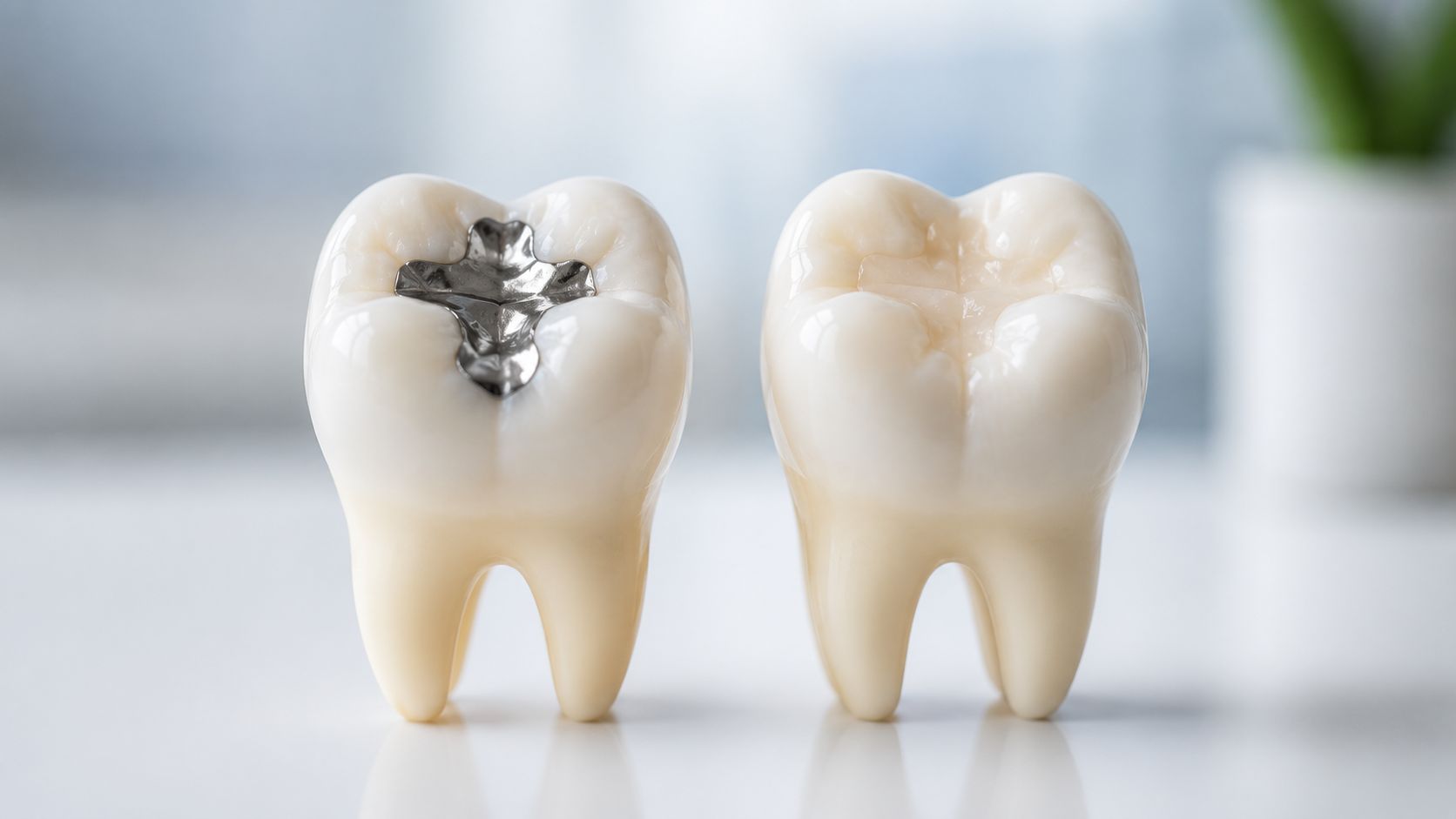


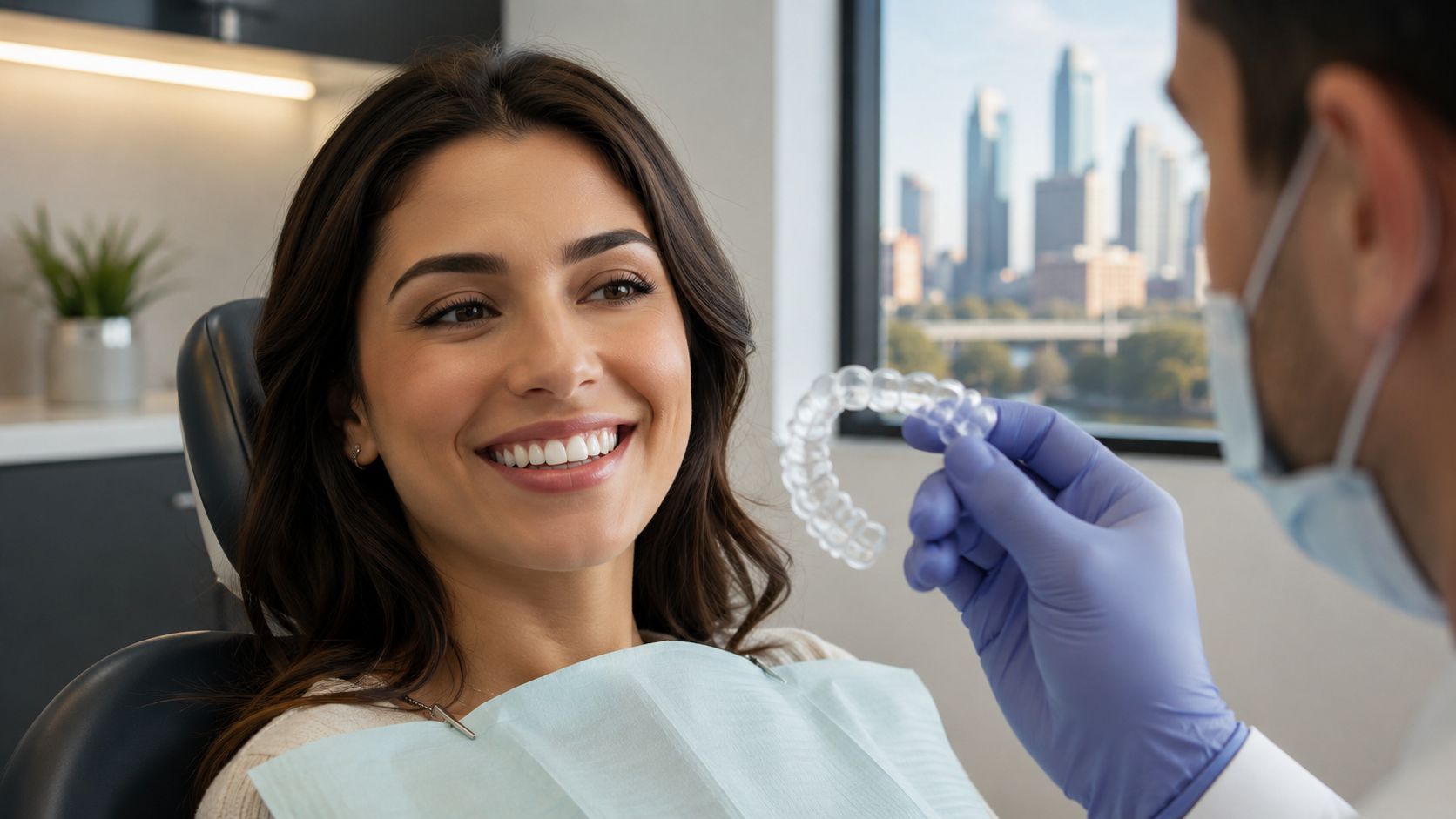
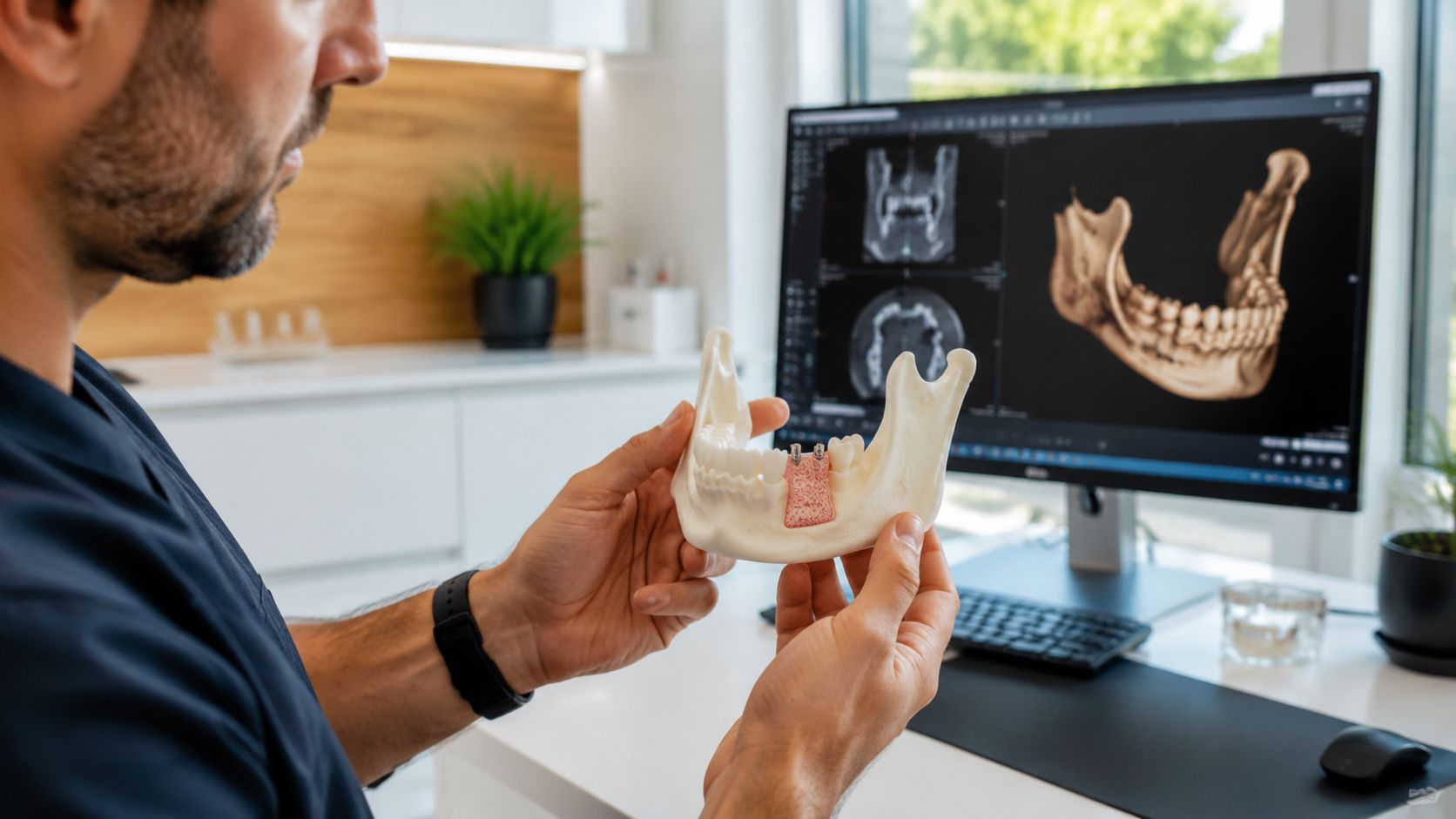


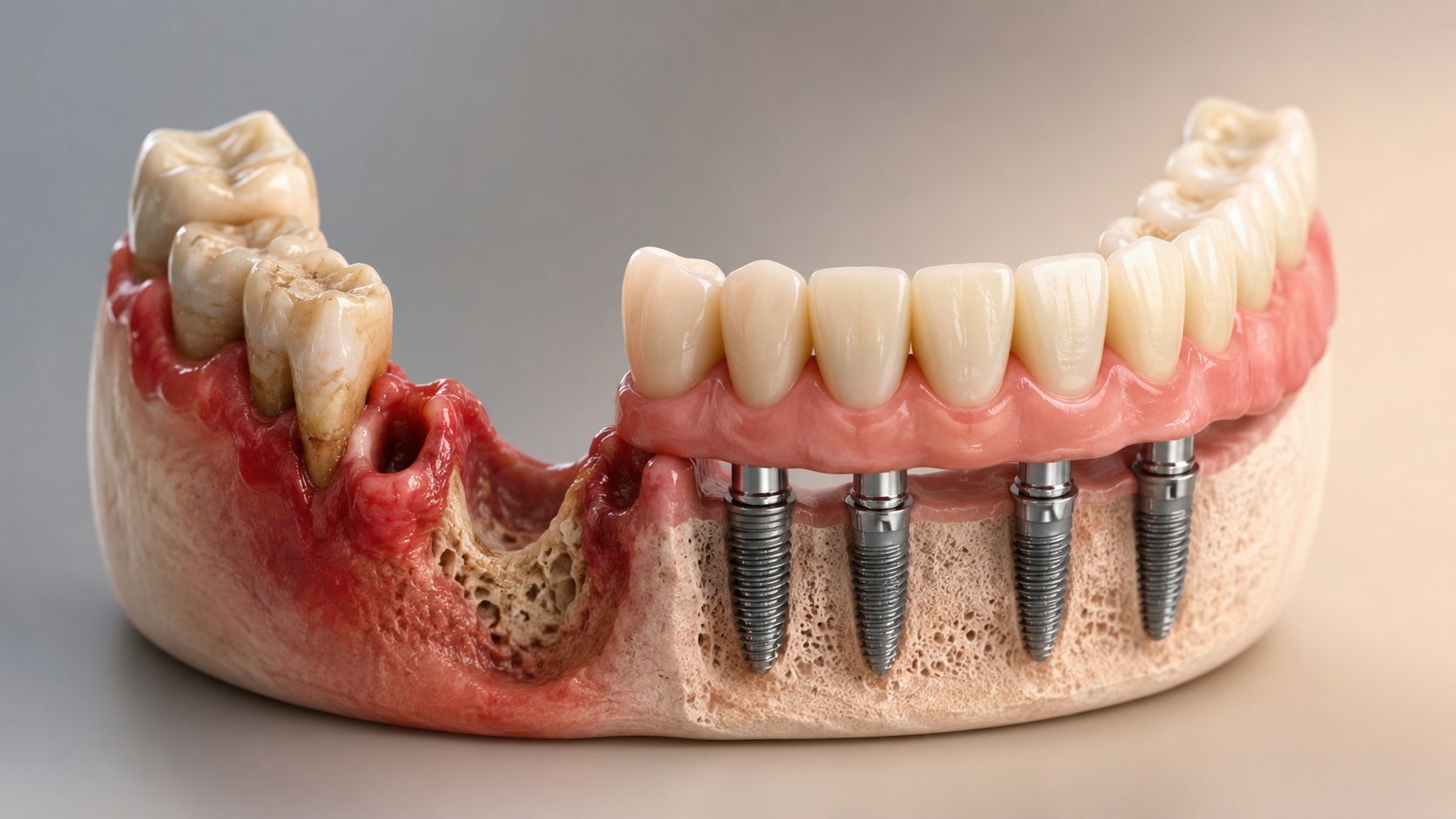
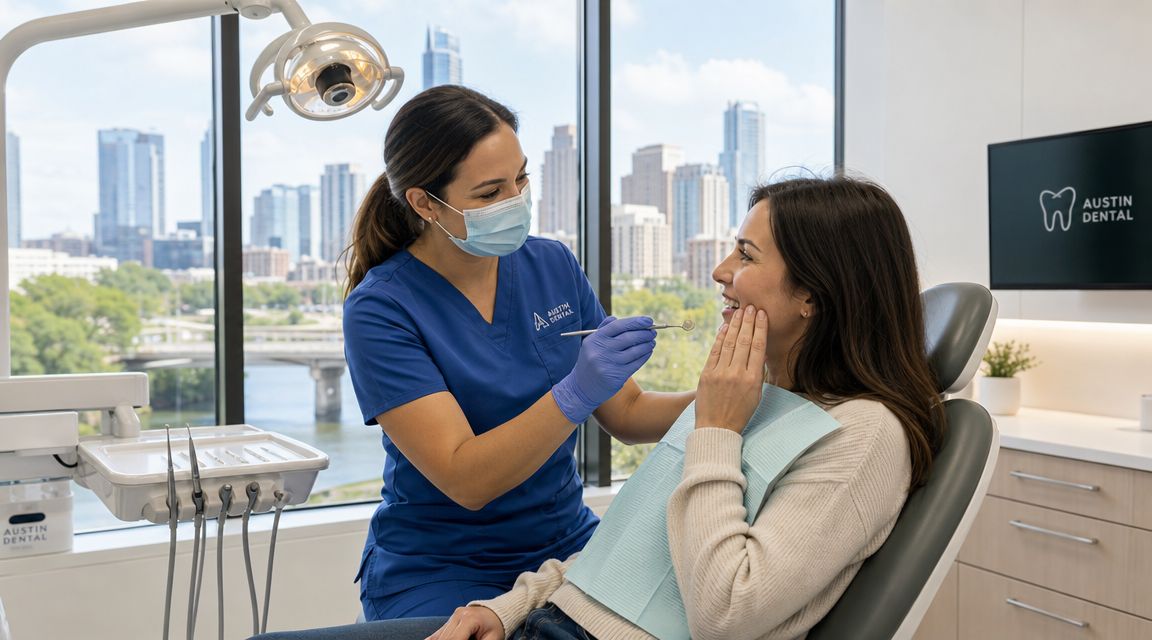
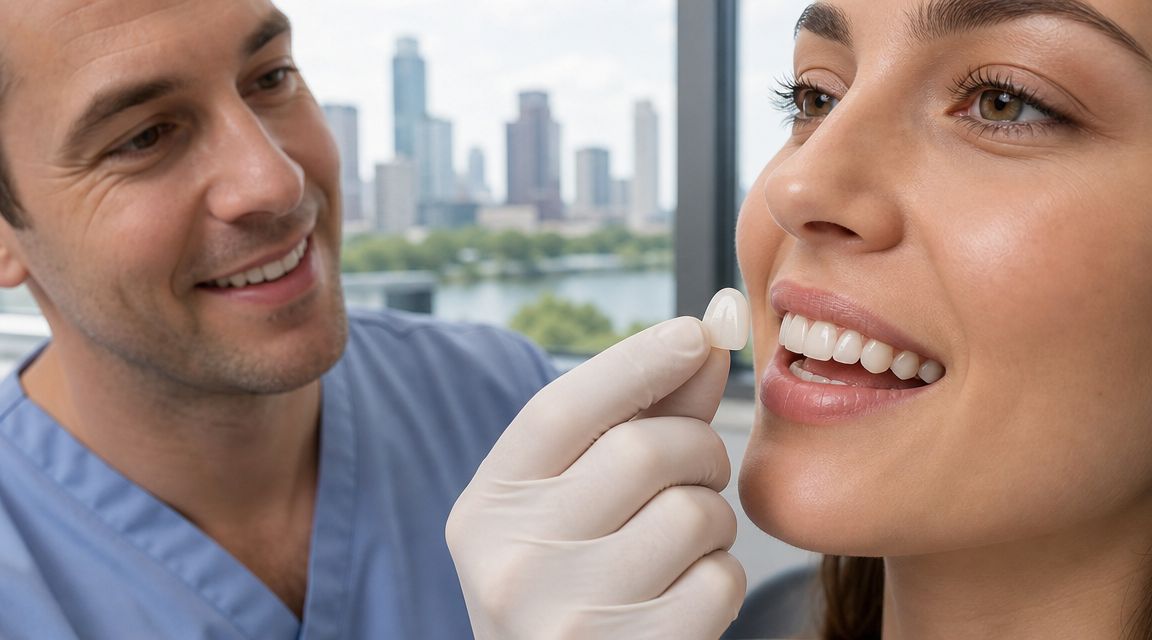
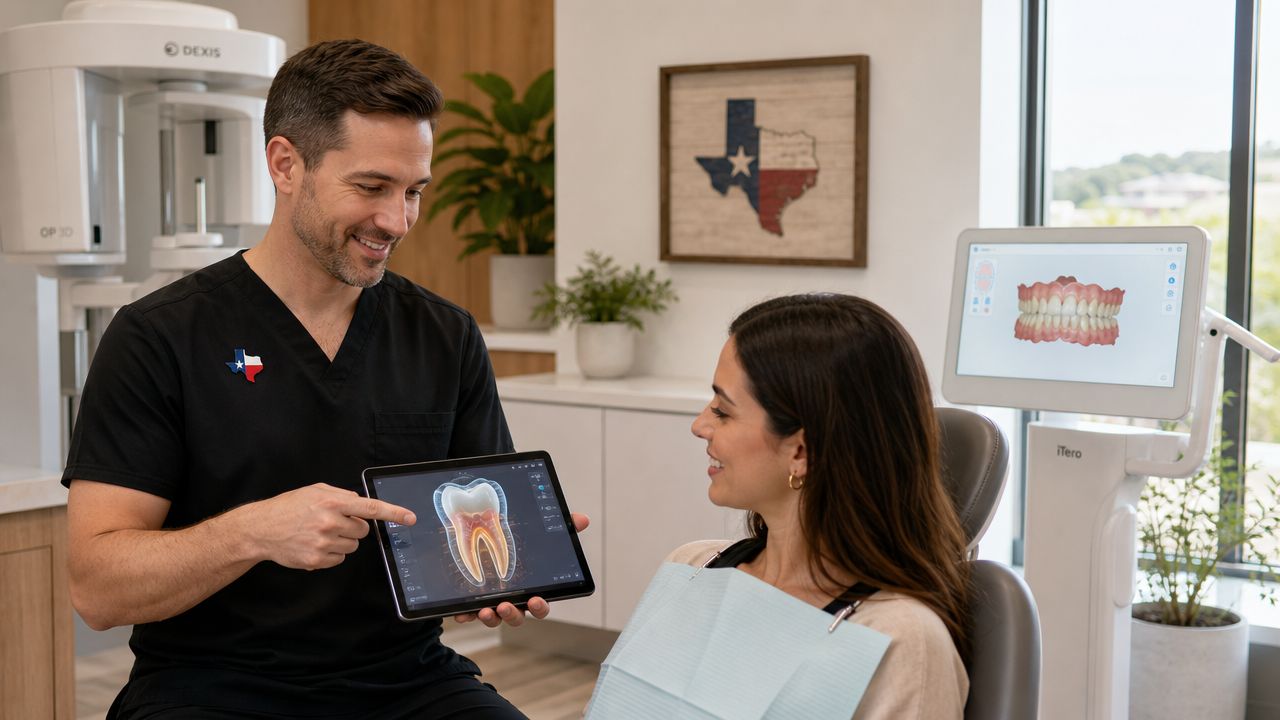
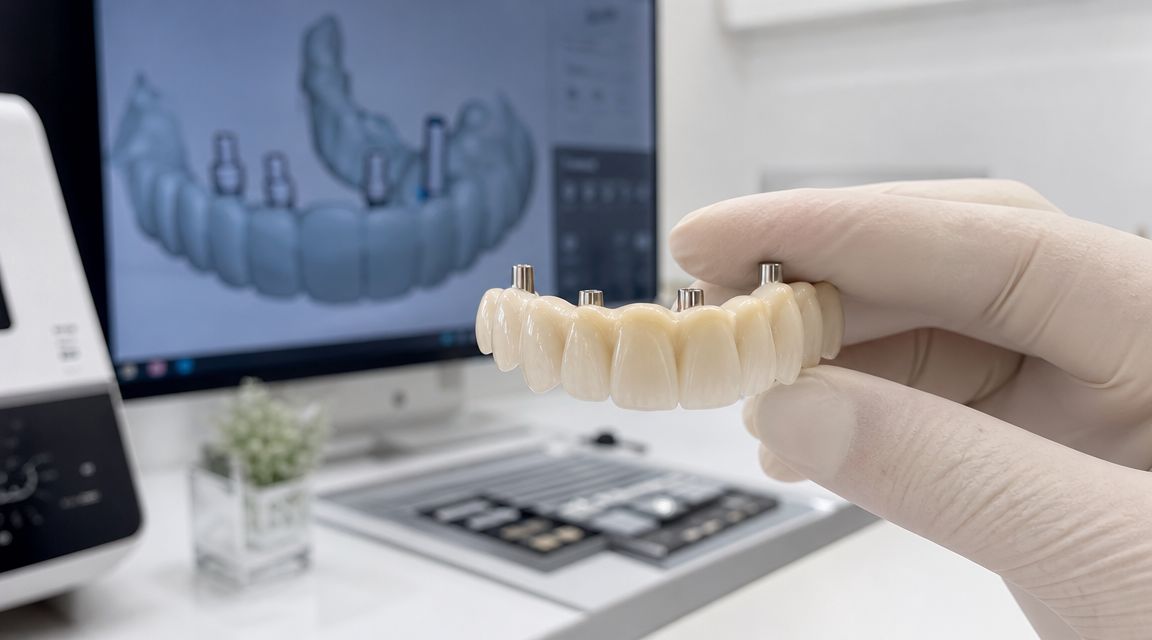




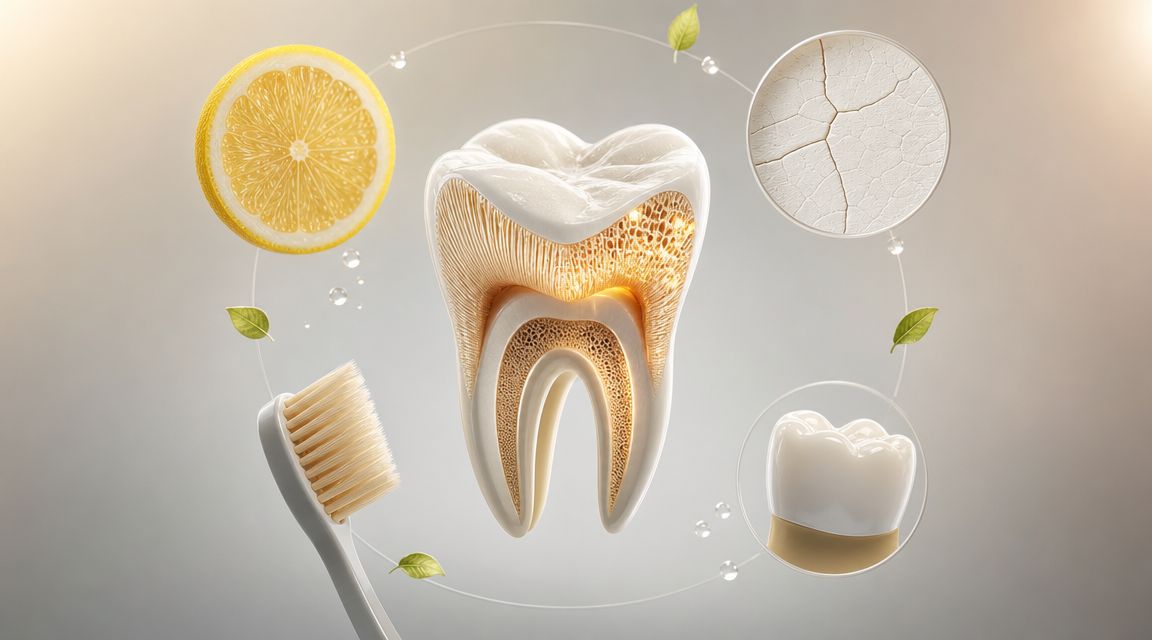
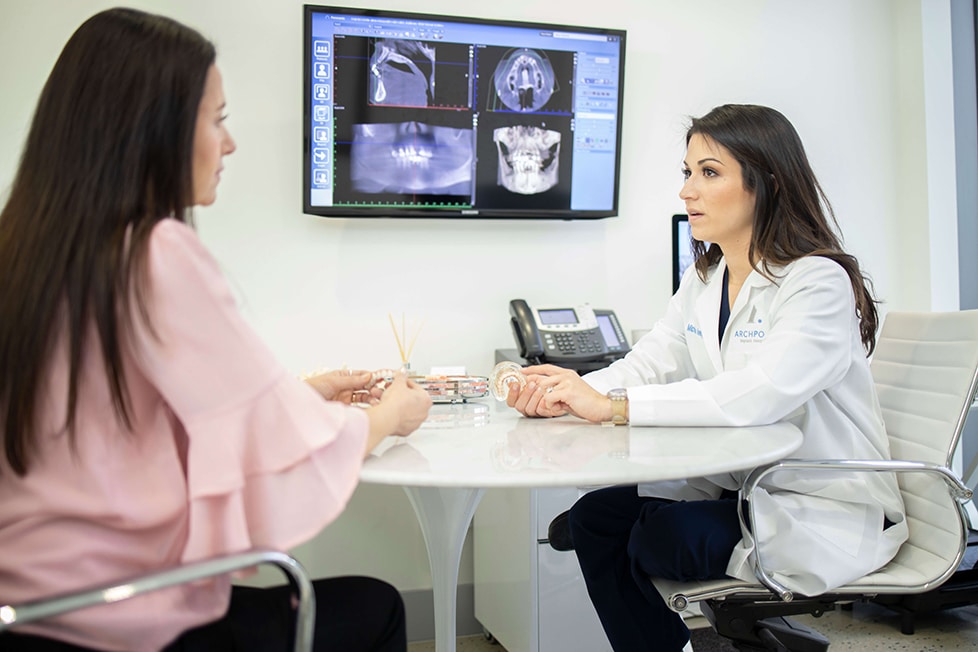

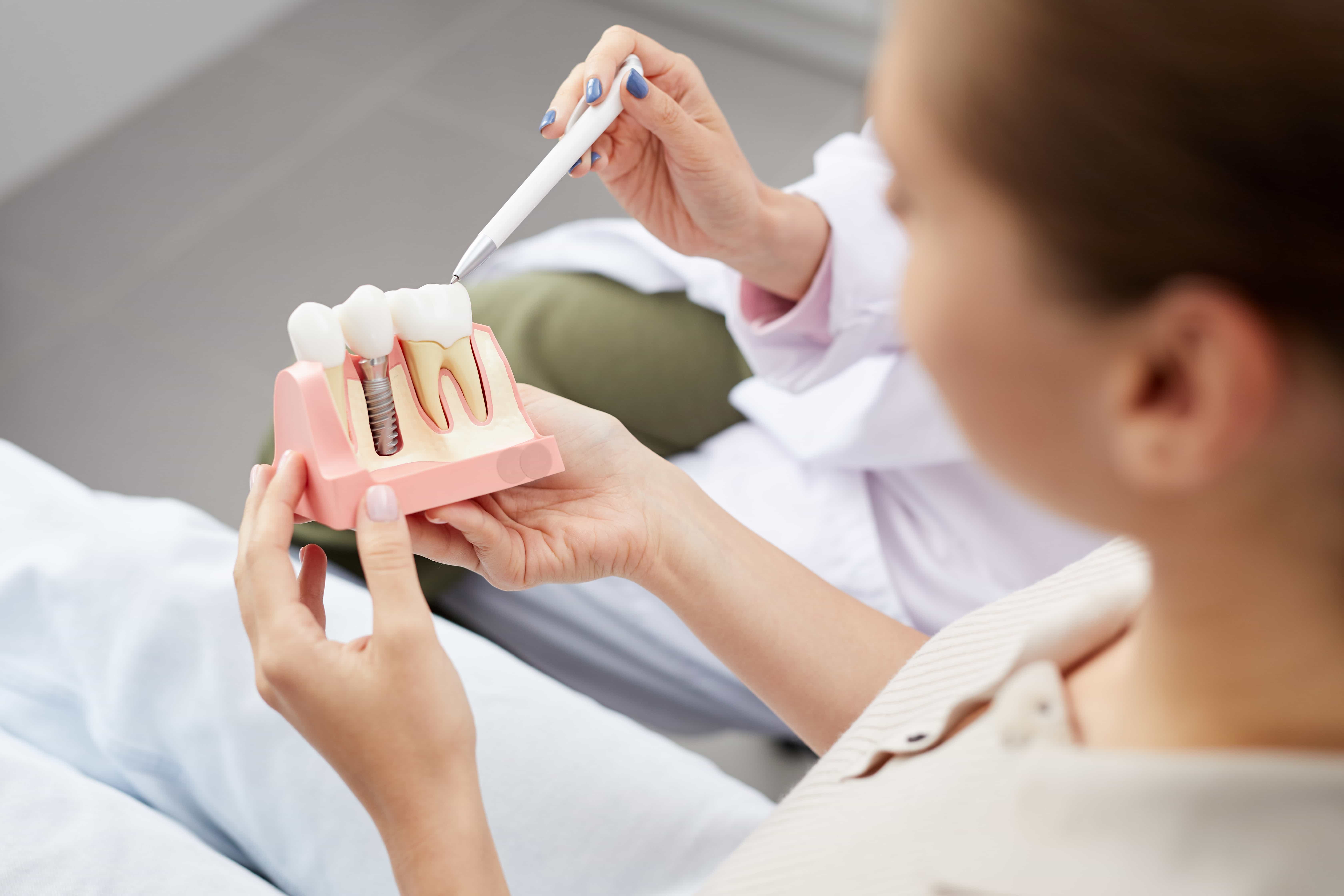
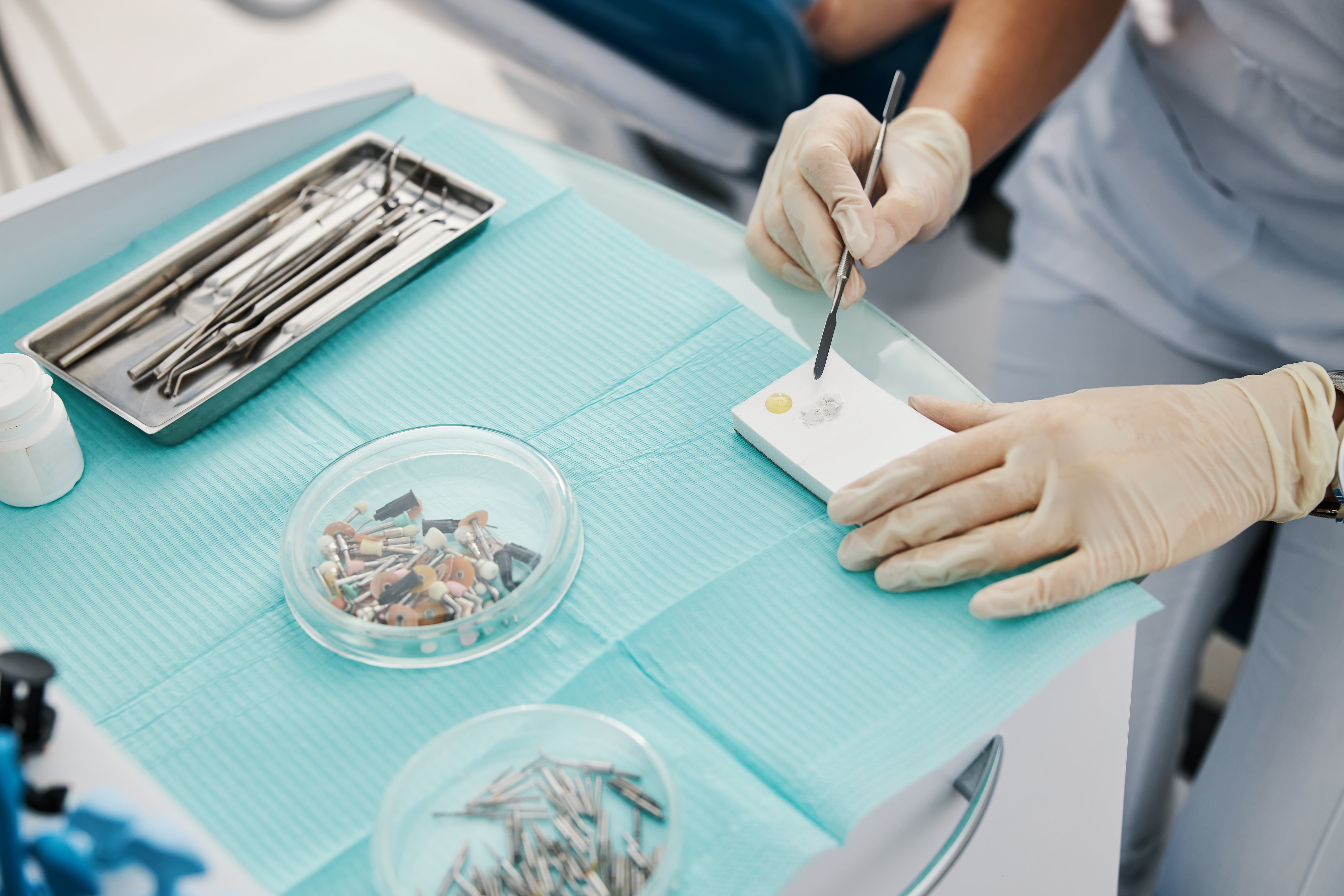
















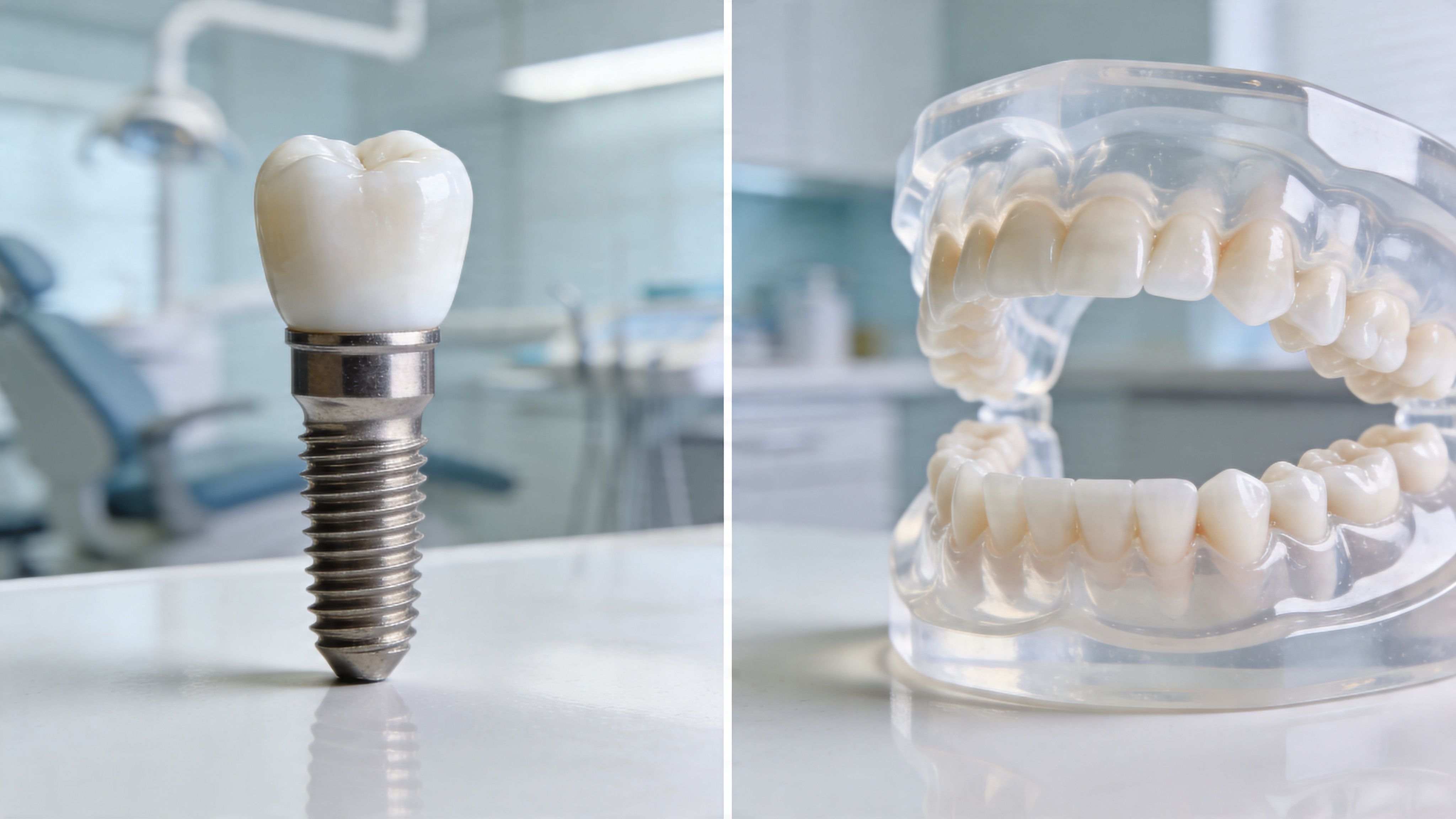
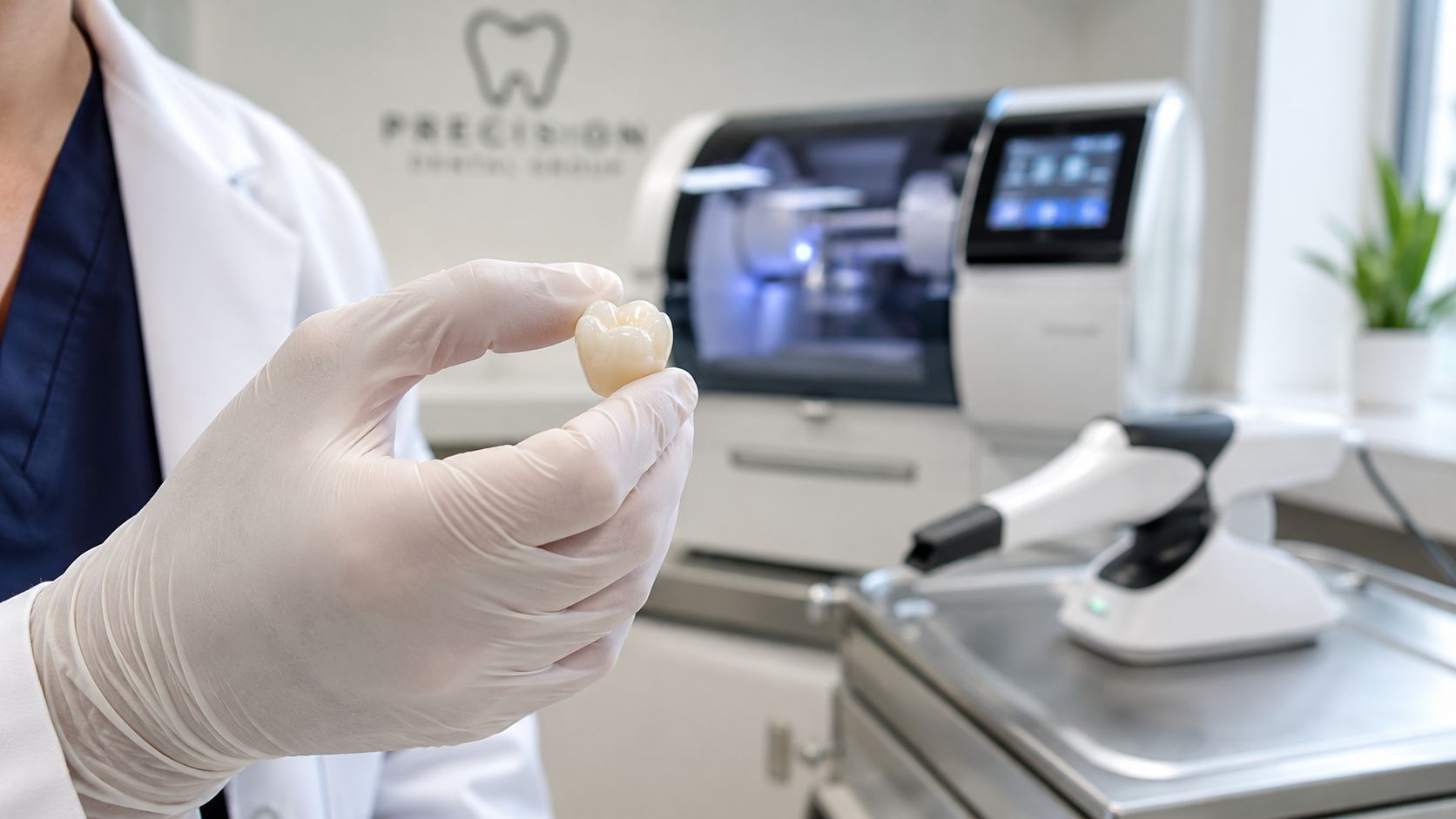
A lot of people start searching for a dentist for crown work after one small moment goes wrong. You bite into something ordinary and feel a sharp edge. A large old filling suddenly loosens. A tooth that already had a root canal starts feeling vulnerable every time you chew. At that point, you usually want two things fast. Relief, and a clear answer.
If you're looking for a dentist near me in Austin or Georgetown for a damaged tooth, crown treatment is often the conversation that matters most. A crown can protect a weak tooth, restore how it functions, and help you avoid a bigger problem later. The decision usually isn't just whether you need a crown. It's which type of crown makes sense, how it will be made, and whether same-day technology is the right fit for your tooth.
For patients in Austin, Georgetown, Wells Branch, Round Rock, Cedar Park, and Liberty Hill, that choice should feel understandable, not rushed. Good crown care combines diagnosis, material selection, precise fit, and a process that respects your comfort.
Your Trusted Dentist for Crowns in Austin and Georgetown
It often starts with a tooth that was manageable until it wasn't. A back molar with a large filling begins to crack. A front tooth chips and suddenly affects how you smile. A tooth that had deep decay gets cleaned up, but now there's not enough healthy structure left to leave it unprotected.
That's when many people start searching for a dentist in Austin, TX or dentist in Georgetown, TX who can handle restorative work without making the process feel overwhelming. Crown treatment is common, but it still needs careful planning. A crown has to fit your bite, support the remaining tooth, and hold up to the way you chew.
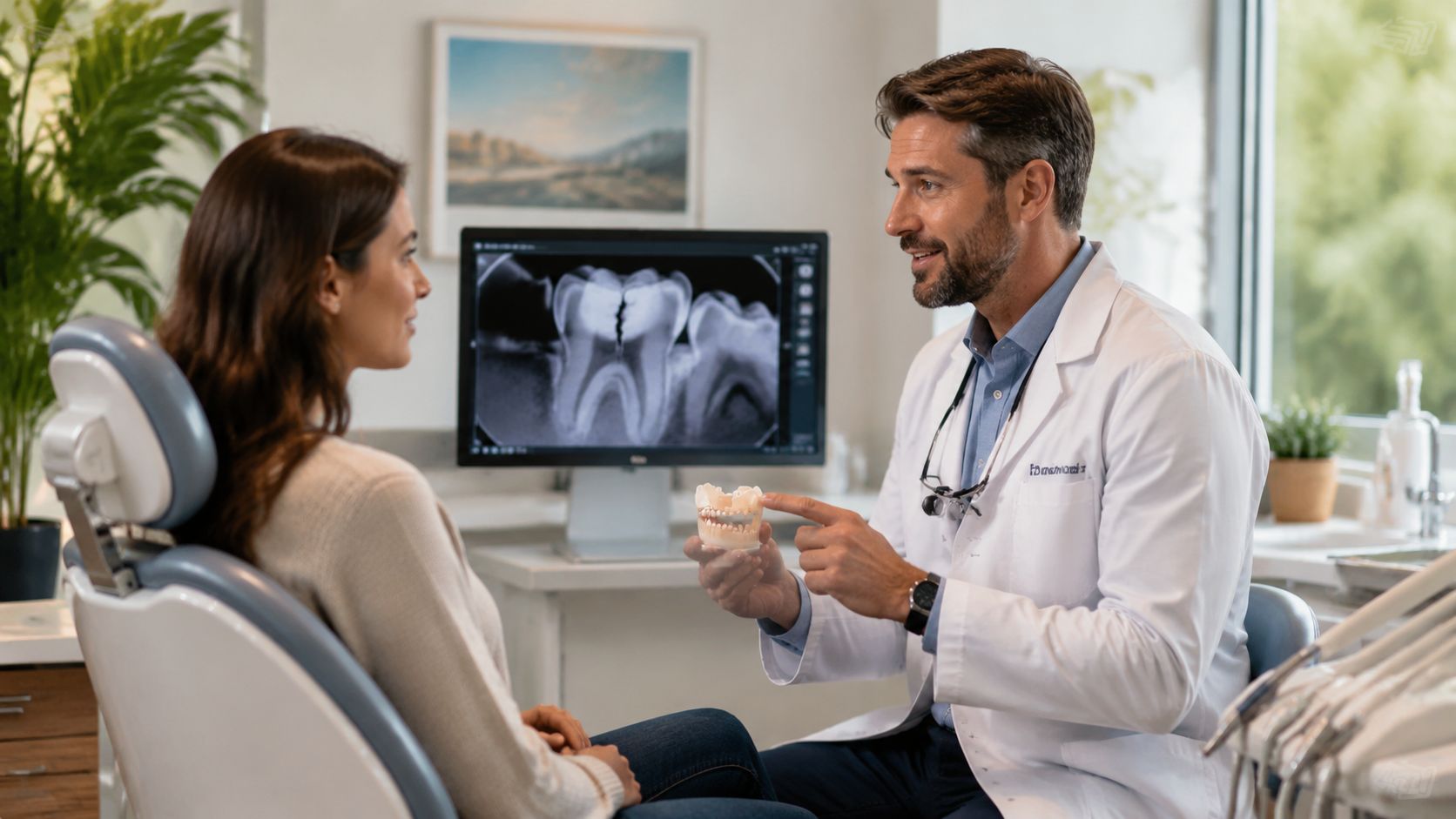
When patients usually call
Some situations come up again and again:
- A cracked tooth after chewing. You feel pain on release, or a sharp edge with your tongue.
- A failing filling. The tooth has already been repaired before, and now the remaining enamel isn't strong enough.
- After root canal treatment. The infection may be treated, but the tooth often needs protection from future fracture.
- A broken tooth in the smile zone. You want strength, but you also want it to look natural.
A crown isn't just about covering a tooth. It's about deciding whether that tooth can predictably stay functional over time.
In local practices serving North Austin and Georgetown, patients also care about convenience. They may be balancing work, school pickup, or an urgent dental problem that doesn't leave much room for multiple visits. That's where modern digital workflows can make the experience smoother, especially when they reduce temporary restorations and long waits.
What patients want from the visit
Patients don't come in asking for a specific material or manufacturing method. They want plain answers:
| Patient concern | What the visit should clarify |
|---|---|
| "Can this tooth be saved?" | Whether a crown is the right restorative choice |
| "Will this take multiple visits?" | Whether a same-day workflow is appropriate |
| "Will it match?" | Which material suits the tooth's location |
| "Is this going to last?" | How fit, preparation, and home care affect outcome |
If you are seeking a dentist for crown treatment near Austin or Georgetown, the right starting point is a careful evaluation, not a one-size-fits-all pitch.
Understanding When a Dental Crown Is Necessary
A patient often arrives with a simple question: "Do I really need a crown, or can this be filled?" The right answer depends on how much healthy tooth is left, where the damage is, and how that tooth functions when you bite and chew.
A crown covers the visible part of a tooth and is used when a direct filling would be too small a repair for the amount of structural loss. The goal is to keep a restorable tooth working comfortably and predictably for years, not just to patch the current problem.
The most common reasons a crown is recommended
Dentists usually recommend crowns when the tooth needs full coverage to resist fracture or hold up under daily use. Clinical reviews report that crowns are commonly used for fractured or cracked teeth, endodontically treated teeth, and broken restorations. Posterior teeth that have had root canal treatment are especially likely to need that added protection.
Common situations include:
- A cracked or fractured tooth. Biting pressure can drive the crack deeper, especially on molars and premolars.
- A tooth after root canal treatment. The infection may be gone, but the remaining tooth is often less able to handle heavy chewing forces.
- A failed large filling or broken restoration. If too much natural tooth has been lost, replacing it with another filling may not give enough support.
- Severe decay. Decay can sometimes be removed successfully, but the remaining walls of the tooth may be too thin to last with a bonded filling alone.
- Major shape or color correction in selected cases. A crown can sometimes solve cosmetic and structural problems at the same time, but only if the tooth is healthy enough to support it.
The decision is partly about risk. A small cavity and a large cracked cusp should not be treated the same way.
Why not every damaged tooth gets a crown
A crown is not automatically the most conservative option. If the defect is limited and enough enamel remains, a filling or onlay may preserve more natural tooth. If the tooth is split, severely decayed below the gumline, or has poor long-term support, placing a crown can create expense without solving the underlying problem.
That is why the exam matters. We look at the amount of remaining tooth structure, the bite, existing cracks, gum support, and whether the tooth can be restored in a way that is likely to last.
Practical rule: As more natural tooth is lost, a simple filling becomes less predictable under chewing pressure.
Why the tooth's position changes the recommendation
Not every tooth faces the same demands. Front teeth are judged heavily on appearance, edge shape, and light transmission. Back teeth absorb much higher force and usually need a restoration chosen for strength first.
That difference affects more than material. It also affects whether a patient is a good fit for a same-day digital crown or whether a lab-made crown is the better choice. In our Austin and Georgetown offices, digital scanning, CAD/CAM design, and 3D printing can make treatment faster and more precise for many cases, but speed only helps when the case selection is right. A molar with heavy clenching, a front tooth with demanding cosmetic requirements, and a tooth with very little remaining structure may each call for a different approach.
A good crown plan starts before the crown is made
The crown itself is only part of the treatment. The preparation has to respect the tooth, the margin has to be clean and readable, and the final shape has to fit your bite without creating new pressure points.
Poor planning leads to common problems. A crown can feel high, trap food, irritate the gums, or fail early if the tooth was not a good candidate in the first place.
Patients usually care about one outcome. They want to know whether this repair will feel comfortable, look right, and hold up. A careful diagnosis gives the clearest answer.
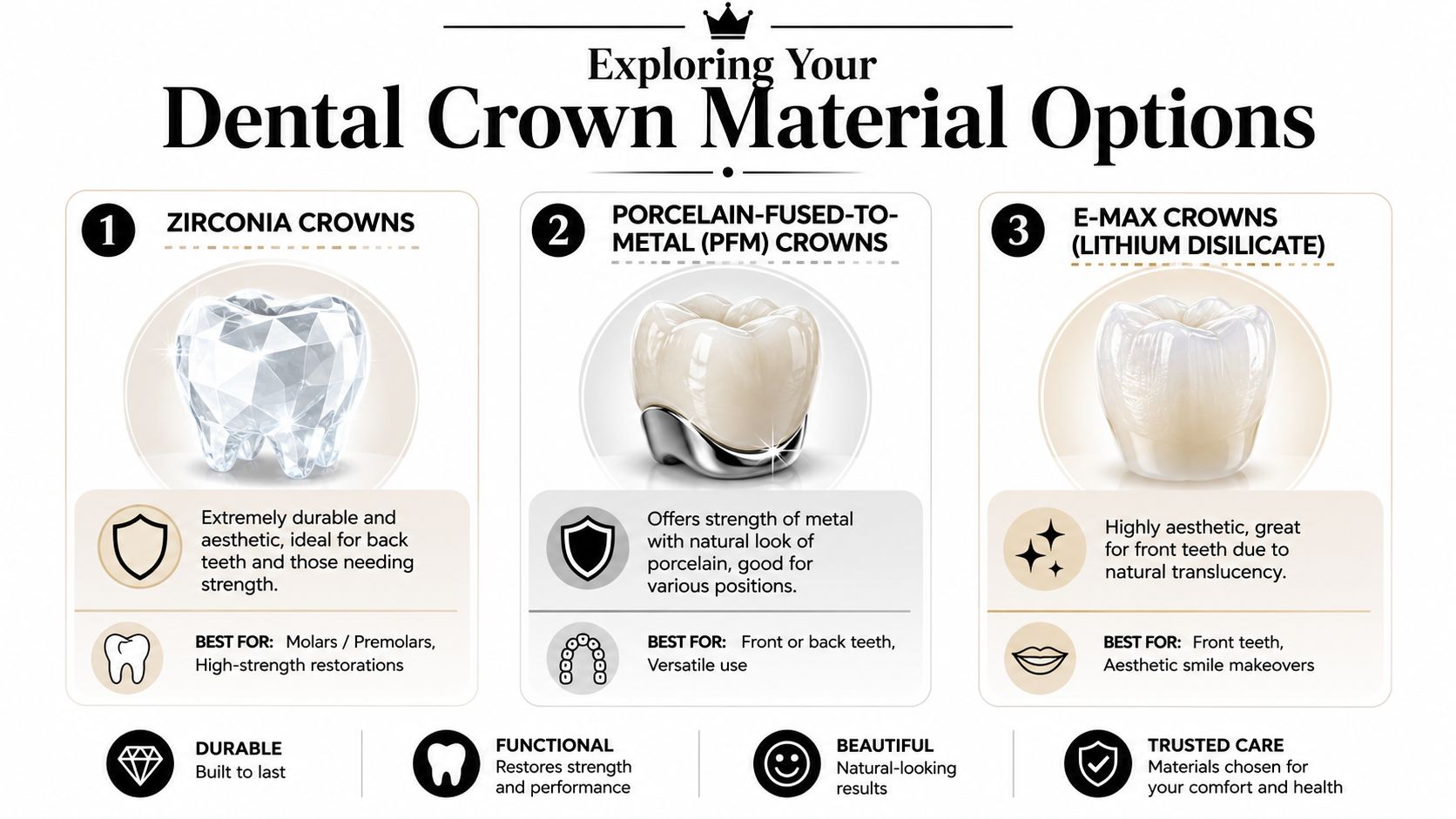
Exploring Your Dental Crown Material Options
Patients usually ask a simple question: "What kind of crown should I get?" The honest answer is that the right material depends on where the tooth is, how you bite, and what you're asking the restoration to do every day.
Strength first or appearance first
Some crown materials are chosen mainly for durability. Others are chosen because they blend more naturally in the smile. Many cases require both.
Here is the practical comparison patients usually need:
| Material | Best fit for | Main advantage | Main trade-off |
|---|---|---|---|
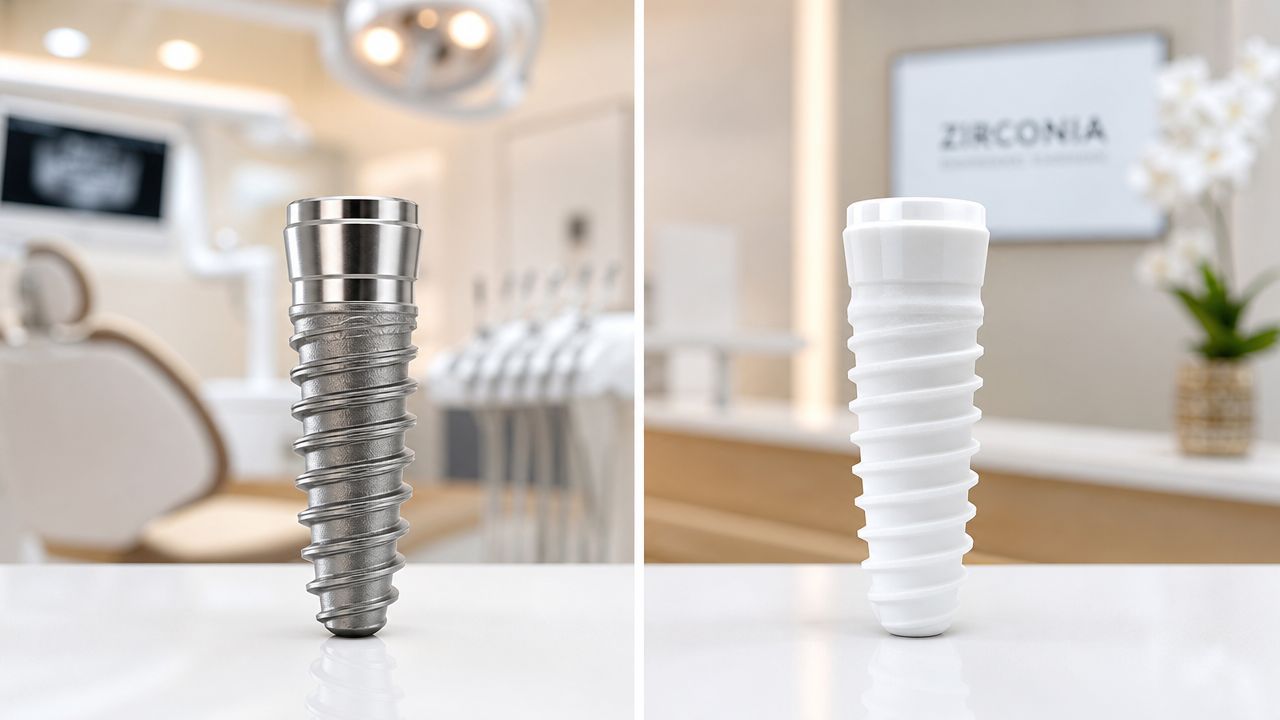
| Zirconia | Back teeth, heavy chewing, patients who clench | High strength | Can be less ideal when lifelike translucency is the top priority |
| Lithium disilicate | Front teeth and visible areas | Natural appearance and shade matching | May not be the first choice for every high-load molar |
| Porcelain-fused-to-metal | Some mixed-function cases | Combines a strong substructure with a tooth-colored outer layer | Aesthetic limitations can matter in visible areas |
| All-ceramic approaches | Cosmetic-focused cases | Natural look | Material selection still depends on bite demands |
Why zirconia is often chosen for molars
Back teeth do the hardest mechanical work. If a molar has a large crack, a history of heavy chewing force, or sits in a mouth with signs of grinding, strength becomes a major part of the decision. That's why zirconia is often a practical choice for posterior crowns.
It handles force well and works especially well when the priority is protecting the tooth under function rather than creating the most translucent cosmetic finish.
Why lithium disilicate is popular in the smile zone
Front teeth are judged differently. Patients notice shape, brightness, edge character, and how light passes through the restoration. Lithium disilicate, sometimes discussed as E-max, is often favored in these areas because it can produce a more natural appearance.
If your crown is on a front tooth, the conversation should include shade, translucency, and how the restoration looks in different lighting, not just whether it fits.
The right material is case-specific
A good discussion about materials should include more than a brochure summary. It should answer questions like these:
- Where is the tooth located. Front and back teeth have very different demands.
- How strong is your bite. Clenching and grinding can change the recommendation.
- How much tooth remains. The available structure affects retention and design.
- What matters most to you. Some patients prioritize appearance. Others want the toughest option for a back tooth.
That decision process is one reason people looking for a cosmetic dentist near me or a dentist for crown treatment often benefit from a practice that handles both aesthetic and restorative planning in one place. The crown shouldn't just look acceptable on day one. It should make sense for that tooth over time.
The Modern Dental Crown Process at 3D Dental
You may be deciding between two very different crown experiences. One involves a temporary crown and a return trip after the lab finishes the final restoration. The other may allow us to scan, design, and place the crown in one visit if the tooth, bite, and material make that a sound choice.
A traditional crown process still has a place. It has been used successfully for years. But many patients prefer a digital approach because it can reduce the wait, avoid impression material, and give us more control over fit and design during the appointment, as explained by Cleveland Clinic's overview of dental crowns.
Traditional crowns and same-day crowns are different decisions
The better option depends on the tooth in front of us. Some teeth do very well with a same-day workflow. Others benefit from a lab-made crown because the case calls for a specific material, a more demanding cosmetic result, or added customization.
| Traditional process | Digital same-day process |
|---|---|
| Physical impression material | Digital intraoral scan |
| Temporary crown often needed | Permanent crown may be made the same day |
| Return visit for final seating | Fewer visits when the case is suitable |
| Longer wait while lab work is completed | Faster turnaround with chairside design and milling |
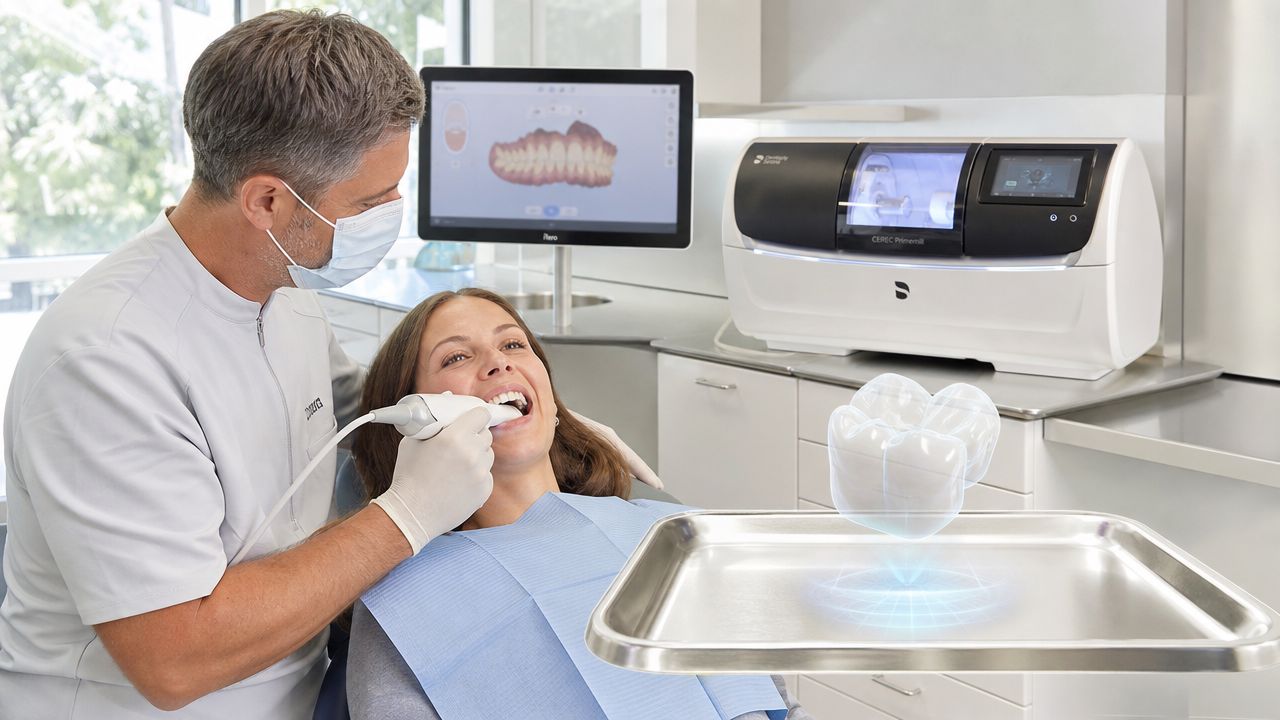
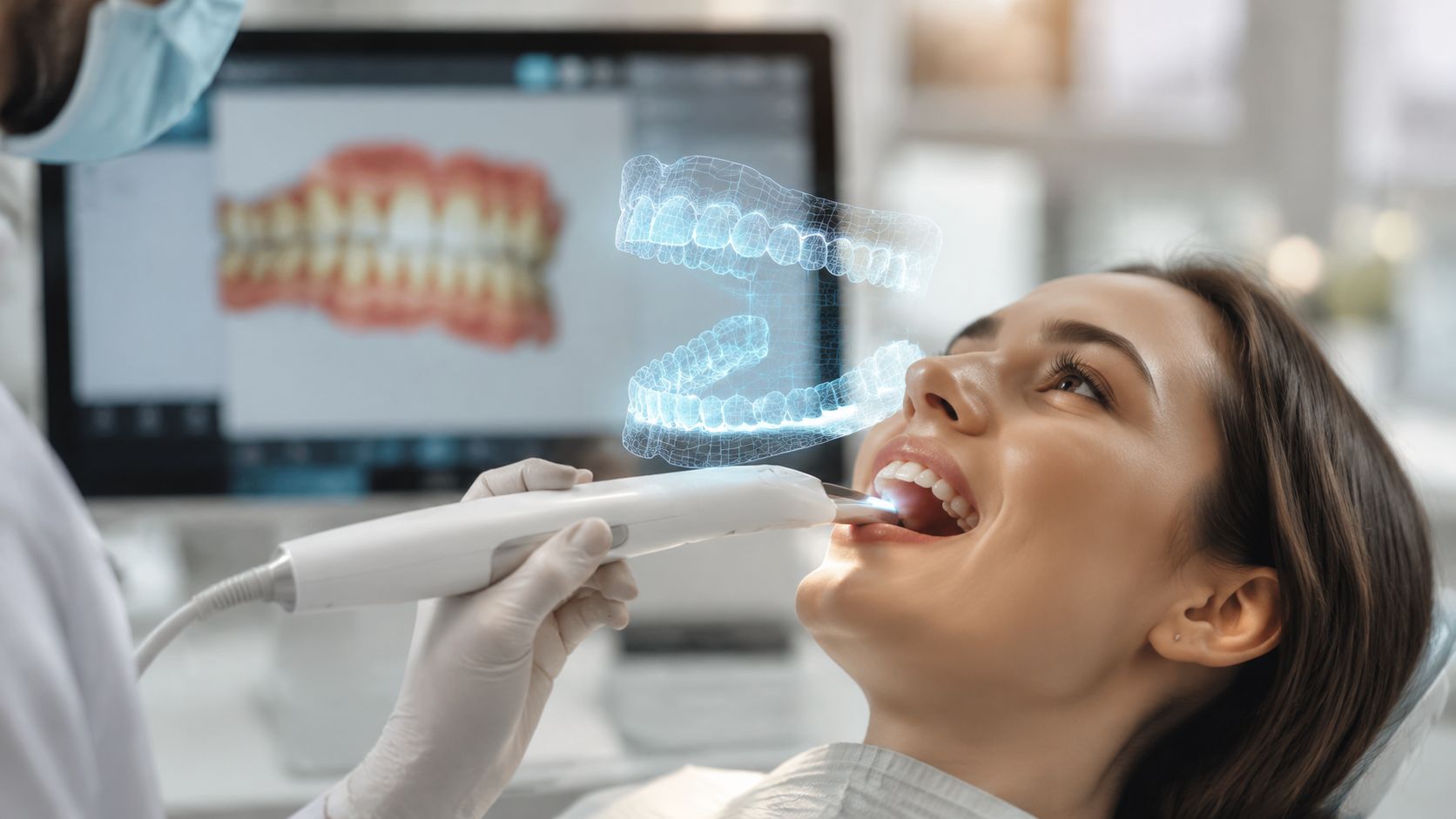
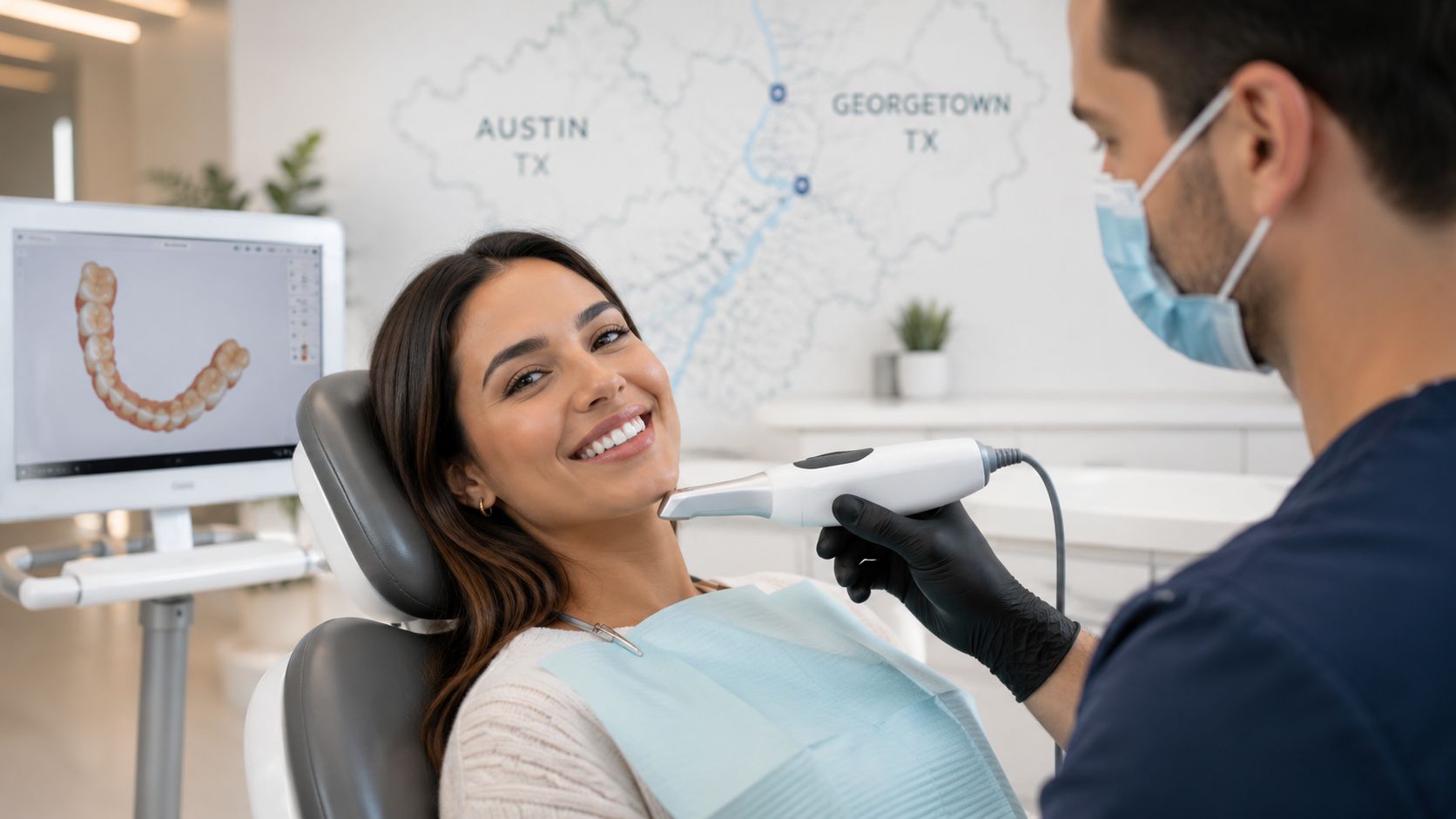
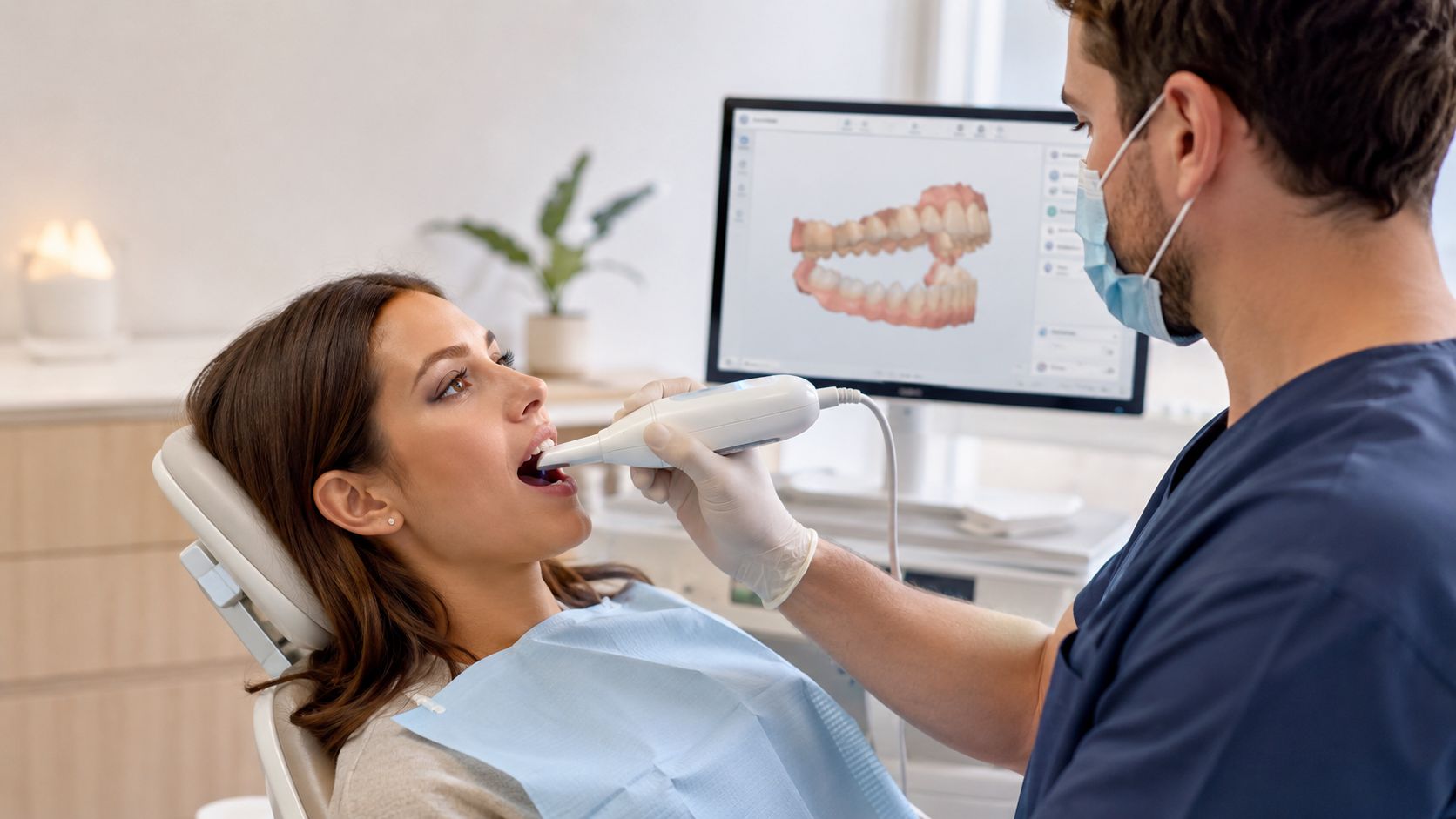
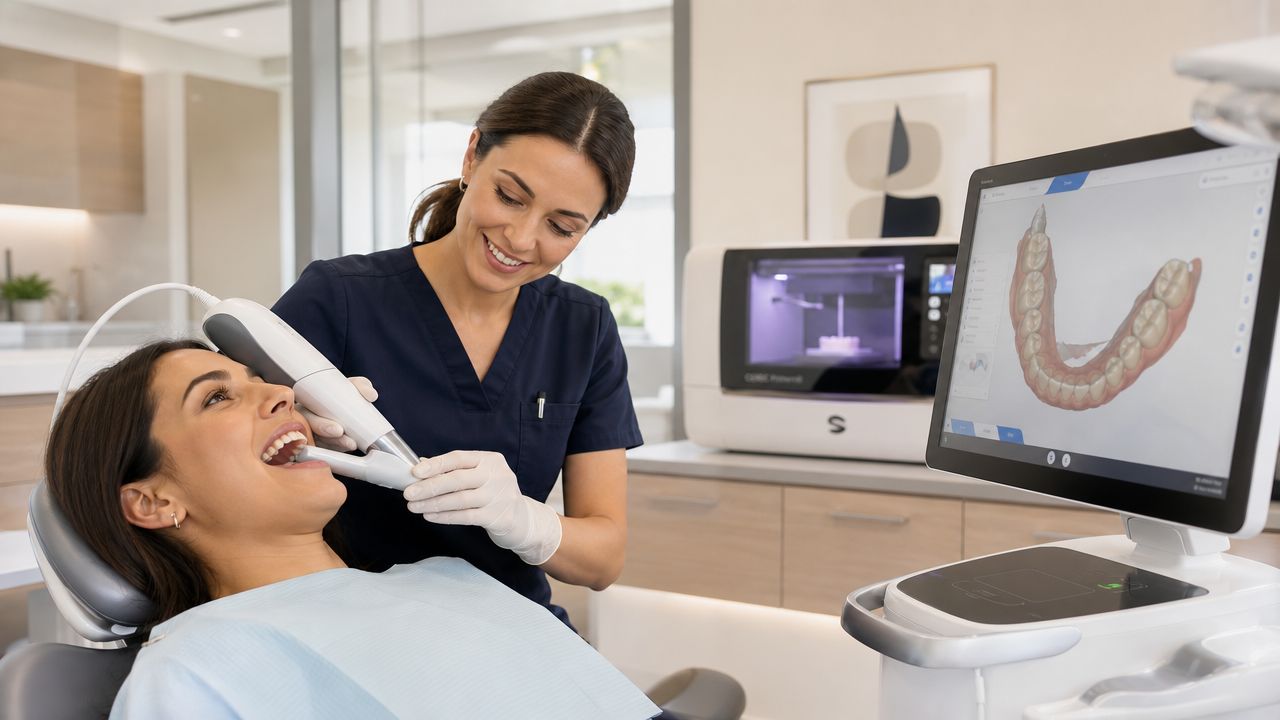
For patients, the difference is practical. A digital scan is usually more comfortable than a traditional impression. It also lets us review the tooth and bite on screen, make adjustments in the design stage, and move toward the final restoration with fewer handoffs.
What the modern workflow looks like
At our Austin and Georgetown offices, the process starts with diagnosis, not the machine. We examine the tooth, check the bite, and decide whether a same-day crown is the right fit or whether a lab-made approach will serve you better.
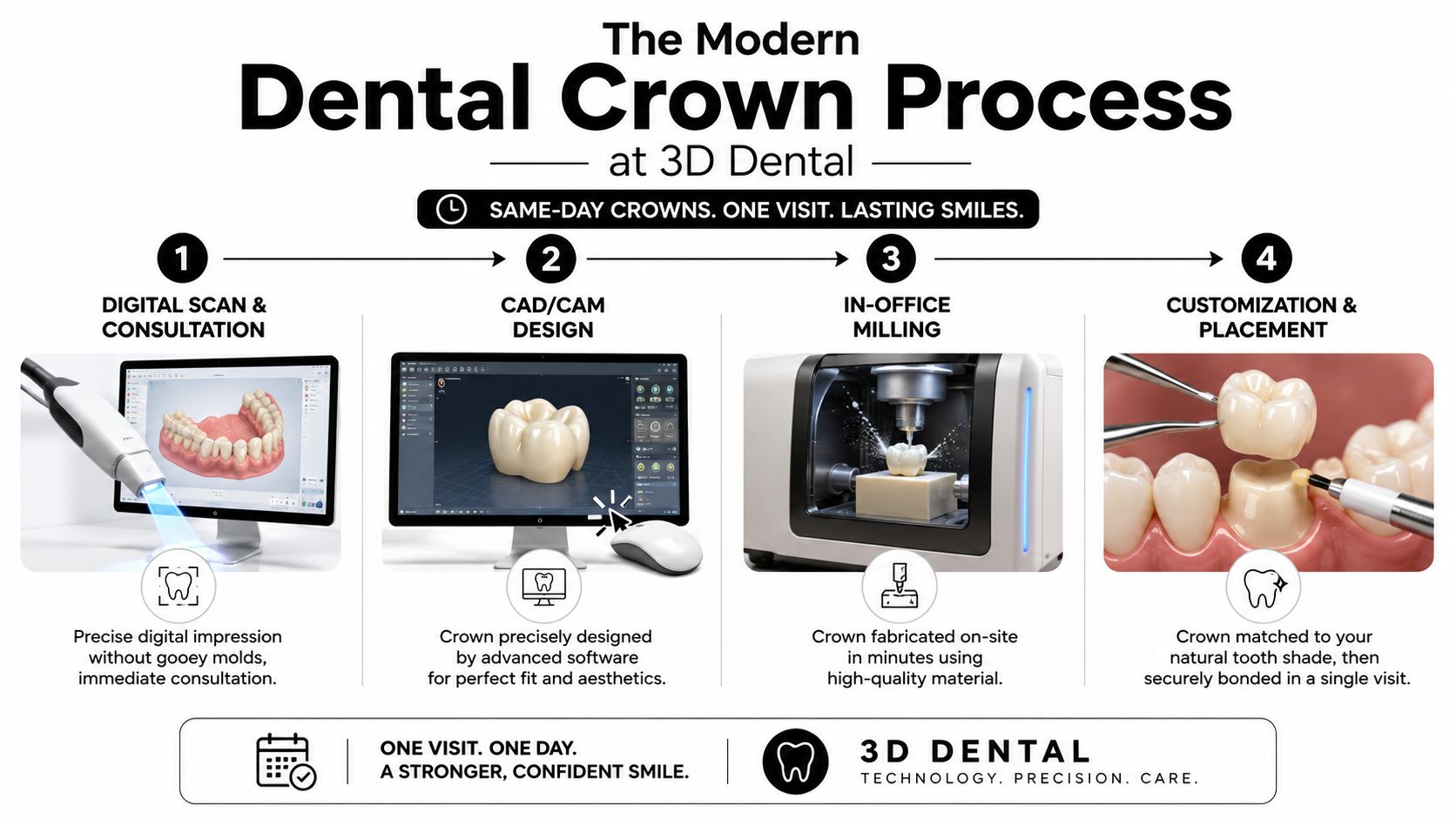
If the case is appropriate for a digital crown, the usual steps are:
- Digital scan and evaluation. We capture the tooth with an intraoral scanner instead of using impression trays.
- Computer design. The crown is shaped in CAD/CAM software to match the prepared tooth and how your teeth come together.
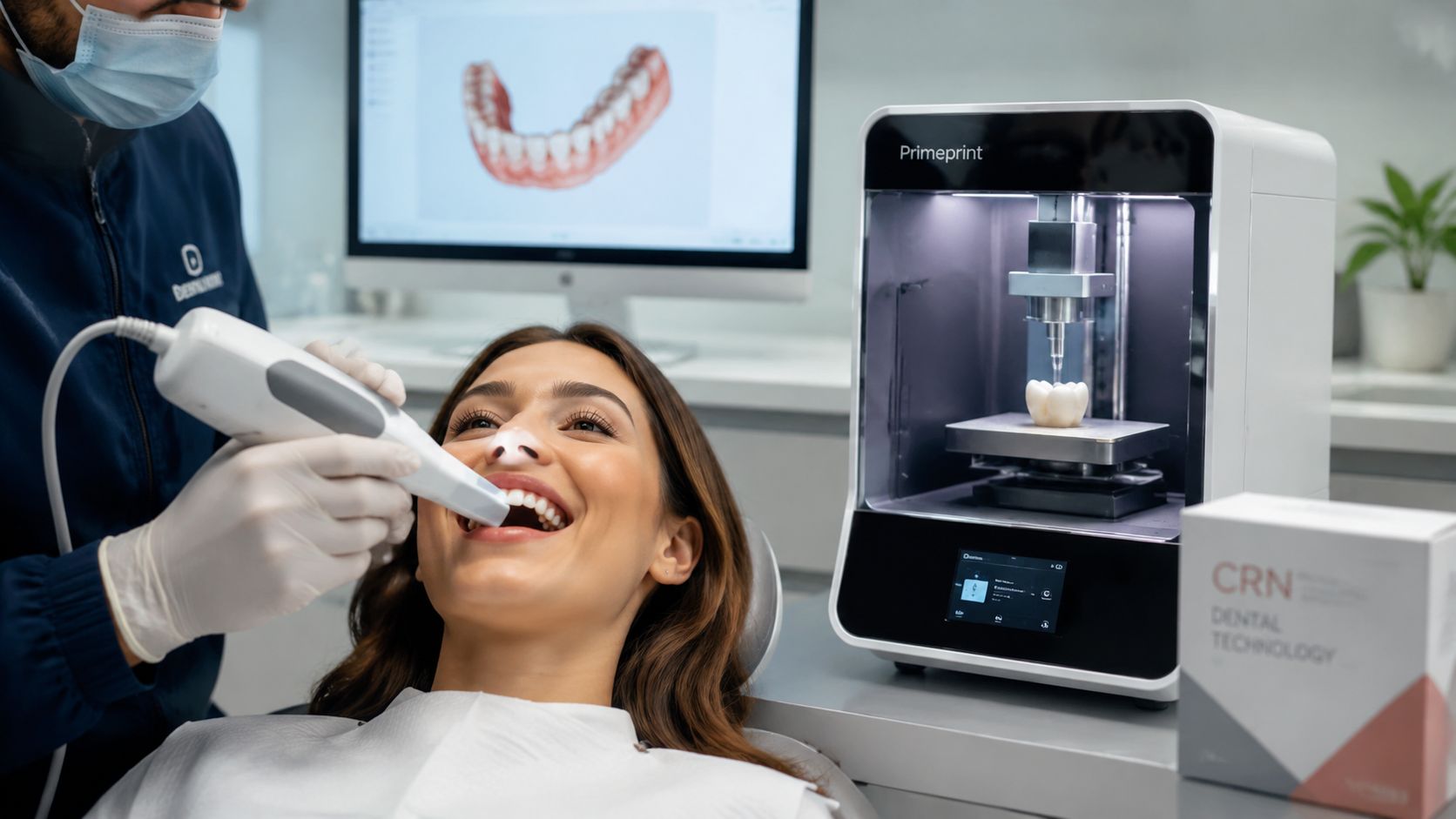
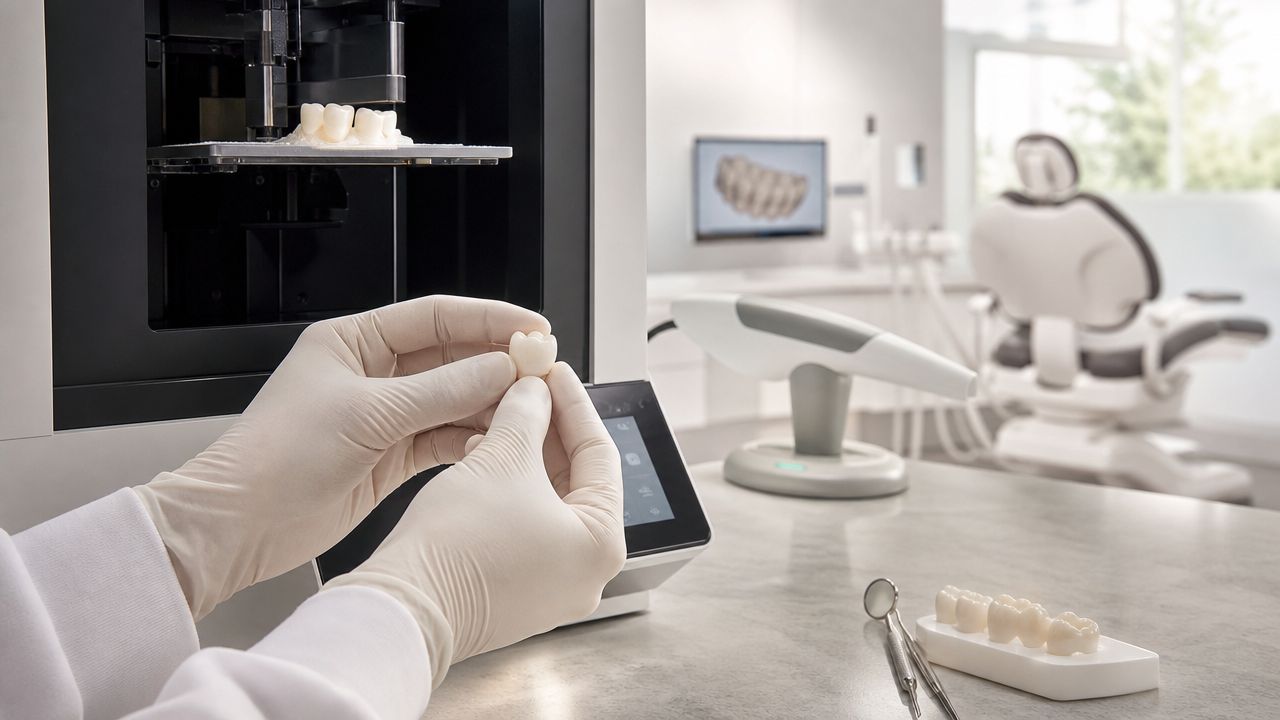
- In-house fabrication. Depending on the case, we use chairside milling or 3D printing as part of the restorative workflow.
- Try-in and bonding. We check contacts, margins, shade, and bite, then place the crown once everything looks and feels right.
Patients who want a better sense of what to compare between offices can review this guide on how to choose a dentist for crown treatment.
A short walkthrough helps many patients understand the process visually.
Why the technology changes the patient experience
Patients usually notice the comfort first. No impression trays. Less time wearing a temporary in many cases. Fewer appointments when the tooth is a good candidate.
The clinical benefit is just as important. Digital scans give us a detailed record of the prepared tooth. That helps with fit, bite refinement, and communication during the appointment. If a tooth has had a root canal, a fracture, or a large failing filling, getting to the final crown sooner can also shorten the period where that tooth is relying on a temporary solution.
The distinction is important. Some cases still call for a lab-made crown because of material needs, contour, or esthetic demands. Where a same-day approach fits, it can reduce inconvenience without cutting corners on care.
At 3D Dental, we use digital scanners, in-house laboratory support, and 3D printing to make that decision process more precise for patients in Austin and Georgetown.
Choosing the Best Dentist for Crown Work in Austin
A crown can look fine on the day it's placed and still fail early if the preparation, bite, or retention is off. That's why choosing a dentist for crown treatment shouldn't come down to who can schedule fastest alone.
A retrospective clinical study of tooth-supported single crowns reported cumulative survival rates of 89.9% at 5 years and 80.9% at 10 years, with loss of retention (26.5%) identified as the most common failure mode in that study's failures, according to this long-term clinical analysis of crown survival. That points to something patients can easily miss. Long-term success depends heavily on technique.

What to look for in a crown dentist
If you're comparing options in Austin, Georgetown, Round Rock, or Cedar Park, use a practical checklist.
- Digital diagnostics. Intraoral scanners, digital x-rays, and clear visual records make planning more precise.
- Thoughtful material selection. The dentist should explain why one material fits your tooth better than another.
- Bite evaluation. A crown that looks good but hits wrong can create discomfort fast.
- Comfort with both restorative and cosmetic planning. Front teeth and back teeth need different thinking.
- Transparent communication. You should know whether a crown is the most conservative option, or whether alternatives make more sense.
Questions worth asking before you commit
Not every patient thinks to ask these, but they matter:
| Ask this | Why it matters |
|---|---|
| Will this be same-day or lab-made? | The answer should reflect your tooth, not a default sales pitch |
| Which material do you recommend and why? | The reasoning reveals how carefully the case is being planned |
| What happens if my bite feels off afterward? | Fine adjustments are part of quality care |
| Are there alternatives to a crown? | Good treatment planning includes conservative options when appropriate |
For patients who want a broader framework for evaluating a dental office, this guide on how to choose a dentist can help you compare communication, technology, and treatment philosophy.
A good crown dentist doesn't just place crowns. They decide when a crown is the right restoration, when it isn't, and how to design one that works in your mouth rather than in theory.
That matters whether you're coming in for restorative dentistry, an emergency dentist visit after a fracture, or a larger treatment plan that may also involve tooth extraction, bridges, or implants.
Understanding the Cost of Dental Crowns and Insurance
Cost is one of the first questions patients ask, and it should be. A crown is an investment in function and protection, so you need to know what affects the fee and what options exist for making treatment manageable.
What usually affects the price
The final cost can vary based on practical factors such as:
- Material choice. Different materials involve different fabrication demands.
- How complex the tooth is. A simple crown and a heavily damaged tooth don't require the same amount of work.
- Whether other treatment is needed first. Build-up, root canal treatment, or gum care may need to happen before the final crown.
- How the restoration is made. Same-day digital fabrication and outside lab workflows can differ in process.
Insurance and payment planning
Crowns are part of mainstream dental care, not a rare specialty service. The American Dental Association reported 202,485 professionally active dentists in the United States in 2024, which reflects a large national care network that supports standard treatment delivery and a broad insurance infrastructure, according to the ADA dentist workforce data.
That doesn't mean every plan covers crowns the same way. It does mean most patients should expect a real benefits review before deciding how to proceed. A good office will explain what your insurance may help with, what portion may remain your responsibility, and whether there are financing options if you want to start treatment now.
What patients should expect from the financial conversation
The right conversation should feel clear, not vague.
- A benefit check before treatment. You should know whether your plan applies to restorative work.
- A written estimate. That makes decisions easier and avoids confusion later.
- Flexible payment paths. Many offices offer staged payments or third-party financing.
- Discussion of urgency. If the tooth is cracked or unstable, delaying care can create bigger treatment needs.
If you're comparing options, this page on dental crowns and bridges cost gives added context on the factors that shape treatment fees.
The key point is simple. If you're looking for a dentist near me for crown care in Austin or Georgetown, don't judge value by the initial quote alone. Judge it by whether the treatment plan is appropriate, clearly explained, and designed to protect the tooth well.
Your Dental Crown Questions Answered
Does getting a dental crown hurt
Most patients tolerate crown treatment well because the tooth is numbed before preparation begins. If you're anxious, sensitive, or coming in with an inflamed tooth, comfort options and a slower pace can make a big difference. The goal is to keep you comfortable during the visit, not to ask you to push through it.
How long do dental crowns last
This is the question everyone asks, and the honest answer is that it varies. One review notes that a clinically achievable 6° to 16° convergence angle is critical for retention, which shows how much the dentist's preparation affects long-term success, as discussed in this review of tooth preparation and crown retention.
Longevity depends on more than material alone. Tooth location, bite force, oral hygiene, and the health of the underlying tooth all matter. A well-planned crown on a stable tooth can serve for many years. A poorly supported tooth, heavy grinding, or weak home care can shorten that timeline.
How should I care for a new crown
Crown care is simple, but consistency matters.
- Brush and floss normally. The crown itself doesn't decay, but the tooth margin can still develop problems.
- Don't ignore bite changes. If the crown feels high, get it adjusted.
- Use caution with very hard foods. Ice chewing and similar habits aren't kind to teeth or restorations.
- Keep regular exams and cleanings. Routine visits help catch small issues before they become bigger ones.
If a crown feels bulky, catches floss strangely, or becomes sensitive after the initial settling period, it's worth checking. Small fit issues are easier to correct early.
If you need a calm, clear evaluation for a damaged tooth in Austin or Georgetown, scheduling sooner usually gives you more options.
If you're looking for a trusted local office for crown treatment, emergency dental care, restorative dentistry, or a second opinion on whether a tooth can be saved, 3D Dental serves patients in Austin and Georgetown with modern diagnostics, digital workflows, and flexible scheduling. Book an appointment to get a clear treatment plan, understand your options, and move forward with confidence.
Ready to get started?
Schedule a free, no obligation consultation with our team and see what's possible for your smile!
Georgetown
- Mon-Thurs8:30am-5pm
- Fri8am-3:30pm
- Sat-SunClosed
Austin
- Mon-Tues8am-5pm
- Wed-Thurs9am-6pmFri8am-2pm
- Sat-SunClosed