
Expert TMJ Disorder Treatment: Austin & Georgetown
Related Posts

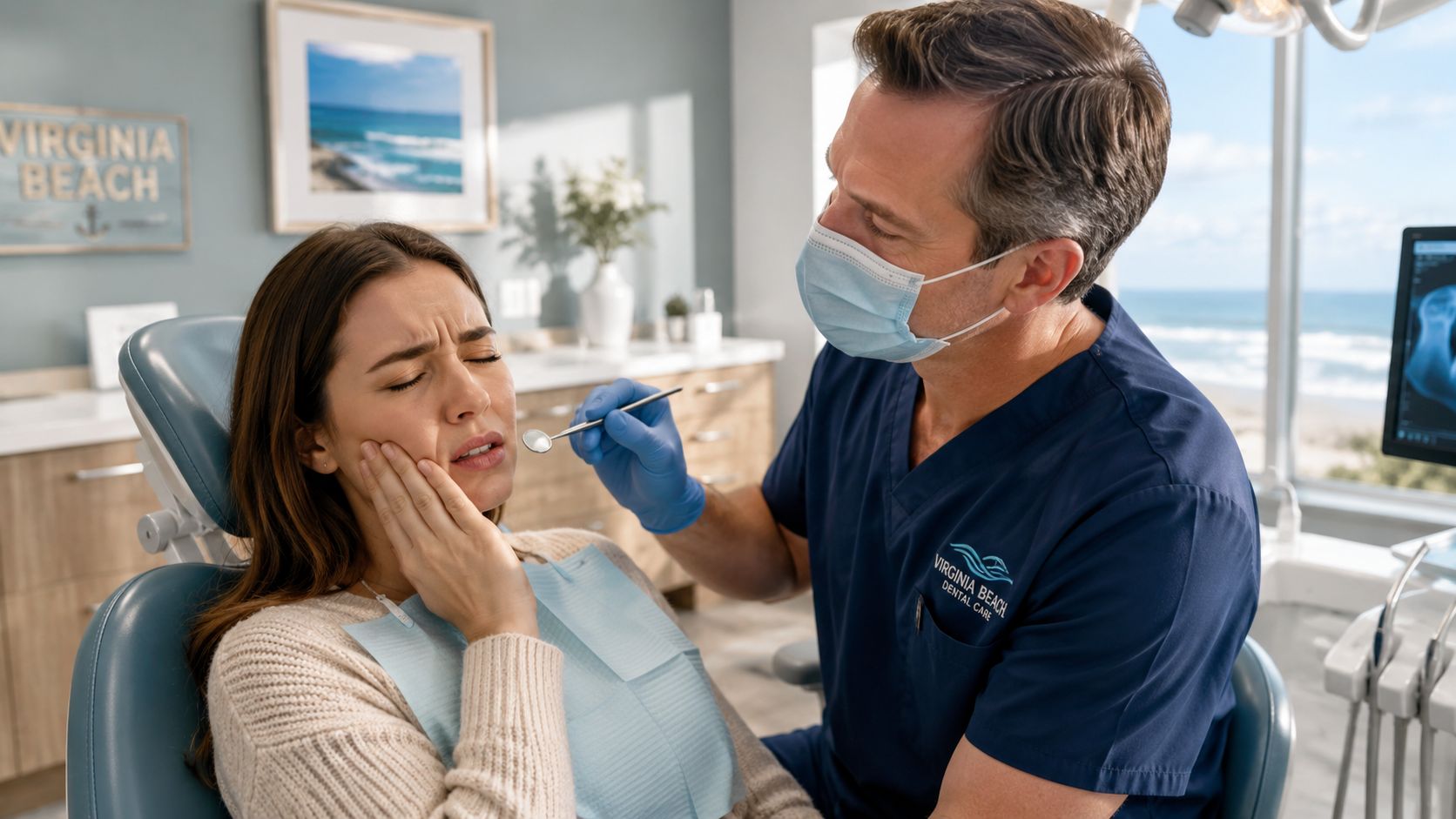


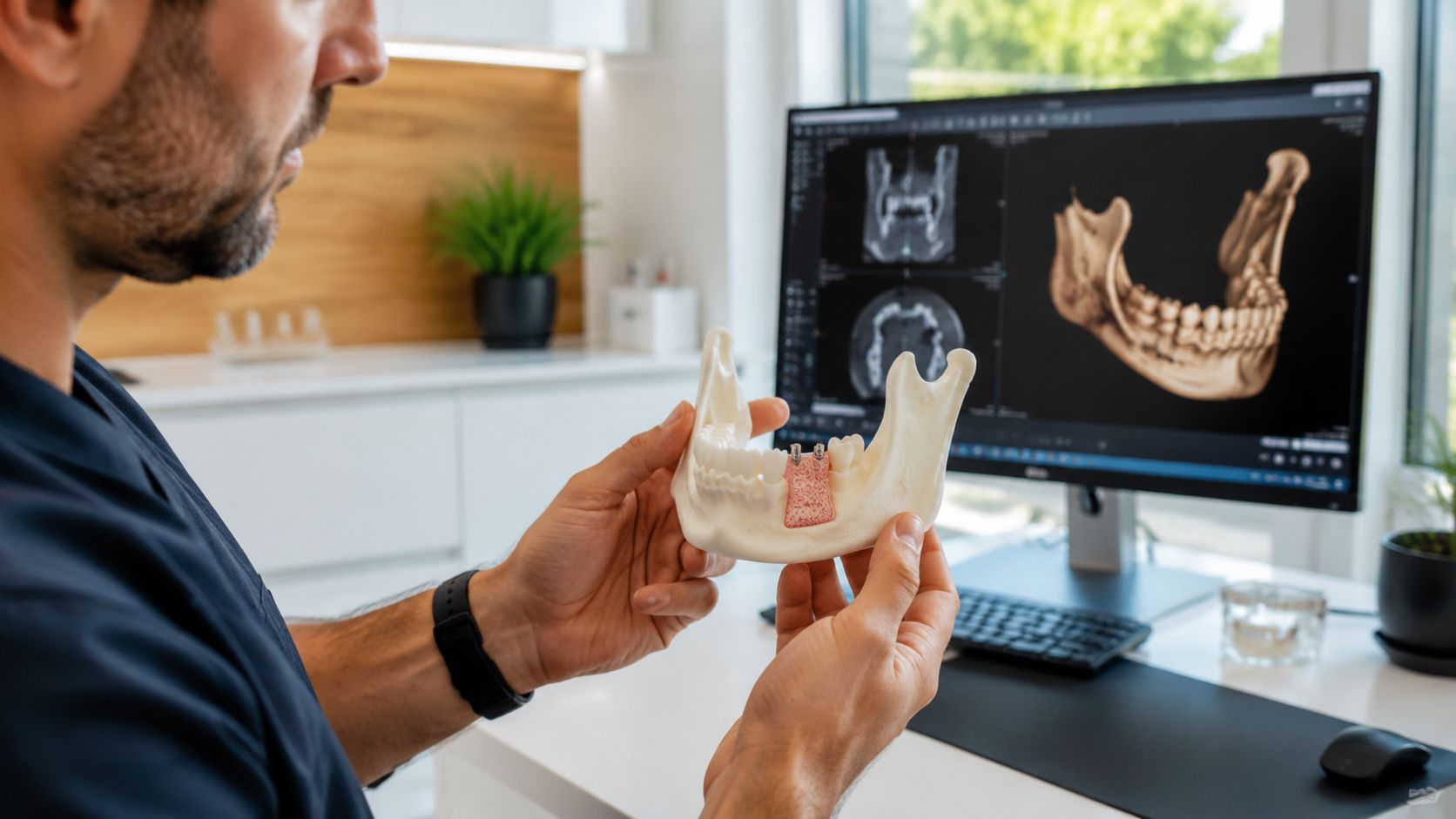
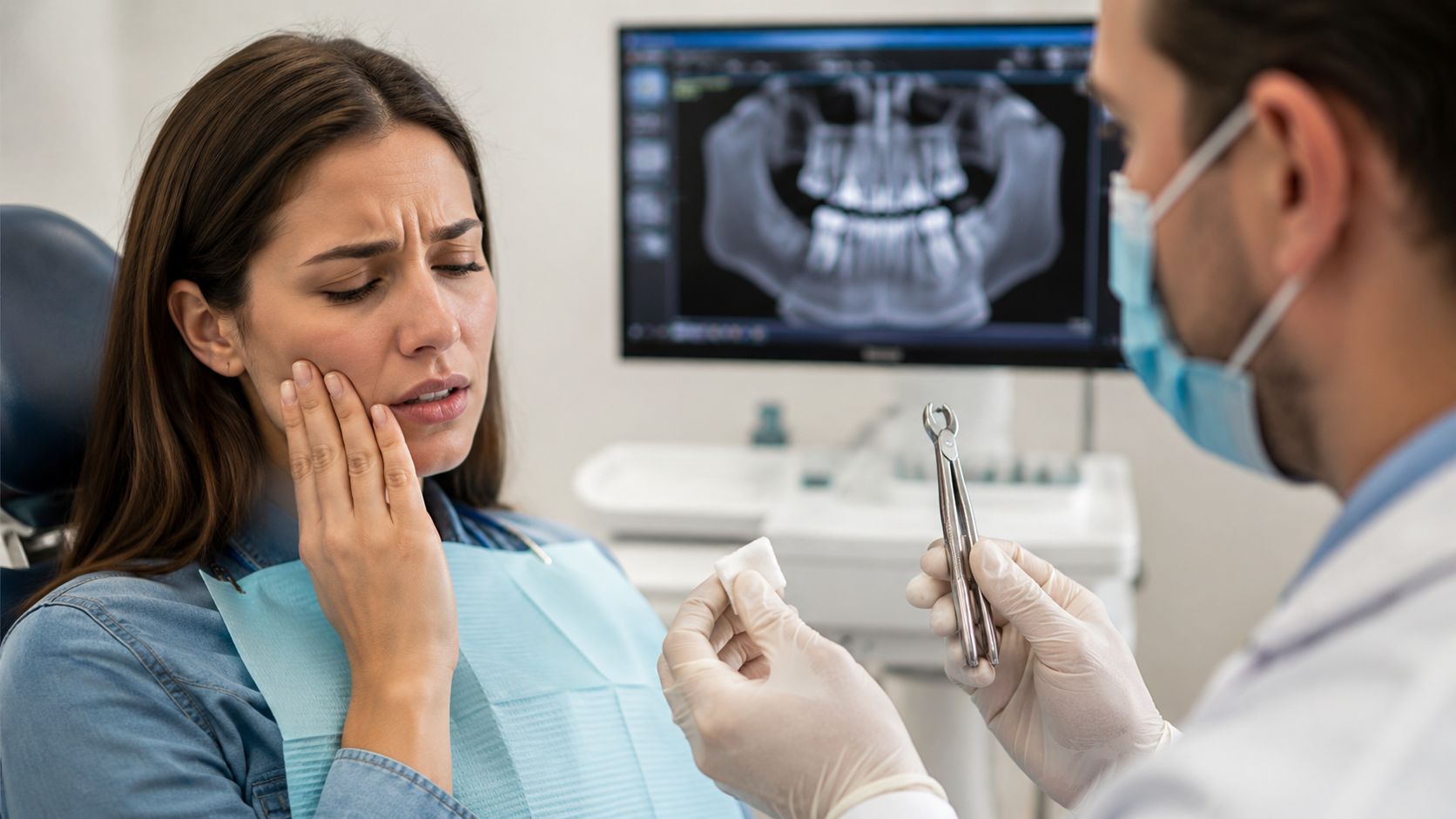






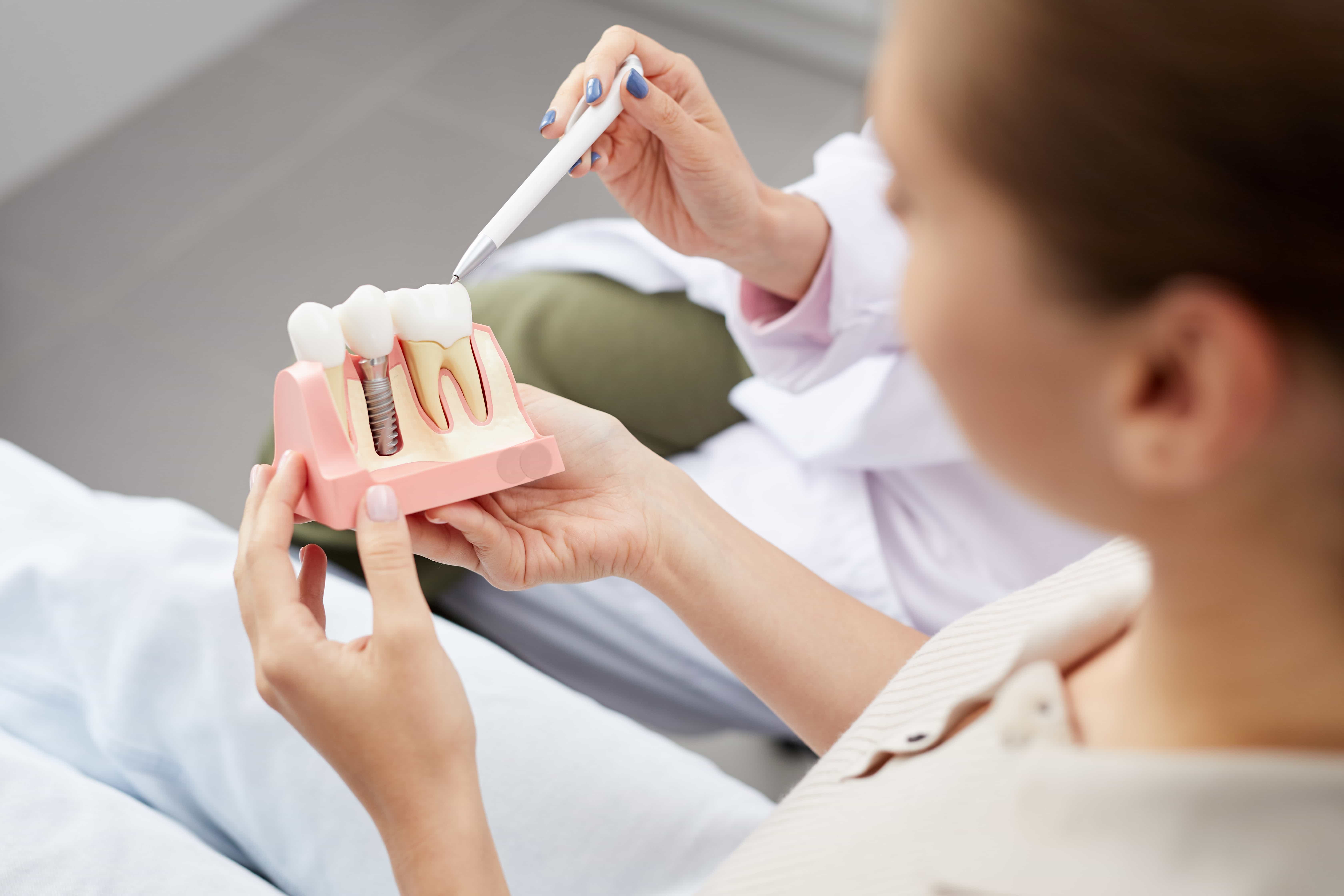















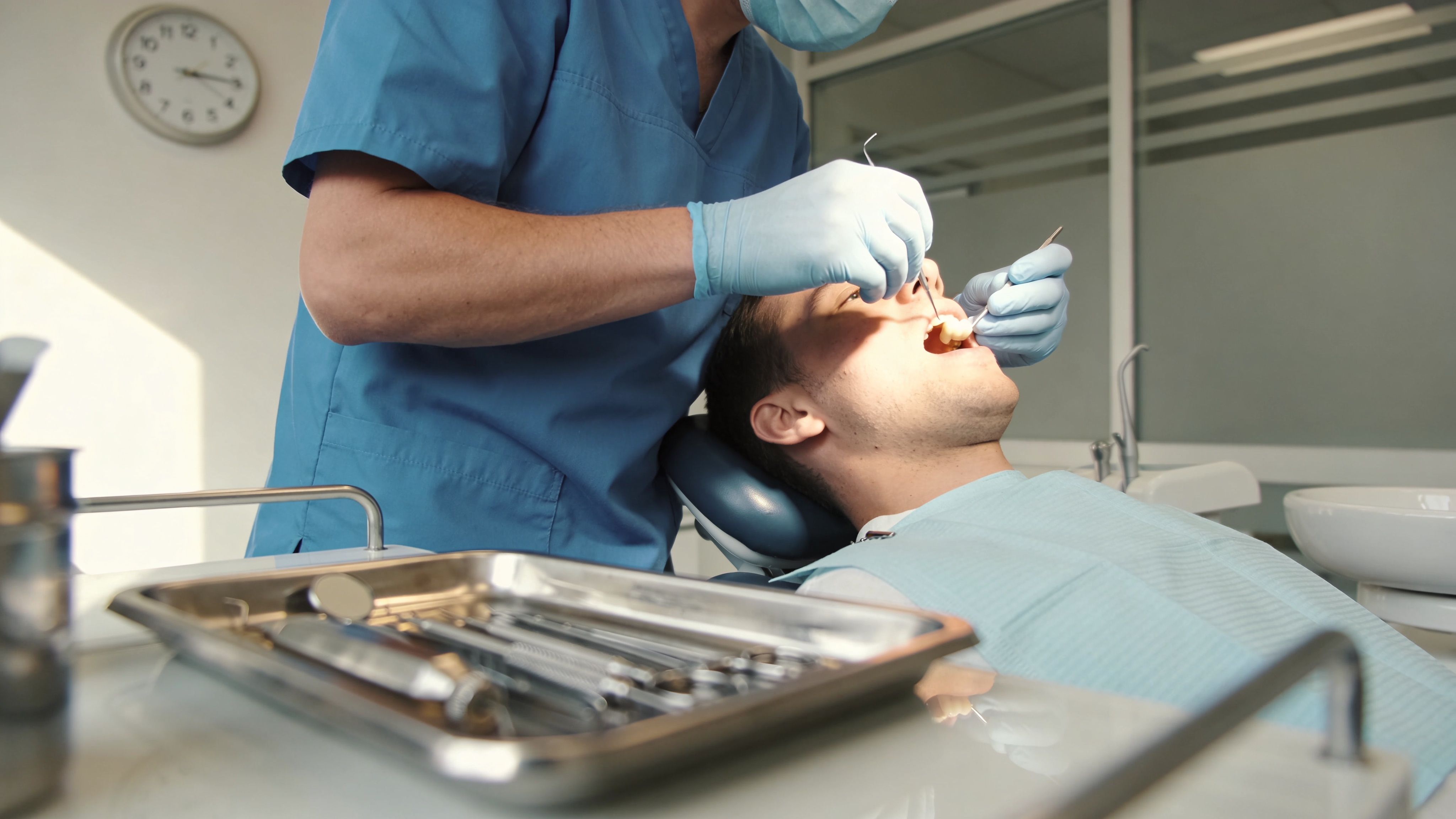

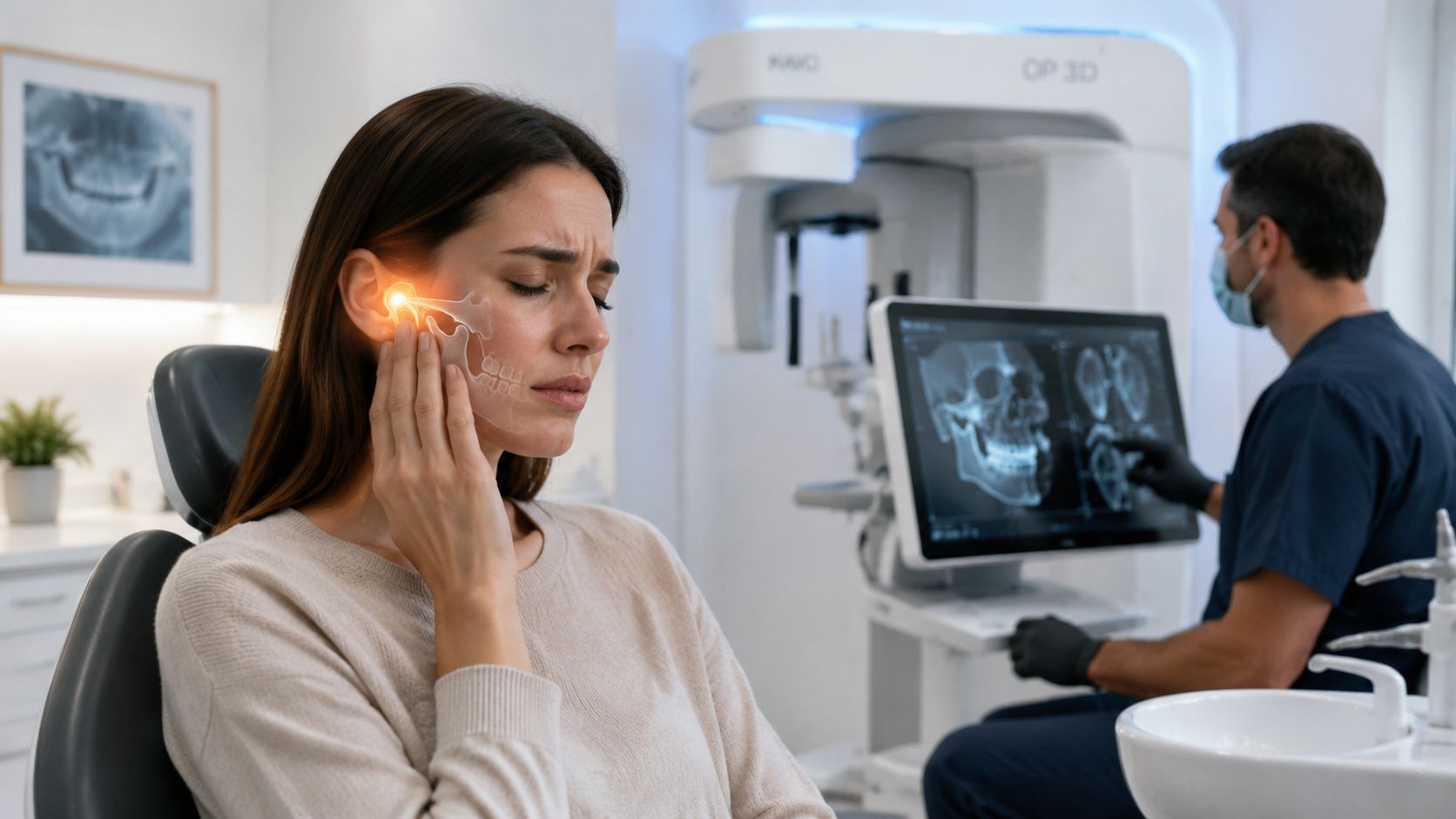
Jaw clicking when you eat. A dull ache near your ear by midafternoon. Headaches that seem to start in your temples and spread across your face. If that sounds familiar, you're not overreacting, and you're not the only person in Austin or Georgetown trying to figure out whether this is a bite problem, a stress problem, or something deeper in the jaw joint.
TMJ symptoms are frustrating because they blur together. Some people notice popping. Others notice tightness, clenching, limited opening, or pain that feels like it belongs to the teeth, ear, neck, or shoulders instead of the jaw. The hardest part is often not the discomfort itself. It's the uncertainty about what to do first.
Good TMJ disorder treatment starts by slowing that process down. Instead of jumping to a one-size-fits-all fix, the goal is to identify what's driving the pain and choose the least invasive option that makes sense for that specific pattern.
Finding TMJ Relief in Austin TX
You wake up with a sore jaw, get through coffee and emails, then notice by lunch that chewing feels uneven on one side. By evening, the tightness has turned into a headache, and you are left wondering whether this will settle down on its own or keep getting worse.
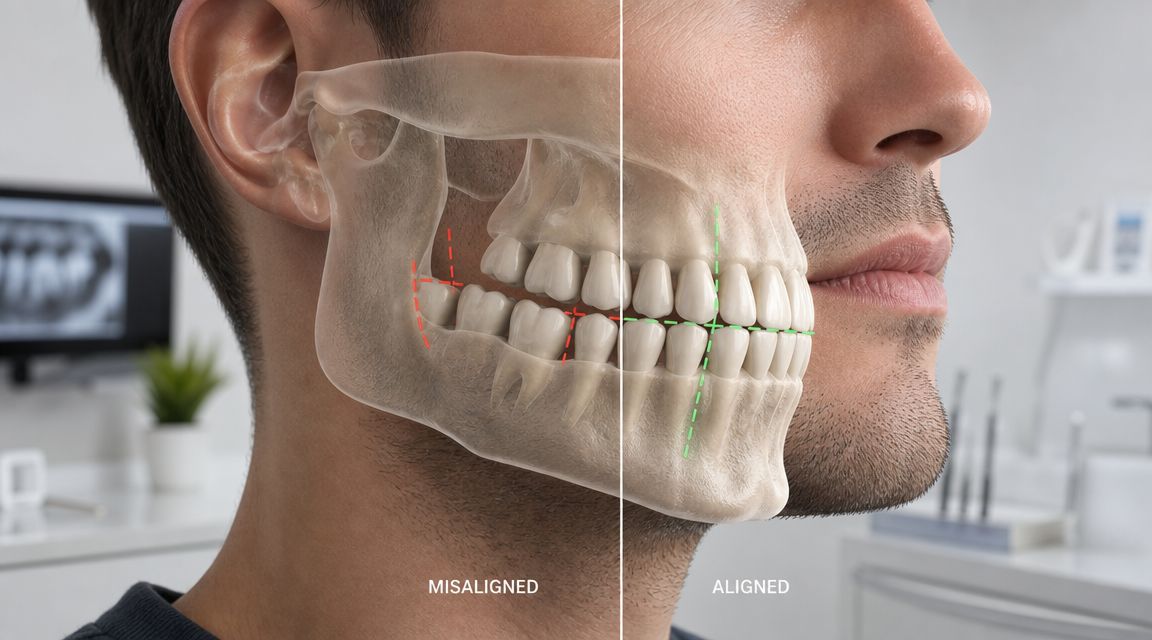
That is usually the point when patients call our office. Many have already tried the reasonable first steps. Softer foods, less gum, less wide opening, and an over-the-counter night guard. Those choices can help in some cases, but they can also blur the picture if the underlying issue involves the joint, the muscles, the bite, or a structural problem such as jaw alignment problems.
TMJ symptoms are common in a general dental practice, and they do not all follow the same pattern. One patient has muscle tension from clenching. Another has joint irritation that shows up with chewing. Someone else has pain that seems like a tooth problem until imaging and bite analysis show a different source.
What people often notice first
The early signs are often easy to dismiss because they come and go:
- Clicking or popping when opening wide
- Morning jaw tightness after sleep
- Pain with chewing tougher foods
- Recurring headaches or facial pressure
- Jaw fatigue after long conversations or meals
For patients in North Austin, Georgetown, Cedar Park, Round Rock, Wells Branch, and Liberty Hill, the hard part is not finding advice online. It is figuring out which advice applies to their case.
Why local care matters
When you are looking for a local dentist in Austin or trying to find a dentist close to Georgetown, convenience matters. Diagnostic clarity matters more.
A good TMJ evaluation should answer specific questions. Is the pain coming from the joint, the muscles, the bite, or a damaged tooth that is mimicking TMJ symptoms? Is this a short-term flare that may respond to conservative care, or does it call for a more detailed treatment plan? Those answers shape treatment.
At 3D Dental, we use imaging, bite evaluation, and a careful exam to sort out those differences before recommending treatment. That step helps patients avoid two common mistakes. Waiting too long and treating the wrong problem.
TMJ concerns also overlap with routine dental needs. Some patients need an exam, digital X-rays, restorative treatment, orthodontic evaluation, or urgent care for a cracked tooth that is adding to the pain. The first job is to identify the source, then build a plan that fits the way your jaw functions.
Understanding TMJ Disorder Symptoms and Causes
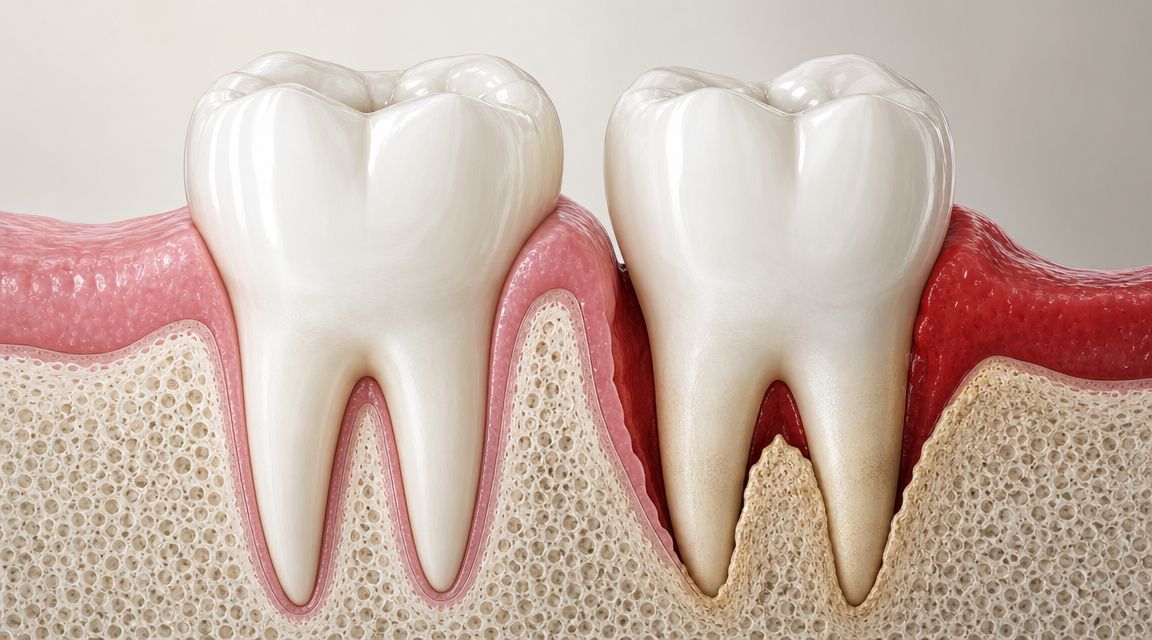
The temporomandibular joint, or TMJ, is the hinge that lets your lower jaw open, close, slide, and chew. When that system gets irritated, the problem may involve the joint itself, the surrounding muscles, or nearby tissues that all work together during speaking and eating.
That's why TMJ disorder can feel confusing. The pain doesn't always stay neatly in one spot.

Common symptoms to watch for
Some symptoms are obvious. Others are easy to mistake for sinus pressure, ear trouble, or tension headaches.
- Jaw pain or tenderness that shows up near the joint, cheeks, or temples
- Clicking, popping, or grinding sounds when you open or close
- Limited opening or a jaw that feels stuck
- Pain with chewing or fatigue while eating
- Headaches that seem tied to clenching or facial tension
- Ear discomfort such as pressure, ringing, or aching without an ear infection
- Neck and shoulder tension that seems to flare with jaw symptoms
- Tooth sensitivity or sore teeth from heavy grinding or clenching
If some of those symptoms overlap with bite changes, crowding, or structural concerns, this overview of jaw alignment problems can help connect the dots.
What tends to cause TMJ problems
There usually isn't one single cause. It's more often a mix of strain, muscle tension, bite forces, and joint irritation.
Muscle-driven problems
Many patients have overworked jaw muscles from daytime clenching, nighttime grinding, stress, poor posture, or all of the above. These cases often feel like soreness, tightness, temple headaches, or jaw fatigue.
Joint-related problems
Some people have irritation inside the joint itself. That can include inflammation, internal joint changes, or arthritis. Joint-driven cases may produce sharper pain at the hinge area, more noticeable clicking, or a sense that the jaw movement isn't smooth.
Trauma and structural strain
A past injury, a hit to the jaw, whiplash, or prolonged strain can change how the jaw moves. Dental wear, missing teeth, or bite imbalance may also add stress, though they aren't automatically the root cause in every case.
TMJ disorder is a category, not a single diagnosis. Two people can both say “my jaw hurts” and need very different treatment.
Why a Precise TMJ Diagnosis Is Your First Step to Relief
“TMJ” gets used like it's one condition. It isn't. That term covers several different pain patterns involving the joint, the chewing muscles, and the surrounding tissues. If the diagnosis is vague, treatment often becomes trial and error.
That's where precision matters.

FDA guidance describes TMD as a complex condition affecting the joint, muscles, or tissues, and symptoms can extend to headaches and neck pain. Effective care depends on identifying the main pain generator, whether that's the joint or related muscle tension from issues such as sleep bruxism, as explained in the FDA's overview of temporomandibular disorders and dental devices.
Why basic exams sometimes miss the real problem
A standard dental exam is still important. It can reveal tooth wear, tenderness, bite changes, and limits in opening. But a flat image or a quick look doesn't always show how the joint is positioned or whether the problem is mostly muscular, structural, or both.
That difference matters because the wrong first treatment can waste time. A patient with muscle-dominant pain may benefit from habit control, a custom appliance, and physical therapy. A patient with a more joint-centered problem may need a different path, different expectations, and closer monitoring.
What advanced imaging changes
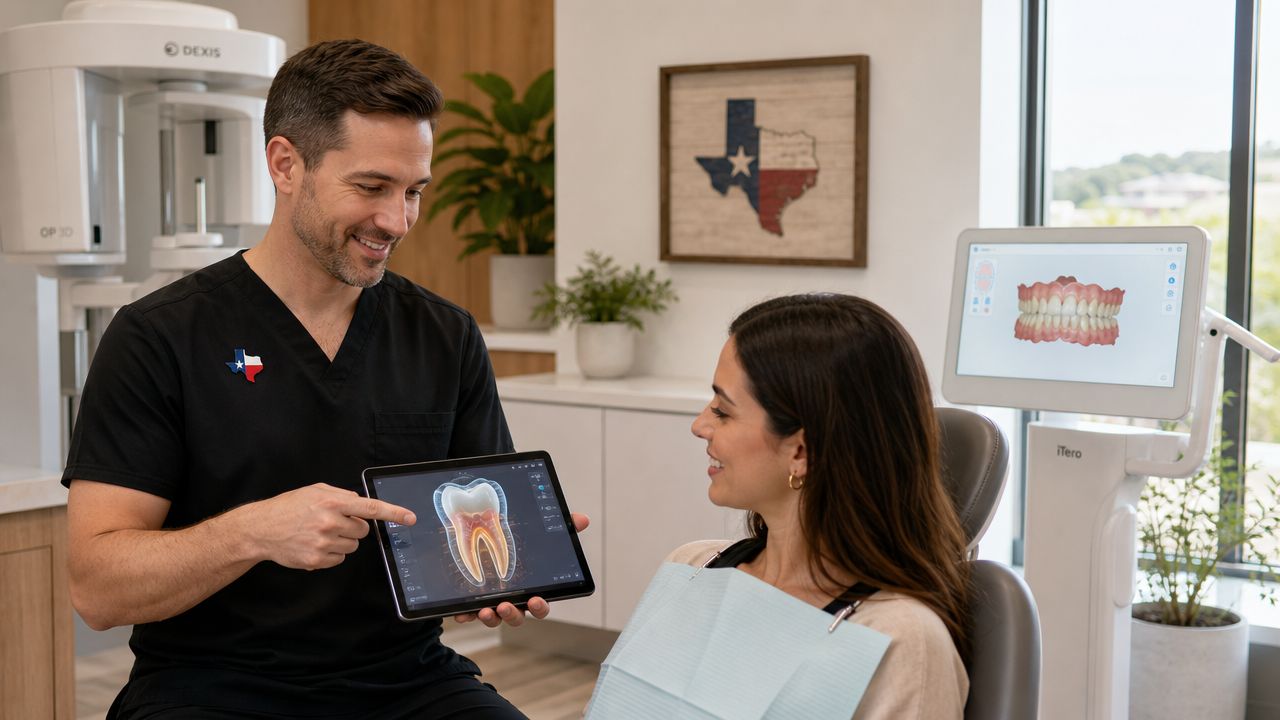
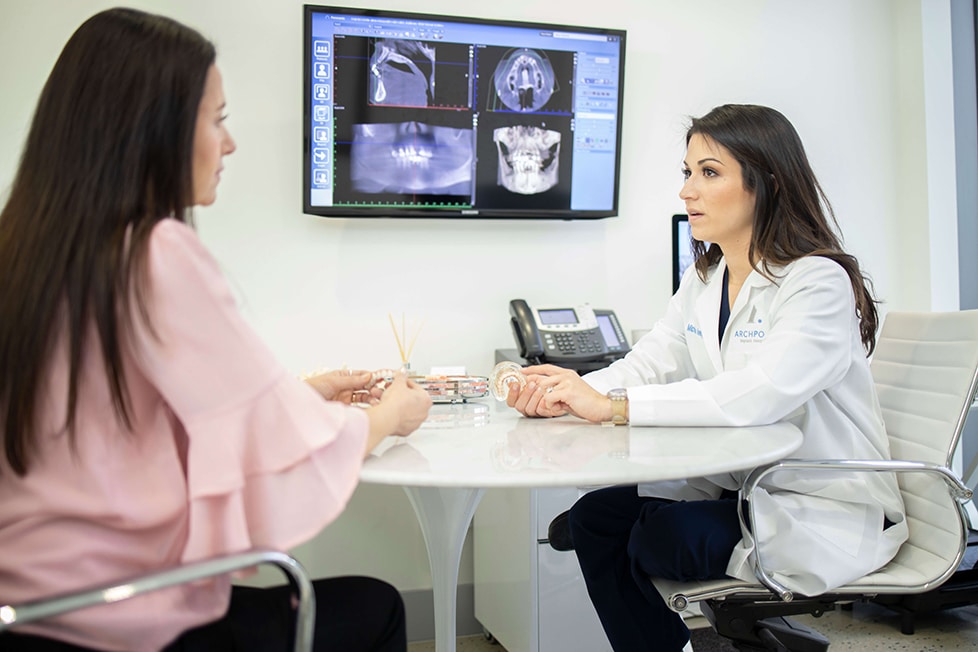
A 3D CT scan gives a much clearer view of the jaw structures than traditional two-dimensional x-rays. It helps assess the bony anatomy of the joint, relationships between structures, and whether there are visible changes that could influence treatment choices.
That doesn't mean every patient needs the most involved treatment. It means the plan can be based on findings instead of assumptions.
Here's a short look at the diagnostic process in action:
What a precise diagnosis should answer
A useful TMJ workup should clarify more than “yes, you have TMJ.” It should help answer questions like these:
| Diagnostic question | Why it matters |
|---|---|
| Is the pain mainly muscular? | Muscle-driven pain often responds best to conservative, reversible care. |
| Is the joint itself irritated? | Joint findings may change appliance design, monitoring, or referral decisions. |
| Is clenching or grinding involved? | If bruxism is part of the picture, the plan should protect both the joint and teeth. |
| Are there bite or alignment factors? | These can contribute to strain, but they shouldn't be blamed automatically. |
A good diagnosis narrows the path. It tells you what to try first, what to avoid, and when referral makes sense.
Conservative TMJ Treatments and Self-Care Strategies
A common Austin TMJ visit goes like this. The jaw has been sore for weeks, breakfast is easier than steak, headaches keep showing up by late afternoon, and an online search has produced ten conflicting answers. The right next step is usually simpler than patients expect. Start with reversible care that lowers strain, settles irritated muscles, and gives the joint a chance to recover while we watch how symptoms respond.
That conservative approach matters because it keeps options open. If the diagnosis points to muscle overload, habit-related strain, or nighttime grinding, simple changes often do more than people expect. If those steps help only part of the problem, that response still gives us useful information for the next decision.

What to do at home first
Home care works best when it is specific and consistent for a few weeks, not random from one flare to the next. The goal is to reduce repeated irritation.
A practical starting routine often includes:
- Choose softer foods for a short period so heavy chewing does not keep aggravating the joint and muscles
- Stop common triggers such as gum, ice chewing, nail biting, and resting your chin in your hand
- Use heat or ice for short sessions based on which one feels better during a flare
- Check for daytime clenching by noticing whether your teeth are touching when you are not eating
- Adjust sleep habits if jaw pressure increases after sleeping on one side or face-down
Patients often ask whether they should keep trying to stretch or “pop” the jaw back into place. Usually, no. Repeated self-adjustment can keep an irritated joint irritated.
Where custom splints fit in
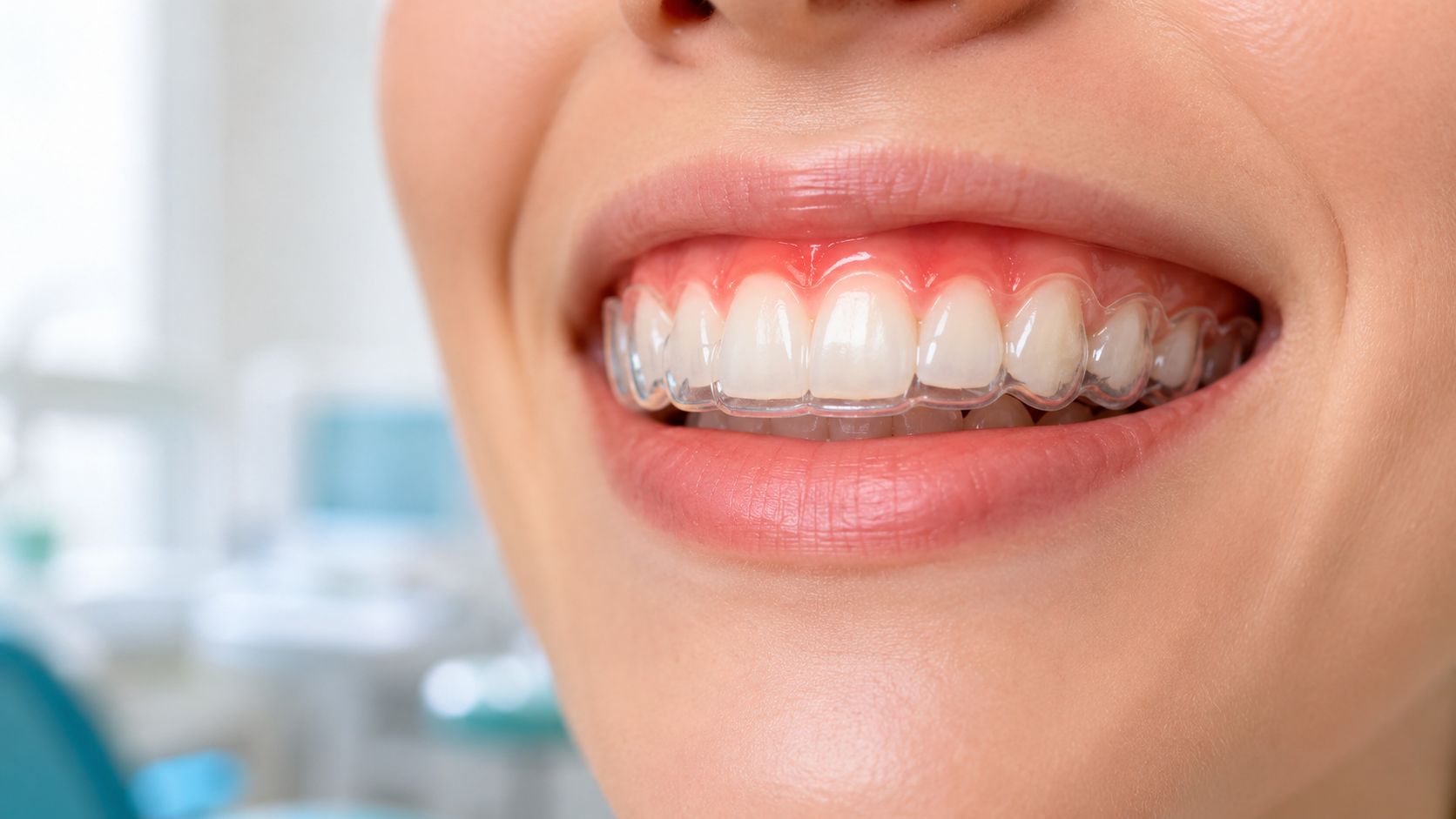
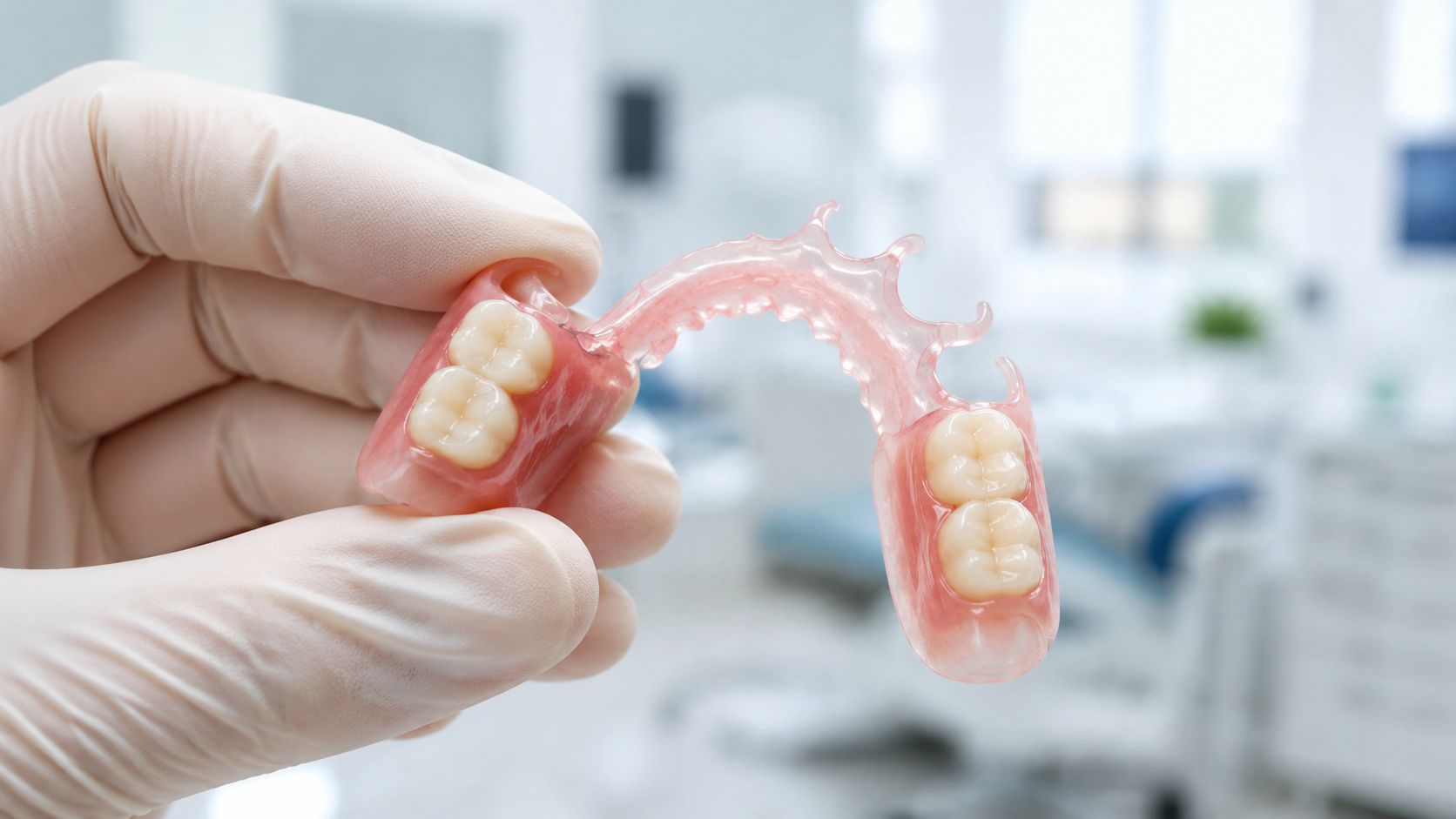
A custom occlusal splint, sometimes called a night guard, is one of the most useful tools when clenching, grinding, or overloaded muscles are part of the picture. It does not fix every type of TMJ disorder. It can reduce pressure, protect worn teeth, and help the jaw function in a more stable way while inflammation settles.
The trade-off is simple. A well-made splint is more precise and more useful than an over-the-counter guard, but only if it matches the diagnosis. A bulky store-bought guard may feel like a quick fix, yet it is not built around your bite, your wear pattern, or the way your joint is already functioning.
At 3D Dental, we do not hand out splints by default. If the pain pattern suggests a muscle-driven problem with grinding or clenching, a custom appliance may be a good fit. If the symptoms point somewhere else, forcing a guard into the plan can waste time.
Practical rule: The appliance should match the diagnosis, not the other way around.
Physical therapy and muscle-focused care
Muscle-heavy TMJ cases often improve with guided physical therapy. That can include controlled jaw exercises, posture correction, soft tissue work, and home routines designed to improve movement without increasing strain.
Earlier diagnostic work is critical for guiding treatment. If imaging and the exam suggest the joint itself is irritated, the exercise plan has to be more careful. If the main issue is muscle guarding from stress, sleep disruption, or clenching, treatment often needs to address those drivers too. Patients with nighttime grinding may also need evaluation of related sleep issues. In some cases, dental treatment for sleep apnea and airway-related concerns becomes part of the broader conversation.
Medication can also have a role, but usually as short-term support. Anti-inflammatory medication or muscle relaxants may help during a flare, though they do not correct the reason the jaw is being overloaded in the first place.
What conservative care usually includes
A well-built early treatment plan is usually straightforward:
- Home symptom control with food changes, habit control, and heat or ice
- A custom appliance if grinding or clenching is contributing to the problem
- Targeted exercises or physical therapy when muscle tension and limited motion are part of the picture
- Short-term medication support when a clinician decides it is appropriate
- Follow-up visits to check whether pain, opening, and chewing function are improving
That follow-up piece gets missed too often. If a patient says, “It helps some, but I still cannot chew normally,” that is not a failed visit. It is a sign that the plan may need adjustment.
What usually causes trouble
Early permanent bite changes can create more problems than they solve. So can trying to force the jaw into a new position at home, treating every joint click like an emergency, or buying multiple appliances without a clear diagnosis.
Good TMJ care starts with treatments that are measurable, reversible, and matched to the findings. That is how we separate a short-term flare from a problem that needs more targeted treatment.
Advanced TMJ Therapies for Lasting Pain Relief
A common turning point sounds like this. The night guard helped some, the soft diet helped some, and the flare settled down for a while. Then the pain came back, chewing still felt uneven, or the jaw never opened normally again.
That is usually when patients need a more precise second phase of care, not just more of the same.
At 3D Dental, the next step depends on what the exam and imaging show. A sore chewing muscle, an irritated joint, a displaced disc, and damage from heavy clenching can all feel similar to the patient, but they do not respond to the same treatment. Advanced care works best when it is tied to the actual pain source and not chosen by trial and error.
When more treatment makes sense
A more involved plan may be appropriate when:
- Pain continues to interfere with eating, speaking, or sleep
- Jaw opening stays restricted or the jaw catches or locks
- Symptoms return quickly after appropriate conservative care
- The findings suggest a more complex joint problem than muscle tension alone
Time matters, but function matters more. A patient who still cannot chew comfortably or whose jaw keeps locking needs a closer look, even if they have already tried several home strategies.
Dental and bite-related options
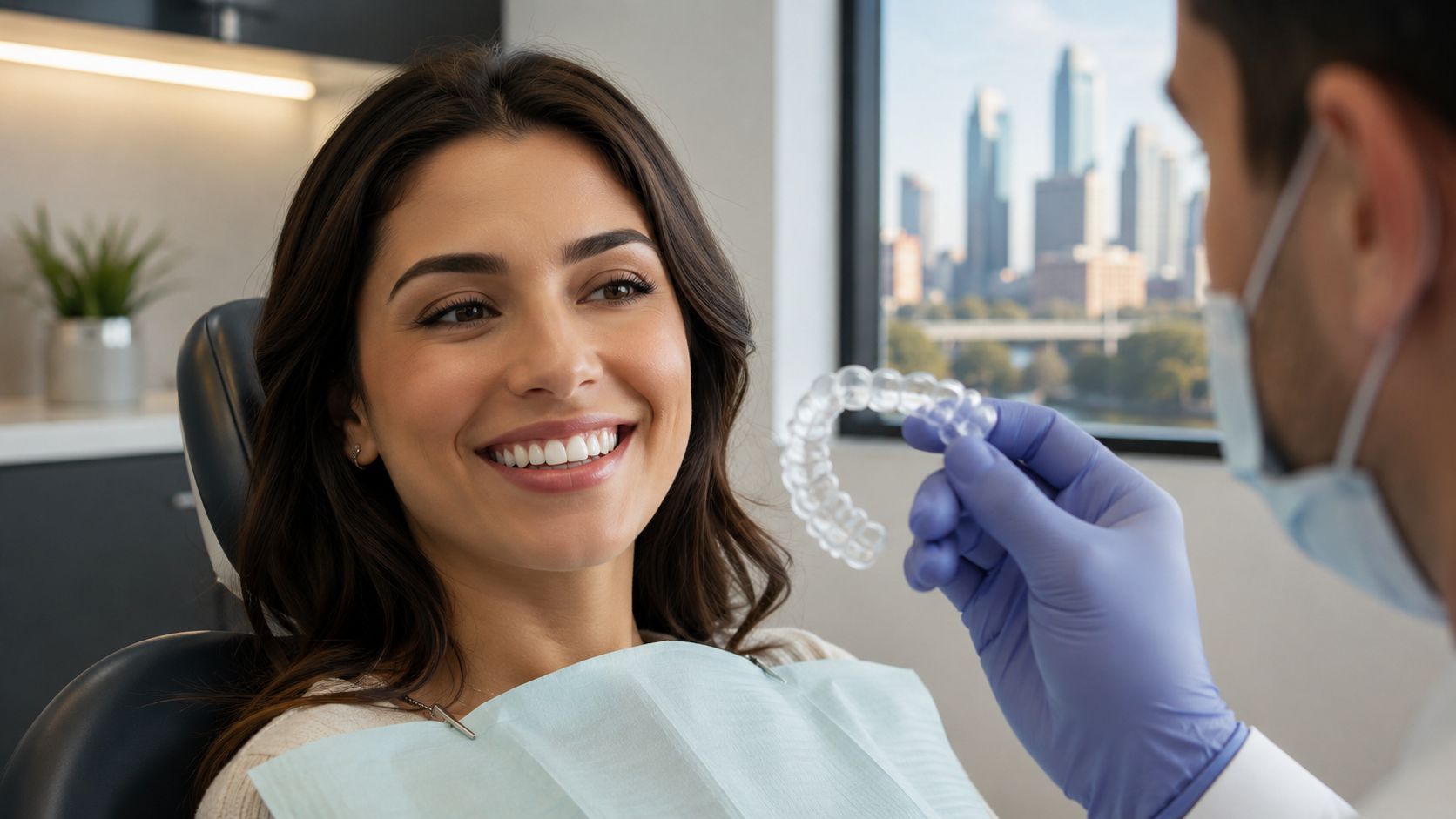
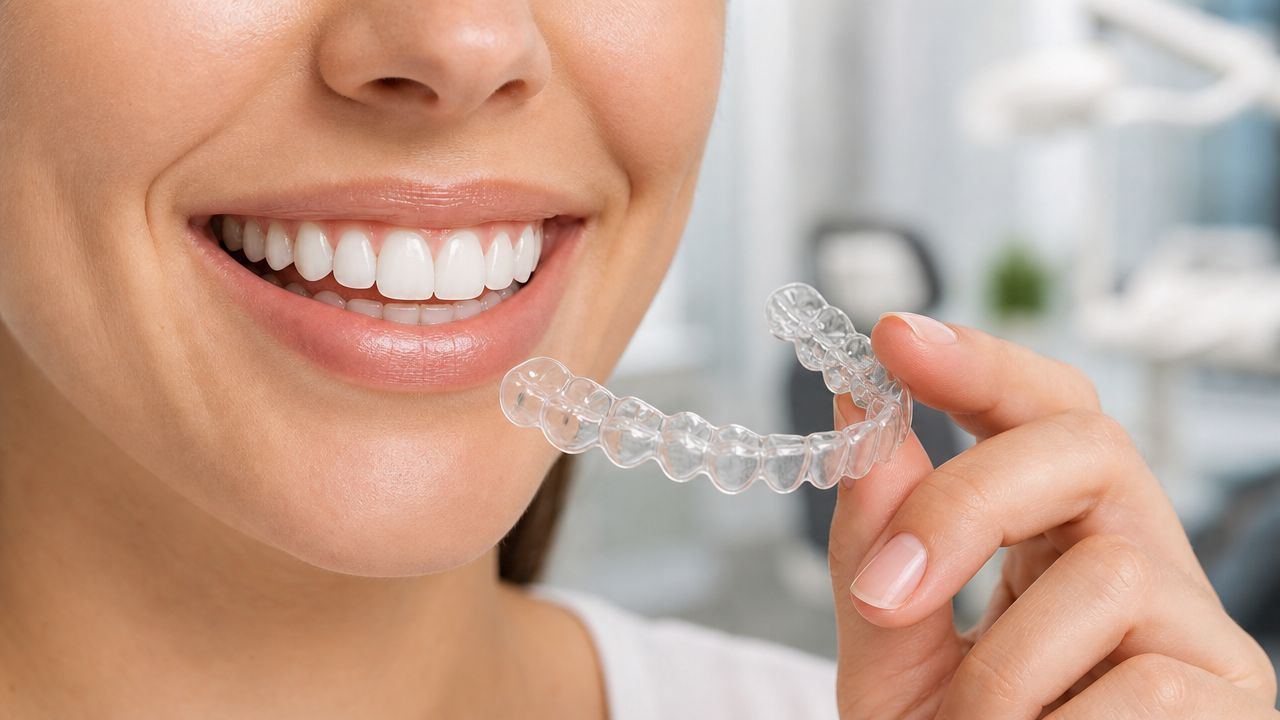
Some cases involve bite instability, worn teeth, or tooth movement that changes how force lands across the jaw. In selected patients, orthodontic treatment such as clear aligners or braces may help reduce uneven loading. That decision has to be made carefully. If the main problem is muscle guarding or inflamed joint tissue, moving teeth will not fix the source of pain by itself.
Nighttime clenching can also keep treatment from holding. If snoring, poor sleep, or airway issues are part of the picture, the connection between jaw pain and sleep deserves attention. Our article on sleep apnea and dental treatment explains why breathing problems and grinding often show up together.
Injections and specialist care
Some patients benefit from therapeutic injections, especially when the diagnosis points to persistent muscle pain or localized inflammation. These are case-by-case tools. They can reduce pain enough to improve function, but they are not a substitute for a clear diagnosis or a long-term plan.
Referral is sometimes the right move. If imaging suggests significant joint damage, if the jaw is locking repeatedly, or if symptoms have become chronic and resistant to care, coordination with an oral surgeon, physical therapist, or pain specialist may make sense.
Good advanced TMJ treatment is selective. The goal is not to stack on procedures. The goal is to identify what is driving the problem in this particular jaw and choose the least invasive treatment that has a real chance of lasting.
Your TMJ Treatment Journey at 3D Dental
Patients usually start the same way. They call because something feels off and they're tired of guessing. Maybe they searched for a dentist near me, maybe they were already looking for a new patient exam in Austin, TX or Georgetown, TX, or maybe they came in for what they thought was a routine dental issue and realized the bigger problem was jaw pain.
The first visit should feel organized, not rushed. Symptoms matter, but so does the pattern behind them. When did the pain begin, what makes it worse, do headaches come with it, does the jaw lock, are the teeth worn, is there morning soreness, does chewing on one side feel different than the other?

What the visit typically includes
A complete TMJ-focused assessment often combines conversation, exam findings, and imaging when needed. That can include evaluating bite contact, jaw range of motion, tenderness in the chewing muscles, signs of wear from grinding, and whether the symptoms point toward joint involvement.
The process is valuable because there isn't a single universal rule for when care should escalate. The TMJ Association notes that evidence-based guidelines are limited and that NIH recommends starting with conservative, reversible care first, as explained in the TMJ Association's page on TMJ treatments and conservative care.
How personalized treatment planning helps
That uncertainty is exactly why individualized planning matters. One person may need a custom splint and short-term self-care changes. Another may need orthodontic input, restorative dentistry to address damaged teeth from grinding, or coordination with a specialist if the joint appears to be the primary issue.
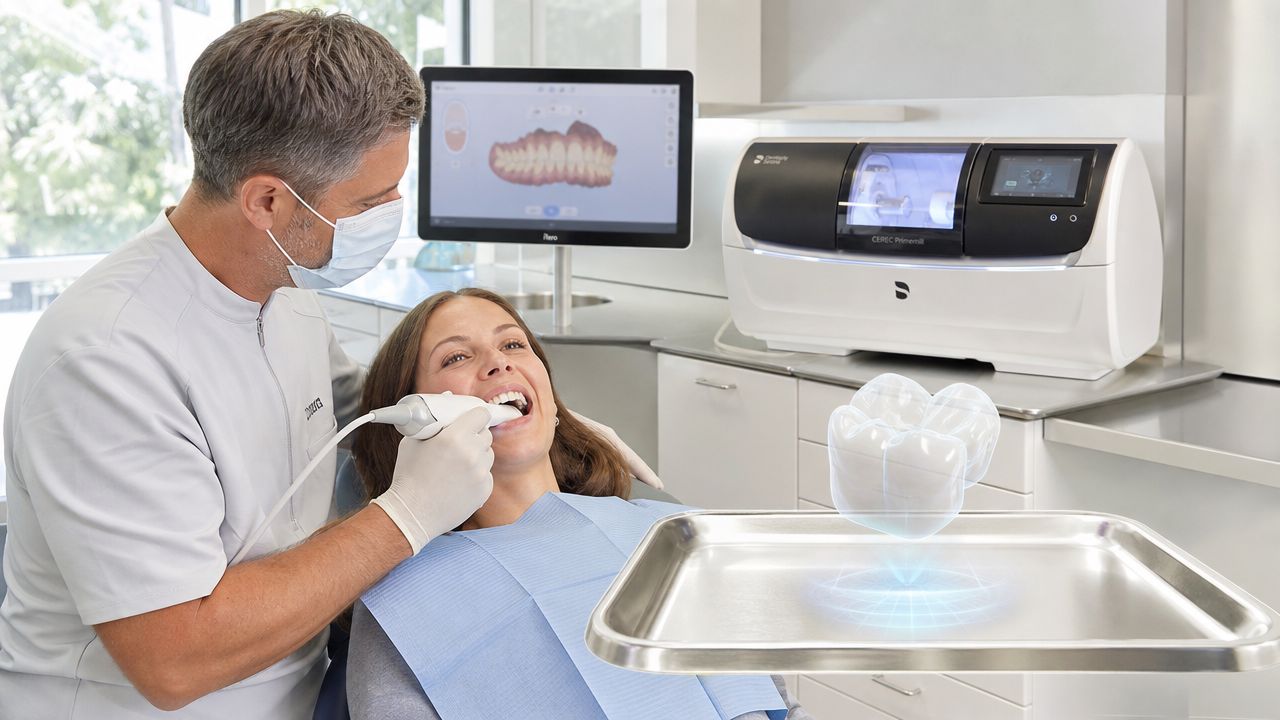
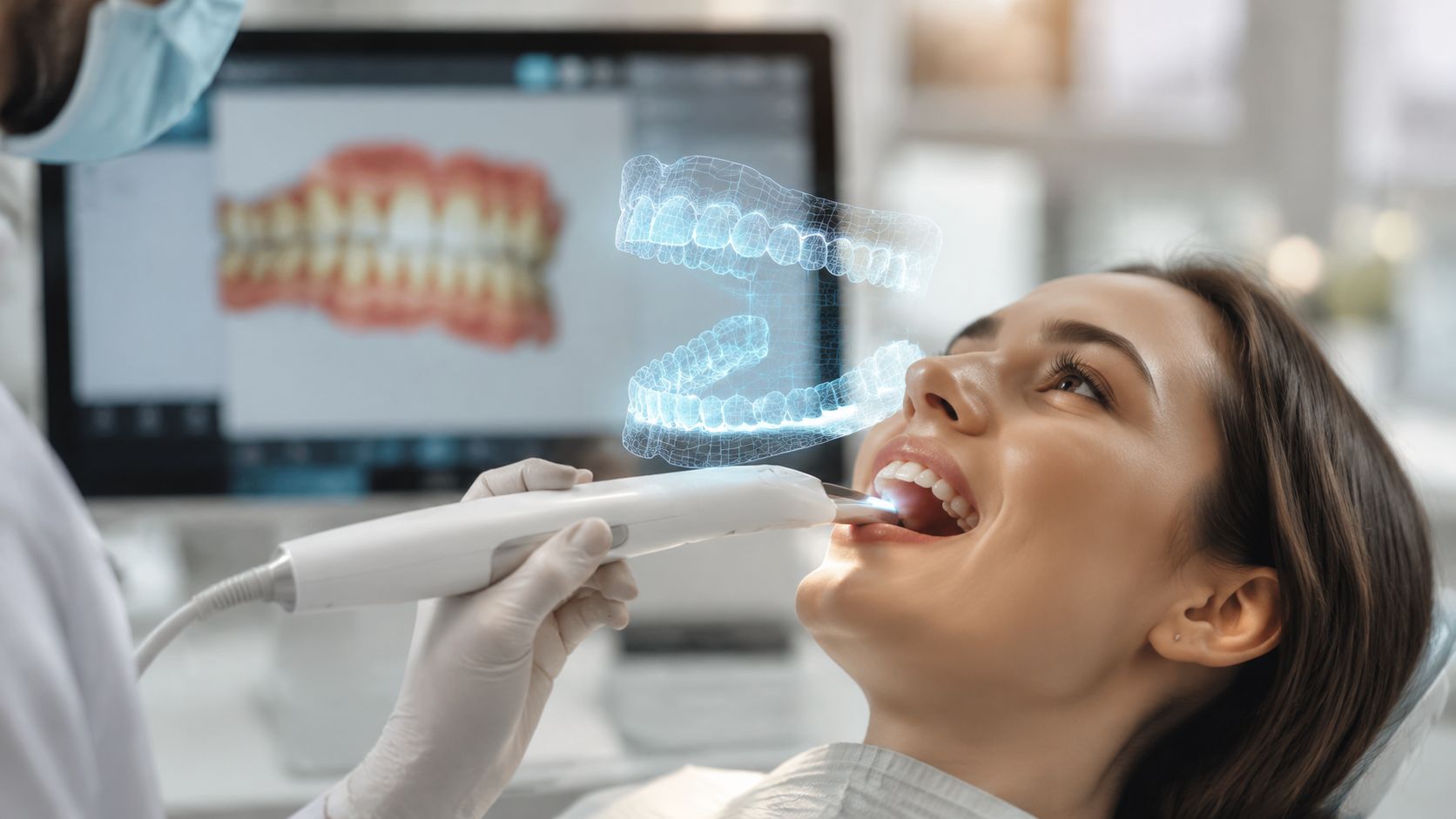
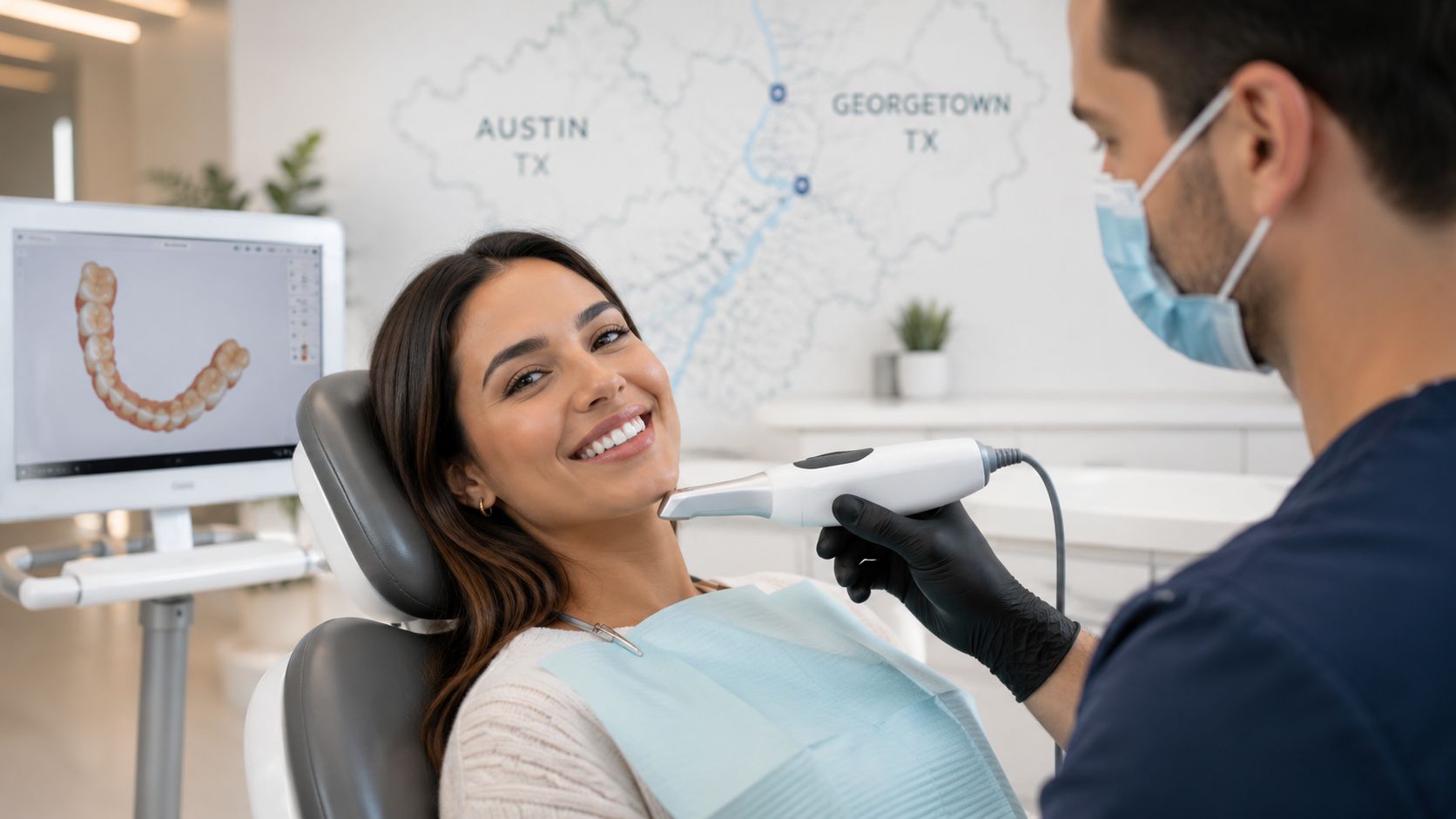
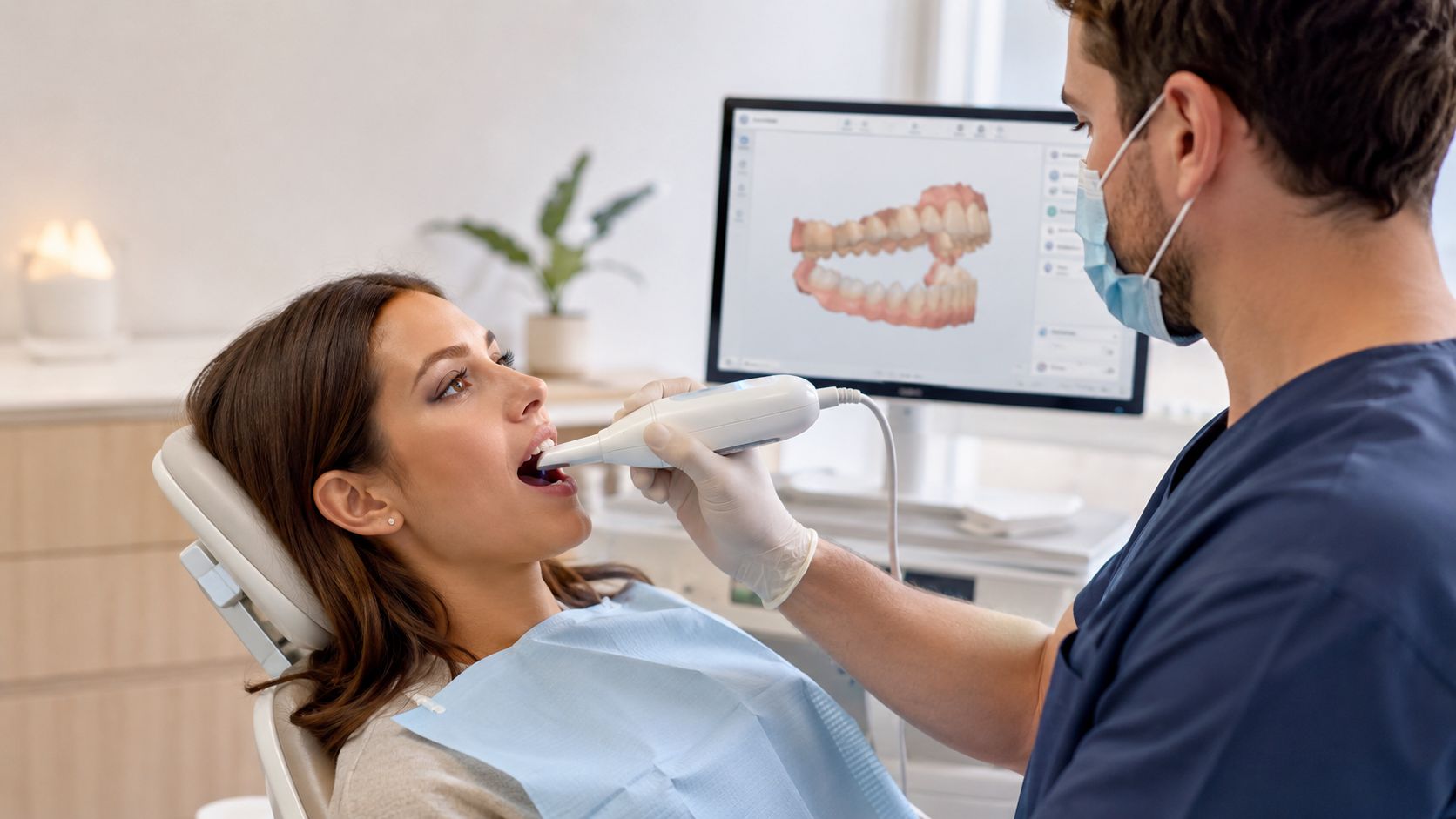
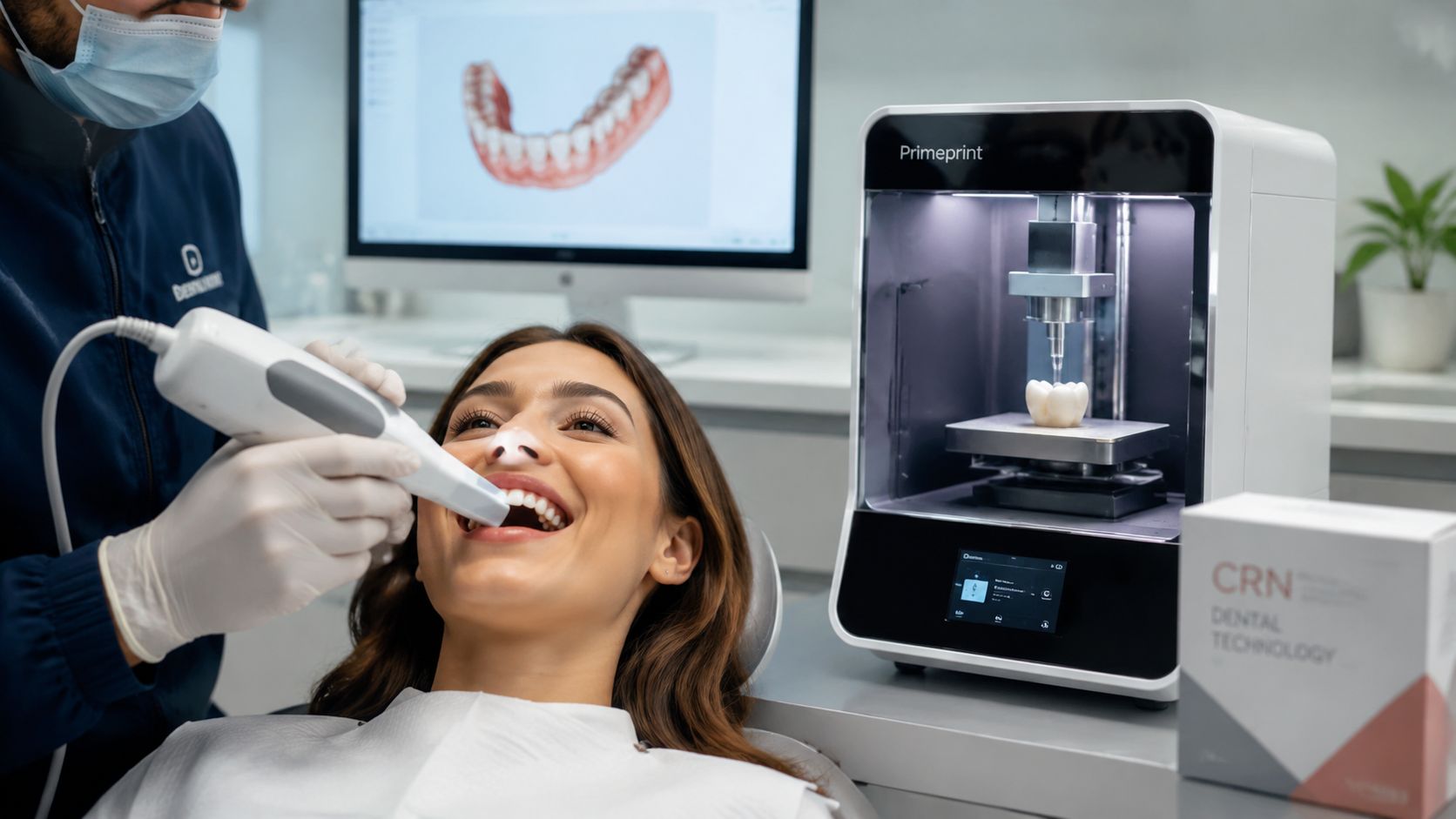
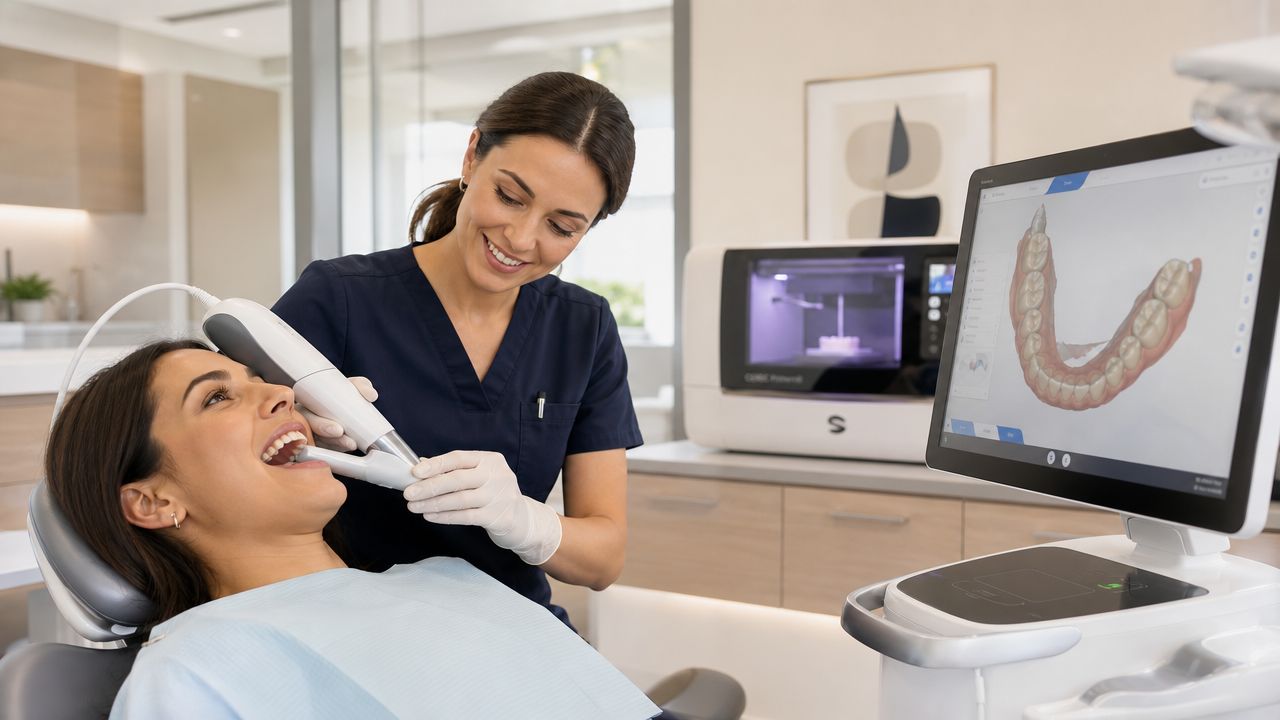
At a modern practice, that planning can stay efficient because diagnostics and fabrication tools are close at hand. Digital scanners, 3D CT imaging, and in-house lab support can help shorten the gap between diagnosis and starting treatment.
For some patients, TMJ care overlaps with broader dental needs:
- Cleaning and exams if routine care has been delayed during a pain flare
- Dental x-rays and new patient exams to rule out tooth-related pain
- Restorative dentistry if clenching has cracked or worn teeth
- Orthodontics if alignment is contributing to strain
- Emergency dental care when acute pain makes it hard to wait
What patients should expect from the process
Clear explanations. Reasonable sequencing. Follow-up that checks whether the plan is working. Good TMJ care isn't just about diagnosing the problem. It's about helping patients understand why one option is being recommended before another.
That's what builds confidence, especially for people in Austin, Georgetown, Cedar Park, Round Rock, Wells Branch, and Liberty Hill who want answers without being rushed toward unnecessary procedures.
Common Questions About TMJ Disorder Treatment
Will my dental insurance cover TMJ treatment
Coverage varies. Some plans may help with parts of the diagnostic process or an oral appliance, while others may place limits on TMJ-related services. The most practical next step is to have the office review your benefits before treatment begins so you know what's likely to be covered and what may be out of pocket.
How long does TMJ treatment take
It depends on the cause. Muscle-driven flare-ups may calm down with conservative care relatively quickly, while more persistent joint or bite-related issues can take longer and may require staged treatment.
Can TMJ disorder go away on its own
Sometimes mild cases improve with rest, habit changes, and reduced strain. But ongoing pain, repeated locking, limited opening, or symptoms that keep returning deserve a formal evaluation.
Is TMJ treatment painful
Most first-line treatment is designed to reduce pain, not create more of it. Self-care, splints, and physical therapy are generally aimed at calming the system down. If a treatment feels like it's consistently making symptoms worse, the plan should be re-evaluated.
When should I book an appointment
If jaw pain is affecting eating, sleep, talking, or daily comfort, don't keep guessing. The sooner the diagnosis is clear, the easier it is to choose the right next step.
If you're looking for thoughtful, technology-driven TMJ disorder treatment from a trusted dentist in Austin, TX or dentist in Georgetown, TX, 3D Dental offers a patient-first path from diagnosis to personalized care. Whether you're dealing with jaw pain, headaches, clenching, bite changes, or related dental concerns, schedule a consultation to get clear answers and a treatment plan built around what your jaw needs.
Ready to get started?
Schedule a free, no obligation consultation with our team and see what's possible for your smile!
Georgetown
- Mon-Thurs8:30am-5pm
- Fri8am-3:30pm
- Sat-SunClosed
Austin
- Mon-Tues8am-5pm
- Wed-Thurs9am-6pmFri8am-2pm
- Sat-SunClosed