
How to Straighten Teeth: A Patient's Guide in Austin, TX
Related Posts



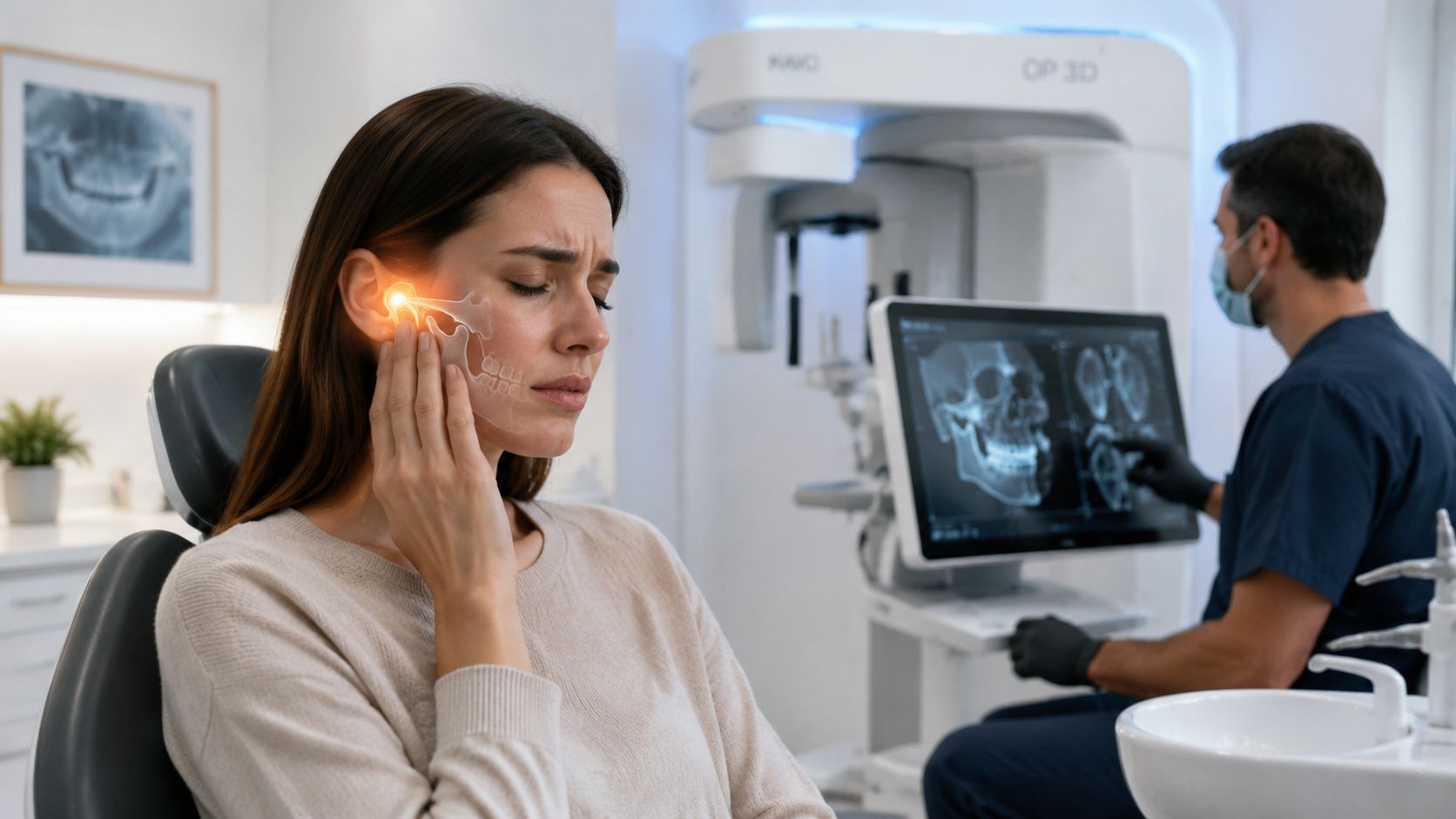
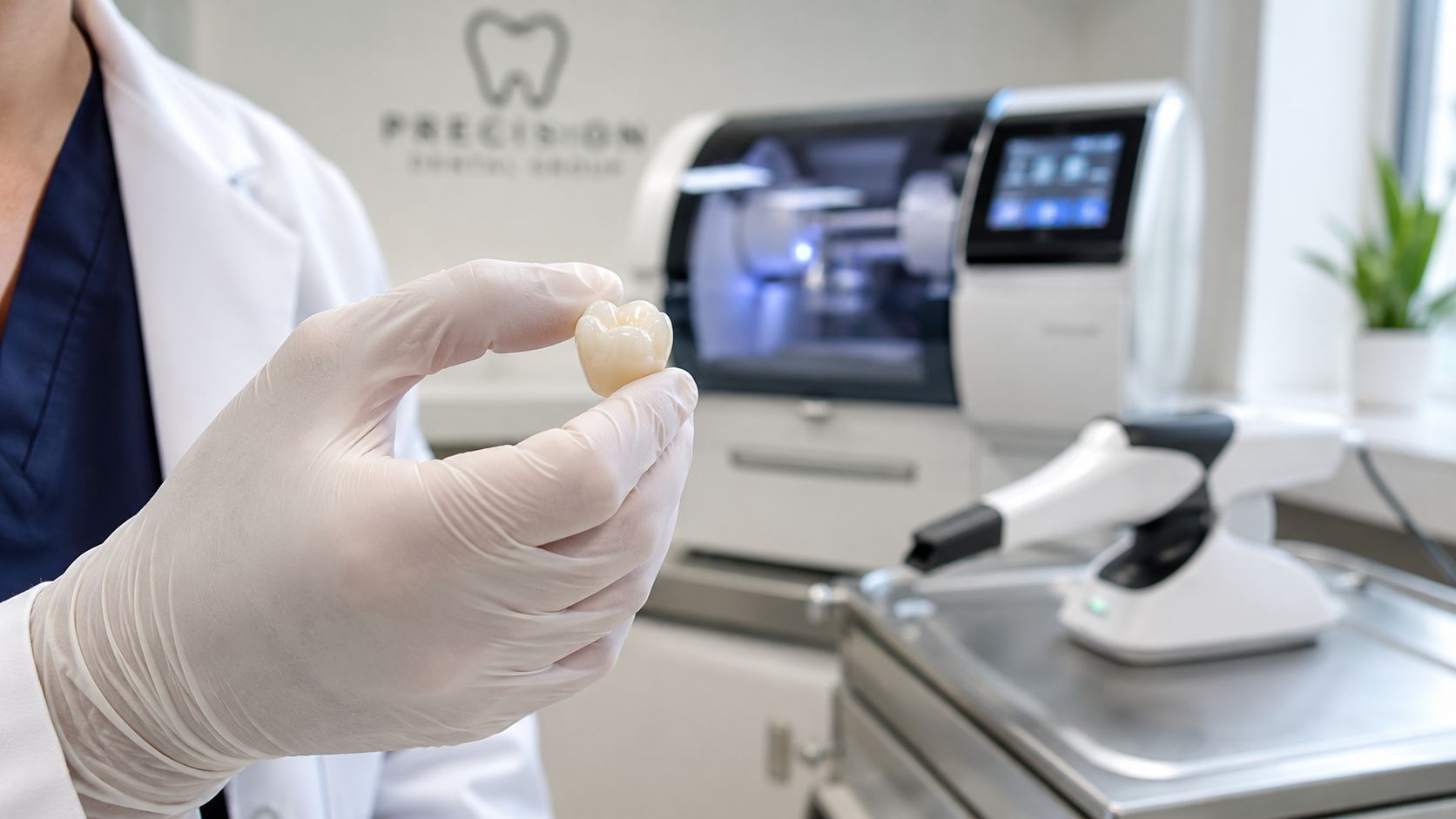
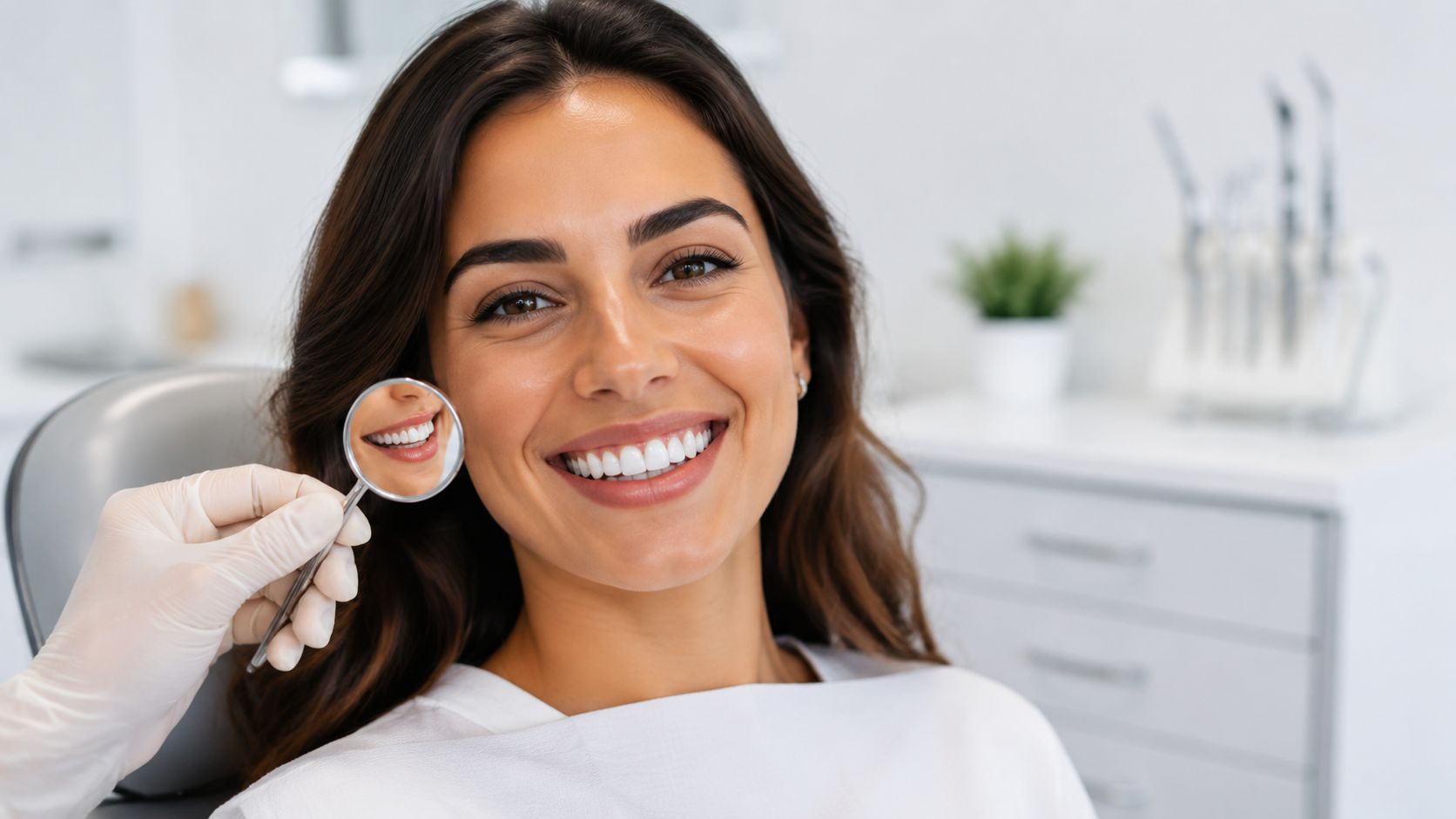
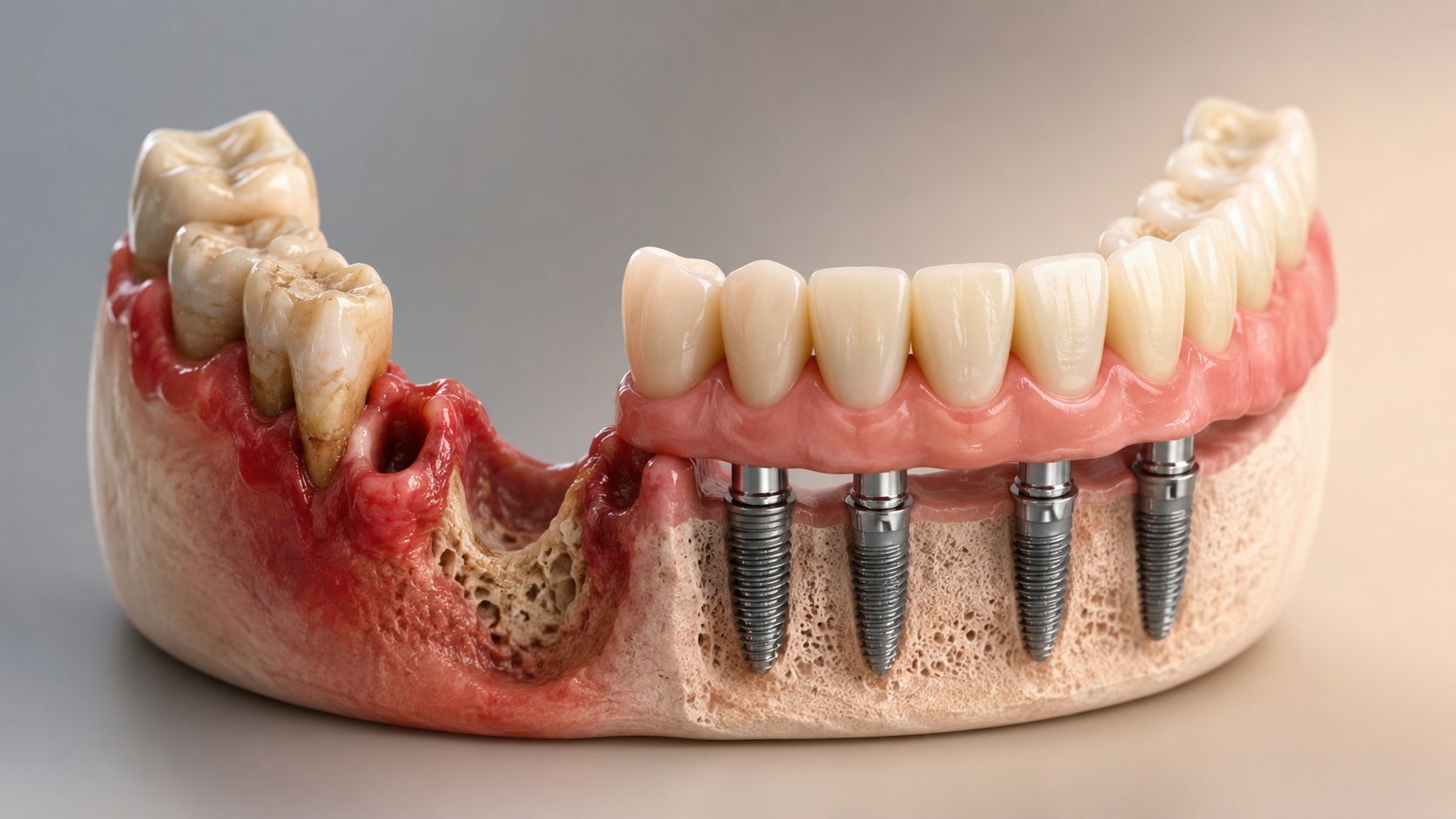
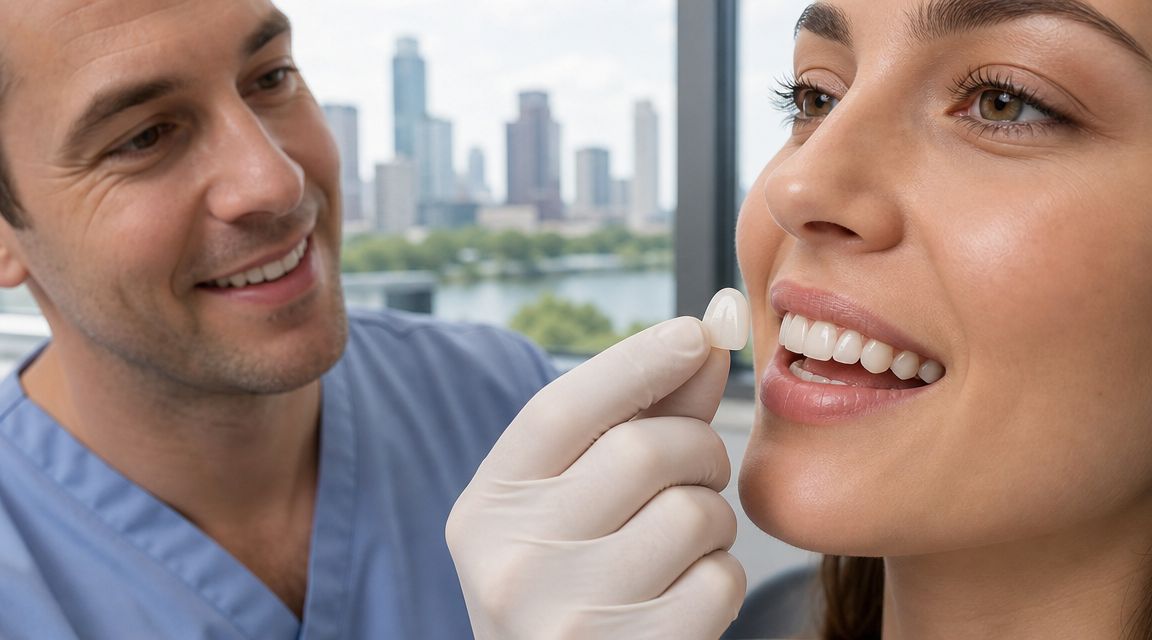
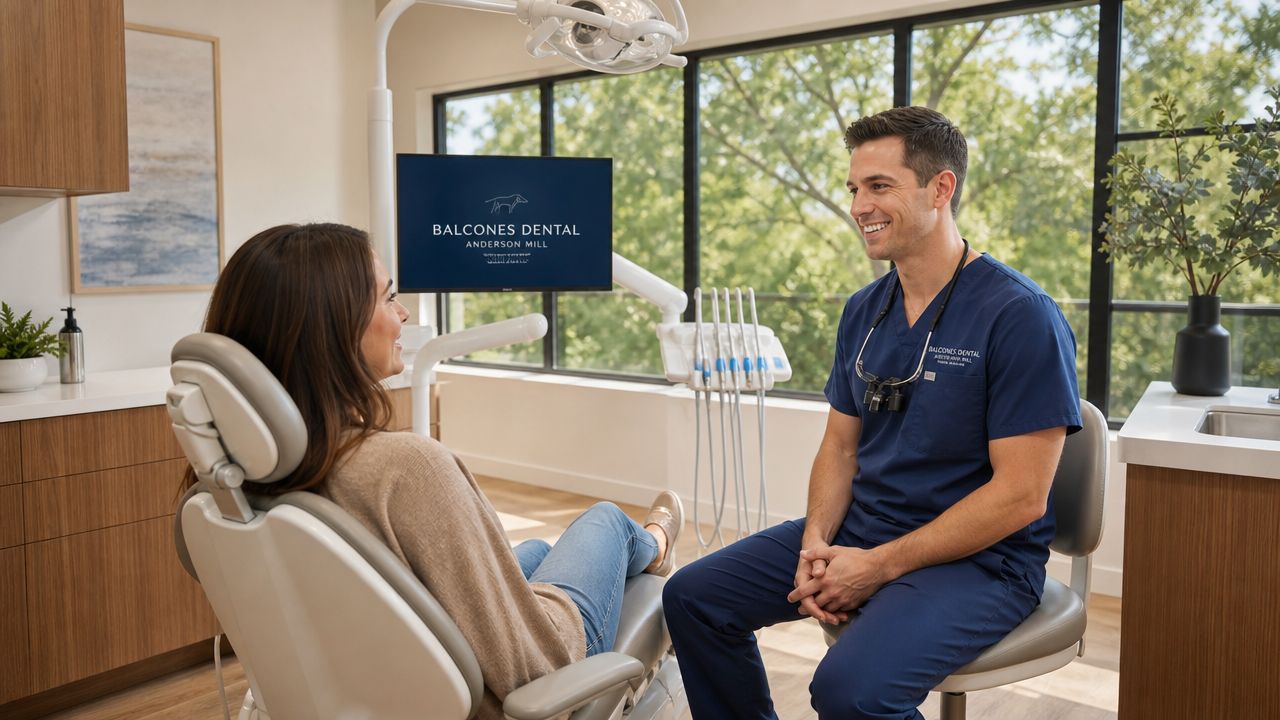
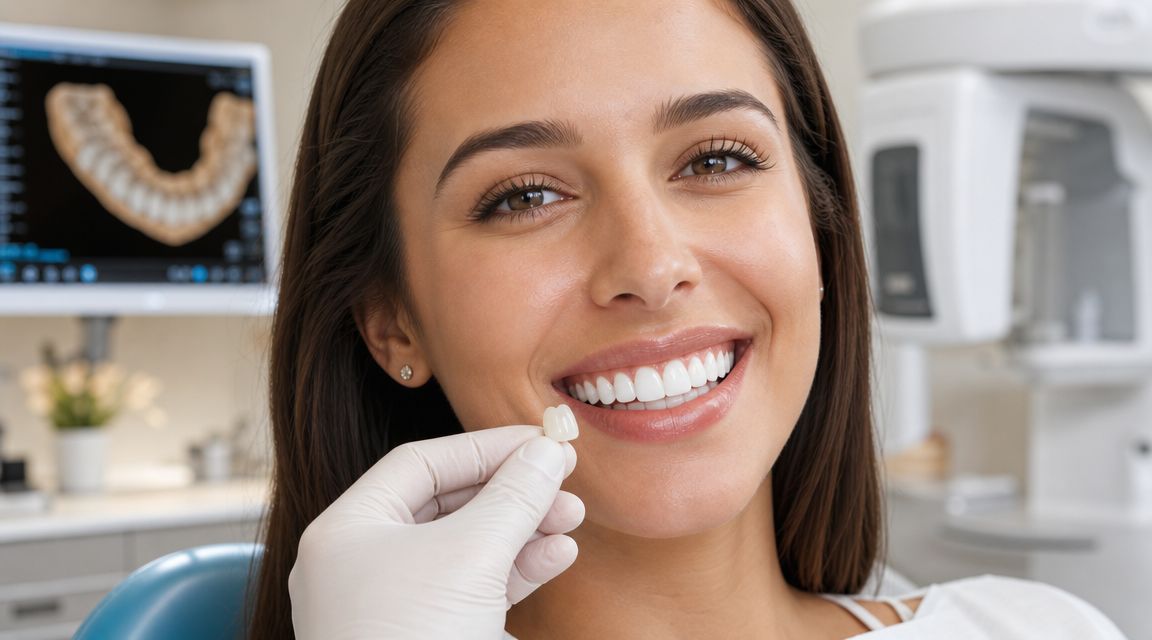

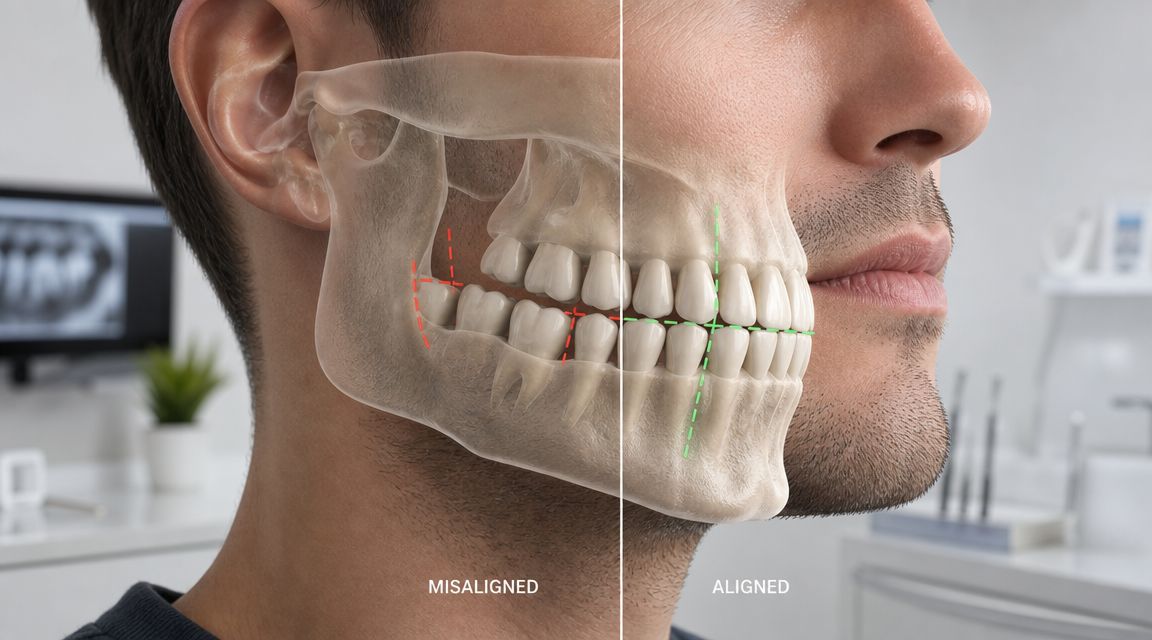
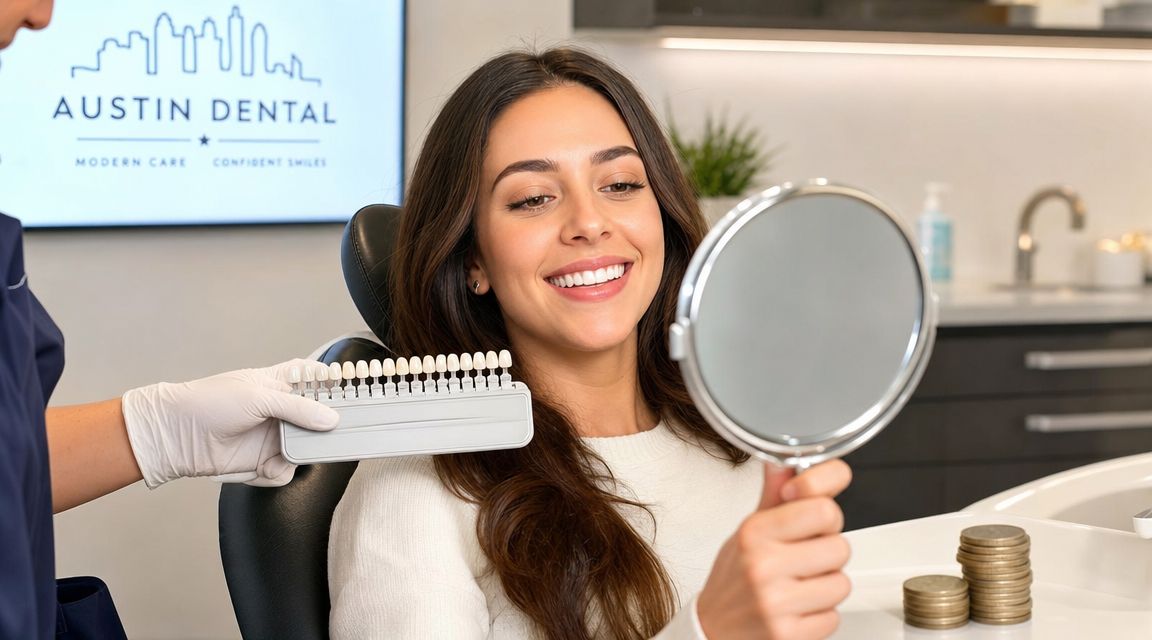

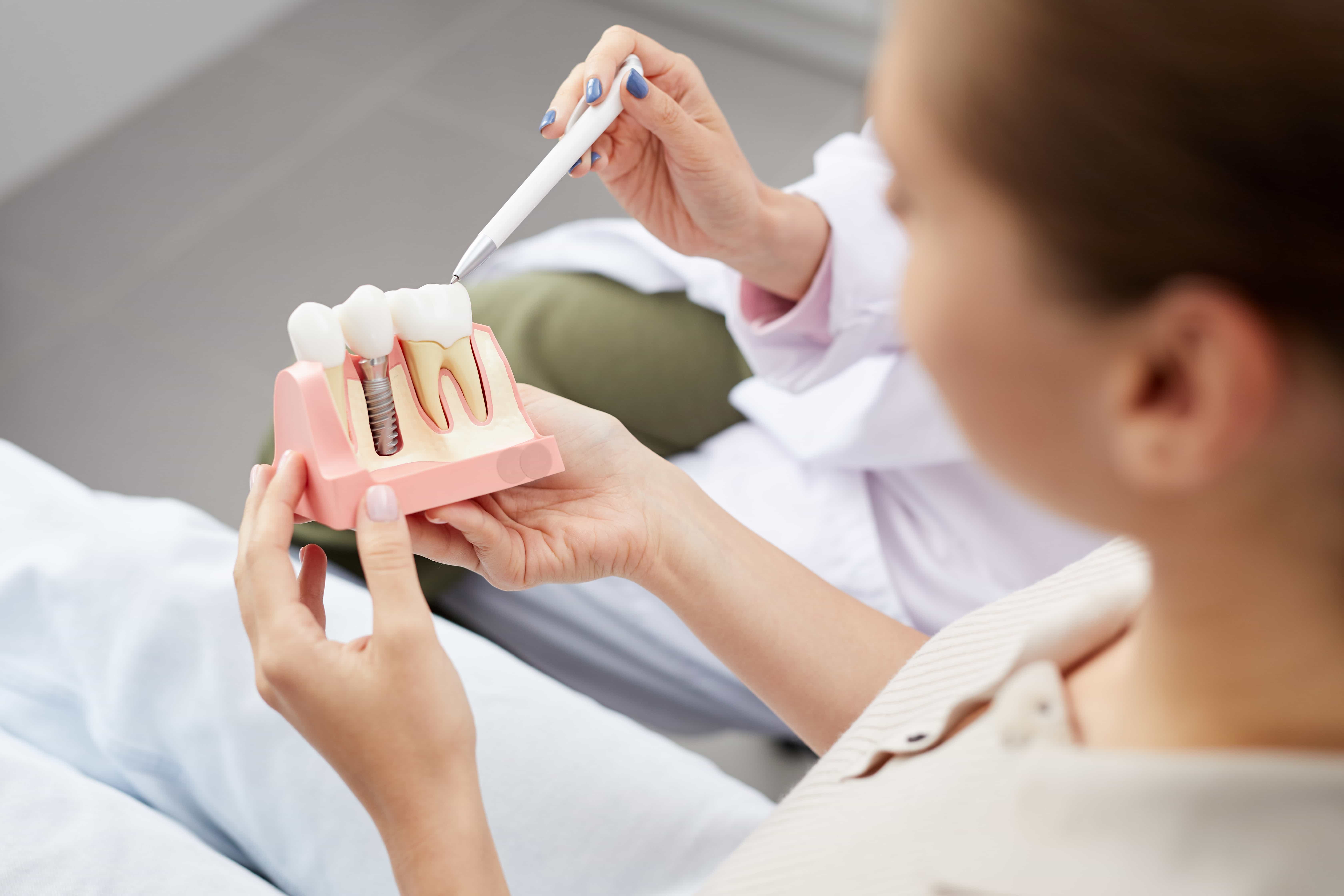
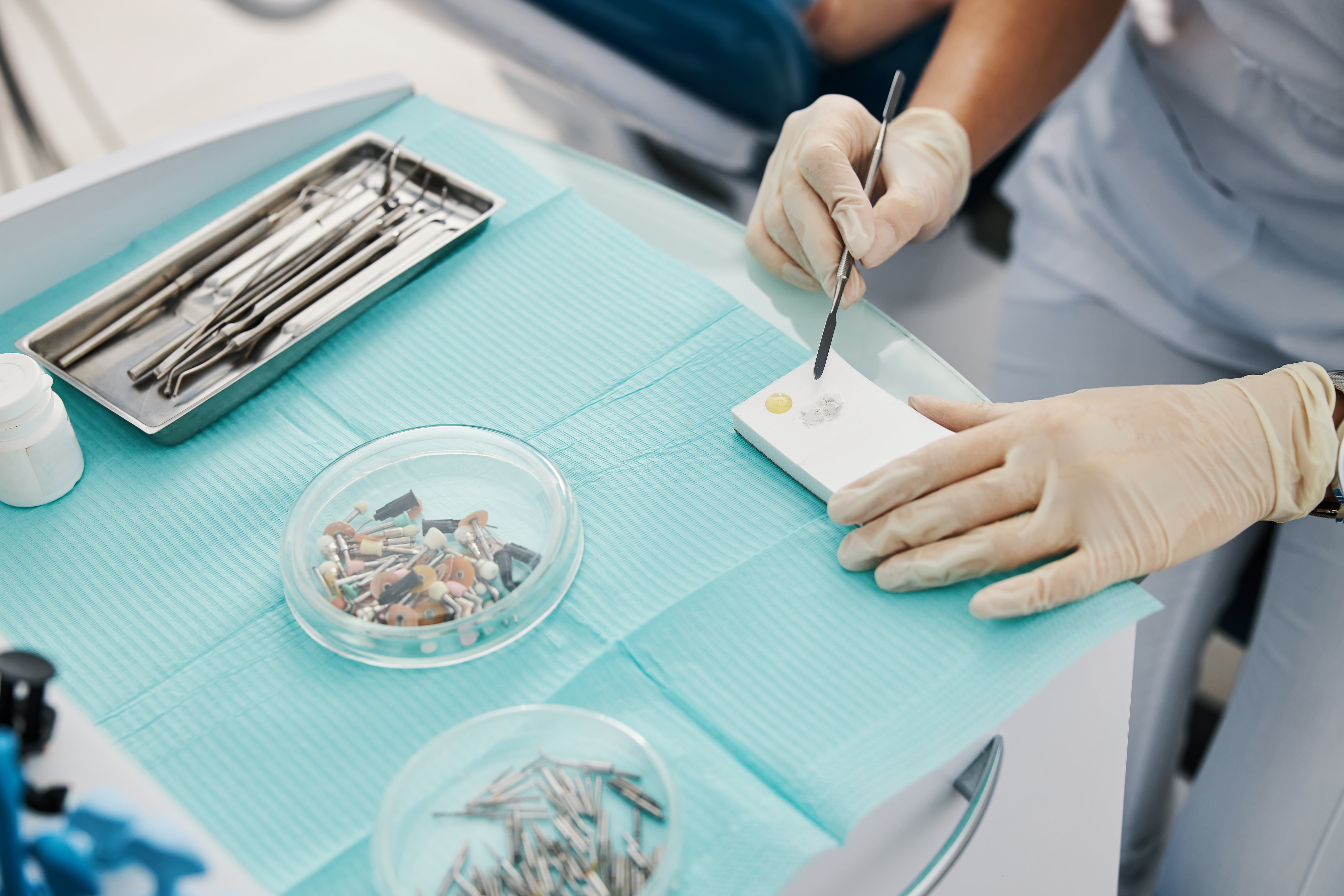
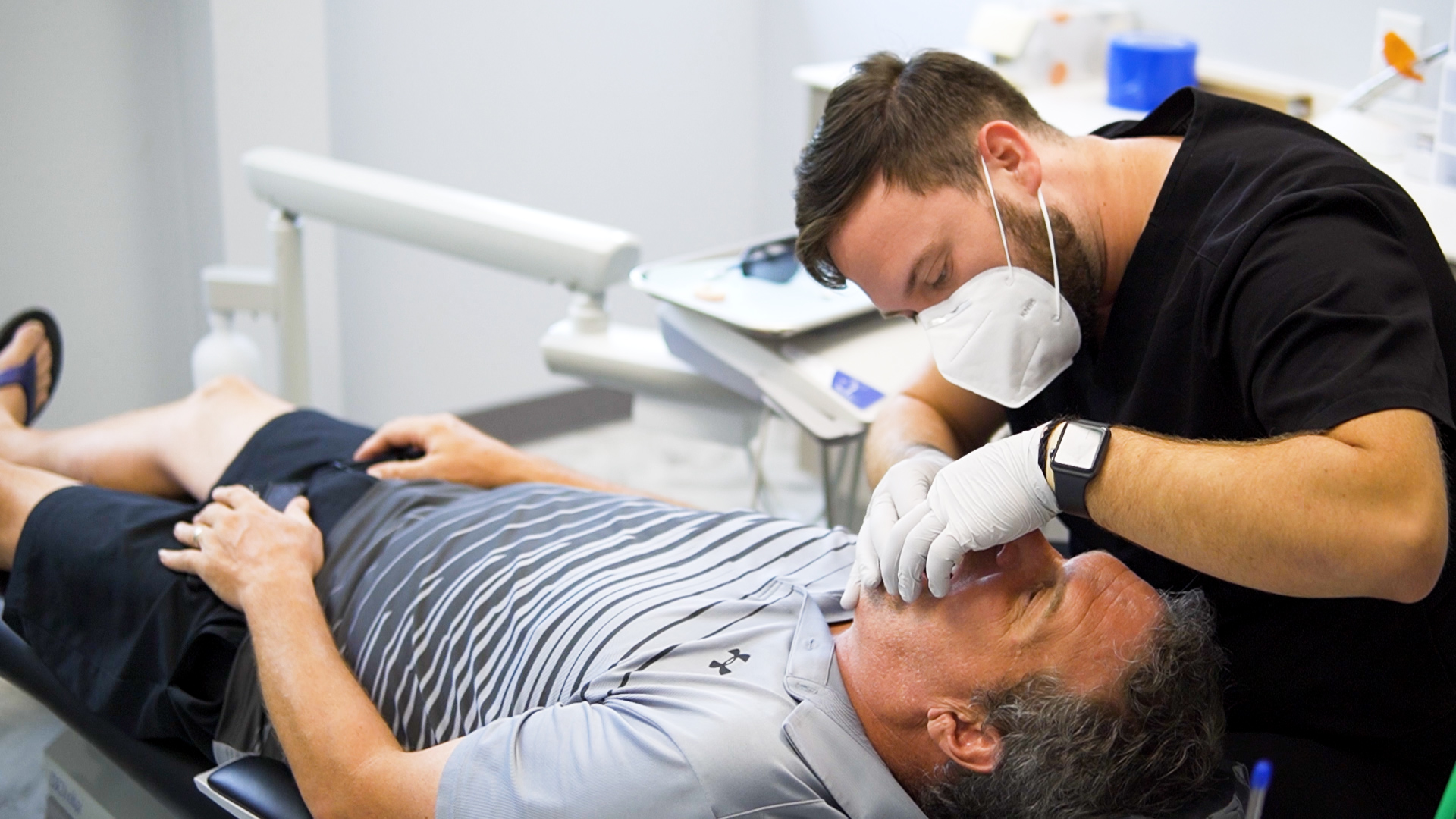

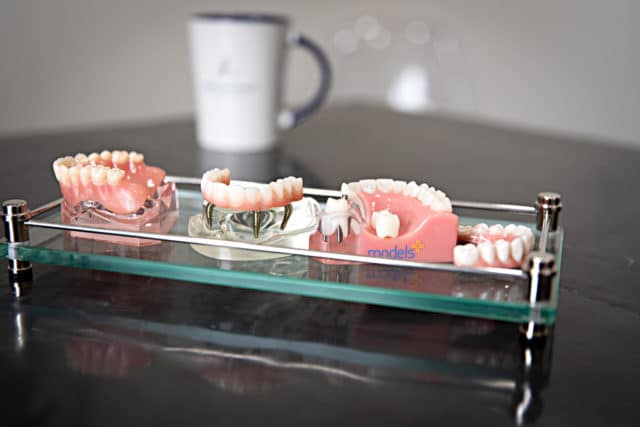












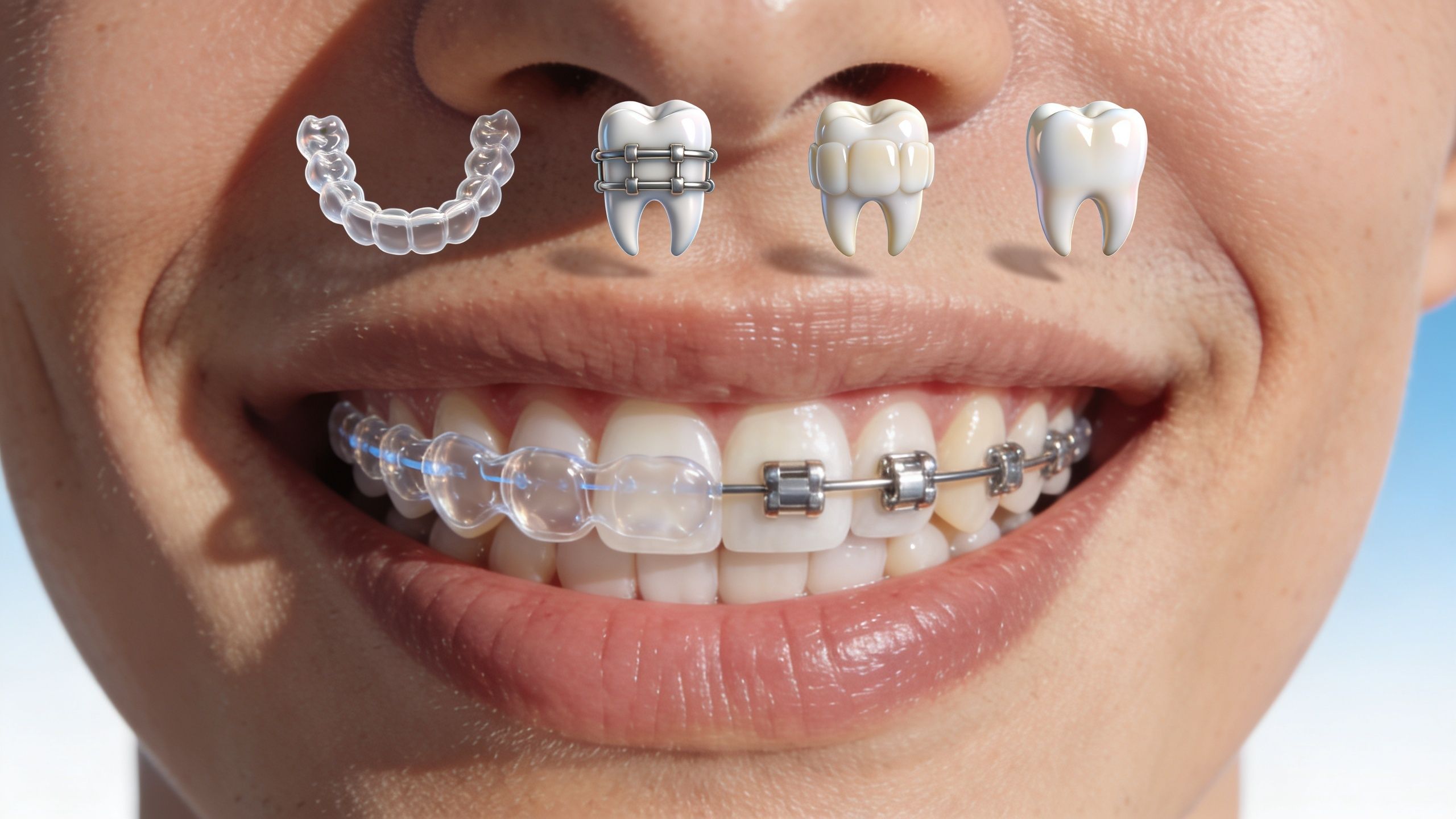





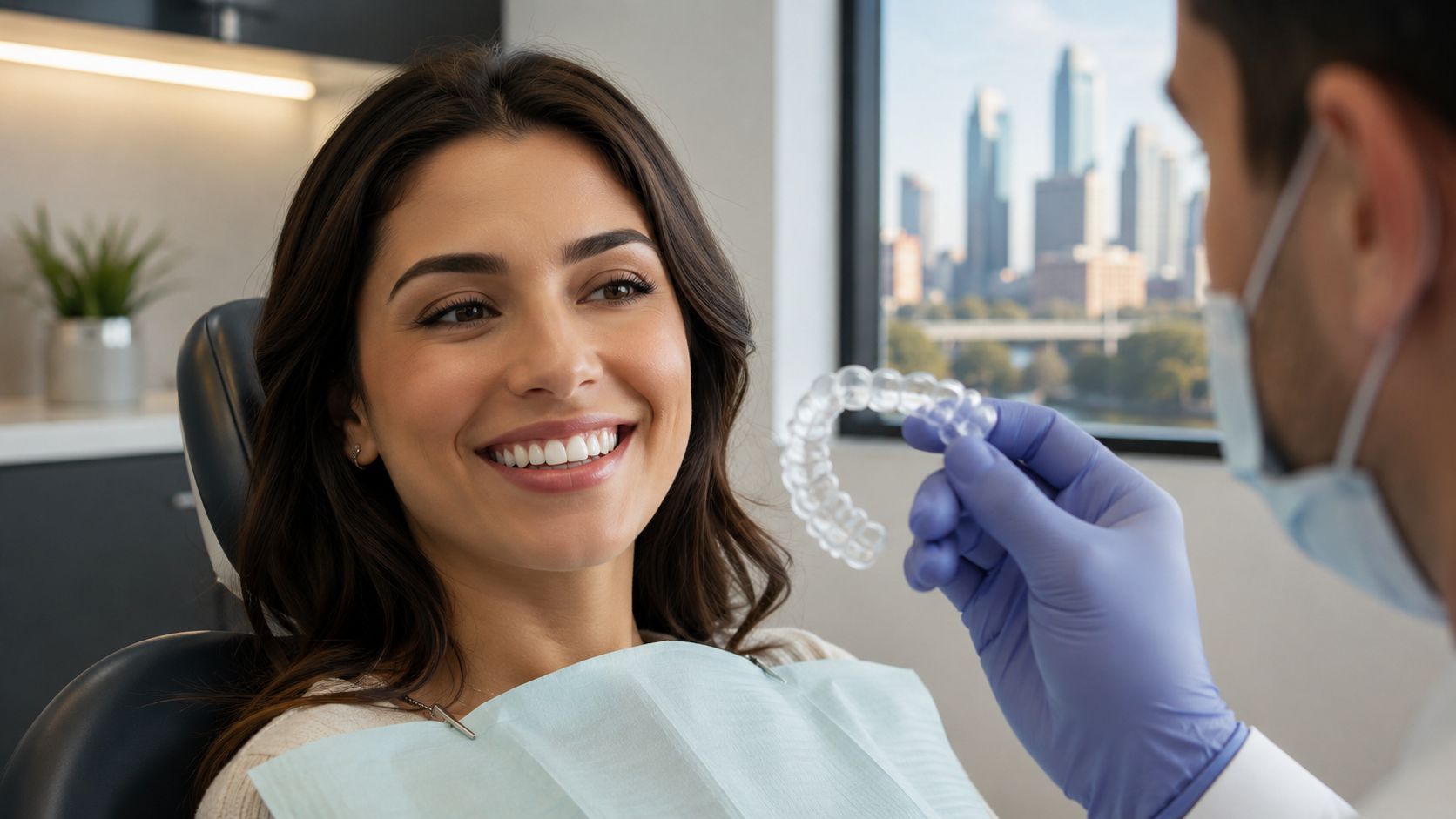
If you've been cropping your smile out of photos, keeping your lips closed in meetings, or wondering whether now is finally the right time to fix crowded or uneven teeth, you're not alone. A lot of people start searching for how to straighten teeth when something small keeps bothering them every day. It might be one front tooth that overlaps in pictures. It might be bite discomfort when chewing. It might be the feeling that your smile no longer matches how confident you want to feel.
At 3D Dental, we see that hesitation all the time from patients looking for a dentist in Austin, TX or a dentist near me who can give them a clear plan without pressure. Some are busy professionals in North Austin who want a discreet option that won't interrupt work. Some are parents comparing treatment for a teen. Others are already visiting for cleaning and exams, dental x-rays, new patient exams, or cosmetic dentistry and decide they're ready to address alignment too.
Straightening teeth is rarely one-size-fits-all. The right choice depends on your bite, your goals, your schedule, and how visible you want treatment to be. It also depends on whether you need true orthodontic correction or a cosmetic improvement that only changes appearance. That's where a careful local consultation matters.
Your Journey to a Confident Smile Starts in Austin
A common story starts like this. Someone has lived with crooked or crowded teeth for years, but they've learned to work around it. They smile a little less in family pictures. They angle their face during video calls. They think about straightening their teeth every few months, then put it off because life is busy.
Then something changes. A wedding gets closer. A new job puts them in front of clients more often. A teen asks whether braces are the only option. That's usually the moment people stop searching generally and start looking for a cosmetic dentist near me or a dentist in Austin, TX who can walk them through real options.
Different life stages need different treatment plans
A college student in Austin may want a straightforward plan with minimal disruption. A working adult in Georgetown may care most about appearance and convenience. A teen may need a treatment path that prioritizes control and consistency. The method shouldn't be chosen first. The person should.
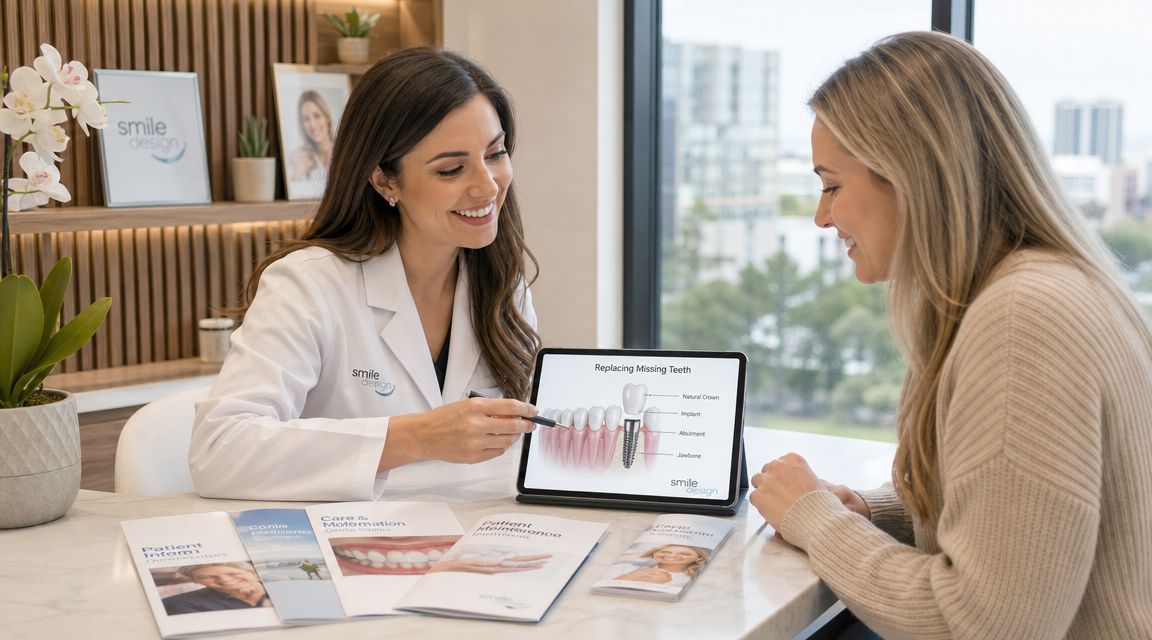
That's why the first conversation matters so much. At 3D Dental, the goal is to understand more than whether teeth look crooked. We look at bite function, gum health, dental history, and what treatment will realistically fit your day-to-day life. For some patients, removable aligners make sense. For others, braces are more predictable. For still others, the first priority may be restorative work, gum treatment, or even a tooth extraction before straightening begins.
Practical rule: The right orthodontic plan should fit both your mouth and your routine. If either side is ignored, treatment gets harder than it needs to be.
Modern treatment should feel clear, not confusing
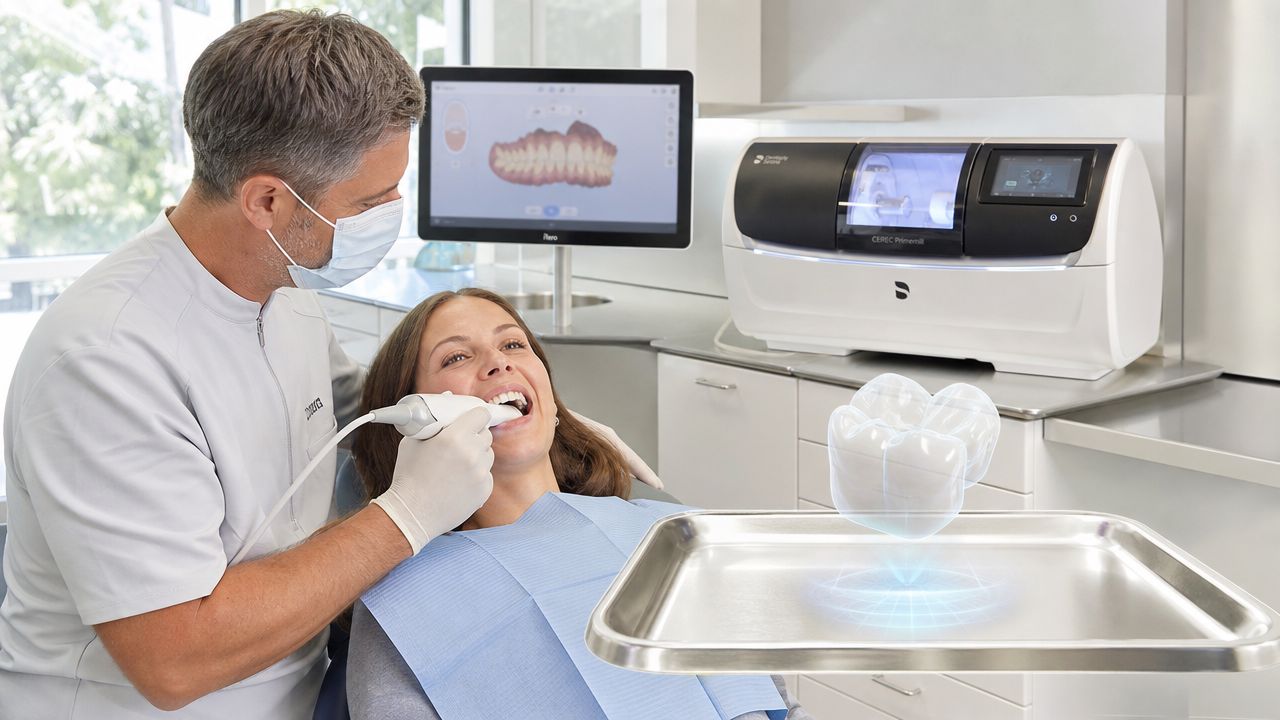
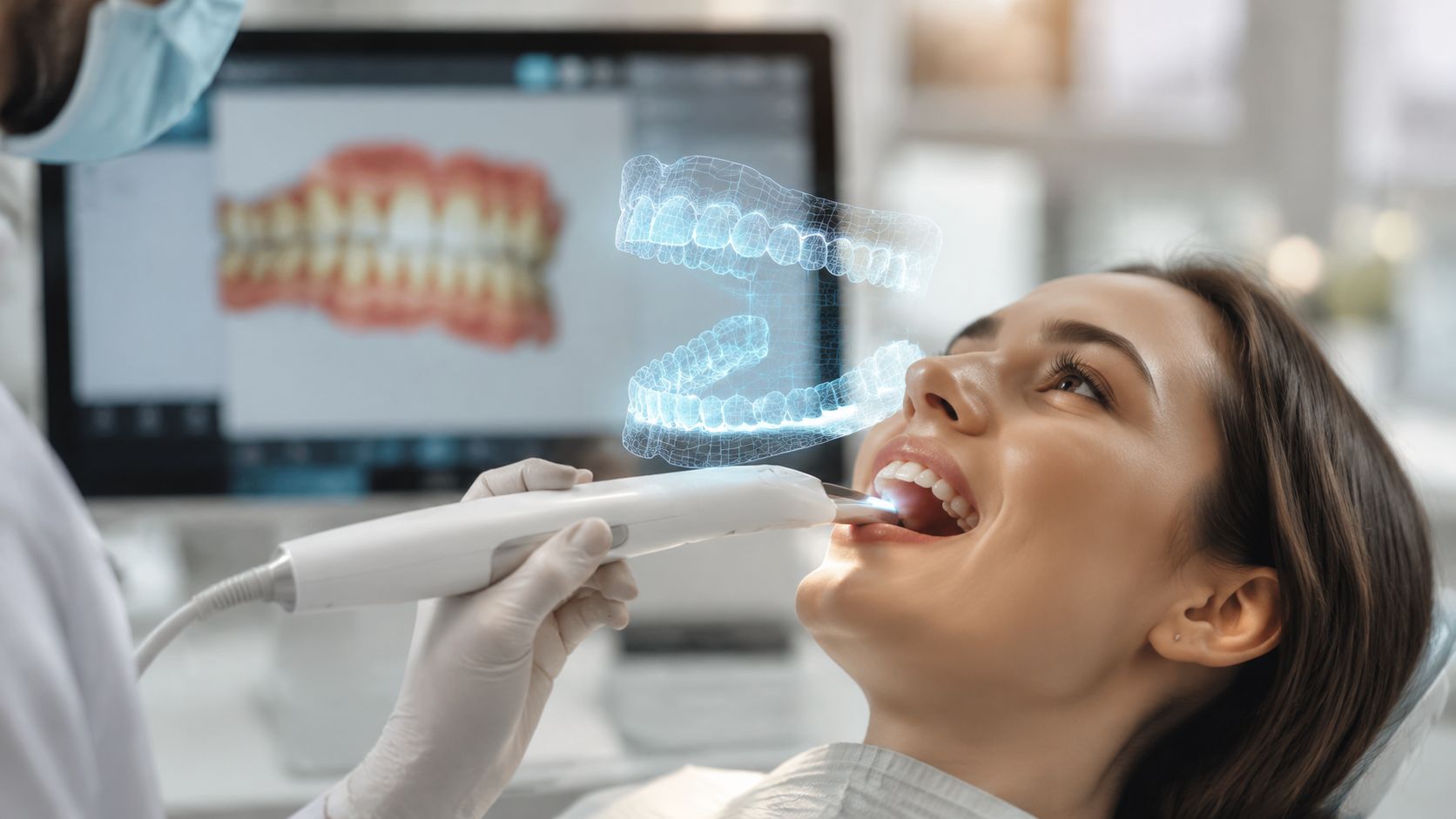
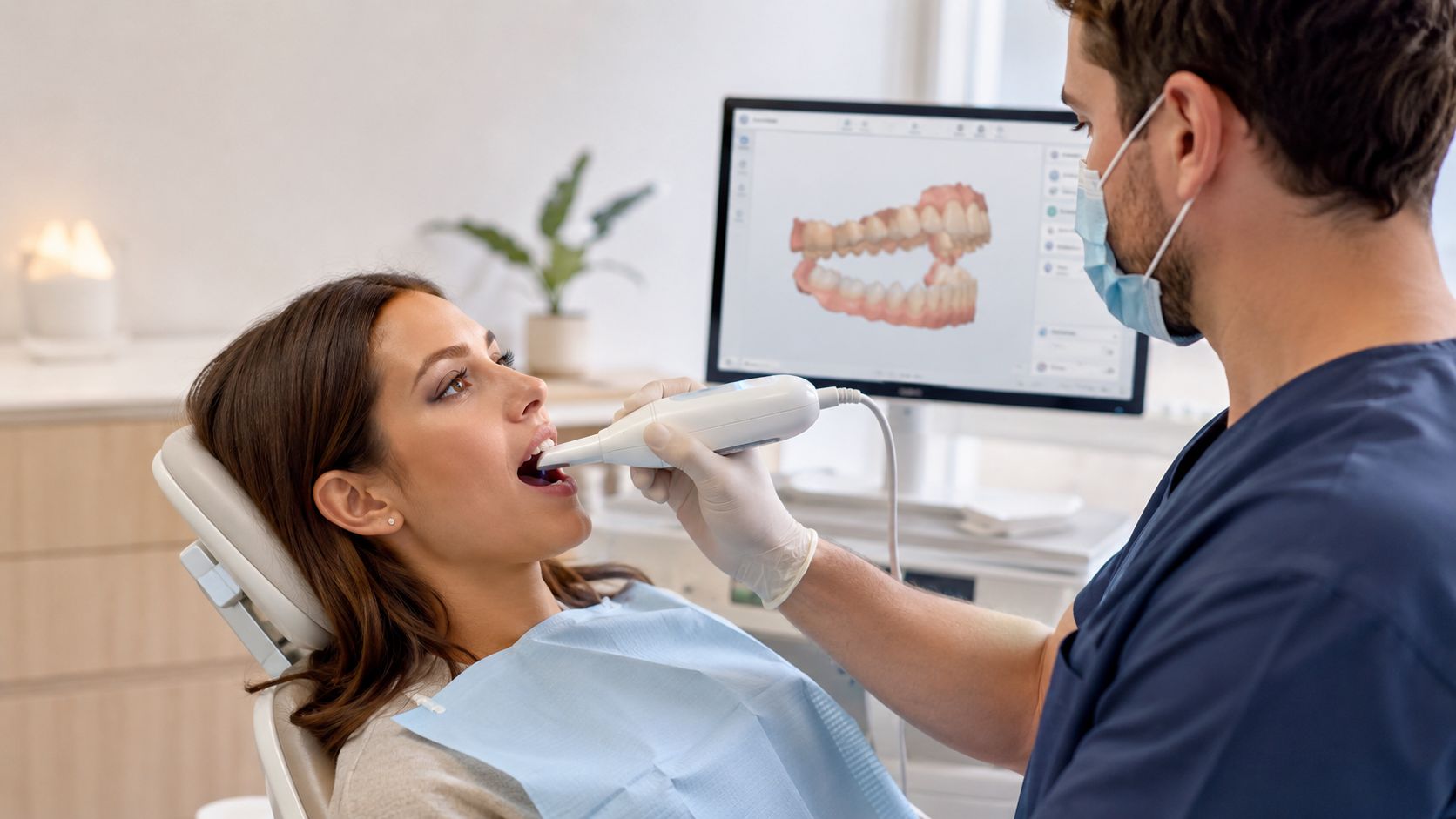
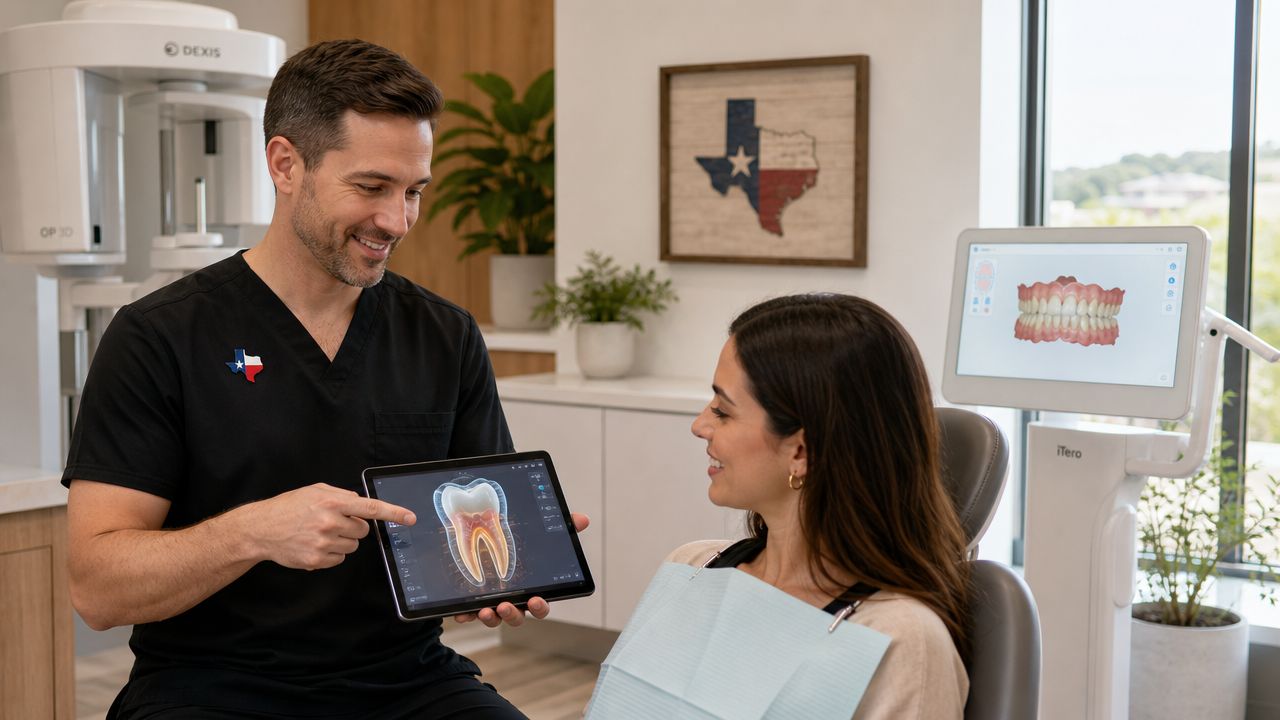
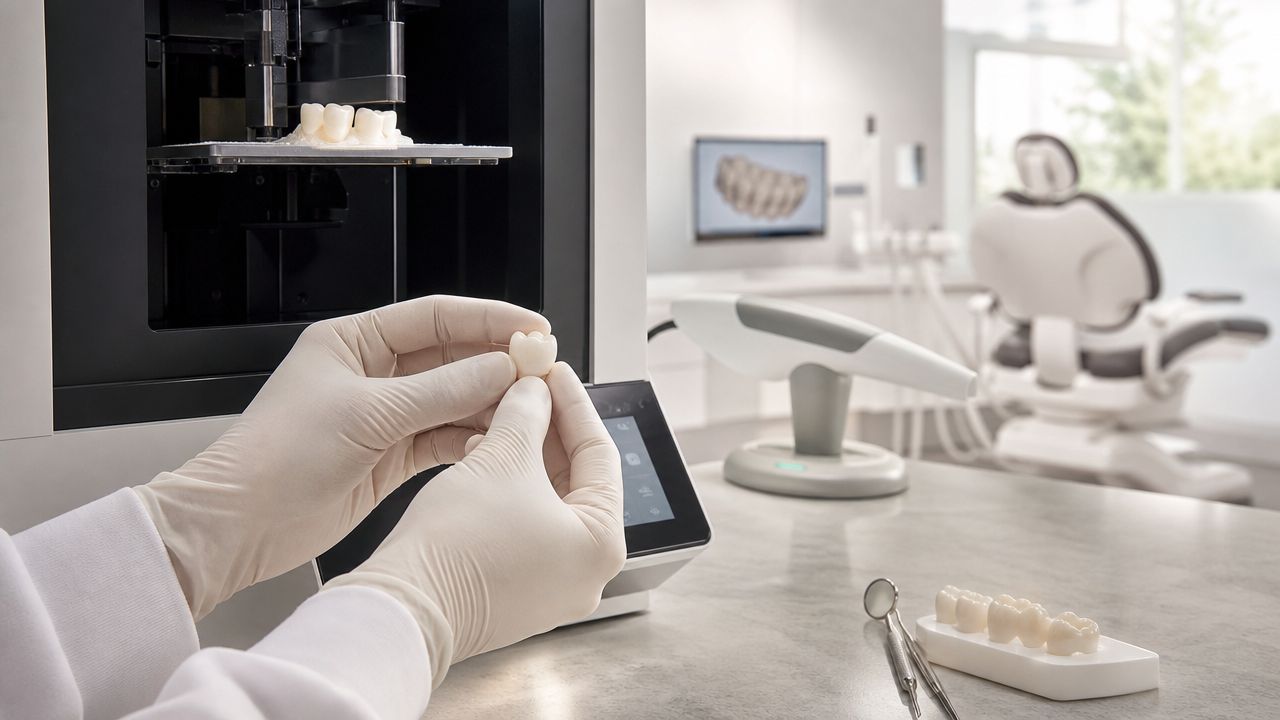
Patients today expect a more comfortable process, and they should. Digital imaging, scanning, and in-house technology make treatment planning more precise and easier to understand. Instead of guessing what might happen, patients can see the problem clearly and understand why a certain option is being recommended.
That matters for families in Austin, Georgetown, Wells Branch, Cedar Park, Round Rock, and Liberty Hill who want one dental home for preventive care, cosmetic care, restorative dentistry, orthodontics, and even urgent needs like an emergency dentist visit. Straightening teeth doesn't happen in isolation. It's part of your whole oral health picture.
Here's the reassuring part. Individuals don't need to have all the answers before they book a consultation. They just need a starting point and a team that will explain what works, what doesn't, and what will feel manageable in real life.
The Health Benefits of a Properly Aligned Smile
Many people first think about straightening teeth for cosmetic reasons. That's understandable. A more even smile can change how you feel in photos, conversations, and professional settings. But orthodontic treatment isn't only about appearance. In many cases, it's also a long-term health decision.
When teeth are crowded, rotated, or out of bite alignment, they're often harder to clean thoroughly. Plaque tends to collect in the areas patients can't easily reach with a toothbrush or floss. Uneven bite forces can also place stress on certain teeth over time.
Straighter teeth are often easier to keep healthy
Proper alignment can reduce wear and make daily hygiene easier. According to this discussion of oral health benefits from teeth straightening, people with well-aligned teeth may experience up to 50% less enamel wear, 30% less gum disease, and approximately 20% fewer cavities over their lifetime. The same source notes that nearly 70% of individuals reported improved self-esteem after orthodontic treatment.
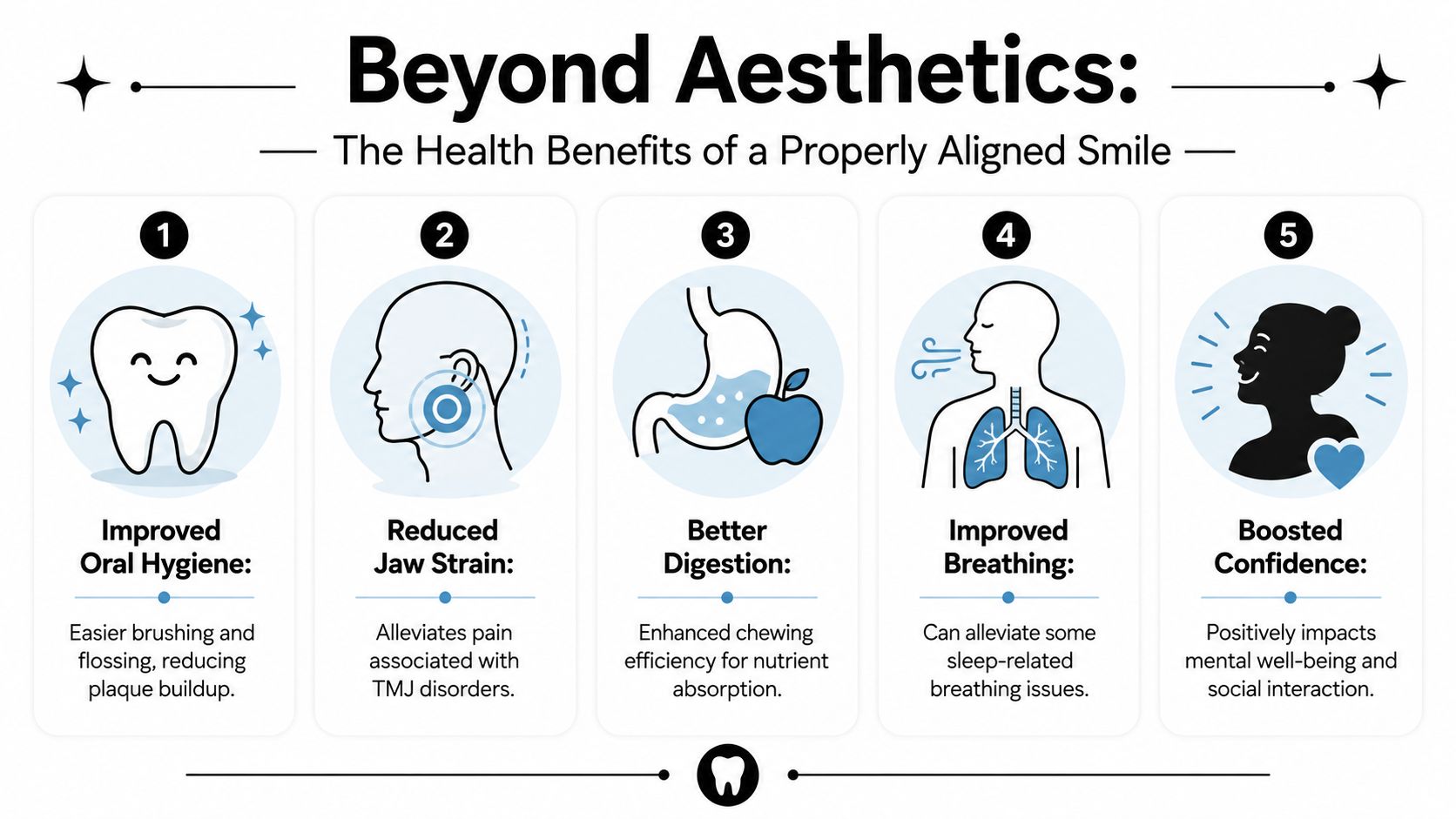
Those benefits make sense clinically. When teeth are positioned better, brushing and flossing become more effective. When bite forces are distributed more evenly, certain teeth may avoid unnecessary stress. For many patients, straightening treatment supports both oral comfort and easier home care.
The benefit isn't only physical
A straighter smile can change behavior. Patients often become more consistent with oral hygiene when their teeth feel easier to clean and when they feel more invested in maintaining results. Confidence plays a role too.
A smile that functions better often feels better to live with every day.
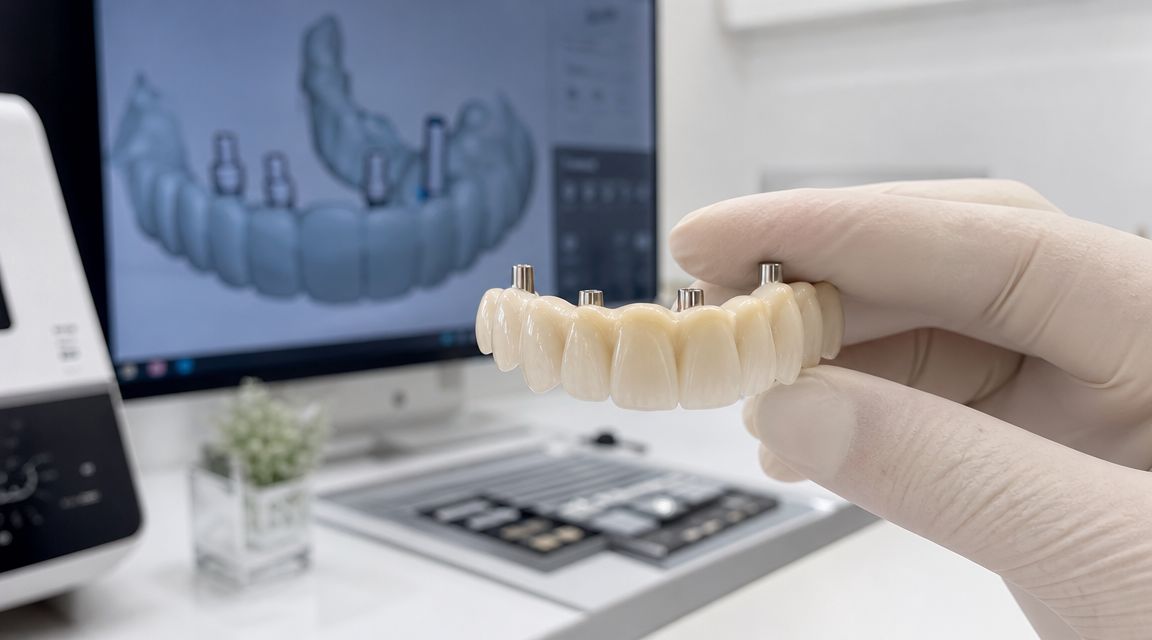
This is one reason orthodontic treatment often fits naturally alongside routine dental care, dental x-rays, periodontal evaluations, and cosmetic services such as teeth whitening. Once alignment improves, other treatments can often be planned more clearly too. If someone is also considering veneers, bonding, crowns, or implant work, tooth position matters.
From a health perspective, straightening teeth is less about chasing perfection and more about reducing friction. Cleaning gets simpler. Wear patterns can improve. The smile tends to look better, but the deeper value is that the mouth may be easier to maintain for years.
Comparing Your Teeth Straightening Options at 3D Dental
A college student may want something low-profile between classes and photos. A busy professional may care more about fewer interruptions at work. A parent bringing in a teen usually wants a plan that is dependable, realistic, and easy to keep on track. The right option depends on more than crooked teeth. It depends on your bite, your schedule, your habits, and what you want treatment to feel like day to day.
That is why the decision should start with diagnosis, then move to the treatment that fits your stage of life.
Straight-looking teeth and a healthy bite can be two different things
Mild crowding can look simple from the front, yet the bite may still be off. Upper and lower teeth need to meet in a way that allows stable chewing and limits unnecessary wear. According to this discussion of functional straightness versus cosmetic masking, some adults who appear to have only minor crowding still have bite problems that call for orthodontic treatment rather than a cosmetic cover-up.
That point matters for adults considering veneers or bonding before they have had an orthodontic evaluation. Cosmetic dentistry can improve shape, color, and small visible gaps. It does not move roots, widen a narrow arch, or correct how the teeth come together. If the main problem is position, the more predictable answer is usually to move the teeth first.
Teeth Straightening Options at a Glance
| Treatment | Best For | Typical Timeline | Key Benefit |
|---|---|---|---|
| Clear aligners | Mild to moderate movement, adults or teens who want a discreet removable option | Often several months to over a year, depending on case difficulty | Low visibility and easier brushing and flossing |
| Traditional braces | More complex movement or patients who need a fixed appliance | Varies by case | Better control for movements aligners may not handle as well |
| Veneers or bonding | Patients focused on cosmetic appearance, not orthodontic correction | Varies by treatment plan | Improves shape and appearance without moving teeth |
Clear aligners fit many adults, and some teens, very well
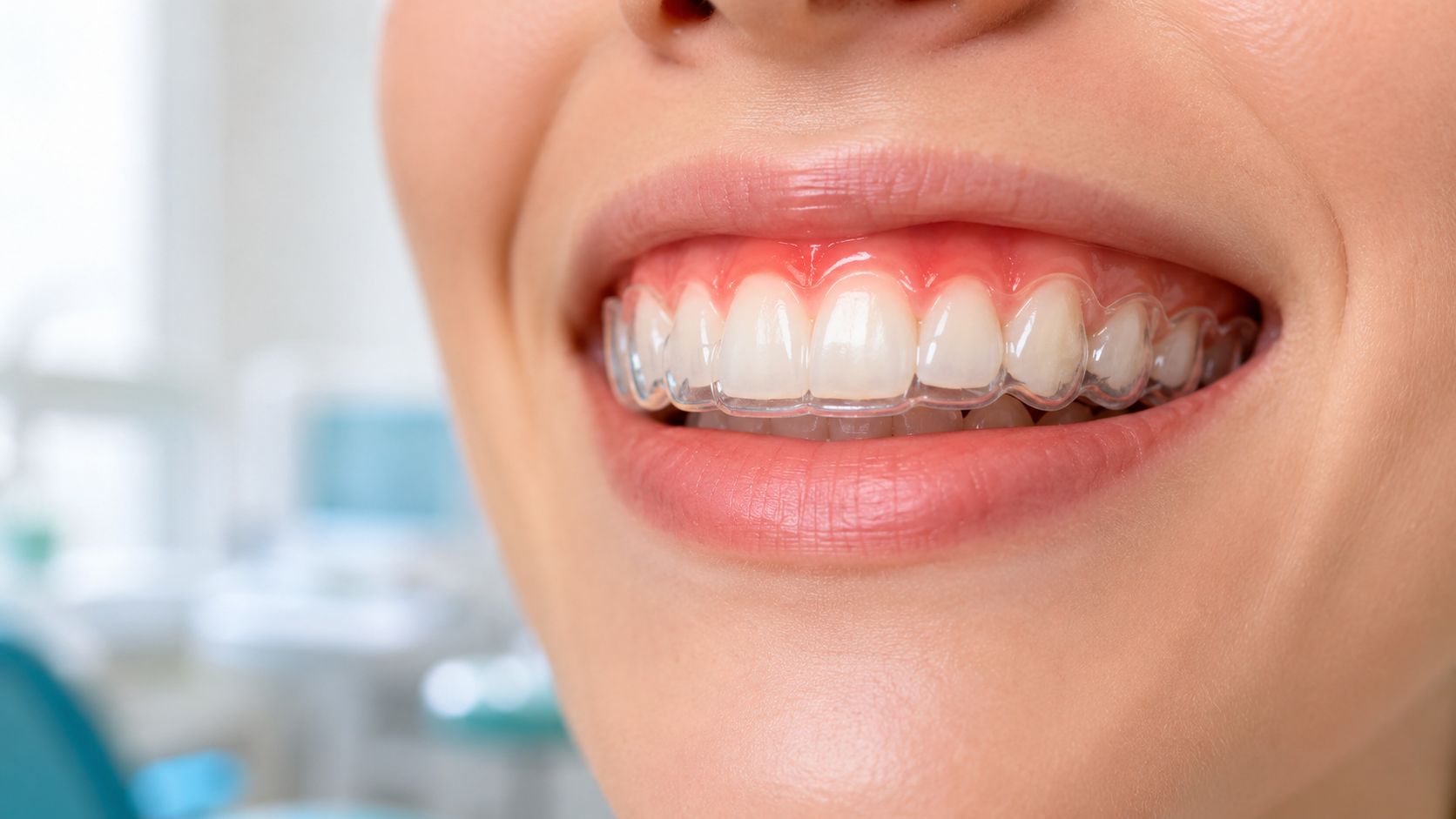
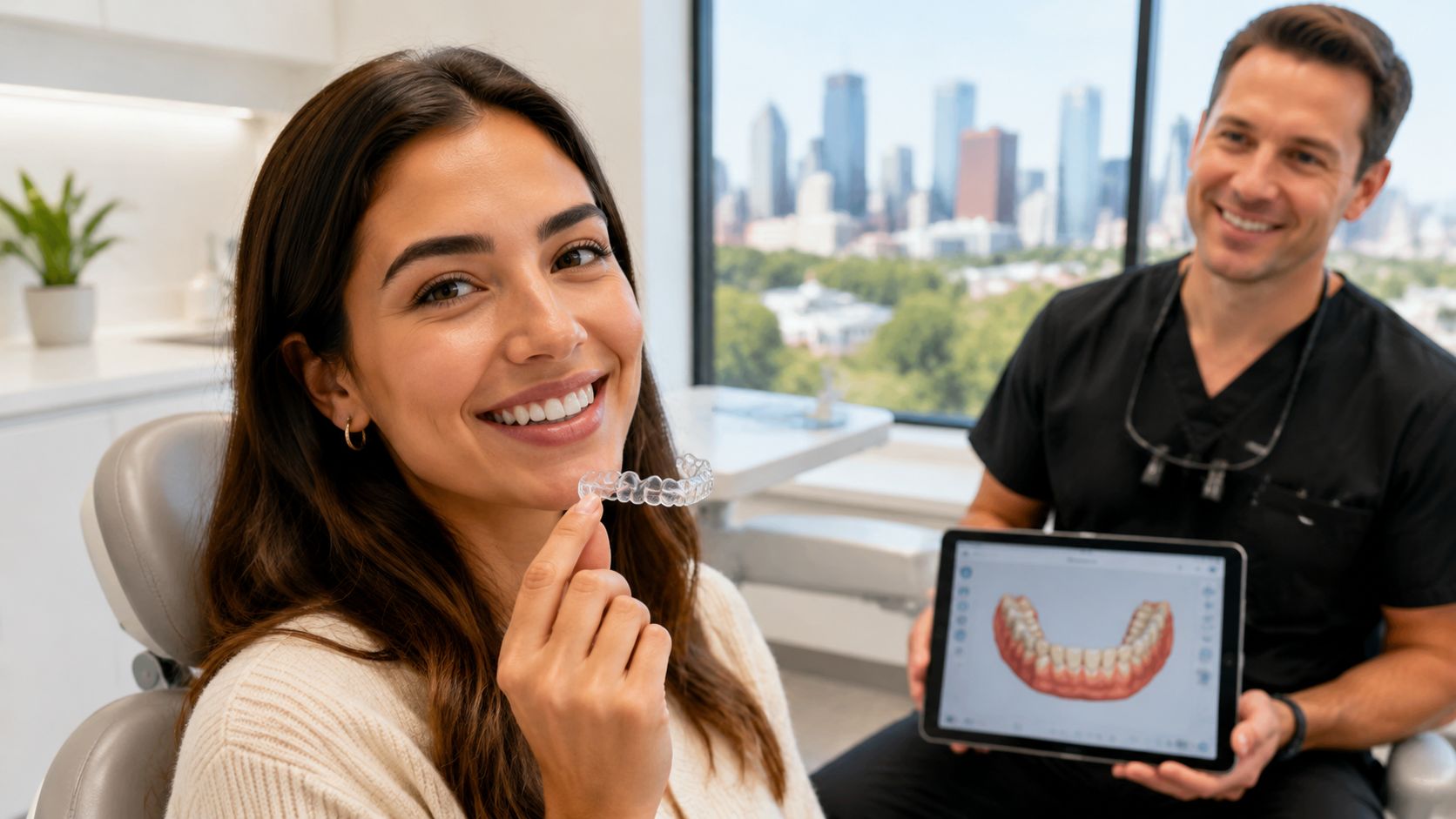
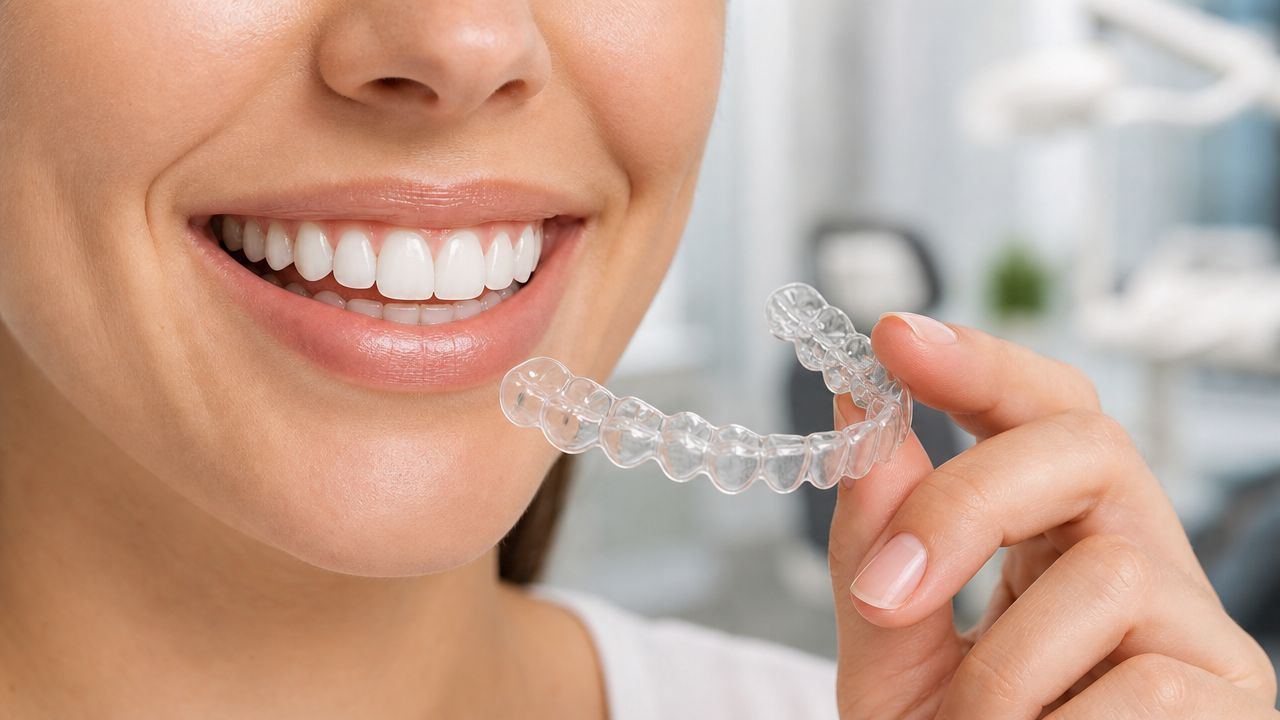
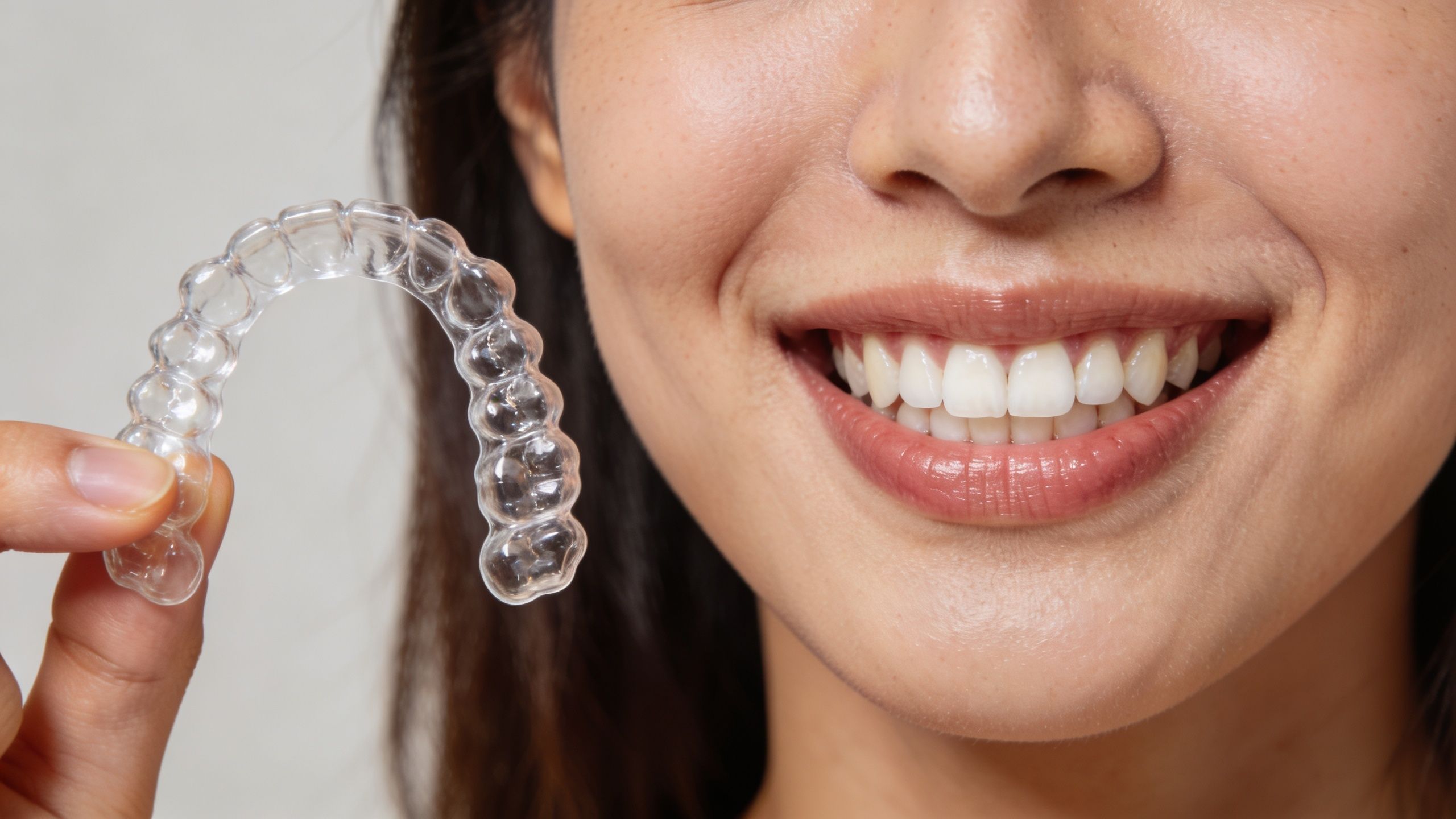
Clear aligners appeal to patients who want treatment to stay subtle during meetings, school, social events, or photos. They also make home care simpler because you remove the trays to eat, brush, and floss. The trade-off is responsibility. Aligners only work well if they are worn as directed.
The American Association of Orthodontists guide to clear aligner treatment explains that success depends on consistent wear and careful monitoring by a dental professional or orthodontist. In practice, patients who do best with aligners usually have clear routines and a strong reason to stay consistent.
Aligners are often a good fit for:
- Adults who want a discreet option for work or public-facing roles
- Responsible teens who will keep trays in place
- Patients with mild to moderate crowding or spacing
- People who value removing their appliance for meals and oral hygiene
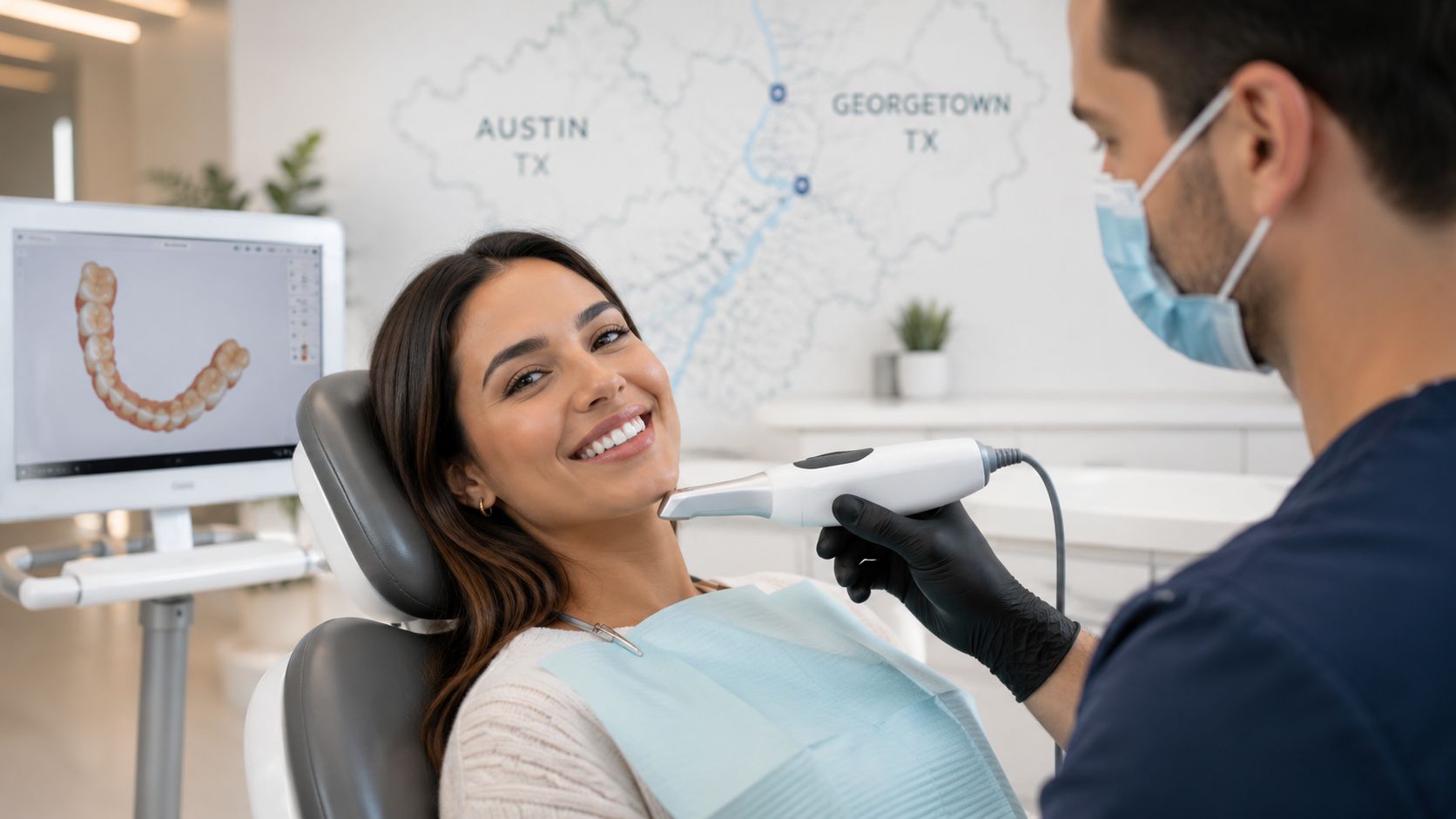
At 3D Dental, in-house digital scanning and treatment planning help us map tooth movement with more precision from the start. That can improve fit, reduce guesswork, and make progress checks more efficient for Austin-area patients who do not want unnecessary delays.
Braces still offer the most control in many complex cases
Braces remain a very strong option, especially when tooth movement needs tighter control in multiple directions. Because braces stay on the teeth, they remove the daily choice of whether to wear the appliance. For some teens, that consistency is a major advantage. For adults with more involved bite correction, it can also make treatment more predictable.
Braces often make sense for patients with rotations, significant crowding, or bite problems that are harder to manage with removable trays alone. They are more visible, and cleaning around them takes more effort. In return, they give the doctor steady mechanical control throughout treatment.
Patients comparing these two approaches can get a clearer sense of the trade-offs in 3D Dental's guide to braces vs. clear aligners.
Cosmetic options can refine a smile, but they do not replace orthodontics
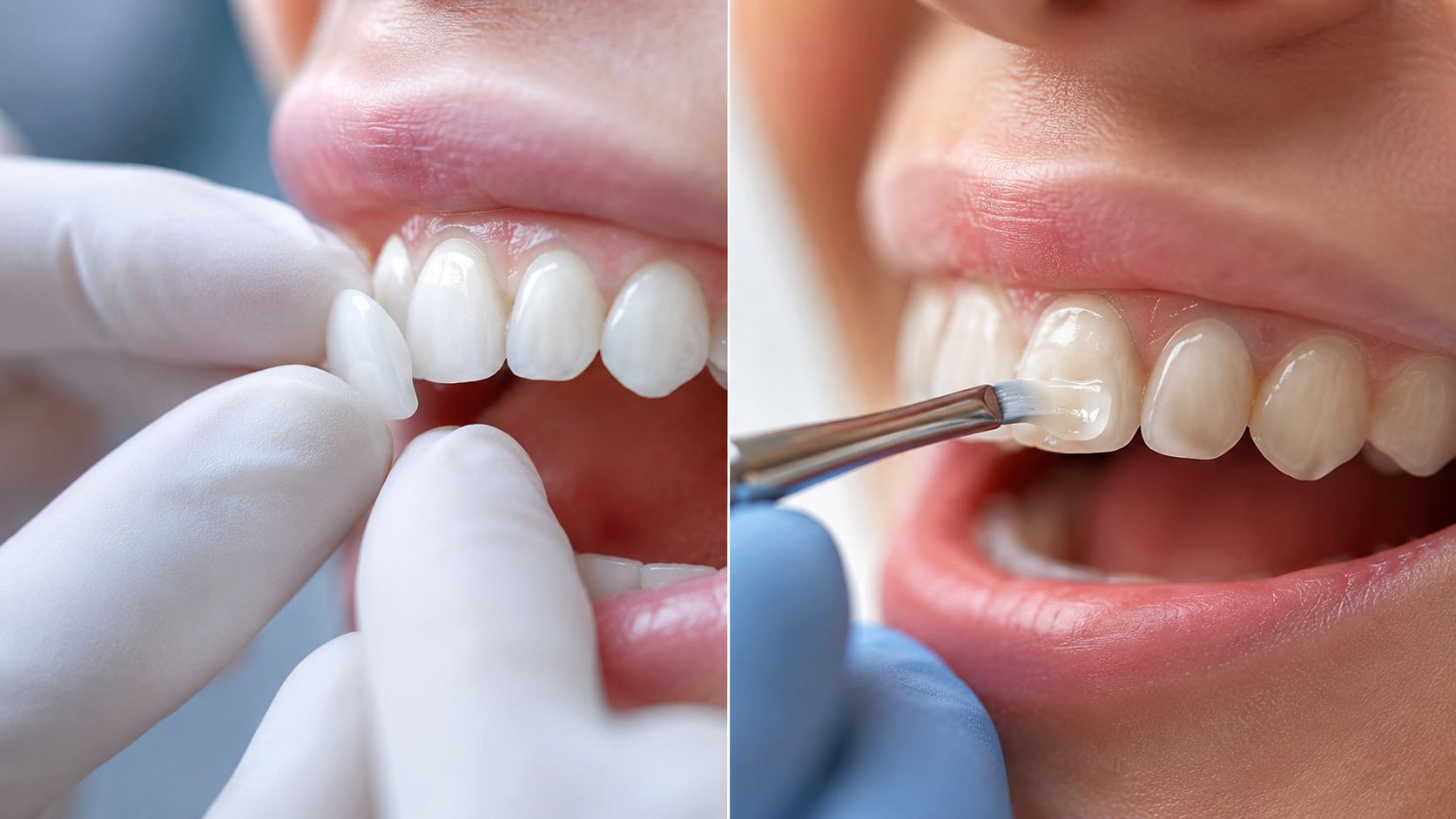
Bonding and veneers have a real place in treatment planning. They can smooth chipped edges, close small black triangles, improve proportions, and brighten a smile. For the right patient, that may be enough.
But cosmetic treatment should follow the diagnosis, not replace it. If teeth are crowded, flared, or biting unevenly, covering the front surfaces may leave the underlying problem in place. Treatment planning should therefore start with diagnosis, then match the method to the condition, the timeline, and the patient's life.
In the office, that often means recommending different paths for different people with similar-looking smiles. A teen may benefit from braces because compliance is less of a concern. A working adult may be an excellent aligner candidate because appearance and flexibility matter more. A patient planning future cosmetic work may do better by straightening first, then refining shape afterward. That kind of sequencing usually leads to a result that looks better and holds up better.
What to Expect During Your Treatment Journey
A treatment plan works best when it fits real life. A college student who wants fewer office visits may need a different approach than a teen who would do better with fixed braces. A busy professional may care most about appearance during meetings. A parent may care most about predictability, comfort, and scheduling. The process should account for all of that from the first visit.
At 3D Dental, treatment starts with records and diagnosis, not guesswork. We look at tooth position, bite function, gum health, existing dental work, and the goals that matter to you. For some patients, straightening is a stand-alone treatment. For others, it is one part of a larger plan that may also involve routine care, repairing worn teeth, or preparing for future restorative work.
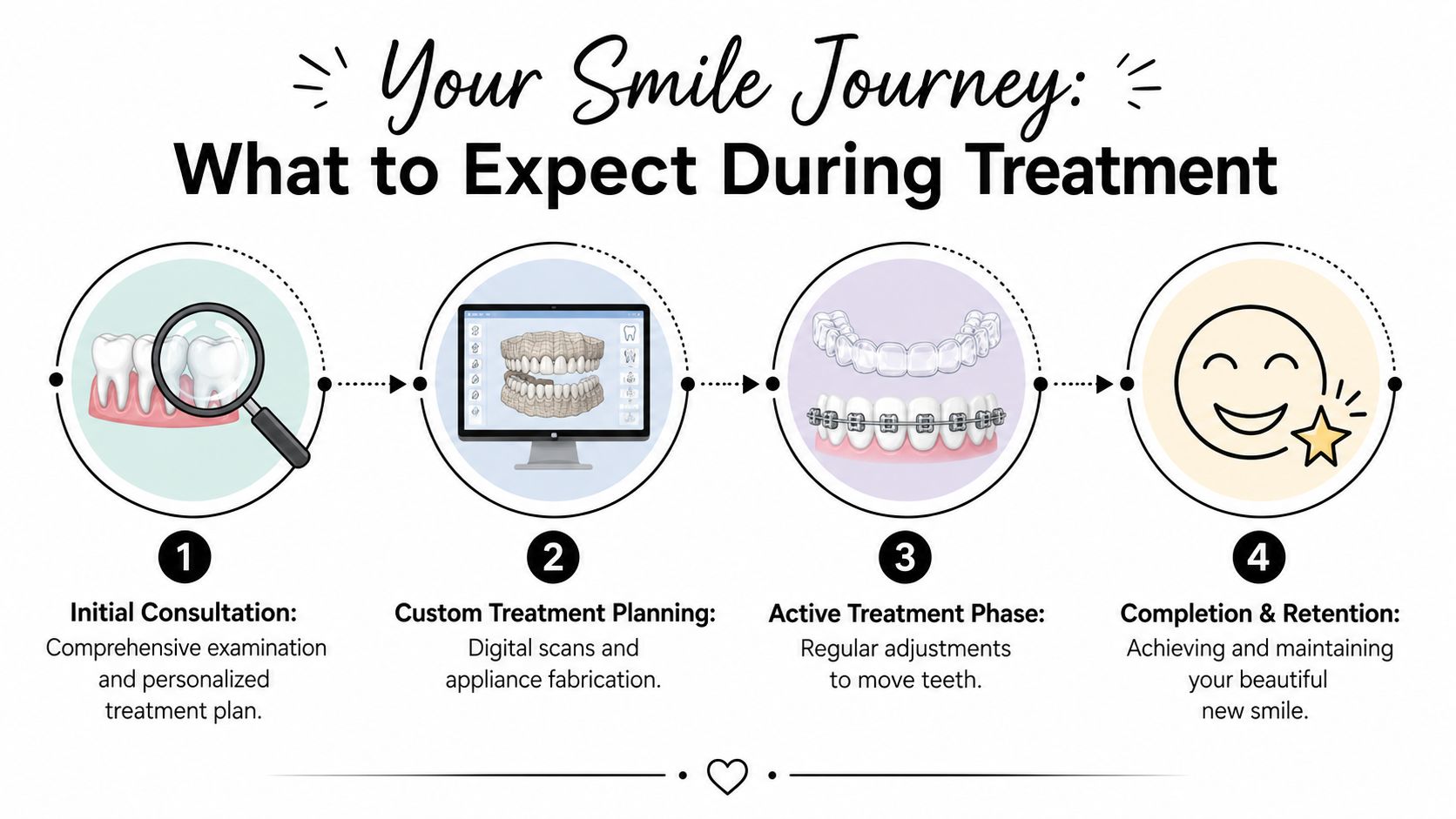
Step one is understanding the full picture
The first appointment should answer two questions. What is happening now, and what is the smartest way to fix it?
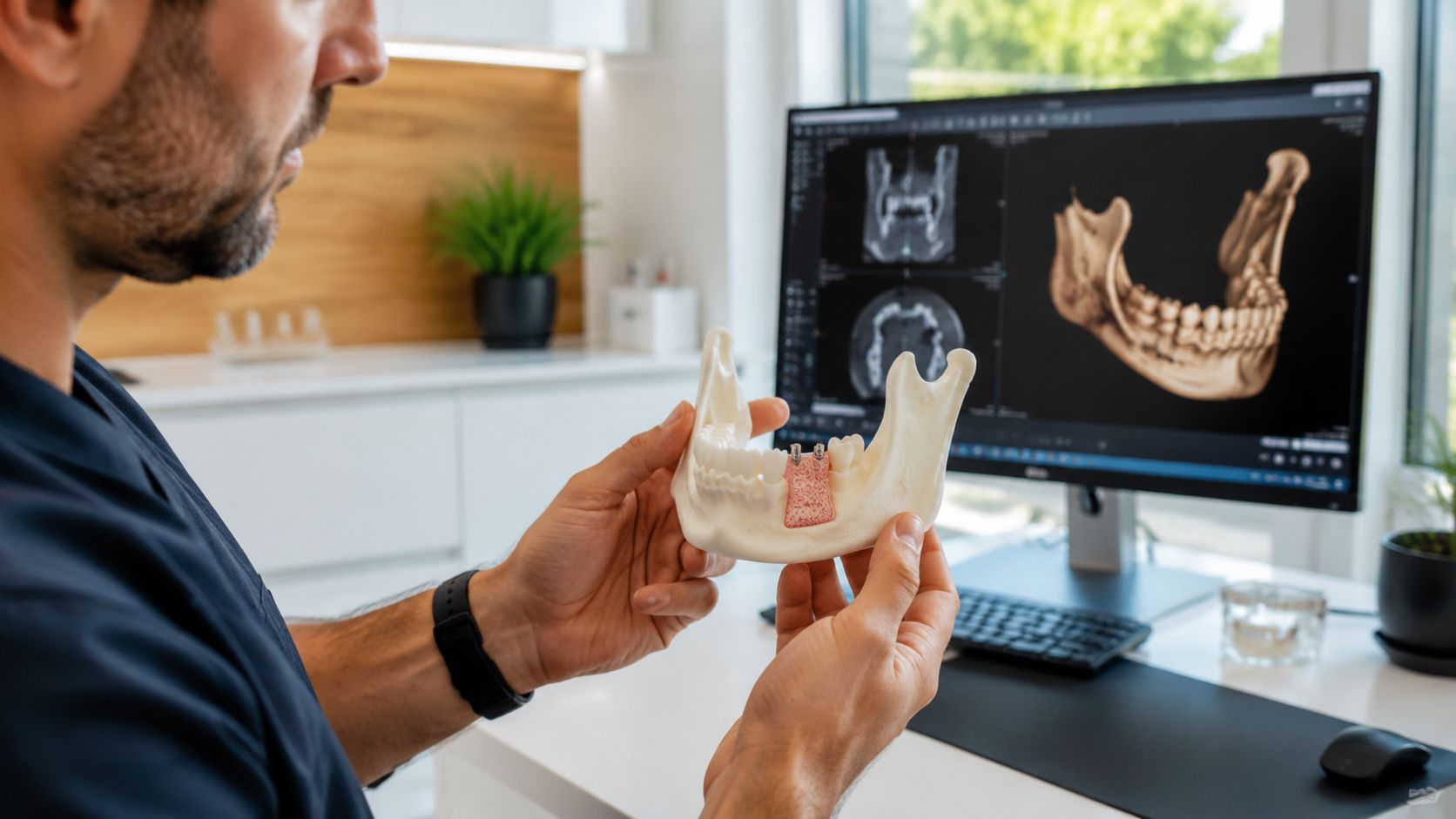
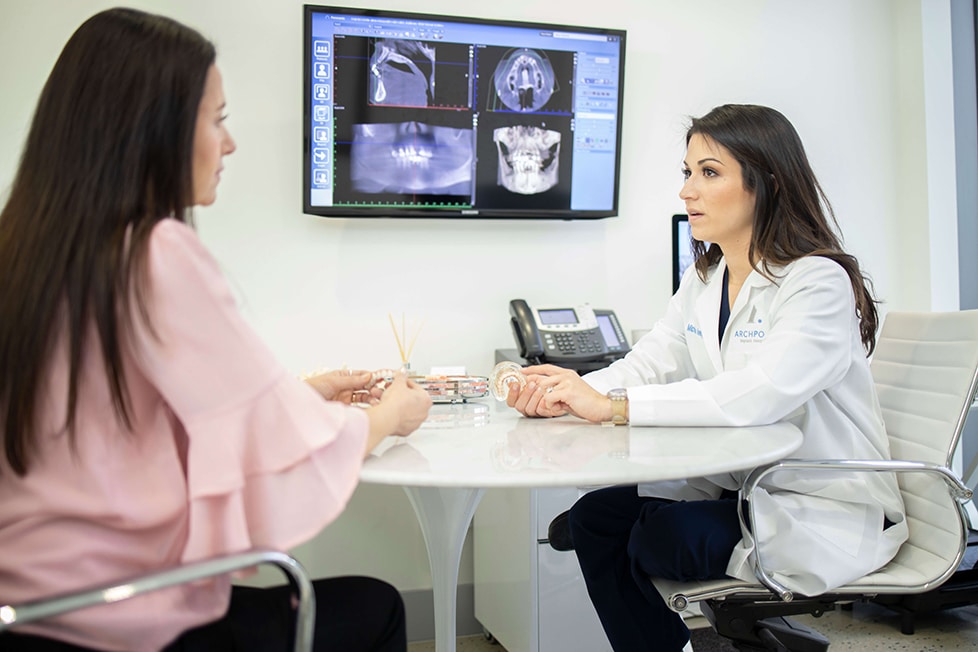
That visit usually includes photos, digital scans, and any X-rays needed to see the roots, bone, and bite clearly. The American Association of Orthodontists explains that orthodontists use diagnostic records such as X-rays, photographs, and impressions or digital scans to evaluate alignment and bite before treatment planning begins, as outlined in its overview of how orthodontic treatment works.
Patients often come in thinking only about crooked front teeth. The exam may show a deeper issue, such as crowding that affects cleaning, a crossbite, or wear from an uneven bite. That is why the consultation matters. The right plan depends on more than appearance.
Step two is digital planning
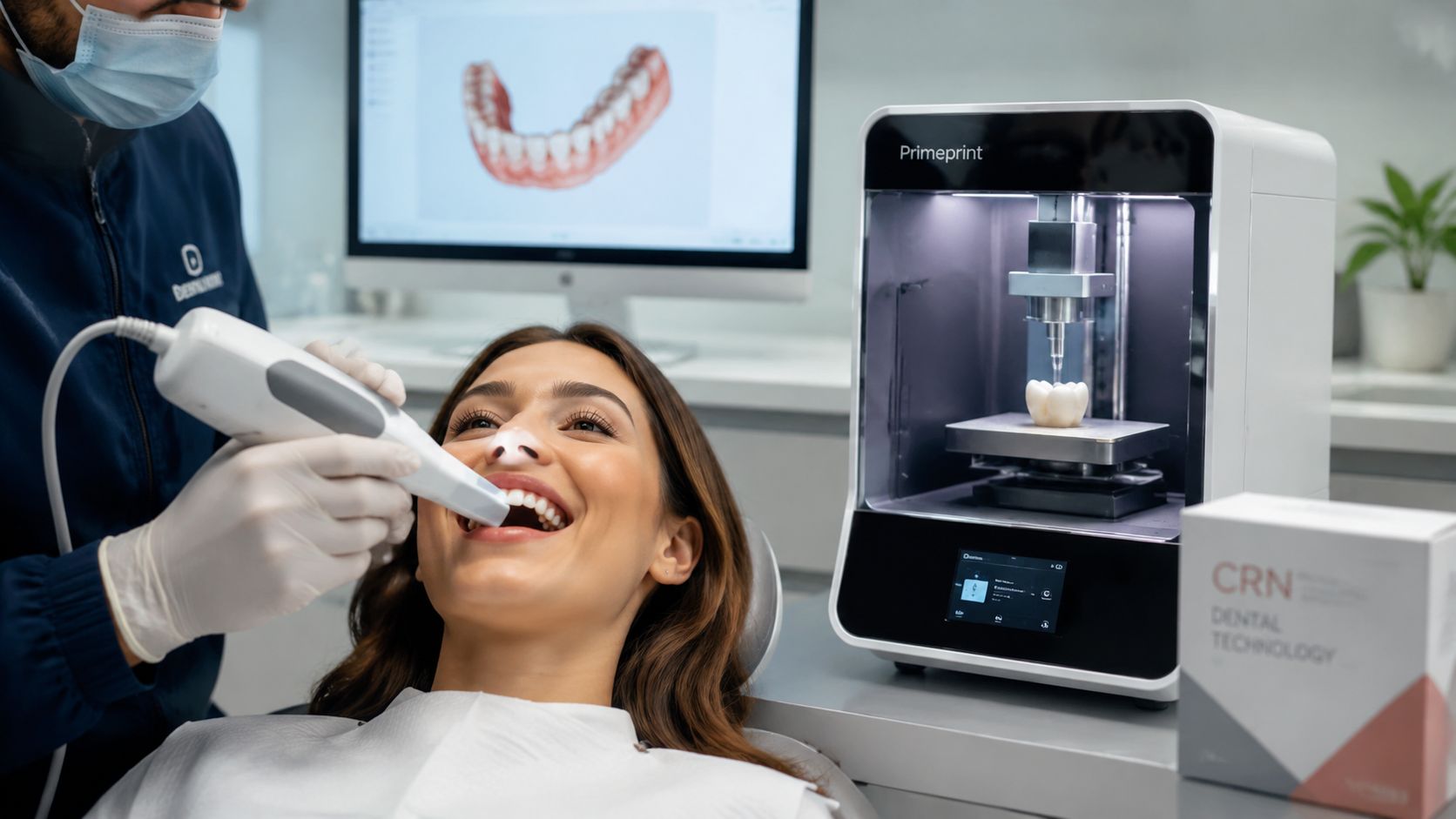
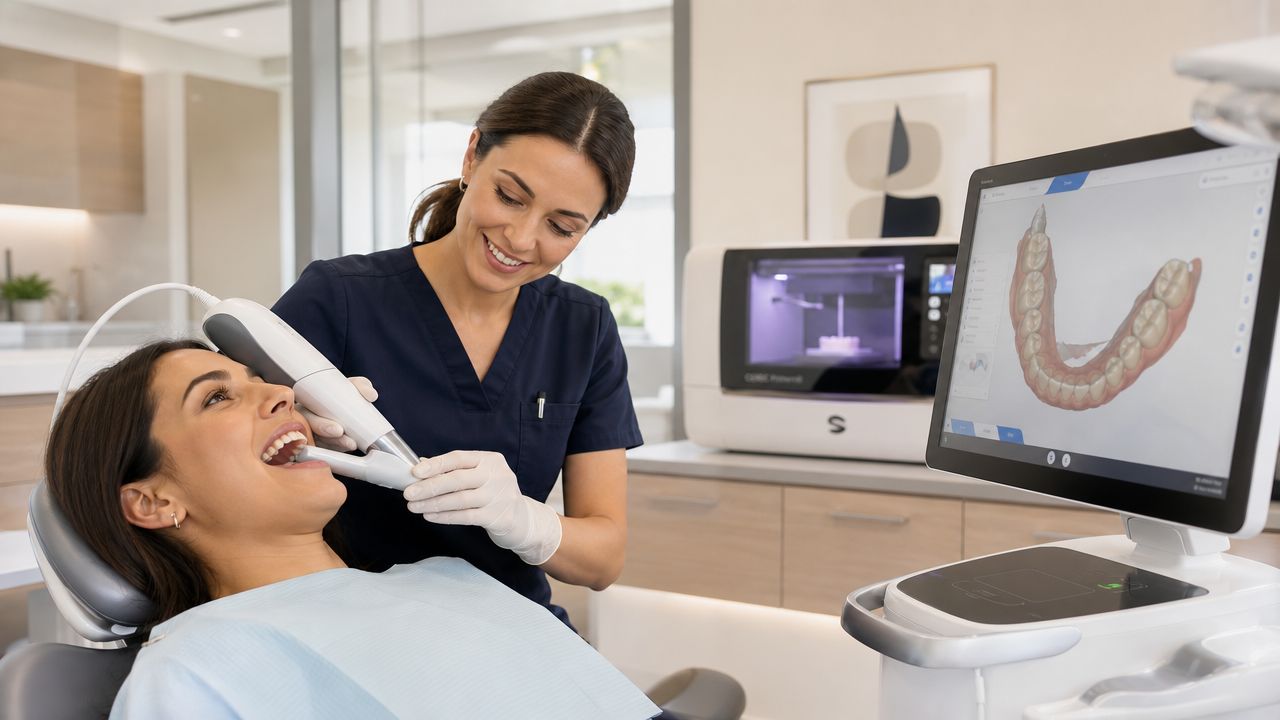
After records are complete, we map out tooth movement digitally and review the options in practical terms. In-house technology helps us measure tooth position more precisely, show you what we see, and build a plan with fewer surprises.
That clarity matters because treatment is not one-size-fits-all. A teen with significant rotation or bite correction may get a more reliable result with braces. An adult who wants a less noticeable option and can wear trays consistently may be a strong aligner candidate. If timing matters because of a wedding, job transition, or upcoming cosmetic work, that should shape the recommendation too.
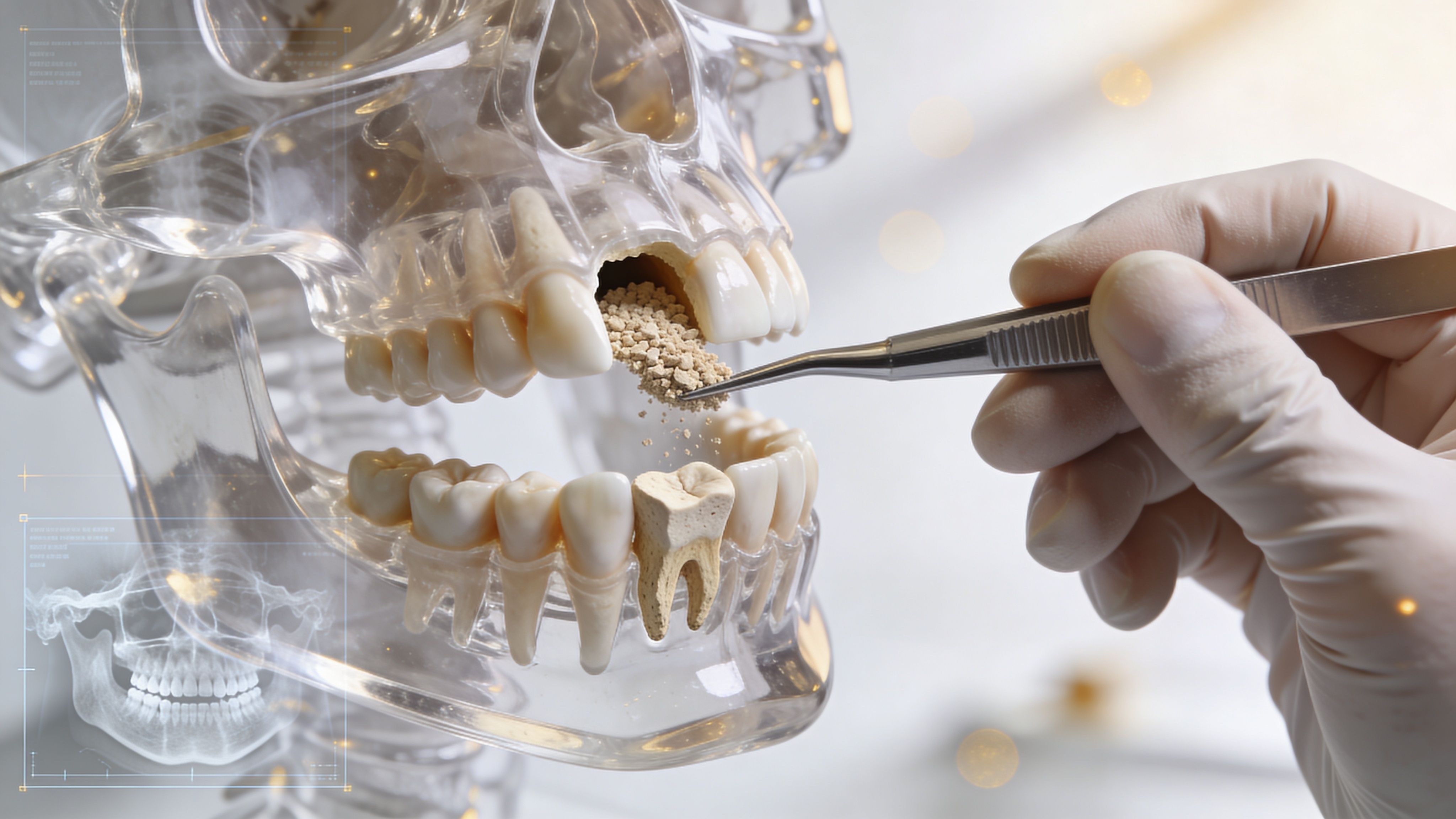
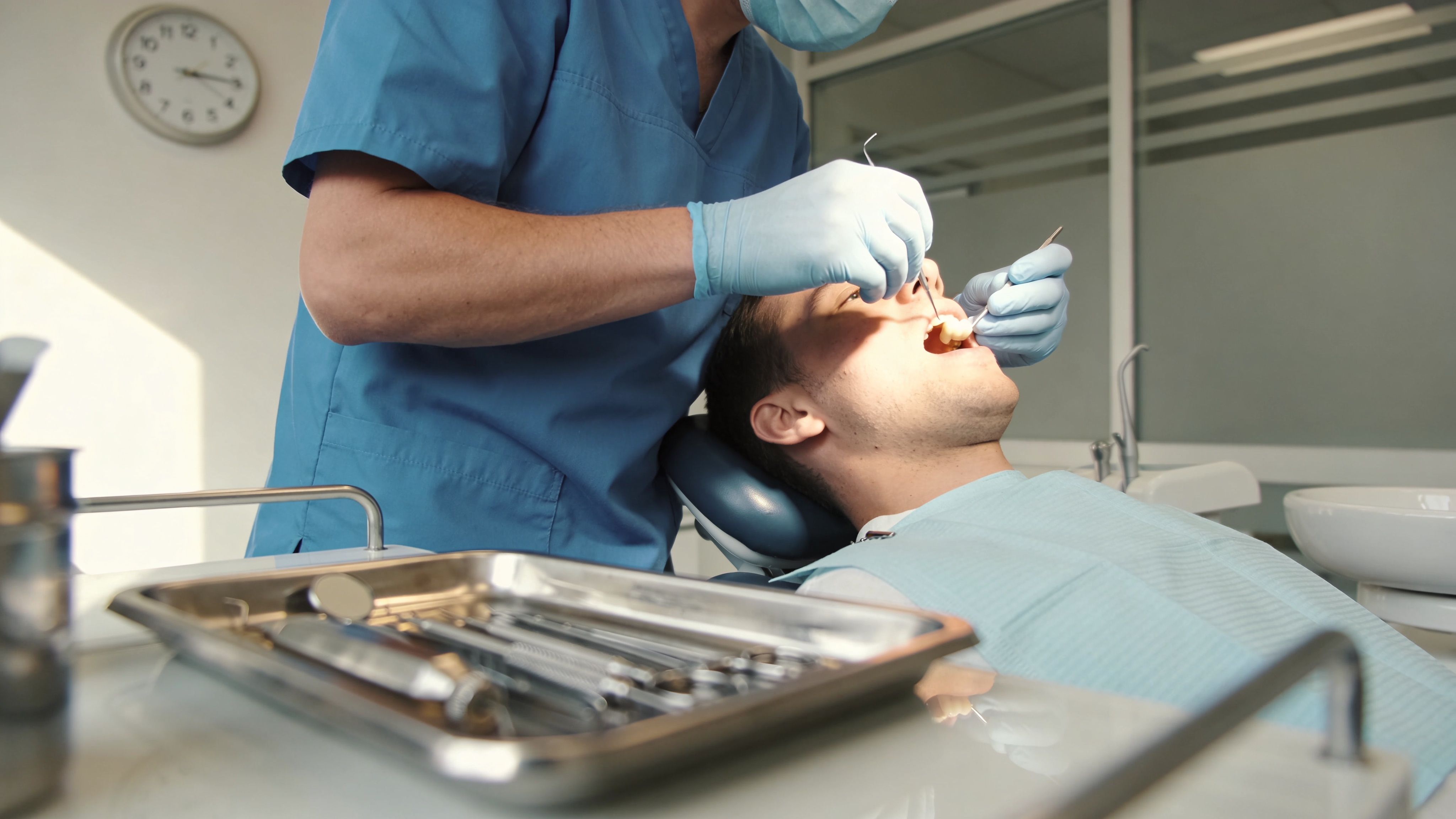
Here is a closer look at the process in action:
Step three is active treatment
Once treatment begins, progress comes from steady, controlled tooth movement and regular check-ins. Braces patients usually return for adjustment visits. Aligner patients come in for progress reviews and may receive several sets of trays at a time. The exact schedule depends on the case and the appliance.
The American Dental Association notes in its patient guide to clear aligners that aligners must be worn for most of the day to work as intended, and follow-up visits are still part of treatment. That is the trade-off. Aligners offer flexibility and a lower profile, but they demand consistency. Braces remove that compliance issue, though they are more visible and require more care around wires and brackets.
A few expectations help patients settle in early:
- Expect pressure when teeth start moving or when you switch to a new tray.
- Expect gradual change, not instant cosmetic transformation.
- Expect us to monitor the bite as well as the front teeth, because a smile that looks straight still has to function well.
- Expect treatment instructions to matter. Missed aligner wear or broken brackets can slow progress.
Step four is finishing and retention planning
The last phase is not just about taking braces off or finishing the final tray. We check the small details that affect comfort and long-term stability, including bite contacts, spacing, tooth angulation, and whether any refinement is needed.
Retention planning starts right away. Teeth can shift after treatment, especially if retainers are worn inconsistently. Patients who want a clearer sense of that risk can read our guide on what happens if you don't wear your retainer. A good result is not only about getting teeth straight. It is about keeping them there.
How to Protect Your Investment After Treatment
The day active treatment ends is exciting, but it isn't the end of the process. Teeth have memory. They can drift if retention is ignored, especially in adults who assume the hard part is already over.
That's why retainers matter so much. Orthodontic treatment moves teeth into better positions, but retention helps keep them there while the surrounding structures adapt.
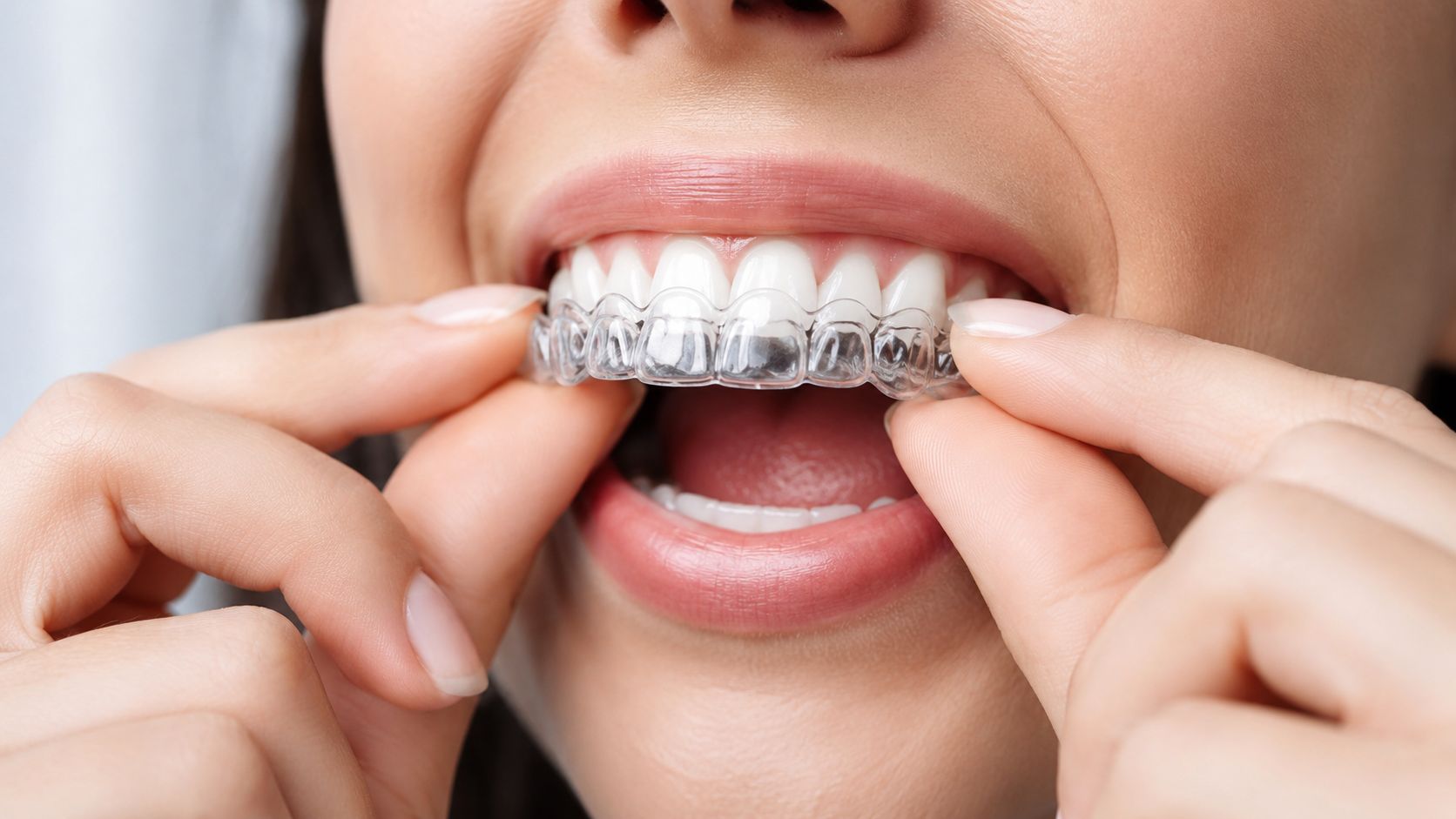
Relapse is common when retainers are neglected
This part often surprises patients. According to this overview of post-treatment retention and relapse, up to 50% of adults can experience some degree of orthodontic relapse within 5 years if they do not comply with wearing their retainers as prescribed.
That statistic changes the conversation. Straightening your teeth is not just about getting through aligners or braces. It's about maintaining the result you invested time and money to achieve.
Key takeaway: Finishing treatment without a retention plan is like stopping home maintenance the day a renovation is done.
Fixed and removable retainers each have advantages
Most patients will use either a removable retainer, a bonded retainer, or a combination of both. The right choice depends on your bite, hygiene habits, and how much support your case needs long term.
- Removable retainers are convenient and easy to clean, but they only work if you wear them.
- Fixed retainers stay in place and reduce the risk of forgetting, but they require careful cleaning around the bonded wire.
- Combination plans are often used when a case benefits from extra stability.
If you're unsure how quickly shifting can happen, 3D Dental explains the issue clearly in this article on what happens if you don't wear your retainer.
Daily habits still matter after straightening
Retention is one part of long-term success. Oral hygiene is the other. Patients who keep their smiles stable tend to stay current with checkups, maintain excellent brushing and flossing habits, and replace worn or damaged retainers promptly.
That's also where having one local dental home helps. If you need routine care, cosmetic touch-ups, restorative treatment, or even help after a dental injury or emergency dentist visit, your alignment history remains part of the bigger picture. Long-term results don't happen by accident. They're protected through follow-through.
Your Teeth Straightening Questions Answered
Patients usually come in with a few practical questions. They want direct answers, not vague reassurance.
Is straightening teeth painful
Most patients describe treatment as pressure rather than sharp pain. You may feel soreness after braces are adjusted or when starting a new aligner tray, but that sensation usually settles as your mouth adapts. The key is that movement should be controlled and monitored.
If something feels off, that's one advantage of in-person professional care. Problems can be evaluated early instead of being ignored until damage develops.
Am I too old to straighten my teeth
No. Adults make up a significant part of orthodontic care today. In fact, this overview of Invisalign adoption and adult orthodontic demand states that more than 50% of Invisalign users are adults over 18 years old, and over 20% of all orthodontic patients worldwide are adults.
Age matters less than oral health, bone support, bite condition, and the type of movement needed. Adults in Austin and Georgetown often choose treatment because they're finally ready to prioritize themselves, or because they want a solution that fits professional and family life.
Are mail-order aligners safe
Caution is paramount. Unsupervised treatment can cause real harm. According to this warning about DIY mail-order aligners, nearly 13% of American Academy of Orthodontists members reported seeing patients who suffered irreparable damage, including bone and tooth loss, from these kits because they lacked proper diagnostics like X-rays and ongoing clinical supervision.
That risk is avoidable. Teeth shouldn't be moved based on impressions alone without a full evaluation of roots, bone, gums, and bite function.
If you're choosing between supervised care and a shortcut, choose the option that includes diagnosis, monitoring, and accountability.
How do I know whether I need braces, aligners, or cosmetic work
You don't need to diagnose yourself. A consultation answers that question. The deciding factors usually include the complexity of movement, your bite, your goals, and how consistent you can be with treatment instructions.
Patients who come in asking about cosmetic dentist near me, restorative dentistry, or teeth whitening sometimes discover that alignment should happen first. Others learn that a cosmetic treatment may be enough if the issue is shape rather than position. The order matters.
What about cost and payment options
Cost depends on the condition being treated and the type of appliance selected, so the most useful answer comes after an exam. What patients generally want to know is whether treatment can be made manageable, and the answer is often yes. 3D Dental works with insurance when applicable and offers financing options such as Cherry and Sunbit, along with additional payment flexibility for qualified patients.
If you're in Austin, Georgetown, Cedar Park, Round Rock, Wells Branch, or Liberty Hill and you've been delaying treatment because you weren't sure where to start, the first step is simple. Book the consultation. Get the records. Find out what your smile needs.
If you're ready to explore how to straighten teeth with a plan that fits your life, schedule a consultation with 3D Dental. Whether you're looking for a dentist in Austin, TX, a trusted dental office in Georgetown, clear aligners, braces, cosmetic dentistry, restorative care, dental implants near me, or help from an emergency dentist, the team can guide you through your options with clear answers and modern technology.
Ready to get started?
Schedule a free, no obligation consultation with our team and see what's possible for your smile!
Georgetown
- Mon-Thurs8:30am-5pm
- Fri8am-3:30pm
- Sat-SunClosed
Austin
- Mon-Tues8am-5pm
- Wed-Thurs9am-6pmFri8am-2pm
- Sat-SunClosed