
Lawn Dental Center: Your Dentist in Austin & Georgetown TX
Related Posts

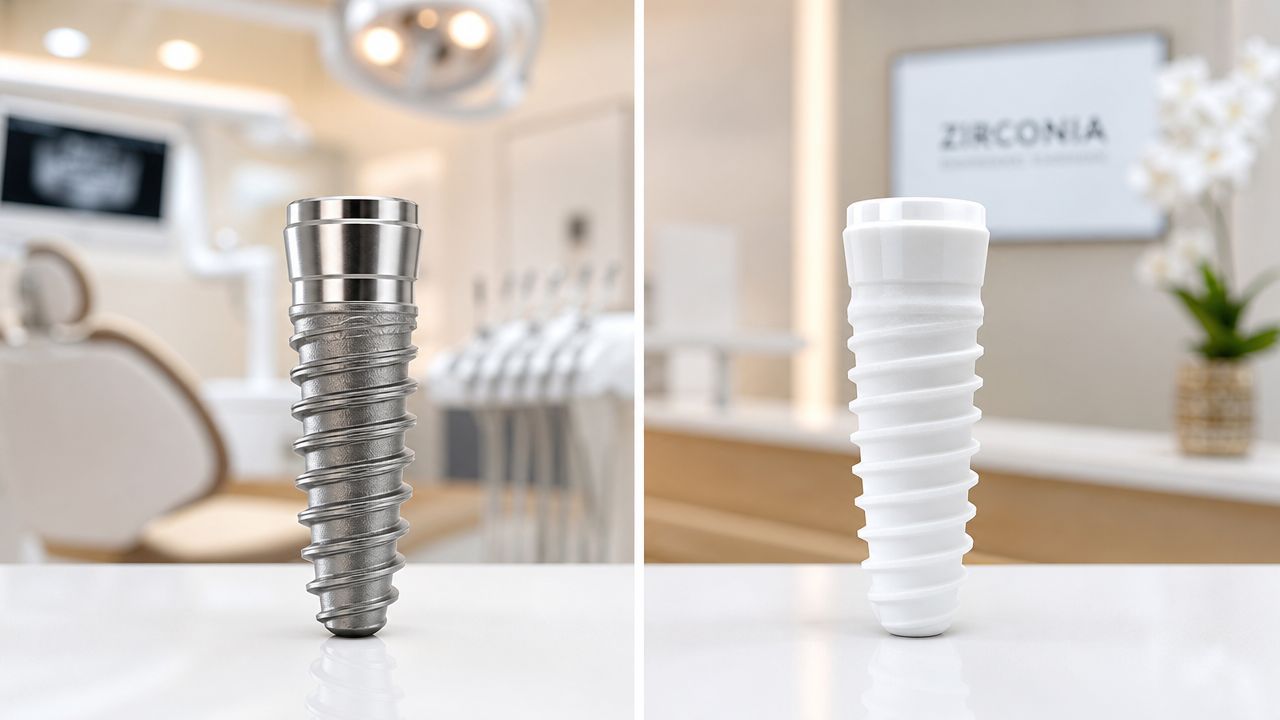
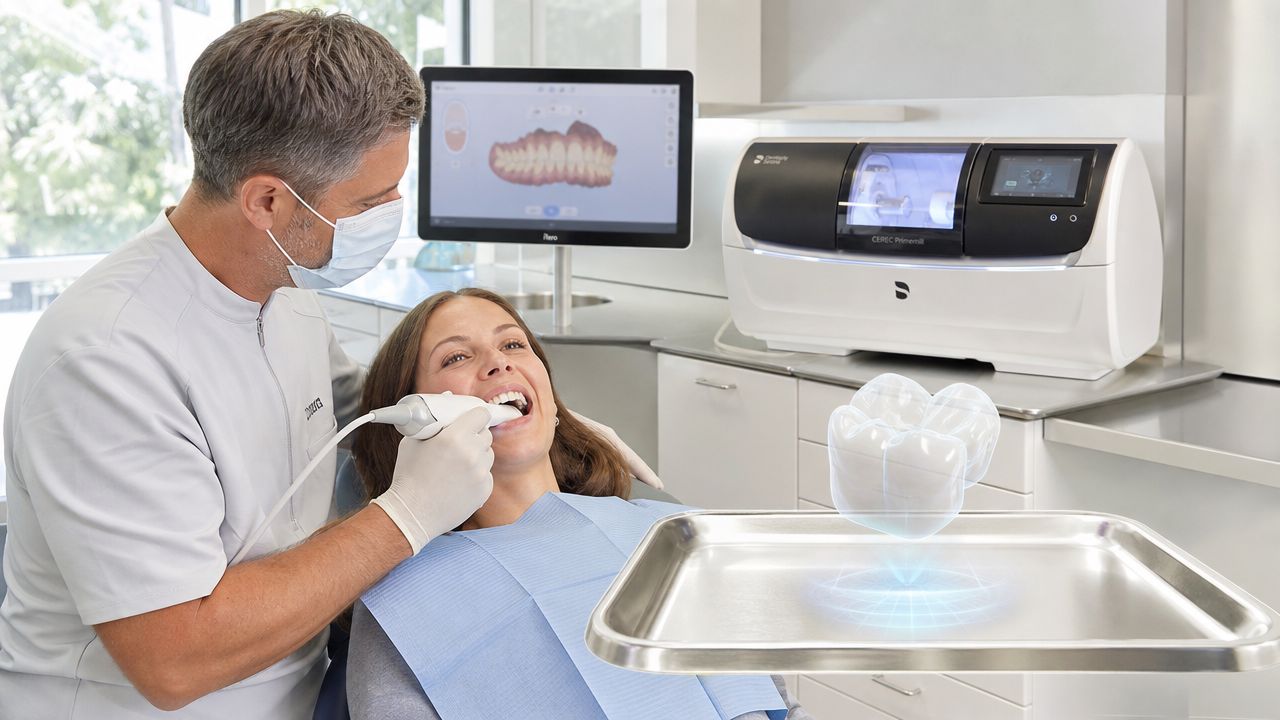
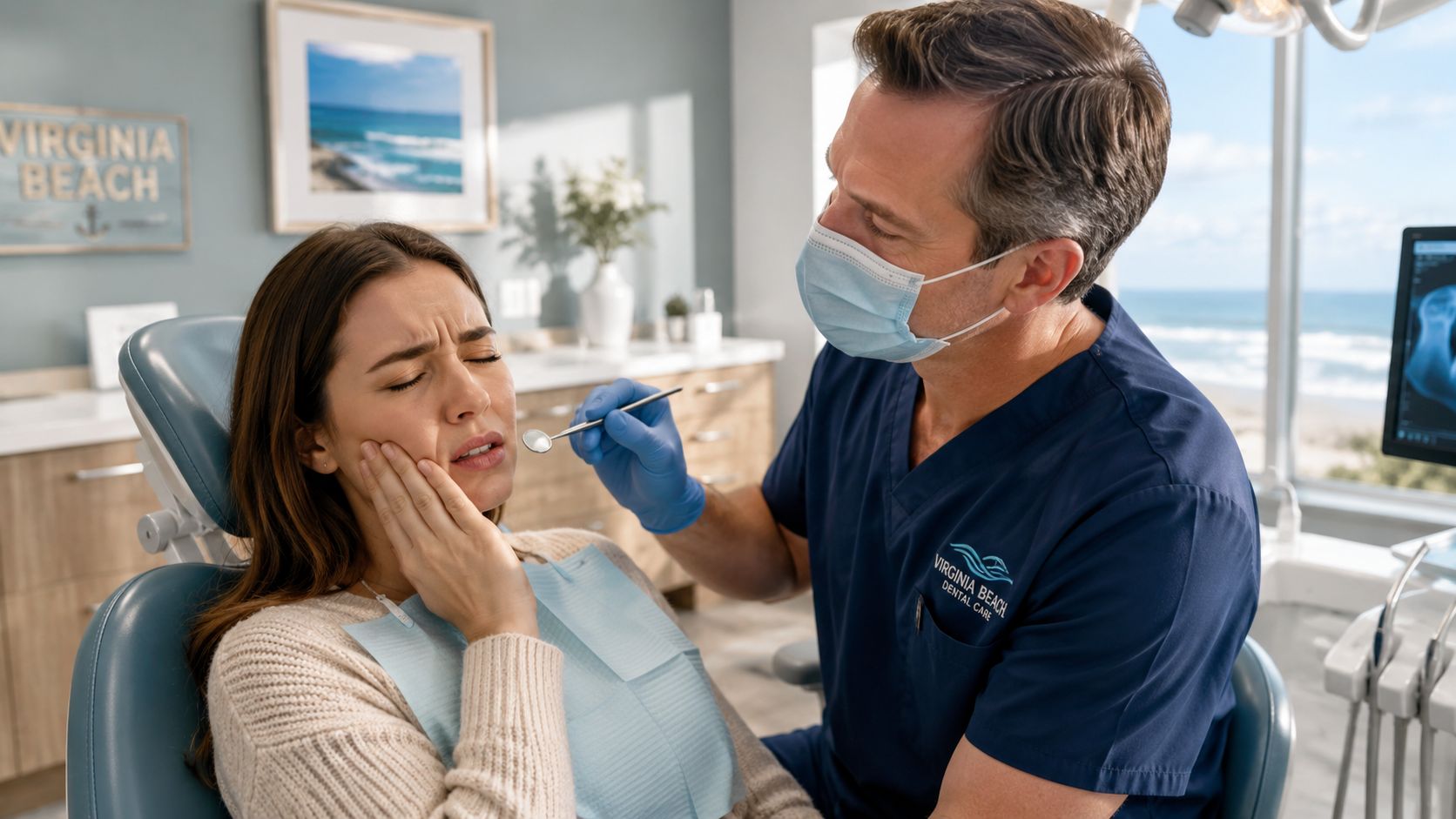
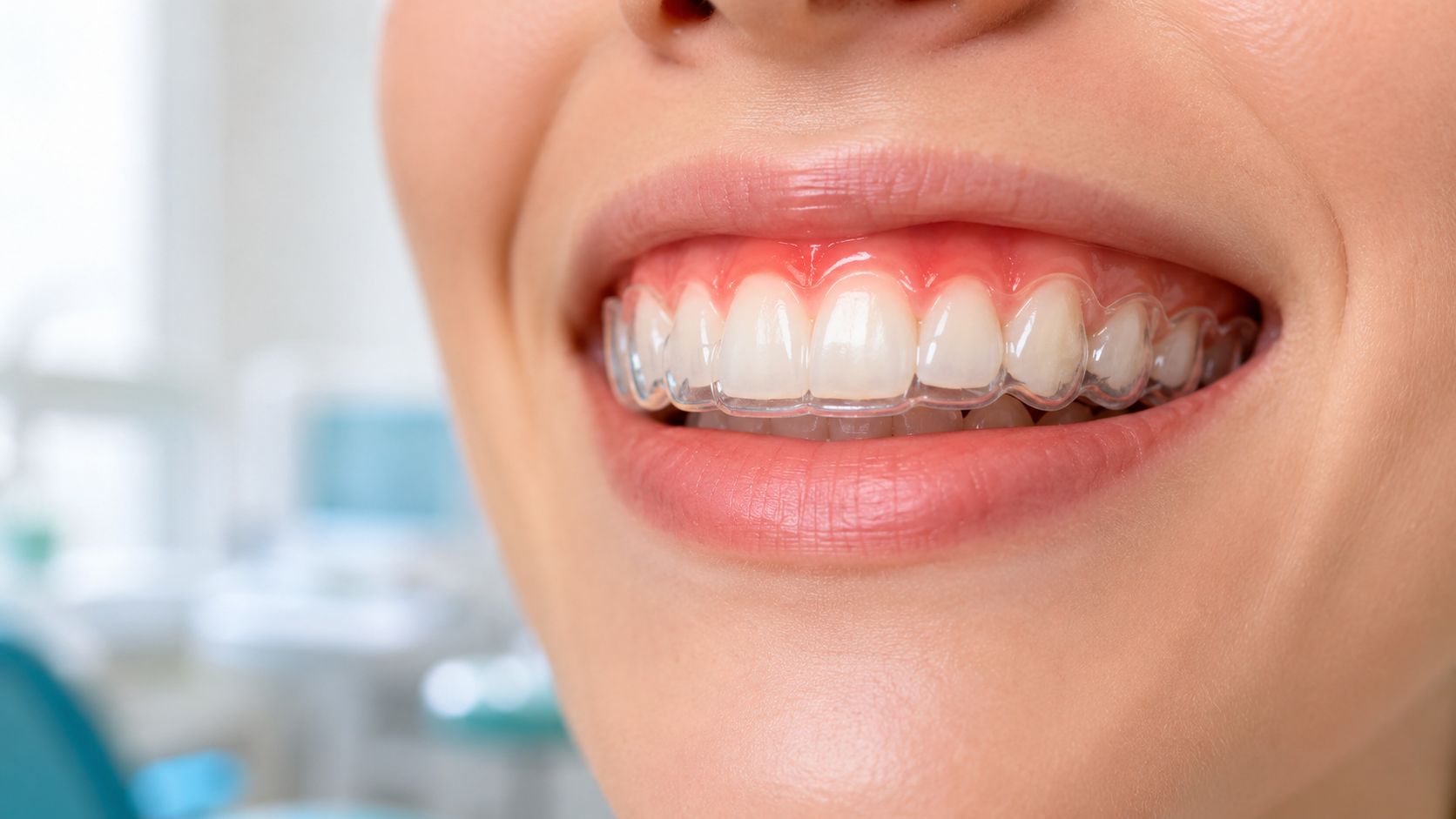


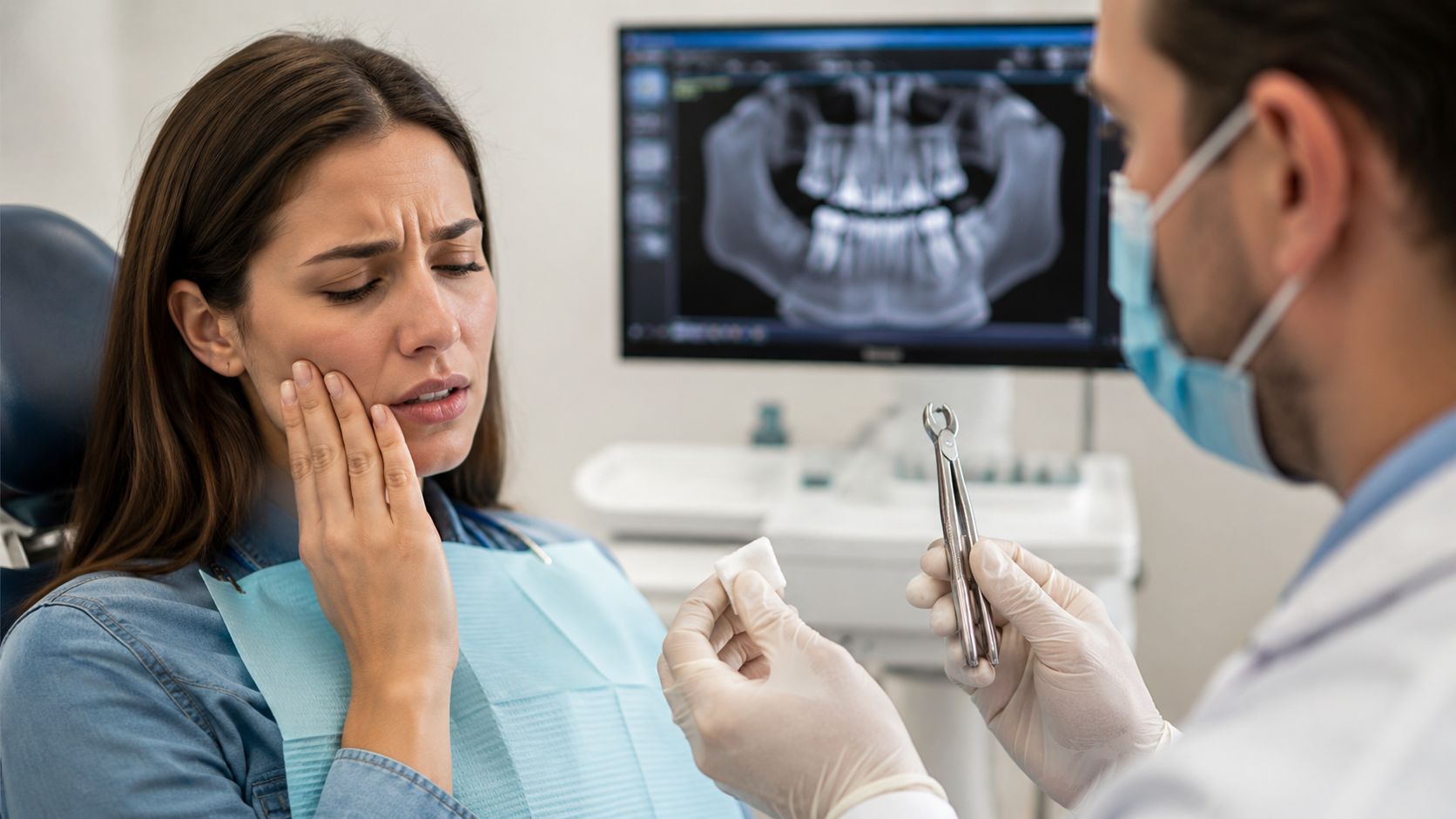
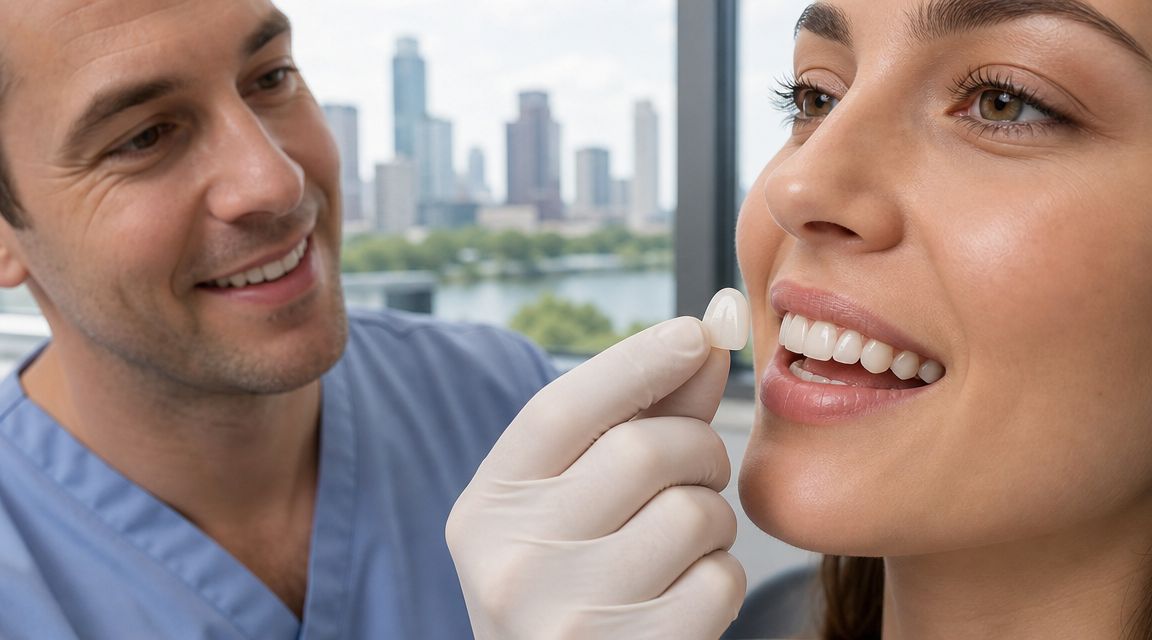
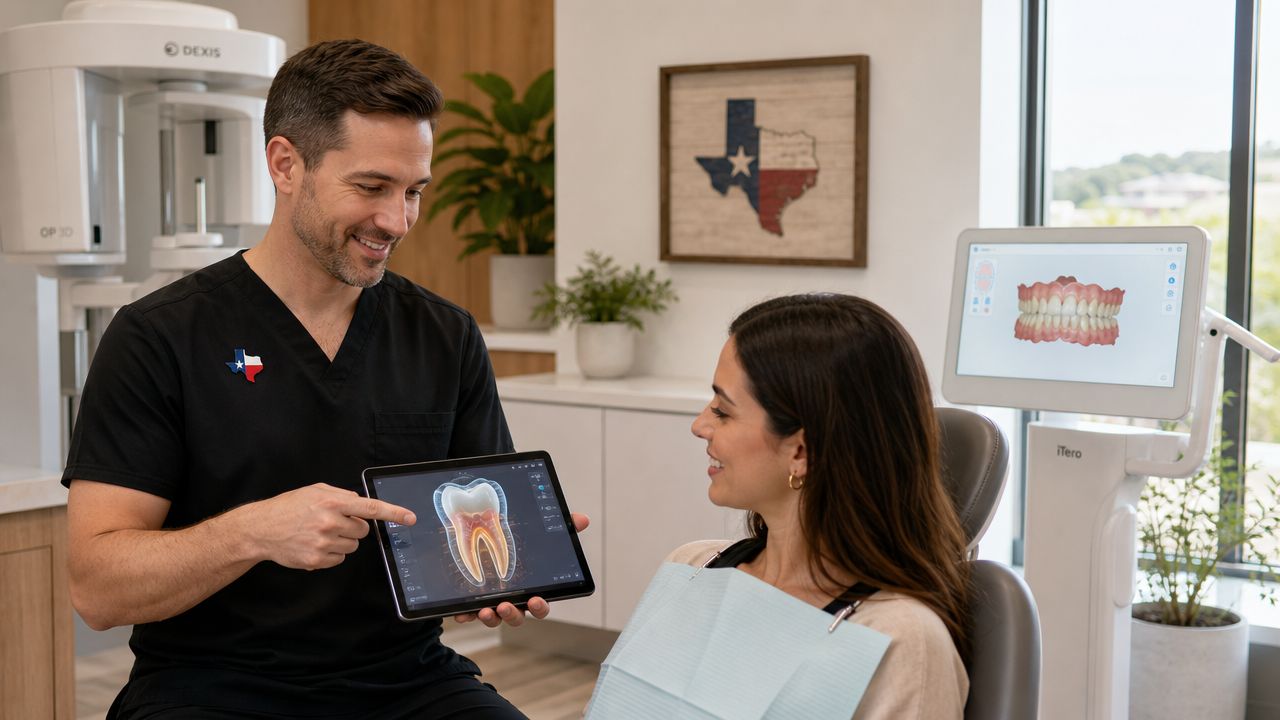
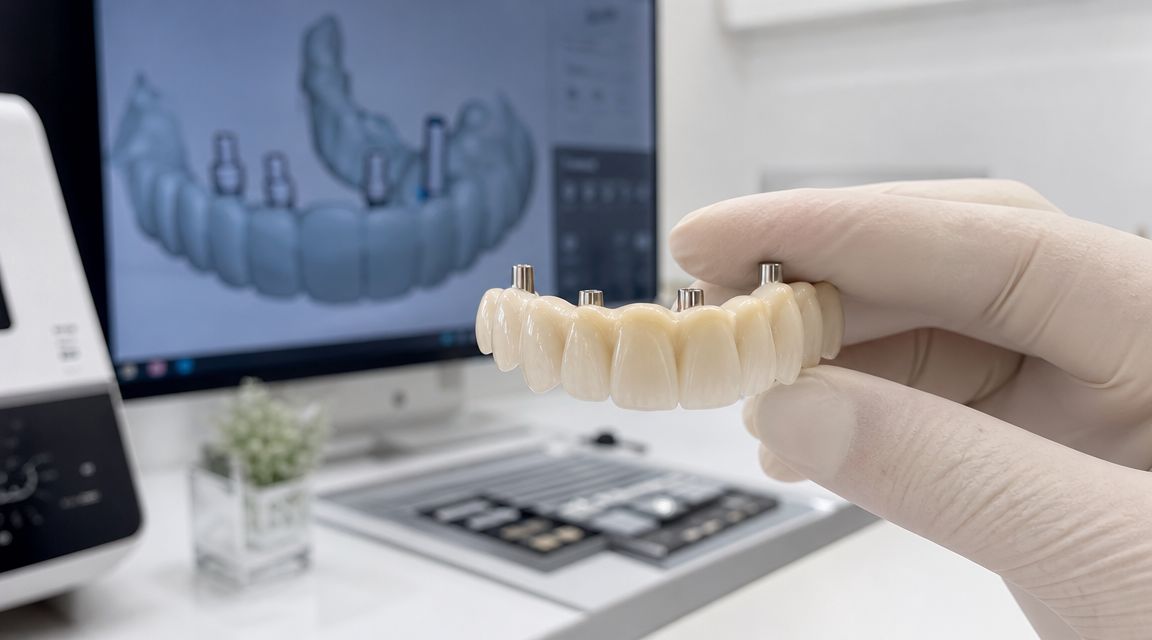
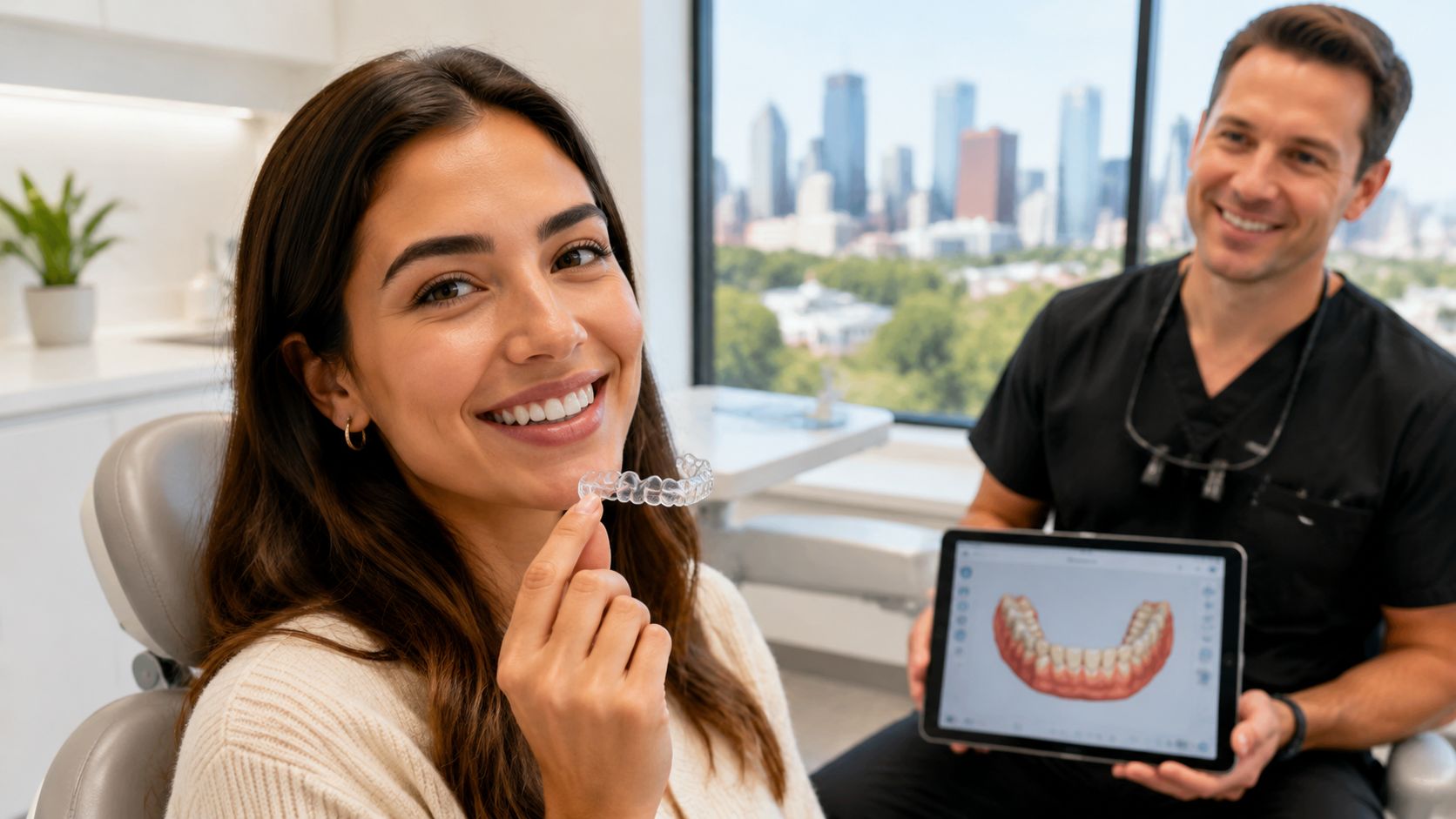
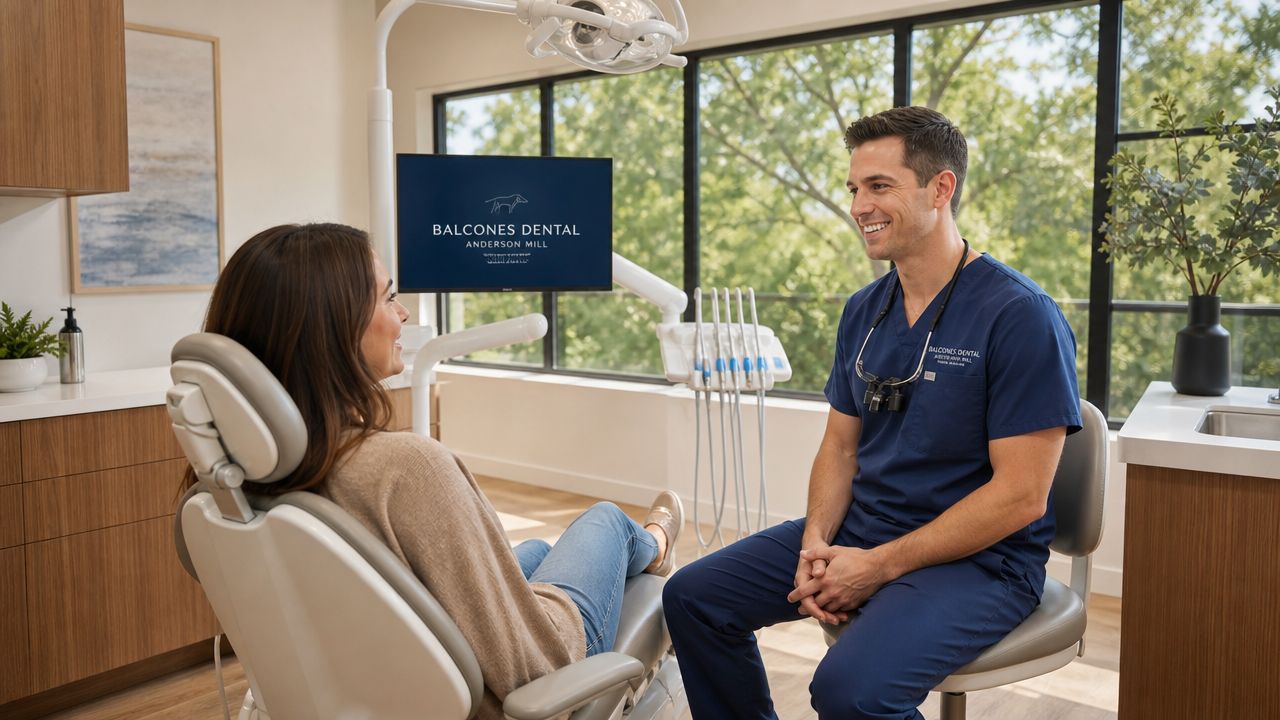
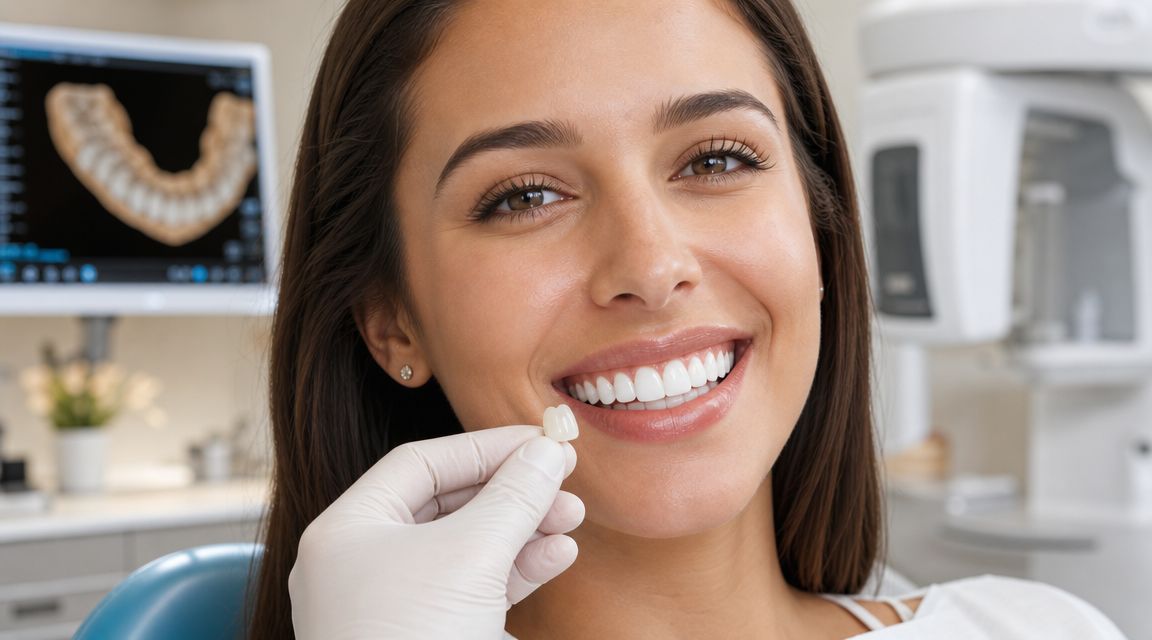

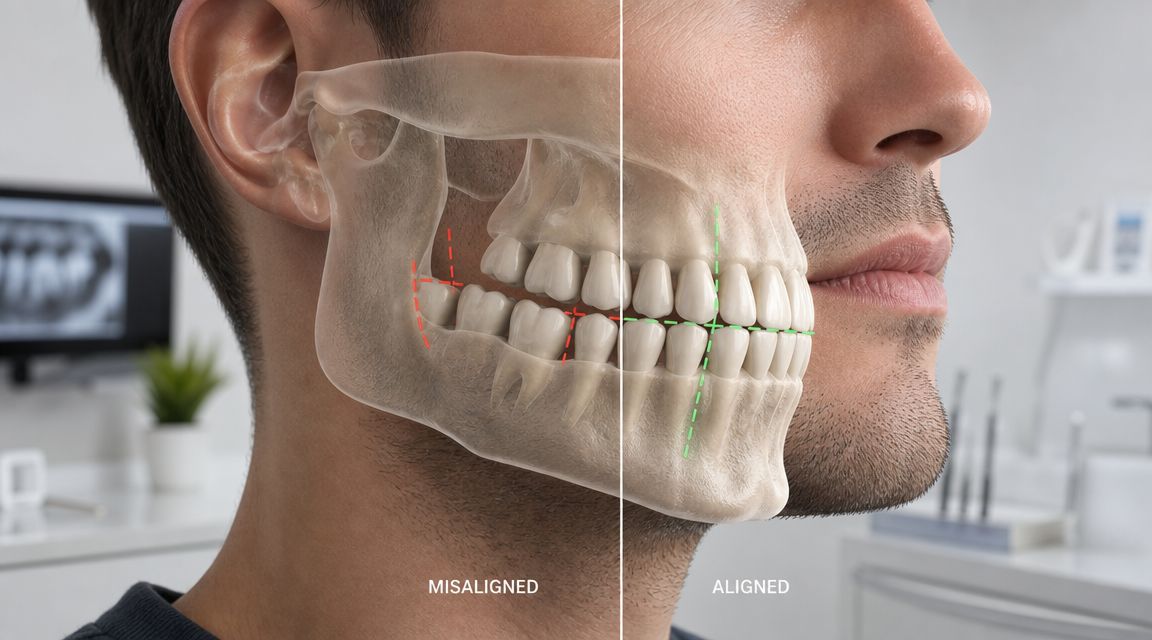

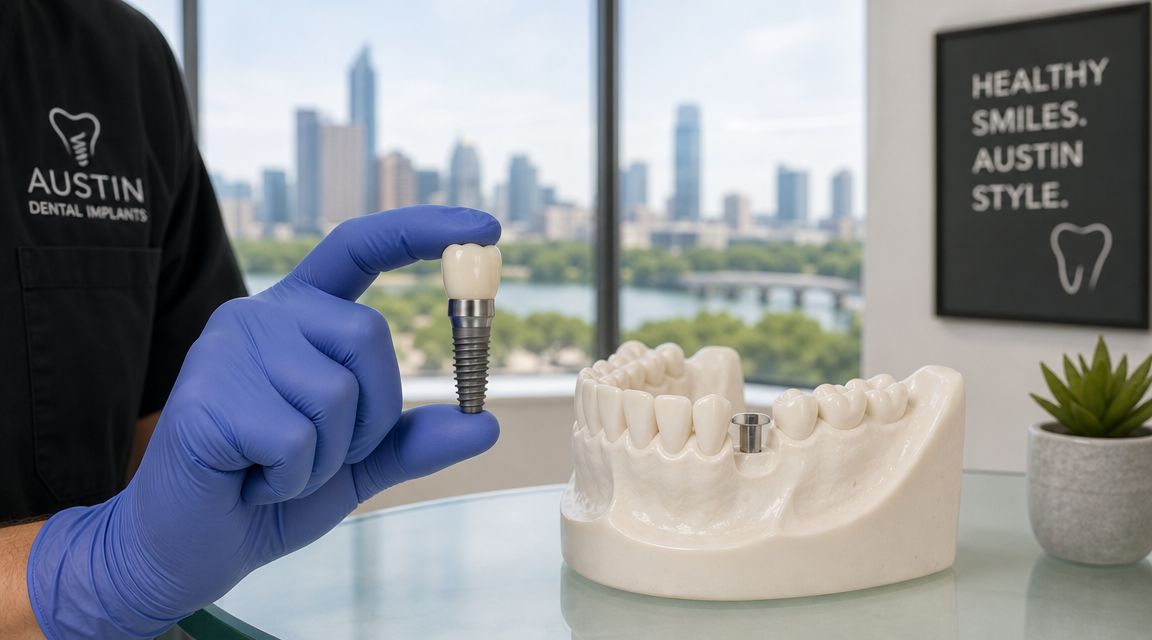
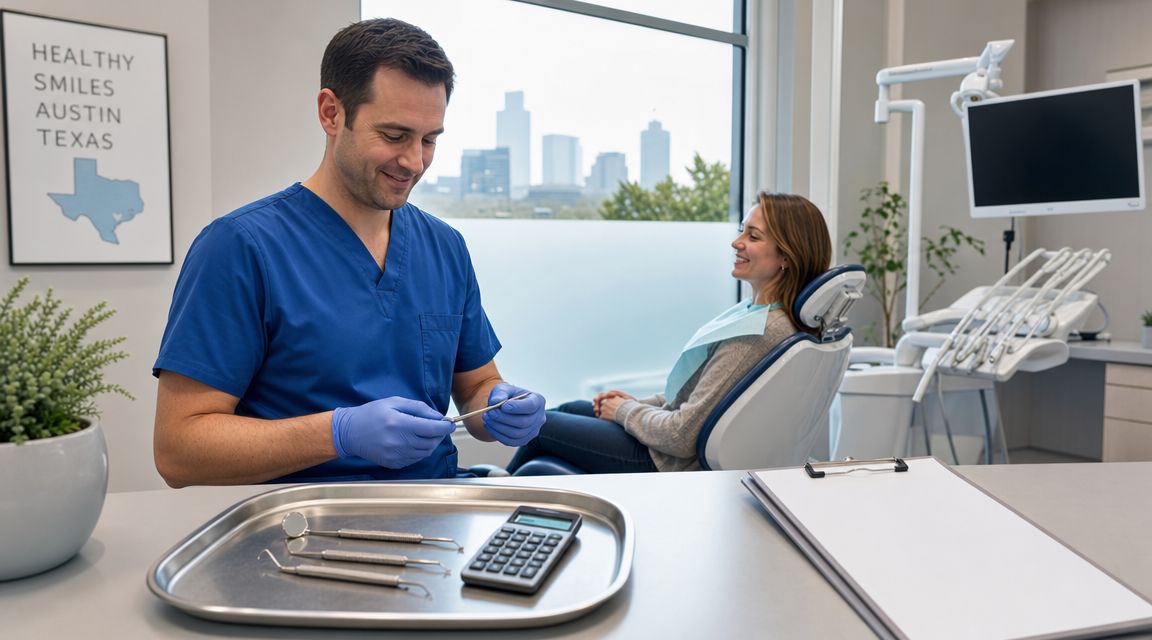
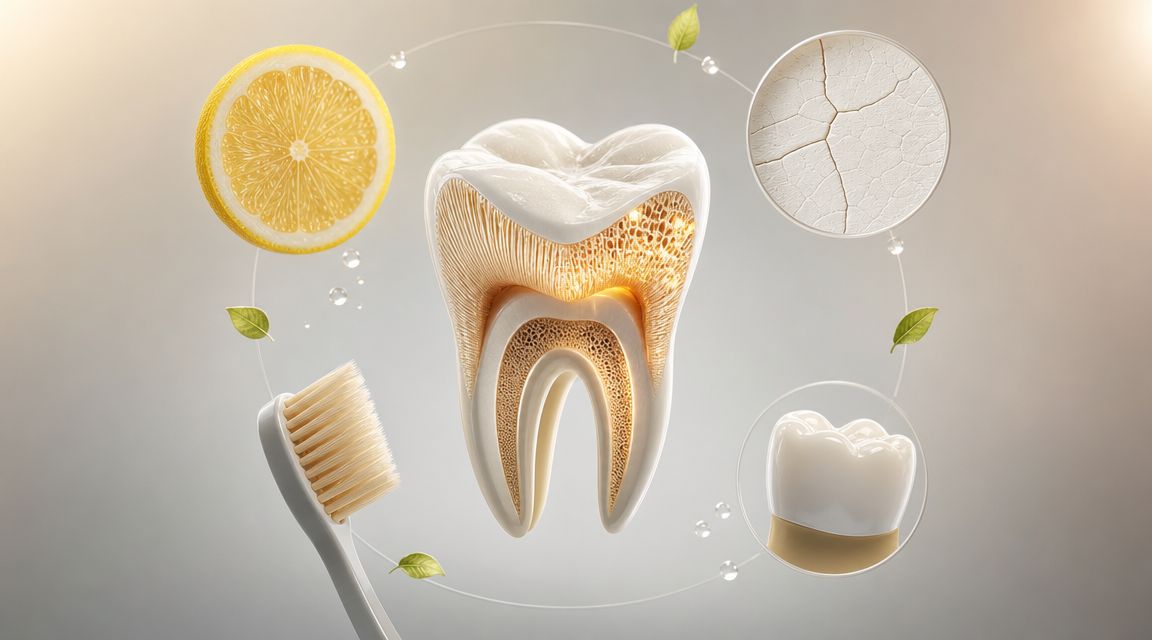

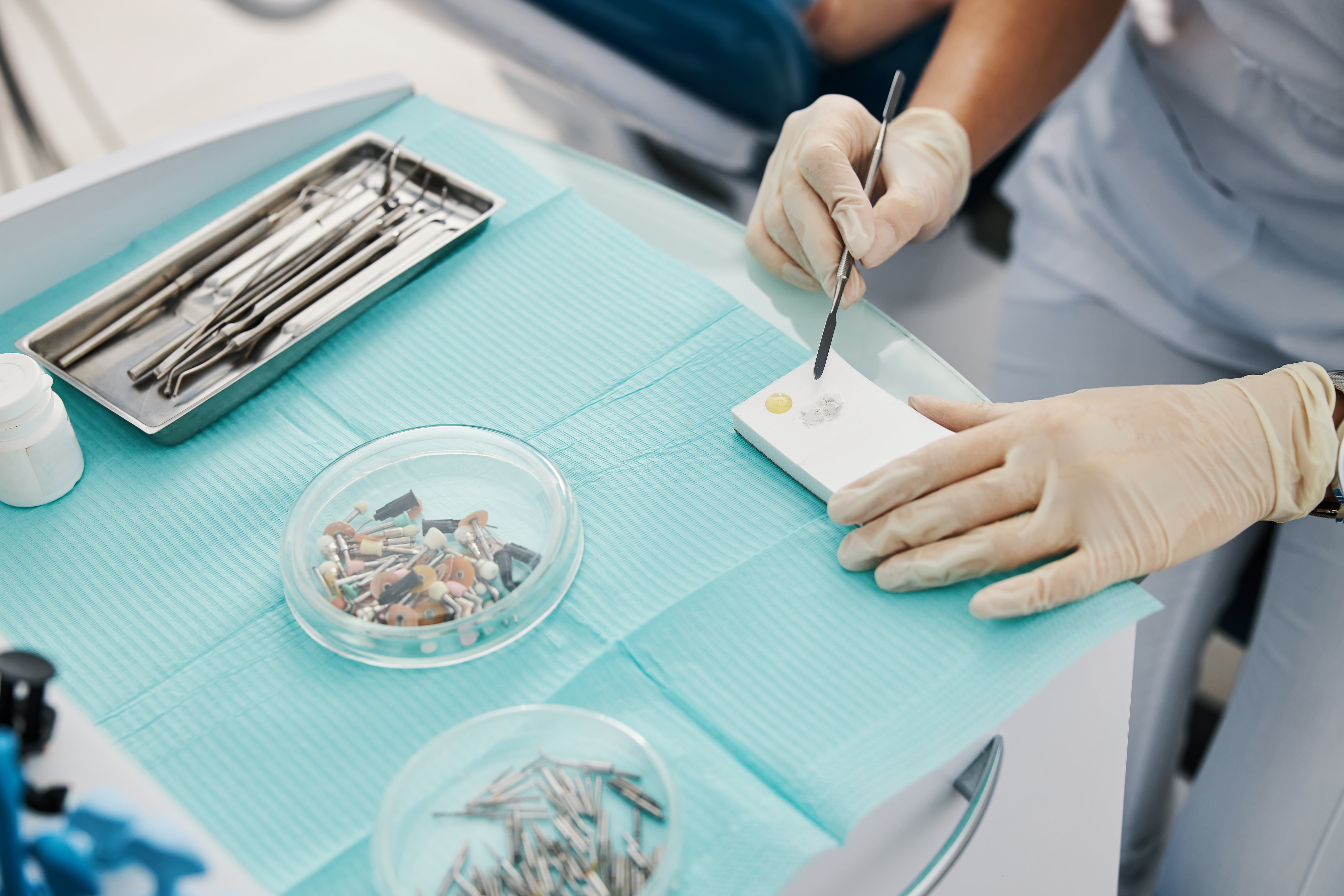
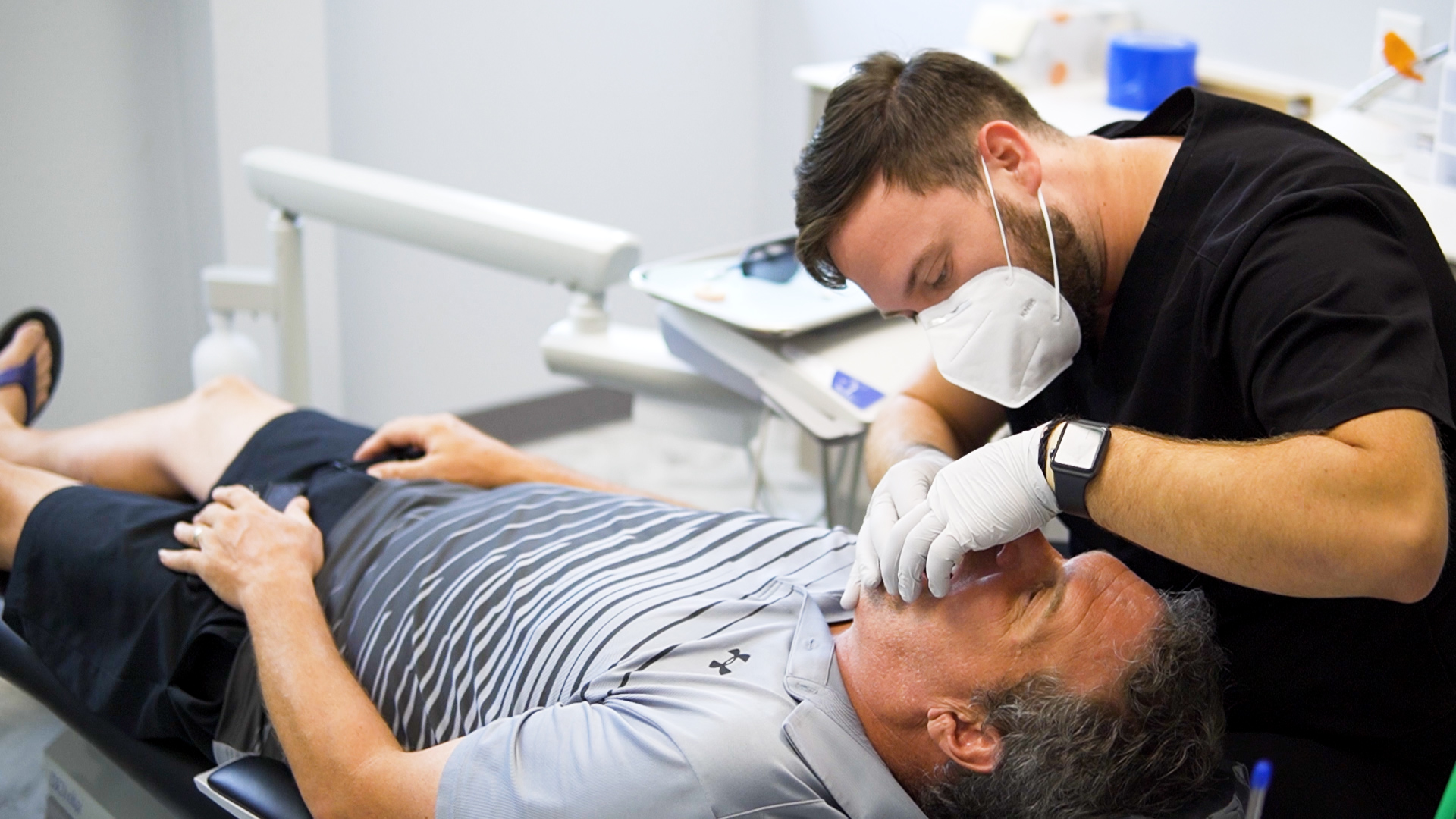

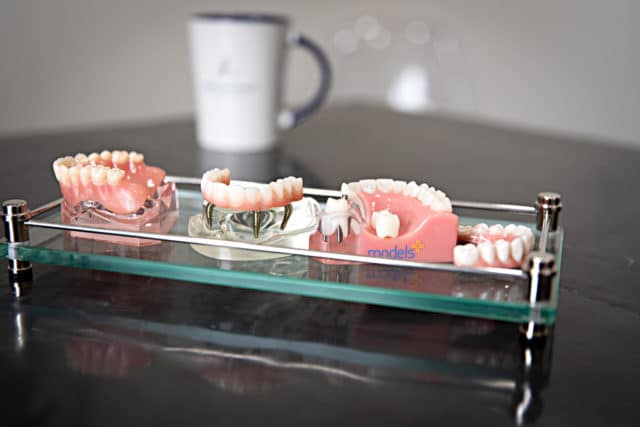





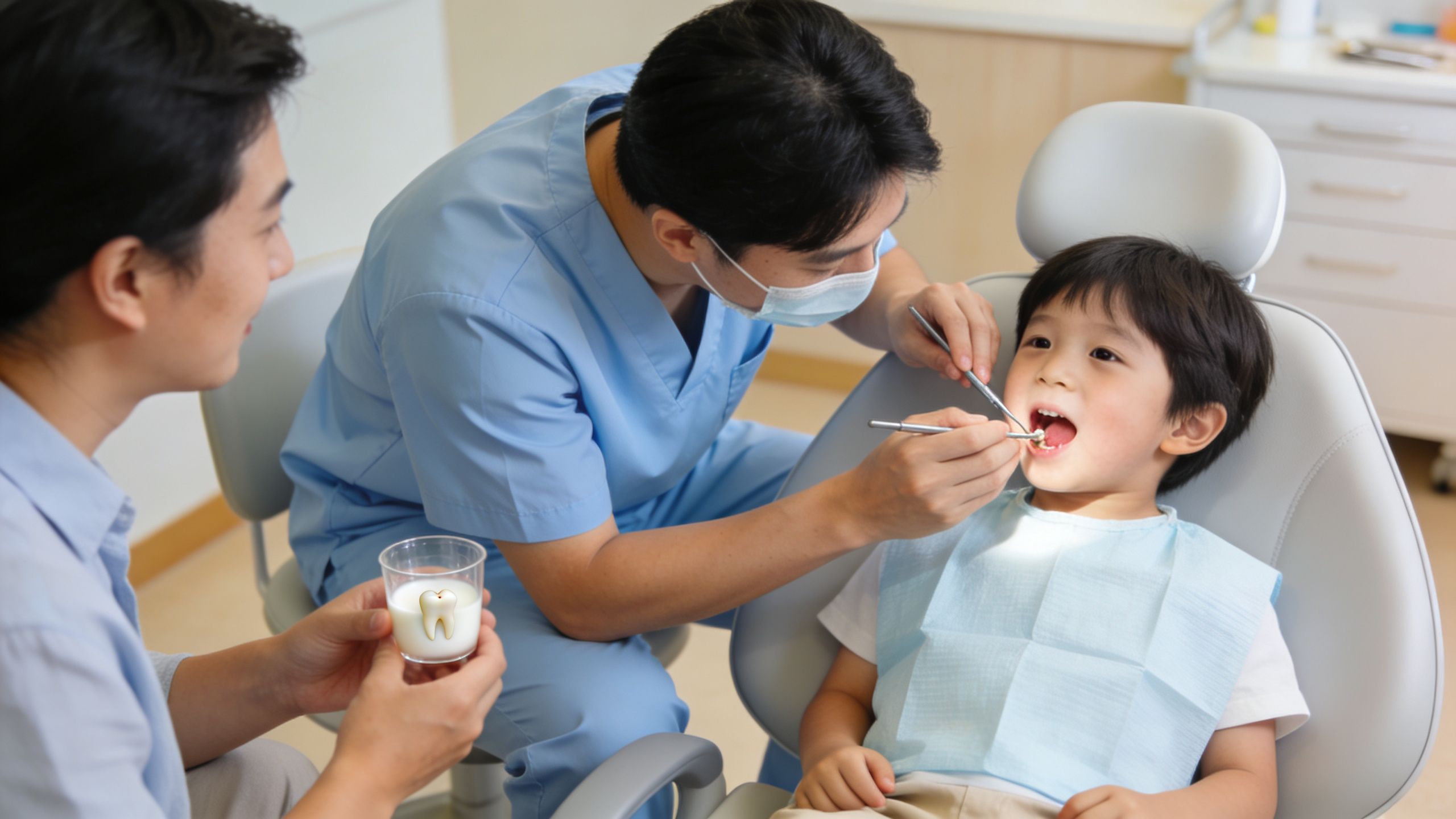
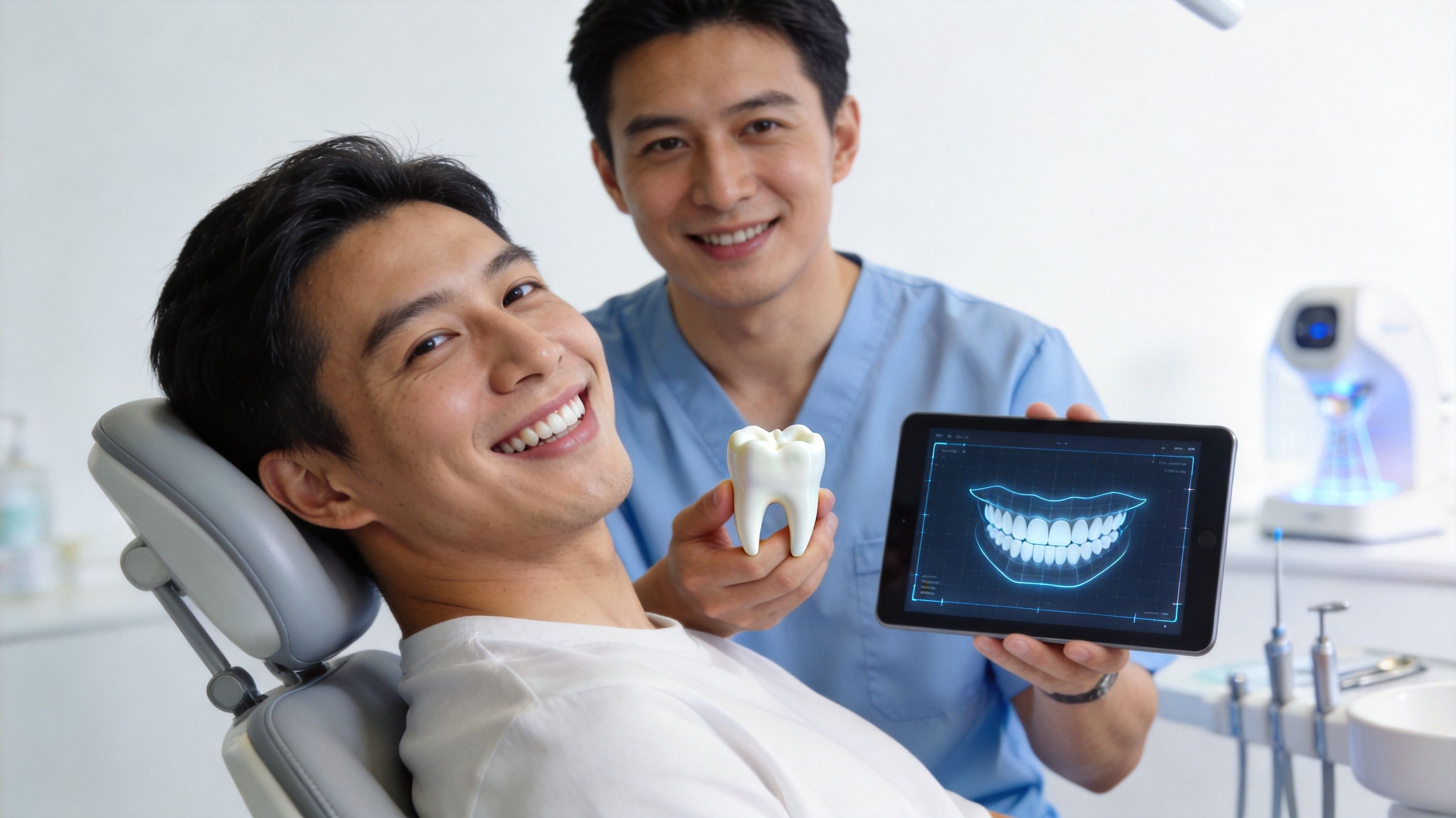
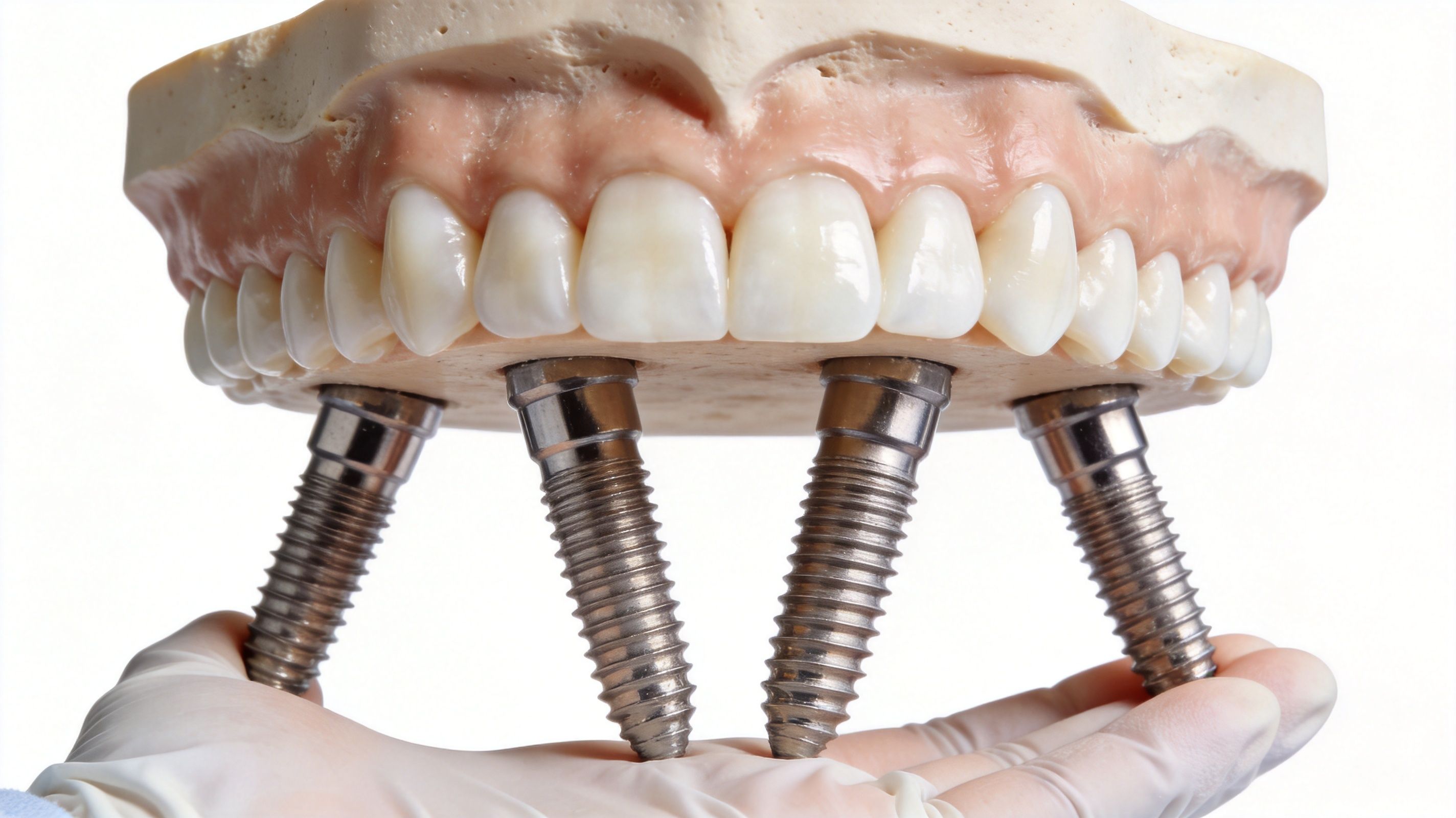



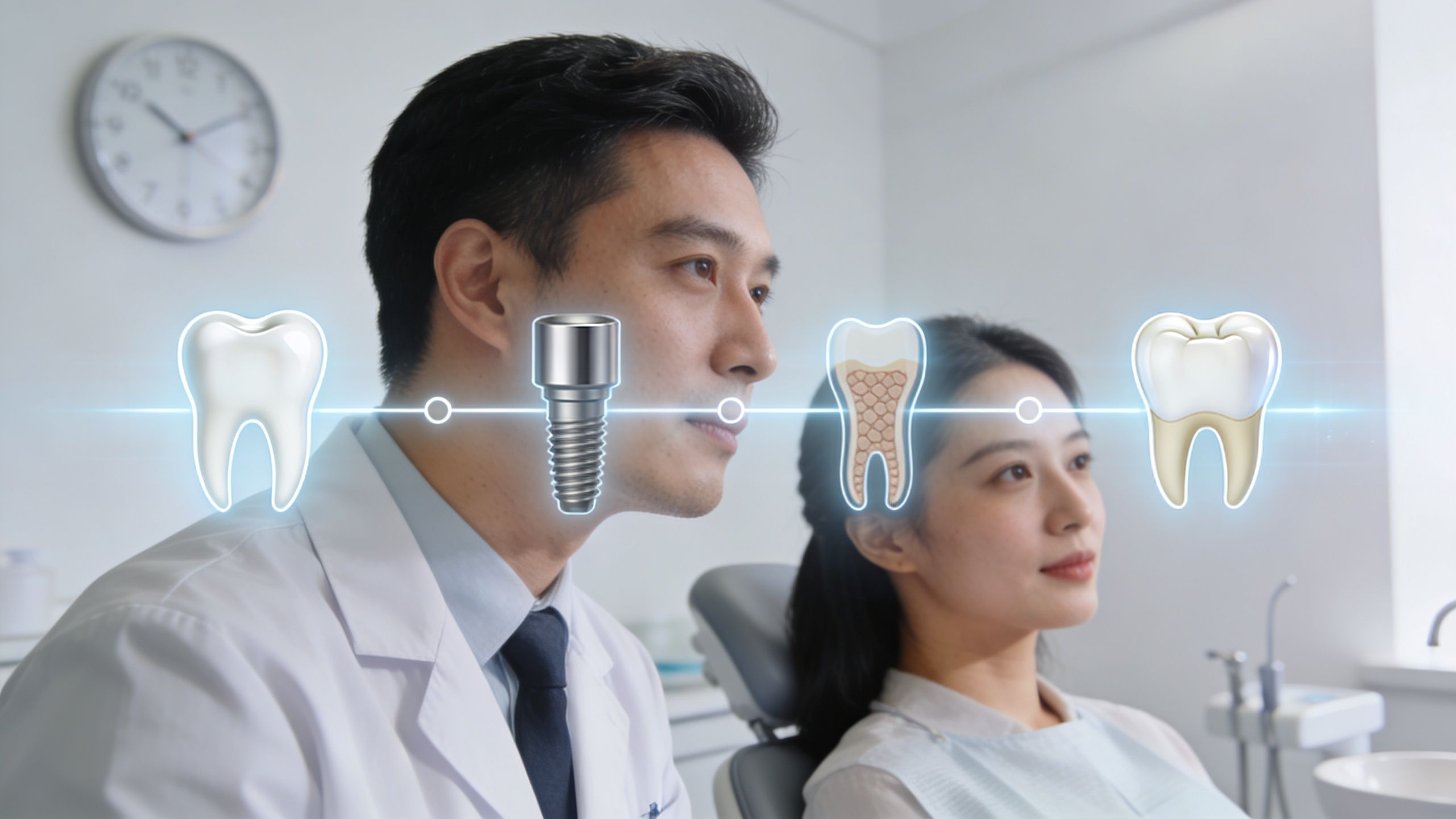



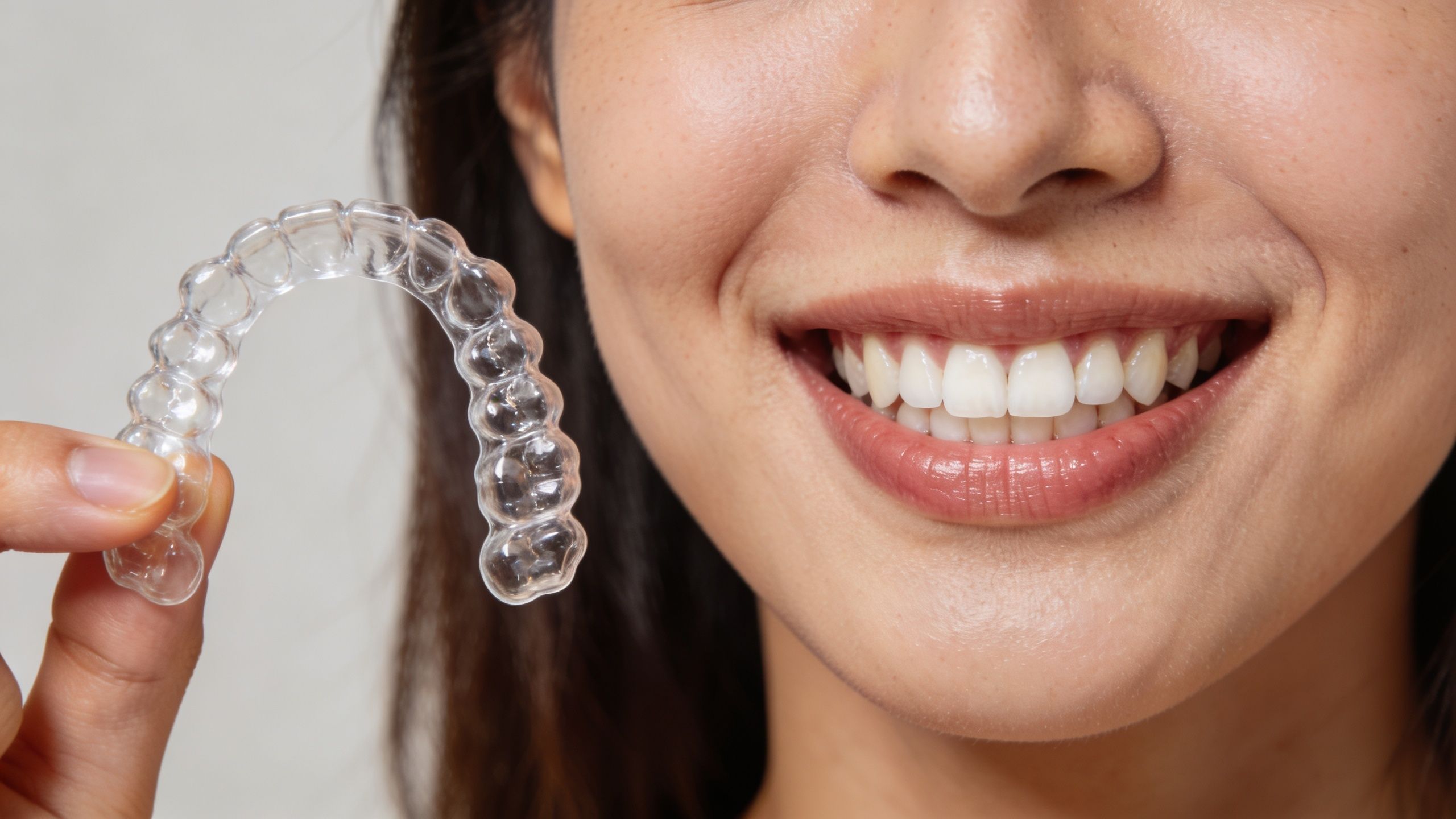
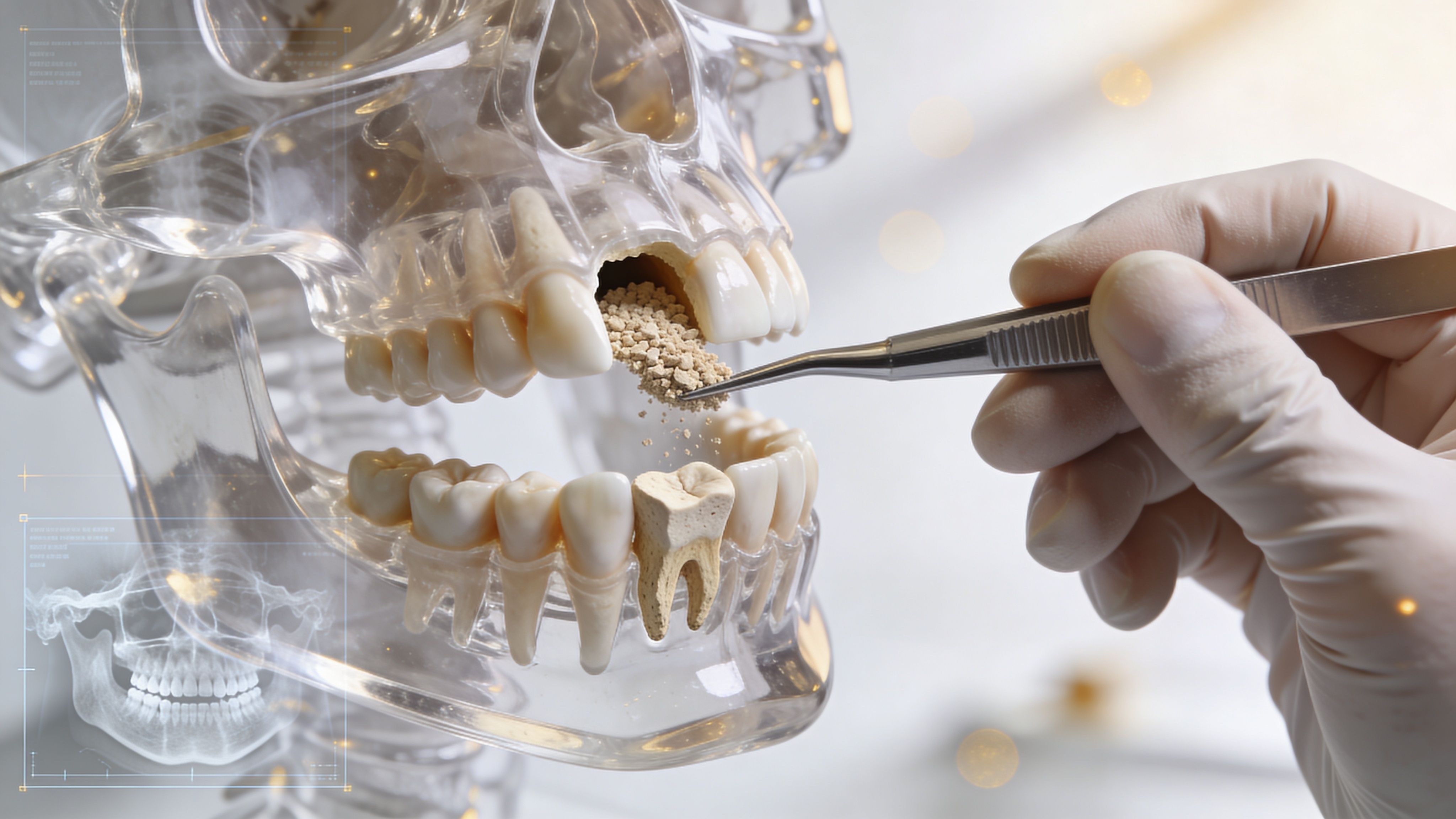

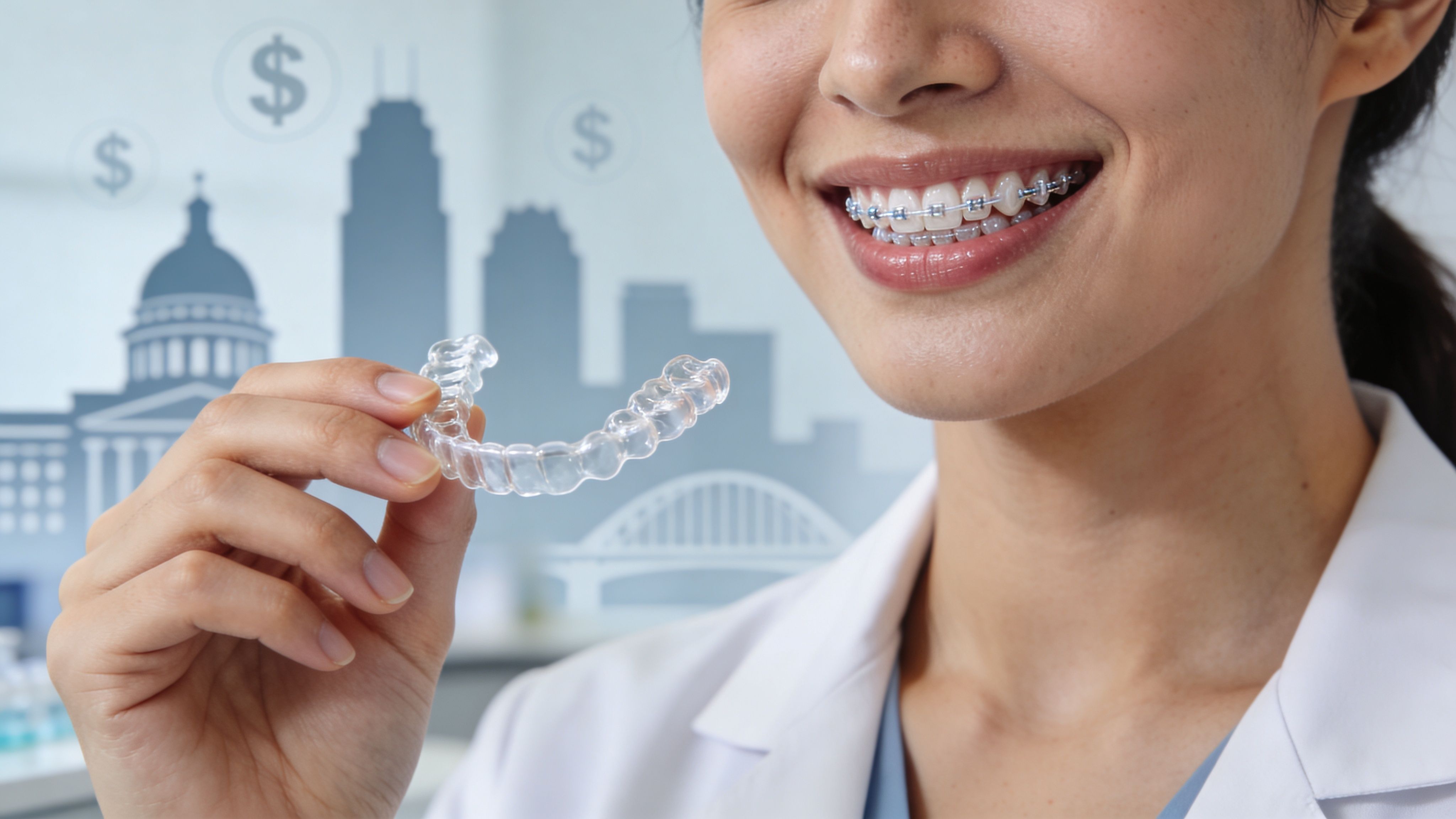

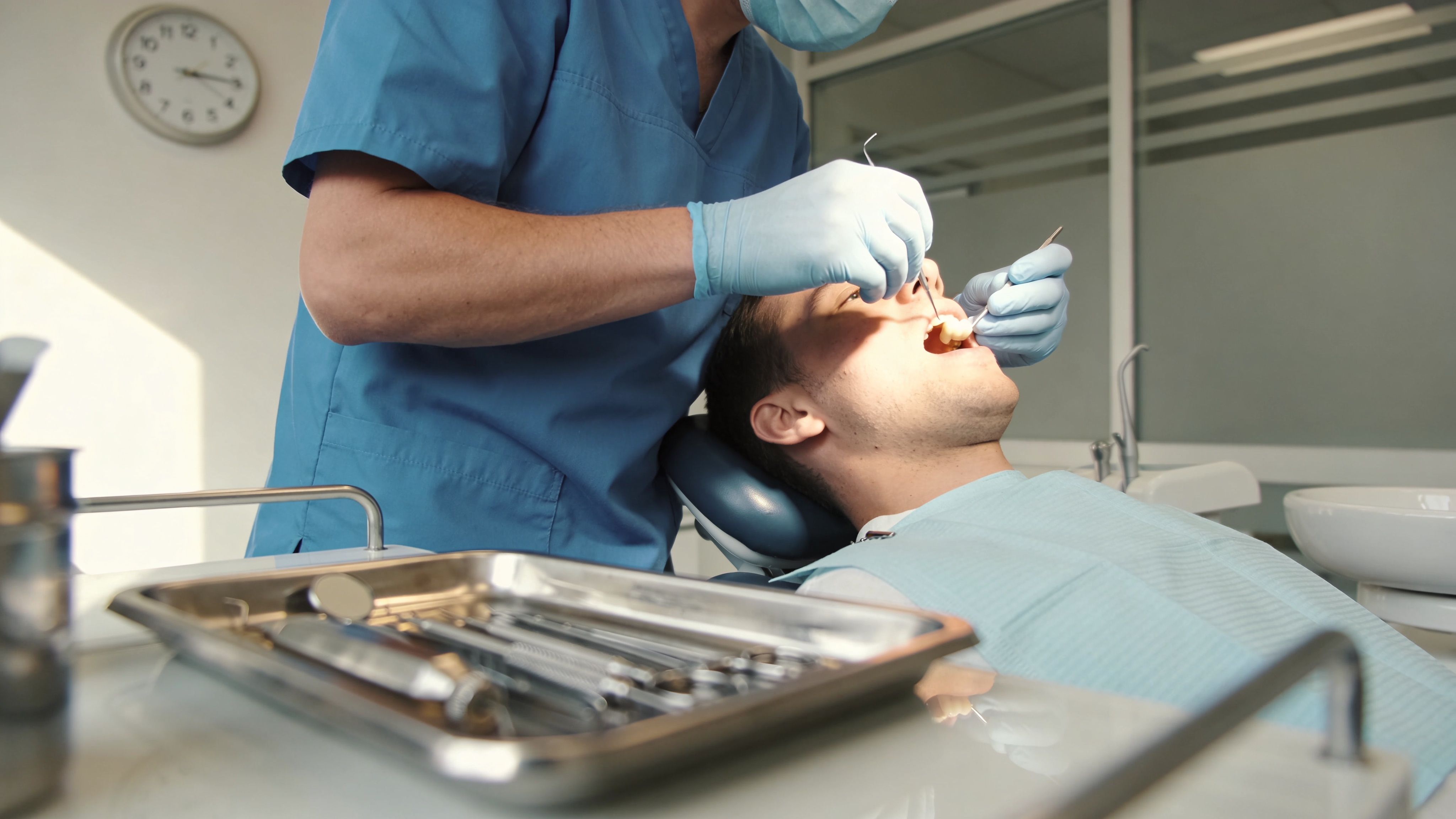

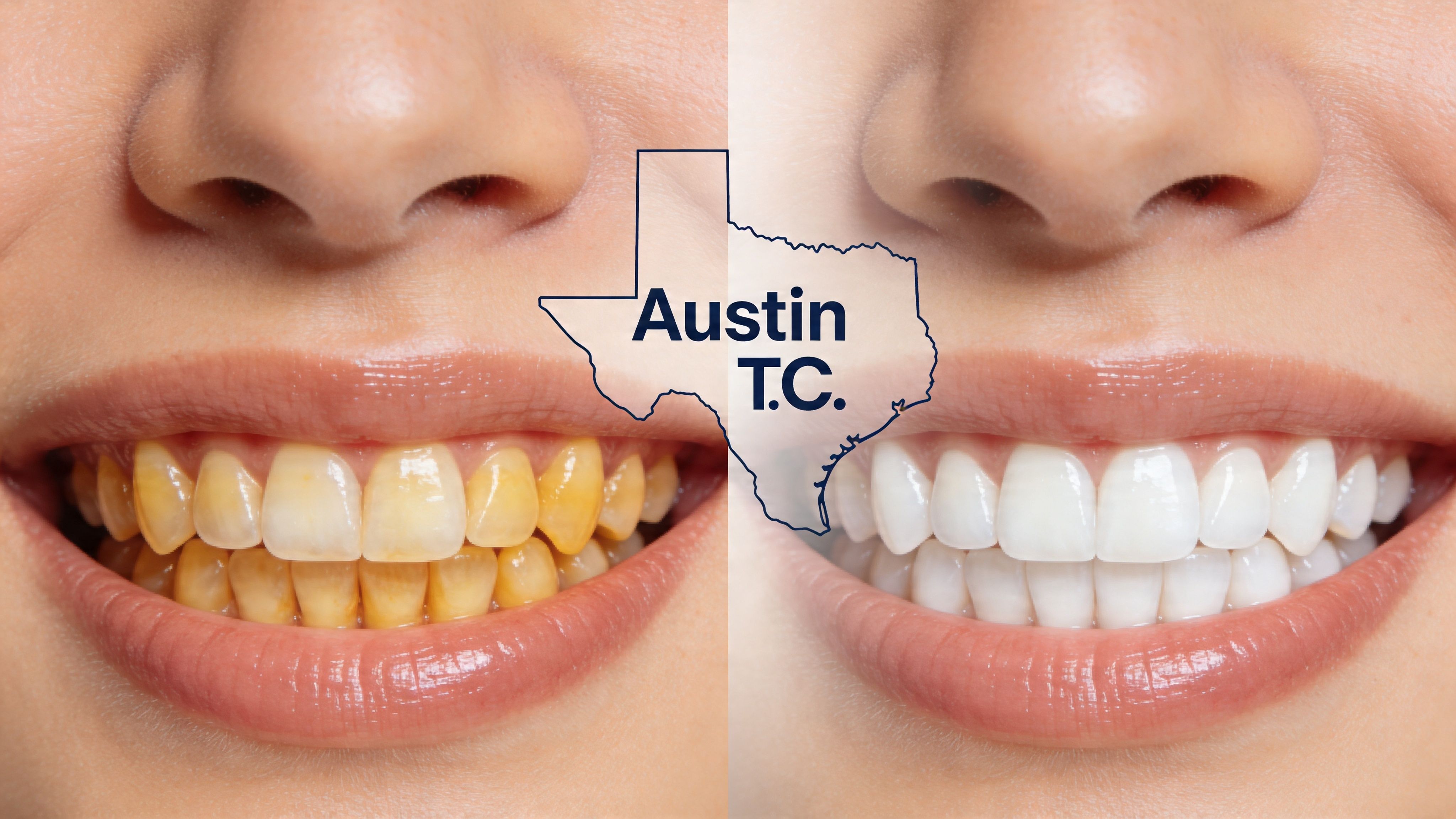
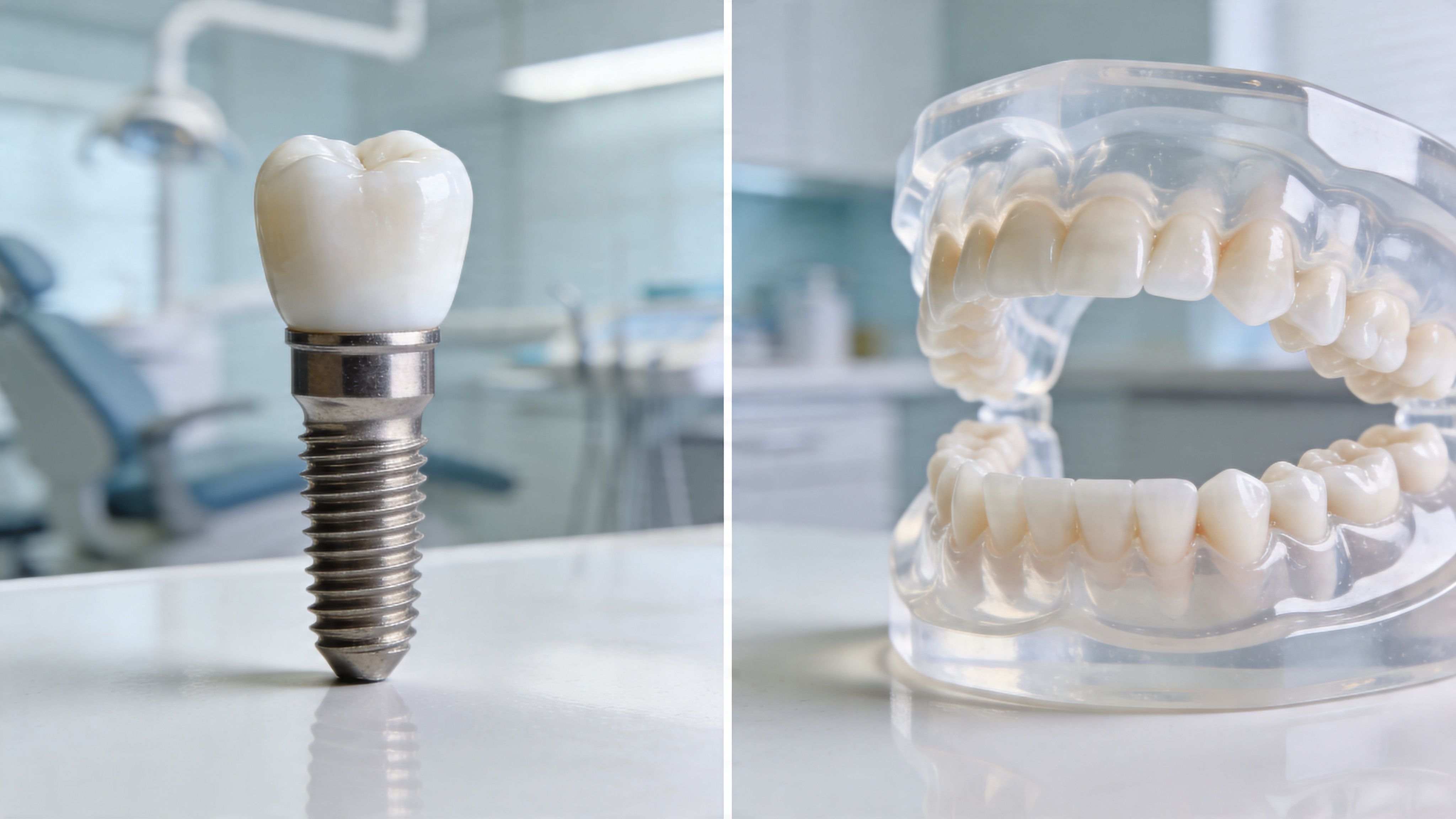
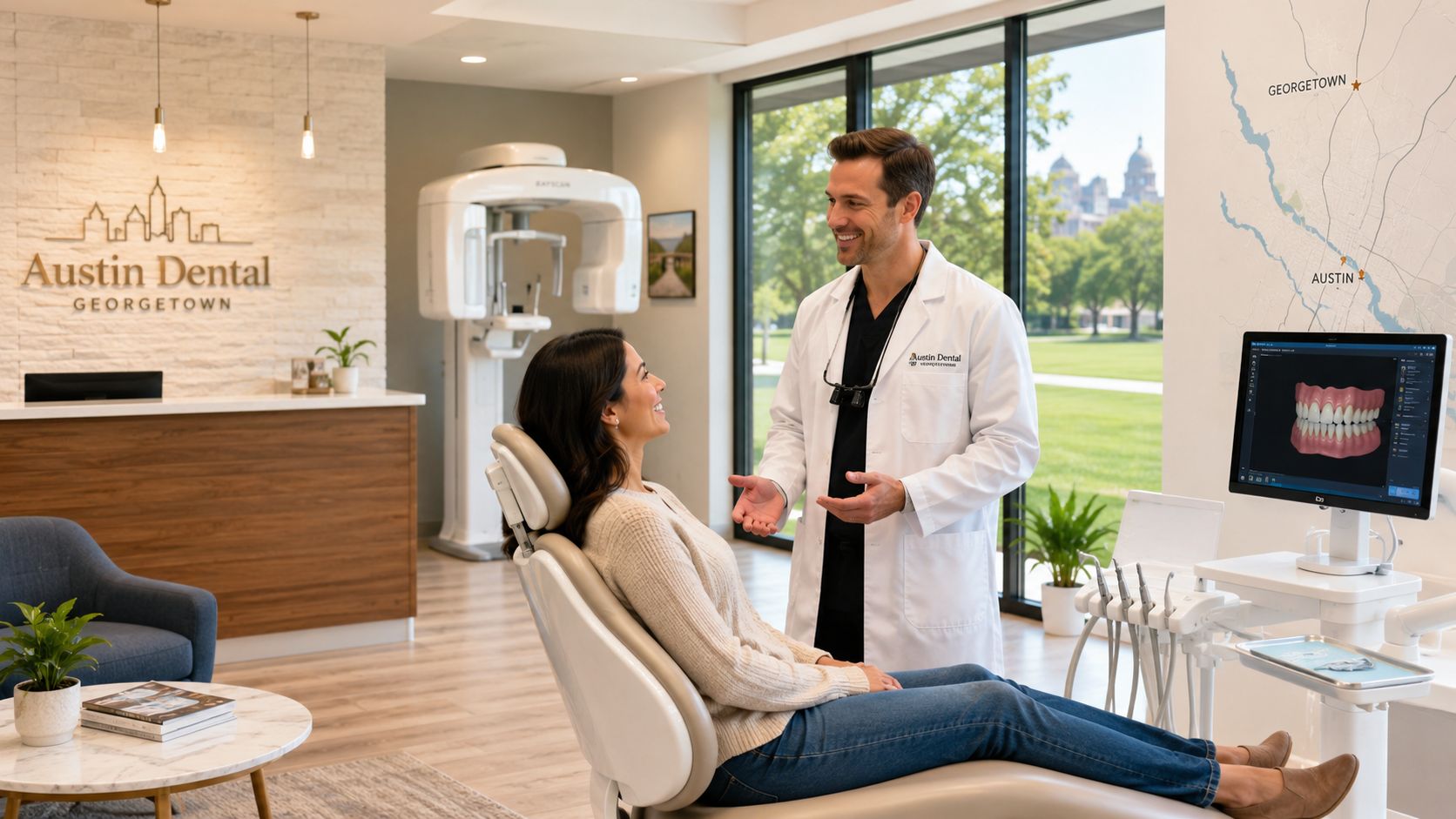
A lot of people start the same way. They search for a dentist near me after a tooth starts throbbing, after a crown chips at dinner, or after putting off a cleaning longer than they meant to. Others are looking for something bigger, like straighter teeth, a brighter smile, or a long-term fix for missing teeth.
That search gets harder in a fast-growing area like Austin and Georgetown. You want a dental office that can handle routine care, explain treatment clearly, respect your time, and make the whole visit feel manageable. You also want to know whether the office can keep your care moving without sending you all over town for imaging, specialty opinions, or major procedures.
Finding Your Trusted Dentist in Austin and Georgetown
A patient with a chipped front tooth on Tuesday may be asking about an implant on Friday. That is why choosing a dentist in Austin or Georgetown is really about choosing a practice that can keep up as your needs change, without sending you across town for every next step.
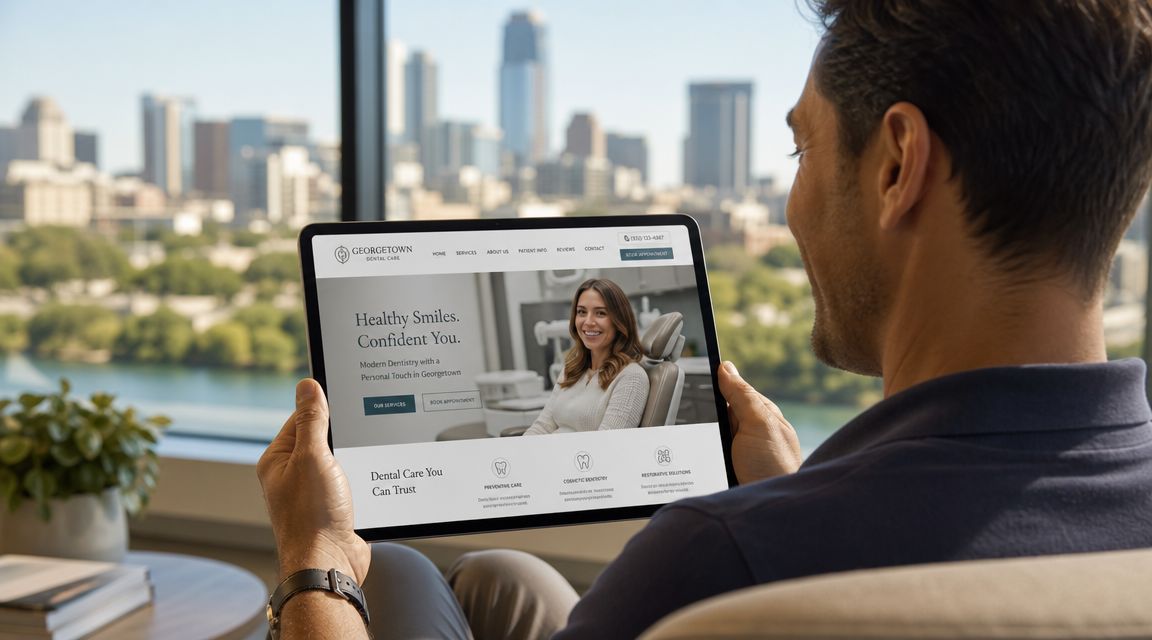
The offices that serve patients best usually do more than exams and cleanings. They diagnose clearly, act quickly when something hurts, and have the tools and specialists to carry treatment from the first visit through the final result. That matters whether the issue is a simple cavity, a cracked crown, or a full-arch implant plan.
Patients in Austin and Georgetown usually look for four things right away:
- A clear diagnosis so pain, sensitivity, or cosmetic concerns are taken seriously
- A practical treatment plan with next steps that make sense
- Care in one place for preventive, restorative, cosmetic, emergency, and implant needs
- Scheduling that fits real life for families, commuters, and working adults
In a fast-growing area, access shapes the patient experience as much as clinical skill. Many Texans still have a hard time finding timely dental care close to home, especially when treatment becomes more involved. For patients, that often means long waits, extra referrals, and avoidable delays.
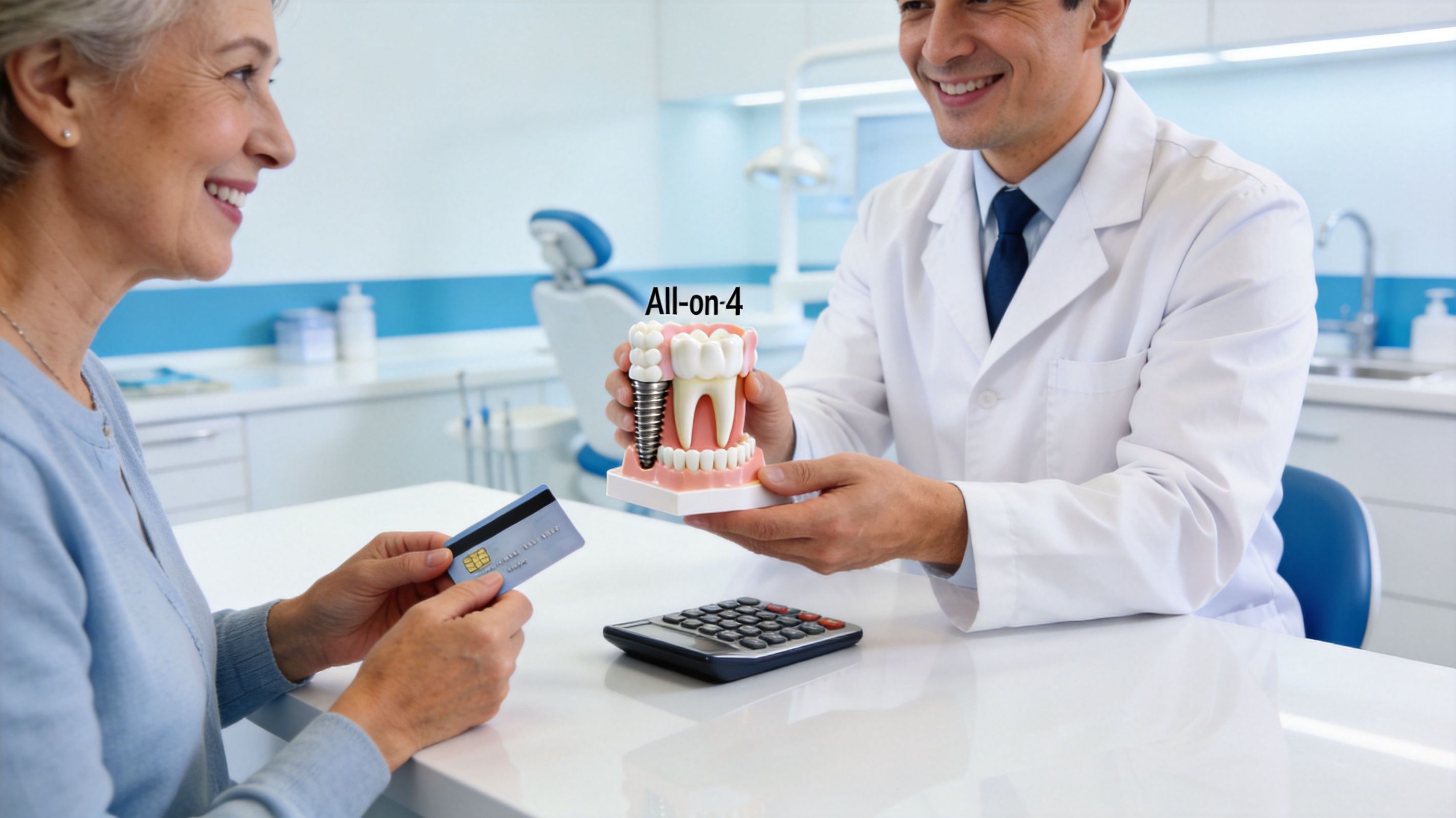
A better model keeps care under one roof. With 3D imaging, an in-house lab, and a team that can handle everything from routine hygiene visits to All-on-4 treatment, patients spend less time coordinating between offices and more time getting care done. That is a real advantage, not a marketing line. It shortens the path from diagnosis to treatment and gives patients one team that knows the full picture.
For patients around North Austin, Georgetown, Wells Branch, Cedar Park, Round Rock, and Liberty Hill, that kind of setup often makes dentistry feel much more manageable. You can review nearby Austin and Georgetown dental locations to find the office that fits your schedule and location best.
Comprehensive Dental Care for Your Entire Family
The biggest advantage of a broad-service dental office is simple. It keeps care connected. A child coming in for a cleaning, a parent needing a crown, and a grandparent asking about dentures or implants can all be evaluated under the same clinical system.
Publicly listed information for Lawn Dental Center shows a general dentistry model that includes restorative, cosmetic, pediatric, orthodontic, and emergency care, as noted in Lawn Dental Center's public profile. That kind of service mix matters because it reduces handoffs for common needs.
Preventive care that keeps small problems small
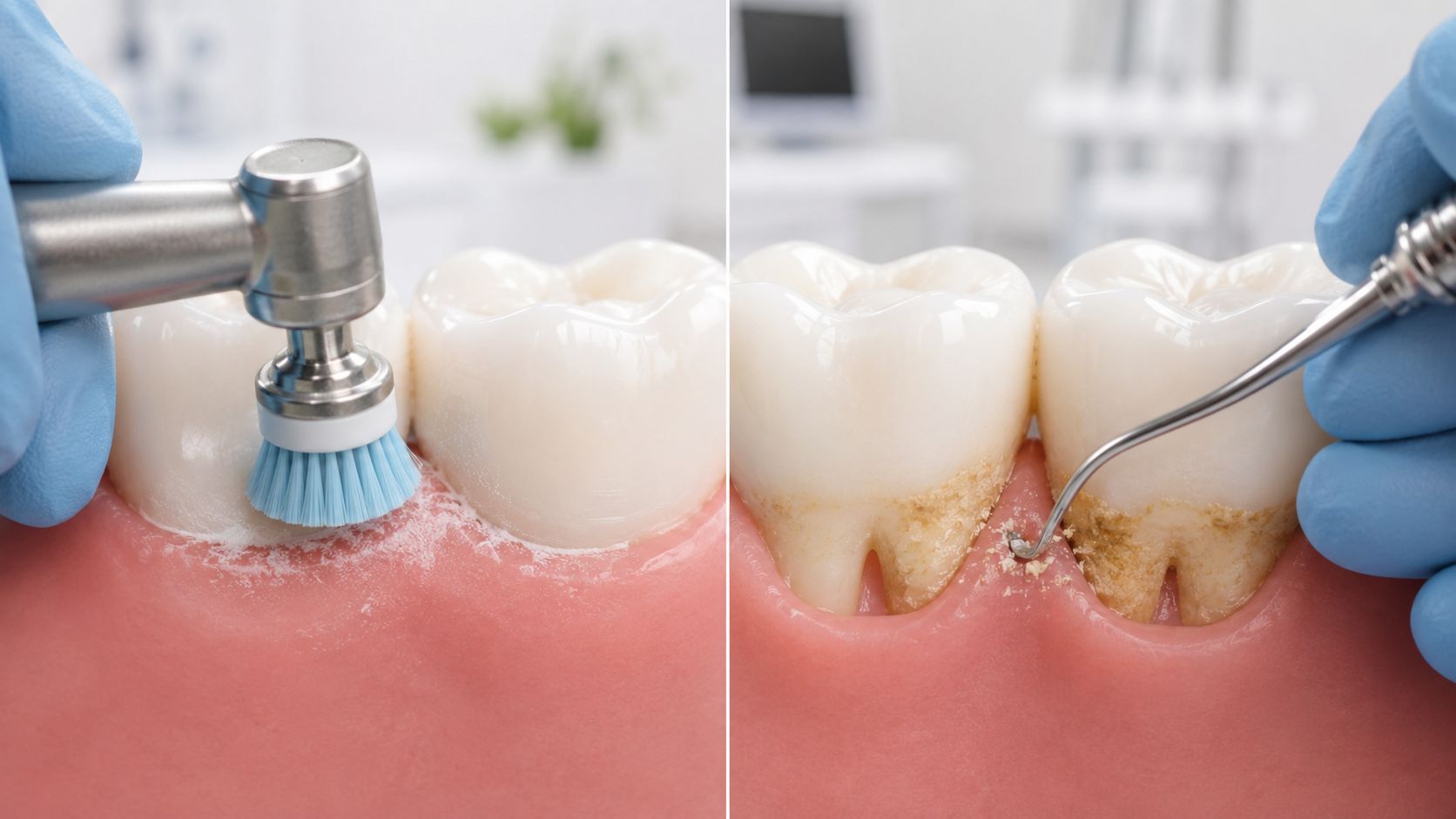
Routine dental care is still the foundation. Cleanings, exams, and dental x-rays help catch cavities, gum inflammation, worn restorations, and bite issues before they become more expensive or painful.
For families, preventive care usually works best when it feels predictable. Patients are more likely to stay current when scheduling is straightforward and when the office can coordinate multiple family appointments without making the day feel rushed.
Restorative and emergency treatment that solves the immediate issue
For tooth extraction, emergency dentist, or treatment for a cracked tooth, relief is usually the primary concern, with details secondary. That makes speed and range of treatment important.
Common restorative needs often include:
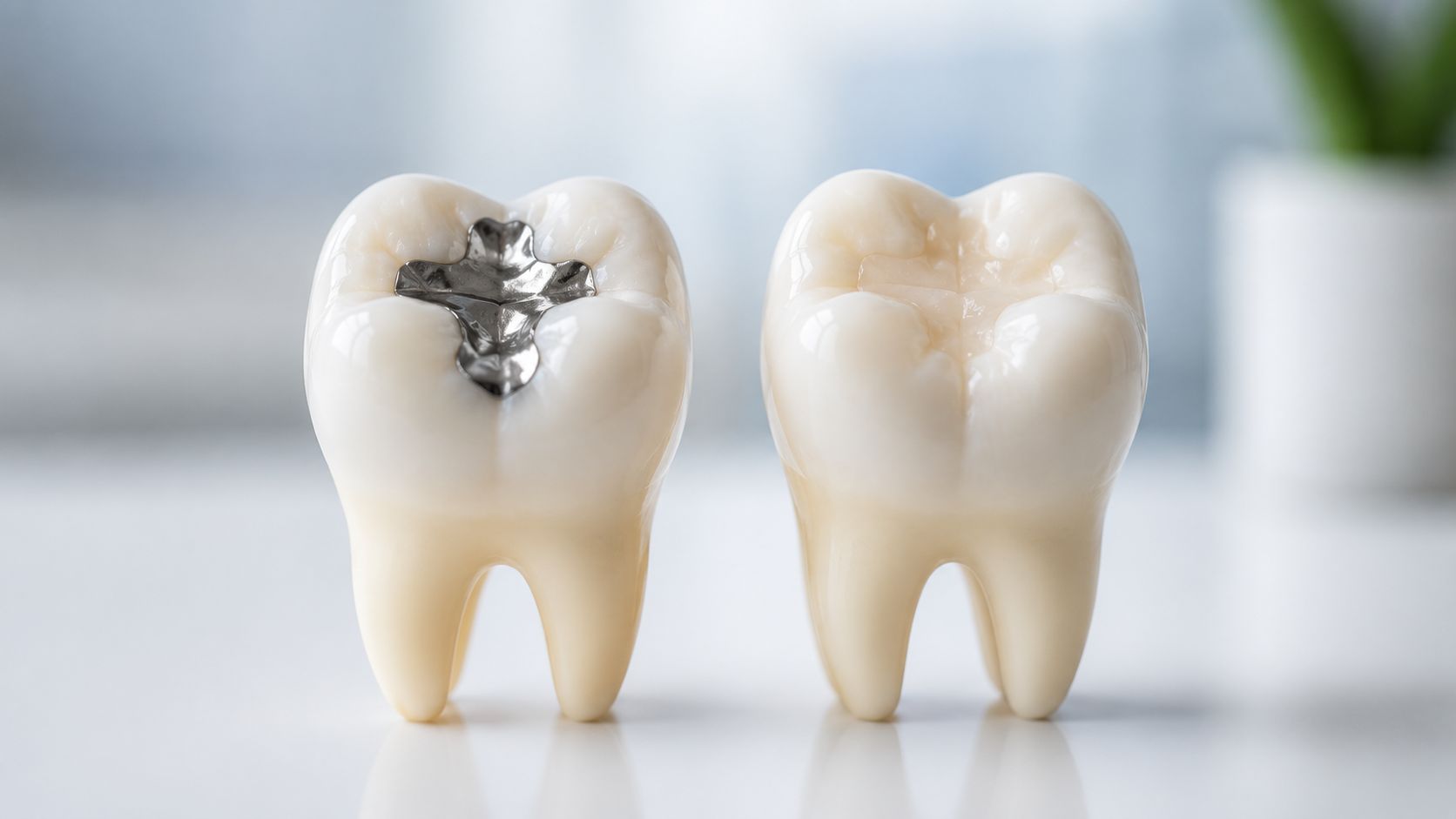
- Fillings and bonding for decay and minor tooth damage
- Crowns and bridges when teeth need more support or replacement
- Root canal treatment when infection or deep inflammation is causing pain
- Extractions for teeth that can't be predictably saved
The practical benefit of keeping these services under one roof is better triage. The office can decide whether a patient needs urgent pain relief, short-term stabilization, or a full restorative plan without creating unnecessary delays.
Cosmetic, orthodontic, and long-term smile planning
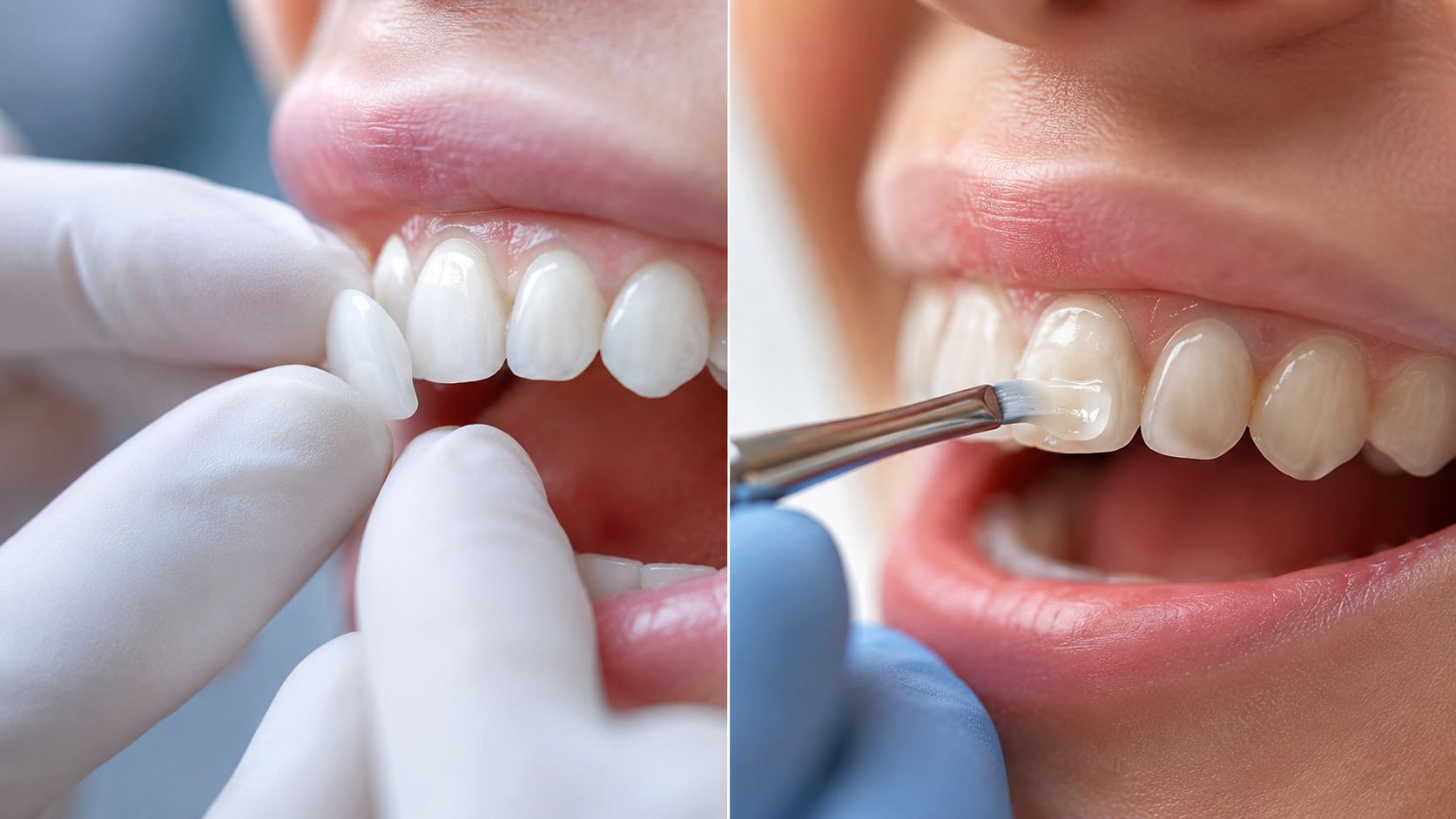
Patients don't always arrive because something hurts. Many are searching for a cosmetic dentist near me because they want to improve the shape, color, or alignment of their teeth.
That usually falls into three categories:
| Need | Common solutions | Why it matters |
|---|---|---|
| Stained or uneven teeth | Teeth whitening, veneers | Improves smile appearance quickly |
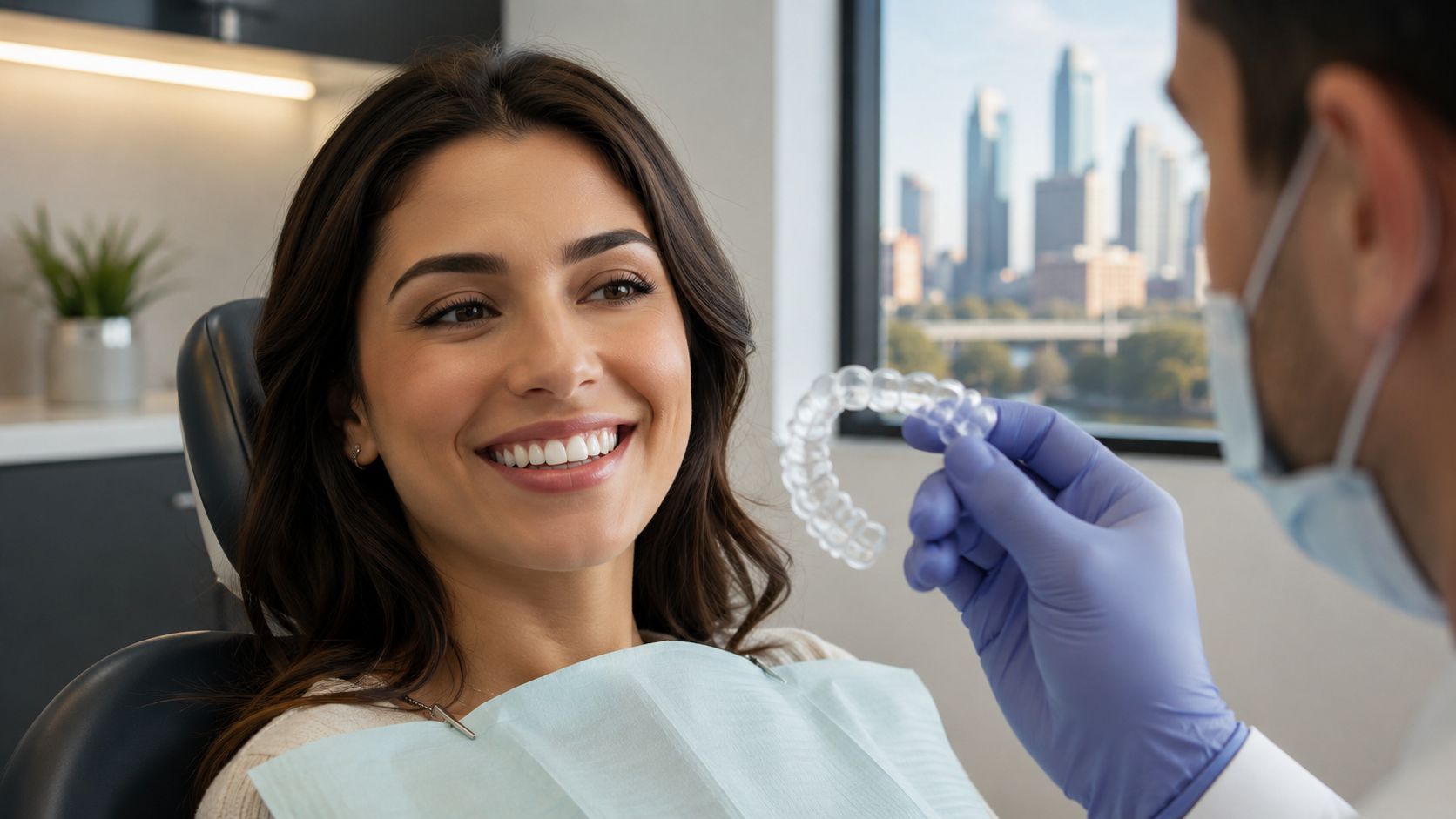
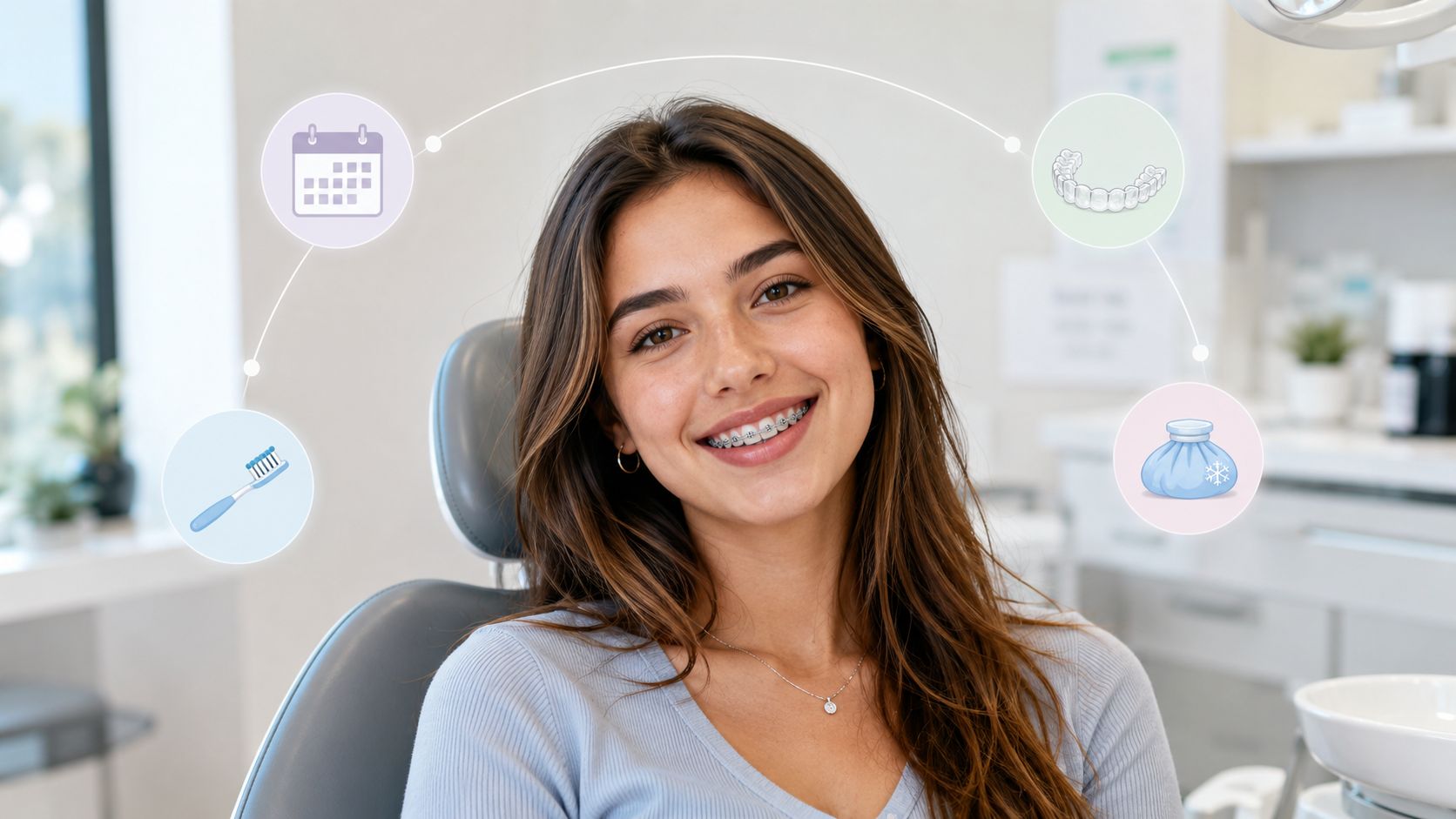
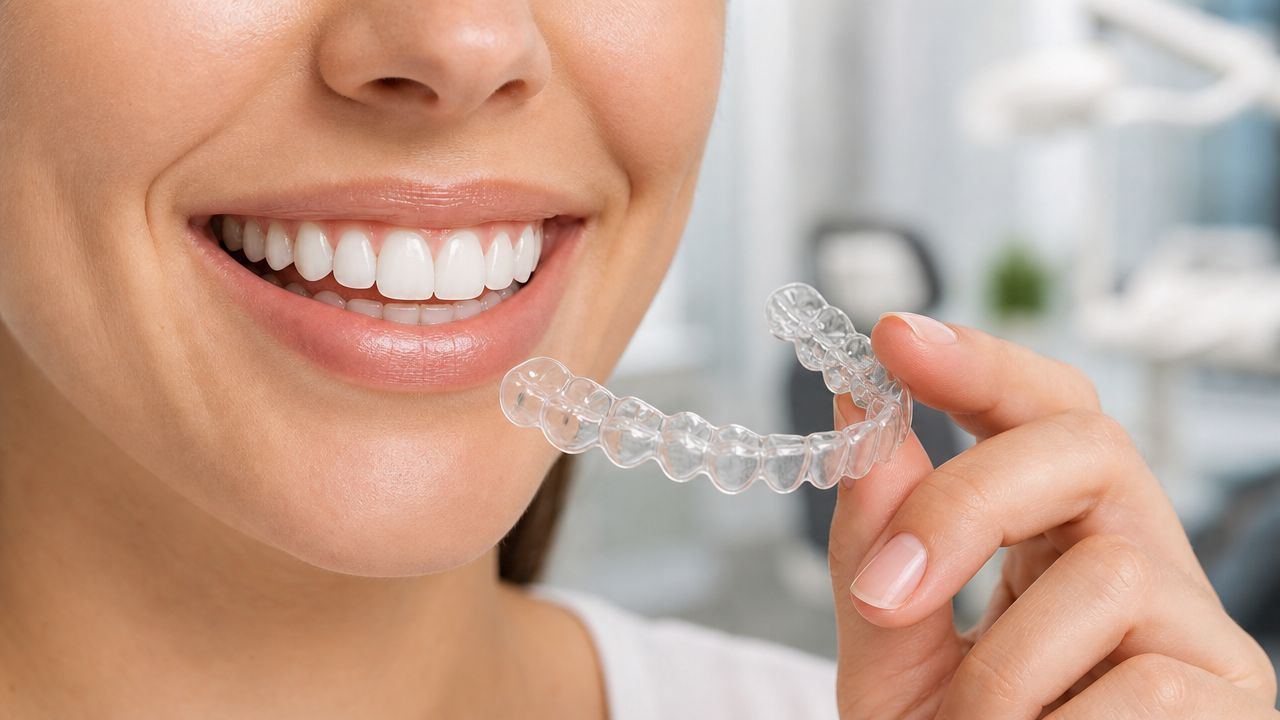
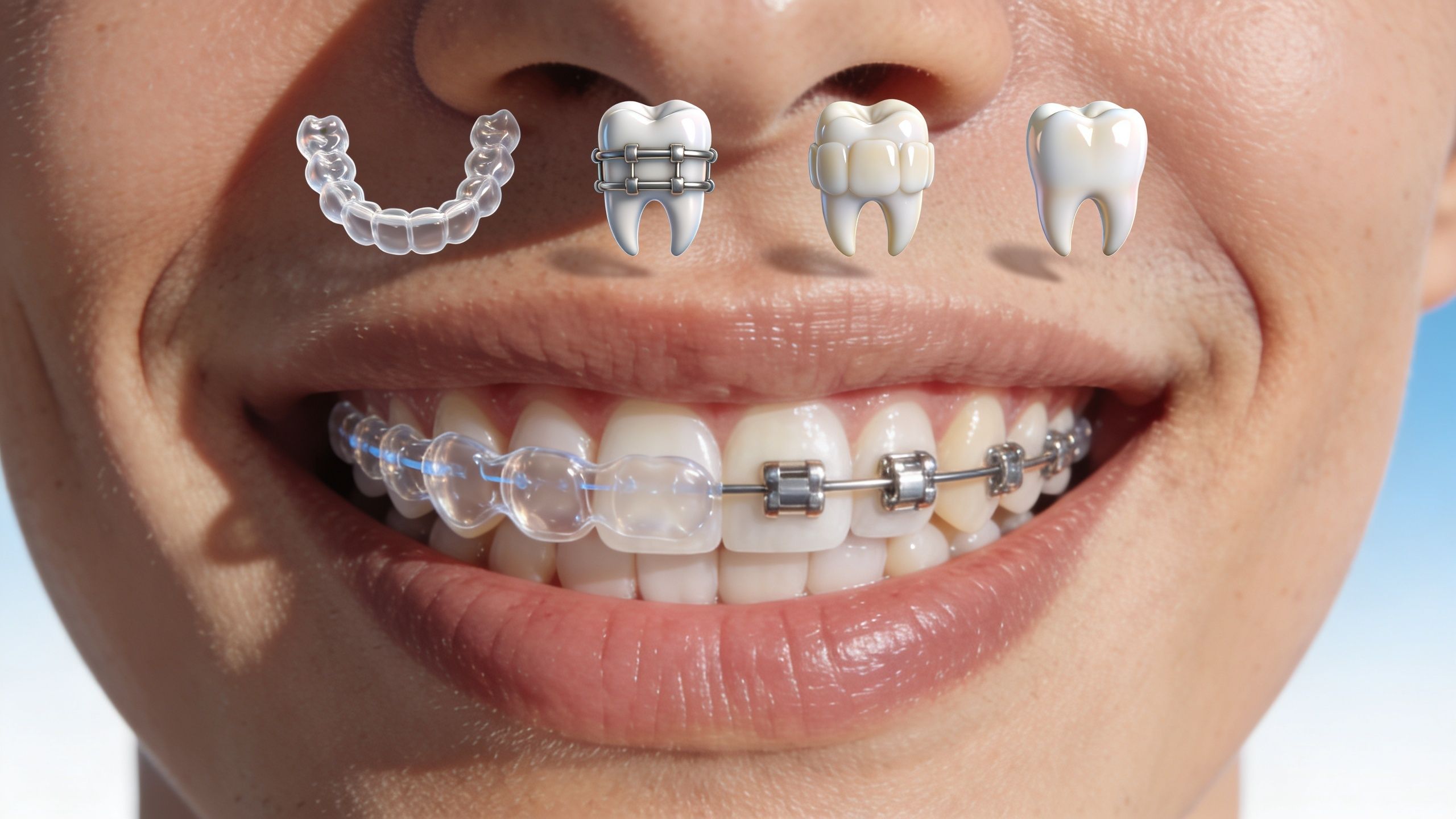
| Crowded or spaced teeth | Clear aligners, braces | Helps appearance and bite function |
| Missing or heavily damaged teeth | Implants, crowns, bridges | Restores chewing, support, and confidence |
A full-service office is often easier to work with because cosmetic and restorative decisions affect each other. A veneer case may need bite planning. An implant case may need gum treatment first. Orthodontic treatment may make cosmetic work better later.
How Advanced Technology Means Better Dentistry
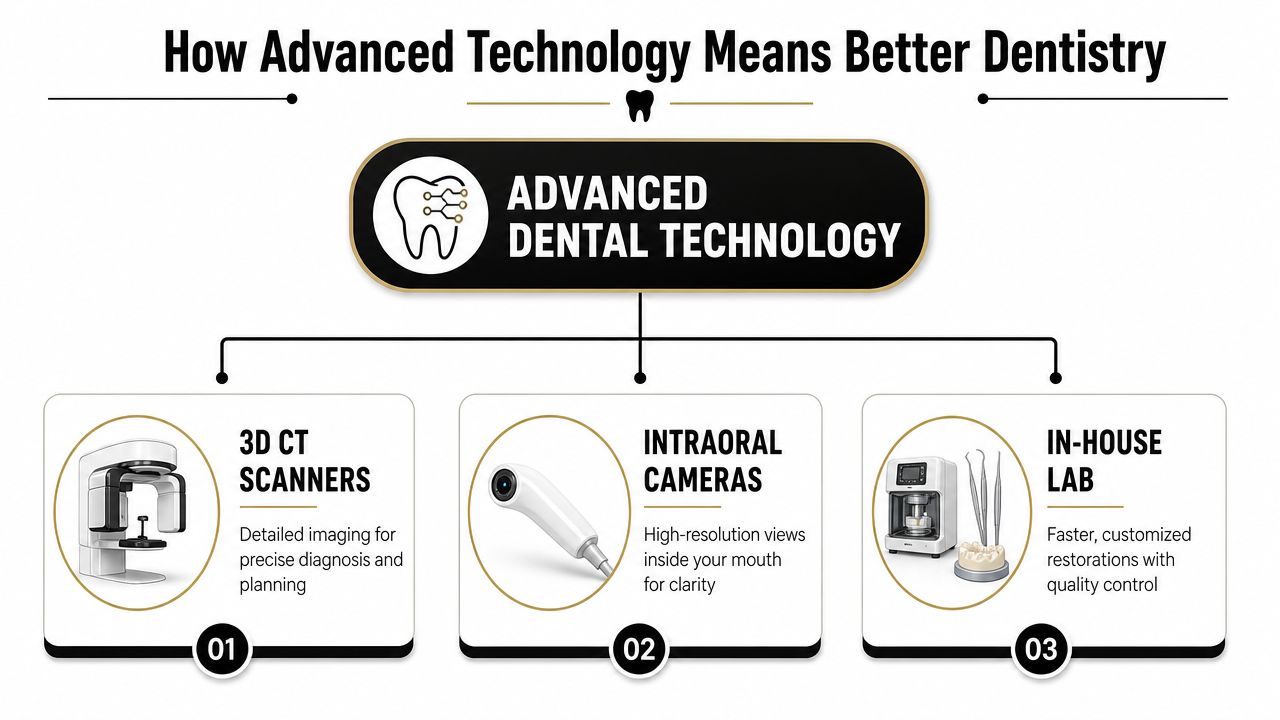
Technology only matters when it improves the patient's experience and the quality of the result. Fancy equipment that doesn't change comfort, speed, or accuracy isn't much help. In a modern dental office, the best tools do three jobs well. They improve diagnosis, they support better treatment planning, and they reduce friction during the visit.
Digital imaging helps patients see what the dentist sees
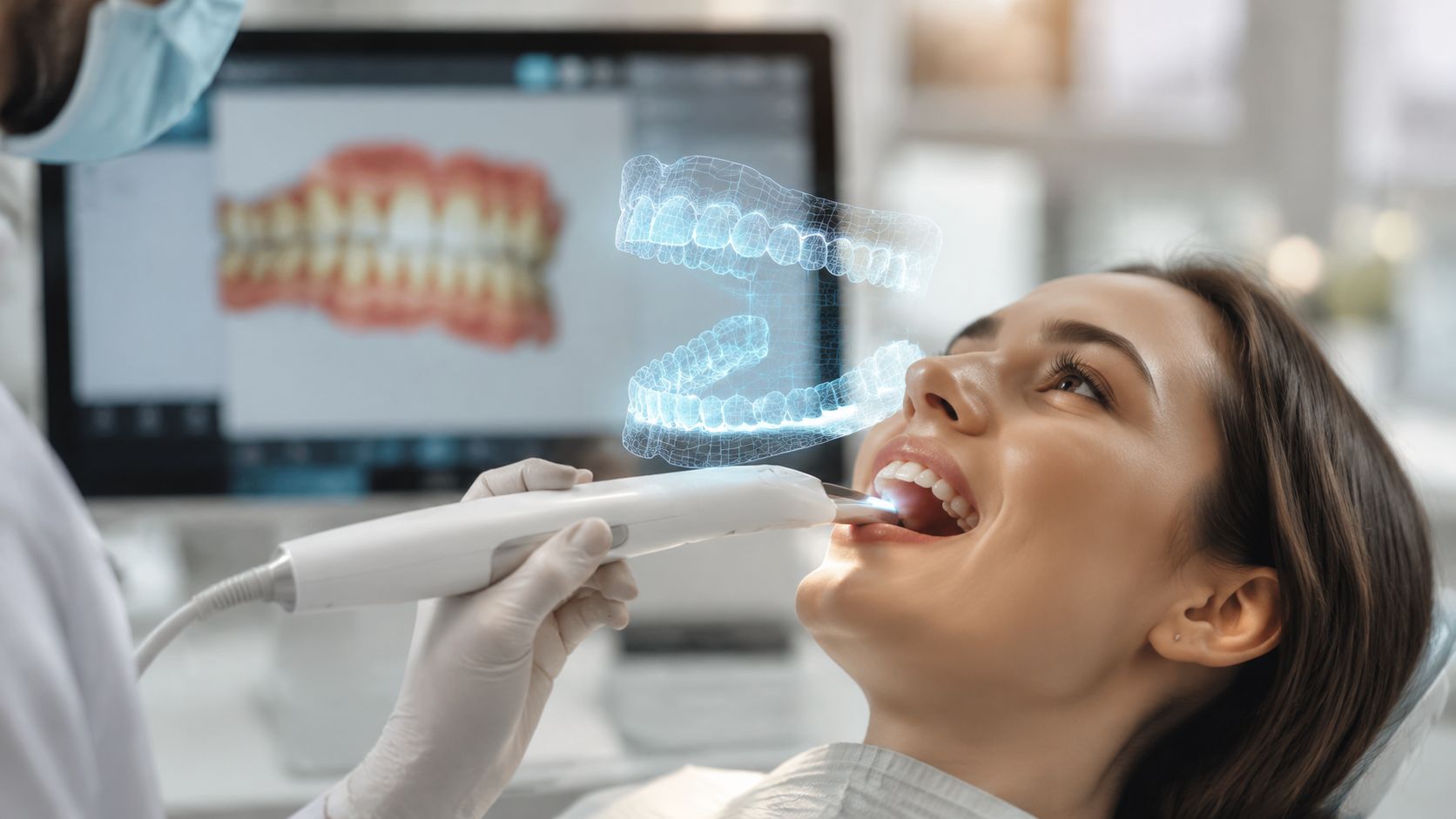
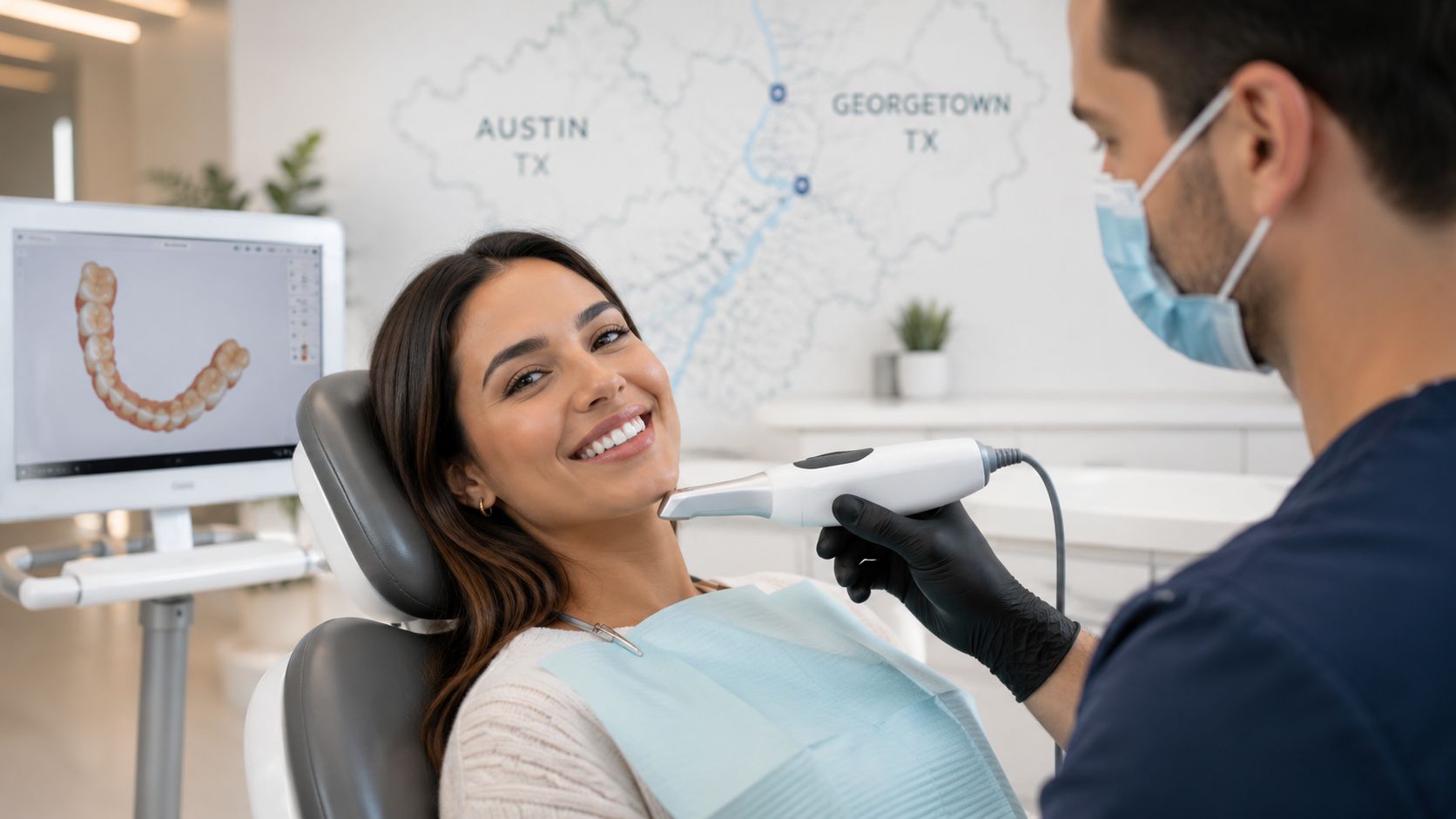
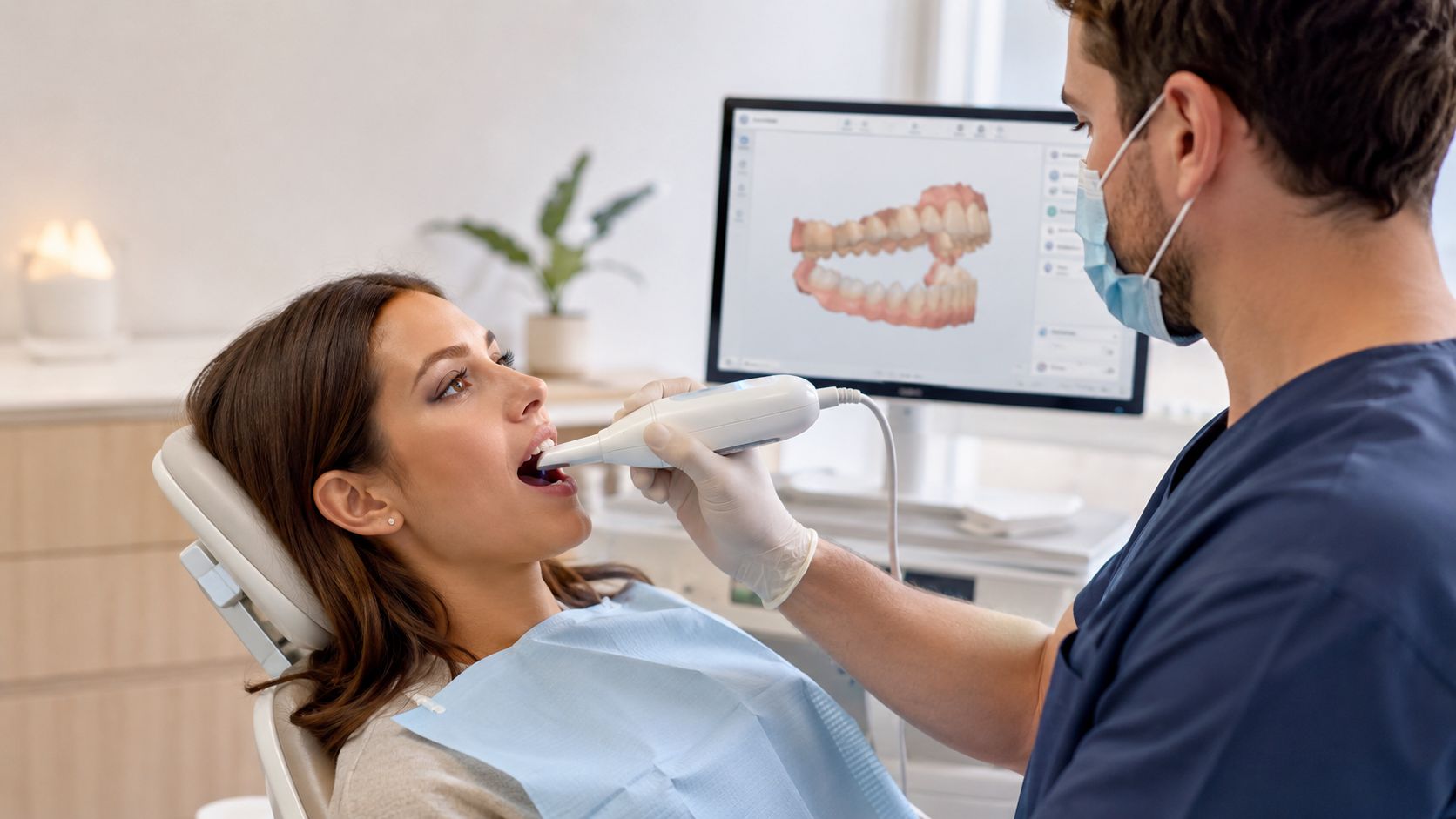
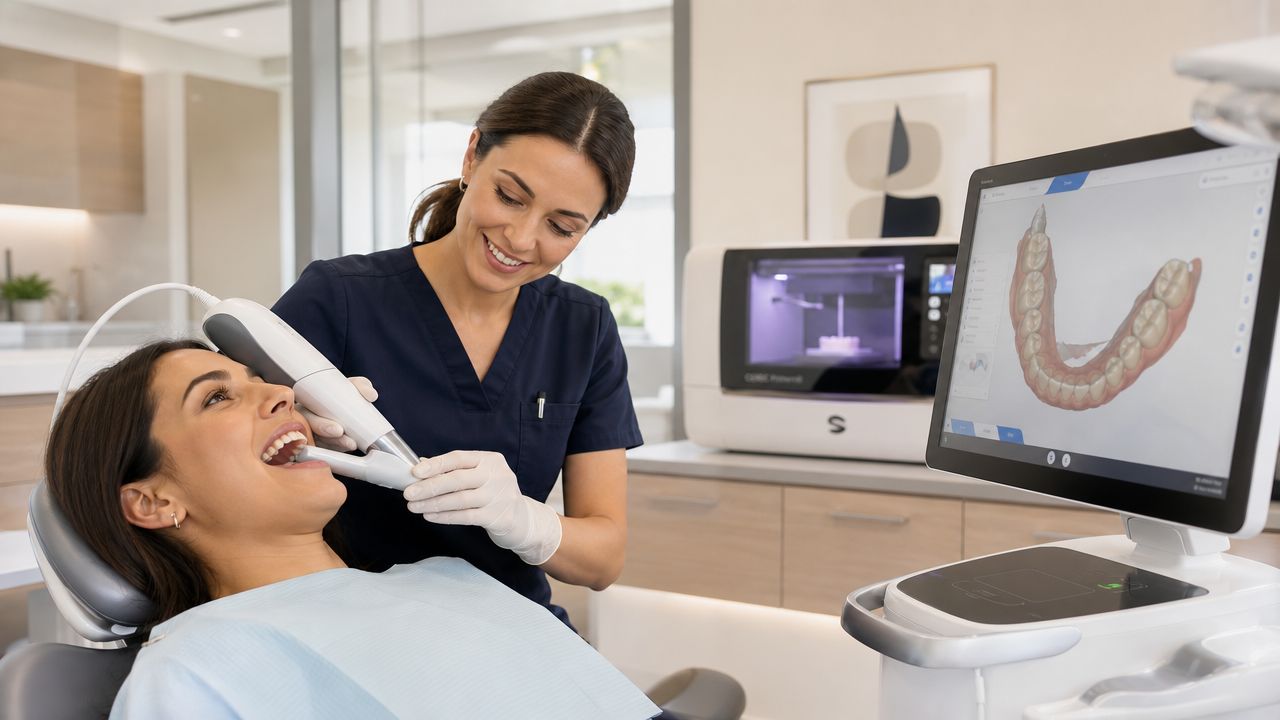
One of the most useful changes in dentistry is the move away from slower, film-based processes. According to dental technology guidance on digital x-rays and intraoral imaging, digital diagnostics can reduce radiation exposure compared to film, provide instant images for review, and eliminate processing delays. The same guidance notes that intraoral imaging helps patients view real-time images on a monitor, which improves understanding during the consultation.
That matters because many treatment decisions get easier once a patient can see the issue. A crack line, a cavity edge, a worn filling, or inflamed gum tissue is easier to explain when it isn't abstract.
Patients usually feel more confident when the dentist can point to a live image and explain, in plain language, what needs attention and what can wait.
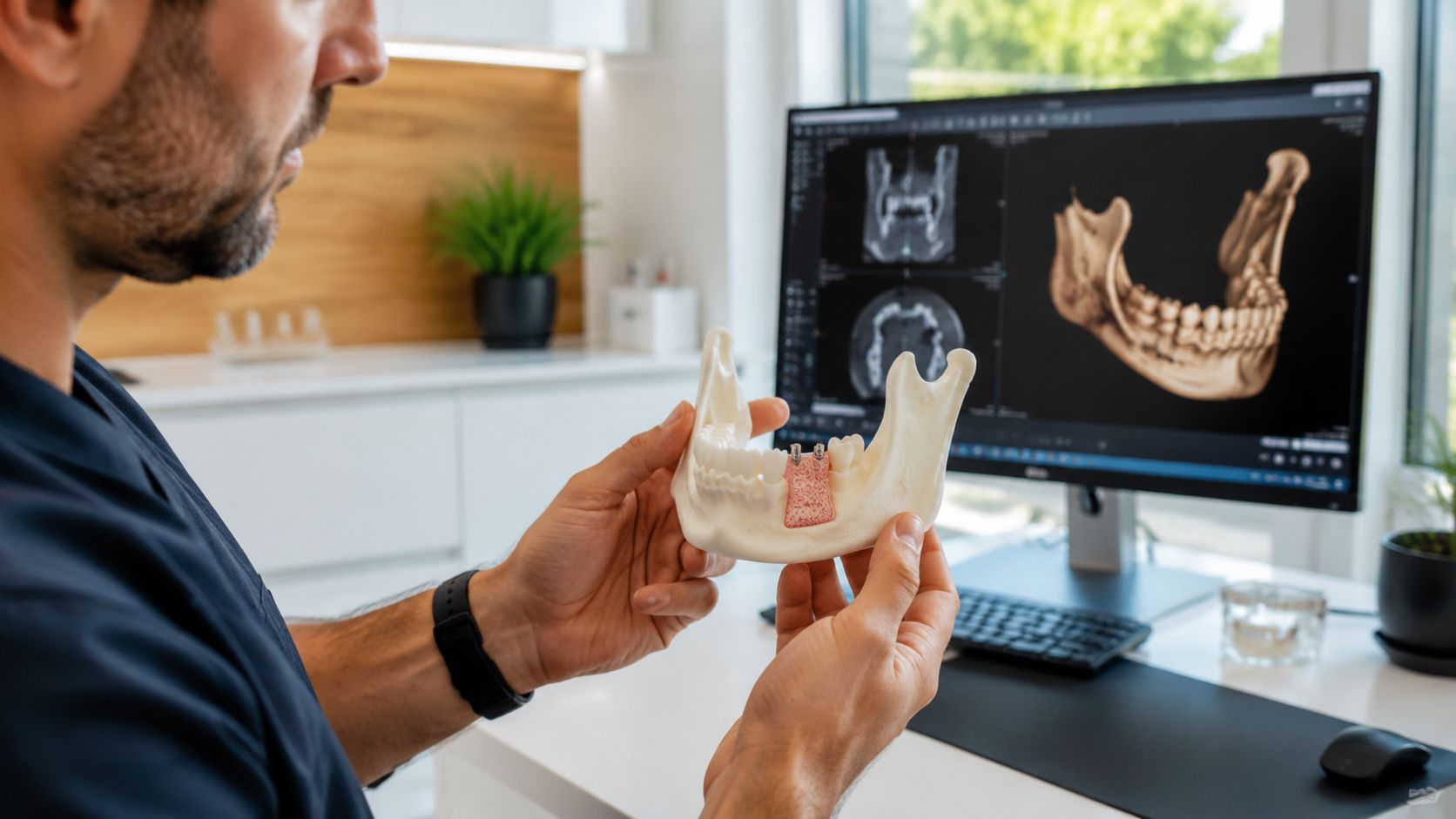
3D planning changes complex care
For more advanced treatment, two-dimensional information isn't always enough. That's especially true for implants, wisdom teeth, bone contours, and certain bite or airway evaluations.
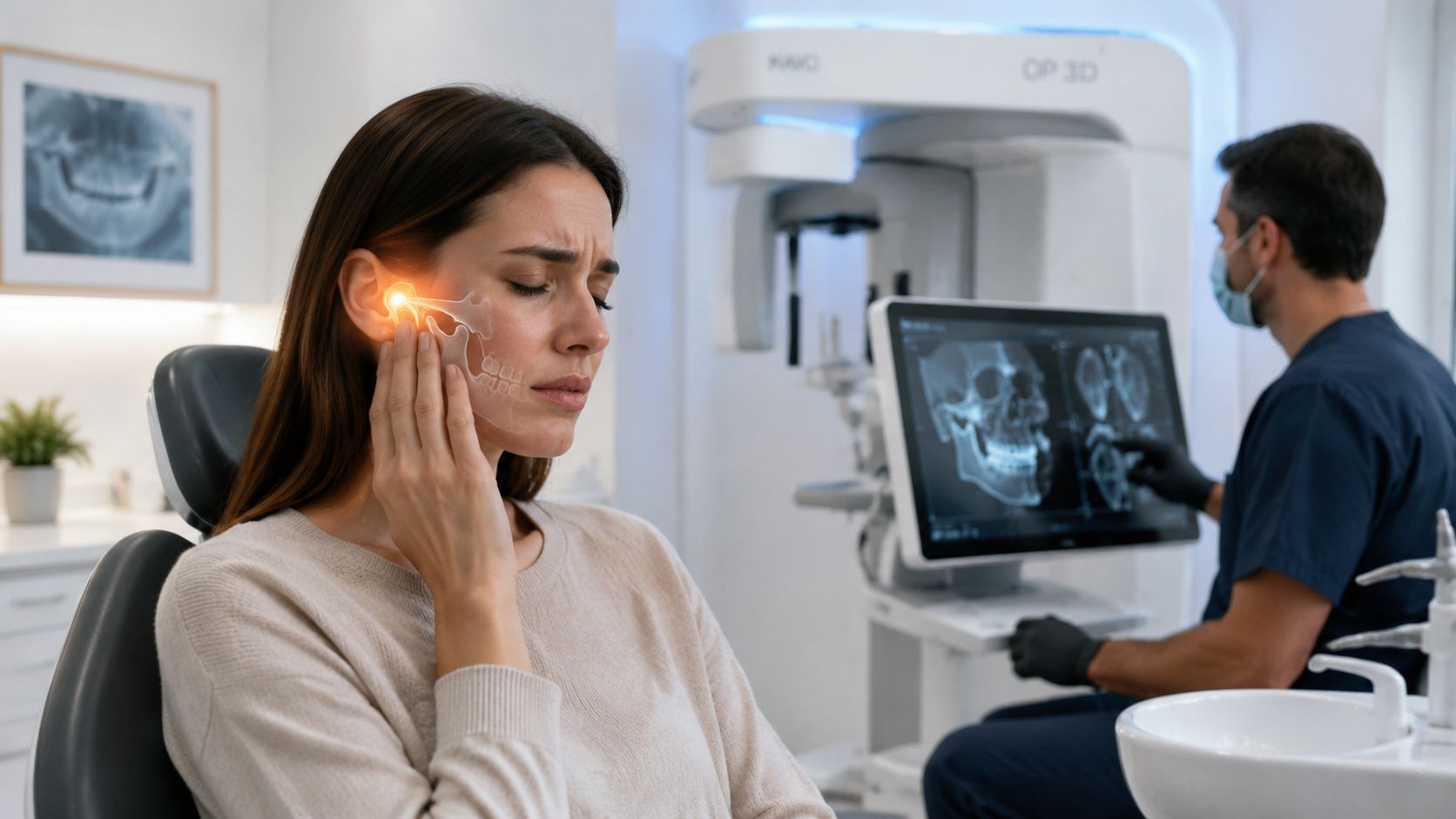
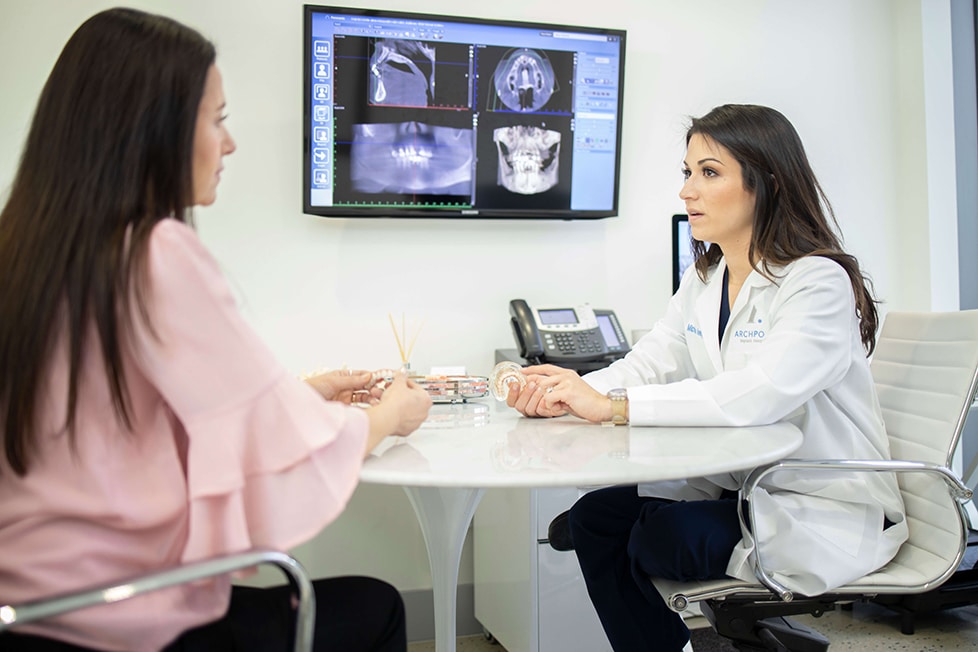
A 3D CT scanner gives the clinical team a more complete view of anatomy before treatment starts. That improves planning. In practical terms, it helps answer the questions patients care about most:
- Where can an implant be placed safely and predictably
- How much support does the tooth or bone have
- What approach will be most efficient and least disruptive
- Whether the case should be staged or handled in one coordinated plan
This is one reason integrated care works well. Imaging, diagnosis, and treatment planning happen in the same environment instead of being split across several offices.
An in-house lab shortens the gap between diagnosis and delivery
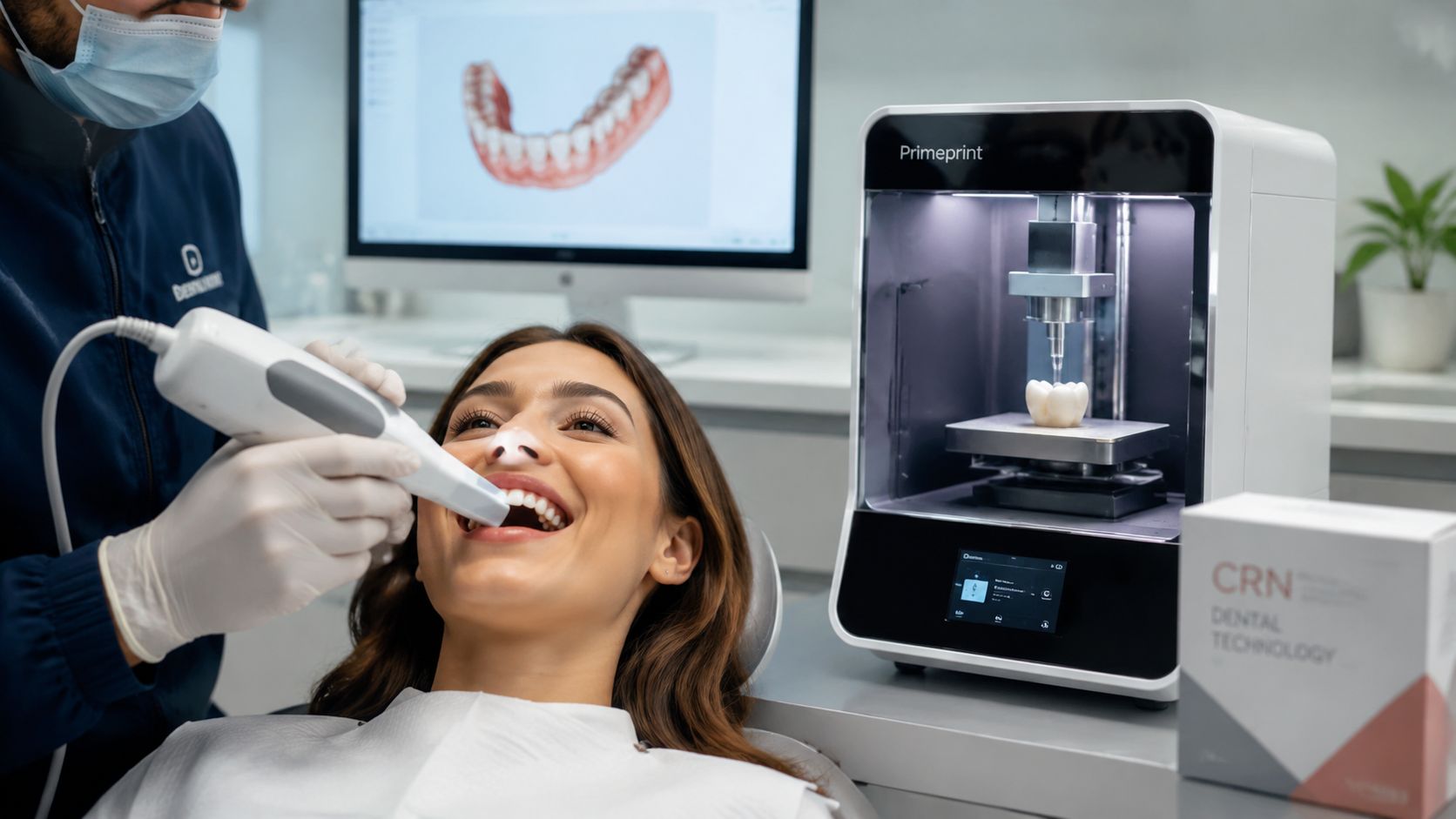
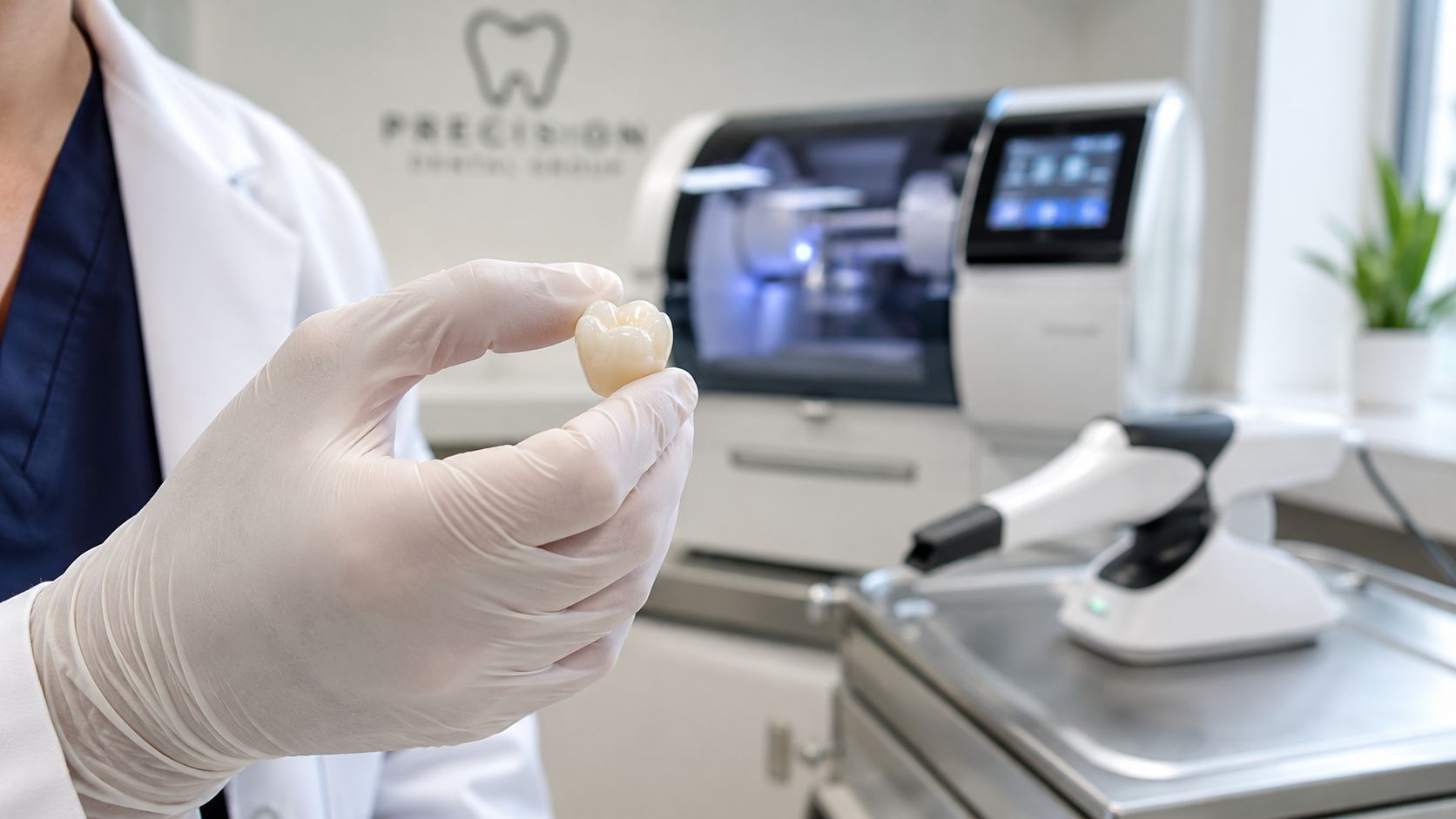
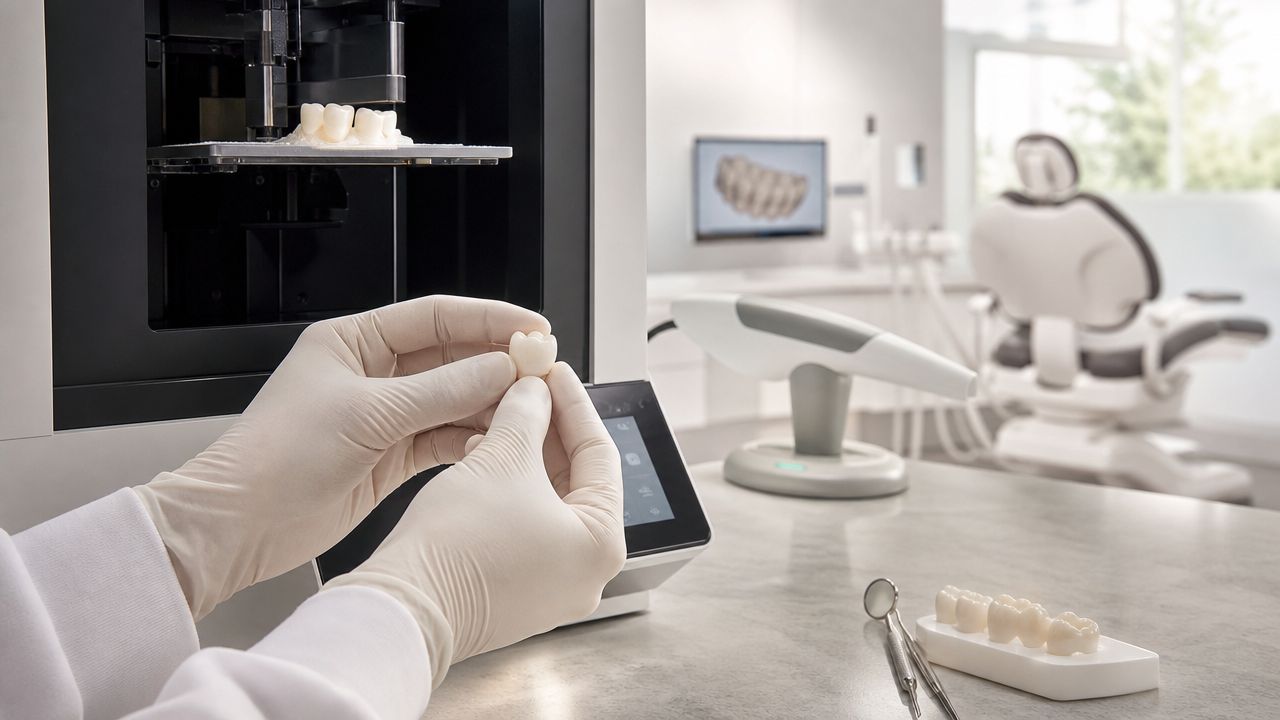
An in-house dental lab is one of those features patients don't always think to ask about, but it can make a real difference. Crowns, bridges, temporary restorations, implant components, and esthetic refinements often move faster when the team making the restorations works closely with the team preparing the teeth.
That tightens quality control. It also cuts down on the usual delays that happen when a case is packaged, shipped out, reviewed remotely, adjusted, and returned.
Here's where technology tends to work best in real life:
- For routine care, digital tools make exams faster and easier to understand.
- For restorative work, scanning and lab coordination improve fit and reduce remake risk.
- For implants and full-arch cases, 3D planning helps the team work with more precision from the start.
Your Patient Journey at 3D Dental
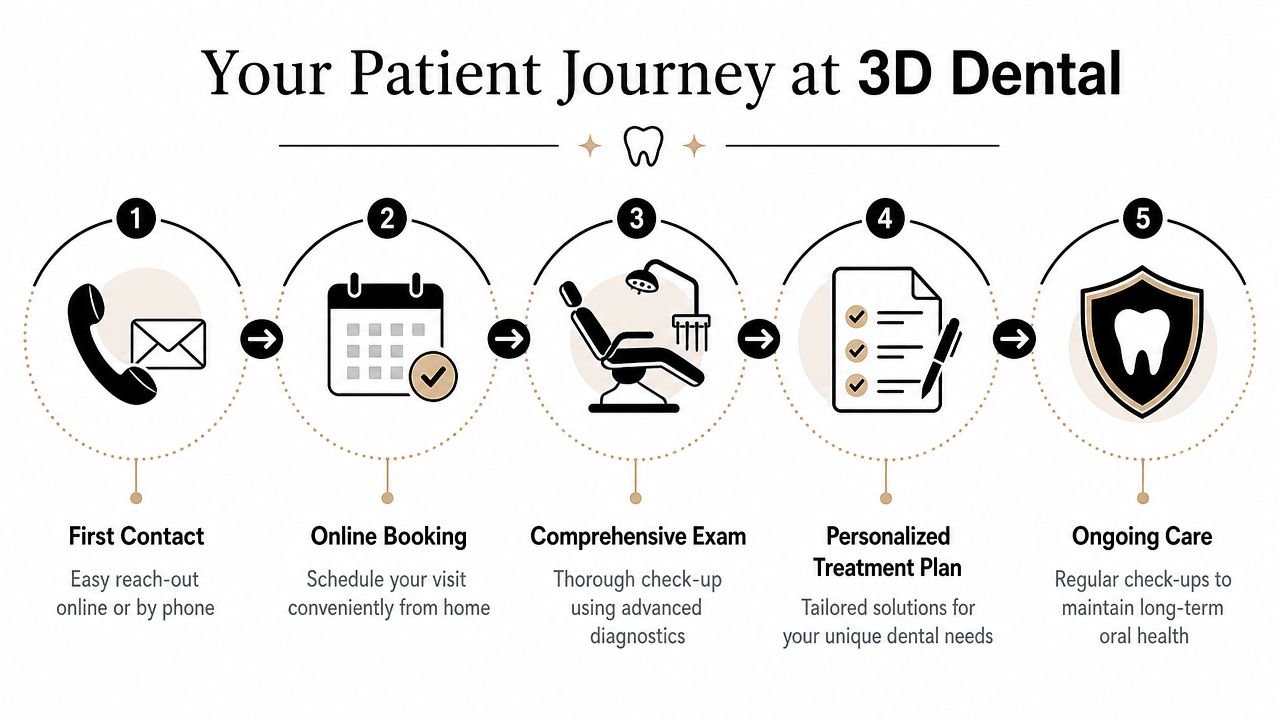
The first visit usually feels easier when you know what the day will look like. Most dental anxiety isn't about the chair itself. It's about uncertainty. Patients want to know whether anyone will listen, whether the exam will feel rushed, and whether they'll leave with a clear plan.
Step one is simple contact and scheduling
A well-run office makes first contact easy. That means you can call, ask practical questions, and schedule without feeling like you're negotiating for basic information.
For a new patient exam, the scheduling conversation should clarify a few things early:
- Why you're coming in, whether it's pain, a broken tooth, overdue cleaning, implants, or cosmetic interest
- How urgent the issue is, especially if swelling, trauma, or active discomfort is involved
- What records or insurance information to bring
- Whether the first visit is focused on diagnosis, cleaning, treatment, or a combination
This sounds basic, but it matters. The more precise the intake, the smoother the visit tends to be.
What happens at the first appointment
A strong first appointment doesn't jump straight to treatment unless urgency requires it. It starts by understanding the whole picture. That usually includes updated x-rays or digital scans, a clinical exam, gum evaluation, and a conversation about your goals.
A patient looking for relief from a cracked molar needs a different plan than someone who wants to replace missing teeth or improve the appearance of front teeth. Good care separates those paths clearly.
What works best: diagnose thoroughly first, then match the treatment plan to the patient's priorities, budget, and timeline.
In a modern office, this conversation is often easier because the images are visible chairside. Instead of hearing vague phrases like "we'll keep an eye on it," you can review the findings and understand why a filling, crown, root canal, orthodontic consult, or implant discussion is being recommended.
Treatment planning should feel clear, not pressured
Patients often worry that a treatment plan means they'll be pushed into everything at once. Good planning does the opposite. It ranks needs in order.
A practical treatment plan often separates care into phases:
| Phase | Focus | Typical goal |
|---|---|---|
| Immediate | Pain, infection, broken teeth | Stabilize the problem |
| Short-term | Decay, gum inflammation, overdue restorative work | Rebuild health |
| Long-term | Cosmetic changes, implants, orthodontics | Improve function and appearance |
That structure helps patients move forward without feeling overwhelmed. It also makes room for real-life constraints like scheduling, recovery time, and finances.
Follow-up and maintenance matter more than people think
The visit doesn't end when the procedure ends. Crowns need review. Implant cases need monitoring. Gum treatment needs follow-through. Orthodontic cases need periodic adjustments and retention planning.
The offices patients trust most are usually the ones that stay organized after the first appointment. They recall patients consistently, communicate clearly, and make ongoing care feel manageable instead of complicated.
Specialized Solutions for Your Perfect Smile
A patient may come in thinking they need one implant or a cosmetic fix, then the exam shows a more connected problem. An old bridge is failing. The bite has shifted. The gums need attention before any final work will last. In cases like that, the office matters as much as the treatment itself.
As noted earlier, many Texans need care that goes beyond a routine filling or cleaning. Missing teeth, advanced wear, gum problems, and older dental work often overlap. The best results come from addressing those issues together instead of sending patients from office to office.
Dental implants and full-arch solutions
Patients searching for dental implants near me usually want more than a replacement tooth. They want to chew comfortably, speak clearly, and stop worrying about what will fail next.
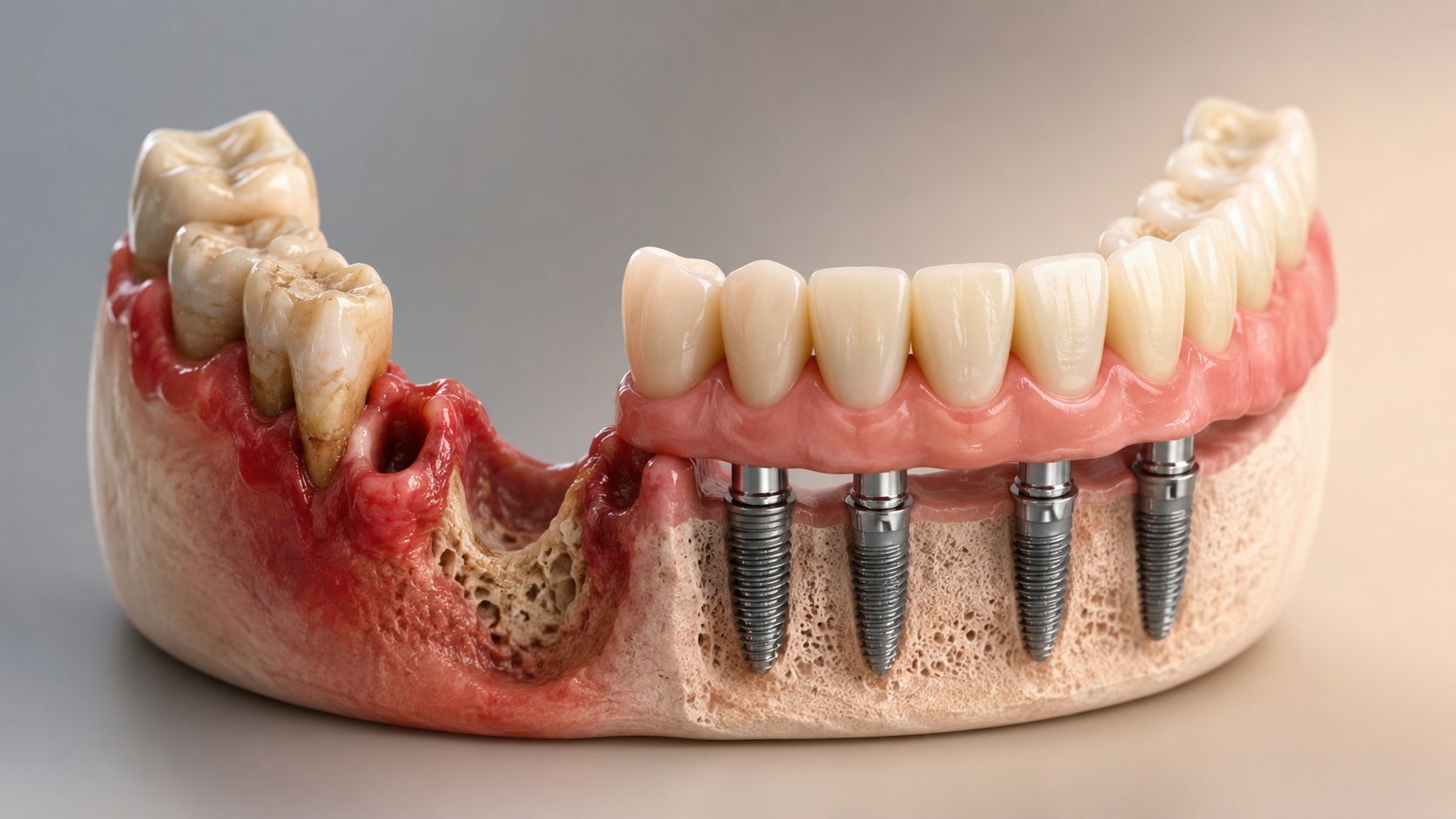
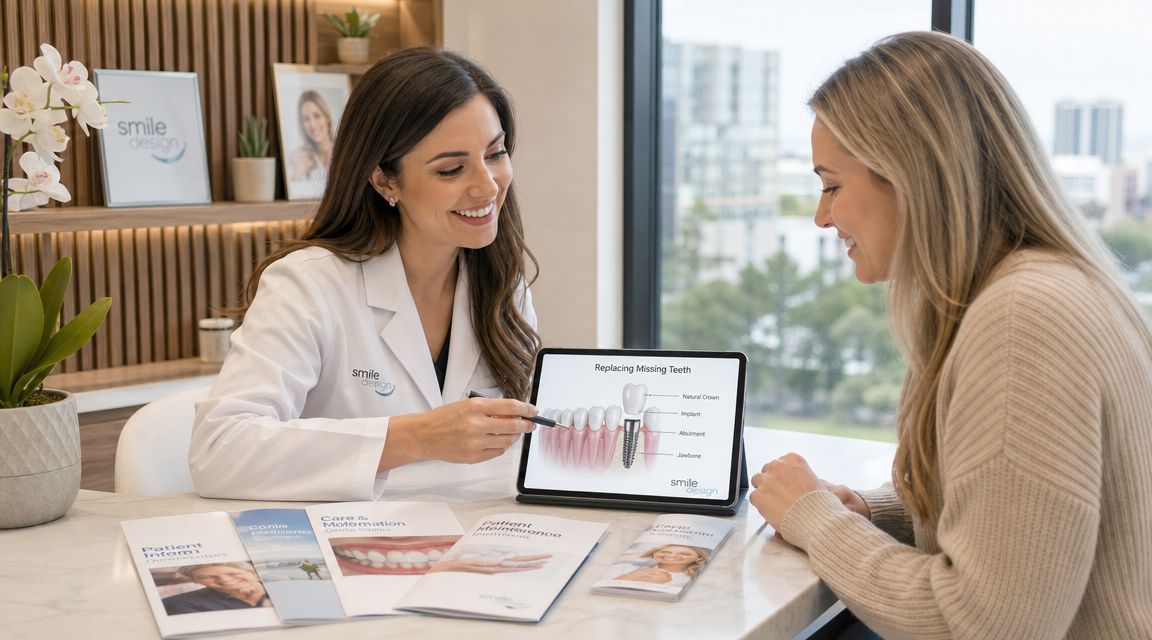
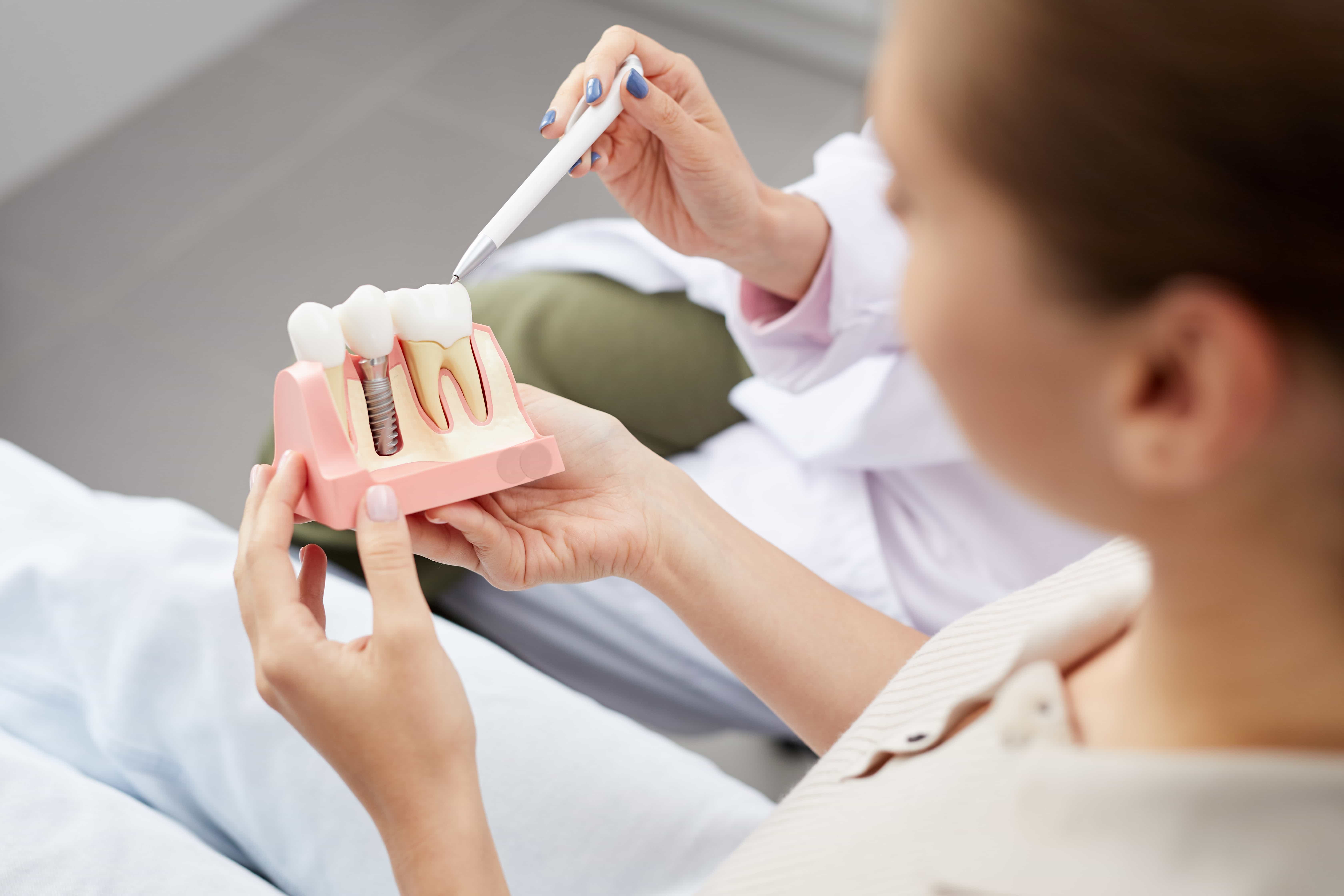
Implant treatment goes better when the planning, surgery, restoration, and follow-up stay under one roof. With 3D imaging, the team can evaluate bone, spacing, and bite before treatment starts. With an in-house lab, temporary and final teeth can be adjusted faster and with better communication between the clinical and lab sides. That saves time, but, above all, it reduces the handoff errors that happen when several offices are trying to coordinate one case.
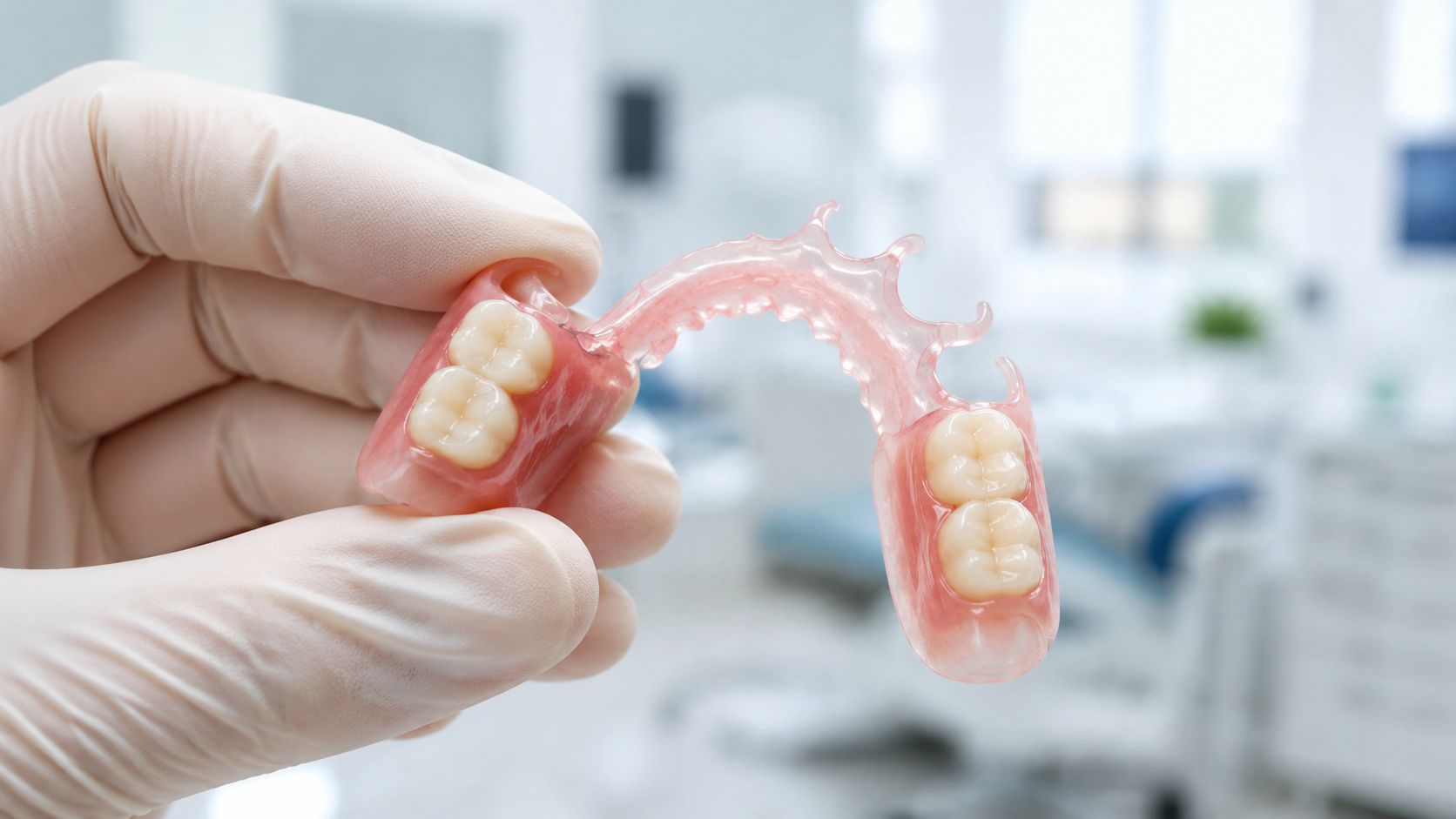
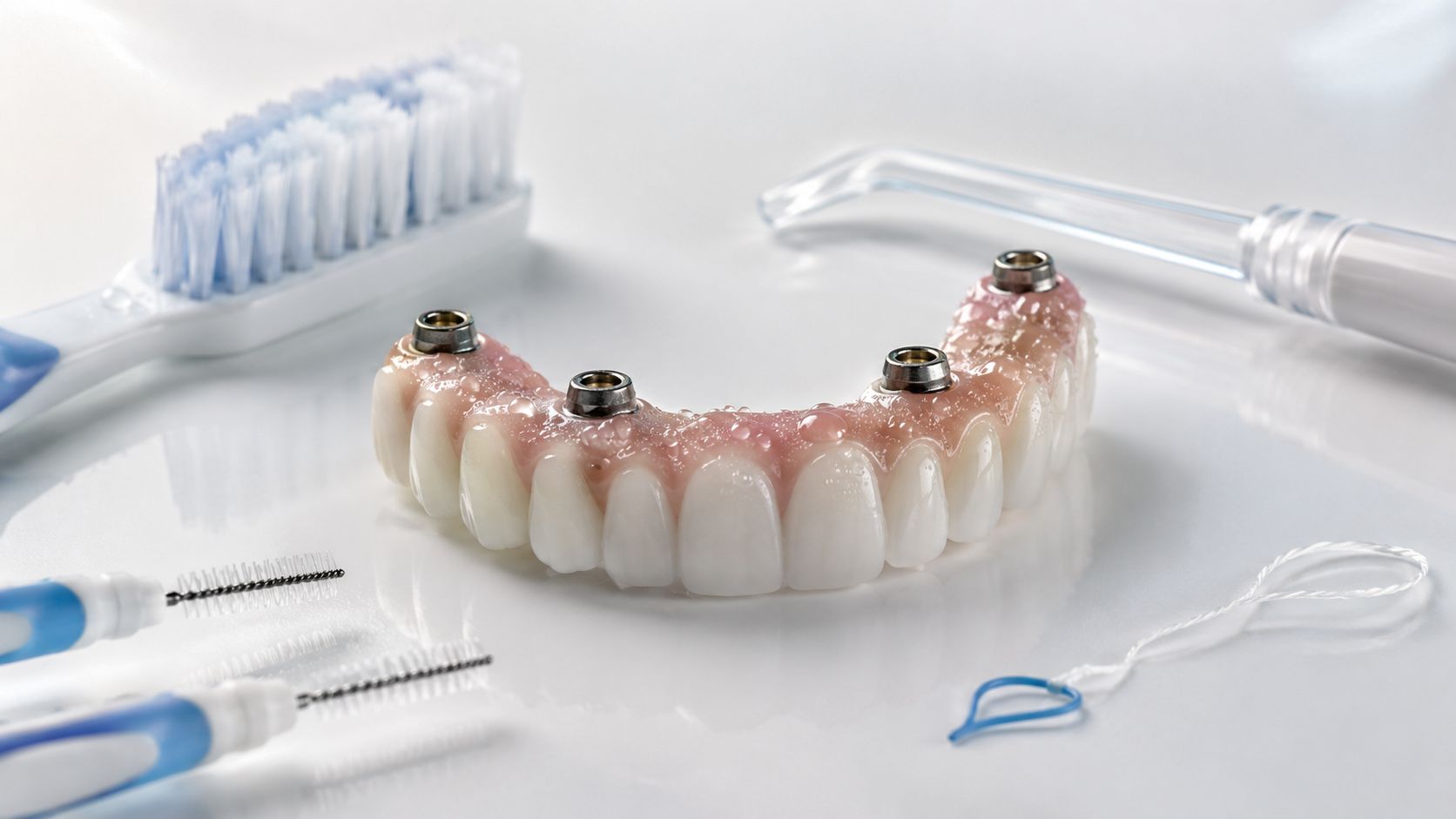
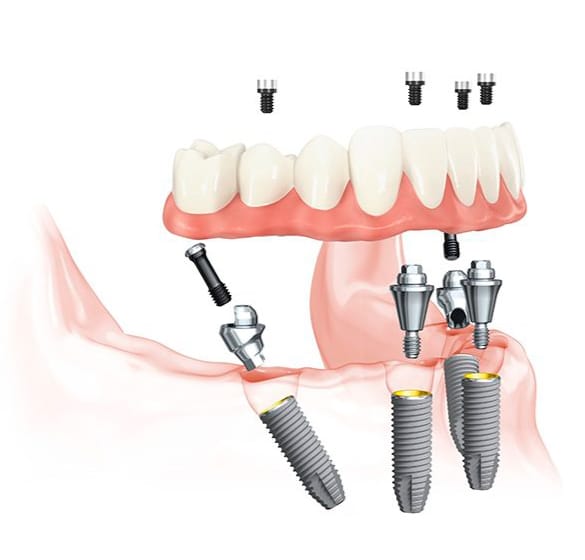
For patients missing most or all of their teeth, All-on-4 and other full-arch options can be life-changing. They also require careful judgment. Some patients are good candidates for a same-day fixed solution. Others need extractions, grafting, gum treatment, or a staged plan first. A practice with surgeons, restorative doctors, and support teams working together can make those calls clearly and keep the process moving without extra referrals. Patients can review options, timing, and even financing and insurance information for larger treatment plans in one place.
Cosmetic dentistry that looks natural
Cosmetic dentistry should fit the face and the bite. Bright white teeth alone do not create a convincing result if the proportions are off or the front teeth hit incorrectly.
That is why smile design often overlaps with restorative and orthodontic planning. A patient may need whitening before veneers are matched. Another may need minor tooth movement before bonding or crowns will look balanced. In worn dentitions, rebuilding the bite first often protects the cosmetic result and makes it more comfortable to live with day to day.
This walkthrough gives a helpful look at how visual planning and modern treatment coordination support advanced smile care:
A beautiful result has to function well. If the bite is off, cosmetic work chips, wears, or starts to feel uncomfortable much sooner than patients expect.
Why the one-stop model is a real advantage
Complex dentistry gets harder when the patient becomes the messenger between offices. One specialist places implants, another office takes impressions, a lab works off incomplete notes, and the final fit suffers.
A one-stop model solves a real problem. The imaging, specialist input, surgery, lab work, and final restorations stay connected from start to finish. For patients, that usually means fewer appointments in different locations, faster adjustments, and a clearer path from a basic cleaning to advanced care like full-mouth reconstruction or All-on-4 treatment.
Making Your Dental Care Accessible and Affordable
Cost is one of the main reasons people delay treatment. That's understandable. Dental needs don't always show up at a convenient time, and patients often want to know the financial path before they commit.
The most helpful practices don't avoid that conversation. They make it easier to understand. If you're comparing offices, look for a team that explains insurance, payment timing, and financing options in plain language.
What to ask before you start treatment
A good financial conversation should answer practical questions such as:
- What part of the visit may be covered by insurance
- Which treatments are estimated out of pocket
- Whether larger cases can be broken into phases
- What monthly payment options are available
One reason price transparency matters is that many practices talk about affordability without giving enough detail. Public-facing content for Lawn Dental Center, for example, mentions affordable prices and flexible scheduling but does not publish fee ranges, financing terms, or insurance participation details in the material referenced by the Lawn Dental Center website. Patients comparing implants, veneers, or emergency care usually want more clarity than that.
Flexible payment can keep treatment moving
For many families, the best solution isn't delaying care. It's structuring care sensibly. That can mean using insurance where available, staging treatment in phases, or choosing a financing option that fits monthly cash flow.
Practices that offer insurance support, in-house payment options, and third-party financing tend to remove a major barrier for patients who want to move forward. If you're reviewing options for payment plans and benefits, the financing and insurance information page is the most direct place to start.
Clear financial communication doesn't make dentistry cheaper by itself. It does make dentistry more approachable, which is often what patients need most when they're deciding whether to begin.
Frequently Asked Questions About Our Austin Dental Practice
Do you accept new patients in Austin and Georgetown
Yes. A modern family and implant-focused office should be set up to welcome new patients for preventive care, cosmetic consultations, restorative treatment, orthodontics, and urgent visits.
Can I be seen for a dental emergency
If you have a severe toothache, swelling, a broken tooth, or lost dental work, call as soon as possible. Emergency dental care works best when the office can triage quickly and determine whether you need same-day attention, short-term stabilization, or a more complete treatment plan.
What makes a one-stop dental office different
The main difference is coordination. Instead of bouncing between separate offices for imaging, specialist input, restorative work, and follow-up, more of the process happens in one system. That usually saves time and reduces confusion.
Do you offer cosmetic dentistry and dental implants
Yes. Patients commonly come in for teeth whitening, veneers, clear aligners, braces, single-tooth implants, multiple implants, and full-arch solutions such as All-on-4.
What should I expect at my first visit
Expect a conversation about your concerns, a thorough exam, digital imaging as needed, and a treatment plan that prioritizes the most important issues first. The goal should be clarity, not pressure.
Why do patients compare Lawn Dental Center with local options in Austin and Georgetown
Patients often research several dental offices before choosing care. They usually want the same things: broad services, modern technology, convenient scheduling, and clear answers about treatment, recovery, and cost.
Advanced procedures also raise more questions than many practice websites answer. Public review content discussed in this Lawn Dental Center Yelp listing highlights how patients may look for more detail around root canals, implants, extractions, healing, retreatment, and when to seek a second opinion. Those are reasonable questions, and a good office should answer them directly before treatment starts.
If you're looking for a dentist near me in Austin or Georgetown, and you want one office that can handle everything from cleanings and exams to emergency care, cosmetic dentistry, orthodontics, and advanced implant treatment, 3D Dental is built for that kind of complete care. Schedule a visit to get clear answers, modern diagnostics, and a treatment plan that fits your health goals and your schedule.
Ready to get started?
Schedule a free, no obligation consultation with our team and see what's possible for your smile!
Georgetown
- Mon-Thurs8:30am-5pm
- Fri8am-3:30pm
- Sat-SunClosed
Austin
- Mon-Tues8am-5pm
- Wed-Thurs9am-6pmFri8am-2pm
- Sat-SunClosed