
How to Clean All on 4 Dental Implants
Related Posts




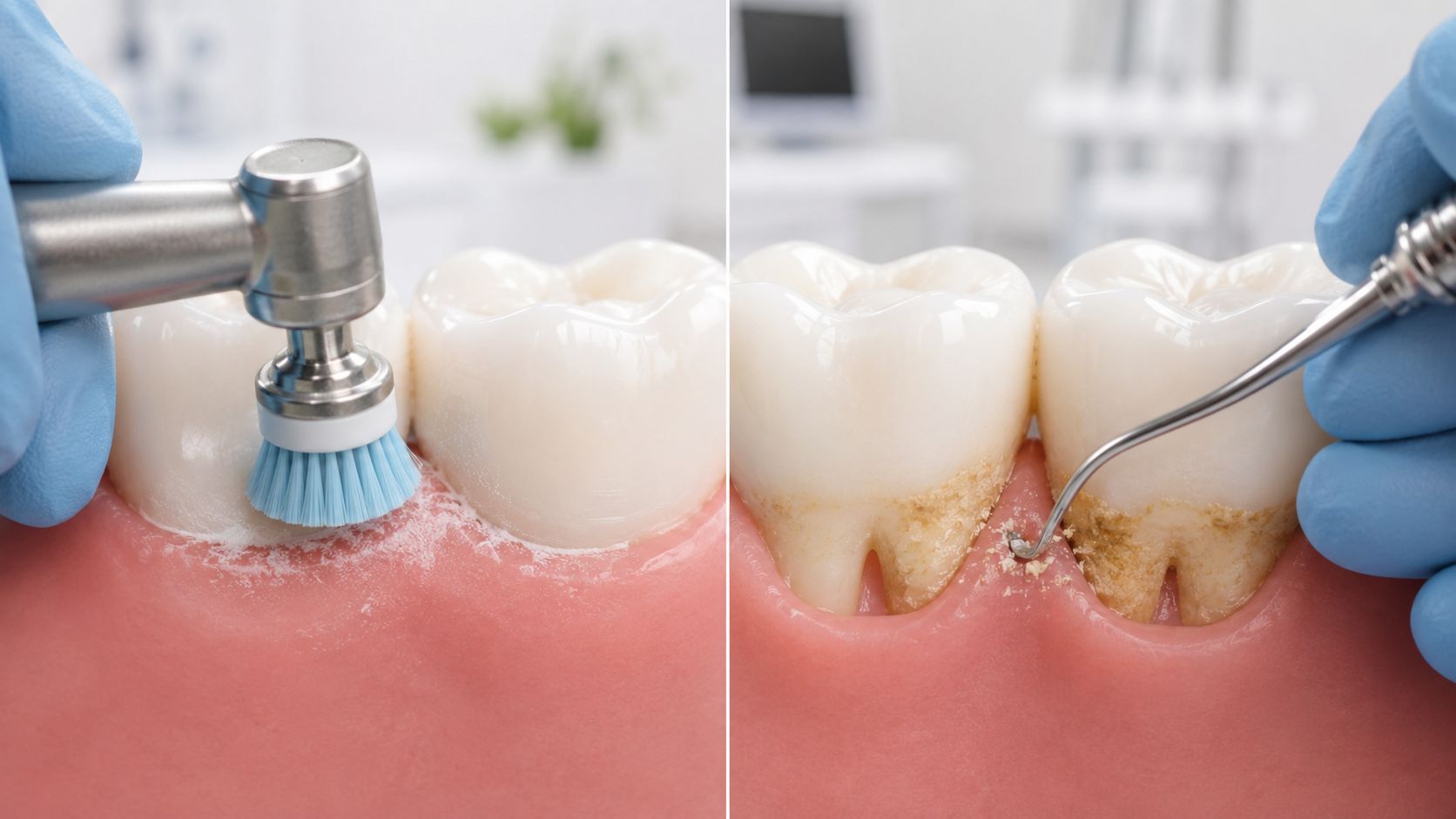


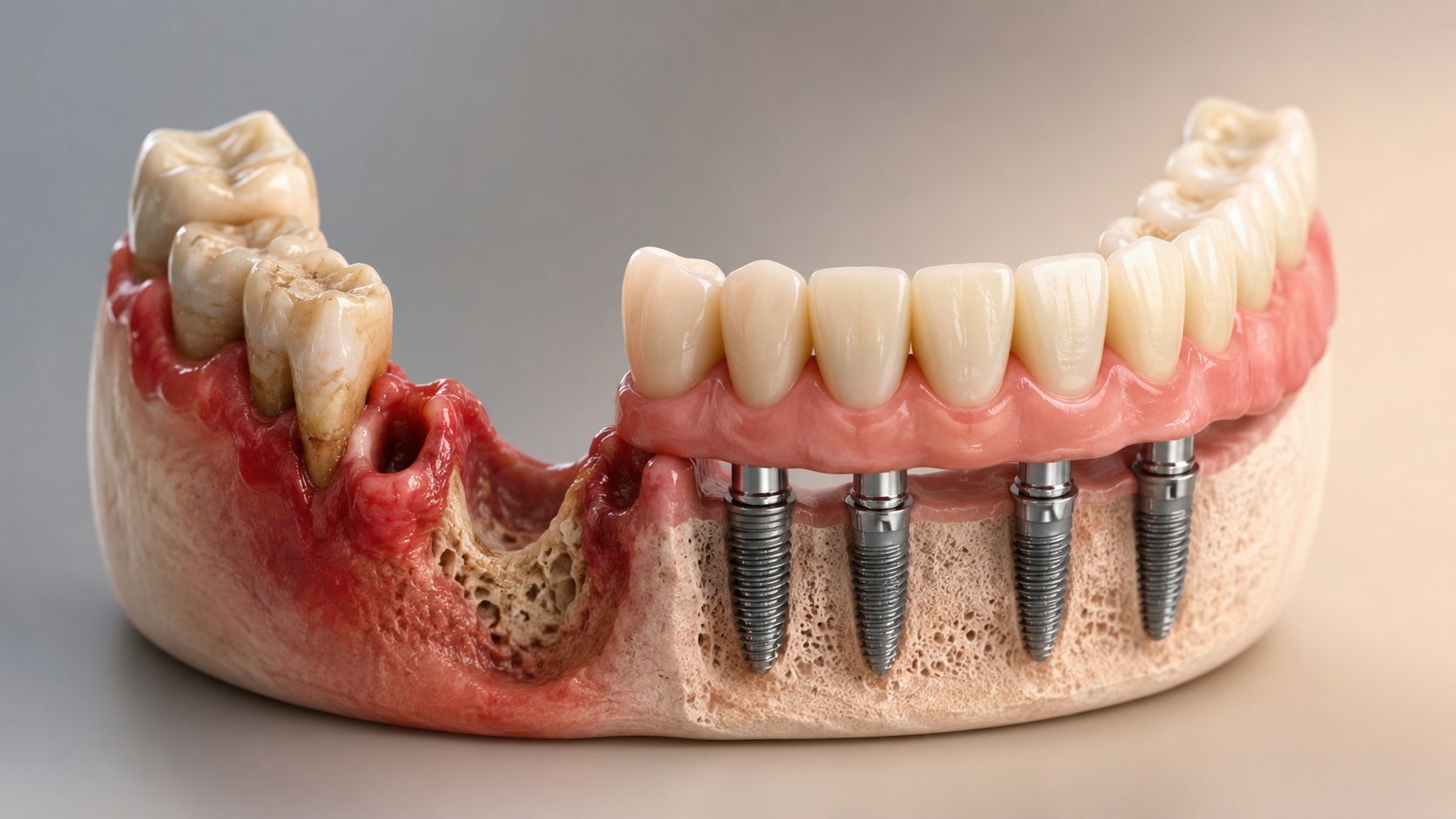



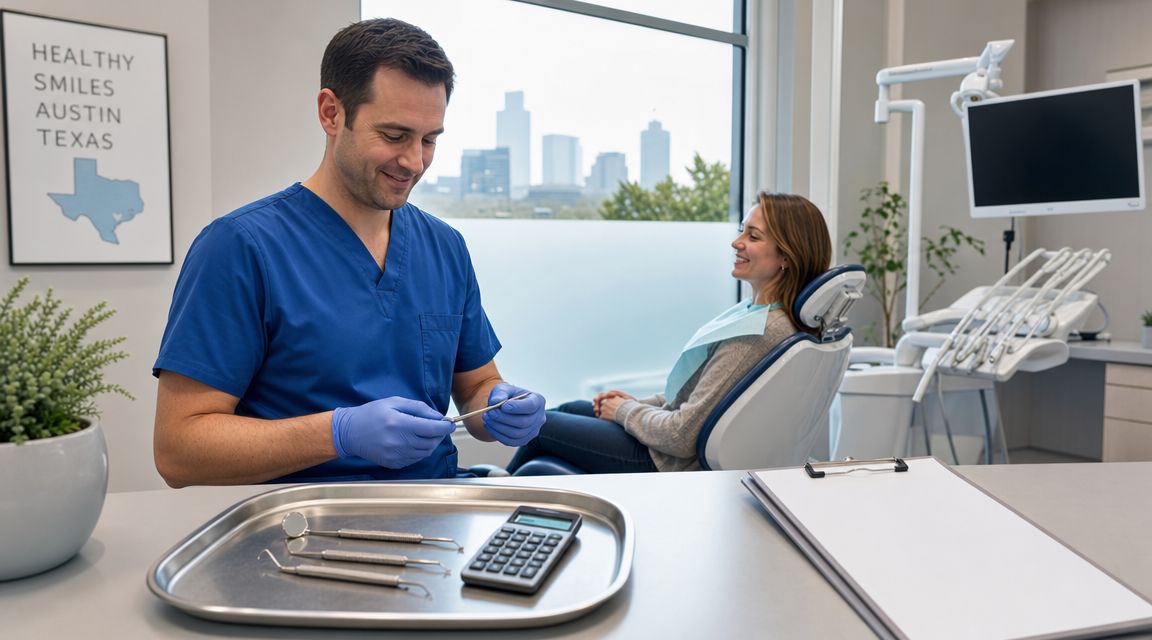
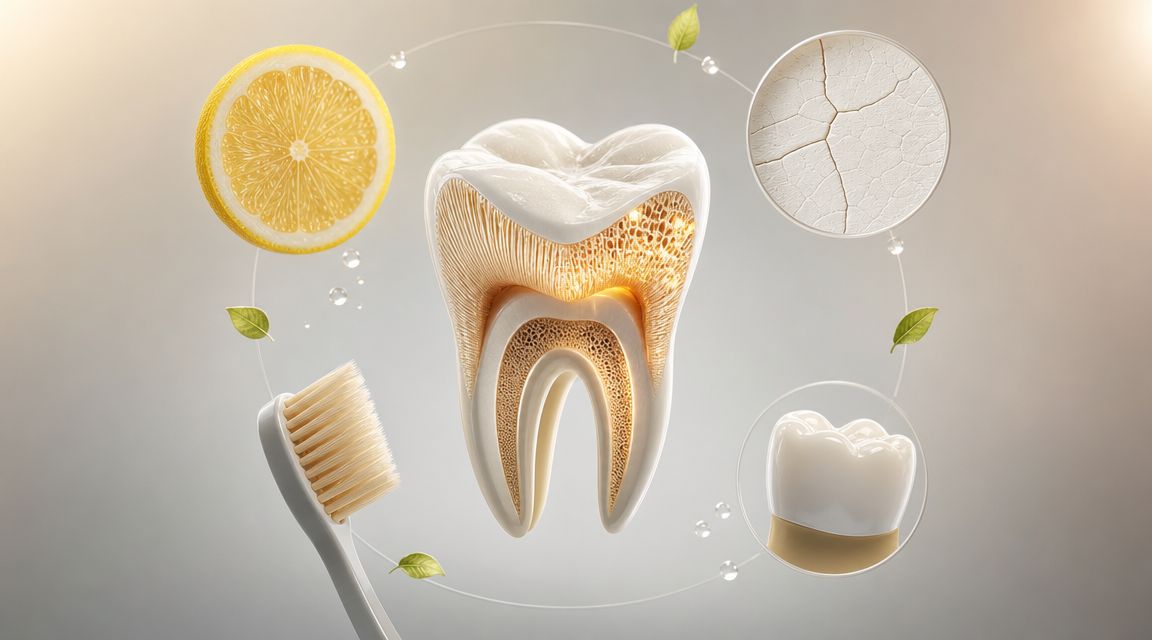
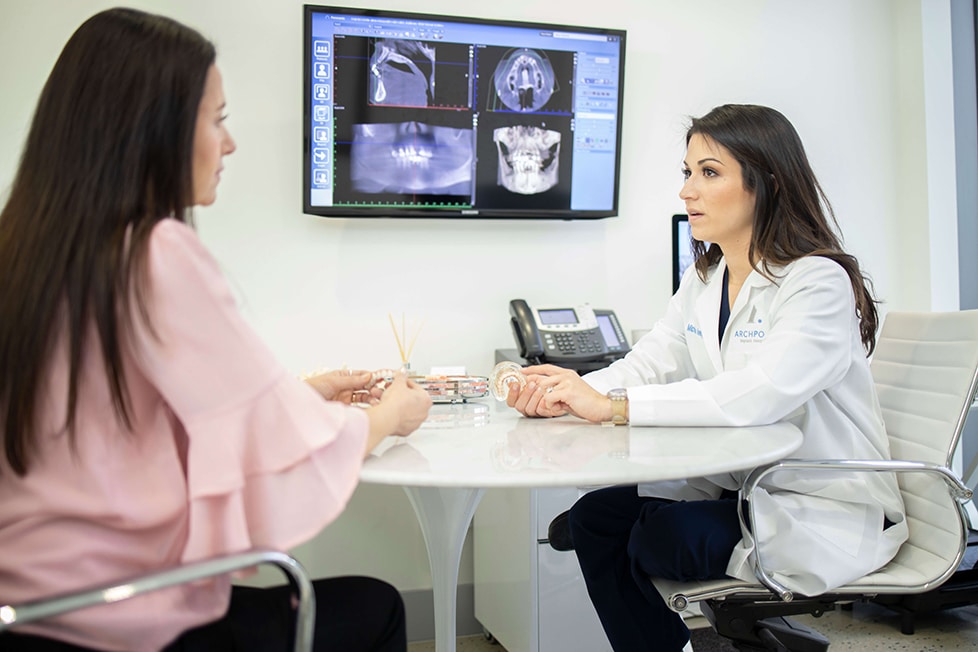

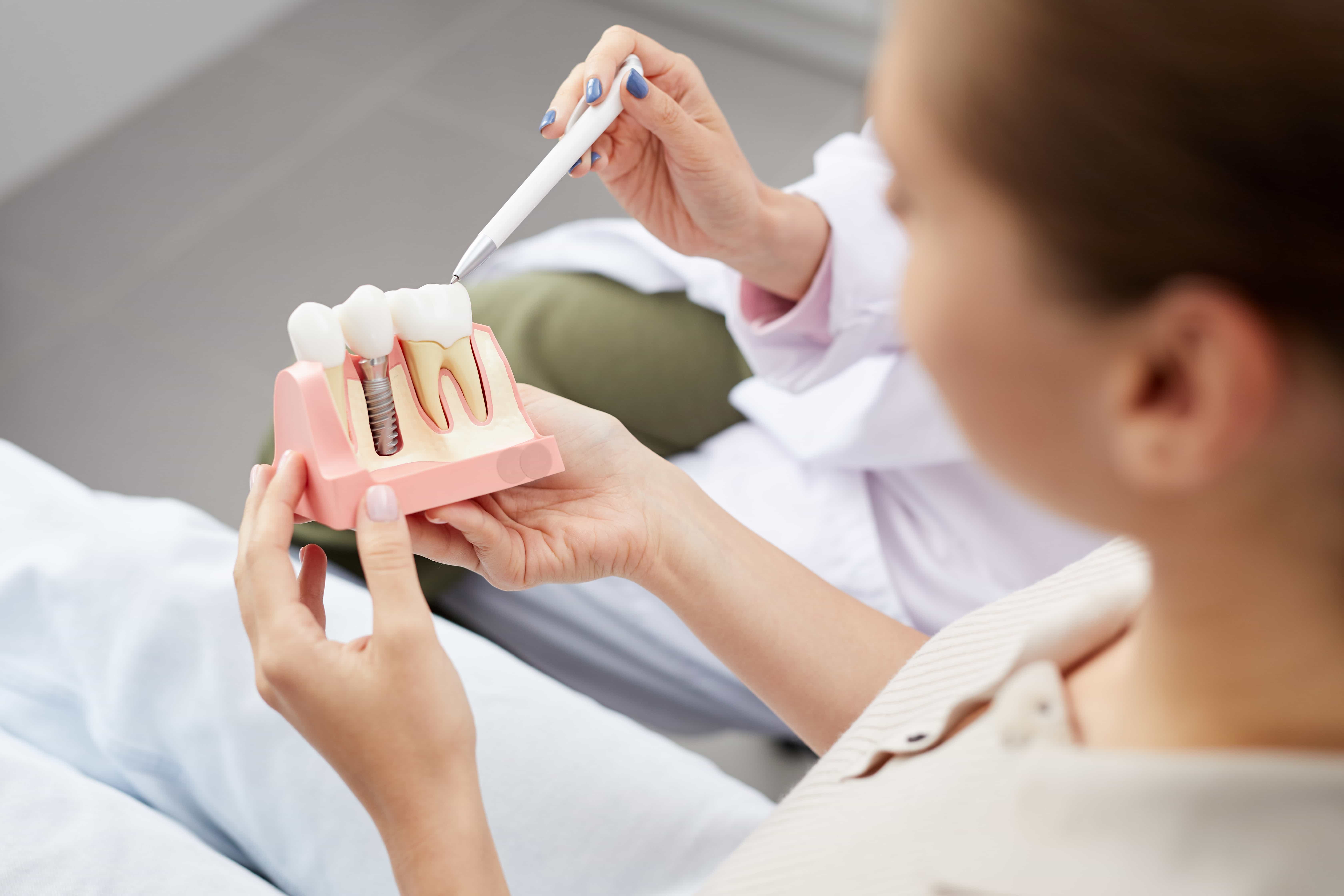
















If you've just received All-on-4 implants, you're probably feeling two things at once. Relief that you can smile and chew with confidence again, and a little anxiety about keeping everything clean without doing something wrong.
That's normal. A fixed full-arch bridge feels very different from natural teeth or a removable denture, so the care routine needs to be different too. The good news is that learning how to clean All-on-4 dental implants doesn't have to be complicated. It just needs to be consistent, gentle, and built around the spots where food and plaque like to hide.
For patients in Austin and Georgetown, this is one of the most common questions after treatment. You've made a real investment in your smile, and you want to protect it. Clear habits matter more than fancy tricks. What works is a repeatable routine you can stick with every day.
Your New Smile and How to Protect It in Austin
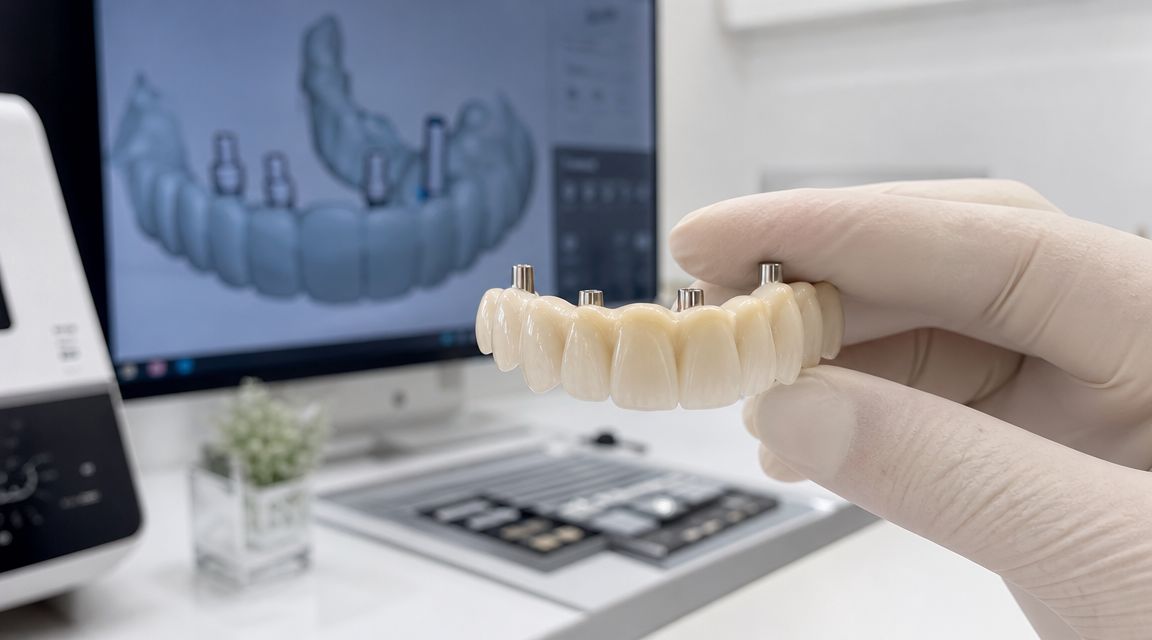
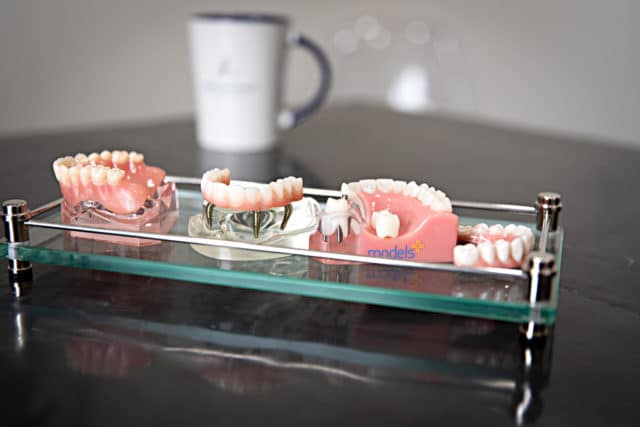
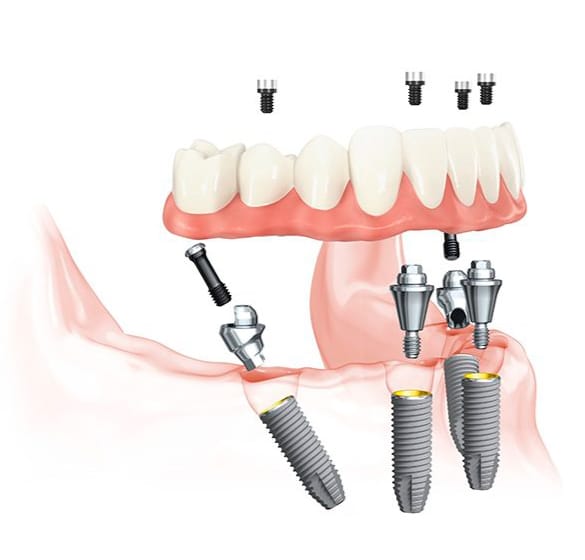
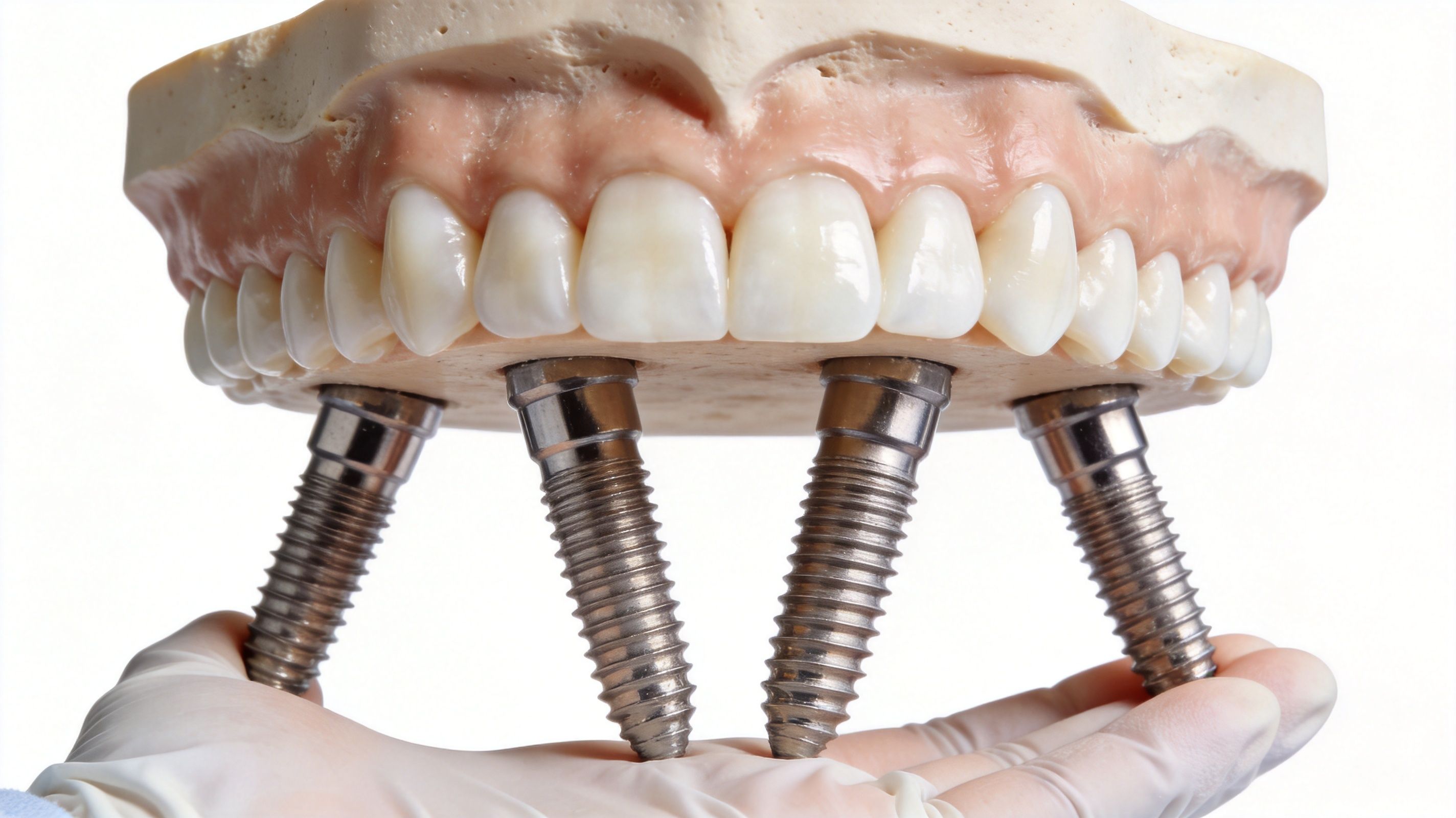
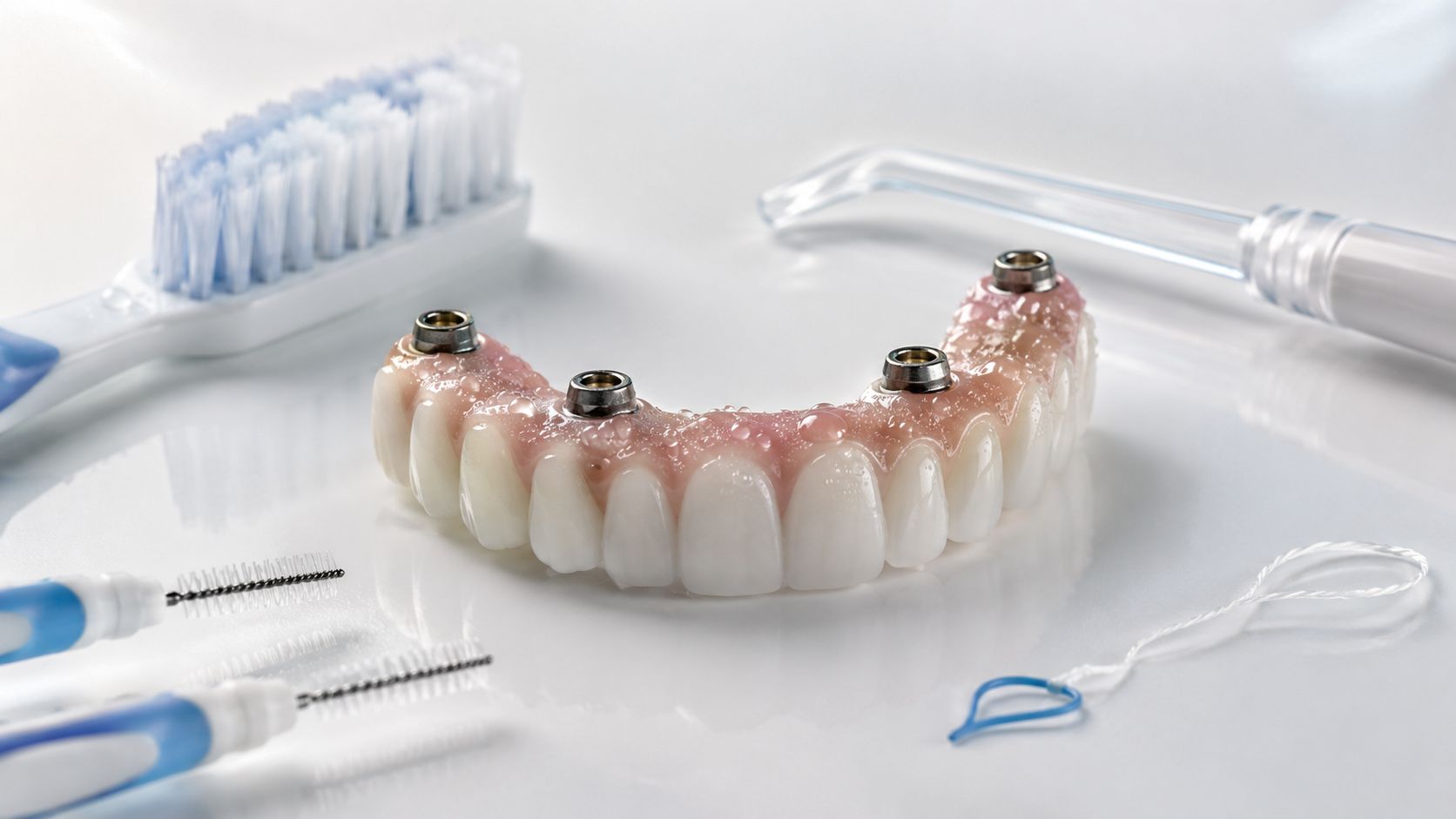
All-on-4 implants give you a fixed restoration, which means you don't remove it at home for cleaning. That's the first point many patients need clarified. You clean it in place, with careful attention to the gumline, the connection points, and the underside of the bridge where food debris and biofilm can collect.
For many people in Austin, Georgetown, Wells Branch, and Round Rock, the first week of confidence comes with a new question. “Am I brushing enough?” Usually, the better question is “Am I cleaning the right areas?” Visible surfaces are only part of the job. The hidden surfaces matter just as much.
Why All-on-4 care feels different
A full-arch bridge changes your cleaning access. You're not cleaning individual teeth with open spaces between them. You're cleaning around a restoration that spans the arch and sits over the gum tissue. That's why routine matters more than force.
Practical rule: Clean your implants like a fixed bridge and the surrounding gums, not like a denture and not like a single crown.
Patients often feel reassured once they understand that they don't need an aggressive routine. They need a smart one. Soft tools, good angles, and a steady daily habit do more than scrubbing hard ever will.
If you're still getting familiar with the restoration itself, this overview of what All-on-4 implants are can help connect the design of the bridge to the way it should be cleaned.
What your goal really is
The goal isn't to make your routine perfect. It's to keep plaque and trapped debris from staying under the bridge and around the implant-prosthesis junction long enough to irritate the tissue.
A simple way to think about it is this:
- Visible surfaces matter because they affect daily cleanliness and fresh breath.
- Hidden surfaces matter more because that's where debris often lingers.
- Gentle cleaning wins because irritated tissue is harder to keep healthy.
If you're looking for a dentist in Austin, TX or Georgetown, TX to help you maintain implant work long term, preventive follow-up is just as important as the treatment itself. Patients who do best usually aren't doing anything extreme. They're brushing, flushing under the bridge, rinsing, and checking in when something doesn't feel right.
Your Daily All on 4 Cleaning Routine
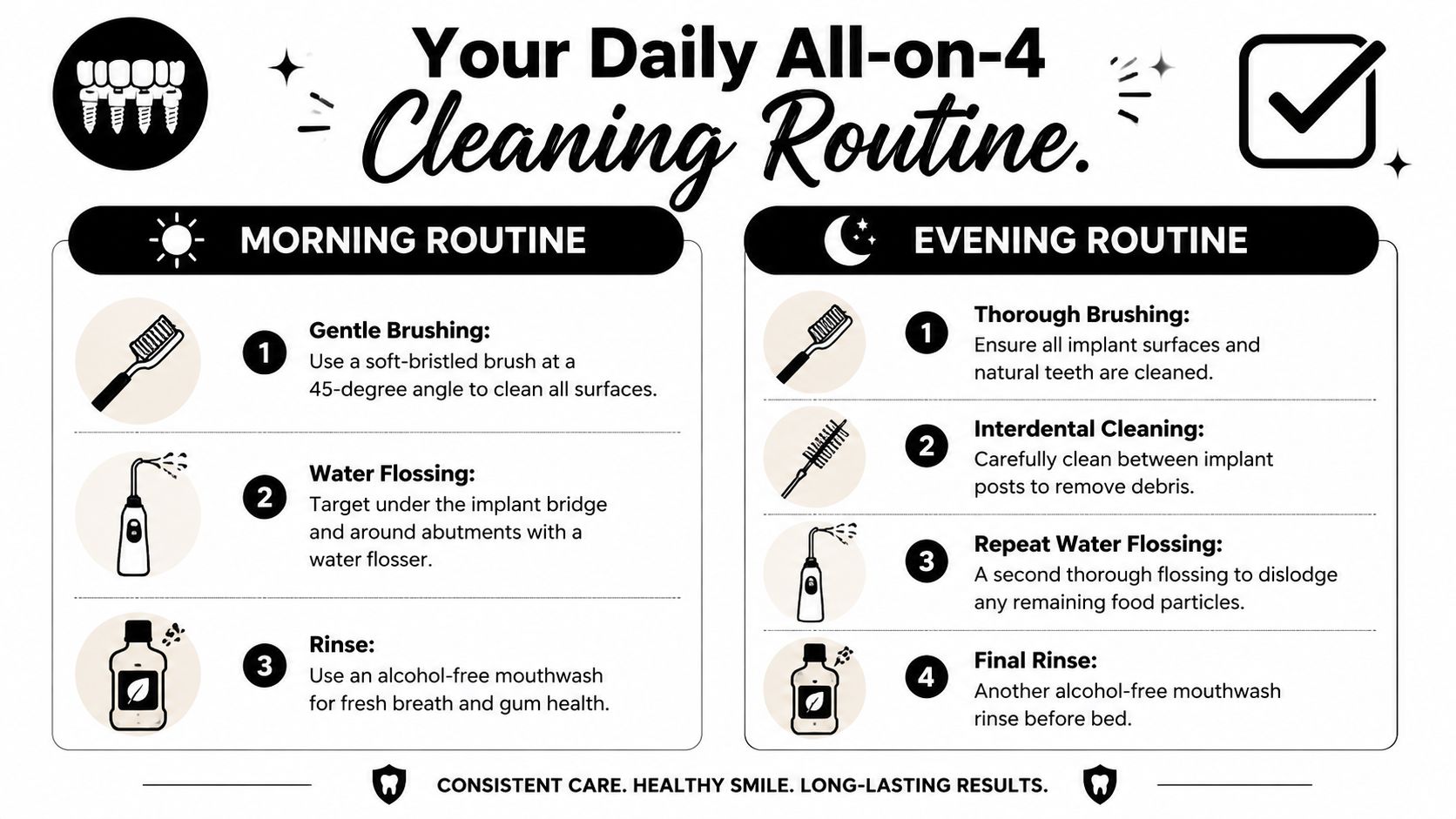
The foundation is straightforward. Patients with full-arch implants are instructed to brush the full arch twice daily, use a soft-bristled toothbrush, clean around the implant-prosthesis junction, use a power flosser, and rinse with an antiseptic mouthwash for at least 30 seconds, based on guidance on how to clean dental implants.
Morning routine that sets the tone
Your morning cleaning doesn't need to be long. It needs to be complete.
Start with a soft-bristled toothbrush. Angle the bristles toward the gumline and the edge where the bridge meets the tissue. Clean the front, back, and chewing surfaces. Then slow down around the implant-prosthesis junction. That edge is where plaque tends to collect.
After brushing, use a power flosser or water flosser to flush beneath the bridge. Move slowly from one side of the arch to the other. Don't just spray and stop. Follow the contour of the underside so debris gets pushed out instead of moved around.
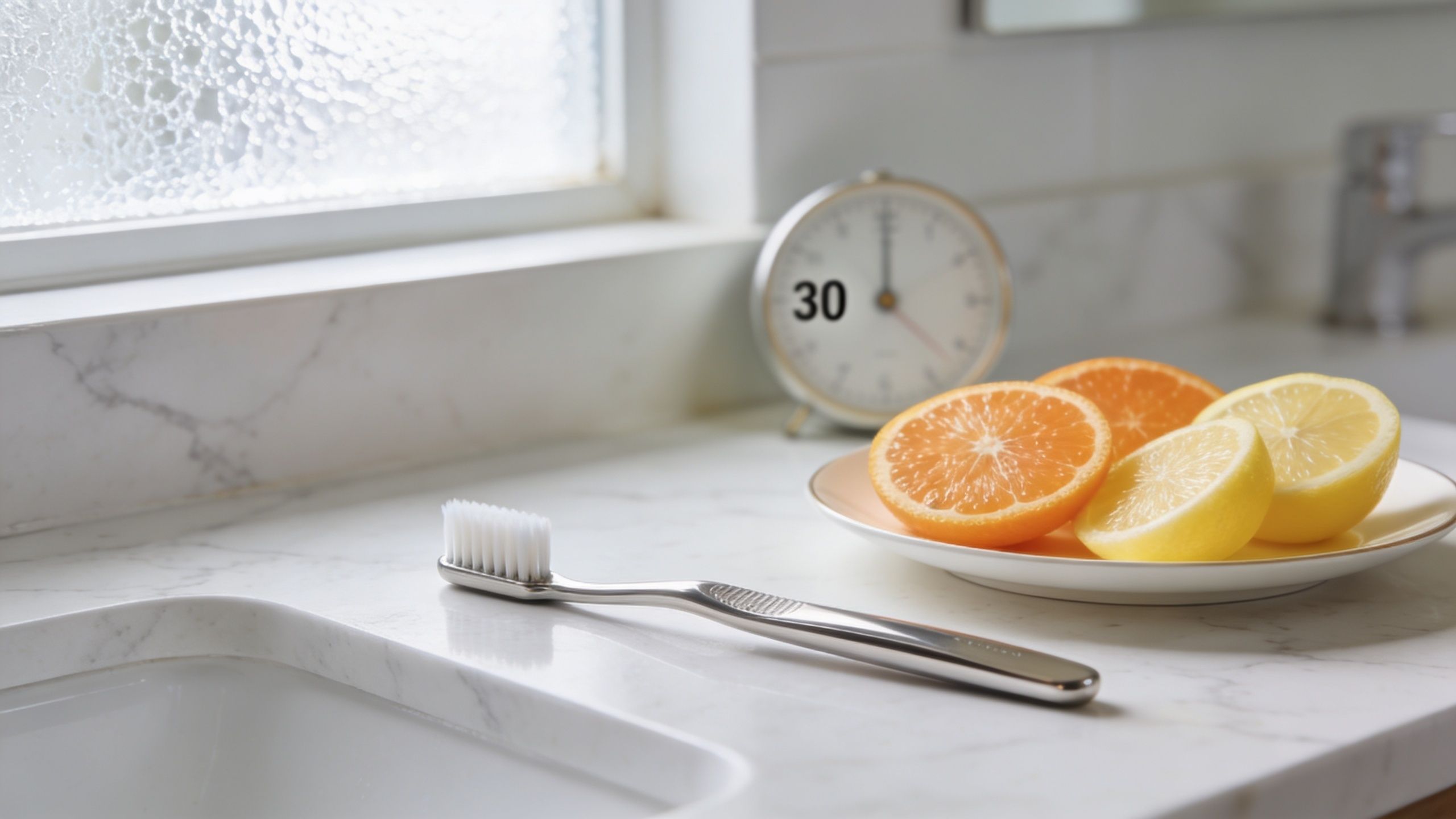
Finish with an antiseptic mouthwash for at least 30 seconds. That final rinse helps reduce plaque and bacteria in areas mechanical cleaning may miss.
Evening routine that does the heavy lifting
Nighttime is where most patients should be extra thorough. Food from the day has had time to collect in the spaces you can't easily see.
A solid evening sequence looks like this:
- Brush first so you remove the film on the visible surfaces.
- Clean under the bridge with your water flosser or other recommended interdental tool.
- Pay attention to the back corners because those areas are easy to miss.
- Rinse for the full 30 seconds instead of a quick swish.
The best routine is the one you'll actually repeat every morning and every night.
What works and what doesn't
Some habits help immediately. Others sound productive but usually create problems.
| Approach | Usually helpful | Usually not helpful |
|---|---|---|
| Brushing | Soft-bristled brush with gentle pressure | Hard scrubbing with a firm brush |
| Cleaning under the bridge | Slow, deliberate flushing under the arch | Quick rinsing that misses the underside |
| Mouthwash | Antiseptic rinse used for the full recommended time | Short rinse that feels fresh but doesn't add much |
| Daily habits | Same sequence every day | Skipping cleanings because the bridge “feels fine” |
A simple standard to follow
If you're unsure whether you're doing enough, check these basics:
- Twice a day means twice a day. Morning and evening both matter.
- Soft bristles protect surfaces and tissue. More pressure doesn't equal better cleaning.
- The underside of the bridge needs daily attention. If you skip that area, you're skipping the area that often needs the most care.
- Consistency beats intensity. You don't need a harsh routine. You need a dependable one.
That's the baseline for how to clean All-on-4 dental implants at home. Once that's steady, the next step is improving your technique so the hidden areas get cleaner with less effort.
Essential Tools and Techniques for a Deep Clean
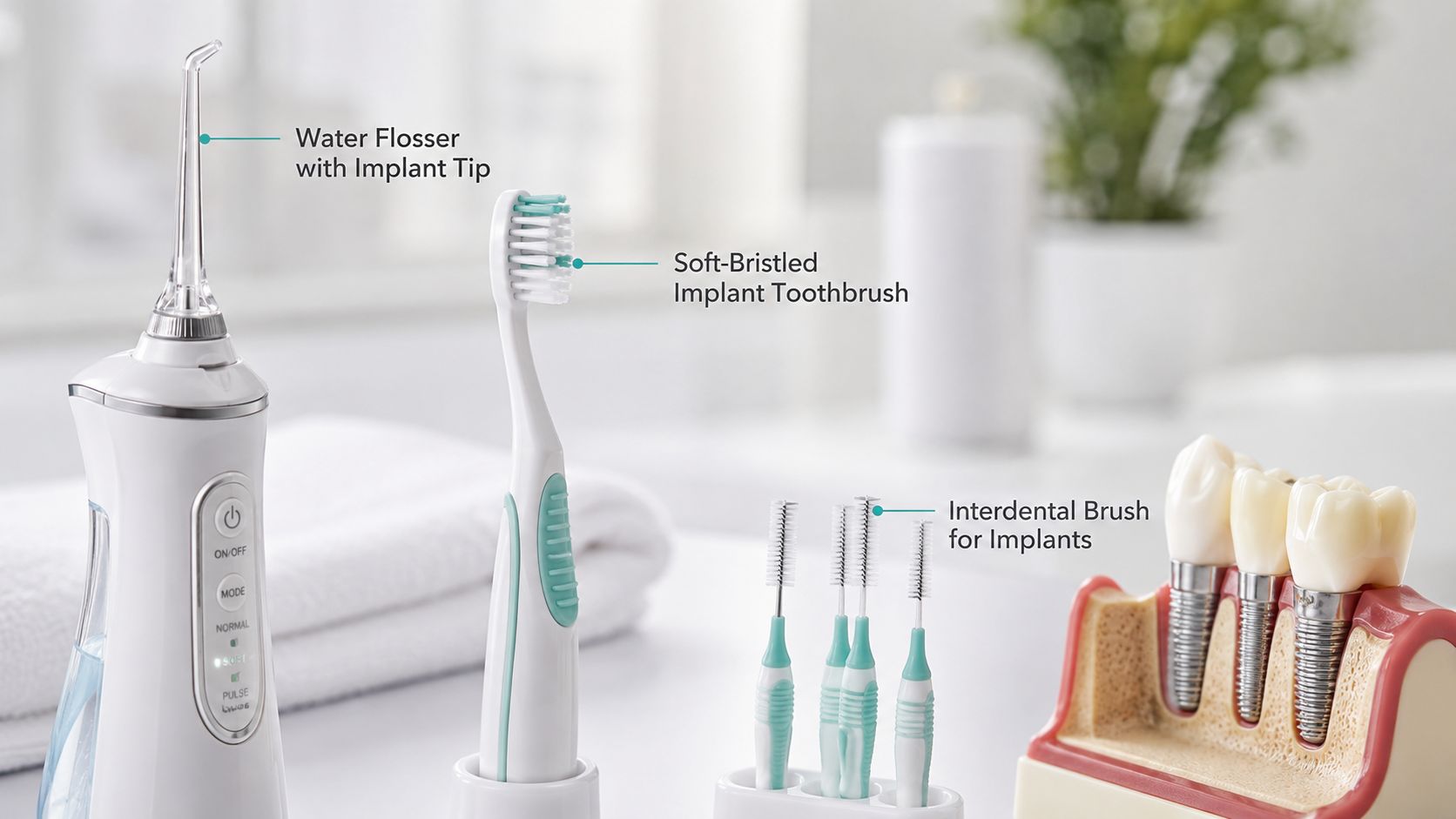
The hard part isn't knowing which tools exist. The hard part is knowing how to use them under a fixed bridge without overdoing it. Guidance on dental implant maintenance notes that All-on-4 patients often need implant-specific floss, super floss, interdental brushes, and low-pressure water irrigation because the hidden gumline and underside of the arch are the main trouble spots.
How to clean under the bridge
If you only clean the visible front of the bridge, you'll miss the area that traps the most debris. Cleaning under the arch takes patience and angle control.
With a water flosser, keep the pressure low if your tissue is still sensitive or if you've been told you're still in a healing phase. Aim the stream under the bridge, not straight down from above. Sweep along the underside in small sections.
With super floss or implant-specific floss, thread it under the bridge carefully and guide it along the tissue-facing surface. Don't snap it through. The motion should be controlled and light.
How to clean around the implant posts
The angled abutments and connection points can collect plaque in narrow, awkward spots. For these areas, interdental brushes help.
Use a small interdental brush to clean around areas your standard toothbrush can't reach well. The movement should be gentle and short. If you have to force the brush into place, it's probably the wrong size or the wrong angle.
A few practical reminders help:
- Use low pressure first if you're using water irrigation and the area feels tender.
- Go section by section instead of trying to clean the full arch in one pass.
- Watch the mirror for access angles. What feels centered in your hand may be missing the underside.
- Stop if you're scraping or jamming tools. Effective cleaning should feel controlled, not forceful.
Technique matters more than tool count
Many patients buy several tools and still struggle because they rush through the hardest zones. A smaller number of tools used well is usually better than a crowded bathroom drawer full of gadgets.
At 3D Dental, patients who need help with access often bring their home tools to a visit so cleaning technique can be reviewed with the actual brush or flosser they use every day. That kind of adjustment is often more useful than switching products repeatedly.
This walkthrough gives a good visual example of fixed implant cleaning technique.
Gentle and thorough beats aggressive and quick. Most cleaning mistakes happen because patients try to overpower a design that really requires precision.
Common mistakes that make cleaning harder
A few patterns show up again and again:
- Brushing harder when food gets trapped. That usually irritates tissue without cleaning underneath the bridge.
- Turning every tool to the highest setting. More pressure can make sensitive areas worse.
- Cleaning only where you can see easily. The hidden gumline is often the area that needs the most attention.
- Giving up on floss-type tools too soon. Technique takes practice, especially with a full-arch prosthesis.
If your current routine leaves you feeling clean on the outside but not fully fresh underneath, the issue usually isn't effort. It's access.
Troubleshooting Common Issues Like Bad Breath or Trapped Food
Most concerns after All-on-4 treatment aren't emergencies. They're maintenance signals. Bad breath, trapped food, or mild tenderness often mean one of two things. Either debris is staying under the bridge longer than it should, or the tissue needs professional attention.
Guidance on cleaning dental implants effectively notes that bleeding, bad breath, or tenderness can be signs of mucositis or peri-implantitis, and these problems can progress even when the restoration still feels stable. That's why persistent symptoms shouldn't be brushed off.

When home care may be enough
If food gets trapped occasionally, your first step is usually to improve the sequence and thoroughness of your home cleaning. That often means slowing down with the water flosser and making sure you're reaching the underside of the bridge from end to end.
Short-term at-home troubleshooting may help if:
- You notice debris after meals but it clears with more careful flushing
- Your breath improves after a better evening routine
- Tenderness is mild and brief rather than constant
- There's no pattern of ongoing bleeding
When it's time to call
Persistent symptoms are different. They suggest that home cleaning may not be enough.
Call your dentist if you notice:
- Bleeding that keeps happening during regular cleaning
- Bad breath that returns quickly even after thorough home care
- Tenderness or soreness that doesn't settle down
- A sense that one area always feels inflamed or hard to access
If a spot keeps collecting debris or keeps feeling sore, that's not a sign to scrub harder. It's a sign to get it checked.
A simple decision guide
| Symptom | Try at home first | Seek professional evaluation |
|---|---|---|
| Food trapping | Improve under-bridge cleaning technique | If the same area stays problematic |
| Mild odor | Recheck brushing, flushing, and rinsing | If odor persists despite good daily care |
| Light tenderness | Use gentler technique and monitor | If tenderness continues or worsens |
| Bleeding | Don't ignore it | Yes, especially if it repeats |
For patients in Austin, Georgetown, Cedar Park, and Liberty Hill, one of the most reassuring things is getting a direct answer about whether a symptom is routine maintenance or something that needs treatment. If you're not sure, it's better to ask early.
The Role of Professional Maintenance and Exams
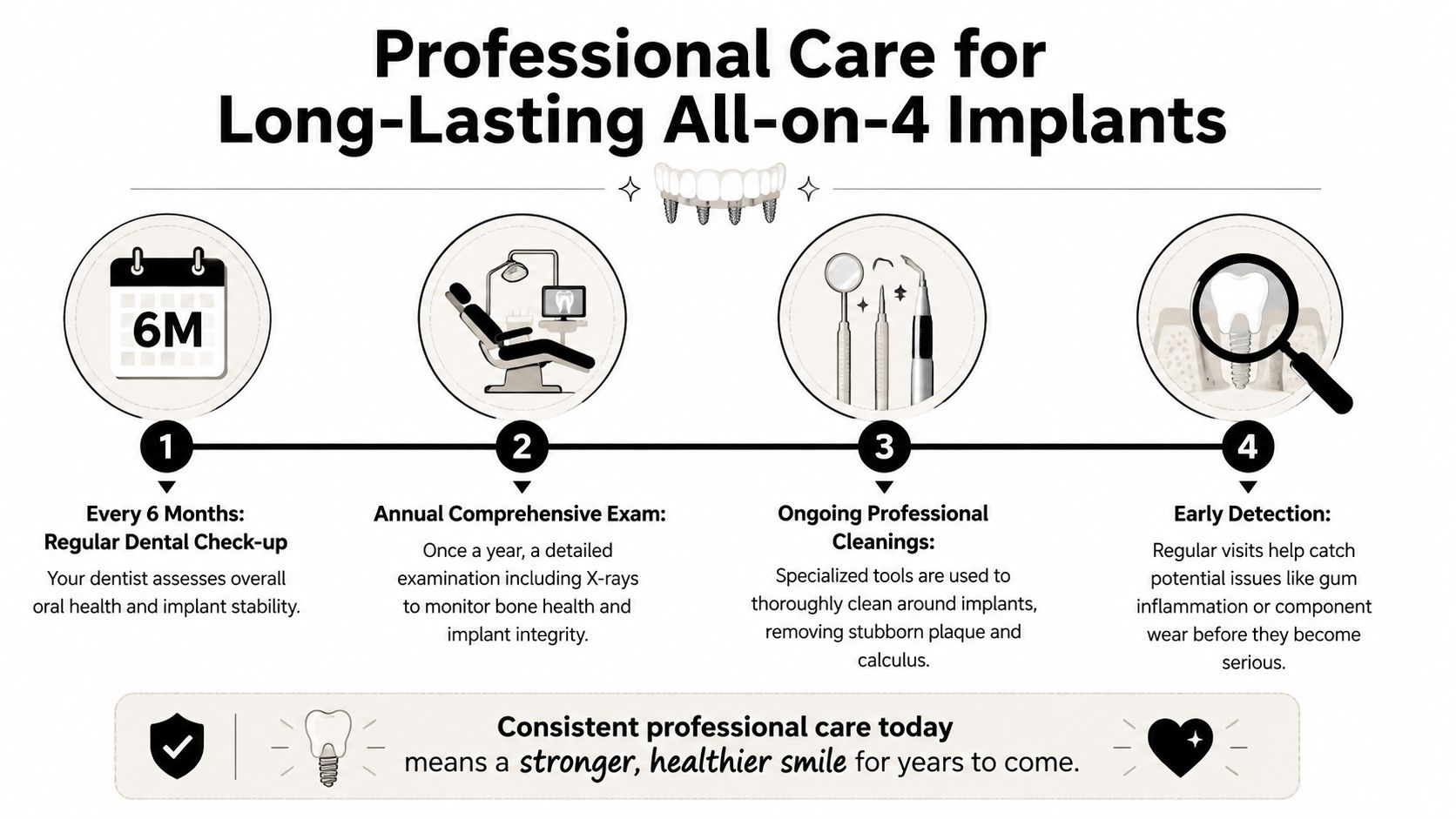
Home care is only half of long-term implant success. Clinical guidance consistently recommends professional implant maintenance at least every 6 months, and often every 3 to 6 months, to monitor plaque, soft tissue inflammation, and prosthetic wear, as outlined in this discussion of dental implant cleaning and maintenance.
That schedule matters because a fixed full-arch bridge creates areas that are difficult to fully evaluate and clean on your own. Even careful patients can miss buildup along the tissue-facing side of the restoration or around the implant components.
Why regular visits matter even if things feel fine
One of the biggest misconceptions with All-on-4 treatment is that no pain means no problem. That isn't always true. A bridge can feel stable while the surrounding tissue shows early irritation or while wear begins to appear in the prosthesis.
Professional maintenance visits help your dental team look for:
- Plaque or deposits in hard-to-reach areas
- Soft tissue inflammation around the implants
- Changes in the fit or condition of the prosthesis
- Concerns that may need imaging or closer review
For patients searching for dental implants near me or a dentist in Austin, TX who can follow implant work over time, this is one of the most important parts of care. Implants are not a set-it-and-forget-it treatment.
What happens at an implant maintenance visit
A good maintenance appointment is more than a quick polishing. Your provider evaluates the restoration, checks the tissues, and looks at the areas you can't fully monitor at home.
That may include:
- A focused cleaning around the implant-supported bridge
- An exam of the gums and visible implant junctions
- Review of any symptoms like odor, tenderness, or food trapping
- Dental x-rays or other imaging when clinically indicated to monitor what's happening below the surface
Daily care and professional care work together
Think of long-term implant hygiene as a two-part system. Daily self-care controls the routine buildup you face every morning and night. Professional maintenance catches what daily care can't fully manage.
If you want a practical overview of long-term habits, this guide on how to care for dental implants is a useful next read.
Regular exams protect more than the bridge you see. They help protect the tissue and support underneath it.
For many patients in Round Rock, Georgetown, and North Austin, these visits also reduce stress. You don't have to guess whether you're cleaning well enough. You can have the bridge, tissue, and overall oral health checked by a team that knows what to watch for.
Your Implant Care Partner in Austin and Georgetown
A healthy All-on-4 smile usually comes down to a few steady habits. Brush gently. Clean under the bridge every day. Don't ignore trapped food, odor, or bleeding. Keep up with exams and cleanings. That's the formula most patients can live with long term.
Patients often expect implant care to feel technical or intimidating. In reality, it should feel manageable. The right dental team helps you simplify the process, adjust your technique when needed, and step in early if something changes.
What to expect when you visit
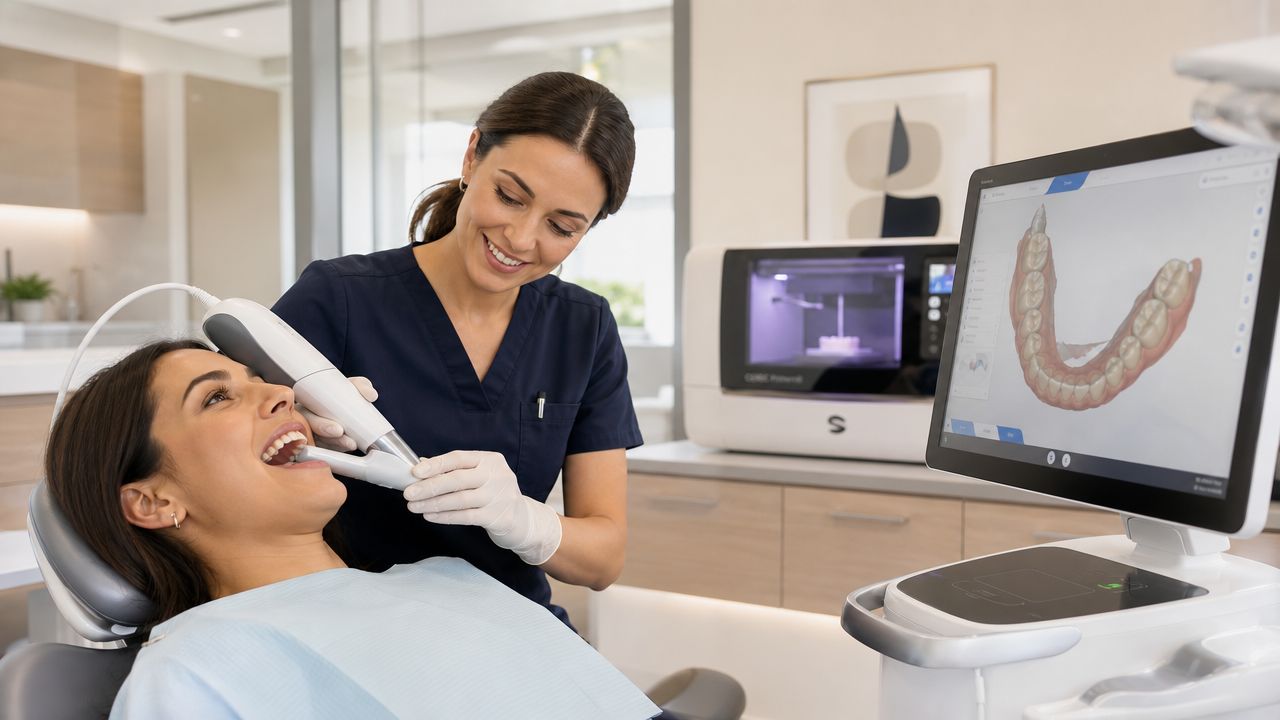
For patients in Austin and Georgetown, implant maintenance should feel organized and supportive, not rushed. At a visit, your concerns should be taken seriously, whether you're there for a routine cleaning and exam, dental x-rays, a new patient exam, or a specific question about tenderness or bad breath around your bridge.
A thorough implant-focused visit may involve:
- Reviewing your home care routine so problem areas can be identified
- Examining the tissues around the bridge for irritation or inflammation
- Checking the restoration itself for wear or areas that trap debris
- Using imaging when needed to evaluate support around the implants
Why local follow-up matters
If you live in Austin, Georgetown, Wells Branch, Cedar Park, Round Rock, or Liberty Hill, it helps to have a local office that can handle both everyday preventive care and more advanced restorative needs. Implant care doesn't exist in isolation. Sometimes a patient also needs help with gum treatment, restorative dentistry, cosmetic dentistry, or emergency dental care.
That's one reason many people looking for a dentist near me also want a practice that can support the full picture of oral health. A bridge may be the main concern, but your bite, gum health, natural teeth, and cleaning access all affect the result.
Keep your investment strong
All-on-4 treatment can change daily life in a very real way. Eating is easier. Smiling feels natural again. Social situations feel lighter. Protecting that result doesn't require perfection. It requires attention and follow-through.
If something feels off, don't wait for it to become obvious. Small maintenance problems are easier to address early. If everything feels good, regular visits help keep it that way.
If you have questions about cleaning All-on-4 implants or you're looking for a trusted 3D Dental team in Austin or Georgetown for implant maintenance, cleanings and exams, dental x-rays, or a new patient consultation, schedule an appointment and get personalized guidance for keeping your smile healthy for the long run.
Ready to get started?
Schedule a free, no obligation consultation with our team and see what's possible for your smile!
Georgetown
- Mon-Thurs8:30am-5pm
- Fri8am-3:30pm
- Sat-SunClosed
Austin
- Mon-Tues8am-5pm
- Wed-Thurs9am-6pmFri8am-2pm
- Sat-SunClosed