
Ridge Augmentation Surgery: Austin & Georgetown Experts
Related Posts

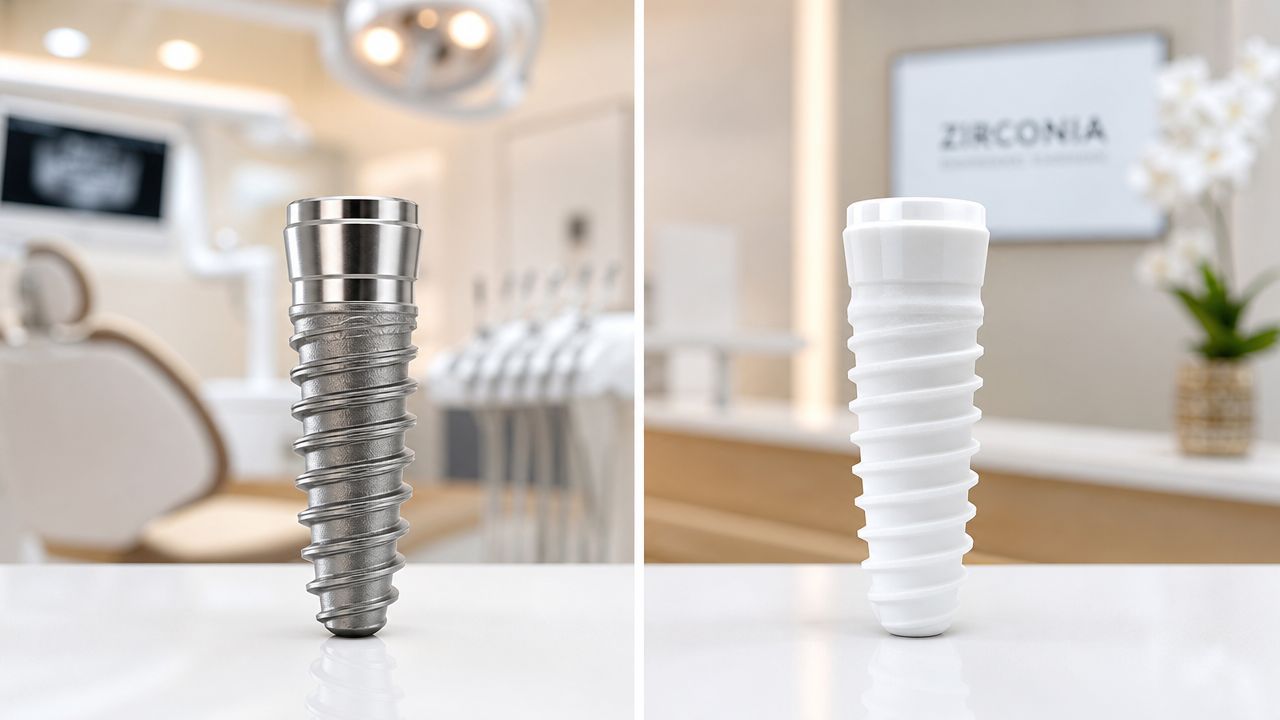




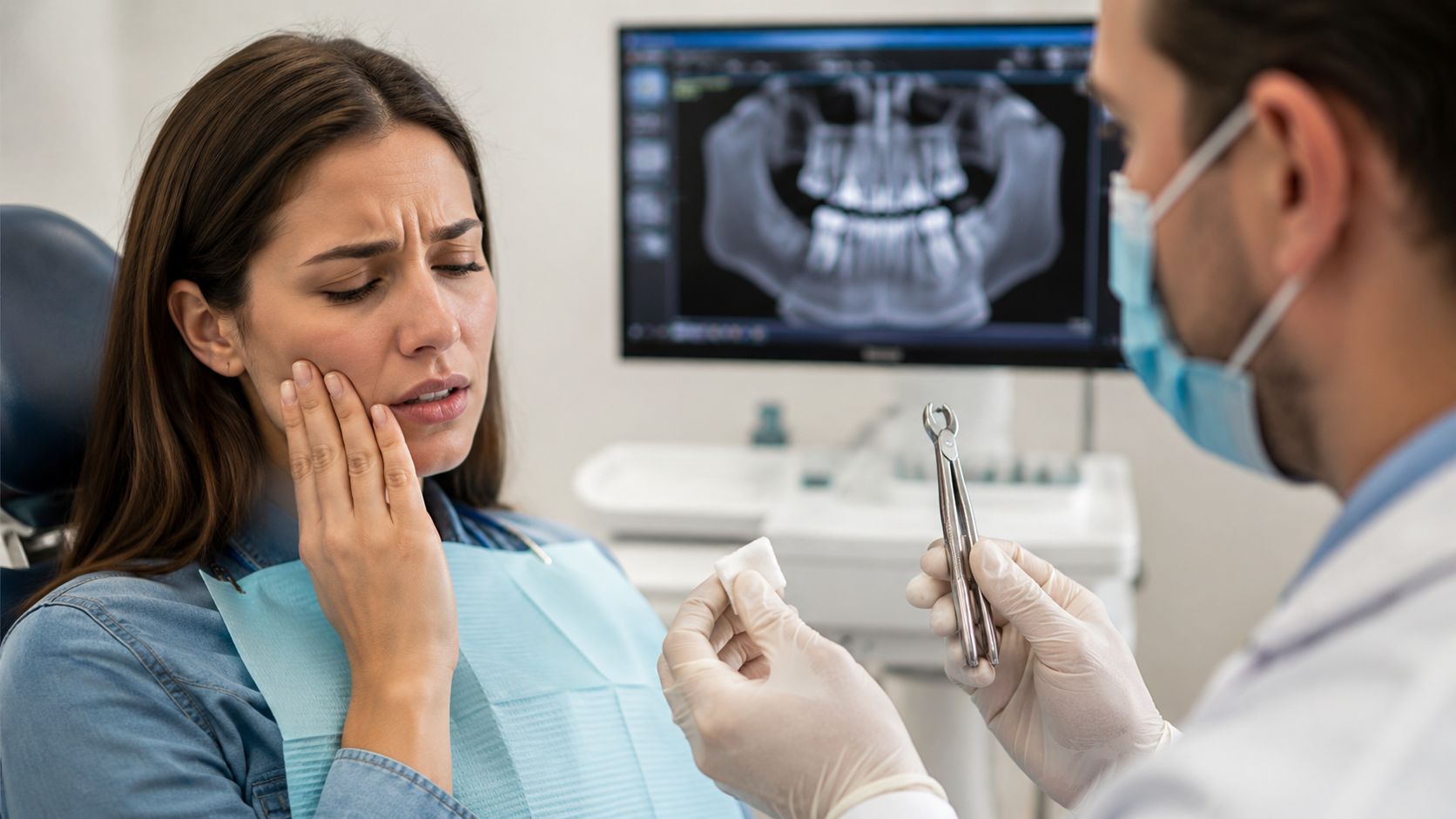



















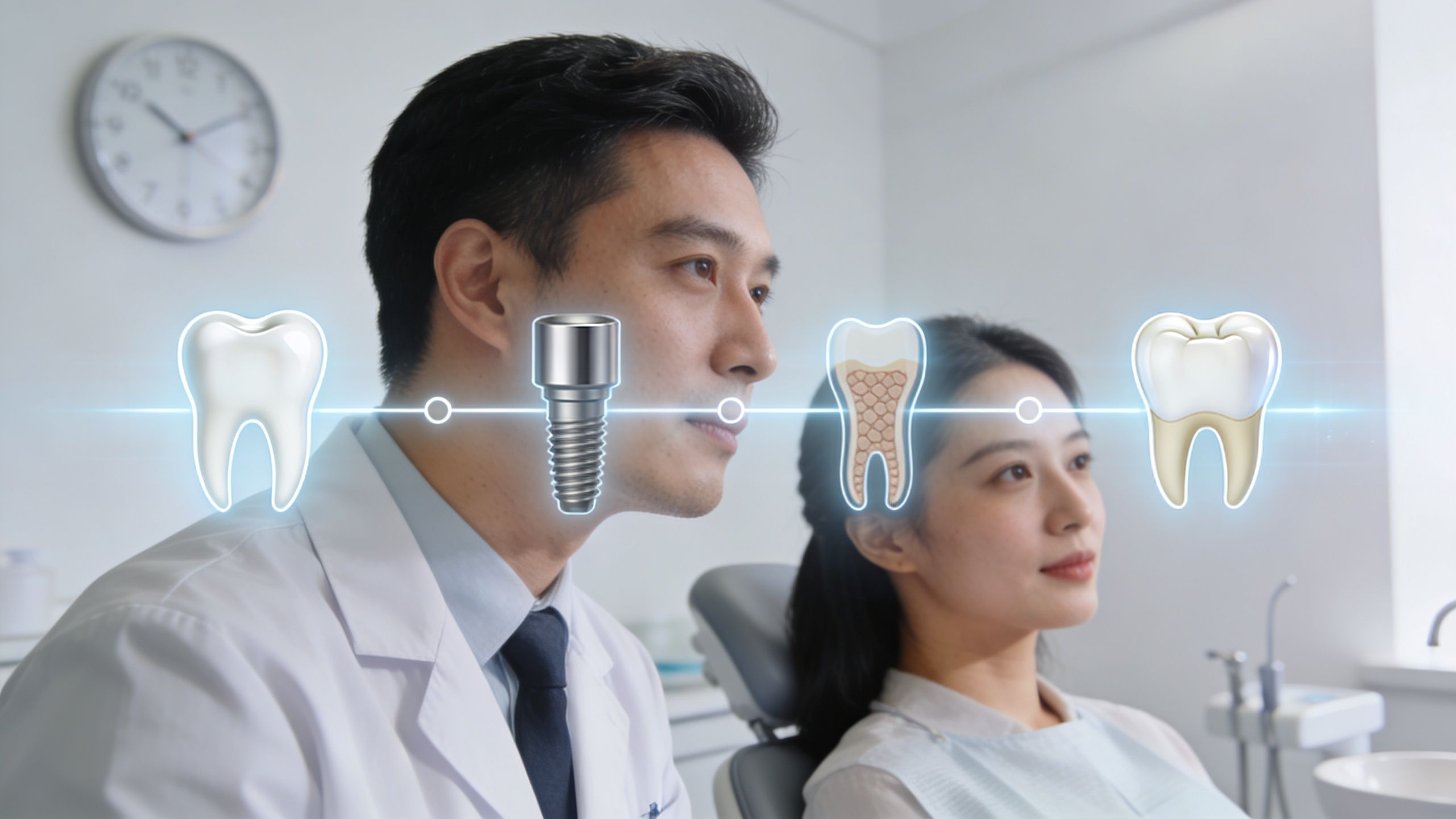







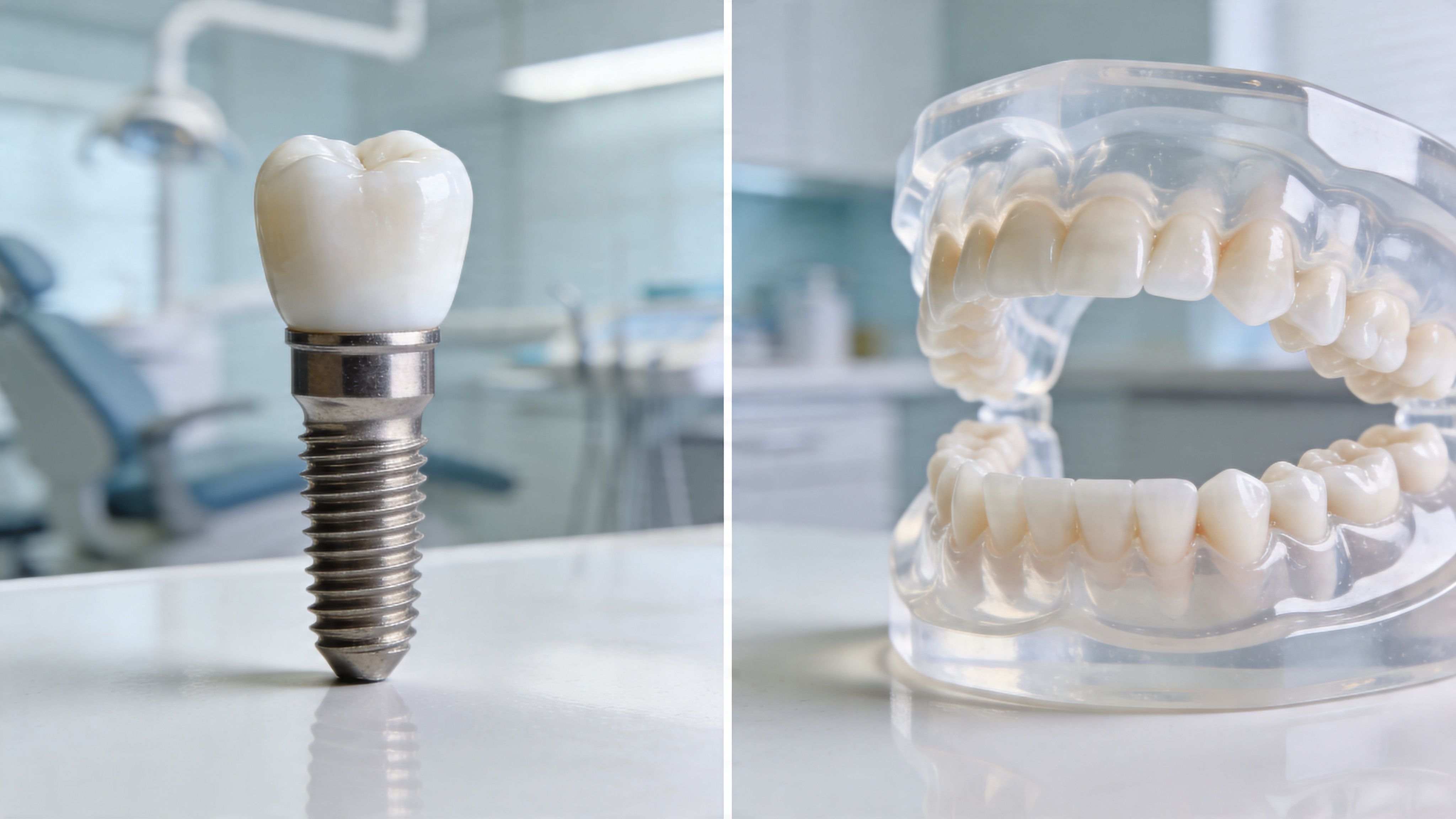
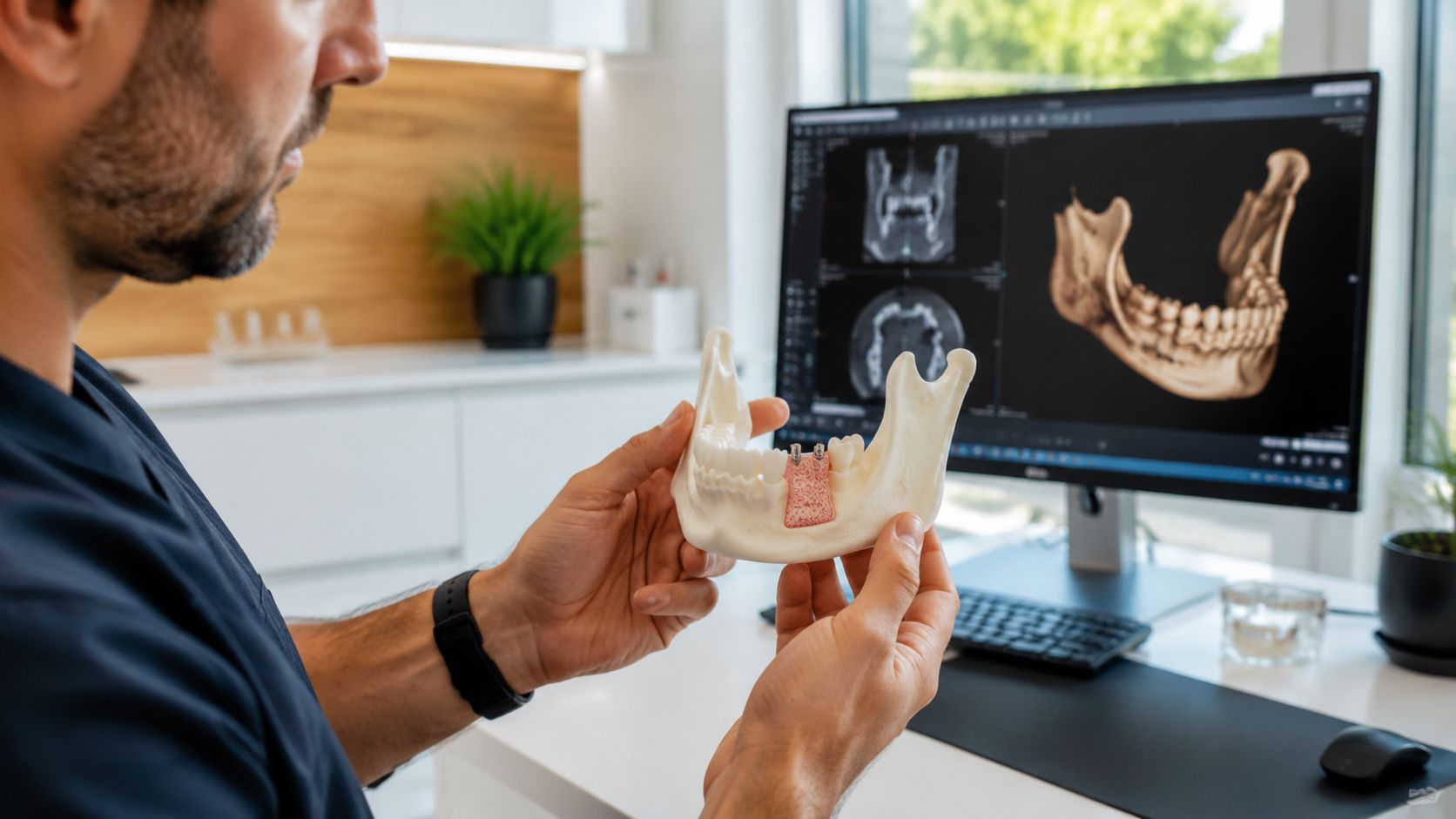
You finally decide to replace a missing tooth. You're ready for a dental implant, you've pictured having a stable bite again, and then you hear something frustrating at your consultation: there isn't enough bone to support the implant yet.
That's a common moment for patients in Austin, Georgetown, Cedar Park, Round Rock, Wells Branch, and Liberty Hill. It can feel like the plan just got more complicated. In reality, it often means you need one important step first so the final result lasts.
If you've been searching for a dentist near me, dental implants near me, or a dentist in Austin, TX who can explain bone grafting clearly, ridge augmentation surgery is one of the most important procedures to understand. It's used to rebuild the jaw where bone has thinned after tooth loss, so future treatment has a stronger base.
Your Guide to Ridge Augmentation Surgery in Austin TX
A patient often comes in thinking the hard part is already behind them. The tooth is gone, the area has healed, and now they want the permanent replacement. Then the scan shows the ridge of bone has narrowed or collapsed. That doesn't mean implants are off the table. It means the jaw needs to be rebuilt first.
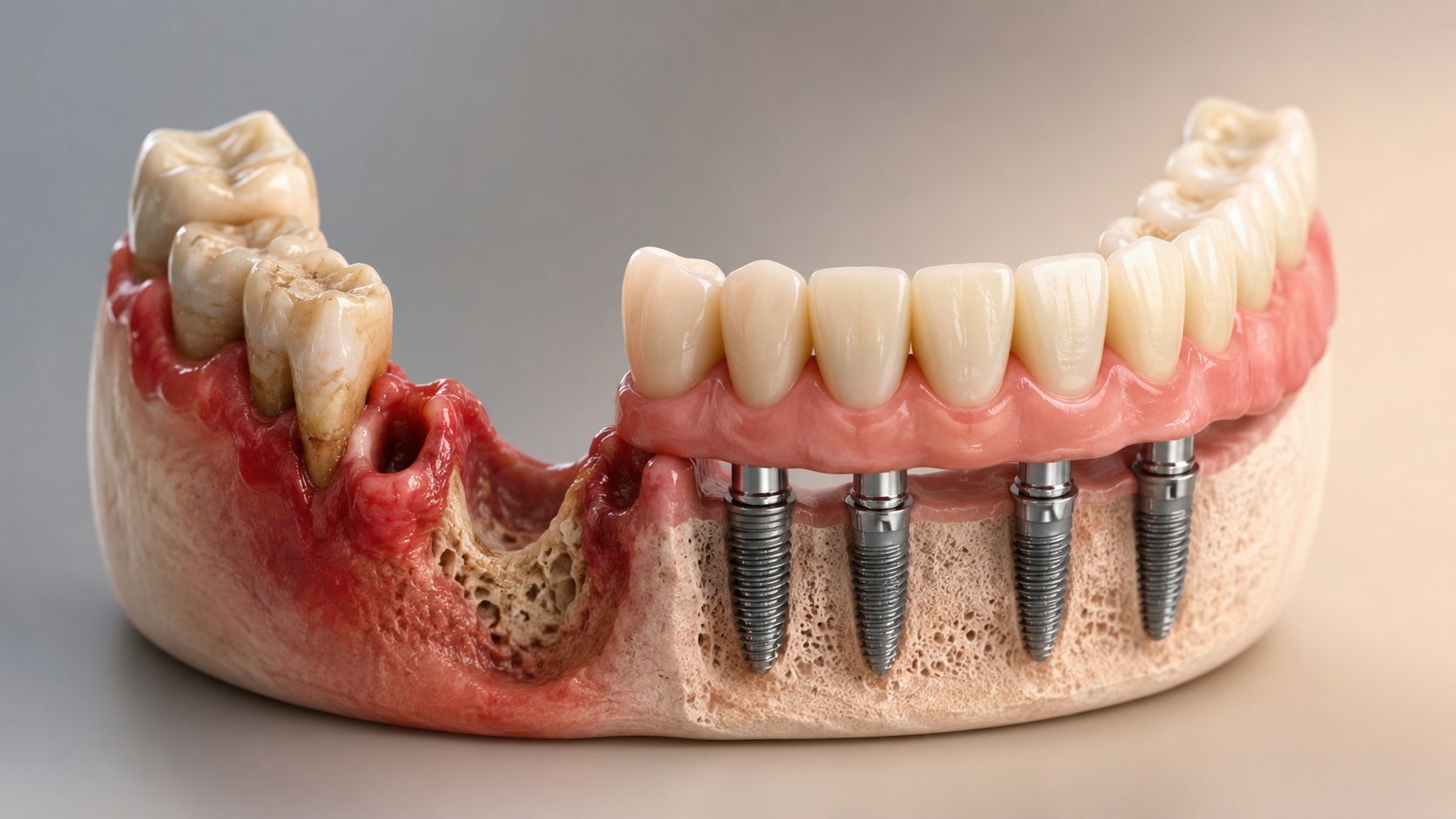
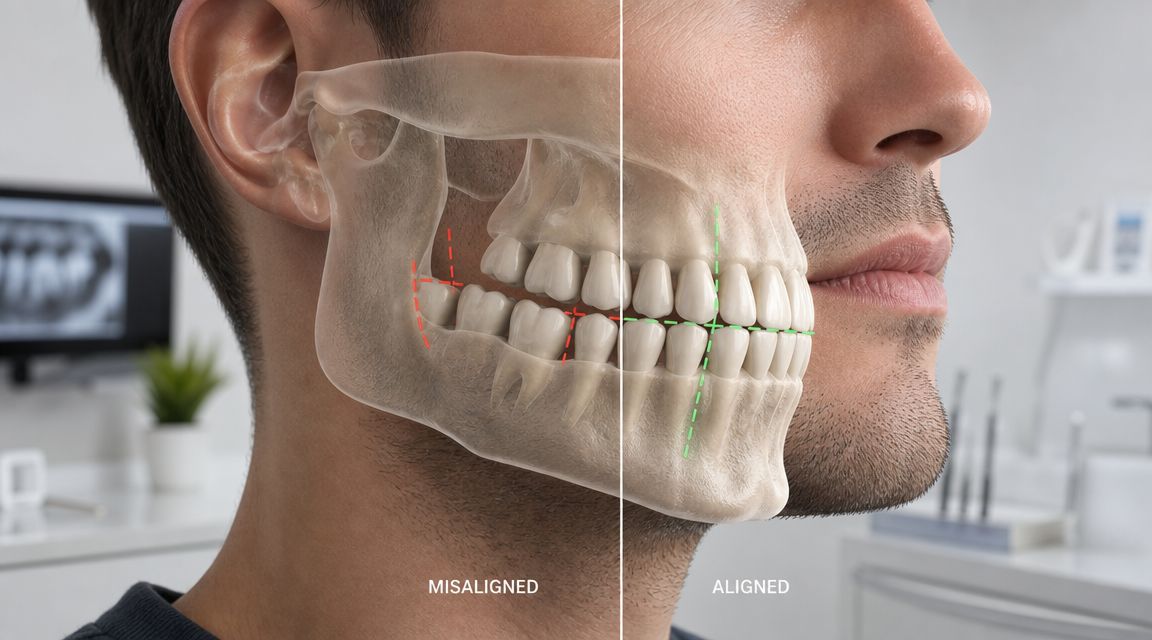
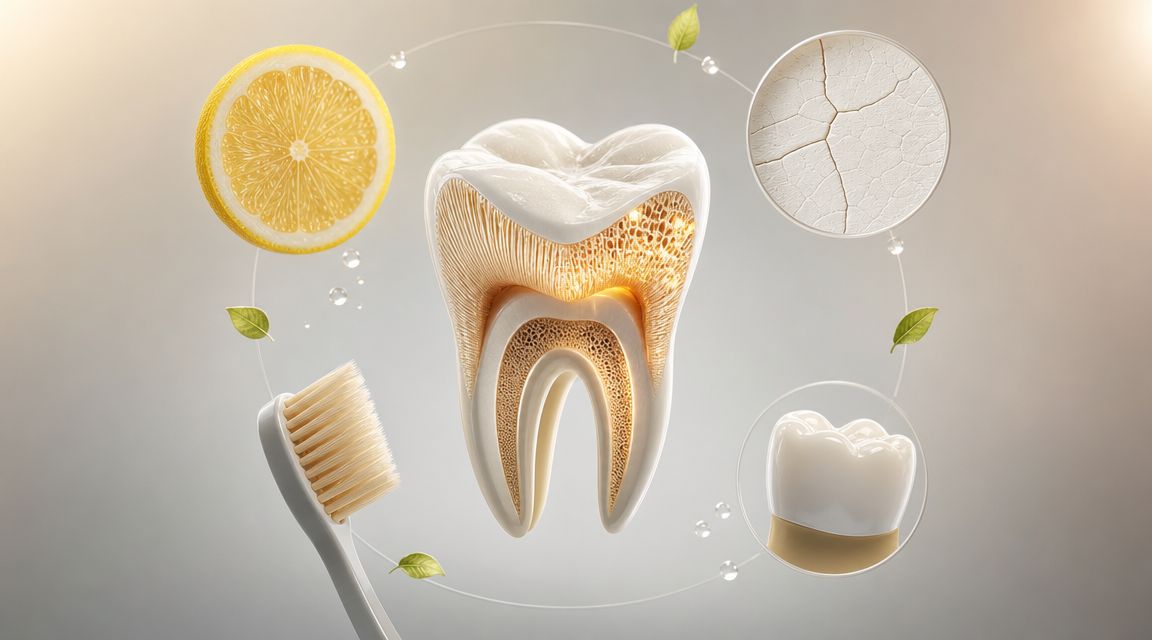
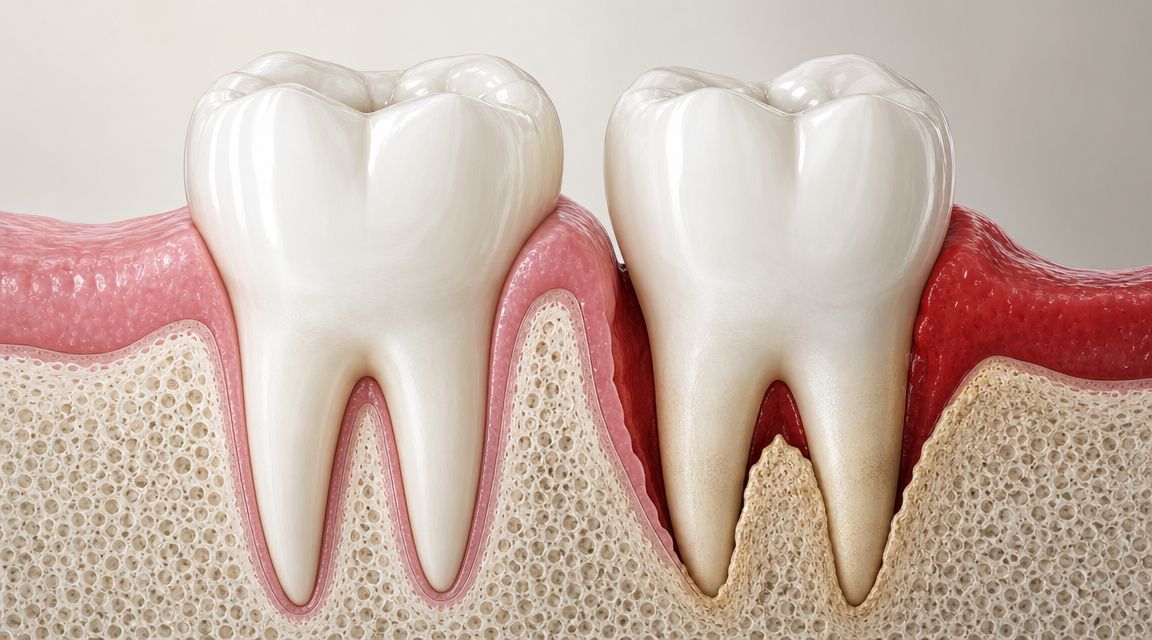
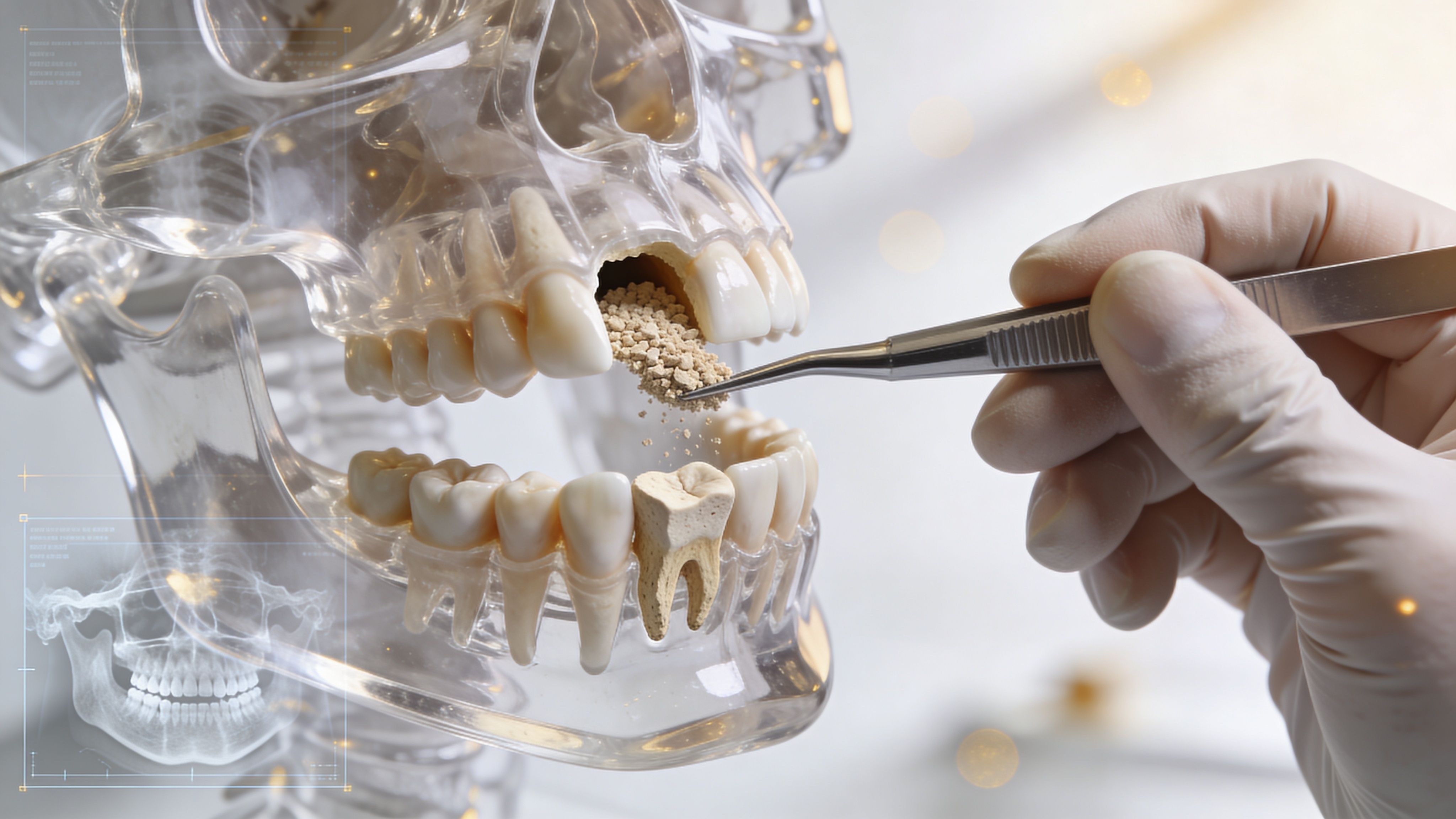
The underlying issue is alveolar bone atrophy. After tooth loss, the bone that once supported the tooth begins to shrink. The longer a tooth remains missing, the more bone loss can occur, which is why bone grafting for ridge augmentation is often needed to restore original bone dimensions before implant placement, as explained in this overview of alveolar bone atrophy after tooth loss.
Why this matters for everyday function
When bone volume drops, several things can happen:
- Implants lose support: A dental implant needs enough surrounding bone to stabilize properly.
- Chewing becomes less efficient: Missing support can affect how comfortably you bite.
- Facial contours can change: Bone loss can contribute to a more sunken look over time.
- Restorative options become narrower: Delaying treatment can limit what works best later.
Patients looking for restorative dentistry, tooth extraction follow-up care, or dental implants near me usually want a direct answer. Ridge augmentation surgery is often that answer when bone loss stands in the way of a lasting implant.
A missing tooth doesn't just leave a gap in the smile. It changes the shape of the bone underneath it.
Why patients in Austin and Georgetown ask about it
In a busy area like North Austin or Georgetown, patients often postpone treatment because life gets crowded. Work schedules, family obligations, or dental anxiety can push care down the list. By the time they're ready, the bone may no longer be ideal for immediate implant placement.
That's why a careful workup matters. A good implant plan doesn't start with the implant. It starts with the condition of the bone, gums, bite, and the long-term goal for the smile. For many patients also considering cleaning and exams, dental x-rays, or even cosmetic dentistry, getting this step right protects every treatment that follows.
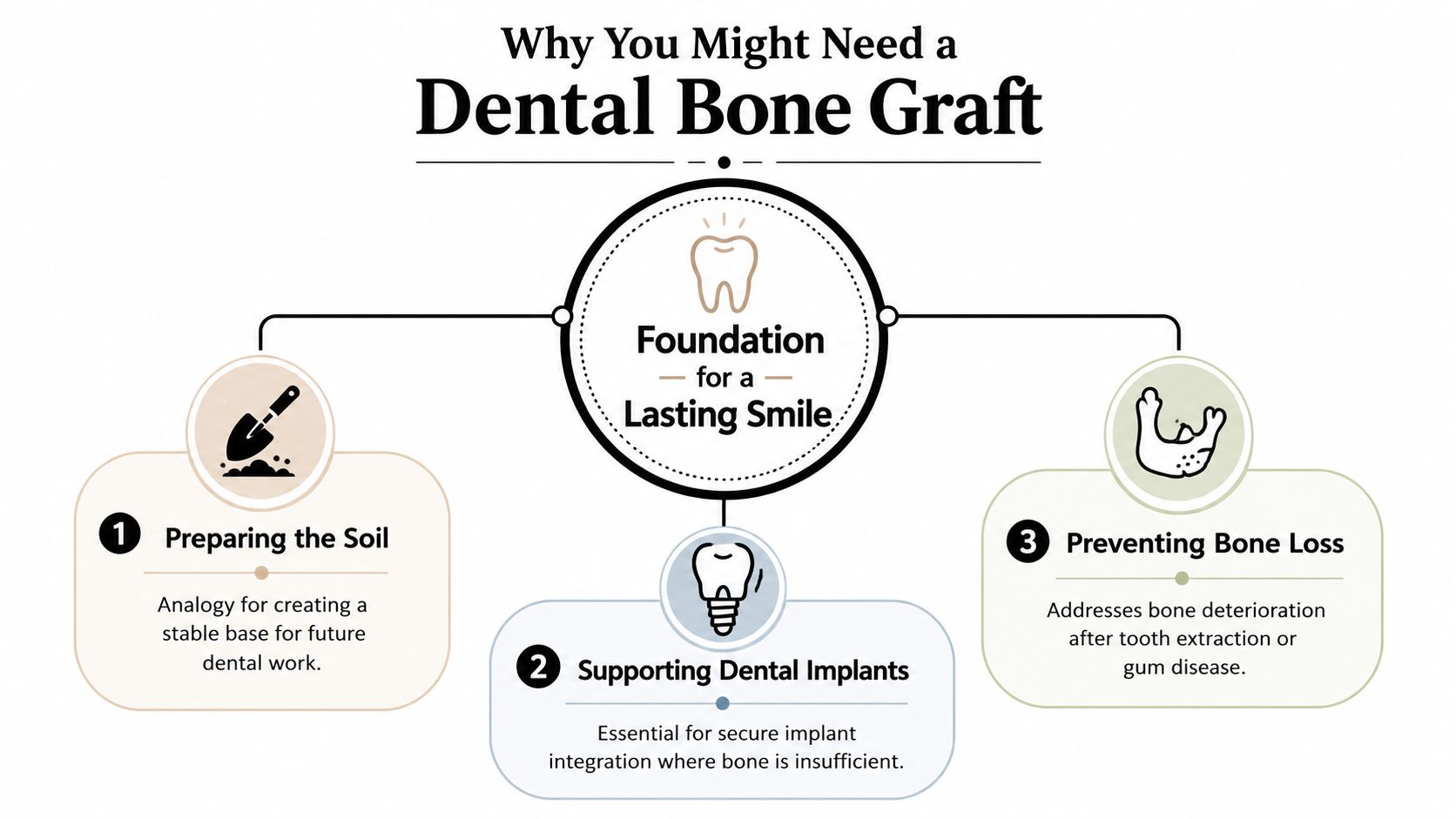
Why You Might Need a Dental Bone Graft
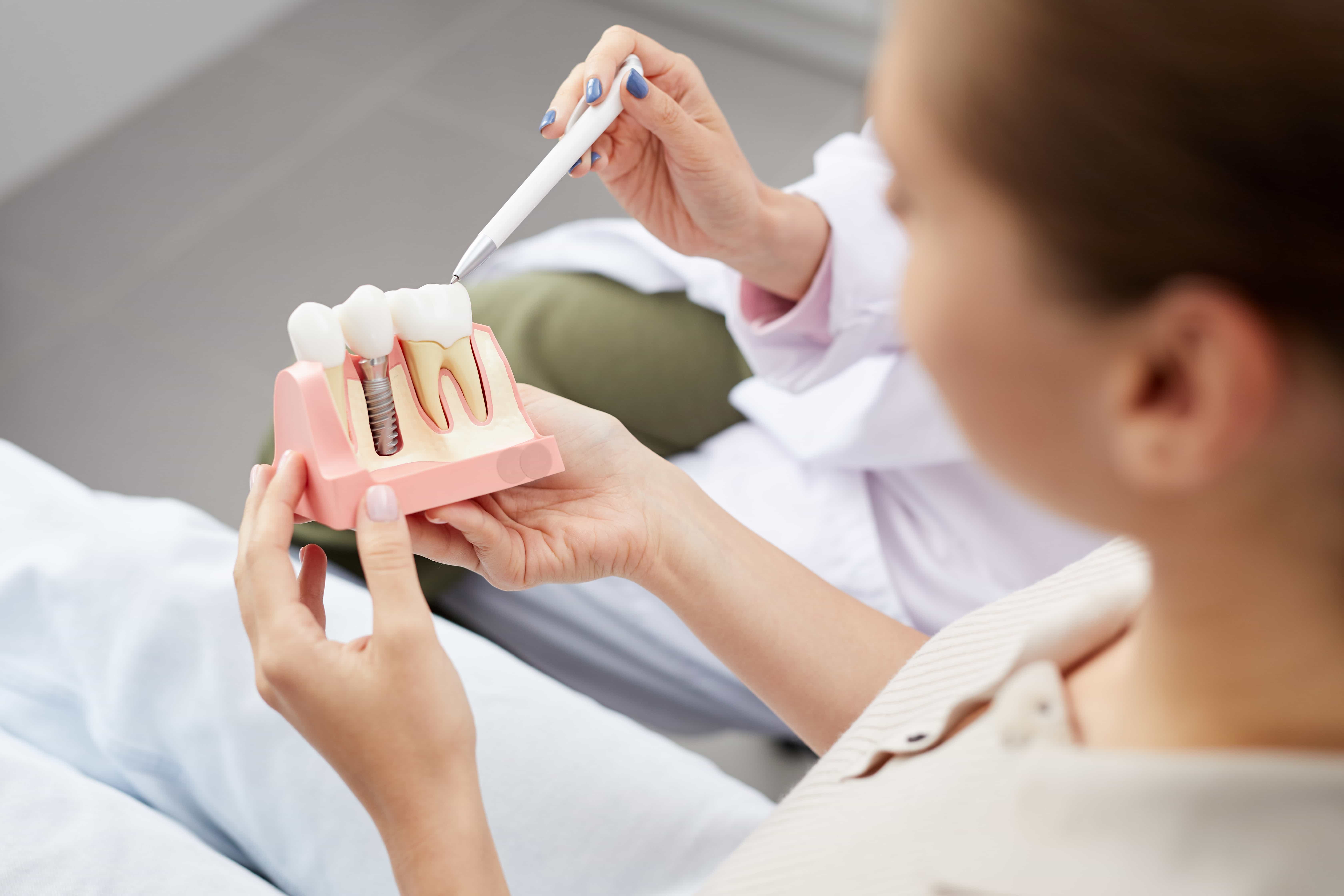
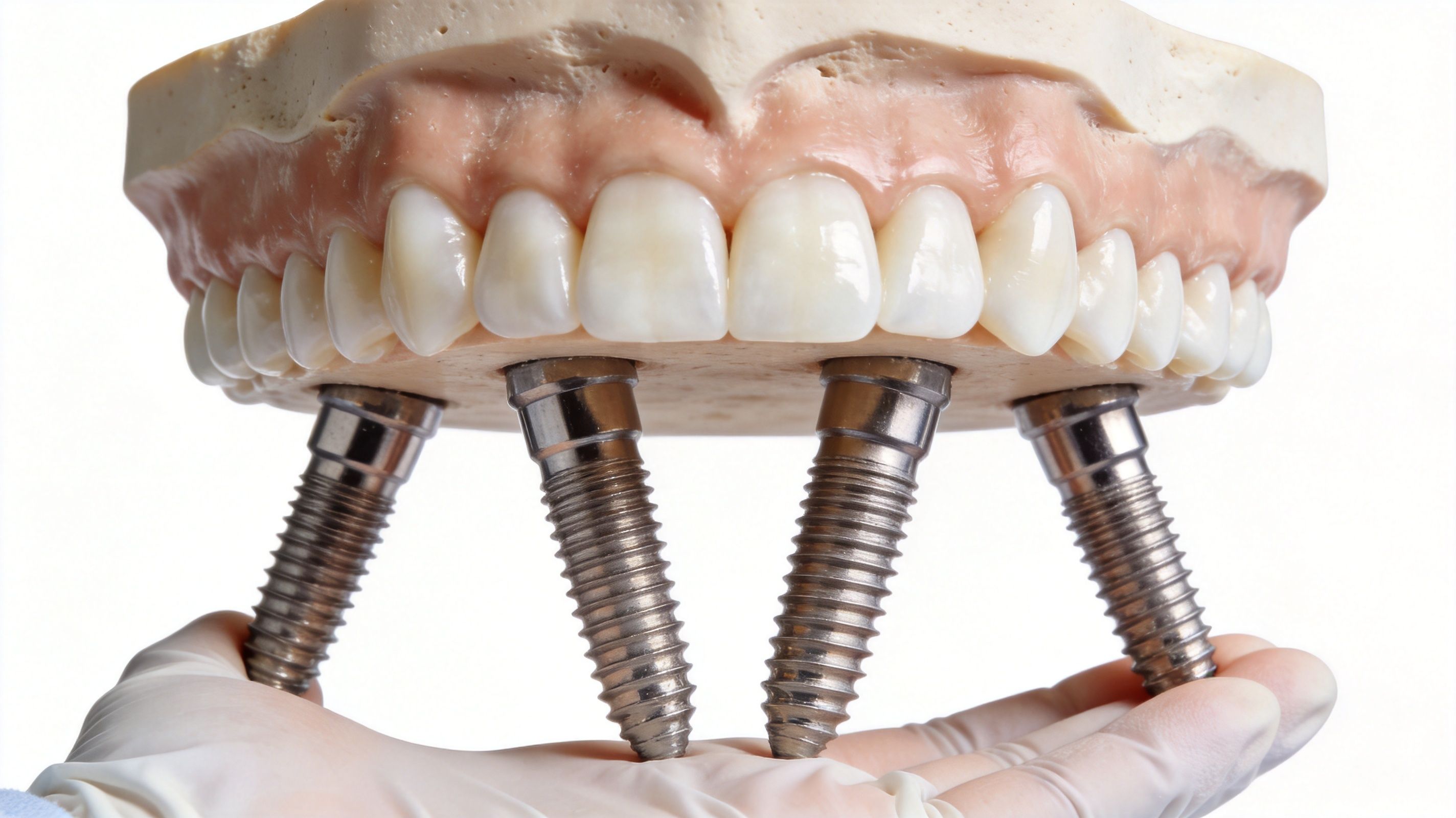
A dental implant works a lot like a post set into solid ground. If the ground is too thin or unstable, the post won't have the support it needs. Ridge augmentation surgery rebuilds that support.
The most common reasons bone is missing
Bone loss usually doesn't happen all at once. It tends to follow a pattern.
- After tooth extraction: Once the root is gone, the jaw no longer gets the same stimulation in that area.
- With advanced gum disease: Infection can damage the structures that support teeth, including bone.
- After trauma: A fracture, accident, or impact can leave the ridge irregular or thin.
- When a tooth has been missing for a long time: This is one of the most common reasons patients need grafting before implants.
If you want a more detailed patient-friendly overview, this article on how dental bone grafting works is a helpful next read.
Why grafting isn't an upsell
Patients sometimes worry that adding grafting means the treatment plan is becoming more aggressive than necessary. In the right case, it's the opposite. It's the conservative move because it protects the long-term result.
Without enough bone, an implant may be placed in a less ideal position, or it may not be supported well enough for predictable function. Ridge preservation and grafting are used because they create a more dependable foundation.
A retrospective study found that ridge-preserved sites showed a 100% implant survival rate with a mean time in function of 31 months, supporting ridge preservation as a predictable procedure with very high survival rates comparable to ungrafted sites, according to this PubMed summary on implant survival in ridge-preserved sites.
What works and what doesn't
What works is early evaluation, accurate imaging, and matching the graft approach to the defect. What doesn't work is assuming every empty space in the jaw will stay unchanged after a tooth is lost.
Practical rule: If you've already been told you don't have enough bone for an implant, delaying the evaluation rarely makes the treatment simpler.
This is one reason patients who start with a new patient exam, emergency dentist visit, or tooth extraction often end up discussing grafting soon after. The goal isn't to add steps. The goal is to make the final implant stable, functional, and worth the investment.
Common Types of Ridge Augmentation Surgery
Not every ridge defect is the same. Some sites need a modest width increase. Others need more substantial rebuilding before they can hold an implant in the right position. The treatment approach depends on how much bone is missing, where the area is located, and what kind of restoration is planned.
Guided bone regeneration
Guided bone regeneration, often called GBR, is commonly used when the ridge needs moderate rebuilding. In horizontal augmentation, the target for predictable reconstruction is an average of 3 to 4 mm, as noted in this clinical review of predictable horizontal ridge augmentation.
In simple terms, graft material is placed where bone is lacking and covered in a protective membrane. The membrane helps maintain space so the body can build bone in that area rather than letting soft tissue fill it first.
This option is often chosen when the shape of the ridge is close to workable, but not quite sufficient.
Block grafts
A block graft is used when the defect is larger or the ridge has lost more structure. Instead of using only particulate graft material, a more solid piece of graft material is shaped and secured to rebuild the site.
This can be a good solution for significant defects where stronger support and contour correction are needed. It's more involved than a smaller graft, but in the right case it can create the bone architecture needed for implant placement later.
Ridge preservation
Ridge preservation is performed closer to the time of extraction. Its purpose is to reduce the collapse that commonly happens once a tooth is removed.
Rather than waiting for the socket and ridge to shrink and then rebuilding later, preservation helps hold the shape of the area during healing. This is often one of the smartest choices after a tooth extraction, especially if an implant is part of the future plan.
Graft materials patients may hear about
The material used may come from:
- Your own body
- A donor source
- A synthetic source
Each option has trade-offs. The right choice depends on the defect, the surgical plan, and the patient's overall needs.
| Technique | Best For | Typical Healing Time |
|---|---|---|
| Guided Bone Regeneration | Moderate width loss and contour rebuilding | Often several months before implant placement |
| Block Graft | More significant ridge defects | Often several months, depending on defect size |
| Ridge Preservation | Sites treated at or near the time of extraction | Often several months before final implant steps |
The best graft isn't the most advanced-sounding option. It's the one that fits the defect and supports the final restoration.
For patients comparing restorative dentistry, dental implants, and replacement options after extraction, planning matters most. The procedure should match the problem, not the other way around.
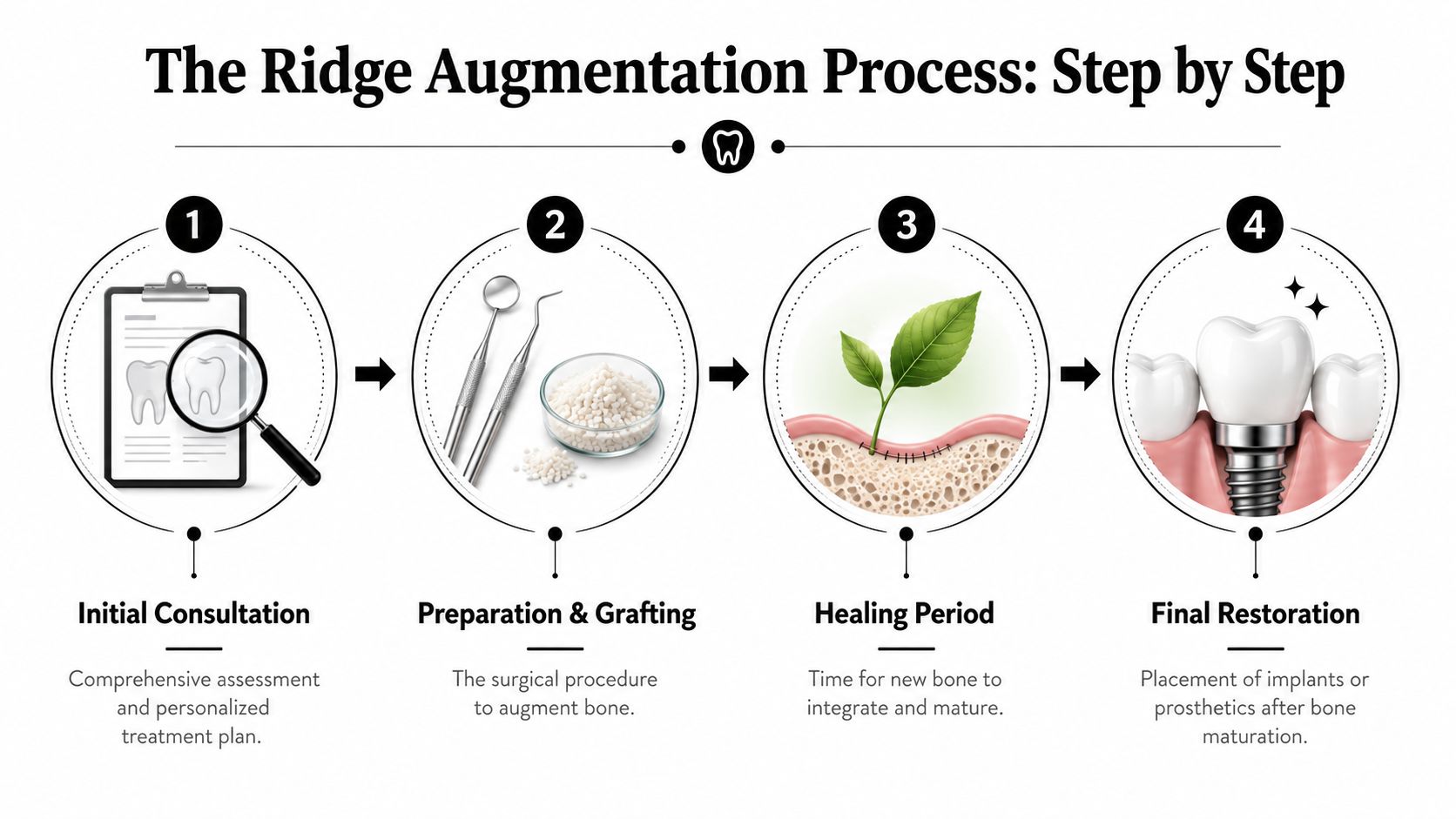
The Ridge Augmentation Process Step by Step
For most patients, ridge augmentation surgery feels less intimidating when they can see the process in order. A well-run case should feel organized from the first visit through healing.
Step one starts with imaging and planning
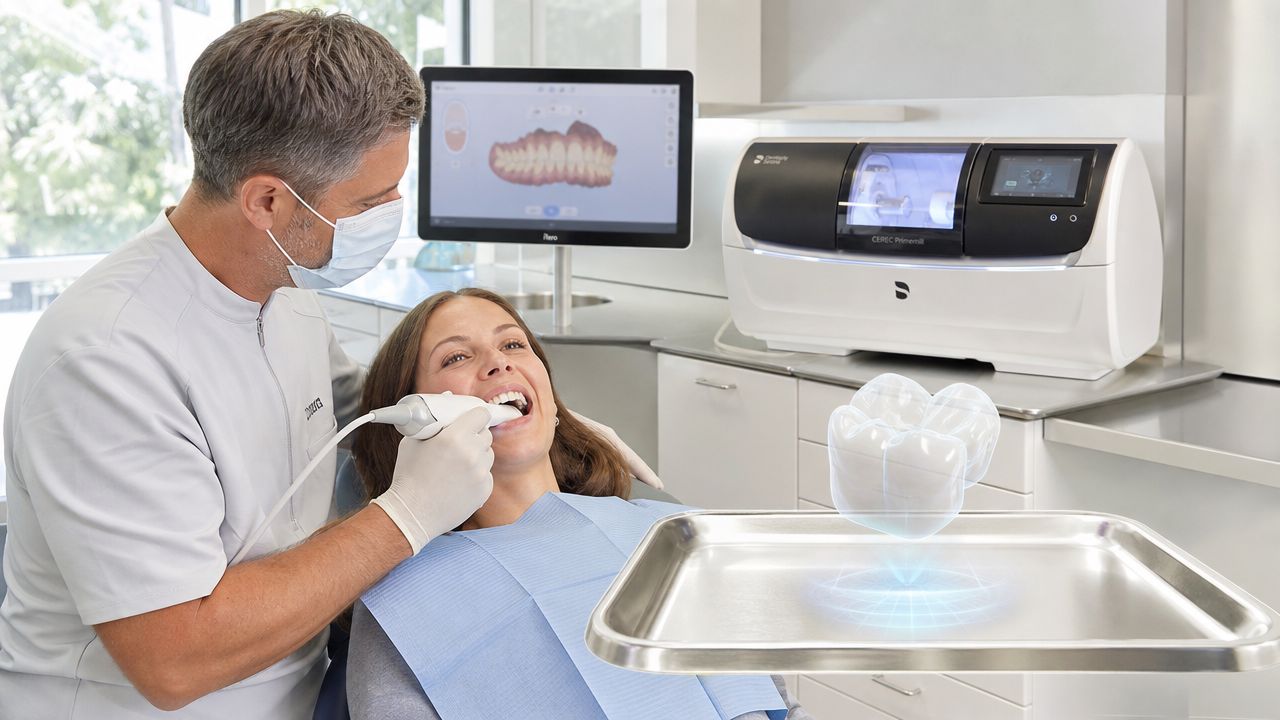
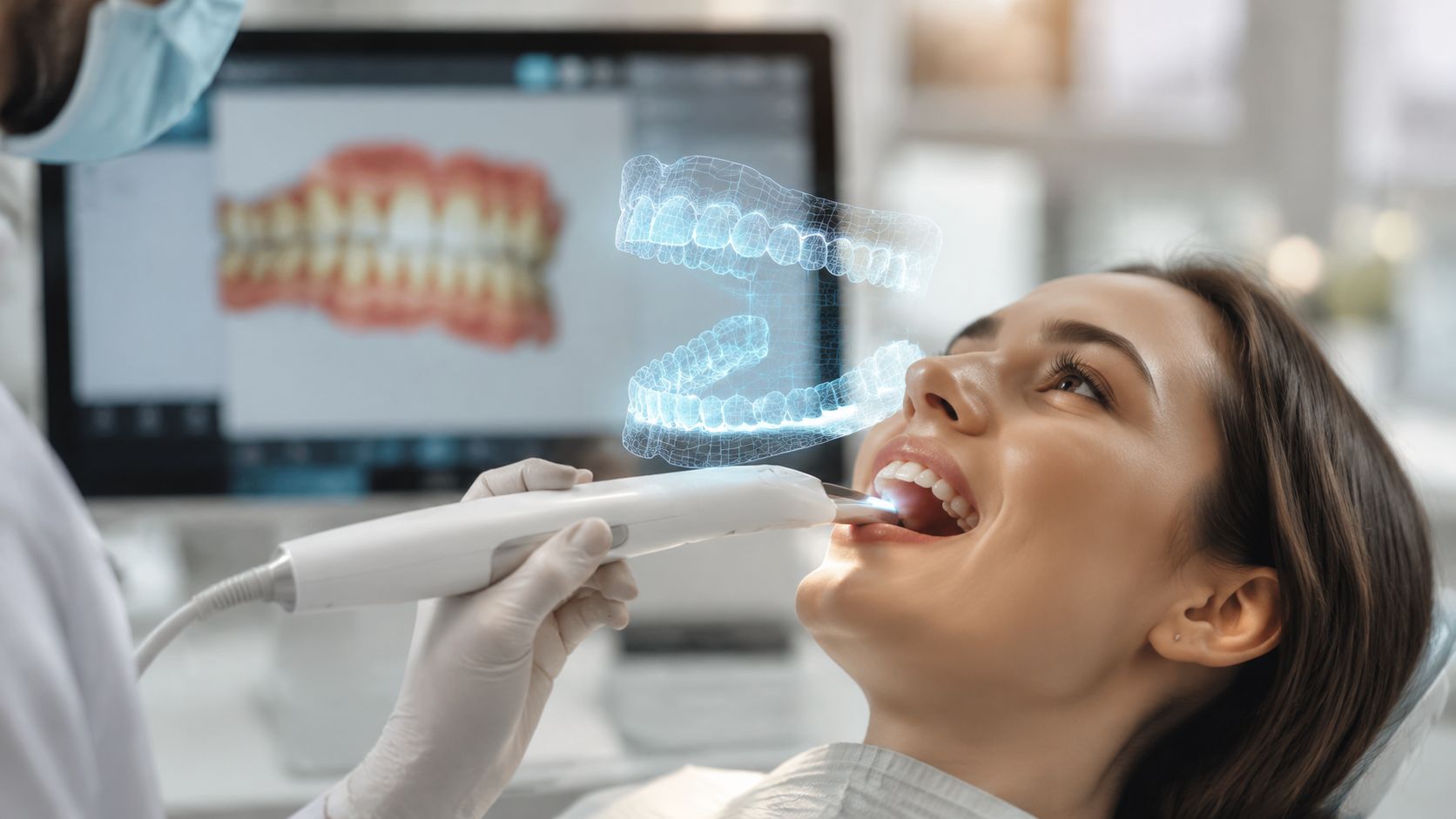
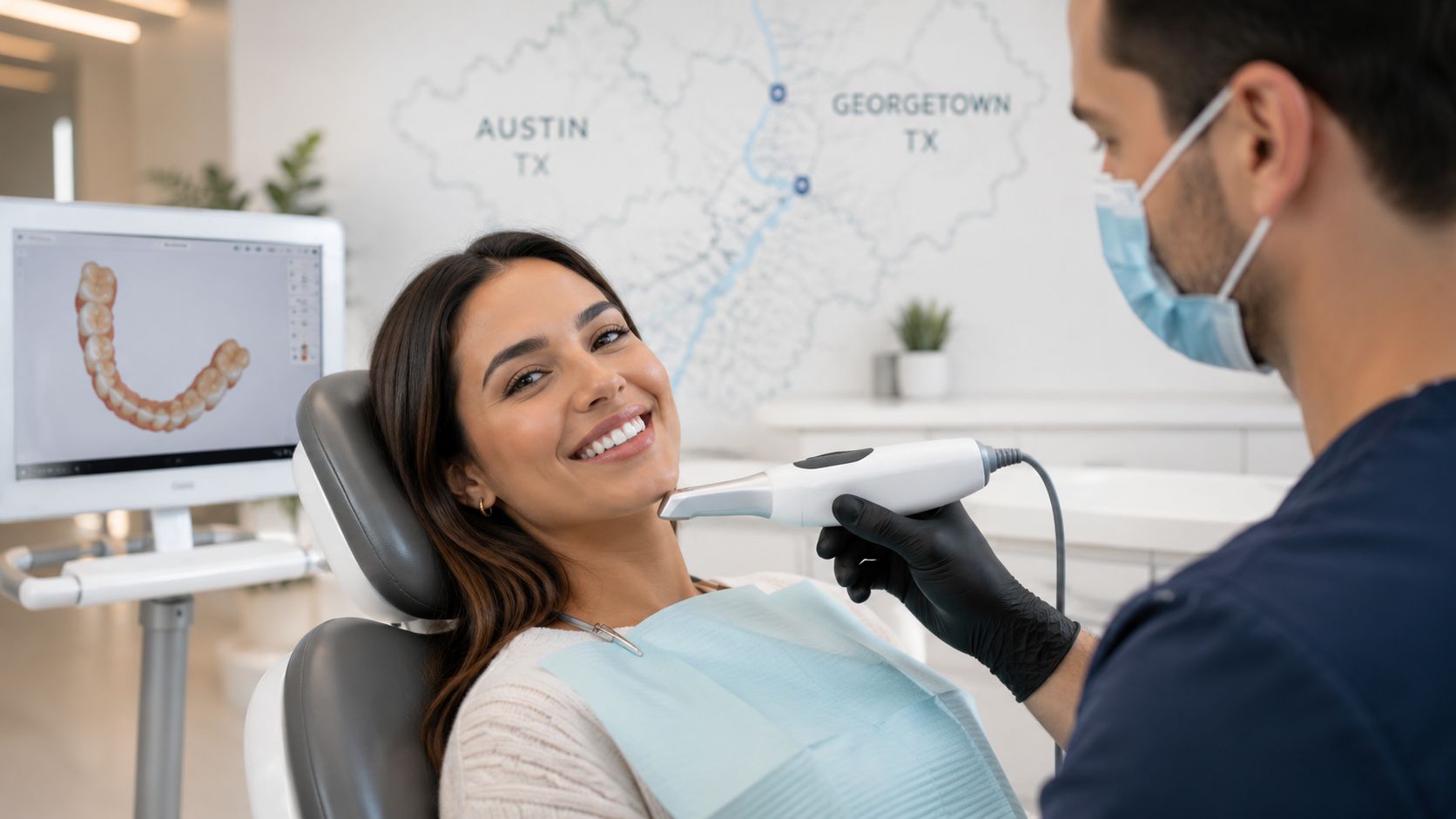
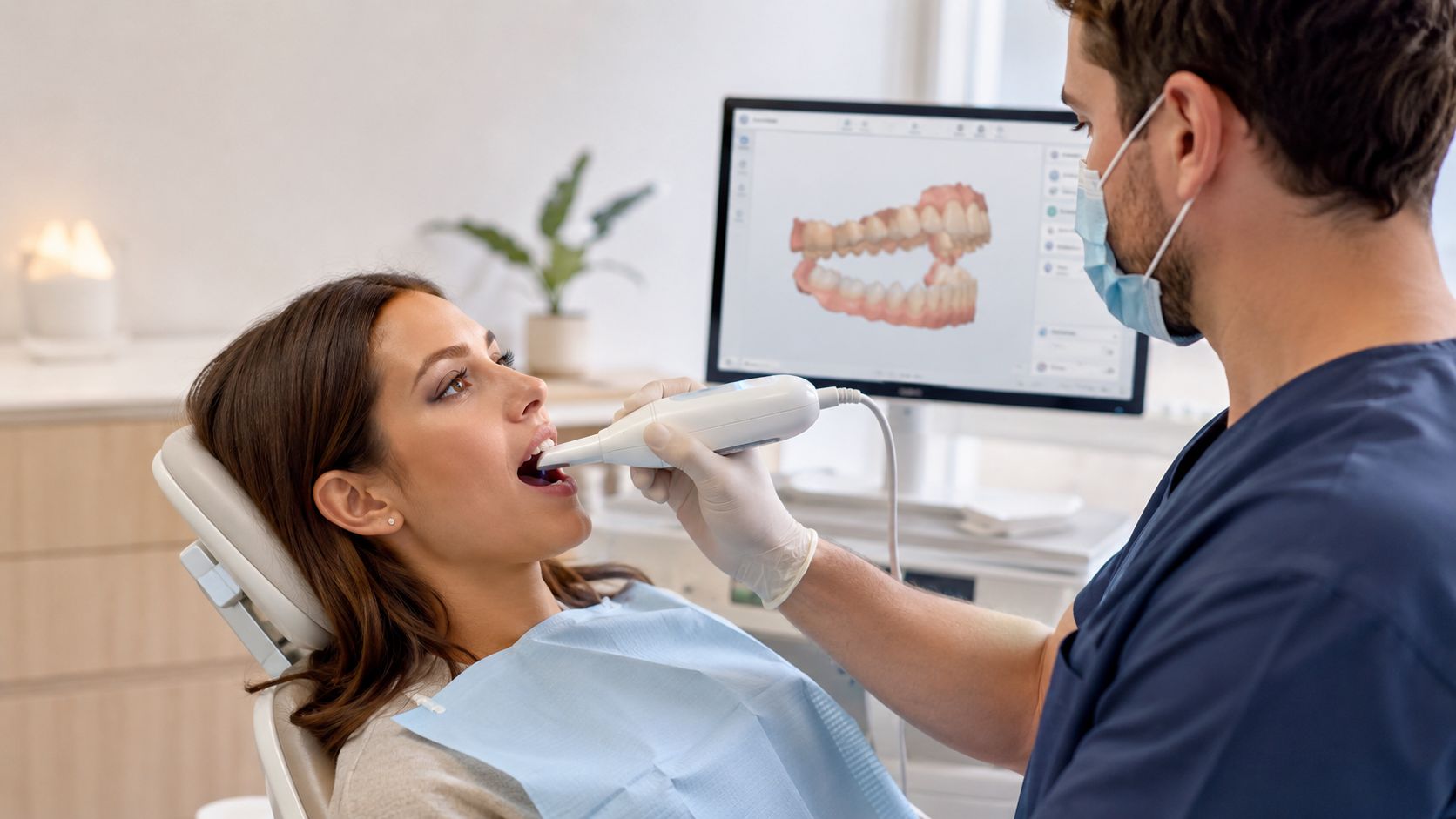
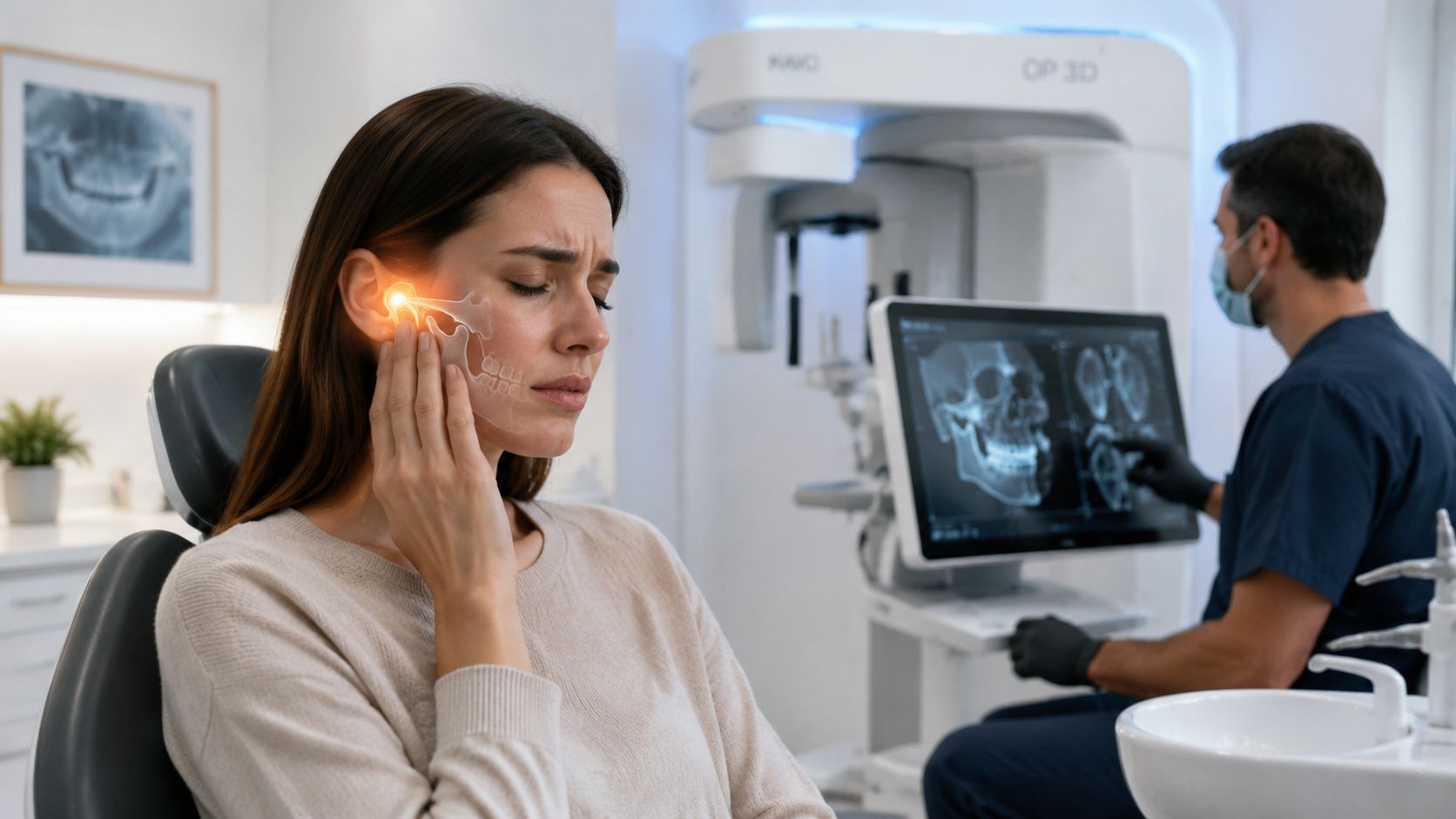
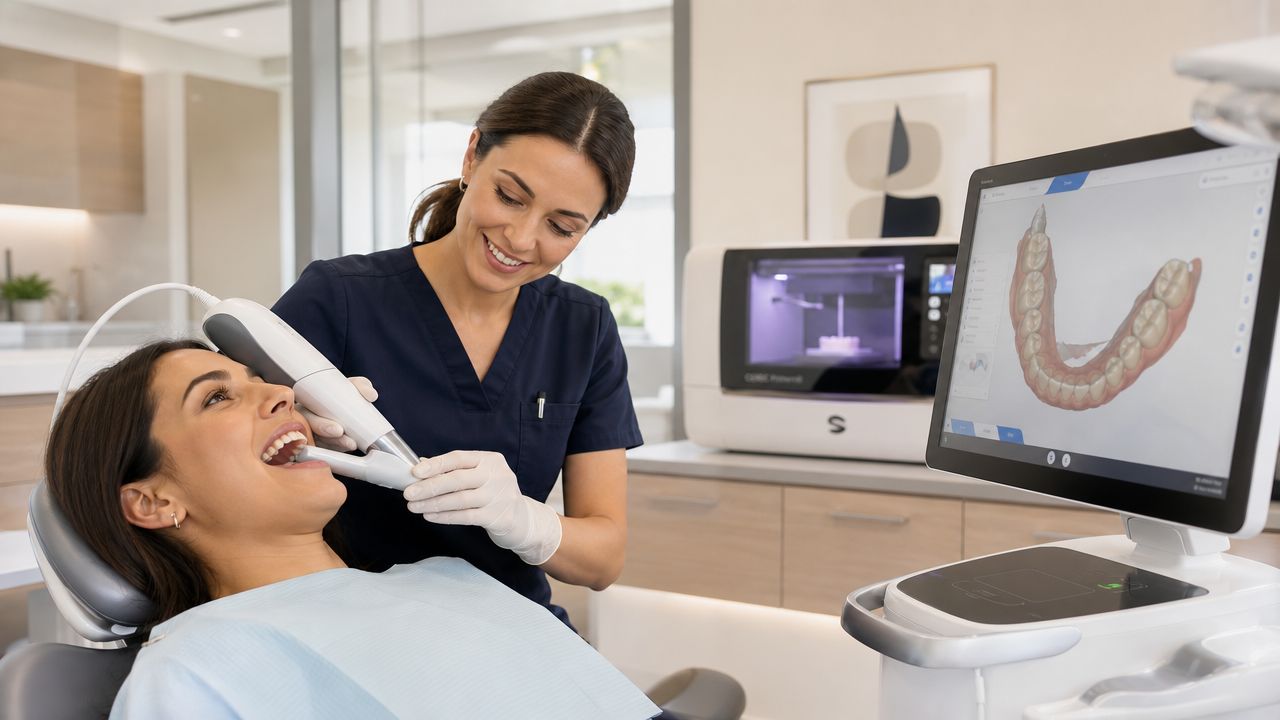
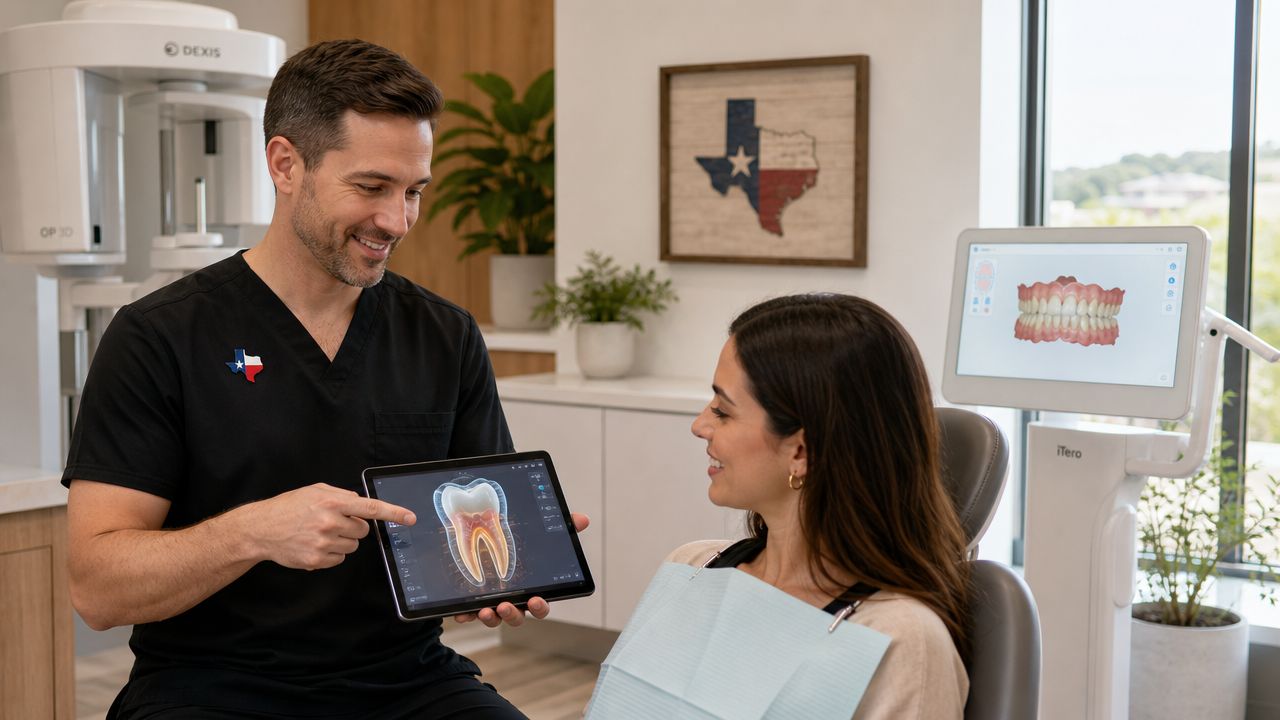
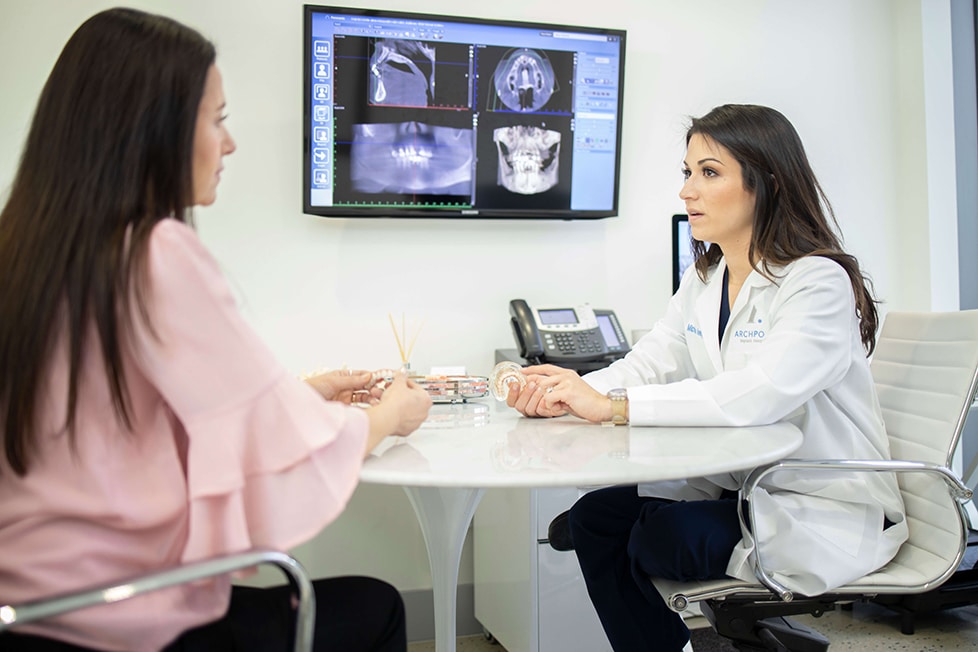
The first appointment usually includes a full exam, digital records, and a close review of the missing-tooth area. Modern planning often uses 3D CT imaging, digital scanners, and digital x-rays to show the ridge from multiple angles.
That matters because regular visual inspection can't tell the full story. Width, contour, nearby anatomy, and the final implant position all need to line up before surgery is planned.
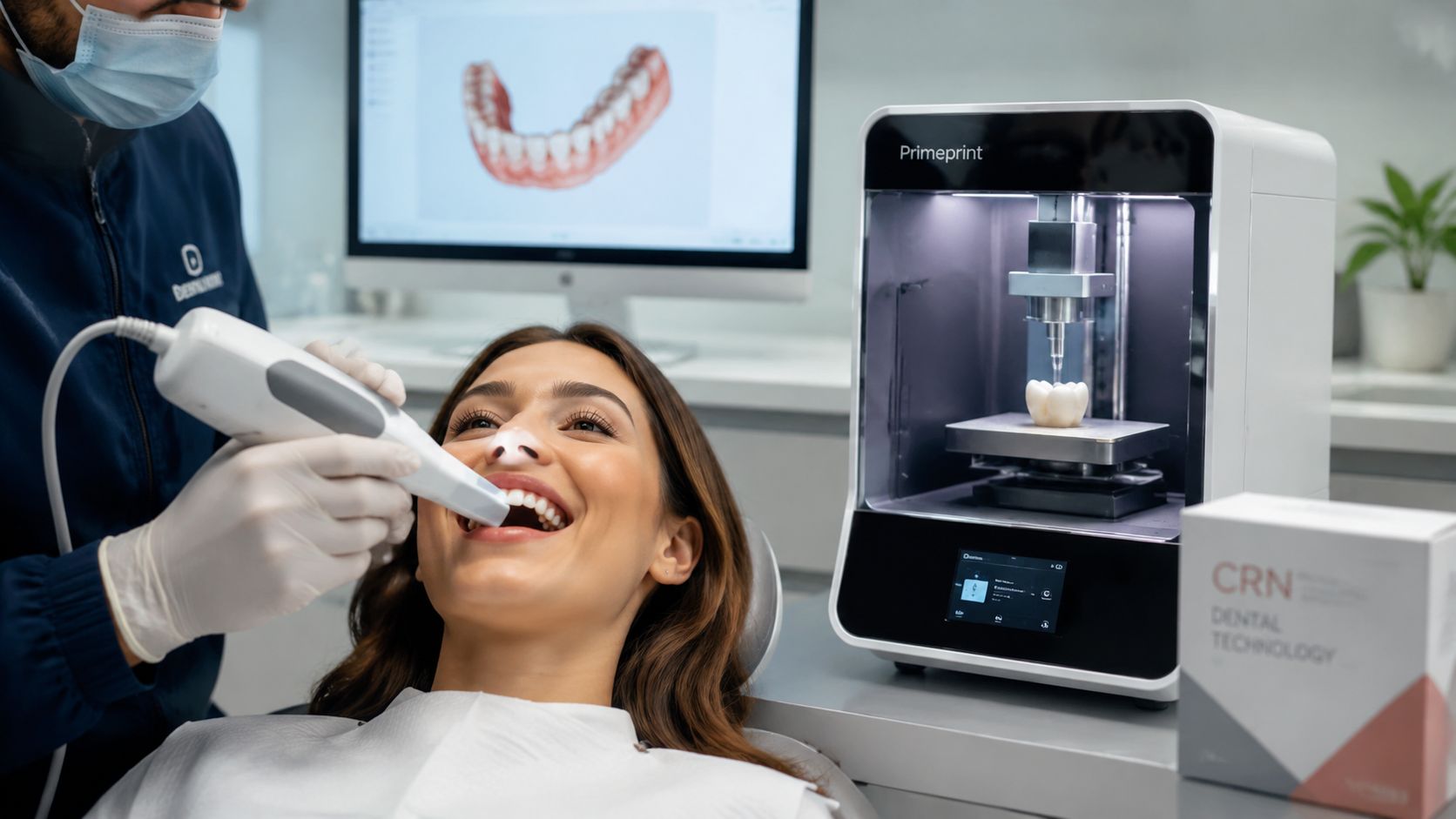
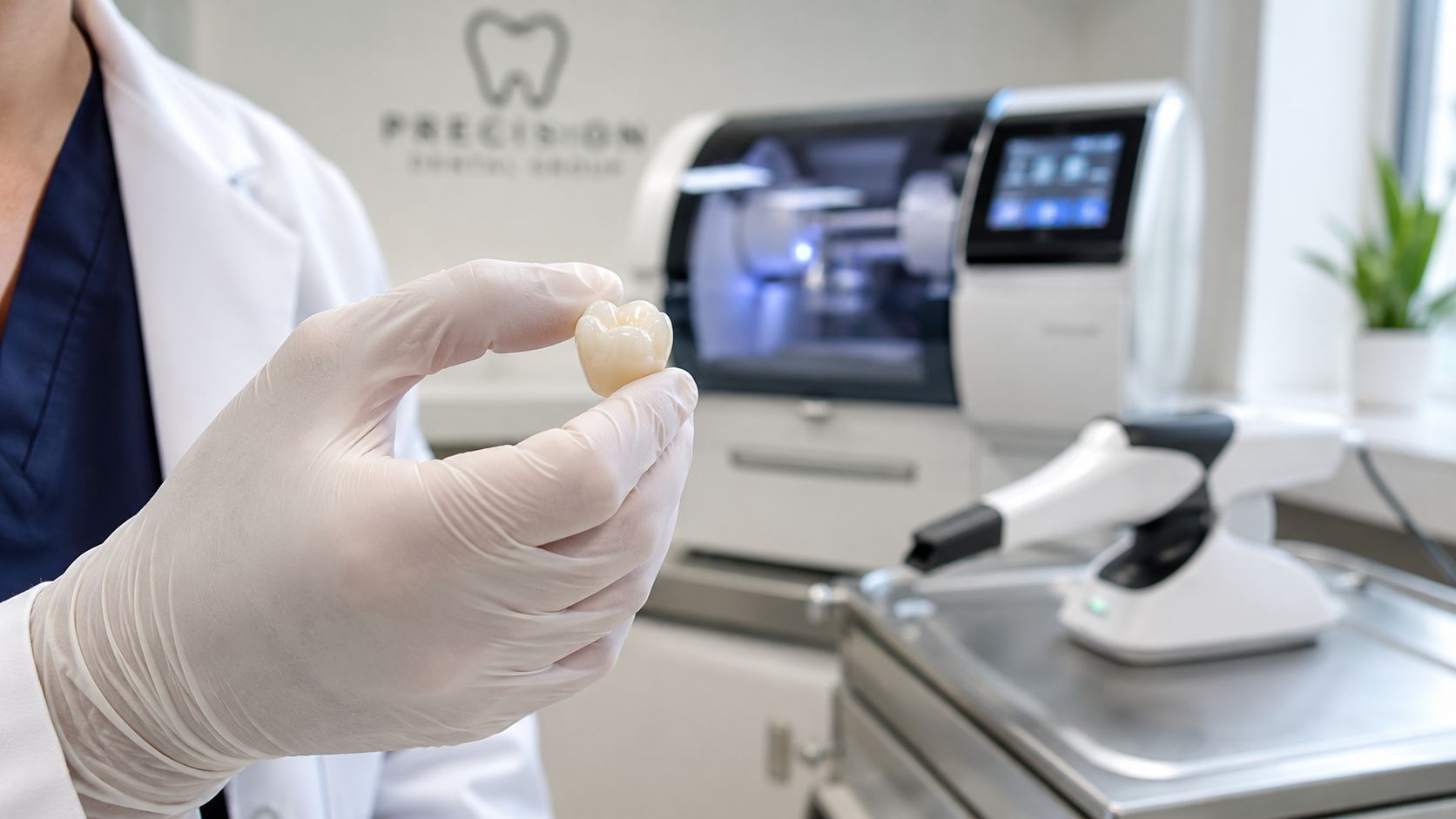
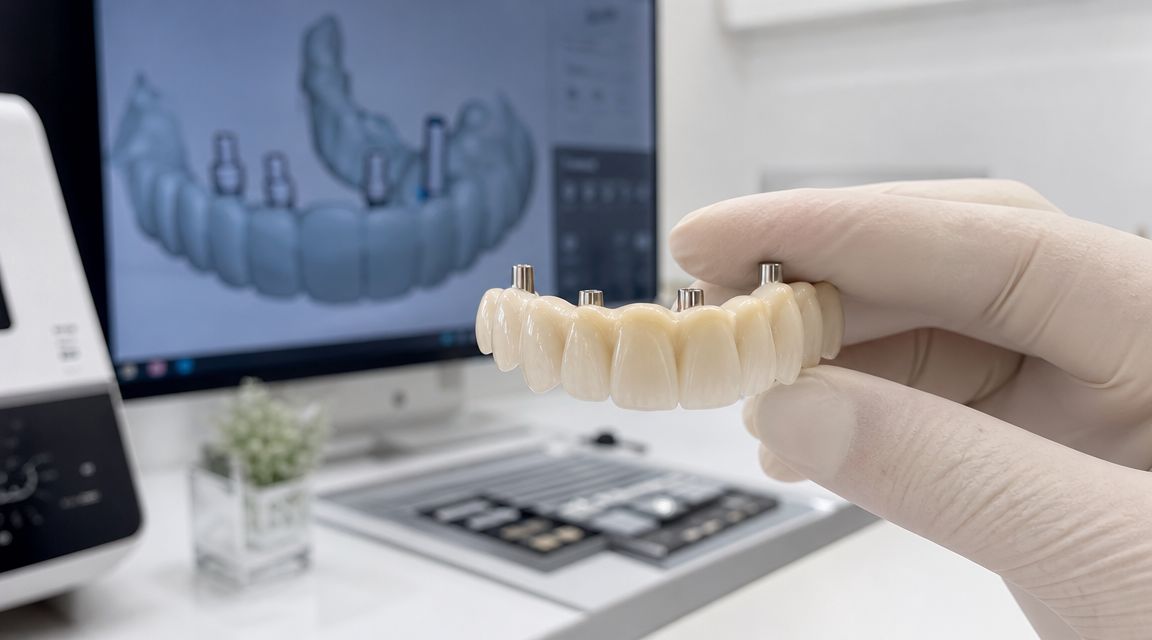
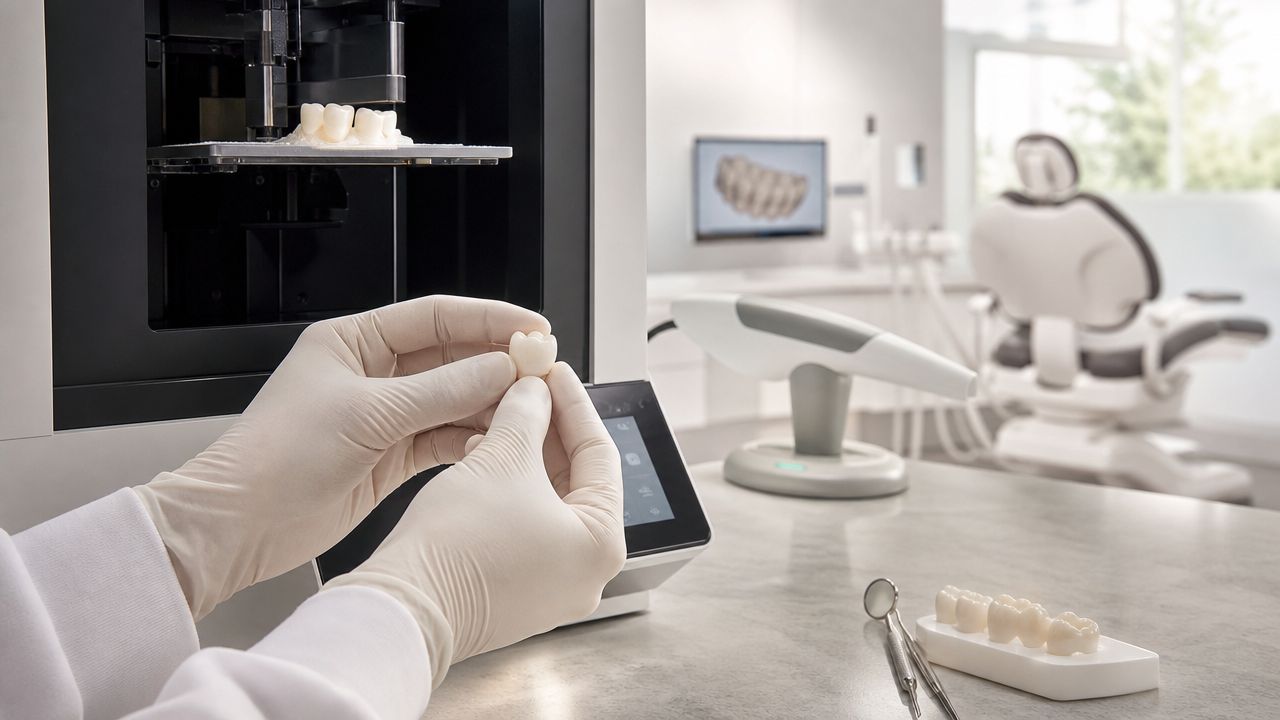
In practices that use advanced digital workflows and an in-house lab, the planning phase is often smoother for patients. Digital scans replace many traditional impressions, and the team can design treatment with more precision and fewer surprises.
What happens during the procedure
On surgery day, the area is numbed thoroughly. For some patients, additional comfort options may also be discussed depending on the complexity of treatment and anxiety level.
The surgeon then opens the site, prepares the bone, places the grafting material, and protects it so healing can occur properly. In many cases, the tissue is then closed carefully over the graft.
The goal isn't only to add bone. The goal is to create the right shape and stability for future implant placement.
The healing phase
Healing is the part patients can't rush. The graft needs time to integrate with the natural bone before an implant is placed. A typical healing period for ridge augmentation is 4 to 6 months, according to this overview of healing time after ridge augmentation surgery.
During this period, follow-up visits are important. The site is monitored, healing is checked, and the next phase is scheduled only when the area is ready.
Why technology changes the experience
A strong digital workflow improves comfort in practical ways:
- 3D CT scans help reveal bone shape clearly
- Intraoral digital scans reduce the need for messy impressions
- An in-house lab can support faster coordination
- Detailed planning helps avoid guesswork
This is especially helpful for patients searching for a dentist in Georgetown, TX, dentist in Austin, TX, or a provider for more advanced restorative dentistry. The process becomes more predictable when the team can see the anatomy clearly and plan each phase around the final result.
Recovery Expectations Risks and Success Rates
The first question many patients ask after surgery is simple. “What will recovery be like for me?” That is the right question to ask, because ridge augmentation heals well in many cases, but it does require patience and good habits during the early phase.

What recovery usually feels like
Some soreness, swelling, and tenderness are expected. Many patients also notice that the area feels vulnerable for a while, which is normal after a grafting procedure. A soft-food diet is often recommended for a period of time, along with specific instructions for cleaning the area, taking medication, and limiting pressure on the site.
Small choices make a difference during healing.
- Follow the post-op instructions closely: Details like rinsing, brushing, and medication timing affect healing.
- Keep pressure off the grafted area: Avoid chewing on that side unless your dentist says it is safe.
- Show up for follow-up visits: Healing should be checked directly, especially before planning the next phase.
- Avoid smoking and nicotine use: These habits can slow blood flow and increase the chance of complications.
At our office, recovery planning starts before surgery. With 3D CT imaging, digital scans, and support from our in-house lab, we can plan the graft more precisely and reduce some of the guesswork that makes treatment harder on patients. That level of planning matters for comfort, but it also matters for how predictably the site matures.
Risks and the main trade-off
The biggest trade-off is time. Many patients want to move straight to the implant, but a grafted site often needs a protected healing period first so the bone can develop the shape and stability needed for long-term support.
Every surgical procedure also carries risk. Infection, slower healing, and graft failure are all possible. In practice, those risks are lower when the site is planned carefully, the tissue is managed well during surgery, and the patient protects the area consistently afterward.
Patients usually do best when they give the graft site more care than they would give a simple filling. That means following instructions closely, avoiding early pressure, and letting us monitor healing at the right intervals.
Why success rates are reassuring
Ridge augmentation has a strong track record when the case is selected well and the healing phase is respected. Success is influenced by general health, the condition of the tissue, home care, and habits such as smoking. The procedure is reliable, but it still requires cooperation from both the clinical team and the patient.
That is one reason digital planning matters so much for patients in North Austin and Georgetown. Better imaging helps us evaluate the defect clearly, plan the graft around the future implant position, and confirm that the treatment is worth doing before surgery begins. Patients benefit from fewer surprises and a clearer idea of what to expect.
If you are also weighing the financial side of implant treatment, our guide on financing dental implants and related procedures can help you plan the full process with fewer unknowns.
Investing in Your Smile Costs and Financing Options
Cost is one of the first questions people ask, and it should be. Ridge augmentation surgery isn't a casual expense. It's part of a treatment plan that affects function, appearance, and the success of future implant care.

What affects the cost
The cost for ridge augmentation surgery ranges from $500 to $3,000 per individual graft site, as explained in this review of ridge augmentation cost and treatment value.
That range varies for practical reasons:
- Complexity of the defect: A larger or more difficult site usually requires more involved treatment.
- Graft material used: Different materials can change the overall fee.
- Location of the practice: Fees vary by market and setting.
- Whether additional procedures are needed: Imaging, extraction timing, or future restorative steps can affect the total plan.
Why many patients still see value in it
If a site doesn't have enough bone, skipping augmentation can limit the quality of the implant result or stop treatment altogether. That's why many patients view the graft as part of the implant investment, not as a separate inconvenience.
The value isn't only functional. Rebuilding the ridge can also help maintain jaw shape and support the appearance of the smile and lower face over time.
For patients exploring payment planning, this guide on how to finance dental implants can help you understand common options.
Payment planning in real life
Many dental offices accept insurance when applicable, although coverage can depend on whether the procedure is considered medically necessary. Offices may also offer:
- In-house payment options
- Third-party financing
- Staged treatment planning
- Separate estimates for grafting and implant phases
That kind of clarity helps patients move forward without guessing. If you're looking for a dentist near me or dental implants near me in Austin or Georgetown, cost transparency matters just as much as clinical skill.
Your Ridge Augmentation Questions Answered
Is ridge augmentation surgery painful
During the procedure, the area is numbed, so patients shouldn't feel sharp pain while the surgery is being done. Afterward, soreness and swelling are normal, and the intensity varies by the size of the graft and the location in the mouth. Most patients describe the recovery as manageable when they follow instructions closely.
What can I eat after surgery
Soft foods are usually the safest starting point. Patients often do well with foods like yogurt, soup that isn't too hot, smoothies eaten carefully, eggs, mashed vegetables, and other foods that don't require heavy chewing near the surgical site. The exact diet instructions should come from the treating doctor.
How long until I can get my final tooth
The answer depends on healing. Ridge augmentation is usually done to prepare for the next step, which may be a dental implant, a crown on an implant, or part of a larger restorative plan. The final timeline depends on how the graft matures and when the site is fully ready.
Are there alternatives to ridge augmentation surgery
Sometimes there are alternatives, but they may involve compromises. In certain cases, a patient may be a candidate for a different restorative design or a different implant strategy. Even so, rebuilding the bone is often the best option when the goal is a stable, natural-looking result with proper support.
Who should ask about it soon
If any of these sound familiar, it's smart to schedule an evaluation:
- You were told there isn't enough bone for an implant
- You had a tooth extracted and want to replace it
- You've had missing teeth for a while
- Your denture or bridge feels less stable than it used to
- You want a long-term restorative solution, not a short-term patch
For patients in Austin, Georgetown, Wells Branch, Cedar Park, Round Rock, and Liberty Hill, ridge augmentation surgery can be the step that turns “not enough bone” into a realistic implant plan.
If you're looking for a thoughtful, technology-driven path to dental implants in North Austin or Georgetown, 3D Dental offers advanced imaging, digital scanning, an in-house lab, and complete care designed around comfort and precision. Whether you're dealing with bone loss after a tooth extraction, planning for implants, or searching for a trusted dentist in Austin, TX or dentist in Georgetown, TX, the team can help you understand your options and build a treatment plan that fits your goals. Schedule a consultation to take the next step toward a healthier, more confident smile.
Ready to get started?
Schedule a free, no obligation consultation with our team and see what's possible for your smile!
Georgetown
- Mon-Thurs8:30am-5pm
- Fri8am-3:30pm
- Sat-SunClosed
Austin
- Mon-Tues8am-5pm
- Wed-Thurs9am-6pmFri8am-2pm
- Sat-SunClosed