
How Long Does a Periodontal Cleaning Take? Explained by 3D
Related Posts






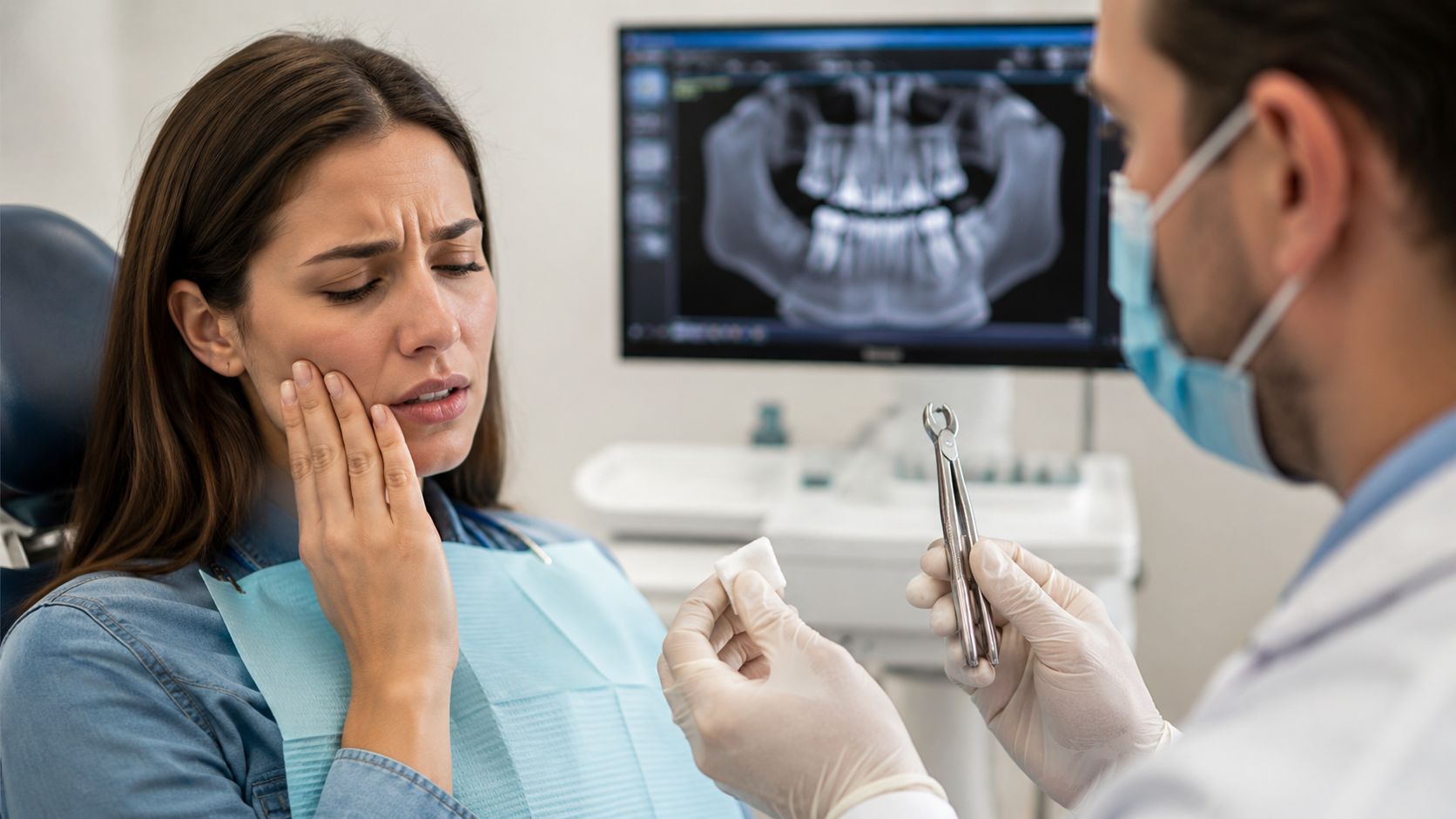
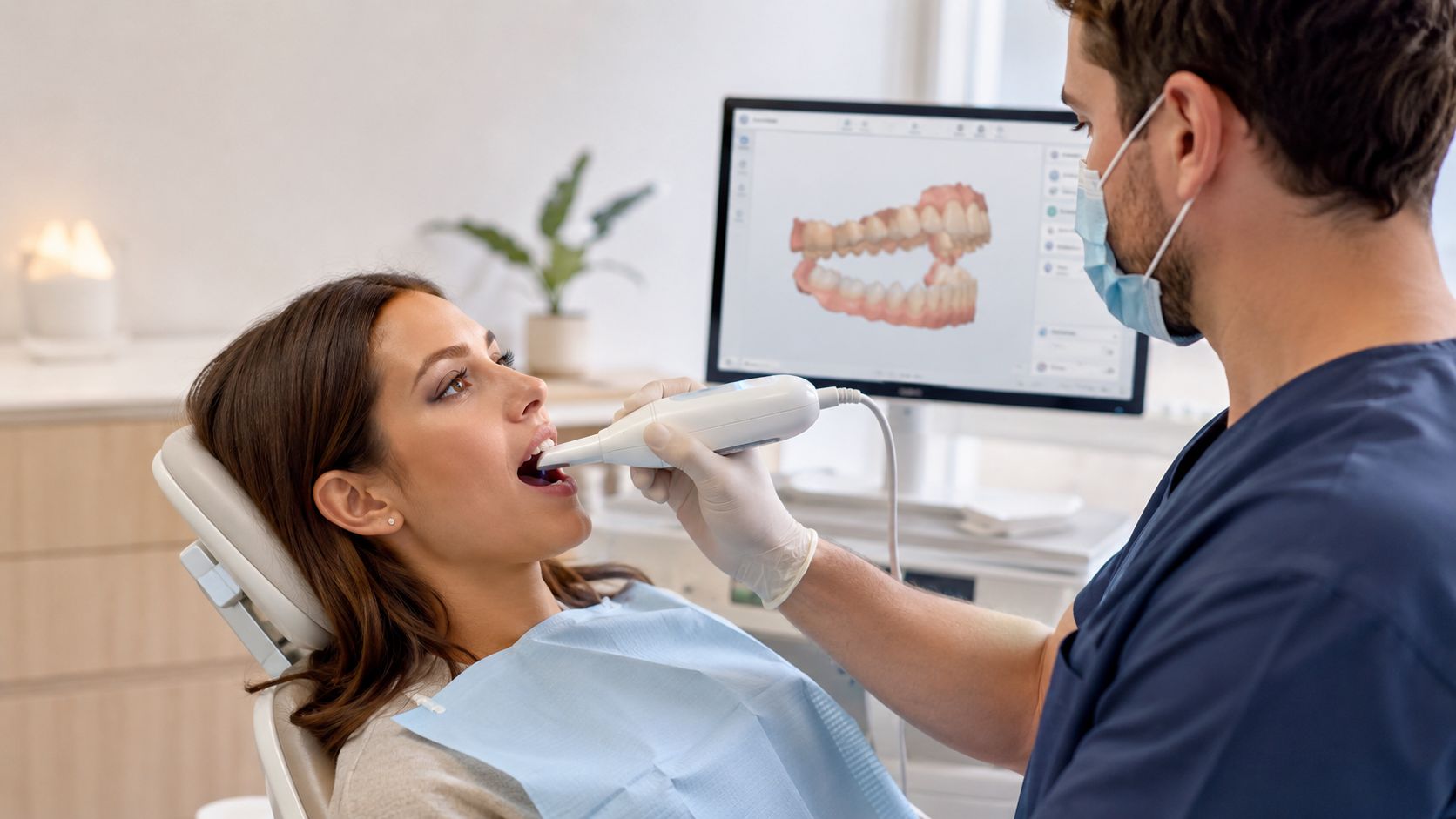

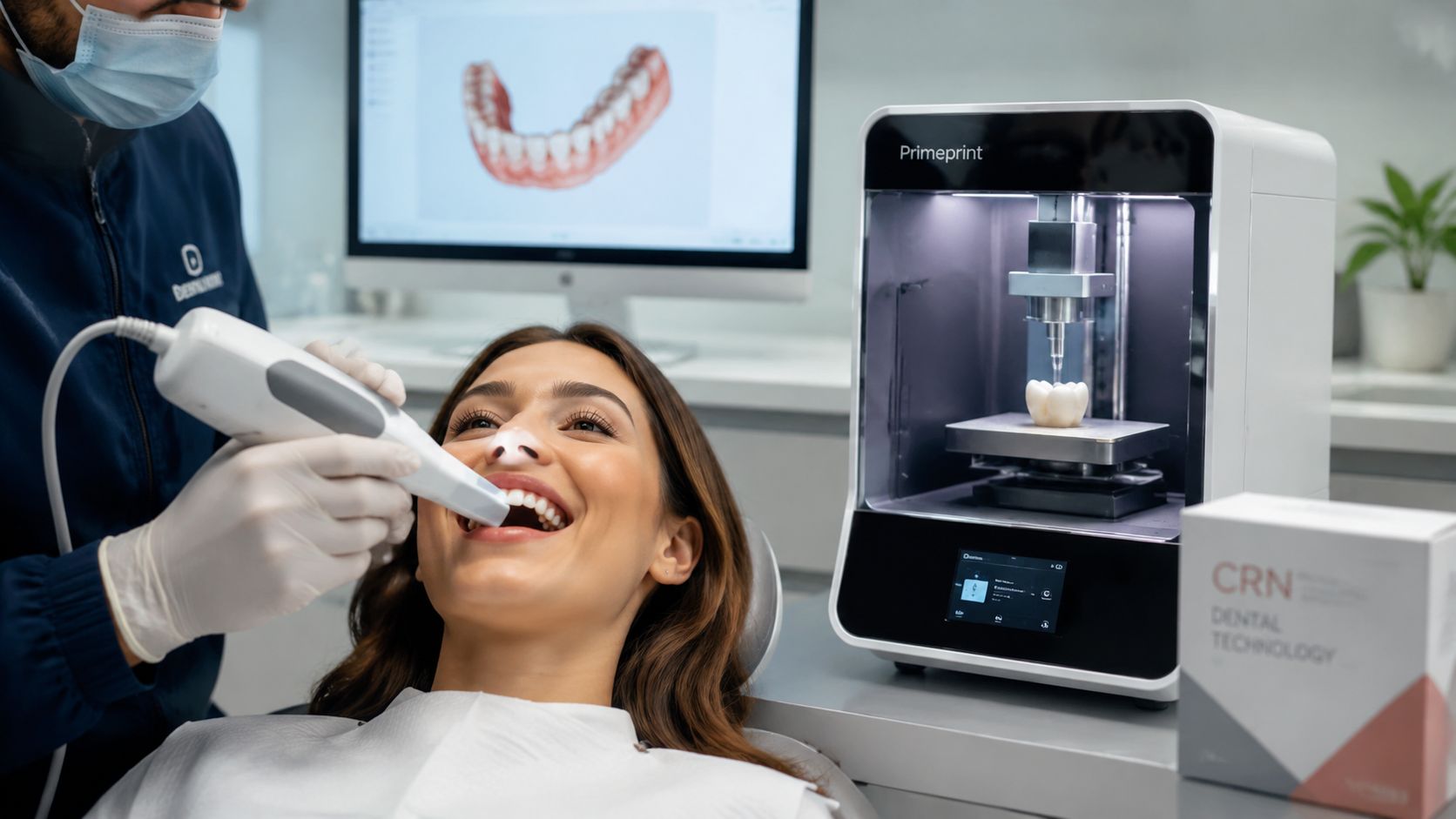



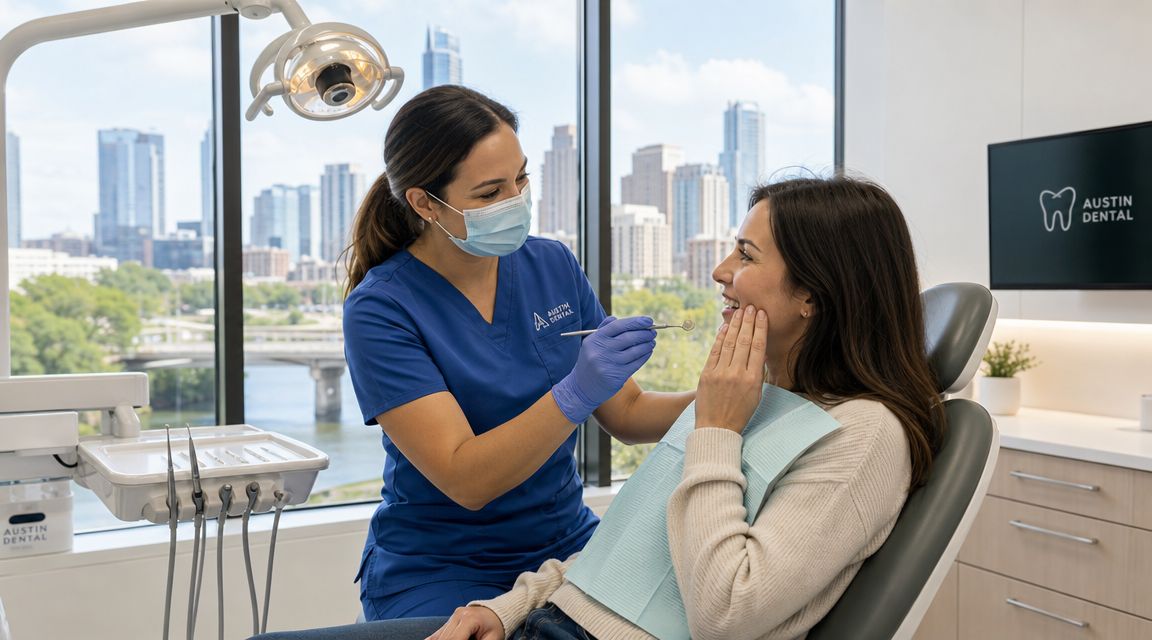

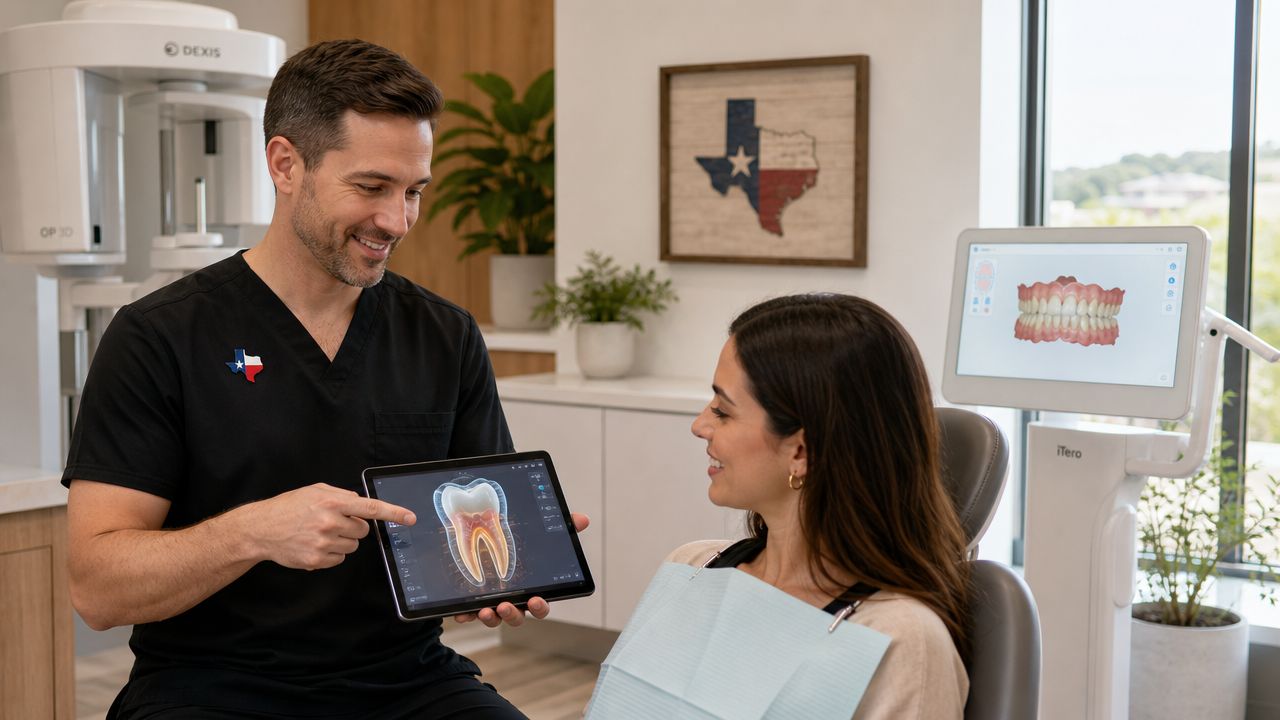
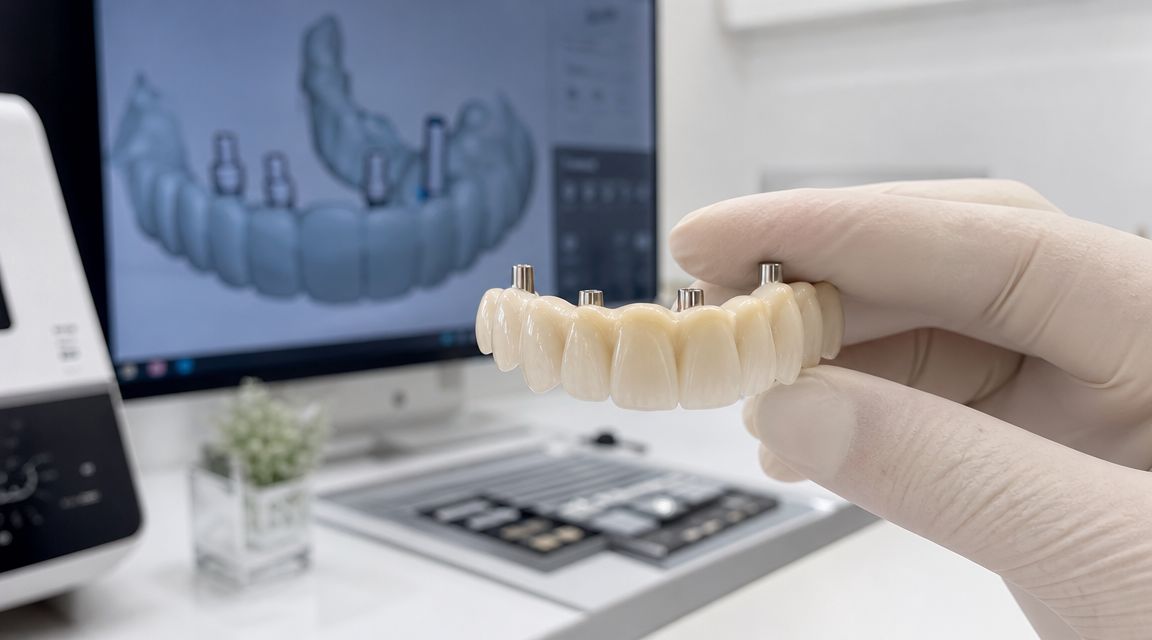


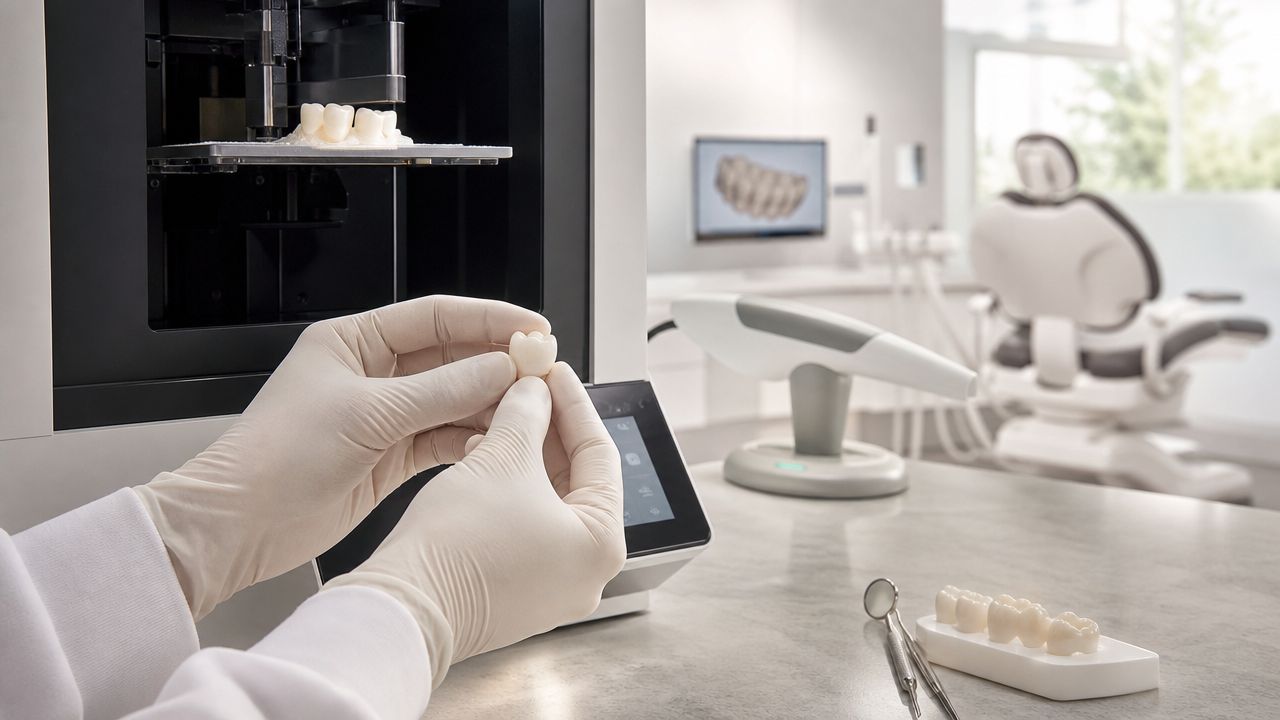






























A periodontal cleaning, also called scaling and root planing, is more involved than a regular cleaning and typically takes 1 to 2 hours per appointment, with treatment often split into two visits to clean each side of the mouth. If you've just been told you need a deep cleaning, that timing can sound intimidating, especially when you were expecting something closer to a routine visit.
Most patients asking how long a periodontal cleaning takes are really asking a few other things too. Is this serious? Will it hurt? Why can't a regular cleaning fix it? And what happens after it's done? Those are fair questions.
If your gums bleed when you brush, your breath never seems fresh, or you've been putting off care because life got busy, this kind of recommendation can feel like a warning sign. In Austin and Georgetown, many patients come in at exactly that moment. They want straightforward answers, careful treatment, and a dental team that uses modern tools to make the process more precise and more comfortable. That's what this guide is for.
A Guide for Patients in Austin and Georgetown
Being told you need a “deep cleaning” often creates instant stress. Patients hear the phrase and assume something painful, urgent, or difficult is coming next. In reality, the first step is understanding what the appointment is designed to do and why it takes longer than a standard cleaning.
A periodontal cleaning targets infection below the gumline. That's the key difference. A routine cleaning works on the visible surfaces of the teeth and is appropriate when gums are healthy or only mildly irritated. A periodontal cleaning is recommended when the supporting tissues around the teeth need more than surface-level care.
What patients usually want to know first
A practical answer is often desired above all else:
- Time commitment: Expect a longer visit than a routine cleaning because the clinician is cleaning beneath the gums, not just above them.
- Visit structure: Treatment is often divided into separate appointments so one side of the mouth can be treated thoroughly while keeping you comfortable.
- Comfort: Numbing is commonly used because this isn't the same as a polish-and-rinse cleaning.
Practical rule: If your dentist recommends scaling and root planing, the issue is usually what's happening under the gums, not whether you've been brushing enough at home.
Patients searching for a dentist near me, an emergency dentist, or a dentist in Austin, TX are often looking for care because something already feels off. Maybe your gums look swollen. Maybe you've noticed tenderness, recession, or bleeding during flossing. Those symptoms matter because gum disease can progress unnoticed before it becomes obvious.
Why local, modern care matters
In Austin, Georgetown, Wells Branch, Cedar Park, Round Rock, and Liberty Hill, patients don't just want treatment. They want a clear plan. They want to know whether they're dealing with a short-term problem or the start of a longer oral health issue that could affect future needs like restorative dentistry, tooth extraction, or even dental implants near me if teeth become unstable.
That's why the patient journey matters as much as the clock. The right periodontal treatment doesn't just clean teeth. It protects the foundation that supports your smile.
Understanding Why You Need a Deep Cleaning
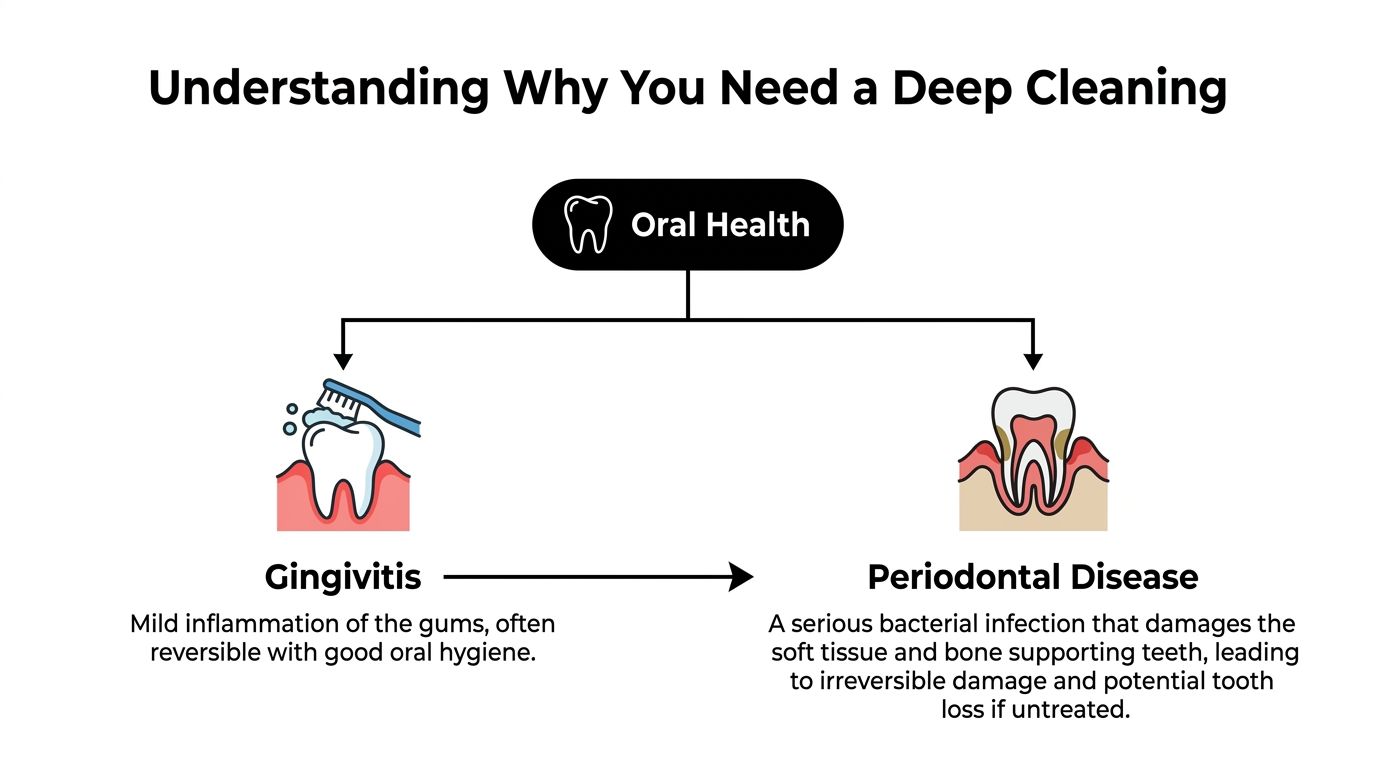
Gum disease usually starts subtly. The gums become irritated, they bleed a little during brushing, and many people assume they just need to floss more consistently. Sometimes that's true in the earliest stage. Sometimes it's already moved beyond that.
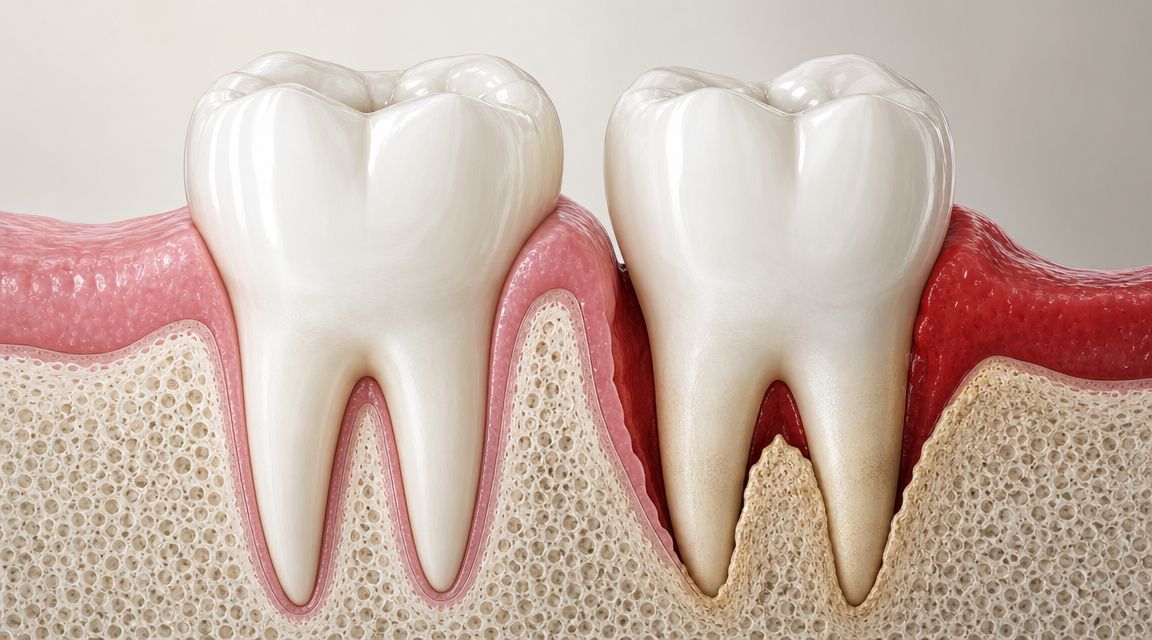
Think of your gums and bone like the foundation of a house. When the foundation is solid, everything above it stays stable. When bacteria get under the gumline and stay there, the supporting structure around the teeth starts to weaken. That's why a deep cleaning is about much more than stain removal.
Gingivitis versus periodontitis
A healthy patient receiving preventive care usually has a much shorter cleaning visit. A routine dental cleaning for a patient with good oral health typically takes 30 to 45 minutes, whereas periodontal maintenance lasts about one hour and usually requires only a single appointment every three to four months, according to Aspen Dental's overview of cleaning appointment times.
That difference in timing reflects a difference in disease level.
- Gingivitis: The gums are inflamed, but the problem may still be reversible with professional care and better home hygiene.
- Periodontal disease: Bacteria have moved deeper below the gumline, where they can damage the tissues and bone supporting the teeth.
If you want a simple breakdown of how these cleanings differ, this explanation of deep cleaning vs regular cleaning is a useful companion.
Signs that often lead to treatment
A patient doesn't always feel severe pain when gum disease is present. In fact, that's part of the problem. Common warning signs include:
- Bleeding gums: Especially when brushing or flossing.
- Persistent bad breath: Often linked to bacteria collecting below the gums.
- Tenderness or gum recession: The gums may pull away from the teeth over time.
- A sense that teeth don't feel as stable: This can happen later as support is lost.
Bleeding during brushing isn't something to ignore. Healthy gums don't usually bleed with normal home care.
A regular cleaning can't fully address bacterial buildup deep inside periodontal pockets. A periodontal cleaning is designed to reach those areas, remove the irritants, and give the gums a better chance to heal around the teeth.
How Long Your Periodontal Cleaning Appointment Takes
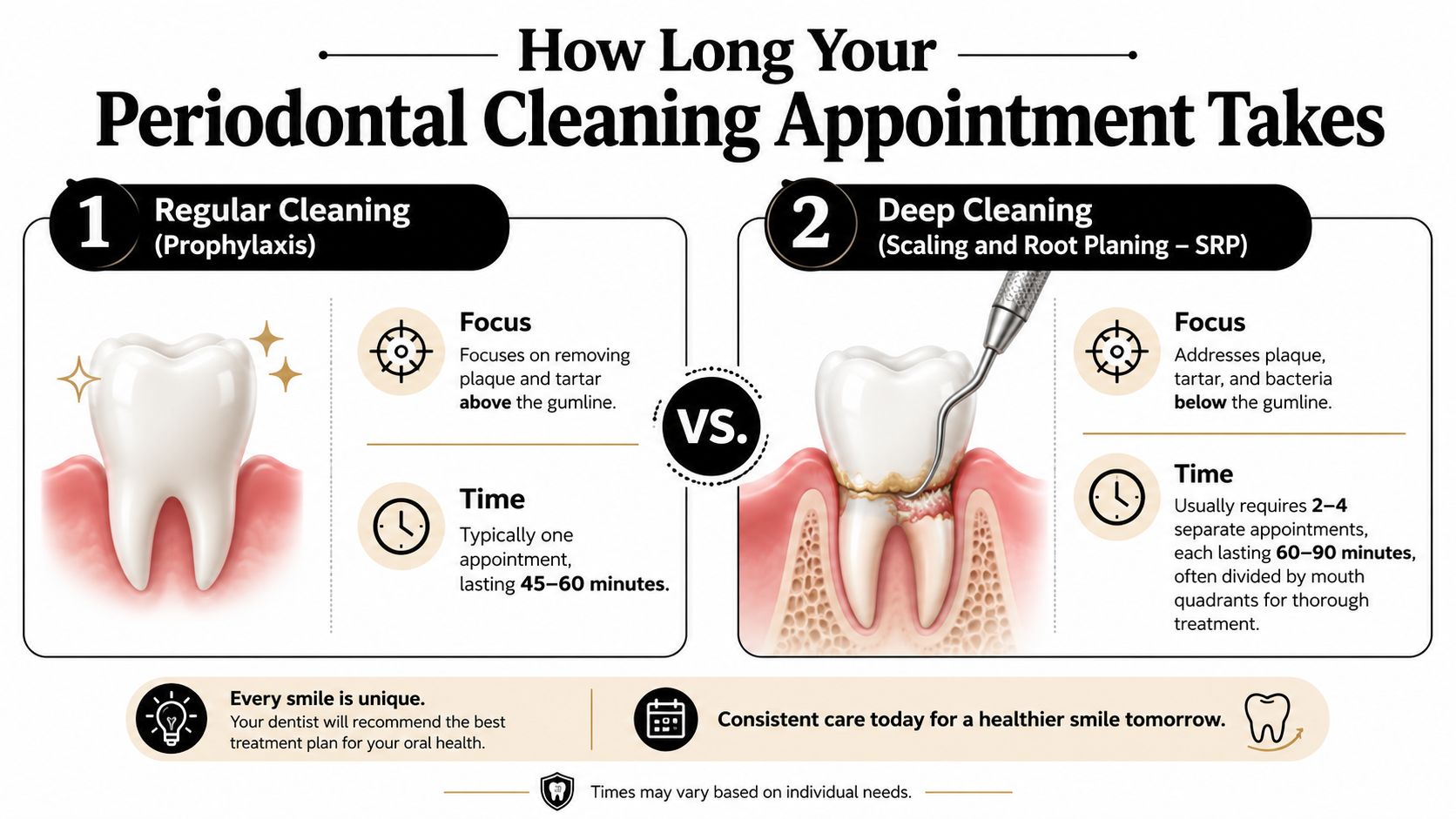
The short answer is this: a full-mouth periodontal cleaning, clinically known as scaling and root planing, typically takes 1 to 2 hours per visit, with most providers dividing the procedure into two separate appointments to treat each side of the mouth individually. This treatment is indicated for patients with periodontal pocket depths of 4mm or greater, clinical attachment loss, and bleeding on probing, as described by WHMC's discussion of deep cleaning timing and indications.
That timeline makes more sense once you understand what's happening during the appointment.
What happens during that time
This isn't a quick polish. A periodontal cleaning is a careful, targeted procedure performed below the gumline.
Here's what the visit usually includes:
Numbing the area
Local anesthesia is used so you feel pressure and vibration rather than pain.Scaling
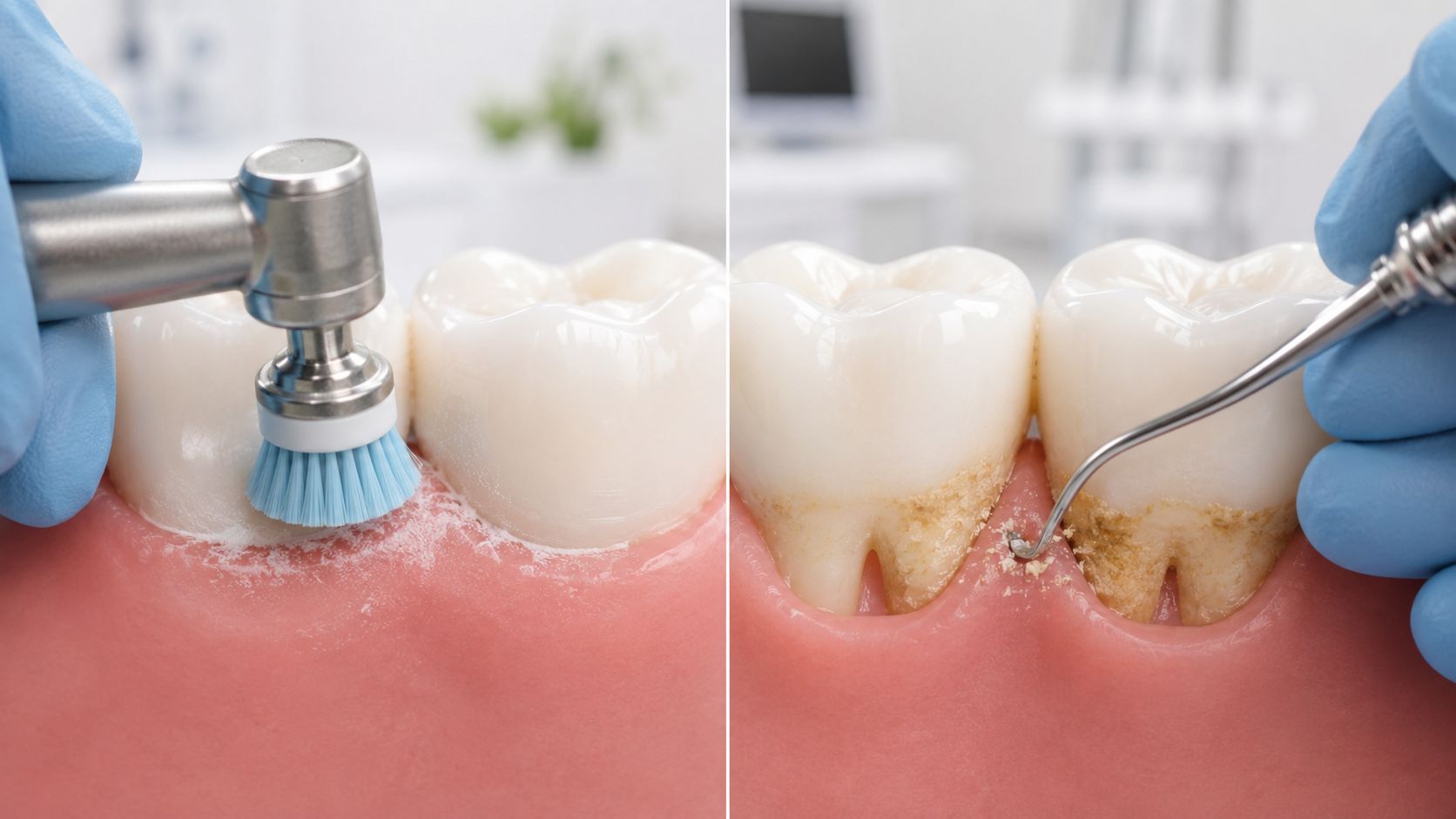
The clinician removes plaque, bacterial biofilm, and hardened calculus from the tooth surfaces and from beneath the gums.Root planing
The root surfaces are smoothed so the gums have a cleaner surface against which they can heal.Review and aftercare instructions
You'll leave knowing how to care for the area and what to expect over the next few days.
Why it takes longer than a routine cleaning
A routine cleaning is focused on buildup above the gumline and preventive maintenance. A periodontal cleaning is treating active disease below the gums, where visibility, access, and tissue sensitivity all change the pace of care.
A half-mouth approach works well for many patients because it allows the team to numb one side thoroughly, work carefully, and keep the appointment manageable. It also gives patients a more comfortable recovery experience than trying to complete everything at once.
The goal isn't speed. The goal is to clean the infected areas thoroughly enough that the gums have a real chance to recover.
What not to expect
Patients sometimes worry that a longer appointment means a more aggressive or traumatic procedure. In most cases, it means the opposite. It means the clinician is taking the time needed to do precise work under the gums rather than rushing through a medically important treatment.
If you're searching for a dentist in Georgetown, TX, a dentist near me, or cleaning and exams after hearing you need deeper gum treatment, that difference matters. The time reflects the level of care.
Factors That Influence Your Treatment Time
Not every periodontal cleaning takes the same amount of time. The average helps with planning, but your mouth doesn't follow an average. The actual appointment length depends on what the clinician finds during the exam and periodontal measurements.
The benchmark duration for a single quadrant, or one-quarter of the mouth, during a deep periodontal cleaning is approximately 45 to 60 minutes, and that depends heavily on the volume of hardened calculus and the depth of the periodontal pockets. A routine prophylactic cleaning takes significantly less time, typically 30 minutes or less, according to Nowak Family Dental's explanation of deep cleaning appointment length.
The biggest variables
Some factors extend treatment because they increase the amount of detailed work needed below the gumline.
| Factor | How it affects timing |
|---|---|
| Depth of periodontal pockets | Deeper areas require more careful access and cleaning |
| Amount of calculus | Heavier hardened buildup takes longer to remove |
| Number of areas treated | A small localized area moves faster than broader disease |
| Tissue sensitivity and comfort needs | Some patients need a slower pace for comfort |
| Treatment layout | Quadrant-based care and half-mouth care create different schedules |
Why one patient's visit differs from another's
Two people can both be told they need a deep cleaning and still have very different treatment plans. One may only need limited treatment in a few areas. Another may need a full-mouth approach because disease is present throughout the mouth.
That's why a one-size-fits-all estimate doesn't work well in practice. A patient who has stayed fairly consistent with preventive visits may need less time than someone who hasn't had a cleaning in a long while and now has heavier buildup below the gums.
What tends to work better
Patients often ask whether it's better to “just get it all done” in one long visit. Sometimes that's possible. Often, splitting treatment produces a smoother experience.
- For comfort: Treating one section at a time lets anesthesia work well and keeps the visit easier to tolerate.
- For precision: The clinician can focus closely on each treated area.
- For recovery: Many patients prefer not to have their entire mouth numb or tender at once.
A longer estimate isn't bad news by itself. It often just means your treatment is being tailored to your actual condition instead of being rushed.
If you're looking for a dentist in Austin, TX who offers dental x-rays, new patient exams, and periodontal treatment, this personalized planning is part of good care. The time should fit the disease, not the other way around.
The 3D Dental Experience in Austin and Georgetown
A modern periodontal appointment should feel organized, calm, and specific to what your mouth needs. That starts before the cleaning itself. The process begins with diagnosis, not guesswork.
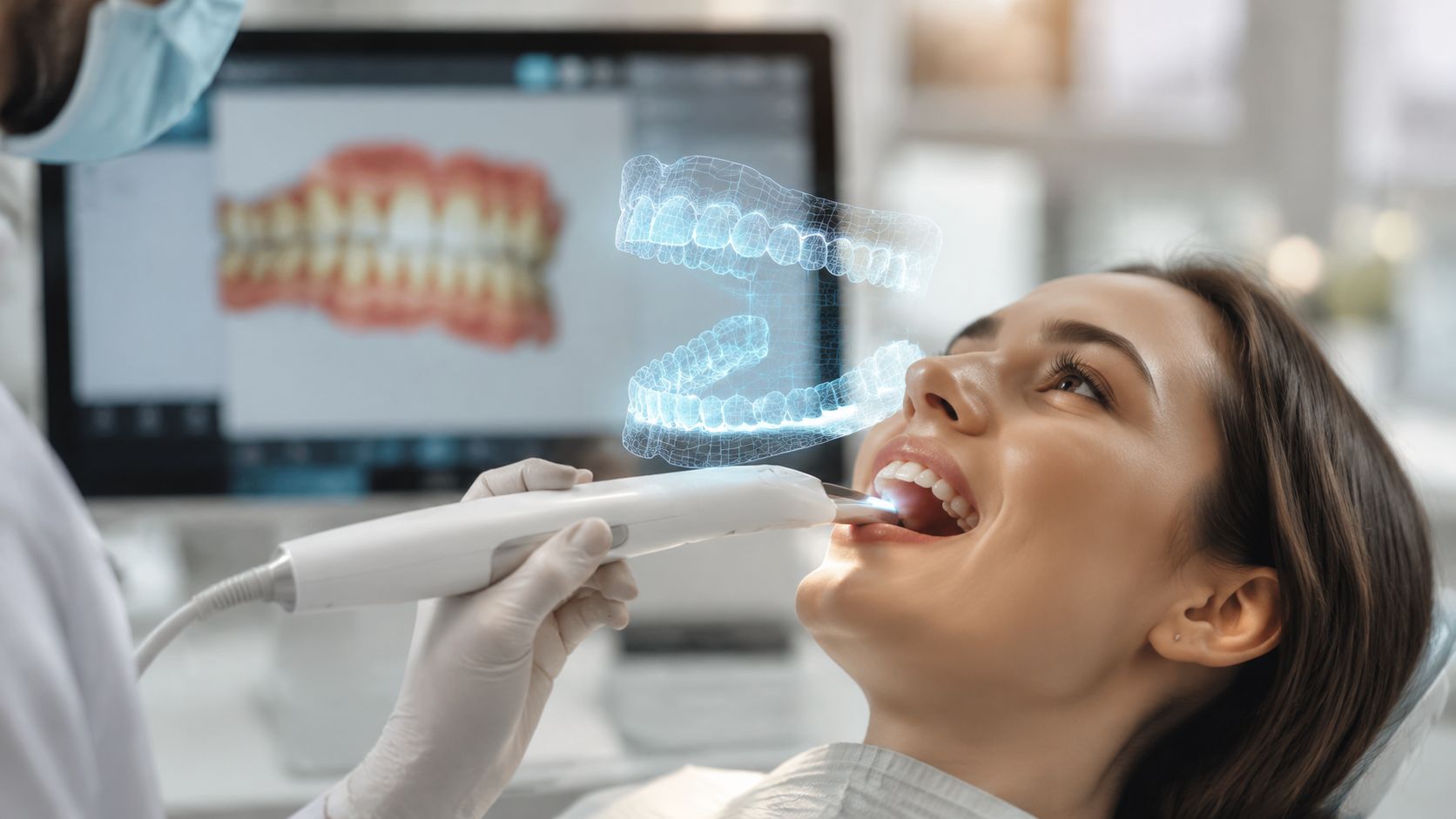
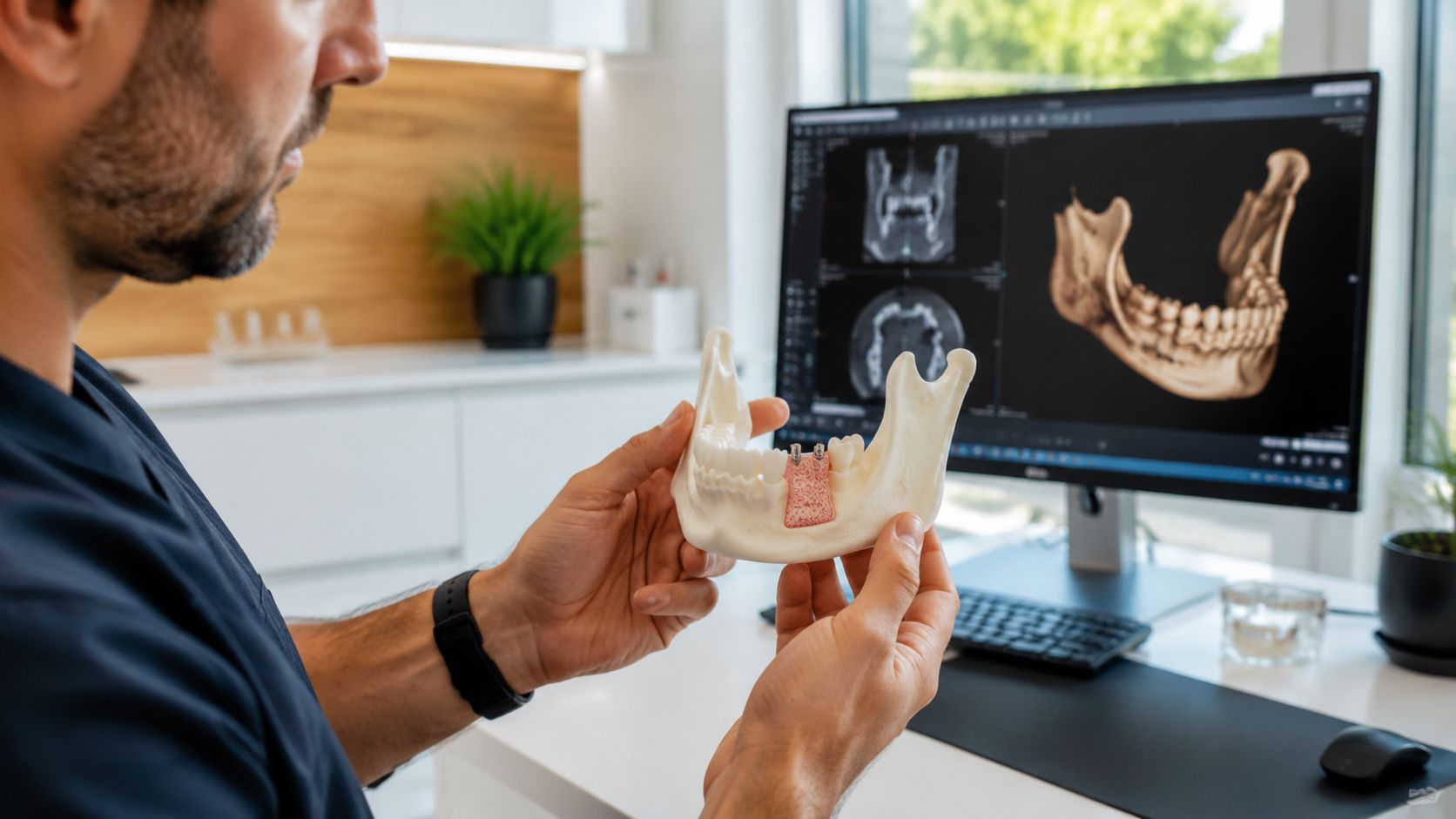
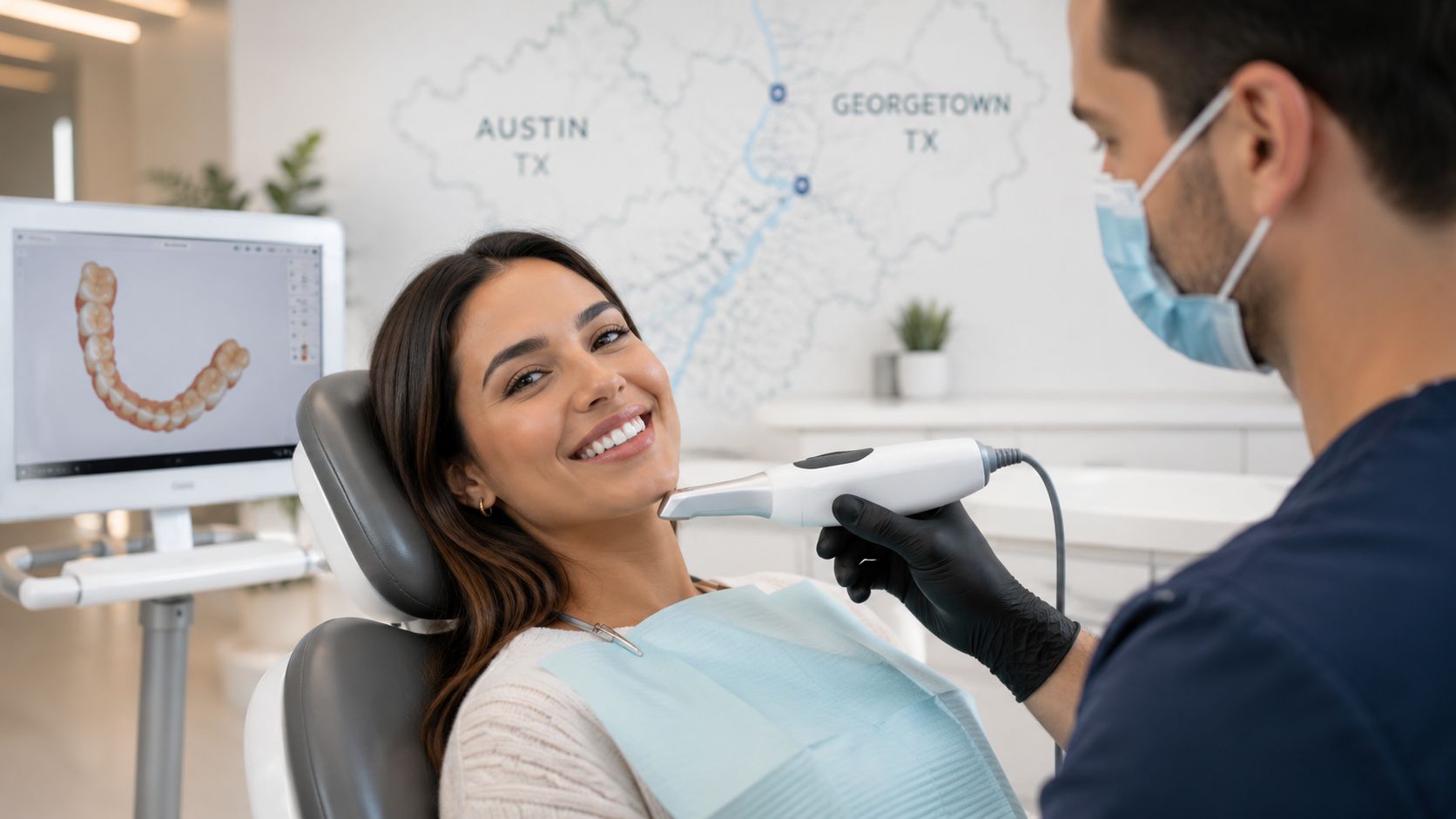
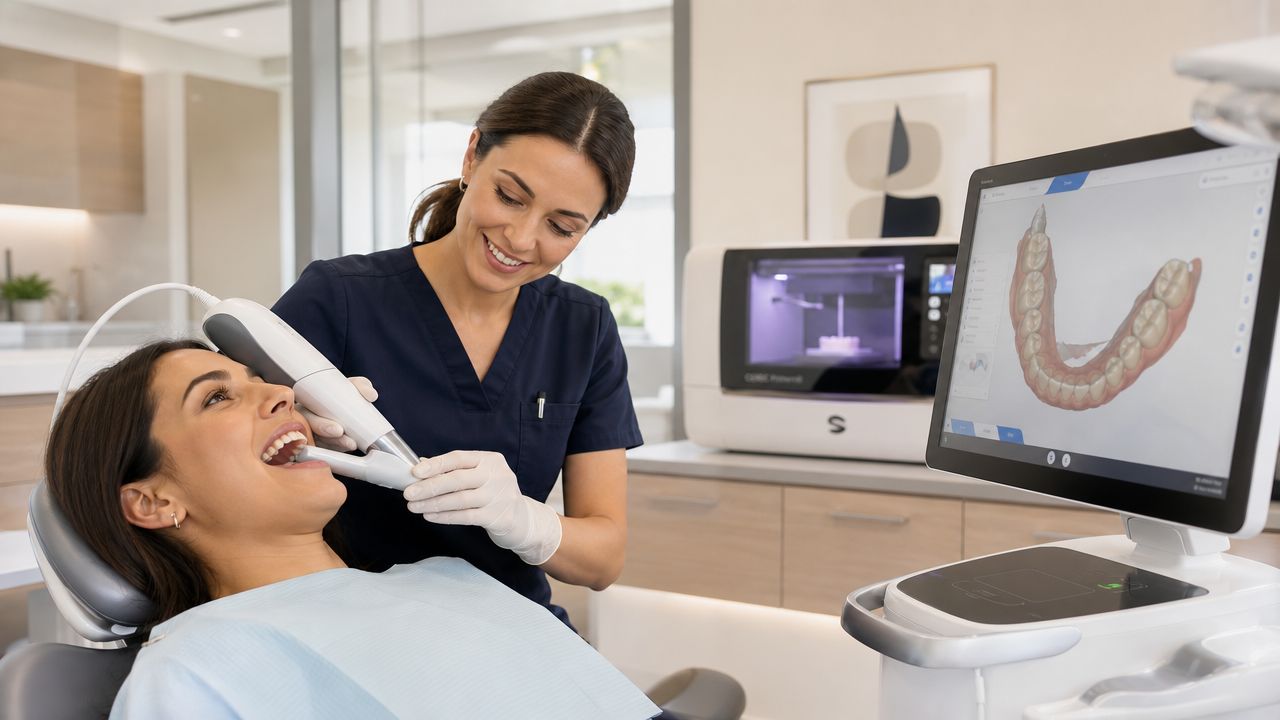
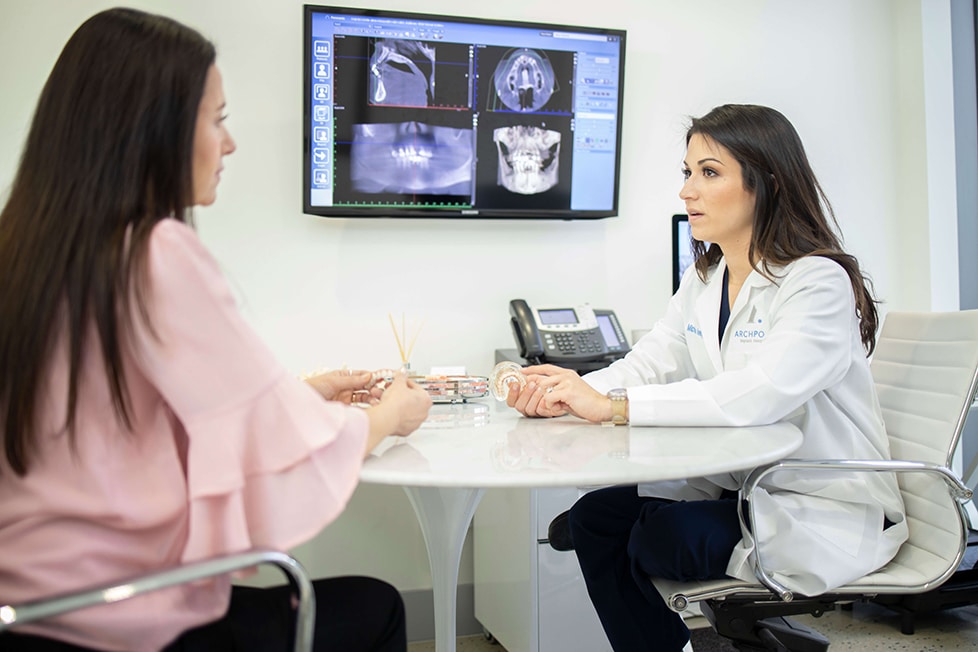
At 3D Dental, patients in Austin and Georgetown are evaluated with tools that help the team see more clearly and plan treatment with better precision. That includes digital imaging, digital x-rays, intraoral scanning, and when appropriate, 3D CT imaging to assess structures in a more complete way. For patients who are also thinking ahead about restorative care, that same digital planning matters for future services such as crowns, bridges, and dental implants near me if a compromised tooth can't be saved.

What the visit feels like
A patient-first periodontal visit usually follows a clear sequence.
First comes the exam. The team reviews gum health, imaging, and pocket measurements, then explains what's happening in plain language. Patients don't do well with vague warnings. They do better when they can see the problem, understand the treatment area, and know why one approach makes more sense than another.
Then comes comfort planning. Local anesthesia is a routine part of deep cleaning because the work extends below the gumline. Some patients also ask about sedation options, especially if they've had difficult dental experiences before or feel nervous about longer appointments. That discussion should happen up front, not after you're already in the chair.
The tools make a difference
Periodontal treatment still depends on skilled hands, but the instruments matter too. Many modern practices use ultrasonic scalers along with hand instruments so deposits can be disrupted efficiently while allowing careful finishing around the roots.
That combination helps with several practical goals:
- Cleaner access below the gums
- A more efficient appointment flow
- Better visibility and control for the clinician
- A more comfortable experience than patients often expect
Patients are often surprised that a deep cleaning feels more manageable than the phrase “deep cleaning” made them imagine.
The bigger picture for long-term care
Periodontal treatment isn't isolated from the rest of dentistry. Healthy gums support every other part of your care plan. If gum disease advances too far, some patients eventually face choices involving tooth extraction, replacement planning, or implant therapy. Stabilizing the gums early can preserve more options.
That's especially important for patients in North Austin, Round Rock, Cedar Park, Liberty Hill, and Georgetown who are choosing a long-term dental home, not just booking a single cleaning. A practice that offers preventive care, cosmetic dentist near me services like teeth whitening and veneers, restorative dentistry, orthodontics, and emergency visits can keep treatment coordinated instead of fragmented.
An appointment-only model also helps in a practical way. Shorter wait times, more predictable scheduling, and focused chair time make longer periodontal visits feel less draining for patients who are already managing work, school pickups, or a busy commute across Central Texas.
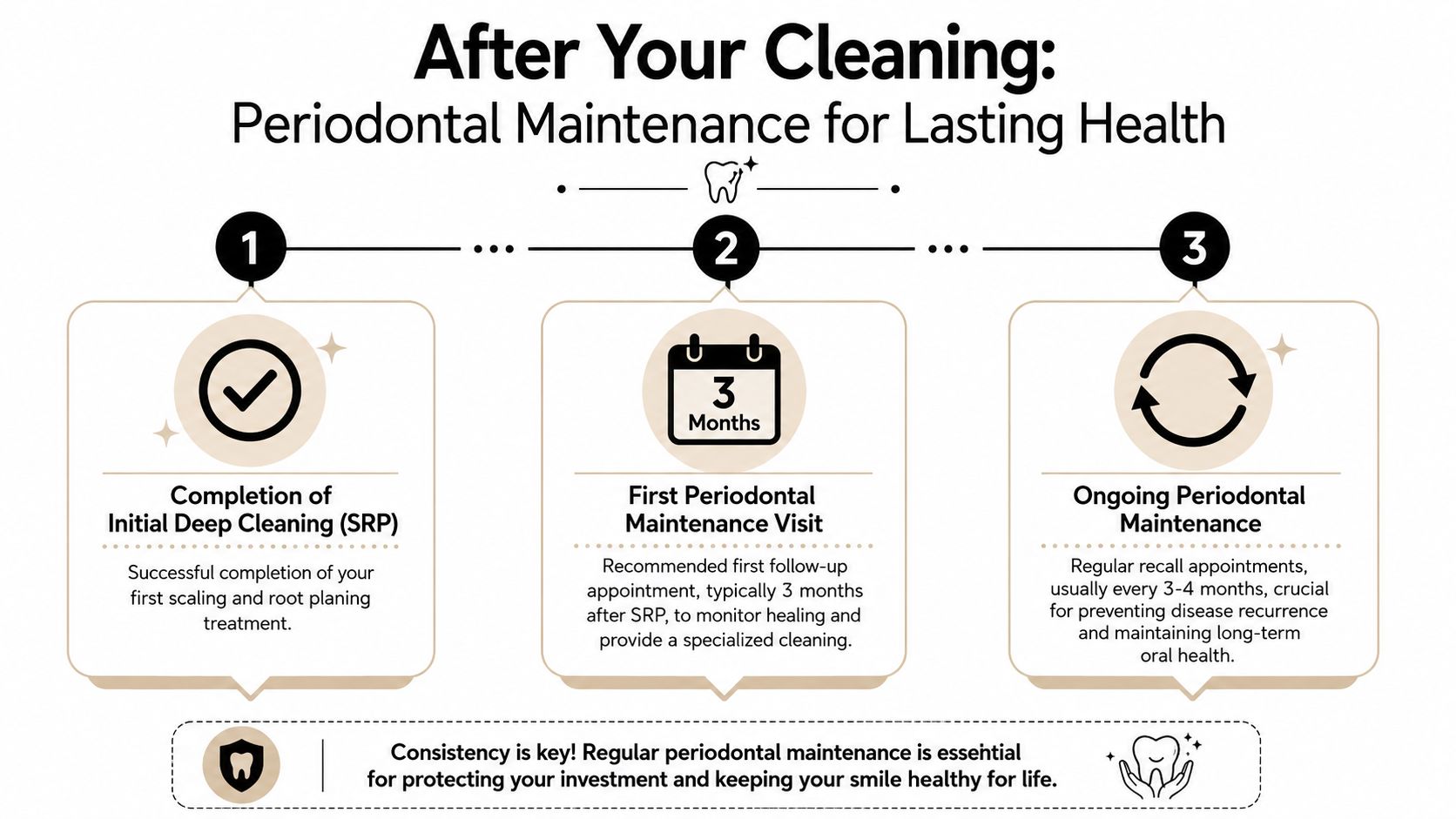
After Your Cleaning Periodontal Maintenance for Lasting Health
The deep cleaning isn't the end of treatment. It's the reset point. Once the infected buildup has been removed, the next phase is keeping those areas stable so harmful bacteria don't quickly reestablish themselves.
Periodontal maintenance appointments, which follow the initial deep cleaning, are significantly shorter and typically last between 45 minutes to 1 hour. In contrast to the initial scaling and root planing session that can last up to 2 hours, periodontal maintenance focuses on preventing microbial repopulation and recurrence of disease rather than treating active infection, according to Kokua Smiles' overview of periodontal maintenance timing.
Why maintenance is different from a regular cleaning
After periodontal treatment, your mouth has a history that needs to be monitored more closely. Maintenance visits are designed for that reality. They aren't the same as standard preventive cleanings for patients who've never had periodontitis.
This phase usually includes:
- Closer monitoring of the gums: The team checks how the tissues are responding over time.
- Specialized cleaning below the gumline: The focus is on keeping disease from returning.
- A shorter, more targeted visit: The disease has already been treated, so the appointment is less intensive.
If you want a fuller explanation of that phase, this page on periodontal disease treatment adds helpful context.
What this means for your long-term smile
Patients sometimes assume they can go right back to a standard cleaning schedule once the deep cleaning is done. In many cases, that's not how periodontal stability is maintained. The maintenance phase is what protects the work already completed.
This also creates a healthier foundation for other goals. Once the gums are under control, patients may move forward more confidently with cosmetic dentistry, teeth whitening, veneers, crowns, bridges, or implant planning. Healthy gums make every smile investment stronger.
Gum treatment works best when patients stop thinking of it as a one-time fix and start treating it as part of ongoing preventive care.
For adults searching for a dentist near me in Austin or Georgetown, this is one of the most important distinctions to understand. The first appointment handles the active problem. Maintenance protects the result.
Schedule Your Consultation with Our Austin Dentists
A periodontal cleaning takes more time than a regular cleaning because it's treating a deeper problem. That extra time is an investment in the health of the gums, the stability of the teeth, and the future of your smile.
If your gums bleed, feel tender, or you've been told you need scaling and root planing, it's better to get clear answers now than to keep waiting and wondering. Patients in Austin, Georgetown, Wells Branch, Cedar Park, Round Rock, and Liberty Hill often start with the same concern. They want to know what's wrong, how long treatment will take, and whether the process will be comfortable. Those are exactly the questions a good consultation should answer.
Whether you're looking for a dentist in Austin, TX, a dentist in Georgetown, TX, an emergency dentist, help with tooth extraction, or long-term options like dental implants near me, gum health is often the first step. Strong dental care starts with healthy support around the teeth.
Booking a visit should be simple. If you're due for an exam, need dental x-rays, or want a second opinion about deep cleaning, contact the Austin or Georgetown office and ask for a periodontal evaluation. Clear diagnosis, modern imaging, and a practical treatment plan can replace a lot of uncertainty very quickly.
If you're ready to stop guessing and get a clear plan, schedule a consultation with 3D Dental. The team serves Austin and Georgetown with modern exams, gum treatment, restorative care, cosmetic dentistry, dental implants, and emergency dental services, all with a patient-first approach designed to make treatment more comfortable and more understandable.
Ready to get started?
Schedule a free, no obligation consultation with our team and see what's possible for your smile!
Georgetown
- Mon-Thurs8:30am-5pm
- Fri8am-3:30pm
- Sat-SunClosed
Austin
- Mon-Tues8am-5pm
- Wed-Thurs9am-6pmFri8am-2pm
- Sat-SunClosed