
Digital Dental Impressions in Austin & Georgetown, TX
Related Posts


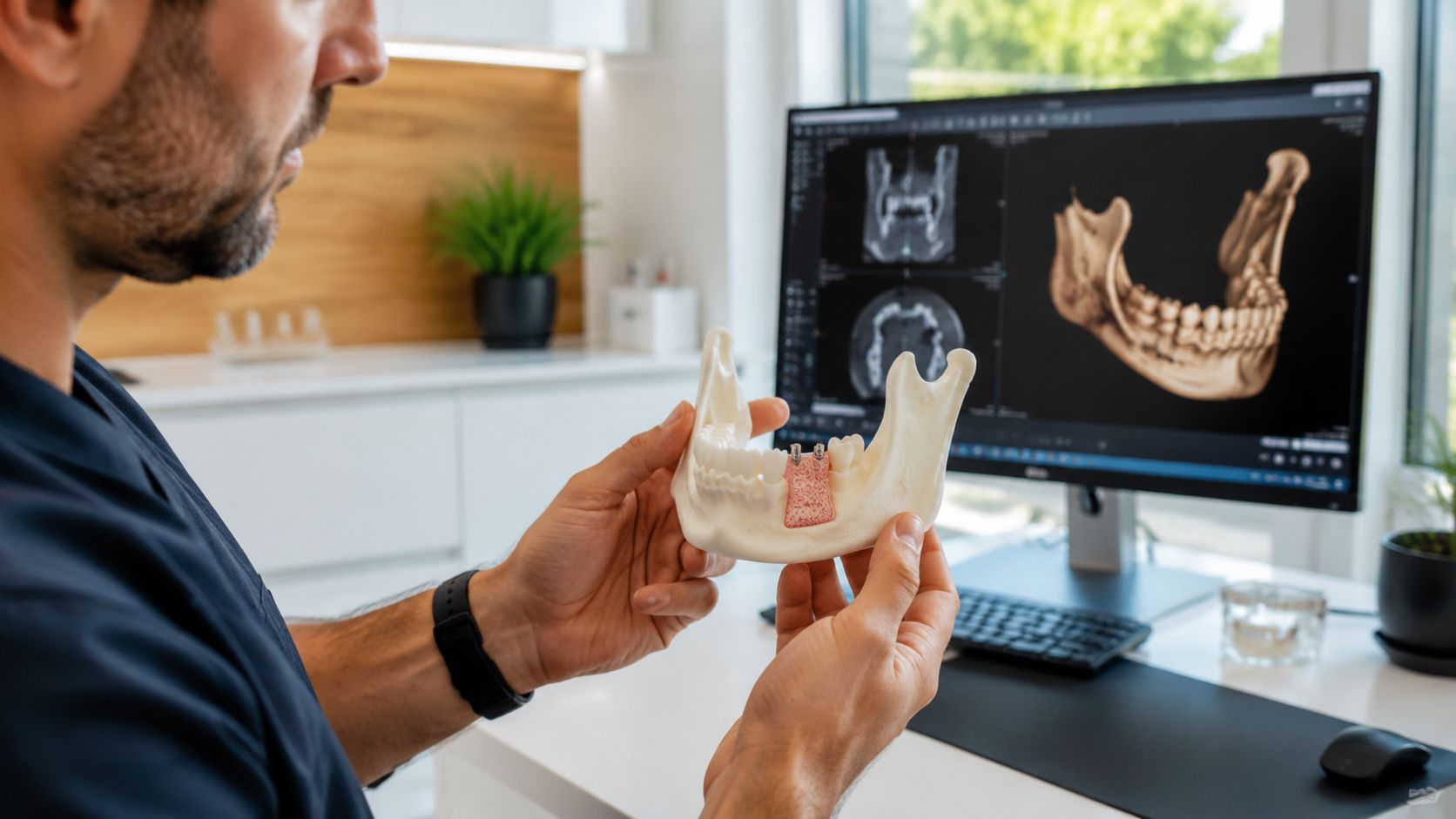
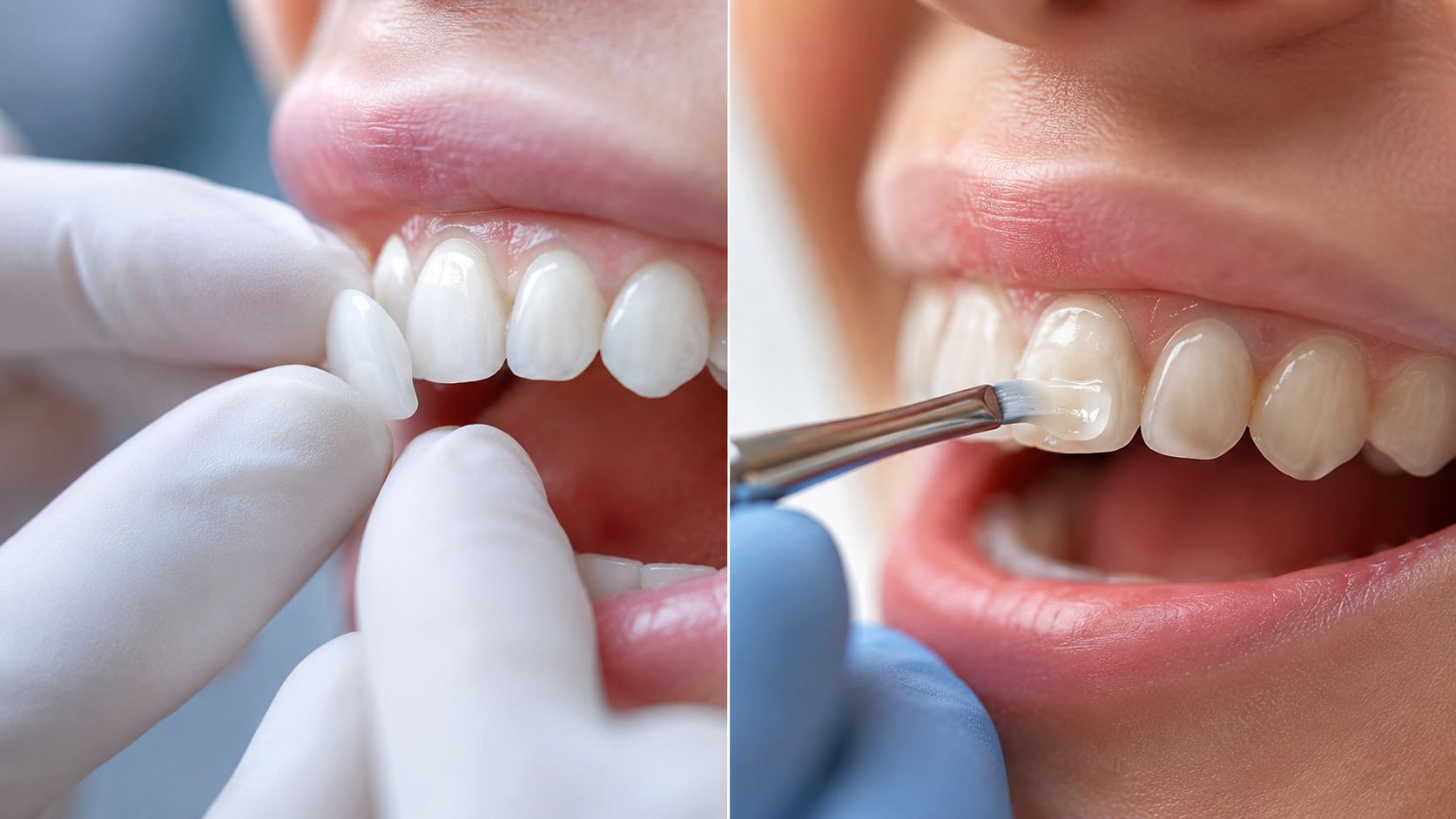
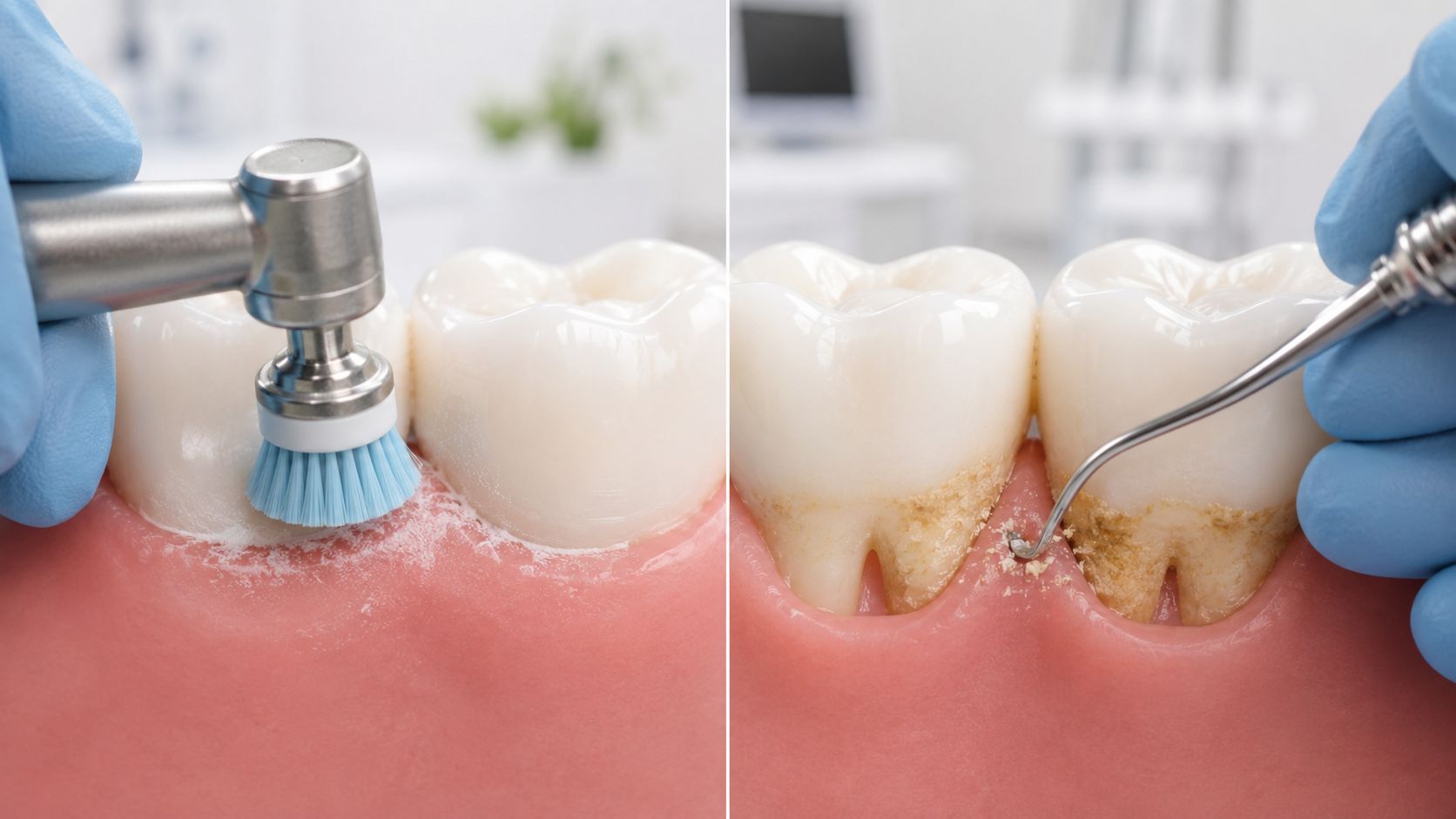
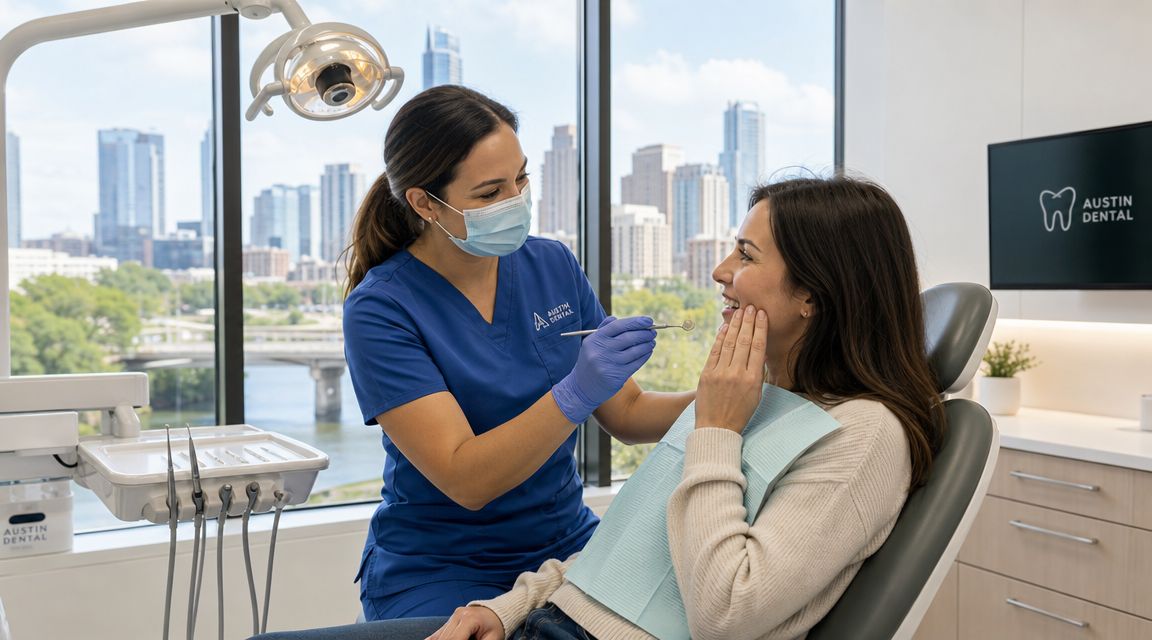
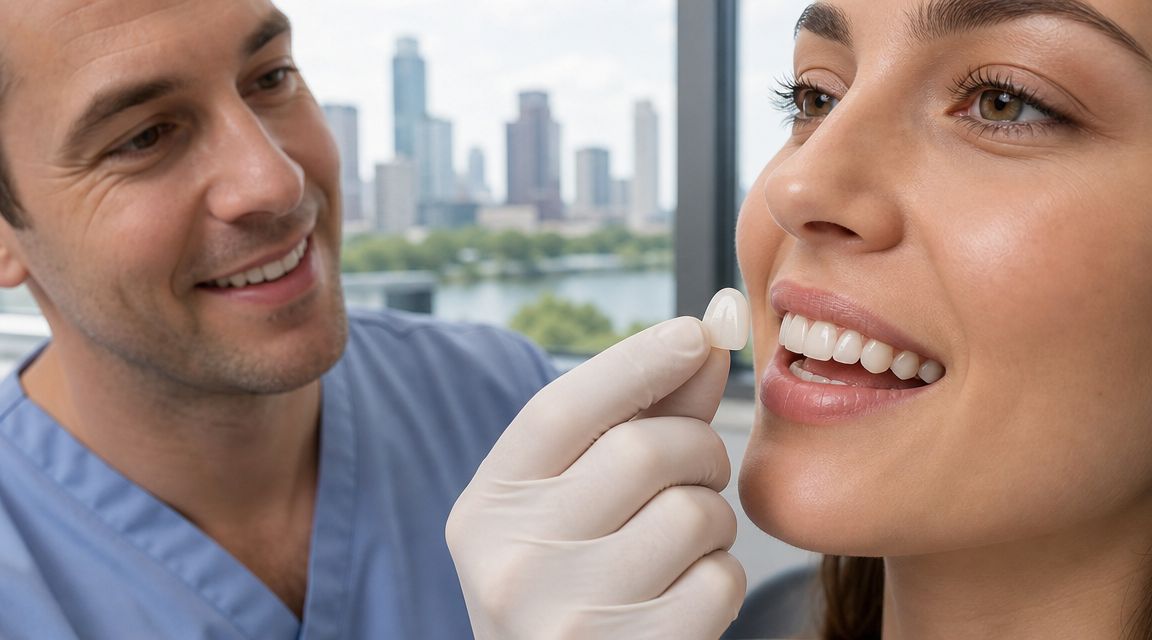
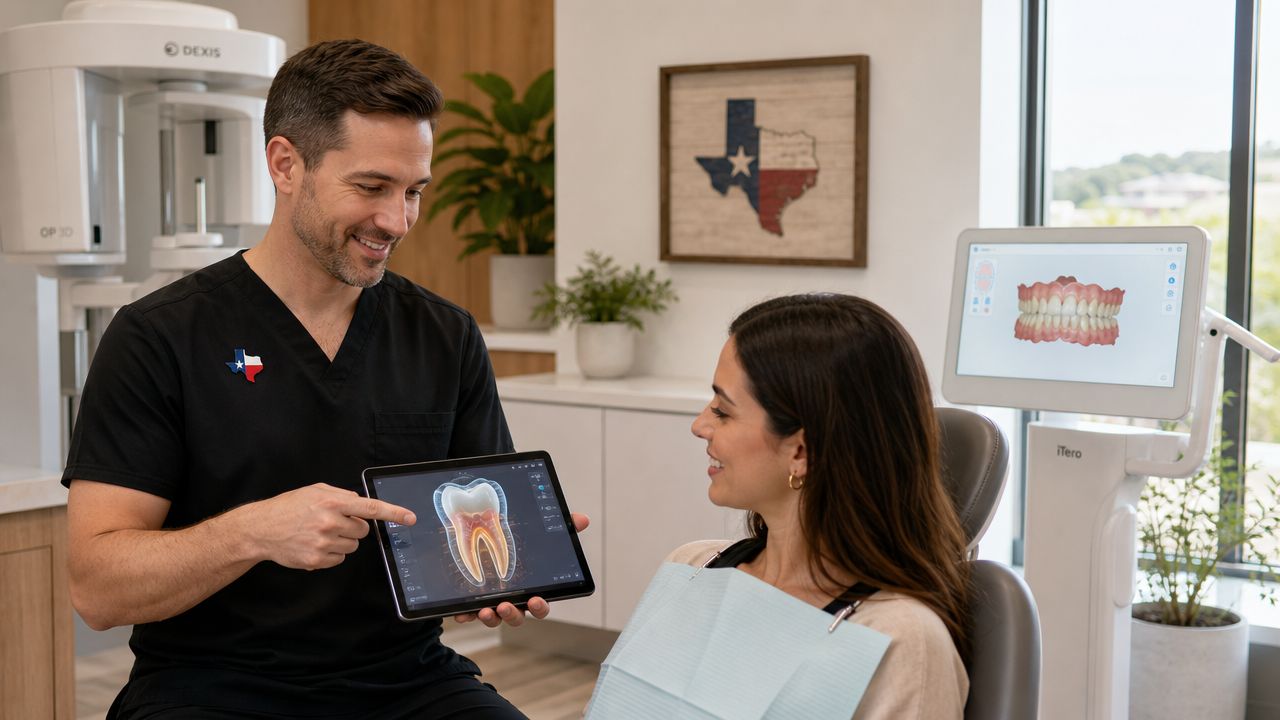
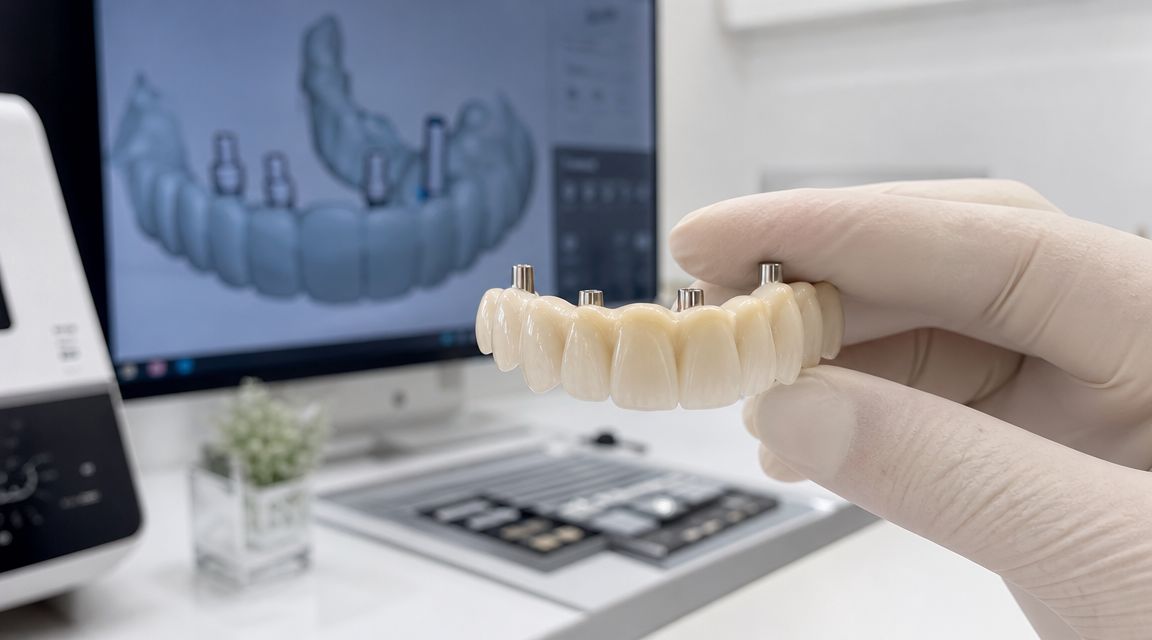
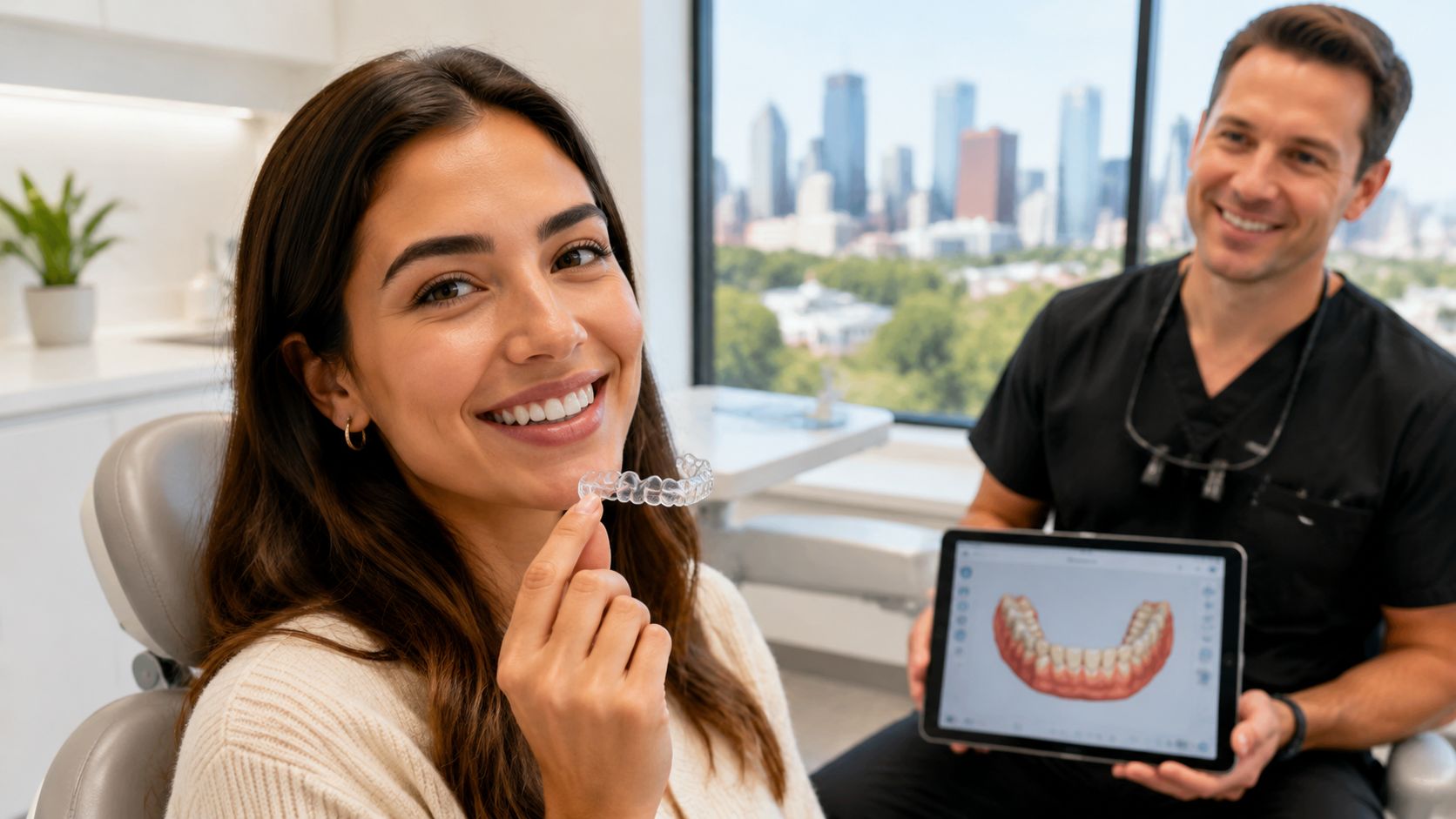














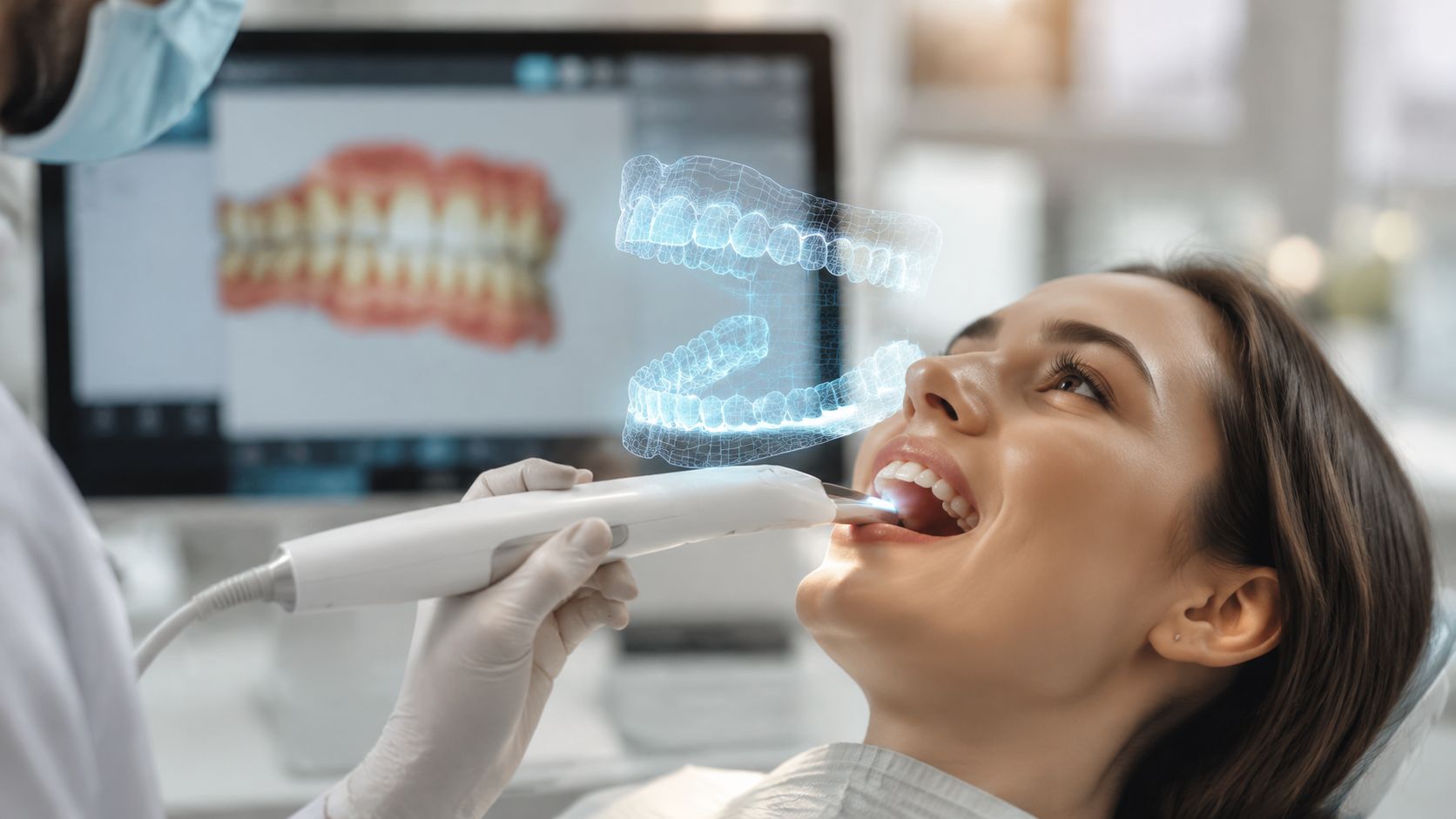
If you've ever had a dental impression taken with a tray full of putty, you probably remember it. The bulky tray. The odd taste. The feeling that you had to breathe carefully and wait it out without gagging.
Many patients in Austin and Georgetown still assume that's the only way to make a crown, plan dental implants, or start cosmetic dentistry. It isn't. Modern digital dental impressions have changed that experience in a very practical way. They make visits cleaner, more comfortable, and more precise, which matters whether you're searching for a dentist near me, a cosmetic dentist near me, or dental implants near me.
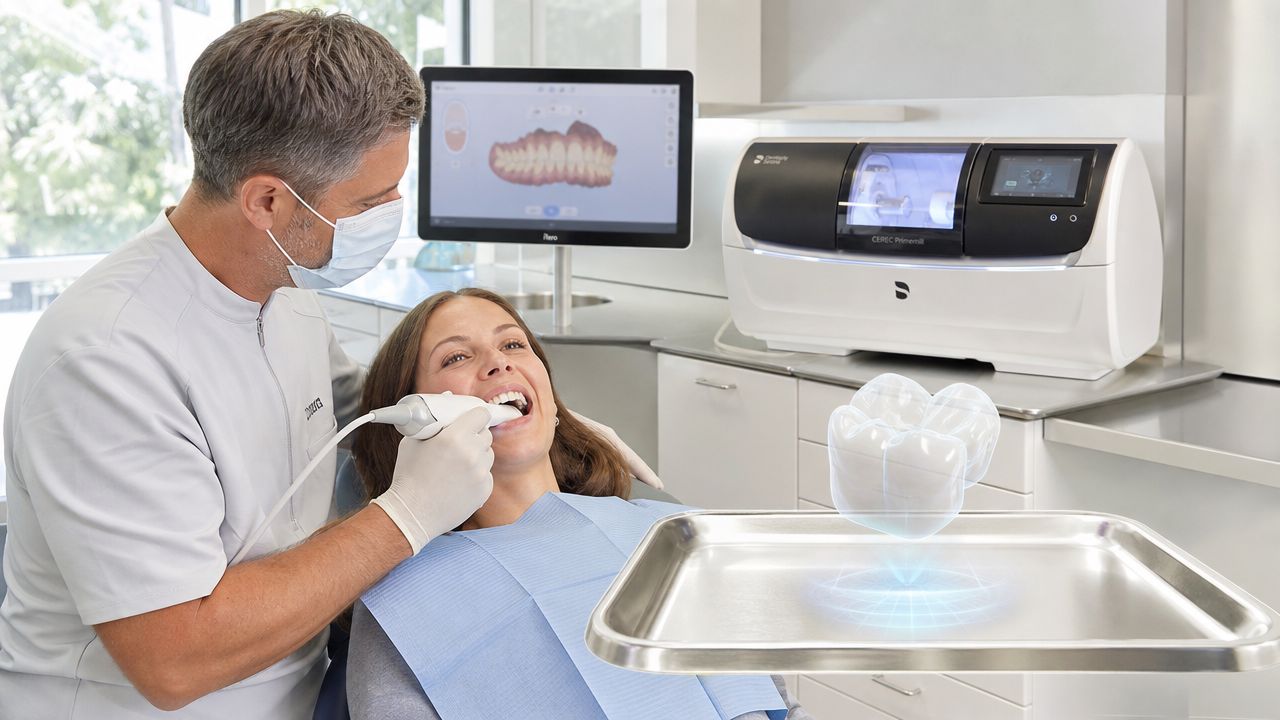
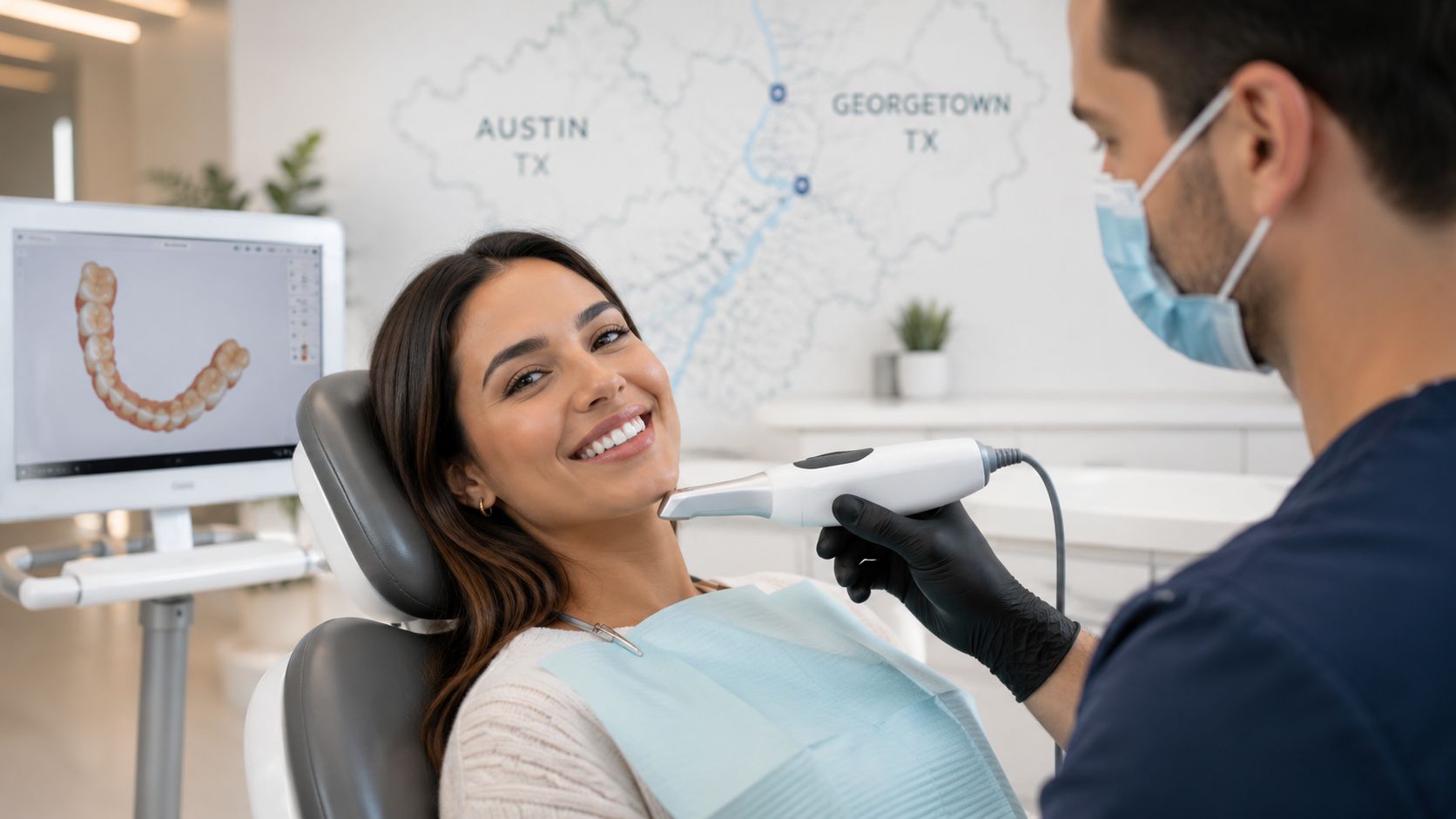
At a modern dental office in Austin, TX or Georgetown, TX, a digital scan can replace the old mold in many cases. Instead of filling a tray with impression material, your dentist uses a small handheld scanner to create a 3D model of your teeth and gums on a screen. That means less mess, fewer retakes, and a better starting point for restorative dentistry, cosmetic work, orthodontics, and implant planning.
For patients in North Austin, Wells Branch, Cedar Park, Round Rock, Liberty Hill, and Georgetown, that difference is more than a technology upgrade. It often makes the whole appointment feel easier from the first few minutes.
A Better Way to See Your Smile in Austin TX
A lot of dental anxiety starts before any treatment begins. Sometimes it starts with a memory. A patient needs a crown, veneer, bridge, clear aligner, or implant work and immediately thinks about that old putty impression.
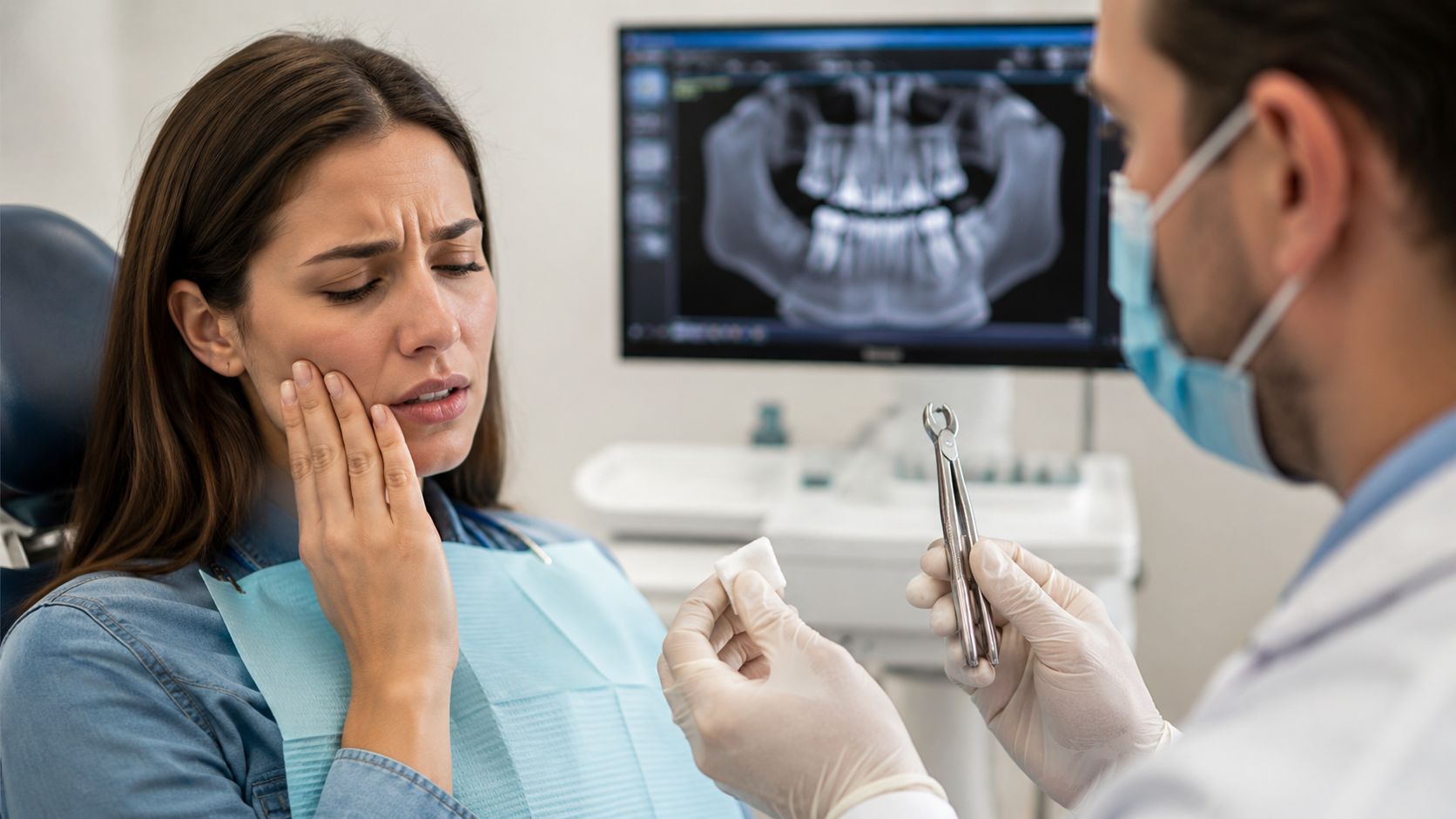
That reaction makes sense. Traditional impressions can feel awkward, especially if you have a sensitive gag reflex or don't like having a tray sit in your mouth while material sets. If you're already dealing with a cracked tooth, tooth pain, or a dental emergency, that extra discomfort is the last thing you want.
Why the old method felt so unpleasant
Traditional impressions depend on a physical material holding its shape long enough to produce an accurate model. Patients usually experience that as pressure, waiting, and uncertainty. If the impression isn't ideal, the process may need to be repeated.
Digital dentistry changes the experience because it changes the first step. Instead of making a mold and hoping it captured everything clearly, the dental team can see the scan as it appears on the screen.
Many people looking for a dentist in Austin, TX aren't only looking for treatment. They're looking for a more comfortable way to get that treatment.
That matters for routine dental care and for larger services too. Patients coming in for cleaning and exams, new patient exams, dental x-rays, teeth whitening, restorative dentistry, or emergency dentist visits often appreciate knowing that modern tools can make follow-up care easier if they need a crown, bridge, implant, or cosmetic restoration.
Why this matters locally
Austin and Georgetown patients tend to ask smart, practical questions. Will this hurt? How long will it take? Will I be able to see what's going on? Will the final crown or implant feel natural?
Digital dental impressions help answer all four. You can usually see your teeth on the monitor in real time. The process feels far less invasive than old-style putty. And because the model is digital, it supports more precise treatment planning for cosmetic dentistry, restorative dentistry, and implant care.
If you're comparing options for a dentist near me in Austin, TX or Georgetown, TX, this is one of those details that changes the whole patient experience. It doesn't just sound more advanced. It feels better in the chair.
What Are Digital Dental Impressions
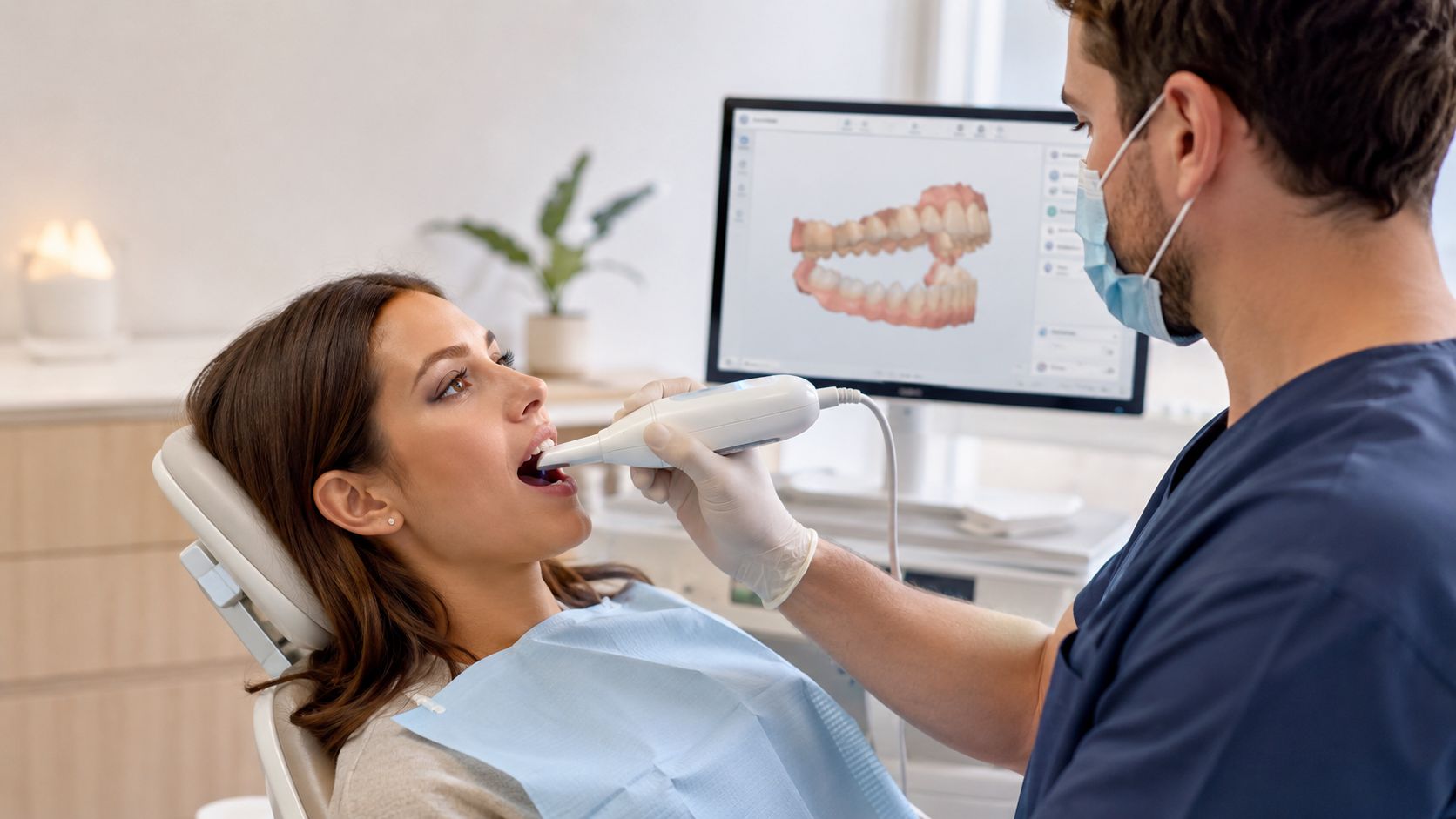
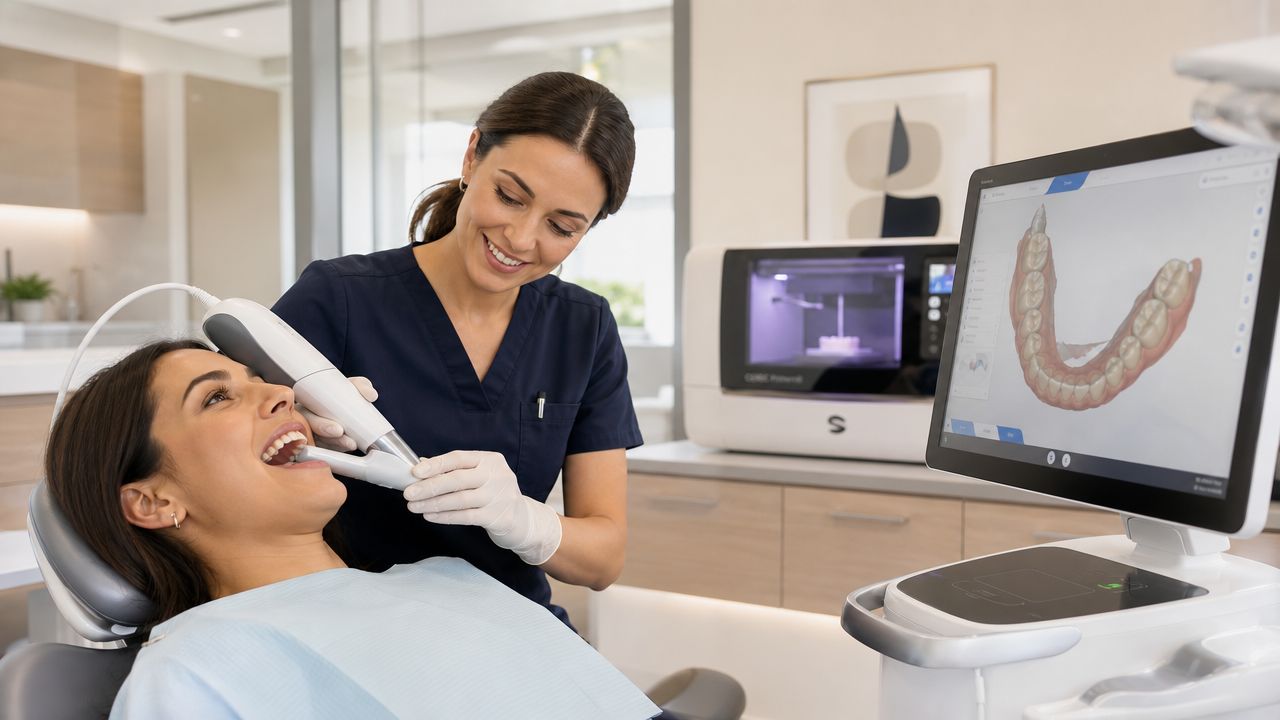
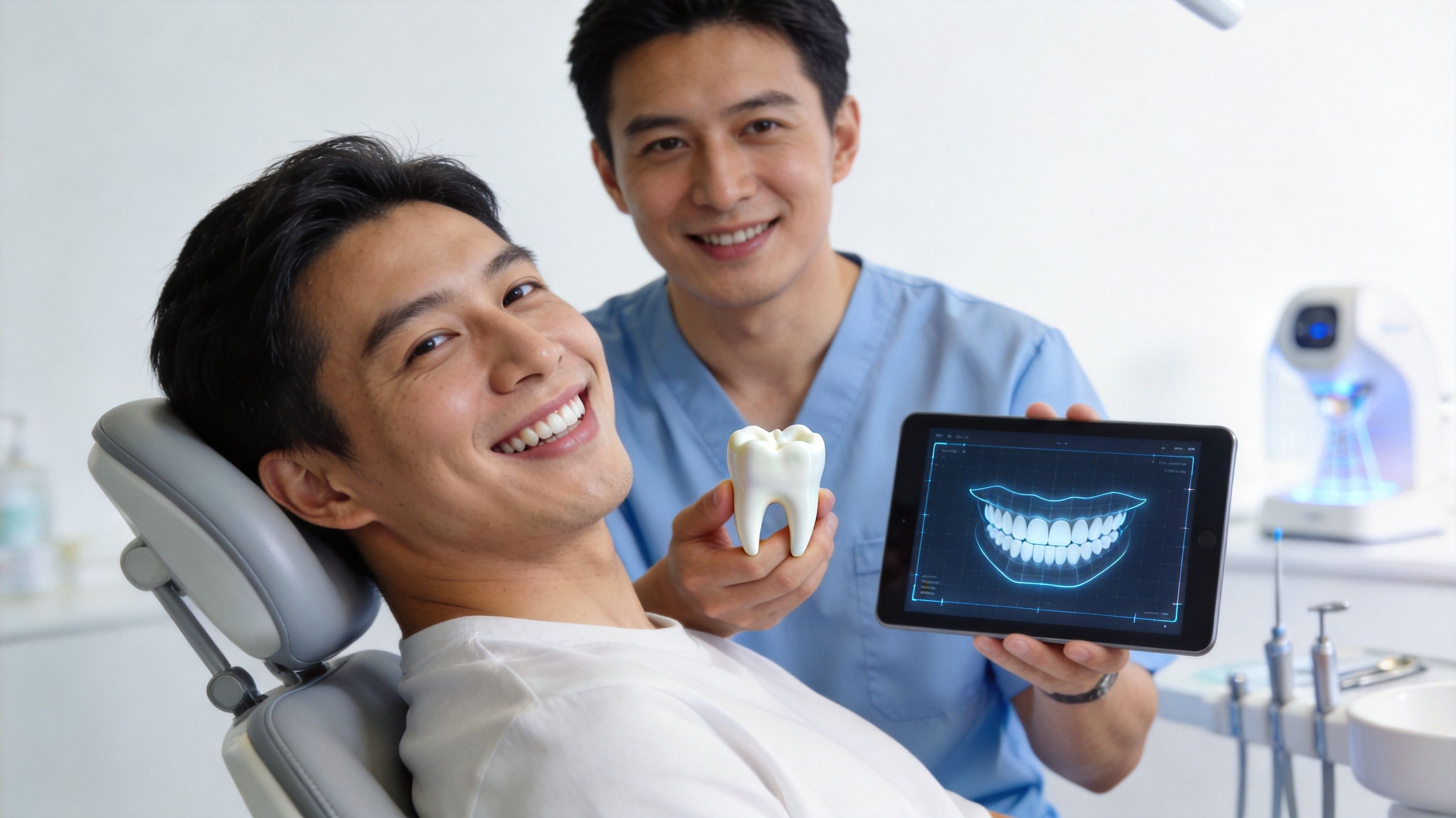
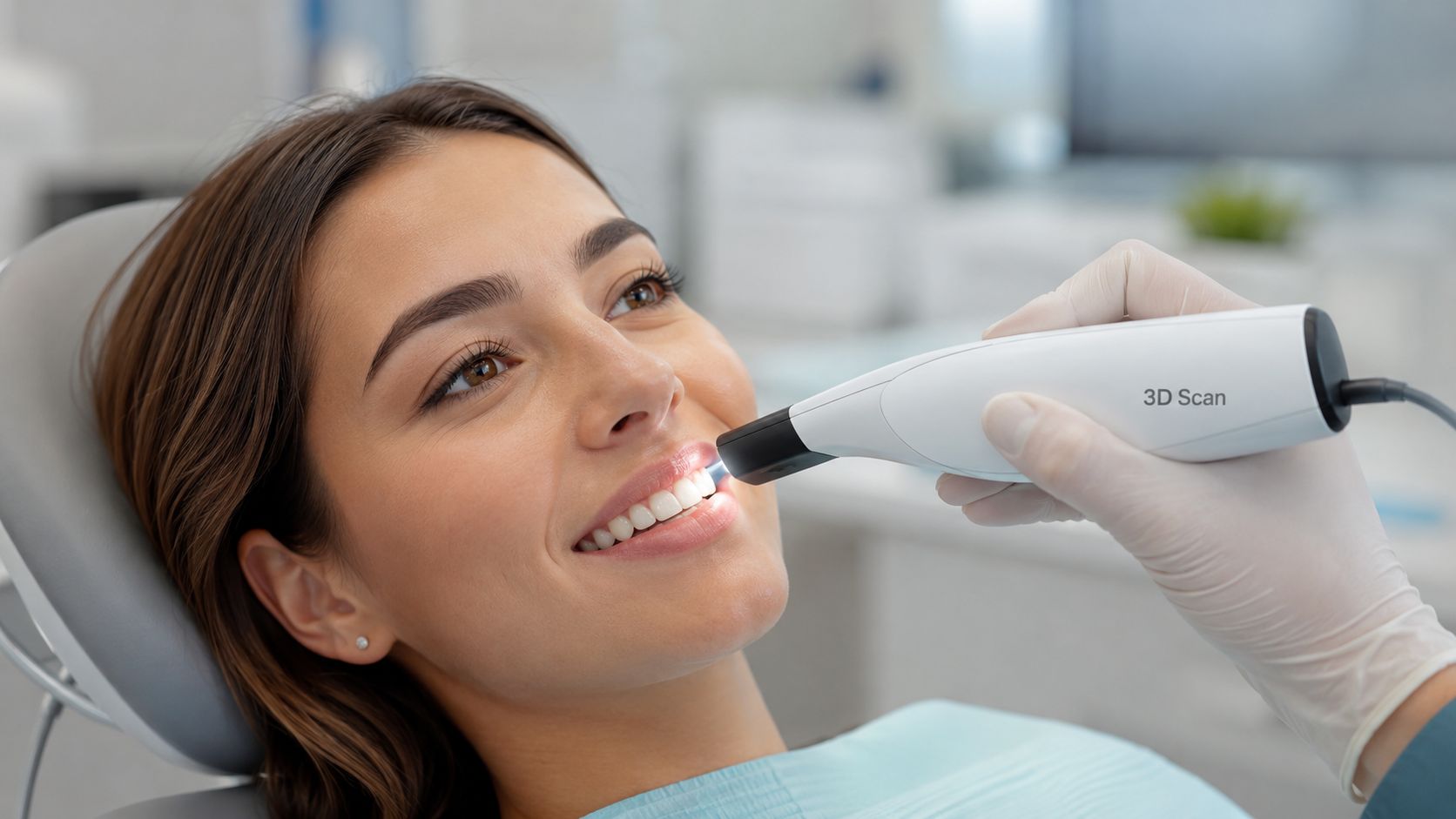
Think of digital dental impressions as a 3D camera for your mouth. Instead of taking a physical mold, a small scanner wand moves around your teeth and gums and builds a digital model on a screen.
For patients, that usually feels simple. You open, the scanner moves from area to area, and your dental team watches the model appear in real time. You don't have to bite into thick material or wait for a tray to set.
What the scanner is actually doing
The scanner uses light to capture the shape of your teeth and surrounding structures. According to a clinical review of digital intraoral scanners, digital intraoral scanners use optical technology to generate a 3D virtual model with accuracy often exceeding 20 to 50 microns, a level of precision superior to traditional impressions, which can be affected by material shrinkage or air bubbles.
That sounds technical, but the takeaway is simple. A cleaner scan helps your dentist and lab work from a more exact model.
What you notice as a patient
Most patients don't care about the engineering details. They care about what happens in the chair. What usually stands out is:
- No bulky tray: The scan replaces the old mold in many situations.
- Real-time viewing: You can often see your teeth on the monitor as the image is created.
- Easy corrections: If an area needs more detail, your dentist can rescan that part right away.
- Better communication: It's easier to explain crowns, veneers, implant positions, and bite issues when everyone can see the same 3D image.
Practical rule: If a patient can see the scan and understand the plan, treatment usually feels less intimidating.
Why the digital model matters later
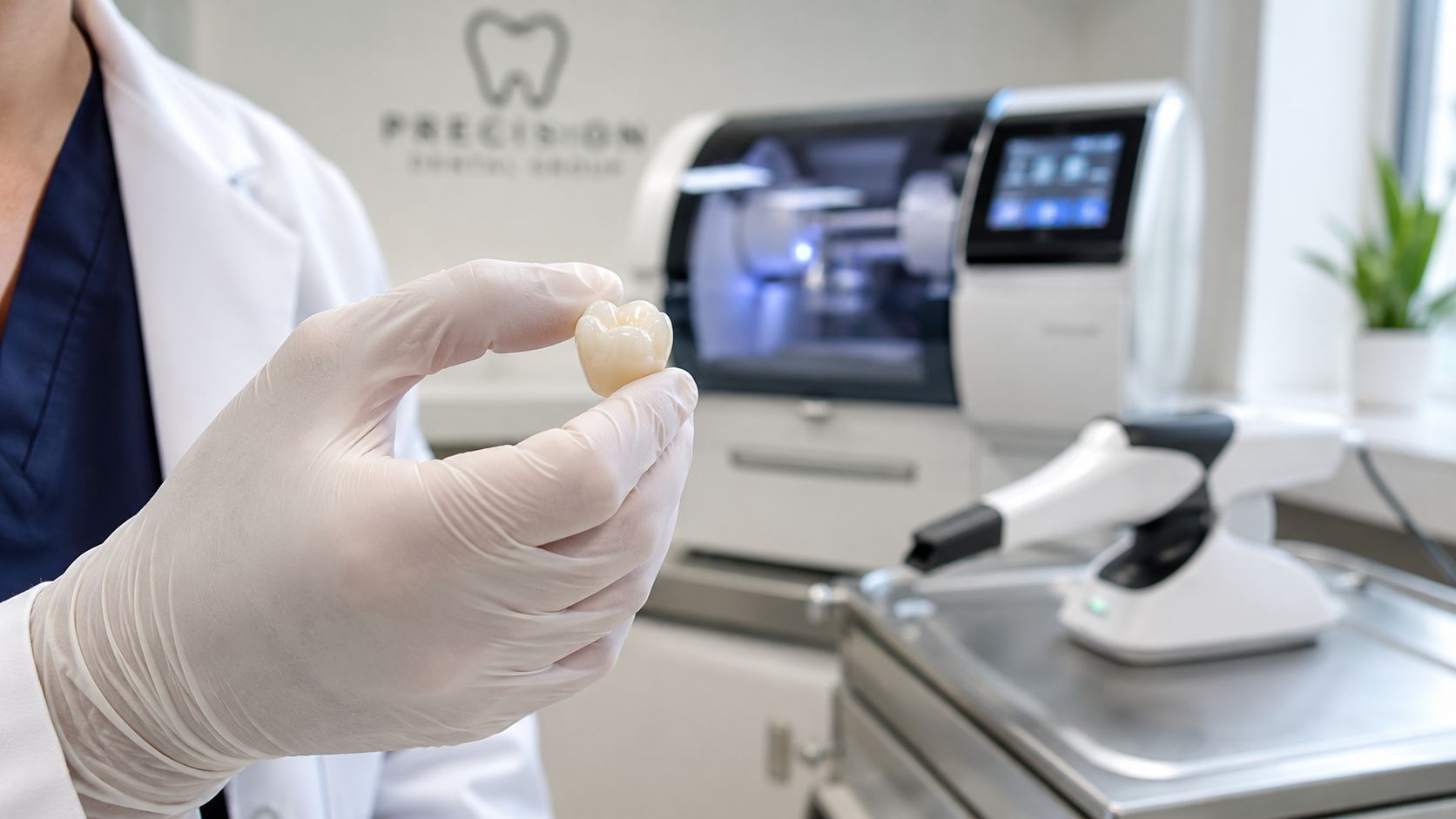
The scan isn't just for show. It's the working model used for treatment planning and for creating restorations. That can include crowns, bridges, veneers, implant restorations, clear aligners, and other custom dental work.
Because the image appears immediately, the team can review it before moving on. That reduces guesswork. It also supports a smoother handoff between the clinical side and the lab side, which is especially helpful when planning cosmetic and restorative cases for patients in Austin, Georgetown, and nearby communities.
Digital Scans vs Traditional Putty Impressions
Patients usually understand digital dental impressions best when they compare them directly with the older method. One uses a handheld scanner and a 3D model. The other uses a tray and physical impression material.
The difference isn't only about convenience. It affects comfort, speed, communication, and how smoothly a restoration fits when it's time to place it.
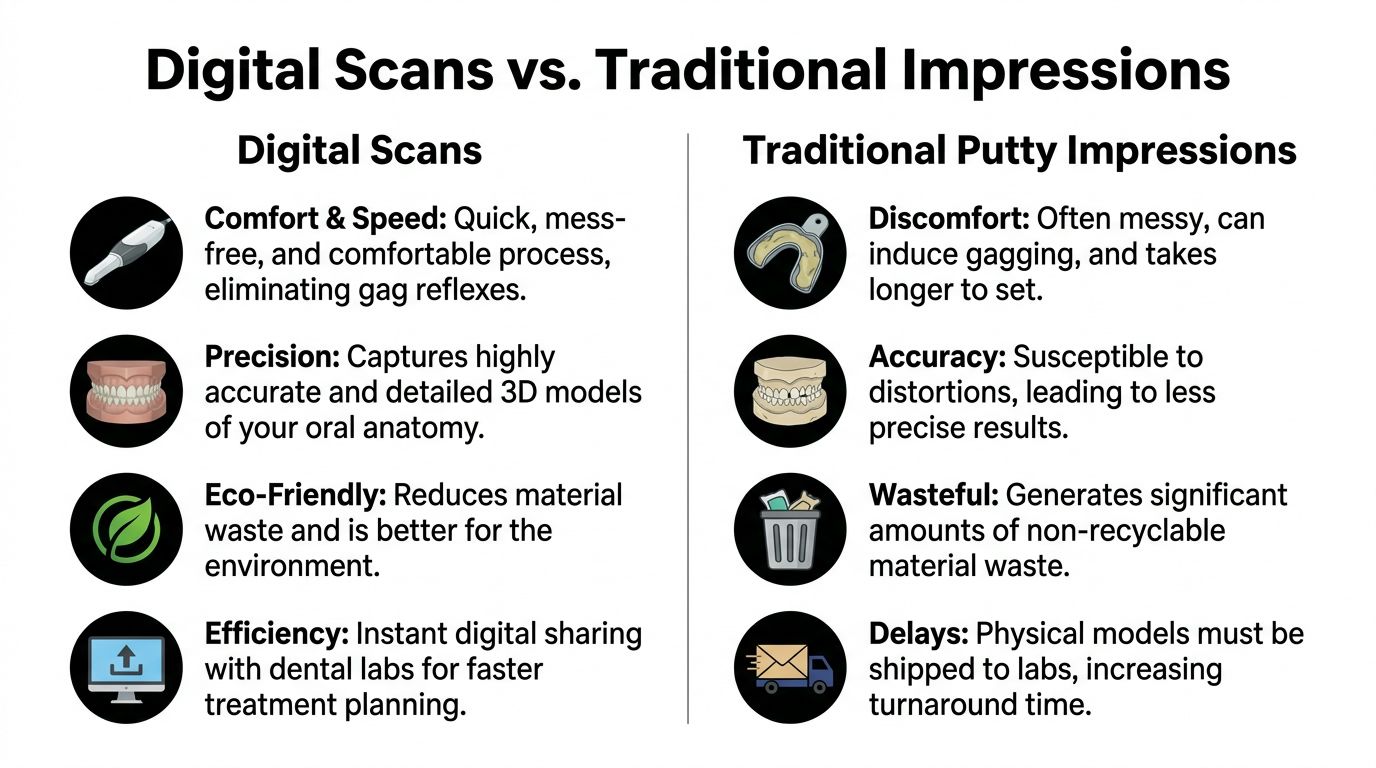
Digital vs Traditional Dental Impressions
| Feature | Digital Impressions (at 3D Dental) | Traditional Putty Impressions |
|---|---|---|
| Patient comfort | Small handheld scanner, no messy tray material in many cases | Bulkier tray with setting material |
| Speed | Fast capture and instant on-screen review | Requires material placement and setting time |
| Accuracy workflow | Immediate review and targeted rescans if needed | Errors may not be obvious until after removal |
| Communication | 3D image is easy to show and explain chairside | Physical mold is harder for patients to interpret |
| Lab transfer | Digital file can be sent right away | Physical impression must be handled and transferred |
| Overall feel | Modern, cleaner, more collaborative | More traditional and often less pleasant |
Why patients usually prefer digital
Patient comfort is the clearest difference. Clinical data summarized by the Institute of Digital Dentistry shows that 89% of patients prefer digital impressions, while traditional impression materials can trigger gag reflexes in 10% to 15% of patients. The same source notes that digital impression technology is now used by every second clinic globally.
Those numbers line up with what many dentists hear every day. Patients don't miss the tray. They don't miss the mess. And they definitely don't miss the feeling that they have to sit still with material setting in the back of the mouth.
Where the practical benefits show up
Comfort is only part of the story. Digital scans also improve the workflow around treatment.
- For crowns and bridges: the team can review detail immediately instead of waiting to discover a problem later.
- For implant cases: the scan creates a clearer digital starting point for planning the restoration.
- For cosmetic dentistry: patients can better understand shape, symmetry, and smile design discussions.
- For busy families: the process often feels easier to tolerate for adults and teens alike.
A better impression isn't just more pleasant. It helps the rest of the treatment go more smoothly.
Traditional impressions still have a place in some clinical situations, but for many everyday restorative and cosmetic cases, digital scanning gives patients a better chairside experience and gives the dental team a more usable model to work from.
Your Digital Impression Visit at Our Austin Practice
For many patients, the hardest part of any appointment is not knowing what to expect. Digital impressions tend to feel much easier once you see how simple the process is.
You arrive, settle into the chair, and the team reviews what they're scanning and why. That might be part of a new patient exam, a crown visit, cosmetic dentistry planning, dental implants treatment, or follow-up care after a broken tooth or emergency dentist visit.
What happens in the chair
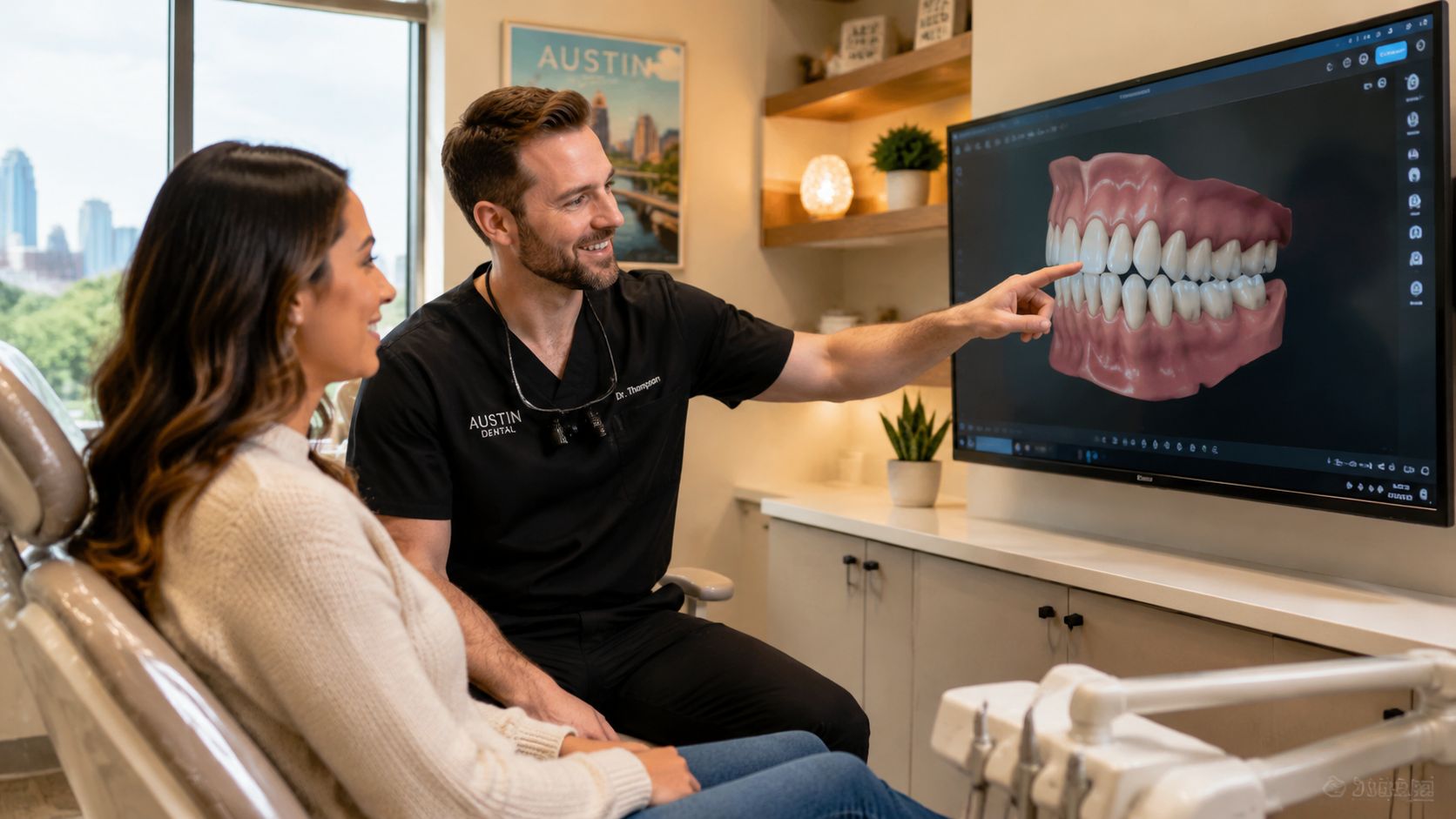
The scanner itself is small and handheld. Your dentist or assistant gently moves it around the mouth while the software builds a 3D image on the screen. You can usually follow along as your teeth appear from one angle to the next.
The process feels more like guided photography than like a traditional mold. Many patients are surprised by how little pressure is involved.
The entire scanning process can be completed in as little as 40 seconds, according to this overview of faster digital dental work. In real practice, timing depends on the case, but the key point is that digital scanning can dramatically reduce chair time compared with waiting for traditional materials to set.
What you can see during the visit
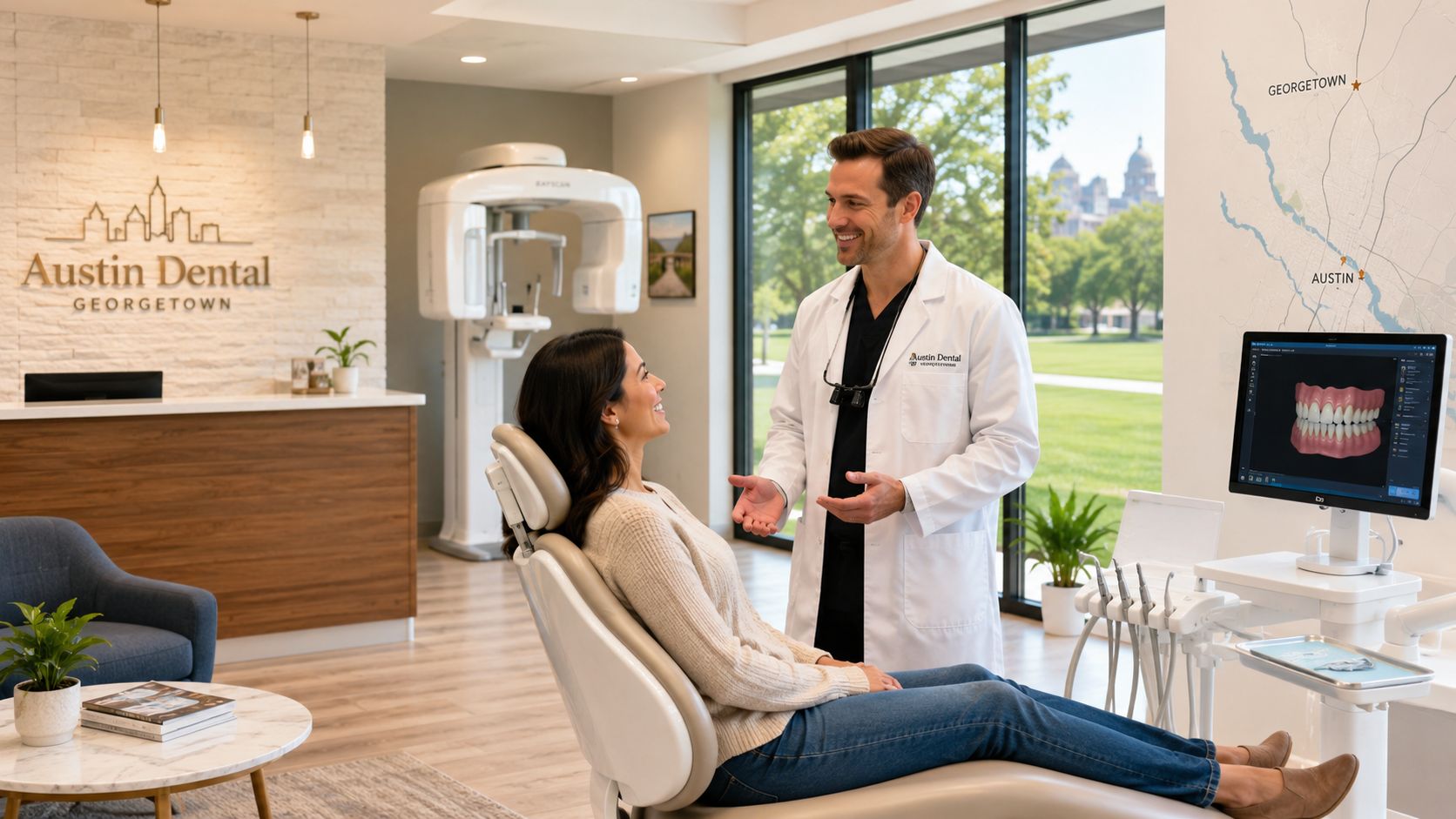
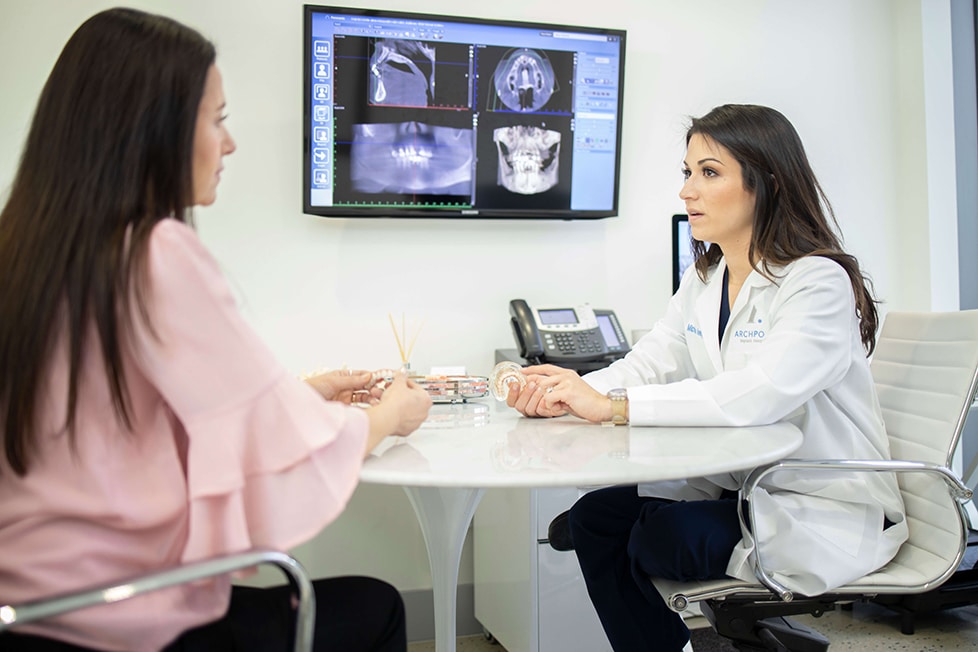
One of the biggest advantages is visibility. Instead of wondering whether the impression came out correctly, you and your dentist can look at the 3D model together.
That helps in a few ways:
- Treatment feels clearer: you can see the tooth, bite, or space being discussed.
- Questions are easier to answer: patients often understand crown and implant recommendations faster when they see the scan.
- The next step is more concrete: the digital file becomes part of planning and fabrication.
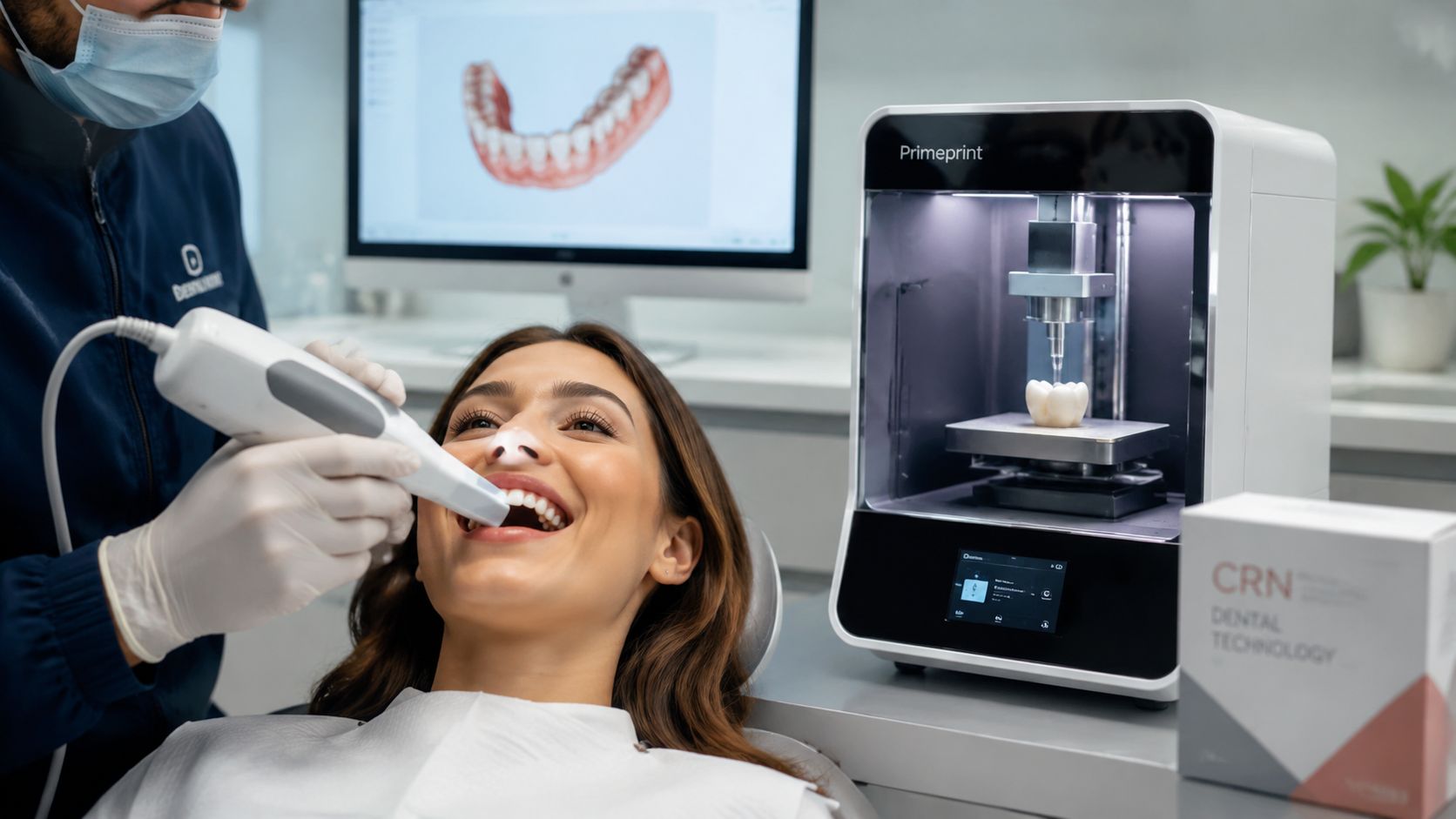
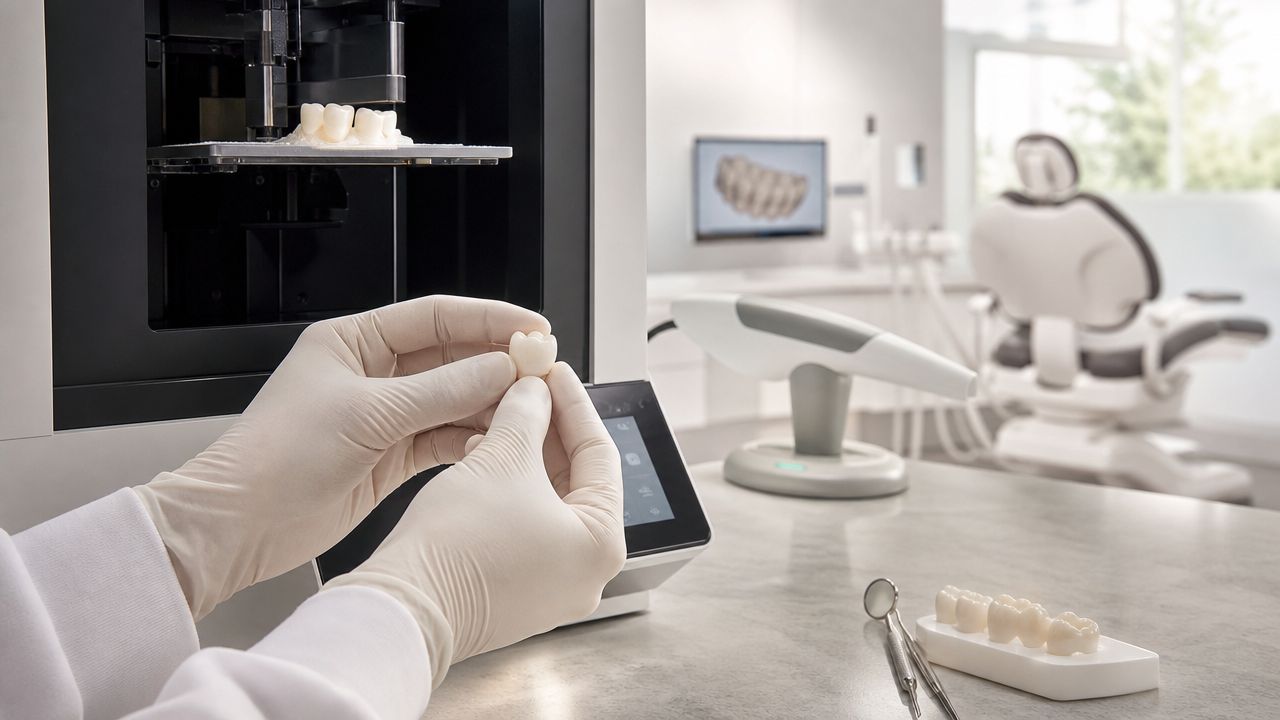
If you're curious how modern restorative workflows connect to final restorations, 3D printed crowns for teeth offer a useful look at how digital records can support newer dental manufacturing methods.
A short video can make the process feel even more familiar before your appointment:
Why this lowers anxiety
Patients from Wells Branch, Cedar Park, Round Rock, Liberty Hill, and Georgetown often tell dentists the same thing. They want a gentle visit, clear communication, and less time sitting with something uncomfortable in their mouth.
Digital impressions support all three. The appointment feels more interactive, less messy, and easier to understand from start to finish.
How Digital Scans Enhance Your Dental Care
Digital dental impressions matter most when you connect them to actual treatment. The scan is not the final result. It's the starting point that helps your dentist diagnose accurately, plan carefully, and create restorations that fit the way they should.
That has real value whether you're looking for a dentist in Austin, TX, a cosmetic dentist near me, or dental implants near me in Georgetown or North Austin.
Dental implants and full-arch planning
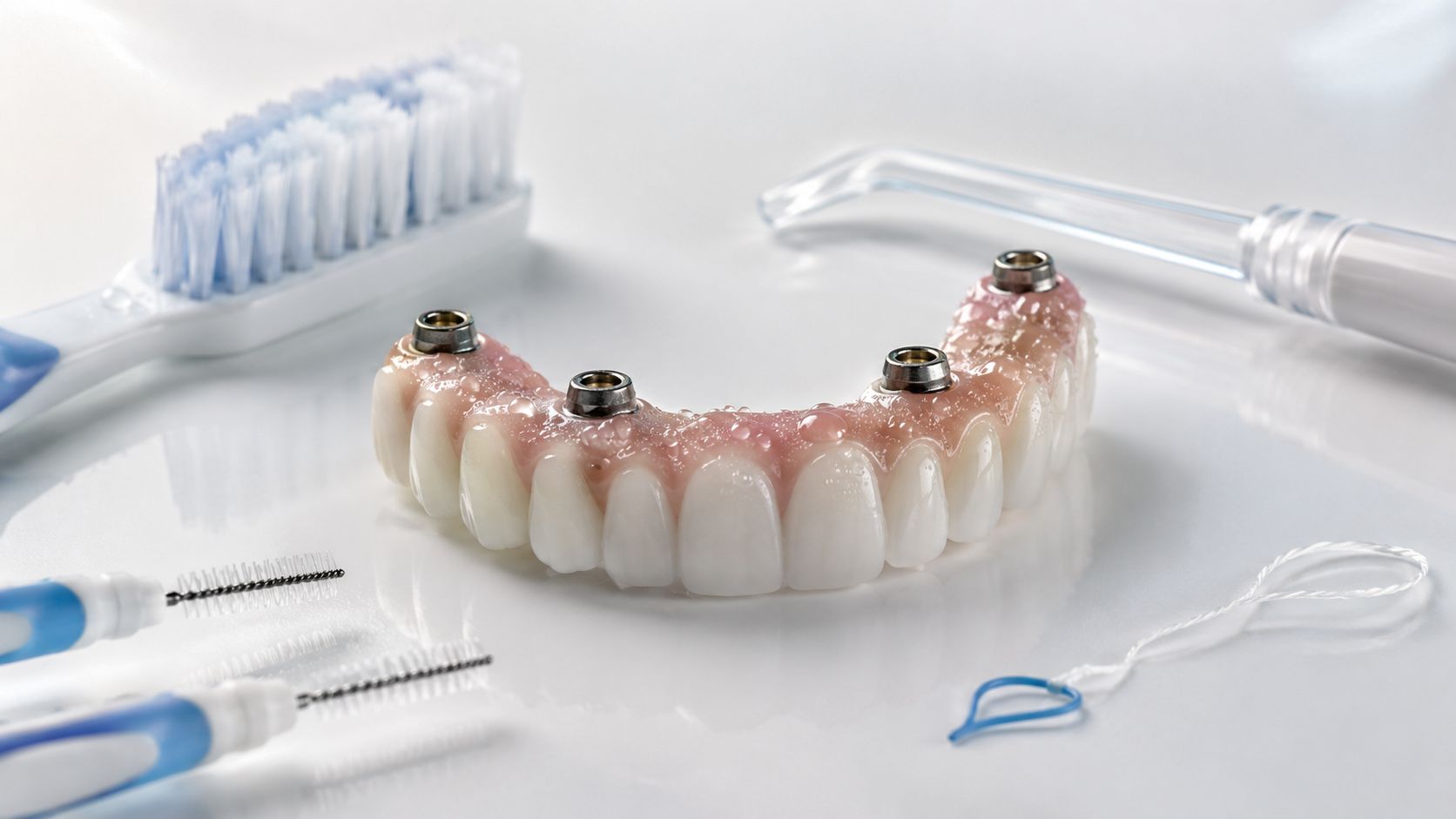
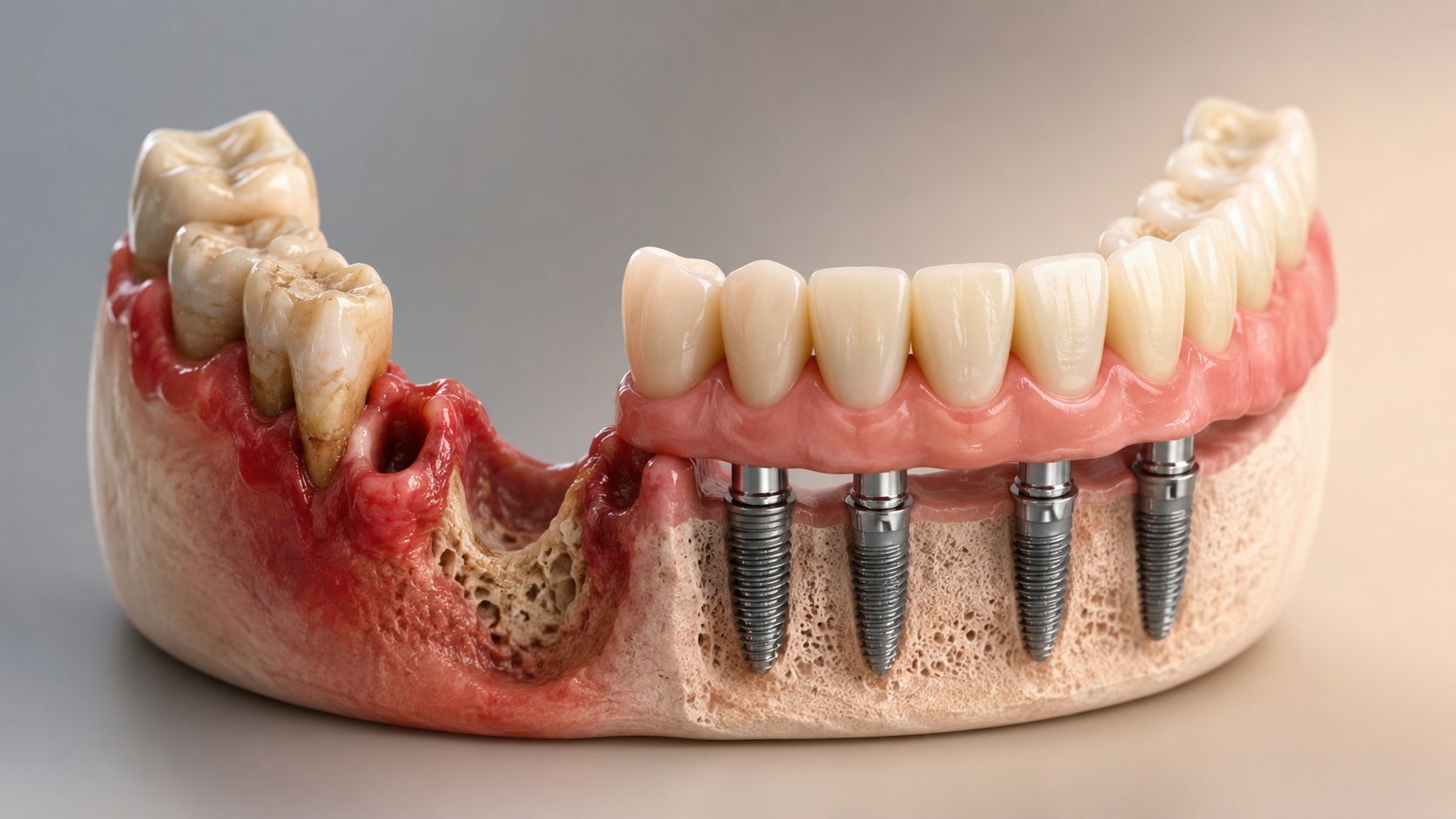
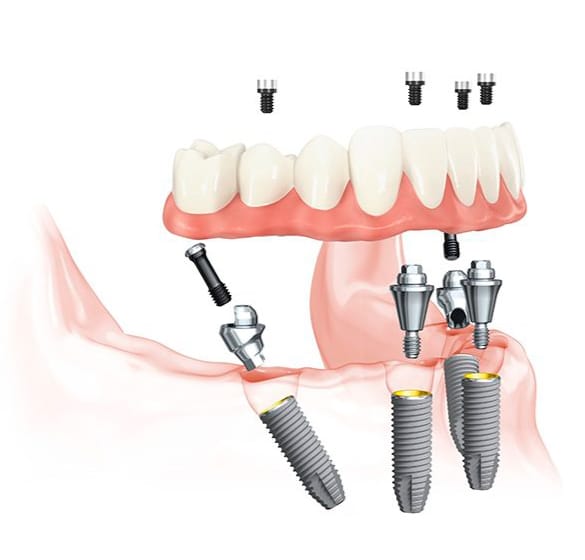
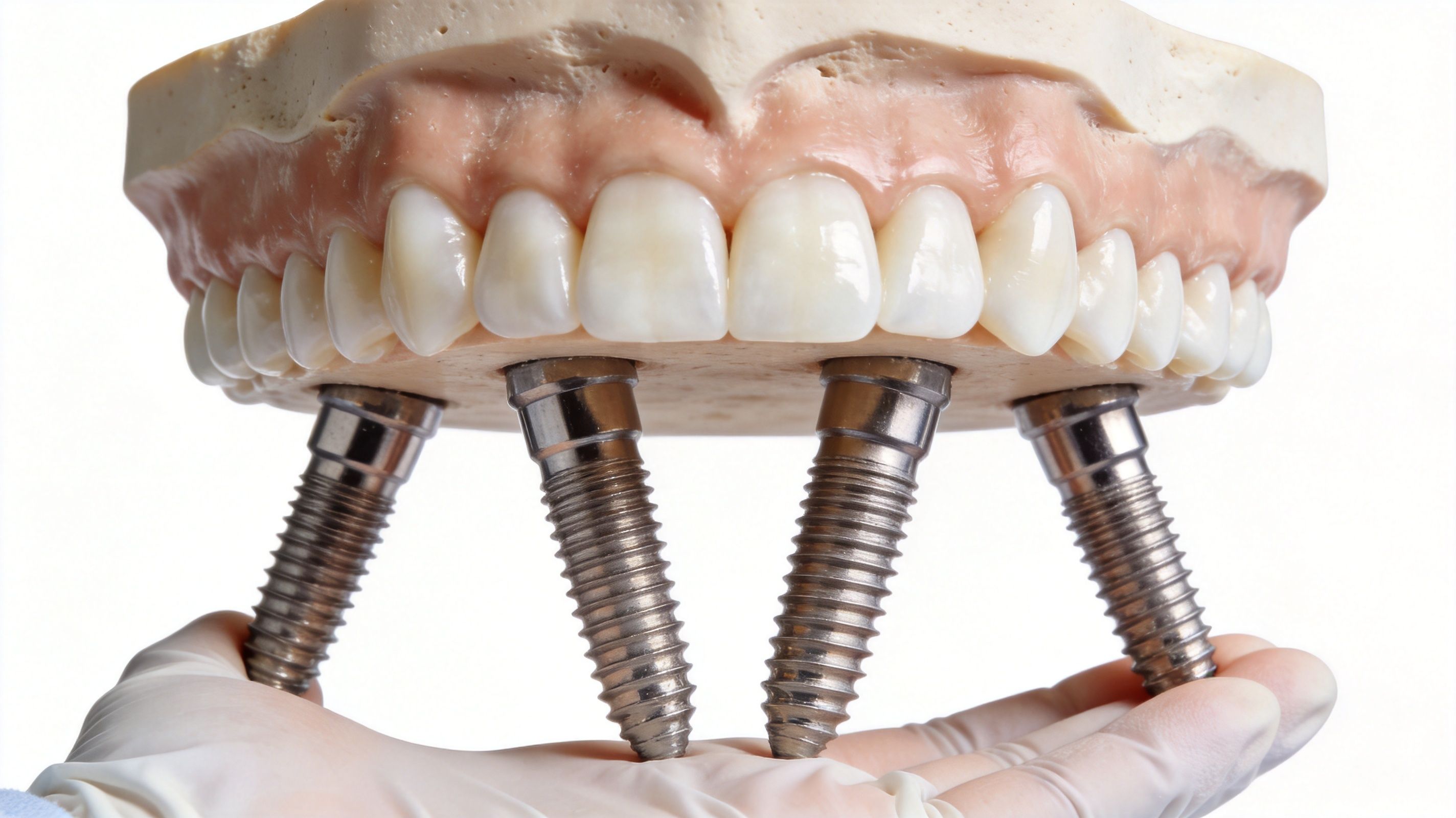
Implant care depends on precision. The restoration has to match the planned position, bite, and surrounding teeth as closely as possible. A digital scan gives the team a clean visual model to work from during planning and restoration design.
For single implants, this helps with shape and fit. For larger restorative cases, it helps coordinate the look and function of the final teeth. Patients considering replacement for one missing tooth or a larger implant-supported solution often appreciate being able to see the digital model rather than trying to picture the plan from words alone.
Cosmetic dentistry and smile design
Cosmetic work is personal. If you're investing in veneers, crowns, or teeth whitening as part of a broader smile improvement plan, you want to understand what's changing and why.
Digital scans support those conversations because the model is visual. Your dentist can discuss tooth shape, spacing, symmetry, and bite in a way that's easier to follow. That can make cosmetic dentistry feel less abstract and more collaborative.
Good cosmetic planning isn't about making teeth look generically white. It's about creating a smile that fits your face, bite, and goals.
Orthodontics and bite changes
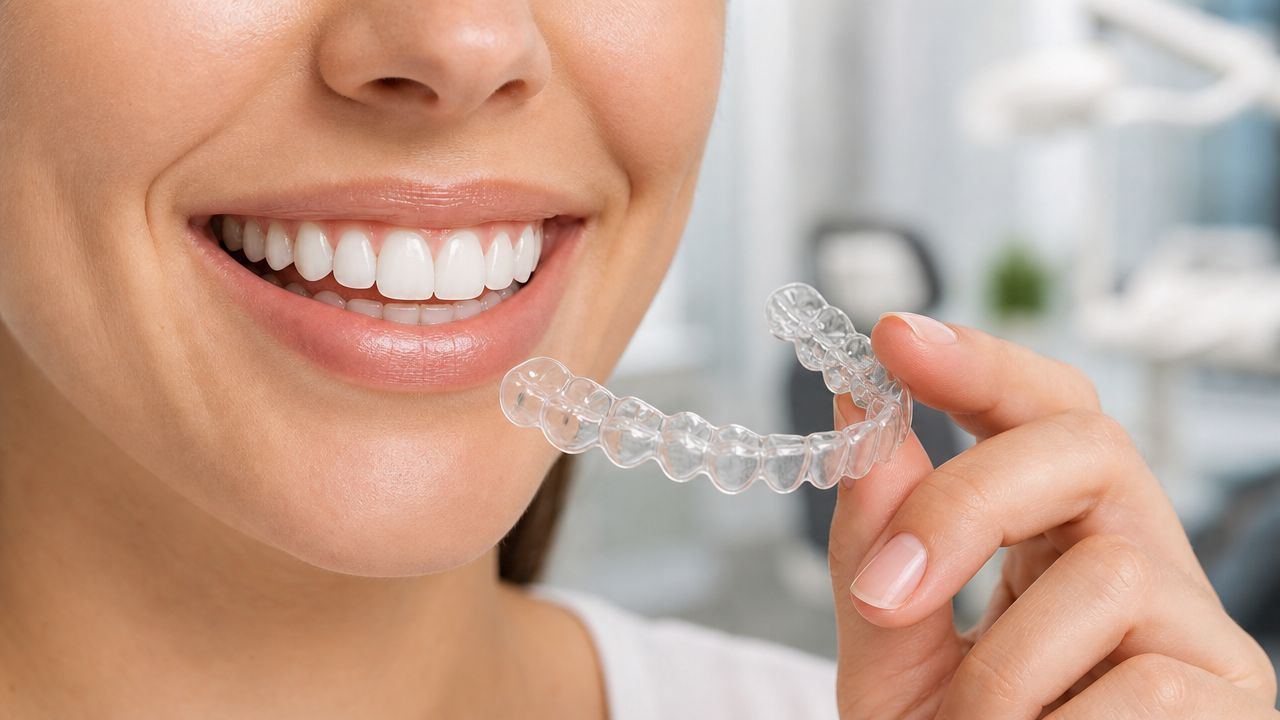
Digital models are also useful for orthodontic treatment. For teens and adults considering braces or clear aligners, a scan helps create the starting record of tooth position and bite relationships.
That means no messy molds for many patients beginning orthodontic care. It also gives the dental team a detailed baseline for discussing what needs to move and what the final alignment should support.
Restorative and emergency care
Not every patient arrives thinking about smile design. Some come in because a filling failed, a tooth cracked, a crown came off, or pain suddenly made the problem impossible to ignore.
In those moments, digital scans help restorative dentistry move forward with better information. A clearer digital record supports crowns, bridges, and other custom restorations. For patients seeking tooth extraction, follow-up replacement planning, or an emergency dentist in Austin or Georgetown, that can make the path from urgent problem to lasting solution feel much more organized.
For a broader look at the tools behind this workflow, modern dental technology in clinical care shows how scanners, digital imaging, and related systems support diagnosis and treatment planning.
The Precision and Limitations of Digital Technology
Digital dentistry works best when patients hear the strengths and the limits clearly. The strength is precision. The limit is that no tool is ideal for every case.
That balanced view matters. People trust technology more when the dental team is honest about when to use it and when another approach may produce a better result.
Where digital impressions excel
For many restorations, digital scanning offers a highly precise model of the teeth and bite. That supports better planning, easier review, and fewer unpleasant surprises later in treatment.
Single-tooth restorations are a good example. If a dentist can capture a clean, readable digital model, the restoration process often becomes more predictable. The team can inspect the scan immediately and correct missing areas before moving on.
Where dentists still need judgment
Some cases are more demanding. A 2026 narrative review on the limits of digital impressions confirms that while digital impressions are the standard for most restorations, they face limitations in cases with deep subgingival margins or certain long-span prostheses, where traditional methods may still provide more predictable accuracy.
That doesn't mean digital technology failed. It means clinical judgment still leads the process.
The best dental care doesn't force every case into one method. It chooses the method that gives the patient the most reliable result.
Why that honesty helps patients
If your dentist says a digital scan is ideal for your case, that's reassuring. If your dentist says a conventional impression may work better for a very specific area below the gumline, that's also reassuring. Both answers show that treatment decisions are being made for accuracy, not for marketing.
For patients in Austin, Georgetown, Cedar Park, and Round Rock, that's an important distinction. A modern office should use advanced tools, but it should also know when a traditional technique still has value.
That's what precision really means in dentistry. Not just high-tech equipment, but the skill to choose the right approach for the tooth in front of you.
Your Digital Dentistry Questions Answered
Patients who are ready to book usually have a few final questions. Most of them aren't about the scanner itself. They're about cost, insurance, timing, and whether the office can make the process smoother from beginning to end.
Will insurance help cover treatment that uses digital impressions
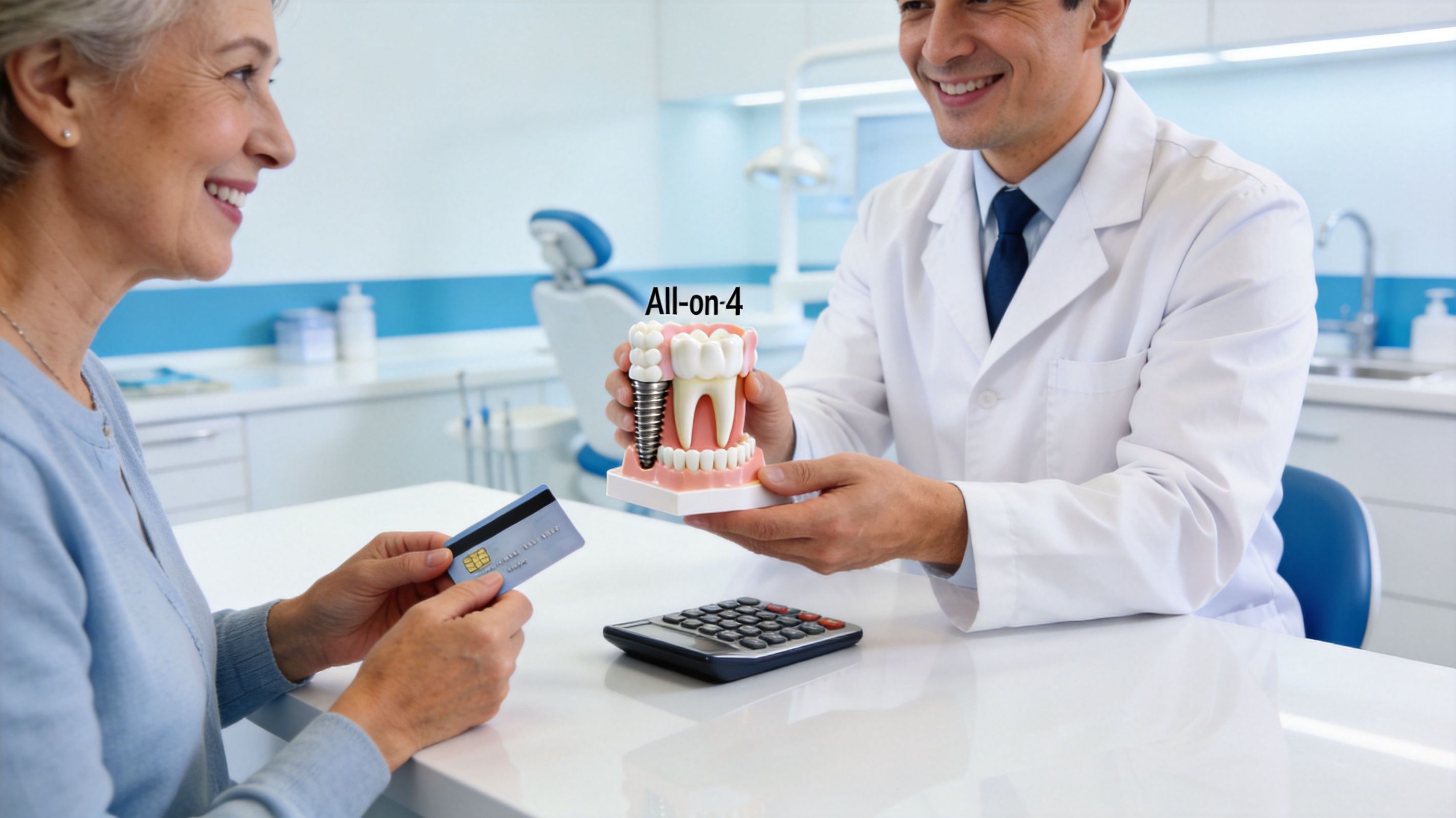
Insurance plans typically cover eligible dental treatment based on the service being performed, not because a practice used a digital scanner instead of putty. Coverage can vary for crowns, bridges, implant work, orthodontics, and other restorative services, so it's smart to ask for a benefits review before treatment starts.
Many offices in Austin and Georgetown can help verify benefits and explain payment options in plain language. That's especially helpful when you're planning larger treatment such as implants, cosmetic restorations, or care after a dental emergency.
Why does an in-house lab make such a difference
An in-house lab can tighten the connection between the scan, the design process, and the final restoration. Instead of sending everything farther down a long outside chain, the clinical team and lab team can work more directly from the same digital information.
That often supports faster turnaround, closer quality control, and easier refinements when needed. For patients, the result is simple. The process tends to feel more coordinated.
Is digital dentistry just a trend
No. It's becoming standard care in a very real way. The global digital dental impression market is projected to more than double, reaching USD 4.71 billion by 2035, according to digital dental impression market projections. That kind of projected growth reflects a broad move toward digital workflows for accuracy and efficiency.
Digital impressions are worth asking about for those seeking a dentist near me in Austin, TX or Georgetown, TX. They can make care easier whether you need routine dental care, cosmetic dentistry, restorative dentistry, or dental implants.
If you're ready for a more comfortable, more precise dental visit in Austin or Georgetown, 3D Dental offers advanced digital scanning, 3D imaging, and an in-house lab that help turn modern technology into a better patient experience. Whether you need a new patient exam, emergency dentist care, cosmetic dentistry, restorative treatment, or dental implants near me, their team can walk you through your options clearly and help you schedule the next step.
Ready to get started?
Schedule a free, no obligation consultation with our team and see what's possible for your smile!
Georgetown
- Mon-Thurs8:30am-5pm
- Fri8am-3:30pm
- Sat-SunClosed
Austin
- Mon-Tues8am-5pm
- Wed-Thurs9am-6pmFri8am-2pm
- Sat-SunClosed