
Smile Makeover Austin: Get Your Perfect Smile
Related Posts





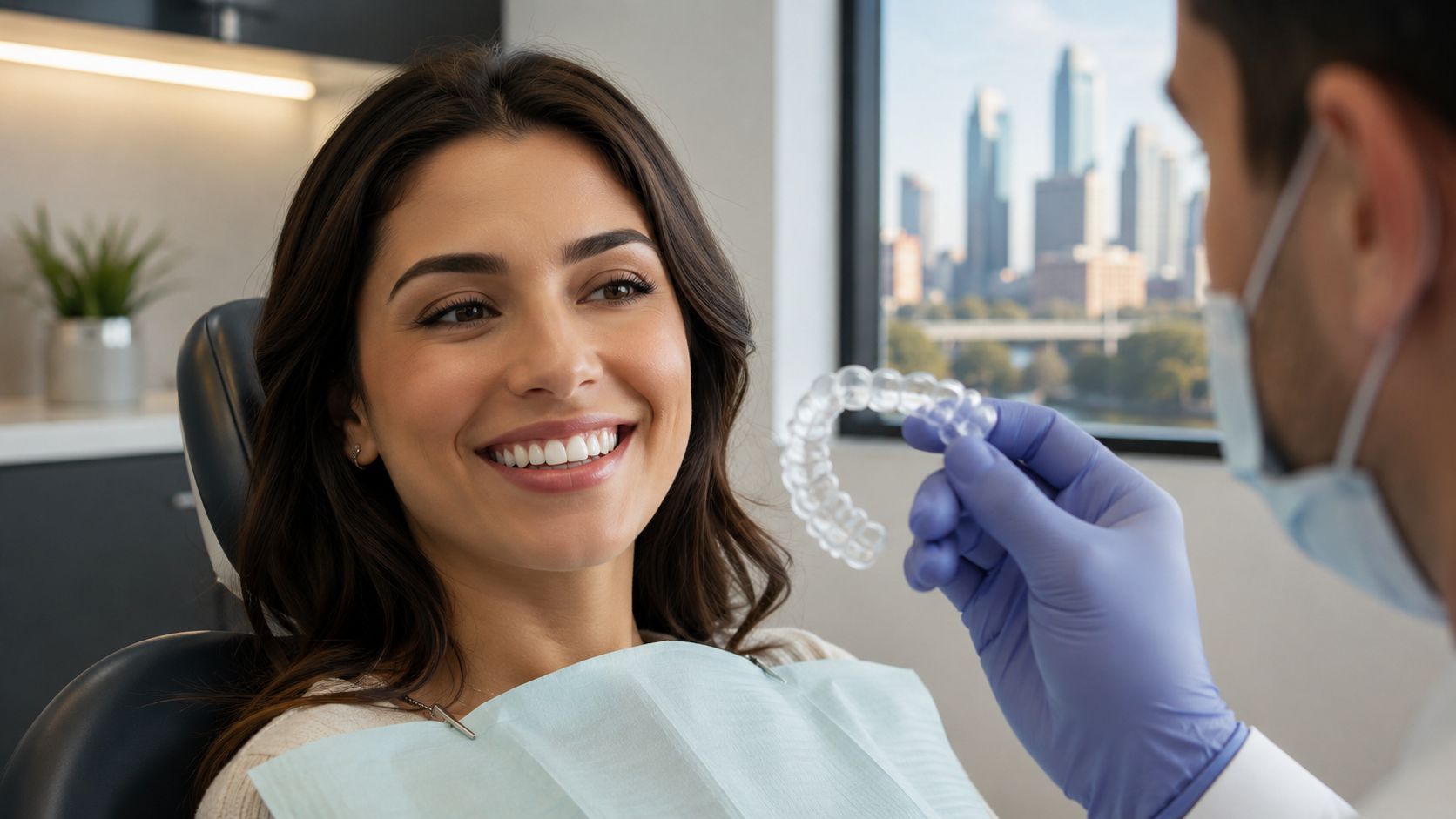
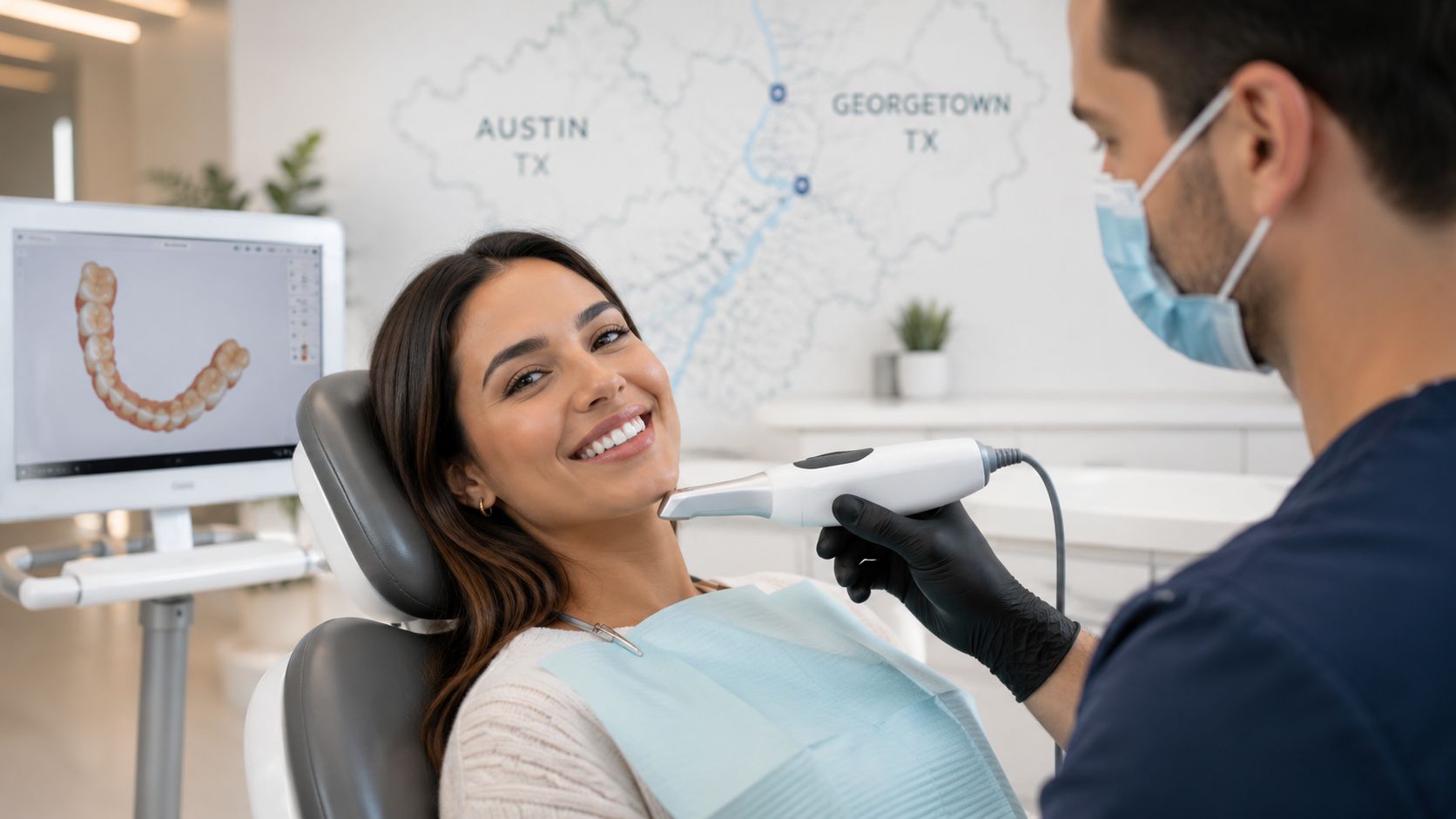
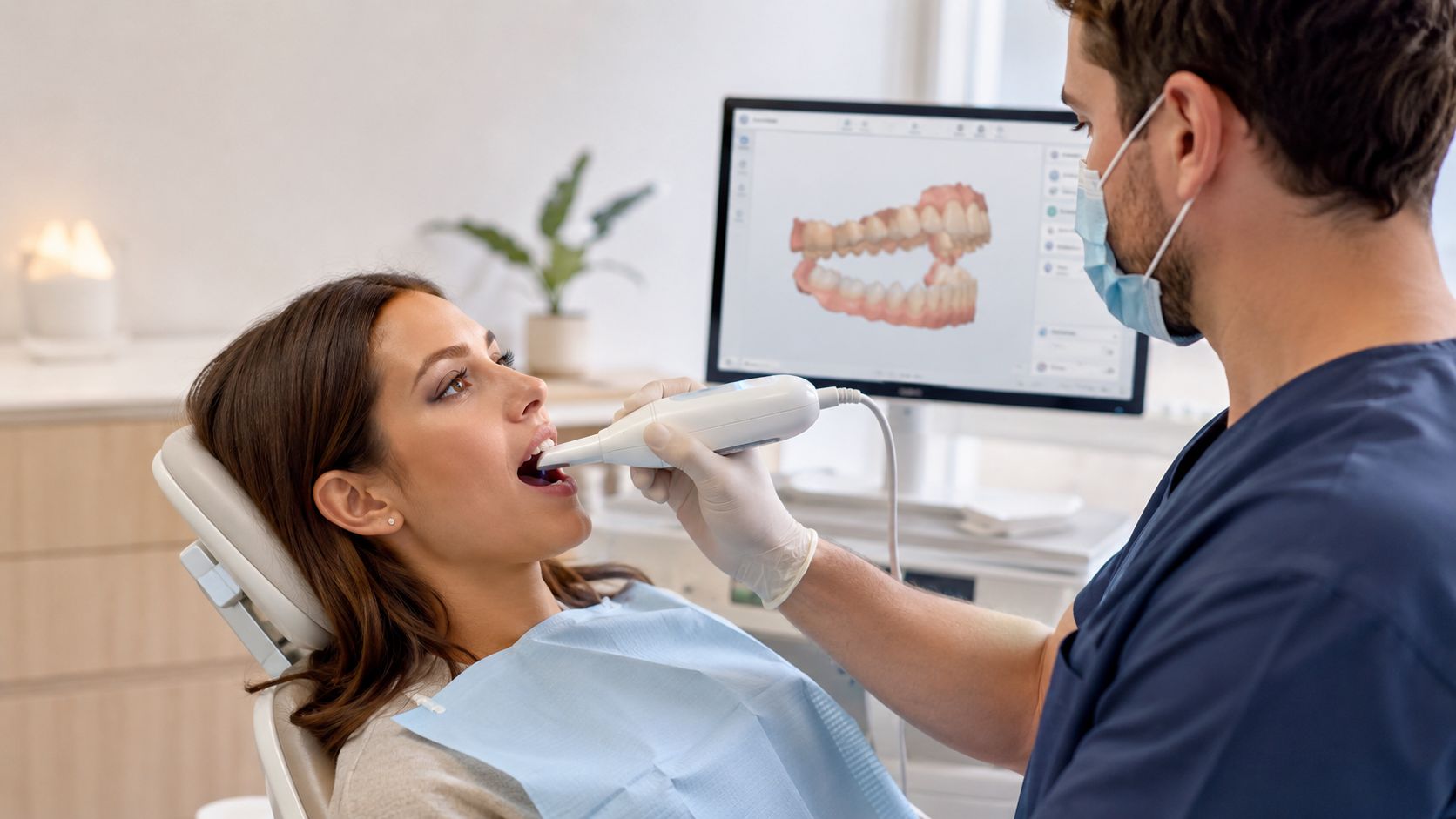

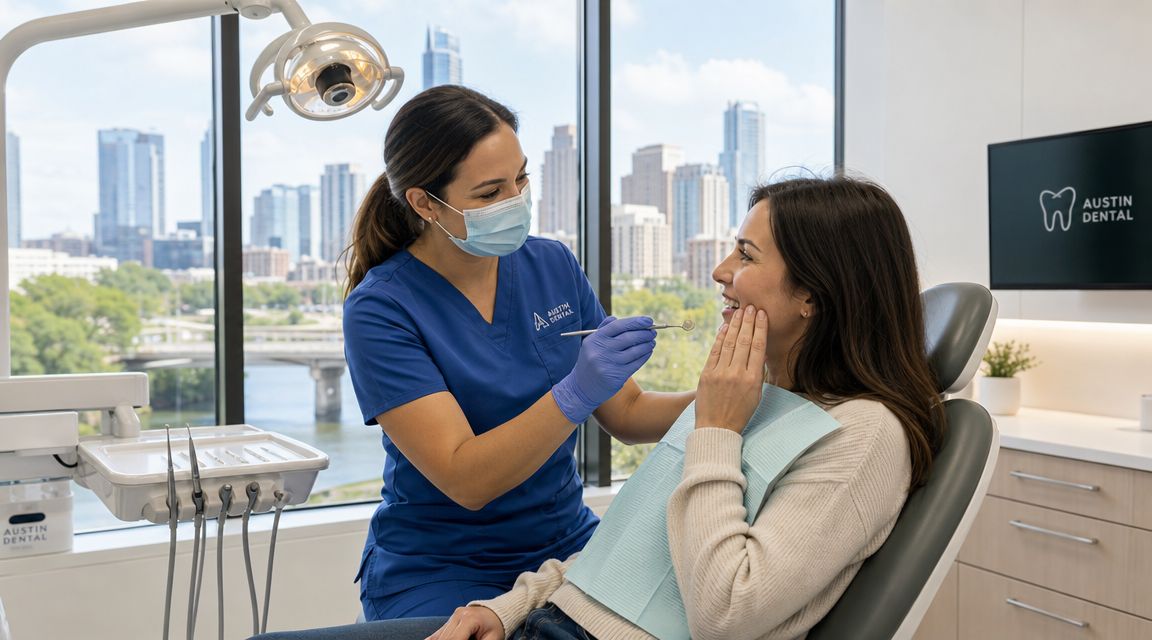
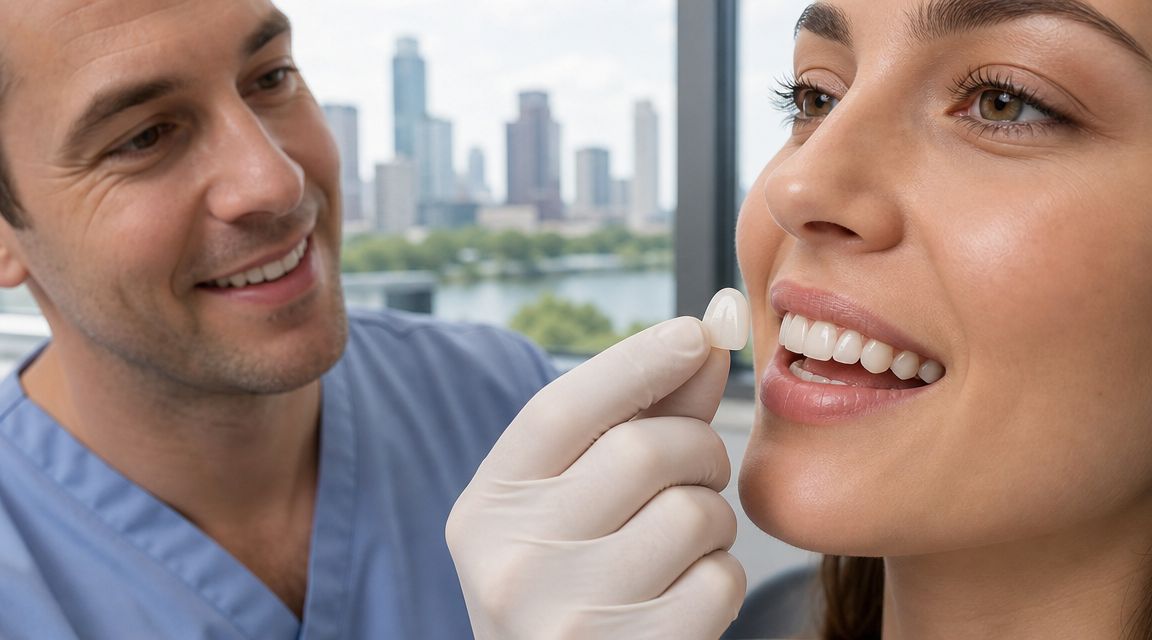
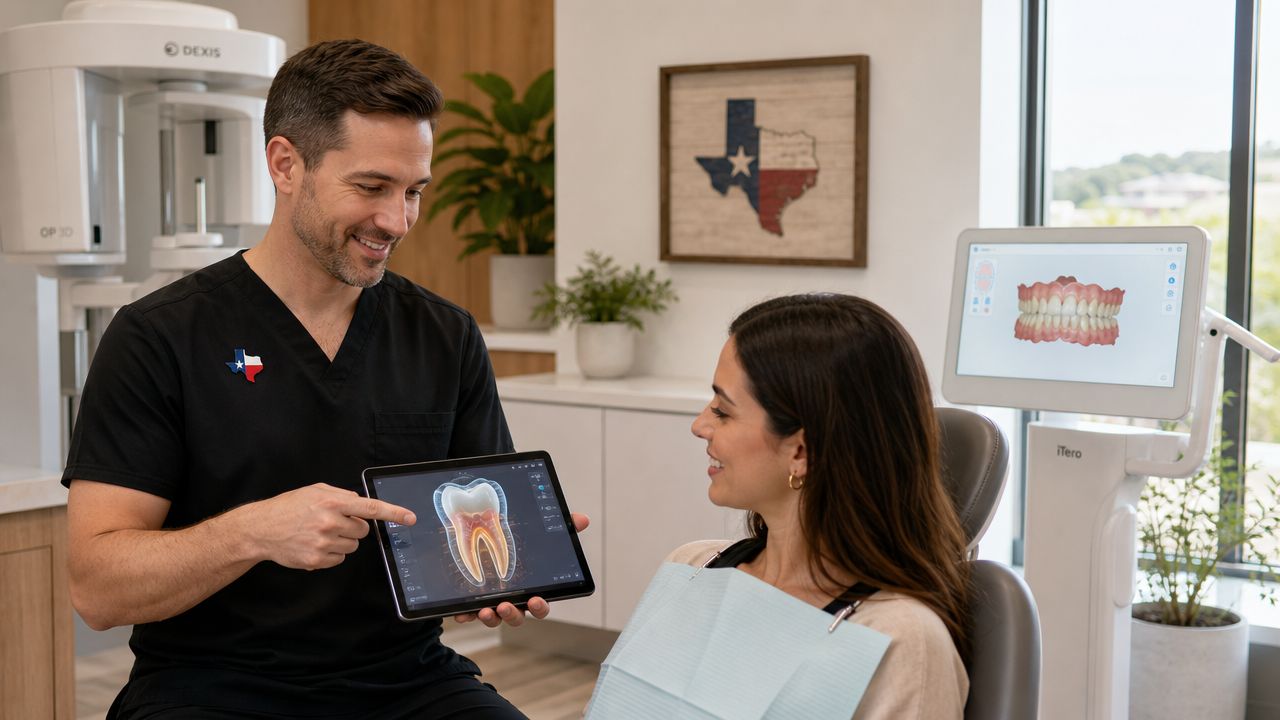
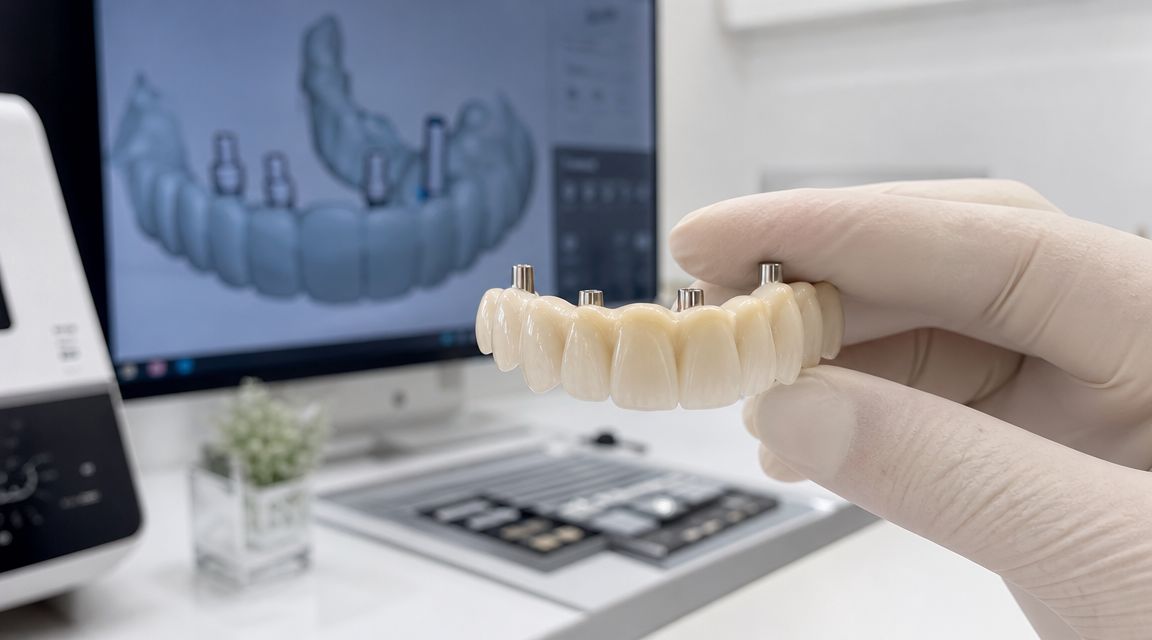
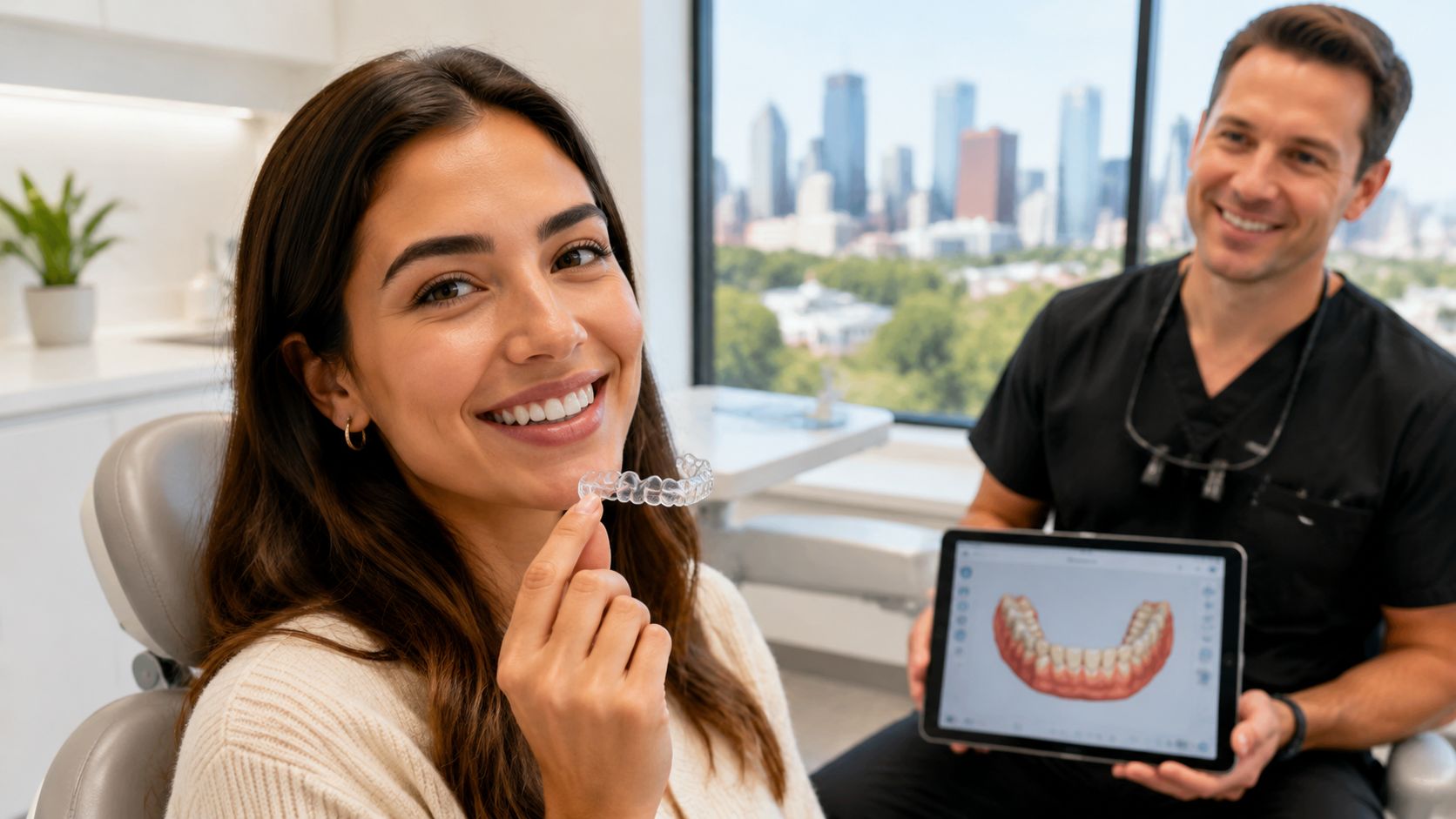
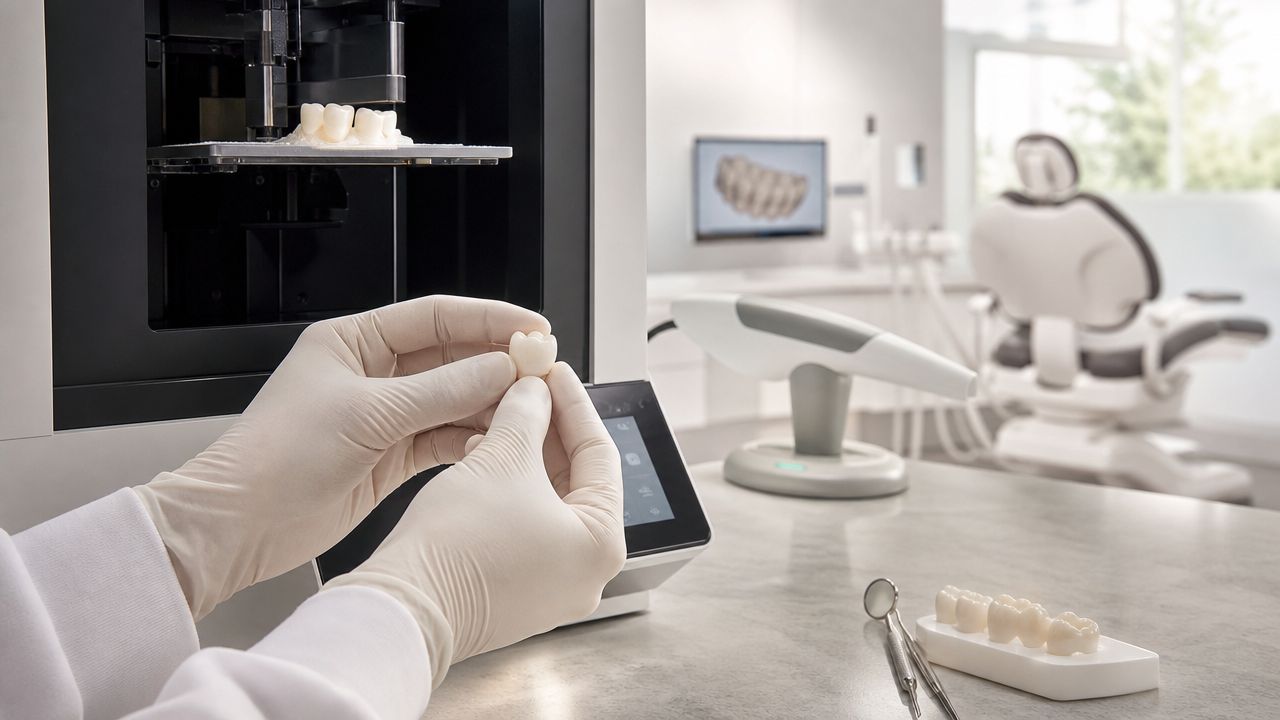
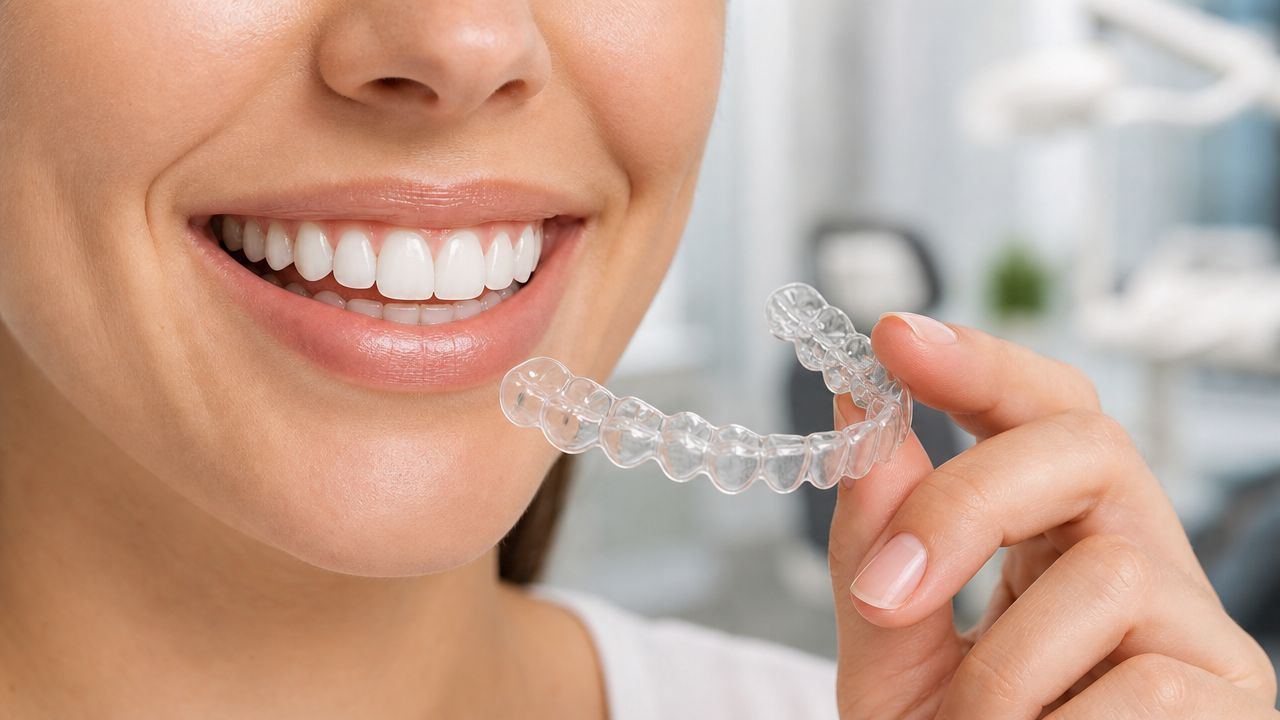

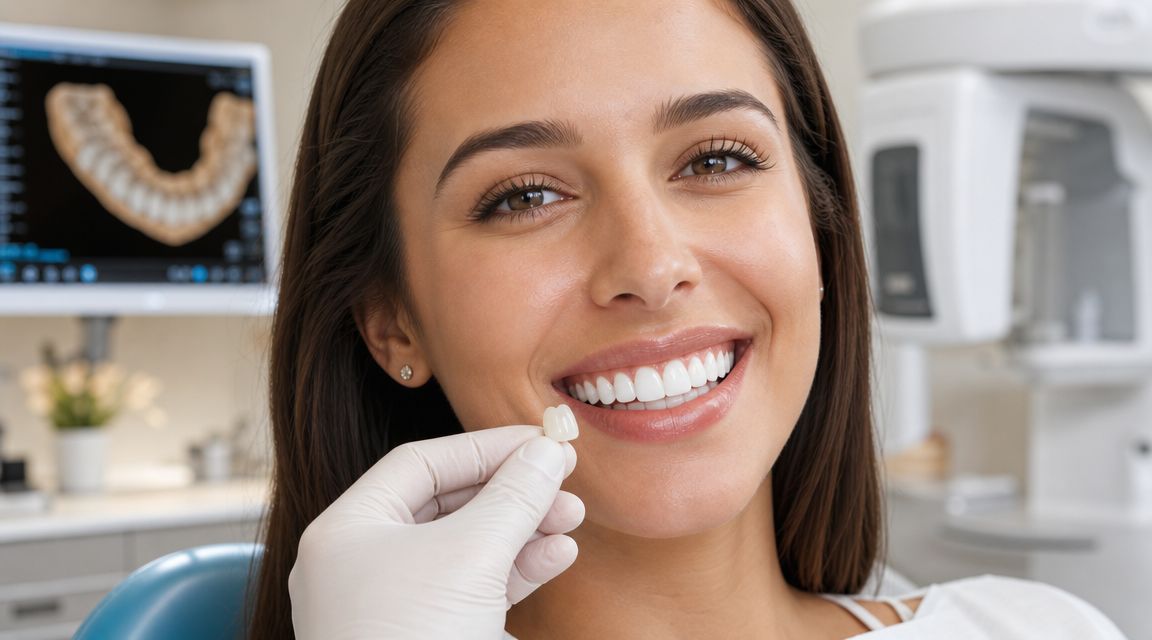

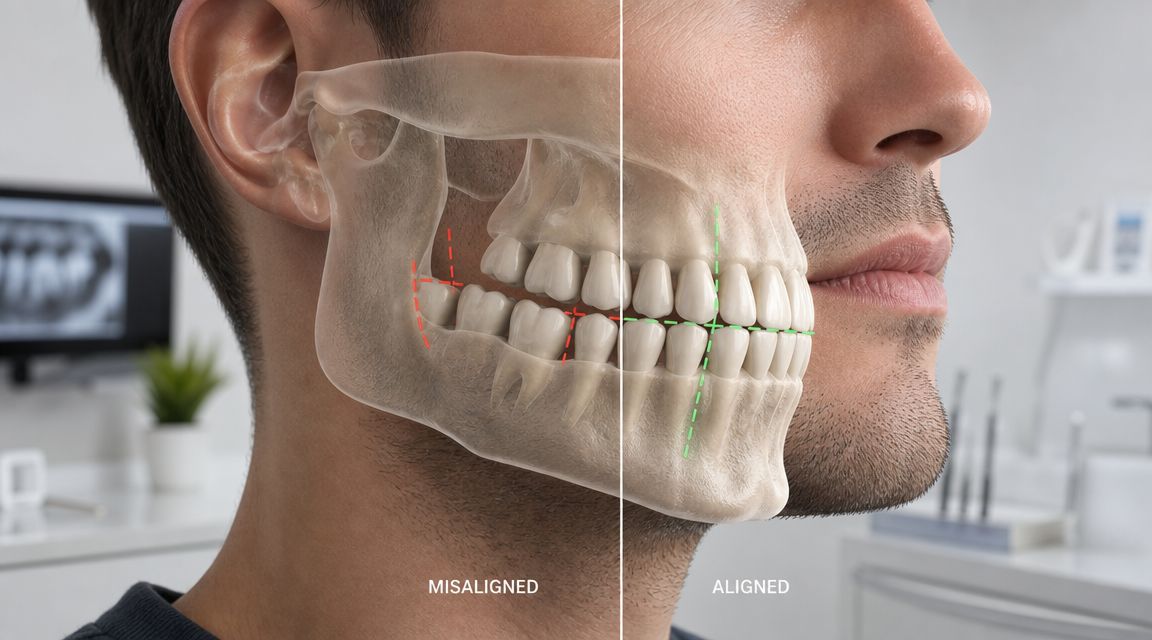

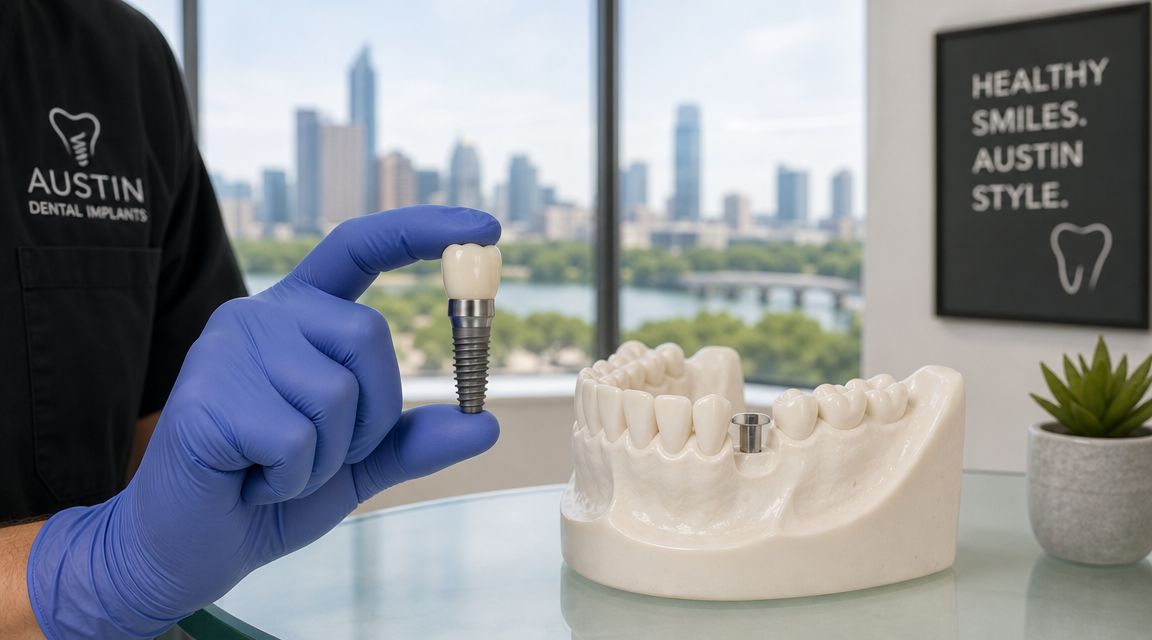








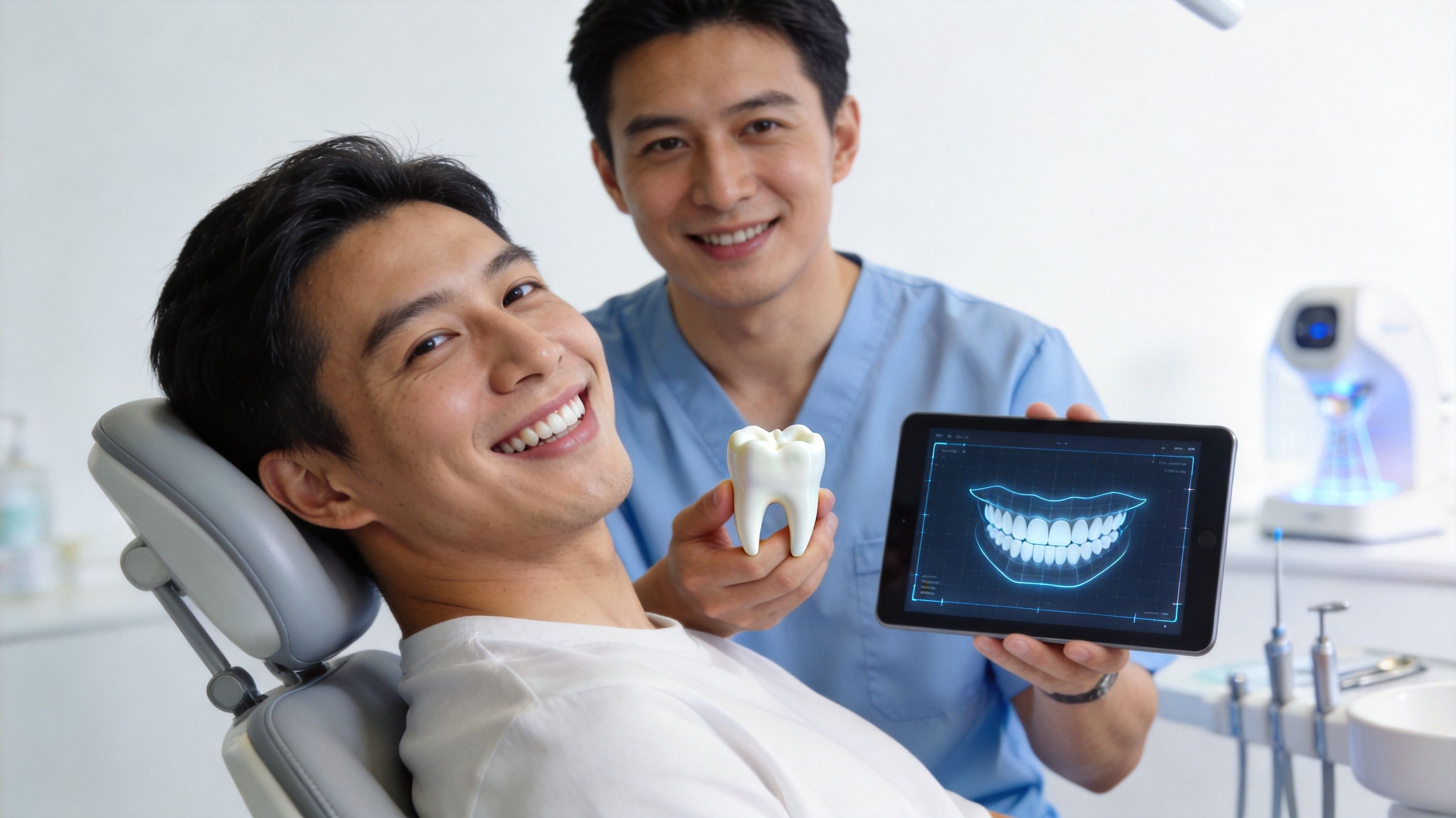

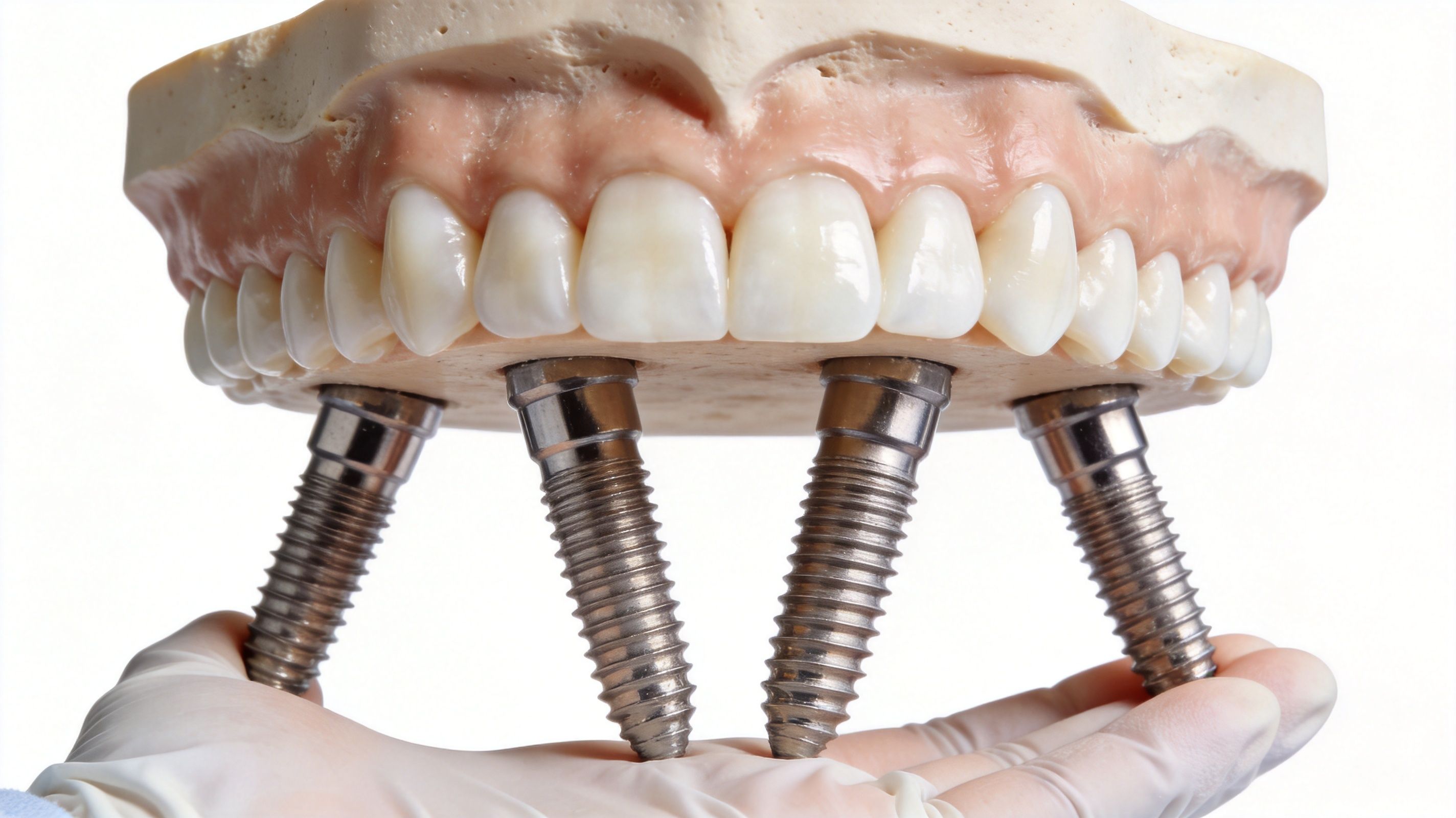
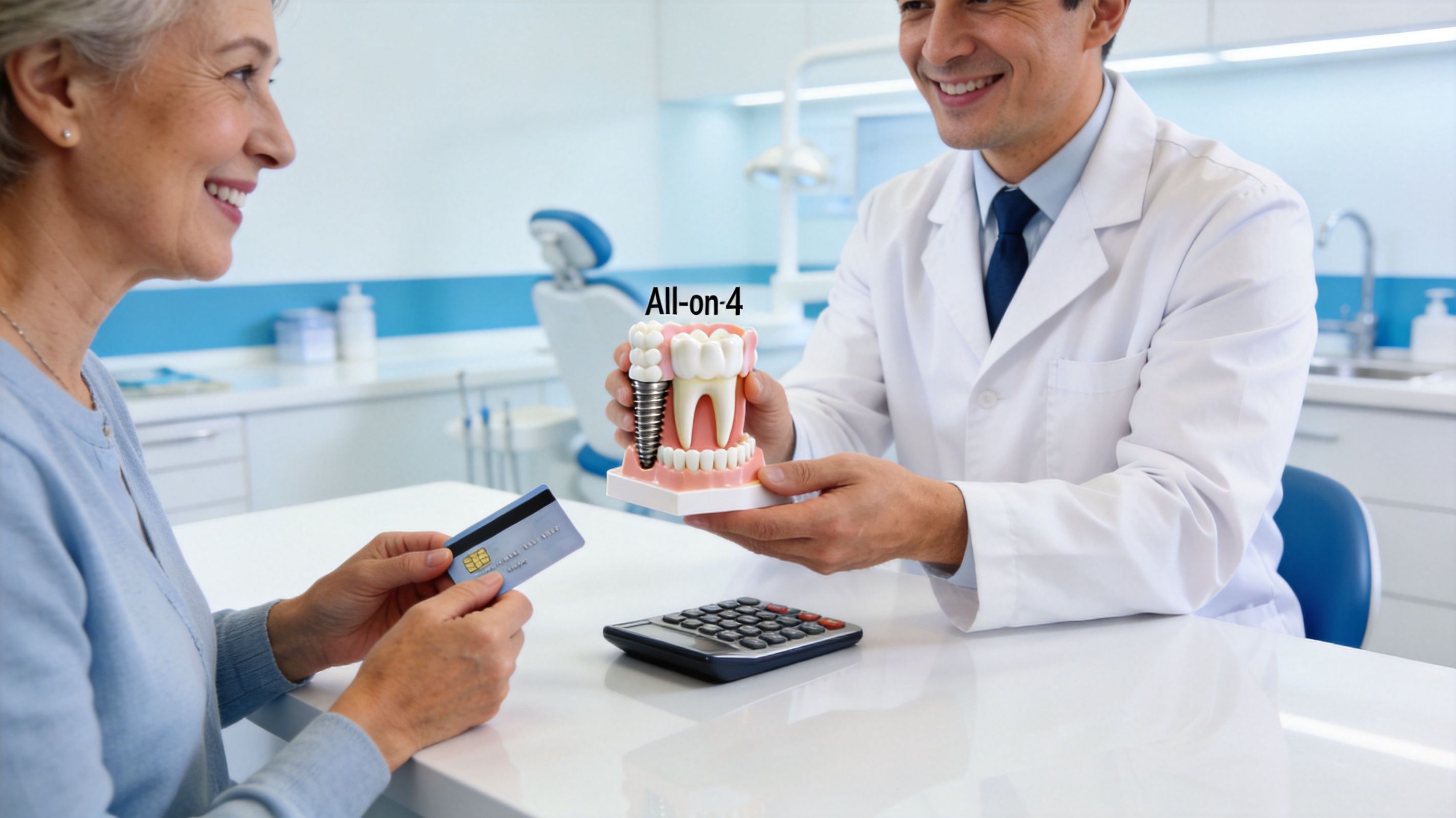



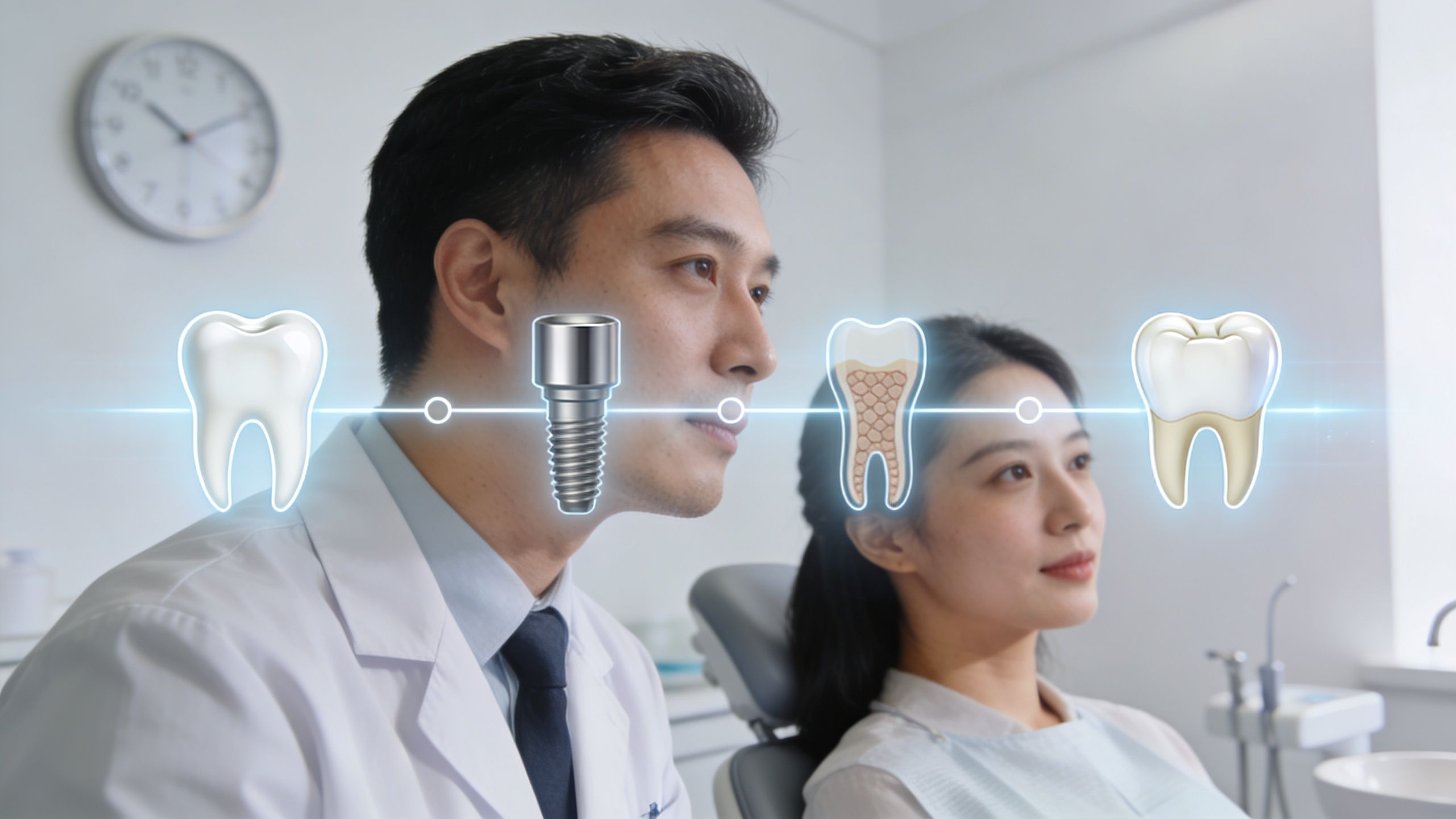

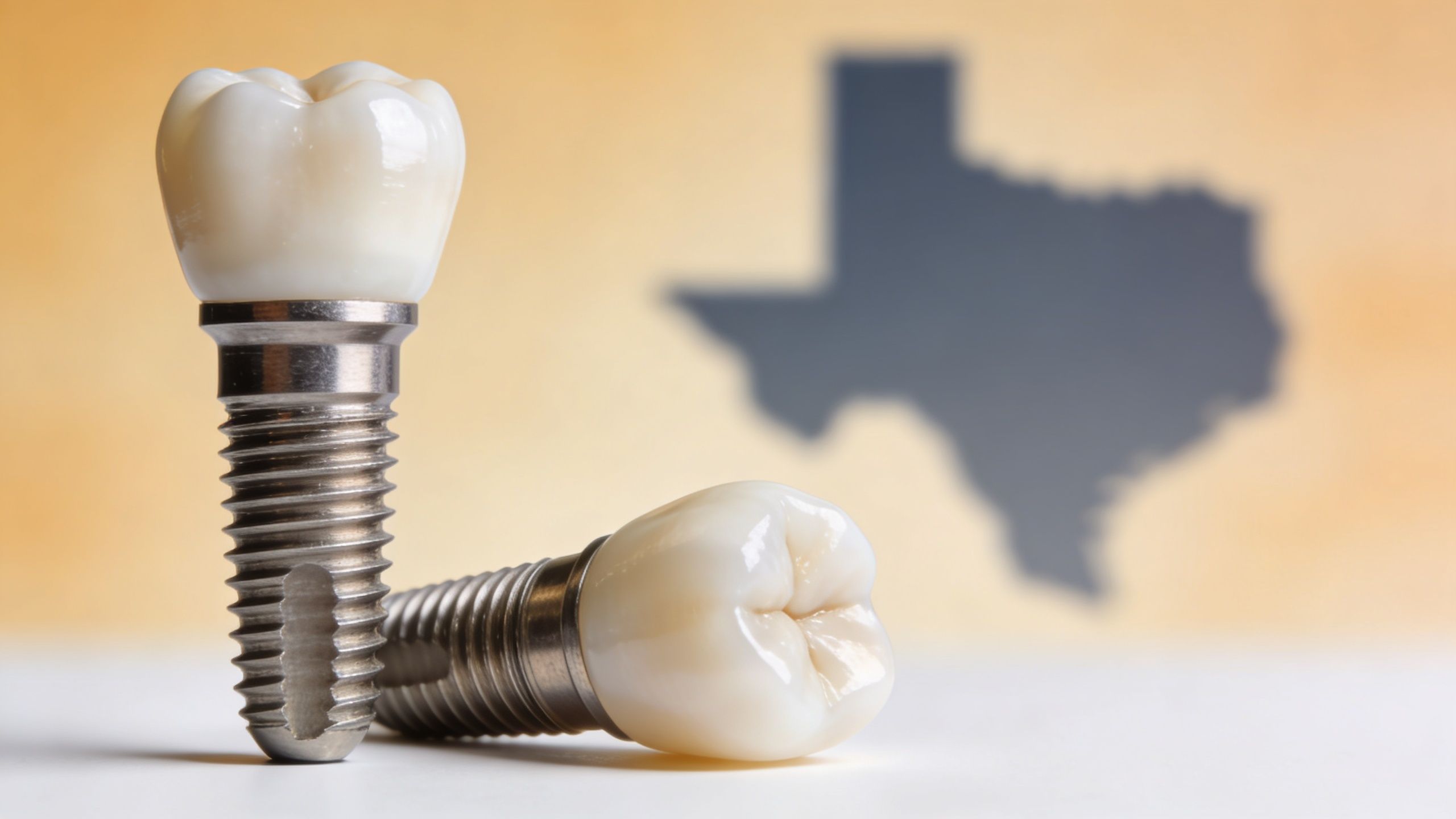
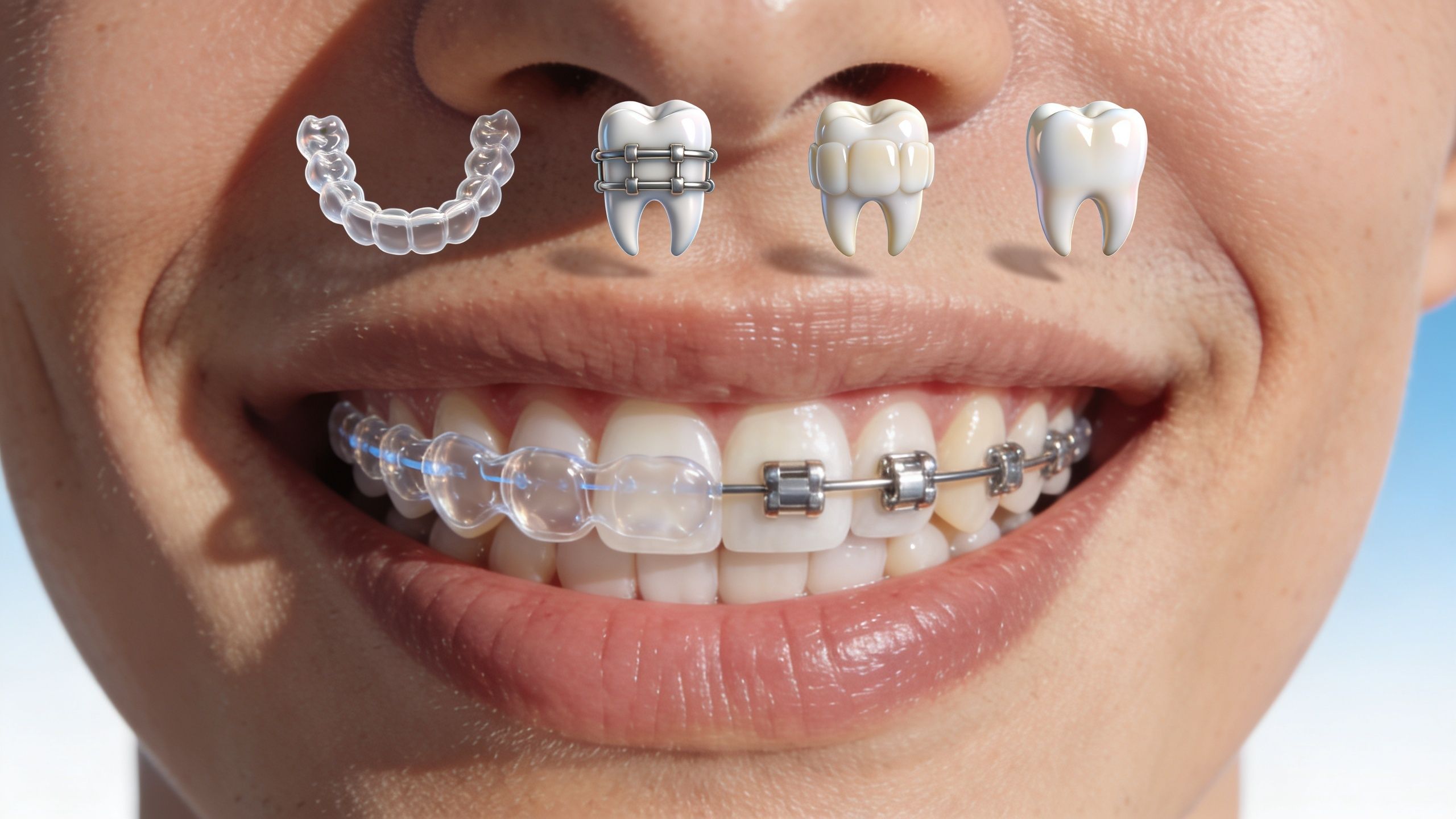


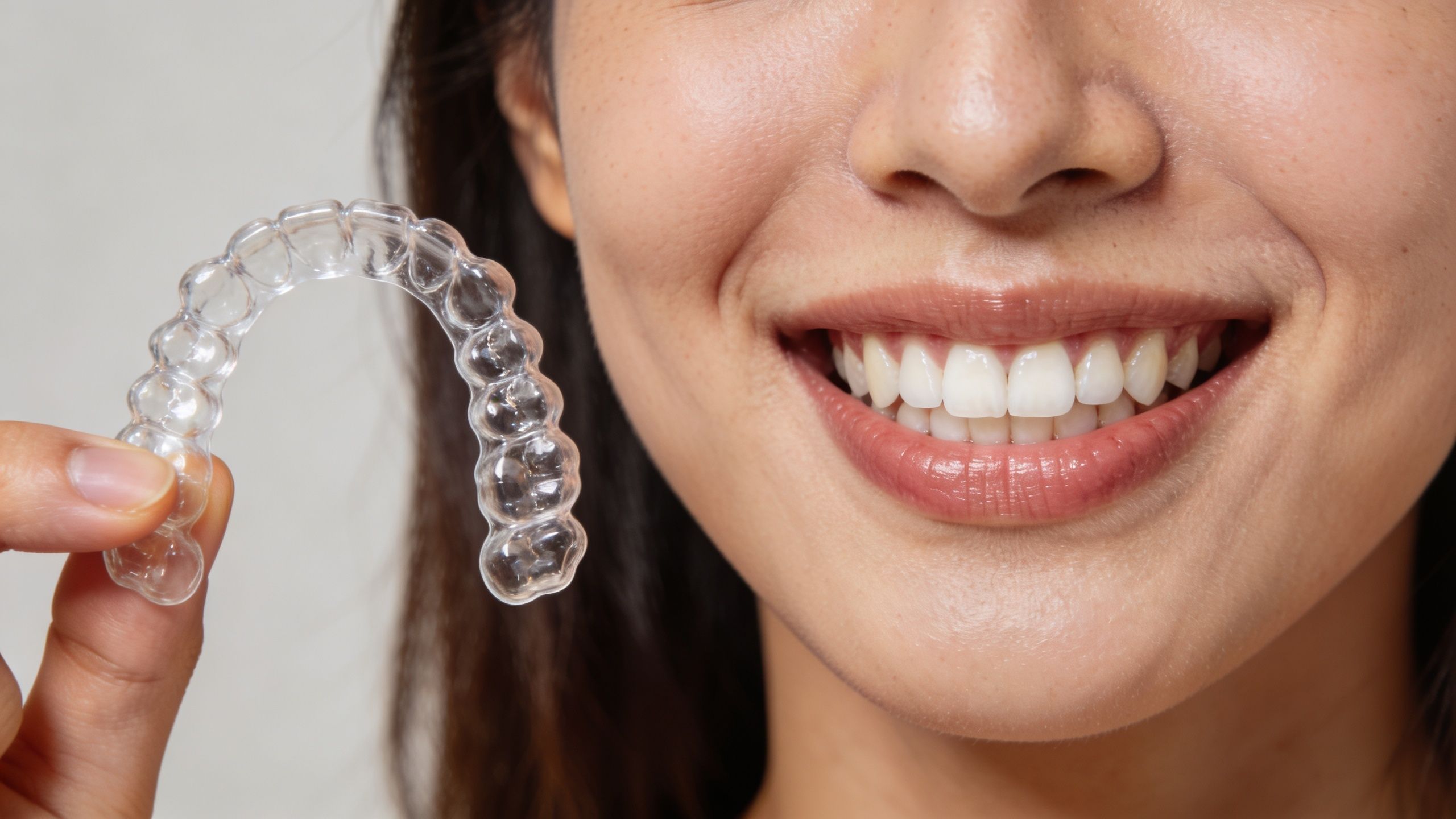
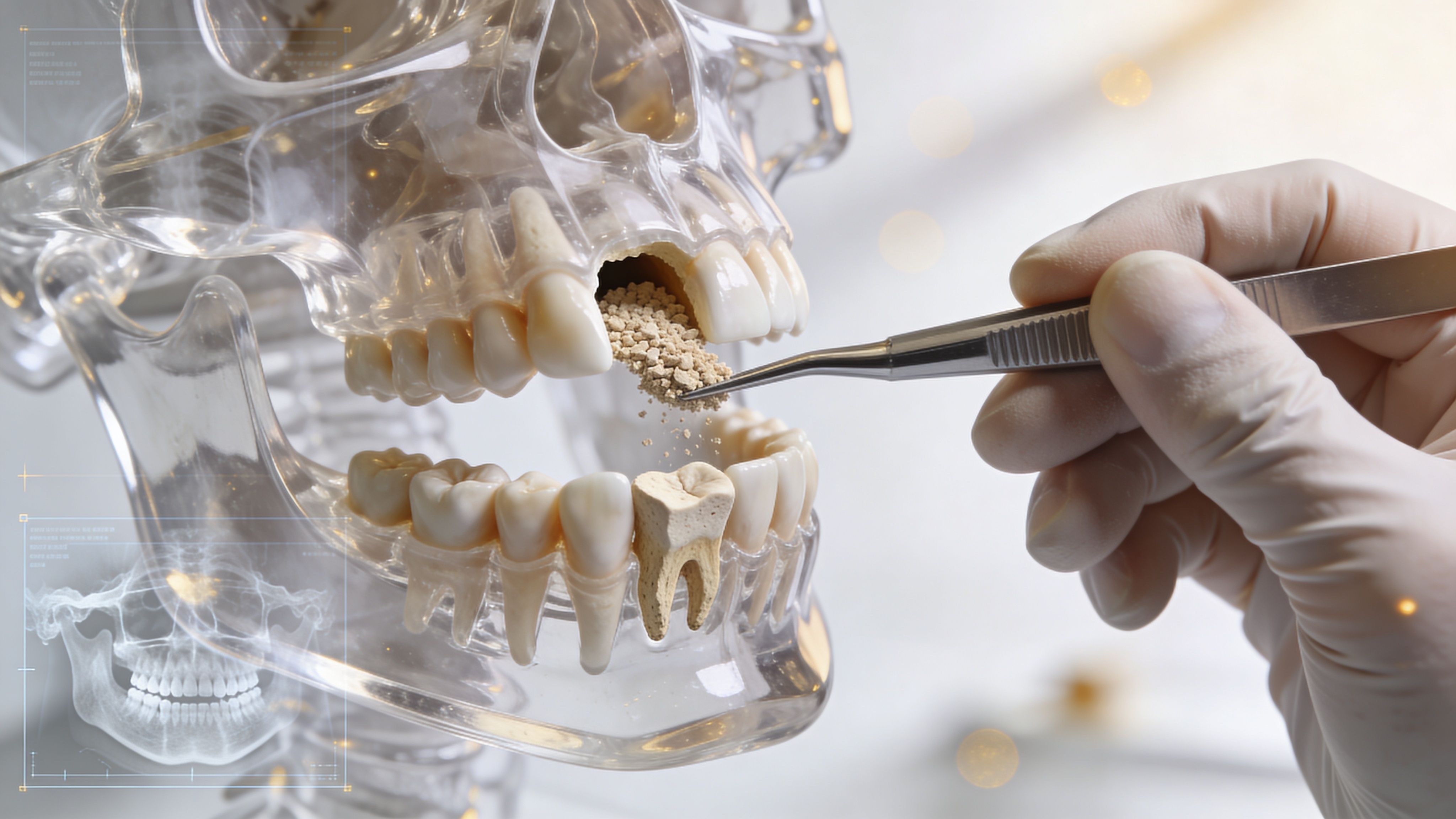



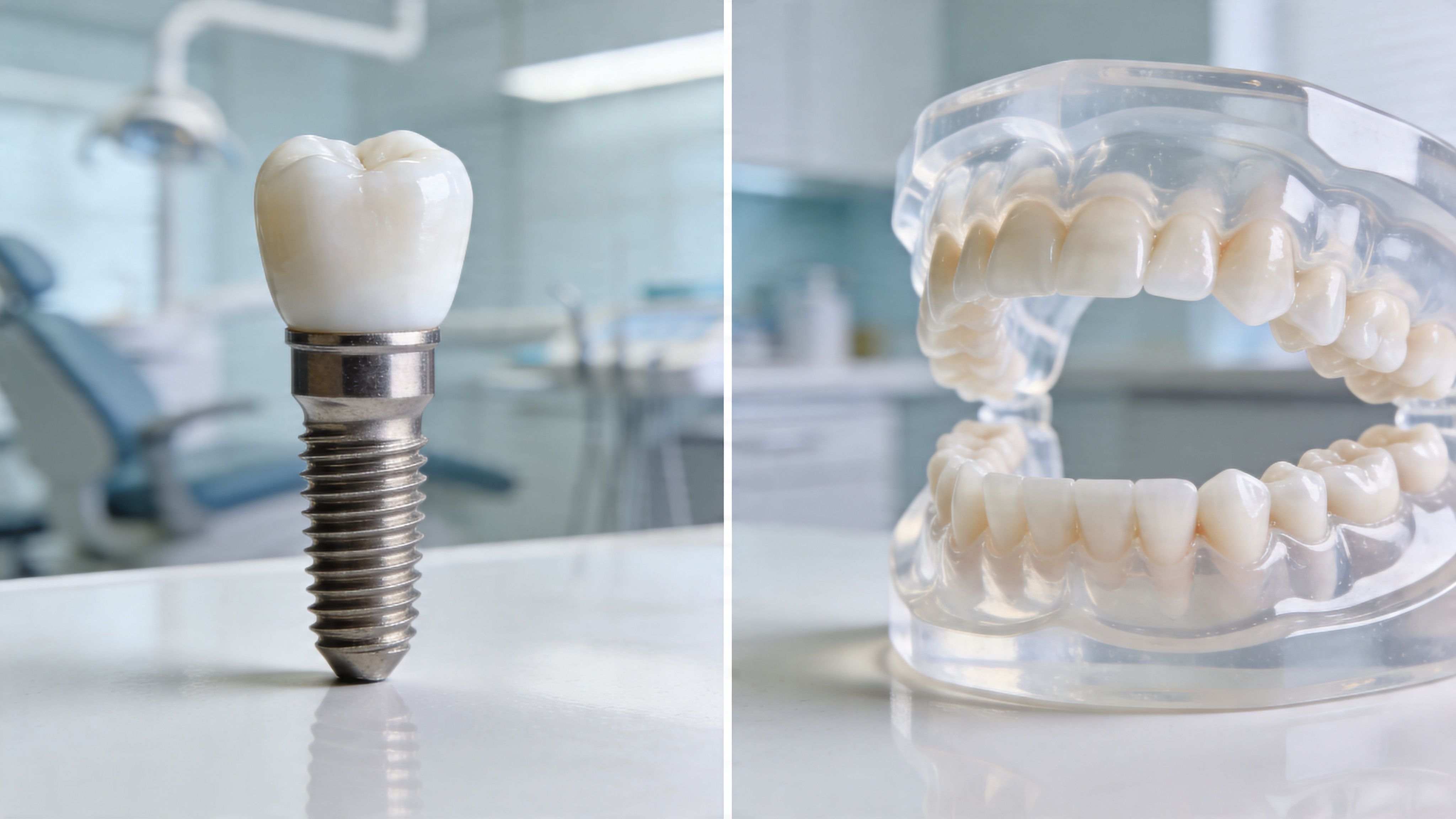

A lot of people start looking for a smile makeover in Austin after years of doing small things to hide their teeth. They smile with their lips closed in photos. They angle their face during conversations. They keep telling themselves they'll deal with the chip, spacing, stains, or worn edges later.
Later usually arrives when the smile starts affecting confidence more than expected.
Patients in Austin, Georgetown, Cedar Park, and Round Rock often come in with the same concern phrased in different ways. Some say, “I want my teeth to look clean and even.” Others want a brighter smile that still looks natural. Some are tired of patchwork dentistry and want one coordinated plan instead of unrelated fixes spread out over time.
Your Journey to a Confident Smile Starts in Austin
A smile makeover should never feel like buying a package off a menu. It should feel like building a plan around your face, your bite, your schedule, and what you want to see in the mirror.
That matters because two people can both ask for a “better smile” and need completely different care. One person may need whitening and bonding. Another may need aligners first, then veneers or crowns. Someone else may need to replace missing teeth before cosmetic work makes sense.

What patients are usually trying to fix
Most smile makeover conversations start with one or more of these:
- Discoloration that doesn't respond well to store-bought products
- Chipped or uneven front teeth
- Gaps or crowding that draw the eye
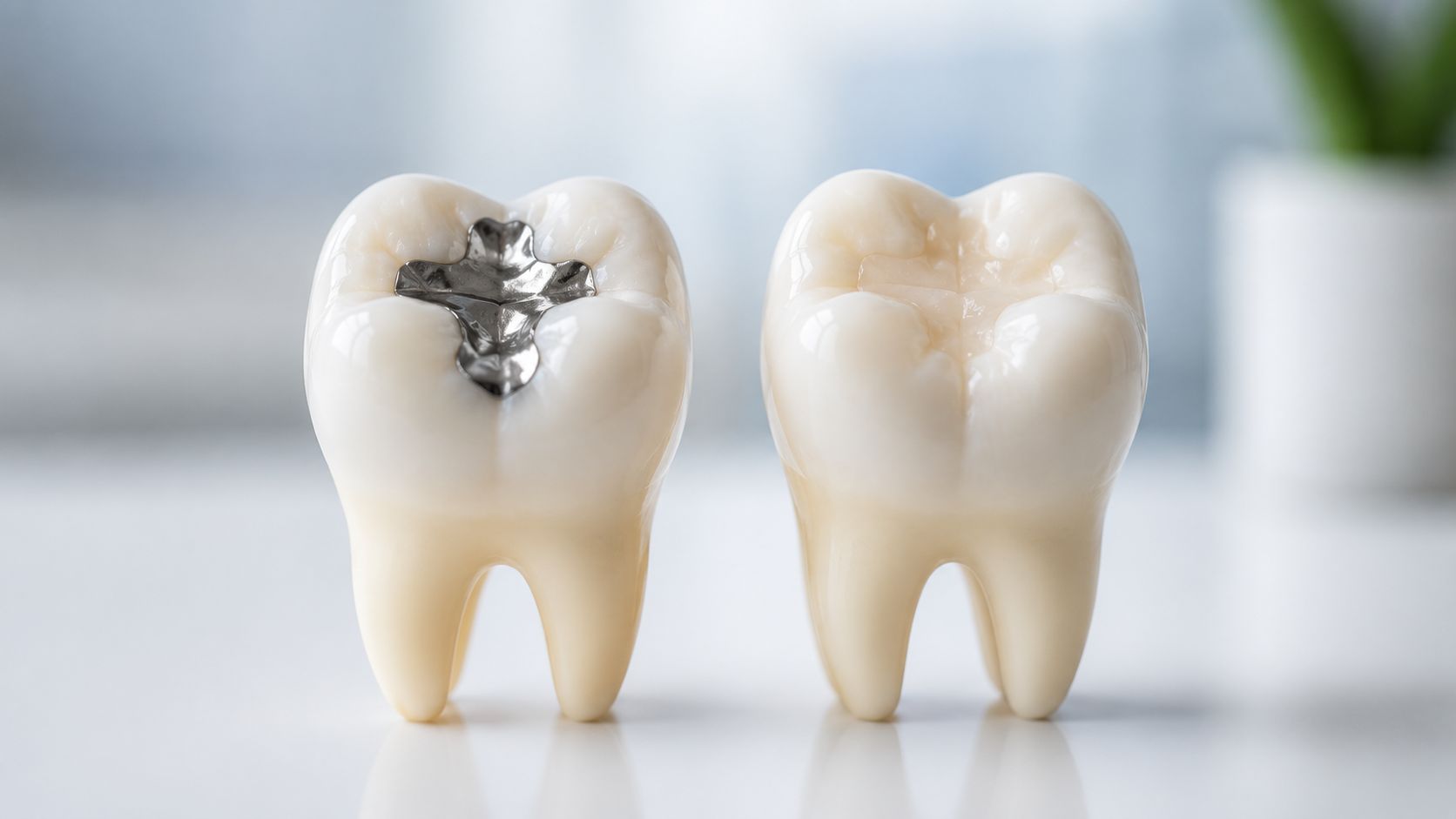
- Old dental work that no longer matches
- A smile that feels too small, flat, worn, or asymmetrical
- Missing teeth that affect both appearance and chewing
In real practice, these concerns often overlap. A patient may want whiter teeth, but alignment is what's making the smile look off. Another may focus on a single chipped tooth, but the deeper issue is bite wear across several teeth.
A good cosmetic plan starts with the reason your smile looks the way it does, not just the part that bothers you most.
A local plan, not a generic one
People searching for a cosmetic dentist near me or a dentist in Austin, TX usually want two things at once. They want a better-looking smile, and they want to feel sure the work will hold up.
That's why a smile makeover in Austin has to go beyond surface-level aesthetics. In a city where patients compare whitening, clear aligners, veneers, crowns, implants, and gum reshaping, the right plan is the one that balances appearance with comfort, maintenance, and long-term function.
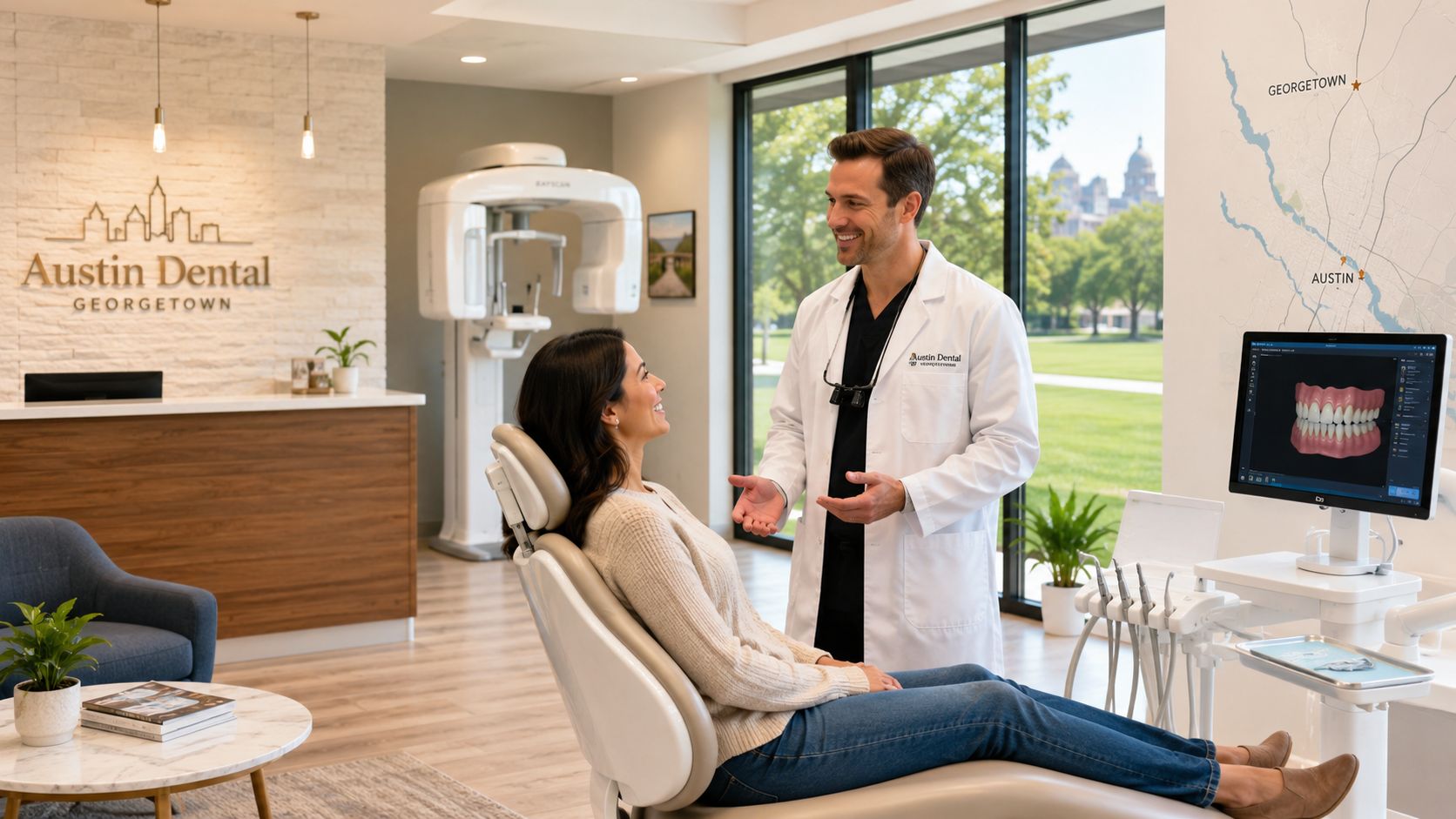
For patients coming from Georgetown, Wells Branch, Liberty Hill, or nearby North Austin neighborhoods, the process should feel organized and predictable from the start. You should know what's changing, why it's changing, and what the trade-offs are before treatment begins.
Understanding the Smile Makeover Process
A patient often comes in asking for one fix, whiter teeth, straighter teeth, or a veneer consult. After the exam, photos, and bite analysis, the answer is usually a staged plan. A smile makeover is a coordinated process built around appearance, function, timing, and budget.
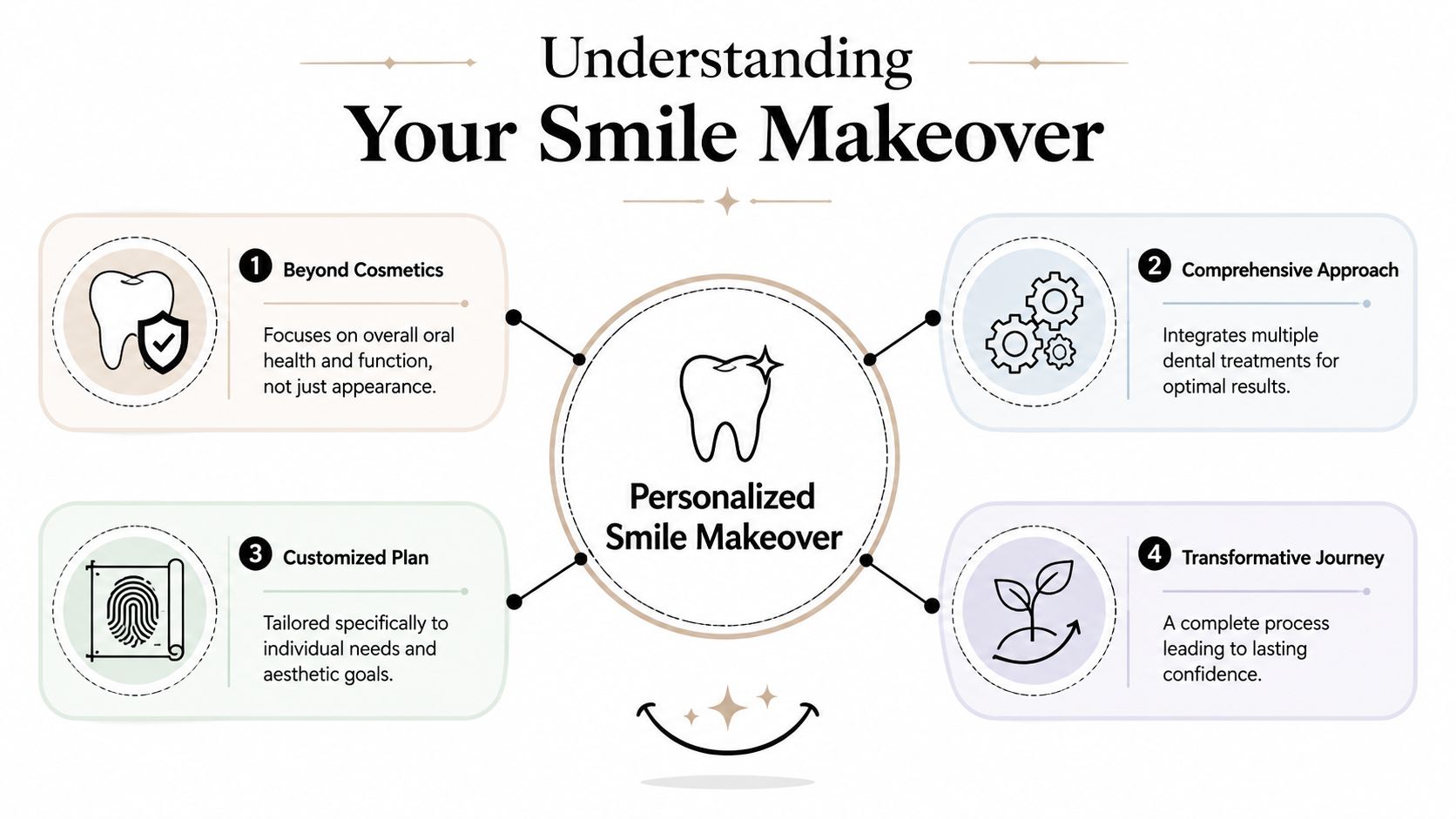
At our Austin and Georgetown offices, planning starts with a simple question. What result are you hoping to see in the mirror, and what do you want your teeth to feel like day to day? That matters because the right cosmetic plan is not always the fastest one, and the lowest upfront cost is not always the least expensive choice over time if work has to be redone.
Why sequencing matters
The order of treatment affects both the look and the longevity of the result.
Whitening usually comes before veneers, crowns, or bonding so new restorations can be matched to the brighter natural shade. If teeth need to be moved, clear aligners often come first. Placing cosmetic work on teeth that are still shifting can create mismatched edges, uneven spacing, or restorations that need to be replaced sooner than expected.
This is one of the biggest trade-offs patients face. Veneers can change a smile quickly, but a short orthodontic phase may let us preserve more natural tooth structure and create a cleaner final result. In other cases, restoring worn or broken teeth first is the better decision because the bite needs support before cosmetic refinements begin.
The best smile makeovers are planned in the right sequence, with a clear reason for each step.
What the plan is built around
A strong plan looks at more than shade and shape. It also accounts for how the teeth meet, how the lips frame the smile, and how the work will hold up with normal use.
| Focus area | What we evaluate |
|---|---|
| Color | Whether whitening should happen first and how natural teeth will blend with any planned restorations |
| Alignment | Crowding, spacing, rotations, and whether tooth movement would improve symmetry and conserve enamel |
| Shape and proportion | Tooth length, width, edge position, smile line, and facial balance |
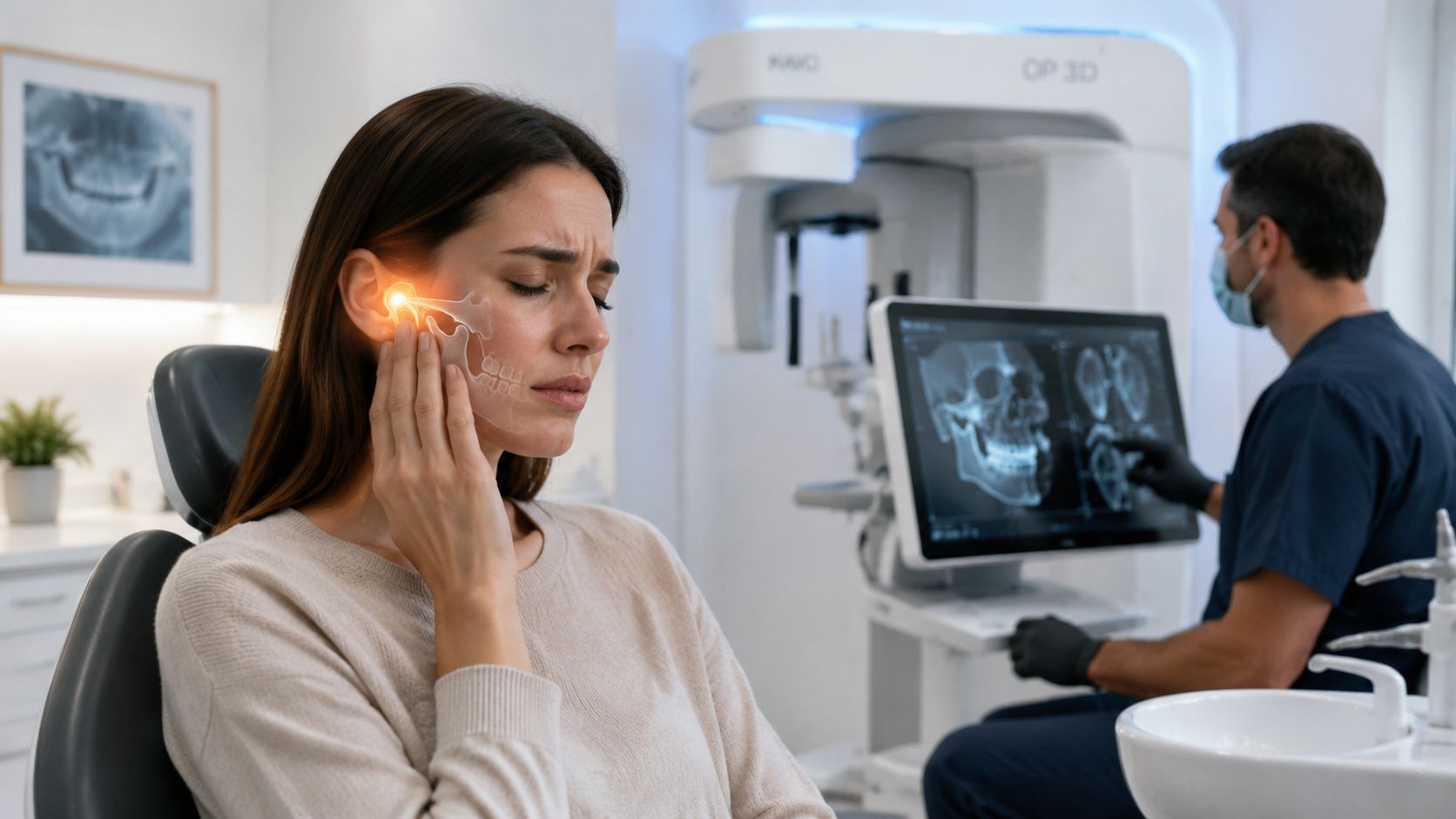
| Function | Bite pressure, wear patterns, clenching or grinding habits, and long-term stability |
| Maintenance and budget | Expected upkeep, replacement cycles, and whether a phased plan makes financial sense |
That last category deserves more attention than it usually gets. A good smile makeover plan should be honest about what needs maintenance, what may need replacement years from now, and whether staging treatment can spread out cost without compromising the result.
For patients who want to see how planning visuals and mockups can guide those decisions, our overview of digital smile design and why it's so useful explains how we preview changes before treatment begins.
How long a smile makeover takes
Timelines vary because the treatment mix varies.
A simpler case with whitening and bonding may move quickly. A case that includes orthodontic movement, gum reshaping, veneers, implants, or replacement of older dental work will take longer because each step depends on healing, lab work, or tooth movement being completed first.
Patients usually feel more comfortable once they understand why the timeline is spread out. The goal is not to make the process longer. The goal is to avoid rushing into cosmetic work before the foundation is ready. That approach protects your investment and reduces the chance of redoing treatment later.
A well-planned smile makeover should feel organized from the start. You should know what happens first, what can wait, what each phase is meant to accomplish, and how those decisions affect total cost over time.
Building Your Perfect Smile Common Procedures
Most smile makeovers are built from a few core treatments. The right combination depends on what's bothering you and what's causing it.
Some patients need one high-impact cosmetic service. Others need several smaller changes that work together.
Veneers, bonding, and whitening
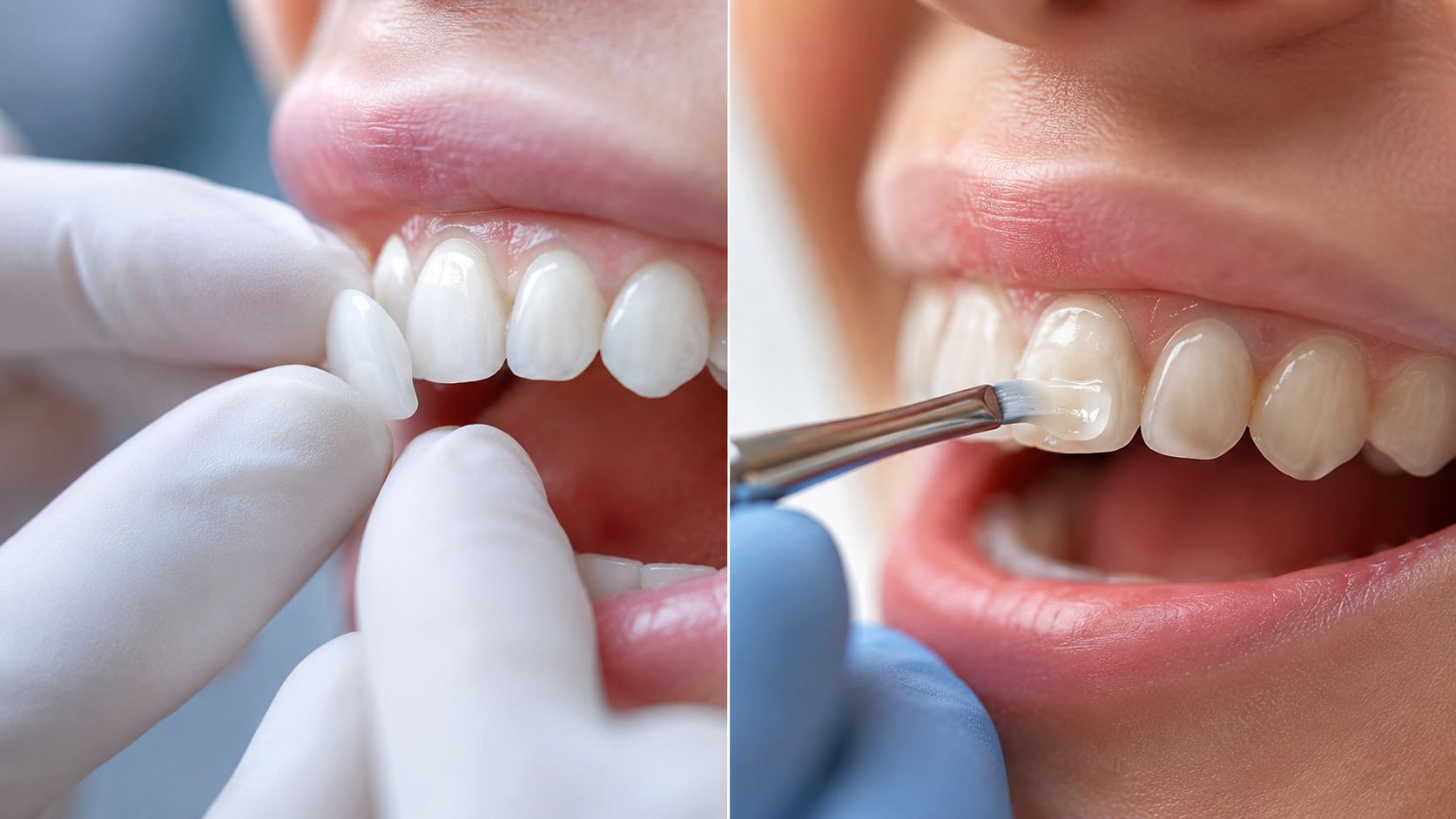
Porcelain veneers are often chosen when patients want to change shape, color, size, or minor spacing in a major way. They can be a strong option for teeth that are healthy enough structurally but don't look balanced or bright enough.
They are not ideal for every situation. If teeth are significantly crowded, the bite is unstable, or the patient grinds heavily without protection, veneers alone may not be the smartest first move.
Composite bonding works well for smaller chips, uneven edges, and modest shape changes. It's a more conservative option in many cases and can be especially useful when the goal is targeted refinement instead of a full redesign.
Professional whitening is often the simplest upgrade, but it works best when the underlying issue is color alone. It won't close gaps, correct worn edges, or fix teeth that look mismatched because of shape.
If a patient says, “I want a brighter smile,” the follow-up question is whether brightness is the real issue or just the most obvious one.
Invisalign, crowns, and gum contouring
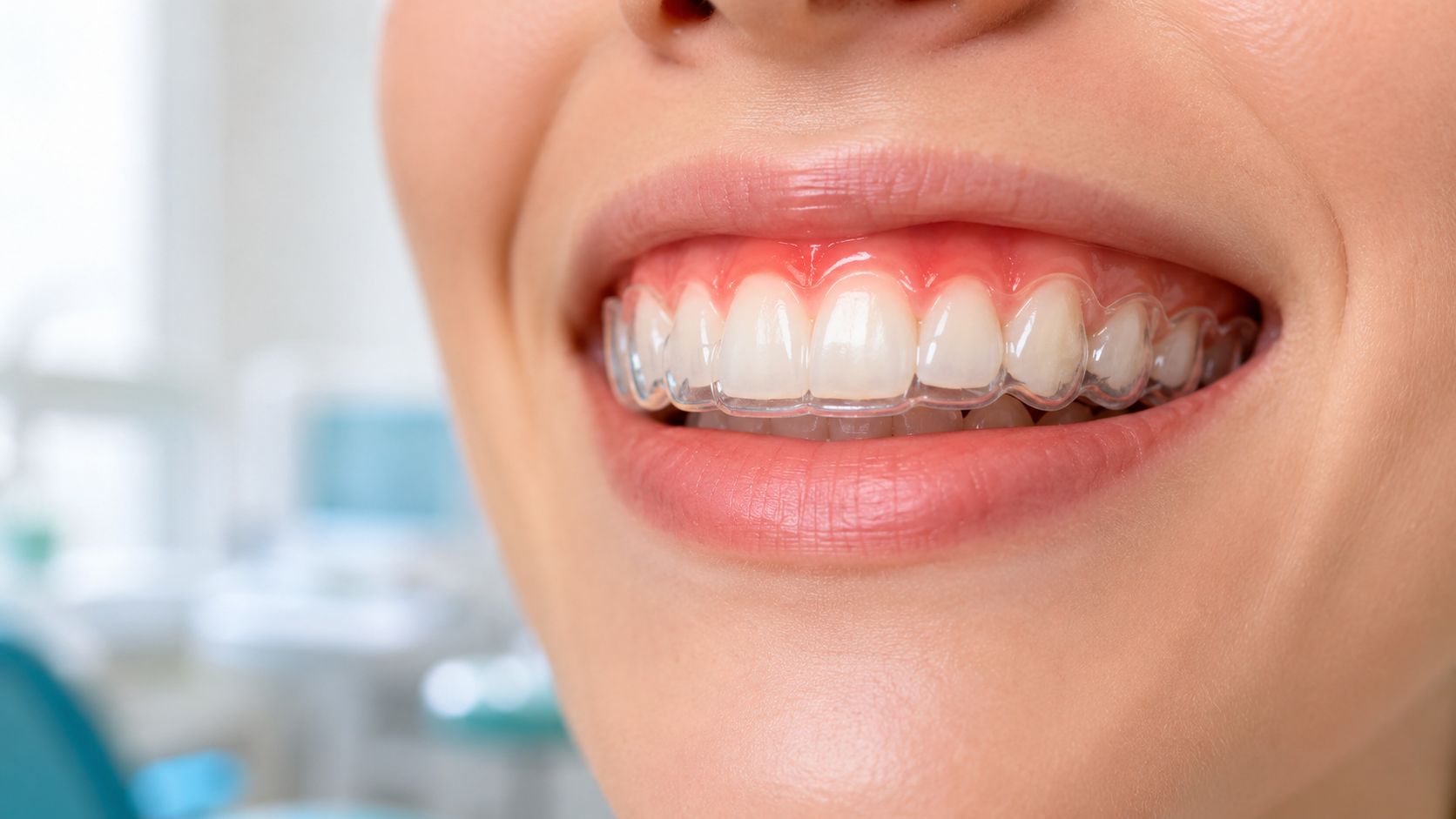
When alignment is the main problem, Invisalign or another clear aligner approach can create the foundation for a more natural cosmetic result. Straightening first can reduce the amount of restorative work needed later.
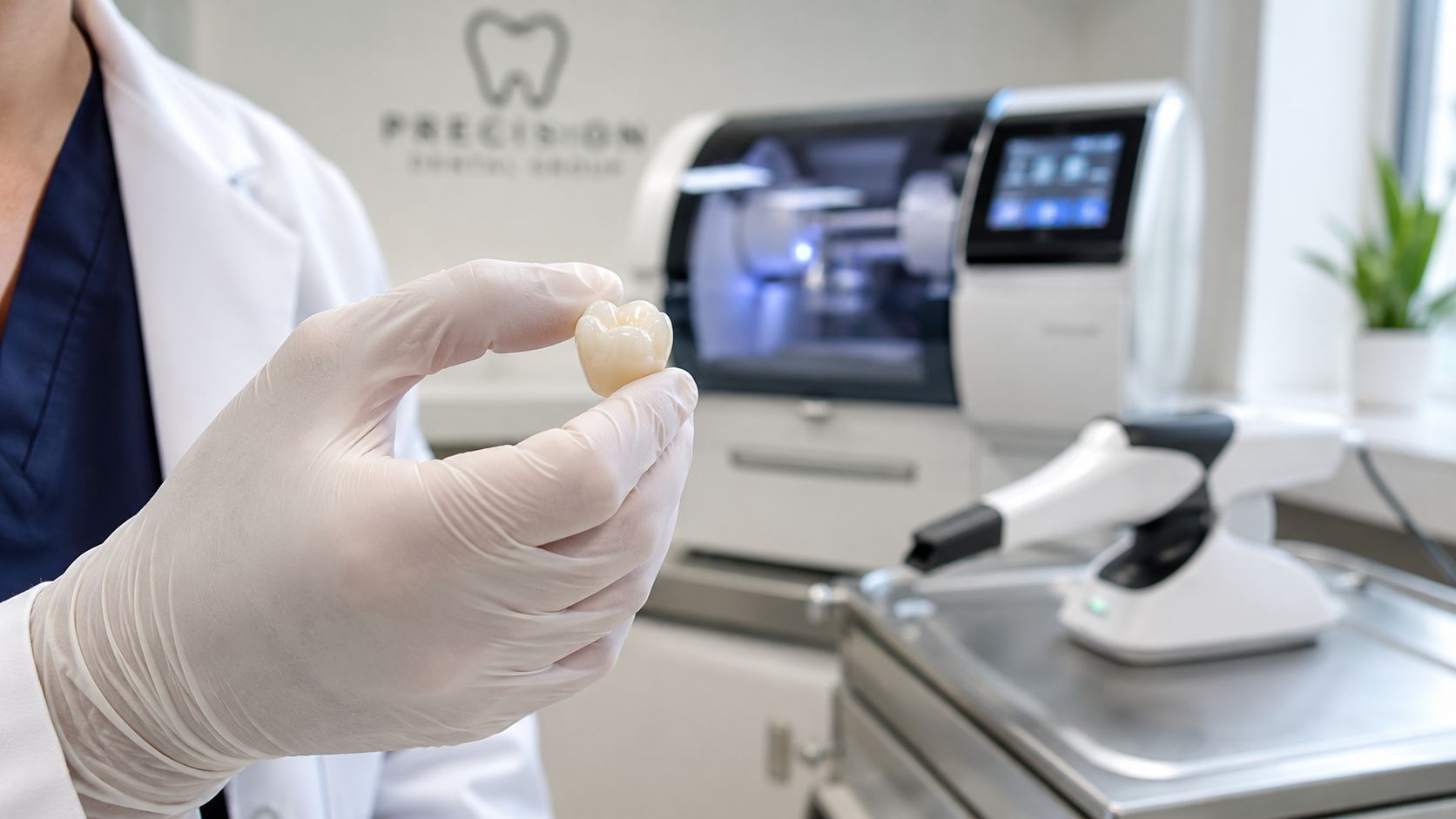
Crowns become part of a smile makeover when teeth need both cosmetic improvement and structural support. A tooth with major breakdown, an old failing restoration, or significant wear may need more coverage than bonding or a veneer can reliably provide.
Gum contouring can make a dramatic difference when teeth look short or uneven because of the gumline rather than the enamel itself. Patients sometimes think they need veneers to lengthen their teeth, when a gum adjustment may be the cleaner fix.
When missing teeth are part of the problem
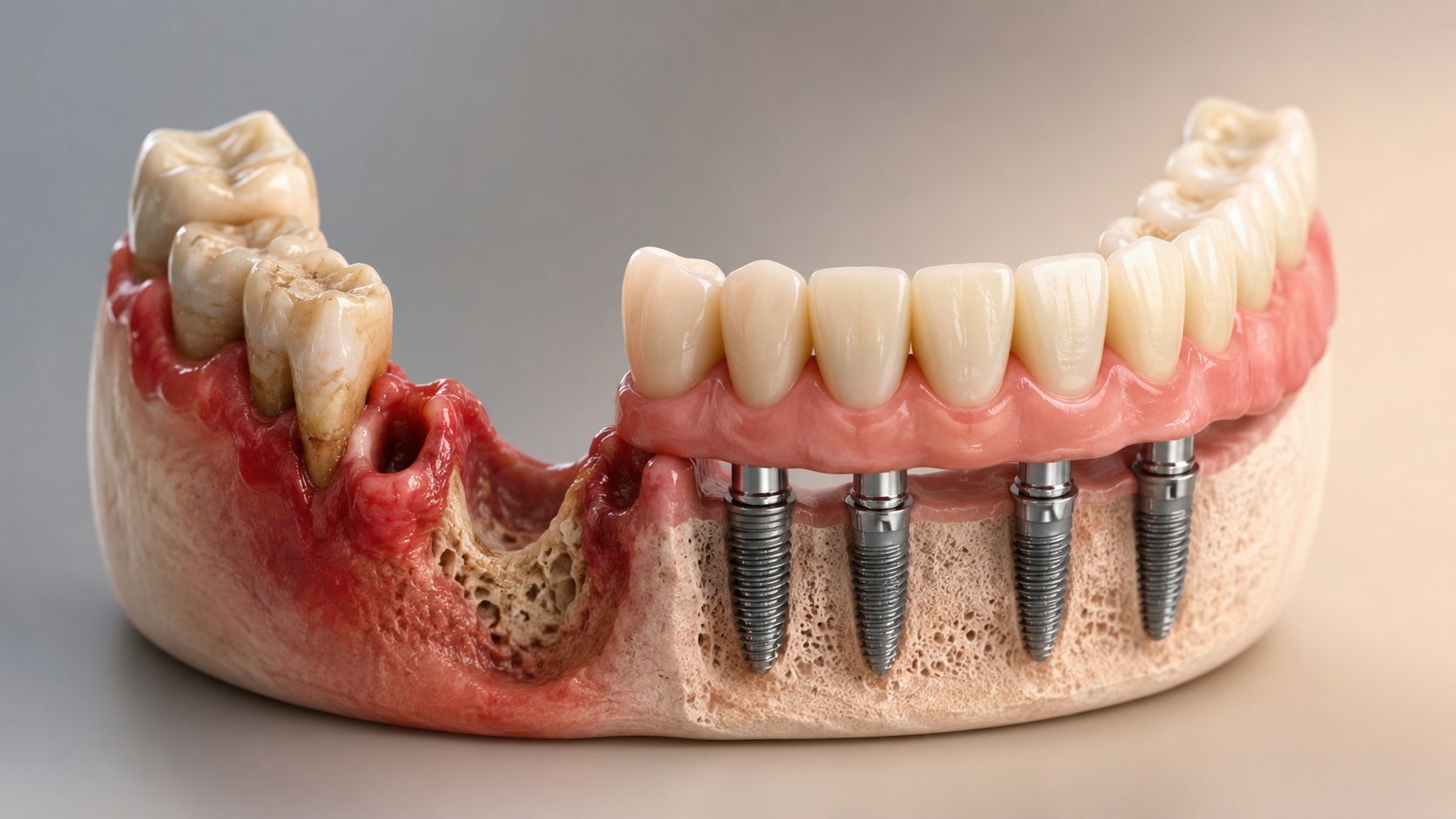
A smile makeover doesn't only involve front-tooth cosmetics. If a missing tooth affects the smile line, spacing, or bite, restorative care may need to come first.
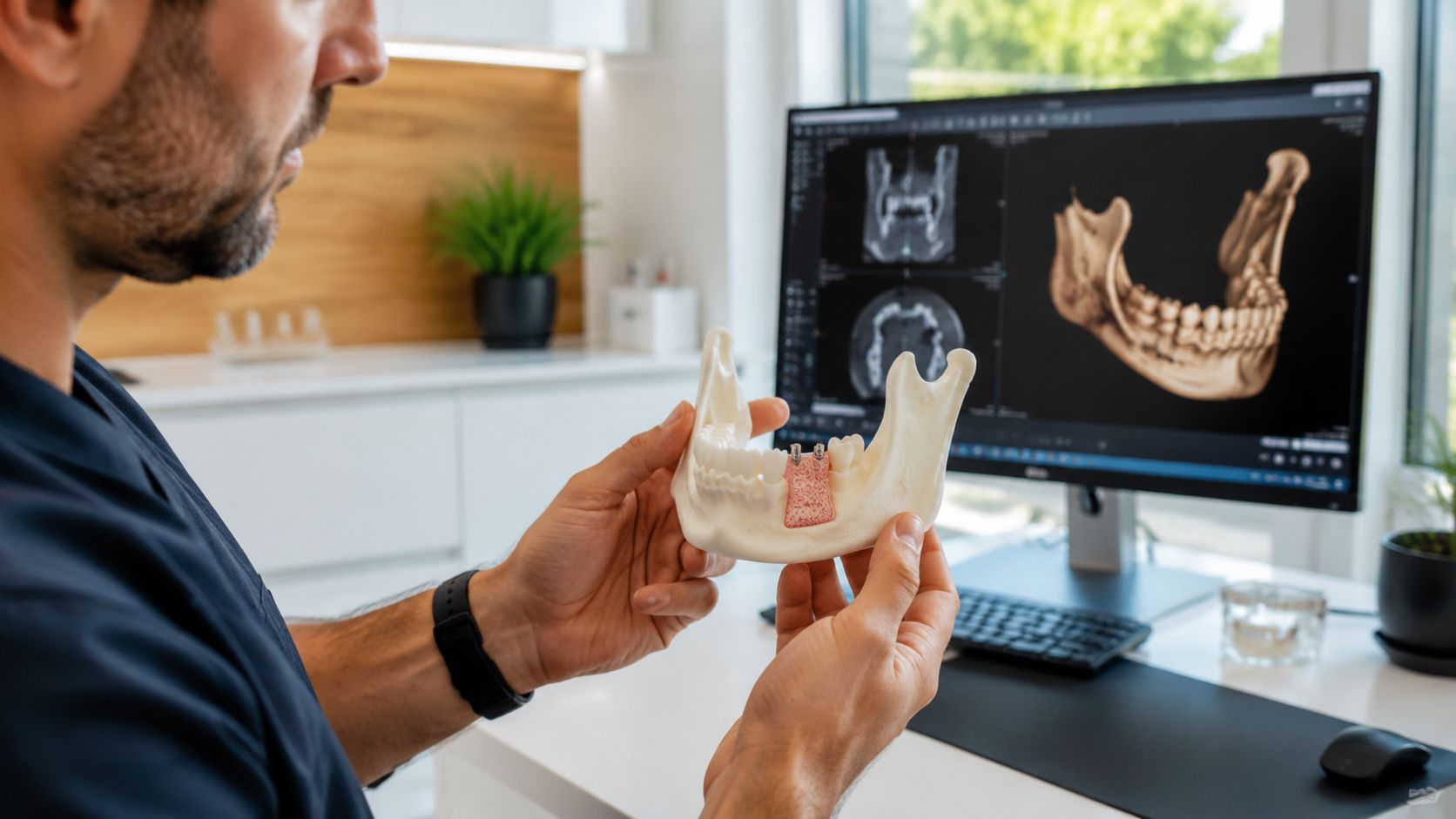
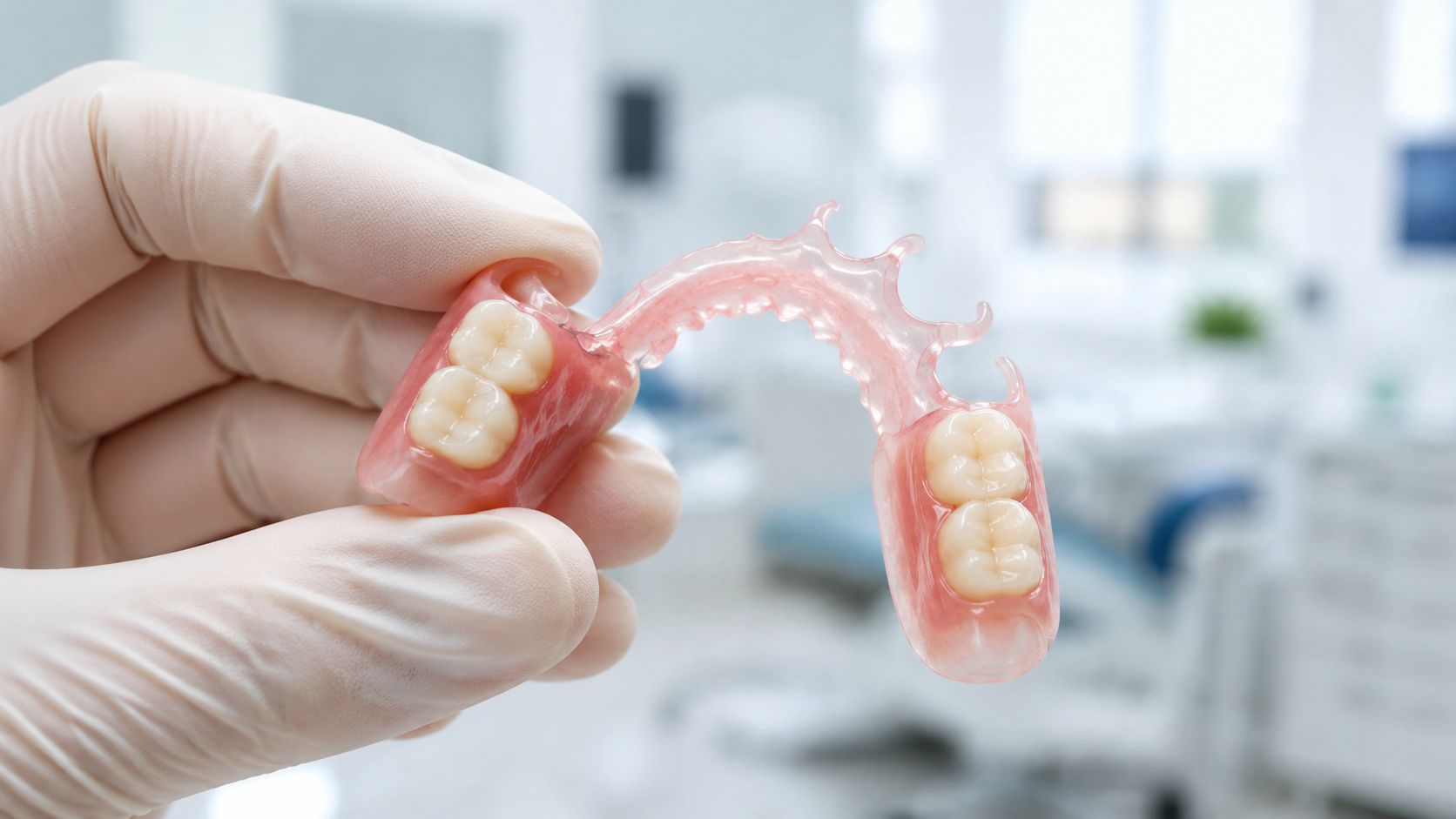
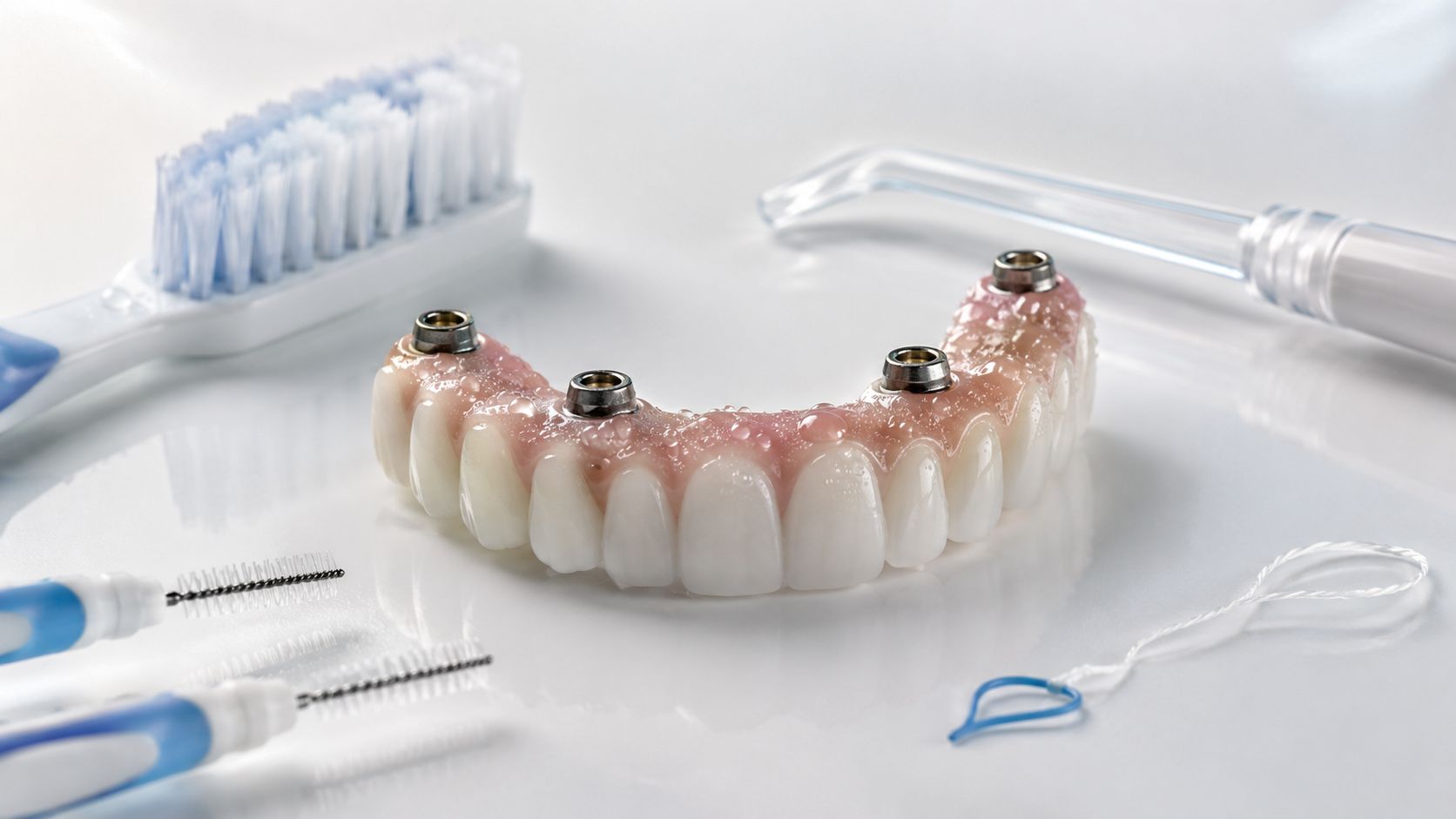
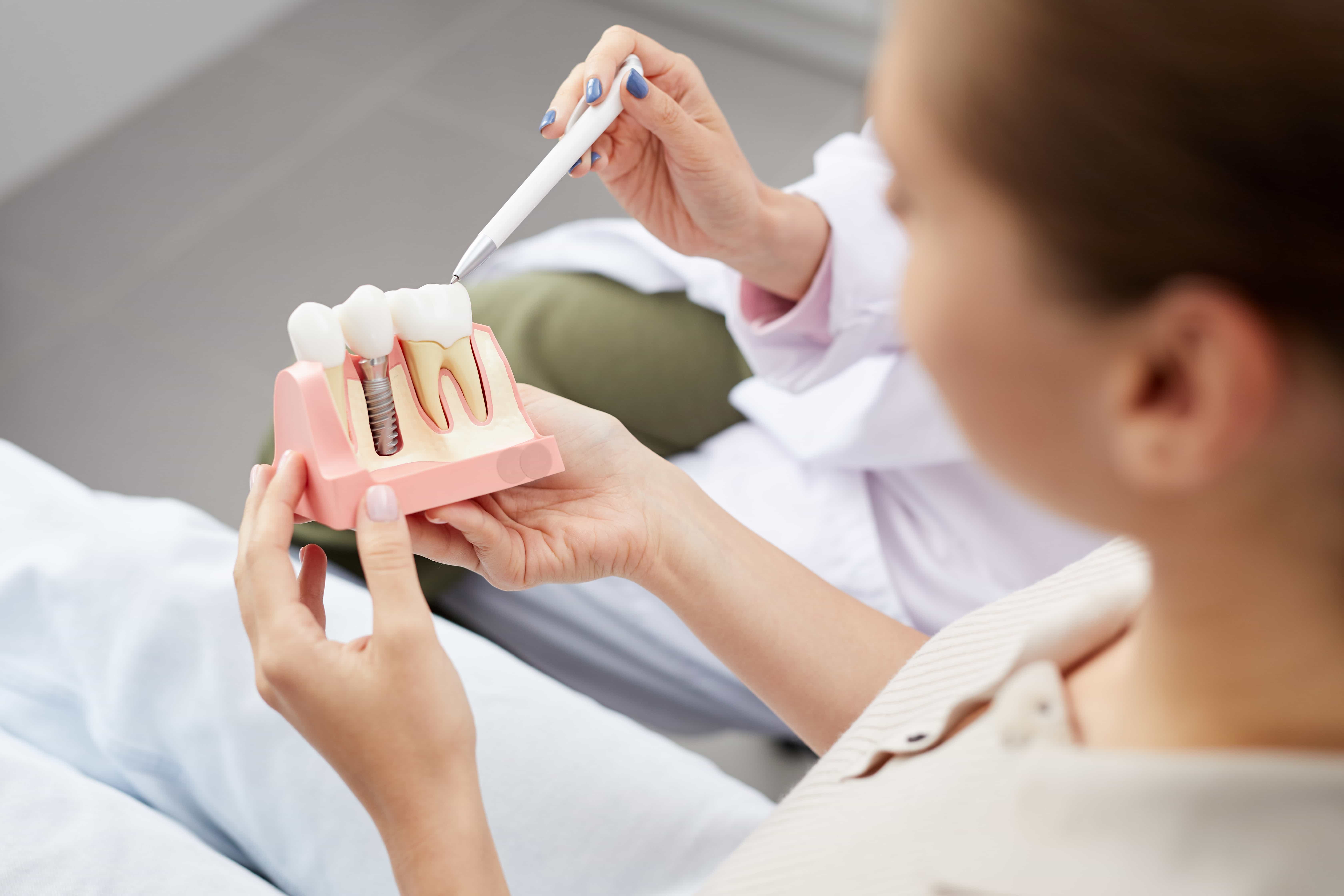
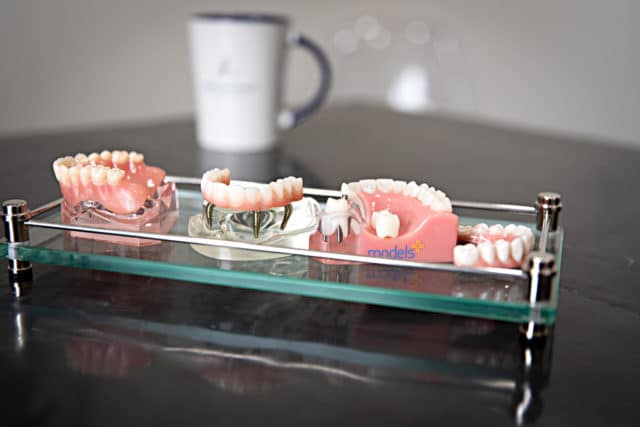
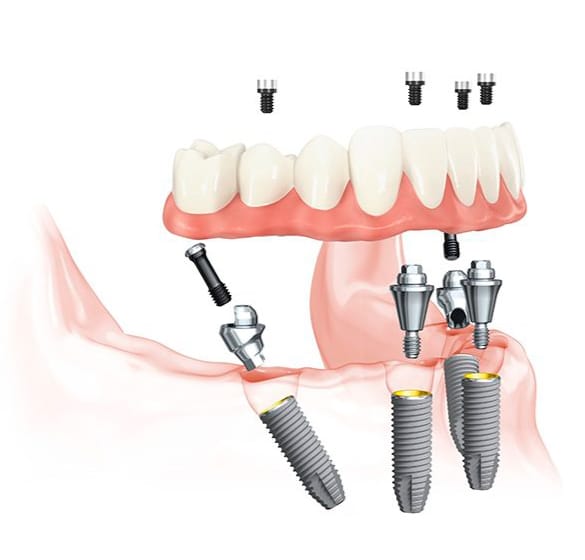
That's where options like dental implants, bridges, or implant-supported restorations become part of the conversation. Replacing a missing tooth can improve appearance, but it also helps protect spacing and chewing balance, which supports the cosmetic work around it.
What works best for different goals
For stains and dull color
Whitening is often the first step. If discoloration is deeper or paired with shape concerns, veneers may be considered.For chips and uneven edges
Bonding can work well for smaller corrections. Veneers or crowns may be better when the damage is more extensive.For crowding or gaps
Aligners are often the most conservative path when tooth position is the main issue.For worn or fragile teeth
Crowns may offer the support needed while still improving appearance.For a gummy or uneven smile line
Gum contouring can sometimes create the visual change patients thought would require more extensive dentistry.
A smile makeover in Austin is usually strongest when each procedure has a clear role. The treatments should complement each other, not compete.
Your Treatment Journey at Our Austin & Georgetown Offices
The first appointment is rarely about teeth alone. It's about goals, habits, timeline, and what you want your smile to say before you ever talk about materials or procedures.
Some patients bring saved photos. Some point to one tooth that has bothered them for years. Others know they want change, but can't yet explain what feels off. All of that is useful.
Step one is diagnosis, not sales
A quality consultation should identify both cosmetic goals and functional limits. If someone is searching for a dentist near me because they want to improve their smile, they also need to know whether they have wear, bite pressure, old restorations, or gum issues that could affect the plan.
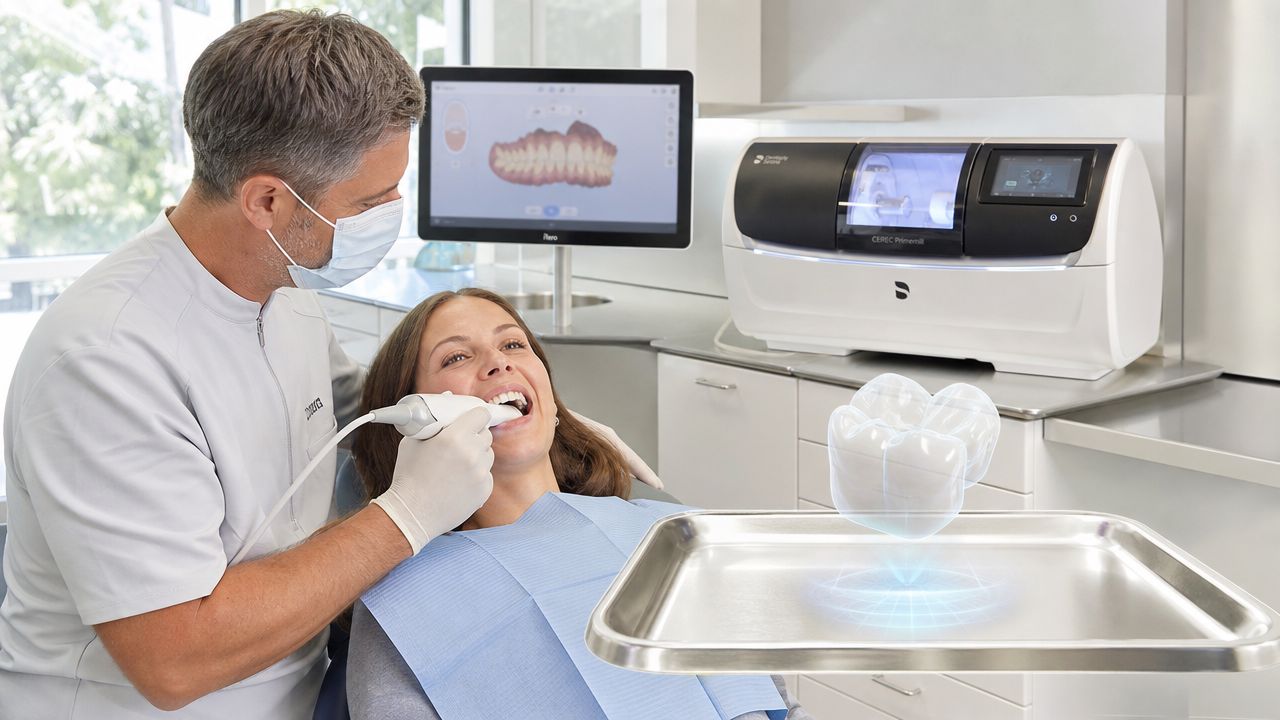
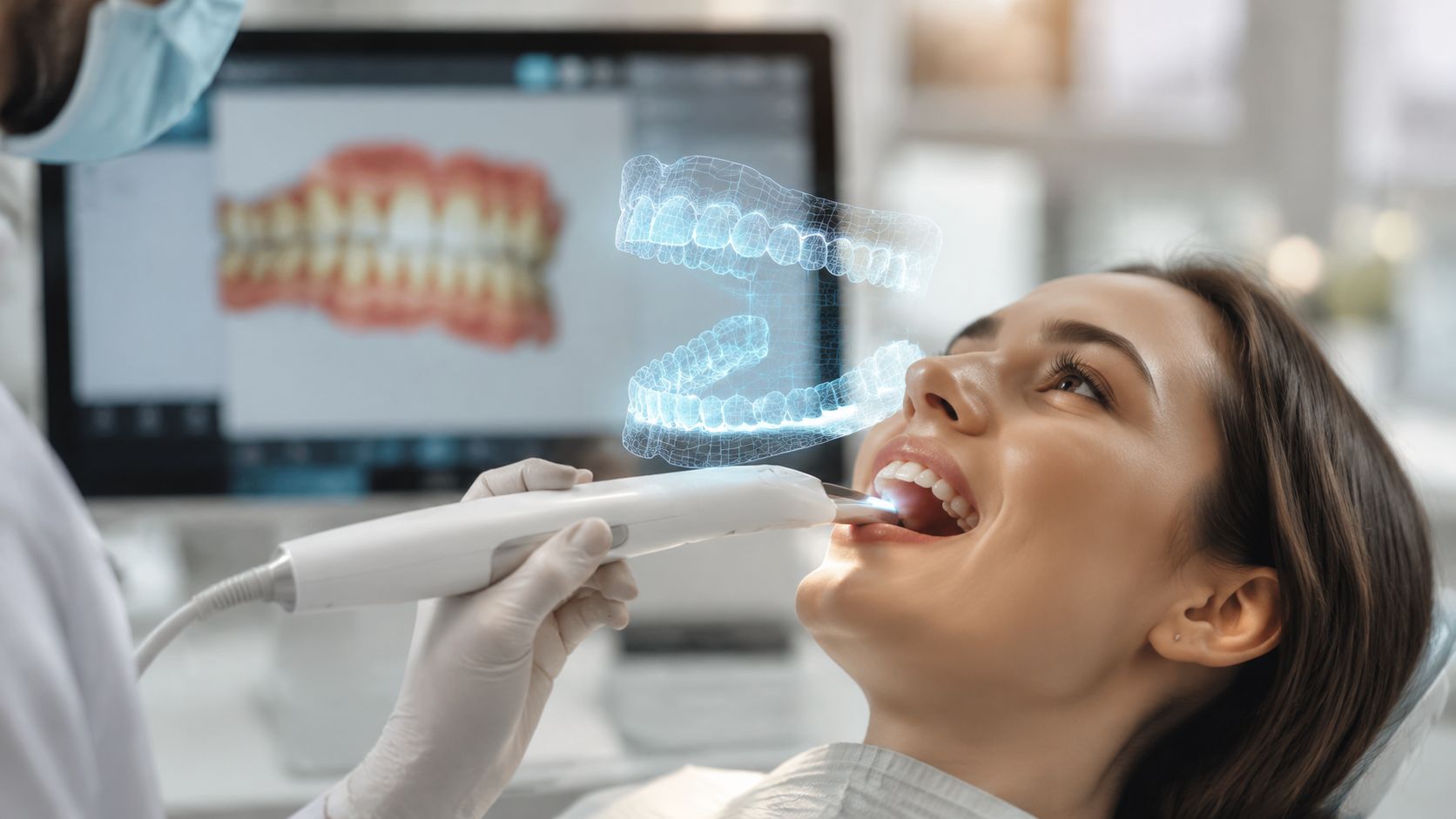
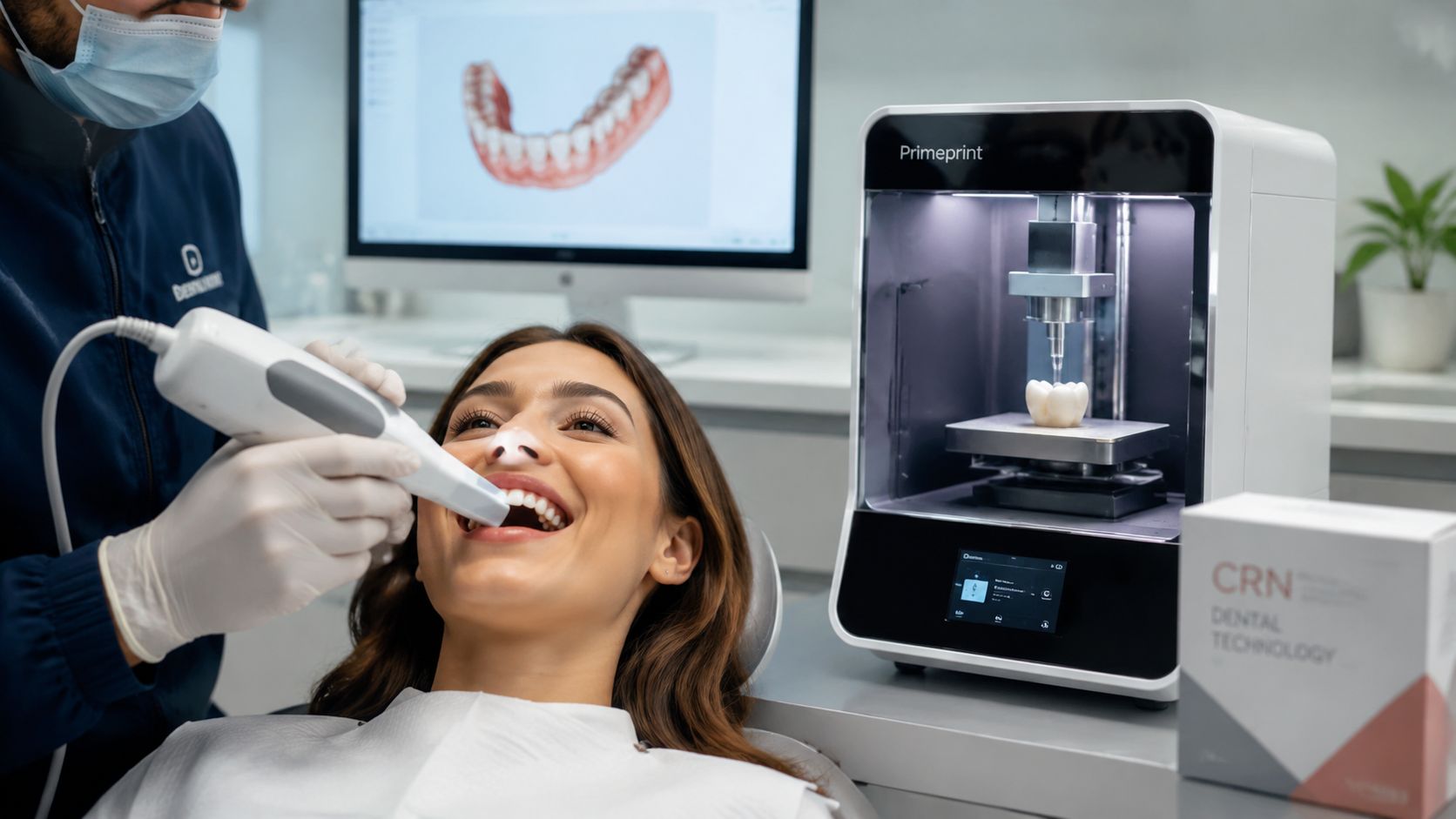
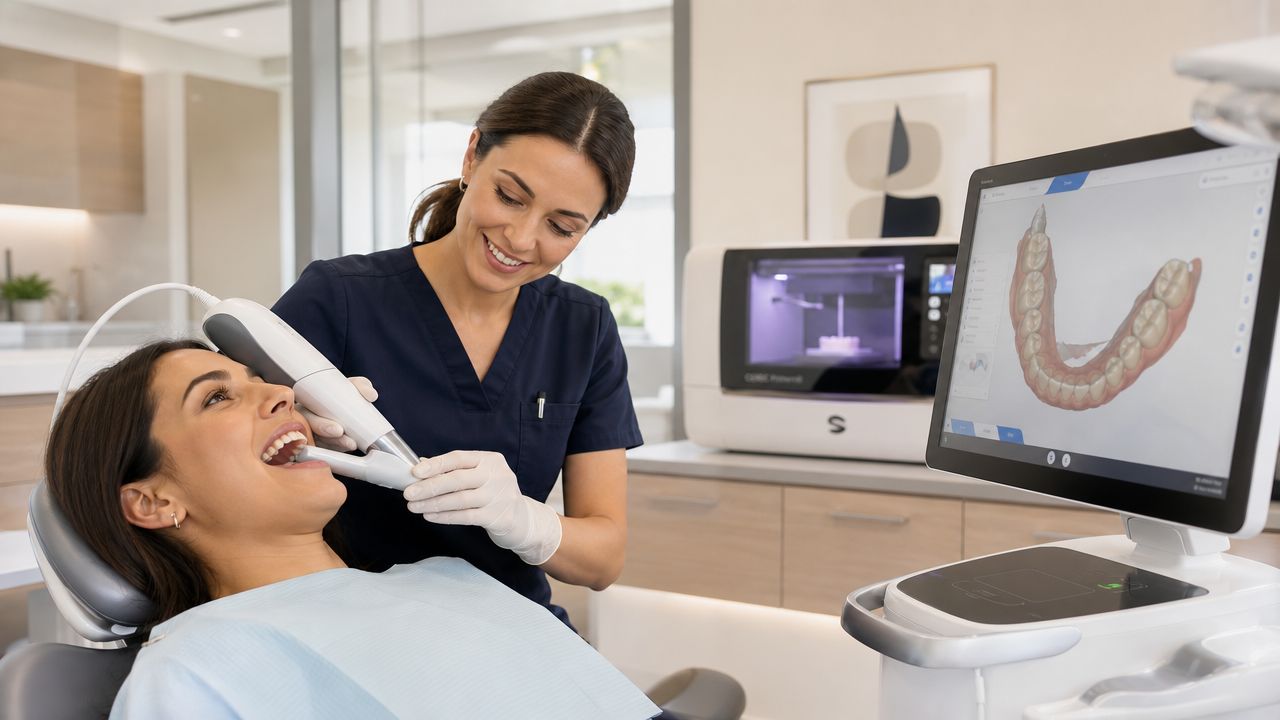
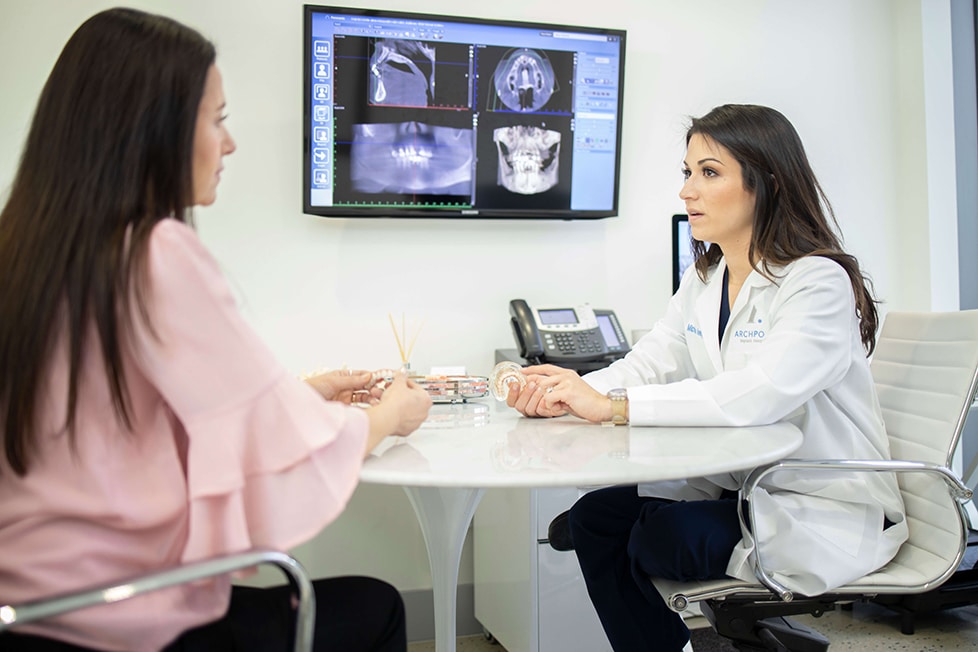
Modern smile-makeover workflows rely on digital photography and 3D scanning to map facial symmetry, tooth proportions, and occlusion before fabrication, which helps create precise mockups and more predictable results, as described by Lifetime Dental's explanation of digital smile-makeover planning.
That digital process changes the conversation. Instead of guessing from analog impressions and rough descriptions, the dentist can evaluate how the smile relates to the face and bite with much more clarity.
Planning what the result should actually look like
At this stage, patients start to feel relief. Once records are taken, the plan becomes concrete.
At 3D Dental, that planning may include digital scans, imaging, and in-house coordination so restorations and cosmetic details can be reviewed more efficiently in the same overall workflow. For patients who value fewer surprises, that kind of setup matters.
Here's a closer look at the kind of smile planning journey patients often want to understand before they commit:
What treatment usually feels like in real life
Not every smile makeover happens in one concentrated block of appointments. Some patients prefer to move quickly. Others need to stage care around work, travel, family obligations, or budget.
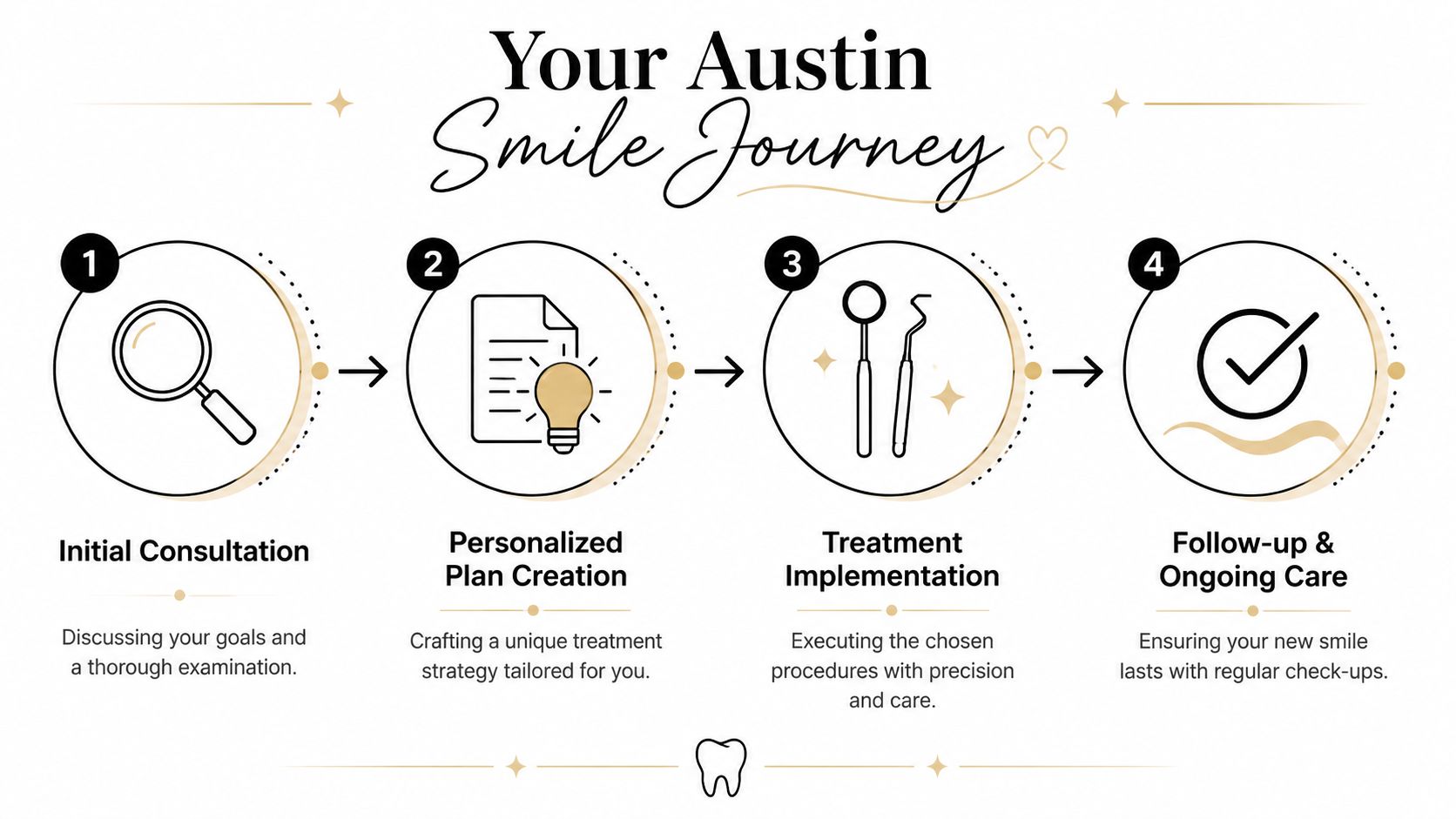
A typical journey often includes:
Consultation and records
Photos, scans, exam findings, and a discussion of your priorities.Plan confirmation
Reviewing the sequence, material choices, expected maintenance, and timeline.Active treatment
This might include aligners, whitening, bonding, crowns, veneers, implants, or a combination.Refinement and follow-up
Final adjustments, bite checks, home care guidance, and long-term monitoring.
The most reassuring cosmetic cases are the ones where patients know what happens next before the next visit begins.
For people in Georgetown, Liberty Hill, Wells Branch, or North Austin, that sense of predictability is often what turns a stressful idea into a manageable one.
Smile Makeover Costs and Financing in Austin
Cost is usually the question patients ask last out loud, but first in their heads.
That makes sense. A smile makeover is personal, visible, and often elective. People want to improve their smile, but they also want to know whether the plan is realistic now, what might need maintenance later, and whether financing is available if the ideal treatment isn't something they want to pay all at once.
Why the total cost varies so much
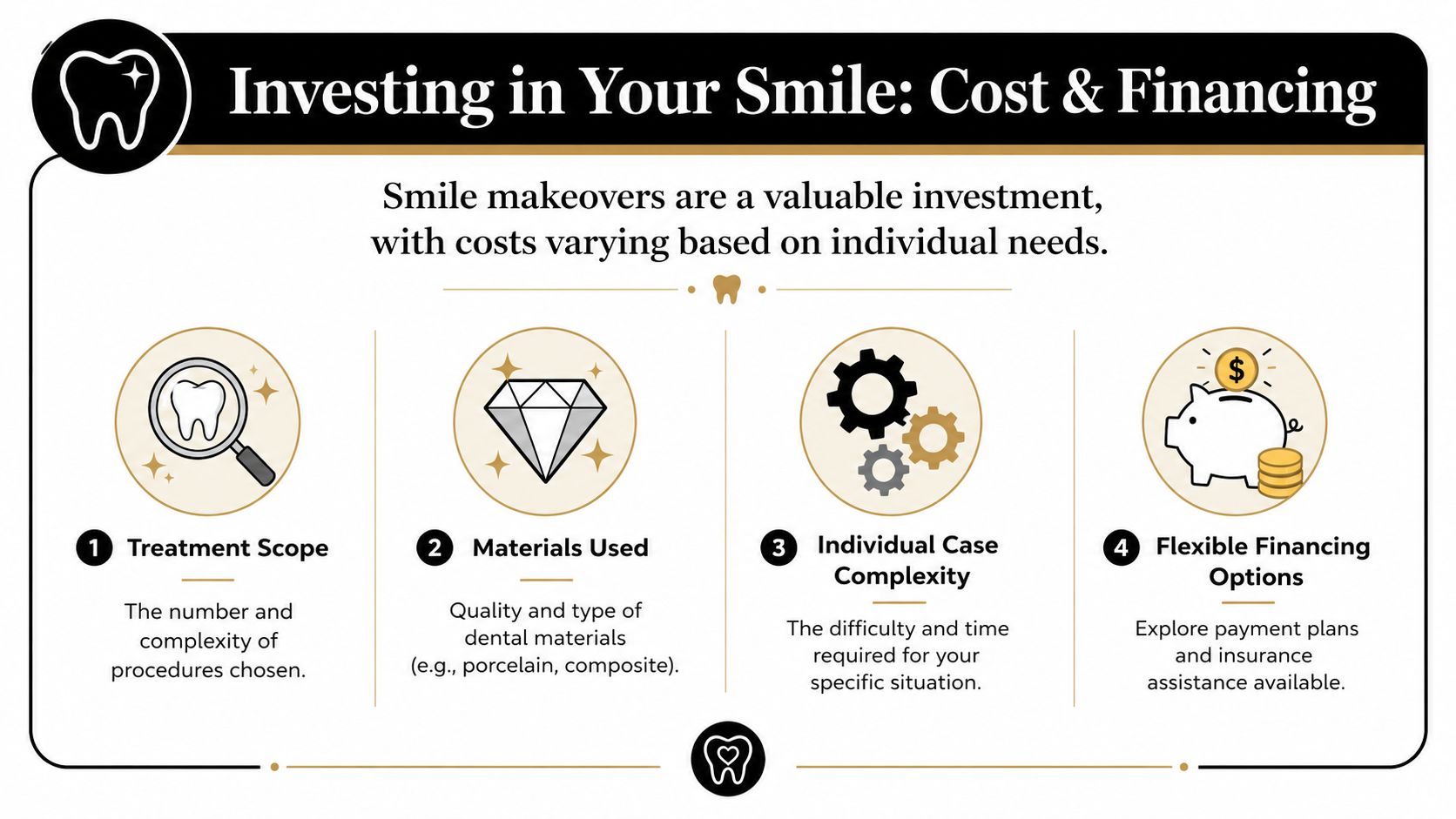
The fee depends on the scope of treatment. Whitening alone is very different from a plan that includes aligners, veneers, crowns, implant work, or several phases over time.
There is useful cost context in the cosmetic market overall. One published report notes that the global cosmetic dentistry market has surpassed $31 billion, and that porcelain veneers can range from $900 to $2,500 per tooth, making a larger veneer case a meaningful investment that often requires financing, according to this cosmetic dentistry market and veneer cost overview.
That doesn't mean every patient needs veneers or a full cosmetic rebuild. It means customized treatment should be priced according to what is required, not what sounds impressive.
The right way to think about value
A cheaper plan isn't always less expensive in the long run if it doesn't address the cause of the problem. A plan of wider scope isn't always better if it includes procedures you don't need.
Patients should ask:
- What part of this fee is for diagnosis and planning
- Which treatments are essential versus optional
- What maintenance should I expect over time
- Could the work be phased instead of done all at once
Those questions matter more than chasing the lowest starting number.
Cosmetic dentistry feels more approachable when the financial conversation is specific, transparent, and tied to your actual priorities.
Financing and payment options
A practical office should be able to discuss more than one payment path. That may include insurance where applicable, staged treatment, in-house payment options, or monthly financing.
For patients comparing their options, this guide to cosmetic dentistry financing outlines how financing can help bridge the gap between the treatment you want and the timing that works for your budget. Practices may also offer third-party financing such as Cherry or Sunbit for qualified patients.
Are You a Candidate for a Smile Makeover?
Most adults who are unhappy with the appearance of their teeth can be candidates for some form of smile makeover. The better question is whether now is the right time, and what should come first.
A good candidate doesn't need a perfect mouth on day one. Many patients begin with cosmetic goals and then discover they need a bit of foundational care first, such as gum treatment, bite stabilization, replacement of failing restorations, or a plan for missing teeth.
Signs that a makeover may make sense
You may be a strong candidate if you recognize several of these:
- You avoid showing your teeth when you smile
- You're bothered by chips, staining, spacing, or uneven tooth shape
- You want a more coordinated result instead of fixing one tooth at a time
- You understand that good cosmetic work may involve more than one procedure
- You're open to a plan that balances appearance with oral health and function
Patients searching for a cosmetic dentist near me often assume candidacy is only about appearance. It isn't. Bite forces, gum health, enamel condition, and habits like clenching can all shape the treatment recommendation.
Questions worth bringing to a consultation
Some of the most productive consultations happen when patients arrive with clear questions, even if they don't know the dental terminology.
Consider asking yourself:
- What exactly bothers me most about my smile
- Do I want subtle improvement or a bigger visual change
- Am I most concerned about color, shape, alignment, or missing teeth
- Do I want the fastest route, the most conservative route, or the longest-lasting route
- How much maintenance am I comfortable with
Those answers help narrow the options quickly.
When to pause and treat the foundation first
If there's active decay, unstable gum health, unresolved pain, or significant breakdown, cosmetic treatment may need to wait until the mouth is healthier. That isn't a setback. It's what protects the final result.
The strongest smile makeovers are built on a stable base. If you're in Austin, Georgetown, Cedar Park, or Wells Branch and you're unsure where you fall, a consultation should clarify that without pressure.
Frequently Asked Questions About Smile Makeovers
How long do smile makeover results last
A patient may love the look of a new smile right away, then ask the question that matters years later. How much upkeep will this take?
The honest answer is that every smile makeover has a maintenance schedule and a long-term cost. Whitening usually needs touch-ups. Bonding can stain or chip and may need polishing or replacement over time. Porcelain veneers and crowns tend to last longer, but they are not permanent and can still wear, fracture, or need replacement. The American Dental Association explains that the lifespan of cosmetic and restorative work depends on the material used, oral hygiene, bite forces, and habits such as grinding: ADA MouthHealthy on veneers.
That is why I encourage patients to look beyond the starting price. A lower upfront cost can mean more maintenance later, while a higher-cost material may offer better durability and appearance over a longer period.
Does a smile makeover hurt
Most smile makeover treatment is easier than patients expect.
Comfort depends on the procedure. Whitening can cause temporary sensitivity. Clear aligners create pressure, especially when switching trays. Veneers, crowns, and implant treatment may involve numbing, temporary soreness, or a short recovery period.
Good planning makes a real difference. We discuss what each visit is likely to feel like, where local anesthesia is helpful, whether sedation makes sense, and what recovery usually looks like at home. Patients tend to feel calmer when there are no surprises.
Can I do treatment in phases
Yes. In many cases, phasing treatment is the most practical choice.
A staged plan can spread out cost, reduce time away from work, and let patients handle the highest-priority concerns first. For example, someone might start with orthodontic movement, then complete whitening, and finish with bonding or veneers once the teeth are in the right position. Another patient may restore worn or broken teeth first, then return for cosmetic refinements later.
The key is to design the full sequence before starting. If early treatment is done without a long-range plan, it can create avoidable extra cost or limit better options later.
Why does the choice of provider matter so much
Smile makeovers involve more than selecting procedures from a menu. The provider has to assess gum health, enamel, bite function, facial balance, material choices, and how one step affects the next.
That also affects the financial side. A good plan should explain what must be done first, what is optional, what can be phased, and what future maintenance is likely to cost. Patients deserve that level of clarity before committing to treatment.
If you're considering a smile makeover and want a clear, pressure-free plan, schedule a consultation with 3D Dental. Patients from Austin, Georgetown, Cedar Park, Round Rock, Wells Branch, and Liberty Hill can come in to discuss goals, review options, and get an honest look at what's possible now, what can be phased, and how to make the investment fit real life.
Ready to get started?
Schedule a free, no obligation consultation with our team and see what's possible for your smile!
Georgetown
- Mon-Thurs8:30am-5pm
- Fri8am-3:30pm
- Sat-SunClosed
Austin
- Mon-Tues8am-5pm
- Wed-Thurs9am-6pmFri8am-2pm
- Sat-SunClosed