
What Parents Should Know Before Their Child’s First Dental Visit
Related Posts






















What Parents Should Know Before Their Child’s First Dental Visit
The American Academy of Pediatric Dentistry recommends scheduling a child's first dental visit by their first birthday or when their first tooth appears. Early visits help prevent cavities, monitor jaw development, and build a positive, lifelong relationship with dental care providers like 3D Dental. Starting dental visits early sets a critical foundation for a lifetime of excellent oral health. Many people assume that baby teeth require less attention because these teeth eventually fall out, but primary teeth are essential for proper speech development, chewing, and guiding adult teeth into the correct positions.
Parents play an indispensable role in shaping how a child perceives dental care. Children often pick up on the emotions of the adults around them, meaning a parent's calm and enthusiastic approach directly influences the child's comfort level. Preparing a toddler or infant for the dentist involves using positive language, setting expectations, and choosing a welcoming environment that caters specifically to young patients.
This blog provides a comprehensive overview of what parents need to know before that milestone appointment. From practical preparation tips to understanding what to expect during the actual examination, the following sections offer actionable advice.
When to Schedule Your Child’s First Dental Visit
The Recommended Age for the First Visit
The American Academy of Pediatric Dentistry strongly advises parents to schedule a child’s first dental visit by their first birthday or within six months after the first tooth erupts. This timeline allows dental professionals to establish a "dental home" early on, ensuring the child receives comprehensive oral health care from infancy through adolescence. Waiting until a child is older can allow unseen issues to develop, making this initial timeline a crucial milestone for proactive healthcare.
Why Early Visits Matter
Early dental visits matter because proactive examinations help prevent cavities and detect potential developmental issues before they become severe problems. During these initial appointments, a pediatric dentist can assess the child's risk of tooth decay, evaluate jaw development, and provide parents with specific guidance on oral hygiene and diet. Catching minor issues early eliminates the need for complex, invasive treatments later on, saving both time and discomfort.
Building a Positive Relationship with the Dentist
Starting dental appointments at a young age helps children feel comfortable and familiar with the sights, sounds, and sensations of a dental office. When a child associates the dentist's chair with routine checkups rather than pain or fear, they are far more likely to maintain regular visits throughout their life. Positive early interactions foster trust between the child and the dental team, laying the groundwork for a cooperative and anxiety-free patient experience.
2. Preparing Your Child for Their First Dental Visit
Talking About the Dentist in a Positive Way
Explaining the upcoming visit to a child in a fun and reassuring manner significantly reduces apprehension. Parents should use simple, positive words, framing the dentist as a friendly doctor who helps keep teeth strong and shiny. Avoiding scary terms like "pain," "shot," or "drill" ensures the child approaches the appointment with curiosity rather than fear.
Reading Books or Watching Videos About Dental Visits
Introducing age-appropriate books or educational videos about visiting the dentist helps familiarize children with the process in a highly engaging way. Seeing beloved cartoon characters or storybook heroes sitting in the dental chair normalizes the experience and provides a visual reference for what to expect. These resources often walk through the steps of an exam, turning the unknown into a predictable and safe scenario.
Role-Playing at Home
Practicing a pretend dental visit at home allows the child to experience the routine in a safe, controlled environment. Parents can use a toothbrush to count the child's teeth while the child lies back on the couch, and then switch roles so the child gets to play the dentist with a favorite stuffed animal. This interactive role-play demystifies the examination process and gives the child a sense of control and predictability.
3. What to Expect During the First Visit
A Gentle Introduction to the Dentist’s Office
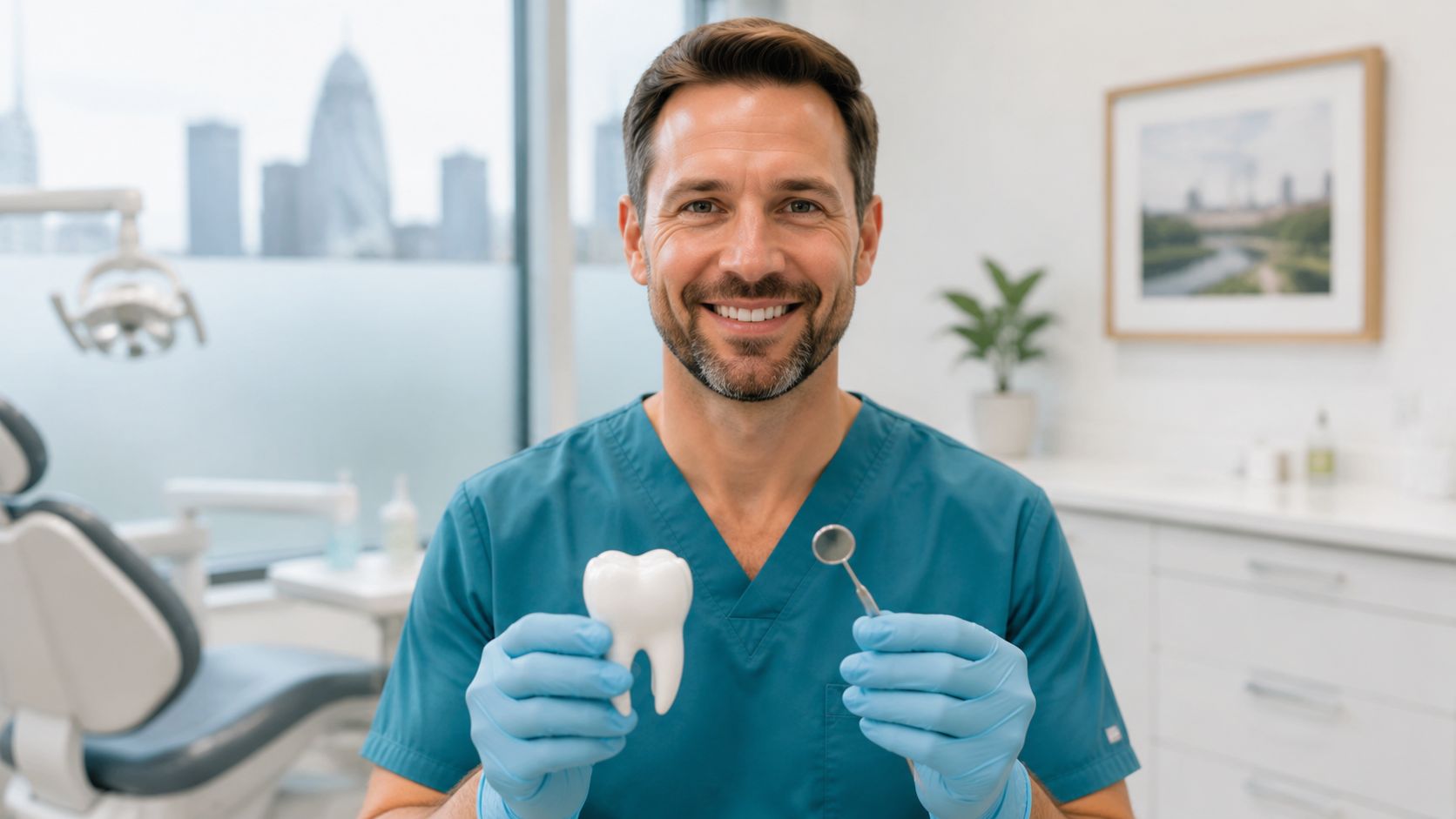
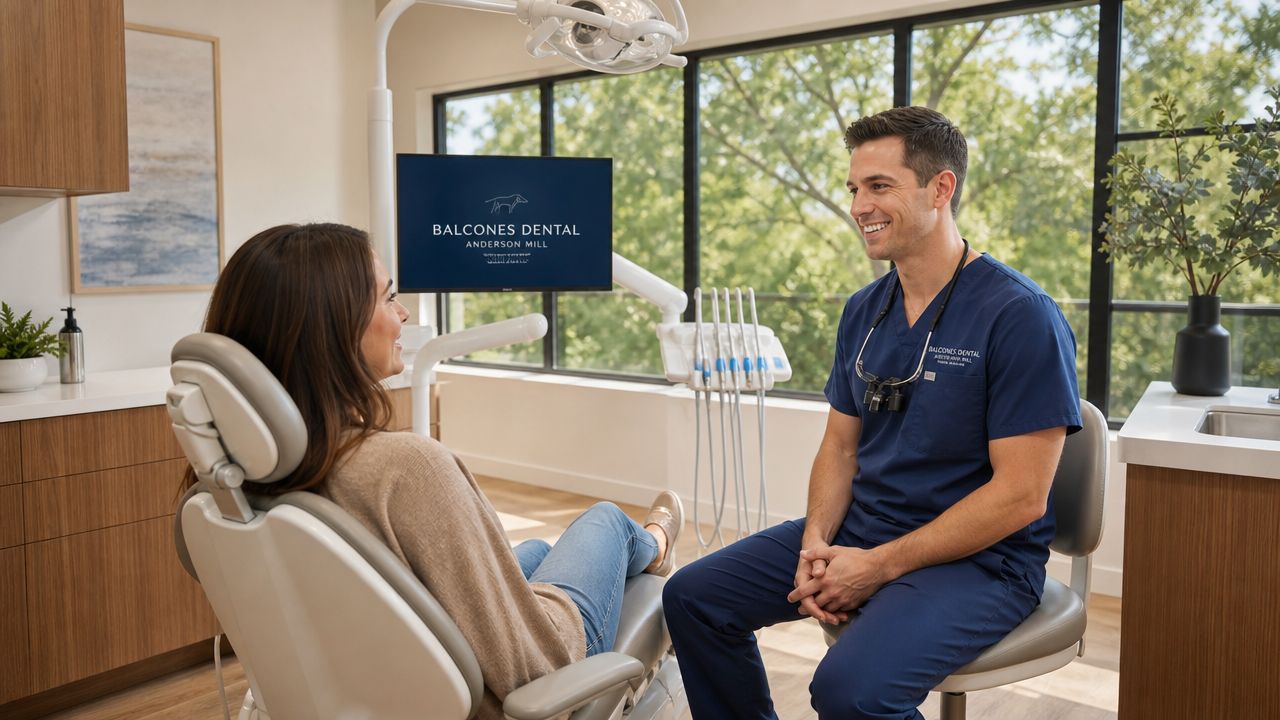
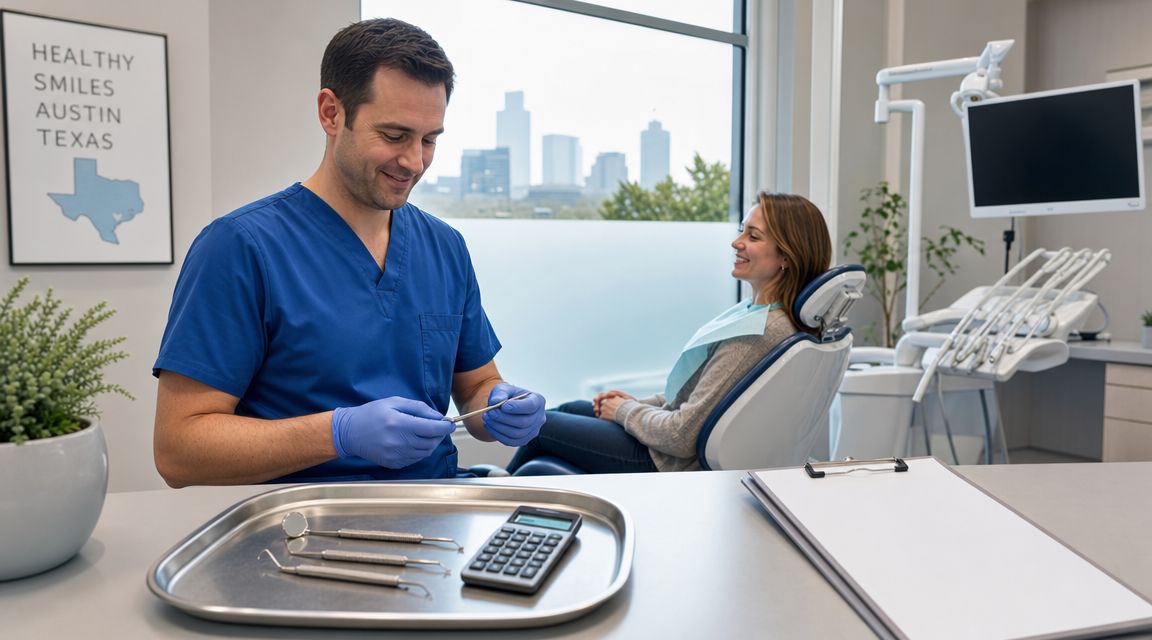
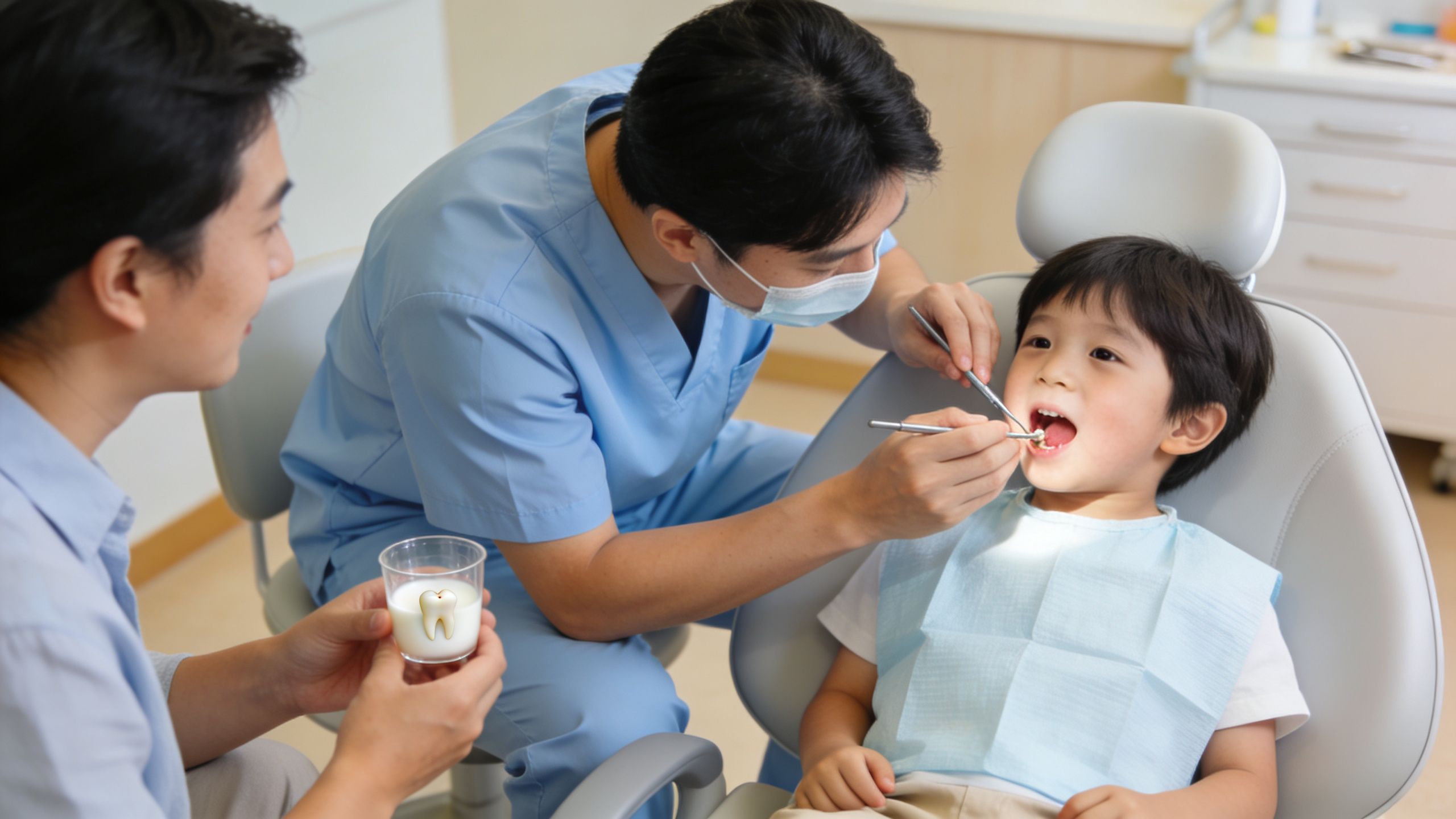
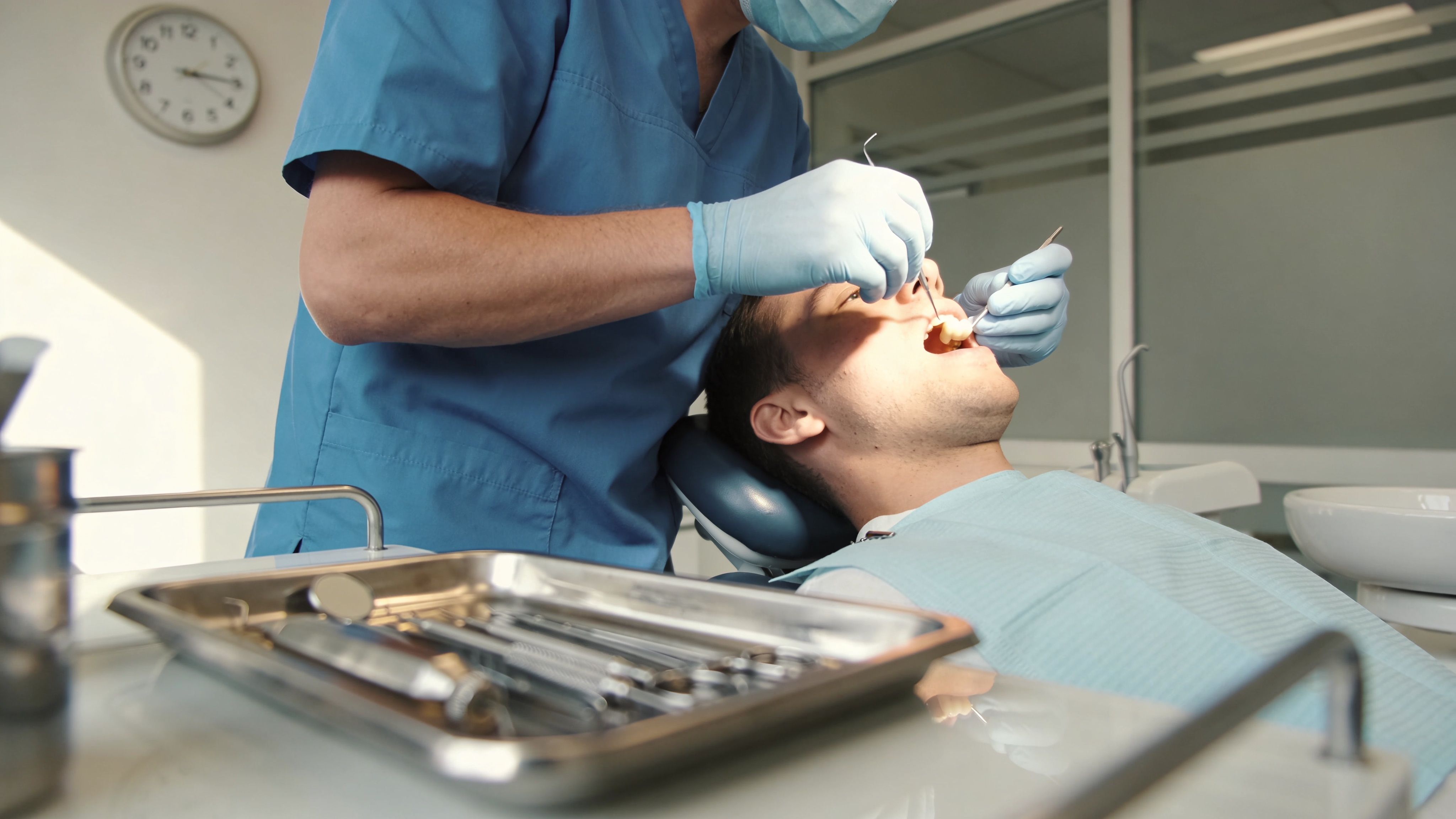
The very first visit is typically focused on making the child feel entirely comfortable and safe in the clinical environment. Dental professionals will often take time to introduce the child to the dental chair, let them touch safe instruments like the small mirror, and use a playful tone to explain the equipment. This gentle introduction prevents the child from feeling overwhelmed and sets a relaxed tone for the entire appointment.
The Initial Examination
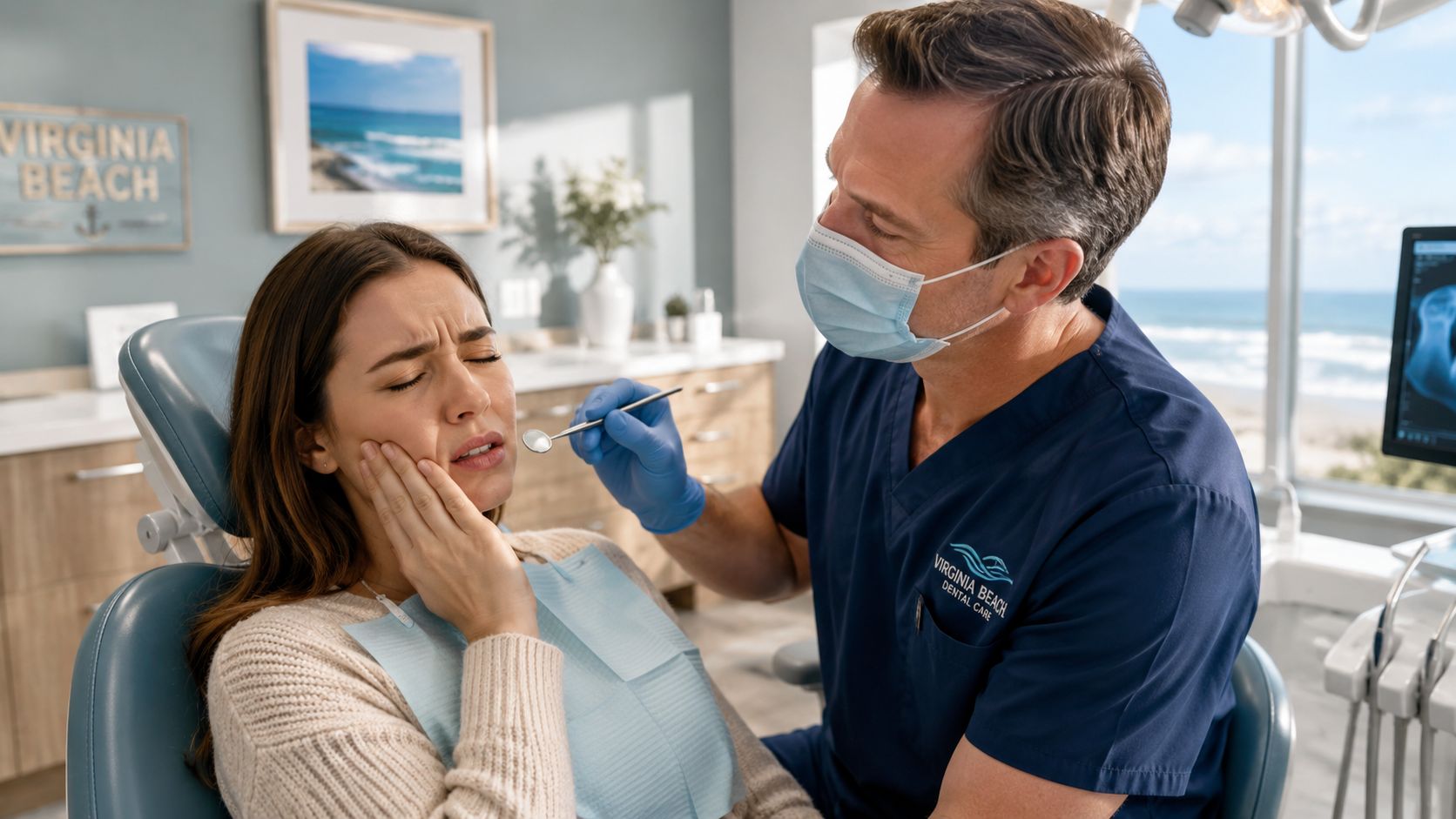
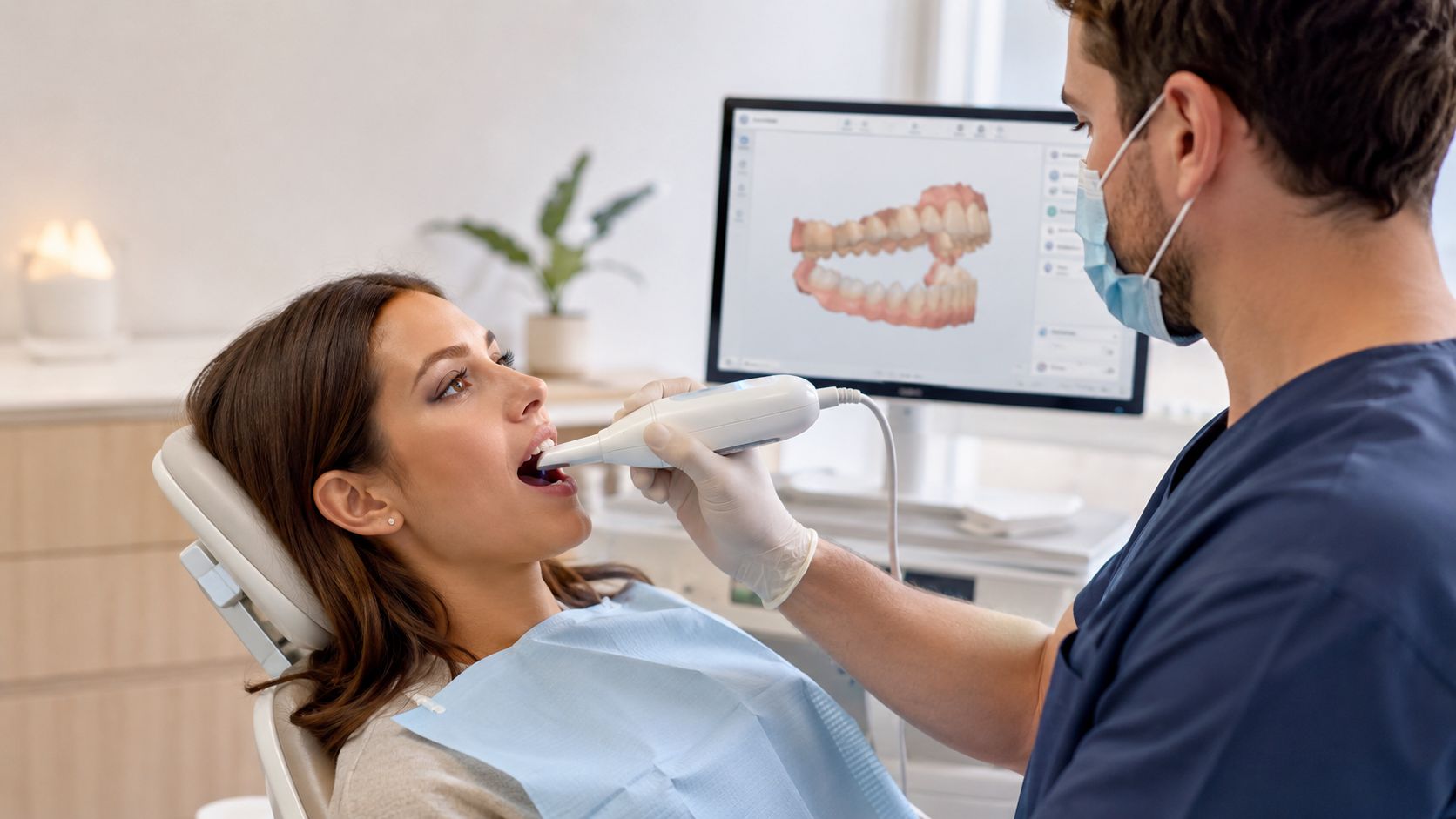
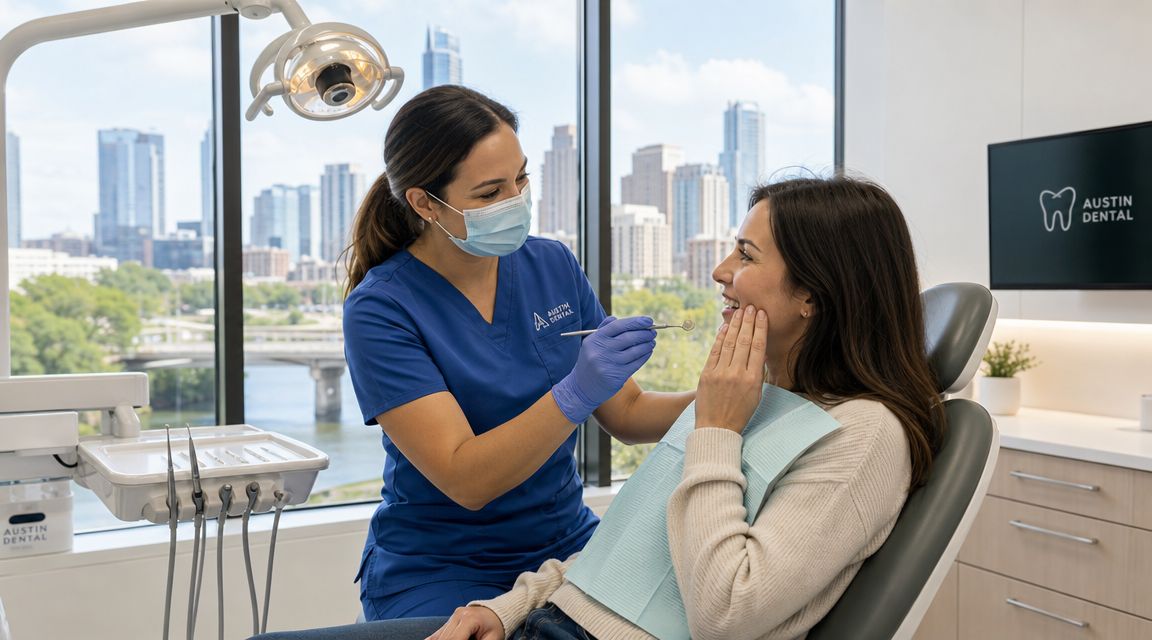
During the initial examination, the dentist carefully checks the child’s teeth, gums, and jaw development to ensure everything is progressing normally. This checkup is usually quick and non-invasive, often performed with the child sitting on a parent's lap in a "knee-to-knee" position with the dentist. The primary goal is to spot any early signs of decay, assess the bite, and gently clean the teeth if necessary.
Parental Involvement During the Visit
Parents are actively encouraged to stay with their child throughout the appointment to provide comfort and emotional support. This visit also serves as an educational opportunity where caregivers can ask questions about teething, oral habits, and daily cleaning routines. Working closely with the dentist empowers parents to manage their child's dental hygiene confidently at home.
4. Common Questions Parents Have About Early Dental Care
How to Care for Baby Teeth
Proper care for baby teeth should begin even before the first tooth fully emerges by gently wiping the infant's gums with a clean, damp washcloth after feedings. Once the first tooth appears, parents must brush it twice daily using a small, soft-bristled toothbrush designed specifically for infants. Maintaining this routine removes plaque and bacteria, preventing early childhood caries and keeping the gums healthy.
When to Start Using Toothpaste
The introduction of fluoride toothpaste should occur as soon as the first tooth erupts, but the amount used is critical to safety. For children under the age of three, parents should use no more than a "smear" or the size of a grain of rice to minimize the risk of the child swallowing too much fluoride.
What to Do About Thumb-Sucking or Pacifiers
Thumb-sucking and pacifier use are natural self-soothing behaviors for infants, but prolonged habits can negatively affect oral development and tooth alignment. Dentists typically recommend weaning children off pacifiers and thumb-sucking by the age of three to prevent issues like overbites or crossbites.
The Role of Preventive Care in Children’s Oral Health
The Importance of Regular Checkups
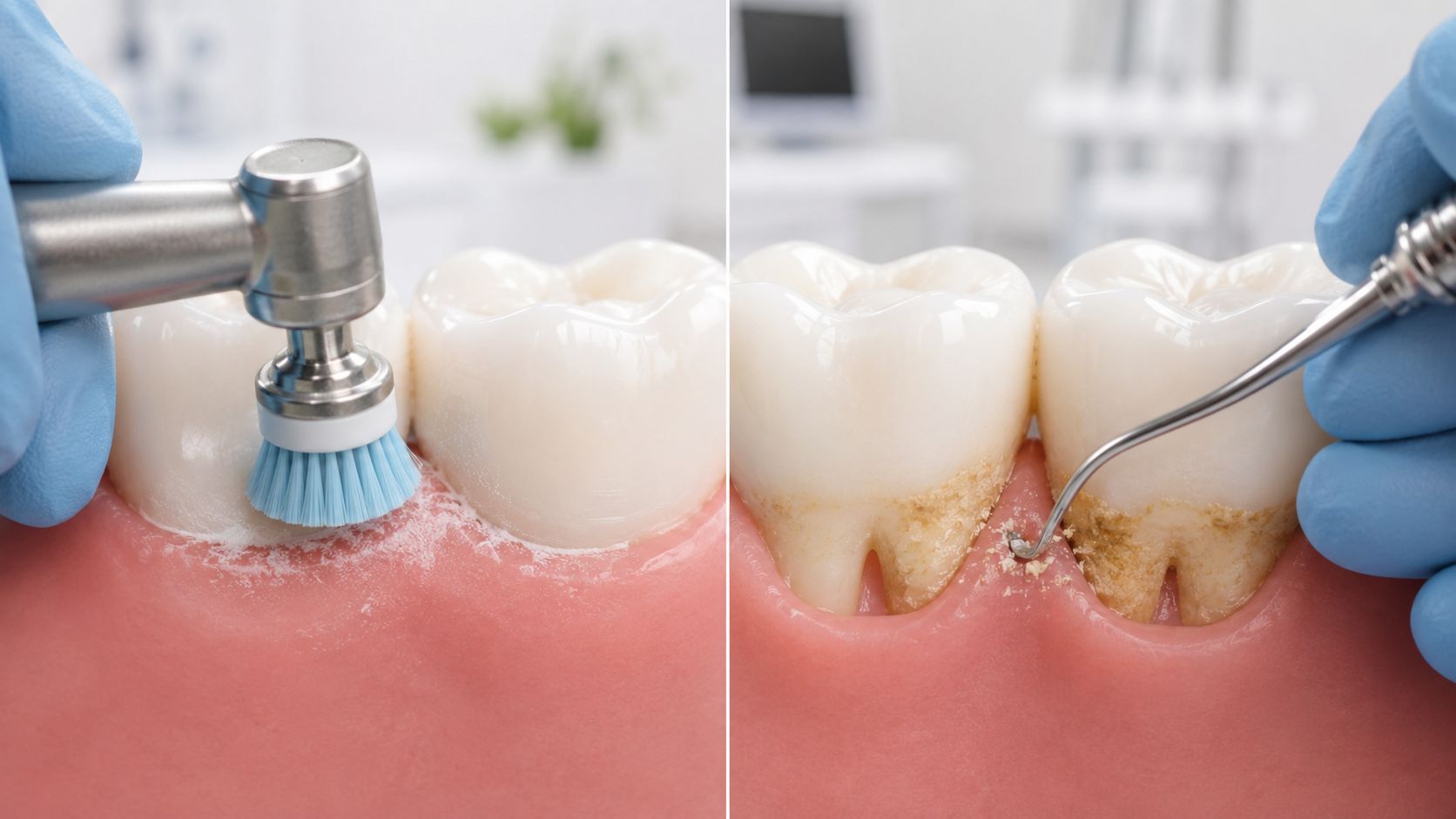
Routine visits, typically scheduled every six months, help monitor the child's oral growth and prevent minor dental issues from becoming painful emergencies. Regular cleanings remove hardened plaque that daily brushing misses, while professional examinations track the eruption of new teeth.
Fluoride Treatments and Sealants
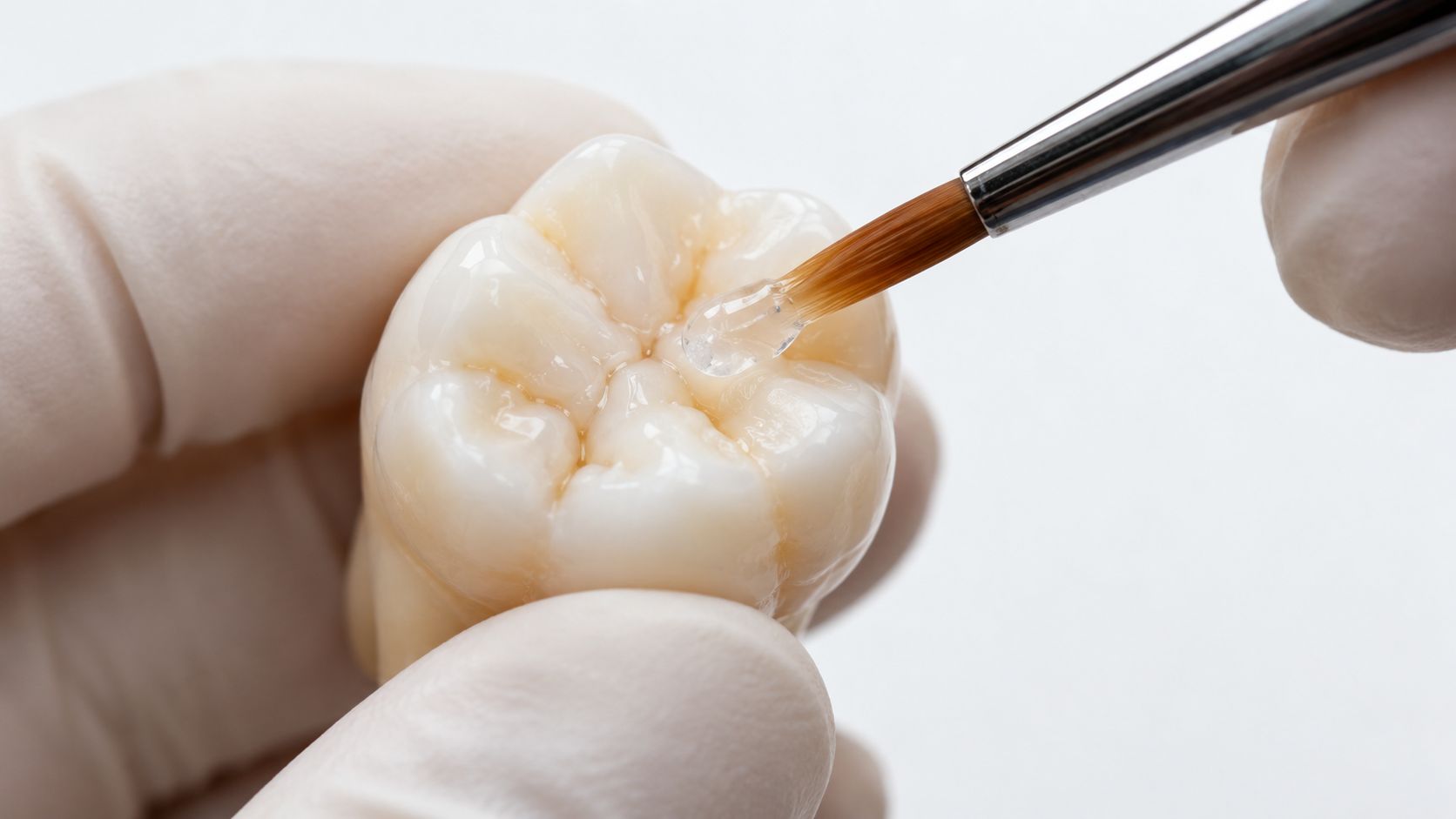
Preventive measures like fluoride treatments and dental sealants act as powerful shields against cavity-causing bacteria. Fluoride varnishes strengthen the enamel and make teeth more resistant to acid attacks, while sealants provide a protective coating over the deep grooves of the back molars where food easily gets trapped.
Teaching Healthy Habits Early
Instilling good brushing and flossing habits from a young age empowers children to take ownership of their personal health as they grow. Parents should supervise brushing until the child has the manual dexterity to do it effectively on their own, usually around the age of seven or eight.
How to Choose the Right Dentist for Your Child
The Benefits of a Family-Friendly Practice
Choosing a dentist experienced with children makes a profound difference in how the child perceives medical appointments. A family-friendly practice employs staff trained in pediatric behavior management, ensuring that patience and empathy are prioritized during every interaction.
What to Look for in a Dental Office
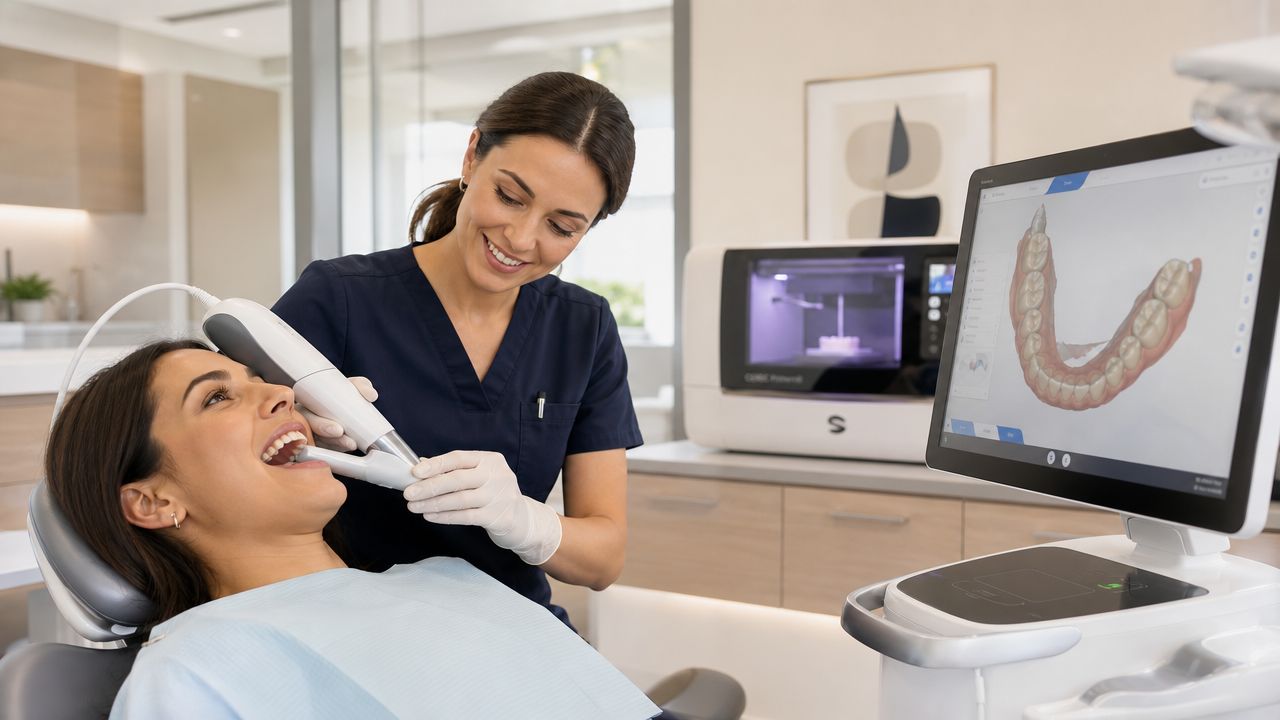
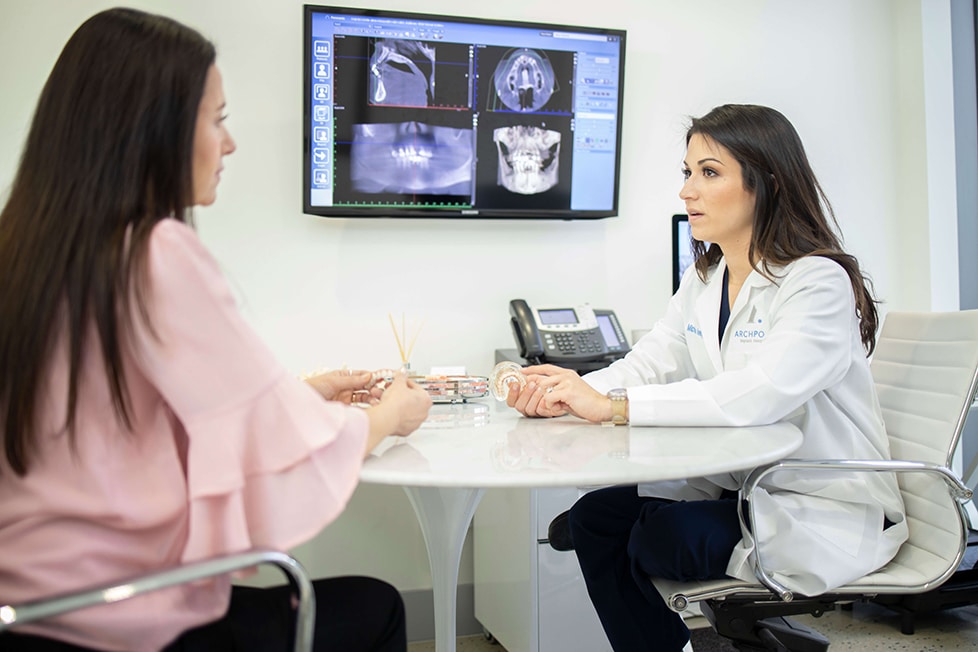
When evaluating a dental office, parents should look for a welcoming environment filled with engaging activities, modern technology, and a clear focus on patient-centered care. An ideal clinic features waiting areas designed to entertain children, treatment rooms equipped with screens or music, and state-of-the-art diagnostic tools that make exams faster and more comfortable.
Why 3D Dental Stands Out
3D Dental provides compassionate, expert care specifically tailored to meet the unique needs of young patients and their families. The practice combines advanced dental technology with a warm, inviting atmosphere, ensuring that every child receives precise treatments without experiencing unnecessary stress. By prioritizing clear communication and gentle techniques, 3D Dental consistently delivers exceptional healthcare experiences that families trust.
Addressing Dental Anxiety in Children
Recognizing Signs of Dental Anxiety
Parents can identify if their child is nervous about the dentist by watching for physical and behavioral cues such as crying, clinging, or verbalizing fears leading up to the appointment. Some children may experience disrupted sleep the night before or complain of sudden stomach aches on the day of the visit.
Strategies to Ease Anxiety
Bringing a favorite comfort item, such as a blanket or stuffed toy, can provide a significant sense of security for a nervous child sitting in the dental chair. Scheduling visits at a time when the child is well-rested and fed—typically in the morning—prevents irritability and makes the child more cooperative. Offering plenty of praise and perhaps a small, non-food reward after the appointment reinforces positive behavior.
How 3D Dental Creates a Stress-Free Experience
The team at 3D Dental focuses heavily on making visits fun, comfortable, and highly predictable for kids. Staff members utilize a "tell-show-do" approach, where they explain what they will do, demonstrate it outside the mouth, and then perform the action, eliminating any element of surprise.
Building a Lifetime of Healthy Smiles
The Long-Term Benefits of Early Dental Care
Starting dental visits early leads to better oral health outcomes, including fewer cavities, healthier gums, and perfectly aligned adult teeth. Children who receive consistent early care are far less likely to require extensive restorative work in their teenage and adult years. This proactive approach not only preserves the natural structure of the teeth but also supports overall systemic health.
Encouraging a Positive Attitude Toward Dental Care
Parents serve as the primary role models for their children, meaning that a parent's positive attitude toward their own dental hygiene directly inspires the child. Brushing and flossing together as a family normalizes the activity and turns it into an engaging daily ritual rather than a solitary chore.
Partnering with 3D Dental for Your Child’s Smile
Working with a trusted provider like 3D Dental ensures that parents have expert support throughout their child’s entire oral health journey. Establishing a long-term partnership with a dedicated dental team allows for personalized care plans that adapt as the child grows from a toddler into a teenager.
Your Next Steps for a Healthy Smile
Starting dental care early is the single most effective way to set the stage for a lifetime of healthy smiles and confident checkups. Early intervention prevents painful decay, ensures proper jaw development, and helps children build the resilience and trust needed to view dental appointments as a normal, positive part of life.
The expertise and family-friendly approach found at 3D Dental make caring for young patients a seamless and enjoyable process. With a highly trained staff and an environment designed specifically to put children at ease, the clinic removes the traditional stress associated with medical appointments.
Caregivers should make oral health an immediate priority by taking the necessary steps to secure a dental home for their infant or toddler. Schedule the child’s first dental visit today to access expert guidance, preventative care, and the peace of mind that comes from knowing their smile is in exceptional hands.
3D Dental Texas
https://maps.app.goo.gl/XMPCB3A1TnEpUHFAA
(512) 831-7918
12854 Research Blvd Austin TX 78750
https://www.3ddentaltexas.com/
Ready to get started?
Schedule a free, no obligation consultation with our team and see what's possible for your smile!
Georgetown
- Mon-Thurs8:30am-5pm
- Fri8am-3:30pm
- Sat-SunClosed
Austin
- Mon-Tues8am-5pm
- Wed-Thurs9am-6pmFri8am-2pm
- Sat-SunClosed