
Acrylic Dental Partials in Austin, TX: A Patient Guide
Related Posts




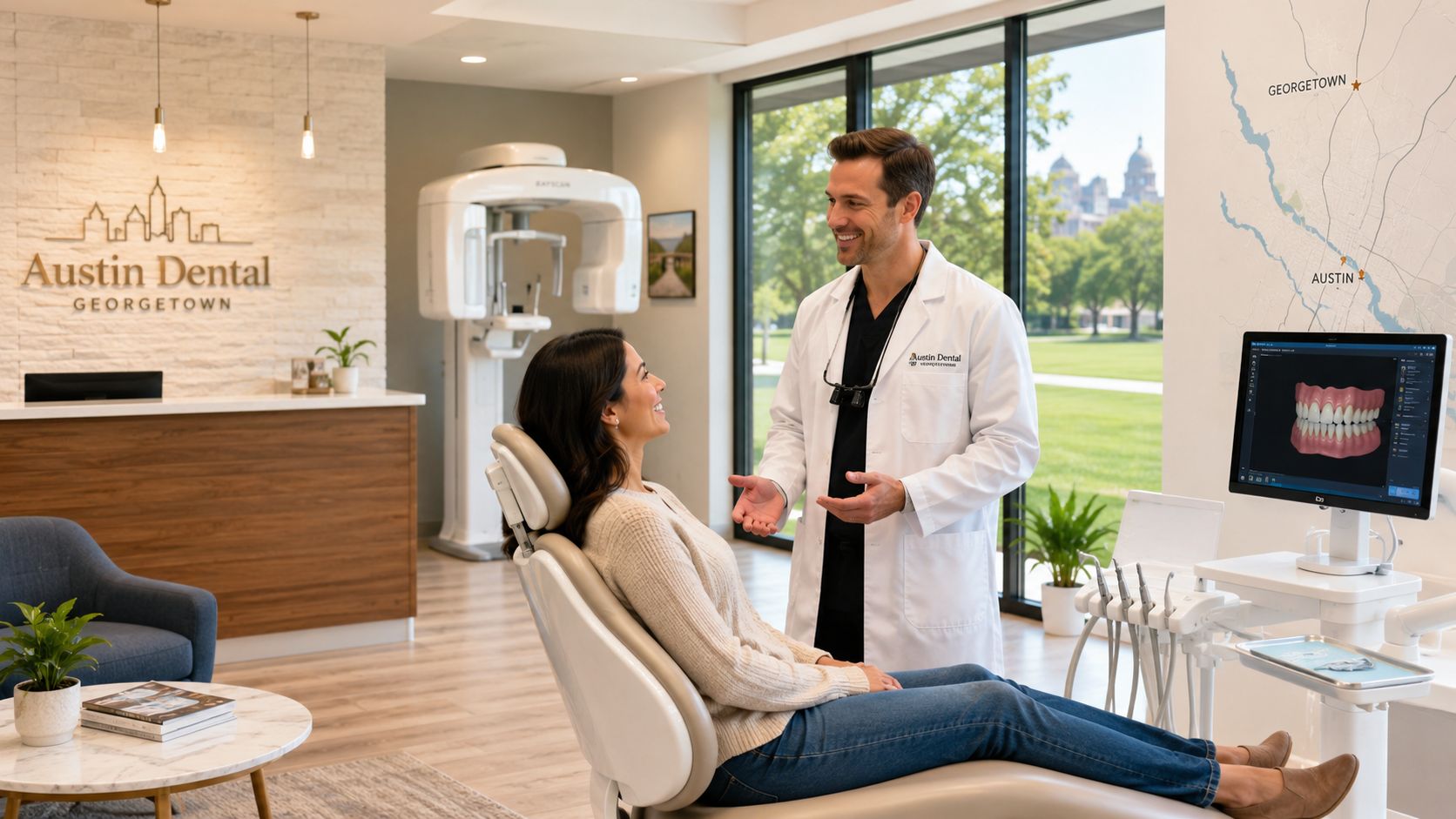
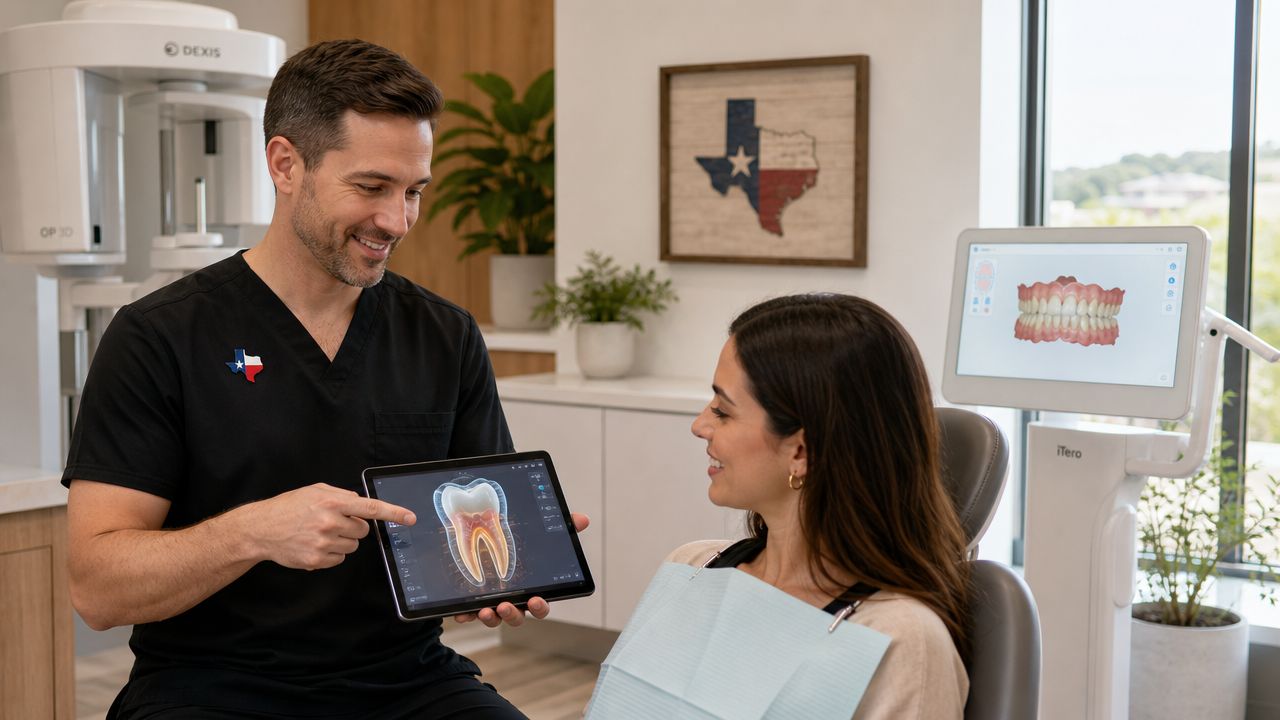
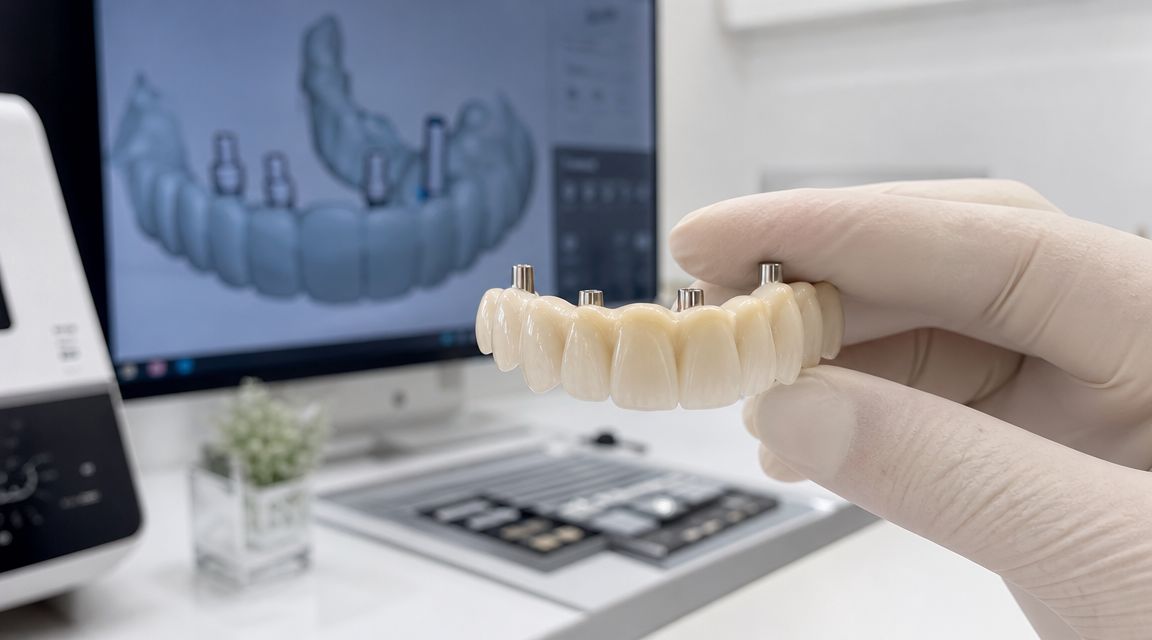
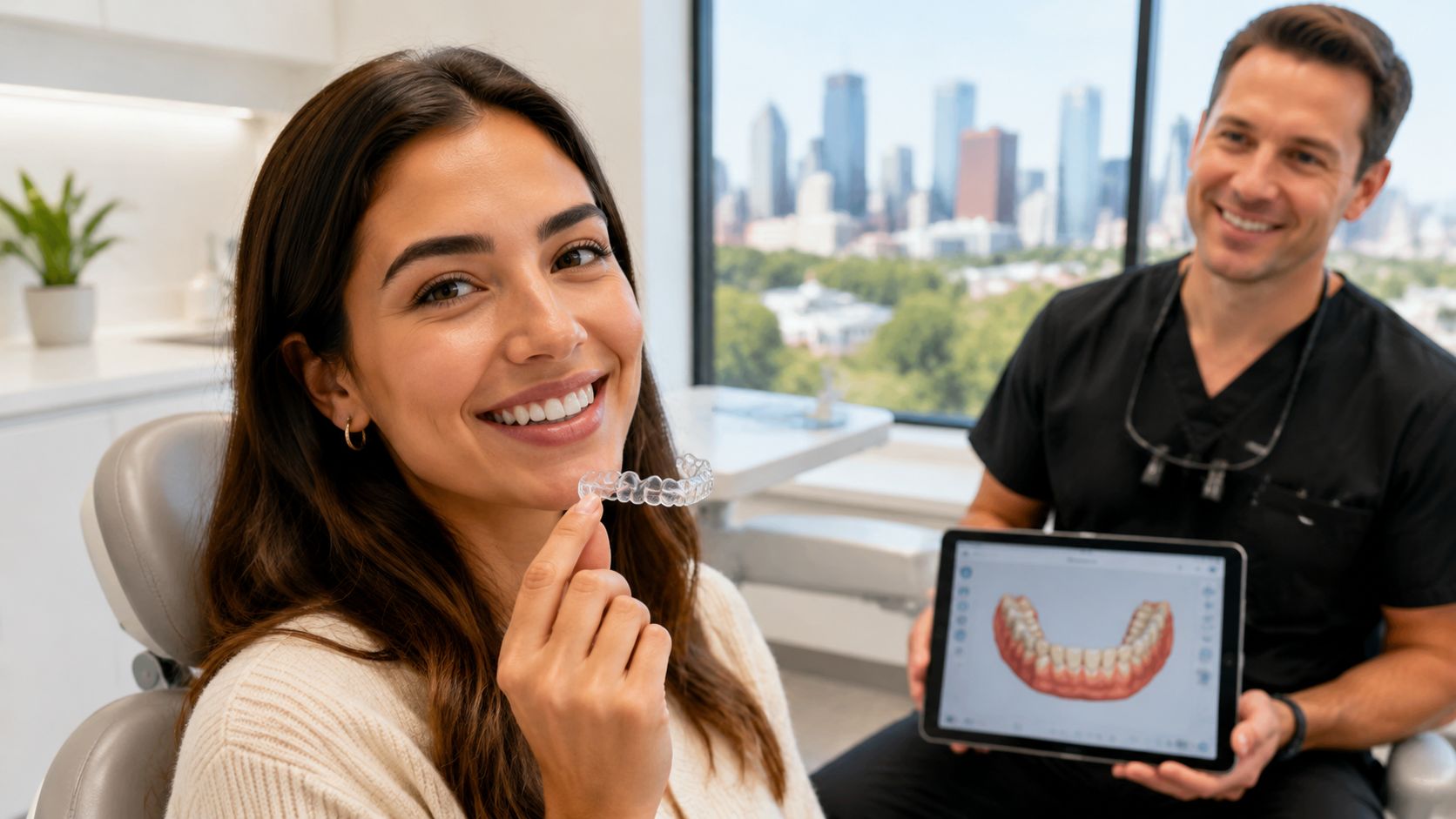

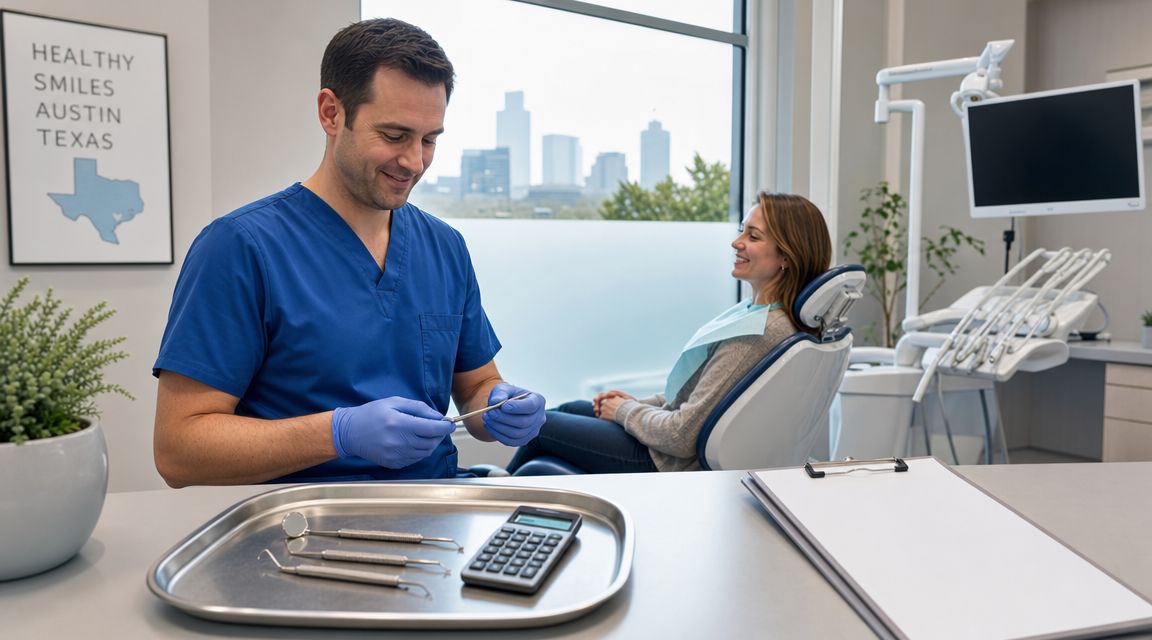
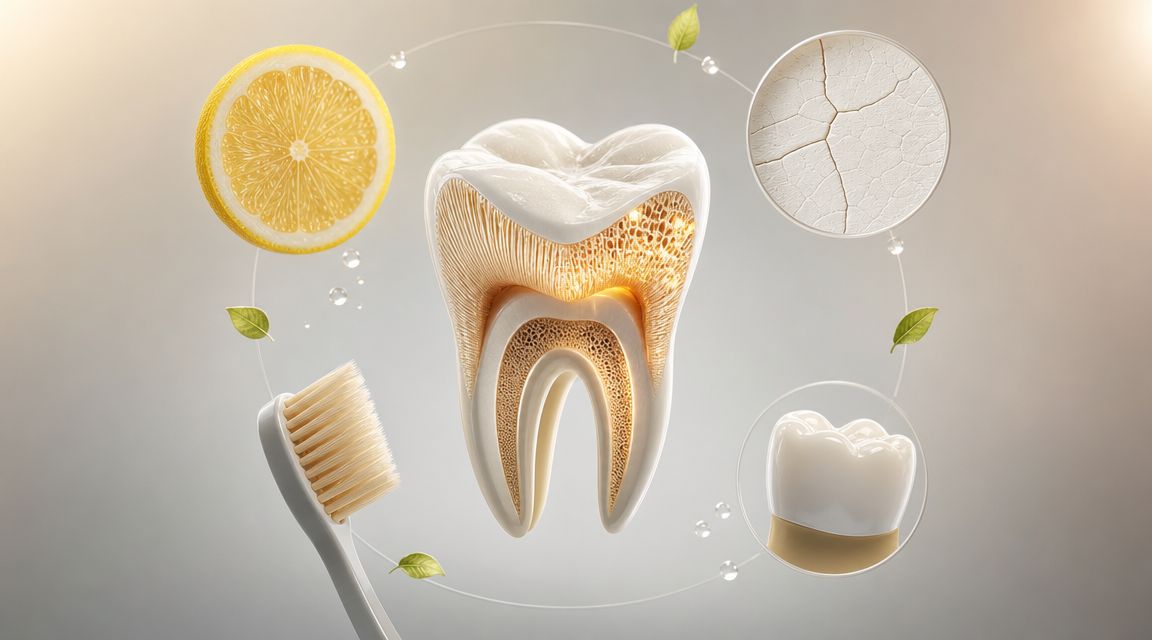
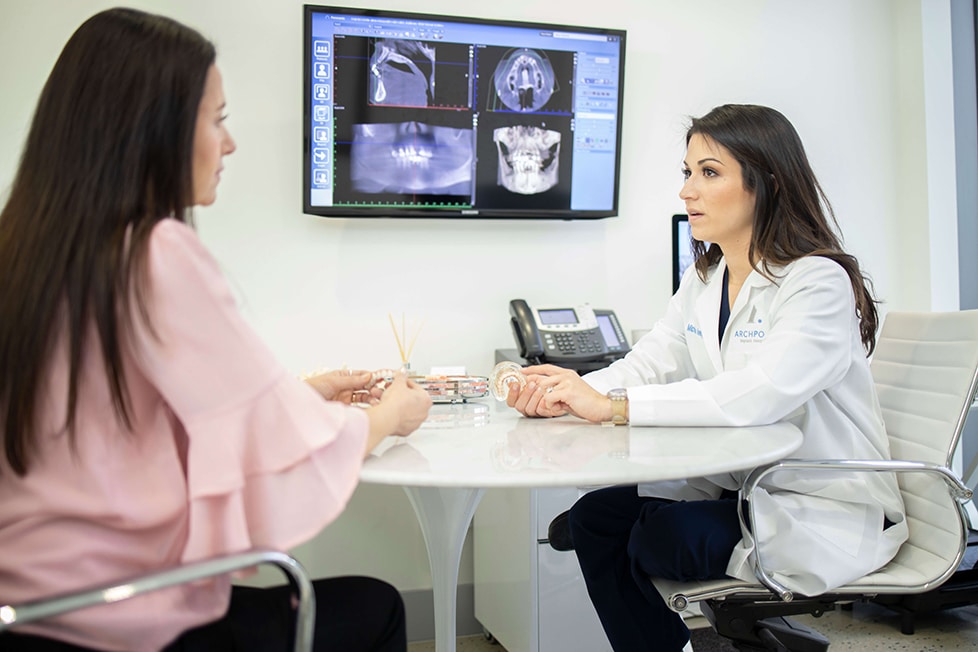

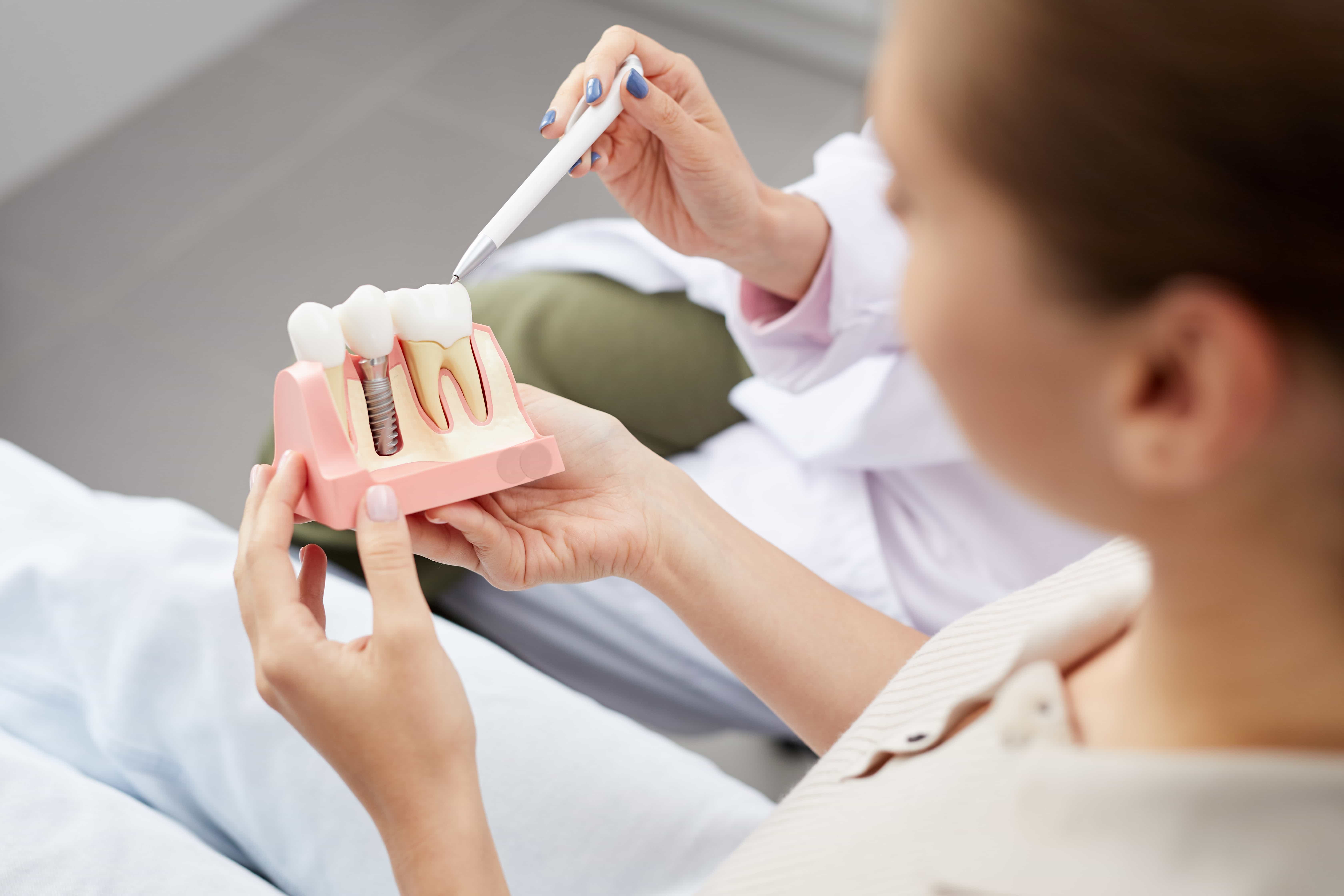
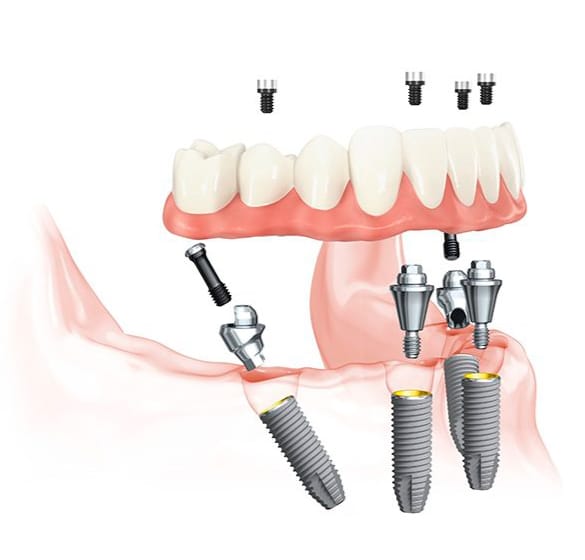
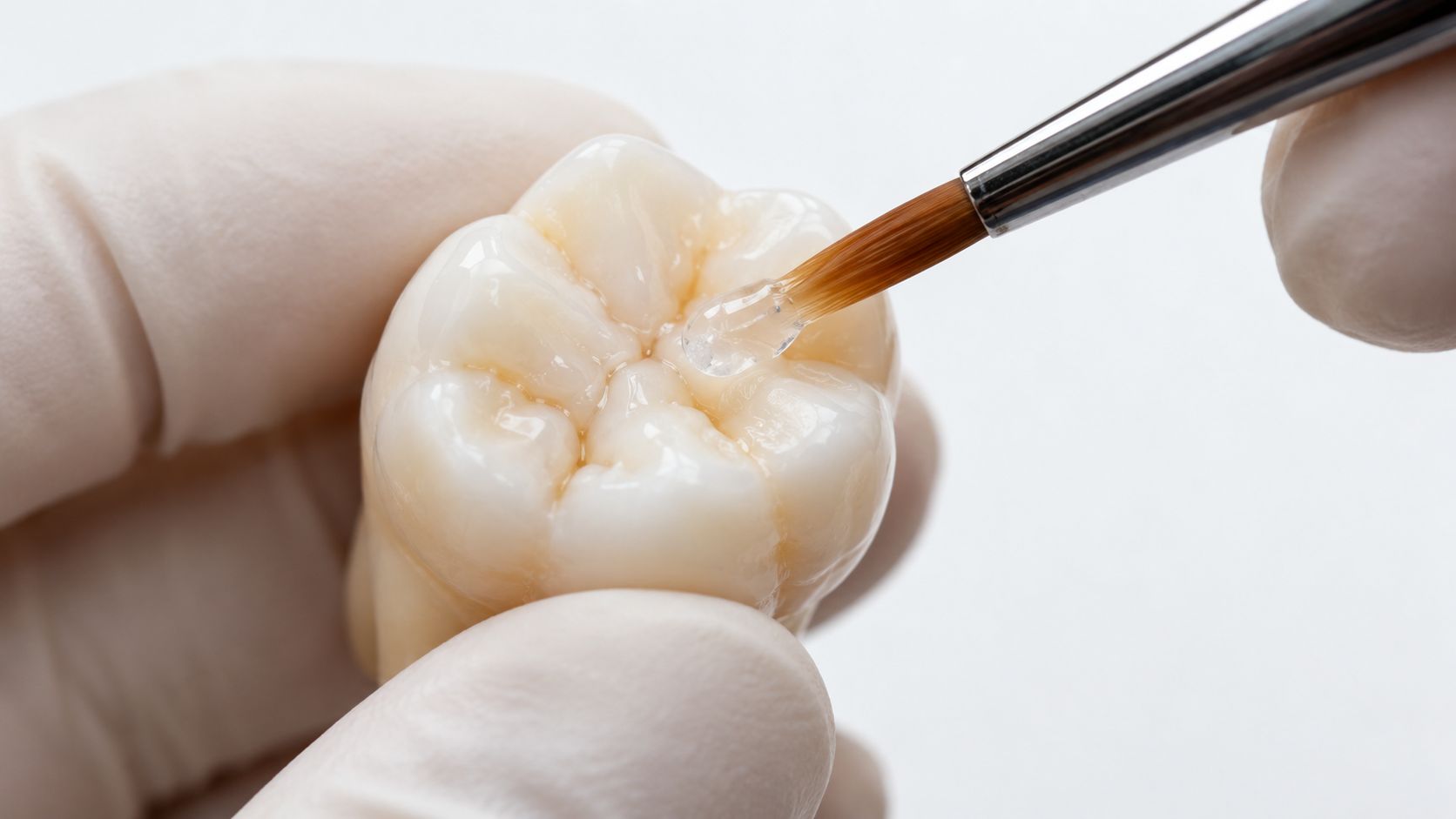
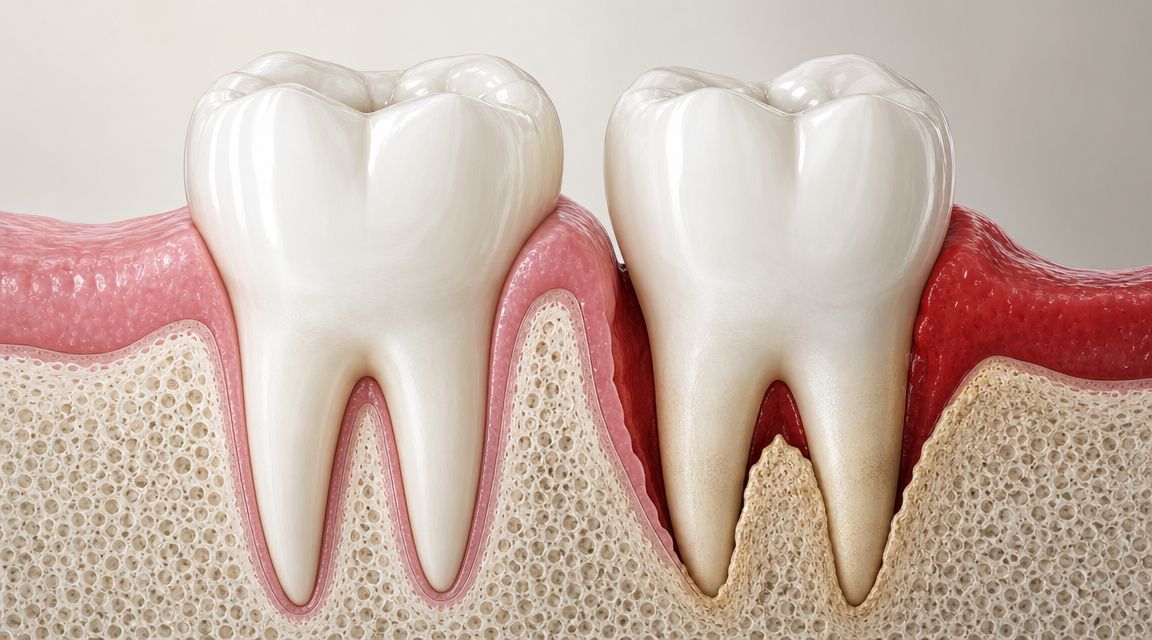









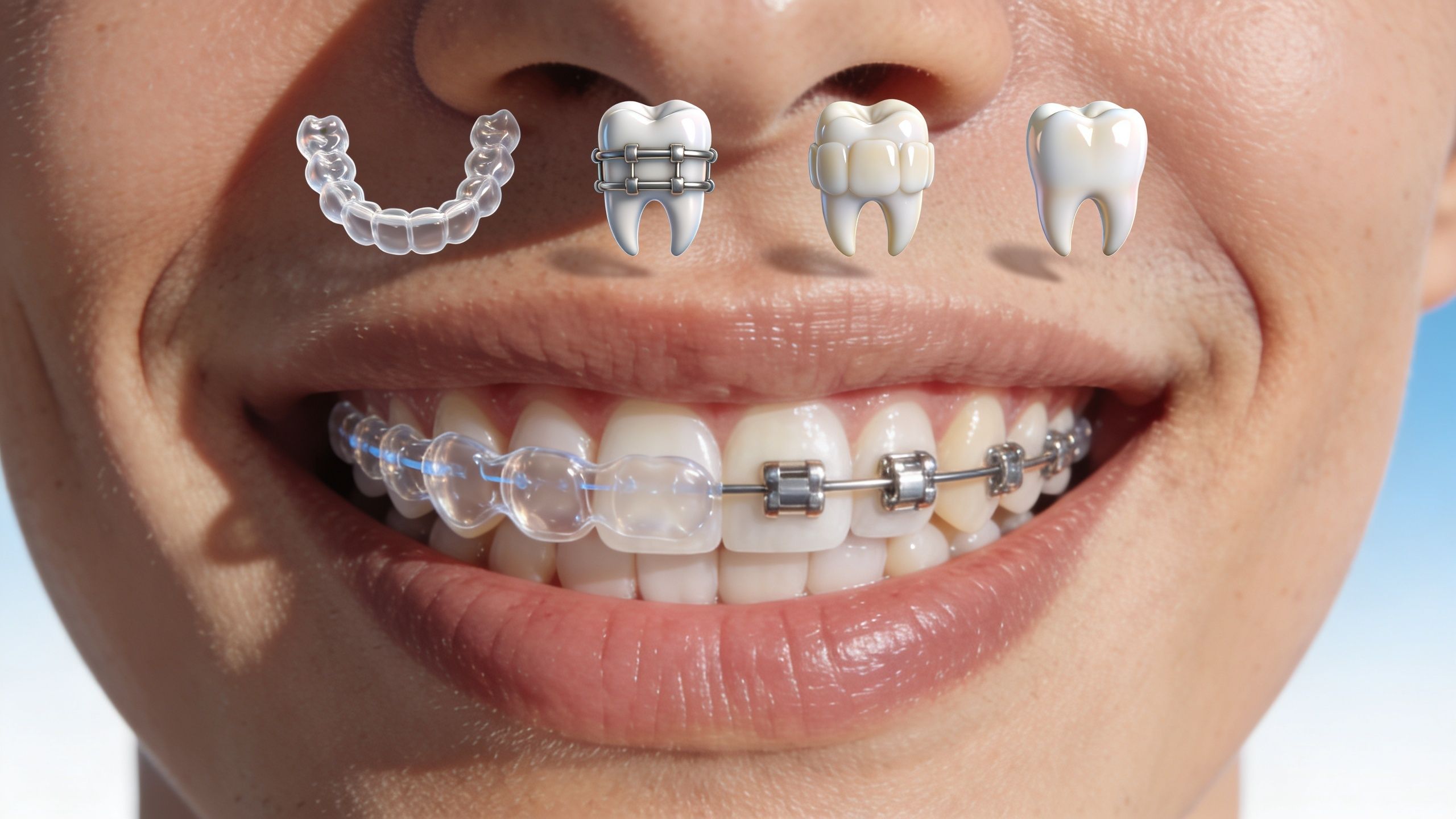


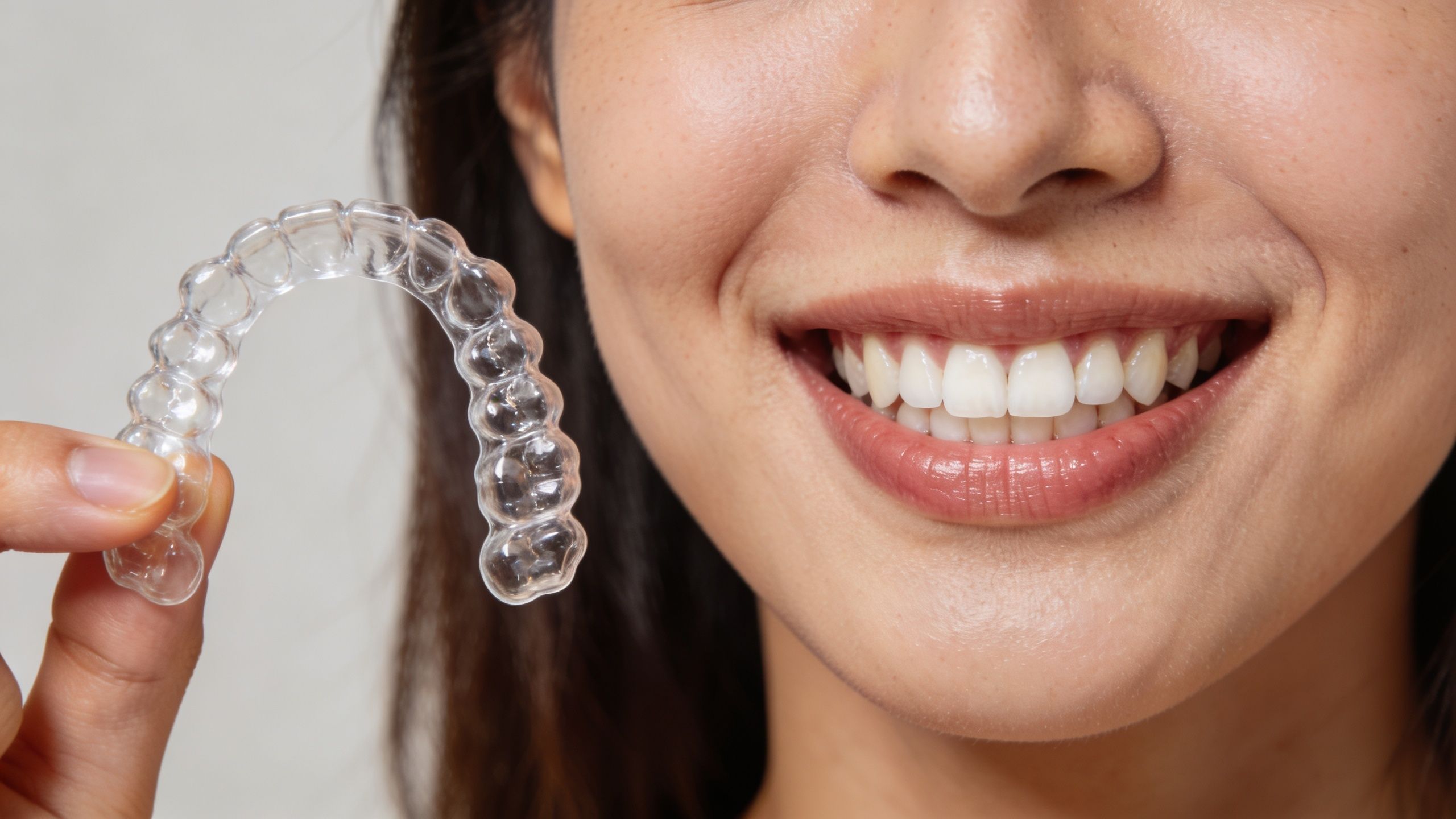



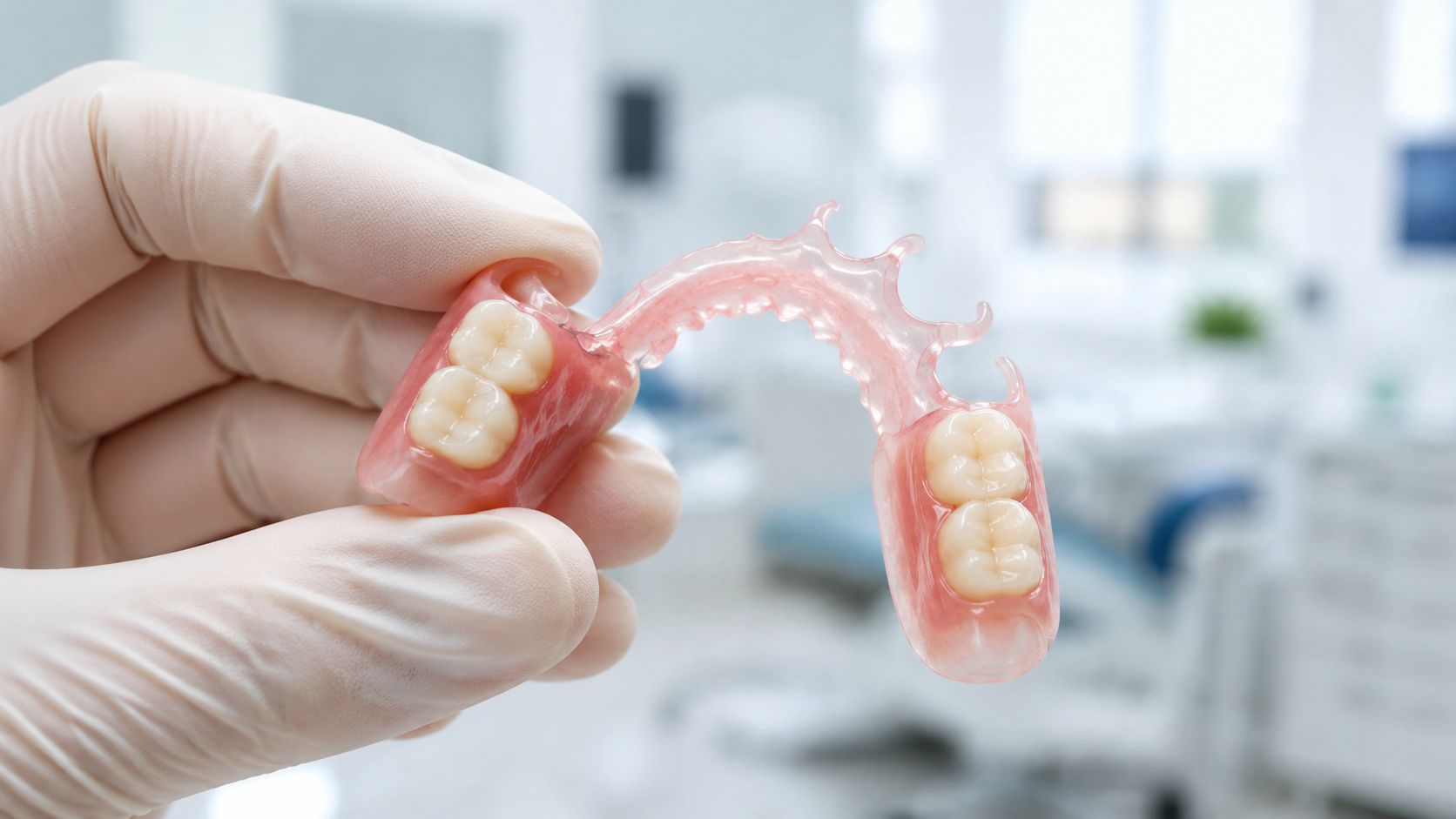
If you're reading this, you're probably dealing with a gap in your smile right now. Maybe chewing on one side has become your workaround. Maybe certain words don't sound quite right. Maybe you're comparing a quick fix, a longer-term plan, and what fits your budget without putting off treatment any longer.
For many patients in Austin and Georgetown, acrylic dental partials are the option that gets them moving again. They can restore appearance, help with speech, and make everyday eating easier while keeping treatment straightforward. They can also serve an important role after a tooth extraction, while healing, or while planning for dental implants near me searches often lead people toward a more permanent replacement.
A good dentist near me should explain the trade-offs clearly. Acrylic partials can be a smart choice, but they aren't the right fit for every mouth or every goal. What matters is choosing a solution that matches your timeline, comfort needs, and long-term dental care plan.
Your Trusted Dentist for Partial Dentures in Austin & Georgetown
Missing teeth affect more than appearance. People often notice the practical problems first. Food gets trapped more easily, chewing feels uneven, and smiling in photos becomes something they think about instead of something they enjoy.
That concern is common across Austin, TX, Georgetown, TX, Round Rock, Cedar Park, Wells Branch, and Liberty Hill. Patients looking for a dentist in Austin, TX or a dentist near me usually aren't just searching for a name. They're looking for a place that can explain options plainly, make treatment comfortable, and help them feel confident about the next step.
Acrylic partial dentures fill an important space in restorative dentistry. They aren't the only answer, but they're often the most practical starting point for patients who want to replace one or more missing teeth without surgery and without the higher upfront cost of other restorations.
Why many patients start here
Acrylic partials are especially useful when someone needs a replacement tooth soon. That might happen after a tooth extraction, after unexpected tooth loss, or during planning for a future implant. In those situations, waiting too long can make eating, speaking, and social confidence harder than it needs to be.
Clinical reality: The best tooth replacement isn't always the most complex one. It's the option the patient can wear comfortably, maintain well, and move forward with now.
Patients also appreciate that this kind of prosthetic can usually be adjusted more easily than rigid alternatives. When the shape of the mouth changes during healing, that flexibility matters.
Local care matters
Convenience matters when you need follow-up visits, a quick adjustment, or a new patient exam with dental x-rays. Patients in North Austin and Georgetown often want one office that can handle routine care, restorative dentistry, cosmetic dentistry, and emergency dentist needs without sending them all over town.
If you're comparing providers in Central Texas, it helps to start with a practice that serves both communities and nearby neighborhoods through its Austin and Georgetown dental locations. That makes ongoing care more practical, especially if your treatment plan may eventually include cleaning and exams, crowns, or dental implants.
What Are Acrylic Dental Partials
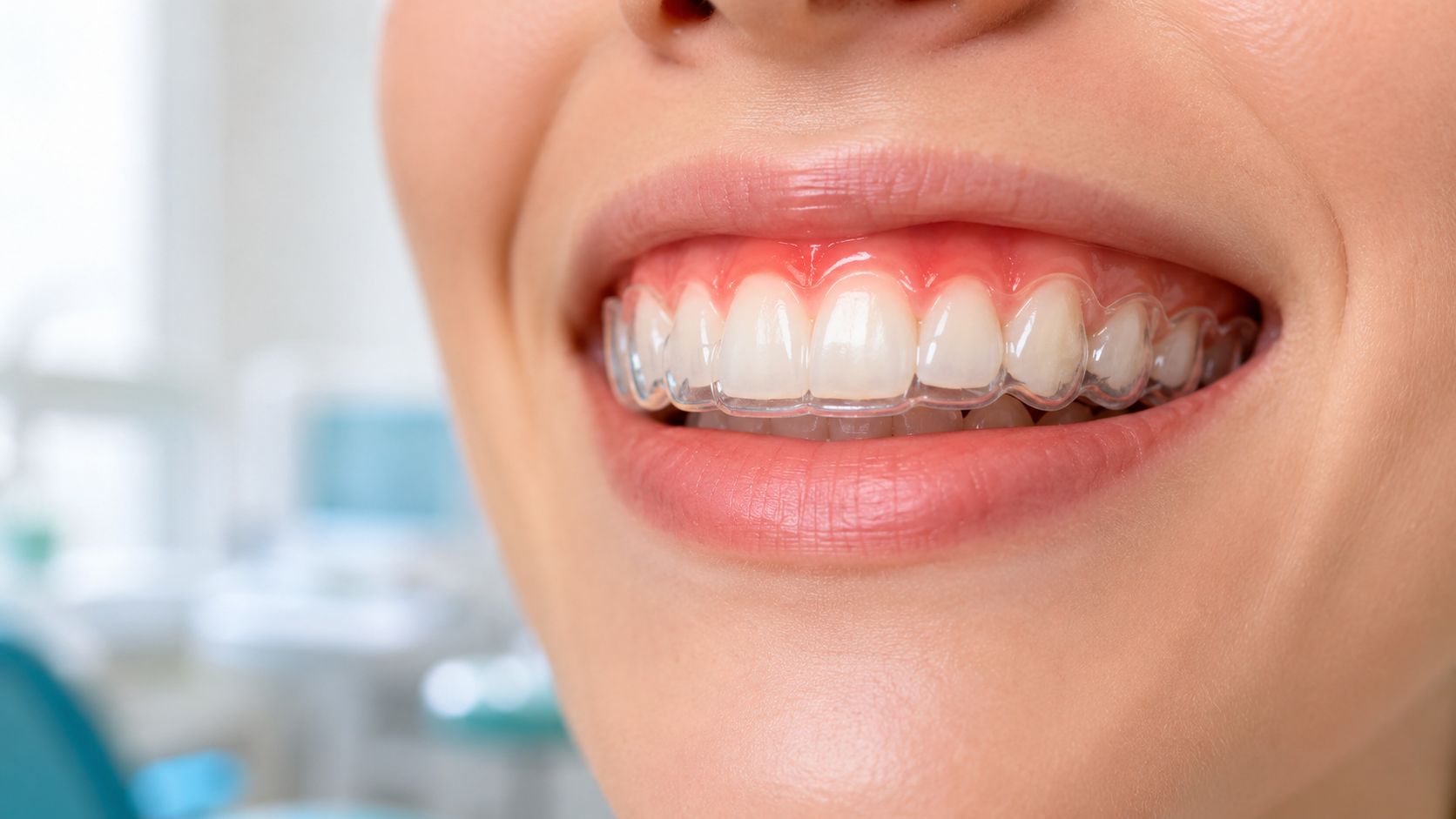
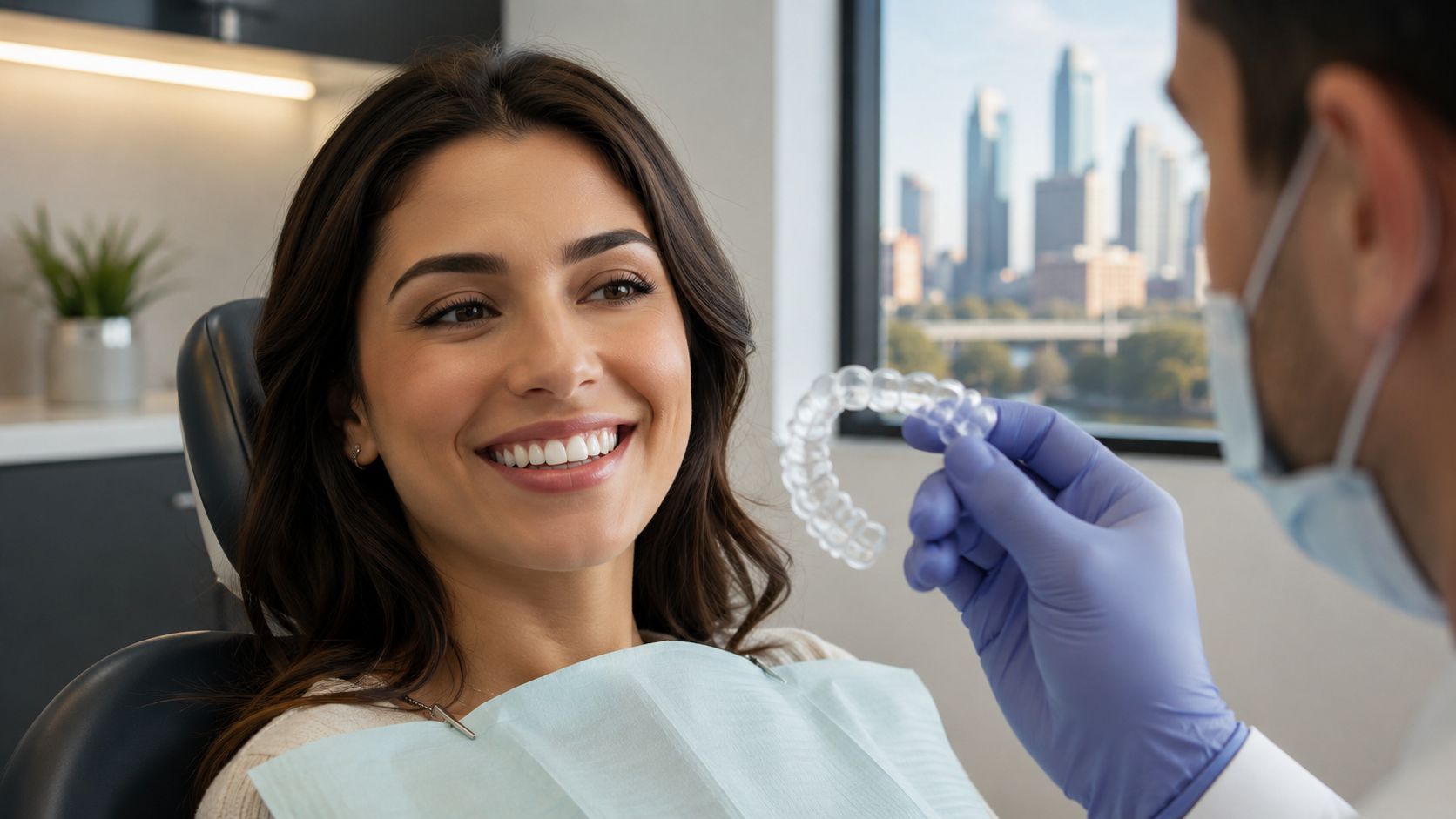
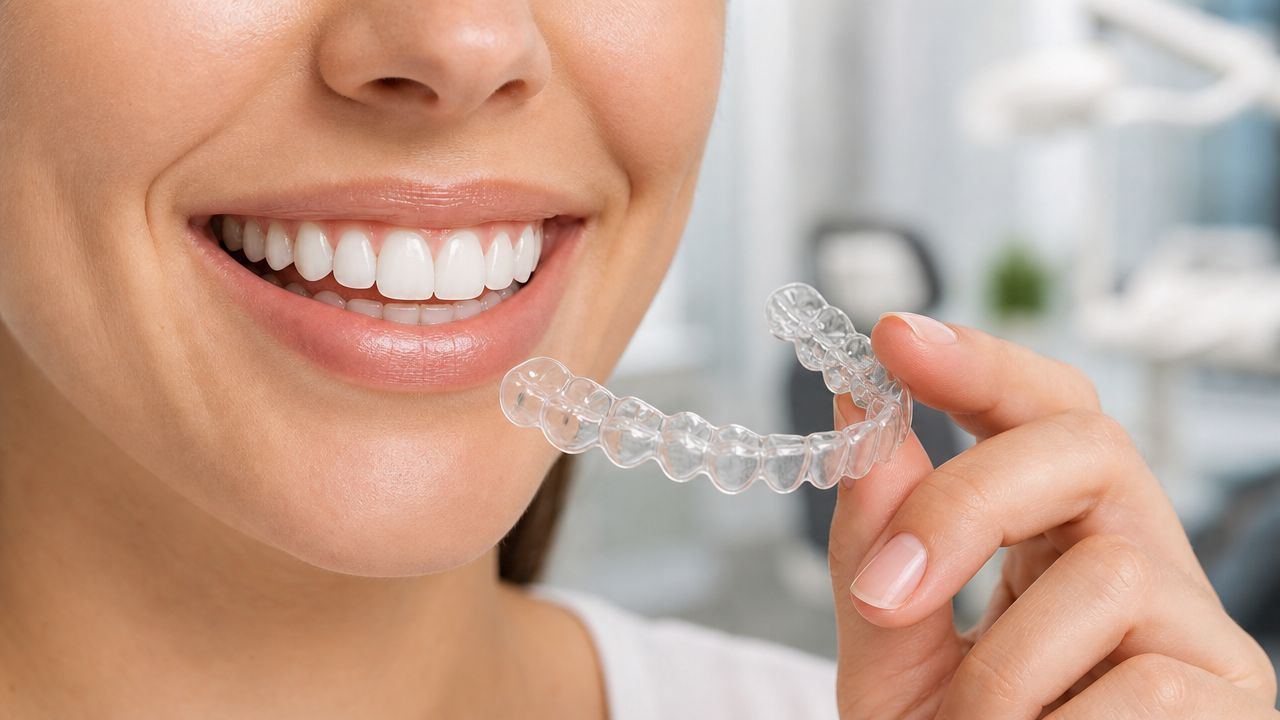
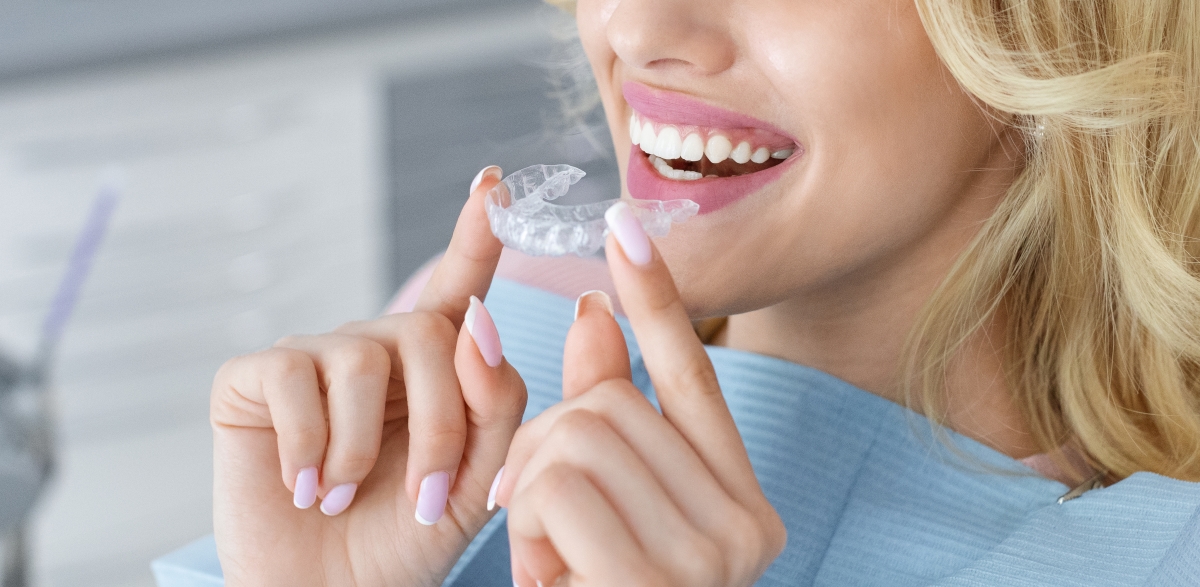
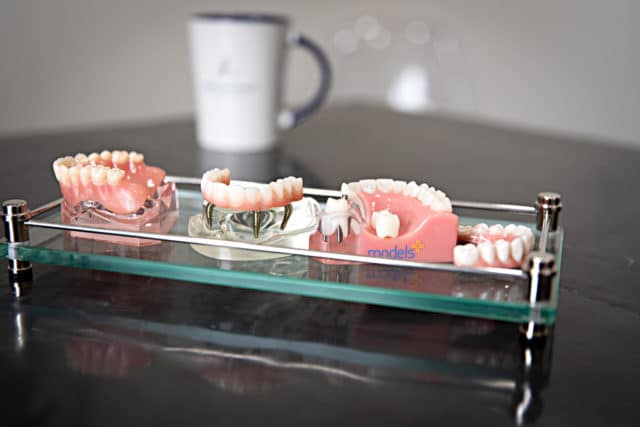
An acrylic dental partial is a removable appliance that replaces one or more missing teeth. It usually has a gum-colored base and built-in replacement teeth that sit in the open spaces of your smile. You take it out for cleaning, then place it back in to restore function and appearance during the day.
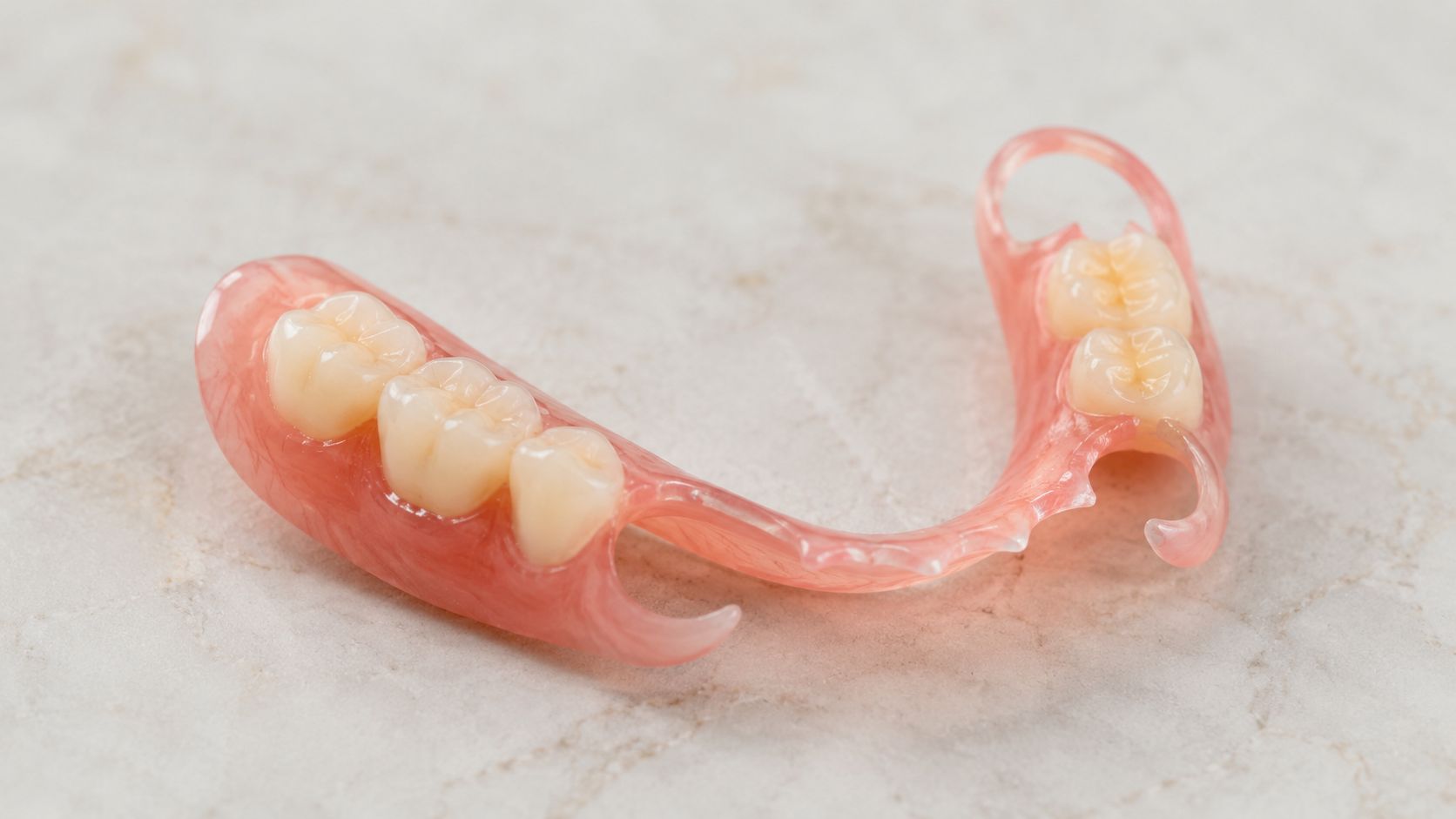
The material most commonly used is PMMA, or polymethyl methacrylate. A clinical overview from O'Hagan and Murray on acrylic dentures describes PMMA as a lightweight plastic that's easy to adjust and hypoallergenic, which is one reason it can work well for patients with sensitivities to certain metals.
What it looks like in everyday use
Think of it as a custom-made removable tooth replacement that fills a gap while matching the look of your gums and neighboring teeth as closely as possible. Some designs replace a single tooth. Others replace several missing teeth in one arch.
Acrylic partials can be made as a simple interim solution or as a more budget-conscious restorative option for longer wear. They aren't fixed in place like implants, but they can still make a noticeable difference in how a patient speaks, smiles, and manages meals.
Why people call them flippers
When an acrylic partial replaces a single tooth or serves as a short-term appliance, many patients know it as a flipper. According to this explanation of flippers and partial dentures, acrylic removable partial dentures are commonly used as temporary, budget-friendly interim replacements for patients who have recently lost a single tooth or are waiting for a more permanent solution like implants or a cast metal denture.
That temporary role is one of their biggest strengths. If someone needs a visible front tooth replaced quickly, a flipper can help bridge the gap while a more definitive treatment is planned.
A well-made acrylic partial should do two jobs at once. Restore the space and buy time for good decisions.
Where they fit in a full treatment plan
Acrylic partials are part of restorative dentistry, not a one-size-fits-all endpoint. For some patients, they're the main solution. For others, they're the first step before cosmetic dentistry, a bridge, or implant treatment.
What matters is using them for the right reason. They work best when expectations are clear from the start.
Are You a Good Candidate for Acrylic Partials
Some patients know right away that they want the most permanent option possible. Others need something practical, affordable, and ready sooner. Acrylic partials tend to fit the second group well.
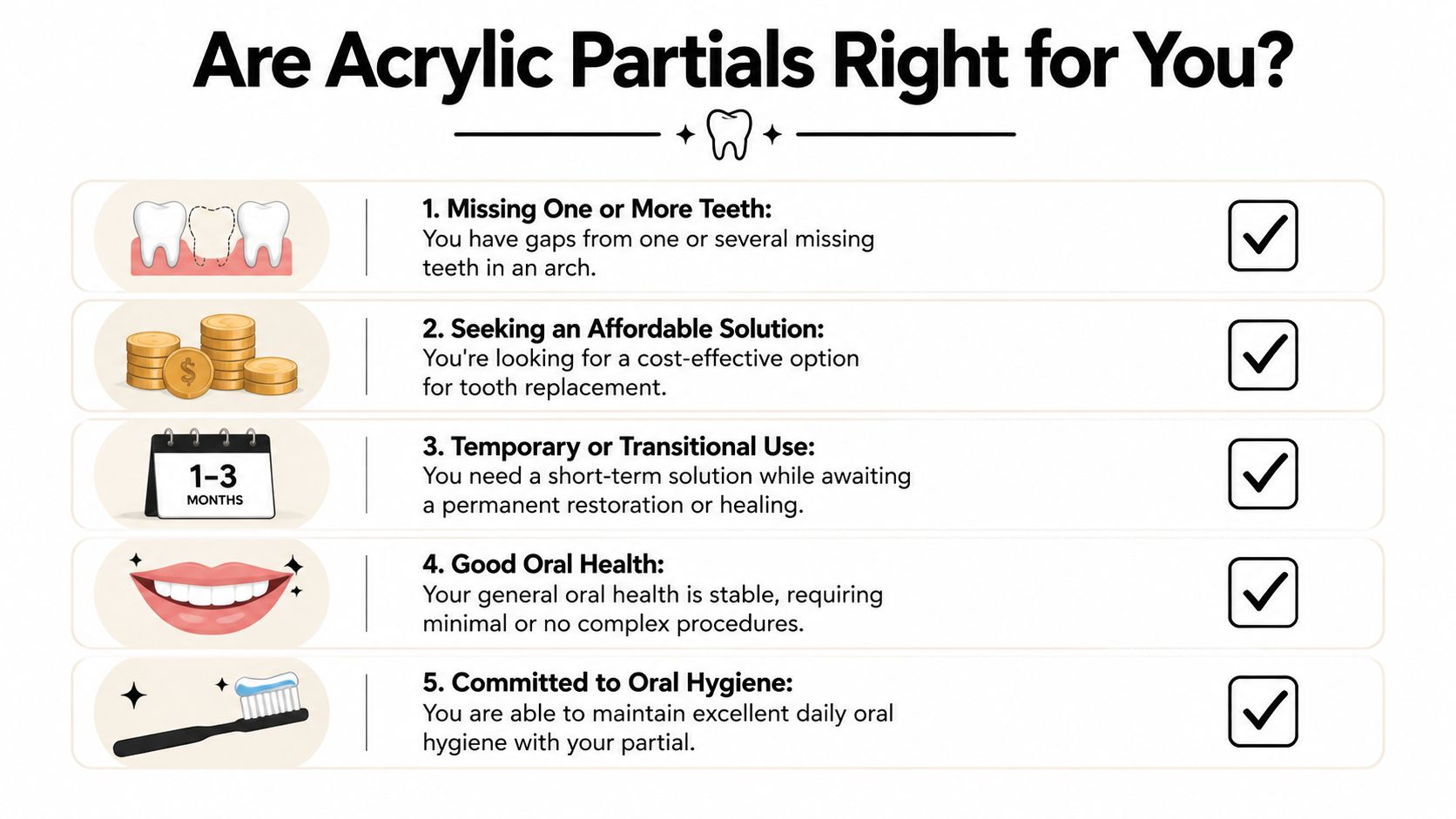
You may be a good candidate if you're missing one or more teeth and want a removable option that restores your smile without surgery. They can also be a good fit after extractions, when gums are still changing shape and a fixed restoration would be premature.
Acrylic partials are also worth considering if cost is one of your biggest concerns. They often make it possible to replace missing teeth sooner instead of delaying care and living with a gap.
Situations where they make sense
These are common scenarios where acrylic partials work well:
- You need a replacement soon: If you've recently lost a tooth or had a tooth extraction, an acrylic partial can restore appearance and function while tissues heal.
- You're planning future treatment: Some patients want implants later but need something wearable in the meantime.
- Your mouth may still change: Acrylic can often be relined or adjusted as the gums and bone shift during healing.
- You want a non-surgical option: Not everyone wants implant surgery, especially as a first step.
- You need a practical entry point: For patients starting restorative care, this can be the most manageable first move.
Oral health still matters
Acrylic partials don't eliminate the need for healthy supporting teeth and gums. If someone has active gum problems, untreated decay, or a bite issue, those concerns need to be addressed so the partial has a stable foundation.
That's one reason a full new patient exam, dental x-rays, and bite evaluation matter. The best result comes from fitting the appliance to a healthy mouth, not asking the appliance to solve everything by itself.
Best candidates usually share one habit: They understand that removable appliances need daily cleaning, regular checkups, and occasional adjustments.
A broad need for this type of treatment already exists. Avadent's guide to high-impact acrylic dentures notes that 69% of adults have lost at least one tooth by age 34, and 26% of seniors have lost all their teeth, which helps explain why affordable, adjustable tooth replacement remains so important.
The Process at 3D Dental From Consultation to Final Fit
Getting an acrylic partial shouldn't feel confusing. The process is usually straightforward, and modern digital tools make it more comfortable than many patients expect.
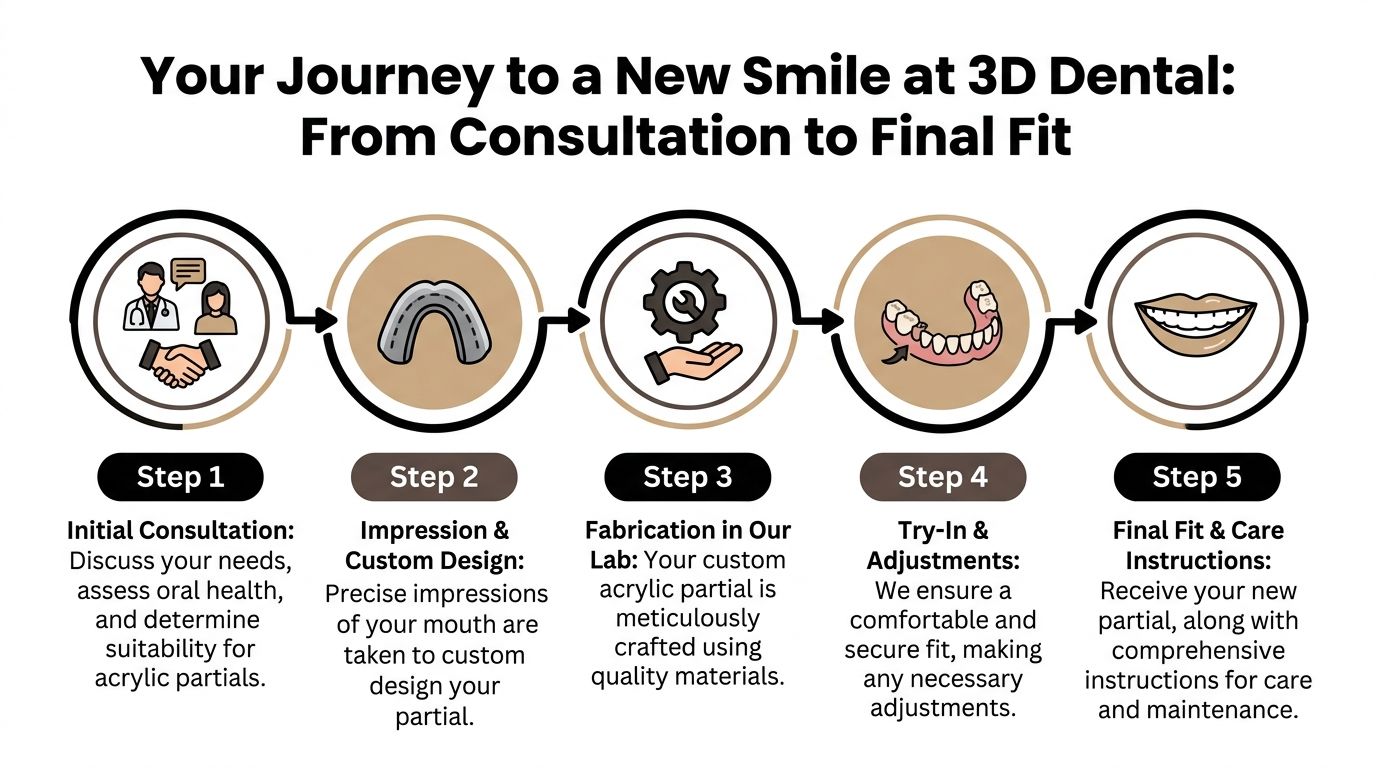
Step one starts with a full look at your mouth
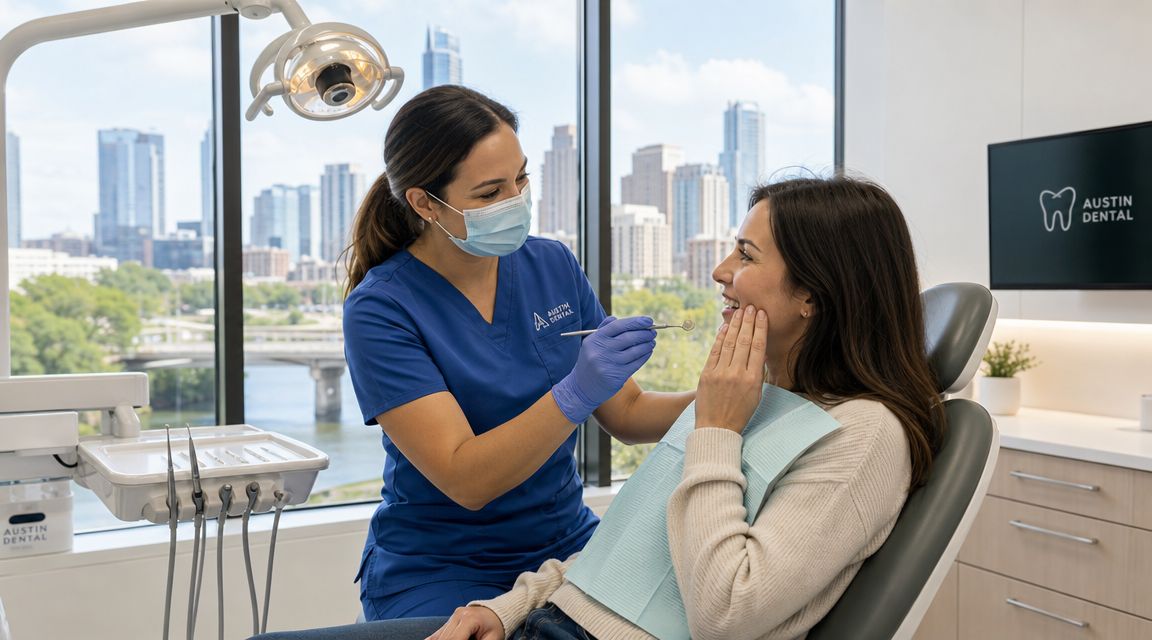
At the first visit, the team checks the condition of your teeth, gums, and bite. If you've been searching for a dentist in Georgetown, TX or dentist near me because you've been putting this off, this part often brings relief. You get a clear answer about what's possible.
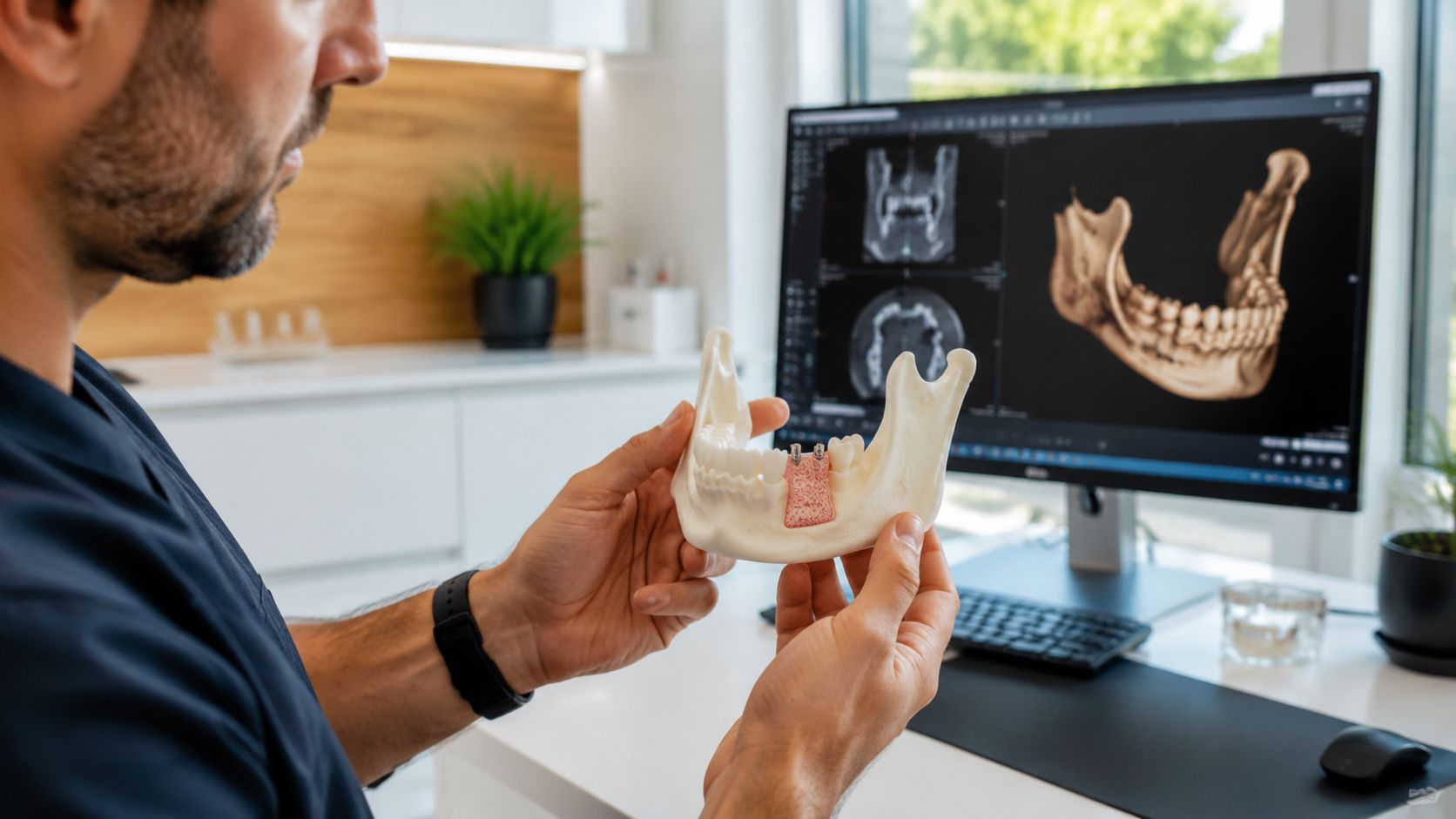
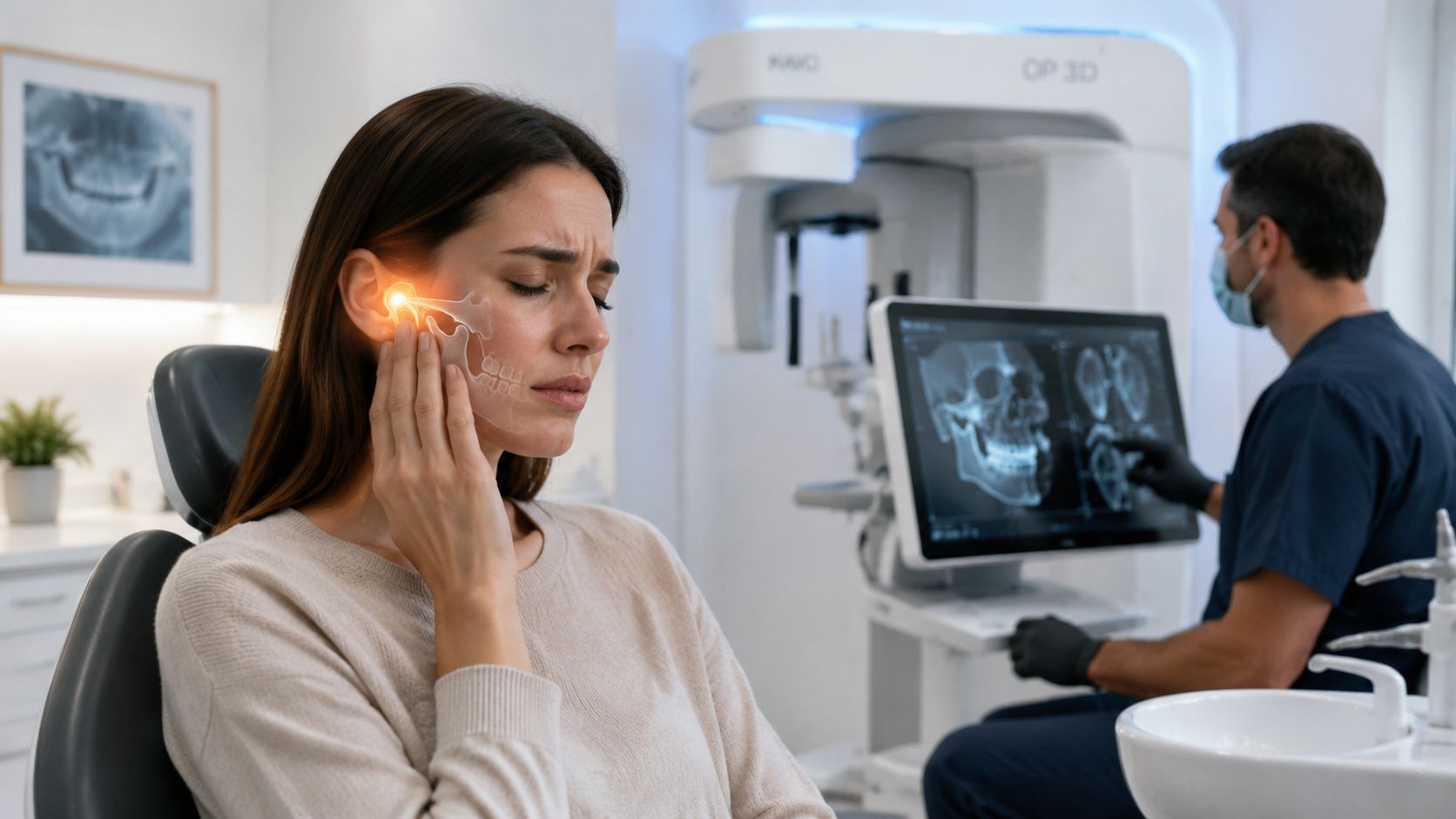
For some patients, the visit also includes digital x-rays or a 3D CT scan, especially if the missing tooth is part of a bigger restorative plan. If an implant may come later, that planning matters early.
Digital impressions make the process easier
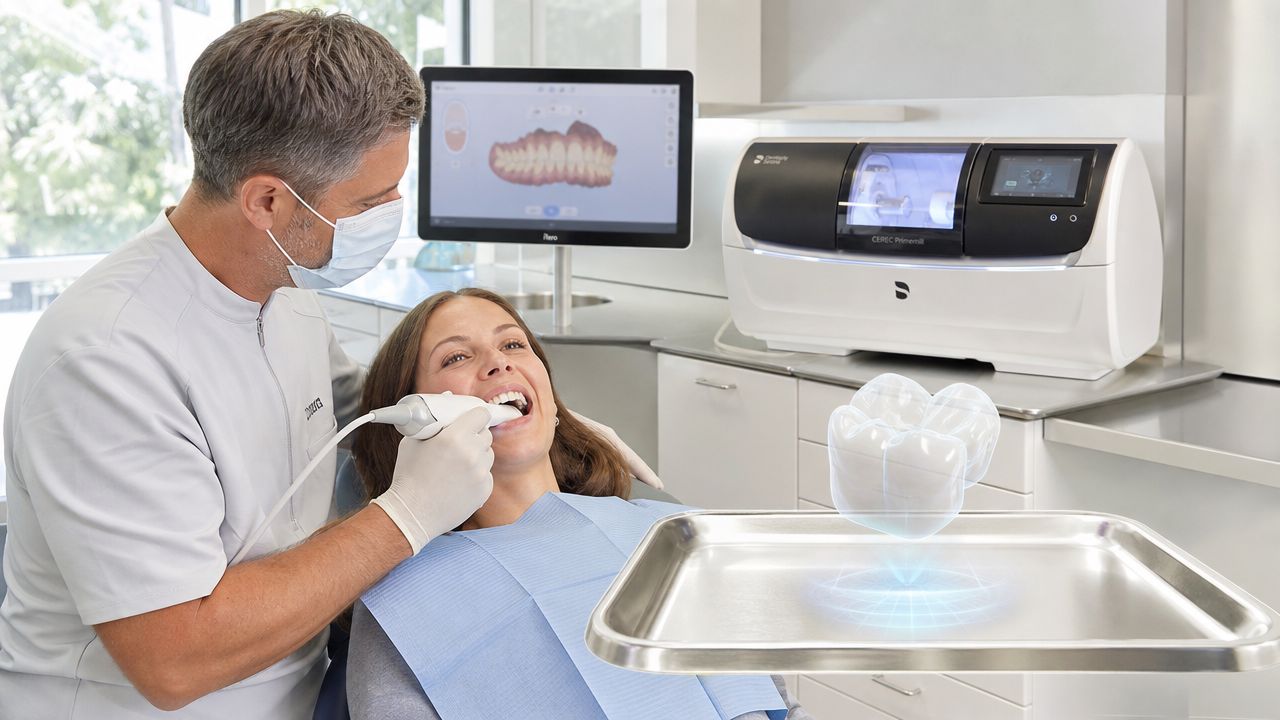
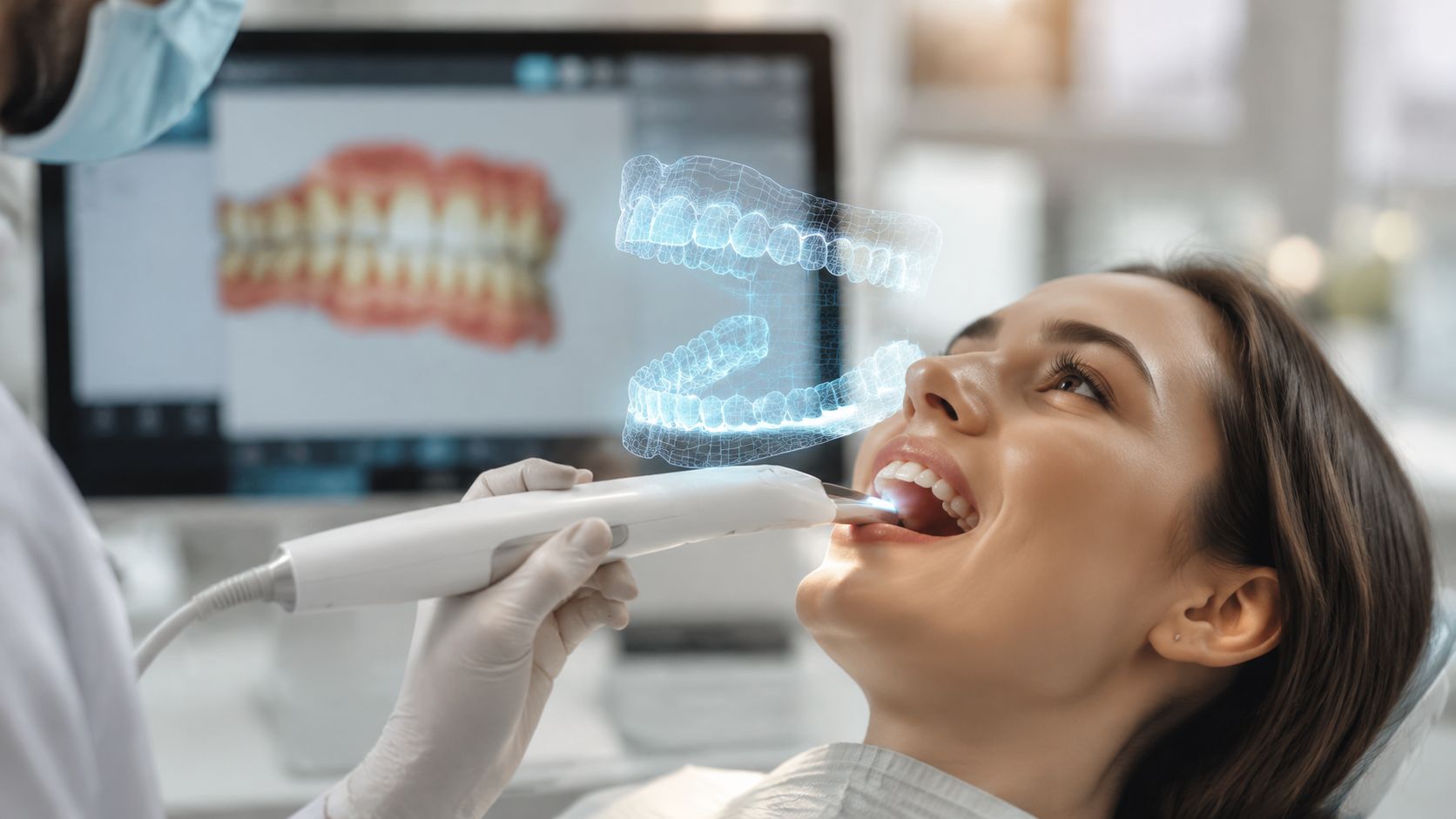
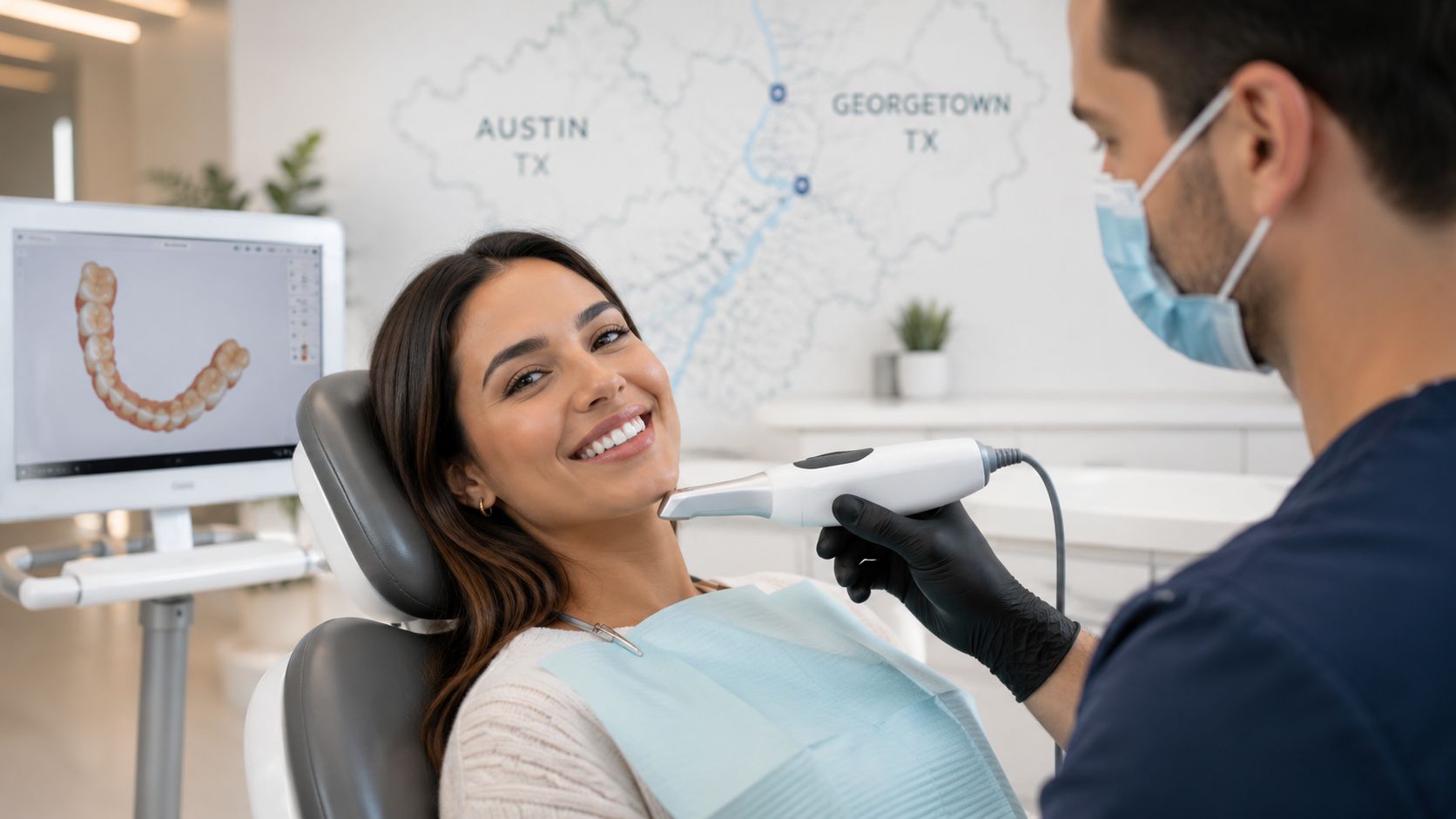
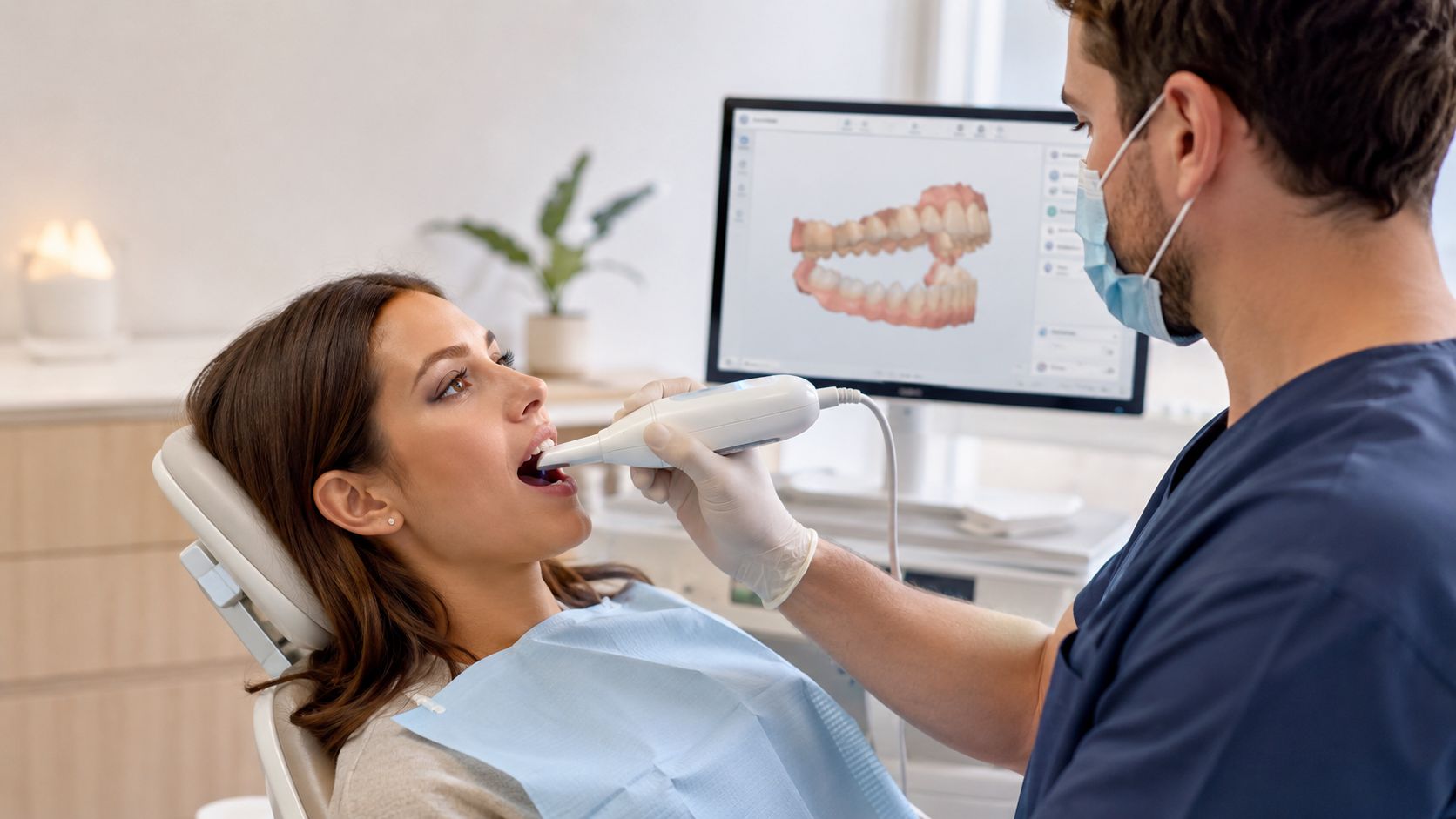
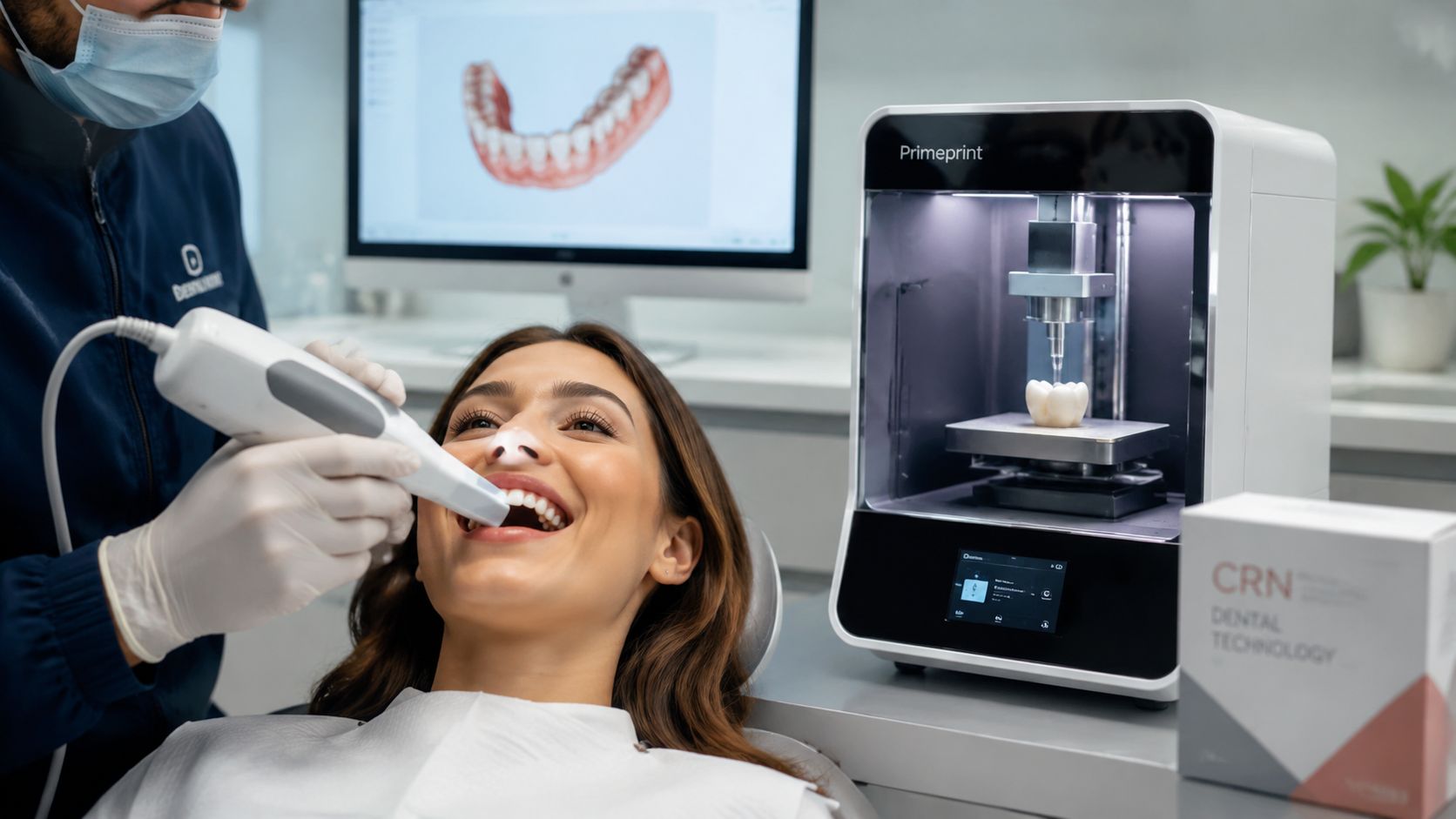
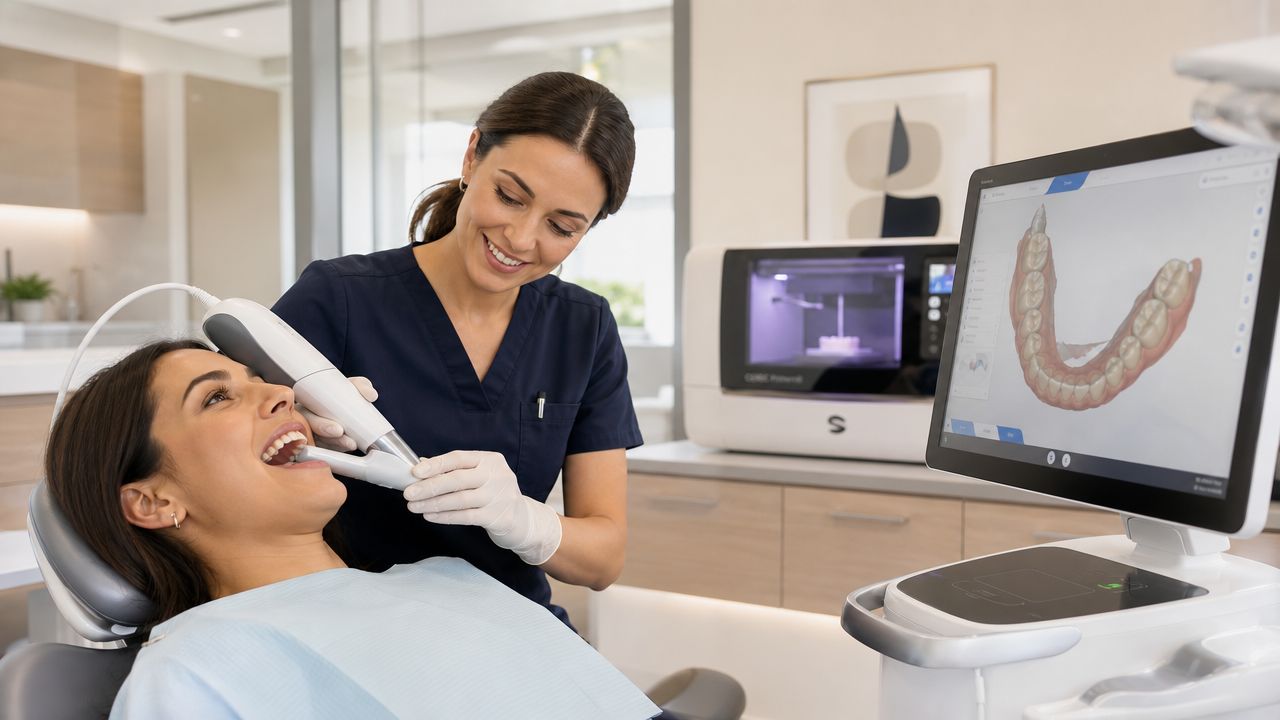
Traditional impression material can feel messy and uncomfortable. Digital intraoral scanning changes that. Instead of relying only on old-style trays, the scanner captures the shape of your teeth and gums in detail, helping the office design a partial that fits more precisely.
That digital approach is especially helpful if you've had a recent extraction or if the spaces are visible when you smile. Small fit details matter a lot in those cases.
In-house fabrication improves turnaround and control
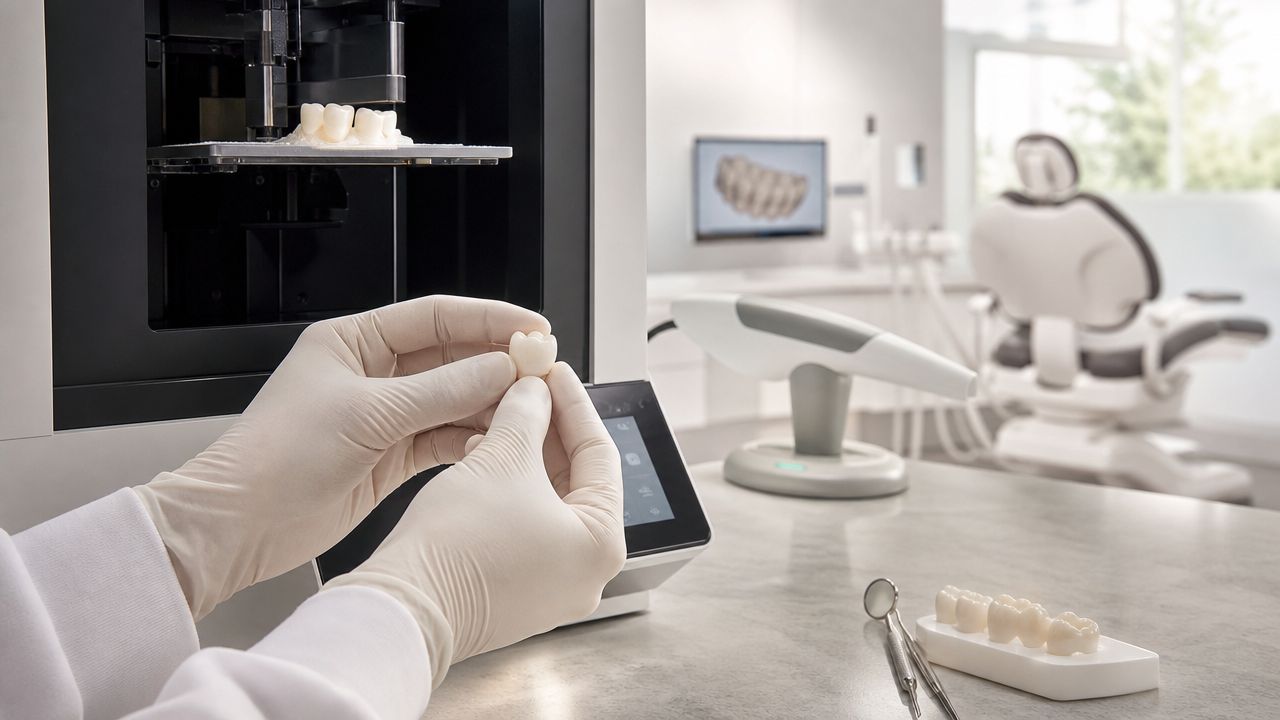
One major advantage of working with a practice that has an in-house lab is control over the final restoration. Adjustments to shape, shade, and fit can often be handled more efficiently when the lab work isn't fully outsourced.
The material itself matters too. Peak Dental Studio's technical guide to acrylic partial dentures notes that high-quality acrylic partial dentures are fabricated with rigid PMMA resin that is heat-cured at 165°F for 8+ hours, which produces a denser, stronger base and helps reduce long-term flexure and discoloration compared with cold-cure alternatives.
Good fit isn't luck. It comes from accurate records, careful lab work, and a dentist who expects to fine-tune the result.
The fitting visit is where comfort gets dialed in
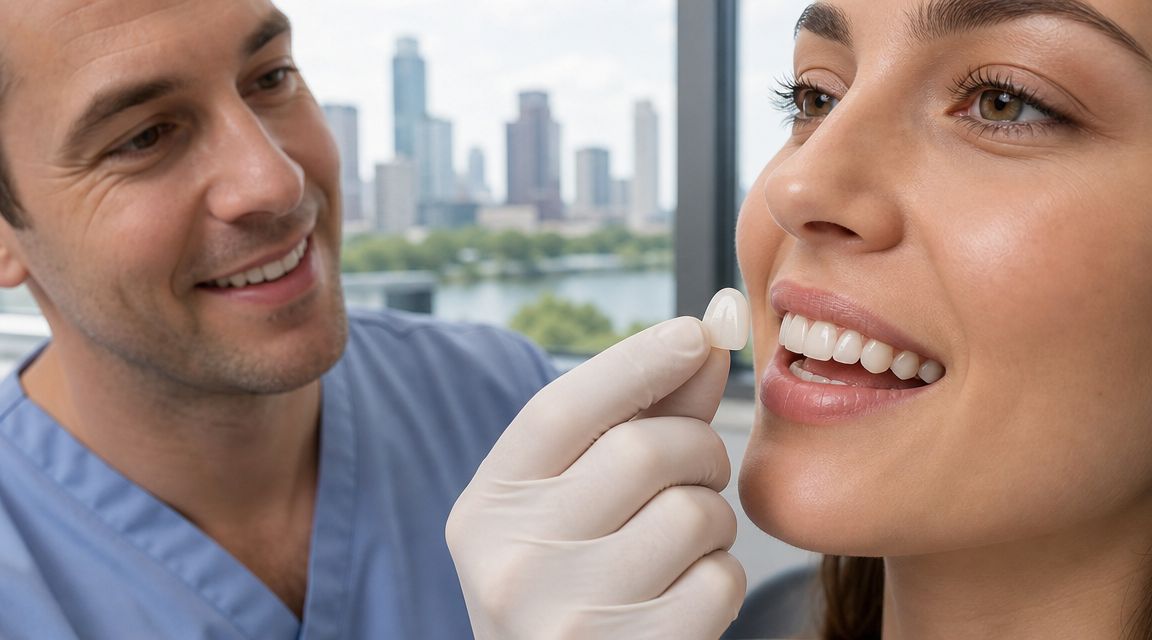
When the partial is ready, the next appointment focuses on placement, feel, and appearance. The dentist checks how the appliance seats around your existing teeth, how it meets your bite, and whether any areas need smoothing or relief.
This is also the time to talk about pressure points, speech changes, or spots that feel bulky. Most patients need a short adjustment period. Small refinements are normal, not a sign that something went wrong.
Follow-up visits matter more than patients think
Acrylic partials aren't a set-it-and-forget-it appliance. Follow-up appointments allow the fit to be refined once you've worn it during meals and conversation. If your mouth is still healing, those visits become even more important.
That same office may also help you with related treatment over time, including cleaning and exams, emergency dental care, crowns, cosmetic dentist near me concerns like visible front-tooth replacement, or a future move into implant dentistry.
Pros and Cons of Choosing an Acrylic Partial
Every tooth replacement option involves trade-offs. Acrylic partials have real advantages, but they also have limitations that patients should understand before committing.
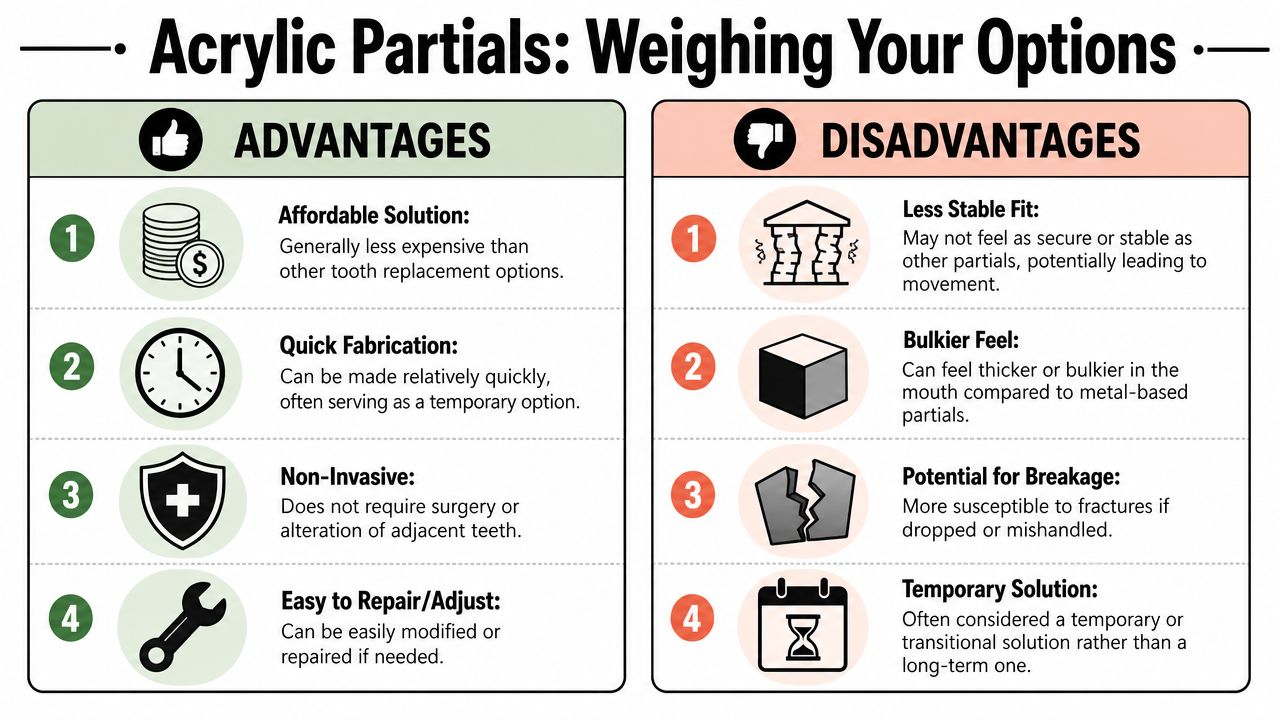
What patients usually like most
Acrylic partials appeal to patients because they solve a visible problem without making treatment overly complicated.
- Lower initial cost: They are usually more budget-friendly than cast metal partials or implants.
- Faster turnaround: They can often be made relatively quickly, which is useful after tooth loss or extraction.
- No surgery required: This makes them attractive to patients who want to avoid an invasive procedure.
- Repairable and adjustable: If the fit changes, the appliance can often be modified rather than completely replaced right away.
- Natural-looking gum-colored base: For many patients, that helps the replacement blend into the smile.
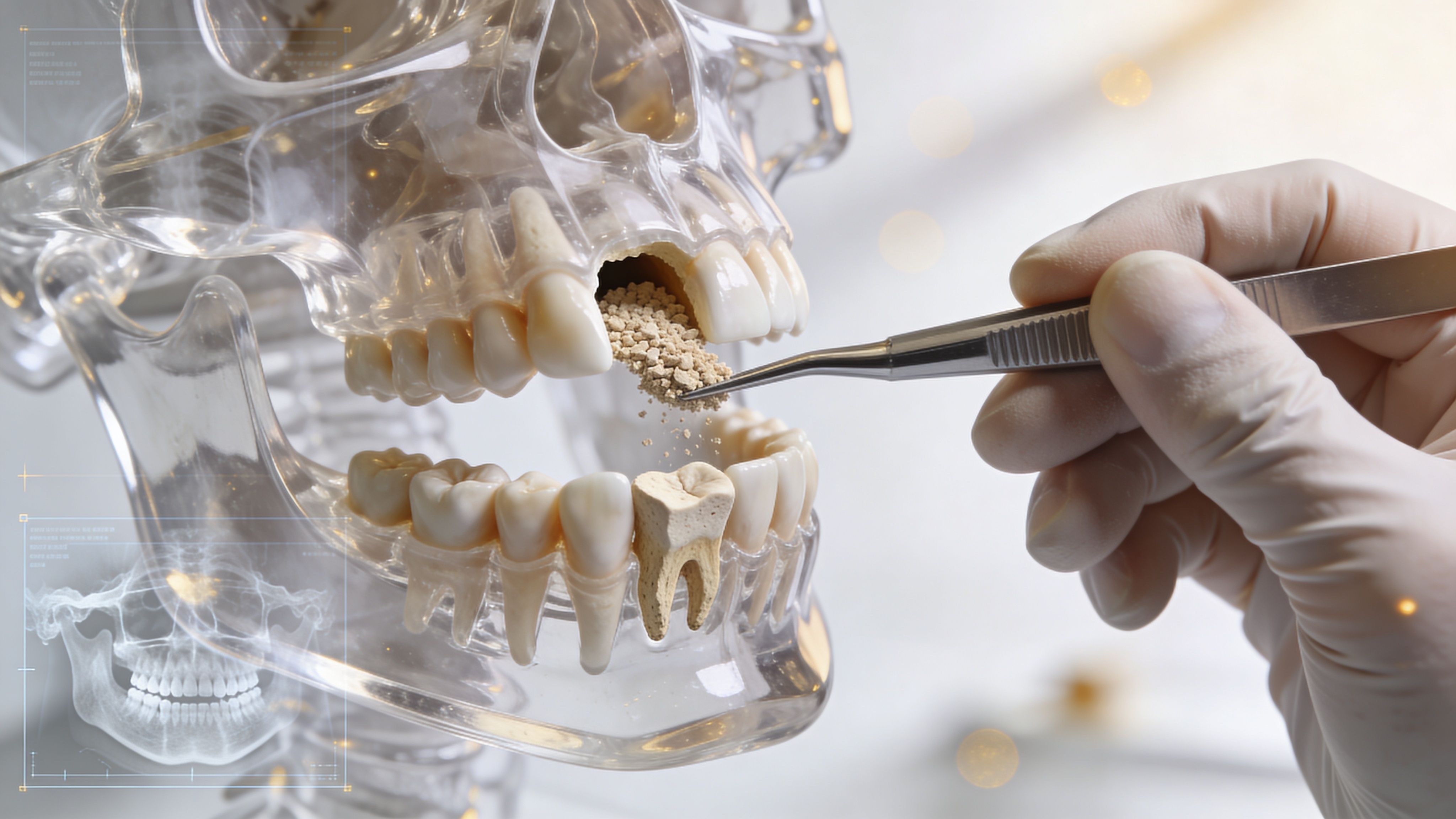
A quick visual overview can help if you're weighing those trade-offs:
Where acrylic partials can fall short
Acrylic partials are not the most durable removable option. They can feel thicker in the mouth than metal designs, and some patients never like that bulk. If the appliance is dropped, fracture is a real concern.
A review available through PubMed Central on removable partial denture materials notes documented disadvantages of traditional all-acrylic removable partial dentures, including brittleness that can lead to fracture, difficulty inserting around undercut areas, and possible allergic reaction to methyl methacrylate monomer residue. High-impact formulations are intended to reduce some of these problems.
The practical way to think about it
Acrylic partials work best when patients choose them for the right reasons. They are strong enough for many situations, but they aren't the best choice if your top priority is the slimmest design or the longest-lasting removable framework available.
If you want the most economical removable option, acrylic often works well. If you want the most durable removable option, another design may fit better.
For many people in Austin and Georgetown, the choice isn't about which option is perfect. It's about which option solves the current problem comfortably and fits the overall treatment plan.
Comparing Your Options Acrylic Metal and Implant Solutions
A patient will often sit in my chair after an extraction or years of missing teeth and ask a very practical question: "What should I choose if I want something that fits well, looks natural, and stays within budget?" The right answer depends on how you want the teeth to feel day to day, how long you want the solution to serve you, and what kind of treatment you are comfortable with. At 3D Dental, we sort that out with an exam, digital scans, and a design plan that matches your mouth instead of giving you a one-size-fits-all answer.
Acrylic versus cast metal partials
The biggest difference is feel.
Cast metal partials usually have a thinner framework, so they often feel less bulky on the tongue and palate. They also tend to offer a more secure, precise fit. Acrylic partials cost less and are often easier to adjust, which can make them a good choice if the mouth is still changing or if the goal is to replace teeth sooner.
In practice, I usually frame it this way for patients in Austin and Georgetown. If budget and flexibility matter most, acrylic is often the better starting point. If comfort, a slimmer design, and long-term removable durability matter more, cast metal often earns the higher price.
Our in-house lab also affects this decision. Because we can review digital impressions and communicate directly with the lab team, we can often fine-tune an acrylic partial more efficiently than offices that send everything out. That does not turn acrylic into metal, but it can make the process smoother and help us respond faster if a fit adjustment is needed.
Acrylic versus implants
Implants solve a different problem. They replace missing teeth with a fixed option rather than a removable appliance, so they usually feel closer to natural teeth during chewing and speaking.
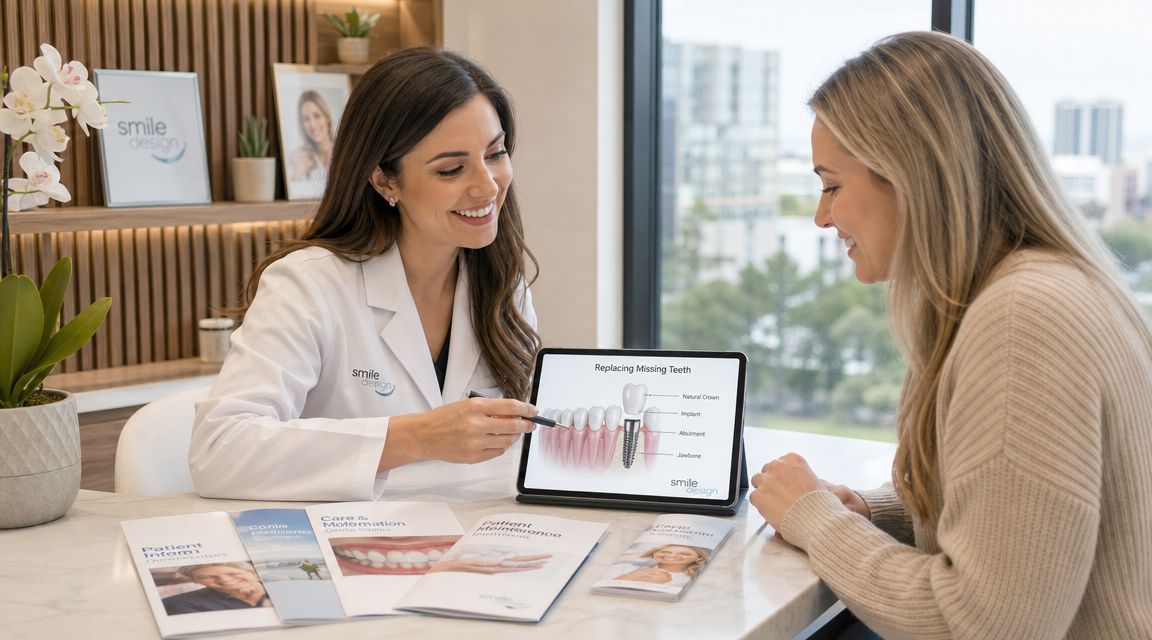
They also ask more from the patient. Implant treatment can require healing time, adequate bone support, and a larger upfront investment. Some patients are excellent implant candidates and want the most permanent option available. Others want to avoid surgery, need a replacement sooner, or prefer to start with a removable solution while planning for future care.
For patients who are weighing the larger picture, our guide to dental implants vs dentures pros and cons explains how these choices differ in daily use, maintenance, and long-term planning.
Tooth Replacement Options at a Glance
| Feature | Acrylic Partial | Cast Metal Partial | Dental Implant |
|---|---|---|---|
| Best use | Transitional or budget-conscious tooth replacement | Removable option with stronger framework | Long-term fixed replacement |
| Feel in the mouth | Often bulkier | Usually thinner | Most like a natural tooth |
| Stability | Moderate, depends on fit and anatomy | More secure removable fit | Highest stability |
| Adjustability | Often easier to modify | Less flexible to adjust | Not used as an adjustable appliance |
| Surgery required | No | No | Yes |
| Appearance goal | Restores visible gaps well | Restores gaps with stronger framework | Most natural fixed result |
| Who often chooses it | Patients prioritizing affordability or speed | Patients wanting a better removable design | Patients wanting a permanent option |
How dentists usually guide the decision
Good treatment planning is more specific than comparing price tags.
I look at the number and position of missing teeth, the health of the gums, the bite forces, how stable the remaining teeth are, and whether the patient wants a short-term or long-term answer. A digital scan helps us evaluate those details with more precision, and it gives patients a clearer picture of why one option may fit better than another.
Acrylic partials have an important place in care. They are often the right answer for the patient who needs a practical replacement now. Metal partials are often better for patients who want a stronger removable appliance with a thinner feel. Implants are often the best fit for patients who want fixed teeth and are ready for the time and cost that treatment involves.
FAQs About Acrylic Partials and Your Next Steps
A common question in the consult room is simple. "If I choose an acrylic partial, what should I expect after I leave?"
That is the right question to ask, because success is not only about replacing missing teeth. It is about how the partial fits, how it feels day to day, how easy it is to maintain, and whether it matches your goals for budget, appearance, and longevity. At 3D Dental, we use digital scans and our in-house lab process to make those answers more specific to your mouth, not generic.
How long do acrylic partials last
Acrylic partials can serve well for years, but they are not usually a set-it-and-forget-it appliance. Their lifespan depends on daily wear, how the bite is distributed, how stable the remaining teeth are, and how much the gums and bone change over time.
As noted earlier, long-term reviews show that acrylic removable partials can remain in use for a meaningful period, though maintenance and eventual replacement are common. In practice, I tell patients to expect adjustments along the way. A reline, clasp repair, tooth addition, or full replacement may become necessary as the mouth changes.
Do they look natural
They can look very natural when the design is done carefully. The acrylic base is made to blend with the gum tissue, and the replacement teeth are selected to match the size, shape, and shade of the nearby teeth as closely as possible.
Appearance also depends on where the missing teeth are and how much of the smile shows. Our digital records and in-house lab help us fine-tune those details more efficiently, which is especially helpful for front-tooth cases where small changes matter.
How do I take care of one
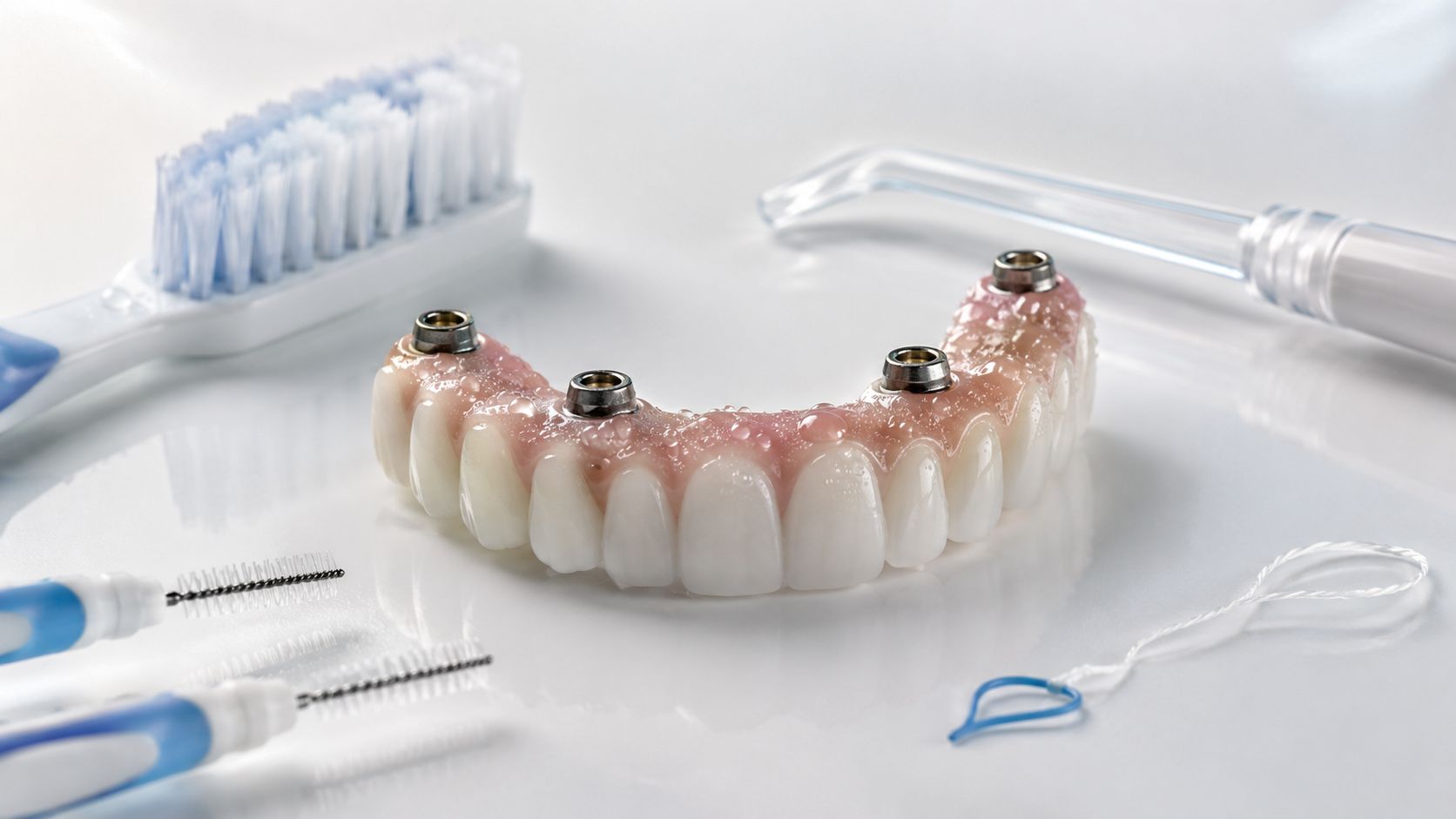
Clean it every day with a denture-safe cleanser and a soft brush. Rinse it after meals. Handle it over a folded towel or a sink with water in it, because acrylic can crack if it is dropped on a hard surface.
Do not force it into place if it starts to feel tight, loose, or uneven. Bring it in. Small fit problems are easier to correct early, and that visit is often more comfortable than waiting until the appliance causes sore spots.
Will it feel bulky at first
Usually, yes.
Most patients notice extra thickness along the palate or gumline during the first adjustment period. Speech can feel different for a short time, and some foods take practice. A well-made partial should improve quickly as you adapt, but it will not feel identical to natural teeth or a fixed implant. That trade-off matters, and it is one reason we review all options before treatment starts.
What about cost and financing
Cost depends on the number of teeth being replaced, the design requirements, and whether other dental treatment needs to happen first. Acrylic partials are often chosen because they provide a practical replacement at a lower starting cost than many other tooth replacement options.
For patients who want flexibility, financing options such as Cherry and Sunbit can help break treatment into manageable payments.
If you are in Austin, Georgetown, Cedar Park, Round Rock, Wells Branch, or Liberty Hill, the next step is a consultation. We examine the teeth and gums, take a digital scan, review how the partial would be made, and explain whether an acrylic design is the right short-term or long-term fit for you.
If you're looking for a practical solution for missing teeth and want clear guidance on whether an acrylic partial, implant, or another restorative option fits best, schedule a visit with 3D Dental. With offices serving Austin and Georgetown, advanced digital imaging, an in-house lab, and flexible payment options, the team can help you restore comfort, function, and confidence with a treatment plan built around your needs.
Ready to get started?
Schedule a free, no obligation consultation with our team and see what's possible for your smile!
Georgetown
- Mon-Thurs8:30am-5pm
- Fri8am-3:30pm
- Sat-SunClosed
Austin
- Mon-Tues8am-5pm
- Wed-Thurs9am-6pmFri8am-2pm
- Sat-SunClosed