
CRN Dental Technology vs In-House Labs in Austin, TX
Related Posts


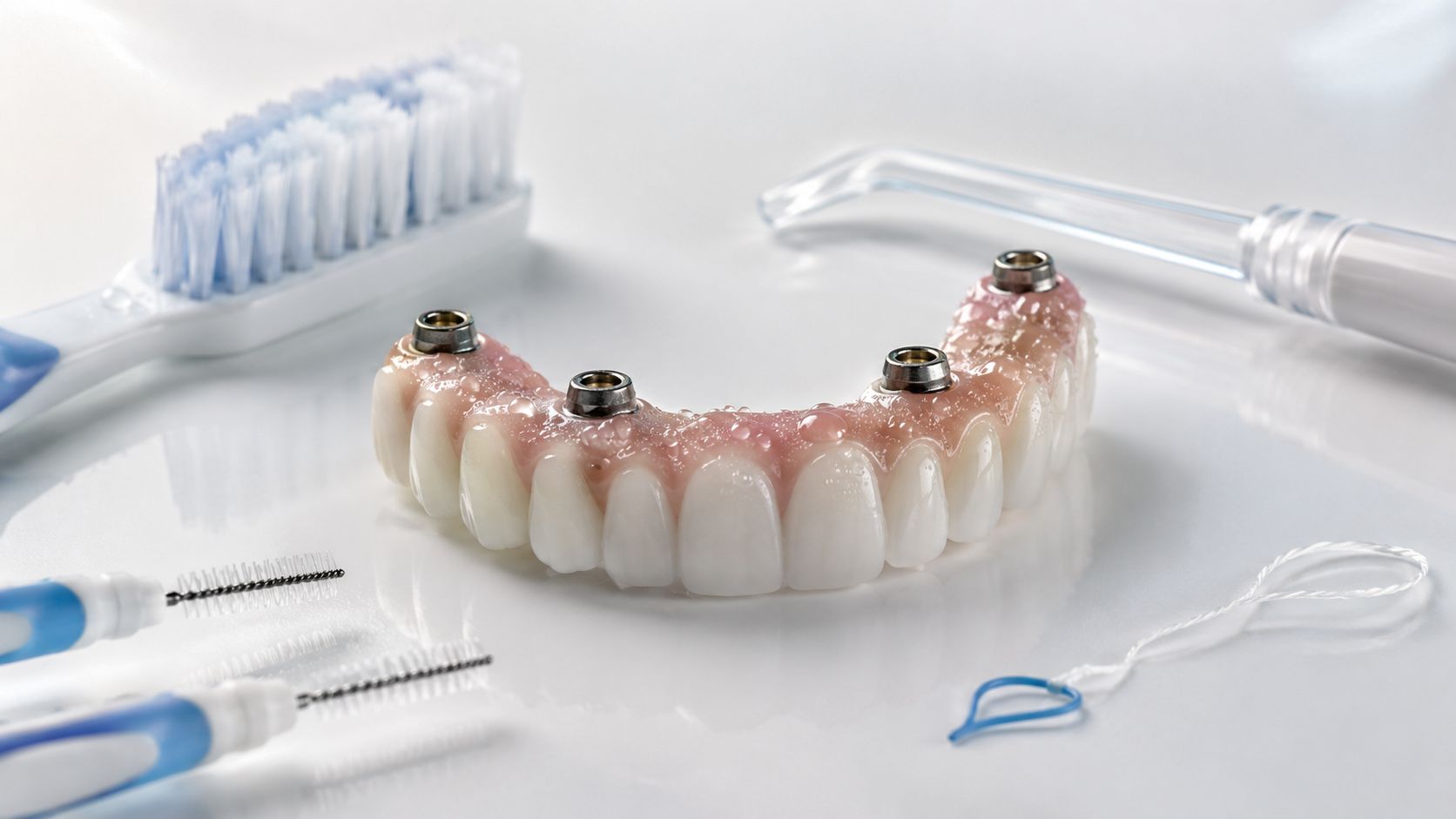
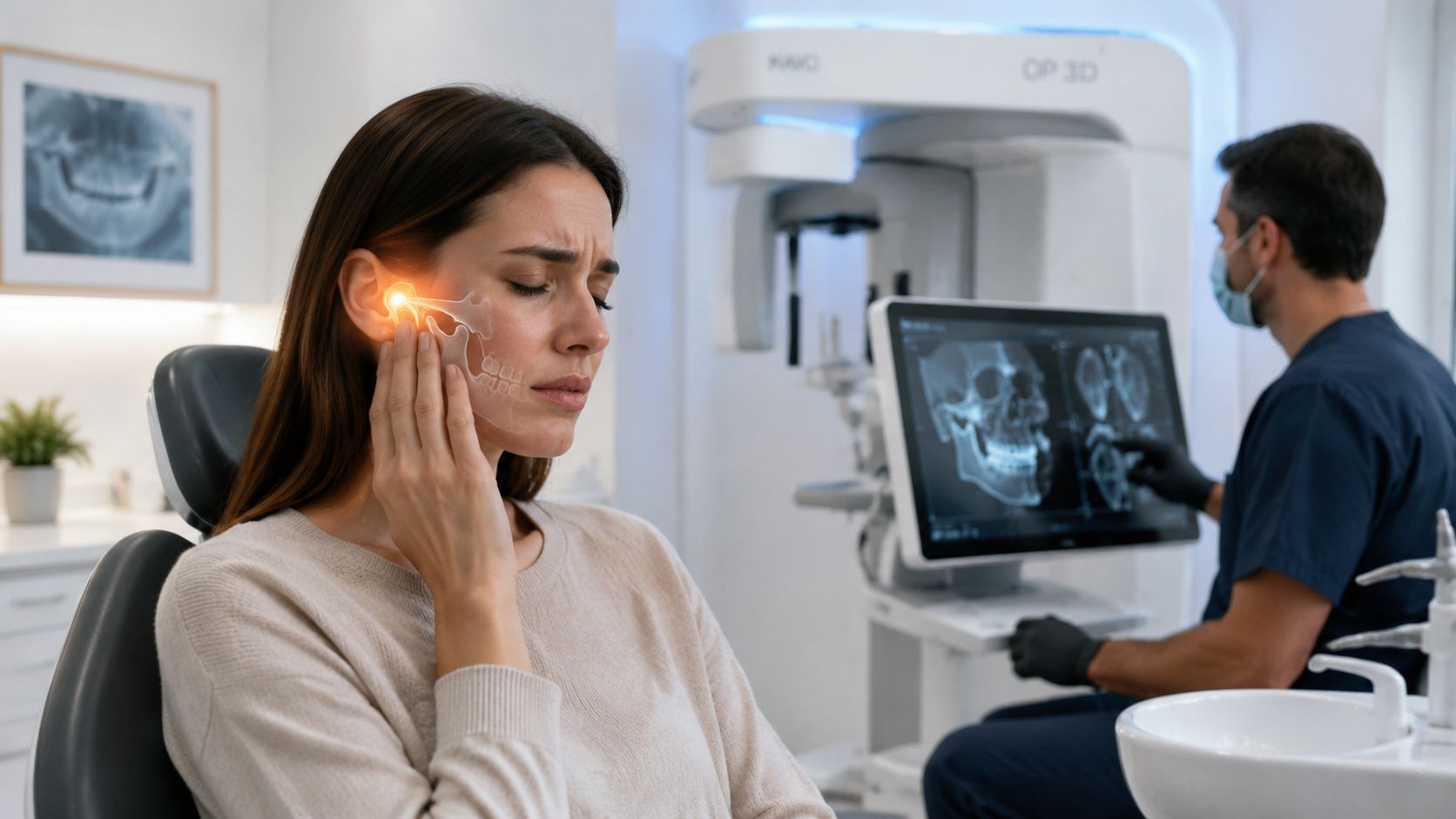
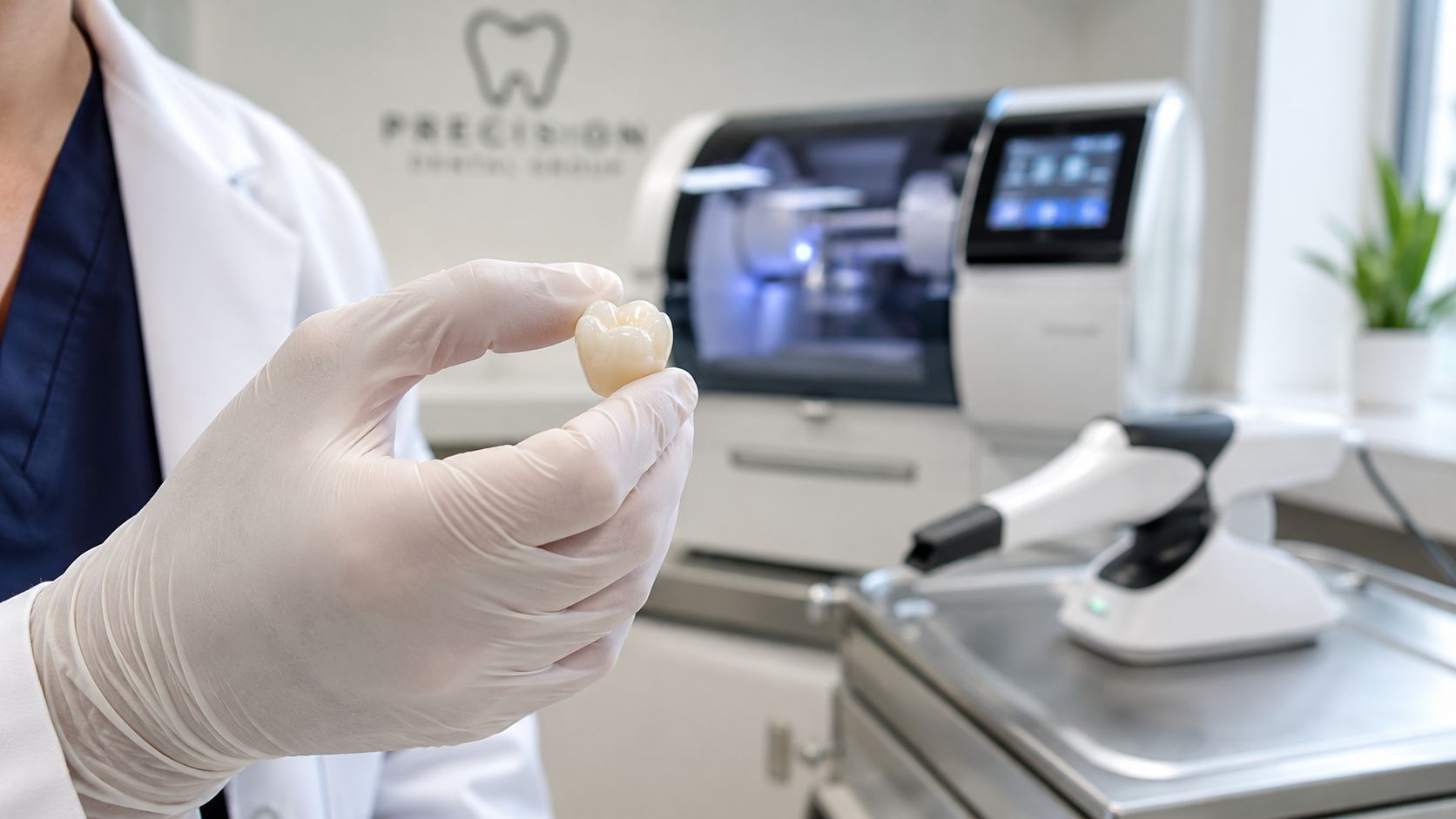
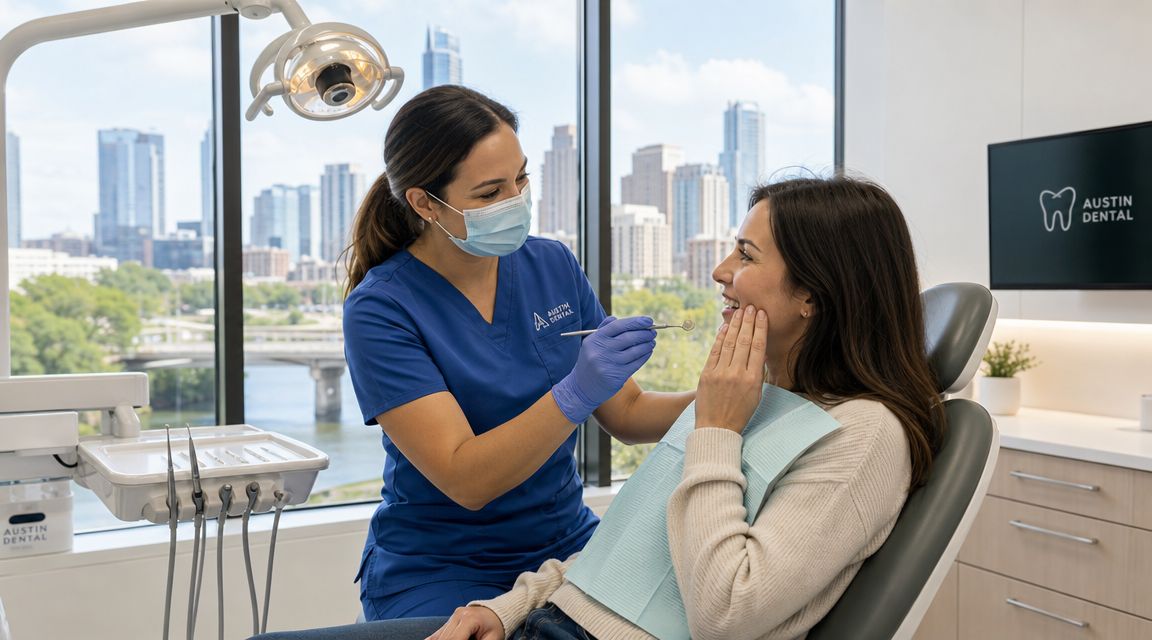
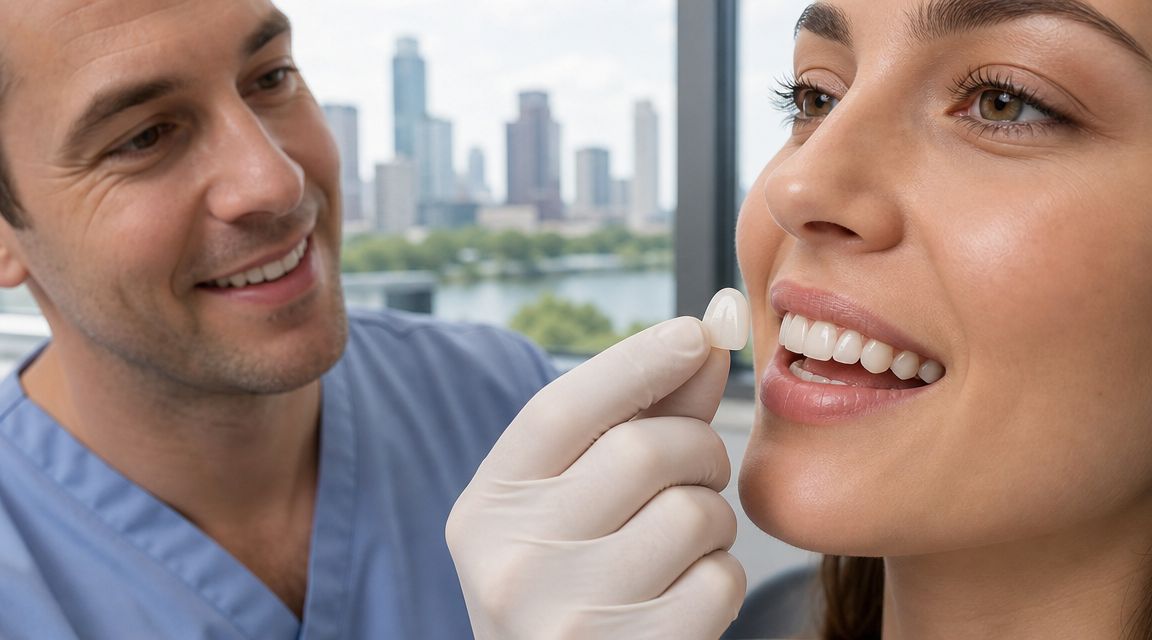
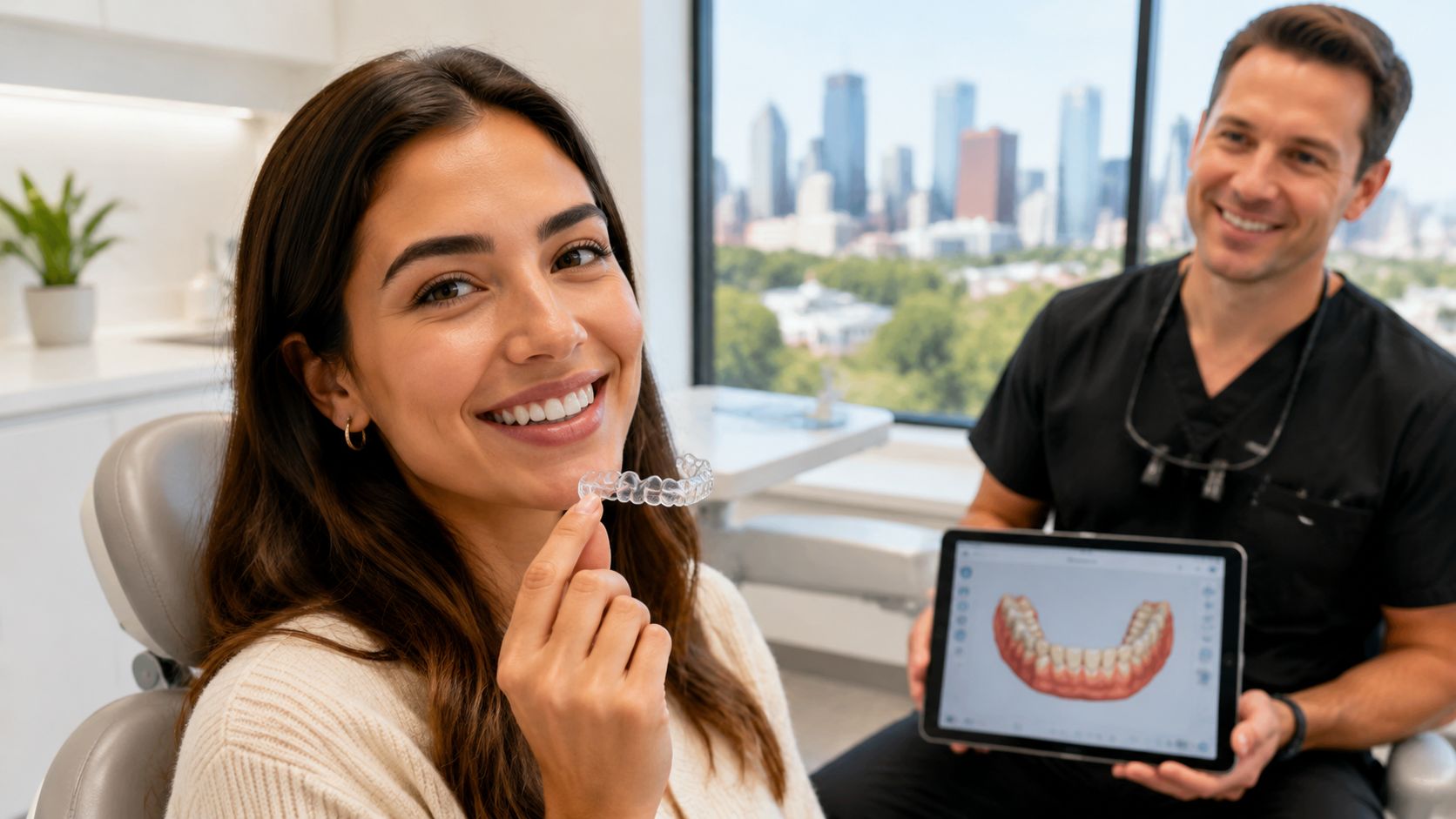
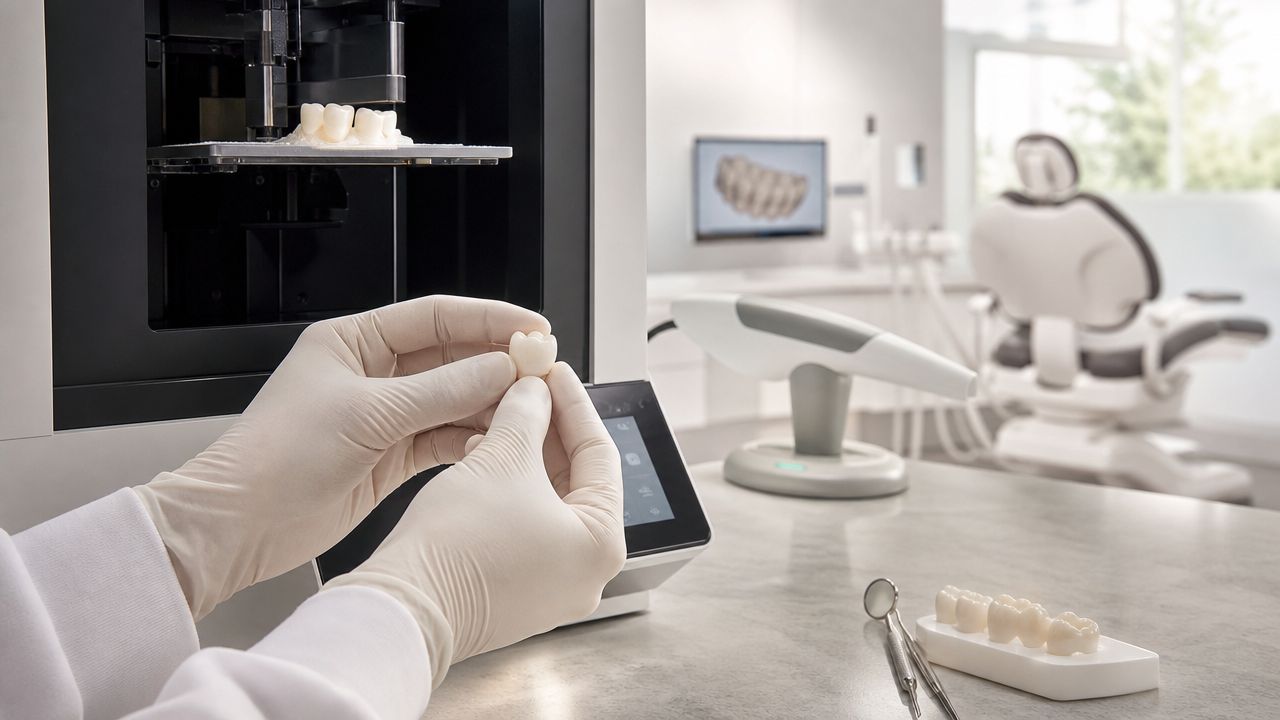
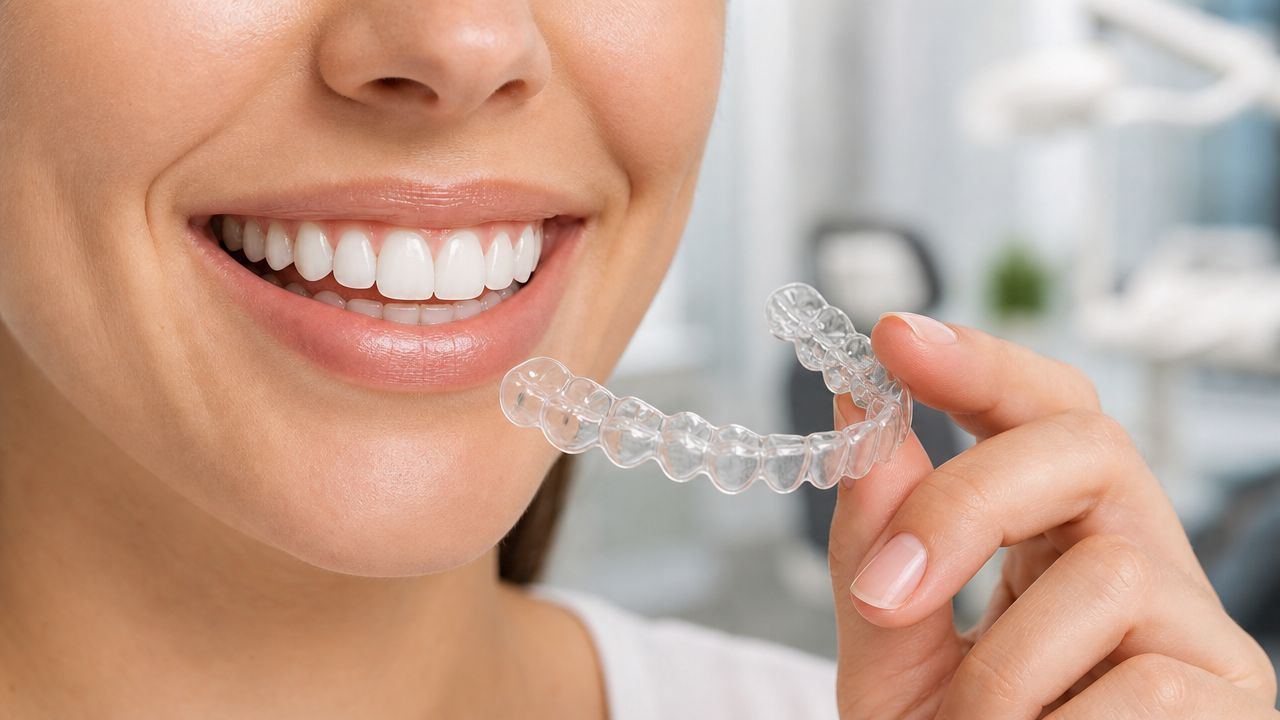
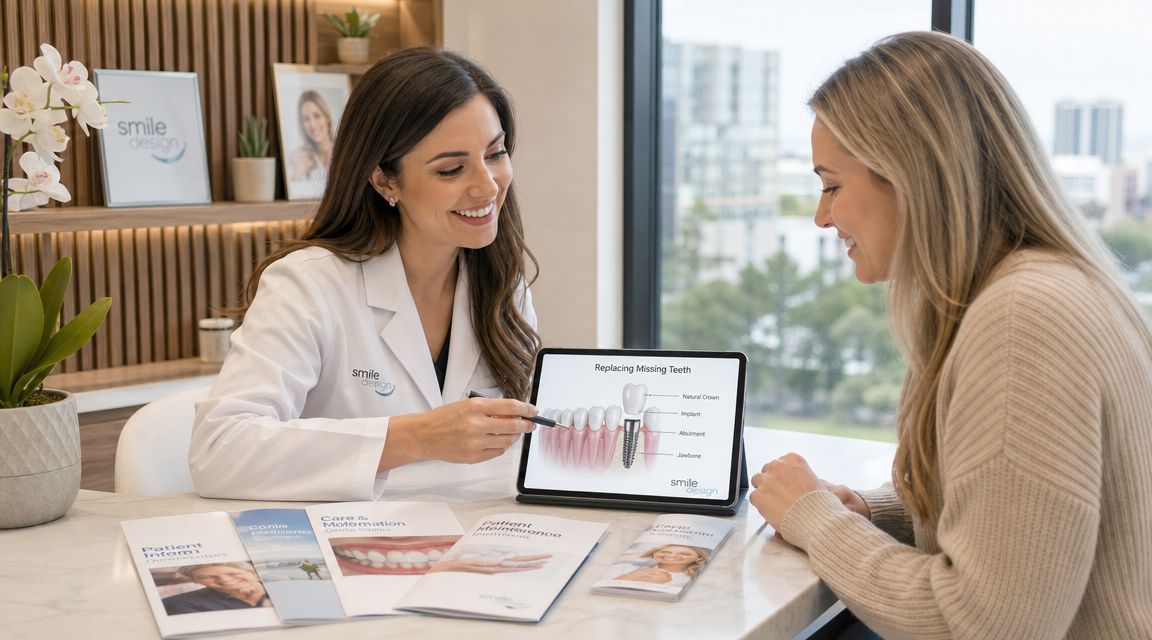
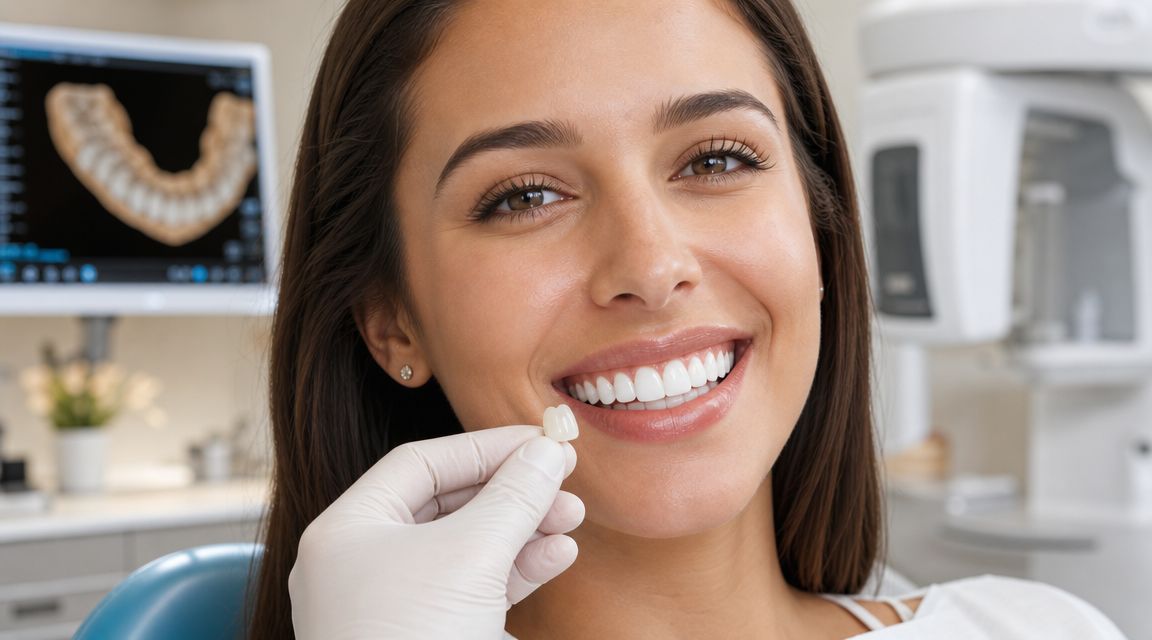

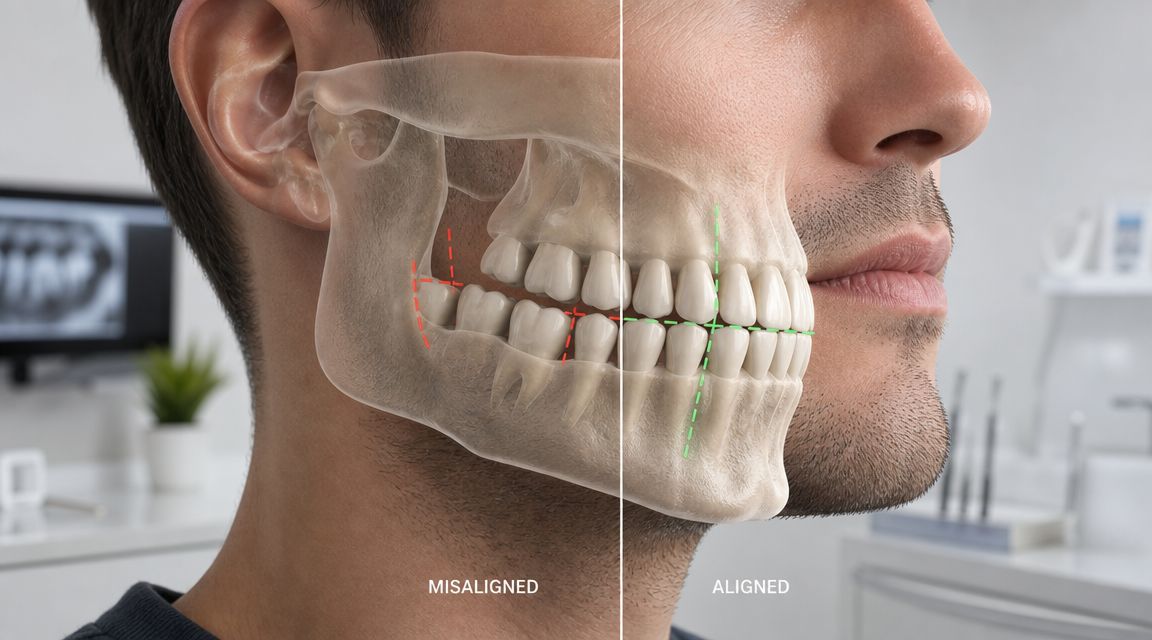
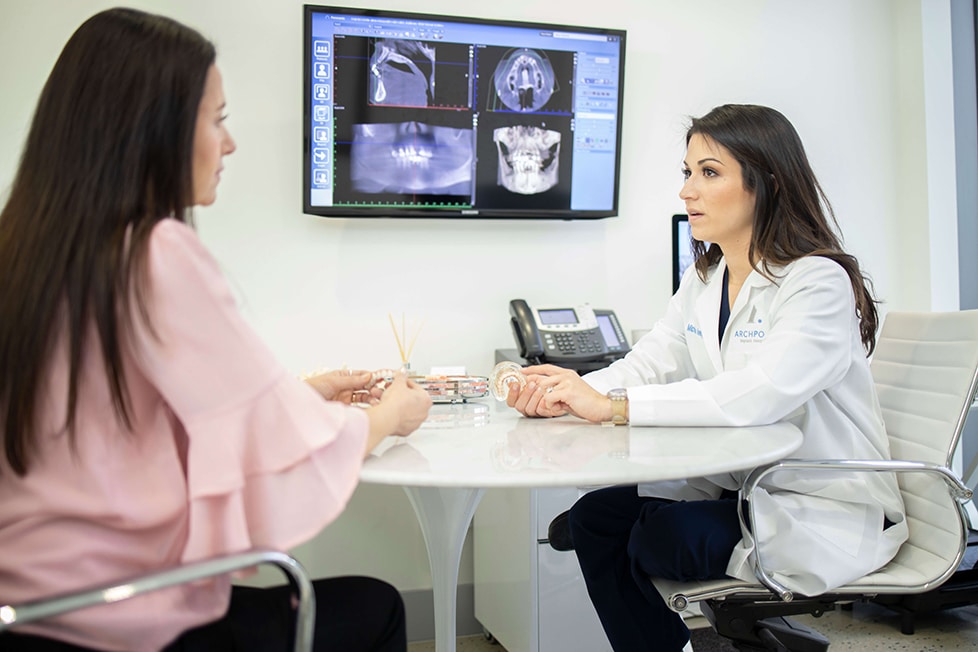

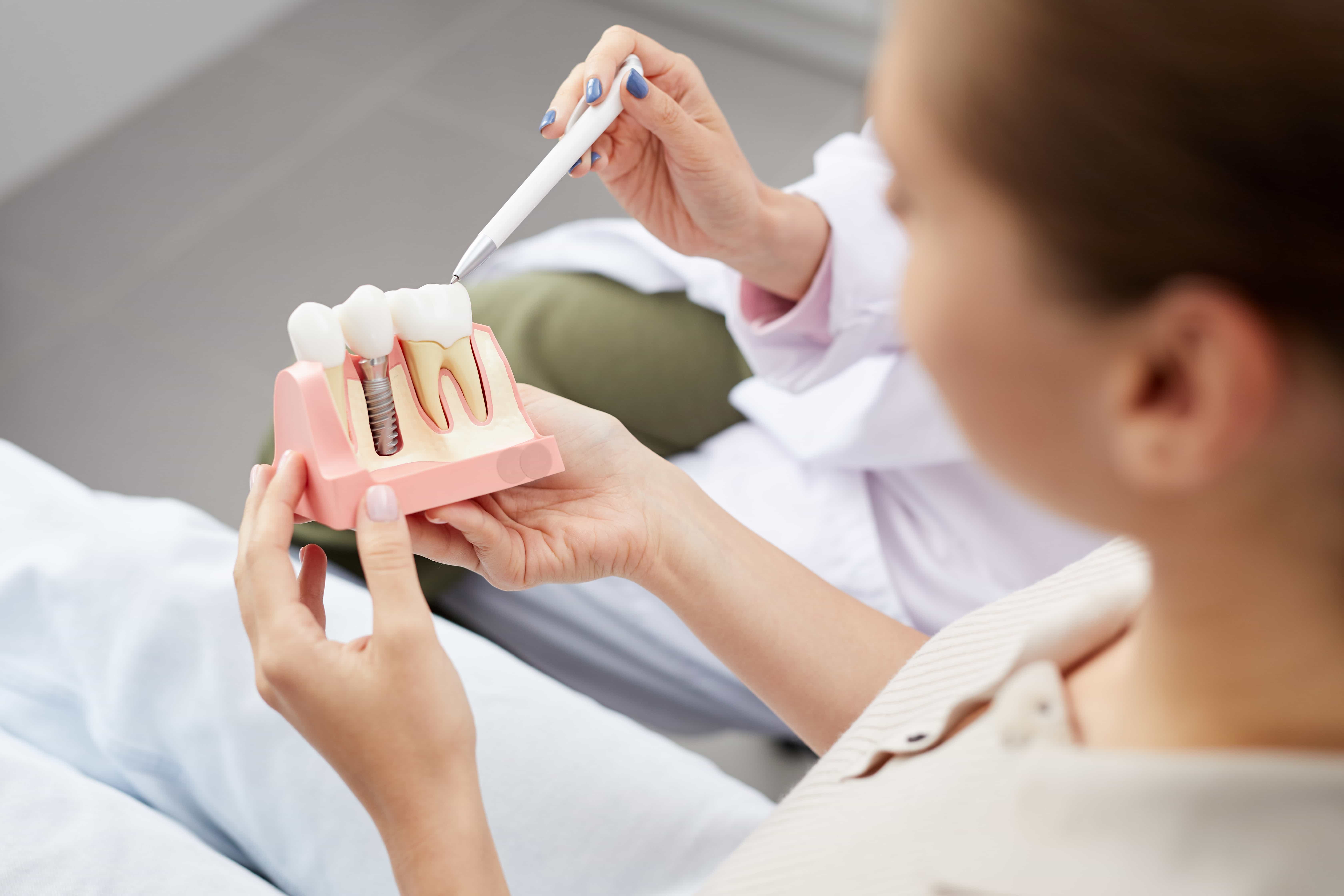
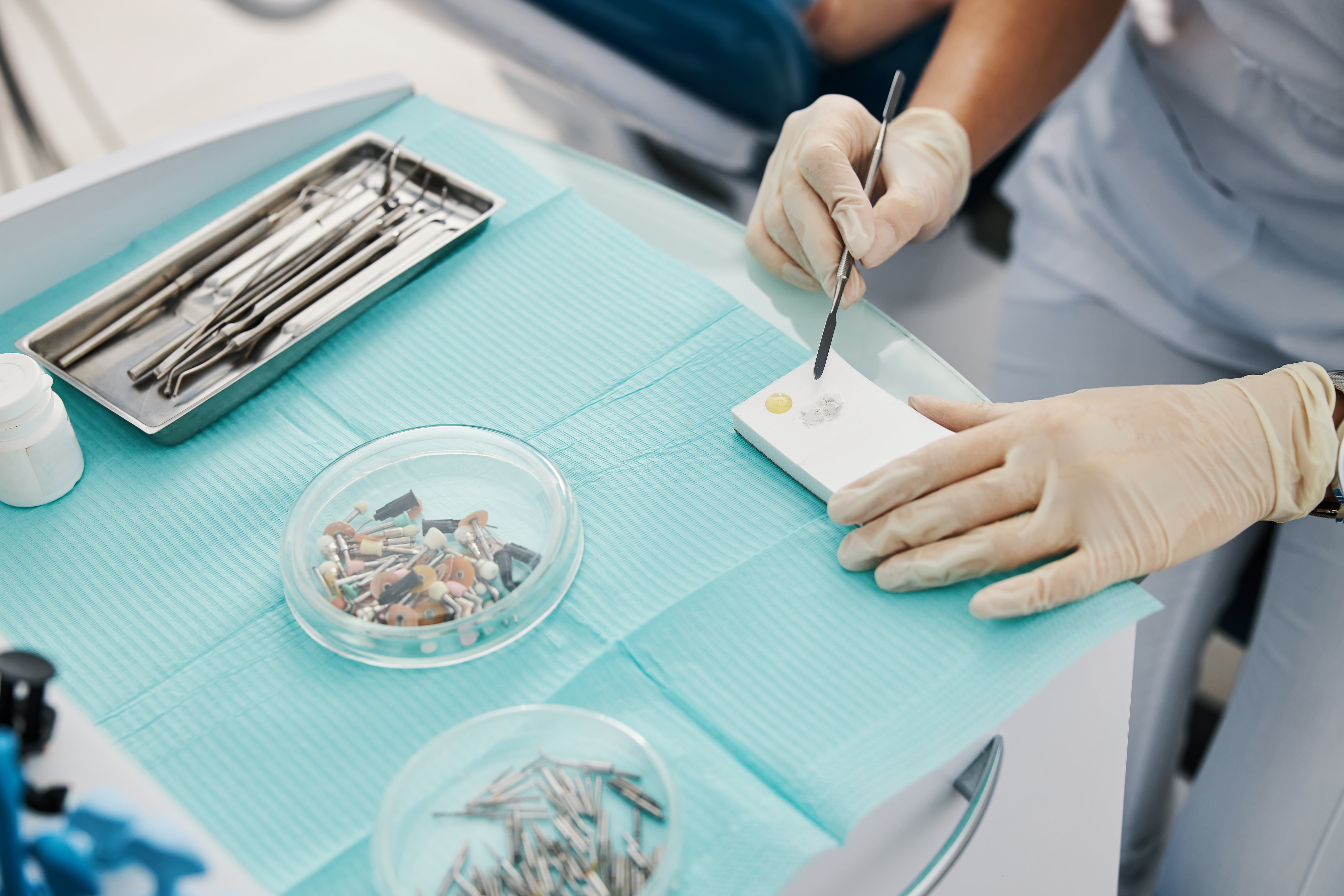
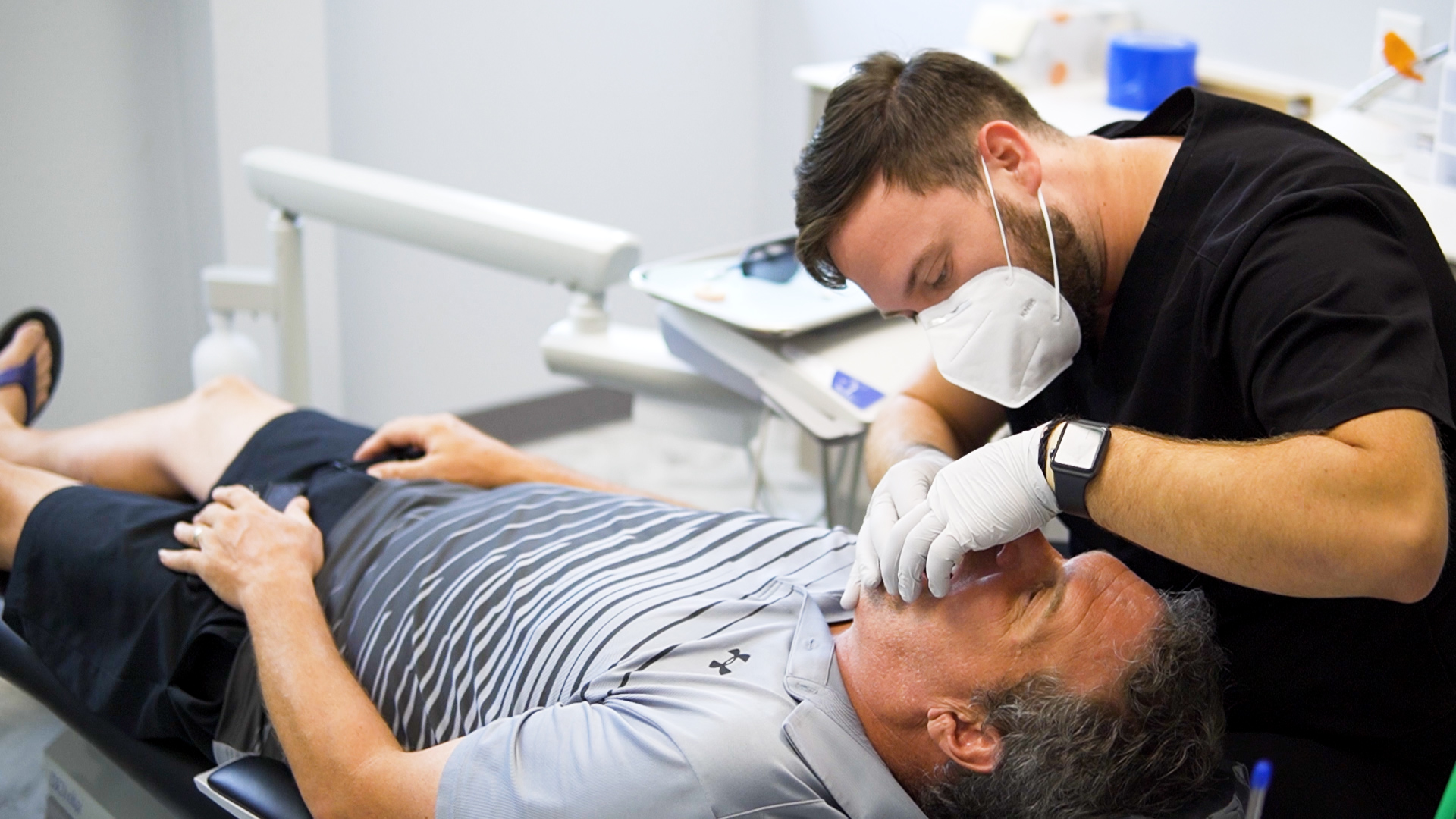







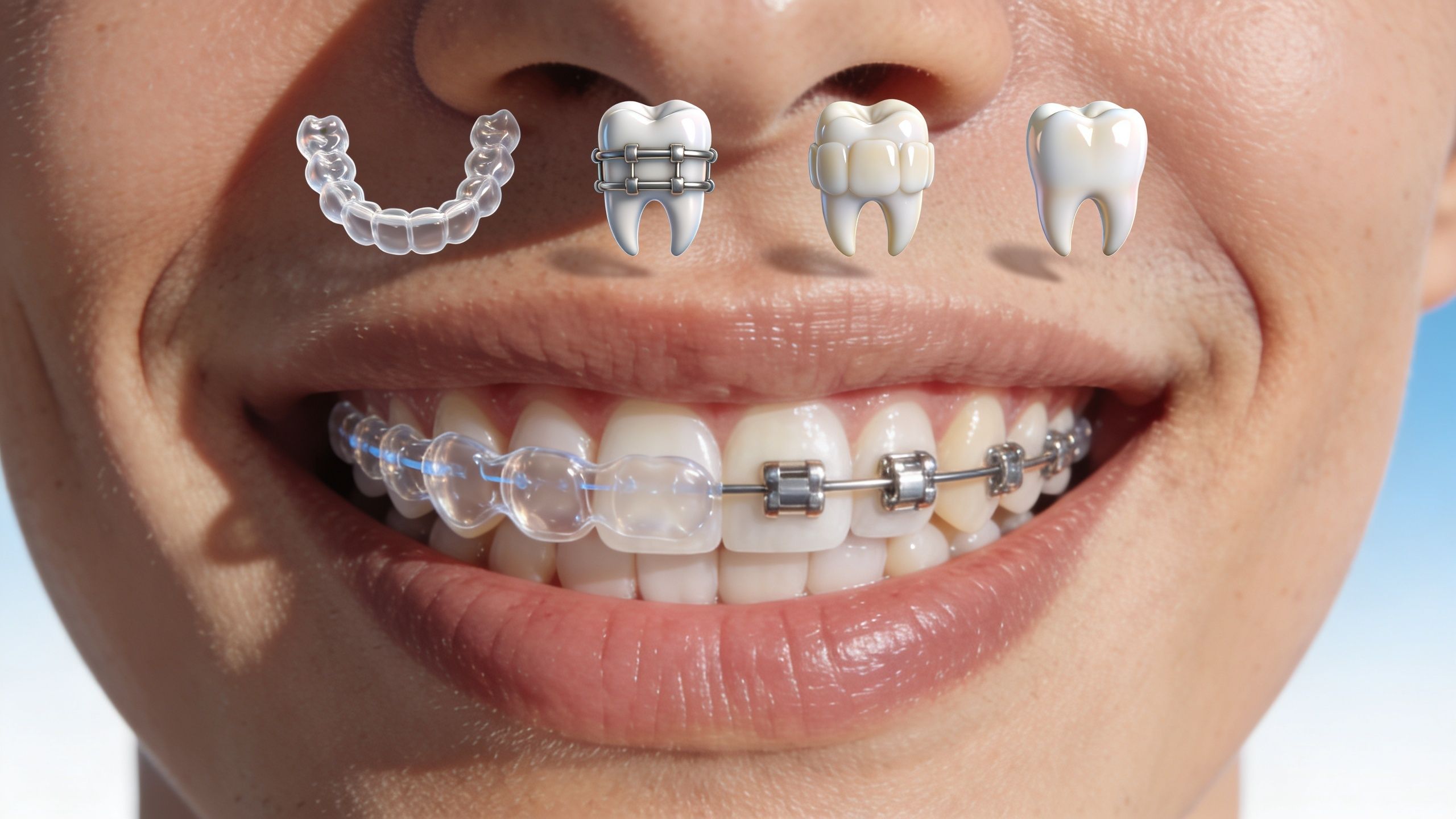





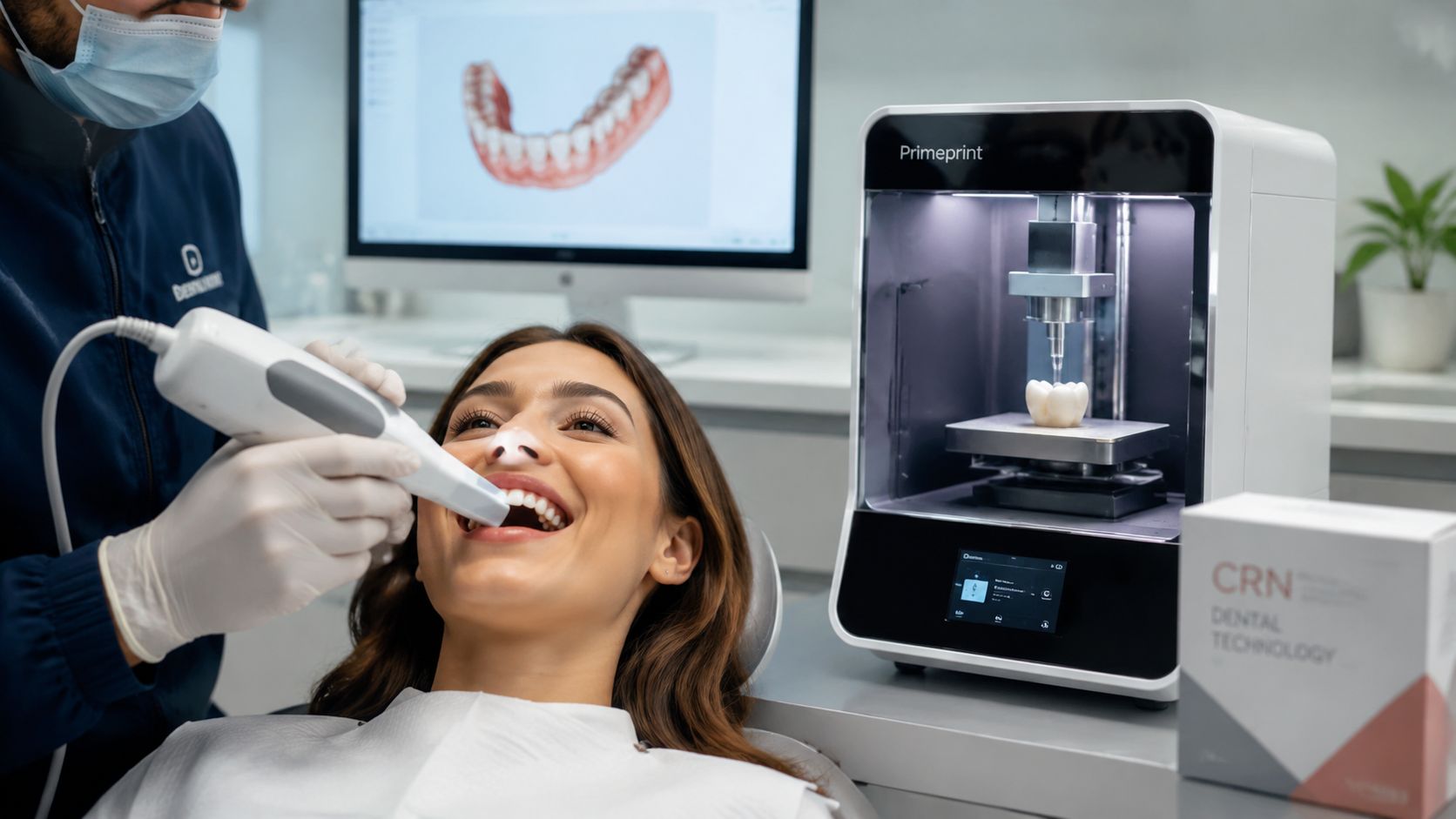
You chip a tooth, lose an old crown, or finally decide to replace a missing tooth. Your first thought usually isn't about manufacturing methods. It's simple. You want it fixed well, you want it to look natural, and you don't want the process to drag on for weeks.
That's why many patients in Austin and Georgetown start searching for a dentist near me, cosmetic dentist near me, or dental implants near me, then run into unfamiliar terms like CRN Dental Technology, CAD/CAM, digital scans, and in-house labs. Those terms matter because they shape how many visits you need, how comfortable the appointment feels, and how quickly you get your final result.
If you've come across CRN Dental Technology while researching restorative dentistry, crowns, bridges, or implant treatment in Central Texas, it helps to understand what that kind of lab does and how it differs from a dental office with a fully integrated digital process under one roof.
Your Trusted Dentist for Advanced Restorations in Austin TX
A common situation looks like this. You bite down, feel a crack, and suddenly you're thinking about work meetings, family plans, and whether you'll have to walk around with a temporary crown for a long time. Or maybe you've been hiding a missing tooth in photos and want a permanent solution that doesn't involve a drawn-out process.
In Austin and Georgetown, patients often want the same three things. They want clear answers, a restoration that looks natural, and a timeline that respects real life. That's especially true when you're dealing with a front tooth, a broken molar, or planning dental implants that affect both appearance and chewing comfort.
Why this topic matters to patients
It's not widely known that there are often two separate parts to restorative treatment. First, the dentist diagnoses the problem, prepares the tooth, and plans the care. Then a lab may fabricate the crown, bridge, or other custom restoration.
That second part changes your experience more than you might expect.
If your care depends on an outside lab, your treatment may involve extra handoffs, more waiting, and sometimes more back-and-forth adjustments. If your dentist has advanced digital tools and an in-house lab process, the path can feel much simpler.
A better dental experience usually isn't about adding more technology for its own sake. It's about reducing delay, uncertainty, and discomfort for the patient.
When patients usually start comparing options
Patients in North Austin, Georgetown, Wells Branch, Cedar Park, Round Rock, and Liberty Hill often start asking these questions when they need:
- A crown after a cracked tooth
- A bridge to replace a missing tooth
- Dental implants for stronger long-term replacement
- Cosmetic dentistry to improve the look of older restorations
- Emergency dentist care when a restoration fails unexpectedly
If that's where you are, understanding the difference between a traditional external lab and an in-house digital process can help you choose care that fits your needs, comfort level, and schedule.
The Role of Dental Labs in Crafting Your Smile
A lot of patients assume their crown or implant is made in the same room where their tooth is treated. Sometimes that is true. Often, it is not.
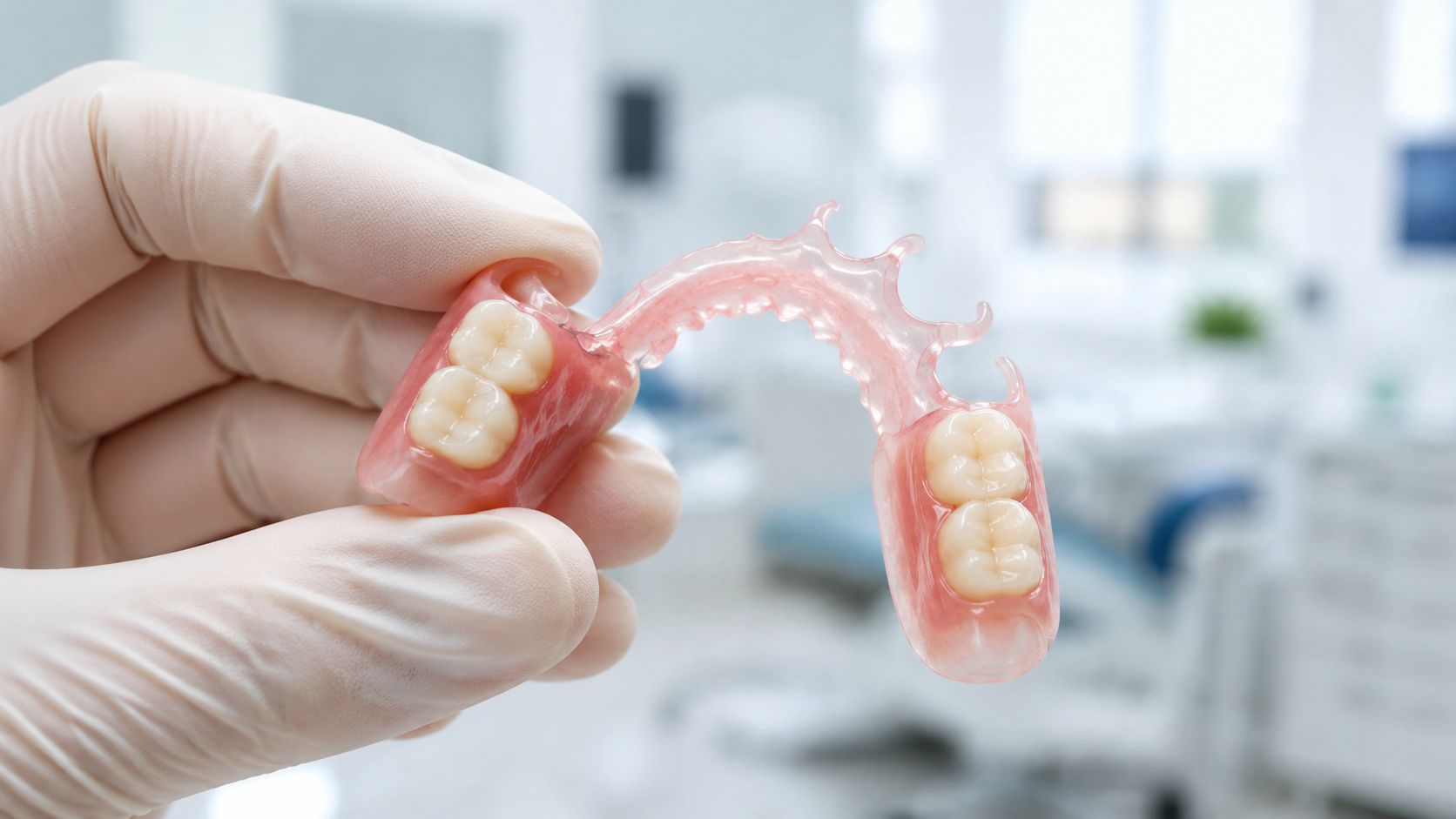
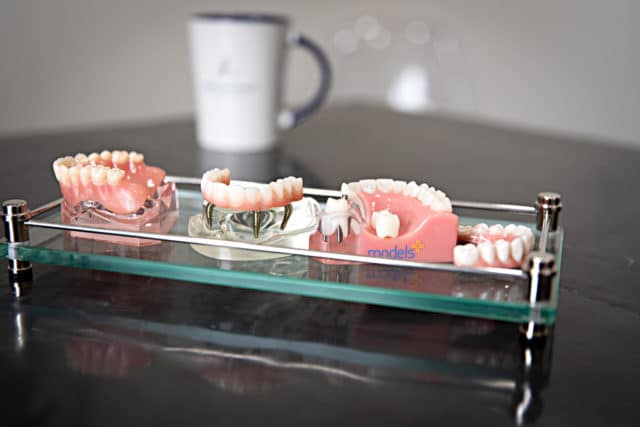
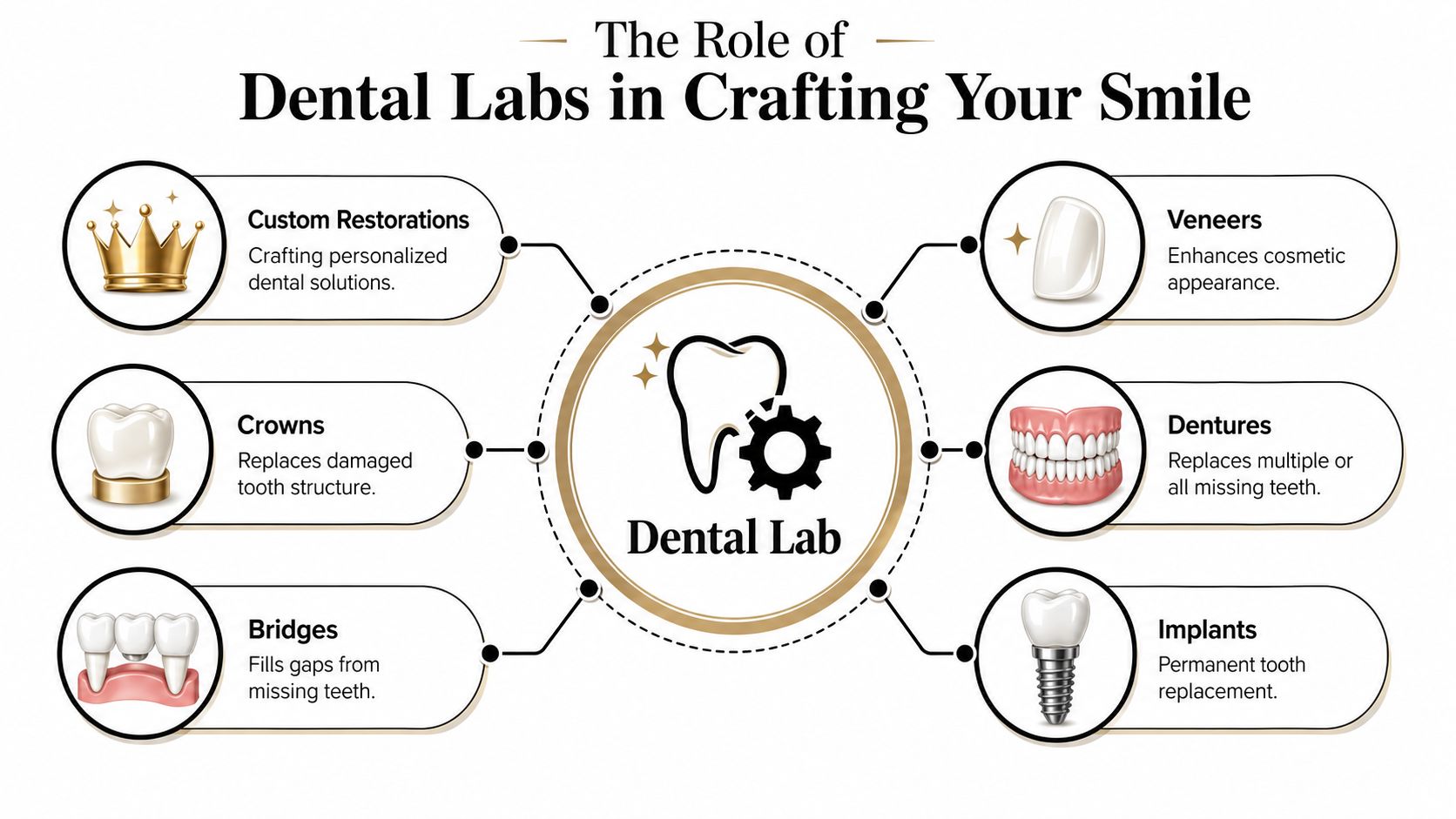
A dental lab is the part of the process that turns your dentist's plan into a real restoration you can wear and chew with every day. The lab makes custom pieces such as crowns, bridges, veneers, dentures, and implant restorations. Your dentist prepares the tooth or implant site, records the details, and guides the treatment. The lab builds the restoration that has to fit those details with very little room for error.
That step matters more than patients usually realize.
If the restoration is even slightly off, you can feel it. Your bite may hit too soon. The shape may trap food. The color may stand out under natural light. In other words, the lab is not just making a tooth-shaped object. It is making something that needs to function comfortably inside a very active system of teeth, gums, jaw movement, and daily chewing.
What “crown and bridge” really includes
“Crown and bridge” sounds narrow, but patients usually encounter it in many common treatments. It includes work such as:
- Single crowns for cracked, heavily filled, or root canal treated teeth
- Bridges that replace missing teeth by connecting to neighboring teeth
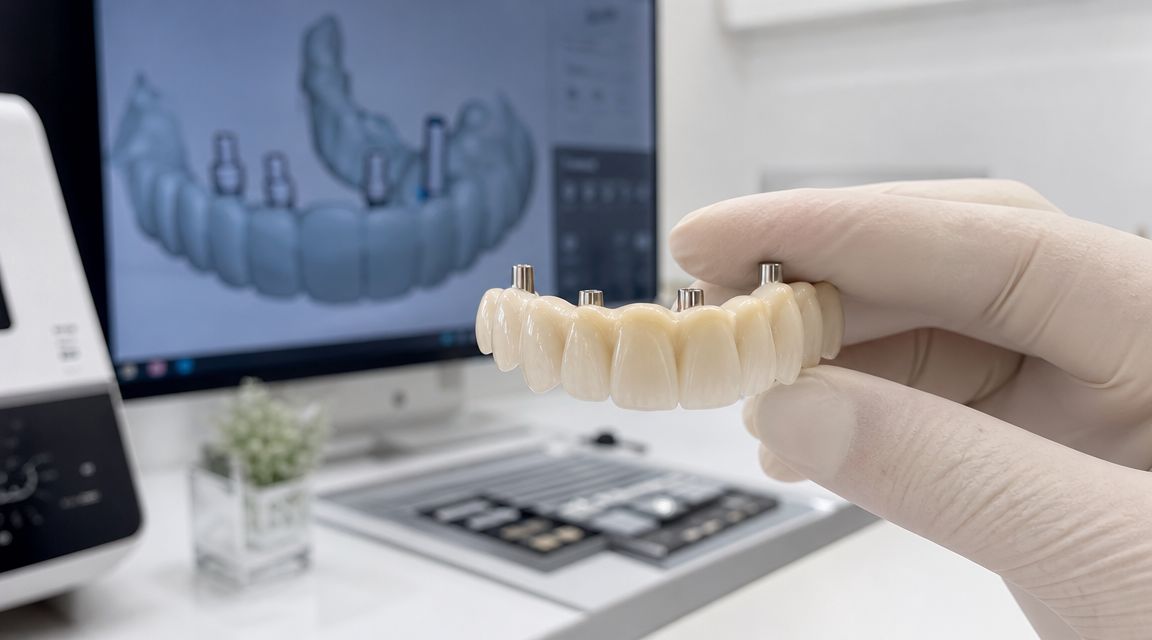
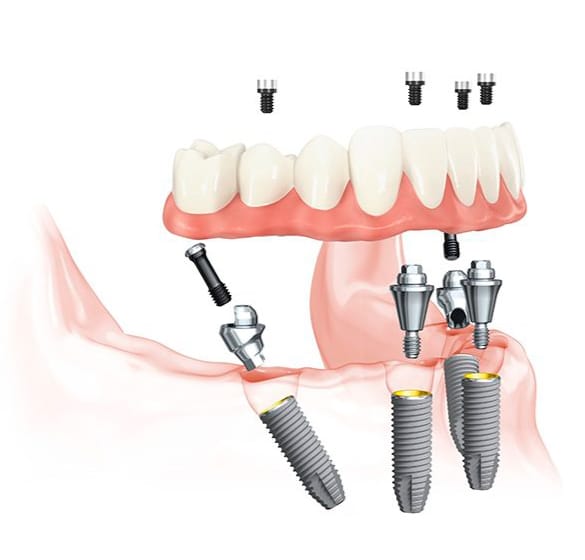
- Implant crowns and fixed implant restorations
- Front-tooth cosmetic restorations where shape, symmetry, and shade need close attention
That helps explain why lab quality affects so many different kinds of care. Whether you need one back-tooth crown or a visible front-tooth restoration, the final result depends on how accurately that restoration is designed and made.
Here is a simple way to think about it. Your dentist is like the architect and builder of the treatment plan. The lab is the craft studio that fabricates the custom part that has to fit the plan exactly. If communication is slow, incomplete, or split across multiple steps, patients often feel the effects in the form of more waiting, more adjustments, or a less predictable timeline.
Practical rule: A restoration should do three jobs at once. Fit your bite, match your surrounding teeth, and hold up under daily use.
That is why patients looking for a dentist in Austin, TX or dentist in Georgetown, TX should pay attention to more than the name of the material or the procedure. They should also ask where the restoration is made, how the information gets there, and how much control their dental team has over the final result.
Those questions often reveal the biggest difference between a traditional outside-lab process and a practice with a fully integrated in-house digital lab.
The Traditional Workflow with an External Dental Lab
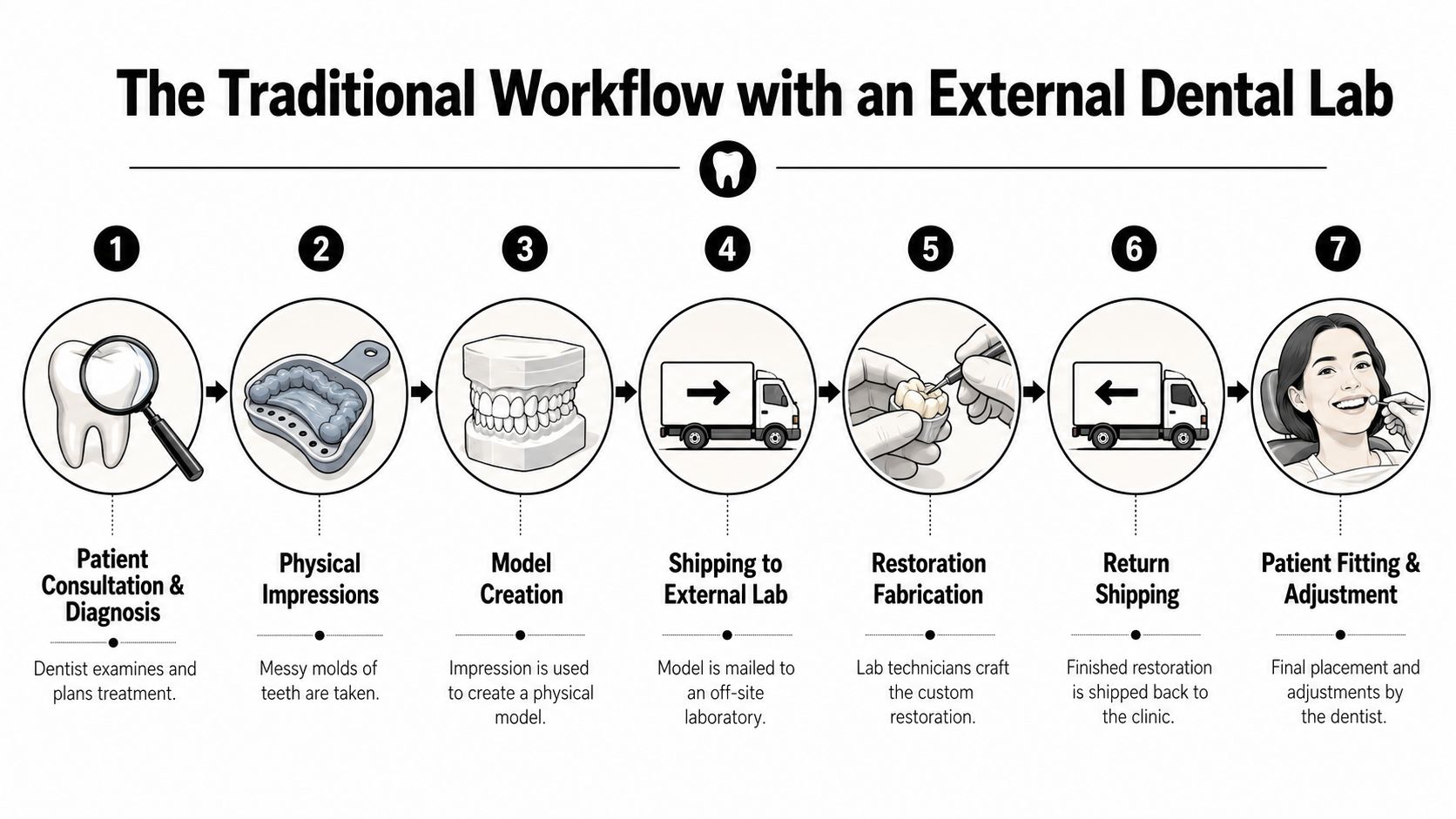
You come in for a crown expecting the hard part to be over once the tooth is prepared. Then the waiting starts. Your records leave the office, your restoration is made somewhere else, and the final result returns on a different day. For many patients, that outside-lab system works. It just tends to add more handoffs, and each handoff can affect timing, comfort, and how many adjustments are needed.
How the standard process usually goes
A conventional workflow usually begins the same way. Your dentist examines the tooth, prepares it, and captures the information needed to make the restoration. That may be done with a physical impression or a digital scan, depending on the office.
After that, the case leaves the practice. The lab receives the records, designs the restoration, fabricates it, and ships it back for a later delivery appointment. A full-service outside lab can produce high-quality work, but the process depends on coordination between separate teams in separate locations.
That separation matters more than many patients realize.
If even one detail needs clarification, such as the shade, bite, margin, or implant component, the case may pause while the office and lab reconnect. A kitchen analogy helps here. If your dentist is the chef planning the meal, the outside lab is a specialized bakery in another part of town making one custom piece of it. The final result can still be excellent, but it usually takes more scheduling and more back-and-forth than if everything were made under one roof.
Where patients tend to feel the downsides
Patients usually notice the traditional model in four practical ways:
- Impression discomfort. Some offices still use physical impression material, which can feel bulky or trigger a gag reflex.
- Longer timelines. Shipping, lab queues, and return delivery can stretch out the time between preparation and placement.
- Temporary restorations. You may wear a temporary crown or bridge while the final version is being made.
- Extra adjustment visits. If the bite is slightly off or the fit needs refinement, another appointment may be needed.
Here is the patient view of that workflow:
| Part of care | External lab model |
|---|---|
| Records capture | Taken in the office, then sent out |
| Design and fabrication | Completed off-site |
| Communication | Dentist and lab coordinate across locations |
| Delivery | Final crown, bridge, or implant restoration comes back later |
| Patient impact | More elapsed time, more steps, and less direct control in one place |
When one restoration passes through multiple locations, small delays and small miscommunications become more likely.
That does not mean an external lab is a poor option. It means the process is less contained. For patients who want fewer visits, faster turnaround, or a more comfortable path from scan to final placement, the limits of the traditional workflow become easier to feel.
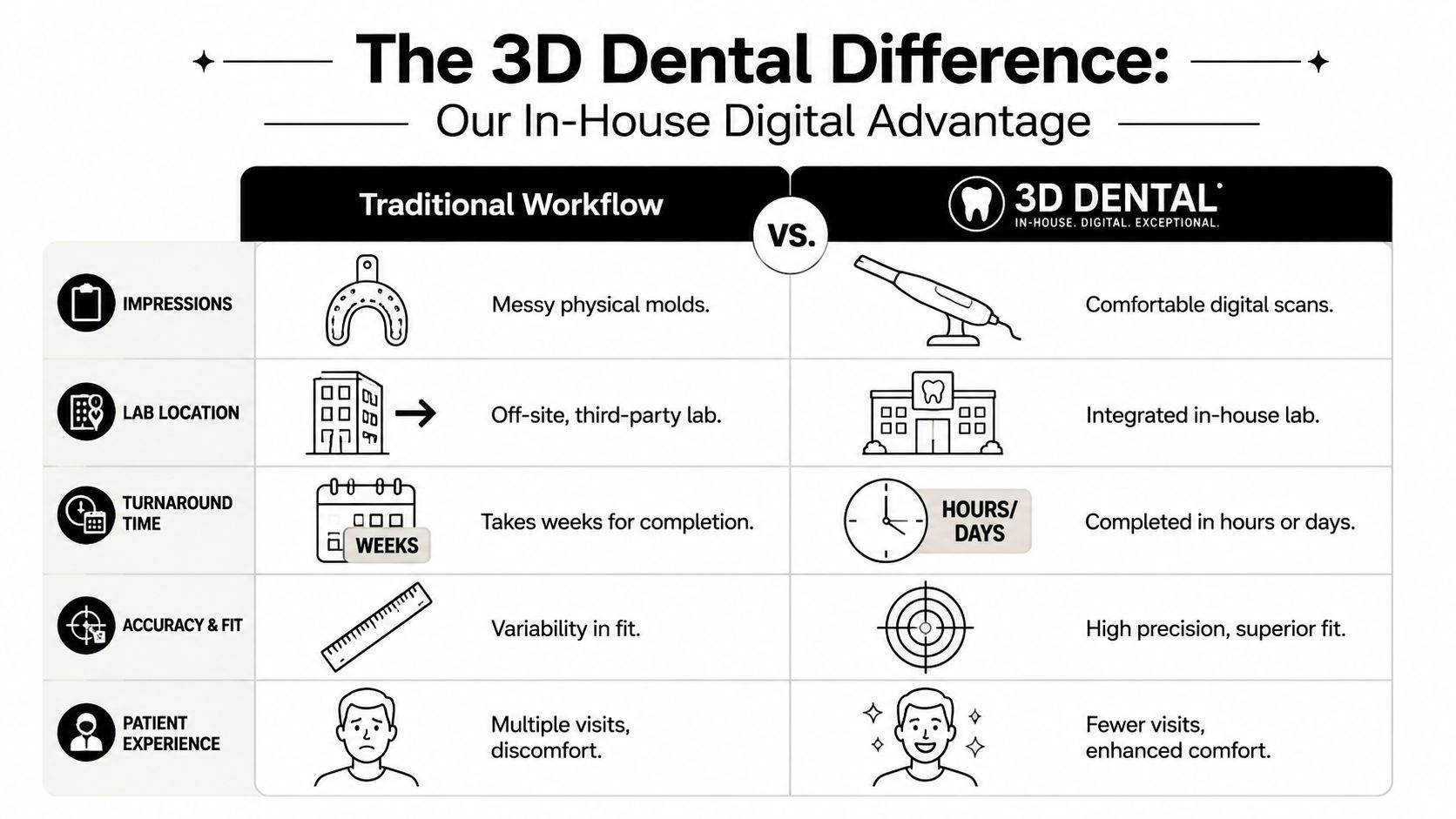
The 3D Dental Difference Our In-House Digital Advantage
You come in with a cracked tooth and want one clear answer. How many visits will this take, and how soon can life feel normal again? The in-house digital model changes that conversation because the scan, design, and fabrication stay much closer to your chairside care.
A helpful way to picture it is a custom suit. If the person measuring you can also adjust the pattern and check the final fit, fewer details get lost between steps. Dentistry works the same way. When your dentist and the team making your restoration work under one roof, they can review the shape, bite, and esthetics while your treatment is still in progress, not days later after a case moves back and forth between locations.
What digital tools change for the patient
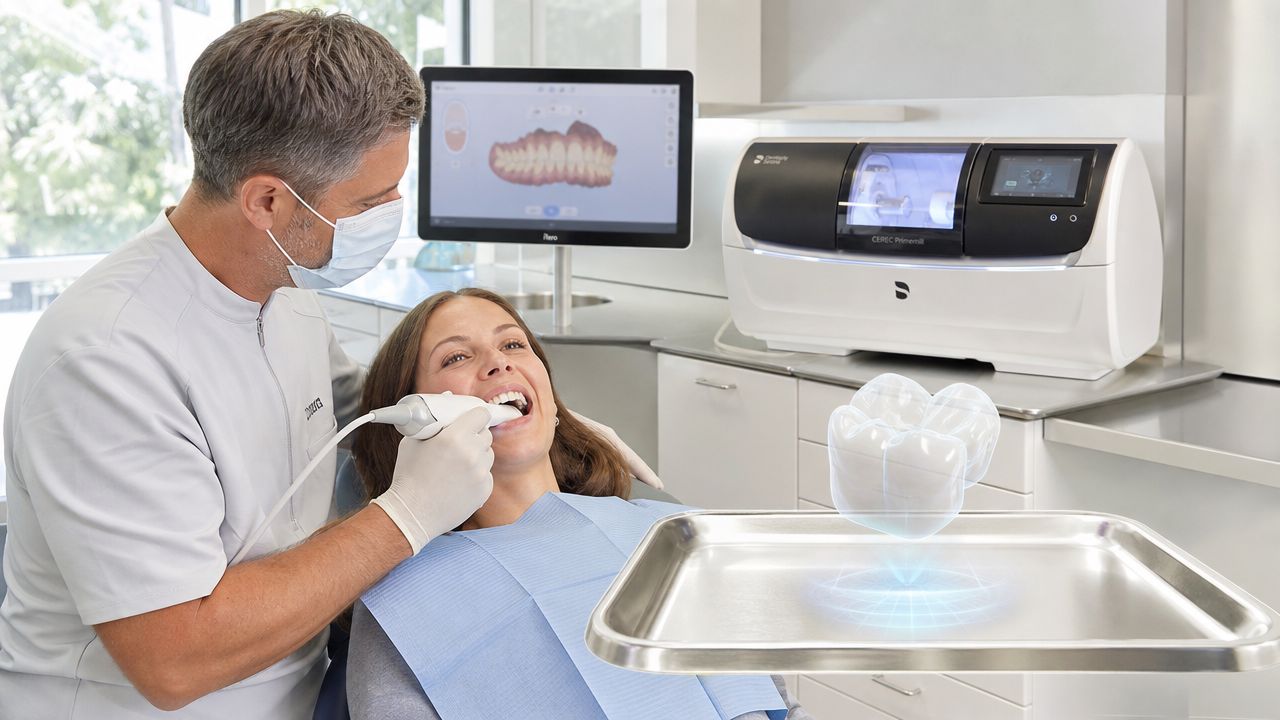
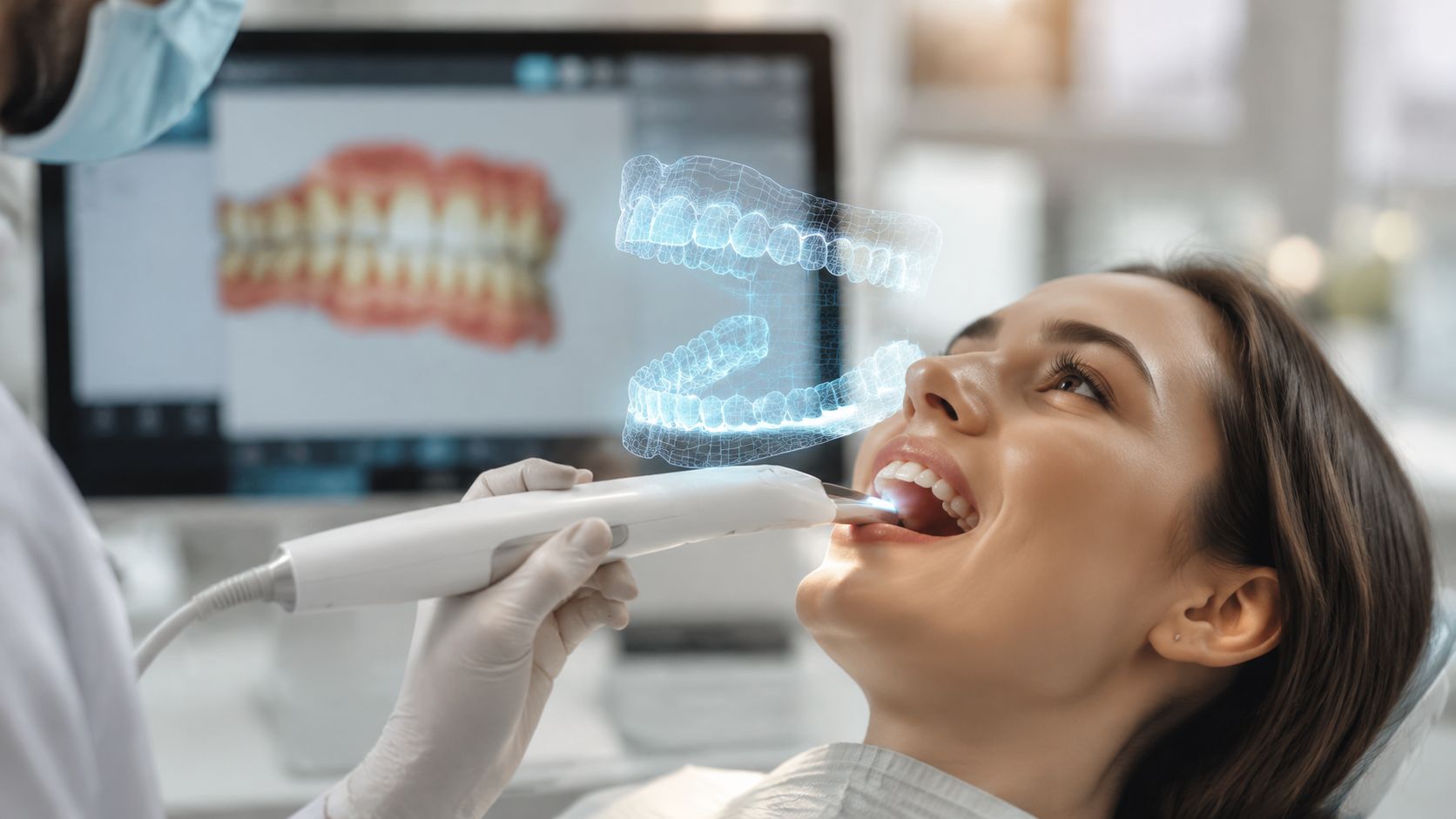
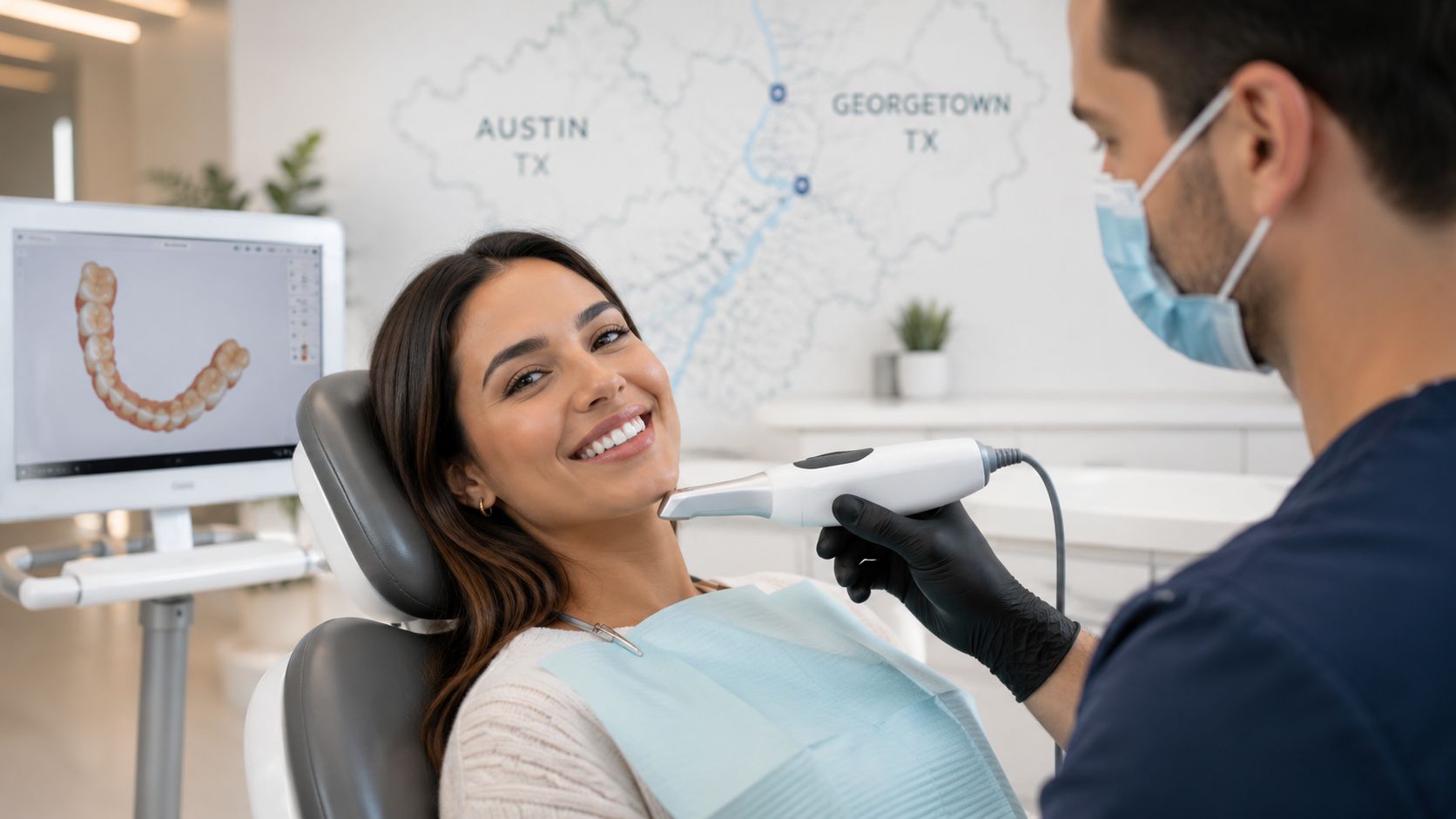
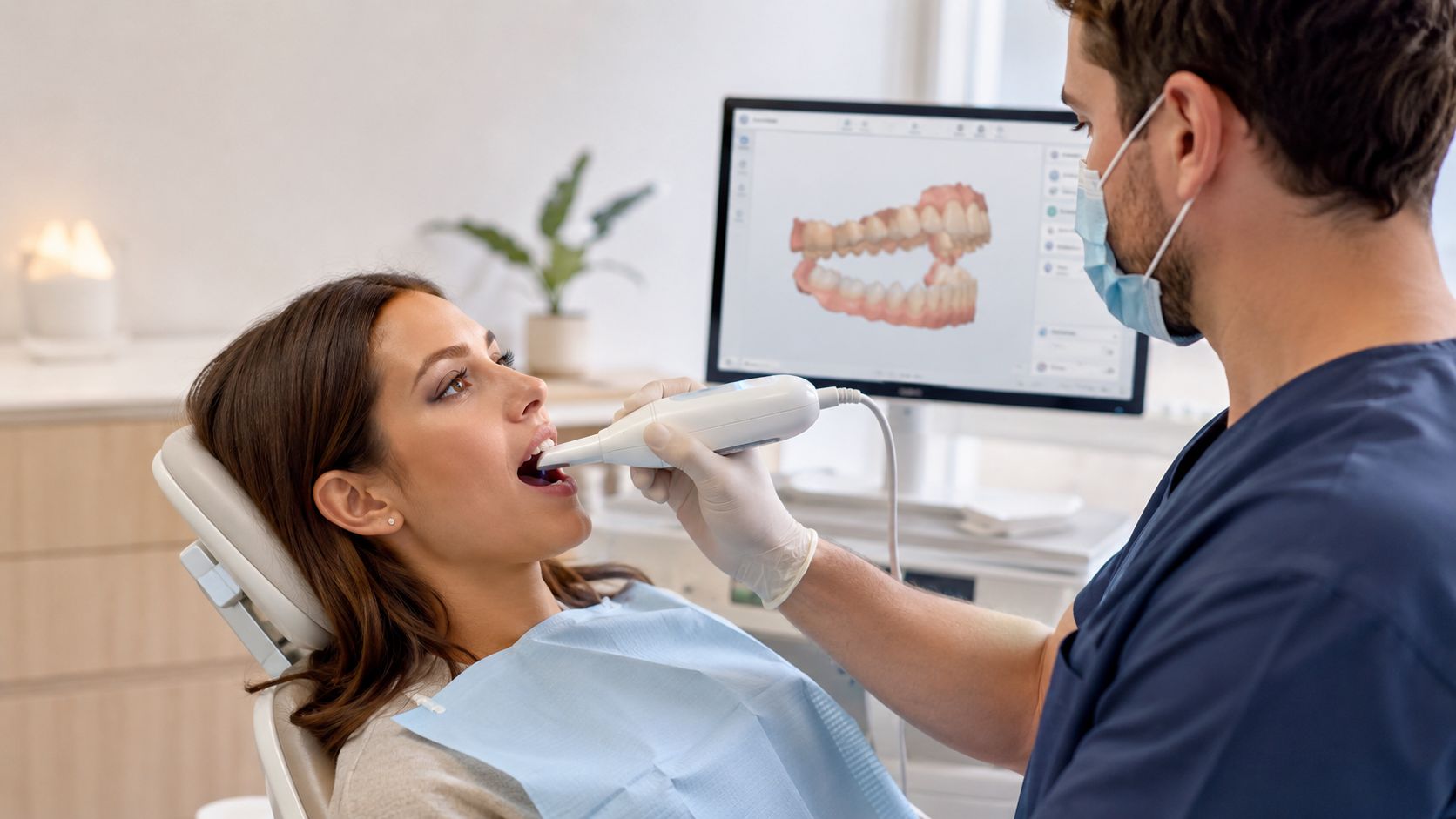
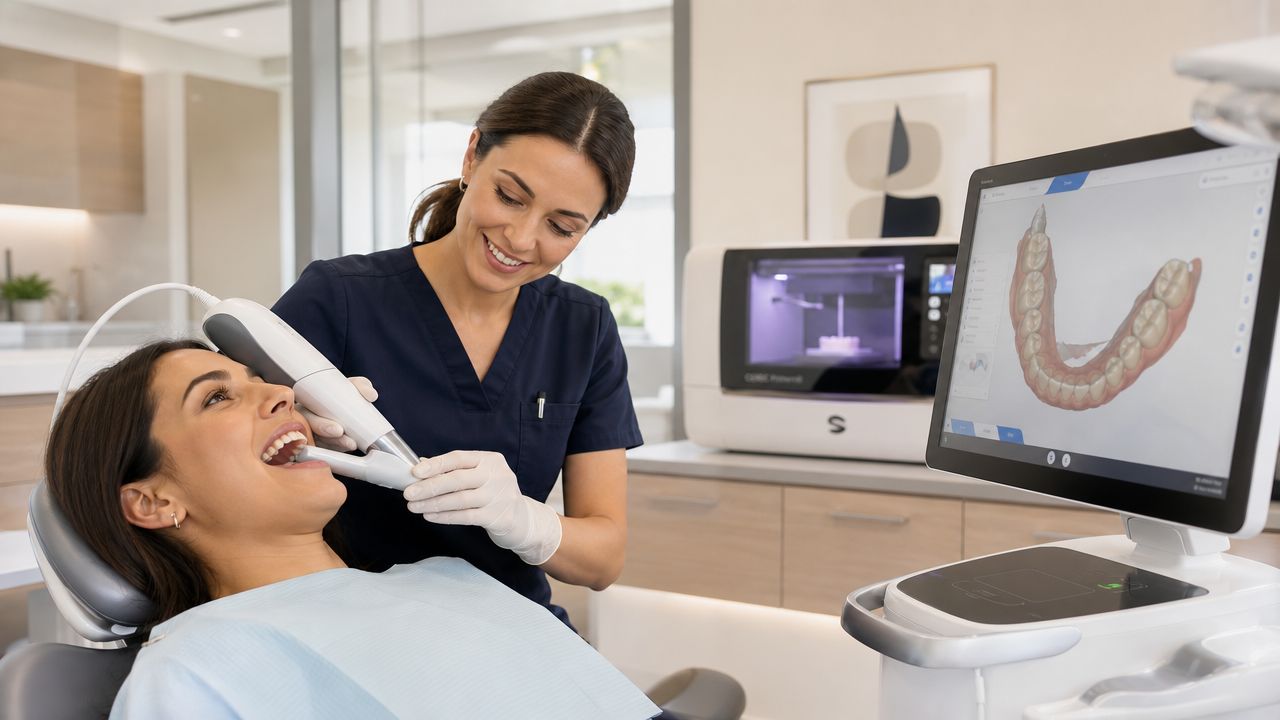
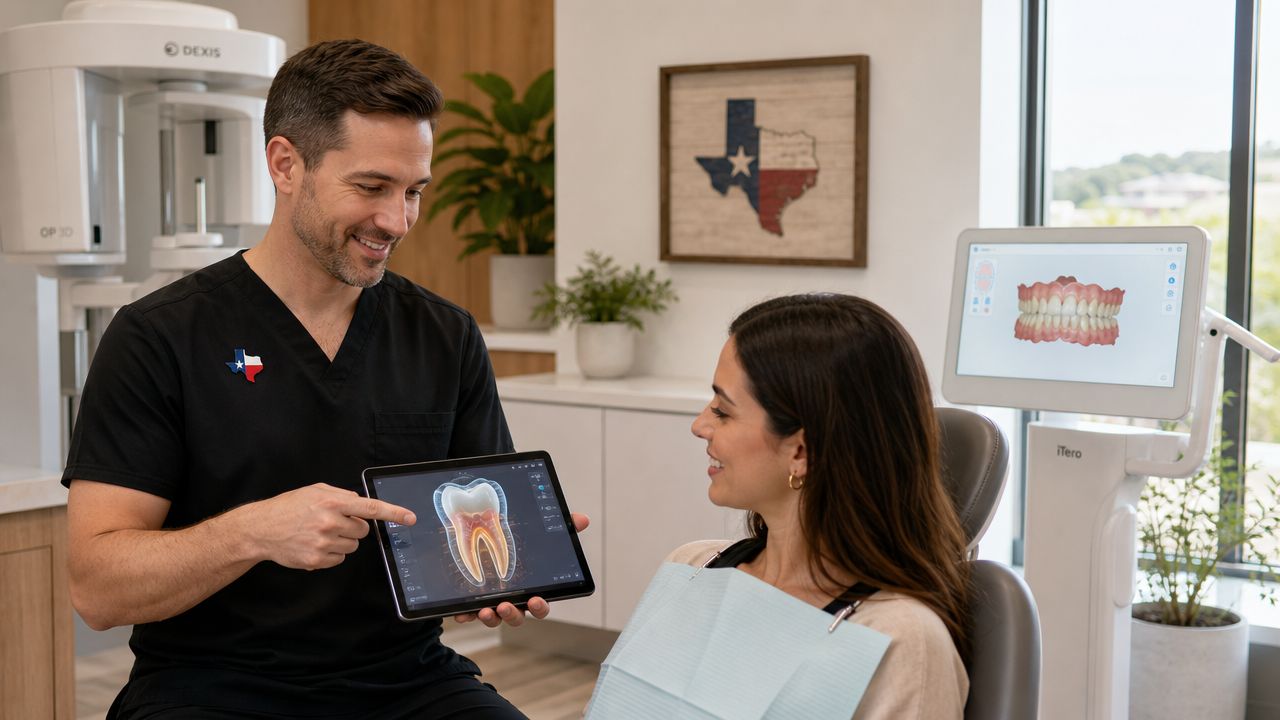
Digital dentistry replaces several older pain points with a more direct process. Instead of filling a tray with impression material and waiting for it to set, your dentist can capture a detailed 3D scan of your teeth. That file becomes the blueprint for your crown, bridge, or implant restoration.
The difference is not just speed. It is control.
Computer-guided design helps the team refine how your restoration meets the opposing teeth, how it supports your bite, and how naturally it blends with the teeth around it. In-house milling and 3D printing also shorten the gap between planning and placement. If you want a closer look at how that works, this overview of 3D printed crowns for teeth explains the process in patient-friendly terms.
How treatment feels different when the lab is in-house
For patients, the biggest change is often peace of mind. Questions can be answered faster because the people planning and making the restoration are part of the same clinical process. If a contour needs refinement or the bite needs a small adjustment, that feedback can happen quickly and with full context.
For crowns, this often means a cleaner path from diagnosis to final placement:
- A digital scan instead of traditional impression material
- Design decisions made close to the point of care
- Fabrication that can begin sooner
- Fit and bite refinements reviewed more directly
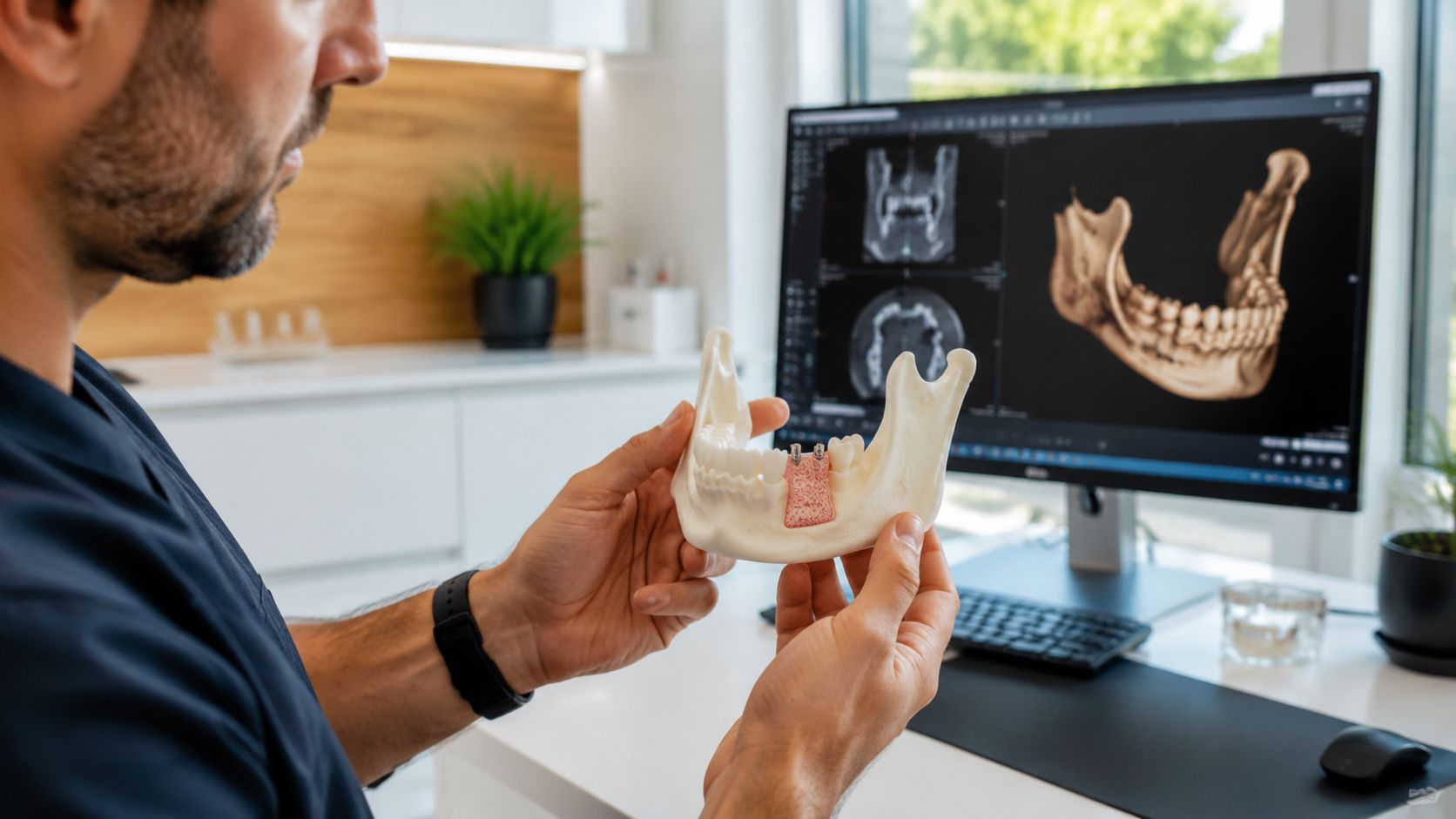
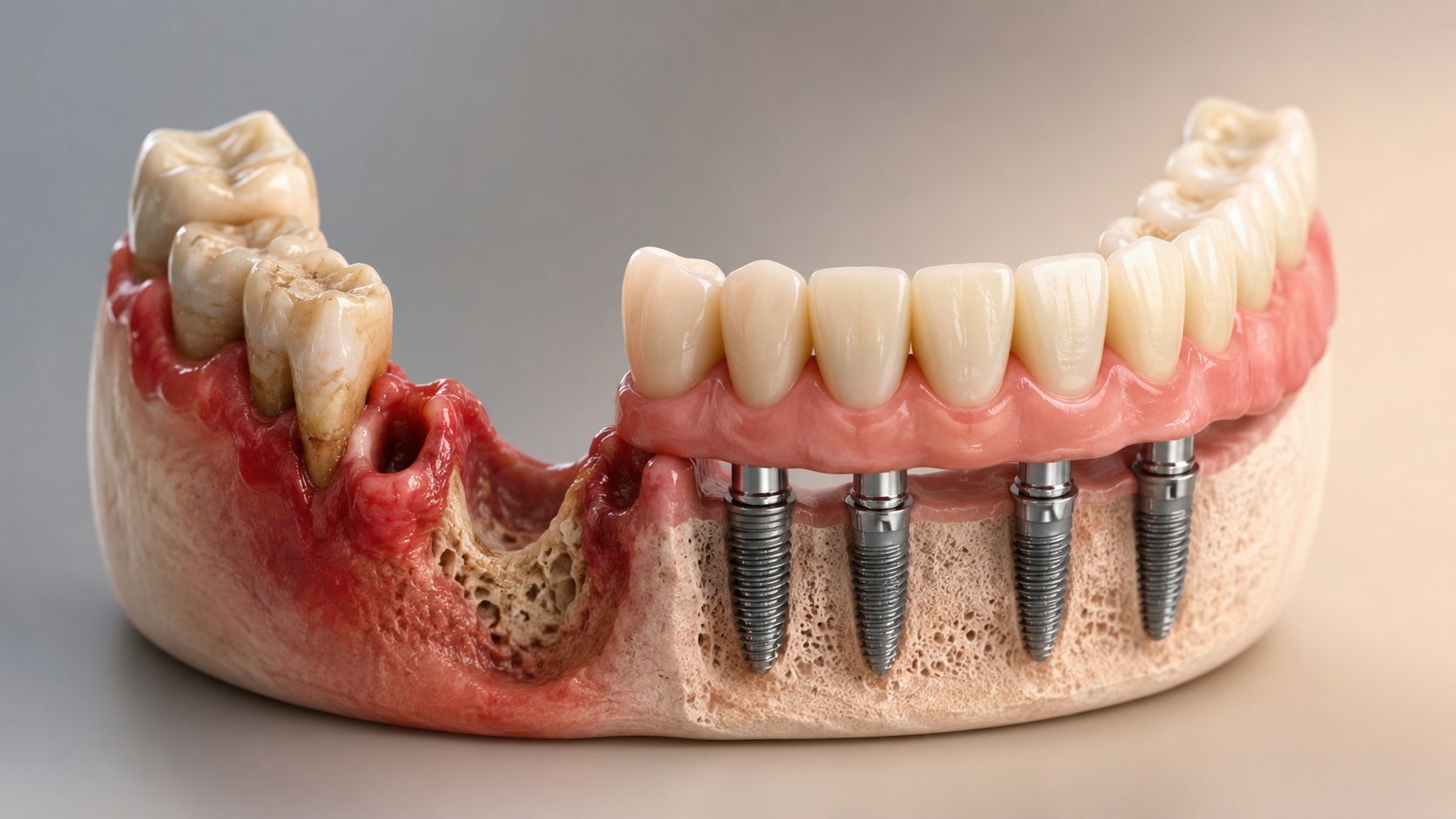
For implants, the advantage is even easier to appreciate. Three-dimensional imaging helps your dentist evaluate bone, spacing, and the planned final tooth before placement decisions are made. That is a more complete way to plan than relying on flat images alone, and it helps the surgical and restorative steps line up more accurately.
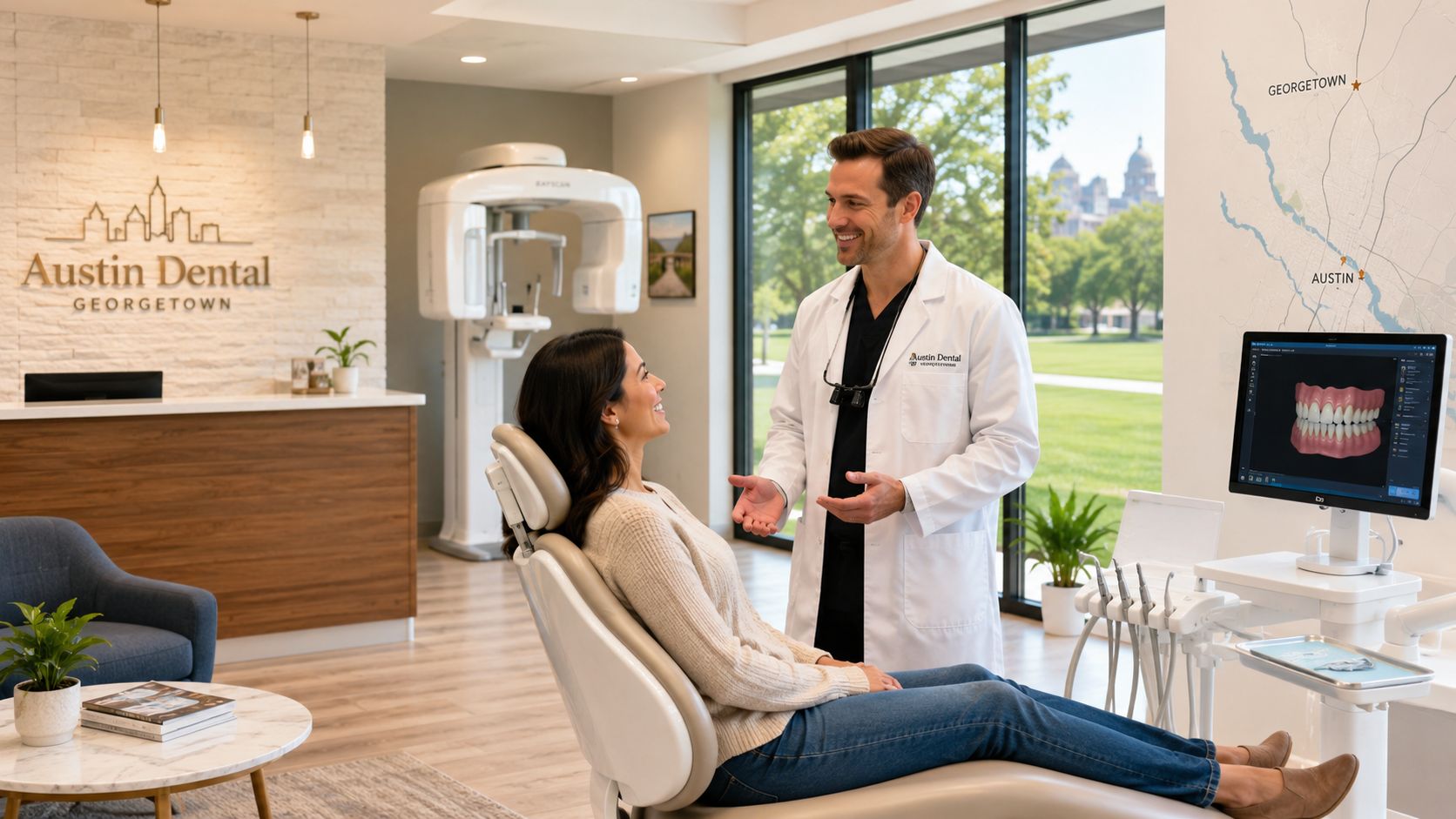
3D Dental uses this integrated approach in its Austin and Georgetown offices, with digital scanners, CT imaging, 3D printing, and in-house lab support in the same practice setting. For patients, that usually means fewer handoffs, faster answers, and a restoration process that feels more coordinated from start to finish.
Benefits of Choosing a Dentist with an In-House Lab
When patients compare a traditional outside-lab process to a fully integrated digital setup, the benefits become practical very quickly. This isn't just about newer machines. It's about how your treatment fits into your day, your budget, and your comfort level.
What patients notice first
- Less waiting between steps. When fabrication happens in-house, there's less downtime caused by outside coordination.
- Fewer appointments. Many restorative cases can move forward with fewer return visits.
- More comfort during records. Digital scanning is easier for many patients than traditional impressions.
- Better communication. The team designing and adjusting the restoration can work closely with the treating dentist.
Those points matter whether you're looking for cosmetic dentistry, a new crown after an old filling fails, or planning dental implants near me in Austin or Georgetown.
Why quality control improves under one roof
An in-house process also helps when small refinements are needed. Shade, contour, bite pressure, and edge shape can be reviewed more directly. Instead of sending information back and forth across locations, the people involved in your care can often make decisions faster and with more context.
Here's how that tends to affect the patient experience:
| Patient concern | In-house digital lab advantage |
|---|---|
| “Will this take forever?” | Turnaround is usually shorter |
| “Will I gag on impressions?” | Digital scanning is more comfortable for many people |
| “Will it look natural?” | Design feedback can happen more directly |
| “What if the bite feels off?” | Adjustments can be evaluated quickly |
Good restorative care isn't only about the final crown or implant. It's also about how many interruptions you go through to get there.
Who benefits most from this approach
This model is especially helpful for patients who:
- Have busy schedules and don't want multiple unnecessary visits
- Need front-tooth work where appearance matters
- Are replacing a failed crown or bridge and want a smoother redo process
- Need implant planning that benefits from detailed digital imaging
- Feel anxious in the dental chair and prefer an efficient visit
For those seeking a dentist in Austin, TX, dentist in Georgetown, TX, or cosmetic dentist near me, the question to ask isn't only “Can you make a crown?” It's also “How is that crown made, and how many steps separate me from the final result?”
What to Expect for Your Crown or Implant in Austin
Most patients feel more confident once they know the process. If you're getting a crown or implant restoration in Austin or Georgetown, the visit should feel organized, clear, and easy to follow.
Your crown process step by step
For a crown, the journey usually begins with a new patient exam or focused evaluation. Your dentist checks the tooth, reviews the bite, and confirms whether a crown is the right choice or if another treatment would make more sense.
Then comes the record-taking step. In a digital workflow, this usually means a quick scan of your teeth rather than bulky impression trays. After that, the restoration is designed based on your tooth shape, bite relationship, and appearance goals.
If you'd like a plain-language overview of the process, this guide on what a dental crown procedure involves is a helpful starting point.
A straightforward crown appointment often includes:
- Exam and diagnosis
- Digital scan
- Preparation of the tooth if needed
- Design and fabrication
- Try-in and bite adjustment
- Final placement
Implant planning takes a different kind of precision
Implants require more than replacing the visible part of the tooth. The dentist also needs to evaluate bone, spacing, and the position of nearby structures. That's where 3D imaging becomes especially useful. It supports more accurate planning for placement and helps the final restoration fit the overall plan.
Digital production is highly precise, but it still requires judgment. Research on dental 3D printing shows that while virtual fabrication without casts can produce accurate restorations, the orientation of the restoration during printing can affect the fit of multi-unit bridges, while single crowns were not affected by print placement angle in the same study, according to the research review on 3D printed restoration accuracy.
The technology matters, but so does the team's understanding of when a crown, bridge, or implant case needs special handling.
What patients often want clarified before booking
Before treatment starts, most patients want answers on timeline, comfort, and payment. A patient-focused office should explain what's happening at each stage, tell you whether your case can be completed quickly or needs phased treatment, and review financing if needed. That kind of transparency makes it much easier to move forward with restorative dentistry, cosmetic treatment, or implant care.
Your Questions About Advanced Dental Technology Answered
Is advanced dental technology only for complex cosmetic cases
No. Digital tools can help with everyday restorative treatment too. A single broken tooth, an older crown that needs replacement, or planning for an implant can all benefit from digital scans, detailed imaging, and more efficient fabrication.
Patients often assume this level of care is reserved for major smile makeovers. In reality, it can improve common services such as crowns, bridges, and implant restorations.
Does this kind of treatment always cost more
Not necessarily. The better question is whether the process reduces extra visits, temporary solutions, and delays. For many patients, value comes from a smoother experience, clearer planning, and getting to the final result with fewer disruptions.
If you're comparing offices, ask what is included in the process. Ask whether imaging, scanning, fabrication, and delivery are coordinated in-house or handled through separate outside steps.
Why doesn't every dental office offer the same technology
Access to advanced tools is uneven. Broader reporting on dental technology notes that adoption can be slowed by geography, economics, and training, particularly outside well-resourced settings. That same discussion highlights that advanced technology like CBCT and 3D printing isn't equally accessible everywhere, and notes that local investment can help bridge that gap, as discussed in the Project Smile analysis of access to advanced dental technology.
For patients in Austin, Georgetown, Wells Branch, Cedar Park, Round Rock, and Liberty Hill, that means it's worth asking whether the office has built this capability into daily patient care.
If I searched for CRN Dental Technology, what should I take away
You should take away that an external dental lab and an in-house digital dental process are not the same thing. CRN Dental Technology represents the traditional but still important lab side of restorative dentistry. An integrated in-house model changes the patient experience by reducing handoffs and bringing design, fabrication, and clinical care much closer together.
That difference can affect your comfort, your wait time, and how efficiently your final restoration comes together.
If you're looking for a more comfortable path to a crown, bridge, implant, or cosmetic restoration in Central Texas, schedule a consultation with 3D Dental. Patients in Austin and Georgetown can get clear treatment guidance, digital diagnostics, and an efficient restorative process designed to save time while protecting comfort and results.
Ready to get started?
Schedule a free, no obligation consultation with our team and see what's possible for your smile!
Georgetown
- Mon-Thurs8:30am-5pm
- Fri8am-3:30pm
- Sat-SunClosed
Austin
- Mon-Tues8am-5pm
- Wed-Thurs9am-6pmFri8am-2pm
- Sat-SunClosed