
The Hidden Costs of Ignoring Missing Teeth for Too Long
Related Posts
























The Hidden Costs of Ignoring Missing Teeth for Too Long
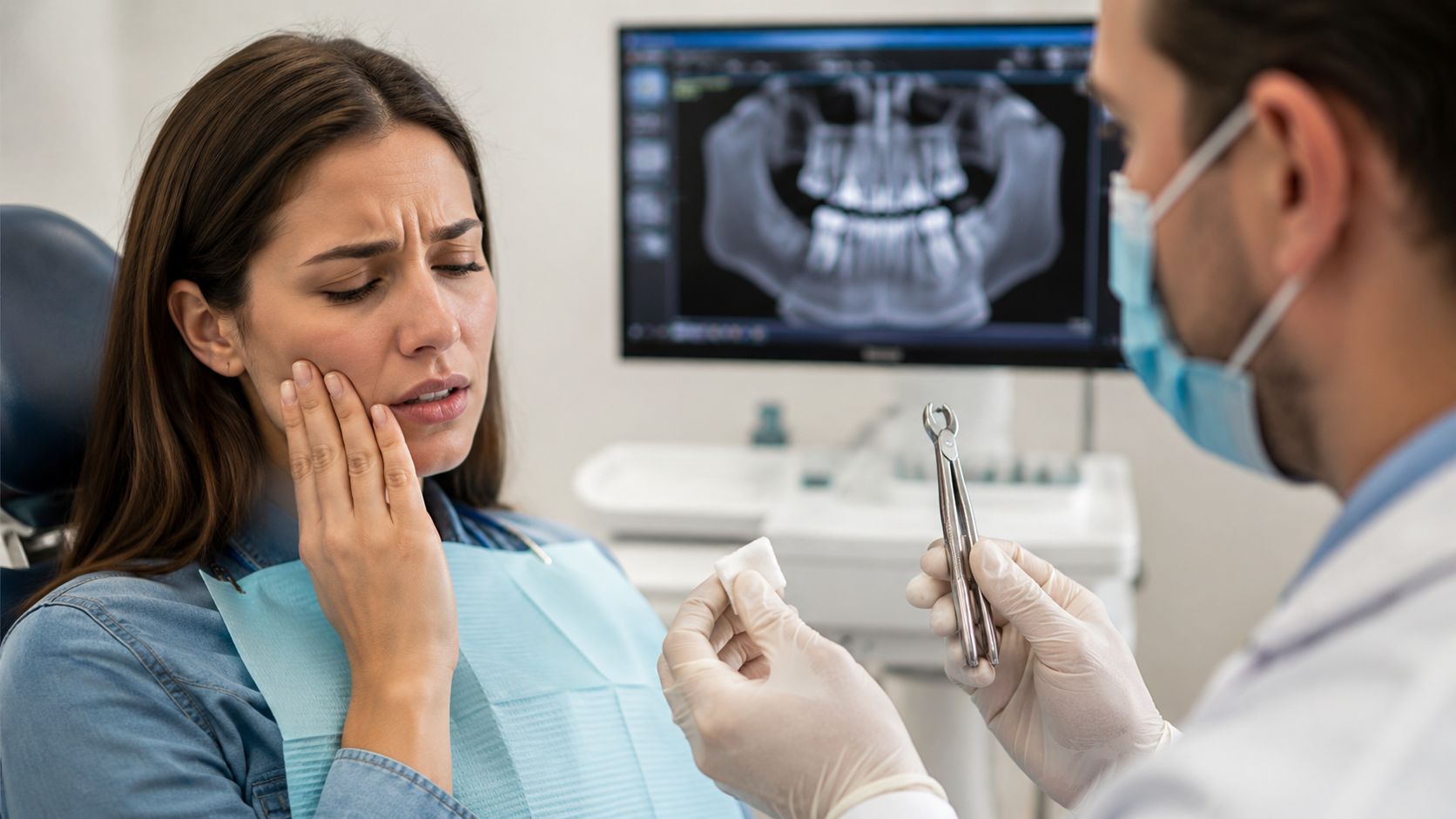
Ignoring a missing tooth leads to severe consequences beyond a cosmetic gap. Jawbone deterioration begins within months, causing adjacent teeth to shift, bite misalignment, and increased risk of gum disease. Timely replacement prevents cascading dental failures, expensive surgeries, and systemic health complications. Losing a tooth is often treated as a minor inconvenience rather than a serious health event requiring immediate attention. Many individuals assume that an empty space in the back of the mouth poses no real threat, opting to delay treatment indefinitely.
The consequences extend far past cosmetic concerns, directly affecting overall physical and financial well-being. A single lost tooth compromises the entire structural integrity of the dental arch, triggering a chain reaction of deterioration. Patients frequently experience functional decline, chronic pain, and a heavily burdened immune system as the issue goes untreated.
This blog covers the cascading effects of delayed treatment on oral health, detailing the hidden dangers that emerge when gaps are left open. From invisible bone resorption to escalating financial burdens, understanding these risks highlights the importance of immediate intervention.
The Invisible Danger of Bone Resorption
Understanding Jawbone Atrophy
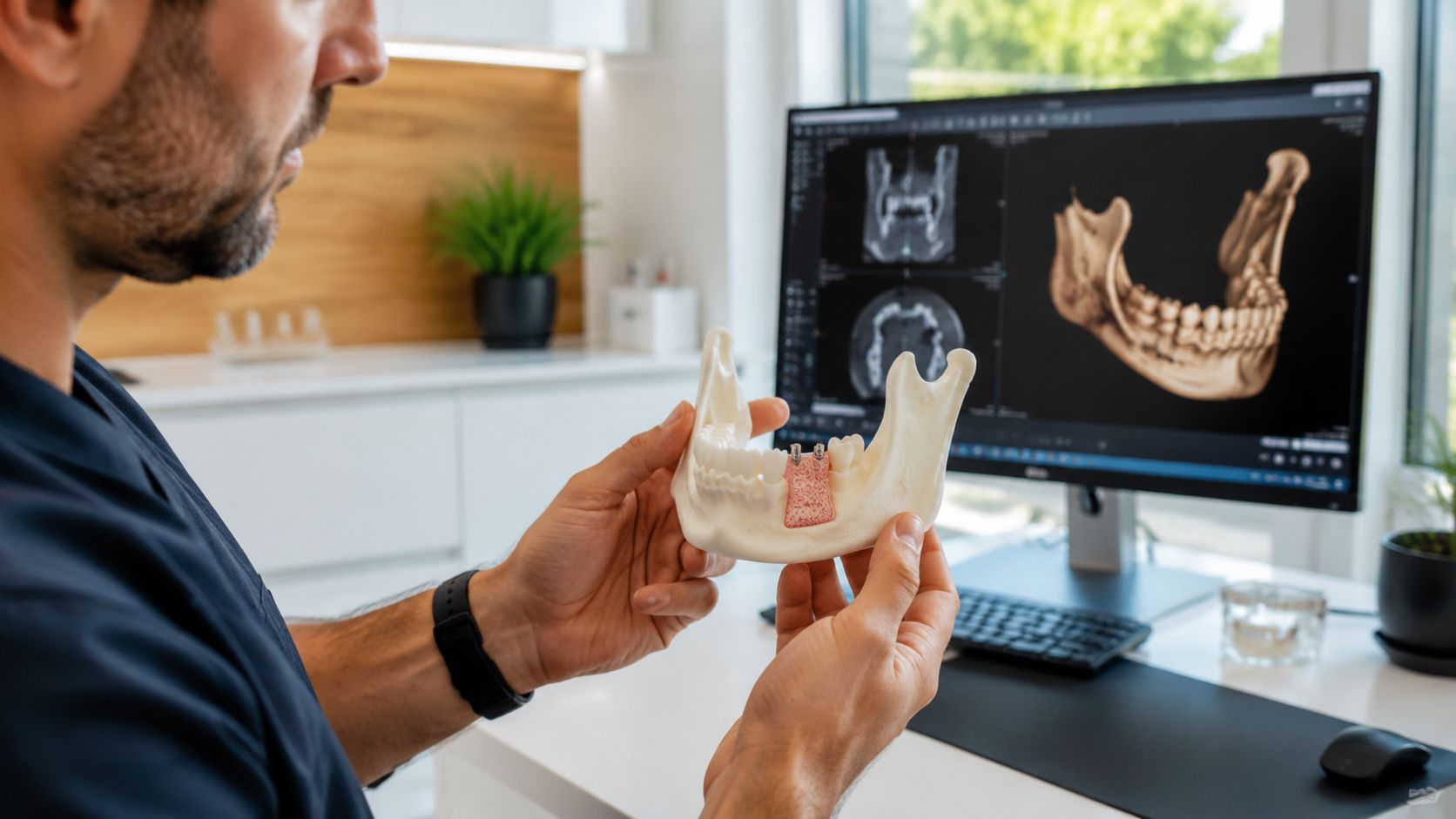
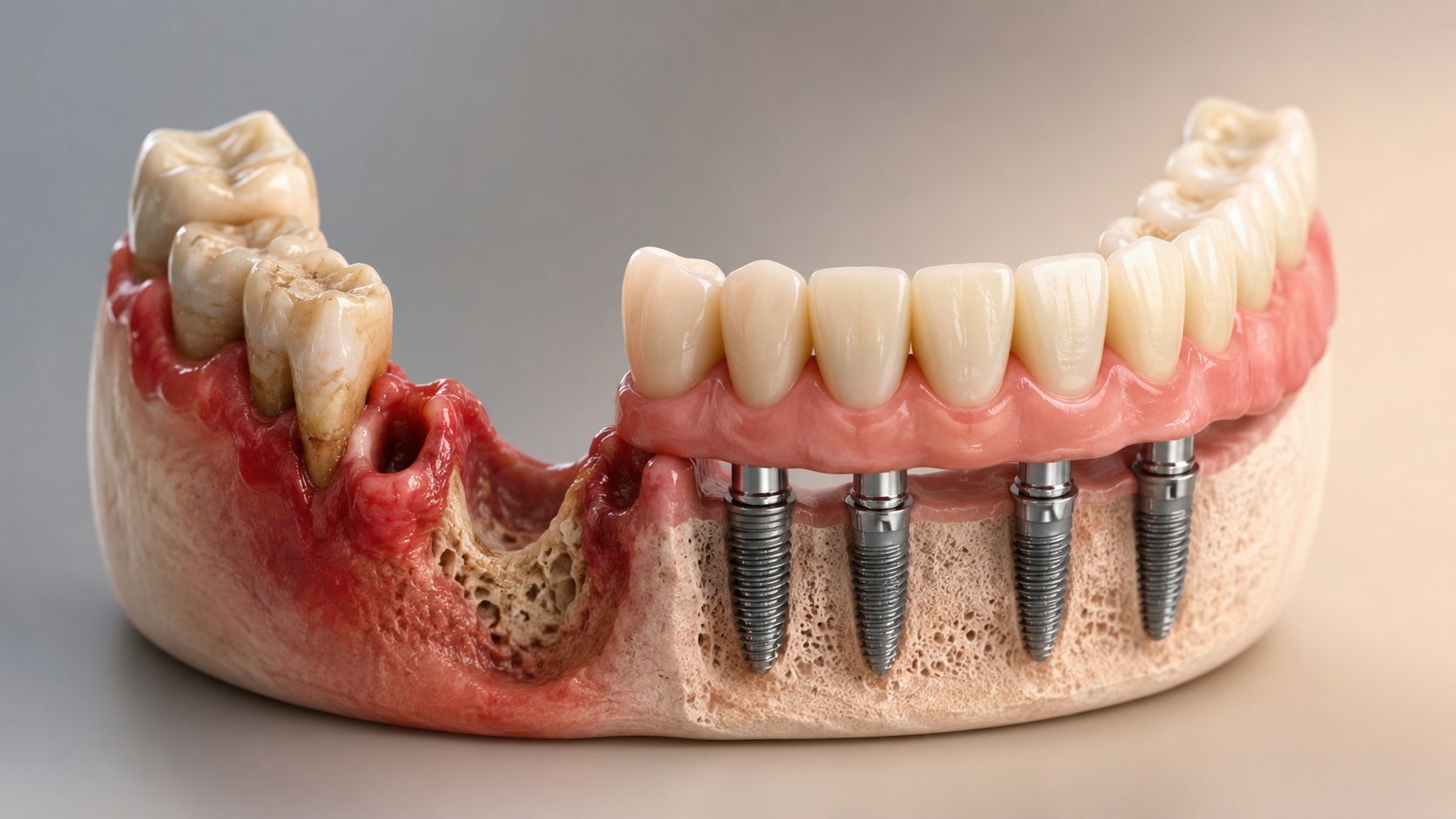
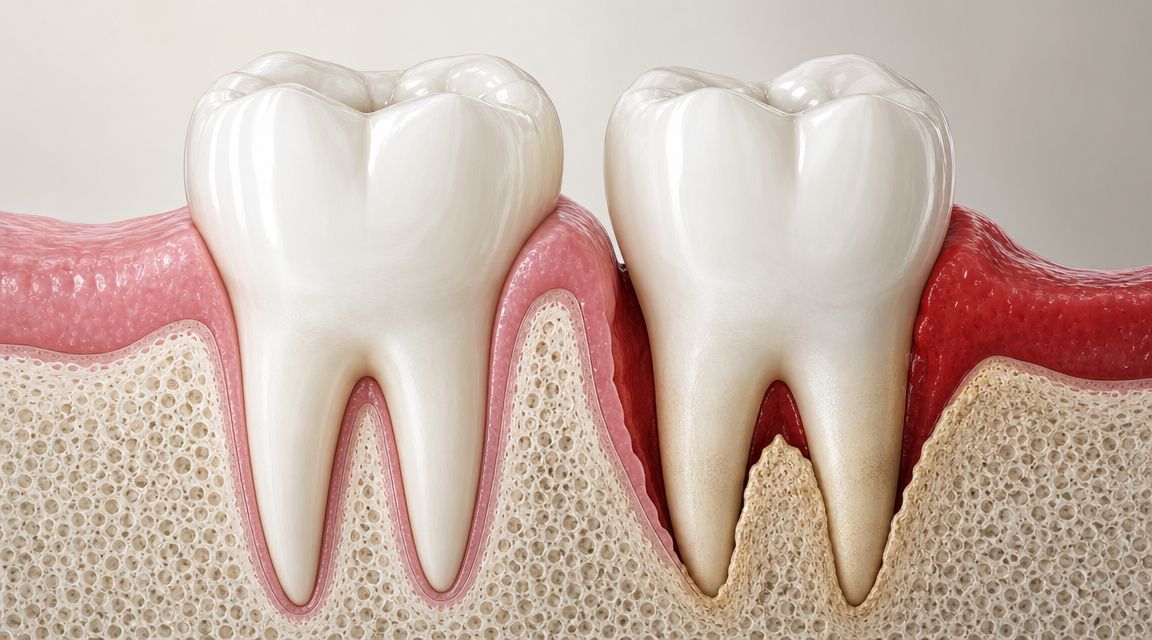
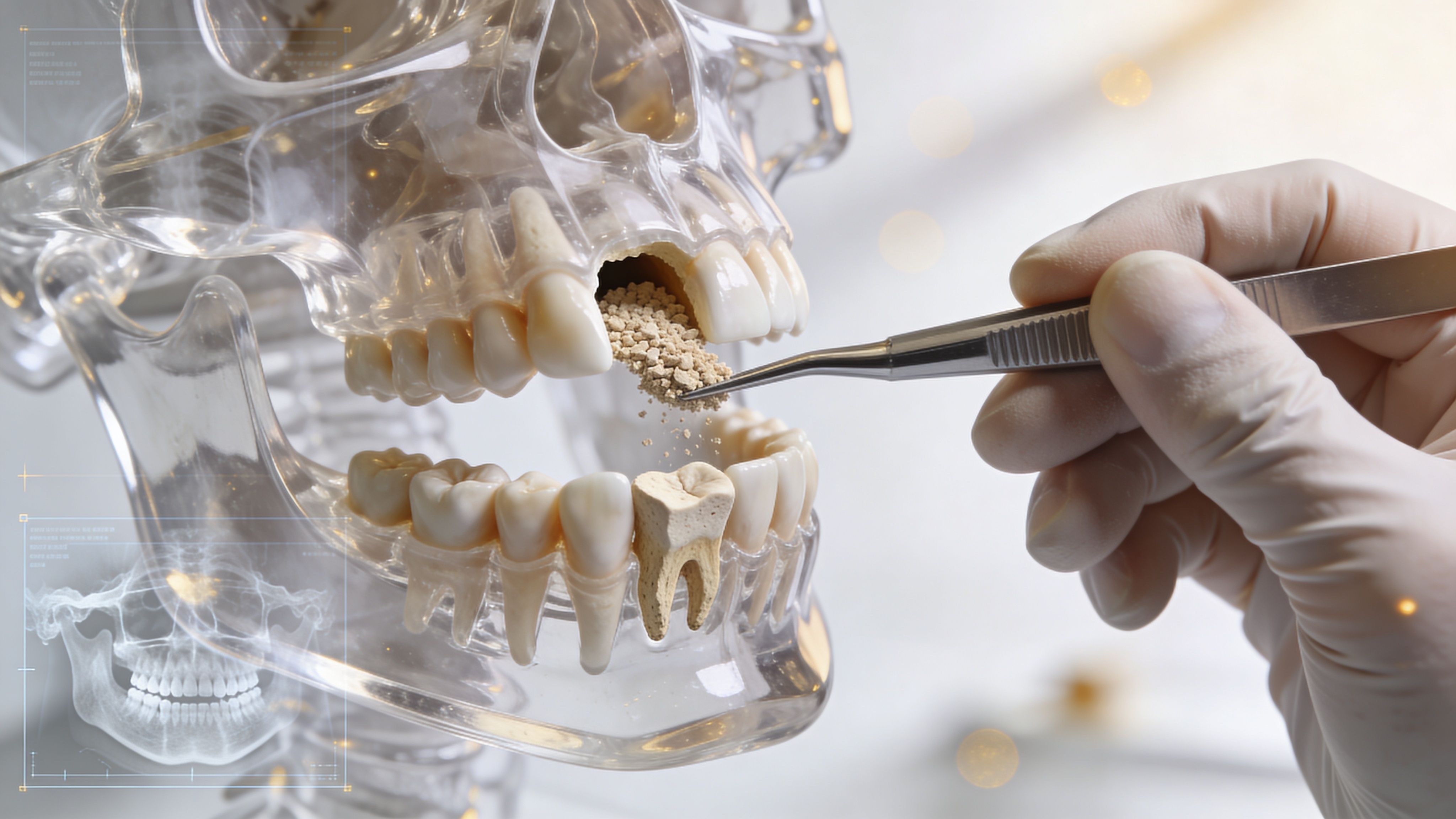
The jawbone requires constant stimulation from tooth roots to maintain its density, mass, and shape. When an extraction occurs, the body senses that the supporting bone is no longer needed for chewing and begins resorbing the tissue. Significant bone loss happens within the first year of losing a tooth, leading to irreversible structural changes.
The Domino Effect on Facial Structure
Progressive bone loss leads to a sunken, prematurely aged facial appearance over time. As the jaw shrinks, the lower third of the face loses vital support, causing lips to thin and wrinkles to form around the mouth. This physical transformation alters the natural profile, creating an aesthetic impact that goes far beyond the initial missing tooth.
Complicating Future Treatments
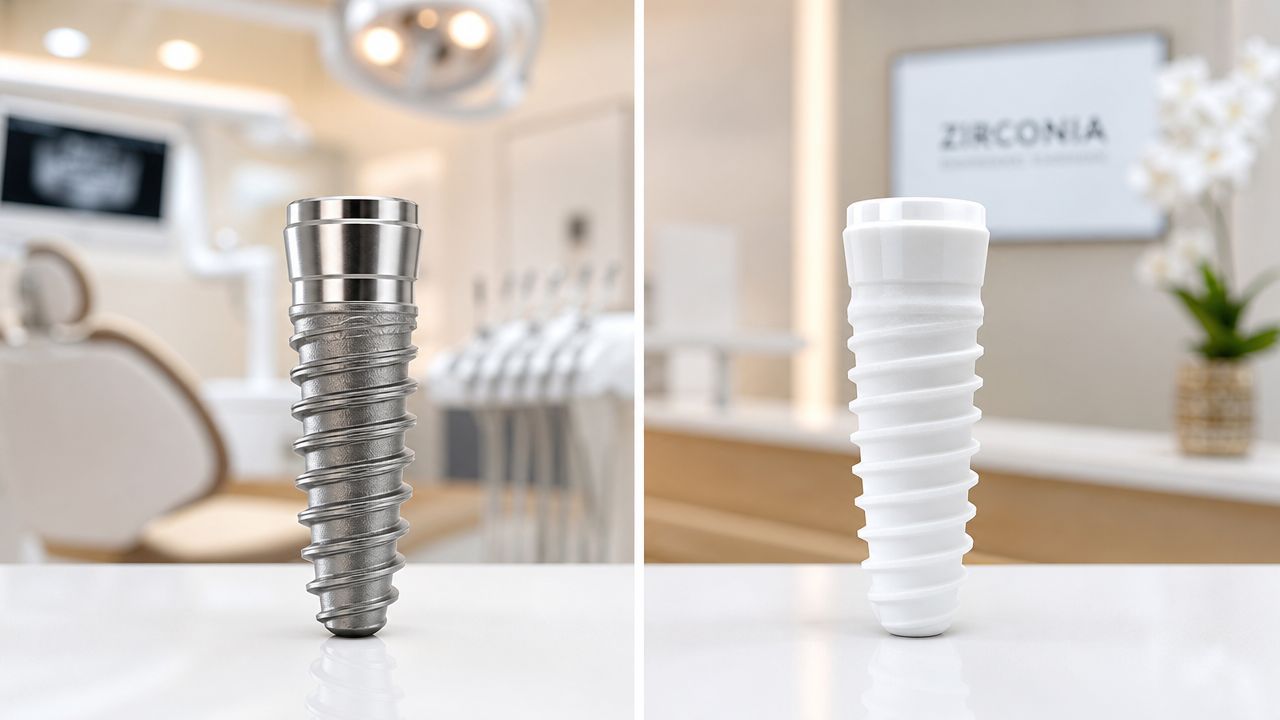
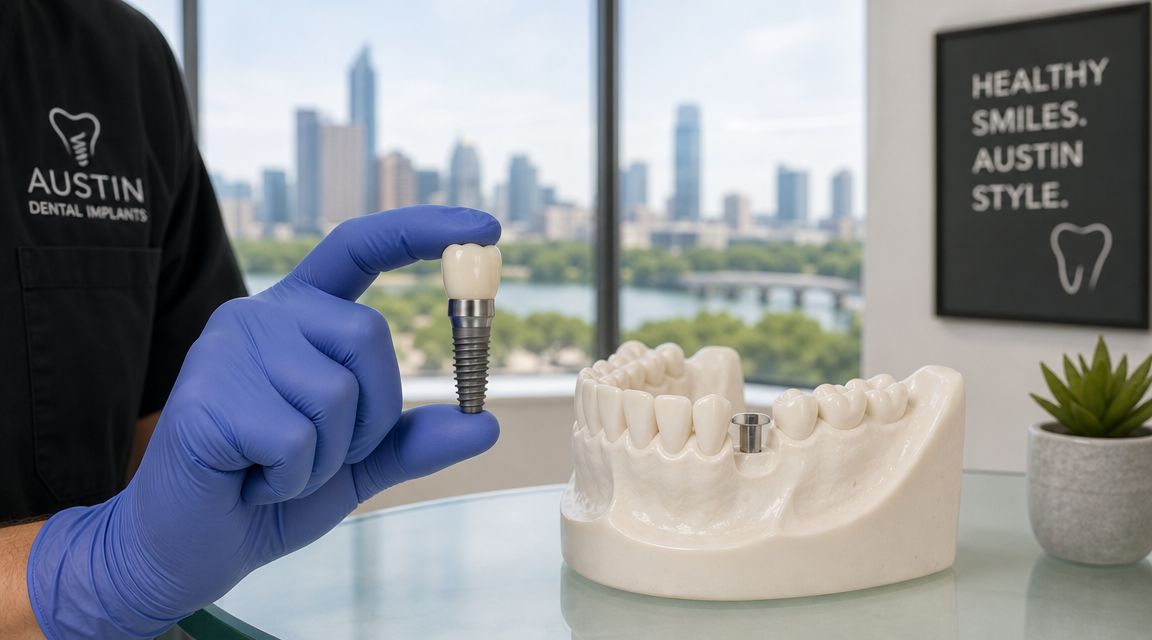
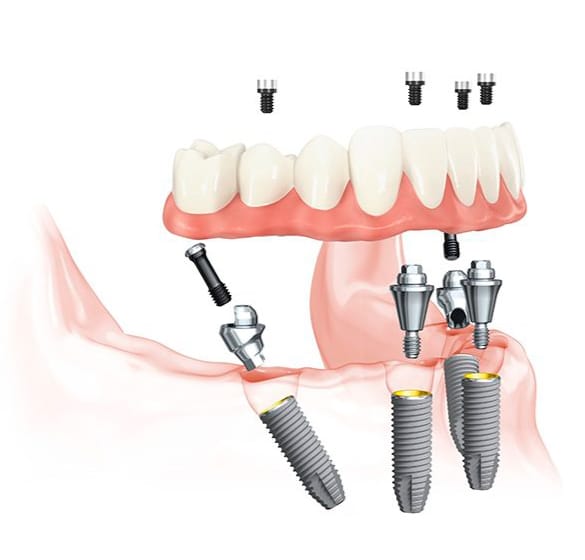
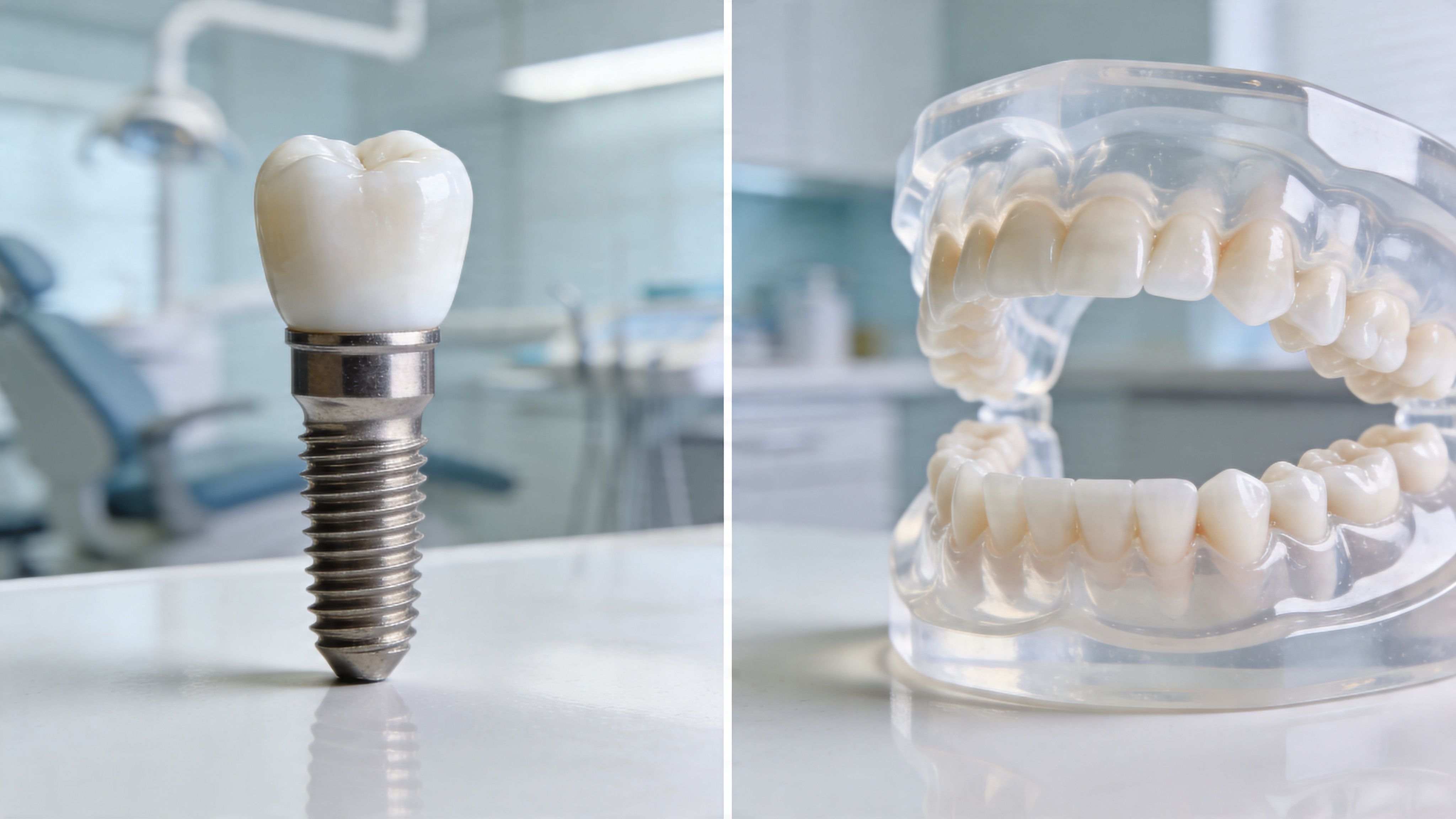
Waiting too long often necessitates expensive and invasive bone grafting procedures before dental implants can be successfully placed. Dentists cannot anchor titanium posts into a severely deteriorated jawline, making restorative work far more complex. Choose prompt intervention if avoiding lengthy surgical recoveries and high additional costs matters to your budget.
Shifting Teeth and Bite Misalignment
The Natural Drift of Remaining Teeth
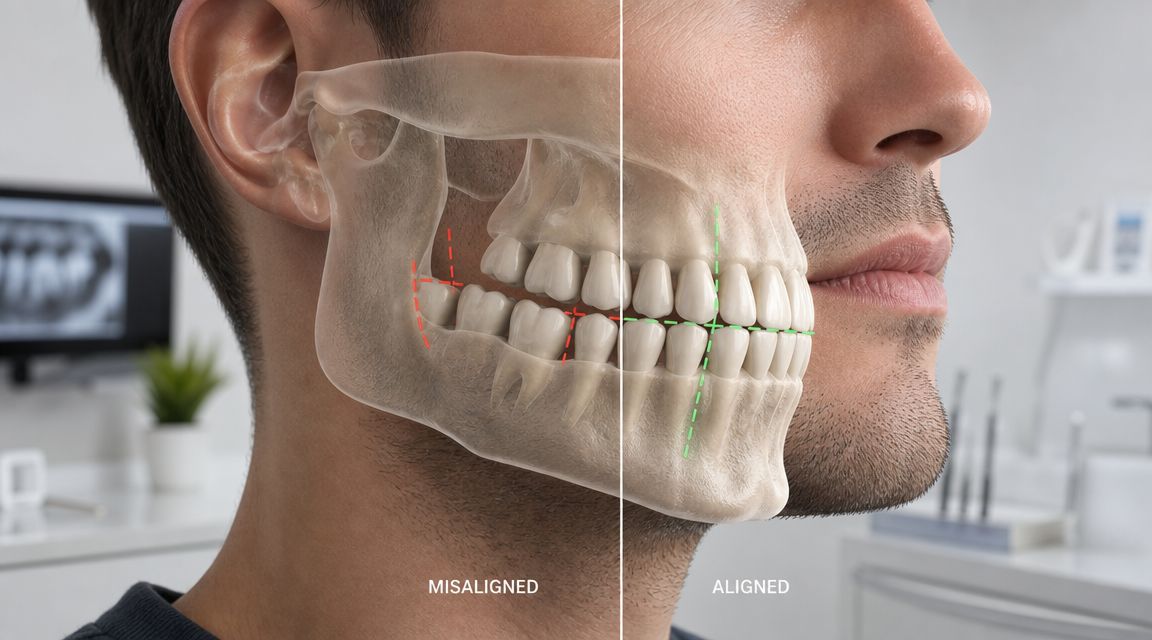
Surrounding teeth naturally move, tilt, and rotate into the empty space left by an extracted tooth. Without the neighboring structure to hold them in place, the entire dental arch becomes unstable. This drifting process happens gradually but inevitably, disrupting what was once a perfectly aligned bite.
Creating Uneven Wear and Tear
A misaligned bite forces certain teeth to bear excessive pressure, leading to rapid enamel damage and painful fractures. The altered chewing mechanics place unnatural stress on specific areas, grinding down healthy surfaces prematurely. Over time, these overworked teeth become highly susceptible to decay, cracking, and eventual failure.
TMJ Disorders and Chronic Pain
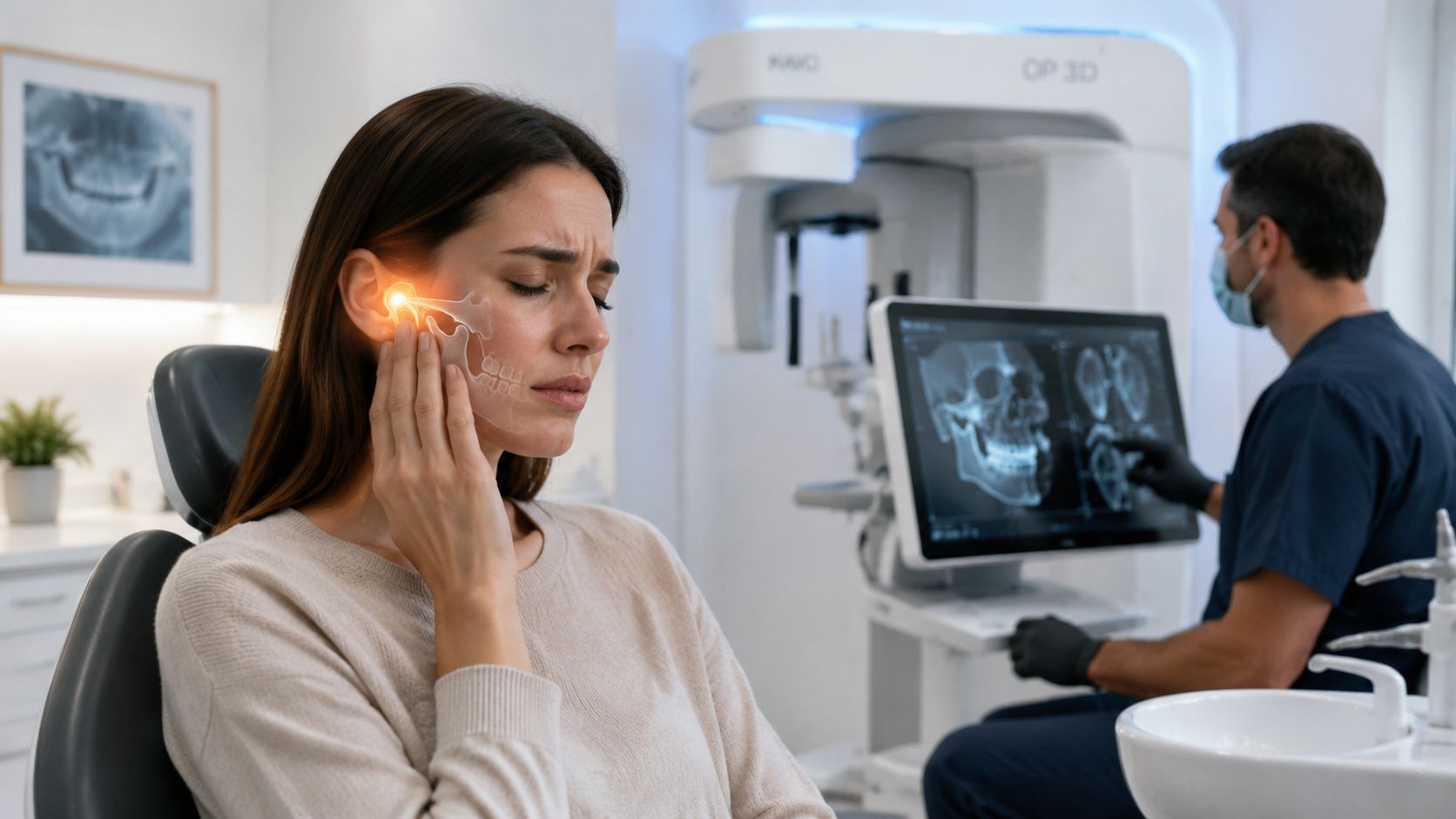
There is a direct link between a compromised bite and the development of severe jaw joint pain or chronic tension headaches. The temporomandibular joint (TMJ) struggles to function smoothly when teeth do not meet correctly, causing muscle spasms and inflammation. This chronic discomfort radiates through the neck and head, severely impacting daily quality of life.
Increased Risk of Oral Disease
Hard-to-Reach Plaque Traps
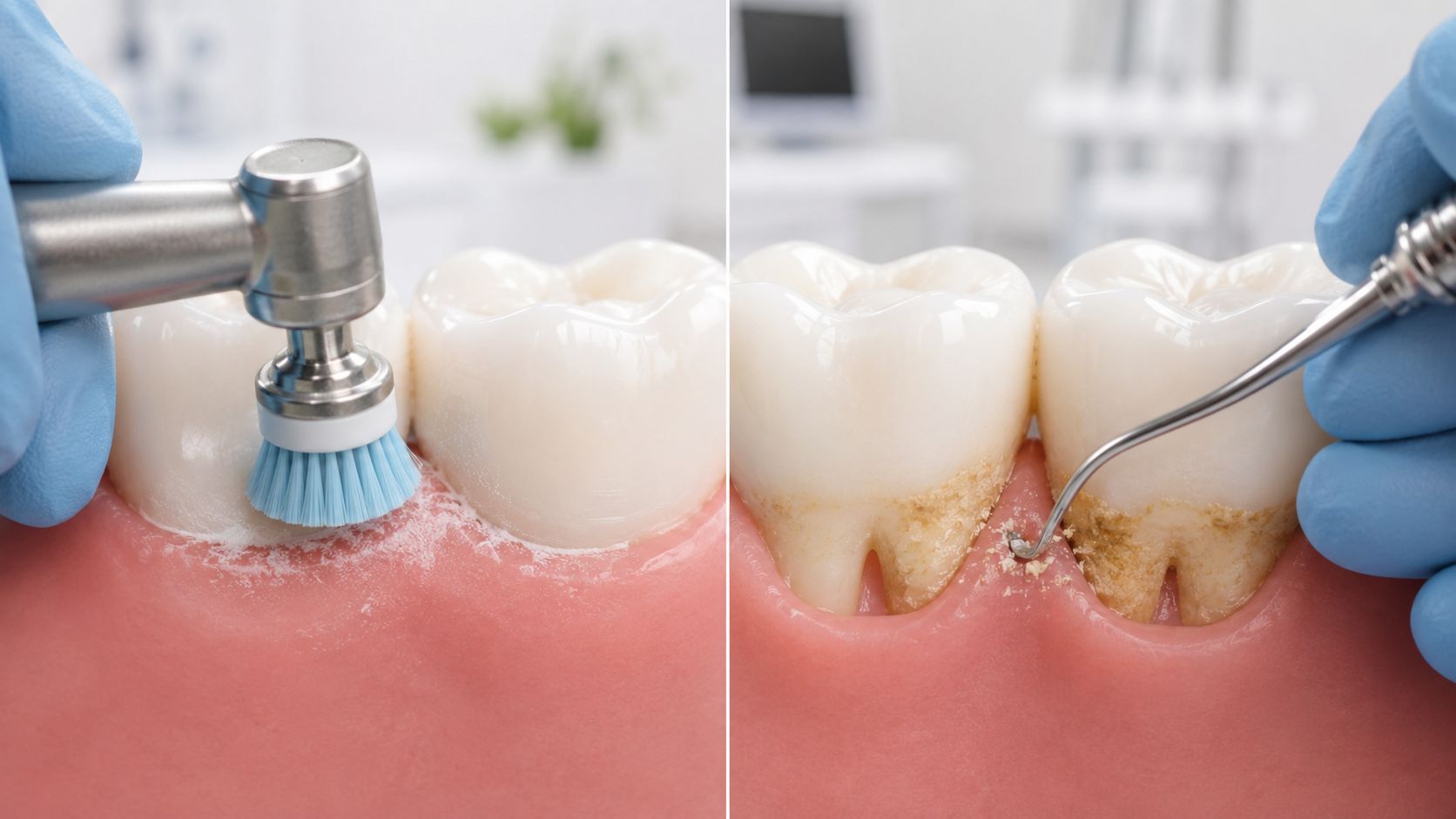
The new gaps and shifting teeth create deep crevices where harmful bacteria easily accumulate and hide from toothbrushes. Tilted teeth form unnatural angles that standard flossing techniques struggle to clean effectively. These sheltered environments allow plaque and tartar to thrive unnoticed, creating a breeding ground for infection.
The Escalation of Gum Disease
Persistent plaque buildup in these compromised spaces accelerates periodontal disease, threatening the foundation of remaining teeth. Bacteria release toxins that inflame the gums, causing them to bleed, recede, and detach from the roots. Once this advanced stage of infection sets in, it becomes incredibly difficult to manage without professional intervention.
The Cycle of Further Tooth Loss
Ignoring just one missing tooth significantly increases the statistical risk of losing adjacent teeth in the future. As gum disease attacks the compromised bone and tissue surrounding the empty space, neighboring roots lose their essential support system. This domino effect turns a single extraction into a sprawling, full-mouth crisis.
Nutritional Deficiencies and Digestive Issues
Compromised Chewing Efficiency
A disrupted bite makes it difficult to properly break down tough, nutrient-dense foods like raw vegetables, nuts, and proteins. Patients with incomplete dentition often swallow larger chunks of food, missing out on the initial mechanical breakdown required for proper nutrient absorption. This reduction in chewing capacity strips vital vitamins and minerals from the daily diet.
The Strain on Your Digestive System
The biological reality is that digestion begins in the mouth, and swallowing poorly chewed food leads to chronic gastrointestinal discomfort. Saliva contains crucial enzymes that must mix with thoroughly ground food to ensure smooth passage through the digestive tract. Bypassing this step causes acid reflux, bloating, and excessive strain on the stomach and intestines.
Shifting Toward Softer, Processed Diets
Individuals tend to subconsciously alter their diet to highly processed, softer foods, negatively impacting their systemic health. Replacing crisp, fibrous meals with carbohydrate-heavy, easy-to-chew alternatives causes spikes in blood sugar and contributes to unwanted weight gain. This dietary shift sacrifices overall wellness simply to accommodate a compromised mouth.
The Psychological Toll of a Compromised Smile
Developing Social Anxiety
The deep self-consciousness associated with visible dental gaps often leads to withdrawal from social interactions and public events. Individuals find themselves covering their mouths while laughing or avoiding photographs entirely out of embarrassment. This isolation strips joy from social gatherings and creates a persistent, underlying sense of dread around other people.
Impact on Professional Confidence
Reluctance to speak clearly or smile openly can subtly hinder career advancement and effective workplace communication. First impressions rely heavily on confident body language, and a guarded demeanor may be misinterpreted as a lack of enthusiasm or competence. Missing teeth can unfairly alter how peers and supervisors perceive an individual's professional capabilities.
The Daily Mental Burden
The exhausting psychological nature of constantly trying to cover or hide your mouth when eating, laughing, or talking with peers takes a massive toll. Managing this insecurity requires relentless mental energy, turning simple daily conversations into stressful navigation exercises. Erasing this mental burden is often cited as the most relieving benefit of restorative dental work.
The Escalating Financial Burden Over Time
The Price of Delayed Action
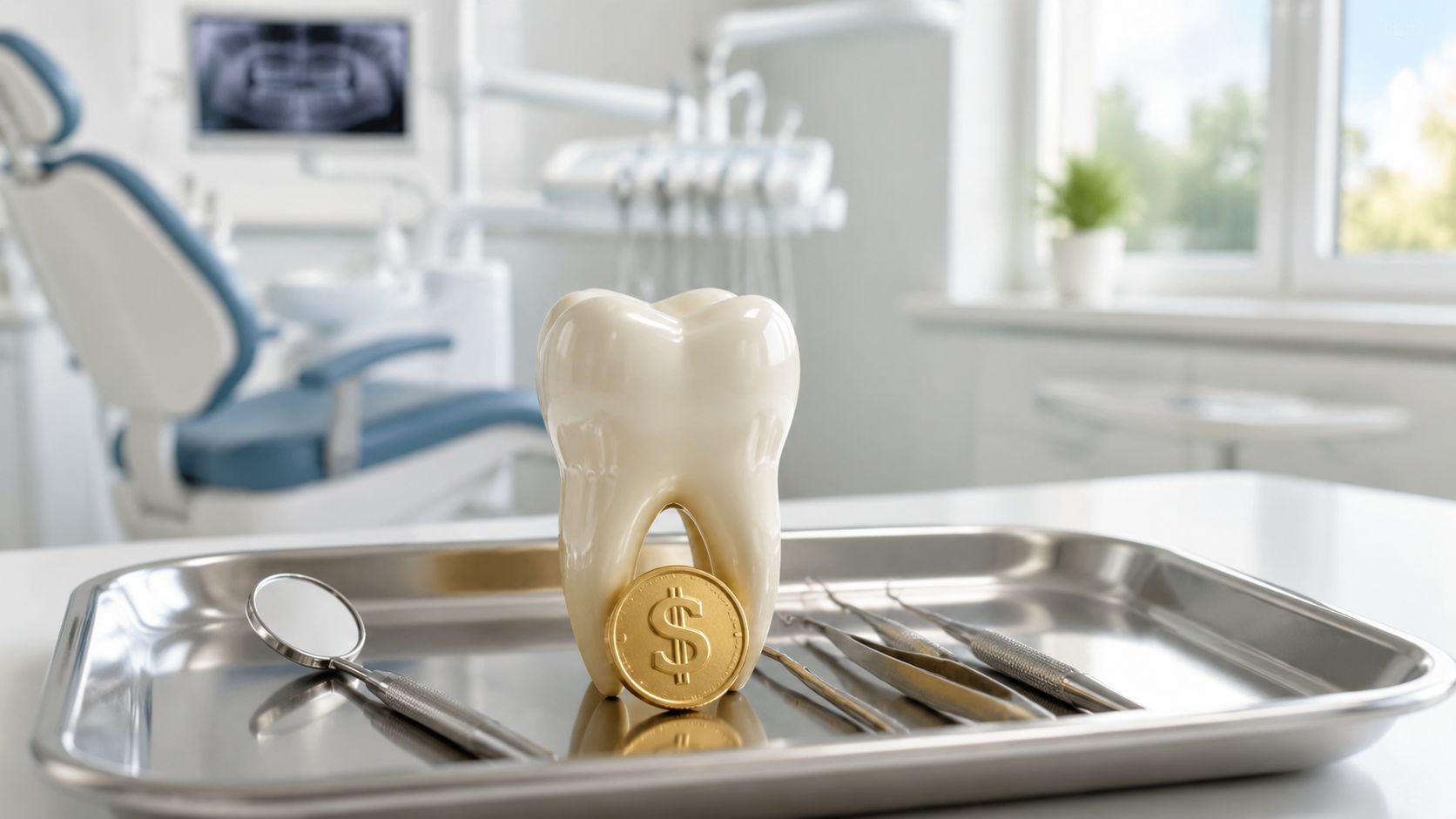
The relatively straightforward cost of early intervention pales in comparison to the massive expenses of treating cascading full-mouth dental failures. Replacing a single tooth right away involves a predictable, one-time investment. Delaying that same procedure for years guarantees a multiplied final bill as collateral damage spreads across the entire mouth.
Complex Procedures Add Up
Specific secondary procedures, like root canals on overworked teeth or sinus lifts, become strictly necessary after years of neglect. A patient who initially only needed a basic implant may suddenly require orthodontics to correct drifting, followed by extensive bone grafting. These compounding surgeries drastically extend treatment timelines and drain personal savings.
Strategic Planning with 3D Dental
The professionals at 3D Dental help patients map out proactive, highly cost-effective replacement strategies before damage becomes entirely irreversible. Consulting with 3D Dental ensures a clear roadmap for restoring function while strictly managing out-of-pocket expenses. Early strategic planning prevents sudden dental emergencies and provides long-lasting financial peace of mind.
Speech Impediments and Articulation Struggles
The Mechanics of Pronunciation
Teeth play a vital role in controlling airflow to form specific sounds and clear speech patterns. The tongue relies on the solid barrier of the dental arch to produce crisp consonants like "s," "t," and "f." When that barrier vanishes, the mechanical ability to enunciate words accurately is severely compromised.
Dealing with Unintended Changes
Gaps, especially in the front of the mouth, cause sudden lisps, slurring, or a whistling sound during normal conversation. These unintended speech changes draw unwanted attention and require constant conscious effort to suppress or correct. The frustration of repeating oneself frequently chips away at overall communication confidence.
Rebuilding Vocal Confidence
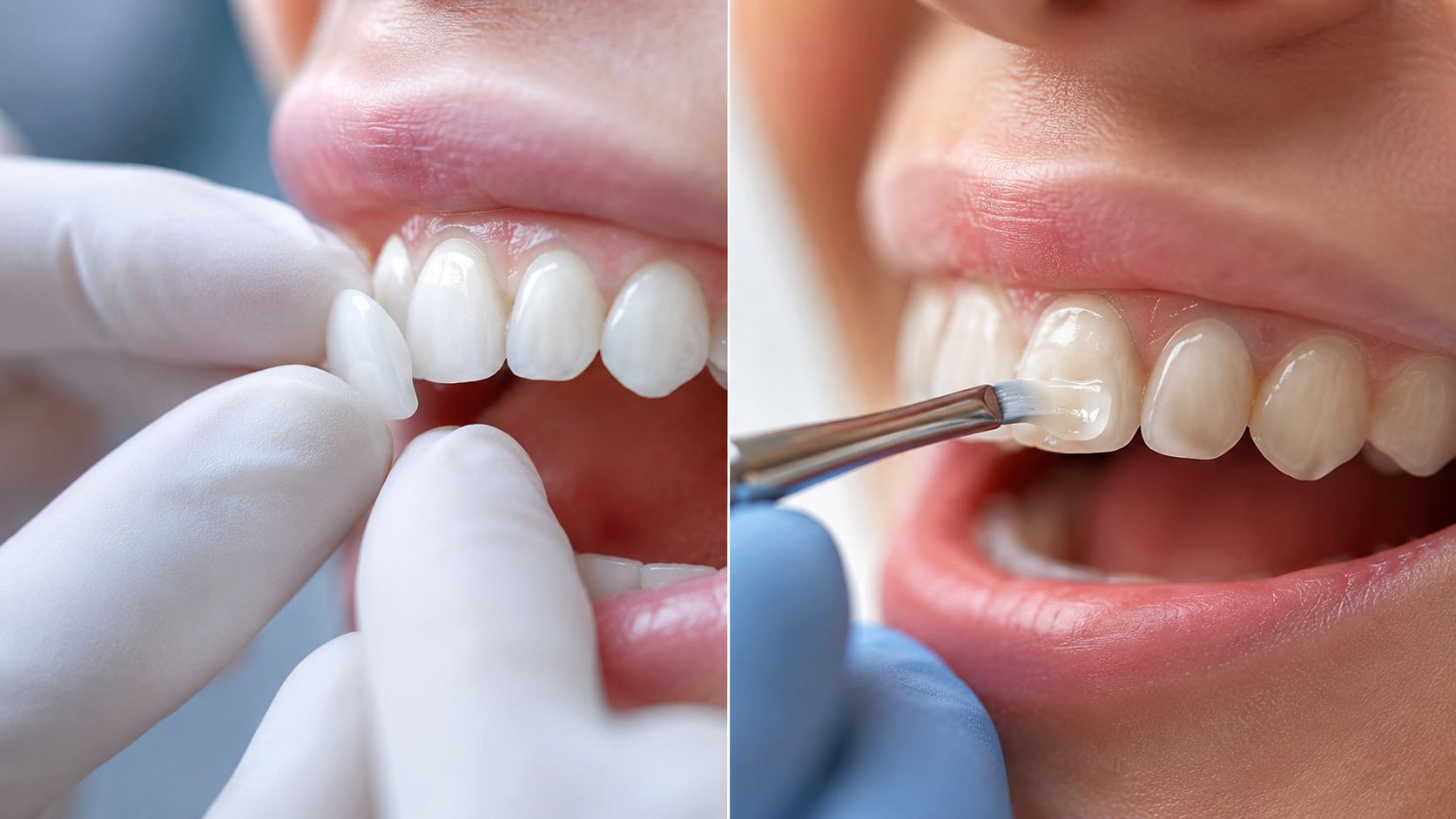
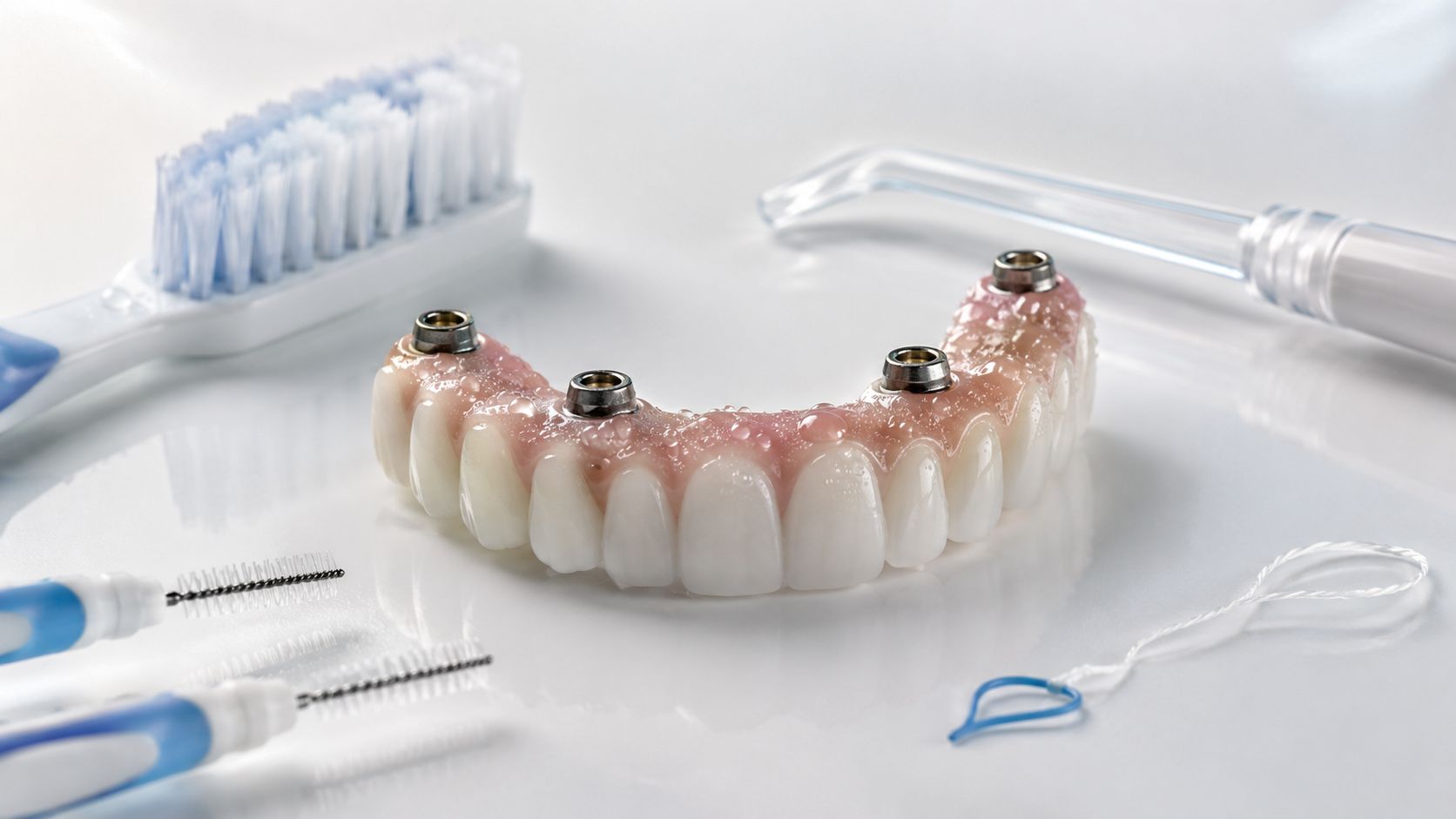
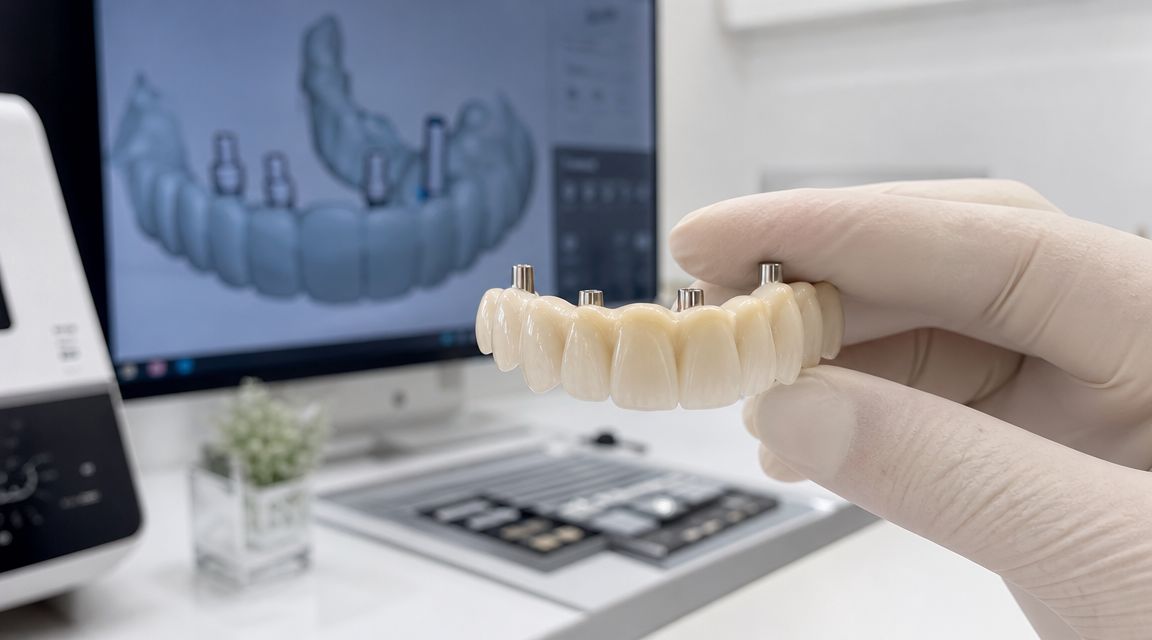
Timely prosthetic interventions restore natural tongue placement and immediately correct these frustrating speech issues. By filling the missing space with an implant or bridge, the airflow normalizes instantly. Restoring full articulation allows individuals to speak clearly, loudly, and without hesitation.
Systemic Health Connections
The Mouth-Body Connection
An established medical link exists between severe oral health decline and serious systemic issues like cardiovascular disease and respiratory infections. Bacteria originating from untreated dental gaps enter the bloodstream, traveling to vital organs and causing widespread damage. Maintaining a complete, healthy smile directly supports the cardiovascular system.
Inflammation as a Silent Threat
The chronic localized inflammation caused by failing dentition places undue stress on the immune system. Constant fighting of low-grade periodontal infections leaves the body fatigued and less capable of fending off other illnesses. Lowering oral inflammation reduces the overall toxic burden carried by the body daily.
Protecting Your Overall Longevity
Addressing tooth loss immediately serves as a critical component of maintaining total body wellness as individuals age. Oral function dictates nutritional intake, social happiness, and immune resilience. Securing the dental arch is an investment in comprehensive longevity.
Securing Your Long-Term Oral Health
A single missing tooth triggers a severe cascade of physical, emotional, and financial consequences. What begins as a localized gap quickly evolves into bone loss, shifting alignment, and systemic health risks. Acknowledging this destructive cycle is the first necessary step toward preventing irreversible damage.
Early intervention consistently offers the most predictable, affordable, and successful clinical outcomes available. Taking immediate action stops bone resorption in its tracks and preserves the natural alignment of the remaining teeth. Prioritizing restorative care guarantees a stronger foundation for the future.
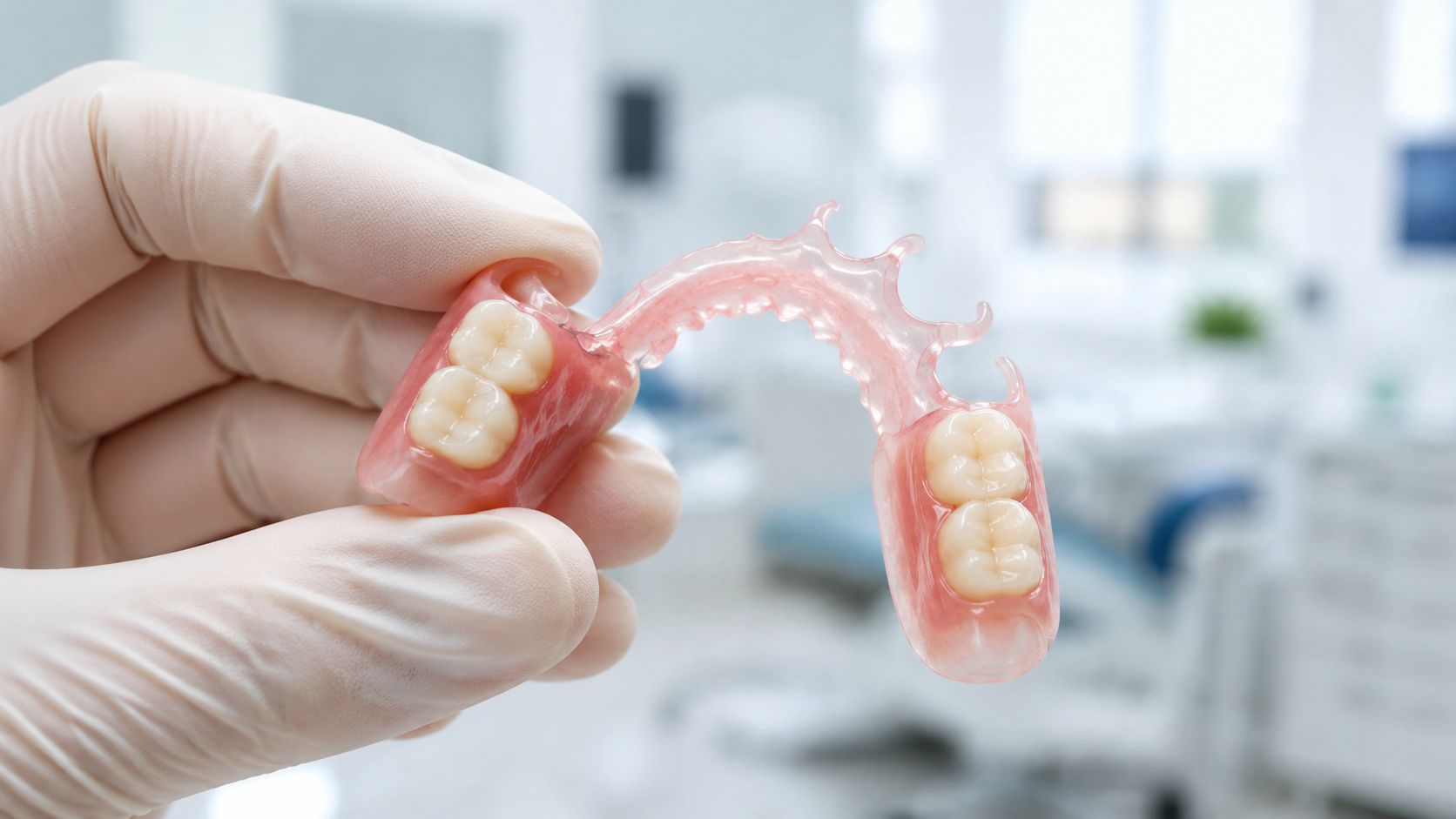
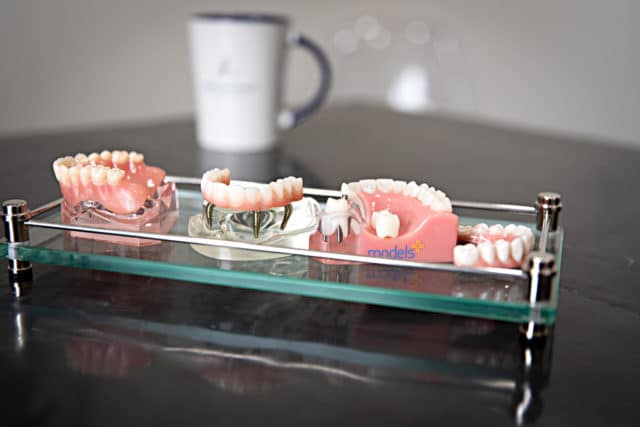
Booking a comprehensive dental exam allows individuals to explore replacement options and halt further structural deterioration immediately. Professional guidance illuminates the best path forward, whether through implants, bridges, or partial dentures. Do not wait for pain to dictate treatment; schedule an evaluation to secure a confident, lasting smile.
3D Dental Texas
https://maps.app.goo.gl/XMPCB3A1TnEpUHFAA
(512) 831-7918
12854 Research Blvd Austin TX 78750
Ready to get started?
Schedule a free, no obligation consultation with our team and see what's possible for your smile!
Georgetown
- Mon-Thurs8:30am-5pm
- Fri8am-3:30pm
- Sat-SunClosed
Austin
- Mon-Tues8am-5pm
- Wed-Thurs9am-6pmFri8am-2pm
- Sat-SunClosed