
Brighten Your Smile: Teeth Whitening Services
Related Posts
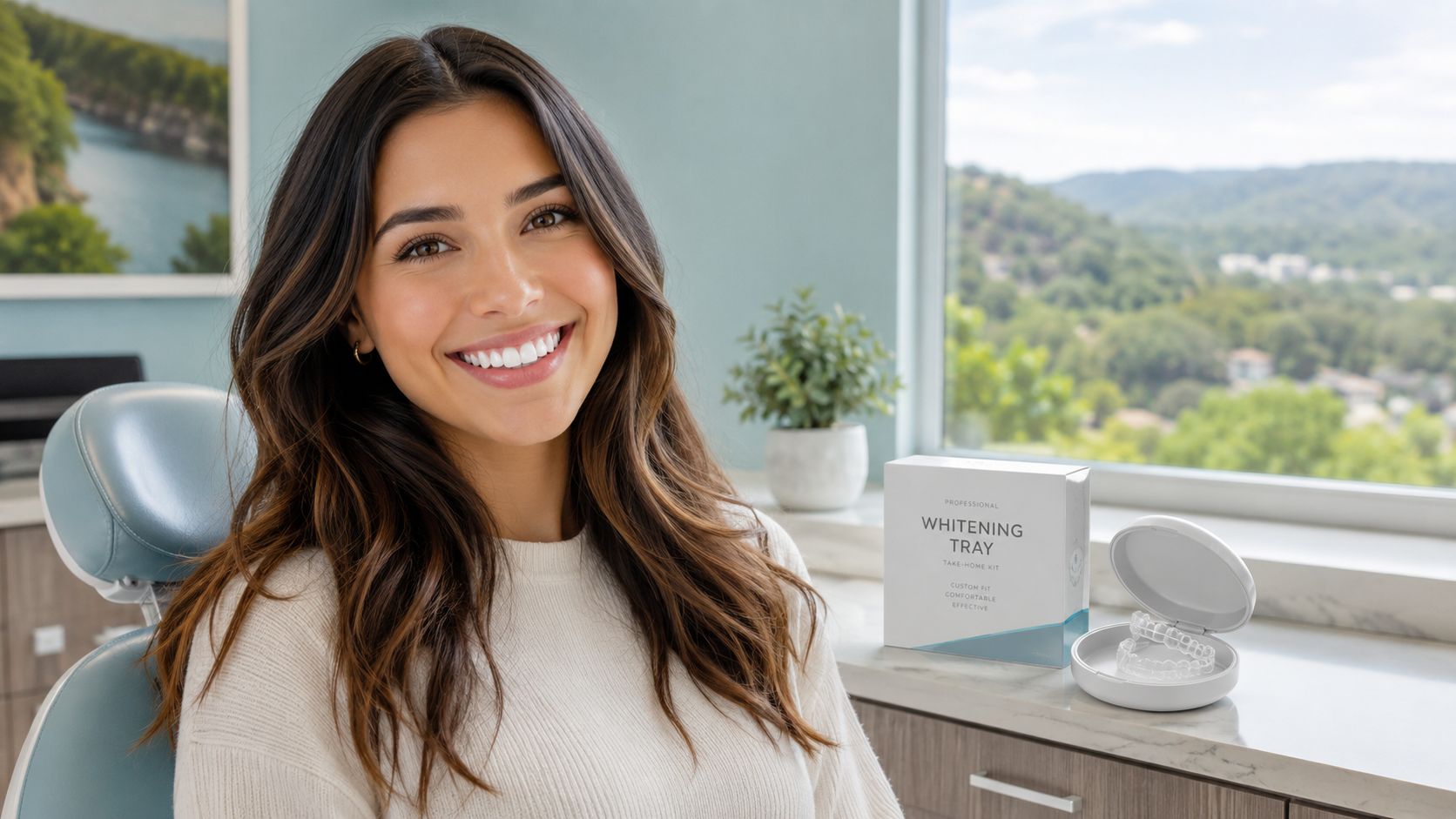

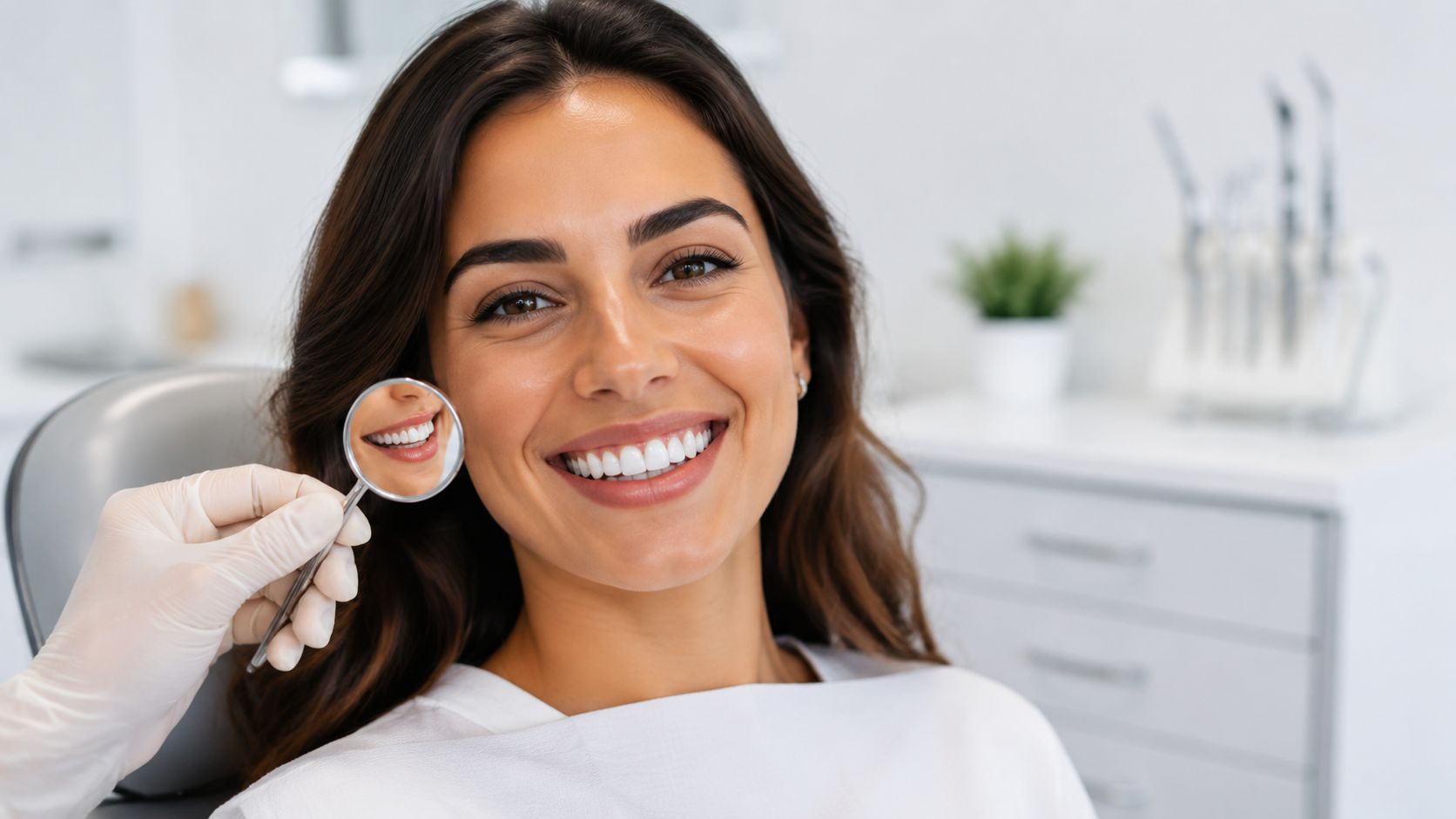
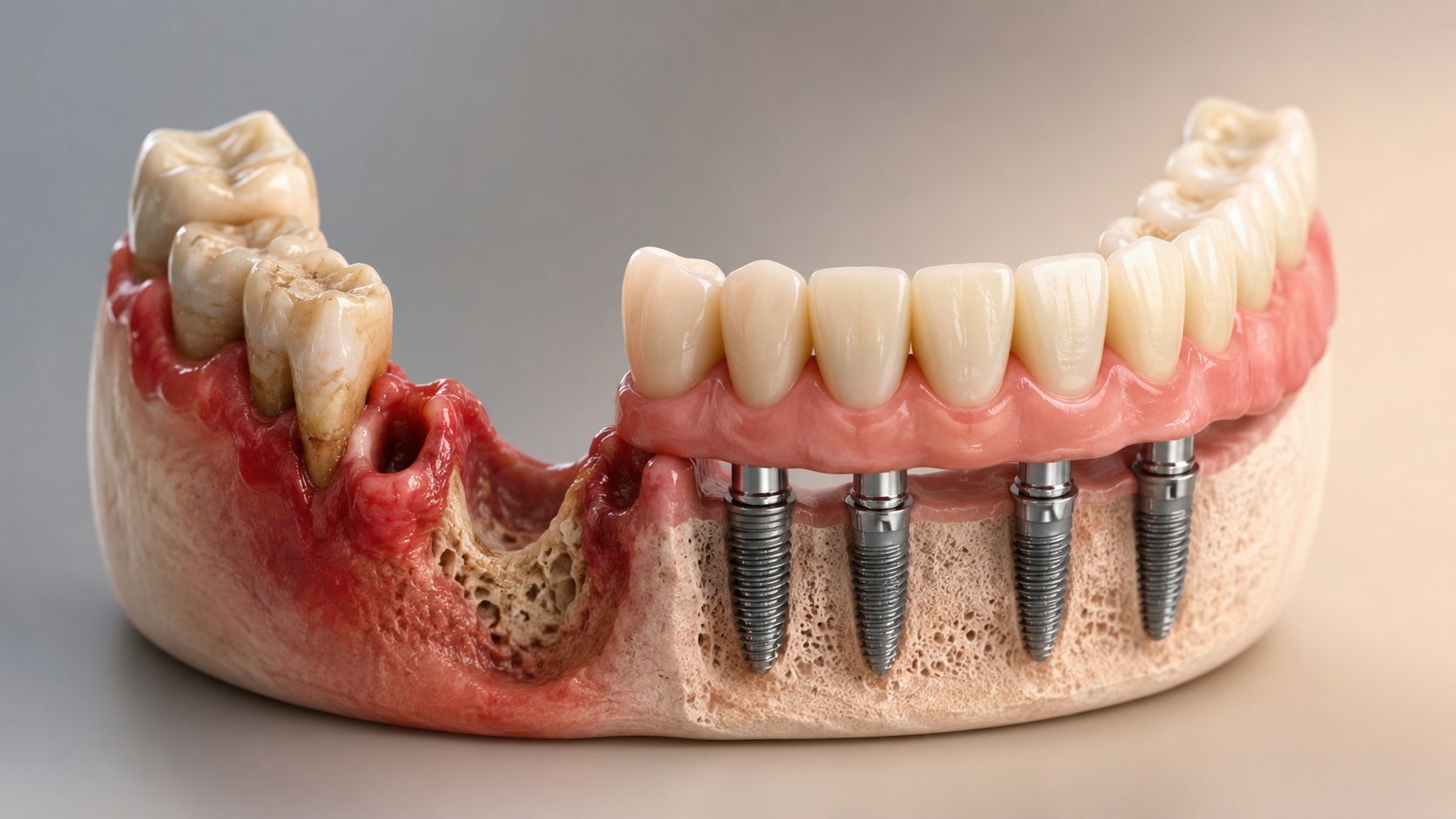
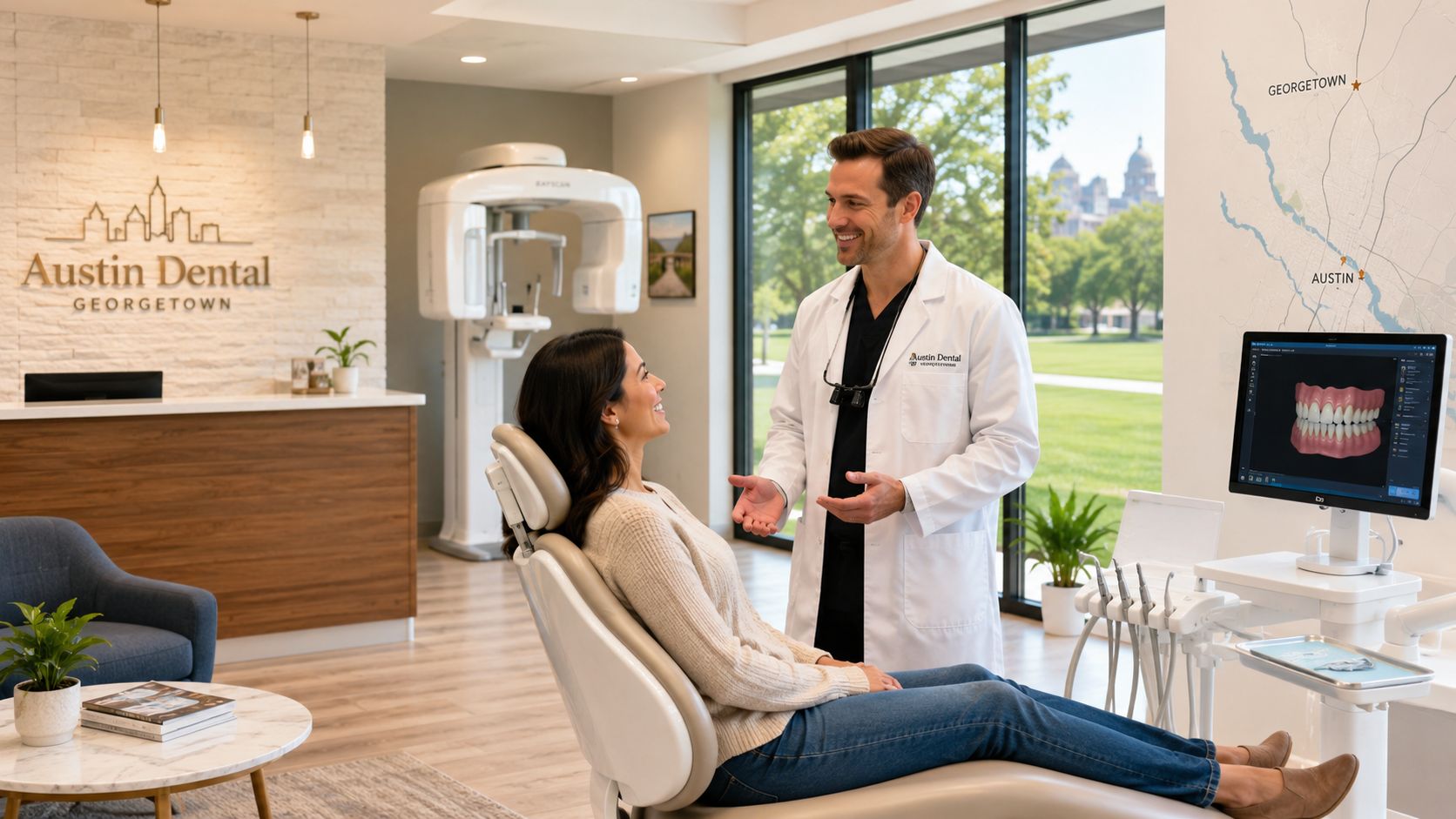
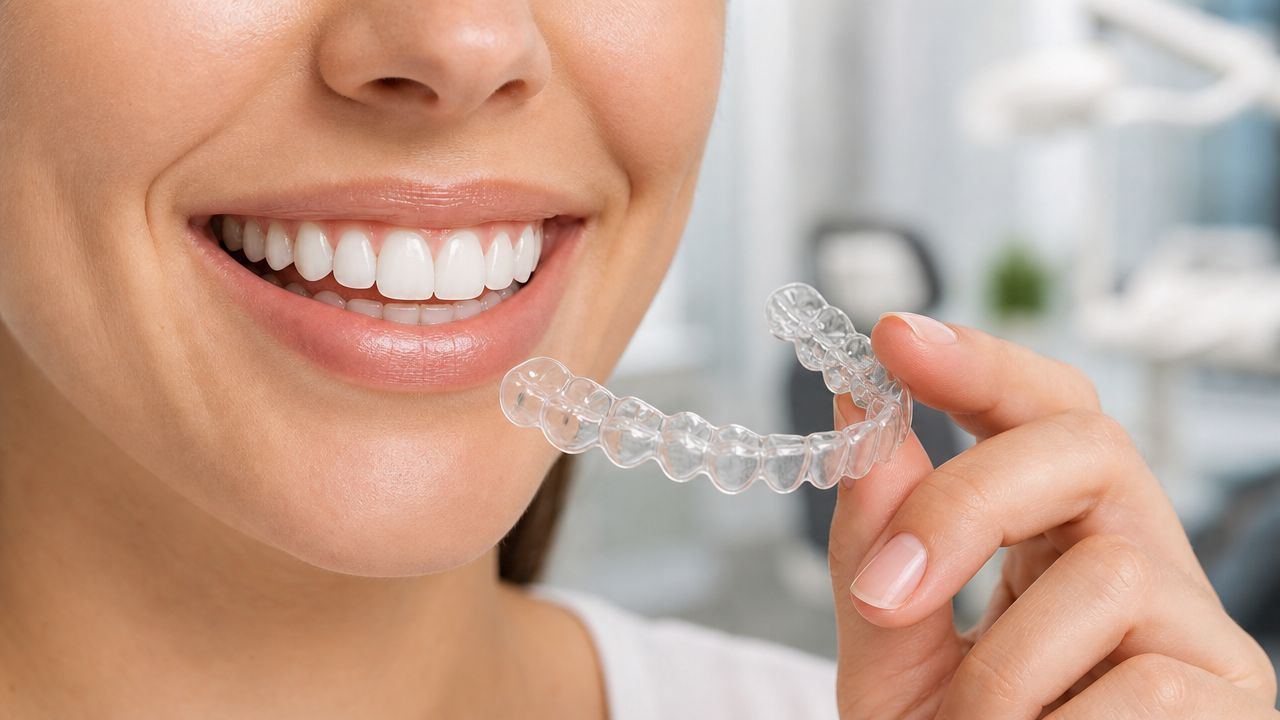
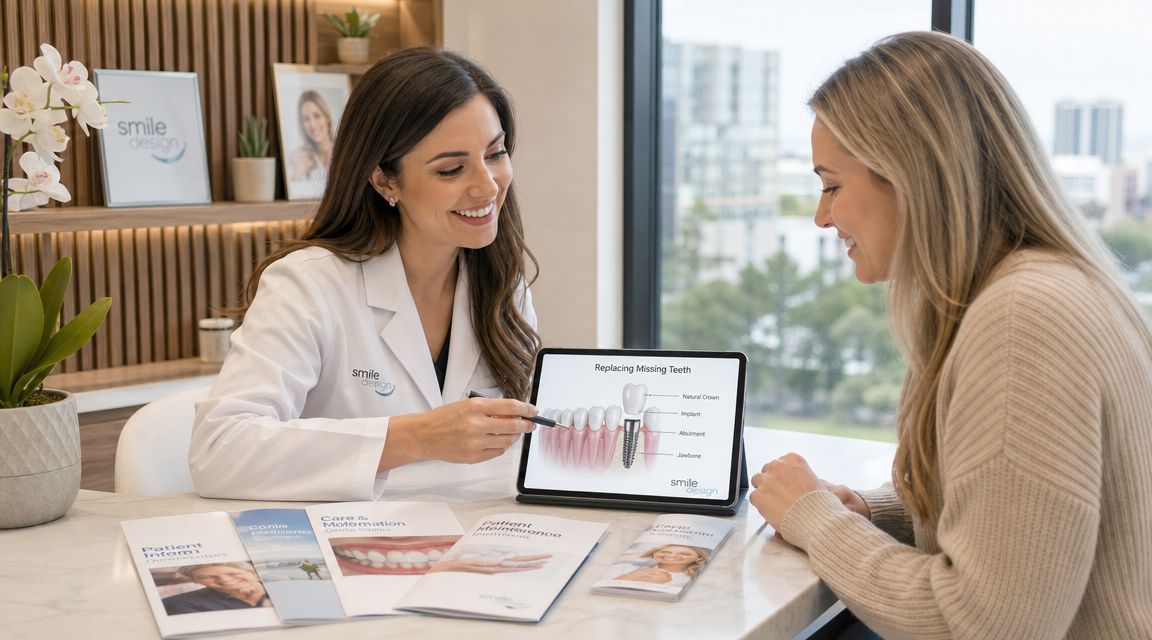
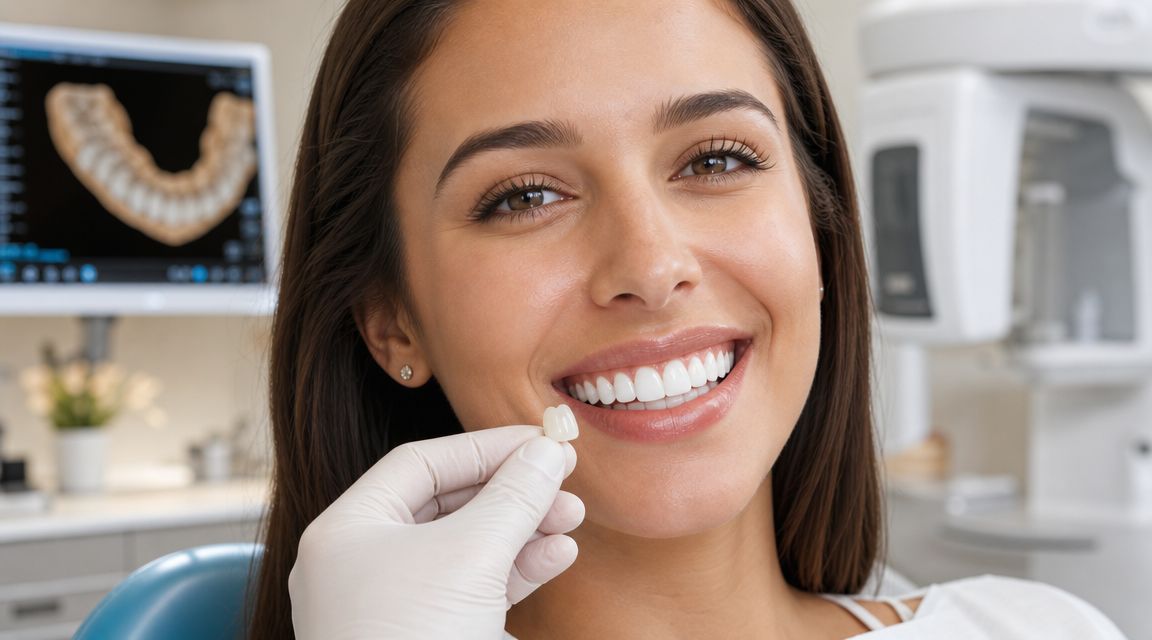

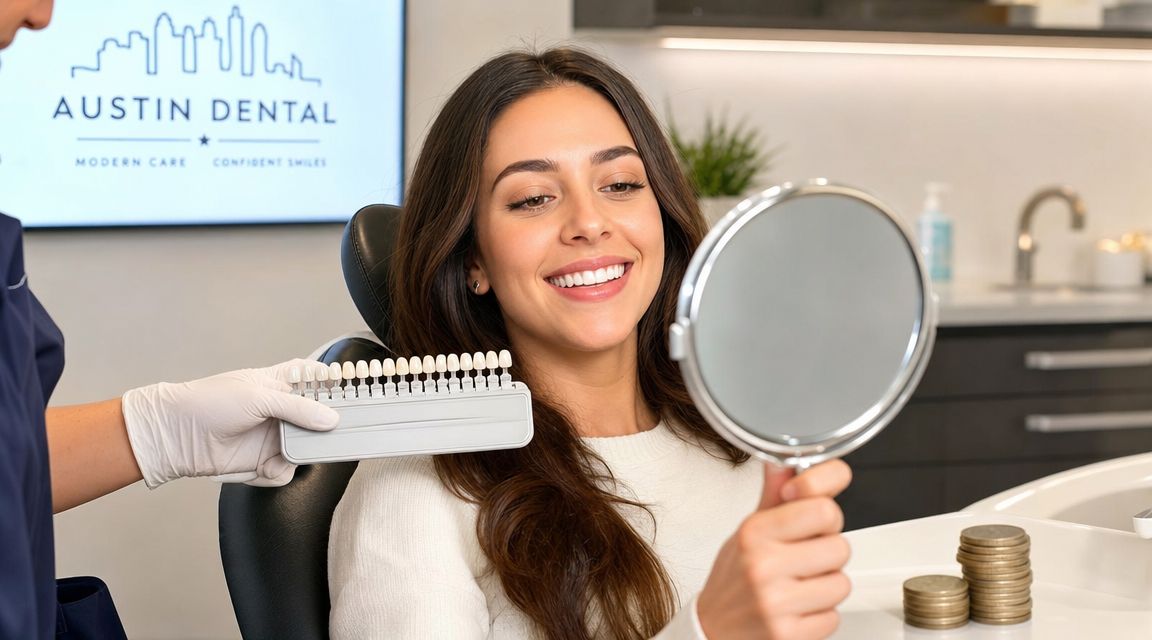

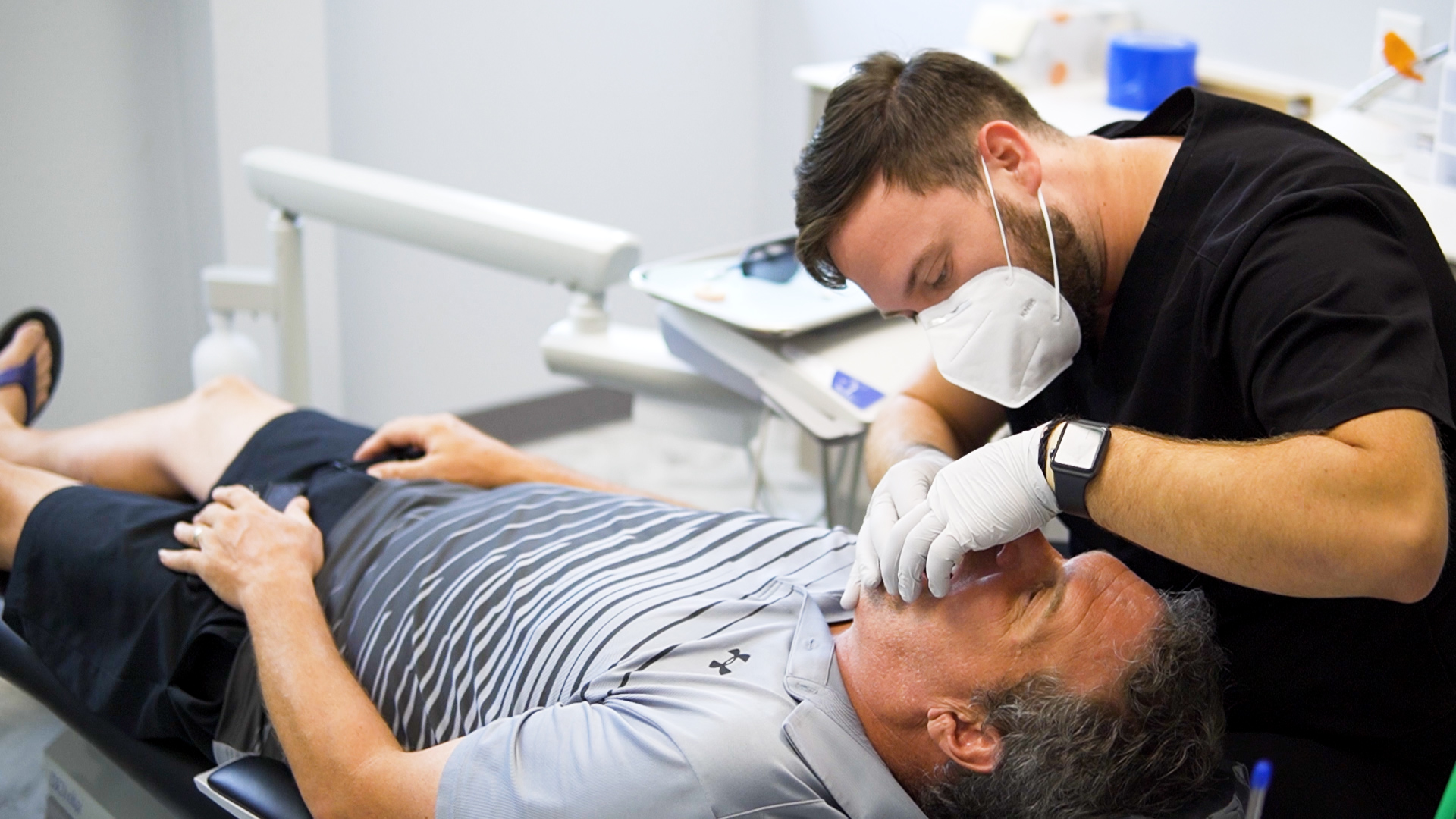
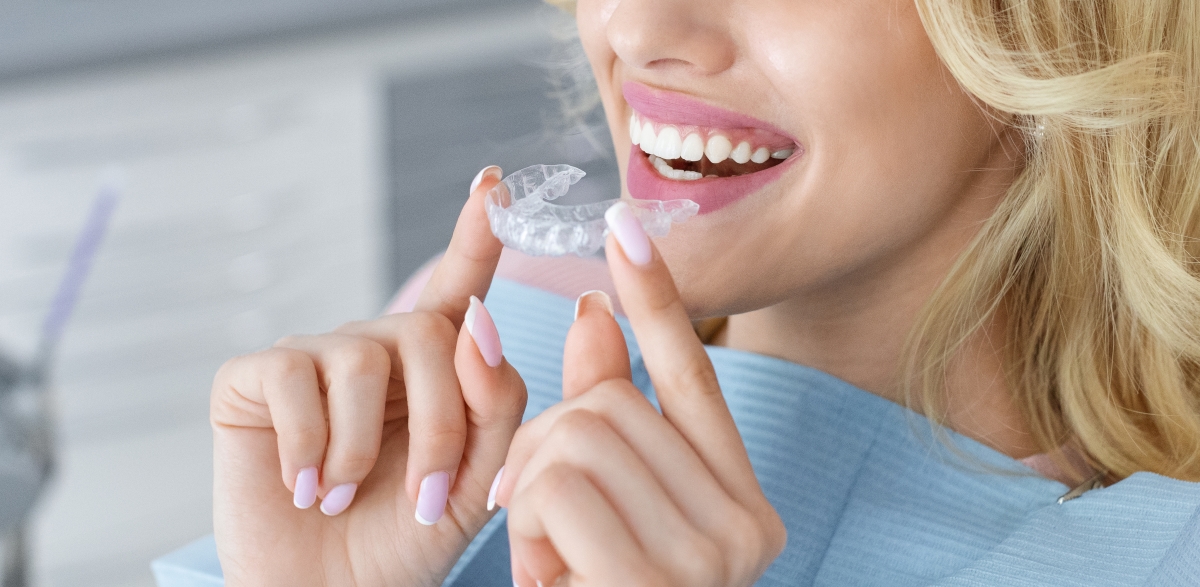











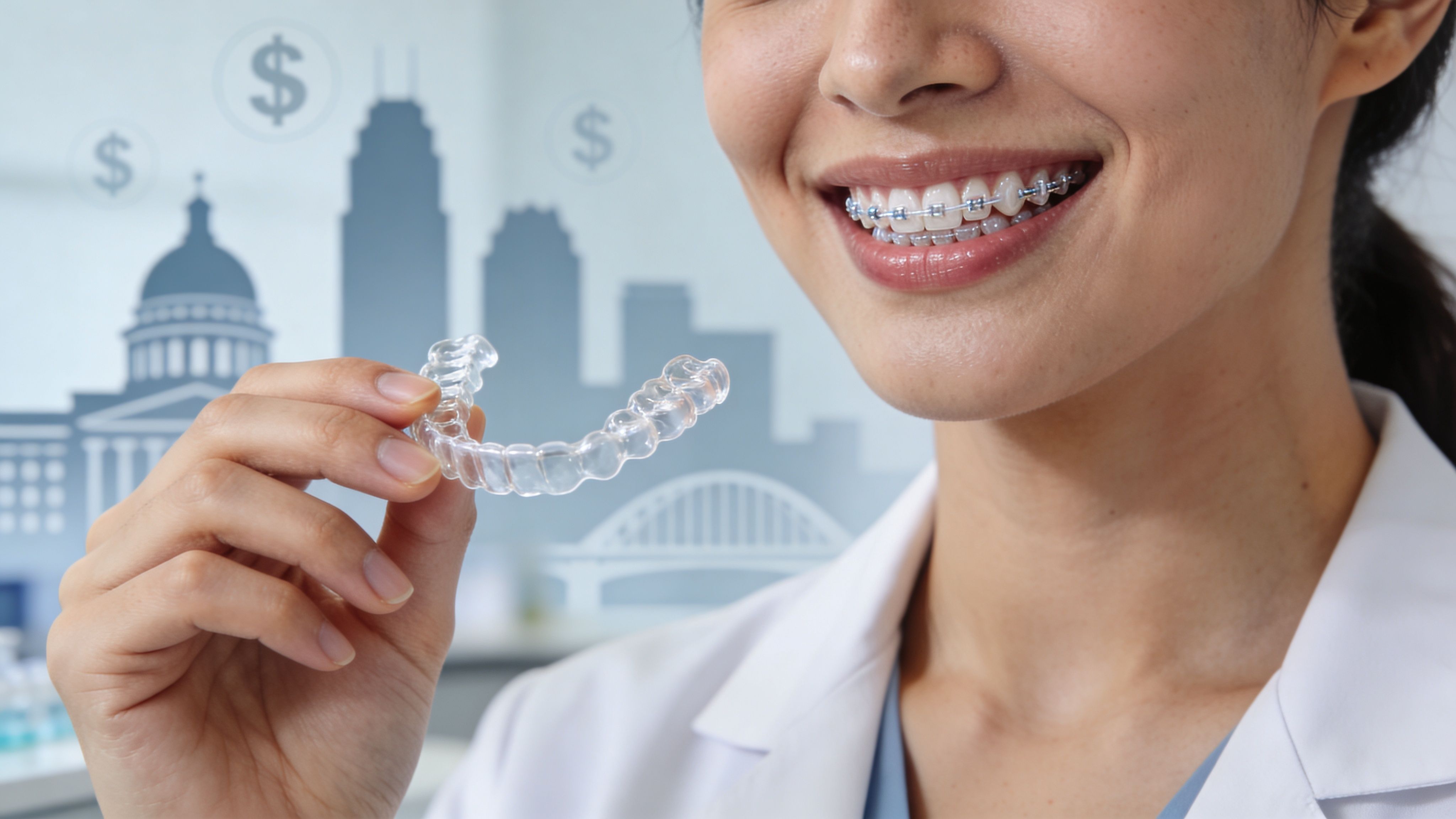

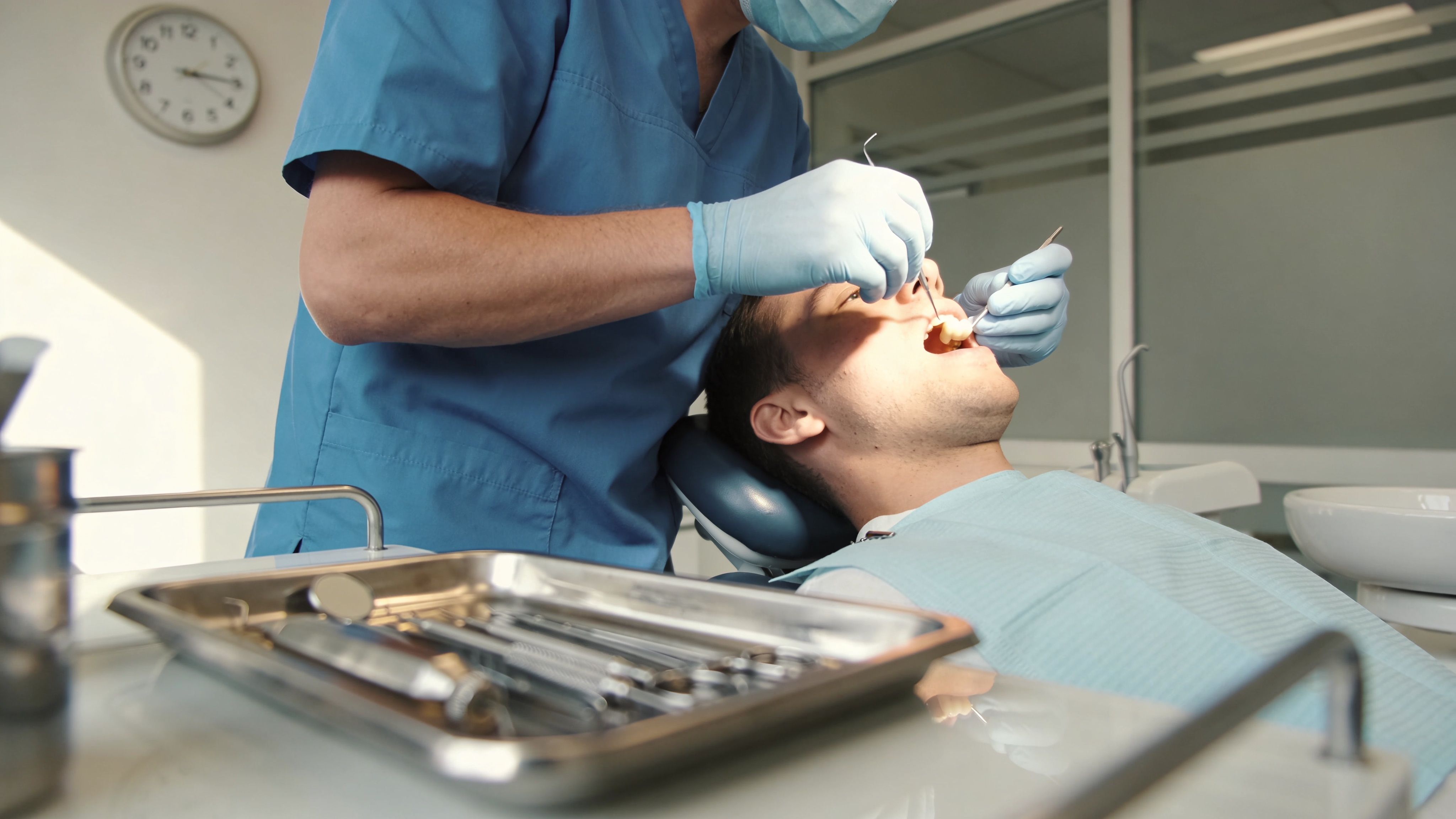
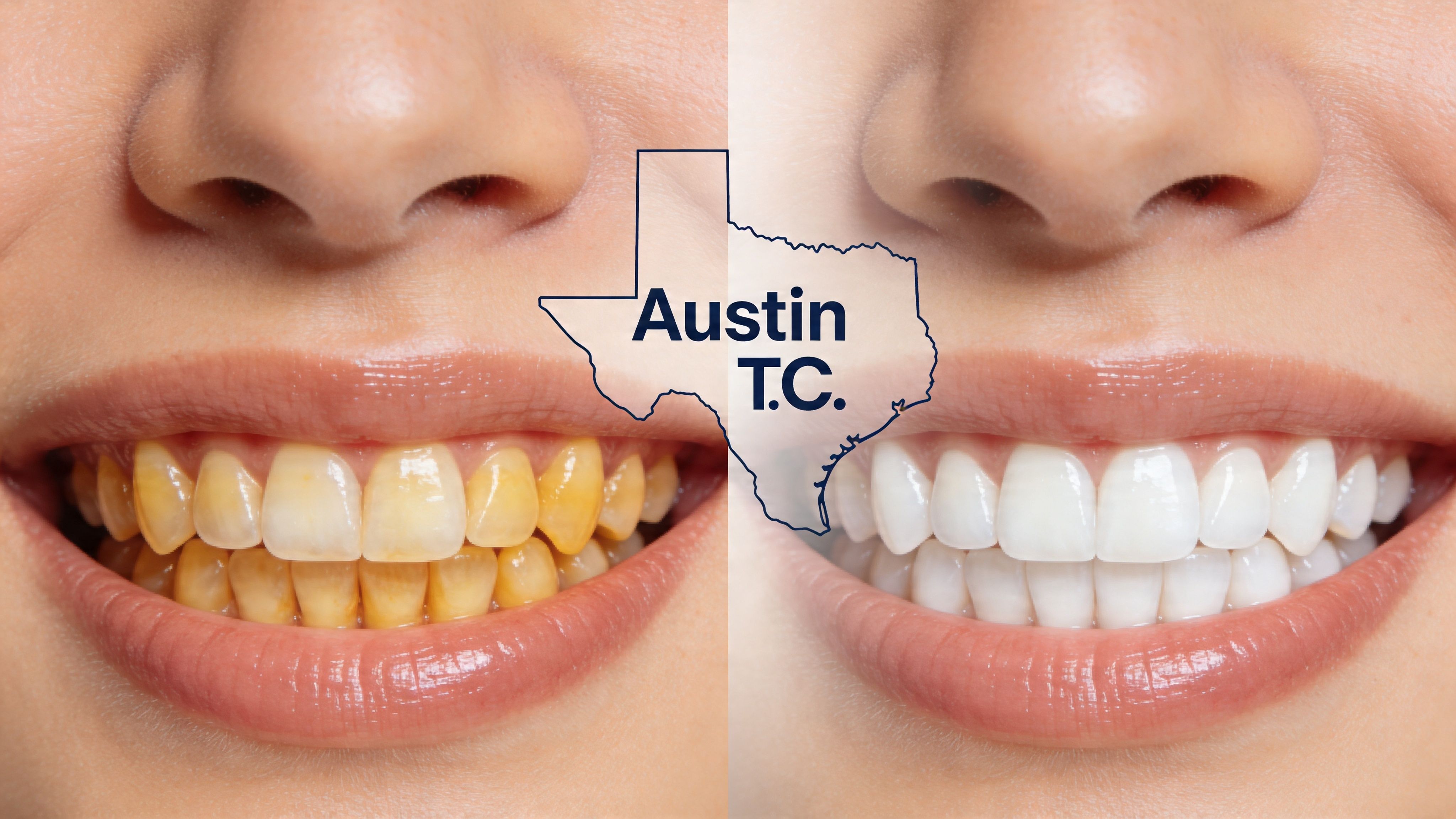
You catch your smile in a phone camera, a work video call, or the mirror before heading out in Austin or Georgetown, and the first thing you notice isn't the shape of your teeth. It's the color. Coffee, tea, red wine, tobacco, and simple aging can leave teeth looking dull even when they're healthy and clean.
That's usually when people start searching for a dentist near me, a cosmetic dentist near me, or a trusted dentist in Austin, TX who can offer something more reliable than another box of strips from the store. They want teeth whitening services that are safe, effective, and suited to their individual smile.
At 3D Dental, patients from North Austin, Georgetown, Round Rock, Cedar Park, Wells Branch, and Liberty Hill often come in with the same goal. They want a brighter smile without guessing which product to use or risking uneven results. Whitening can be a simple cosmetic treatment, but it still works best when a dentist checks your teeth, your gum health, and any existing dental work first.
Achieve a Brighter Smile with a Dentist in North Austin
A lot of people put off whitening because they think stained teeth are just something they have to live with. They may brush well, keep up with cleaning and exams, and still feel like their smile looks darker than they want. That's especially common when stains build slowly over time.
A patient might feel fine day to day, then notice discoloration in wedding photos, on a Zoom call, or while interviewing for a new job. That small frustration can affect confidence more than people expect. It doesn't usually cause pain, but it can change the way someone smiles, laughs, or speaks in public.
Why local patients look for professional whitening
Patients searching for a dentist in Austin, TX or dentist in Georgetown, TX usually aren't looking for generic beauty advice. They want a dental team that can tell them whether whitening will work on their specific teeth, whether sensitivity is likely, and whether they need other care first such as fillings, gum treatment, or a new patient exam.
That matters because whitening is part of a larger picture. A bright smile looks best when the teeth and gums are healthy first. Some patients also come in asking about cosmetic dentistry, while others are already seeing the practice for dental x-rays, restorative dentistry, tooth extraction follow-up, dental implants near me searches, or emergency dentist visits and then decide to improve the appearance of their smile too.
A whiter smile should never come at the expense of comfort or enamel health. Good whitening starts with diagnosis, not product shopping.
A patient-first approach to a brighter smile
Professional whitening is popular for a reason. The broader market for teeth whitening continues to grow, with the global market valued at USD 8.08 billion in 2024 and projected to reach USD 12.40 billion by 2032, while 67% of adults in the U.S. have tried to whiten their teeth through professional or at-home methods, according to Data Bridge Market Research's teeth whitening market report.
That tells you whitening isn't a niche service anymore. It's part of mainstream dental care for adults who want to look refreshed and feel more confident. For patients in North Austin and Georgetown, the right place to start is a dental office that can match the treatment to the person, not the other way around.
Comparing Your Teeth Whitening Options
Walk down any pharmacy aisle and you'll see whitening toothpaste, strips, pens, LED kits, rinses, and gels. Most of them promise a brighter smile. The important question is what they can realistically deliver, how long it takes, and whether they're appropriate for your teeth.
Professional whitening usually falls into two categories. One is in-office whitening, done under direct supervision. The other is a professional take-home system with custom trays and a dentist-guided plan. The third category is over-the-counter products, which are easy to buy but much less personalized.
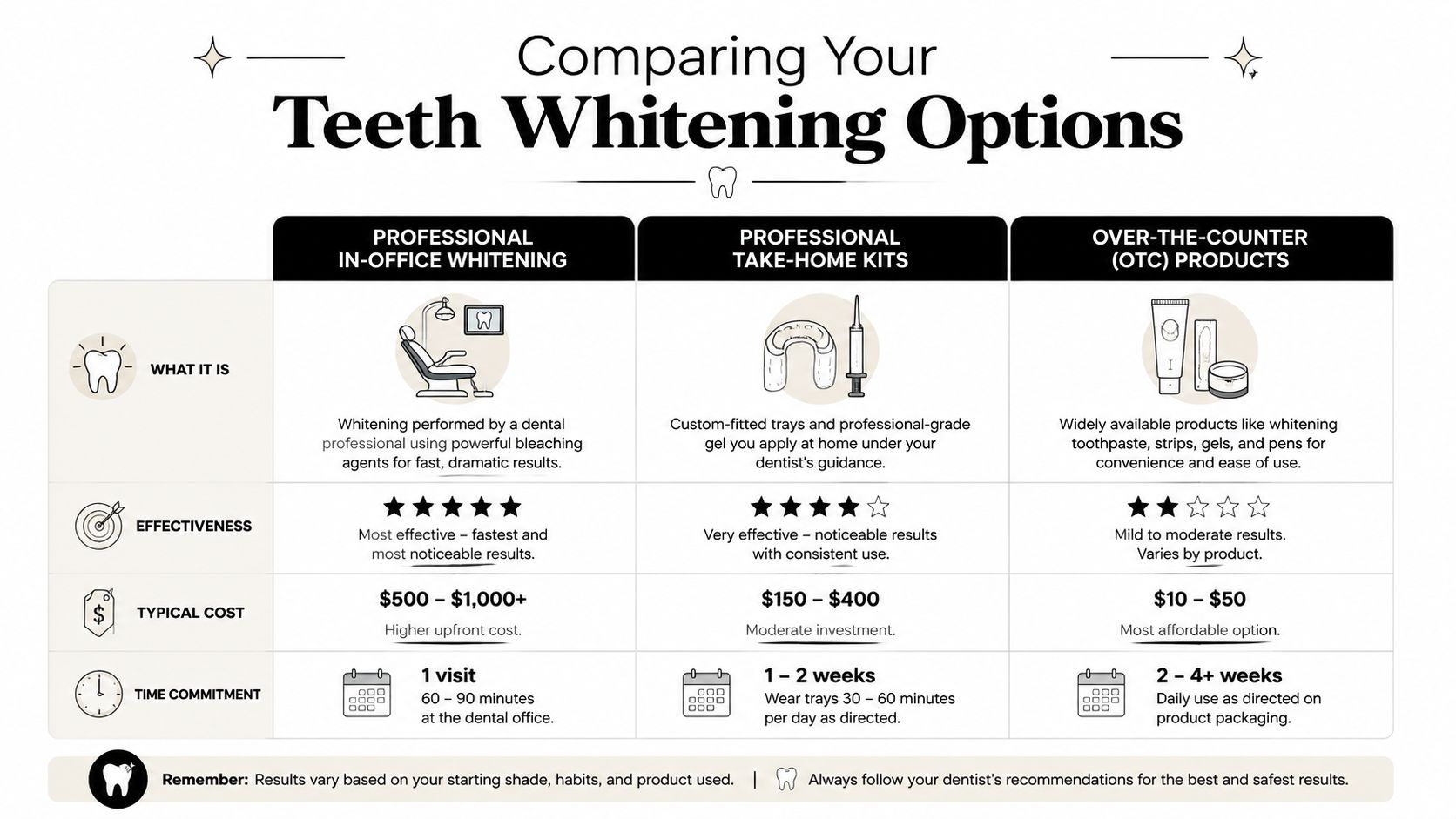
Teeth Whitening Methods At-a-Glance
| Feature | In-Office (3D Dental) | Take-Home (3D Dental) | Over-the-Counter |
|---|---|---|---|
| Supervision | Direct dentist supervision | Dentist-guided at home | Self-directed |
| Speed | Fastest visible change in one visit | Gradual, controlled progress | Slower and less predictable |
| Strength | High-concentration peroxide gel | Professional gel with custom plan | Lower-strength consumer products |
| Fit | Applied by dental team | Custom trays | One-size-fits-most strips or trays |
| Best for | Patients wanting quick, dramatic improvement | Patients who want flexibility and guided treatment | Mild surface stain concerns |
| Trade-off | Higher upfront cost | Requires consistency at home | More guesswork, uneven fit, slower results |
What works fastest
Professional supervision changes both speed and predictability. According to the referenced tooth whitening summary on Wikipedia, professional tray-based systems can lighten teeth by 1 to 2 shades within 3 days, while over-the-counter strips typically reach the same result after 14 days.
That difference matters when a patient has an event coming up or prefers not to spend weeks trying products with uncertain outcomes. In-office care is usually the quickest option. Professional take-home kits are slower, but they still offer better control than store-bought products because the trays are made for your mouth.
Practical rule: If the tray doesn't fit well, the gel won't stay where it should. That's one of the reasons generic whitening often leads to uneven results and more gum irritation.
Safety matters more than marketing
A lot of whitening ads focus on convenience. Few explain the risk of using strong peroxide products without a proper exam first. One concern in the whitening industry is the gap between dentist-supervised care and whitening offered outside a dental setting. SouthStar Dental's discussion of professional teeth whitening notes that peroxide concentrations above 16% can damage enamel if applied by non-qualified personnel, and it highlights complaints tied to whitening performed by nondental providers.
That's why many patients looking for a cosmetic dentist near me choose supervision over shortcuts. A dentist can identify whether discoloration is likely to respond to whitening, whether exposed roots or cavities will make treatment uncomfortable, and whether old crowns or bonding will create a mismatch.
For a closer look at dentist-guided whitening choices and when each one makes sense, read how to whiten teeth safely.
Are You a Candidate for Professional Teeth Whitening
A patient often comes in saying, “I want whiter teeth,” but the better starting point is simpler. What kind of discoloration are we treating, and will whitening improve it in a predictable way?
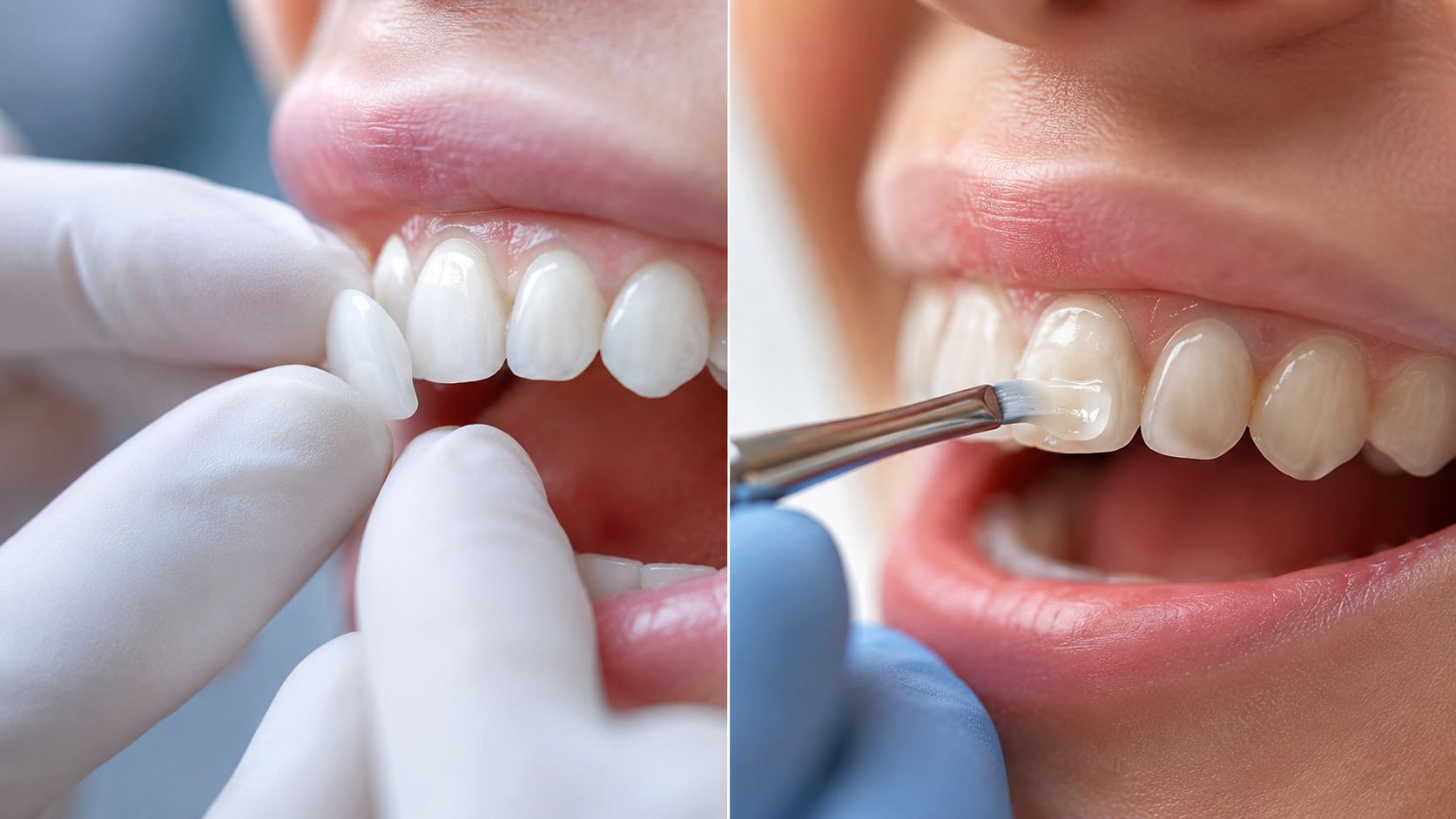
Professional whitening works best on healthy, natural teeth with staining from coffee, tea, tobacco, red wine, or normal aging. It is less predictable for gray tones, internal discoloration, and teeth with visible restorations. At 3D Dental, we check those details before recommending treatment, because shade change on the right case is straightforward. On the wrong case, it can leave you disappointed or uncomfortable.
A good candidate usually meets a few basic conditions:
- Most of the visible teeth are natural teeth. Whitening changes natural enamel and dentin. It does not lighten crowns, veneers, bridges, or tooth-colored fillings.
- The gums are in good shape. Inflamed tissue tends to get more irritated during whitening, so gum health should come first.
- There is no untreated decay or leaking dental work. Whitening gel can reach sensitive areas and make treatment harder to tolerate.
- The goal is realistic. Professional whitening can noticeably brighten a smile, but it does not make every tooth the same shade or erase every form of discoloration.
Restorations deserve special attention. If you have bonding, crowns, or veneers on front teeth, the natural teeth may whiten while the dental work stays the same color. That does not rule whitening out. It means the plan may need to include shade matching, replacement of older restorations, or a staged cosmetic approach so the final result looks even.
This is one reason a consultation matters.
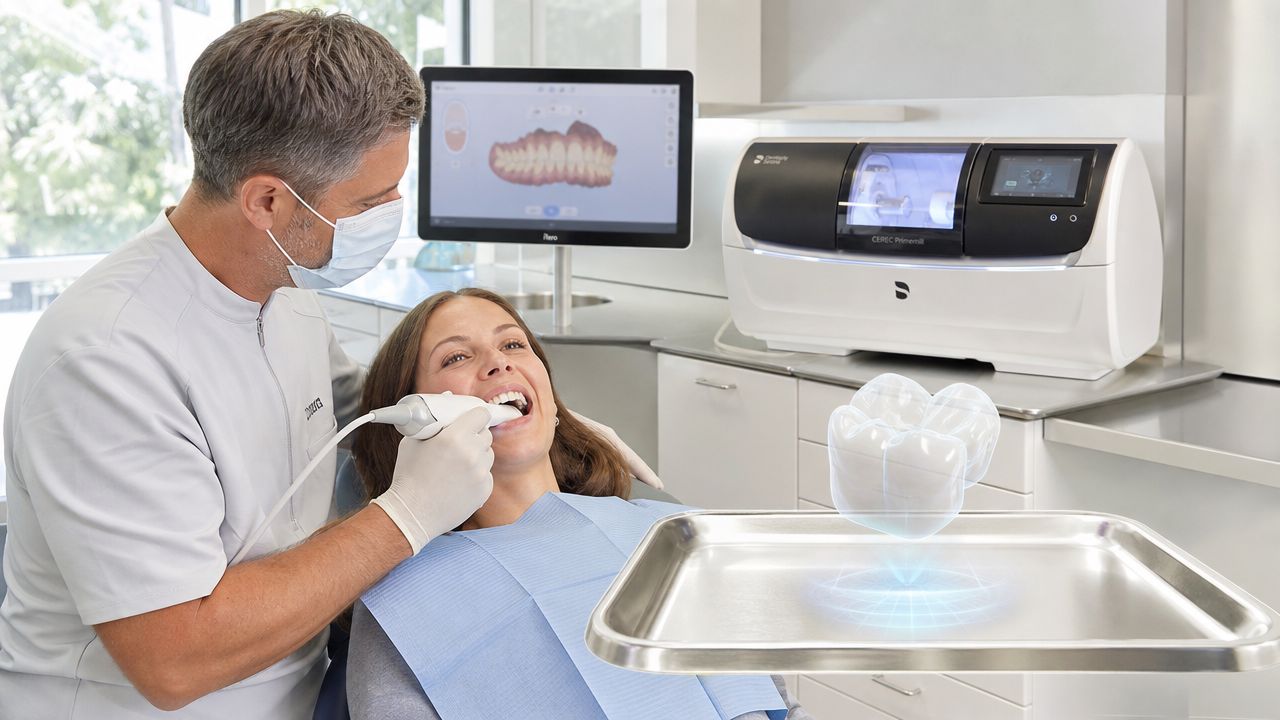
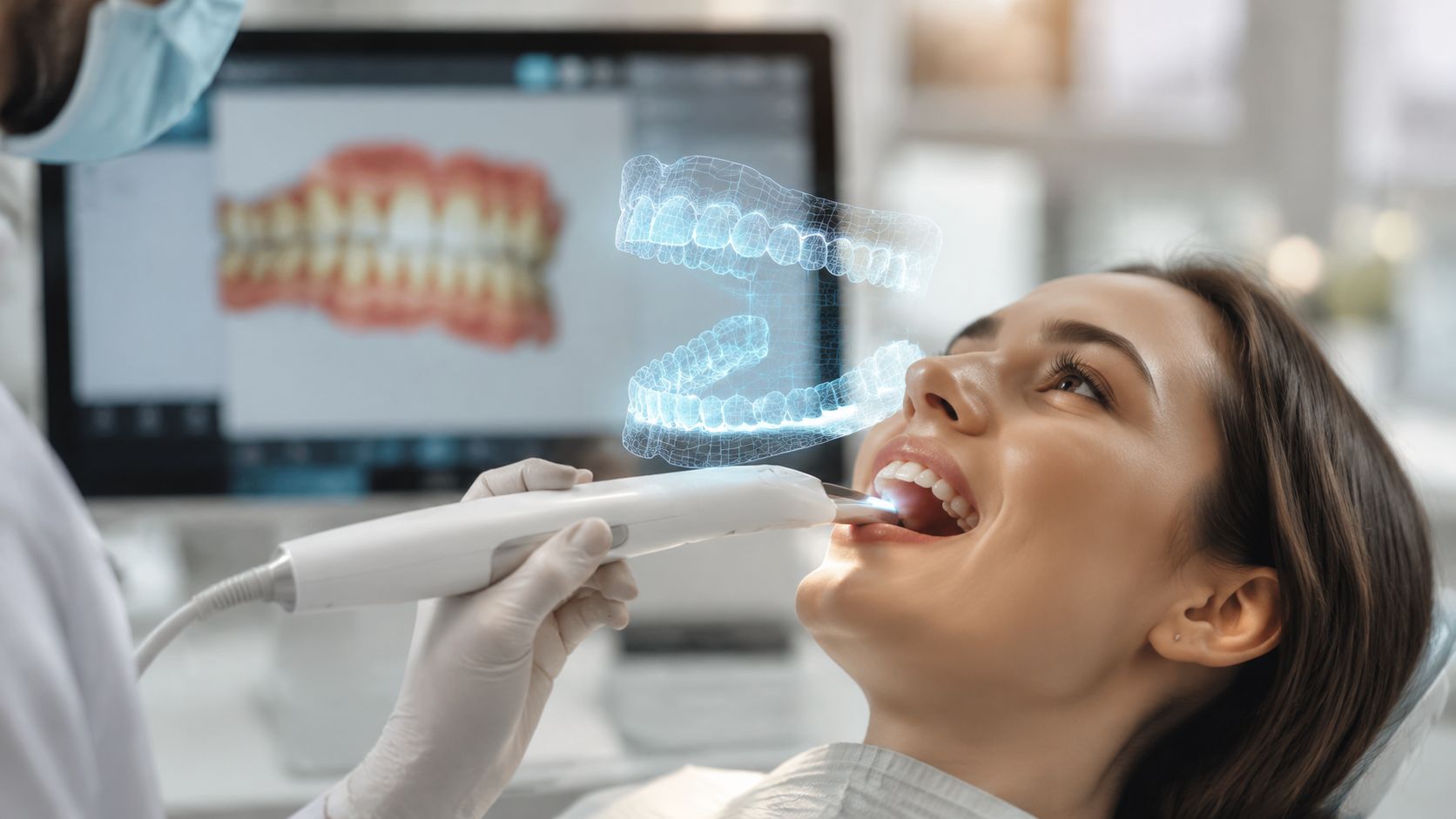
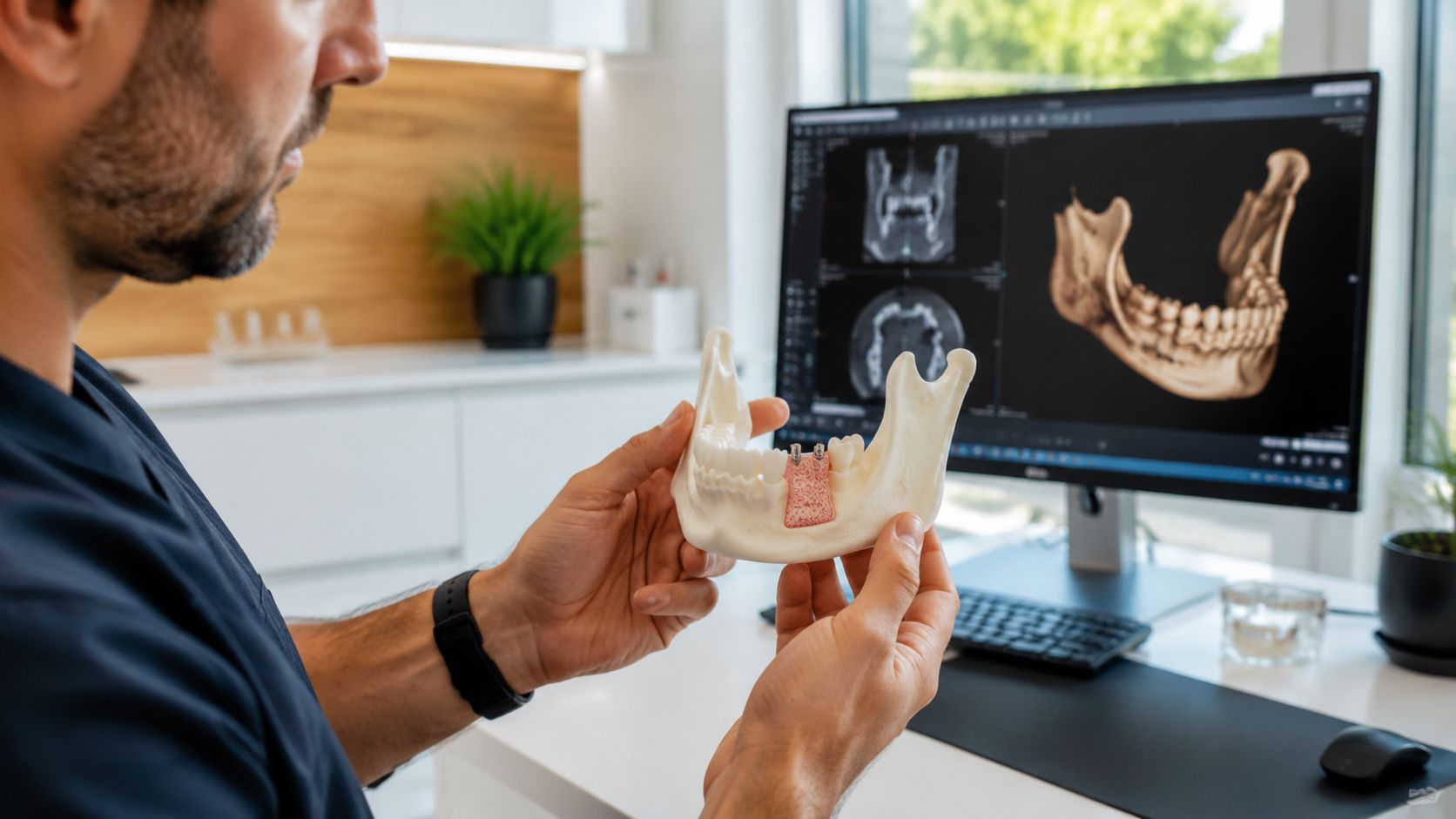
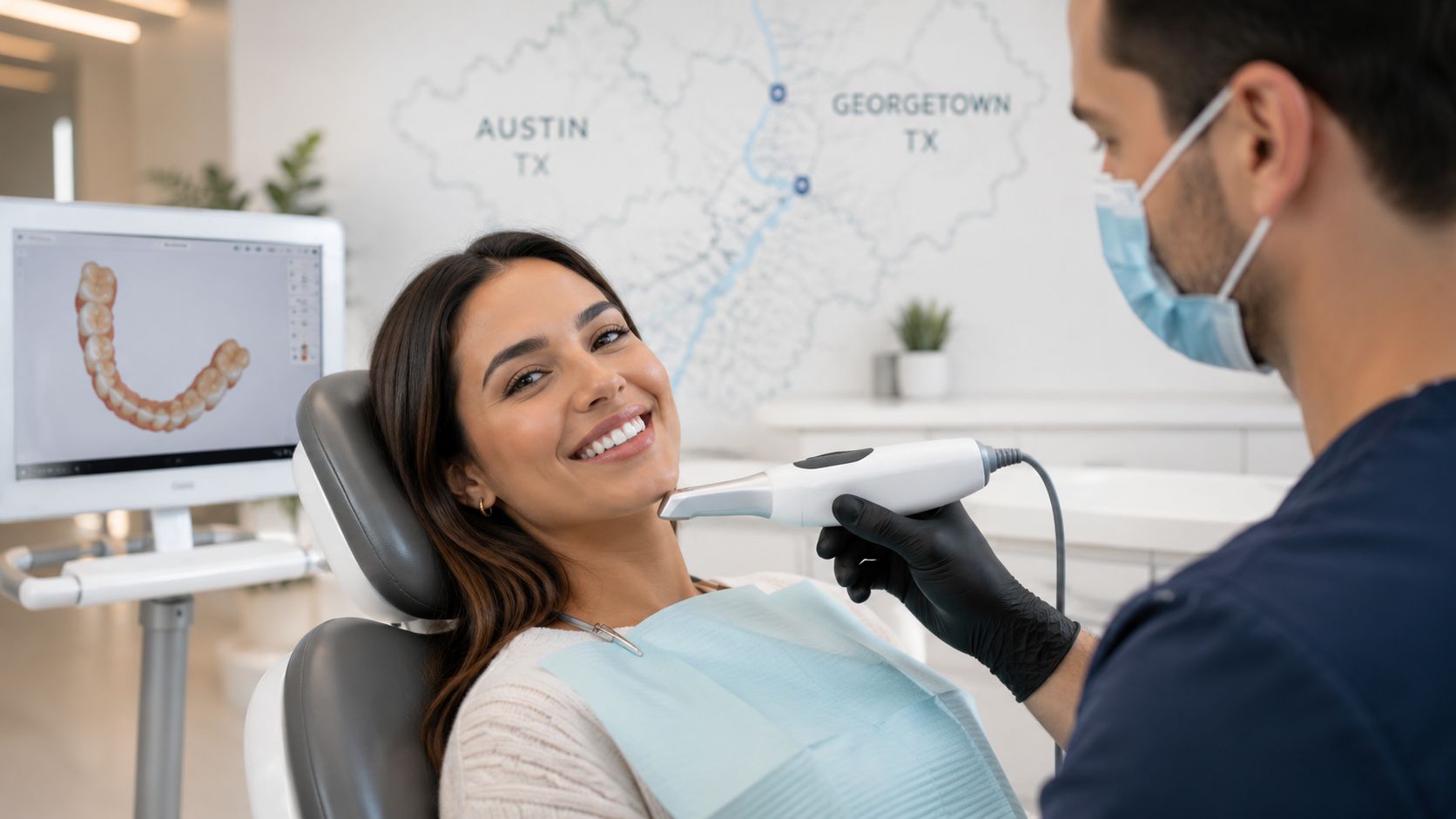
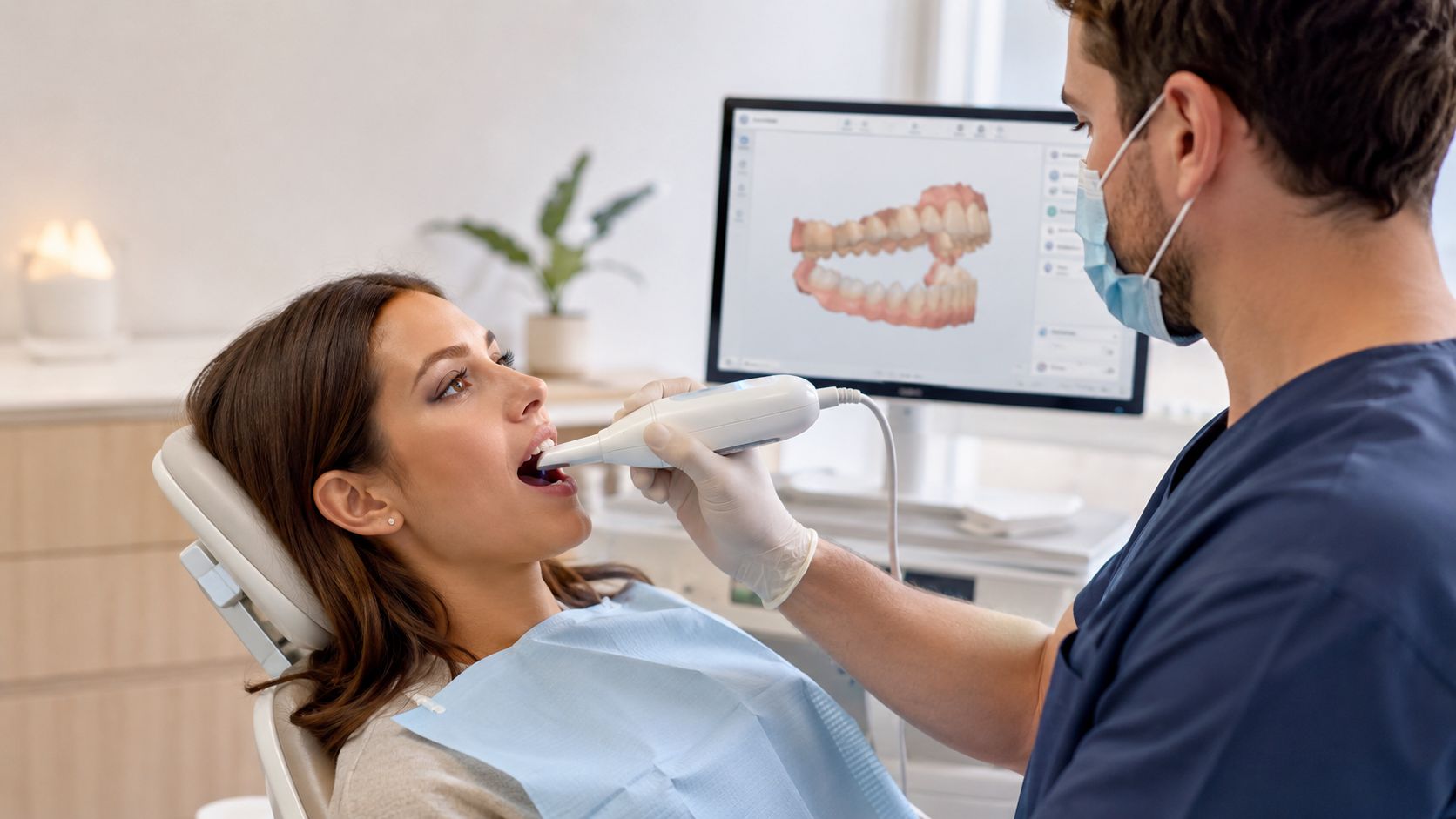
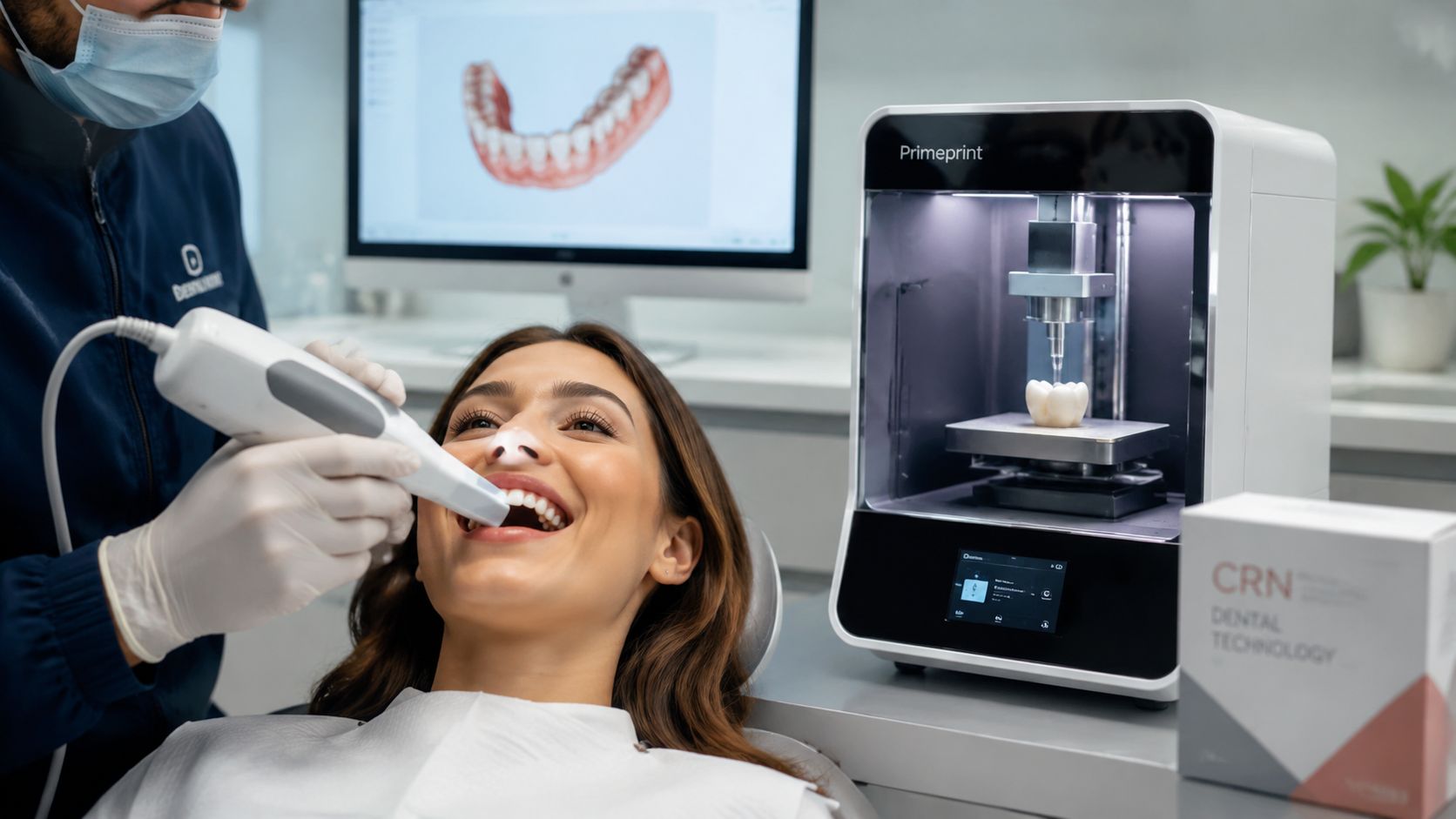
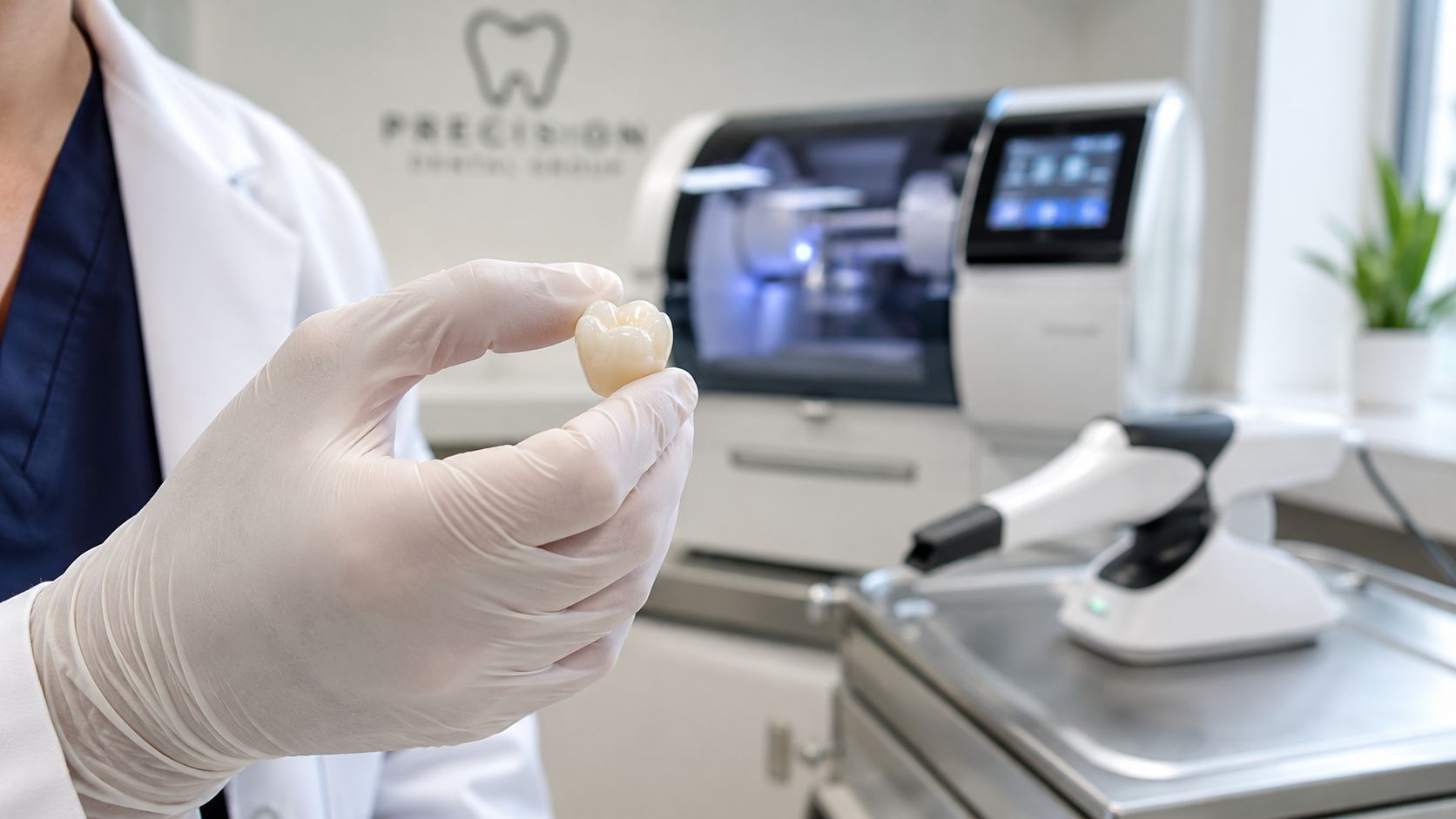
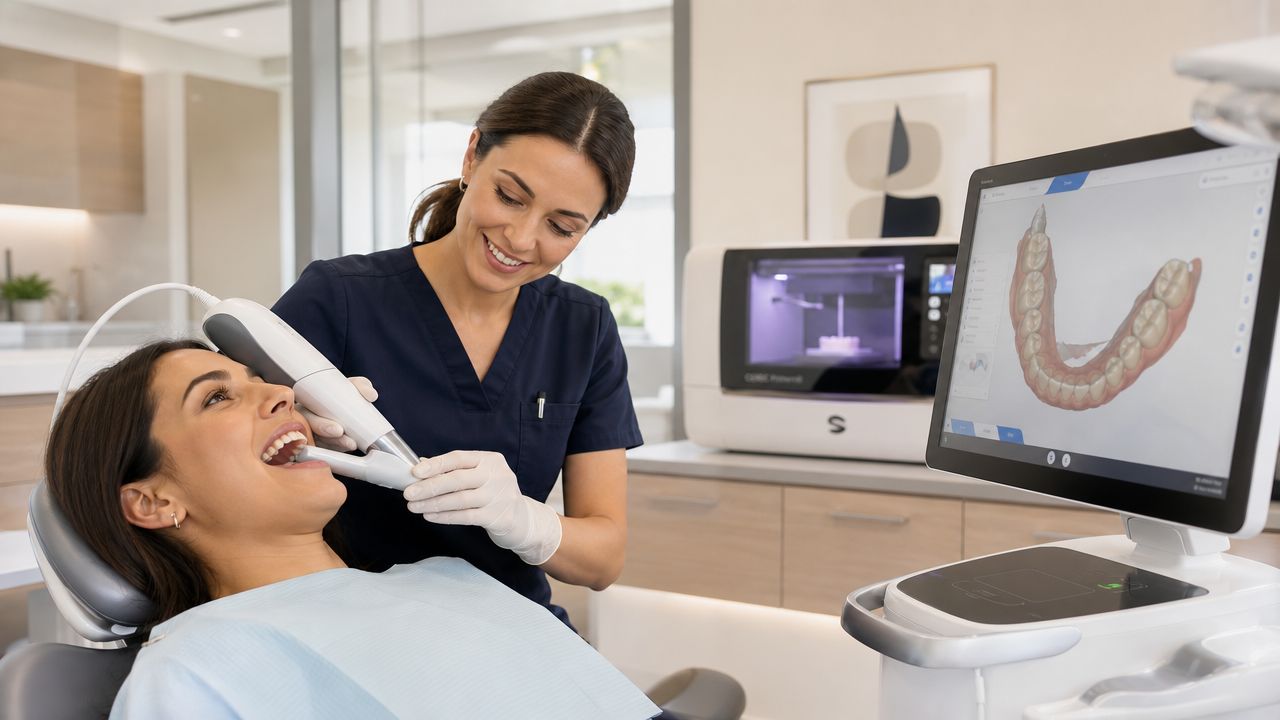
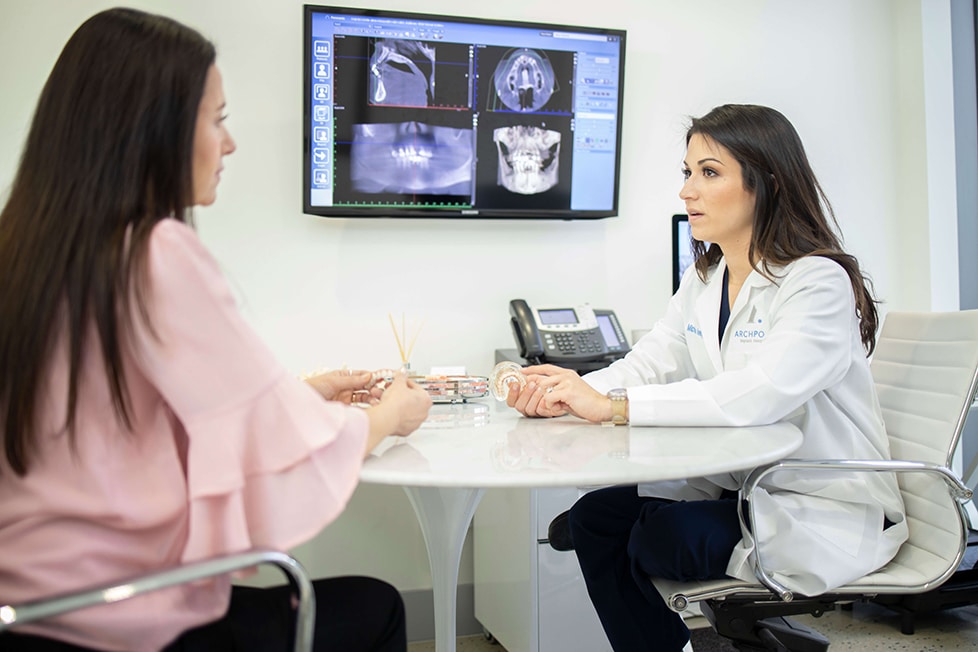
At 3D Dental, digital scanning helps us document your current shade and tooth shapes before treatment. That gives us a clearer baseline and helps us plan custom trays when take-home whitening is the better choice. Compared with one-size-fits-all kits, that process gives better gel control, less overflow onto the gums, and a more consistent result from tooth to tooth.
Some patients should wait before whitening. Common reasons include active cavities, significant sensitivity, gum inflammation, exposed root surfaces, or heavy buildup that should be cleaned first. Recent dental treatment can matter too, especially after restorative work or an emergency visit, because the teeth and gums may need time to settle before cosmetic treatment starts.
The goal is not to delay care. The goal is to choose whitening at the right time, with the right method, so the result looks better and feels easier to maintain.
The In-Office Whitening Process at 3D Dental
An in-office whitening visit should feel organized, not mysterious. Patients usually do better when they know what's happening and why. The process starts with an exam and a conversation about goals, sensitivity history, and any existing dental work that may affect the final appearance.
Technology helps make that process more precise. Digital scanning can help document the teeth before treatment and support planning for custom trays when follow-up care is needed. That's one reason many patients prefer a dental office over generic products. The process is based on the shape of their teeth and the condition of their enamel, not an average template.
To help you visualize the visit, here's the treatment flow.
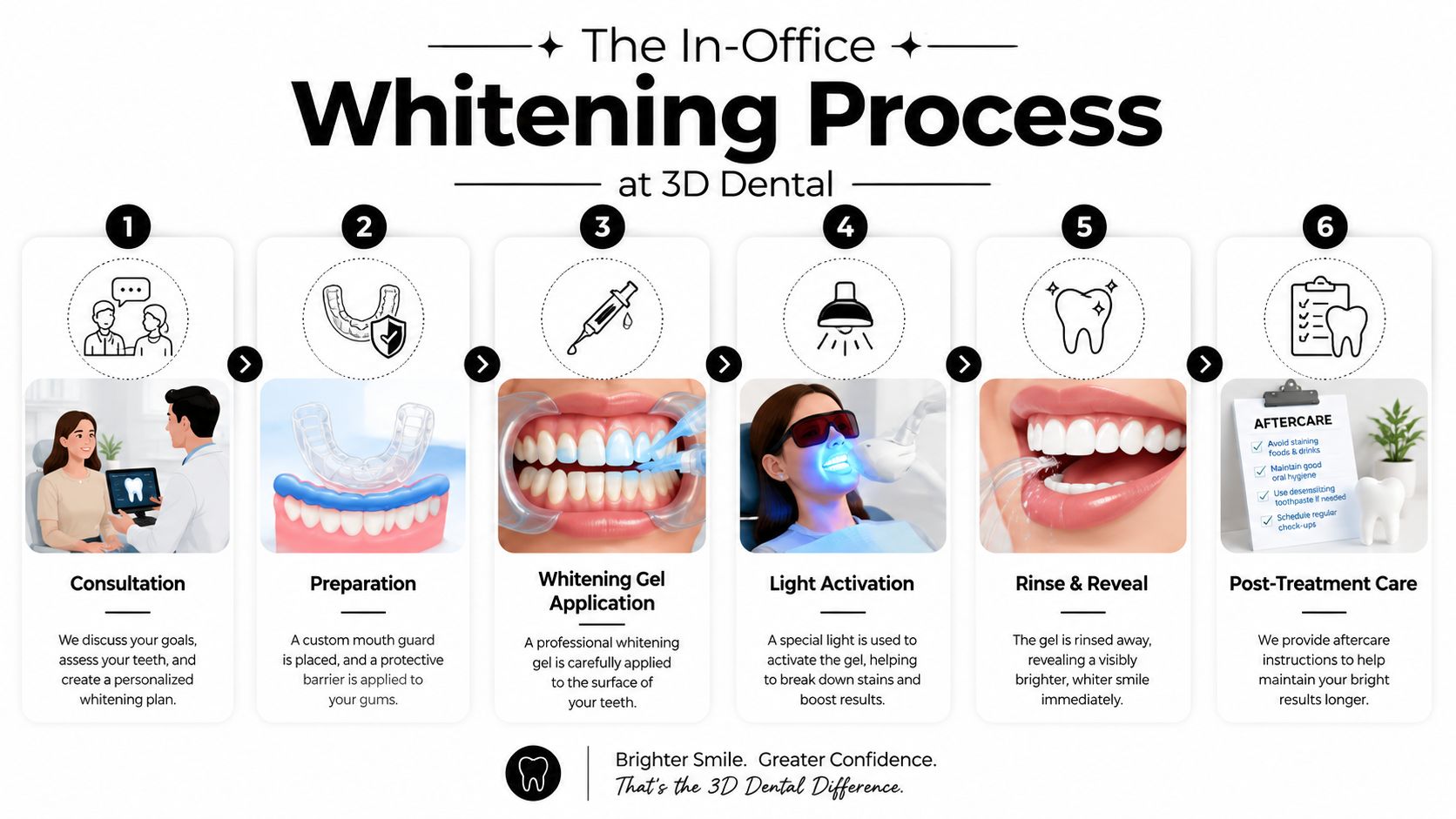
What happens during the appointment
A typical appointment includes several steps:
Consultation and exam
The dentist checks whether whitening is appropriate, looks for cavities or gum irritation, and reviews any crowns, bridges, or fillings that may affect the cosmetic result.Preparation of the teeth and gums
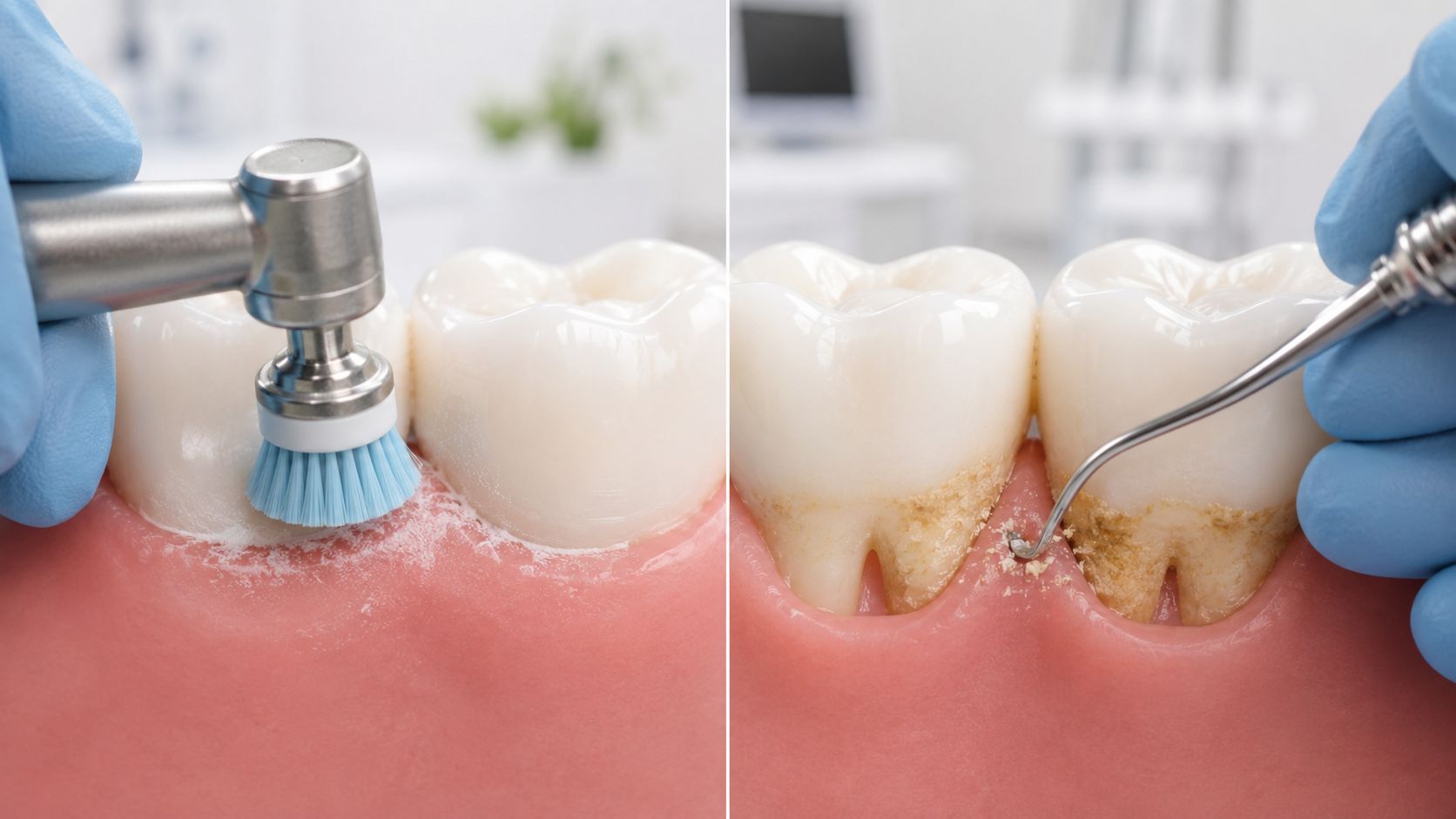
Professional whitening often includes cleaning the tooth surfaces first and protecting the gums before the gel is applied.Application of whitening gel
In-office treatment uses peroxide-based whitening gel in carefully controlled cycles.Monitoring comfort and response
The team watches for sensitivity, keeps the soft tissues protected, and adjusts as needed.
Here is a short video that gives additional visual context for the whitening process.
The clinical details that matter
LeJeune Dentistry's explanation of what to expect during whitening treatment notes that professional in-office whitening uses high-concentration peroxide gels for 15 to 30 minute cycles and can achieve an average shade improvement of 7 to 8 shades in a single session, with patients advised to avoid acidic foods for 24 hours after treatment.
That helps explain why professional whitening can produce visible change so quickly. The gel is stronger than what's sold for home use, and the appointment is structured to protect the gums and manage sensitivity during the process. Pre-treatment polishing and post-treatment desensitizing steps can also be part of care.
About light activation and custom planning
Patients often ask whether a whitening light is the reason in-office treatment works. The more important factor is the whitening gel and how it's used. Clinical oversight, tissue protection, and the right exposure time matter more than flashy accessories.
At 3D Dental, tools such as digital scanners and custom trays can support a safer, more predictable whitening plan for patients who need maintenance after the in-office visit. That's especially helpful for adults in North Austin and Georgetown who want a cosmetic result that fits into ongoing dental care, whether they're also considering veneers, implants, restorative dentistry, or a new patient exam with cleaning and x-rays.
Managing Expectations Results Risks and Aftercare
A good whitening result looks brighter, even, and natural in your smile. It does not make every tooth identical, and it does not change crowns, fillings, or veneers. Setting that expectation early helps patients feel better about the process and less tempted by overuse of strips or gels at home.
Shade change also depends on the type of stain. Yellow surface staining usually responds better than gray, brown, or deeper internal discoloration. In practice, I also look at enamel thickness, existing dental work, and how much change a patient wants. At 3D Dental, that planning step is part of why digital scans and custom trays matter. They help us track your starting point, fit the whitening approach to your teeth, and make touch-ups more controlled than one-size-fits-all products.
What results usually look like
Professional treatment usually produces a stronger, more visible change than over-the-counter options, but the difference is not only about stronger gel. Fit, isolation, timing, and follow-up all affect the final shade. Loud Family Dentistry's summary of whitening effectiveness reports that peroxide-based whitening is clinically effective, with in-office procedures achieving a ΔE value of approximately 3.3 and at-home procedures reaching 2.0.
For patients, the practical takeaway is simple. Dentist-supervised whitening tends to produce a more noticeable and more predictable color change.
That predictability matters most in mixed cases. If a front tooth has bonding, if one tooth is naturally darker, or if the shade is uneven from years of coffee or tobacco exposure, whitening may still help, but it may not solve every cosmetic concern by itself.
Whitening improves tooth color. It does not replace diagnosis, and it does not change the color of existing restorations.
Sensitivity and risk
Sensitivity is the trade-off patients ask about most. That concern is reasonable. Teeth can feel zippy with cold air, cold drinks, or brushing for a short period after treatment, especially in patients who already have recession, worn enamel, or a history of sensitivity.
As noted earlier, temporary sensitivity is common with bleaching. The goal is not to ignore that risk. The goal is to plan around it. That may mean shorter wear times, lower-concentration take-home gel, desensitizing products, or spacing treatment out instead of pushing for the fastest possible result.
Light systems also deserve a clear explanation. FGM Dental Group's review of whitening myths and facts states that light-activation systems provide no measurable benefit to the amount of whitening achieved, its persistence, or the avoidance of sensitivity, while increasing pain risk and cost. Patients often assume the machine is doing the whitening. In reality, the gel protocol, tissue protection, and case selection are more important.
Aftercare that protects your result
Aftercare is straightforward, but it affects how long the result lasts.
- Avoid heavily staining foods and drinks right after treatment. Coffee, tea, red wine, berries, curry, and dark sauces can stain more easily during the first day.
- Stay consistent with brushing, flossing, and regular cleanings. Plaque and surface buildup dull the result faster.
- Use touch-ups with a plan. This clinical review in the NIH's PMC archive found that the optimal way to maintain whitening results and minimize sensitivity is to follow an initial in-office treatment with monthly home-based touch-up treatments.
- Report sensitivity instead of pushing through it. Your dentist can adjust the schedule or materials.
For many patients, the best long-term approach is a combination of an in-office boost and occasional maintenance with custom trays. That is one of the clearest advantages of a technology-driven workflow at 3D Dental. Digital records and custom-fitted trays make follow-up more precise, more comfortable, and easier to repeat safely when your smile needs a refresh.
Investing in Your Smile Costs and Financing
Cost is part of the decision for almost everyone. Teeth whitening is a cosmetic service, so patients want a straightforward answer before they book. That's reasonable. It also helps to compare price with what you're receiving, including supervision, comfort measures, and predictability.
Dr. John Patterson's whitening statistics overview reports that professional in-office teeth whitening typically costs between USD 500 and USD 650 on average, while most at-home kits cost under USD 100, and professional in-office whitening is generally not covered by dental insurance.
Why price alone doesn't tell the whole story
A cheaper product can still be a poor value if it doesn't fit well, causes irritation, or leaves you with uneven shade changes and the need to start over. Professional whitening costs more up front because it includes diagnosis, controlled materials, gum protection, and a plan for sensitivity and maintenance.
That doesn't mean every patient should choose the same path. Some people want the fastest change possible. Others prefer dentist-supervised take-home care because it spreads treatment out and can feel easier on sensitive teeth.
Making treatment more manageable
Patients looking for a cosmetic dentist near me in Austin or Georgetown often assume whitening has to be paid all at once. In practice, many dental offices offer ways to make elective care more manageable. At 3D Dental, patients can ask about in-house payment options and third-party financing through Cherry and Sunbit, which can help fit cosmetic treatment into a real budget.
That conversation can also be part of broader dental planning. A patient may come in for cleaning and exams, dental x-rays, restorative dentistry, or even discuss tooth extraction, emergency dentist needs, or dental implants near me concerns, then build whitening into a staged treatment plan rather than treating it as an isolated purchase.
For a more detailed breakdown of what affects pricing, review professional teeth whitening cost.
The best financing question isn't “What's the cheapest whitening option?” It's “Which option gives me a safe result I'll still feel good about later?”
Book Your Teeth Whitening Consultation in Austin or Georgetown
If you're tired of trying random whitening products and hoping for the best, a consultation is the better next step. Professional teeth whitening services can be a strong option for adults who want a brighter smile with less guesswork, especially when the plan is based on the condition of the teeth, existing dental work, and sensitivity history.
Patients in North Austin, Georgetown, Wells Branch, Cedar Park, Round Rock, and Liberty Hill often start with whitening, then continue care with the same office for cleanings, cosmetic dentistry, restorative dentistry, emergency dental care, or long-term planning around implants and smile improvements. That continuity matters. It means your cosmetic treatment fits your oral health, not just your calendar.
When you're ready to take the next step
A good consultation should answer practical questions clearly:
- Will whitening work on my teeth
- Will crowns or fillings affect the result
- Am I likely to have sensitivity
- Should I start with a cleaning or another dental treatment first
If you've been searching for a dentist near me, dentist in Austin, TX, dentist in Georgetown, TX, or cosmetic dentist near me, this is a simple place to begin. A brighter smile should feel safe, understandable, and worth it.
Schedule a consultation with 3D Dental to talk through your whitening options, ask questions about sensitivity, and build a treatment plan that fits your smile goals in Austin or Georgetown.
Ready to get started?
Schedule a free, no obligation consultation with our team and see what's possible for your smile!
Georgetown
- Mon-Thurs8:30am-5pm
- Fri8am-3:30pm
- Sat-SunClosed
Austin
- Mon-Tues8am-5pm
- Wed-Thurs9am-6pmFri8am-2pm
- Sat-SunClosed