
Sedation Dentistry Options: Ease Your Dental Anxiety
Related Posts

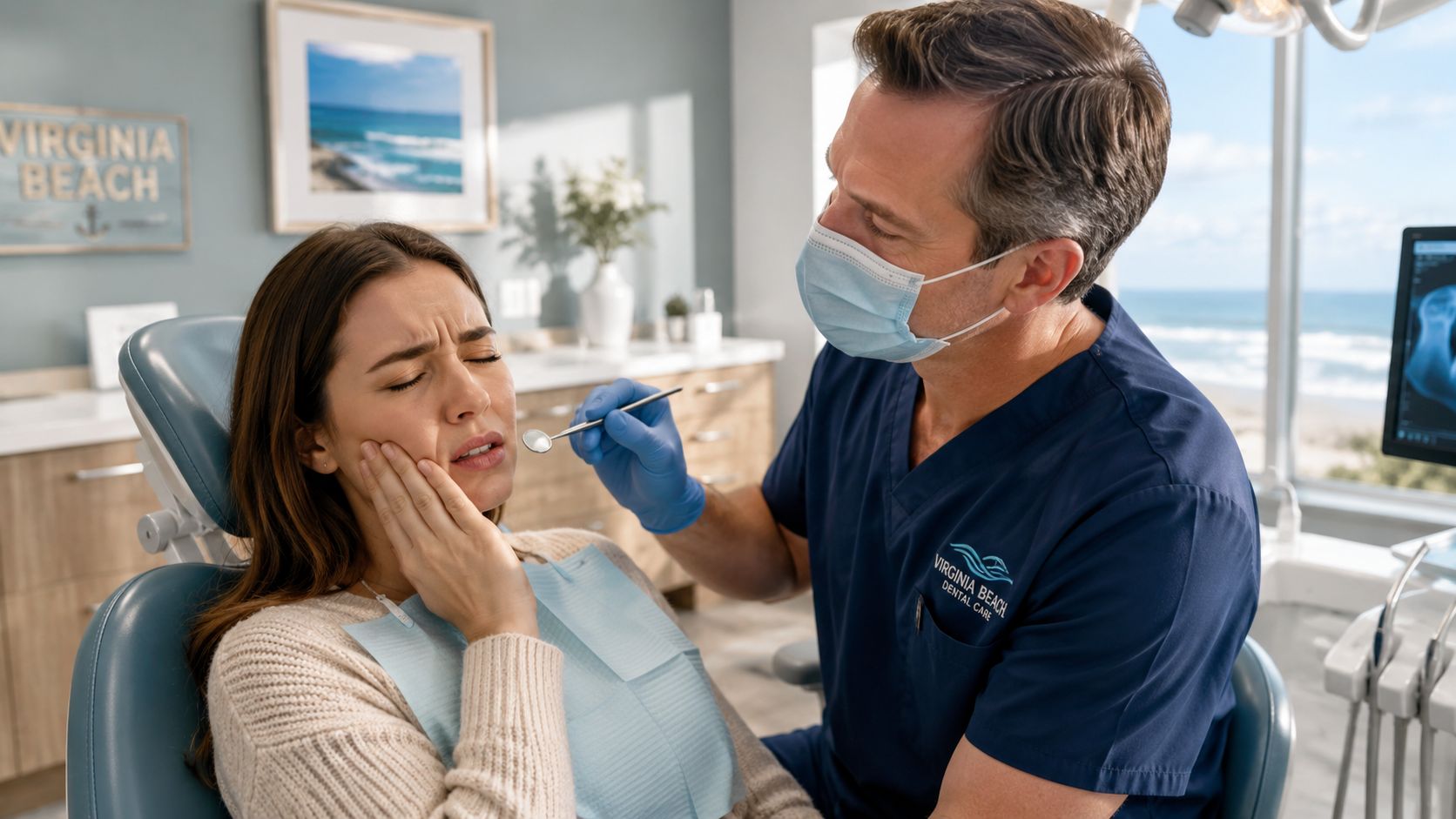






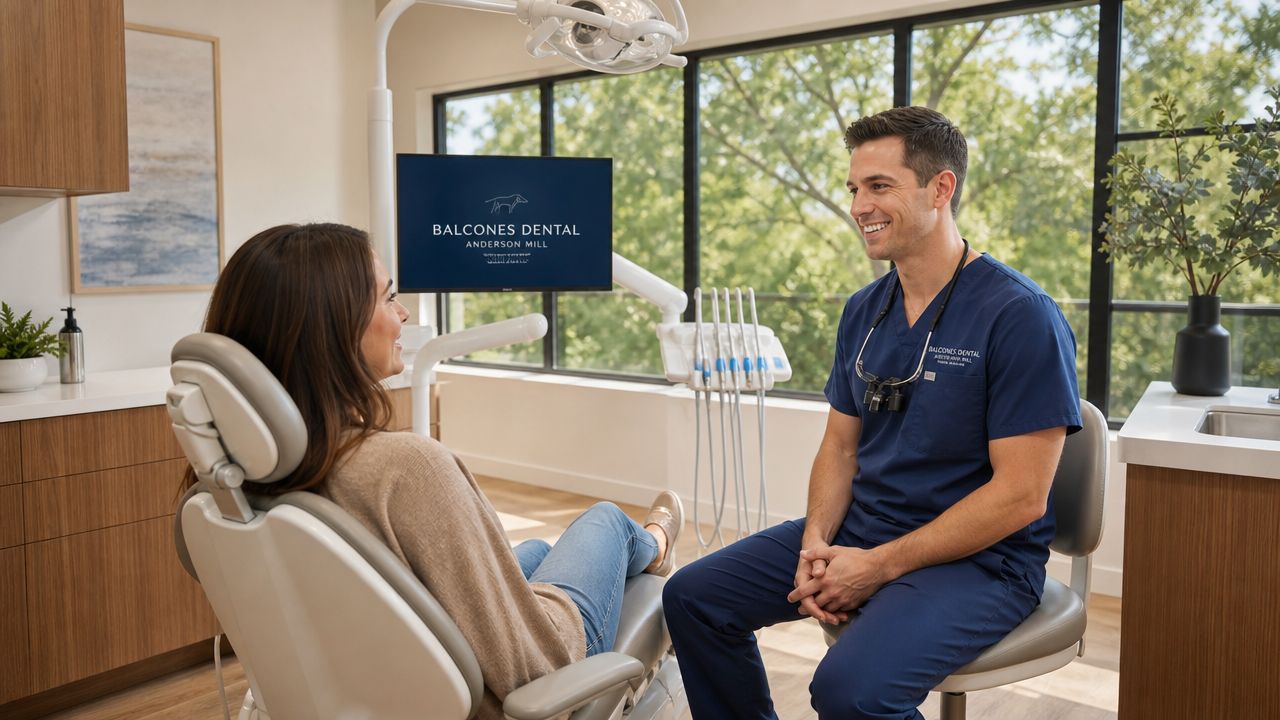

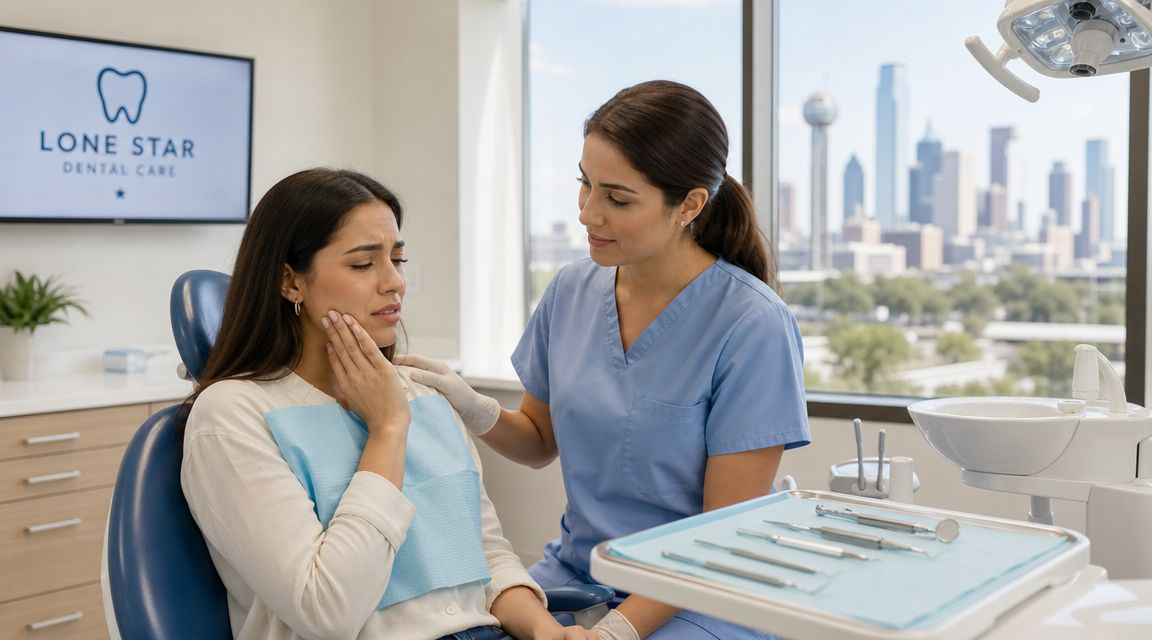

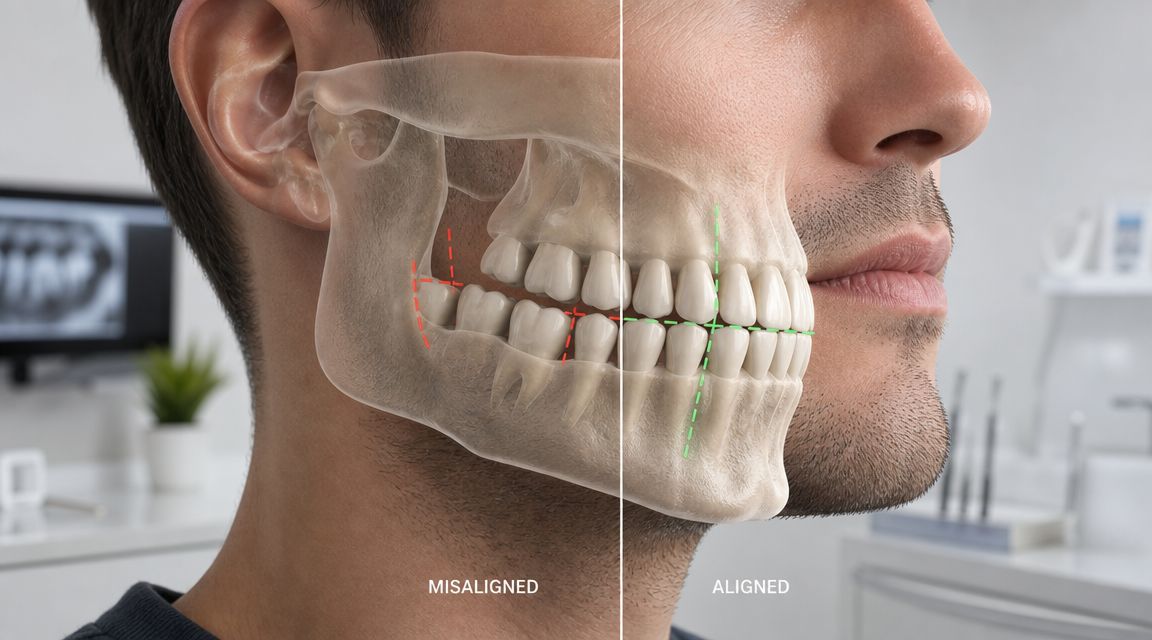

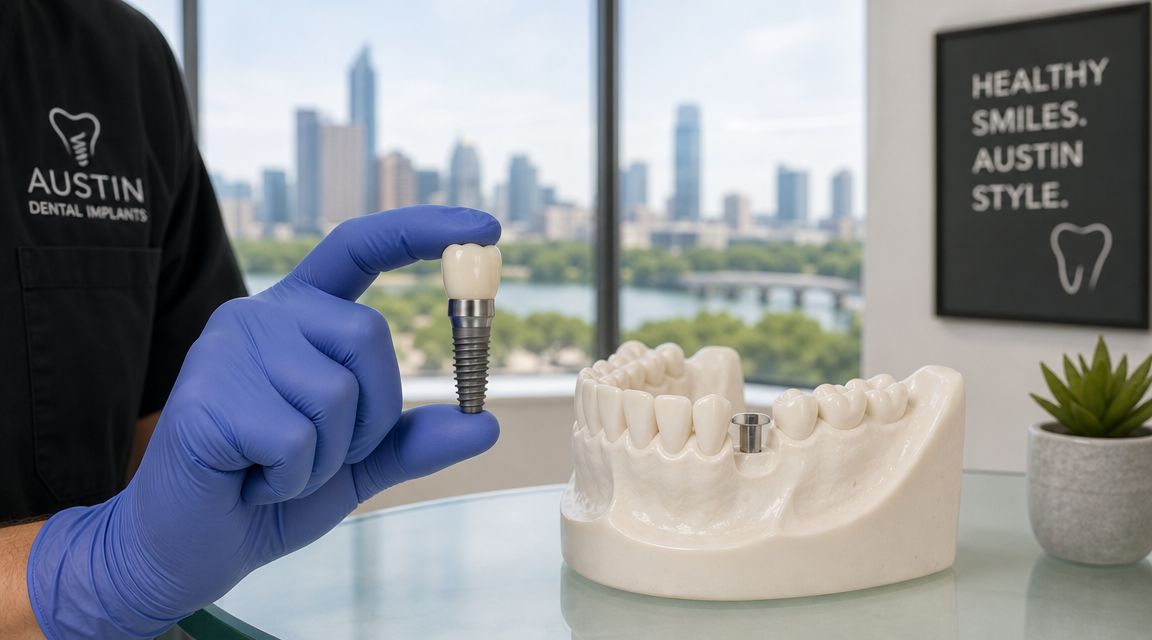
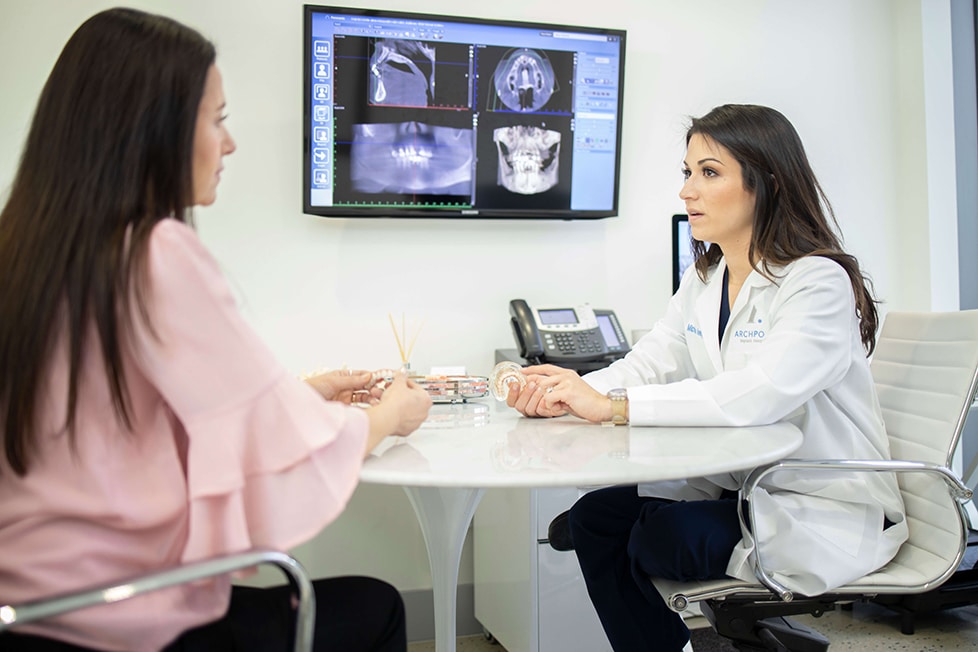

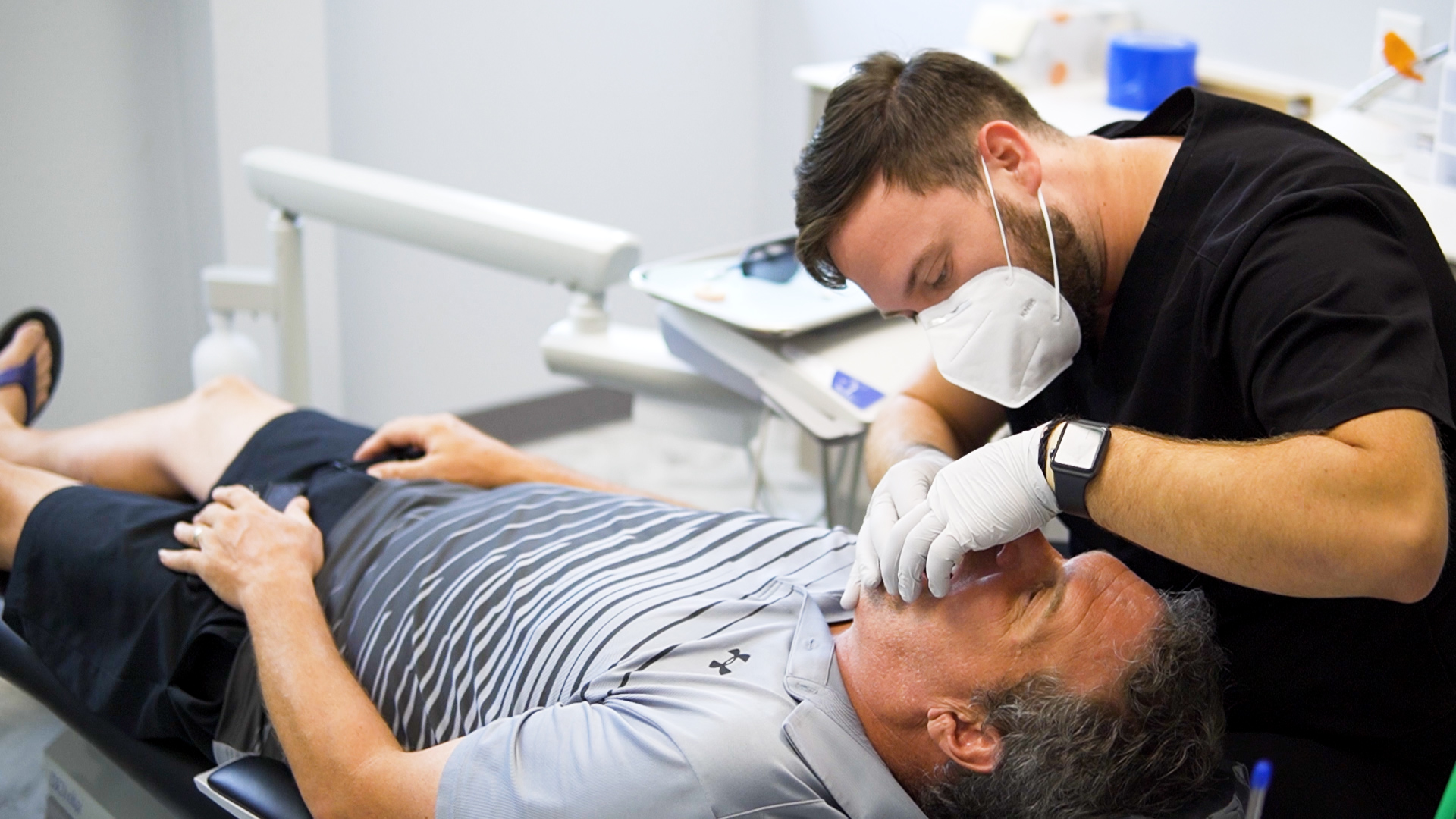

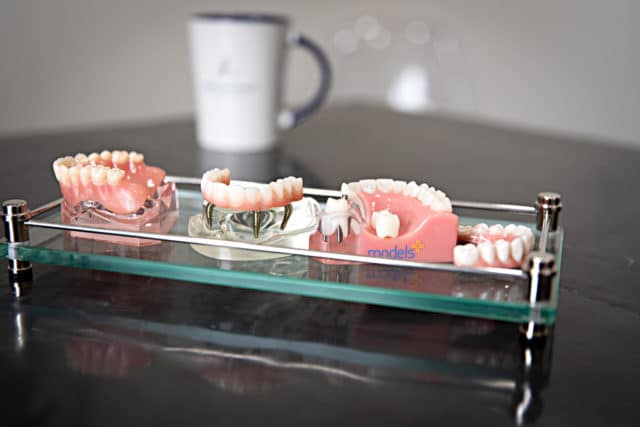
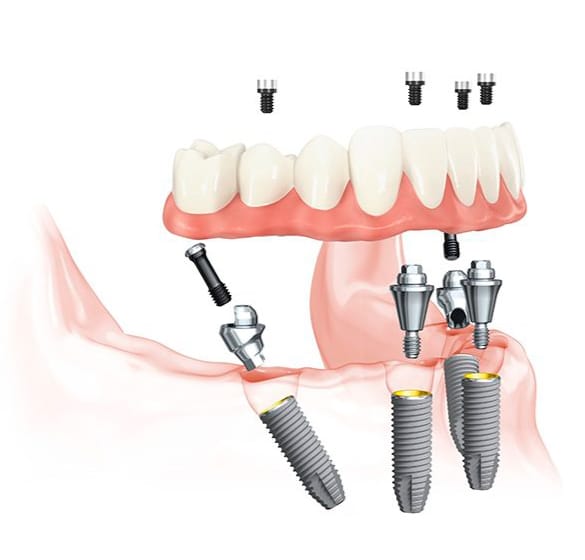

















If you're reading this with a dental appointment overdue, a tooth bothering you, or an implant consultation on your calendar, you're not alone. A lot of people in Austin and Georgetown want care, but the part that stops them isn't always the treatment itself. It's the fear of the chair, the sounds, the loss of control, or the worry that they won't be able to get through it.
Sedation can change that experience. The right approach can make a routine cleaning and exam feel manageable, help an anxious patient tolerate a tooth extraction, or make longer restorative dentistry and dental implants appointments feel far less stressful. For people searching for a dentist near me, an emergency dentist, or dental implants near me in Austin, TX, understanding your sedation dentistry options makes it easier to move from delay to action.
Your Partner for Comfortable Dental Care in Austin
Some patients call because they have sharp pain and need an emergency dentist right away. Others have avoided a new patient exam for years because even dental x-rays make them tense. Some are ready for cosmetic dentistry, teeth whitening, or restorative dentistry, but freeze when it's time to book. Those situations look different on the surface, but they often come back to the same issue. Dental anxiety.
That fear is common. Up to 80% of adults feel some anxiety about dental work, and 61% of patients report some level of dental fear, according to dental anxiety and sedation dentistry statistics. If you've ever canceled a visit, delayed a tooth extraction, or put off treatment until it became an emergency, your reaction isn't unusual.

Why anxiety changes dental decisions
Dental fear doesn't just affect how you feel in the chair. It changes what you do before you ever arrive. Patients often wait too long for:
- Preventive care like cleaning and exams, new patient exams, and dental x-rays
- Restorative treatment such as fillings, crowns, bridges, and root canals
- Surgical care including wisdom tooth extraction and other tooth extraction needs
- Smile treatment like veneers, teeth whitening, and other cosmetic dentist near me searches
- Tooth replacement including single implants, multiple implants, and full-arch implant planning
The longer care is delayed, the fewer simple options may be available. A problem that might have been handled during a routine visit can turn into swelling, broken teeth, or an urgent appointment.
What sedation changes for anxious patients
Sedation doesn't erase the need for good dental care. It makes that care more approachable. It helps patients stay calmer, tolerate treatment more comfortably, and stop associating every visit with stress.
Practical rule: The best sedation choice isn't the strongest one. It's the one that matches your level of fear, the type of procedure, and how quickly you need to recover.
Many patients start by wanting one thing. To get through the visit. Once they realize comfortable care is possible, they often feel ready to catch up on overdue treatment and keep up with future visits. If dental fear has kept you from booking care, this guide on how to overcome dental anxiety is a helpful place to start.
Understanding Your Sedation Dentistry Options
Not all sedation feels the same, and that's where many patients get confused. Some people think sedation means being fully asleep. Often, it doesn't. In many cases, you're more relaxed, less aware of time, and better able to get through treatment without the same level of stress.
Nitrous oxide for mild nervousness
Nitrous oxide, often called laughing gas, is the lightest of the common sedation dentistry options. You breathe it in through a small nasal mask, and it works quickly. It creates minimal sedation while keeping you conscious and able to maintain normal airway reflexes, with onset in about 3 to 5 minutes according to this overview of dental sedation types.
From the patient side, nitrous oxide usually feels light and easy. People often describe it as a floating, calmer sensation. It's a strong fit for shorter visits, mild anxiety, and patients who want to recover quickly after a cleaning, filling, or simple cosmetic dentistry appointment.
Oral sedation for moderate anxiety
Oral sedation uses a prescribed pill before treatment. You stay conscious, but feel much more relaxed and drowsy. This option is often useful when a patient is too anxious for a standard appointment but doesn't need the deeper control that comes with IV sedation.
The key trade-off is predictability. Once you swallow the medication, the dose can't be adjusted during the visit. That makes oral sedation practical in the right case, but less flexible than IV sedation.
IV sedation for deeper relaxation
IV sedation is a better fit when anxiety is stronger, the procedure is longer, or comfort needs to be managed more precisely. The medication is delivered through an IV, so the dental team can adjust the level during treatment.
For moderate sedation, midazolam is the most frequently used agent, and it can create a "dream-like" state where patients remain conscious but often don't remember much of the procedure, a form of anterograde amnesia described in this clinical review of dental sedation medications. That's one reason it can work well for procedures such as root canals and other anxiety-heavy visits.
Many anxious patients don't need to be unconscious. They need to feel safe, settled, and less aware of the procedure as it happens.
General anesthesia for select cases
General anesthesia is the deepest option. It puts the patient fully unconscious and is usually reserved for more complex situations, severe phobia, or special circumstances where conscious sedation isn't enough.
It isn't the default answer for routine care. In fact, general anesthesia is often more than what's needed for many dental procedures. The best plan depends on the person, not just the procedure name.
Comparing Sedation Types Which Is Right for You
Choosing among sedation dentistry options gets easier when you compare them side by side. The right match depends on three practical questions. How anxious are you, how long is the procedure, and what kind of recovery can you manage afterward?
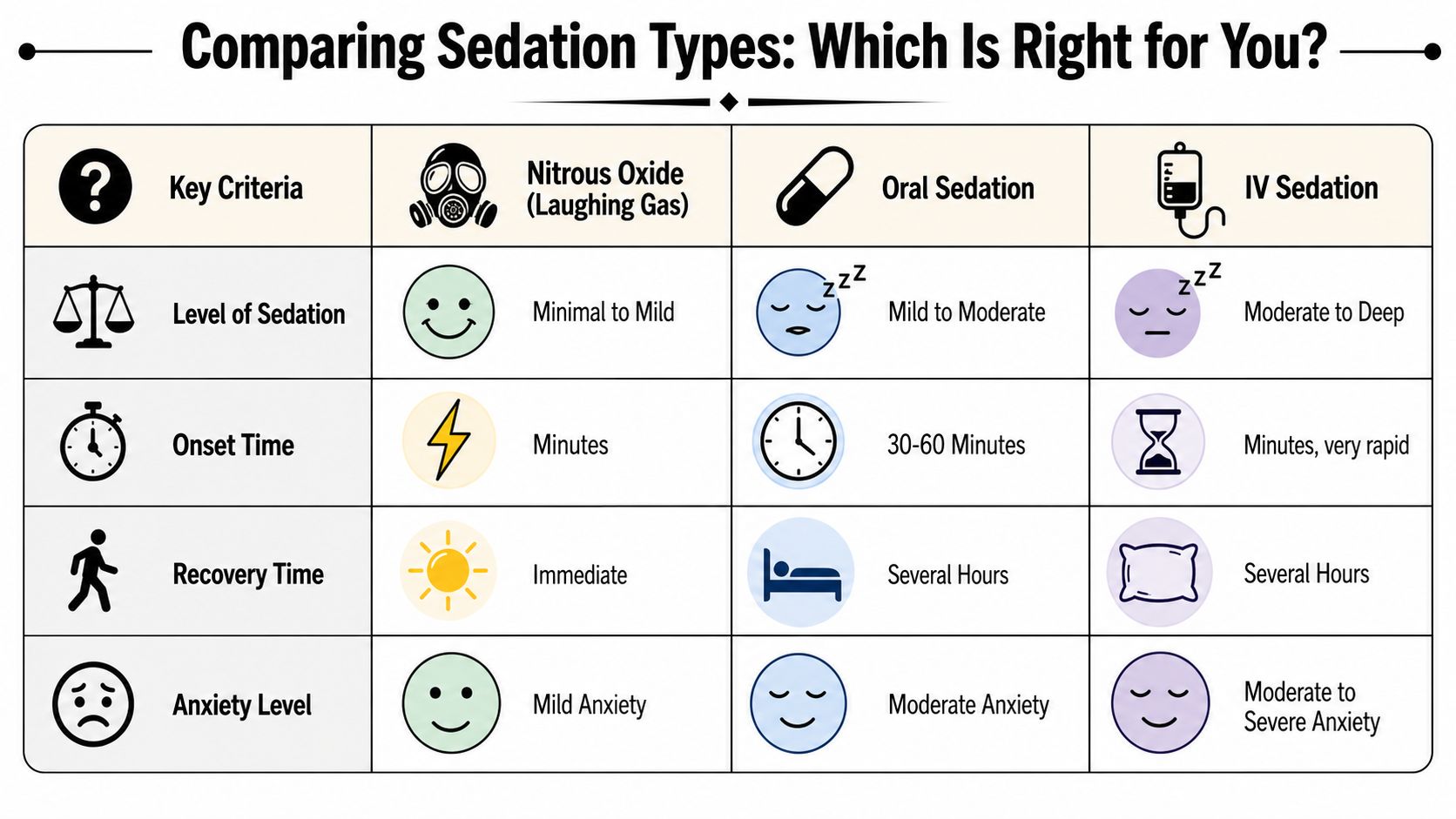
Sedation dentistry options at a glance
| Sedation Type | Best for Anxiety Level | Level of Consciousness | Typical Recovery | Estimated Cost |
|---|---|---|---|---|
| Nitrous oxide | Mild | Fully conscious | Short recovery | $25–$100 |
| Oral sedation | Moderate | Conscious but drowsy | Up to 24 hours | $150–$500 |
| IV sedation | Moderate to severe | Conscious, deeply relaxed | Up to 24 hours | $500–$1,500 |
| General anesthesia | Severe or complex cases | Unconscious | Longer recovery planning | $800–$3,500 |
Those ranges come from this sedation dentistry cost guide, which lists nitrous oxide at $25–$100, oral sedation at $150–$500, IV sedation at $500–$1,500, and general anesthesia at $800–$3,500 per visit.
Matching the option to the patient
A patient with mild nerves before a short visit usually doesn't need the same support as someone preparing for hours of implant work. That's where a lot of online advice falls short. It talks about sedation in broad terms instead of helping you sort out who each option is for.
A good way to view this is:
- Nitrous oxide fits the patient who wants to take the edge off without losing the ability to drive afterward.
- Oral sedation makes sense when anxiety is more than mild and a pill feels easier than an IV.
- IV sedation works well when fear is strong, the procedure is complex, or the team needs more control over your comfort during treatment.
- General anesthesia is usually reserved for select cases, not routine appointments.
Real-world examples patients recognize
Someone booking a short cosmetic dentist near me appointment in Austin for teeth whitening or a small bonding correction may do well with little or no sedation. A nervous patient coming in for a longer crown, root canal, or multiple restorations may benefit from oral sedation.
For surgical care, the conversation changes. If you're planning implant treatment, wisdom tooth extraction, or extensive restorative dentistry, the value of deeper relaxation becomes much clearer. The more demanding the appointment, the more important comfort, stillness, and pacing become.
Decision shortcut: If your biggest concern is getting home quickly, lighter sedation usually wins. If your biggest concern is getting through the procedure at all, deeper sedation may be the better fit.
Are You a Good Candidate for Sedation Dentistry
Safety matters more than convenience. Before any dentist recommends sedation, the question isn't just whether it can help you relax. The question is whether it's appropriate for your health history, your medications, your anxiety pattern, and the treatment being planned.

What a dentist reviews before recommending sedation
A proper sedation consultation usually includes a close review of:
- Medical history including heart, breathing, neurological, and other systemic conditions
- Current medications because some drugs can affect sedation choice or timing
- Past experiences with dentistry, anesthesia, panic, nausea, or traumatic treatment memories
- Procedure details such as whether you need a simple cleaning, a tooth extraction, restorative dentistry, or dental implants
- Recovery logistics including whether you have transportation and support at home
That screening isn't paperwork for its own sake. It's how safe care is built.
Why screening and monitoring matter
The safety record for sedation in dentistry is strong when practices follow the right process. Success rates for oral and IV sedation exceed 99.5% in dental settings when proper patient screening and monitoring protocols are followed, according to this review comparing IV and oral sedation.
That doesn't mean every patient should choose the deepest option available. It means sedation works best when the team matches the method to the individual and monitors carefully throughout the appointment.
If nitrous oxide is on the table, it's also worth reviewing common contraindications for nitrous oxide so you understand when a different option may be safer or more effective.
A short visual explanation can also make the process feel more familiar:
Patients who often benefit most
Sedation is often a strong choice for patients who:
- Avoid care due to fear and keep postponing treatment
- Need complex treatment such as implant work, multiple restorations, or surgical procedures
- Have a strong gag reflex that makes care difficult
- Struggle to sit comfortably through longer appointments
- Have had difficult dental experiences that still affect how they respond in the chair
Not every anxious patient needs sedation. But for the right person, it can turn care from something repeatedly delayed into something finally manageable.
What to Expect at Your Sedation Appointment in Austin
Most patients feel better once they know how the day will go. The unknown is often the hardest part. Whether you're coming from Austin, Georgetown, Wells Branch, Cedar Park, Round Rock, or Liberty Hill, a sedation visit is usually more orderly and calm than people expect.
Before you arrive
Your instructions depend on the sedation type. With nitrous oxide, preparation is usually simple. With oral sedation or IV sedation, you'll usually need to follow specific directions ahead of time, including planning for a ride home and adjusting your schedule so you can recover properly.
For longer procedures, that planning matters. If you're scheduling tooth extraction, implant placement, or other restorative dentistry, your dentist will explain what to do the night before and the morning of treatment.
During the appointment
When you arrive, the team confirms your health information, reviews the plan, and makes sure you're comfortable before treatment begins. Sedation is then started according to the agreed approach, and local anesthetic is used when needed so the treatment area stays numb.
For implant patients, this is an important point. For procedures like placing one or two dental implants, general anesthesia is often unnecessary. A combination of local anesthetic and conscious sedation is typically sufficient to keep you comfortable while remaining responsive to the dentist, as explained in this overview of sedation for dental implants.
If you're worried that sedation means losing control, conscious sedation is often the middle ground patients are looking for. You're relaxed, but not fully unconscious.
Before you leave
Recovery starts in the office. With lighter sedation, patients often feel clear-headed fairly quickly. With oral or IV sedation, you'll spend some time in monitored recovery before heading home with your companion.
Patients generally feel relieved by how uneventful the process feels. The visit tends to be quieter and simpler than the anxiety leading up to it.
Your Recovery After Sedation Dentistry
Recovery depends less on the procedure name and more on the type of sedation used. That's why planning ahead matters. The right ride, the right schedule, and the right expectations make the day much easier.
What changes based on sedation type
Nitrous oxide recovery is usually quick. According to Cleveland Clinic's sedation dentistry overview, it typically takes 15 to 30 minutes, and patients can generally drive themselves home afterward.
Oral and IV sedation are different. Those options require a 24-hour recovery period with no driving, so you'll need a companion and a lighter schedule for the rest of the day.
Practical recovery tips
When you get home, keep things simple:
- Start gently with water and easy foods if your mouth isn't too numb from local anesthetic.
- Rest more than usual even if you feel fairly normal, especially after oral or IV sedation.
- Avoid major decisions for the remainder of the day if you've had deeper sedation.
- Follow procedure-specific instructions carefully if your visit also included a tooth extraction, root canal, or implant placement.
A smooth recovery usually comes down to one thing. Don't plan your day as if nothing happened.
If your dentist gave you written instructions, use those as your primary guide. Sedation recovery and procedure recovery overlap, and both matter.
Sedation Dentistry FAQs and Your Next Steps
Patients usually ask the same few questions once they understand the basic options. The answers are often reassuring.
Common questions patients ask
Will I be completely asleep?
Usually, no. Many sedation dentistry options are designed to help you relax while staying responsive. Full unconsciousness is typically limited to general anesthesia.
Which option is best for dental implants near me searches and implant consultations?
It depends on the number of implants, how long the procedure will take, and your level of anxiety. Many implant patients do well with conscious sedation rather than full general anesthesia.
Can sedation help with routine visits too?
Yes. Sedation isn't only for surgery. Some patients use it for cleaning and exams, dental x-rays, fillings, or longer restorative appointments because anxiety, not just procedure complexity, affects comfort.
What if I've been avoiding the dentist for years?
That makes you a common sedation candidate, not a difficult one. A calm consultation can help sort out what needs attention first and what level of support makes care realistic.
The decision that matters most
The best sedation plan isn't the one that sounds strongest. It's the one that matches your anxiety, your treatment, and your recovery needs. For some people in Austin, TX, that means nitrous oxide for a manageable visit. For others in Georgetown or Round Rock looking for an emergency dentist, a tooth extraction, or a bigger restorative plan, it may mean oral or IV sedation.
If you've been searching for a dentist in Austin, TX, dentist near me, cosmetic dentist near me, or dental implants near me, the next step doesn't have to be a procedure. It can be a conversation about what would make treatment feel possible.
If you're ready to talk through your sedation dentistry options with a team that serves Austin and Georgetown, schedule a consultation with 3D Dental. Whether you need a new patient exam, emergency dentist care, tooth extraction, cosmetic dentistry, or dental implants, you can get a clear plan built around your comfort, your goals, and the level of support that fits you best.
Ready to get started?
Schedule a free, no obligation consultation with our team and see what's possible for your smile!
Georgetown
- Mon-Thurs8:30am-5pm
- Fri8am-3:30pm
- Sat-SunClosed
Austin
- Mon-Tues8am-5pm
- Wed-Thurs9am-6pmFri8am-2pm
- Sat-SunClosed