
3D Dental Georgetown: Advanced Care for Your Smile
Related Posts


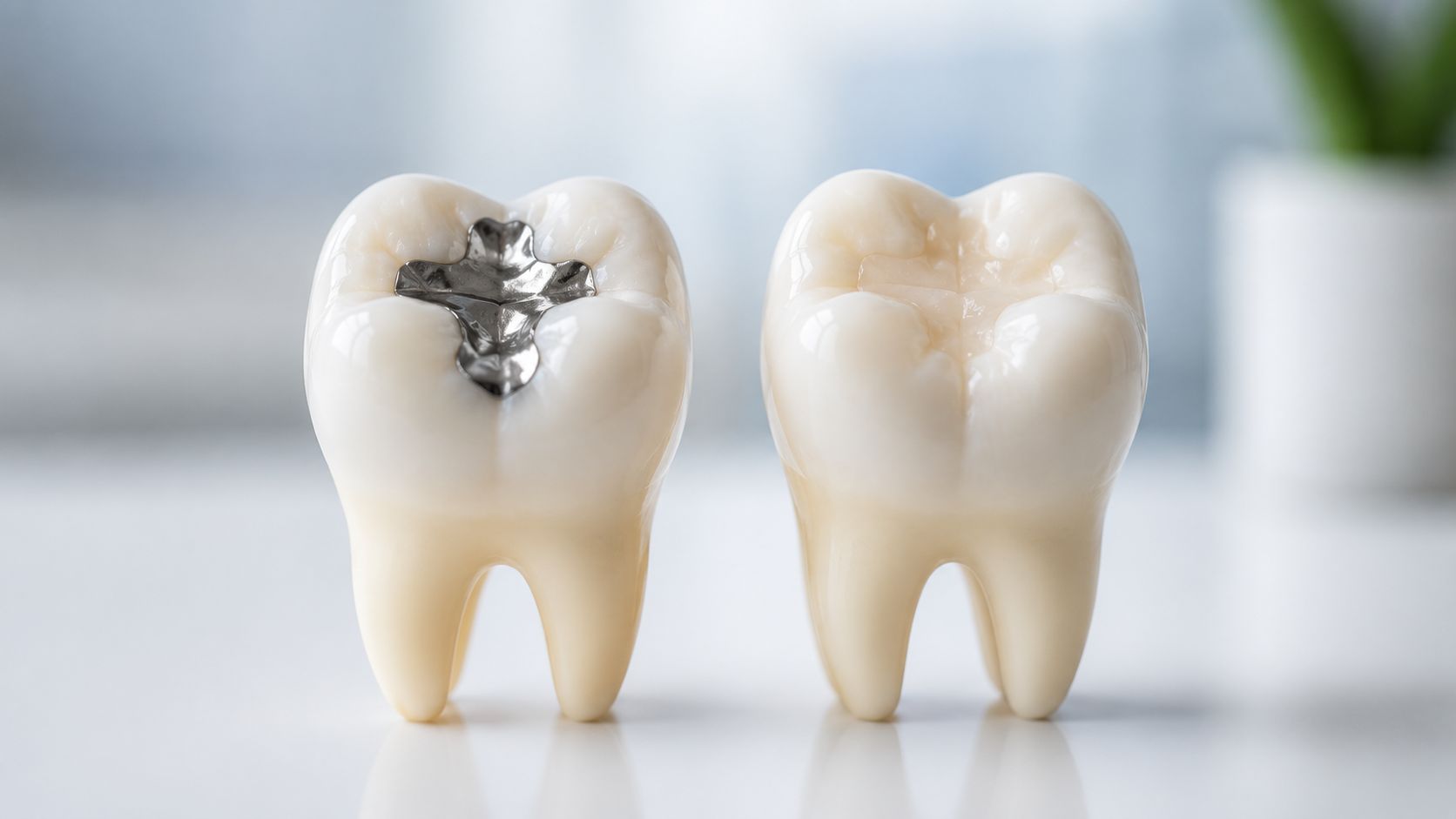
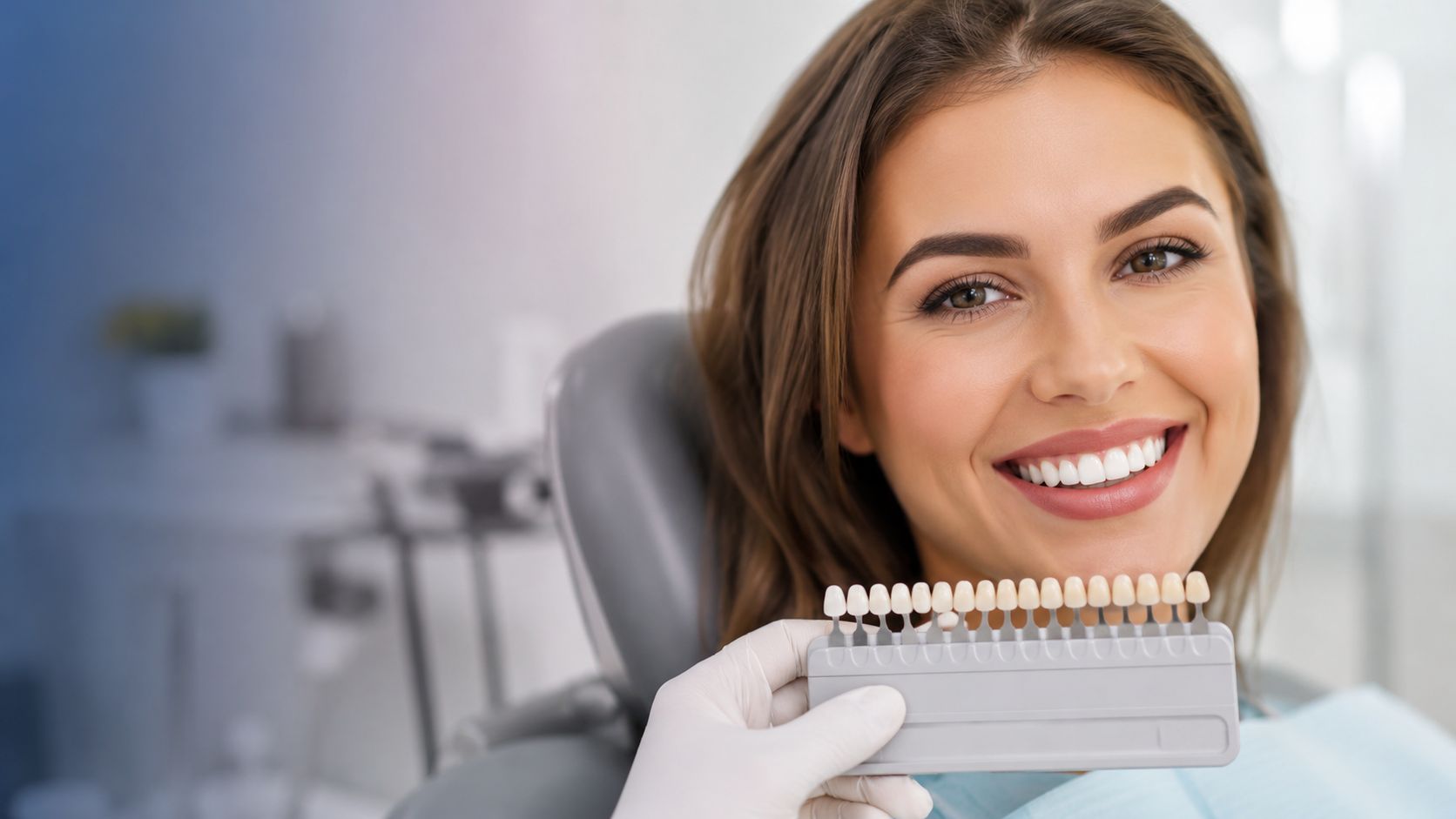
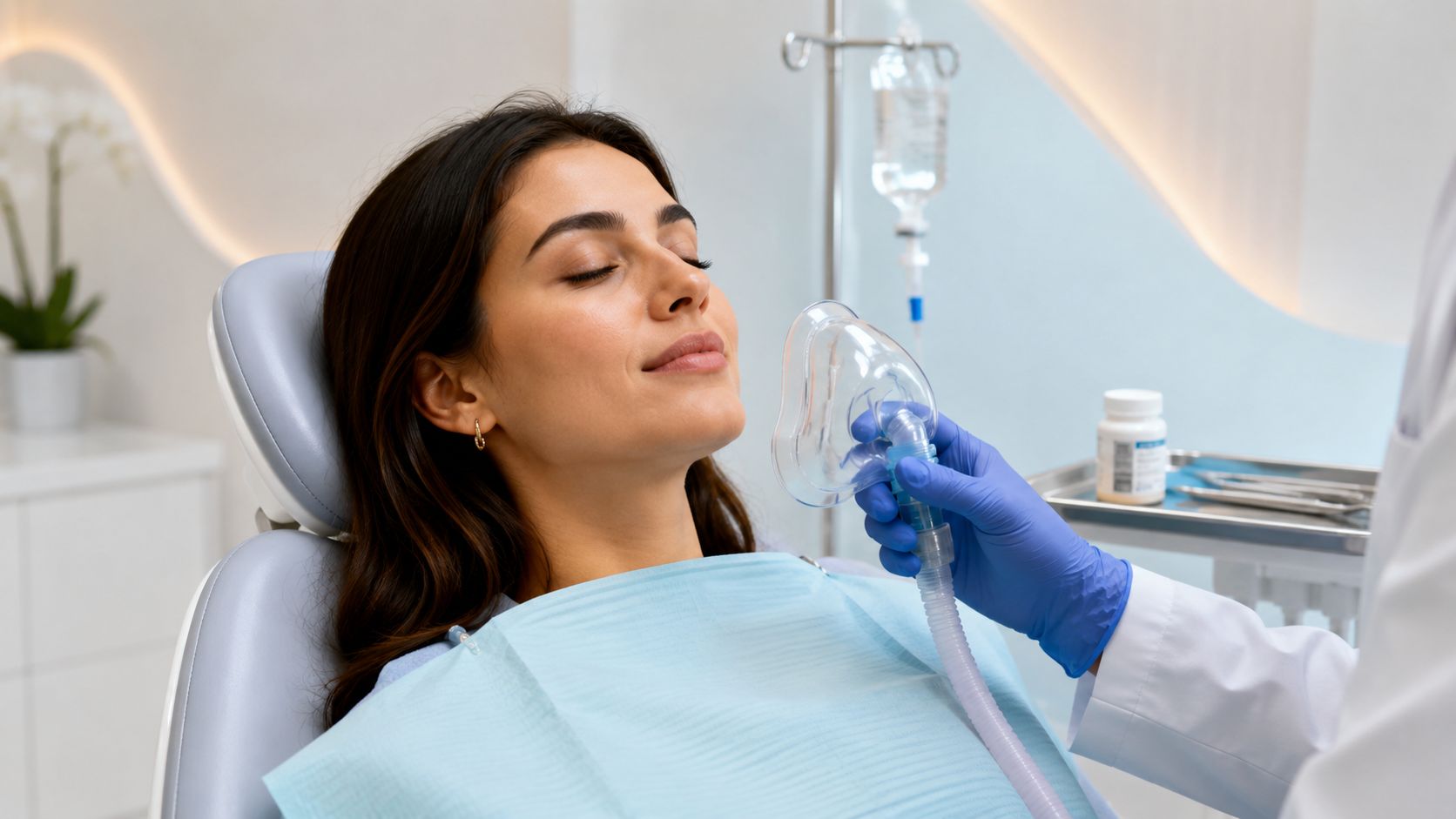
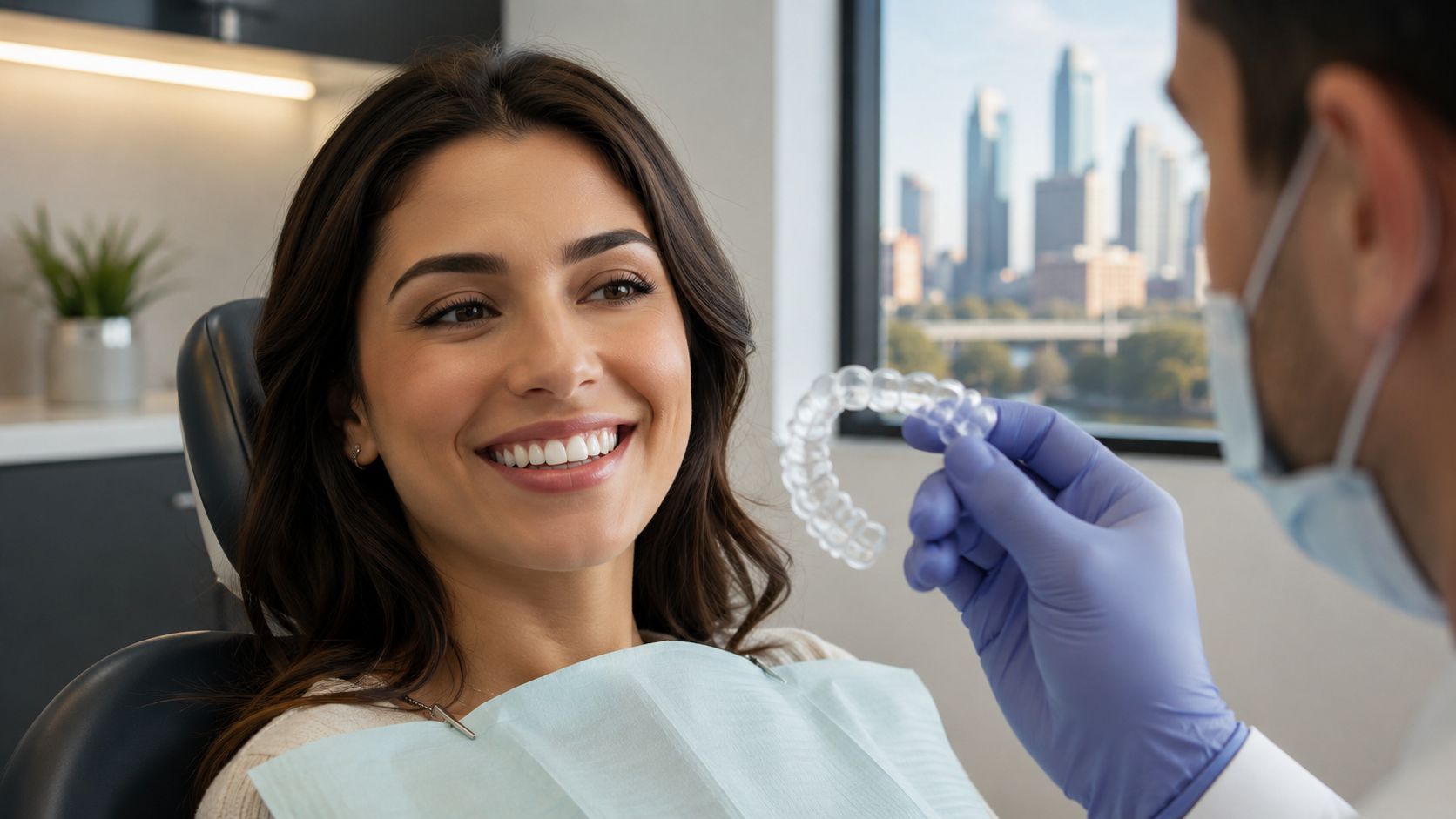
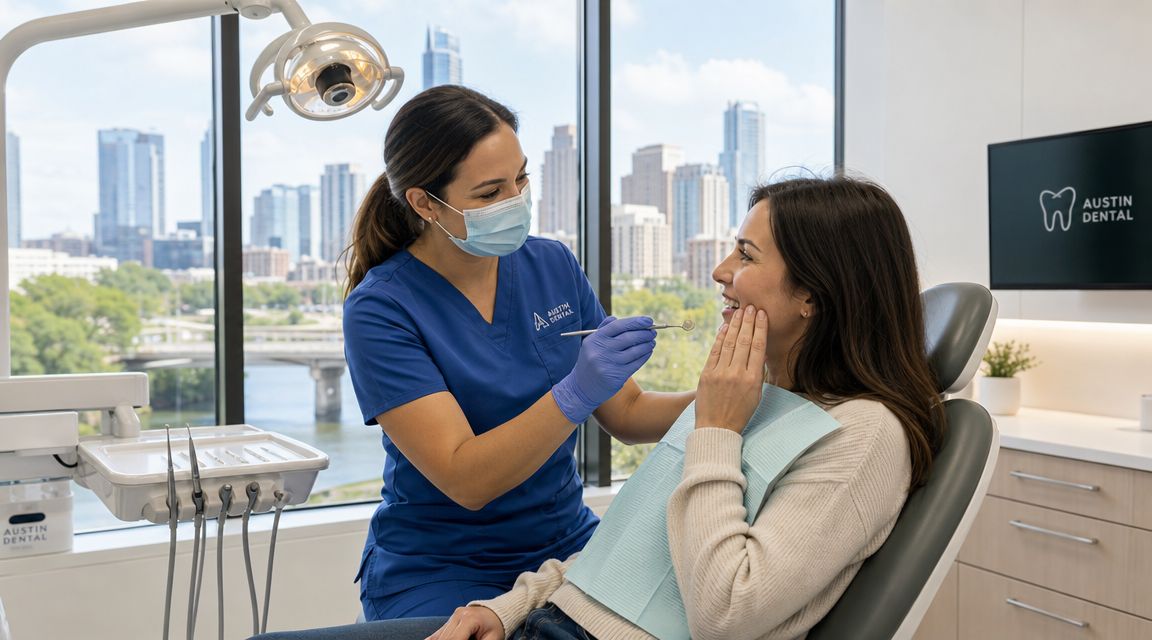



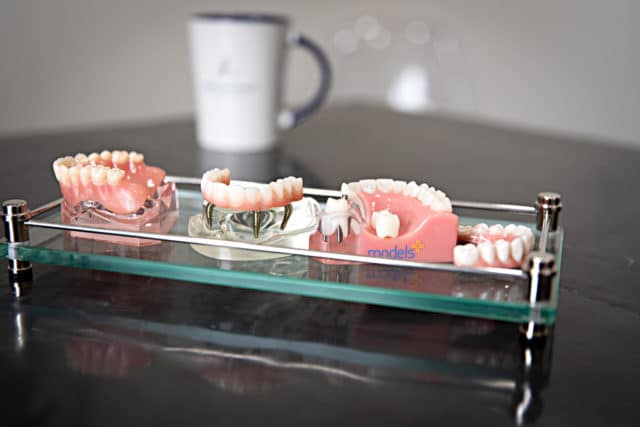
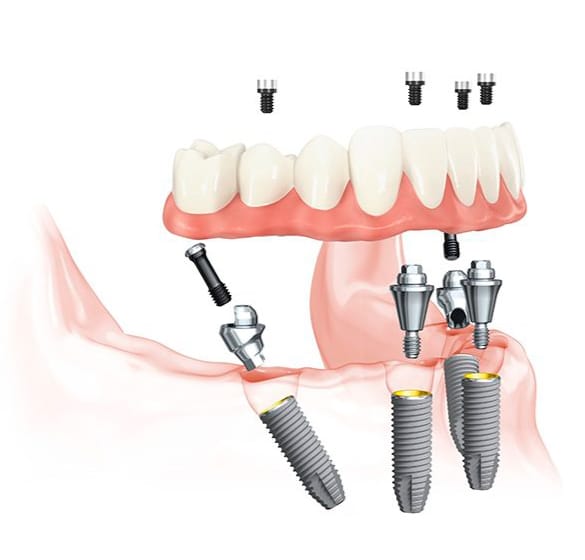
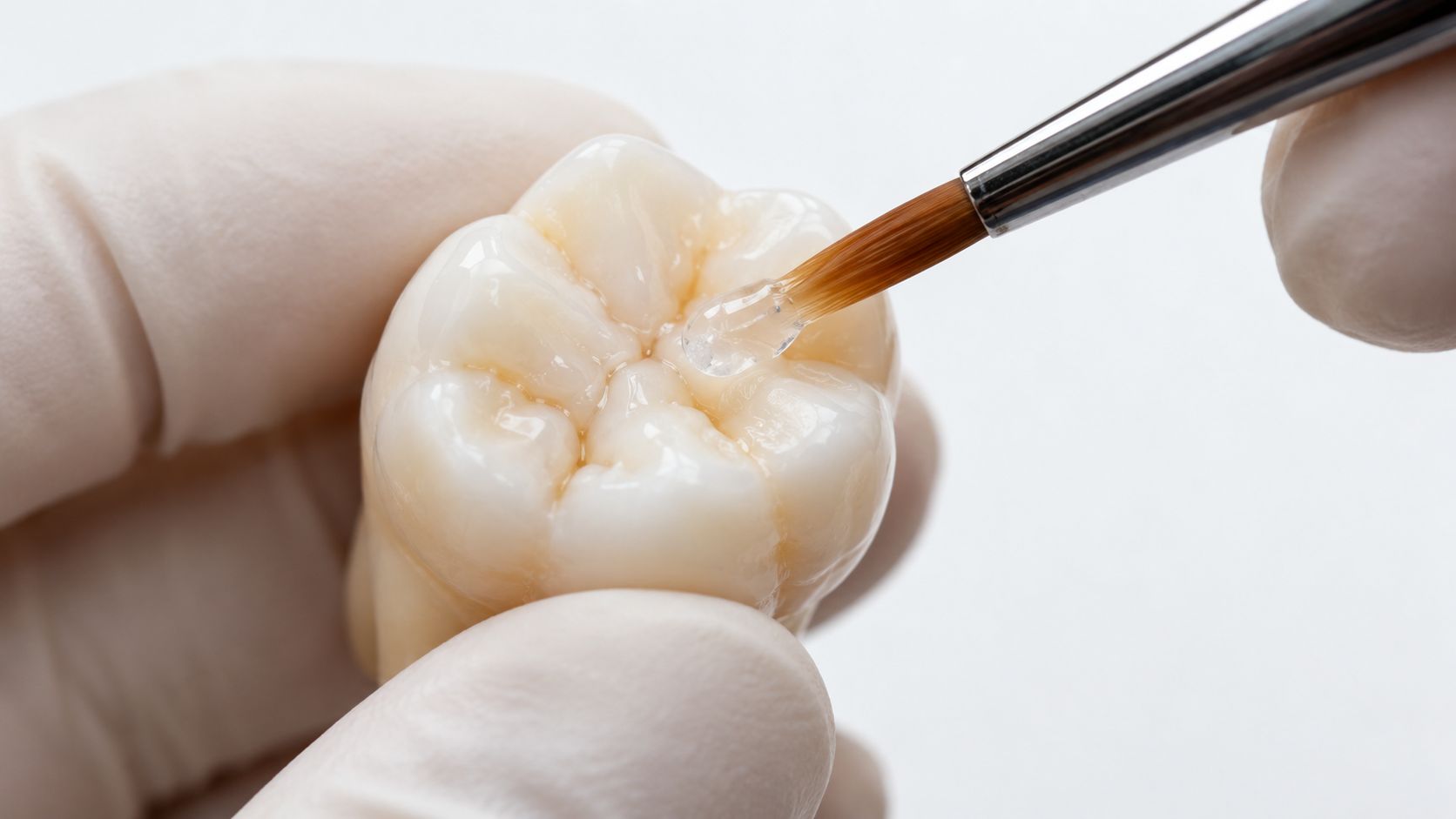
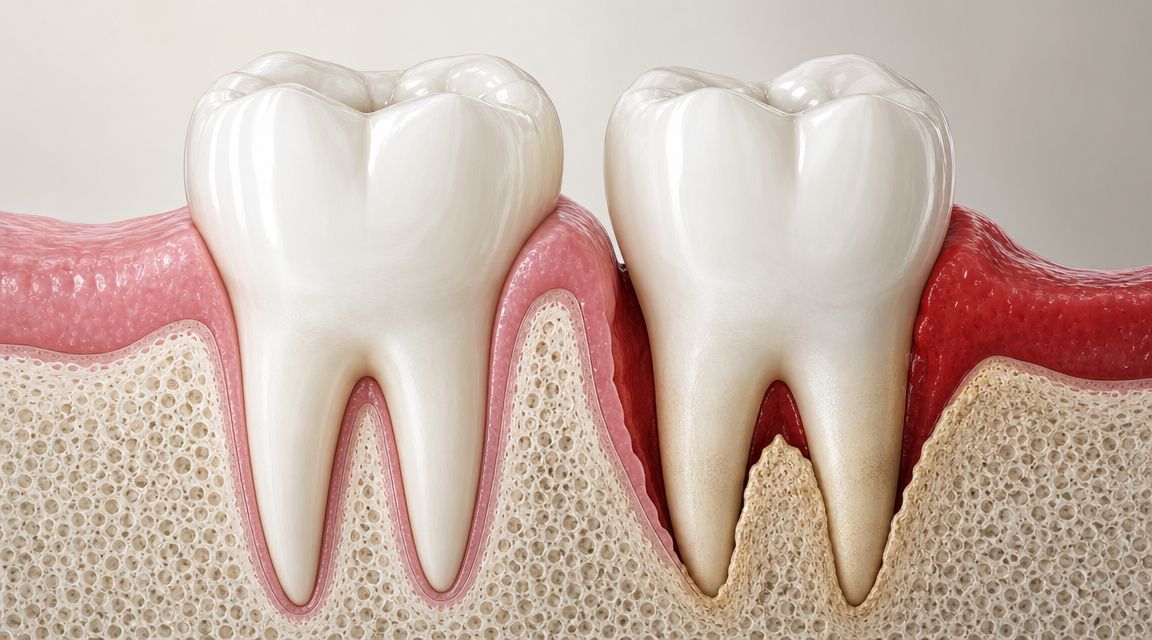




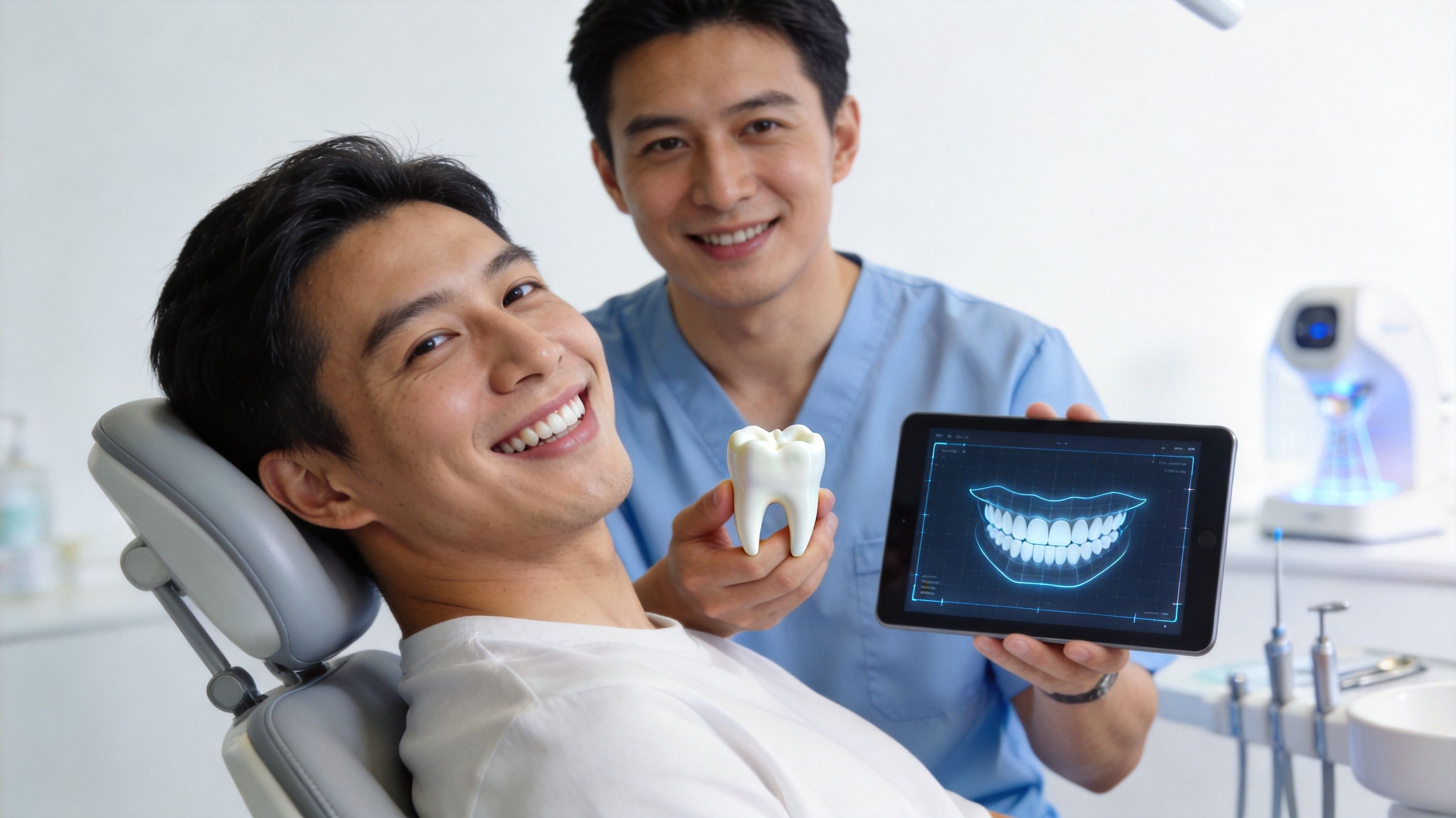
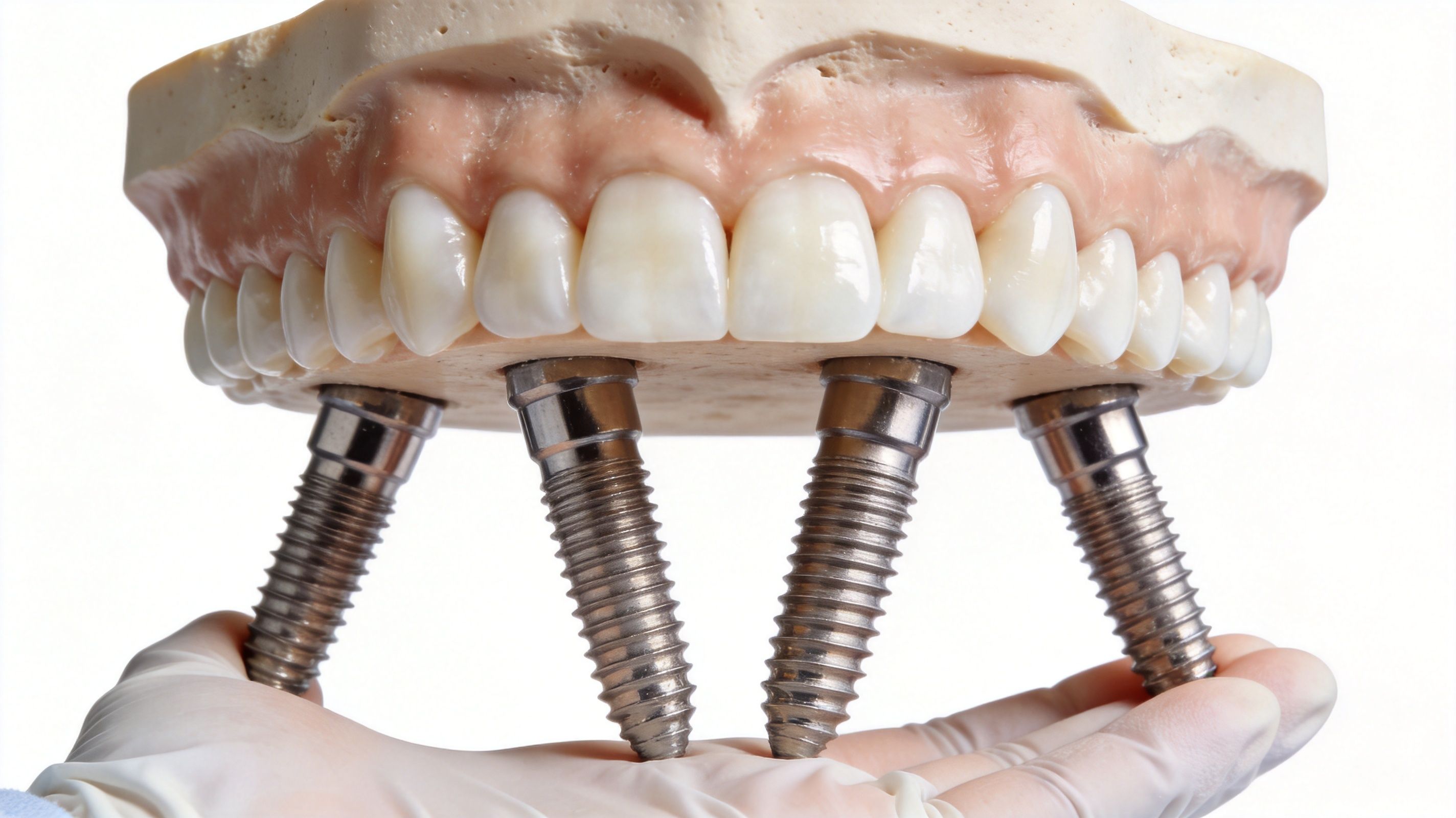
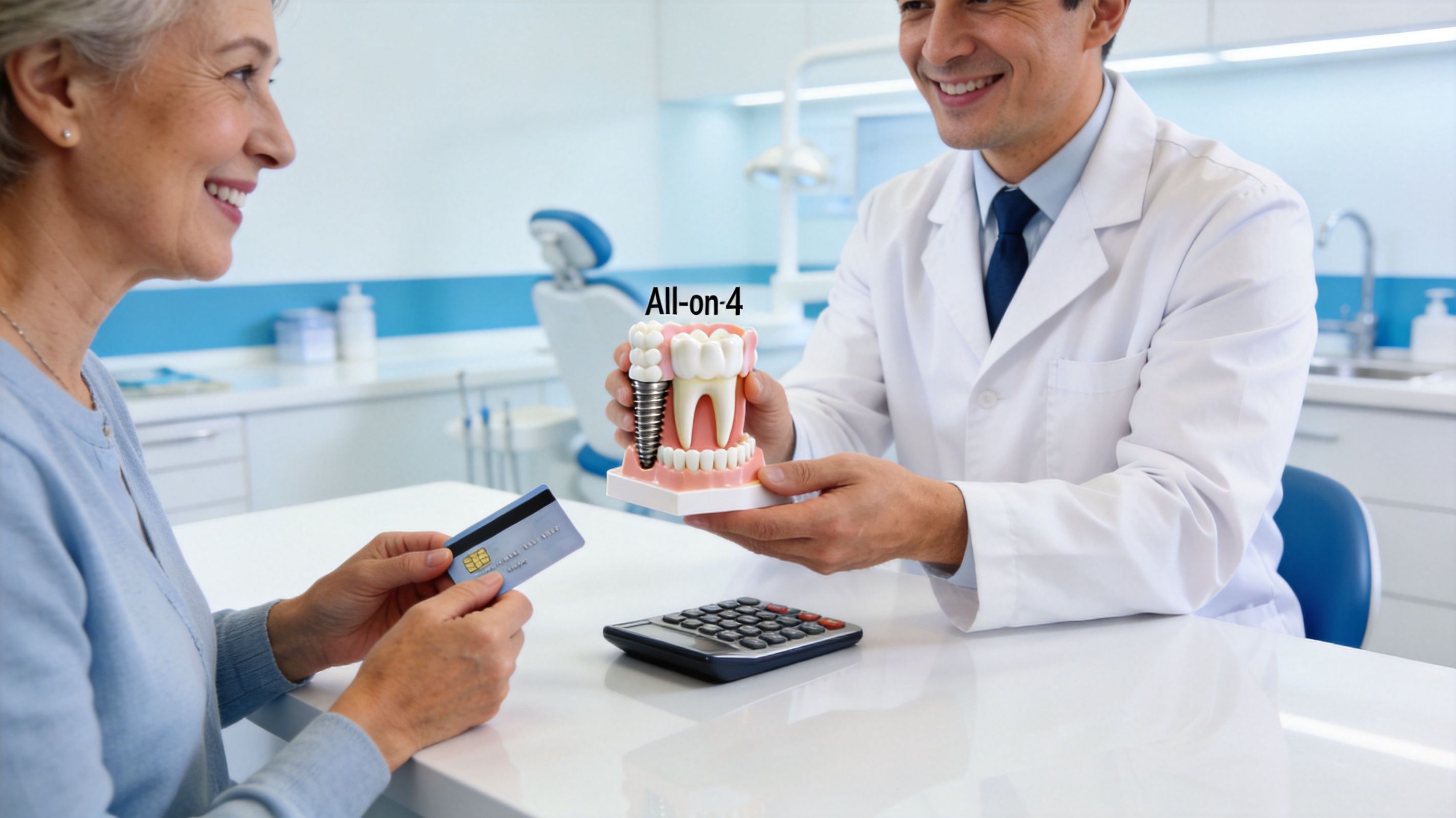







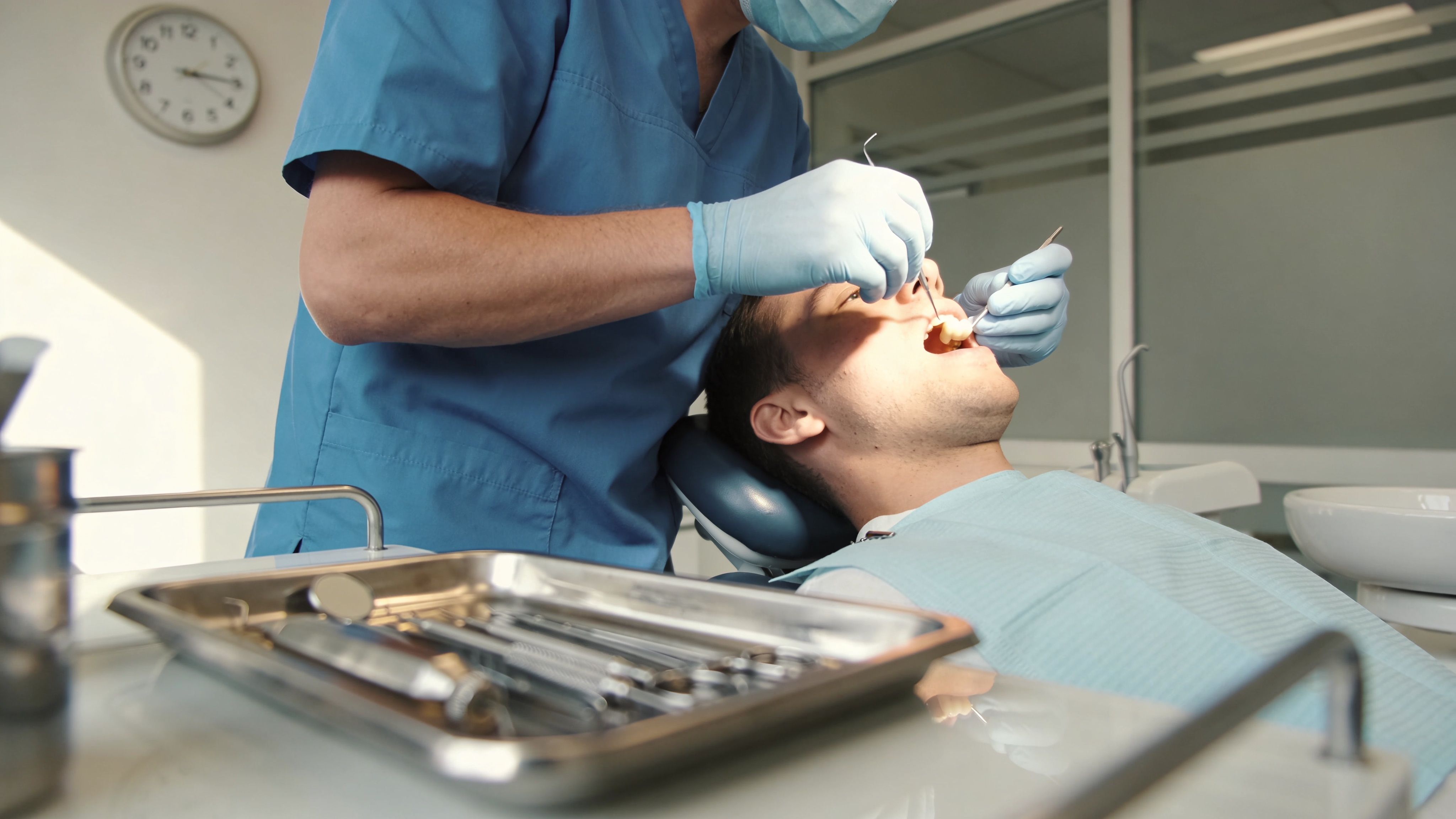

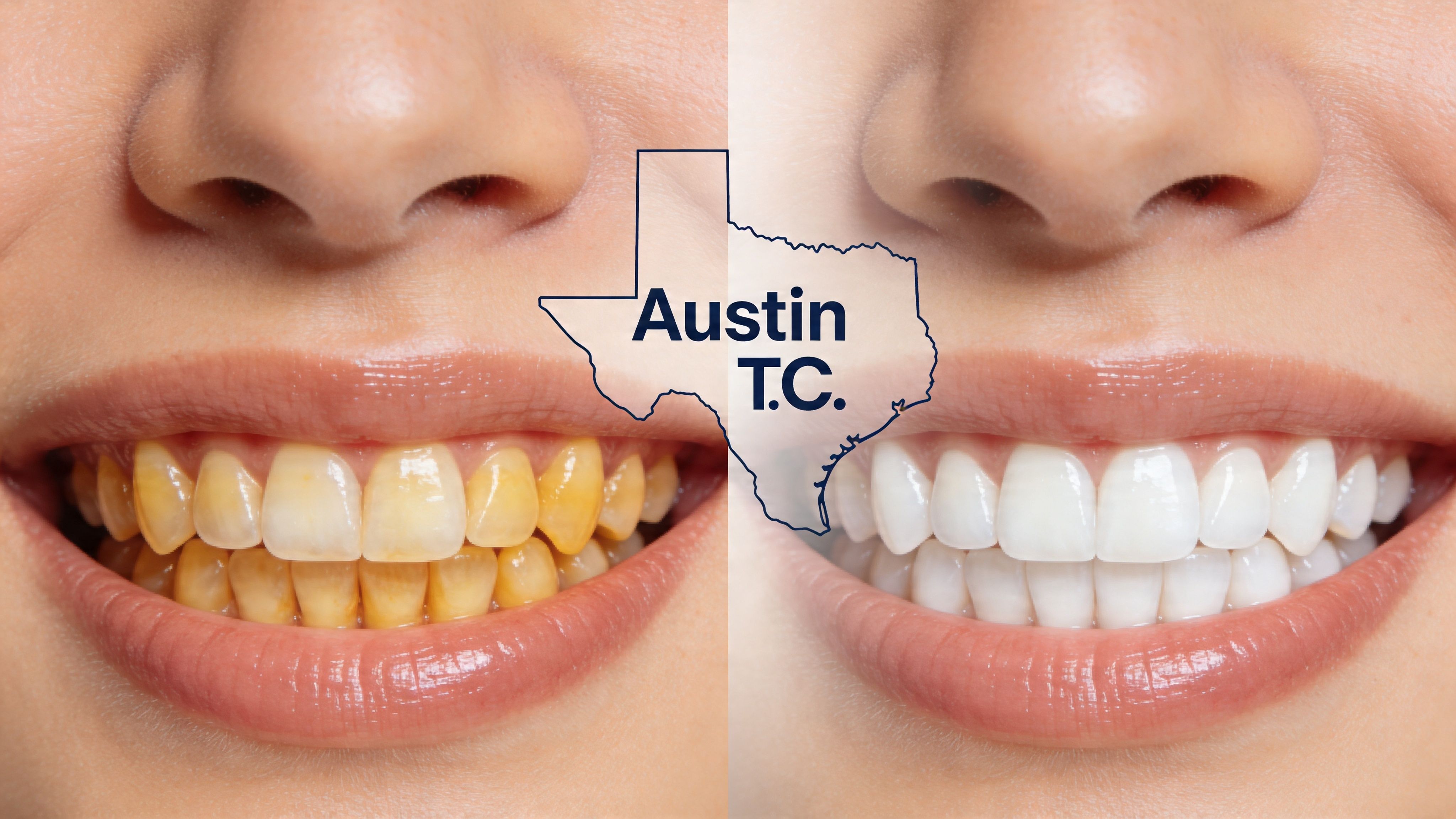
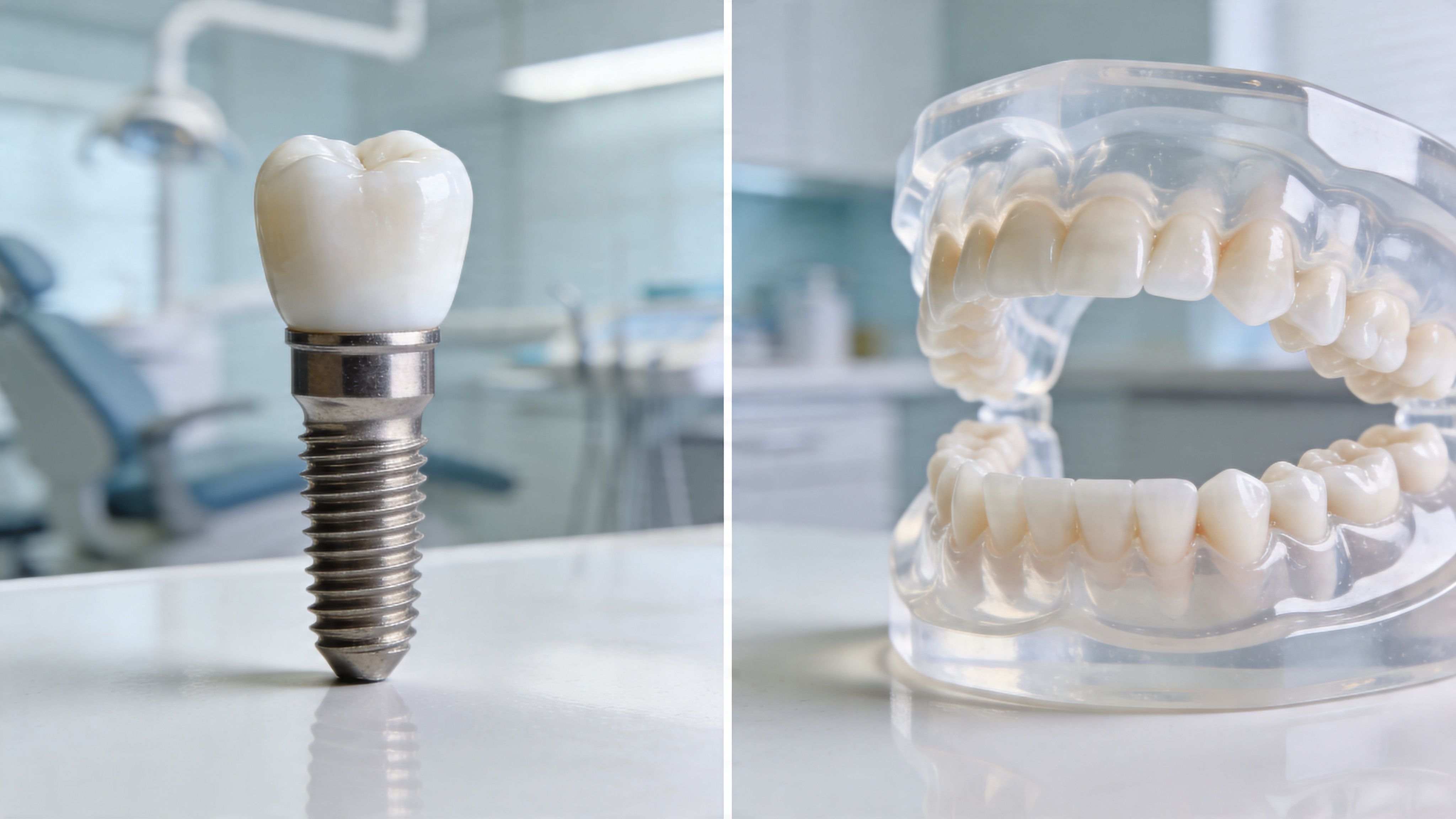
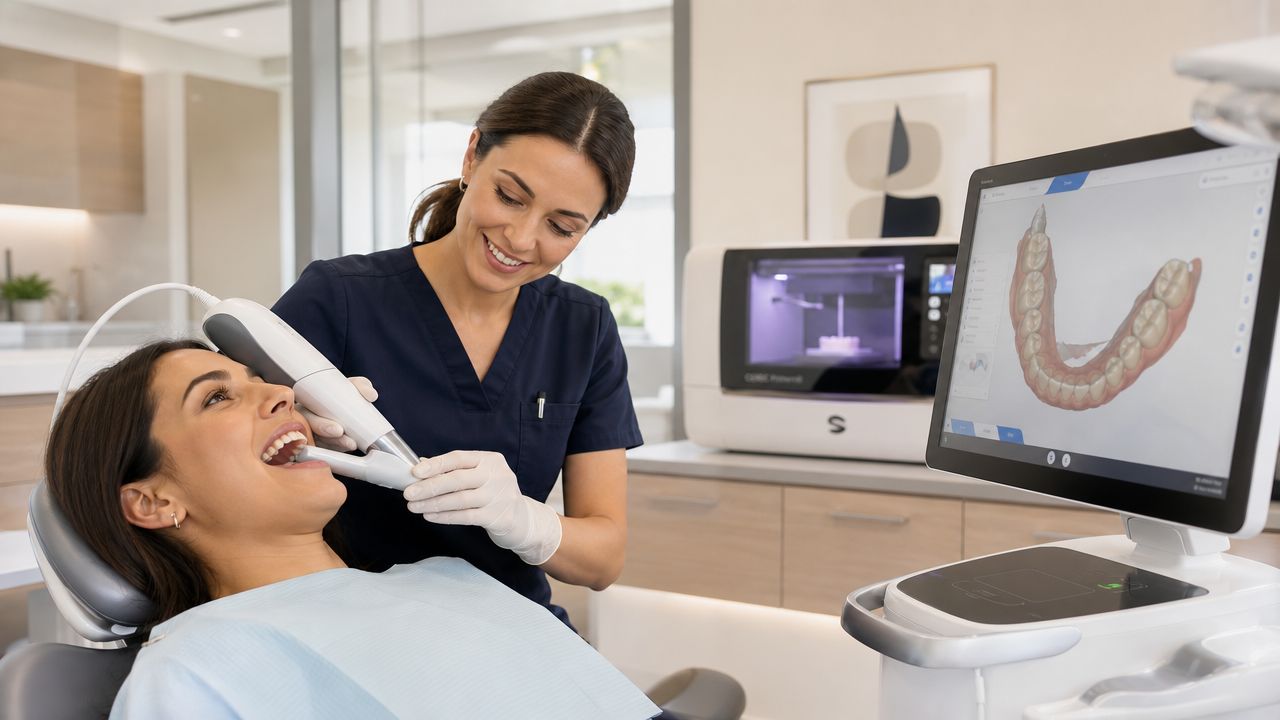
Looking for a dentist near me in Georgetown, TX or trying to find a practice that can handle everything from a routine cleaning to full-mouth implants, you're probably balancing a few concerns at once. You want care that feels comfortable, a team you can trust, and a process that doesn't send you all over town for scans, treatment, and follow-up.
That's where 3D dental care makes a real difference. At Georgetown's 3D-focused practice, the technology isn't there to sound impressive. It's there to help your dentist see more clearly, plan more precisely, and complete treatment more efficiently. For patients in Georgetown, Austin, Round Rock, Cedar Park, Wells Branch, and Liberty Hill, that can mean fewer surprises, better-fitting restorations, and a smoother experience from start to finish.
Your Trusted Dentist in Georgetown and North Austin
Many people put off dental visits for the same reasons. A tooth hurts, but they hope it settles down. They want a better smile, but they're unsure where to start. Or they need a new family dentist in Georgetown and don't want to gamble on a place that feels rushed or impersonal.
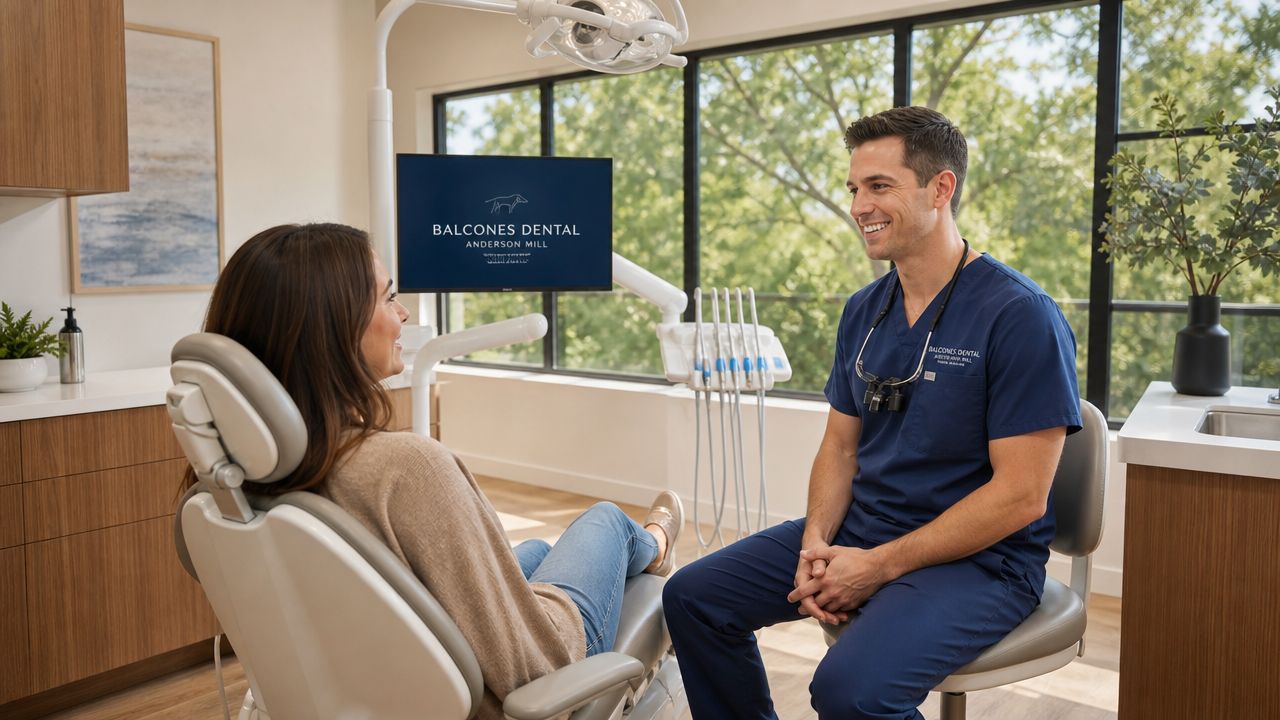
A modern dental office should make that decision easier, not harder. At Georgetown's 3D dental practice, the focus is on combining clear communication with advanced tools so patients can understand what's happening in their mouths and what their options are. If you're comparing choices for a dentist in Georgetown, TX, that matters.
What local patients are usually looking for
Some people come in because they need the basics. They're due for a cleaning, exam, or digital x-rays. Others are dealing with something more urgent, like a cracked tooth, swelling, or the need for a tooth extraction. Many are thinking longer term and searching for dental implants near me, cosmetic dentist near me, or a practice that can manage a full smile rebuild.
That range is important because dental care isn't one-size-fits-all. A college student in North Austin might want clear aligners. A parent in Georgetown may want one office for cleanings and emergency care. Someone in Cedar Park or Round Rock may be ready to replace missing teeth and wants a team that can handle planning and restoration in one place.
Good dentistry starts by reducing uncertainty. When patients can see the problem clearly, treatment feels less intimidating.
Why the local approach matters
A community-based practice should feel accessible and familiar. You shouldn't feel like a number in a large system, especially when you're making decisions about implants, cosmetic dentistry, or restorative work that affects everyday comfort and confidence.
The Georgetown office also reflects a smaller practice structure. ZoomInfo lists the office at 10 to 19 employees and USD 1 million to USD 5 million in revenue, which supports the picture of a small-to-mid-sized dental practice rather than a large corporate clinic, as described on the practice website and business listing at Georgetown 3D Dental.
For many patients, that means a more coordinated experience. The same office can guide you through prevention, repair, smile improvement, and implant care without unnecessary handoffs.
How 3D Technology Revolutionizes Your Dental Care
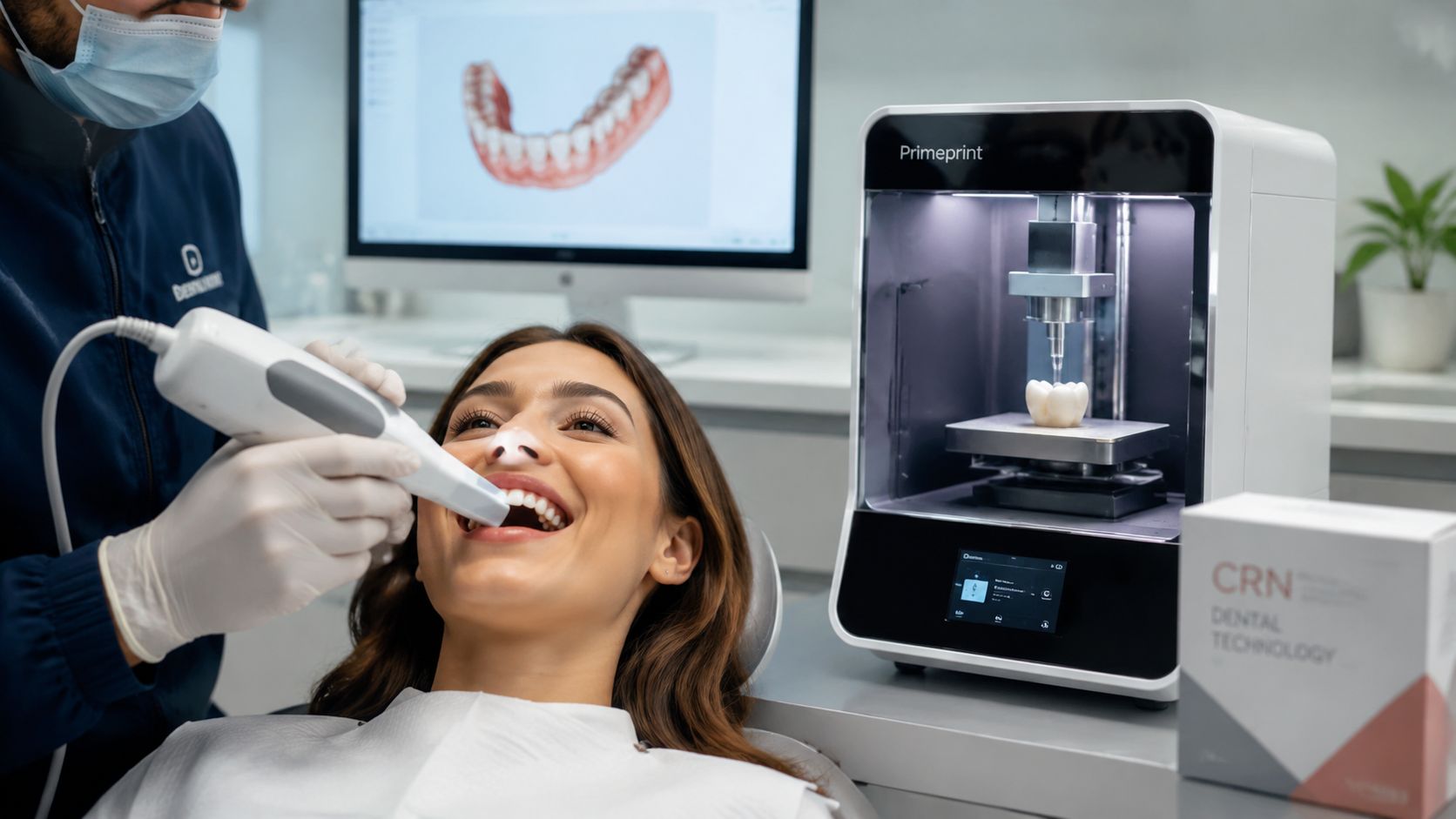
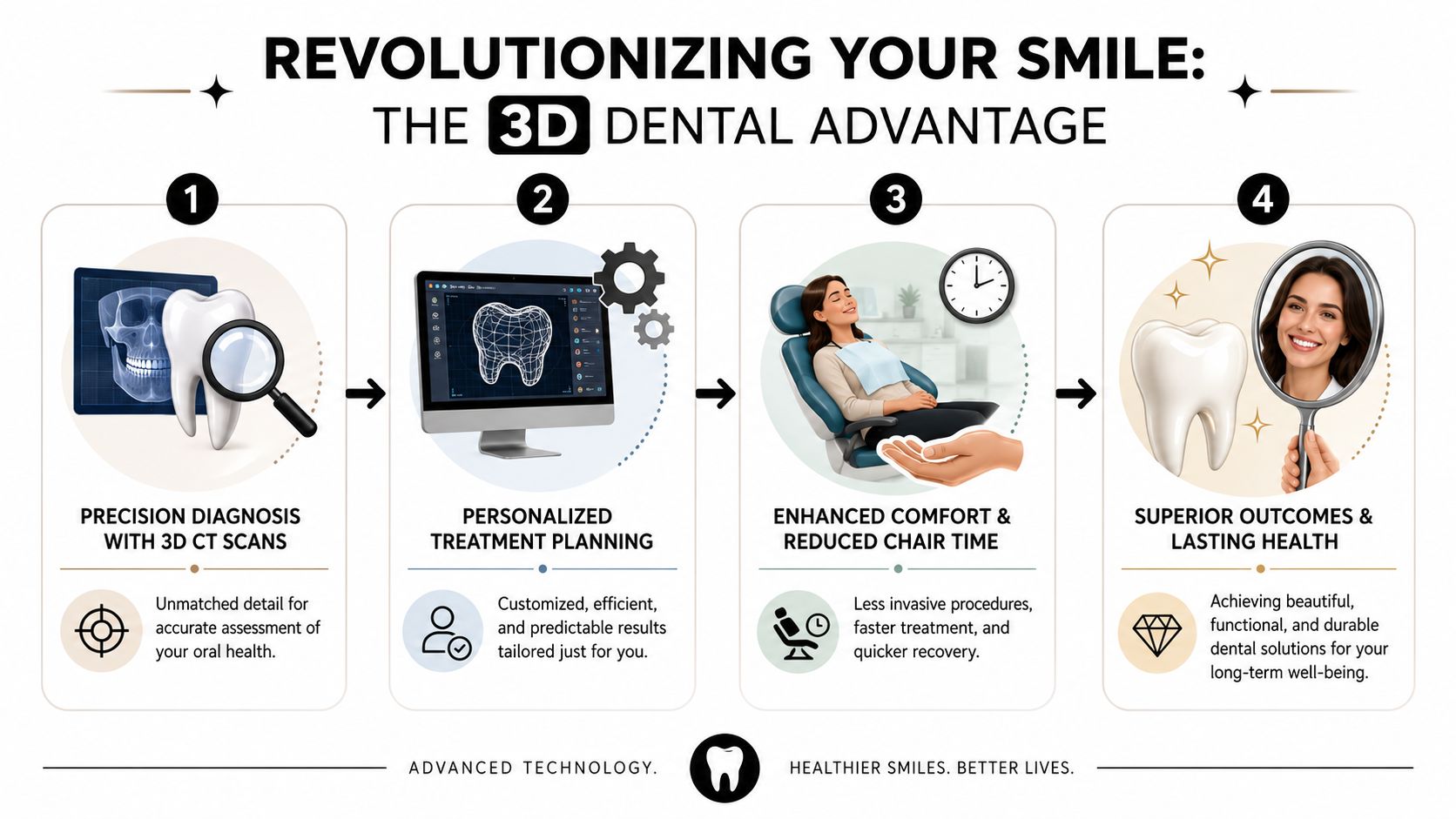
The name “3D dental Georgetown” points to something practical. It means your dentist isn't relying only on flat images and older-style impressions. Instead, the office uses 3D CT imaging, digital scanners, digital x-rays, and 3D printers as part of one connected workflow.
That matters because dentistry works better when planning is based on accurate information. Teeth, gums, bone, bite position, and the shape of a restoration all affect the final result.
What the technology actually does
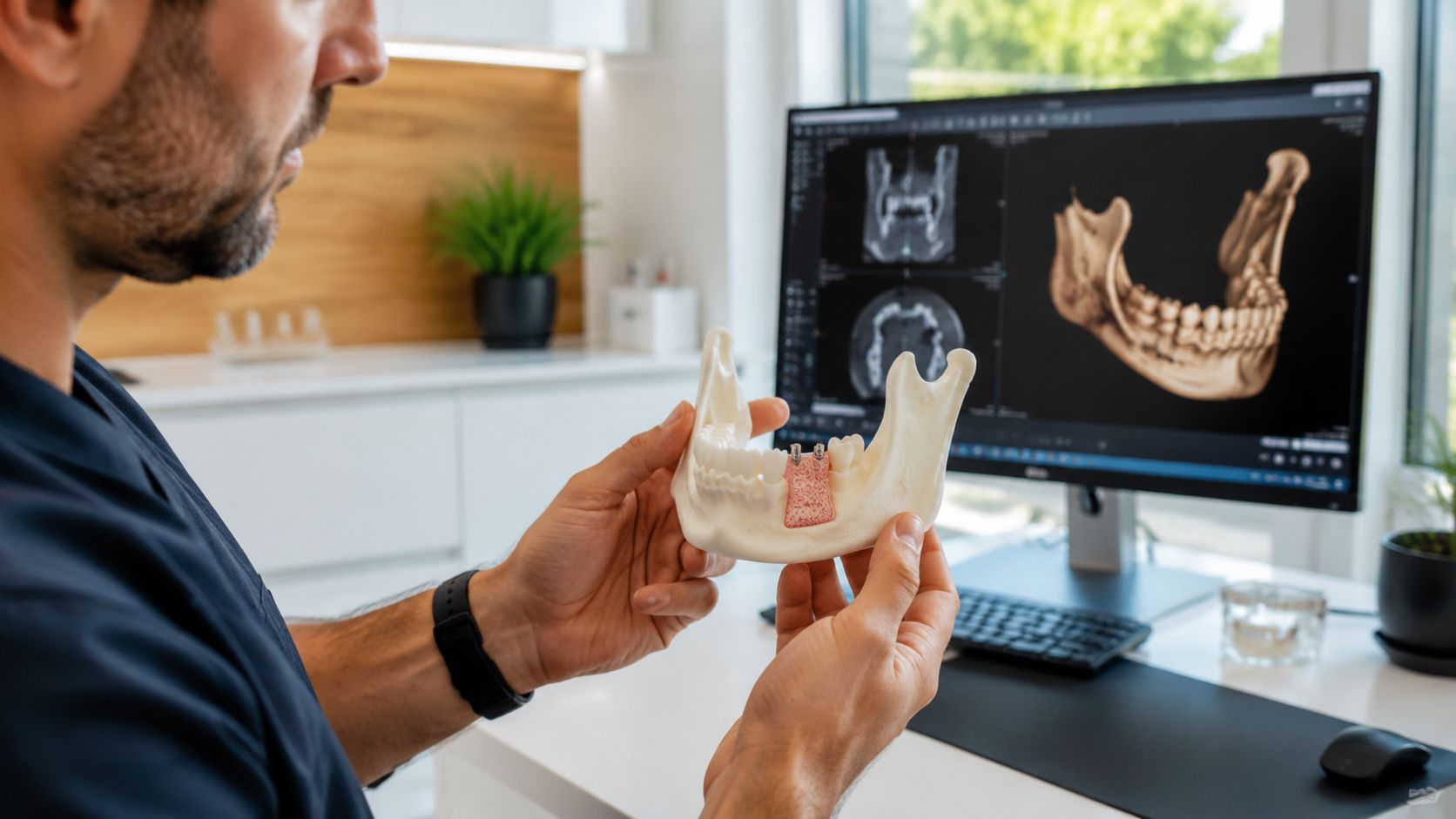
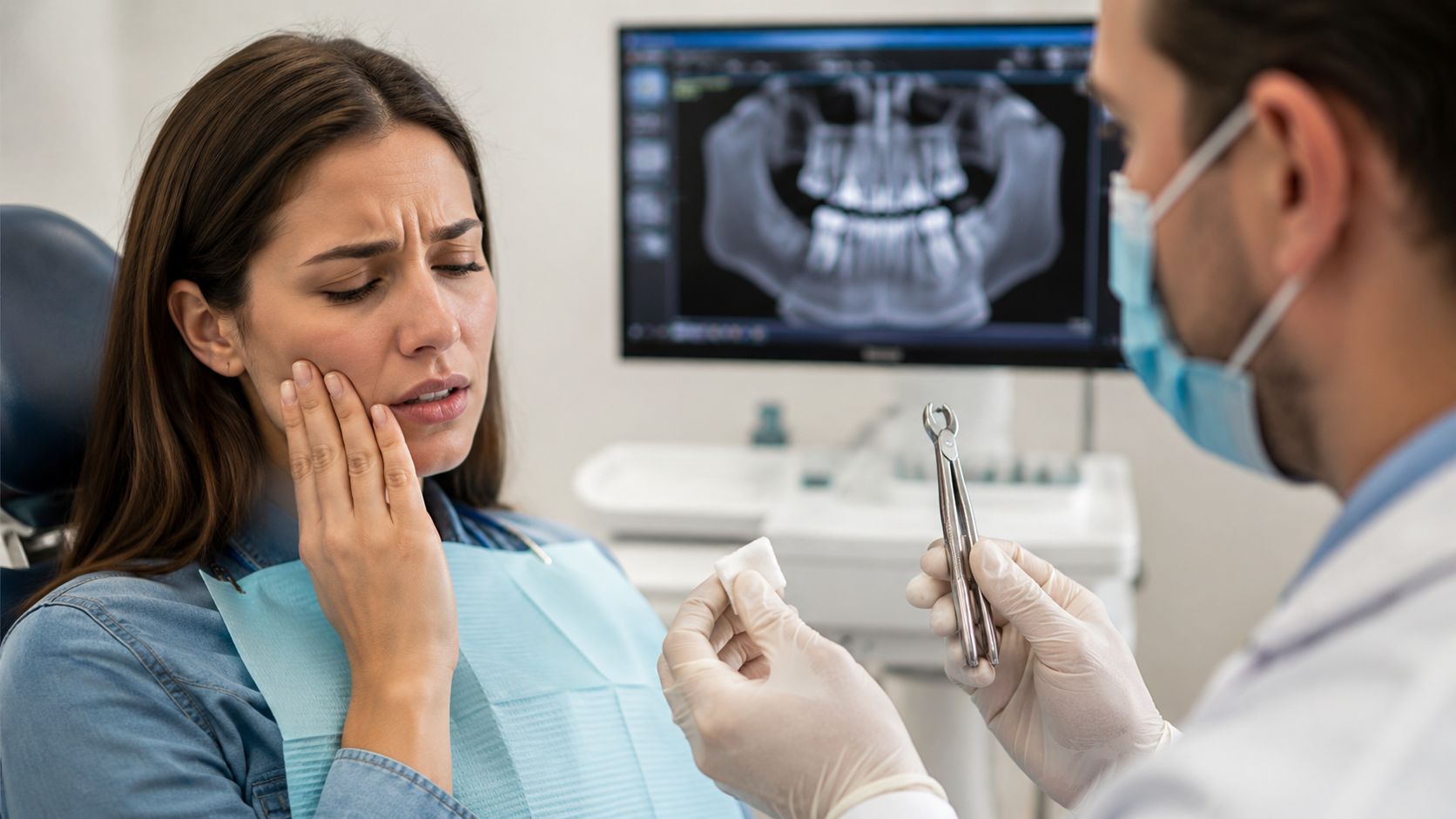
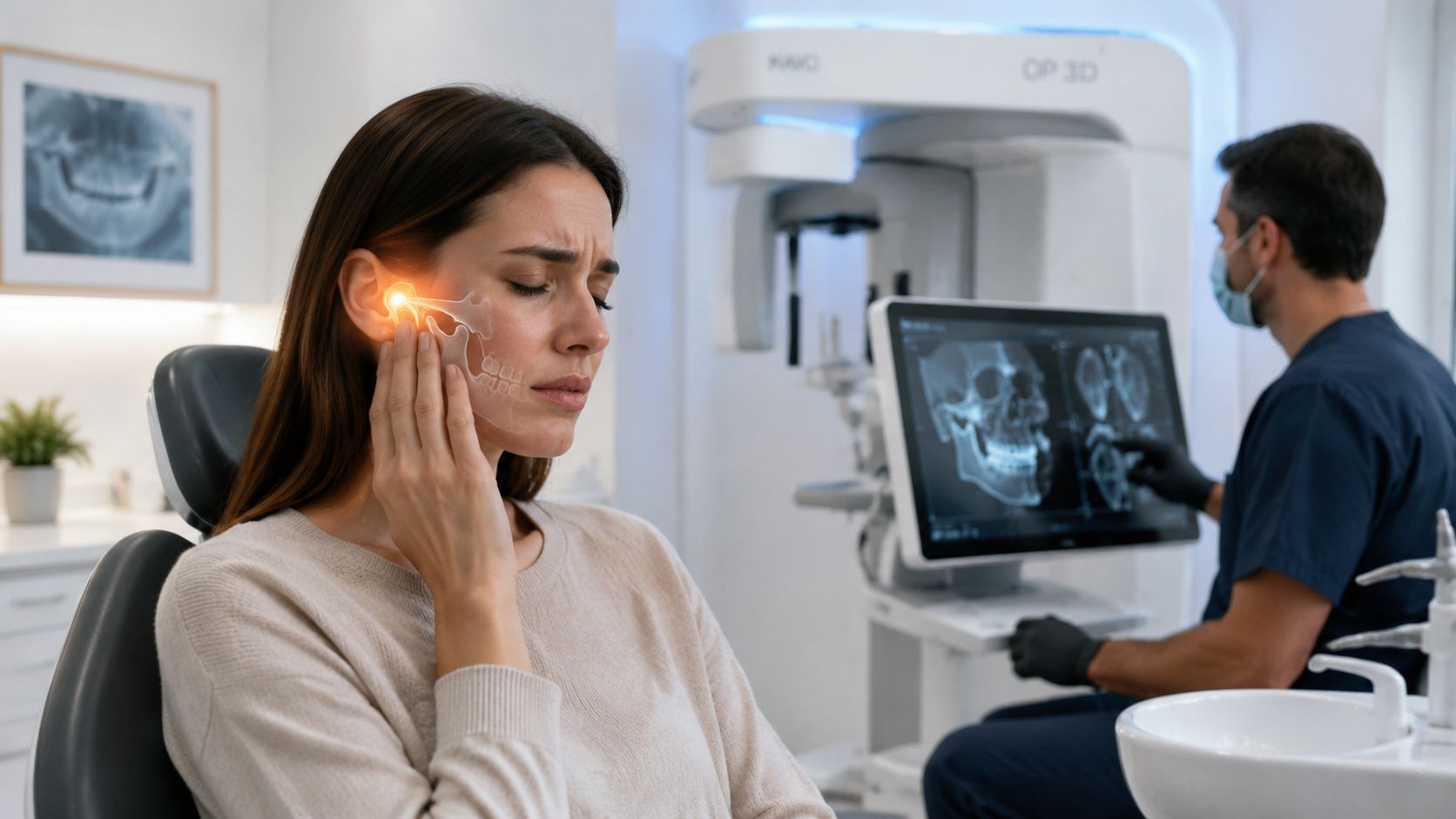
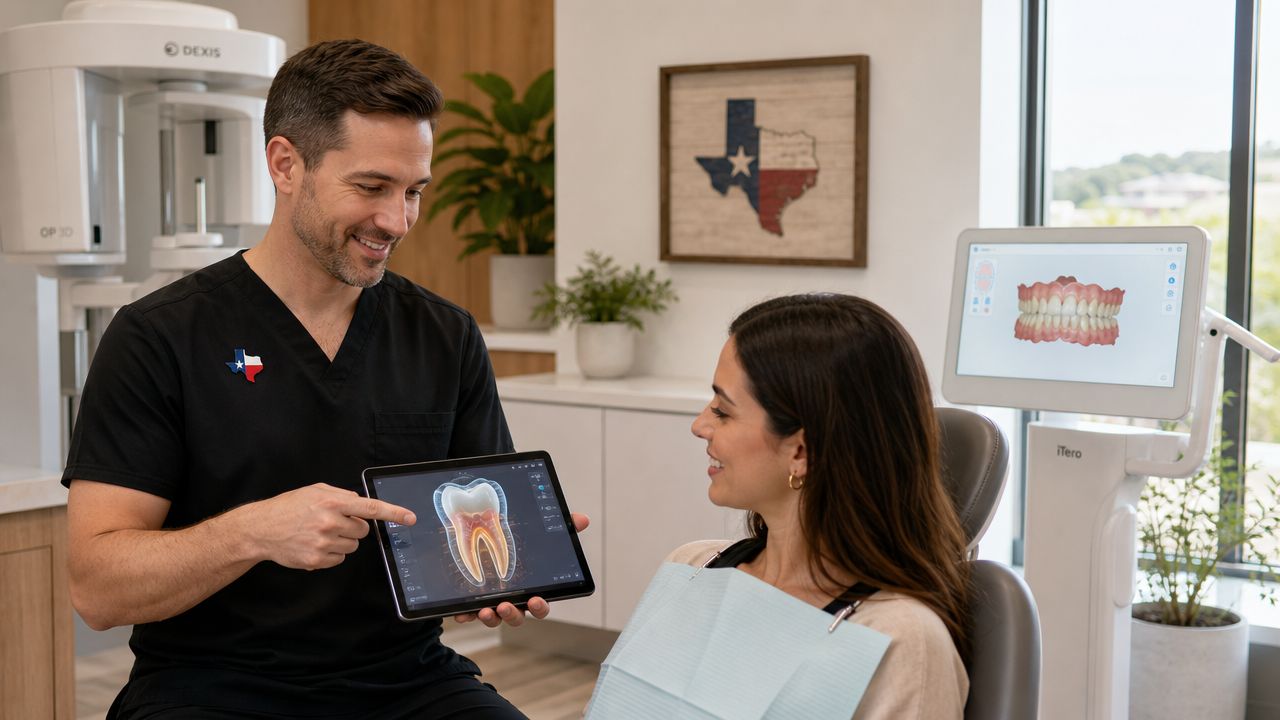
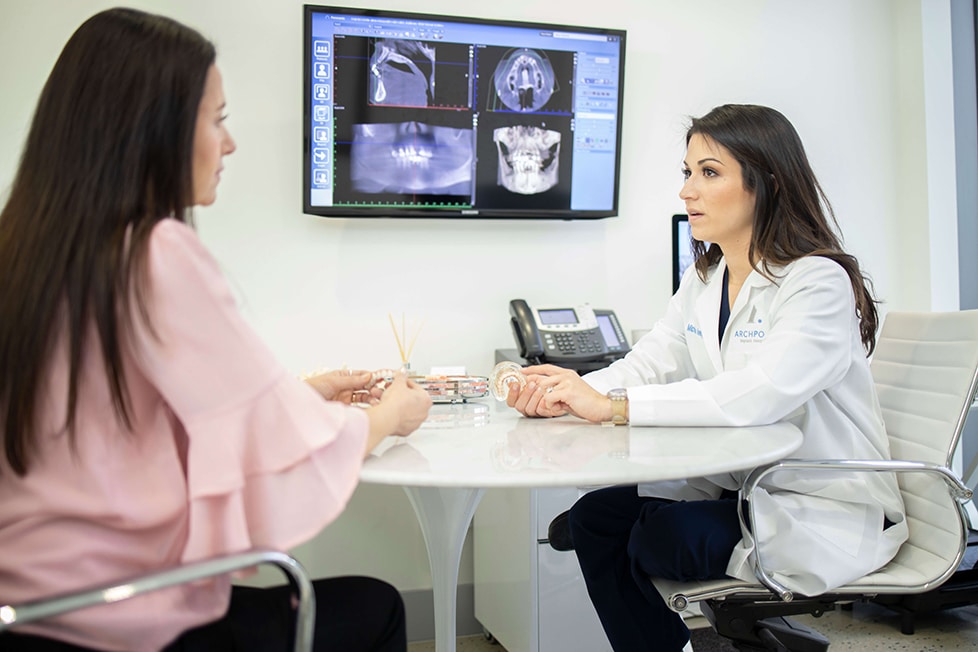
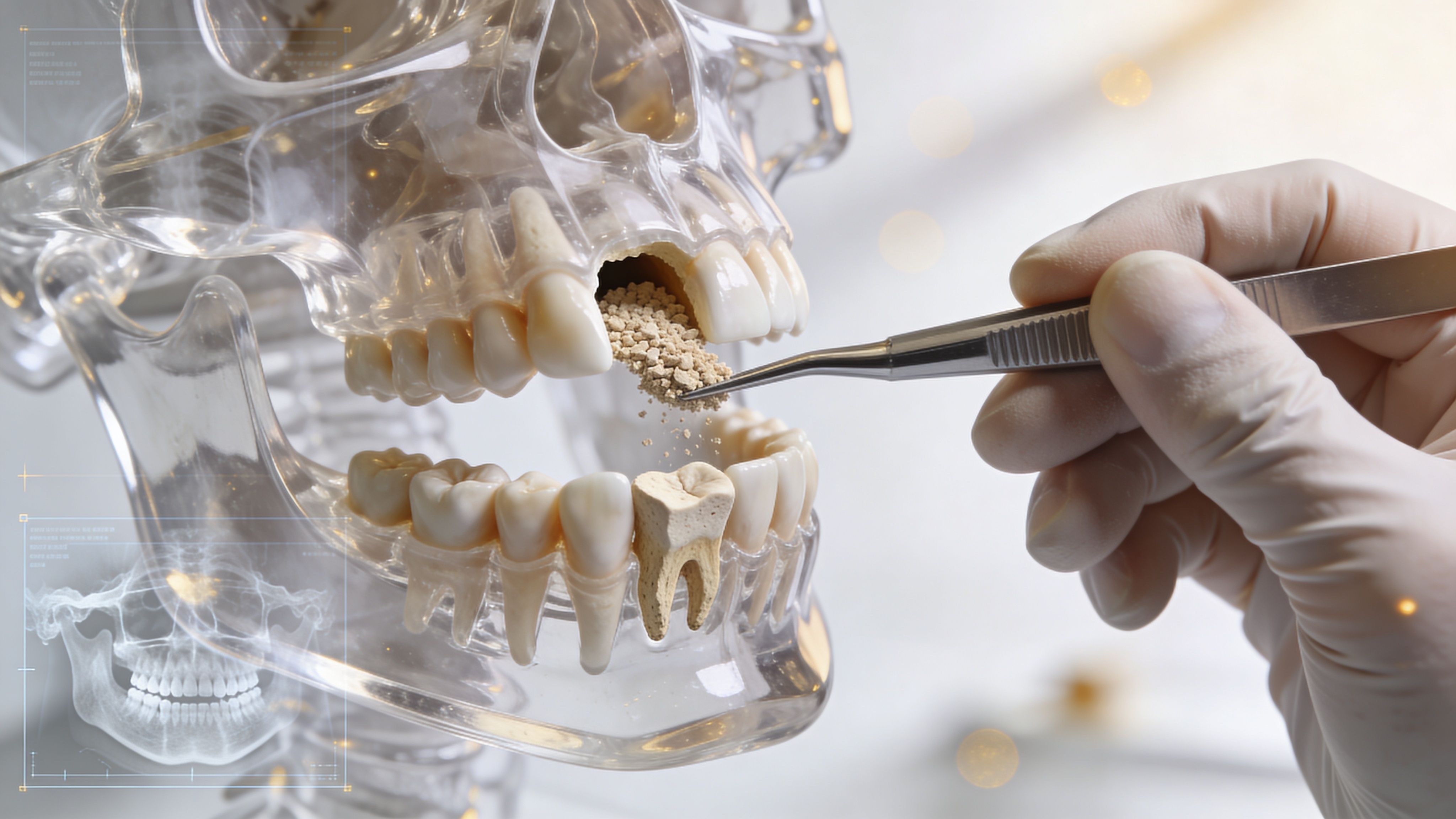
A 3D CT scan is like having a detailed map before starting a complicated drive. Instead of guessing what's under the surface, your dentist can evaluate bone and surrounding structures before placing an implant, planning an extraction, or reviewing other treatment.
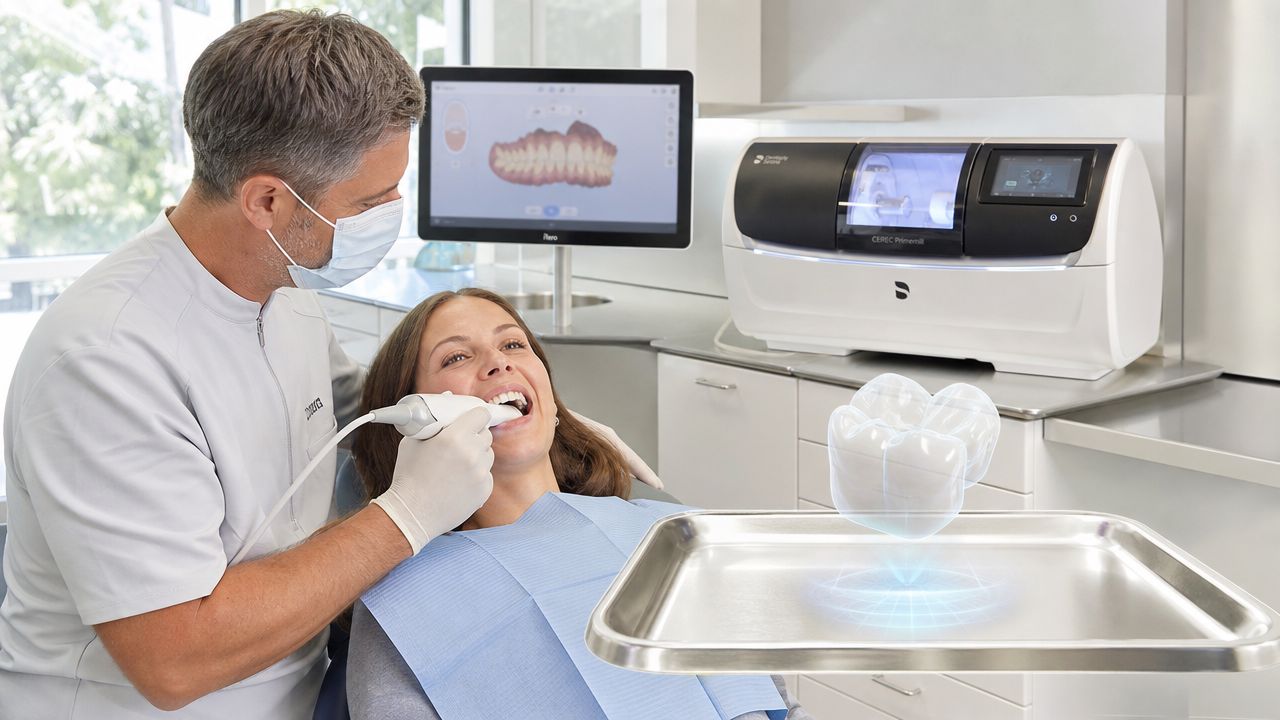
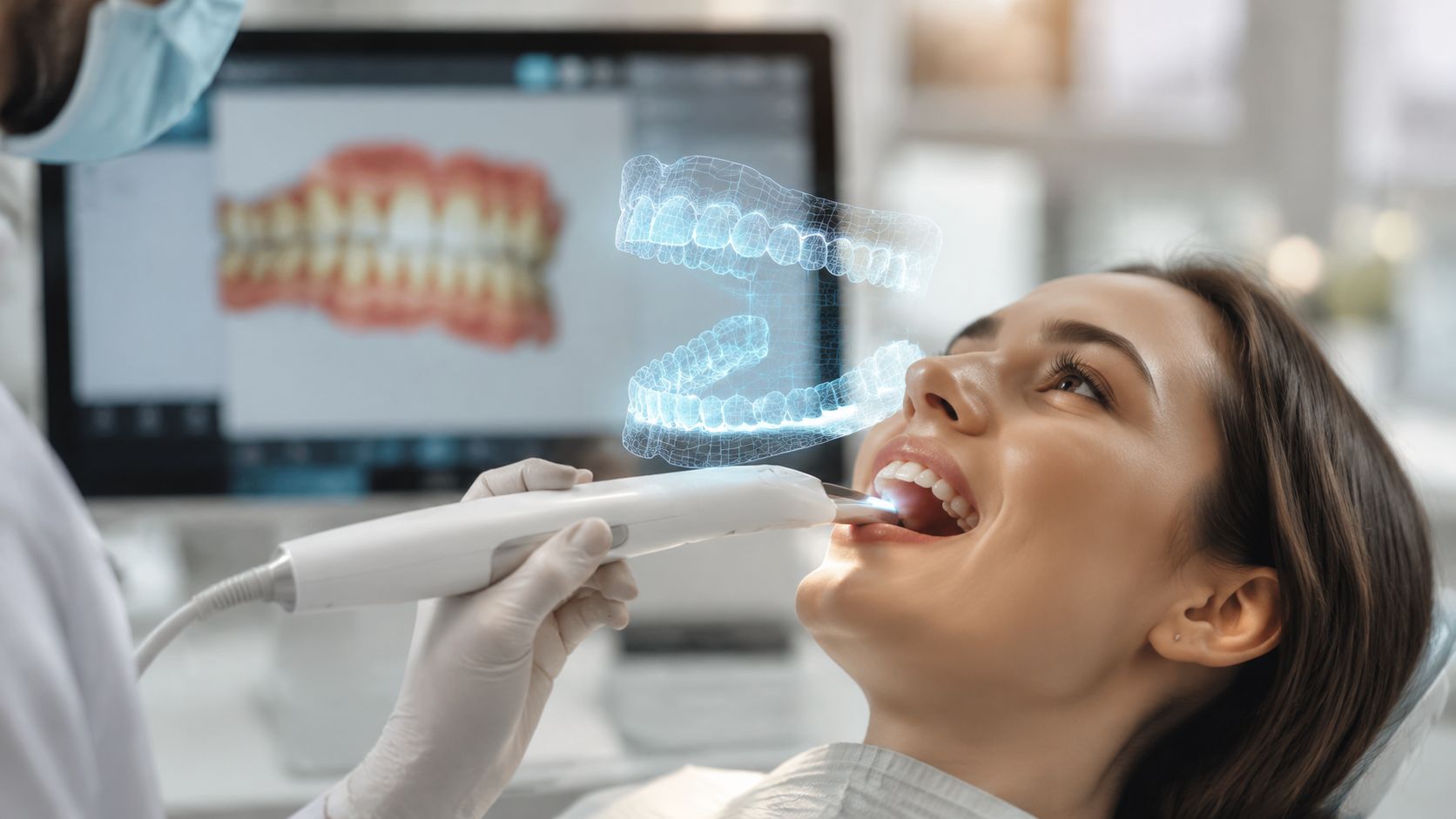
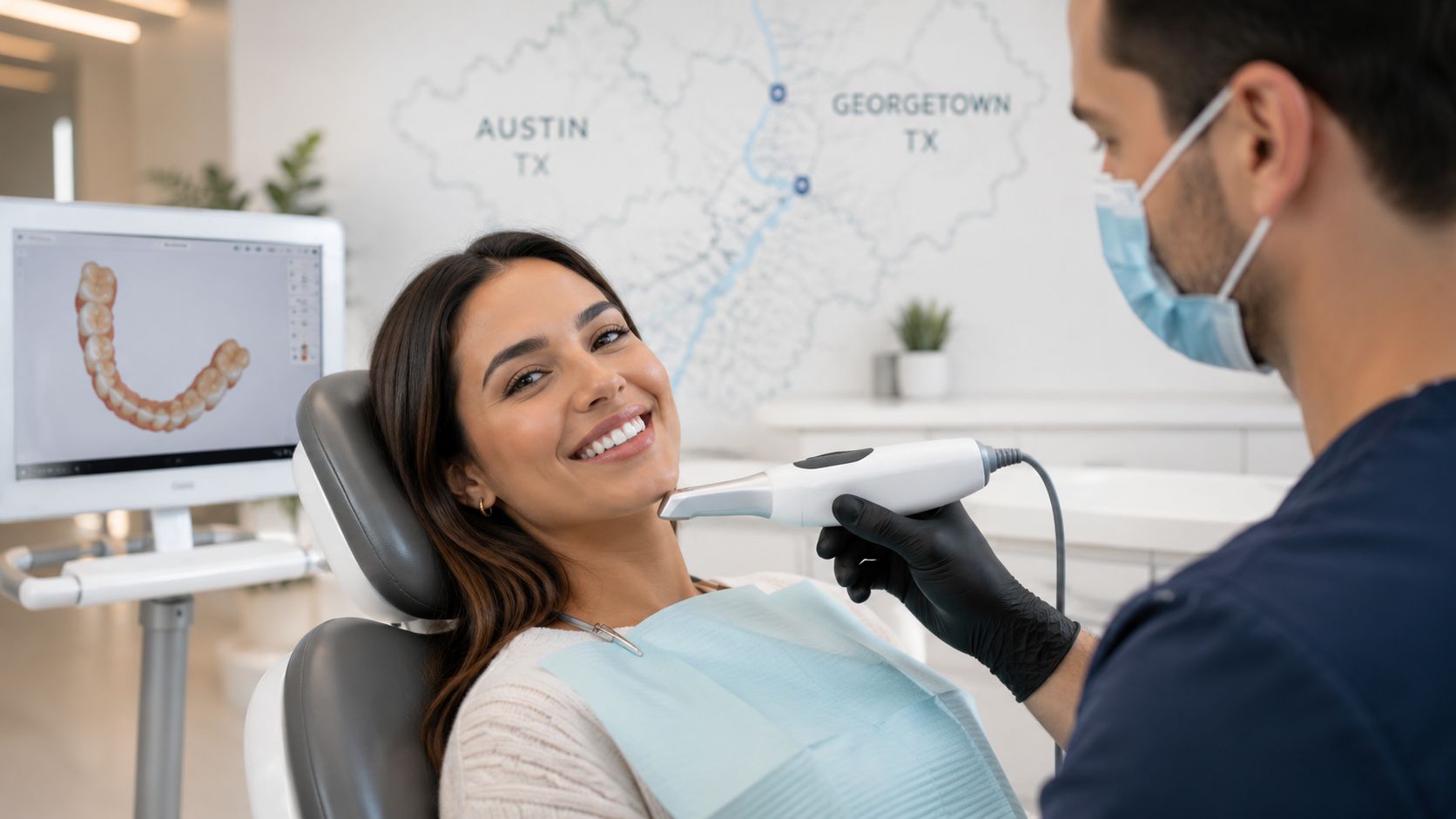
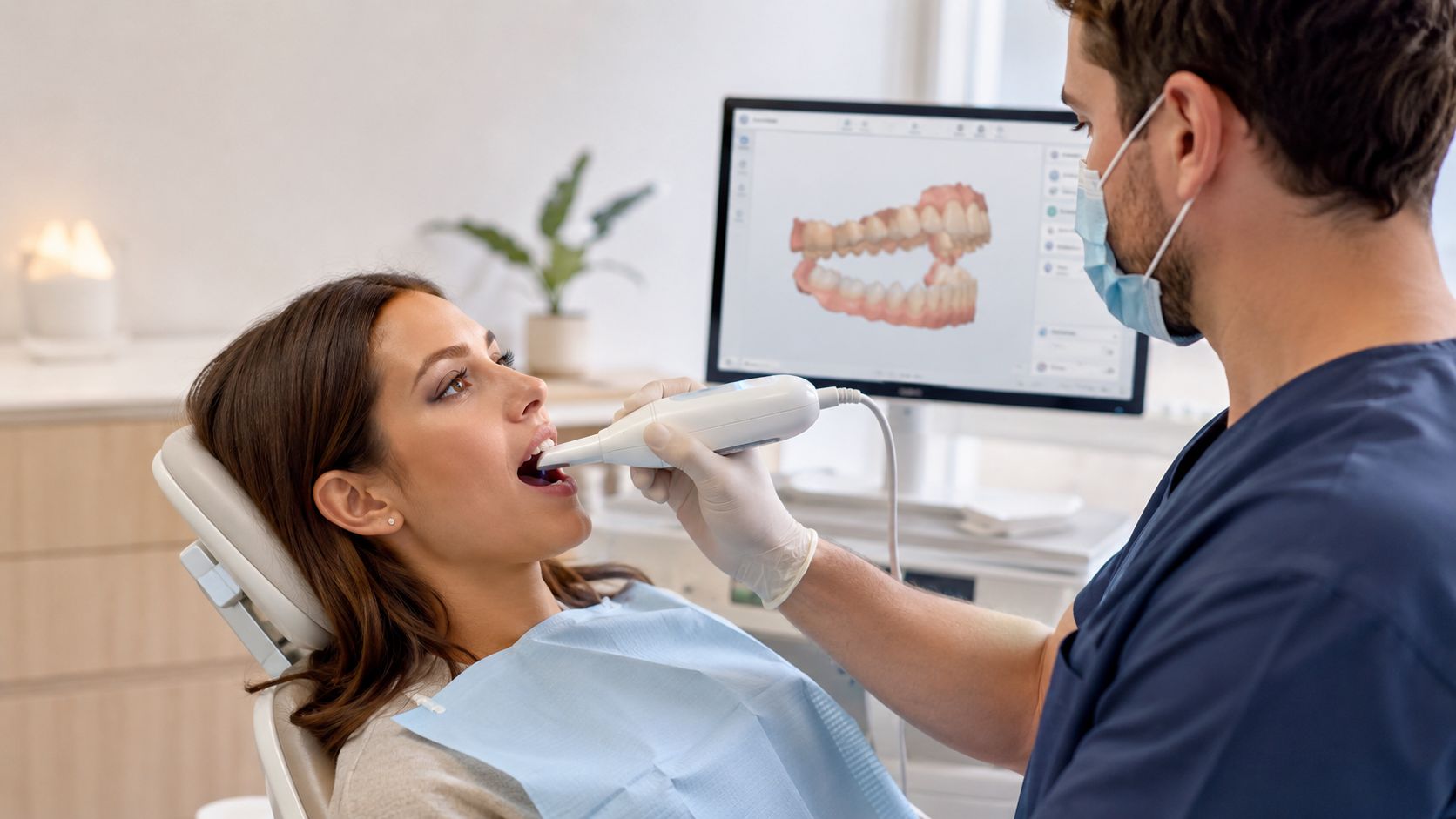
A digital intraoral scanner replaces the old experience many patients dislike most. Rather than filling a tray with impression material and waiting while it sets, the scanner captures a digital model of your teeth and bite.
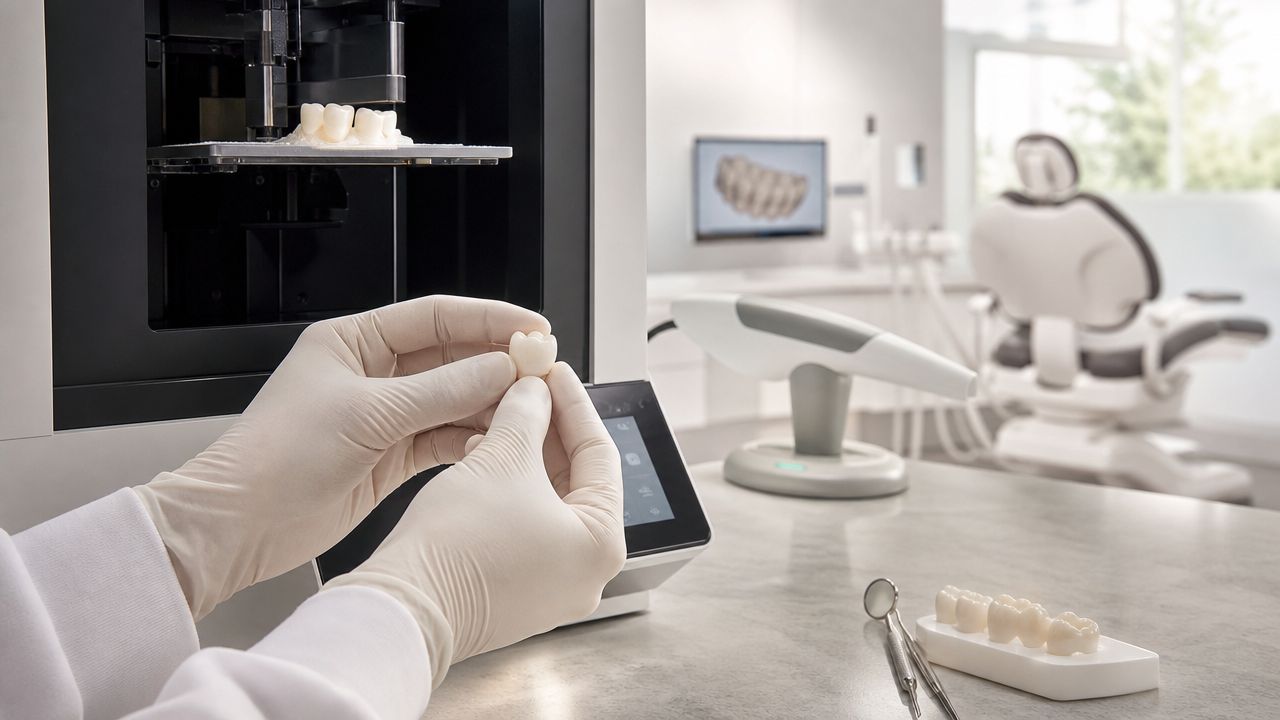
An in-house 3D printing process helps turn that digital plan into a real restoration, model, or guide more efficiently. That's especially useful when the office also has an in-house lab, because the design and fabrication process stays under one roof.
Why patients feel the difference
When these tools work together, the result isn't just “high tech.” It's a better experience for the person in the chair.
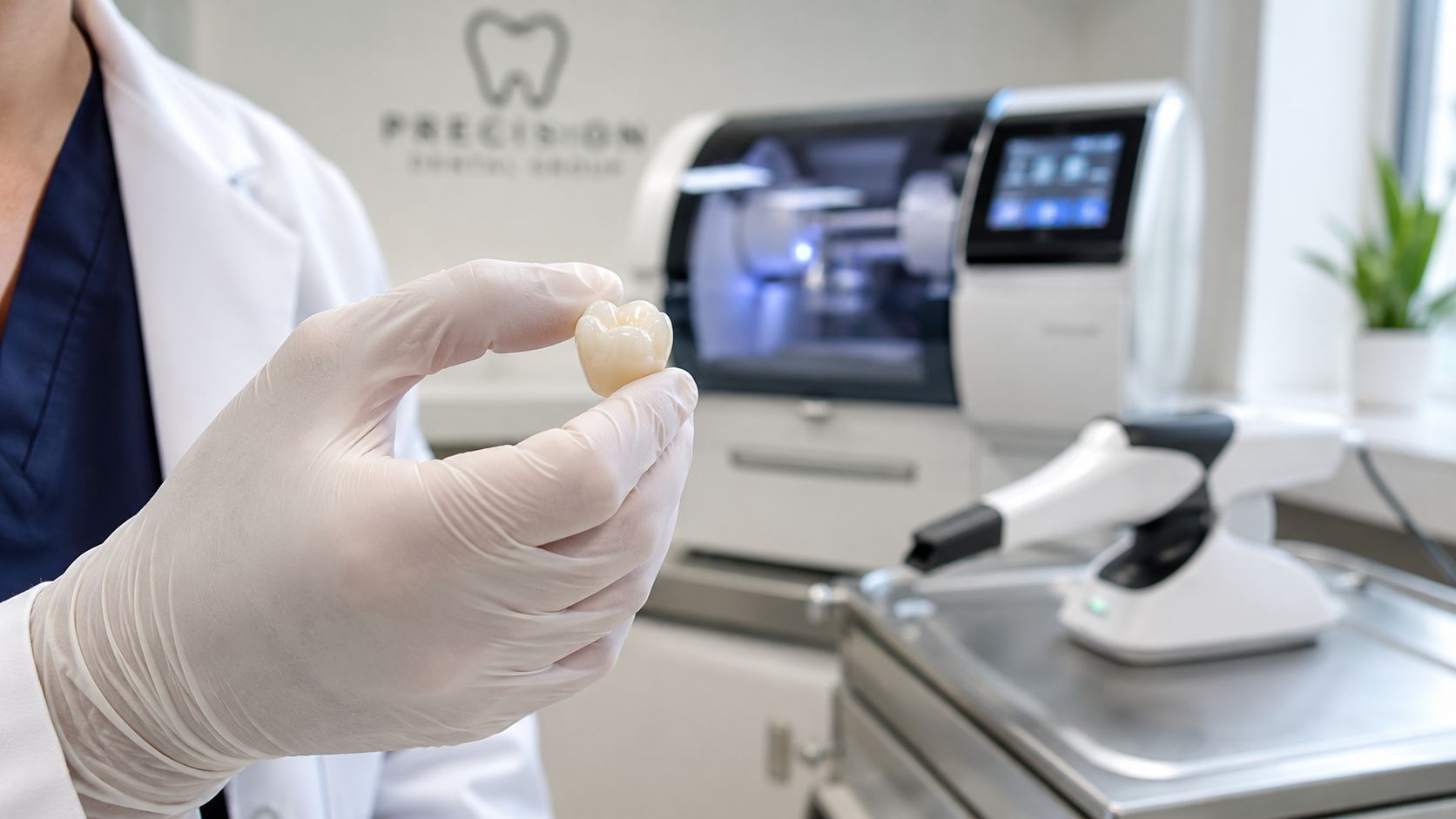
According to the Georgetown office's technology overview, 3D dental workflows combine CBCT, intraoral scanning, and in-office 3D printing to capture bone, soft tissue, and restorative geometry in one digital workflow. This enables precise treatment planning for implants, crowns, and veneers with a better fit and fewer adjustment visits compared to traditional methods at the Georgetown technology page.
Here's how that helps in plain language:
- More precise diagnosis: Your dentist can plan with more detail before treatment starts.
- Better-fitting restorations: Crowns, veneers, and implant restorations can be designed around your actual anatomy.
- Greater comfort: Digital scanning is often easier for patients who dislike traditional impressions.
- Faster turnaround: In-house design and printing can reduce the delays that happen when work must be sent elsewhere.
A simple example
If you need a crown, older workflows often involve an impression, a temporary, outside lab communication, and possible return adjustments. A digital workflow can simplify that path. The office scans the tooth, designs the restoration, and coordinates fabrication more directly. If you want to learn more about that process, the practice also shares details on 3D printed crowns for teeth.
Practical rule: The more accurately your dentist captures the starting point, the more predictable the treatment tends to be.
Comprehensive Dental Services Under One Roof
A lot of dental frustration has nothing to do with the procedure itself. It starts when a patient needs a cleaning in one office, a root canal in another, an implant consult somewhere else, and then has to wait on an outside lab to finish the final restoration. The process becomes slower, harder to follow, and more stressful than it needs to be.
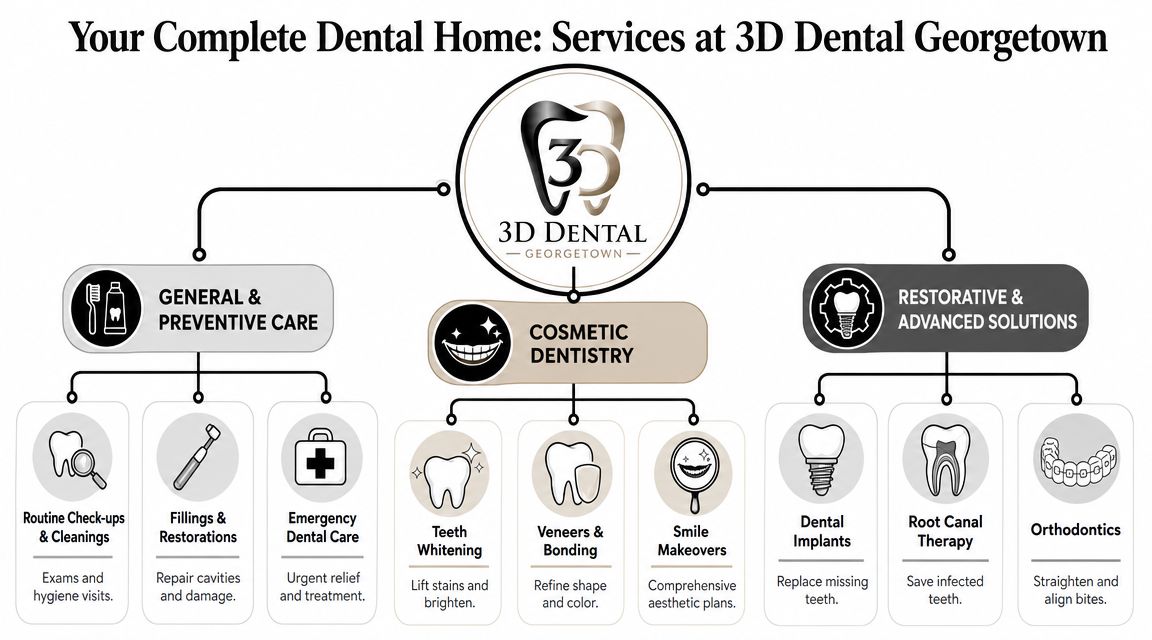
That is why having complete dental care in one location matters. For patients in Georgetown and North Austin, one team can handle routine visits, urgent needs, smile improvements, tooth repair, implant planning, and the lab work that supports many of those treatments. Your scans, photos, x-rays, notes, and treatment goals stay together, which helps every step fit the one before it.
Care for everyday dental needs
For many patients, the relationship starts with the basics. Cleanings, exams, digital x-rays, and early treatment for cavities or worn teeth help keep small problems from turning into larger repairs.
Common needs include:
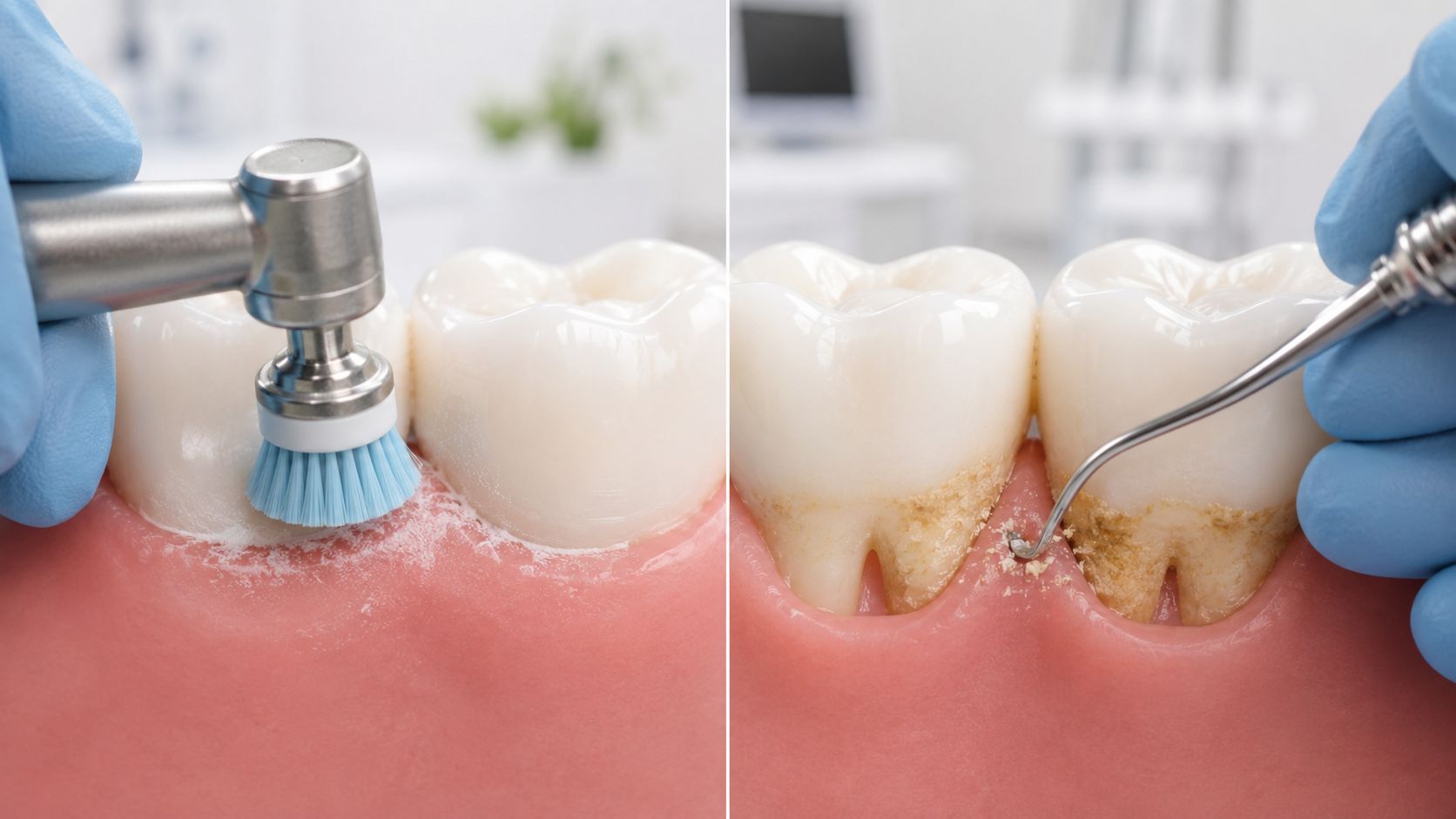
- Routine cleanings and exams: To monitor decay, gum health, and changes in your bite.
- Fillings and repairs: To restore teeth affected by cavities, chips, or wear.
- Dental x-rays and new patient exams: To build a clear starting point for care.
- Emergency dentist visits: For pain, swelling, broken teeth, or other problems that should be seen quickly.
If you have been searching for a dentist near me, this kind of office often becomes your home base, not just a place for one isolated visit.
Restorative treatment that rebuilds function
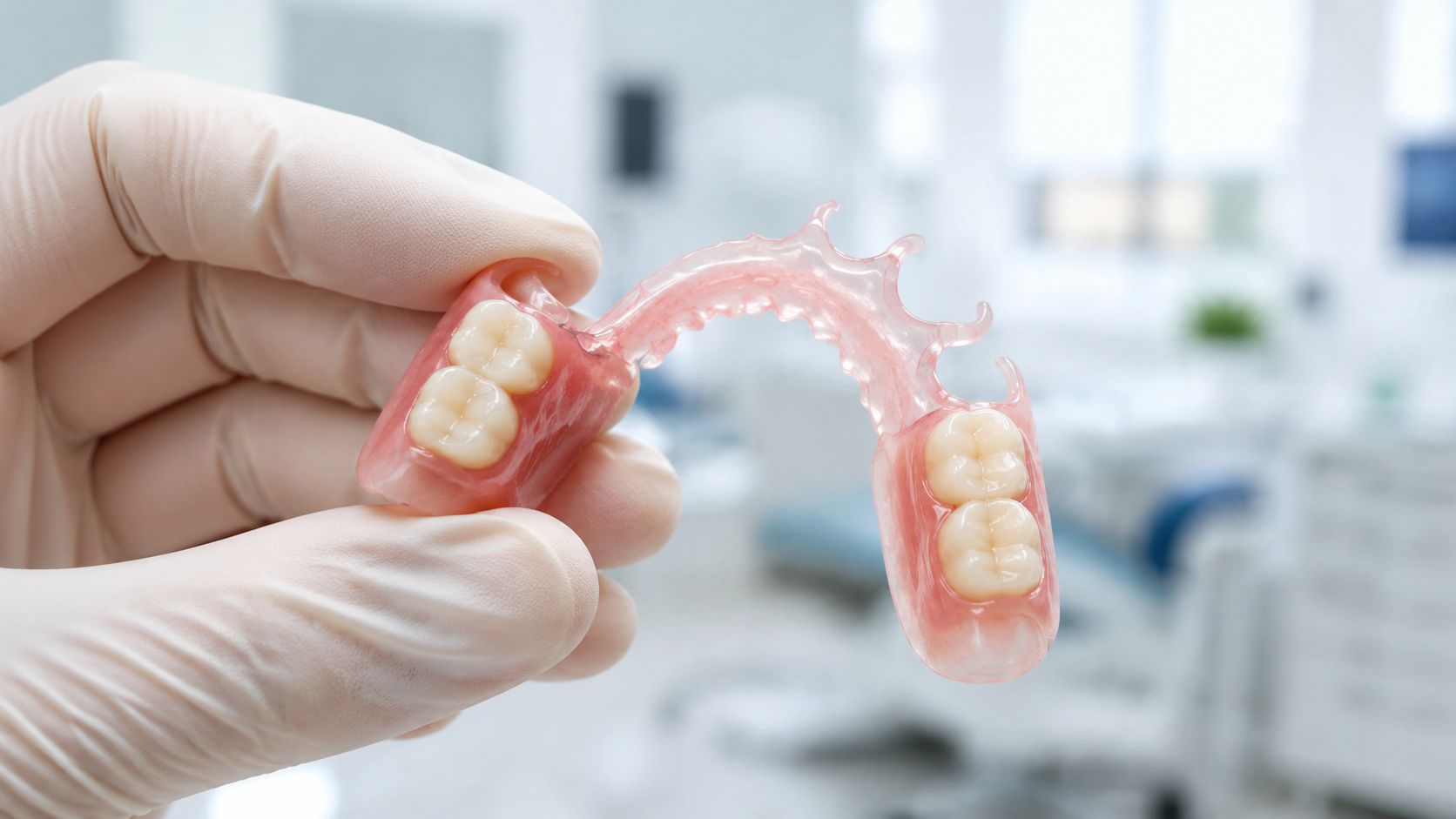
Restorative care focuses on getting your mouth working well again. That can include crowns, bridges, root canal treatment, gum therapy, and replacement teeth.
A simple way to picture it is this. If a house has a damaged front door, peeling paint is not the main issue. You need to restore structure first. Teeth work the same way. Before a smile looks better, it often needs stable support, healthy gums, and a bite that functions comfortably.
For a patient from Liberty Hill with a cracked tooth, or someone in Wells Branch dealing with several aging restorations at once, it helps to have diagnosis, planning, and final repair coordinated by one office.
Cosmetic and orthodontic options
Some visits are about appearance, not pain. That matters too.
Cosmetic and smile-focused options may include:
| Need | Possible solution |
|---|---|
| Stained teeth | Professional teeth whitening |
| Worn or uneven front teeth | Veneers or bonding |
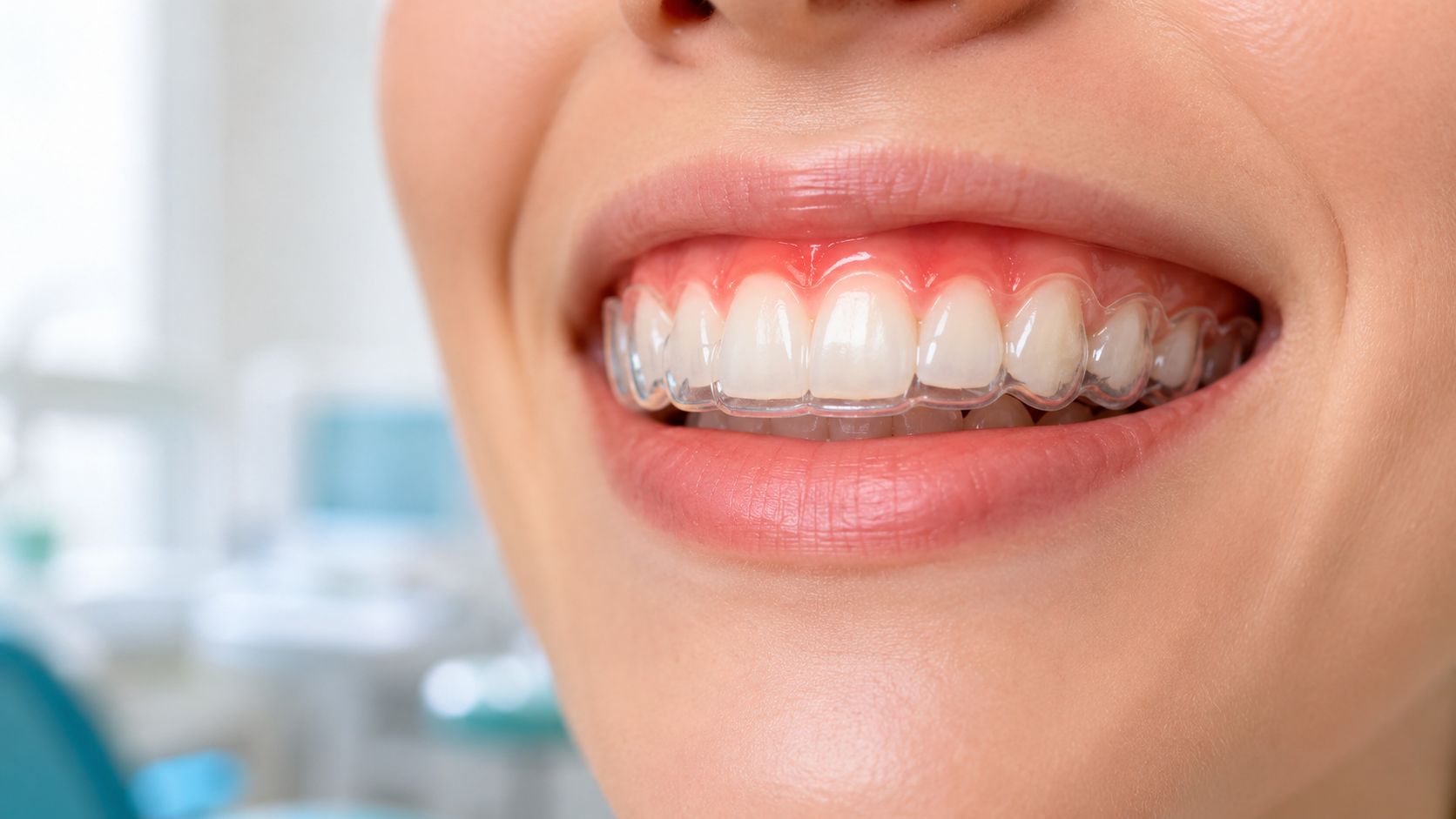
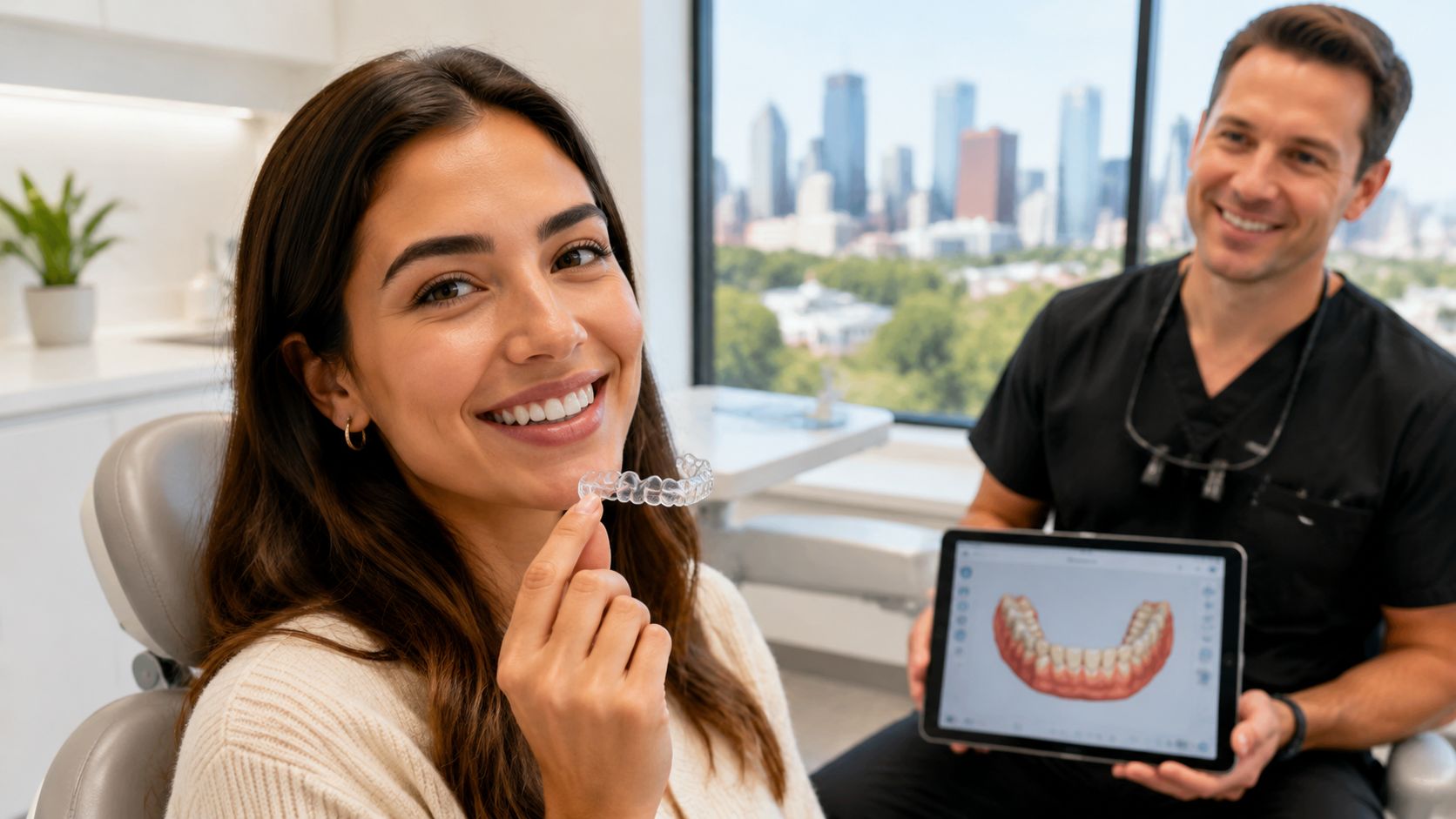
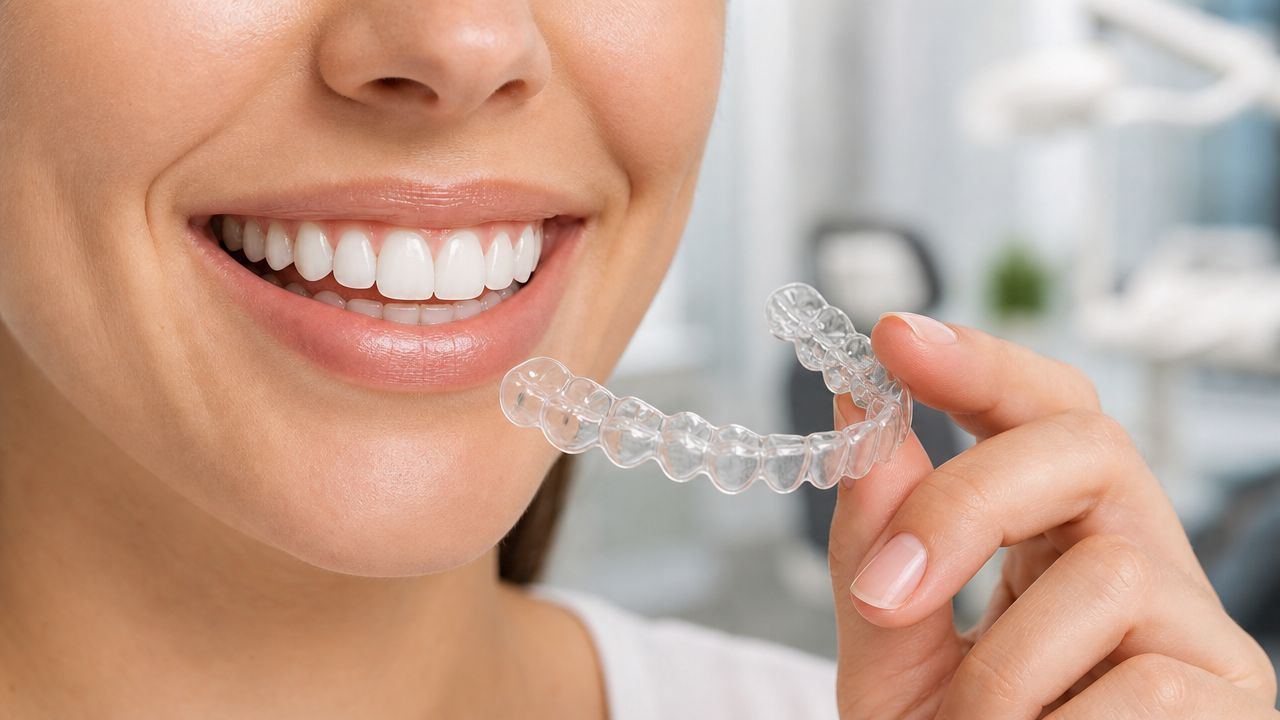
| Crooked or crowded teeth | Clear aligners or braces |
| Multiple concerns at once | A customized smile makeover |
The benefit of an all-in-one office is that cosmetic planning stays connected to function. A dentist can evaluate how your teeth look, how they meet, how they wear over time, and whether the result will hold up well in daily life.
Advanced implant care in one coordinated setting
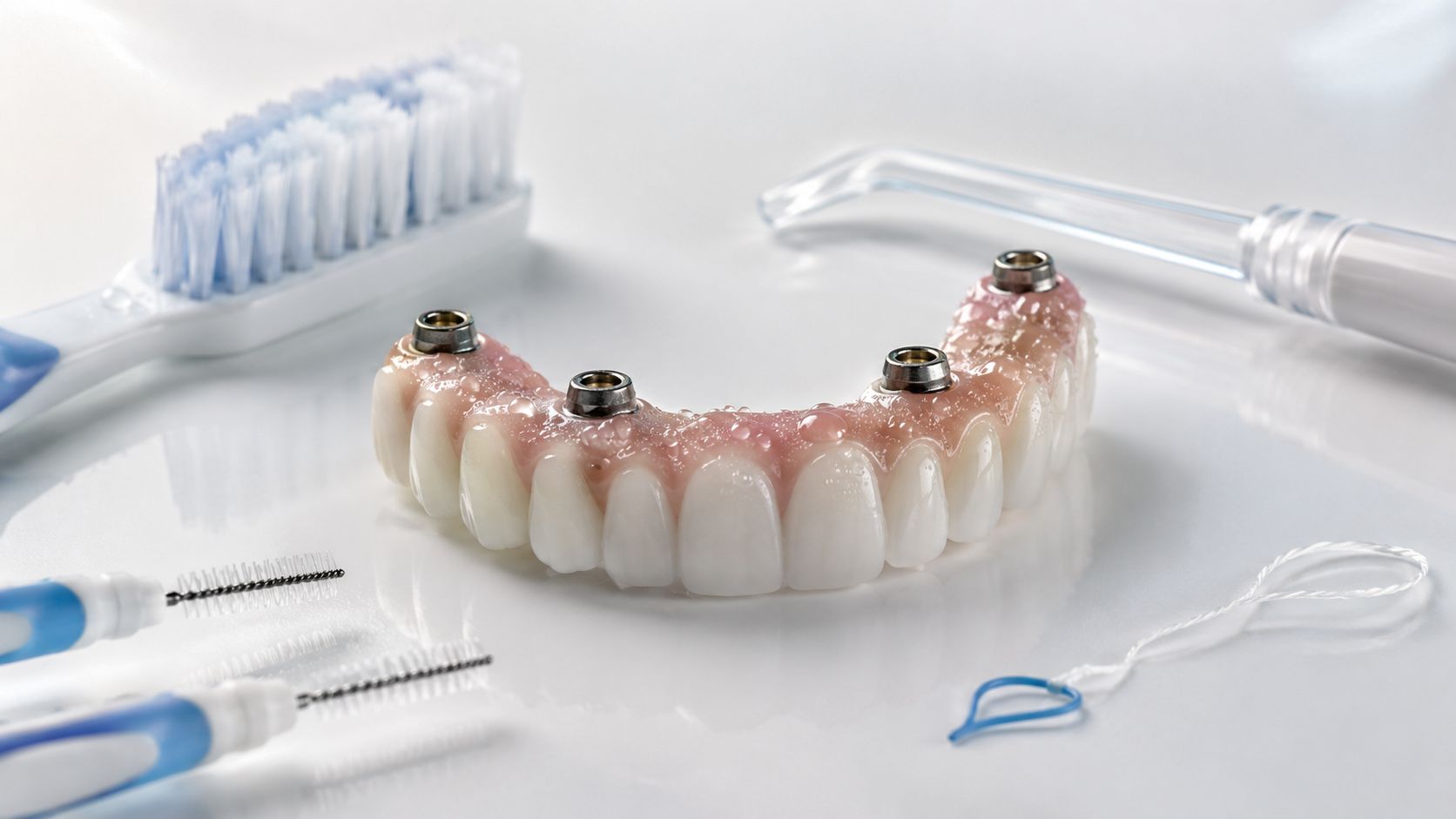
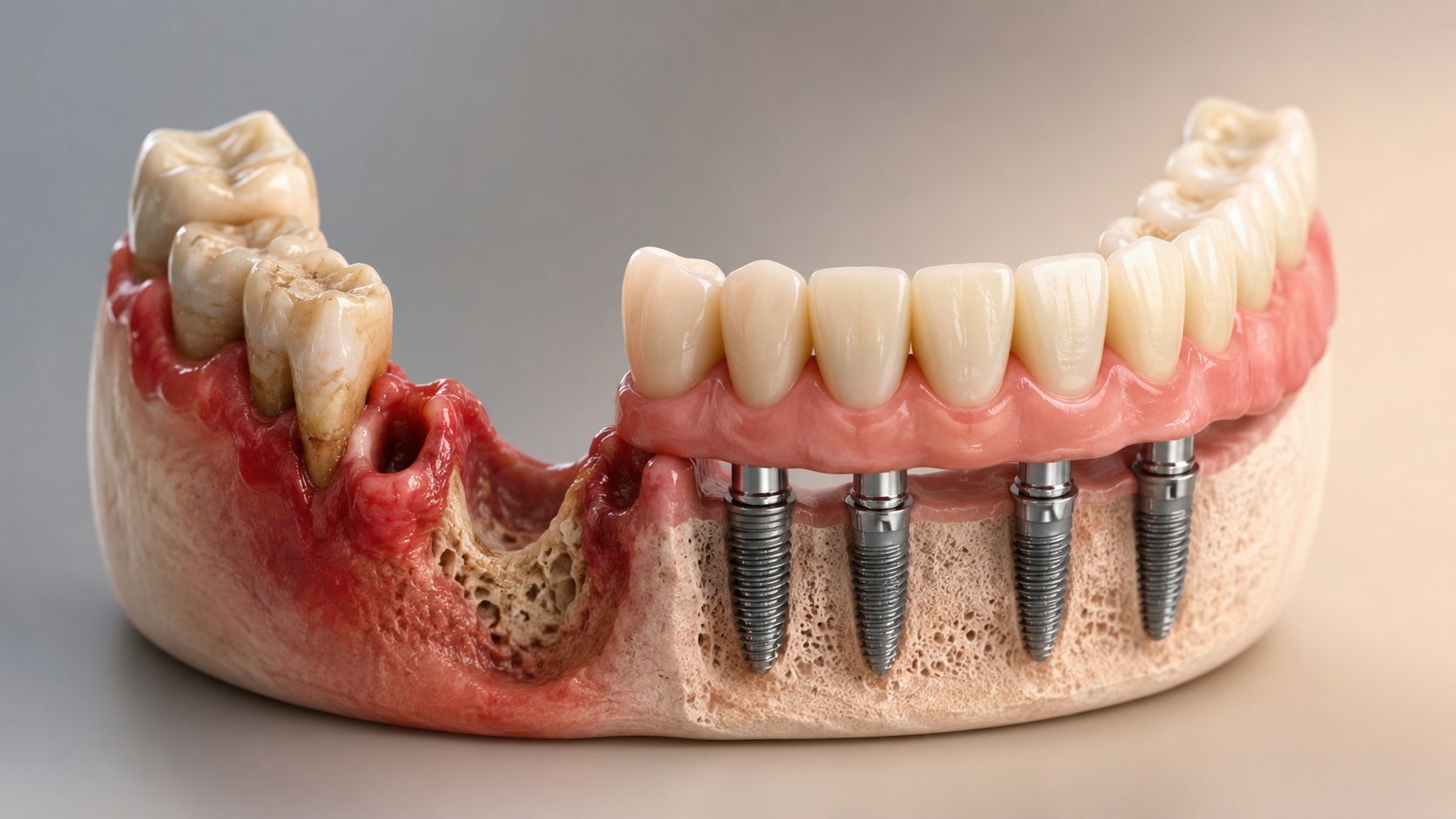
This one-location model becomes even more helpful for implant treatment. Full-mouth cases are not just about placing implants. They involve records, digital planning, surgery, temporary or final teeth, and lab support. If those steps are split between multiple providers, patients often deal with repeated appointments, repeated explanations, and longer delays.
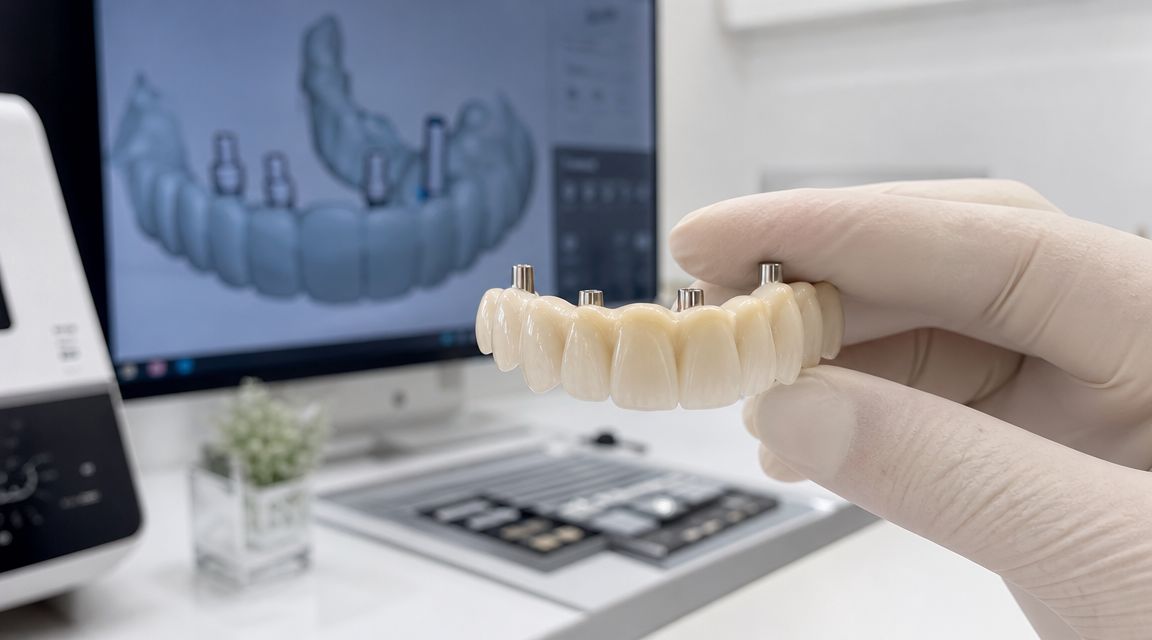
At 3D Dental, the 3D system ties those steps together. Digital scans guide planning. In-house printing and lab support help the team produce surgical guides, prototypes, and restorations more directly. That gives patients a true one-stop-shop experience, from preventive visits to complex tooth replacement, instead of a chain of referrals.
For patients considering full-mouth implants, that coordinated setup can make treatment feel far more manageable. It also helps explain why many adults looking for dental implants near me in Georgetown or Austin prefer one office that can plan, place, and restore care under one roof.
Your Smile Transformation Journey
The most meaningful dental treatment often starts with a problem that affects daily life. Maybe you avoid chewing on one side. Maybe you cover your mouth when you laugh. Maybe you've had missing teeth for years and are finally ready to address them.
Two of the most common smile-changing paths are dental implants and cosmetic dentistry. They're different, but both benefit from a process that feels clear and collaborative.
When missing teeth are the main issue
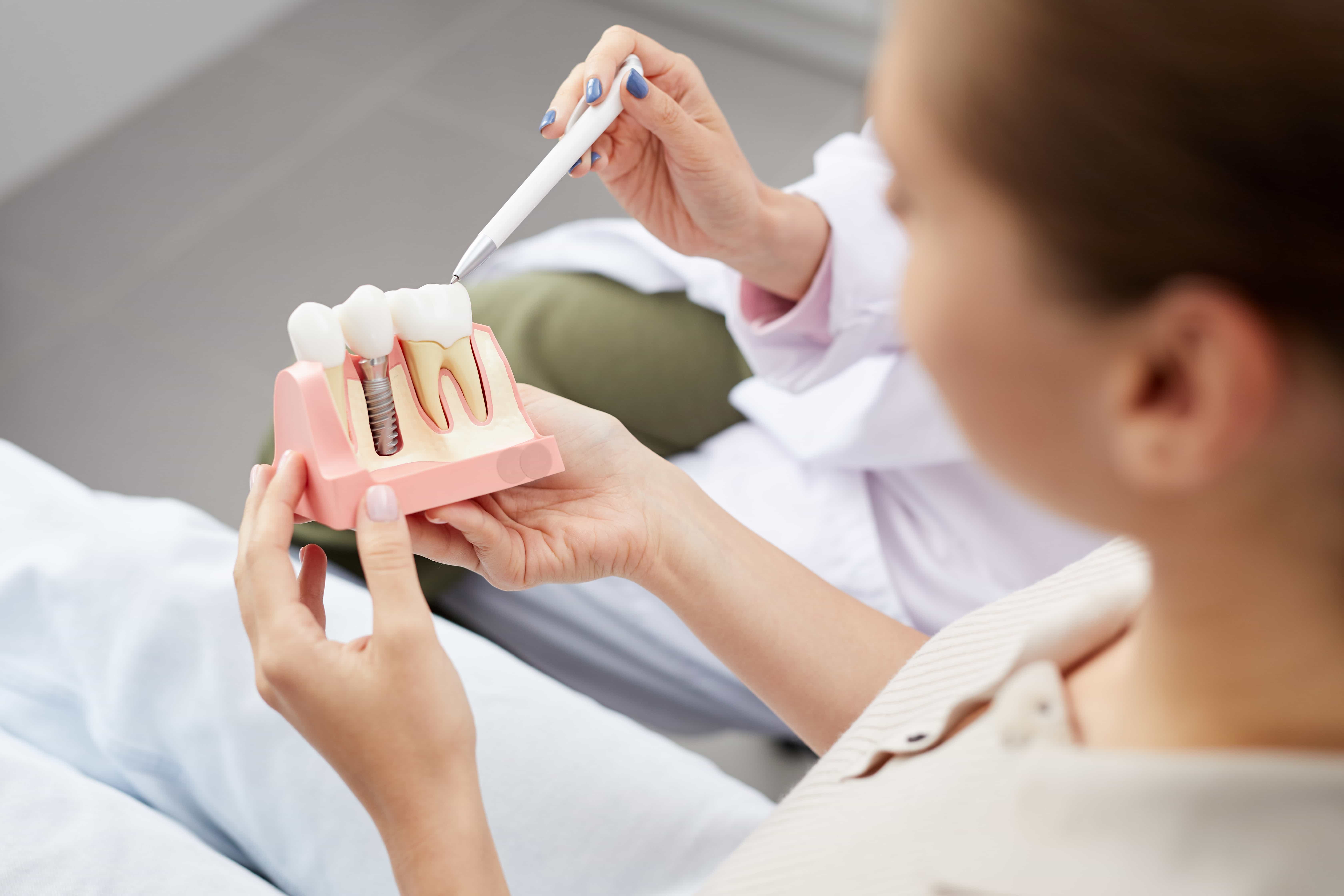
A patient who needs an implant usually starts with a conversation and a scan. The first goal isn't to “sell” treatment. It's to understand what's happening with the tooth, the gum tissue, and the supporting bone.
From there, the process typically becomes easier to picture:
Consultation and records
Your dentist reviews your concerns, examines your mouth, and collects the digital information needed for planning.Planning the replacement
The team uses digital tools to decide where the implant should go and what the final restoration should look like.Placing the implant
The implant acts as an artificial tooth root. The exact timing depends on your situation and overall treatment needs.Restoring the smile
Once the restoration is complete, the goal is a tooth that looks natural, feels stable, and functions comfortably.
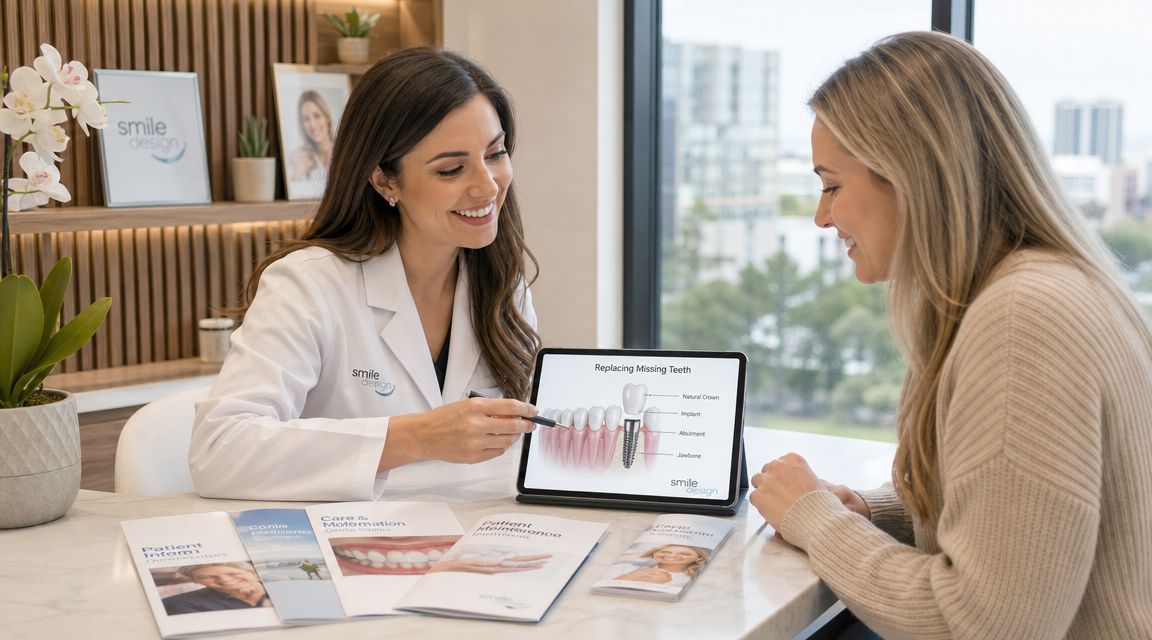
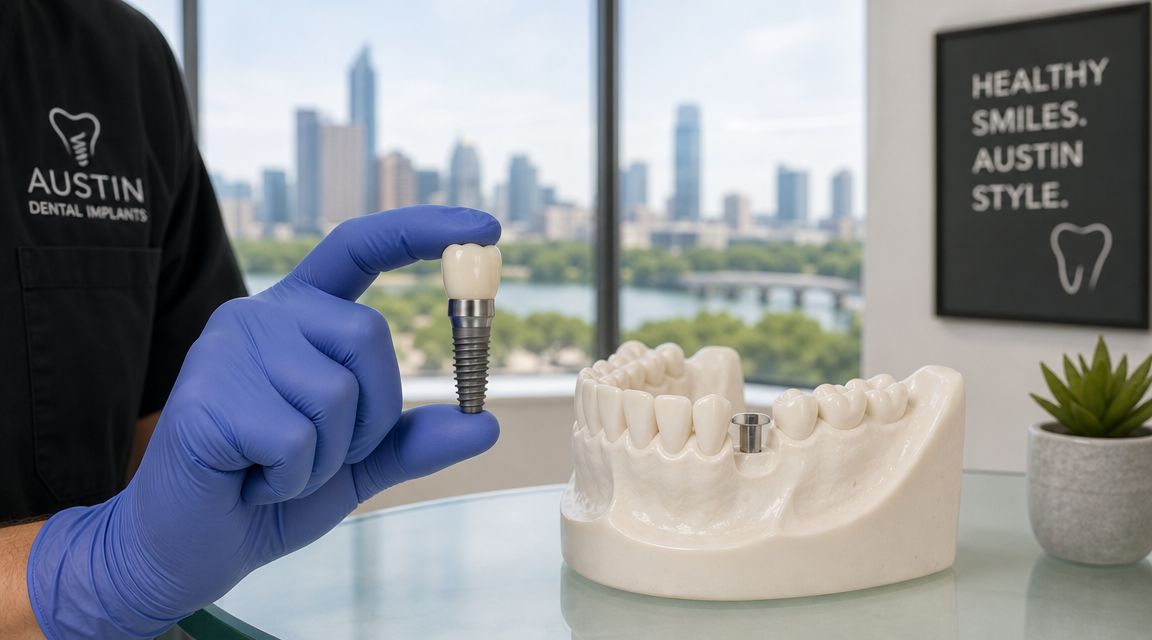
What confuses many patients is the difference between the implant itself and the visible tooth. The implant sits in the bone. The crown is the part you see when you smile.
When the concern is appearance
Cosmetic dentistry usually begins with a different kind of question. Instead of “How do we replace this tooth?” it's often “What would make this smile look healthier, straighter, or brighter?”
A patient in Georgetown might want whiter teeth before a wedding. Someone in Austin may be bothered by worn edges, small chips, or front teeth that don't look even. Another person may want a broader smile makeover that combines whitening, veneers, and alignment.
Common cosmetic options include:
- Teeth whitening: For lifting surface and deeper discoloration
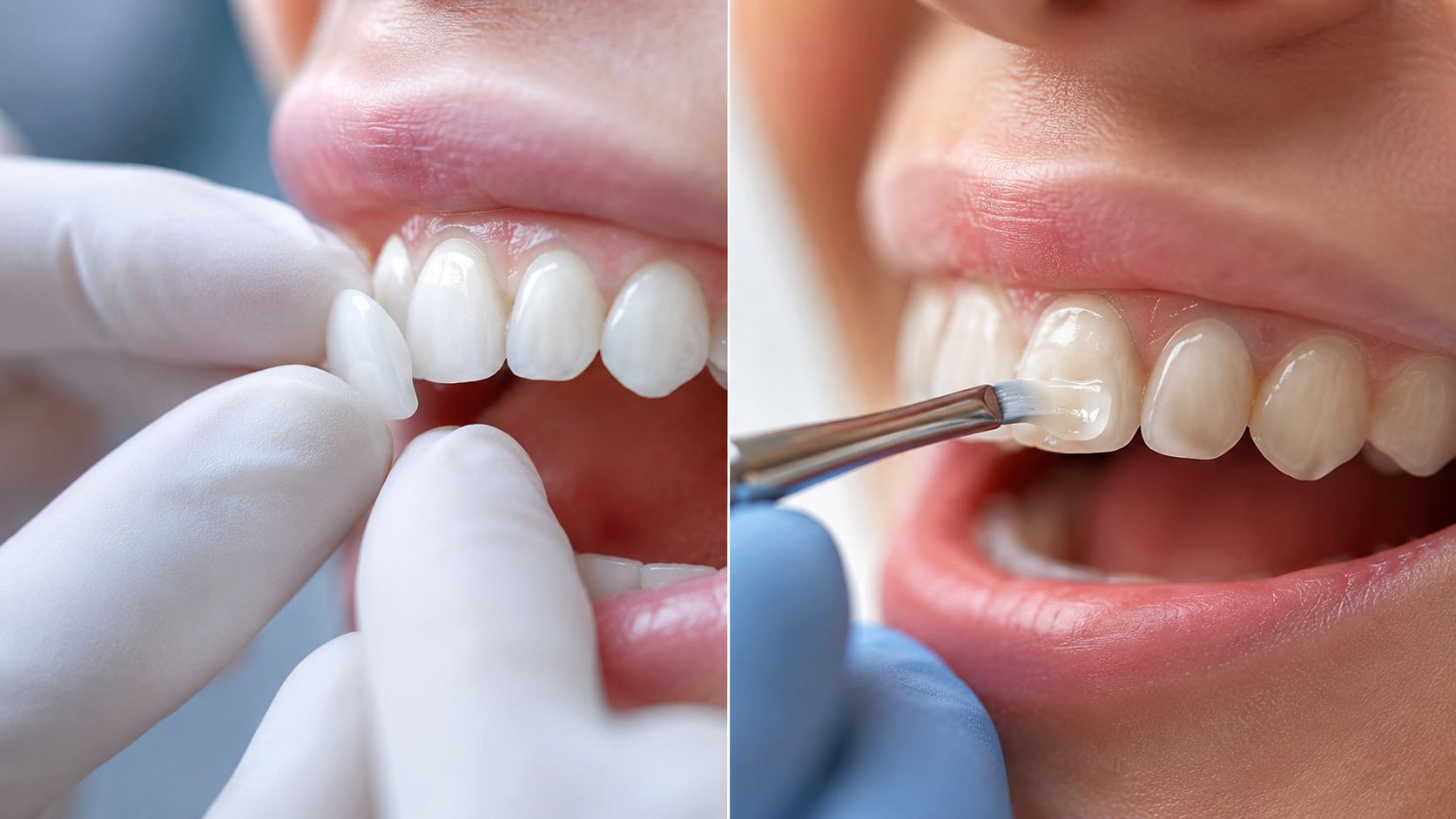
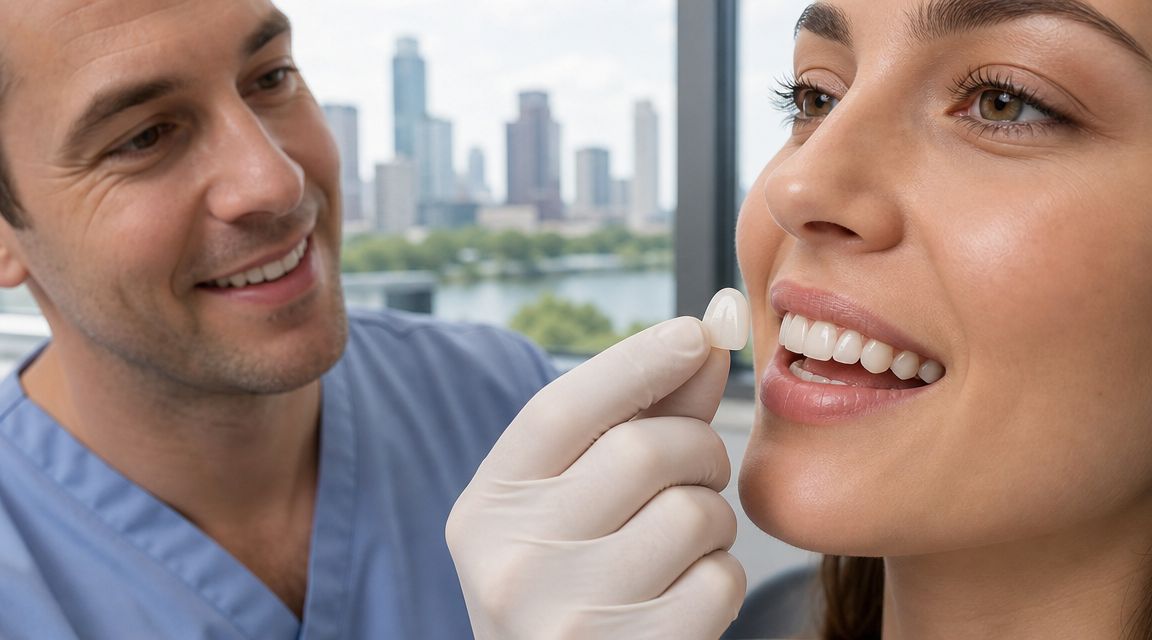
- Veneers: For changing shape, shade, and balance in visible teeth
- Bonding: For smaller repairs and contour improvements
- Clear aligners or braces: For crowding and spacing concerns
A good smile design should fit your face, your bite, and your goals. It shouldn't look copied from someone else.
Seeing the outcome before treatment
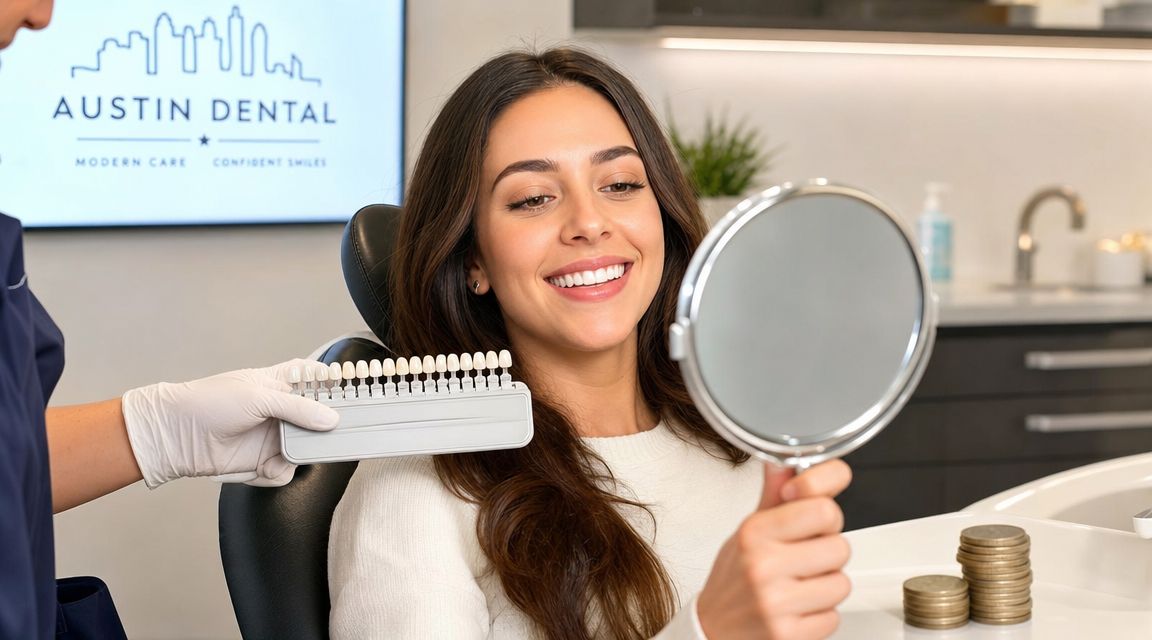
One reason digital dentistry helps cosmetic care is that planning becomes more visual. Instead of trying to imagine abstract changes, patients can review records, images, and proposed improvements before treatment starts.
That makes the experience feel less intimidating. You're not just being told what will happen. You're taking part in the decision.
For many people, that's the turning point. The process shifts from worry to possibility.
Experience a New Standard in Patient Comfort
You walk into a dental office with a problem that has been bothering you for weeks. What you want is simple. You want to be seen on time, understand what the dentist finds, and leave with a clear plan instead of more uncertainty.
That kind of comfort does not come from a nicer chair alone. It comes from an office that is organized around fewer surprises.
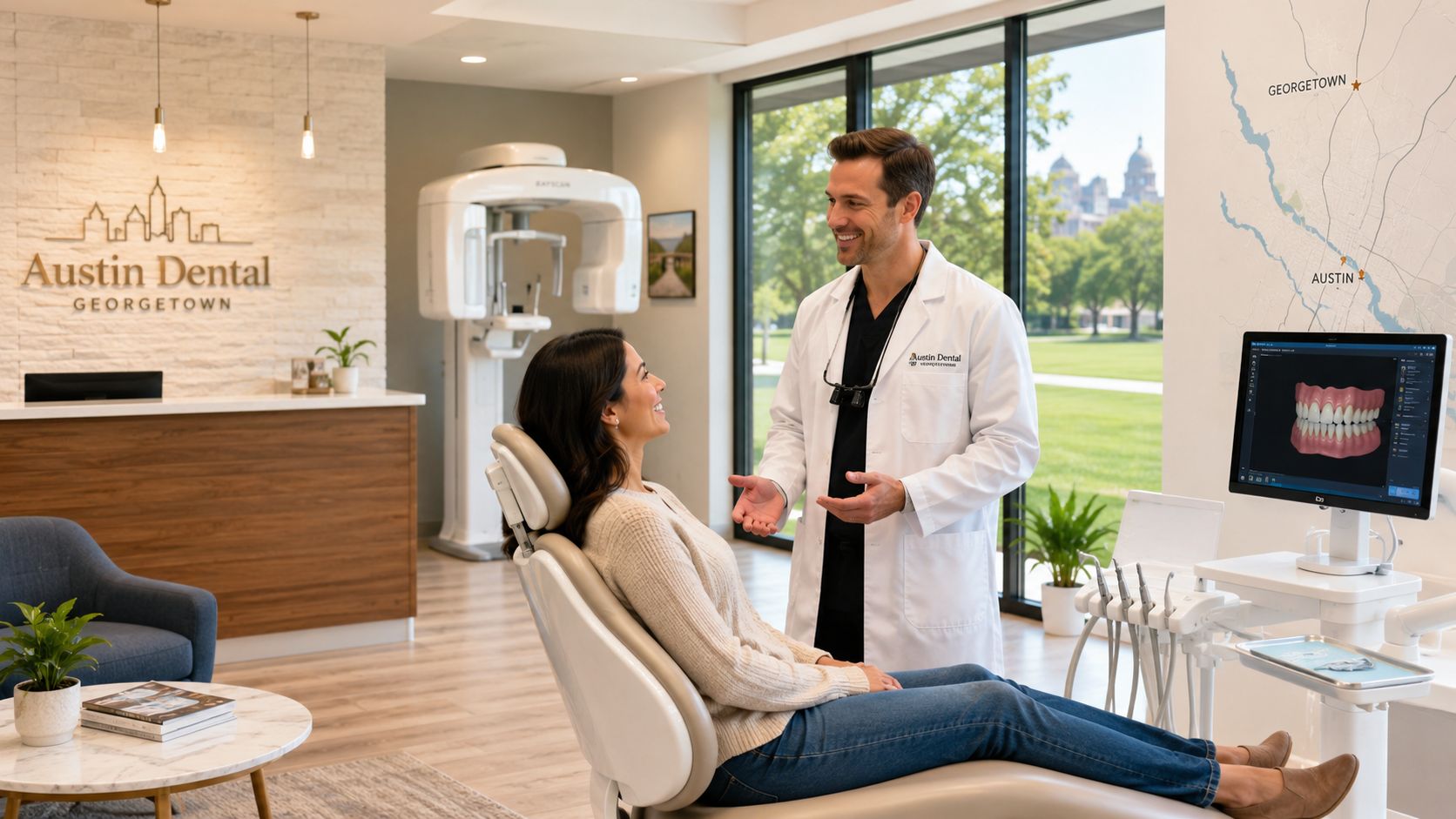
At Georgetown's 3D-focused practice, comfort is built into the process. Digital scans replace many of the messy steps patients remember from older dental visits. Clear images let the dentist show you what is happening instead of asking you to guess. An in-house lab and 3D printing setup also reduce the stop-and-start feeling that often happens when treatment depends on outside referrals.
Why appointment-only scheduling helps
Appointment-only scheduling can make a visit feel calmer before treatment even begins. Your time is reserved for you, which helps reduce long waits and the crowded, backed-up feeling that adds stress for many patients.
That matters if you are fitting a dental visit between work meetings, school pickup, or a drive from North Austin, Round Rock, or Cedar Park. A smoother schedule often means a smoother appointment.
Comfort starts with understanding
Dental anxiety usually grows in the gaps between what a patient feels and what they understand. If you cannot see the problem, it is harder to feel confident about the solution.
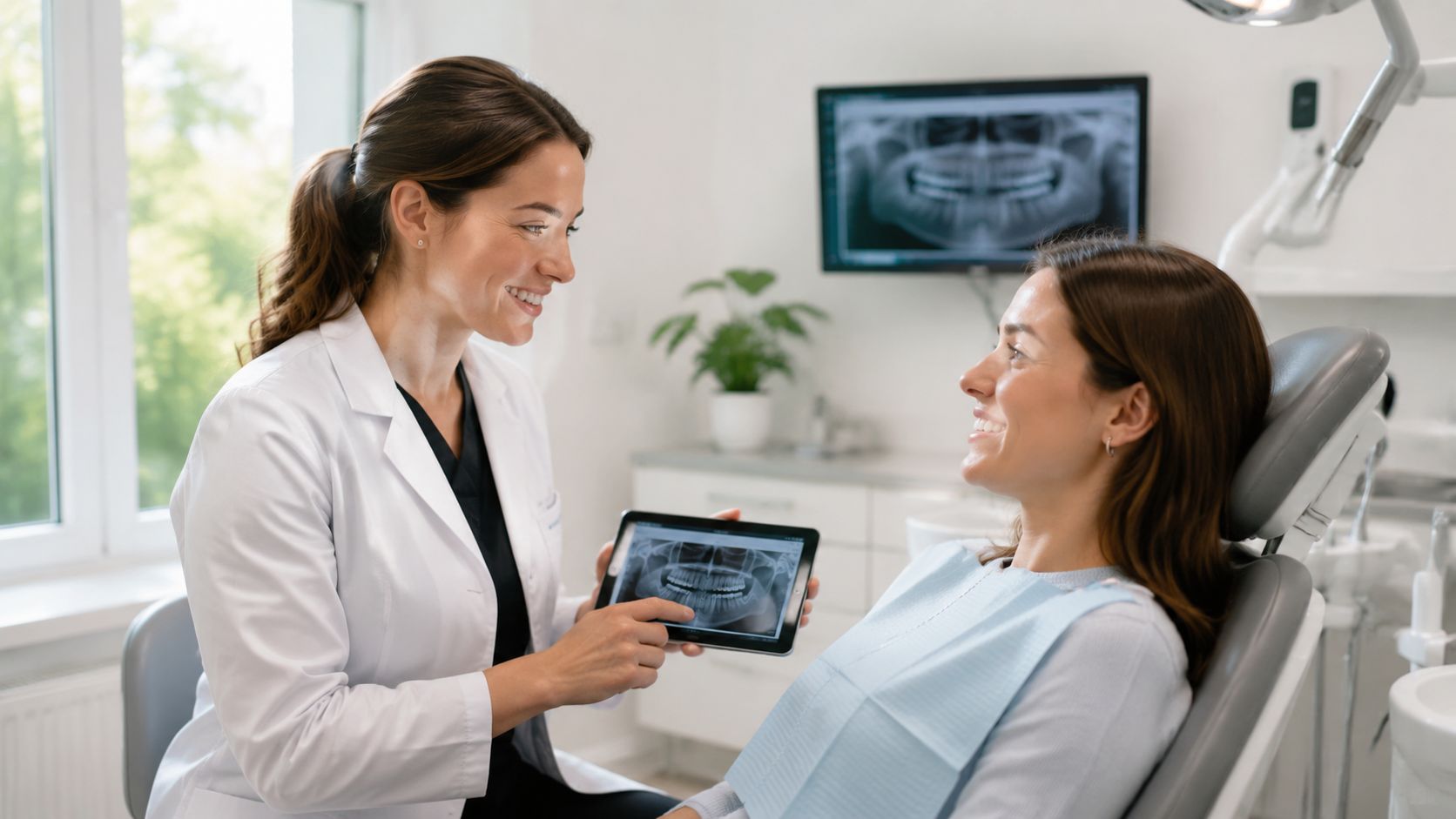
Digital imaging helps close that gap. A scan works like a map of your mouth, showing teeth, bone, and surrounding structures in a way that is easier to explain. Whether the issue is a small cavity or a more involved implant case, patients can follow the plan step by step.
Here's a closer look at the kind of communication that helps patients feel more settled during treatment.
The human side of advanced dentistry
Technology improves comfort when it supports good clinical habits and clear communication. Patients usually feel more at ease when the visit includes:
- Time to talk first: You can explain pain, sensitivity, or smile goals without feeling rushed.
- Clear explanations: The dentist can show what needs attention now, what can wait, and which treatment options fit your situation.
- More care in one location: Scans, planning, printing, and lab work in one practice can reduce extra appointments and outside referrals.
- Respect for your schedule: Efficient systems help the visit stay focused and predictable.
3D Dental is a modern North Austin and Georgetown practice that uses advanced imaging, digital scanning, 3D printing, and an in-house lab alongside general, cosmetic, restorative, orthodontic, and implant care under one roof, as noted earlier.
For nervous patients, that matters in a very practical way. The office feels less like a chain of disconnected steps and more like one coordinated system built to make treatment easier, more precise, and less stressful.
Making Advanced Dental Care Affordable
Cost is one of the biggest reasons people delay treatment. That's understandable. Even when you know you need care, you want to understand insurance, financing, and out-of-pocket costs before committing.
A helpful dental office makes that process straightforward.
What payment support can look like
The Georgetown practice states that it works with insurance, offers in-house payment options, and provides financing through Cherry and Sunbit. For patients, that means there are usually several paths to explore instead of a single take-it-or-leave-it bill.
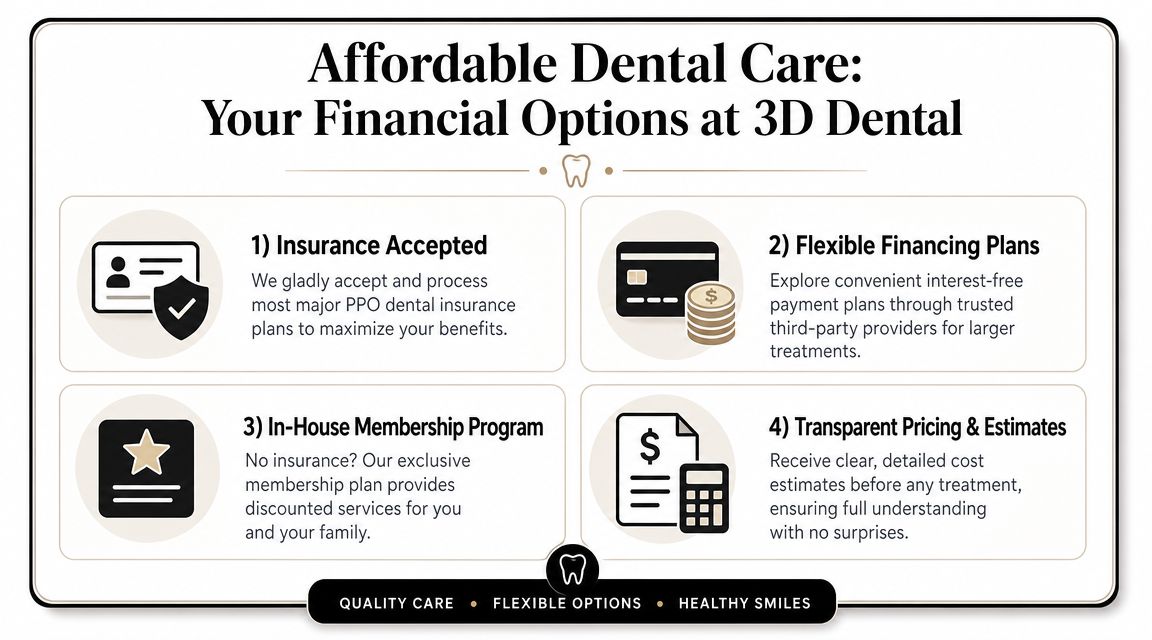
A good first step is to ask for a clear treatment estimate and have the team explain what insurance may cover and what financing options are available for the remaining balance. That's particularly helpful for larger services such as implants, crowns, orthodontics, or cosmetic work.
Why advanced dentistry is becoming more common
This kind of technology is no longer limited to a niche corner of dentistry. The U.S. dental 3D printing market was estimated at USD 1.56 billion in 2025 and is projected to reach USD 8.49 billion by 2033, with a 23.4% CAGR from 2026 to 2033, according to Grand View Research's U.S. dental 3D printing market report. For patients, that growth helps explain why digital scans, printed models, and in-house fabrication are becoming a more familiar part of everyday dental care.
The key takeaway is simple. If you need treatment, it's worth asking about both the clinical plan and the payment plan at the same time.
Your Questions Answered
Are you accepting new patients in Georgetown and Austin?
If you're looking for a new dentist in Georgetown or North Austin, the office is designed to serve both new and returning patients. That includes adults seeking preventive care, families who want one dental home, and people exploring cosmetic dentistry, orthodontics, or dental implants.
What happens at my first visit?
Your first visit usually focuses on understanding your current dental health and your goals. That may include an exam, digital imaging, discussion of symptoms, and a conversation about any concerns you have, whether that's pain, appearance, or missing teeth.
Do I need a referral for implant or specialist-related treatment?
Many patients assume they need to start somewhere else first. In a full-service office, that often isn't necessary. If your care involves implants, restorative treatment, orthodontics, or cosmetic planning, the advantage of one location is that your evaluation can begin in the same practice rather than through a chain of separate referrals.
Can I come in for emergency dental care?
If you have a painful tooth, swelling, a broken tooth, or another urgent issue, calling right away is the right move. Emergency dental care works best when the team can hear what's happening, assess urgency, and guide you toward the next available step.
Is 3D dental care only for major procedures?
No. While advanced imaging is especially helpful for implants and complex planning, digital dentistry also improves many everyday services. Crowns, exams, x-rays, restorative work, and cosmetic planning can all benefit from a more precise digital workflow.
I'm nervous about the dentist. Is this a good fit?
For many anxious patients, the combination of clearer explanations, digital tools, and appointment-based scheduling makes visits feel more manageable. When you know what's happening and don't feel rushed, dental care often becomes much less stressful.
If you're ready to find a dentist in Georgetown, TX who combines modern technology with a patient-first approach, schedule a visit with 3D Dental. Whether you need a cleaning, emergency dentist appointment, cosmetic consultation, tooth extraction, or dental implants near Georgetown or Austin, the team can help you take the next step with clarity and confidence.
Ready to get started?
Schedule a free, no obligation consultation with our team and see what's possible for your smile!
Georgetown
- Mon-Thurs8:30am-5pm
- Fri8am-3:30pm
- Sat-SunClosed
Austin
- Mon-Tues8am-5pm
- Wed-Thurs9am-6pmFri8am-2pm
- Sat-SunClosed